Author: Sahil Kapoor

  • Google Pixel 3 And 3 XL Receive A Massive Price Cut Of Rs 28,000 In India

    Google Pixel 3 And 3 XL Receive A Massive Price Cut Of Rs 28,000 In India

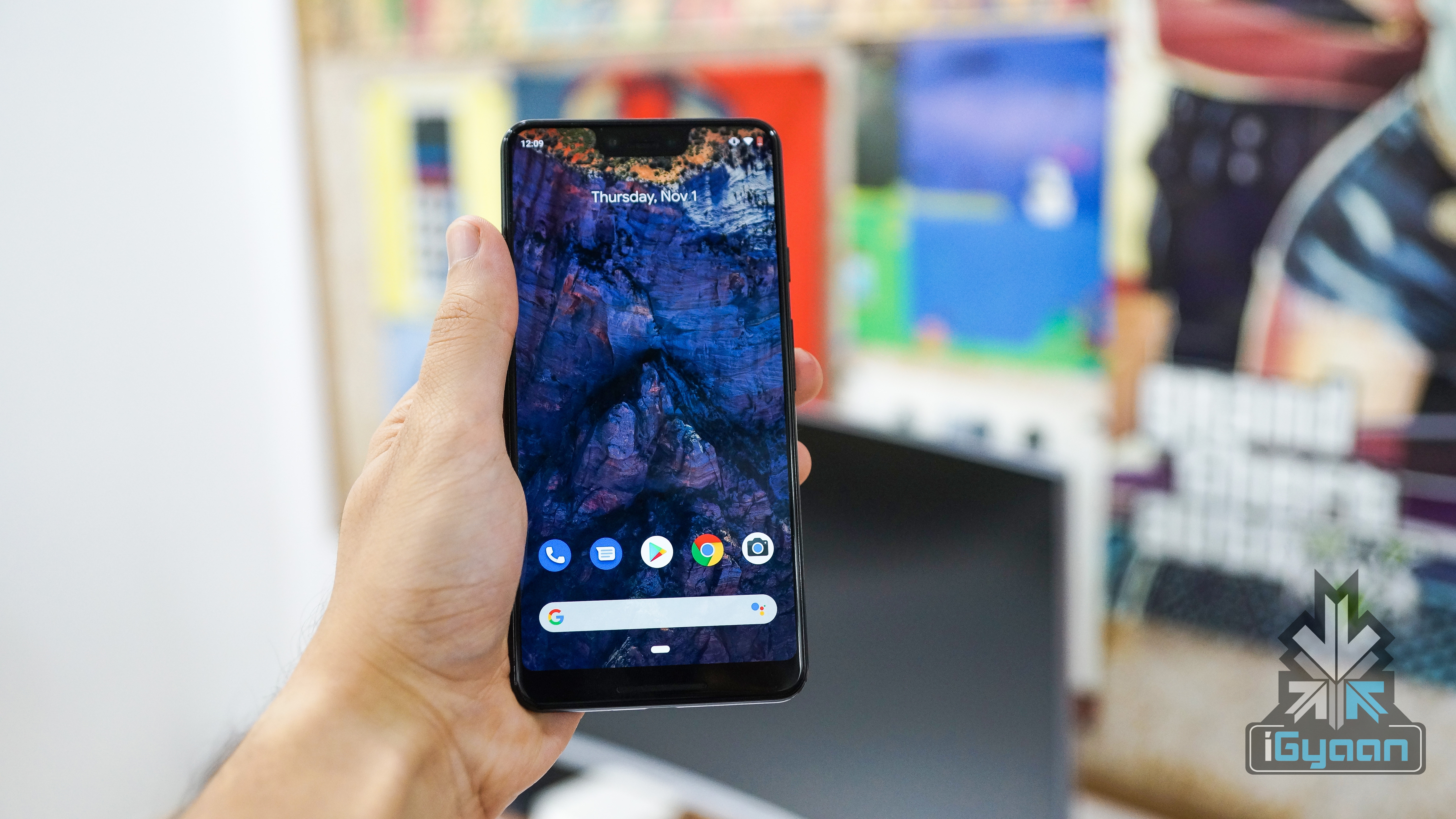
    As time passes by, smartphone companies tend to provide discounts on their ageing devices. Similar is the case with the Google Pixel 3 and the Google Pixel 3 XL which were launched in the Q4 of 2018. However, instead of a minor discount, the Pixel smartphone duo has received a whopping price cut of upto Rs 28,000 in India. Both the Google Pixel 3 smartphones are now available on Flipkart at revised prices which are as follows:

    • Pixel 3 (4 GB + 64 GB)- Rs 52,499 
    • Pixel 3 (4 GB + 128 GB)- 58,999
    • Pixel 3 XL (4 GB + 64 GB)- Rs 54,999
    • Pixel 3 XL (4 GB + 128 GB)- Rs 65,999

    Though it is not yet clear, whether the price cut is temporary or permanent, it is hard to argue otherwise. Nonetheless, if you have ever thought of buying a Pixel 3 smartphone that is known for its camera prowess, now might be the right time.

    Click here to buy the Pixel 3 on Flipkart

    Click here to buy the Pixel 3 XL on Flipkart

    To recall the specifications of the two smartphones are as follows:

    Google Pixel 3 and Pixel 3 XL Specifications
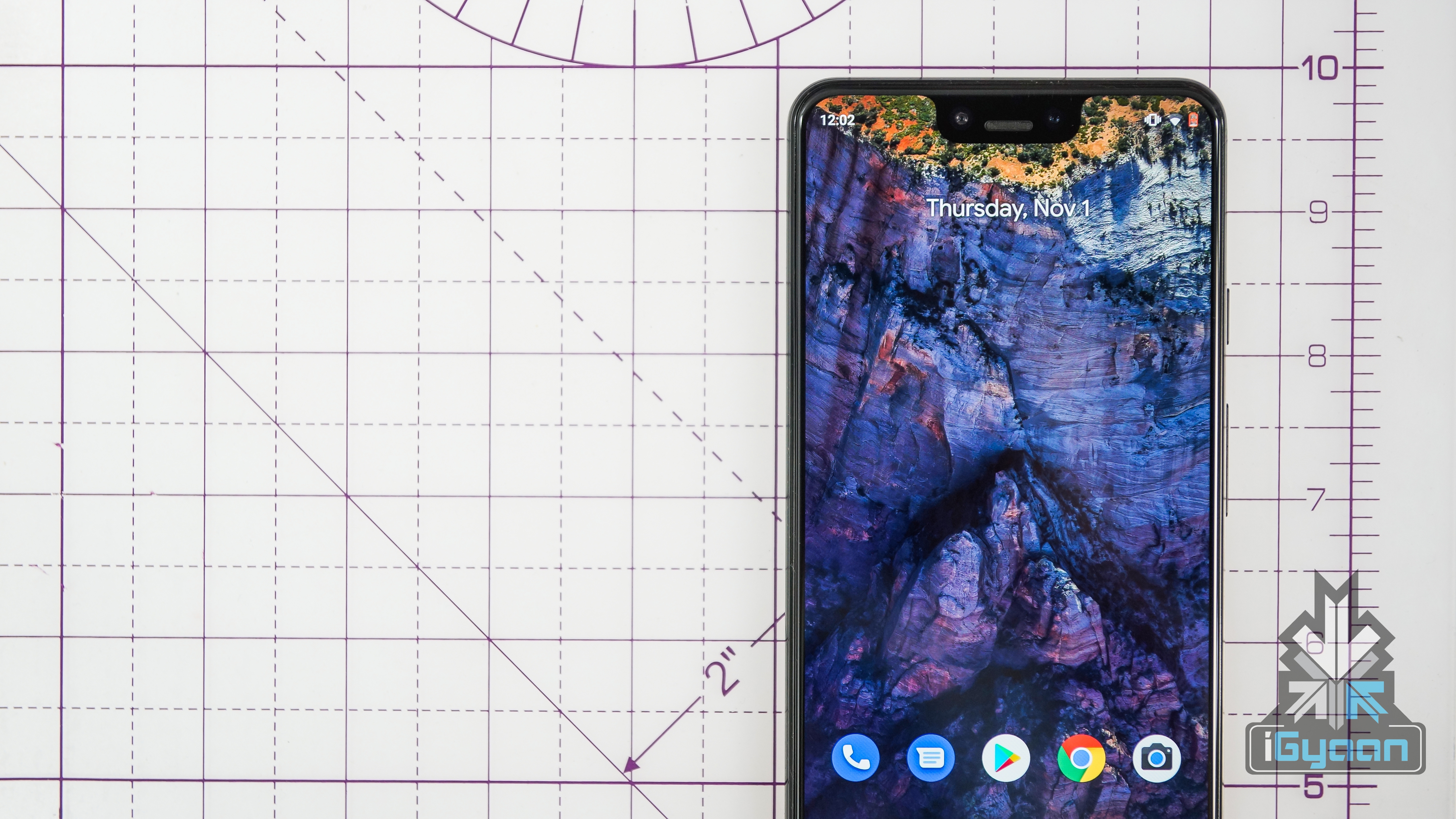
    Pixel 3 XL

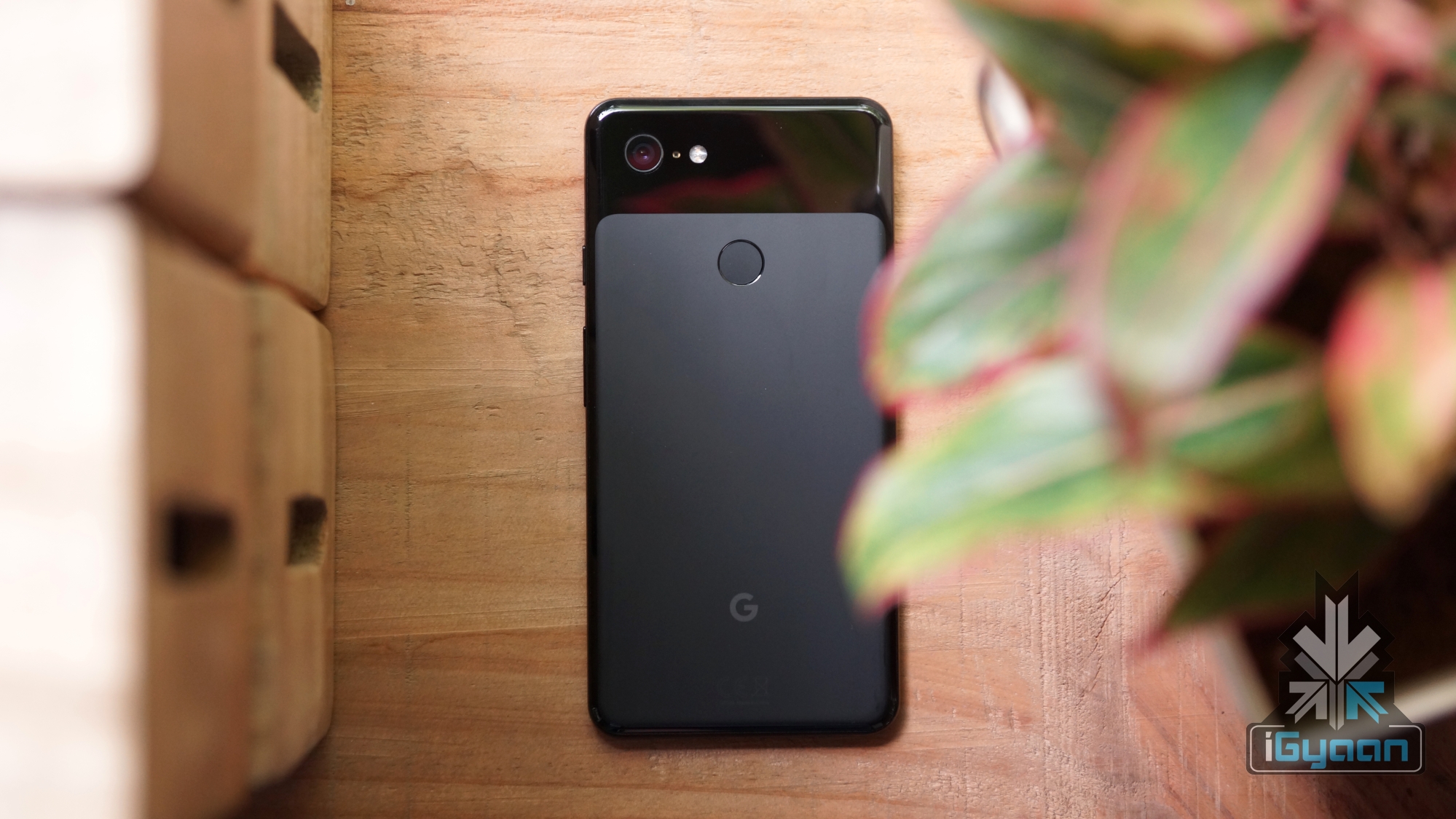
    The Google Pixel 3 features a 5.5 inch display while the Pixel 3 XL features a 6 inch display with a wide notch up top. Both the smartphones are kitted with the Snapdragon 845 SoC which consists of an Octa Core CPU and Adreno 630 GPU. For biometric security, the two devices feature a rear mounted fingerprint sensor along with support for the traditional pattern lock.
    Also Read: Oppo Reno With Shark Fin Selfie Camera Launched In India

    Talking about optics, The Google Pixel 3 and the Google Pixel 3 XL have heterogeneous sensors. The smartphones feature a 12.2 MP rear facing camera and dual 8 MP + 8 MP front facing cameras. Connectivity options on the two devices include 4G VoLTE, Wi-Fi 802.11 ac 2.4G + 5G, Bluetooth 5 .0, NFC, GPS and bottom mounted USB Type-C port. The smaller handset is powered by a 2915 mAh battery while the elder Pixel 3XL is powered by a 3430 mAh battery. 

    Click here to buy the Pixel 3 on Flipkart

    Click here to buy the Pixel 3 XL on Flipkart

  • Asus Launches A Couple Of Laptops And Gaming Accessories At Computex 2019

    Asus Launches A Couple Of Laptops And Gaming Accessories At Computex 2019

    Computex 2019 is at its full swing and Taiwanese electronics manufacturer, Asus has unveiled a wide variety of products at the event which includes laptops and gaming accessories. One notable device that Asus has unveiled is the Asus ZenBook Pro Duo laptop which features dual displays. Other products launched by the company are as follows:

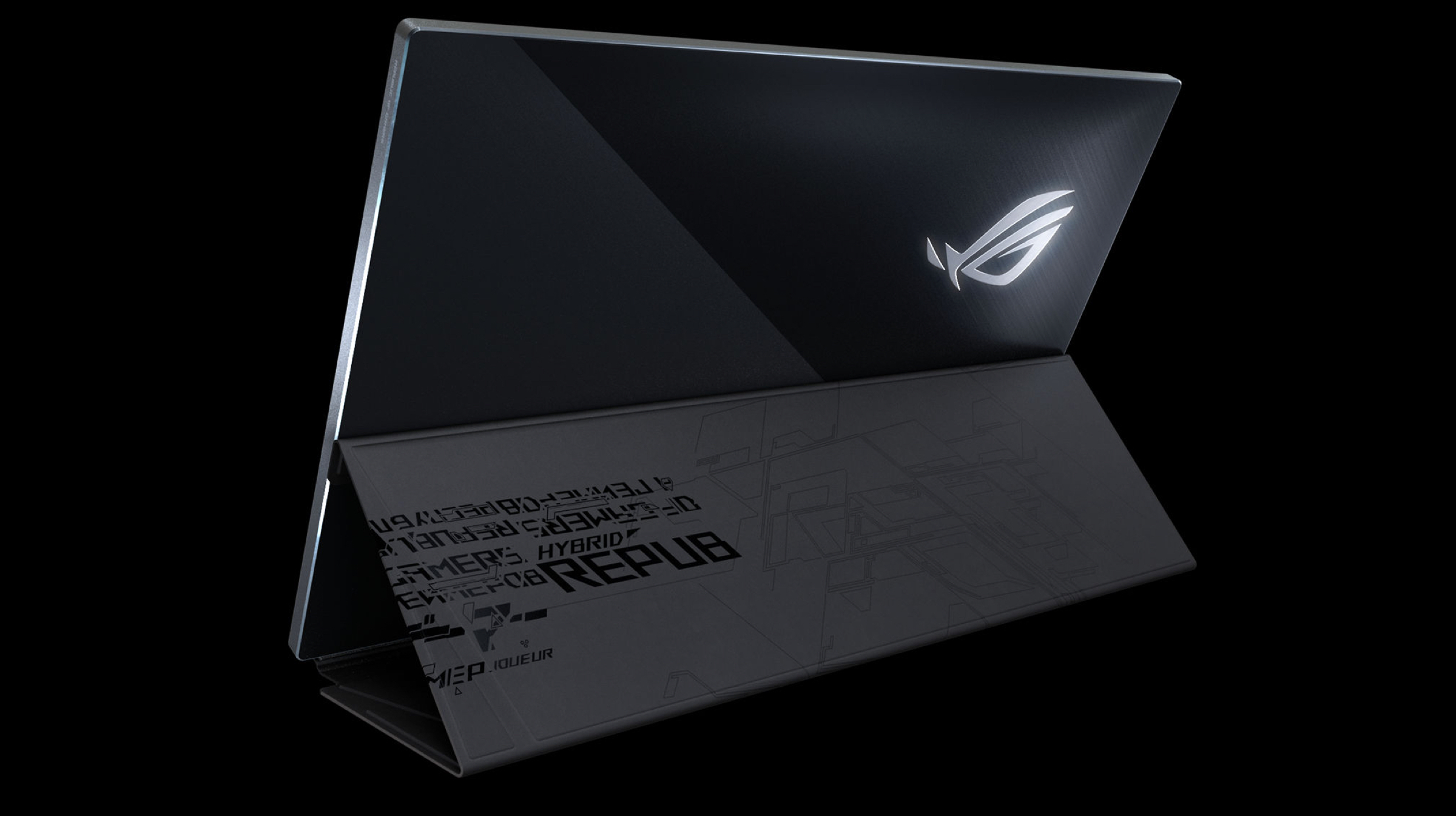
    ROG Strix XG17 Portable Gaming Monitor

    As the name suggests, the ROG Strix XG17 is a portable gaming monitor with an inbuilt battery. The device features a 17.3 inch display with Full HD resolution. Noteworthy the display panel has a refresh rate of 240 Hz which provides for an ultra smooth gaming experience. The Asus ROG Strix XG17 supports Adaptive sync technology which eliminates choppy frame rates and screen tearing.  It supports video input via the built in Micro HDMI port and the USB Type C port. The display can be used for playing games from mobiles, computers and consoles like Nintendo Switch. The aforementioned inbuilt battery is claimed to provide a battery backup of three hours. To keep the display of the Asus ROG Strix XG17 secure against scratches, it features a flip style cover which also doubles up as a stand.

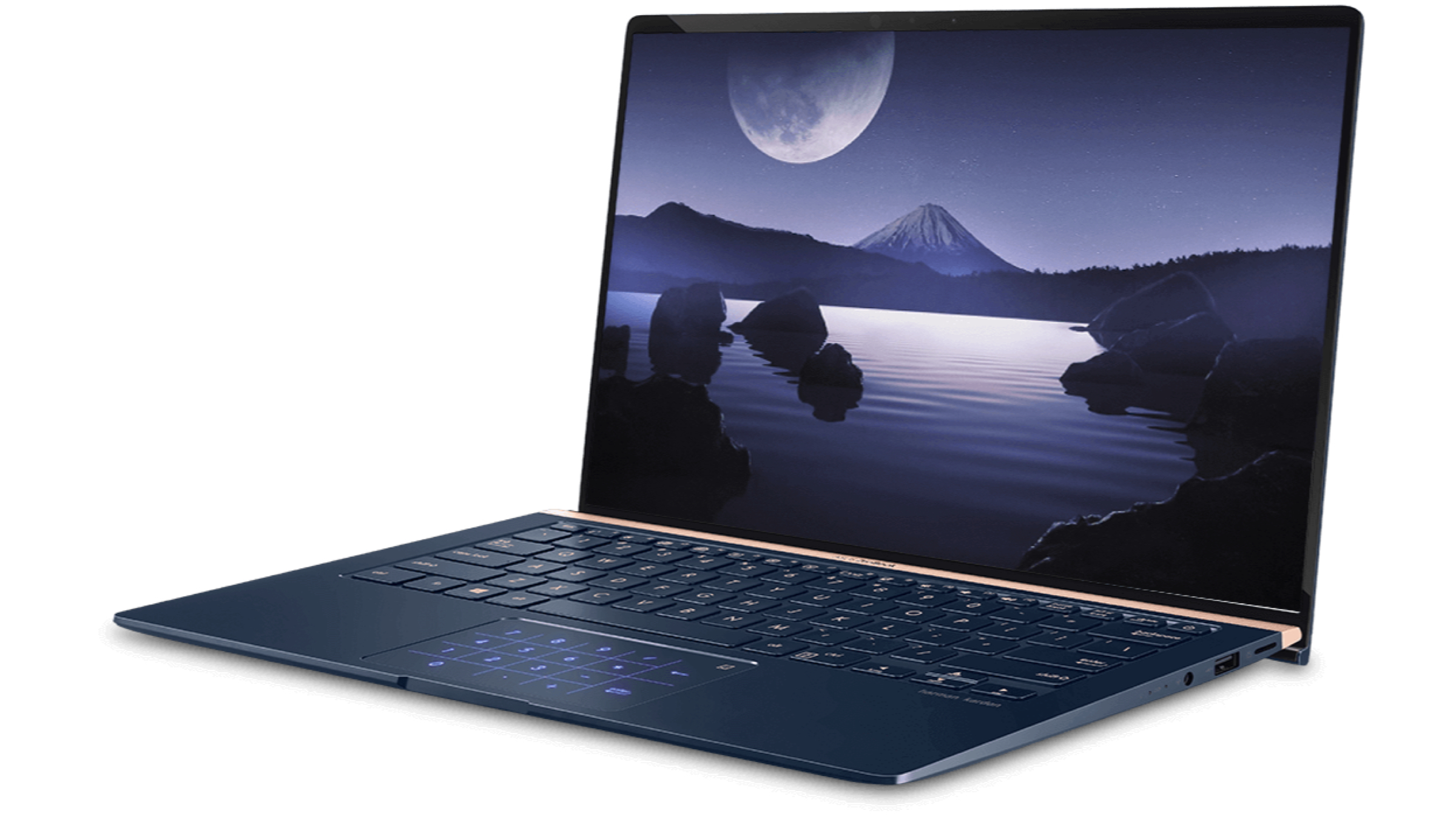
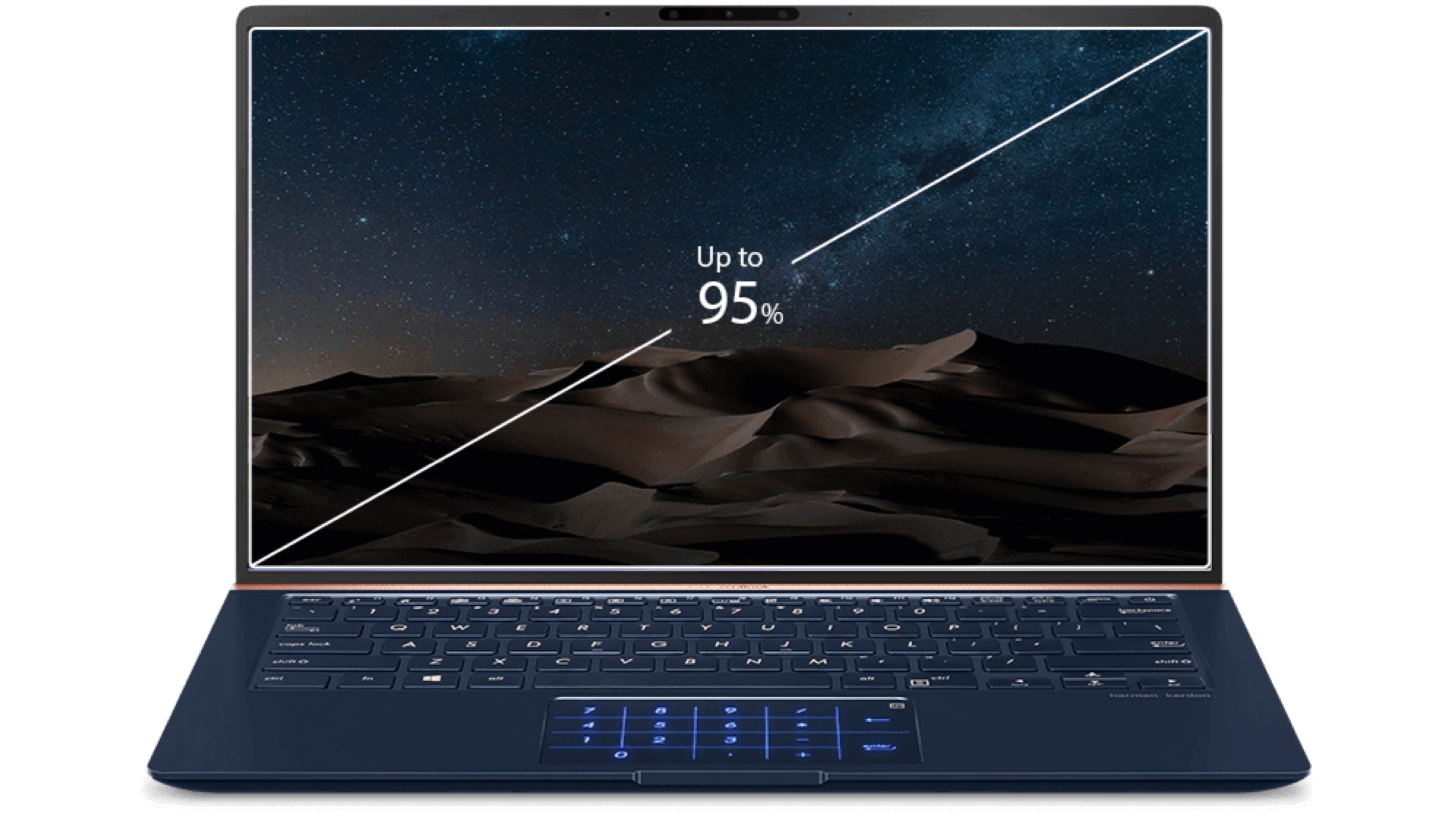
    Asus ZenBook 13/14/15

    Asus has updated the ZenBook lineup of laptops for the year 2019 with latest innards while retaining the established name. The screen size of the three laptop models corroborates with the suffix in their name. The device is available in three different screen size options which include 13 inch, 14 inch and 15 inch. One key highlighting features of the ZenBook trio is the trackpad which doubles up as a secondary 5.65 inch display. The said display which is similar to one present on modern smartphones can be enabled or disabled by pressing the F6 key. The notable features this display can be used for include playing music, watching videos or play games like candy crush.

    Talking about the specifications, the Asus ZenBook trio can be configured with Intel Core i7 CPUs along with Nvidia GTX 1650 Max Q GPU. In terms of memory and storage, the laptops support upto 1 TB of SSD storage and 8 GB of RAM. Input/Output ports on the three laptops are as follows:


    • 1 x USB 3.1 Gen 2 Type-C (up to 10Gbps)
    • 1 x USB 3.1 Gen 2 Type-A (up to 10Gbps)
    • 1 x USB 2.0
    • 1 x Standard HDMI
    • 1 x MicroSD card reader
    • 1 x Audio combo jack
    • 1 x DC-in
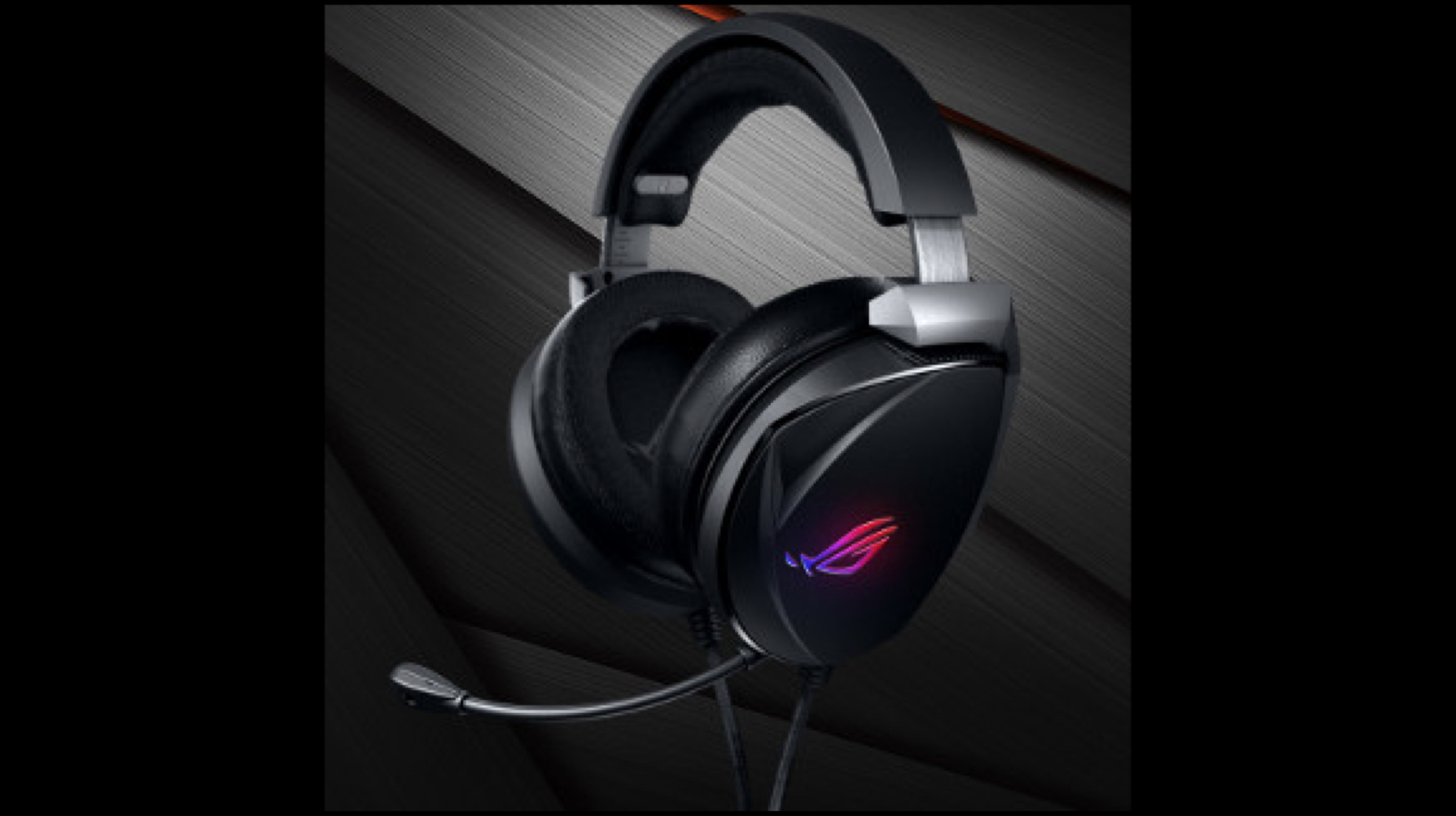
    Asus ROG Theta Gaming Headsets

    The company has unveiled two new pairs of flagship gaming headphones under the Theta sub brand which include the ROG Theta and ROG Theta Electret. The former has 8 Essence drivers with the largest being 30 mm in size. The headphone produces 7.1 surround sound output and supports AI powered noise cancelling microphones. On the other hand, the ROG Theta Electret is a pair of Analogue headphones with an impedance of 32 ohms and silver plated copper cables. 

    Asus VivoBooks

    In addition to the ZenBook Pro Duo laptops and ZenBook laptops, Asus also unveiled updated VivoBooks. Like the ZenBooks, the new VivoBooks also have a ScreenPad 2.0 secondary display. Notably, the VivoBooks are economical than the ZenBooks, however, they still pack worthy features. They can be kitted with upto Intel Core i7 processors and Nvidia MX 250 GPU. The laptops feature Harman Kardon speakers that are claimed to have impressive sound output. They also have an ErgoLift hinge which raises the laptop from the surface for better airflow resulting in cooler temperatures while running heavy tasks.

    Also Read: OnePlus 7 Pro Nebula Blue Edition To Go On Sale For The First Time In India

    Pricing and availability of the newly launched products are yet to be announced which will be made available in the near future. 


  • Asus ZenBook Pro Duo With A Secondary ScreenPad Takes MacBook’s Touch Bar A Step Further

    Asus ZenBook Pro Duo With A Secondary ScreenPad Takes MacBook’s Touch Bar A Step Further

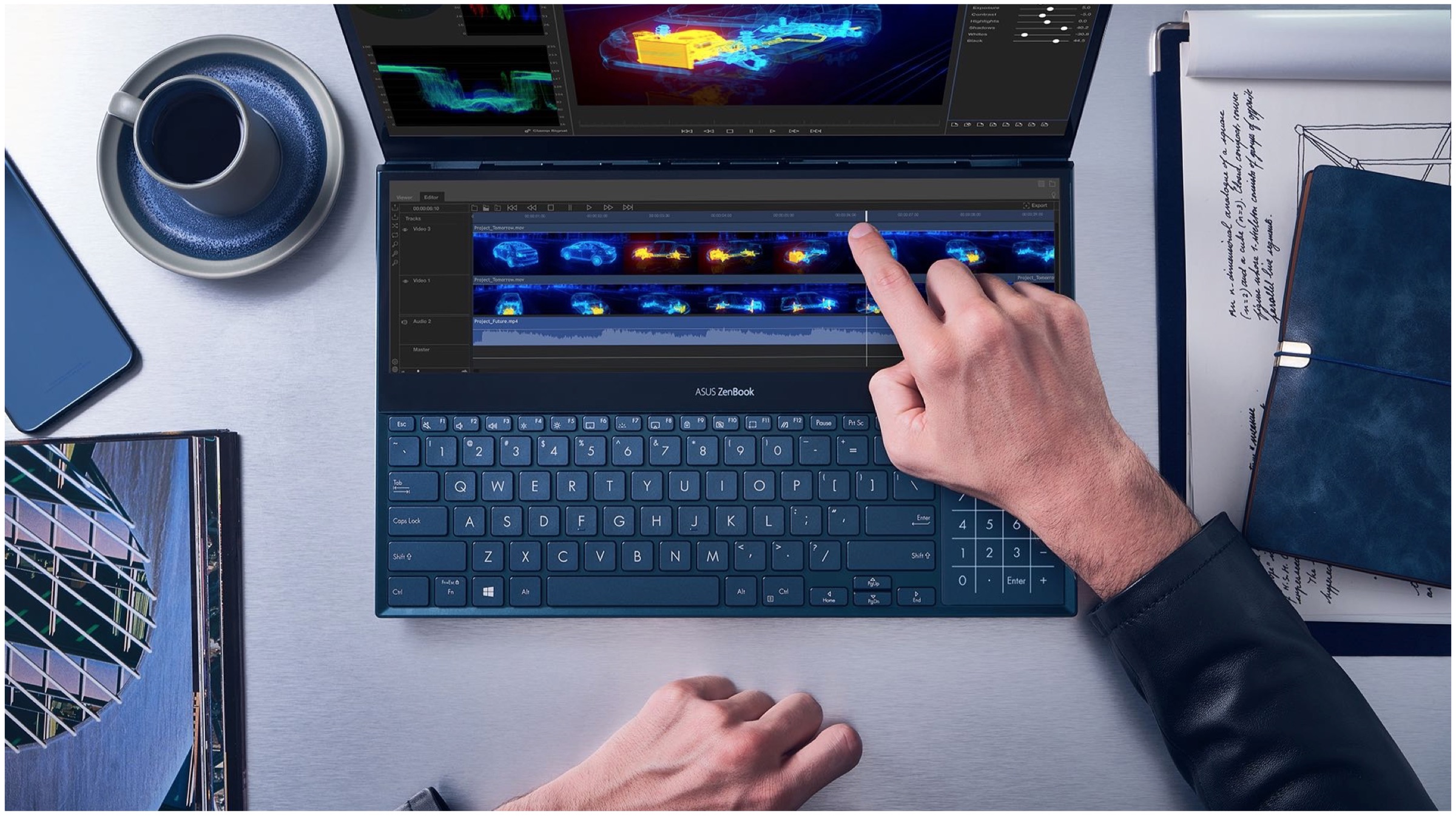
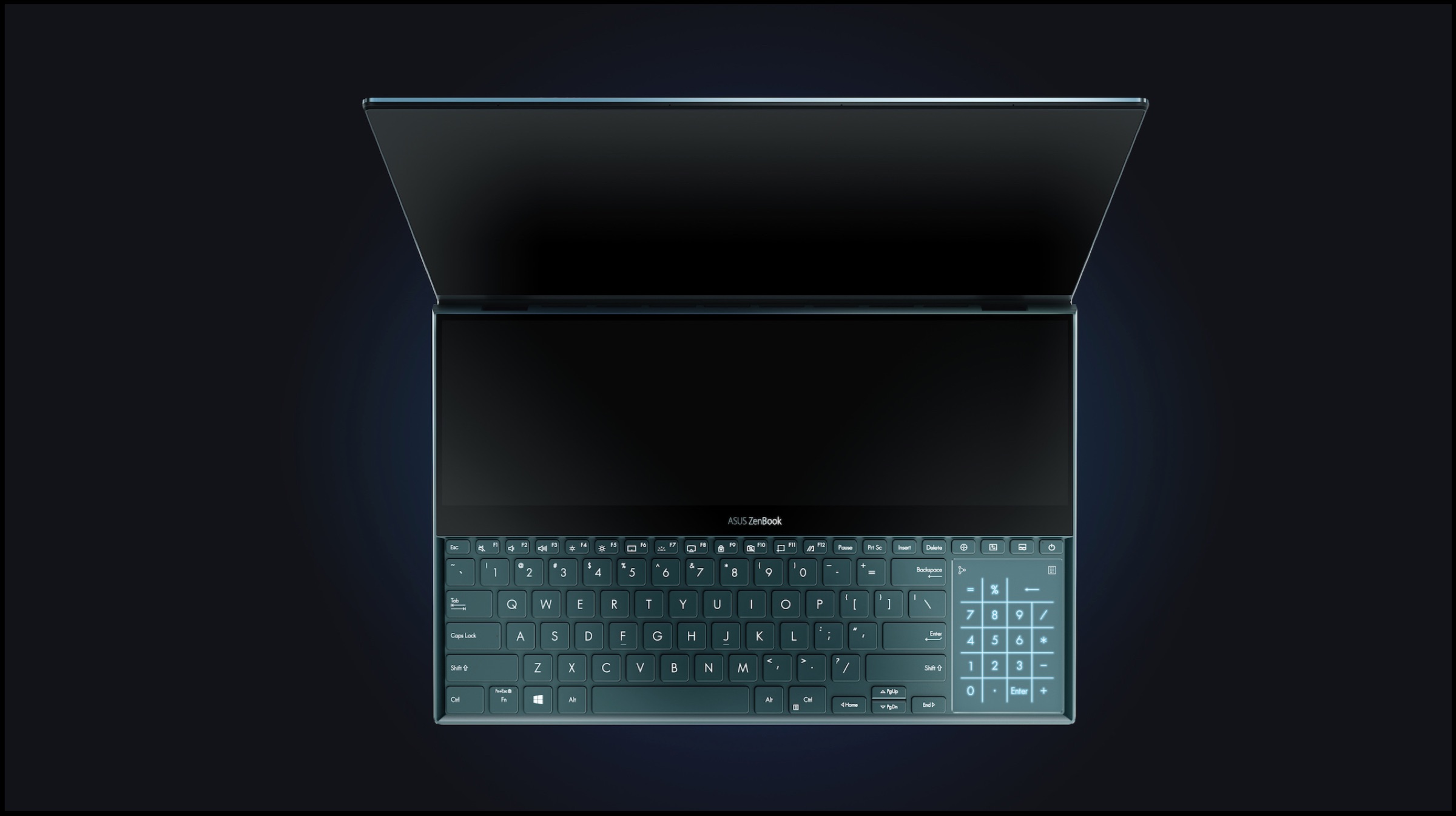
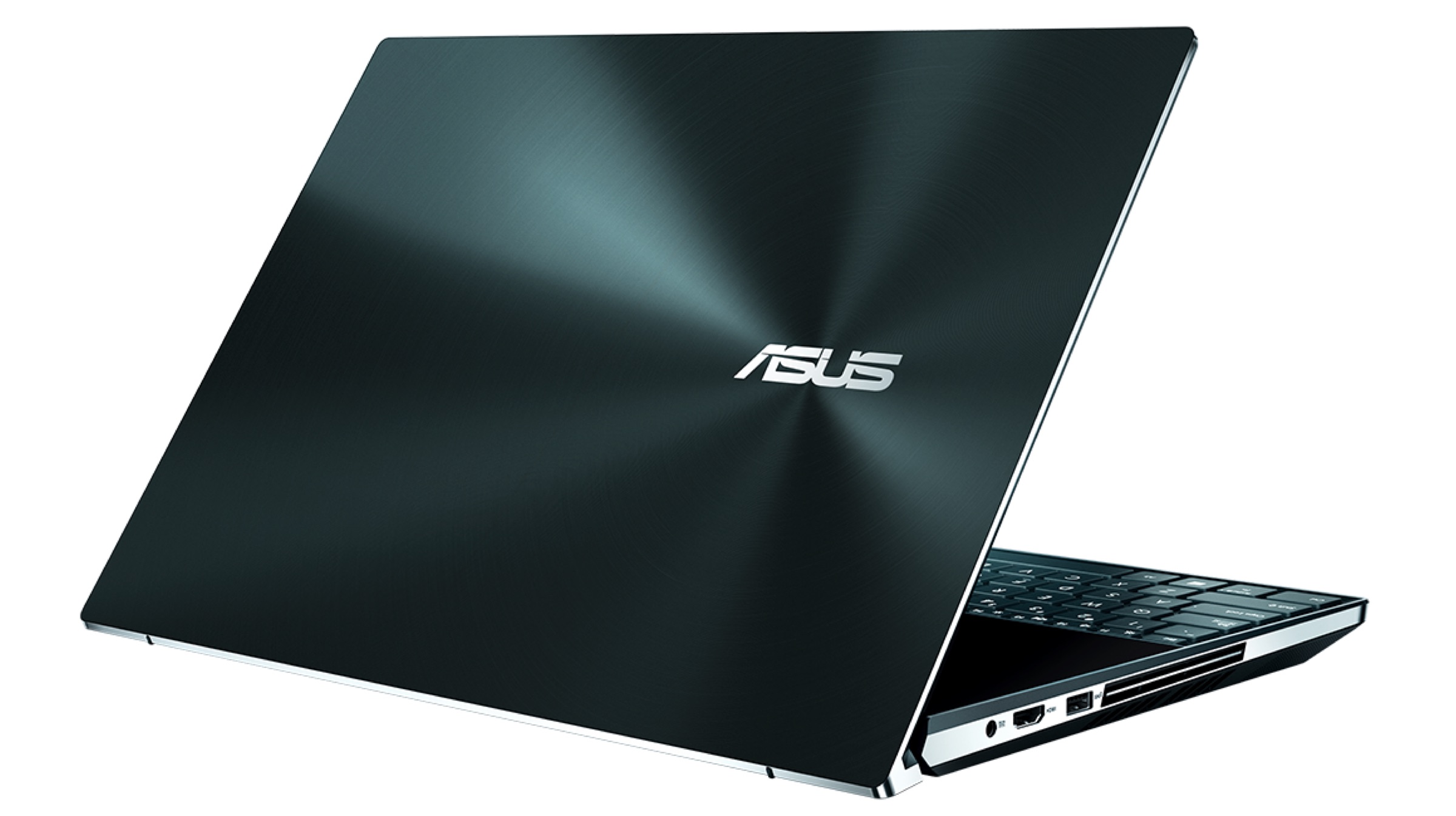
    Taiwan based electronics manufacturer, Asus has unveiled yet another innovative lineup of laptops at the Computex 2019. The said event is held in Taipei, Taiwan and it is one of the world’s biggest PC convention. Taking the Touch Bar from Apple’s MacBooks a step further, Asus unveiled the ZenBook Pro Duo which features dual displays.

    Asus ZenBook Pro Duo Specs & Design

    As previously mentioned the Asus ZenBook Pro Duo has a distinctive design accrediting to two display. Out of the two displays, one is the primary screen while the second display is placed above the keyboard. The company has unveiled two models of the laptop which carry the following model numbers:

    • UX581
    • UX481

    The key differences between the two models are disparate CPU, GPU and screen size. The Asus ZenBook Pro Duo UX581 features a 15.6 inch touch screen main display along with the 14 inch ScreenPad Plus (secondary display). On the other hand, the more affordable Asus ZenBook Pro Duo UX481 has a 14 inch main display along with 12.6 inch ScreenPad Plus display. Notably, the beefed up UX581 features 4K display while the UX481 has a display with FHD resolution.

    In terms of processor, the Asus ZenBook UX581 is offered with two options a) i9-9980HK and b) i7-9750H. While the UX481 is offered only with the i7 option. The former features the Nvidia RTX 2060 GPU 6 GB of DDR6 RAM while the latter features Nvidia MX250 with 2 GB of RAM. The UX581 can be kitted with upto 32 GB of DD4 2666 MHz RAM while the former supports 2133 MHz DDR3 RAM upto 16GB.

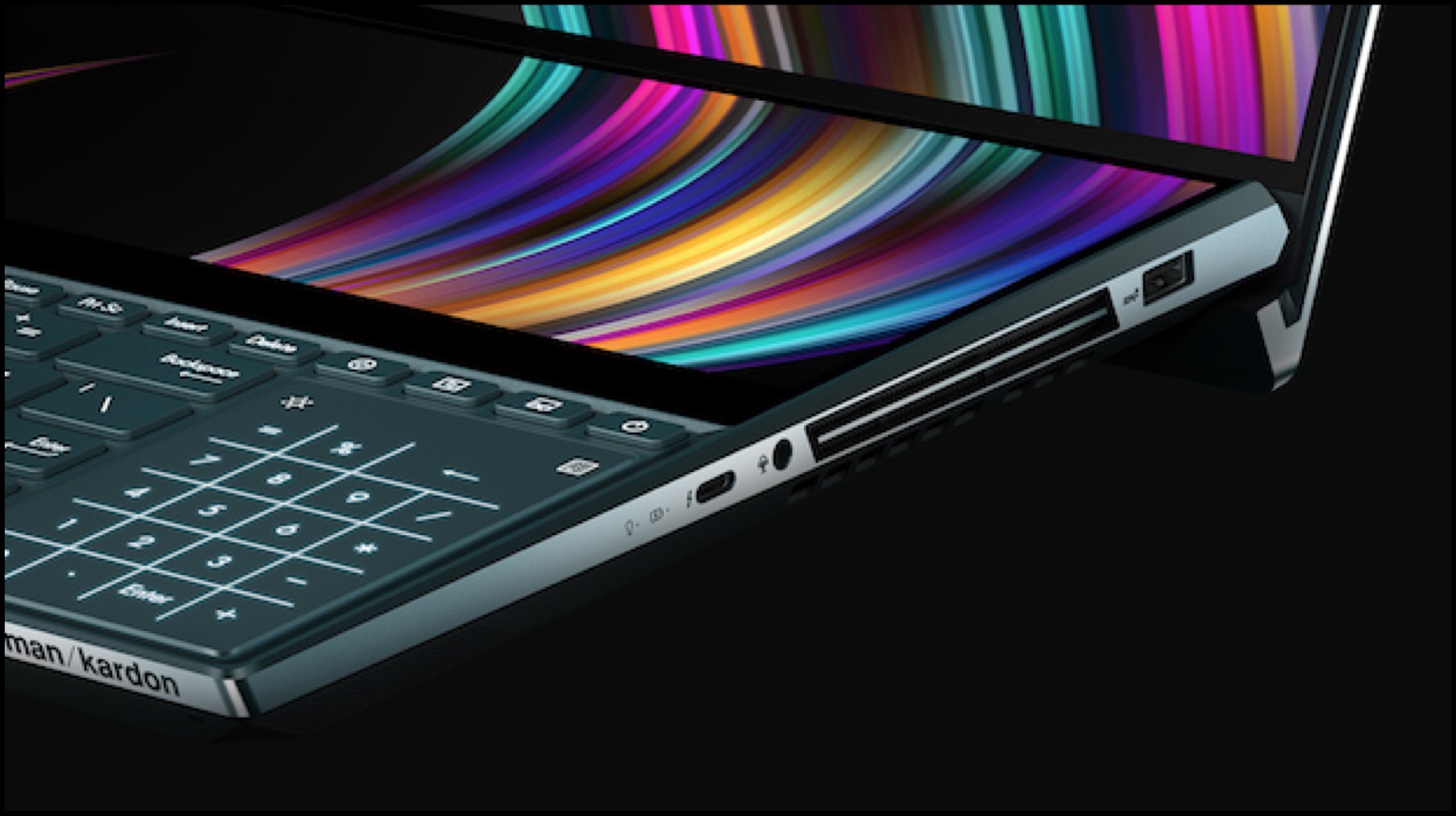
    Both the Asus ZenBook Pro Duo laptops can be configured with similar storage options which include 1 TB PCIE x4 SSD or 512GB / 256GB PCIe x2 SSD. The primary difference between the two storage options is dissimilar read and write speeds. The x4 SSD are upto twice as fast as the x2 variant. Features including connectivity, webcam and I/O port are identical on two variants of the Asus ZenBook. They support Wi-Fi 6 and Bluetooth 5 along with an IR webcam with Windows Hello Support. I/O ports on the two laptops are as follows:

    • 1 x Thunderbolt
    • 3x USB-C
    • 2 x USB 3.1 Gen 2 Type-A
    • 1 x Standard HDMI
    • 1 x Audio combo jack
    • 1 x DC-in

    Notably, the economical Asus ZenBook Pro Duo UX481 also has a Micro SD card slot. The former is powered by a 70 Wh battery while the UX581 is powered by a 71 Wh battery. 

    Talking about the ScreenPad it is mainly targetted towards content creators who can use the secondary display to control or monitor additional controls in certain apps. One example of the ScreenPad would controlling additional features in video editing programs.  

    Also Read: Lenovo’s Project Limitless Features a 5G Laptop Running On Snapdragon 8cx CPU Processor

    All in all, the newly launched Asus ZenBook Pro Duo ultrabooks laptop seem highly innovative. However, the price of the two devices is yet to be unveiled which can be expected in the near future. 

  • 2019 iPhone Models Will Get Support For Dual Audio Connection Over Bluetooth

    2019 iPhone Models Will Get Support For Dual Audio Connection Over Bluetooth

    Apple is four months away from launching its latest iPhone models which will succeed the iPhone XS, the iPhone XS Max and the iPhone XR from 2018. Several details about the upcoming devices have already surged (1,2). A fresh report claims that the 2019 iPhone models will get a worthwhile feature for music aficionados. Reliable Japanese blog, Macotakara claims upcoming devices will support dual audio connections over Bluetooth.

    Prominently, the feature will allow an iPhone to simultaneously connect with two Bluetooth devices. For example, while playing music on AirPods, the user can concurrently play the same audio stream on a Bluetooth speaker system in their house. Furthermore, two friends can listen to the same music from one smartphone on their individual totally wireless earphones (TWS).

    Talking more about the 2019 iPhone models, the flagship level devices will allegedly be called iPhone XI and iPhone XI Max. While the name for iPhone XR successor is unknown as of now. The iPhone XI and XI Max are reported to have the same size screen as their predecessors which sport a 5.8 inch and a 6.5 inch Super Retina HD display respectively. The 2019 iPhone trio is reported to feature 12 MP selfie camera which is a significant bump in comparison to the 8 MP sensor found on current generation devices. Furthermore, the two flagship grade smartphones are reported to have triple rear facing cameras while the successor of iPhone XR will have dual rear cameras.

    Like the Samsung Galaxy S10, the 2019 iPhone flagship models are also reported to support reverse wireless charging. In terms of chipset, the smartphones are will ship with updated Bionic chipsets which are assumedly called A13 bionic. The said chipset will be manufactured by TSMC via 5 nm fabrication process.  Also, new for 2019, Apple will reportedly ship the iPhone’s with 18 W fast charger

    Also Read: Razer Adds Quadro RTX 5000 GPU To Blade Ultrabook Laptops

    All in all, the 2019 iPhone seems to be a promising update. However, we will have to wait for the official announcement to verify all the leaks and claims.


  • Xiaomi Redmi Go 16 GB ROM Variant Launched In India

    Xiaomi Redmi Go 16 GB ROM Variant Launched In India

    In the month of March, Xiaomi launched a budget oriented smartphone in India called the Redmi Go. The device is mainly targeted towards users who are switching from feature phones and are getting in the Android ecosystem for the first time. The smartphone was originally launched with 1 GB of RAM and 8 GB of ROM. Taking demand for higher storage into consideration the company has launched another variant with 1 GB of RAM and 16 GB of ROM. The newly launched device costs Rs 300 more than the originally launched variant and is priced at Rs 4,799. Except for the bumped up price, all features and specifications of the newly launched variant of Redmi Go are as is.

    Redmi Go Specifications & Design

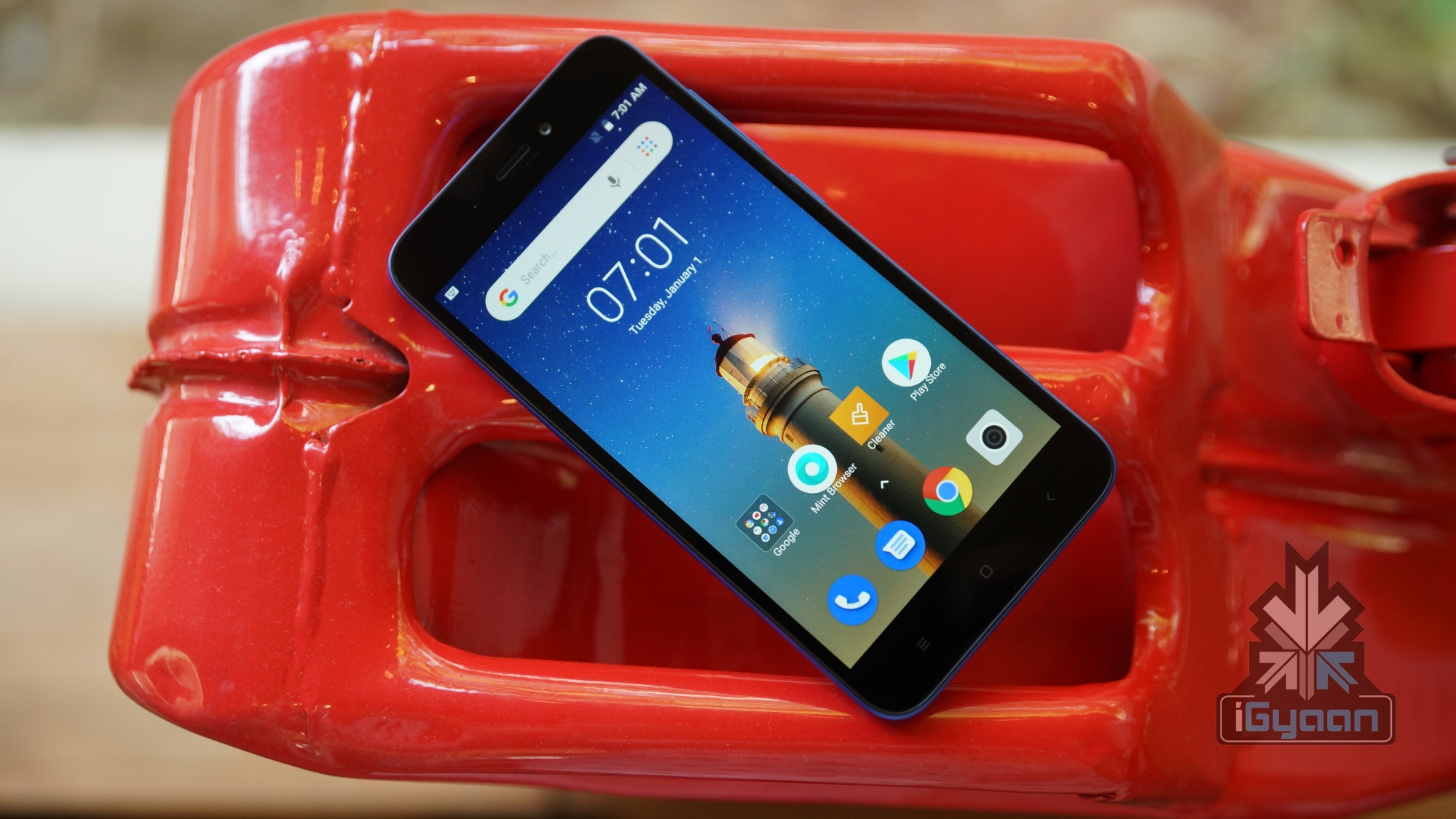
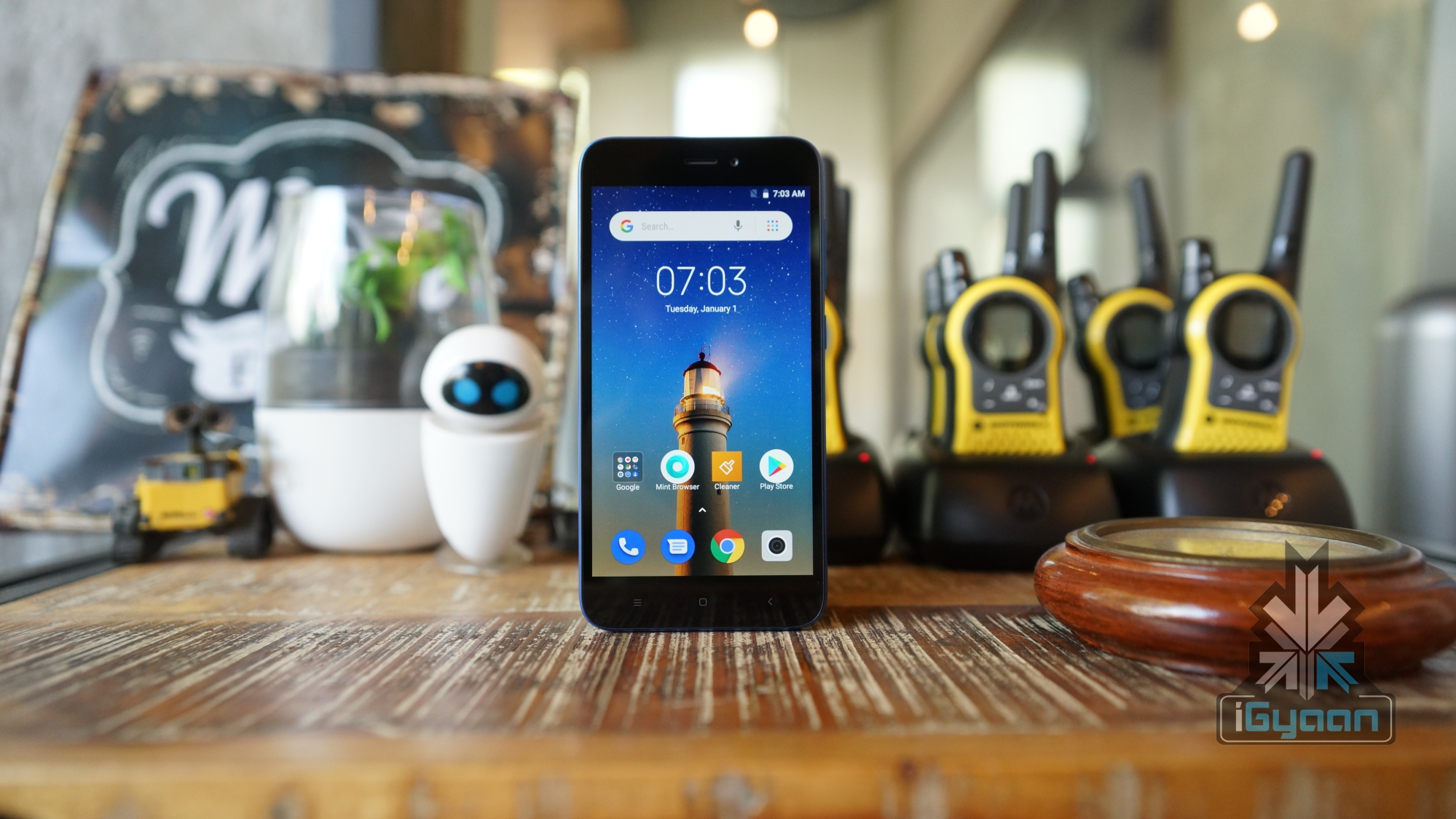
    Redmi Go Front

    The Redmi Go has a polycarbonate body with chunky bezels on the top and bottom. The handset measures 40.4 x 70.1 x 8.35mm and weighs in at 137g. It sports a 5 inch LCD display on the front with a resolution of 1280 x 720 px. The display panel has a pixel density of 296 ppi and maximum brightness of 380 nits. 

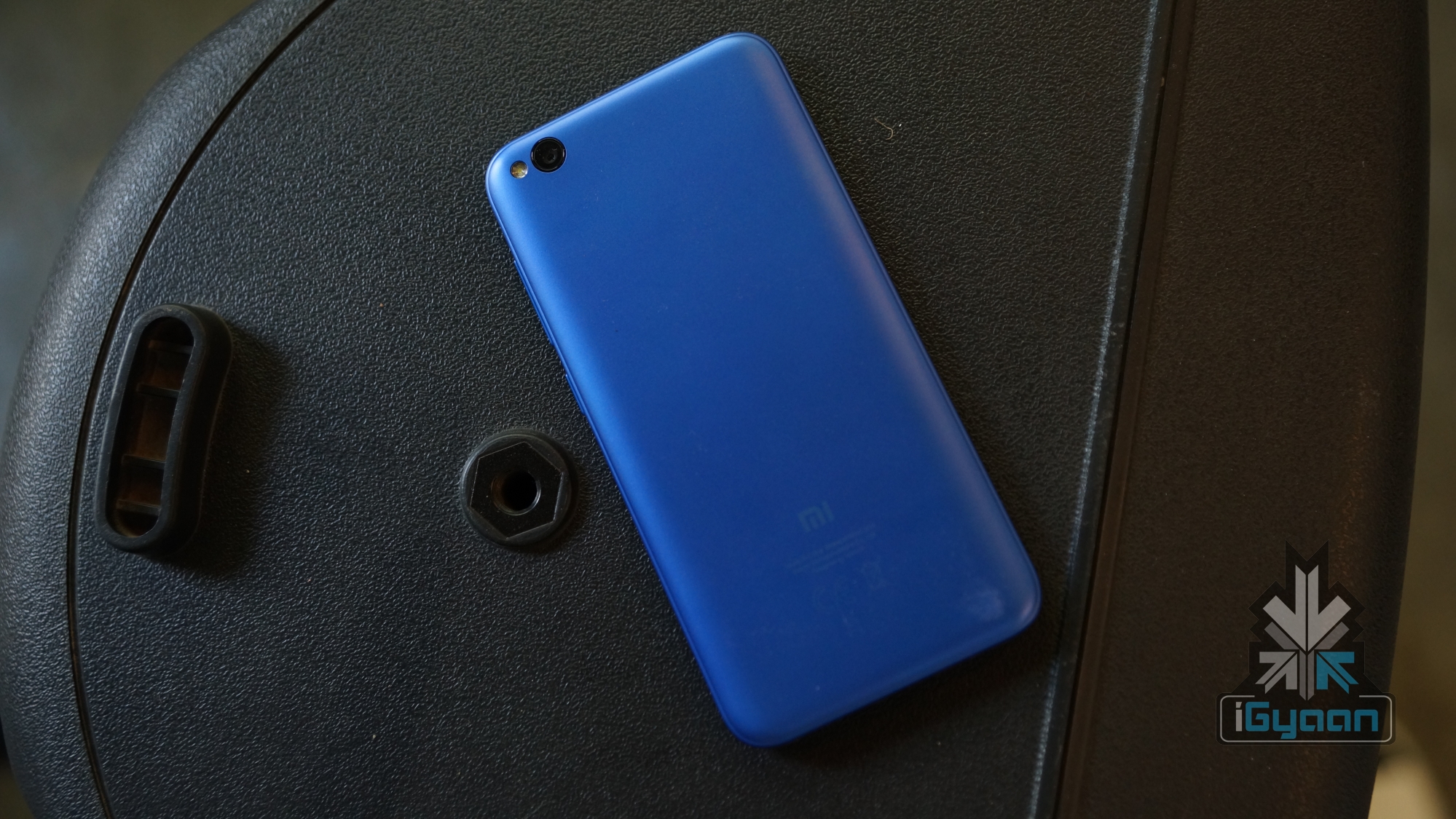
    Redmi Go Rear

    Under the hood, the Redmi Go features the Snapdragon 425 SoC which is manufactured using the 28nm fabrication process. The chipset is comprised of a Quad-core CPU and the Adreno 308 GPU. For photography, the smartphone has an 8MP primary camera at the rear with an aperture of f/2.0. For selfies, it has a 5MP camera with an f/2.2 aperture on the front.


    Also Read: AMD Reveals 3rd Gen Ryzen CPUs And 7nm Radeon RX5000 GPU

    The Redmi Go is powered by a 3000mAh battery that supports 5W charging. The handset runs on Android 8.1 Oreo Go edition out of the box. It also has a dedicated microSD support for memory expansion up to 256GB. One Notable feature of the Redmi Go is support for more than 20 regional languages and Google voice Assistant in Hindi.

  • Live Images Of The Redmi K20 Pro Surface Before Launch

    Live Images Of The Redmi K20 Pro Surface Before Launch

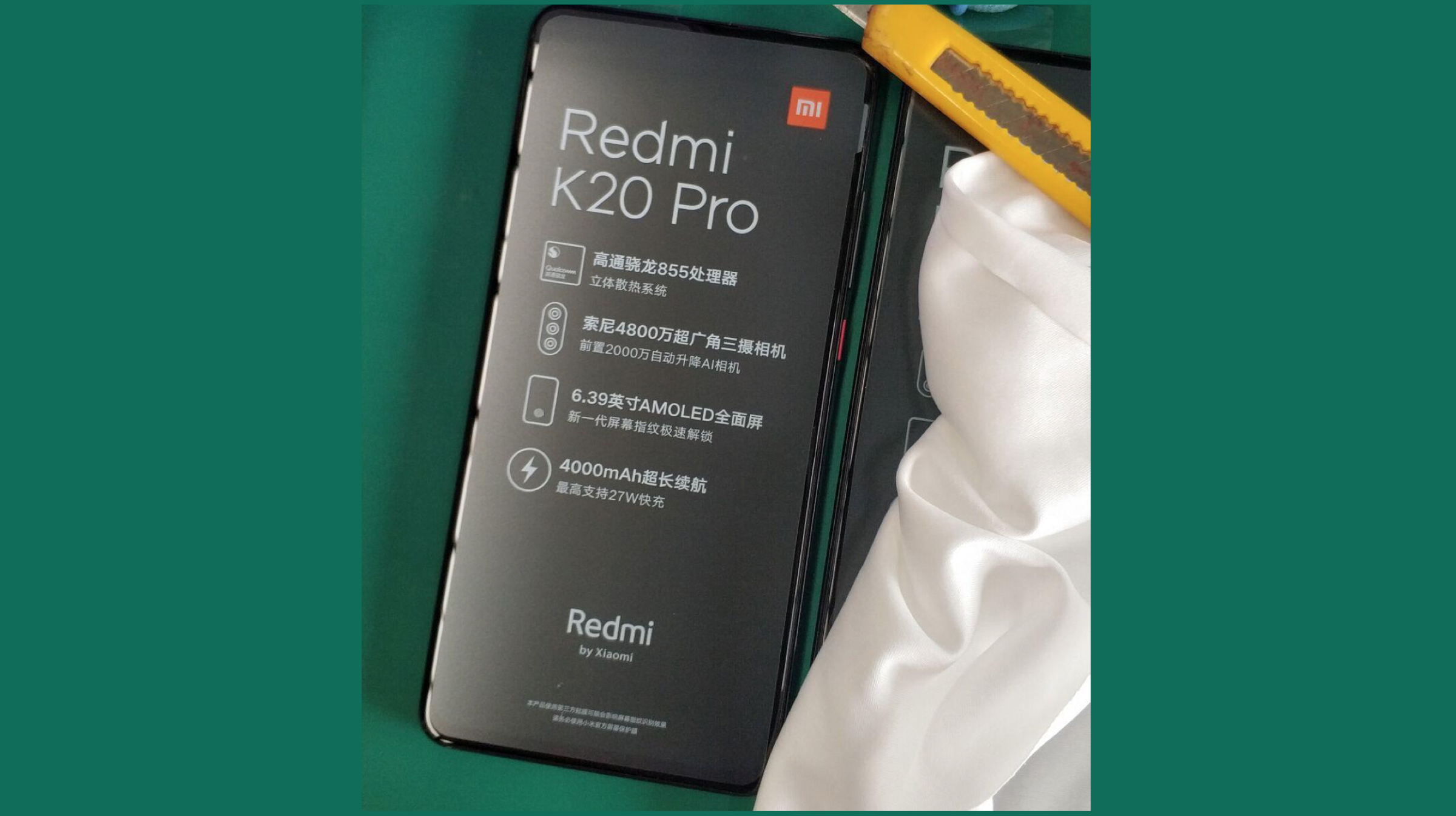
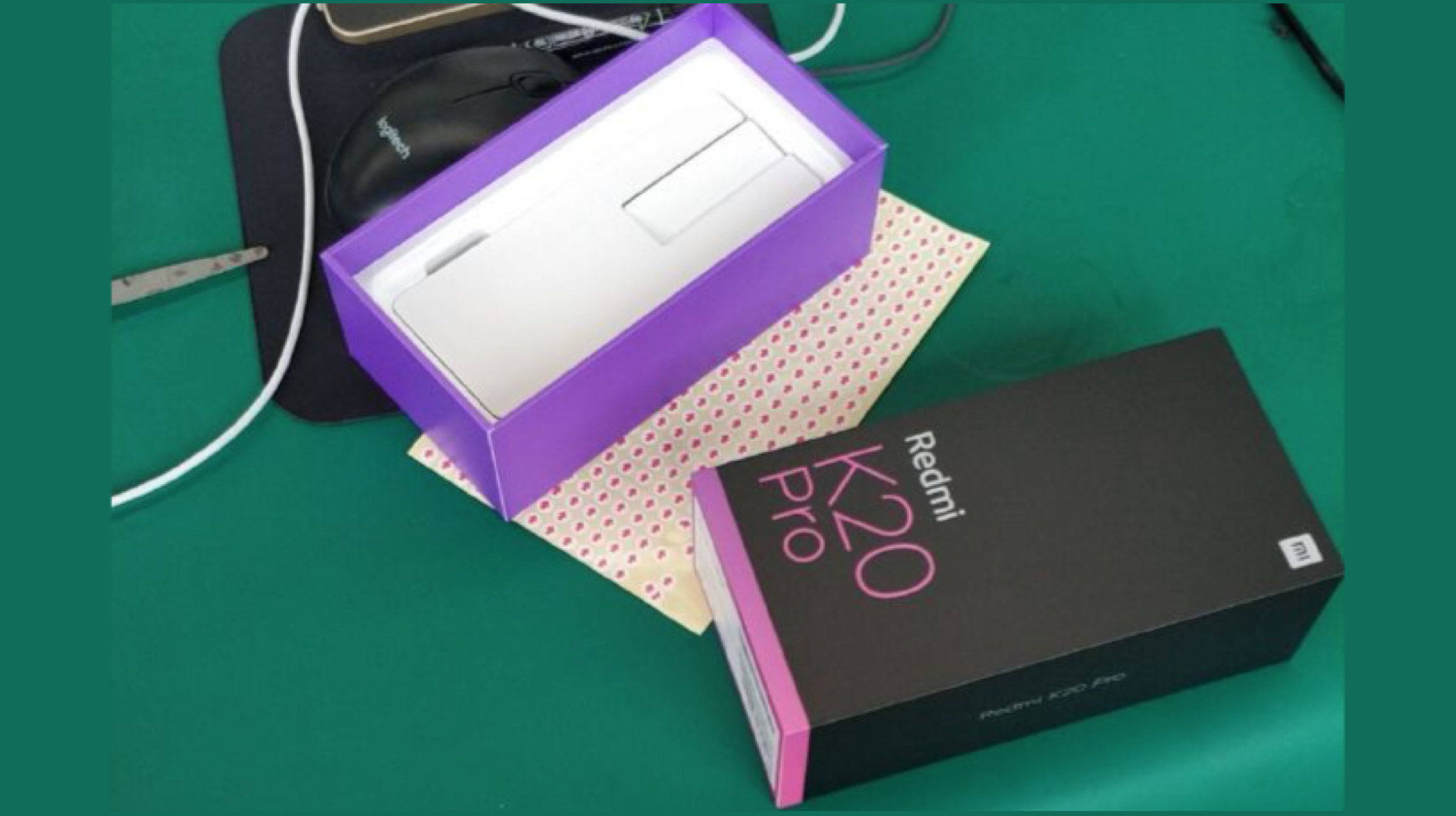
    Xiaomi is set to launch its latest flagship grade smartphone duo which includes the Redmi K20 and the Redmi K20 Pro. Details about the features and specifications of the two devices have been leaked numerous times (1,2). Just before the official launch, the live images of beefed up K20 Pro have also surfaced on Chinese social media website, Weibo that has hardly left anything to the imagination. 

    Redmi K20 Pro
    Redmi K20 Pro Front Design

    The freshly leaked image reaffirms the previously revealed features of the Redmi K20 Pro. The front of the smartphone accommodates a 6.39 inch AMOLED display with negligible bezels on all sides. Notably, the high screen to body ratio display on the device lacks any obstructing notch as it features a pop up selfie camera like the OnePlus 7 Pro. Furthermore, it features an indisplay fingerprint scanner which is slowly becoming the industry standard.

    The leaked image also reveals that the Redmi K20 Pro is kitted with the Snapdragon 855 SoC which consists of an Octa Core CPU along with the Adreno 640 GPU. Talking about the battery, it is powered by a 4,000 mAh lithium battery which supports 27 W fast charging. In terms of optics, the Redmi K20 Pro features triple rear cameras out of which one is the 48 MP Sony IMX586 sensor. 

    Redmi K20 Price
    Xiaomi Redmi K20 Leaked Teaser

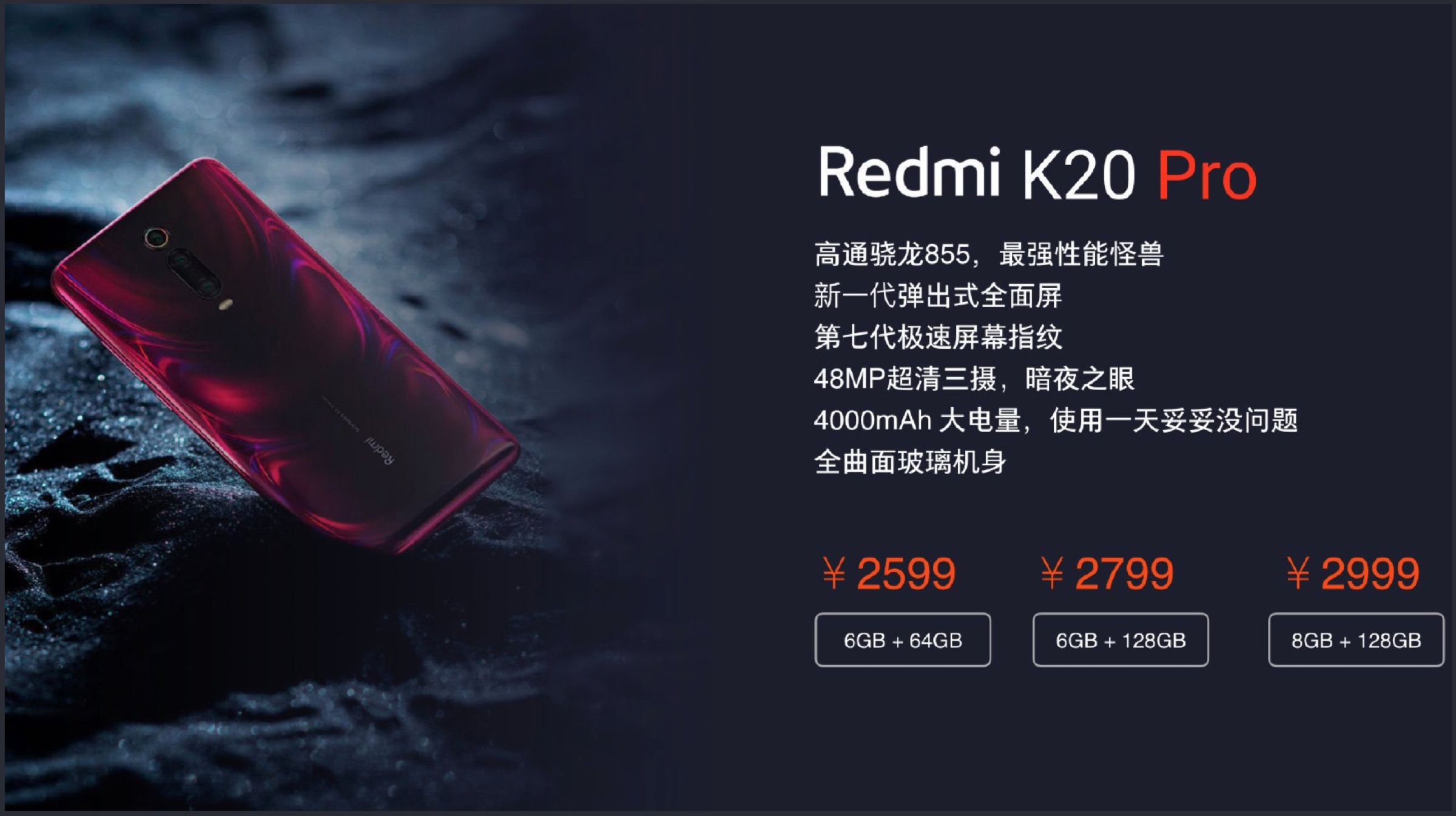
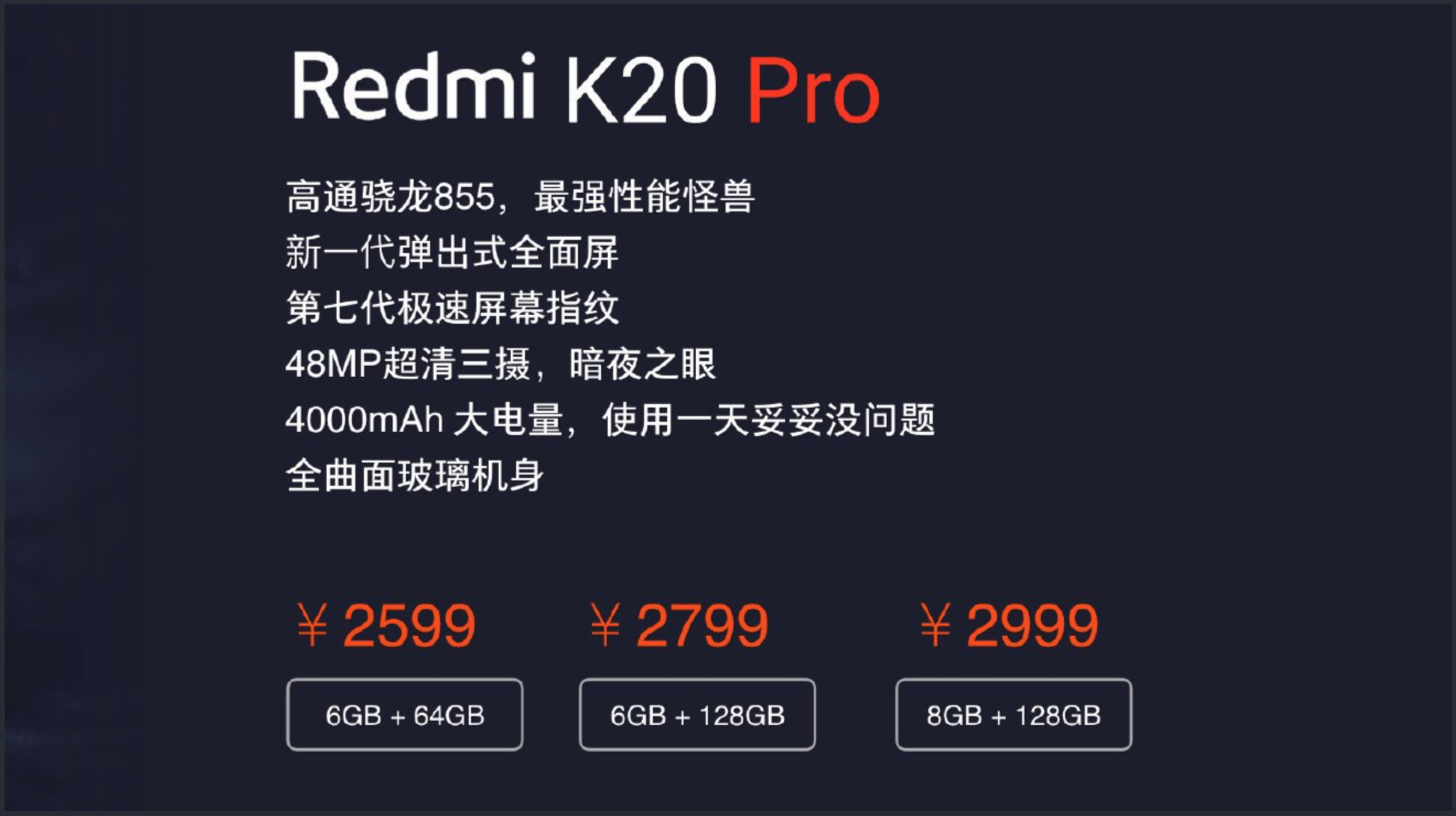
    A teaser revealing the price of the Redmi K20 was also previously shared online. The teaser exhibits the upcoming flagship will be available in three storage variants for which the prices are as follows:

    • 6 GB + 64 GB: CNY 2599 (Rs 26,200)
    • 6 GB + 128 GB: CNY 2799 (Rs 28,200)
    • 8 GB + 128 GB: CNY 2999 (Rs 30,200)

    Also Read: Intel Announces Octa Core i9-9900KS CPU With All Cores Clocked At 5.0 GHz

    To conclude all the leaks related to the Redmi K20 Pro seem legit. However, in order to confirm them, we will have to wait for the official launch event which is set for the 28th of May 2019.

  • Samsung A10s and M40 Coming To India Soon

    Samsung A10s and M40 Coming To India Soon

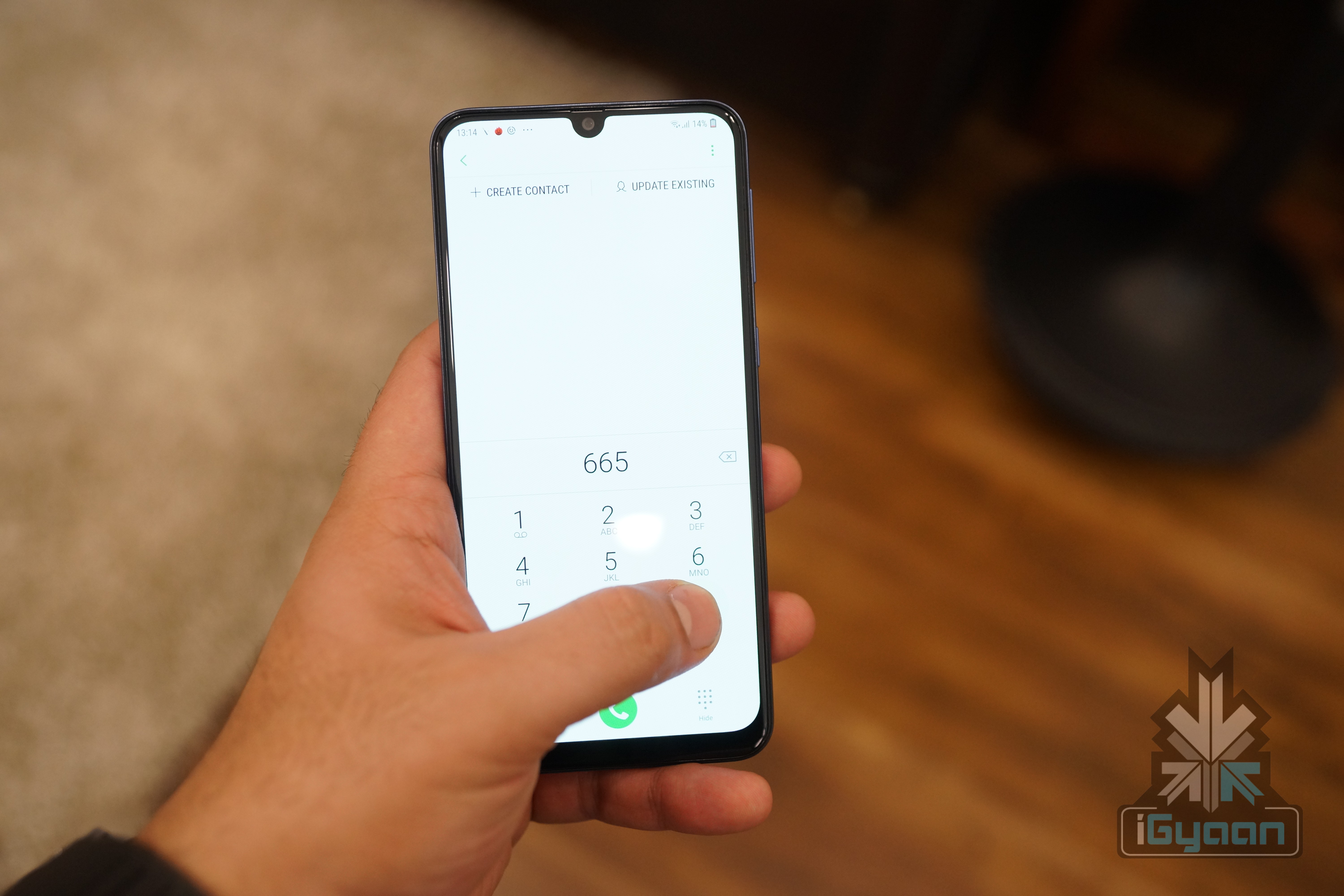
    Samsung has been long anticipated to launch the Galaxy M40 in India which will be the apex device in the M lineup of smartphones. However, it is not the only device the company plans to launch in the country. In addition to the M40, Samsung is also reported to soon launch the Galaxy A10s which was previously leaked as the Galaxy A10e

    Samsung Galaxy M40

    Galaxy M30 (For Reference Purposes)


    The Galaxy M40 is reported to have a 6.3 inch Super AMOLED display with Full HD resolution. Going by the rumours, the smartphone will pack the Snapdragon 675 SoC which consists of an Octa Core CPU and Adreno 612 GPU. Noteworthy, the same chipset is also present on several other devices including the Samsung Galaxy A50, the Redmi Note 7 Pro and the Vivo V15 Pro.

    Another highlighting feature of the Samsung Galaxy M40 is its massive 5,000 mAh battery which is likely to support fast charging technology. The official price of the device is yet to be revealed, however, going by the specifications, it will be priced around the Rs 25,000 mark in India.  

    Galaxy A10s

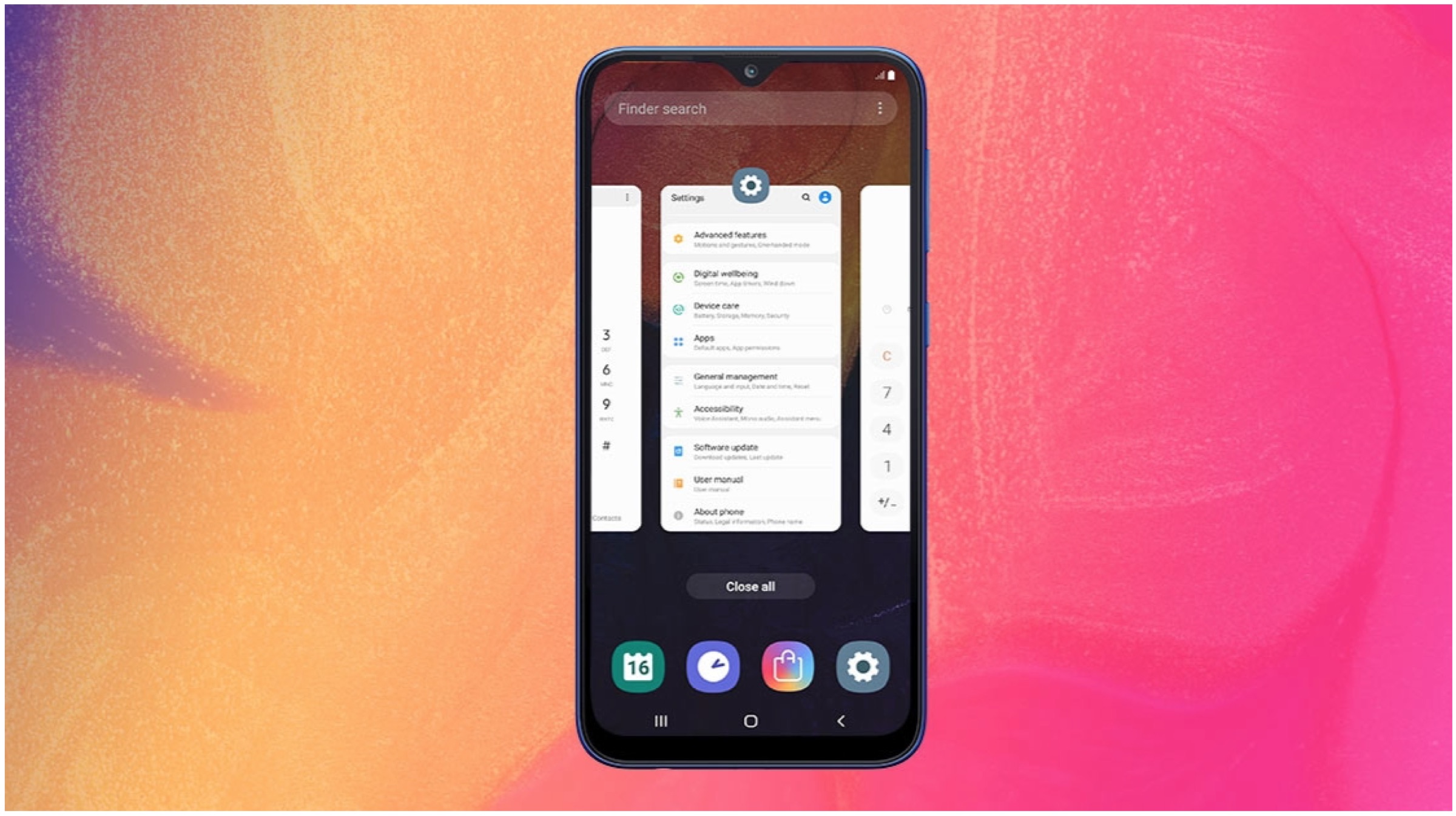
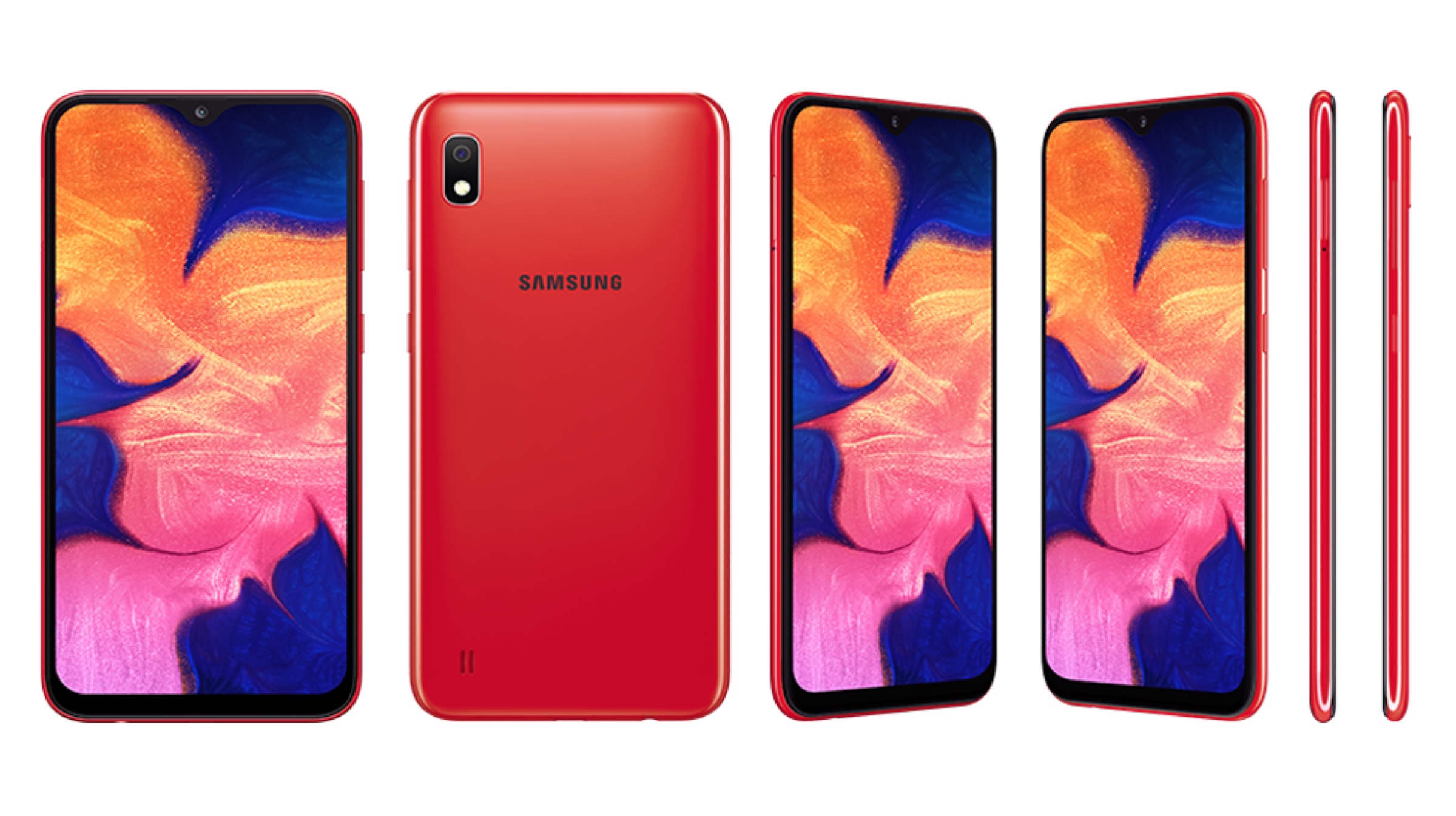
    Galaxy A10As aforementioned, the Samsung Galaxy A10s was previously leaked as the Galaxy A10e which revealed details about its chipset. The handset will be kitted with the Helio P22 chipset while rest of the specifications are believed to be carried forward from the original Galaxy A10. Accordingly, the upcoming device will have a 6.2 inch LCD display with HD+ resolution of 1520 x 720 px.

    Galaxy A10For photography, the smartphone has a 13 MP camera on the rear and a 5 MP camera on the front. The device is powered by a 3,400 mAh battery which supports 10 W charging. The upcoming Samsung Galaxy A10s is reported to be in three colour variants which include Green, Blue and Black. 

    Also Read: Standard Variant Of The Redmi K20 To Feature The Snapdragon 730 SoC

    To conclude, precise details about the Galaxy A10s and the Galaxy M40 will be unveiled as Samsung talks about them overtly. 

  • Standard Variant Of The Redmi K20 To Feature The Snapdragon 730 SoC

    Standard Variant Of The Redmi K20 To Feature The Snapdragon 730 SoC

    Xiaomi’s sub brand Redmi will soon launch a premium smartphone duo that will pack flagship grade features. The upcoming devices will be called the K20 and the K20 Pro. As the name suggests the latter is the more feature rich handset out of the two. Both devices are reported to have heterogeneous specifications with few differences including the chipset. Features and price of the Redmi K20 Pro were previously leaked while details about the affordable K20 were in short supply. A fresh leak from the Chinese social media website, Weibo has revealed the key specifications of the upcoming handset.

    Redmi K20 Specifications & Design

    According to the image shared by the source, the Xiaomi Redmi K20 features a 6.39 inch AMOLED display with 2340 x 1080 px resolution. For securely unlocking the handset, it will have an ondisplay fingerprint sensor. Under the hood, the handset packs the Snapdragon 730 SoC which was unveiled last month by Qualcomm. The chipset consists of an Octa Core Kryo 470 CPU and the Adreno 618 GPU.

    Like the Redmi K20 Pro, the standard K20 will also be powered by a large 4,000 mAh battery which is likely to support 27 w fast charging. Talking about the optics, it features a triple rear camera setup which consists of a 48 MP Sony IMX586 sensor, an 8 MP sensor and a 13 MP sensor. Notably, the device will also have NFC that will provide for wireless payments. Also to enhance the gaming experience on the device, it will have Game Turbo 2.0 technology which was originally introduced on the Poco F1.

    In terms of looks, the standard Redmi K20 is believed to have a similar design as its elder sibling whose renders were previously spotted online. Going by the said renders, the device will have a glossy back  panel made out of glass that reflects light in different angles. Although not yet confirmed it is reported to feature a pop up selfie camera like the OnePlus 7 Pro. Redmi K20

    Also Read: NASA Plans On Sending “Gateway” Space Station To Orbit The Moon

    More details about the device will be revealed at the official launch event which is set for the 28th of May. 

  • Microsoft Surface Pro 7 Leaks In Patent

    Microsoft Surface Pro 7 Leaks In Patent

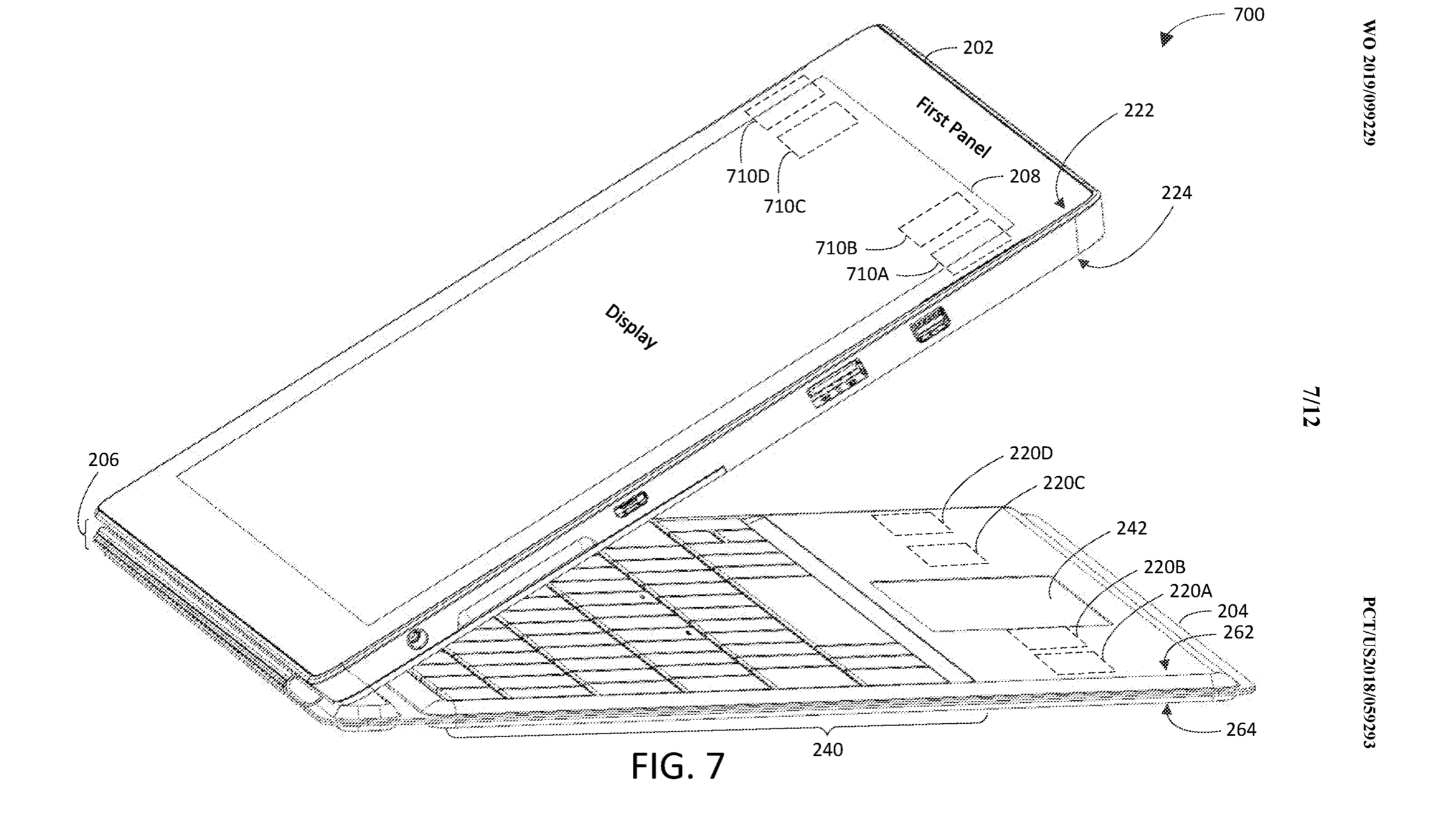
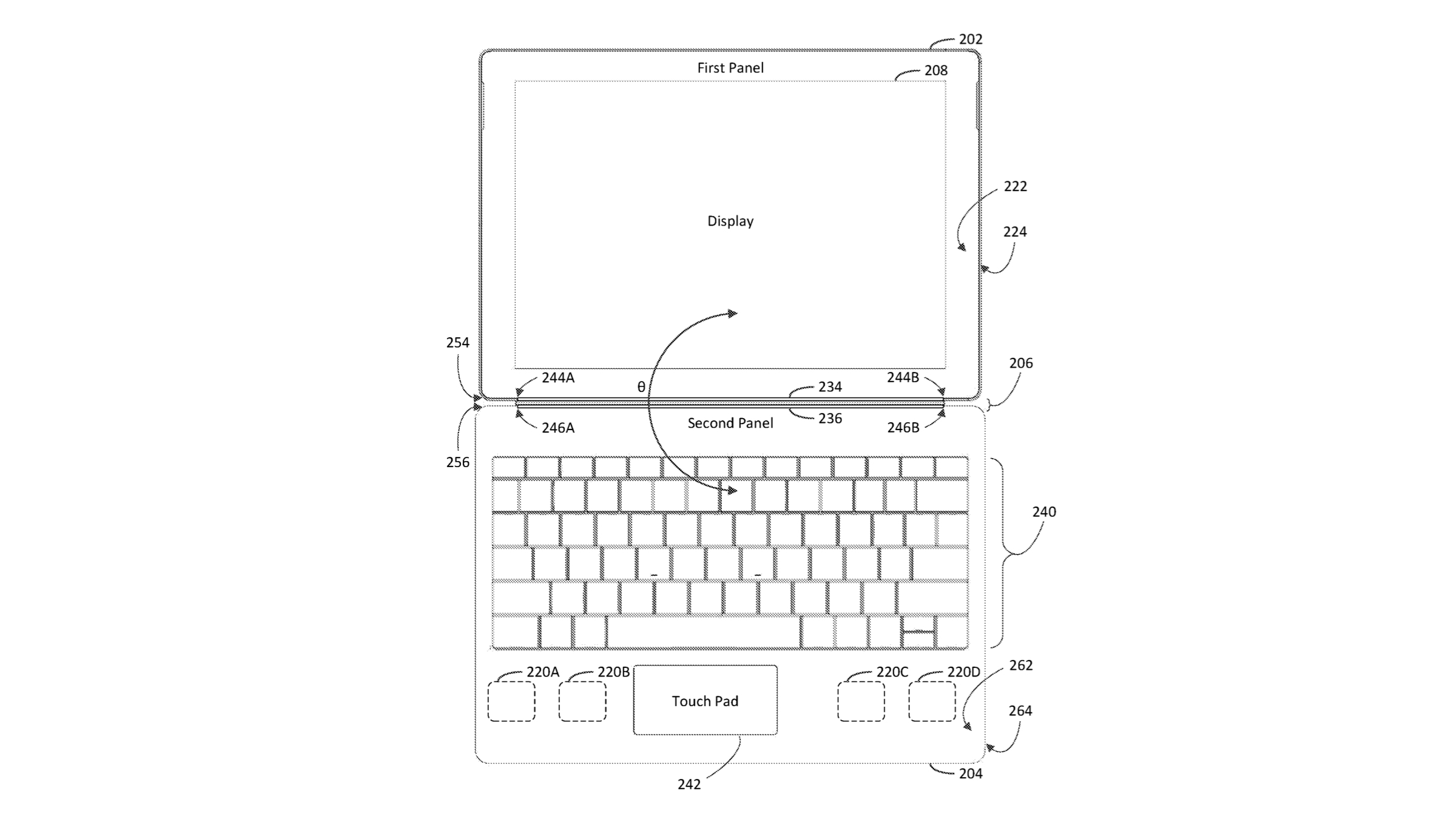
    Microsoft originally launched the Surface lineup of personal computers in the year 2012 which have been highly appreciated by the consumers. A freshly granted patent to Microsoft hints that the company is working on a new design for its latest Surface Pro which is expected to debut later this year.

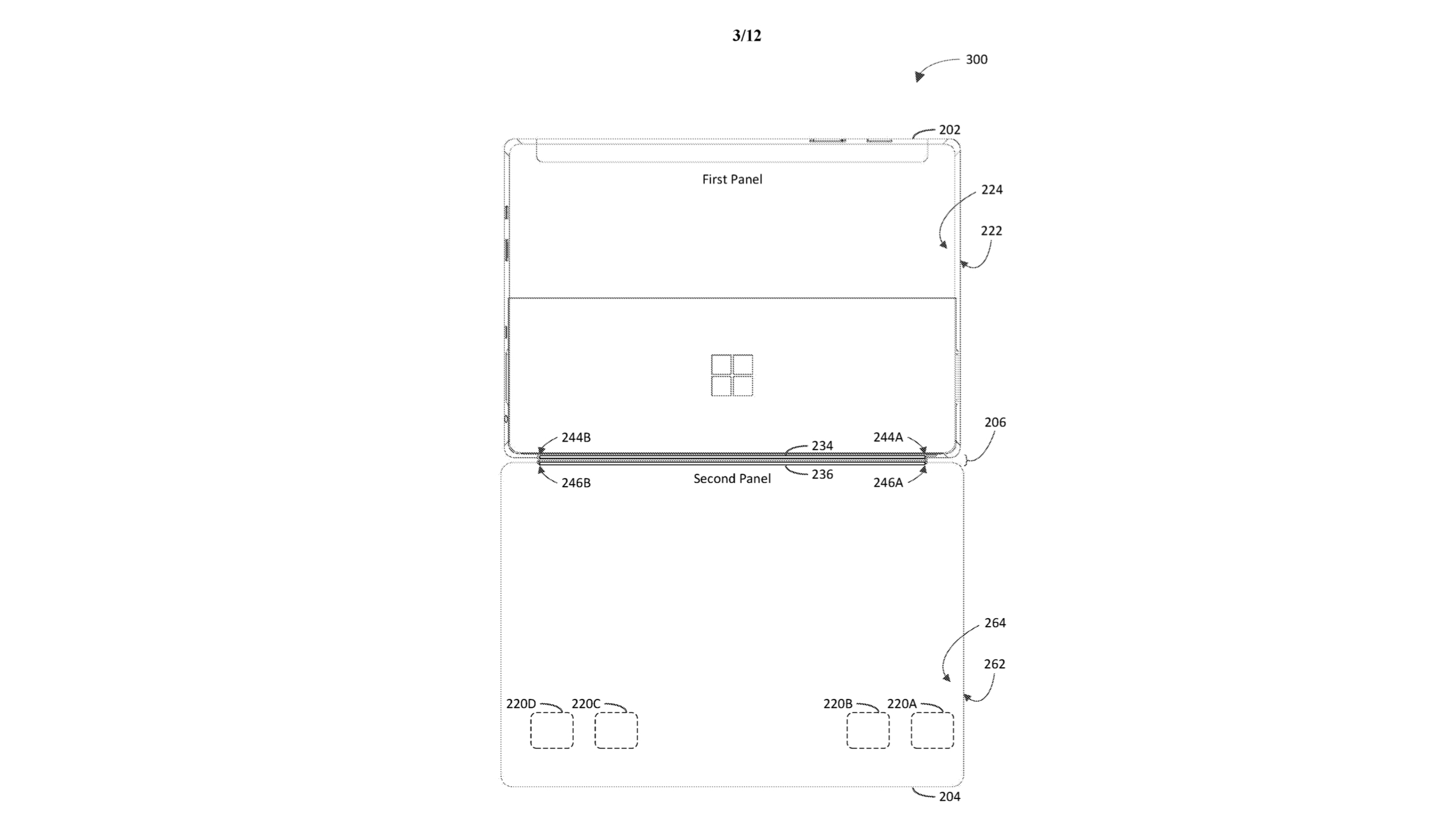
    The design of the touchscreen PC from Microsoft has largely remained the same since the Surface Pro 4 from the year 2015. The latest patent suggests that the upcoming device will have a significantly different design in comparison to the current generation. The alleged Microsoft Surface Pro 7 from the patent has considerably thin bezels around the display. Also, the detachable type cover on the future device will have four magnets which will prevent it from flapping around when in a closed position.

    The patent also suggests that Microsoft may be altering the port selection on the Surface Pro 7. Except for the traditional USB A and MiniDisplay port, the upcoming device will introduce a USB C port which is slowly becoming a global standard. Closely inspecting the patent reveals that with the new device, the company has decided to move the 3.5 mm audio jack to the bottom.

    Intriguingly, the patents of the Surface Pro state that the company will do away with the conventional Surface Connect Port on this device. Instead, the touchscreen PC will be charged via the aforementioned USB Type C port. However, a past patent hints that Microsoft will retain some sort of magnetic port which will be compatible with USB Type C. The connector in the said patent was originally designed to transfer data at USB 2.0 speeds. Though it is likely that Microsoft has managed to implement USB 3 speeds on the connector. 

    Also Read: Top 5 Netflix Shows To Stream This Weekend

    More details about the upcoming Surface Pro are expected to be revealed in the coming future which will shed more light on the device and its features. 

  • Full Specs & Pricing Of The Redmi K20 Pro Leaked Before Launch

    Full Specs & Pricing Of The Redmi K20 Pro Leaked Before Launch

    Xiaomi’s sub brand, Redmi will soon launch its latest flagship grade smartphones called the Redmi K20 and the Redmi K20 Pro. The upcoming duo is set to launch on the 28th of May and days before the official announcement; specs and price of latter have been revealed. 

    Redmi K20 Pro Features & Looks

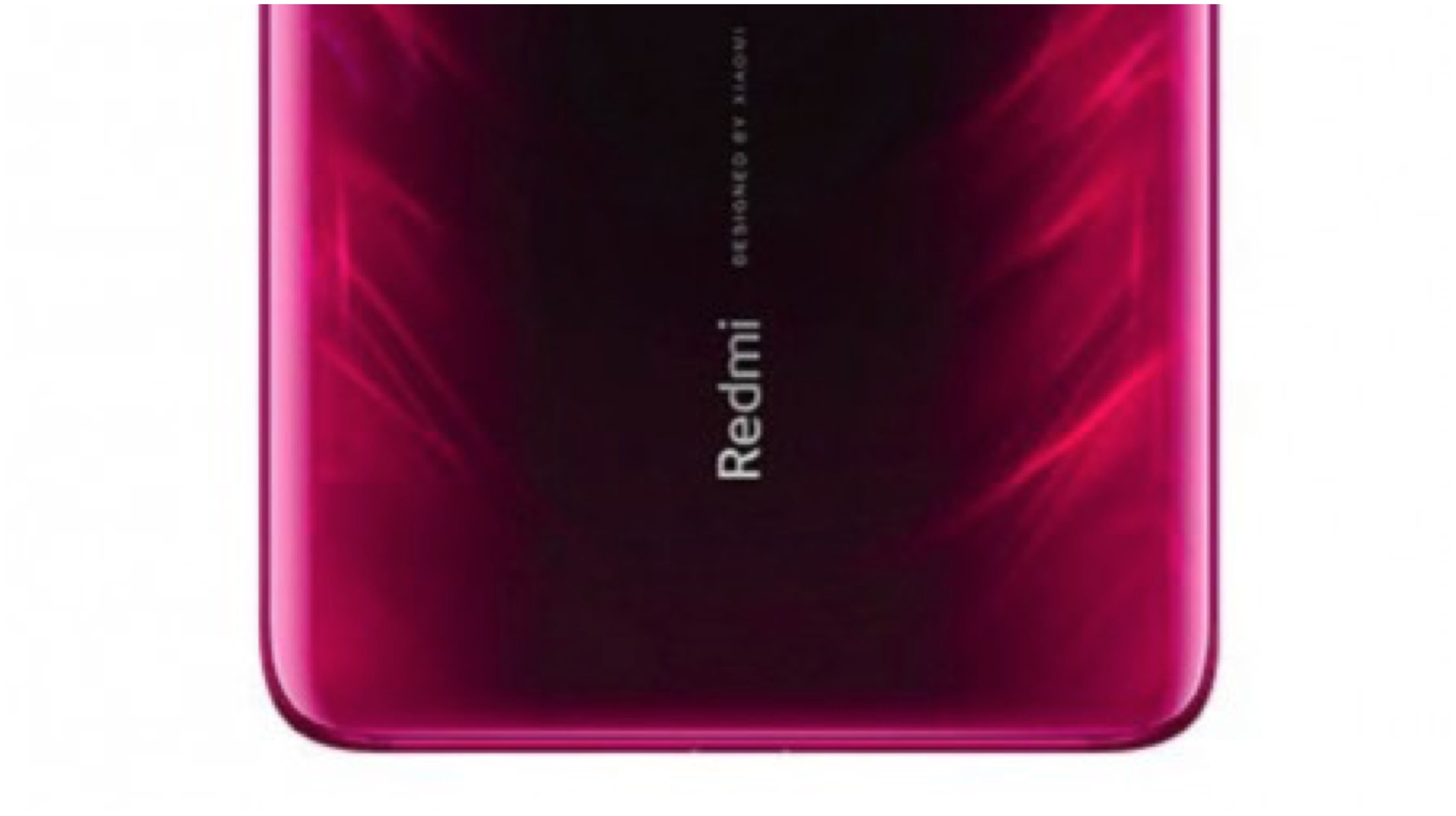
    Redmi K20 Pro PriceGoing by the previously leaked image, the Redmi K20 Pro has an elegant design with a glossy back panel that houses triple cameras and the company branding. Images of the smartphone’s front are currently unavailable but it is reported to have an edge to edge display and a pop-up style selfie camera.

    The Redmi K20 Pro sports a 6.39 inch Super AMOLED display that has a resolution of 2340 x 1080 px and a pixel density of 409 ppi. Like several other high-end devices, it has an on-display fingerprint scanner. Under the hood, it features the Snapdragon 855 SoC which is comprised of an octa-core CPU and Adreno 640 GPU. Redmi K20 Pro Battery

    For photography, the Redmi K20 Pro has a triple rear camera setup. Out of the said cameras, one is confirmed to be a 48 MP Sony IMX586 sensor. The device is powered by a large 4,000 mAh battery that supports 27 w fast charging. Other details including the dimensions, front camera sensor and connectivity options will be revealed at the time of the launch. 

    Redmi K20 Pro Price

    Redmi K20 Pro Price BoadThe leaked teaser reveals the K20 Pro will be offered in three storage variants for which the prices are as follows:

    • 6 GB + 64 GB: CNY 2599 (Rs 26,200)
    • 6 GB + 128 GB: CNY 2799 (Rs 28,200)
    • 8 GB + 128 GB: CNY 2999 (Rs 30,200)

    Also Read: Xiaomi Redmi 7A Announced With Snapdragon 439 SoC

    Conclusively, the leaked pricing and specifications of the handset will be verified at the launch event which is set for the 28th of May. In addition to the former, Xiaomi will also launch the Redmi K20 which is expected to be its watered down variant with Snapdragon 730 SoC. 

  • Samsung Will Soon Launch The Galaxy A70s With 64 MP Camera

    Samsung Will Soon Launch The Galaxy A70s With 64 MP Camera

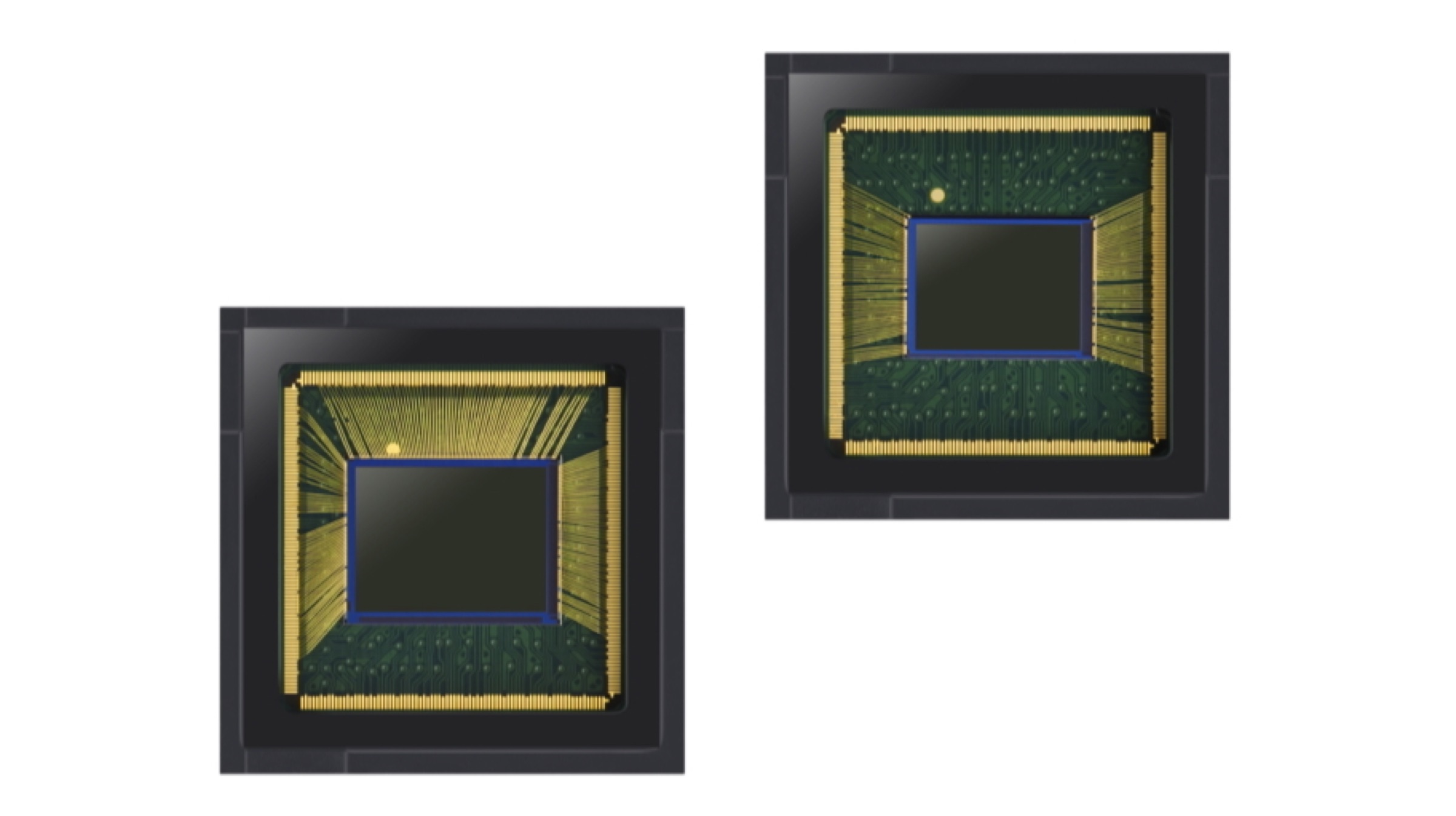
    Korean electronics giant, Samsung is planning on launching yet another device in the Galaxy A lineup. The upcoming device will be called the Galaxy A70s and as the name suggests, it is a specced up variant of the Galaxy A70 which was launched in the month of March. Noteworthy, it will be the world’s first smartphone to feature a 64 MP resolution camera. It will incorporate the Samsung ISOCELL GW1 camera sensor which was unveiled earlier this month. 

    ISOCELL GW1 Sensor Explained

    The ISOCELL GW1 sensor has a small 0.8 micrometre size pixel which is considerably smaller than most camera sensors found on modern smartphones. The pixel size of a camera sensor determines the amount of light it can absorb which directly affect the exposure levels in images captured. Interestingly, the ISOCELL GW1 uses a technology called Tetracell which combines the image data and light from four 16 MP sensors that can produce the impressive image quality that Samsung boasts of.

    In addition to the 64 MP camera sensor, the Galaxy A70s is likely to have similar specifications as the original device. For reference, the specifications of Galaxy A70 are as follows: 

    Galaxy A70 Specifications

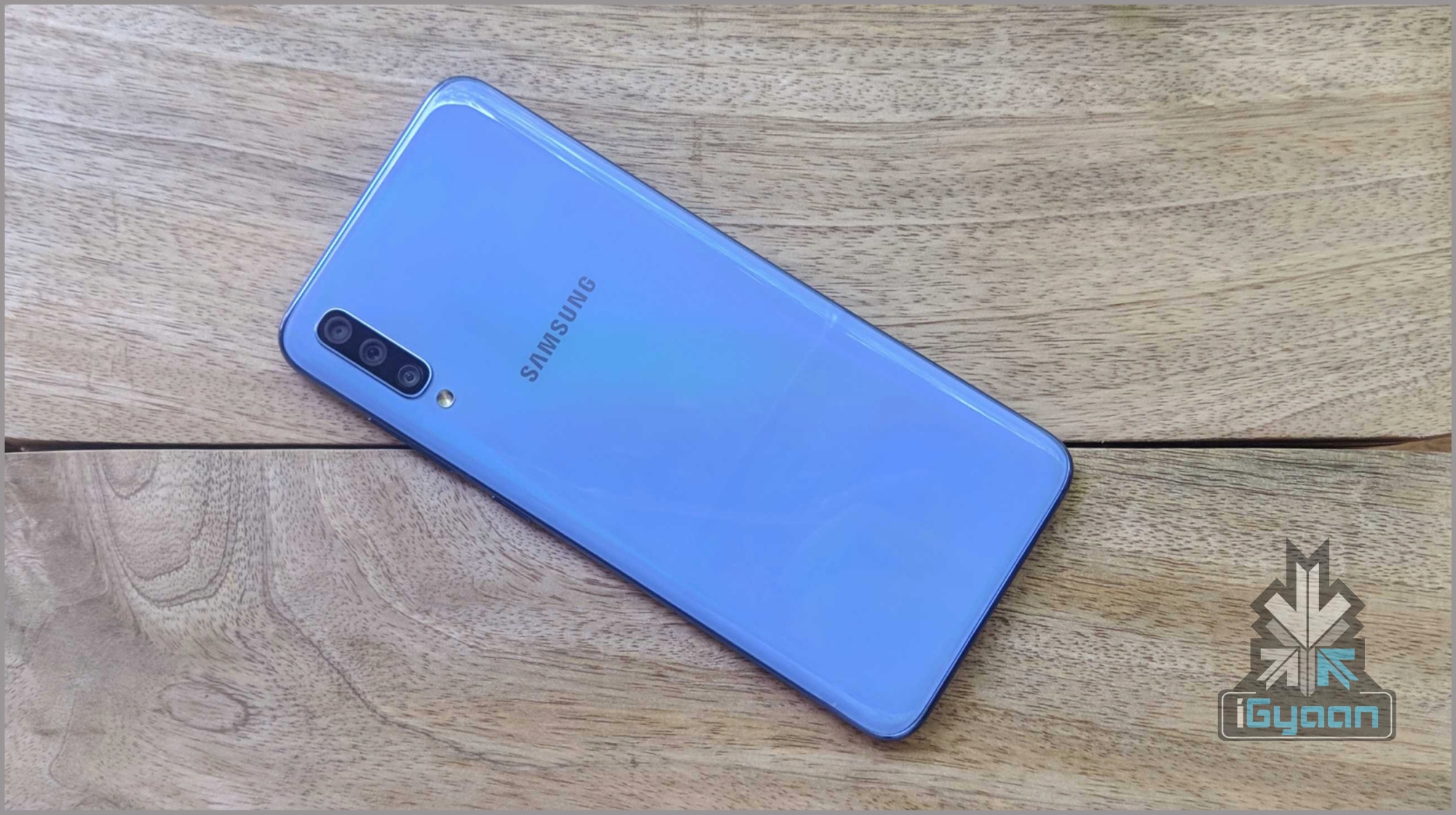
    The front of the Samsung Galaxy A70 sports a gigantic 6.7 inch Super AMOLED display which is surrounded with minimal bezels. The rear panel of the device is made out of glass that houses the company branding and the triple rear camera setup. Under the hood, the Galaxy A70 packs the Snapdragon 675 SoC which is comprised of an Octa Core CPU and the Adreno 612 GPU.

    The smartphone is powered by a 4,500 mAh battery which supports 25 W fast charging. In term of optics, the Galaxy A70 features a 32 MP front facing camera which is housed in the Infinity U notch above the display. Talking about the triple rear camera setup, it is comprised of a 32 MP sensor, an 8 MP ultrawide sensor and a 5 MP depth sensor. It runs on the latest Android 9 Pie which is skinned with Samsung’s One UI. 

    Also Read: Google Is Reimbursing Pixel 1 Owners In The US, But What About India?

    To conclude, the Galaxy A70s with a beefed up camera and similar specifications to the Galaxy A70 seems like a worthy smartphone in the midrange segment. The official price and specifications of the handset will be revealed at the official launch event which is reported to happen soon.

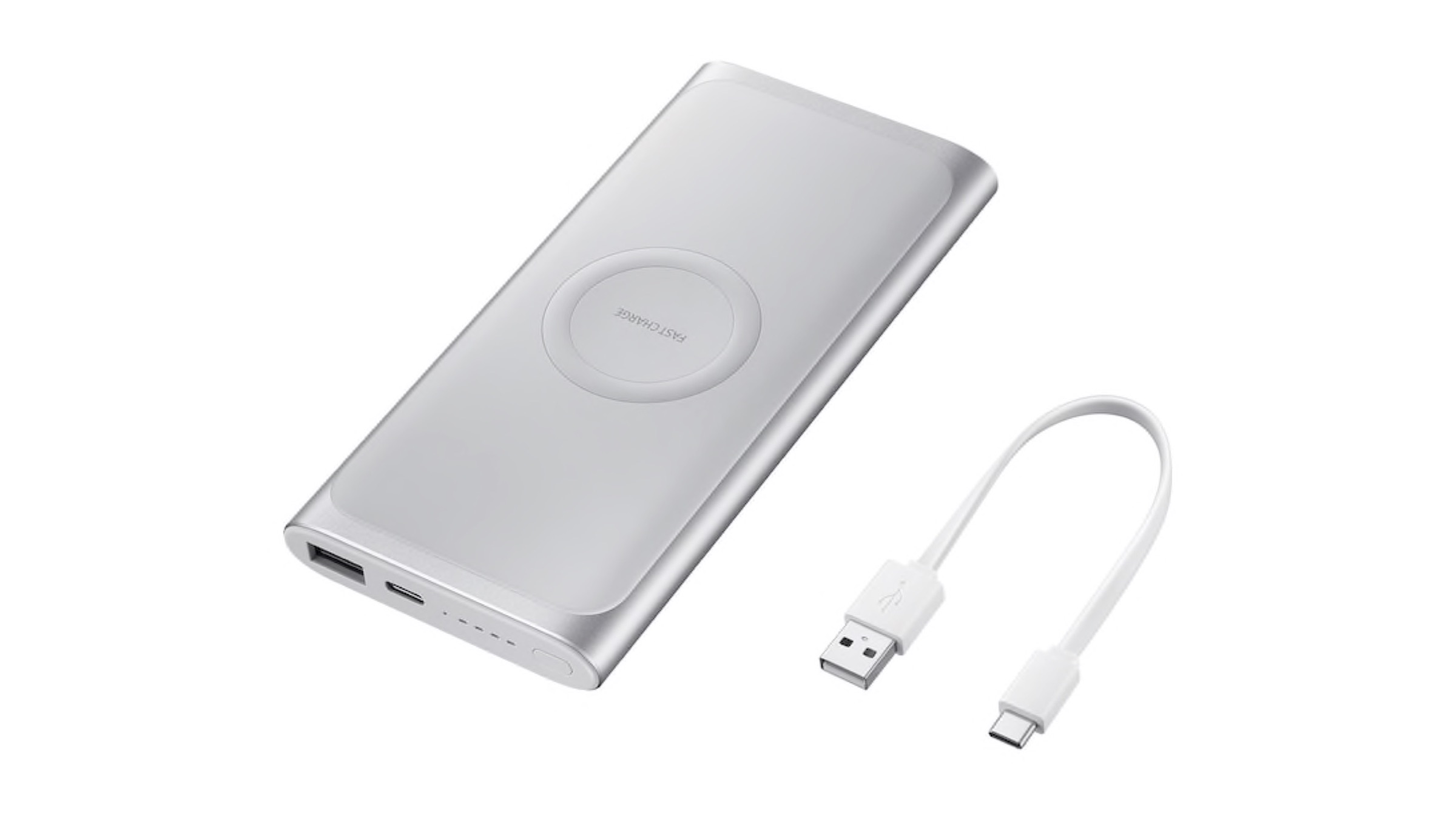
  • Samsung Launches 10000 mAh Power Bank With Wireless Charging Support

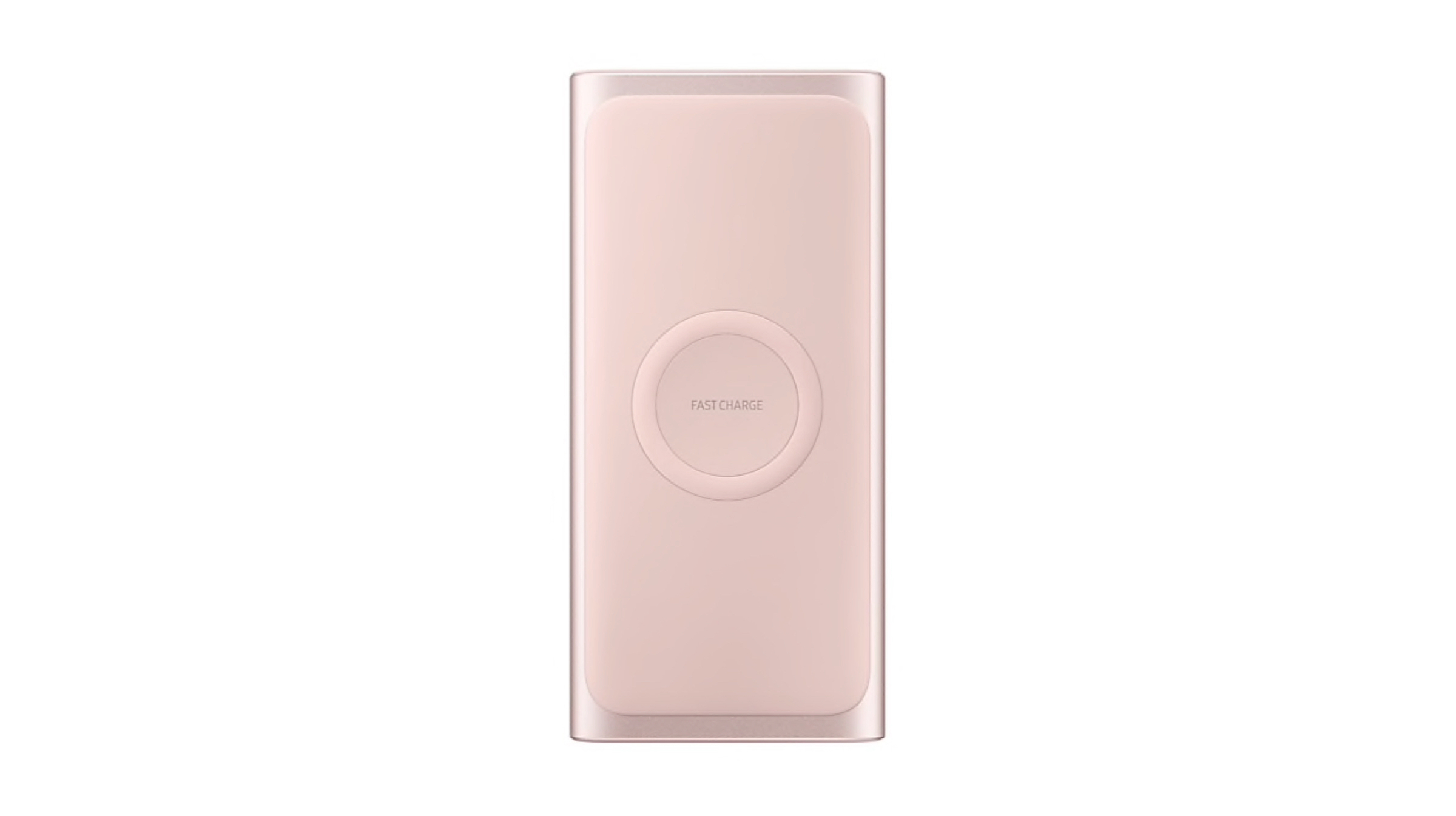
    Samsung Launches 10000 mAh Power Bank With Wireless Charging Support

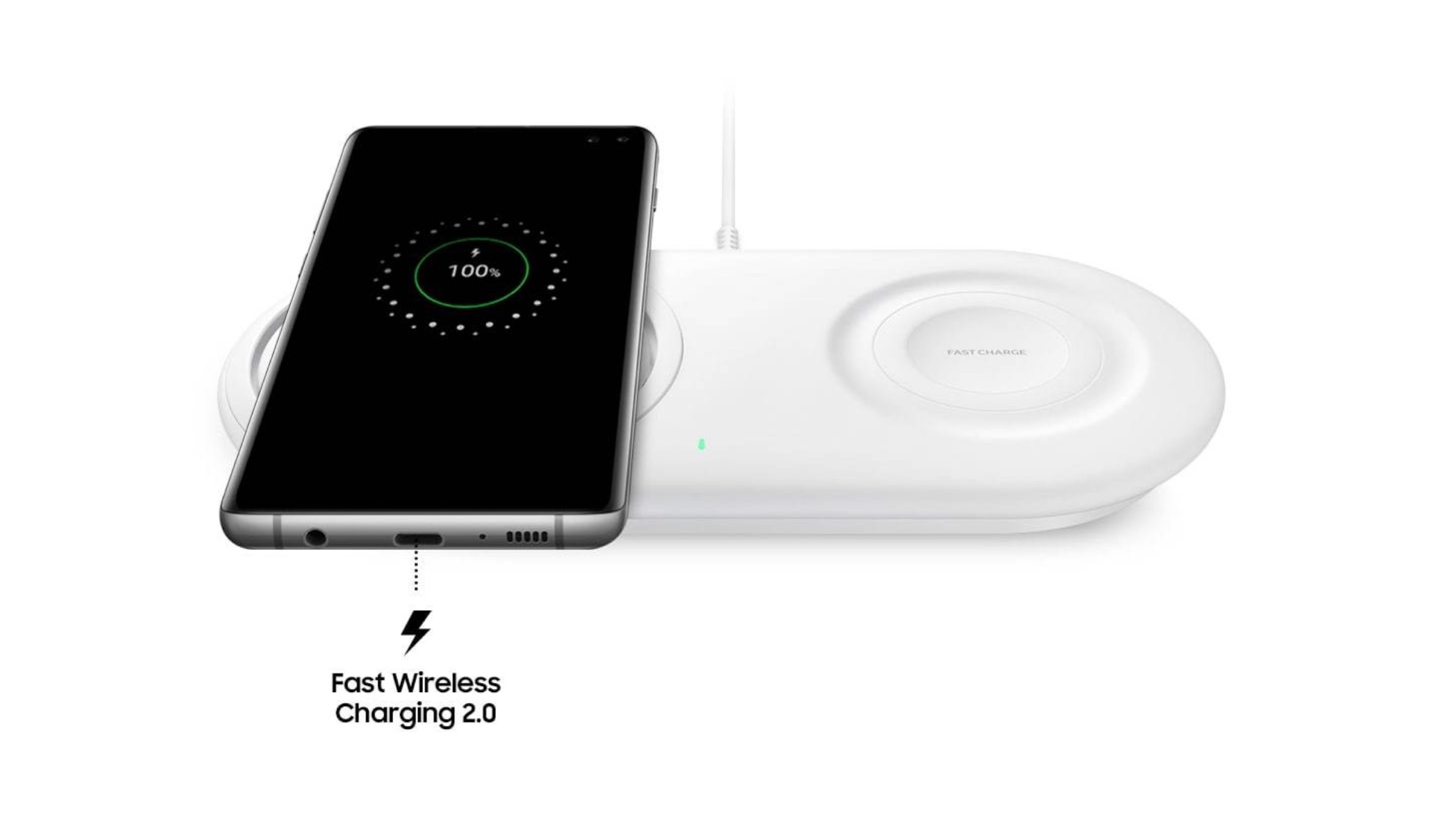
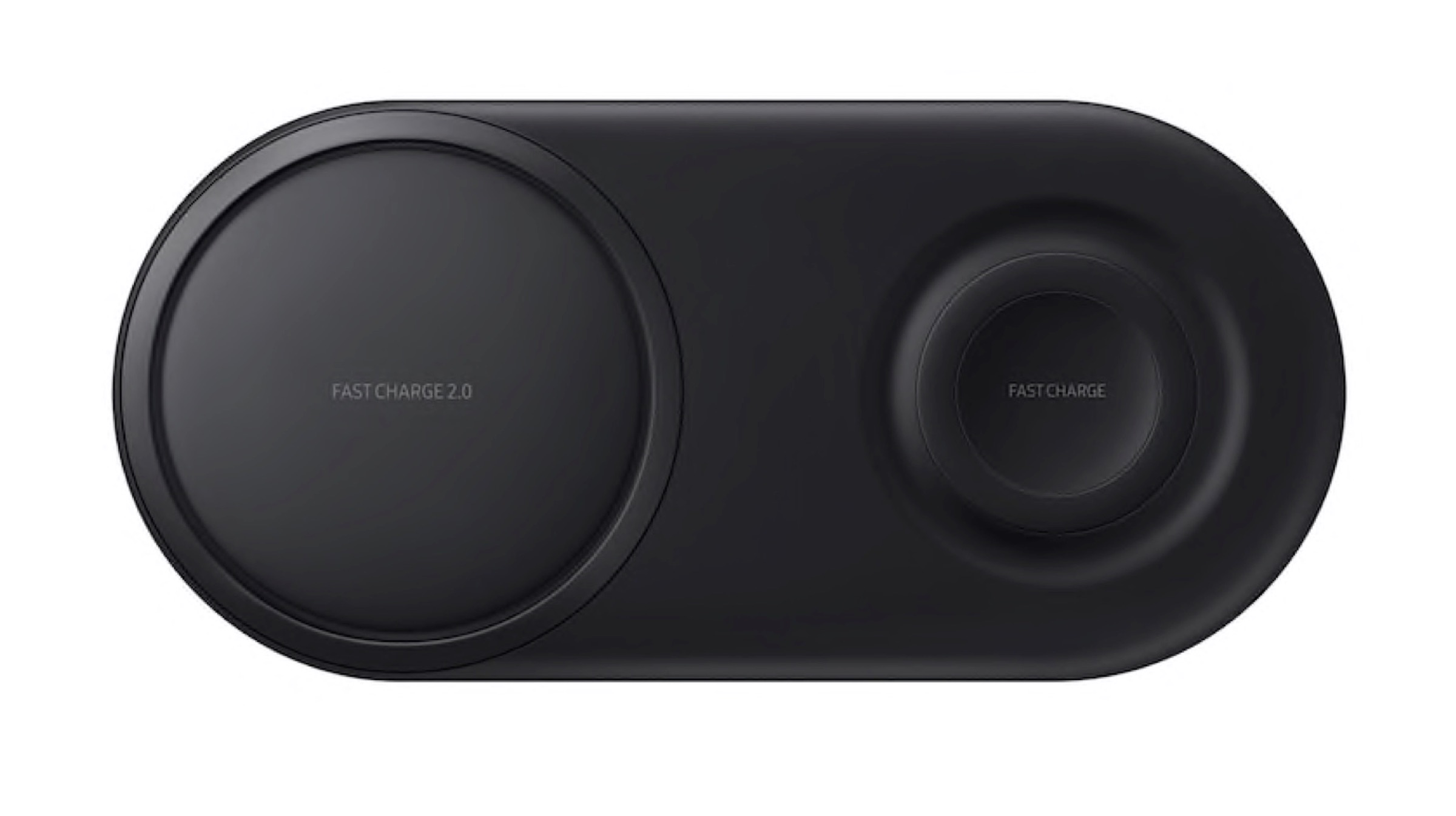
    Samsung in an efforts to bring its Wireless charging technology to the mainstream market has launched two new accessories in its wireless products lineup. Users can charge their Samsung Galaxy smartphones and other Qi-certified devices seamlessly. Supporting the company’s other line up of wireless devices, the new Wireless Power Bank and Wireless Duo Pad are capable of charging the Galaxy Buds and the Galaxy Watch.

    With Samsung leaning towards making wireless charging more accessible and practical in the everyday life of its consumers. By taking away the ‘Gimmick’ that has initially surrounded this feature. It serves to make wireless charging an industry norm. Samsungs move on making devices from other brands compatible along with their wireless products makes wireless charging a universally accessible tool.

    Features of Samsung’s Wireless Power Bank:

    – Samsung’s design for a truly portable and wireless experience, encased in aluminium for a sturdy yet slim build.
    – A hearty 10,000mAh capacity that can charge two devices at a go, with one being wireless and one wired charging.
    – Samsung’s trademark Adaptive Fast Charging and Quick Charge 2.0 is available in both and wired and wireless charging.
    – Dimensions: 149.93 x 70.8 x 15.09 mm; Weight: 234g
    – Fast Wired Charging (AFC, QC2.0 max.15W), Wireless Charging Output (FAST CHARGE, Qi, Galaxy Watch)
    – Backwards compatible with older Samsung S series as well as the Note series. Galaxy Buds, Galaxy Watch range and all Qi certified devices from other brands are also being supported with the power bank.

    Features of Wireless Charger Duo Pad:

    – Samsung claims that the Duo Pad charges Galaxy S10 devices up to 30 minutes faster than previous iterations.
    – Capable of charging multiple devices with its dual charging pads, for e.g, a Galaxy S10 and Galaxy Watch at the same time.
    – Dimensions: 195 x 18.05 x 92 mm, Weight: 168g
    – Directly compatible with other Qi certified Products
    – Charge up to 2 devices simultaneously, with Quick Charge 2.0 and Quick Charge 1.0, Qi, SmartWatch Charging.

    Price and Availability

    Also Read: Google Stored Passwords In An Unsecured Manner For 14 Years On G Suite

    The Samsung Wireless Charger Duo Pad launched with black and white coloured variants priced at Rs.5,999. Similarly, the Wireless Power Bank launched with silver and pink variants and is priced at Rs. 3,699.
    Both products are available on online stores, such as Flipkart and Amazon, as well as certified Samsung affiliated stores.

  • Redmi K20 Confirmed To Have An Indisplay Fingerprint Sensor & 27 W Fast Charging Support

    Redmi K20 Confirmed To Have An Indisplay Fingerprint Sensor & 27 W Fast Charging Support

    Update

    Alleged Image Of The Redmi K20

    Original

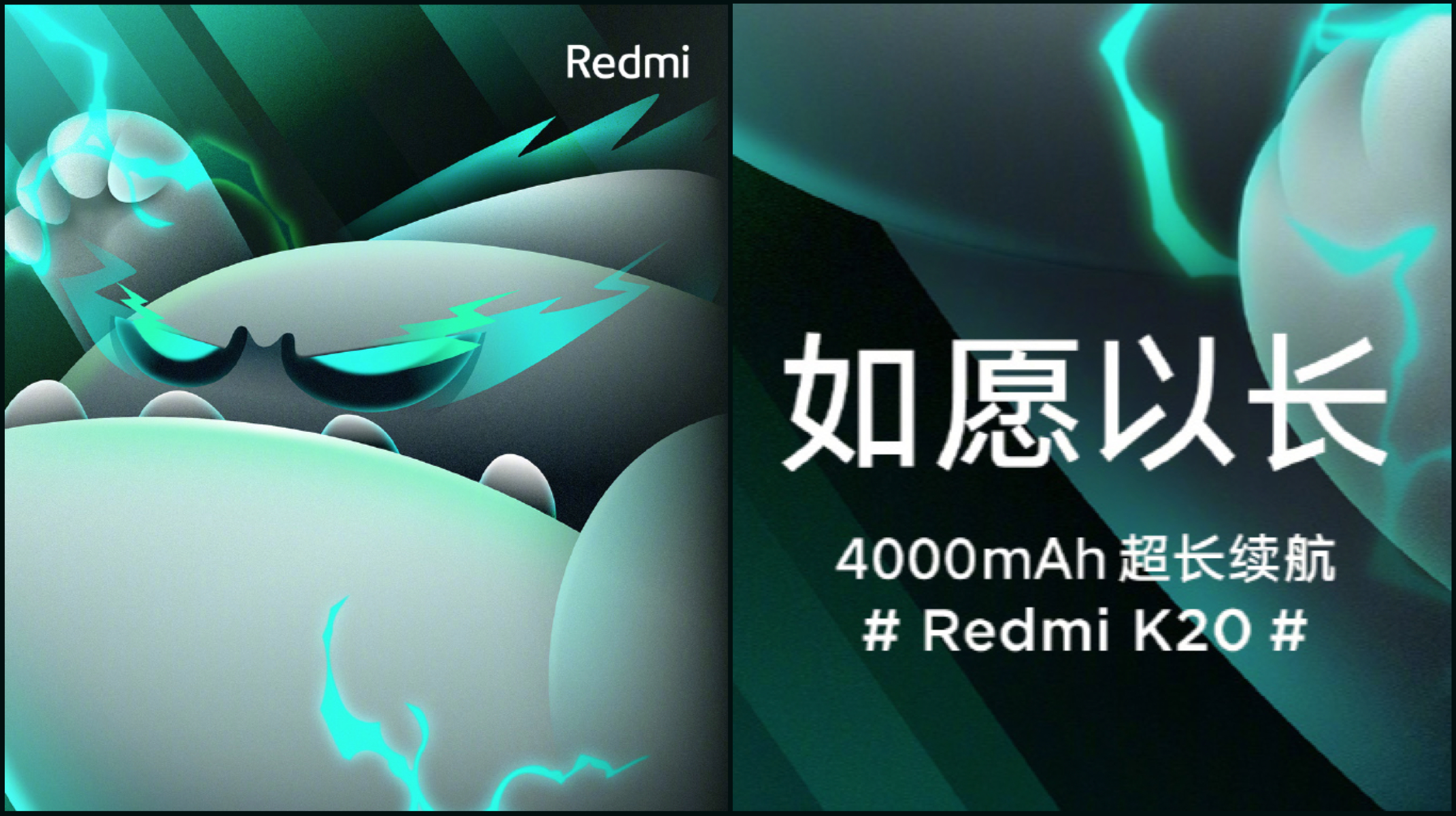
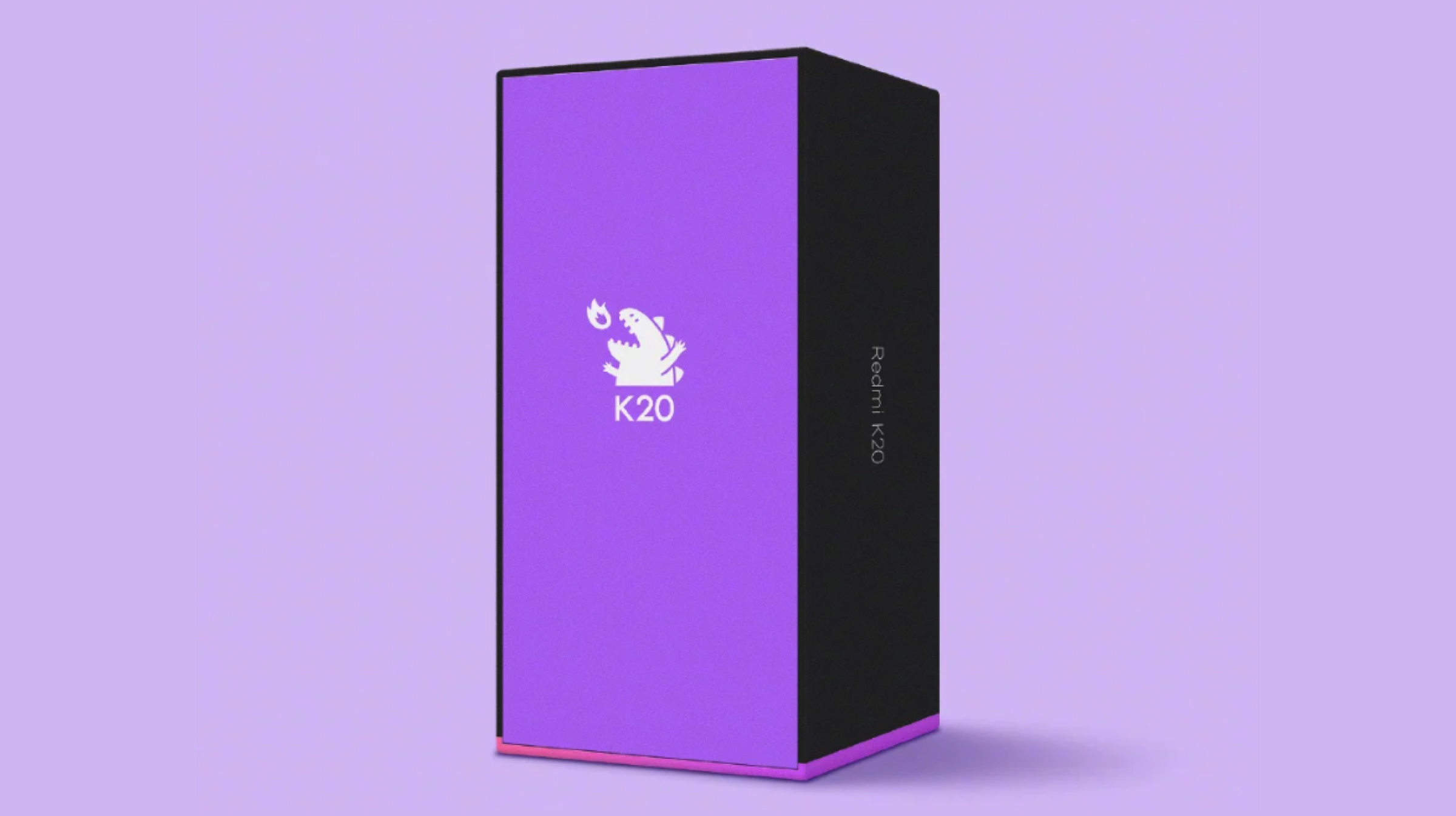
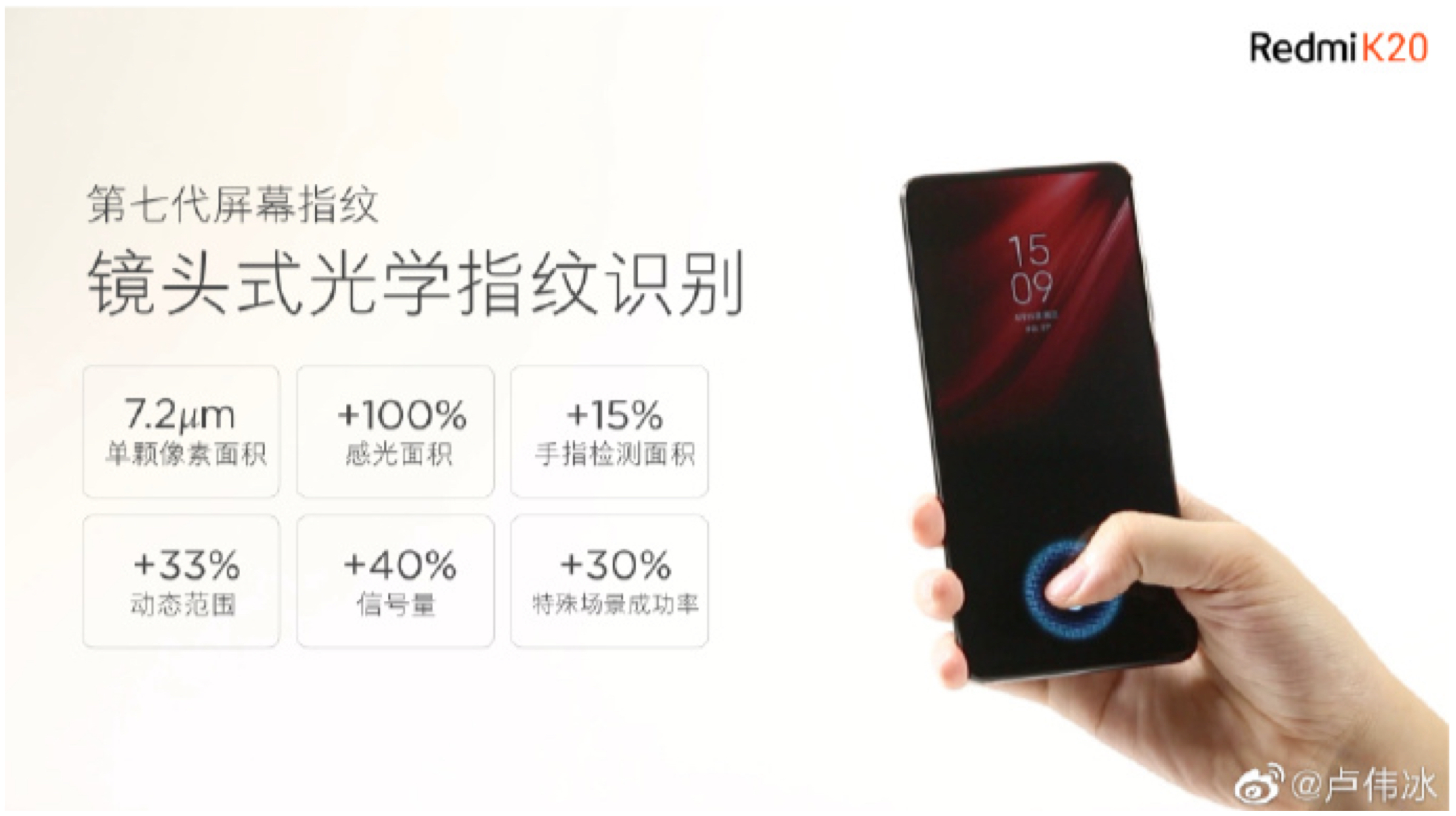
    With each passing day, more and more information about the highly anticipated Redmi K20 is being revealed by the company. The K20 is Xiaomi’s upcoming flagship grade smartphone which is being touted to have high end specifications and will carry an aggressive price tag. A senior Xiaomi executive has freshly shared another teaser which exhibits a key feature of the upcoming handset. The teaser was shared on the Chinese social media platform, Weibo and it reveals the Redmi K20 with have an enhanced In-display fingerprint sensor. Redmi K20 Indisplay Fingerprint Sensor

    Noteworthy, the anticipated flagship will incorporate the 7th generation optical fingerprint sensor which is significantly better than the last generation. The seventh generation fingerprint scanner has a 7.2 ?m size sensor and 15 % larger surface area. The sensor is upto 2x sensitive than the last generation which has lead to 30% faster unlock speed.

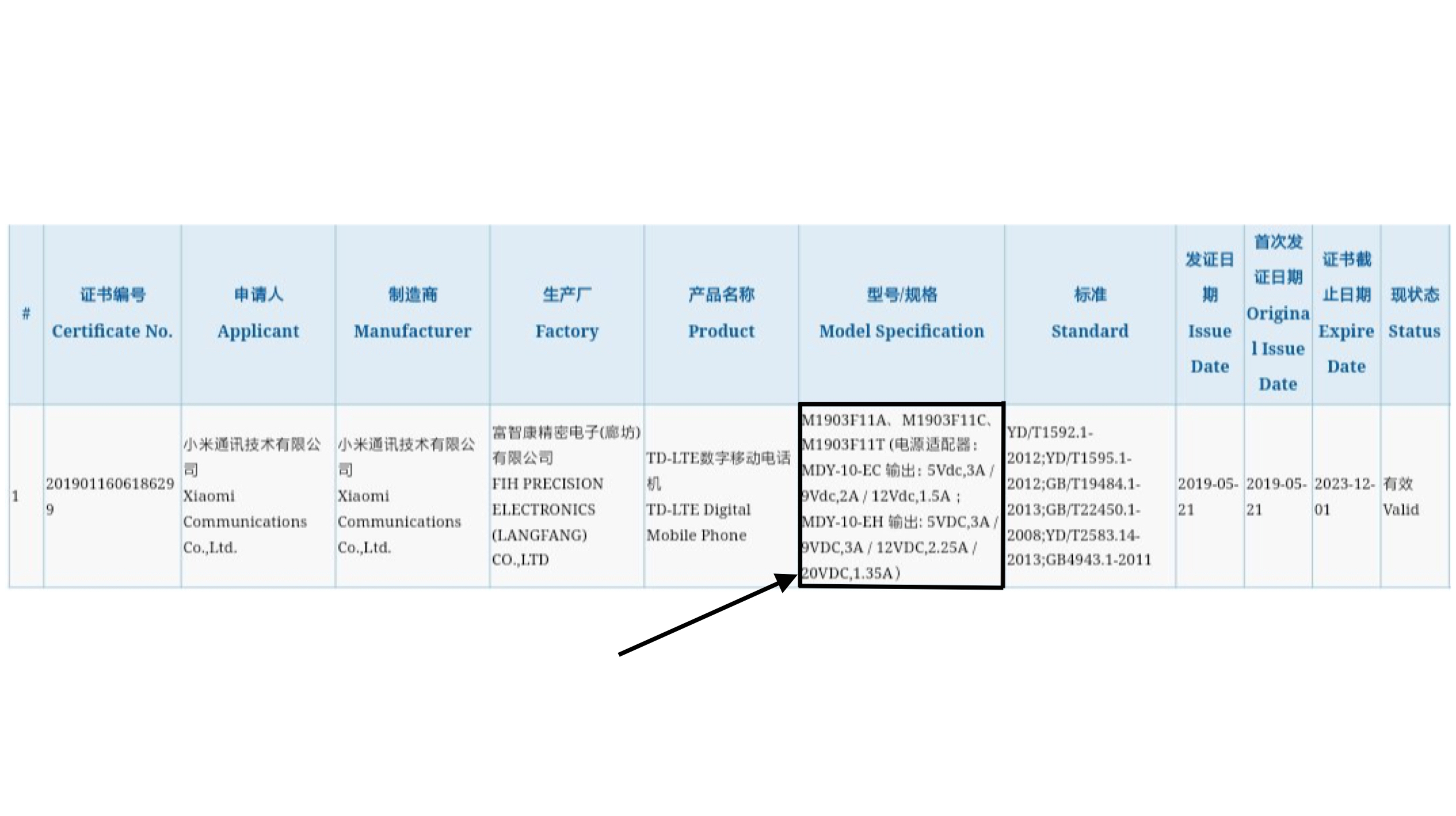
    Furthermore, the Redmi K20 has also been granted the mandatory 3c certification. It reveals that the smartphone will support 27w fast charging which complies with prior reports. Previous teasers have revealed that the Redmi K20 will be powered by the high end Qualcomm chipset, the Snapdragon 855. The chipset is manufactured using 7 nm fabrication process and is also present on devices like the Oppo Reno 10x zoom variant and the Galaxy S10 (US variant). The SoC consists of an Octa Core CPU and the Adreno 640 GPU.Redmi K20 Camera

    The Redmi K20 is reported to have a triple rear camera setup. Out of the three sensors, the main sensor will be the Sony IMX 586 48 MP sensor. It is also confirmed to pack a large 4,000 mAh battery.
    Also Read: Lenovo Z6 Youth Edition Launched In China

    Detailed specs, features and price of the K20 will be revealed at its official launch which is set for the 28th of May. 
     

  • Samsung Announces An Ultra Slim Camera Module That Supports 5X Optical Zoom

    Samsung Announces An Ultra Slim Camera Module That Supports 5X Optical Zoom

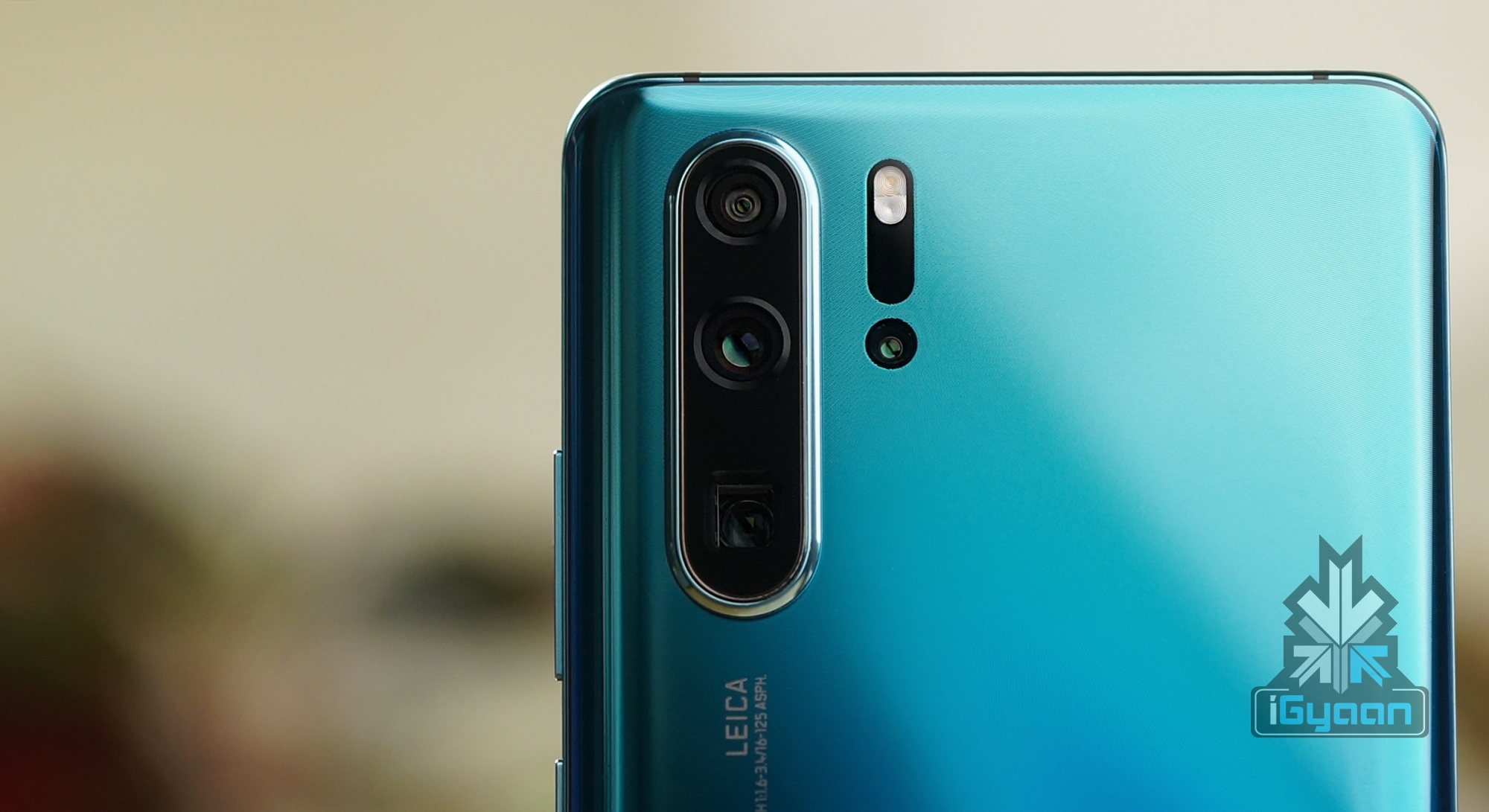
    Over the last few years, the camera performance on smartphones has drastically improved. In the month of March, Huawei launched the P30 Pro which features a remarkable camera sensor that supports 5x optical zoom. Soon after Huawei, Oppo also launched the flagship grade Reno 10x smartphone that offers similar zoom capabilities. Samsung, a market leader in the field of smartphone technology has freshly launched an identical ultra-slim camera module which supports 5x zoom. Samsung 5x Zoom Sensor
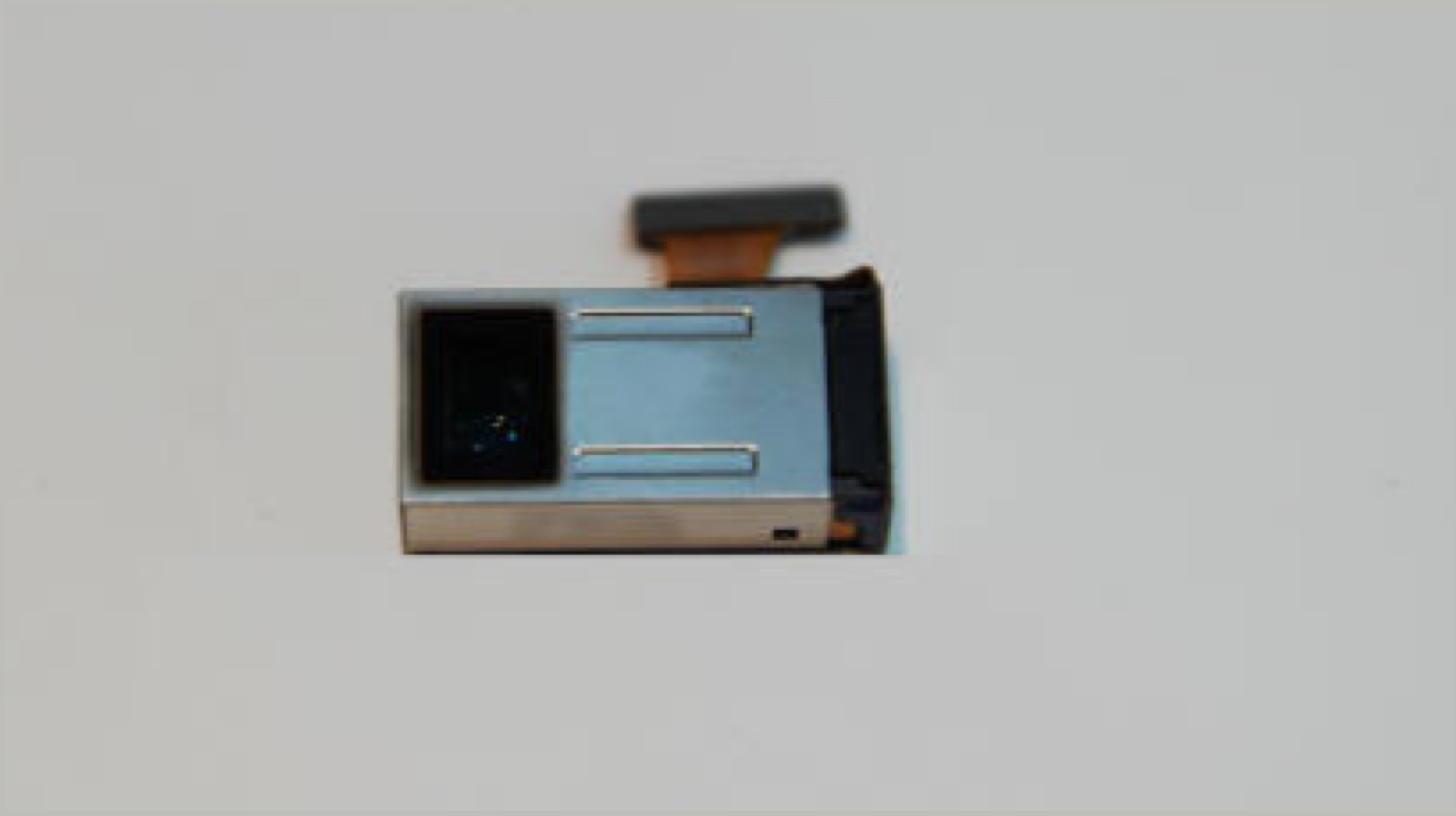
    The newly announced camera module from Samsung has a tiny footprint and it is only 5 mm thick. This is a praiseworthy achievement as it allows OEMs to incorporate a high capable zoom sensor into a pocketable smartphone whilst still maintaining a thin form factor. 

    Samsung 5x zoom sensor samplesThe camera sample shared by Samsung is the appropriate demonstration of what kind of output can be achieved with the newly announced sensor. The sample shots illustrate the zoomed out and zoomed in picture of the same subject. It can be drawn that even after zooming 5x the subject has retained most of the colours and details.

    Huawei P30 Pro With 5x Optical Zoom

    Talking about the functionality of the sensor from Samsung, it has a periscope structure that has prism shaped lenses aligned in a right angle arrangement. The two prism shaped sensor can be moved closer or farther to each other which provides zoom in or zoom out functionality to the device that incorporate it. 

    Also Read: AirPods For Rs. 899! Top Tech Under Rs. 1000: Gadgets and Accessories

    In addition to incorporating the new sensor in its own smartphones, Samsung will also offer it to third party OEMs which already includes Oppo. 


  • Honor 20 & Honor 20 Pro With Punch Hole Display Launched

    Honor 20 & Honor 20 Pro With Punch Hole Display Launched

    In an event held in London, Huawei’s sub brand, Honor has launched its latest smartphones, the Honor 20 and the Honor 20 Pro. The newly launched devices are flagship grade handsets that have a focus on photography. Both smartphones have a similar design and have a lot of heterogeneous specifications including the chipset, front camera, display and connectivity options.

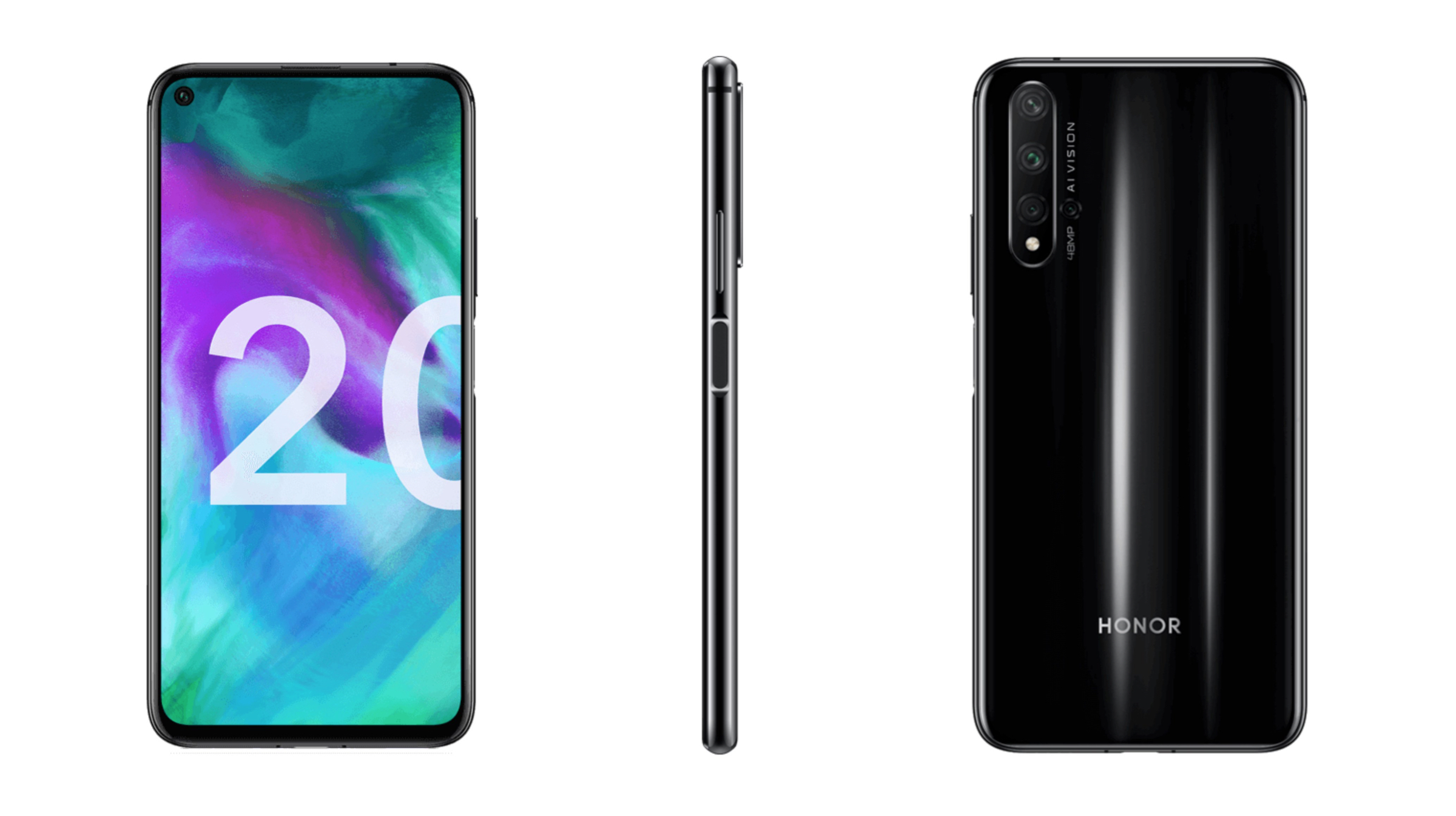
    Honor 20 and Honor 20 Pro Design

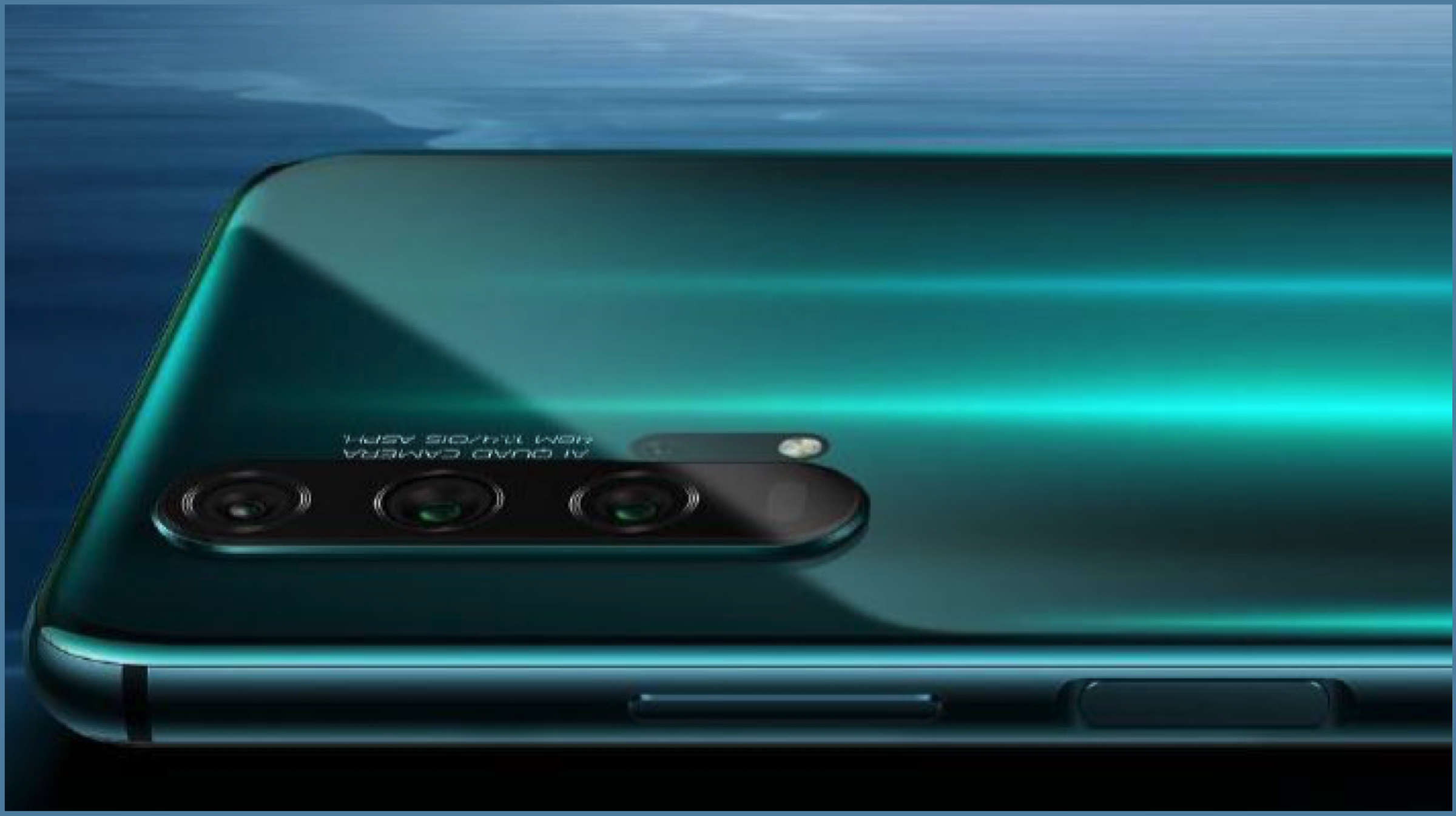
    Both the Honor 20 and the Honor 20 Pro have an elegant design owing to the large screen display on the front. The display on both smartphones has a punch hole which houses the front facing selfie camera. The rear of the smartphones is made out of glass which harbours the company branding and the quad rear camera setup which is aligned in a vertical arrangement.Honor 20 Pro Front and Back

    The right side of both devices is occupied by the volume rocker and the power button which also doubles up as the fingerprint scanner. The bottom of the devices houses the USB Type C port which is flanked by the loudspeaker and the charging grille on either side. 

    Honor 20 and Honor 20 Pro Specifications

    Both the Honor 20 and the Honor 20 Pro feature a 6.26 inch LCD display. The smartphone duo has a 32 MP resolution front facing camera which is housed in the punch hole in the display. Under the hood, they pack the Kirin 980 SoC which is also present on the previously launched Honor View 20 and the Huawei P30. The chipset consists of an Octa Core CPU and the Mali G76 GPU. 

    In terms of battery, the Honor 20 is powered by a 3750 mAh battery whereas the Honor 20 Pro is powered by a 4,000 mAh. Both devices also support 22.5 W fast charging. Connectivity options on the two smartphones include 802.11 a/b/g/n Wi-Fi, Bluetooth 5.0, GPS, Dual 4G VoLTE and the bottom mounted USB Type C port. Both handsets also have a whole host of sensors which include an accelerometer, proximity sensor, gyroscope and a compass.

    The key highlight the Honor 20 and the Honor 20 Pro is the rear facing quad camera setup. Both smartphones have a 48 MP Sony IMX586 sensor, 16 MP wide angle sensor and 2 MP macro sensor. The fourth sensor on the Honor 20 is a 2 MP depth sensor whereas the Honor 20 Pro has an 8MP telephoto lens. The devices can also capture 2160p videos @ 60 fps from the rear camera setup.

    Honor 20 and Honor 20 Price, Colours and Storage Variants
    Honor 20 Pro Rear

    Also Read: AirPods For Rs. 899! Top Tech Under Rs. 1000: Gadgets and Accessories

    The Honor 20 Pro is available in two colour options which include Phantom Blue and Phantom Black. On the other hand, Honor 20 is available in three colour options which include Blue, Black and White. The devices are offered in a single storage variant for which the price is as follows:

    • Honor 20 (6 GB + 128 GB)- €499 (Rs 38,800 approx)
    • Honor 20 Pro (8GB + 256 GB)- €599 (Rs 46,600 approx)
iGyaan Network
Privacy Overview

This website uses cookies so that we can provide you with the best user experience possible. Cookie information is stored in your browser and performs functions such as recognising you when you return to our website and helping our team to understand which sections of the website you find most interesting and useful.