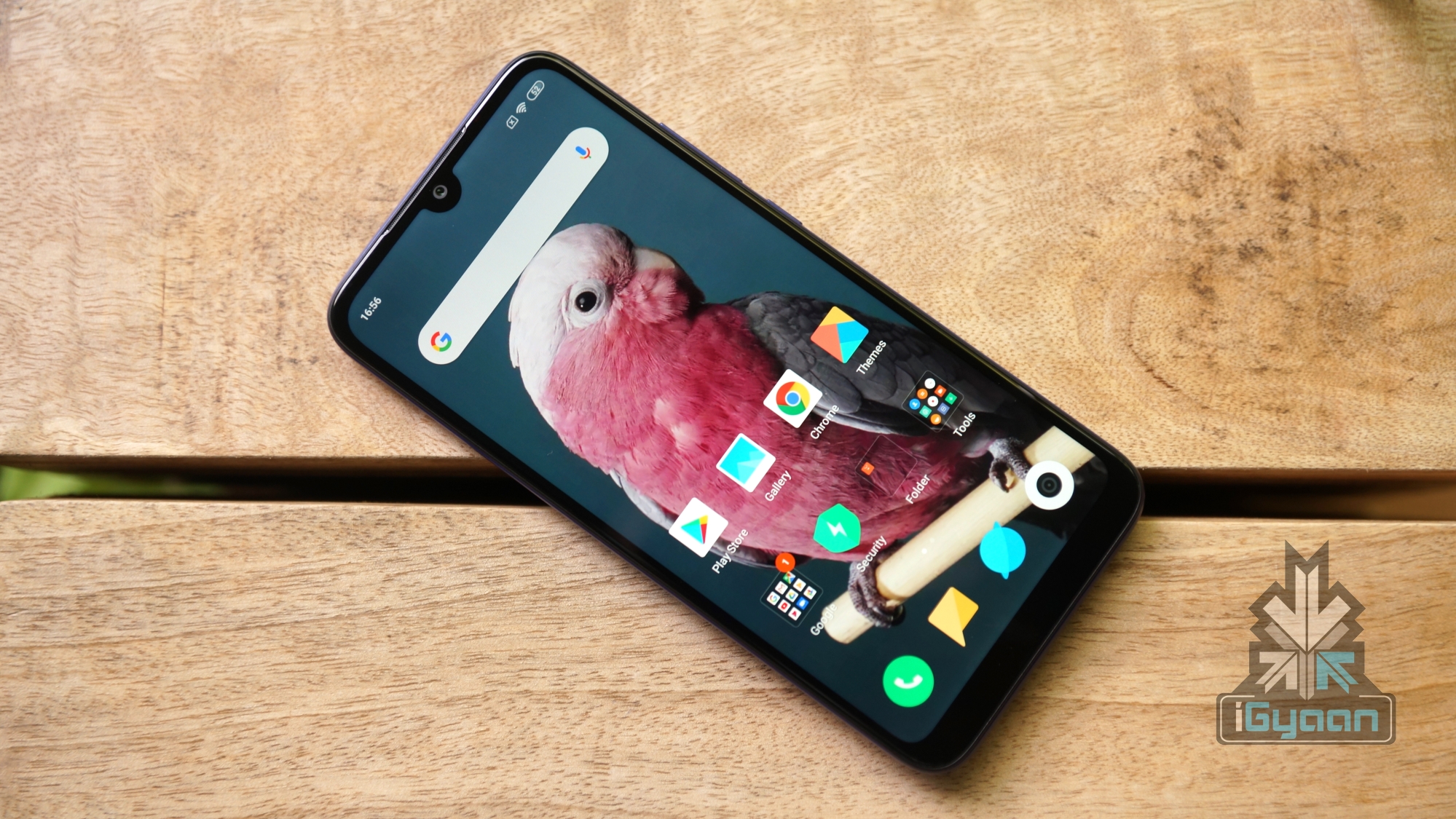
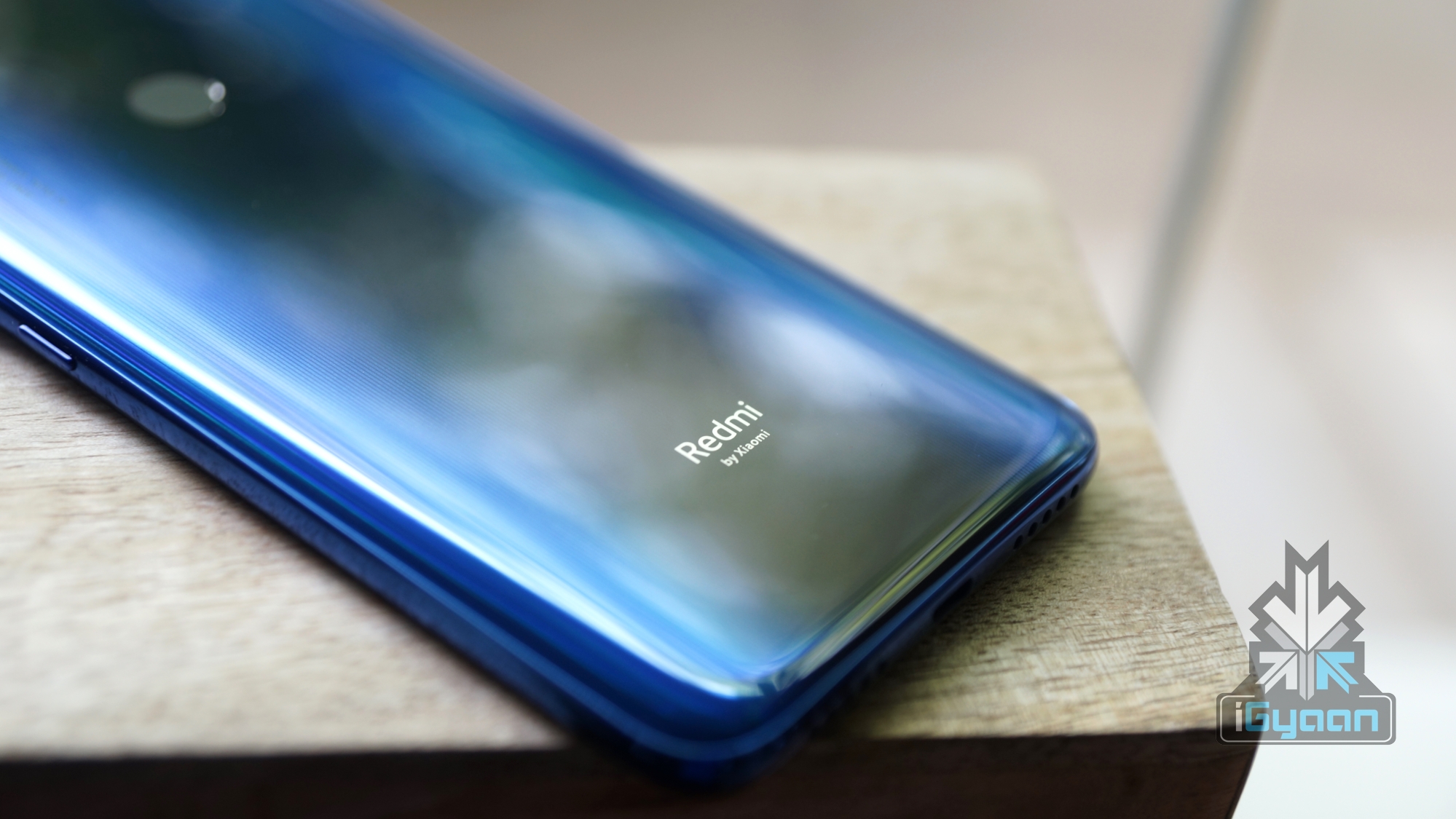
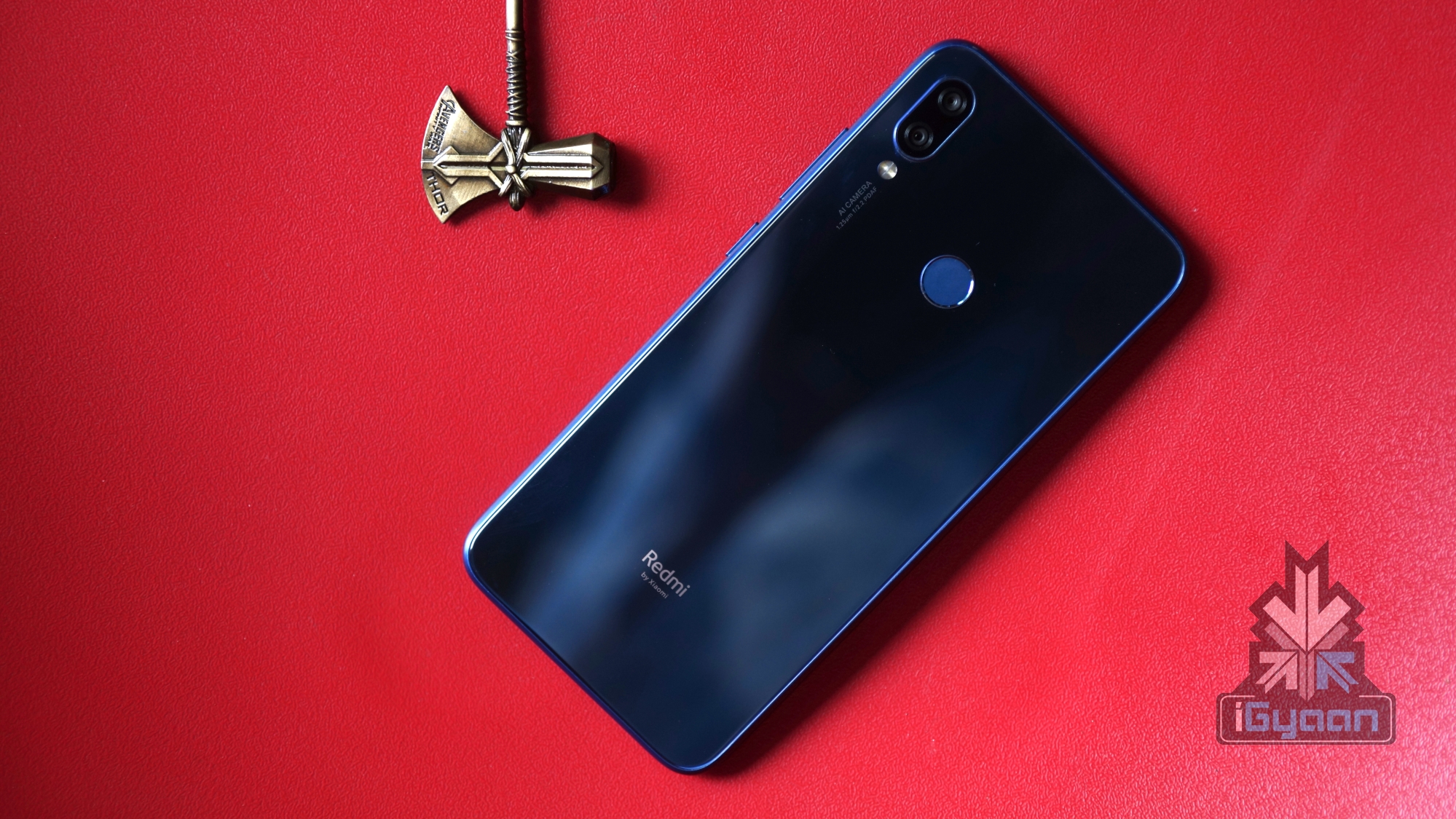
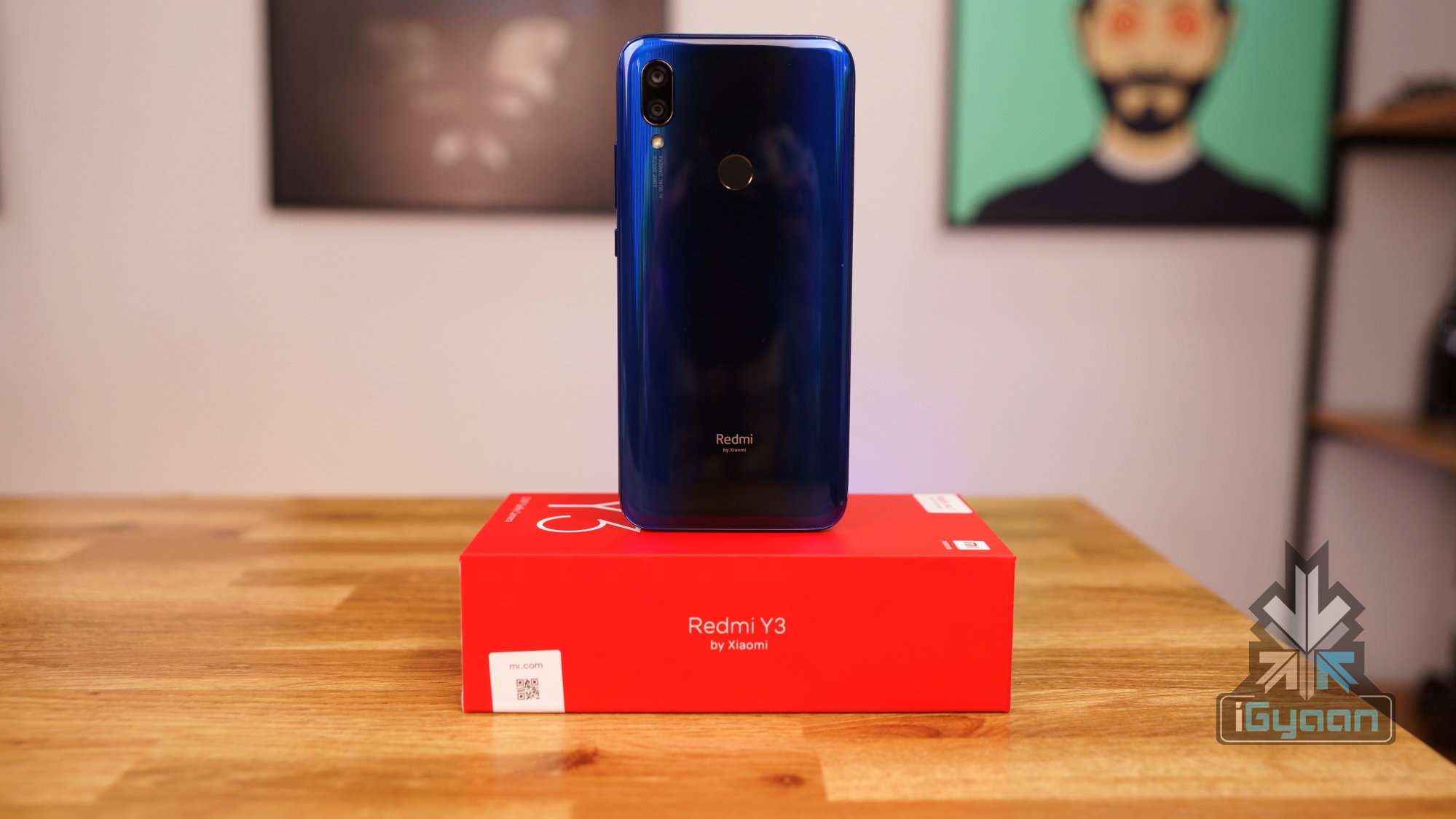
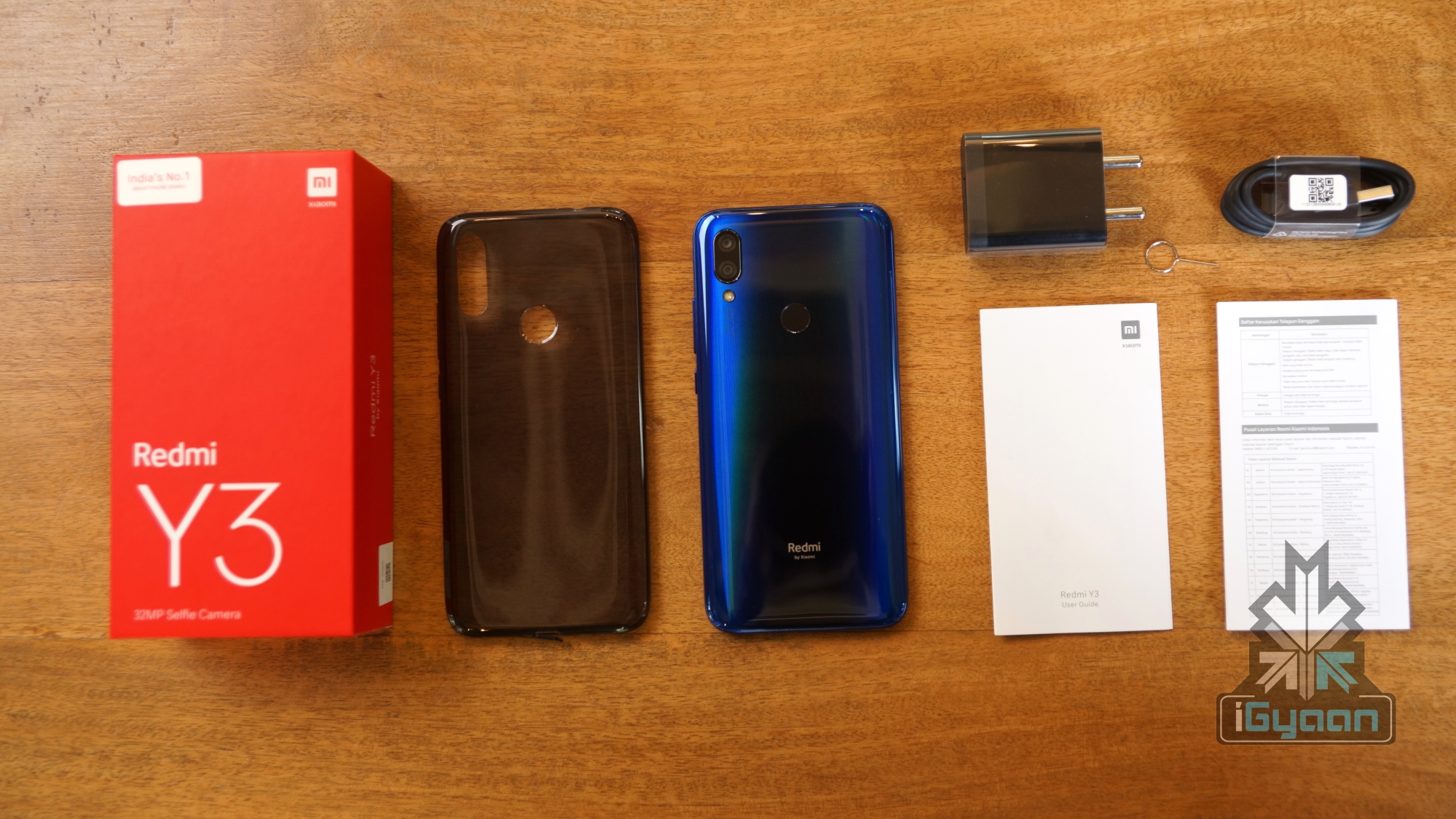
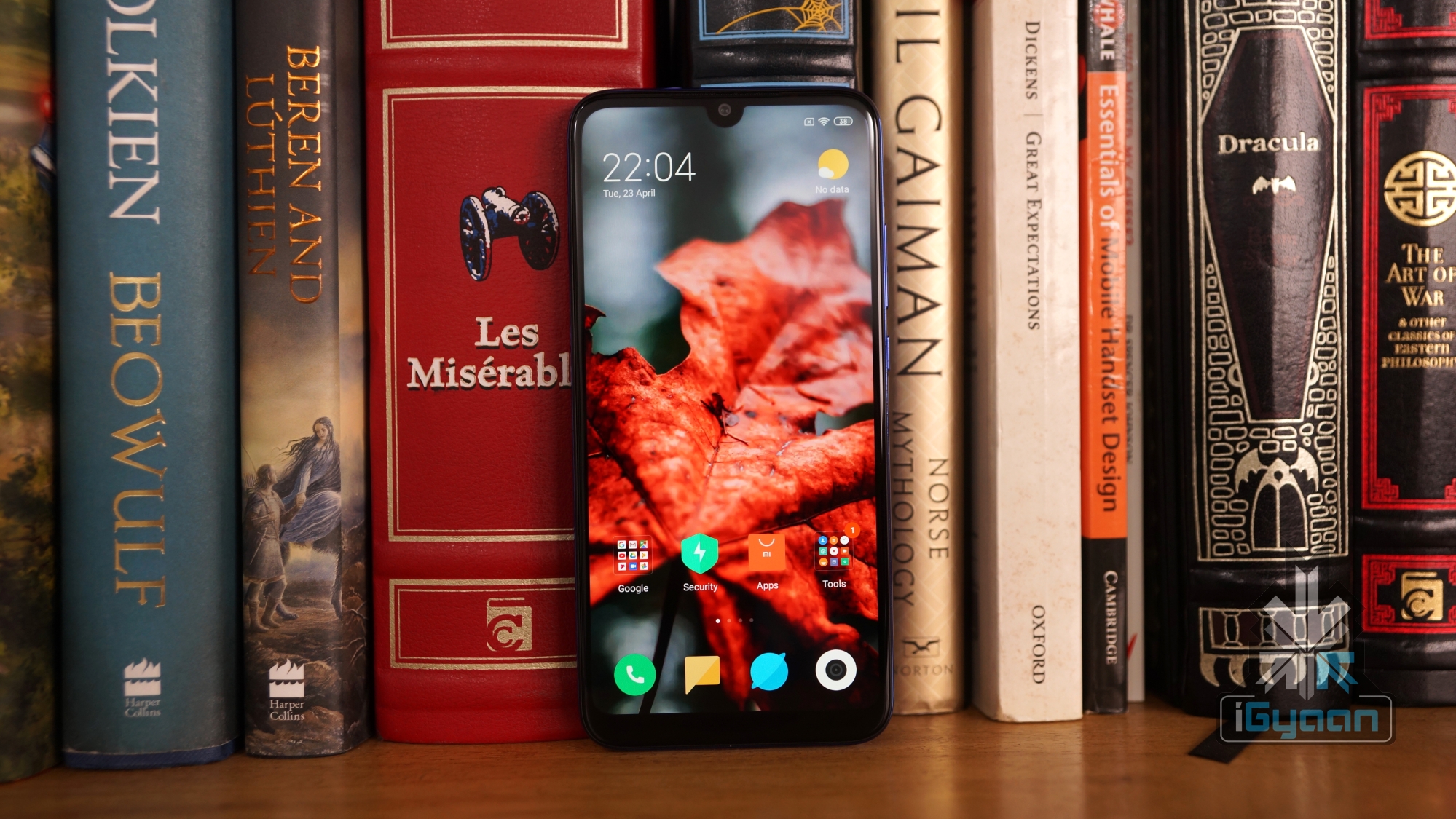
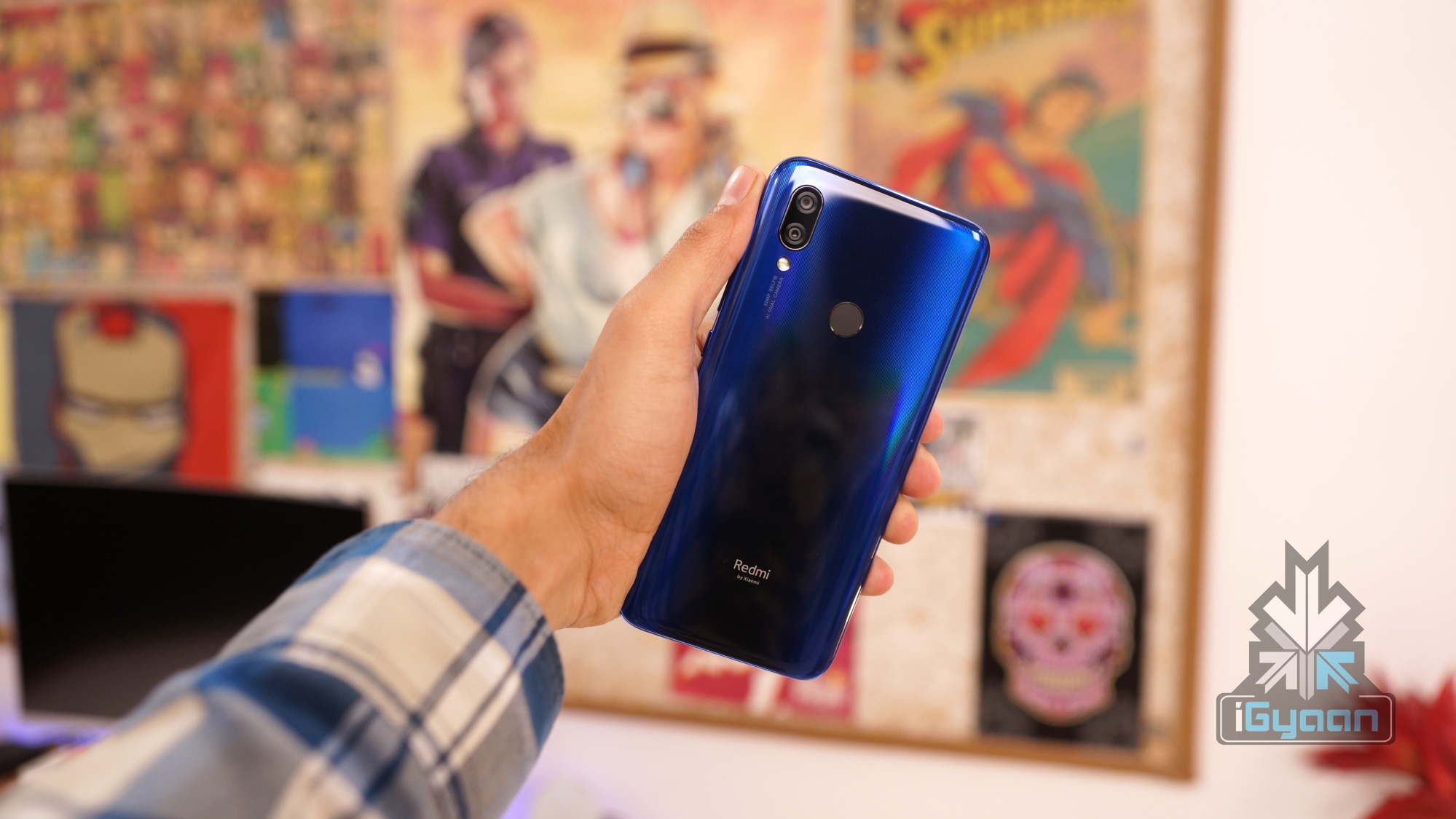
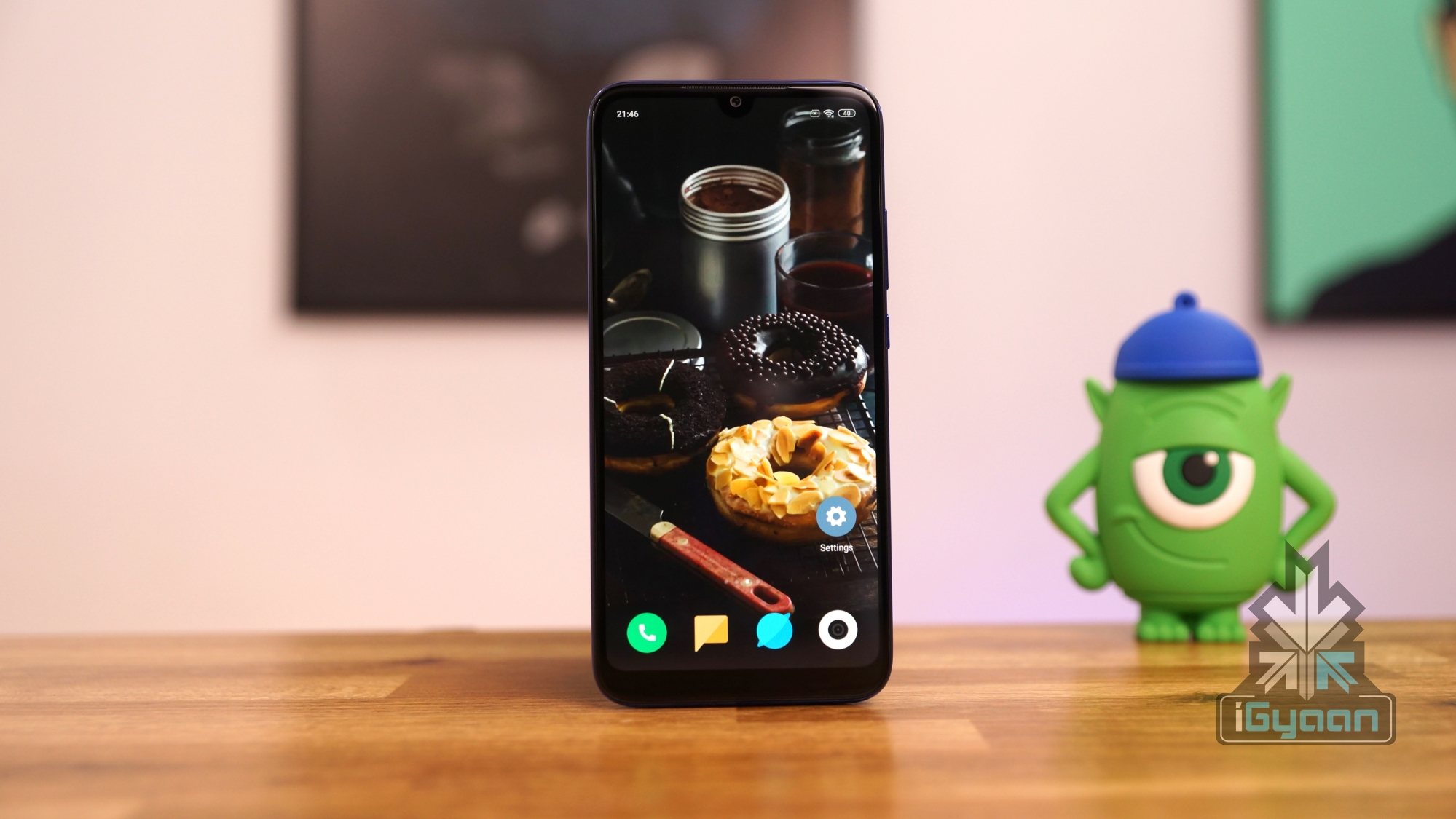
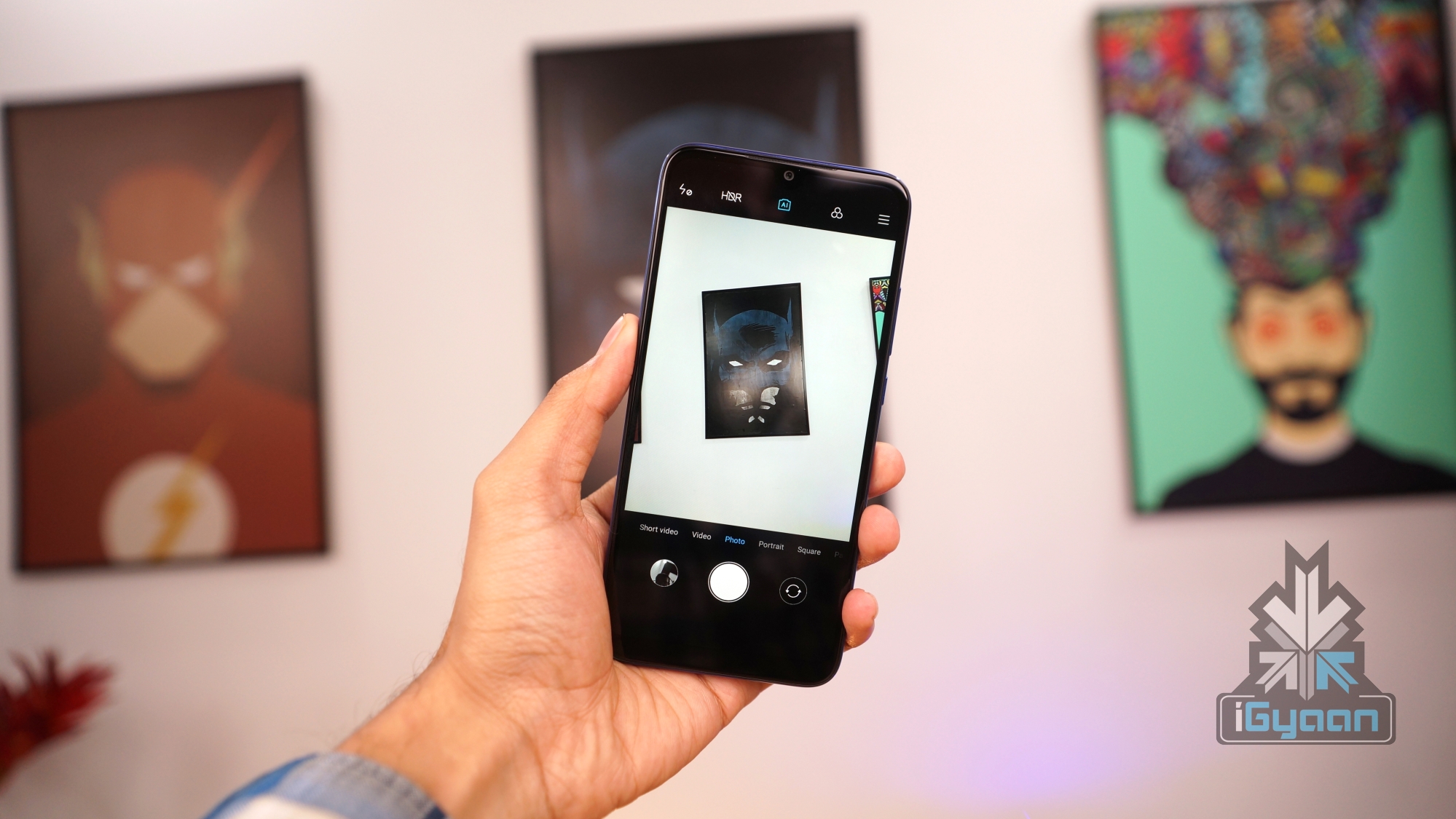
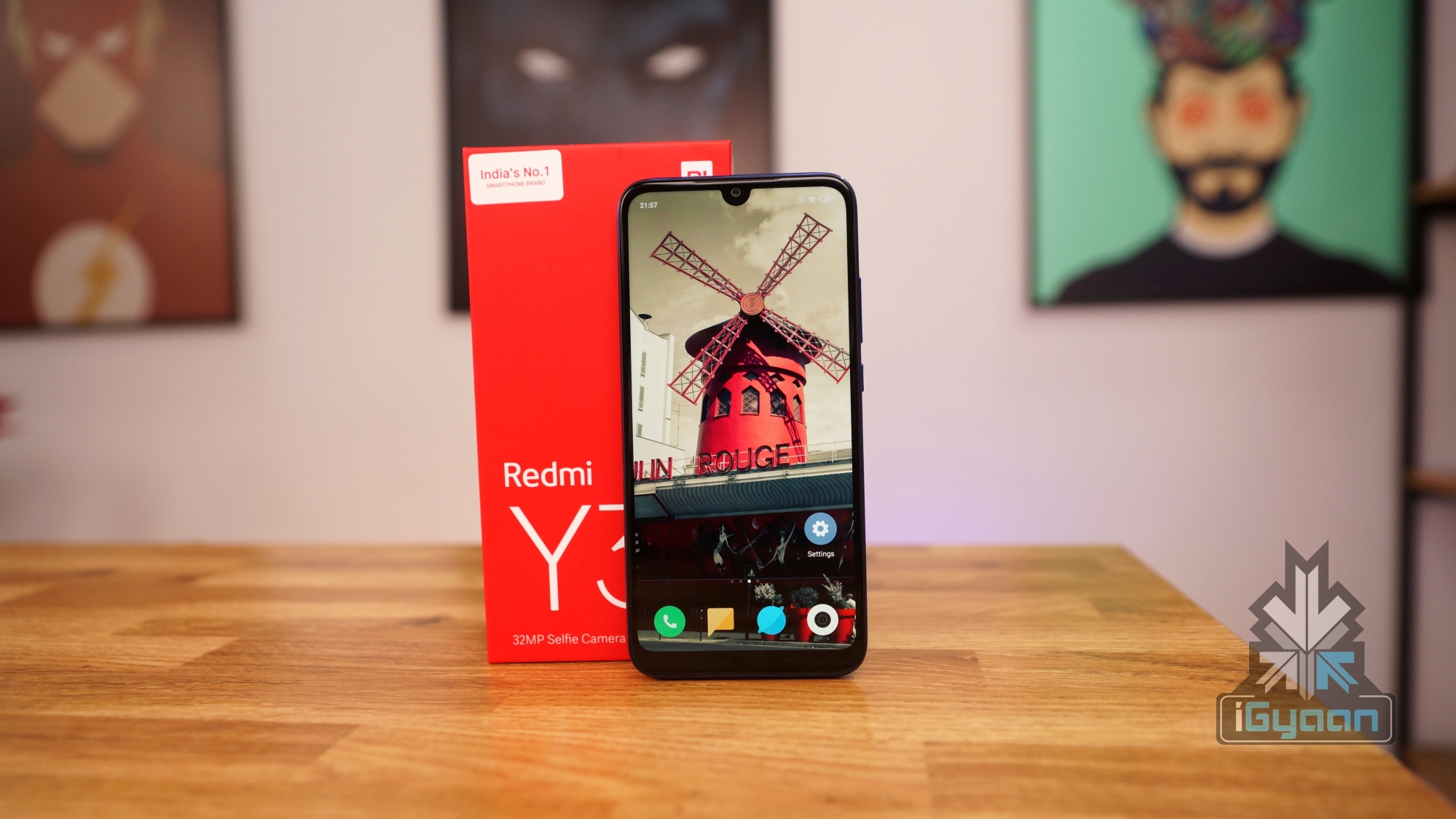
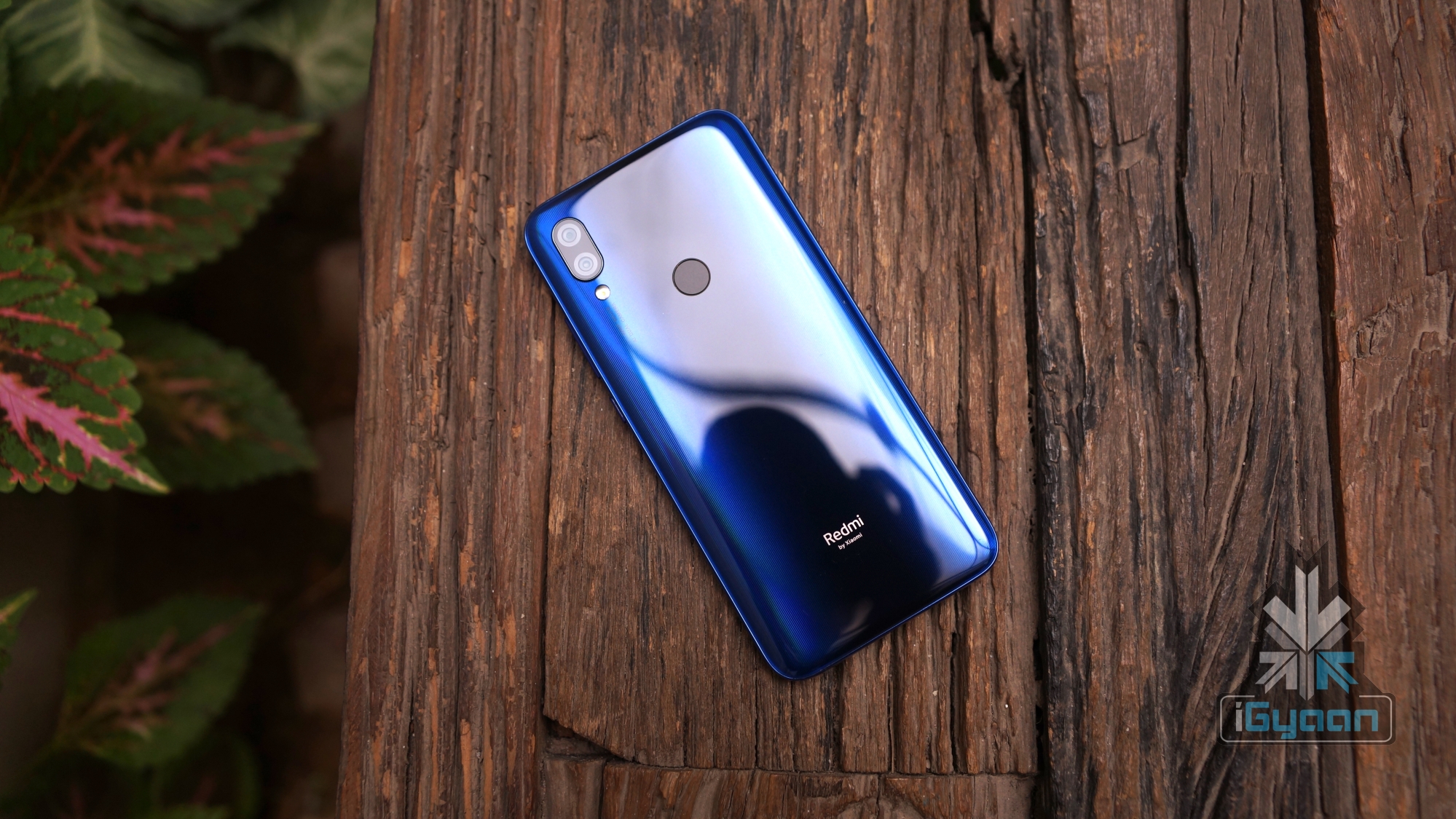
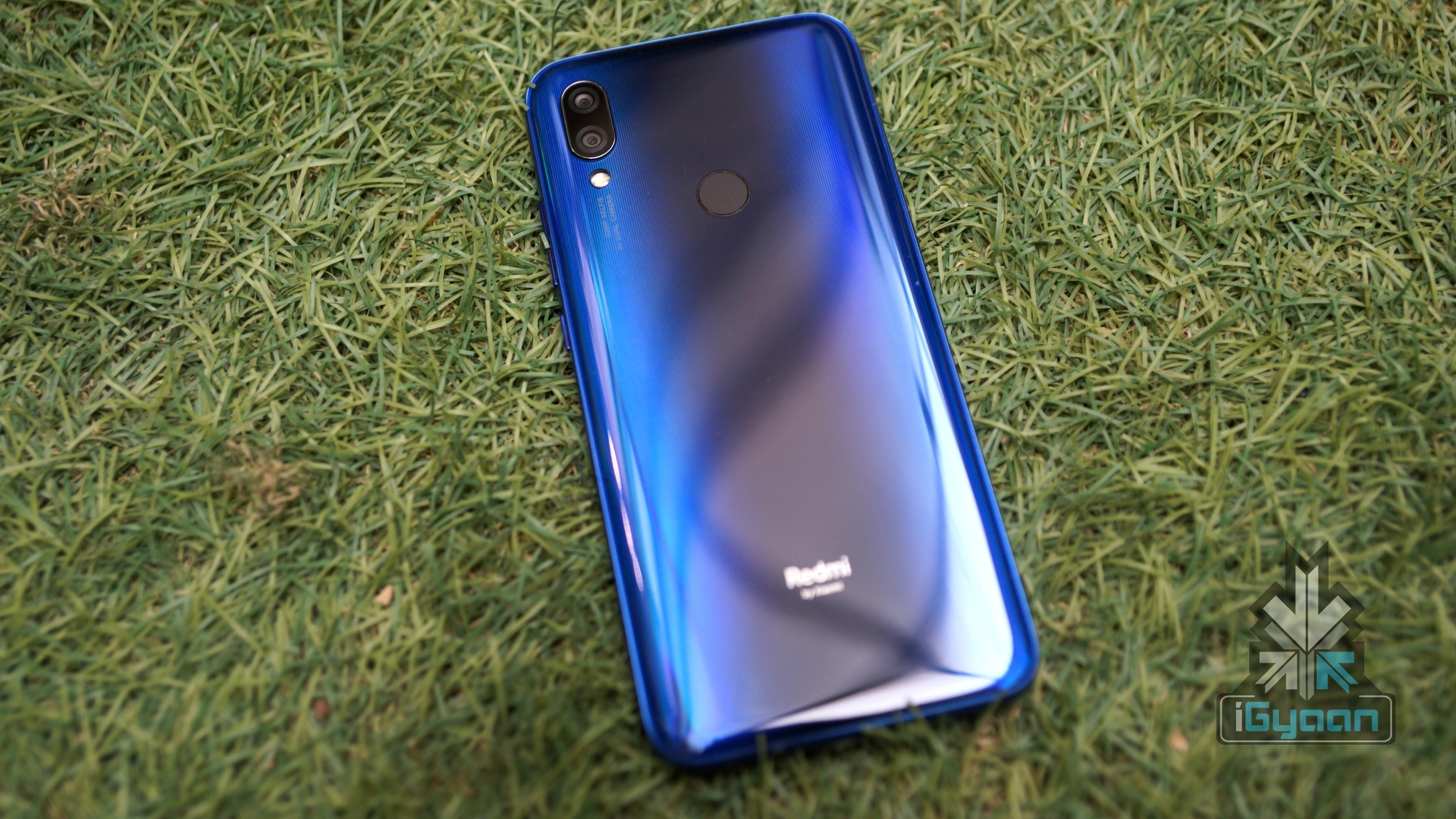
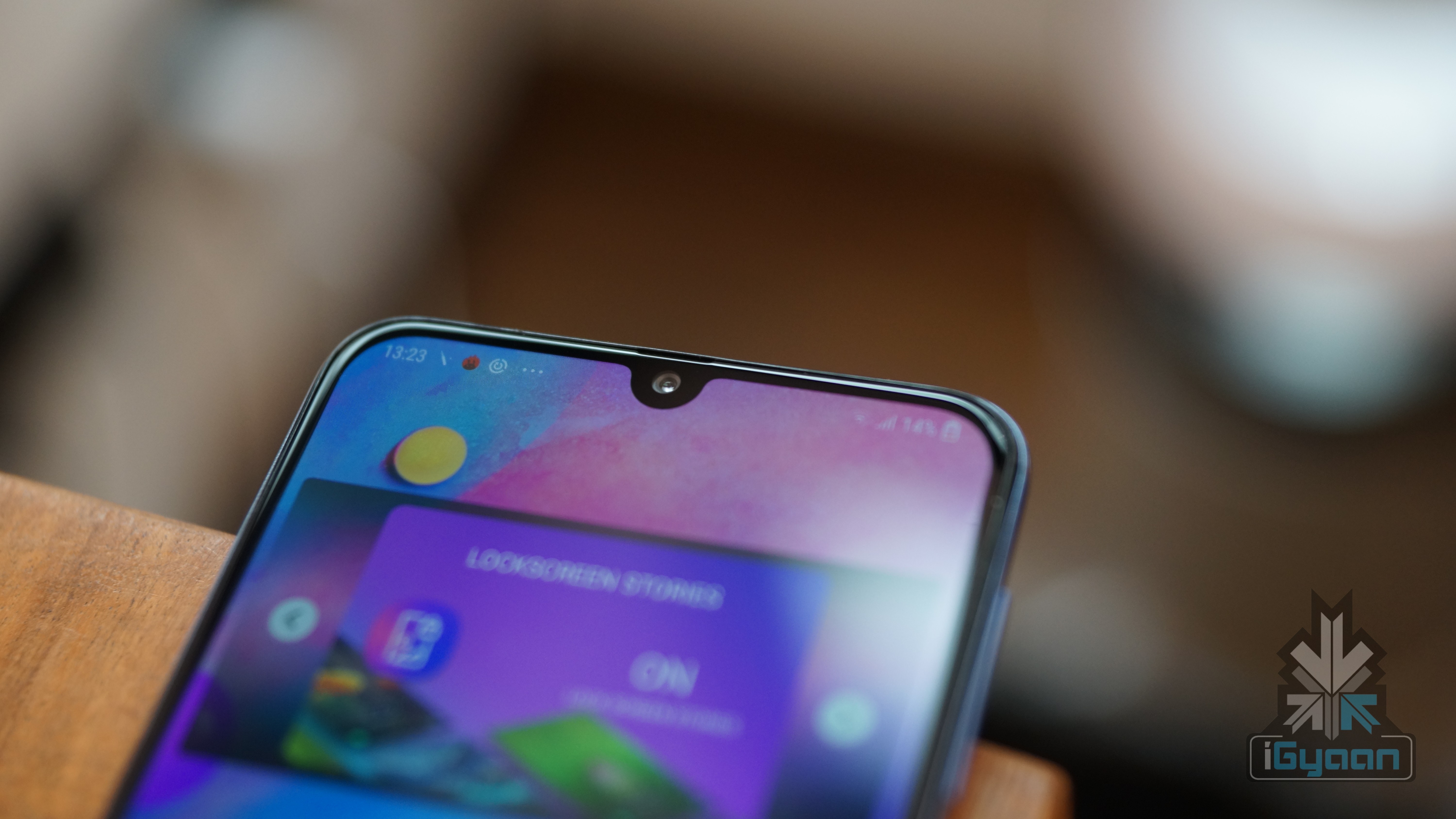
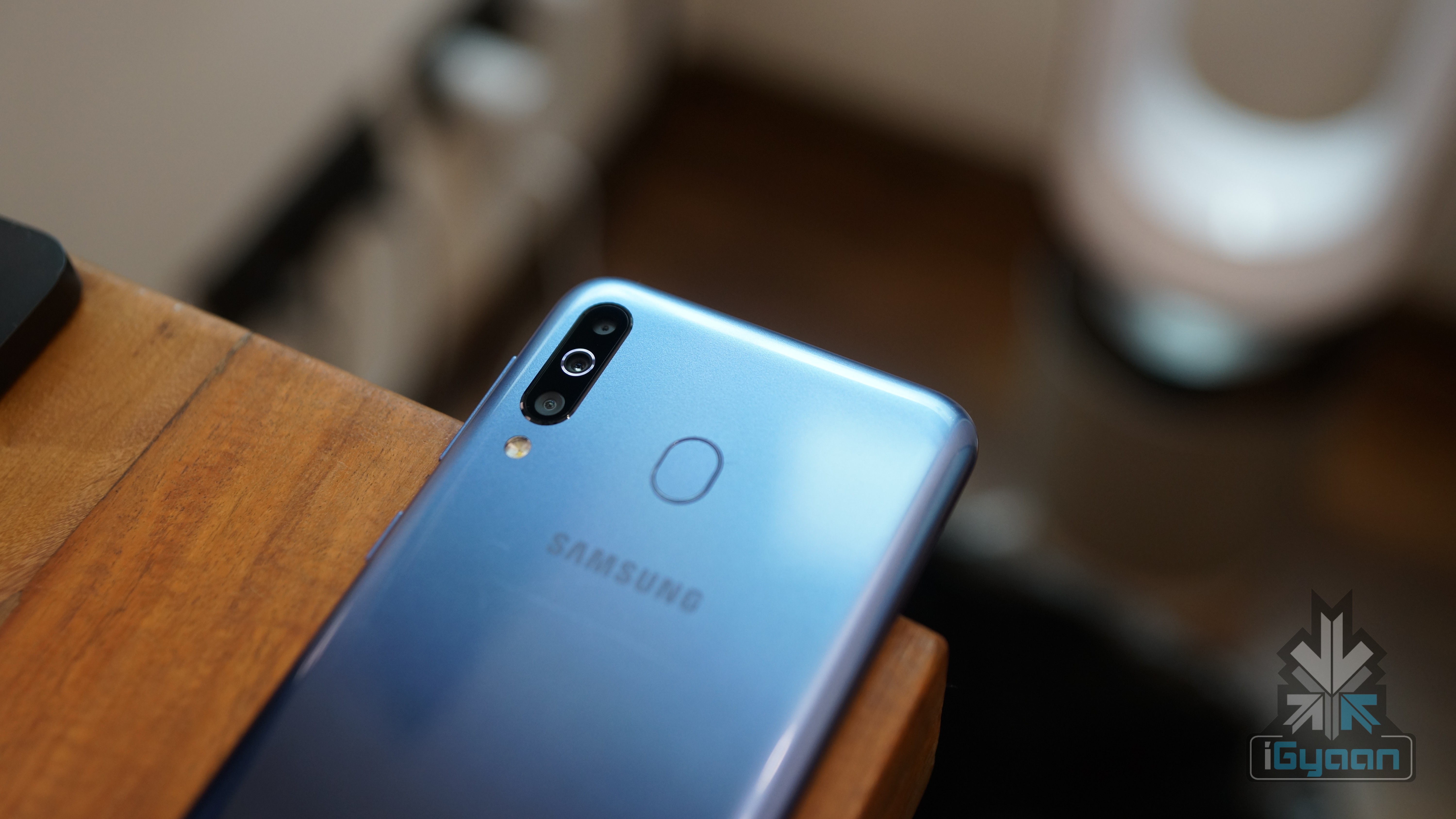
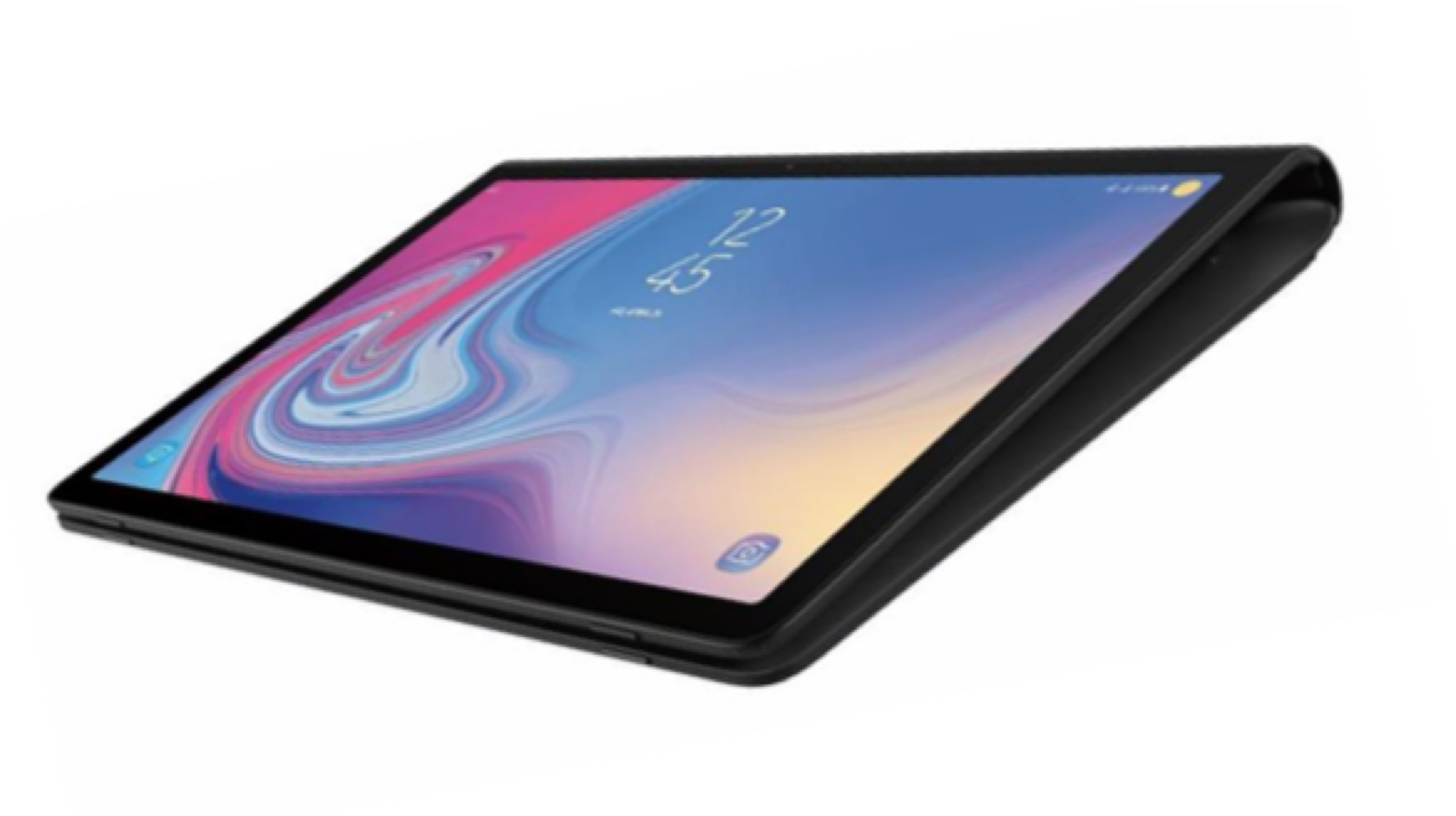
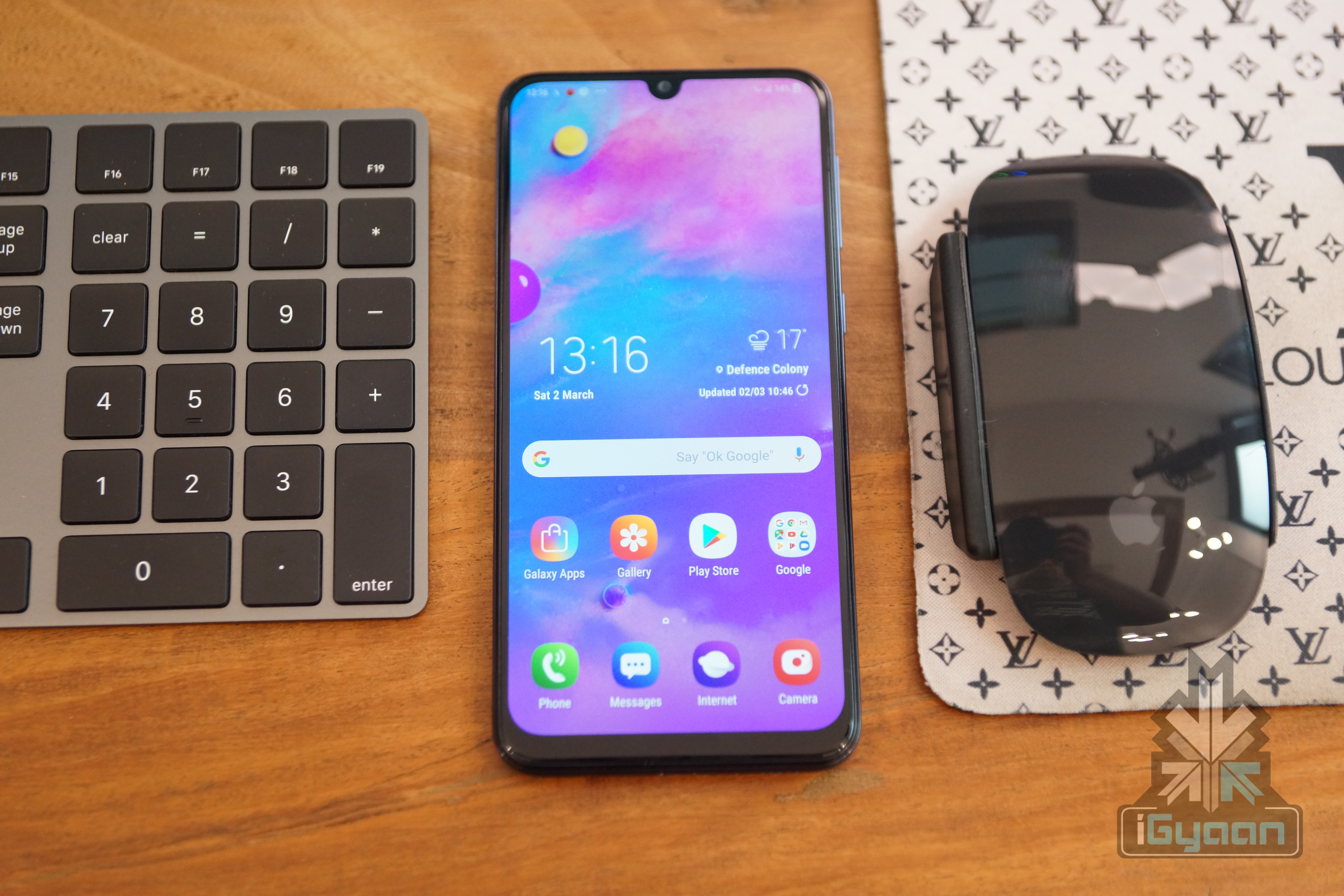
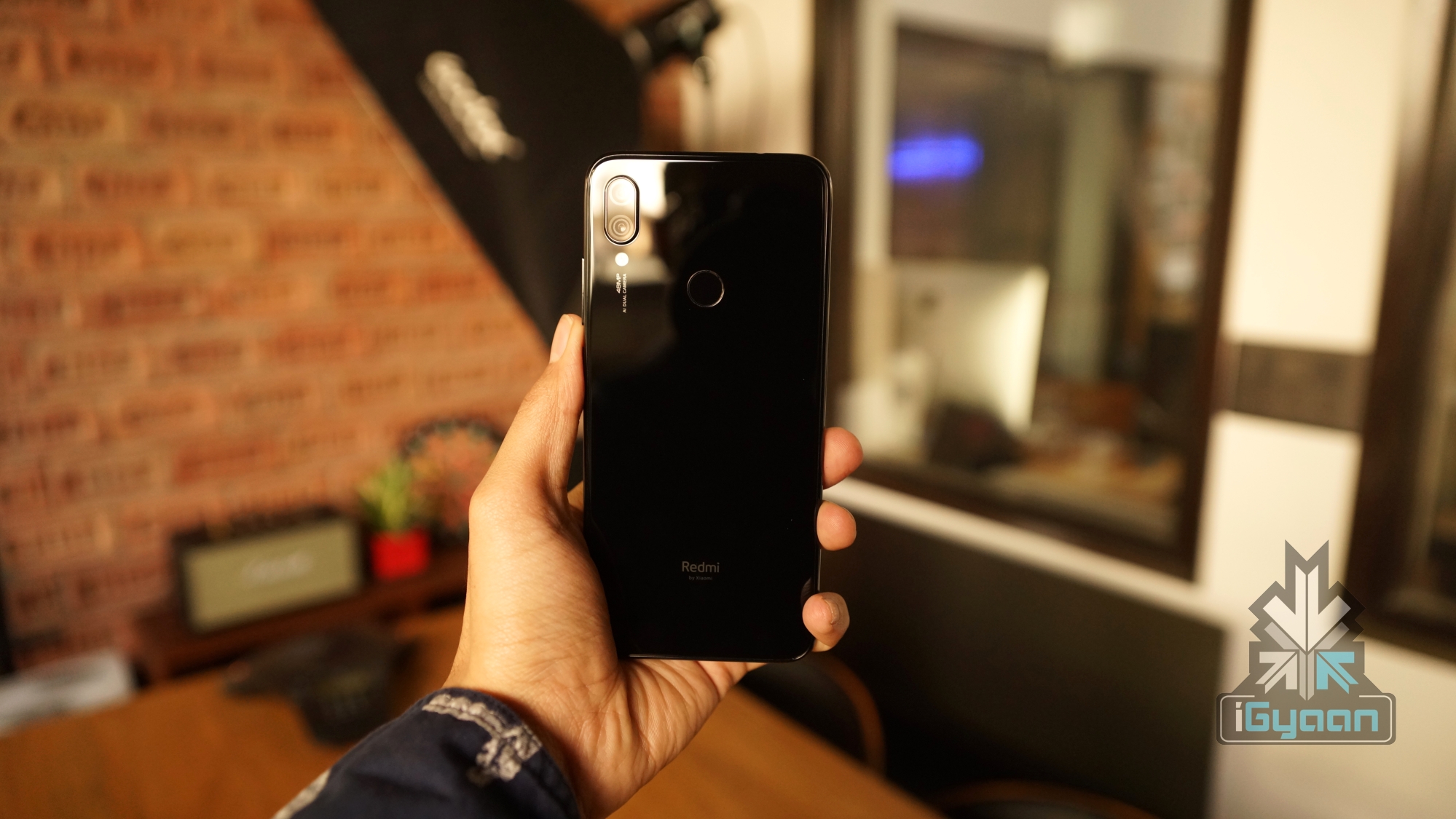
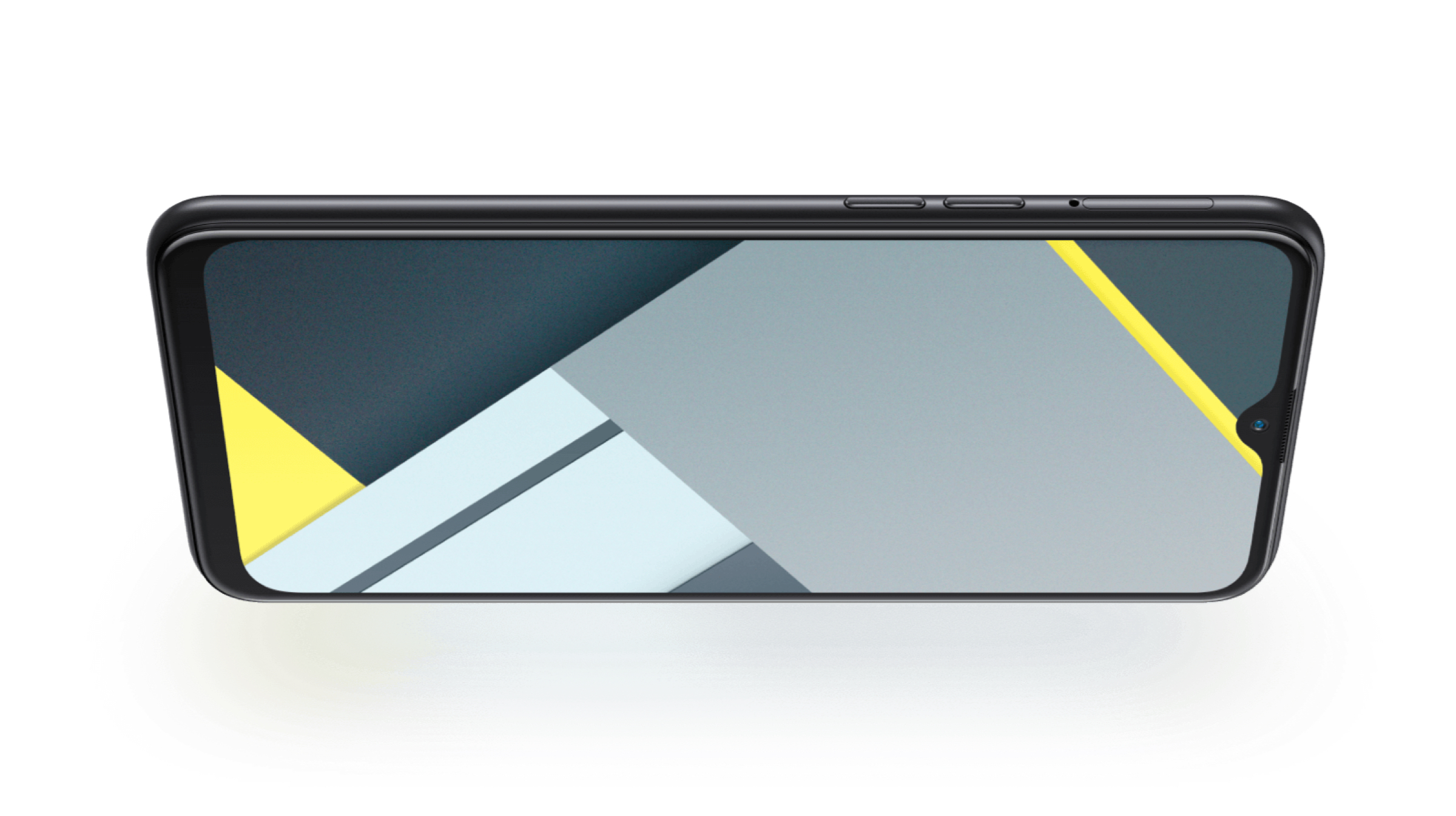
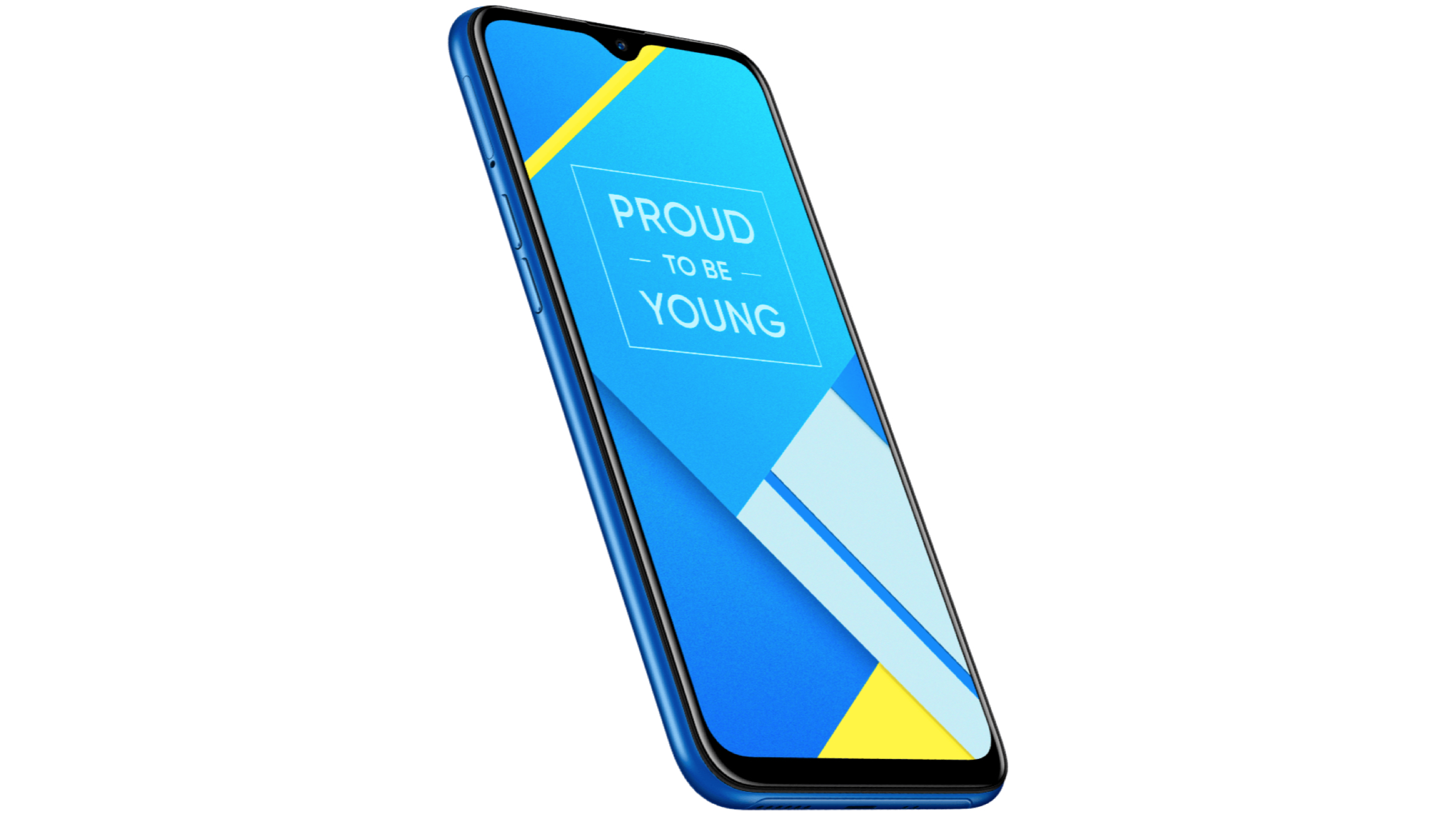
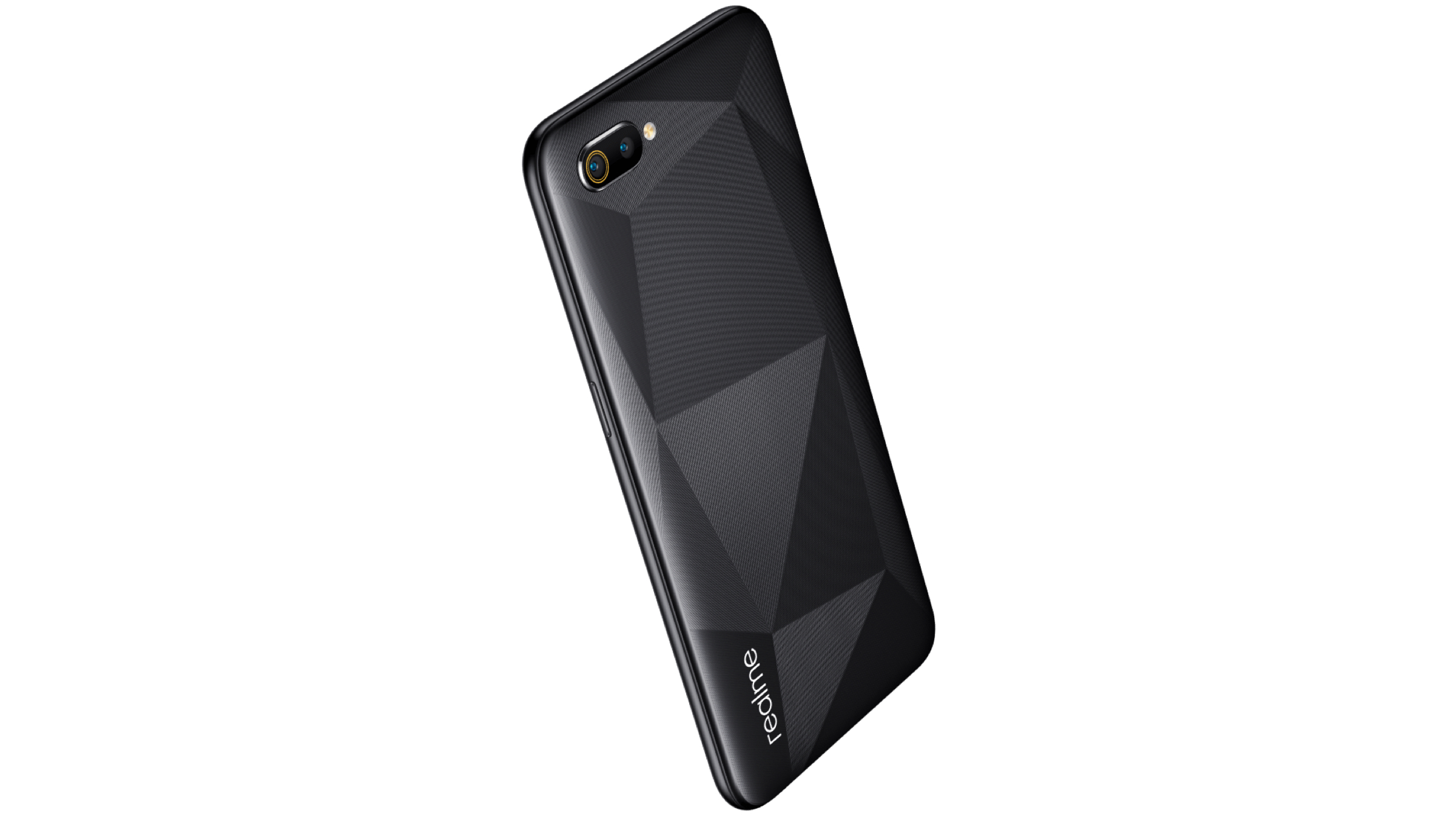
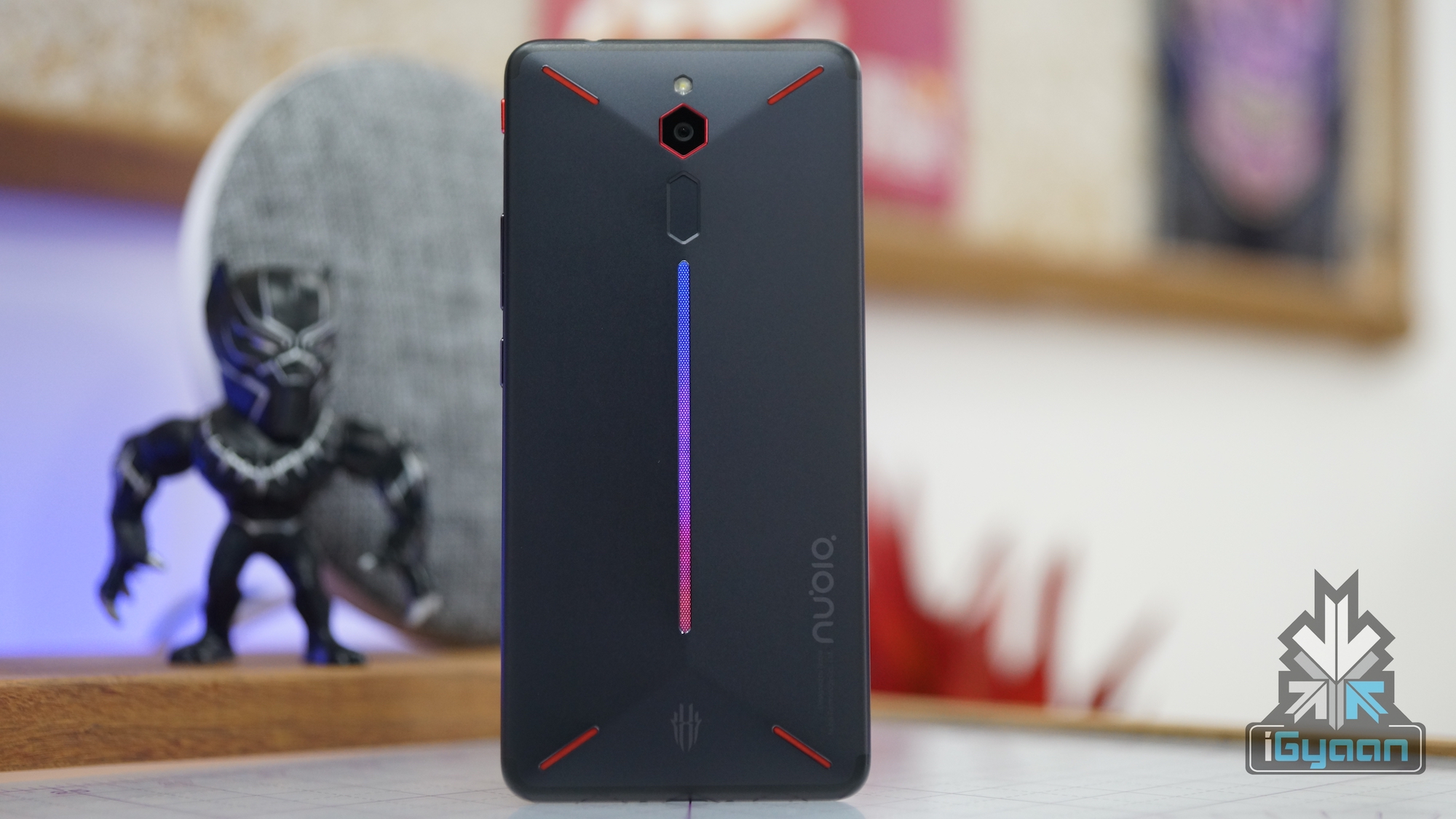
Redmi Y3 is the latest smartphone from Xiaomi which was launched on the 24th of April 2019. It is the successor to the last year’s Redmi Y2 and is packed with worthy improvements in terms of both performance and optics. The smartphone features a noteworthy 32 MP selfie camera. The Redmi Y3 also has an all-new design for the Y series with a waterdrop notch on the front and a gradient finish on the back.
Earlier this year, Redmi separated itself from Xiaomi to turn into an independent brand. The first smartphone that the company launched was the Redmi Note 7 which has become the talk of the town due to its value for money. A short while ago the company launched another budget smartphone, the Redmi Y3 which is mainly targeted towards photography enthusiasts. Surprisingly, the price of both variants of the Redmi Note 7 and the Redmi Y3 are same which leads to the confusion of selecting the best out of the two. In this article, we discuss all aspects of the aforementioned smartphones which will help in deciding the best option based on the needs of every user.
Build and Design
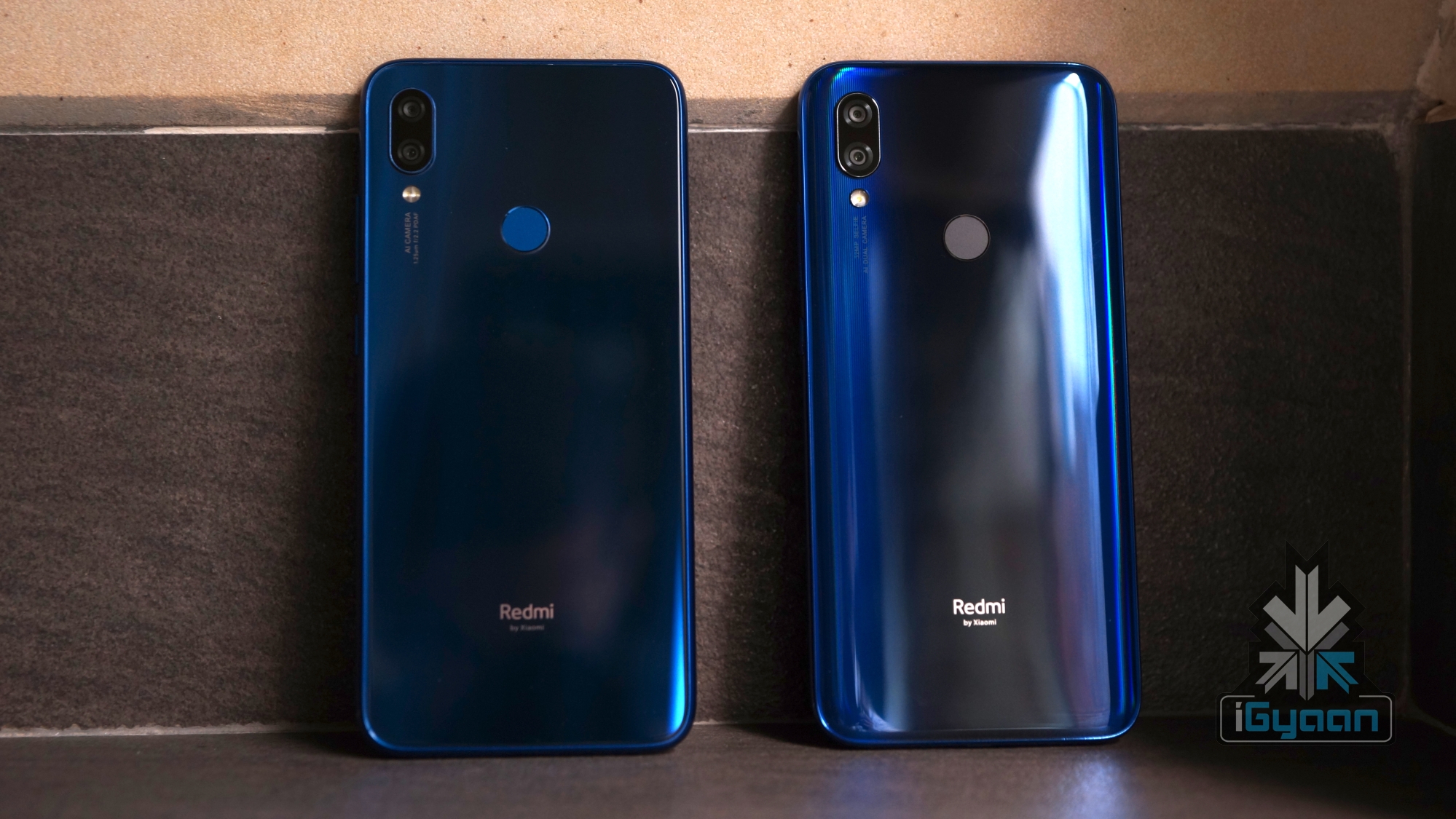
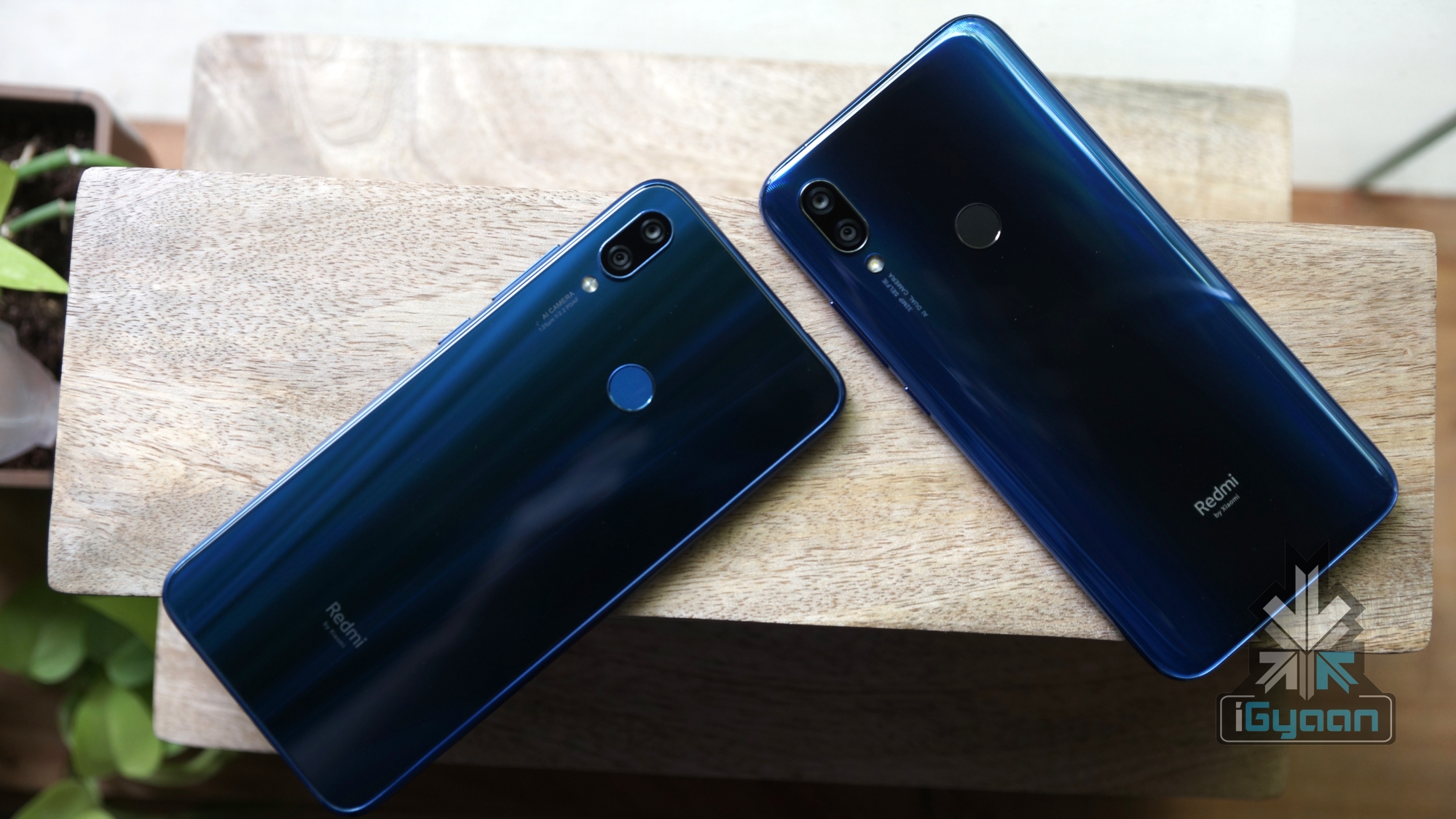
Both the Redmi Note 7 and the Redmi Y3 have a homogenous design with alike positioning of buttons, ports, camera sensors and the fingerprint sensor. Both smartphones sport a high screen-to-body ratio display that features a small dot notch up top. Noteworthy, the rear panel of the Note 7 Pro is made out of Corning Gorilla Glass 5. On the other hand, the Redmi Y3 has a plastic back panel which is comparatively prone to scratches and scuff marks. The two devices also weigh similar to each other, with the former weighing in at 186 gram and the latter at 180 gram.
The Redmi Note 7 features a 6.3 inch LCD display while the Redmi Y3 features a 6.26 inch LCD panel. Even though the size of the display on both smartphones is similar, the former has a full HD resolution panel while the latter gets an HD panel. The display panel of the Redmi Note 7 has a pixel density of 409 ppi. On the other hand, the display panel on the Redmi Y3 has a pixel density of 269 ppi. Additionally, both smartphones also have Corning Gorilla Glass 5 protection which safeguards them against scratches and accidental drops.
Camera and Video
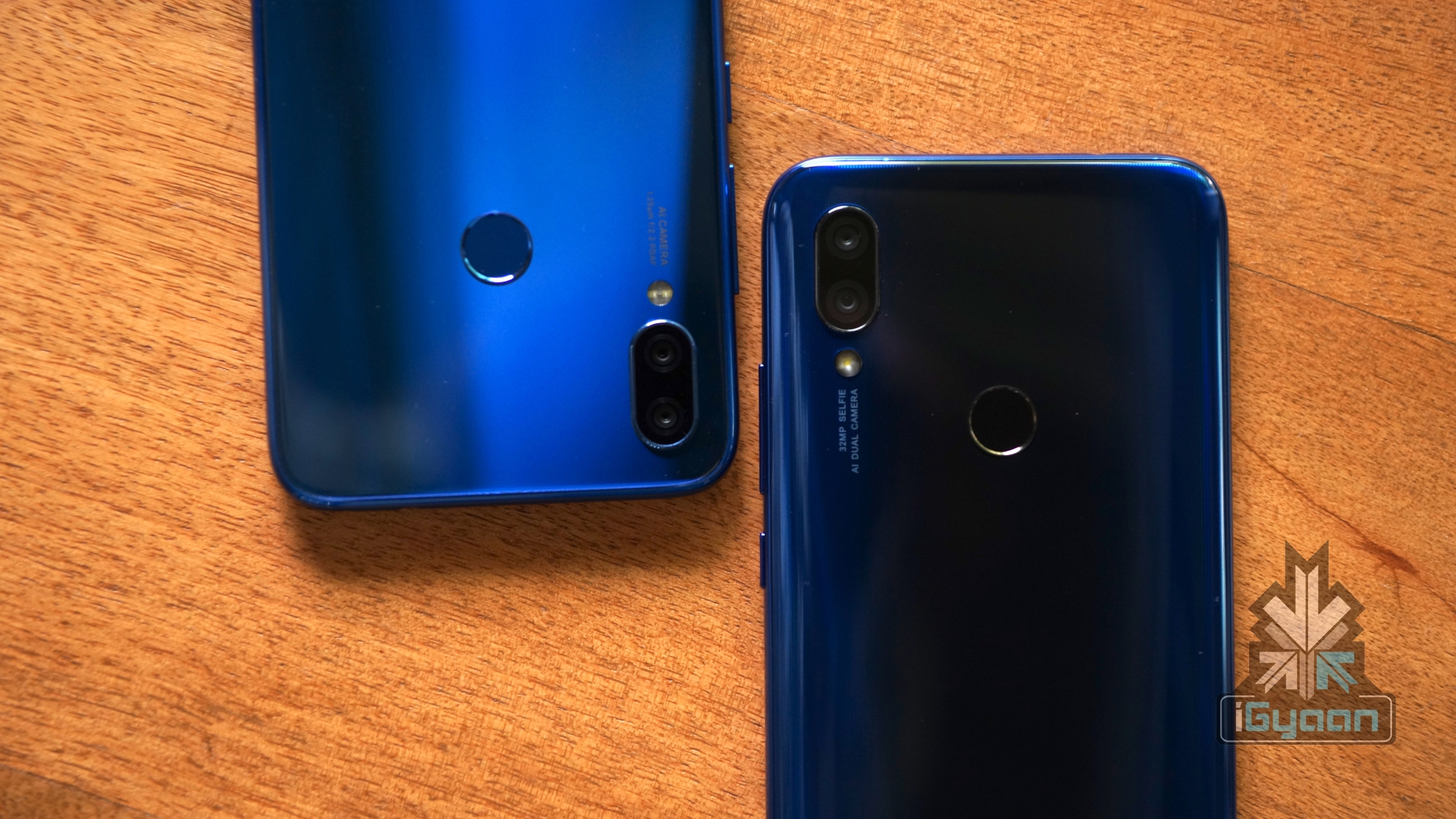
The Redmi Note 7 and the Redmi Y3 both have a dual rear camera setup and a single front camera which is housed in the dot notch above the display. The rear camera setup on both devices is identical which is comprised of an f/2.2 aperture equipped 12 MP sensor and a 2 MP depth sensor. Undoubtedly, the front-facing camera on the Redmi Y3 is its key highlighting feature and one aspect in which it completely blows out its competition. It has a 32 MP selfie camera which has an 80 degree wide viewing angle. Noteworthy, the same sensor is present on the Vivo V15 Pro which costs upwards of Rs 25,000. On the other hand the Redmi Note 7 has 13 MP selfie camera with 1.25 ? pixel. The two smartphones can also capture 1080p video from both the front and rear camera.
Chipset and Battery
Assuredly, this is one area where the Redmi Y3 does not stand a chance against the Redmi Note 7. The former features the Snapdragon 632 SoC while the latter features the Snapdragon 660 SoC. Even though, chipsets on the device consist of an Octa-Core CPU. The Redmi Note 7 has significantly better real-world performance and a much better GPU which is the Adreno 512. The Redmi Note 7 and the Redmi Y3 are both powered by a large 4,000 mAh battery. The former, however, supports 18 W charging while the latter only supports 10 W charge.
In terms of connectivity, both the Redmi Note 7 and the Redmi Y3 support dual 4G VoLTE, 802.11 ac Wi-Fi, GPS, 3.5 mm jack, and Bluetooth. Notably the former supports Bluetooth 5.0 while the latter supports Bluetooth 4.2. For charging and data transfer, the Redmi Note 7 has a bottom mounted USB Type C port while the Redmi Y3 has a micro USB port. One key feature that the latter has and the former does not is the P2i nano coating. The coating allows the Redmi Y3 to easily survive accidental liquid spillage or sudden drizzles.
All in all, the Redmi Note 7 is a better smartphone out of the two as it offers considerably better value than the Redmi Y3. Though, for all the people who like clicking a lot of selfies, the latter is a better option.
In an event held on the 24th of April, Redmi launched two new smartphones in India which include the Redmi Y3 and the Redmi 7. The Redmi Y3 is the successor to Redmi Y2 which was launched last year. Like its predecessor, the newly launched device also has a focus on photography. The smartphone is packed with worthy features and is priced aggressively.
The Redmi Y3 has a modern design with a 6.26 inch display on the front and an attractive Aura Prism themed plastic panel on the rear. The display of the smartphone has an LCD panel with a resolution of 1520 x 720 px and 19:9 aspect ratio. The right side of the smartphone is occupied by the power button and volume rockers while the left side is occupied by the SIM card + dedicated microSD card tray. The bottom of the smartphone accommodates the 3.5 mm audio jack, loudspeaker grille, microphone pinhole and USB Type-C port.
Chipset, Memory and Storage
The Redmi Y3 features the Snapdragon 632 SoC which is manufactured using 14 nm manufacturing process. The chipset is comprised of Octa-Core Kryo 250 CPU which is clocked at 1.8 GHz and Adreno 506 GPU. The smartphone is offered in two storage variants which include 3 GB RAM + 32 GB ROM and 4 GB RAM + 64 GB ROM. In addition to the inbuilt storage, it also supports memory expansion up to 512 GB via the dedicated memory card slot.
Battery and OS
The Redmi Y3 is powered by a large 4,000 mAh lithium battery which can be charged with 10 watts of maximum power via the bottom mounted micro USB port. The smartphone runs on Android 9 Pie out-of-the-box which is skinned with Xiaomi’s MIUI.
The Redmi Y3 has a 32 MP selfie camera which is housed in the dot notch above the display. It also features a dual rear camera setup which consists of an f/2.2 aperture equipped 12 MP PDAF sensor, 2 MP depth sensor and a Dual LED Flash. The Redmi Y3 can also capture 1080p videos at 60 fps from the rear camera setup and 1080p videos at 30 fps from the front mounted selfie camera. Noteworthy, both the front and rear cameras of the handset also support EIS (Electronic Image Stabilisation) which is a rarity in this segment.
Connectivity and Other Features
In terms of connectivity, the Redmi Y3 supports dual 4G VoLTE, Bluetooth 4.2, 802.11 b/g/n Wi-Fi, bottom mounted 3.5 mm audio jack and micro USB Port. The rear of the smartphone harbours a fingerprint sensor which allows securely and rapidly unlocking it. Besides the fingerprint sensor and on-screen pattern lock, it also supports face unlocking technology.
The Redmi Y3 is available in three colour options which include Prime Black, Bold Red and Elegant Blue. It is offered in two storage variants for which the price is as follows:
3 GB + 32 GB- Rs 9,999
4 GB + 64 GB- Rs 11,999
In addition to the inbuilt storage, it also supports memory expansion upto 256 GB via the dedicated microSD card slot. The Redmi Y3 will be available for purchase online via Amazon.in, Mi India online store and MI offline stores. It will be available for purchase on the 30th of April
In an event held in New Delhi, Redmi has launched two budget oriented smartphones which include the Redmi Y3 and the Redmi 7. The former is the successor to the Redmi Y2 while the latter is the successor to the Redmi 6. Like its predecessors, the Redmi Y3 has a focus on photography, however, the newly launched device has an all new design. This article mainly talks about the Y3, click here to see more details of the Redmi 7.
As previously mentioned, the Redmi Y3 has an all new design with a large screen display on the front and an attractive Aura Prism panel on the rear. The smartphone measures 158.5 x 76.43 x 8.47 mm and it tips the scale at 180 grams. It features a 2.5d 6.26 inch display that has a resolution of 1520 x 720 px. The display panel has a 19:9 aspect ratio and is covered with Corning Gorilla 5 to safeguard it against scratches and accidental drops.
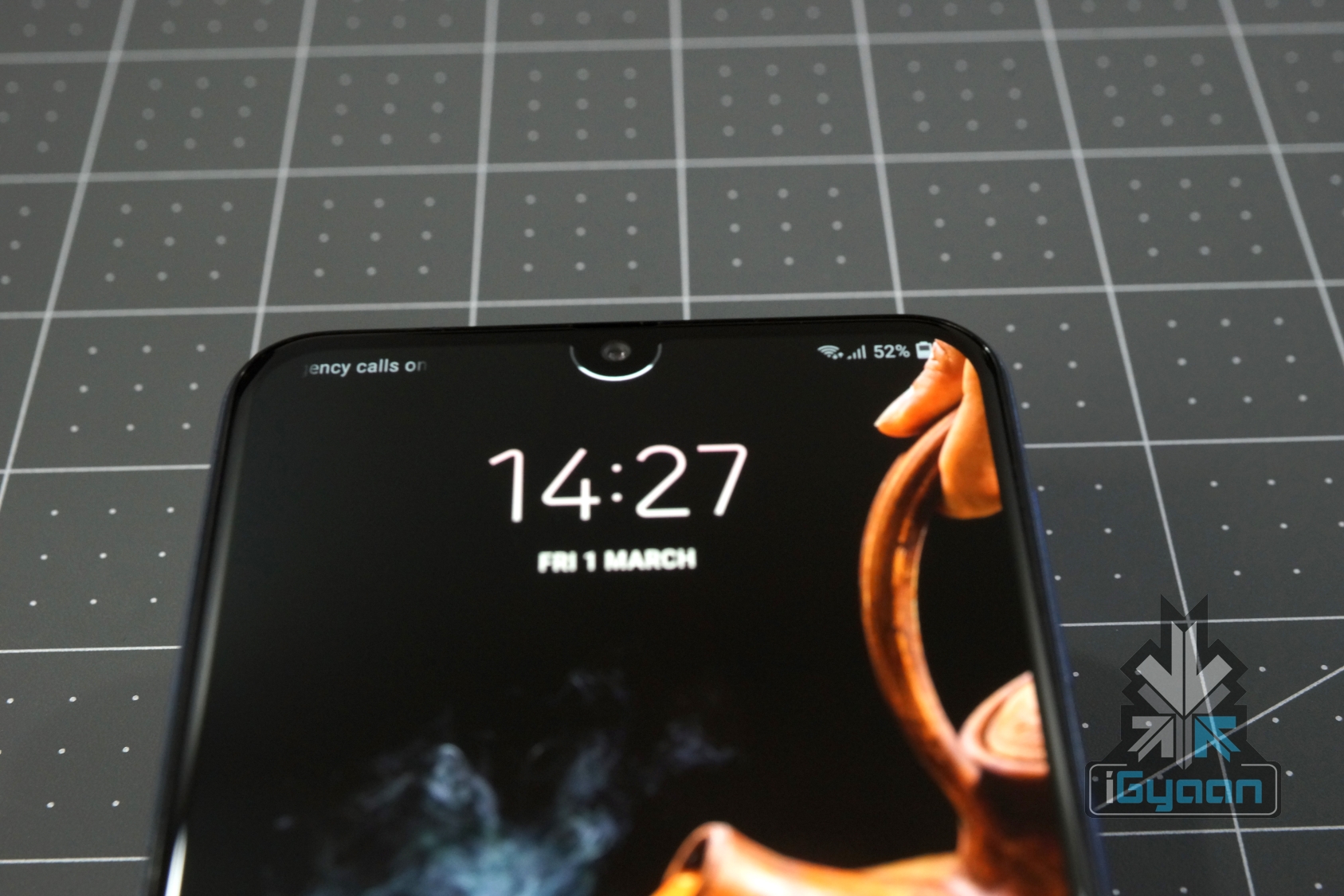
Like the Note 7 and Note 7 Pro, the Redmi Y3 also has a dot notch on the top of the display which houses the smartphone’s key highlighting feature, the 32 MP selfie camera. In a segment first, the device also supports EIS (Electronic Image Stabilisation) which helps in capturing better handheld shots. The front camera also supports Auto HDR and AI portrait mode which can artificially beautify selfies. Another new feature that the Y3 introduces is a ‘Palm shutter’ which as the name suggests can be used as a trigger to control the camera shutter.
The rear of the Redmi Y3 has an elegant multicoloured panel which houses the company branding, fingerprint sensor the dual rear-facing cameras. Like the Redmi Note 7, its rear camera setup is comprised of the 12 MP sensor, 2 MP sensor and a dual LED flash which can also capture 1080p videos at 60 fps.
Under the hood, the Redmi Y3 packs the Snapdragon 632 SoC which consists of the Adreno 506 GPU and Kryo 250 Octa Core CPU. The smartphone is powered by a large 4,000 mAh battery and runs on MIUI 10 which is based on Android 9 Pie. Notably, it also has the hydrophobic P2i nano coating which will allow the device to survive accidental liquid spillage or unexpected drizzles.
Connectivity options on the Redmi Y3 include Dual 4G VoLTE, Bluetooth 4.2, 802.11 b/g/n Wi-Fi, 3.5 mm audio jack and bottom mounted Micro USB port. Like the Redmi Note 6 Pro, the Micro USB port on the device is anti rust treated which prevents it against corrosion mostly faced by consumers residing in coastal areas. It also has an IR blaster on top which can be used to wirelessly control appliances.
The Redmi Y3 is available in three colour options which include Prime Black, Bold Red and Elegant Blue. It is offered in two storage variants for which the price is as follows:
3 GB + 32 GB- Rs 9,999
4 GB + 64 GB- Rs 11,999
In addition to the inbuilt storage, it also supports memory expansion upto 256 GB via the dedicated microSD card slot. The Redmi Y3 will be available for purchase online via Amazon.in, Mi India online store and MI offline stores. It will be available for purchase on the 30th of April
Samsung has been on a smartphone launch frenzy this year. On the contrary, it has also axed a couple of lineups including the J series and On Series. The company is instead diversifying its offerings in the Galaxy A and the Galaxy M lineup. An upcoming smartphone in the latter lineup called the Galaxy M40 has been tipped before its official unveiling.
Galaxy M40 Details
As the name suggests, the Galaxy M40 will be the specced up sibling of the Galaxy M30 and the apex offering in the Galaxy M lineup. The device was previously spotted on Wi-Fi Alliance’s website which revealed that it runs on latest Android 9 and supports both 2.4 GHz and 5 GHz Wi-Fi.
The latest report claims that the smartphone will be powered by a mammoth 5,000 mAh battery which will supposedly support 15 W fast charging. Like the Galaxy M30, it will also have a Super AMOLED display panel. Under the hood, it will be powered by either Exynos 7904 chipset of the Exynos 9610 SoC which is also found on the Galaxy A50. Furthermore, it is reported to feature and in-display fingerprint sensor. Also identical to the Galaxy M30, it will have a triple rear camera setup.
Even though Samsung is yet to announce the launch date of the Galaxy M40, the Wi-Fi certification and the latest tip suggests its launch is imminent. The official price of the smartphone will be publicised at the time of the launch, however, going by its features and placement in the lineup, it will be a sub 20k handset.
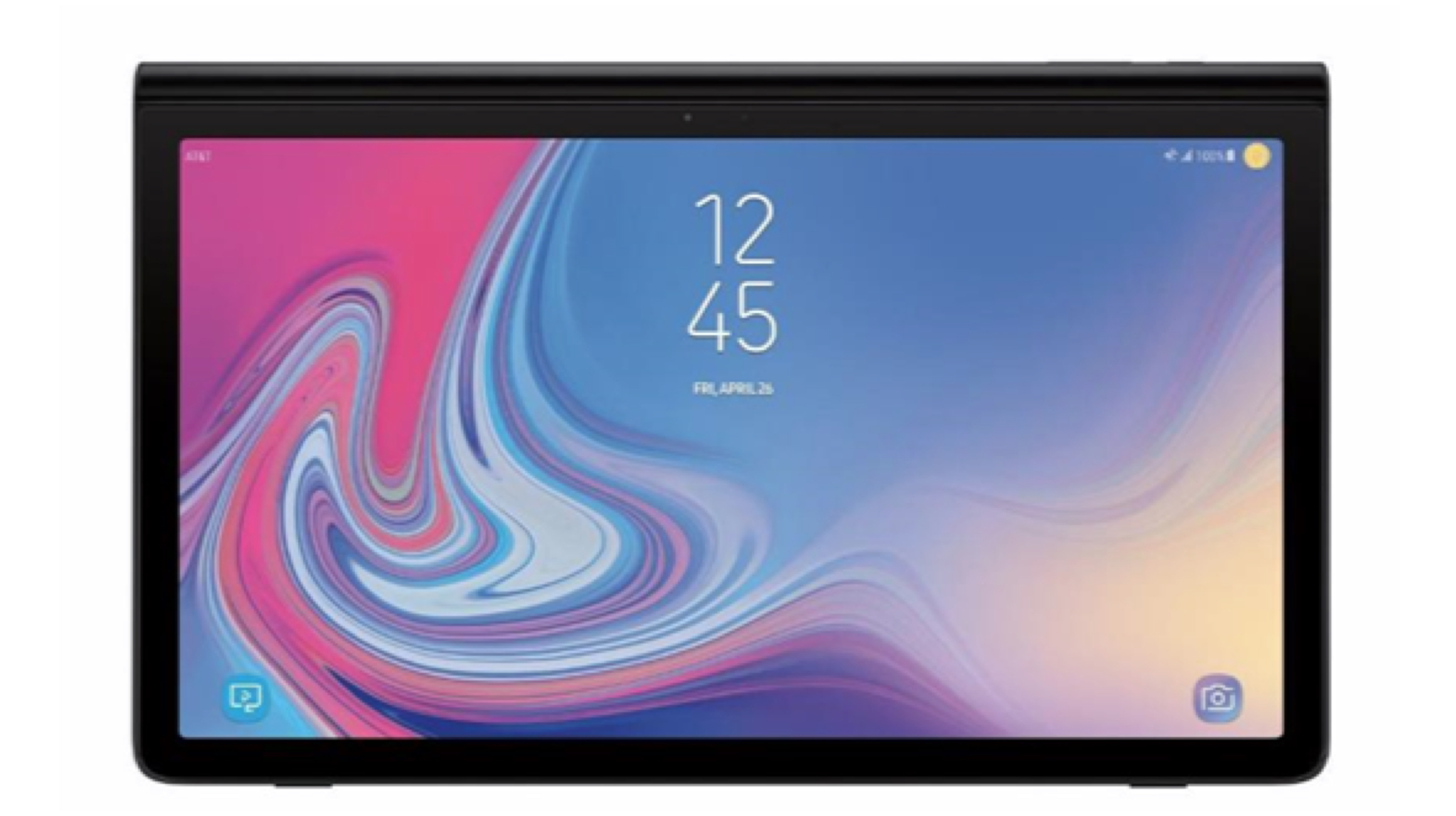
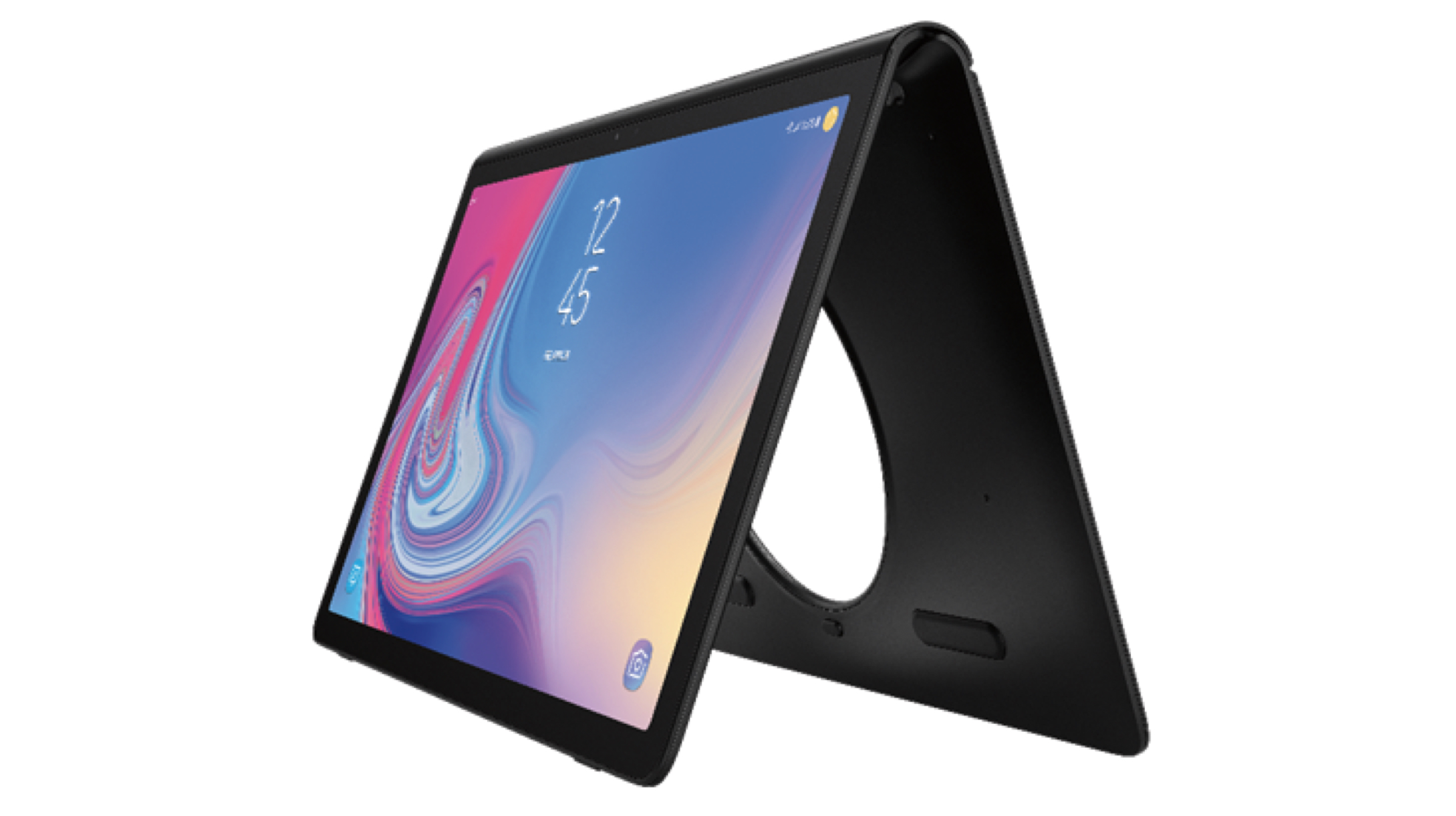
Samsung is a company that manufactures a variety of products ranging from smartphones to tablets to home appliances. One distinctive product that the company previously launched was the Galaxy View. It is a large screen Android tablet which was intended to be used as a multimedia consumption device by replacing a laptop. Its succesor the Galaxy View 2 has leaked which the source claims will launch soon.
Galaxy View 2 Looks and Features
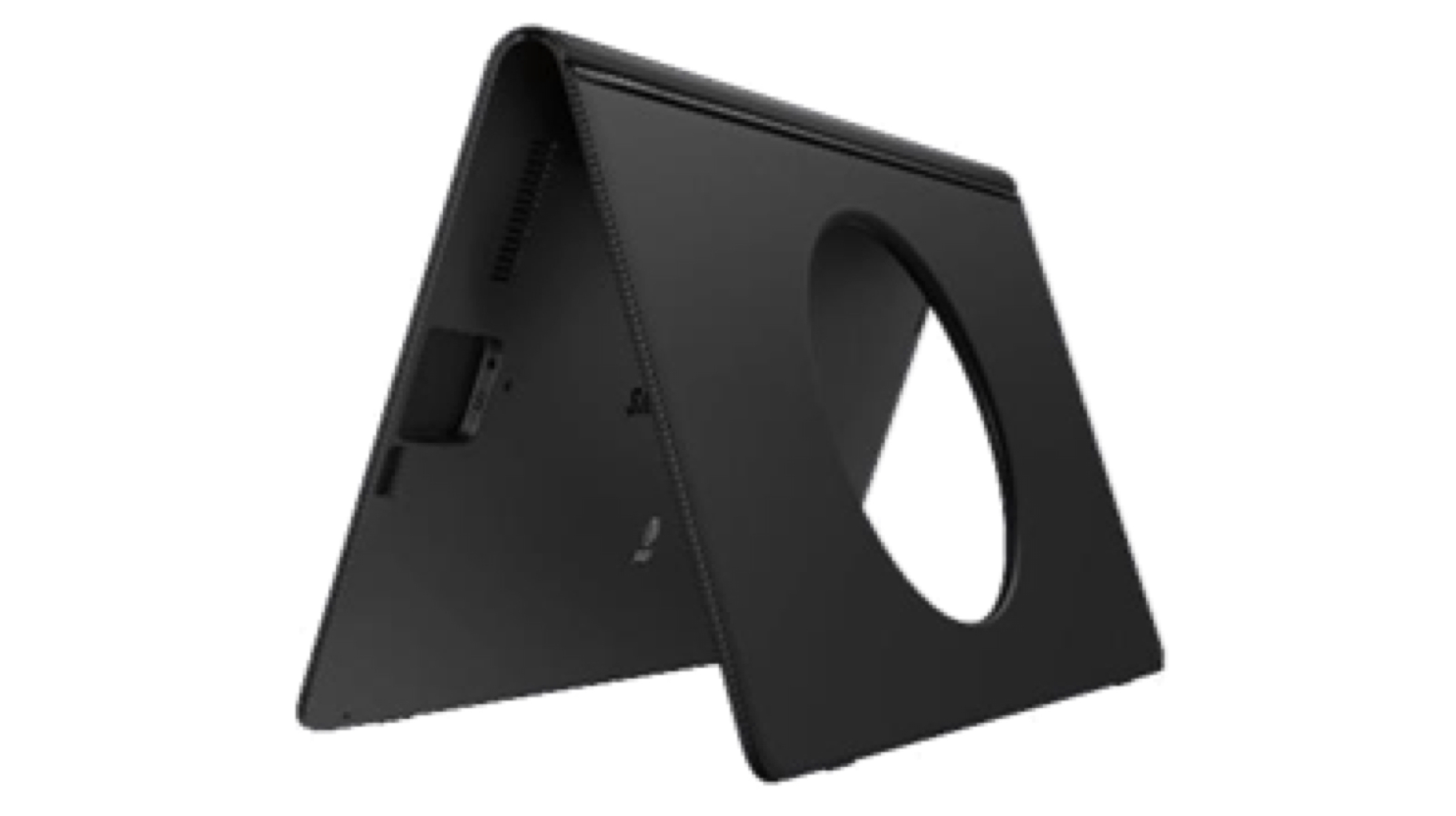
The leaked renders of the Galaxy View 2 exhibit an unconventional Android tablet with a massive display and a kickstand. According to the source, the device sports a 17.5 inch display which has been dropped down from 18.4 inch on its predecessor. The aforementioned kickstand has an adjustable hinge mechanism which can be folded to as low as 30 degrees. The makes it ideal for typing as this angle is similar to that of a drafting desk.
In addition to the current leak, the Geekbench listing of the Galaxy View 2 was discovered in the month of January. According to the listing the device features the Exynos 7885 SoC which consists of an Octa Core CPU. Notably, the same chipset is present on devices like the Galaxy A8+ and Galaxy A7 European variant. The Galaxy View 2 packs 3 GB of RAM and runs on Android 8.1.0. The specifications look unimpressive on paper, however, such a device is mostly used for playing videos and browsing the internet. Therefore, the specifications can certainly perform these tasks without much stutter.
The Galaxy View 2 will first be made available on the AT&T telecom provider in the US which might soon be followed by other regions. Samsung has not announced its launch date but the sheer number of leaks suggest imminent launch.
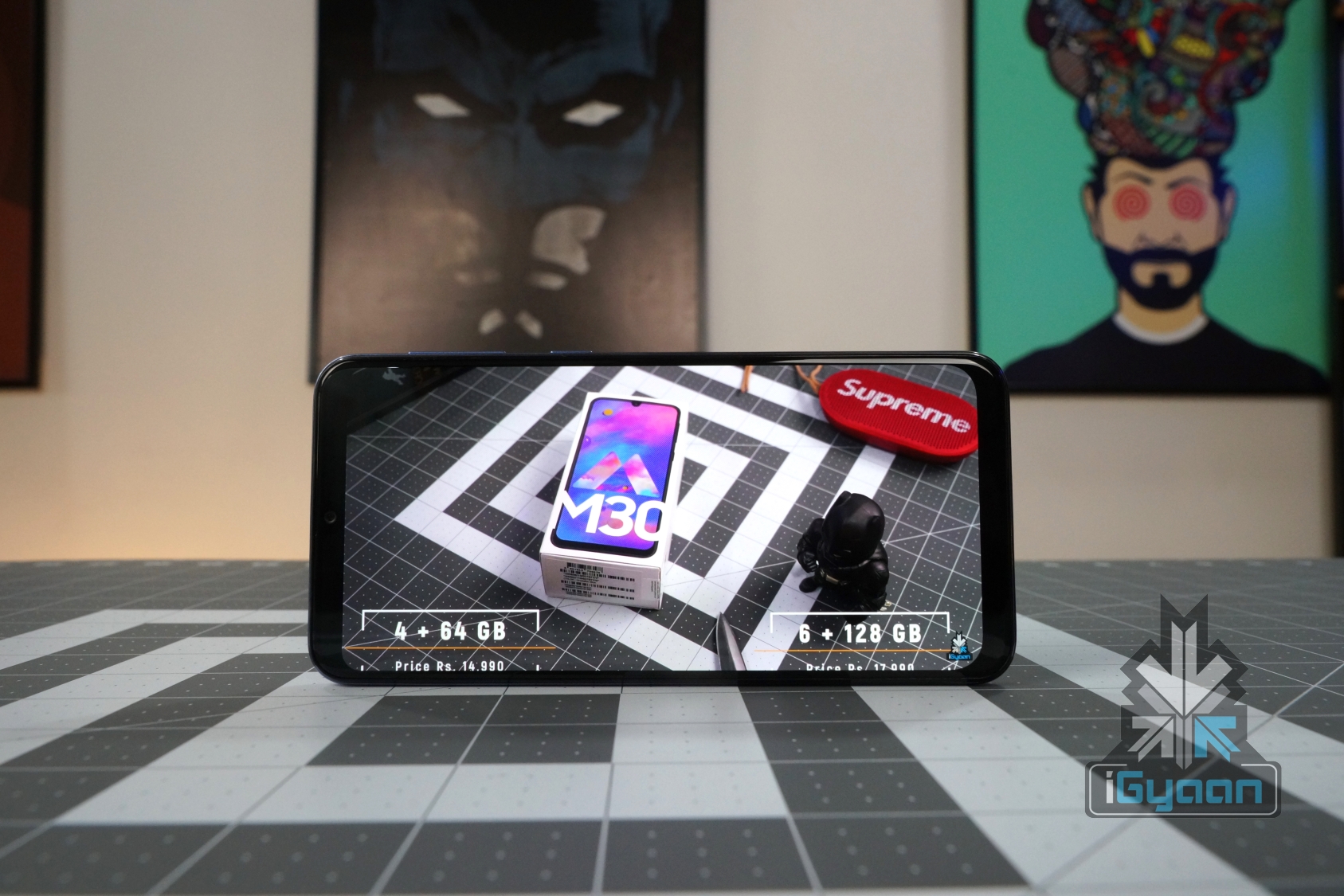
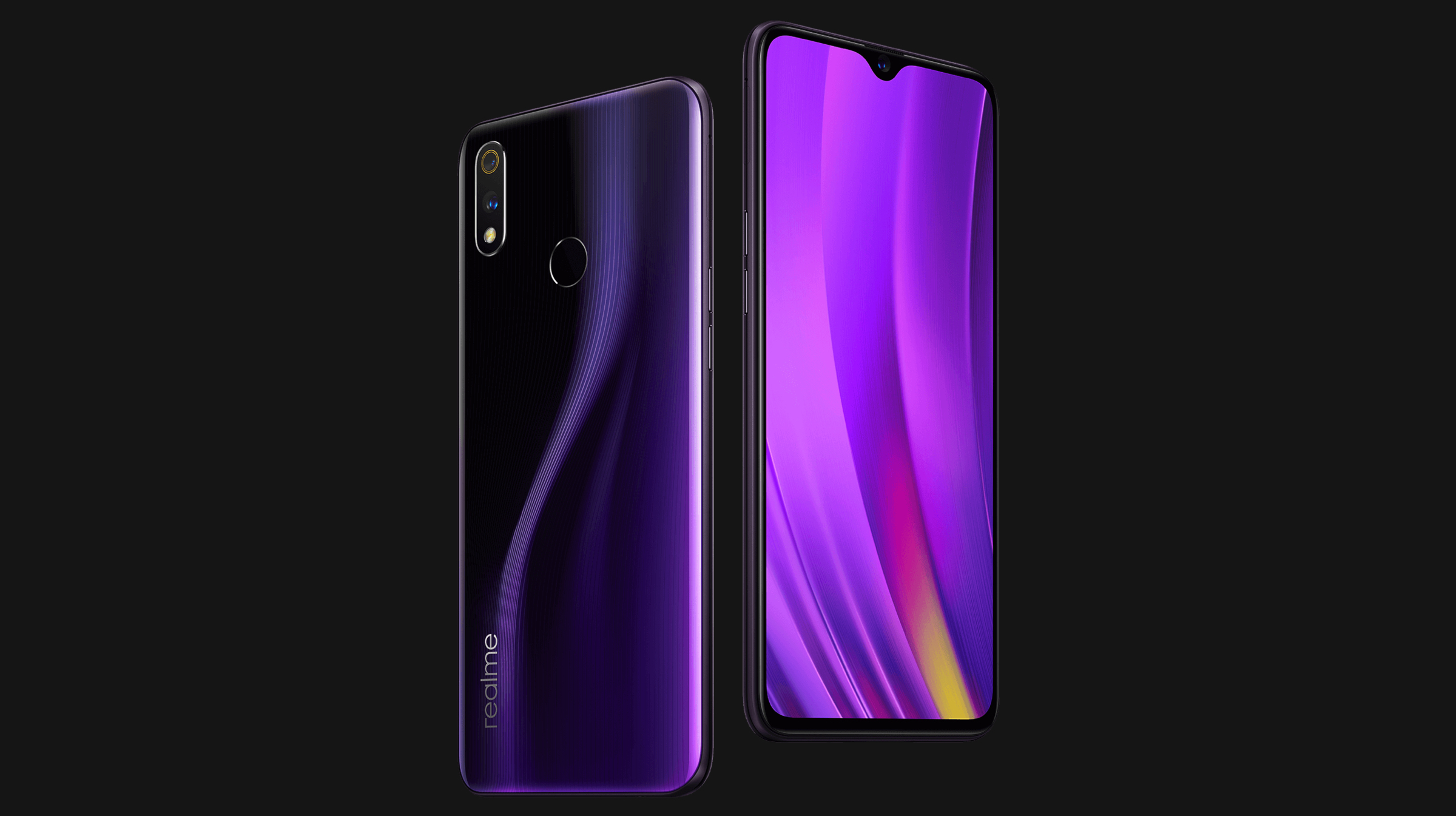
With the launch of the Realme 3 Pro, the battle of mid-range smartphones has gotten even intense. With devices like the Note 7 Pro and the Galaxy M30 falling in the same price bracket, it can be perplexing as to which of the three is a better option. In this article, we compare the specifications of all three smartphones so you can decide which device best suits your needs.
Design & Build Quality
All three smartphones have a solid build with a modern design. The Galaxy Note 7 Pro accrediting to its front and rear glass build looks most stylish out of the bunch. On the other hand, both the Realme 3 Pro and Galaxy M30 have a front glass with polycarbonate rear panel. Both the latter devices have an appreciable design on the back but are not as attractive as the Note 7 Pro.
The Redmi Note 7 Pro and the Realme 3 Pro have identical LCD displays that measure 6.3 inch and have a resolution of 2340 x 1080 px. In comparison, the Galaxy M30 sports a Super AMOLED display that measures 6.4 inch. Not only is the display on the M30 bigger than its competitors but the LCD panel on its contenders cannot match the prowess of a Super AMOLED panel. Noteworthy, the smartphones from Redmi and Realme have Corning Gorilla 5 on the front which safeguards them against scratches. While the Galaxy M30 lags any form of scratch resistant technology.
Performance
This is one area where Samsung’s offering falls behind its rivals. The Exynos 7904 SoC present on the device is not powerful enough to match the processing power of the Snapdragon 710 on the Realme 3 Pro or the Snapdragon 675 on the Redmi Note 7 Pro. The latter pulls ahead of the former in regards to benchmark performance, but the GPU on the newly launched Realme 3 Pro is superior than the one on the Note 7 Pro.
All three smartphones from this banter have worthy camera hardware which is further enhanced with the help of software processing. The Note 7 Pro has a combination of a 48 MP main sensor and a 5 MP depth sensor, the Galaxy M30 has triple cameras, out of which the 13 MP is PDAF sensor, a 5 MP ultra wide sensor and a 5 MP depth sensor. Noteworthy the latest entrant, the Realme 3 Pro has 16 MP sensor and a 5 MP depth sensor. According to Realme, the latter can capture 64 MP resolution images via the 16 MP sensor with the help of software processing. All in all, it is hard to determine the camera performance of the handsets before actually looking at the samples. All three smartphones also have a single front-facing camera which is housed in waterdrop notch above the display. The Note 7 Pro has a 13 MP front camera, the Galaxy A30 has a 16 MP front-facing camera and the Realme 3 Pro has a 25 MP selfie camera.
Additional Features
The Galaxy M30 has a mammoth 5,000 mAh battery which is considerably larger than the 4,000 mAh battery on the Redmi Note 7 Pro and 4,045 mAh battery on the Realme 3 Pro. Noteworthy, Realme’s offering supports VOOC 3.0 technology which can charge it with 20 W of power which is the highest amongst the three. All three smartphones also have a rear-mounted fingerprint sensor and run on the latest Android 9.0 which is skinned with custom UI of their respective brands. One simple yet important feature of the Note 7 Pro is the presence of an IR blaster which can be used to control appliances.
At an event held in New Delhi, Realme Mobiles unveiled two Android smartphones which include the Realme C2 and the Realme 3 Pro. As the name suggests, the Realme C2 is the successor to the Realme C1 while the Realme 3 Pro is the successor to the Realme 2 Pro.
Realme C2 Design and Specifications
The Realme C2 has an elegant design with a water drop notch display on the front and polycarbonate rear shell. The smartphone sports a 6.1 inch display that has an HD+ resolution. The rear of the smartphone houses the Realme branding and dual camera setup which consists of a 13 MP sensor, a 2 MP sensor and an LED flash. It also has a front-facing camera housed in the waterdrop notch display which has a resolution of 5 MP with support for AI enhancement.
The Realme C2 is powered by a 4,000 mAh battery and runs on Color OS 6.0 which based on top of the latest Android 9 Pie. Under the hood, it features the 12 nm based Helio P22 chipset which is comprised of an Octa Core CPU. Connectivity options on the Smartphone include Bluetooth 5.0, 802.11 ac Wi-Fi, dual 4G VoLTE, 3.5 mm audio jack and a bottom mounted micro USB port for charging and data syncing.
Realme C2 Price, Storage, Colour Options and Availability
The Realme C2 is offered in two colour options which are Diamond Blue and Diamond Black. In terms of memory and storage it is available in two storage variants for which the price is as follows:
2 GB + 16 GB = Rs 5,999
3 GB + 32 GB = Rs 7,999
In addition to the inbuilt storage, it also supports memory expansion upto 256 GB via the dedicated SD card slot. The smartphone will be sold online via Flipkart.com, Realme.com and select offline stores. The first sale of the Realme C2 will be held on the 15th of May, 2019.
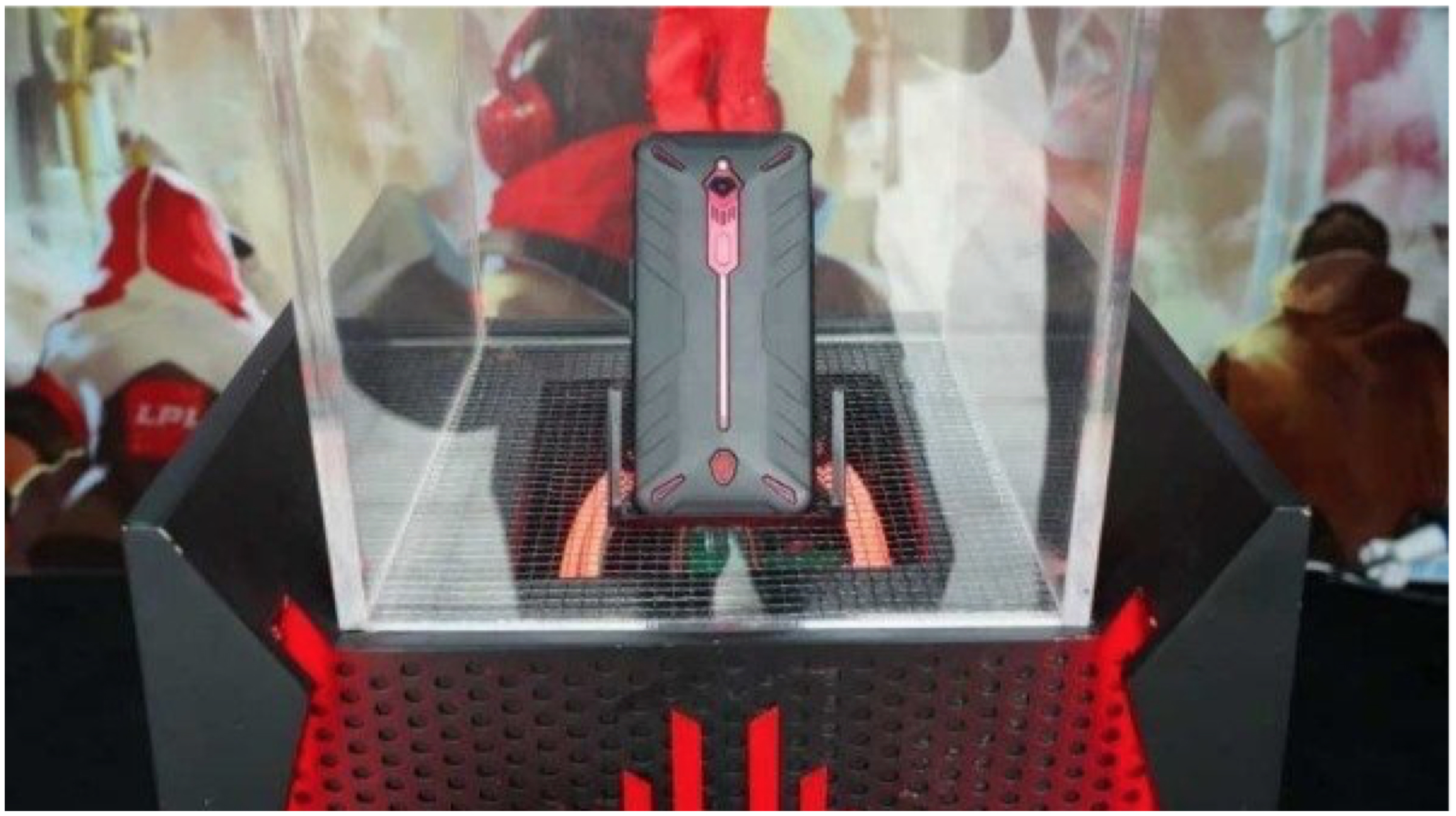
To encash on the rapidly booming smartphone gaming industry, Chinese smartphone maker, Nubia had launched a couple of gaming-centric smartphones in the past. The previously launched devices were warmly welcomed and in order to further benefit from the trend the company is set to launch the Nubia Red Magic 3. The smartphone is set to launch on the 28th of April and days before the official announcement, it has been spotted at a Chinese gaming event.
Nubia Red Magic 3 Design and Features
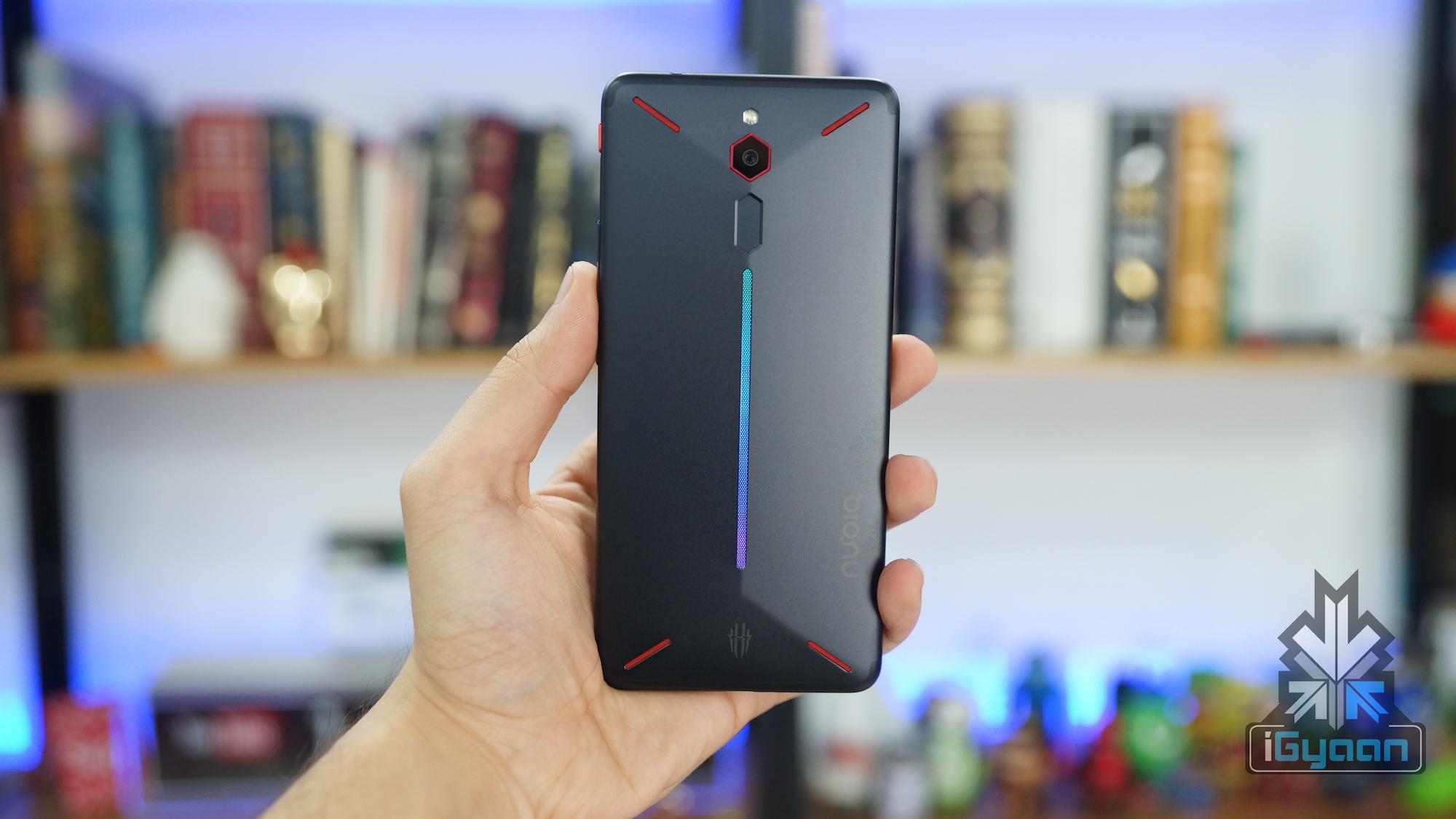
According to the images shared on Chinese website ITHome, the Nubia Red Magic 3 has a similar design to the original Red Magic and the Red Magic Mars. The rear of the smartphone harbours a hexagonal shaped fingerprint sensor, slits on each corner, RGB LED strips and the single camera setup. Distinctively, the camera lens has an unconventional diamond shape which is accompanied by an LED Flash.
The slits on each corner of the Red Magic 3 is expected to have similar functionality as the original handset. Accordingly, the bottom slits will be used as cooling vents for the device. Sadly, the details about the front fascia of the smartphone are unavailable and will be publicised at the time of the launch which is imminent.
In terms of specifications, the Nubia Red Magic 3 will be kitted with the Snapdragon 855 SoC which is also featured on devices like the Galaxy S10 lineup and Oppo Reno 10x Zoom. The smartphone will be powered by a 5,000 mAh or larger capacity battery which will support fast charging. Furthermore, it will have a high refresh rate display which is claimed to be equivalent to a gaming PC monitor.
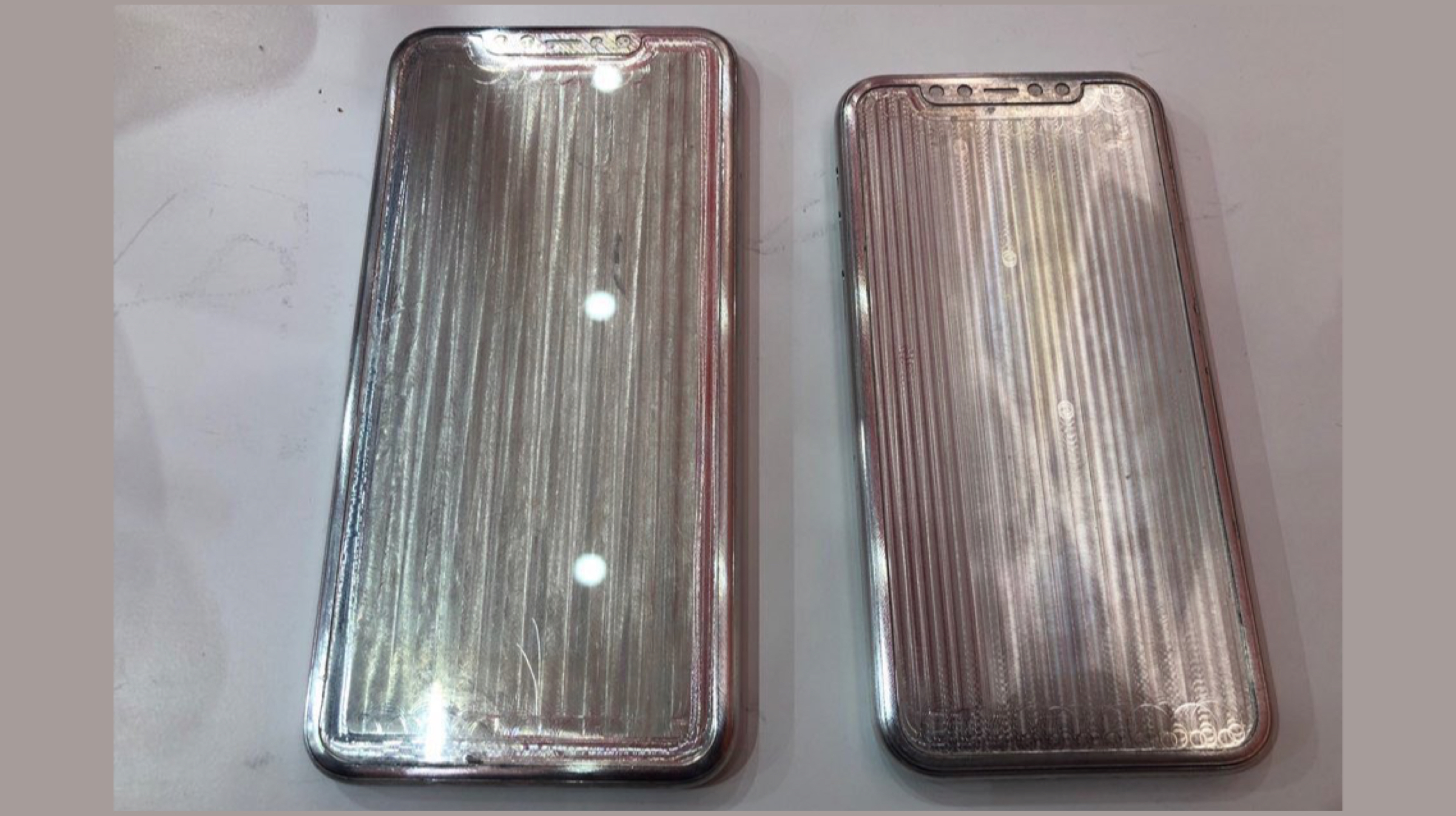
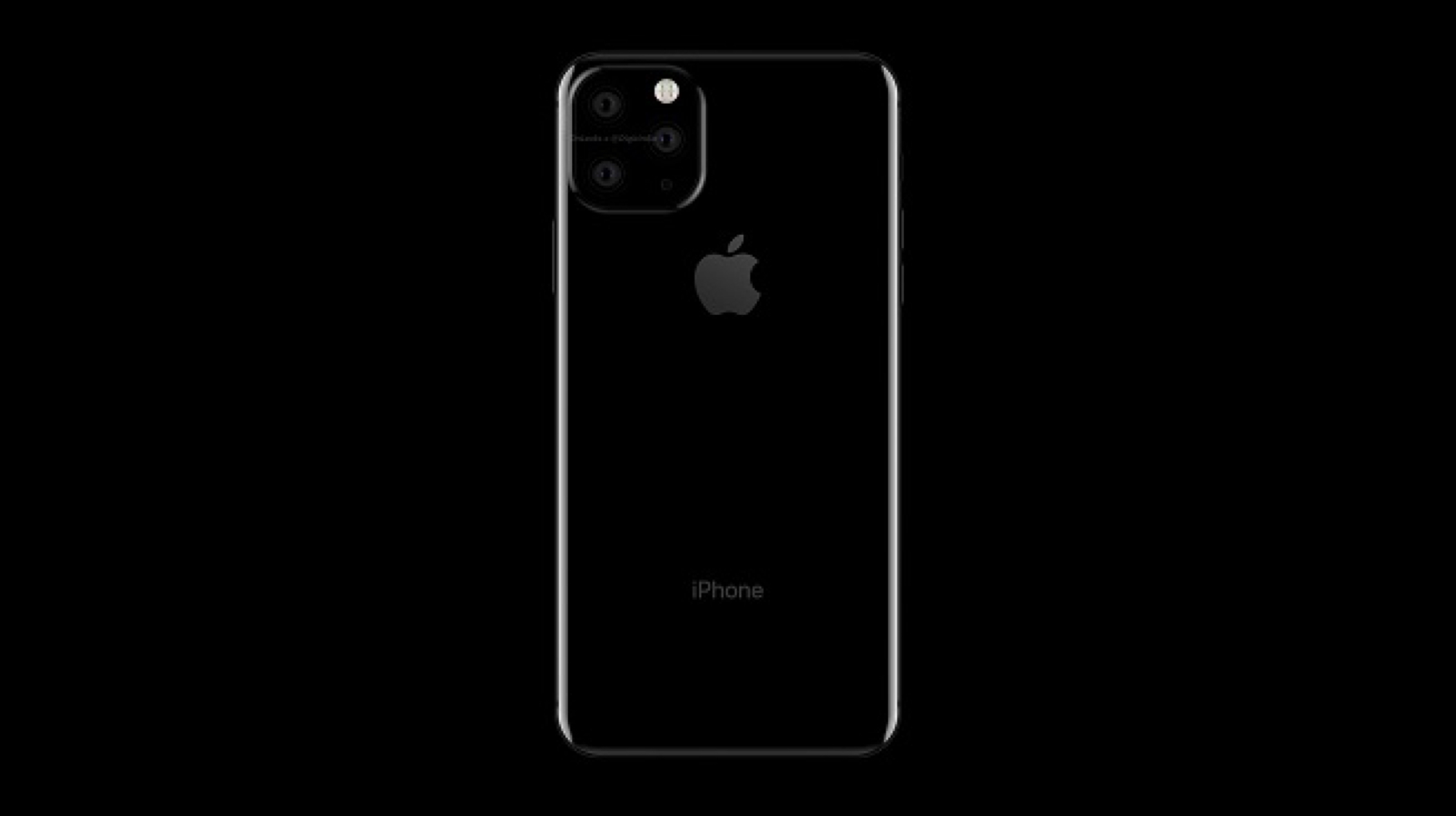
Cupertino based tech giant, Apple is due to update its iPhone lineup in the second half of the year. Reports suggest, like 2018, the company will launch three iPhone models this year. The upcoming flagship devices will supposedly be called the iPhone XI (Eleven) and iPhone XI Max, while the name of iPhone XR‘s successor is unknown. Leaks from the past claimed that the 2019 iPhone flagships will have triple rear cameras and alleged case moulds of smartphones support the claim.
iPhone XI and XI Max Case Moulds
The alleged case moulds for the 2019 iPhone models were leaked by notable leakster, BenGeskin on the microblogging website, Twitter. The moulds are machined out of solid aluminium blocks and they reveal the design of the devices from both the front and back. The case moulds exhibit that the upcoming iPhone XI and the iPhone XI Max will have a similar front fascia to that of the iPhone XS (10S) and iPhone XS Max. Both smartphones have a high screen to body ratio accrediting to thin bezels on all sides. They also have a wide notch above the display like their predecessors.
The rear of the assumed case moulds of the iPhone XI and iPhone XI Max reveal an all-new design which harbours a triple rear camera setup, Apple logo and the iPhone phrase. Noteworthy, the placement of the Apple logo on both the smartphone case moulds is different which suggests another alteration in future devices in comparison to the current gen. The leaked case moulds certainly seem genuine, however, in order to verify their authenticity, we will have to wait till their official launch.
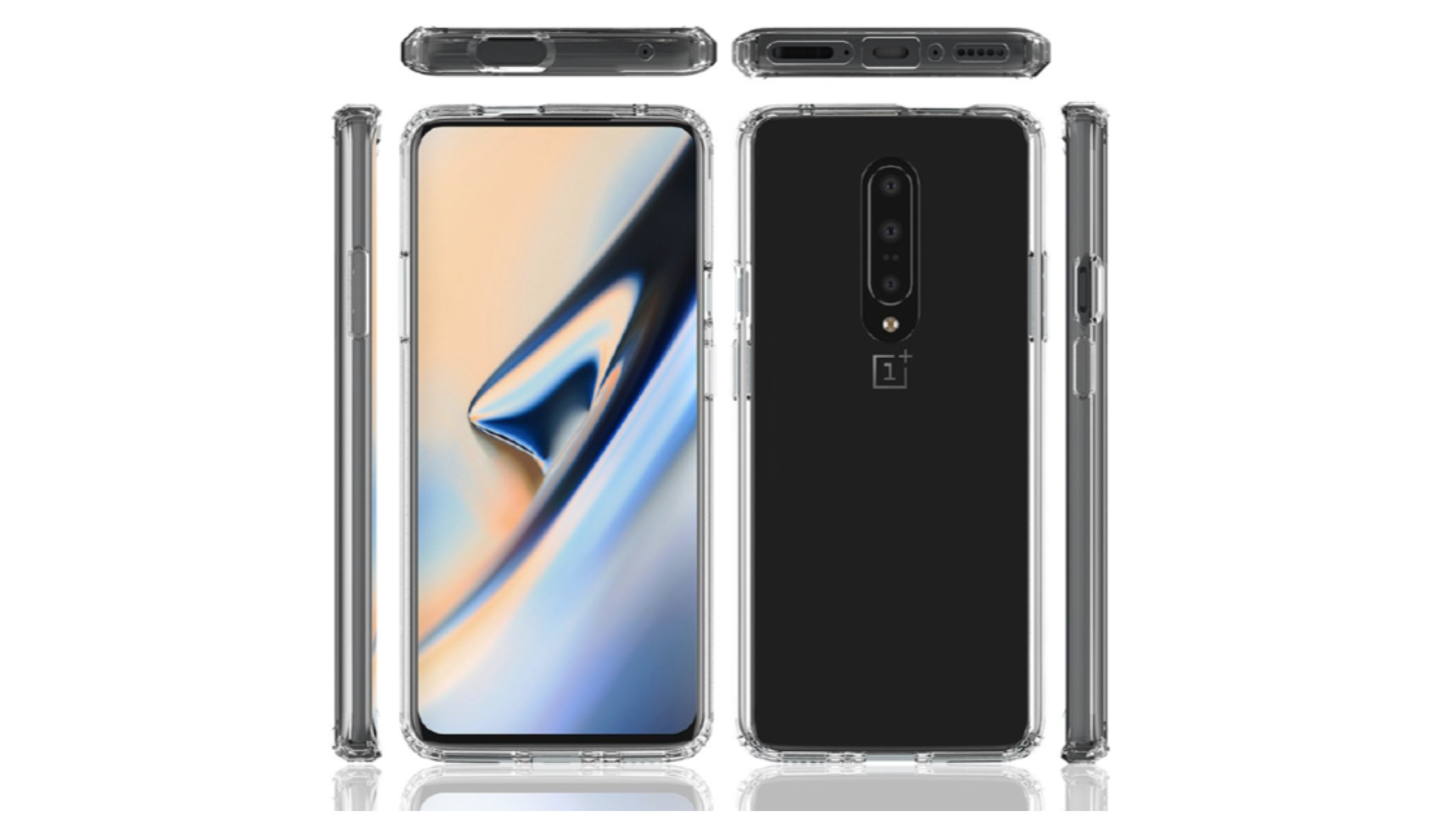
Chinese smartphone maker, OnePlus will soon launch its latest flagship smartphones which will allegedly be called the OnePlus 7 and the OnePlus 7 Pro. Rumours about the features and specifications of the upcoming device have been surfacing for a long time. The devices are expected to feature top tier specifications and considerably different design in comparison to their predecessor, the OnePlus 6T. The devices were previously reported to launch on the 14th of May which was not confirmed by the company. Pleasantly, OnePlus’s CEO, Pete Lau via his Twitter has announced that the official launch date of the smartphones will be revealed on the 23rd of April.
OnePlus 7 And OnePlus 7 Pro Details
Alleged OnePlus 7 Pro Render
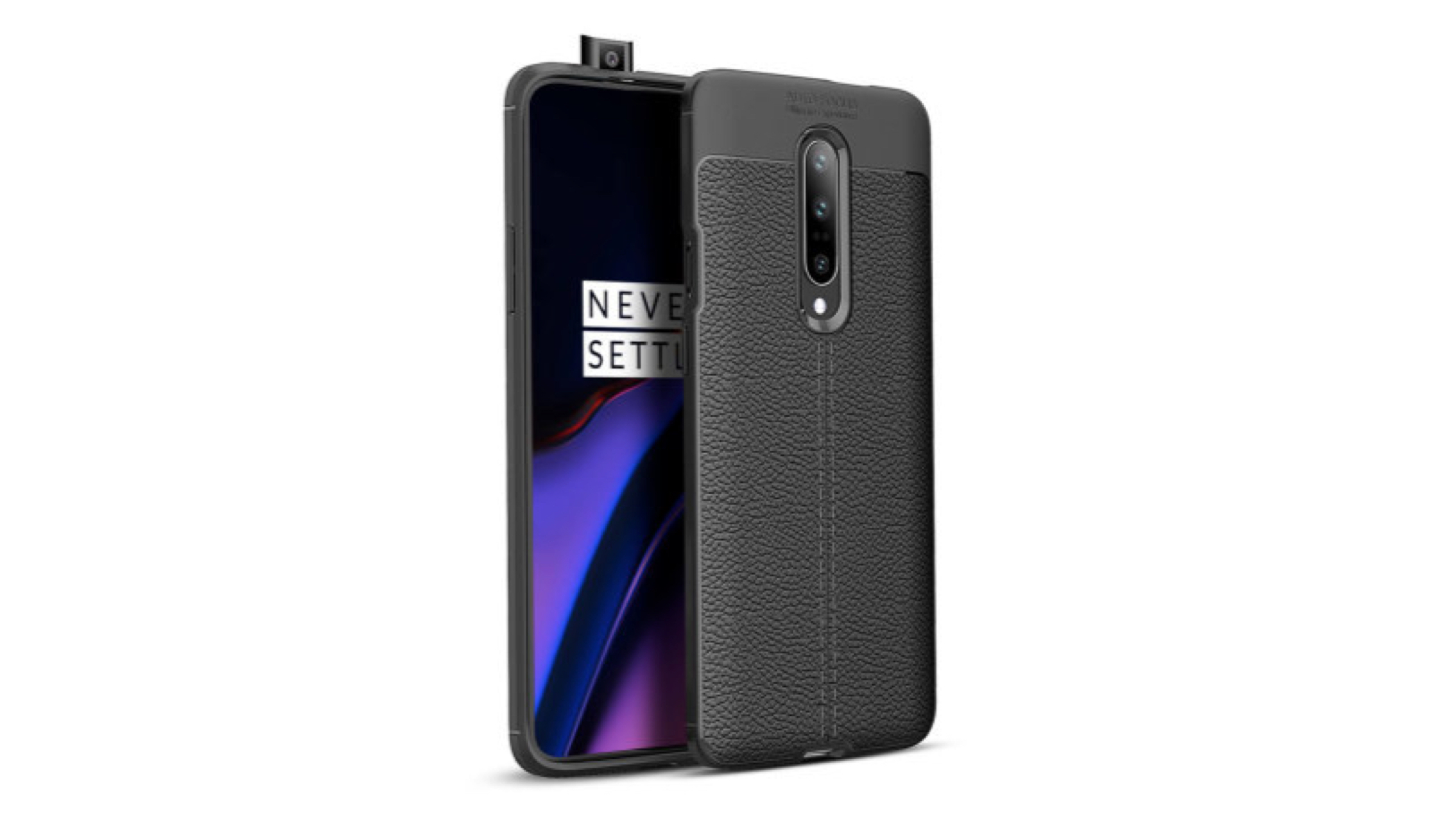
Both the OnePlus 7 and OnePlus 7 Pro are reported to feature the Snapdragon 855 SoC which is the obvious choice for an Android flagship smartphone. The smartphones are also expected to support 40 W fast charging which will be a significant upgrade over the 20 W dash charge on the OnePlus 6T. Reports state that the Pro variant of the upcoming smartphone will have a pop up selfie camera while the standard OnePlus 7 will have the conventional waterdrop notch.
The placement of ports and buttons on the OnePlus 7 and OnePlus 7 Pro is reported to be the same as the OnePlus 6T. Another leak from the past claimed that the company might even launch a pair of TWS (Totally Wireless Earphones) which are in high demand.
Earlier this month Qualcomm launched three smartphone chipsetswhich include the Snapdragon 665, the Snapdragon 730 and the Snapdragon 730G. Another chipset from the company, the Snapdragon 735 has surfaced before its official announcement.
Snapdragon 735 Innards
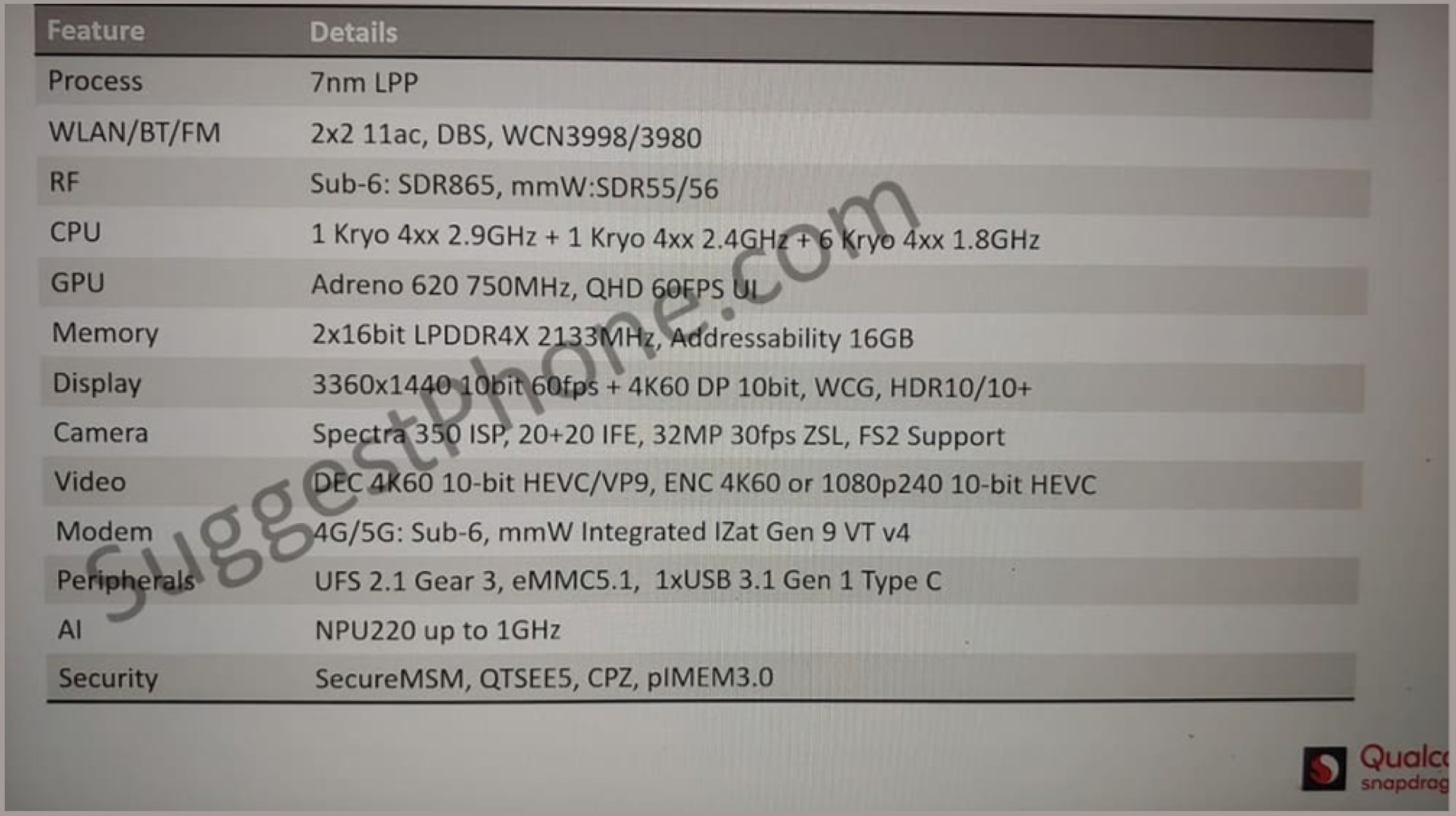
According to the source, the Snapdragon 735 SoC is manufactured using 7 nm fabrication process which makes it highly power efficient. The chipset consists of Octa-Core Kryo CPU and the Adreno 620 GPU. Out of its eight cores, one core is clocked at 2.9 GHz, another core is clocked at 2.4 GHz while the remaining 6 cores are clocked at a frequency of 1.8 GHz. This combination of cores clocked at different frequency provides for an optimised power and performance output.
The Adreno 620 GPU is clocked at 750 MHz which is able to support QHD display panels which have a refresh rate of up to 60 FPS. In terms of storage, the chipset support UFS 2.1 Gear 3, eMMC 5.1 and USB 3.1 Type C. According to the listing, the Snapdragon 735 can support up to 16 GB of LPDDR4X RAM. Noteworthy, it consists of the NPU220 (Neural Processing Unit) which is clocked at a speed of 1 GHz. The NPU in the chipset will be used to execute AI tasks on the smartphone it is featured on. More details about the Snapdragon 735 are expected to follow soon as the company rolls information about it.
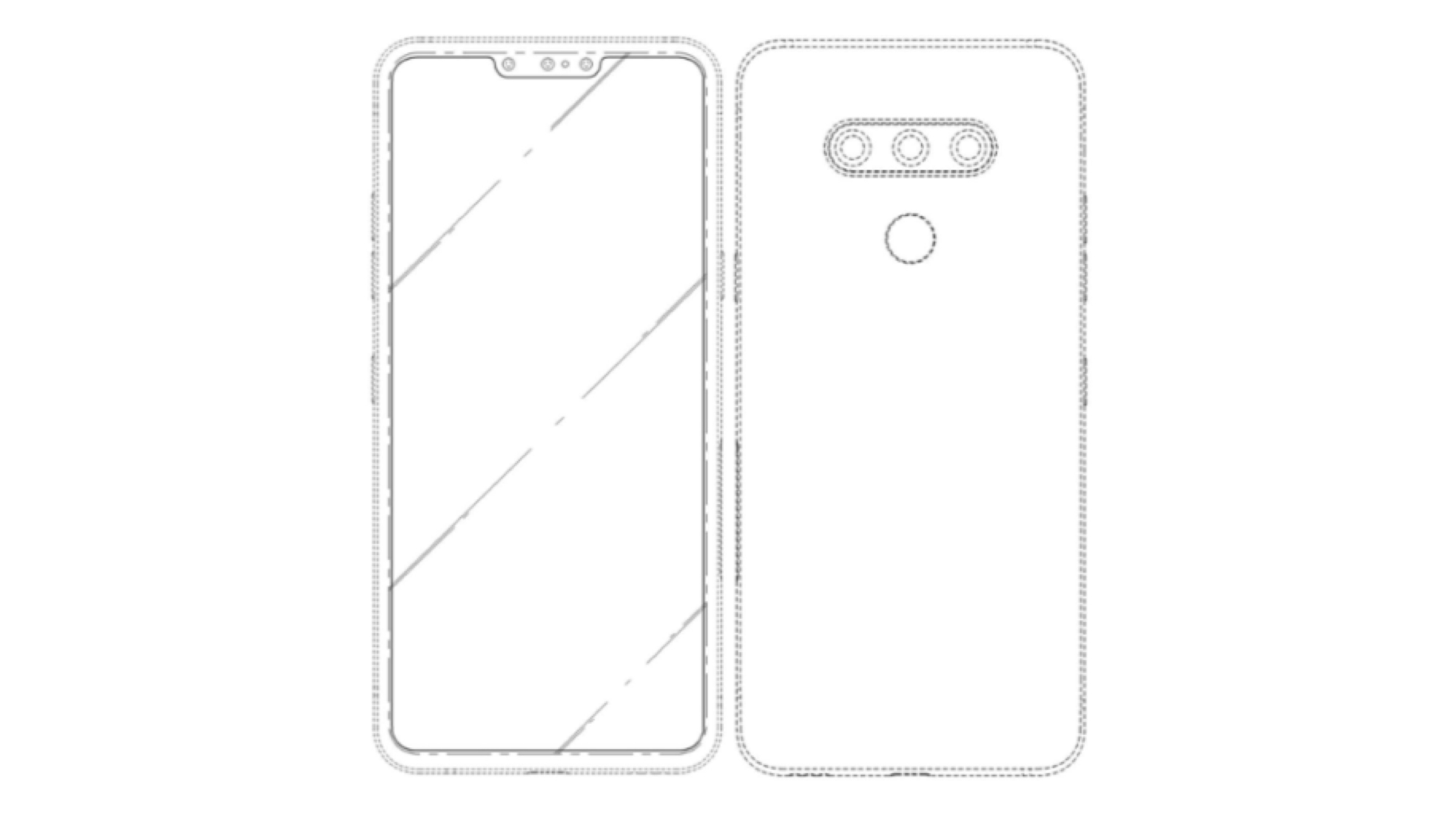
Korean smartphone manufacturer, LG is known for making smartphones that have uncommon and distinctive features. Earlier this year it showcased the innovative V50 ThinQ that has an attachable second display. Freshly granted patents to the company indicate that it is working on yet another smartphone with unique elements. The patent granted to LG reveals a smartphone that has triple selfie cameras which is a world first except for the swivel camera on the Galaxy A80.
Patent Disclosures
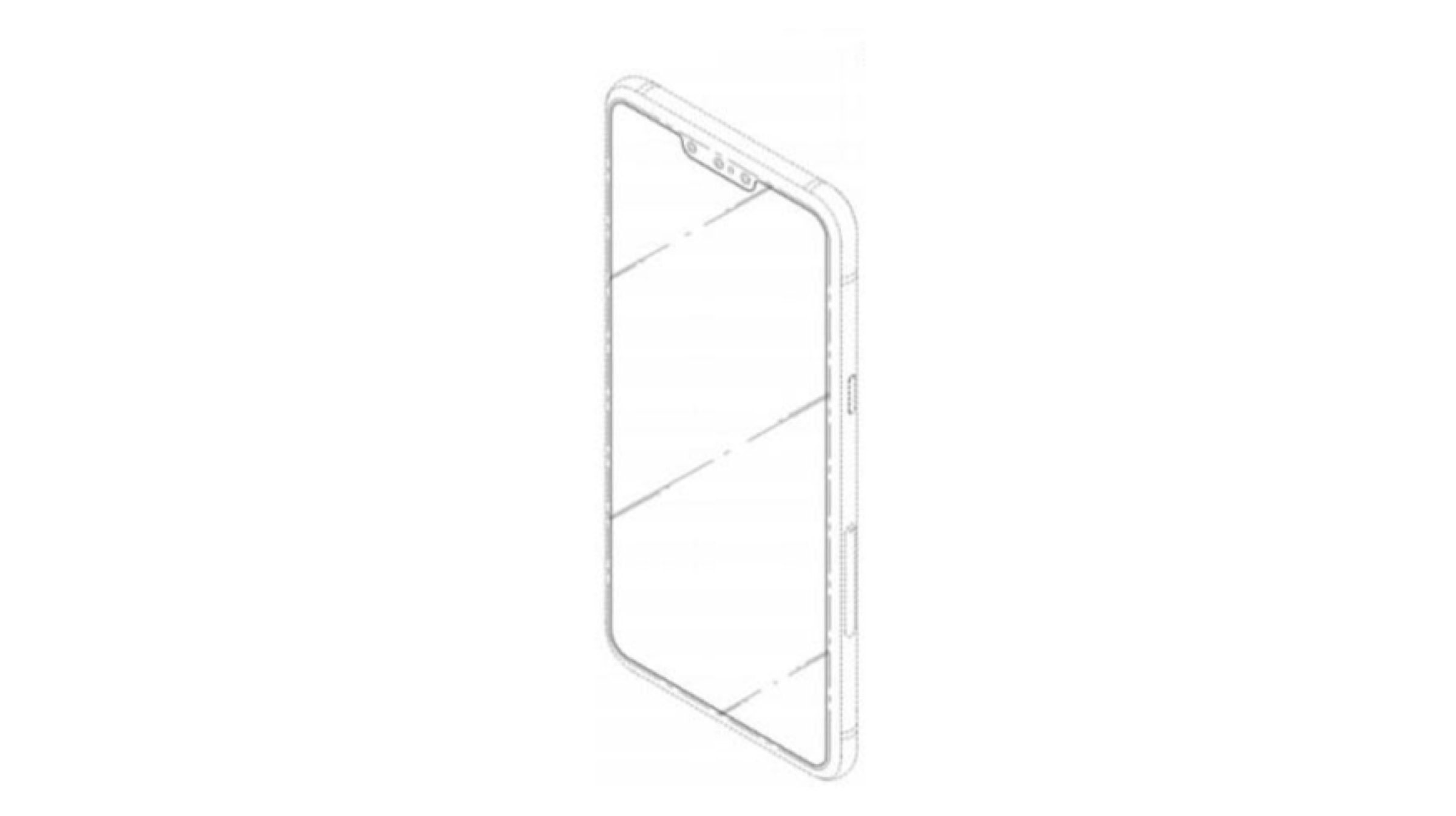
The patent for the aforementioned smartphone was granted to LG by WIPO (World Intellectual Property Office) on the 19th of April 2019. The patent exhibits a smartphone which is highly reminiscent of several LG devices from the past. However, as previously mentioned, the freshly patented handset has triple selfie cameras which are housed in a wide notch at the top of the display.
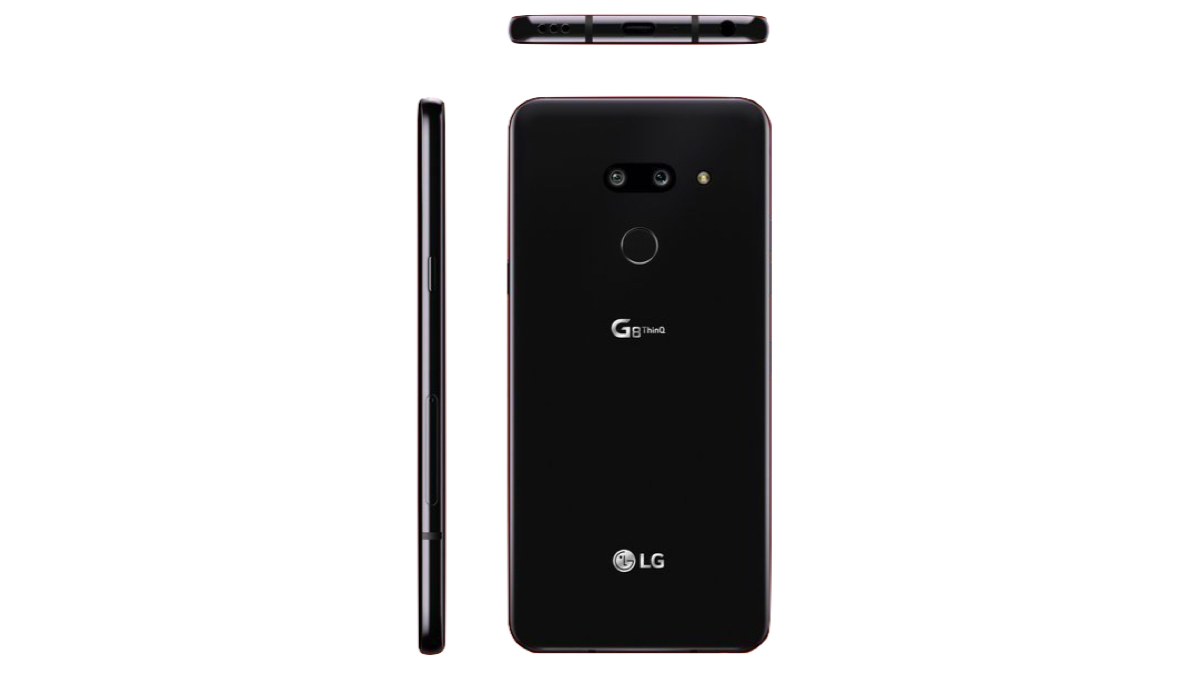
LG G8 ThinQ
The rear of the LG smartphone harbours a triple camera setup and a fingerprint sensor. The right side of the device is occupied by the SIM card tray and the power button while its left side is occupied by the volume rockers. The patent exhibits that the top of the device lacks any controls and ports while its bottom houses the loudspeaker griller and a USB port.
What Could Three Front Cameras Be Used For?
Reportedly, the front and rear camera setup of the LG smartphone will utilise a set of similar camera sensors. Like the previously launched LG V50 ThinQ, the upcoming smartphone may have a 12 MP standard sensor, 12 MP telephoto sensor and a 16 MP ultrawide sensor. Furthermore, the company can even opt for a TOF sensor instead of an ultrawide sensor. All in all, precise details about the device will only be publicised once it is addressed by the company.
Huawei introduced the Mate 20 smartphone lineup back in the year 2018 which includes the standard Mate 20, the Mate 20 Pro and the Mate 20 X. Even though all three handsets are kitted with top tier specifications, the Mate 20 x accrediting to its massive 7.2-inch OLED display stands out of the bunch. The company had previously been alleged to launch a 5G variant of the former and a video shared by a Chinese Youtuber supports the claim. Called the Mate 20 X 5G, the upcoming smartphone will carry forward most features from the original device with countable distinguishing elements.
Features Of The Mate 20 X 5G
Like the original Mate 20 X, its 5G variant will sport a 7.2 inch OLED display. The display panel will have a pixel density of 346 ppi and will be safeguarded with Corning Gorilla Glass. It will feature a triple camera setup which consists of a 40 MP + 20 MP + 8 MP sensor.
Under the hood, the Mate 20 X 5G will be kitted with the Kirin 980 SoC which is manufactured using 7 nm fabrication process. Noteworthy, to implement 5g connectivity, it will feature the Balong 5000 modem which is also present on the foldable Mate X.
In order to accommodate the new 5G modem, the battery of the Mate 20 X 5G will be reduced to 4,200 mAh from 5,000 mAh on the standard variant. Also, the upcoming smartphone will support 40 W charging which is a worthy step up from 22.5 W on the original device. Other features including placement of ports, connectivity options, storage variants are likely to remain unaltered.
The exact specifications and price of the Mate 20 X 5G will be publicised once it is officially launched. Although Huawei has not announced the launch date of the smartphone, it is expected to launch in the second half of this year.
Qualcomm launched the Snapdragon 855 SoC back in December 2018. Undoubtedly, it is one of the most powerful chipsets that are currently available for Android devices. The SoC is manufactured using 7 nm fabrication technology which makes it highly power efficient. Therefore, providing a long battery backup on devices that feature it. A few handsets that feature this chipset include the Samsung Galaxy S10 lineup and the Oppo Reno 10x Zoom variant. While the SoC is considerably new, numerous companies have announced that they will launch a smartphone with the aforementioned chipset. Here is a list of awaited smartphones that will feature the Snapdragon 855 SoC:
OnePlus 7 Pro
The OnePlus 7 Pro, as the name suggests, will succeed the OnePlus 6Tfrom last year. The smartphone is reported to have considerably different looks and features than its predecessor. Being a flagship level device, it is assumed to feature the Snapdragon 855 chipset. Additionally, it will have a few other nifty tricks up its sleeve. It is reported to feature a pop up style selfie camera instead of a water drop notch housed camera on its predecessor. It is also reported to feature triple rear cameras which will provide it with impressive photography capabilities.
Nubia Red Magic 3
Nubia Red Magic 1
Nubia’s Red Magic is a lineup of gaming smartphones and the Red Magic 3 will be no exception. The upcoming smartphone has been confirmed to feature the 855 chipset. Other notable features that the device is confirmed to have is a mammoth 5,000 mAh battery, advanced cooling system, upto 12 GB of RAM, PC grade screen refresh rate. The highly anticipated gaming smartphone is set to launch on the 28th of April.
Redmi 2 Pro
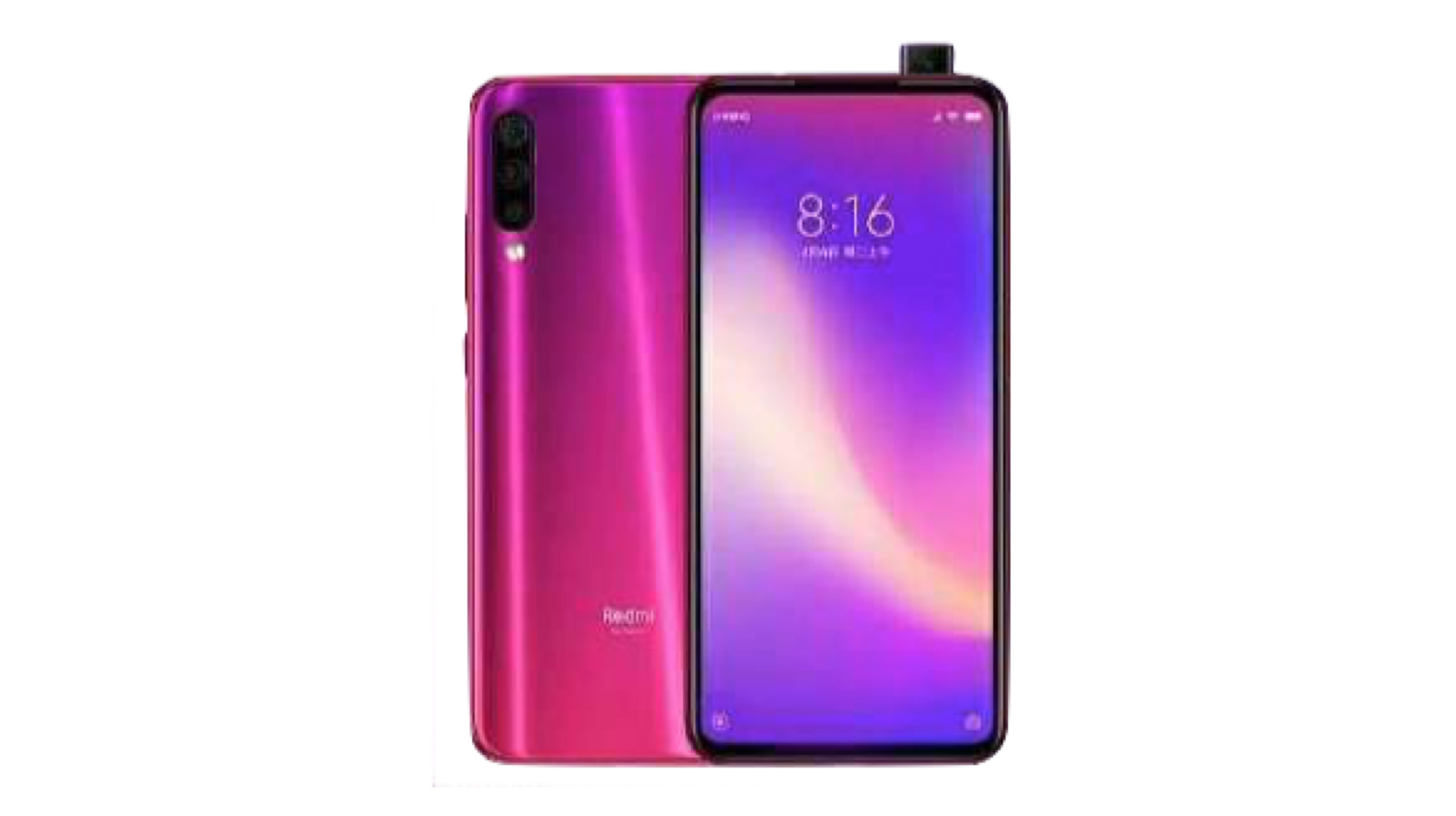
Earlier this year, Redmi separated from Xiaomi to turn into an independent brand. Till now the company has launched two remarkable devices which include the Note 7 and Note 7 Pro. The companies senior executive have previously confirmed that a Redmi branded flagship smartphone is under development and will be launched soon. As of limited information about the device is available. It will allegedly be called the Redmi 2 Pro and might have a pop up selfie camera. However, we will have to wait to attain details about the launch date of the smartphone.
Lenovo Z6 Pro
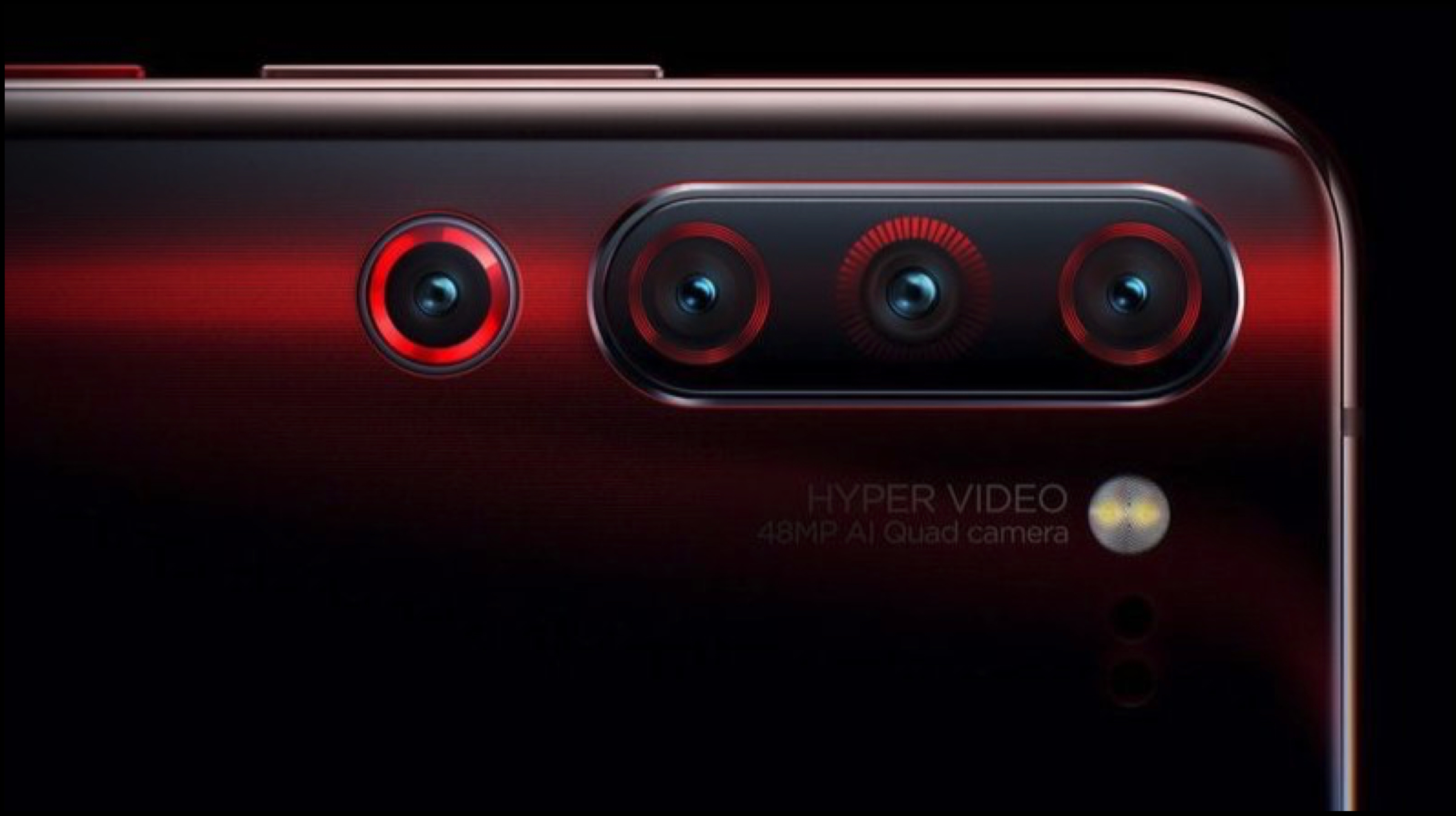
Lenovo is also set to launch its latest flagship smartphone which is the Lenovo Z6 Pro. The smartphone will be kitted with the mighty Snapdragon 855 SoC. Other noteworthy features the device include is Hyper Video technology, PC grade liquid cooling, 4,000 mAh battery with 27 W charging support and in-display fingerprint sensor. The smartphone is set to launch on the 23rd fo April which is approaching fast.
Meizu is a less known smartphone maker from China. However, it has developed a couple of praiseworthy devices which include the Meizu 16th and Meizu Zero. The company has announced that its latest flagship will carry the Meizu 16s moniker and all its specifications have been previously leaked on Chinese mandatory website TENAA. It features a 6.2 inch AMOLED display that has full HD resolution. It has dual rear cameras and a single front camera. The handset will be offered in two storage variants which are 6 GB RAM + 128 GB ROM and 8 GB RAM + 128 GB ROM. The smartphone is set to launch on the 23rd of April which is the same as the launch of the date of the Lenovo Z6 Pro.