Author: Vikhyaat Vivek

  • China Prepares A Counter Strike On The Huawei Ban

    China Prepares A Counter Strike On The Huawei Ban

    Trade relations between the US and China are rising in intensity again with China preparing for a response against the US ban on Huawei. The southeast Asian country has taken special measures to restrict the trade of rare earth elements to the US, placing the western country in its own ‘entity’ list. This puts the US in a blacklist as an unfavourable foreign company. 

    Japan’s SoftBank, taking the market opportunity has announced its plans for building its 5G network with equipment from Nokia and Ericsson amidst the turmoil. Huawei prior to this had been the supplier for 4G and was planned to collaborate alongside SoftBank for the same.
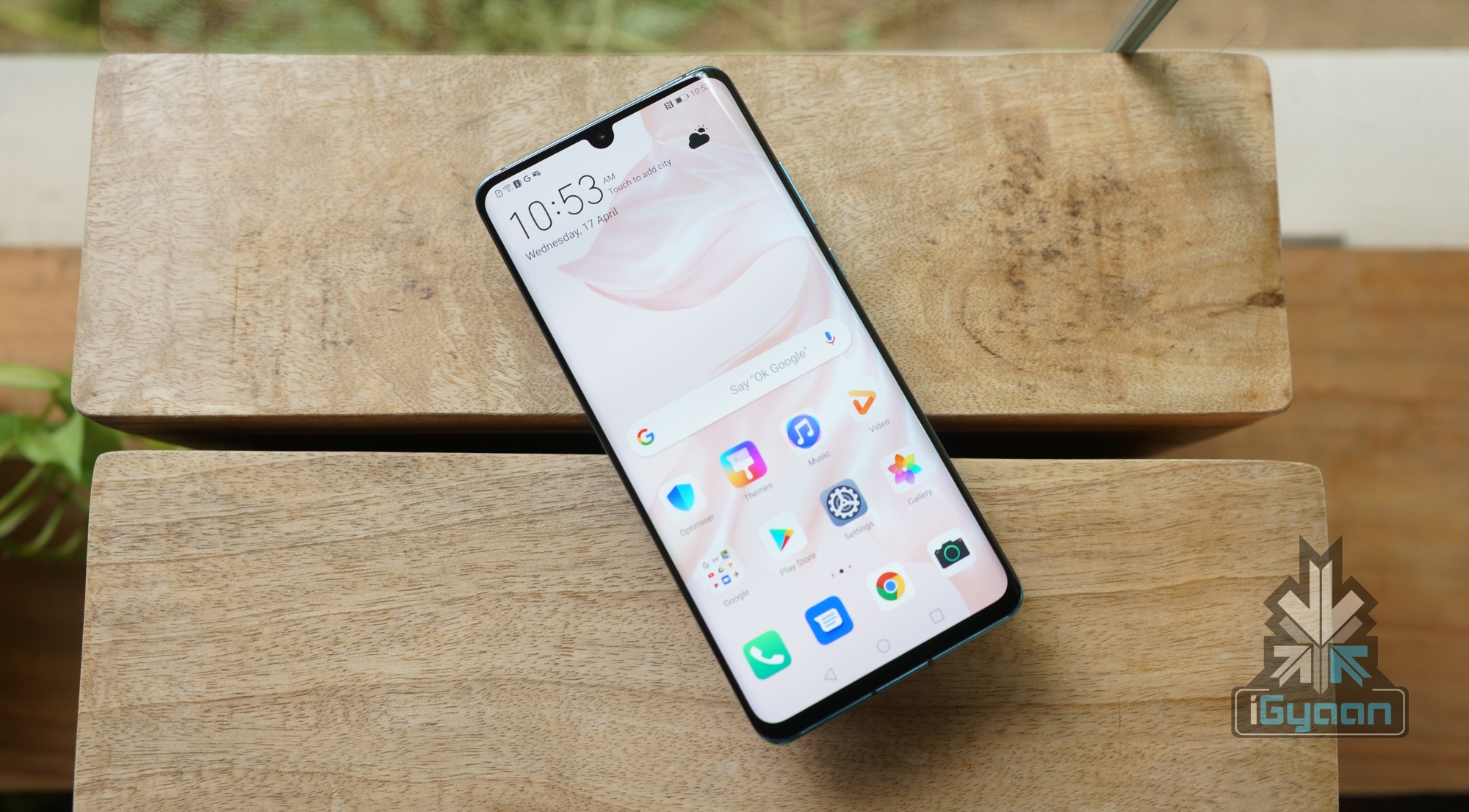
    Huawei P30 Pro

    The restrictions on rare earth elements stand as a signal from the Beijing leaders of its willingness to retaliate with countermeasures in place. This, however, is reported to only be actually deployed if the trade war between the US and China worsens with time. One of the important rare elements derived from China is Neodymium, a popular industrial grade element used to make magnets. It is often seen advertised spec sheets of audio gear such as earphones and headsets. The US according to various trade experts and researchers have no outside alternative worthwhile apart from China.
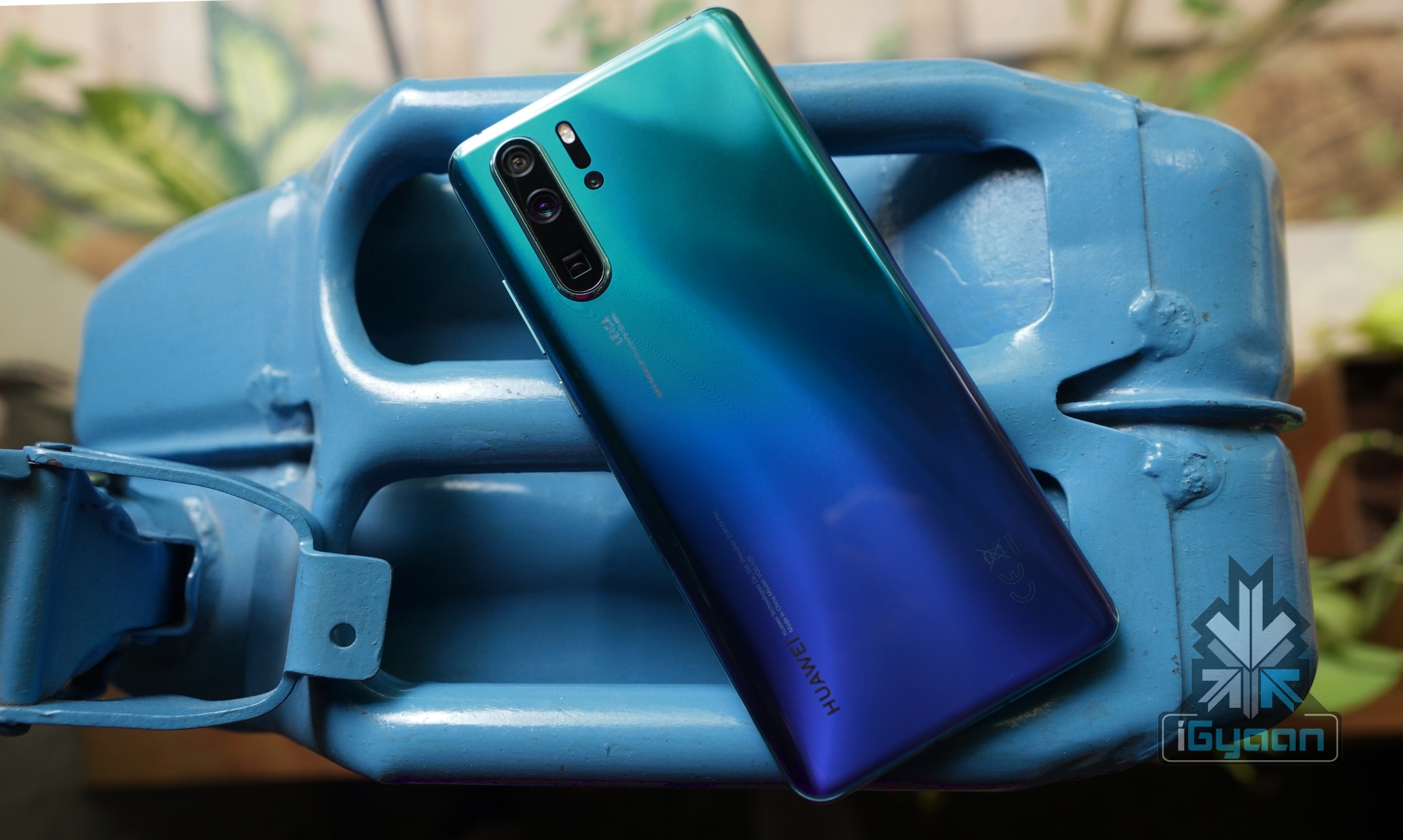
    Huawei

    The Chinese phone manufacturer, Huawei sits in the middle of the trade war zone. Taking a massive hit on its business with the loss of its huge deal with SoftBank related to 5G networking. This incident came after Huawei was claimed to be a national threat by the US President Donald Trump and placed in the Bureau of Industry and Security’s Entity List that has its business operations in America crippled.

    Also ReadApple Planning On Removing 3D Touch Feature In Future iPhones

    Actions questioning Huawei’s networking equipment and services have never been raised although concerns regarding security have driven its potential business operations away from it. The company’s affiliation with the Chinese Government only worsens relations with foreign companies like the Japanese SoftBank who’s decision is only a result of such accusations thrown about. Regardless of how soon or how smoothly the trade tensions die out, Huawei’s brand trust with confidentiality in mind will remain as trauma in the minds of its future partners.


  • Alphabet’s New AI Defeats Human Players In A Multiplayer Game

    Alphabet’s New AI Defeats Human Players In A Multiplayer Game

    Concepts easily understood by humans are not as simple to machines. Variables always arise and questions that machines can’t answer make complete autonomy difficult. Alphabet, Google’s parent company had its DeepMind’s technological studio train its AI to learn how to play a game of capture the flag on a level greater than that of a human.

    One of the most basic games in terms of principle, capture the flag has two teams go against each other with the primary objective of the game being to capture a flag (any marker). The marker is located at each teams respective base and has to be captured by an enemy team after which they have to safely return with it to their own base safely. Easy for humans to understand and play, but complex for a machine that has to make numerous calculations that’ll help it strategize in a manner resembling humans.

    This stands to change with AI and machine learning. A report published by researchers at DeepMind, subsidiary of Alphabet, details a system not only capable of learning the game, capture the flag but also devising strategies and planning on a level of human teams in Id Software’s Quake III Arena. The paper published reported on how the AI was not taught how the game played but only informed if the opponent was beaten or not.

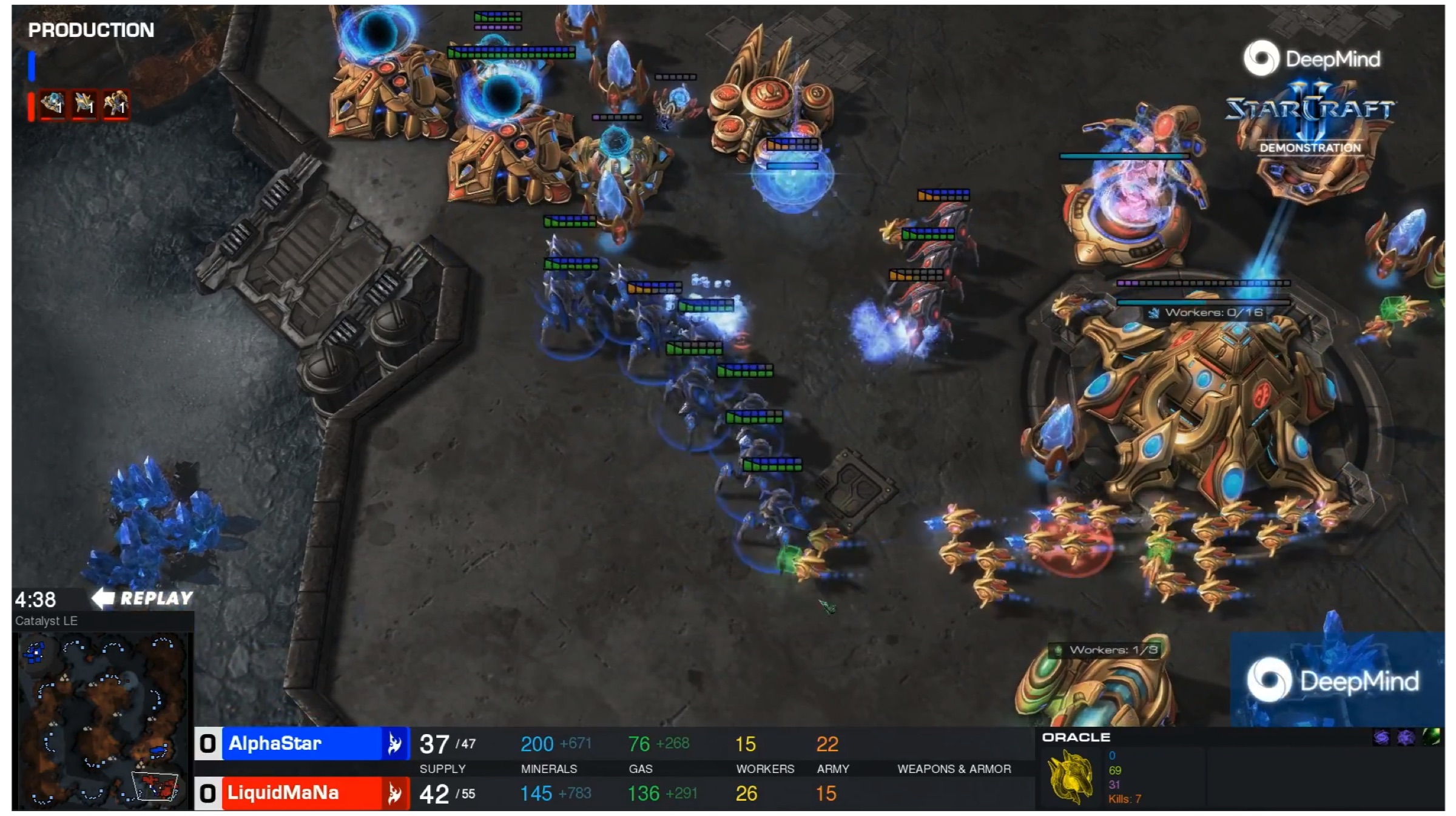
    Reasoning behind this approach of training an AI stems from the unpredictable behaviour that can be exhibited as the learning process continues. Some of the researchers working on DeepMind’s AI have previously developed alongside AlphaStar, who’s machine learning program beat professional StarCraft II players. The key techniques utilized in the study was reinforcement learning, which had rewards given out to incentivize the software towards the goal.
    AI

    The agent utilized by DeepMind, appropriately dubbed For The Win (FTW), learns from on-screen pixels using a convolutional neural network, a collection of mathematical functions (essentially neurons in the human brain) arranged in layers. The data absorbed by this is sent to two recurrent long short-term memory (LSTM) networks, one that that operates on a slow timescale while the other on a faster timescale. This enables a degree of prediction about the game world and take actions through an emulated game controller.
    AI

    The 30 FTW AI agents were trained in different stages with the powerful learning paradigm to improve real world performances. Agents there on were reported to have formulated and enacted strategies generalised across the different maps, team rosters, and team sizes. The AI’s learned human behaviours like following teammates, camping, and defending their base from attackers while not repeating tactics that do not give any inherent advantages like following the teammate too close as the training progressed.
    Also ReadCall Of Duty: Modern Warfare Trailer Reverts The Series Back To Its Roots

    The AI had surpassed the win-rate of human players by a substantial margin in a tournament involving 40 humans that were randomly matched in both games as teammates and enemies. The Elo rating (the probability on winning) of the AI was 1,600 compared to good human players that had an Elo of 1,300 while the average for human players was 1,050. This held true even when the agents were slowed down by a quarter of a second. Human players only won 12-21% of the times ranging from skill level.

  • Apple Planning On Removing 3D Touch Feature In Future iPhones

    Apple Planning On Removing 3D Touch Feature In Future iPhones

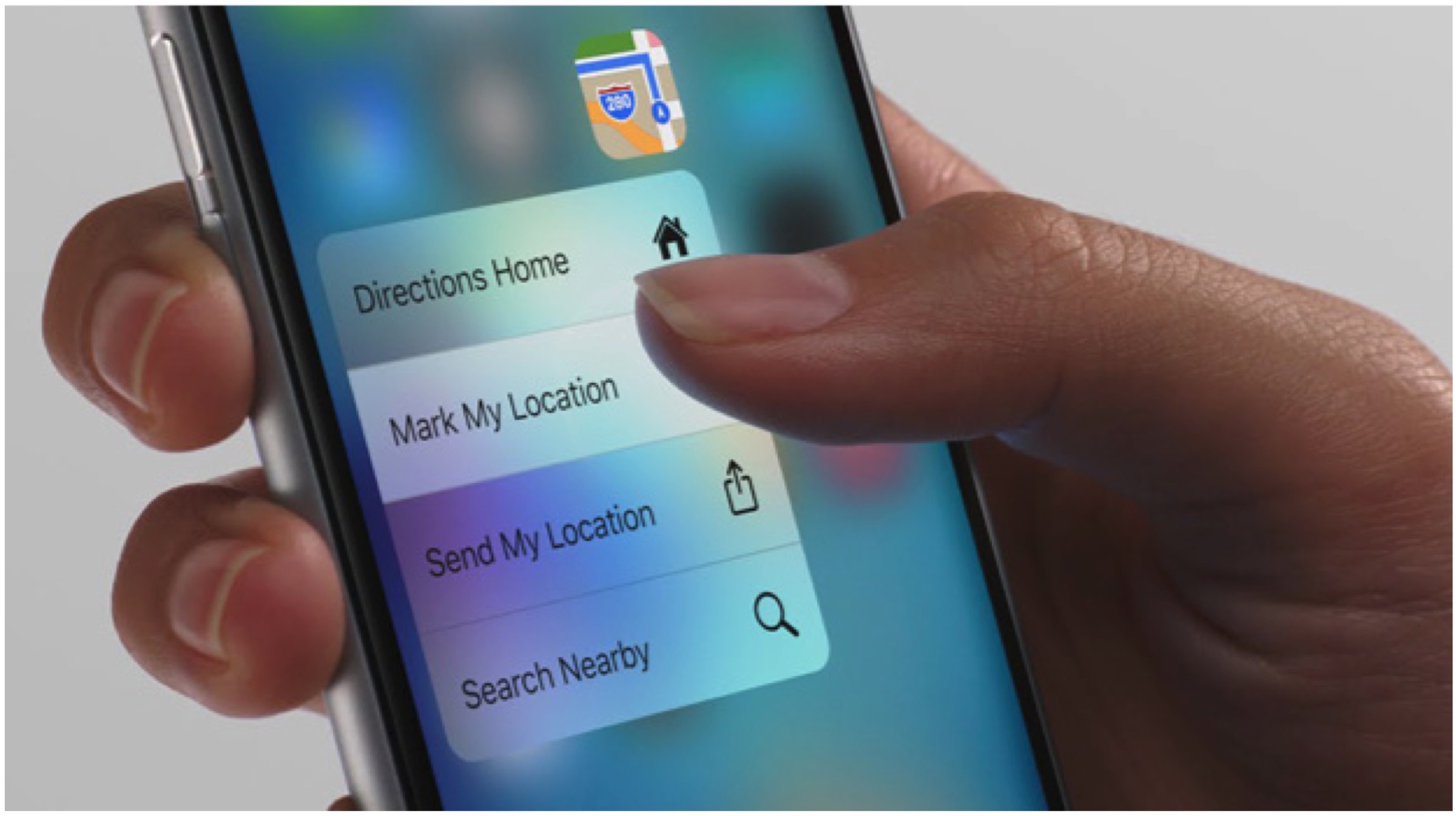
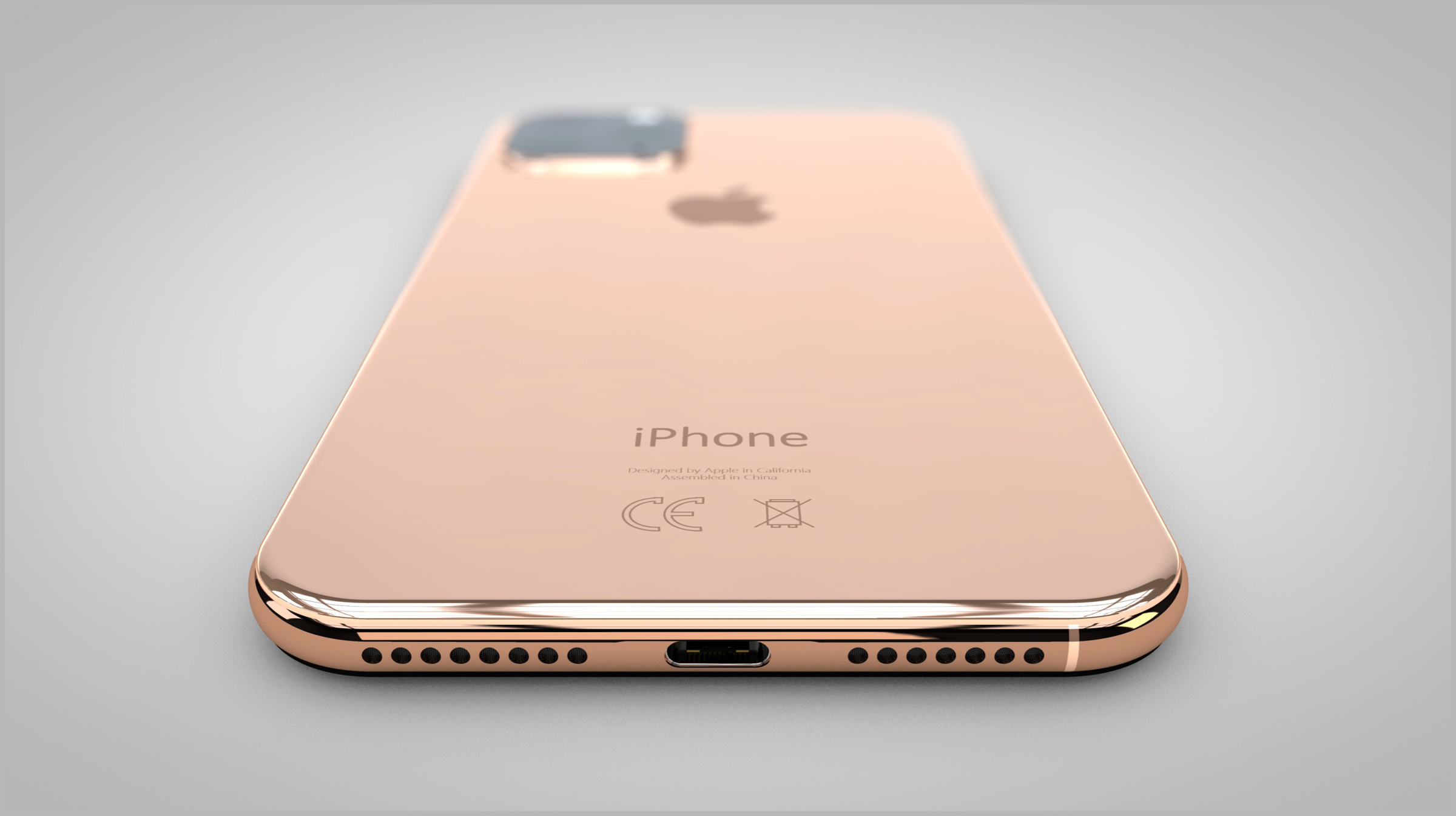
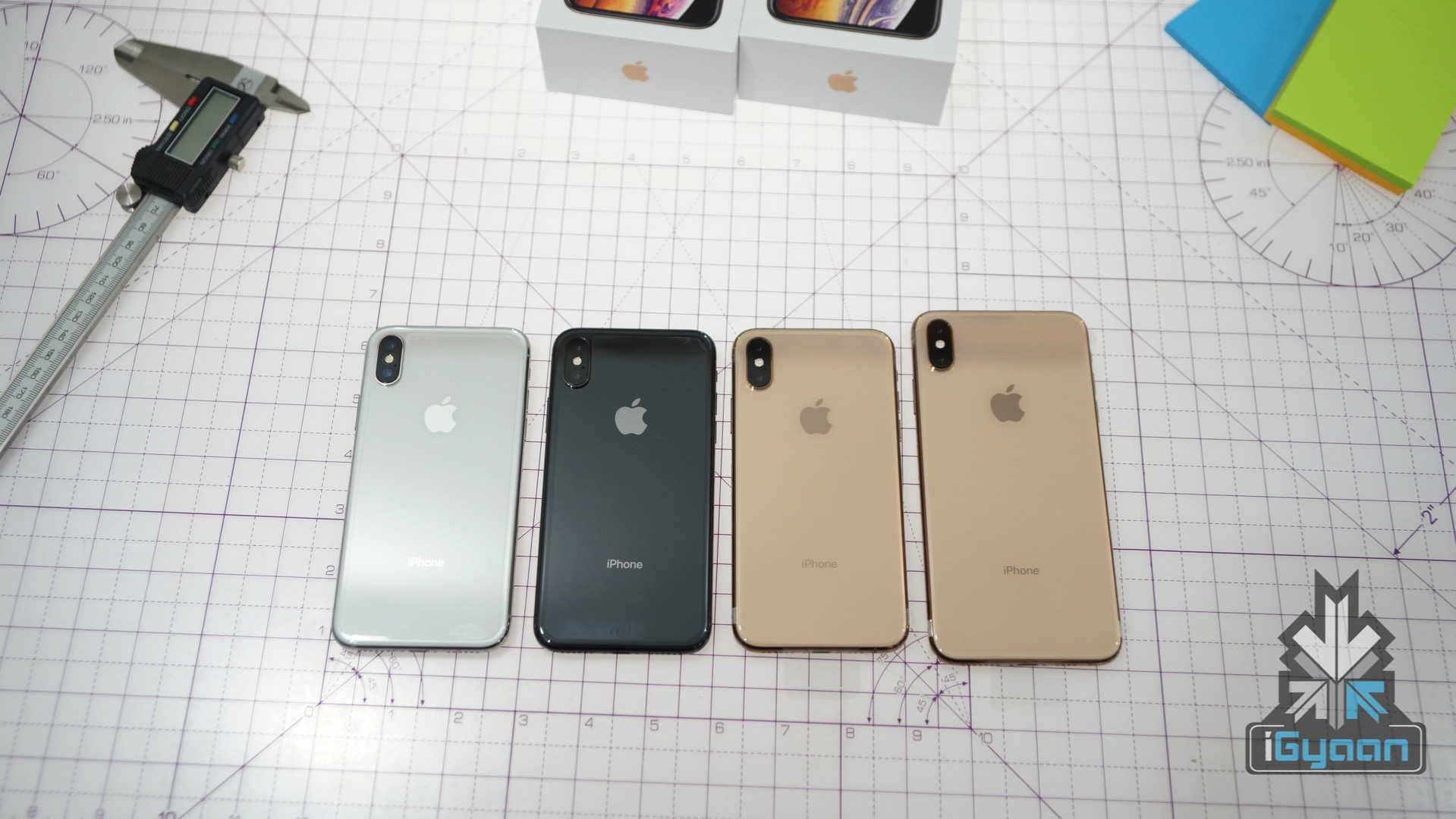
    Apple’s latest generation of smartphones has been shrouded with plenty of rumours and speculations. The renders seem to strike the right chord with some but fail to impress others, regardless Apple is set to take centre stage with its latest lineup. Amongst the many leaks that have yet to be confirmed, the latest reports point towards the removal of 3D Touch input. The 3D touch is a feature that the company introduced in its handsets back in the year 2015 that has made a recurring appearance since and is now receiving a rain check with the latest generation of iPhones.

    Apple

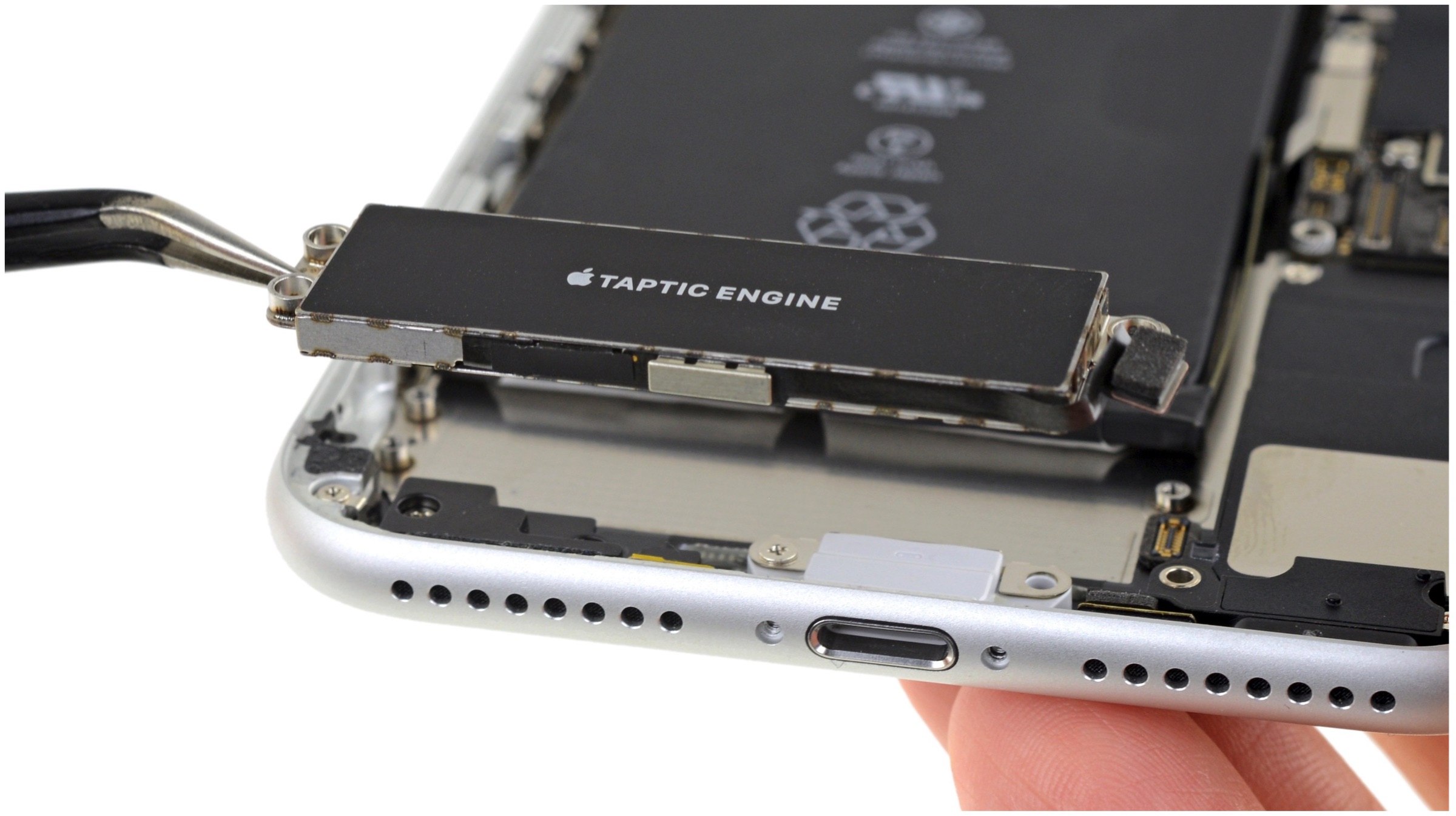
    The exclusive pressure sensing technology from Apple has always been a cut above the rest was made possible by the company’s proprietary Taptic Engine. The seamless integration of 3D Touch within iOS added a varying degree of functionality to the user interface that saved time for users.

    3D Touch allowed users to perform many useful ‘quick functions’ like ‘peak and pop’ where pressure on emails or other text-based apps allowed previews of messages and URLs without actually opening the said application or links. Apple, however, has been reported to have removed the Taptic Engine for cost efficiency and space management. 

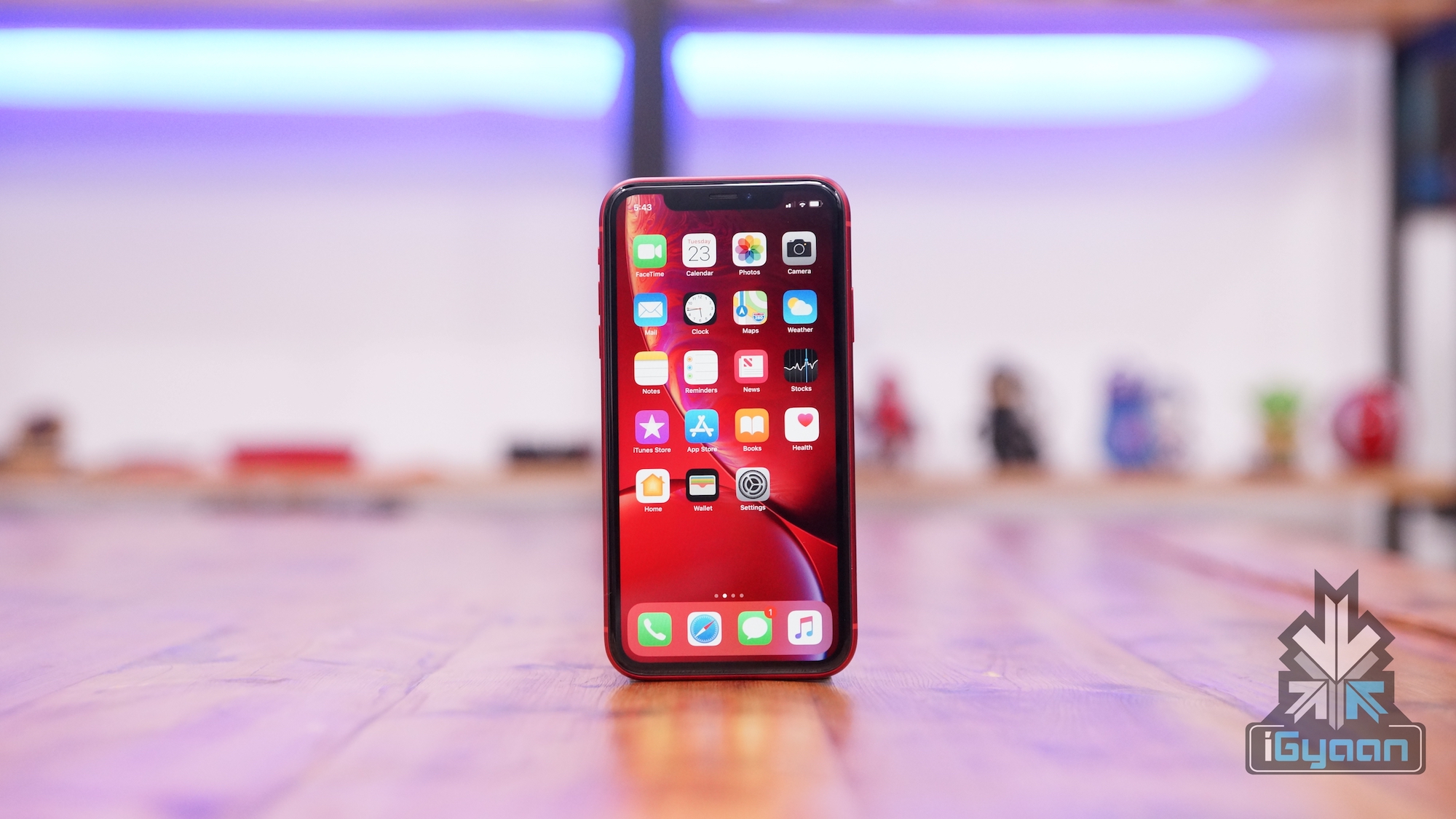
    Apple’s Taptic Engine that powers the 3D touch is reportedly expensive to implement and takes up a lot of space inside the device. The company has sought to increase its profit margins and use the space for other potential components, like a larger battery. One of Apple’s best-selling iPhones the iPhone XR lacked the 3D Touch feature and still sold commendably. This is probably one of the major reasons that reassured Apple on its decision to make the feature optional.

    Also ReadOnePlus 7 Unboxing And Hands On Video

    Apple users have to, regardless of their stance on this decision, accept the removal of the Taptic Engine and lack of the 3D Touch functionality that was offered on previous iterations of iPhone models.

  • Moto Z4 Officially Launched With Snapdragon 675 And Moto Mods Support

    Moto Z4 Officially Launched With Snapdragon 675 And Moto Mods Support

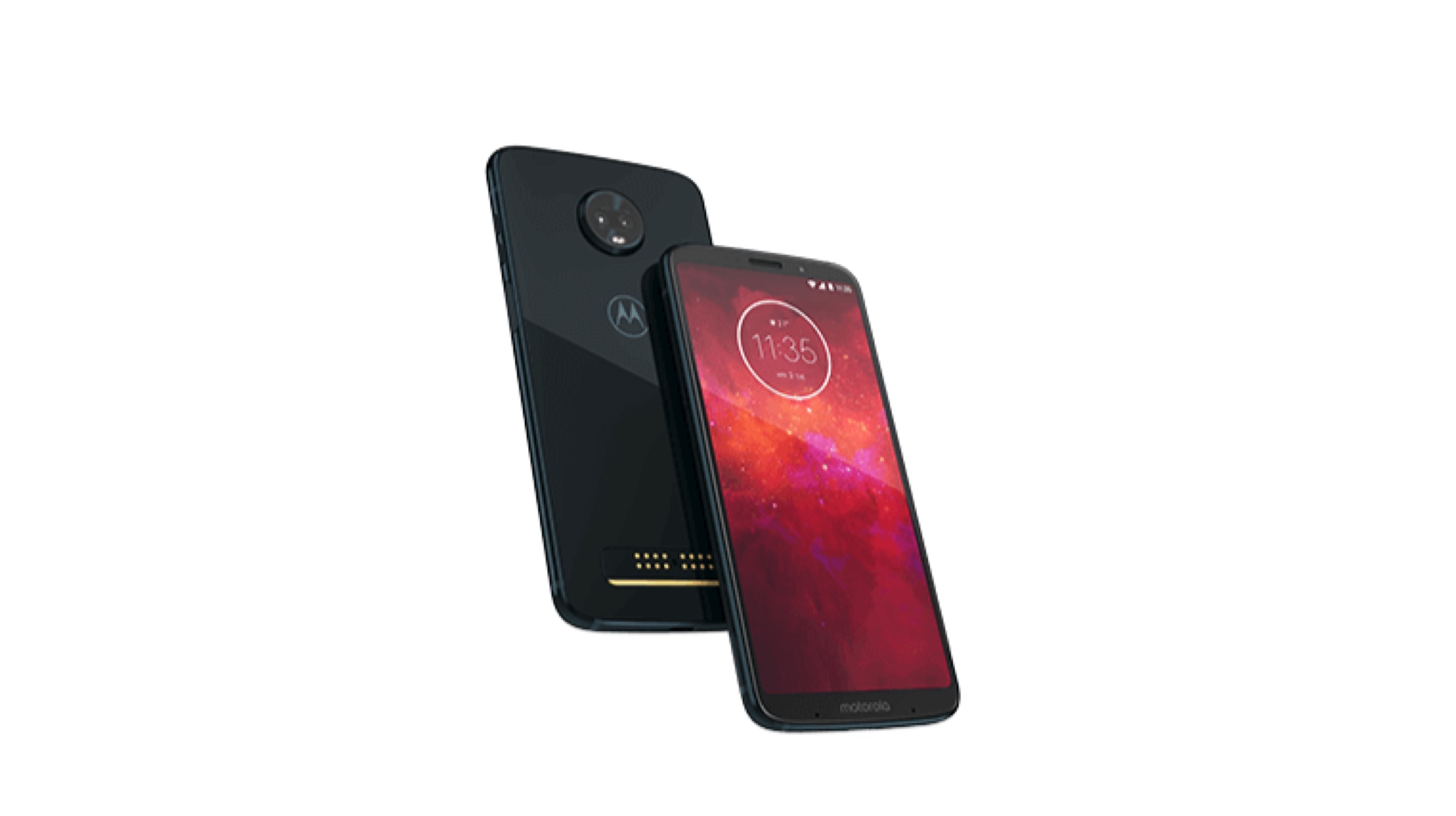
    Motorola has finally given an official release date for the Moto Z4 this Thursday for its US and Canadian markets. The handset has been long awaited by fans across the world and going by past release cycles of the previous Z series by Motorola, it can be deduced that the Moto Z4 will be available in India in the coming months. 

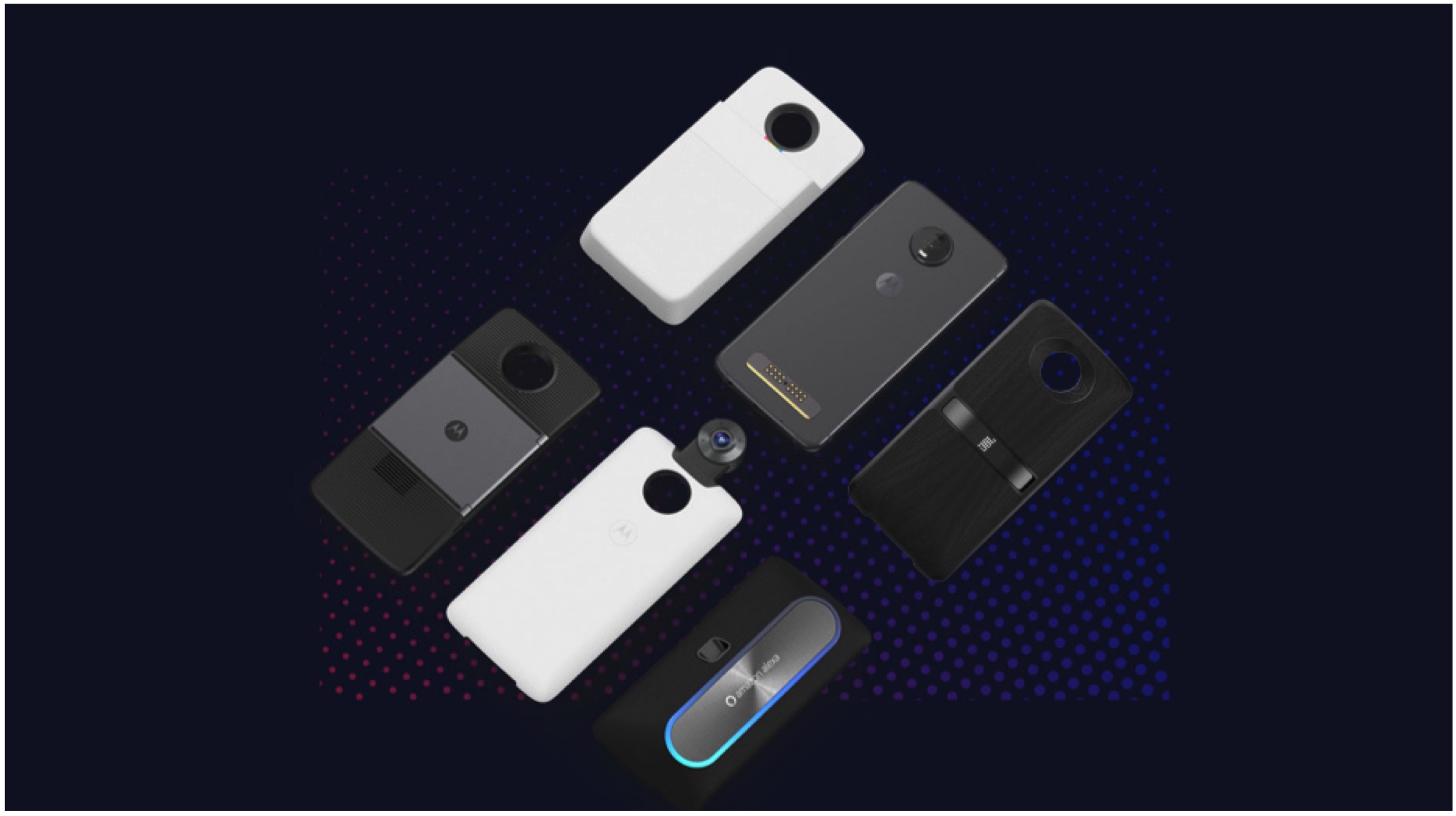
    Numerous leaks had already made rounds on the internet and a surprising accidental listing of the smartphone on Amazon. The device was actually sold by mistake from Amazon and received by a customer who posted the unboxing and confirmed the support for Moto Mods.

    Price and Availability 

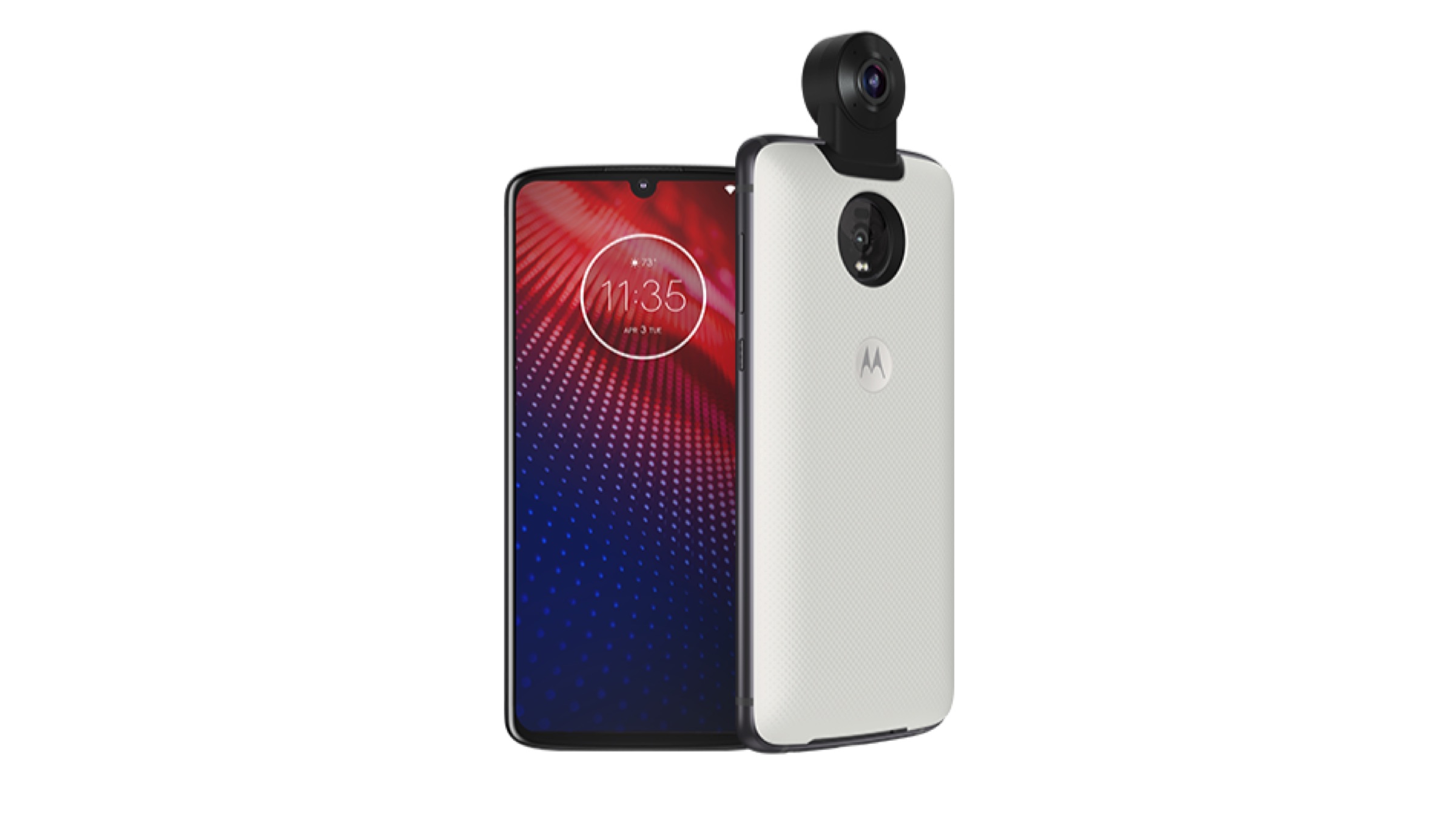
    The Moto Z4 by Motorola carries a price tag of $499 (approx. Rs. 35,000) for its only available combination of 4GB RAM with a 128GB of internal storage. The smartphone will start its sale on June 6th in the US with pre-orders being currently available. The device will only be available in Canada later this summer with no official date released yet. Colour variants of the smartphone are confirmed to be in Flash Grey and Frost White. A 5G mod will be made for Verizon customers in the US for $199 (approx. Rs.14,000) with its original cost being $349 (approx. Rs.24,500). A Moto Mod that will feature a 360 Camera Mod will be bundled with the unlocked models at the same price according to the company.

    Specifications

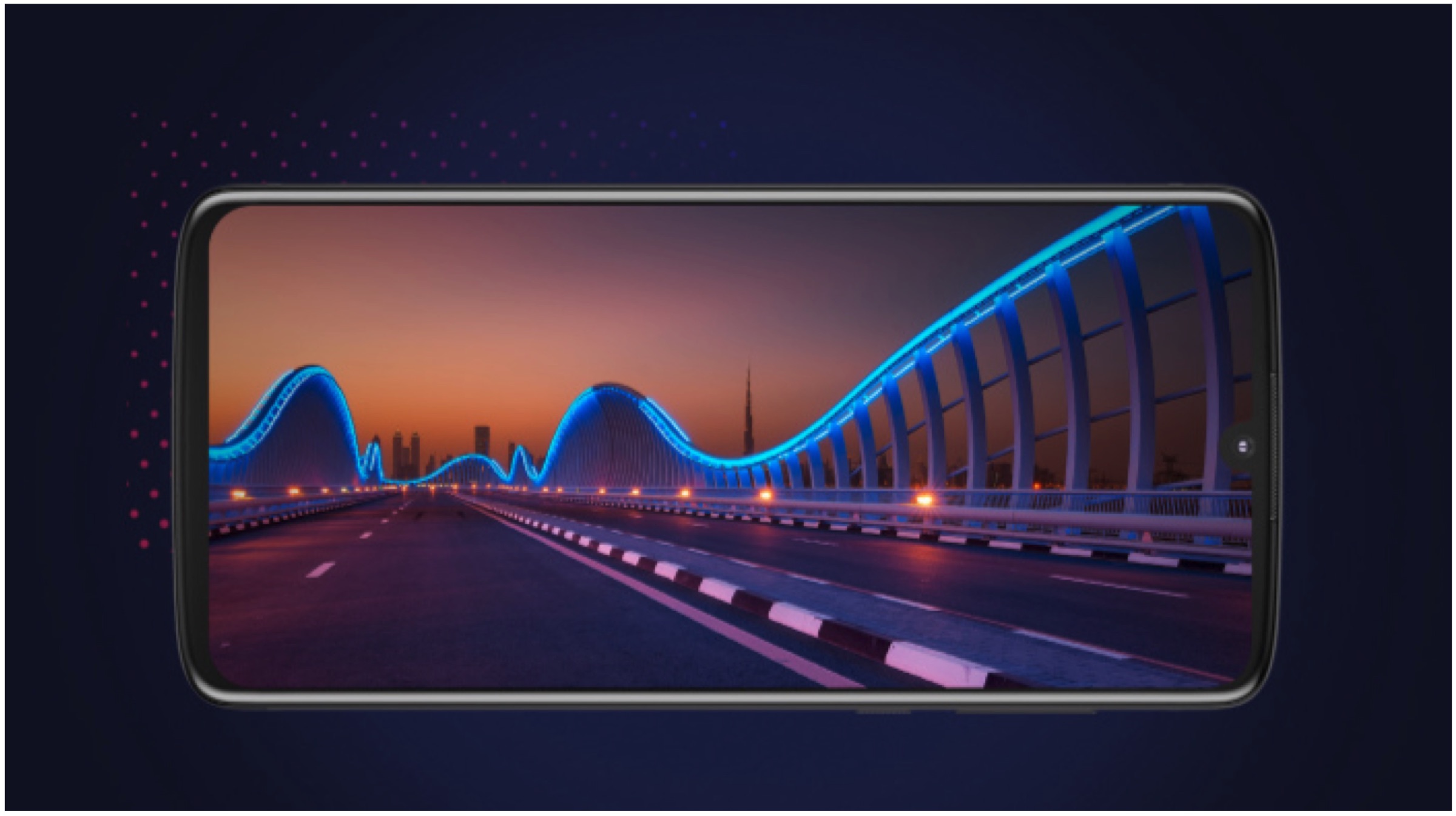
    The Moto Z4 with Android 9 Pie is a single-SIM smartphone in the US with a dual-SIM variant claimed to be in production for the south-east Asian market, namely China and India. The device is equipped with a 6.40-inch full HD+ OLED display panel that has an aspect ratio of 19.5:9. Moto Z4 will have the Qualcomm Snapdragon 675 SoC octa-core processor along with 4GB of RAM.

    The primary camera of the handset will only have a single 48-megapixel sensor with optical image stabilization. The sensor has an aperture of f/1.7 and a pixel size of 1.6-microns that takes 12-megapixel shots along with PDAF, laser autofocus and dual-LED flash. The front shooter also has a large 25-megapixel sensor (f/2.0) for selfies. The camera will be the key highlight of this device with the Quad Pixel technology (pixel binning). This will keep the image size lower than a full blown 48-megapixel image and should, in theory, have better low-light performance and improve overall details. 

    Moto Z4 will have 128GB of in-built internal storage that will be supplemented by the external storage options via microSD card (upto 2TB). Device connectivity options of the handset include 4G VoLTE, Wi-Fi 802.11 a/b/g/n/ac, GPS, Bluetooth v5.0, NFC, USB Type-C. The smartphone will include an accelerometer, ambient light sensor, compass/ magnetometer, gyroscope, proximity sensor, and an optical in-display fingerprint sensor.

    Also ReadA 16 Year Old Dies After Allegedly Playing PUBG Mobile For Six Hours

    Moto Z4 has no official IP rating but a P2i splash-proof nano-coating is provided for protection against accidental spillage. The phone is built out of 6000 series aluminium, and a 2.5D curved glass layer finish on top. Moto Z4s display is protected by Corning’s Gorilla Glass 3 an ageing but still effective anti-scratch measure. Measuring 158x75x7.35mm and weighing around 165g the device will be powered by a 3,600mAh battery that is reported to deliver around 2 days of battery life while supporting Motorola’s 15W TurboPower fast charging. The fast charging adapter will be included in the box.

  • Death Stranding By Hideo Kojima Finally Has An Official Release Date

    Death Stranding By Hideo Kojima Finally Has An Official Release Date

    An official release date has finally been announced for the long-awaited game, Death Stranding. The legendary video game creator and designer Hideo Kojima has been one of the major reasons for the game becoming incredibly hyped up and garnering a sizeable fanbase. The title is a PlayStation exclusive that will officially be available in the PlayStation Store on 8th of November this year.

    Death Stranding has been confirmed to be available in 4 different editions that feature add-ons from in-game items to actual real-life collector’s edition cargo case and a life-sized BB Pod Statue with a baby on the inside. The same baby that has been seen numerous times in every promotional material and video game trailers that have surfaced since the initial announcement at E3 2016. 

    Hideo Kojima announced his partnership with Sony Interactive Entertainment after his split from Konami in July 2015. Death Stranding became his first game since the closure of Kojima Productions. The game marks the second time Norman Reedus collaborates with Kojima (after the cancelled Silent Hills game). A game trailer was posted on YouTube just a day prior to the launch date announcement.

    Death Stranding is an action game set in an open world with various multiplayer functions that will also come into play. The player has the ability to interact with the environment and many unique gameplay elements have been seen in trailers, such as the unique death interaction. No plot details have been divulged but Kojima has talked a lot on human ties and connections. Stating that people build walls and have become isolated, the goal of the player is to reconnect the isolated cities and people in a fragmented society.

    Also ReadApps On iOS Were Found Sending Large Amounts Of Data To Tracking Companies

    As previously mentioned, Death Stranding has four different editions that will go on sale. The Standard Edition is priced at $59.99 (Rs. 3,999) while the Digital Deluxe Edition will be available for $79.99 (Rs. 4,799 in). Both of these editions are currently available for pre-orders on Sony’s PlayStation Store in India for the aforementioned price. The Death Stranding Special Edition carries a price tag of $69.99 (approx. Rs.4,900) and the Collector’s Edition (the one with the baby and BB pod) is priced at a whopping $199.99 (approx. Rs.14,000).

  • Apps On iOS Were Found Sending Large Amounts Of Data To Tracking Companies

    Apps On iOS Were Found Sending Large Amounts Of Data To Tracking Companies

    Apple is one of the few companies that take into account the privacy and autonomy of its customer’s data. The cost of such high levels of user privacy is the tighter regulations by Apple on its own economy (especially in regards to maintenance and repairs). A report, however, has pointed towards various application in iOS sending a huge sum of data to tracking companies.

    Apple

    The Washington Post conducted research over a myriad of applications on iOS that yielded data that caught apps sending personal information of the user data to tracking companies. The research was conducted over a period of one month in conjunction with Disconnect, a privacy-related firm. The results had shown apps sending 1.5GB worth of user information.

    Apple

    The data was apparently sent during late hours when the user was generally asleep. Charging the phone overnight had seemed to activate the service. The trackers showed activity when the interactions with the device’s functions were to be really low. This process only occurs if the user has the “background app refresh” function enabled in the settings. Although this function is enabled by default on any Apple handset.

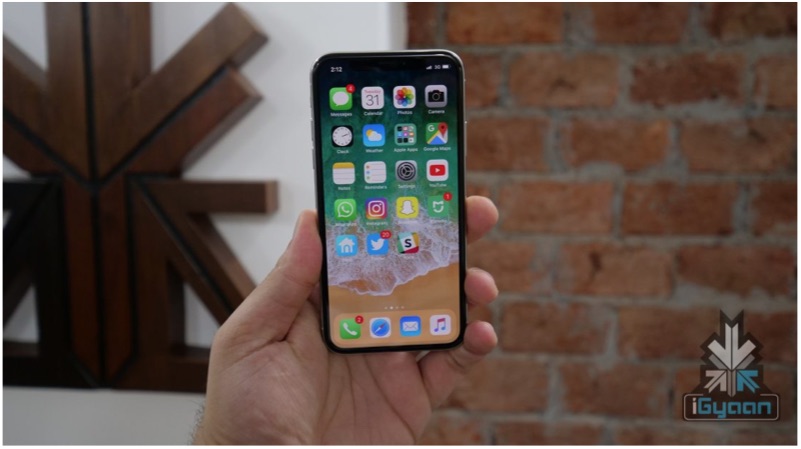
    2018 Apple iPhone new iphone

    The apps from Apple store used in the research were from some of the top companies such as Nike, Yelp, Spotify, Microsoft OneDrive, Mint, IBM’s The Weather Channel, DoorDash, Citizen and surprisingly even the Washington Post’s very own application. Data had uncovered over 5,400 trackers in apps within a mere week into the research. Most trackers are said to work seamlessly without the user ever finding out that they were present in the background processes.

    For those unaware, data that is acquired can be used to send ads tailored according to the user’s activities. In other words, after the personal information is received by such companies, users would then start receiving ads for something they looked up or searched for online. Ever since the Facebook-Cambridge Analytica data scandal in 2018 was uncovered, the public has been far more concerned and aware of their private information being traded without their knowledge. The aftermath of the fiasco had tech giants and social media companies have stricter regulations placed around them.

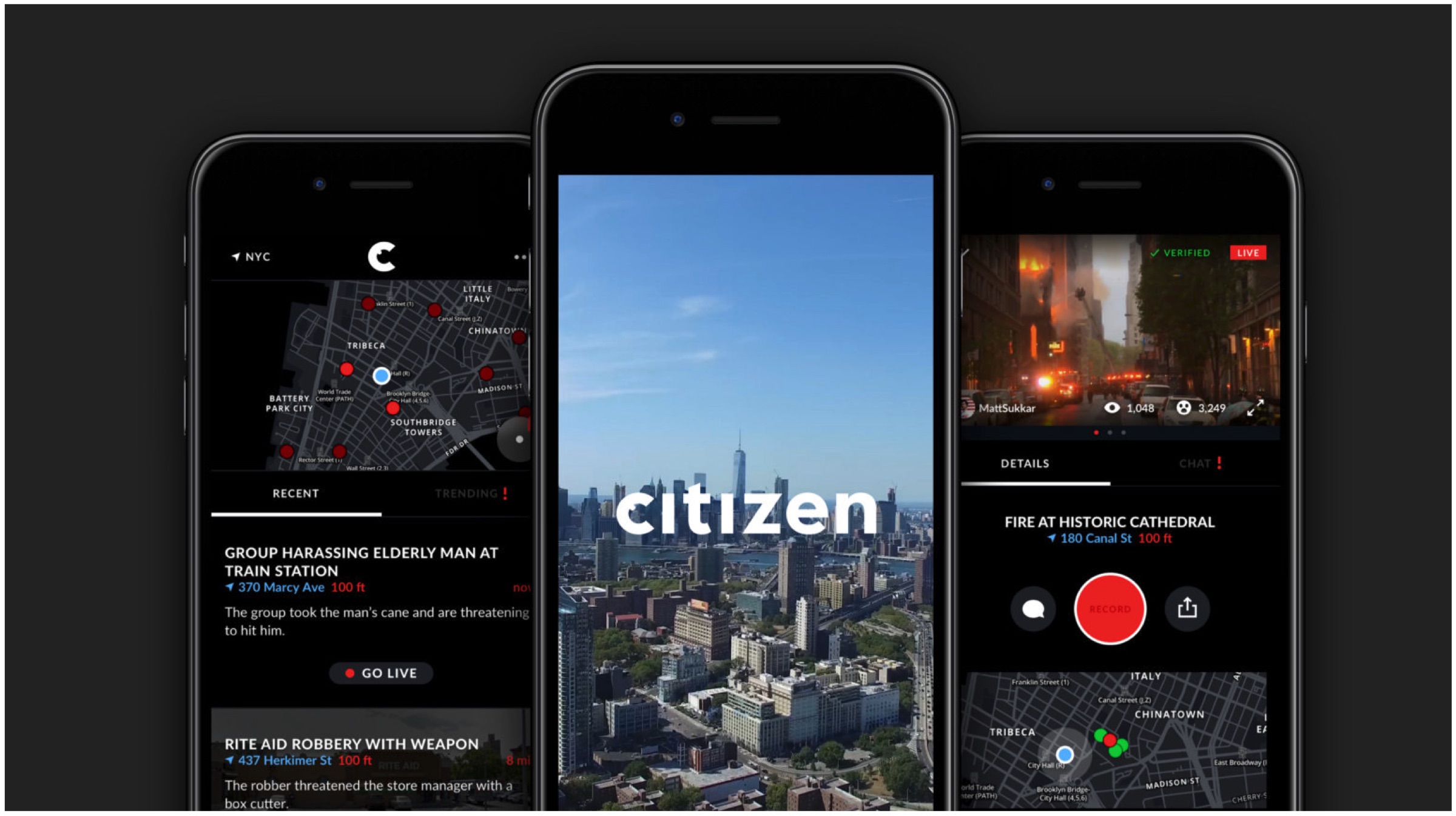
    DoorDash the food delivery service from California was discovered to have sent data to nine 3rd party trackers, while Citizen the app that sends crime-reports for incidents near the user’s location was found sending phone numbers, email addresses and the actual GPS location of the iPhone owners to a tracker called Amplitude. The developers of Citizen had been contacted and an update has since gone online removing the tracker.

    Also ReadAlaka’i Unveiled A Flying Taxi That Runs On Hydrogen Fuel Cells

    Apple in an official statement had addressed applications that do not adhere to the App Stores rules and regulations, that require developers to clearly post privacy policies and ask for user’s permission to collect data, to either abide by the rules or be taken down from the App Store. The report had shown not all data collected was harmful or bad to the user as some data was anonymised and stored. However, some trackers have not made clear what kind of data was collected, for what amount of time, and whom it is sent to there on. 

  • Alaka’i Unveiled A Flying Taxi That Runs On Hydrogen Fuel Cells

    Alaka’i Unveiled A Flying Taxi That Runs On Hydrogen Fuel Cells

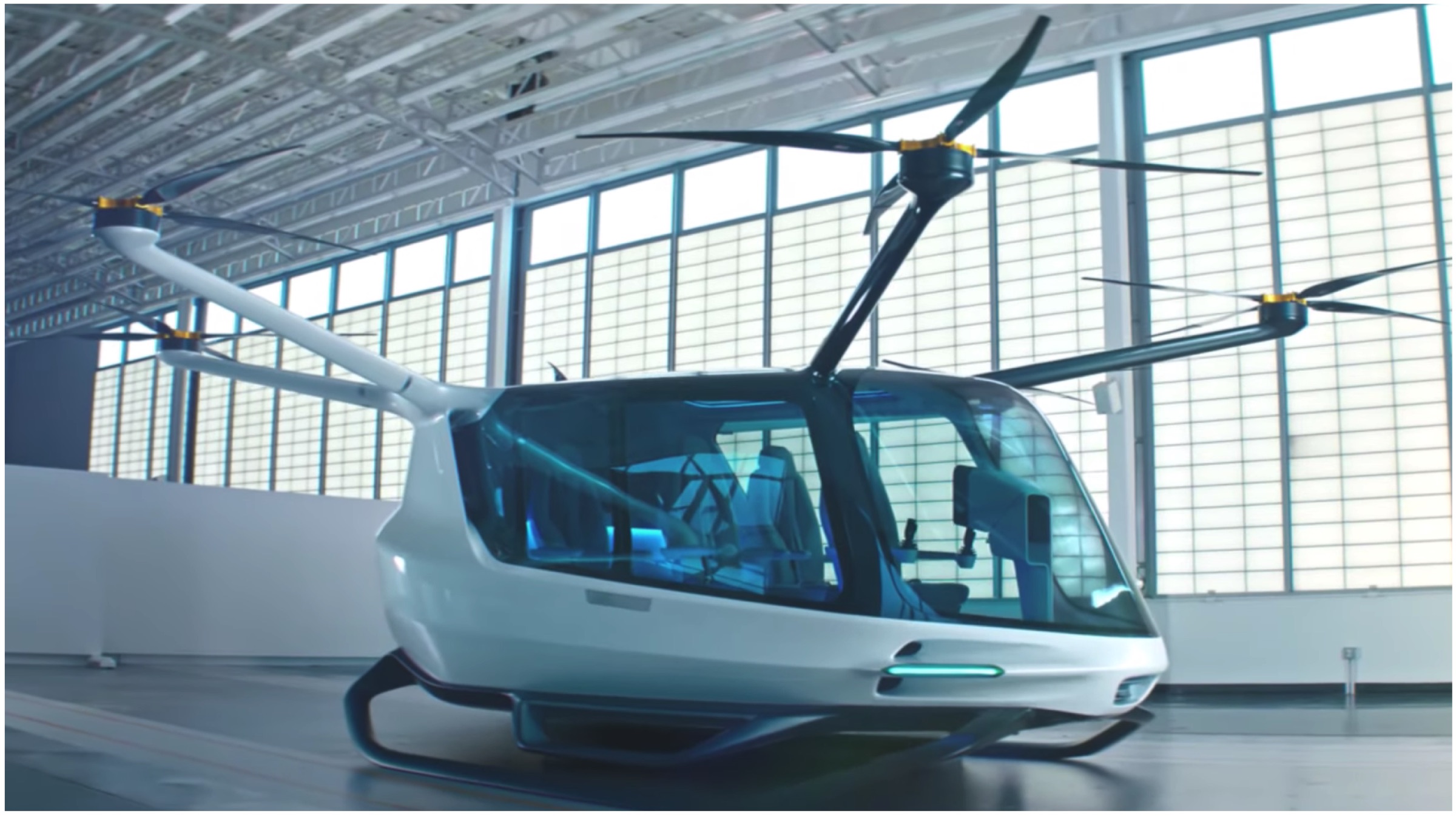
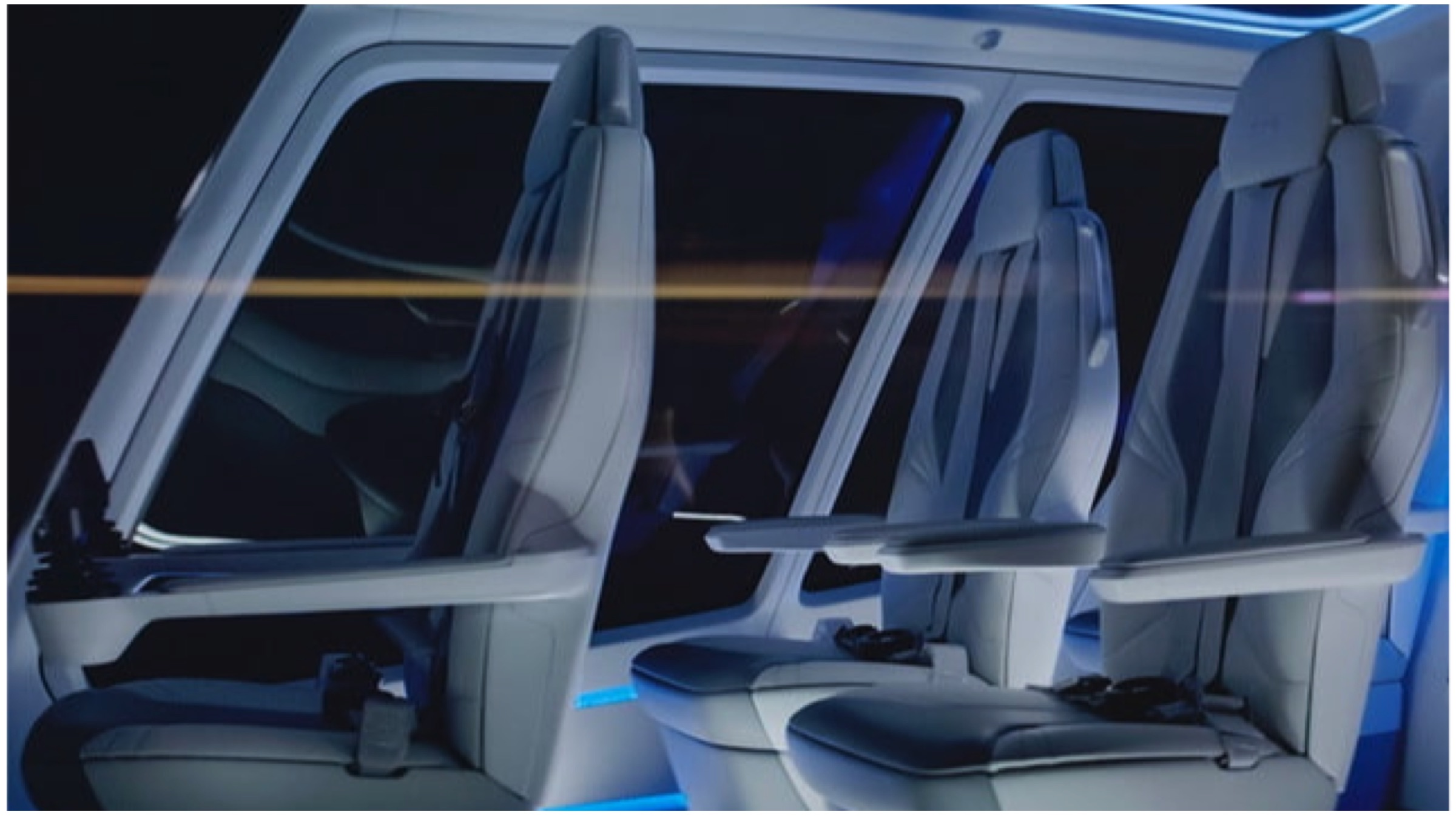
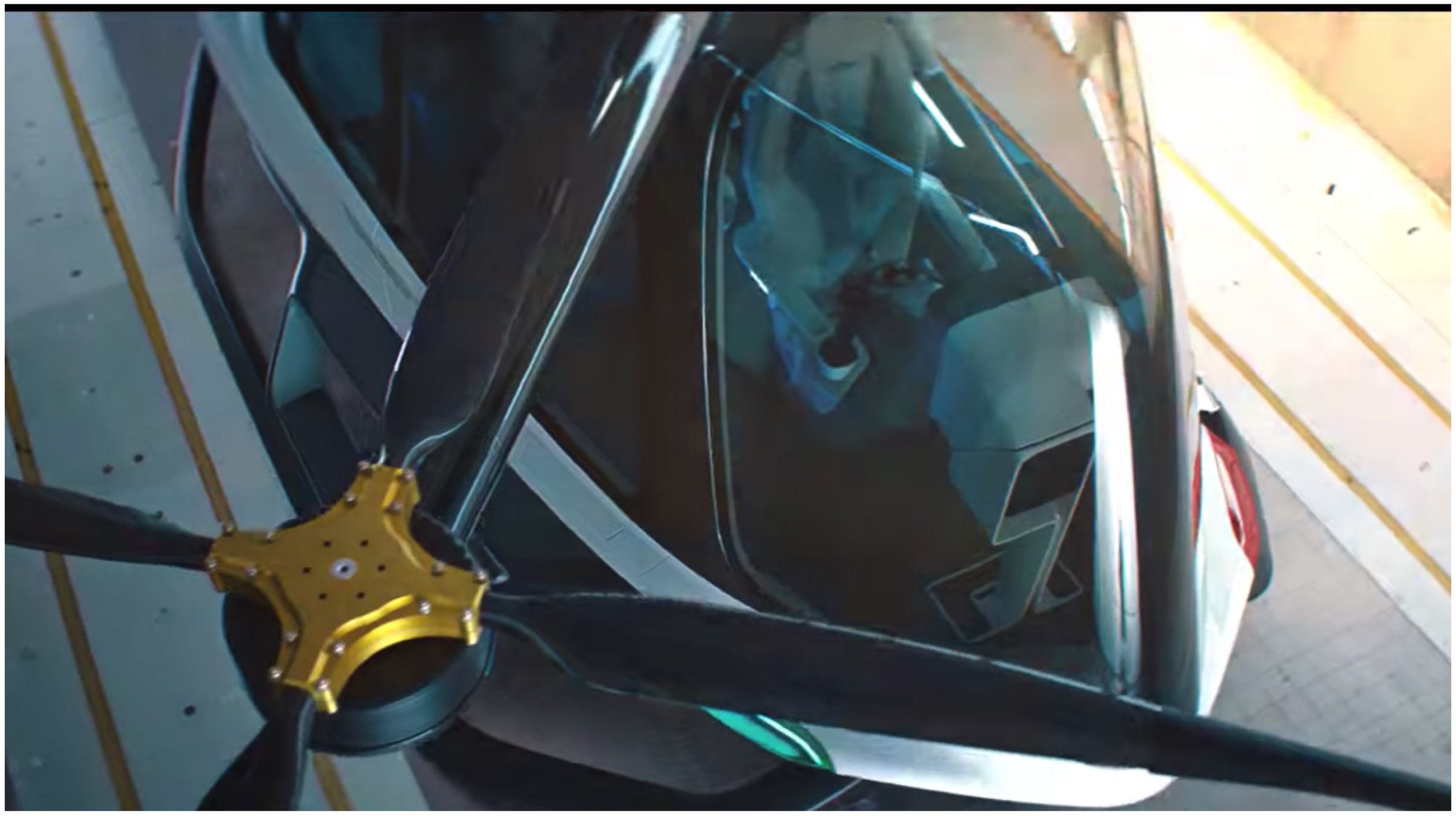
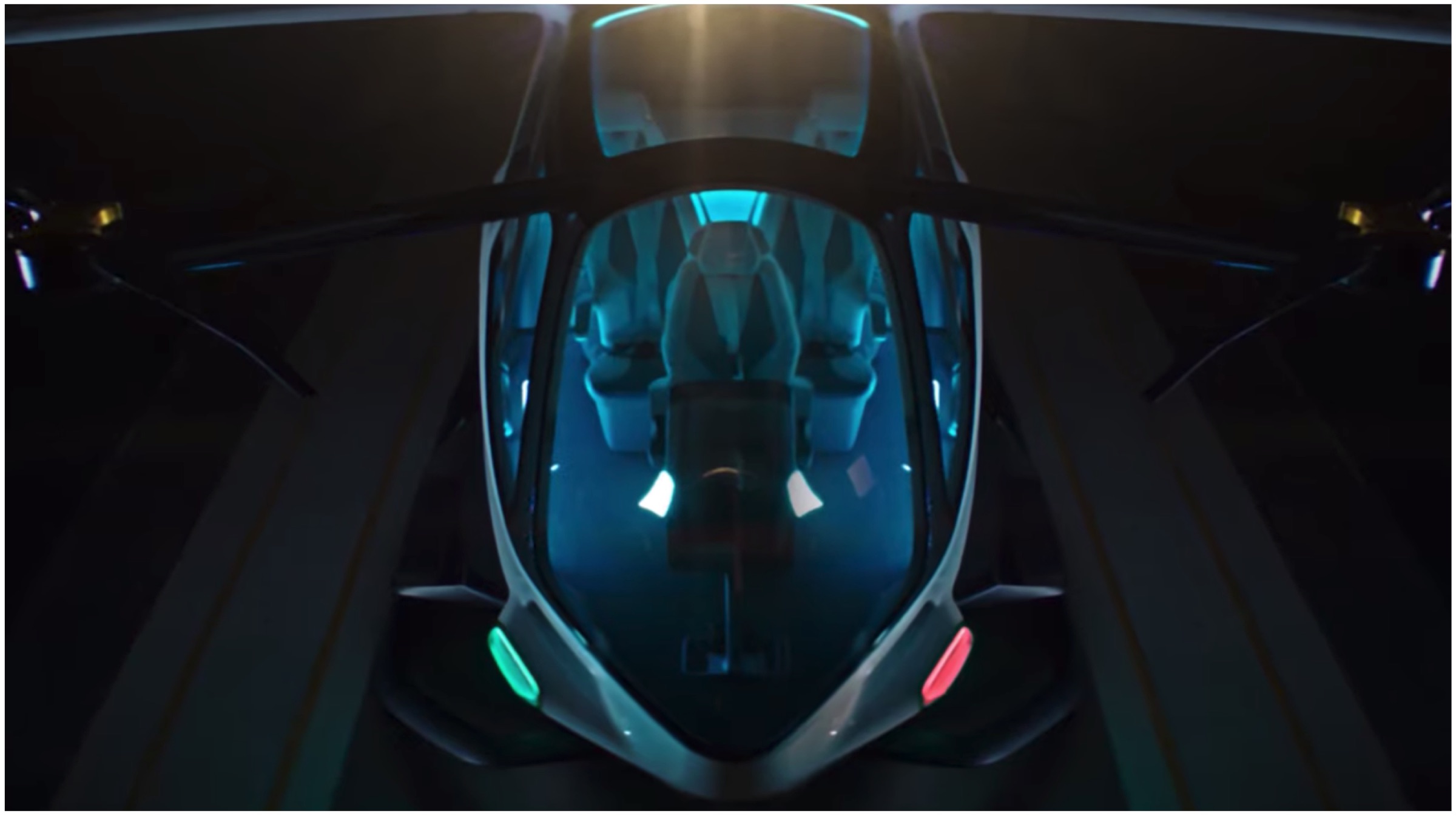
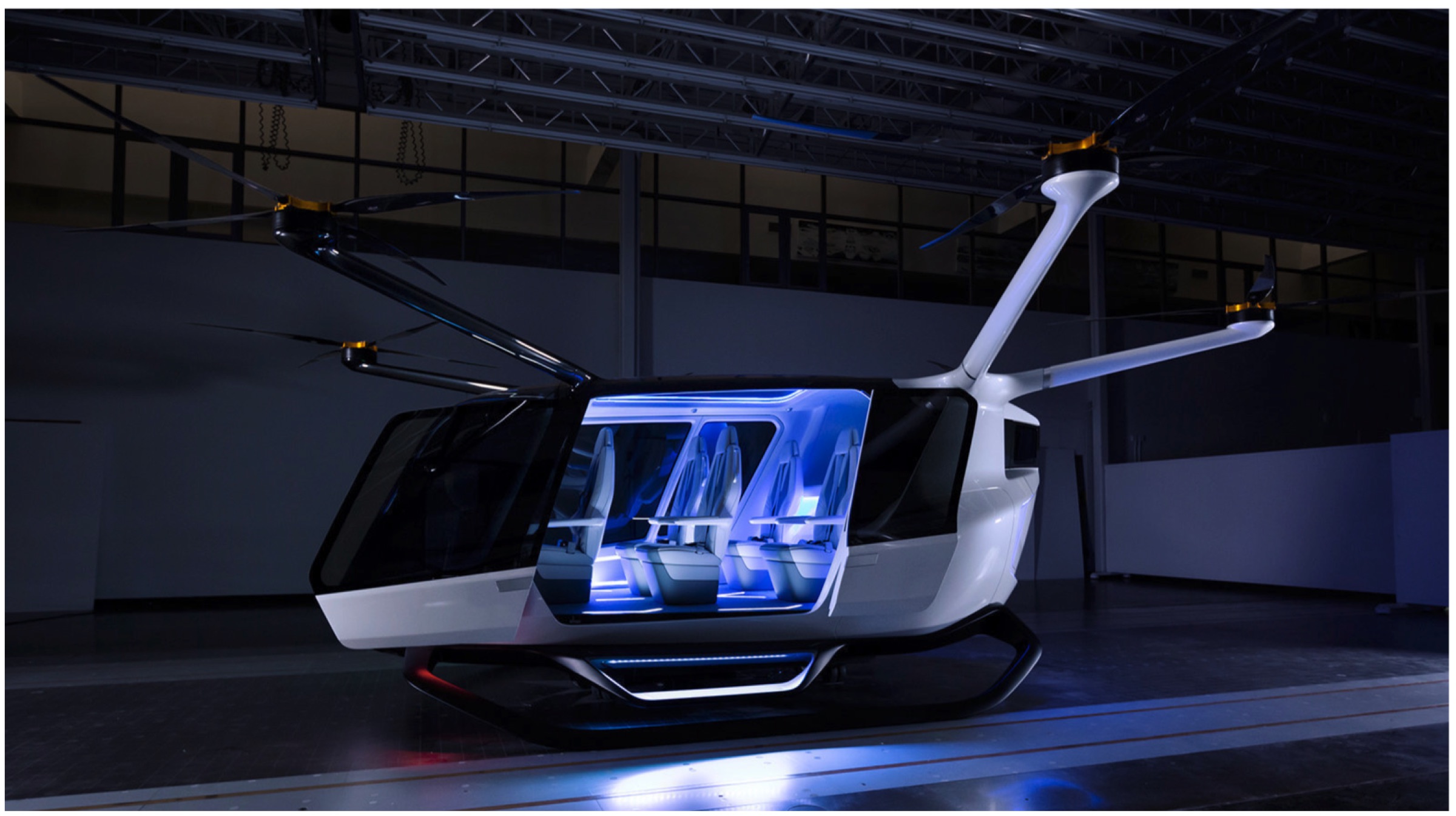
    This is not the first time a flying taxi concept has been teased. A startup hopes to be different from the rest by its choice with emission-free power supply. Alaka’i had its flying taxi Skai run on hydrogen fuel cells, which is reportedly the first to do so in the category of aerial services. 

    Skai is claimed to have the ability to stay aloft for upto 4 hours with an estimated range of 400-miles (approx. 643km). When Skai is grounded it can refuel all the way to full in a matter of 10 minutes flat. The flying taxi can seat upto five people with a combined maximum payload being 1000lbs (approx. 453kg)

    Essentially, any hydrogen based locomotive is like any other electric vehicle with a small battery that is continuously charged from the hydrogen fuel cells that uses the stored hydrogen gas to combine it with oxygen from the atmosphere. This process essentially powers the engine while not emitting any elements harmful to the environment with the only by-product of this process being water.

    Skai was designed to turn eyes and garner attention, and as such have succeeded those standards with BMW’s help with its signature Designworks and the view that any passenger receives with a clear wrap-around its canopy and centre. Safety-related questions do arise with concept vehicles such as this and rightly so when air travel is concerned. Alaka’i has reassured that Skai will carry multiple features such as airframe parachute and safety systems in place for the battery and hydrogen fuel cells.

    The early iteration of this concept will be manned by a specially trained pilot. Although Alaka’i has stated its plan on making Skai a fully autonomous vehicle for commercial use in the future. Numerous tests are in the cards for the company before mainstream service status can be granted by the Government’s regulatory body.

    The hydrogen architecture utilized by Skai is the main concern in this project that has to be done perfectly. The CEO of Alaka’i has his beliefs set in the near future where flying taxis and vehicles being a common addition to reality. Implications of this technology extend for ambulances in the medical fields and hauling cargo for the transportation sectors.

    Also ReadScreenshots Of Ark OS, The Android Replacement By Huawei Leaked

    This project has an optimistic implication in the economy of aerial-based travel in cities all across the world. Skai has so far outclassed its other electric-based competitors in terms of efficiency and operational duration and may prove to be a game changer in the transportation services business. 

  • Microsoft Teases A New Operating System With AI Integration

    Microsoft Teases A New Operating System With AI Integration

    Amidst major announcements in Computex 2019, Microsoft let a teaser out for its future plans on the software front. The long-awaited lite version of Windows OS (for the likes of Chromebooks) may or may not be included in the definition of Microsoft’s “modern” operating system.

    This modern OS as stated by Microsoft is not just a software version and rather it is a benchmark that would define the future of operating systems. With the functionality of the OS at its essence, the ‘seamless’ word was used quite a lot by Microsoft on stage and seamless updates being at the centre of it. Windows updates have improved exponentially over the years as promised by Microsoft but the company is not stopping there. It is now seeking to make the entire process occur in the background, never requiring the user to actively check for updates.

    Microsoft

    Current iterations of Windows OS handle software updates very differently, with comments pointing towards the similarities in relation to Chrome OS. The ‘modern OS’ is also supposed to be highly secure from the ground up. “The state is separated from the operating system; compute is separated from the applications.” This line by Microsoft’s Spokesperson points towards cloud computing at a level the industry has not yet been comfortable with but is a step towards the future which the company has kept in mind. “Sustained performance” as Microsoft puts it that is “always connected” to have zero interruptions. Sharing the workload with cloud solutions online to enhance user experience on devices. 

    All of these “enablers’ will be supplemented by an AI. In other words prediction based algorithm to get end results faster for the User. Microsoft there on goes to mention other sci-fi, futuristic but not far-fetched input methods such as voice, touch, and gaze, apart from the conventional mouse and keyboard combo. All this in a light form factor that adds to the mobility of the machine on which the OS is loaded.

    Also ReadNew MediaTek SoC Is All Set To Bring 5G Network On Budget Devices

    No finer details have been revealed as of yet. All that anyone has to go on is the teaser dropped today. The concept may still seem far away but more concrete information should soon follow in the coming months either through official channels or in the form of leaks and rumours.

  • New MediaTek SoC Is All Set To Bring 5G Network On Budget Devices

    New MediaTek SoC Is All Set To Bring 5G Network On Budget Devices

    With every new generation of the bandwidth update cycle, only the latest premium devices in the market seem to incorporate the upgrades. MediaTek however, made a bold statement on the matter by claiming to include the new 5G ready system-on-chip that offer the latest network capabilities on affordable devices. 

    MediaTek

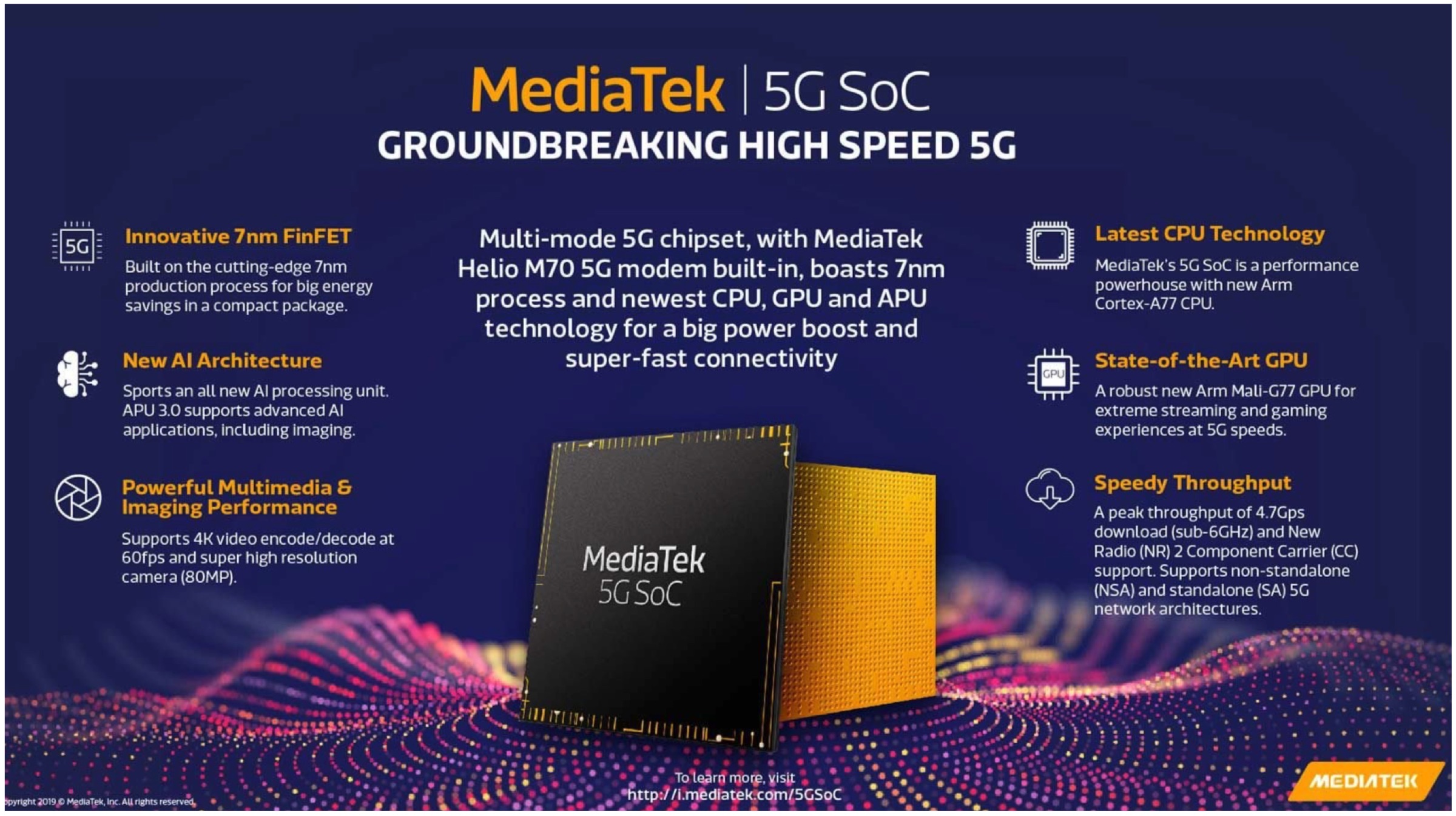
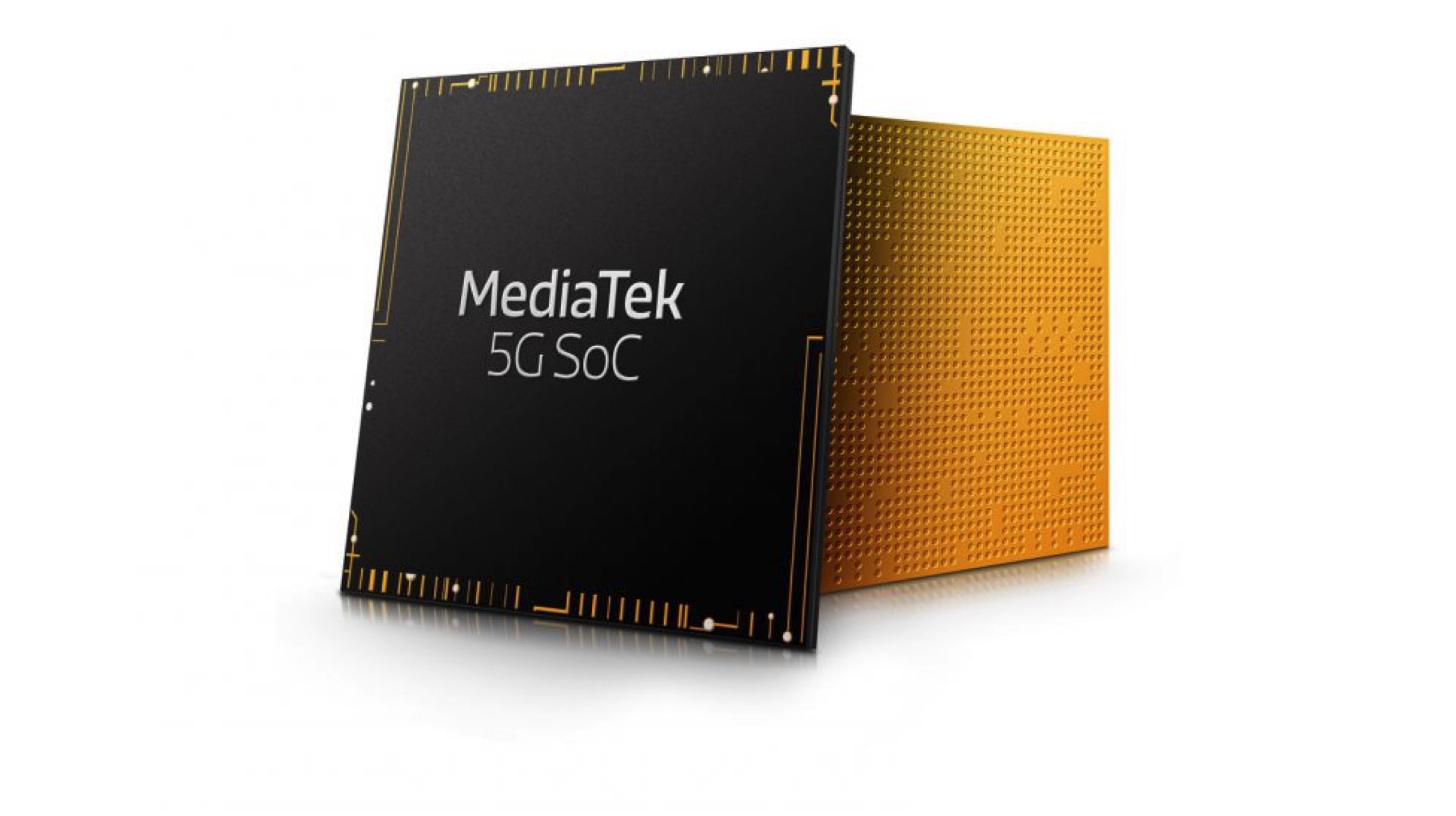
    The new 5G integrated SoC combines MediaTek’s M70 5G modem with the latest ARM CPU and GPU. MediaTek has always had a great impact on the lower end market in the industry where price plays the biggest factor in market share. Handsets like the Nokia 5.1 and Oppo R15 that utilizes MediaTek’s hardware are such examples. 

    MediaTek

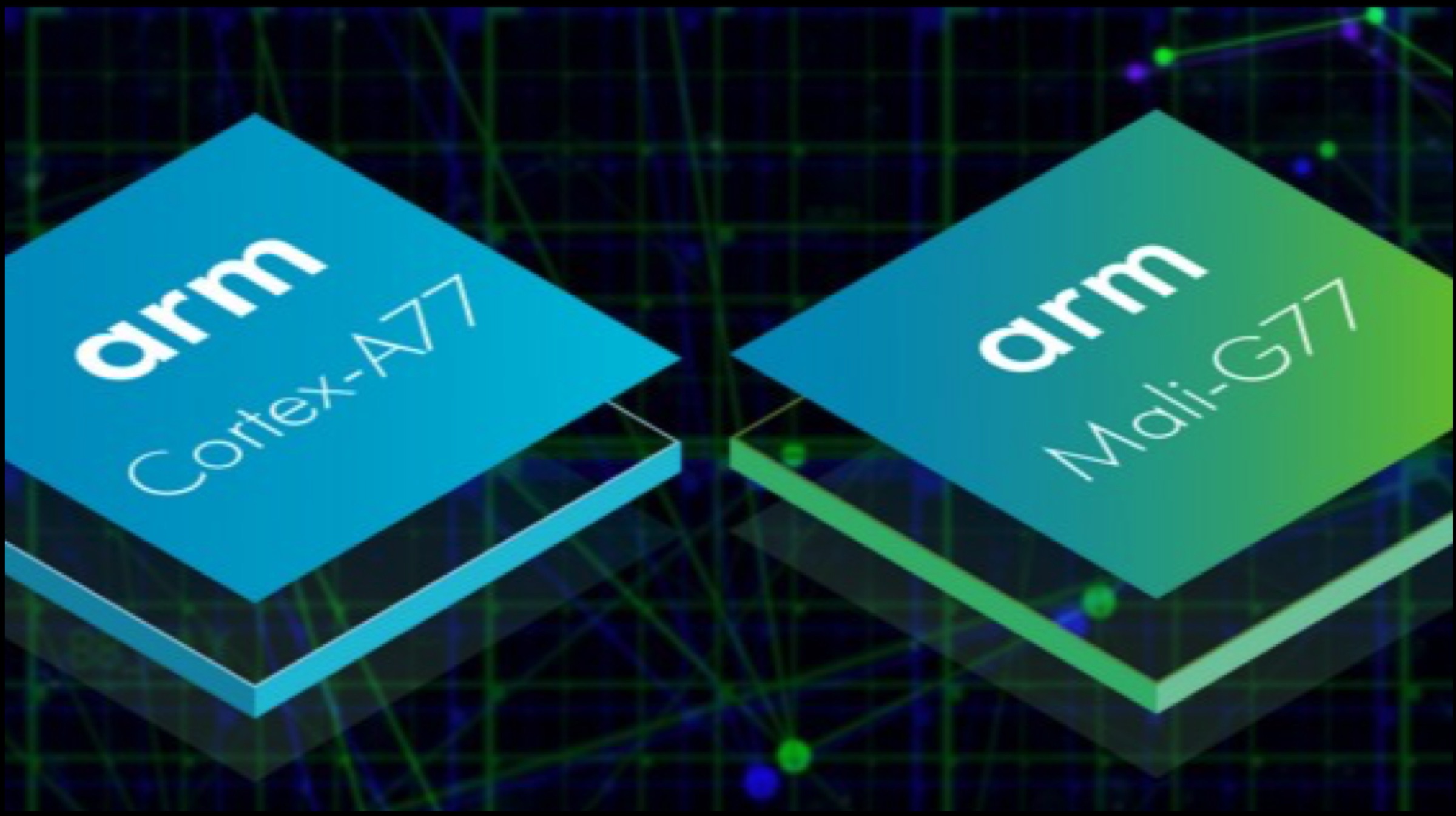
    MediaTek’s 5G ready chipset is built on the 7nm architecture that would provide a good balance between performance to power efficiency ratio at the lower price bracket. The M70 modem, that will be integrated alongside ARM’s Cortex-A77 CPU and Mali-G77 GPU, will support sub-6Ghz networking spectrum in 5G. The MediaTek chipset is reported to be available before year-end for OEM’s and manufacturers while the first wave of handsets with the 5G SoC are expected to be seen in early 2020.

    The company lowers the cost of the 5G network by utilizing (in layman’s term) the slower of the two categories under 5G. This, in turn, gives it a broader covered network to work on over the very limited 5G setups that have the other higher networking speeds. Shrinking the chip size to 7nm also provides advantages with power efficiency and heat management. Unlike Qualcomm (Snapdragon 855 and Snapdragon X50/X55 combination), the new Helio M70 5G modem is in-built on the chipset. 

    Also ReadNokia 9 PureView To Launch In India On June 6

    The mid-range priced handset is the new ‘premium’ according to the Taiwanese chipmaker company. MediaTek’s core focus true to their philosophy shall keep them relevant in the market in front of industry giants like Qualcomm who’s chipset premium handsets would keep 5G network out of hands for customers that can’t afford it.

  • Intel’s Showcases Twin Screen Gaming Laptop At Computex 2019

    Intel’s Showcases Twin Screen Gaming Laptop At Computex 2019

    Intel, the chipmaking company has a lot of buzz going around its various announcements (such as Project Athena) and prototypes that have been making rounds all over the internet. The company was seen highlighting one of those prototypes in Computex 2019 all the way from its Santa Clara Lab in the headquarters. 

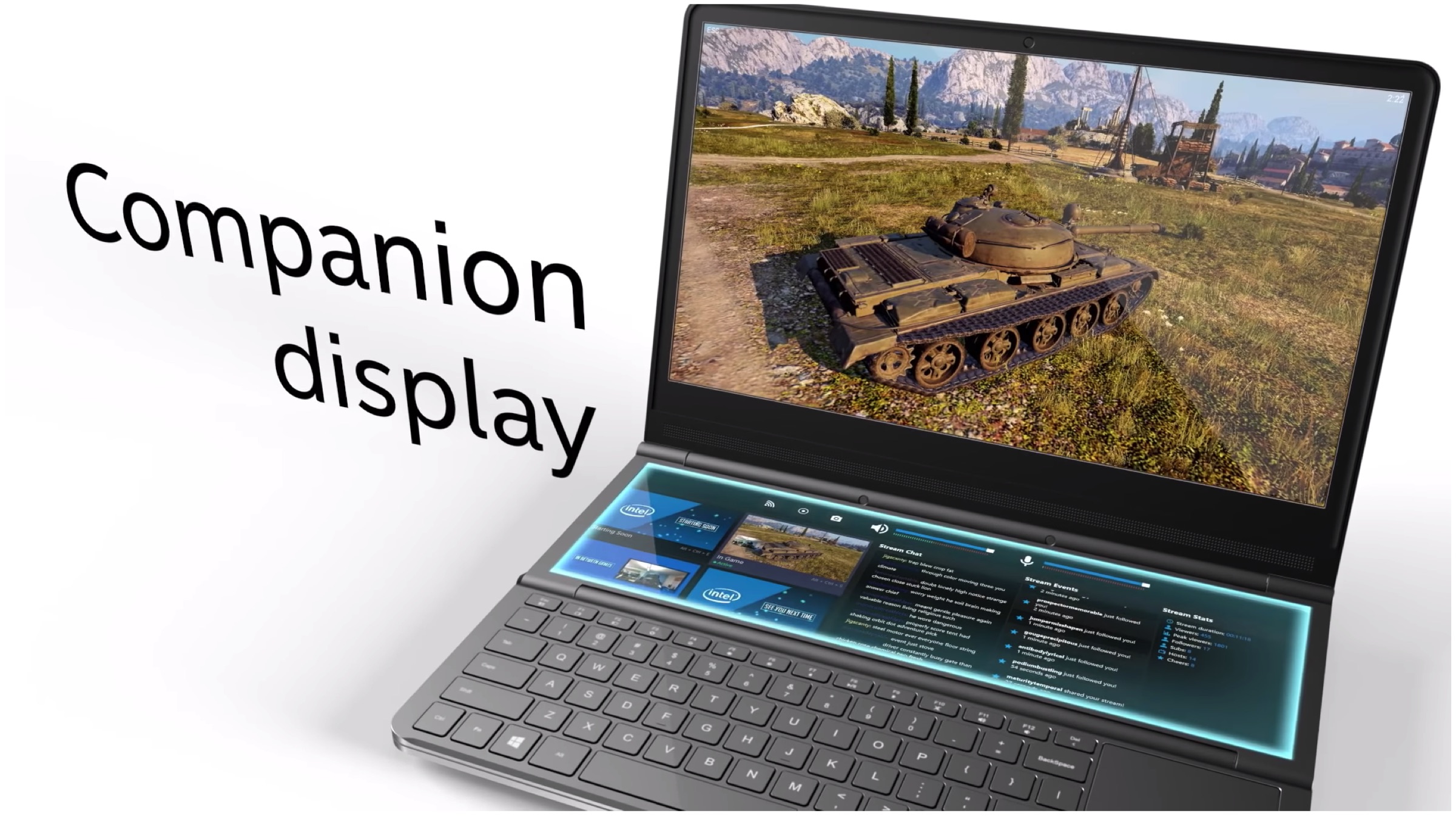
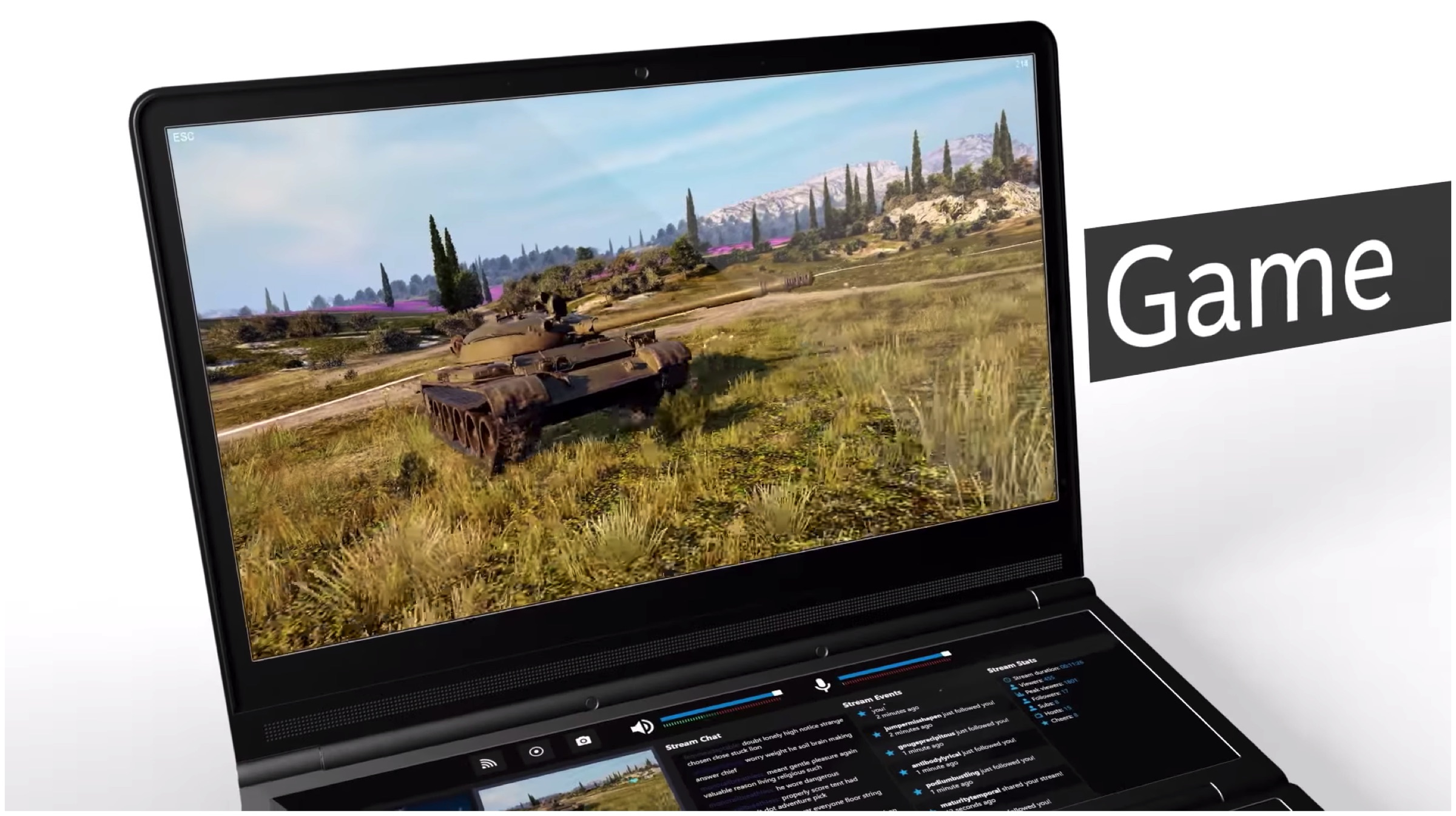
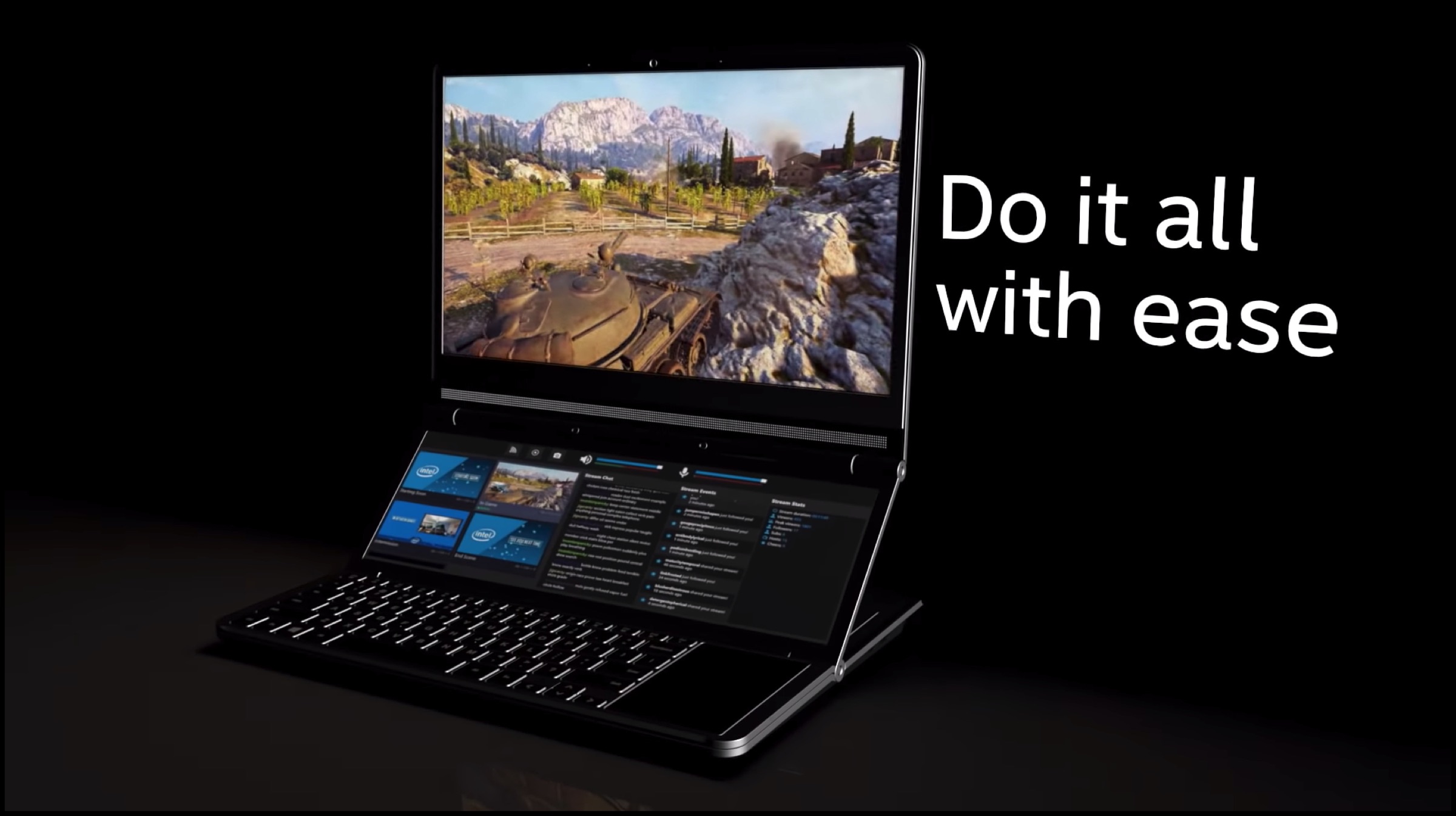
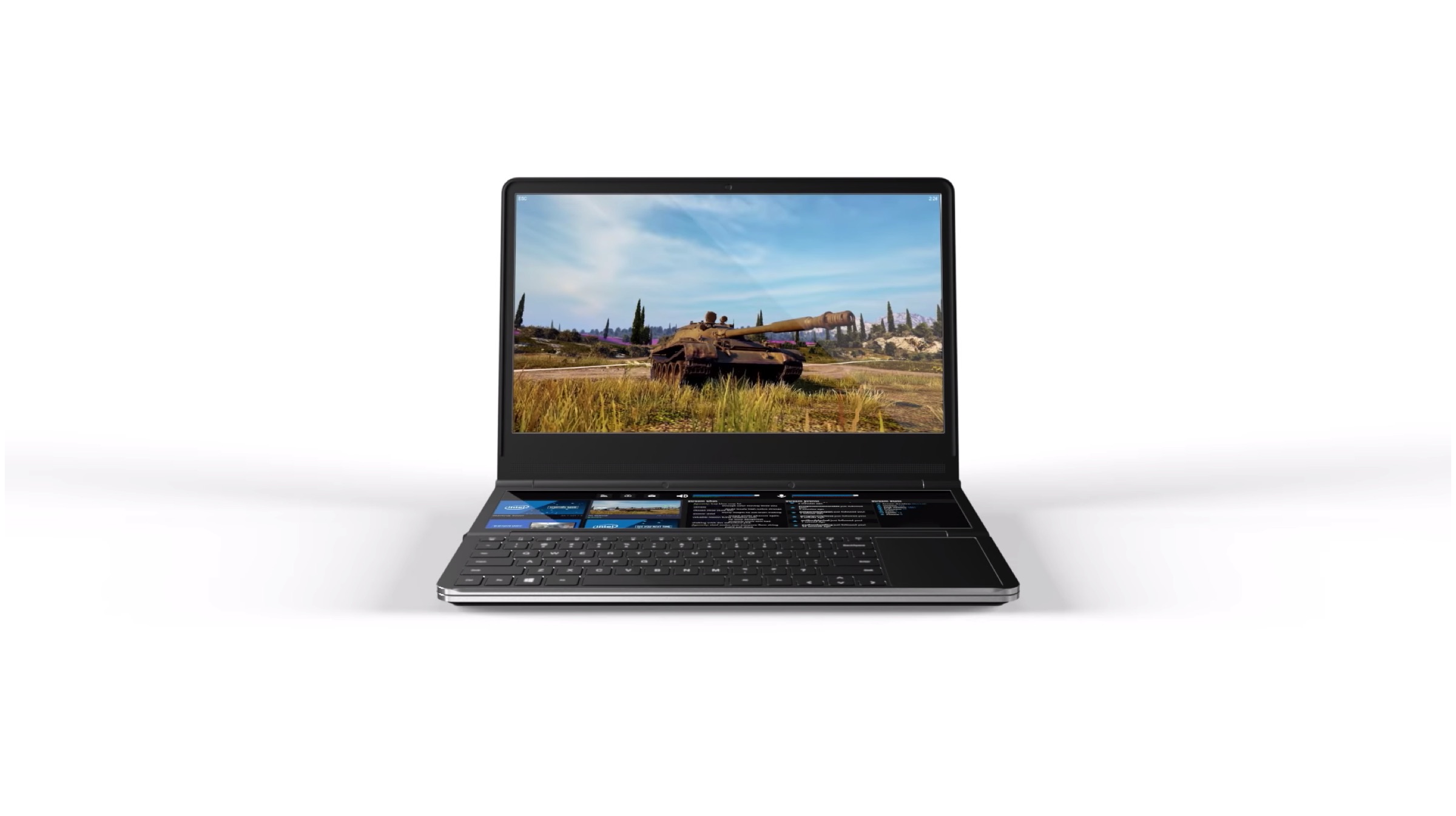
    Honeycomb Glacier may not seem like the name for a gaming system but Intel gets a pass on this for its innovation. Intel has supplied ample horsepower within this compact laptop. The key feature of this prototype is Intel’s attempt to place two full displays in the machine for an enhanced gaming experience.

    Intel

    The device is outfitted with a 1080p display panel for its main 15.6-inch screen while the secondary panel receives a 720p 12.3-inch 1920 x 720 display. Intel had partnered with Razer for the original Switchblade prototype back in 2011, the first laptop to have an entire screen as a touchpad, making this attempt their second endeavour for dual screens.

    Intel

    Intel sets itself apart from the numerous other OEMs, that have implemented a dual screen format, by actually having a second screen that does not necessitates having you look away from the primary screen. Users do not have to look down or divert their attention with a simple inclusion of a double hinge mechanism that raises the second screen to just below eye level that compliments the main screen.

    A unique hinge mechanism gives users the freedom of the elevation and angle that automatically stays in whatever position it was propped up on. This was achieved by one-way roller mechanical clutch. Pressing on a small black button on the left side disengages the clutch to fold the laptop. This special mechanism provides space for the cooling solution built specifically for the specially placed motherboard with a single fan.

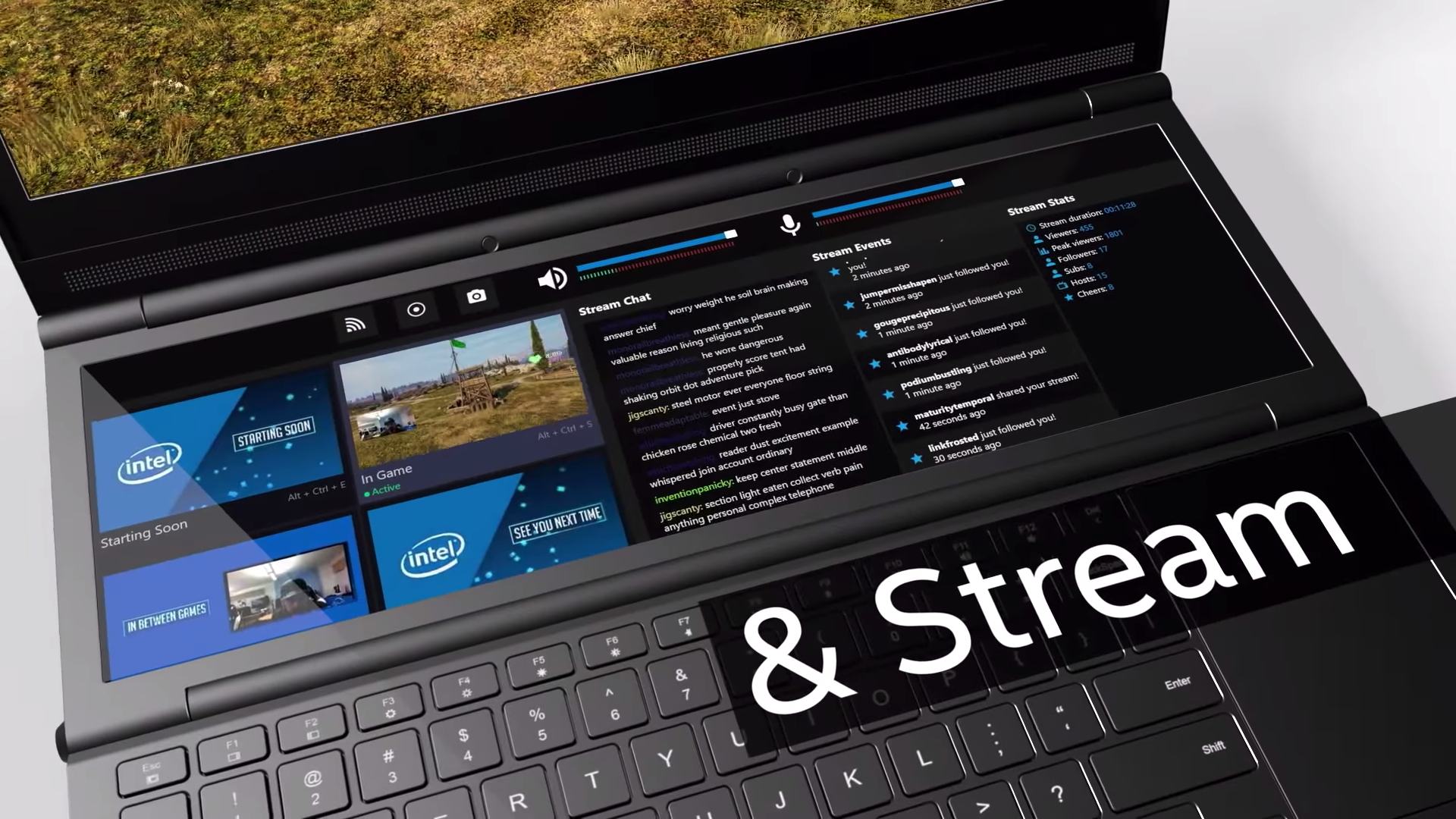
    The prototype, Honeycomb Glacier had been reportedly running on a 45W 8-core i9 Intel CPU and NVIDIA GTX 1070, both units being overclocked. The near eye level hinge houses a Tobii eye-tracking camera, that enables smoother user interaction with the second screen interface in different applications like Discord and Twitch for gamers or Slack for work. Simply drawing your eye to the application puts it on focus.

    Also ReadKonami Celebrates 20 Years Of Contra With Anniversary Bundle

    Intel is optimistic about Honeycomb Glaciers new design and functionality that has generated much interest from other manufacturers seeking to derive from it. Dual-screen laptops are making their way into mainstream reality, soon becoming a common happenstance. 

  • Konami Celebrates 20 Years Of Contra With Anniversary Bundle

    Konami Celebrates 20 Years Of Contra With Anniversary Bundle

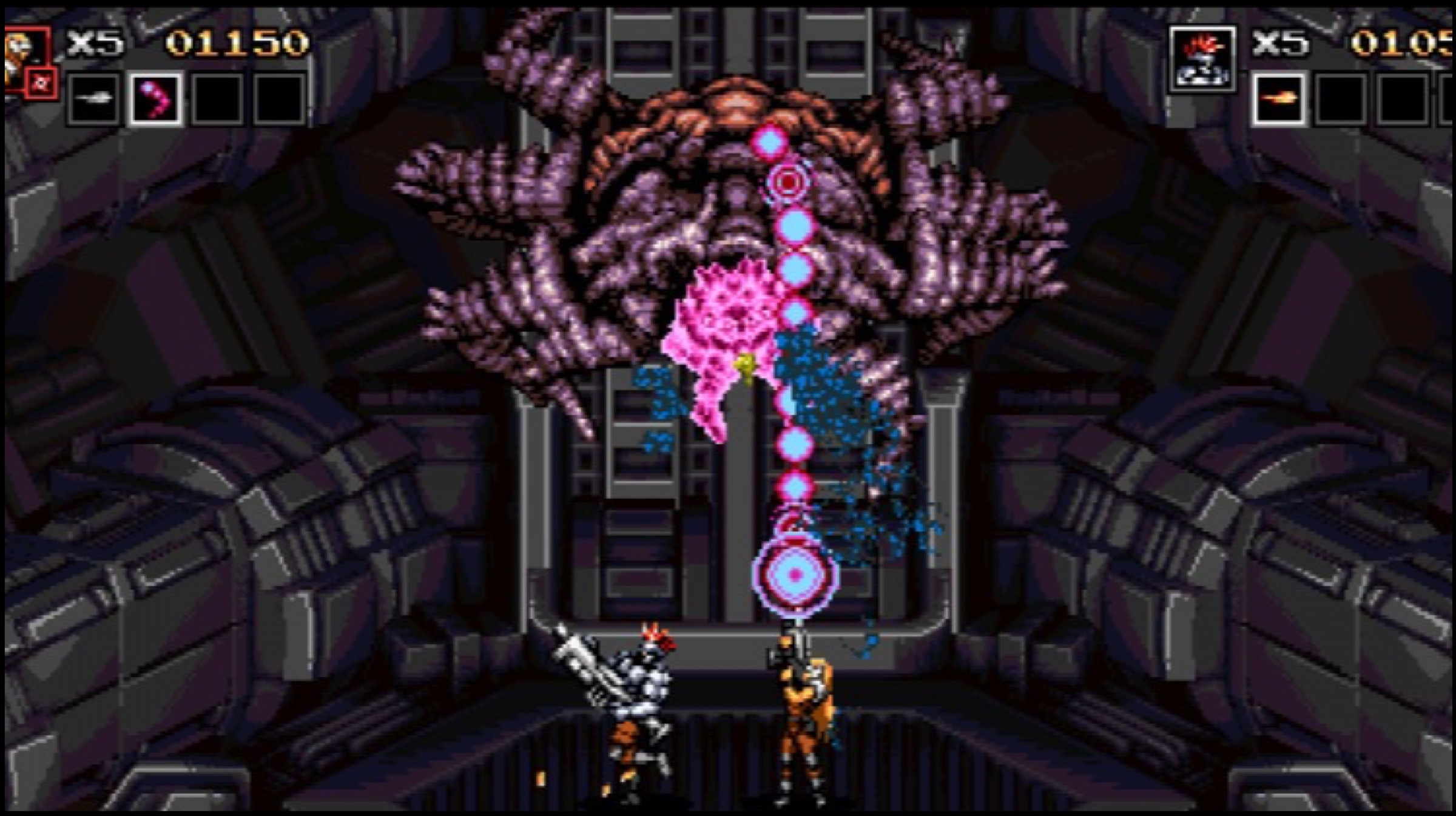
    Every so often the phrase “only 90s kid will remember..” pops up. Whatever said after can be either ridiculous or hilarious. However, nothing will hold a meaning more true to the phrase than Contra. Konami, the developer behind Contra, has bundled the original game alongside different variants from different country releases and its sequels on the game’s 20th Anniversary.

    The game that was released in 1987 to critical acclaim worldwide. Starting as a run and gun shooter game in the arcades, Contra’s port to the PC and the NES (Nintendo Entertainment System) cemented its near legendary status. 20 years passed and it is still remembered as a ‘classic’ that 90s kid adored when they were younger, playing with siblings or friends for hours on end.

    The basic premise of the game had the player battling enemies, both humans and aliens, as military personnel. The setting and timeline depended on the country where the game is released, but more often than not it was a futuristic shooter. The official Japanese release set the game in 2633 A.D.

    The game’s popularity had seen it ported to various systems, namely PC, Nintendo Entertainment System (NES), and MSX2, from the Arcade original. Konami’s Contra Bundle is to feature the Hard Corps and Operation C variant while also including the European adaptation Probotector and Super Probotector alongside the Original 4 titles (Contra, Super Contra, Super C and Contra 3)

    Also ReadGalaxy Note 10 Rear And Front Camera Setup Revealed In Leaks

    Konami has also announced that the free updates will bring the Japanese versions of Contra and Super Contra to the collection as well. No drastic changes to the gameplay will be made but tweaks for a better overall experience on the PC, PS4, Switch and Xbox One. The bundle is set to be released this summer along with bundles of Castlevania and other timeless arcade games carrying a price tag of $20 (approx. Rs.1,400)

  • Dell Refreshes The XPS 13 With Intel’s Latest 10th Gen CPU Processors

    Dell Refreshes The XPS 13 With Intel’s Latest 10th Gen CPU Processors

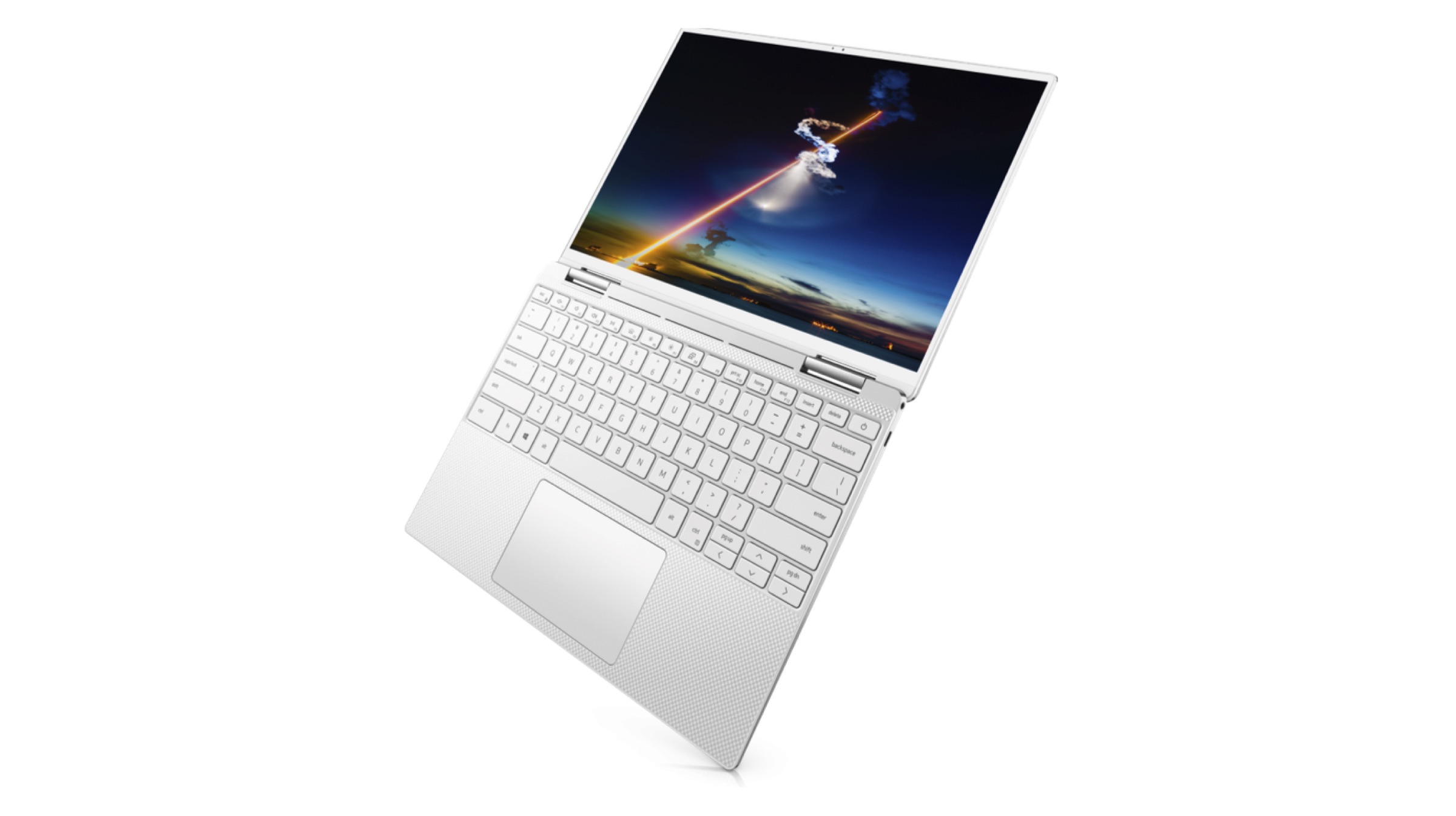
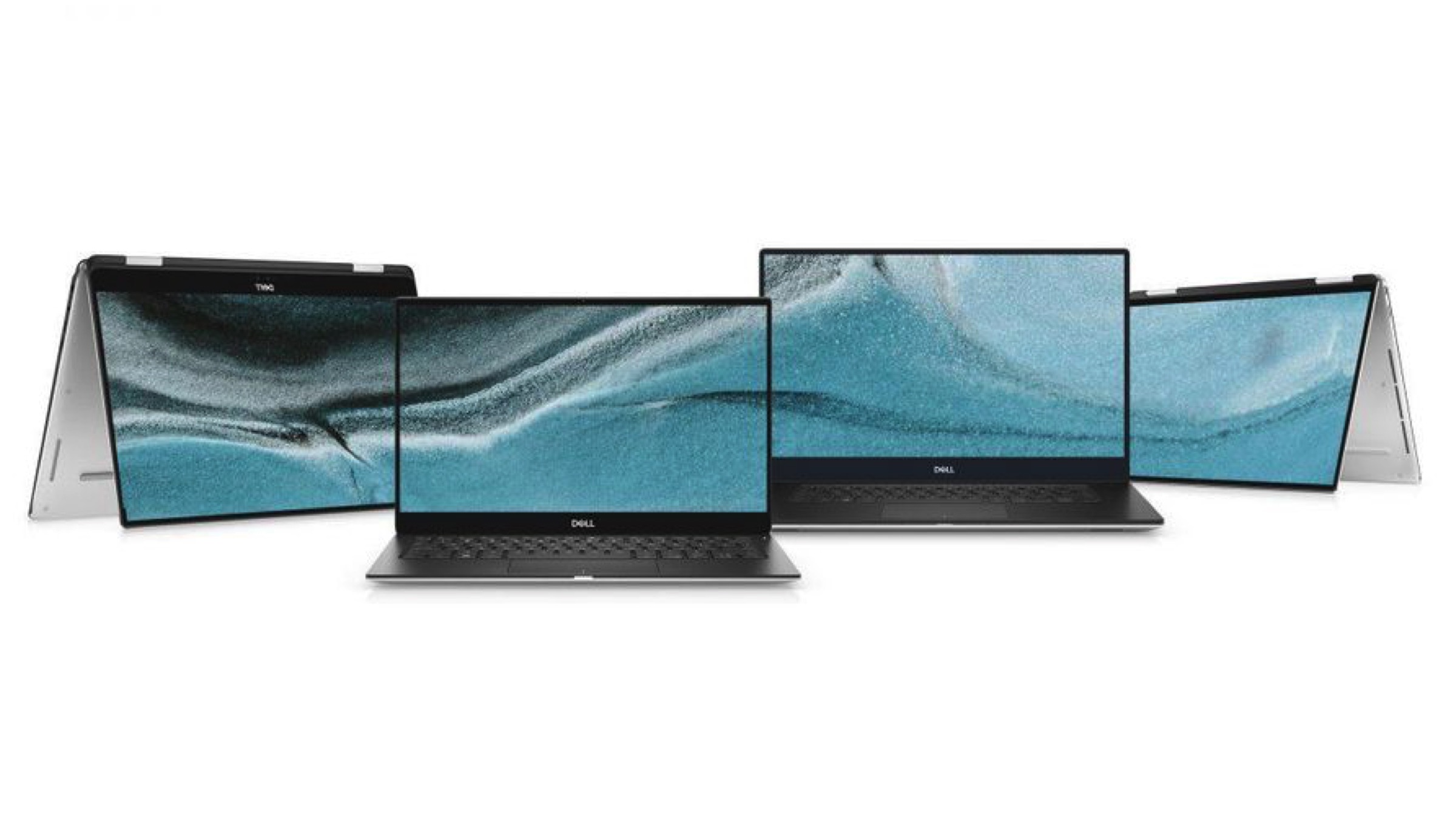
    Computex 2019 has seen its fair share of updates and overhauls in the specifications and design of laptops. However, none so far have crossed the generation in the processor unit. The Dell XPS 13 2-in-1 laptop previously received a minor update regarding the placement of the webcam back in CES in the month of January. The long-awaited Intel 10th Gen Ice Lake processor also makes a debut with the XPS 13.

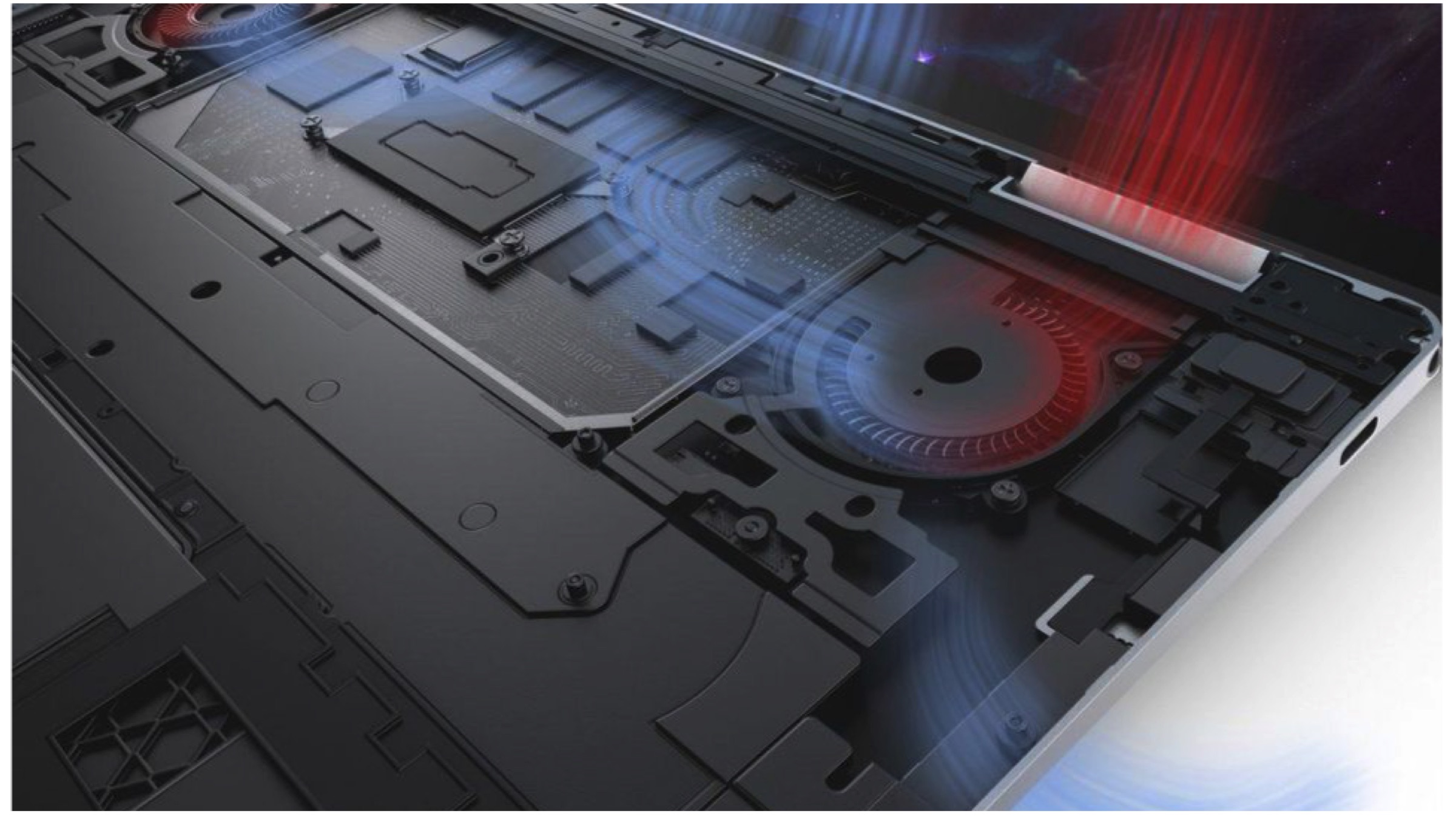
    Along with a new display and keyboard, the key change made is the upgrade to Intel’s latest generation of CPUs. Intel’s new 10nm Ice Lake chips in the Dell XPS 13 are based on the U-Series lineup of the 10th generation. The company had to add fans to the XPS 13 to utilize the more powerful processor over the Y-Series lineup which was made specifically for fanless laptops and is a worthwhile trade for better performance. Dell, for assurance, is going as far as to claim two and a half times more processing strength than the last iteration of the notebook with the addition of the latest chipset.

    Dell has also bumped up the screen size to 13.4 inches, changing the aspect ratio of the display to 16:10. This made the screen slightly taller than its previous versions. The latest version has a bigger keyboard and touchpad, which is a significant improvement over its predecessor. In a similar fashion to its variants from the past, the display options on the notebook are still FHD+ or 4K.

    The Maglev (Magnetic Levitation) keys make an appearance in the XPS 13 2-in-1 laptop, borrowed from the XPS 15 from 2018. However, it is not the exact same keyboard and slight touches are evident due to the presence of more metal than the XPS 15. For biometric security, a fingerprint sensor is placed comfortably alongside the keyboard.

    Also ReadIntel’s Project Athena Pushes Higher Industry Standards For Ultrabooks

    Additional variants of the XPS 13 are available with the latest iterations as well. Dell now gives the option of the 9th Generation Intel Core processors (i5, i7, and i9) along with the new GTX 1650 from NVIDIA and RAM upto 64GB. A new 4K OLED display is optional too. Dell has yet to announce the release of XPS 13 and XPS 15 in the global market, but the pricing of the regular XPS 15 sits at $999.99 (~ Rs. 70,000), and $1899.99 (Rs. 1,32,000) for the OLED variant.

  • Intel’s Project Athena Pushes  Higher Industry Standards For Ultrabooks

    Intel’s Project Athena Pushes Higher Industry Standards For Ultrabooks

    Intel was the first to coin the term ‘Ultrabook’ for high-end subnotebook computers. Spending millions of dollars into a marketing strategy aimed for the industry’s latest most powerful laptops that were less bulky without compromising on battery life overall. Project Athena as announced by Intel seeks to revisit this old definition and make true on certain promises left undelivered.

    The Ultrabook laptops had unintentionally brought with them an industry standard demanding lightweight, thinner dimensions, effective performance and battery life. The Industry had, on the contrary, thrived with these new set of restrictive parameters that gave birth to a new breed of ultra-thin laptops capable of rivalling some of their desktop counterparts.

    Gone were the days of plastics. These new machines now sported a more premium metallic form factor and were installed with new hardware that made the lag that had always accompanied laptops a less frequent occurrence. Powerful laptops like HP Spectre x360 and XPS 13 by Dell pulled ahead in the competition.

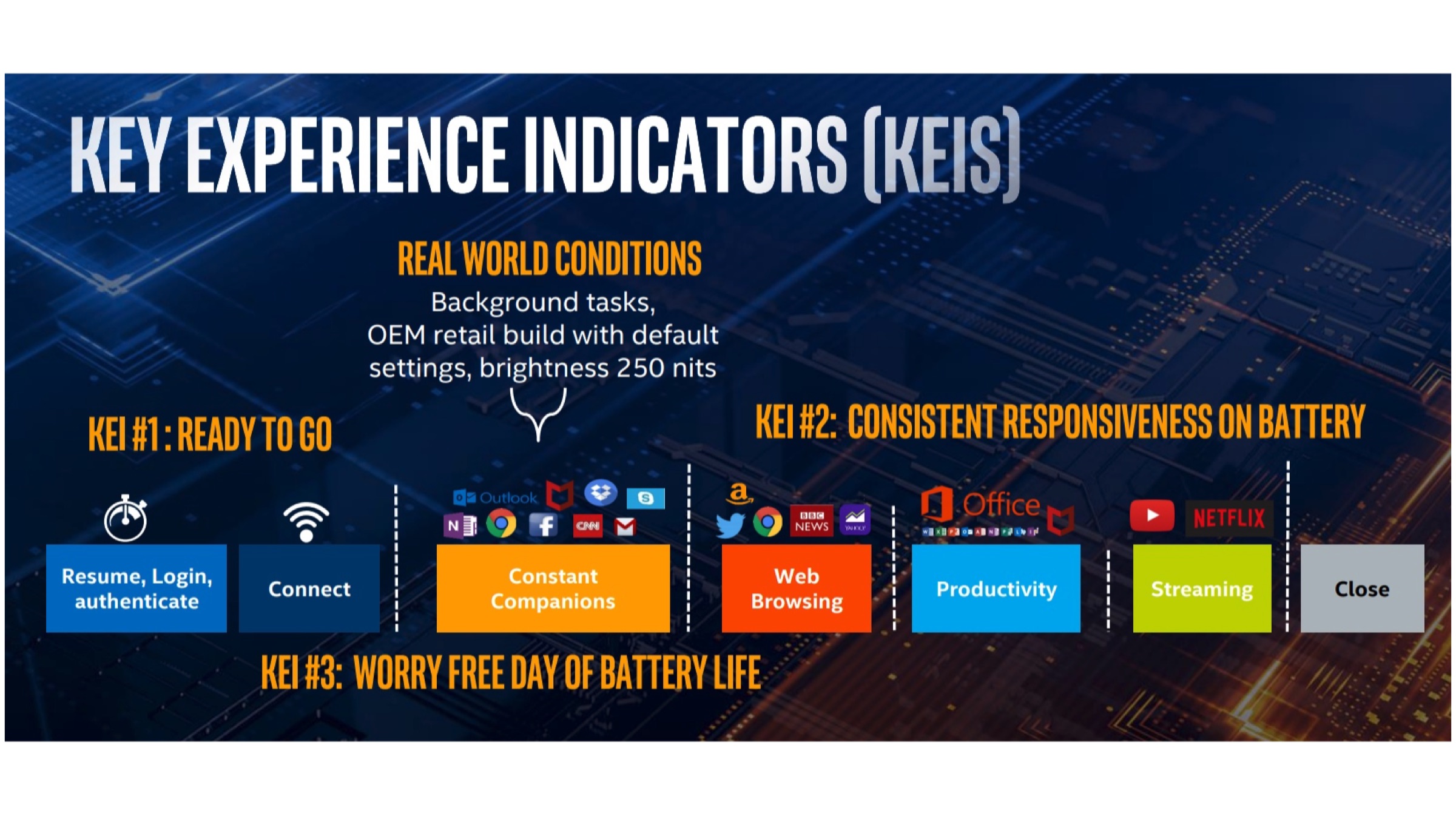
    Intel has dedicated itself to challenge the norm again by taking laptops even further with Project Athena. However, unlike last time, Intel did not showcase a tag or name like ‘Ultrabook’ to market to the world. Project Athena’s focus is not on an inexpensive marketing gimmick but to hunt for the big industry-wide lies that have pervaded the market since its inception. Battery life sits at the forefront of such a lie. 

    Project Athena sets the minimal benchmark for laptops to deliver 9 hours of real-world battery life while browsing over the internet on Wi-Fi, at a brightness of 250 nits. Laptops have woefully failed to deliver on the longer battery life that had been promised before and thinner laptops have a stronger tendency to skimp out on the said feature. Manufacturers that advertise their products with 24 hours of battery life, with video playback that barely puts any strain on the CPU while Wi-FI is turned off and brightness at its lowest, do not portray an accurate real-life scenario of daily use.

    Battery life is just the start. Project Athena will require a laptop to also boot from sleep within a second and be ready for web browsing in 2 seconds flat while having the same performance output regardless of whether the laptop is plugged in or running on battery. Intel set the basic hardware requirements with touchscreen displays, accurate trackpads, ample amount of RAM (8GB) and an NVMe SSD (256GB) equipped within the laptop.

    Intel, taking it upon itself to enforce the standards set by them to actually satisfy the consumers’ needs. The company promises to discourage practices that have manufacturers cheap out on essential parts of a system. ‘Cheating’ as Intel put it will not be tolerated and the ‘Ultrabook’ brand will have its standards set high. Project Athena is not an advertisement or marketing scheme that the users shall ever encounter, dedicating themselves not to be in the face of every consumer but guaranteeing a good experience that they will feel. 

    There is just one glaringly obvious problem. OEMs and manufacturers have no real incentive or reason to actually adhere to these standards that may lead to the rise of the industry standards. Unlike what Project Athena is made to be, an industry standard for every laptop device to follow, the aforementioned OEMs will simply submit those laptops which are bound to pass the tests. The same laptops which are top of the line and cost just high.

    Also ReadAlienware m15 And m17 Series Gaming Laptops Launched At Computex 2019

    Project Athena is at its infant stage and Intel may in the future decide to incorporate some marketing strategy and brand name for the campaign to follow it. This comes along with Intel’s announcement of its 10th Gen Intel Core Processors that will power the latest generation of Ultrabooks. 


  • Alienware m15 And m17 Series Gaming Laptops Launched At Computex 2019

    Alienware m15 And m17 Series Gaming Laptops Launched At Computex 2019

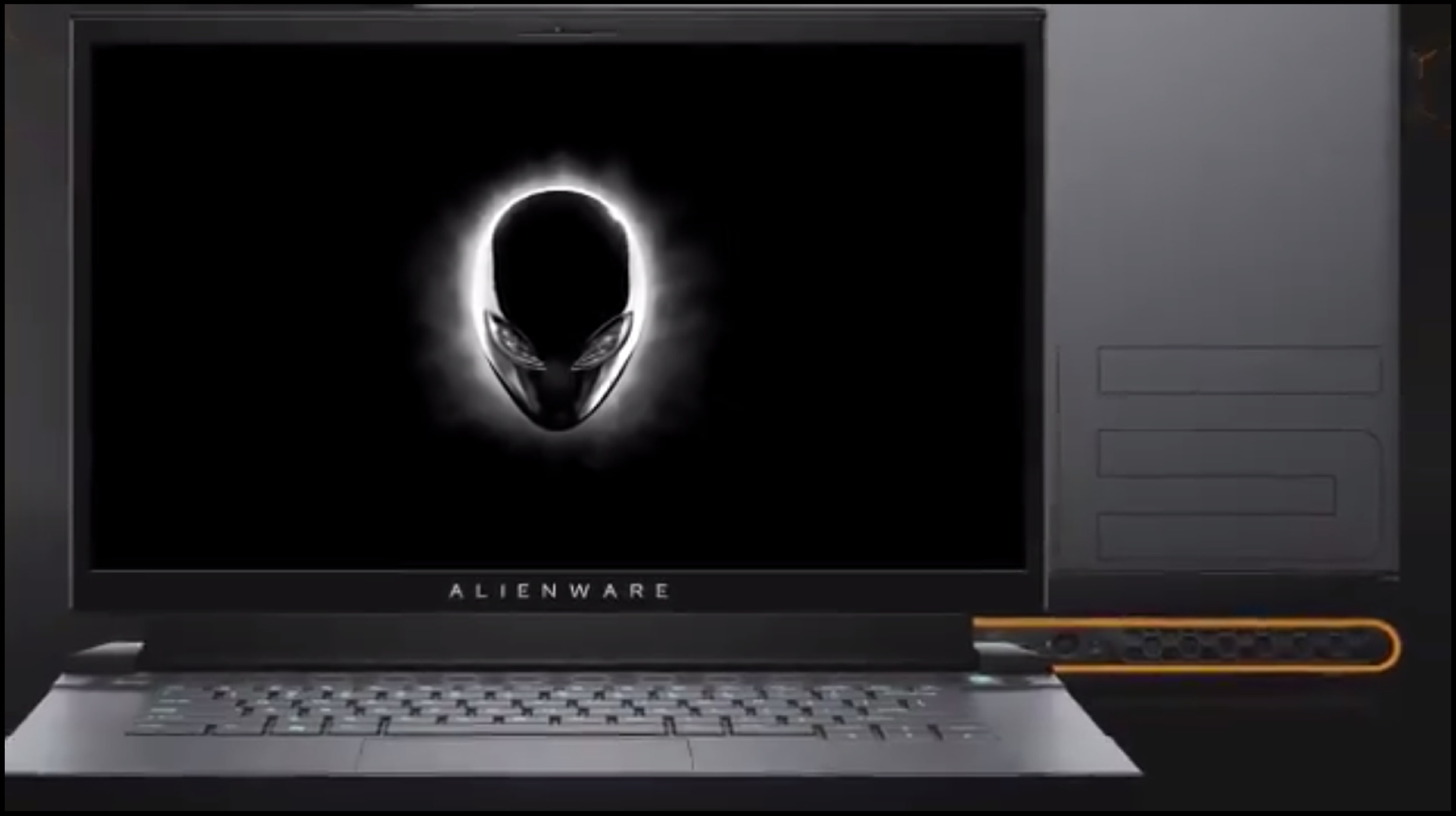
    Alienware, the premium gaming brand by Dell had earlier this year announced the Area-51m model laptop. The gaming laptop brought modular functionality along with it, something that was unheard of at the time for laptops in general. In Computex 2019, Alienware announced the same design incorporated in their new iterations of the m15 and m17 gaming laptops.

    Alienware

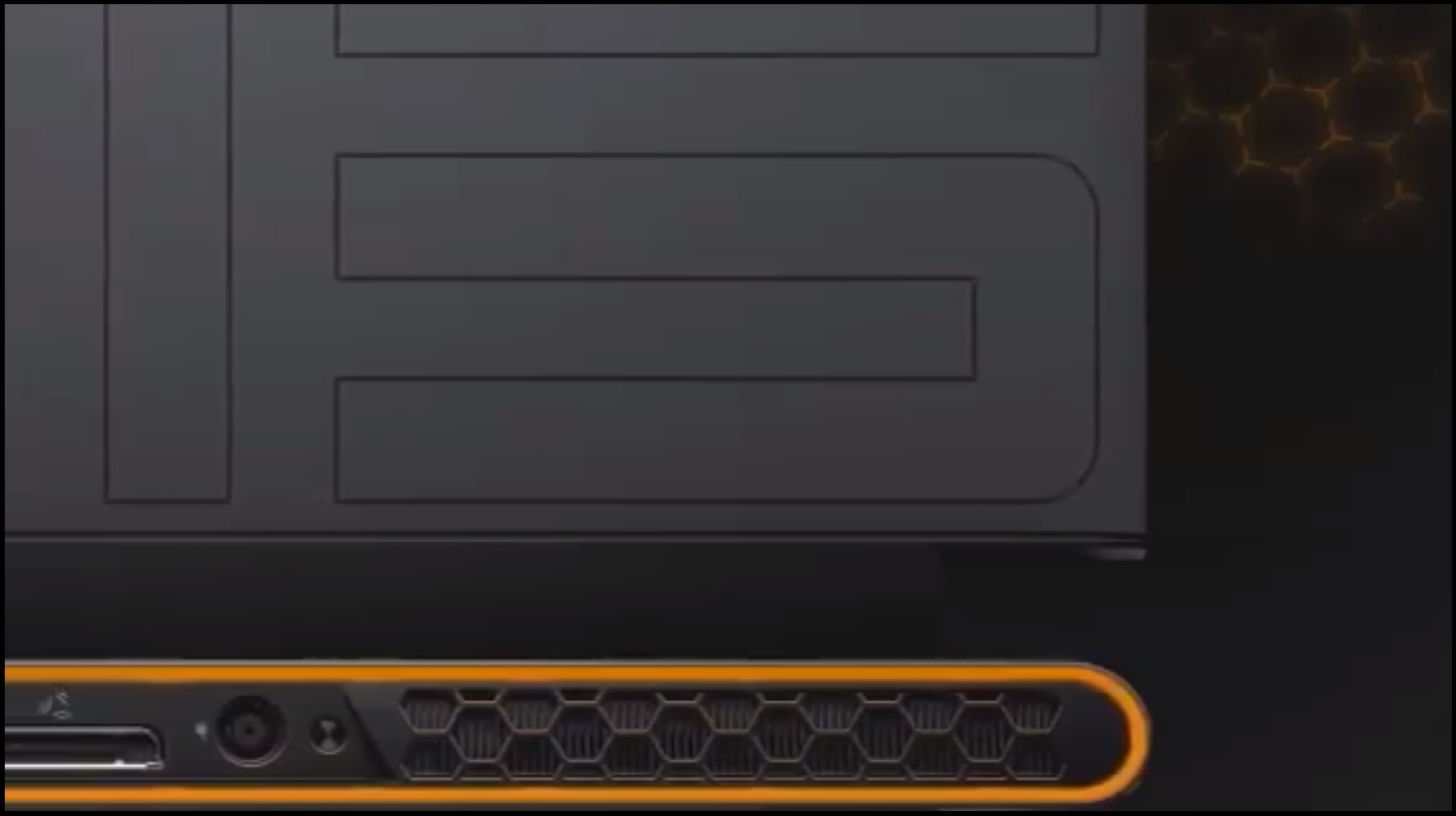
    The m15 and m17 series laptop adopt a lot of the designs from the company’s flagship (Area-51m), essentially making the laptops identical to each other to a certain degree. These laptops are reportedly slimmer however and do not support Area-51m’s modular capabilities. 

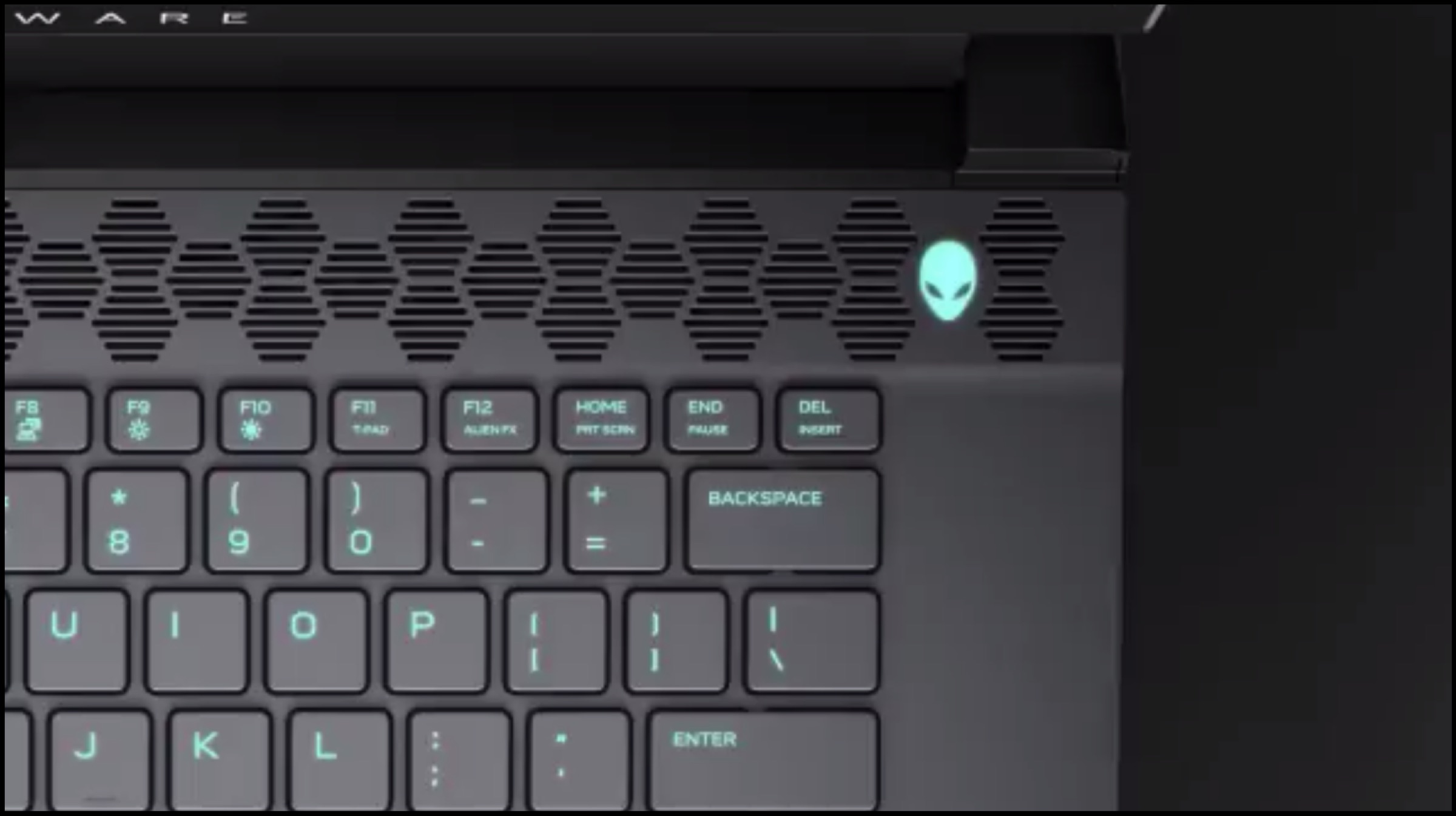
    The m15 had received a major overhaul last year while the m17 was refreshed at CES, this is the second time the series went under a major physical overhaul. Changes are not strictly aesthetical in nature with the Alienware gaming laptops receiving a new keyboard with deeper key travel, and a new glass finish trackpad alongside the latest 9th-Gen Intel CPU processors and NVIDIA’s latest GTX and RTX graphics card.

    Alienware

    Apart from the screen size of 15 and 17 inch respectively, not much differs between the two Alienware laptops. Display options although vary between the two devices. The 15-inch model offers more options with 60Hz, 144Hz, or even 240Hz refresh rate on the 1080p display panel or 4K at just 60Hz, the last two options that are equipped with Tobii eye-tracking. The 17-inch model only offers 60hz or 144hz on its 1080p panel where only the 144Hz variant has the eye tracker.

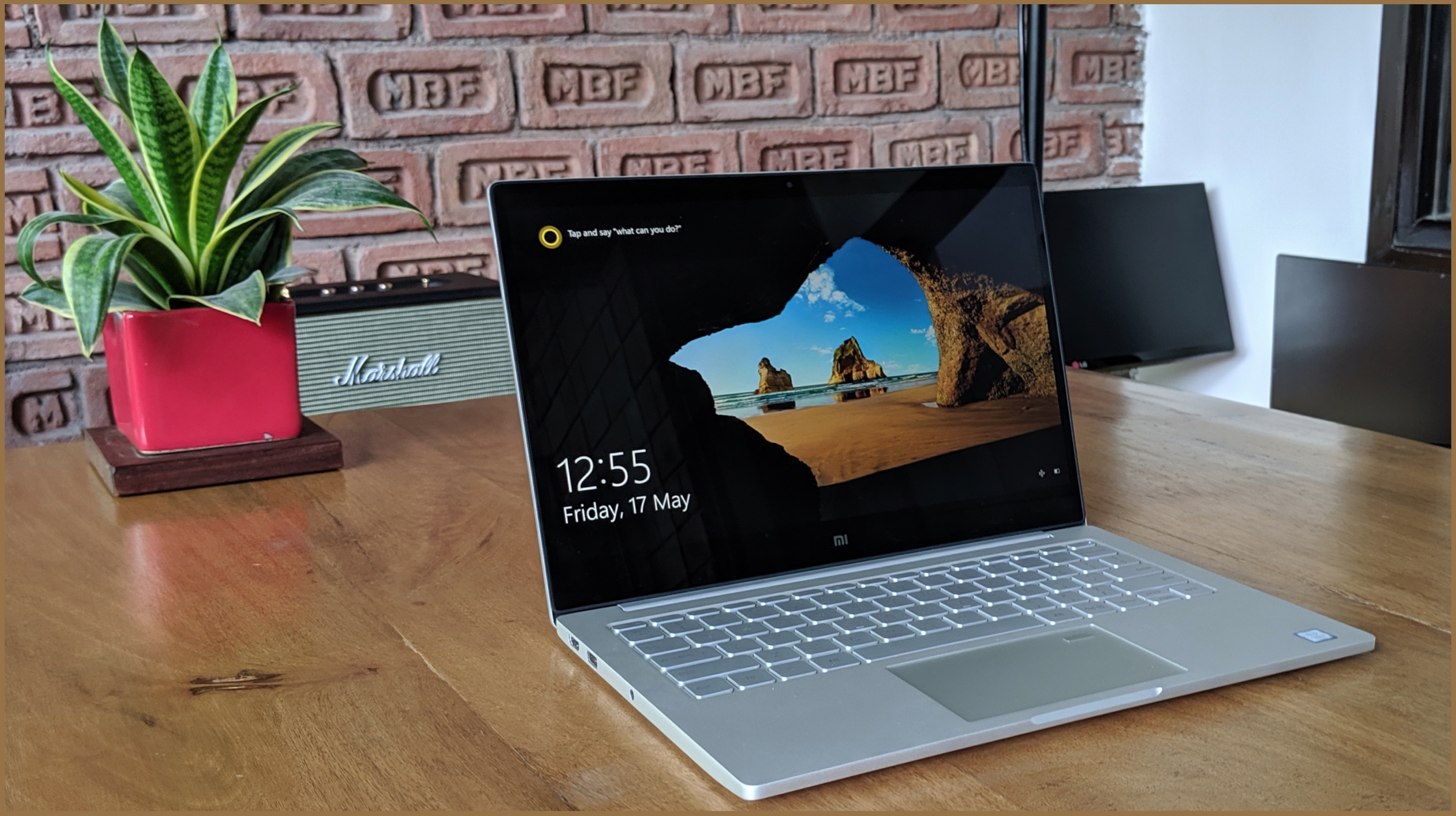
    Also Read: Xiaomi Launches RedmiBook 14 Laptop With Intel i7 Processor

    The modular function that allows users to replace parts for a laptop, achieved by the Alienware Area-51m, is a feature that will be sorely missed. The m15 and m17 models are set to be launched on June 11th with prices starting at $1,499

  • Hyper X Announces The Cloud Alpha S Gaming Headsets And Alloy Origins Keyboard With New Keyswitches

    Hyper X Announces The Cloud Alpha S Gaming Headsets And Alloy Origins Keyboard With New Keyswitches

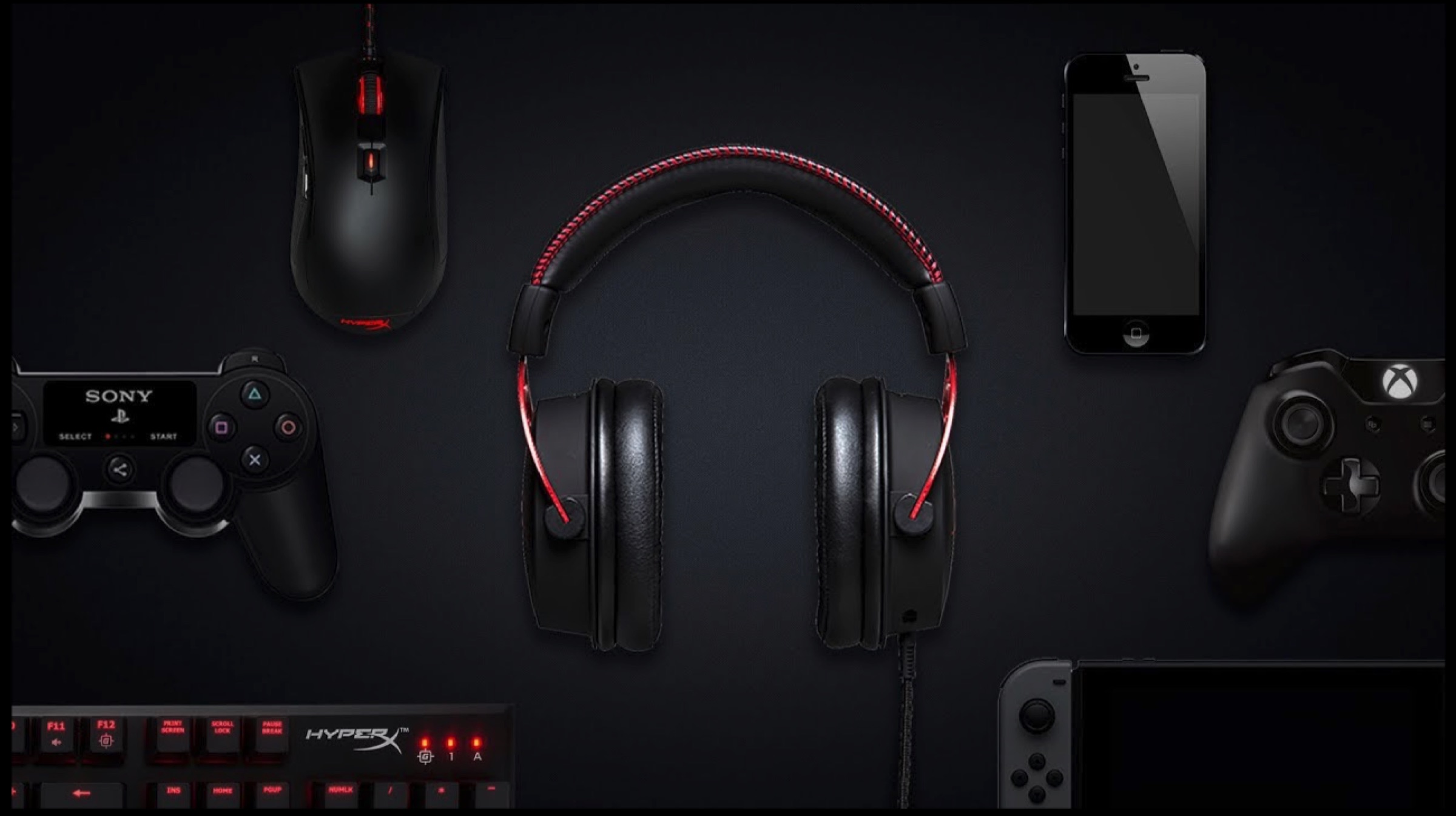
    HyperX, the company that manufactures gaming accessories alongside computer components, has unveiled new products in Computex 2019 today. Introducing a gaming keyboard that was built on the company’s new keyswitch designs along with a fresh addition to their Cloud Alpha gaming headsets series.

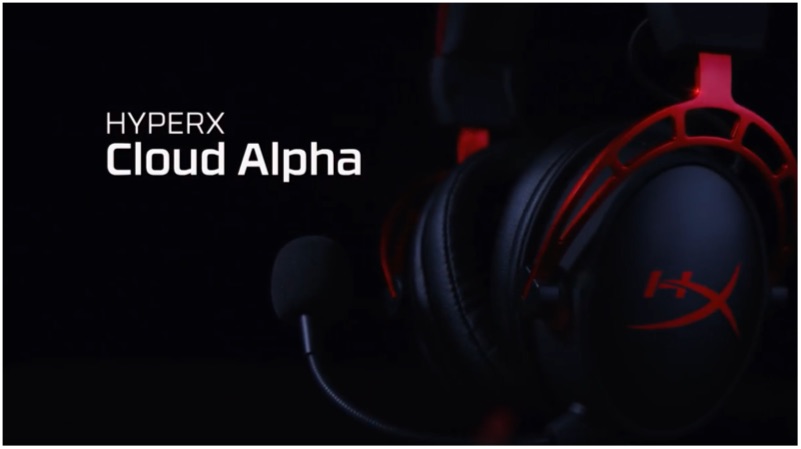
     Cloud Alpha S

    HyperX announced a successor to its Cloud Alpha gaming headsets that is extremely popular in the gaming community. The new iteration is dubbed Cloud Alpha S, that has 7.1 surround sound that goes through a wired audio control box with volume controls for chat and video game audio.

    Aesthetically, the headphones sport the same design philosophy alongside audio hardware that was present in the predecessor as well, i.e the dual chamber drivers. HyperX however, claims that the new headset is better tuned in comparison for an improved audio experience overall. The gaming headsets also feature a new bass slider function on the back that lets the user adjust the audio according to their preferences as they please. HyperX Cloud Alpha S goes on sale this September for $129.99 (approx. Rs.9050)

    Alloy Origins

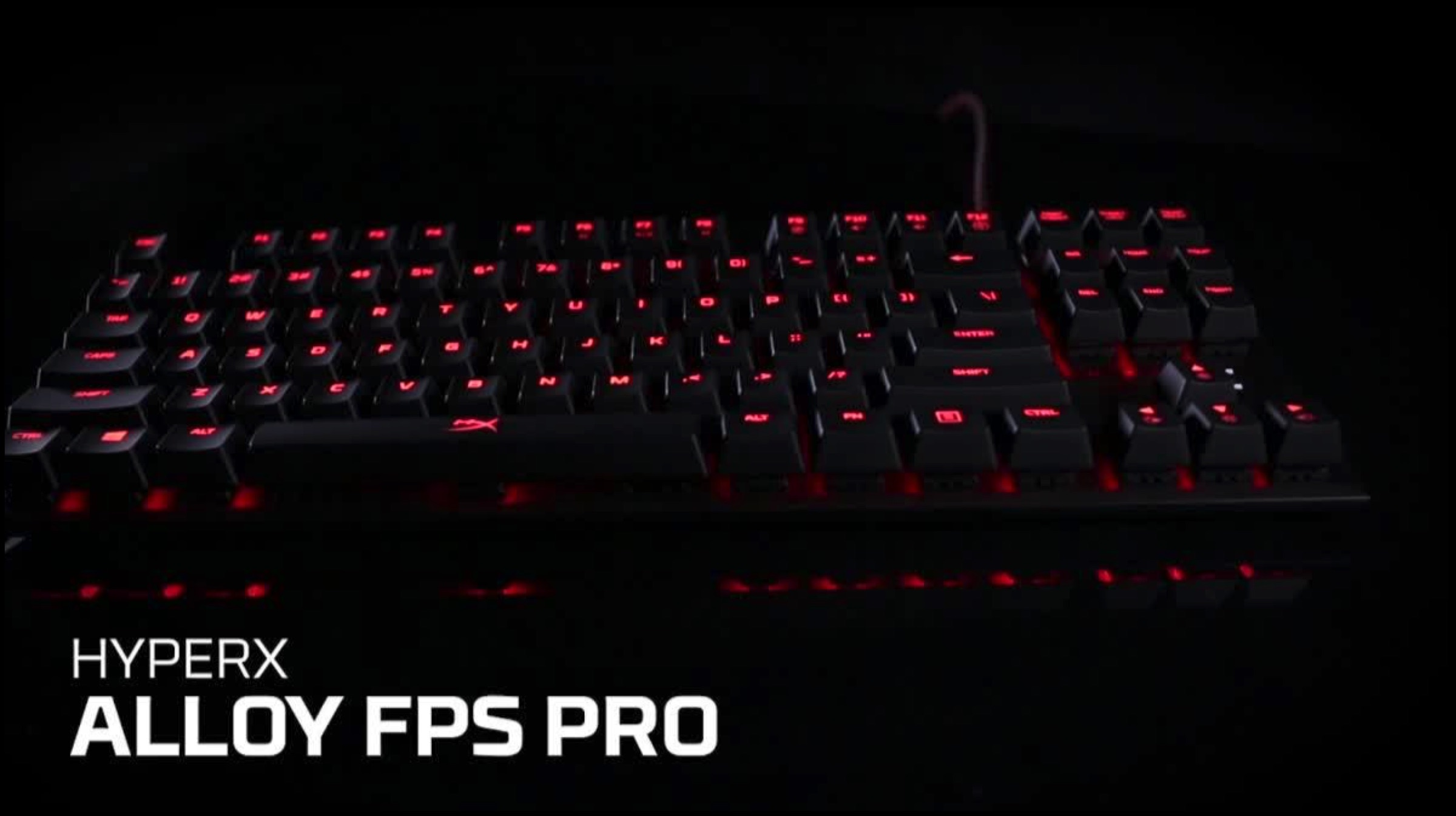
    HyperX’s announced the Alloy Origins gaming keyboard that will feature the company’s new keyswitches. The company has been manufacturing keyboards for game enthusiasts for 17 years now (founded in 2002). Most other manufacturers just like HyperX use either the Cherry MX or Kailh keyswitches depending on the price of the product. As of today, the company will start employing its own keyswitch designs in certain designs and models of its gaming keyboard line up.

    The gaming keyboards made by HyperX generally utilized the reds, the popular choice among gamers alike for its great responsiveness. However, the company has made changes to the established red design by reducing the travel distance of each individual key down by 0.2mm lower than a standard Cherry MX red switch. Now at 3.8mm and 1.8mm respectively.

    Also ReadAsus Launches A Couple Of Laptops And Gaming Accessories At Computex 2019

    The aluminium framed keyboard, the Alloy Origins will be released in the third quarter of this year for $109.99 ( approx. Rs.7655), priced similarly to the company’s Alloy FPS RGB model keyboard that features the Kailh switches.


iGyaan Network
Privacy Overview

This website uses cookies so that we can provide you with the best user experience possible. Cookie information is stored in your browser and performs functions such as recognising you when you return to our website and helping our team to understand which sections of the website you find most interesting and useful.