Author: Yashonil Gupta

  • OnePlus 7 Pro Nebula Blue Edition To Go On Sale For The First Time In India

    OnePlus 7 Pro Nebula Blue Edition To Go On Sale For The First Time In India

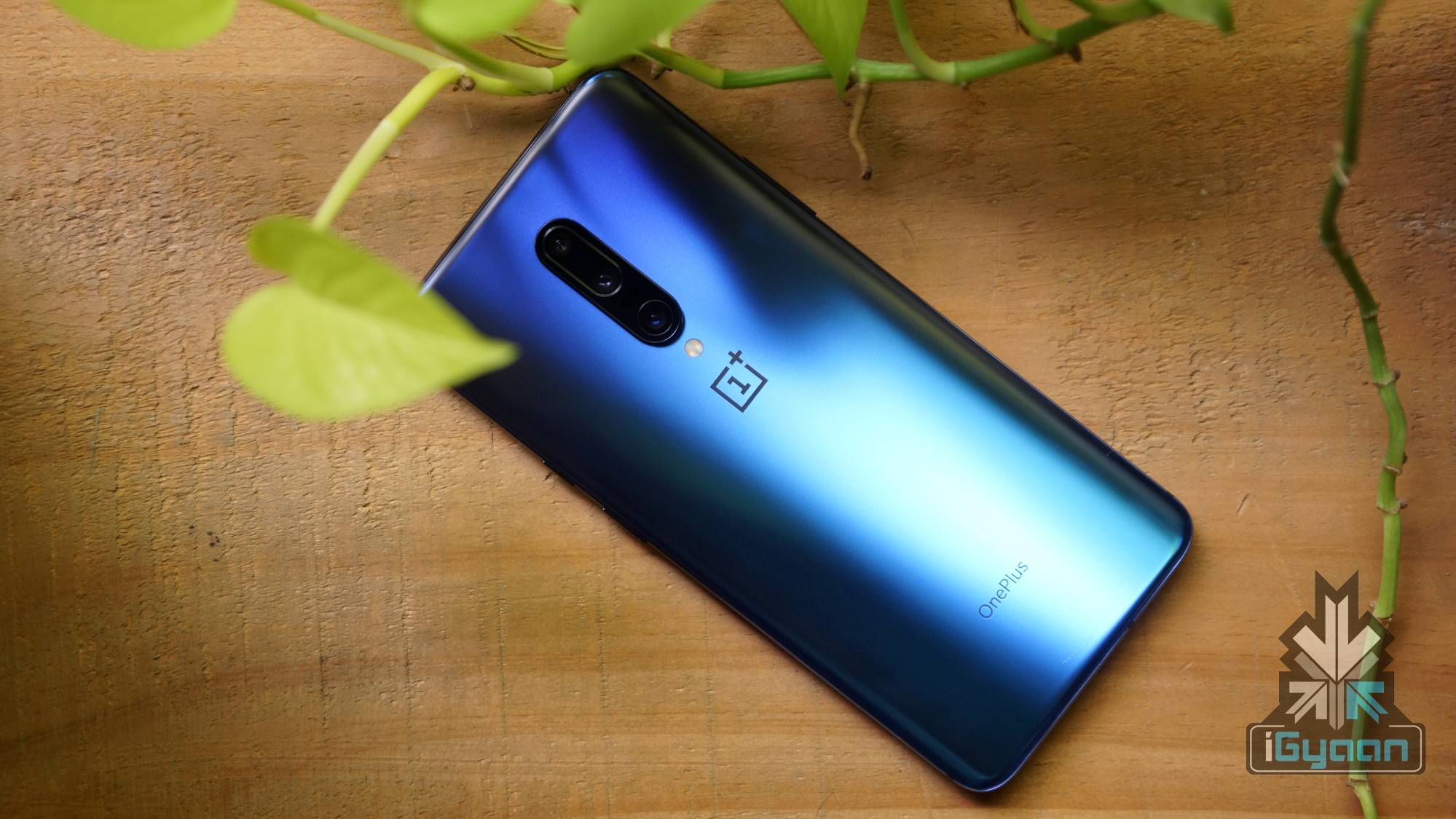
    Chinese smartphone OEM OnePlus launched its latest flagship device, the OnePlus 7 Pro at an event on the 14th of May. The handset boasts of top tier specifications at a comparatively affordable price tag than its competitors. While the smartphone was unveiled in three colour variants at the time of launch namely Mirror Black, Almond and Nebula Blue; the company only made available the former for the initial sales. Now, the much-awaited colour variant of the three, the Nebula Blue is all set to go on sale for the first time in India today. Noteworthy, it is the only variant at the moment available in the 12GB RAM and 256GB ROM configuration.

    Pricing & Availability
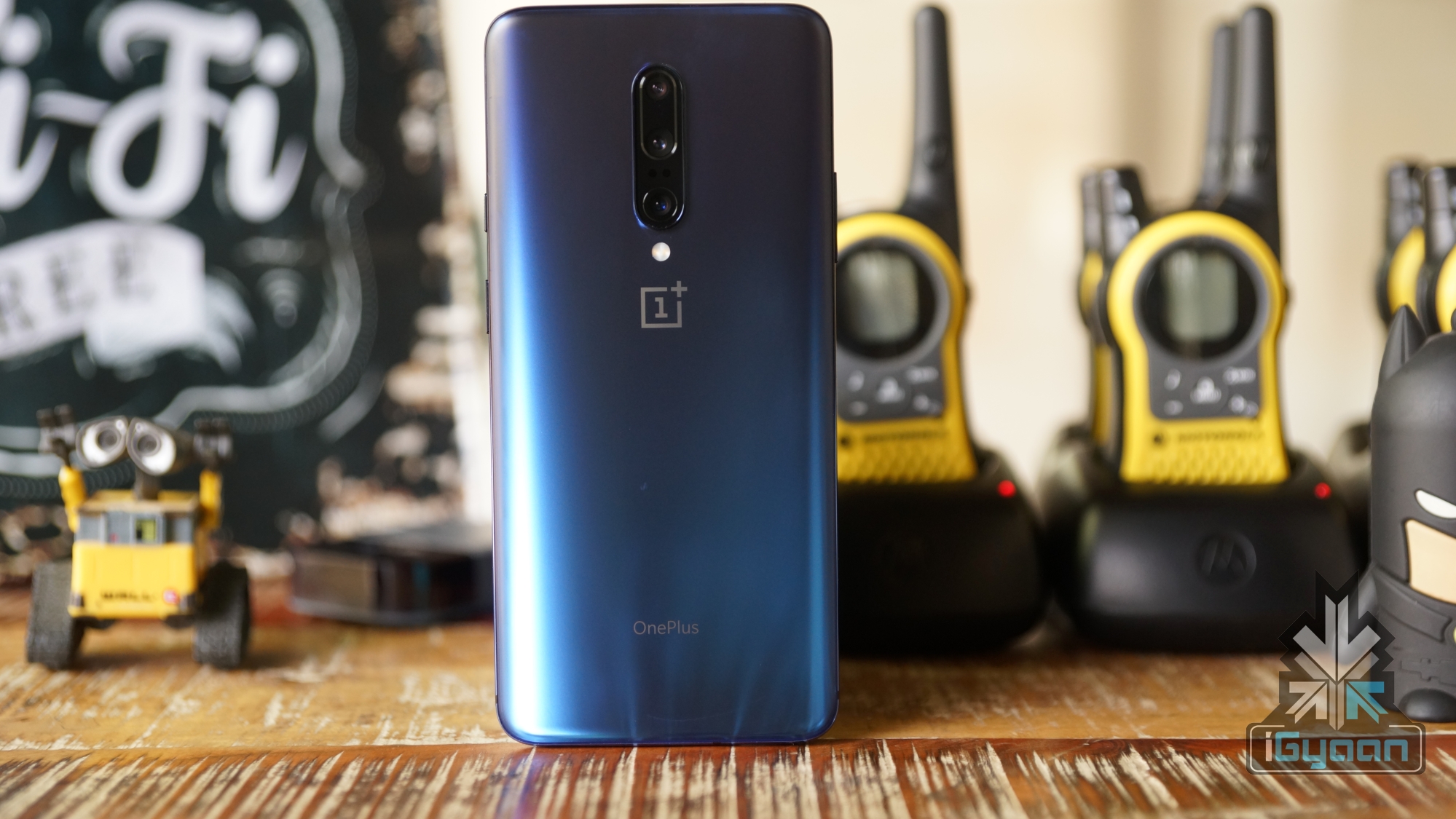
    The OnePlus 7 Pro Nebula Blue as mentioned above, features 12GB RAM and 256GB ROM. The smartphone will be available at a price of Rs. 57,999 for the top tier variant. For people looking for a more affordable deal, the variant with 6GB RAM and 128GB internal storage is priced at Rs. 48,999 while the 8GB RAM and 128GB ROM version retails for Rs. 52,999. It will go on sale at 12 noon starting May 28th with the availability of the Almond variant to be announced soon.

    OnePlus 7 Pro

    To recall, the OnePlus 7 Pro is the latest flagship offering from the company and the specced-up variant of the OnePlus 7. The smartphone measures 162.6 x 75.9 x 8.8mm and weighs 206 g. It has an all-glass design on the front and back with a metal chassis for reinforcement. The device has a 6.67 inch Fluid AMOLED display with a resolution of 3120 x 1440 px which gives it a pixel density of 516 ppi. 
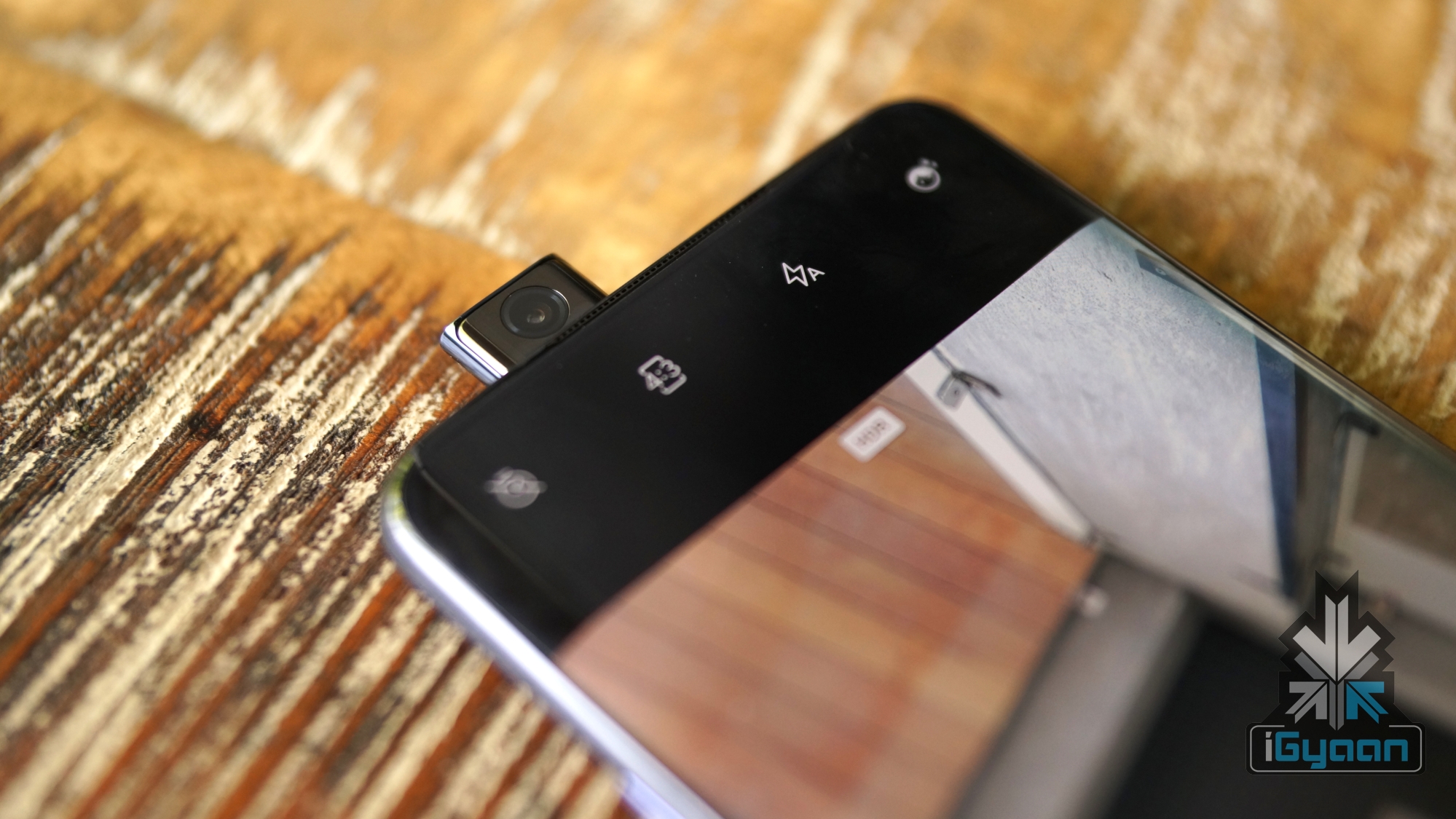
    The display on the OnePlus 7 Pro has a praiseworthy refresh rate of 90Hz which is also seen in handsets like the Asus ROG Phone and Nubia Red Magic 3. To maximise the screen real estate, the smartphone has minimal bezels on all sides of the display and utilises a pop-up mechanism to house the front-facing camera. For biometric security and rapidly unlocking the device, it features an in display fingerprint scanner with support for face unlock technology.
    OnePlus 7 Pro

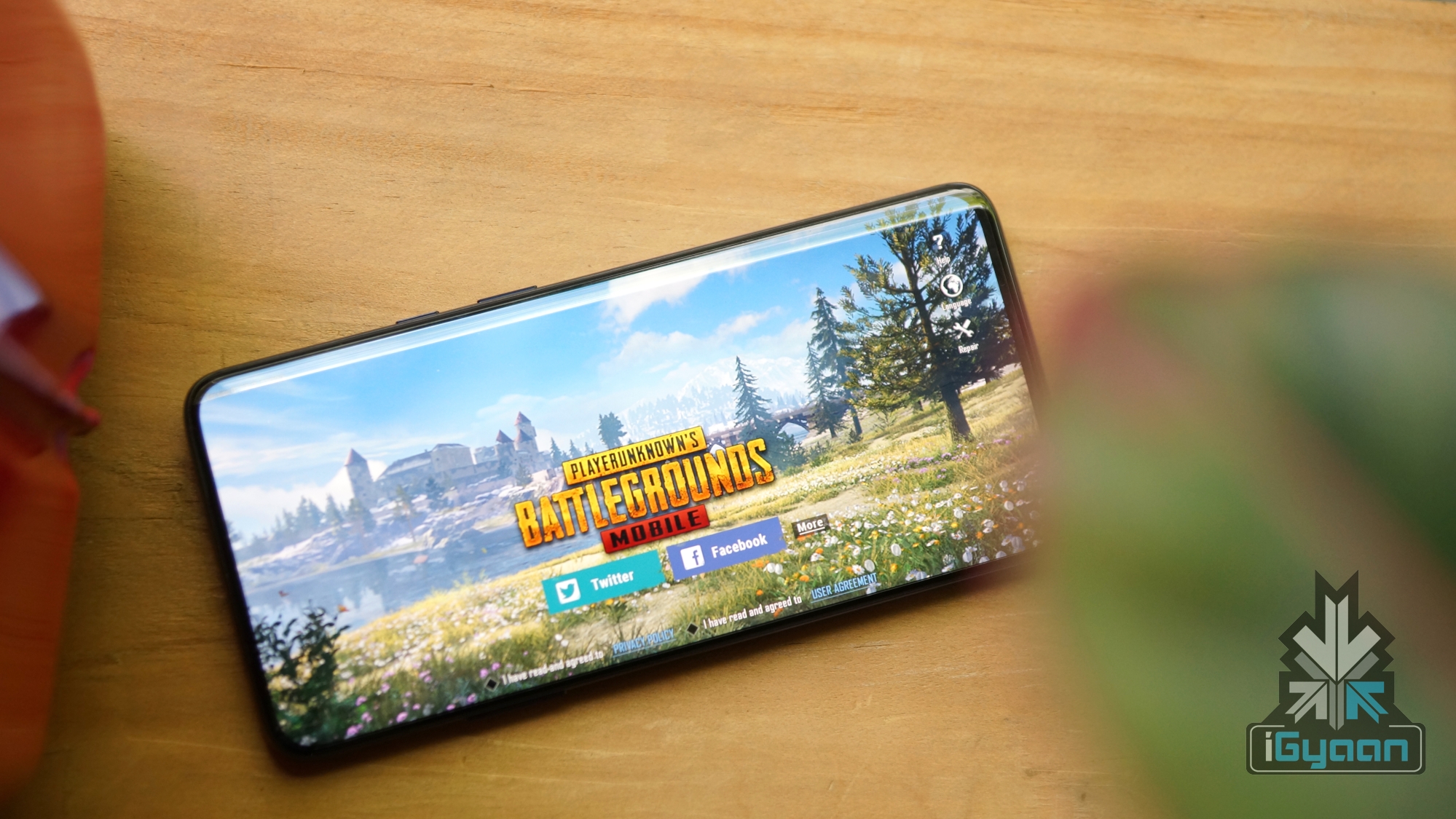
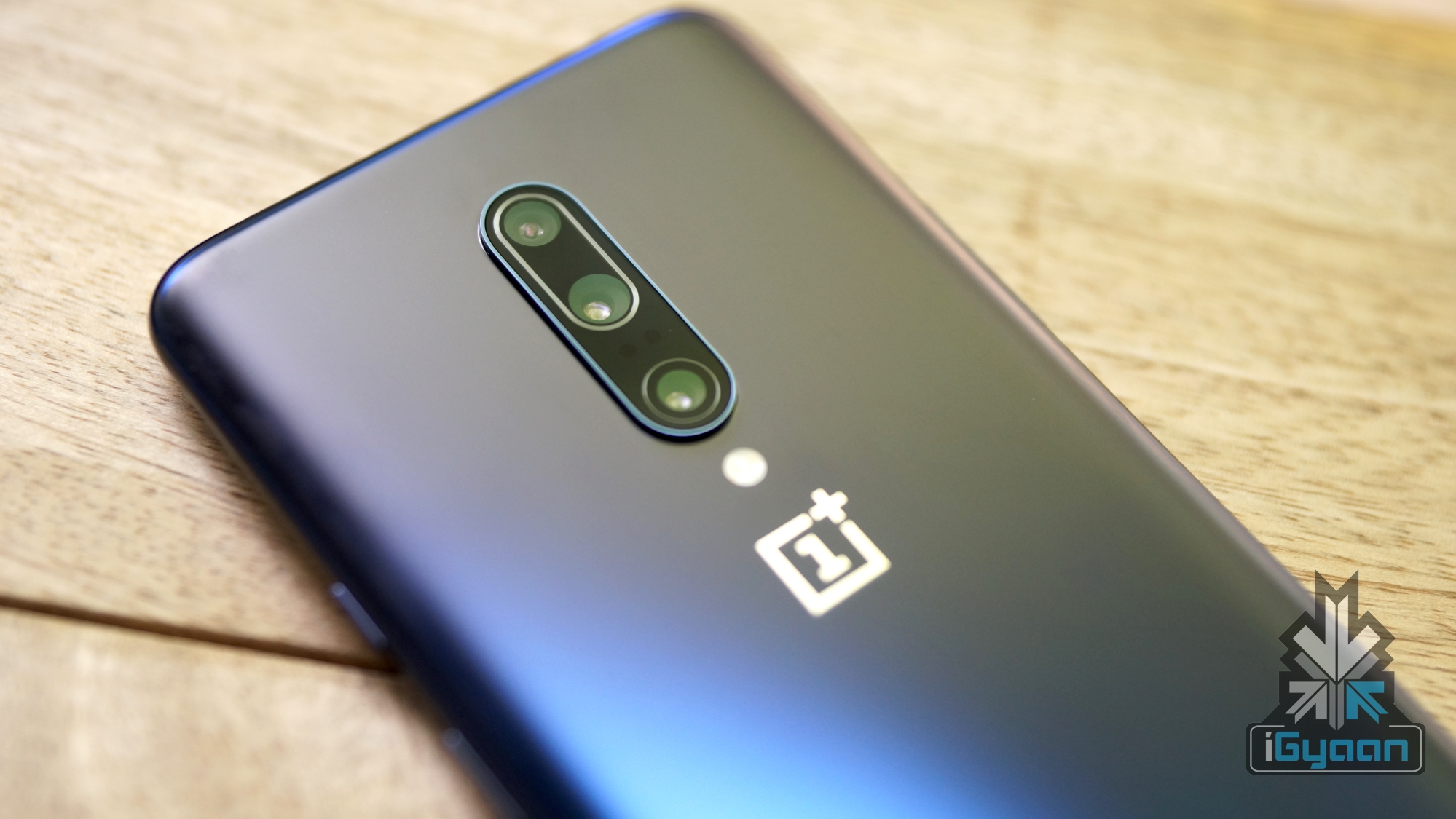
    Under the hood, the OnePlus 7 Pro is kitted with the 7nm Snapdragon 855 SoC which consists of an Octa-core CPU and the Adreno 640 GPU. In terms of optics, the smartphone has a triple rear camera setup comprised of an f/1.6 aperture equipped 48 MP primary sensor; and an f/2.4 aperture equipped 8 MP telephoto sensor with 3x optical zoom; the third sensor used is an f/2.2 aperture equipped 16 MP ultra wide angle lens with a Field of View (FoV) of 117 degrees.
    OnePlus 7 Pro

    It can also capture 4K videos at 60fps and supports Optical Image Stabilisation (OIS) for smoother footage. For selfies, an f/2.0 aperture equipped 16 MP camera is housed in the pop-up mechanism on top of the display. Video from the front camera is capped at 1080p resolution at 30fps. In terms of memory and storage, the handset will be available in the following variants.

    • 6GB RAM and 128GB ROM
    • 8GB RAM and 256GB ROM
    • 12GB RAM and 256GB ROM

    OnePlus 7 Pro

    Also read: Asus ZenBook Pro Duo With A Secondary ScreenPad Takes MacBook’s Touch Bar A Step Further

    The OnePlus 7 Pro is powered by a 4000mAh battery with support for 30W Warp Charging technology. The smartphone uses a new X-axis Haptic Vibration Motor which the company claims will provide it with better haptic feedback than the OnePlus 6T. In terms of connectivity, the device supports Wi-Fi 802.11a/b/g/n/ac, Bluetooth 5.0 and NFC. The OnePlus 7 Pro also boasts of Dual Stereo Speakers and Audio tuned by the Dolby Atmos technology. It is the first globally available smartphone to feature the Universal Flash Storage (UFS) 3.0 standard, which should result in fast read and write speeds.

  • Microsoft Xbox One S Fortnite Edition Leaked In Images Ahead Of Official Announcement

    Microsoft Xbox One S Fortnite Edition Leaked In Images Ahead Of Official Announcement

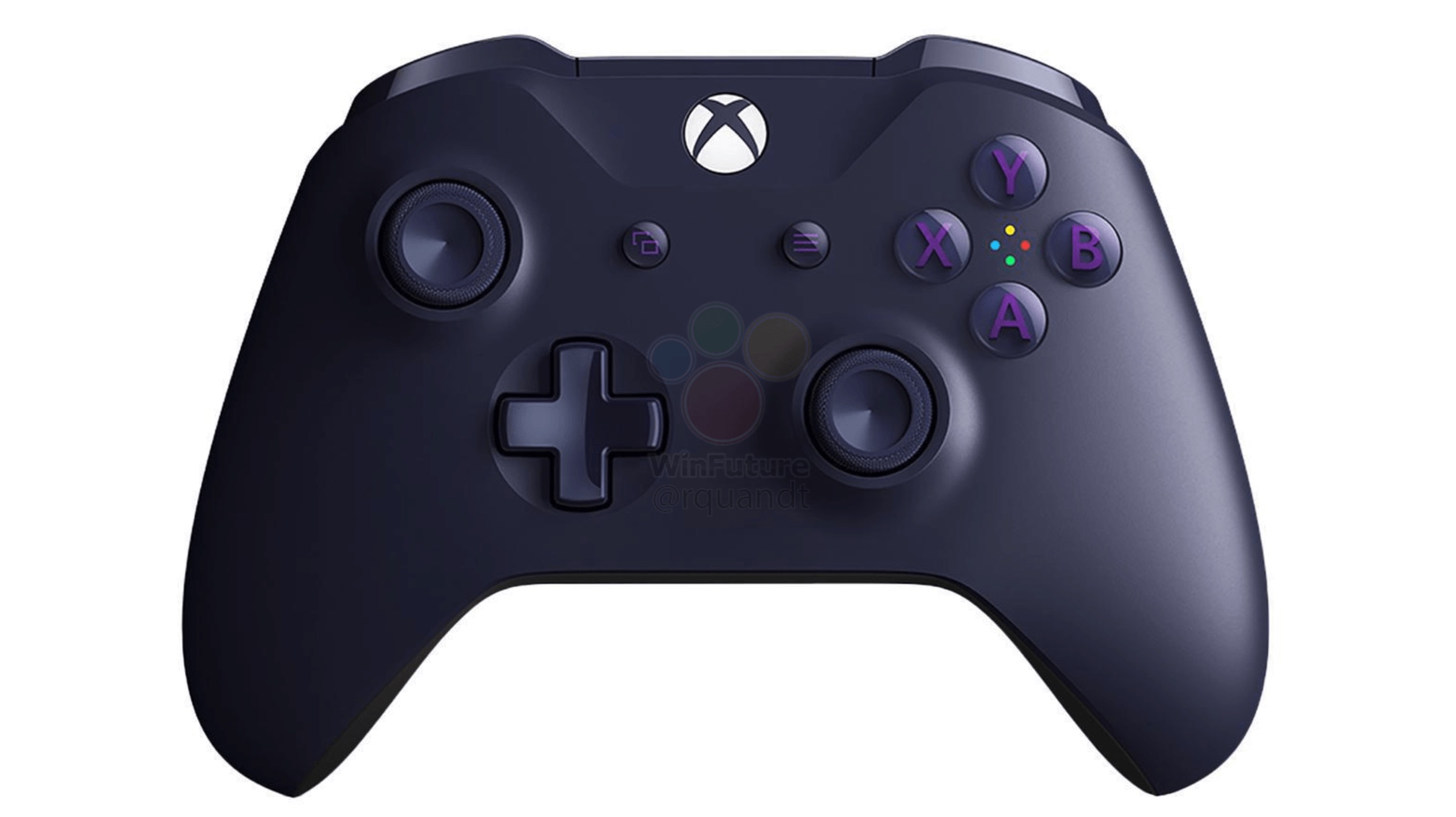
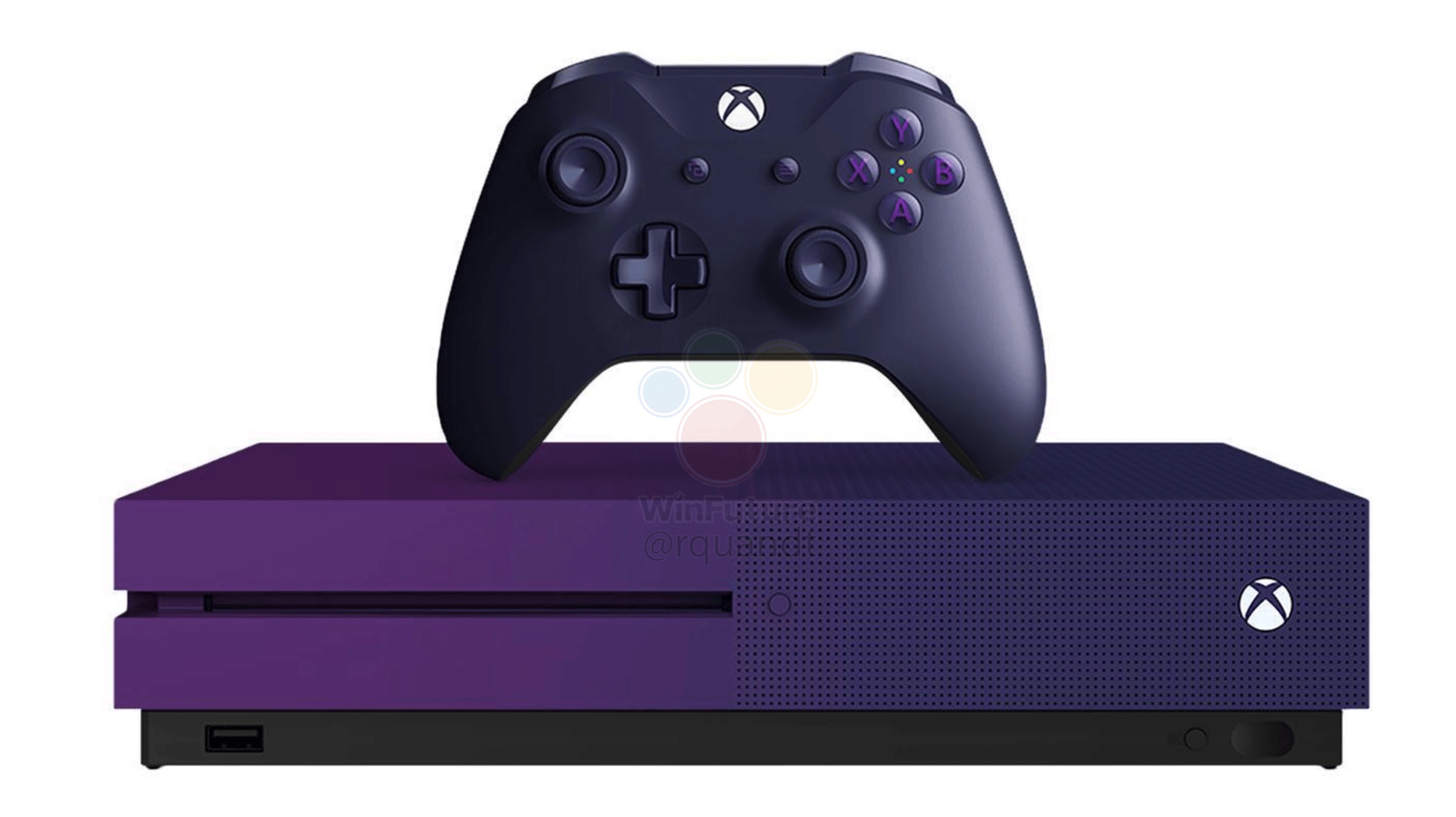
    Microsoft is all set to launch a Fortnite special edition version of its Xbox gaming console. Latest leaks by a tipster on Twitter has revealed the images of the limited edition device. The American technology giant seems to be encashing the current Battle Royale mania by teaming up with Epic Games and launching a Fortnite themed Xbox One S.

    Microsoft Xbox One S Fortnite Edition

    Microsoft Xbox One S Fortnite

    Apart from key visual changes, the basic design of the Xbox One S Fortnite Edition remains the same as the regular version. Instead of the purple and black colour scheme on the existing variant of the console, the limited edition will be available in a purple and black paint scheme. The images showcase a gradient finish on the console which matches the basic colour scheme of the battle royale game Fortnite. Apart from the console, the controller of the device has also been given a design overhaul. The buttons on the Xbox controller feature purple accents; while the colour corresponding to them has been shifted in the centre. Apart from the aforementioned design changes, the Xbox One S Fortnite Edition looks like the regular variant.

    Microsoft Xbox One S Fortnite

    Also read: Facebook To Launch Its Cryptocurrency Named Globalcoin Soon

    On the inside, the Microsoft Xbox One S Fortnite Limited Edition is believed to be bundled with the new Dark Vertex skin in Fortnite; users will also be provided with 2000 V-bucks which is the game’s currency. It may also include a month of Xbox Live Gold, EA’s Access service and the Xbox Game Pass. While the pricing and launch date of the gaming console has not been announced yet; it may be launched at Microsoft’s E3 event on June 9 with an expected price tag of EUR 299 (INR 23,200). The company may also discuss its XCloud service and the next iteration of the gaming console at the event.

  • Facebook To Launch Its Cryptocurrency Named Globalcoin Soon

    Facebook To Launch Its Cryptocurrency Named Globalcoin Soon

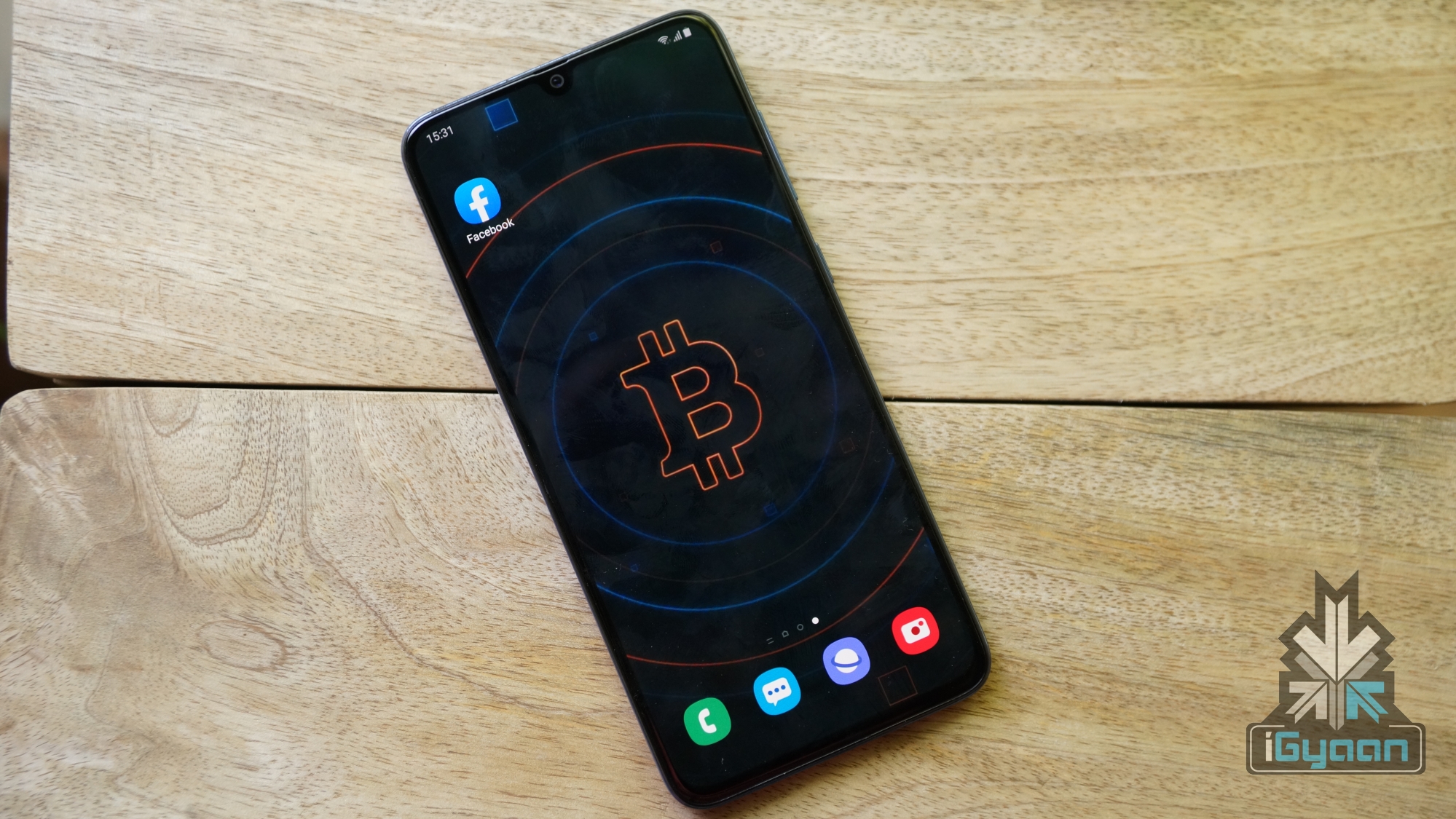
    Social media giant Facebook is planning to introduce its cryptocurrency soon, according to the latest reports. The company is planning to set up a digital payment system in about twelve countries at the beginning of the year 2020. The currency, referred to internally as Globalcoin, may be announced with a changed name by the end of this year when Facebook outlines its plans in more details. To reaffirm the reports, it is claimed the company has already completed the talks with the Bank of England about the risks and opportunities of a cryptocurrency. Facebook is seemingly also in talks with a few money transfer firms; to devise an affordable method for people without a bank account to send money

    How Globalcoin Will Work?

    Facebook Globalcoin

    According to reports, Facebook is looking forward to creating a digital-based currency; able to provide an affordable and secure way of transacting online. Like mentioned previously, the company aims to do the above without the need for the users to have a bank account. The project has been in the works for a while now and was codenamed Libra in the beginning. While it is referred to as Globalcoin internally, do not be surprised if the name is changed when it is announced officially. For the alleged project, Facebook will have to collaborate with various banks; which will allow it to exchange international currencies into Globalcoin.

    Facebook App

    Also read: Huawei No Longer Allowed To Work On The Wi-Fi, USB and SD Cards Standards In The Future

    The major advantage Facebook will have with its currency Globalcoin over its rivals like Bitcoin and Ethereum; is the sheer number of users of its various products. Over 2 billion people have been recorded to use Facebook actively and millions of other audience are hooked to applications like Instagram and WhatsApp. By utilising these platforms and integrating its currency with them, Facebook can have a plethora of users of its currency in a short amount of time.

  • Huawei No Longer Allowed To Work On The Wi-Fi, USB and SD Cards Standards In The Future

    Huawei No Longer Allowed To Work On The Wi-Fi, USB and SD Cards Standards In The Future

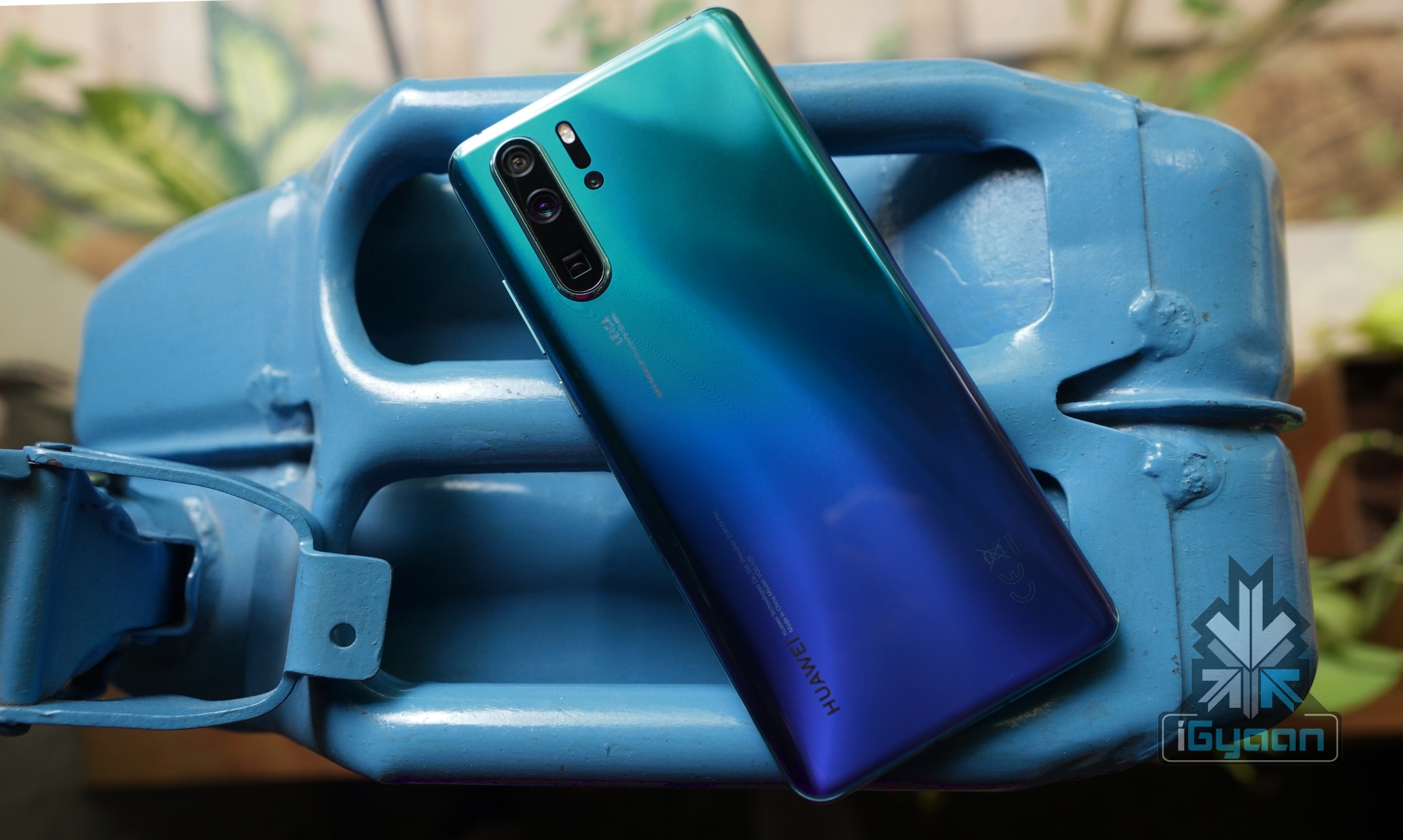
    Chinese telecommunications giant Huawei has seen better days. In the past week, it has seen business ties cut with every American company. Even ARM, the known chipset architecture licensing firm from the UK has suspended business with it. Now, in the latest development, reports claim the Wi-Fi Alliance has “temporarily restricted” Huawei’s membership and the company is also not a member of JEDEC, which sets the standard for semiconductors. Adding another blow to the list, Huawei has also been barred from setting new USB standards and cannot use SD cards in their future devices.

    About this ban

    Huawei Wi-Fi Alliance

    Last week, the government of the United States barred every American company from doing business with Huawei; until granted explicit permission to do so. Since then, companies like Google, Microsoft, Intel and NVIDIA have suspended business relations with the Chinese brand. Like mentioned previously, ARM has also cut any ties with Huawei owing to the former’s “US Based” technology. The latest addition arrives courtesy the Wi-Fi Alliance. It is a consortium that decides the new standards of the wireless technology going forward and it has temporarily restricted Huawei’s membership. The Wi-Fi Alliance, as most companies in the consortium are American, it has chosen to exclude the P30 Pro maker temporarily. This means the company will not be able to decide or have a say in the future of Wi-Fi technology.

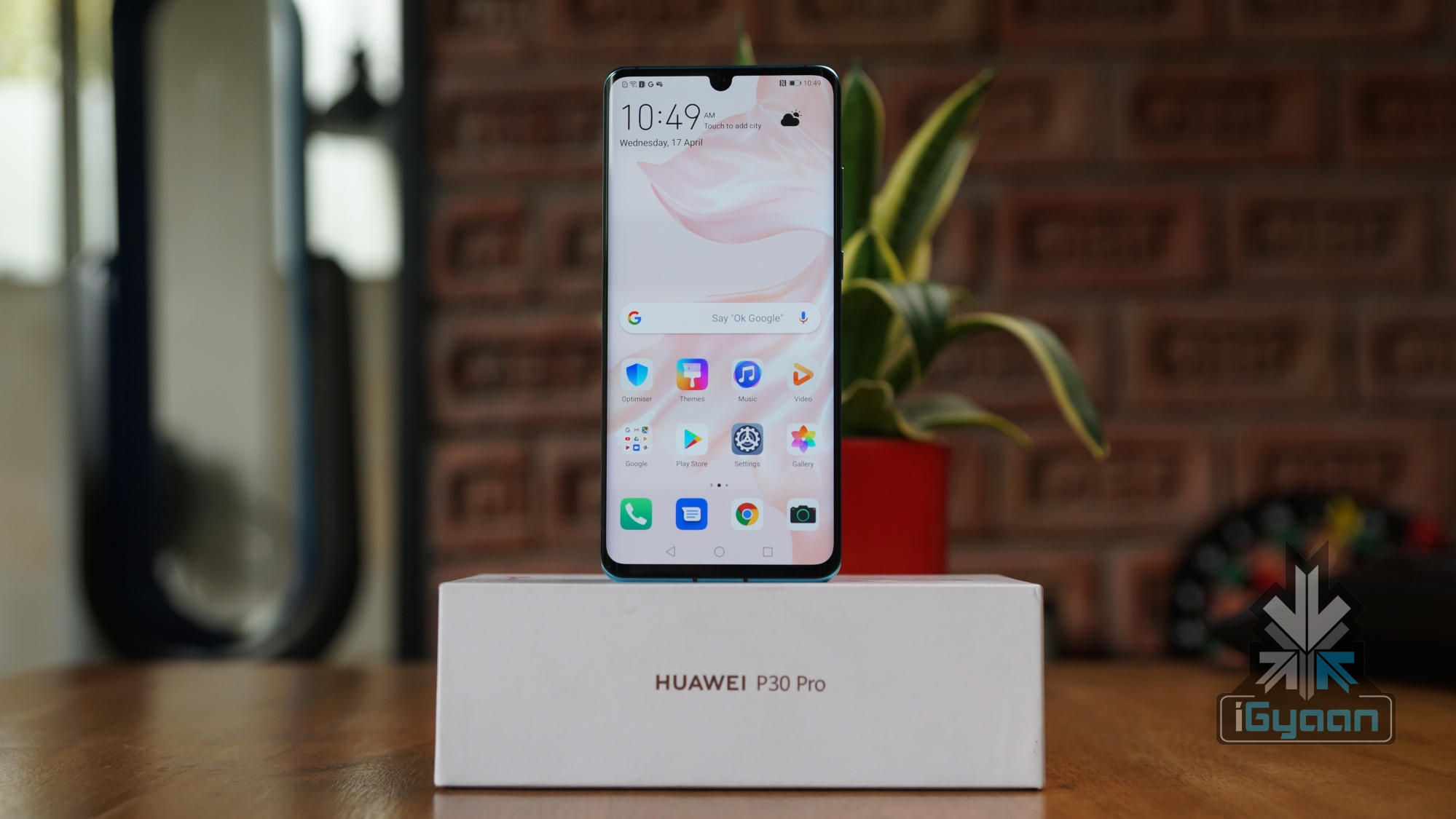
    Huawei P30 Pro
    Huawei P30 Pro

    Also read: Standard Variant Of The Redmi K20 To Feature The Snapdragon 730 SoC

    In other news, Huawei is also no more a member of JEDEC which as mentioned above; is responsible for setting the standards of semiconductor technologies. This again means the company has no say in the development of the standards and technologies involved in future semiconductors. It has also been ousted from the SD card alliance, which implies future Huawei products cannot use SD cards. The last part may not be such a big deal for the company, as it has already been pushing its nano-memory standard since the launch of Mate 20 Pro last year.

  • Samsung’s Deepfake AI Is Capable Of Creating A Convincing Video Out Of A Single Frame

    Samsung’s Deepfake AI Is Capable Of Creating A Convincing Video Out Of A Single Frame

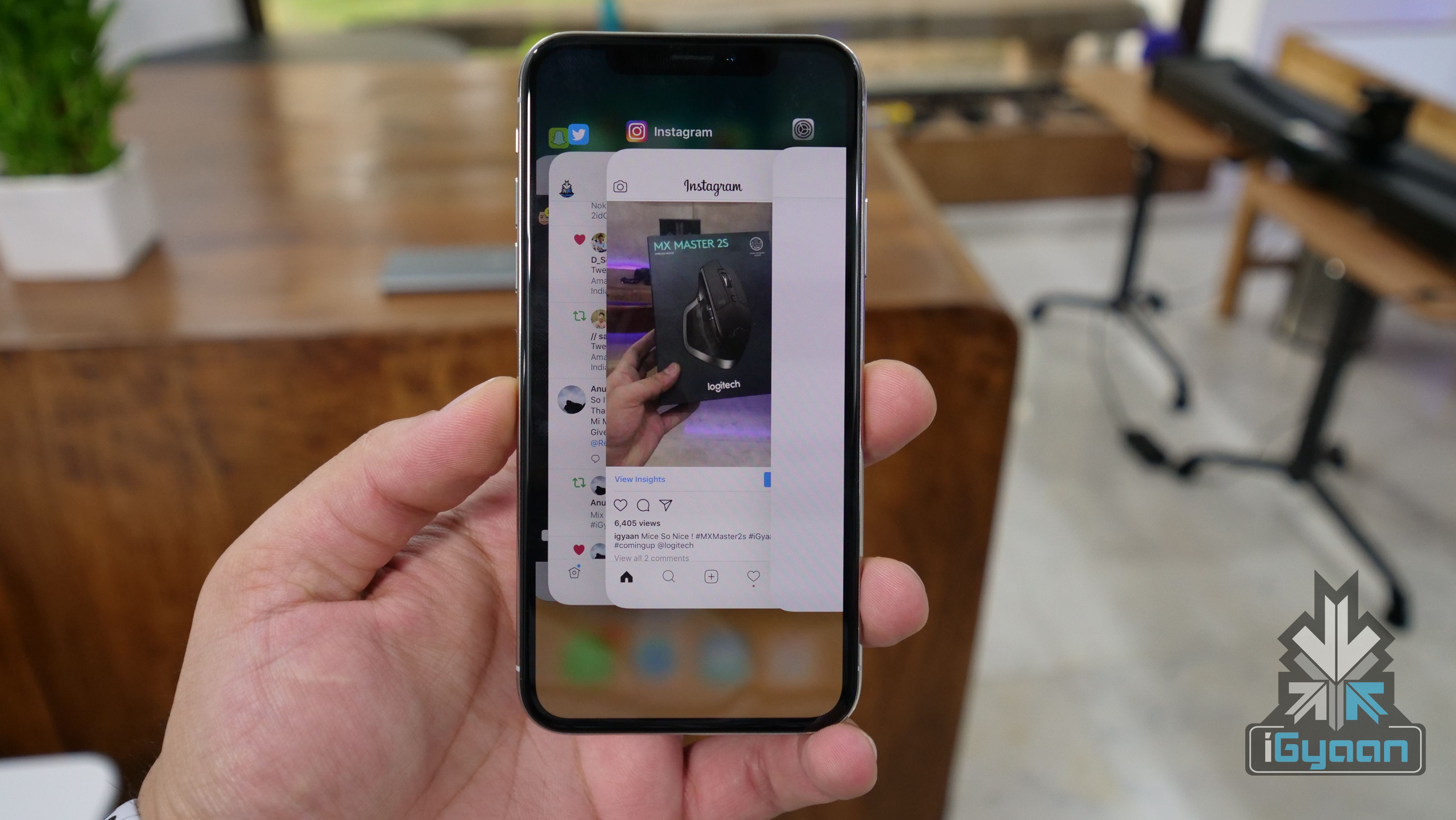
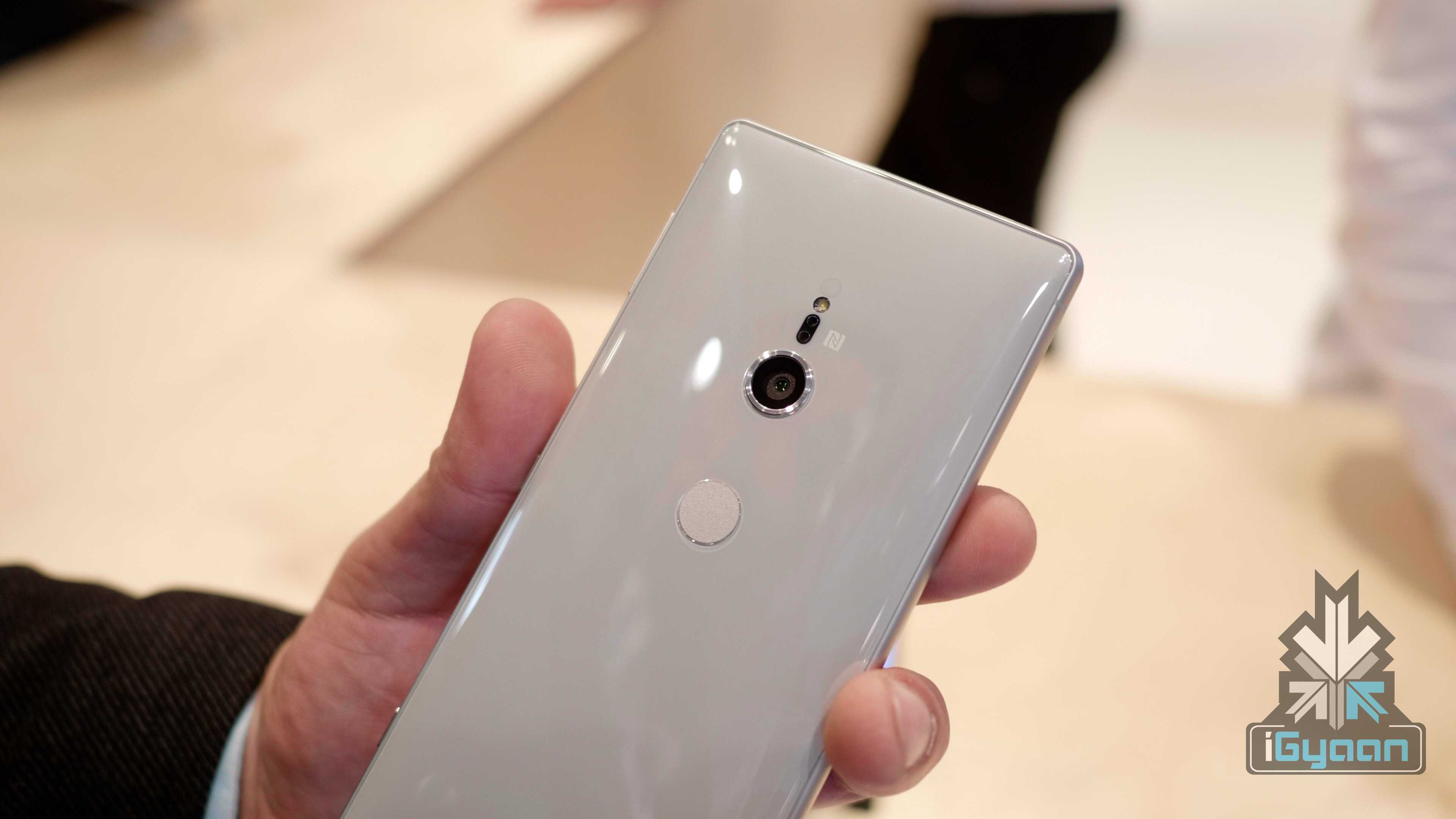
    Artificial Intelligence (AI) is expected to be the next big thing in technology in the near future. The idea of human-made objects able to exist as sentient beings capable of making decisions is both optimistic and terrifying at the same time. In a development bordering between the aforementioned emotions; Researchers at the Samsung AI Centre in Moscow, Russia have developed a Deepfake algorithm that can create a video out of a single image. These “Living portraits” as they are called have been tested on some famous historical images and the results are well, surprisingly great.

    Samsung Deepfake AI

    As mentioned previously, Samsung has developed and had (kind of) successfully tested the algorithm. In a video shared on YouTube, the AI can be seen in action. The researchers refer to this process as few/one-shot learning. In this process, a model can be trained by using only an image to chart out a convincing animated portrait shot. While this works with a single image, using more images, up to 32 improves the results even more. This process of superimposing existing images and videos onto source images or videos using a machine learning technique is generally known as Deepfakes. This has been an avid problem on the internet today which is credited to the rise of fake news.
    Samsung Deepfake AI

    Also read: LEGO’s New Team-Battle RPG Announced By Gameloft For iOS And Android

    These realistically talking head models are generated using a convolutional neural network. By training the algorithm on a large dataset of talking head videos with a variety of appearances. The Samsung researchers have been reported to have used more than 7,000 publically available images from YouTube videos. This technique generated Deepfakes of historical personalities such as famous scientist Albert Einstein, Painter Salvador Dali and the mysterious woman from the Mona Lisa portrait of Leonardo Da Vinci. And while there are a few anomalies that give away the obviously fake nature of the video, it is an example of how far the technology can go. In the meanwhile, we will just leave this GIF of expressive Mona Lisa for you to ponder.

  • Xiaomi Redmi 7A Announced With Snapdragon 439 SoC

    Xiaomi Redmi 7A Announced With Snapdragon 439 SoC

    Redmi, a subsidiary of Chinese smartphone maker Xiaomi has announced its latest budget smartphone in its home country on the 24th of May. Called the Redmi 7A, the device is the successor to the Redmi 6A launched last year. Notably, the latest handset was leaked a few days ago on certification website TENNA and boasts of competitive specifications at a lucrative price.

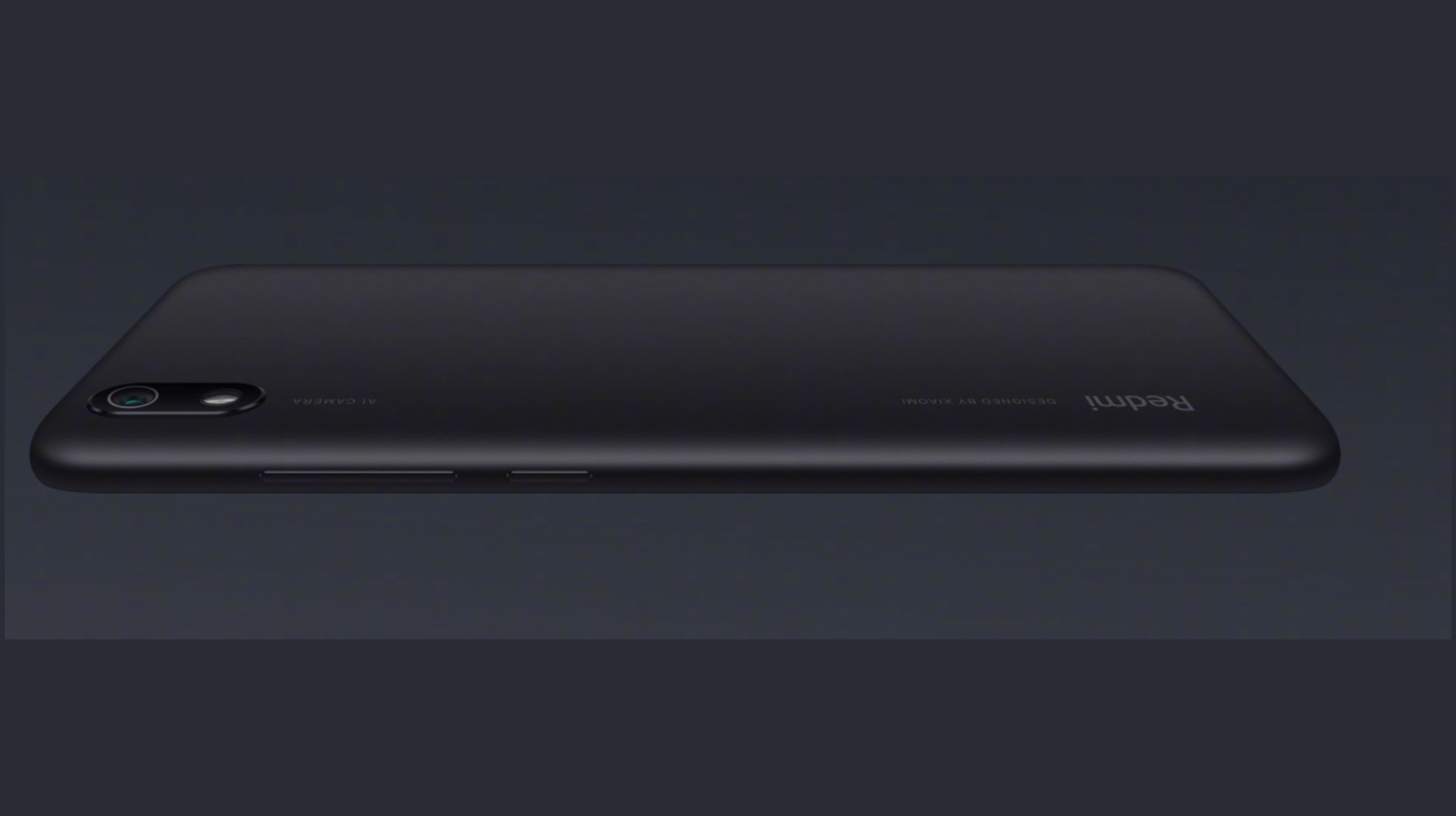
    Redmi 7A

    As mentioned previously, the Redmi 7A is the latest budget offering from the company. It measures 146.30 × 70.41 × 9.55mm, weighs 150g and has a polycarbonate construction with a similar design to its predecessor. It has a 5.45 inch LCD display with a resolution of 1440 x 720 px and an aspect ratio of 18:9. There are significant bezels on the top and bottom of the device with the company branding at the chin. As it is a budget device, it lacks any form of biometric security like a fingerprint scanner; and users will have to rely on conventional unlocking methods such as numerical pins, patterns and passwords to access the smartphone

    The Redmi 7 runs on the 12nm Snapdragon 439 SoC which is also seen in the Nokia 4.2 (Review). The chipset is comprised of an Octa-core CPU and the Adreno 505 GPU. In terms of optics, the smartphone has a single 13MP rear camera with LED flash. For selfies, a 5MP front-facing camera is also present on the handset. For memory and storage, the handset will be available in the following variants.

    • 2GB RAM and 16GB ROM
    • 3GB RAM and 32GB ROM

    Redmi 7A

    The Redmi 7A will be powered by a 4000 mAh battery with support for 10W wired charging. Furthermore, the handset has a triple card slot which supports two SIM cards; and a separate microSD card of up to 256GB in capacity. It has a hydrophobic P2i coating which should make it resistant to a degree of liquid splashes. The device runs on MIUI 10 on top of the current Android 9 Pie.

    Pricing & Availability

    Redmi 7A

    Also read: Samsung Galaxy M Series To Receive Android 9 Pie Based OneUI Update Next Month

    While Xiaomi has officially announced the Redmi 7A in China, the pricing of the smartphone will be revealed on the 28th of May. Unfortunately, the company has not provided any information on when it will launch in India but it is expected to be introduced soon at a starting price of Rs. 5,999.

  • Samsung Galaxy M Series To Receive Android 9 Pie Based OneUI Update Next Month

    Samsung Galaxy M Series To Receive Android 9 Pie Based OneUI Update Next Month

    Samsung introduced a new lineup of online exclusive smartphones called the Galaxy M back in the month of January, replacing the On series. The devices launched in the beginning included the Galaxy M10 and Galaxy M20 which were soon followed by the launch of the Galaxy M30 in the month of February. The series represented a shift in strategy for the company; and was announced in a bid to compete with the ever-increasing presence and popularity of Chinese smartphone OEMs such as Xiaomi, Honor and Realme. However, all the devices in the Galaxy M lineup run on the slightly dated Android 8 Oreo and the company’s ExperienceUI on top. Now, Samsung has announced all the handsets in the series will receive the OneUI update running on the latest Android 9 Pie soon.

    OneUI: What Has Changed?
    Android Pie Based OneUI
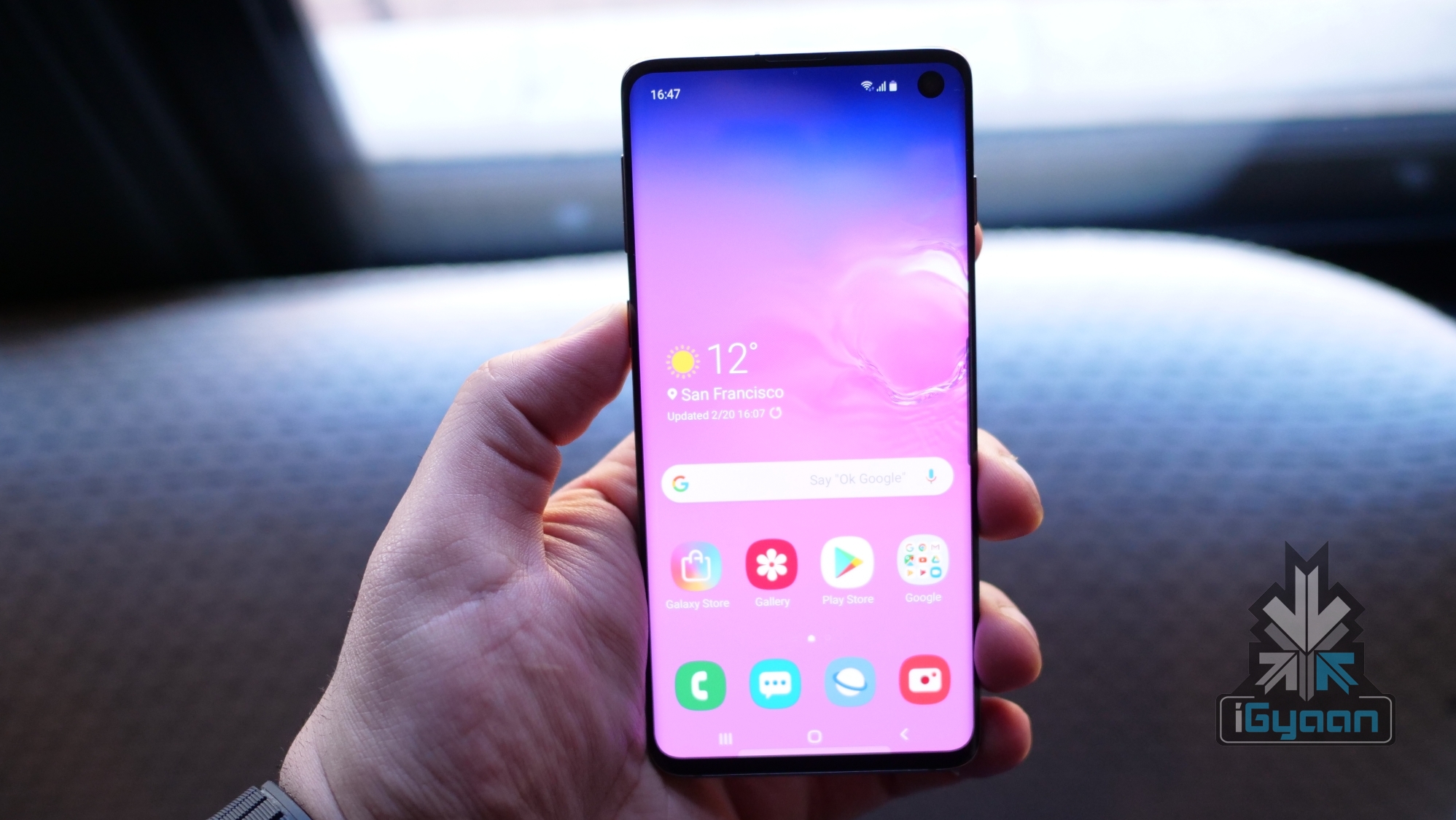
    OneUI On The Galaxy S10

    Samsung first introduced its latest OneUI software in the month of November last year. It introduces a complete design overhaul for the User Interface (UI) the company will provide with the Android 9 Pie update on its smartphones. Key features of the OneUI include improved one hand navigation by placing major information in the bottom half of the display. The software also introduces Dark Mode, a feature that has been requested by users for a while now. When activated, it turns certain areas of the UI black in colour, which is easier on the eyes at night; and also gives an aesthetically different look to the software. Other features include bigger, and more streamlined icon designs and a cut down on the bloatware shipped with the smartphone.

    Android Pie On Galaxy M Series
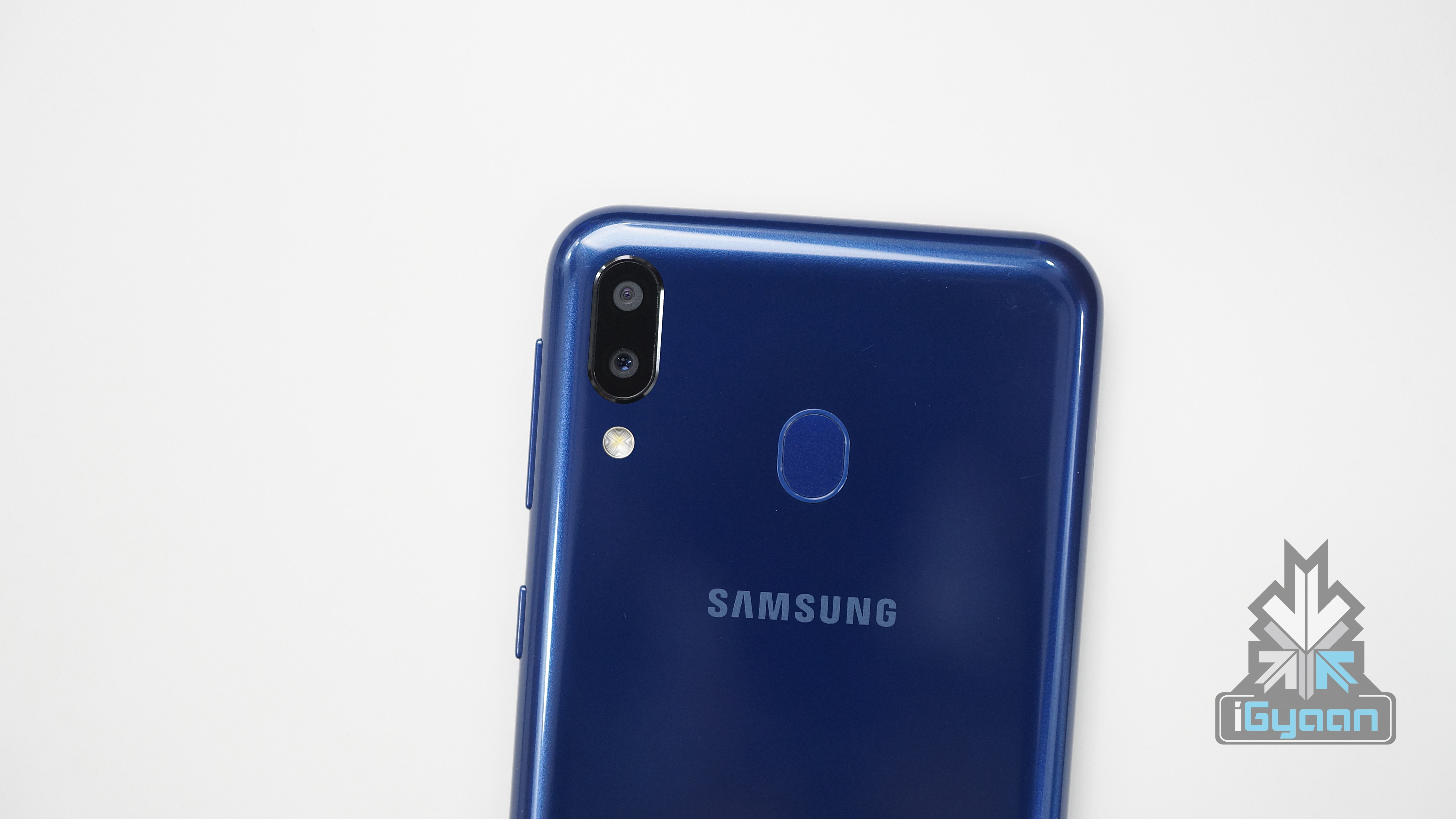
    Samsung Galaxy M20
    Galaxy M20

    Also read: OnePlus 7 Pro Camera May Not Have A True 3x Optical Zoom

    Like mentioned previously, Samsung has announced that the Android Pie based OneUI update; will be received by all the smartphones in the Galaxy M lineup. It will be an Over The Air (OTA) update so users will get a notification as soon as it is available for their devices. According to the company, installing OneUI on the Galaxy M handsets should see an improvement in their performance, which is appreciated. The rollout for the Android Pie update for the smartphones will begin on the 3rd of June 2019.

  • SpaceX Successfully Launches 60 Satellites In The Starlink Project For Global Internet

    SpaceX Successfully Launches 60 Satellites In The Starlink Project For Global Internet

    American aerospace manufacturer and space transportation services company SpaceX has successfully launched 60 satellites in the Starlink project on the 23rd of May. This initiative aims at installing almost twelve thousand satellites to deliver latency free, fast internet anywhere in the world. The latest mission was the first in the many launches that are scheduled for the better part of the next six years.

    What Is Starlink?

    SpaceX Starlink

    As mentioned above, the ultimate goal of the Starlink project by SpaceX is to launch and install twelve thousand satellites into the lower orbit of the earth; in an attempt to deliver fast internet to even the most remote places in the world. In this initiative, one batch of 4,409 satellites will be placed between 550kms and 1,325 km from Earth’s surface; while the second batch of 7,518 satellites will orbit the planet at a height between 335km to 346km from the surface. When taking a count, that amounts to a total of 11,927 satellites orbiting the Earth in an attempt to deliver fast internet. The company plans to launch the aforementioned satellites by the year 2024.

    SpaceX Starlink
    The sixty satellites stacked together

    The Federal Communications Commission (FCC) of the United States; a certification body has granted SpaceX the necessary permission to launch the Satellite constellation into space. Notably, the company launched two test satellites in the mission in the year 2018. These were called TinTin A and TinTin B and laid the foundation for the current mission.

    Also read: Google Is Reimbursing Pixel 1 Owners In The US, But What About India?

    While the idea behind Starlink; a global coverage of the Internet to even the remotest areas seems philanthropic, the truth is more easy on the eyes. SpaceX CEO Elon Musk has said the mission is important because Starlink will be a revenue generator for the company. With the money made from the project, the company claims it will be able to fund and develop more advanced space exploration project. This may include SpaceX’s plan to send a human to Mars within a decade.

  • Eleven New Apple iPhone Models Listed Online On The EEC Database

    Eleven New Apple iPhone Models Listed Online On The EEC Database

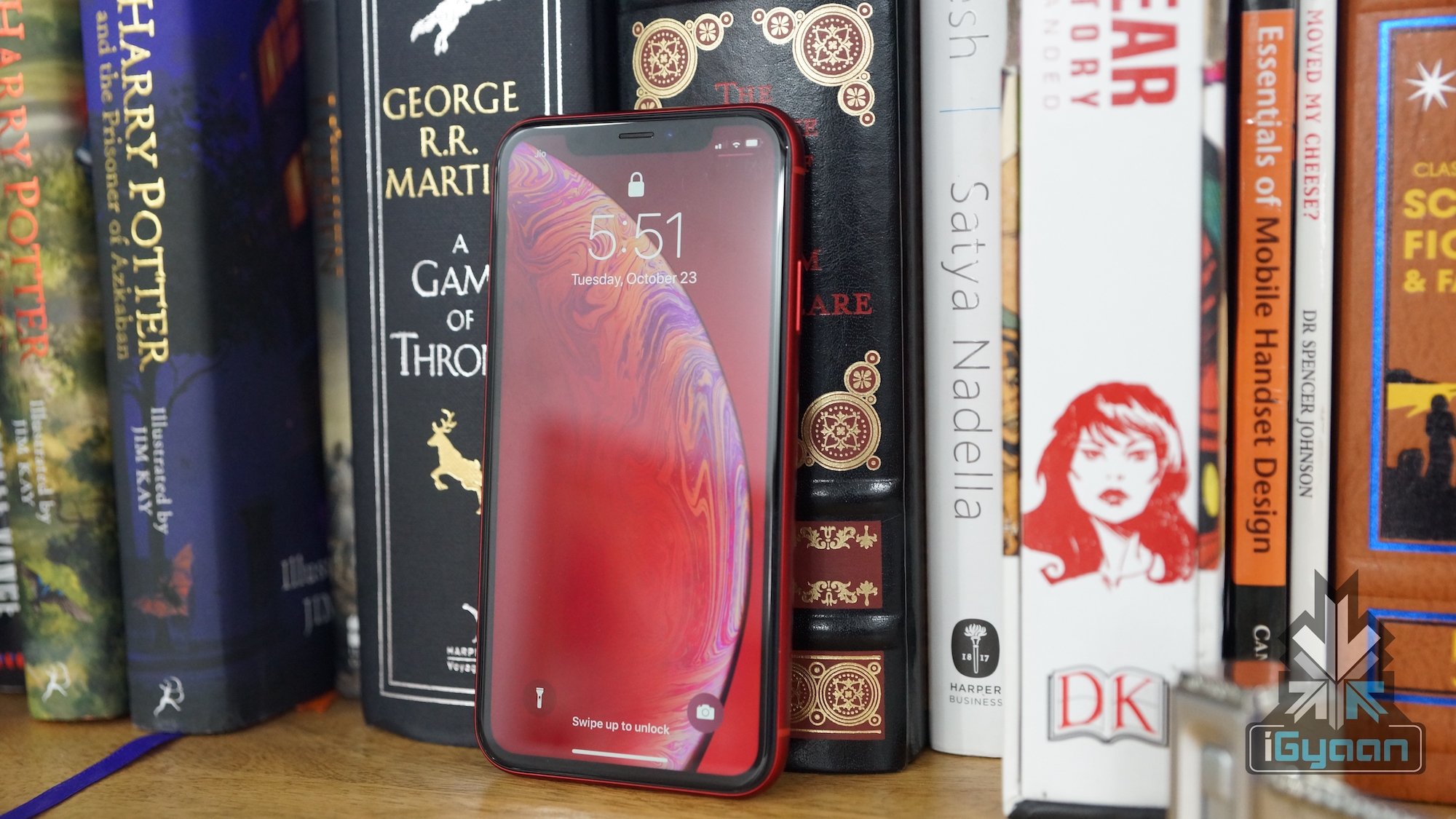
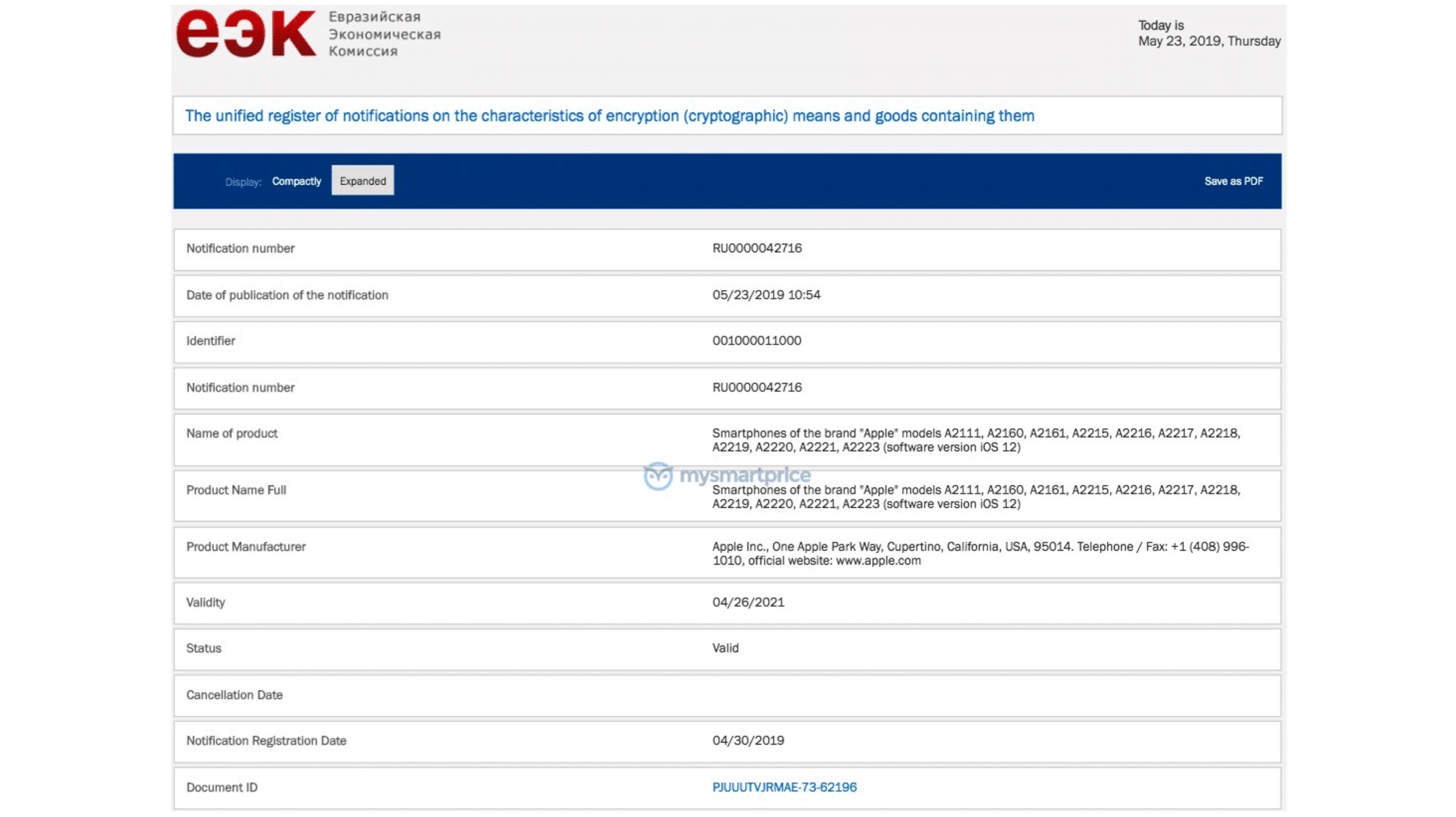
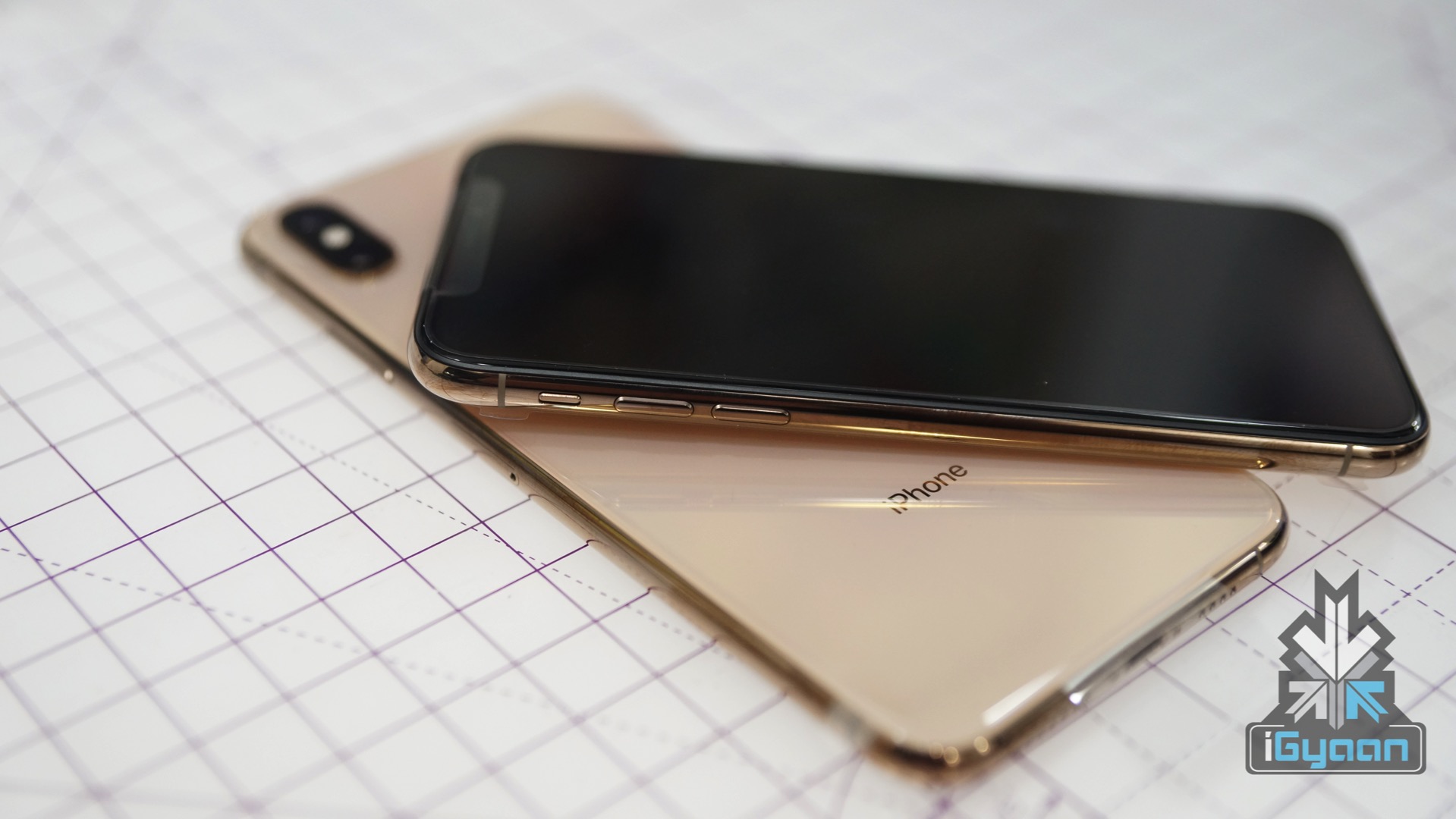
    American technology giant Apple is expected to unveil three new iPhone models in the month of September this year. These smartphones will be the successor of the iPhone XS, XS Max and the iPhone XR launched last year. In the latest leak, the database of the Eurasian Economic Commission (EEC) has listed eleven models numbers of Apple’s unreleased iPhones. While the eleven models from Apple may seem like a distant dream for enthusiasts, this may be nothing more than three models with region-specific model numbers.

    About The Leak

    Apple iPhone 2019 model numbers

    The EEC has listed multiple, eleven to be precise models of new iPhones in its database on the 23rd of May. It reveals the upcoming devices run on the iOS 12 which was released last year, and the handsets at the time of their launch will run on the rumoured iOS 13 out of the box. The model number added to the EEC database include A2111, A2160, A2161, A2215, A2216, A2217, A2218, A2219, A2220, A2221, and A2223. As the previous generation of iPhones had the model number in the A210X series, the aforementioned numbers most likely belong to their successors. Unfortunately, more details about the smartphones are not known yet.

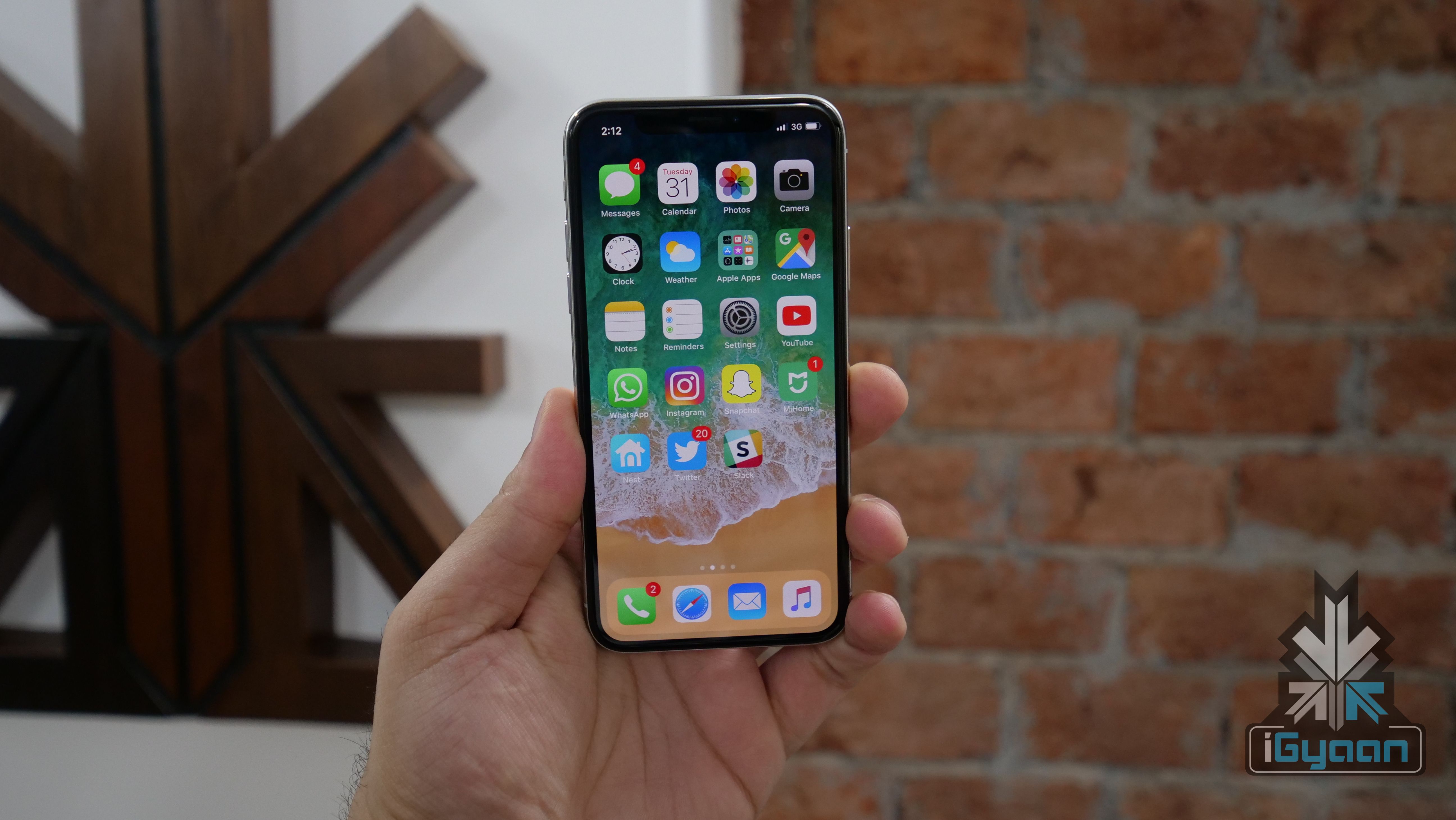
    2018 Apple iPhone

    Also read: Windows 10 Plagued With Zero-Day Vulnerability With May Update

    The 2019 iPhone models are expected to be a significant update over their predecessors. Previous leaks have revealed the smartphones will use a new camera module. This will house a triple camera setup on the two premium handsets and a dual camera setup on the more affordable of the three. Other features reported are a faster FaceID system for face unlock, a new A13 SoC based on the 7nm fabrication process. The latest leak also revealed the iPhone XR successor will be offered in two new colour variants, namely Lavender and Green instead of Coral and Blue on last years model. As mentioned above, Apple is likely to launch the smartphones in the month of September like it does every year.

  • Asus Patents A Smartphone With An Innovative Dual Slider Mechanism

    Asus Patents A Smartphone With An Innovative Dual Slider Mechanism

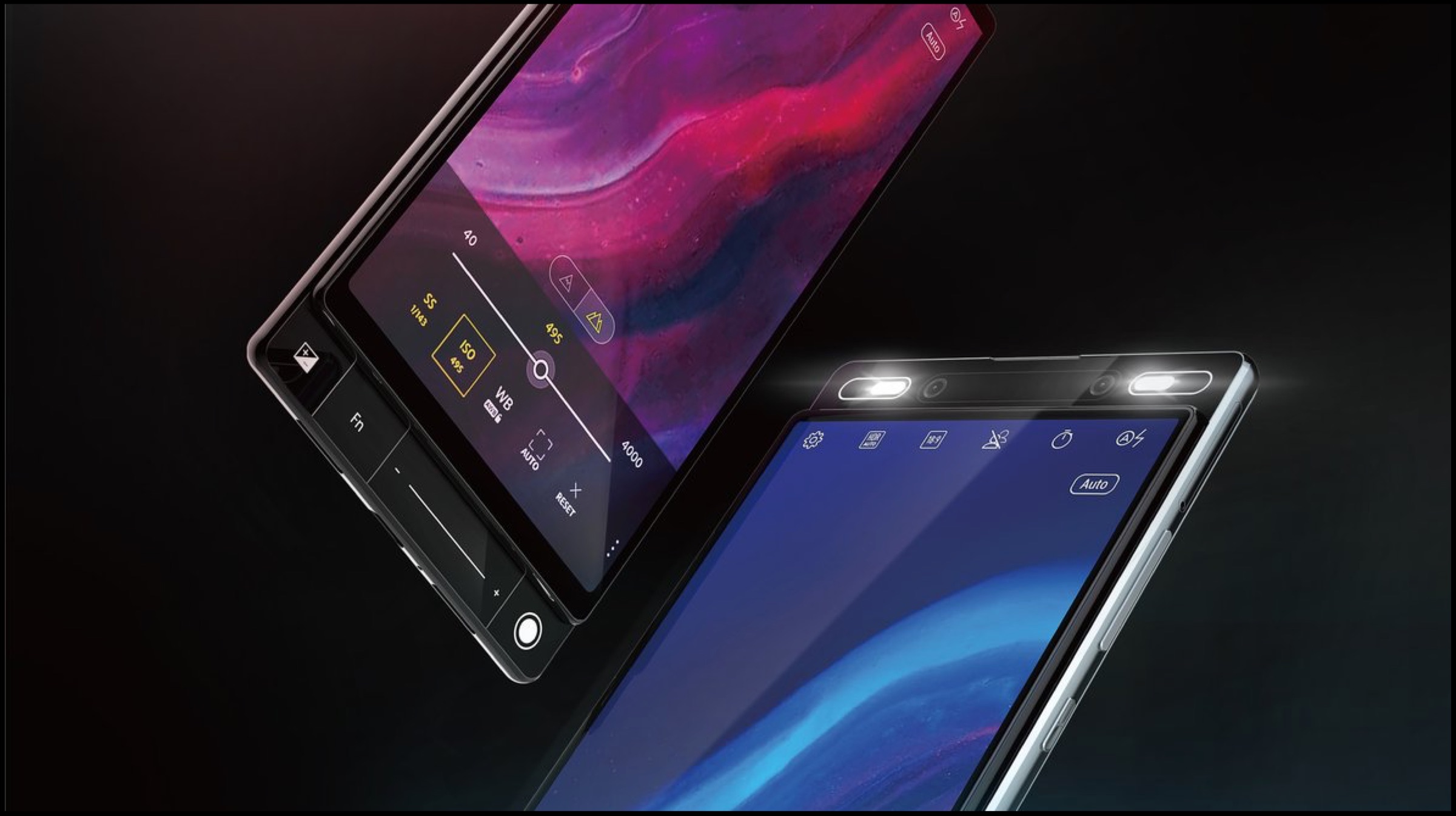
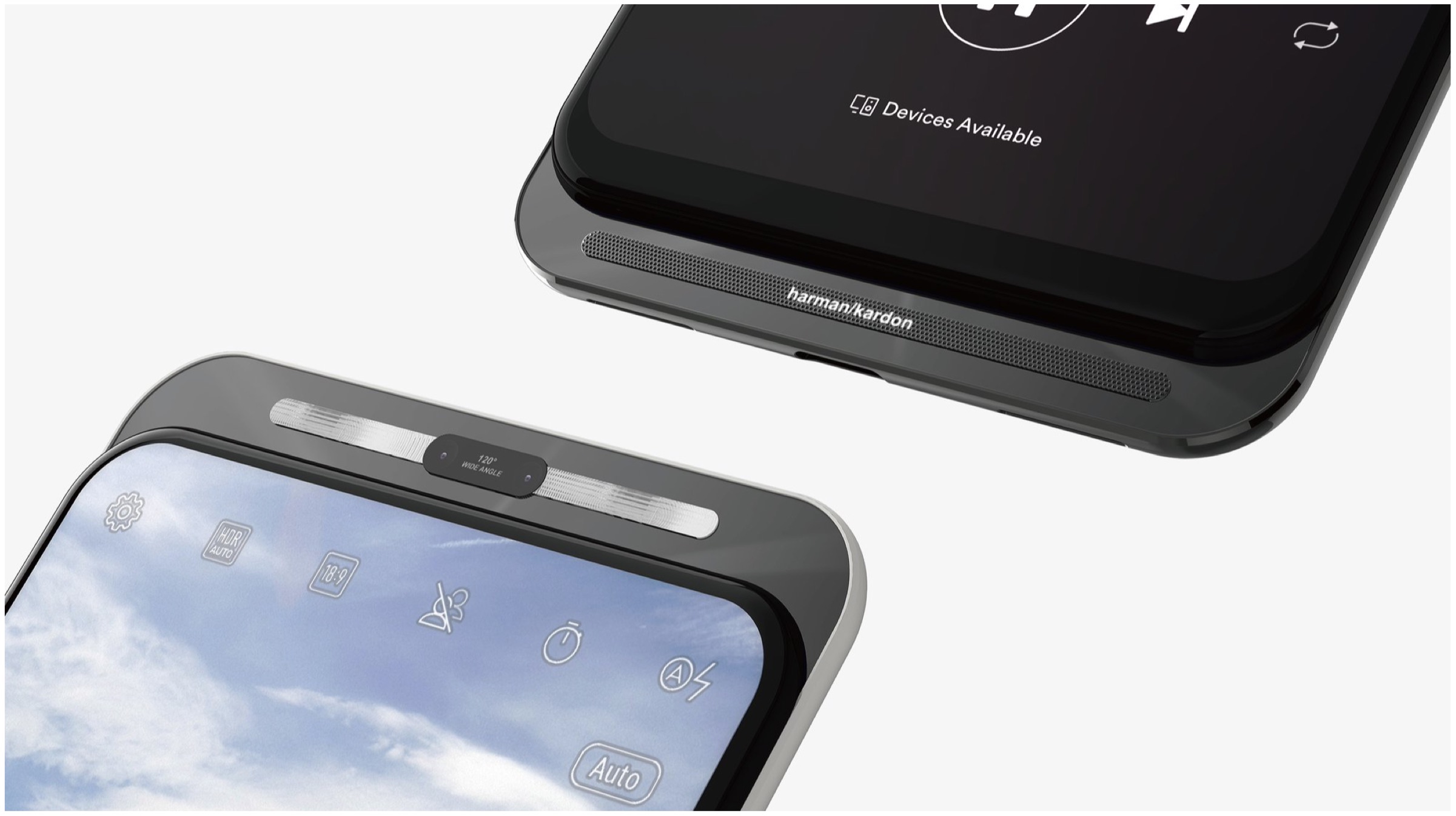
    Asus launched its latest flagship smartphone, the ZenFone 6 at an event in Valencia, Spain on the 16th of May. The device features a flip camera mechanism to maximise its screen real estate. Now, according to a patent filed by the company, it is revealed that Asus has another unique way of attaining a bezel-less design. Images in the listing showcase a smartphone with a dual slider mechanism.

    Asus Dual Slider Smartphone

    Asus Dual Slider Smartphone

    The design patent filed by Asus was published on the 21st of May; on the Global Design Database of the World Intellectual Property Office (WIPO). Images in the listing reveal a total of ten design patents, all of which have a near bezel-less, fullscreen design with the same back panel for all models. The smartphones have a dual rear and dual front-facing camera, the placement of the latter is different in all the variants. Interestingly, the design exhibit a slider mechanism to hide the front-facing camera and the bottom mounted speakers. It is reminiscent of the mechanism implemented on devices like the Honor Magic 2 and Xiaomi Mi MIX 3. However, those handsets only use a top sliding mechanism instead of the dual slider showcased in the Asus patent.

    Also read: Fujifilm GFX100 Mirrorless Camera With A 102 MP Sensor Launched

    The aforementioned dual slider design is reported to have quite a lot of merits over the traditional smartphone design. It was also revealed in renders by the gadget tipster Evan Blass last month. While the top part of the slider is capable of housing the front-facing cameras, the bottom one can be used to install a speaker. This would ensure a good selfie camera and audio quality while maintaining the high screen to body ratio. Unfortunately, it is not known when Asus will release a device with a dual slider mechanism; but the increased intensity of leaks and patents filed by the company insinuate it may be announced soon.

  • Fujifilm GFX100 Mirrorless Camera With A 102 MP Sensor Launched

    Fujifilm GFX100 Mirrorless Camera With A 102 MP Sensor Launched

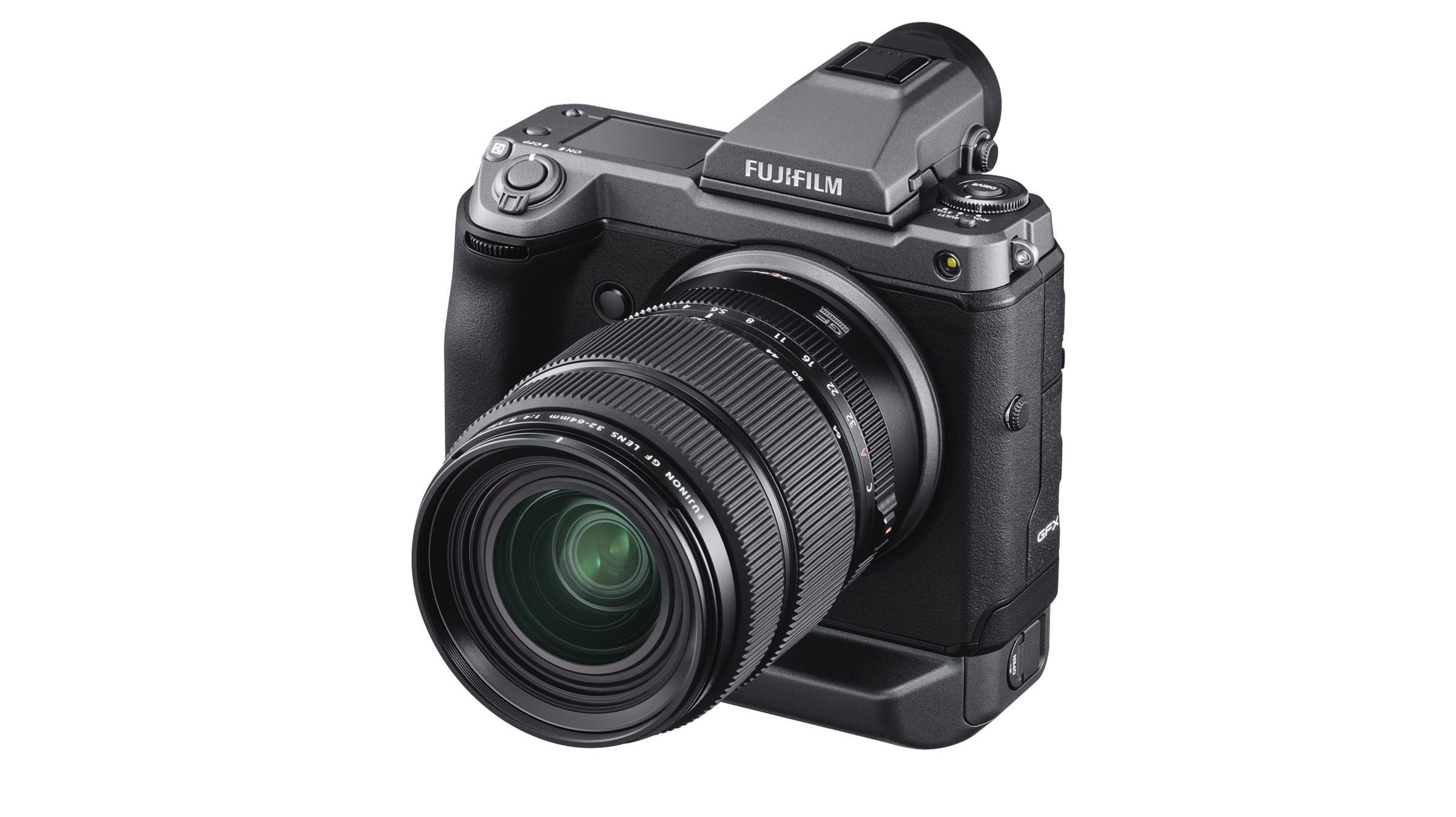
    Japanese imaging and photography giant Fujifilm has announced its latest mirrorless camera. Called the GFX100, it features a whopping 102 MP resolution sensor and is the first camera in a world to feature such a high-resolution sensor. While it was in development for quite a while now, the company has finally announced in a press release that it is ready to go on sale soon.

    Fujifilm GFX100

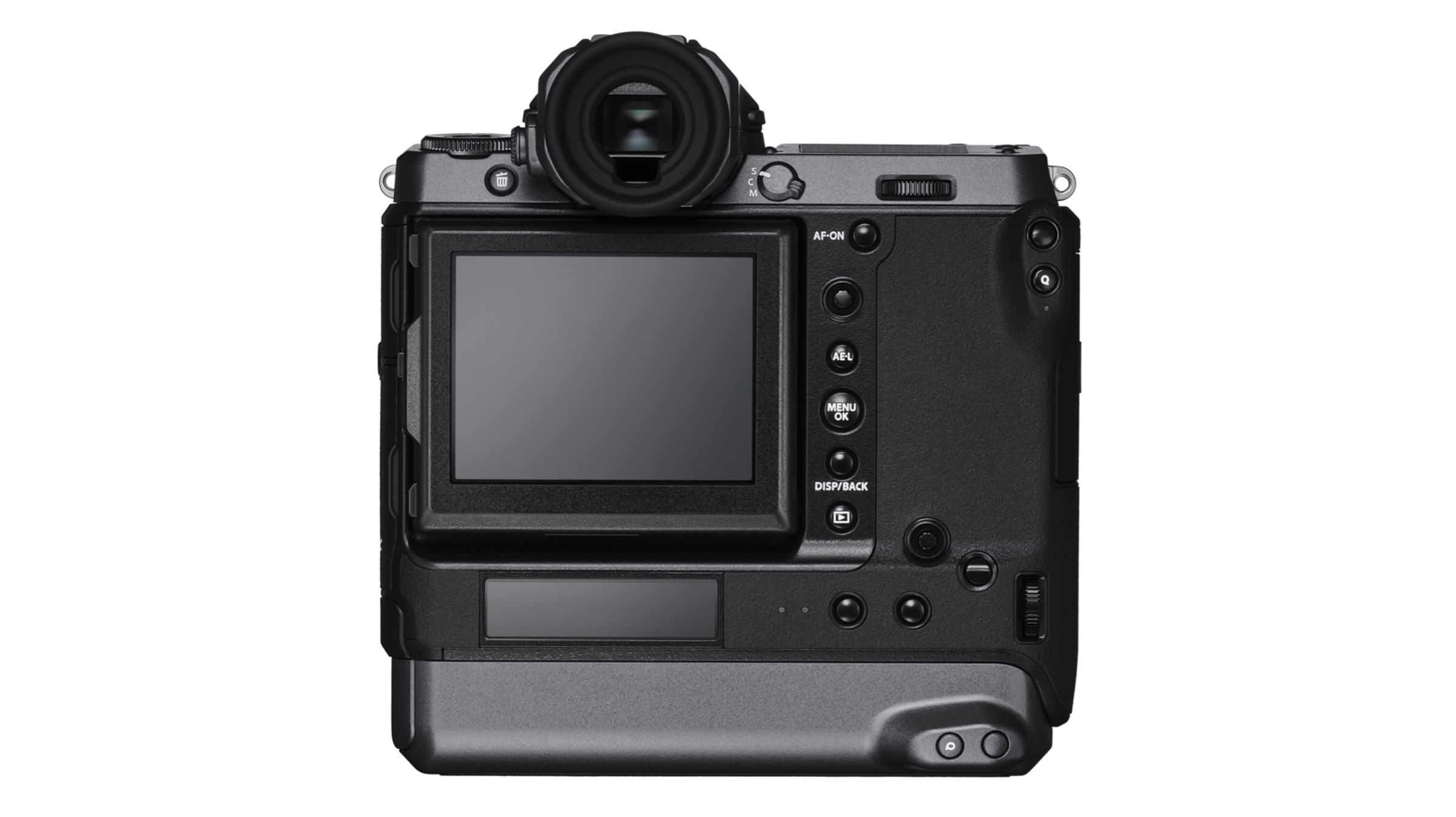
    As mentioned previously, the Fujifilm GFX100 is the world’s first commercially available mirrorless camera to feature a 102 MP sensor. In terms of design, it has magnesium allow body which the company claims is robust and weather sealed. It weighs 1400g including the two batteries, memory card and the electronic viewfinder; and has an equivalent form factor to that of a regular DSLR camera with a 35mm full-frame sensor. It has a tilting rear touch LCD display which measures 3.2 inches. There is also a 2.05-inch sub monitor which can display necessary information like exposure and shot controls. The focal plane shutter on the top of the camera has inbuilt springs that are claimed to reduce shutter shock which generally results in blurry images.

    Fujifilm GFX100


    Also read: US Researchers Produce Fuel By The Process Of Artificial Photosynthesis

    The Fujifilm GFX100 is capable of capturing detailed, 16-bit RAW and 16-bit TIFF images with available filters like Velvia, Eterna Cinema and Monochrome. It also has a new “Smooth Skin Effect” which saves time for post-processing by flattening the portrait shots. The camera can capture 4k videos at 30fps and features five-axis image stabilisation for smoother handheld footage. In terms of battery, it can accommodate two GFX series batteries; which extend the number of frames captured per charge to 800 when rear LCD is in use. In terms of pricing and availability, the Fujifilm GFX100 will go on sale starting the 27th of June; and will cost a hefty US$ 10,000 (Rs. 6,97,000) for potential buyers.

  • Samsung Galaxy A10e Gets FCC Certification, Launch Imminent

    Samsung Galaxy A10e Gets FCC Certification, Launch Imminent

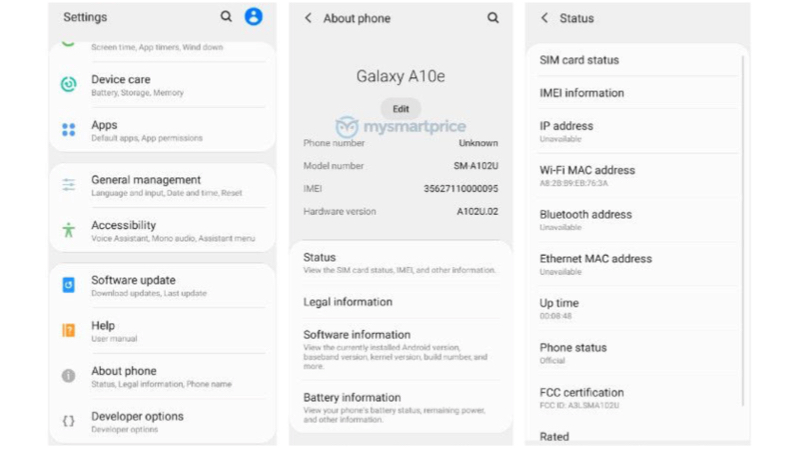
    Korean technology giant Samsung launched the current smartphones in the Galaxy A lineup back in the month of February. These devices include the Galaxy A10, Galaxy A30 and Galaxy A50. The aforementioned handsets represented a change in strategy by the company to counter the ever-expanding stronghold of Chinese OEMs like Xiaomi, Honor and Realme in the Indian smartphone market. Now, according to reports, Samsung is planning to launch a new device in the lineup. A handset, purported to be the Galaxy A10e has passed the Federal Communications Commission (FCC) which suggests its announcement is imminent.

    Galaxy A10e

    Samsung Galaxy A10e

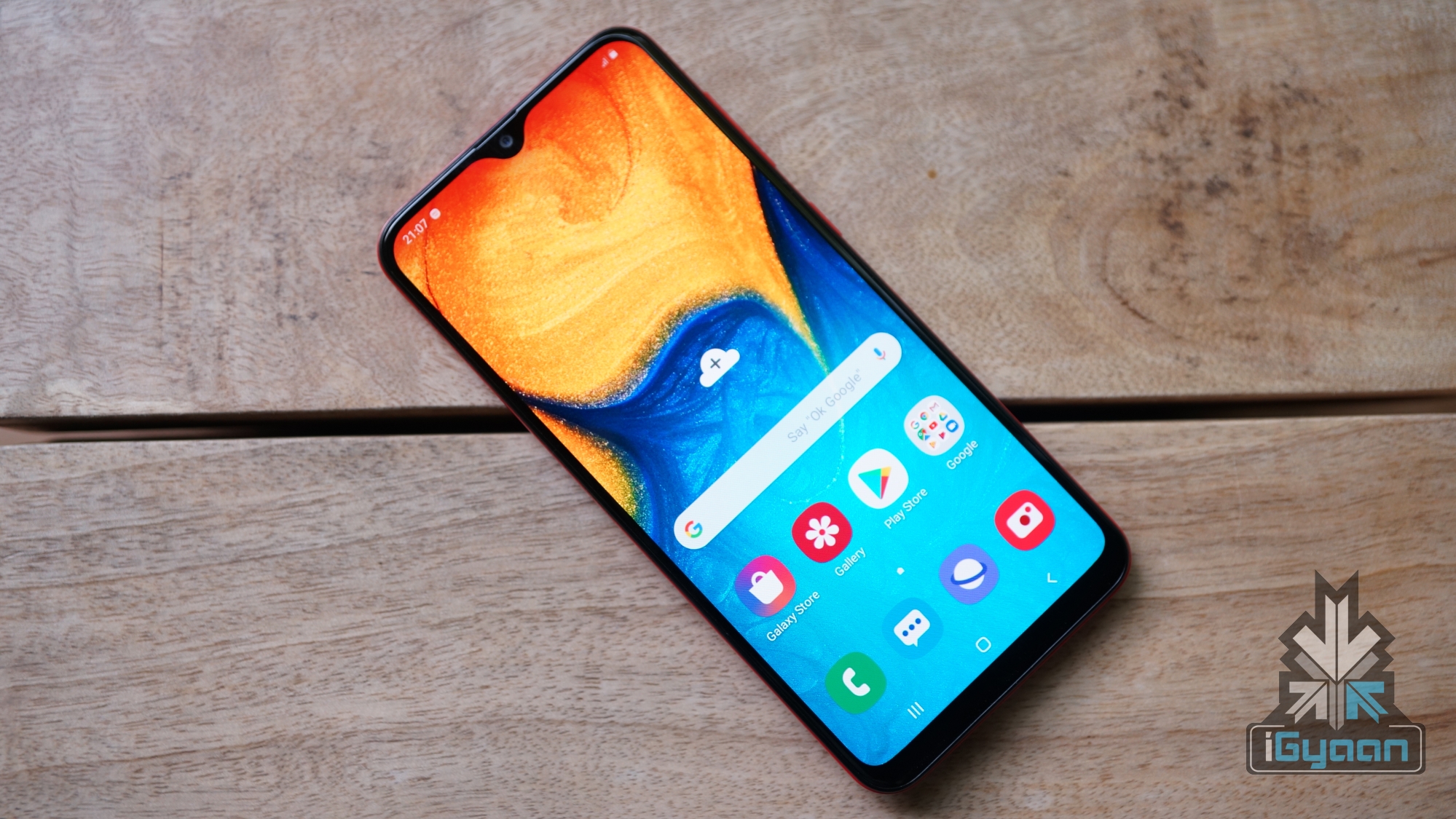
    The Galaxy A10e will be the latest budget offering from Samsung. The model number of the device in the FCC filings has been revealed to be SM-102U. Since the Galaxy A10 has the model number SM-105F and SM-105G, the Galaxy A10e is expected to be watered down variant of the previously launched handset. Reports claim the upcoming device will be powered by a 3000 mAh battery which is considerably smaller than the 3400 mAh cell found in its sibling. It has been leaked to run on the MediaTek Helio P22 SoC. The chipset is comprised of an Octa-core CPU and the IMG PowerVR GE8320 GPU. For memory and storage, the Galaxy A10e might have 2GB of RAM on board.

    Samsung Galaxy A20

    Also read: Apple Sends Out Invites For WWDC 2019, iOS 13 To Be Unveiled On June 3

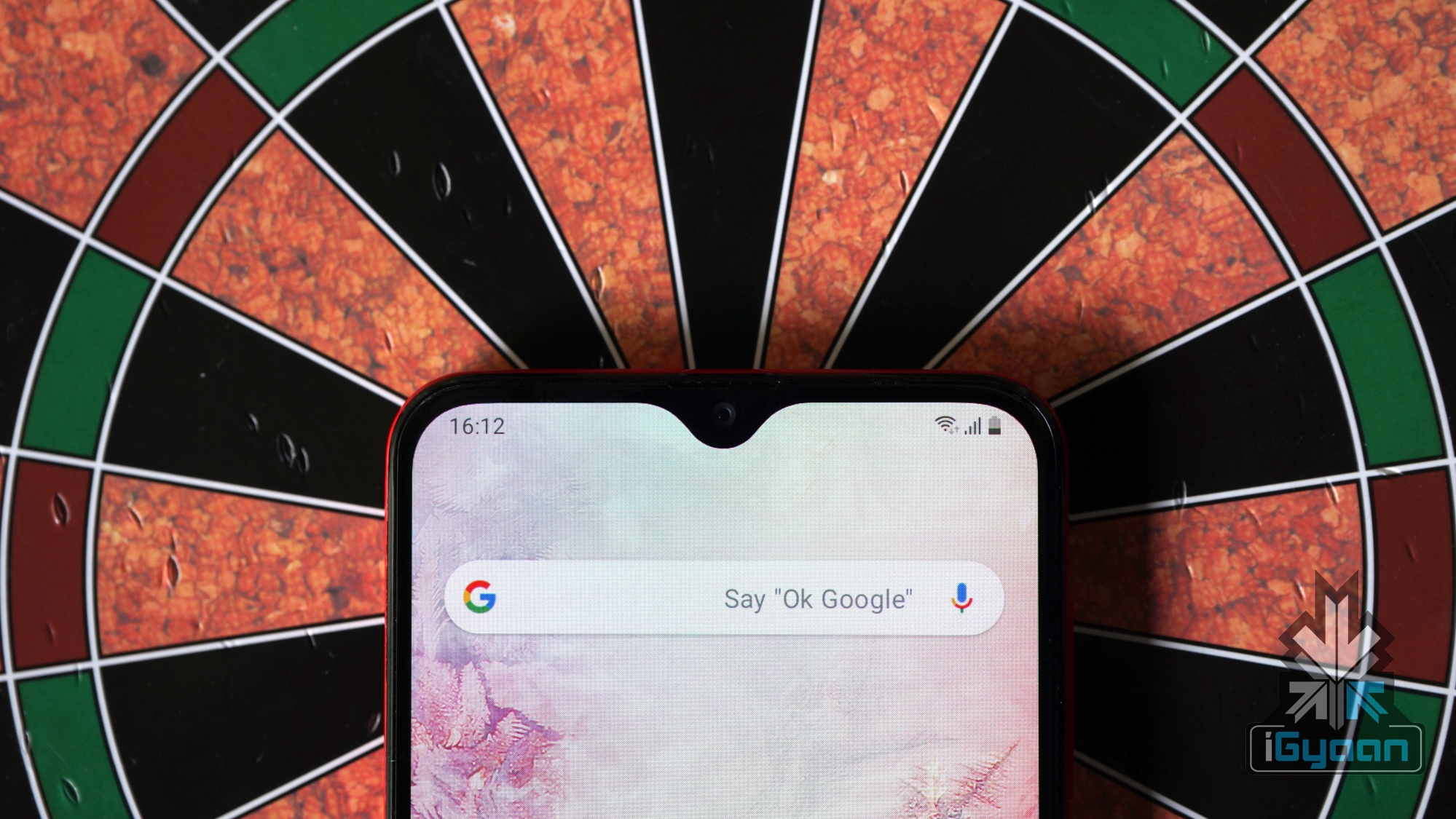
    Since the Galaxy A10 launched featuring a single rear and front camera; it is convenient to believe the Galaxy A10e may also sport the same setup, albeit a different resolution for optics. The upcoming smartphone is expected to have a 6.2 inch IPS LCD display like its sibling with an Infinity V style notch on top. While the design of the handset is not known, it may be constructed entirely out of polycarbonate with a glossy finish on the rear panel. This design characteristic is reminiscent of what Samsung has implemented in the current Galaxy A lineup. Since the device has passed the mandatory FCC certification, its launch seems imminent. Unfortunately, no information about the pricing of the Galaxy A10e is available, but it is expected to be priced under Rs. 10,000 when launched in India.

  • Apple Sends Out Invites For WWDC 2019, iOS 13 To Be Unveiled On June 3

    Apple Sends Out Invites For WWDC 2019, iOS 13 To Be Unveiled On June 3

    American technology giant Apple holds its annual World Wide Developers Conference (WWDC) each year to showcase its software prowess to the world. Much like the Google I/O, it is also aimed at developers to create new applications for the company’s products. It was earlier known that the WWDC 2019 will be held from the 3rd of June to the 7th of June. Now, the company has sent out official invites confirming the same and it has been revealed the event will be held at the San Hose McEnery Convention Center, San Jose, California. On the first day of the event that is June 3, the release of Apple’s upcoming Operating System (OS) for iPhones and iPads, the iOS 13 is also expected.

    Apple WWDC 2019

    Apple WWDC 2019 iOS 13

    The 2019 edition of the WWDC event as mentioned above, will take place next month. Like each year of the conference, Apple is expected to showcase the advancements they have achieved with their software. The OS that the company is expected to showcase a new version of is the iOS for its mobile devices, macOS for its computing devices, watchOS for Apple Watch wearable and tvOS for Apple TV. It is also speculated that Apple will provide additional information regarding its new services namely its Credit Card, TV+ and Arcade game subscription service. In the past few years, the company has also launched hardware at the event. But, with the latest launch of updated MacBook Pro earlier this week, it is all but confirmed the WWDC 2019 will focus on software only.

    Apple WWDC 2019 iOS 13

    Also read: ARM Terminates All Ties With Huawei After US Ban

    Out of all the aforementioned software by Apple, the most anticipated remains to be the iOS 13. It will be a successor to the iOS 12 launched at the last year’s WWDC and is expected to bring out major changes to the design and usability. The changes that are expected in the iOS 13 is the introduction of Dark Mode, Undo Actions in the keyboard, a new multitasking switcher for iPads and an upgraded Mail app. The latest version of the OS is expected to be better optimised for one-handed use for the upcoming iPhones and iPads. Its Beta version may be announced on June 3 with a wider rollout to be followed later in the year.

  • Sony To Exit The Smartphone Business In India, North America Among Other Countries

    Sony To Exit The Smartphone Business In India, North America Among Other Countries

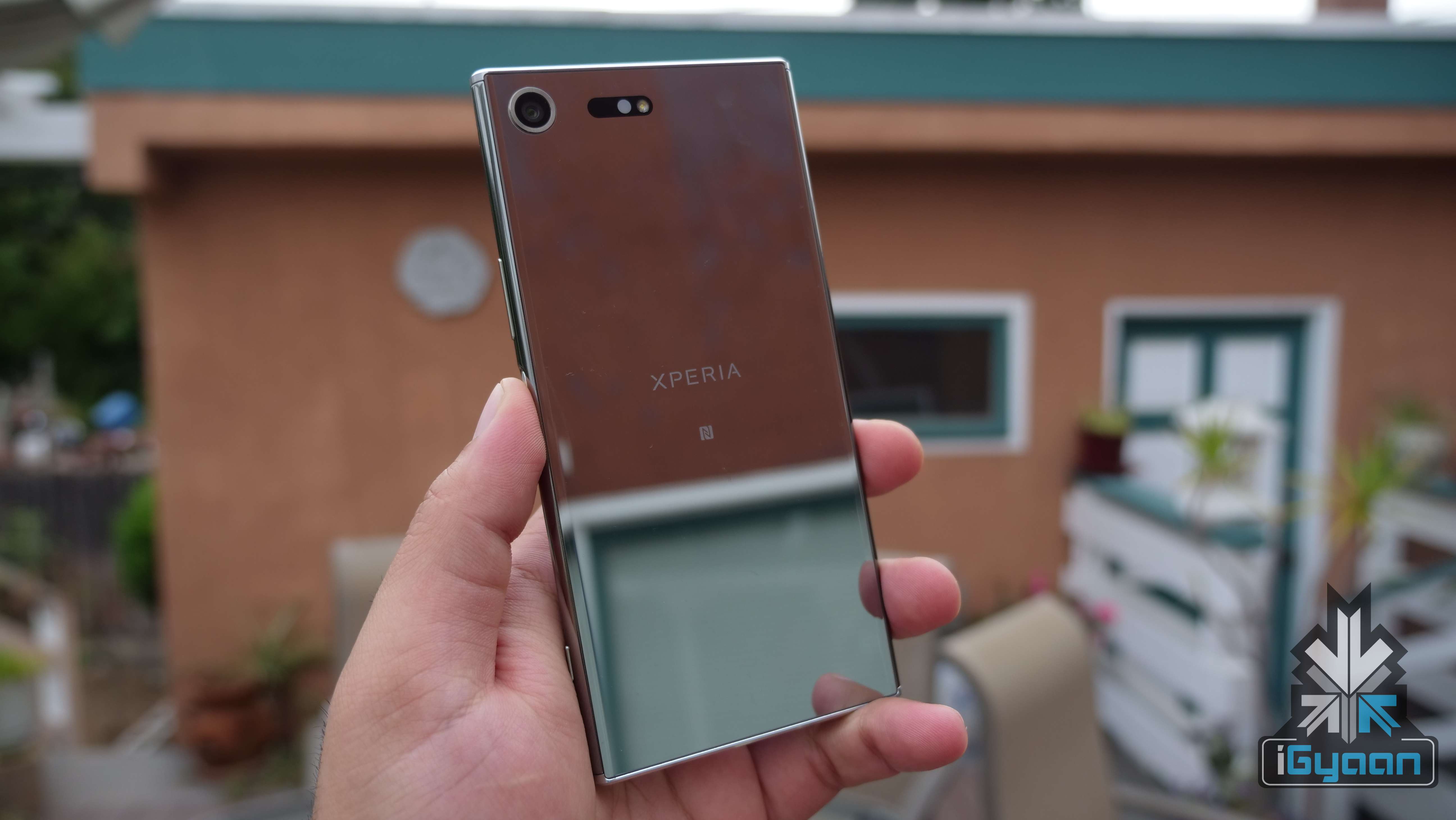
    Japanese electronics giant Sony was once one of the most renowned smartphone makers in the world. In the past, mobile devices from the company boasted of a unique design, innovative camera features and a clean software experience. But, due to the ever-increasing competition from Chinese manufacturers like Huawei, OnePlus and Xiaomi, Sony has not seen much success lately. According to a latest report, the smartphone business by the company is running on losses. Now, in an attempt to curb costs and prevent more loss, Sony has announced it is exiting major markets worldwide including India and North America.

    What Does This Mean?

    Sony Business Transformation

    In the annual corporate strategy day on the 21st of March, Sony announced it has selected its areas of focus for smartphones. These countries include Japan, Hong Kong, Taiwan and Europe. The countries that constitute the rest of the world either don’t have a presence of the company’s mobile devices yet or are the ones which have been left out of the focus areas. The latter are referred to as defocussed areas and includes regions like India, Australia, Canada, North America, Africa, The Middle East among others. While reports of the company jumping ship from these markets were rife for a while; it is the first time an official confirmation from Sony has been received.

    Sony

    Also read: Lenovo Z6 Youth Edition Launched In China

    Along with concentrating on the focussed areas, Sony also plans to cut down its smartphone workforce by half in the next year. This is seen as a cost-cutting measure which may return profits; especially in regions where mobile devices from the company have proven to be popular. With respect to the defocused areas, Sony has planned to withdraw from the sales and marketing of smartphones in the aforementioned regions. All the above changes insinuate that the company is looking forward to implementing major changes with regard to its smartphone business.

  • Lenovo Z6 Youth Edition Launched In China

    Lenovo Z6 Youth Edition Launched In China

    Lenovo launched its latest flagship smartphone, the Z6 Pro last month in China. Now, the company is expanding the Z6 lineup by launching the Z6 Youth Edition on the 22nd of May. It is a mid-range device and the lite variant of the flagship Z6 Pro with watered down specifications and a more affordable price tag.

    Lenovo Z6 Youth Edition

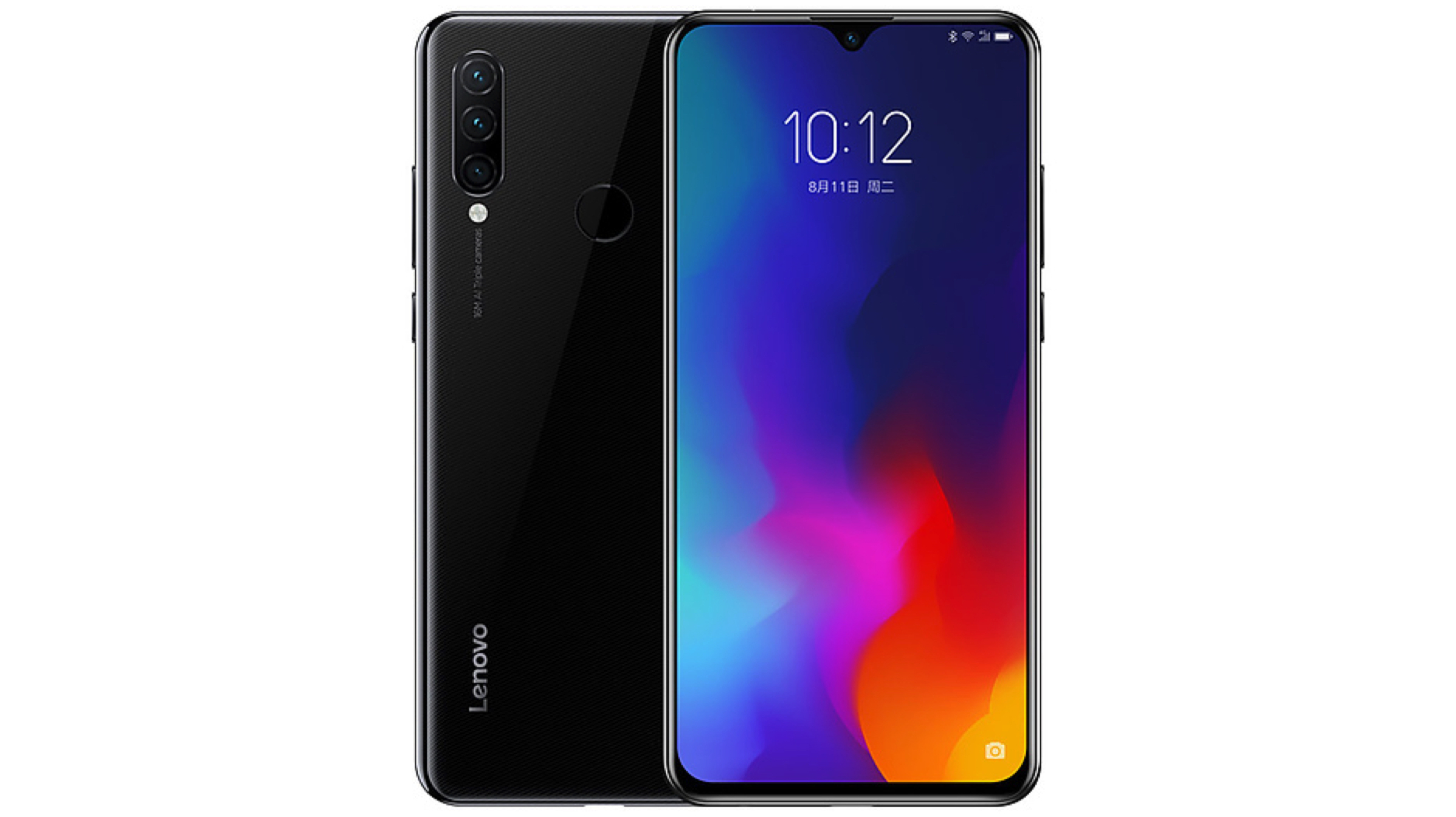
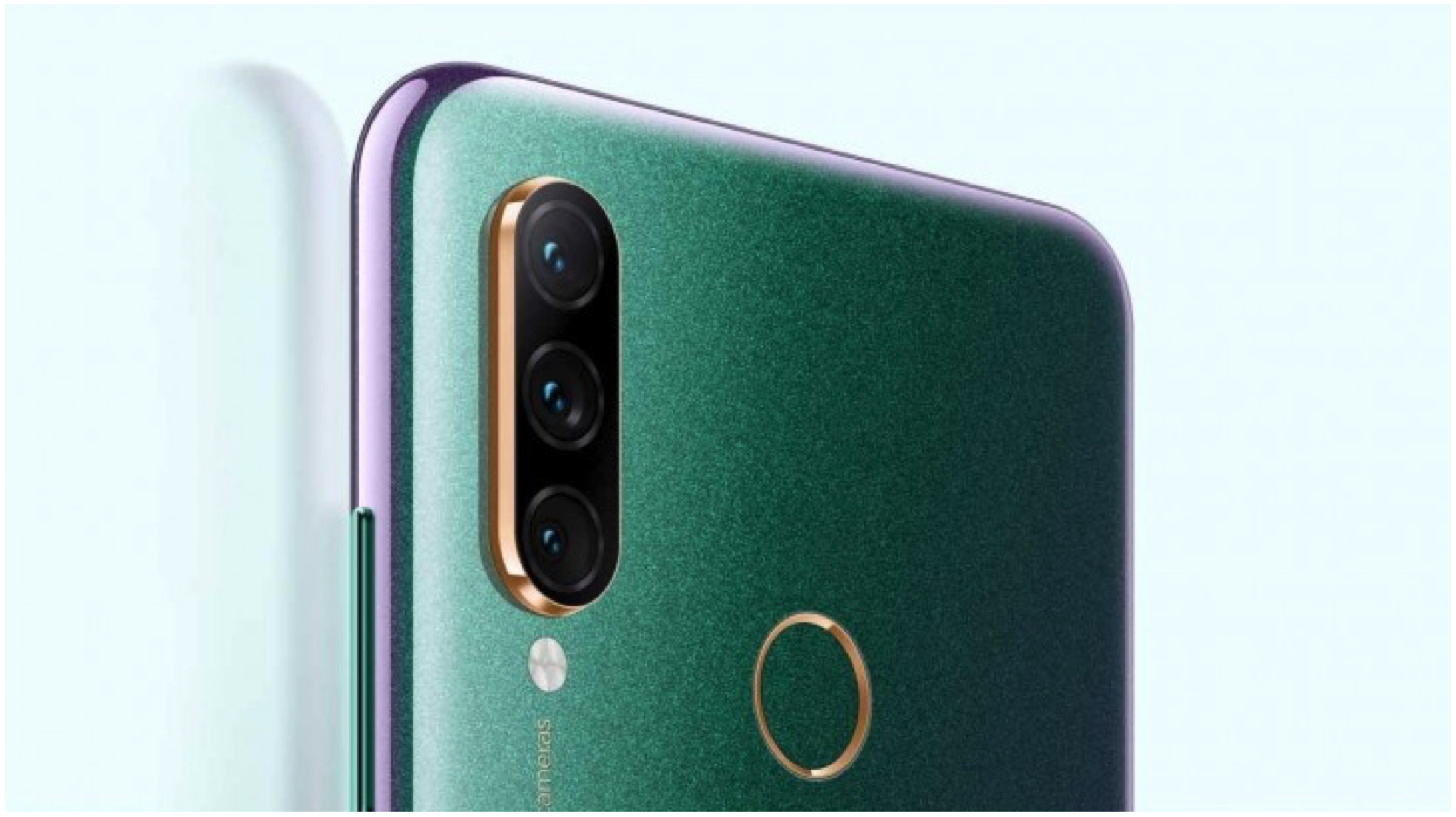
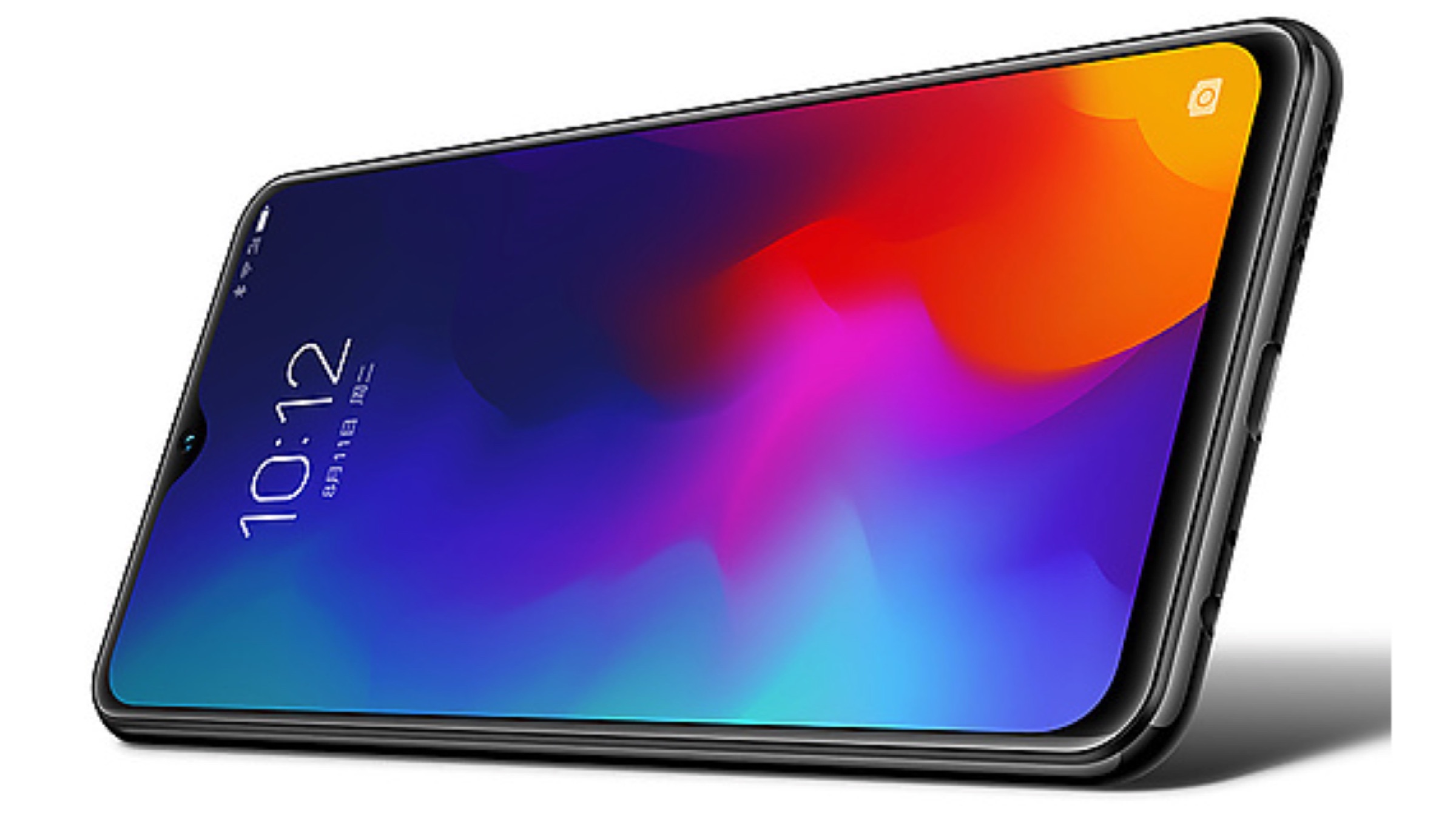
    The Z6 Youth Edition by Lenovo is the latest mid-range smartphone from the company. It features a glass design on the front and back with a gradient finish on the rear. The device has a 6.3-inch display with a resolution of 2340 x 1080 px. To maximise the screen real estate, it uses a waterdrop notch to house the front-facing camera on top of the display. For biometric security and rapidly unlocking the handset, it has a rear mounted fingerprint scanner and supports face unlock technology.

    Lenovo Z6 Youth Edition

    Under the hood, the Lenovo Z6 Youth Edition is kitted with the 10nm Snapdragon 710 SoC. The chipset comprises of an Octa-core CPU and the Adreno 616 GPU. In terms of optics, the smartphone has a vertically aligned triple rear camera setup which consists of a 16MP sensor; combined with an 8MP sensor and a tertiary 5MP sensor. For selfies, the device has a 16MP sensor housed in the waterdrop notch on top of the display. The handset will be available in the following memory and storage variants.

    • 4GB RAM and 64GB ROM
    • 6GB RAM and 64GB ROM
    • 6GB RAM and 128GB ROM

    The Lenovo Z6 Youth Edition is powered by a 4050 mAh battery with support for 15W fast charging. It runs on the company’s latest ZUI  on top of current Android 9 Pie. The smartphone has been launched in two colour variants, namely Knight Black and Magic Stardust.

    Pricing & Availability

    Lenovo Z6 Youth Edition

    Also read: Valve Releases Steam Chat Application For iOS And Android Platforms

    The Lenovo Z6 Youth Edition has been launched for the price of CNY 1099 (Rs. 11,100) for the variant with 4GB of RAM and 64GB of internal storage. The version with 6GB of RAM and 64GB of onboard memory has been priced at CNY 1399 (Rs. 14,100), while the 6GB RAM and 128GB Internal storage variant will cost CNY 1699 (Rs. 17,200). It will be available to purchase starting the 22nd of May from Lenovo China’s website and select retailers across the country. Unfortunately, the company has not provided any information when the device will be available in India.

iGyaan Network
Privacy Overview

This website uses cookies so that we can provide you with the best user experience possible. Cookie information is stored in your browser and performs functions such as recognising you when you return to our website and helping our team to understand which sections of the website you find most interesting and useful.