Author: Yashonil Gupta

  • What Is Android Fragmentation, And Will Google Be Ever Able To Fix It?

    What Is Android Fragmentation, And Will Google Be Ever Able To Fix It?

    Google released the latest generation of its Operating System, Android 9 Pie back in August last year for Pixel smartphones. The update marked the ninth major release of the software by the company. But, despite the latest generation of Android out almost seven months ago, many of the modern devices are still stuck at one or more generations older software. What’s even more surprising is that some OEMs are launching new smartphones with old software on purpose.
    This disparity in Android devices makes the mind think about what problems could there be that restrict some manufacturers into providing older versions of the software. The alarming number of different available Android versions in the market is called Android Fragmentation. This inequality of software versions has plagued the Android Platform since its inception. But is there a way for Google to fix it?

    The Current State Of Android Fragmentation
    Google releases a report every year in October highlighting the distribution of different software versions. The data, though a few months old, gives an insight on how things are currently on Android’s side. This is what Google found in their testing:

    Version Name Release Year

    Distribution

    (in %)

    2.3.3 

    2.3.7

    Gingerbread 2010 0.2%

    4.0.3 

    4.0.4

    Ice Cream Sandwich 2011 0.3%

    4.1

    4.2

    4.3

    Jellybean 2012 3.0%
    4.4 KitKat 2013 7.6%

    5.0

    5.1

    Lollipop 2014 17.9%
    6.0 Marshmallow 2015 21.3%

    7.0

    7.1

    Nougat 2016 28.2%

    8.0

    8.1

    Oreo 2017 21.5%


    By looking at the above table, there is no mention of the latest Android 9 Pie, because, at the time of this report in October last year, it was still below 0.1%. The numbers are expected to be significantly higher since then. Despite being released for more than two months, the software still couldn’t make it to the list. The most used version was Android 7 Nougat, which had more than 28% of users. This shows how manufacturers refrain from providing any updates to the devices.

    Besides not providing new features with the lack of Android updates, they also pose a grave security threat. Every month, Google releases security patches for Android, but not every smartphone gets it. But it’s not the company’s fault, because updating a smartphone with the latest firmware is the OEM’s responsibility.

    The Reason For Fragmentation On Android 

    Android Pie Android 9 Google

    The reason that the manufacturers continue to provide older software with newer devices or refuse to update them faster than normal; is that most of them have to optimise Android according to the company’s custom skins. These can range from a lightly customised one, like Oneplus’ OxygenOS or a heavily customised take on Android, like Xiaomi’s MIUI. So the OEMs take their own sweet time to adopt the latest version and release it.

    When Google provides the manufacturers with the latest Android Platform Development Kit (PDK), they have to start developments on the software. The process includes testing out the new version with the device’s hardware. Then the version is added with manufacturer specific software features, like the aforementioned skin and is tested and certified for bugs. For some manufacturers like HMD Global, Essential and OnePlus, the process has been proven to take only a few days or weeks. 

    How Can Google Prevent It Further?
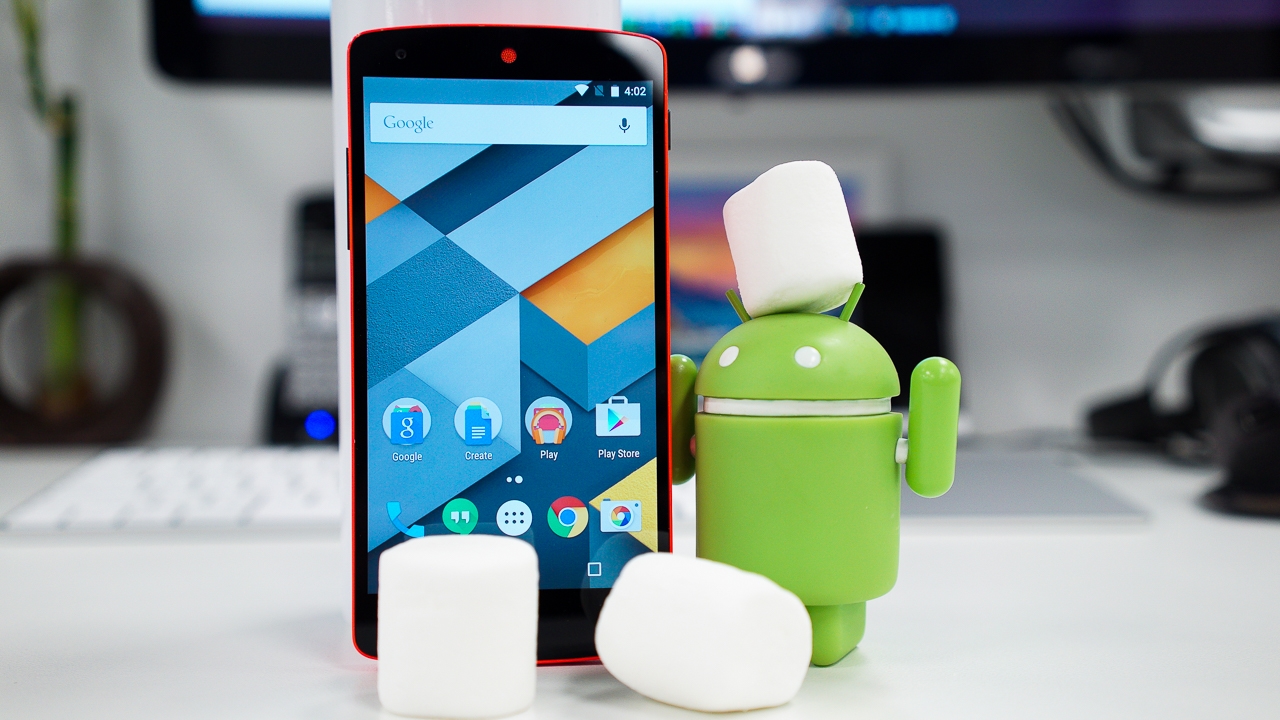
    The only way that Google can prevent Android Fragmentation from happening in future releases is by being strict with OEMs. And it’s not like the company hasn’t tried. Despite warning the manufacturers when they slacked in providing software updates, the results weren’t much different. Google then released Project Treble in 2017 with Android Oreo. This modified how the updates are delivered by bypassing the chip manufacturers’ modifications to it. It was an ambitious step and worked in theory, but unfortunately, the situation didn’t change much.
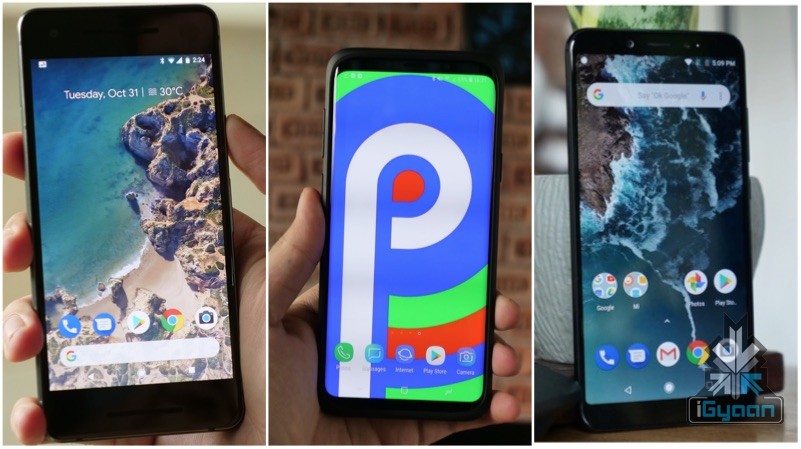
    Android Go Stock Android Android One

    Also read: Tesla Unveils Faster Third Generation Supercharger

    Google tried to fix Android Fragmentation further by signing up more OEMs to the Android Pie Beta Program. This provided them with more time to develop the software according to their own customisations and was a step in the right direction. But, if the company has to fix the problem further, it has to get more manufacturers on board and if possible, then all of them. But this sends out hope that the company is serious about the issue and it may take some more time to fix. If manufacturers are serious about the disparity in updates, the days of Android Fragmentation may be over sooner than later.
     

  • Huawei Sues The US Government Over The Ban On Its Devices

    Huawei Sues The US Government Over The Ban On Its Devices

    Huawei has announced on March 7 that it is suing the government of the United States of America (USA) owing to the ban of its products the country put in place. The company has claimed that it has filed a lawsuit in the US district court in Plano, Texas. A senior executive of the company claims that the company was left with no choice other than to take legal actions against the government. It also called the ban on its devices ‘unlawful’ in a bid to justify its actions.

    Huawei’s Lawsuit On The US Government

    Huawei

    In a press conference on Thursday, March 7, Chinese telecommunications giant Huawei announced its decision to file the aforementioned lawsuit. It claimed the ban on its devices in the country is ultimately harming US consumers. It said it is looking forward to the court’s verdict and trusts that it will eventually benefit both Huawei and the people of America. The lawsuit arrives after several accusations of the company spying for, and having ties with the Chinese government.

    The ban on the company’s products was taken into effect in August 2018. It was earlier set to enter the US market with its smartphone Mate 10 and Mate 10 Pro in 2017. Not only the company’s deal with telecom carrier fell flat, but the President of the country, Donald Trump also signed a provision of the National Defence Authorisation Act; which prevented government agencies using third-party contractors to use Huawei products. 

    Also read: Google Launches Bolo App To Improve Children Literacy In India

    Huawei alleges that by singling out the company for punishment without a fair trial, the US government has violated the terms of its own constitution. The company also fired back at reports claiming it installs backdoors in its devices to spy on the users. Notably, Huawei is the world’s largest supplier of telecoms equipment, the second largest smartphone maker and is currently one of the global leaders in the development of wireless 5G networks. 

  • Google Launches Bolo App To Improve Children Literacy In India

    Google Launches Bolo App To Improve Children Literacy In India

    In a bid to create more apps designed for the Indian market, Google has introduced a new app called ‘Bolo’. The app is aimed at improving children’s literacy in the country. It is available to download on the Google Play Store starting March 6. ‘Bolo’ is a Hindi term which means ‘to speak’ in English. The app is still in development, so there may be a few bugs to fix and changes to introduce before the company rolls out a stable version of it.

    Google Bolo App

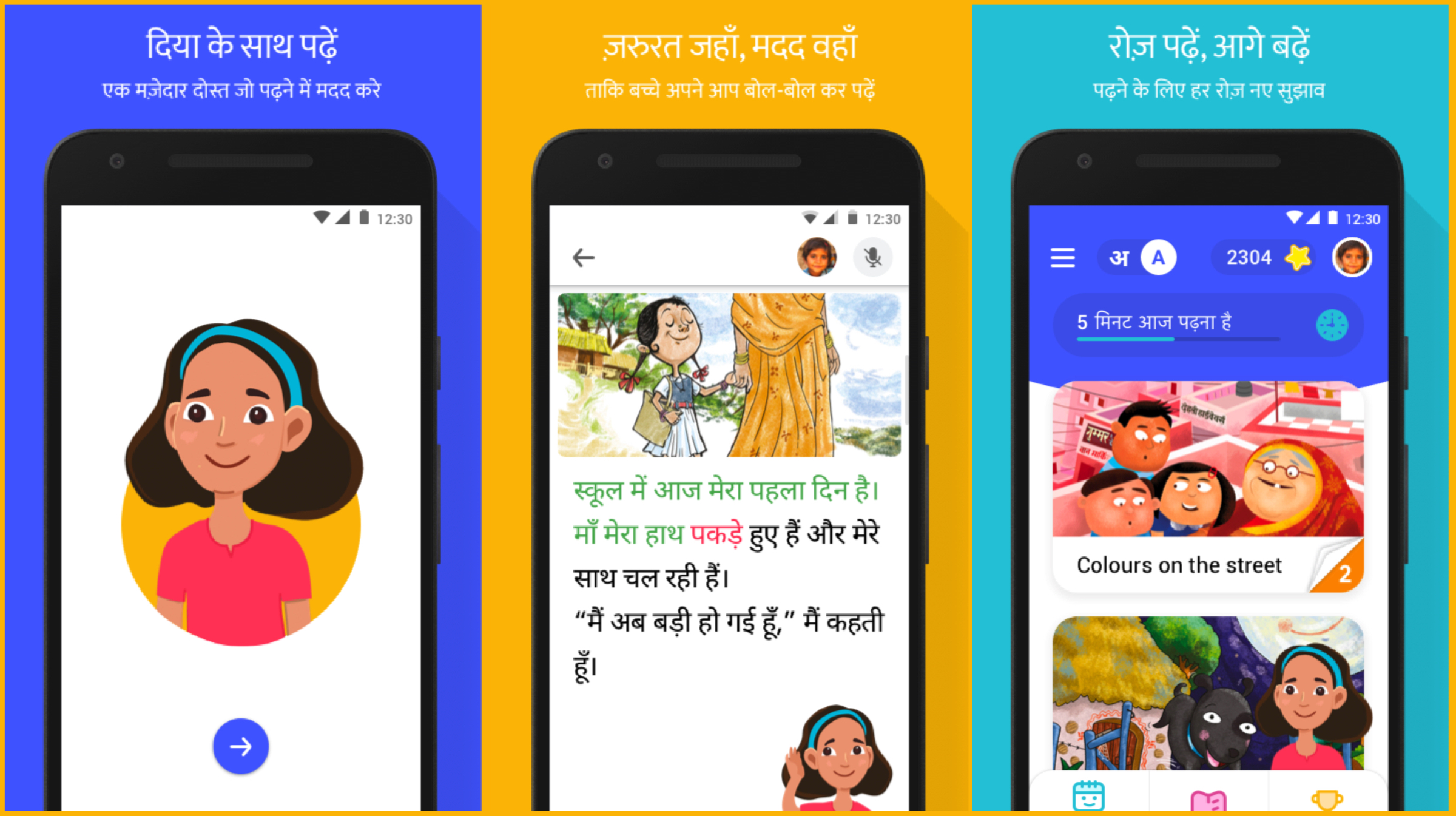
    Google Bolo uses a Hindi UI and a personal assistant called Diya, which is also configured to speak in Hindi. The app is aimed towards children in primary grade, to improve their English and Hindi reading skills. This is achieved by encouraging the reader to speak aloud using the device’s microphone, and giving them instant feedback. It is completely free to use and works offline, so no internet connection is required. The stories that are available to read and practice are either in Hindi or in English, and it is expected that Google may add more languages to the platform soon.

    To make the stories engaging and interesting, Google Bolo features the aforementioned personal assistant called ‘Diya’ which uses the same speech technology as the Google Assistant. The assistant can also be used in case help is needed in the app. There are some word games as well, to make it more engaging and versatile. 

    Also read: ZTE Is Working On A Foldable Phone With A Clamshell Design

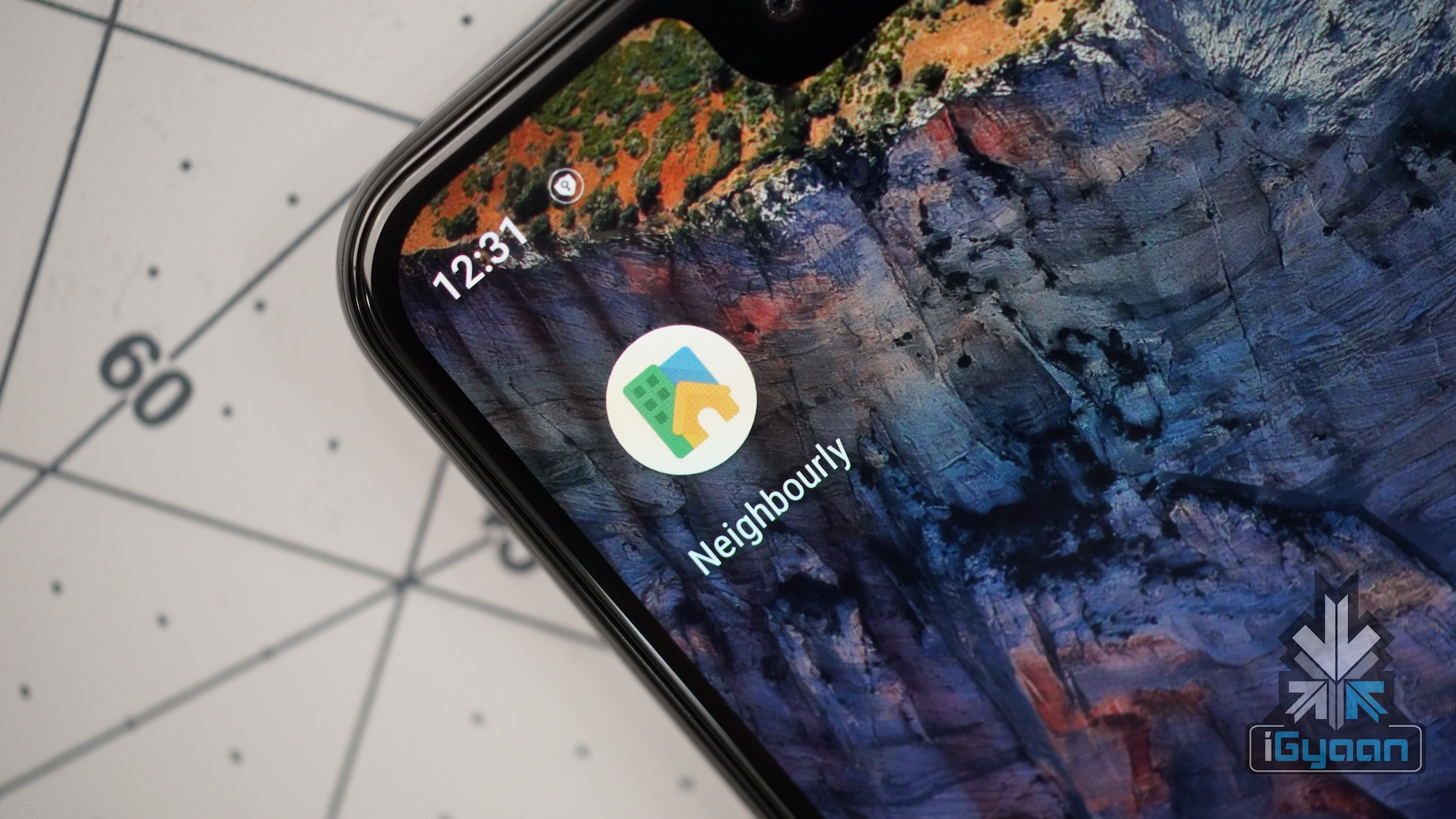
    This is not the first time Google has developed an India exclusive application. The last few years have seen the company release a bunch of apps designed for the country. Google Pay, which was formerly called Tez, was released back in August 2017. It is a Unified Payments Interface (UPI) app which has since gained immense popularity. Some other apps, like Google Neighbourly, can be used to ask questions about a particular neighbourhood. The Google Indic Keyboard also has been popular among the Indian audience, owing to its support for multiple local languages. The Go editions of popular apps like Youtube, Google Maps, have also been designed for countries like India.

    Click here to download Google Bolo from Play Store

  • Understanding Different Realities; What is AR, VR And MR

    Understanding Different Realities; What is AR, VR And MR

    Technology has often changed the way humans have perceived the world and is expected to further challenge it in the future. The introduction of Augmented and Virtual Realities have revolutionalised different business sectors completely and have allowed for a better interaction with technology to create more immersive, engaging content. But, what do AR and VR mean? And what is the new technology that has debuted with the Microsoft Hololens, MR? Here is what these terms mean individually.

    Augmented Reality (AR)

    Augmented Reality is defined as “an enhanced version of reality created by the use of technology to add digital information on an image of something.” It usually interacts with the help of a camera which is used to capture details from the real world. The device from which the AR functions are used makes it possible to further enhance the experience by adding different layers to reality. Pokemon Go, a game from 2016 is a great example of AR technology being used. Apps like Instagram and Snapchat also use this technology to provide live face stickers. 

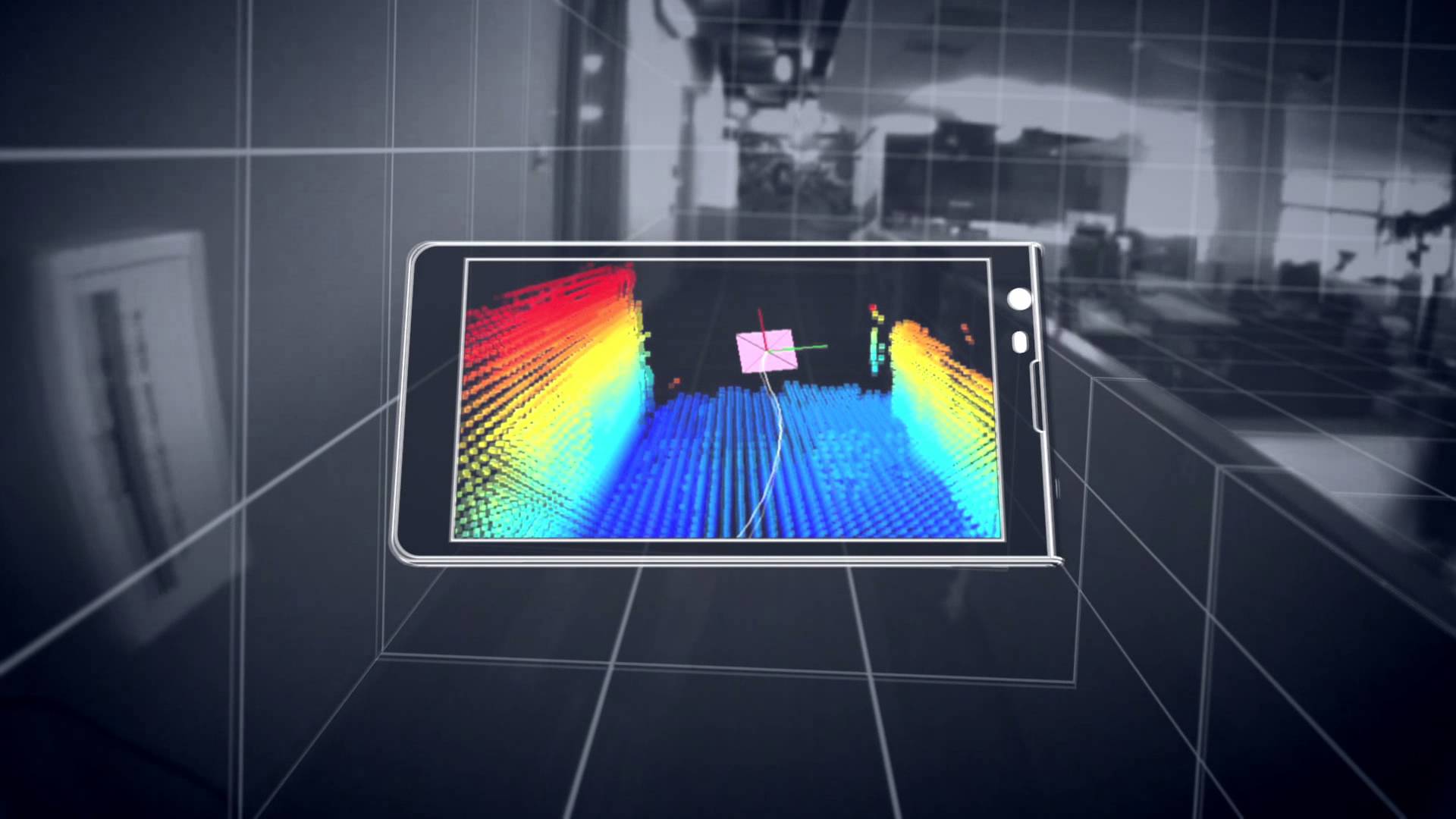
    Google tried pushing Augmented Reality with its Project Tango in 2014, which tried putting a dedicated camera with a spatial sense to capture depth. The Project was later shut down in 2017 because the company launched ARCore in 2018. The system used the already present hardware in a smartphone to use AR, which it debuted with the Pixel 2 and Pixel 2XL’s Playground feature. The AR technology is expected not to only make gaming better, but also have its use in departments like architecture and fashion.

    Virtual Reality (VR)

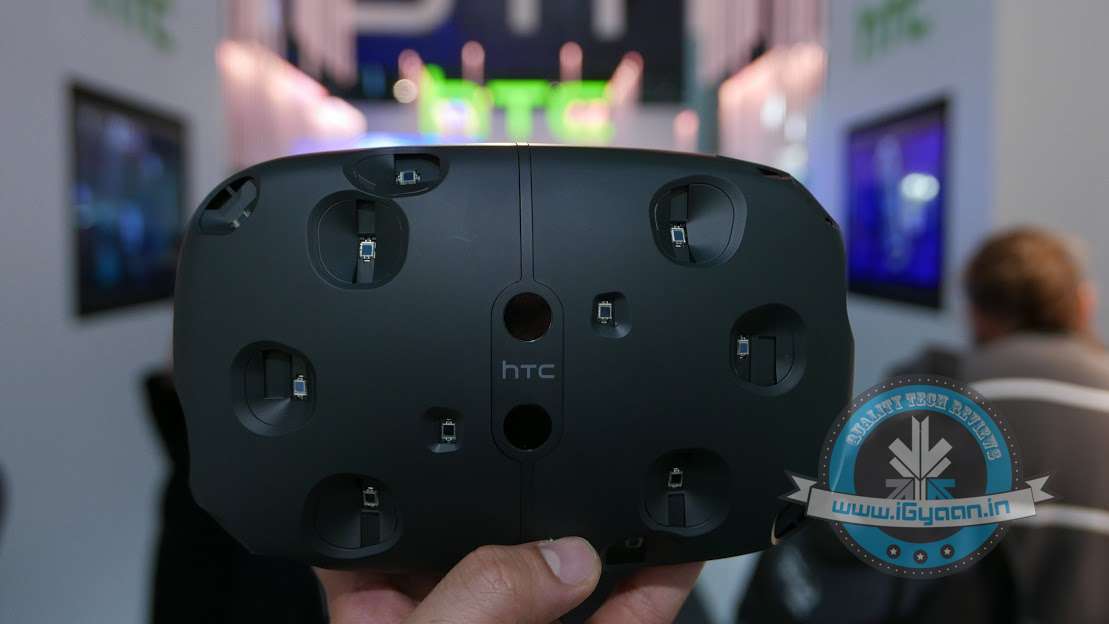
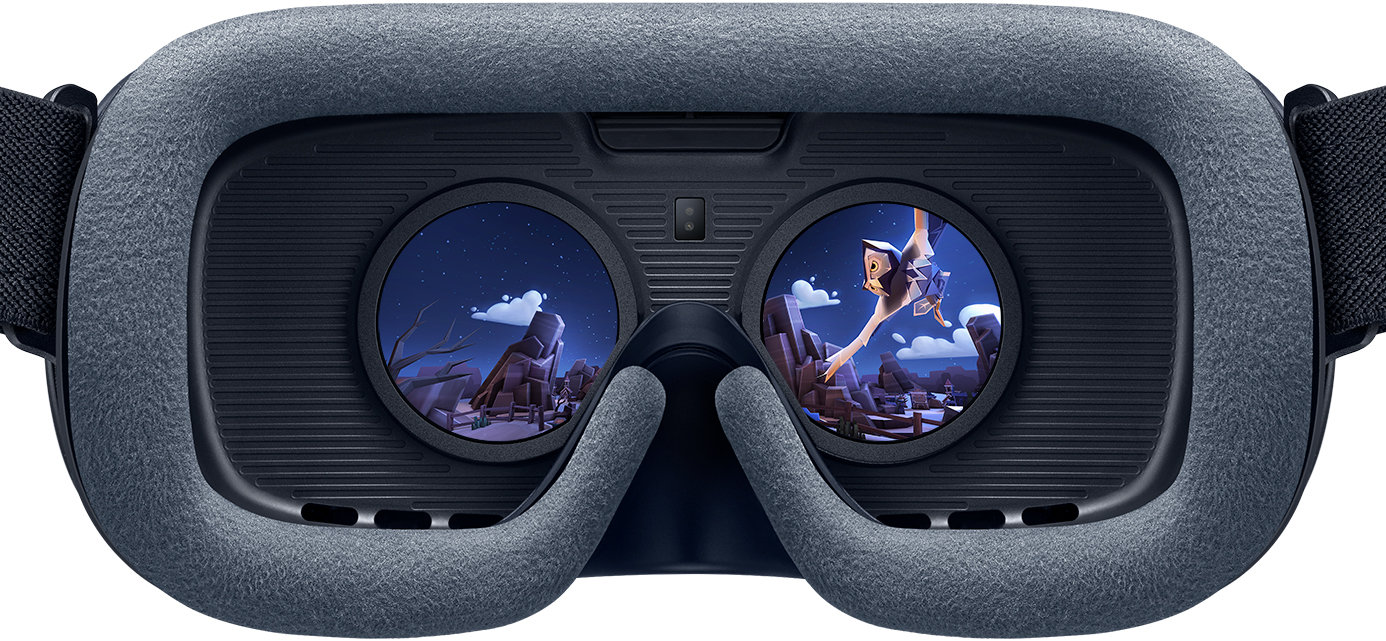
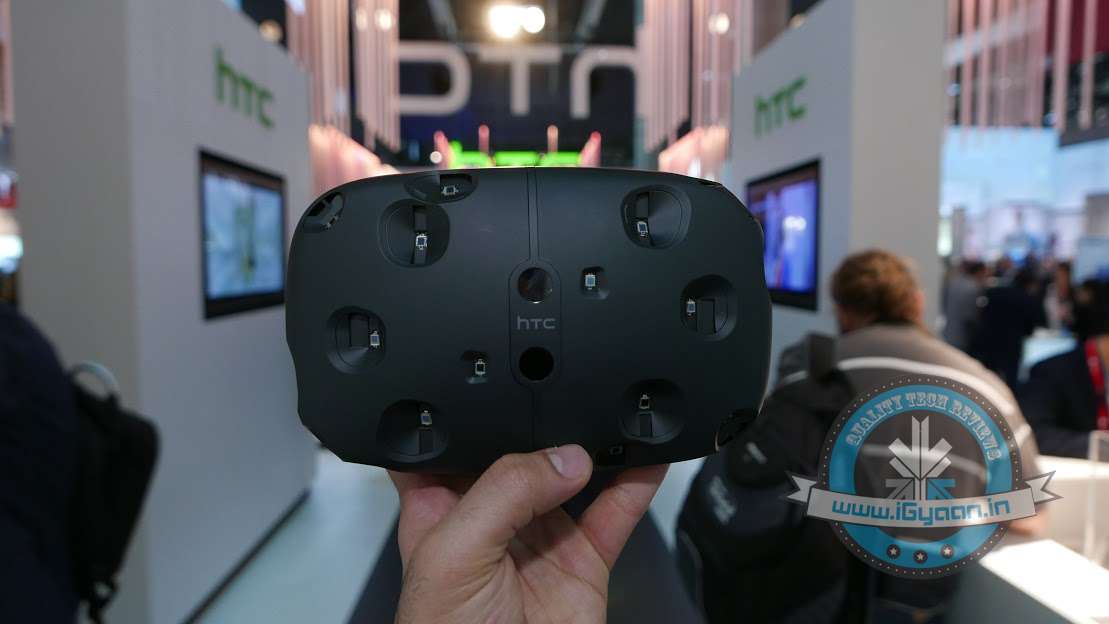
    Virtual Reality or VR is almost the opposite of AR. Instead of using any part of the real world or interacting with it, the technology uses a completely virtual world. This is generally achieved by a headset wrapped around the head with tiny displays in front of each eye. An alternate way is to use a smartphone inside the headset to create a virtual world. The famous VR headsets currently in the market are HTC Vive, Oculus Rift, Google Daydream View.

    The various applications of Virtual Reality are also considered to be groundbreaking. Despite the obvious use in gaming, the technology may be used in the training of various professionals like doctors, pilots and in the hospitality sector. Unfortunately, the native VR functionality is considered expensive and thus may not be suited for everyone. 

    Mixed Reality (MR)

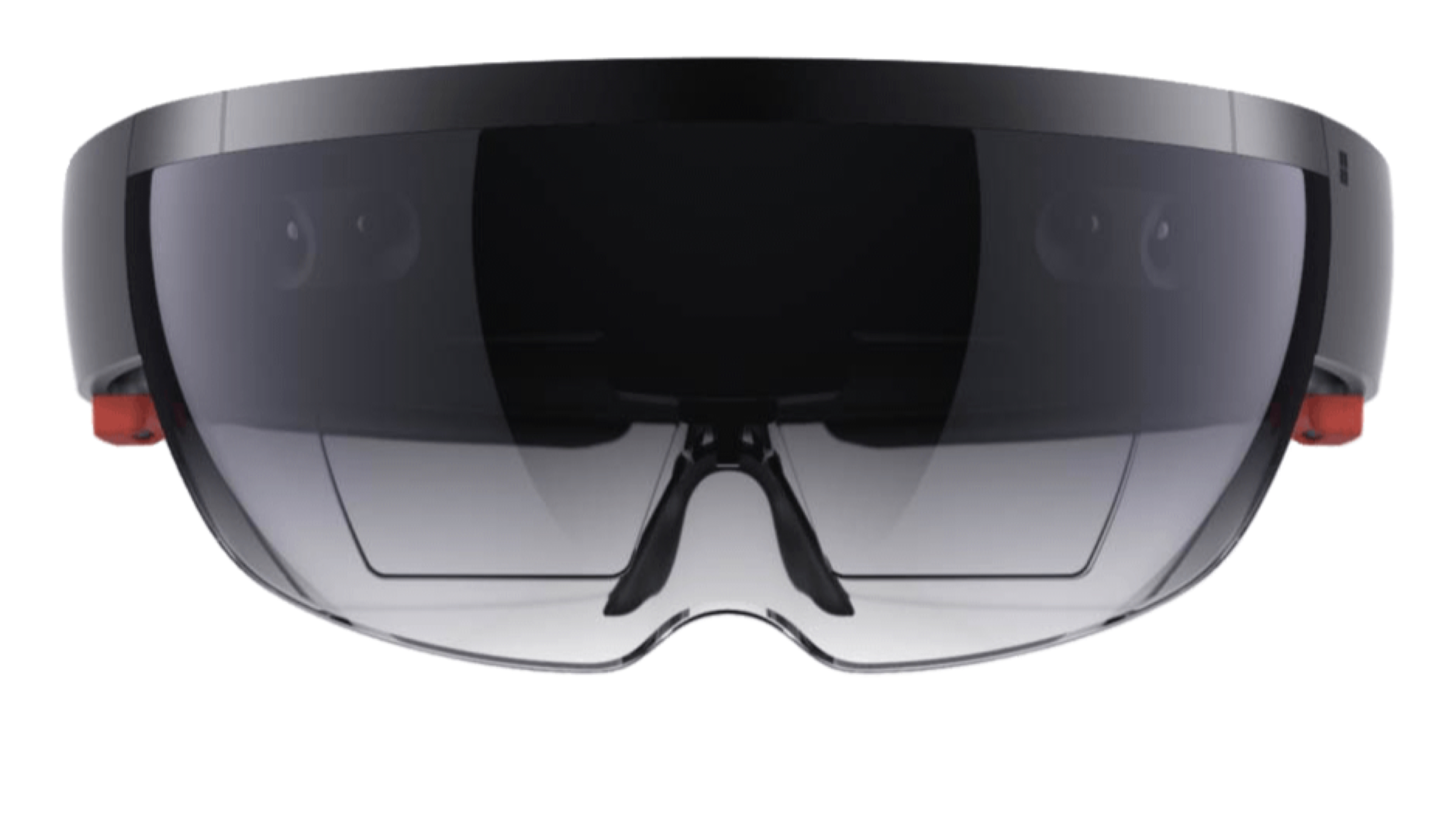
    The Mixed Reality or MR platform was popularised by Microsoft with its Hololens and makes use of the best parts about AR and VR and combines them together. This means that the technology will make use of a camera attached to the headset worn by the user. With the camera used for augmented reality, the Virtual effect rendered will create some form of isolation from the real world. Mixed Reality is expected to take off exponentially in a few years.

    Also read: Meizu Note 9 Launched With 48MP Rear Camera

    The real world case of Mixed Reality is expected to be more elaborate than both AR and VR. It is expected to be useful for industry workers and medical professionals. But, the technology is also deemed expensive in its current state and not available to everyone.


  • Samsung Launches The Galaxy S10 Lineup In India

    Samsung Launches The Galaxy S10 Lineup In India

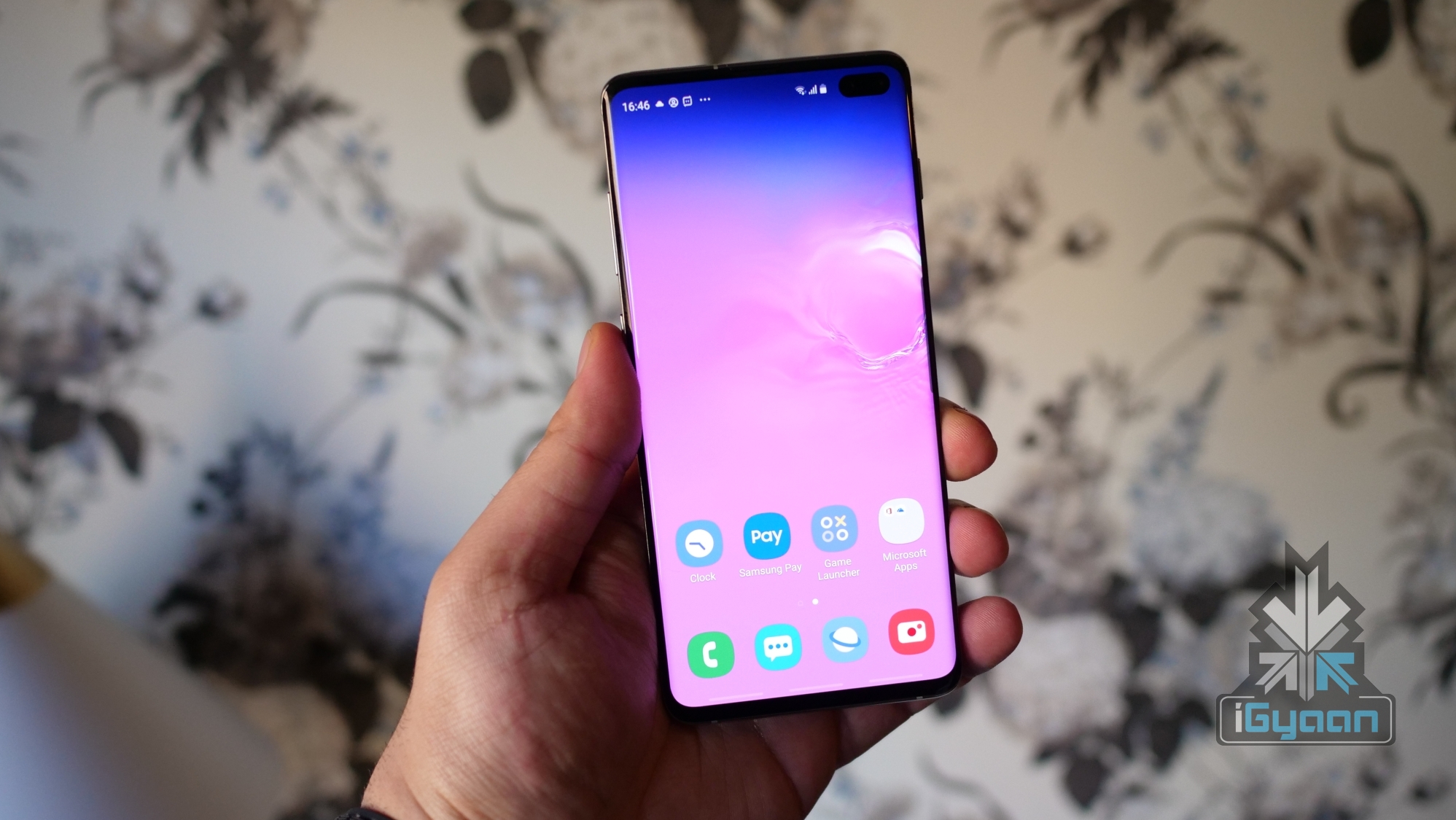
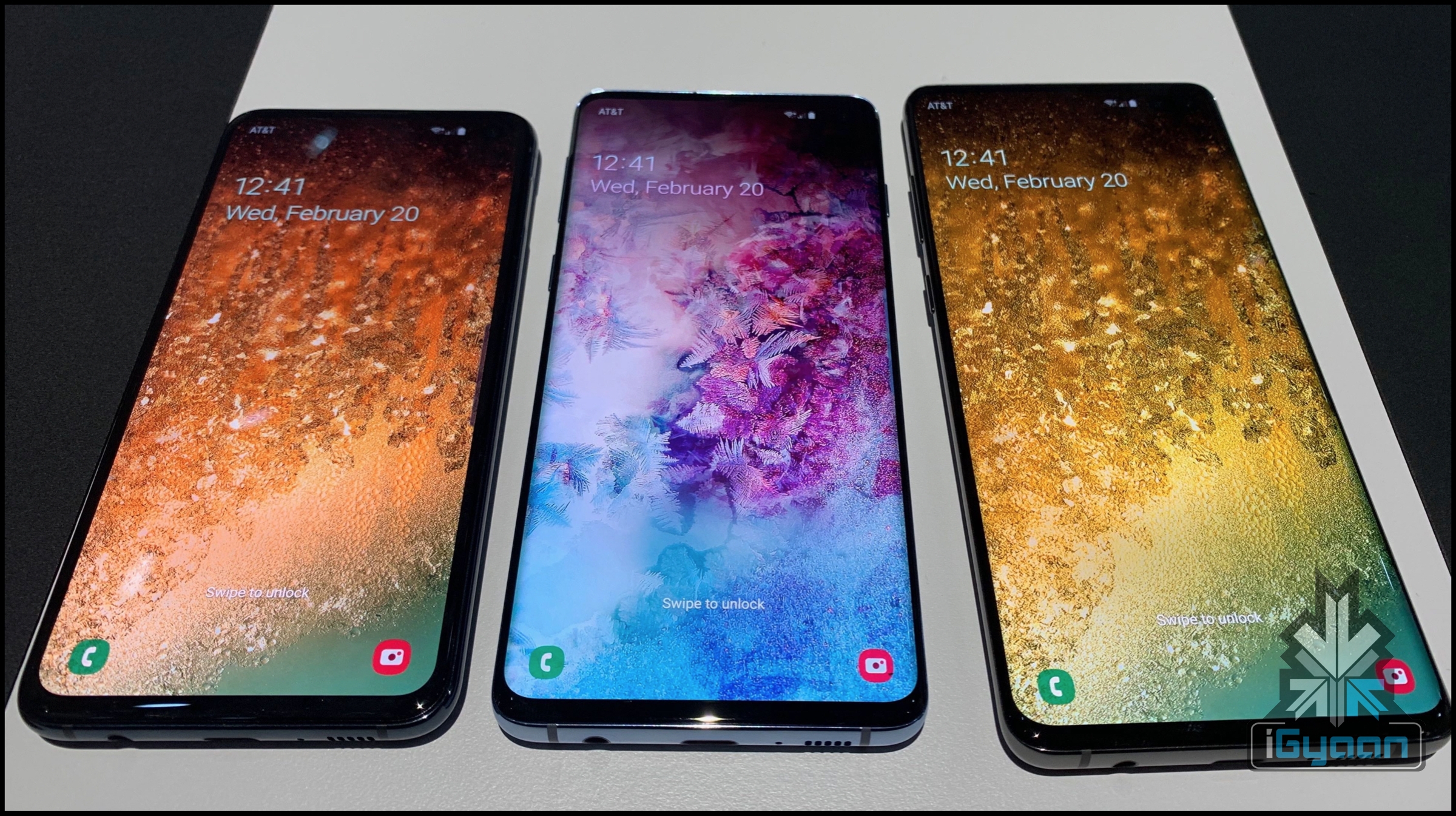
    Samsung has launched its lineup of 2019 flagship smartphones in India today, March 6. The devices launched today are the Galaxy S10e, Galaxy S10 and the Galaxy S10+. All the smartphones feature a modern design and have the company’s new Infinity-O display to house the front camera. 

    Galaxy S10: Price & Availability

    All the three models in the Galaxy S10 lineup will be available starting March 8 from the major online and offline retailers. For people who pre-booked the smartphones, will start getting deliveries from today, March 6. The price of all the three variants have been listed below.

    Model Galaxy S10e Galaxy S10 Galaxy S10+
    Price Rs 55,900 (6GB + 128GB) Rs 66,900 (8GB + 128GB) Rs 73,900 (8GB + 128GB)
        Rs 84,900 (8GB + 512GB) Rs 91,900 (8GB + 512GB)
          Rs 1,17,900 (12GB + 1TB)
    Galaxy S10 Series 

    All three newly launched smartphones are similar in most ways while differing in certain aspects like screen size, battery capacity, cameras and obviously, pricing. All smartphones feature a glass sandwich design and have the new Infinity-O displays. The devices feature Samsung’s new Dynamic AMOLED displays with support for HDR10+ content. All the smartphones run on the Exynos 9820 SoC in India, which is manufactured using 8nm fabrication process. It contains an Octa-core CPU and Mali-G76 MP12 GPU.

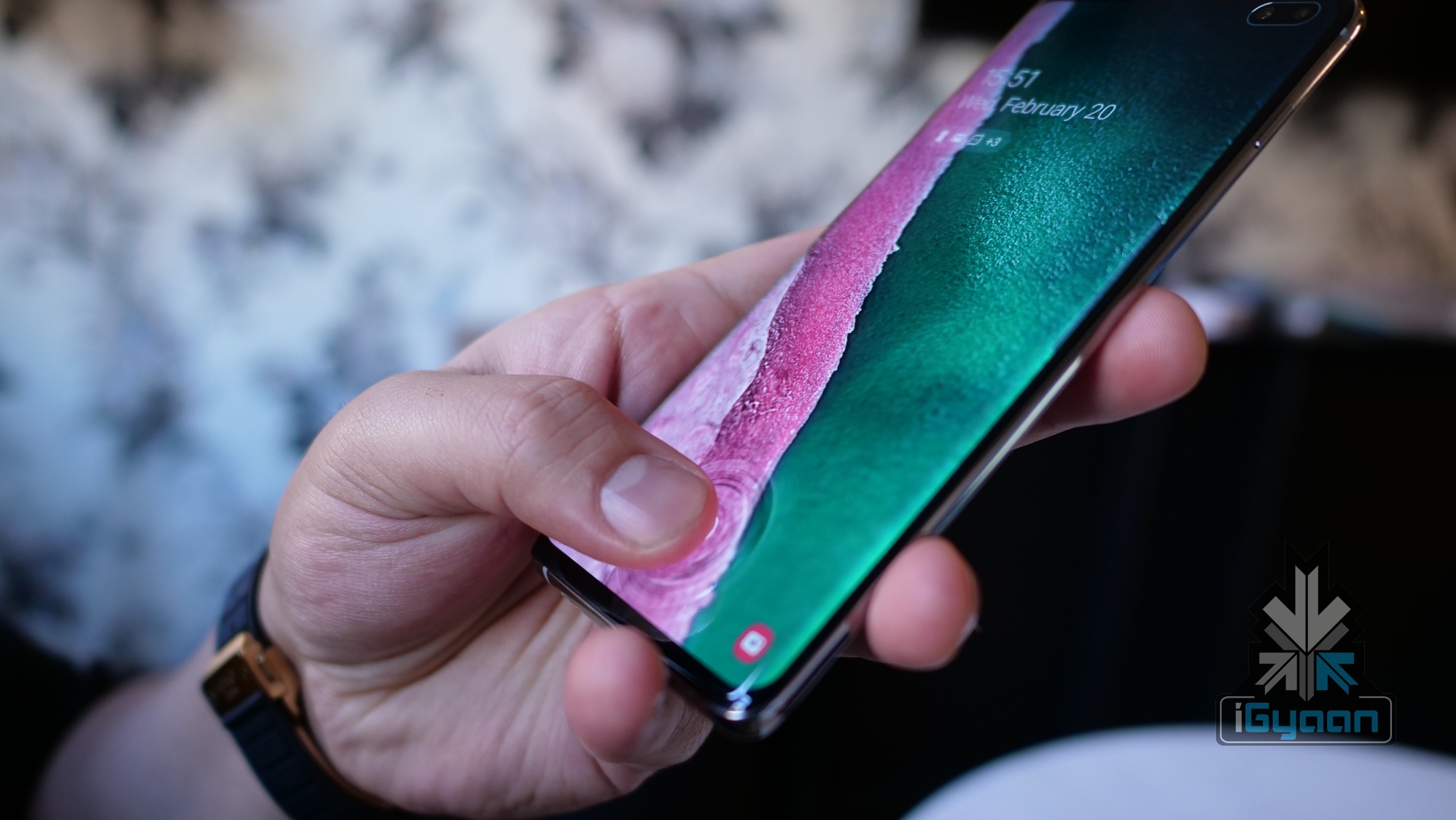
    Notably, the Galaxy S10 lineup differs in a few features, like the Galaxy S10e featuring a side-mounted fingerprint scanner and dual rear cameras; while its two elder siblings have an ultrasonic in-display fingerprint scanner and triple rear cameras. The screen size also varies on all devices, with the Galaxy S10e sporting a 5.8-inch display; while the Galaxy S10 and Galaxy S10+ have 6.1-inch and 6.4-inch display respectively. The front cameras of the Galaxy S10e and the Galaxy S10 is limited to just one sensor, while the elder sibling has two front-facing cameras.

    The Galaxy S10e is powered by a 3100mAh battery; while its elder siblings have a 3400mAh and a 4100mAh cell respectively. All the three smartphones have IP68 certification for water and dust resistance, support Wi-Fi 6, NFC, fast wireless charging and also support reverse wireless charging.

    Videos

  • India Has The Most Affordable Mobile Data In The World, According To A Study

    India Has The Most Affordable Mobile Data In The World, According To A Study

    A study conducted by a UK based broadband comparison website reveals that India has the most affordable mobile data rates in the world. The cost of 1GB data in the country is Rs 1.41 at its lowest and Rs 98.76 at its peak. The average cost of 1GB data in the country was calculated to be around Rs 18.34. The news arrives a few years after the arrival of Reliance Jio, the telecom operator that is credited for bringing down mobile data costs in the country.

    Mobile Data Rates Across The World

    Data from 6,313 mobile plans in 230 countries were gathered and analysed by Cable.co.uk between 23 October and 28 November 2018. The goal of the research was to find average rates of 1GB of mobile data in different countries. While India held the number one spot, it was followed by Kyrgyzstan and Kazakhstan for the number two and three rankings respectively. Interestingly, Asian nations make up half of the top 20 cheapest countries for mobile data, with India top and Sri Lanka, Mongolia and Myanmar also in the top ten. The global average was found to be $8.53 (around Rs 601).

    The most expensive mobile data was found to be in Zimbabwe, with an average price for 1GB of data $75 (Rs 5,292). The average data plans for a few countries are highlighted below:

    • USA – Rank: 182; Average Price $12.37 (around Rs 872.91)
    • UK – Rank: 136; Average Price $6.66 (around Rs 469.97)
    • South Korea – Rank: 201; Average Price $15.12 (around Rs 1,067)
    • Japan – Rank: 154; Average Price $8.34 (around Rs 588)
    • China – Rank: 165; Average Price $9.89 (around Rs 697.90)
    How To Make Mobile Data Affordable?

    Also read: Redmi Note 7 To Go On Sale For The First Time In India

    A senior executive at Cable explained how the countries make mobile data this affordable. He says “Many of the cheapest countries in which to buy mobile data fall roughly into one of two categories. Some have excellent mobile and fixed broadband infrastructure and so providers are able to offer large amounts of data, which brings down the price per gigabyte.” He also claimed that other countries with lesser advanced broadband networks were heavily reliant on the usage of internet through their mobile phones. This would make the rates of the said data low, in order to make them affordable.

  • Redmi Note 7 To Go On Sale For The First Time In India

    Redmi Note 7 To Go On Sale For The First Time In India

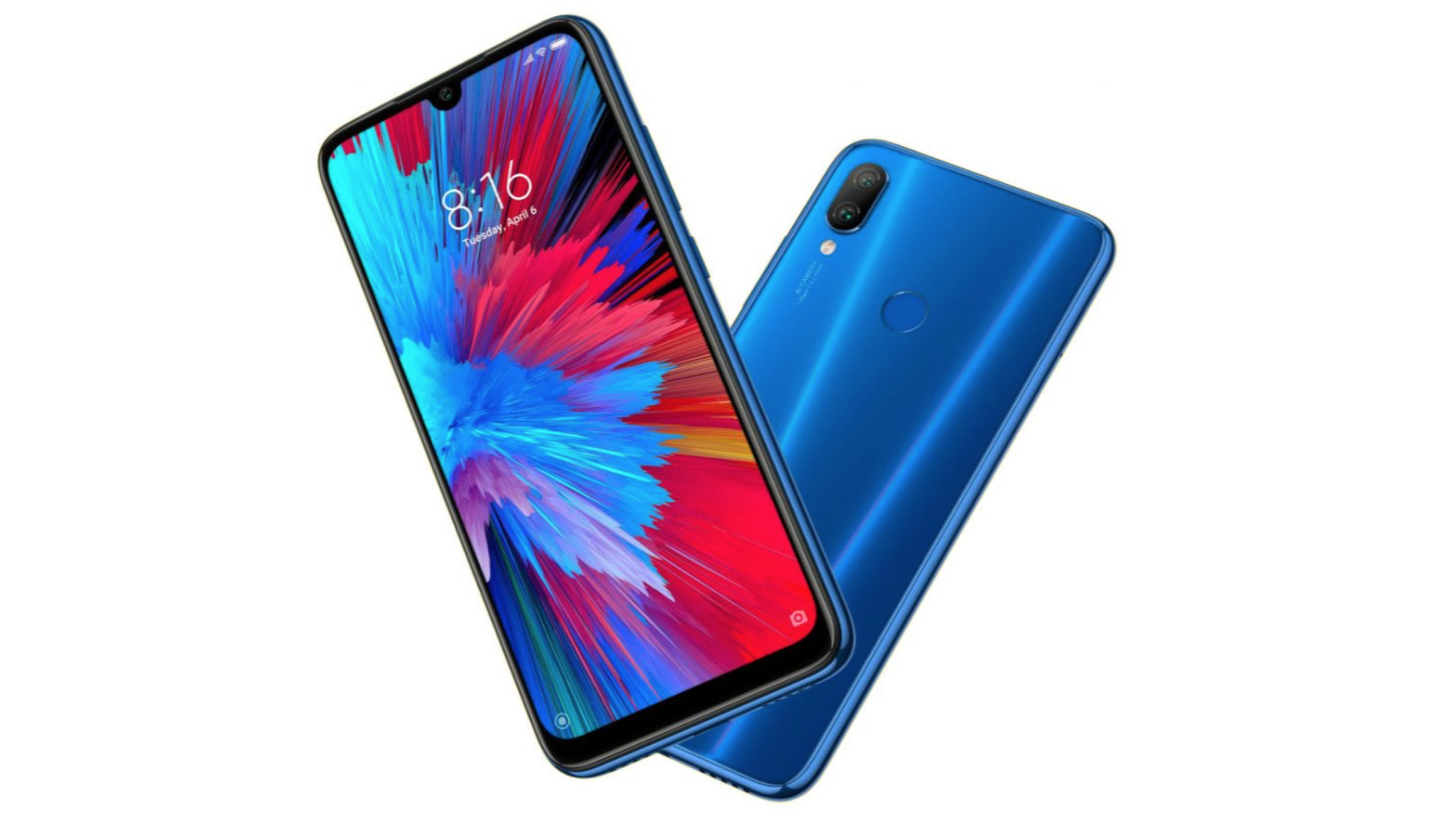
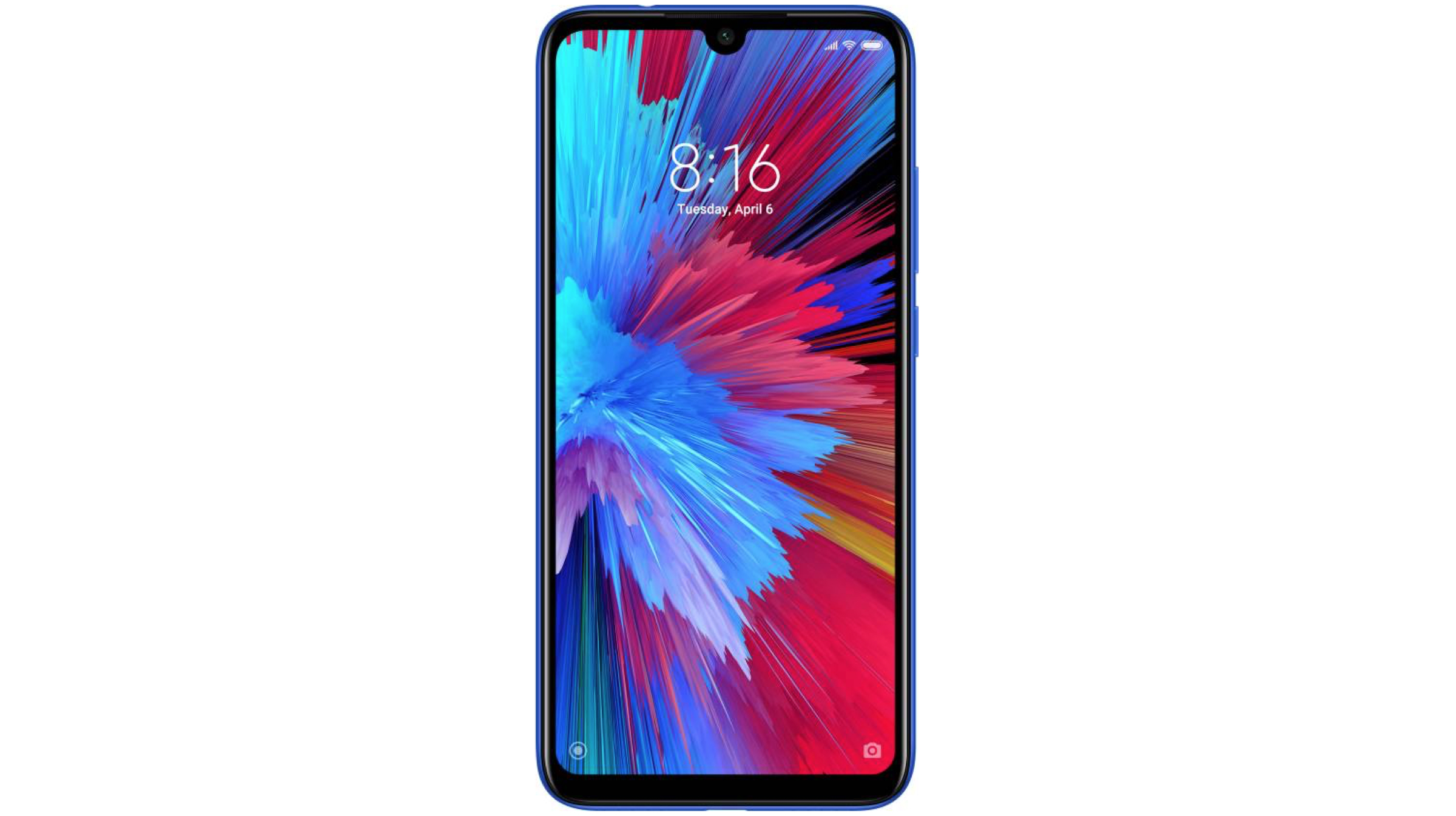
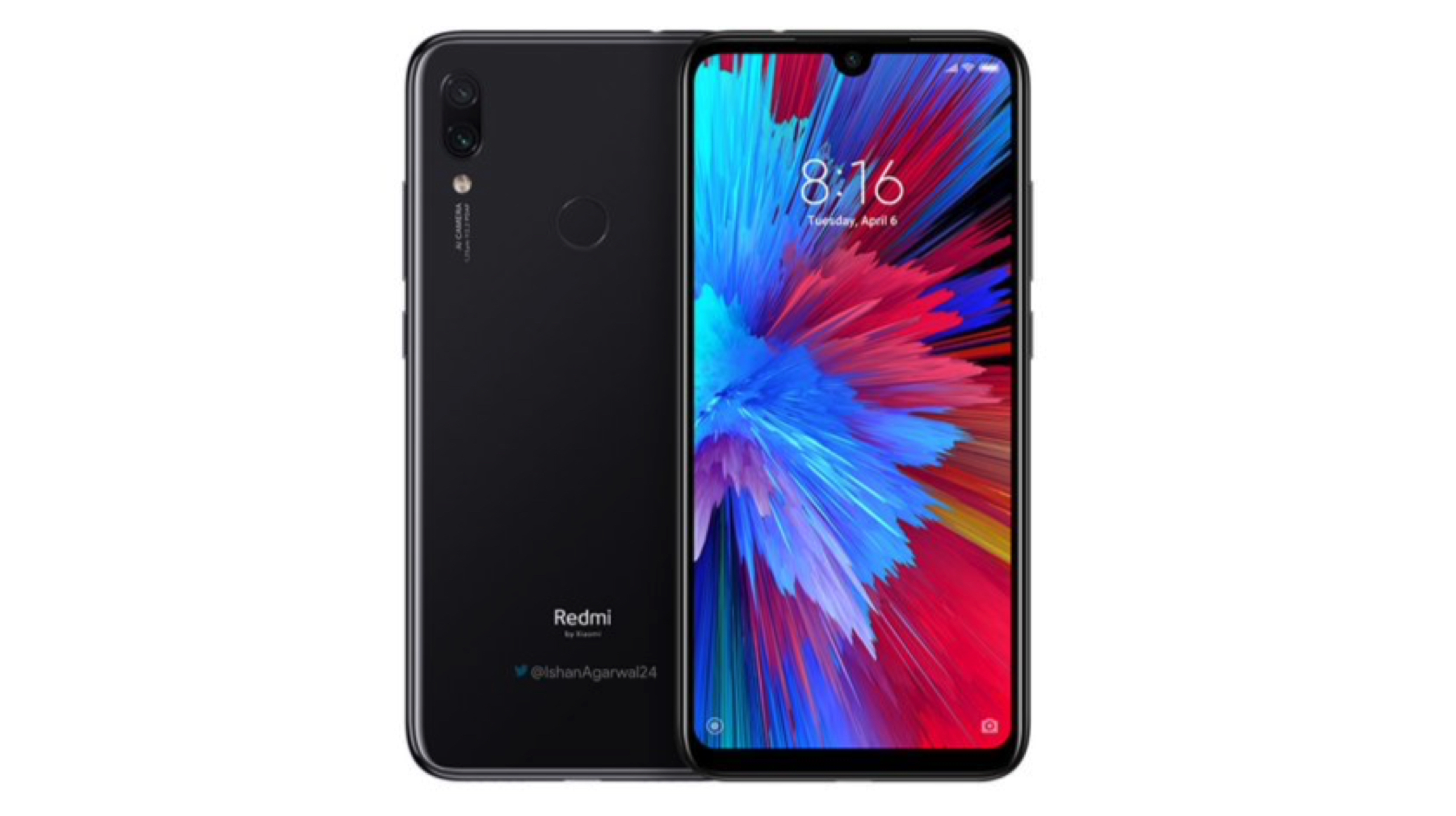
    The Redmi Note 7 is all set to go on sale in India for the first time today. The smartphone was launched alongside the Redmi Note 7 Pro on February 28. It is the first phone that Redmi has launched in India after separating from its parent company Xiaomi. The device features a modern design and ambitious specifications with a lucrative price tag.

    Redmi Note 7: Where To Buy?

    The Redmi Note 7 will be available at a price of Rs 9,999 for the version with 3GB RAM and 32GB of onboard storage. The variant with 4GB RAM and 64GB of internal storage has been priced at Rs 11,999. The smartphone will be available to order via flash sales on Flipkart and Mi.com from 12 noon on March 6. It will also be available offline from Mi Home outlets starting today. Reputably, the device also supports memory expansion upto 256 GB via a microSD card. 

    Click here to buy the Redmi Note 7 on Flipkart

    Redmi Note 7: Specifications & Features

    To recall, the Redmi Note 7 is a budget offering from the company and features a modern design with Gorilla Glass 5 on the front and the rear. The smartphone has a 6.3 inch LCD display with a small waterdrop notch up top. The display panel has a 19.5:9 aspect ratio with a resolution 2340 x 1080 px and pixel density of 409 ppi. There is a fingerprint scanner on the back of the device and it also supports face unlock technology.

    Under the hood, the Redmi Note 7 runs on the Snapdragon 660 SoC which consists of Adreno 512 GPU and an Octa-Core CPU. Out of the eight CPU cores, four Kryo 260 cores are clocked at 1.8 GHz for better battery efficiency and four Kryo 260 cores are clocked at 2.2 GHz for maximum performance. For optics, the smartphone has a dual rear camera setup consisting of a 12MP main sensor with an aperture of f/2.2 and a secondary 2MP depth sensor. The front camera on the device has a 13MP sensor which is housed in the notch on top of the display.


    Also Read: Best Portable Power Banks You Can Buy Right Now

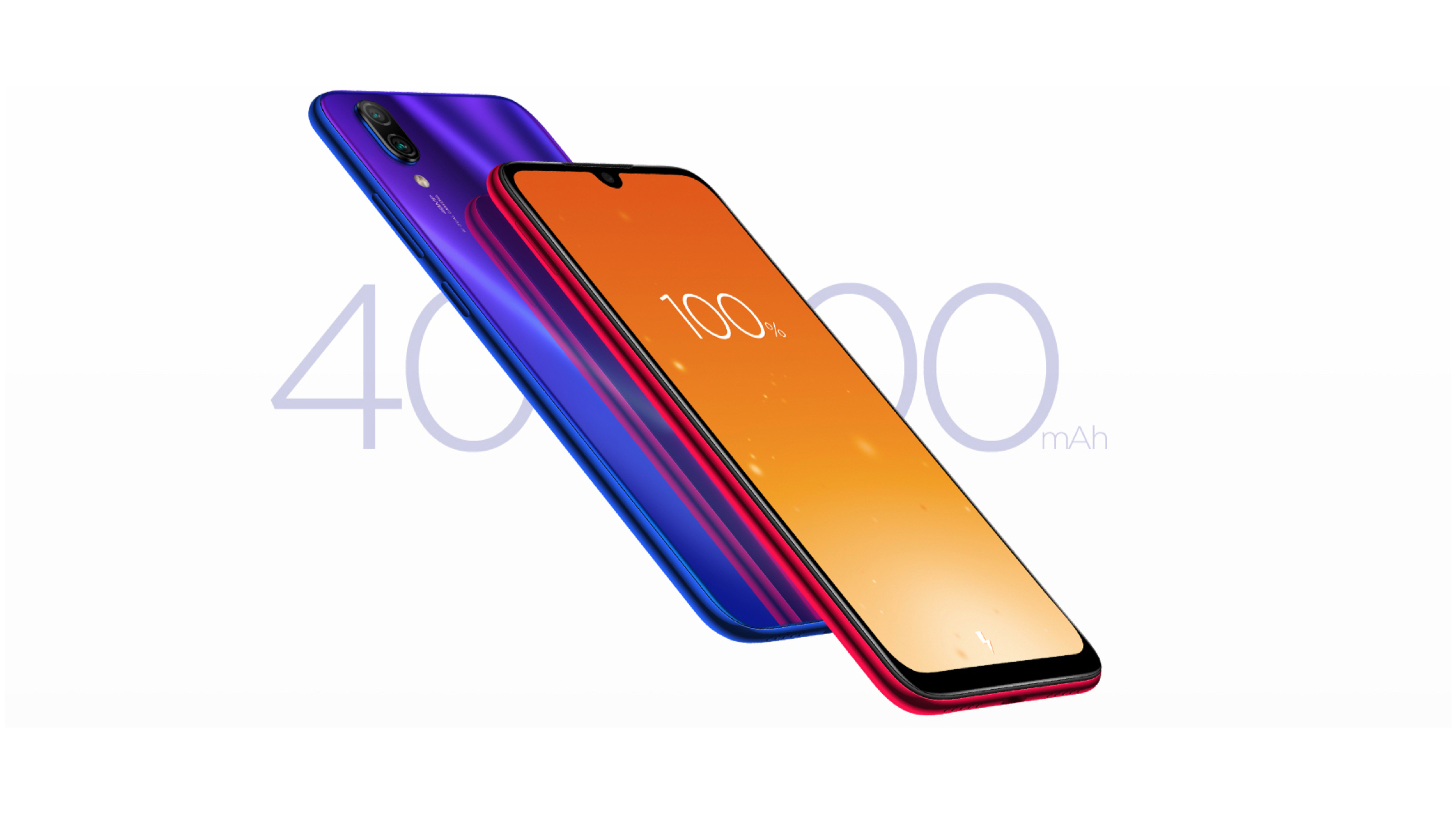
    The Redmi Note 7 is powered by a 4000mAh battery with support for Qualcomm Quick Charge 4. It allows the device to charge with a maximum input of 18W via the bottom mounted USB Type-C port. Connectivity options on the device include 802.11 ac Wi-Fi, 4G VoLTE, Bluetooth 5.0, GPS, and FM Radio. It also has a whole host of sensors which include an accelerometer, gyroscope, proximity sensor, and a compass.

    Click here to buy the 3GB + 32 GB Variant Of Redmi Note 7 

    Click here to buy the 4 GB + 64 GB Variant Of Redmi Note 7 

  • Realme 3

    Realme 3

    Realme 3 is the latest smartphone from Oppo’s subsidiary Realme. The device features a modern aurora gradient design on the back and a waterdrop notch on the front. It is the successor to the Realme 2, which was launched last year. The smartphone has a dual rear camera setup and runs on the latest ColorOS 6.0 on top of Android 9 Pie.

    Click Here to buy the Realme 3

    [loop included_tags=”55724,41062″ loading=”paged” layout=”f” postsperpage=”4″]

  • Best Portable Power Banks You Can Buy Right Now

    Best Portable Power Banks You Can Buy Right Now

    In the quest for a thin and light smartphone, the battery capacity of the device takes a hit. While most handsets have a battery life of up to a day, more power is always useful in the case of emergencies. Buying the right power bank for yourself can be both confusing and exhausting owing to the plethora of choices available in the market. To make this choice easier, we have compiled a list of portable power banks according to every need.

    The ‘Lite’ Power Bank:


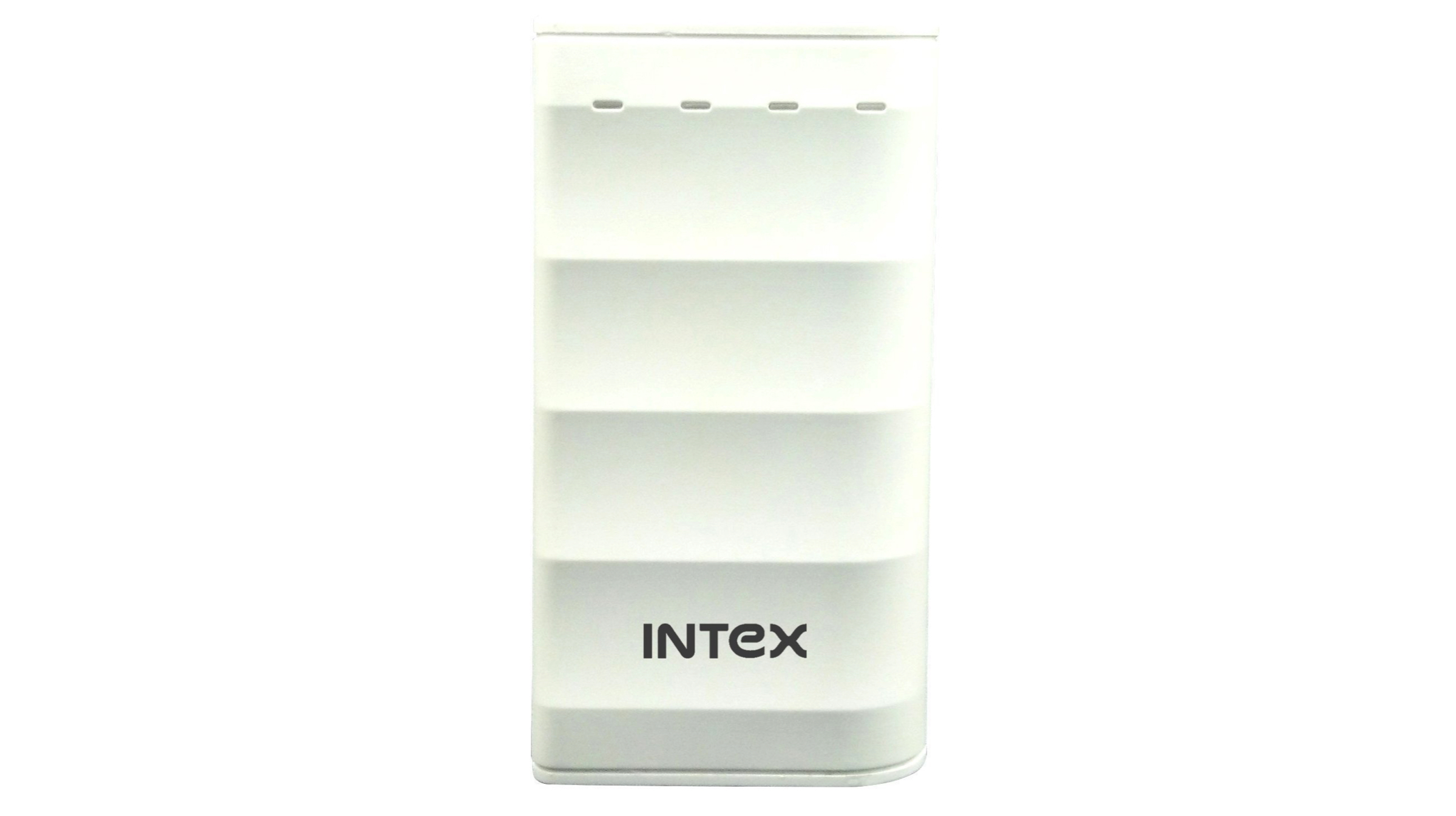
    Intex PB-4K: The Intex PB-4K boasts of light, sleek and portable design with a rated capacity of 4,000mAh. With a torch on board, the device offers more functionalities than one and is good to charge a standard smartphone once.


    The Best Seller:

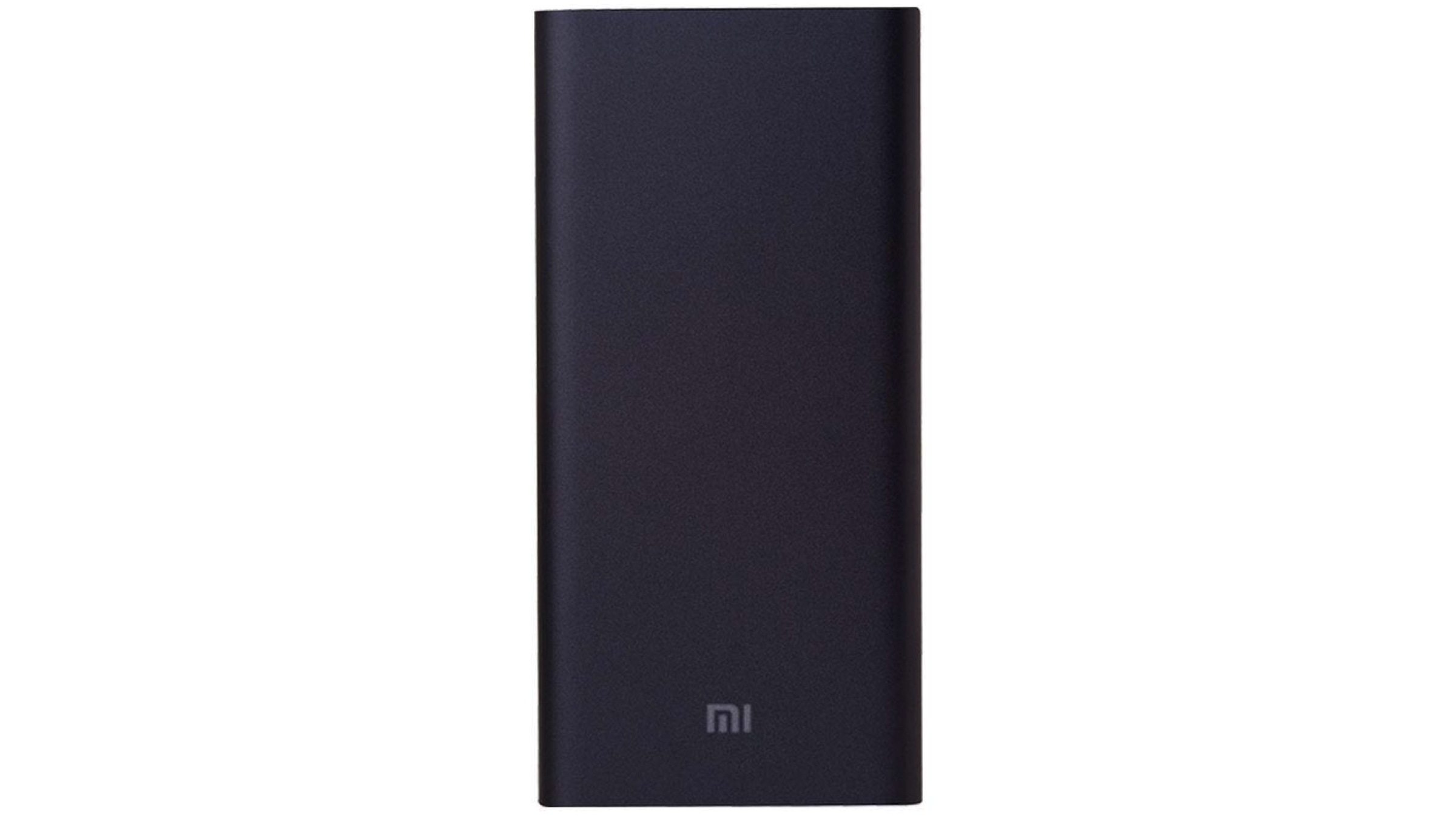
    Mi Power Bank 2i 10,000 mAh: The best selling of the bunch for a reason, the Mi Power Bank 2i has two USB ports and is capable of charging a standard smartphone a little more than twice. The power bank has an aluminium casing and a sleek body for easy portability.

    The Affordable Powerhouse:


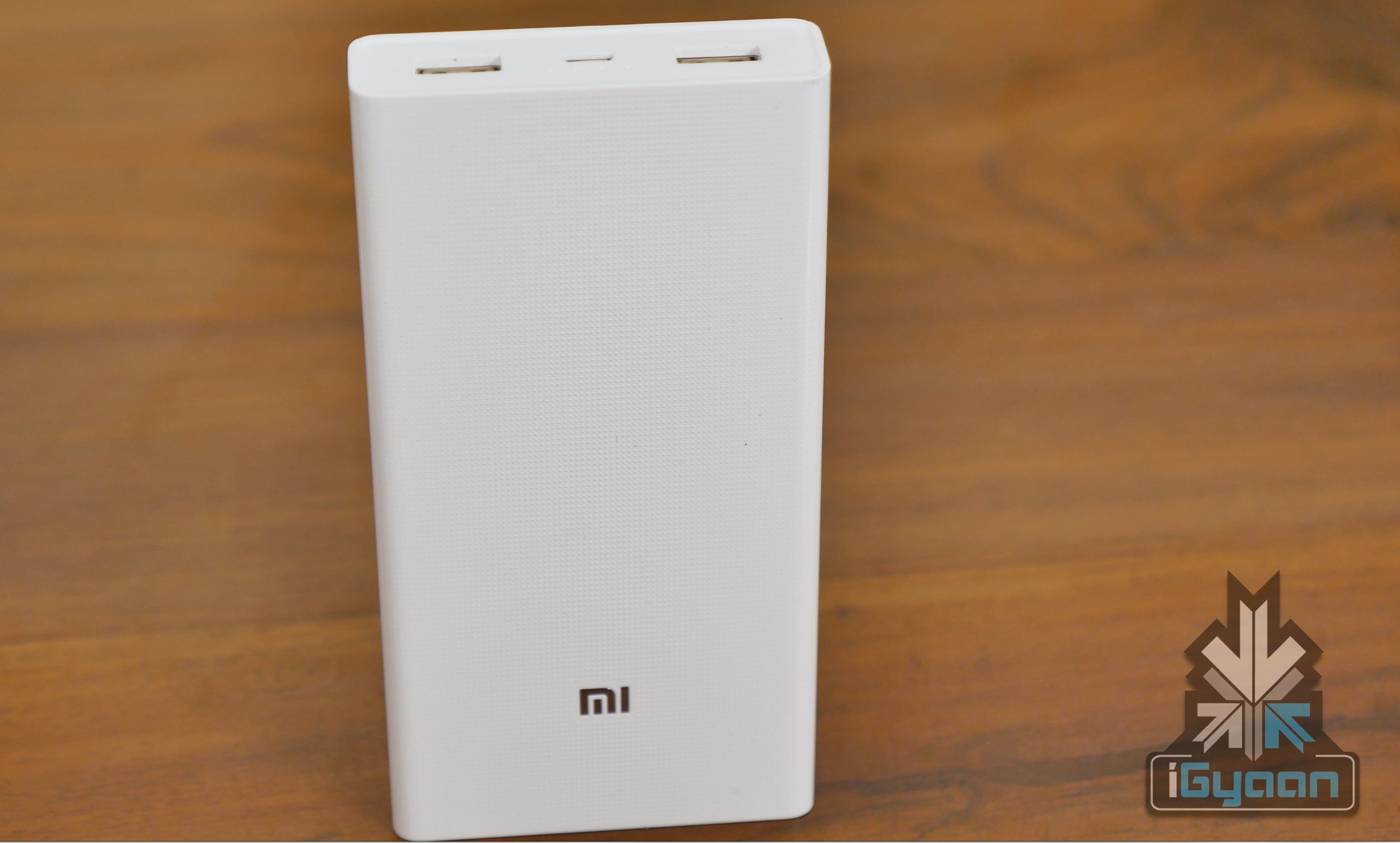
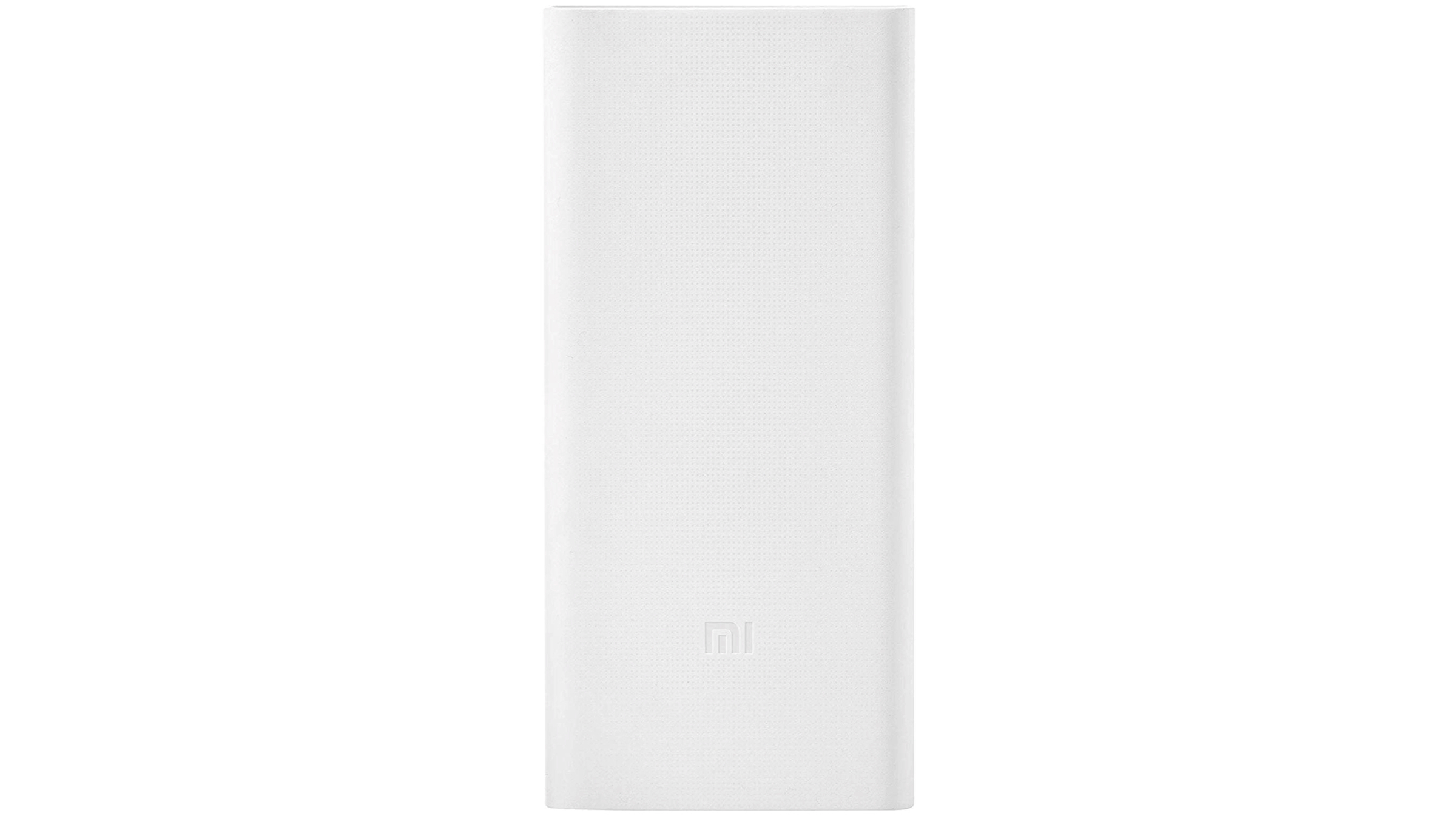
    Mi Power Bank 2i 20,000 mAh: The device has a rated capacity of 20,000 mAh and an affordable price, making it one of the most desired ones. Like its sibling, it also has an aluminium casing and a dual USB port. Despite having a large capacity, the size of the power bank is pocketable, making it easily portable.

    The Looker:

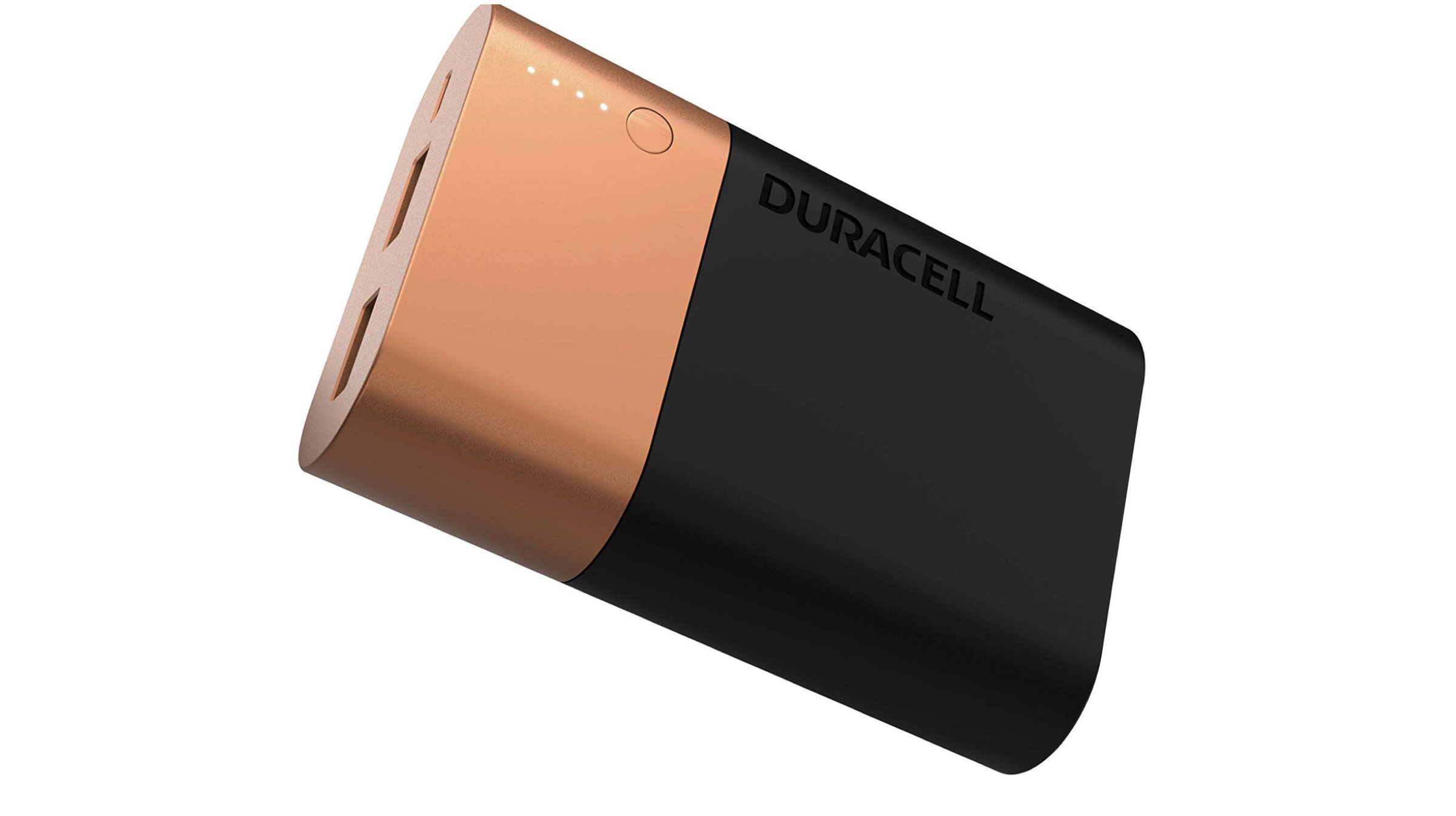
    Duracell PB10050: The Duracell Power Bank is one of the best-looking power banks available, deriving its looks from the brands’ well-known alkaline batteries. There are dual USB ports and support for fast charging on the device. It offers solid build quality and respectable 10,050 mAh battery which can charge standard smartphones twice.

    The Affordable Laptop Powerbank

    Also read: Penta Camera On The Nokia 9 PureView, What’s All The Hype About?

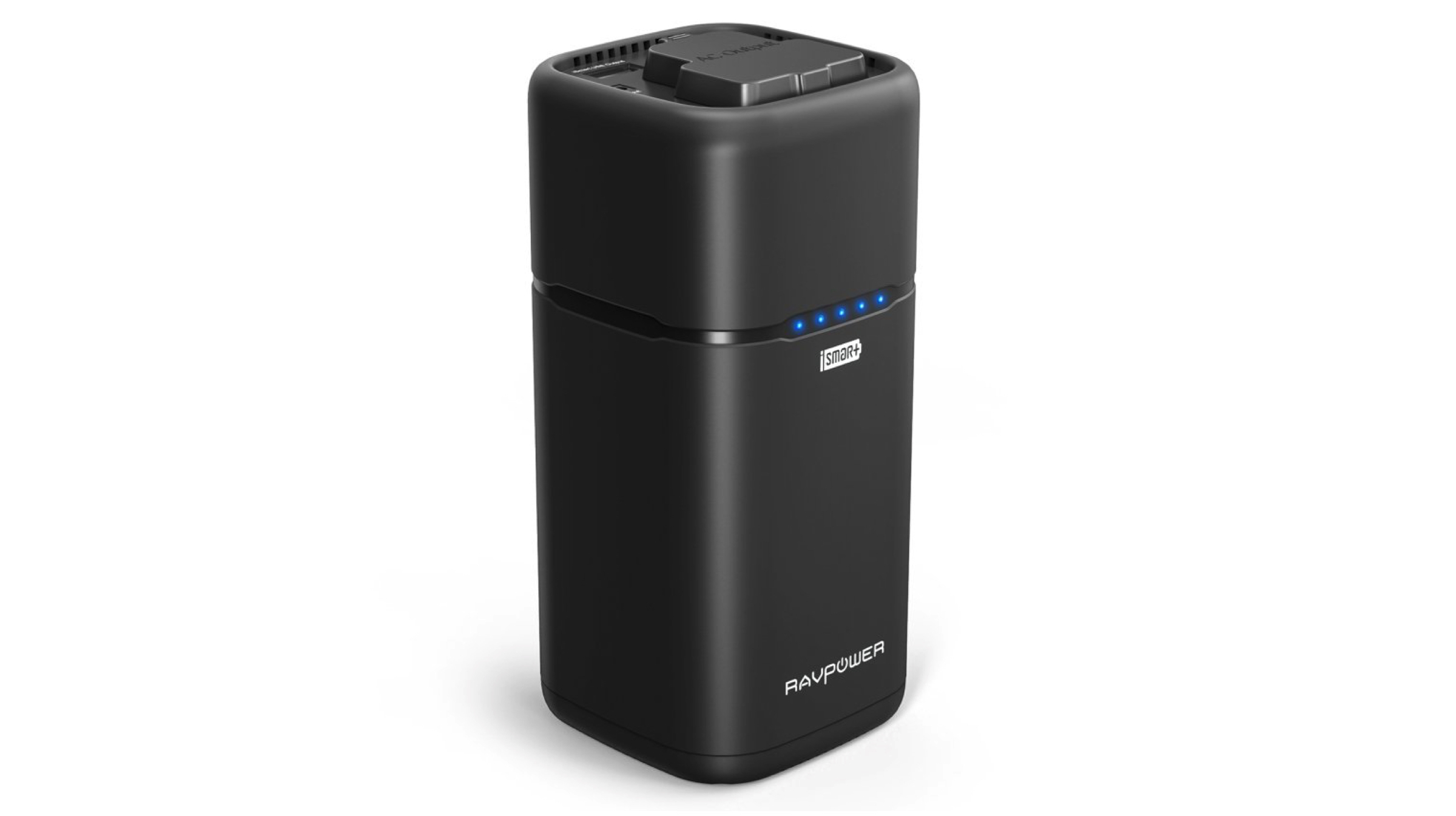
    RAVpower Portable 20,100 mAh: The RAVPower power bank is a powerhouse in more ways than one. Besides being quite portable and having a rated battery capacity of 20,100mAh, the device has an AC output port which makes it possible to charge laptops and devices which require an AC input. There are a USB Type-C port and a standard USB port. The AC port supports a maximum output of up to 65W.


  • What Is Wi-Fi 6; Understanding Different Wi-Fi Standards

    What Is Wi-Fi 6; Understanding Different Wi-Fi Standards

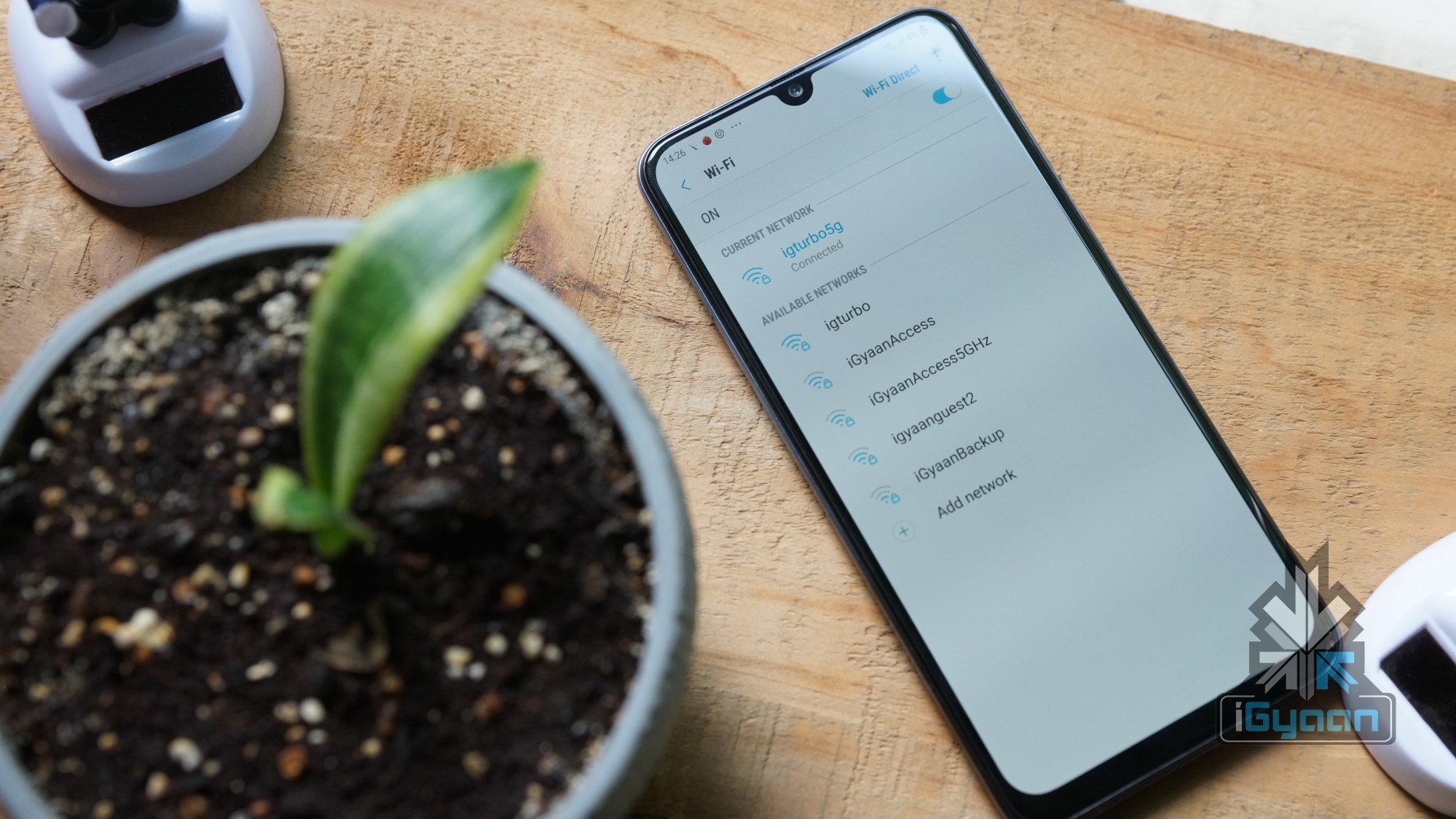
    In today’s day and age of connectivity, one of the most common ways people connect to the internet is through Wi-Fi. The latest generation of this technology, Wi-Fi 6 has been freshly introduced. But what does Wi-Fi, a technology most people use to connect to the internet mean, and what changes does the new generation of Wi-Fi bring? Here is a brief history of Wi-Fi standards across generations and what improvements Wi-Fi 6 has to offer.

    Wi-Fi Standards: A History

    To understand what the different standards of Wi-Fi, first an understanding of what Wi-FI means is required. It is a popular wireless networking technology that uses radio waves to provide a high-speed network connection. The Wi-Fi Alliance is an organization which owns the trademark for the name and defines it as “wireless local area network products that are based on the Institute of Electrical & Electronics Engineers’ (IEEE) 802.11 standards. The number is a common sight in different generations of Wi-Fi, the original standard for which was released in 1997. Here is what changed in the different generations of Wi-Fi:

    Wi-Fi Generation:

    Wi-Fi 1 (802.11a)

    Wi-Fi 2 (802.11b)

    Wi-Fi 3 (802.11g)

    Wi-Fi 4 (802.11n)

    Wi-Fi 5 (802.11ac) Wi-Fi 6 (802.11ax)
    Released: 1999 1999 2003 2009 2014 2019
    Maximum Speed: 54 Mbit/s 11 Mbit/s 54 Mbit/s 150 Mbit/s 800 Mbit/s 1,300Mbit/s
    Frequency: 5.8 GHz 2.4 GHz 2.4 GHz 2.4 & 5 GHz 5 GHz 2.4 & 5 GHz
    Wi-Fi 6: What’s New?


    Like any new technology, the next generation of Wi-Fi standard offers significant improvements over its predecessor. Some of them are mentioned below:

    • Faster Speeds

    As is the case with every generation, the new Wi-Fi 6 is all set to provide faster speeds on compatible devices. On a router connected to a single device, the maximum speed is up to 1,300Mbit/s.

    • Better Battery Life

    With a new feature called Target Wake Time (TWT), the new generation can make use of the access point to tell a device like a smartphone to put the Wi-Fi radio to sleep and to activate it whenever required. This would help conserve battery life in the long run.

    • Performance In Congested Areas

    The new standard has been designed to work better in congested areas, like an airport or a station. This is due to a technology called “spatial frequency re-use.”

    Also read: Intel And Qualcomm Will Offer 5G Modems For Computers

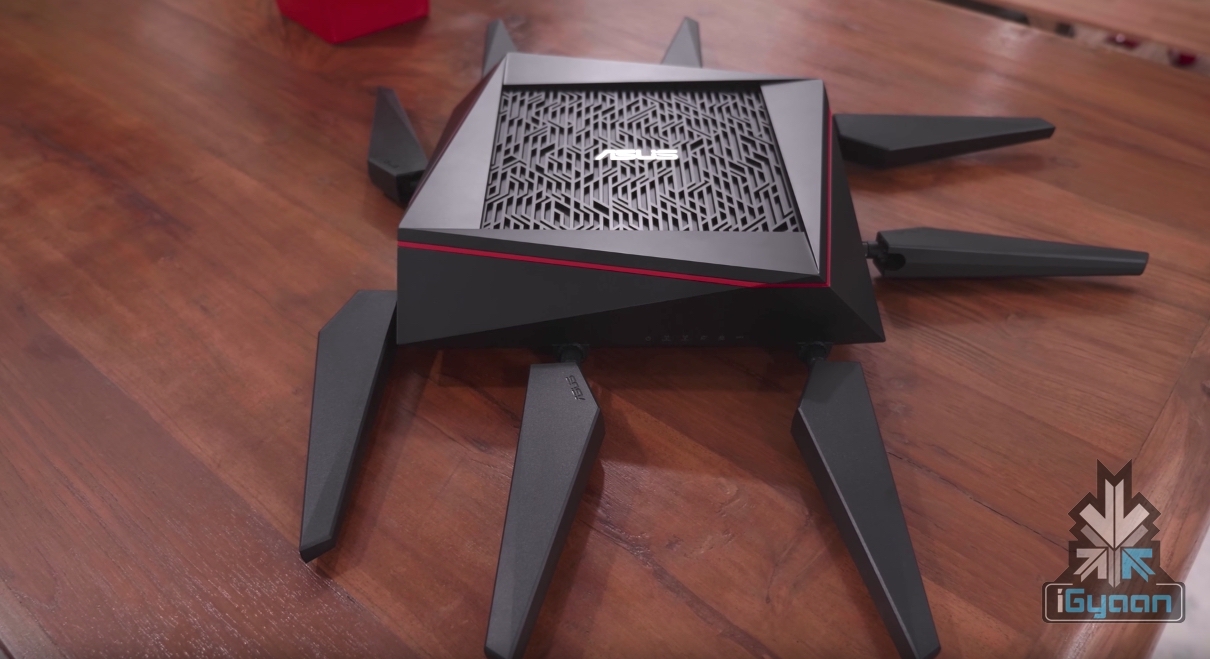
    However, to use the newest Wi-Fi 6, the user will need to have a router and a device supporting the technology. Considering the technology is fairly new, it will be a while before the industry adopts it as the standard for wireless connectivity.

  • Galaxy S10 Has The Best Smartphone Display Claims DisplayMate

    Galaxy S10 Has The Best Smartphone Display Claims DisplayMate

    Samsung launched the Galaxy S10 series of smartphones at the Galaxy Unpacked event on February 20. The devices that were launched in the lineup include the Galaxy S10e, Galaxy S10, Galaxy S10+ and the Galaxy S10 5G. All the devices were marked by a striking similarity, their displays. While the display sizes are different, all the smartphones have a Dynamic AMOLED display with support for HDR10+ content. DisplayMate, a noted display calibration and testing company has ranked the Samsung Galaxy S10 excellent for its display.

    Who Is DisplayMate?

    DisplayMate is a well-known display benchmarking company that tests, evaluates and compares all types of displays, like monitors, projectors, mobile displays etc. It also offers professional display calibration software for consumers. The company has been in the limelight for the last few years when it started testing and ranking mobile displays. It is often considered as an industry standard in display testing.

    Samsung Galaxy S10 Display

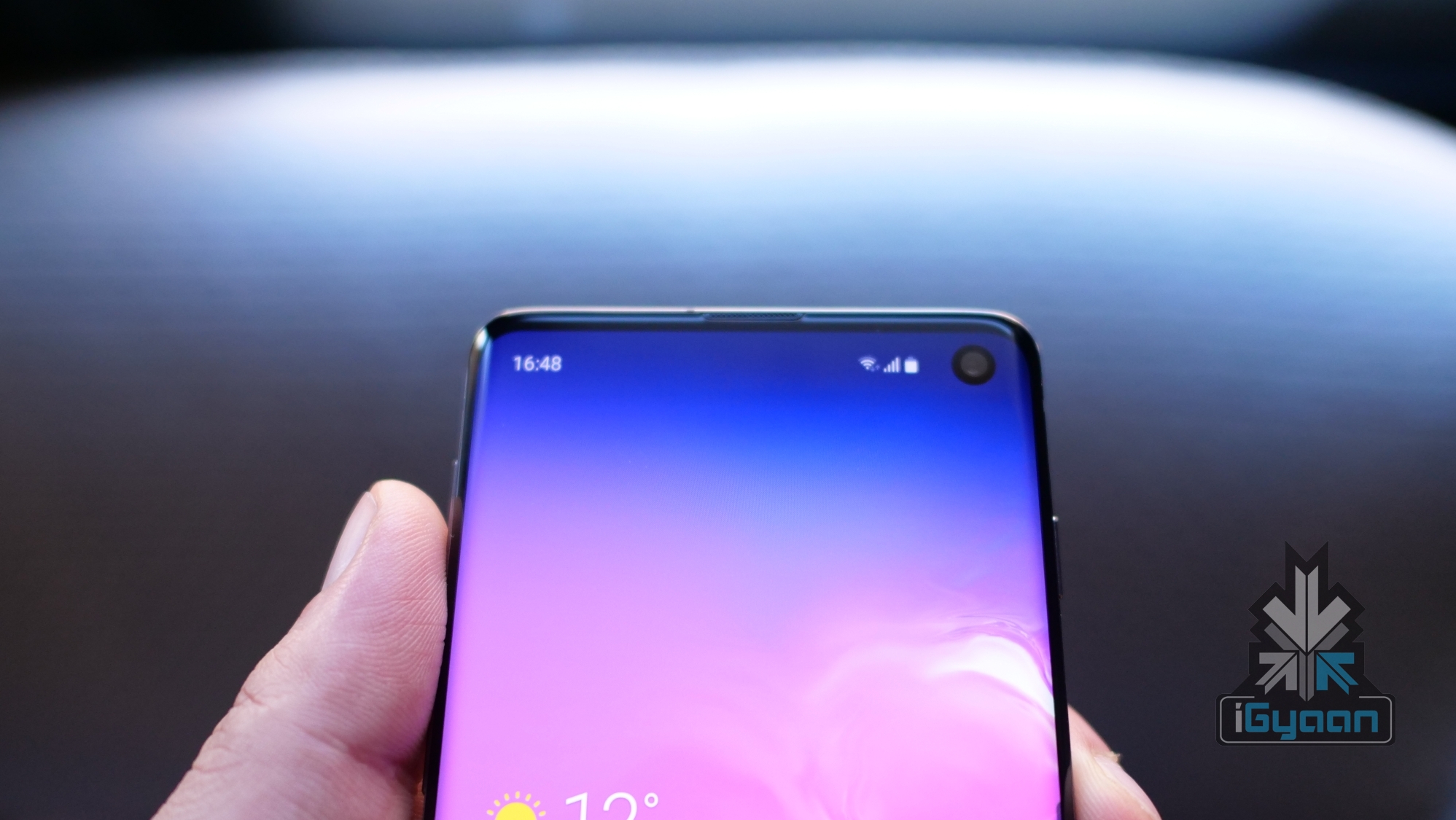
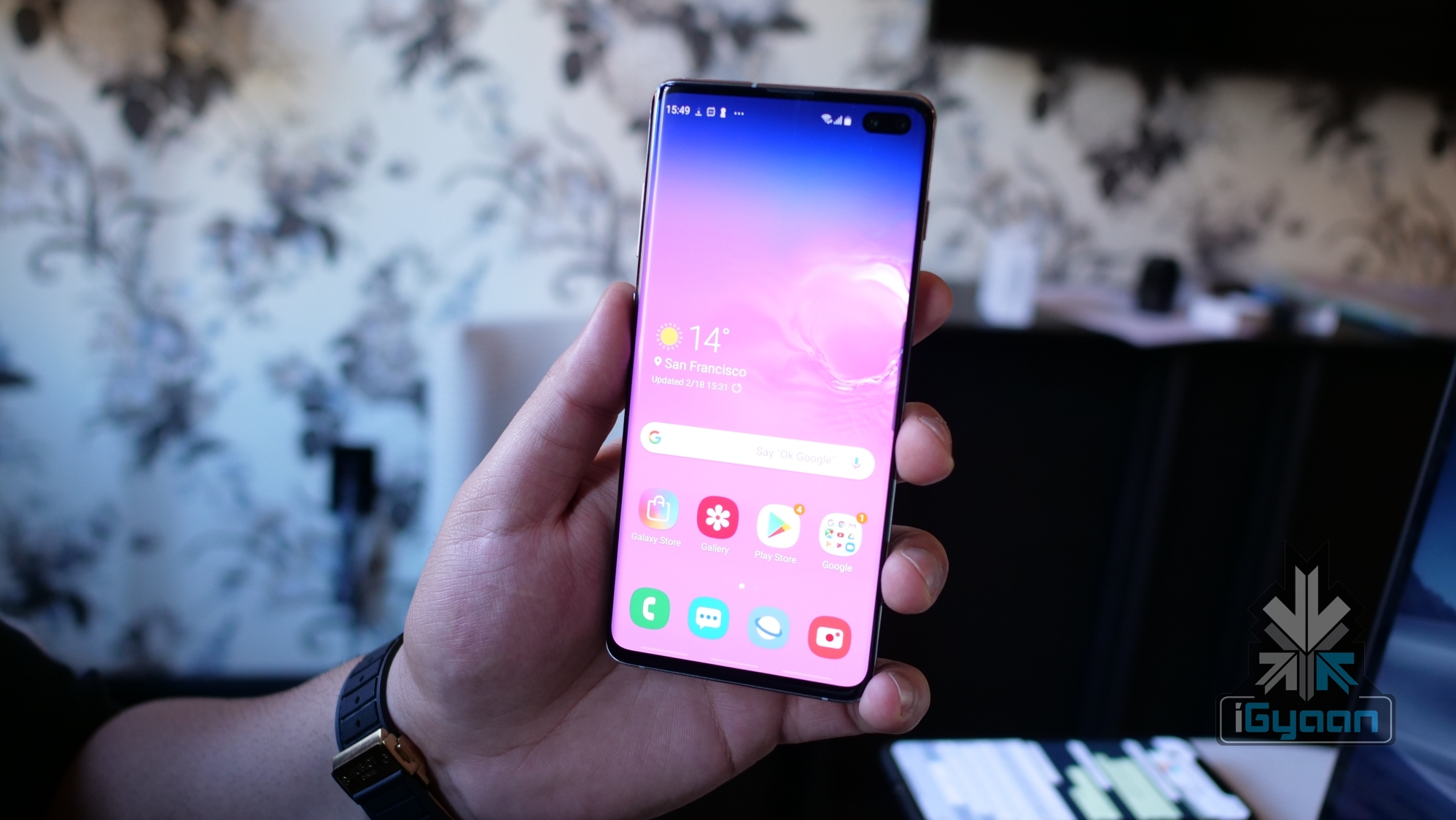
    In the Galaxy S10, Samsung has used an Infinity-O, 6.1-inch Dynamic AMOLED display with a resolution of 3040 x 1440 px. It has an aspect ratio of 19:9 and a pixel density of 550 ppi. The display on the Samsung Galaxy S10 is considered better than the one on its elder siblings, the Galaxy S10+ and the Galaxy S10 5G; due to its higher pixel density. One highlighting feature of the display is its illumination levels which can reach 1200 nits of brightness. 

    Also read: Samsung Galaxy A60 With 32MP Front Camera, 4500mAh Battery Leaked

    DisplayMate in their testing rated the display on the device as Excellent and gave it an A+ rating. This is in part due to its colour accuracy which the company claims is ‘indistinguishable from perfect’. According to DisplayMate, the display also has a very high image contrast accuracy and minimal colour and white shifting. Notably, Samsung has been time and again appreciated for making praiseworthy displays for smartphones and is a big name in the monitor and the TV business. The company also supplies AMOLED displays for major smartphone OEMs including Xiaomi and OnePlus.

  • Samsung Galaxy A60 With 32MP Front Camera, 4500mAh Battery Leaked

    Samsung Galaxy A60 With 32MP Front Camera, 4500mAh Battery Leaked

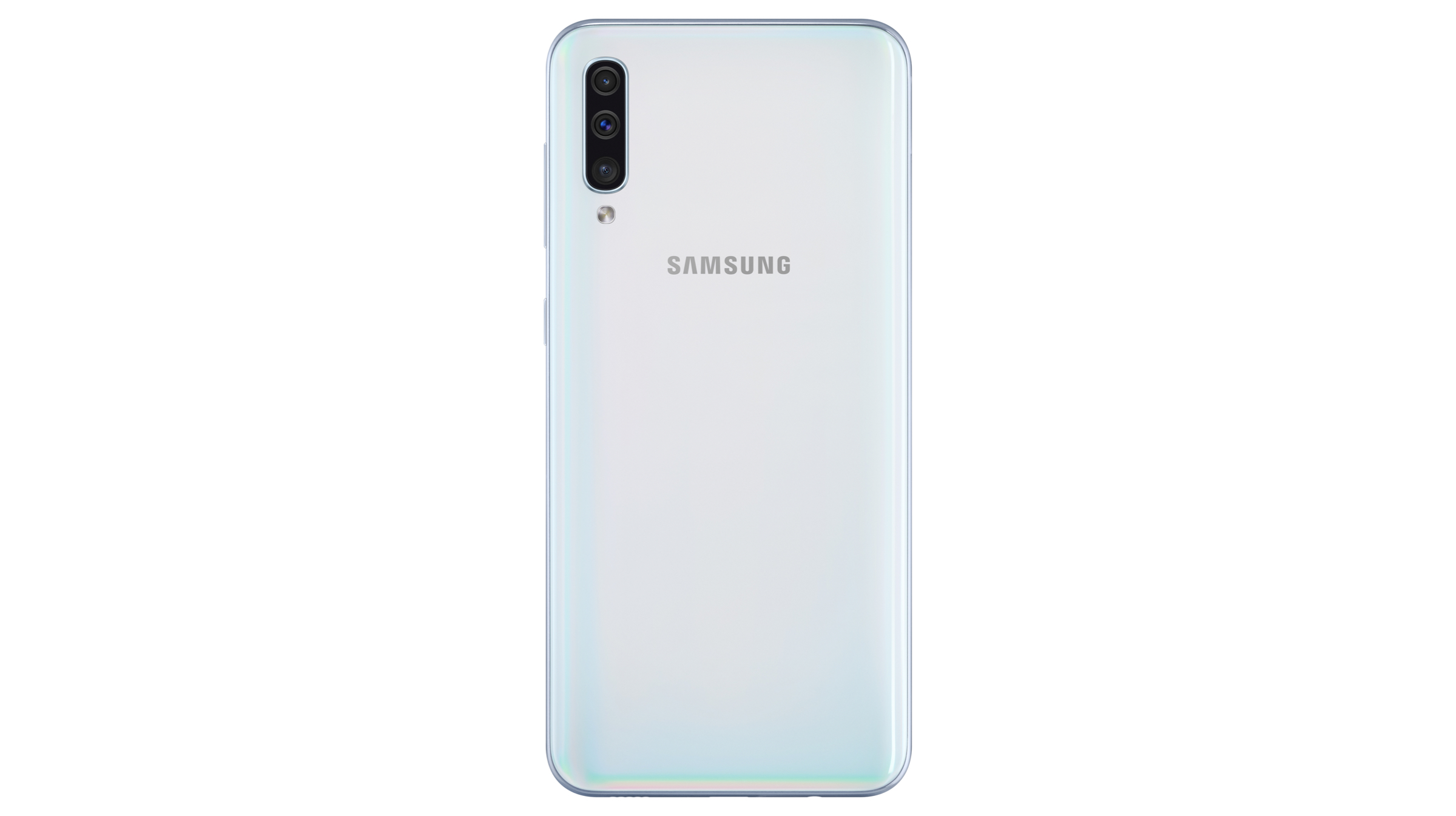
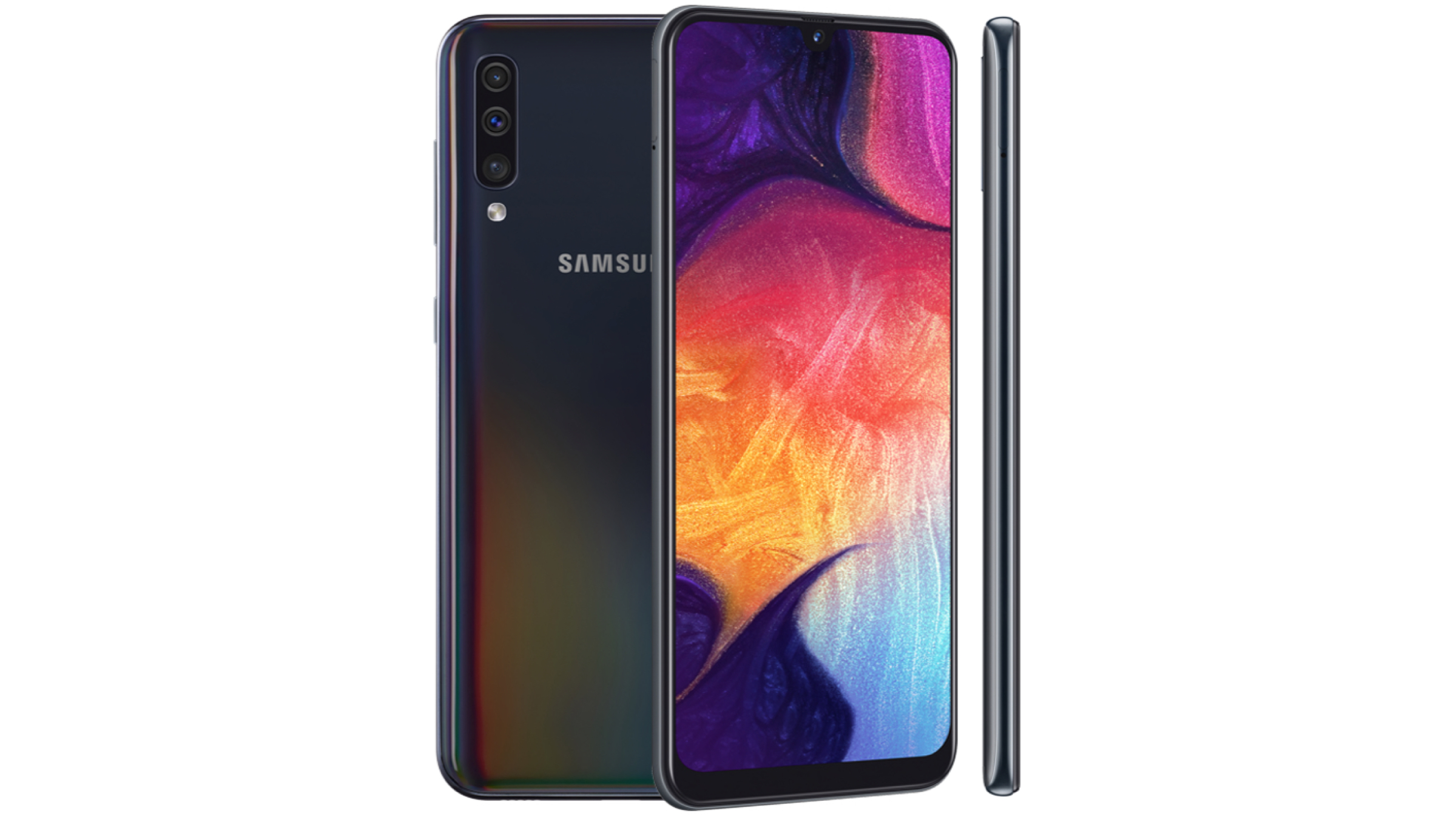
    Samsung announced the latest entrant in the Galaxy A series, the Galaxy A10, Galaxy A30 and Galaxy A50 on February 28 in India. There were reports about a possible Galaxy A40 and Galaxy A90 in the works for some time too. Fresh leaks have surfaced revealing possibly another device in the ever-expanding range of devices. The leak claims the device is the upcoming Galaxy A60 and unveils key specifications of the smartphone.

    Samsung Galaxy A60

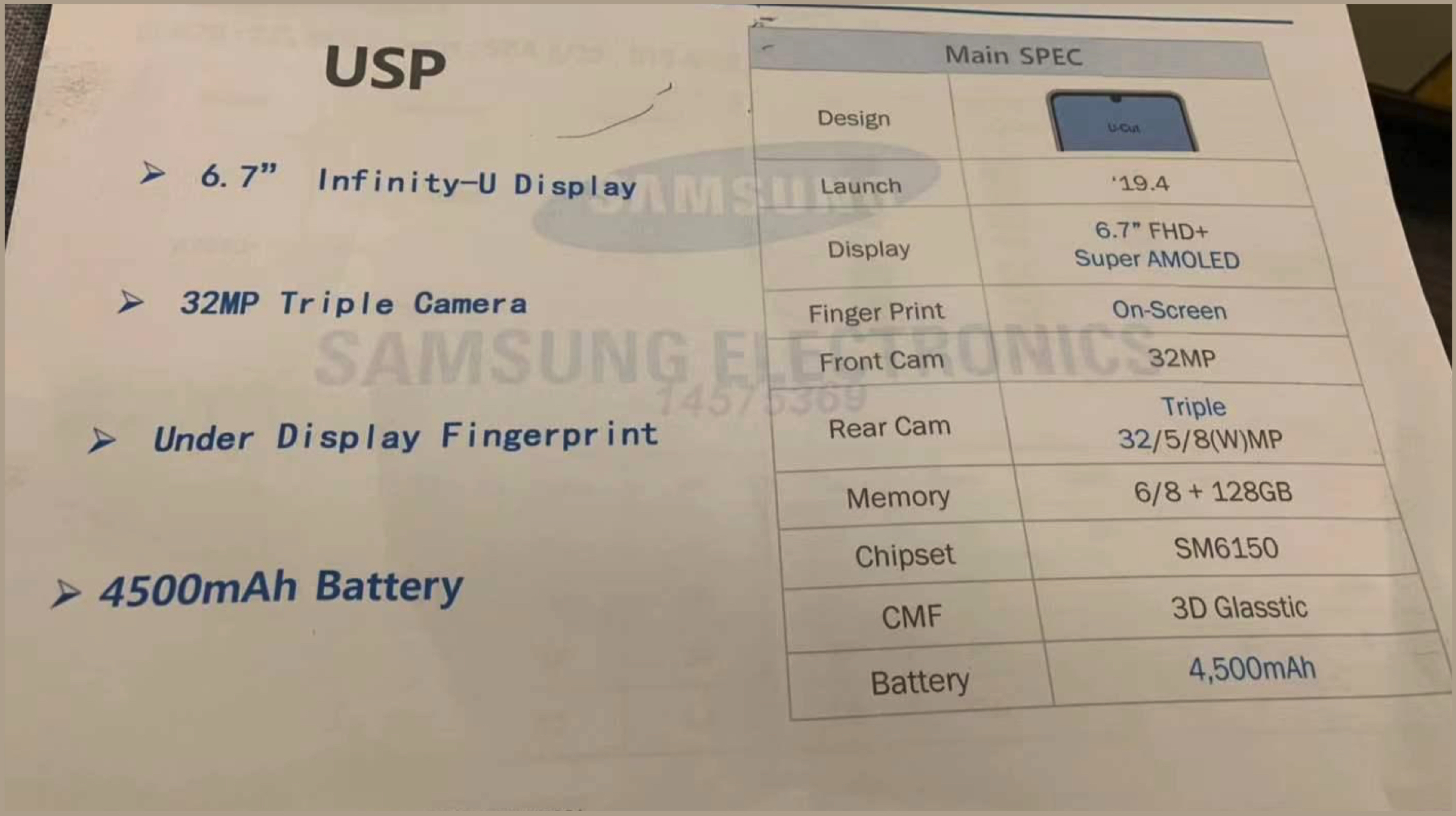
    As the name suggests, the Samsung Galaxy A60 will be the elder sibling to the Galaxy A50; and is expected to carry major design and features from the device, albeit with a few upgrades. The leak suggests the smartphone will have the same ‘3D Glasstic’ back which will provide it with a modern look. Its display will be a massive 6.7 inch Super AMOLED one with an Infinity-U notch on the top and a resolution of 2340 x 1080 px. Like the Galaxy A50, there will be an in-display fingerprint scanner with support for face unlock technology.

    The leak insinuates that the Galaxy A60 may debut with an all-new SoC, the Qualcomm Snapdragon 6150; which has been reported to be manufactured using 11nm fabrication process. The chipset may sport an Octa-core CPU and an unannounced Adreno GPU. Interestingly, Qualcomm uses Samsung’s architecture process to make 11nm processors and manufactures SoCs like the Snapdragon 675. It is therefore expected that the company will produce the aforementioned chipset for Qualcomm and debut the Galaxy A60 with it. 

    In terms of optics, the leak reveals Galaxy A60 will feature a triple rear camera setup comprising of a 32MP sensor; combined with an 8MP ultra-wide angle sensor and a 5MP depth sensor. For selfies, the smartphone will have a 32MP camera housed in the notch on top of the display. The device will be powered by a 4500mAh battery and is likely to support fast charging via the USB Type-C port. For memory and storage, the Galaxy A60 will be available in the following variants:

    • 6GB RAM and 128GB ROM
    • 8GB RAM and 128GB ROM
    Pricing and Availability

    Also read: Is Artificial Intelligence Digging Its Roots Deeper Into Our Reality?

    The leaks also reveal when the Samsung Galaxy A60 will launch. The smartphone will be unveiled in the month of April. Unfortunately, no details about the pricing are known yet, but early estimates suggest that the device will be priced at Rs 25,999 for the base model and Rs 28,999 for the version with 8GB RAM and 128GB of internal storage.

  • Audio-Technica Launches ATH-M50xBT Wireless Headphones In India

    Audio-Technica Launches ATH-M50xBT Wireless Headphones In India

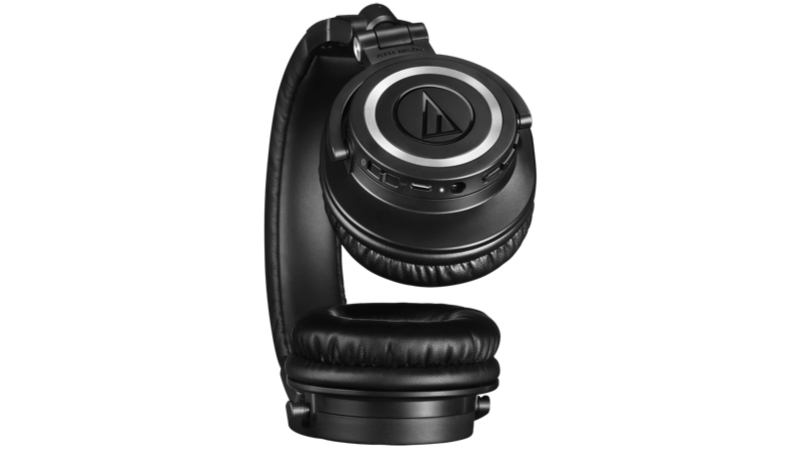
    Japanese audio equipment giant Audio-Technica announced its ATH-M50xBT wireless over-ear headphones in India. These were launched in Bangalore today, March 4. The company has added Bluetooth functionality to the widely acclaimed studio monitoring headphones, the ATH-M50x. The headphones were launched in the month of October last year and are finally making their way into the Indian market.

    Audio-Technica ATH-M50xBT

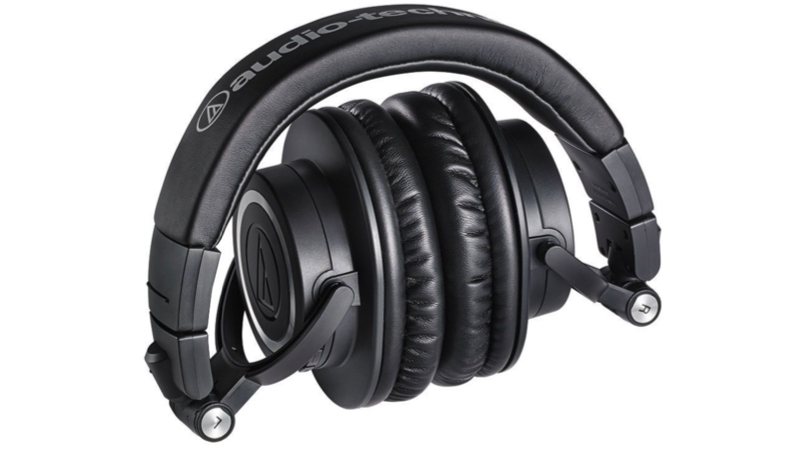
    The Audio-Technica ATH M50xBT wireless over the ear headphones have a closed back design. This will allow for better noise isolation than open back headphones. Like its wired counterpart, the design is the same and the headphones have a ‘fold-flat’ design with 90-degree swivelling ear cups. The company claims professional grade earpads and headband on the headset. The controls are mounted on the left earcup for handling phone calls, music playback and for adjusting volume. The touch controls on the headphones will facilitate in accessing either the Google Assistant or Siri, based on the device. The company is also providing compatibility with the Audio-Technica Connect app for iOS and Android, which will further provide the headphones with additional features and tools. 

    Specifications wise, the ATH M50xBT have a 45mm aperture driver, which has a 15-28,000Hz frequency range, which will allow for wide sound coverage and sonic accuracy. The wire coils are made up of copper-clad aluminium. The headset utilizes Bluetooth 5.0 and is compatible with aptX and AAC codecs, for improvement in the audio quality. There is also support for a wired mode when the battery drains out. Speaking of battery, Audio-Technica claims a play time of up to 40 hours on a single charge on the headphones.

    Also read: 5 Latest Movie Trailers You Should Not Miss 

    The headphones will be available starting today exclusively from Amazon India at a price of Rs 18,490. Interestingly, the normal, non-Bluetooth version of the ATH M50x is currently selling for around Rs 11,000 online.

  • Tesla Will Unveil The Model Y SUV On March 14

    Tesla Will Unveil The Model Y SUV On March 14

    Tesla CEO Elon Musk has announced on Twitter that the long-awaited electric Sports Utility Vehicle (SUV) from the company, the Model Y will be unveiled on March 14. The event will take place at the company’s design studio in Los Angeles, USA. Notably, the Model Y will be the fifth car the company will launch since it was founded in the year 2003.

    Tesla Model Y

    The upcoming Tesla Model Y SUV will be the second one the company has ever made, the first one being the Model X which was unveiled in the year 2015. Model Y is expected to be an affordable vehicle by the company.  While many aspects about the SUV aren’t known yet, Musk on Twitter revealed some key details about the electric car. The vehicle will share most of its features with the Model 3, Tesla’s most affordable car currently. However, the Model Y being an SUV will be 10 percent larger than the Model 3 and will cost as much more. Therefore, the estimated price for the base model of the car is around USD 40,000 (around Rs 28,33,140).

    As far as the battery of the car is concerned, the Model Y will be offered with the same battery capacities as the Model 3. The three battery capacity options include the following:

    • Standard Range- 50kWh battery
    • Mid-Range -62kWh battery
    • Long-Range- 74kWh battery

    Unfortunately, the Model Y being an SUV will have slightly less range than the Model 3. The latter claims either a 220 mi (354 km) range on Standard model; 264 mi (425 km) on the Mid Range model; and 325 mi (523 km) on the Long Range model. Until now, Tesla has only revealed the silhouette of the Model Y, so there is no official confirmation on how it will look like.

    Also read: Honor 20 With Triple Rear Cameras, In-Display Fingerprint Sensor Leaks

    The Model Y launch event will also see test rides offered, along with all the detailed specifications and pricing, according to the Tesla CEO. The company will manufacture the SUV at its Gigafactory in Reno, Nevada. The volume production of the car is expected to start in 2020, with an eventual plan on manufacturing it in the Tesla Gigafactory in Shanghai China. This suggests that the deliveries of the car are likely to start in late 2020 or 2021.


  • Honor 20 With Triple Rear Cameras, In-Display Fingerprint Sensor Leaks

    Honor 20 With Triple Rear Cameras, In-Display Fingerprint Sensor Leaks

    A fresh leak on Chinese social networking site Weibo shows off the image and key specifications of Honor’s next smartphone. This will allegedly be called the Honor 20 and will feature flagship level specifications. The device is expected to be unveiled in China sometime later this month.

    Honor 20

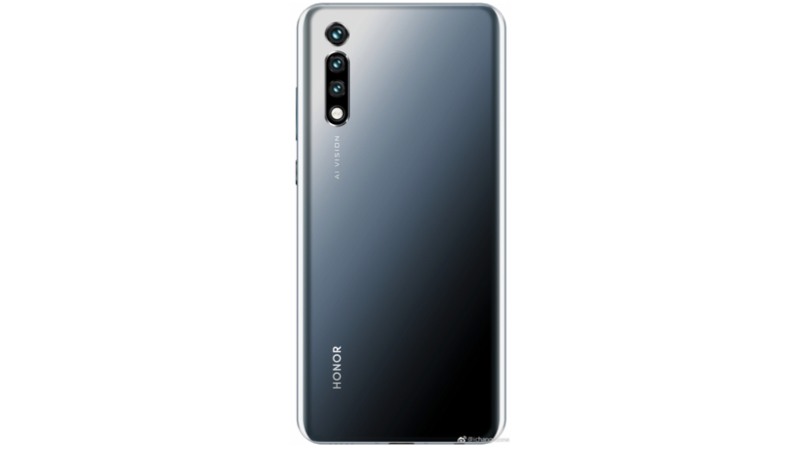
    The next smartphone from Chinese OEM Honor will be called the Honor 20. The leaked specifications show top tier hardware and internals. The leak reveals that it will have a 6.1 inch OLED display with minimal bezels around it. There will be a waterdrop notch on the top of the display which will give the device a modern look. The back of the smartphone will feature Honor’s ‘Aurora gradient’. The Honor 20 will have the sixth generation of in-display fingerprint scanning technology which is likely to make it considerably faster. It will also feature face unlock via the front camera.

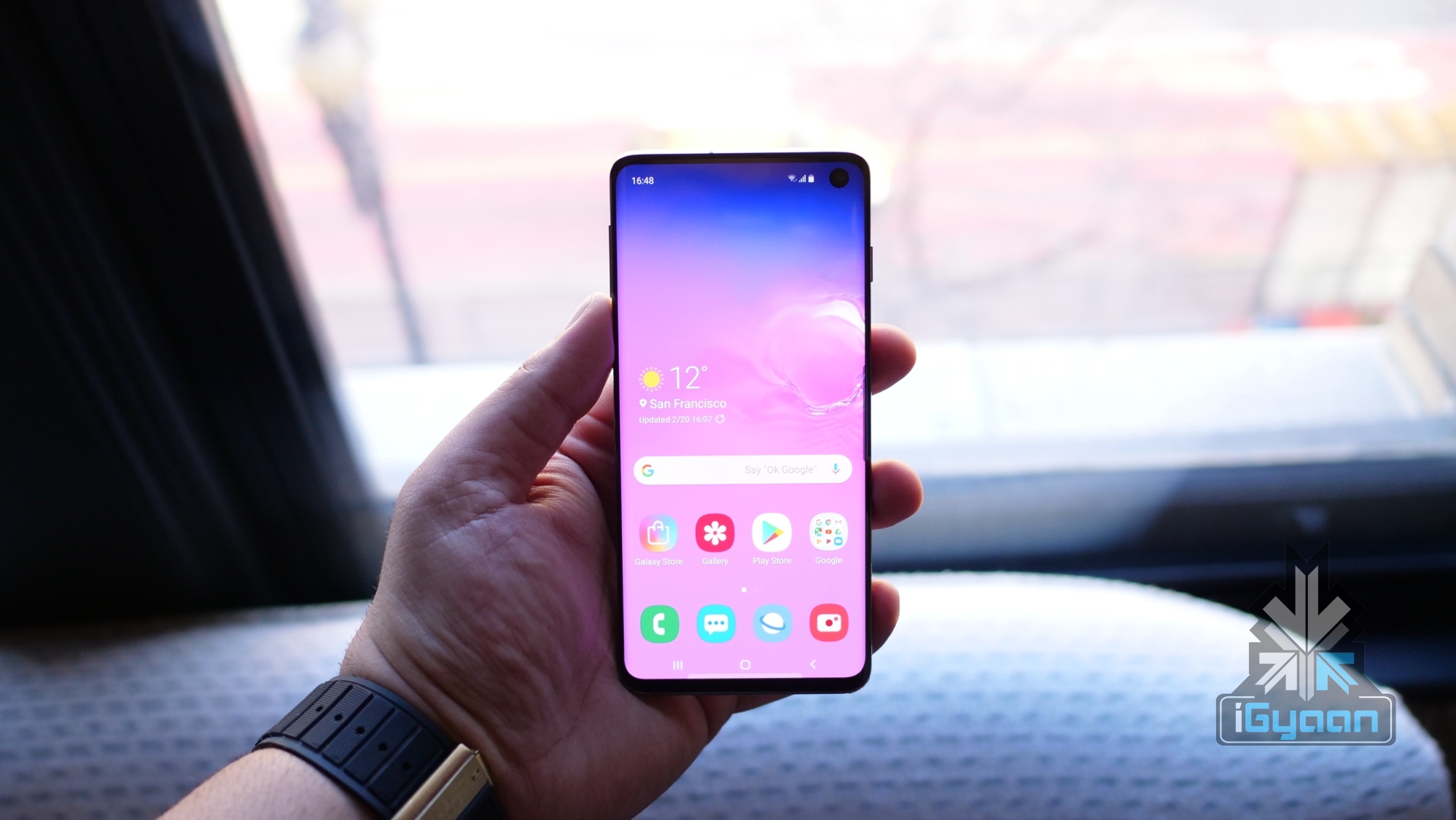
    Under the hood, the Honor 20 will reportedly be kitted with the Kirin 980 SoC which is manufactured using 7nm fabrication process. The chipset consists of an octa-core CPU and Mali G76 GPU. In terms of optics, the leaked image affirms the smartphone will feature a triple rear camera setup comprised of a 48MP main sensor; combined with a 20MP ultra-wide angle sensor and an 8MP telephoto sensor with 3x optical zoom. The front will sport a 32MP camera housed in the notch on top of the display.

    The Honor 20 will be powered by a 3650mAh battery with 22.5W fast charging support via the bottom mounted USB Type-C port. The smartphone will feature Honor’s CPU/GPU turbo technology for increased performance, efficiency and will retain the headphone jack. In terms of memory and storage, the device will be available in three variants:

    • 6GB RAM and 128GB ROM
    • 8GB RAM and 128GB ROM
    • 8GB RAM and 256GB ROM
    Pricing & Availability

    Also read: Apple AirPods 2 To Feature Fast Wireless Charging; Launch Imminent

    The leaks have also revealed the pricing of the Honor 20. The base model with 6GB of RAM and 128GB if internal storage will be priced at CNY 2999 (around Rs 31,700). The version with 8GB of RAM and 128GB of onboard storage will cost CNY 3399 (around Rs 36,000). The top end variant with 8GB of RAM and 256GB of internal storage will be priced at CNY 3799 (around Rs 40,200). The smartphone will be launched in China later this month.

iGyaan Network
Privacy Overview

This website uses cookies so that we can provide you with the best user experience possible. Cookie information is stored in your browser and performs functions such as recognising you when you return to our website and helping our team to understand which sections of the website you find most interesting and useful.