Category: Android

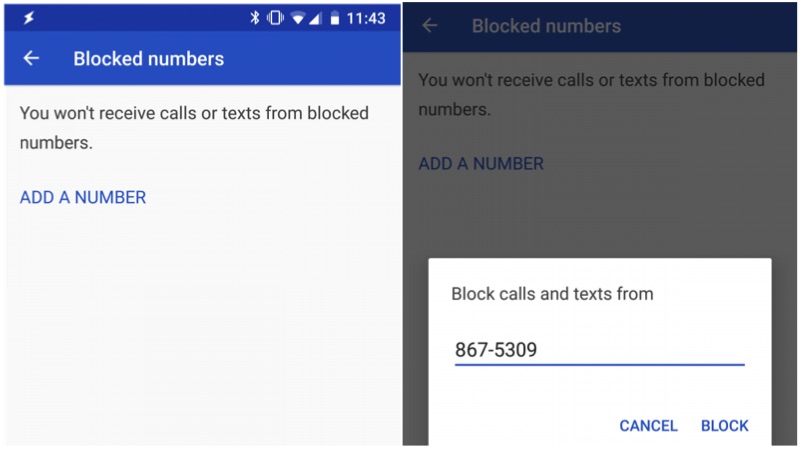
  • Android P To Support Strict Call Blocking

    Android P To Support Strict Call Blocking

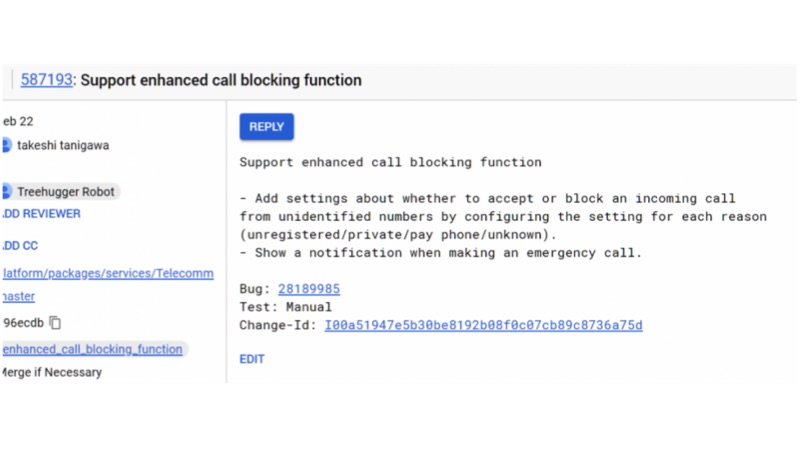
    Android P will be the next iteration of its Android OS from Google. Android P will add additional native features like support for the notch, Dark mode, and strict privacy controls. According to a new report, Android P might support native strict call blocking capability. In fact, these set of commands were noticed on an AOSP package.

    This feature will let a user block any call from an unknown number. By enabling this feature, one will not receive a phone call from that number. In fact, this will eliminate those telemarketing calls altogether. Similarly, this will also work in the following situations as well.

    • If the number is not in the contact list
    • The number not disclosed by the caller (private)
    • If the number is from a Payphone
    • If the number does not have a caller information (unidentified)

      call blocking
      Credits: XDA Developers

    The report also clarifies that this feature will not interrupt in the event of emergency calls.

    There is a catch in this process, the strict call blocking can be enabled or disabled by the service provider. Similarly, your service provider might incur additional charges to enable this feature.

    Conclusion

    This feature will give the freedom to the user regarding the call they like to receive. However, this feature might backfire if your friend/family tries to call you in an emergency situation.

  • PhoneKid Is A Kids-Friendly Smartphone With Parental Control

    PhoneKid Is A Kids-Friendly Smartphone With Parental Control

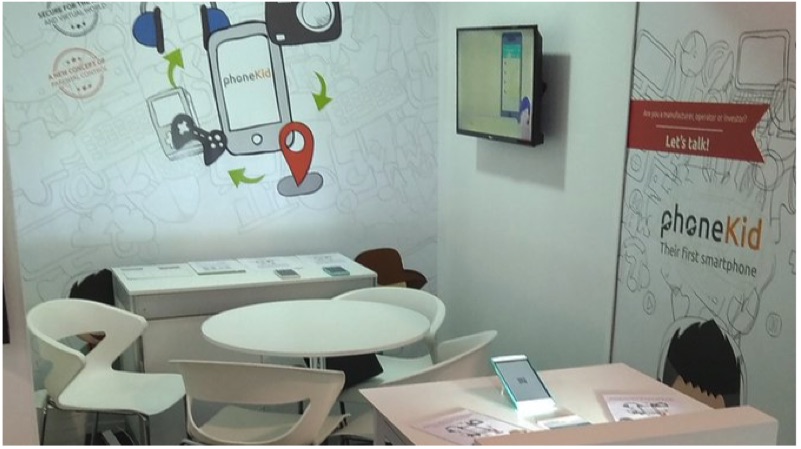
    Most of the parents are afraid of exposure that their children get on a smartphone. In fact, most of them do not let their children use a smartphone until a specific age. In this modern world security is also a major concern. To solve this riddle, a Spanish company has come up with a new smartphone, the PhoneKid. It was officially launched at MWC 2018. However, there is no information on the specifications, pricing, or, availability.

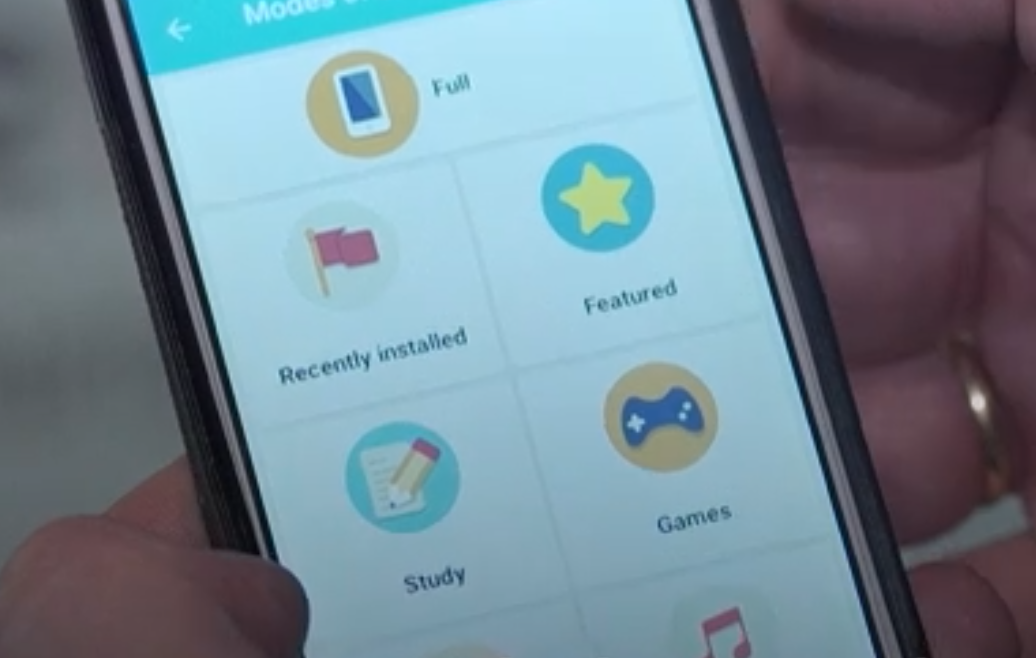
    The PhoneKid is a regular smartphone based on the Android operating system. Similarly, it also gives a layer of control for the parent. A parent can enable or disable certain functions (remotely) by just using an app. In fact, they can replace the phone’s screen into an activity command page.

    However, the child cannot do two things on the PhoneKid. One, he/she cannot turn off the smartphone, two, they cannot disable GPS or global positioning service. So, the parent will have the added advantage of tracking their children at all the time. Similarly, if the battery runs out, then there is no alternative what so ever.PhoneKid

    What is PhoneKid?

    PhoneKid is a fully fledged Android smartphone with support for Google Play store. However, it depends on the parents to give or not to give access to these services. There is a hidden SOS mode, which can be used to call the parent, whenever the user is in some kind of trouble.

    This would be a great smartphone for the kids. However, the kids might not appreciate the fact that, the parents can control all the actions on the smartphone.

    Conclusion:

    The idea behind the concept looks promising. However, these actions can be duplicated by just installing an app on any Android or iOS smartphones. In fact, here are some the some of the apps that can give complete control over your children’s smartphone.

    SecureTeen Parental Control

    Kaspersky SafeKids: Parental Control for Android

    Kids Place – Parental Control

  • Android P To Support Iris Scanner

    Android P To Support Iris Scanner

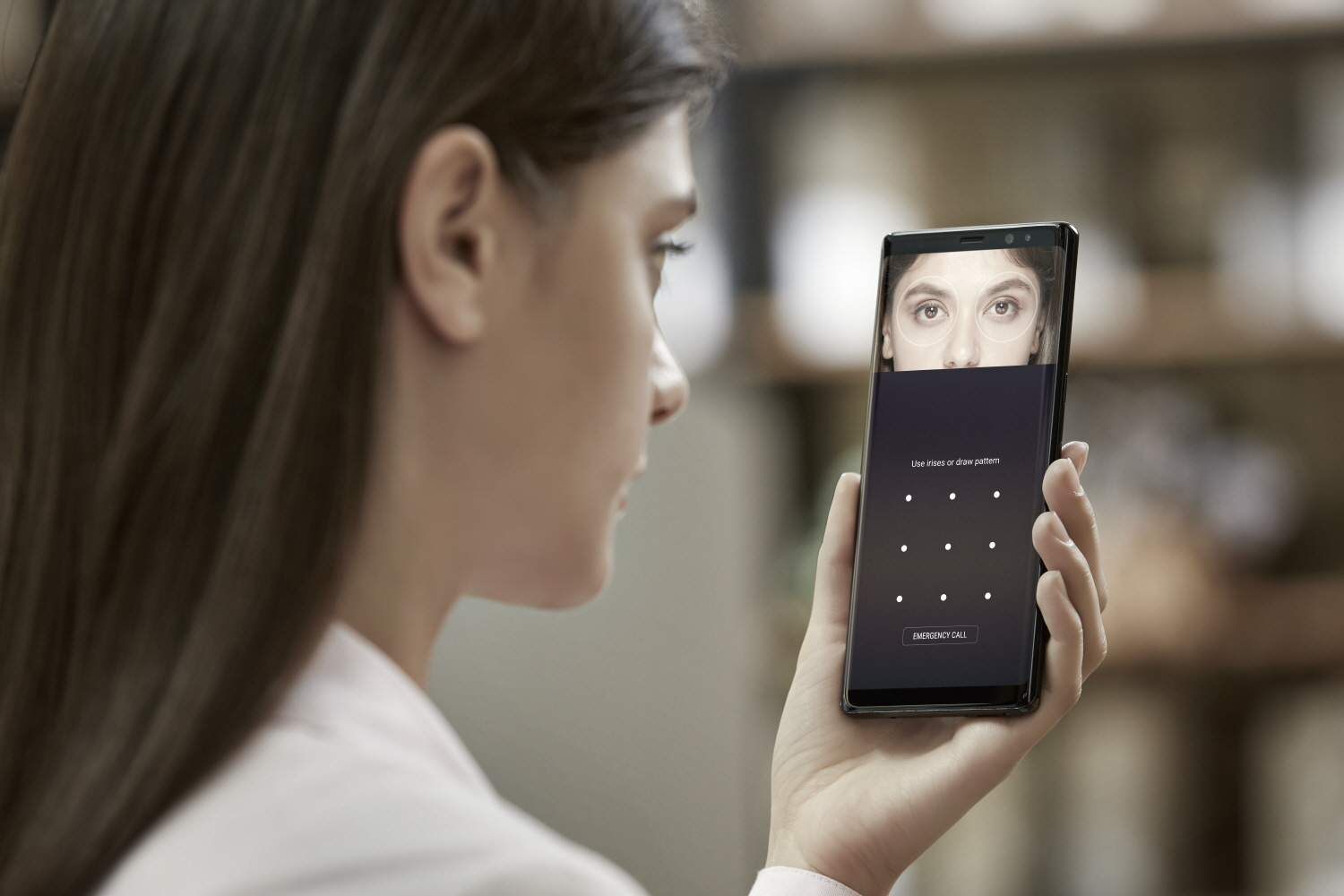
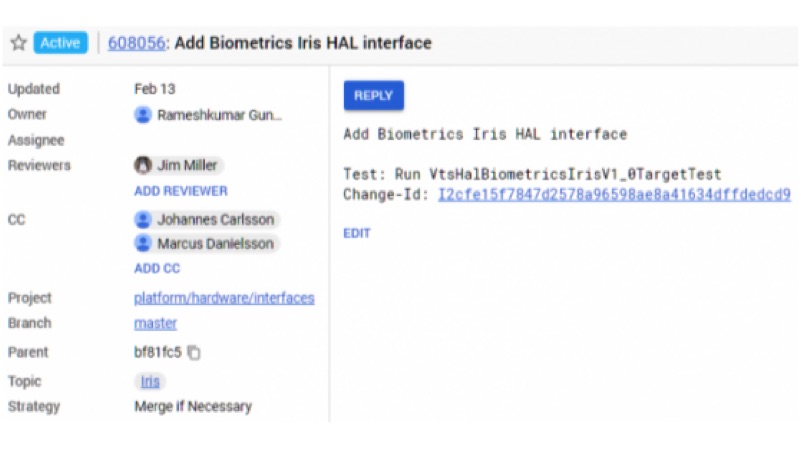
    Samsung introduced fingerprint scanner on the Samsung Galaxy S5, it made into stock android on Android Marshmallow. Samsung introduced multi-window mode on the Galaxy Note 4, it made into native Android on Android Nougat. Now Google is all set to adopt the support for Iris scanner in the Android P natively.

    What does it mean?

    This means that the Google Pixel 3 lineup from Google is expected to feature Iris scanner. Companies like OnePlus, Honor, and Xiaomi have already come up with the phones with face recognition. However, the technology used on these devices is not foolproof like the Iris Scanning.

    In fact, the Samsung Galaxy S9 uses both Iris scanner and Face scanning to improve the over experience. Do note that, Samsung is the only mainstream smartphone maker to offer Iris scanner.Iris Scanner


    Is Iris scanner a safe authentication method?

    For the most part yes. It scans different parts of the eyeball, which are very distinct even on twins. However, as of now, the one has to look at the phone from a specific distance to unlock the smartphone. Similarly, it takes an additional second more than the fingerprint scanner.

    In fact, one cannot fool it using a 3D model or an identical twin like the Face ID. So, it is safe but not the fastest thing in the world. Even the hardware requirement for the Iris scanner is not as complex as Face ID, so it will be easy to mass produce.

    Conclusion

    The implementation of Iris scanner has been spotted on the alpha build of the Android P. Google should officially announce this new feature at the Google I/O 2018. The Google Pixel 3 and Pixel 3 XL could be the first set of non-Samsung smartphones to feature this new technology.

  • Nokia 8 Sirocco Launched For EUR 749 At MWC 2018

    Nokia 8 Sirocco Launched For EUR 749 At MWC 2018

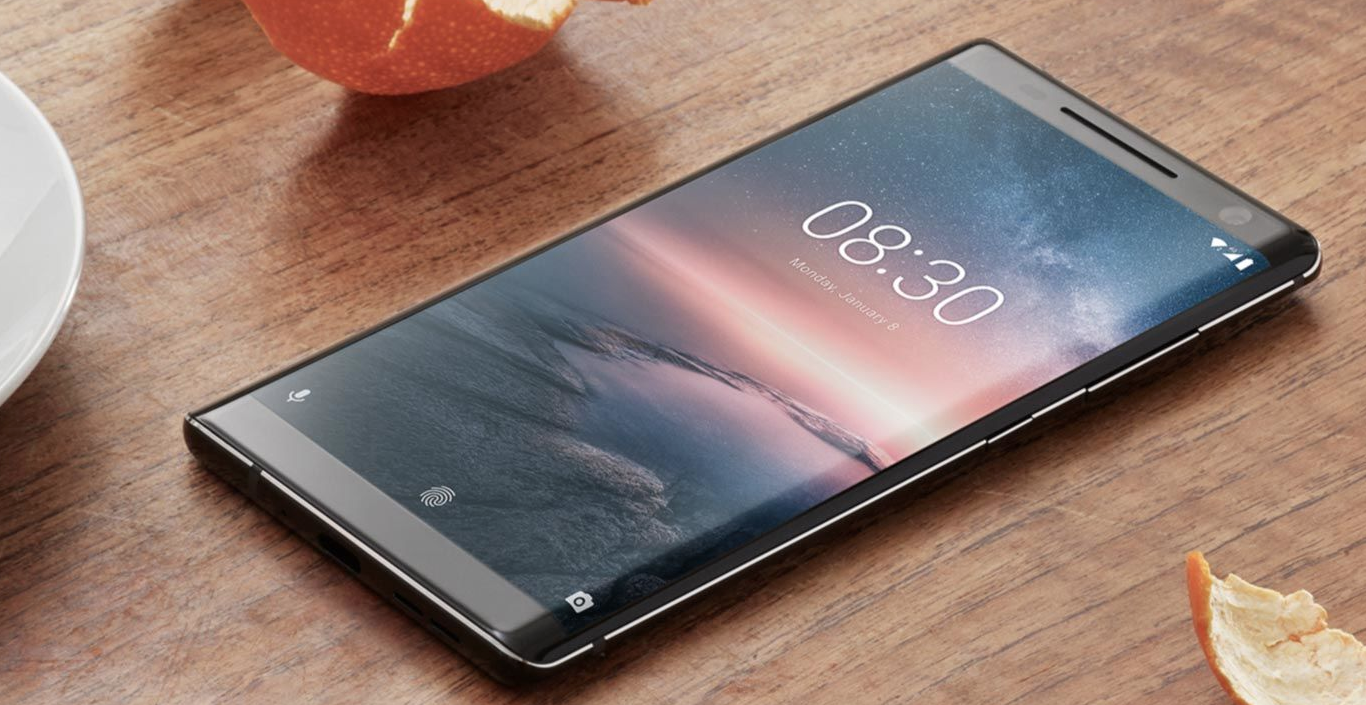
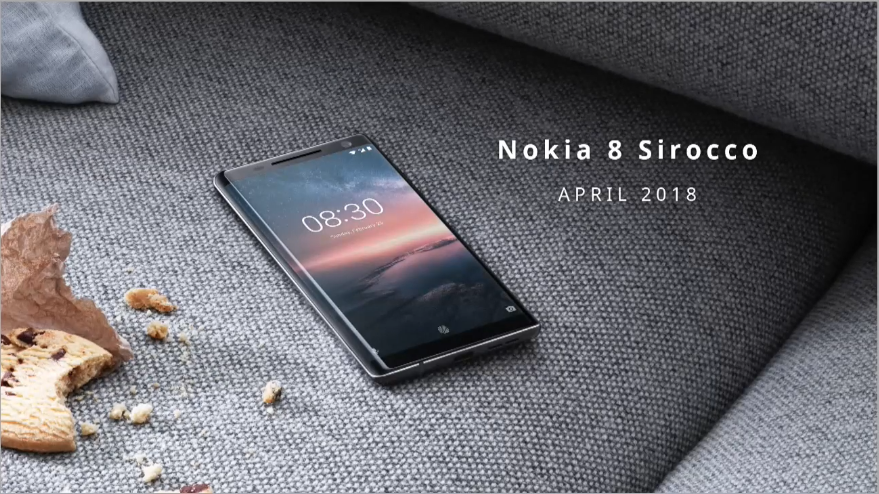
    Nokia has officially launched the Nokia 8 Sirocco edition at MWC 2018, which will be available from April 2018 for 749 Euros. In fact, this is the most premium smartphone that supports Android One Programme.

    The smartphone is constructed from a single block of stainless steel like the Apple iPhone X. This makes the Nokia 8 Sirocco a strong smartphone, as stainless steel is 4 times harder than the Aluminium, with IP67 water and dust resistance certification. In fact, it measures 7.5 mm at its thickest point and 2 mm at it thinnest. This is the first Nokia Android smartphone to support wireless charging.

    Specifications:

    The Nokia 8 Sirocco has a 5.5 inch pOLED QHD+ 2560 x 1440 px display with 18:9 aspect ratio. The display offers a dual curved design with the vacuum moulding technology with Gorilla Glass 5. The device is powered by Qualcomm Snapdragon 835 chipset with 4GB RAM and 128GB storage.

    The Nokia 8 Sirocco comes with dual primary camera setup, powered by Zeiss. The primary 12 MP sensor has an f/1.75 aperture with 1.4-micron pixel size and the secondary 13 MP telephoto lens has an f/2.6 aperture. The device has a 5 MP front-facing camera with f/2.0 aperture and 1.micron pixel size. In fact, the primary camera setup found on the smartphone is exactly similar to the Nokia 7 Plus’s camera specifications.

    The device does offer additional features like NFC, 4G VoLte, Bluetooth 5.0, and a rear-facing fingerprint scanner. However, this is the first Nokia smartphone to remove the 3.5 mm headphone jack.

  • Doogee V With In-Screen Fingerprint Scanner And iPhone X-Like Notch To Launch At MWC 2018

    Doogee V With In-Screen Fingerprint Scanner And iPhone X-Like Notch To Launch At MWC 2018

    Doogee is all set to launch its first smartphone with an in-screen fingerprint scanner at MWC 2018. In fact, the Doogee V uses the same technology as that of the Vivo’s recently launched Vivo X20 Plus UD. The smartphone has been officially listed on Doogee’s official website.

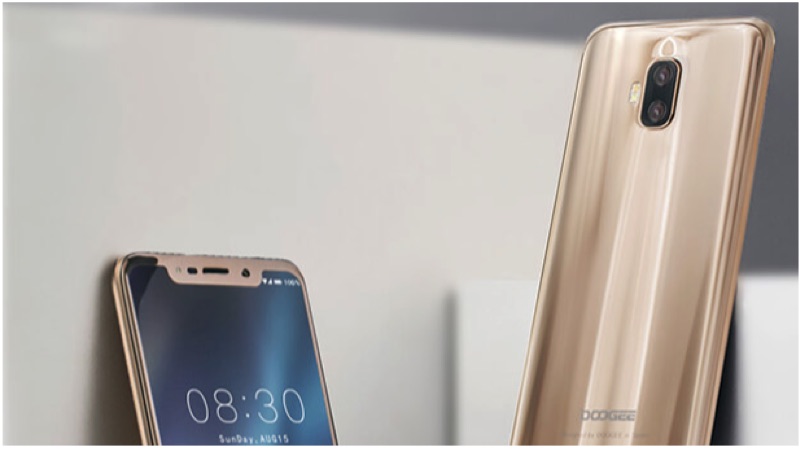
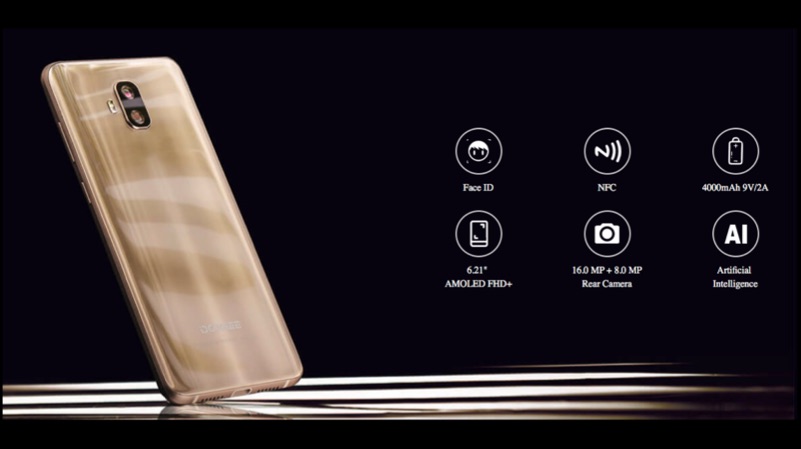
    The Doogee V embraces a unibody glass design with a metallic frame. Similar to the iPhone X, the Doogee V also has a notch on the display which could house the hardware used for “Face ID,” as the company calls it.

    Doogee V Specifications:
    Doogee V

    The Doogee V has a 6.2 inch 18:9 aspect ratio OLED display with 2160 x 1080px resolution. As this device comes with an In-screen fingerprint scanner, there are no physical or capacitive buttons on the front.

    The company hasn’t mentioned any details on the chipset or the RAM it uses. In fact, these are the only factors that are yet to be known about the Doogee V. The phone offers a dual primary camera setup with a 16 MP + 8 MP sensor combination, the function of the secondary camera is yet to be known.

    The single front-facing camera will also support face unlock. Interestingly, the company has used “Face ID” to describe its facial recognition system. Face ID is what Apple calls its facial recognition system on the iPhone X.

    The glass back panel comes with a maze finish with support for NFC connectivity. The smartphone comes with a 4000 mAh Li-ion battery with fast charging support via USB type C Port.

    The image also mentions the presence of AI. Along with shrinking bezels and increasing price, many people believe that the integration of AI will be the next big thing in the smartphone industry. Therefore, we will see more smartphones with emphasis on AI in the coming weeks.


  • Android P: What To Expect

    Android P: What To Expect

    With the launch of Android 8 Oreo, Google natively introduced features like notification dots and always on display. However, the upcoming Android P is expected to build upon that introduce more features:

    Five expected Features of Android P:

    Support for notch

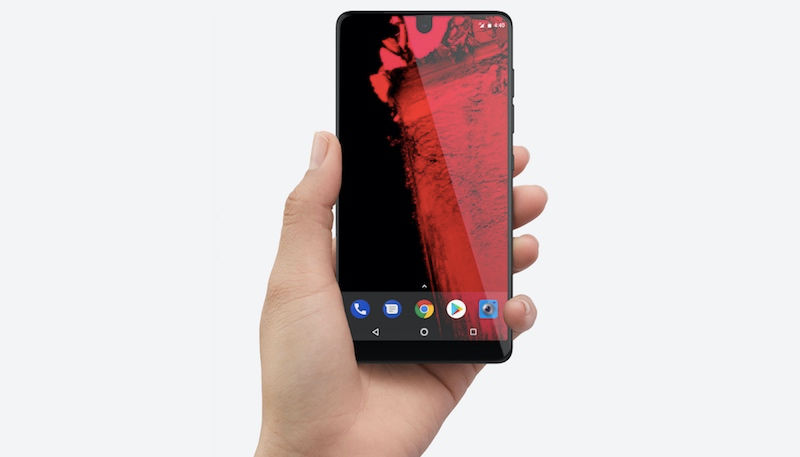
    Android P is expected to support smartphones with a notch. Though Android already have smartphones with the notch (Essential Ph-1) the inclusion of support for notch will have a major impact on the Apps and layouts. In fact, the upcoming Pixel 3 is also expected to embrace the notch.

    notch
    Essential Ph-1

    Dark mode

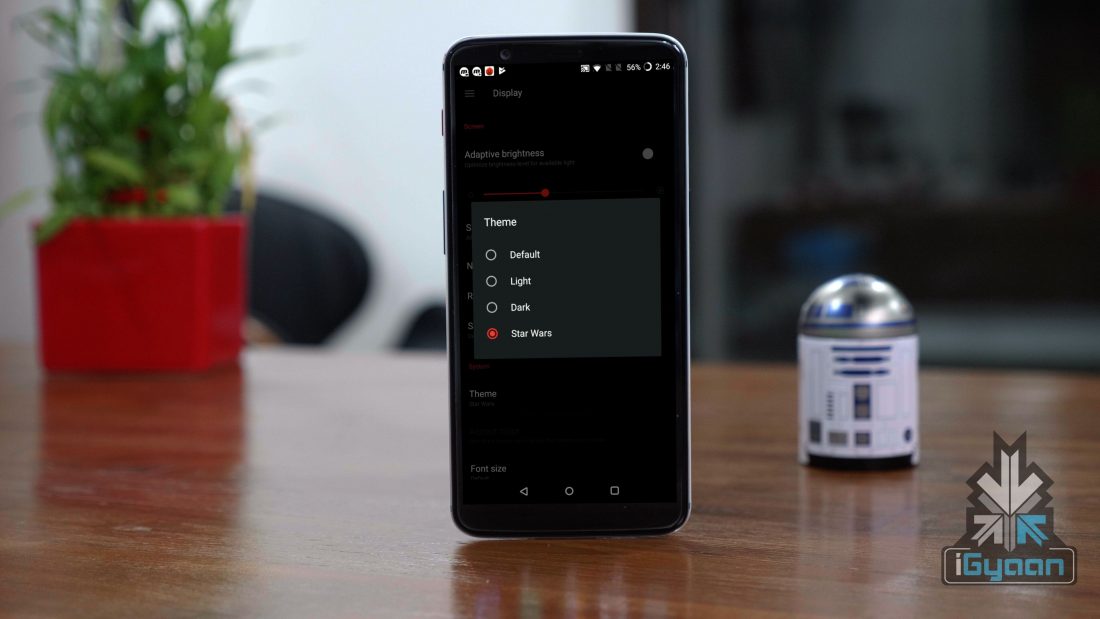
    This is probably the most anticipated feature of Android OS. In fact, few smartphone OEMs like Samsung and OnePlus does support dark mode, which has a huge impact on the battery life of the device, that too on a device with an OLED display.

    Strict privacy controls

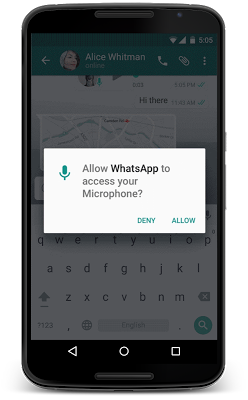
    Users security has been the biggest all-time concern for the smartphones powered by Android OS. The Android 6 Marshmallow came with the option to ask permission to use certain features of the phone. The Android P will take this to the next level with additional control over the microphone, camera, and internet accessibility. However, MIUI has this option from last four years.

    Solving the OS fragmentation issues

    Starting with the Android P with the help of Project Treble, Google will push faster OS updates to more smartphones. In fact, smartphones like the Honor View10 and the Xiaomi Redmi Note 5 Pro are expected to be the first set of smartphones to support Project Treble.

    More customisation options

    The Android P is expected to offer more customisations, compared to the earlier versions of the Android operating system. Google might release the Google Pixel launcher for the general public. As of now, the Pixel launcher is limited to a small number of smartphones. Though it is available on Google Play store, it is incompatible with most of the smartphones.

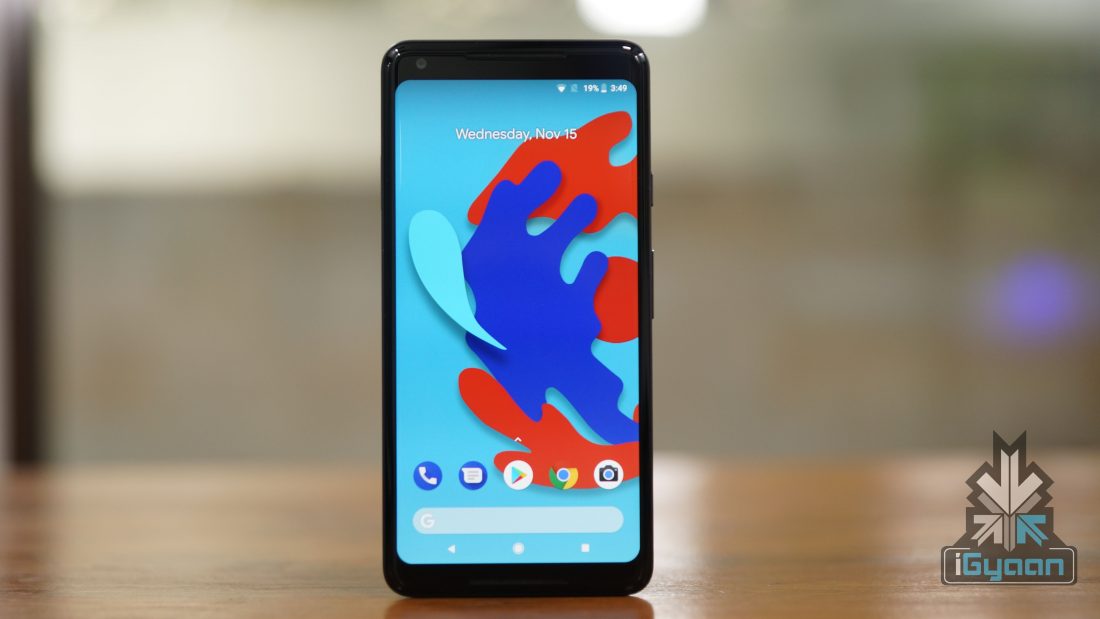
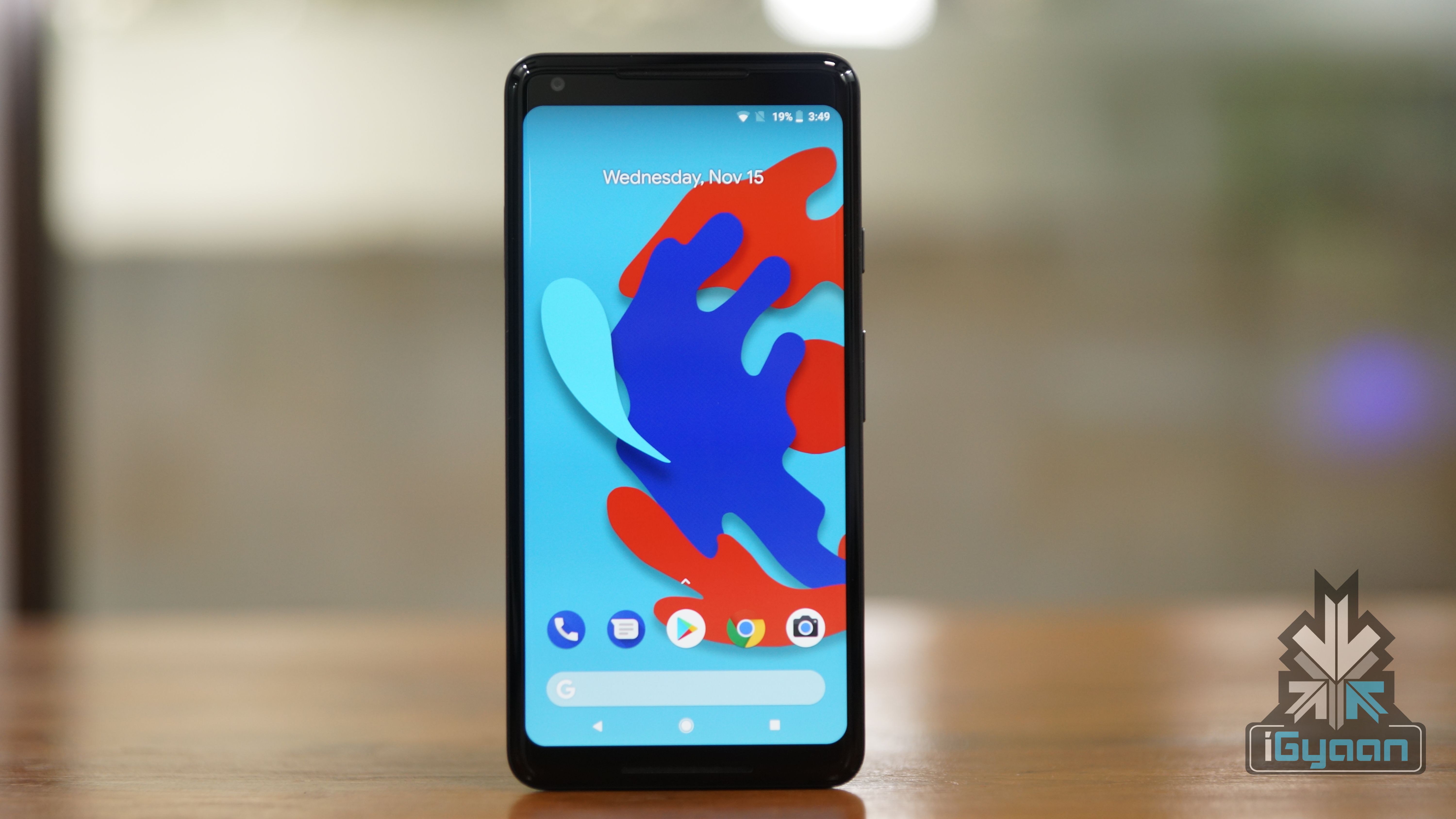
    Pixel 2 XL Runs Android 8 Oreo
  • MediaTek Helio P60 To Launch At MWC 2018

    MediaTek Helio P60 To Launch At MWC 2018

    MediaTek is expected to launch a new smartphone chipset the MediaTek Helio P60 at MWC 2018. The MediaTek Helio P60 will be the successor to the MediaTek Helio P30, with improved CPU and GPU processing power.

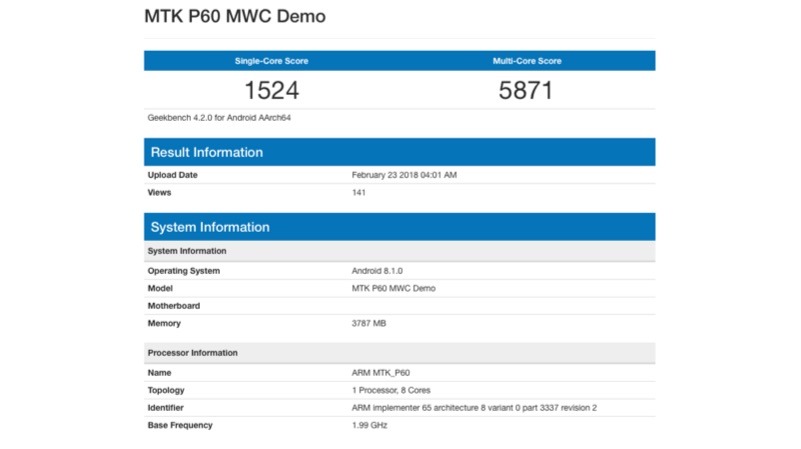
    In fact, the chipset scores on the Geekbench are almost equivalent to the scores of Qualcomm Snapdragon 660 Chipset, which is found on the smartphone like the Xiaomi Mi Note 3 and the Vivo X20 Plus UD. However, the Mi Note 3 scores 1775 points on single-core and 6428 points on multi-core performance, which is slightly better than the MediaTek Helio P60.

    Credits: Geekbench

    According to leaks, the chipset comes with the features like AI Deep learning, Real Time Bokeh, CorePilot, thermal low power demonstration, power efficiency, and with support for dual 4G VoLte/ViLte with support for wireless charging. However, it depends on smartphone OEM to give access to these features.

    The chipset was listed on Geekbench in a test smartphone with 4GB RAM. On Geekbench, it scored 1524 points on a single core and 5871 points on the multi-core. The scores are pretty impressive for the Helio P range chipset. In fact, these scores are similar to the one obtained on a smartphone with the Snapdragon 660 chipset.

    Specifications:

    The chipset has an 8 core CPU design, with big.Little architecture. The base frequency is listed as 1.99 GHz, which is expected to be the clock speed of the four little CPUs. The chipset might also come improved GPU with energy efficient processing.

    Conclusion:

    This will be the successor of the MediaTek Helio P30, which was not that of a performer. Finally, MediaTek is launching a chipset with can challenge the Snapdragon counterpart.

  • Xiaomi Redmi Note 5 Pro Could Get Faster Software Updates

    Xiaomi Redmi Note 5 Pro Could Get Faster Software Updates

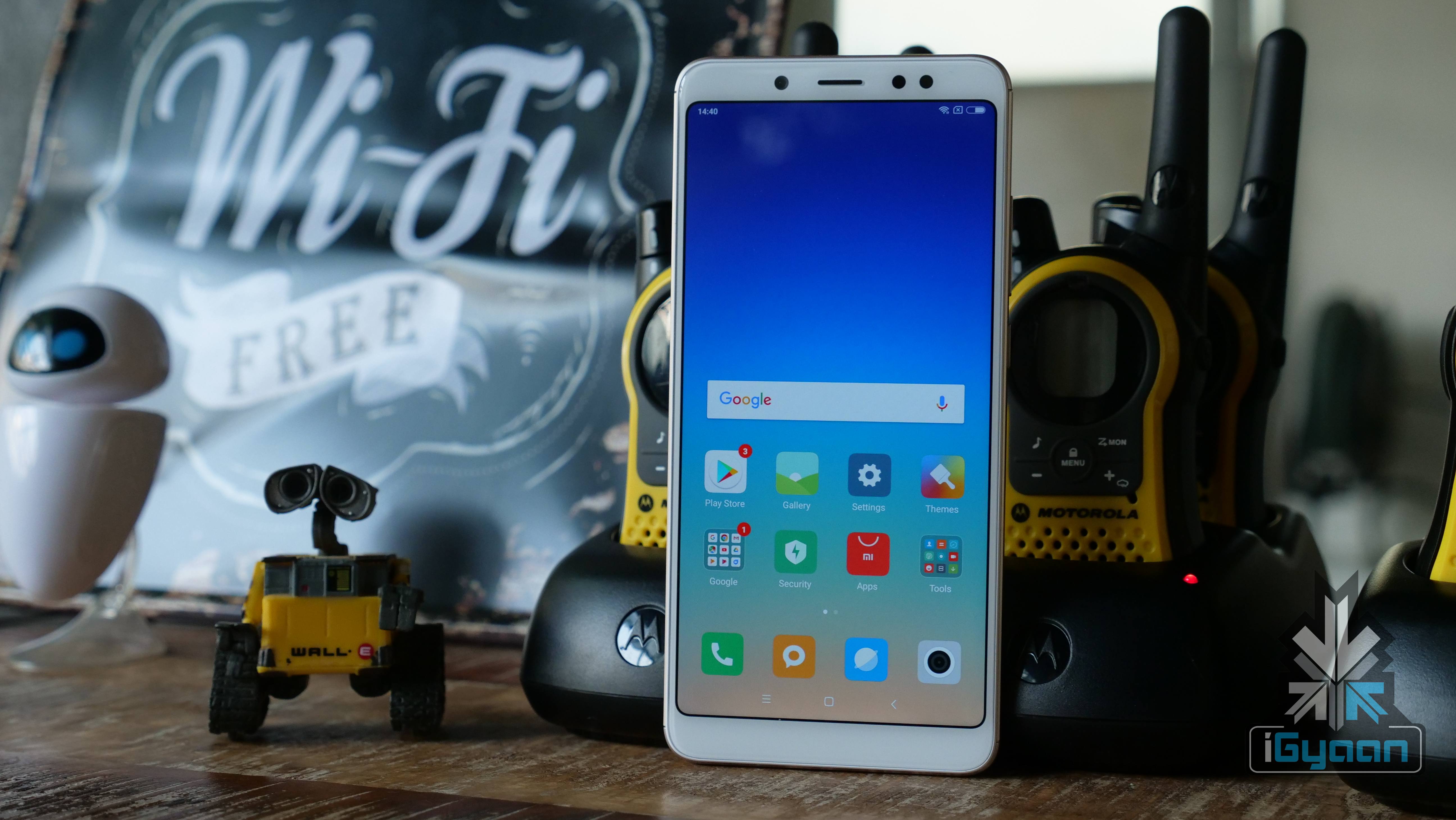
    Xiaomi recently launched the Redmi Note 5 Pro in India for Rs 13,999. While the smartphone is a great product for its price and was in fact, sold out within minutes. Xiaomi has a missed a few marks on this smartphone. As a smartphone of 2018, it is surprising that it still runs Android 7.1 Nougat out of the box.

    However, Xiaomi may have a fix for this as well. A new report claims that the smartphone may soon receive Android 8.1 Oreo with support for project Treble, which enables faster Android updates on a smartphone with a custom skin. However, as per the developer, the company is testing the Oreo build internally and no actual time frame is specified. This means that the Redmi Note 5 Pro could be the first Xiaomi smartphone to support Project Treble.

    Redmi Note 5 Pro

    What is Project Treble?

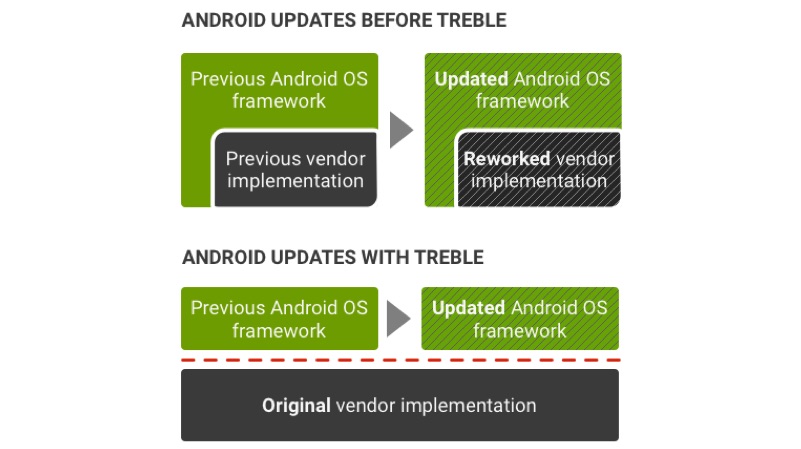
    Project Treble is a feature that is included as a part of Android 8 Oreo OS. This enables OEMs to make software updates faster and easier. A few months ago Android gained a “Vendor Interface” (VI), largely due to a new development effort from Google. The VI’s aim is to separate the “Vendor Implementation” (that is, “the device-specific, lower-level software written in large part by the silicon manufacturers”), from the Android OS framework.

    The new VI is supposed to sit between the Android OS framework and Vendor Implementation. And the new VI will be validated by a Vendor Test Suite (VTS), which is analogous to the Compatibility Test Suite (CTS) that Google has been using for API testing of apps. The VTS ensures forward-compatibility of the VI.

    Credits: Android Authority

    What project Treble brings to the table is quite evident from the two images above. Before, the VI needed to be reworked after every single Android OS framework update, while with Project Treble, that won’t be the case anymore.

    Specifications:

    The Xiaomi Redmi Note 5 Pro has a 5.99-inch 2160 x 1080p IPS LCD display with Gorilla Glass protection. Under the hood, the smartphone is powered by Qualcomm Snapdragon 636 Octa-core chipset with either 4GB or 6GB RAM and 64GB storage.

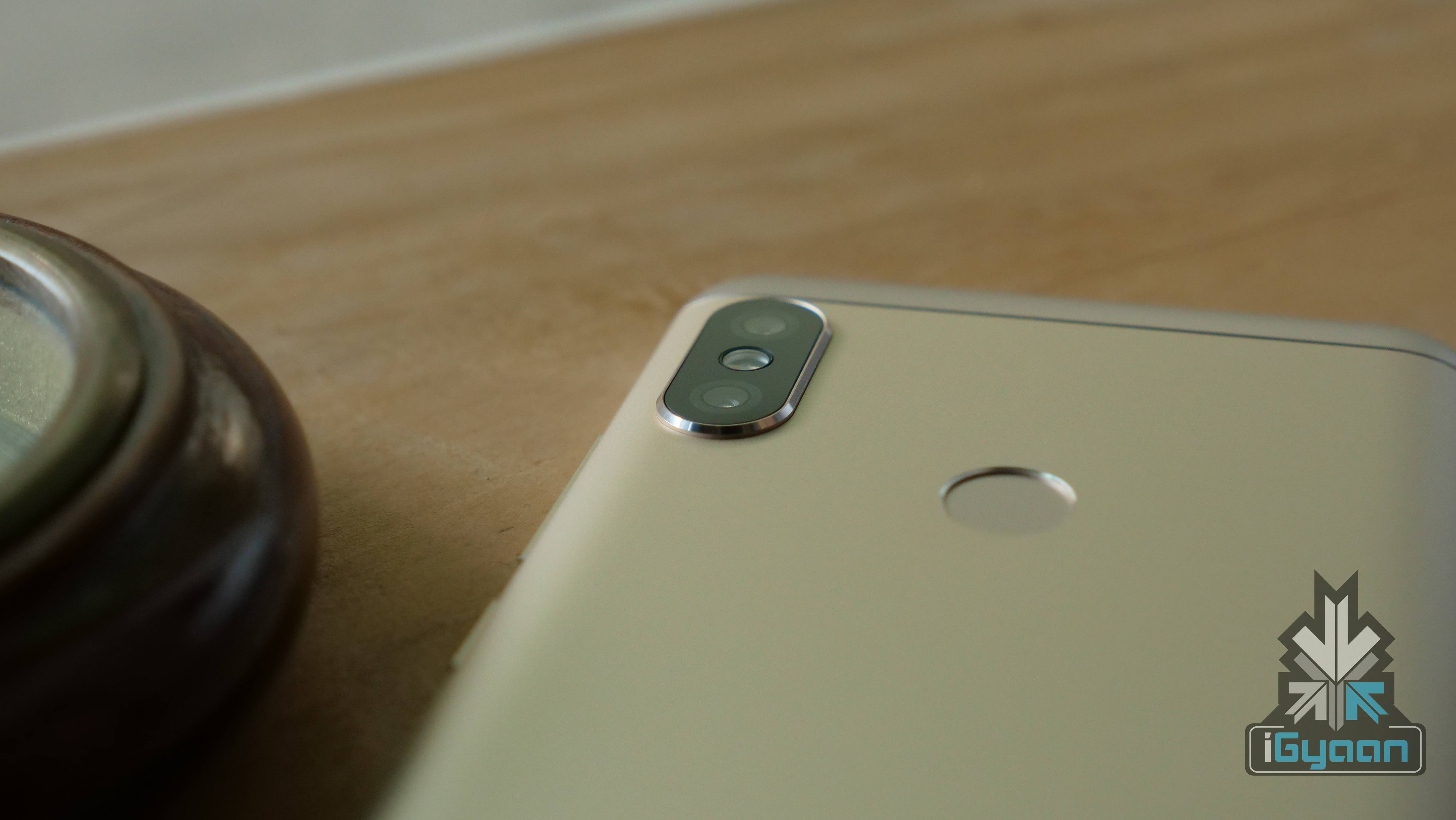
    The smartphone has a dual primary camera setup with a 12 MP primary camera and secondary 5 MP depth sensing sensor. For the first time, the company has used a 20 MP front-facing camera with soft selfie-light.

    Redmi Note 5 Pro

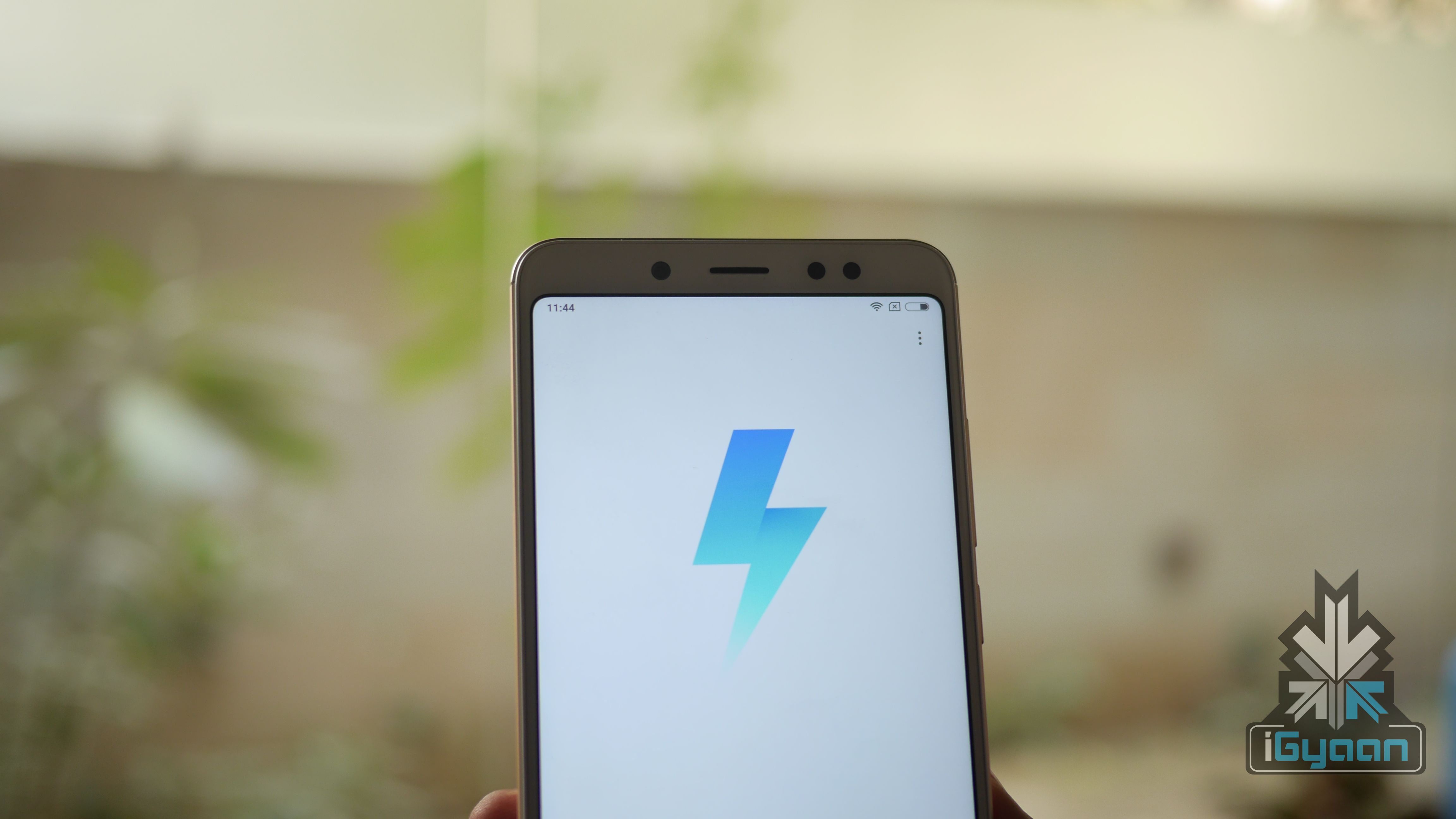
    In terms of operating system, the smartphone runs on Android 7 Nougat with custom MIUI skin on the top. Finally, the smartphone features a 4000 mAh battery with Qualcomm Quick charge 2.0 capability.

  • Top 5 Free Music Players For Android

    Top 5 Free Music Players For Android

    Music is the strongest form of magic. Listening to music cheers any soul that requires relaxation. In fact, we have multiple genres of music. Hindustani, Karnatik, Folk are originally from India, whereas Hip-Hop, Rock, Pop, and RAP belongs to western countries. Be it the 90s Jazz or the latest I am in love with the shape of you, everyone has a different taste in music.

    With the mobile data plans getting cheaper day by day, these music players not only play locally saved tracks but can stream the latest song at free of cost.

    Here are the top music players that are available for Android smartphones for free of cost.

    Hungama:
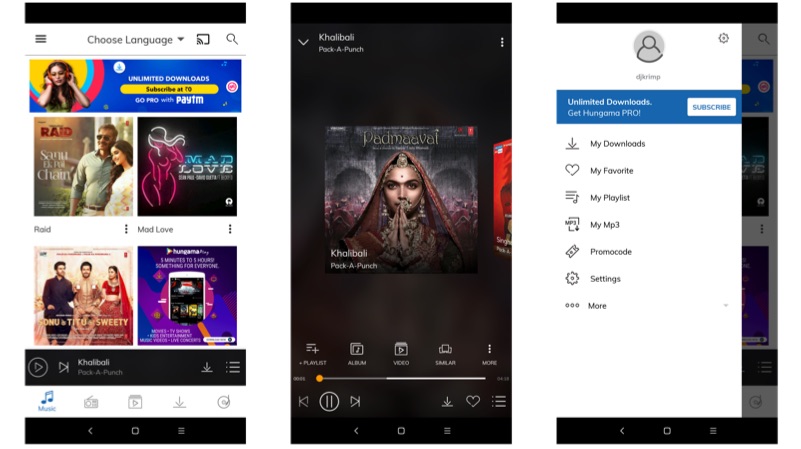
    Hungama is one of the oldest music player, that exists. The clean user interface is one of the highlights of the Hungama. One can play songs which are locally saved on the smartphone or just search for newer song altogether. The app is free to download, however, one can also choose a premium version which offers ads free user experience with the free MP3 download. In fact, this is the only app that allows the native MP3 download. The app looks a bit dated, with an unpolished user interface. The Hungama Pro plan stars at Rs. 99 per month.

    Pros: Free music streaming + offline download

    Cons: Boring user interface with annoying ads

    Gaana:
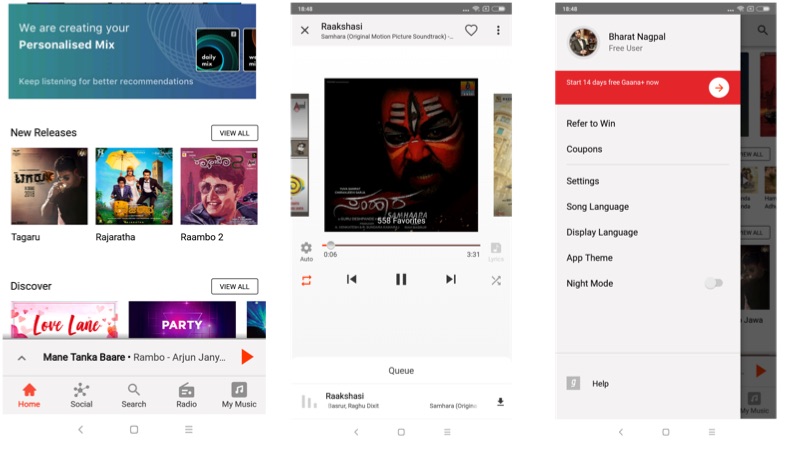
    Gaana is pretty similar to Hungama, with a few drawbacks. One can stream free music on Ganaa, but one has to subscribe to Gaana+ to save tracks offline. The app is free for download, which plays in-app ads in the free version. If we look at the UI, the Gaana looks more polished than that of the Hungama. The choice of music is unlimited, you can choose from Hollywood to Bollywood. One can experience premium Gaana Plus service for free for the first 14 days, later on, one has to pay Rs. 99 per month.

    Pros: Modern user interface

    Cons: No option for offline downloads for free

    SoundCloud:
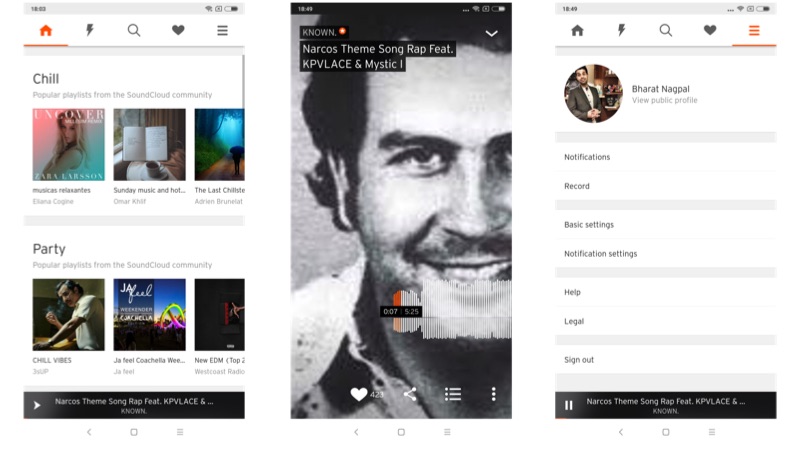
    SoundCloud is one of the most used music distribution services. The Berlin-based company provides a platform for users to create, record, or to share the originally created music or sound bits. Most of the music found on SoundCloud is created by users. It also gives a platform for the new music creators with free access to the ever-growing library. However, this app cannot play native MP3 files, which makes it a bummer.

    Pros: Brilliant UI with unique music collection

    Cons: Doesn’t support native MP3 playback

    JioMusic:
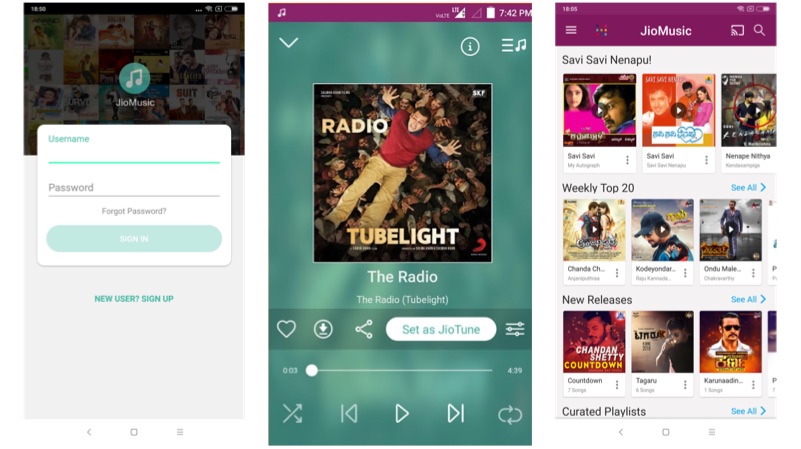
    This is one of the best free music apps for the Android platform. It offers ad-free user experience, free streaming, free offline-downloading. However, the access is limited to Jio network users. One has to have a Jio SIM card with an action plan to use this application. Using Jio Music, one can set caller tune for free of cost at a click of a button.

    Pros: Ad-free UI with extensive library of music

    Cons: Restricted to Jio network

    Wynk:
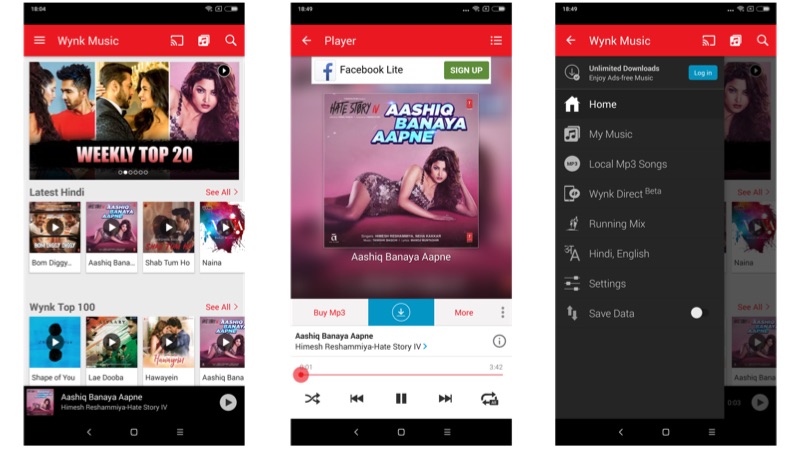
    This music service is run by Airtel. Users of Airtel network will get free access to millions of songs, but the experience is not ad-free. To get ad-free user experience, one has to make get a premium account by paying Rs.99 per month. If you are an Airtel user, then Wynk is a must-have application, which can fulfil all your music needs.

    Pros: Open to all with a privilege for Airtel users

    Cons: ads playing between the music
  • Samsung Galaxy S8 Android 8 Oreo Update Suspended

    Samsung Galaxy S8 Android 8 Oreo Update Suspended

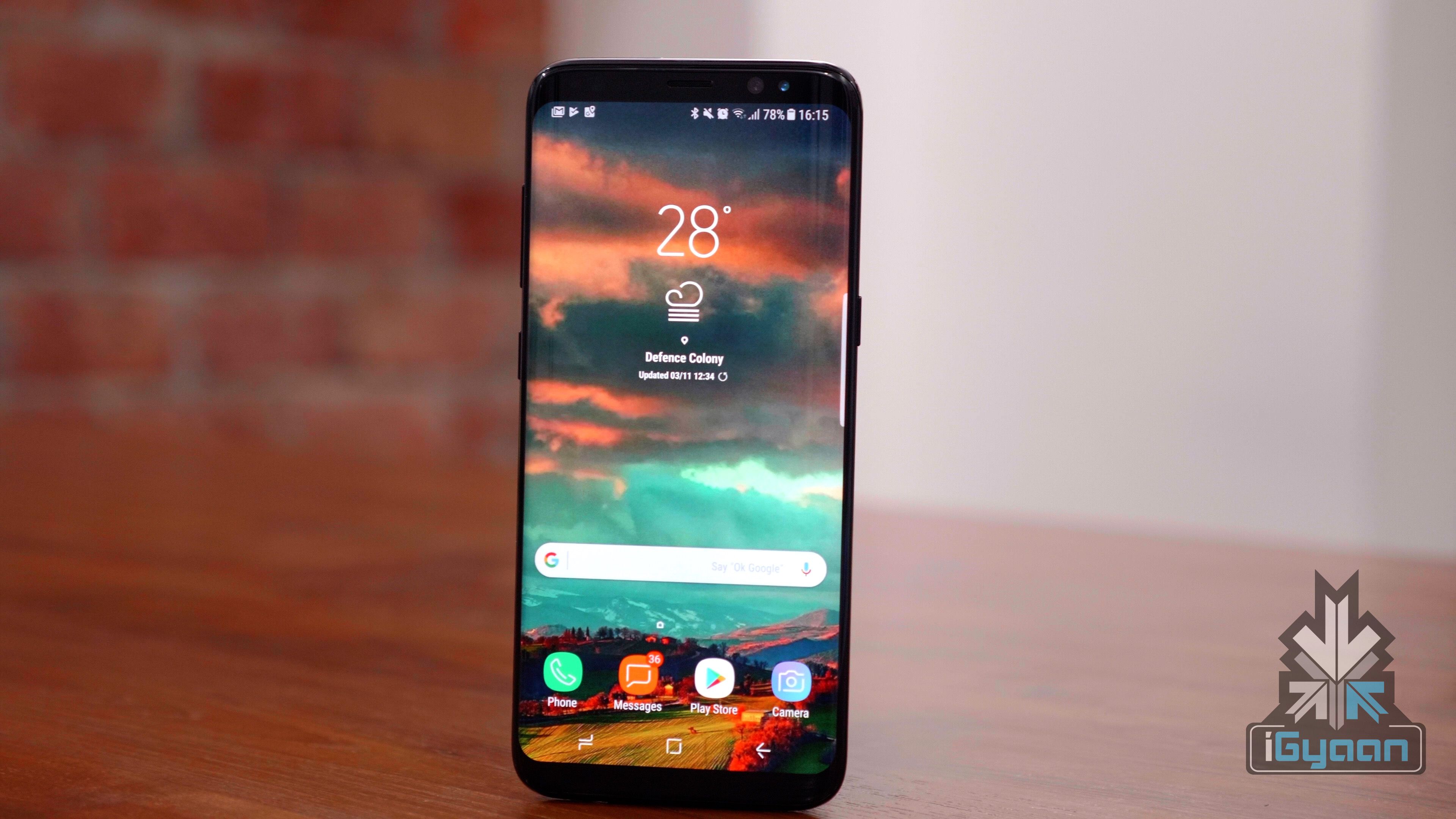
    Android 8 Oreo, much like iOS 11, seems to be a troubled software update of 2017. Officially launched back in August, OEMs were slow to roll out updates but, at least some devices were being updated. Samsung recently started rolling out the Android 8 Oreo update to its 2017 flagship, the Galaxy S8 and S8+. This rollout began after an extensive Beta program was carried out.

    8 Oreo
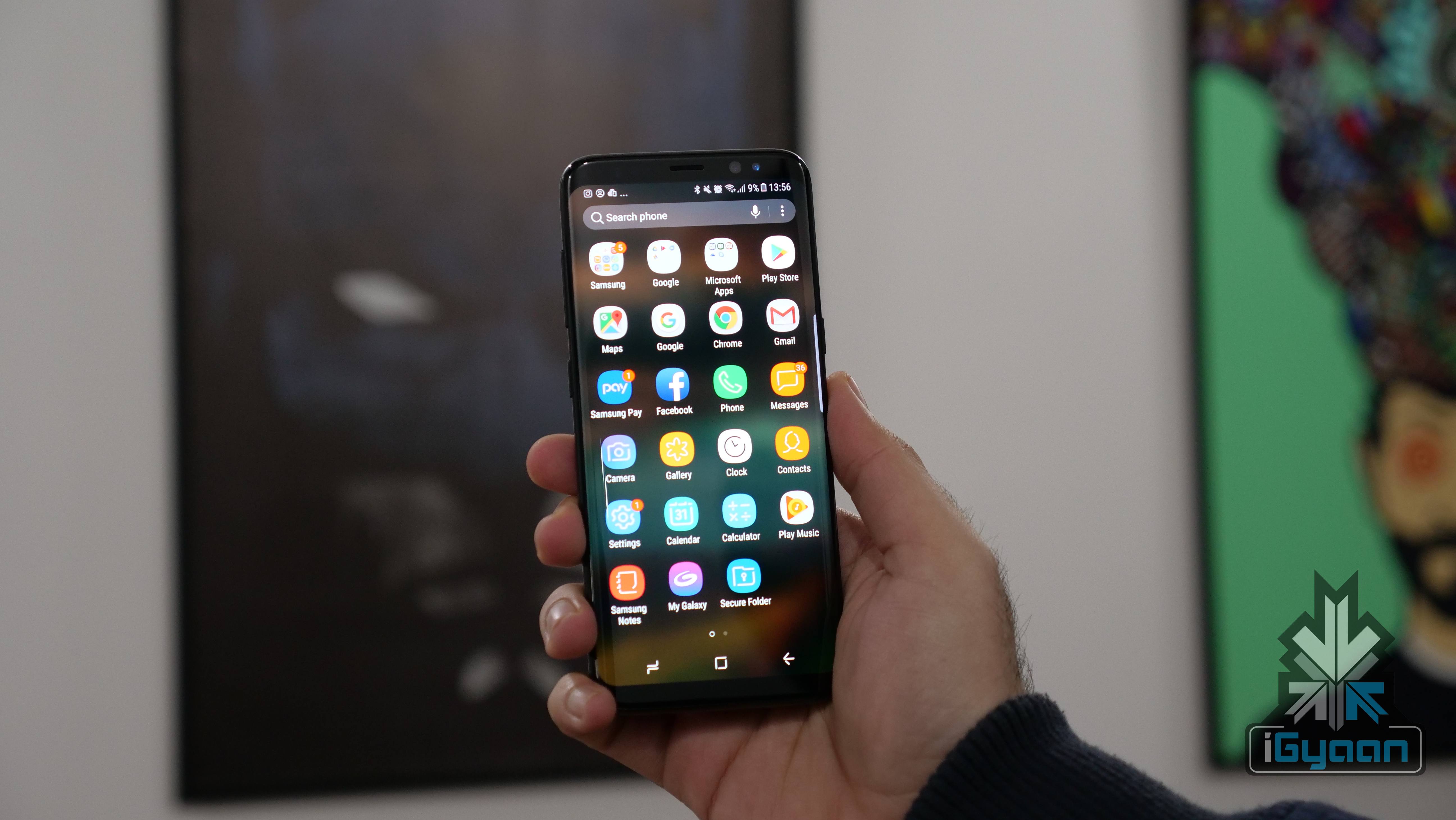
    Experience UI Based On Android 7 Nougat

    However, the company had to suspend the new software update rollout. This isn’t the first time an OEM had to suspend the Android 8 Oreo update. Smartphone makers like Xiaomi, OnePlus also halted updates to their devices. Samsung has come out and clarified its stance on the matter:

    Following a limited number of cases where Galaxy S8 and S8+ devices have rebooted unexpectedly with the Android 8.0 Oreo, we have temporarily stopped the rollout of the update. We are investigating the issue internally to ensure that the impact to the affected devices is minimized and the rollout of the update can resume as quickly as possible.

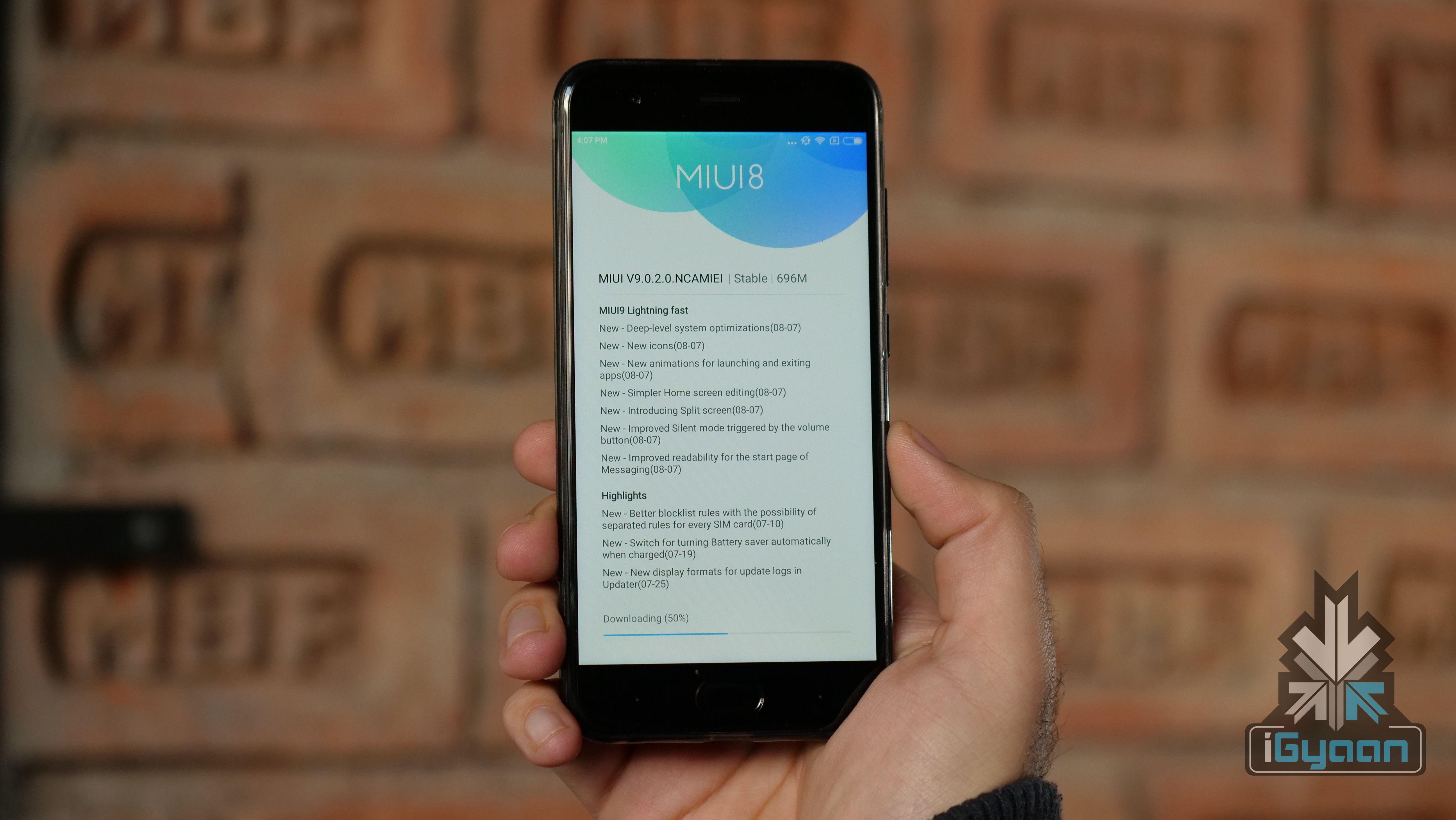
    When the year began, Xiaomi had to suspend the Android 8 Oreo update to its Mi A1 devices. Many users complained about issues pertaining to an unresponsive camera and dialer app. Similarly, OnePlus had to suspend the rollout for the OnePlus 5T.

    There is no confirmation from the company as to when the rollout will resume. The downloaded files will be deleted if you haven’t installed the update yet.

    Some Android 8.0 Oreo features:

    User Interface

    Users can now organise notifications into custom channels and modify the alerts for the entire channel. An autofill framework in the operating system makes the repeated filling of forms easy for the user. This can range from sign up information to a new service, or credit card information to make a payment. The feature will prevent frustration and repetitiveness by allowing users to quickly fill in a form. Users will have to opt-in for the Autofill framework, after which new and existing applications can make use of the feature.


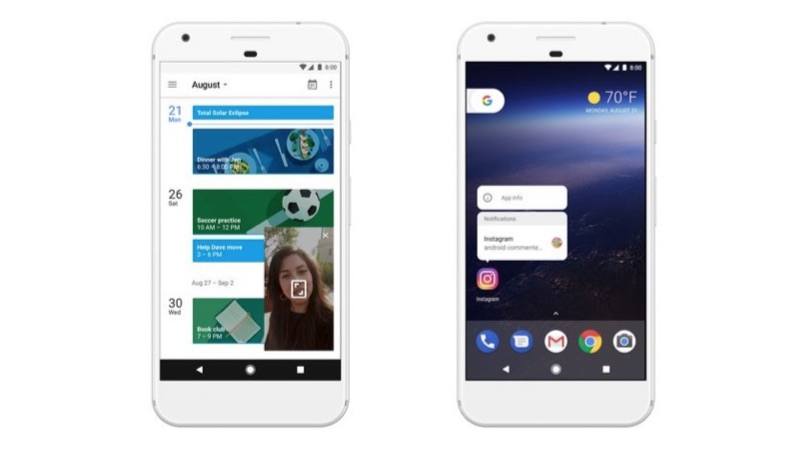
    Picture-In-Picture Mode and New Notifications

    A new picture-in-picture feature allows users to continue operating the device without interruptions for things like watching a video. Another interesting change in the UI this time around is Adaptive Icons. The supported shapes are Circle, Squircle, Rounded Square and Square.

    Behind The Screen

    A cache budget is allocated to every application. When the system is low on resources, the applications that exceed the cache budget the most will be the first to have their cached files deleted. Developers can also set custom triggers to update the content when it is stale or outdated, even without a specific request from the user. There are also background execution limits, which ensures that applications running in the background don’t use up a lot of system resources.

    Media playback should be significantly improved for users, as now there is fine-grained control to scrub to a particular frame in a video. Applications can also now mix multiple audio and video tracks at once, for streaming purposes.

    Pixel 2 XL Runs Android 8 Oreo

    A smart sharing feature allows the operating system to guess the context of a photo, and pick the best application to hand the image over to. The more you use your phone, the more your smartphone will learn about your behaviour and act accordingly. A smart copy feature enables similar functionality but for text, where the smartphone recognises if the text copied is an address, a phone number or name of an entity, and suggest opening a relevant app.


  • MIUI Vs Android One? Users Choose Stock Android!

    MIUI Vs Android One? Users Choose Stock Android!

    Every Android user is proud of the choices on offer on Android OS. Same cannot be said about iOS and a lot of consumers choose an Android device for this particular reason, we all liked to be spoiled for choices. However, over the years, a lot of people have formed a liking towards stock Android OS, which doesn’t offer as many options as a custom skin.

    Xiaomi, famous for its MIUI running Android smartphones in India, recently held a poll on Twitter. The question asked was whether users prefer MIUI or Android One. Android One means stock Android OS and the majority voted for Android One. The poll was subsequently deleted since users chose stock OS over its proprietary custom skin.

    It is fair to say that this is very subjective. Some people prefer the custom skins like MIUIwhich offers a lot of options to customise smartphones according to one’s personal preferences. While others prefer stock OS which might not provide a lot of customisation options but, it does feel more stable than a lot of skins.

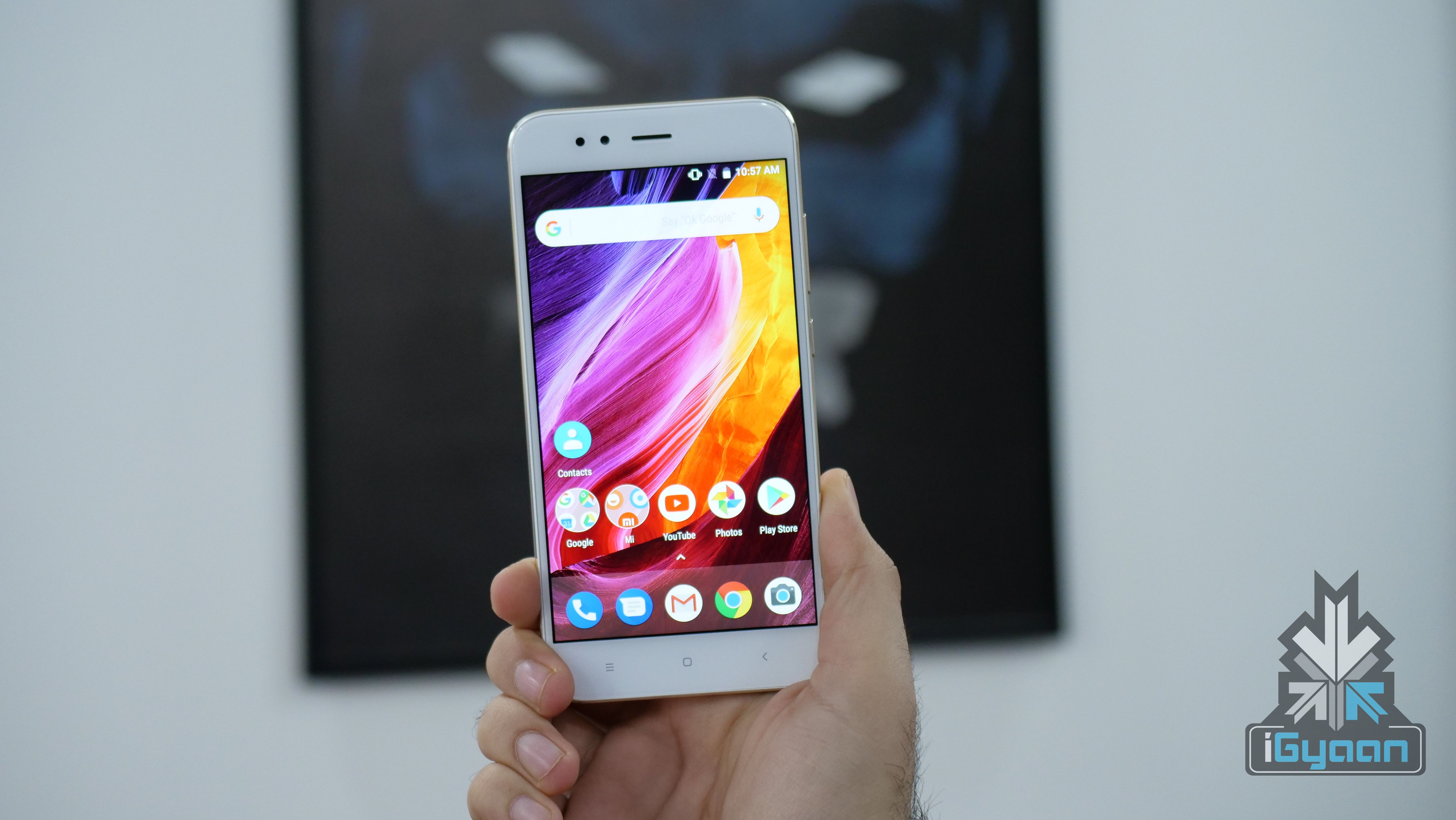
    Xiaomi even launched an Android One device, the Mi A1 back in September 2017. Xiaomi has made some excellent devices over the years with great hardware. While MIUI has not been everyone’s cup of tea, the Mi A1 was the perfect device for such users. The Mi A1 had Xiaomi’s hardware and stock Android OS.

    Redmi Y1

    The poll on Twitter just revealed that while custom skins are great, stock Android OS is probably better. And who knows, maybe this poll will make Xiaomi launch a successor to the Mi A1 as well!

  • Only 1% Android Smartphones Are Running Android 8 Oreo

    Only 1% Android Smartphones Are Running Android 8 Oreo

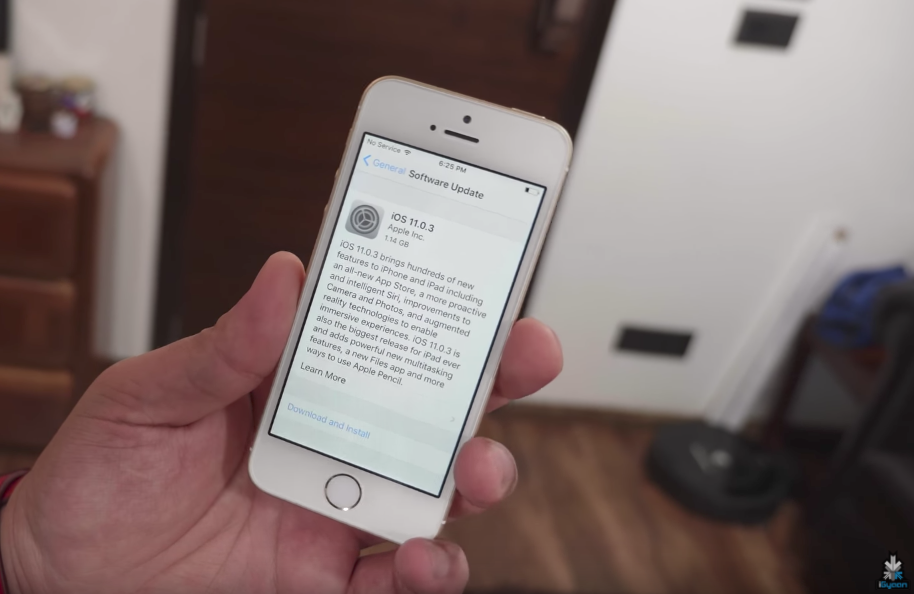
    Back in August 2017, Google officially launched Android 8.0 Oreo. In September, iOS 11 started seeding to compatible iPhones. According to a recent market share data, it was revealed that Android 8 Oreo is present in about 1% of Android devices. In late-January, it was revealed that iOS 11 is present in about 65% iPhones. This margin is enormous and Android OEMs need to address it.

    Android and iOS are the two most popular mobile operating systems in the world. WindowsPhone OS came to the fore but, slowly faded into oblivion. Top smartphone makers like Samsung, LG, Huawei, Xiaomi, OnePlus use Android OS to power their devices. Although it seems unfair to compare the adoption rate of Android and iOS since Android’s market is very fragmented.

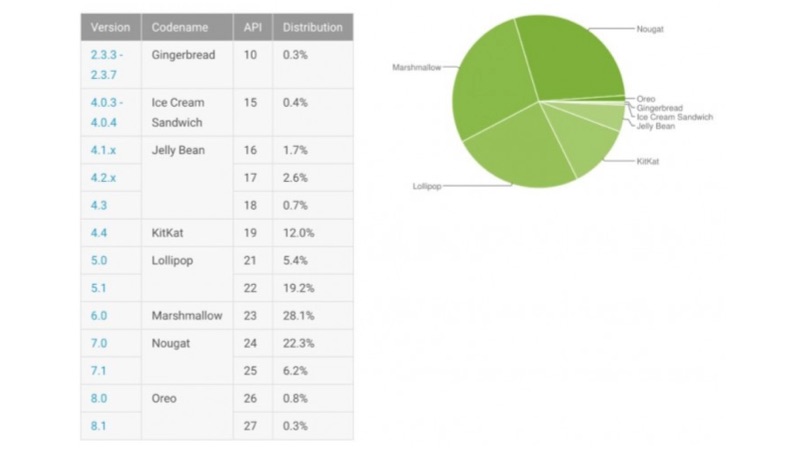
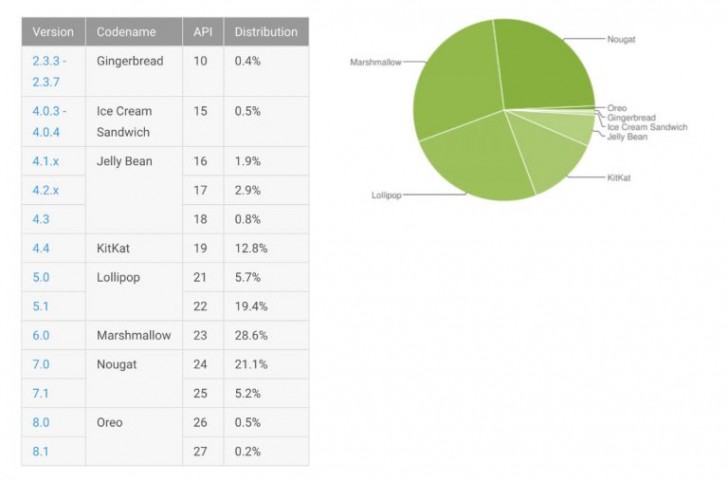
    According to the latest data, Android 7 Nougat is the most popular version of Android right now. Nougat is now at 28.5% of the pie, while Marshmallow dropped to 28.1%, from 28.6%. Android 8 Oreo has now reached 1% of smartphones while Android 5 Lollipop is present in 24.6% smartphones.

    You may also like: Why Are New Android Phones Launching With Old Android OS?

    On the contrary, the App Store Distribution page says that 65% of active devices are running iOS 11, followed by 28% running iOS 10, and 7% running earlier versions. This will further change as Apple prepares to roll out an iOS 11 version that will let users switch off CPU throttling.

    Apple iPhone SE Running iOS 11

    It is okay for old smartphones to run on older Android versions but, even in 2018, there are smartphones being launched running Android 7 Nougat. Google’s Android One resurgence shows that the company wants more people to adopt to the latest OS and not wait for other OEMs to make a skin based on the latest Android OS and then push it out to consumers. Whether the Android One project will be a success is yet to be seen and how the adoption rate will change for Android 8.0 Oreo.

    [poll id=49]

  • Next Version Of Android Could be Named ‘Android Pie’

    Next Version Of Android Could be Named ‘Android Pie’

    Android 8.0 Oreo was officially launched back in August and for a lot of months, there were mere speculations around the name of the smartphone.Next year’s Android version, supposedly Android 9, will have a name starting with the letter ‘P’. While the official launch of Android P is far, we might have gotten a glimpse at what the official name of Android P will be.

    XDA Developer’s managing editor Mishaal Rahman recently found some strings of code within Android Open Source Project. The strings are said to refer the next Android version as ‘Android Pi’. It is known that Google names all the version of Android after a dessert and “Pi” is not a dessert. The closest thing to that is “Pie.”

    So far off the official launch of the next version of Android, these again, are only speculations. Google is known to keep everyone guessing when it comes to the names of Android versions. So far, there have been a few hints on the internet that the next version of Android will be called “Peppermint.”

    While the mention of “pi” has drawn some people towards the potential name of the version of Android, some people have different interpretations. According to certain people, this was an easter egg by Google and in fact, the indication that Google will launch the first developer preview on “pi date,” that is 3/14 or 14th of March. While it does quintessentially sound like Google, this interpretation seems a bit too straight-forward.

    Going by Google’s announcement pattern, the Android P Developer Preview is just a couple of months away. So, while the March date is a plausible explanation, it is a bit too easy.

    As far as the OS is concerned, there isn’t much known about upcoming Android P as of now. It is, however, believed that it will focus on reducing the app footprint and making it much more smoother on lower-end devices.

  • Less Than 1% Of Android Devices Run Android 8 Oreo

    Less Than 1% Of Android Devices Run Android 8 Oreo

    There is no denying the fact that the Android smartphone space is extremely fragmented. That leads to more and more smartphones getting left behind in the software game. Even today, in 2018, Samsung recently launched a budget tablet running Android 5.1 Lollipop which was launched back in 2015. Such decisions should not be acceptable for consumers regardless of the price point of the smartphone/tablet in question.

    A new report by Google further solidifies the argument that Android smartphones rarely get updated to new software in their entire lifecycle. Even in 2018, Android versions Lollipop, Marshmallow and Nougat dominate the market share. Android 8 Oreo running smartphones stand at a measly 0.7% which is less than Android 4.1 Jellybean. To put things into perspective, Android 4.1 Jellybean was released 5 years ago and its latest iteration, 4.3.1 was released four years ago in October of 2013.

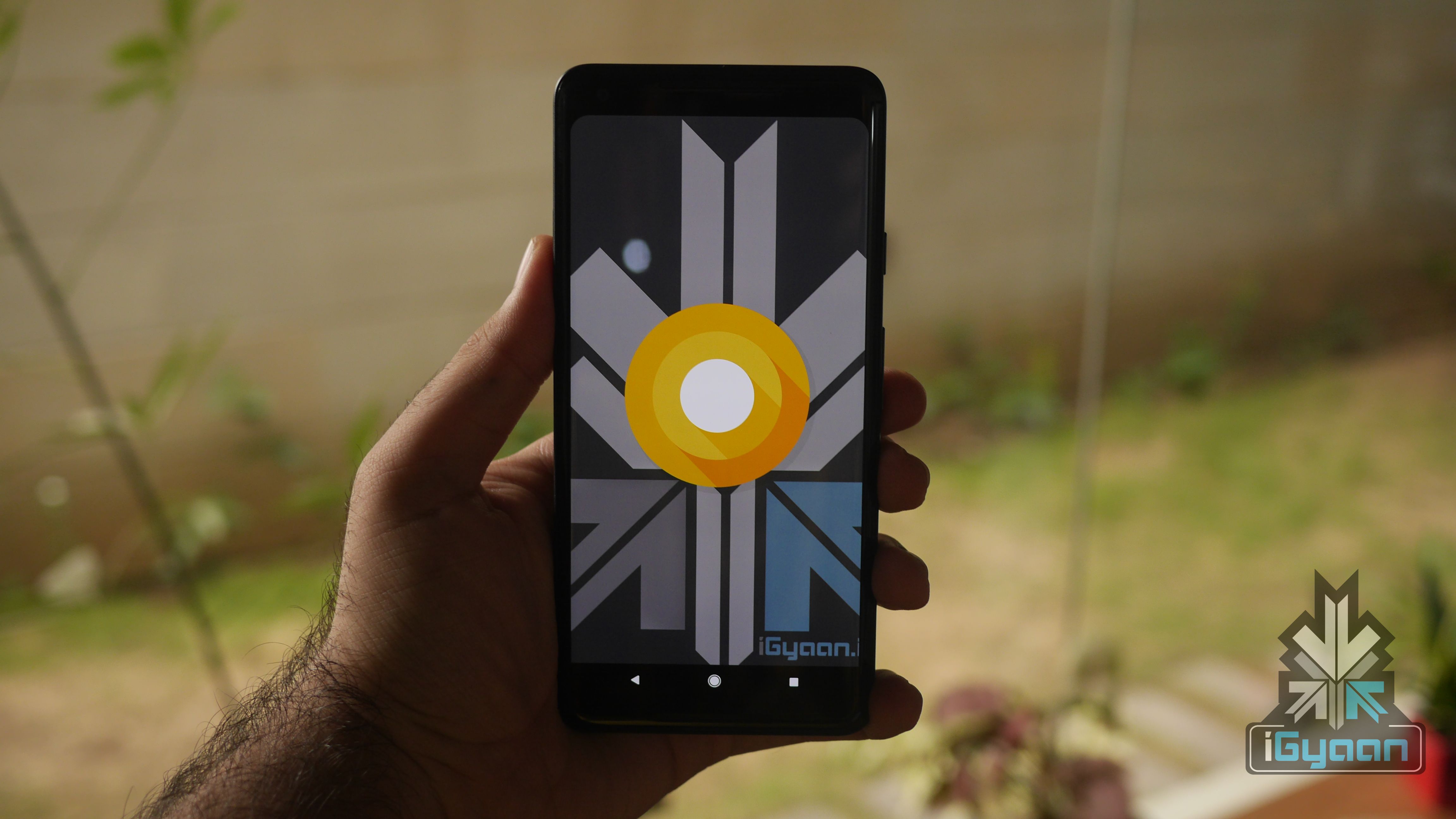
    Android 8 Oreo On Pixel 2 XL

    If you own a new 2017 smartphone that isn’t a Pixel or an Android One device, your smartphone would probably be running either Android 7 Nougat or Android 6 Marshmallow. Even though companies like OnePlus, Motorola have released Android 8 Oreo update for a few of its smartphones, the rollout happens in phases and hasn’t reached every device in the market.

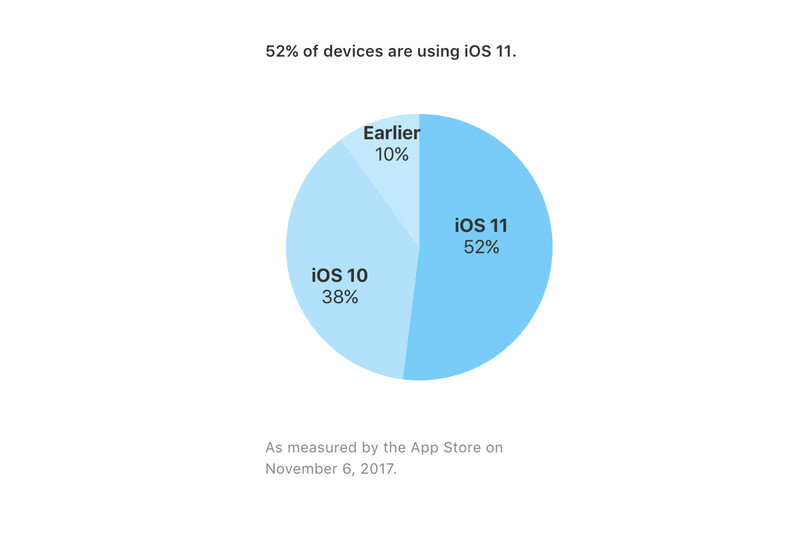
    In comparison iOS 11, despite its constant bugs and what seems like an unfinished software, has caught on really well in the market. iOS 11 is running in more than 52% of the iOS devices in the market right now. iOS 10 launched in 2016 is present in about 38% devices. iOS 11 might have the slowest adoption rate of all iOS versions so far, but, it is far more present in the market than its Android counterpart.

    Many reasons can be attributed to such a dismal adoption rate for Android versions but, despite the reasons, Android appears to be losing this particular battle against iOS.

    [poll id=49]

  • OnePlus And Project Treble Explained

    OnePlus And Project Treble Explained

    Android phones apart from Pixel and Nexus devices have been known to receive slow software updates over the years. OnePlus recently conceded that its devices do not support Project Treble. Here is the reason:

    Partitions were not required for Android N and previous versions of Android, all of our current devices do not feature a partition. According to our tests, if we were to modify the partition layout via OTA there is a risk that devices will brick during the partitioning.

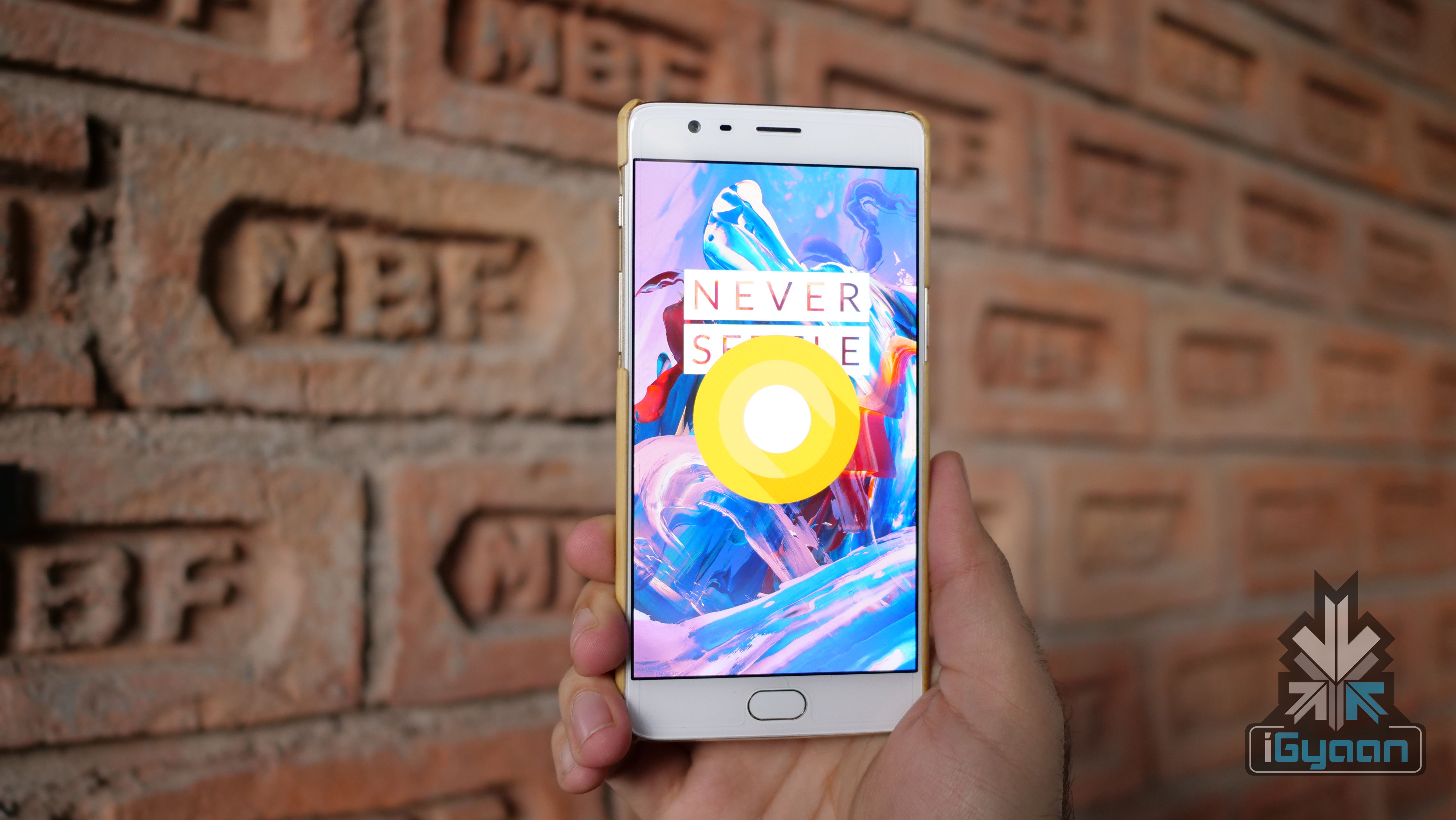
    The reason appears to be valid as the company decided to weigh the pros and cons of this major change and then decided against it. Even without Project Treble, OnePlus believes that it can still quickly and efficiently release Android updates. The good news for some, however, is that most, if not all, OnePlus devices in 2018 should support Project Treble by shipping with Android Oreo and the new partition scheme.

    Project Treble is Google’s effort at reducing the time it takes for OEMs to receive the new OS and optimise it for its devices and then push out the update. A few months ago, Android received a new Vendor Interface, which is largely what Project Treble is about. The VI’s aim is to separate the “Vendor Implementation” (that is, “the device-specific, lower-level software written in large part by the silicon manufacturers”), from the Android OS framework.

    The new VI is supposed to sit between the Android OS framework and Vendor Implementation. And the new VI will be validated by a Vendor Test Suite (VTS), which is analogous to the Compatibility Test Suite (CTS) that Google has been using for API testing of apps. The VTS ensures forward-compatibility of the VI.

    What all of this means is that if a phone supports Project treble, it is more likely to receive fast software updates as compared to other smartphones that don’t.

iGyaan Network
Privacy Overview

This website uses cookies so that we can provide you with the best user experience possible. Cookie information is stored in your browser and performs functions such as recognising you when you return to our website and helping our team to understand which sections of the website you find most interesting and useful.