Category: Google

  • Google Pixel 3 XL Detailed Unboxing Video Surfaces, Tells It All

    Google Pixel 3 XL Detailed Unboxing Video Surfaces, Tells It All

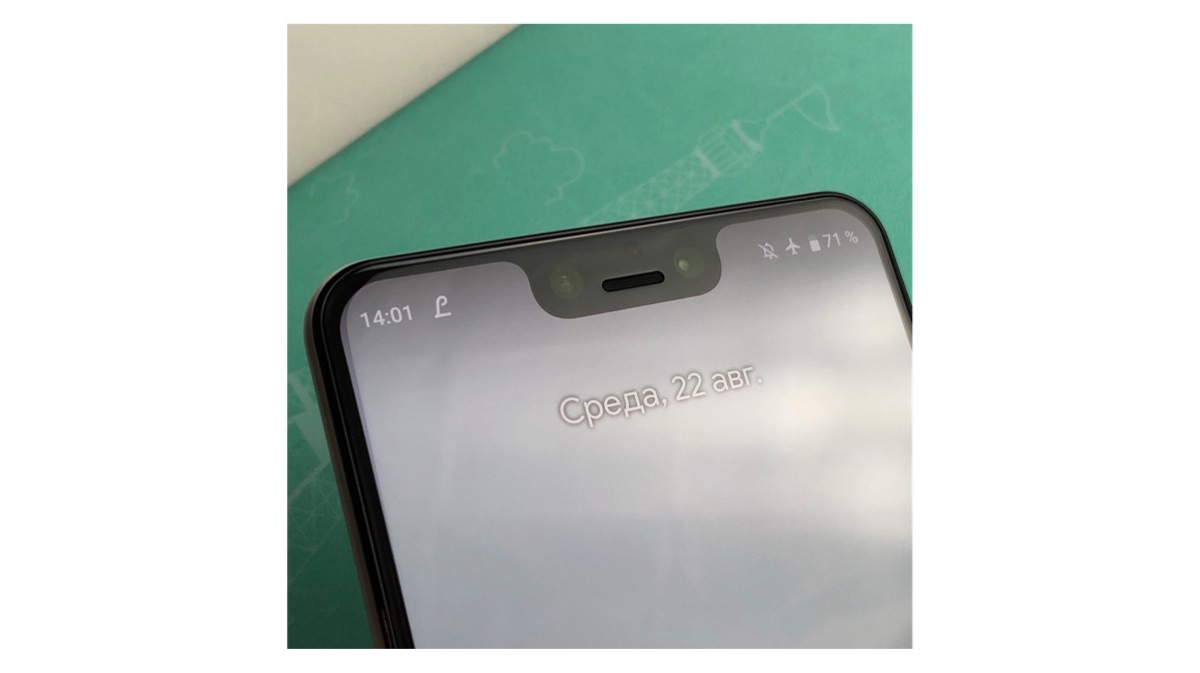
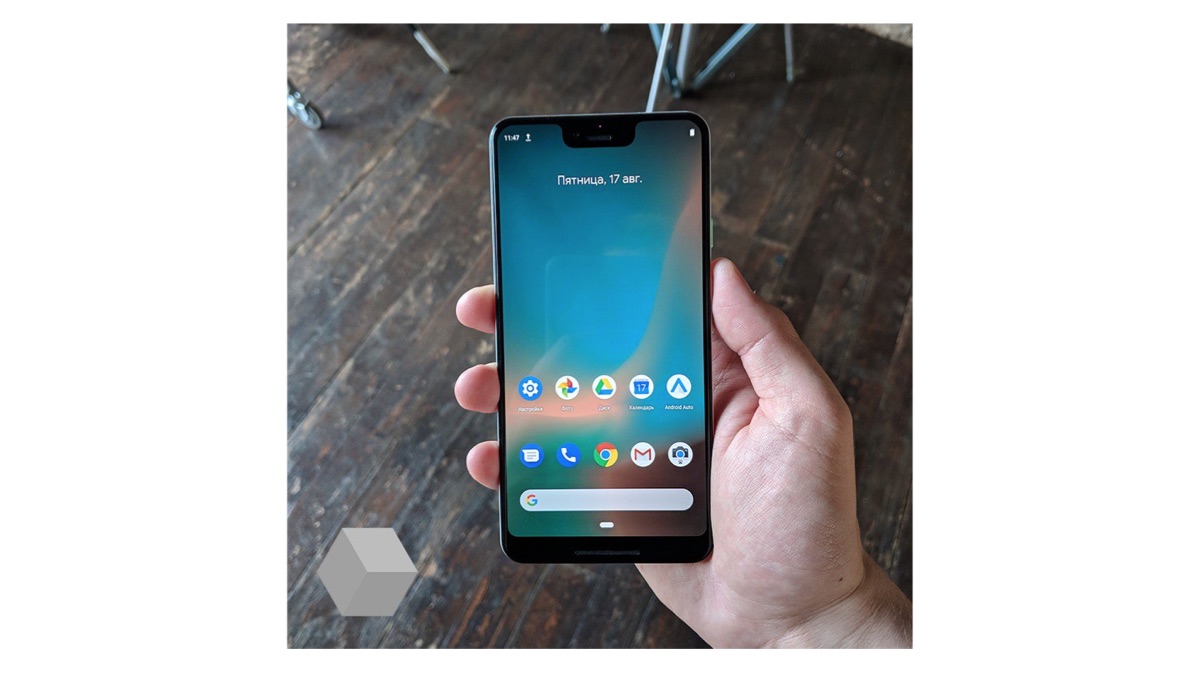
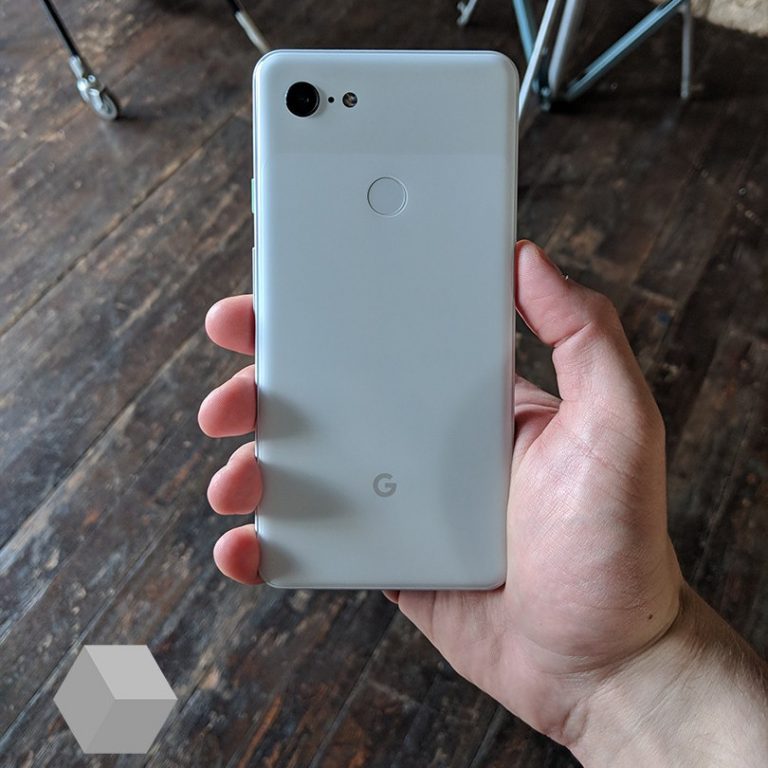
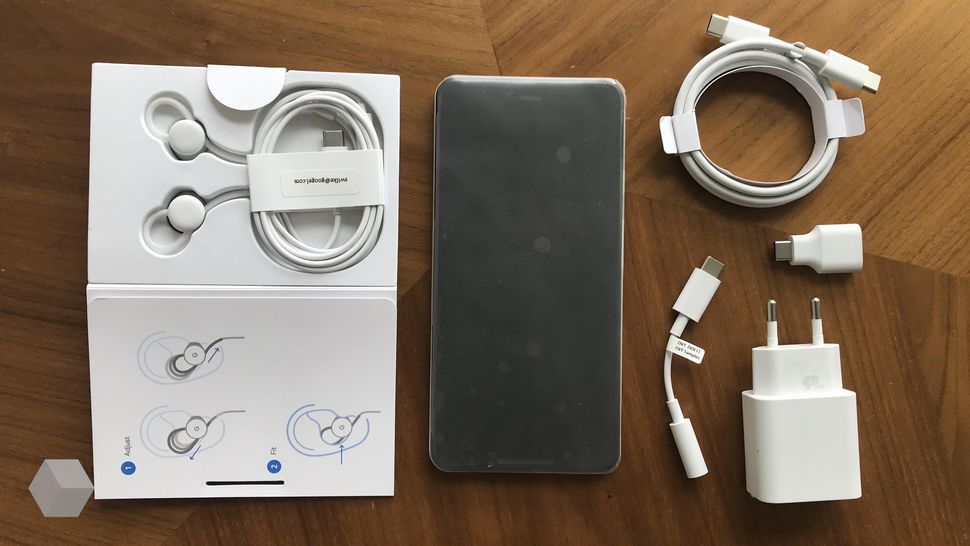
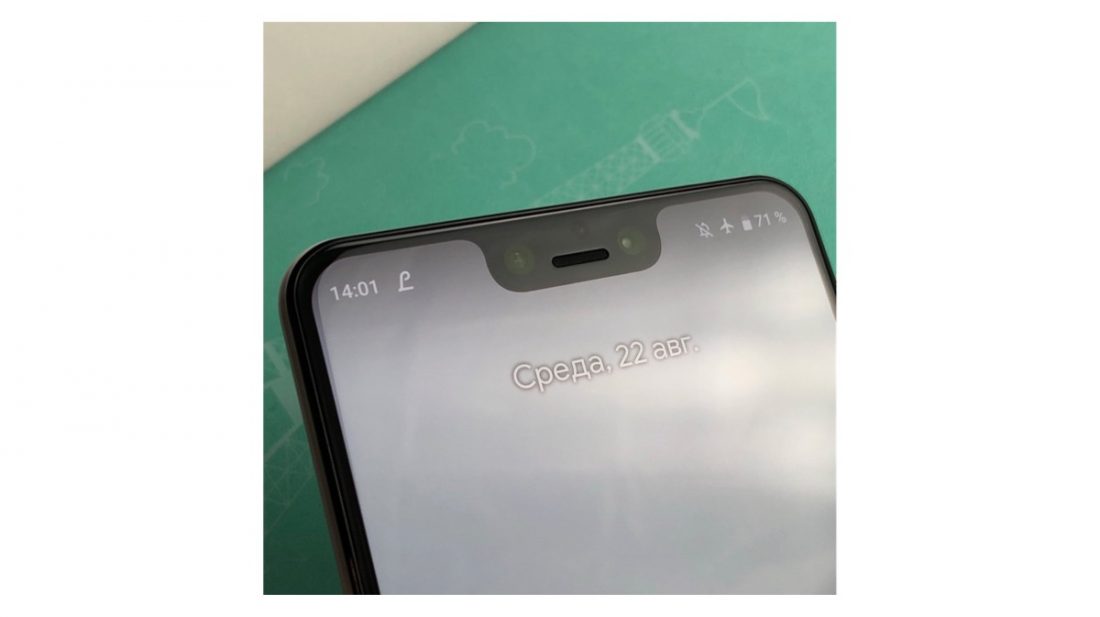
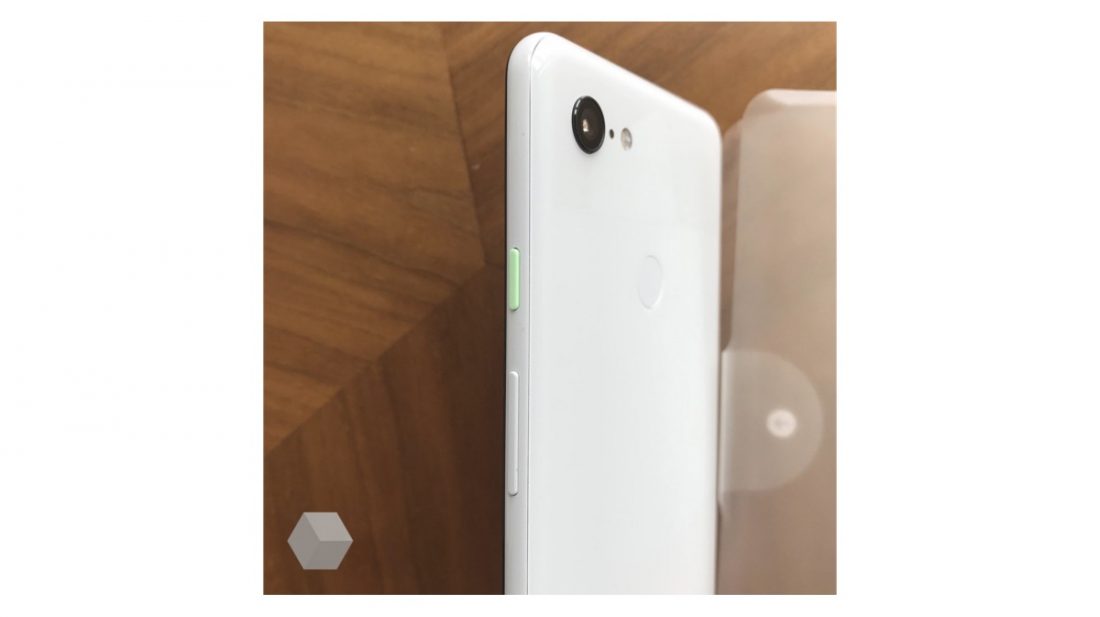
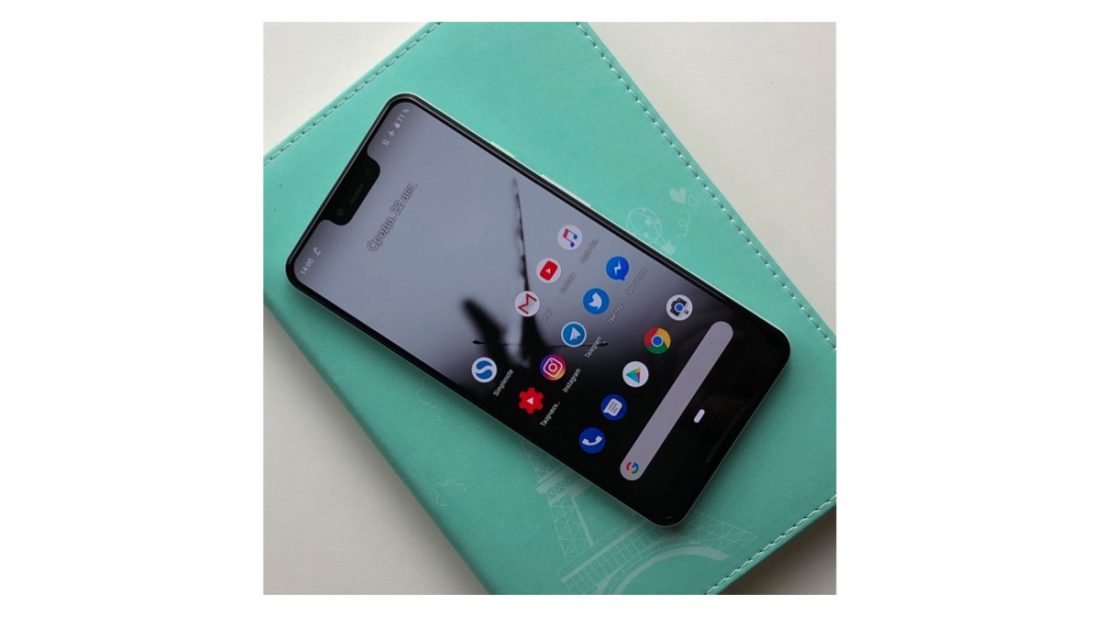
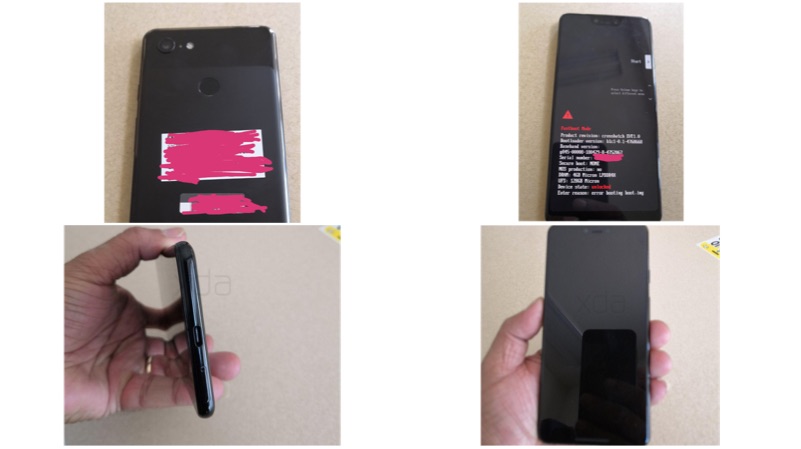
    There have been multiple instances when the upcoming Google Pixel 3 XL has leaked. The device will be the latest flagship offering from Google. An earlier leak covered extensive hands-on images of the device. Earlier, the non-released device was up for grabs on the black market for 2000$. And a famous Russian leaker got his hands on one unit. Now, he has made a video demonstrating a hands-on experience with the phone.

    Specifications:

    The device has a massive 6.7 inch screen along with a notch and thin bezels. It is powered by the Snapdragon 845 chipset with the Adreno 630 GPU. Details about the RAM and storage are still unclear. Though, Google might go with 8GB of RAM and 256GB or 512 GB of storage.

    Reports claim that the new device has haptic feedback capabilities. This feature is already available in the likes of iPhone X and iPhone XS.

    Pixel 3 XL
    Pic supposedly taken on the upcoming Google Pixel 3 XL

    The source even posted a camera shot that is supposedly captured on the upcoming Google Pixel 3 XL and the quality sure looks good. Google pixel 2 XL definitely had one of the best camera any smartphone on the market offered and we think the new device will follow the tradition. Also, it is expected that Google will improve the camera quality even further in the coming generation.

    There was another big piece of news that the source revealed. There is possibility that Google might offer a new Ultra version of the device. It will have an edge to edge display without the notch. But there is no concrete information as of now, this being a possibility.

    Pixel 3 XLFinally, Google will clear up all the clouds around the upcoming device and officially announce all the details and features on coming October 9 at their launch event in New York City.


  • Google Pixel 3 & Pixel 3 XL Leak, Showcasing A New Feature

    Google Pixel 3 & Pixel 3 XL Leak, Showcasing A New Feature

    The past few months have been filled with leaks about the Google Pixel 3 and the Google Pixel 3 XL. So much so that we have reached a point where the only thing which is unknown is the price at which these devices will be sold. A few weeks back, a conspiracy theory hinted that these leaks might be fake and the we might encounter an entirely different device.

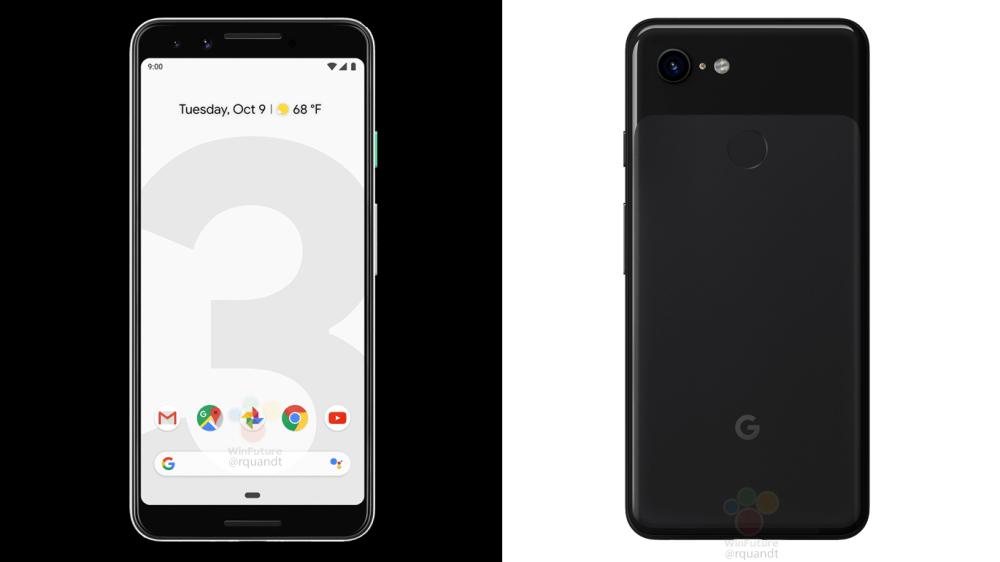
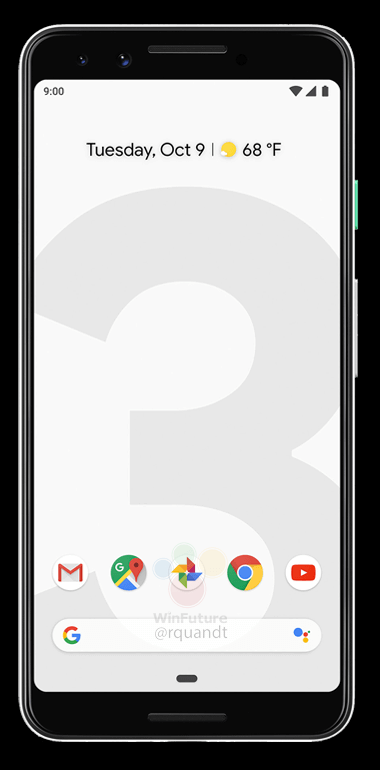
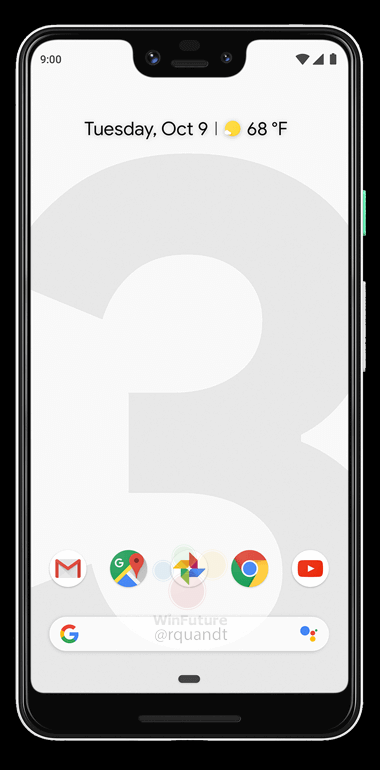
    However, these alleged renders of the Google Pixel 3 and Pixel 3 XL put that theory to rest. The renders claim to be as close as one can get to the real device. We can see that the bigger Pixel 3 XL will sport a notch. Thhe Pixel 3 will continue to have a conventional design with thick bezels on the top and bottom. Earlier leaks have also reported that the devices will run on the Qualcomm Snapdragon 845 chipset and have 4 GB of RAM. The devices will arrive with Android 9 Pie.


    What’s New:

    While most of what the leaks reveal are not new, a user on twitter has pointed out some new features about the display. Apparently, the Google Pixel 3 series has a new type of wallpaper. While these are basically live wallpapers, they are pretty different. They react on the basis of touch, tilts and even turns. Another set takes it a step further. If the device detects music playing, some wallpapers move and react. They event react when the phone is unlocked or a notification comes up. They also change their colour depending on the time of the day, according to the user.

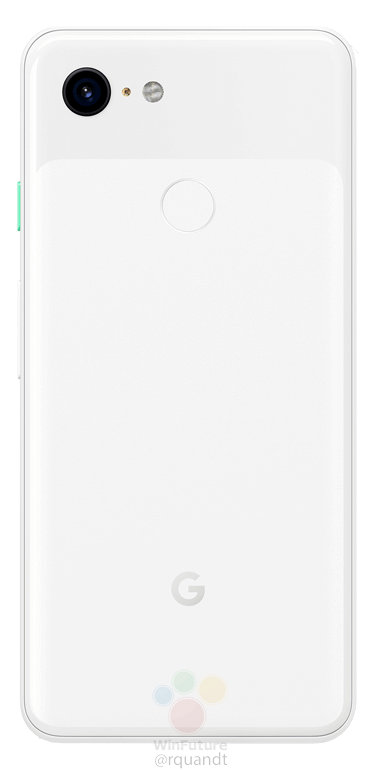
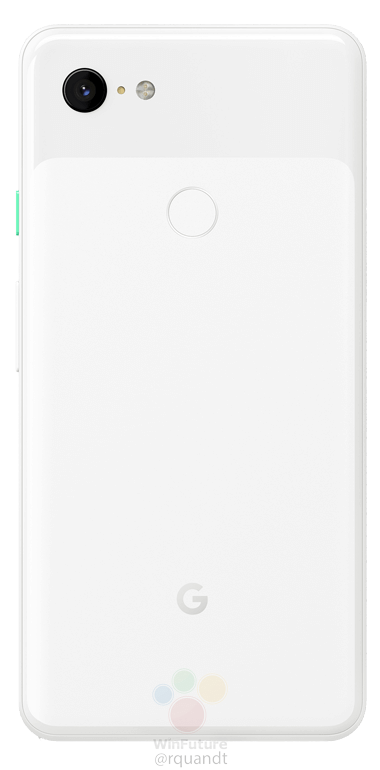
    The same user also gave us another bunch of images of the alleged Pixel 3 XL and also pointed out the device has a glass back and a SIM tray at the bottom.

    The Google Pixel 3 and Pixel 3 XL are set to be launched in a Google event on 9th October. The event will be a joint New York-Paris press conference and will see the launch of a few other Google devices as well.

  • Google Maps To Work On Apple CarPlay With iOS 12

    Google Maps To Work On Apple CarPlay With iOS 12

    Apple announced iOS 12 at its recent launch event held on 12th September. The update will be rolled out on Monday, September 17th and will be available to many. An exciting feature that iOS 12 will bring is the addition of Google Maps and Waze to CarPlay.

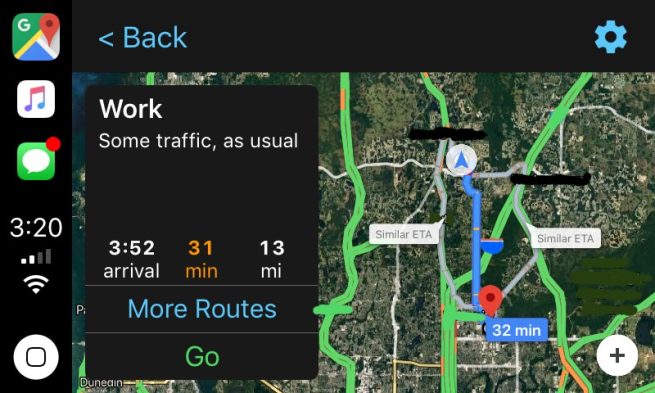
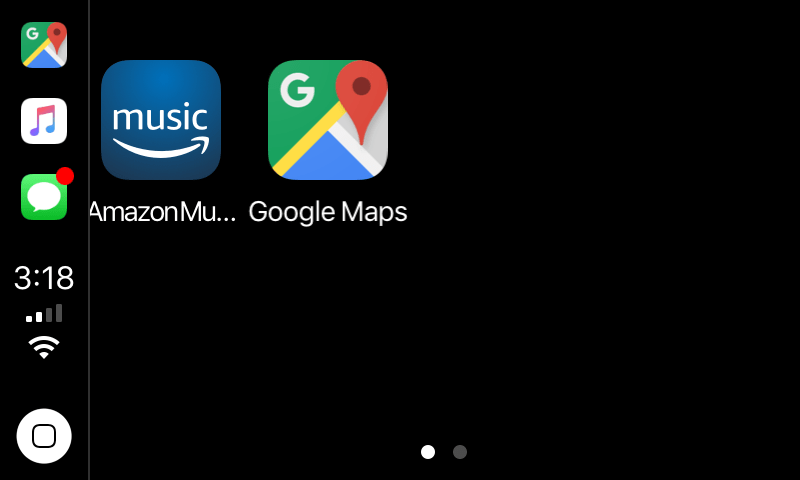
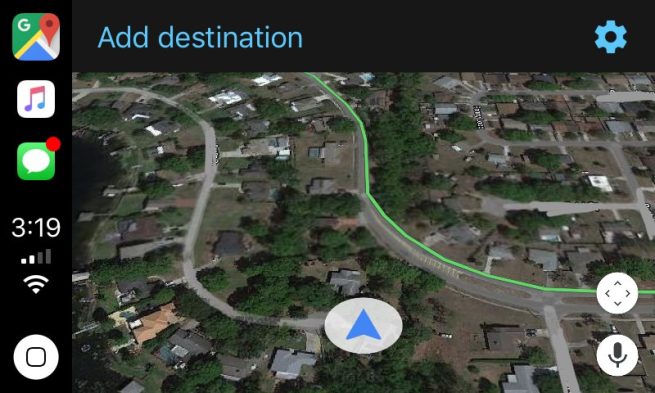
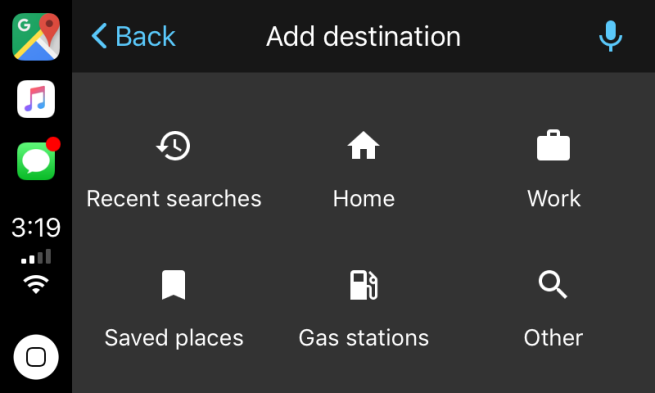
    Screenshots which show Google Maps integrated with Apple CarPlay have emerged and they have got everyone excited. As seen in the pictures, the Google Maps icon takes the navigation slot in the sidebar, which was earlier only occupied by Apple Maps. More images show the familiar arrowhead and map tiles, which are rendered by Google. The map is also available in both cartography and satellite modes. A microphone icon present on the screen also points out that voice search will be available.

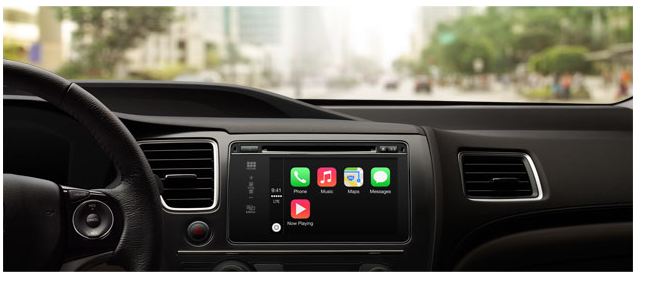
    CarPlay was announced in 2014 and works as an alternative to poor navigation software generally available in cars. By connecting your iPhone to your car, CarPlay will mimic its interface on to your dashboard. This is a much safer alternative to looking at your phone while driving or using a car mount.


    However, the biggest complaint that CarPlay users had is the fact that they could not use Google Maps and were stuck with Apple Maps when it came to navigation. This is no longer an issue as with the new iOS update, users will be able to access not only Google Maps, but many other apps as well.

    The access to Google Maps on Apple CarPlay is relatively restricted. It will only be available to iOS Beta Testers. For now, users will have to upgrade to iOS 12 when it rolls out on Monday and wait. Once Google Maps and other compatible apps are updated to be integrated with Apple CarPlay, users can utilise the full experience.

  • The Google Pixel 3 XL Might Not Be What We Expected: Possible Surprise From Google

    The Google Pixel 3 XL Might Not Be What We Expected: Possible Surprise From Google

    Over the past month, we saw a series of leaks which seem to have set the entire Google Pixel 3 XL device bare before us. The leaked devices went through tests, photoshoots and even elaborate unboxing videos. Numbers regarding the performance, design and features of the device are all over the internet. But, two recent events have us thinking that the Pixel 3 XL might not be anything close to what we’ve seen in the leaks.

    To know about all the Pixel 3 leaks till date: Google Pixel 3 & Pixel 3 XL -All You Need To Know

    No Bezels, No Notch:

    The first incident which hints at such a possibility is a video on YouTube. We know that a YouTube video cannot be a trusted source, but hear us out. The user who uploaded this video has laid out some facts which are worth looking into. To give you a background on the user, he posted a few videos making fun of and hating on the design of the alleged Google Pixel 3 XL. Even after doing so, he received a mail from a Google employee asking for permission to use a part of his video for the purpose of the Google launch event which is coming up in October. It is possible that Google might be playing a montage of such clips right before they launch the completely different Pixel 3 XL.

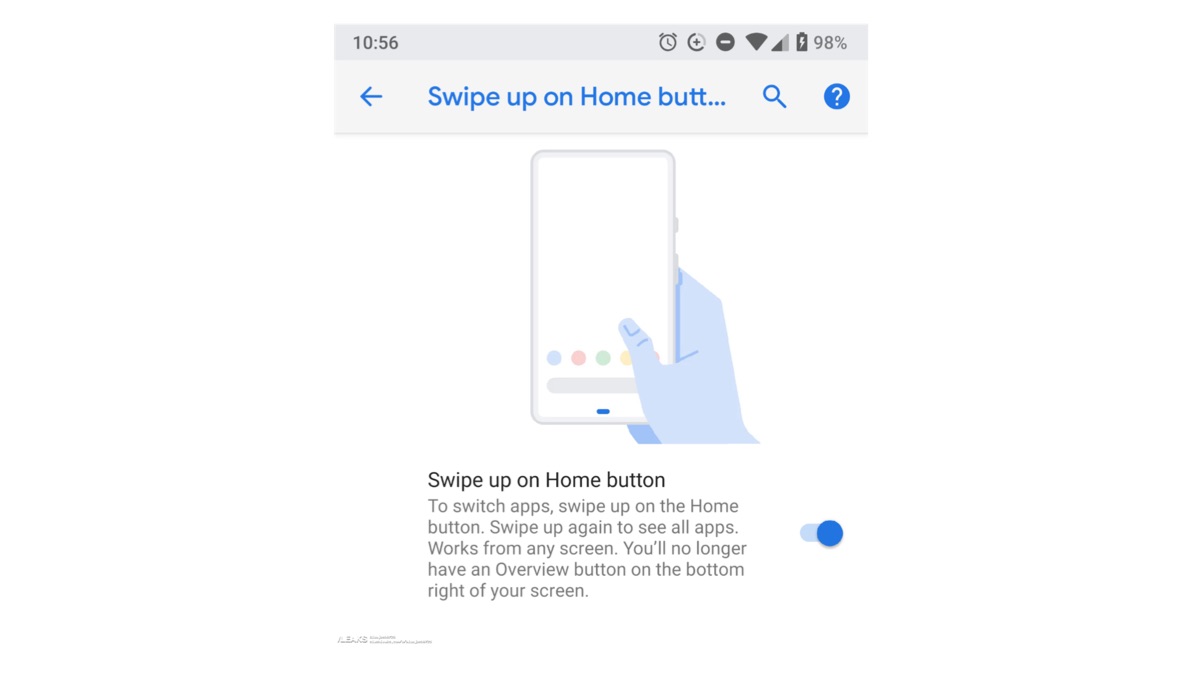
    Spotted on the Android Pie Setup screens in a Pixel 2 device, this Google Device is seemingly bezel-less.

    The second reason which adds strength to this crazy theory is a leak by Slashleaks. This recent leak shows us screenshots on a Pixel 2 device with the illustrations of a seemingly bezel less phone. This phone is completely different from the Leaks of the Pixel 3 and the Pixel 3XL which we have seen in the past. The leaked Pixel 3 XL has a notched display while the leaked Pixel 3 has a conventional smartphone design with thick bezels. This device has the nickname ‘Ultra Pixel’ and could be the Pixel 3 XL.

    What Does This Mean:

    Putting two and two together, we can see good reason for a possible theory emerging. Even though it seems highly unlikely, it is possible that all the leaks of the Pixel devices until now were in fact staged by Google. Think about it, the ‘theft’ of a Google Pixel 3 XL shipment in Russia, a customer ‘accidentally’ leaving behind a Pixel 3 device in a Lyft cab. If you were tasked with testing a device which has still not been revealed, wouldn’t you be careful enough to not leave it behind in a cab? Also, one of the unboxing videos of the alleged Pixel 3 XL is of suspiciously high production quality, which throws open the possibility that Google itself could have purposely ‘leaked’ this video.

    A device which is different from the alleged Pixel 3 XL with a notch would be a welcome change. Via Wylsacom

    If all this is actually true, we could be witness to a masterstroke by Google in the upcoming event. Google could have been fooling everyone with the notch on the alleged Pixel 3 XL and might have possibly developed the first truly bezel less phone. All this is based on a few possibilities from here and there. The possibility of such a move from Google surely excites us and we’d love to see how this finally ends up.


  • Google Chrome Turns 10: The Journey

    Google Chrome Turns 10: The Journey

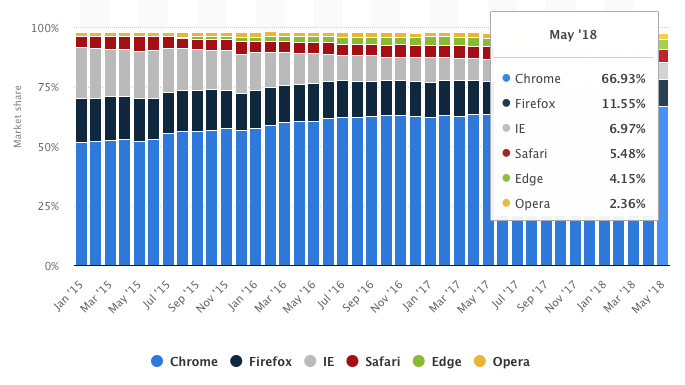
    10 years ago, Google brought the Chrome internet browser into this world. At a time when Firefox was battling the giant Internet Explorer and Safari was used by a few, Chrome marched in and built an empire for itself. Most switched to Google Chrome around 8 years back, and since then,  have never looked back.

    Google Chrome


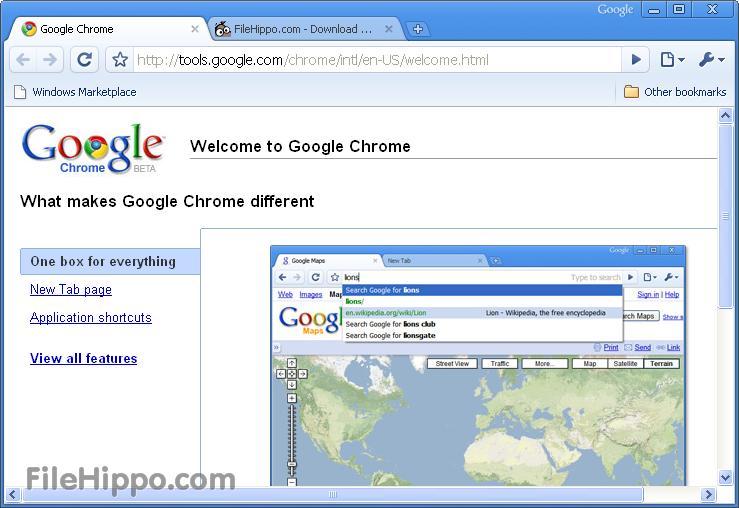
    Google officially introduced Chrome in 2008 and it supported Windows at that time. By 2009, the company released Chrome for Mac Os and Linux as well. Fast forward to 2018 and Chrome now holds more than 60% of the internet browser market share, way ahead of its competition, the closest holding 11 %. The journey has been incredible, both for Google and the users. So here’s a look at 10 years of Chrome and the revolution that it brought along.

    The Rise and Fall of Microsoft:

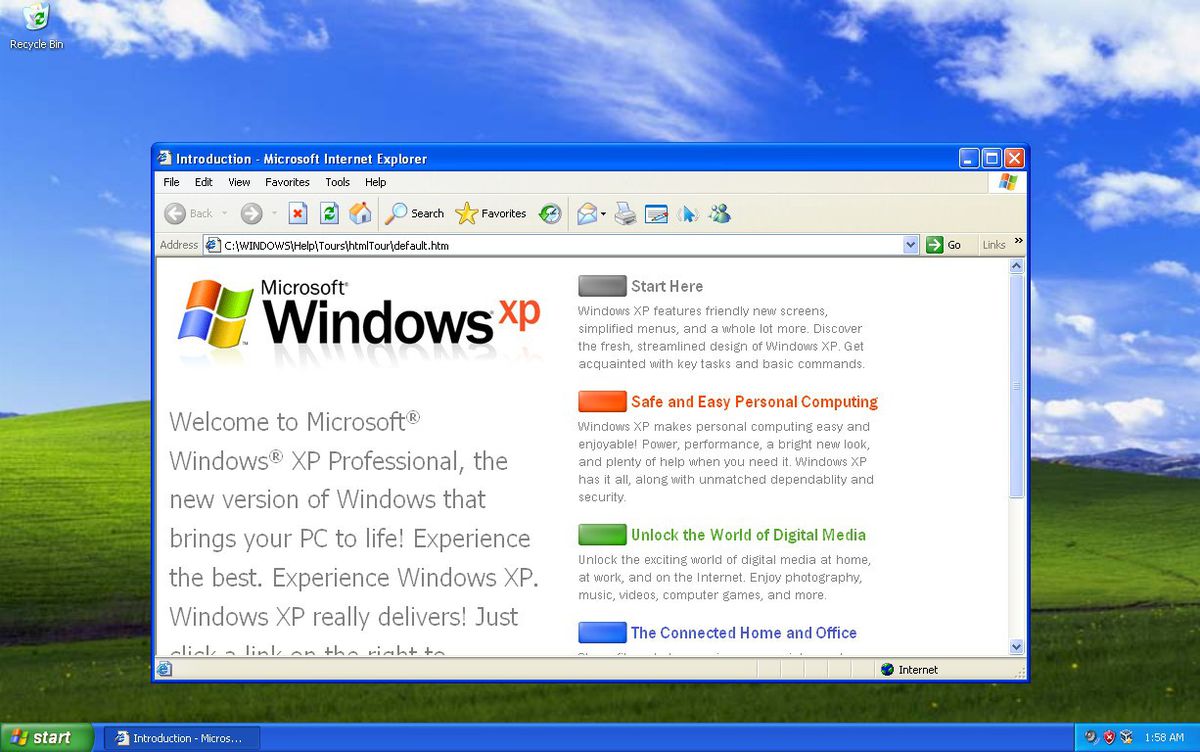
    In the early 2000’s, the only competition Microsoft had was from Netscape. After it gained certain victory over Netscape, Microsoft now dominated the market, mostly because it had no rival. Microsoft introduced the Internet Explorer 6 along with Windows XP. Internet Explorer 6 worked very well with certain features of XP and came into a booming internet market. The users of Windows XP utilised IE 6 to access the web and soon it became synonymous with the internet for those users. IE 6 continued to rise in popularity and soon commanded more than 90% of the market. The top position gave Microsoft the power to do what it felt, or so it thought. Microsoft started disregarding open web standards and policies. Most websites started optimising themselves for IE 6, giving one the best experience.

    With the rising popularity of the web, were set which would help developers design sites to work across various browsers and platforms. Microsoft largely ignored these standards. With the rising popularity of IE 6, developers had no other way out than to optimise their websites for IE.

    Soon competition rose in the form of Firefox and it came out with new features such as tabbed browsing and a pop-up blocker. With IE 7, Microsoft introduced tabbed browsing and a few other features to ensure its relevance is up to date. However, it didn’t make much of an effort to improve its compliance with web standards. The criticism against Microsoft started growing.

    Enter: Google Chrome!

    Google Chrome came crashing down on this. It focused on web standards and passed the Acid 1 and Acid 2 tests. These tests determined the degree of compliance with web standards that a browser exhibited. Microsoft had not been able to pass these tests at that point of time.

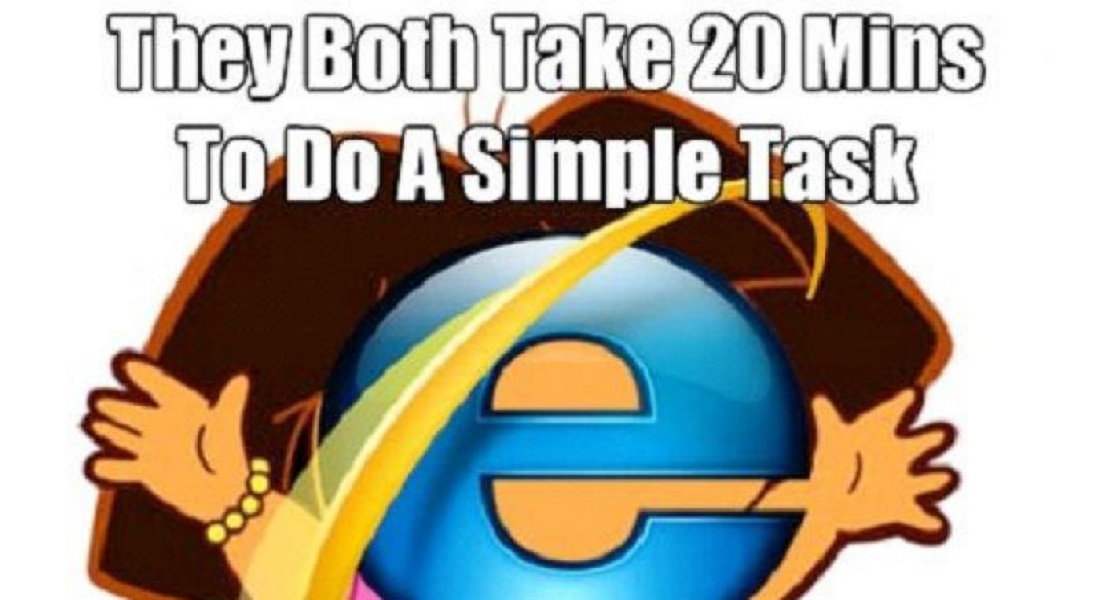
    The entry of Google Chrome made the Internet Explorer a Meme Favourite


    Soon, developers started moving towards Chrome as they could now build better websites based on web standards. Now Microsoft had two threats to worry about and the internet browser battle ensued. Google used components from Apple’s WebKit rendering engine and Mozilla’s Firefox to help build Chrome. It also made Chrome’s source code available openly under the name Chromium Project.

    Also Read: HMD Global Acquires PureView Trademark

    The Chrome Way:

    One of the most important features that Chrome brought with it was that of sandboxing. In simple words, sandboxing ensured that the contents of one tab stay in that tab. For example, if you accidentally access a sit which has malware or has been hacked, the sandboxing feature ensure that the other tabs will not be affected. Furthermore, the malware from that tab won’t spread into other parts of your computer. Sandboxing also helps in increasing the speed and stability of Chrome.


    Soon, Chrome evolved to become something that was just more than a browser for PC’s. Over the years, it has grown to be one of the most preferred browsers for laptops, mobiles and tablets as well. Numerous applications such as Opera and Steam also use Chrome’s Blink engine.

    However:

    It is not all sunshine for Google. Recently, Google has drawn criticism as some allege it is stepping into the same spot that Microsoft did years back. With the development of new apps that ‘work best with chrome’ on the rise, some comparisons can certainly be drawn. Apps like Google Meet, Allo, YouTube TV, Google Earth, and YouTube Studio Beta block Microsoft Edge from accessing them and instruct users to download Google Chrome instead.


    The use of the Google homepage for the ‘propagation’ of Chrome is also something which cannot be ignored Since google is the most widely used search engine, millions of people visit the homepage every day. If you happen to visit the page through a browser other than google, numerous messages will suggest that you download Chrome instead of the regular browser.

    Companies other than Google are also making ‘Chrome only’ apps and websites optimised for Chrome. This surely does remind us of Microsoft’s tactics with IE 6. This is ironic, considering that Google Championed the cause of sticking to open web standards.

    The Future:

    Via Bleeping Computer


    Over a decade, Chrome has evolved into a platform and it is no longer just an internet browser. Chrome books are extremely successful and perform a majority of tasks revolving around the browser. Considering the fact that it has grown to such an extent within this time, it is exciting to think about what it may bring in the coming few years.


  • Google Pixel 3 Finally Leaked

    Google Pixel 3 Finally Leaked

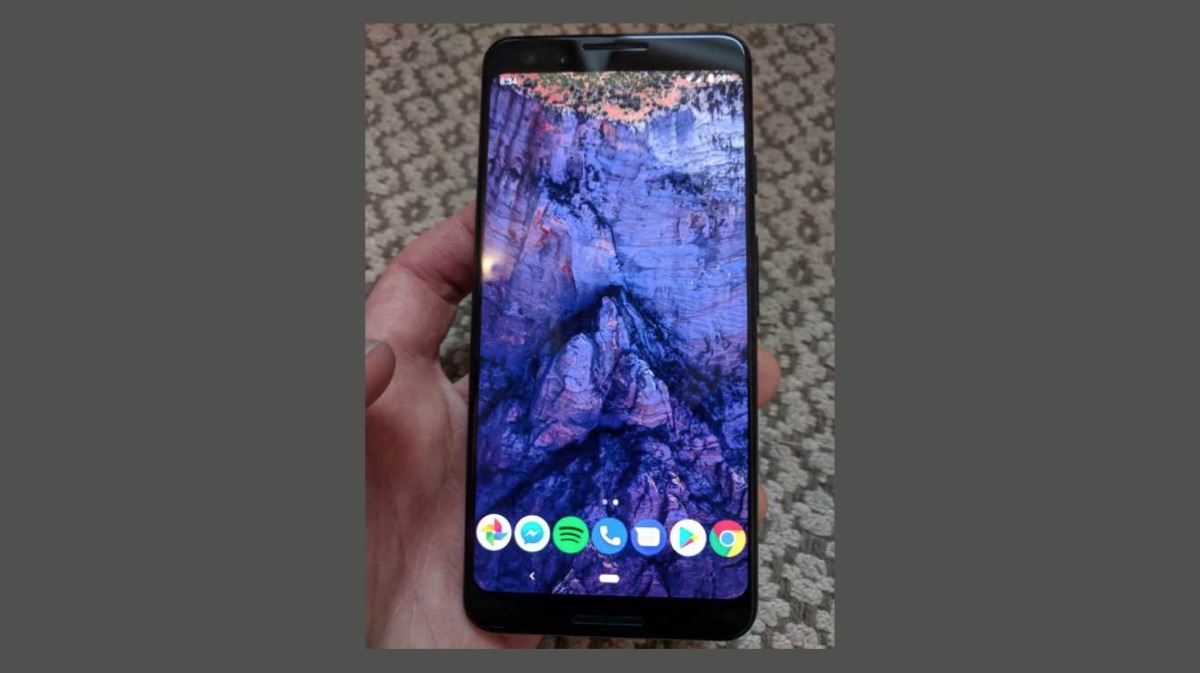
    The few weeks have been filled with extensive leaks of the Google Pixel 3 XL. Unboxing videos, benchmark scores and camera samples have made it seem like the XL variant is already out. However, nothing much was available about the smaller Google Pixel 3, until now. The latest leak has given us elaborate images of what the user claims to be the Google Pixel 3.

    Display:

    Google Pixel 3 Leaks

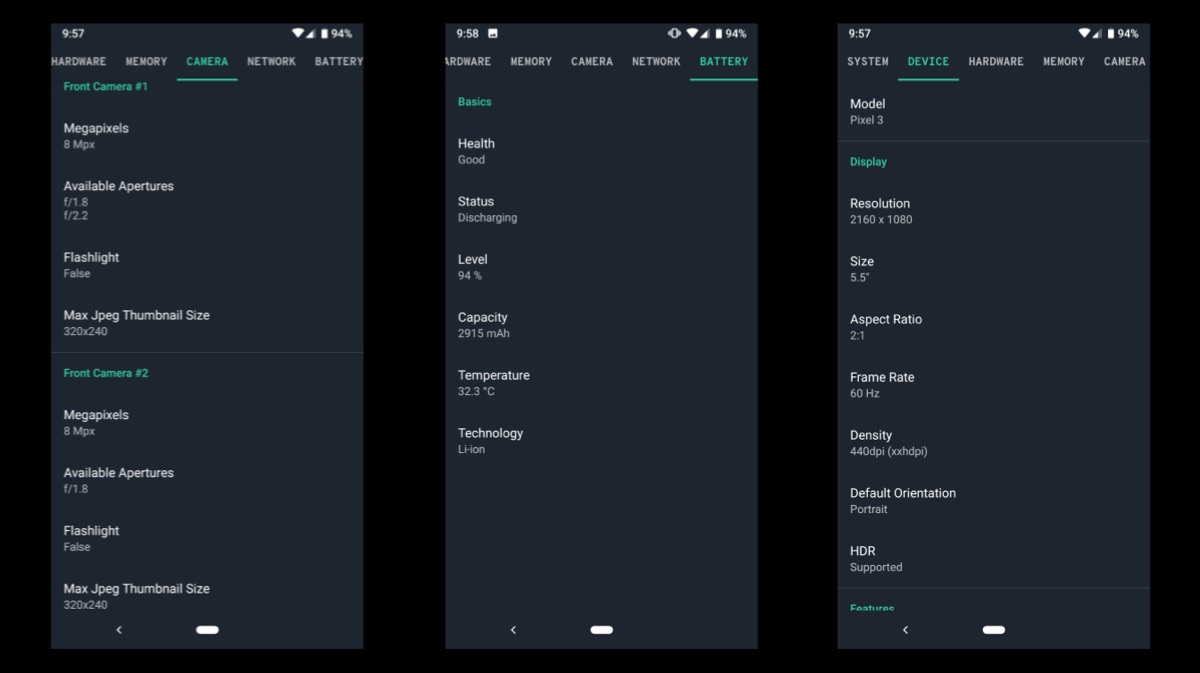
    The latest images of the alleged Google Pixel 3 confirm that the device will not sport a notch, unlike the bigger Pixel 3 XL. The device has a 5.5 inch display, an upgrade from the 5 inch screen of the Pixel 2. Despite the bezels, the device has a 18:9 aspect ratio and a native resolution of 2160 x 1080 pixels which gives it a pixel density of 440 ppi.

    Also Read: Google Pixel 3 & Pixel 3 XL : All You Need To Know

    Processor:

    Taking a look under the hood, we get to see that the device runs on a Snapdragon 845 chipset with an Adreno 630 GPU. The device will offer 4 GB of RAM. These specs are almost the same as what we had reported earlier.

    Screenshots from the leaked device.

    Battery:

    Google has apparently given the smartphone a 2915 mAh battery, an upgrade from the Pixel 2’s 2700 mAh battery. The 2915 mAh battery is pretty good to provide the Pixel 3 with a better performance. This is not the case with the Google Pixel 3 XL. The XL variant reportedly carries a 3430 mAh battery, which might be underpowered for such a massive display. Reports also suggest that the Pixel 3 will have wireless charging capability.

    Camera:

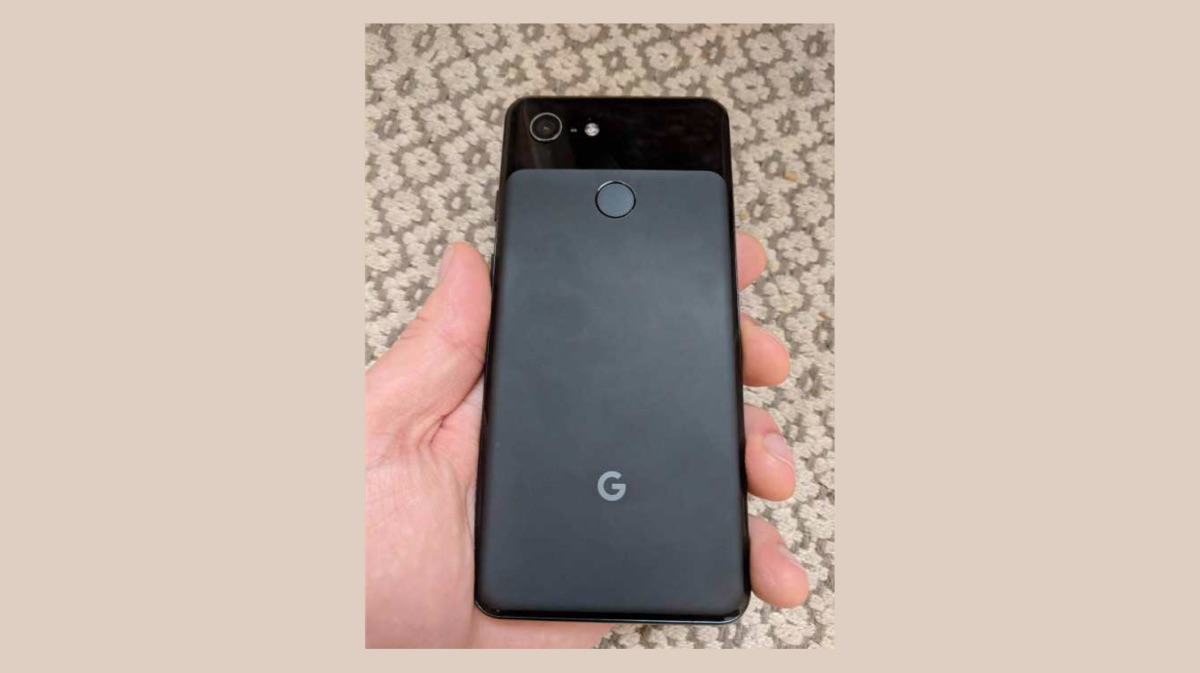
    Clearly visible from the image, the device has a single rear camera. It is reported to be a 12 MP sensor. However, considering the Pixel’s past performance, the camera performance is expected to be top notch. The leaks also confirm to us that it has dual front cameras. The two front cameras are both equipped with 8 MP sensors and an aperture of f/1.8. The two front facing camera might provide the smartphone with better selfies with a wide-angle portrait. It is rumoured that they will also be used for the face recognition feature the device might carry.

    The device also has a stereo speaker setup in the front, according to reports. Further details such as the availability and pricing has not been revealed yet. With such frequent and detailed leaks, we are curious to see what new features Google will unveil at the launch event.

  • Google Pixel 3 & Pixel 3 XL : All You Need To Know

    Google Pixel 3 & Pixel 3 XL : All You Need To Know

    The Google Pixel 3 and Pixel 3 XL are two upcoming flagship devices which we will see from Google. The Pixel device has been known to set the standard for what an Android device is capable of. The building anticipation to see what the new devices will bring has led to a lot of rumours. Most of these rumours are fuelled by extensive leaks that happened recenlty. So lets get straight into it.

    Via @Wylsacom

    Launch:

    The devices are expected to launch at Google’s annual ‘Made By Google’ event. Reports suggest that this would be around 9th October, falling in line with the date for the last year’s launch event. It is expected that Google will launch both the devices on the same day itself.

    Via @Wylsacom

    Design:

    What the new Pixel devices will look like has been a hot topic for discussion throughout the year. The beginning of the year had most people believing that the Pixel 3 and Pixel 3 XL will feature fully edge to edge display. This would make the Pixel 3 and Pixel 3 XL the third device to feature a full display, after the Vivo NEX and Oppo Find X. However, an extensive leak of the pre-production samples made it very clear as to what the Pixel 3 and Pixel 3 XL could look like.

    Via Rozetked

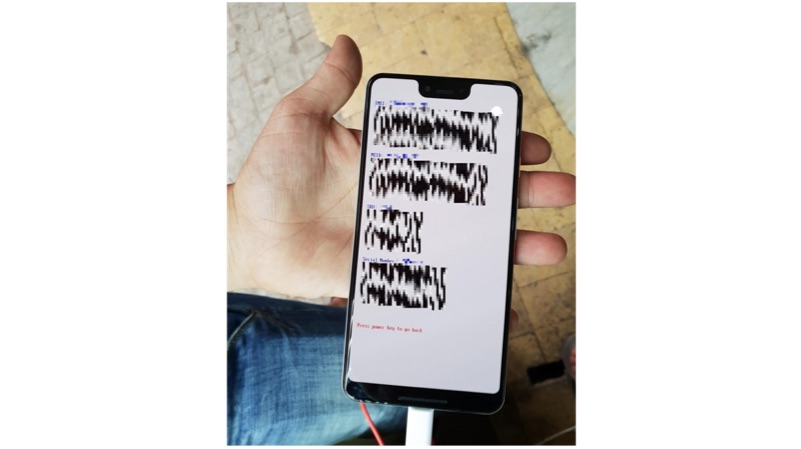
    The alleged devices sport two very different looks. The bigger Pixel 3 XL has a notch, following up with the latest trend in the smartphone market. This is astonishing as Google is known to never follow trends, as it prefers to set them. However, the Notch is much bigger than what we have seen on other devices. The notch will also house two front cameras and an Infrared Scanner. The Infrared scanner might help in aiding the face recognition feature rumoured to be in the device according to leaks.

    Via Rozetked

    The Pixel 3 on the other hand has a completely traditional design with bezels on the top and bottom of the screen and thin bezels on the sides and rounded edges. Both the devices have identical backs which house the circular fingerprint sensor and a single camera setup. The Pixel 3 XL reportedly has a 6.7 inch screen with a native resolution of 1440 x 2960 pixels.

    Also Read: Apple iPhone 9, Everything We Know So Far

    Processor and Operating System:

    Reports suggest that the Google Pixel 3 XL will run a Qualcomm Snapdragon 845 chipset with the Adreno 630 GPU. The device is rumoured having 6 GB of RAM and upto 512 GB of internal storage. This is what is expected form a flagship device in 2018, however, if a leak by a twitter user is to be believed, you sure will be disappointed.

    According to this leak, the Pixel device will only run with 4 GB of RAM, which is not a defining standard in these times. The chipset still stands to be a Snapdragon 845. However a smooth experience can be expected as the Pixel devices run the best stock android.

    The devices are expected to run the latest Android 9.0 Pie out of the box. Google might have fine tuned the Pixel to gel with the best features of the new OS such as improved gesture control, according to experts.

    Battery:

    Based on the leaks, the Pixel 3 XL is equipped with a 3430 mAh battery. This is a slight downgrade from the 3520 mAh battery that the Pixel 2 XL has. This might however, not necessarily mean a diminished battery life. Google might have worked on optimising the OS and apps to ensure better performance, according to experts.

    https://twitter.com/khoroshev/status/1032245675990441985

    A video displaying the wireless charging capability of the alleged Pixel 3 XL surfaced online recently. This is an exciting new feature added to the device.

    Camera:

    The Pixel devices have been known to set a standard for when it comes to cameras. With the Pixel 2 and Pixel 2 XL launched last year, Googled proved that the number of cameras isn’t what dictates the quality of the image. Taking the leaks into consideration, we will see a similar single rear camera setup for both the Pixel 3 and Pixel 3 XL.

    Image claimed to be taken by a Pixel 3 XL ( Via @Khoroshev)


    The rear camera is reported to have a 12.2 MP sensor. The front notch will also house a dual camera setup with at least one 8 MP sensor. The sensor might be used for the face recognition technology, according to reports.

    Price:

    Most reports and analysts expect the Pixel 3 to be priced around $650 and the Pixel 3 XL around $ 750. This sure does seem to be a low estimate as most flagship phones are available at the $ 1000 mark these days. This could be a strategic placement, according to experts.

    Via Rozetked

    Know More:

    Pixel devices are known to get Android updates first, ensuring that devices are up to date. The phone is said to use a USB type-C charger which was present in the box in a leaked image. Along with this we can see earphones, provided by Google for the very first time. More images show that the Pixel 3 XL will continue to support the Active Edge feature. This activates the Google Assistant when the phone is squeezed.

    With new leaks, images and tests surfacing almost everyday, we will keep updating this article to ensure you get the latest about the Google Pixel 3 and Pixel 3 XL. So keep watching this space to know everything about the upcoming flagship device from Google.

  • Google Pixel 3 XL Leaked With Extensive Hands On Images

    Google Pixel 3 XL Leaked With Extensive Hands On Images

    The Google Pixel was launched back in 2016 to replace the Nexus line of smartphones and to provide Google a spot in the flagship segment. Pixel smartphones provide a flagship by the makers of Android setting benchmarks and redefining the smartphone camera segment. With the launch date of the highly anticipated Pixel 3 and Pixel 3 XL nearing, curiosity is high amongst fans. However, a series of leaks, especially the latest, might have some of the answers we were looking for.

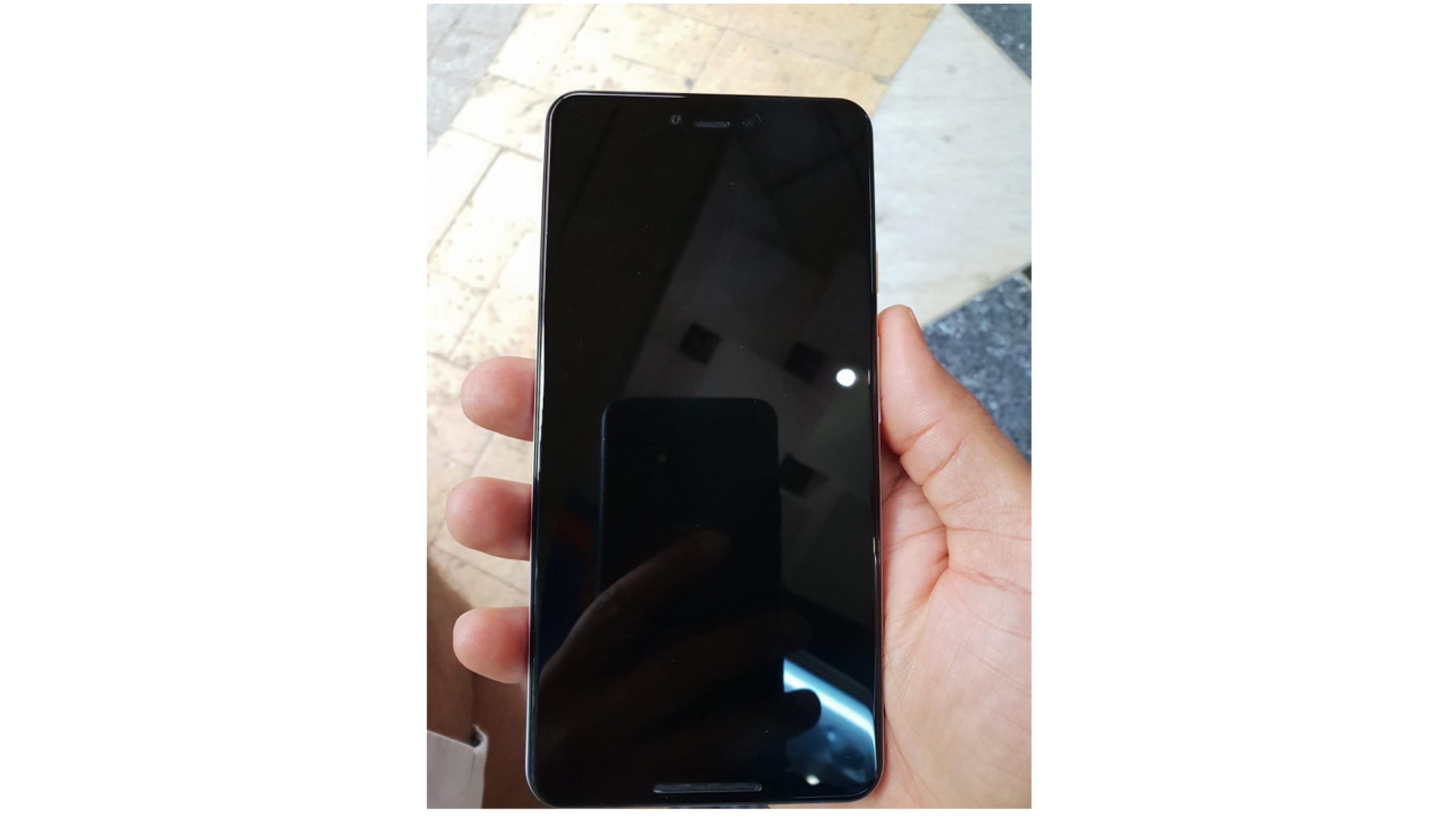
    New images posted by a user on Twitter reveal full body pictures of the Pixel 3 XL, revealing the entire device.

    Display: 

    The new images reveal a huge notch which rests on the massive 6.7-inch screen. This notch redefines the design of the Pixel 3 XL. It also redefines the ideology of Google, which never gave into trends before. Adding to this the front of the Pixel 3 XL seems to have a huge chin and rounded corners.

    The notch however, houses two front cameras and an Infrared Sensor which might be to  help improve the Face Recognition feature.  This can be called out to being very similar to the Face Id technology used by Apple. The device is said to  have a 1440×2960 resolution, which gives us a pixel density of 491 ppi on the 6.7-inch screen, which would result in a display which will not be not as sharp. The display also houses two speakers, as part of the stereo speaker experience in the Pixel 3 XL. 

    Camera: 

    The device sports a dual front camera and a single main camera.  The two front cameras might be having varying focal lengths to perhaps give a better portrait experience. On the back, the single primary camera, is sure to carry the great legacy of Pixel devices if the leaks are true. Images claimed to be taken by the Pixel 3 XL display extensive dynamic range and depth.  The camera may be housing a 12.2 MP sensor with an f/1.8 aperture.

    Image claimed to be taken by a Google Pixel 3 XL

    Google’s integration of software to its camera is something to look forward to. It banks not only on the ability of the sensor but also ensures that complimentary software brings out the best. A picture of the home screen of the Pixel 3 XL shows the camera icon having a tiny paw print on it. We are excited to see what this means and what new software google has to better the camera experience. 

    Device: 

    Supposedly running a Qualcomm Snapdragon 845 chipset with an Adreno 630 GPU. Although details about storage and RAM aren’t available, it is obvious that Google won’t run with anything below 128 GB of storage and 6 GB of RAM if not higher.

    As we look inside the phone, the device is apparently getting its power from a 3430 mAh battery, which might be underpowered considering the size of this device.  A larger display will obviously take a toll on the battery, so we are expecting the device to carry Quick charge 3.0 at the least if not Quick charge 4.0.  Another surprising feature in a video put up by a twitter user, displays the wireless charging capability of the Pixel 3 XL.

    Also Read : The Difference Between Android Go, Android One, And Stock Android

    What’s More:

    The Pixel 3 XL should be running Android 9 out of the box. Pixel devices are known to get Android updates first, ensuring that devices are up to date. The phone will use a USB type-C charger which was present in the box in a leaked image. Along with this we can see earphones, provided by Google for the very first time. More images show that the Pixel 3 XL will continue to support the Active Edge feature. This activates the Google Assistant when the phone is squeezed. This hints at the fact that HTC is manufacturing these devices since it owns this technology. 


    It is pretty clear as to what we can expect from the Pixel 3 XL at this point in time. What is actually going to be the biggest hurdle for Google is getting the price right. As flagship killers offering the same chipset at lower prices are on the loose, it’s going to be tough. Google cannot hope to win people over with  just a great camera. We hope to see some more surprises when it comes to the pricing and the Pixel 3 XL itself.

  • Google Has Announced The Android 9 Pie Go Edition

    Google Has Announced The Android 9 Pie Go Edition

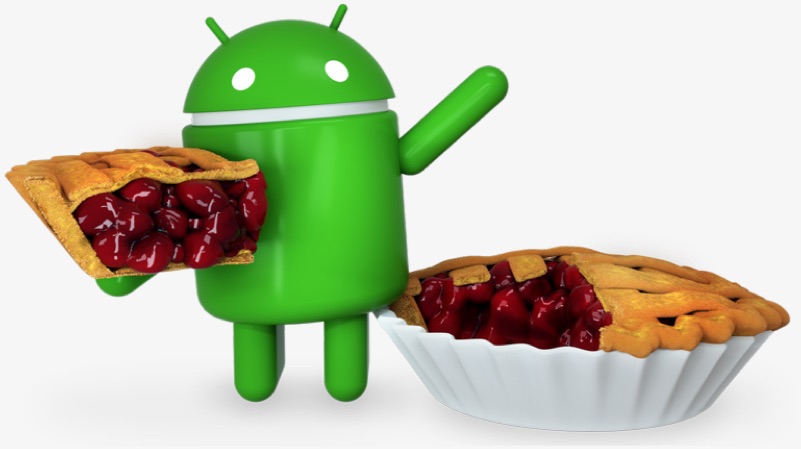
    It was in the year 2007 when Google officially introduced the Android ecosystem to the world. Android got its name from a Latin word “Androides”, meaning, human-like robot. The term Android also shares some resemblance with the ex-CEO and founder, Andy Rubin. Android is an operating system primarily designed for devices with touchscreen. Android has evolved not only in terms of versions but also in terms of its varieties. The latest version of the Android OS is the Android 9 Pie. The recent years gave us Android One and Android Go in addition to stock Android. Google announced Android Go as a watered-down version of Android 8 (Oreo) for low-end smartphones. It seems that now the company wants to continue the Android Go series with the Android 9 Pie Go edition.

    Also Read: POCOPHONE F1 Leaked Ahead Of 22nd August India Launch

    Android Pie Android 9 Google Android 9 Pie Go Edition

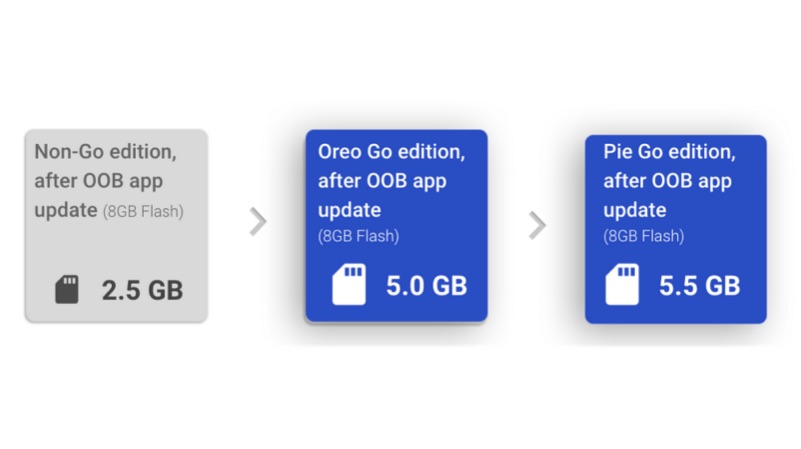
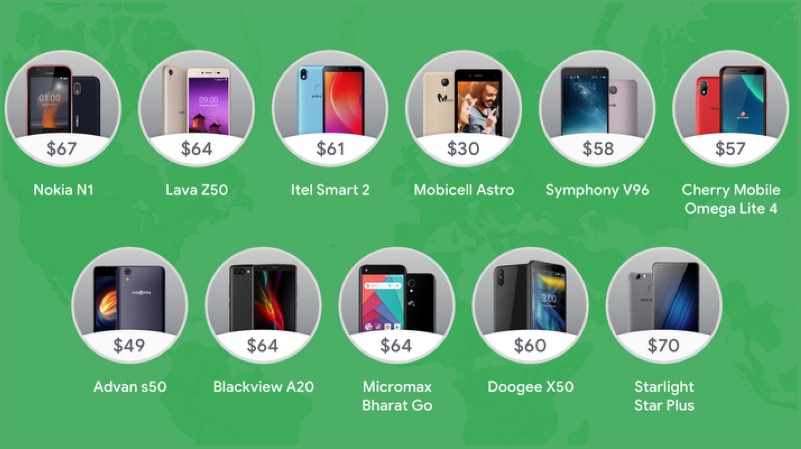
    Android Go delivers the latest OS to devices with RAM as low as 512MB. Android Go is the watered-down build of the Android Oreo (8.0). This OS is built to work on low-powered devices without any jitters. With Android Go, users will find that the OS takes significantly less amount of space than even Android Nougat, which released before Oreo. The OS also offers lite versions of Google apps like YoutTube Go, Gmail Go, and Files Go. This allows it to run smoothly on smartphones with storage space as small as 8GB. The latest smartphone to launch with Android Go out of the box is the Nokia 1. In a blog post from Google, the company announced that it will also launch the Android 9 Pie Go edition as a continuation of the current series. 

    Android 9 Pie Go EditionThe Android 9 Pie Go edition would share a lot in common with the Android Go (Oreo). However, Google claims that the Pie Go edition would take up even lesser space and provide faster device boot times for smartphones. The Android 9 Pie Go edition will also cater to the low-end devices like the Android Oreo Go edition. The company promises top-of-the-line security features and an accessible dashboard for tracking and monitoring data consumption. Companies like Nokia, Micromax, and Lava are already on the list of smartphone brands to receive Android 9 Pie Go edition.

    Android 9 Pie Go Edition

    It is reassuring to see that Google wants to keep the low-end low-budget smartphones just as relevant as the flagship Android devices. With the Android 9 Pie Go edition, it will allow users on a tight budget to enjoy a fast, smooth, and the latest Android experience.

    Have something to add? Leave a Comment Below!


  • Google Is Tracking User Location Without Consent

    Google Is Tracking User Location Without Consent

    Google Maps is one of the most used services across all platforms. Even until Apple unveiled iOS 6 in 2012, the company relied on Google Maps. However, even to this date, many prefer Google over Apple maps for navigation. For a long time, Google has been optimizing its Maps services to provide better and more accurate results. However, there are times when the company goes above and beyond to ensure accuracy. According to reports, the company is secretly tracking its users’ location even after they turned their location history off. According to the company, if a user has turned his or her location history off then it will no longer be able to track their location. But, that does not seem to be the case.

    Google

    As a new user, Google would ask the user to allow it to track his/her location for navigation. Once allowed, the entire location history of the user is recorded in a timeline fashion. This means that the company can keep a track of all the users who opted in for its map services, putting their privacy at risk. To deal with this, the company allows the user to turn off their location history. This, at least on paper, prevents the company from storing its users’ location. However, Google is still able to track its users with the help of some of the company’s apps. For instance, a simple Google search for a particular food item like a biscuit could help pinpoint your precise location. Moreover, the company even stores the instances of the times when you open its map service on a device. While mostly been open about tracking its users’ location, the company has never explicitly mentioned that it stores their location history even while turned off. It is with this privacy issue that more than two billion devices are at risk.

    Google Maps


    The issue of data privacy and the risks involved with it has always been a major concern. It does not help to know that big league companies like Google can misuse their users’ information. There is no word from the company on this issue but stay tuned as we will closely cover this news.

    Have something to add? Leave a Comment Below!
  • It’s Official : Android 9 Is Android Pie : Top 10 Features

    It’s Official : Android 9 Is Android Pie : Top 10 Features

    It was in the year 2007 when Google officially introduced the Android ecosystem to the world. The first commercially available Android smartphone, the HTC Dream released in the September 2008. The smartphone was available globally from 2009 and ran on the version 1.5 (Cupcake) of the OS. Google has followed an alphabetical order of naming convention with each new version of Android. Starting with the first version, Android Cupcake (1.5) debuting with the HTC Dream in 2009, with Donut (1.6) to follow, in the same year. Android has evolved not only in terms of versions but also in terms of its varieties. The latest version of the OS available for all the smartphones is Android 8.0 (Oreo). However, Google has announced the latest version, Android 9 and its official name is Android Pie.

    Also Read: Dual SIM Apple iPhone With A 6.1-inch Display Is Launching But You Can’t Have It

    Our previous speculation was that Android 9 might roll out as the Android Pistachio. However, Google usually uses sweet treats or desserts to name its Android versions. Thus, it makes a lot more sense for Google to call Android 9, Android Pie. Although its official now, Android Pie was already available as a beta preview for many smartphones. In the list of manufacturers who signed up for the beta program, OnePlus, Nokia, and Xiaomi are some of the top brands. This time around, the new version of the OS is bringing some major changes to the way it works. 

    Features
    1. Gesture-Based Navigation
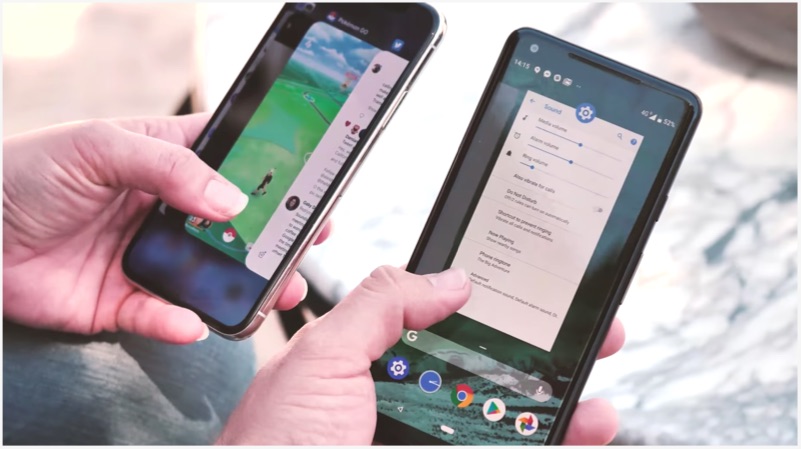
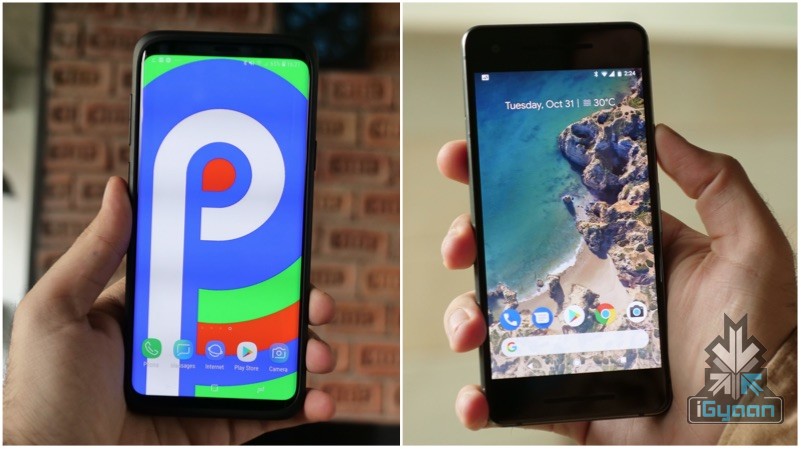
    Image: iPhone X Recent Apps VS Pixel 2 Recent Apps On Android Pie

    With Android 9, the OS has changed aesthetically, along with several major feature additions. The most noticeable of them all is the new gesture-based navigation. Although turned off by default, the gesture-based navigation system allows for a new way to interact with Android. In Android Pie, a simple swipe to the left or right will allow users to switch between the recently opened apps. While swiping up would reveal all the opened apps along with a few suggested apps with the OS thinks the user frequently opens. 

    2. App Slices
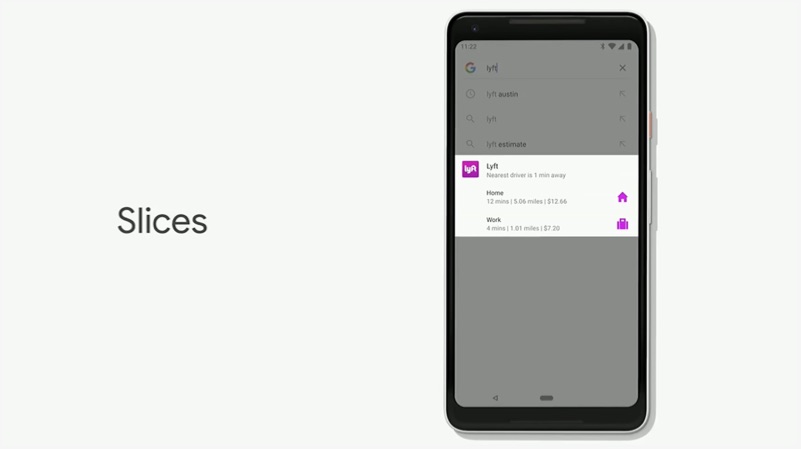
    This new Android Pie feature seems very familiar to users who have had experience with Google’s Instant Apps. Instant Apps was Google’s way of allowing users to access an app without needing to download it. However, in the case of Slices, the similar idea of Instant Apps targets a whole different set of problems. For instance, if a user searches for Hawaii on Google, then the OS might show them photos from the time when he or she visited Hawaii.

    3. Indoor User Positioning
    Android Pie Android 9 Google

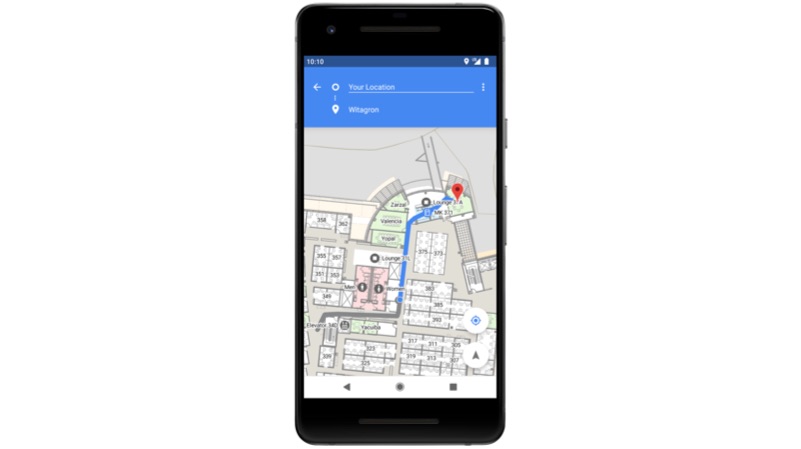
    In previous Android versions, if a user sitting inside a building wants to locate himself on the map, then his or her estimated location using GPS was shown. With Android 9, Googles uses Wi-Fi for indoor positioning with an accuracy of up to 1 or 2 meters.

    4.  Support For Notches
    Android Pie Android 9 Google

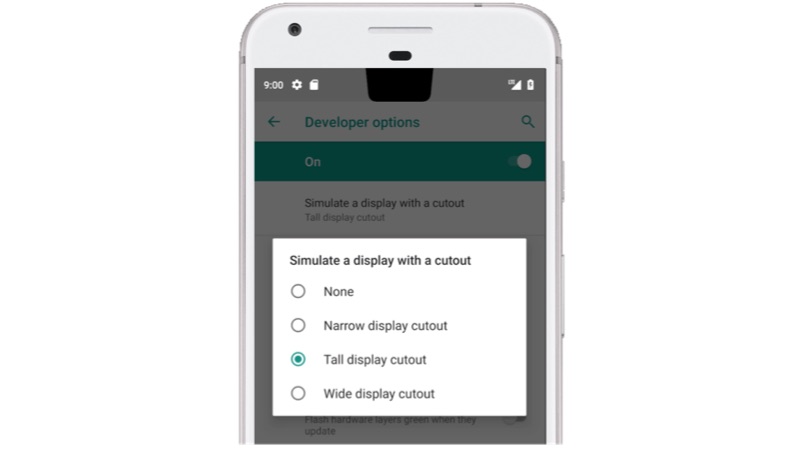
    With Android 9, users will get content in an edge-to-edge format which also supports the presence of the notch. Android Pie will allow developers to build apps in such a way that their app supports the cut-outs on a smartphone’s display.

    5. Intuitive Notifications
    Android Pie Android 9 Google

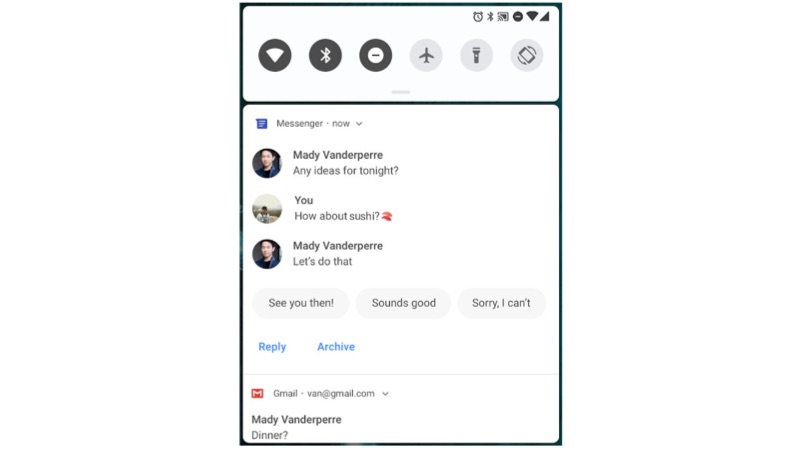
    Google has been focussing on integrating AI deeply with its OS. It is with Android 9 that users see some of the AI functionalities in the foreground. For instance, on Android Pie, a predicted response will be ready for certain message notifications which you receive. You can either choose to respond to the message with the suggested text or write your own directly from the notification tray.

    6. Adaptive Battery & Adaptive Brightness

    Another AI-dependent feature which Google has introduced with Android 9 is the Adaptive Battery and Adaptive Brightness. With this feature, the OS will understand the smartphone user’s device usage behaviour and adjust the battery settings accordingly. This adjustment is also dependent on the time of the day or the user’s location.

    7. Digital Wellbeing
    Android Pie Android 9 Google

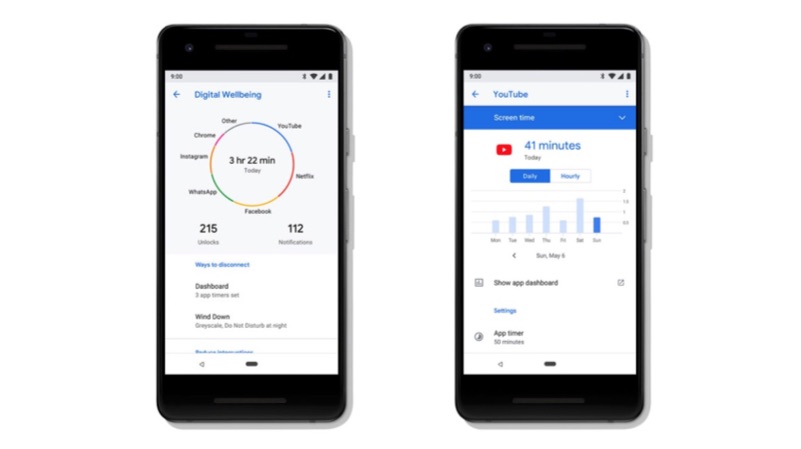
    Android Pie or Android 9 will monitor the user’s daily smartphone usage. Google is calling this feature the “Digital Wellbeing” which will provide an analytical report of the time the user has spent on the device and the number of times the device was unlocked.

    8. The Material Theme
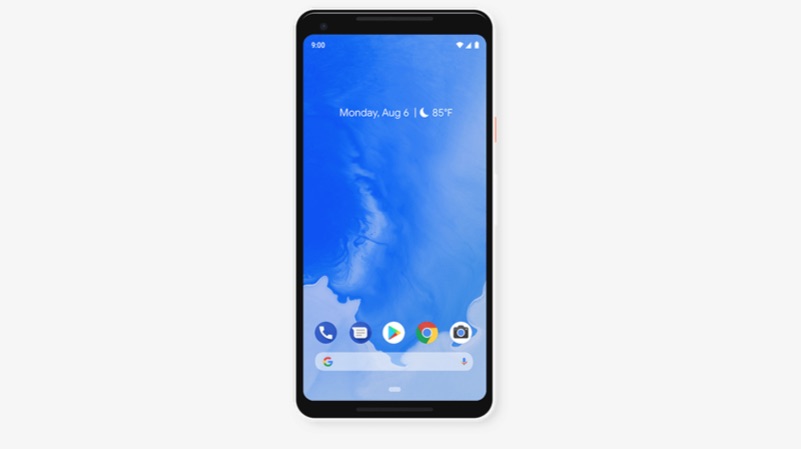
    Along with the new feature, Google has also introduced some subtle changes to the UI with Android 9. In this version of the OS, the most noticeable changes are with the notification tray icons, which are more rounded than the ones on Android Oreo. The materialistic theme also translates to the way the recent apps are shown. One could say Android Pie takes subtle hints from Apple’s iOS.

    9. Rotation Toggle
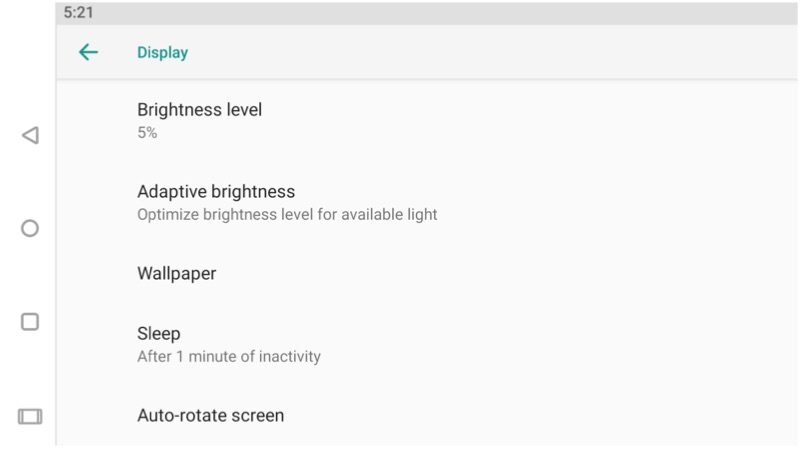
    Android Pie Android 9 Google

    The rotation toggle is a nifty feature in the Android 9 which tackles the problem of accidental screen rotation. When you turn off auto rotation on the smartphone, an extra icon will appear in the navigation bar, which upon clicking, will change the orientation of the smartphone’s display. This is especially useful for the lazy users who like to use their smartphones in bed.

    10. A Total Of 157 New Emojis

    With a more gender-neutral approach, Android Pie will bring a total of 157 new emojis to the platform. Some of these emojis include lobsters and alpacas.

    Android P is the ninth installation of Google’s Android OS. Many devices including the OnePlus 6 have already received a Developer Preview of the Android P. This new version brings subtle UI changes like the redesigned notification panel when triggered by the volume rockers. The new update also brings better battery optimization, dark and light theme modes, and the ability to toggle between multiple wallpapers. The Android Pie update will initially be available on the Pixel devices first with other manufacturers who signed up for the Beta program to follow. It is safe to say that with every new version, the Android ecosystem keeps evolving, and the trend will continue until either Google runs out of letters in the Alphabet or Android is discontinued.

    Have something to add? Leave a Comment Below!
     

  • Google Pixel 3XL Spotted With A Notch In White Colour

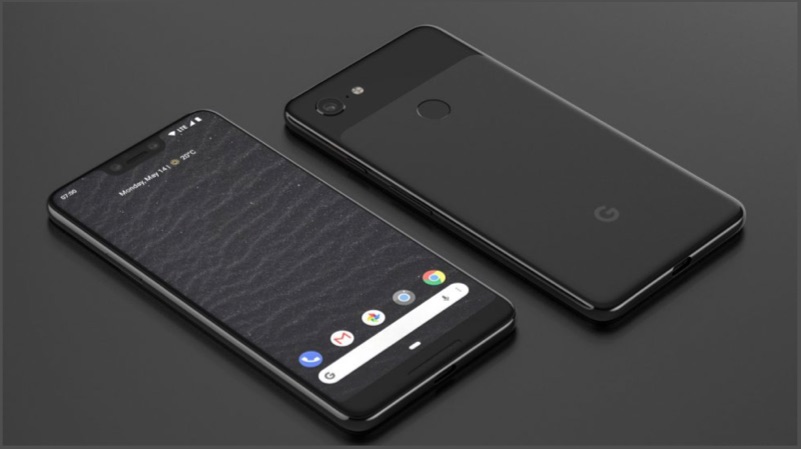
    Google Pixel 3XL Spotted With A Notch In White Colour

    Google launched the Nexus 6P smartphone on 29th September 2015. Despite the fact that the Nexus line of smartphones did well in the market, Google pulled the plug on the lineup. The very first device in this lineup was the Google Nexus One, manufactured by HTC. After the discontinuation of Nexus, Google launched the Pixel smartphones. The Pixel devices replaced the Nexus devices to become the premium flagship smartphone offered by Google. However, Google still relies on other manufacturers to provide the hardware for the smartphones. The Google Pixel, first in the Pixel line of devices, launched on 20th October 2016 was manufactured by HTC as was the Pixel 2. However, the bigger variant of the Pixel 2, the Pixel 2XL was manufactured by LG. Since the Pixel is fairly new, there is no doubt that Google will release a third Pixel device. A series of images for the Google Pixel 3XL surfaced which gives an idea of how the smartphone may look like.

    Google Pixel 3XL
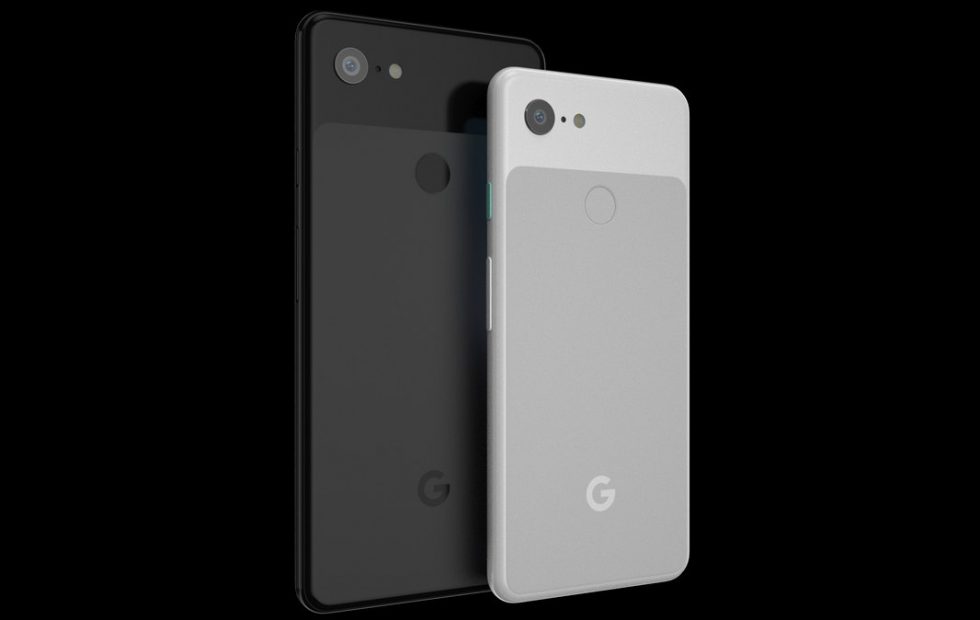
    Google Pixel 3 XL Clearly White

    The Google Pixel 3 could launch on 4th October this year, along with the Google Pixel 3XL. From the images, we can clearly see that Google has embraced the concept of a notch-display. While this may be a good news for some, most other expected Google to take a route which was different, may be pop up cameras. This would have allowed the company to use an almost completely bezel-less display instead of a notch. What is also worth noting is that prior to the White version, which Google likes to call “Clearly White”, photos of the smartphone’s black variant also surfaced. Google calls it, “Just Black”. As was the case with the previous Pixel devices, the Google Pixel 3Xl does not have a headphone jack either.

    Also Read: OnePlus 6T Could Feature A Pop-Up Selfie Camera

    Google Pixel 3XL
    Pixel 3XL Notch

    It also looks like Google could bring face-unlock features with the Google Pixel 3Xl and maybe even the Pixel 3. The images reveal dual front-facing cameras, while the rear camera still has just the one sensor. The Pixel 2 series had a similar setup for the main camera yet it was one of the best performing smartphone camera of 2017. Google emphasized on AI capabilities and features of the Pixel 2 and Pixel 2XL. We expect that the Google Pixel 3 will also be marketed as a feature-packed AI smartphone.

    Google Pixel 3XL
    Google Pixel 3XL Black via XDA Developers

    Thanks to a completely stock version of the OS, Pixel smartphones are among the first to receive the latest Android updates. We expect the trend to continue with the Google Pixel 3XL and the Pixel 3 as well. Once the smartphone launches we’ll take a closer look at how it performs especially in the camera segment. Judging by the pricing of the Pixel 2 and Pixel 2Xl, we expect the Pixel 3 series to also come at a hefty price point. Stay tuned for further updates for the Pixel 3 series.

    Have something to add? Leave a Comment Below!

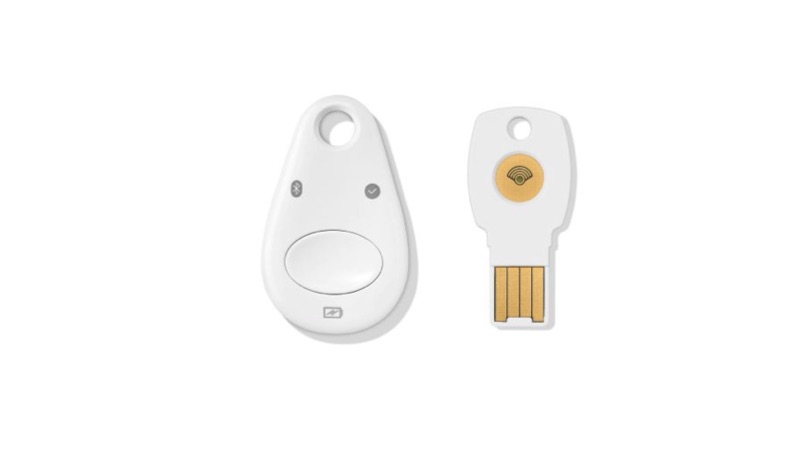
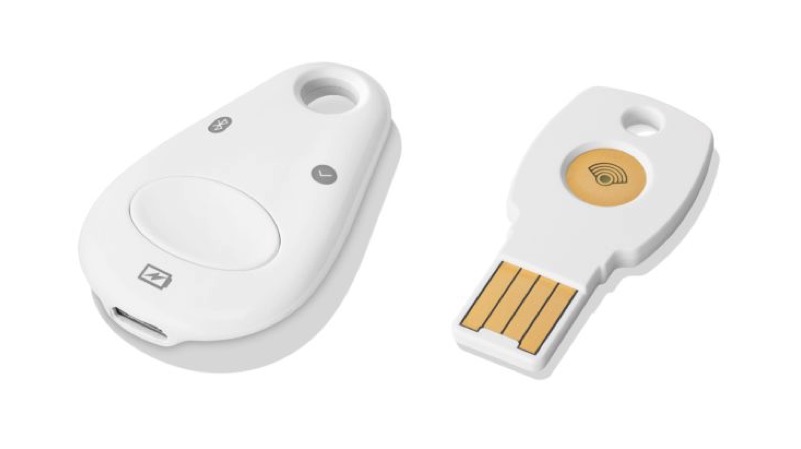
  • Google Wants Users To Encrypt Data Using A New Hardware Titan Security Key

    Google Wants Users To Encrypt Data Using A New Hardware Titan Security Key

    With the increase in internet traffic, the risk of falling victim to malicious threats has also increased. It has become rather unmanageable to keep up with all the security protocols, even simple tasks like changing passwords regularly can be an ordeal.  The lack of user safety and the number of increasing threats put your private data at risk. Google claims that it has kept its employee data safe since 2017 without ever facing a leak since. The company has been using a hardware encryption key called the Titan Security Key. Google is now selling this Titan Security Key to anyone who seeks a safer internet experience.

    Also Read: Google Sued For £3.2 Billion For Secretly Tracking Browsing Data For 4.4 Million iPhone Users

    How Does The Titan Security Key Work?

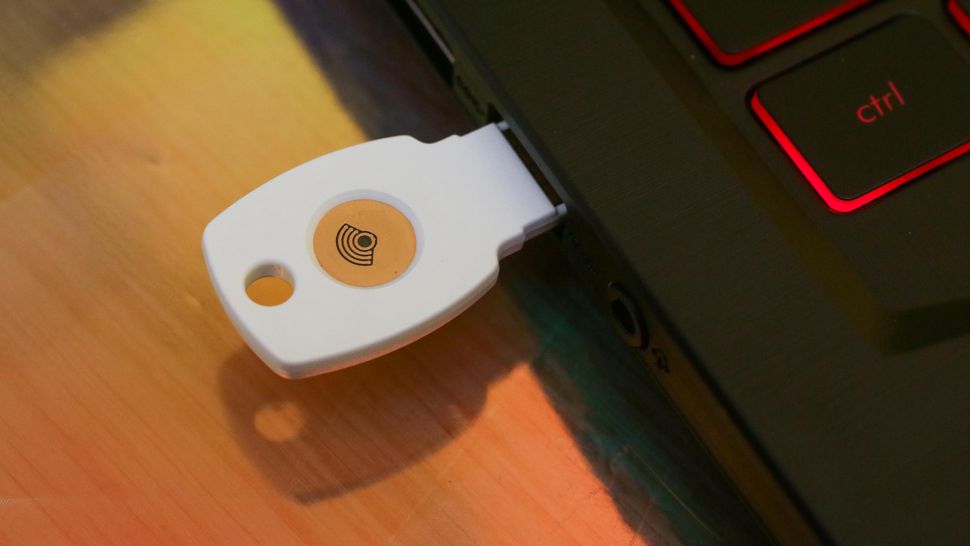
    With Google’s two-step verification method, users have to use a special code to authenticate your login session. Instead of using a method of one-time codes via text message, with the Titan Security Key you just have to tap a button on the key. So, it works is just by replacing the hassle of trying to enter codes every time you want to log into a new machine.

    Titan Security Keys work with many devices and apps, support FIDO protocol, and are built with a secure element and a firmware written by Google that verifies the integrity of security keys at the hardware level. Security keys are recommended for all users for stronger protection against phishing, enforcing security keys for admins and other high-value users should be the first step.

    "<yoastmark

    How To Set Up Titan Security Key?

    To set up Google’s Titan Security Key users need to go to their Google Account settings and find the two-step verification section. From there the user gets the ability to add a key or keys. This will allow users to login in to google services and accounts by entering the ID and password and a quick tap on the button on the Titan key.

    Titan Security Key

    Pricing And Availability Of Titan Security Key

    The Titan Security Key is available in two variants, a USB variant, and a Bluetooth variant. The USB version is available for $20 (Rs. 1,372.81 approx) and the Bluetooth variant costs $25 (Rs. 1,716.01 approx). However, Google is also selling both the devices as a bundle for $50 (Rs. 3,432.03 approx). While the key is available in the US, there is no word if and when the device will be available in India and rest of the world.


    Have something to add? Leave a Comment Below!
  • Google Accused Of Allowing Third-Party Apps To Read Users’ Gmail

    Google Accused Of Allowing Third-Party Apps To Read Users’ Gmail

    Online privacy has been at the centre stage of a global conversation for quite some time now. Every move by big tech companies is scrutinised for potentially risking the privacy of online users. The latest to join this ever-growing list is Google. One of the biggest tech companies in the world has been accused of allowing third-party apps to read users’ Gmail.

    In a report published by The Wall Street Journal, it has been revealed that Google allows partner companies to read Gmail messages in order to offer better products and services. This is not the first time a company has been accused of using private user data for better-targeted advertisements. Facebook was involved in a global controversy after Cambridge Analytica was exposed.

    Must Read: Google Sued For £3.2 Billion For Secretly Tracking Browsing Data For 4.4 Million iPhone Users

    It has been a common practice by many companies to use machines to go through emails for keywords and phrases. This helps them identify what sort of goods or services that particular user is on the lookout for. This data once studied properly allows advertisers to make targeted ads and display them across the user’s web browsing experience. In fact, some companies allow human employees to read through the emails and not rely on machine learning.

    Google, too, has been previously exposed for reading emails of users. In 2017, Google promised its users that it would stop reading Gmail content of users. However, this report claims that Google has done little to nothing to preserve the privacy of users. It is also worth noting that Gmail has over 1.4 billion users, making it the most popular email service in the world.

    Must Read: New Facebook Patent Reveals Tech That Will Turn On Your Smartphone Microphone

    WSJ quoted many representatives of partners that snoop through Gmail, claiming that this is indeed a “common practice.” There are, however, strict rules in place as specified by user agreements.

  • Google Pixel 3 XL Renders Reveal A Thick Chin, A Notch And Colourful Power Buttons

    Google Pixel 3 XL Renders Reveal A Thick Chin, A Notch And Colourful Power Buttons

    With a few major smartphone launches of 2018 done and dusted, we are now looking forward to three more. Samsung will launch the Galaxy Note9 in August followed by Apple hosting its annual launch event in September. In October, Google will launch the Pixel 3 and Google Pixel 3 XL. The Pixel 3 XL has been in the news recently and new renders of the device reveal its design and the possible colour variants it’ll be available in.

    Rumours of the Pixel 3 devices sporting a notch revved up after the first developer’s preview of Android P rolled out. Many believed that Google adding support for a notch is a hint at the fact that its own smartphone lineup will adopt the design. It now seems more and more likely that the Pixel 3 XL, at least, will sport a notch. The smaller Pixel 3 will have an 18:9 aspect ratio and uniform bezels.

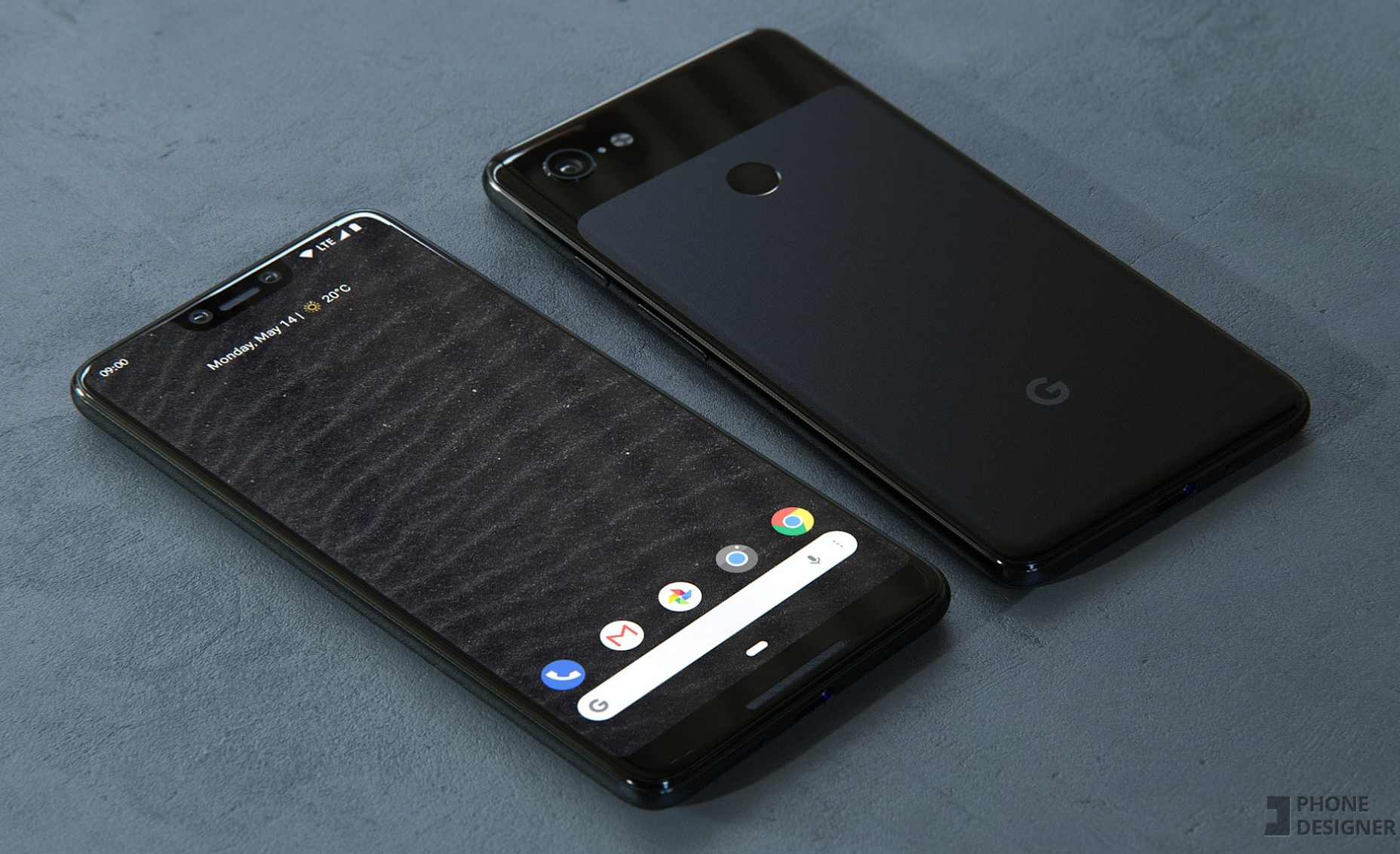
    The new renders showcase a not-so-impressive design of the Pixel 3 XL. Again, this is subjective and some people might love the design. While the notch itself is no longer an issue as so many Android devices now sport it, the chin is. According to the renders, Google would want to retain the dual front-facing speakers (one of the few impressive features of Pixel 2 devices). With that, the company will also have to maintain a rather thick chin. With a notch, a thick chin feels redundant and not the smartest design decision.

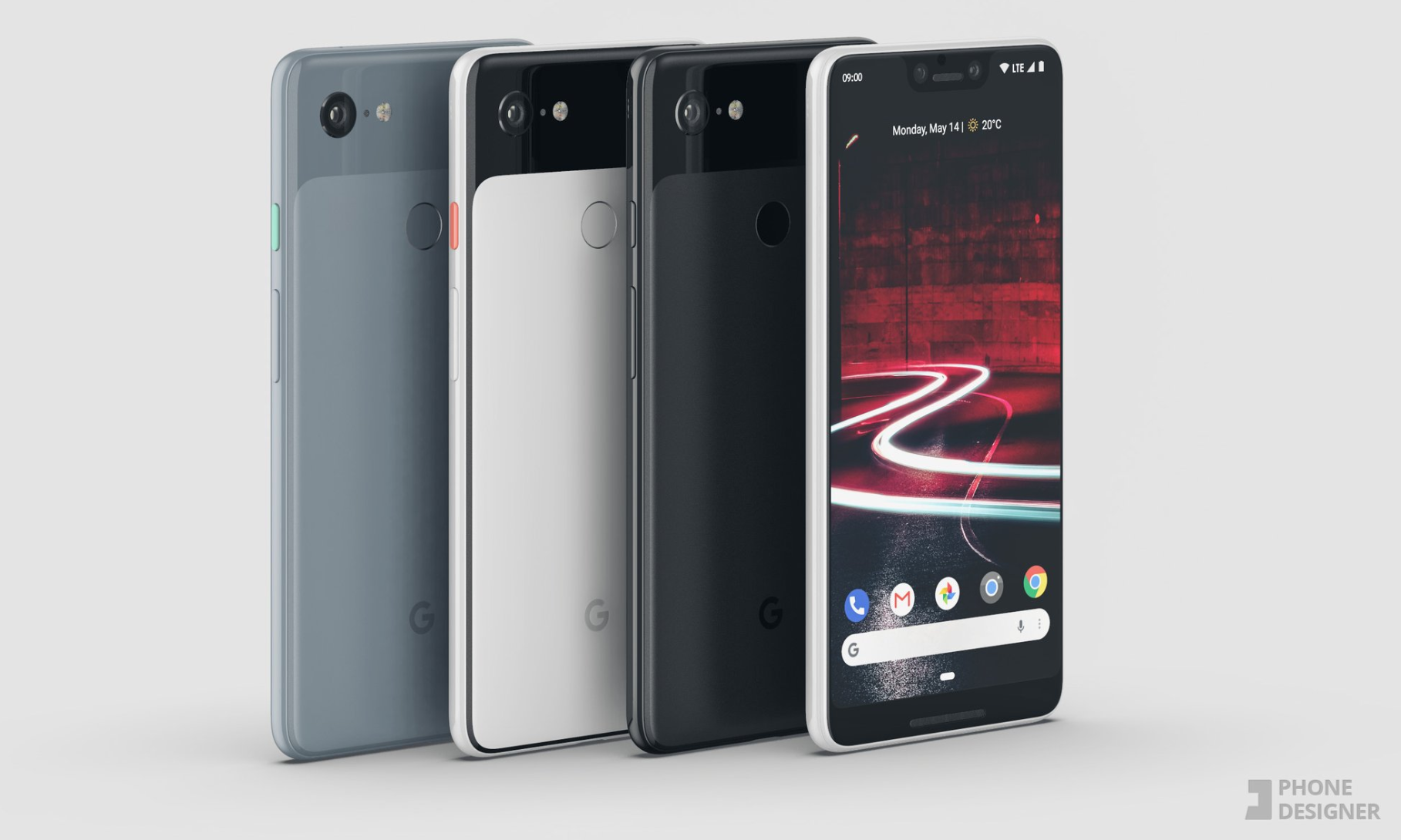
    The back of the Google Pixel 3 XL, as rumoured, will be made of glass. This means the flagship smartphones will finally incorporate wireless charging. However, the company will maintain the dual shade design on the back which is definitely a stand-out feature among the more and more generic-looking flagship smartphones. The power buttons are also colourful, something we saw with last year’s Pixel devices as well.

    The notch on the Pixel 3 XL is interesting for many reasons. Apart from it being a result of definite inspiration from Apple, it could house a dual-camera setup. Google famously claimed that its software does the job and it won’t require a dual-camera setup, unlike many other smartphones. However, things might change with the Pixel 3 XL. It is possible that the second lens could be a 3D sensor for facial recognition, in which case, nobody would complain about the notch.

    It is still early days for concrete Pixel 3 rumours but, these renders do look close to what might be the final product.

iGyaan Network
Privacy Overview

This website uses cookies so that we can provide you with the best user experience possible. Cookie information is stored in your browser and performs functions such as recognising you when you return to our website and helping our team to understand which sections of the website you find most interesting and useful.