Category: Brands and Companies

All Brands and Company Names

  • LG G4 Review – Leather and All

    LG G4 Review – Leather and All

    LG in the past years has emerged as a true Android champion. A South Korean counter brand to the kingship of Samsung, especially in the Android smartphone market.

    LG came into light after their partnership with Google on building the Nexus 4 and then the Nexus 5 along with LG’s own iterations of the handsets for the global consumer markets. All four of the devices by LG led them into a high stake position in the Android rat race.

    Last year however, LG fell off the map with the LG G3, it also had a fall out with Google, who then decided to go with Motorola to manufacture the Nexus 6.

    This year LG is back and they want vengeance, pitting up points in almost all areas, LG tried to reach the top of the ladder with their new flagship, the LG G4. But, just as the relevance of Mr. Amitabh Bachchan, on the stage at the time of launch, LG didn’t seem to think this through.


    Hardware

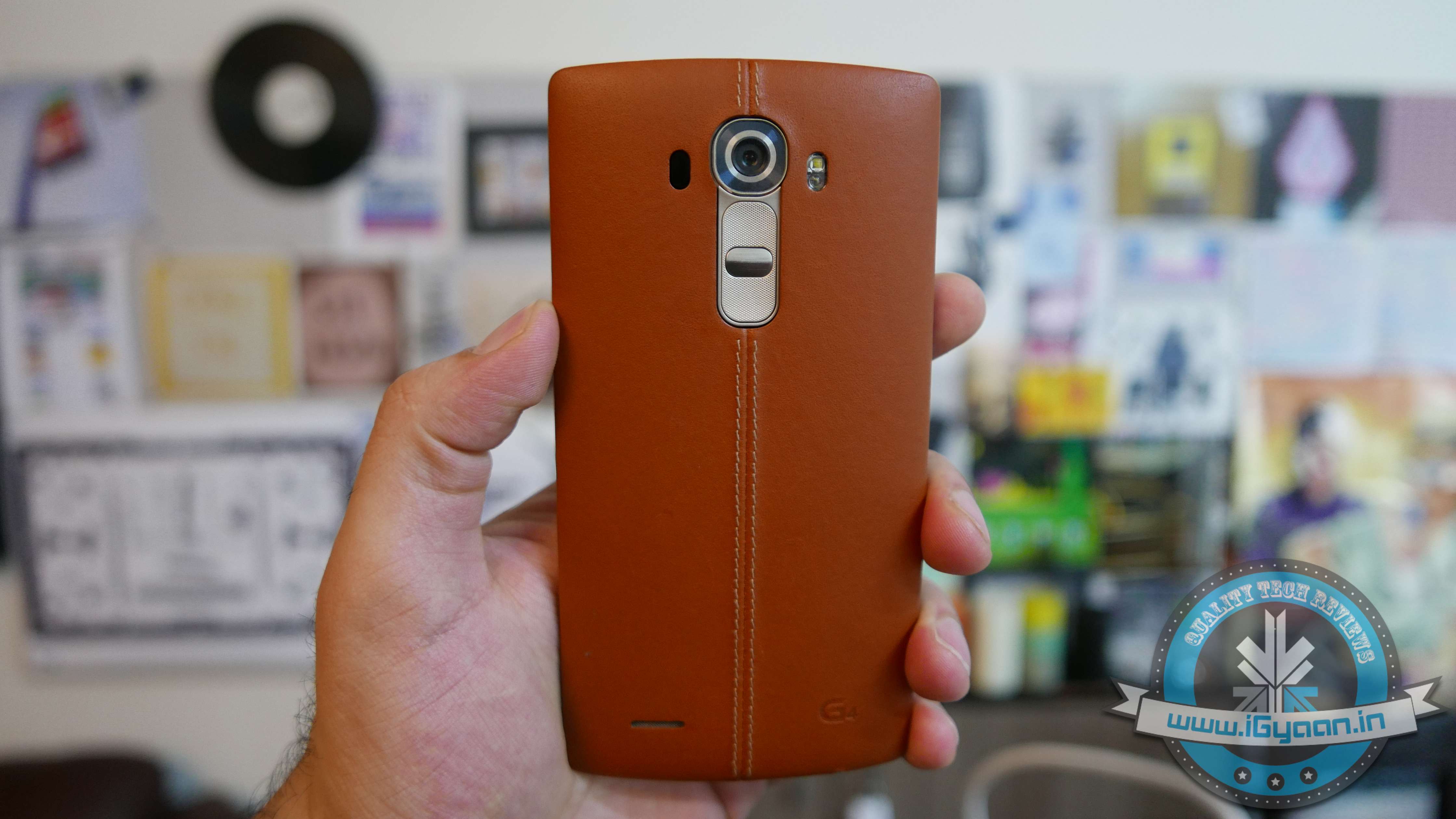
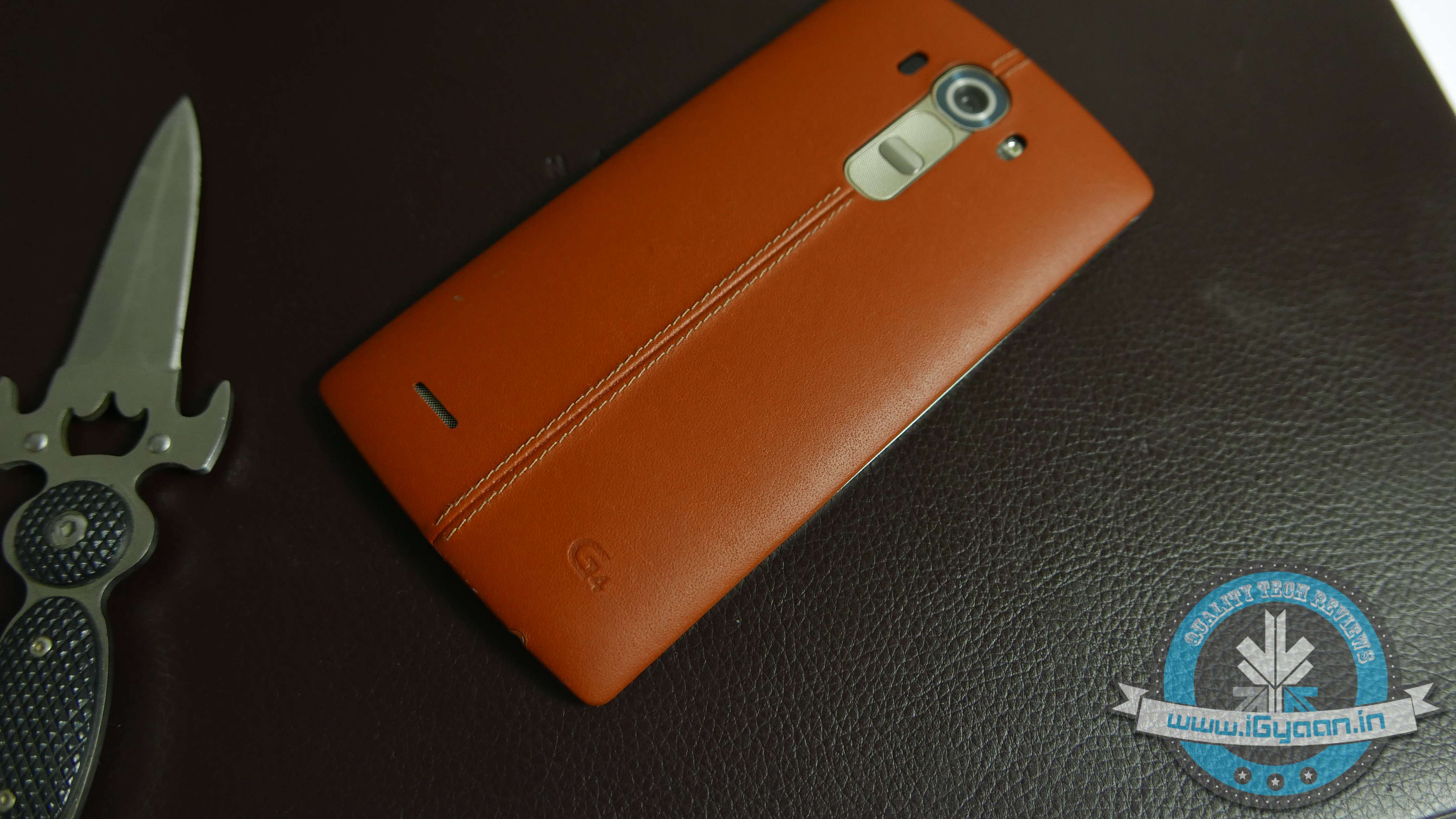
    The LG G4 is an iconic design from LG, while many companies have attempted to make leather looking handsets (Note 3 and Galaxy S5), LG actually made a smartphone with a genuine leather back panel.

    LG also one upped Samsung with their interesting fast aperture camera and lens, with 16 MP and a f1.8 lens setup vs the f1.9 on the Galaxy S6 and Edge.

    The LG G4 also has dual sim (certain regions) and a removable and replaceable battery along with micro-SD expansion all of which is lacking in the Galaxy S6 and S6 Edge.

    Hardware Specs LG G4
    Display 5.5-inch Quad HD LCD
    Resolution 2560 x 1440 PX
    Chipset Qualcomm Snapdragon 808 with X10 LTE
    Processor 1.8GHz Hexa-core
    GPU Adreno 418
    RAM 3GB
    Primary Camera 16MP  f/1.8 aperture
    Front Camera 8MP  f/1.8 aperture
    Storage 32GB
    Expandable Up to 2 TB
    Battery 3,000 mAh
    Operating System Android 5.1 Lollipop with LG UX 4.0
    Bluetooth 4.1 LE (APT-x)

    Design, Build and Aesthetics

    The LG G4 is designed in a new way, the introduction of a genuine leather back panel may have mixed reactions in certain religious countries. For example in India, LG has refrained from mentioning that the leather back panel is made from cow hide, which may prevent some people from buying the handset. The use of leather however is done in a brilliant way. The back panel takes 12 weeks to manufacture and uses a new technology for a process which normally takes a few days.
    Lg G4 Hands On 9
    Leather Back Panel

    Made from only the top layer (epidermis) of high quality cow leather, the back features tiny 0.001 micrometer pores for breathability. The end result is a smooth, soft touch back that should feel unlike any other smartphone on the market, while still allowing heat to dissipate.

    Although some have mixed opinions about the design and use of leather, LG has done it rather tastefully and not only does is look impressive, but also feels great in the hand. There is also a Ceramic white which might become the preferred option, also because it is about 100$ cheaper (Rs. 6000 approx)

    The front houses a LG G3-esque minimal bezel design from LG which is highly applauded on their previous smartphones, and the LG G4 is expected to have the same outlook.

    The construction, however seems a lot less sturdy compared to previous generation G phones from LG. Gorilla Glass 3 has been used in place of Gorilla Glass 4 found on the Galaxy S6 and Edge.

    The back panel is removable and replaceable, which means that it can be swapped out if damaged. Also reports of the leather weathering faster than ever, however we faced no such nuisance.

    The buttons remain on the back, volume rockers and the main power button, which can also be used as a selfie mirror, sort of.

    The phone also lacks premium materials, made mostly from plastics. In an age where Samsung’s flagship is a premium metal and glass device the LG G4 is sub-standard, and less premium.

    Performance, Gaming and Display

    Here is where the leather laden phone from LG, faces the first from the competition. The underpowered Hexa Core Snapdragon 808 is far inferior than expected. LG’s optimizations to improve battery have further reduced the performance output of this chipset.

    In our Benchmark test the G4 stood last with the poorest score. when compared to HTC’s devices and Samsung devices.

    The GPU works overtime to deliver high resolution to the 2K display, therefore reducing the graphics quality displayed during gaming.

    Although the affect is minimum, but if have been playing on other devices like the HTC M9+ and the S6 you will notice the considerable amount of difference.

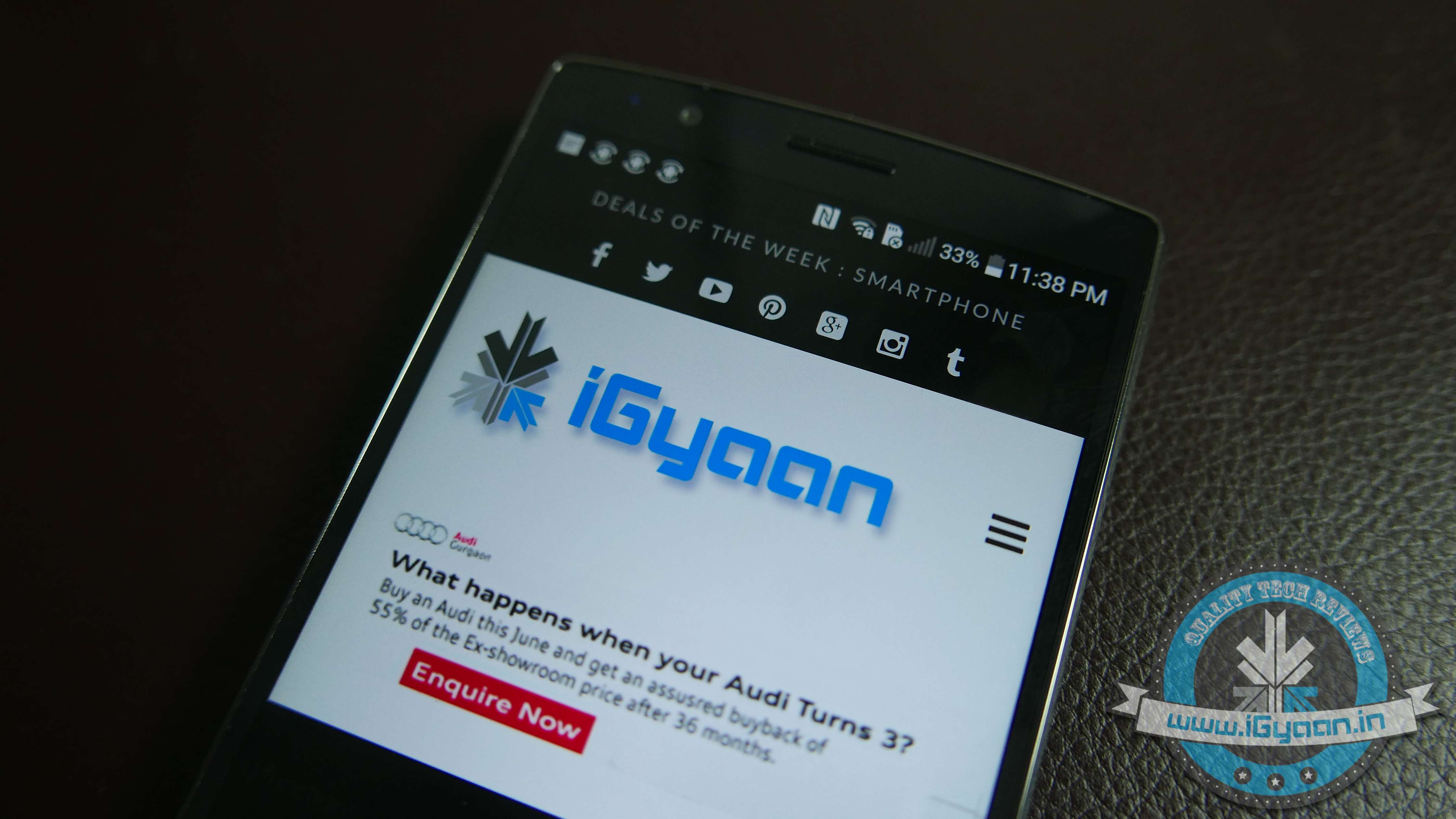
    The UI is fast and snappy, transitions are quicker and lag is virtually non existent. We still find LG’s UI a little cluttered, and non easy to navigate.
    Lg G4 Hands On 5

    Phone and Battery

    The LG G4 in India comes with Dual Sim LTE, which means that both cards can run LTE networks. Networks speeds are weak, due to network strength issues, but we got 14 Mbps downloads in health network areas.

    The dual sim setup is handy for a lot of people and on the LG G4 works well. However battery life is adversely affected by the G4 SIM usage, mostly from network searches.

    LG is offering a spare battery with an external charger in many countries, this is justified thanks to the poor battery performance. The battery will barely last you a day, and the drain is massive due to the display and the network searches.

    • Talk Time : 3 Hours
    • Standby : 24 Hours
    • Internet : 3.5 Hours
    • Music : 9 Hours
    • Gaming : 2 Hours.


    Honestly, the battery is a big let down for us. You cannot have a flagship, running lower spec hardware, with a poorly performing battery.
    Lg G4 Hands On 13
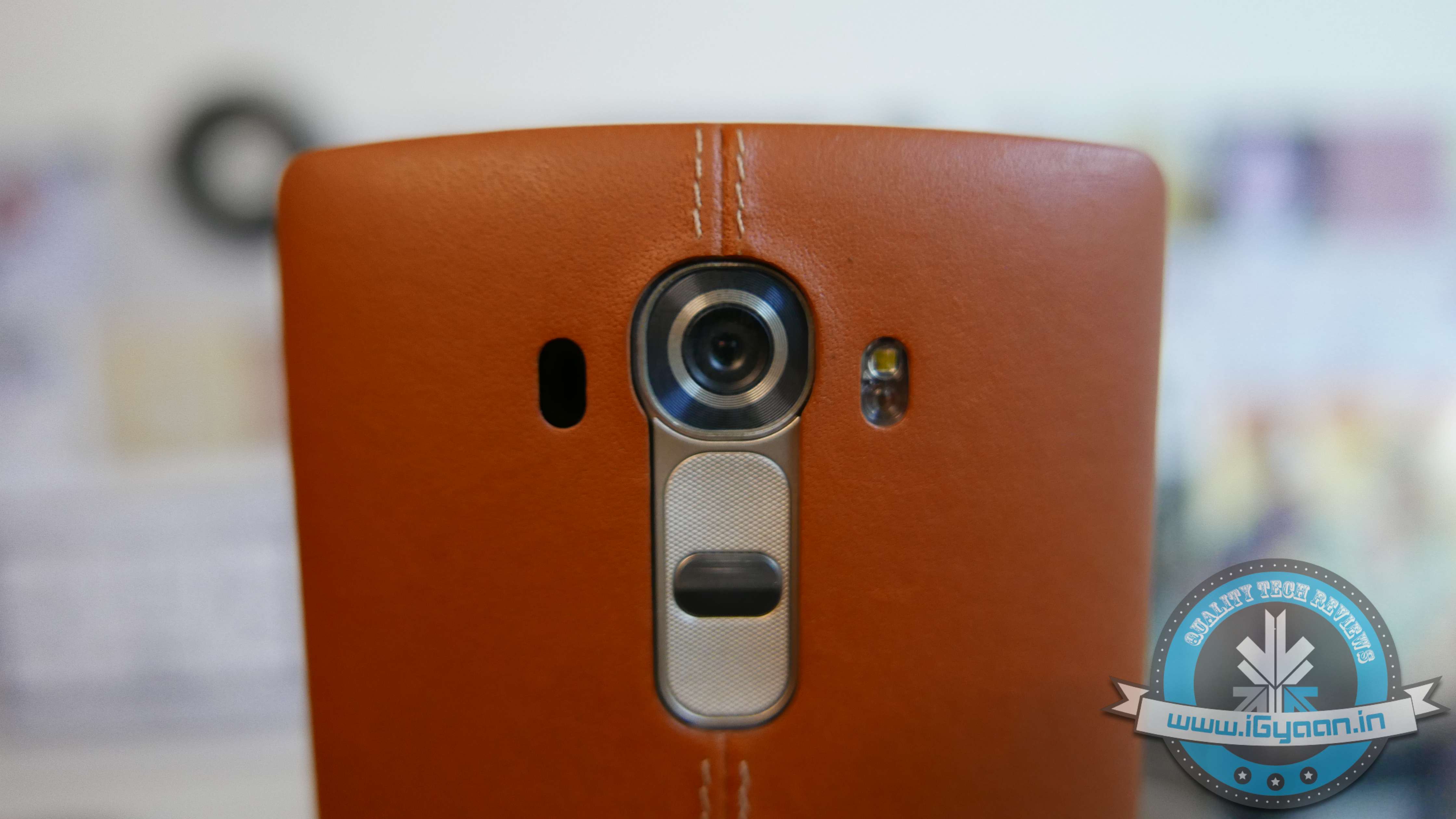
    16MP f/1.8 aperture

    Camera

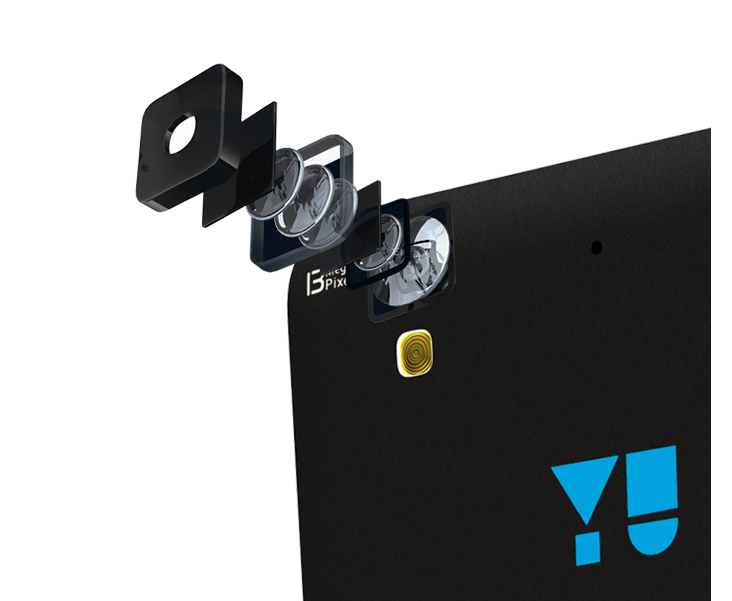
    The highlight of LG’s new-gen smartphones, and especially the G series smartphones has been the camera and optics. With the new G4, LG continues to use laser autofocus, but improves the camera considerably. Low light performance is excellent, thanks to a f1.8 lens, whereas the Galaxy S6 only manages a f1.9. The front camera however is not as wide on the G4 as on the S6/edge, but seems to have great capture capability.

    Dynamic range is much improved, however we feel that indoor image quality needs to be better. The way the software is processing the images, they feel a lot more digital. Outdoor images are high in detail and contrast.

    Images will almost always be in focus and sharp, thanks to the laser sensor, which is accurate and super fast.

    Video is captured at 4k but to limits of 5 minutes to prevent the chipset from overheating. Finding the 4k option is slightly difficult for the first time around, as the phone records 1080p out the box.
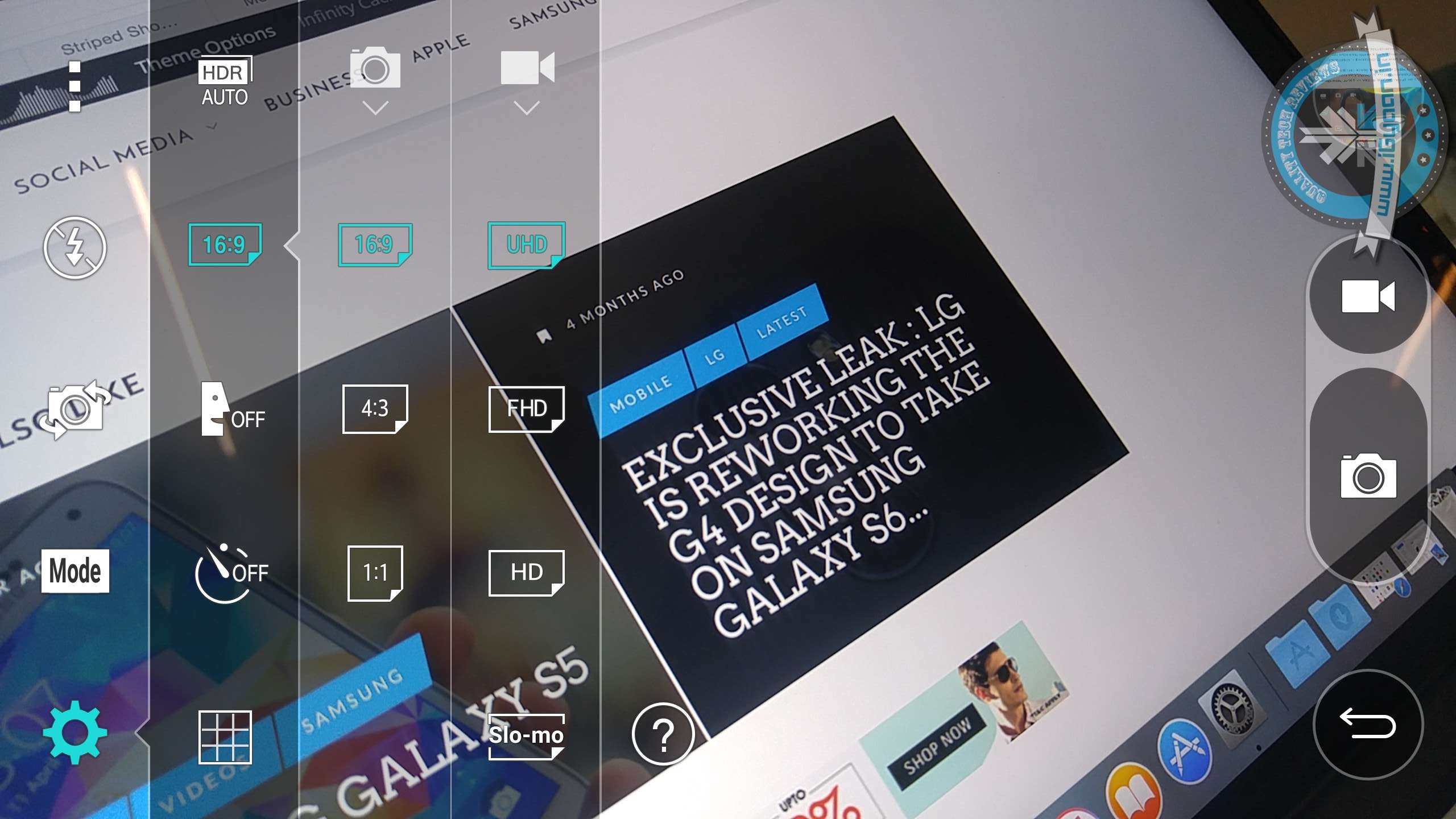
    4k Video Option
    4k Video Option

    The front camera has a brilliant image quality and works well for “selfies” in low light conditions. The gesture shot allows you to click a picture by making a fist in front of the camera. This allows for a better image, which is less shaky.

    Android and UI

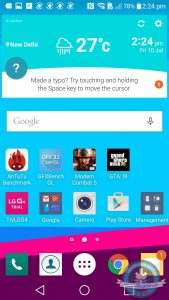
    With a lot of things built in as smart features, the usability of the LG G4 as a daily driver is easy. Android 5.1 comes out of the box and the UI is highly customizable.

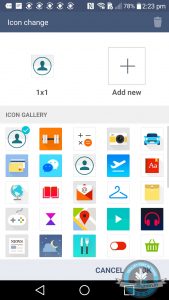
    Lg also allows you to customize individual icons, using inbuilt set of icons or your own images can be converted into an icon for any App.
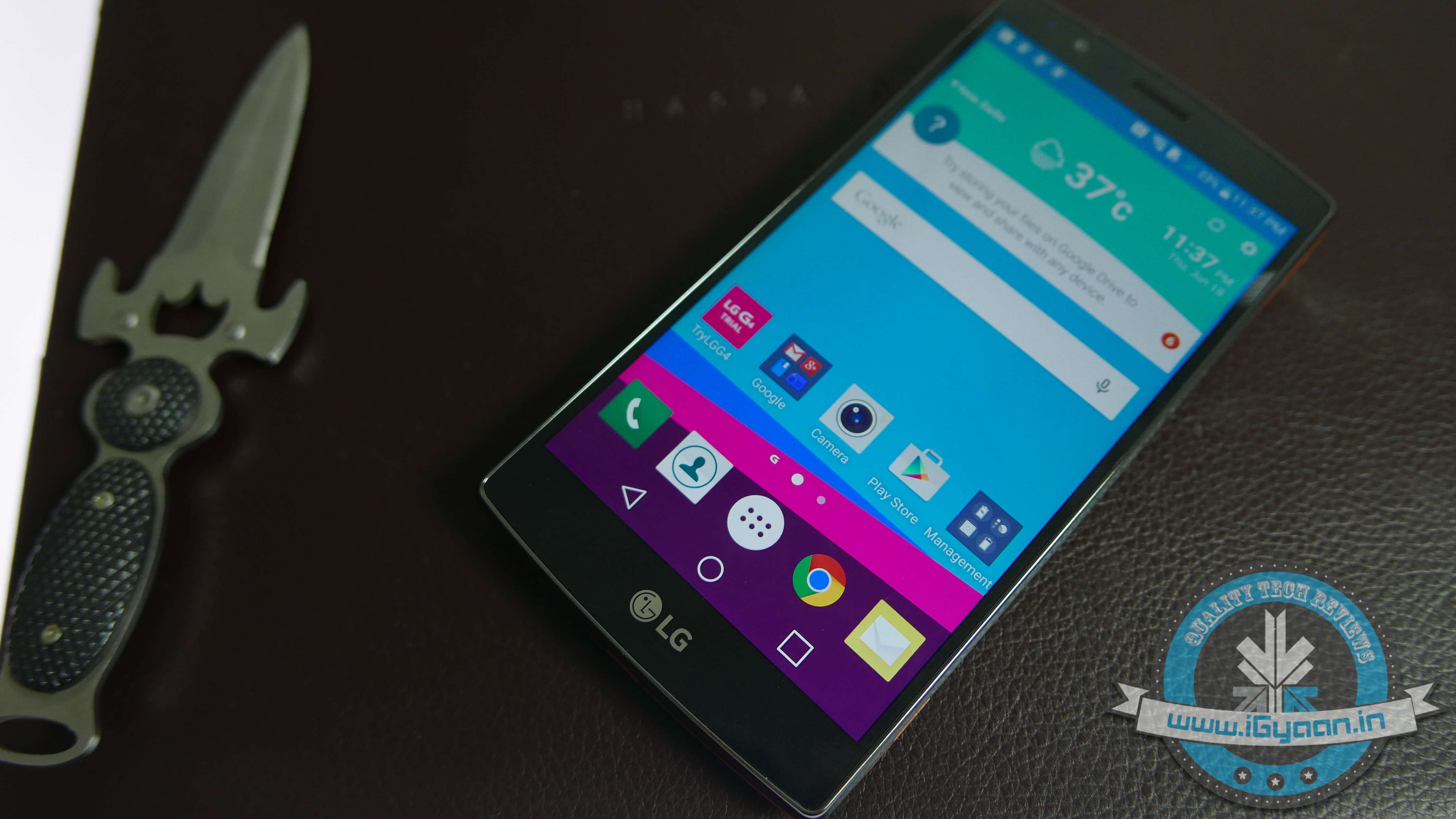
    LG G4

    Smart features also allow you to auto-magically enable or disable features as per your usage requirements. For eg. “When at Home turn on Wi-Fi” will automatically enable Wi-Fi on the G4 when you arrive at your’s home’s geolocation. While these features can be really handy, they are an added drain on the battery.

    There is still a lot of clutter on the UI as LG is trying to do a lot. Qslide Apps sit in the notification panel, along with quick toggles. There is just so much happening on the G4, that you really want to simplify the usage.
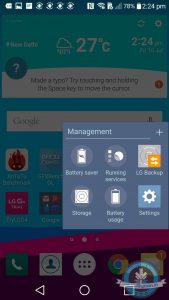
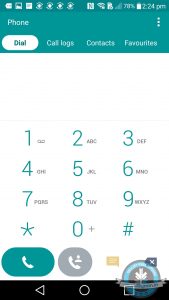
    LG’s included apps are also handy, like LG Health for fitness enthusiasts and LG Backup for security of data. Qremote lets you use the inbuilt IR blaster on the top of the phone to control your electronics and appliances, like a TV, Dish box, Air-Con etc. The Qremote turns out to be more useful than mentioned.

    Conclusion

    Just like each year before this, LG has maintained high quality and managed to make the phone good looking. However, the leather back restricts buyers and the phone may be too any for the female audience.There is a pink leather back cover as well as a red one, which also are more easily handled by men than women. The ceramic white drops the leather for a more LG plastic (they call it polycarbonate) approach.

    It is distinctively a man phone, with features which are slightly lower than the competition. A price tag which is higher than the competition and a not so impressive performance and battery life. It does excel in the camera department, only if you are an outdoorsy kind of person. The UI is much more refined than seen in the past and the array of customizations is extensive. But, our money is well spent elsewhere.
  • Samsung Galaxy Note 5: Everything We Know So Far

    Samsung Galaxy Note 5: Everything We Know So Far

    Samsung has formed a niche in the smartphone segment with the unique, Galaxy S6 and S6 Edge. The firm recaptured its name and market share because of the latest series and Samsung fans are now anticipating for the next high-end product to hit the market.

    Here is everything we know about the Samsung Galaxy Note 5 till now:

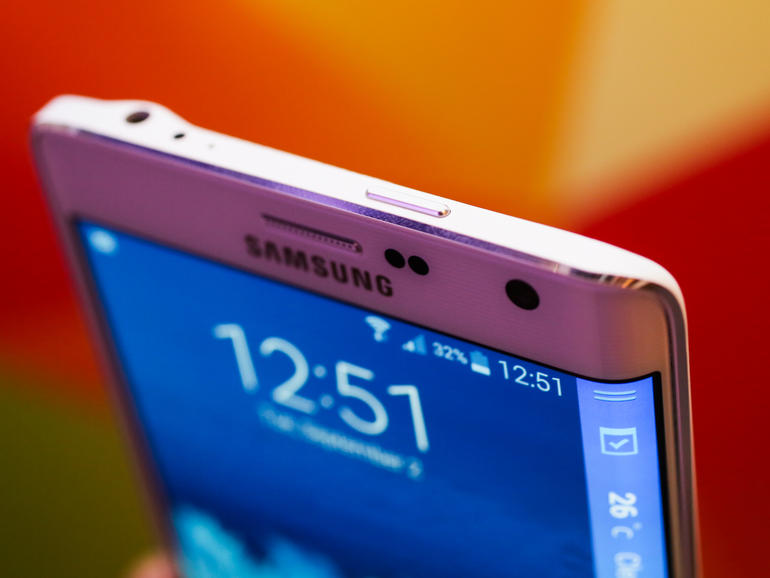
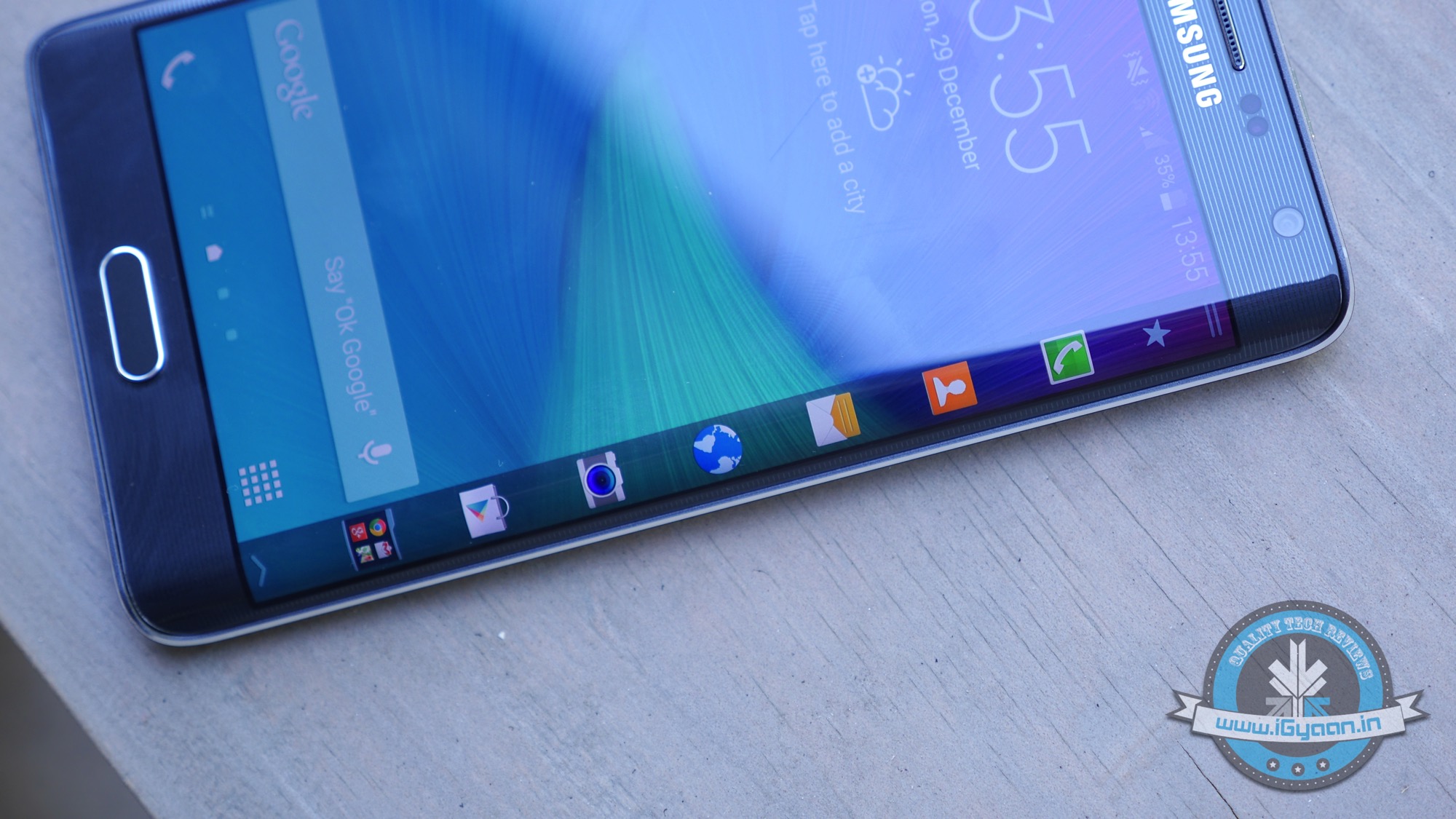
    As the rounds of reports suggest, the Note 5 will come with a model number SM-N920F. It is likely to feature 5.4-inch or 5.5-inch Super AMOLED display with curves on both the edges. Let us recall you that the Note 4 was the first smartphone with which the curved edge display was included. Other talks speak of a 5.9-inch screen with 4K resolution. The company has been preparing to venture into the 4K technology and the forthcoming Galaxy Note 5 may be the first to implant it.

    Needless to say, the bar of prospects has been raised higher for the next phablet. Users may see a dominant processor fitted for computing tasks and sufficient in-built memory to store content. An upgraded version of Samsung’s Exynos 7422 is speculated to govern the computing operations. If we go by reports, the Note 5 will feature 3GB LPDDR3 DRAM, 32GB of eMMC (embedded multimedia card) along with a controller. Other buzz hints of a 16MP rear camera and a 8MP secondary shooter.

    A latest report also suggests that the Note 4 heir might sport a USB Type-C, which we recently saw incorporated on the Apple MacBook. The Note 5 might even be powered by an enormous battery of 4,100mAh, which is important for a phablet with these specifications.

    Sources close to iGyaan have verified that the device will be launching in India in the 3rd week of September. The source also disclosed the pricing of the new device saying that it will cost Rs 64,999 for the 32GB variant. For now, it is anticipated the device will arrive in 64GB and 128GB variants as well. The same pattern Samsung followed with the Galaxy S6 series. Samsung will also bring out an ‘Edge’ variant, which will cost Rs. 9,000 above the regular edged one.

    Samsung Galaxy Note Edge 6

    But, as per Whowired, the next flagship model by Samsung will be unveiled at the end of July, much before the expected time in September. Galaxy Note 5’s early launch seems to be a strategic plan to eclipse the market of iPhone, who’s sales exceed 50 million per quarter. However, the source claims that it is due to the early development of the handset.

    Summing up all the considerations and rumours, the Galaxy Note 5 appears to be a major update from the Note 4. It will have advanced features, higher specs and an upgraded S-pen for better user experience. With the iPhone 6s launch scheduled for the same month, we’re now impatiently waiting for September to arrive.

  • HTC: The Story Of Success and Innovation

    HTC: The Story Of Success and Innovation

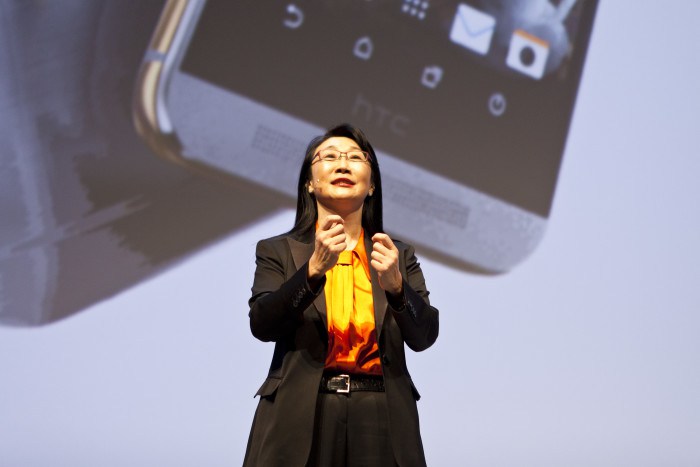
    It is said ‘Behind a successful man is a successful woman.’ Well, in this case, the saying is changed a little bit to ‘Behind a successful company is a successful woman.’ The story of High Tech Computer Corporation revolves around a damsel as well. Her name is Cher Mi Wang, daughter of one of the richest family in Taiwan. In 1997, she entered into a partnership with H T Cho and Peter Chou, who collectively established the company that would eventually become one of the biggest mobile phone manufacturers known for its design, OEM branded equipment and its trademarked user interface in the world. Yes, HTC.

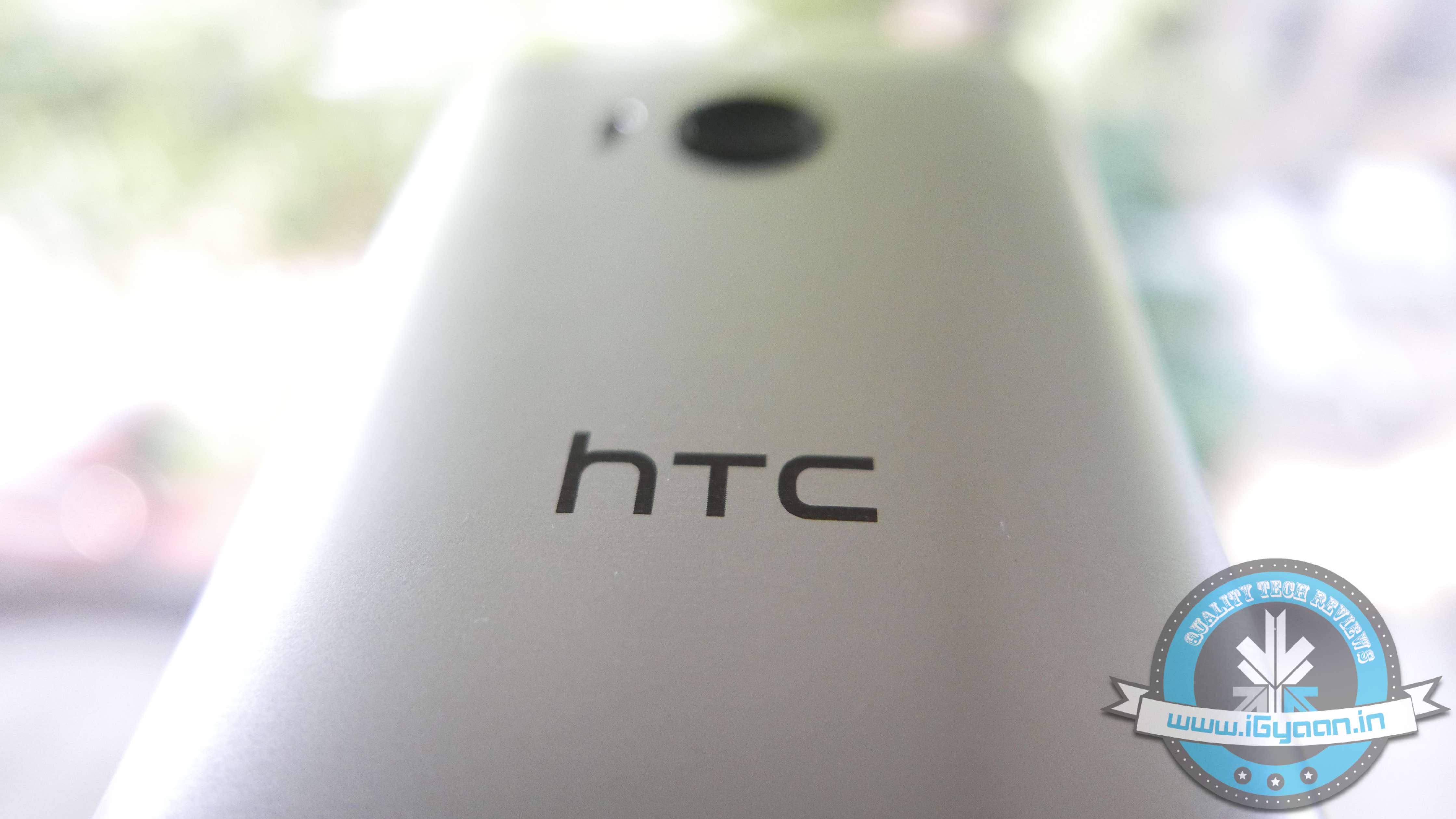
    HTC One M9+ 4

    History

    The project was not successful at first which led to the consumption of large amount of capital. Disaster was almost inevitable. But, the family riches came to rescue for Cher Wang. Cher Mi Wang had to pour in a lot of her own wealth into the company to develop a solid engineering and designing team. Also, a new course was set, and HTC agreed to develop products for other brands. This bet paid off and today, the company boasts of an innovative and productive team that comes up with mobile devices that are refined, sophisticated, contemporary and practical. HTC has always been different from other mobile device manufacturing companies.

    cher wang
    Cher Wang

    Rather than resorting to flashy promotion campaigns, HTC quietly edged out its competition by adopting a new slogan. The masterstroke came with the motto – Quietly Brilliant – which bestowed the image of a simple yet excellent company. This transit gave birth to the new and more successful HTC!

    Later on through the years, the company is attributed with creating the first Android smartphone, the first Microsoft-powered smartphone (2002), and the first Microsoft 3G phone (2005). Their first major product, one of the world’s first touch-screen smartphones, arrived in 2000.

    First of the First

    HTC is credited with releasing some of the first techs that are now being used by a majority of the world population now. Some of which are

    Introduces first Microsoft Smart Music Phone (2004): Pocketable phone, business tool, PDA, WiFi hotspot surfing buddy and MP3 player, camera phone, streaming video player and GSM world phone. Yes, the phone fitted all of this into a device of reasonably modest proportions, and it weighs only 3.74 ounces. Like most PDA phones and Smartphones that ran Windows Mobile 5.0, the SDA came from ODM HTC in Taiwan and codenamed to the HTC Tornado. The first of its kind!

    First Microsoft Windows Mobile 5.0 Smartphone made by HTC (2005): It was the first 3G/UMTS-enabled Pocket PC phone, and also the first to come with Windows Mobile 5.0 pre-installed. The most eye-catching feature of this device was the 180-degree swivel screen, allowing a swift interchange between portrait mode and landscape mode. The GUI automatically adjusts screen orientation accordingly.

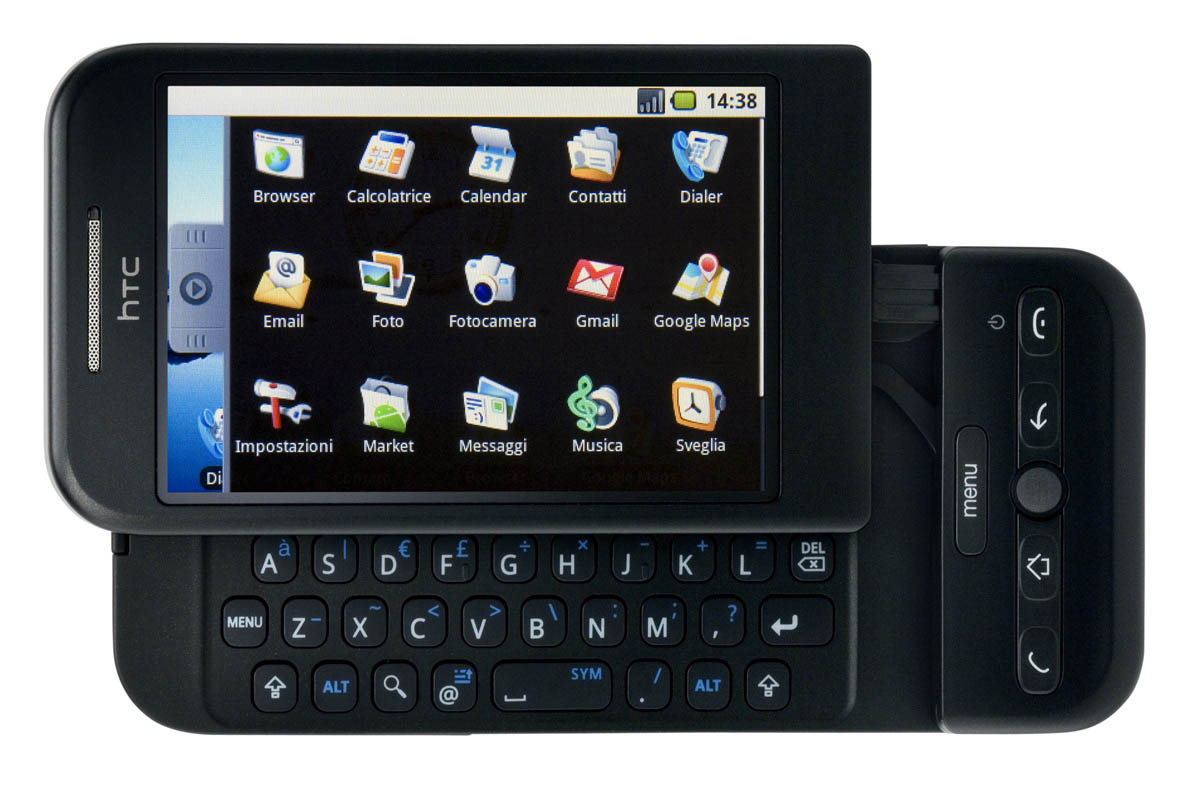
    Releases world’s first Android phone, the HTC Dream (2008): First released in October 2008, the Dream was the first commercially released device to used the Linux-based Android operating system, which was purchased and further improved by Google.

    HTC-Dream-630

    The operating system offered a customizable graphical user interface, integration with Google services such as Gmail, a notification system that showed a list of recent messages pushed from apps, and Android Market for downloading additional apps. While the Dream was commended for its solid and robust hardware design, the introduction of the Android operating system was met with objection for its lack of specific functionality and third-party software in comparison to more established platforms. But, in spite of its shortcomings, Android OS was still considered to be innovative due to its open nature, notifications system and massive integration with Google’s services.

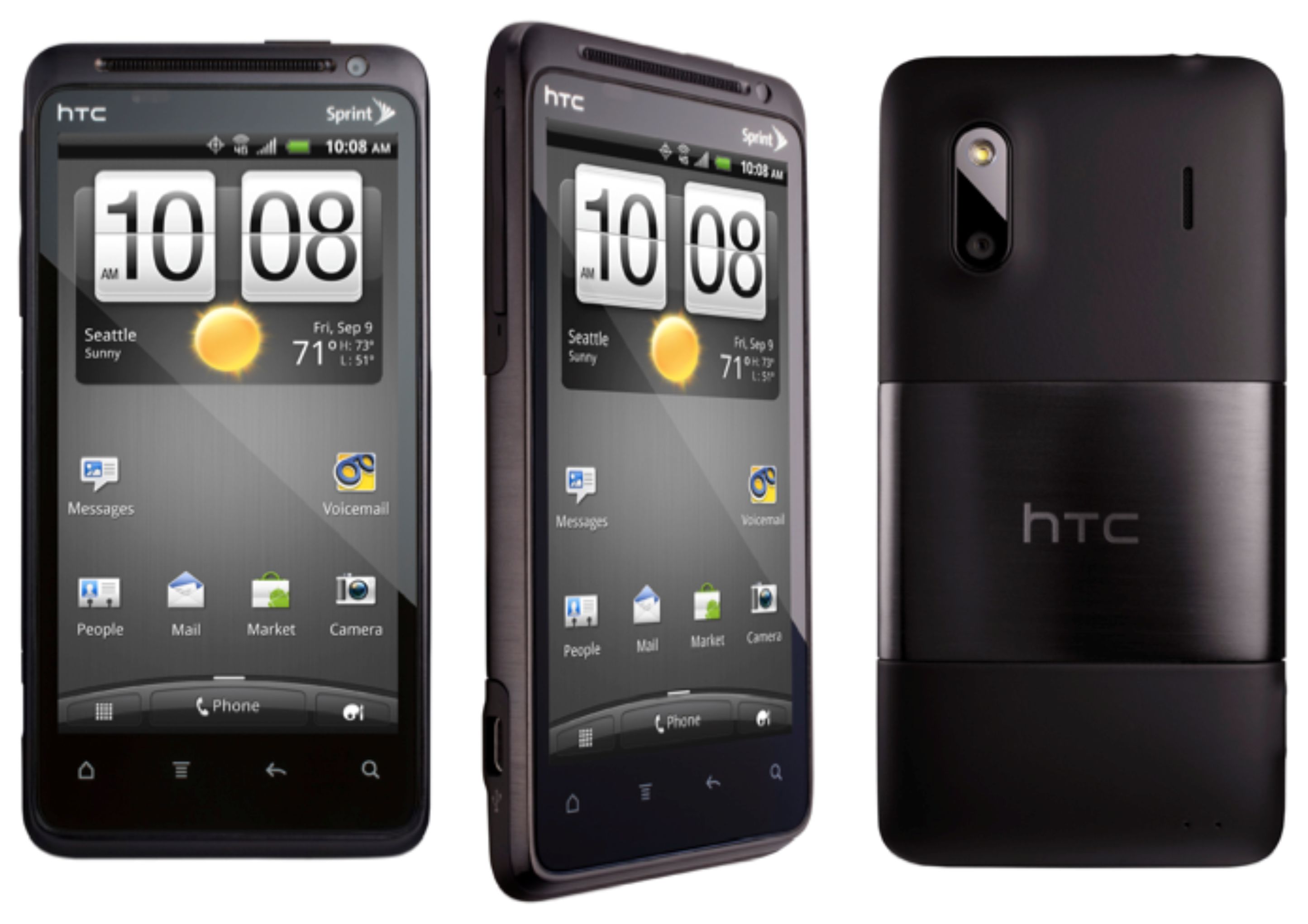
    Launches the HTC Evo 4G- the first 4G phone in the US (2010): The HTC Evo 4G was a smartphone developed by HTC Corporation and was marketed as Sprint’s flagship Android smartphone, which ran on its WiMAX network. The smartphone was released on June 4, 2010 and was the first 4G enabled smartphone released in the United States.

    HTC Evo 4G

    Controversies and Legal Affairs

    In March 2010, Apple filed a complaint with the US International Trade Commission claiming infringement of 20 of its patents including features of the iPhone user interface and hardware by HTC. HTC objected with Apple’s actions and restated its commitment to creating innovative smartphones. HTC also filed a charge against Apple for infringing on 5 of its patents and tried to ban the import of Apple products into the US from manufacturing plants in Asia. Apple extended its original complaint by adding two more patents.

    On November 10, 2012, Apple and HTC arrived at a 10-year license agreement covering current and future patents held by the two companies. The terms of the agreement remain classified.

    In February 2013, HTC decided with the U.S. Federal Trade Commission concerning lax security on more than 18 million smartphones and tablets it had shipped to customers and agreed to security patches.

    Products

    HTC, which stands for High Tech Company, has been making smartphones longer than almost anyone. Years ago, it made a business out of creating Windows Mobile devices that were rebranded by AT&T and other companies, but thanks to its early support of Android with the T-Mobile G1 and Google Nexus One, HTC has risen to stardom, becoming a brand of its own and rivaling mobile industry veterans like Motorola and Samsung.

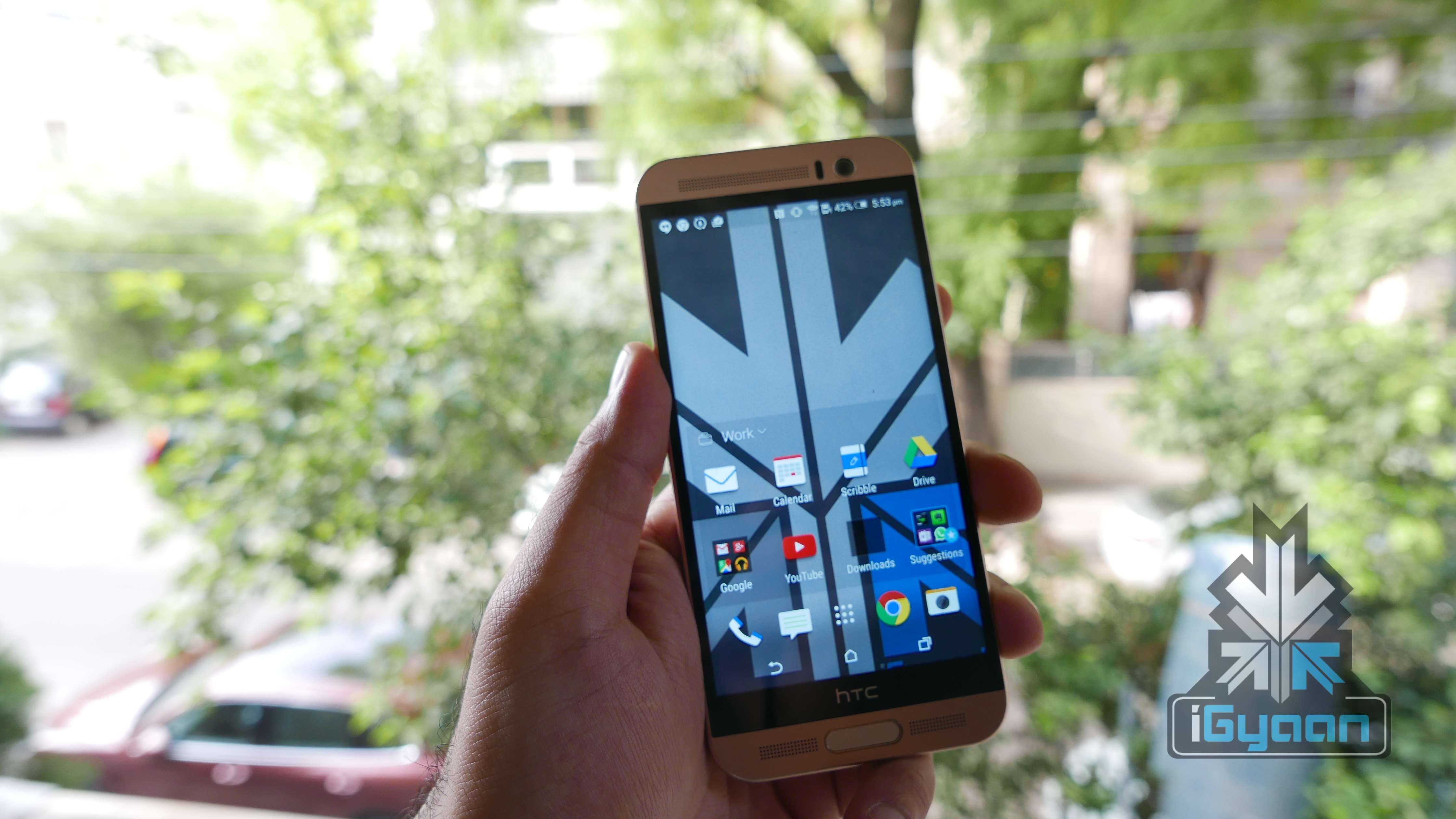
    This year, HTC came out with a variety of products like HTC One M9+, HTC One MEDesire 826, and much more. Each phone has different features and appeals to its masses effectively.

    HTC ONE ME 3

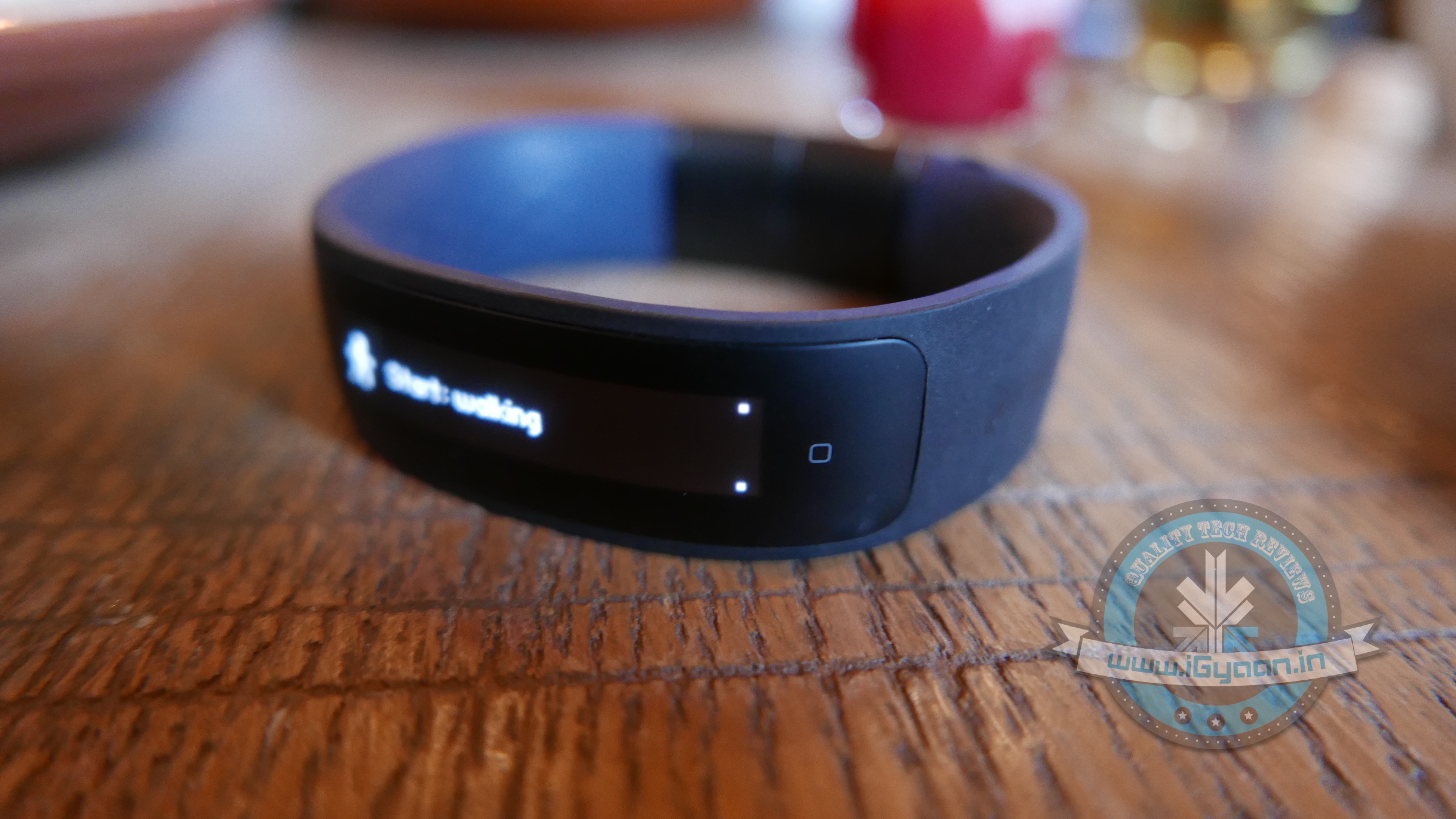
    HTC unveiled its first high-performance, smart fitness tracker, the GPS-enabled HTC Grip™ in March.

    HTC Re Grip iGyaan8

    Powered by UA Record, the new health and fitness network from Under Armour designed for athletes and fitness enthusiasts, Grip fuses HTC’s renowned design with powerful, accurate tracking across a range of sports and activities, allowing athletes to set personal goals, then smash them. Indeed, a different innovation by HTC!

    Now

    HTC’s brilliance and excellence are further strengthened by its long-standing partnership with Microsoft. HTC has been slowly but surely helping Microsoft capture the mobile telecommunication industry by advancing to unique and efficient operating systems. Today, HTC is seamlessly poised to overhaul other Chinese mobile telecom device manufacturing companies, including Lenovo and Haier. HTC concentrates on value-addition and modification. The company has demonstrated time and again that self-confidence, ambition and drive are what make it different and unique. These have been the stepping stones to international repute.

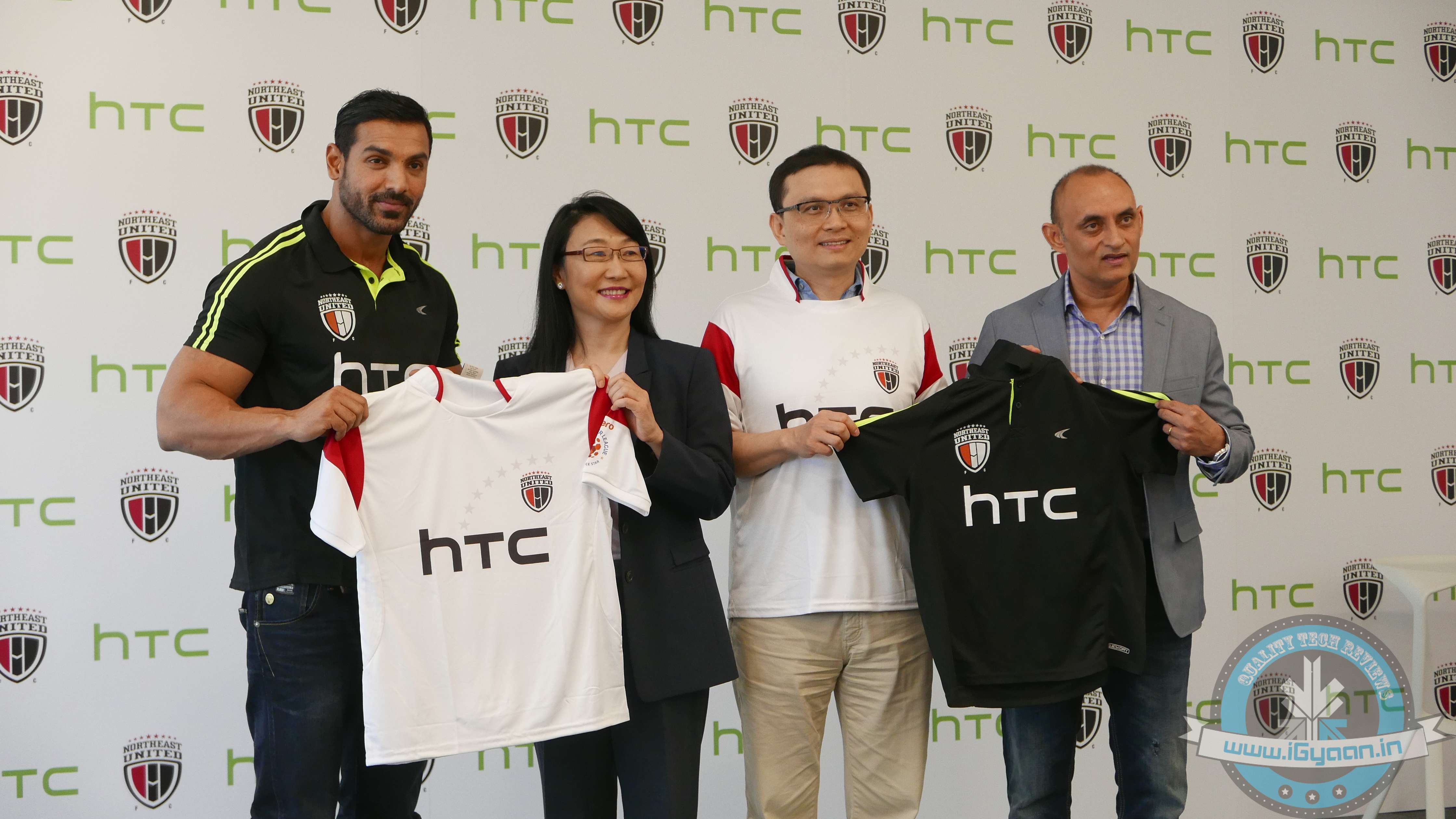
    john htc nufc 0
    John Abraham Becomes HTC’s Brand Evangelist

    HTC shines by the power of innovation. It built HTC’s Magic Labs, a Center for developing innovative breakthrough outcomes guaranteed to improve the world of technology in the years to come. HTC understands that success starts where it ends – with the customer. Even today, every device is worked to suit customer’s multiple needs. This is truly inspirational for companies that want to make customer service an art form. The first successful step in this endeavor was becoming the leader in the production of the more and more popular Windows Mobile smartphones.

  • New Beta Version of iOS 9 Includes Apple News and Lots of New Features

    New Beta Version of iOS 9 Includes Apple News and Lots of New Features

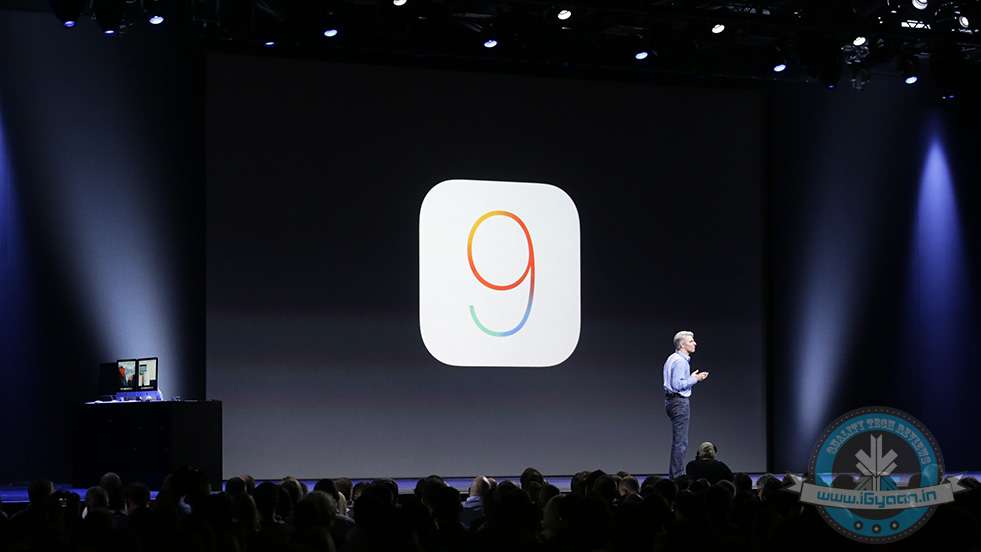
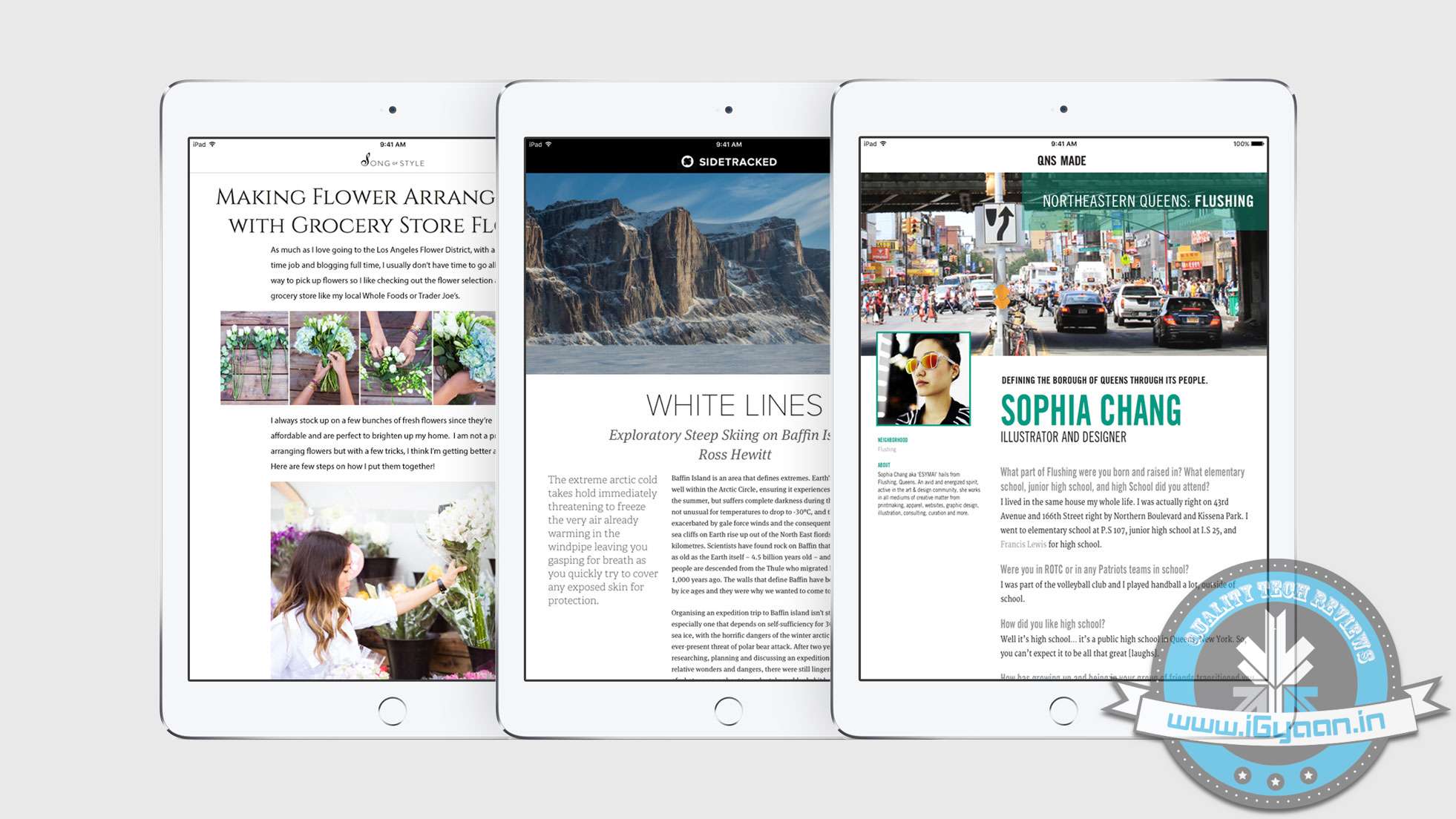
    Apple has released a new beta version of iOS 9 to app developers, with several new features and changes being introduced. The beta version has been released to registered developers and is available for iPhone, iPad and iPod touch.

    ios 9 news 4
    Apple News

    Most notable features of the new iOS beta version include Apple News and a separate folder for screenshots and selfies. Apple News is a Flipboard like app that curates news from different publications like The New York Times and Entertainment Weekly. The feed will show news according to your liking and allows you to save and share an article you like. For now, Apple News will include content from The New York Times, CNN, ESPN, The Atlantic, and Slate.

    By segregating the selfies and screenshots folder, Apple has made it easier for users to organize and share the images. Under the current version, all photos clicked (screenshots, selfies, pictures) are stored in a single folder. Users prefer to send a screenshot rather than describe in a text. By separating images, it becomes easier to scroll through folders than a single folder.

    iOS 9 beta also includes a new 4×4 grid layout for folders in iPads, a new calendar icon and even Siri gets an improvement – Apple has dropped the famous ‘ding’ activation sound.

    Apple announced the latest version of iOS WWDC last month. The new software will be available to  iPhone and iPad users in September.

    The third beta version of iOS 9 is currently available to registered developers only and will be made available to public later this month.

    Source: [tw-button size=”small” background=”” color=”” target=”_blank” link=”http://9to5mac.com/2015/07/08/ios-9-beta-3-apple-music/”]9to5Mac[/tw-button]

    Additional Inputs from : [tw-button size=”small” background=”” color=”” target=”_blank” link=”http://www.bgr.in/news/apple-ios-9-3-brings-separate-folders-for-selfies-and-screenshots/”]BGR[/tw-button]

  • Mobile Phone Cameras: The Journey

    Mobile Phone Cameras: The Journey

    It is impossible to overlook the fact that mobile cameras have changed a lot in the last few years. Far before the now memorialized words of “Let me take a Selfie,” having a camera in your back pocket or purse was something most of us took for granted. But just how far have mobile cameras actually come, and where are they headed in the future?

    The first instant camera was made back in 1923. But, it wasn’t until 1948 that these devices gained popularity when the Polaroid camera came out, enabling the user to print instantly a photo in less than a minute.

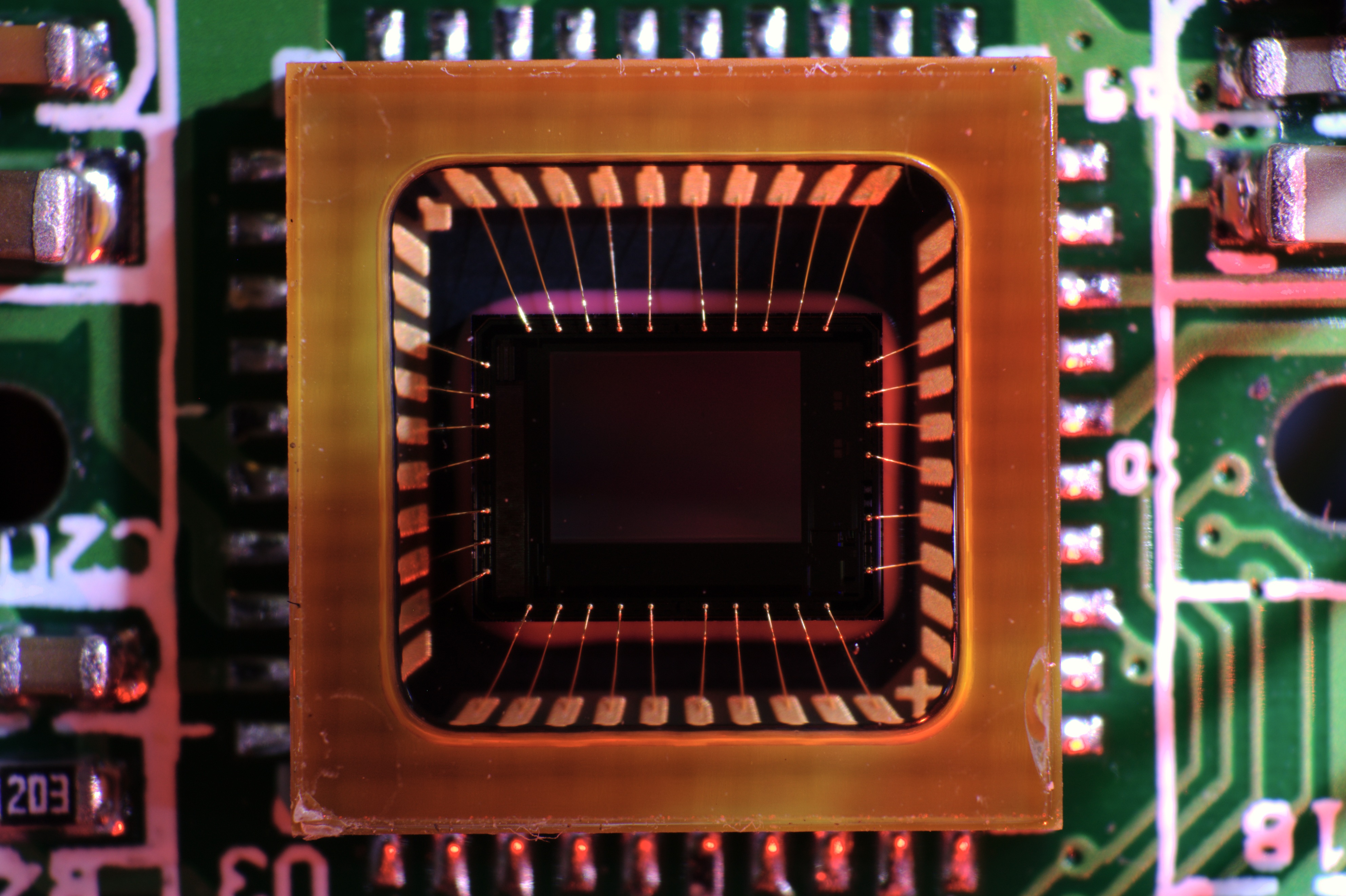
    But that was just it. Enter Willard Boyle and George Smith, who invented the CCD Chip (Charge-Coupled Device Chip), which paved the way for digital cameras in 1969.

    CCD Chip
    CCD Chip

    However, it wasn’t until 1981 that a commercially available version would hit the market in the form of the Sony Mavica. This monster of a camera let users save up to 50 images on a video floppy disk and view them on a television screen. It paved the way for digital cameras to go mainstream, and it changed how photography would be perceived both literally and metaphorically.

    The First Camera Phone

    Just as digital cameras began to rise in popularity, cell phone manufacturers could not help but notice the rising trend. In 2000, Sharp produced the J-SH04, the very first phone with an inbuilt camera. It was a 0.1MP camera and was priced at $500.

    J-SH04
    Sharp J-SH04

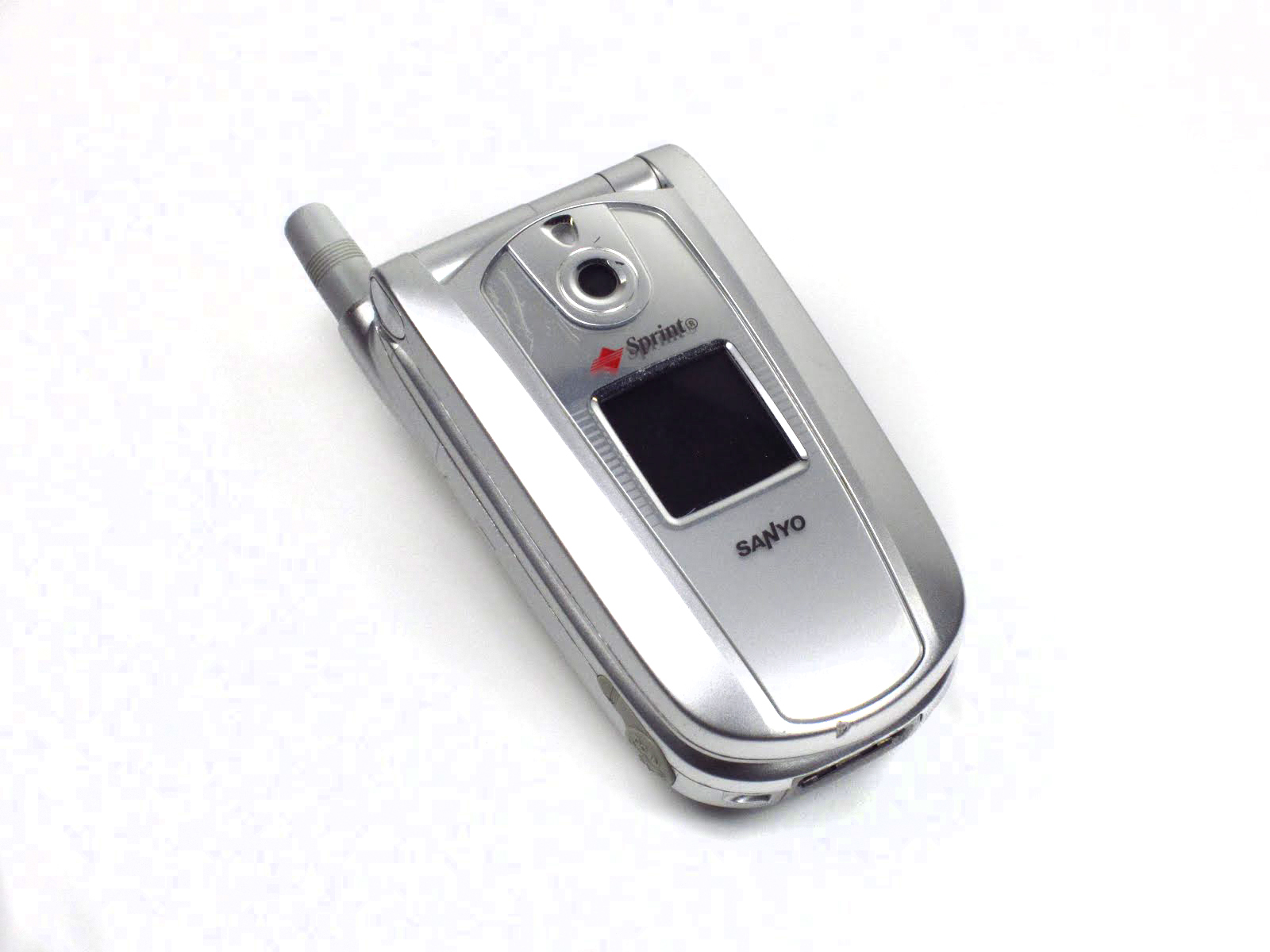
    This device became so popular that within two years, Sharp’s device served 40% of J-Phone users around the world. American phone businesses took note of the phone’s success and brought the technology to the U.S. in 2002, in the form Sanyo 5300 flip phones. The camera phone wars had officially begun.

    The Second Camera Phone

    It was November 2002 before the U.S. embraced the crazy Japanese trend with the Sanyo SCP-5300 handset. It costed $400, and it highlighted a chunky clamshell design.

    Sanyo SCP-5300
    Sanyo SCP-5300

    With a 0.3MP capability, it could capture shots at 640 x 480 pixels.The Sanyo SCP-5300 also had a basic flash, white balance control, self-timer, digital zoom, and several filter effects like sepia, black and white, and negative colors.

    By the end of 2004 the camera phone was riding high. Over half of the phones sold worldwide had cameras in them in the first nine months of 2004, and two-thirds of all the phones shipped in the third quarter were camera phones. Leading the way was the Finnish manufacturer, Nokia.

    Nokia Battles Its Way To The Top

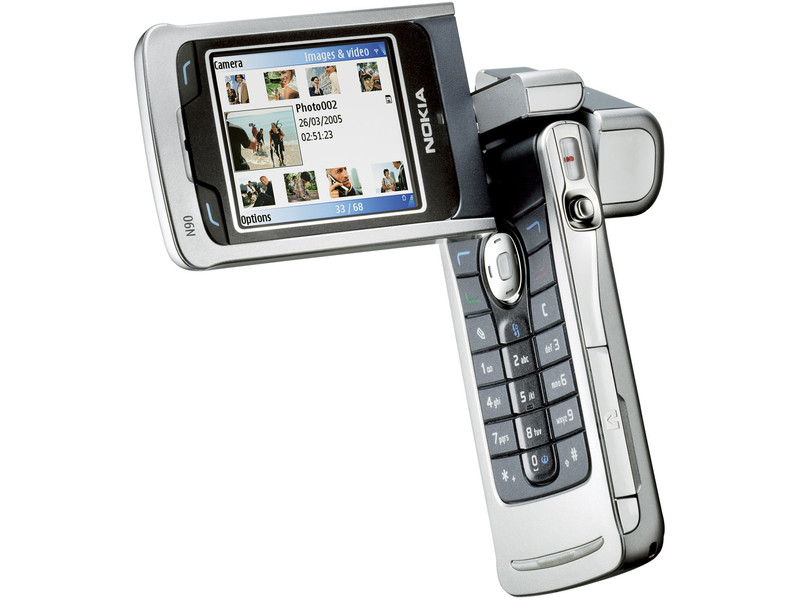
    Nokia released the N90 in 2005, thus landing the camera phones to new heights. It featured a 2MP camera, along with Carl Zeiss optics, autofocus, and an LED flash. It instantly became famous because the rotating screen gave a feel of a camcorder.

    N90

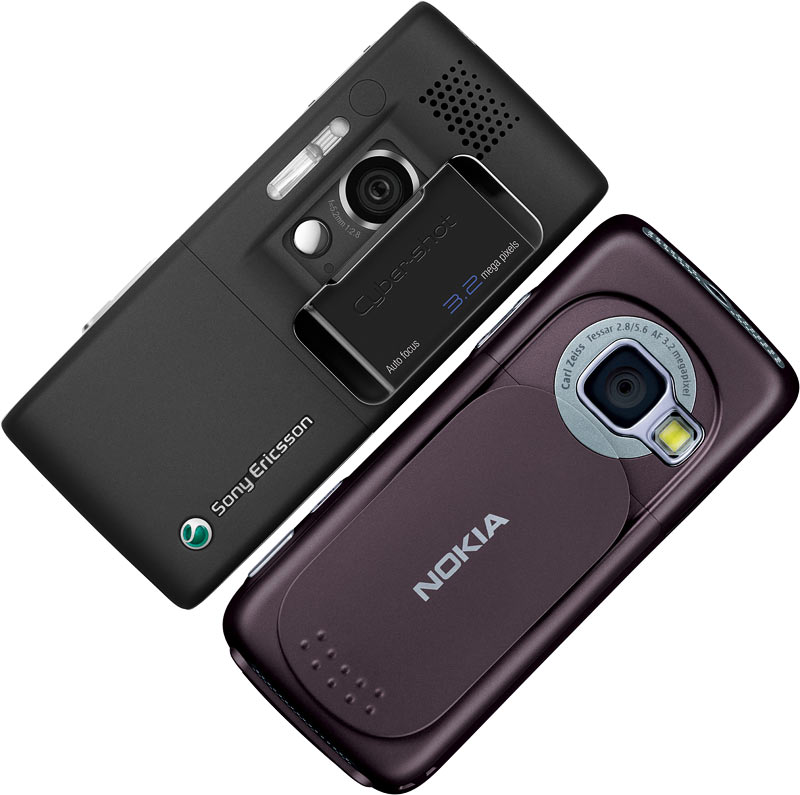
    But, Nokia was not the only one who was reaching new heights of mobile cameras. Sony Ericsson’s K800i that was released in 2006 had a 3.2MP camera with auto-focus, image stabilization, and a Xenon flash. Naturally, Nokia countered with models like the 3.2MP N73, but in 2007 the feature phone reached its zenith.

    Sony Ericsson’s K800i
    Sony Ericsson’s K800i that was released in 2006 had a 3.2MP camera. Later, Nokia countered with models like the 3.2MP N73.

    Nokia 95 was the first phone to feature a 5MP camera with the Carl Zeiss lens. It took excellent photos, and it could record video at 30 frames-per-second. In fact, 5MP remained as a high-end standard for several years. Sadly for Nokia, the smartphone debacle was just around the corner, and a good camera would not be adequate to keep Nokia on the rise.

    Next In Line, Samsung and LG

    In 2008, the Samsung i8510, also known as the INNOV8, held the first 8MP camera to hit the market, but in design terms, it looked like part of Nokia’s N range, which were getting steadily less popular.

    8MP photo
    Sample Photo using a Samsung i8510

    Nokia followed suit with the N86, but it was LG that released the first touchscreen camera phone with an 8MP camera. It was called the LG Renoir.

    The competition for megapixels proceeded, and Samsung hit 12MP first with the M8910 Pixon12 in 2009. It was soon surpassed by Nokia’s N8 in 2010 and the 16MP Sony Ericsson S006 at the end of the year.

    The Rise Of Software Features For Cameras

    Google gave Photosphere; Apple came out with Panorama mode, even BlackBerry came out with TimeShift. We have seen a lot of filters and effects mixed into various mobile platforms and are proving great for people who click photos in a not-so-normal perspective.

    Shot by David K. in Dubai, United Arab Emirates as a part of Shot on iPhone 6 campaign
    Shot by David K. in Dubai, United Arab Emirates as a part of Shot on iPhone 6 campaign

    Camera Phones are not just developing the sensors and resolutions. They are also improving on the lenses, flashes, focussing capabilities and zooming capabilities too.

    iPhone Camera 0
    Apple’s Autofocus feature

    We are observing today the acceptance of xenon flash, Dual-LED flash, Carl-Zeiss lens on camera phones. Camera phone hardware is bettering the hardware specs of stand-alone digital cameras. With the improved availability of raw processing power, location-awareness and the brilliant touchscreen displays, today’s camera phone’s are equipped to manipulate blink-detection, face-detection, smile-detection, touch-focus (sheer ability to focus on a particular spot on the frame by just tapping the touch-screen), Geo-tagging (thanks to GPS capabilities), Image stabilizer, Video Stabilizer, HD image resolutions, 4K Video Recording and much more.

    Rugged Case

    We should talk about the full-HD Video recording capabilities that are made possible now. Optical Zoom and stand-alone camera capability (using a camera while the phone is switched off) are getting upgraded as well. In a new experiment, we mounted the Moto Turbo on a drone and got phenomenal results.

    As smartphones become universal, they are quickly replacing traditional point-and-shoot cameras as the go-to devices for capturing quick photos. But not all smartphone cameras are designed equally. The iPhone 6 Plus, for example, has extremely fast autofocus and a dual-LED flash, and the Samsung Galaxy S5 Active can withstand dunks underwater and drops to the ground. In a high-tech world driven by steady consumer demand for bigger and better, it will be exciting to see where our tech will take us next!

    Let us look at some of the brilliant iPhone photography that may give professional photographers a run for their money.

    iphone photo
    Shot by Brendan Ó. in Copenhagen, Denmark


    iphone photo
    Shot by Renee M. in Union City, California
    iphone photo
    Shot by Satoshi H. in Tokyo, Japan
    iphone photo
    Shot by Dudley W. in Glen Etive, Scotland
    iphone photo
    Shot by Robyn W. in Corvallis, Oregon

    You can check out more of these amazing photographs here.
  • LG Launches the G4 Beat, Price Soon to Be Announced

    LG Launches the G4 Beat, Price Soon to Be Announced

    After launching the LG G4 Stylus yesterday, LG has released another variant called the LG G4 Beat. The new phone is the latest in the G4 line-up after the G4 Stylus and G4c. With this phone, it seems LG is trying to imitate Samsung’s successful Galaxy series, which offers a wide range of affordable and premium phones.

    Juno Cho, president and CEO of LG Electronics said

    Too often, mid-tier phones sacrifice overall usability in order to include that one killer feature. Our goal with the LG G4 Beat was to create a phone that was not only well- balanced in terms of display, camera, performance and design but delivered terrific value and satisfaction.

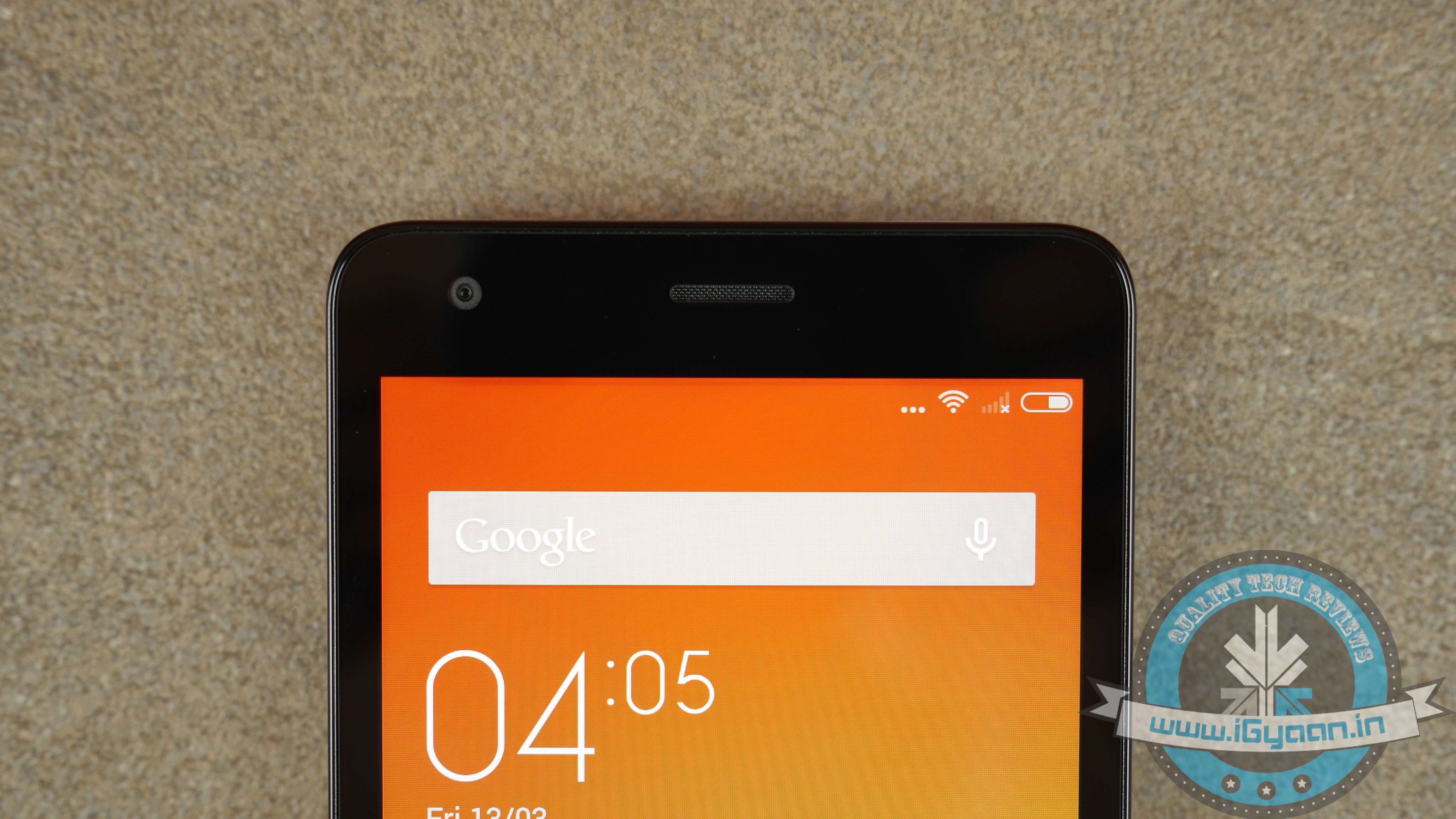
    The G4 Beat sports a 5.2-inch full HD IPS LCD display with 423 ppi. The phone is powered by a 1.5GHz Snapdragon 615 octa-core processor with 1.5GB of RAM. The internal storage of 8GB can be expanded, allowing you to store more images, music and videos. The G4 Beat will run on Android 5.1.1 Lollipop with LG UX 4.0.

    The phone will sport an 8MP rear camera and a 5 MP front camera. For some reasons, LG has decided to include a 13 MP rear camera in the G4 Beat for select Latin America countries. A  2,300mAh removable battery will power the phone. As far as connectivity is concerned, the phone supports LTE, Bluetooth 4.1 and NFC.
    LG has not disclosed any pricing for the G4 Beat, which is expected to be launched first in countries like France, Germany and Brazil followed by Canada, India, Russia, Singapore, South Africa and Turkey, among others.

    Specification LG G4 Beat
    Display 5.2-inch full HD IPS LCD display
    Resolution 1920 x 1080 pixels, 423 ppi
    Chipset Qualcomm Snapdragon 615 chipset
    Processor 1.5GHz octa-core processor
    RAM 1.5 GB
    Storage 8GB
    Rear Camera 8 MP Laser Autofocus, LED Flash, 13 MP in select Latin America countries
    Front Camera 5 MP
    Battery Removable Li-Ion battery 2300mAh
    Operating System Android OS, v5.1.1 (Lollipop)
    Connectivity Wi-Fi 802.11 a/b/g/n; Bluetooth 4.1; NFC
    Price N/A
  • Lenovo K3 Note Solds Out in 5 Seconds, Next Sale on July 15

    Lenovo K3 Note Solds Out in 5 Seconds, Next Sale on July 15

    How long does it take to become a bestseller? As Lenovo found out, apparently 5.2 seconds. Seconds after the first online sale kicked off, the Lenovo K3 Note smartphone was sold out on Flipkart. Lenovo sold about 47,440 smartphones over 5, 38,096 registrations the company received for the first flash sale.

    The next sale will be held on 15th July. Two versions of the phone – black as well as white – will be sold at 12 noon and 3pm respectively. Registrations are already open.

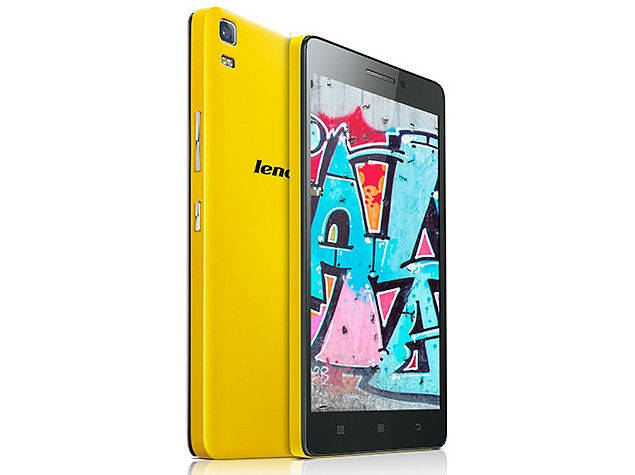
    The K3 Note joins a long list of affordable 4G handsets provided by Lenovo, such as A6000, A7000 Plus and S60. The phone has Dual SIM card slots and supports both LTE bands in India. The phone sports a 3,000 mAh battery, which is replaceable. The K3 Note sports a 13 MP rear camera with Dual LED flash and a 5 MP front camera.

    The specifications for the phone are reminiscent of the Xiaomi Mi4i, which is currently in demand and has a dedicated fan base.  Like Mi4i, the K3 Note boasts a 5.5-inch full HD display. Also to that, the K3 Note costs less than the Mi4i.

    Launched in India in late-June, the Lenovo K3 Note was first unveiled for China in March. It competes against the likes of budget contenders – Yu Yuphoria and Xiaomi Redmi Note. Yu Yureka and Xiaomi Redmi Note 4G have ruled this price segment, but it looks like Lenovo is finally going for the kill with the K3 Note.

    Check out the specifications for the Lenovo K3 Note before you register:

    Specs

    Lenovo K3 Note

    Display 5.5 inches IPS capacitive touchscreen
    Resolution 1080 x 1920 pixels
    Chipset 1.7GHz MediaTek MT6752
    Processor Octa-core 64-bit processor
    RAM 2 GB
    Storage 16 GB
    Expandable Upto 32 GB
    Main Camera 13 MP
    Front Camera 5 MP
    Battery 3,000 mAh
    Operating System Android Lollipop 5.0 out-of-the-box, wrapped under Lenovo Vibe 2.5 UI
    Miscellaneous Active noise cancellation with dedicated mic, Lenovo Vibe 2.0
    Price Rs. 9,999
  • Apple Set To Produce More Than 80 Million iPhone 6S Units

    Apple Set To Produce More Than 80 Million iPhone 6S Units

    If another round of rumours is to be believed, it looks like Apple is planning on something big for the next iPhone. Apparently, according to WSJ, the tech giant has immense ambitions and has assigned the task of assembling 85-90 million handsets-complete with Force Touch- to its manufacturing partners. WSJ predicted that Apple’s sales growth approximates to 10% each year. The company ordered between 70 million and 80 million iPhone 6 and 6 Plus units for launch in 2014.

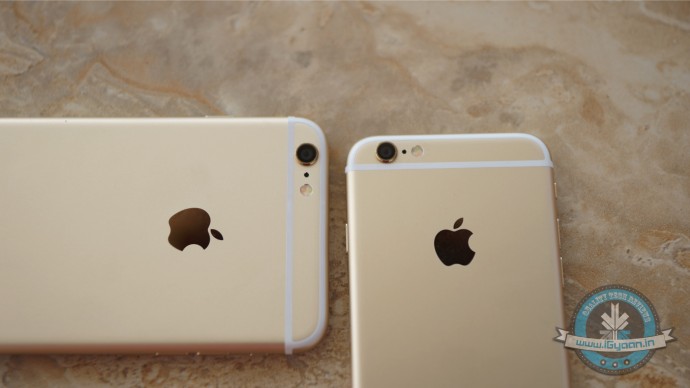
    So far, we’ve learnt that the next iPhones will include Force Touch and a new casing to make the iPhone 6S wider, taller and stronger. The new model will run on iOS 9 and have an enhanced processor. Samsung might provide chipsets and displays for Apple’s forthcoming products, and iPhone 6S will be powered by a next-gen A9 processor and come with 2GB of RAM. The new model will run on iOS 9 and have an enhanced processor, as Apple announced at the WWDC this year.

    It is also possible that Apple may release two variants of the iPhone, the smaller 6s variant, and a larger 6s ‘Plus’ version.

    The upcoming iPhone 6s is rumored to be available in stores from 25th September this year. According to the source, pre-orders will start on 18th September, and it will go live physically on 25th September.

  • OnePlus 2 Is Confirmed To Arrive With a 4GB RAM

    OnePlus 2 Is Confirmed To Arrive With a 4GB RAM

    One of the biggest triumph stories of 2014, OnePlus, conquered the mid-segment smartphone market with its feature-rich phone with top-notch specs with a reasonable price tag. With several enhancements and revisions compared to its predecessor, the OnePlus One, the OnePlus 2 is probably one of the most expected Android devices of the year.

    Today, OnePlus has announced the upcoming smartphone will sport a 4GB RAM. It will sport the next-generation LPDDR4 memory chips, which are also packed with Samsung Galaxy S6 and S6 Edge only, for now. No other smartphone, apart from the Asus Zenfone, in the Indian market comes with 4GB of RAM, which is required to make use of the 64-bit processor for faster operations of the next generation of apps.

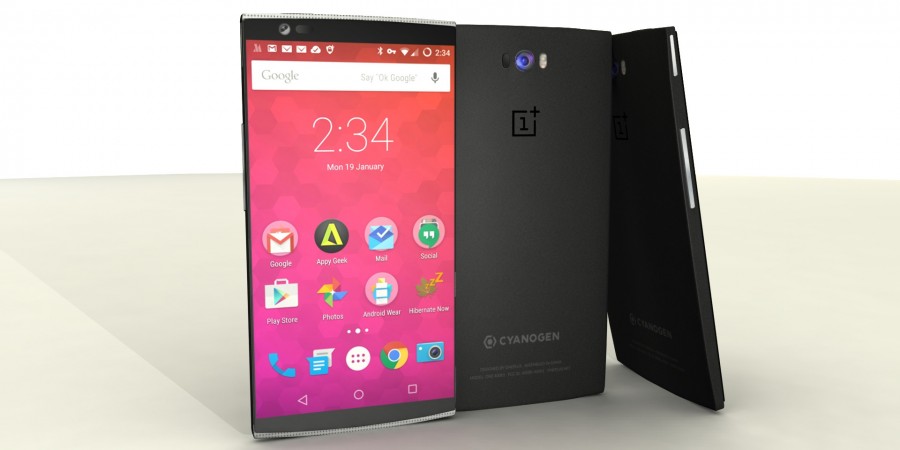
    So far we know that OnePlus 2 will run on Snapdragon 810 chipset along with 4GB RAM. The phone will sport a 5.5-inch 2K display that will improve the viewing experience of the user. The OnePlus 2 will also have a USB C-Type, the first in a flagship device by a major manufacturer. Just a few days back, the company revealed that the phone will come with a built-in fingerprint scanner.

    The company has confirmed its price Will Not Cross More Than Rs 28,500. OnePlus ruled out all the rumors of the temporarily titled OnePlus 2 and stated that the much-awaited device will make a debut in the third quarter of this year. Let’s wait and watch.

  • LG G4 Stylus Officially Launched in India for Rs 24,990

    LG G4 Stylus Officially Launched in India for Rs 24,990

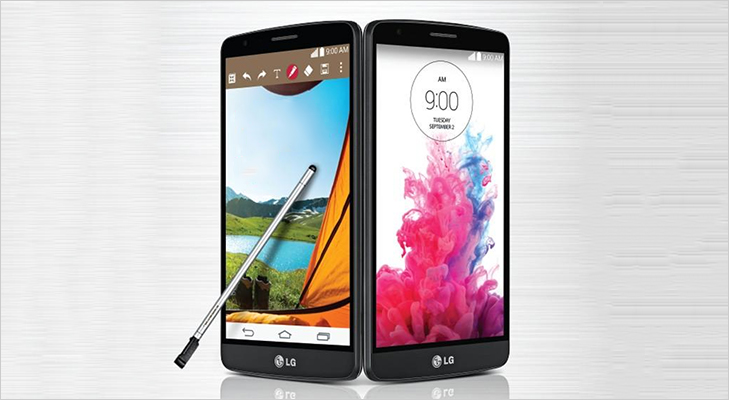
    Soon after LG announced the global roll-out of LG G4 in May, the Korea-based firm immediately came up with yet another announcement that tempted LG fans. The consumer electronics manufacturer made official two new smartphones, G4 Stylus and G4c, increasing the G4 line-up with low-budget devices. Today, South Korean manufacturer LG has released its G4 Stylus phablet in the Indian market at Rs 24,990.

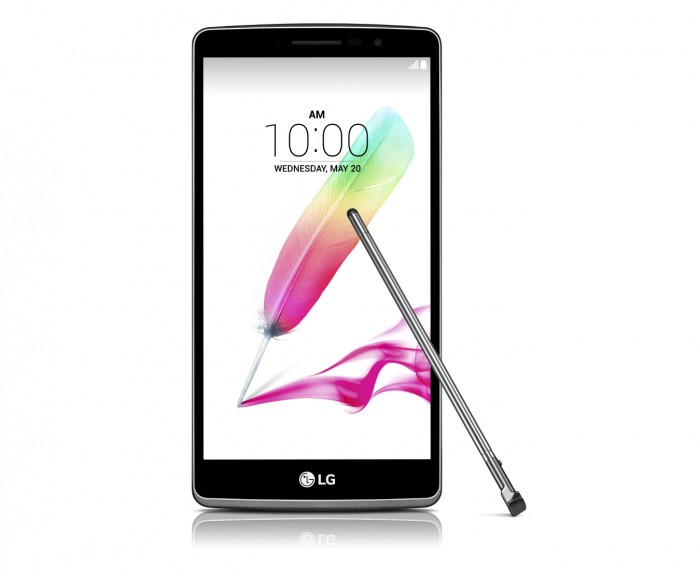
    Talking about the G4 Stylus, the device Stylus features a 5.7-inch HD (720×1280 pixels) IPS display offering a pixel density of 258ppi; 1GB of RAM; 8GB of built-in storage; expandable storage support via microSD card up to 128 GB; 3000mAh battery (removable); Wi-Fi 802.11 a/b/g/n; Bluetooth 4.1; NFC; A-GPS; Glonass; Micro-USB; 5-megapixel front camera; 154.3×79.2×9.6mm, and 163 grams.

    lg g4 stylus

    The G4 Stylus on the LG India site is listed to support 4G LTE, and features the 1.2GHz quad-core Qualcomm Snapdragon 400 processor. The LTE model sports a 13-megapixel rear camera and packs a 5-megapixel front camera as well.

    In India, the G4 Stylus will be offered in Metallic Silver or Floral White color options.

    Specification LG G4 Stylus Phablet
    Display 5.7 inches IPS LCD capacitive touchscreen, protected by Corning Gorilla Glass 3
    Resolution 720 x 1280 pixels, 258 ppi
    Chipset Qualcomm MSM8916 Snapdragon 410 (LG H635)
    Processor Quad-core 1.2 GHz Cortex-A53 (LG H635)
    Octa-core 1.4 GHz (3G model)
    GPU Adreno 306 (LG H635)
    RAM 1GB
    Storage 8GB
    Expandability 128 GB
    Rear Camera 13 MP Laser Autofocus, LED Flash
    Rear Camera Video 1080p@30fps
    Front Camera 5 MP
    Front Camera Video N/A
    Battery Removable Li-Ion battery3000mAh
    Operating System Android OS, v5.0 (Lollipop)
    Connectivity Wi-Fi 802.11 a/b/g/n; Bluetooth 4.1; NFC; A-GPS; Glonass; Micro-USB
    Price Rs 24,990
  • OnePlus 2 Pricing Confirmed, Will Not Cross More Than Rs 28,500

    OnePlus 2 Pricing Confirmed, Will Not Cross More Than Rs 28,500

    Chinese electronics start-up, OnePlus was one of the biggest success stories of 2014. The newbie started off with the flagship killer, OnePlus 2, which conquered the mid-segment smartphone market. It was a feature-rich phone with top-notch specs that came with a reasonable price tag. The OnePlus 2 is probably one of the most anticipated Android devices of the year. With several enhancements and revisions compared to its predecessor, the OnePlus One, the OnePlus 2 should be a force to be reckoned with.

    Till now, it was estimated that the OnePlus 2 device will be priced at $500 (Rs 31,762). But, OnePlus posted in its Twitter page that the device won’t be higher than $450 (Rs 28,586).

    Previously, it was confirmed that the OnePlus 2 will cost more than $322. Pete Lau hinted the price of the OnePlus 2 as roughly around Rs. 25,000. This is around Rs. 3,000 more than the original OnePlus One at launch. This may be because the Snapdragon 810 v2.1 costs 60% more than the Snapdragon used in the OnePlus One. A recent OnePlus blog reads that the 810 is much more powerful than its younger counterpart, the 801 and is a much more expensive component. Hence, according to the post, the minimum cost of the OnePlus 2 will be higher than $322 (Rs. 20,500 approx). With this, we now have a confirmed price range of the device.

    So far we know that OnePlus 2 will run on Snapdragon 810 chipset along with 4GB RAM. The phone will sport a 5.5-inch 2K display that will improve the viewing experience of the user. The OnePlus 2 will also have a USB C-Type, the first in a flagship device by a major manufacturer. Just a few days back, the company revealed that the phone will come with a built-in fingerprint scanner.

    For now, all we can say is, based on the specs and the price, the OnePlus 2 will hit it harder and better than the OnePlus One. OnePlus ruled out all the rumors of the temporarily titled OnePlus 2 and stated that the much-awaited device will make a debut in the third quarter of this year.

  • Yu Yuphoria Goes Up For Golden Ticket Sale Tomorrow

    Yu Yuphoria Goes Up For Golden Ticket Sale Tomorrow

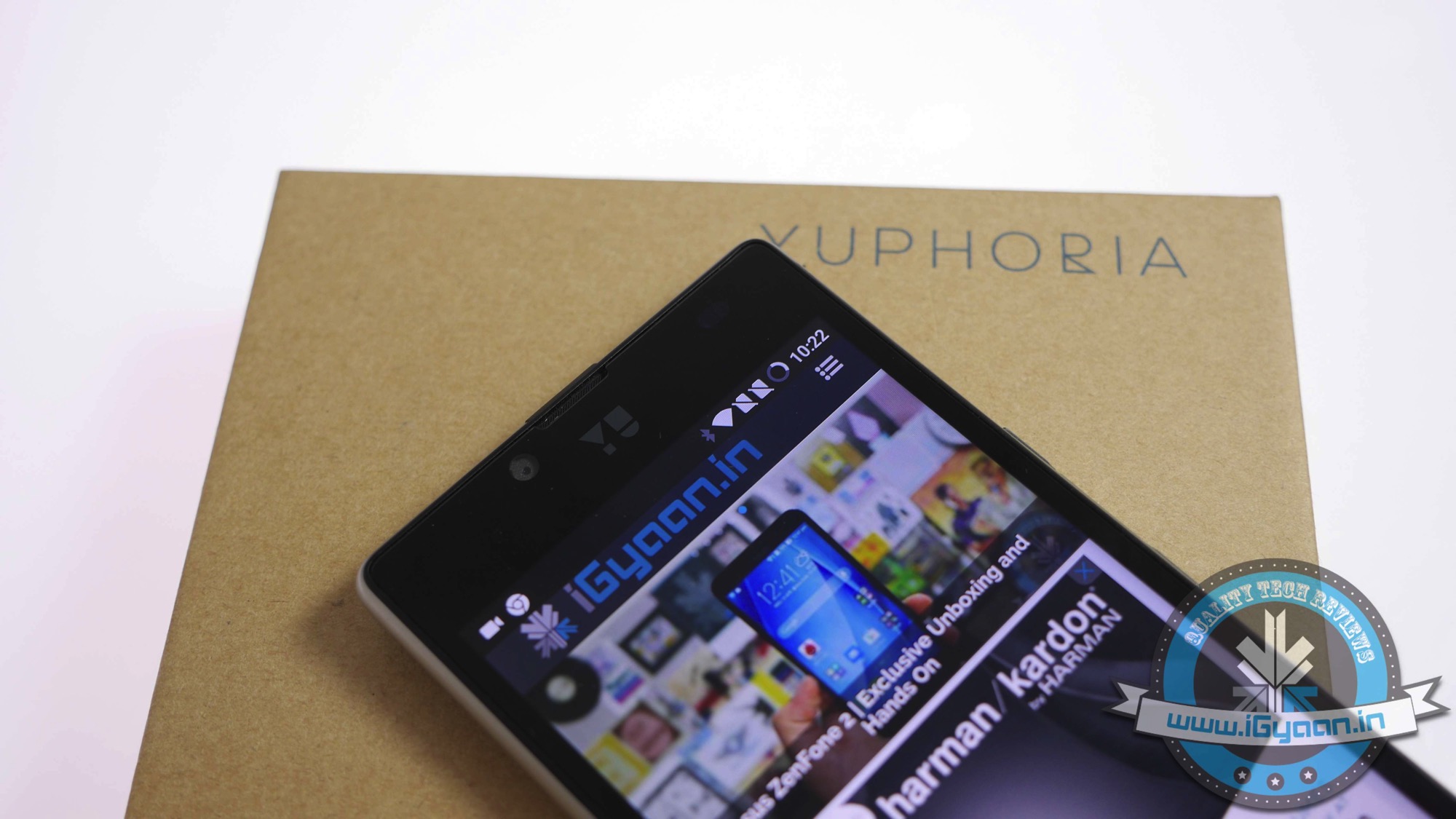
    Mid segment blockbuster phone, Yu Yuphoria, is back on the track. Weeks after following the first flash sale model of the device in May, Yu Televentures will now set up to host the Golden Ticket Sale for the Yu Yuphoria on July 8th.

    The sale will be carried on Amazon India between 2 PM to 5 PM, and is especially for all those frustrated customers who were unable to purchase the Yuphoria in previous flash sales. The company informs that selected users will receive an email from Amazon, with a link to buy the Yuphoria tomorrow, 8th July, between 2 PM and 5 PM. The link will guarantee a Yuphoria for that user, and they can then make the purchase without any need for previous registrations.  If you are a new buyer and haven’t registered for any of the past sales, you can participate in the regular weekly sale of the Yuphoria. The next sale on Amazon India is on July 9 at 2 PM.

    Hardware wise many it’s different from the Yureka, but the Yuphoria adds new detail in a way that will move the company forward. A Qualcomm 410 64bit Chipset, with a 1.2 GHz Quad-Core CPU and Adreno A306 GPU. 2 GB of RAM and 16GB of storage complete the pie along with 64 GB expandability option.

    The handset has two SIM card slots, both of which will accept LTE enabled SIM cards, making this budget handset future proof. The camera is a fast and bright 8 MP camera with a large 1.4-micron pixel size, and a sharp f2.2 lens with quick autofocus and minimal drain on the battery. You can shoot up to 1080p video at 30fps and 720p video at 60fps. The front has a 5 MP camera that has a bright f2.0 aperture wide angle lens.

    The company has also provided a  metal chassis on the Yu Yuphoria and is based on Android 5.0 Lollipop –based Cyanogen OS 12 and is priced at Rs 6,999.

    Specification

    YU Yuphoria

    Display 5-inch IPS HD
    Resolution 1280×720 pixel (294ppi)
    Additional Protected by Gorilla Glass 3
    Processor 1.2GHz  Quad Core, ARM Cortex- A53
    Chipset Qualcomm Snapdragon 410 | 64bit
    GPU Adreno A306 3D Graphics Core | 400 MHz
    RAM 2GB
    Internal Memory 16GB
    Expandable Up to  64 GB
    Sim Cards  2 x LTE Enabled Sim Card Slots
    Primary Camera 8MP
    Secondary Camera 5MP
    Connectivity Options 4G LTE
    Battery 2,230mAh
    Operating System Cyanogen 12.0 (Android 5.0 based)
    Price  Rs. 6,999

    You can check out the Hands On video below

    A few weeks back, we also performed an extreme drop test on the device. Check out the video below

  • Google Celebrates Godzilla’s Creator Tsuburaya Through Interactive Doodle

    Google Celebrates Godzilla’s Creator Tsuburaya Through Interactive Doodle

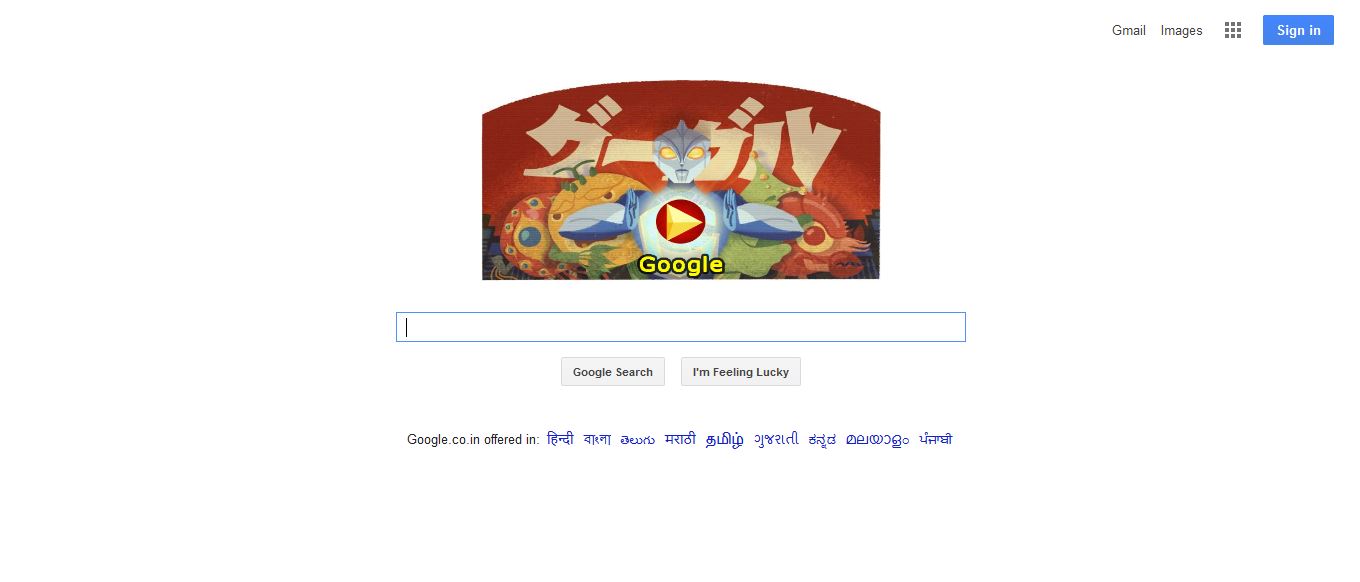
    Google is renowned for recreating pop-culture nostalgia through its doodles. From Pac-man to Rubik’s Cube, these doodles celebrate the pop-culture items in our life. Today, Google has released a doodle to commemorate 114th birth anniversary of Tsuburaya Eiji, best known for creating the iconic monster lizard, Godzilla.

    The doodle is an interactive game that allows the user to create his own monster movie in ten easy steps or tasks. Based on how you complete each task will result in a different film.

    According to Jennifer Hom, the brain behind this doodle, the project took six months to develop. The doodle was created in association with the Tsuburaya studio, so that the doodle could capture the spirit of Tsuburaya’s works.

    Tsuburaya Eiji was famous for introducing tokusatsu, a special effect technique used in kaiju or Japanese monster film. The technique involves using hand-built scale models of cities and actors in foam and rubber costumes, which results in this:

    tsuburaya eiji godzilla
    Godzilla (1954)

    The doodle fulfills the lifelong dream of every movie buff – to create his/her own monster film. So go ahead and make the monster film you always wanted to.

  • Xiaomi Reduces the Price of Redmi 2 by Rs. 1000

    Xiaomi Reduces the Price of Redmi 2 by Rs. 1000

    Call it a smart marketing strategy or a monsoon gift, this news will sure excite Xiaomi fans. After teasing the price drop in a partial image on Twitter yesterday, Xiaomi has slashed the price of Redmi 2 by Rs. 1000. The Redmi 2 is now available for Rs. 5,999 on Xiaomi’s own website along with Flipkart, Snapdeal and Amazon.

    Redmi 2, the successor to Redmi 1S, was launched by Xiaomi in March this year at a price of Rs. 6,999. This is the second time Xiaomi has reduced the price of its phones, as it slashed the price of Redmi Note 4G by Rs. 2,000 last week.

    The Redmi 2 boasts a 4.7 inch display and runs on 1.2 GHz Quad-core Snapdragon 410 processor with 1GB of RAM. The phone comes with an 8MP rear camera and has a storage capacity of 8GB, expandable upto 32 GB. Redmi 2 is powered by a 2200 mAh battery.

    If you’re looking for a new phone, Xiaomi has just given you an incentive to buy the Redmi 2. Check out the specifications and  unboxing of Redmi 2:

    Specs

    Redmi 2

    Display 4.7 inches, 1280×720 pixels 312 ppi
    Processor 1.2 GHz Quad-core Snapdragon 410
    RAM 1GB
    Storage 8GB
    Expandable Up to 32GB
    Battery 2200mAh
    Operating System Android 4.4 KitKat with MIUI 6.0
    Price Rs. 6,999

    You can check out the Hands On of Xiaomi Redmi 2 below:

  • Here is Everything We Know About Apple iPhone 6S Till Now

    Here is Everything We Know About Apple iPhone 6S Till Now

    With just around a month to go for the next iPhone launch, we have rounded up some specs and features that we may see with the next Apple device.

    Force Touch and New Casing Material

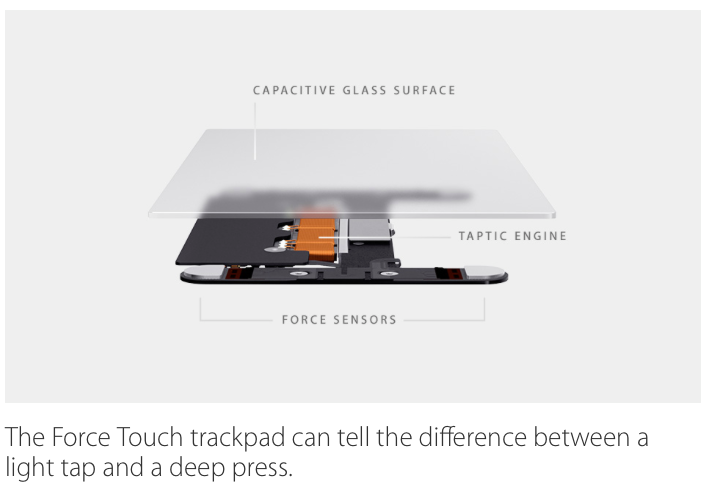
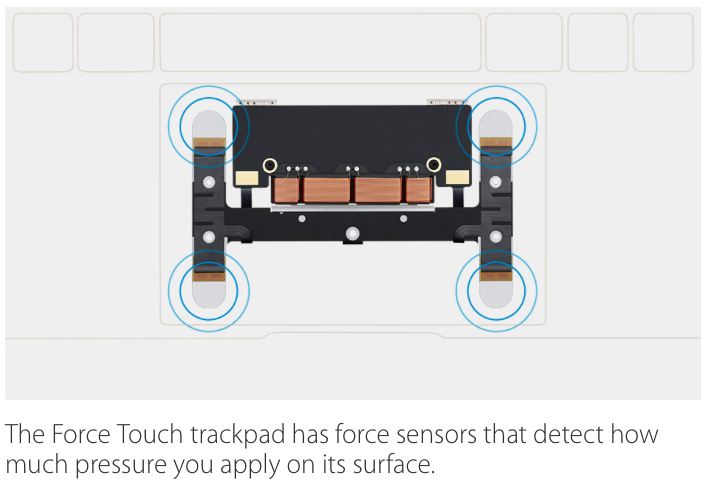
    Apple MacBook Force Touch

    Earlier this year, Apple’s next-generation iPhone was announced to come with the ‘Force Touch’ feature, which made a debut appearance with the Apple Watch and the new 13-inch MacBook. The inclusion was widely expected, and a report by analyst Ming-Chi Kuo of KGI Securities has confirmed its existence stating that the implementation of Force Touch on iPhone 6s might even add to the thickness of the device.

    Apple Force Touch

    Force Touch is a brainy touch feature that senses the level of force applied on the screen. It uses tiny electrodes around the flexible Retina display to distinguish between a light tap and a deep press, which trigger instant access to a range of contextually particular controls. This feature adds the chance of embedding more gestures onto the device.

    Kuo argued that Force Touch will lead to the forthcoming iDevice (tentatively titled iPhone 6s) being wider, taller, and thicker. It is speculated to increase the dimensions of the phone by 0.15 millimetres crosswise as well as in length and 0.2mm in thickness.

    As per Kuo, Apple will employ Series 7000 Aluminium, introduced with Apple Watch, on the next-generation iPhones. The custom metal is 60 percent stronger than the regular aluminium and has just one-third the density of stainless steel.

    Apple to Use Better Battery Tech

    We hear that a battery breakthrough will fuel the next iPhone, making it last long between two subsequent charges. The innovative battery was patented by Apple in 2012 but came into practice in 2015 with MacBook.

    The next-gen battery goes beyond the barrier of the conventional rectangular slab type and can take any shape. This battery consists of thin electrode sheets stacked on one another. These electrodes are cells of different sizes and are installed in the particular contours of the enclosure. This way, developers would be able to utilize the reserved battery space to embed an LTE chip.

    This arrangement gives 35 percent more battery cell capacity, using every single millimeter of space available in the enclosure. The technology is currently powering the super-slender 13-inch MacBook that has been engineered to give 9 hours of standby on web browsing and up to 10 hours on iTunes Movie Playback. By combining the same battery technology, the Apple iPhone 6s is expected to provide better battery cycles.

    Revamped Interiors

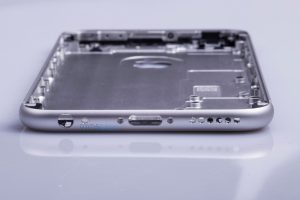
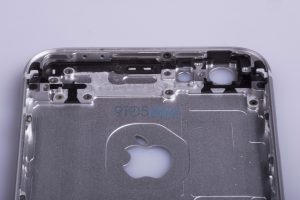
    Aa batch of leaked images has hit the Web, purported to be of the iPhone 6s’ metal casing or chassis, thanks to 9to5Mac.

    As we can see in the pictures, the iPhone 6S is almost indistinguishable to both the predecessors in the terms of height and width. Unfortunately, the dual camera rumour will turn out to be untrue if these images are authentic. Differences in the internal mounting board also suggest of changes in chipset and quite a few more components. Few rumours suggested that there would be an antenna on the phone, but the metal casing proves this rumour to be false. The rest of the components, like the lightning port, audio jack and speaker holes are in the same place as the iPhone 6.

    From the above details, it is highly unlikely that Apple will be going for a notable design change for the upcoming iPhone. Since the launch of iPhone 6, the company’s flagship has gone through a major makeover.

    Sports 5MP FaceTime Camera

    Apple-iPhone-6-Rumors-Camera--620x450

    According to the leaks, the iPhone 6S will sport a 5 MP FaceTime camera, which is an upgrade from the 1.2 MP camera employed by the current version. If the leak is accurate, then we will be witnessing a surge in demand for high-res selfies. Moreover, the rear camera will be upgraded to 12 MP from 8 MP, with 4K video recording capability.  The phone will also be able to capture slow-motion videos at 1080p resolution, up from 720p in the current versions.

    4K video-recording is currently offered in many high-end smartphones such as Samsung Galaxy S6 and OnePlus One. However, what differentiates Apple from its rivals is the software it employs in iPhone to convert the raw data into a polished product. That is why budget filmmakers use iPhone to make short films (and features) even when there are alternatives available in the market.

    Samsung to Provide Chipset and Displays for Apple’s Upcoming Products

    apple-samsung

    It looks like the world’s biggest rivals in the tech world may soon be announcing significant collaborations. According to the grapevine, Samsung will be producing Apple’s core chip for the next iPhone as well as displays of other Apple products. This sudden alliance was formed when Apple Chief Executive agreed to tone down the battle of patent suits against Samsung, thereby leading to this association.

    Samsung will be budgeting $14 billion dollars for setting up new plants and equipment for assembling Apple’s newest device parts. Samsung had used the latest SoC for their flagship Galaxy S6 and Galaxy S6 Edge. The chip uses 14nm technology whose standards are matched by Exynos 7420, Samsung’s home-made processor. The 14Nm chip is more powerful than the 16Nm chips that are standardly used in the company’s handsets.

    If rumours are to be considered, the expected iPhone 6s will be available in stores from 25th September this year, according to MobileNews. In an entertaining chain of events, Vodafone began sending out “Save the Date” e-mails to its staff and unwittingly leaked the release date of Apple’s next flagship.

    Surprisingly, there was no name mentioned about the next iPhone; it was just being referred to as the ‘new iPhone’. According to the source, pre-orders will start on 18th September, and it will go live physically on 25th September.

    Even before this was leaked, we were somewhat confident that the iPhone 6s would be released in September. We guess Apple decided to stick to its long-standing tradition, as the last three flagships were released in September, in their respective years.

iGyaan Network
Privacy Overview

This website uses cookies so that we can provide you with the best user experience possible. Cookie information is stored in your browser and performs functions such as recognising you when you return to our website and helping our team to understand which sections of the website you find most interesting and useful.