Category: Brands and Companies

All Brands and Company Names

  • Microsoft And Sony Join Hands For Cloud Gaming Service

    Microsoft And Sony Join Hands For Cloud Gaming Service

    Microsoft has yet to give out any set specifications or details regarding its new cloud gaming service, xCloud. The software developing company has been testing the service with its employees as of late, letting them stream Xbox games anywhere. Microsoft is currently in the process of setting up multiple servers required for xCloud across the world.

    The company revealed today that the service is capable of streaming more than 3500 game titles all without ever needing their respective developers to make any optimisations. Capcom and Paradox are one of the game developers that are testing their games on xCloud. Microsoft has confirmed that it has sent Project xCloud to data centres encompassing 13 Azure regions, focusing on a few key locations in the world, not just the US, for its launch. The public trials are set to start later this year.
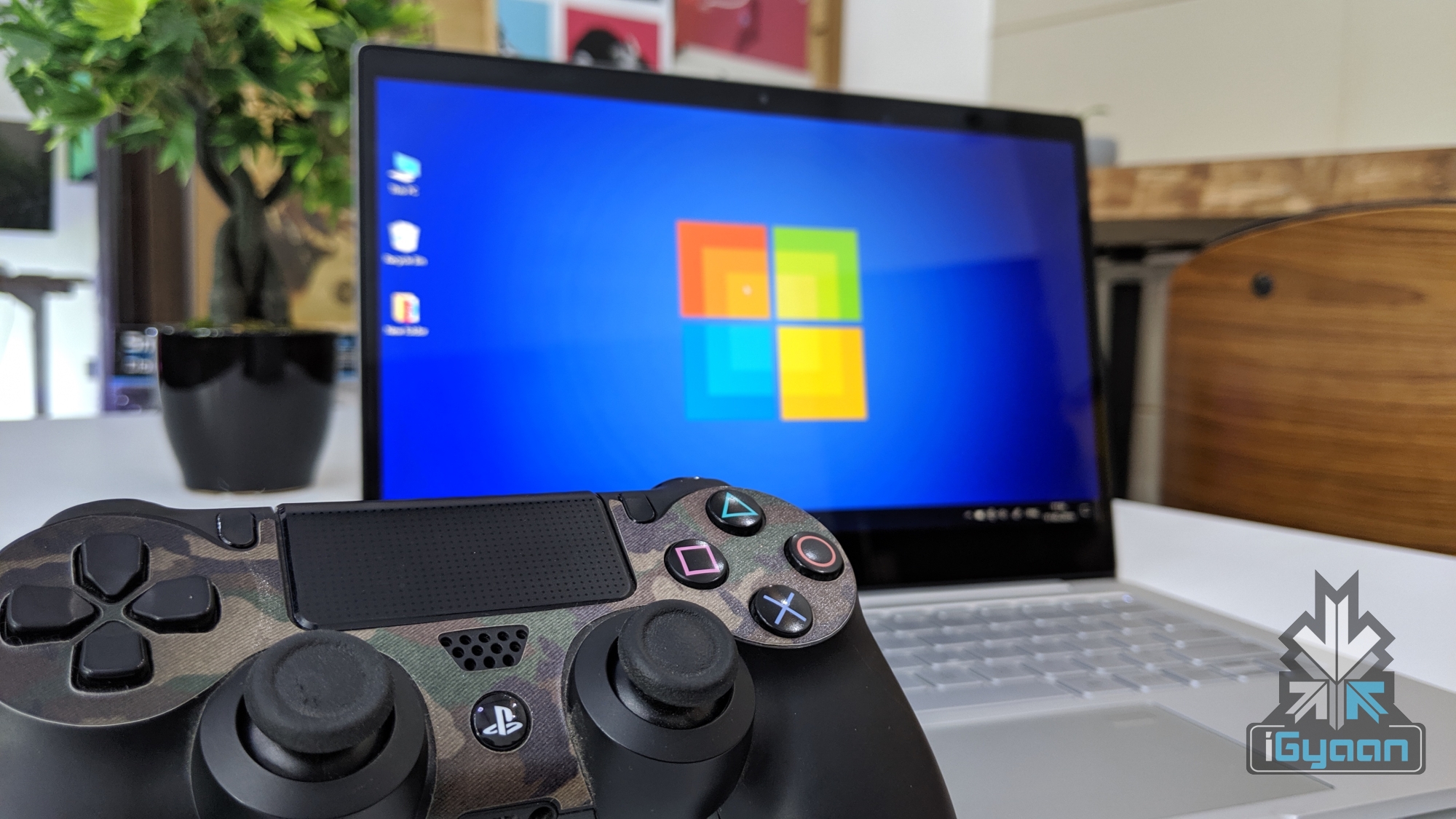
    The service has prompted many game developers to tweak their games for smaller displays in compact devices (namely text sizes and fonts) and to add the ability to host multiplayer games. More information on xCloud is claimed to go public at E3 2019 in the following month. The service will face Google’s Stadia and Sony’s PlayStation Now head on. Interestingly enough, Sony is working in conjunction with Microsoft for future cloud game streaming services.

    Microsoft and Sony in a groundbreaking new move shook hands for collaboration, something that the gaming community thought was impossible. The companies would still operate separate services for their respective Xbox and PlayStation customers, but Sony has reached out to Microsoft for their Azure Services. Sony lacks an integral part of the service which is cloud computing.

    Azure by Microsoft is a cloud computing service that allows first and third-party developers to put out their proprietary services through Microsoft’s data centres around the globe. Sony and its PlayStation Now is severely underequipped in comparison to either Google or Microsoft. Sony has never taken stream service into account as its PS4 Remote Play only supports limited devices that are streamed through the consumer’s PlayStation console. PlayStation Now so far is only confirmed to be able to stream to PC and PlayStation.

    Also ReadGoogle Trained Its AI To Learn Depth Perception From YouTube’s Mannequin Challenge

    Cloud game-streaming is not intent on overthrowing the console or PC markets. Many would claim that it would ‘kill’ the hardware breed as cloud-based service does eliminate the need for a console or PC, but most forget it is not a zero-sum game. Sony assured that the PlayStation brand is here to stay and the company will take it forward for the foreseeable future.

    Sony with Microsoft Azure’s technology showcase a healthier trend of business rivalry, this benefits both in the long run. Cross-Play in consoles comes to mind when talking about healthy relations, that may arrive soon maybe with the launch of the new generation consoles.

  • Google Trained Its AI To Learn Depth Perception From YouTube’s Mannequin Challenge

    Google Trained Its AI To Learn Depth Perception From YouTube’s Mannequin Challenge

    Google’s latest blog post had focused on how depth perception works in videos where both the subject and the camera are in motion. A huge amount of data and footage was required for the study that aimed at training an AI. The foundation for the AI’s training was to detect scenes where the camera was in motion but the subject remained stationary.

    Remarkable resourcefulness was shown as Google used its own source that was perfect for the job. YouTube (Google’s video sharing platform) had a vast amount of footage that fit the study’s required parameters. The Mannequin Challenge had a person and more often a group of people which stays perfectly still, anywhere from sitting to the bizarre handstands, while one person pans the camera around the still subjects (Mannequin’s) position.

    To train the AI to detect human figures in various different scenes, Google used approximately 2000 videos from YouTube on the Mannequin Challenge. Interestingly, when depth perception comes into play multiple cameras are generally utilized from different angles to sense depth. Google, on the other hand, taught its AI to create depth maps from footage that only had one view, i.e perception from a single camera unit.

    Google

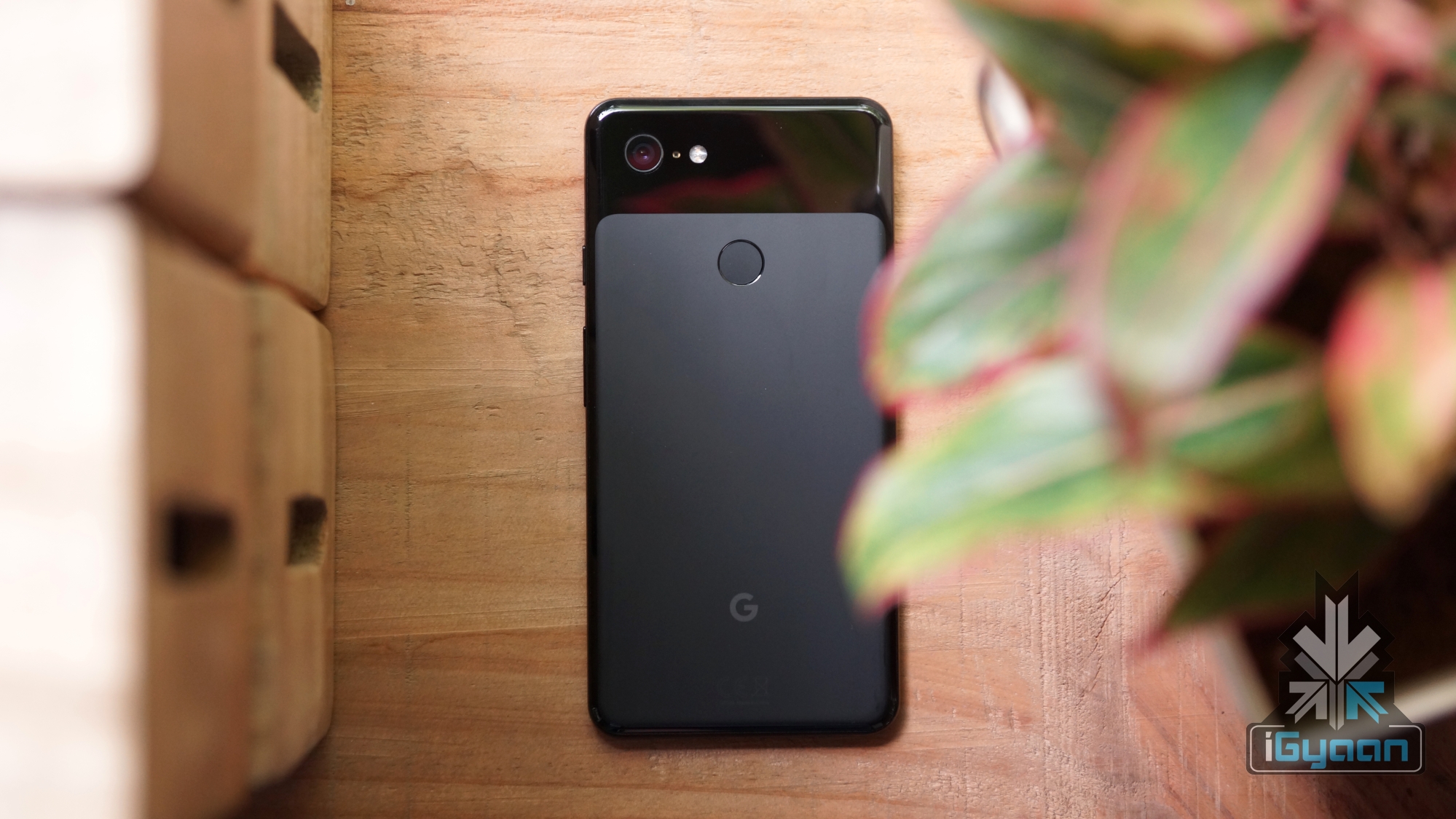
    With the Pixel line up of Google smartphones, the company has already achieved similar results with its still images on portrait mode effect that produce the bokeh effect. The benefit of the study extends towards the augmented reality that the company is known to dabble with, Playmojis from Google’s Playground is one such example.

    Also ReadHuawei’s Recess Could Provide Opportunities For Its Competitors In India

    If the feature arrives on videos, it’ll open up new and previously impossible effects in video capture such as live bokeh effect similar to the one found in most smartphones. This may also one day lead to 3D images and 2D scenes being shot on smartphone cameras. Google’s progress on the software spectrum proves that just hardware improvements are not always what lead to great strides in photography and videography.

  • Huawei No Longer Allowed To Work On The Wi-Fi, USB and SD Cards Standards In The Future

    Huawei No Longer Allowed To Work On The Wi-Fi, USB and SD Cards Standards In The Future

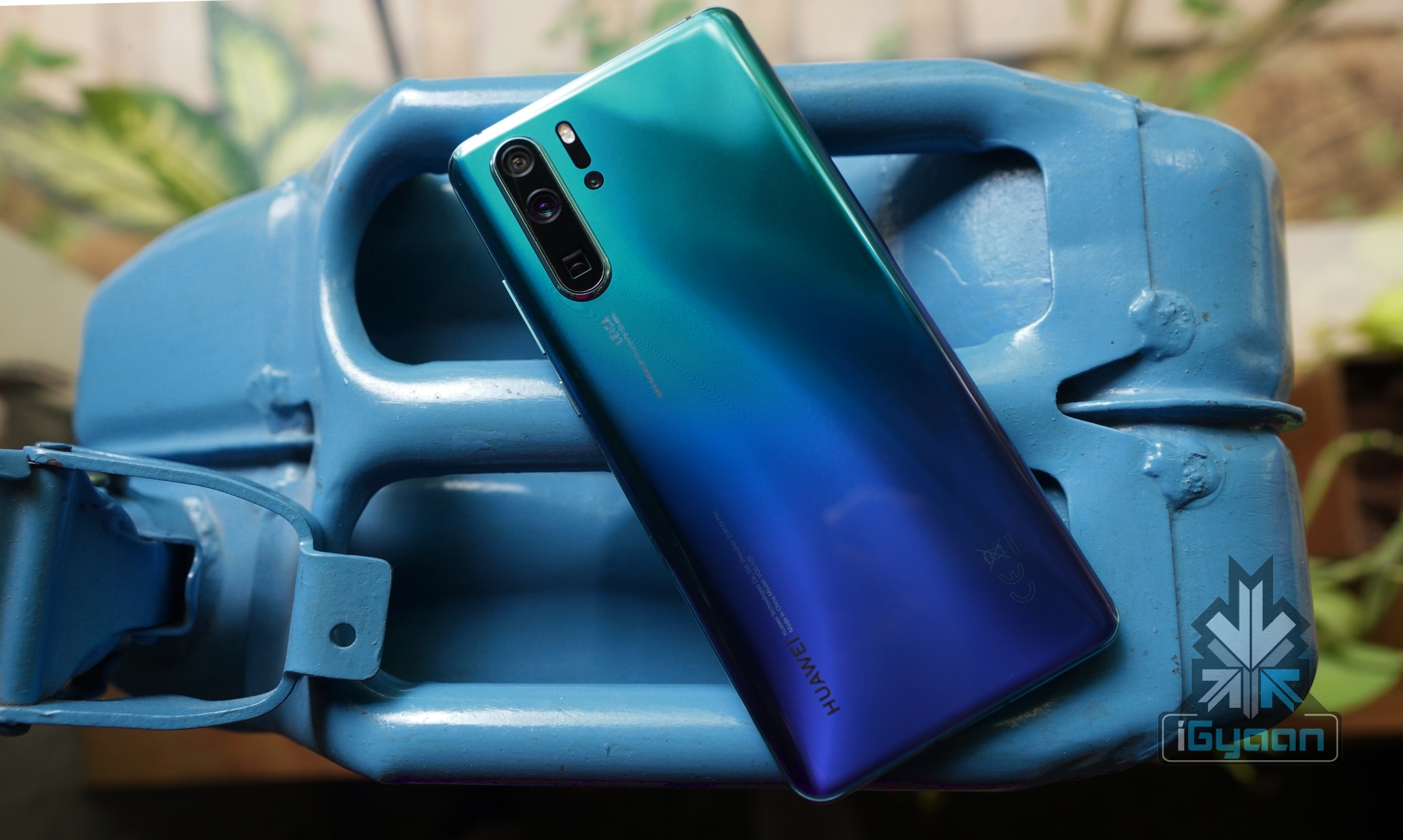
    Chinese telecommunications giant Huawei has seen better days. In the past week, it has seen business ties cut with every American company. Even ARM, the known chipset architecture licensing firm from the UK has suspended business with it. Now, in the latest development, reports claim the Wi-Fi Alliance has “temporarily restricted” Huawei’s membership and the company is also not a member of JEDEC, which sets the standard for semiconductors. Adding another blow to the list, Huawei has also been barred from setting new USB standards and cannot use SD cards in their future devices.

    About this ban

    Huawei Wi-Fi Alliance

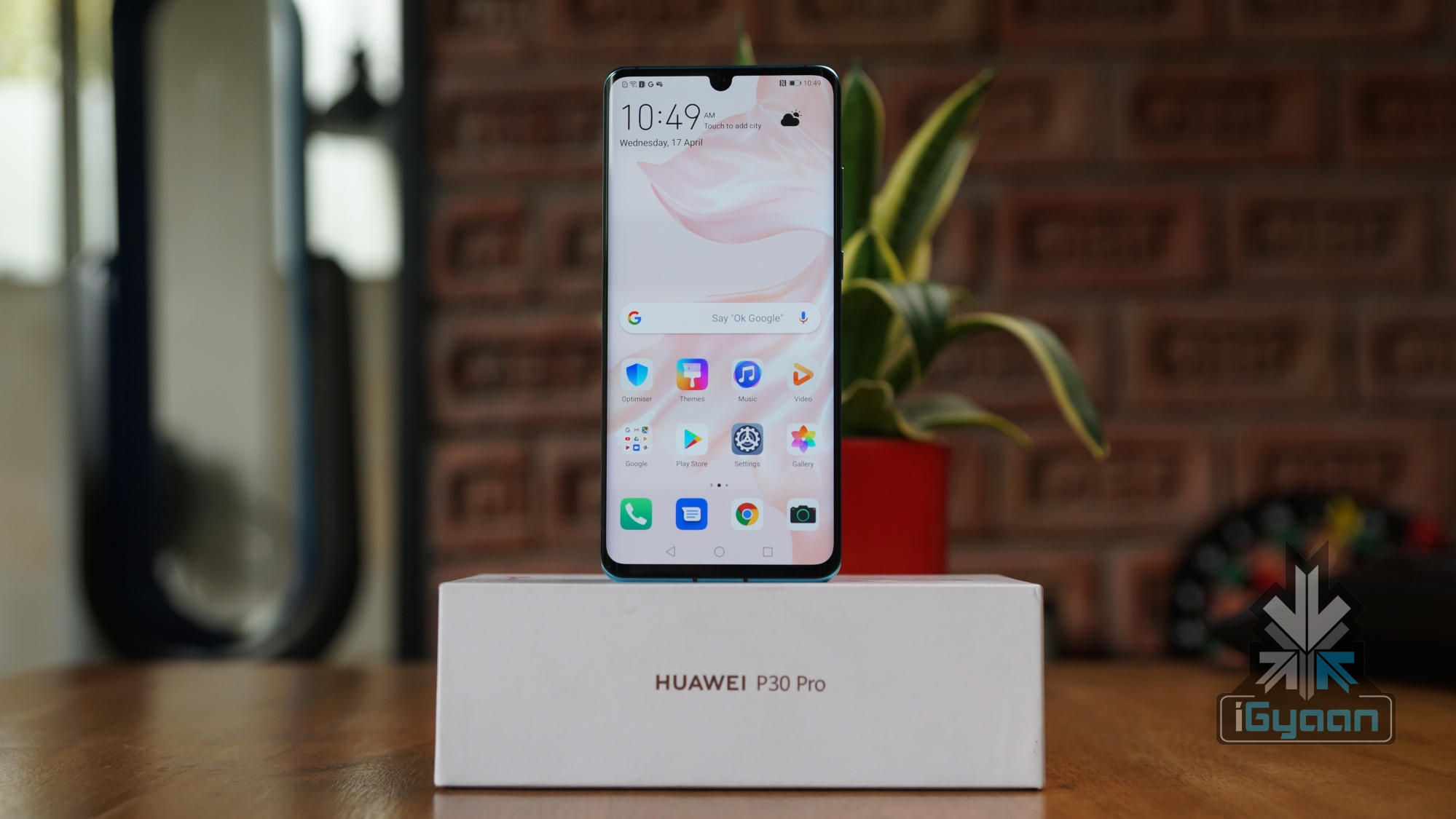
    Last week, the government of the United States barred every American company from doing business with Huawei; until granted explicit permission to do so. Since then, companies like Google, Microsoft, Intel and NVIDIA have suspended business relations with the Chinese brand. Like mentioned previously, ARM has also cut any ties with Huawei owing to the former’s “US Based” technology. The latest addition arrives courtesy the Wi-Fi Alliance. It is a consortium that decides the new standards of the wireless technology going forward and it has temporarily restricted Huawei’s membership. The Wi-Fi Alliance, as most companies in the consortium are American, it has chosen to exclude the P30 Pro maker temporarily. This means the company will not be able to decide or have a say in the future of Wi-Fi technology.

    Huawei P30 Pro
    Huawei P30 Pro

    Also read: Standard Variant Of The Redmi K20 To Feature The Snapdragon 730 SoC

    In other news, Huawei is also no more a member of JEDEC which as mentioned above; is responsible for setting the standards of semiconductor technologies. This again means the company has no say in the development of the standards and technologies involved in future semiconductors. It has also been ousted from the SD card alliance, which implies future Huawei products cannot use SD cards. The last part may not be such a big deal for the company, as it has already been pushing its nano-memory standard since the launch of Mate 20 Pro last year.

  • Huawei’s Recess Could Provide Opportunities For Its  Competitors In India

    Huawei’s Recess Could Provide Opportunities For Its Competitors In India

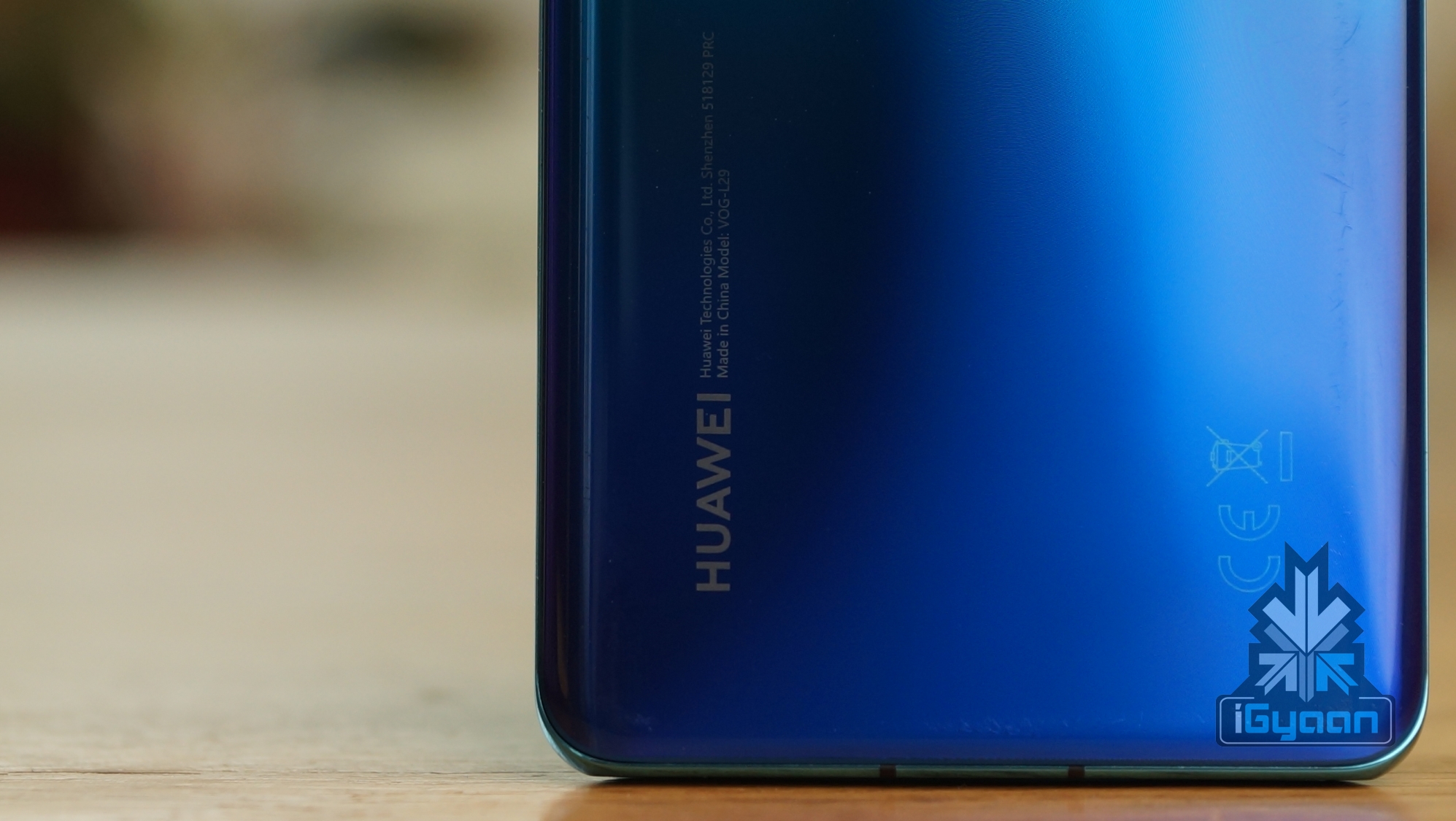
    Huawei under the US ban, sanctioned by The US President Donald Trump, has the Chinese company take a step back. The company had been gaining traction in various markets around the globe, becoming the second largest manufacturer for smartphones, surpassing Apple. The sudden blow that slowed Huawei’s progress now gives breathing room for other companies to exploit.

    Huawei

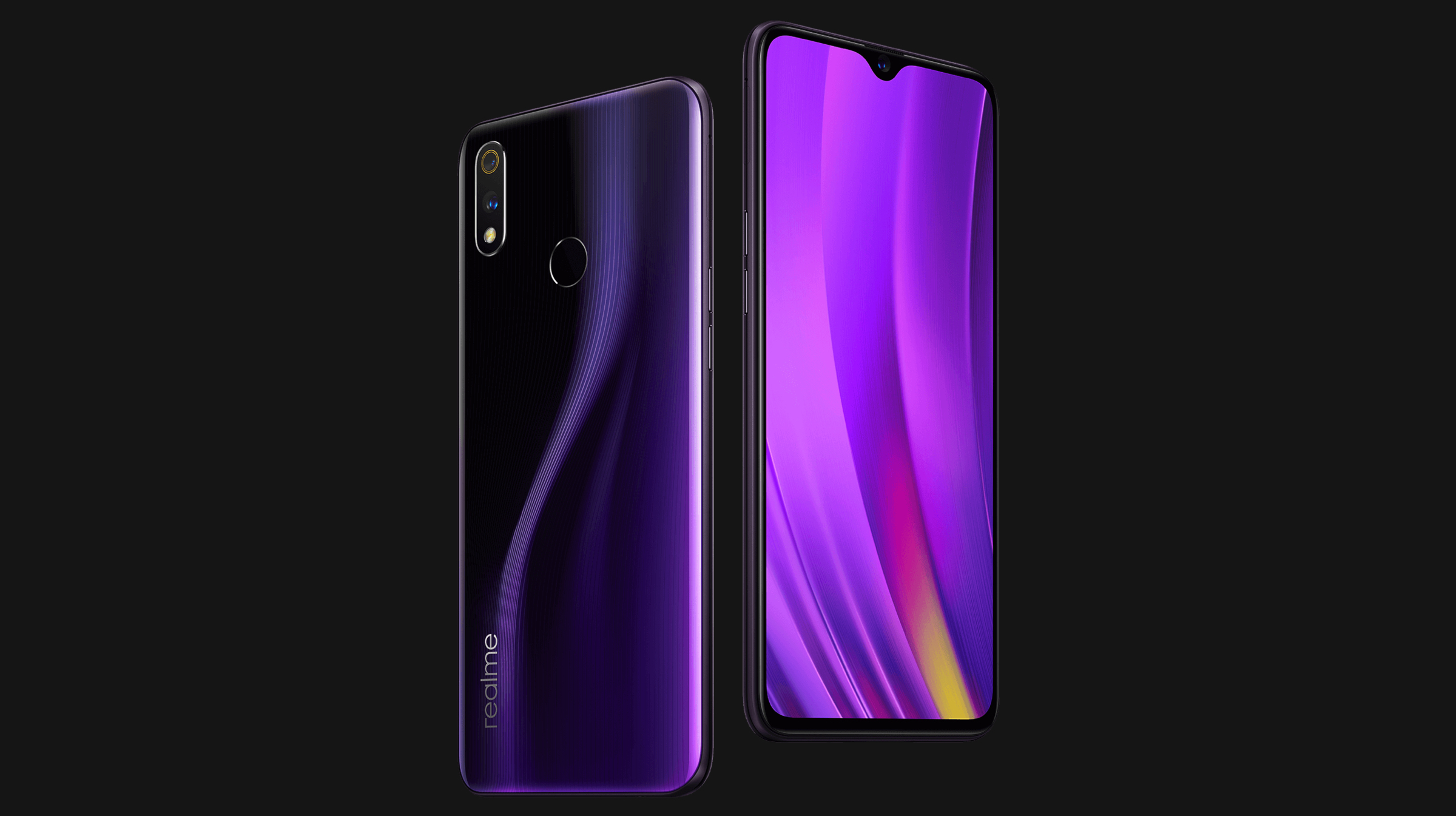
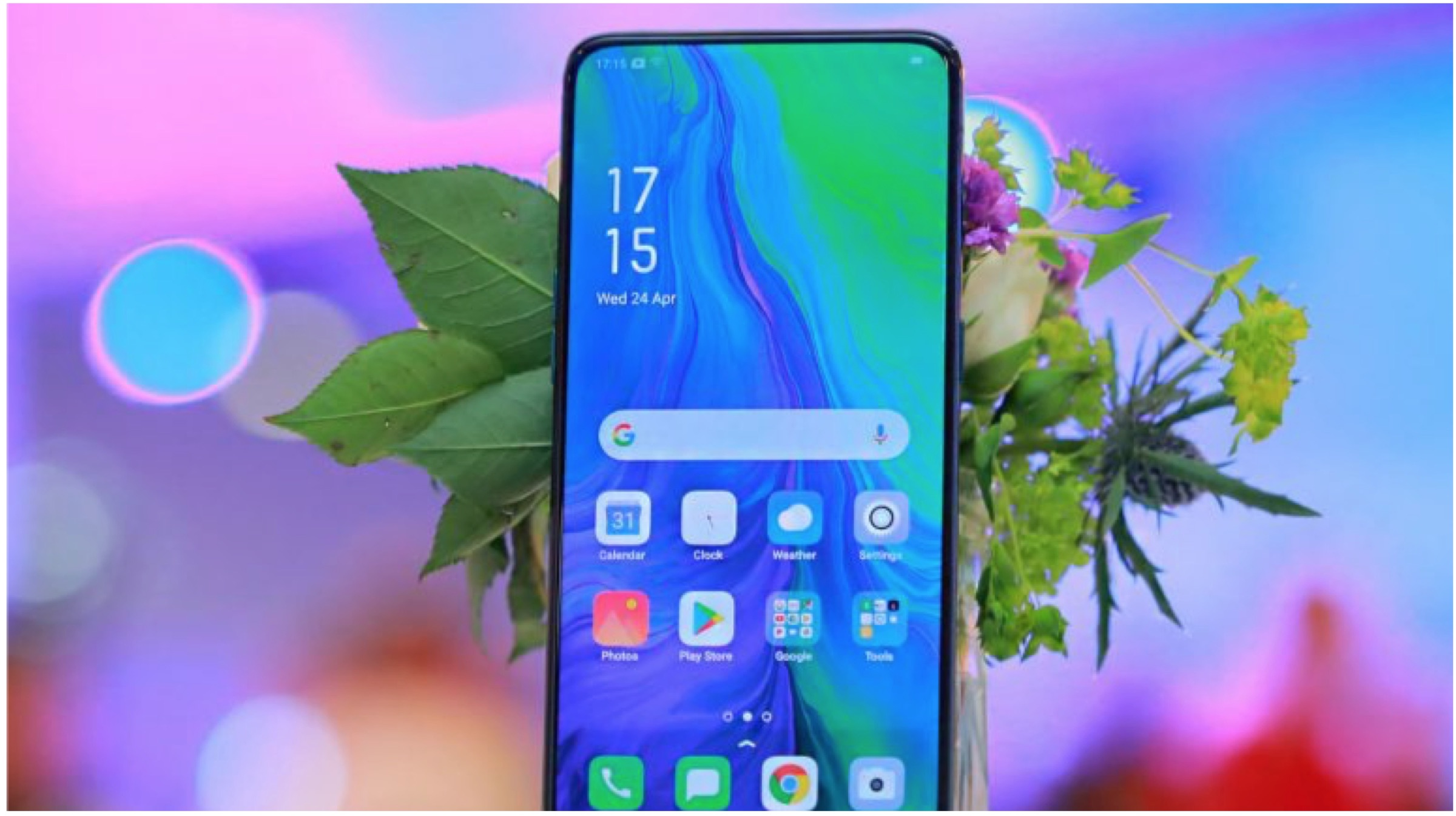
    Huawei’s recess will lead smaller companies, in its comparison, securing a foothold in the market. Realme the debutant for the premium segment market is expected to join the category on the latter half of the year while Oppo is crossing the Rs30,000 threshold for the second time. The Reno series by Oppo will be its star line up for the premium market.

    Huawei competitor Oppo Reno

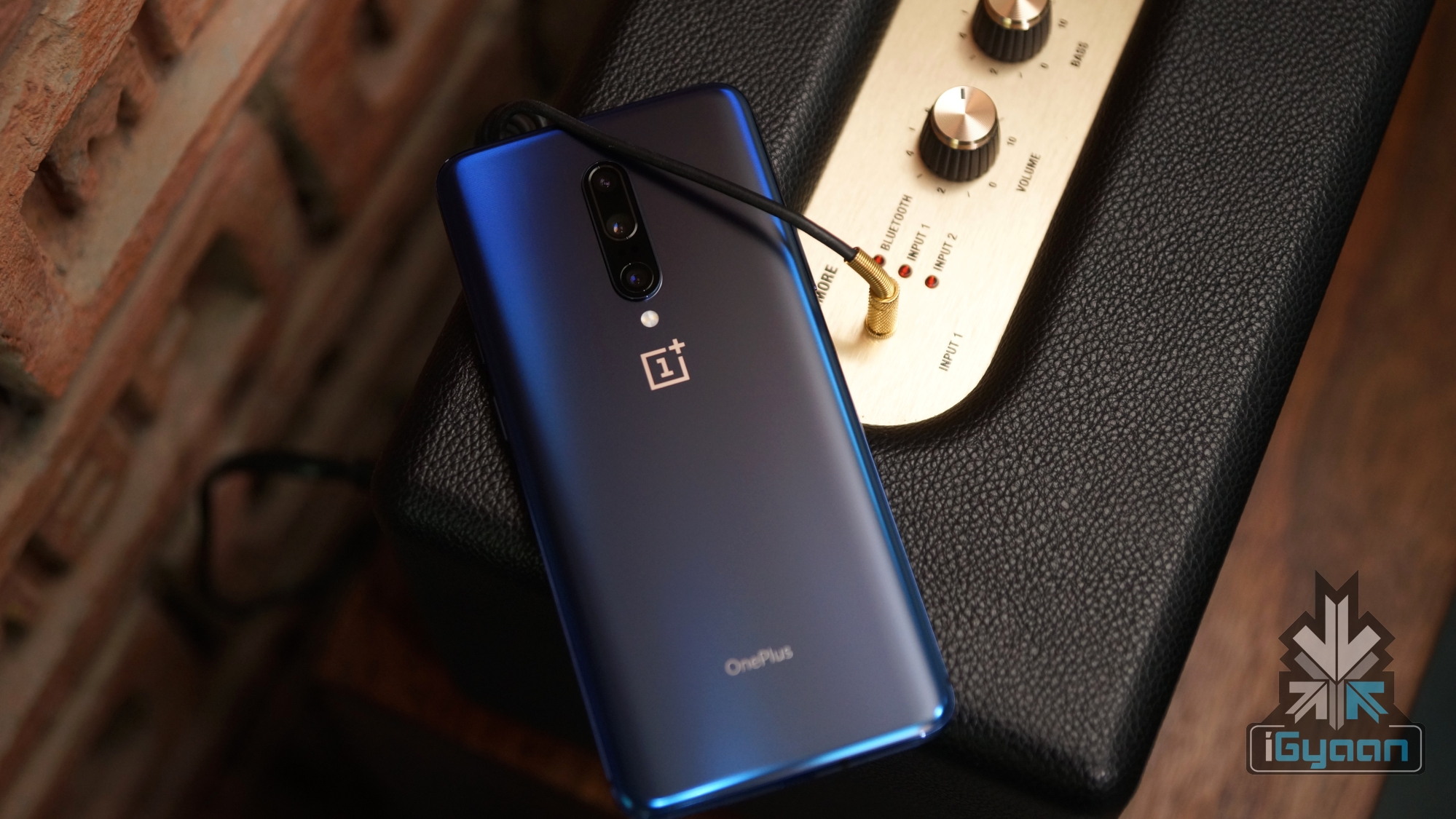
    The premium segment of smartphones has been dominated by industry giants like Samsung, Apple and OnePlus in India. According to CounterPoint Research, the premium segment market will reportedly double by December end of this year reaching a 10% of overall market share.

    One of the fastest growing company in the premium segment, Huawei’s absence should give competitors relief as stated by CounterPoint Research’s associate director. The Chief Executive Officer (CEO) of Realme has confirmed the brand’s focus on entering the premium market segment also stating the huge scope in the region. Realme is set to have a presence amongst other giants in the same market.

    BBK Electronics is the parent company which owns Oppo and Realme, both of which are in the top 5 of the overall Indian smartphone market. OnePlus and Vivo also fall under BBK Electronics. OnePlus as of March was the second largest premium brand after being the first throughout last year, as per CounterPoint and IDC.

    Also Read: Standard Variant Of The Redmi K20 To Feature The Snapdragon 730 SoC

    The Oppo Reno with the distinctive 10x Zoom feature will be announced later this month, this follows suit after its release of the first premium smartphone in 2018 namely the Find X and R17. The aforementioned phones did not perform well in India in terms of sale. But they paved the way for the company’s future endeavours in the higher price margin.


  • Samsung A10s and M40 Coming To India Soon

    Samsung A10s and M40 Coming To India Soon

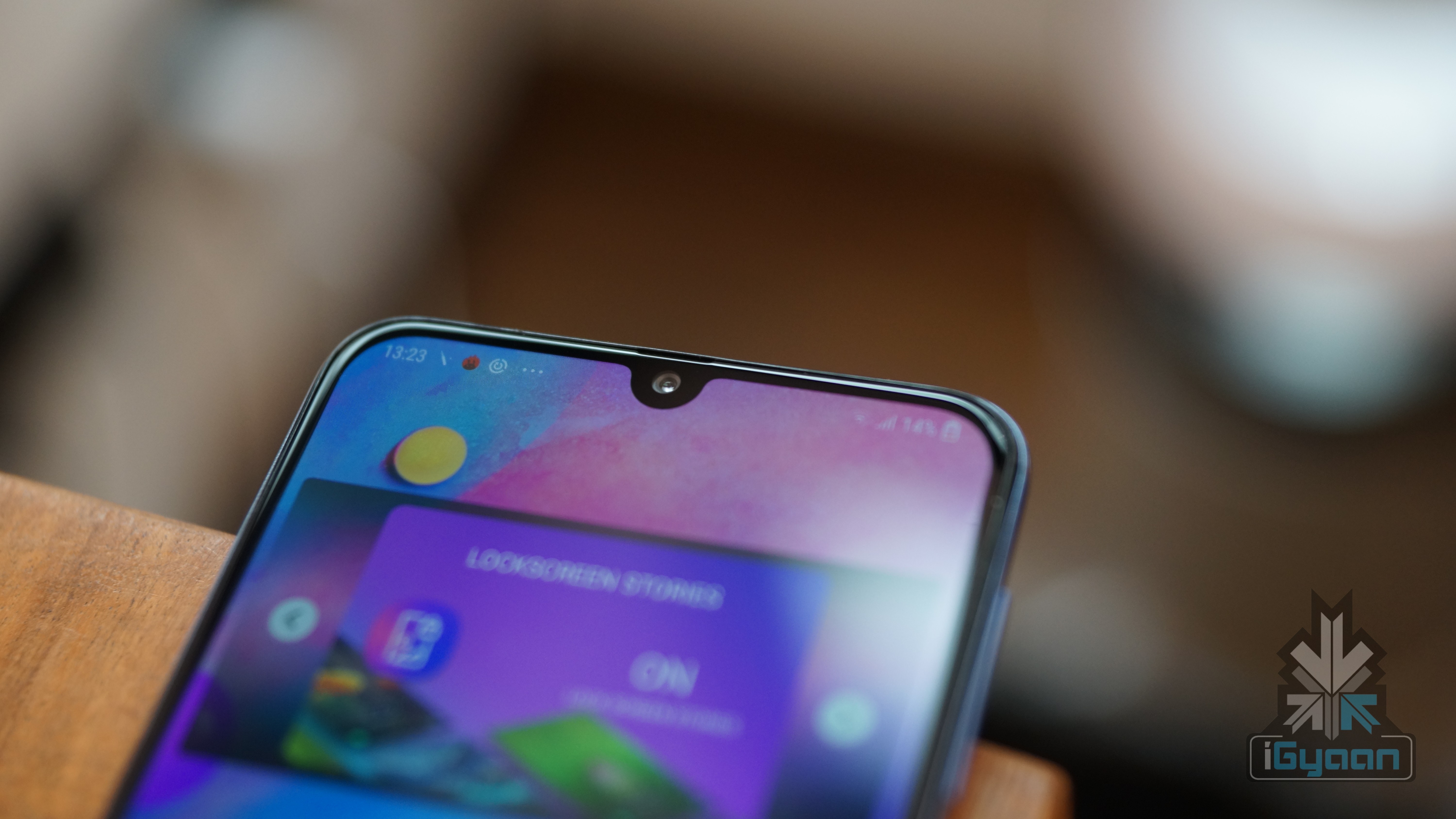
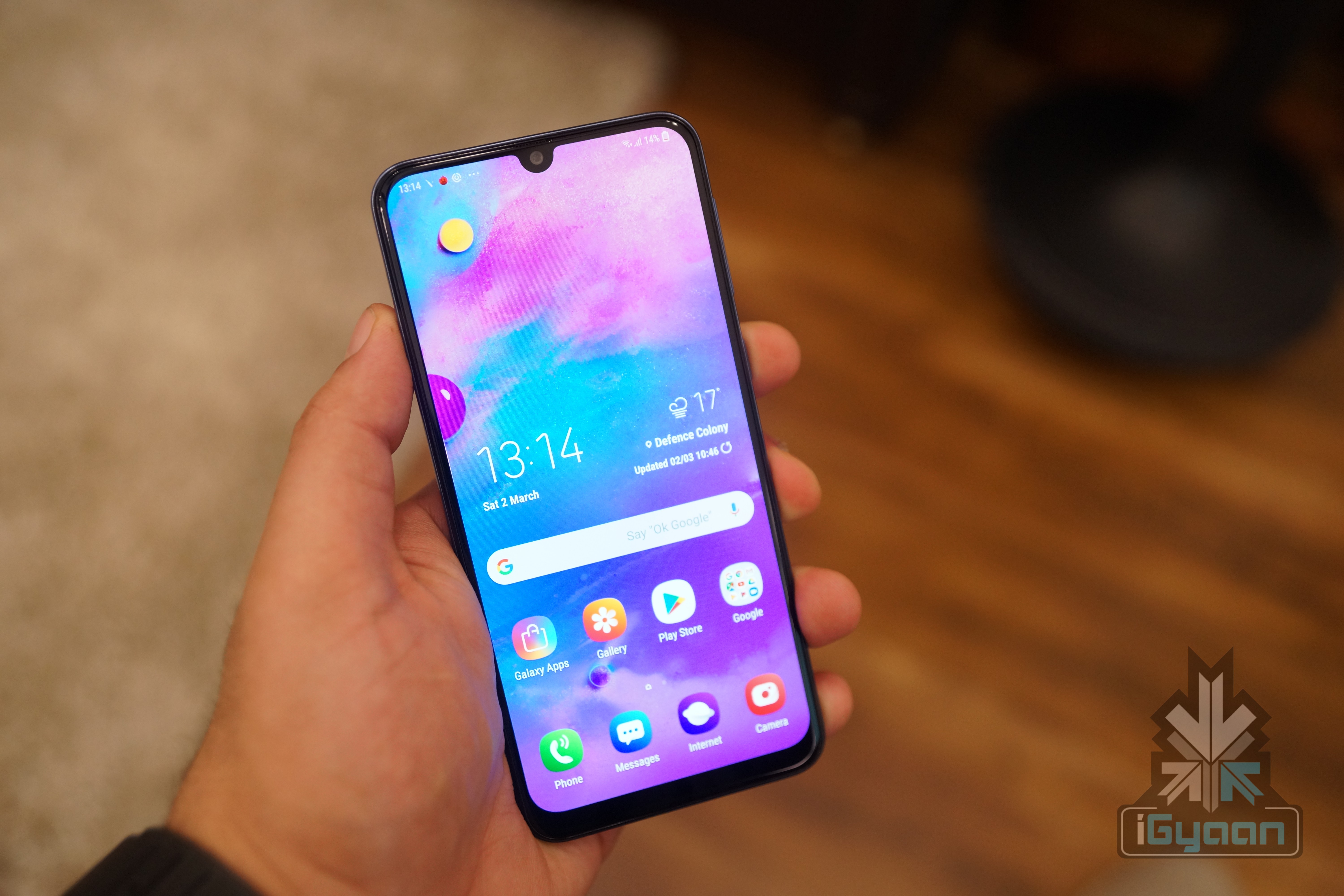
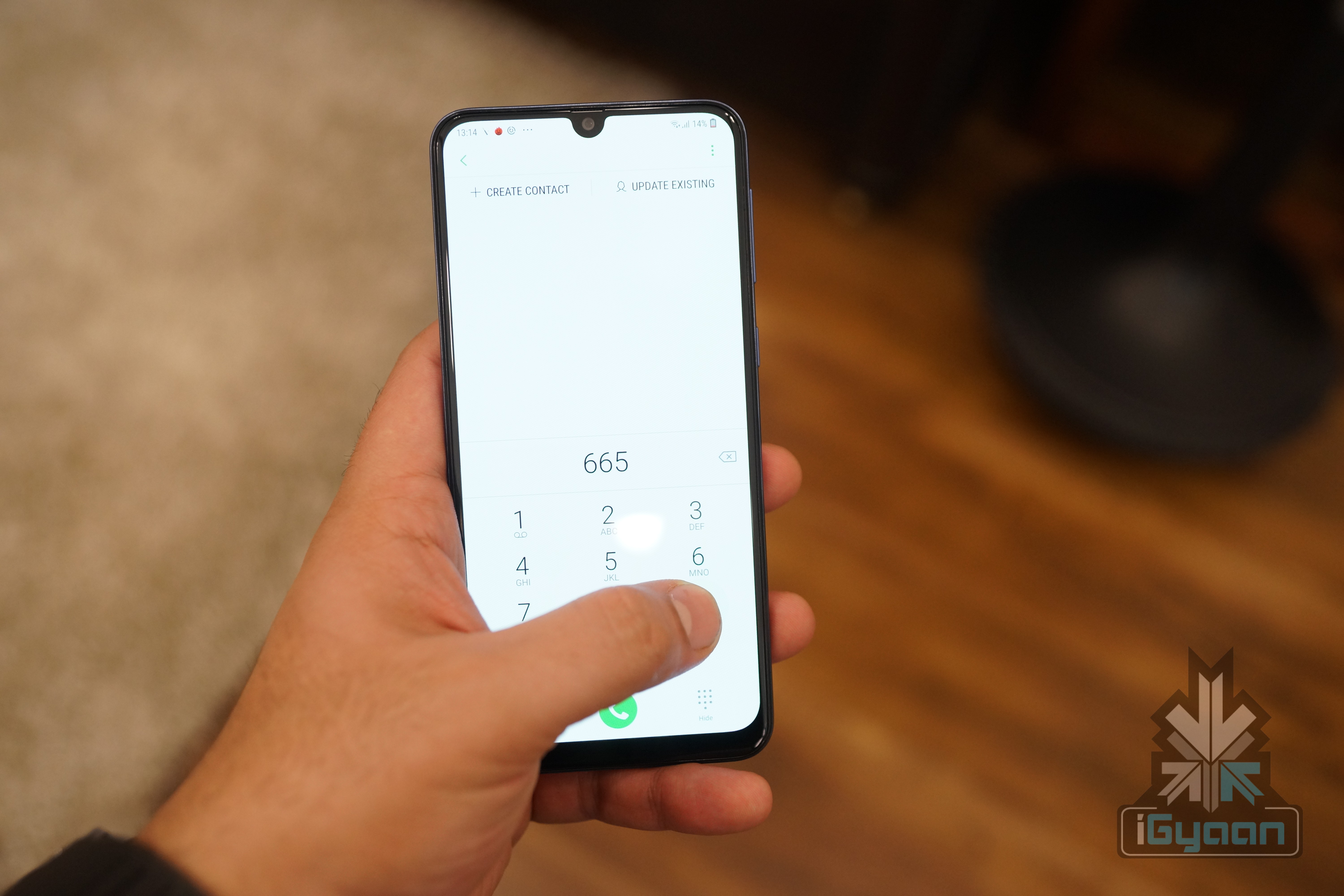
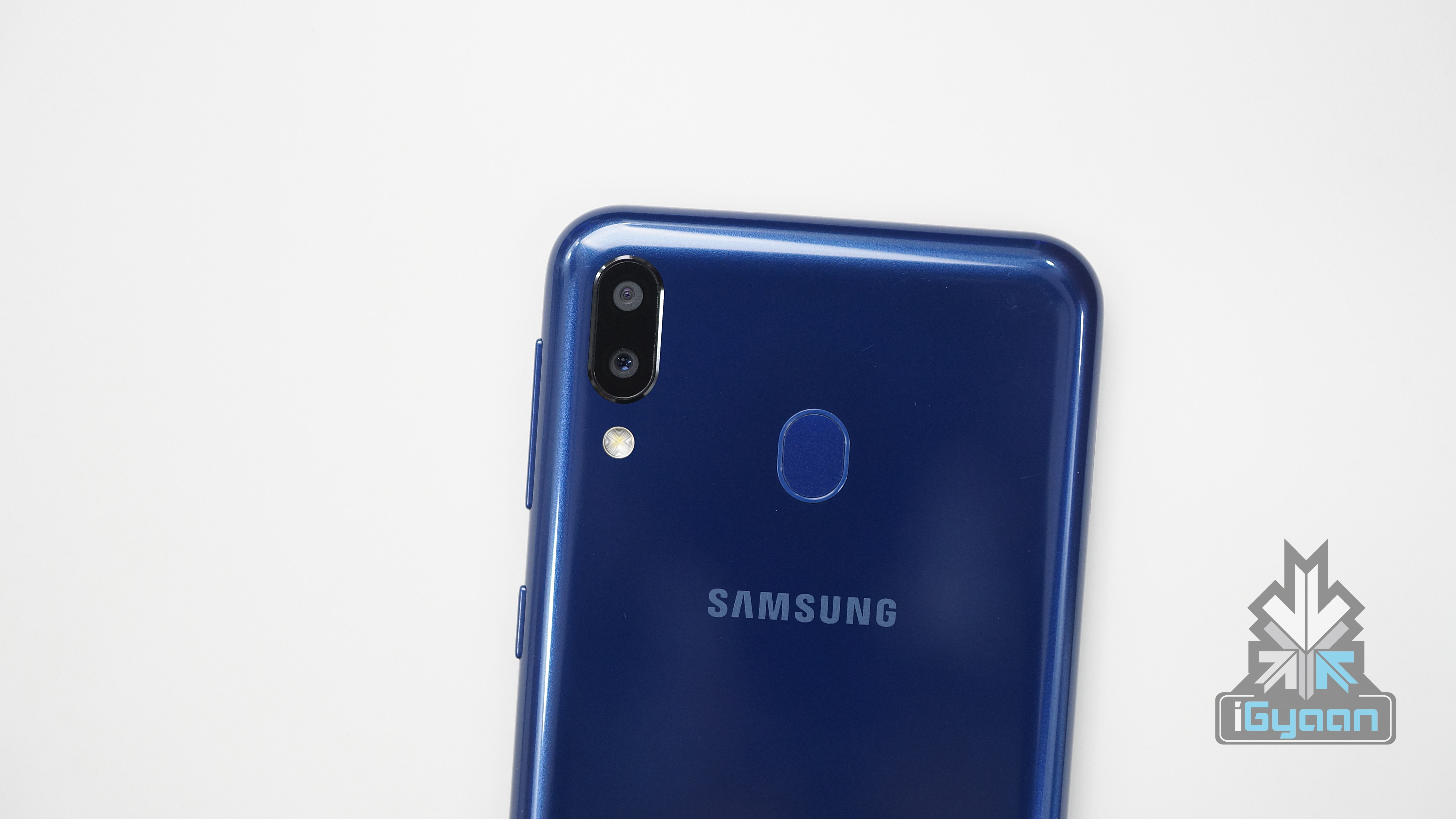
    Samsung has been long anticipated to launch the Galaxy M40 in India which will be the apex device in the M lineup of smartphones. However, it is not the only device the company plans to launch in the country. In addition to the M40, Samsung is also reported to soon launch the Galaxy A10s which was previously leaked as the Galaxy A10e

    Samsung Galaxy M40

    Galaxy M30 (For Reference Purposes)


    The Galaxy M40 is reported to have a 6.3 inch Super AMOLED display with Full HD resolution. Going by the rumours, the smartphone will pack the Snapdragon 675 SoC which consists of an Octa Core CPU and Adreno 612 GPU. Noteworthy, the same chipset is also present on several other devices including the Samsung Galaxy A50, the Redmi Note 7 Pro and the Vivo V15 Pro.

    Another highlighting feature of the Samsung Galaxy M40 is its massive 5,000 mAh battery which is likely to support fast charging technology. The official price of the device is yet to be revealed, however, going by the specifications, it will be priced around the Rs 25,000 mark in India.  

    Galaxy A10s

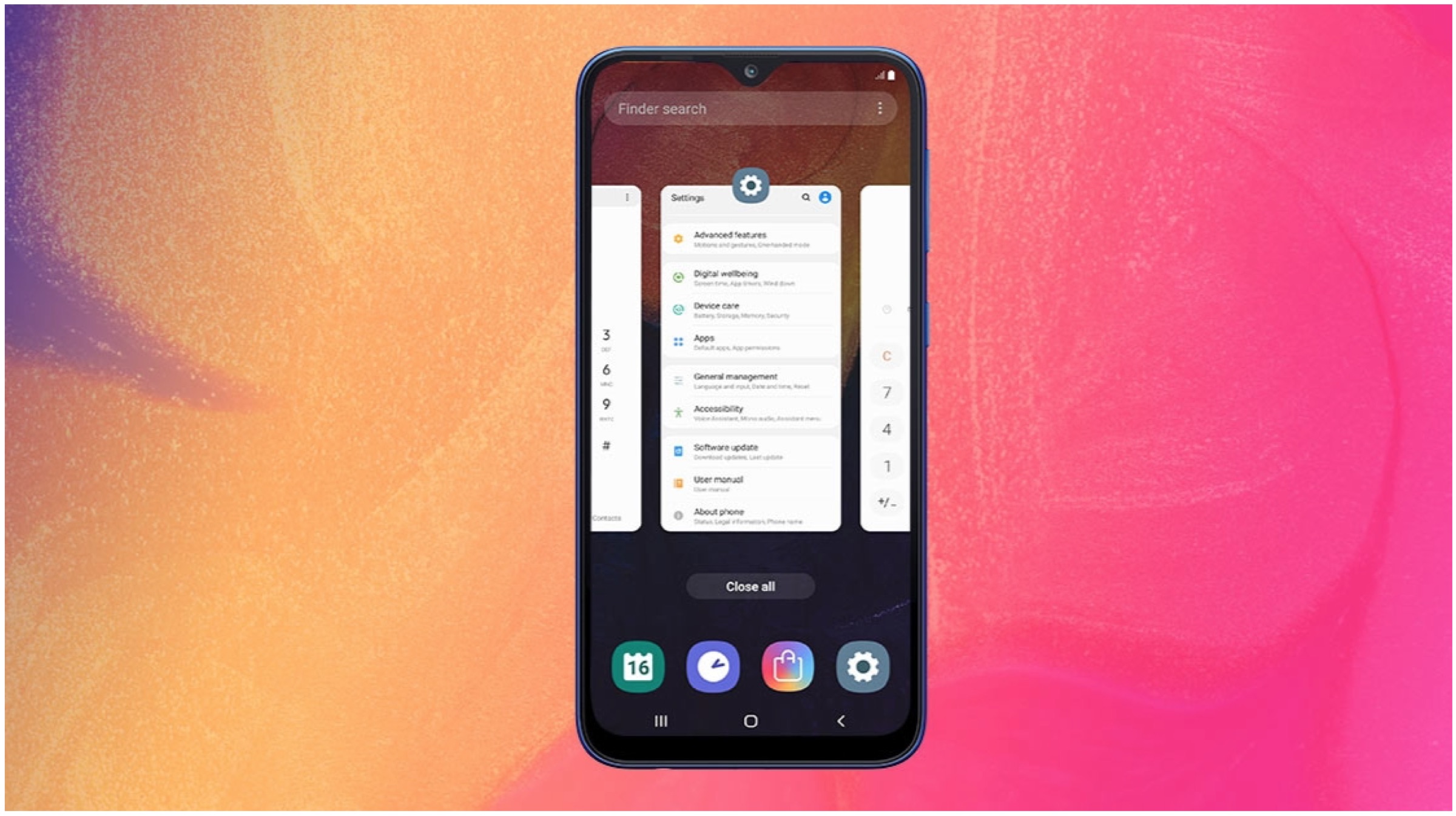
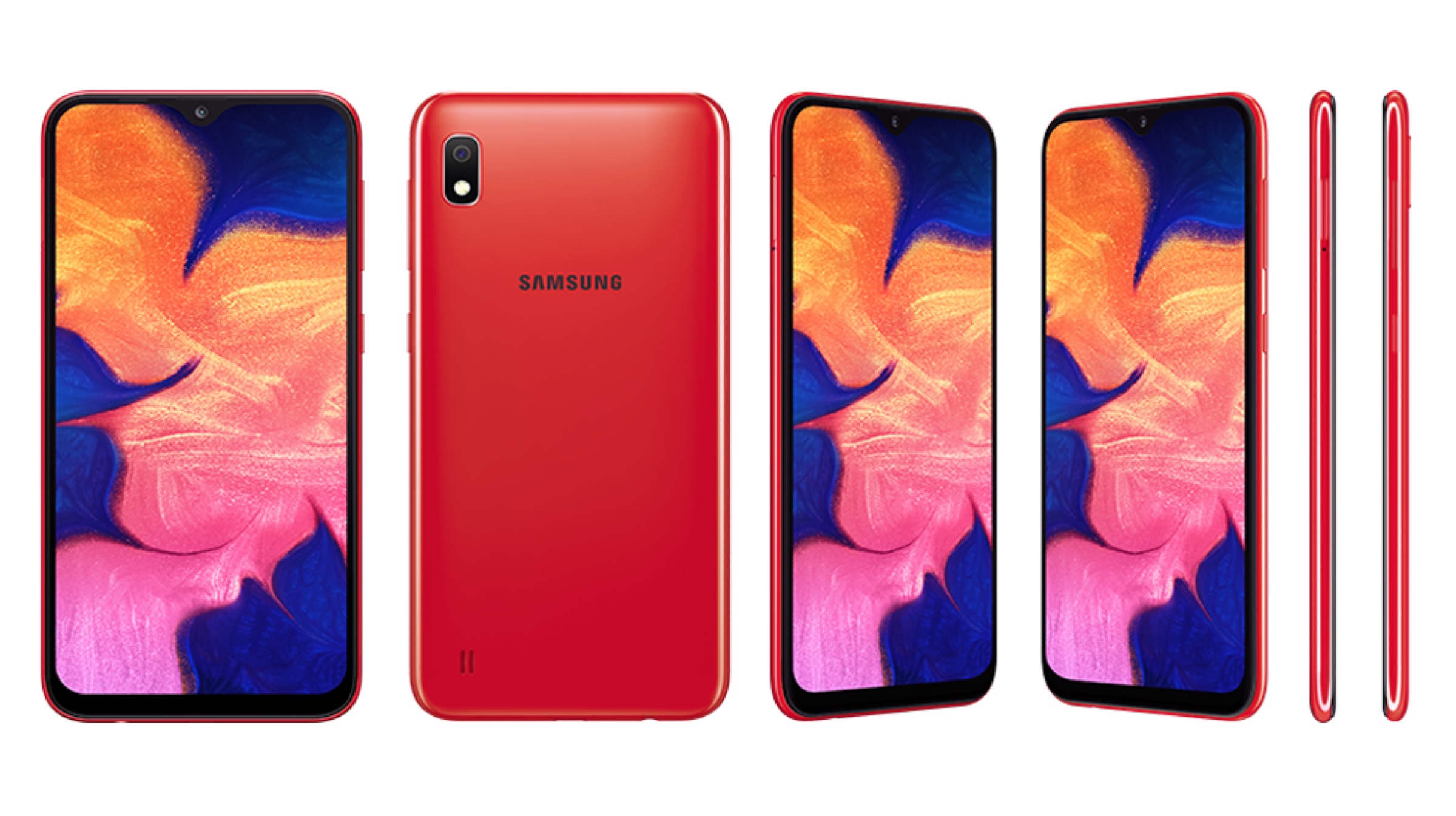
    Galaxy A10As aforementioned, the Samsung Galaxy A10s was previously leaked as the Galaxy A10e which revealed details about its chipset. The handset will be kitted with the Helio P22 chipset while rest of the specifications are believed to be carried forward from the original Galaxy A10. Accordingly, the upcoming device will have a 6.2 inch LCD display with HD+ resolution of 1520 x 720 px.

    Galaxy A10For photography, the smartphone has a 13 MP camera on the rear and a 5 MP camera on the front. The device is powered by a 3,400 mAh battery which supports 10 W charging. The upcoming Samsung Galaxy A10s is reported to be in three colour variants which include Green, Blue and Black. 

    Also Read: Standard Variant Of The Redmi K20 To Feature The Snapdragon 730 SoC

    To conclude, precise details about the Galaxy A10s and the Galaxy M40 will be unveiled as Samsung talks about them overtly. 

  • Standard Variant Of The Redmi K20 To Feature The Snapdragon 730 SoC

    Standard Variant Of The Redmi K20 To Feature The Snapdragon 730 SoC

    Xiaomi’s sub brand Redmi will soon launch a premium smartphone duo that will pack flagship grade features. The upcoming devices will be called the K20 and the K20 Pro. As the name suggests the latter is the more feature rich handset out of the two. Both devices are reported to have heterogeneous specifications with few differences including the chipset. Features and price of the Redmi K20 Pro were previously leaked while details about the affordable K20 were in short supply. A fresh leak from the Chinese social media website, Weibo has revealed the key specifications of the upcoming handset.

    Redmi K20 Specifications & Design

    According to the image shared by the source, the Xiaomi Redmi K20 features a 6.39 inch AMOLED display with 2340 x 1080 px resolution. For securely unlocking the handset, it will have an ondisplay fingerprint sensor. Under the hood, the handset packs the Snapdragon 730 SoC which was unveiled last month by Qualcomm. The chipset consists of an Octa Core Kryo 470 CPU and the Adreno 618 GPU.

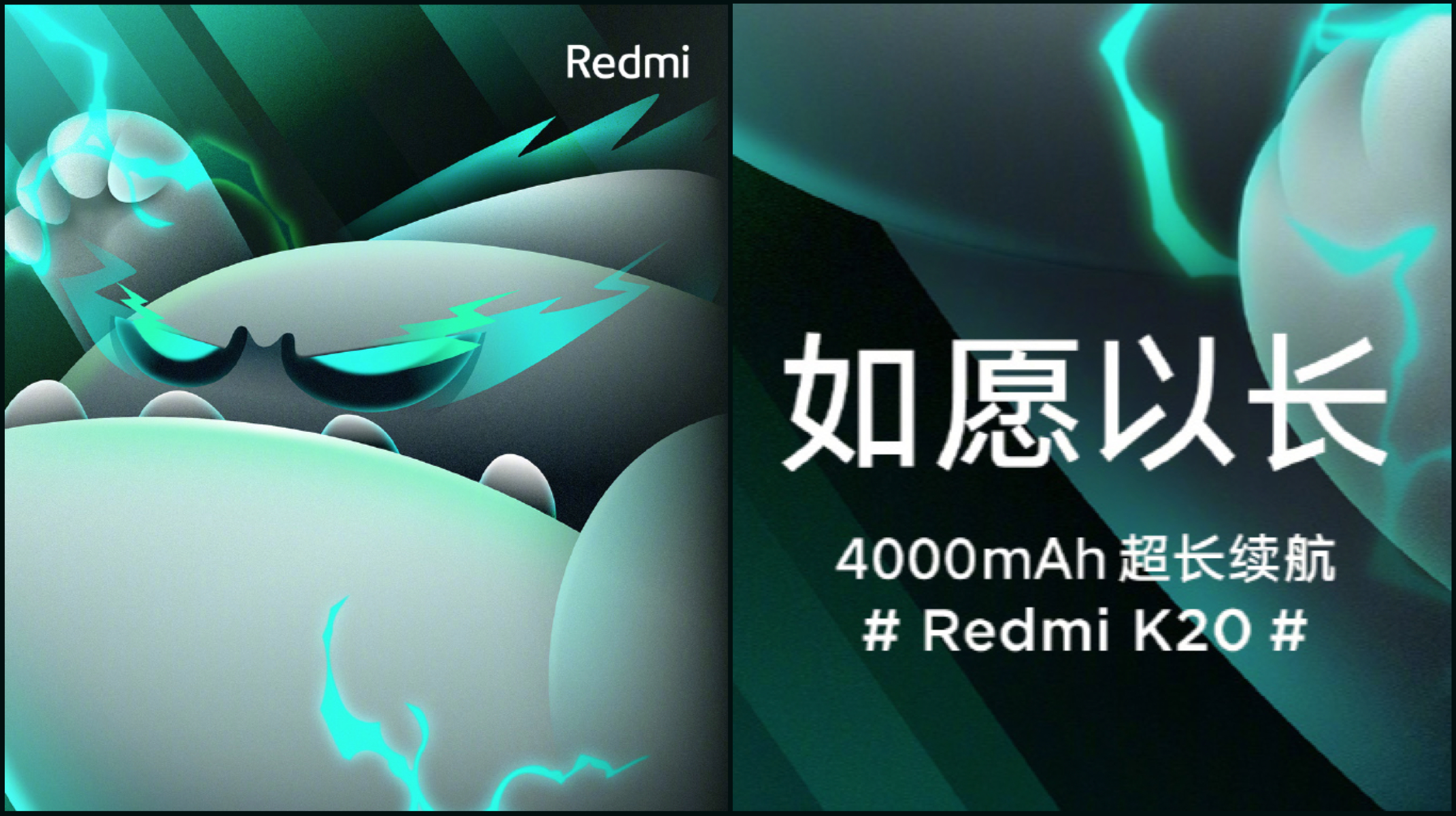
    Like the Redmi K20 Pro, the standard K20 will also be powered by a large 4,000 mAh battery which is likely to support 27 w fast charging. Talking about the optics, it features a triple rear camera setup which consists of a 48 MP Sony IMX586 sensor, an 8 MP sensor and a 13 MP sensor. Notably, the device will also have NFC that will provide for wireless payments. Also to enhance the gaming experience on the device, it will have Game Turbo 2.0 technology which was originally introduced on the Poco F1.

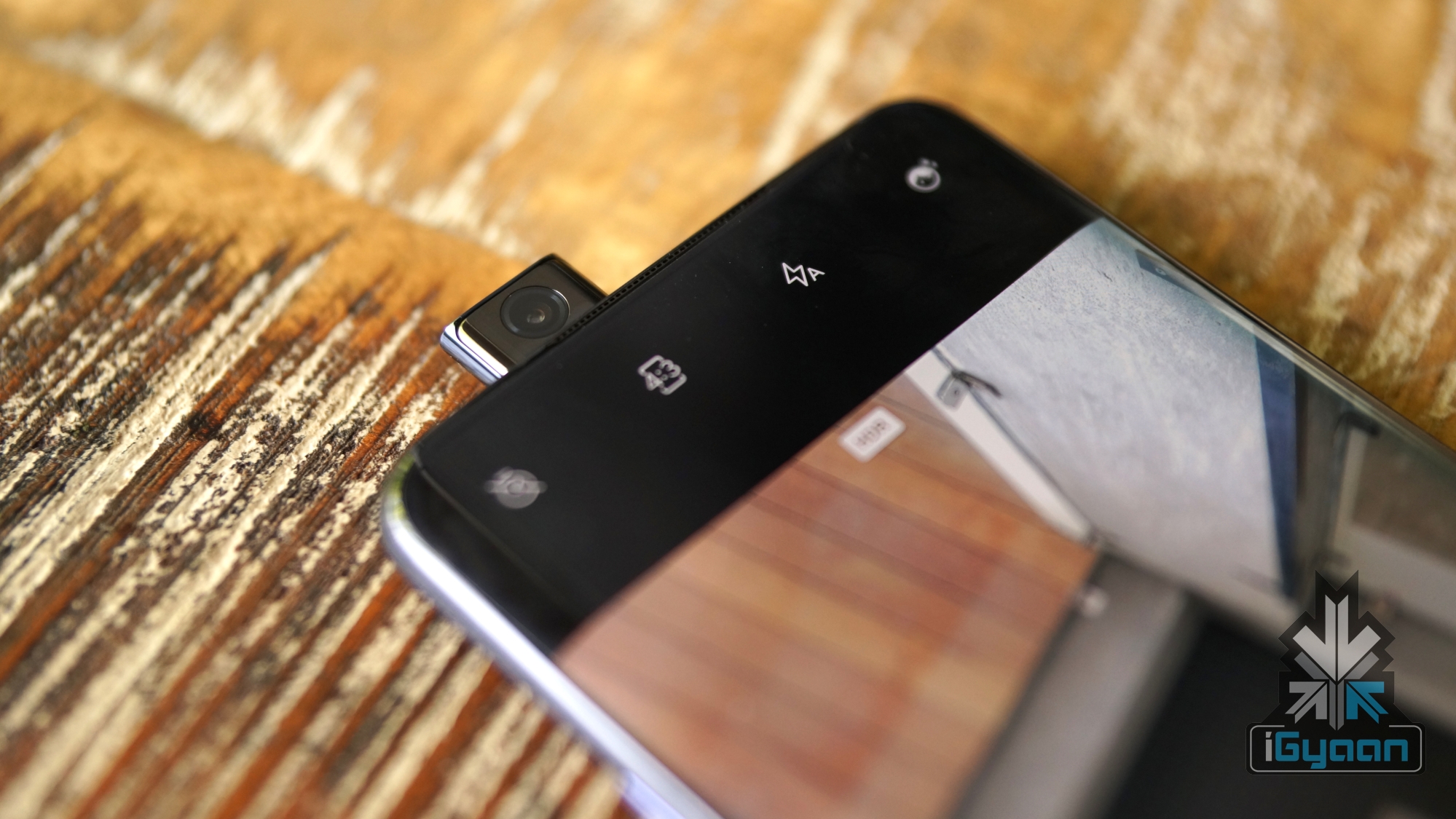
    In terms of looks, the standard Redmi K20 is believed to have a similar design as its elder sibling whose renders were previously spotted online. Going by the said renders, the device will have a glossy back  panel made out of glass that reflects light in different angles. Although not yet confirmed it is reported to feature a pop up selfie camera like the OnePlus 7 Pro. Redmi K20

    Also Read: NASA Plans On Sending “Gateway” Space Station To Orbit The Moon

    More details about the device will be revealed at the official launch event which is set for the 28th of May. 

  • Samsung’s Deepfake AI Is Capable Of Creating A Convincing Video Out Of A Single Frame

    Samsung’s Deepfake AI Is Capable Of Creating A Convincing Video Out Of A Single Frame

    Artificial Intelligence (AI) is expected to be the next big thing in technology in the near future. The idea of human-made objects able to exist as sentient beings capable of making decisions is both optimistic and terrifying at the same time. In a development bordering between the aforementioned emotions; Researchers at the Samsung AI Centre in Moscow, Russia have developed a Deepfake algorithm that can create a video out of a single image. These “Living portraits” as they are called have been tested on some famous historical images and the results are well, surprisingly great.

    Samsung Deepfake AI

    As mentioned previously, Samsung has developed and had (kind of) successfully tested the algorithm. In a video shared on YouTube, the AI can be seen in action. The researchers refer to this process as few/one-shot learning. In this process, a model can be trained by using only an image to chart out a convincing animated portrait shot. While this works with a single image, using more images, up to 32 improves the results even more. This process of superimposing existing images and videos onto source images or videos using a machine learning technique is generally known as Deepfakes. This has been an avid problem on the internet today which is credited to the rise of fake news.
    Samsung Deepfake AI

    Also read: LEGO’s New Team-Battle RPG Announced By Gameloft For iOS And Android

    These realistically talking head models are generated using a convolutional neural network. By training the algorithm on a large dataset of talking head videos with a variety of appearances. The Samsung researchers have been reported to have used more than 7,000 publically available images from YouTube videos. This technique generated Deepfakes of historical personalities such as famous scientist Albert Einstein, Painter Salvador Dali and the mysterious woman from the Mona Lisa portrait of Leonardo Da Vinci. And while there are a few anomalies that give away the obviously fake nature of the video, it is an example of how far the technology can go. In the meanwhile, we will just leave this GIF of expressive Mona Lisa for you to ponder.
  • Redmi 7A

    Redmi 7A

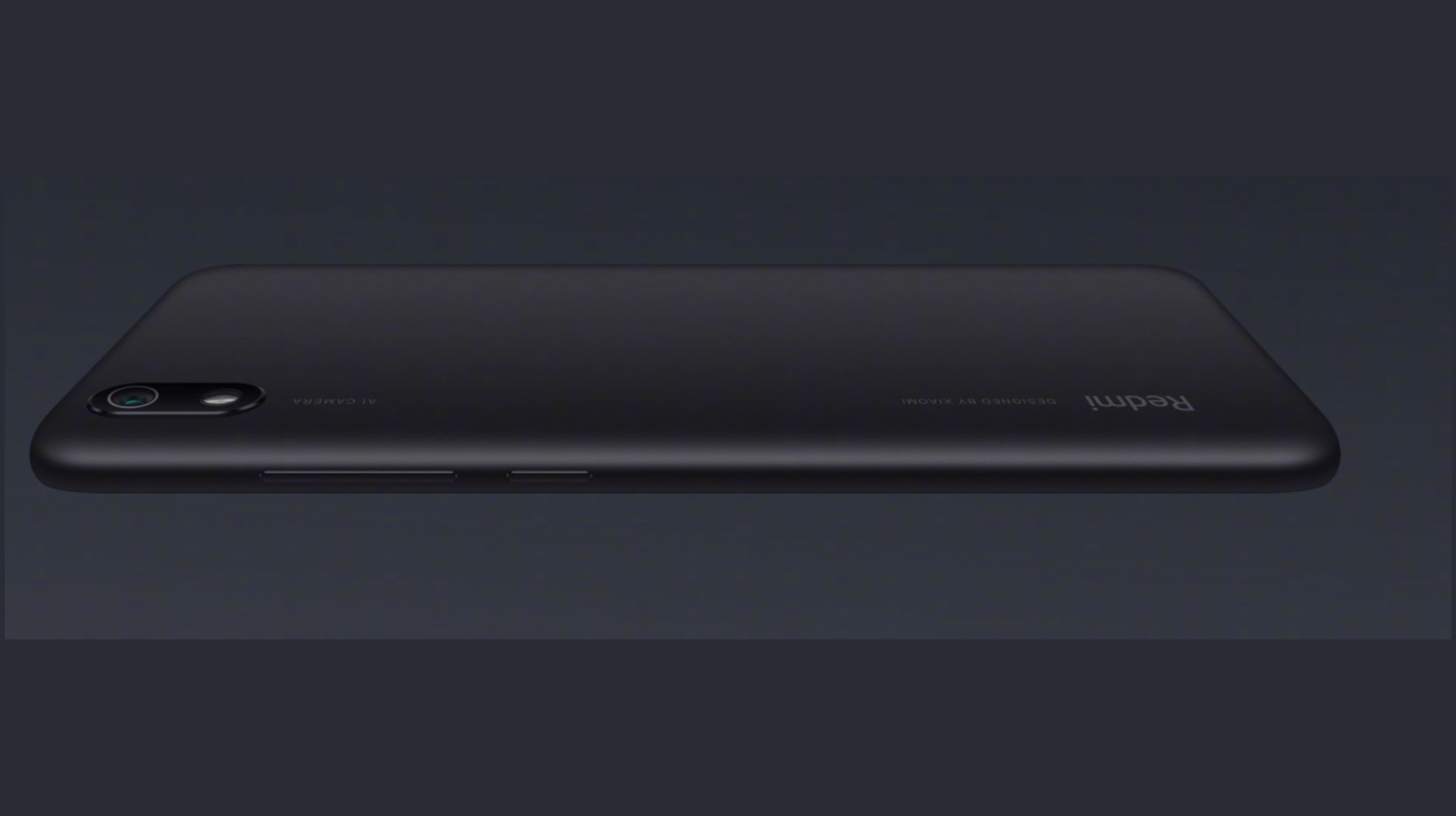
    Redmi 7A is the latest budget smartphone from the Chinese company. Succeeding the Redmi 6A, the device boasts of a 5.45 inch LCD display with a resolution of 1440 x 720 px and an aspect ratio of 18:9. The Redmi 7A runs on the 12nm Snapdragon 439 SoC, comprised of an Octa-core CPU and the Adreno 505 GPU. The smartphone has a single 13MP rear camera with LED flash. For selfies, a 5MP front-facing camera is also present on the handset. It is powered by a 4000 mAh battery. The smartphone will be available in the following variants:

    • 2GB RAM and 16GB ROM
    • 3GB RAM and 32GB ROM

    [loop included_tags=”66788,57771″ loading=”paged” layout=”f” postsperpage=”4″]

  • Microsoft Surface Pro 7 Leaks In Patent

    Microsoft Surface Pro 7 Leaks In Patent

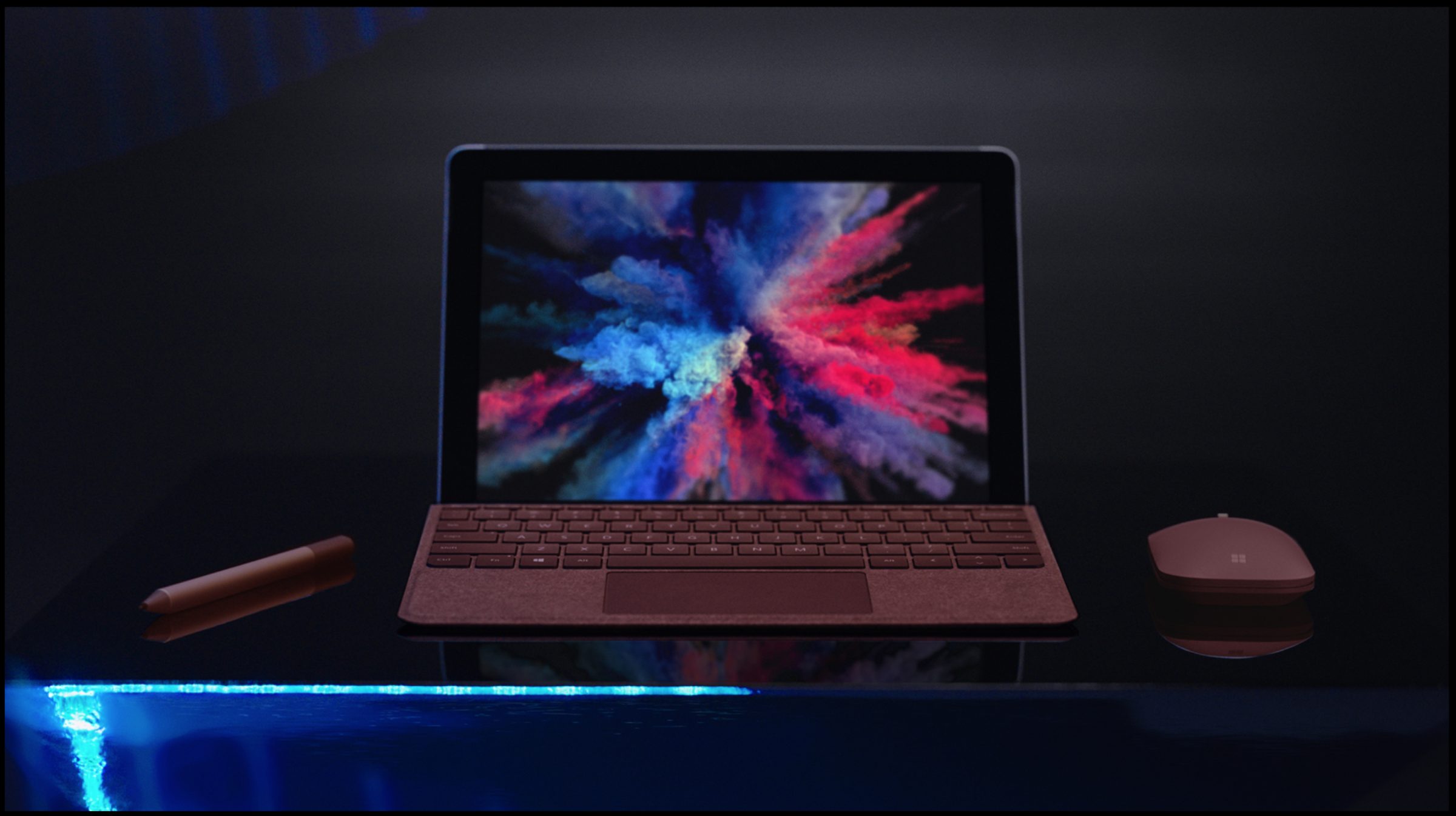
    Microsoft originally launched the Surface lineup of personal computers in the year 2012 which have been highly appreciated by the consumers. A freshly granted patent to Microsoft hints that the company is working on a new design for its latest Surface Pro which is expected to debut later this year.

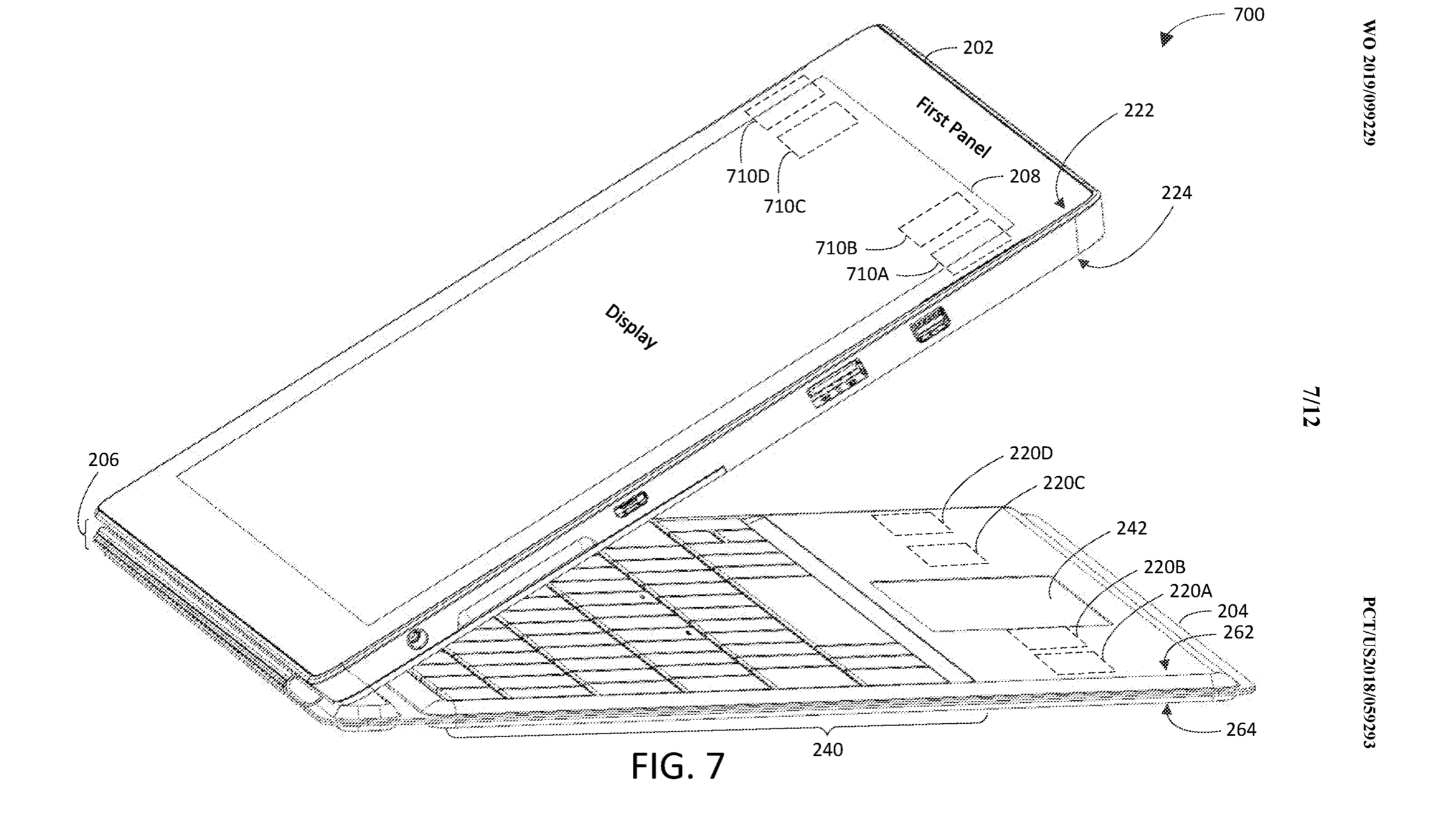
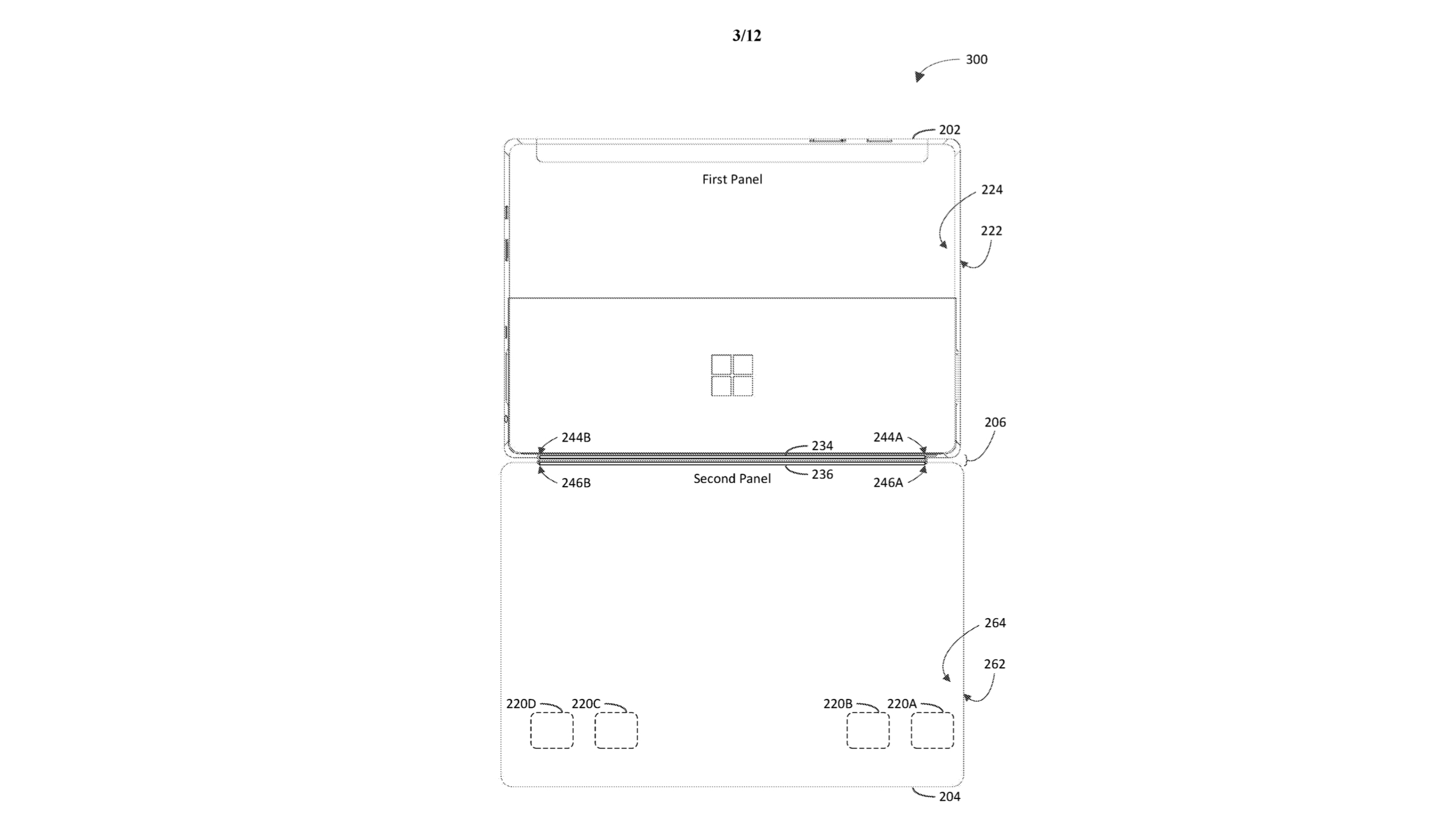
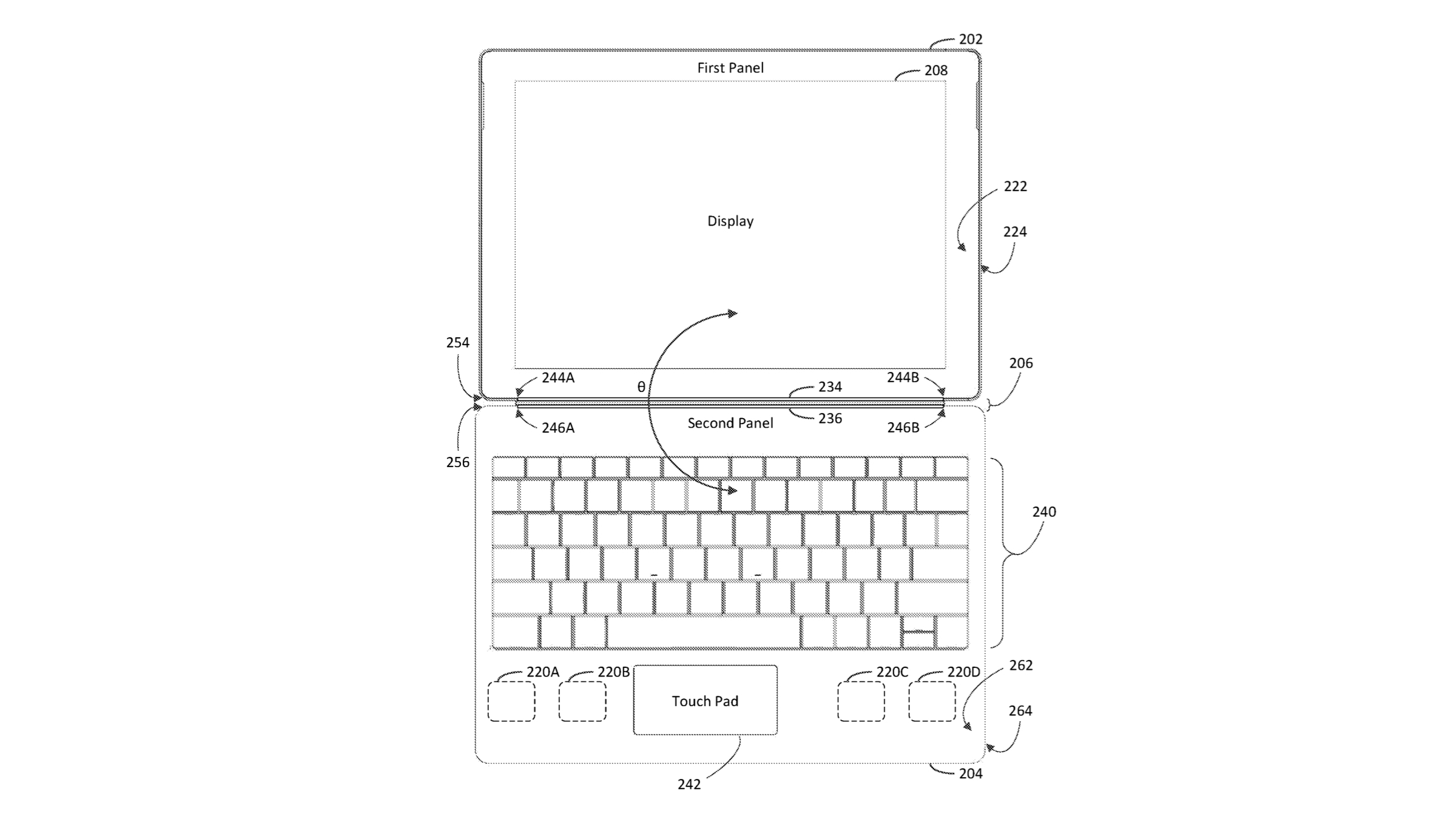
    The design of the touchscreen PC from Microsoft has largely remained the same since the Surface Pro 4 from the year 2015. The latest patent suggests that the upcoming device will have a significantly different design in comparison to the current generation. The alleged Microsoft Surface Pro 7 from the patent has considerably thin bezels around the display. Also, the detachable type cover on the future device will have four magnets which will prevent it from flapping around when in a closed position.

    The patent also suggests that Microsoft may be altering the port selection on the Surface Pro 7. Except for the traditional USB A and MiniDisplay port, the upcoming device will introduce a USB C port which is slowly becoming a global standard. Closely inspecting the patent reveals that with the new device, the company has decided to move the 3.5 mm audio jack to the bottom.

    Intriguingly, the patents of the Surface Pro state that the company will do away with the conventional Surface Connect Port on this device. Instead, the touchscreen PC will be charged via the aforementioned USB Type C port. However, a past patent hints that Microsoft will retain some sort of magnetic port which will be compatible with USB Type C. The connector in the said patent was originally designed to transfer data at USB 2.0 speeds. Though it is likely that Microsoft has managed to implement USB 3 speeds on the connector. 

    Also Read: Top 5 Netflix Shows To Stream This Weekend

    More details about the upcoming Surface Pro are expected to be revealed in the coming future which will shed more light on the device and its features. 

  • Full Specs & Pricing Of The Redmi K20 Pro Leaked Before Launch

    Full Specs & Pricing Of The Redmi K20 Pro Leaked Before Launch

    Xiaomi’s sub brand, Redmi will soon launch its latest flagship grade smartphones called the Redmi K20 and the Redmi K20 Pro. The upcoming duo is set to launch on the 28th of May and days before the official announcement; specs and price of latter have been revealed. 

    Redmi K20 Pro Features & Looks

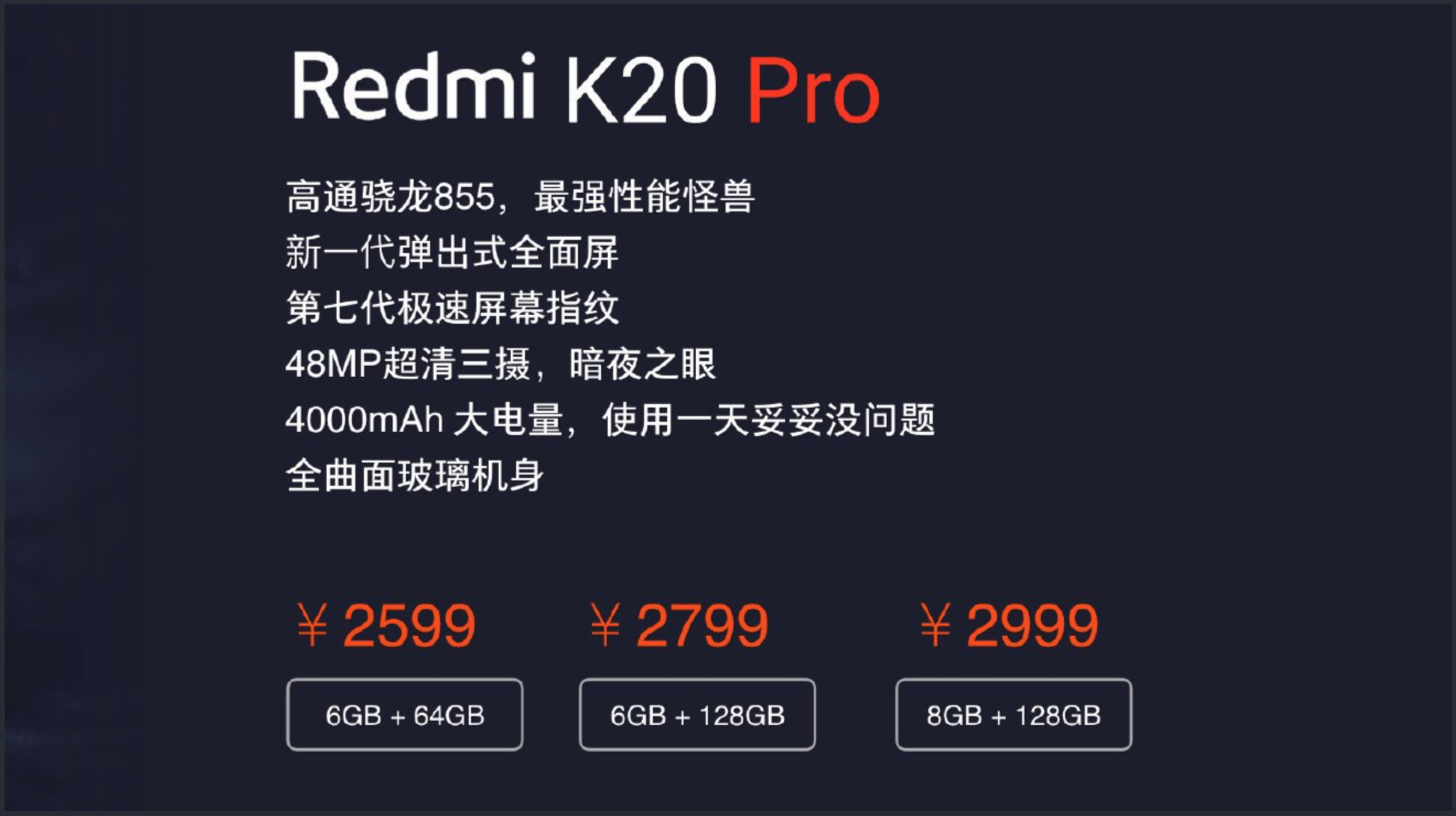
    Redmi K20 Pro PriceGoing by the previously leaked image, the Redmi K20 Pro has an elegant design with a glossy back panel that houses triple cameras and the company branding. Images of the smartphone’s front are currently unavailable but it is reported to have an edge to edge display and a pop-up style selfie camera.

    The Redmi K20 Pro sports a 6.39 inch Super AMOLED display that has a resolution of 2340 x 1080 px and a pixel density of 409 ppi. Like several other high-end devices, it has an on-display fingerprint scanner. Under the hood, it features the Snapdragon 855 SoC which is comprised of an octa-core CPU and Adreno 640 GPU. Redmi K20 Pro Battery

    For photography, the Redmi K20 Pro has a triple rear camera setup. Out of the said cameras, one is confirmed to be a 48 MP Sony IMX586 sensor. The device is powered by a large 4,000 mAh battery that supports 27 w fast charging. Other details including the dimensions, front camera sensor and connectivity options will be revealed at the time of the launch. 

    Redmi K20 Pro Price

    Redmi K20 Pro Price BoadThe leaked teaser reveals the K20 Pro will be offered in three storage variants for which the prices are as follows:

    • 6 GB + 64 GB: CNY 2599 (Rs 26,200)
    • 6 GB + 128 GB: CNY 2799 (Rs 28,200)
    • 8 GB + 128 GB: CNY 2999 (Rs 30,200)

    Also Read: Xiaomi Redmi 7A Announced With Snapdragon 439 SoC

    Conclusively, the leaked pricing and specifications of the handset will be verified at the launch event which is set for the 28th of May. In addition to the former, Xiaomi will also launch the Redmi K20 which is expected to be its watered down variant with Snapdragon 730 SoC. 

  • Xiaomi Redmi 7A Announced With Snapdragon 439 SoC

    Xiaomi Redmi 7A Announced With Snapdragon 439 SoC

    Redmi, a subsidiary of Chinese smartphone maker Xiaomi has announced its latest budget smartphone in its home country on the 24th of May. Called the Redmi 7A, the device is the successor to the Redmi 6A launched last year. Notably, the latest handset was leaked a few days ago on certification website TENNA and boasts of competitive specifications at a lucrative price.

    Redmi 7A

    As mentioned previously, the Redmi 7A is the latest budget offering from the company. It measures 146.30 × 70.41 × 9.55mm, weighs 150g and has a polycarbonate construction with a similar design to its predecessor. It has a 5.45 inch LCD display with a resolution of 1440 x 720 px and an aspect ratio of 18:9. There are significant bezels on the top and bottom of the device with the company branding at the chin. As it is a budget device, it lacks any form of biometric security like a fingerprint scanner; and users will have to rely on conventional unlocking methods such as numerical pins, patterns and passwords to access the smartphone

    The Redmi 7 runs on the 12nm Snapdragon 439 SoC which is also seen in the Nokia 4.2 (Review). The chipset is comprised of an Octa-core CPU and the Adreno 505 GPU. In terms of optics, the smartphone has a single 13MP rear camera with LED flash. For selfies, a 5MP front-facing camera is also present on the handset. For memory and storage, the handset will be available in the following variants.

    • 2GB RAM and 16GB ROM
    • 3GB RAM and 32GB ROM

    Redmi 7A

    The Redmi 7A will be powered by a 4000 mAh battery with support for 10W wired charging. Furthermore, the handset has a triple card slot which supports two SIM cards; and a separate microSD card of up to 256GB in capacity. It has a hydrophobic P2i coating which should make it resistant to a degree of liquid splashes. The device runs on MIUI 10 on top of the current Android 9 Pie.

    Pricing & Availability

    Redmi 7A

    Also read: Samsung Galaxy M Series To Receive Android 9 Pie Based OneUI Update Next Month

    While Xiaomi has officially announced the Redmi 7A in China, the pricing of the smartphone will be revealed on the 28th of May. Unfortunately, the company has not provided any information on when it will launch in India but it is expected to be introduced soon at a starting price of Rs. 5,999.

  • MSI Launches Three New Laptops With Core i9 CPU Ahead Of Computex 2019

    MSI Launches Three New Laptops With Core i9 CPU Ahead Of Computex 2019

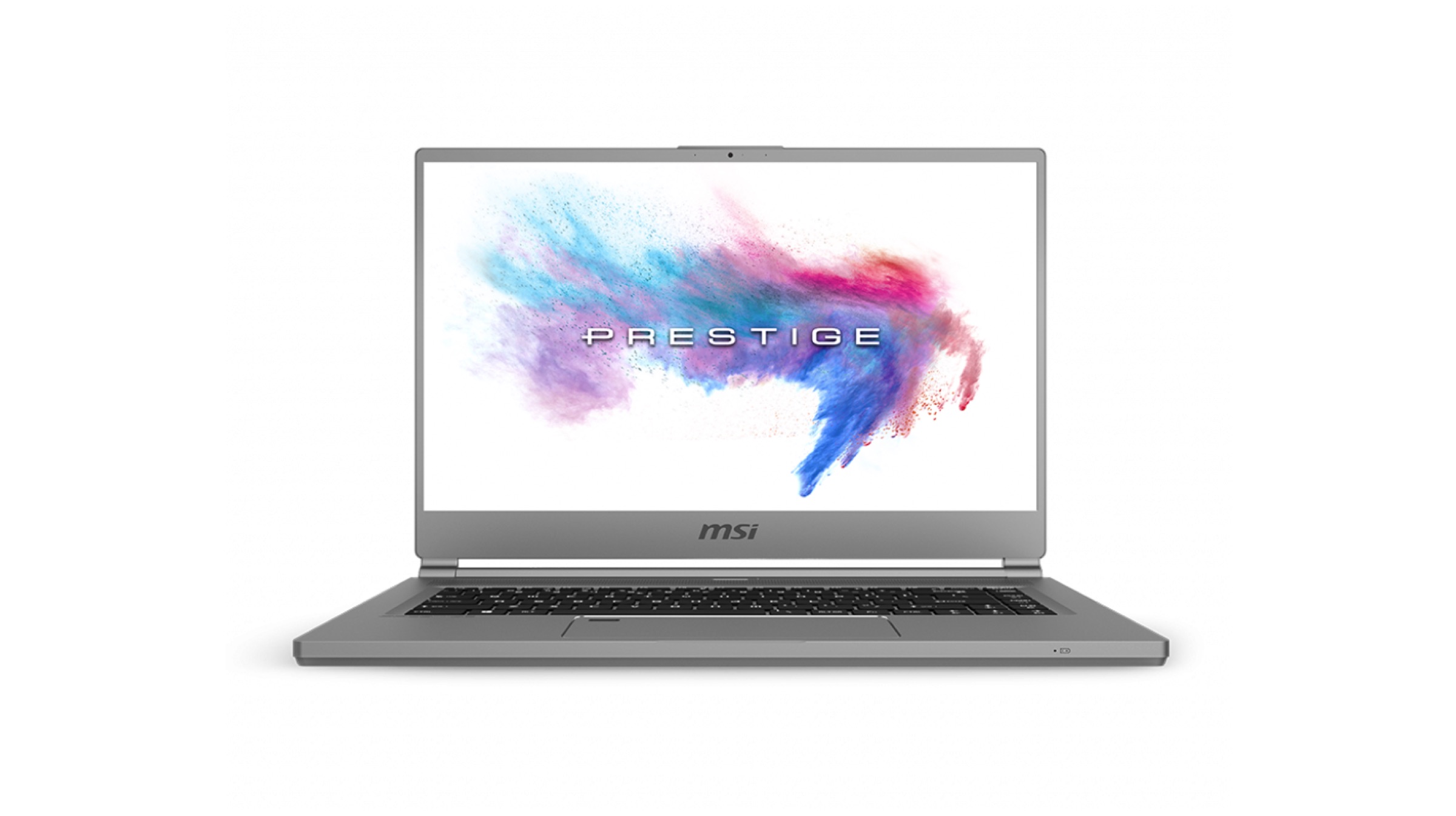
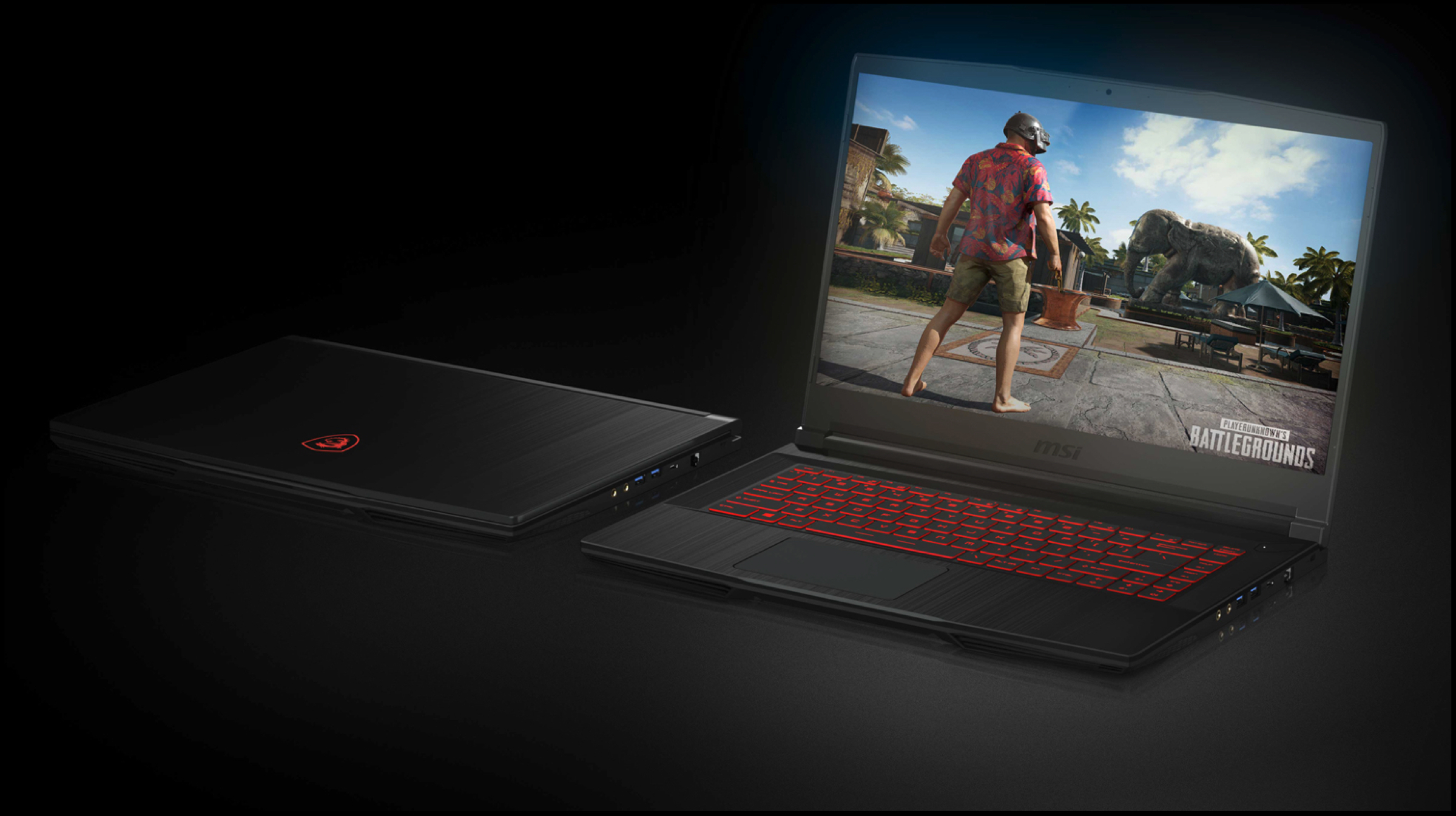
    MSI brings out three new laptops right before Computex 2019, adding in two gaming laptops for their GT Titan and Raider series along with a refresh of the Creator Laptop. MSI GT76 Titan and GE65 Raider being the top of the line gaming laptops and the P65 Creator laptop that improves on the CPU chipset for a minor refresh of the series.

    MSI

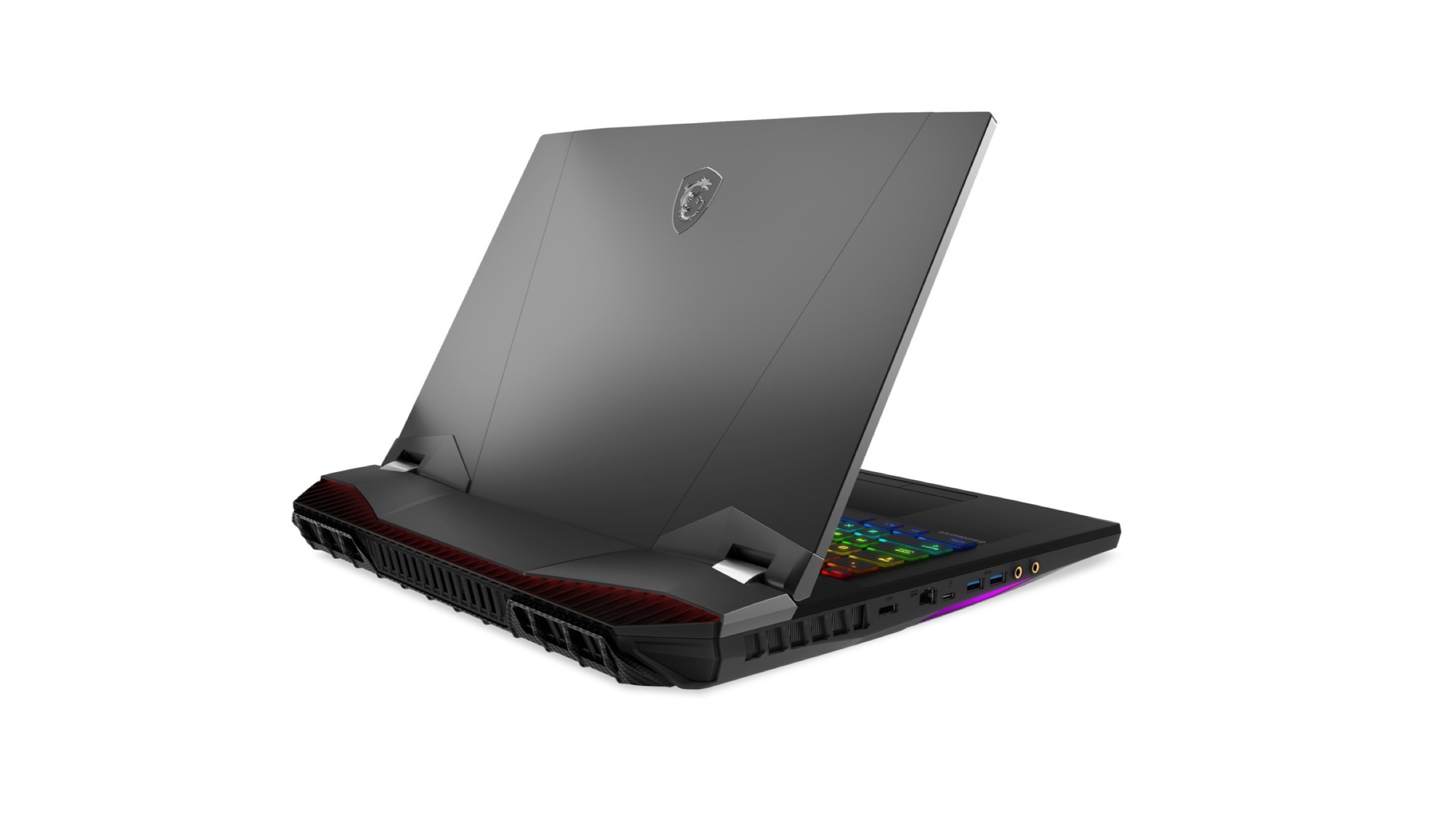
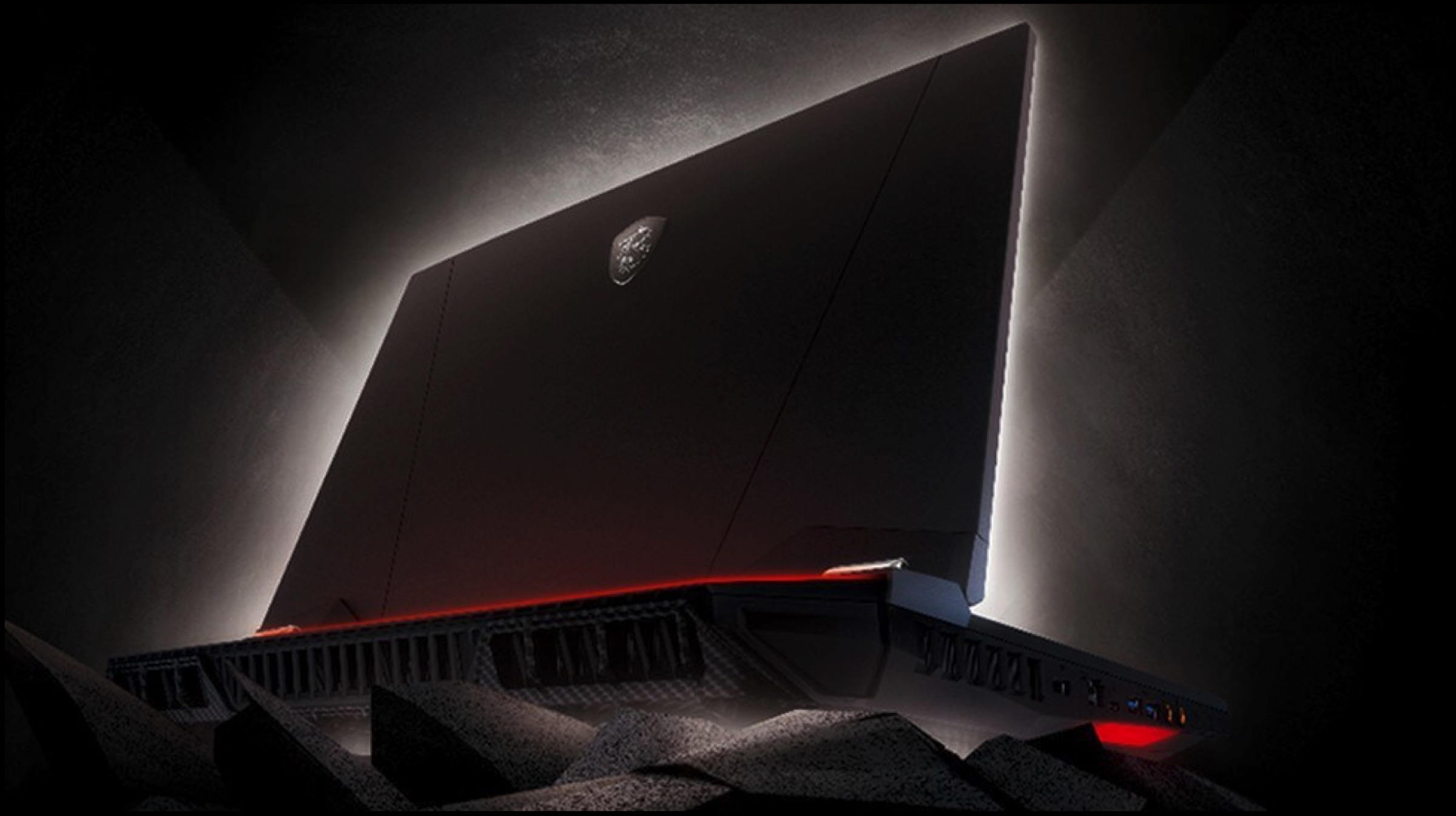
    With its robust features, the GT76 sits at the top of the gaming laptop lineup by MSI. Being one of the only few to pack such a powerful desktop grade i9 9th Gen Intel octa-core processor inside a laptop. Finer details such as Ram and Storage capacity option have not yet been revealed alongside the SKU, but the GT76 have been confirmed to run on the GeForce RTX 2080 GPU.

    The biggest improvements by far made by the new laptop is the Cooler Boost Titan thermal architecture with 4 fans and 11 heat pipes that MSI claims would be twice as efficient in the cooling than its predecessors. The keyboard features the per-key RGB lighting and a base under-glow, while the overall aesthetics of the laptop follow that of a sports car with an aluminium chassis and carbon fibre themed vents. Computex Best Golden Award has already been presented to the laptop which will be showcased at MSI’s booth in Computex 2019, to be held in Taiwan.MSI GE65

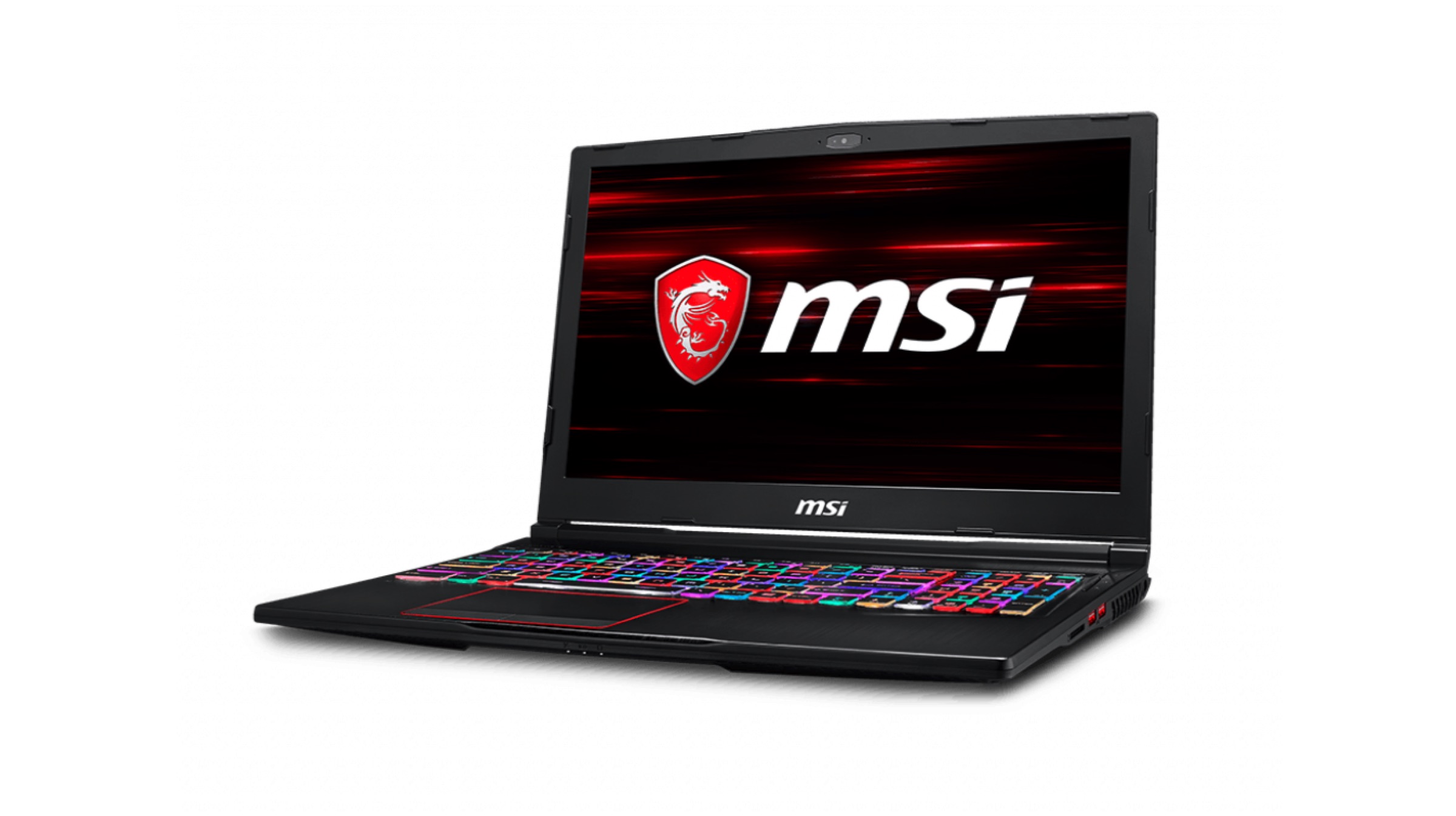
    MSI will announce the features for its GE65 Raider laptop at Computex 2019, although confirmed reports from the company show that the gaming laptop will be powered by an i9 9th Gen Intel Processor (similar to GT76) and RTX series Nvidia’s graphics card. The Key selling point of the laptop is its display with an impressive 240Hz refresh rate and Wifi-6 connectivity support.

    Lastly, MSI updated the Creator series lineup with P65 with the aforementioned, i9 9th Gen CPU processor with RTX series GPU. Additionally, the laptop sports a 15.6 inch 4K UHD display powered by a 4-cell 82Whr battery. MSI is all set to take on its competition Computex with the graphics card, monitors, gaming gear and much more.

  • Samsung Galaxy M Series To Receive Android 9 Pie Based OneUI Update Next Month

    Samsung Galaxy M Series To Receive Android 9 Pie Based OneUI Update Next Month

    Samsung introduced a new lineup of online exclusive smartphones called the Galaxy M back in the month of January, replacing the On series. The devices launched in the beginning included the Galaxy M10 and Galaxy M20 which were soon followed by the launch of the Galaxy M30 in the month of February. The series represented a shift in strategy for the company; and was announced in a bid to compete with the ever-increasing presence and popularity of Chinese smartphone OEMs such as Xiaomi, Honor and Realme. However, all the devices in the Galaxy M lineup run on the slightly dated Android 8 Oreo and the company’s ExperienceUI on top. Now, Samsung has announced all the handsets in the series will receive the OneUI update running on the latest Android 9 Pie soon.

    OneUI: What Has Changed?
    Android Pie Based OneUI
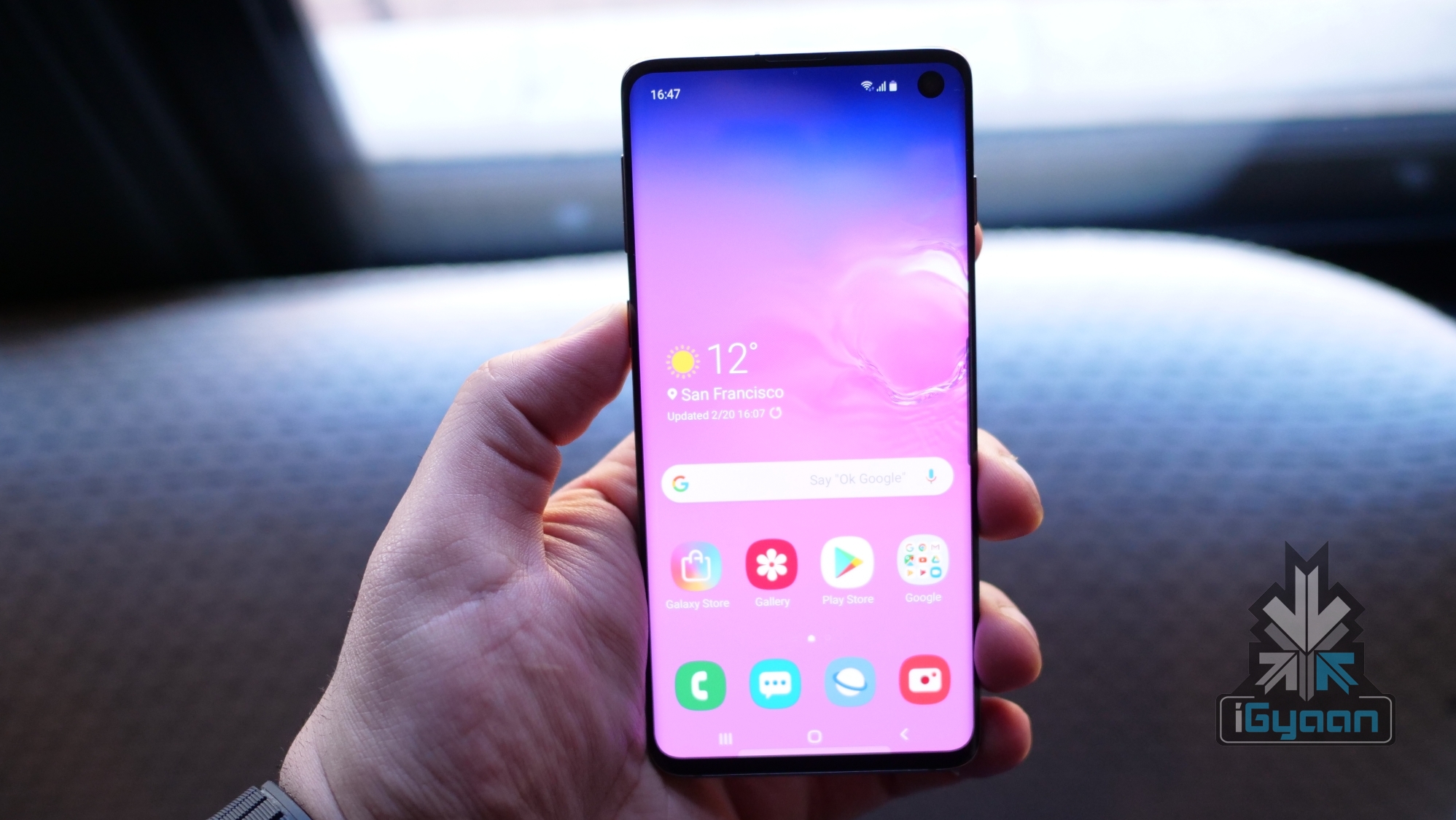
    OneUI On The Galaxy S10

    Samsung first introduced its latest OneUI software in the month of November last year. It introduces a complete design overhaul for the User Interface (UI) the company will provide with the Android 9 Pie update on its smartphones. Key features of the OneUI include improved one hand navigation by placing major information in the bottom half of the display. The software also introduces Dark Mode, a feature that has been requested by users for a while now. When activated, it turns certain areas of the UI black in colour, which is easier on the eyes at night; and also gives an aesthetically different look to the software. Other features include bigger, and more streamlined icon designs and a cut down on the bloatware shipped with the smartphone.

    Android Pie On Galaxy M Series
    Samsung Galaxy M20
    Galaxy M20

    Also read: OnePlus 7 Pro Camera May Not Have A True 3x Optical Zoom

    Like mentioned previously, Samsung has announced that the Android Pie based OneUI update; will be received by all the smartphones in the Galaxy M lineup. It will be an Over The Air (OTA) update so users will get a notification as soon as it is available for their devices. According to the company, installing OneUI on the Galaxy M handsets should see an improvement in their performance, which is appreciated. The rollout for the Android Pie update for the smartphones will begin on the 3rd of June 2019.

  • OnePlus 7 Pro Camera May Not Have A True 3x Optical Zoom

    OnePlus 7 Pro Camera May Not Have A True 3x Optical Zoom

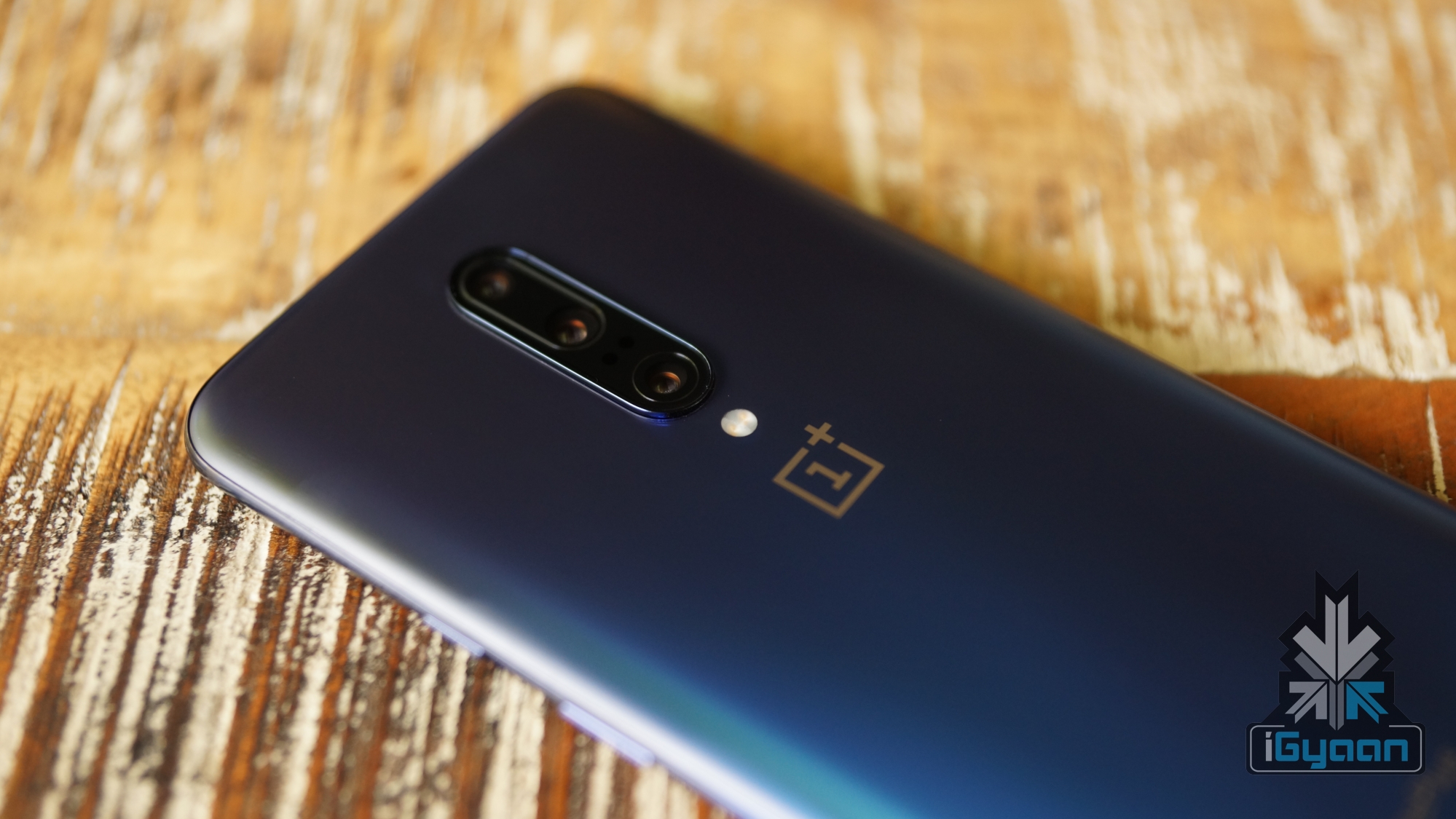
    OnePlus has found itself under the same scrutiny with their latest flagship smartphone the OnePlus 7 Pro in a similar fashion to its previous lineup of 2017, namely the OnePlus 5. A Reddit post by a user had discovered that the telephoto lens on the OnePlus 7 Pro captures pictures in a 2.2x optical zoom rather than the advertised 3x optical zoom that OnePlus had claimed.

    The triple camera setup which features the 8MP telephoto lens alongside the 16MP wide-angle lens and the primary 48MP camera was one of the key differences between the ‘Pro’ and standard version of the OnePlus 7. The Pro uses the telephoto lens along with the primary sensor to capture portrait shots but apparently the field of view while using the telephoto lens for portrait clicks and the 3x zoom differ. As it turns out the sensor is actually a 13MP Samsung S5K3M5 that is cropped down to 8MP to hit the 3x zoom.

    OnePlus advertising the telephoto lens with a 78mm focal length does make it capable for 3x optical zoom. Although as the sensor has been cropping the image down to 8MP, the effective focal length actually achieved is 57mm or in other words 2.2x zoom. This falls in line with OnePlus previously false advertising the OnePlus 5 to have a ‘lossless’ 2x zoom on its telephoto lens, that was only capable of 1.6x zoom but used digital processing to achieve the remaining 0.4x.

    https://twitter.com/getpeid/status/877582806020272128?ref_src=twsrc^tfw|twcamp^tweetembed|twterm^877582806020272128&ref_url=https%3A%2F%2Fwww.androidcentral.com%2Foneplus-7-pro-telephoto-lens-cant-deliver-3x-optical-zoom

    Also ReadSamsung Will Soon Launch The Galaxy A70s With 64 MP Camera

    No official statement has been received so far for OnePlus’s second advertising mishap. However, they haven’t used any digital enhancements in the current iteration of the smartphone. Hopefully, a prompt response is issued by their PR team that clears the dilemma caused by their marketing department.

  • NVIDIA Teases A ‘Super’ Upgrade In Graphics Ahead Of Computex 2019

    NVIDIA Teases A ‘Super’ Upgrade In Graphics Ahead Of Computex 2019

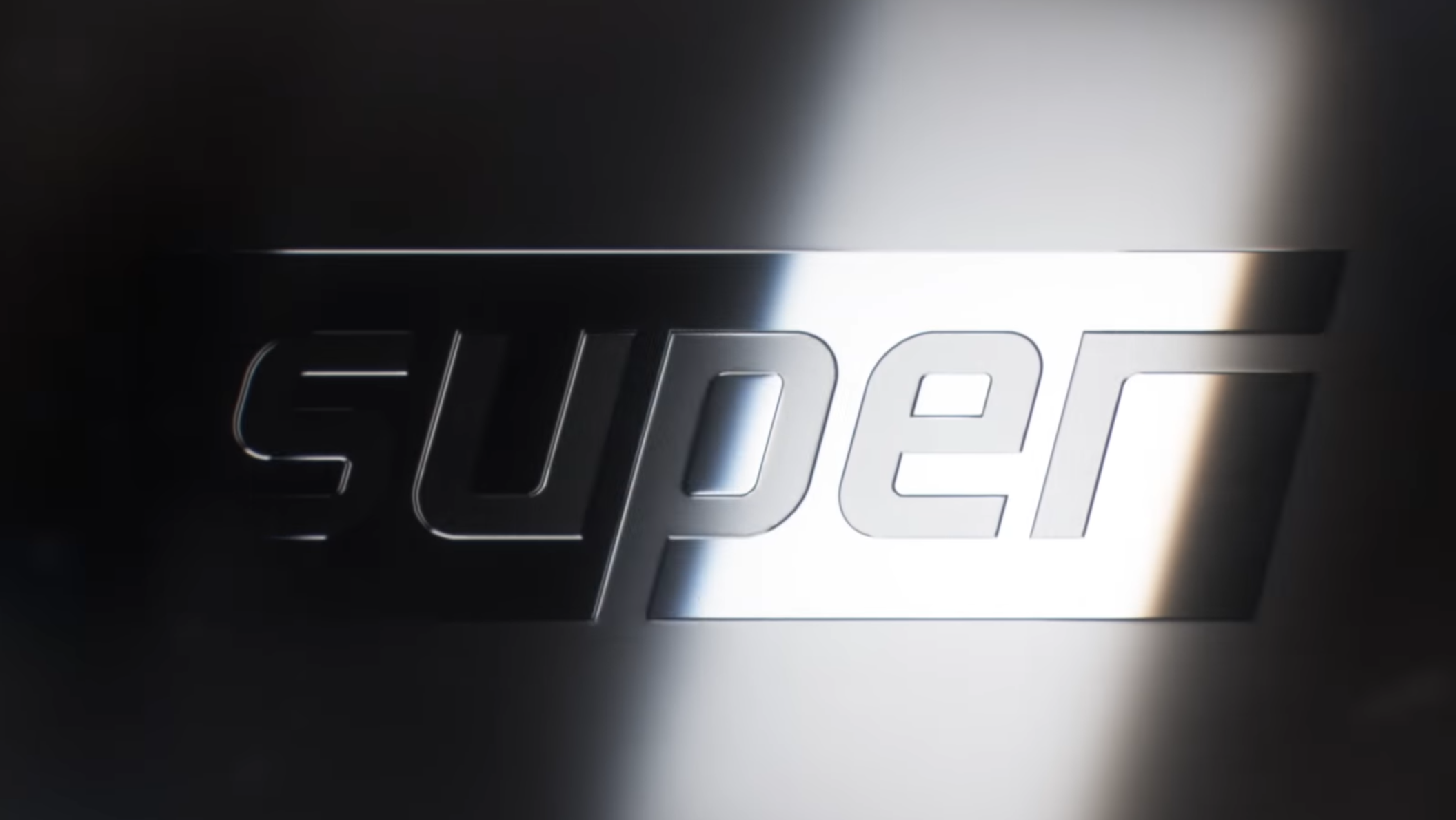
    Computex 2019 is just around the corner, and brands are gearing up to showcase some of the best products and developments in computing. It is apparent that the PC market is unlikely to dwindle anytime soon which a few reports from the past claimed. Popular brands are innovating with newer products and techniques that bump up performance levels of machines while curbing the prices at the same time. Amidst all this, American chip manufacturer NVIDIA has posted a teaser on its YouTube channel, which hints at something “Super” making its way to the Computex 2019 event being held in Taiwan from 28 May to 1 June. 

    NVIDIA At Computex 2019: What To Expect?

    As per reports, the company is already planning a press conference at the said event. There is a chance that the “Super” announcement is AI/Software related since NVIDIA RTX and 16-series cards are still fairly new to the market. However, the company can unveil a significant upgrade to one of its older cards to bring them at par with the competition looming up ahead. And talking of competition, AMD’s Navi GPUs are also set to make a debut in the not-so-distant future, which might shift NVIDIA in its seat a little. 

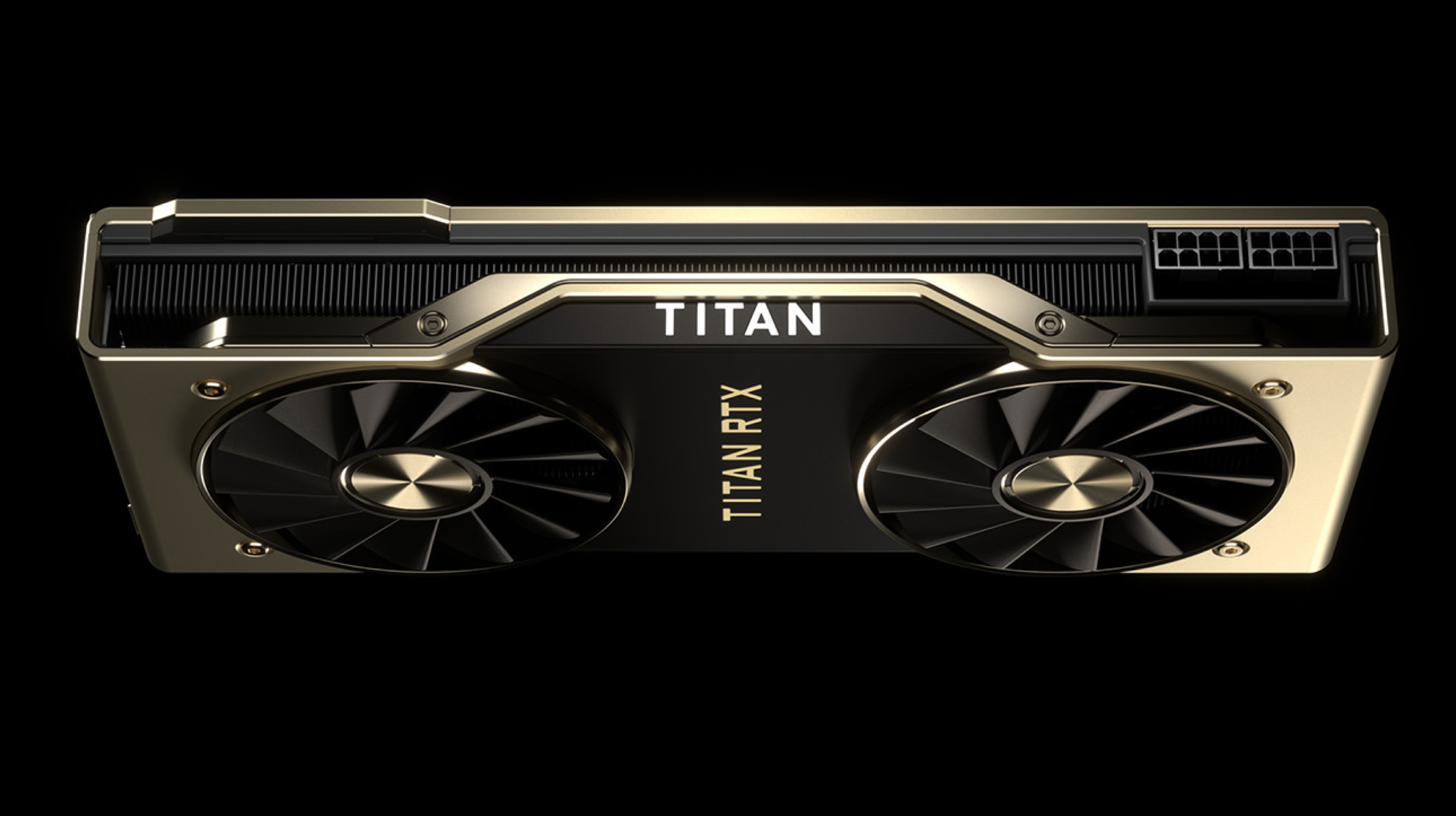
    NVIDIA TITAN RTX GPU

    As per sources, NVIDIA is planning to incorporate a faster 16Gbps memory standard in its existing RTX series of GPUs. This will be a significant boost from the previous 14Gbps memory in the GPUs. A 2Gbps memory improvement is expected to provide almost 14 percent of performance boost if and when it is implemented. However, the question of price still takes the podium. Will NVIDIA charge a hefty price for such an upgrade in the future? 

    NVIDIA Graphics Card
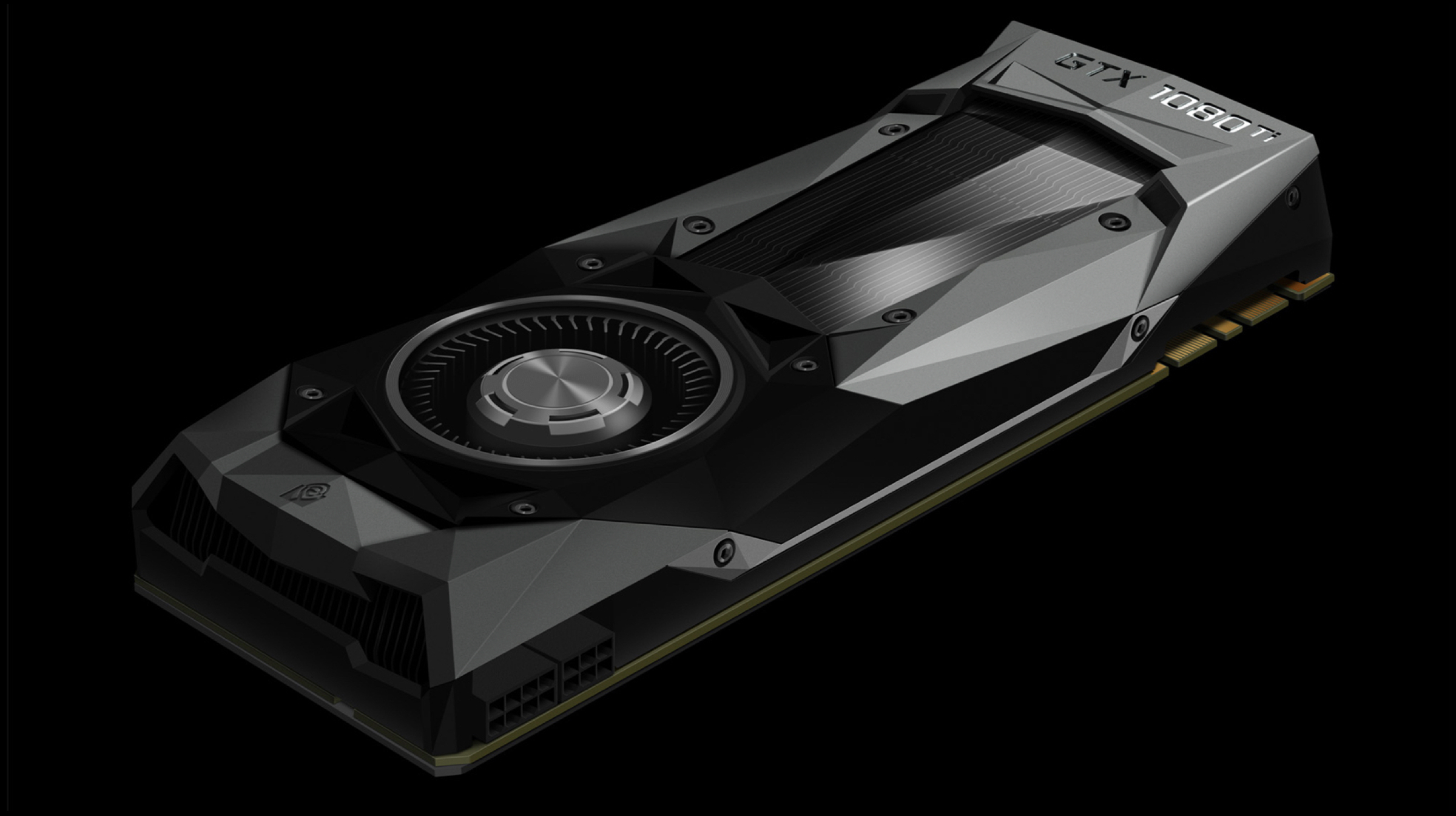
    NVIDIA GTX 1080 Ti

    Also Read: Google Is Reimbursing Pixel 1 Owners In The US, But What About India?

    Since the teaser shows nothing except the embossed metal super logo (from a variety of angles), fans are only left with the option of taking wild guesses and waiting for the press conference at the event itself. As mentioned before, AMD’s price point for the upcoming Navi-based graphics chips may (severely) affect NVIDIA’s flagship lineup. But since the company has emerged unscathed time and again, we can expect NVIDIA to have a neat trick up its sleeve for Computex 2019.    

iGyaan Network
Privacy Overview

This website uses cookies so that we can provide you with the best user experience possible. Cookie information is stored in your browser and performs functions such as recognising you when you return to our website and helping our team to understand which sections of the website you find most interesting and useful.