
The Game Developers Conference (GDC) 2019 is scheduled to take place from the 18th of March to the 22nd of March. The world’s largest game industry event will be held in San Fransisco, California. It is often seen as a platform to showcase and experience the future of gaming. Google, a company that is not generally associated with games and gaming, has teased its presence at the event time and again. In a fresh video shared by the company, it announced that it will showcase both gaming oriented solutions on the 19th of March.
Google’s Gaming Hardware
Gather around as we unveil Google’s vision for the future of gaming at #GDC19. Join us live 3/19 at 10 a.m. PT ? https://t.co/rb6fN26PDi pic.twitter.com/Vd242KZAWO
— Google (@Google) March 12, 2019
While it is not clear what Google will announce or showcase at the event, reports claim the company is working on gaming hardware. The project has been codenamed ‘Yeti’ and has been in the works for a while. The event may see the company launching a gaming console, controllers and a streaming service. The teaser videos shared by the company include a text that reads “Gather around as we unveil Google’s vision for the future of gaming at the GDC 2019”. The video further shows hallways set in various sci-fi, fantasy, and racing-themed areas that match the gaming theme.
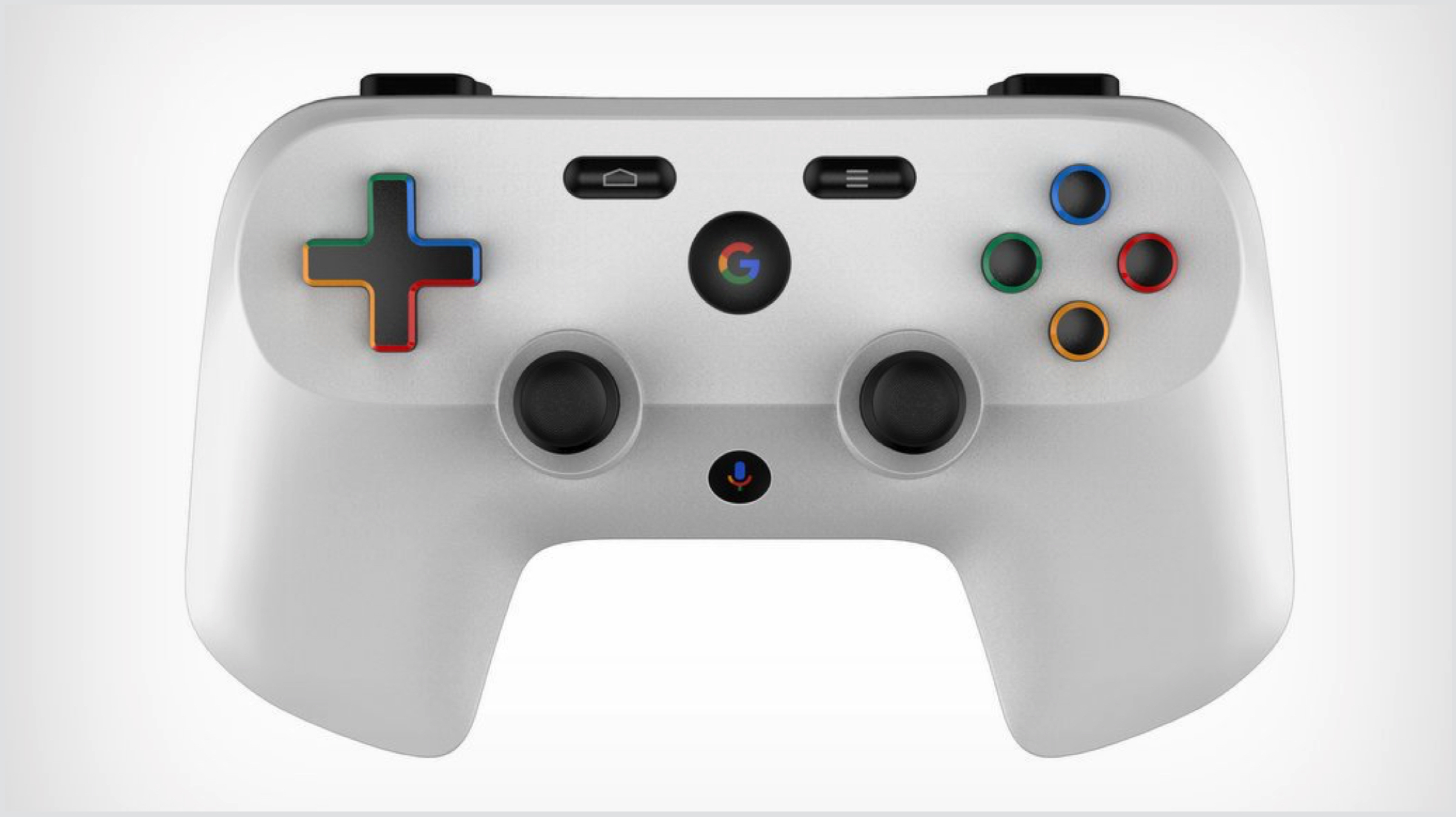
Google has also created a placeholder on its online store for the product that it will announce on March 19. This step seemingly confirms the presence of a hardware device at the launch as it is the only type of product the company sells on its online store. Multiple reports have asserted the Google Gaming console will just be used to connect with the game streaming service the company will announce at the event. The gaming on the device will be cloud-based and would require an internet connection to work.
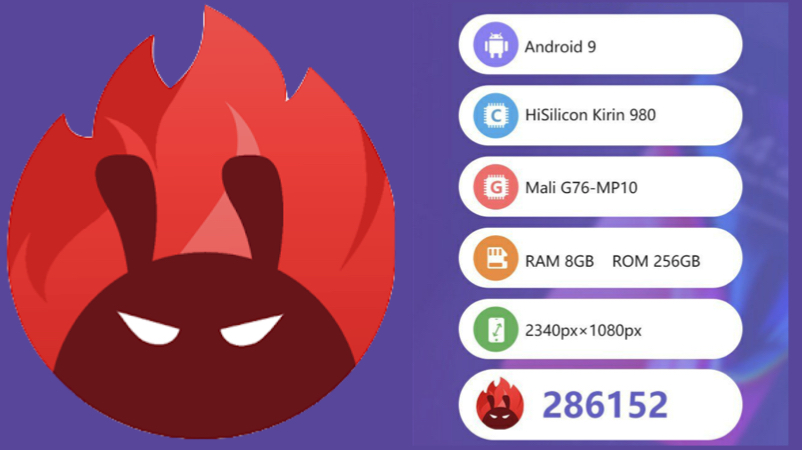
Also read: Huawei P30 Pro Stops By Antutu Revealing Its Key Specifications
Interestingly, Google’s new game streaming software may not be hardware dependent. As cloud games are capable of running on devices with humble specifications, the service may also be available for non-Google devices. However, the company might launch a gaming console anyway, which will best demonstrate what Google envisions of its gaming service. Whatever Google has planned for the 19th of March, we will not have to wait for long as the date is approaching fast.


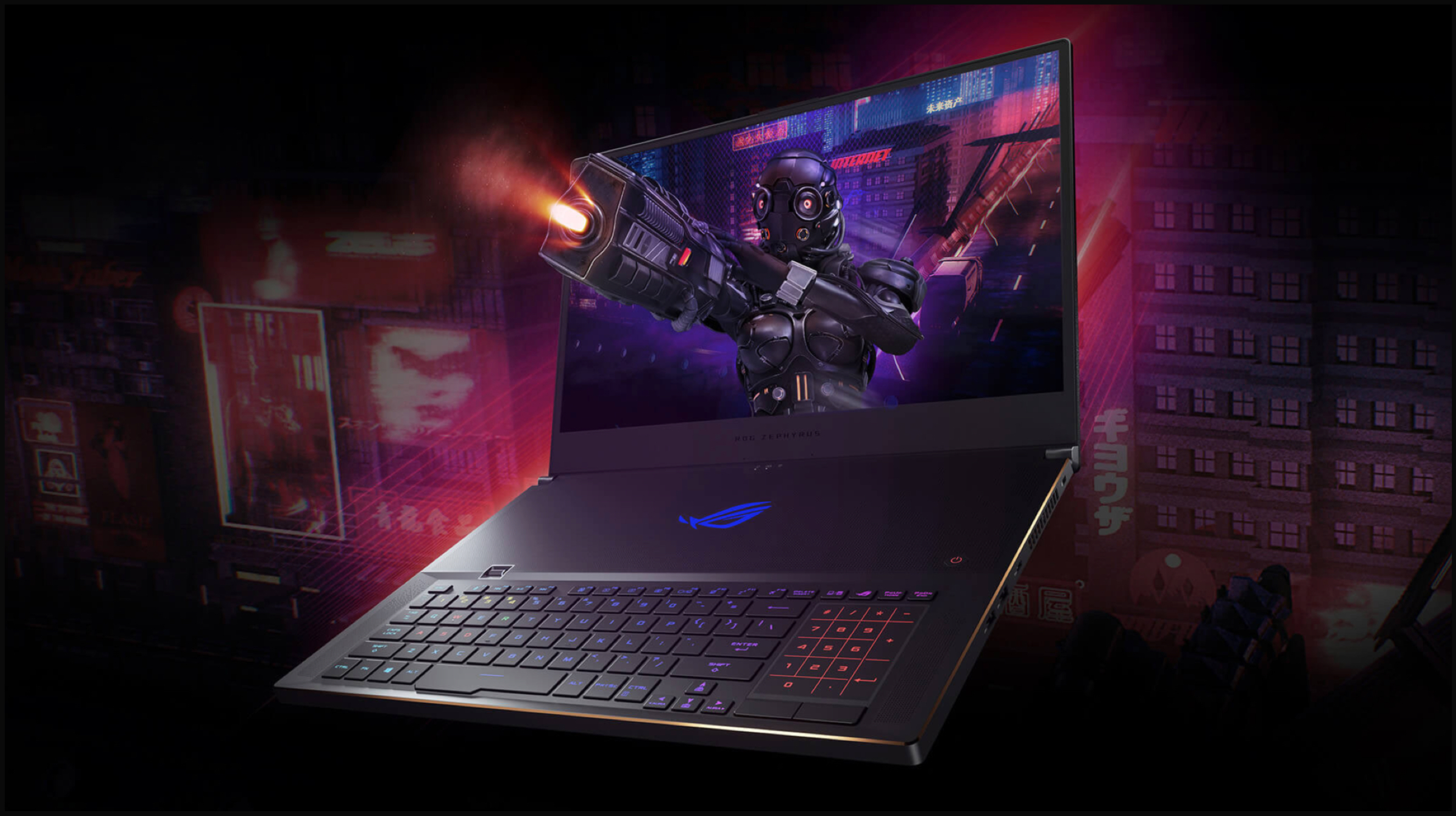
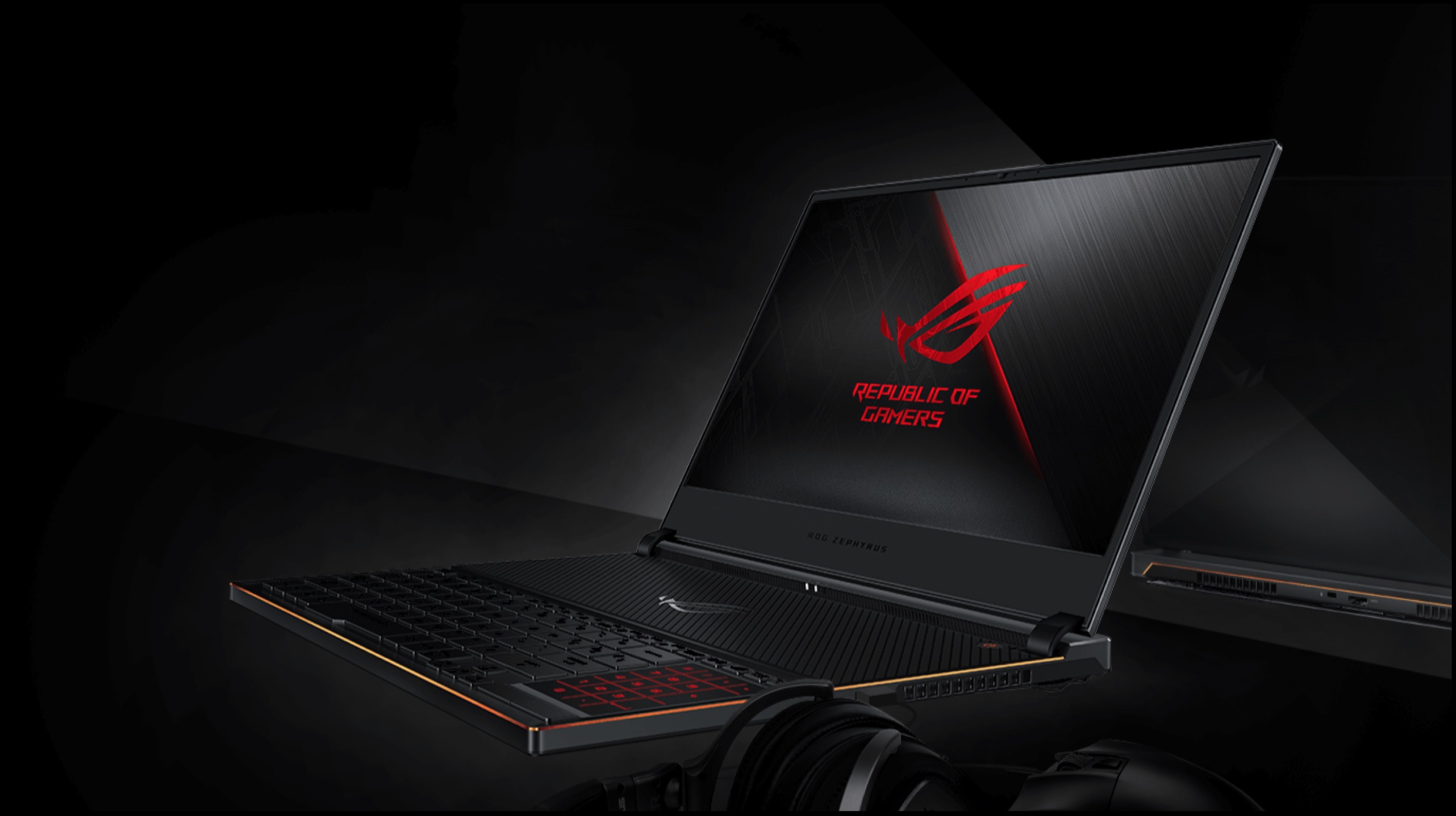 The GX531 features a 15.6 inch Full HD IPS display, with 144 Hz refresh rate, 3 ms response time and full VR compatibility. It packs an Intel Core i7-8750H hexa-core processor clocked at 2.2 GHz, which can be overclocked to 3.9 GHz. The laptop is kitted with the NVIDIA GeForce RTX 2070, which has 8 GB of GDDR6 VRAM. Furthermore, the GX531 has 8 GB of onboard DDR4 RAM, with expansion support up to 24 GB. It has two M.2 NVMe PCIe 3.0 slots and a 512 GB SSD.
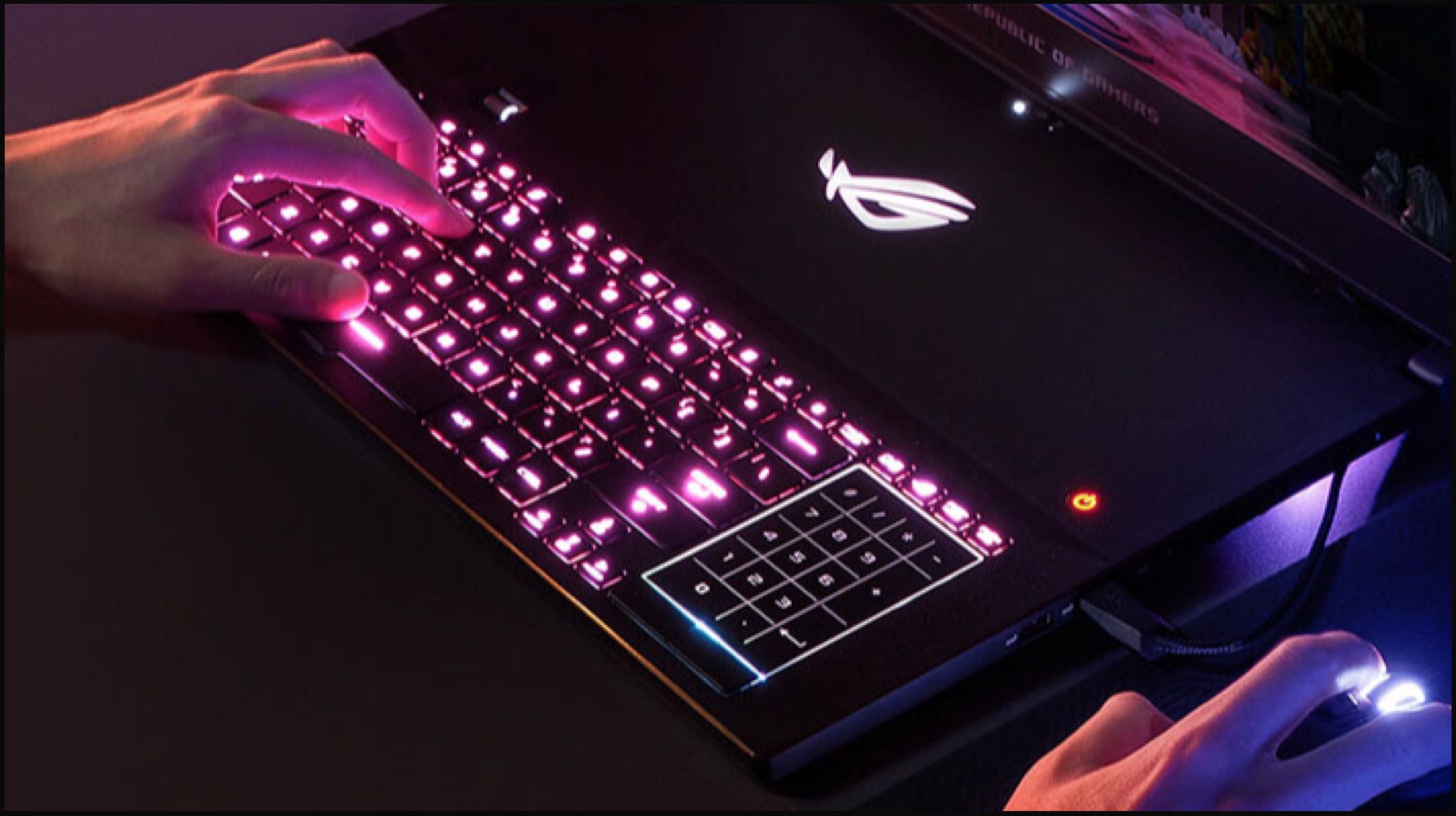 The gaming laptop doesn’t sport a mechanical keyboard, however, it has a Backlit Chiclet Keyboard with N key rollover. The Zephyrus S GX531 supports Aura Sync, using which users can synchronize RGB lighting patterns across the supported peripherals. It has two 2W speakers with an Array Microphone. Interestingly, the laptop is bundled with a webcam (for streaming or video calling) that can be attached to any part of the laptop for preferred angle capturing. In terms of ports, it is fitted with 1 x USB3.1 Gen2 Type-C port, 1x USB3.1 Gen 1 Type C port, 1x USB3.1 Gen2 Type A port, 2x USB 2.0 Type A ports, 1x HDMI 2.0b port, 1x 3.5mm headphone and microphone combo jack and 1x Kensington lock. The laptop weighs at 2.1 kilograms
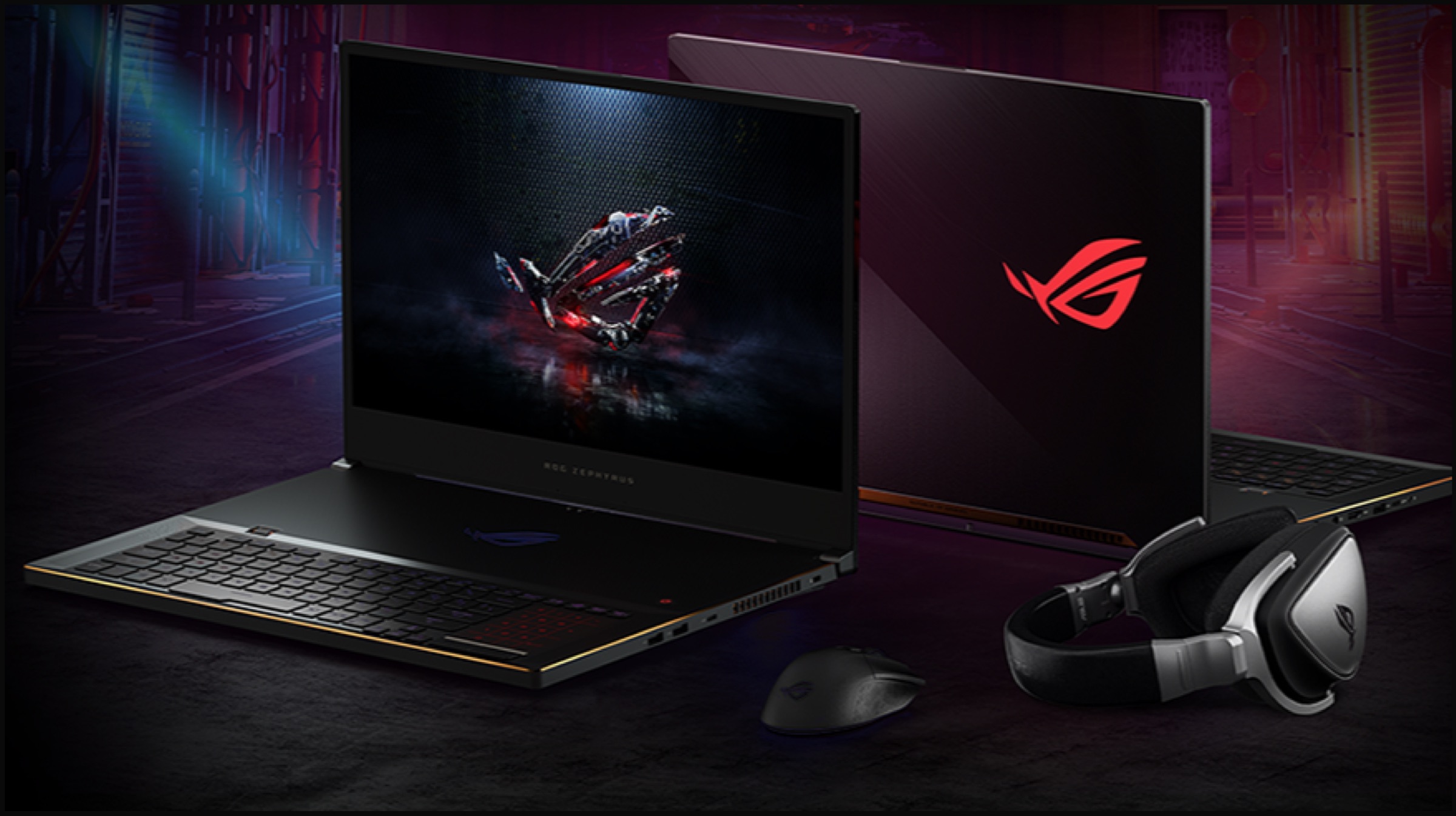 The GX701 gaming laptop sports a 17.3 inch Full HD IPS display, with 144 Hz refresh rate, 3 ms response time and VR compatibility. Under the hood, It packs an Intel Core i7-8750H hexa-core processor clocked at 2.2 GHz, which can be overclocked to 3.9 GHz. For graphics, the laptop is kitted with the NVIDIA GeForce RTX 2080, which has 8 GB of GDDR6 VRAM. The GX701 has 8 GB of onboard DDR4 SDRAM, with expansion support up to 24 GB. It has four M.2 NVMe PCI-E 3.0 slots and a 1TB SSD.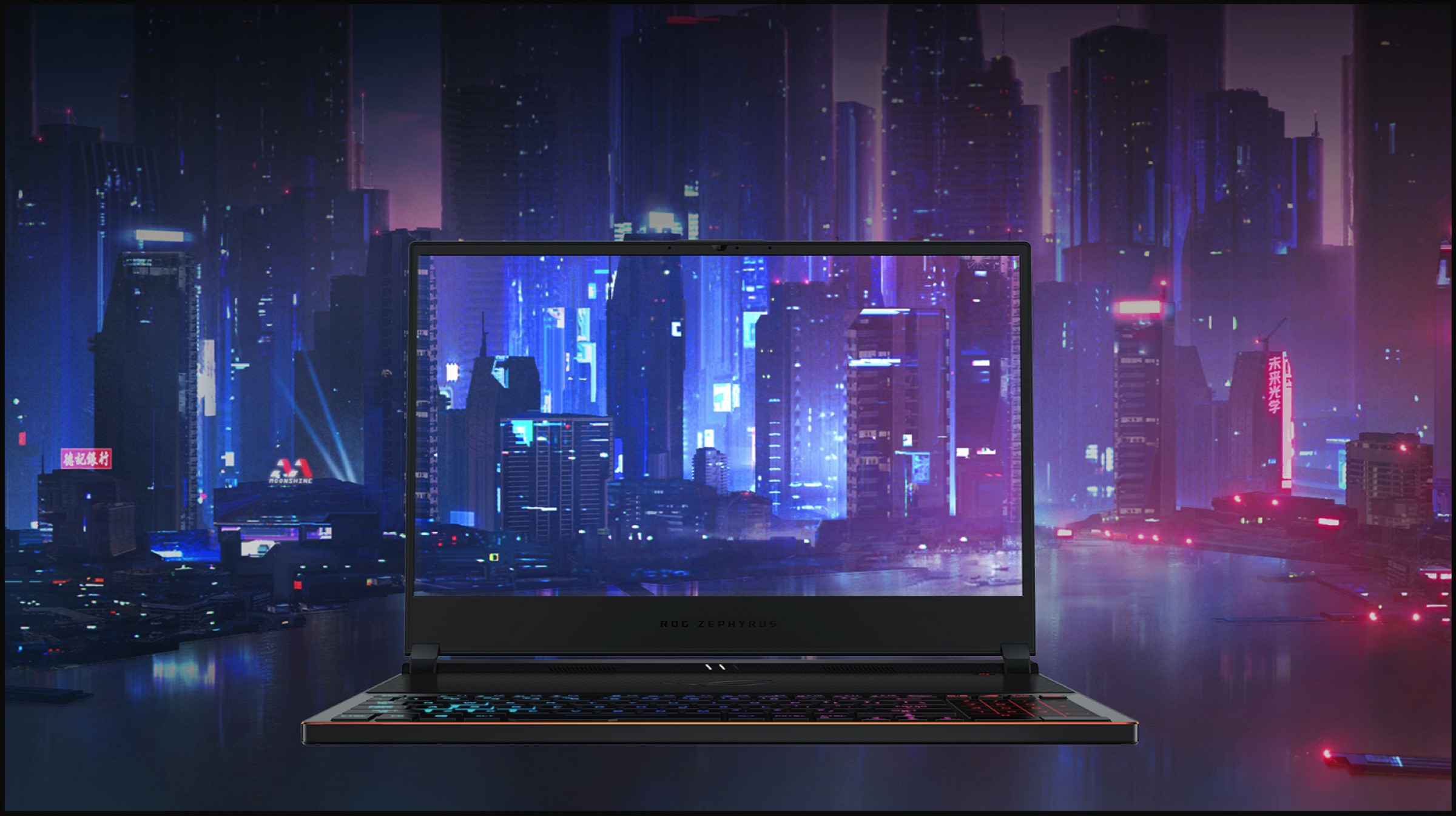
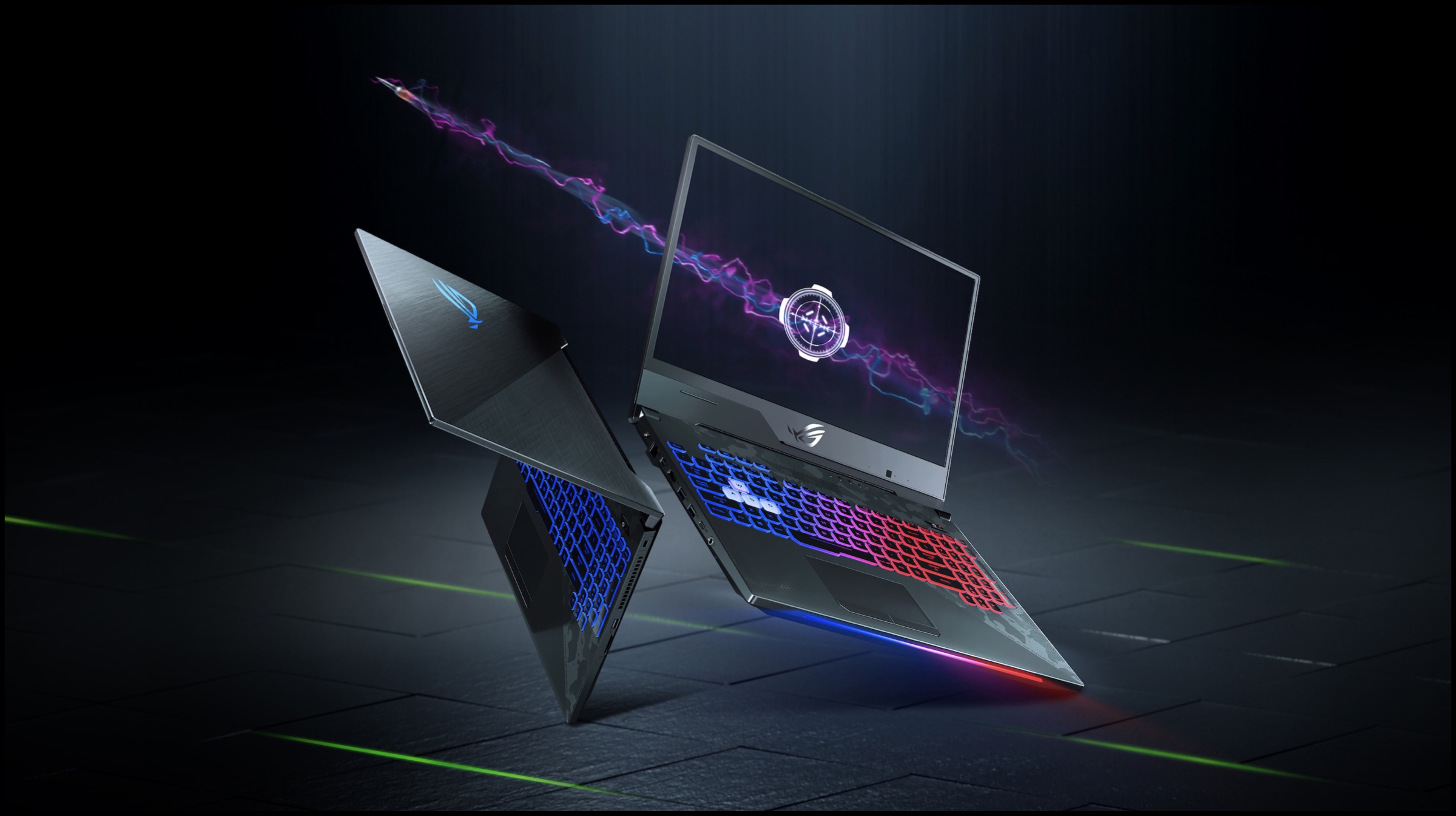 The ROG Strix SCAR II laptops are specifically designed for Esports, the company states. It has a 15.6 inch Non-Glare Full HD IPS Panel with 144 Hz Refresh rate and 3 ms response time. It packs an Intel Core i7-8750H hexa-core processor clocked at 2.2 GHz, which can be overclocked to 3.9 GHz. The laptop features the NVIDIA GeForce RTX 2070, which has 8 GB of GDDR6 VRAM. The GX701 has 8 GB of onboard (dual channel) DDR4 SDRAM, with expansion support up to 32 GB. It has a M.2 NVMe PCIE 3.0 slot and a 512GB SSD, along with a 1TB FireCuda SSHD (Solid State Hybrid Drive).
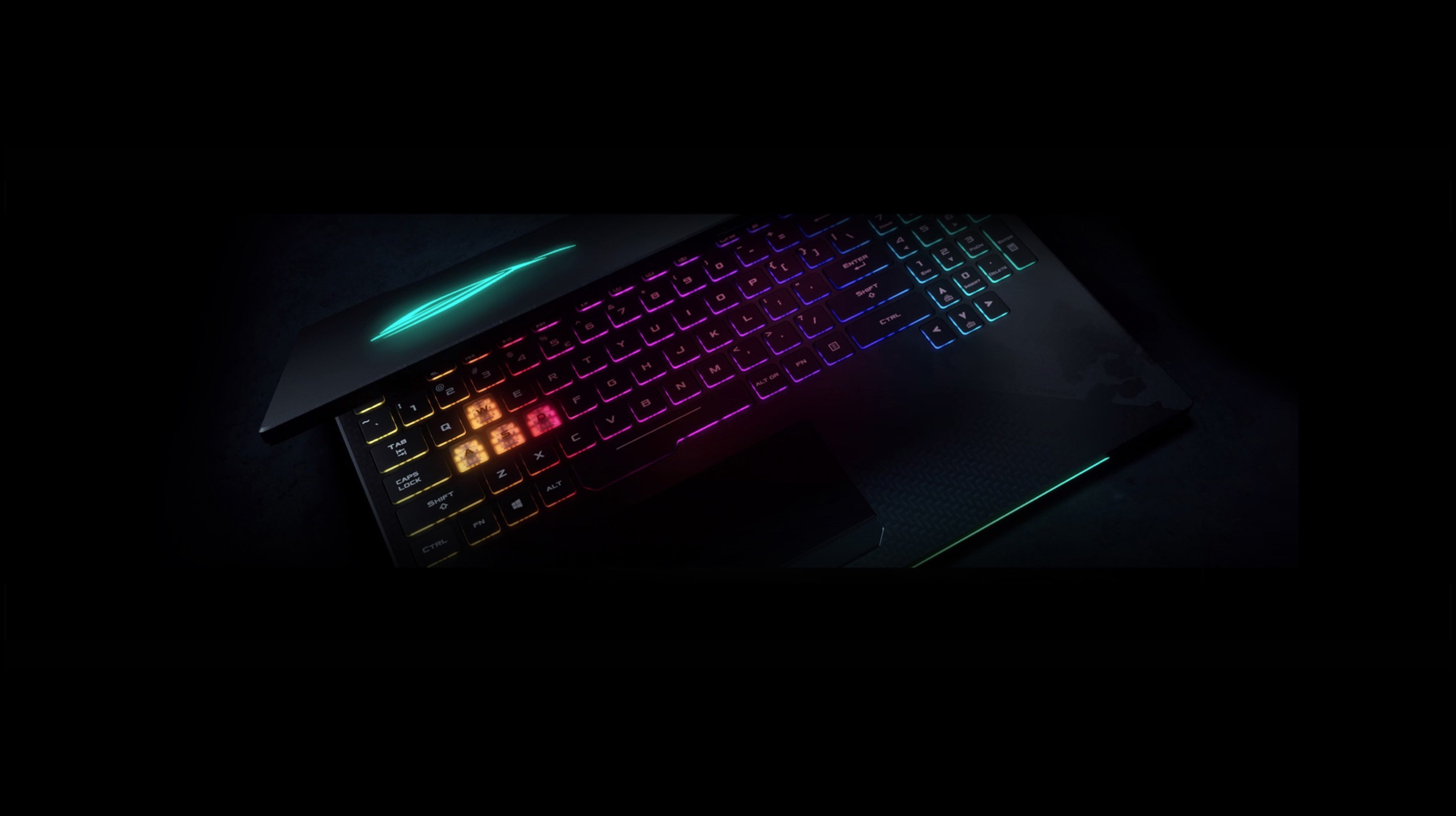 In addition to a backlit chiclet keyboard, the SCAR II’s keyboard has 4 extra hotkeys, which can be used to increase/decrease volume, mute the microphone and launching the ROG Armoury Crate (ASUS software to optimize games and save RGB profiles). The laptop has two 3.5W speakers with Smart AMP technology and features a similar webcam attachment to the GX531 and GX701. In terms of ports, it houses 1x USB3.1 Gen2 Type-C port, 2x USB3.1 Gen 1 Type C port, 1x USB3.1 Gen2 Type A port, 1 x mDP 1.2 port, 2x USB 3.1 Gen1 Type A ports, 1x HDMI 2.0b port, 1x RJ-45 Jack, 1x SD card reader, 1x 3.5mm headphone and microphone combo jack and 1x Kensington lock. It weighs at 2.4kg.



 Apple’s leading witness for the case, former engineer Arjuno Siva was supposed to testify in the court on March 7. However, as per reports, he was unable to reach the destination, and the Qualcomm’s defence defense was accused of witness tampering by the Apple counsel. Moreover, the company called its former employee a “tainted witness” when he failed to turn up for the hearing.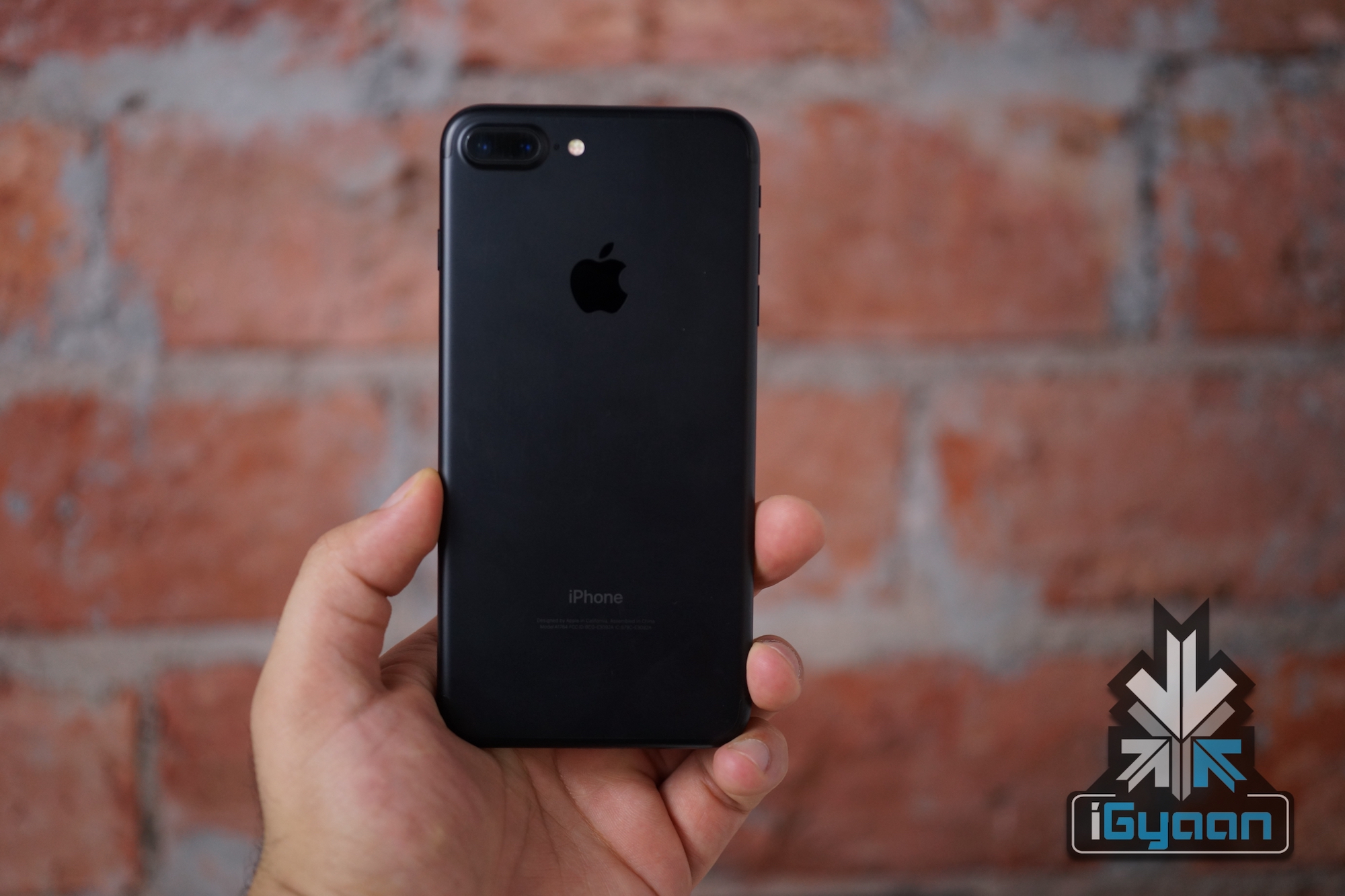
 Hence, Qualcomm is seeking US$ 31 Million in damages from Apple, which roughly breaks down to US$1.40 per iPhone sold. The infringed patents are as follows: