Category: Samsung

  • Samsung To Use LCD Displays On Their Galaxy A Series Phones

    Samsung To Use LCD Displays On Their Galaxy A Series Phones

    Samsung is gearing up for a major reshuffling of their phone lineup. The company wishes to eliminate the J series phones entirely and create an M series of phones. It is also reported on a Korean news website that Samsung plans to put an LCD screen on their 2019 version of the J Series of phones. This comes in the wake of Apple making it’s cheapest iPhone XR feature an LCD panel. Samsung reportedly wants to divide the A series models into two segments with OLED as well as LCD options in different price brackets. The Galaxy A8 Star, A8 Plus, A6 Plus all have AMOLED panels at the moment. The A series models will also reportedly see a change of nomenclature.

    What is Samsung Planning?

    Samsung is reportedly reshuffling their phones to get the maximum number of customers as well as to create a price differentiation. Their strategy seems to be to raise the price range of their A9, which has a quad camera setup. This will enable them to capture the lower end of the market with the J series as the company looks to sell more in terms of volume. Samsung will reportedly take Galaxy A series OLED and LCD models to Korean, North American and European markets. The A series will have a quad camera setup. Since these markets have a greater purchasing power, it will be easier to sell the OLED phones there. On the other hand, LCD models will be introduced only in India and Southeast Asia. These markets have a lower purchasing power and has a chance to sell more in terms of volume.

    Also ReadSamsung Launches W2019 Flip Phone With Dual Super AMOLED Displays

    The company is also said to be reorganising its lineup by integrating Galaxy J, Galaxy ON and Galaxy C series into ‘Galaxy M’ next year. This is also one of the major reason’s for the reshuffling plan. There are also speculations that Samsung may be taking this drastic step due to the stiff competition from Chinese manufacturers. Specially in markets like India and parts of South East Asia.
  • Samsung Launches W2019 Flip Phone With Dual Super AMOLED Displays

    Samsung Launches W2019 Flip Phone With Dual Super AMOLED Displays

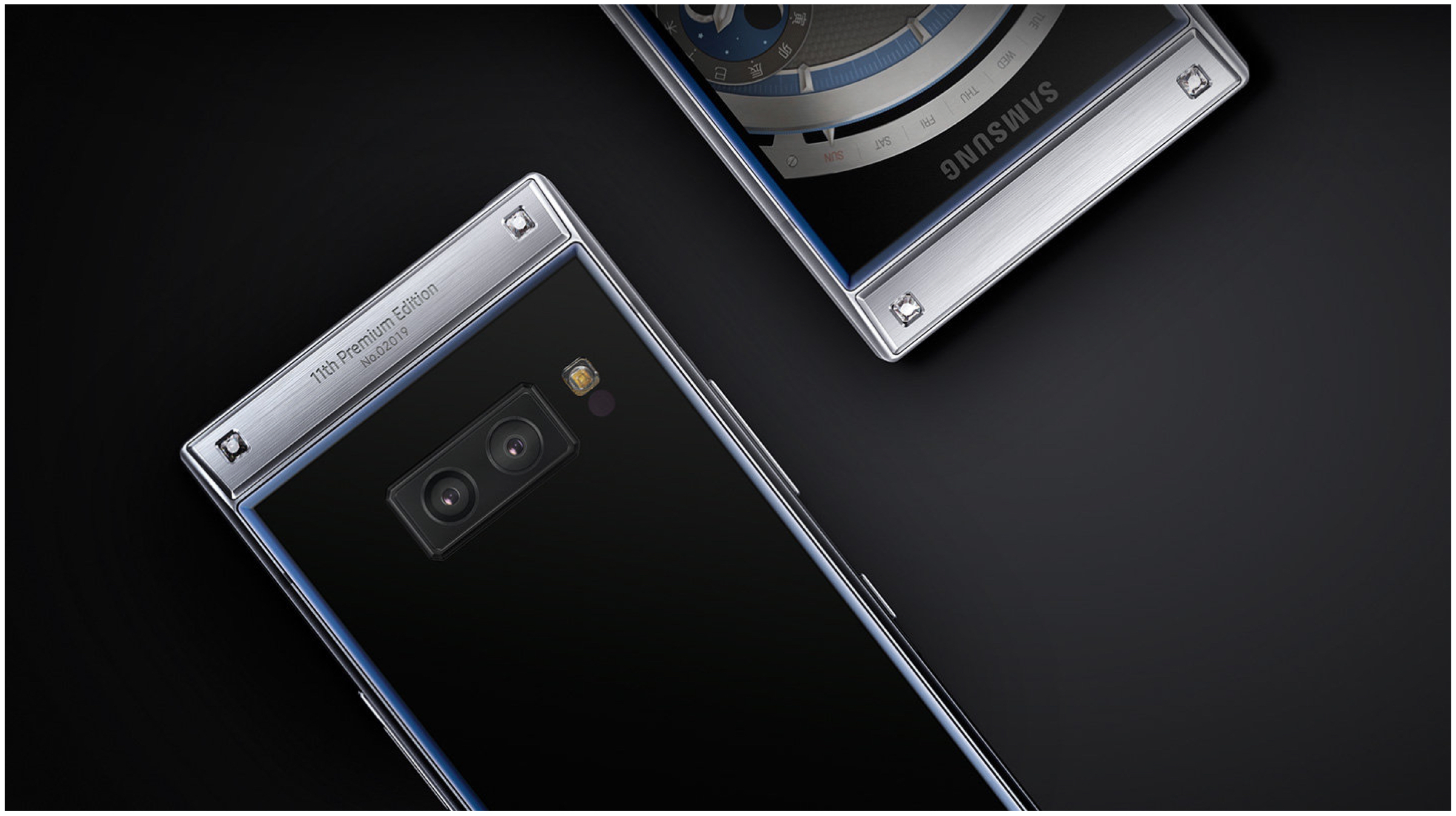
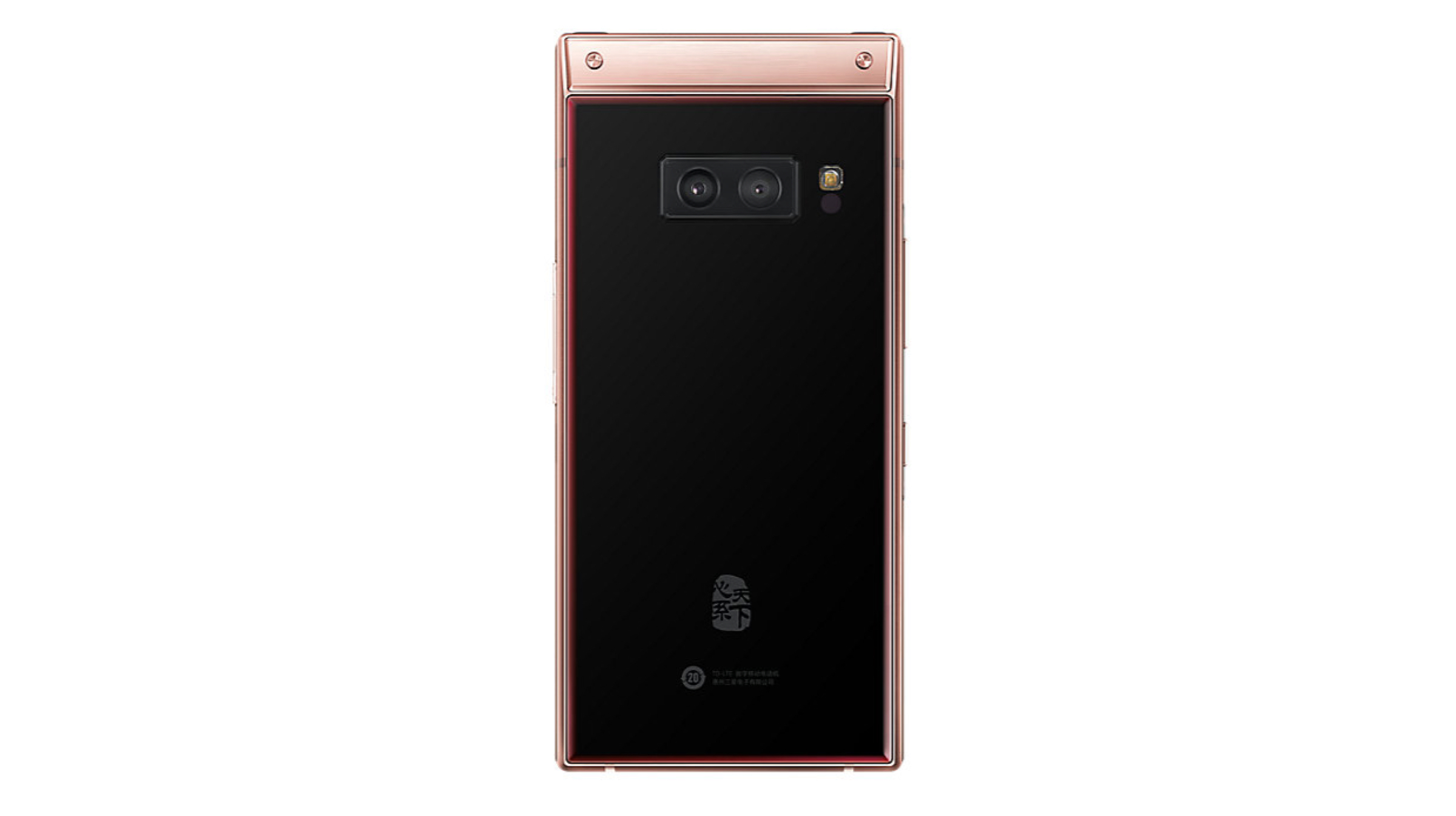
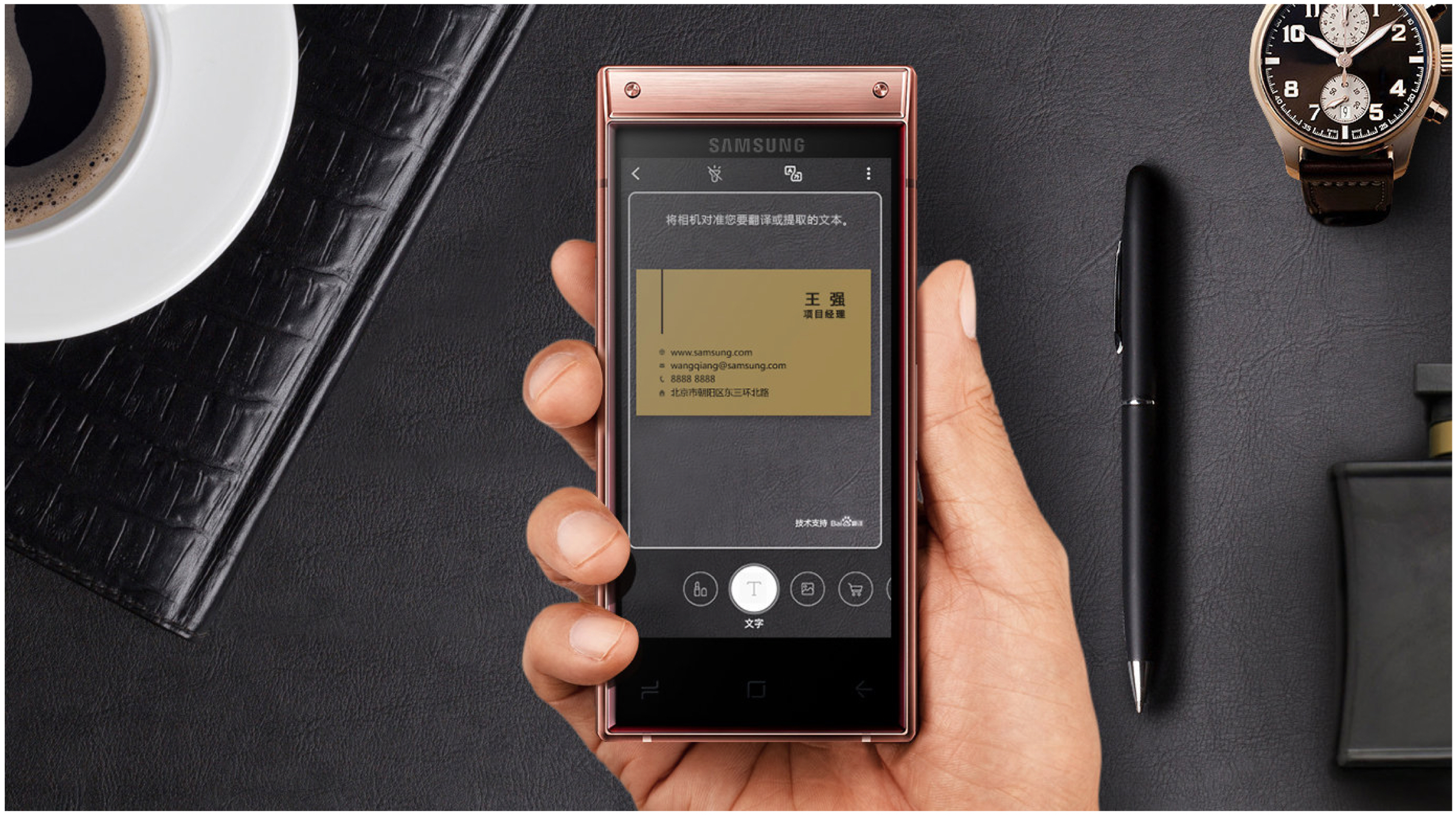
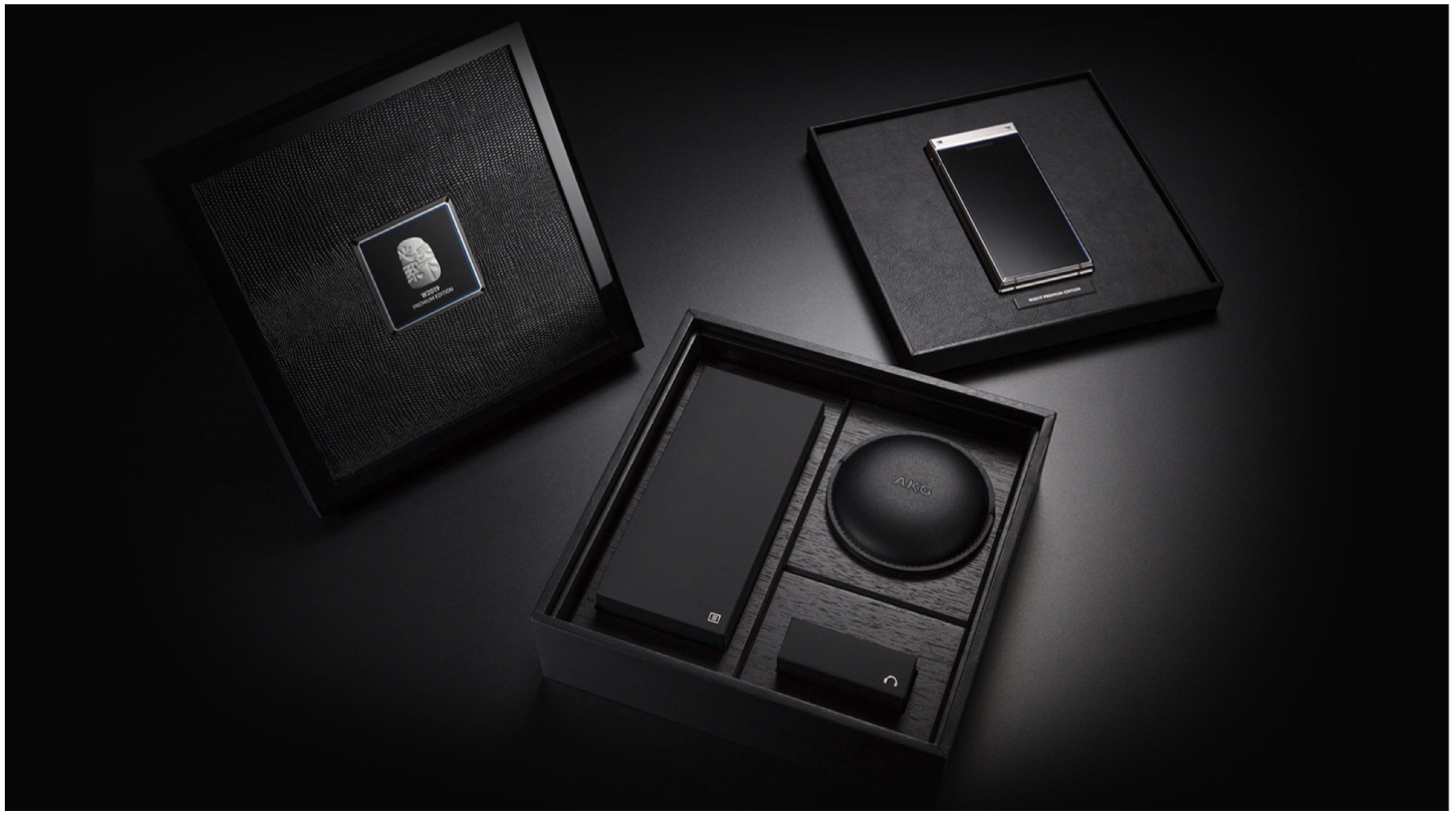
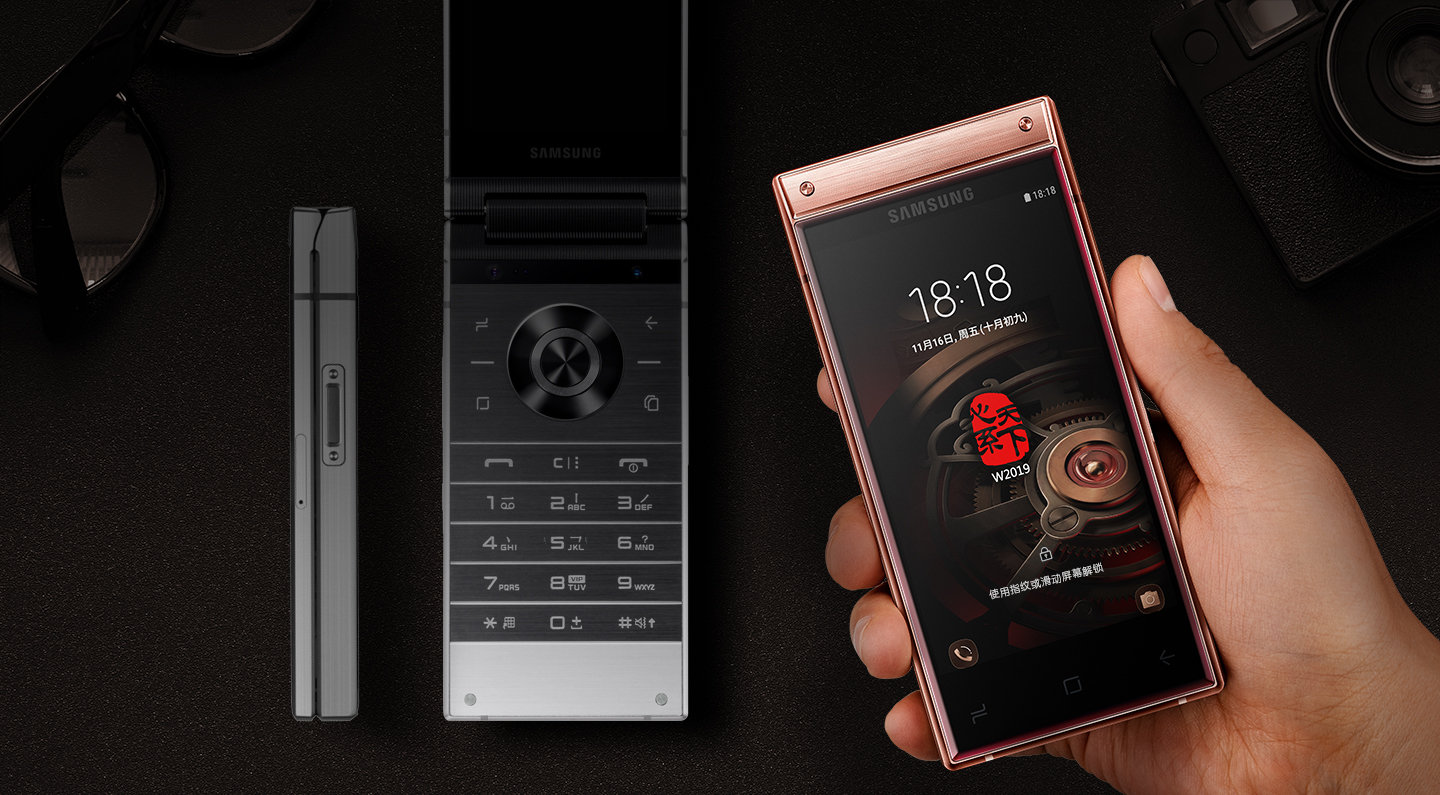
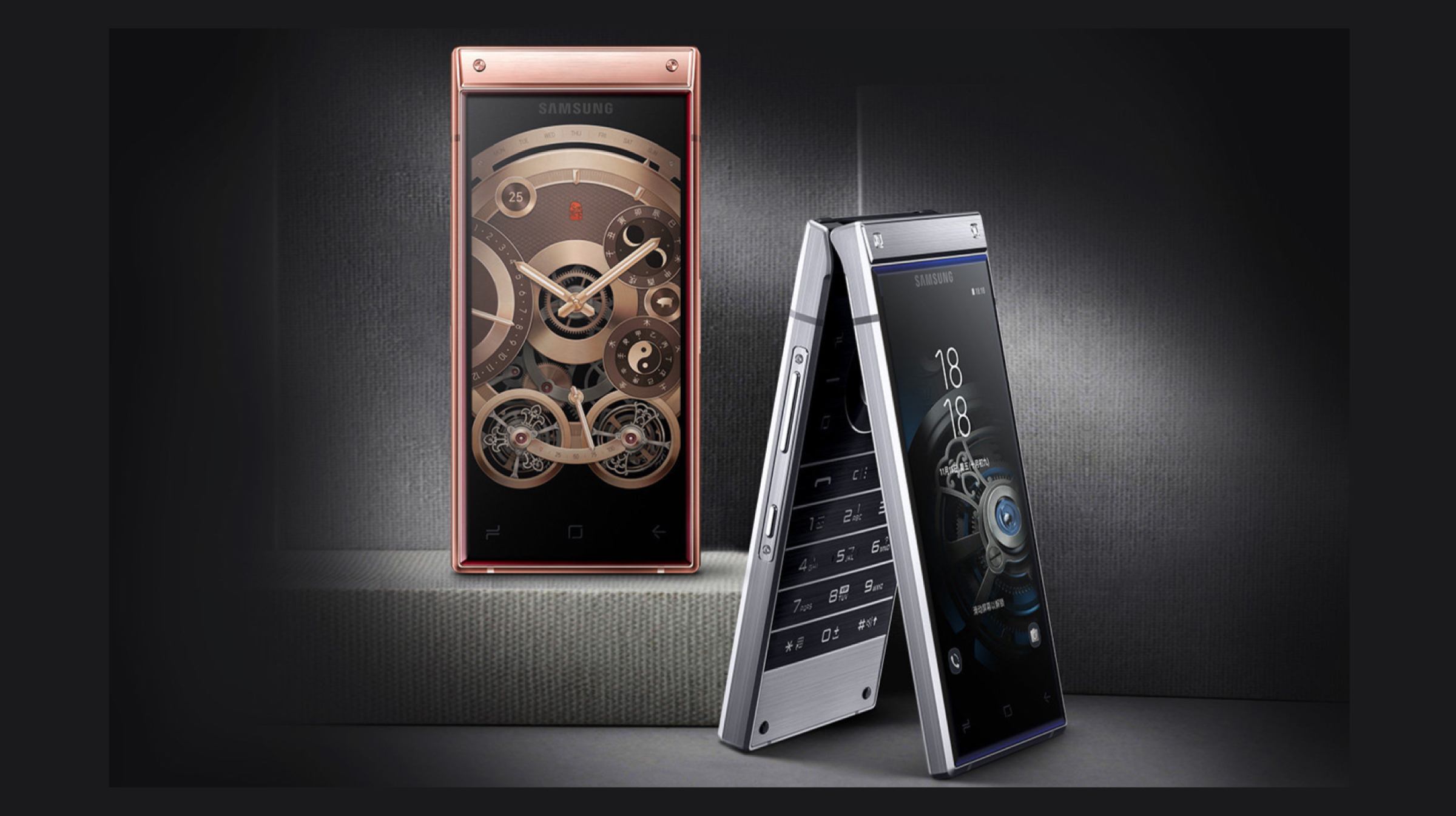
    Samsung has finally announced its flagship flip phone, the W2019. The smartphone has two AMOLED displays. The second screen features navigation keys as well, so that you can use the phone without having to open it. Though it is a flip phone, it has flagship specifications. It runs on the Qualcomm Snapdragon 845 SoC and has 6 GB of RAM. The phone will only retail in China as of now.

    Specifications

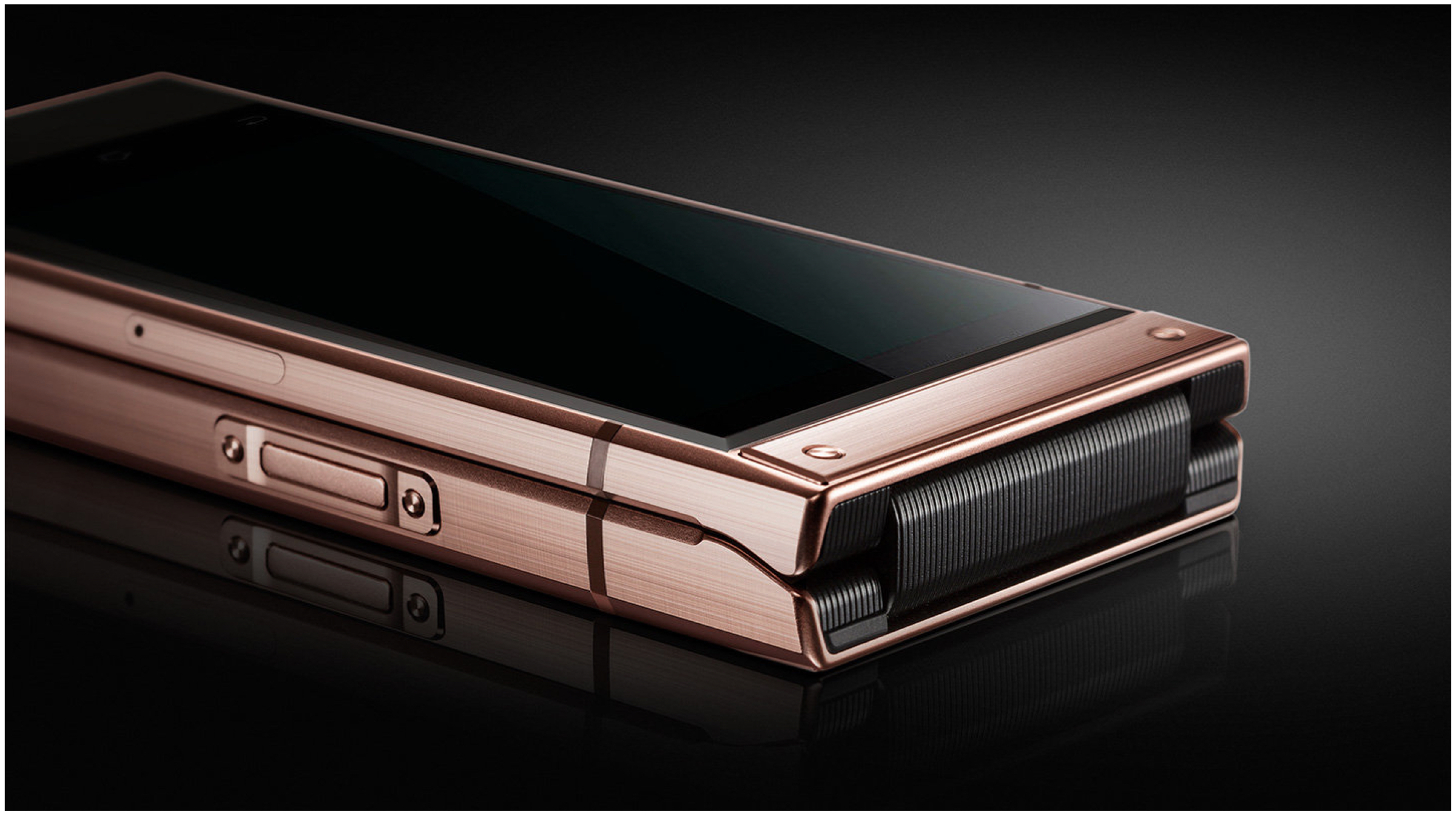
    The W2019 is the latest in the line of flagship flip phones launched in China by Samsung. While it may be a flip phone, it is crafted with premium materials. It is made from anodised diamond-cut aluminium and glass. Although the build of the phone shows off a retro design, the internals surely set it apart. The W2019 has two 4.2 inch Super AMOLED displays with a 16:9 aspect ratio and a 1920 x 1080 resolution. The phone runs on the Snapdragon 845 SoC with 6 GB of RAM and 128 GB / 256 GB storage options.

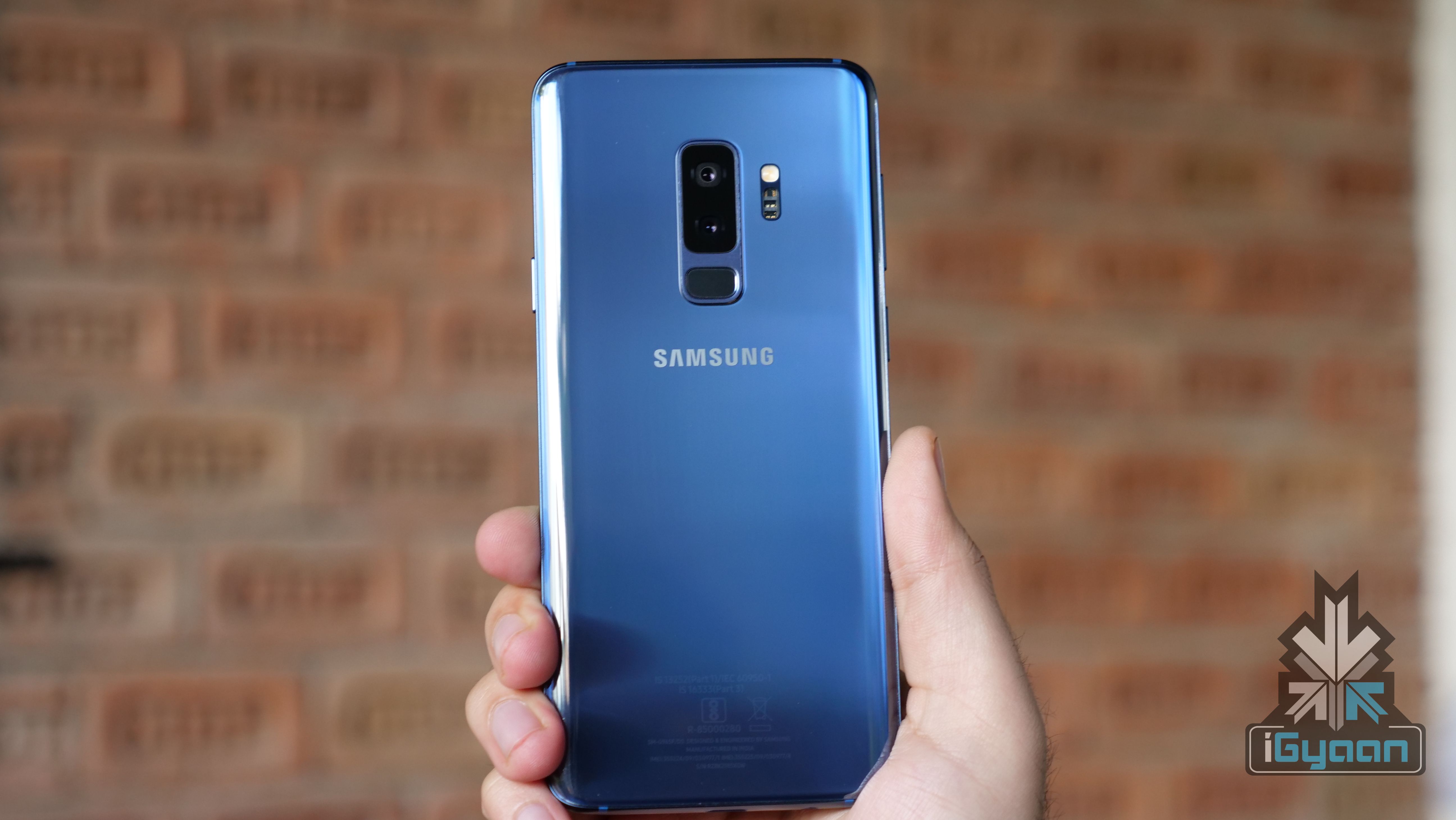
    On the back, it houses a camera setup which is the same as the Galaxy S9+. This consists of a 12 MP sensor with dual f/1.5- f/2.4 aperture and a second, telephoto lens with 2x optical zoom. The front camera is a 8 MP sensor with f/2.0.

    Under the hood, it packs a 3,070 mAh battery with a USB Type-C connector for charging. It has a side-mounted finger print sensor, seen on most Samsung phones these days, and is pretty convenient.


     The phone runs Android 8.1 Oreo out of the box. The W2019 also has a dedicated Bixby button to activate the Virtual Assistant directly.

    What’s More

    Another huge aspect of the phone, quite literally, is the thickness, which is 17.3 mm when the phone is closed. While this is unheard of in smartphones these days, one must keep in mind the fact that this is a clamshell flip phone and not your every day device.

    Also ReadSamsung Galaxy S9 and S9+ To Get Android 9 Pie Based On One UI

    That being said, the smartphone does have a huge fan following in China, despite its high price bracket. While nothing has been mentioned about the price and availability of the device, we can expect it to be somewhere upwards of the $ 2000 mark, considering the price of its predecessors.

  • Samsung Galaxy S9 and S9+ To Get Android 9 Pie Based On One UI

    Samsung Galaxy S9 and S9+ To Get Android 9 Pie Based On One UI

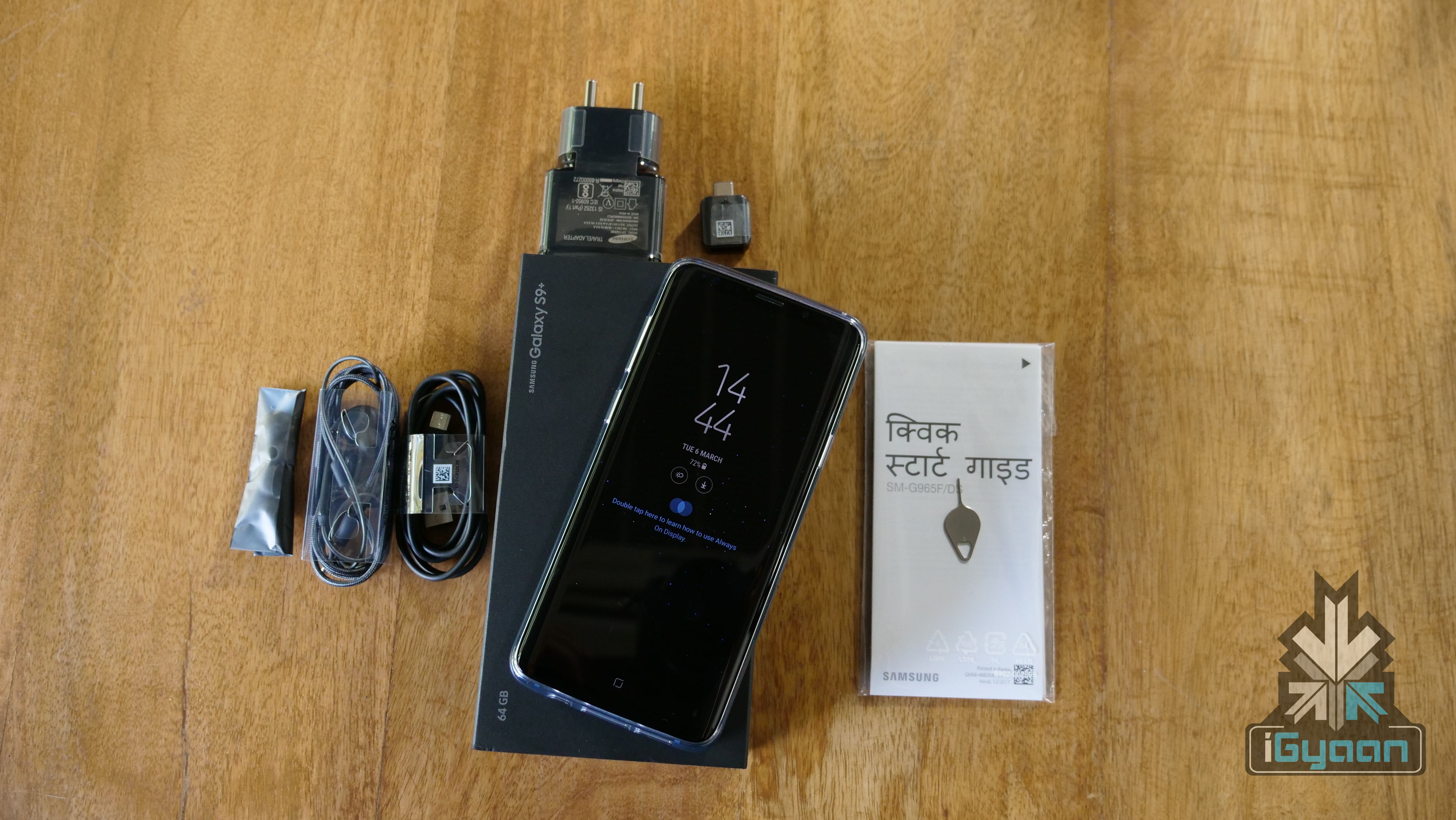
    Samsung recently announced that their flagship phones; the S9 and S9+ will get the new Android Pie update that is based on the new One UI, in January. The announcement was made at the Samsung Developer Conference (SDC 2018) in San Francisco, California. There have been several complaints from consumers stating that Samsung’s UI has a lot of clutter and is confusing. Apple on the other hand has always kept their user interface simple and made it very user friendly. This is one of the many reasons that consumers have accepted Apple so readily in the past.
    What’s New?

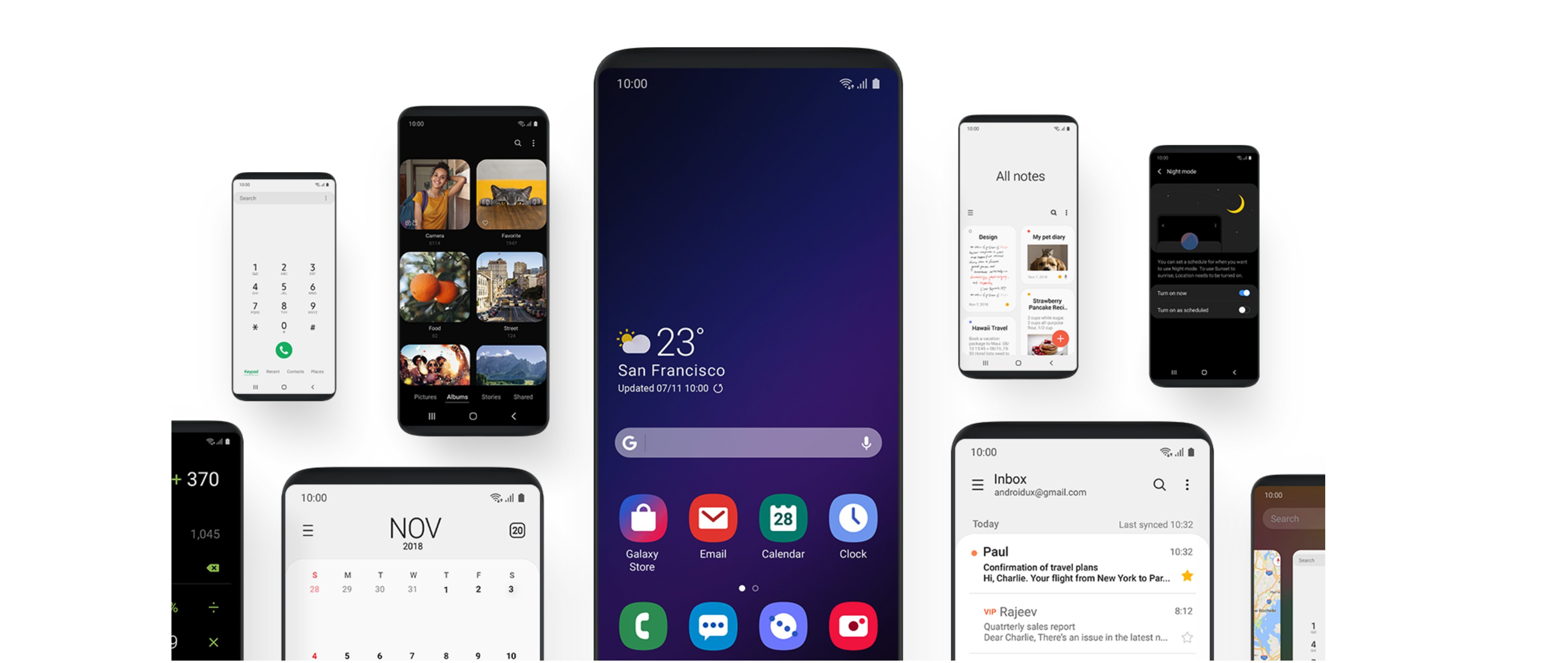
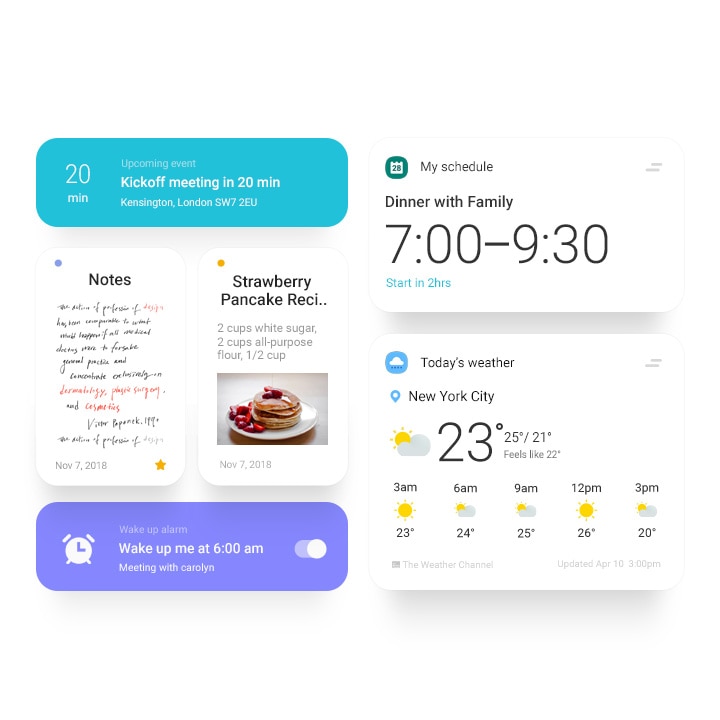
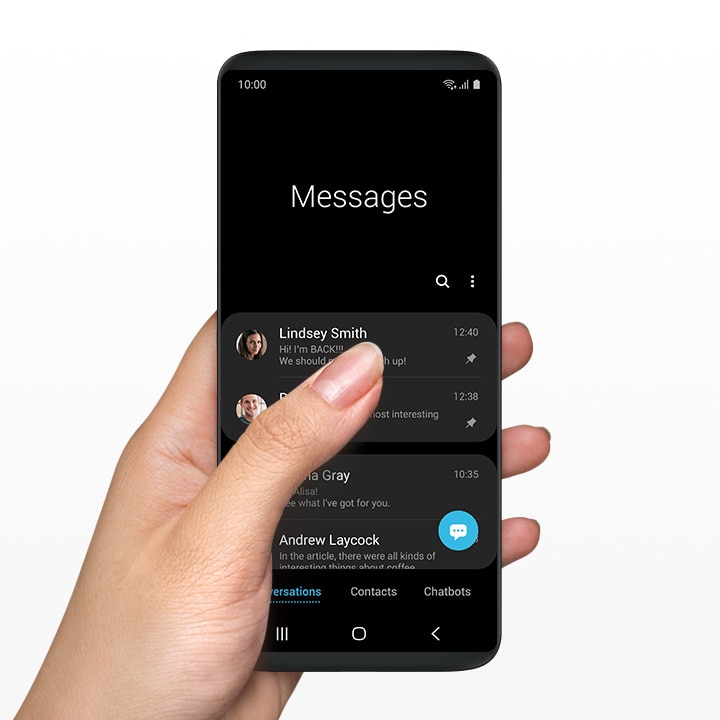
    Samsung’s new UI is clean, simple and looks very much like stock Android with a personal touch from Samsung. The landing page is very clean, the home screen is clutter free and the icons looks quite good as well. We also expect this lighter UI to make the phone perform better. But our guess in that department is as good as yours. At least until we get our hands on the UI. The new UI will make one- handed use better. This is easily visible in their Settings page, Dialler, Clock, Albums and more, which starts from the lower half of the screen.

    They are calling the top part the ‘viewing area’ and the bottom part the ‘interacting area’. Apart from this, the gallery has been completely redesigned as well, with bigger icons making it easier to identify the image you are looking for. The overall design cue seems to  find a lot of influence from Stock Android, infusing their old TouchWiz UI.

    Also Read: Samsung Showcases Its Foldable Smartphone With Infinity Flex Display

    Samsung’s S8 which saw it’s release early in 2017 will reportedly not get the new user interface. The open beta program for Android 9 Pie will reportedly start to roll out in the US, Germany and South Korea later this month. Other Asian and European countries will receive the beta at a later stage but no date has been mentioned as of now.

  • Samsung Succumbs To The Notch

    Samsung Succumbs To The Notch

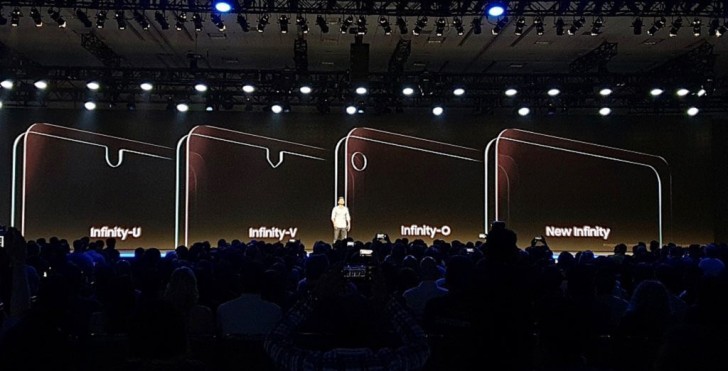
    Remember Samsung’s advertisement mocking Apple when the iPhone X came out? Well, it seems that Samsung has finally given in to the notch and has decided to go with the general flow of the industry. Albeit, the notches are not as big as the iPhones’ but they are notches nonetheless. Samsung was one of the very few companies that did not have notches on their phones but now it seems the company has changed it’s stance as they revealed three different notch designs at a developer conference recently.

    Notch Specifications

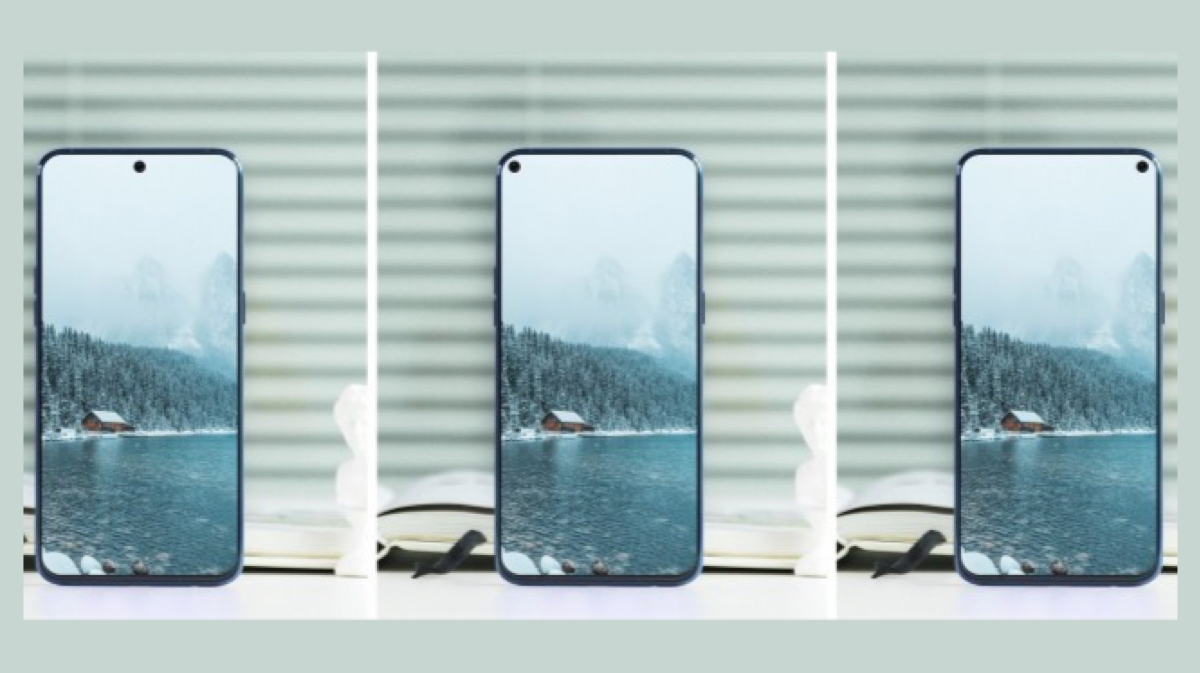
    The fact that Samsung is looking into notch designs was in the rumour mill since a long time and the event confirms that truth. In the conference, they showed three different types of notches – the V-notch, the O- notch and the U- notch. The V- notch is  in the shape of a V. It is located in the middle of the screen on top. The U- notch aptly looks like a U and is located on the middle top. It is similar to what we have seen in the Essential phone and a few other phones. The most interesting of the three is the O- notch that is in the shape of a circle. This notch is on the top left side of the screen. It looks like a hole, a cutout inside the screen.

    Also Read: Samsung Mocks The iPhone X Notch And Other iPhone Things In New Advertisement

    Screengrab of Samsung’s advertisement mocking Apple’s notch

    It is still unclear as to how Samsung is going to utilise this notch if the consumer is going to accept the weird position of the camera or not. We really like this position as it provides an unobstructed view when it comes to watching videos or consuming other content. The New Infinity panel is the most interesting thing showed by the company. It is a notch-less, bezel less design that everyone was waiting for! If rumours are to be believed it might even have an under display camera and will be seen on the upcoming Galaxy S10!

  • Samsung Galaxy J4 Core Running on Android Go Leaks Online

    Samsung Galaxy J4 Core Running on Android Go Leaks Online

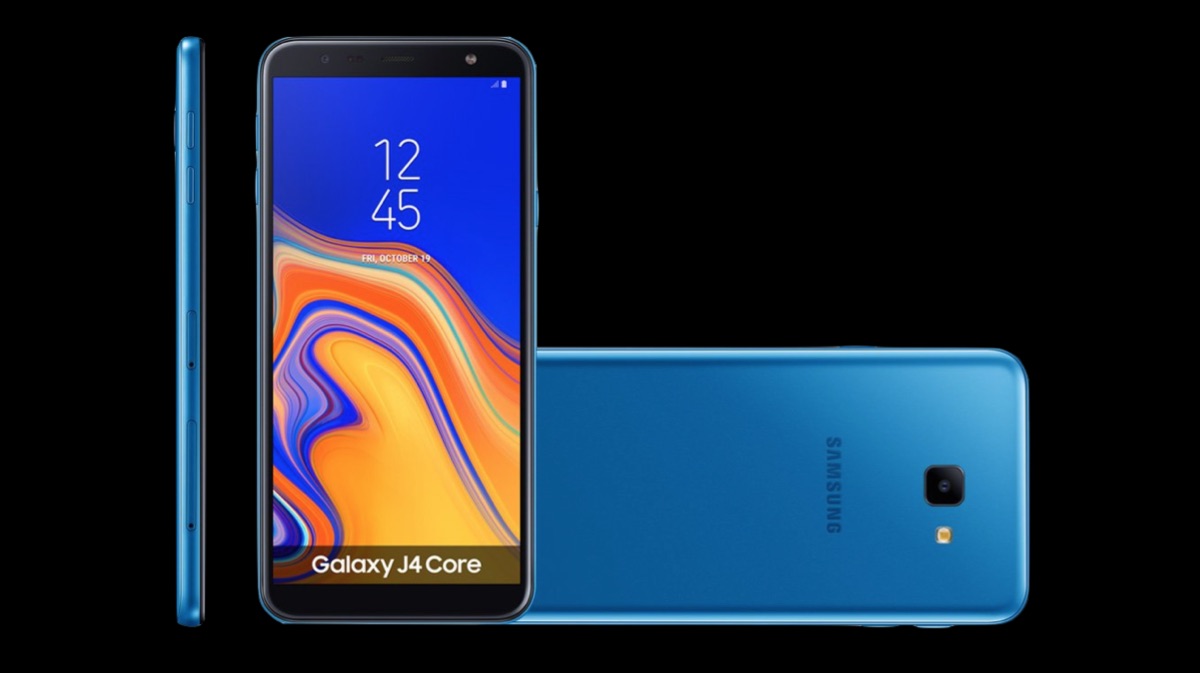
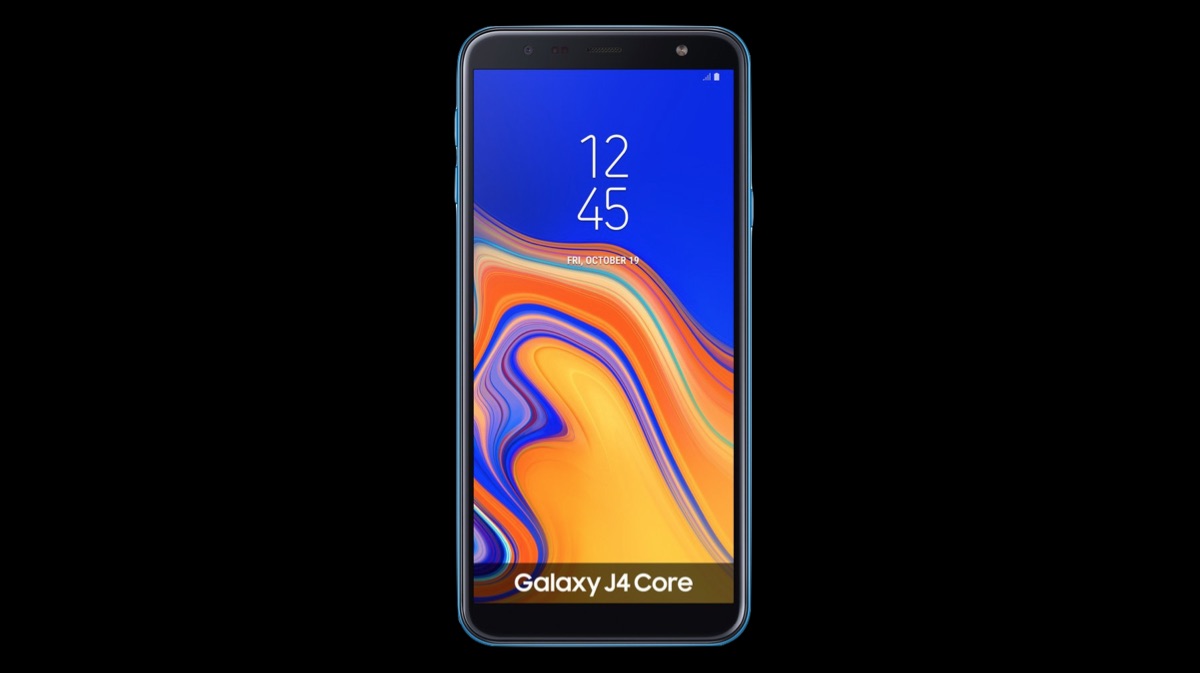
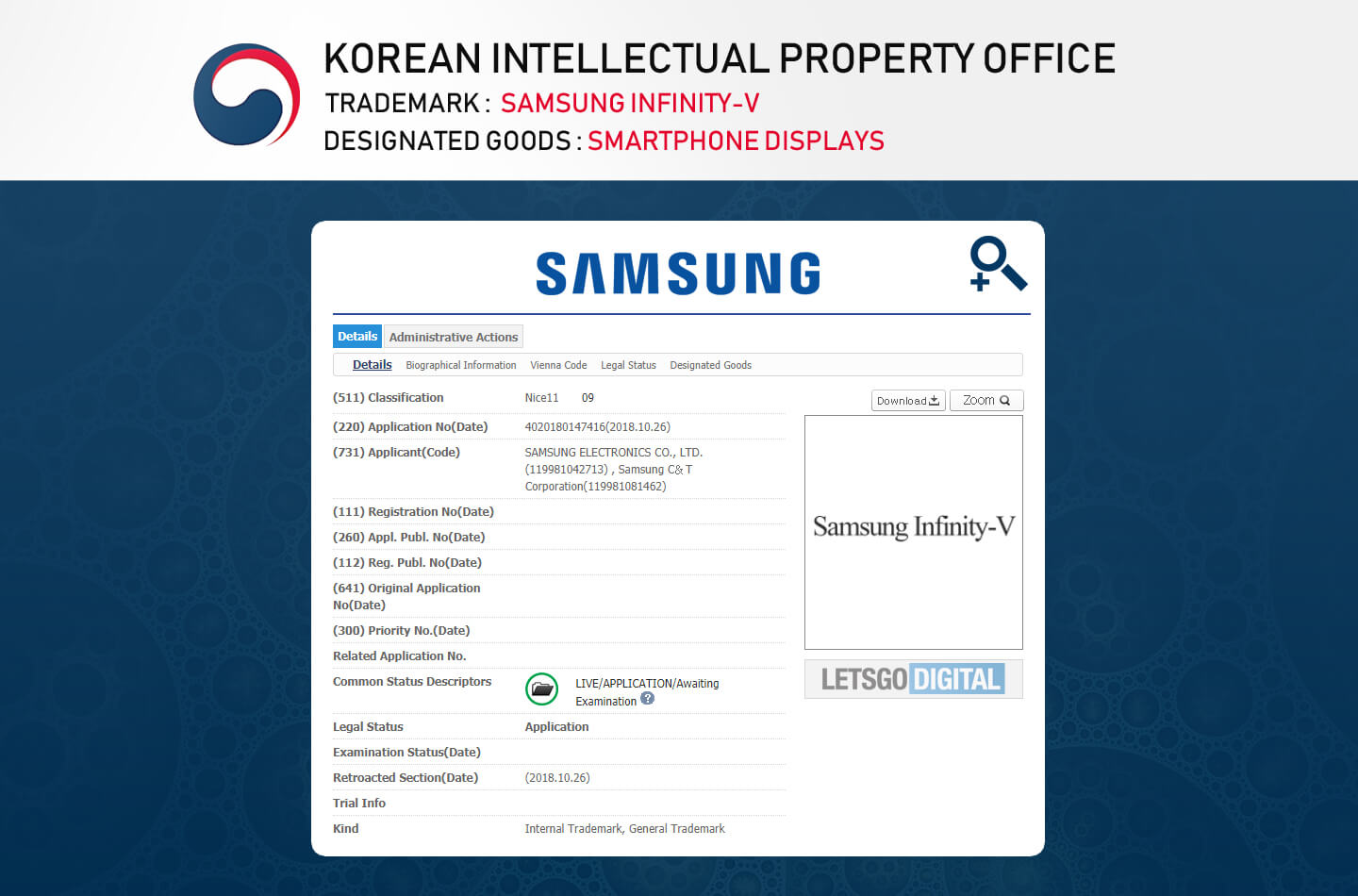
    Android Go is a tailored distribution of the Android Operating system for low-end smartphones with 1 GB of RAM or less. It uses a special suite of Google apps which can work on less powerful hardware and consume less data. Android Go devices are priced very aggressively and are mainly targeted towards developing countries. Samsung is the global smartphone leader and makes smartphones in all price brackets. They launched their first Android Go smartphone, the Galaxy J2 Core back in August. Recently, another Samsung Android Go smartphone, the Galaxy J4 core has surfaced on a Brazilian website prior to its official launch.
    J4 Core Specs & Features

    The Samsung Galaxy J4 core is a smartphone made for the budget segment, but does not compromise on high priority features like a large screen, battery and storage expandability.  The smartphone has a 6-inch HD+ display with a 1480 x 720 px resolution. It runs on an unstated quad-core processor with 1.4 GHz frequency and 1 GB of RAM. The smartphone has 16 GB of internal memory which is expandable up to 256 GB via a microSD card. 

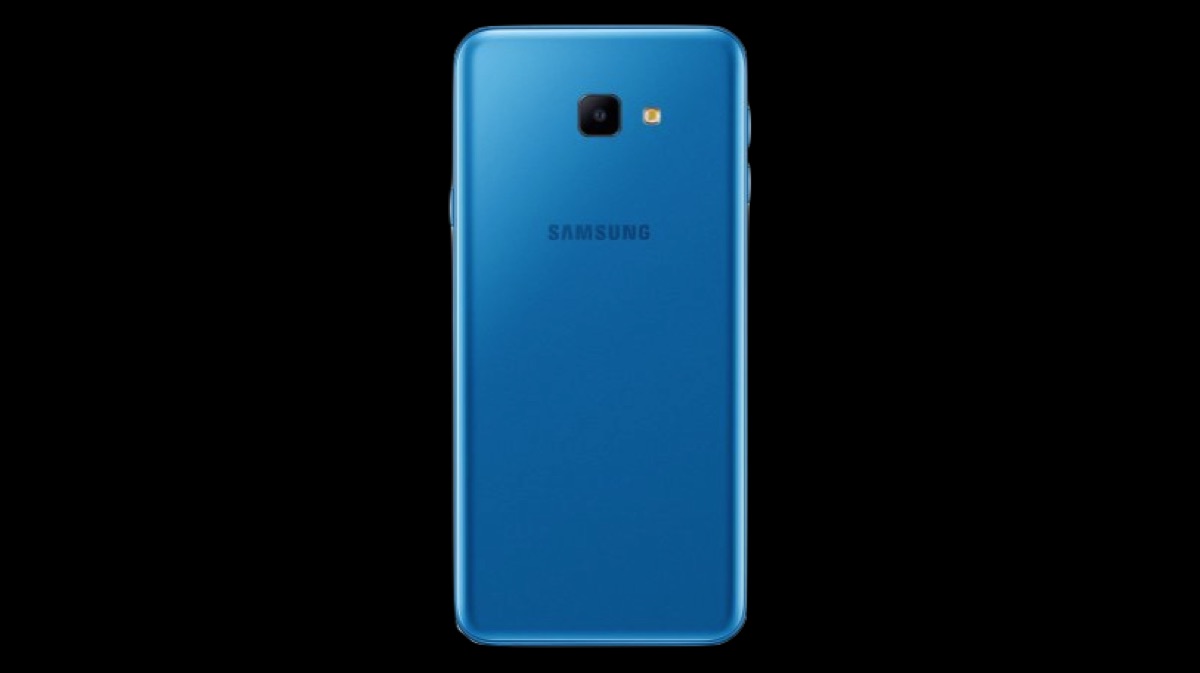
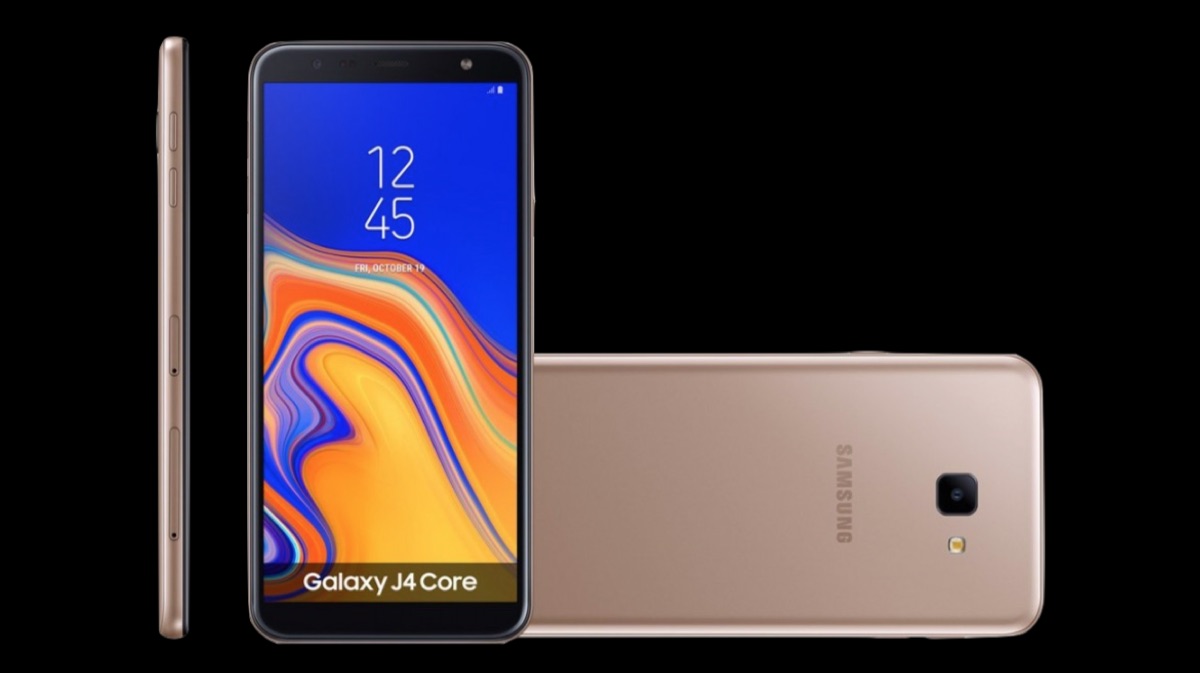
    The Galaxy G4 is a dual sim smartphone with 4G capabilities. For photography, the smartphone has an 8 MP rear and a 5 MP front camera. Additionally, both front and rear cameras get a dedicated LED flash. It can shoot 1080p videos @ 30fps. The Galaxy J4 Core is powered by a 3,300 mAh battery with fast charging support. The smartphone will be available in three colours; Black, Blue & Copper, according to the listing on the site. Tt runs on Android 8.1 Oreo (Go Edition).

    Price & Availablity

    Also Read: Xiaomi Launches Wireless AirDots And New Mi Notebook Air

    No information regarding the price of the Samsung Galaxy J4 Core is available as of now, but it might launch soon as almost all the details are already out.

  • Samsung Showcases Its Foldable Smartphone With Infinity Flex Display

    Samsung Showcases Its Foldable Smartphone With Infinity Flex Display

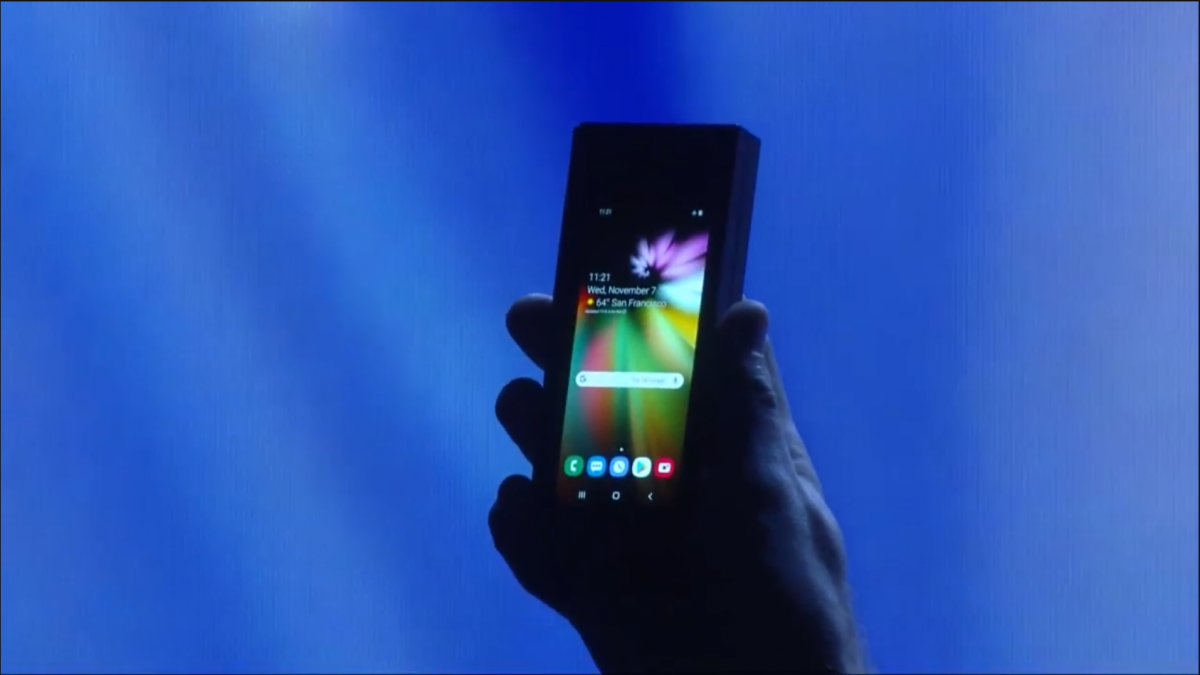
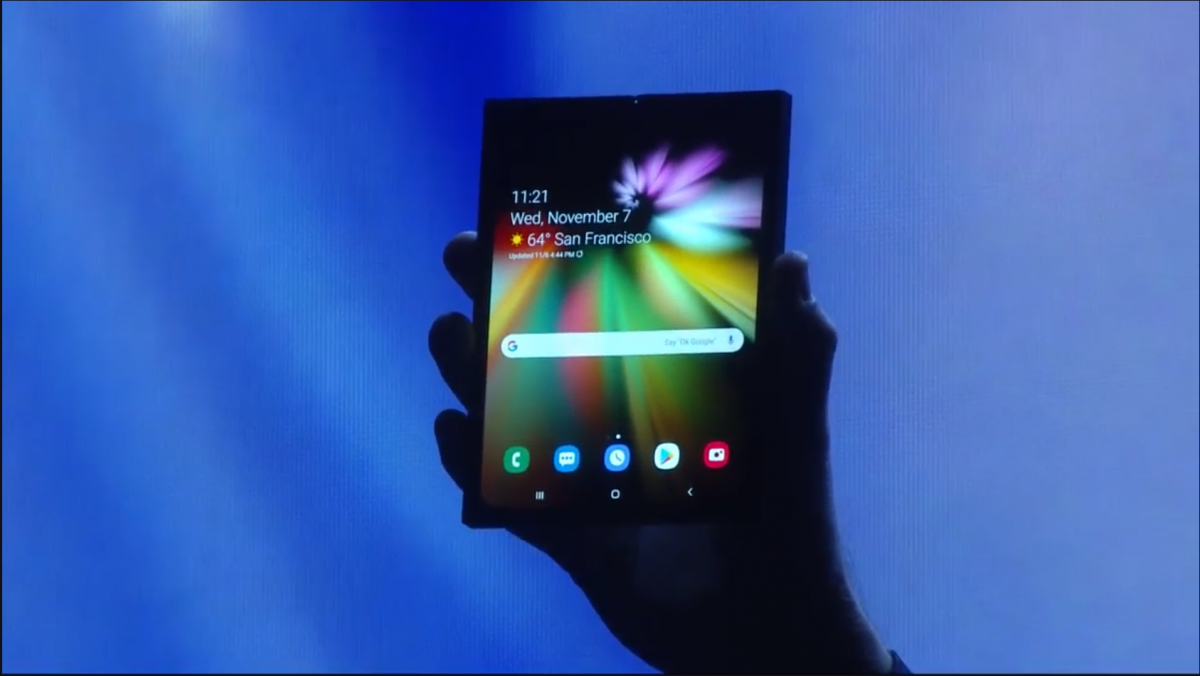
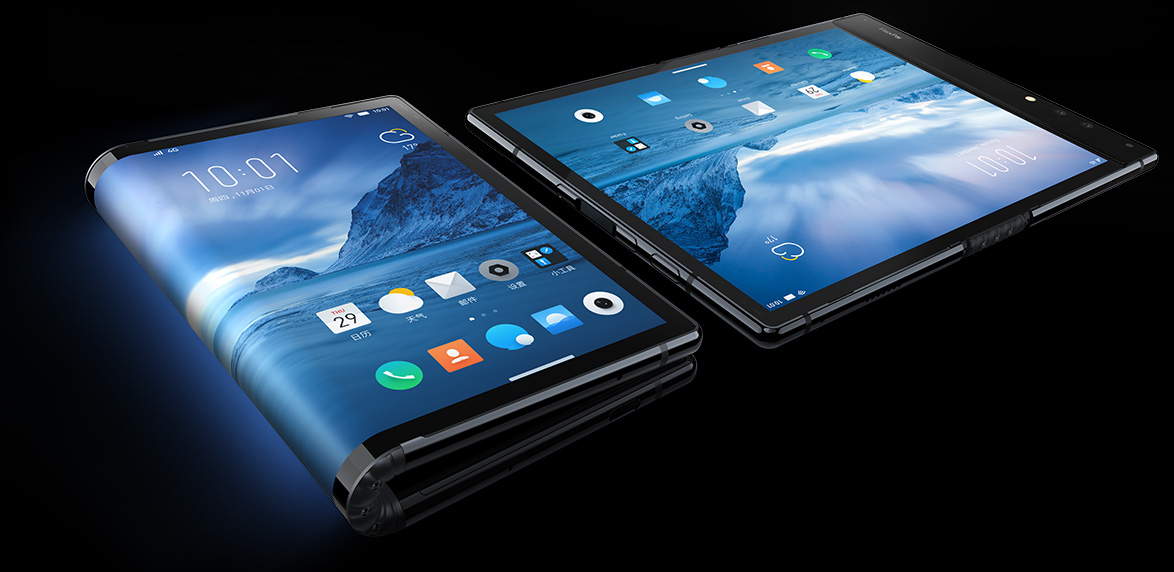
    The long awaited, folding smartphone from Samsung is finally here. Samsung unveiled the phone, which also doubles up as a tablet, at the Samsung Developer Conference. But the company did not reveal an official name for the device. However, they did mention that it uses what is called the Infinity Flex Display. This lets you use the phone as a smartphone when it is folded, and a tablet when the screen is unfolded. The device runs on the new Android OS for folding displays. It will enter mass-production early next year, according to Samsung.

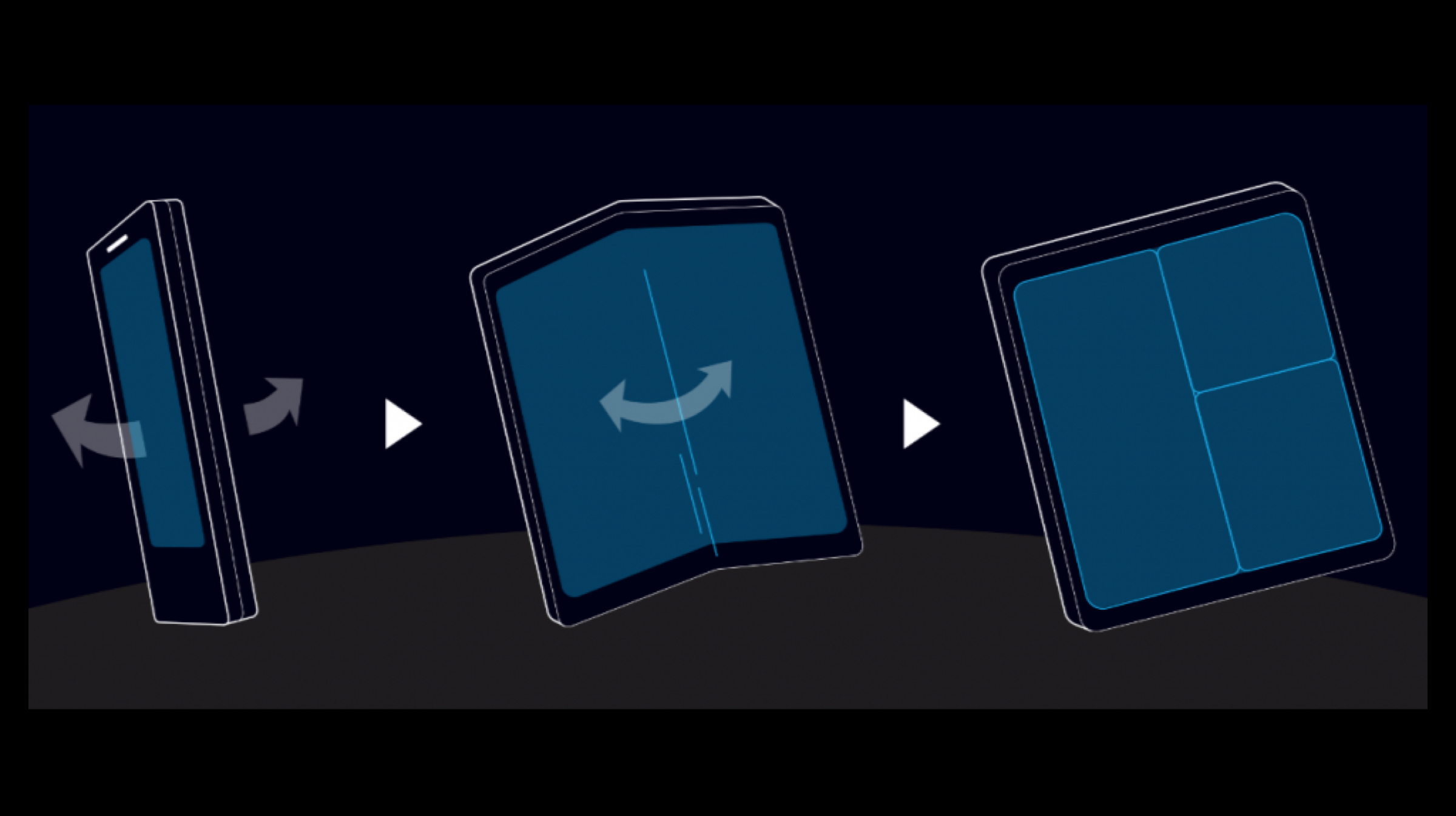
    To complete the transition, it uses a 4.6 inch Super AMOLED display which acts as the primary display for when you use it as a smartphone. Upon unfolding, you can use the 7.3 inch Super AMOLED display which is the main display, according to the company. With so much screen available, you can use up to three apps at once, while using the device. The company also ensures a smooth transition between apps. They also claim that the transition from a smartphone to a tablet is smooth and effortless at all times. To make this possible, they take the help of Android, which has announced support for foldable displays.

    The Foldable Future

    Samsung has also set up an emulator SDK to help test apps for the device. Additionally, they will provide guidelines on how to develop apps for foldable smartphones. Samsung also said that they have spent a lot of time on perfecting the design elements for the new phone. From what we can see in the video of the device presented by the company, it has much thinner bezels and a smoother finish than the FlexPai folding smartphone, which was launched last week.

    Some reports also suggest that this is not the production variant of the phone. Saying that the final version will have thinner bezels and a less bulky design. This would be key as no one would like to lug around a phone that is bulky and inconvenient, no matter how innovative it may be.

  • Samsung Teases Its Foldable Phone, Will Reveal It Soon

    Samsung Teases Its Foldable Phone, Will Reveal It Soon

    The Samsung Developer Conference is just a day away and the hype around the event is increasing. Samsung will give the world a first glance at its foldable Galaxy smartphone, which also doubles up as a tablet. The foldable device had been under production for a long time and sports a 7.3 inch foldable internal OLED display.

    Two-Fold Teaser

    Samsung updated the pictures on its Twitter handle and Facebook page. The new image features a ‘folding’ logo which obviously points towards the imminent launch of the folding phone. The folding phone has been given the title of Samsung Galaxy ‘F’ according to sources and doubles up as a tablet. There had been a lot of speculation regarding what kind of design Samsung would settle with for the device, and latest reports claim they have the answer. They stated that Samsung will use a 7.3 inch foldable internal OLED display and a 4.6 inch external OLED display. The internal display will hide completely when you fold the device and the external display will let you use it as a smartphone.

    Developer Conference

    The device will take centre stage at Samsung’s Developer Conference. The official SDC app also states that Samsung will display their new Android 9 Pie Beta program and a brand new Galaxy UX. It also states that we will get to see ‘how a foldable displanew experience creates a totally e’. However, this is not the first folding display. A Chinese company, Rouyu has already shown their display running on the unannounced Snapdragon 8150 ( a.k.a Snapdragon 855). The device is available for pre-order and a lot of people also had used the device hands-on.

    Also ReadApple Halts Additional iPhone XR Production Lines Due To Decreased Demand

    However, as we have seen before, it doesn’t matter that much as to who introduced the technology first. It is expected that Samsung phone will produce a much more refined and smoother device when compared to the Rouyu FlexPai. Samsung is also expected to provide more details about its Galaxy Home AI Speaker at the event.

  • Samsung Galaxy S10 To Not Have The Iris Scanner

    Samsung Galaxy S10 To Not Have The Iris Scanner

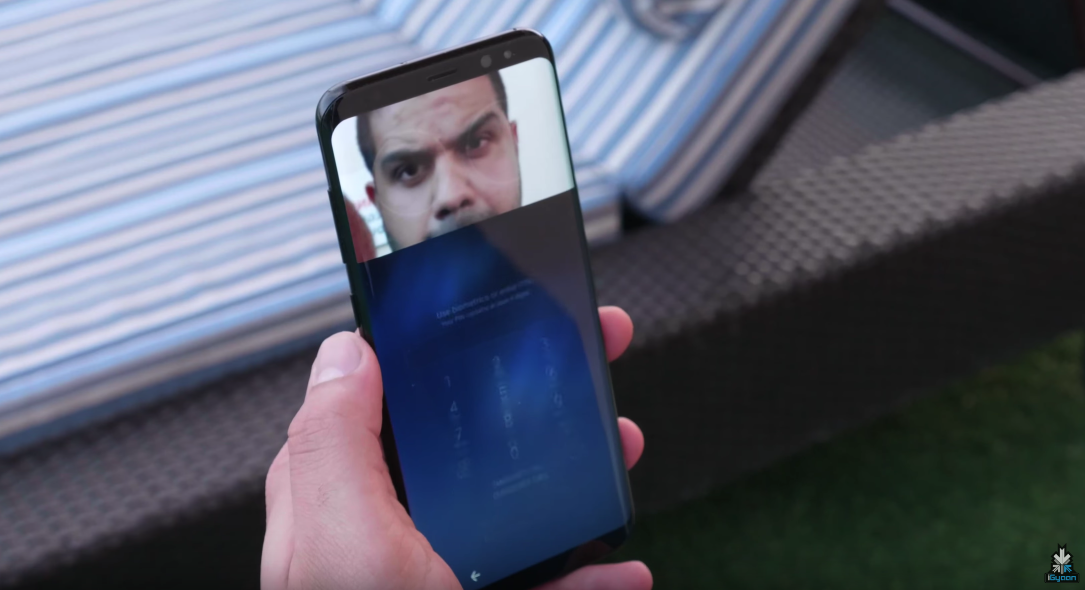
    The Samsung Galaxy S10 is the upcoming flagship by Samsung. The smartphone marks the 10th anniversary of the Galaxy S series by Samsung and is therefore bound to be special. Previous leaks of the smartphone have showcased some very exciting features of the Galaxy S10. These include an almost bezel-less display with an in-display cameraamong others. Latest reports suggest that Samsung will remove the Iris Scanner on the Galaxy S10. It will instead replaced by an in-display fingerprint sensor.

    More Than Meets the Eye

    Galaxy S9

    The Iris Scanner was first introduced with the Galaxy Note 7, infamous for its faulty batteries, which caused some smartphones to explode. The technology is seen in all the Galaxy Note and Galaxy S devices launched after the Note 7. The Galaxy Tab S4 is the most recent device to sport the Iris Scanner. The Iris Scanner by Samsung promised a high level of security with equally high levels of privacy as well. But now, the technology will make way for something bigger and more important; a larger display.

    Removing the sensor present on the top will ensure that there is more screen real estate on the Samsung Galaxy S10. The device will either have an in-display front-facing camera or a camera cut out on the display. This will make way for more screen real estate while not settling for a notch. Samsung is the only major Smartphone manufacturer who has not adopted the notch yet. We expect for the company to set a new trend with its next smartphone.

    UltraSonic Fingerprint Sensor

    Top 10 Features

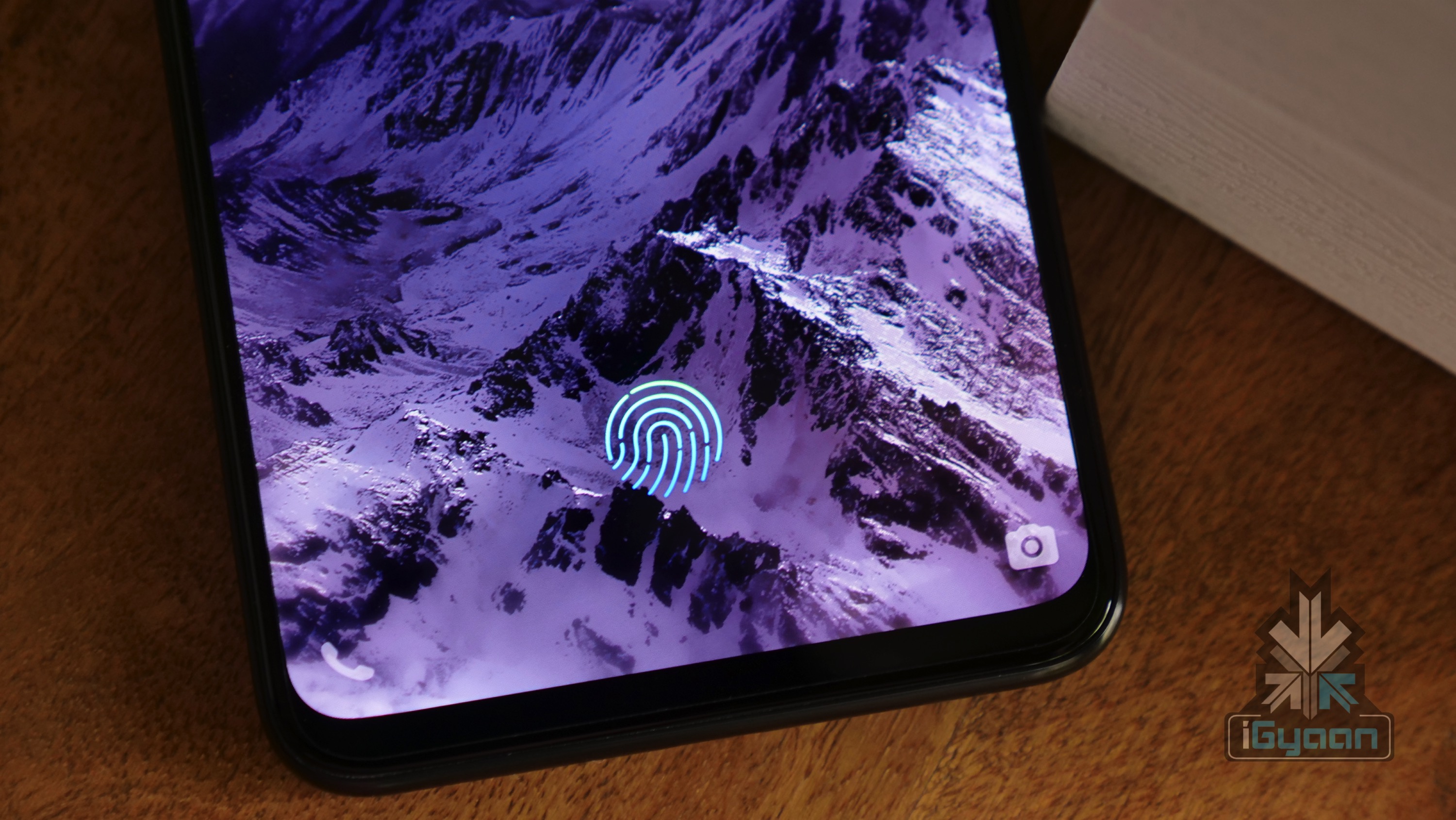
    The Samsung Galaxy S10 will now have an ultrasonic in-display fingerprint reader. Almost all the smartphones available in the market today use an optical in-display fingerprint reader. The ultrasonic sensor is much more secure and upto 3x more expensive than its optical counterpart. Qualcomm has already finished the development of this sensor which uses cameras to map the ridges in your fingerprint along with the sweat pores on your fingers. The technology can work well through any type of display and also while in contact with water, sweat or grease.

    Also ReadRealme Smartphones Will Soon See A Price Hike

    With all these features and more which are yet to be seen, the Galaxy S10 is shaping up to become a really interesting smartphone.

  • Samsung Galaxy A9 With Five Cameras To Launch At Rs. 39000

    Samsung Galaxy A9 With Five Cameras To Launch At Rs. 39000

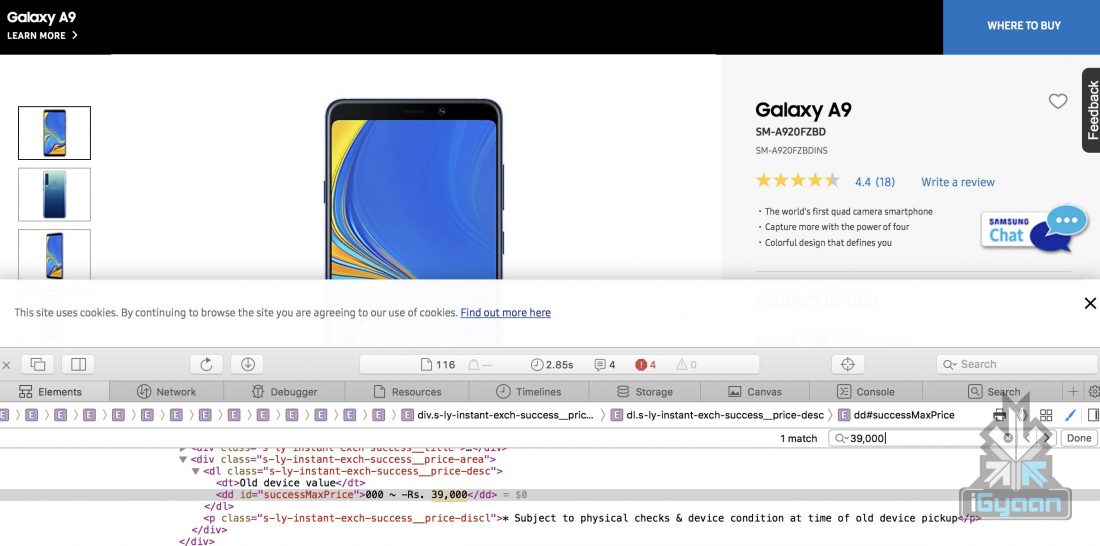
    Samsung launched the five camera Galaxy A9 smartphone in Europe and Indonesia last month. Now the smartphone is listed on Samsung India’s official website which shows us that the launch is close. However, the website does not reveal any price information. But, upon closely inspecting the website we found the device will have a price of Rs 39,000 in India.

    Samsung Galaxy A9 Design

    The Samsung Galaxy A9 has a front and rear glass build. The device has a thin top and bottom bezels while the left and right bezels are almost non-existent. The speakerphone and the front-facing camera is built into the top bezel of the device. The SIM/microSD slot and volume rockers are on the right side whereas the power button is on the left of the handset.

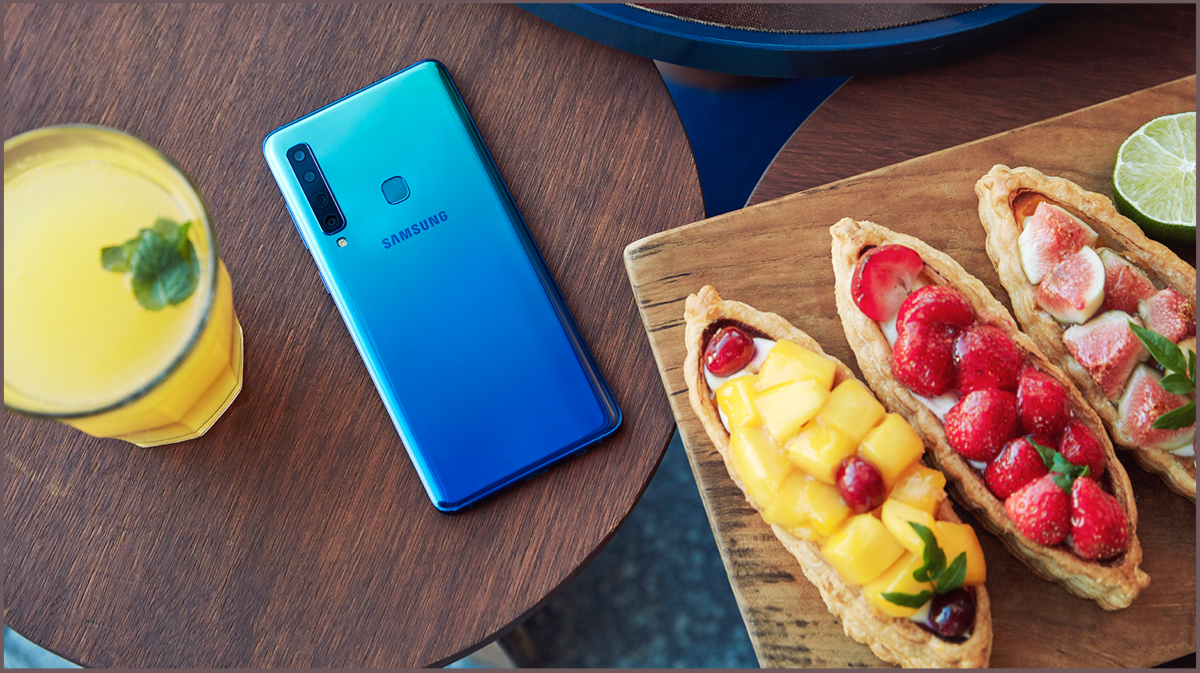
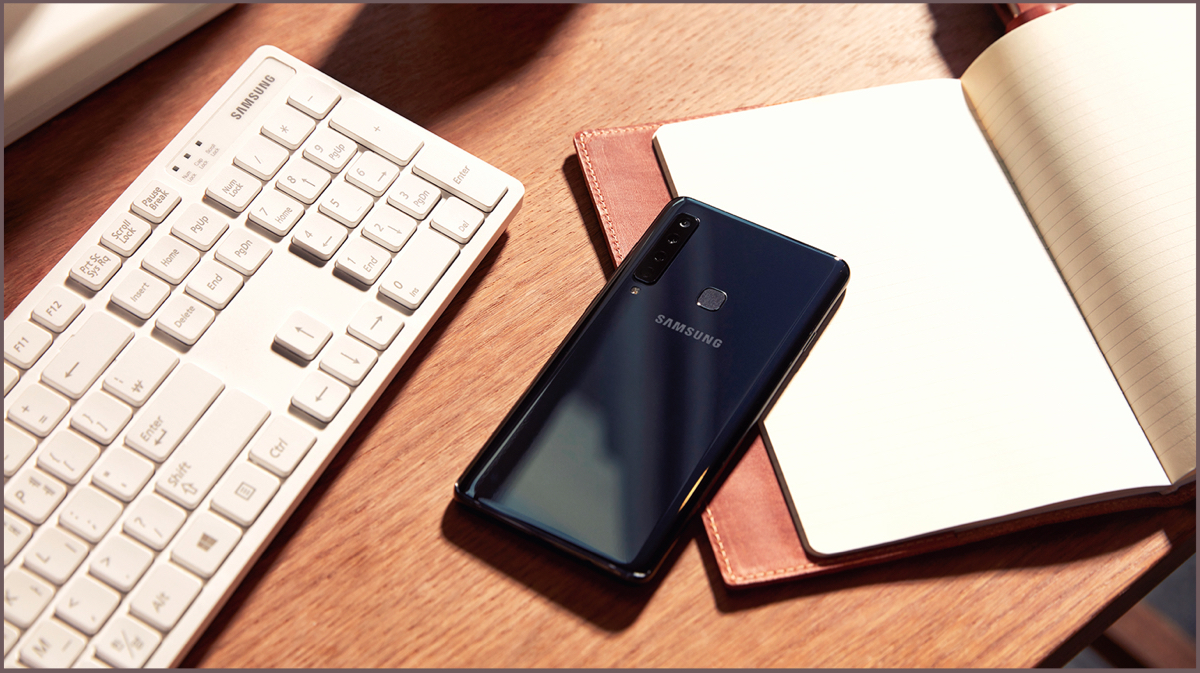
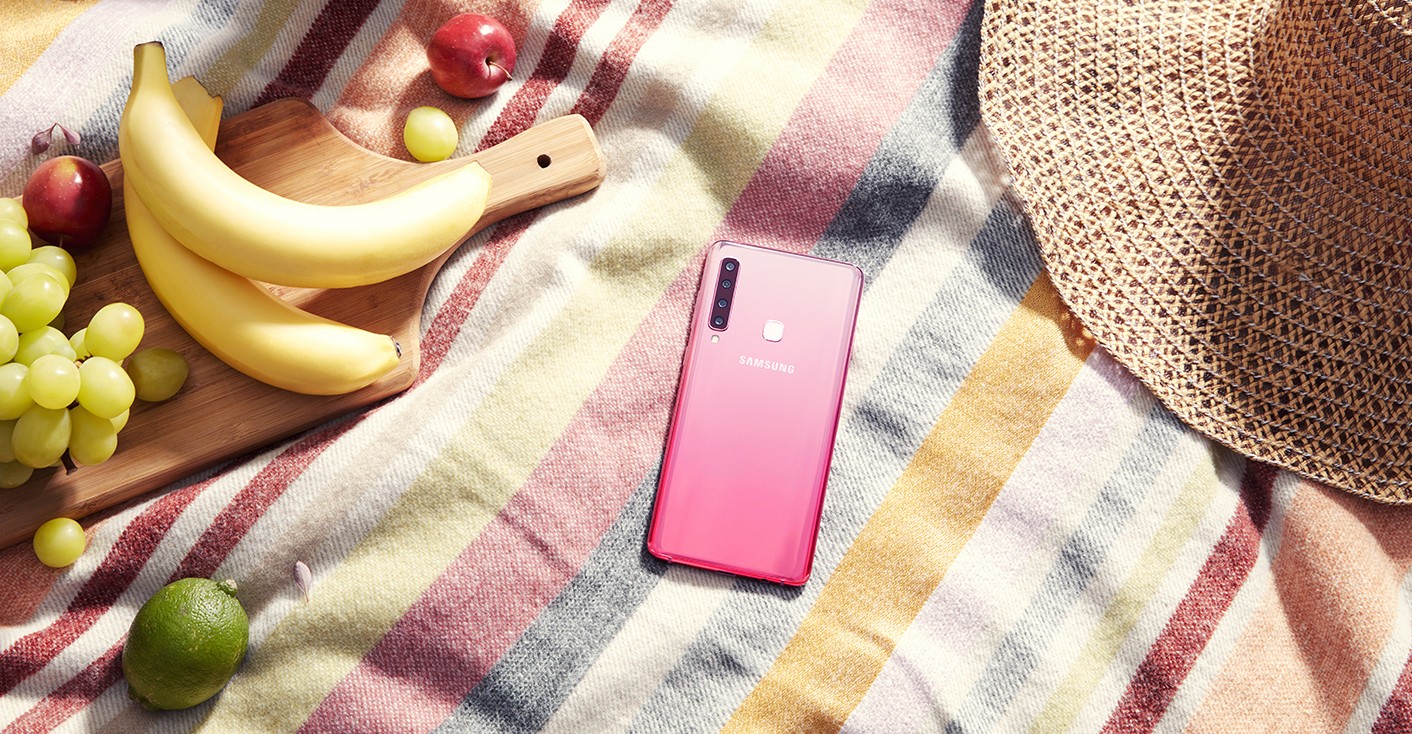
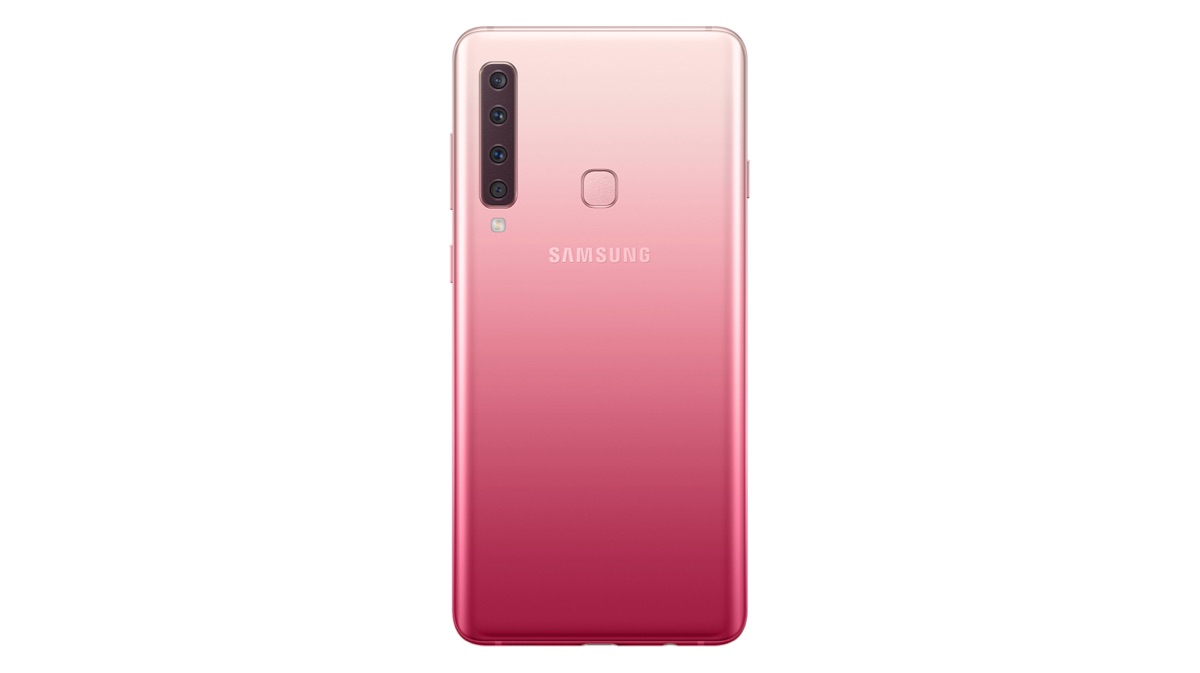
    The key highlight of the smartphone, the quad camera setup with LED flash is placed on the rear of the device. Additionally, the Galaxy A9 has a rear-mounted fingerprint sensor for securely unlocking the device. The device has 162.5 x 77 x 7.8 mm dimensions and weighs in at 183 grams. The smartphone is available in 3 gradient backs which are Lemonade Blue, Bubblegum Pink, and Glossy Black

    Camera Beast

    The biggest selling factor of the Samsung Galaxy A9 is its camera capabilities. The rear camera setup includes 4 vertically aligned sensors each with their own unique abilities. The first camera in this vertical alignment is an 8 MP sensor with an f/2.4 aperture, ultra wide lens with a 120 degree viewing angle. The second camera is a 10 MP sensor with an f/2.4 aperture, telephoto lens with 2X optical zoom. The third is the 24 MP sensor with an f/1.7 aperture lens. The last  camera is a 5 MP depth sensor with an f/2.2 aperture lens for live focus. A single LED flash is placed below this setup.

    Samsung Galaxy A9 Tech Specs
    Price & Availability

    The following information was found on the Samsung India webpage for the Galaxy A9. 

    Also read: OnePlus Bullets Wireless Red Colour Gets Listed

    The Samsung Galaxy A9 has been listed on the company’s official India website which states the launch of the device is imminent and will launch before the month ends. The smartphone has an Indian price of Rs 39,000 which is much less than its Europe price £ 549 (around Rs 53,500).

  • Samsung Introduces Two 1/2 inch ISOCELL Image Sensors

    Samsung Introduces Two 1/2 inch ISOCELL Image Sensors

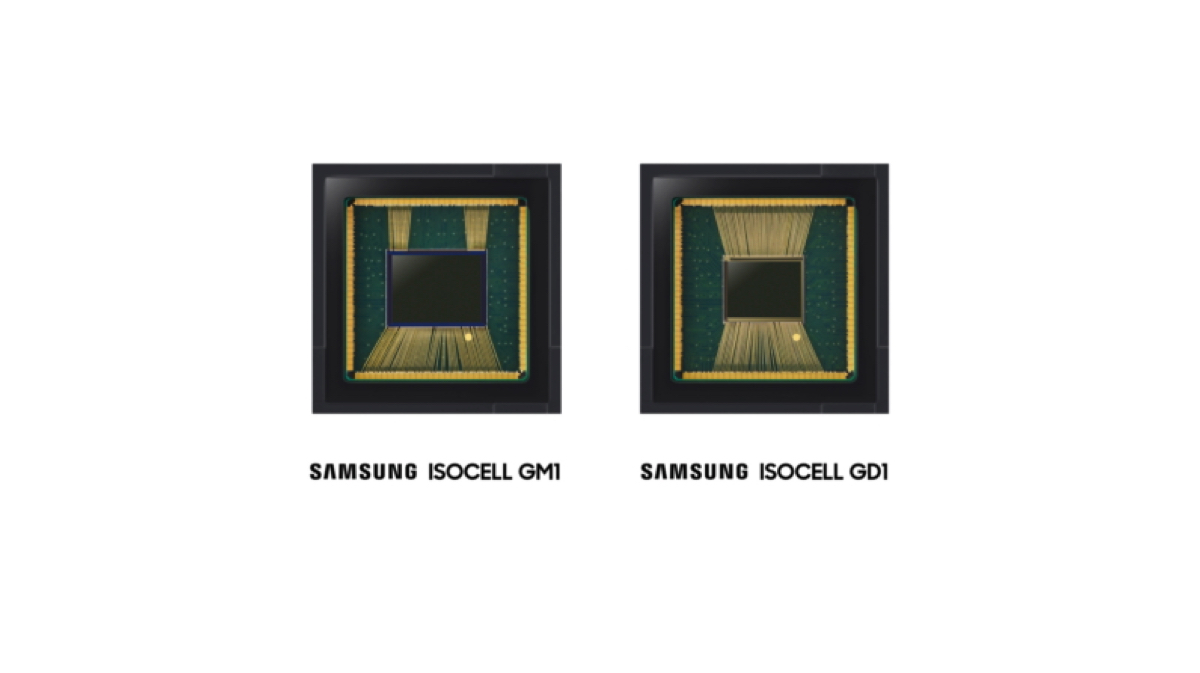
    Samsung announced two new 0.8-micrometer pixel image sensors. These include the 48 megapixel Samsung ISOCELL Bright GM1 and the 32 megapixel ISOCELL Bright GD1.  According to a senior Samsung executive, the demand for ultra-small, high-resolution image sensors are growing. As smartphones evolve to deliver new and more exciting camera experiences for users, Samsung wishes to stay in this race. This indicates that these sensors are aimed for future smartphones from the company’s table. Cameras have become an integral part of the smartphone experience. Manufacturers are aiming to innovate and research newer ways to fit as many sensors as they can into a small body. Reducing sensor size without compromising on image quality or overall camera performance seems to be on every manufacturer’s agenda.


    Features Of The Sensors

    According to Samsung, the GM1 and the GD1 sensors are based on their latest pixel isolation technology. The ISOCELL Plus supposedly optimises performance especially for smaller-dimension pixels, making them the ideal solution for today’s super-resolution cameras. This technology allows the sensor to combine four pixels and merge them to one to improve the camera output in lower lighting conditions. The company claims that the GM1 and GD1 can deliver light sensitivity equivalent to that of a 1.6 micron pixel image sensor at 12 MP and 8 MP resolution, respectively.

    Also ReadLG’s New Patent Hints At A Notch-Less Phone

    The GD1 also gets realtime HDR support. This reportedly allows for balanced exposure, richer colour and detail when filming selfie-videos or streaming live video content even in low-light or high-contrast environments. This might be a great thing for people who use their front cameras a lot. Both these sensors will go into mass production in the fourth quarter of this year. Samsung has already showed an under display camera they have been working on for their future phones. Although it seems unlikely that they will use these sensors for their new technology which is still at a very early stage. But it will be interesting to see how the sensors are used by the company.

  • Samsung Galaxy S10 To Have New Infinity-V Display

    Samsung Galaxy S10 To Have New Infinity-V Display

    Samsung is a leading electronic component supplier and the largest smartphone manufacturer globally. The South-Korean giant’s success dates back to the inception of the first Android smartphones. The company has been struggling to keep up its number one global position due to fierce competition from their Chinese counterparts. Ever since the launch of Galaxy S1 and Galaxy Note 1, Samsung has produced top of the line Android smartphones. And now the company is about to launch its latest Galaxy S10 smartphone.

    Samsung’s Android Dominance
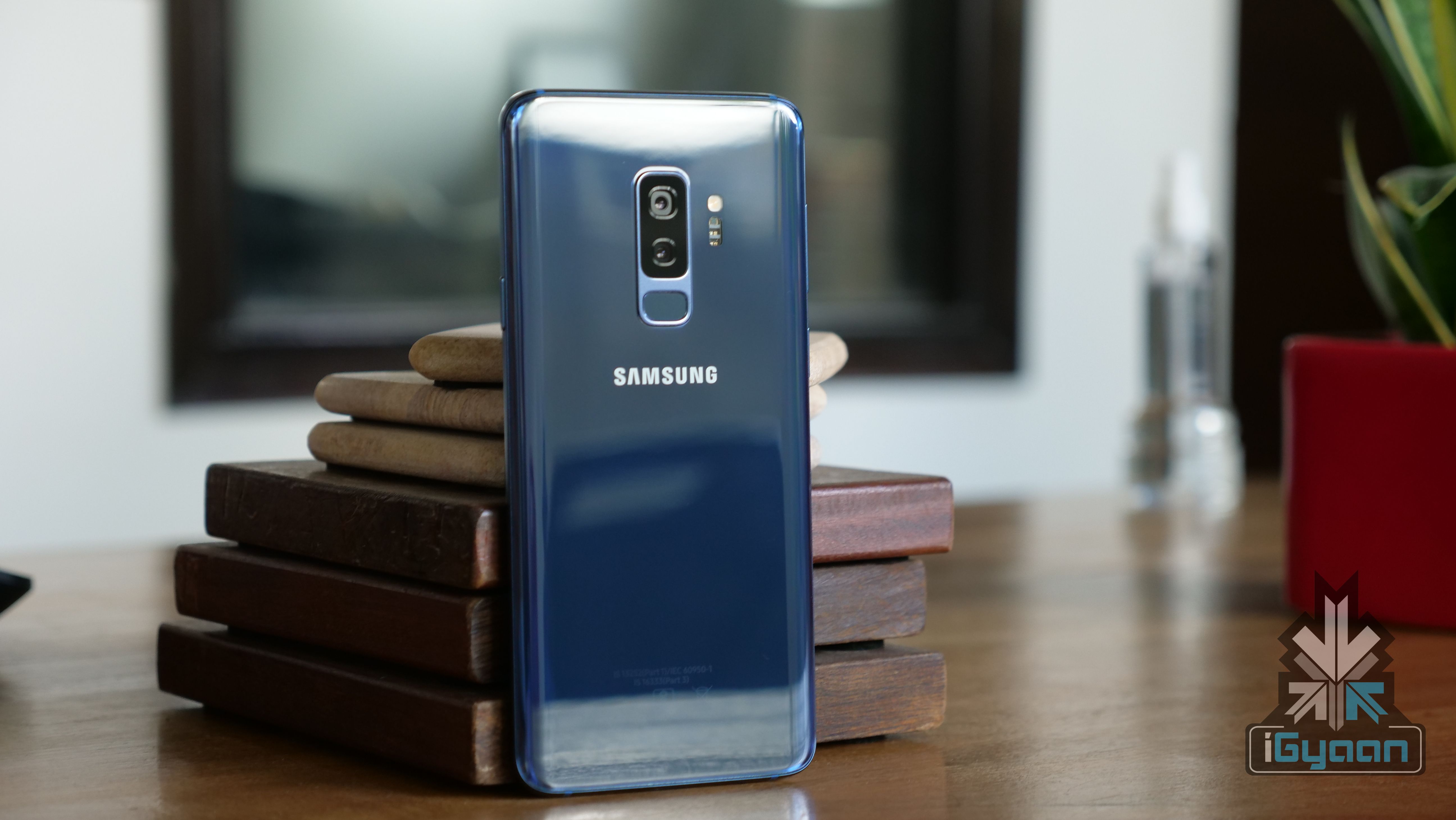
    Galaxy S9+

    In the past, Samsung smartphones have been the standalone Android competitor to Apple iPhone’s prowess. But in recent times, new companies like OnePlus, Huawei and Xiaomi have grown rapidly hampering Samsung’s sales. However, Samsung being a leading component supplier can develop new innovations to regain lost market share.

    Recently Samsung has filed a trademark with the Korean Intellectual Property Office (KIPO) for the Infinity-V display technology. The trademark is filed under category 9 which includes ‘smartphones and displays for smartphones’. This might be a new edge to edge display for the upcoming Galaxy S10.

    Galaxy S10: Infinity-V display?
    Galaxy S8 in Burgundy Red

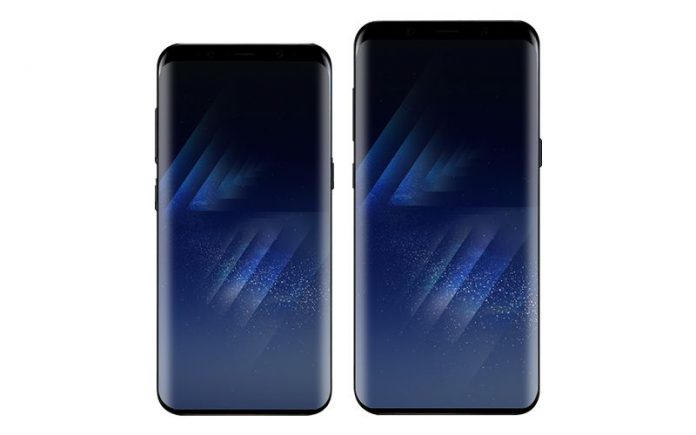
    The Galaxy S10 will be the successor to the Galaxy S9 which was launched earlier this year. The last Samsung flagships S9 & S8 have not performed very well in terms of sales. So, it is expected with the Galaxy S10, Samsung will pull out the big guns and fully load the upcoming smartphone with the latest technology. The trend for smartphones with slim bezels is flourishing rapidly, Samsung’s competitors have launched devices that follow the same philosophy. The recently launched OnePlus 6T and Xioami Mi Mix 3 have marginally thinner bezels compared to what Samsung’s current flagship S9 has.

    So, it is apparent to fight back and maintain traction in the industry, Samsung has to launch devices with thin or no bezels. This is where the latest trademark of the Infinity-V display is put to use.

    Finally, the Samsung Galaxy S10 is expected to launch in the first quarter of 2019. Not many specifications for the device are currently available but it will surely have better features than the Samsung Galaxy S9. For reference:-

    Galaxy S9 Tech Specs 

    Samsung Galaxy S10 and Galaxy S10+

    • Display: 5.8-inch Super AMOLED Full HD+ 2960 × 1440 pixels, 18.5:9 aspect ratio
    • Operating System: Android 8.0
    • Processor: Exynos 9810 Octa Core
    • RAM: 6GB
    • Storage: 64GB/128GB/256GB
    • Rear Cameras: 12 MP, LED Flash
    • Selfie Camera: 8 MP
    • Security: Rear fingerprint scanner
    • Connectivity: 4G VoLTE, Wi-Fi 802.11 ac 2.4G + 5G, Bluetooth 5 .0, GPS, USB Type-C
    • Battery: 3000 mAh
    • Dimensions:147.7 x 68.7 x 8.5 mm
    • Weight: 163 grams

    Also read: DJI launches Mavic 2 Enterprise For Commercial Use

  • Best Gaming Monitors To Buy On Amazon

    Best Gaming Monitors To Buy On Amazon

    Diwali is right around the corner and a long holiday is upon us gamers. How does a gamer spend his or her Diwali bonus? Why not buy the monitor of your dreams? We take a look at the best monitors available on Amazon right now and list the best ones for you here.

    LG 29UM69G 29 Inch Ultrawide IPS Monitor

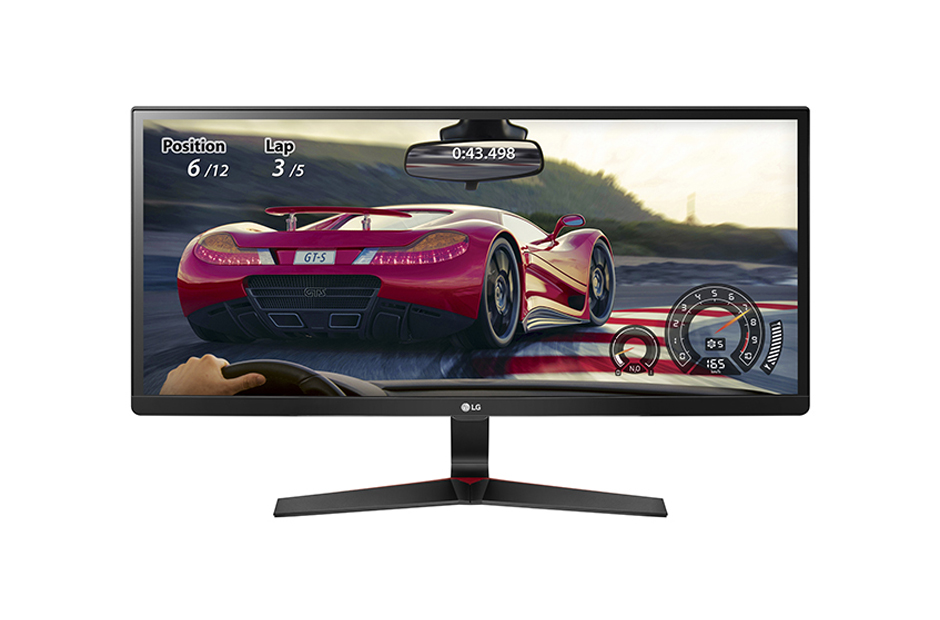
    The LG Ultrawide monitor is one of the best gaming monitors in a budget. The 21: 9 UltraWide full HD IPS Display monitor has a 2560 x 1080 px resolution and features on-screen controls with screen split 2. 0. The LG 29UM69G also has a feature known as FreeSync which reduces the tearing and stuttering which is a great feature for gamers. It also has features like Dynamic Action Sync and has three gamer modes, 2 First-Person-Shooter modes and even an RTS pre-set mode which reportedly allows a gamer to optimise and customise their gaming conditions. This LG monitor has a refresh rate of 75 Hz which is an odd value but for a price this cheap, most games will work quite decently without dropping frames on this monitor. It is priced at Rs 19,900.

    Acer Predator Z271U 27 Inch WQHD Curved 1800R

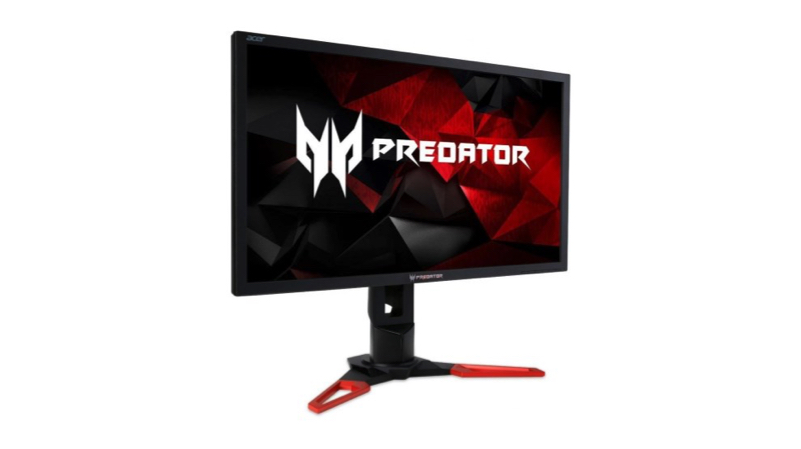
    This curved display from Acer is an amazing gaming monitor. It has a refresh rate of up to 165 Hz with a response time of 1ms. The curved display has a resolution of 2560 x 1440. It can be tilted from -5 degrees to 25 degrees and swivelled from -30 degrees to + 30 degrees. It  has 5 USB ports and weighs a hefty 8.5 Kg. The monitor might burn a hole in your pocket, priced at Rs 57,934, but the monitor is fully spec’d out and is definitely worth the money.


    BenQ Zowie 24.5 Inch 240Hz Esports Gaming Monitor

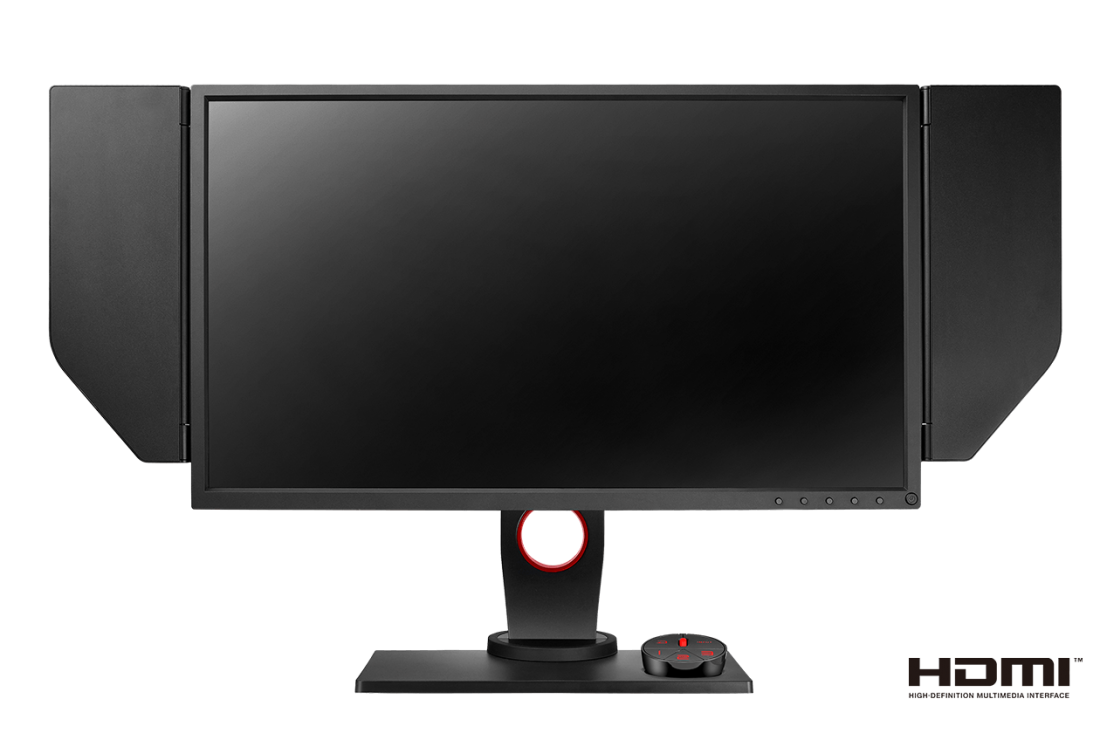
    The BenQ Zowie XL2546 has a 240Hz refresh rate with a built-in black equaliser technology. This monitor brightens dark scenes without over-exposing the bright areas and features a one-finger height adjustable stand. Dynamic Accuracy helps with vigorous movement such as spraying of bullets look more natural and helps the user to see clearly. The monitor’s recommended graphics card requirements are NVIDIA GeForce GTX 980 or better or AMD Radeon RX 480 or better. The monitor also has 20 levels of Colour Vibrance settings and an S-Switch that is designed for easy access to the monitor menu. The monitor is priced at Rs 68,505 on Amazon.

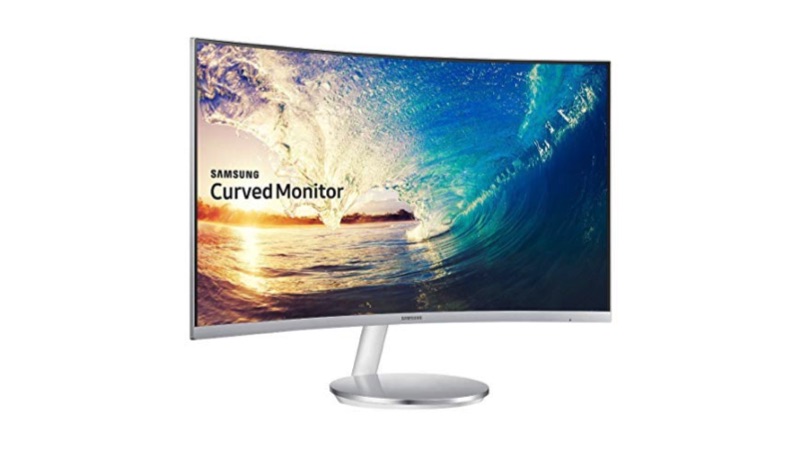
    Samsung 27 Inch (68.6 cm) Curved Bezel-less LED Monitor

    The Samsung 27 inch curved bezel-less monitor has a 1800R curvature with a static contrast ratio of 3,000:1. The 1920 x 1080 px resolution display  has a colour support of 16.7 M and a 4ms video response time. Samsung claims that the 1800R screen matches the human eye’s natural field of view. According to the company, by dynamically syncing screen refresh rate with image frame rate, AMD FreeSync minimises stutter and ensures smooth gameplay. The screen has a 16:9 aspect ratio.

    Also ReadApple To Roll Out iOS 12.1 Update With New Emojis & Group FaceTime

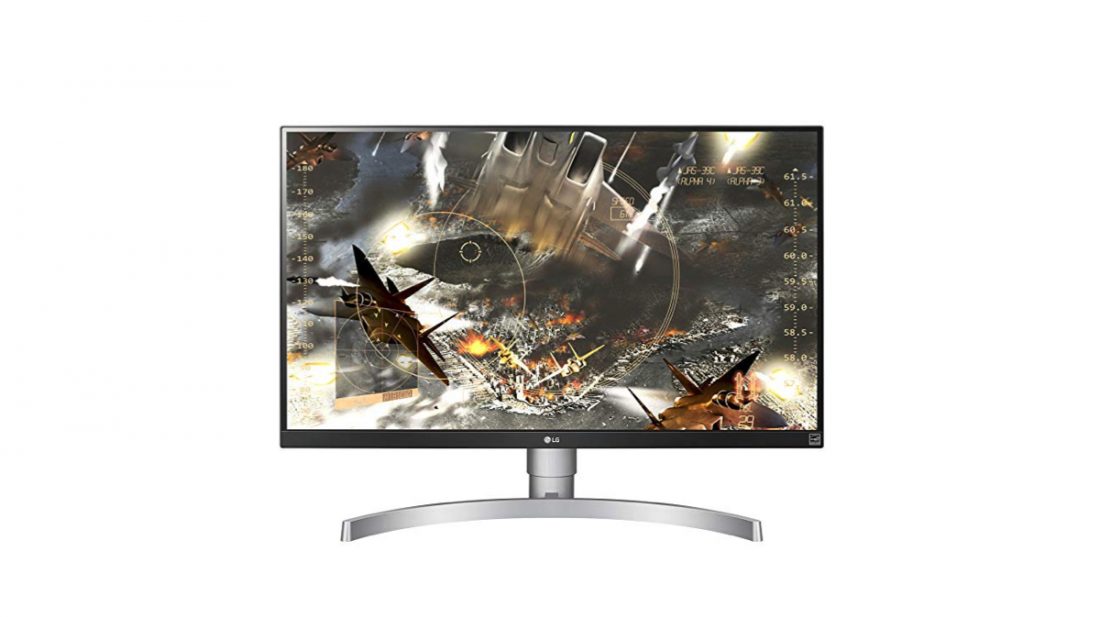
    LG 27 Inch (68.58 cm) Gaming LED Monitor 27UK650

    This 27 inch (68.58 cm) 4K Ultra HD Gaming IPS Panel has a resolution of 3840 x 2160 px. The monitor has an aspect ratio of 16:9 and has a refresh rate of 60 Hz. This LG Panel has a viewing angle of 178 degree horizontal and 178 degree vertical. The LG monitor has 2 HDMI Ports, 1 Display Port, 1 Audio-Out Port, 1 Headphone Port and costs Rs 37,333 on Amazon.

  • Samsung Galaxy S10+ To Have 93.4% Screen-To-Body Ratio

    Samsung Galaxy S10+ To Have 93.4% Screen-To-Body Ratio

    The upcoming Samsung Galaxy S10 flagship is one of the most anticipated devices, set to launch next year. Samsung is has set its focus on a lot on innovations this time around and the numerous leaks and rumours about the device seem to hold that true. The phone might have three variants, varying screens, an in-display fingerprint sensor. Most recently, reports of a 93 % screen-to-body ratio have surfaced.

    Samsung Galaxy S10

    Such a high screen-to-body ratio can only hint at one thing, a bezel-less, notch-less display. It is well known that Samsung will not be adapting the notch, especially for their next flagship. So the obvious conclusion is that Samsung  has actually developed the in-display camera technology for its upcoming flagship. The in-display camera sensor will eliminate the need for a notch or a bezel, thus ensuring that the device can reach the said screen-top-body ratio. To put things into perspective, the Xiaomi Mi Mix 3, with its sliding camera has a 93 % screen-to-body ratio.

    The Latest In Innovation

    Samsung is said to be working on an in-display front facing camera as well. The company had introduced this concept at the 2018 Samsung OLED forum. The company had not only spoken about the in-display front camera, but also other OLED technologies such as a screen sound technology. Recently, a Samsung patent surfaced which showed a way to turn the entire display into a fingerprint sensor. This could have multiple possibilities in the future such as using any part of the display to unlock the phone. Along with using multiple fingers for authentication and not just one and also the ability for the device to constantly read your fingerprint while you sue it, for advanced security.

    Also Read: OnePlus 6T Vs Huawei Mate 20 Pro Vs Xiaomi Mi Mix 3 : Specs Comparison

    Recently, Samsung had teased the Galaxy A8s which is sad to have a camera cut-out for on its screen. While this is not exactly an in-display camera sensor, it might be the first step towards it. Samsung might be saving all of its best features for the flagship galaxy S10.

  • Samsung To Launch A Smartphone With A Flexible Display

    Samsung To Launch A Smartphone With A Flexible Display

    It seems like Samsung has been bitten by an innovation bug recently as reports of new patents by the company are surfacing every day. It is well known that Samsung is working on new technologies for their OLED displays to produce a smartphone with a truly bezel-less display. The most recent report says that the tech giant will soon launch a smartphone with a flexible display. This display apparently wraps around the device, all the way to the back!

    Display, Everywhere

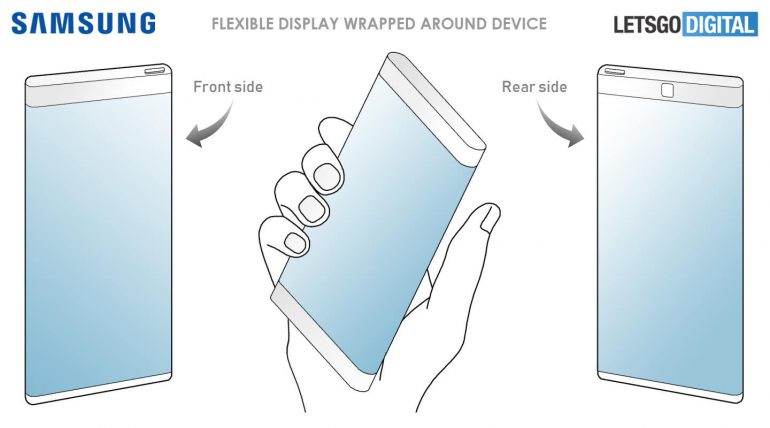
    The NLO (Netherlands Patent Office) and the WIPO (World Intellectual Property Office) have made public a patent by Samsung. The patent lists a ‘Flexible display of electronic device and method for operating the same’. This means that the display of the device will not only extend to the sides of the phone, but also on to the back, making this a device with a display all around it. The images in the patent explain how the technology works. They show us not only how the device will look but also about what functions it can perform.

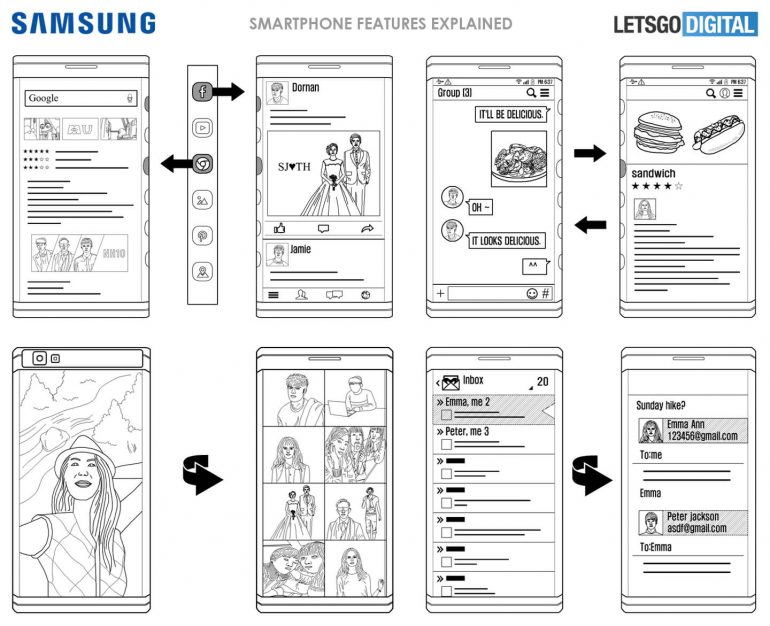
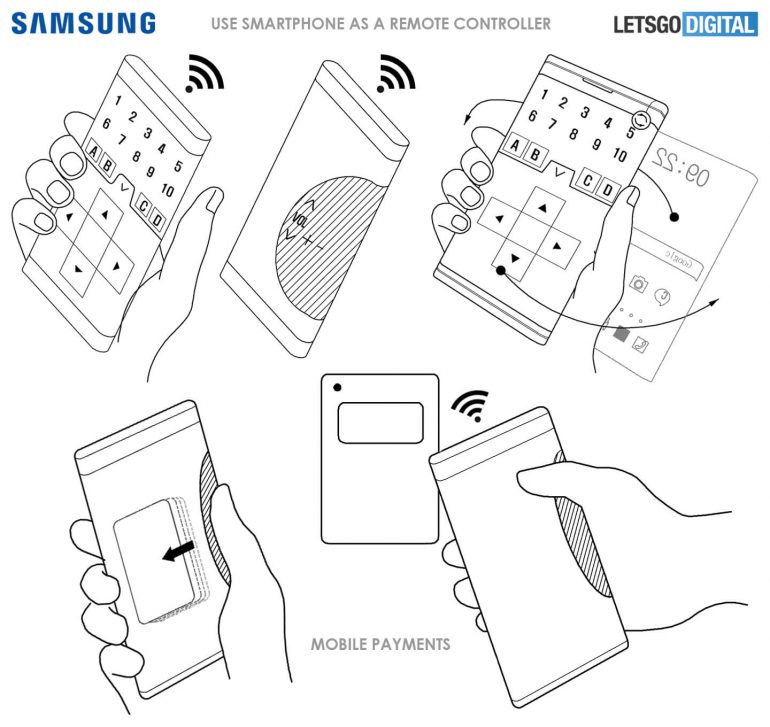
    As seen in the images, the device has slight edges on both the top and bottom. There appears to be what will act as a power button, on the top of the device. The images do not show the presence of any other physical buttons, instead, the curved sides double up as control panels. The illustration shows options such as music control, menus while watching videos and zoom capability while taking photos.

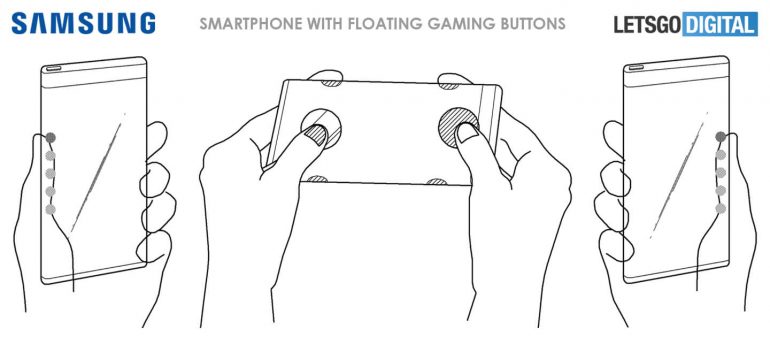
    The patent also explains that other than these sides which can be used for all the apps. There are some app specific advantages of the unique design as well. For example, during gaming, the screen will have floating buttons on the top in landscape mode. These floating buttons will be clear of the main screen and will give a gamepad like experience to the user.

    The patent also details other uses of the wrap-around display. Such as the ability to use two apps at once without quitting either of the two. And also arranging emails on the front display and opening and replying to one specific email on the back. Another feature is calling someone with one screen and using the GPS on the other screen. The patent also reveals that the device will be smart enough to understand whether the user is holding it in the left or right hand.  It will then be placing the on-screen buttons accordingly, for added convenience.

    Also Read: OnePlus 6T Specifications Leaked Along With Official Images

    Just Another Patent?

    The features listed in the patent are a fresh and welcome change in terms of smartphone innovation. But, it is tough to say whether we will see this becoming a reality any time soon. Various smartphone manufacturers, including Samsung have been known to hold on to a lot of their patented technologies. And we rarely see them make their way to retail models. For now, we can just hope that Samsung works on integrating a part of this technology, if not the entirety, into an upcoming smartphone.

  • Apple & Samsung Penalised For Intentionally Slowing Down Phones

    Apple & Samsung Penalised For Intentionally Slowing Down Phones

    Consumer Groups in Italy filed cases against Apple & Samsung for purposely slowing down older generation smartphones. The cases were filed in the Italian Competition Authority for which the verdict is now out. Both the companies have been found guilty. Samsung faces a fine of 5 million Euros while Apple faces a total fine of 10 million Euros for two different cases. The investigation found out that Apple & Samsung pushed firmware updates for older devices which downgrades their performance.

    Performance Gate

    In 2016, Samsung urged the Note 4 consumers to upgrade to the latest Marshmallow update. The Note 4 was released back in 2014. The Marshmallow update was made available after the launch of the Note 7 in 2016. Consumers complained that the new update was not optimised for the Note 4. It caused serious malfunctions, including unwanted automatic restarts, as it put too much stress on the ageing Note 4. The excessive stress caused a lot of hardware failure which had high repair costs to fix as the devices were out of warranty by then. Additionally, the report emphasised that Samsung did not provide for a viable option to downgrade the device which would bring back the phone to their original state.

    Similarly Apple also persuaded their customers to upgrade their old devices to iOS 10. Various models including iPhone 6/6 Plus & 6s Plus which were launched in 2014 & 2015 were provided with the iOS 10 update. The iOS 10 update lead to shortened battery backup due to greater energy demands of the software. To limit this issue Apple released yet another update in the form of iOS 10.2.1. This reduced the device’s speed to prolong battery performance.

    Moreover, Apple was found guilty in violation of Article 20 of the Italian Consumer Code. Until December 2017, Apple did not provide consumers with sufficient information regarding batteries. Such as stating their average life cycle and deterioration pattern. Along with information about their rectification measures to maintain and replace batteries in order to retain full functionality of the device.

    Also ReadSamsung Teases Galaxy A8s With A Camera Cut-Out And No Notch

    Both companies also need to publish an amending declaration on their Italian websites about the issues and its counter measures.


iGyaan Network
Privacy Overview

This website uses cookies so that we can provide you with the best user experience possible. Cookie information is stored in your browser and performs functions such as recognising you when you return to our website and helping our team to understand which sections of the website you find most interesting and useful.