Category: Xiaomi

  • Samsung Galaxy M20 Vs Xiaomi Redmi Note 6 Pro Vs ASUS Zenfone Max Pro M2, Spec Comparison

    Samsung Galaxy M20 Vs Xiaomi Redmi Note 6 Pro Vs ASUS Zenfone Max Pro M2, Spec Comparison

    With the majority of millenials showing interest towards the sub-12k to 15k segment, the competition in the same is heated up right now. Top brands are releasing smartphones with better specs and lower prices each week, and to be fair, we can’t help but put them up against each other to see how they fall out as rivals. Samsung recently revealed their playmaker in the same segment, and it’s none other than the Samsung Galaxy M20. With specs that’ll give other phones a run for their money, let’s have a look at where the new Samsung Galaxy M20 stands with other popular phones in the sub-15k segment. For this spec comparison, we’re putting the Galaxy M20 against the hugely popular Xiaomi Redmi Note 6 Pro and the ASUS Zenfone Max Pro M2. This is up to you to decide that which is the best budget smartphone under 15k in this segment.

    Design
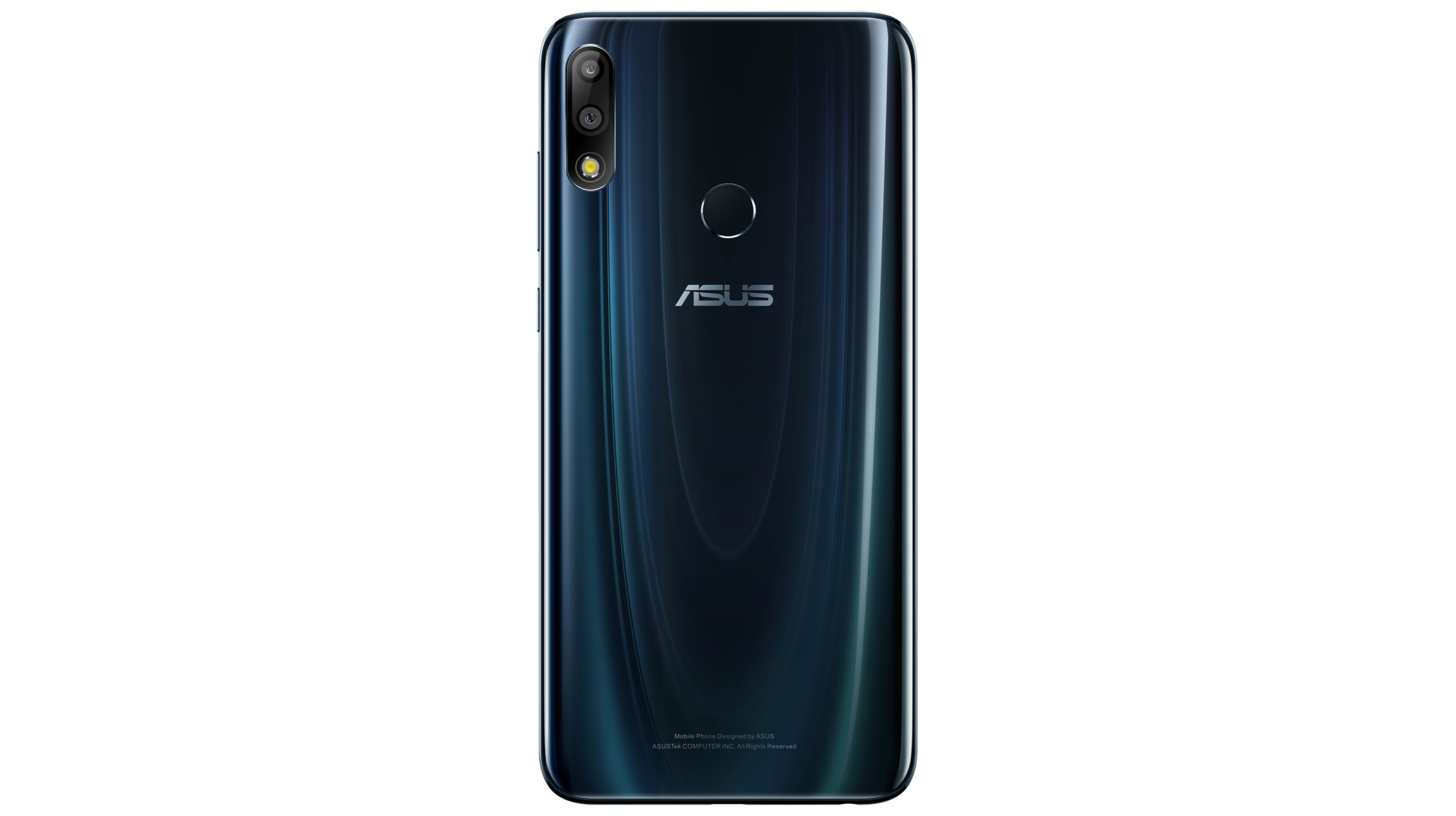
    When it comes to design, it’s the most astute reason why a smartphone sells these days. Making a style statement is not just an option these days, its a necessity. That’s why all three of these phones have an extremely eye-catching design that stands out.
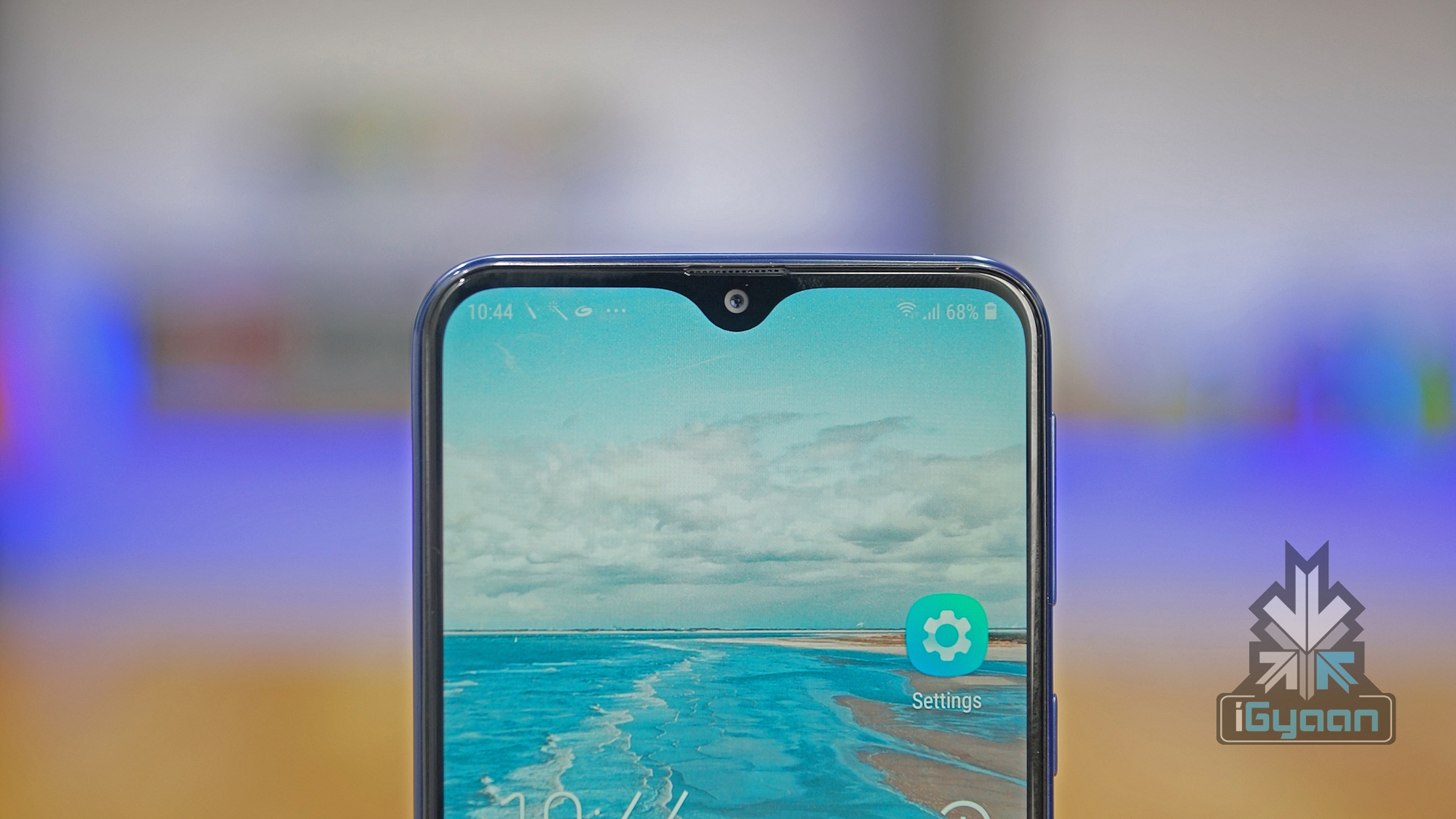
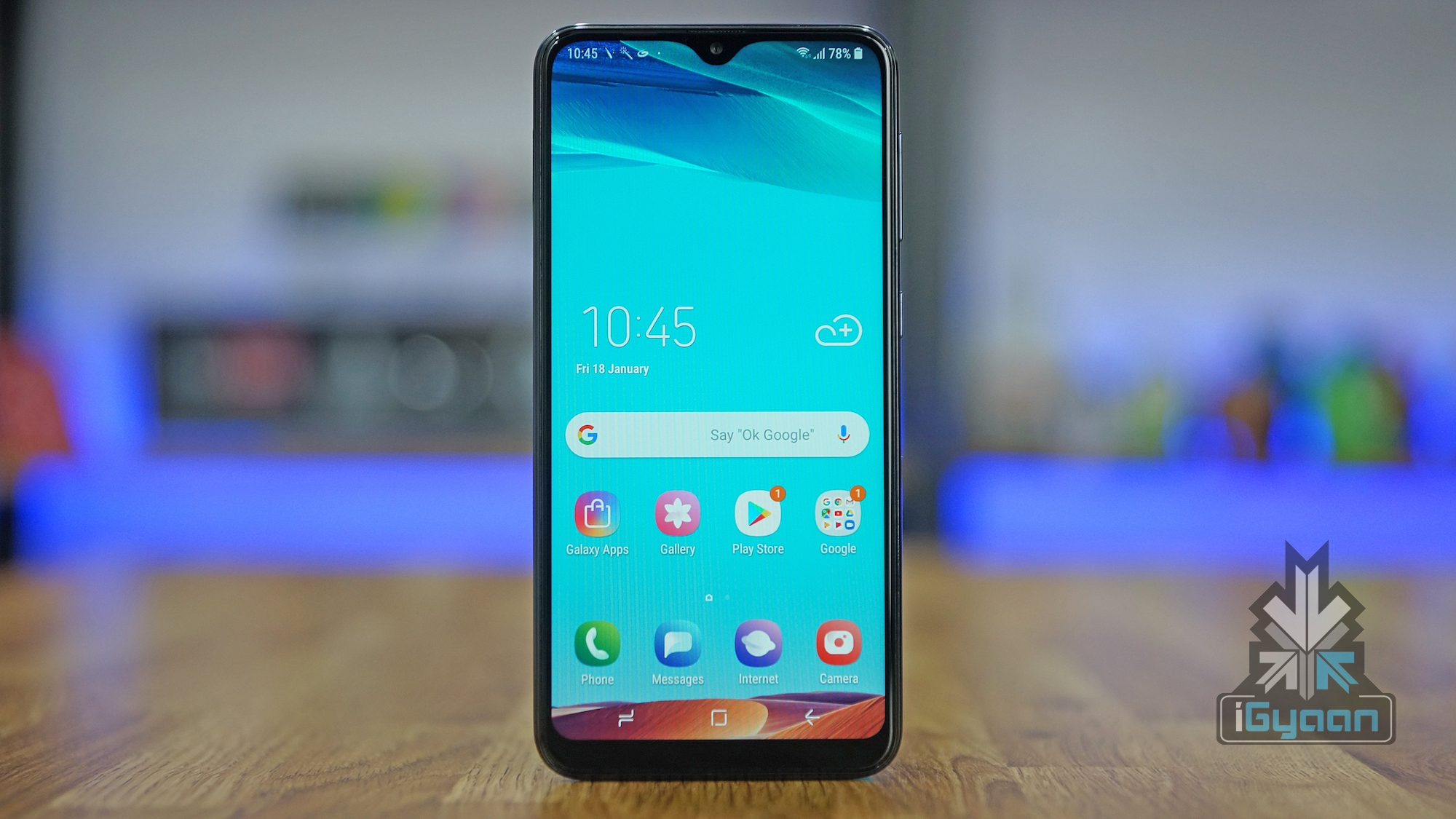
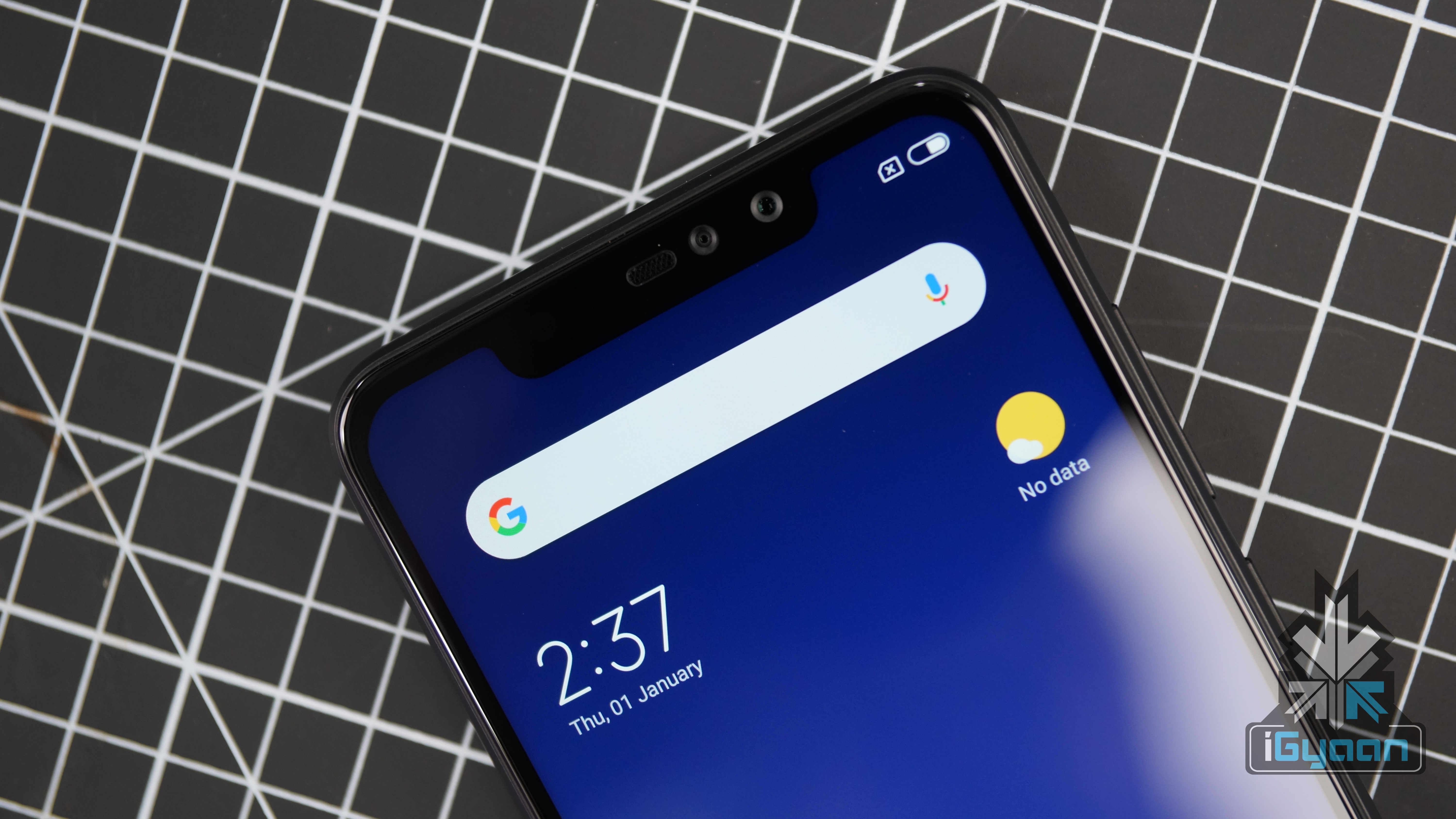
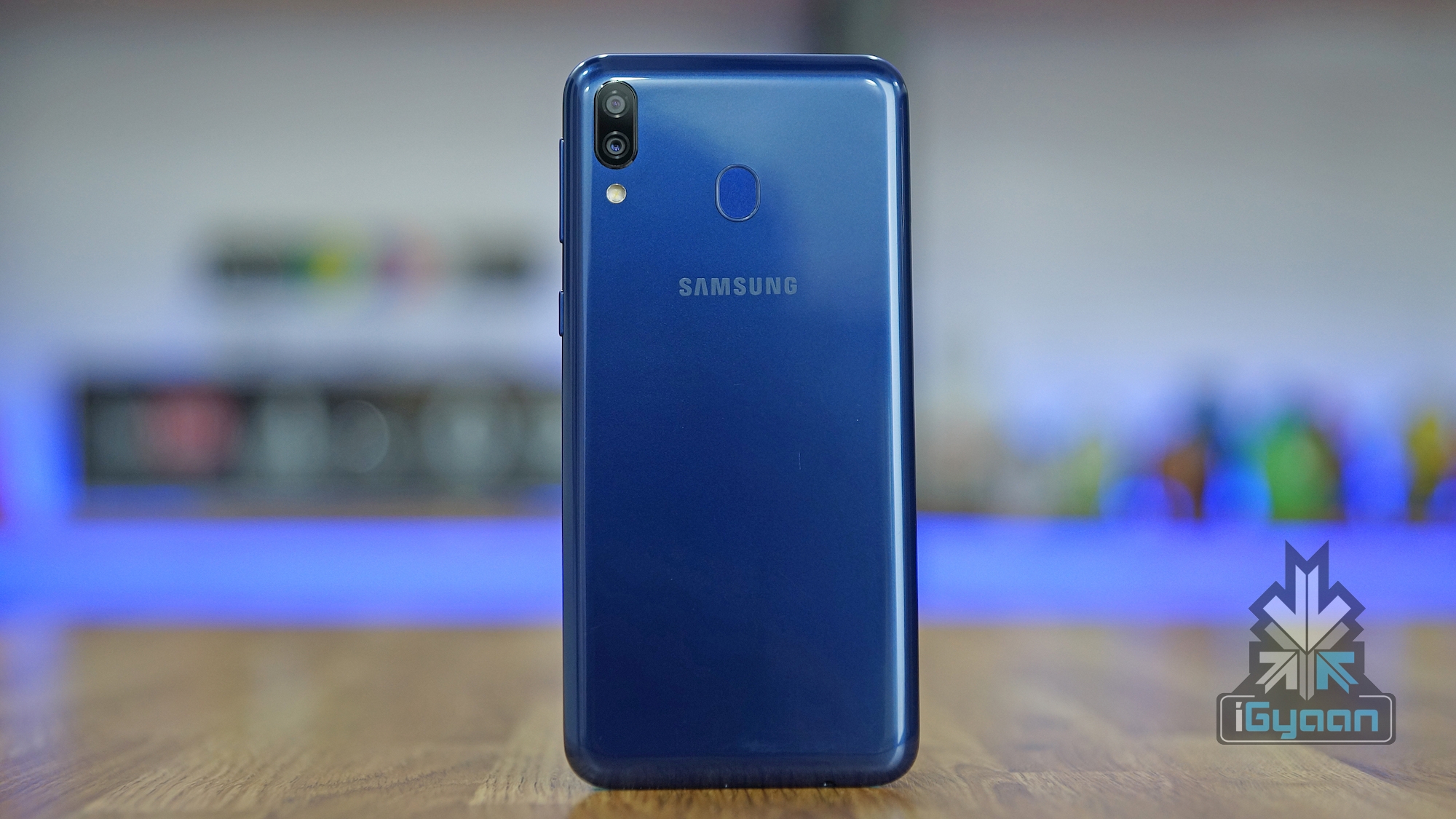
    The Samsung Galaxy M20 sports a waterdrop notch, which also houses the front camera. The ASUS Zenfone Max Pro M2 has a trapezium-like notch, which doesn’t take up much space in the display. The Redmi Note 6 Pro, on the other hand, sports a wider notch that is larger than the other 2 phones. 
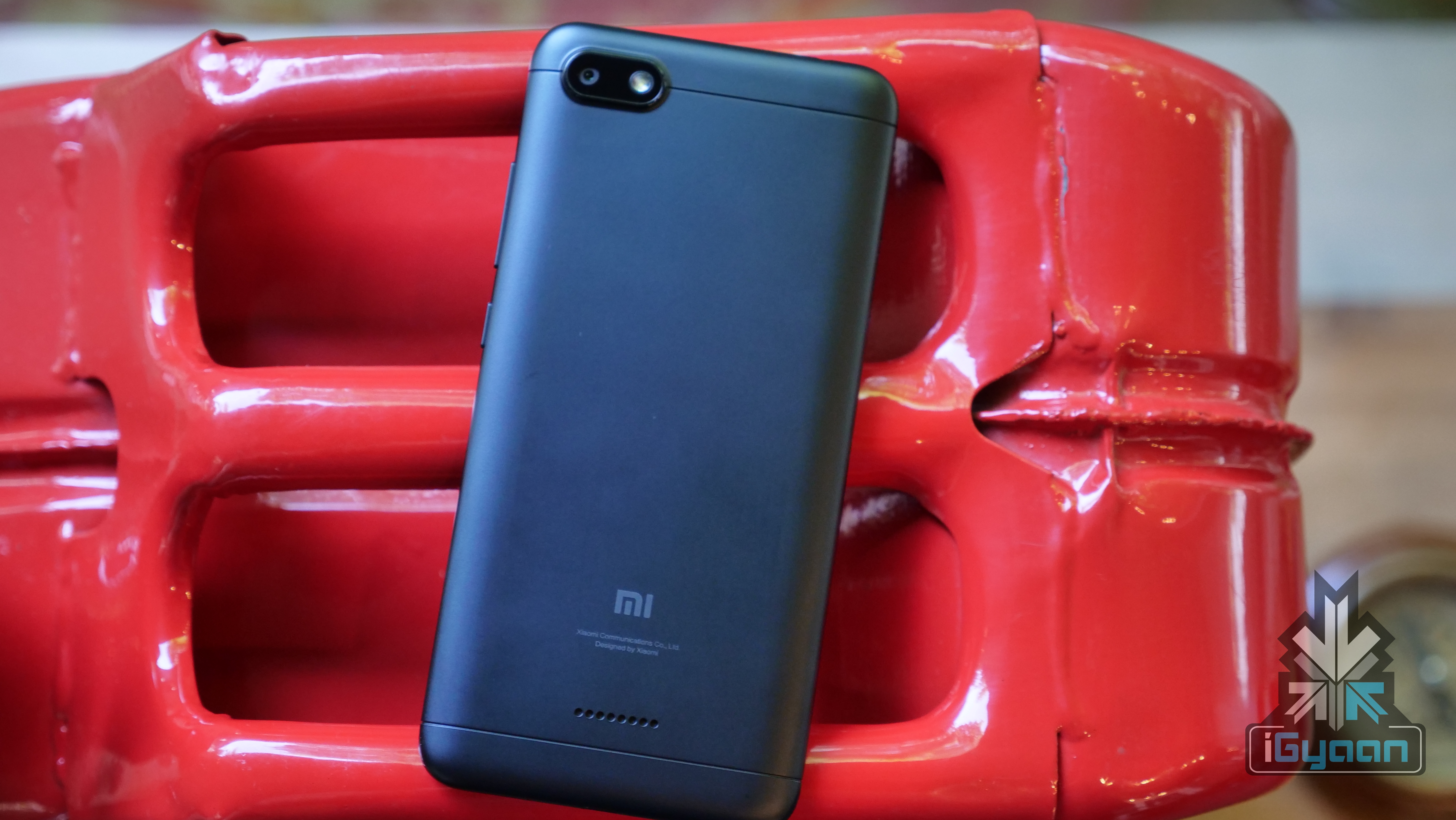
    Talking about the back panels, the Samsung Galaxy M20 has a plastic back, which actually gives a premium look. Similarly, the ASUS device has a laminated glossy plastic back. It looks good, but picks up smudges pretty easily. The Redmi Note 6 Pro is the only smartphone here which brings a metal back panel to the game. It has a smooth matte finish, making it a bit slippery, but good to hold and look at the same time.

    Display
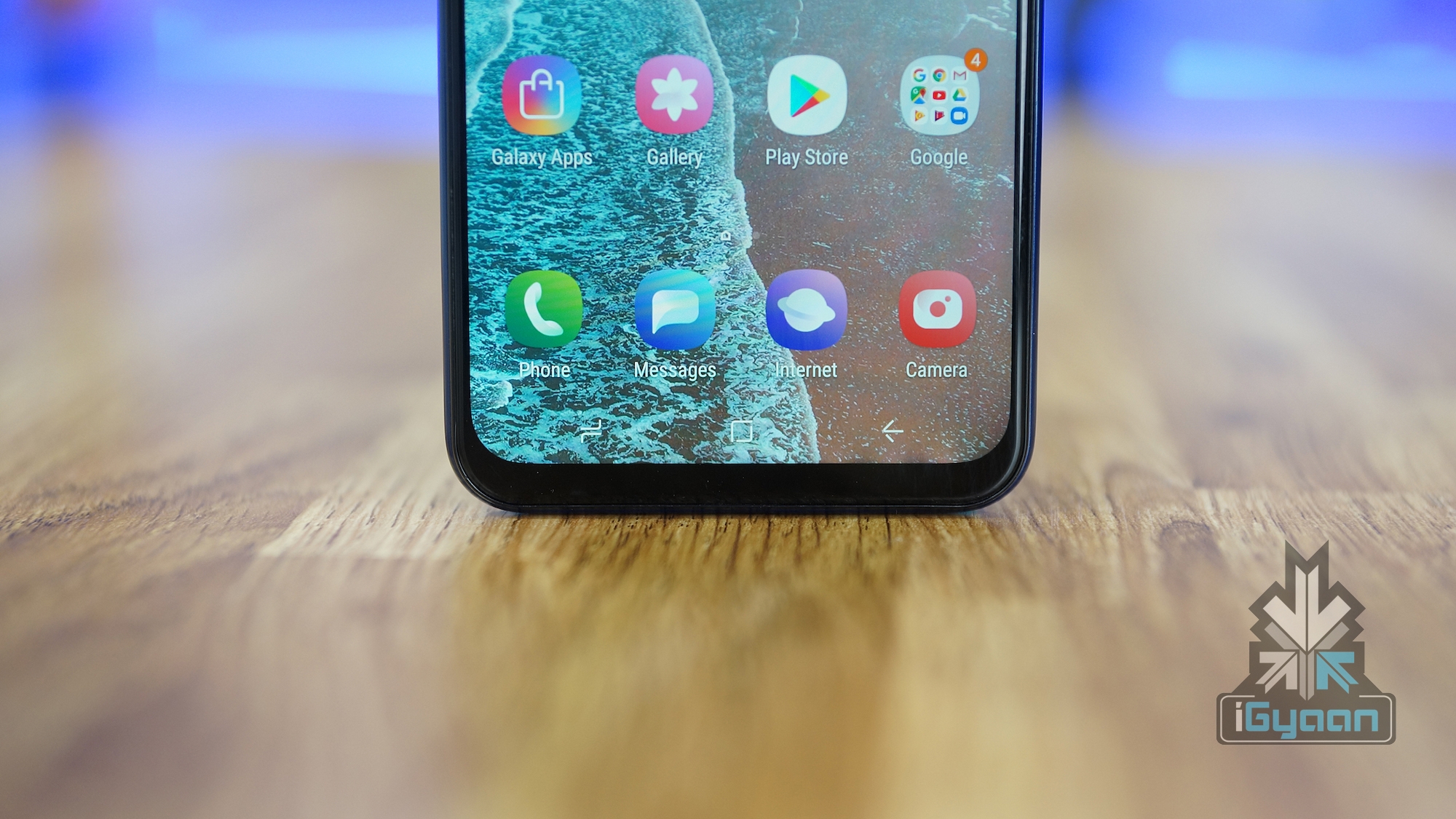
    The Galaxy M20 brings the Samsung-developed PLS TFT capacitative screen to the table, with a size of 6.3 inches. The phone has a 83.6 percent screen-to-body ratio, which is higher as compared to the other two devices. With a resolution of 2340 x 1080 px, a 19.5:9 aspect ratio and a Pixel density of 409ppi, it clearly has an edge over the ASUS and Redmi devices.
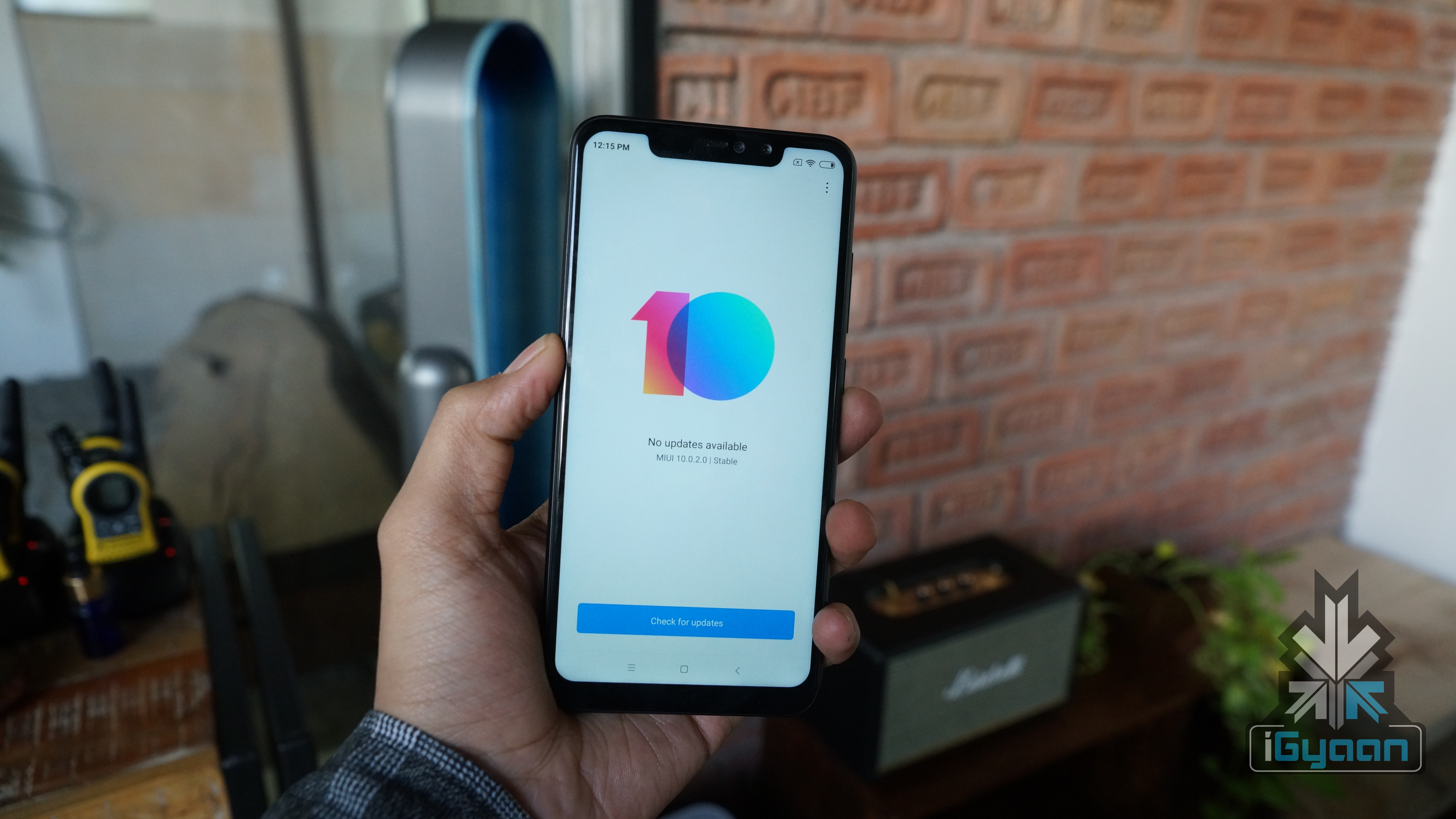
    The Zenfone Max Pro M2 has an 6. 2 inch IPS LCD, and a 82 percent screen-to-body ratio. With a slightly lower resolution at 2280 x 1080 px and 19:9 ratio, it matches the specs of the Redmi Note 6 Pro. The Galaxy M20, being the latest phone in the category, shows worthwhile improvements when it comes to display.

    Under The Hood
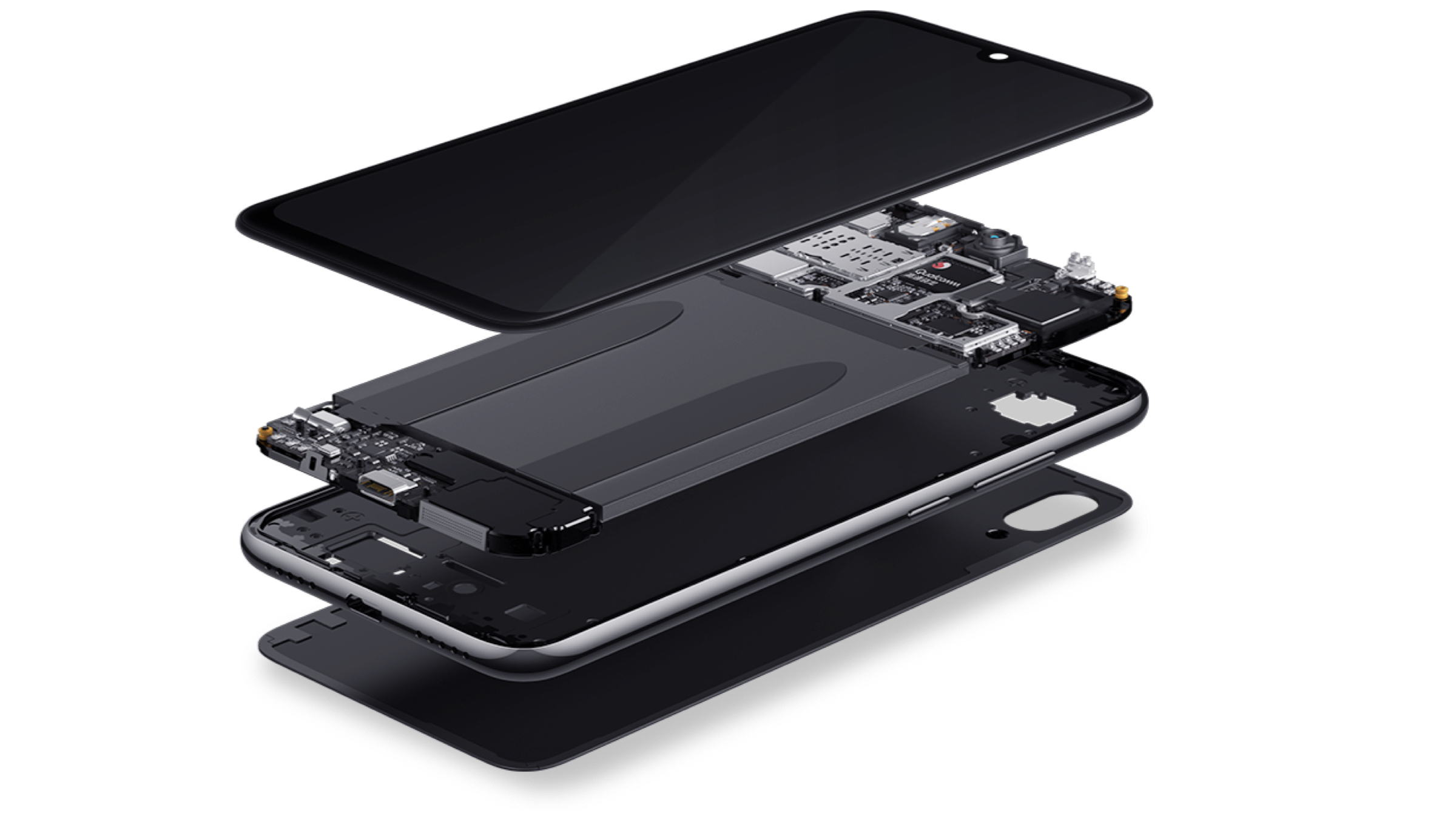
    Starting with the Samsung Galaxy M20, it packs an Exynos 7904 Octa chipset (14nm). Both the Zenfone and the Redmi devices, on the other hand, run on the Snapdragon SoC. The Zenfone Max Pro M2 has a Snapdragon 660 chipset, which houses an Octa-core CPU (4×2.2 GHz Kryo 260 & 4×1.8 GHz Kryo 260).
    The Redmi Note 6 Pro runs on a slightly older Snapdragon 636 SoC, with an Octa-core 1.8 GHz Kryo 260. While the Zenfone and the Redmi have Adreno GPUs, the Galaxy M20 has a Mali-G71 MP2 GPU.  

    Memory And Storage 
    All three smartphones are available in both 3 GB and 4 GB RAM variants, providing 32 GB and 64 GB internal storage variants respectively. The Zenfone Max Pro M2 is also available in a 3rd variant with 6GB RAM and 64 GB storage, which is saying something.
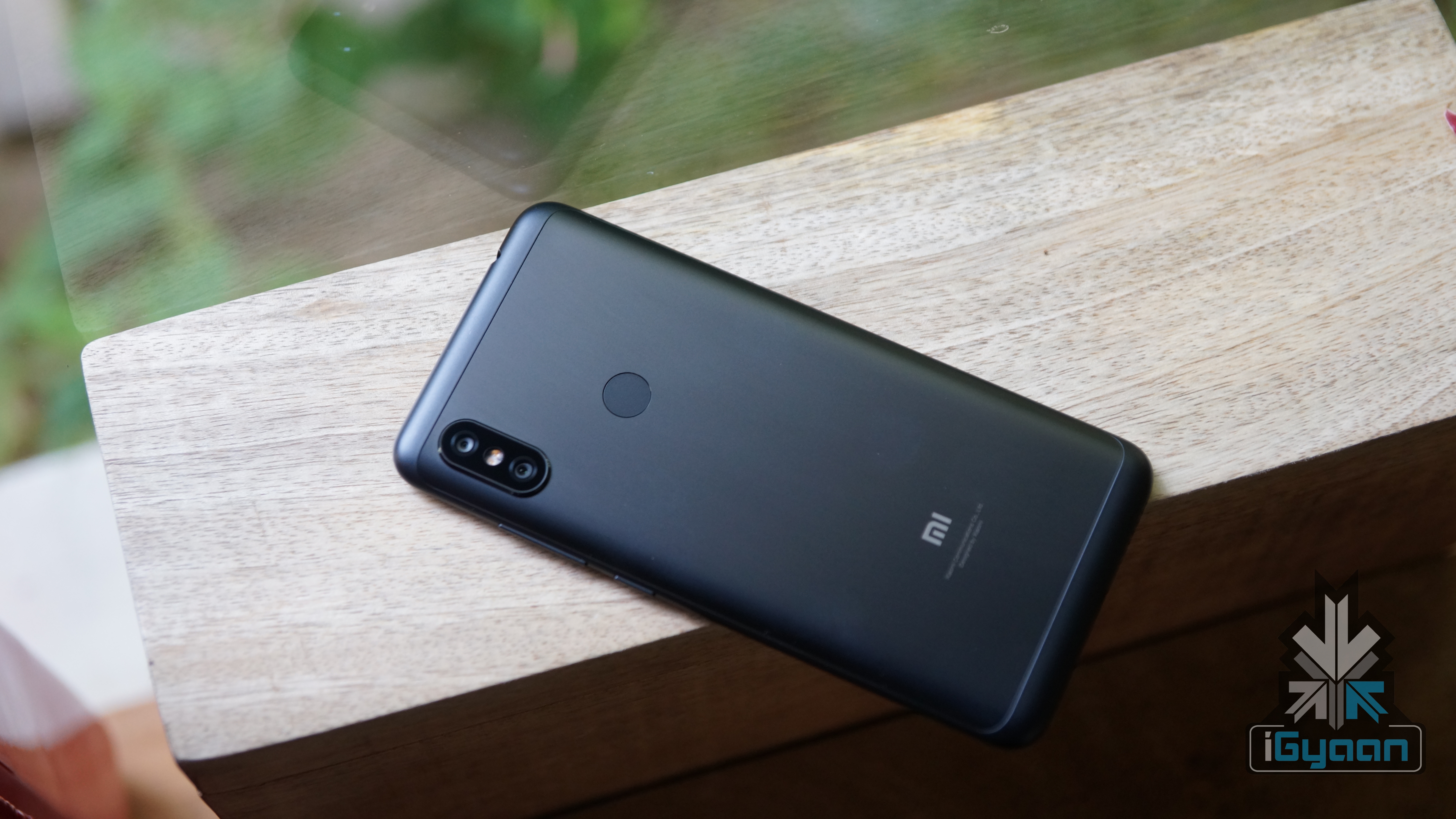
    While the Redmi Note 6 Pro supports expandable storage up to 256 GB, both the M20 and Zenfone support microSD cards upto 512 GB. It’s interesting to note that the Zenfone and the Galaxy M20 both use dedicated memory card slots. The Redmi Note 6 Pro uses the slot for the SIM 2, so that’s something to point out here.

    Camera
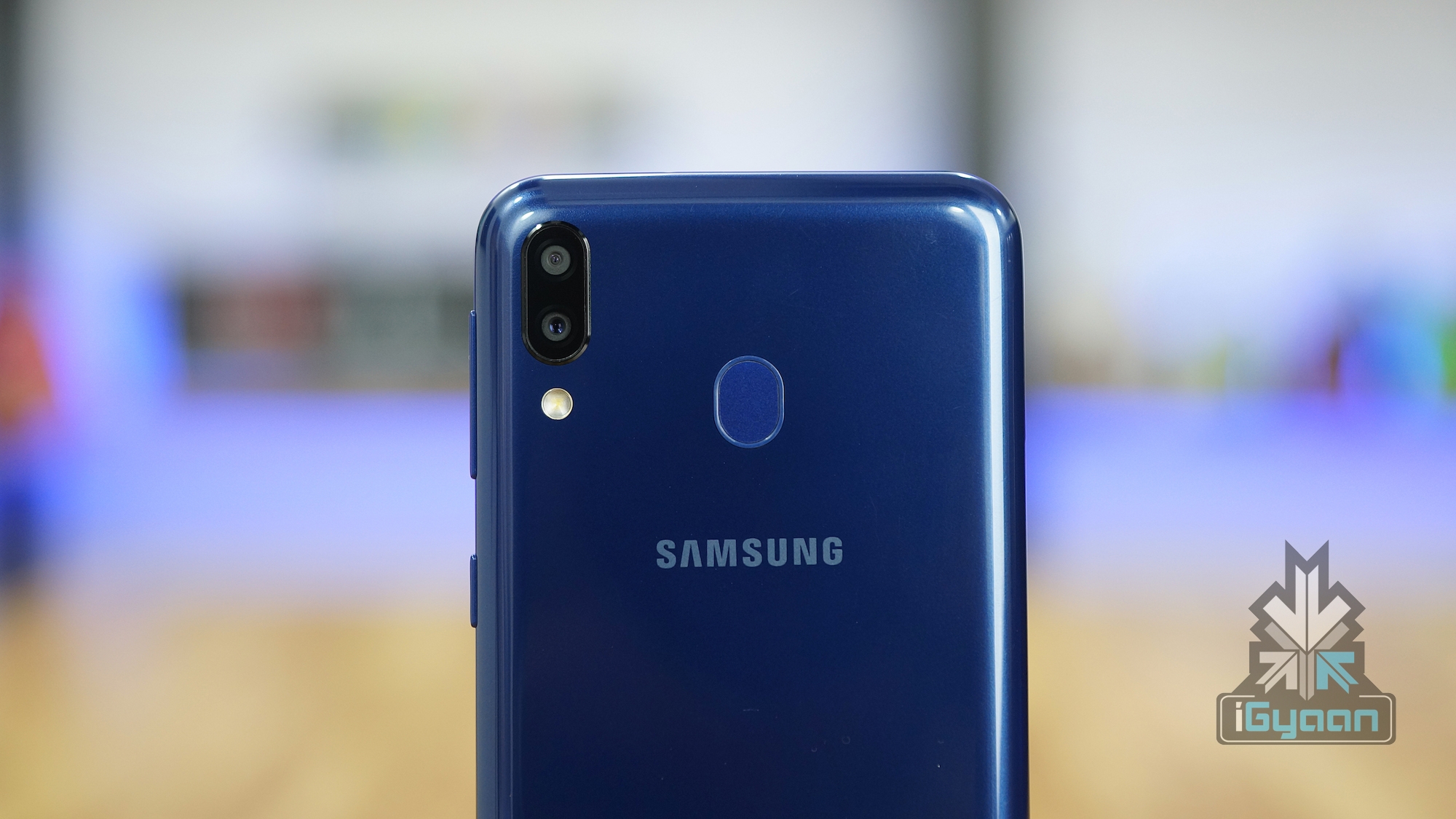
    In an era of dual-camera setups, none of these smartphones disappoint. The Samsung Galaxy M20 has a 13 MP (f/1.9) primary camera, with a secondary ultra-wide 5 MP (f/2.2) camera with a depth sensor. It’s equipped with a 8 MP (f/2.0) front selfie camera. Both these cameras support HDR and can record videos at 1080p (30fps). 
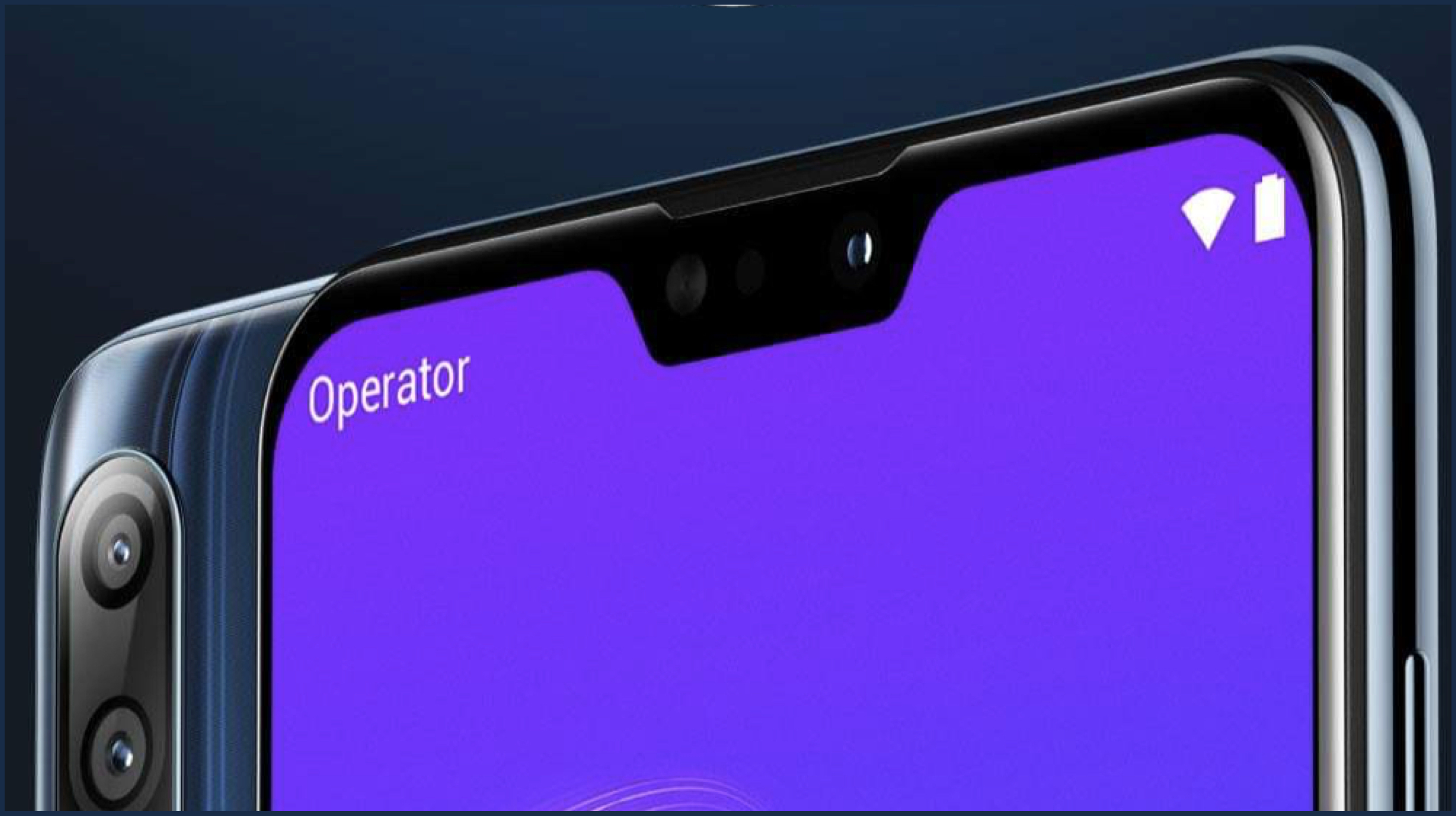
    The Zenfone Max Pro M2 has a 12 MP (f/1.8) primary camera, along with a  secondary 5 MP (f/2.2) camera, again with a depth sensor. In terms of the front camera, it has a 13 MP (f/2.0) front camera, which supports HDR and even has a LED flash. The best part about the Zenfone’s camera is the fact that it supports 2K recording, and 1080p recording at 60fps. 
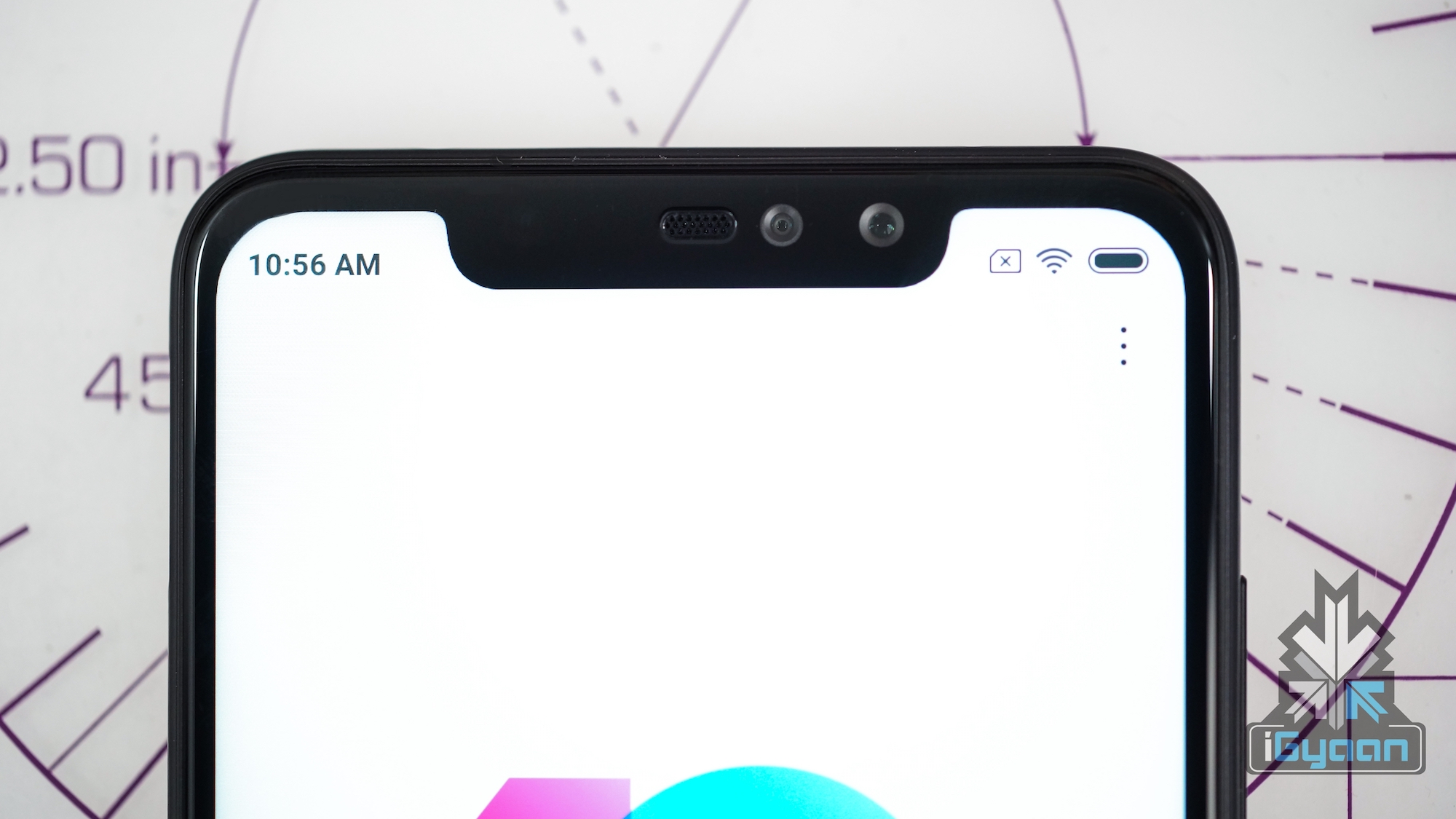
    The Redmi Note 6 Pro sports a 12 MP (f/1.9) dual pixel primary camera, with a secondary 5 MP (f/.2.2) camera with a depth sensor. It has an amazing 20 MP (f/2.0) front camera with a secondary 2 MP front camera (with a depth sensor). It also supports recording at 1080p (30fps). 

    Battery, Connectivity and Features 
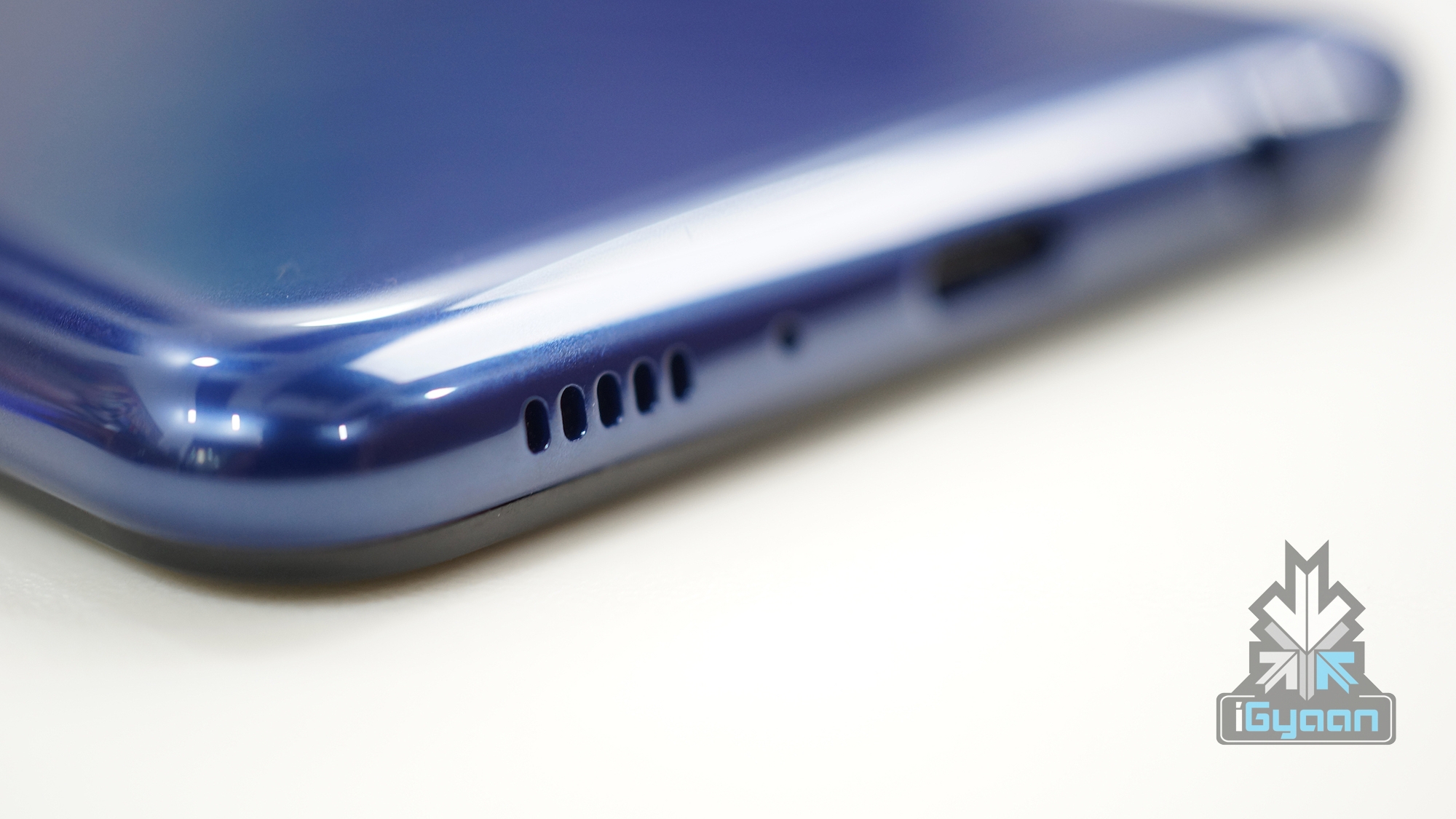
    Both the Samsung Galaxy M20 and the Zenfone Max Pro M2 pack a 5000 mAh battery, which is a bliss for those who use their phone on the heavy side.  The Redmi Note 6 Pro has a 4000 mAh battery. A bit lower than its counterparts, but still enough to handle over a day’s worth of usage. The Samsung Galaxy M20 supports fast charging too. 
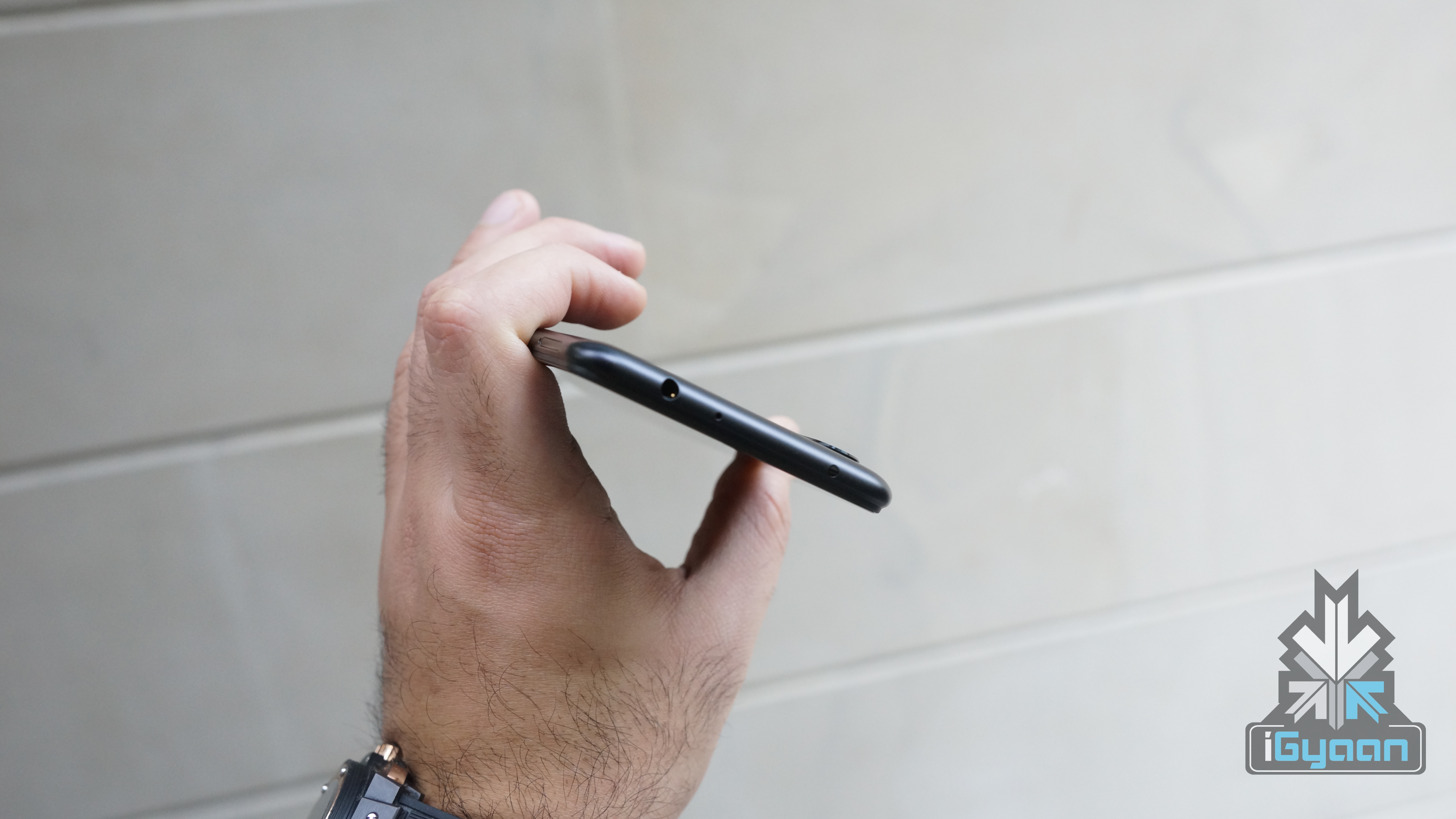
    All the devices have standard connectivity options, with the exception of an infrared port on the Redmi Note 6 Pro, which makes the device MI Remote compatible. The only device among these three which supports Type-C connectivity is the Galaxy M20, so that’s an added bonus. All three smartphones have rear-mounted fingerprint sensors.
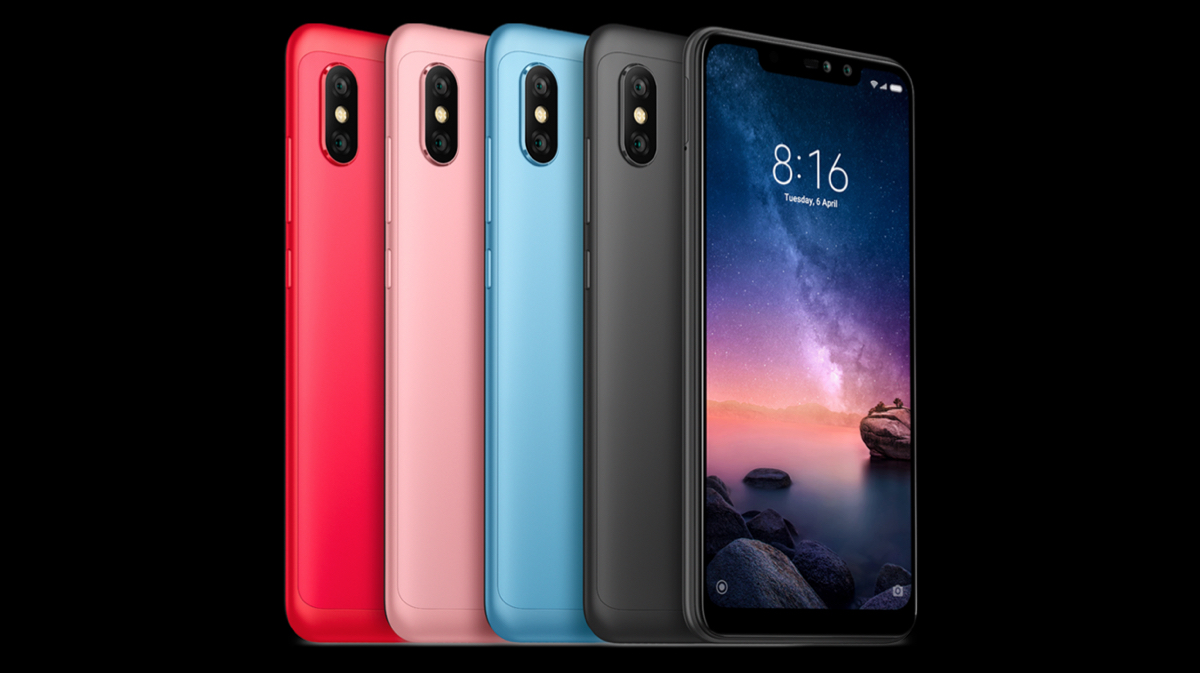
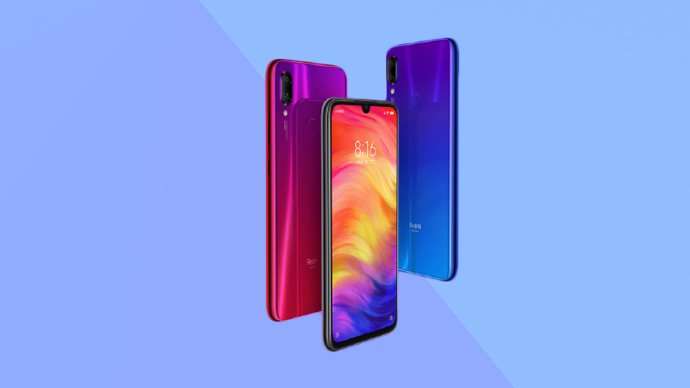
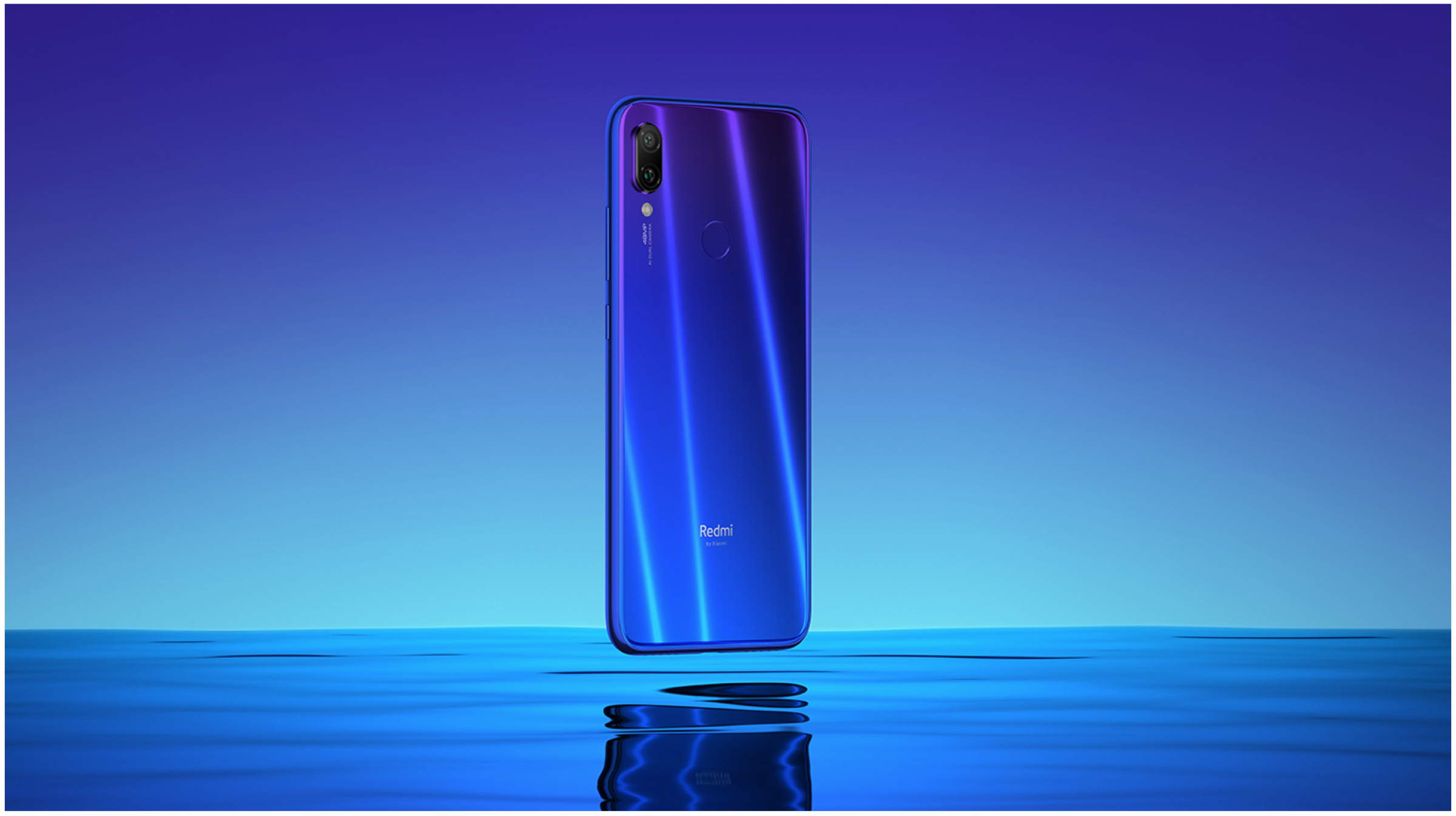
    The Samsung Galaxy M20 is available in two colours, Ocean Blue and Charcoal Black. Similarly, the Zenfone is also available in two colours, namely Blue and Titanium. The Redmi 6 Pro offers 4 different colour options. It’s available in Black, Blue, Rose Gold and Red. 

    Pricing

    Also Read : Antutu Releases AI (Artificial Intelligence) Benchmarking Tool

    The Samsung Galaxy M20 is priced at Rs. 10,990 for the 3GB+32GB version and Rs. 12,990 for the 4GB+64GB version. The ASUS Zenfone Max Pro M2 starts with Rs. 12,999 for the 3GB+32GB version, Rs. 14,999 for the 4GB+64GB version and finally Rs. 16,999 for the 6GB+64GB version. The Redmi Pro 6 is priced at 12,999 for the 3GB+32GB version and Rs. 14,999 for the 4GB+64GB version. All these devices are focused towards the high-selling sectors of the market, and people are constantly looking out for the best budget smartphone under 15k. What seems to be the best bet for you guys based on the specs? Let us know in the comments below. 


  • Xiaomi CEO Teases The Redmi Note 7 Pro With 6GB RAM, 128 GB Storage

    Xiaomi CEO Teases The Redmi Note 7 Pro With 6GB RAM, 128 GB Storage

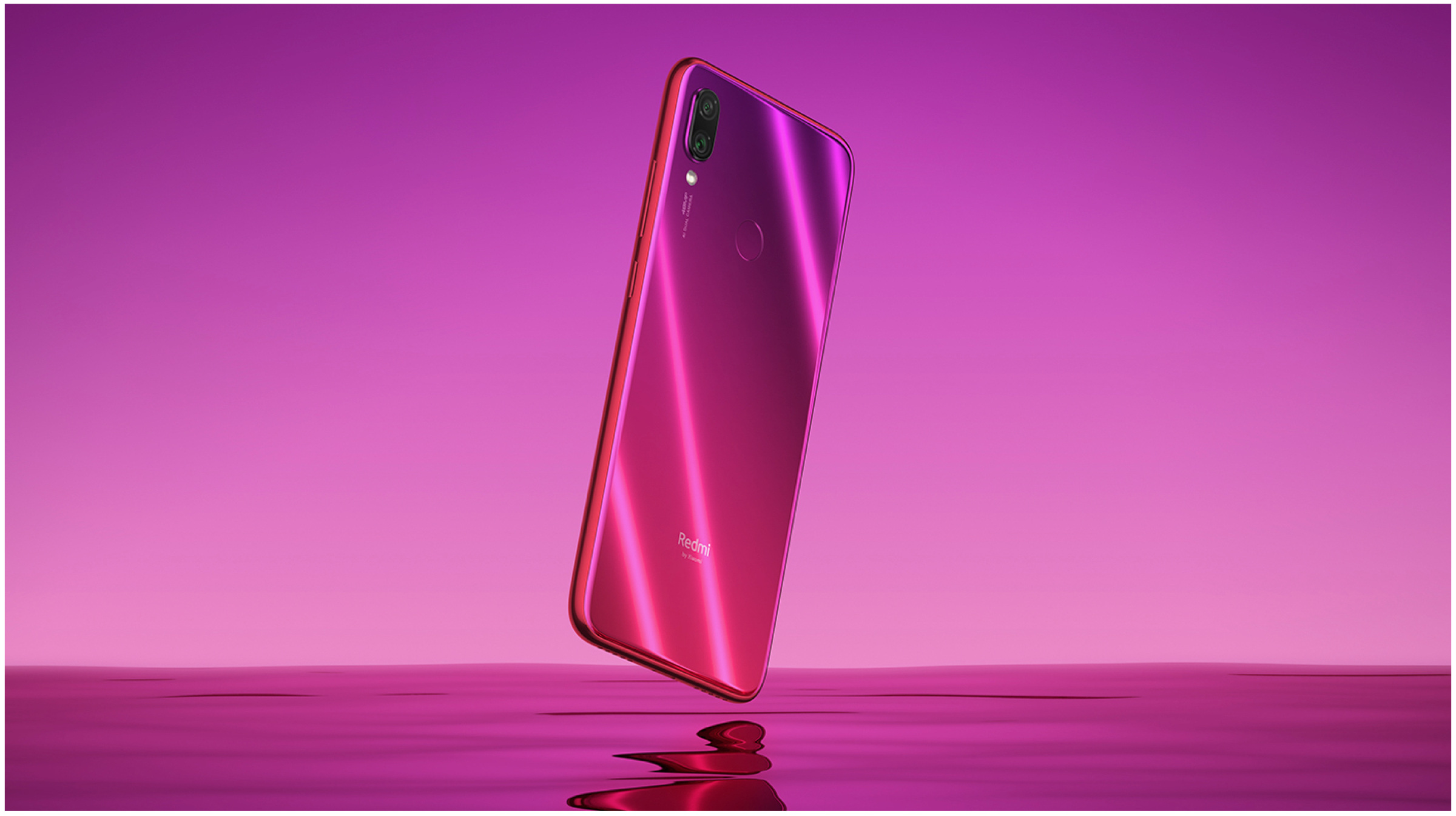
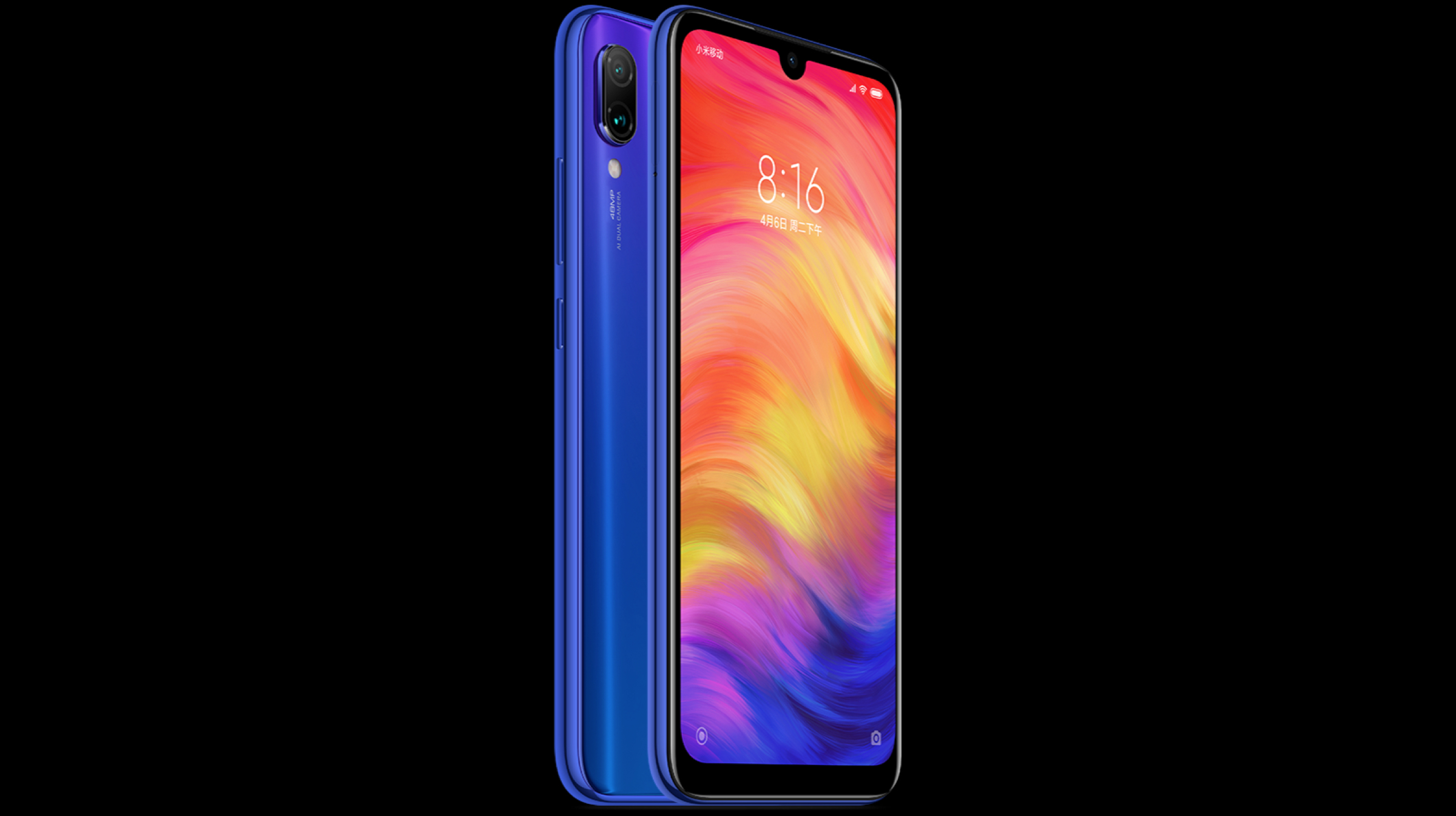
    Earlier this year, Xiaomi released the Redmi Note 7 with specs to kill for. A 48 MP camera with a Samsung ISOCELL sensor, 6 GB RAM, Snapdragon 660, It had everything that a smartphone connoisseur could desire. Needless to say, the device stirred up a lot of hype, with almost 100,000 units selling out in less than 11 minutes, as claimed by the Chinese electronics giant. Rumours are in the air that a newer edition of the same phone is on its way.
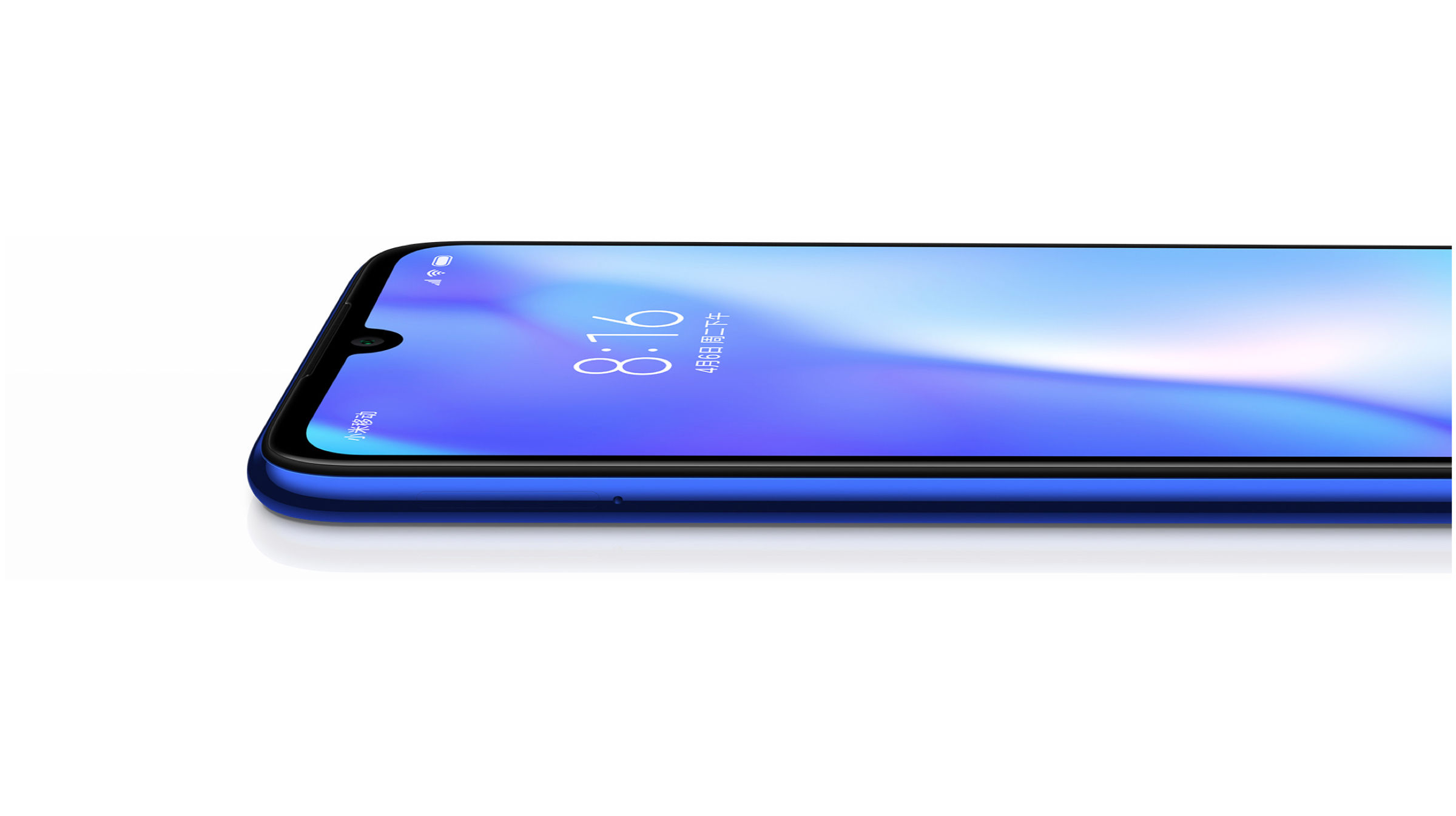
    Rumoured Specs For Redmi Note 7 Pro

    The device, which will be called the Redmi Note 7 Pro, is expected to launch with a Sony IMX586 sensor. And today, the company CEO dropped another hint online. When Lu Weibing was asking Redmi’s fans questions regarding their expectations from the Redmi Note 7 Pro, one fan had a rather far-fetched suggestion. “Drop the version with 3GB RAM and 32 GB Internal storage, and just release the 6GB+64GB or 6GB+128GB one.” This sounded like quite a big speculation. But the same reply was later reposted by the Xiaomi CEO, Lei Jun. This suggests that Redmi is actually looking towards such a variant on the Redmi Note 7 Pro.
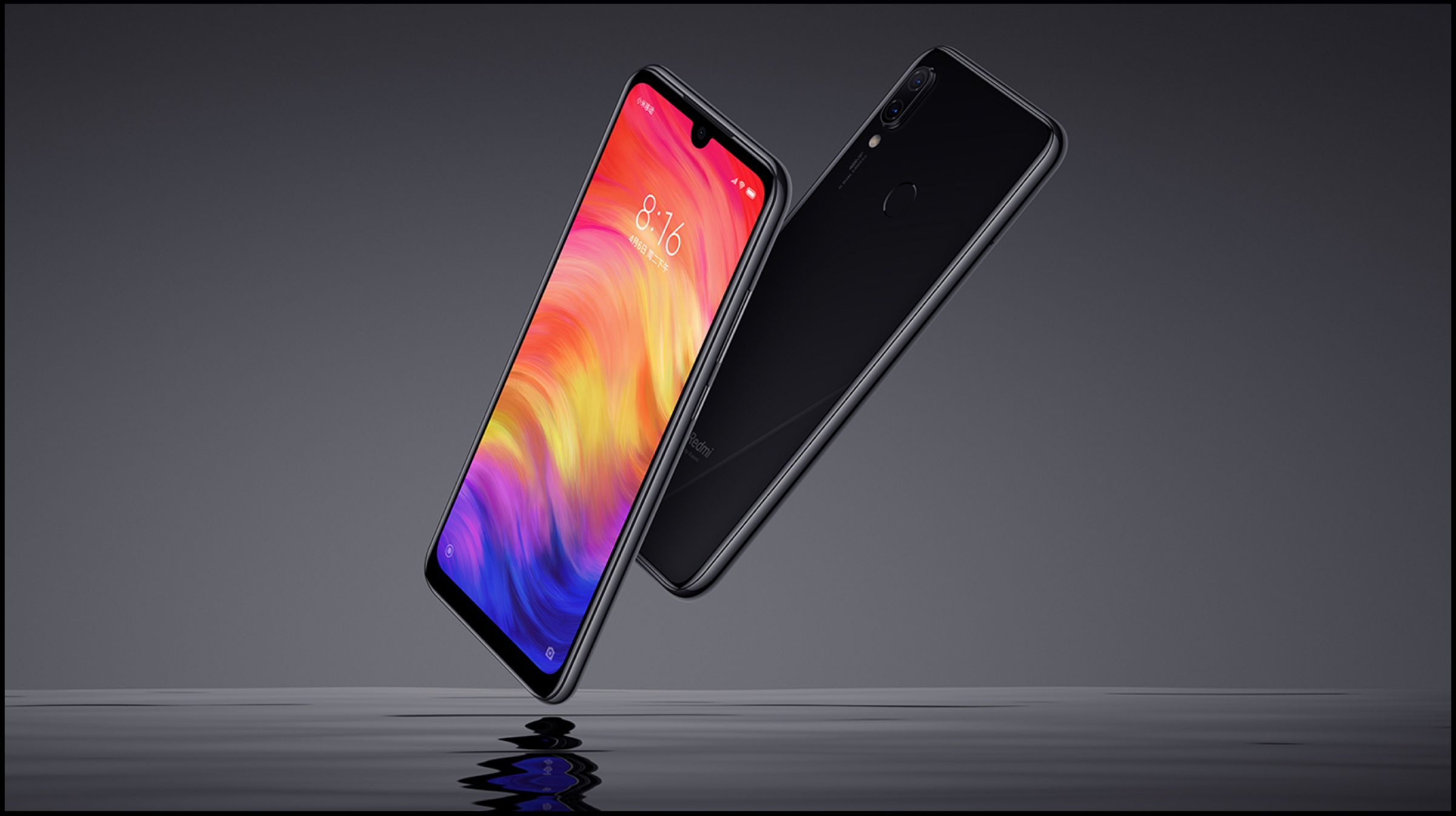
    If we put together the rumours, the Redmi Note 7 Pro will probably resemble the Note 7 in a variety of ways. It is expected to retain the same 6.4 inch screen with a similar notch. It will have the same 4000 mAh battery with Quick Charge 4. One of the more exciting things to look forward to is the introduction of a Snapdragon 675 instead of the Snapdragon 660. If this happens, the Redmi Note 7 Pro will be the cheapest phone in the segment to provide this chipset. 
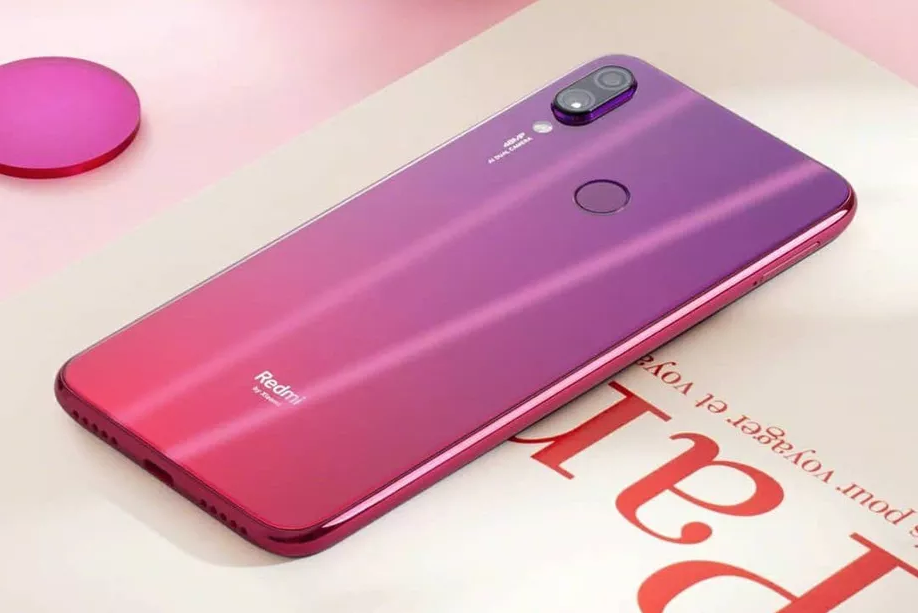
    Expected Release Date

    Read More : Redmi Go : Everything We Know

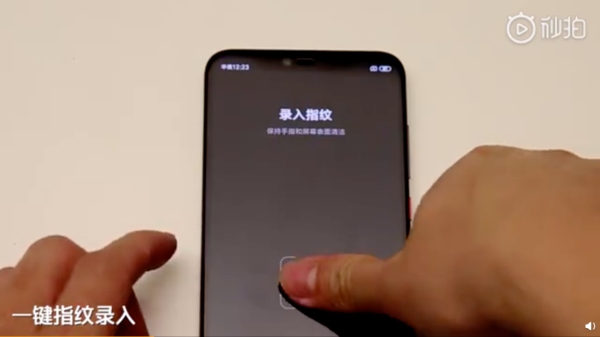
    Currently, no definite news is available on the release of the Redmi Note 7 Pro. All Xiaomi fans are currently waiting for Weibing to come forward with an official release date for the same. Are you excited for the launch of the Redmi Note 7 Pro? What changes in specifications are you expecting? Let us know in the comments.

  • Redmi Go: Everything We Know

    Redmi Go: Everything We Know

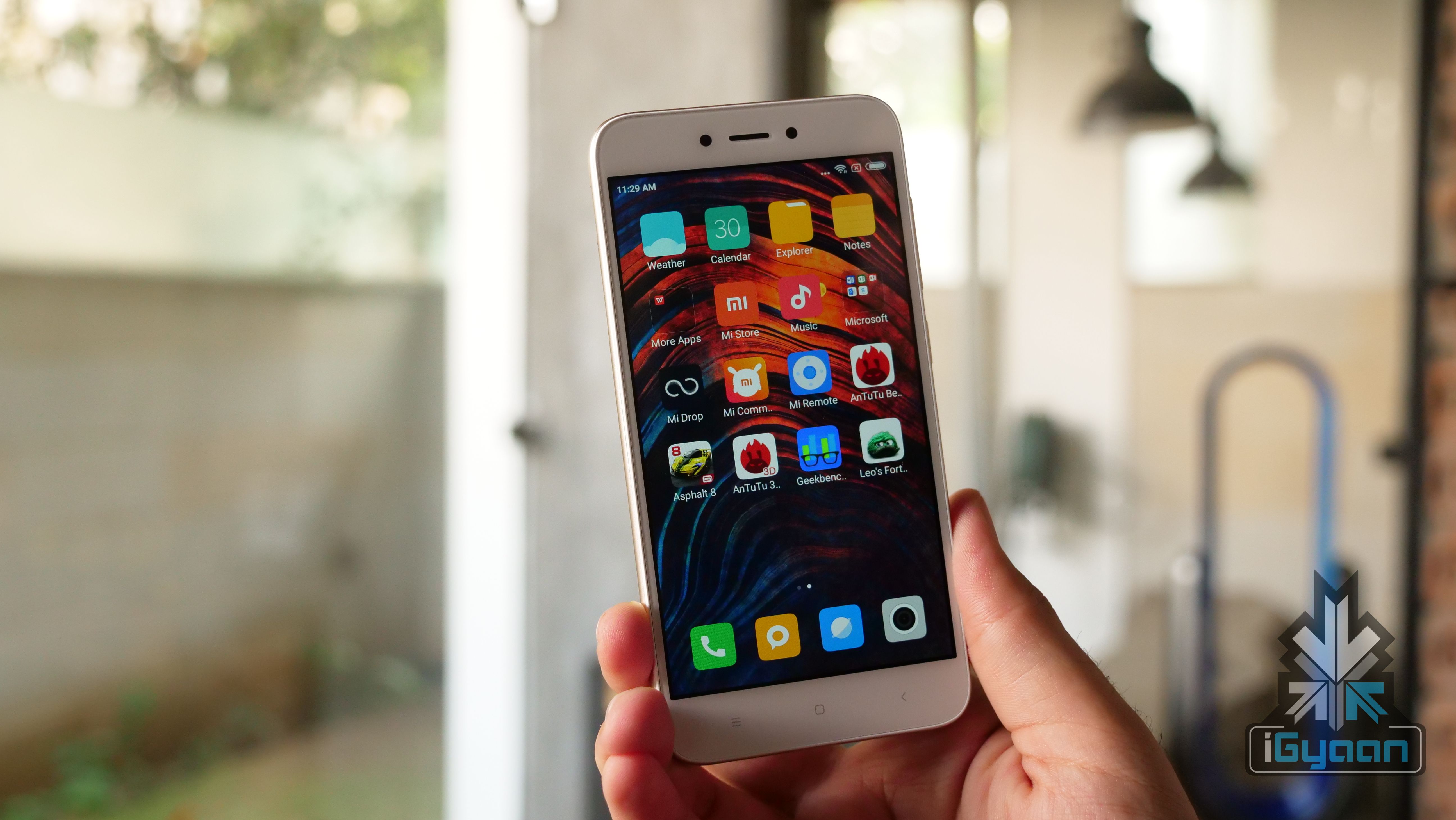
    Xiaomi has never seen better days in the country. The brand sales and reputation have never been better. And Xiaomi, in its traditional fashion is still doing what they do best, launching budget phones at never seen before prices. Now it seems like Xiaomi is all set to enter the sub Rs 5,000 market with the Redmi Go. This is what we know about the Redmi Go.

    Design

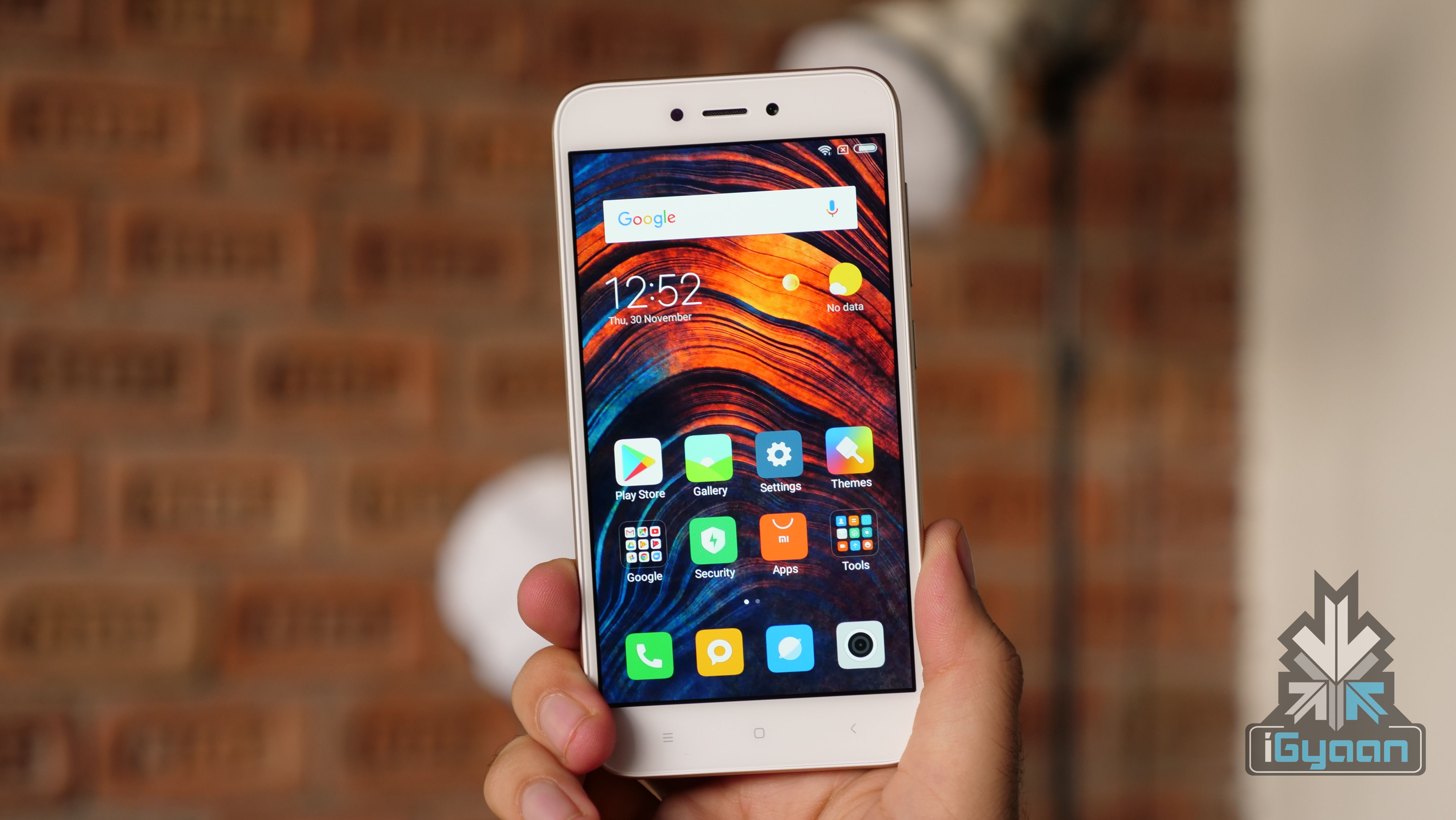
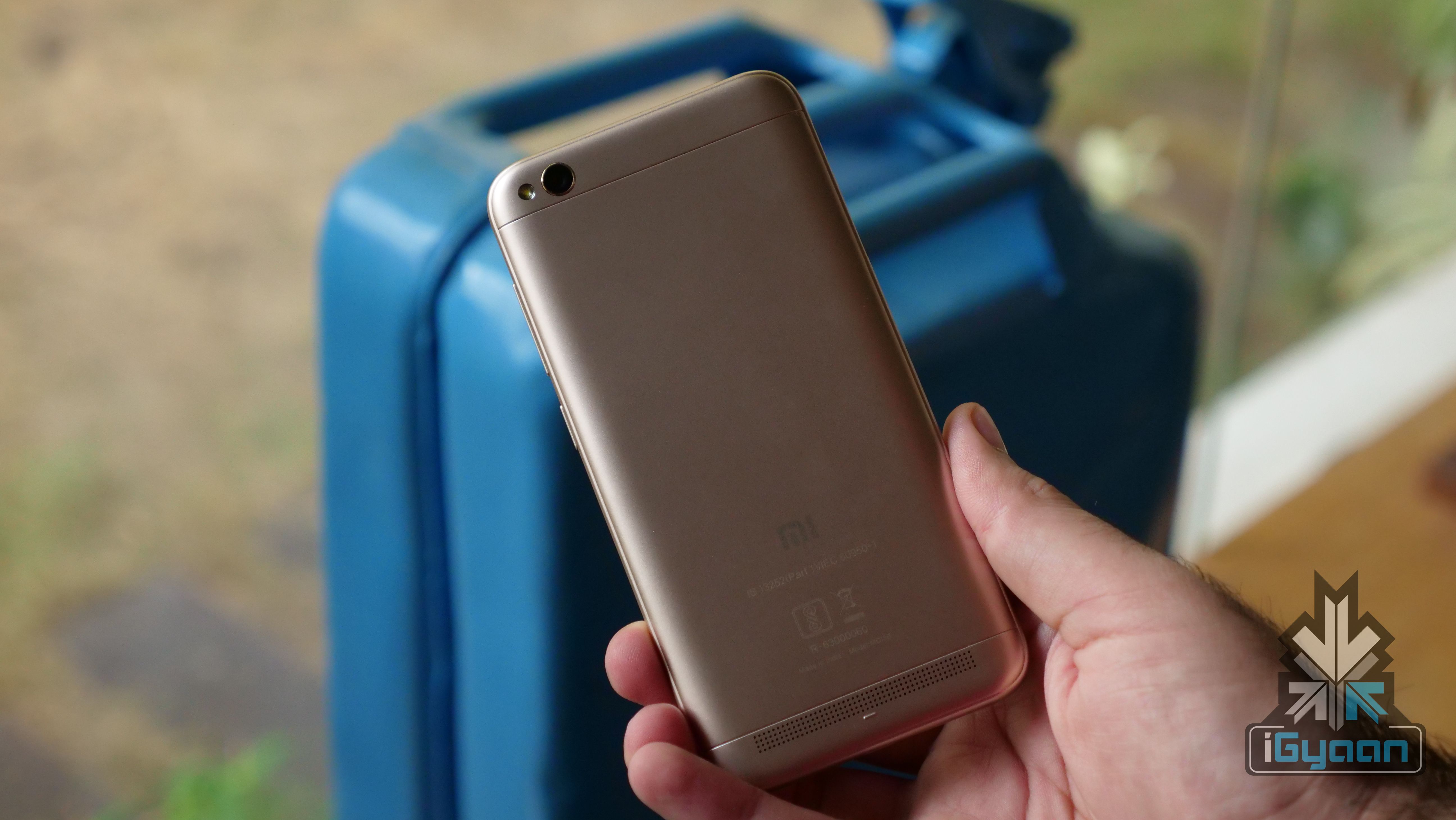
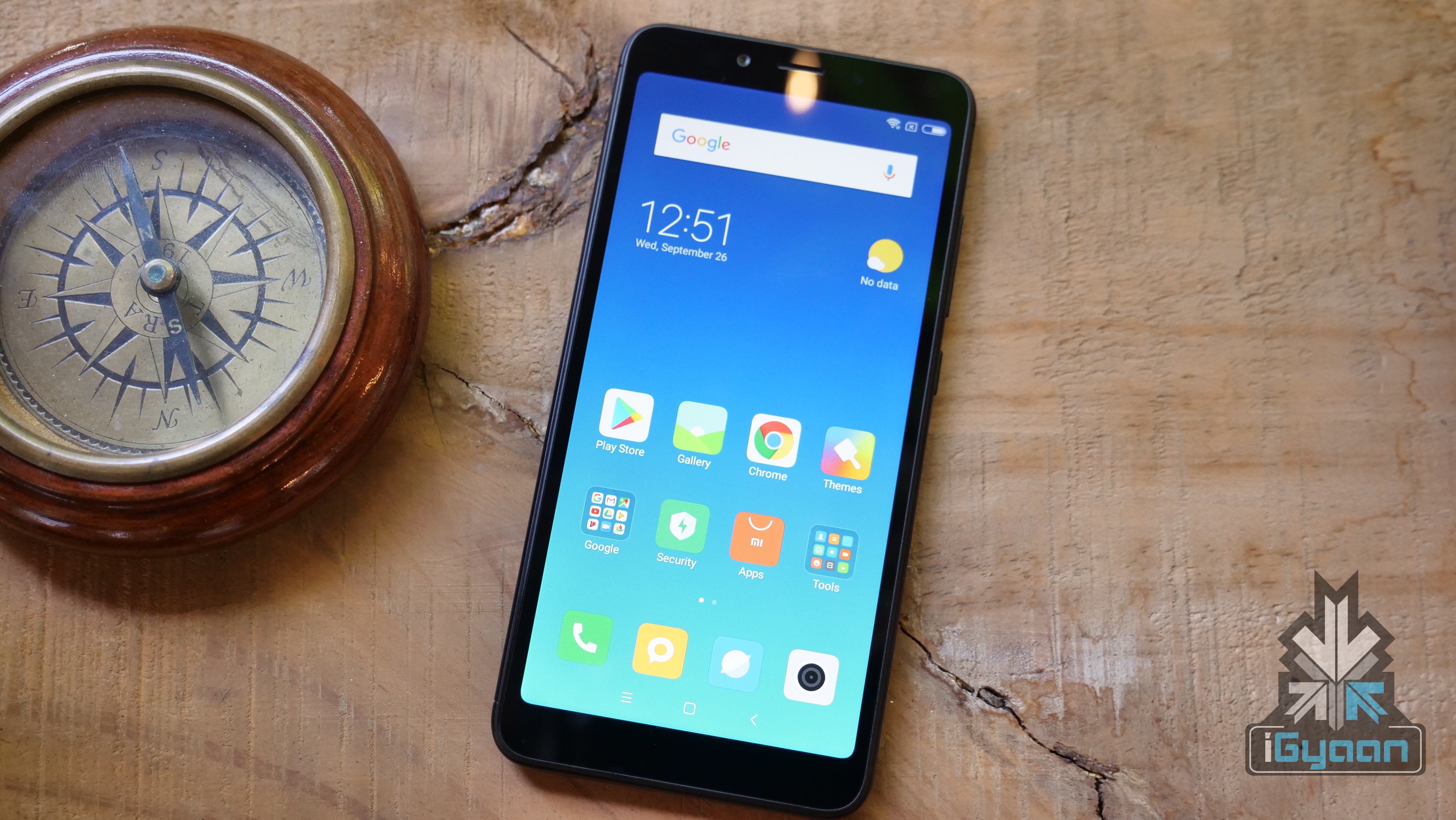
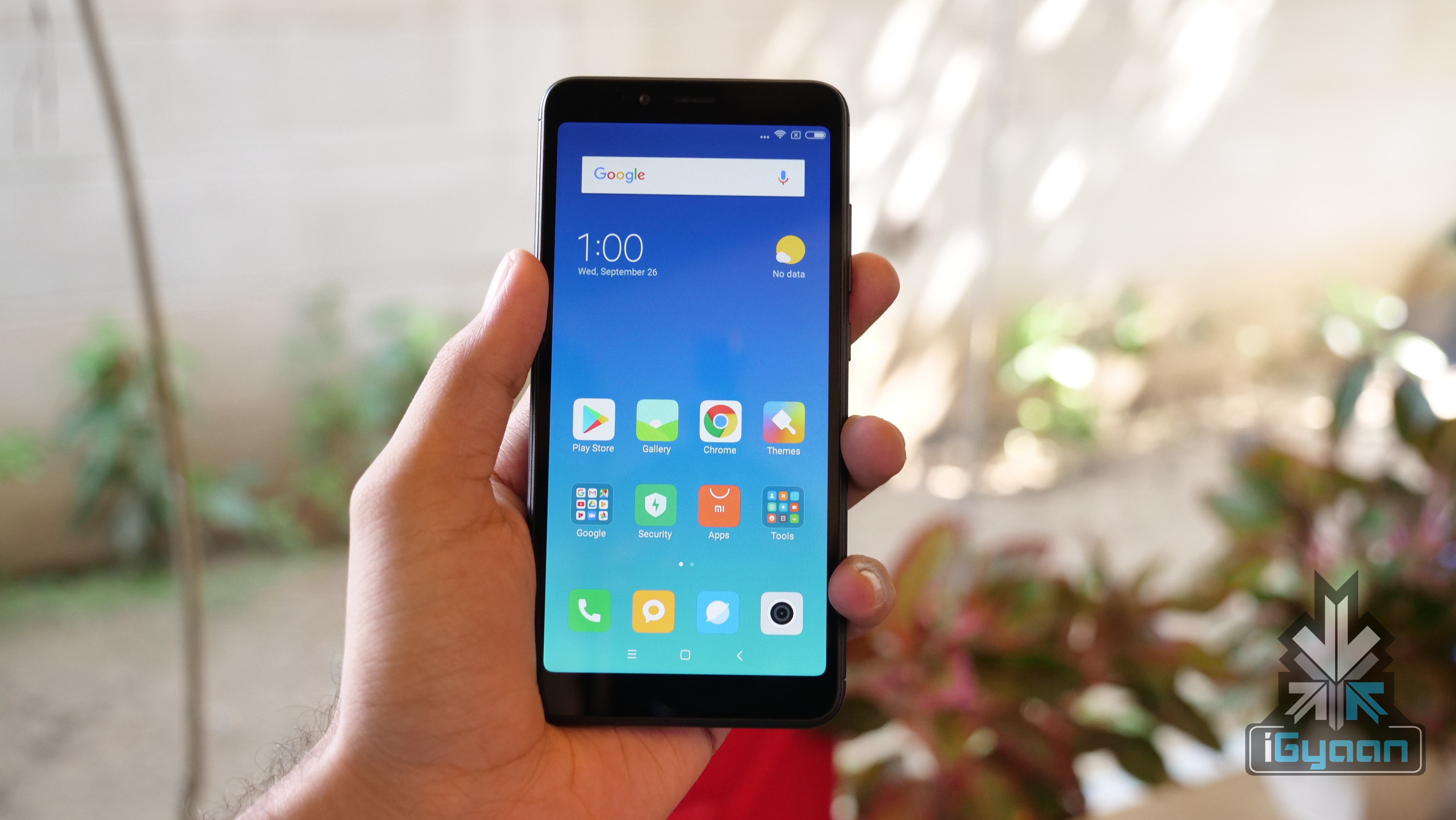
    The Redmi Go will be an ultra-budget smartphone, so its not a surprise to see it come with huge bezels and a plastic body. The phone is very basic and minimalistic appearance. The phone will sport a single camera at the back. From the looks of it, the device looks a lot like the Redmi 5A.

    Display

    The Redmi Go will have a 5-inch LCD display with a 1,280 x 720 resolution and a 16:9 ratio. This is neither modern or futuristic but being a budget phone, The Redmi Go will have a decent display for the price and the 16:9 aspect ratio is still relevant and reliable.

    Processor

    The Redmi Go will come with a Snapdragon 425 SoC coupled with an Adreno 308 GPU. The Snapdragon 425 is a Quad-Core processor and a quite dated one. The SoC has 4 x Cortex A53 Cores clocked at 1.4GHz. The performance of the device should be fine for normal and light workloads.

    Memory and Storage


    The Redmi Go is an ultra-budget smartphone, so it should be no surprise that it comes with 1GB of RAM and 8GB of Internal Storage. The phone will support MicroSD expansion up to 128GB. The phone wouldn’t be a powerhouse or a media machine obviously, but it should be good for normal, day-to-day tasks.

    Camera

    The Redmi Go won’t be a camera centric smartphone, but it is expected to have a serviceable camera. The specs known so far are an 8MP f/2.0 sensor at the back with a 5MP f/2.2 sensor over at the front. The phone would be good for basic things like clicking pictures and video calling.

    Battery and Operating System

    The Redmi Go will have a 3000mAh battery with support for 5W charging. The phone will not support fast charging because of the price it will be available at. The Phone will ship with the Go edition of Android Oreo. 

    Connectivity and Other Features

    Read More: WhatsApp To Soon Introduce Fingerprint Locking and Dark Mode

    The Redmi Go comes with a dual sim feature with 4G available on both. The phone will have Bluetooth 4.1 and a MicroUSB port for charging and data transfer. The phone doesn’t have a fingerprint sensor so it may rely on some form of face unlock.

    Overall, the Redmi Go looks like a basic cheap smartphone by Xiaomi and would definitely sell well if priced reasonably within the sub Rs. 5,000 bracket and available without a barrage of flash sales. Xiaomi has tasted quite the success in the country and the Redmi Go seems to be just another success story.

  • Xiaomi Sharesave Is Here To Make Purchasing Products from China Easier

    Xiaomi Sharesave Is Here To Make Purchasing Products from China Easier

    In a blog post on Wednesday, Xiaomi announced the launch of Sharesave, a cross-border e-commerce platform to make shopping for Xiaomi products, or Xiaomi backed products from China much easier. The platform has been rolled out in India, with more companies to follow suit soon.


    According to the post, “ShareSave aims to offer users outside of Chinese mainland a convenient and cost-effective way to purchase ecosystem products that have only been available within Chinese mainland. Using social e-commerce as its core model, ShareSave is a platform where users take the lead every step of the way for a #SharetoSave purchasing experience.”


    The platform has a purchase model, which allows the buyers lucrative discounts or free product under certain circumstances. The pair-up model suggests that if you buy a product with a friend, you both will get exclusive discounts. The Drop feature seems to be a closed group in which you can invite friends and family and if enough members join a group, you get upto 100% price drop. There are also products that need to be backed up, for a sum $0.2, Xiaomi is promising up to 10 times the reward for backing up the products you like.


    While there are a lot of options in the e-commerce space today, Sharesave separates itself from the rest due to its unique propositions, One is the cross border advantage, and it coming straight out of one of the largest smartphone makers in China is quite the advantage.


    And while most Xiaomi products are slowly making its way to India, some interesting products that users may want to buy are still far from our reach, that is until now. Some products like Mi x Wiha Precision

    Screwdriver, Yeelight LED Light Bulb, Soocas Sonic Electric Toothbrush X1 Lite etc. are quite a few things that are not readily available in the country. And while there is an option of ordering it through sites like AliExpress or Gearbest, Xiaomi’ s alternative does seem a lot more straightforward and reliable.

    The Sharesave App is now available on the Play Store to download and while there aren’t many products on the app right now, Xiaomi is expected to keep adding them to the mix.

  • Redmi Go Launch ; All You Need To Know

    Redmi Go Launch ; All You Need To Know

    As we were just getting over the ‘Xiaomi-Redmi’ breakup, the Chinese electronics giant flashes a teaser for an upcoming device. Not the Note 7, but in fact, the Redmi Go. We are just as surprised as you are, because it seems to be their first big release since they turned independent. And on top of that, the Philippines seems to be the first exclusive country to welcome Redmi Go into its market. And that is saying something since Android Go hasn’t been released anywhere yet. Let that sink in. 

    Teasing their customers with the hashtag #GoSmartDoMore, the device is supposed to be an improved version of the Redmi 5A. The Redmi Go aims to be a budget Android device with specs that can easily handle your day-to-day tasks. As per an online e-commerce store in the Philippines, the device has been listed with the similar hashtag, but without any pricing available on the same. The specs, thankfully, are present on the same.

    Redmi Go Specifications

    The smartphone sports a 5-inch display with a 720p resolution. With a Snapdragon 425 chip and 1 gigabyte of RAM, it also has 8 gigs of internal storage. An expandable memory slot up to 128 GB just adds icing to the cake. Talking about those pictures, it has an 8 MP camera with an LED flash, with a 5 MP front-facing camera. With a 3000 mAh battery, it should just be enough to handle a full day of your usage. 

    If you’re concerned about connectivity, there’s more on that table too, because the smartphone has Bluetooth 4.1 support, and most importantly, dual SIM card slots. 4G LTE is supported, so high internet speeds shouldn’t be an issue. As far as the OS goes, the the device is launching with the Go Edition of Android 8.1 Oreo, not Android 9 as you may think.

    Redmi Go Colours and Launch 

    The Redmi Go will be available in two colors, black and blue. As discerned from the teaser’s image, it’ll have larger bezels than the Redmi Note 7. As of now, no definite launch date is available. Hopefully, there will be one soon. How hyped are you for the Redmi Go launch in India? Let us know in the comments below!

  • Xiaomi Co-Founder Shares Video Of A Three Way Foldable Phone

    Xiaomi Co-Founder Shares Video Of A Three Way Foldable Phone

    Xiaomi offers products in domains that range anywhere from mobile and tablets to personal mobility vehicles. A video shared by its senior executive indicates that the company is about to add another product to its ever-expanding portfolio of products. The video showcases an astounding smartphone that folds from two sides.  Samsung has already confirmed that it will launch a foldable phone next month. Leaked patents reveal that Huawei and LG are also readying their variants of a foldable smartphone.

    Xiaomi’s Foldable  Phone

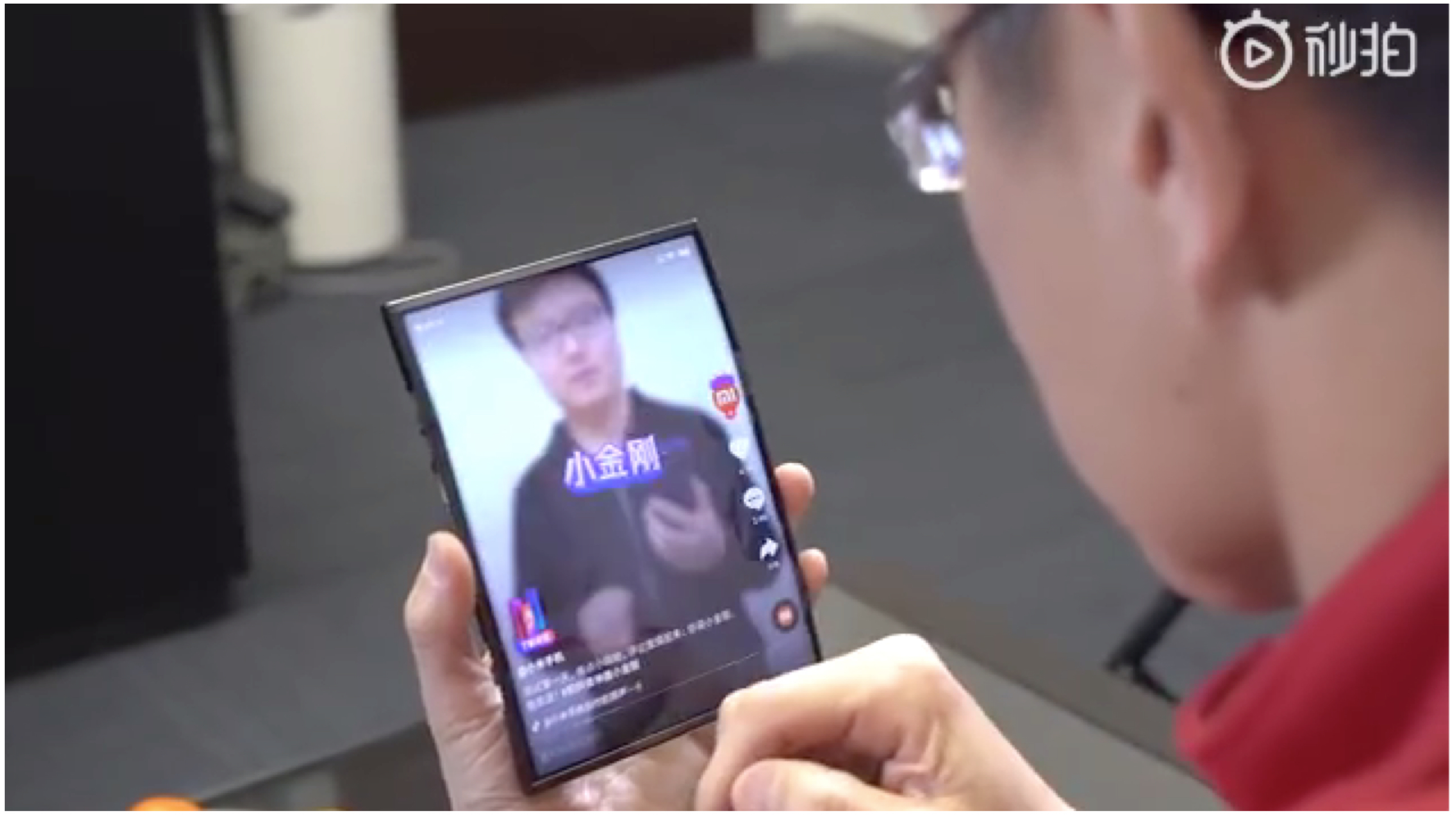
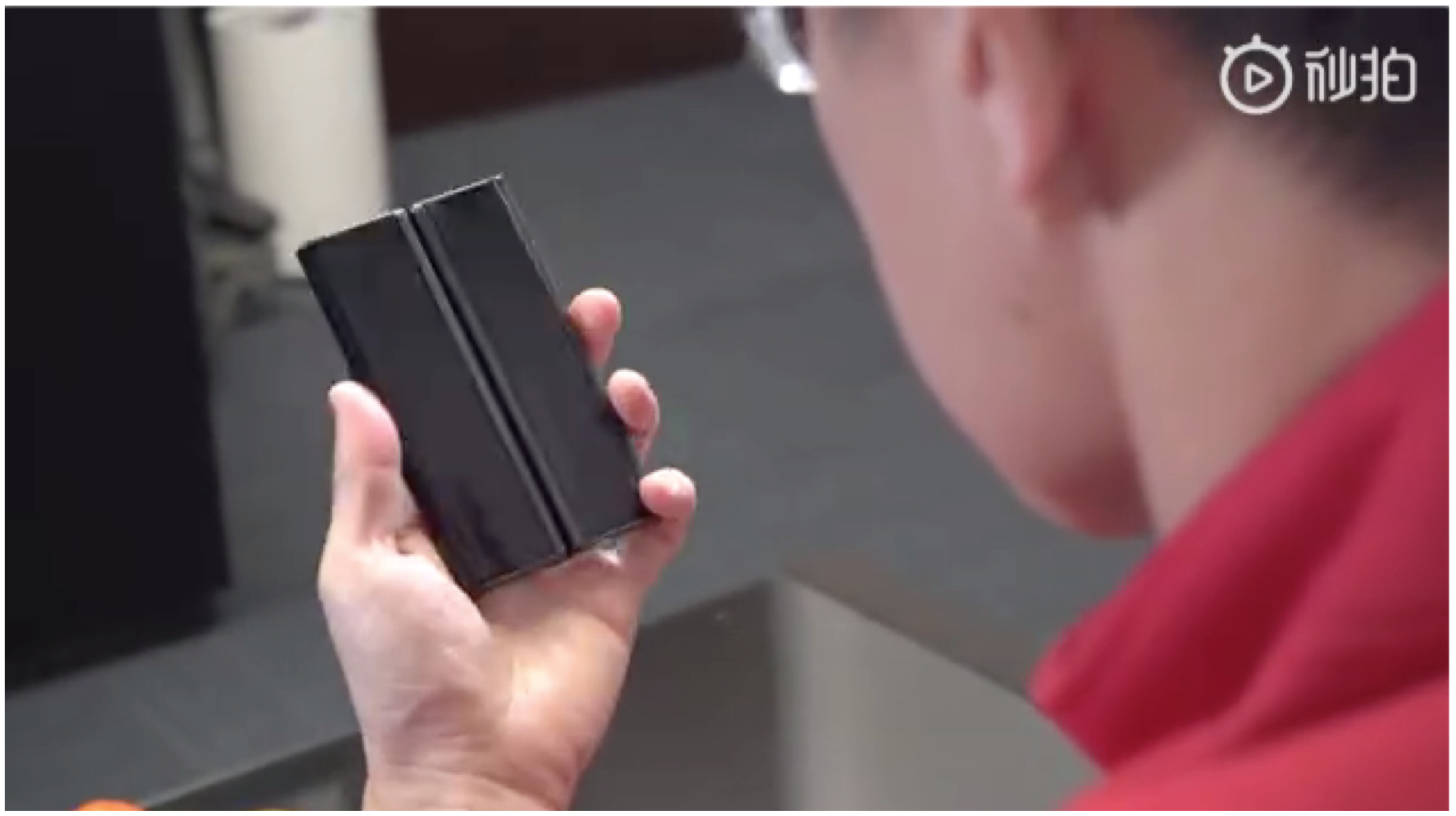
    Xiaomi’s co-founder, Lin Pin shared a video of a foldable smartphone on a Chinese social media platform, Weibo. This device in the video is similar to the foldable Xioami phone that was previously leaked on Twitter. The video demonstrates a portable electronic device that has a large screen with minimal bezels on either side. 

    The company executive can be seen navigating through applications on the touch screen of the device that looks quite responsive. Unlike the Samsung Galaxy F, the screen on the Xiaomi device folds backwards from both the left and right sides. The device when in its folded state looks handy and easily pocketable. 

    Price And Launch Date

    Also Read: Motorola Is Also Working On A Foldable Smartphone Cum Tablet

    Unfortunately, Xiaomi has not announced the launch date of the foldable smartphone. But the short demonstration in the video indicates that the device is ready and the company can launch it soon. Xiaomi might showcase this device at the upcoming MWC 2019 which is scheduled for 25-29 February. The price of the device is currently unknown, however, past events suggest that Xiaomi will price it lesser than its competitors. For reference, the Samsung  Galaxy F will reportedly cost US $ 1800.  

  • Redmi Note 7 Survives After Being Used As Skates And Thrown Down From Stairs

    Redmi Note 7 Survives After Being Used As Skates And Thrown Down From Stairs

    Xiaomi’s sub-brand, Redmi launched the Redmi Note 7 smartphone earlier this month in China. Due to its aggressive pricing the phone is attracting a lot of attention. A picture posted on weibo revealed a hidden feature of the Redmi Note 7. Two fresh videos shared by the company on a Chinese social media platform testify that the smartphone is not only loaded with features but it is also very durable.

    Redmi Note 7 Thrown Around and Used As Skates

    https://www.youtube.com/watch?v=e2CJyLHC3Xs

    In the first video, a user attaches castor wheels to the rear of the Redmi Note 7 with the help of high strength tape and then rides the makeshift skates. Surprisingly, the device not only survives this abuse, its display seems to work perfectly fine that too without any noticeable scratches.

    The second video again torments the Redmi Note 7 but in a completely different manner. A unit of the Redmi Note 7  is placed in a bin which is sealed from top and then rolled down the staircase. This video is an ideal demonstration of how a smartphone would get through in an accidental staircase drop. Like the first video, the Redmi Note 7 mainly stays unharmed without any noticeable damage.

    Although an actual device would seldom face such an abuse, the videos certainly reflect the build quality and durability of the Redmi Note 7.

    Redmi Note 7 Specifications

    Also Read: Redmi To Soon Launch The Redmi Note 7, Redmi Note 7 Pro & Redmi Go In India

    • Display: 6.3-inch Full HD+ 2340 × 1080 pixels, 19.5:9 aspect ratio
    • Operating System: MIUI 10 based on Android 9 (Pie)
    • Processor: Qualcomm Snapdragon 660 
    • RAM: 3 GB / 4 GB / 6 GB
    • Storage: 32 GB / 64 Gb 
    • Rear Cameras: 48 MP + 5 MP, LED Flash
    • Selfie Camera: 13 MP
    • Security: Rear- Mounted fingerprint scanner
    • Connectivity: 4G VoLTE, Wi-Fi 802.11 ac 2.4G + 5G, Bluetooth 5 .0, GPS, USB Type-C
    • Battery: 4,000mAh
    • Dimensions: 159.2 x 75.2 x 8.1 mm
    • Weight: 186 g


  • Redmi Go NBTC Certification Suggests It Will Launch Soon

    Redmi Go NBTC Certification Suggests It Will Launch Soon

    Redmi has lately been in the news because of the newly launched Redmi Note 7 smartphones. Several reports claim that the company will soon launch an entry-level smartphone called the Redmi Go which will be targetted towards developing countries. The smartphone has received certification at Thai NBTC (National Broadcasting and Telecommunications Commission) which indicates that the launch of the device is imminent. Although the listing does not reveal any specifications of the upcoming Redmi Go.

    Redmi Go Expected Features & Construction 

    Since it is an entry-level smartphone, it is expected to have a plastic or a polycarbonate shell that will allow the company to pack better specs into it. A past leak claims that the smartphone will sport a 5.9-inch display with HD+ resolution and 18:9 aspect ratio. Also due to the low price, it is expected to have 1 GB of RAM an 16 GB of inbuilt storage.

    The Redmi Go is believed to have a 5 MP selfie camera and an 8 MP rear camera along with an LED flash. It will likely run on the Go edition of the latest Android 9.0 Pie. Other specifications like the battery capacity and chipset details will only be revealed at the time of its official launch.

    Launch Date and Price

    Also Read: Live Images And Specifications Of Moto G7 Power Leaked

    Although Redmi has not announced the official launch date of the Redmi Go, it is expected to launch in Q1 of 2019. Presumably, the smartphone will carry a sub 5k price tag in India.

  • Xiaomi Launches Retro- Styled Elvis Radio

    Xiaomi Launches Retro- Styled Elvis Radio

    A retro styled  LP player was launched by Xiaomi last august which was very well received. The speaker is a smart radio and it comes with a retro design which looks like old radios from the 1960s. The LP Player comes in a moon rock white color. The player is coated in three layers just like car paints. It also has a chrome-plated dual-purpose metal handle as well. It can be folded over the bottom for use as a stand for the player as well. The Xiaomi player is fitted with a 52mm large-diameter NdFeB full-range speaker which supposedly provides great sound. 

    Very little is known about the new version but the old speaker was very well received by the community. It featured a built-in 400mAh battery, which is capable of providing up to 7 hours of battery life when used normally. The speaker had rounded corners, a round switch and even an imitation plate with a needle in which the radio speaker is hidden. The height of the earlier version of speakers was just 6.3cm and it could fit in your palm easily. It was built from a full-metal case and weighed just 130g. 

    https://www.youtube.com/watch?v=rkIs7752Igc

    The older speaker also supported Bluetooth fast connection, which could realize wireless control of mainstream music apps including Apple Music, QQ Music and Netease Cloud Music. The new speaker however has 12 preset channels that are freely customisable.


  • Redmi To Soon Launch The Redmi Note 7, Redmi Note 7 Pro & Redmi Go In India

    Redmi To Soon Launch The Redmi Note 7, Redmi Note 7 Pro & Redmi Go In India

    Earlier this month Redmi launched the Redmi Note 7 smartphone in China which due to its aggressive pricing and stellar features has turned a lot of heads. We had previously reported that the company will soon launch the device in India. A fresh report claims that in addition to the Redmi Note 7, Redmi will also launch the Redmi Note 7 Pro and Redmi Go in the country.  

    Redmi Note 7 Pro And Redmi Go Expectations

    At the Chinese launch of the Redmi Note 7, the company announced that they will launch the Redmi Note 7 Pro in the month of February. The company has revealed the Redmi Note 7 Pro like the Redmi Note 7 will have a 48 MP camera. However the former will use the Sony IMX586 sensor instead of the Samsung ISOCELL GM1 on the Redmi Note 7.

    This feature will be a great addition as the 48 MP Sony IMX586 sensor is usually seen on high-end flagship devices like the Huawei Nova 4. Another leak claims that the Redmi Note 7 Pro will feature the 11 nm Snapdragon 675 SoC which is an impressive upgrade over the Snapdragon 660 on the Redmi Note 7. 

    Not many details about the Redmi Go are available as of now. But reports claim that it will be the most affordable smartphone out of the three devices. Also, the GO suffix suggests that the smartphone will run on the GO edition of Android.  

    Redmi Note 7 Specifications
    • Display: 6.3-inch Full HD+ 2340 × 1080 pixels, 19.5:9 aspect ratio
    • Operating System: MIUI 10 based on Android 9 (Pie)
    • Processor: Qualcomm Snapdragon 660 
    • RAM: 3 GB / 4 GB / 6 GB
    • Storage: 32 GB / 64 Gb 
    • Rear Cameras: 48 MP + 5 MP, LED Flash
    • Selfie Camera: 13 MP
    • Security: Rear- Mounted fingerprint scanner
    • Connectivity: 4G VoLTE, Wi-Fi 802.11 ac 2.4G + 5G, Bluetooth 5 .0, GPS, USB Type-C
    • Battery: 4,000mAh
    • Dimensions: 159.2 x 75.2 x 8.1 mm
    • Weight: 186 g
    Redmi Note 7 Series and Redmi Go Launch In India

    Also Read: Samsung Galaxy M10 And M20 Price Leak, Starts At Rs 7,990

    The Redmi Go and Redmi Note 7 series which includes the Redmi Note 7 and Redmi Note7 Pro is tipped to launch before the end of first quarter in India. 

  • 5G Compatible Mi Mix 3 Will Launch Ahead Of MWC

    5G Compatible Mi Mix 3 Will Launch Ahead Of MWC

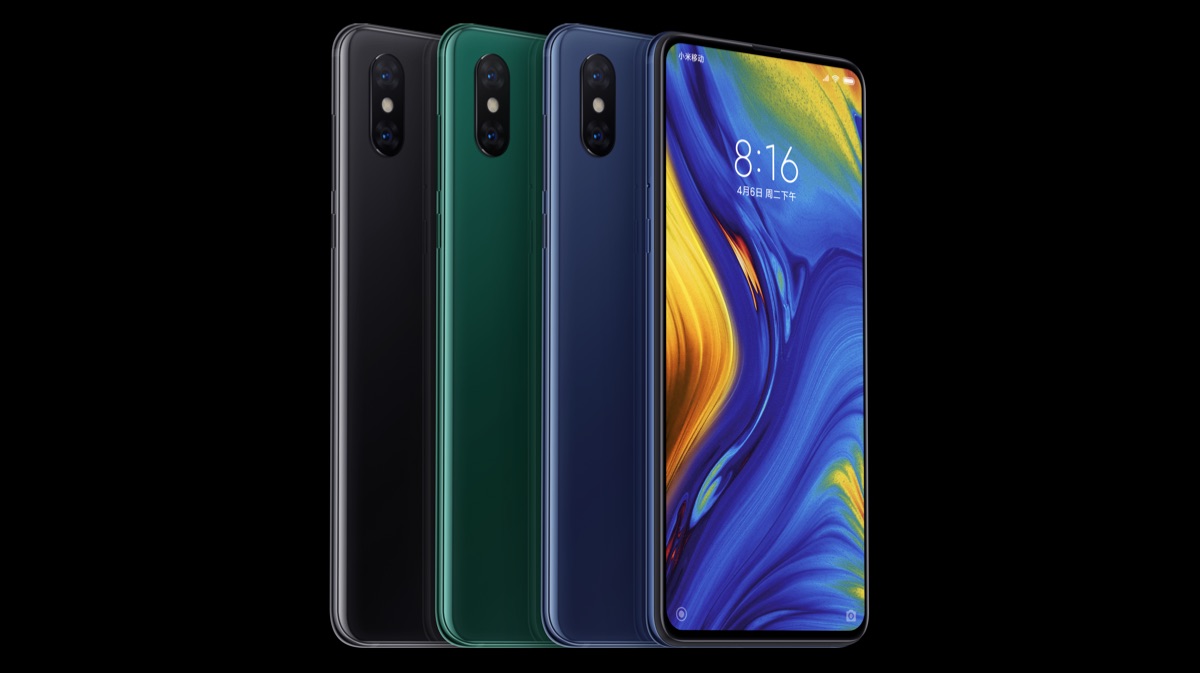
    Xiaomi launched the Mi Mix 3 smartphone back in October 2018. At the time of its launch, the company promised that a 5G compatible variant of the same will be launched in the year 2019. An invitation poster that has now been taken down revealed that Xiaomi will launch the 5G compatible Mi Mix 3 a day before MWC. Except for the Snapdragon 855 SoC that has the 5G modem built-in, the new device will have similar specifications as the regular variant.  

    MWC or Mobile World Congress is one of the most significant tech events in the world, especially for mobile devices. The MWC event will be held in Barcelona, Spain between the dates 25-28 February. Usually, MWC sees the launch of flagship smartphones from several manufacturers but this year could be a bit different. Samsung has also scheduled its Galaxy Unpacked 2019 event for 20 February where the company will launch its Galaxy S10 lineup and the foldable phone.

    Why Launch The 5G Compatible Mi Mix 3 Before MWC ?

    Apparently, Xiaomi wants to grab the maximum attention possible at the time of launching one of the worlds first 5G compatible smartphone. Launching the 5G compatible Mi Mix 3 at an event full of other excellent products can undervalue the significance of the former. Additionally, Xiaomi will likely be able to maintain the sense of appreciation for the smartphone throughout the MWC event. 

    Mi Mix 3 Features & Design

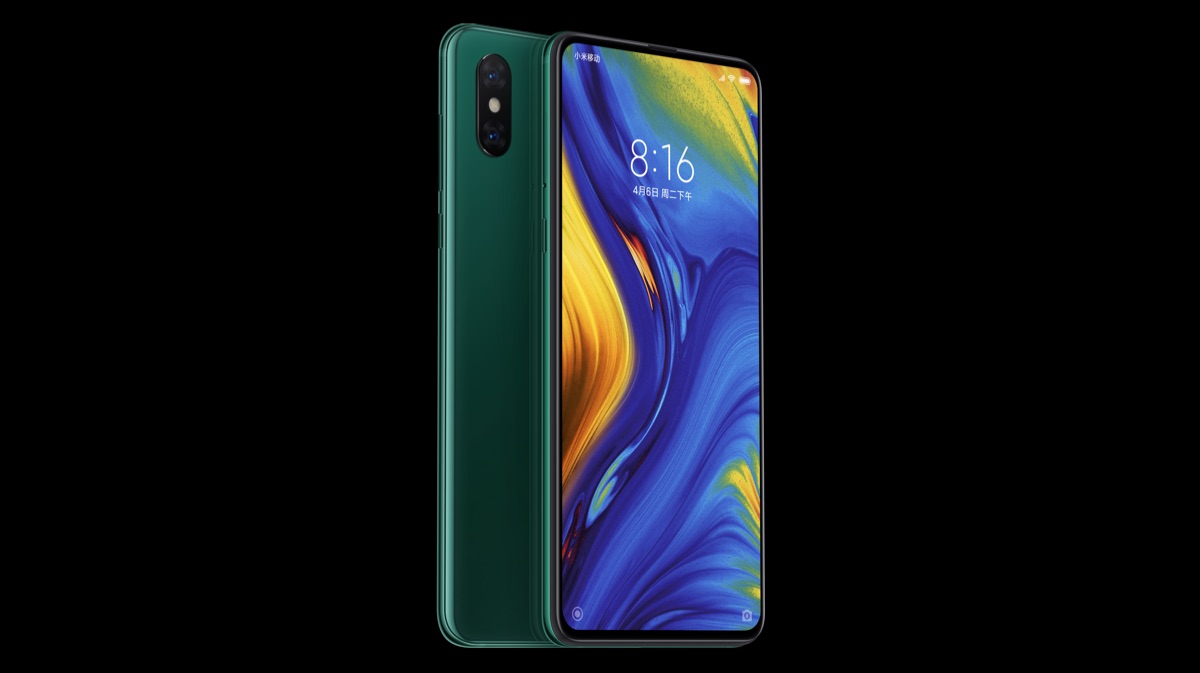
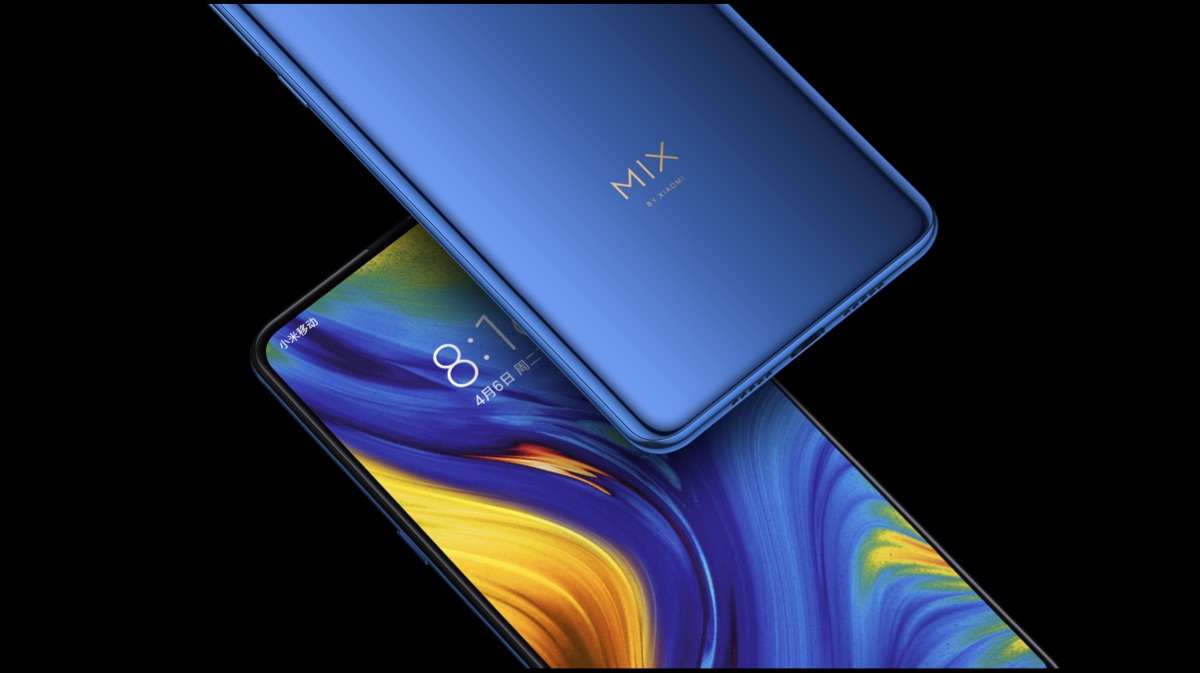
    The Mi Mix 3 has an innovative design with a sliding back that conceals the front-facing cameras. On the front of the smartphone sits a 6.39-inch AMOLED display with a very high screen to body ratio of 93.4%. 

    The Mi Mix 3 has dual neodymium magnets that provide it with the sliding functionality. According to Xiaomi, the sliding mechanism has been tested up to 0.3 million times which provides a reference point about its durability. 

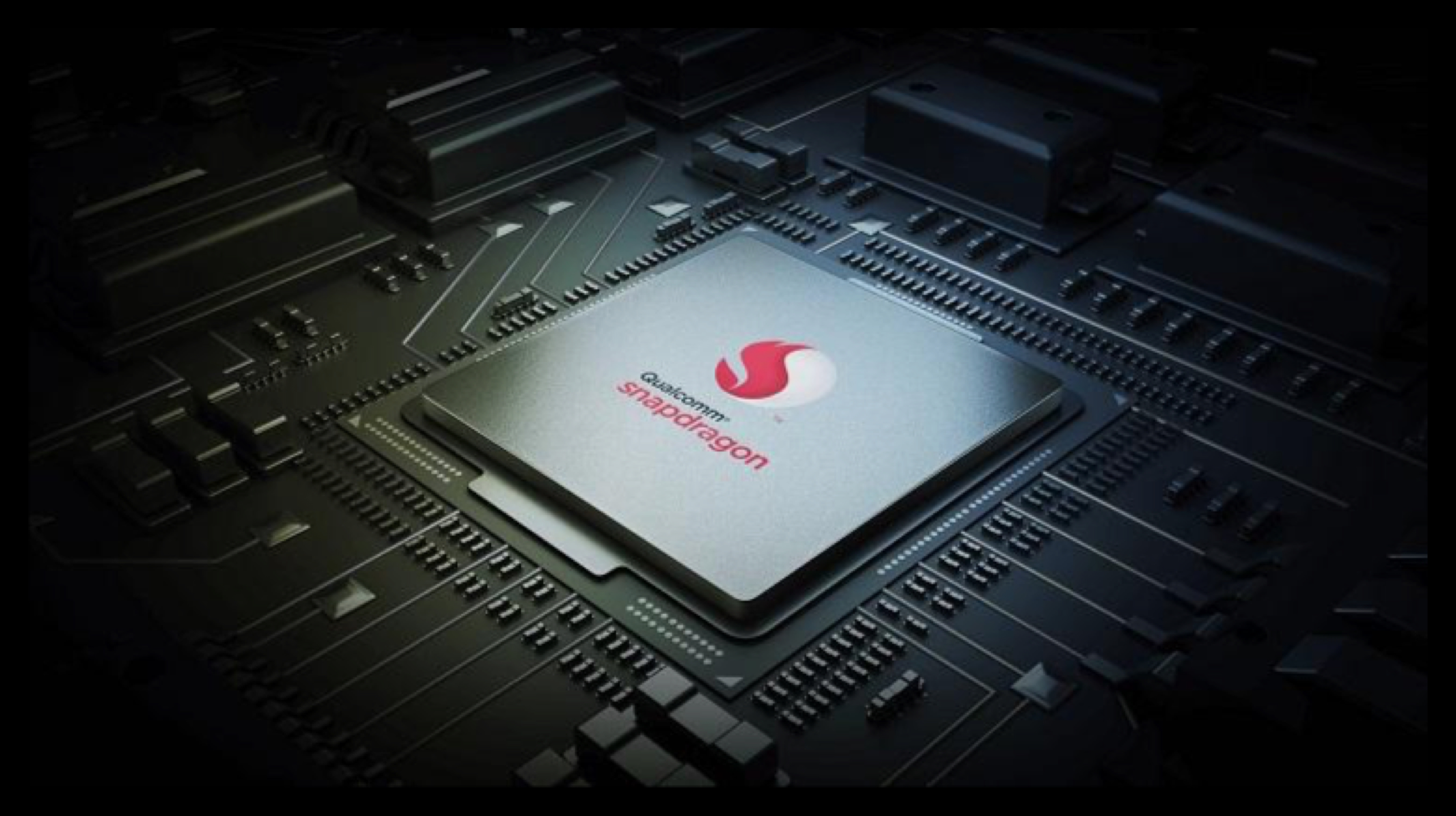
    Under the hood, the 5G variant of the Mi Mix 3 will feature the latest Snapdragon 855 SoC that is fabricated using 7 nm manufacturing technology. The chipset consists of an Octa-Core Kryo 485 CPU and Adreno 640 GPU. 

    For photography, the Mi Mix has dual 12 MP + 12 MP rear cameras and dual 24 MP + 2 MP front cameras. The rear cameras of the Mi Mix 3 can capture 2160p videos and the front camera can capture 1080p videos. 

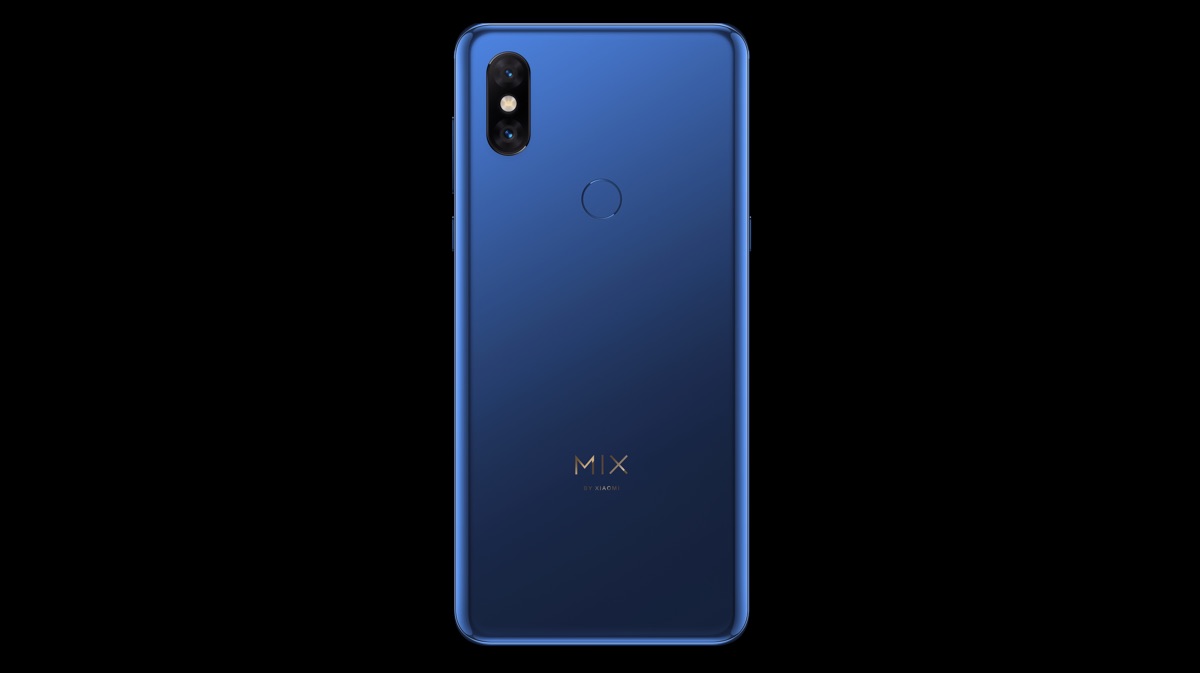
    The rear of the Mi Mix 3 is made of Ceramic which harbours the dual rear camera setup and a fingerprint sensor for securely unlocking it. In terms of memory and storage, the 5G compatible Mi Mix 3 is expected to be available in three storage capacities like the standard variant which are as follow:

    • 6 GB RAM + 128 GB ROM
    • 8 GB RAM + 256 GB ROM
    • 10 GB RAM + 256 GB ROM
    Price And Availability

    Also Read: Samsung Galaxy S10+ With Snapdragon 855 Spotted On Geekbench

    The price of the 5G compatible Mi Mix 3 will be announced at the time of its launch. However, it will surely be more than the standard variant which starts at 3,299 ¥ (around Rs. 34,800/-) and goes all the way up to3,999 ¥ (around Rs. 42,200/-). 

  • Redmi Note 7 Pro May Have Snapdragon 675, Price Leaked

    Redmi Note 7 Pro May Have Snapdragon 675, Price Leaked

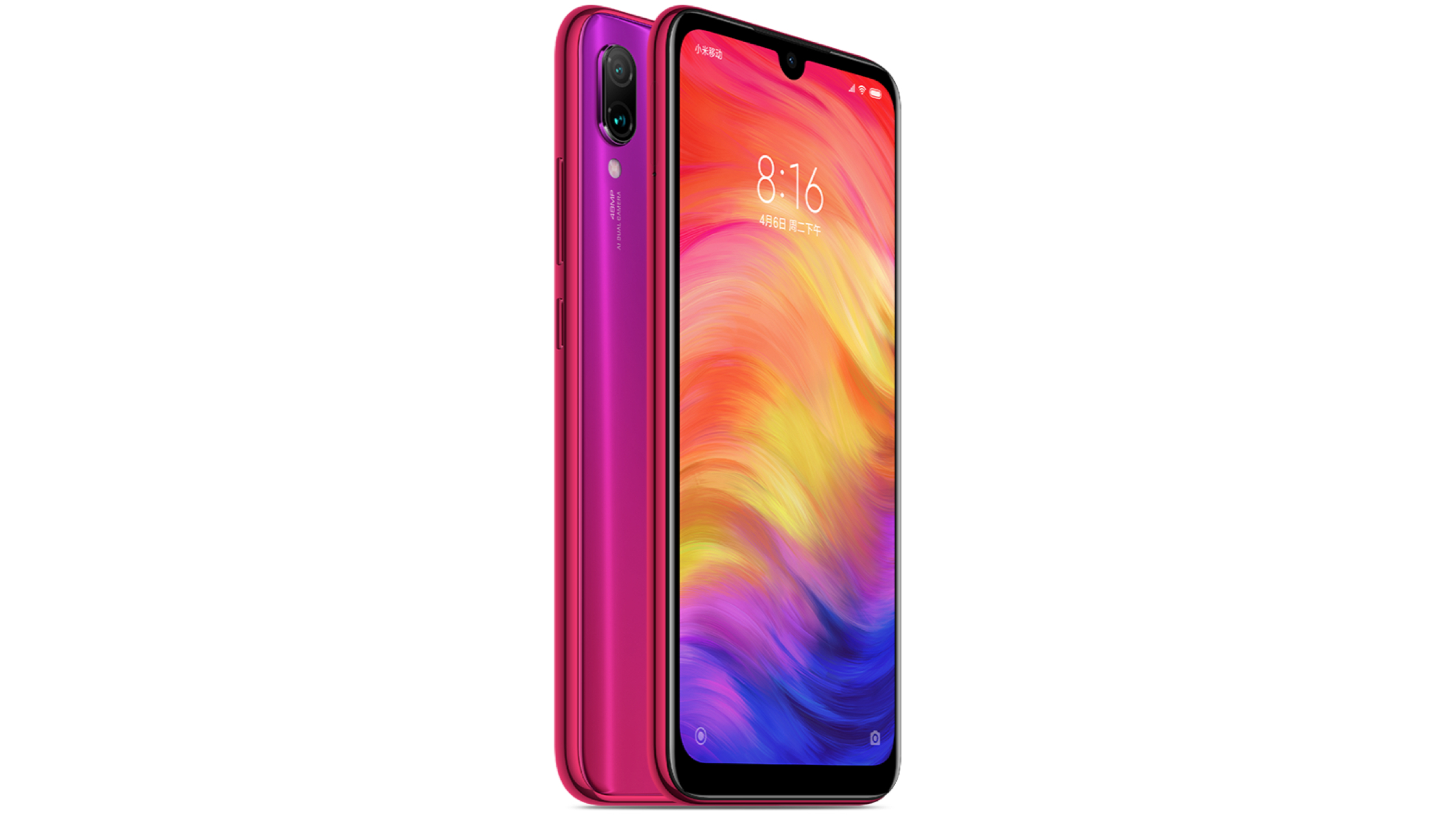
    Redmi, since becoming a separate brand from it’s parent company Xiaomi has been working towards building a strong portfolio of phones. The Redmi Note 7 recently sold out in a matter of minutes in China and now it seems like new rumours have surfaced regarding the Note 7 Pro. Xiaomi had announced at the Redmi Note 7 launch that the Redmi Note 7 Pro will debut next month.

    The Note 7 Pro will reportedly feature a Snapdragon 675 SoC, as reported by a tipster on a popular Chinese social networking website. Like the Note 7, the new Note 7 Pro will also feature a 48-megapixel primary sensor at the back but instead of the Samsung ISOCELL GM1 sensor, it will use Sony’s IMX586 primary sensor.

    Redmi Note 7 Specifications

    The Redmi Note 7 was launched with a Snapdragon 660 chipset along with an Adreno 512 GPU. The phone’s screen is a 6.3 inch IPS LCD capacitive touchscreen with Gorilla Glass 5 for extra protection. The Redmi Note 7 came in two variants. This includes a 64 GB storage, 4 or 6 GB RAM variant as well as a 32 GB storage 3 GB RAM variant. We can expect the Redmi Note 7 Pro to pack atleast 6 GB RAM and 256 GB of space.

    Apart from that we can also expect a micro SD card support like the Redmi note 7. Qualcomm had launched the 674 SoC last year and it has support for Qualcomm’s Quick Charge 4+ technology. Whether or not the company decides to have wireless charging enabled on the phone we will have to wait and see. 

    The phone launch is scheduled for sometime around the Chinese New Year next month and according to another tipster, it might cost CNY 1499. 

  • Xiaomi CEO Showcases Smartphone With Massive In-display Fingerprint Scanner

    Xiaomi CEO Showcases Smartphone With Massive In-display Fingerprint Scanner

    Xiaomi has a notorious reputation for borrowing design and features from high-end flagship smartphones. Nevertheless, the company is slowly emerging as a leader in technological innovations. Earlier this month a unique Xiaomi smartphone with a three-fold display was leaked online. Xiaomi’s Chief executive has shared a video on a Chinese social media platform that boasts a smartphone with a large in-screen fingerprint scanner. 

    Xiaomi Smartphone With Large In-Display Fingerprint Sensor

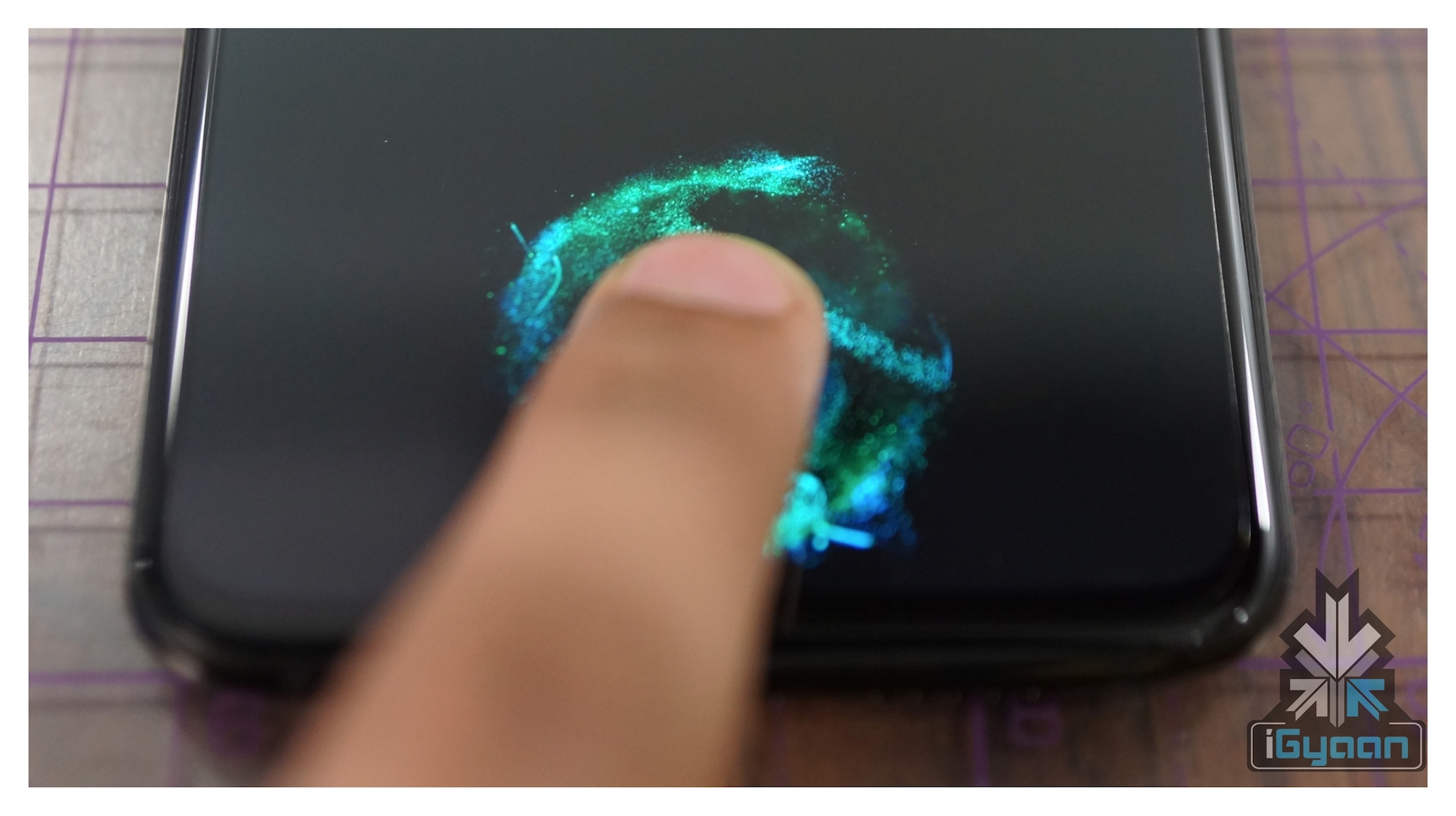
    Lin Bin, the co-founder and president of Xiaomi shared a video of a smartphone with a massive in-display fingerprint sensor. The demo handset with a wide notch looks reminiscent to the Poco F1 and the Mi 8. The fingerprint scanner on the unidentified Mi smartphone is much larger in comparison to devices like the OnePlus 6T and Mi Mix 3 which have a similar feature. The user in the video first demonstrates the fingerprint setup process followed by unlocking the device by touching a different area on the screen. 

    Notably, the fingerprint sensor appears to be very fast and accurate. The user even unlocks the smartphone without looking at the screen. This shows that Xiaomi has achieved a praiseworthy technological feat. The company representative also revealed that the unlocking area on the demo device measures 50 mm by 25 mm. According to the source, the unlockable surface area on the demo device is five times more than current UD scanners and fifteen times more than a standard rear mounted scanner. 

    Launch Details 

    Also Read: New Set Of iPhone XI Prototype Renders Surface

    Unfortunately, Xiaomi has not revealed any details about the launch date of such a device. However, Xiaomi is a company that does not hold back technology for a long time, therefore, the company can surprise everyone by soon launching a smartphone with a large in-display fingerprint sensor.

  • Mijia, A Xiaomi Subsidiary Launches 4K Video Projector

    Mijia, A Xiaomi Subsidiary Launches 4K Video Projector

    Xiaomi launched the Mi Laser Projector in the first half of 2017 which was warmly welcomed. Reportedly it raked in sales worth CNY 10 Million in just 2 hours after it first went on sale. The Mi Laser projector was able to project images and videos of 1080p resolution. Mijia, a subsidiary of Xiaomi has launched 4K Projector with the same design. Despite the image resolution bump from 1080p to 4K, the new projector has the same price as the Mi Laser Projector. 

    Features

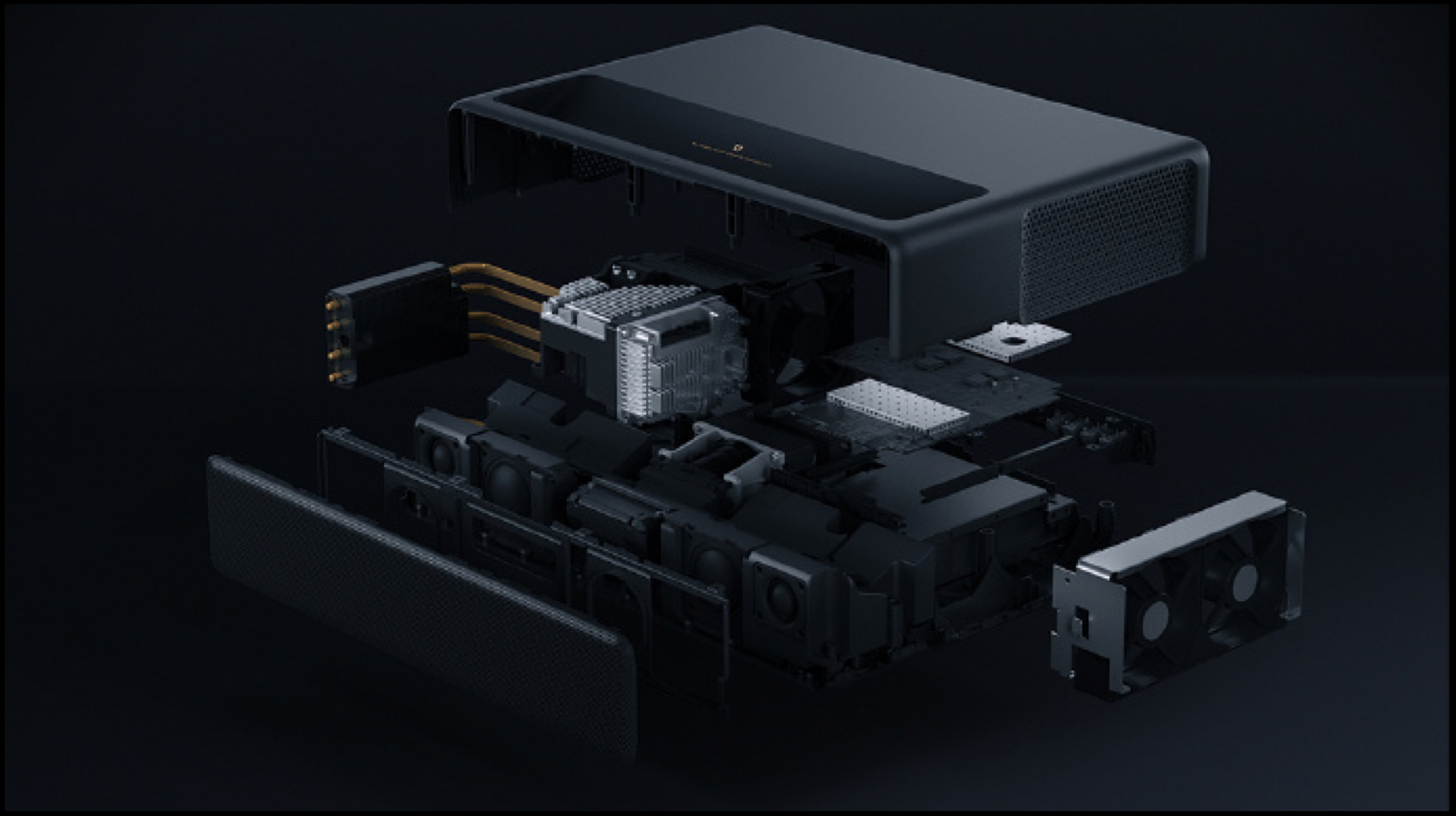
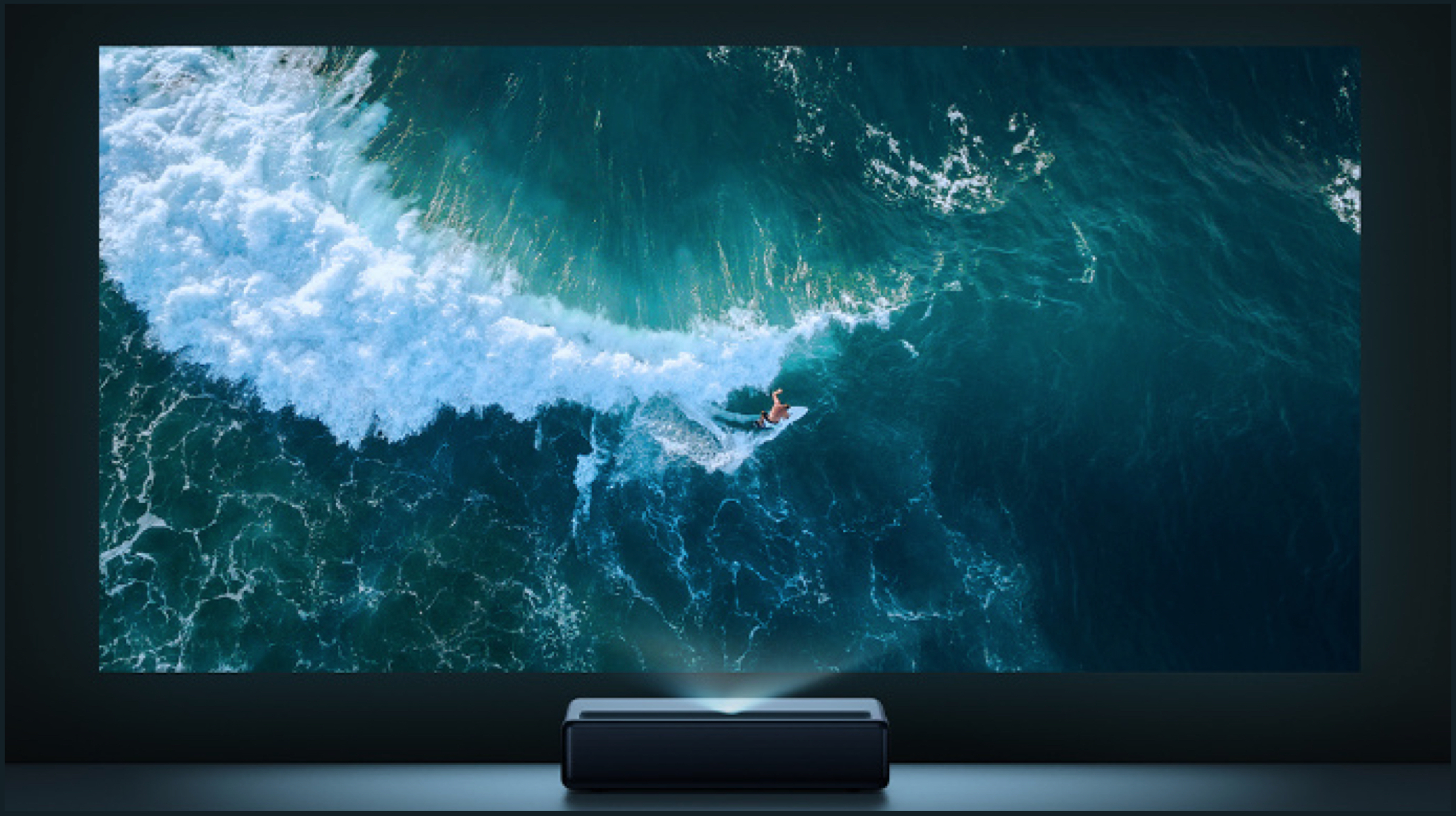
    The Mijia Laser Projector 4K has the same design as the original Mi Laser Projector but the new model is available in dark grey colour whereas its predecessor was available in white. It has a 0.233:1 large depth of field and has an ultra-short focal lens design. The device has a compact footprint and can rest on top of a TV cabinet and the wall can be utilised as a projectable area. 

    The Mijia Laser Projector 4K can produce a projection of maximum 150-inch. To project an image of this size, it needs to be placed 49 cm away from the projection area. It can also produce smaller size projections for which the projection area distance can be further reduced. The distance for different screen sizes is as follows:

    • 120-inch- 34 cm
    • 100-inch- 24 cm
    • 80-inch- 14 cm

    Most notably, the lens on the projector does not require manual adjustment as it can self adjust depending on screen size selection. According to the company, the lamp on the Mijia 4K projector has an illumination life span of 25,000 hours. For reference, the lamp can be used for 17 years if it is used for 4 hours every day during that span. The projector can reach a maximum brightness level of 1500 lumens when projecting a 150-inch screen. It diffuses the light in such a manner that the screen has a low effect on the viewer’s eye.

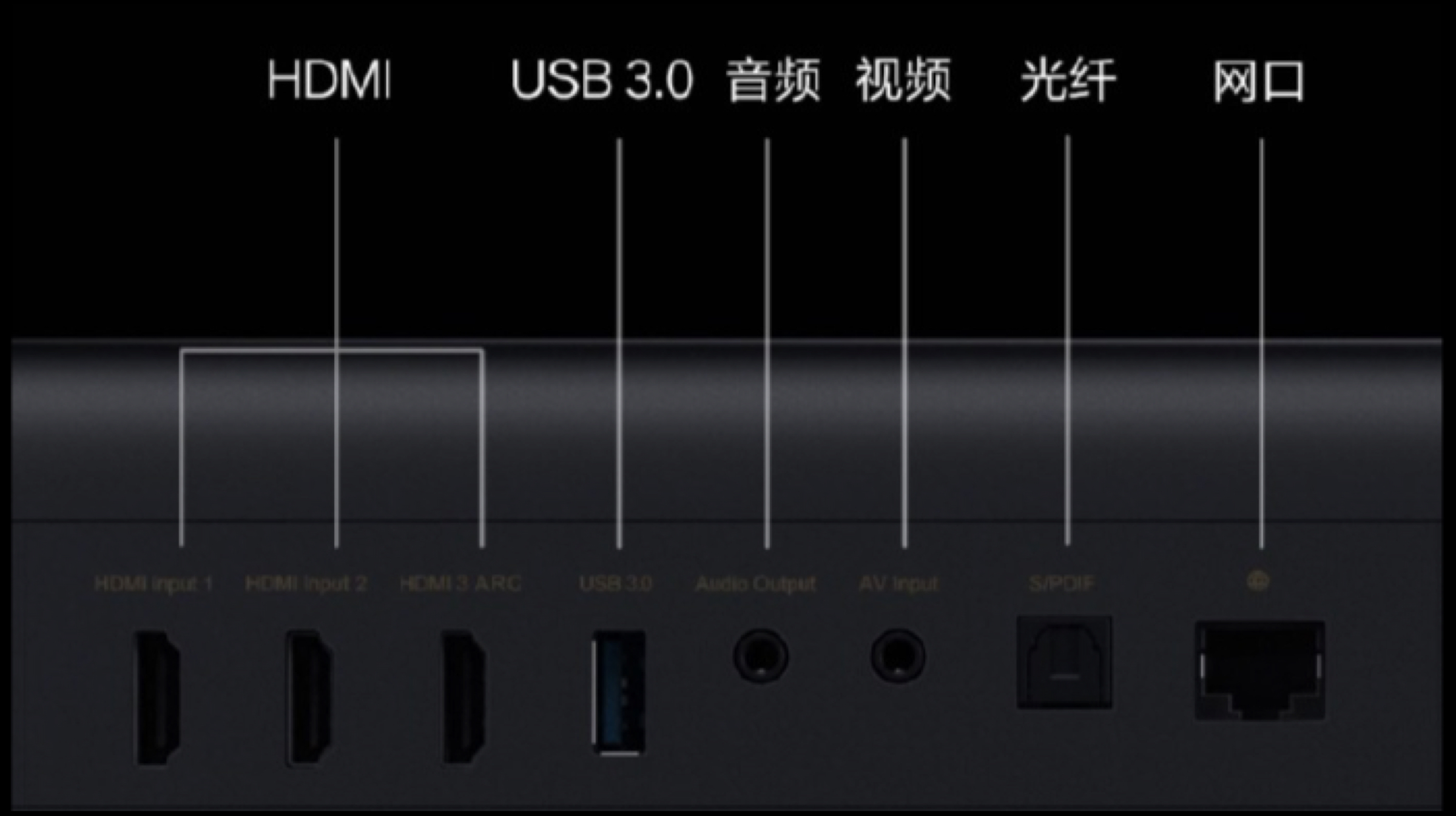
    The Xiaomi Mijia Laser Projector 4K also has built-in speakers, one USB port, three HDMI ports, sockets for audio and RJ45 connector for internet connectivity. It runs on the same OS as MI smart TVs and is shipped with a wireless remote for controlling different functions.

    Price 

    Also Read: Samsung S10 Launch Billboards Suggest Galaxy Fold Will Launch In February

    The Mijia Laser Projector 4K will go on its first sale on 18 January at a price of CNY 14,999 (around Rs 1,57,600). But the company has also announced a presale where the device will be available for only CNY 999(around Rs 1,05,000).  

  • Redmi Note 7 Sold Out In Minutes

    Redmi Note 7 Sold Out In Minutes

    The massively popular Redmi Note series saw another phone being added to the lineup recently. The Redmi Note 7 is a budget phone that was launched with a massive 48 Megapixel camera. The company had their first flash sale today and like other Redmi Note phones, it sold out in just a few minutes! 

    The company in fact sold 100,000 devices in just 8 minutes 36 seconds. This was reported by a senior Xiaomi executive on a popular Chinese social media platform. The company also said that they wish to sell 1 million Redmi Note 7s by the end of January. 


    Features And Specifications

    The phone features mostly budget smartphone specifications but the main attraction is the 48 MP main camera along with a 5 MP, f/2.4, depth sensor lens. The camera also 1080p at 30/60 and 120fps. It features a Snapdragon 660 chipset along with an Adreno 512 GPU. The phone’s screen is a 6.3 inch IPS LCD capacitive touchscreen. It is protected by Corning Gorilla Glass 5. Another great feature is that the phone’s memory is expandable. It supports microSD card up to 256 GB which takes up the SIM slot 2. 

    The Redmi Note 7 comes in different options. This includes a 64 GB storage, 4 or 6 GB RAM variant as well as a 32 GB storage 3 GB RAM variant. While the product hasn’t come to India yet, we are expecting it to drop sometime in February but for now, the Chinese price for the phone is set to CNY999 for the cheapest option. 

    Downside Of Flash Sales

    Flash sales allow a company to have limited stock and clear stocks easily and swiftly. Inventory management and storage makes a large part of the cost incurred by phone manufacturers and flash sales help in negating that. However, flash sales have a downside as well. Many have criticised flash sales because it creates a market for bootlegging and grey marketing. Many of these high demand products are bought in bulk by sellers during these flash sales and sold on different websites on a higher mark- up. This has been a growing trend at the moment and is especially prevalent with Xiaomi’s phones. We sincerely hope that the companies do their best to stop this from happening and keeping a constant check on the online websites to flag them and ban the users from further selling or purchasing of goods. 

iGyaan Network
Privacy Overview

This website uses cookies so that we can provide you with the best user experience possible. Cookie information is stored in your browser and performs functions such as recognising you when you return to our website and helping our team to understand which sections of the website you find most interesting and useful.