Category: Business

  • Amazon Opens Cashier-Less Go Store: Just Walk Out After You Buy

    Amazon Opens Cashier-Less Go Store: Just Walk Out After You Buy

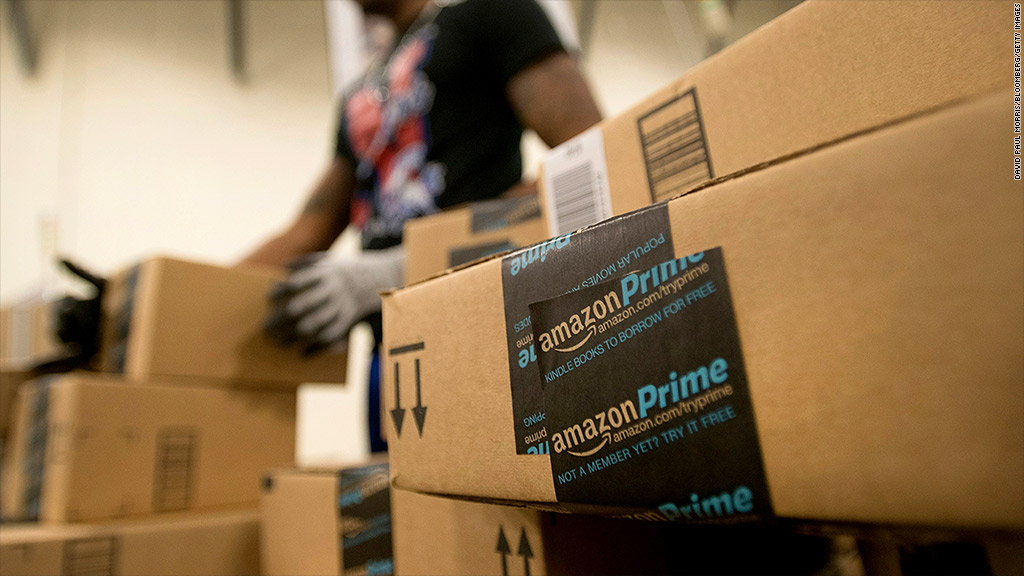
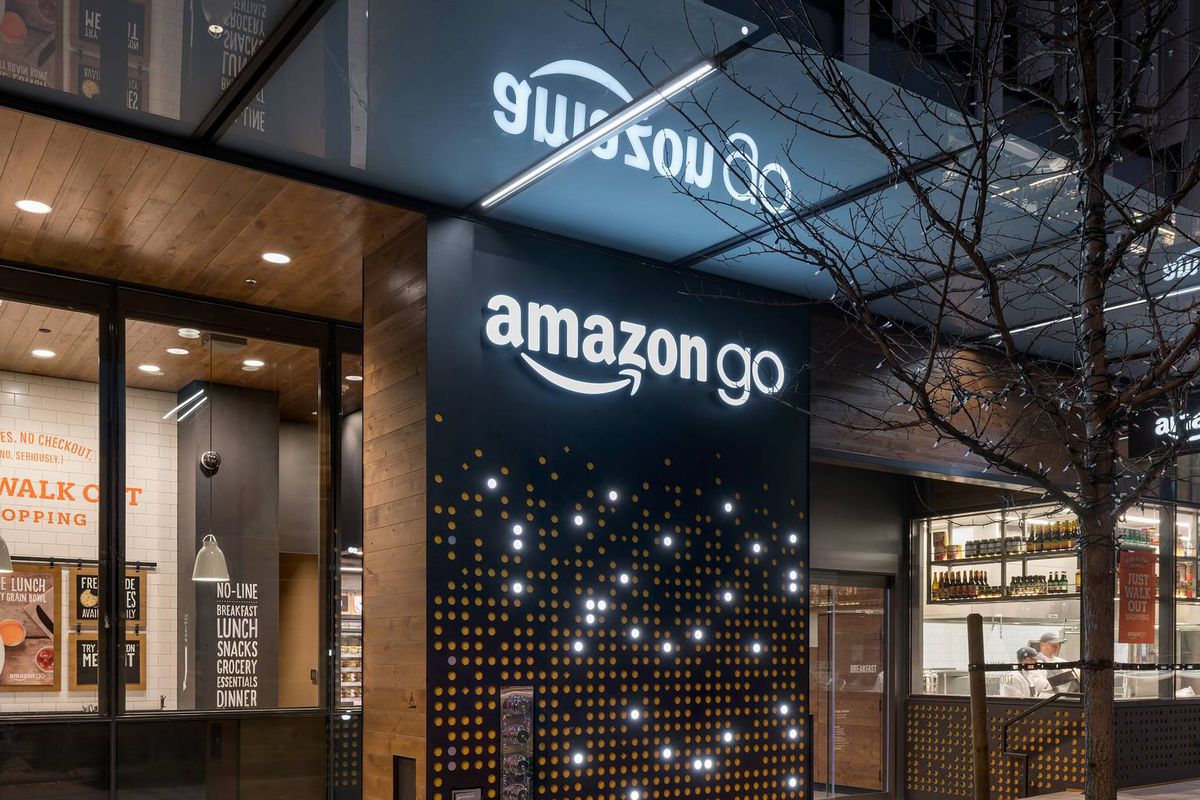
    Amazon has opened its first cashier-less Amazon Go store outside its hometown Seattle. The highlight of the stores which are under Amazon’s Go department, is the fact that customers don’t need to wait in line to check out their purchase. That’s right, just pick up what you want and walk out, as simple as that!

    Obviously the products are not free of of cost and Amazon does have a solid process in place. The Amazon Go concept was introduced back in 2016. Since then, Amazon has opened a few stores. It basically had its employees come in and shop in these stores, testing it completely. When a customer walks in to the store, they swipe their phone against a sensor, which checks them in. Following this, a combination of cameras and sensors will track any item a customer picks up and add it to their virtual cart. As soon as you walk out of the store, the cart is updated. An e-recipt is sent to your amazon account so you can make the payment.

    Also Read: Samsung Opens World’s Biggest Experience Centre In Bengaluru

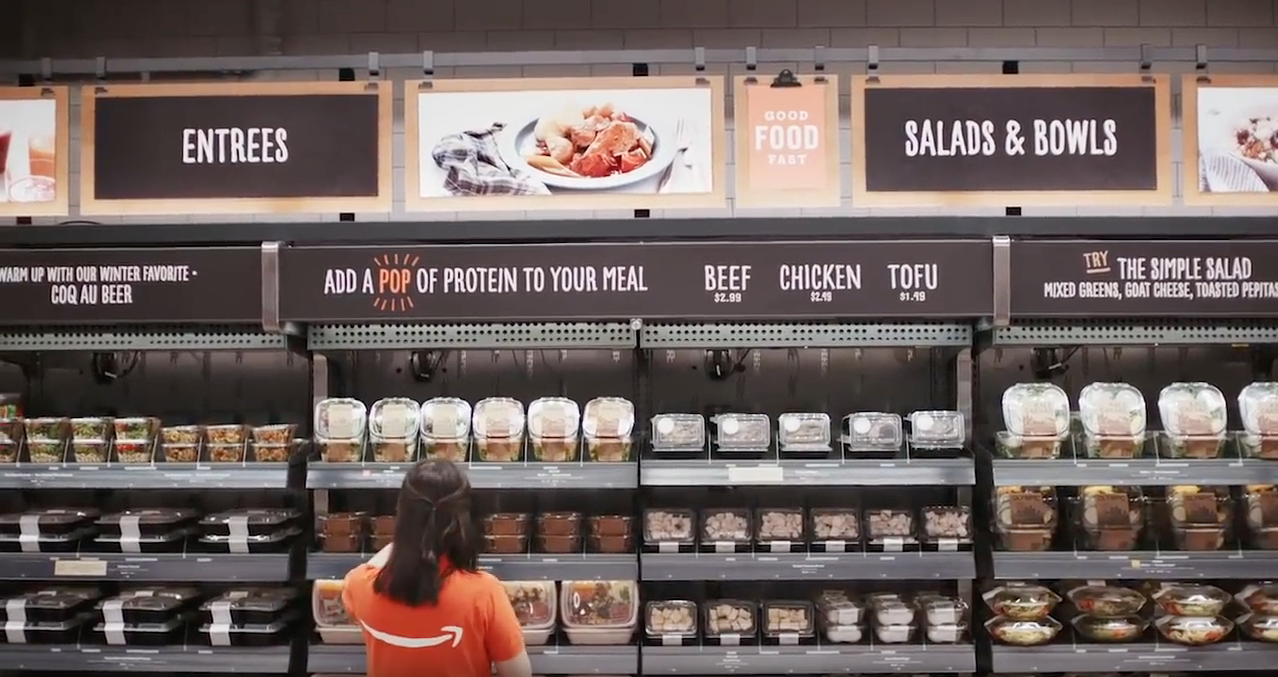
    The store is open from 7 AM to 8 PM and offers ready- made lunches, drinks, snacks, frozen dinners and basic groceries. The timings, products and working of the store clearly defines its target audience. It caters to the busy workforce, which does not have time to prepare their own meals or even wait in line.
    Is Go The Future?

    While the stores do lack cashiers, Amazon has not eliminated the need for human presence completely. The store still uses people for delivery, stocking and customer assistance. The main aim is to make a convenient check out process, whether it includes humans or not.

    The tech giant uses several technologies to make this feat possible. A combination of computer vision, deep learning algorithms and sensor fusion help with each step along the way. To shop at the store, customers are required to download the Amazon Go app which is available for both iOS and Android devices. As of now, Amazon does not plan to expand outside the US. However, local tech companies in China are rivalling this model and have already opened chains of cashier-less stores. While they are not as technologically advanced as Amazon, they are catching up soon.

  • Samsung Opens World’s Biggest Experience Centre In Bengaluru

    Samsung Opens World’s Biggest Experience Centre In Bengaluru

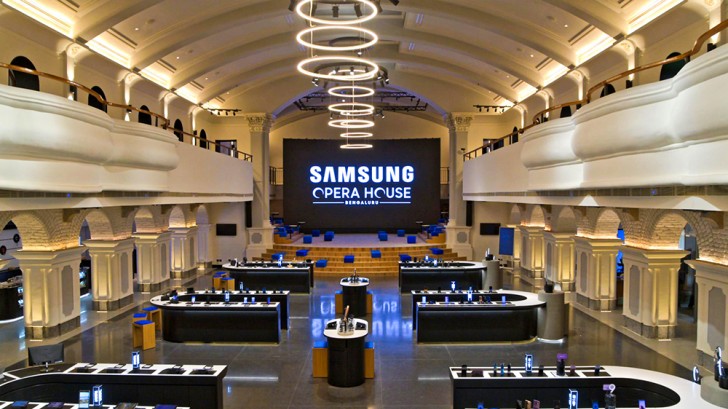
    Samsung has opened its biggest ever store in Bengaluru, India. The Experience centre, was opened on Tuesday and covers a massive area of 30,000 square feet.

    Samsung is the global leader when it comes to smartphone sales. However, its position is threatened by a number of fast growing Chinese brands such as Huawei and Xiaomi. India, being the fastest growing and second largest smartphone market in the world, is bound to be the battle ground for companies to establish their lead over one another. Xiaomi holds 30% market share in India while Samsung comes second with 23%. At a time like this, it makes perfect sense for the South Korean giant to kick up its focus in India and ensure it stays in the race.

    The Experience

    Samsung Store
    The Royal Opera House Building Which Houses the Store

    The Experience Centre is housed within the iconic Royal Opera House in Bengaluru. The Opera House was a theatre which as the name suggests, featured Opera during the British Era. Samsung claims it has spent two years restoring the structure to feature the Samsung Experience Centre.

    The tech giant is not only showcasing its full lineup of smartphones and wearable devices but also consumer electronics. The centre has products like TV’s, electronic appliances and a VR experience segment too. Here, the Samsung Gear is showcased, which is bound to get  a lot of attention.

    Apart from this, it has a service centre for smartphones. The experience centre will also will organise workshops, activities and events in the future, according to the company.

    Back in July, Samsung had opened one of the world’s largest phone factories in Noida, near Delhi. The factory is reported to be the world’s largest mobile phone production unit. Coupled with the opening of the new Experience Centre in Bangalore, its safe to say that Samsung is not backing down in this smartphone war. Its global rival Apple, however seems to be oblivious of the changes in the market as it is yet to open a flagship store in India.

  • Amazon Reaches Trillion Dollar Market Value

    Amazon Reaches Trillion Dollar Market Value

    Amazon has come a long way from being just an online bookstore to one of the biggest companies worldwide. It reached the $ 1 trillion valuation mark on September 4th. However, this was just for a brief moment of time. It is only the second company to touch this mark after Apple did so last month.

    In the morning of 4th September, Amazon’s stock traded at $ 2,049, reaching the $ 1 trillion mark. By the time the day had ended, the stock closed at $ 2,039. This brought the capitalisation down to $ 995 billion. Just a few years back in the year 2012, Amazon was worth around $ 100 billion while Apple was worth $ 450 billion. Six years later, Amazon is fast on Apple’s tail.

    Amazon $ 1 Trillion Mark

    It is a remarkable feat in terms of how quickly the 24-year-old company has grown, and the boundless opportunities investors have in its future. However, it was not an easy journey. For years, Amazon did not report significant quarterly growth, and it put its revenue back into business. Instead of ensuring a profit driven format, Amazon focused on buying up companies and developing new technologies. This has helped it grow into the giant that it is today. It has gone from on-line retail to physical stores, e-books, home assistants and many more.

    Also Read: Walmart Buys 77% Stake In Flipkart For US$ 16 Billion

    Amazon is becoming a household name as the years go buy. It is generating more interest with each passing day and growing its customer base. However, multiple analysts argue that Amazon’s control over each of its services will prevent more trillion dollar companies from ever coming up. The control it holds over consumer pocketbooks and streaming services ensures that no other company or potential challengers can exist in the same paradigm. Thus, this eliminates any threat it has.

    However, Amazon will continue to grow and will hit the mark again, this time with a steady upward pace. Earlier this year, Amazon CEO Jeff Bezos also accomplished a financial milestone by crossing Bill Gates to become the richest man in the world.


  • ‘Apple Glass’ Could Be A Reality Soon As Apple Buys AR Centric Longmont

    ‘Apple Glass’ Could Be A Reality Soon As Apple Buys AR Centric Longmont

    Apple has confirmed the acquisition of a startup that ‘focuses’ on making lenses for Augmented Reality glasses. Reports of the deal had been around for a while, however a Senior Apple Executive confirmed it on Wednesday. The move strengthens recent rumours about an upcoming ‘Apple Glass’ similar to the Google Glass.

    Apple acquired Longmont and Colorado-based Akonia Holographics. “The technology allows for thin, transparent smart glasses that display vibrant, full- colour, wide field-of-view images.”, according to Akonia. The news entirely hints at the fact that the tech giant is planning to enter the domain of wearable AR devices which enhance daily experiences. The company Akonia, also has more than 200 patents related to holographic systems, according to its website.

    Also Read: HMD Global Acquires PureView Trademark

    Augmented Reality:

    Augmented Reality superimposes images on real-world scenarios, making it more interactive and informative. This was seen in the immensely popular game Pokemon GO which used AR extensively. Similarly, Apple might be planning to use Akonia’s holographic technology to project information on to the lenses of wearable glasses.

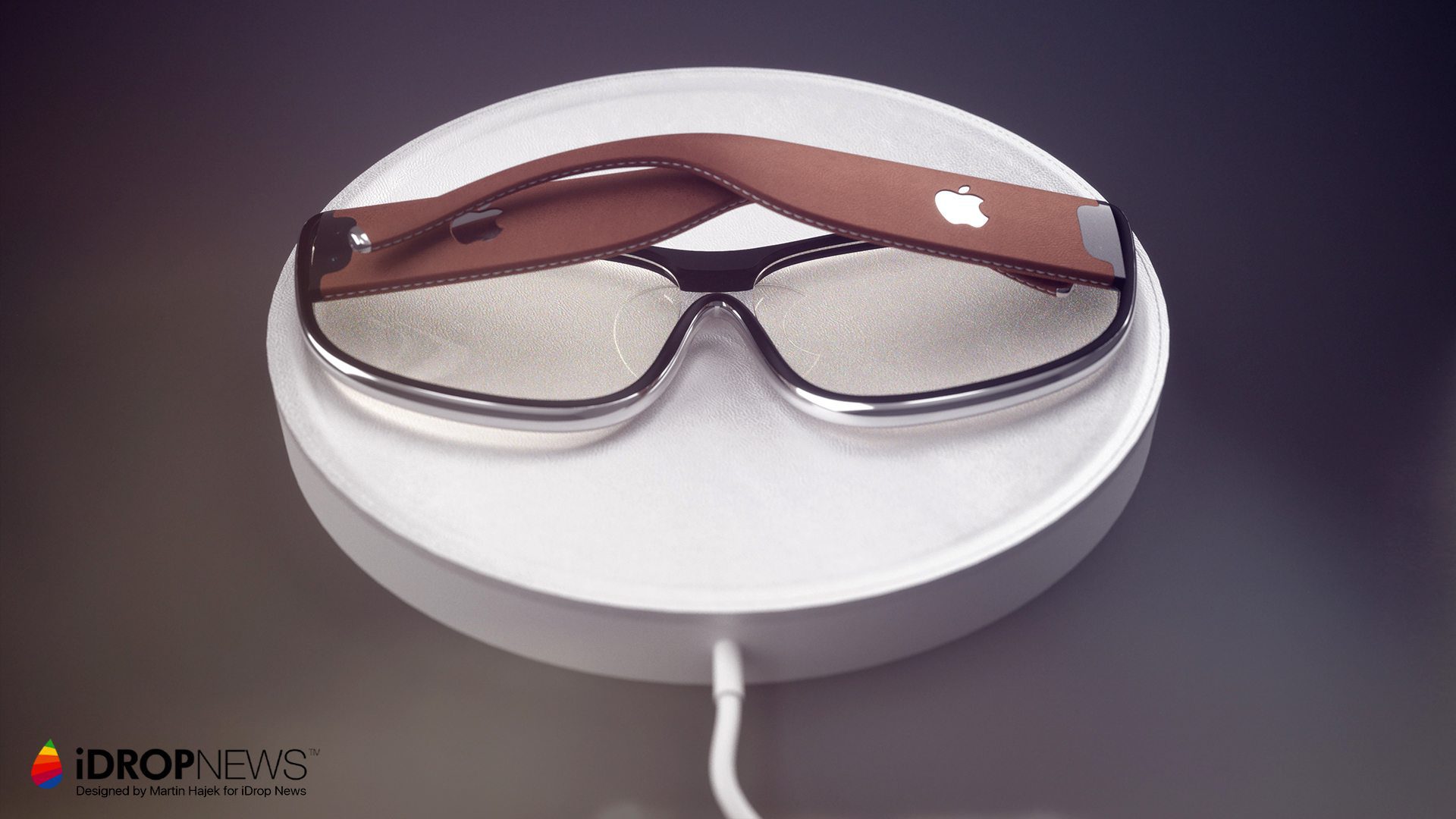
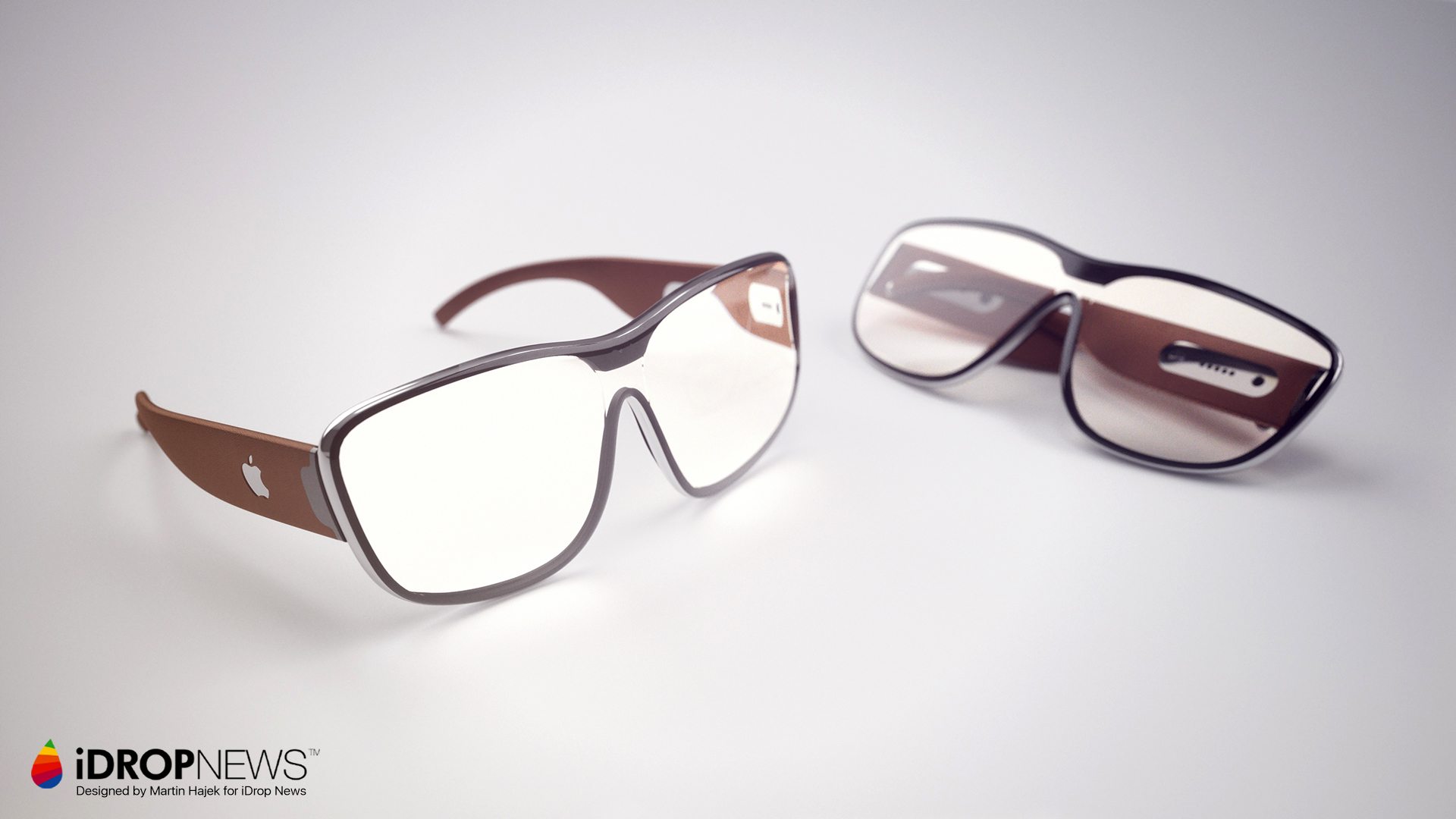
    Apple Augmented Reality Glasses


    Apple’s Big Move :

    This isn’t the first time it has acquired a smaller company. Back in 2013, it bought a small Israeli company which specialised in making 3D sensors. The Face ID feature in the iPhone X launched last year, used similar technology and 3D sensors. Apple does pick up smaller firms which showcase promising technology and takes that technology to the testing grounds. Many of the features available in various Apple products could have been at on point of time, the prime focus of a small company.

    However, the purchase of the company doesn’t really confirm the development of a new device. According to a senior executive at Apple, “Apple buys smaller companies from time to time, and we generally don’t discuss our purpose or plans”.  Regardless, most analysts point out the fact that an ‘Apple Glass’ is actually in development and we could see it for ourselves by the year 2020.

  • Huawei Crosses Apple, Becomes Number 2 Smartphone Maker Worldwide

    Huawei Crosses Apple, Becomes Number 2 Smartphone Maker Worldwide

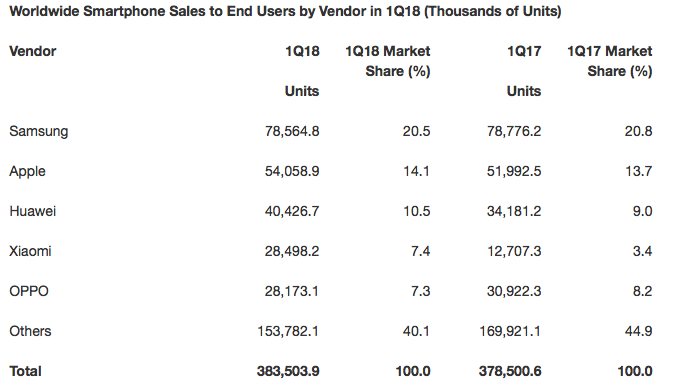
    Chinese smartphone manufacturer Huawei has surpassed Apple to grab the second position in the smartphone market. A report by Gartner revealed the sales made by each company in the second quarter of 2018. According to the report, Huawei sold 49,846 units in Q2 2018 compared to 35,964 units in Q2 2017.  At the same time, Apple sold only 44,715 Units in Q2 2018.

    Via Videoblocks

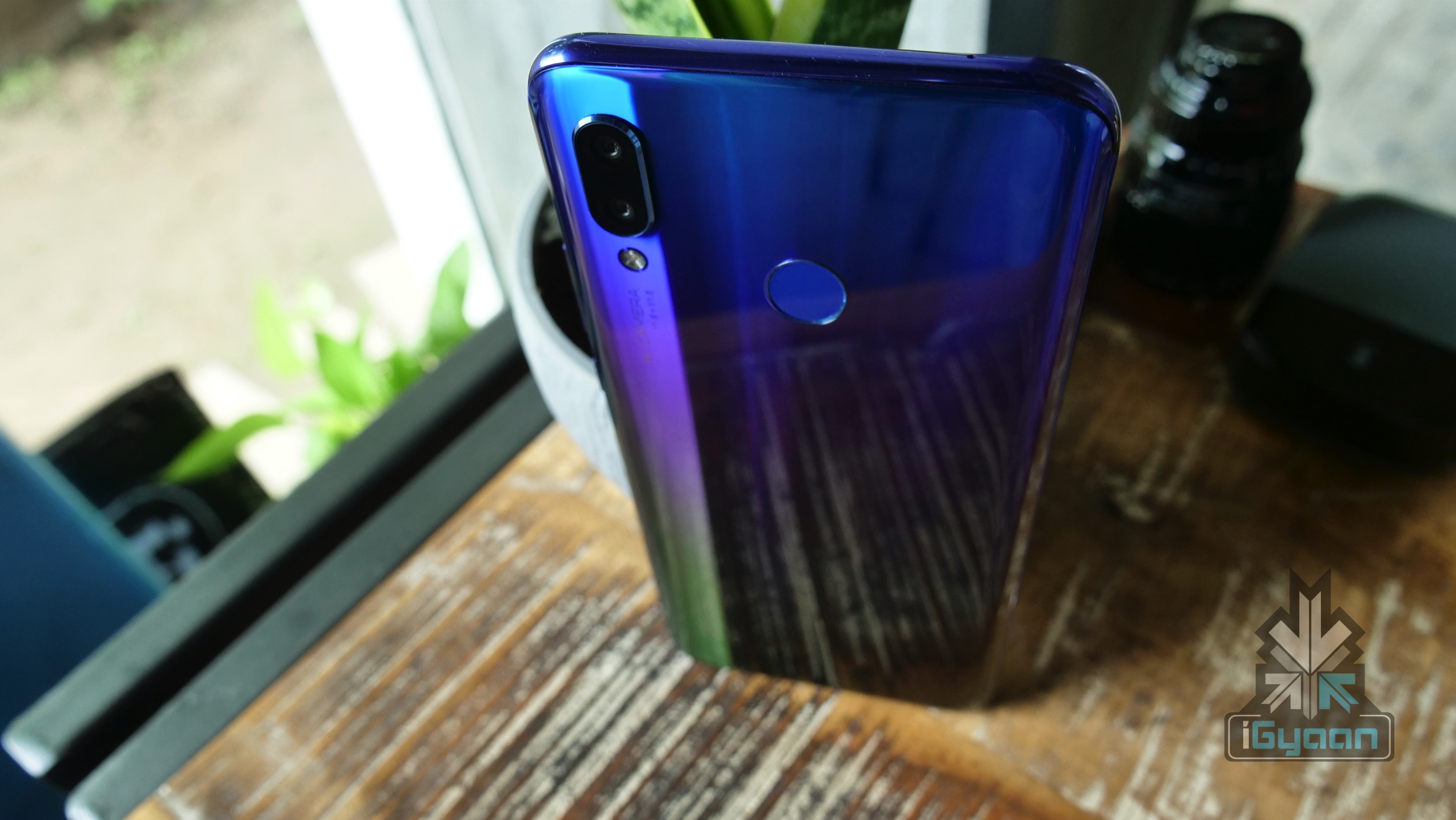
    Another report, published by IDC a month ago had also put Huawei at the no 2 spot, ahead of Apple. However, as this report ranked the manufacturers according to shipments made rather than sales, it didn’t paint quite a clear picture. The rise of sales for Huawei can be entirely credited to its fast growing Honor sub-brand. Huawei continues to bring innovative features into its smartphones and expand its smartphone portfolio to cover larger consumer segments.

    Huawei is growing at such a fast pace as it continues to bring innovative features which the customers like. It is also constantly working to expand its smartphone portfolio, covering larger customer segments, according to executives at Gartner.

    Also Read: Apple iPhone 9 : Everything We Know So Far

    The rankings were different back in May this year with Apple holding 14.1 % share in the smartphone market and Huawei with 10.1 %. The dynamic has reversed now, with Huawei holding 13.3 % of the market share and Apple down to 11.9 %. Samsung still holds the top spot in the market share, however its market share has actually declined. With 20.8 % market share in Q1 of 2018, Samsung has dropped to 19.3 % in Q2 of 2018.  Regardless, it still holds the top spot by a great margin.

    Honor Play

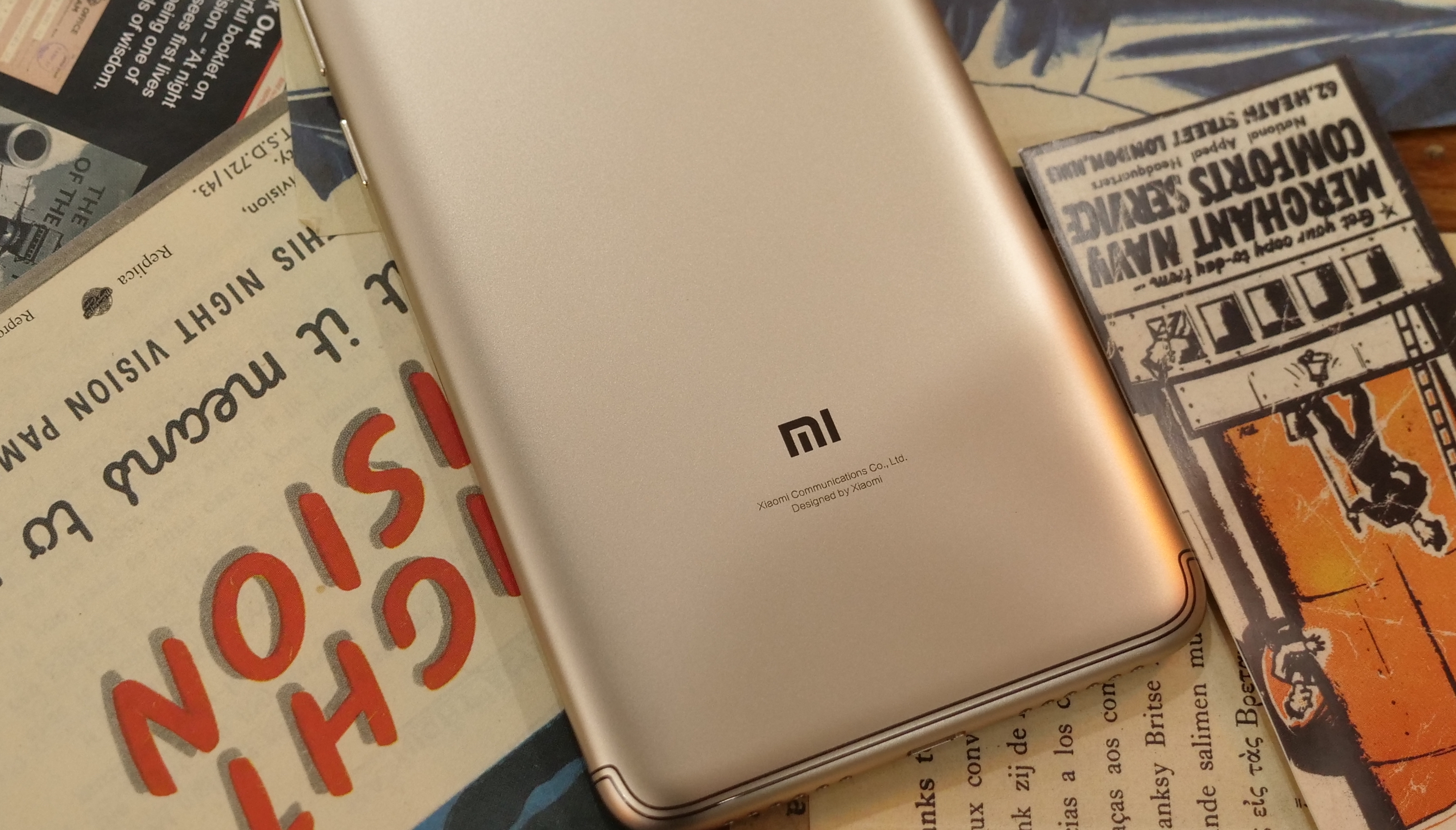
    Apple has seen quite a downfall with Q2 of 2018. The interest generated by iPhone X and the iPhone 8 seemed to be short-lived and didn’t help much in terms of sales. Xiamo and Oppo come in at 3rd and 4th place respectively, this quarter. Xiaomi, who flew past Oppo this quarter, has also shown tremendous growth with the implementation of its online and retail strategy.

    The report also shows the share held by iOS and Android devices in the market. Android still dominates the market share at 88 % while iOS makes a slight mark with 11.9%.


  • Xiaomi And Flash Sales: It’s Complicated

    Xiaomi And Flash Sales: It’s Complicated

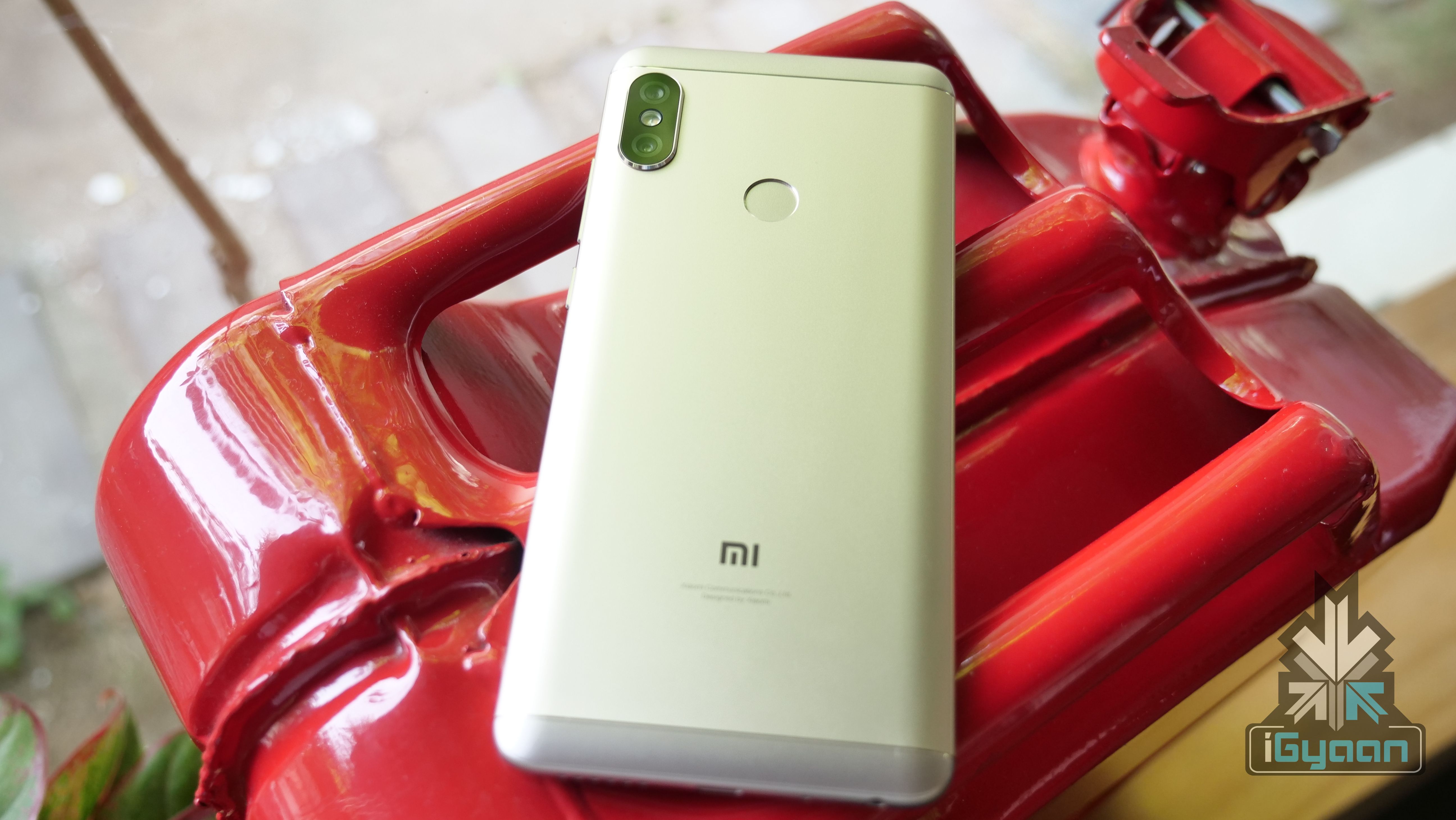
    The flash sale model was pioneered by Xiaomi back in 2014 when it was using e-commerce platforms to slowly inch its way into the Indian market. They have come a long way since then and now hold the top position in the market share in India. Xiaomi is a respected brand and has carved out a huge fan following over time. However, they still use the flash sale method to sell some of their phones. Xiaomi now also aims to dominate the premium smartphone segment with the Poco F1. With so much at stake, is it a good idea for Xiaomi to stick to this or is it time to move on?

    The concept behind flash sales is very simple. Deliberately create a shortage in supply to ensure that the demand for the product goes up. This system has numerous positives compared to the few negatives it may have. Demand for the product increases in the first place, making sure that it creates a lot of hype. This hype therefore attracts more consumers as everyone wants to get a piece of something that is not easy to obtain. The biggest advantage it offers is for smaller companies.

    Redmi Note 5 Pro


    Small companies cannot afford to invest in producing large number of smartphones only to see them go unsold. Therefore, a flash sale will allow them to produce smaller quantities which they are sure will sell. The intervals between flash sales can also help the company to gauge the mood of the people and know if the hype to buy the device is still around.

    Also Read: Xiaomi Launches Poco F1 With Snapdragon 845

    After Xiaomi ushered in this concept to the Indian smartphone market, quite a few others have followed it. That is good for a company which is just stepping in, but for Xiaomi, it can be a cause of concern. A lot of customers are unhappy because even though they’re willing to buy a Xiaomi phone, its not easily available. While they did change that and moved to selling phones via other methods, the Poco F1 seems like Deja Vu.

    The Poco F1 is supposed to help Xiaomi establish itself in the flagship segment as well. We’ve already seen what the Poco F1 can do. It is also evident that Xiaomi holds the top spot in the Indian market share. If Xiaomi wants the Poco F1 to be its entry ticket to the premium segment, why is it holding back?

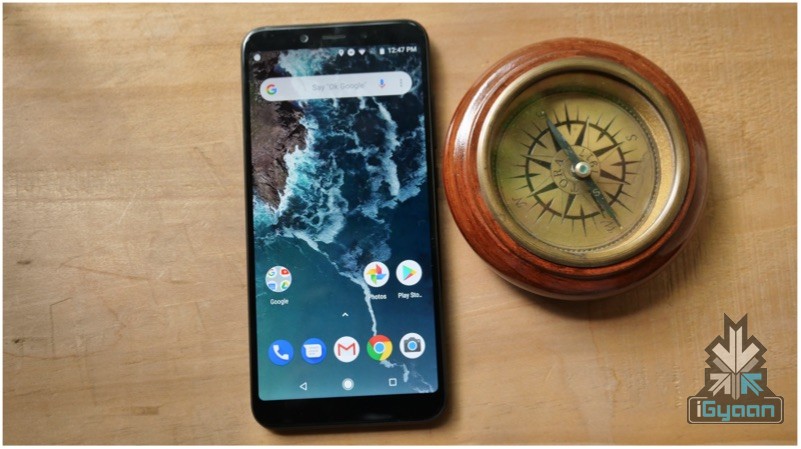
    Xiaomi Mi A2


    A few years back, not many people were trusting of Chinese brands like Xiaomi or OnePlus. Sales in India were low and it seemed uncertain as to how many devices could be sold. OnePlus, at the time, wasn’t big enough to take that risk and therefore started sales on an invite basis. Soon their sales grew, giving enough confidence and capital to move to a regular model of sales. OnePlus trashed the invites. This was a risky move as they weren’t sure as to how many people will buy the next flagship without the hype of an invite around it. OnePlus holds the top spot in the premium smartphone segment, having beaten Samsung and Apple.

    While Xiaomi holds back with its sales, frustrated customers might go in for an alternative phone. The Poco F1, despite being an excellent device might go off without making a mark. Considering the fact that Xiaomi now holds a powerful spot in the Indian market, it’s up to them to make the next big move.

  • Samsung To Shut Down A Major Smartphone Manufacturing Plant

    Samsung To Shut Down A Major Smartphone Manufacturing Plant

    In Q3 of 2018, Samsung was the global leader in smartphone market share. The South Korean company also launched its new smartphone in the Note series, the Galaxy Note 9. It is with the Galaxy Note 9 that Samsung could increase its smartphone sales even further. However, the other end of the spectrum reveals a struggling phase of the company. According to the reports, the company is planning on suspending operations in the Samsung manufacturing plant in Tianjin, China. The company produces mobile phones at this plant in China, to suspend its operation would lead to layoff on a massive scale.

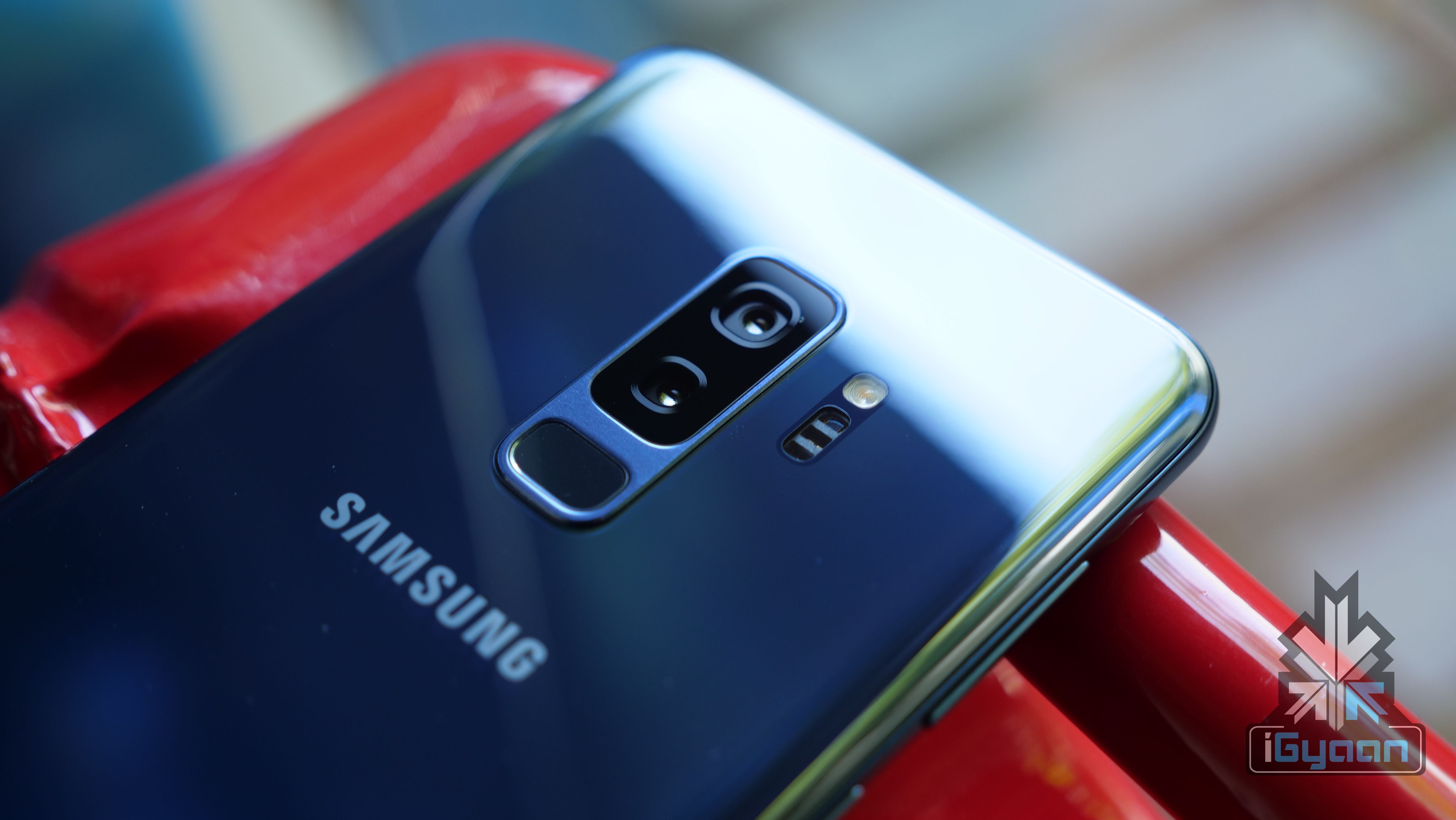
    Samsung

    It is the Tianjin Samsung Telecom Technology plant, in the city of Tianjin, China, that the company plans on closing. The company, in all likelihood, will withdraw all its resources from this branch. A major cause of this is the decline in the overall smartphone sales, globally. However, the company representatives claim that they are only looking at the possibility of shutting the plant down. As of yet, the jury is still out on whether this Samsung manufacturing plant would close. The Tianjin plant was one of the major producers of mobile phone for the company, in China.

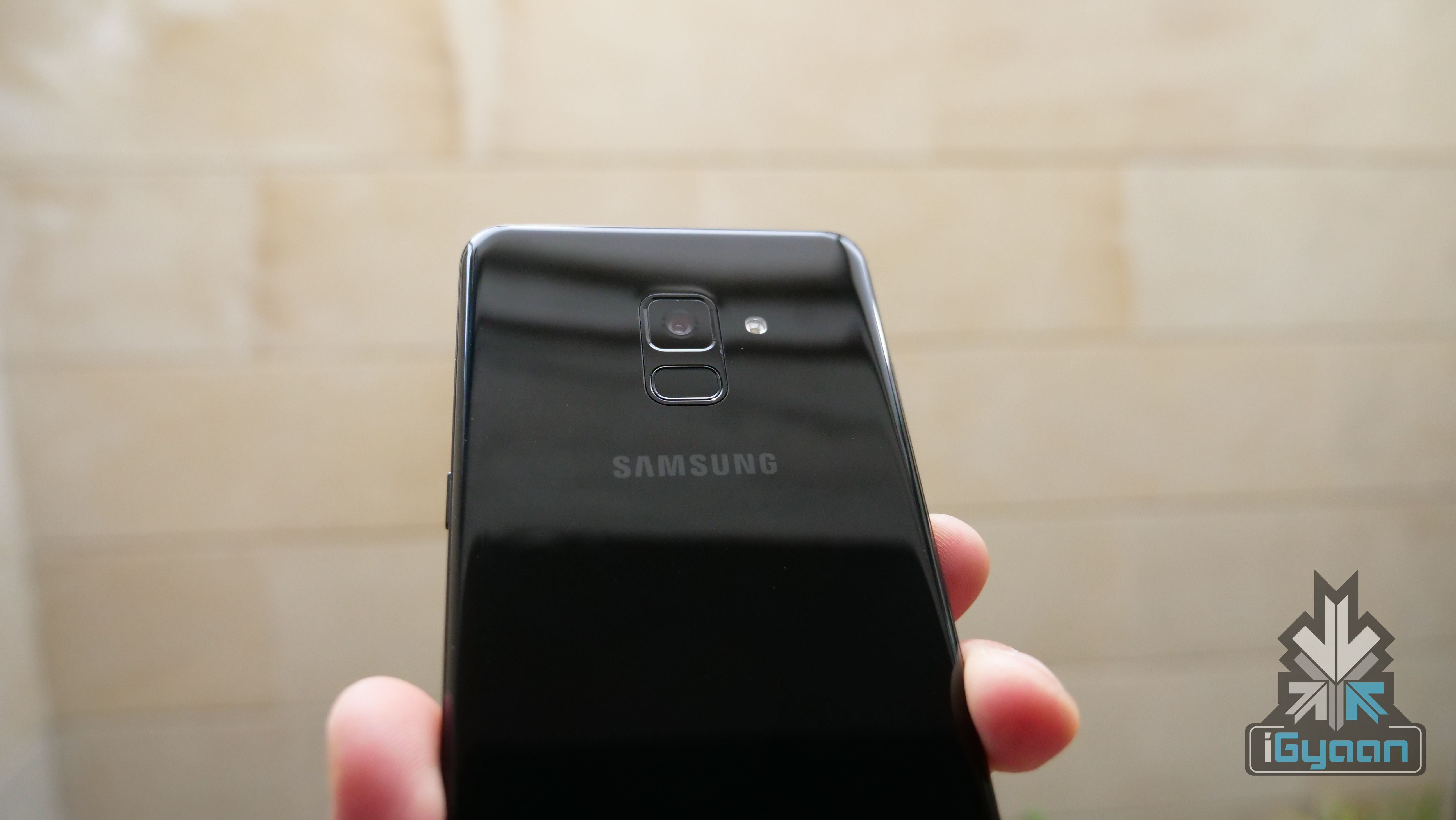
    Samsung

    Almost five years ago, Samsung owned 20% smartphone market share. However, the competition from the likes of Xiaomi, OnePlus, and other Chinese brands, led 1% dip in the company’s foothold. Reports suggest that the Tianjin branch of the Samsung manufacturing plant produces 36 million mobile phones a year. If the company decides to suspend its operations here, it could lead to a major setback for the company. Regardless, it would be interesting to see the course of action for this plant and the impact of the decision on the company. .

    Have something to add? Leave a Comment Below!
  • Oppo Will Get The Corning Gorilla Glass 6 First

    Oppo Will Get The Corning Gorilla Glass 6 First

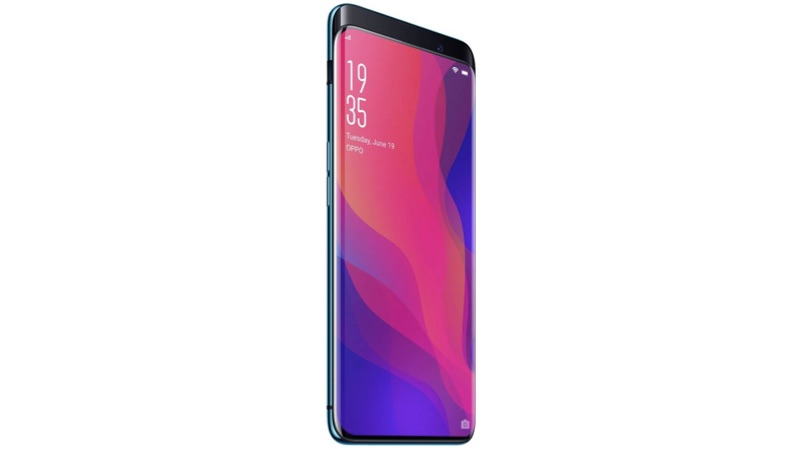
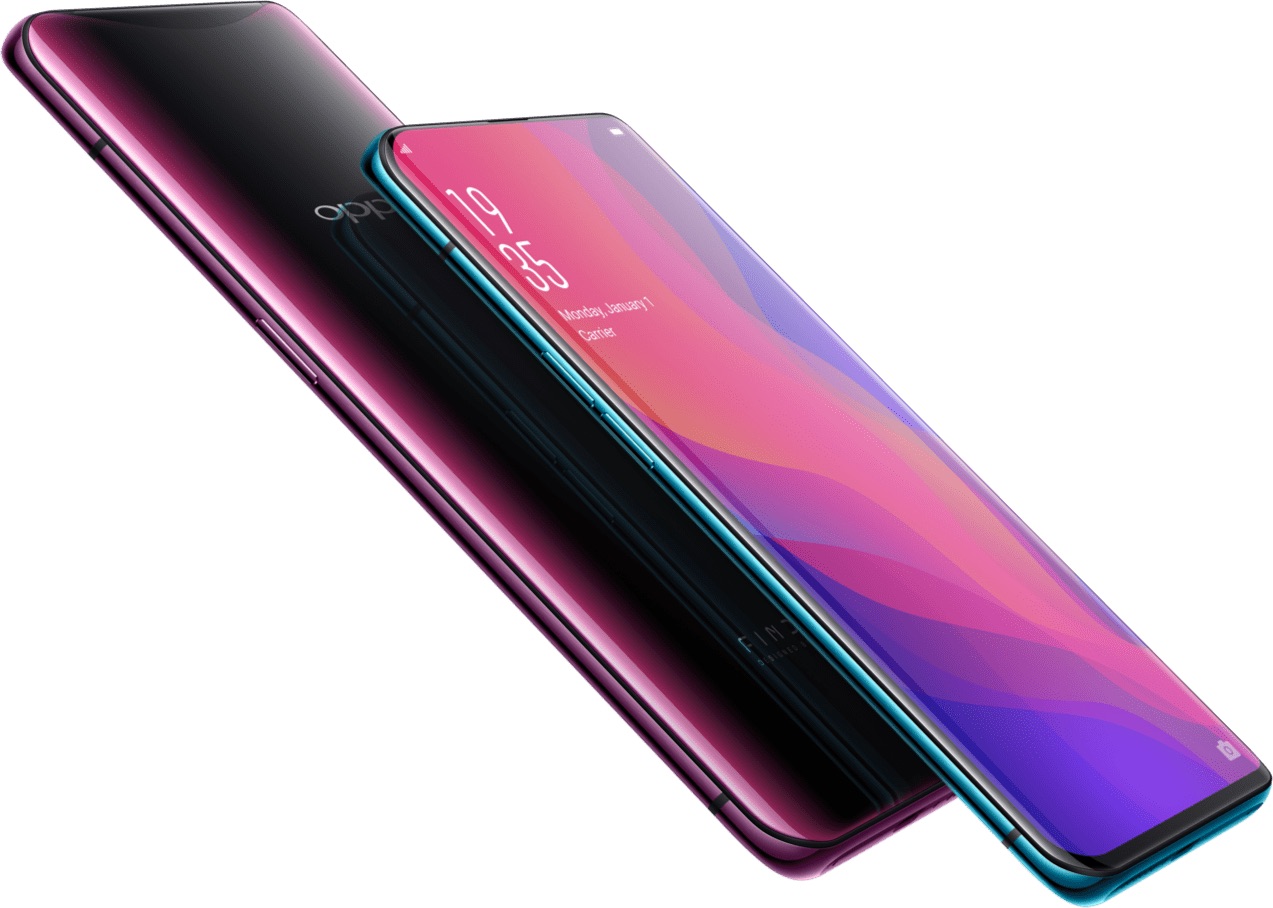
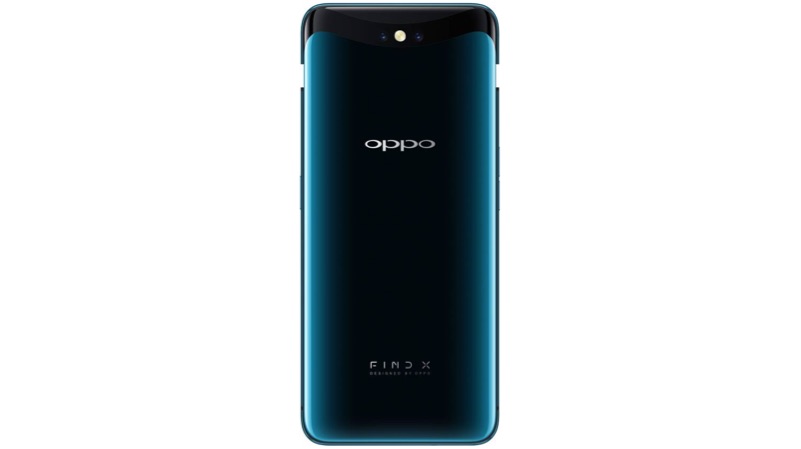
    Corning is the leader when it comes to manufacturing glass panels for smartphones. Almost all the flagship smartphones use a Corning Gorilla Glass panels to ensure longevity and durability of these devices. The current Corning glass in use is the Gorilla Glass 5. However, on 19th July the company announced the new Corning Gorilla Glass 6. Dubbed as the toughest and the most customizable glass panel, the Gorilla Glass 6 is yet to feature on any smartphone. However, Corning recently announced that Oppo will be the first company to feature the Gorilla Glass 6 on its smartphones. According to rumours however, the Galaxy Note 9 was to be the first Android smartphone with Gorilla Glass 6 panels. The Note 9 is expected to launch on 9th August.

    Also Read:  Top 10 Features We Want To See In The OnePlus 6T

    Oppo Find X

    Initially, it was the first generation of Apple iPhone for which Corning designed the Gorilla Glass. Although Apple has never officially named any of the vendors from which it gets the hardware for the iPhone. The company demanded a strong glass material which would not only be durable but also responsive. In all likelihood, the 2018 iPhone will also feature the Corning Gorilla Glass 6. Apart from Apple, the other highly anticipated manufacturer to feature the Gorilla Glass 6 is Samsung. With the launch of the Galaxy Note 9 hardly a couple of days away, Samsung will most likely want to feature the latest and greatest for its flagship offering. Thus, while Oppo may be the first “official” brand, Samsung and Apple would also sport the Gorilla Glass 6 on their devices as well, among other manufacturers.

    oppo corning gorilla glass 6

    Aslo Read : You Don’t Know Glass Like Corning Knows Glass

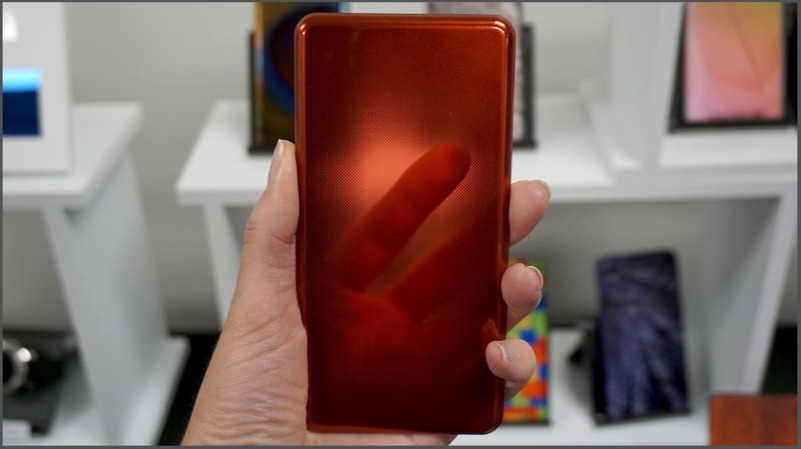
    The Corning Gorilla Glass 6 will allow manufacturers to customize the way they want to use the glass. They can use it for displays, or as back panels which will be available in a coloured or textured finish.  The best part is, Corning will do the designing and texturing of the glass for the company. This would mean, that the upcoming Oppo smartphone could sport a unique looking back panel.

    Oppo Corning Gorilla Glass 6

    It will be interesting to see how well the new Corning Gorilla Glass 6 performs in real life. The company claims that the glass can survive the glass can survive 15 drops from a height of 1 meter. For reference, other glass compositions, such as soda lime and aluminosilicate, do not survive the first drop from the same height. We look forward to the launch of the new Oppo device featuring the Gorilla Glass 6. It will be interesting to see how the new panel fairs against the currently available Gorilla Glass 5, which also featured in the Oppo Find X.

    Have something to add? Leave a Comment Below!
  • Apple Q3 2018 Results Impressive, Dual SIM iPhones Due This Year

    Apple Q3 2018 Results Impressive, Dual SIM iPhones Due This Year

    Started in the backyard toolshed of Steve Jobs’ parents’ house, Apple is now one of the top brands in the world. Apple started the smartphone trend with the first iPhone. However, it was the iPhone 3GS which raked up the most sales in 2009. On 31st July 2018, Apple released a report for its Q3 revenue, revealing that the company has earned record profits. The company was able to achieve 17% more revenue than last year. Apple sold 41.3 million iPhones, 11.553 million iPads, and 3.72 million Macs. The total profits earned by the company stands at a whopping US$11.5 billion.

    Apple
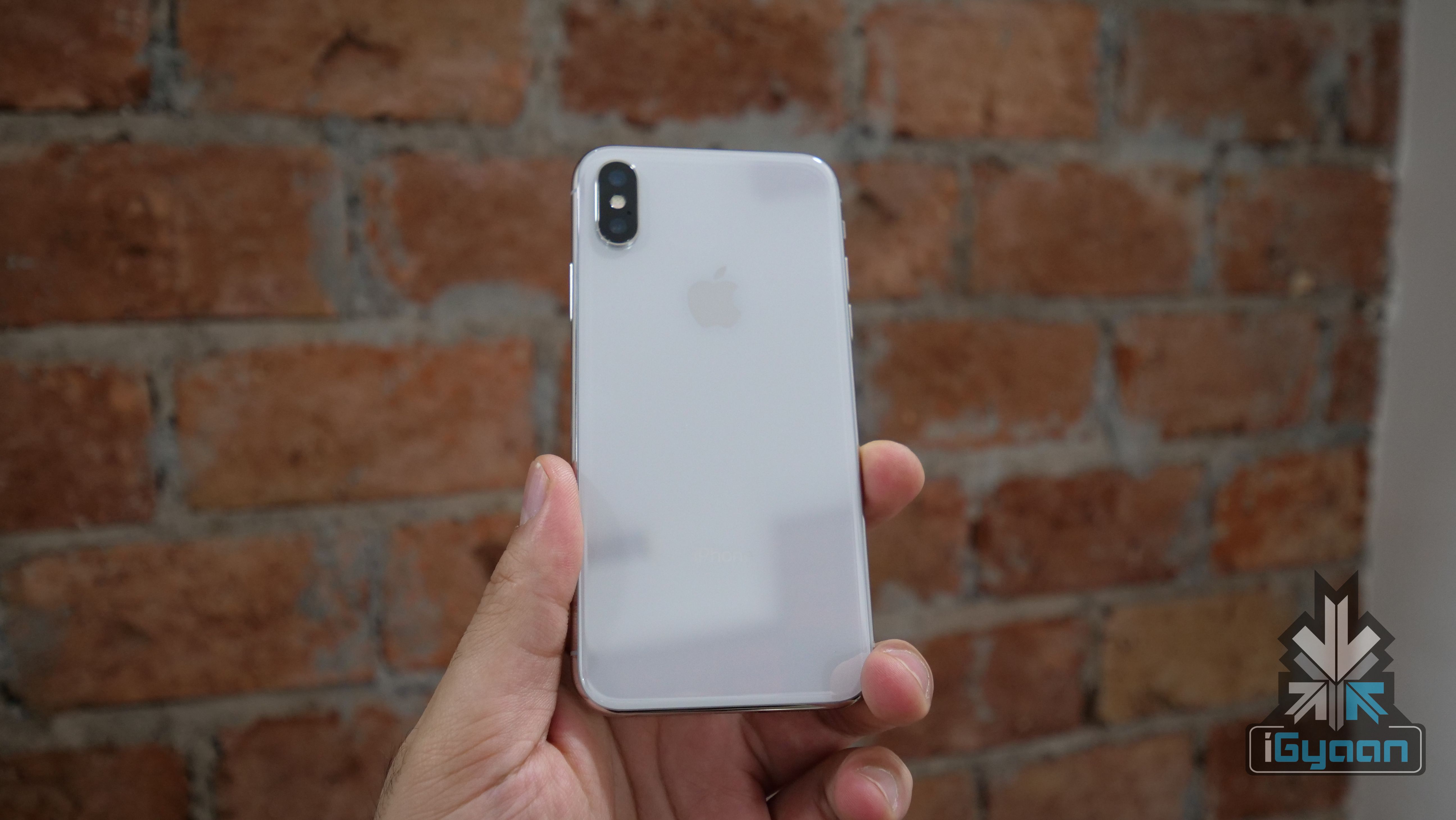
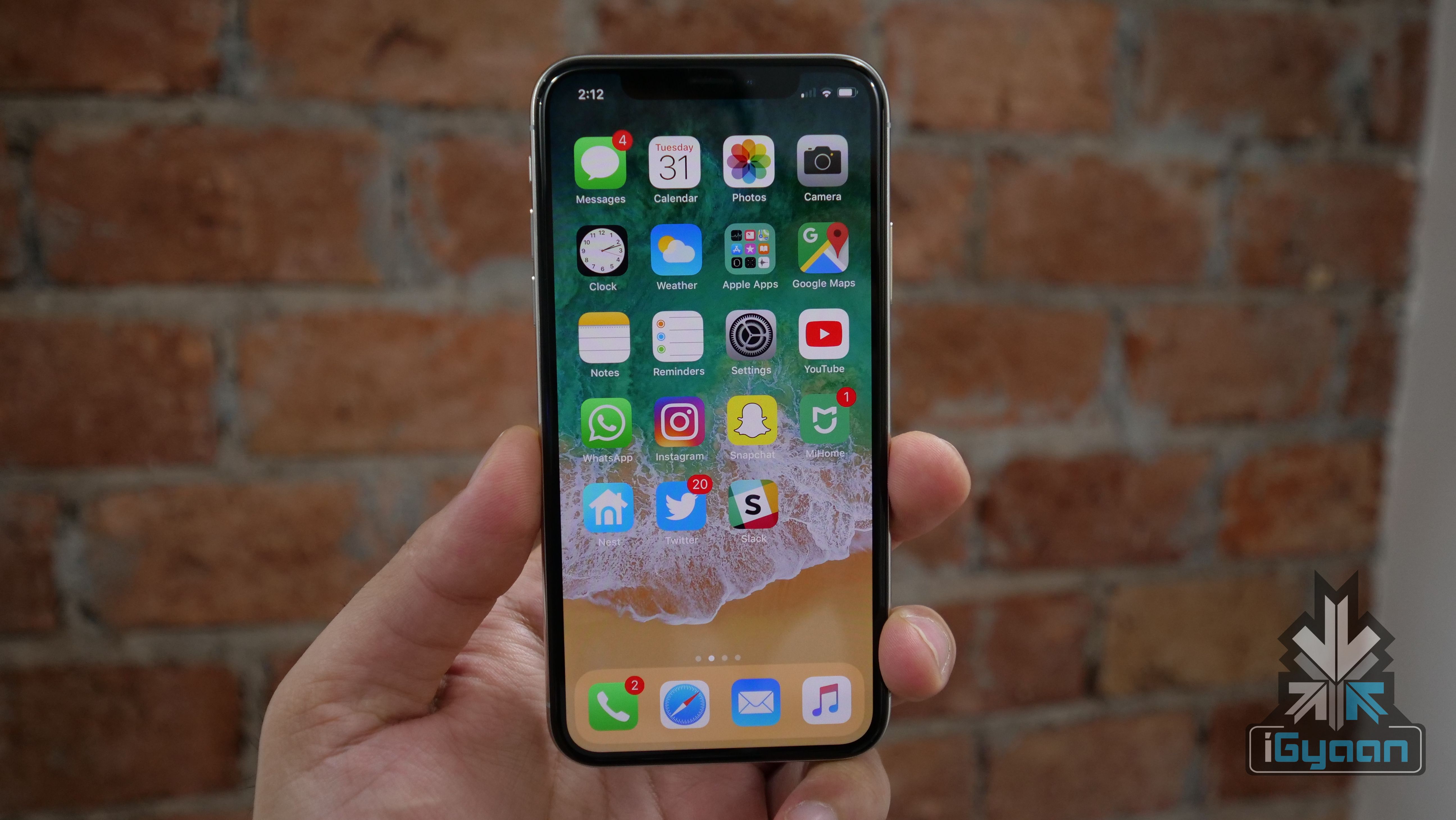
    iPhone X

    The majority of profits earned by the company is through the sales of iPhones, iPads, and Macs accounting for US$53.3 billion worth of the company’s revenue, while its services like Apple Music, accounted for US$9.548 billion. With that said, iPhones led the overall sales of US$29.906 billion out of the total US$53.3 billion. Apple predicts that it may collect revenue between $60 billion and $62 billion in the Q4 of 2018. For reference, the revenue earned from the company’s services alone is 37% more than the last year’s  US$7.266 billion.

    Also ReAD: Spotify Lite Being Tested For Emerging Markets Like India

    Apple

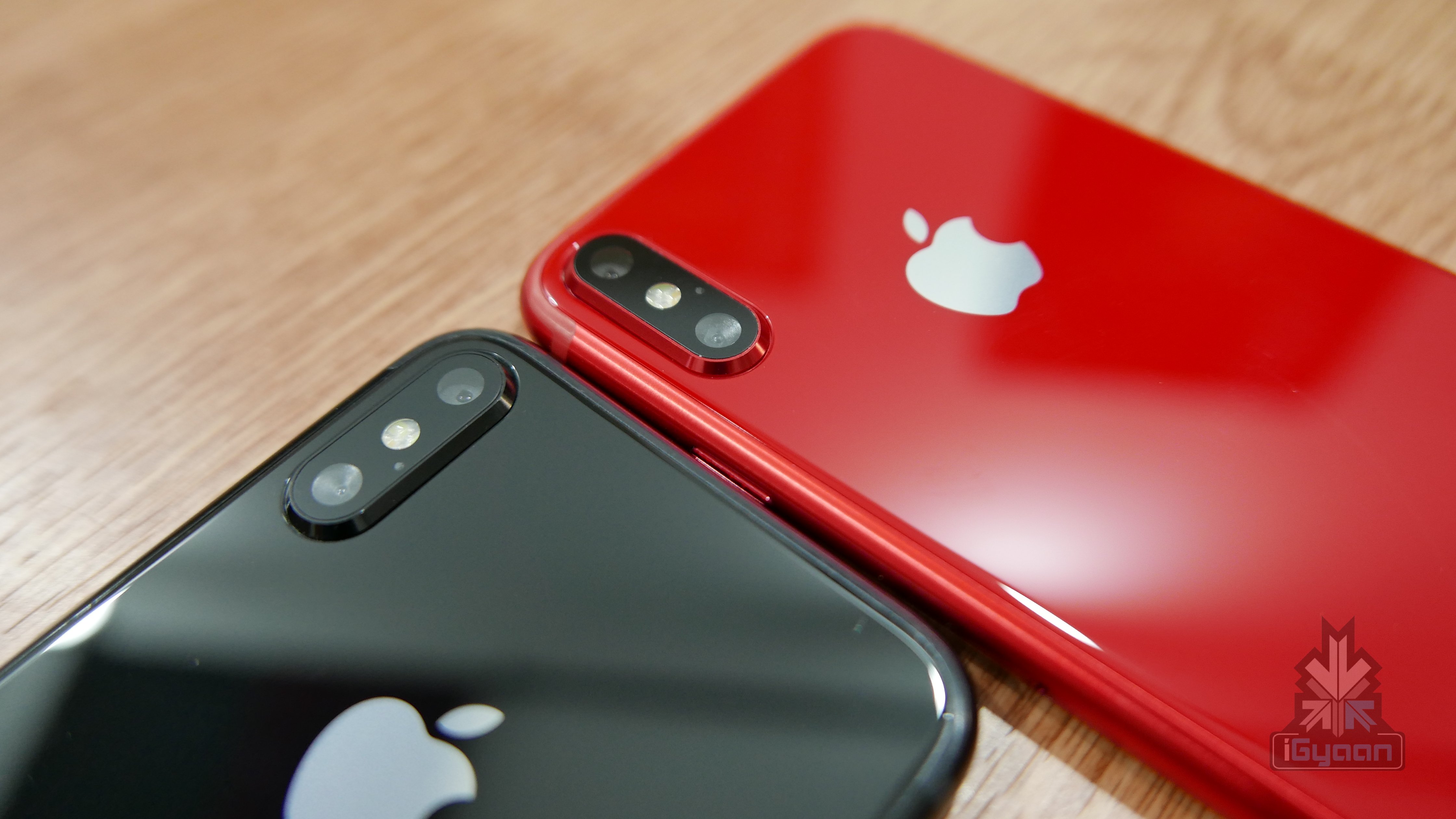
    Since Apple’s event is hardly a month away, the company may be launching dual-SIM iPhones. Dual SIM phones are popular in developing and growing markets like India and China. These markets have also become the key sales places for Apple. The launch of dual-SIM iPhones will not only cater to the public demand but also help improve the smartphone’s sales. According to the recent leaks, the company might also be planning to release two iPhones this year with a 6.5-inch “alleged” iPhone X Plus and a 6.1-inch iPhone 9, with the latter in all likelihood being the cheaper smartphone of the two. Furthermore, the company is planning to bring an update for the HomePod, which is a wireless speaker with inbuilt Siri, Apple’s virtual assistant. 

    Apple
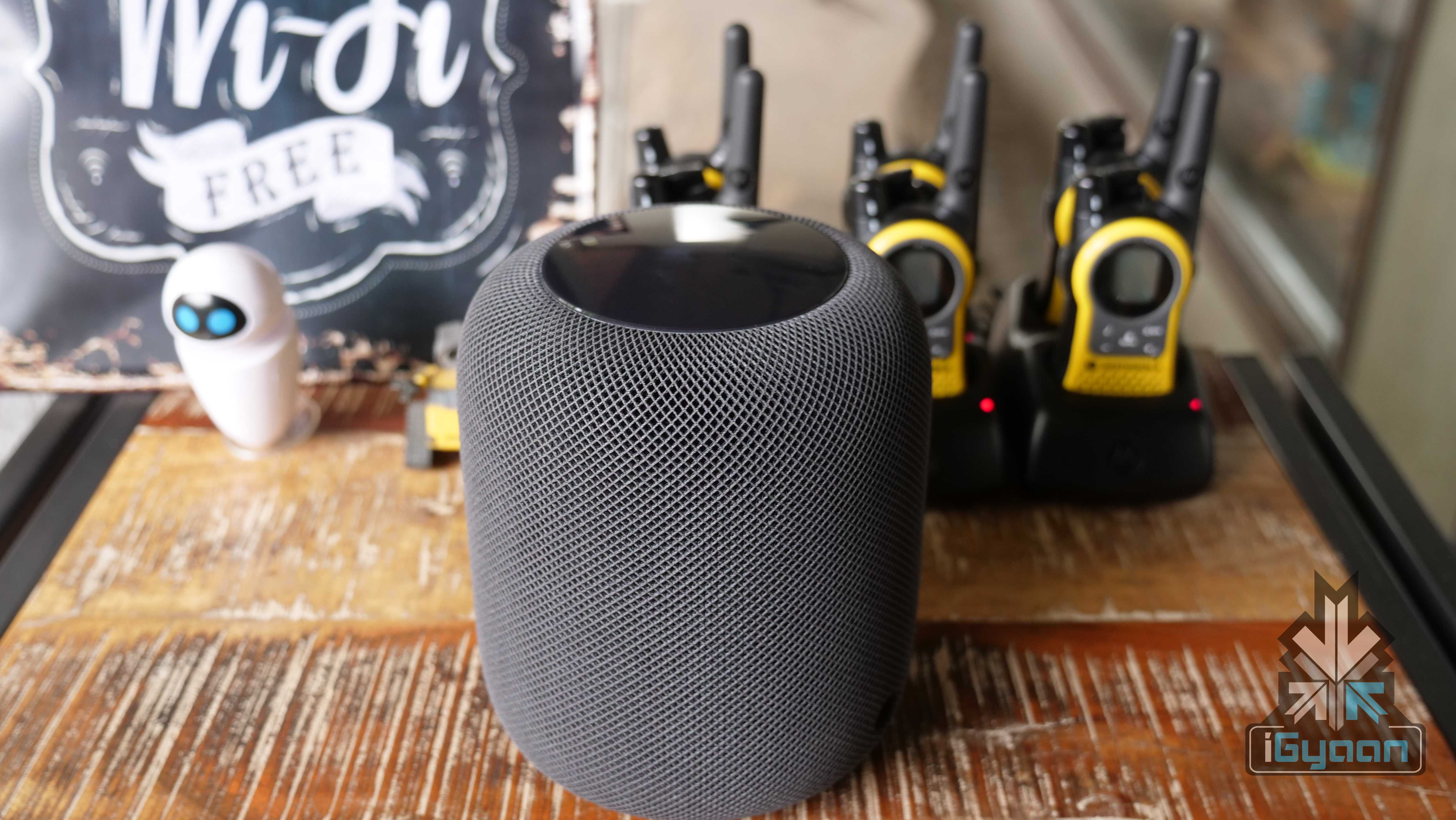
    HomePod

    HomePod works in a similar way as the Amazon Echo or the Google Home speakers, it can be used as a conventional wireless speaker but it also has all the capabilities of Siri built-in. With the new update of iOS 12 beta, users will now be able to make and receive calls with the HomePod as the default audio output source. Earlier in iOS 11.4, users had to manually change the source during a call to set the HomePod as the audio output in. The iOS 12 update will also bring improvements to Siri’s general knowledge base and the ability to set multiple timers. With this update, the HomePod will also be closely integrated with the Macs running on Mojave

    Apple has undoubtedly had a great impact in shaping the future of smartphones with its iPhone lineup. Apple has been at the forefront of bringing feature-rich smartphones, albeit at a hefty price. Thus, it will be interesting to see how Apple actually performs in the Q4 despite its sale projections.

    Have something to add? Leave a Comment Below!
  • 2018 Apple iPhones To Drop Qualcomm Chips for Intel

    2018 Apple iPhones To Drop Qualcomm Chips for Intel

    Apple is about to launch its new line of iPhones for 2018 at its September event. The leaks and rumours about the smartphone suggest there will be a relatively cheaper iPhone along with the usual flagship this year.  Apple iPhones going forward may not use Qualcomm wireless chipsets in favour of Intel modems.

    Also Read: Apple iPhone Front Panels Leaked Images Reveal Thin Bezels

    There is a state of turmoil between Apple and Qualcomm. The chipset manufacturing company wanted to charge Apple a percentage of the company’s revenue for using Qualcomm’s modems. This led to the company suing Qualcomm for a hefty amount. In the US, Qualcomm might have to pay $1 million. Now, according to the Chief Financial Officer of Qualcomm, the new 2018 iPhones will not be using the company’s modems. Instead, the smartphones may launch with an Intel modem. There are still a few months before the 2018 iPhones will launch so this news should not affect the launch whatsoever. However, it is worth noting that iPhones have been using Qualcomm modems for a long time. For Apple to switch over to Intel for its wireless chipset is natural since Qualcomm and Intel are the two of the biggest chipset manufacturing companies.

    How Will This Affect The New Apple iPhones?
    Apple intel
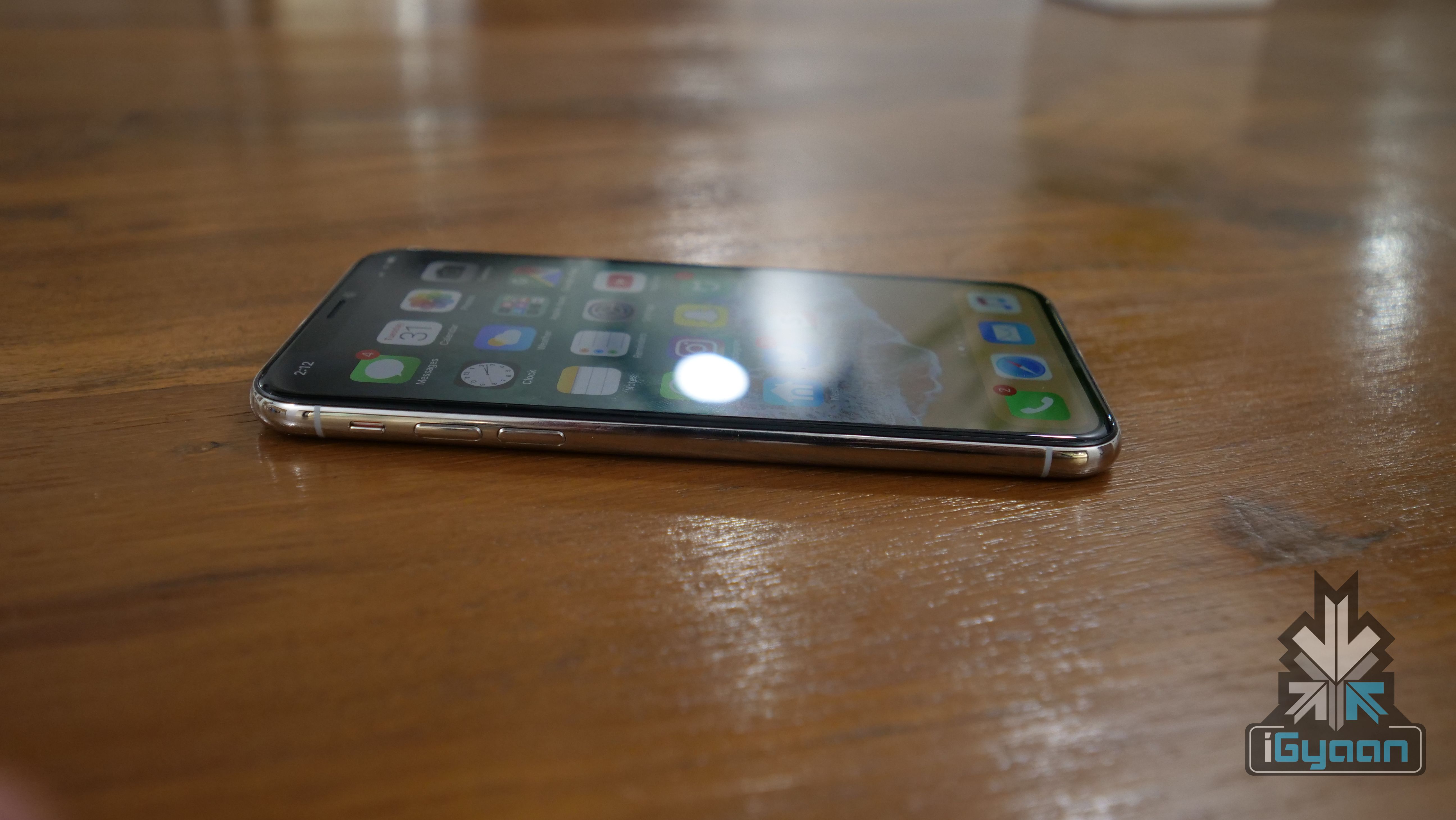
    iPhone X

    As mentioned previously, the decision to go with an Intel modem may not affect the iPhones all that much. However, it will be interesting to see how the Intel LTE modems perform as compared to ones by Qualcomm.

    In 2017 the Apple filed the first lawsuit against Qualcomm and the two have been exchanging lawsuits since. The 2018 iPhones will remain unaffected by the company’s decision to not use Qualcomm chipsets. However, Intel announced that it will not be able to produce 5G ready modems by 2019 so it will be interesting to see what Apple decides to do in 2019.

    Have something to add? Leave a Comment Below!
  • Samsung Opens World’s Largest Smartphone Manufacturing Factory In India

    Samsung Opens World’s Largest Smartphone Manufacturing Factory In India

    About six years ago, Samsung was the top smartphone vendor in India. However, this position has since been taken by many other companies. To tackle this, Samsung has expanded its mobile manufacturing factory to India. The President of Korea, Moon Jae-in along with our Prime Minister, Mr. Narendar Modi inaugurated the world’s largest mobile manufacturing factory in India owned by Samsung Electronics and located in Noida.

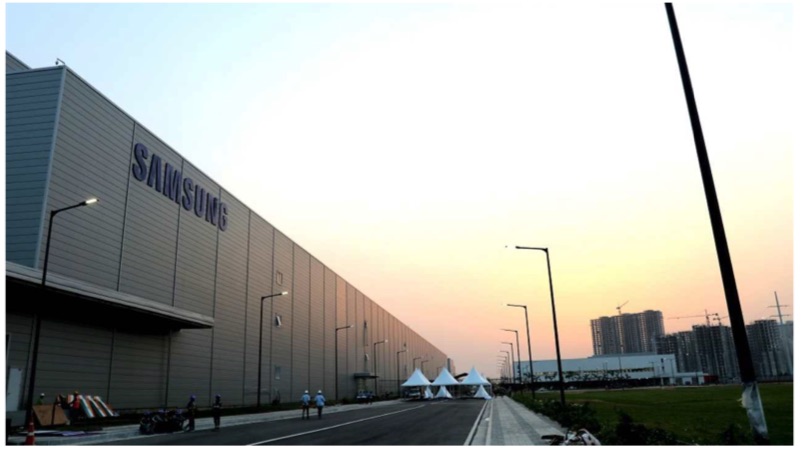
    Samsung Factory

    The manufacturing facility is spread across 35 acres of land in Sector 81 at Noida. The number of employees at this facility will increase to approximately 70,000 people most of whom will be Indians. It is also speculated that the factory is the largest factory in terms of the total number of phones manufactured in a month’s time. With the new facility, Samsung is expected to produce close to 120 million smartphones annually which is double the amount of its current production.

    As of 2018, Samsung has two manufacturing facilities in India, the one is in Noida and the other is in the Sriperumbudur region of Tamil Nadu. Apart from these, the company also has five R&D centers and a design center in Noida.

    Samsung had invested over Rs 4,915 crore for the expansion of the Noida plant. The plant is not going to exclusively produce phones but will also be used for producing refrigerators, TVs, and other electrical appliances which the South Korean company is known for. This plant was originally known for producing TVs during the early 1990s.

    Must Read: 7.3-Inch Foldable Smartphone From Samsung Coming In December 2018

    India is the second largest market for smartphones and makes for almost 10 percent of the global smartphone sales. The number of smartphone users in India as of 2017 was 299.24 million and this number is expected to increase two folds in the year 2022 to approximately 442 million. These statistics make Samsung’s factory expansion more significant if the company wants to regain their foothold in the Indian market.

  • New Apple India Chief Dismisses Discounts For Apple Products

    New Apple India Chief Dismisses Discounts For Apple Products

    Apple India’s new country head, Michel Coulomb has some radical plans for the company. Reports claim that he plans to dismantle the current sales strategy set by predecessor Sanjay Kaul to achieve a more ‘organised distribution’ structure for iPhones, iPads and Macs. This essentially means that consumers in India won’t be seeing discounts on Apple products like they’re used to.

    With this new strategy, distributors of Apple products in India will be trimmed. Hence, the company will look to maintain the prices of its products since up until now, distributors had the freedom to sell to any retailer, even at lower prices. All these details were shared by three persons directly aware of the development in the company.

    The earlier ‘open distribution’ strategy at Apple India had created a lot of discontent amongst its offline trade partners, since the distributors would often indulge in wholesaling to achieve targets leading to rampant deep discounting online and fluctuation in prices almost every day. So much so, Apple was even considered as a discounted brand. The new country head is pulling the plug after reviewing the scenario.

    [amazon_link asins=’B06ZXWWD6R’ template=’ProductAd’ store=’igyaan-21′ marketplace=’IN’ link_id=’9f6c459b-708e-11e8-93e6-5db4d94d1b7a’]

    Coulomb took charge of India for Apple back in December 2017. He also served as MD, Apple for the Middle East, Turkey and Africa. According to the executives, he will retain only two national distributors–Ingram Micro and Redington. Brightstar, Rashi Peripherals and HCL Infosystems will be slowly phased out of the system.

    Must Read: Apple Wins US$ 539 Million From Samsung In The Ongoing Patent Infringement Trial

    This doesn’t mean consumers will never see a discounted iPhone ever again. According to the executives,

    While there will still be special promotions online for Apple products, the days of deep price cuts seem to be over.

    The move does make sense for Apple. However, it’ll be interesting to see how much this will affect the sales of iPhones in India, a country that is so price-sensitive.

  • OnePlus Will Only Launch Flagship Smartphones Till 2021

    OnePlus Will Only Launch Flagship Smartphones Till 2021

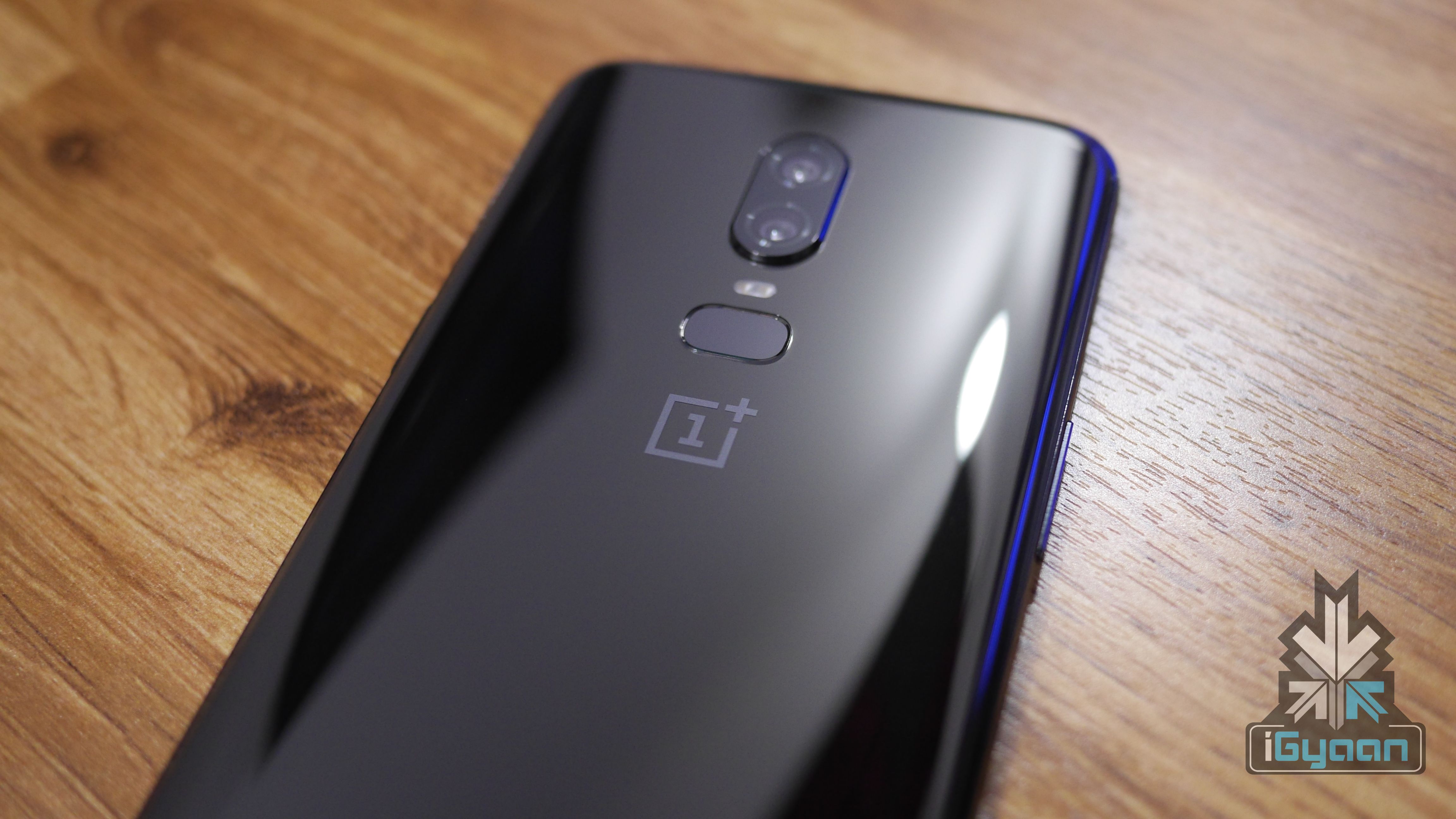
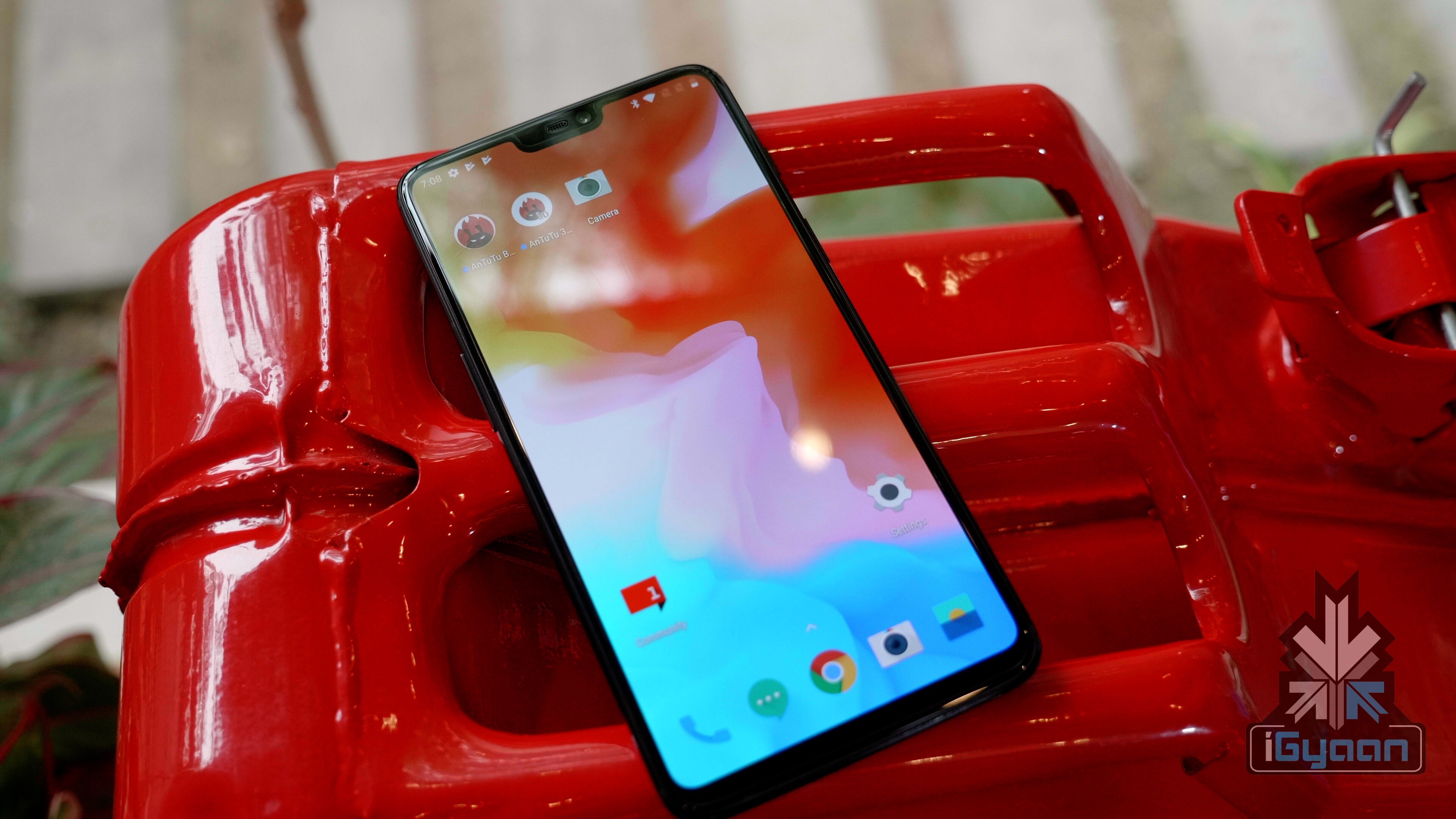
    OnePlus launched the OnePlus One back in 2014 and has dubbed its smartphones as the “flagship killers” ever since. The company experimented with the OnePlus X but, reverted to launching flagship devices soon after. Recently, the Chinese smartphone maker launched the OnePlus 6, another flagship-grade smartphones at a much more affordable price compared to the Samsung Galaxy S9, Huawei P20 Pro and more.

    [amazon_link asins=’B0756Z43QS’ template=’ProductAd’ store=’igyaan-21′ marketplace=’IN’ link_id=’4409c9e1-63e6-11e8-bf08-3759c088a8a4′]

    In an interview, the company’s founder Pete Lau conceded that OnePlus plans on sticking with the same launch policy for the next three years at least. This means that OnePlus will only launch flagship smartphones till 2021. Apart from the last two times when OnePlus simultaneously launched a special edition OnePlus 5T and OnePlus 6, the company launches one smartphone at a time.

    Also unlike in countries such as India, the company only sells one smartphone at a time. For example in North America, the OnePlus 5T went out of stock before the OnePlus 6 was launched. Pete Lau points out that this helps the young company to concentrate its marketing operations and maximise the amount of exposure it generates for any particular product. He also claims that this strategy is what OnePlus fans also like. The company’s market research found out that OnePlus consumers want the latest device from the company instead of an older one at a lower price.

    Must Read: OnePlus Explains Why OnePlus 6 Doesn’t Have Wireless Technology

    One of the main attractions of a OnePlus smartphone is its price. The OnePlus 6, for example, has top notch specifications similar to the Galaxy S9 and is still priced at Rs 34999 for the base model. The S9, on the hand, costs Rs 57900 in India. Pete Lau says that OnePlus operates on extremely thin profit margins compared to the rest of the manufacturers in the premium smartphone segment. This allows the company to undercut its competitors significantly, which is extremely crucial for price-sensitive markets like India.

    While it may take a bit of time before we see OnePlus selling a budget smartphone, it is fair to say that it will have high expectations. The idea of a OnePlus X2 running on Snapdragon 835 SoC priced at under Rs 20000 floated around a bit before Carl Pei declared it was “fake news.” When will we see a OnePlus X successor? Only time (and OnePlus) will tell.

  • Google And Facebook Sued For US$ 8.8 Billion For Coercing Users Into Sharing Their Personal Data

    Google And Facebook Sued For US$ 8.8 Billion For Coercing Users Into Sharing Their Personal Data

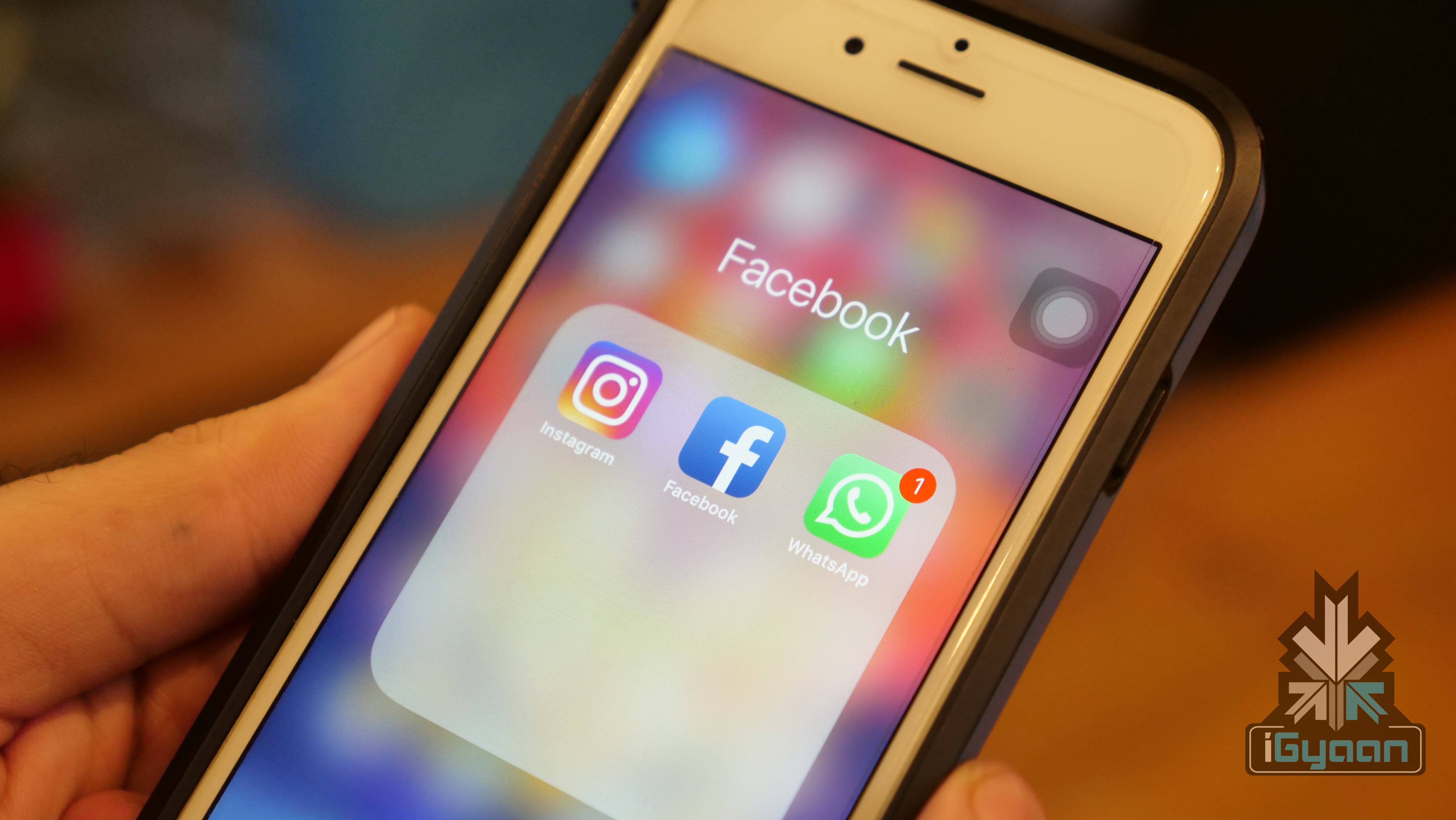
    In the past couple of day, you must have bee bombarded by every app notifying you of the change in their privacy policy. From Twitter, Facebook to Splitwise, every app has sent a notification to their users about the changes and these changes can have huge ramifications. Facebook and Google, for example, have been hit with lawsuits worth US$ 8.8 billion for coercing users into sharing personal data. The lawsuits were filed by Austrian privacy rights activist Max Schrems.

    [amazon_link asins=’B0772YB7Y1′ template=’ProductAd’ store=’igyaan-21′ marketplace=’IN’ link_id=’c72e3f28-60af-11e8-b479-b7071a16be34′]

    For context, GDPR or the General Data Protection Regulation is a rule passed by the European Union in 2016, resetting guidelines and rules for how companies manage and share a user’s personal data. While the rule applies to EU nations only, the internet’s global nature means that companies had to reset their policies in general. Hence, everyone received notifications about the privacy policies.

    It is worth noting that Google and Facebook have rolled out the new policies since GDPR was enforced. Schrems believes, however, that those policies don’t go far enough. He has singled out the way Google and Facebook obtain consent for the privacy policies, asking users to check a box in order to access services. This is a very common practice of almost every internet service, but, the lawsuit argues that this method forces users into an all-or-nothing choice. That is a clear violation of the GDPR’s guidelines around particularised consent.

    Both Google and Facebook have argued that the measures taken comply with the GDPR guidelines. In a statement, Google said:

    We build privacy and security into our products from the very earliest stages, and are committed to complying with the EU GDPR.

    Must Read: Android 9 P: Google I/O 2018 New Features

    Facebook has said that, “We have prepared for the past 18 months to ensure we meet the requirements of the GDPR.” This is not the first lawsuit Google is facing for violating the privacy of users. The company was recently sued for GBP 3.2 billion for secretly collecting browsing data of iPhone users in 2011 and 2012.

  • Essential Phone 2 Production Cancelled

    Essential Phone 2 Production Cancelled

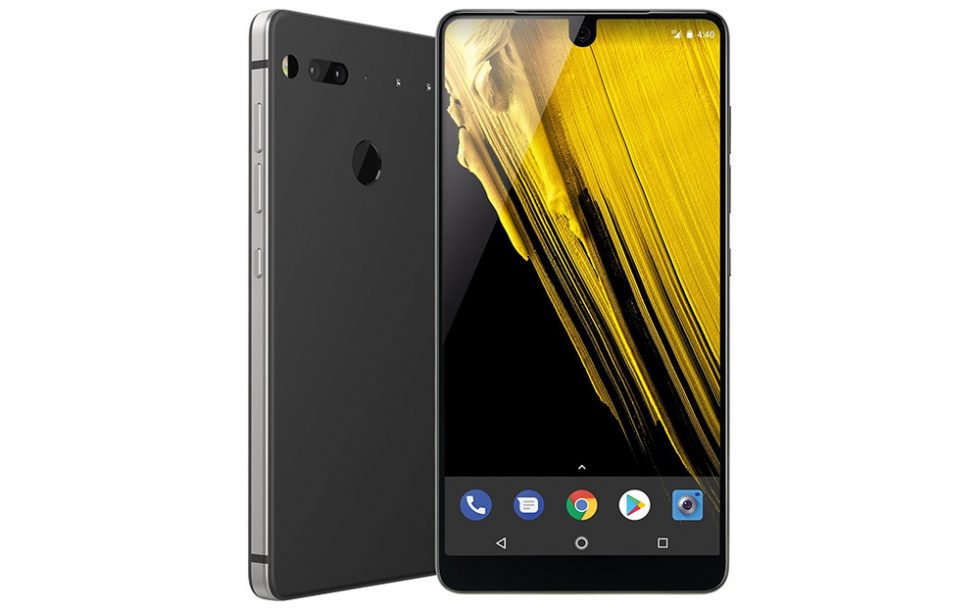
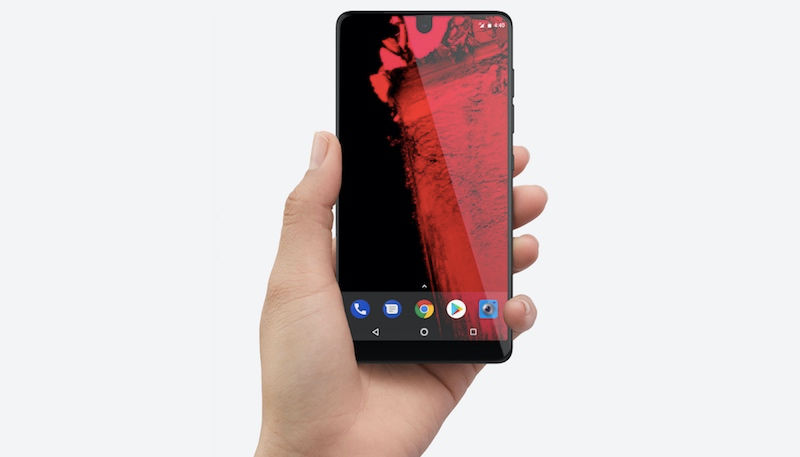
    Popularly known as the ‘The Father Of Android’, Any Rubin created quite a stir when he announced his own venture, Essential. The new smartphone brand was supposed to be the new Google Nexus with stock Android and a premium design. There was a lot of anticipation around the Essential Ph-1, leading up to its launch in August 2017. However, the smartphone did not deliver on its promises and the company has now canned its successor, the Essential Phone 2.

    There are reports of Essential actively looking for a buyer. However, the talks of a sale have not moved very far along. But, if a sale does happen, Essential wants to sell everything, its patents, hardware, and upcoming projects. In fact, the company would even want to shift its employees to whatever new company picks it up.

    Andy Rubin

    Essential intends to make products but, for the time being, not produce any smartphones. Bloomberg reports that Essential’s second phone, destined to be called the Essential Phone 2 won’t come to fruition as engineers have shifted their focus to a smart home product.

    Must Read: Xiaomi Mi 8 To Cost Around Rs 30000

    This smart home product could be a smart speaker. Essential announced an Amazon Echo competitor about a year ago and with the plans of a smartphone out of the window, a smart speaker appears to be the next most plausible Essential product to launch. Apparently, Essential plans on staying in the phone business, just not by designing devices itself. The company would reportedly contract Foxconn to handle most of the smartphone’s development.

    notch
    Essentail Ph-1

    In a statement, Essential seemingly confirmed the news as well:

    We always have multiple products in development at the same time and we embrace canceling some in favor of the ones we think will be bigger hits. We are putting all of our efforts towards our future, game-changing products, which include mobile and home products.

    The company’s first stint with a smartphone didn’t go down well with the consumers. Despite rave reviews for its build quality, the Essential Ph-1 had a disappointing camera and a buggy interface. The smartphone only managed to sell about 150,000 units since it went on sale last-August. The company had a lot of promises to deliver on but, failed on key aspects of a smartphone. It’ll be interesting to see what turn Essential takes in its quest to be a success in this highly competitive tech industry.

iGyaan Network
Privacy Overview

This website uses cookies so that we can provide you with the best user experience possible. Cookie information is stored in your browser and performs functions such as recognising you when you return to our website and helping our team to understand which sections of the website you find most interesting and useful.