Category: Editorial

  • Why “Quantum Break” is a Step Towards a Unfied Gaming Platform for the Future

    Why “Quantum Break” is a Step Towards a Unfied Gaming Platform for the Future

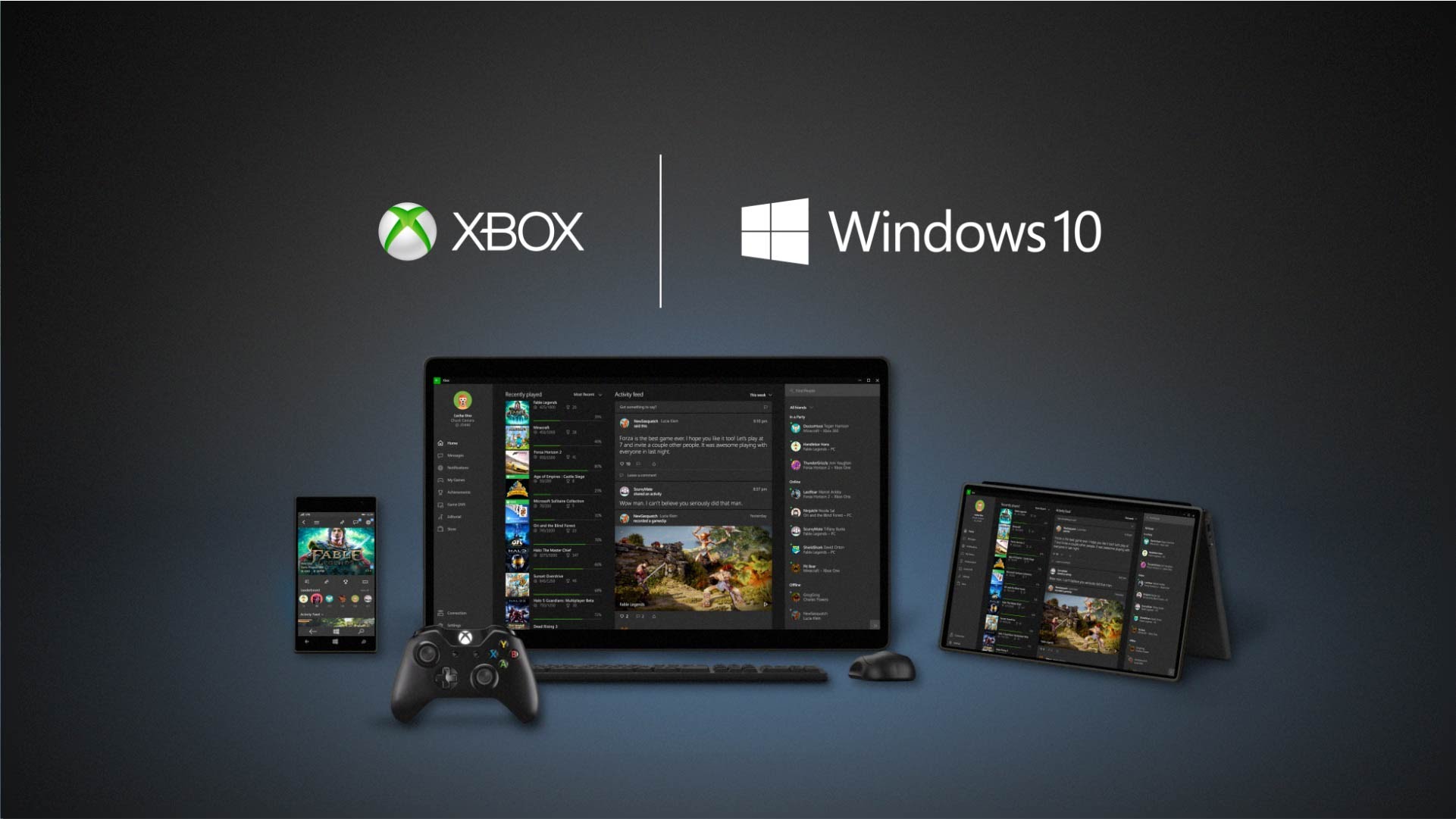
    Earlier last week, gamers around the globe were caught by surprise when Microsoft announced plans of bringing the Xbox console exclusive, third-person action adventure game, Quantum Break to the PC platform.

    At a time when voices out of big game studios such as Ubisoft Massive hint at putting a leash on PC games so that the revenue spinning consoles could be given a push ahead, this decision by Microsoft to bring an already announced Xbox One exclusive to the neglected platform of PC out of the blue perplexed the whole community.

    Quantum

    Analysts were quick to call it as a one off, and the excited community of PC gamers around the globe was asked to not read too much into this decision. But latest news today coming straight from the horse’s mouth sheds some much-needed light on the thinking behind this decision.

    Aaron Greenberg, the leader of the marketing department in charge of the title revealed today that this game will be the first in a line of major Microsoft games that will be making way to the PC and the Xbox exclusively.

    Quantum Break

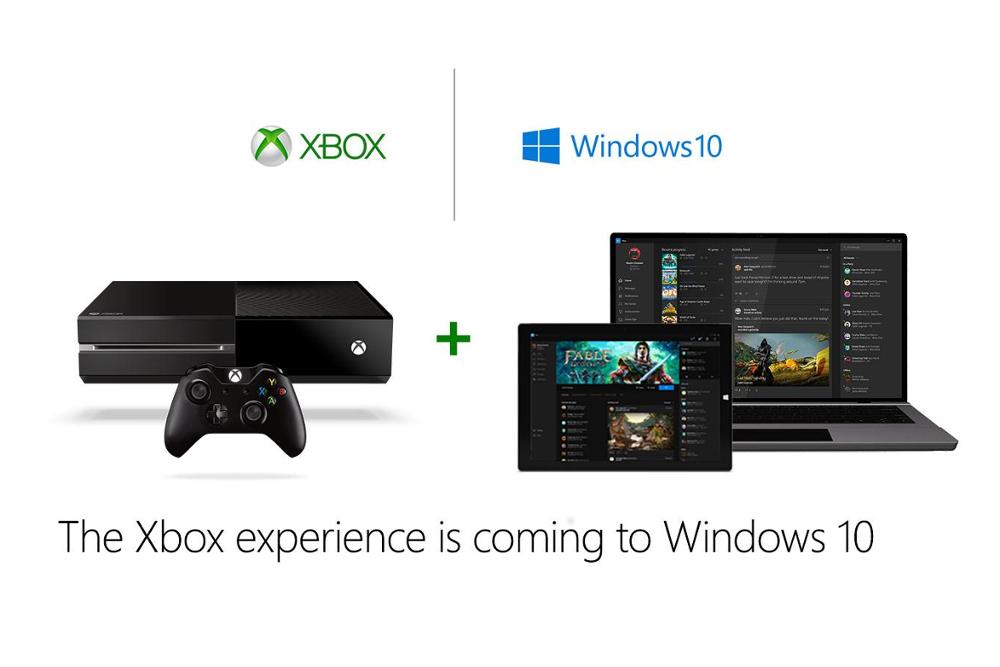
    Greenberg claims that Microsoft is trying to break down the walls between Xbox console and the PC platform and that the end result should be a better overall experience for all its fans across the two ecosystems. But there’s a catch here. Quantum Break will only be available on PCs through the Windows Store on the Windows 10 platform.

    In what could end up being a blessing in disguise, steam will not get the game, keeping Quantum break a Microsoft exclusive, which in the process will bring the game on the two platforms under one ecosystem.

    This is great news for the gaming community as it holds the potential for bridging the growing divide at the industry’s end between the two platforms and more importantly between the divided communities. This in the long run, would lead to games which provide a much better and streamlined experience to gamers across platforms.
    windows10xboxone

    The addition of the new “Cross buy” option that Quantum Break will feature will merge these two platforms like never before and usher a new era for a unified gaming community. The “Cross Buy” feature would essentially mean that if you preorder the digital version of the game for the Xbox One, the customer will get a full copy of the PC game as well as revealed by Microsoft’s Phil Spencer, head of the company’s Xbox division.

    Although PC players won’t be able to play against Xbox One players (and vice versa) for now, the user will be able to have save games that work across both platforms easing your transition from your desk chair to your couch meaning that the user will be able to seamlessly able to transition their gaming experience from the Xbox One console to the PC.

    3004863-quantum_break_striker

    This concept could well set an excellent example, and if taken ahead could evolve into a system where PC and Xbox for starters could be brought under one roof and possibly see players on these different platforms playing against each other, and seamlessly transitioning between them.

    This will not only help the two divided gaming communities merge into one, but also see game publishers provide better experience to a larger unified audience, and also increase their revenues at the same time. The possibilities quite frankly are very exciting, and Quantum Break has the potential of being the quantum leap that the gaming industry needs right now.

    With everything around evolving, lines between games and reality blurring with advancements in VR tech, it’s time the industry evolves too, and sets itself free of the shackles that the market has bound it in, and in the process letting gamers enjoy their games the way they should, without any restrictions.
  • Hitman to be an Episodic Game and Why We Should be Excited

    Hitman to be an Episodic Game and Why We Should be Excited

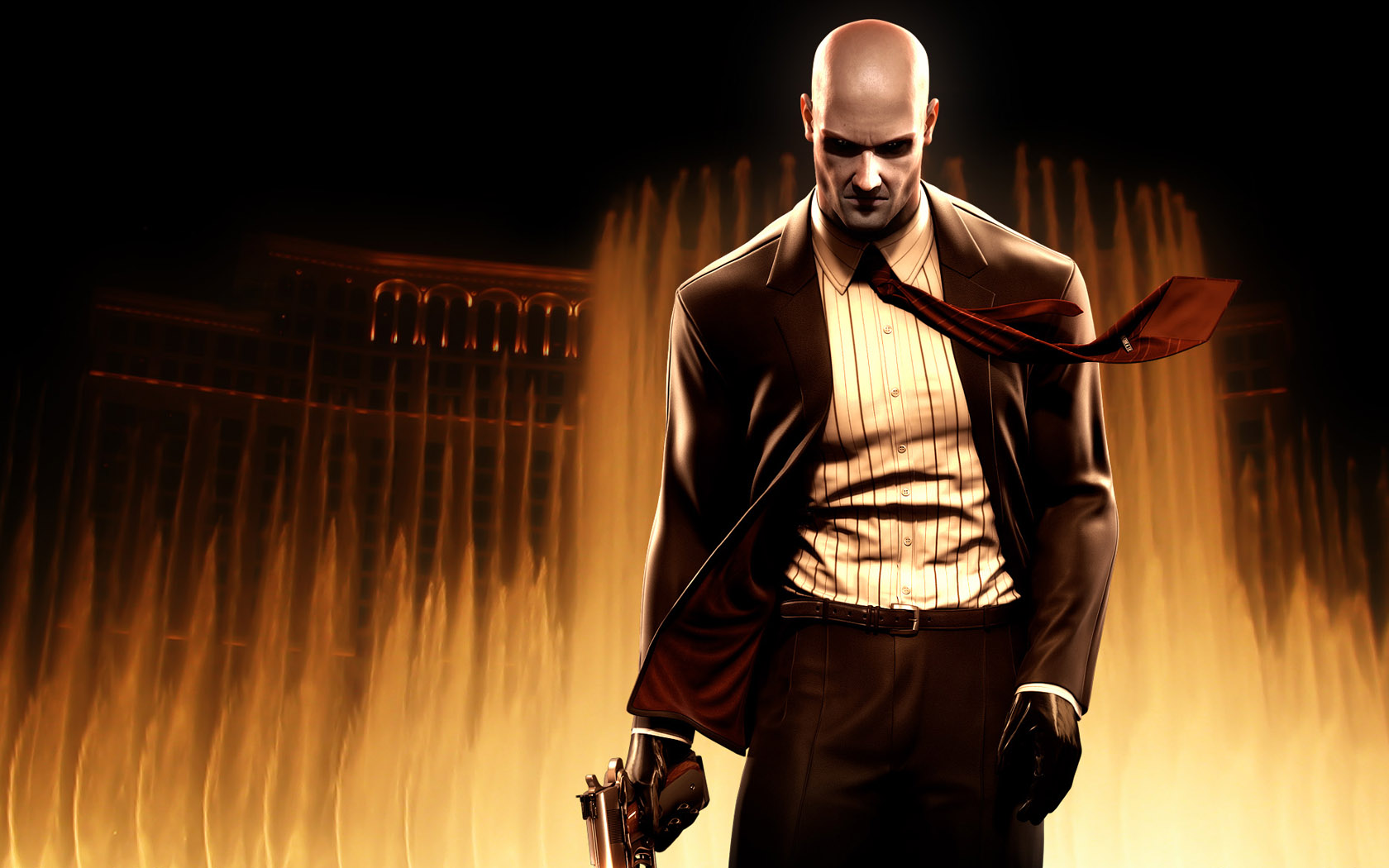
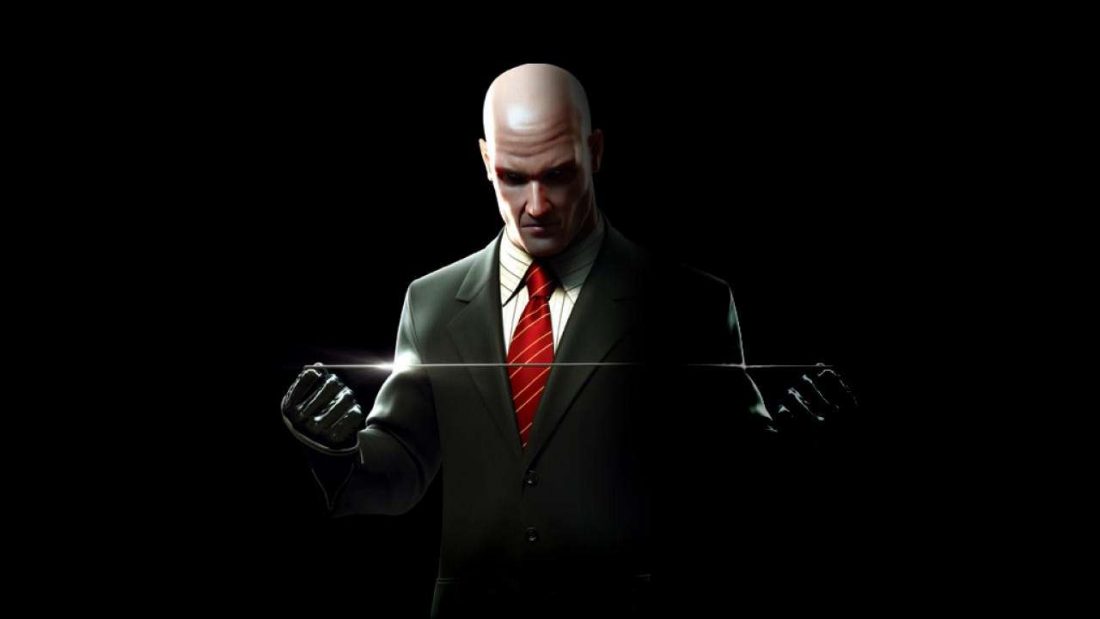
    Our favourite modern-day assassin, Agent 47, is back in the latest instalment of the Hitman game series. The new game will find globetrotting Agent 47 in the prime of his career, stalking and bringing to end the life of his preys in trademark cold blooded Hitman style.

    This latest instalment takes us back to a time before the chaos of Hitman Absolution. A time in which Agent 47 is an operative of the International Contract Agency, and Diana Burnwood still his handler helping 47 take out high profile targets from around the world.

    https://www.youtube.com/watch?v=Oj3q6I_acQw

    This new game is set to be released in an “Episodic” manner, with the first episode consisting of the prologue and the Paris Map slated to go live on 11th March, 2015. This will be followed by the next episode set in Italy in April, and Morroco in May. Further map locations such as the USA, Japan, and Thailand will be released along with monthly downloadable content.

    Square Enix and IOinteractive with this strategy of releasing episodic content are looking at redefining not just the Hitman video game series, but the way mainstream games work in particular. The game studio has revealed that this is not just a simple marketing gimmick which will see the studio trying to tap changing consumer behaviours of the population of today, but will try to achieve something more.

    Travis Barbour, a senior figure at IO posted on the PlayStation blog that this game will unfold over multiple seasons. Different Episodes of the game in the beginning will run parallel with each other, however, towards the end the end of the season they will merge together.

    He further stated that the episodic nature of this video game allows them to create individual stories, and also create stories involving all of the new cast something which will not be possible if the developers are confined within the narrow structure that the industry currently follows for mainstream games.

    This format will allow the developers to create a living world that will expand and evolve over time with the help of updates, and content additions helping the game to expand with future Hitman games.

    2903701-7306191786-Hitma

    Coming to the gameplay, the new game will also see a much-wanted return to the old stealth strategy gameplay for the franchise. The trailer hints for the game to be going back to its violent ways that made people like it in the first place. This new game will feature the classic Hitman formula of the puzzle game rather than simply being a gory blockbuster.

    Like the earlier instalments of the series, the structure of the new Hitman game is based on killing a specific target or targets across each level but, disguises, exploration and concealed weapons will play more of a part than they did before because of the expanded sandbox nature of the game. The episodic format will now see big complex levels full of non-playable, but interactable characters and multiple options for terminating your targets.

    Forget the fact that this game is an important milestone in the timeline of the franchise, the new Hitman has the potential of impacting the industry throughout. The episodic release structure has been typically used for smaller games such as Life is Strange or Minecraft: Story Mode but never before for big name titles such as the upcoming Hitman title. How the game does upon launch could persuade game publishers, and studios to come out with more such games which frankly could be a great thing for the evolution of the industry.

  • This is Why Artificial Intelligence Scares Elon Musk, Bill Gates and Stephen Hawking

    This is Why Artificial Intelligence Scares Elon Musk, Bill Gates and Stephen Hawking

    When Artificial Intelligence begins to make some very intelligent people nervous, you know it’s time to sit up and listen. AI triggered enough anxiety during the last couple of months to lead to the birth of OpenAI in December, a project concerned with safe development and sharing of all AI research on a wide scale.

    Artificial Intelligence is Giving Tesla’s Elon Musk the Heebie-Jeebies

    Needless to say, Elon Musk, an open and well-known critic of AI  has invested heavily in the project. A sum of $1 billion has already been committed to the project, which would also keep some of its research private if it seems like a security threat to humanity.

    Calling AI “our biggest existential threat”, Musk says, “Humanity’s position on this planet depends on its intelligence, so if our intelligence is exceeded, it’s unlikely we will remain in charge of the planet.” He further says that he has invested in AI companies “to keep an eye on them” and likens AI to “summoning the demon”.

    Stephen Hawking and Bill Gates Join the Club

    Elon Musk is not alone in his apprehensions against  AI. Stephen Hawking and Bill Gates both have gone on record accepting that this field of tech could turn out to be as destructive as nuclear warfare if its development and growth is not regulated and monitored.

    Bill Gates and Artificial Intelligence
    Bill Gates doesn’t look happy about AI taking over the world.

    Stephen Hawking has famously commented on the topic, “…humans, limited by slow biological evolution, couldn’t compete and would be superseded by AI”. Bill Gates, on the other hand, wonders why others are not as concerned about bestowing the immeasurable power of independent thought to robots.

    Other famous names to have recently become associated with AI are Mark Zuckerberg and Ashton Kutcher who have, along with Musk, invested in Vicarious – a company working on a computer capable of imitating those parts of the brain that control visual functions, locomotion and speech. Zuckerberg is also working on developing an AI butler for his home a la Jarvis.

    Why is AI Making Everyone Freak Out?

    All the fears and apprehensions stem from the understanding that something as powerful as AI in the wrong hands is capable of wreaking immense havoc on the world. What is worse is that once machines become capable of independent thought -common sense will only be the first step towards eventual super-intelligence. With the right exposure to data and algorithms, we wouldn’t even need humans to threaten mankind; the machines themselves would take care of that.Artificial Intelligence

    It may sound like a scene out of a dystopic sci-fi story, but it’s real enough to make thinkers like Hawking, Gates and Musk uneasy. To add more cheer to the party, there are companies like Google and Facebook, on the other hand, doing the exact opposite of OpenAI.

    The Other Side of the Story

    There might not be entirely altruistic intentions behind the attempts of making a common, shared platform for AI research. Google and Tesla are both building self-driven cars, and thus, both stand to benefit from AI.

    In November last year, Google open sourced part of its software that is the main thrust of its AI services. Facebook followed suit and open sourced its own set of AI contributions. OpenAI, however, took this to another level by promising to share all of its research.

    Our very own real-life Tony Stark is here to save the day. Or not?
    Elon Musk, our very own real-life Tony Stark is here to save the day. Or is he?

    An open platform for AI research would mean that all companies benefit from each other’s research while at the same time ensuring that no one name becomes a central, controlling authority for this tremendous source of power.

    So, while Google and Facebook are working round the clock on developing their own AI-based projects, Elon Musk and his team of AI experts are trying to keep this tech from getting concentrated under a single source which could spell doom for the world. The forward movement in this field is inevitable. The least that can be done is to aim for a path that would jeopardize humanity as little as possible, and this is perhaps what OpenAI hopes to achieve.Artificial Intelligence

    If we do end up with a scenario where mankind is pitted against AI, we know our sci-fi enough to be clear about which side to place the stakes on. While Hollywood can continue to make us feel good about the victories of a kind human race over sentient machines devoid of feelings, reality offers a far different picture. Just hold on tight for now and see where the ride lands us.


  • Cool Things Your Smartphone Can Do

    Cool Things Your Smartphone Can Do

    Smartphone is one of the best things to have happened to the realm of technology. With an endless list of features that make it such an amazing gift of technology to mankind, here’s a list of some of our favourite features:

    Identifying Songs:Shazam Logo
    Apps like Shazam and SoundHound have made life so much better for music lovers. Remember that gnawing, annoying feeling of trying to identify a song you happen to hear at a restaurant? Yes, you don’t because your smartphone identifies songs for you and saves you the torture of obsessing over a tune or rhythm.

    Navigation:AppleMaps
    Any geographically-challenged smartphone user would agree about how wonderful life has been ever since the introduction of apps like Google Maps and Apple Maps. Navigation has never been easier. Whether or not geography has been a source of bother for you, smartphone navigation has come to the rescue of many lost travellers more than once.

    Fitness Tracker:Nike+ Fitness
    Hello, fitter bodies and healthier minds. Nike+, Daily Yoga and many such apps help users maintain a fitness regime with regular updates about their progress and motivation in the form of points earned or badges won. Water Drink Reminder and Waterlogged are examples of two other fitness-related apps -they remind you to drink water at regular intervals and keep your body hydrated.

    Fake Calls:Smart Phone Kill SwitchThis is by far one of the coolest features of smartphones. Ever tried getting out of an awkward situation by pretending to be busy with your phone? There, there -we have all done that. Fake Call is an app which takes it a step further to help you be a better liar in situations that require an immediate exit. We wonder what awkward situations looked like before smartphones.


  • 5 Internet Hacking Operations that Shook the World

    5 Internet Hacking Operations that Shook the World

    Internet warfare and cyber espionage has been going on for a while now. Hackers breaking into secret government records, swindling banks off their money or just simply having a laugh on the internet is something not unheard of at all in contemporary times. Therefore it’s only natural that we talk about some of the most well-executed hacks that made the world sit-up and listen.

    1. First Worm on the Internet (1990):

    I only wanted to see the size of the web -is what Robert Morris said in 1988 when he was caught for creating what would be known as the first worm on the Internet. He tried hiding his online trail by releasing the worm from MIT, instead of Cornell where he was a student.

    A design flaw ensured that the worm replicated itself in way larger numbers than Morris had planned or expected, until it had caused significant and noticeable damage to confidential files all over the country.

    Robert Morris was the son of a famous former NSA scientist.
    Robert Morris was the son of a famous former NSA scientist.

    Robert Morris became the first person to be convicted under the Computer Fraud and Abuse Act in 1990. He was also sentenced to three years of probation, 400 hours of community service, a fine of $10,050, and had to cover the costs of his supervision.

    2. Citibank Loses Millions to Russian Hacker (1995):

    One of the most important and earliest hacking scandals of banks was in 1995 when Vladimir Levin illegally transferred $3.7 million from Citibank into bank accounts of his criminal organisation.

    The criminal ring-leader conducted this incredibly well-planned hack using a computer based in London. Using a list of customer codes and passwords, Levin logged into bank accounts numerous times and transfer funds to his own.

    Vladimir Levin
    Vladimir Levin

    Levin was finally tracked down by FBI at a London airport. Following his arrest, he was tried and convicted in the U.S. and  was sentenced to three years in jail in 1998. A penalty of $240,015 was also levied against him by Citibank to be paid as restitution.

    3. When New York Times Was Hacked by a Teenager (2002):

    Hacking of tabloids and newspapers is one of the most common incidents of cyber-crime. Everyone is dying to spill the beans on the deep, dark secrets of tinsel town’s ‘who’s who’. The year 2002 saw hacking of voicemail accounts of celebrities like actress Sienna Miller, and even people of the British Royal Family. However, this NYT hack is especially important because it involves a 19 year old who broke into the records of one of the biggest daily newspapers in the world.

    Adrian Lamo, the "homeless hacker"
    Adrian Lamo, the “homeless hacker”

    Adrian Lamo gained access to some of the most confidential records of the New York Times which included detailed database of op-ed writers the paper had used in the past. This included names, phone numbers, home addresses and payment history of contributors like Democratic strategist James Carville and former secretary of state James Baker.

    Because Lamo wasn’t done having fun yet, he added his own name under “experts” and put “Computer hacking, national security, communications intelligence”, under “expertise”. And yes, Adrian Lamo is the same person who turned in Wikieaks’ Bradley Manning to the US authorities, winning himself the title of the “world’s most hated hacker”.

    4. Hacking Heist that Involved 100 Banks All Across the Globe (2015):

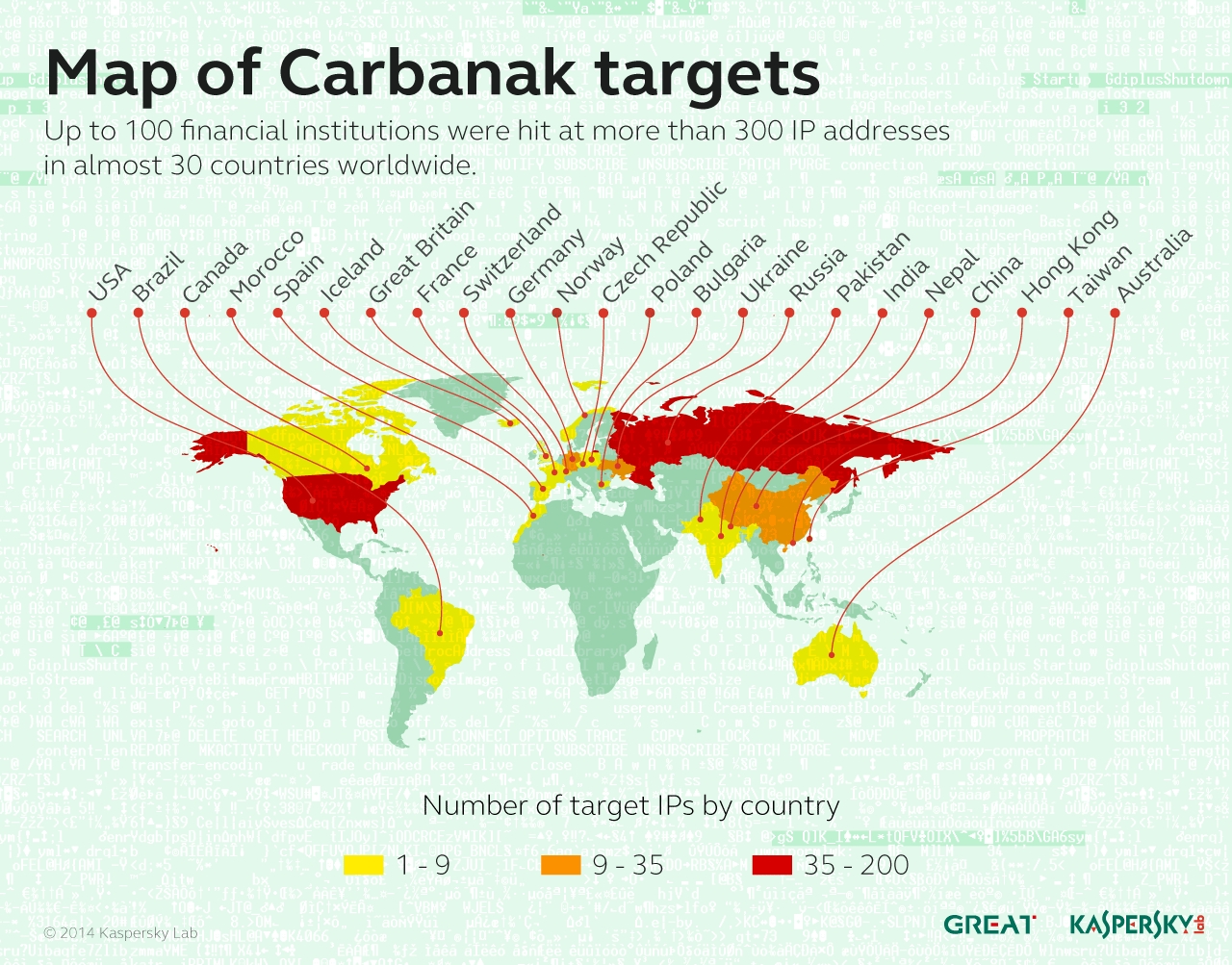
    Hackers pulled a ridiculously high-profile Hollywood-styled heist as they broke in the accounts of about 100 banks over 30 countries, including India, China and the US, and duped them of $1 billion. It was a group of cyber-criminals from all over the world executing this hack over a period of two years.Carbanak Targets

    It is beyond incredible how they left absolutely no virtual trail behind them, despite the humongous size and the long period of time involved in the heist. The attack which took place earlier this year in February was called an “unprecedented cyber robbery.” The criminal gang was dubbed ‘Carbanak’ by a Russian security firm, and is believed to include members from Russia, Ukraine, Chine and Europe.

    5. When Irani Hackers Had a Field-trip with American State Secrets (2015):

    Iran came up with a phony news agency in 2011 called NewsOnAir and used it to draw important details of American bureaucrats using social media and tactics like phishing (when a user is tricked into revealing personal credentials, like passwords, online). Though it hasn’t been confirmed that the hackers are Iranians, the central domain is located in Iran. NewsOnAir Iranian hacking

    This group of hackers used numerous fake identities, like that of Reuters journalist Sandra Maler, to set an entire network online including social media platforms like Facebook and Twitter, as well as WordPress blogs, to get in touch with important US officials.

    Though it is unclear exactly how much data was lost, iSight Partners, a cybersecurity consulting group, comments, “a vast amount of social content was compromised in addition to some number of log-in credentials”. If reports are to be believed, this campaign has definitely been one of the most elaborate hacking operations ever.

  • Find Out the Darker Side Of Cartoons You Watched Growing Up

    Find Out the Darker Side Of Cartoons You Watched Growing Up

    90s kids, this one is for you. Our childhood was different and will always be better than the childhood of kids these days, two of the main reasons being – Cartoon Network and Nickelodeon. These channels were a treat for us all – from Swat Cats, to SpongeBob SquarePants, to Scooby Doo, to Dexter’s Laboratory, to Courage the Cowardly Dog to Teenage Mutant Ninja Turtles to a million more. Do you know what was even cooler? We had conspiracy theories attached to our favourite cartoons. Chota Bheem, you’ve got nothing on us.

    Ed, Edd and Eddy:

    Remember Ed Edd and Eddy? Funny cartoon with three idiots? Apparently everything wasn’t so sunny in the Peach Creek Estates. The theory states that everyone in the neighborhood actually died in a different time period and was sent to roam the cul-de-sac of Peach Creek Estates (the land they once lived in their former life). Just to think that every character has a dark past might shatter your childhood. But let’s delve into it anyway.

    Rolf:

    The first person to ever live or die in the land that would be later known as the cul-de-sac, was a boy named Rolf. Rolf was a son of a Shepherd who died in 1903; he was trampled to death by his bull who had broken out of its cage. According to the theory, he took along his farm animals even after his death and continued to take care of them on a daily basis.

    Rolf

    Johny:

    Now, right after Rolf’s death, a boy named Johnny and his family moved into the same farm Rolf and his family lived in. Way to go, Johnny and his family -everyone wants to live in a place where people have recently died, right? Anyway, Johnny had created this plank to compensate for the lack of friends and abundance of free time he had. Plank would go on to stay with him, even after he died of tuberculosis in the year 1922.

    Johnny

    Eddy:

    Moving on to one of the main characters – Eddy. Eddy was originally from New York, however he moved to ‘the neighborhood’ in 1932. During this time, the Great Depression was going on, and Edd became a schemer in order to get away from his real life. He died in 1939, by drowning in a river, while trying to run away from a group of children he had tricked.

    Eddy

    Ed:

    Ed and his sister Sarah were born in the late 40s; this was during the time when cul-de-sac (the neighborhood) was starting to take shape in the post war era. However, they had a difficult childhood while growing up during World War II. Sarah and Ed had different ways of coping with the fact that their mother was never home – Sarah became controlling in order to assert her position, and Ed became an introvert who delved into his parallel world filled with comics and movies. They both died in a car accident, while they were driving to their grandparents’ house.

    Ed and Sarah

    Edd:

    Edd, the third main character of the cartoon, is said to have been brought up by two extremely controlling parents. This influenced his life deeply, and he went on to follow their footsteps intellectually but remained shy and timid. He died in 1986, when a gas leak occurred while Edd was experimenting and caused an explosion which blew him and his house altogether.

    Edd

    We could go on about all the characters but that would be quite nonsensical for you to read. Therefore, here is a short YouTube video explaining the entire mystery to you. Hint: Nazz has a very dark past and the Kanker sisters are supposed to be the devil’s daughters –

    Rugrats:

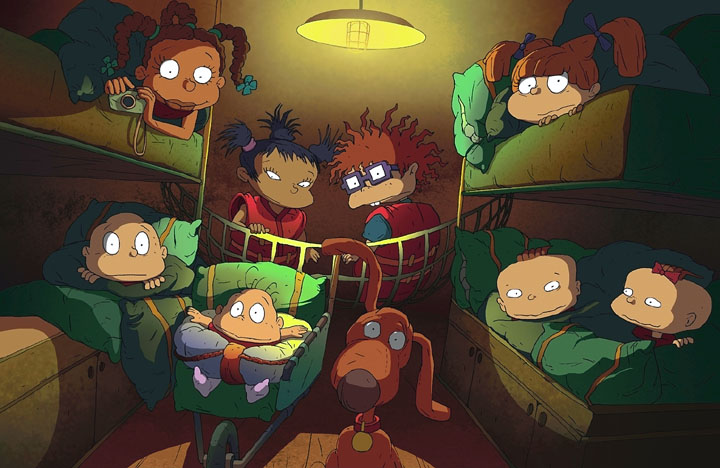
    This lovely cartoon that shows us the perspective of babies definitely kept us hooked for a while. But, obviously there is a morbid conspiracy theory behind it and it mainly revolves around Angelica – the oldest kid who enjoys terrorizing her cousin Tommy and his friends. The popular theory that is based on the cartoon, tells us that everything in Rugrats is actually based on Angelica’s imagination who was suffering from schizophrenia.

    According to this theory, Tommy is a stillborn and his father, Stu never really gets over that. Coincidentally, Stu is constantly making toys in the show; which could be explained as a coping mechanism to deal with the loss of his son. As if that wasn’t enough, Phil and Lil (the baby twins) were created because the Devilles (their parents on the show) had an abortion, and since Angelica did not know the gender of the baby, her imagination conjured both a girl and a boy. Additionally, Chuckie and his mother are actually dead. Funnily enough, Chuckie’s father, Chaz is always portrayed as neurotic on the show.

    After all of this, you’re probably wondering whether any of it was even real, well apparently there was one real element – Suzie. Suzie is Angelica’s friend who played along with her friend’s made up baby friends, because she did not want to hurt her. This explains why Suzie is the only person, apart from Angelica, who is able to talk to the babies.

    Once again to explain things better to you we have a video, that you should watch. P.S. The theory extends even to the Rugrats side series – All Grown Up.

    Yes, we did live in a different time, where cartoons made us curious about words that we might not have understood then.

  • Genetics of Your Future Children Can Be Determined

    Genetics of Your Future Children Can Be Determined

    Hitler tried it, so did Soviet Russia, Hollywood cannot get enough of it and countless people still endorse it all over the world. Debates around the topic just don’t seem to end. Here’s a look at what eugenics is all about. Eugenics

    What is Eugenics?

    Eugenics refers to an attempt to improve the over-all quality of the human species by choosing which traits are to be passed on to the other generation. It basically is a borderline messed up concept about closely altering the genetic make-up of future generations.

    How Recent is the Idea of Eugenics?

    Not recent at all. The beliefs and principles of eugenics have been around since the time of Ancient Greece. However, modern eugenics date back to only as late as the 20th century. It began with Britain and spread to many parts of the world including the United States.

    Messages about eugenics during the 1930s in an American city.
    Messages about eugenics during the 1930s in an American city.

    Hollywood, because that’s how it rolls:

    Hollywood never disappoints when it comes to taking sci-fi theories to random levels of creativity and imagination. Two iconic products of this industry based on eugenics are the Ethan Hawke-Uma Thurman starrer Gattaca, and the 1917 film the Black Stork. The latter film was re-released in 1927 under the title Are You Fit to Marry?

    Uma Thurman as Irene Cassini, a eugenically conceived character in Gattaca
    Uma Thurman as Irene Cassini, a eugenically conceived character in Gattaca

    Eugenics in Politics:

    The most significant example in this case is that of Adolf Hitler and his campaign of ‘purifying’ the German race by the mass extermination of Jews. One of Hitler’s main goals was to preserve, or as he saw it, the purity of the Aryan German race as he went ahead to categorise large groups of people as “life unworthy of life”. Who else is glad this isn’t 20th century Germany?Hitler's letter to Perkins

    The USSR has as disturbing a history as Germany when it comes to eugenics. It began as a systematic field of study in the 1900 with the Imperial era and lasted significantly right until the end of Stalin’s reign in 1939, when it begun to be viewed as a ‘fascist science’. It started as discussions on heredity, diversity and genes in the early 20th century and went ahead to become a full-fledged scientific discipline with societies and periodicals within a couple of decades. Though Stalin’s period saw the last of it, narratives about Russian eugenics are still prevalent in contemporary times.

    Eugenics -the Foundation of Transhumanism:

    We recently spoke about transhumanism and how this movement attempts to make the human species efficient with the use of technology. Transhumanism in a way, therefore stems from eugenics -a belief which conceives a world made of only the strongest and the best of their species, which in turn means getting rid of the weak and the inefficient.Transhumanism and eugenics

    Science has convinced us of its tendencies of being more than just disturbing -with phenomena like Artificial Intelligence, transhumanism and eugenics. There is also a sense of elitism among eugenicists who believe how some races are superior to others and therefore their existence should be privileged at the expense of other races. 21st Century Wire sums it up aptly when it says,

    Eugenics rests on a necessity of there being superior and inferior genetic pools in the human population. It might be very socially unacceptable to speak publicly of there being some races, ethnic or cultural groups who are inferior to the rest, yet in secrecy this is exactly what elite Eugenicists believe.

    eugenics-aborted-russia-denies-the-legal-righ-L-ydHZybEugenics too joins the fray of one of the many theories and propositions ricocheting in the world right now. There has never been a consensus about it and it doesn’t seem likely to be reached in the near future. Do you think you’d be okay with genetically altering your progeny if it meant they would be the best of their kind, or would you rather let nature take care of it like it has done so far?

  • Dummies’ Guide to Transhumanism: Epic or Epic Fail?

    Dummies’ Guide to Transhumanism: Epic or Epic Fail?

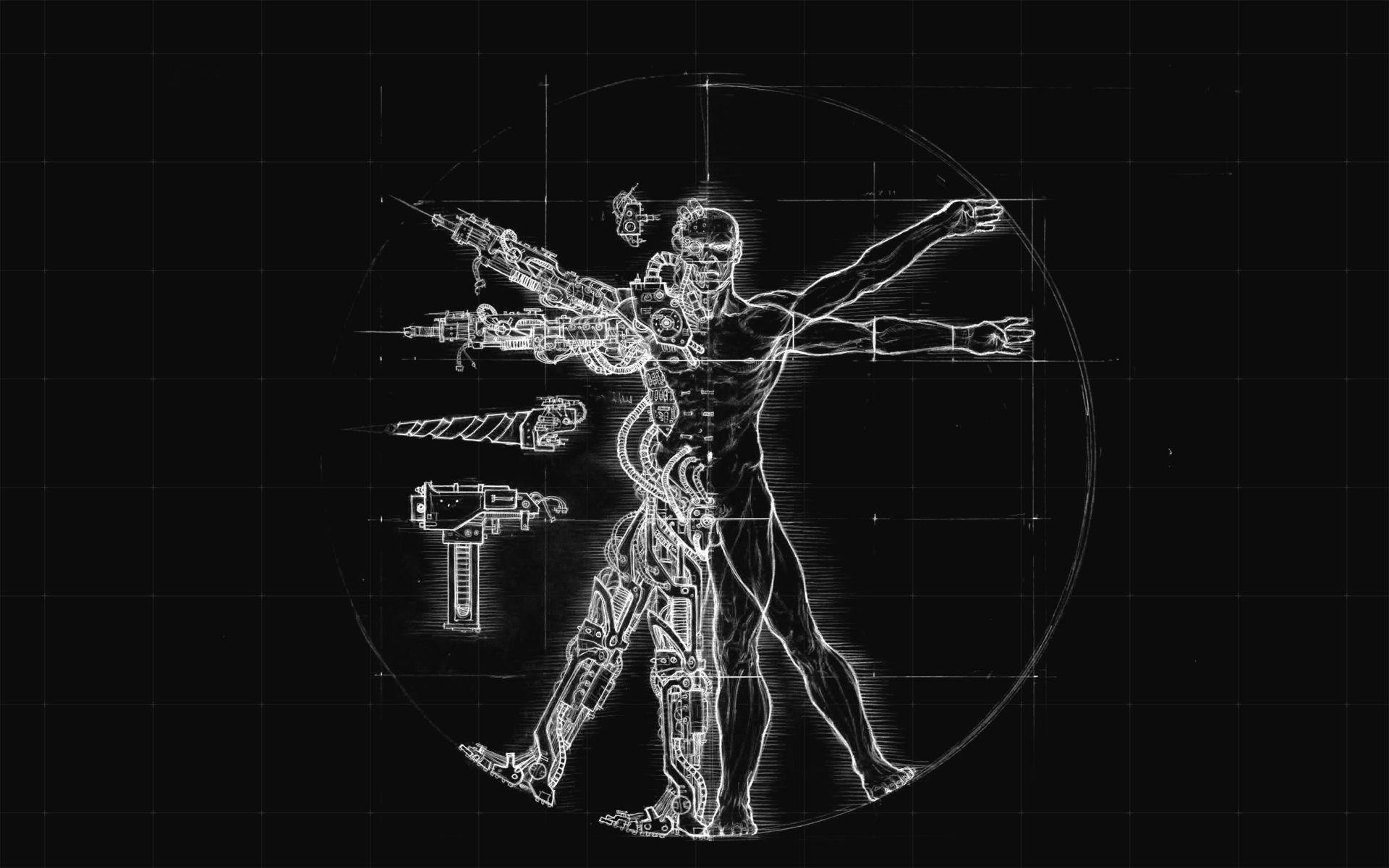
    If there was a way for humanity to achieve a stage where there were no diseases, viruses, human frailties or any form of intellectual incompetence, why wouldn’t you want to stretch your hand and grasp it? But how far would you stretch it -is the question. Would you be willing to let go of humanity as we know it today? Transhumanism

    The intricacies and nuances of the discussion are, of course, endless. Reasons both for and against it are just as meaty and relevant on both sides. Let’s begin with what Transhumanism essentially aims to achieve.

    Internationally accepted symbol of transhumanism.
    Internationally accepted symbol of transhumanism.

    Transhumanism:

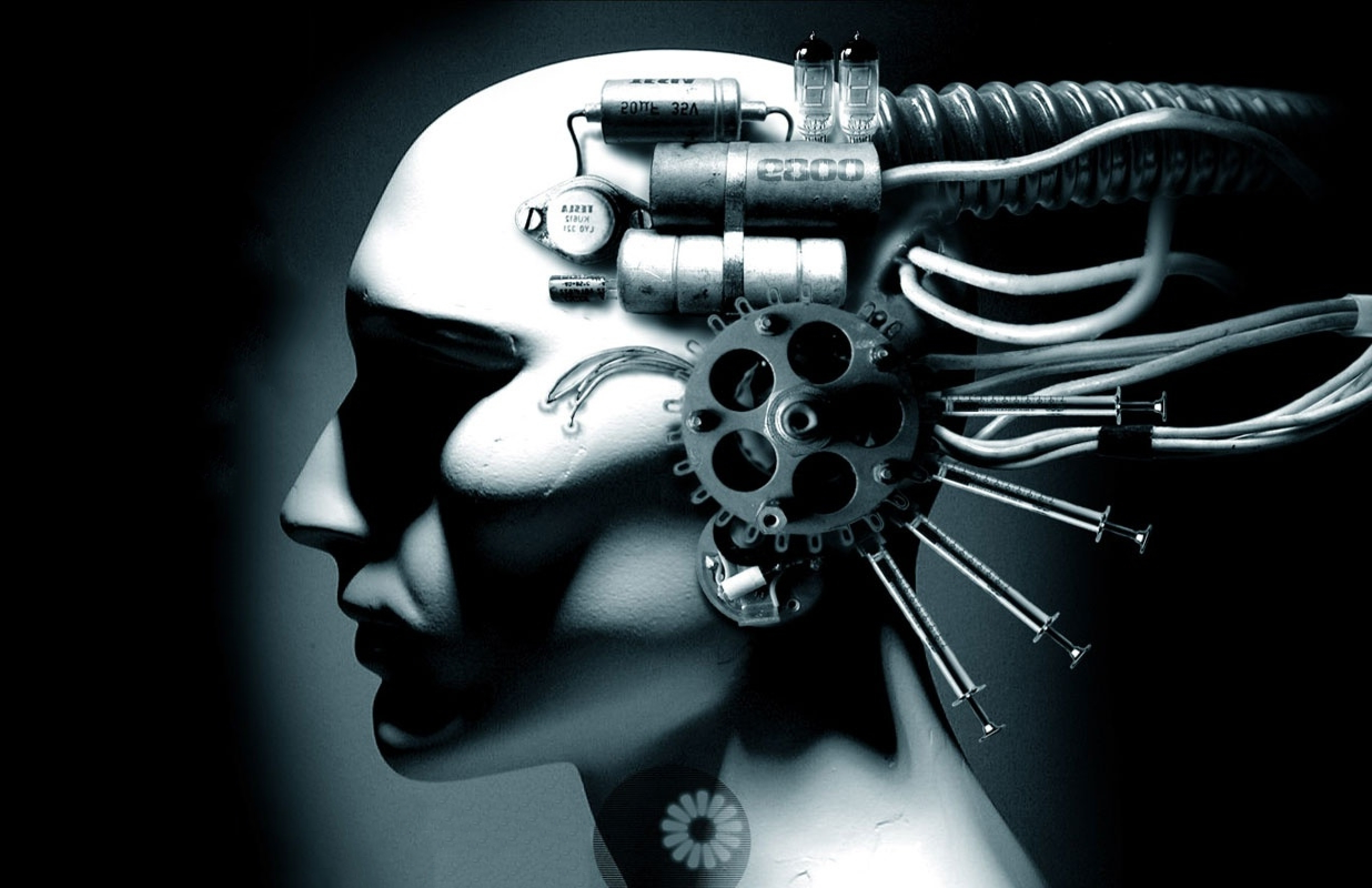
    Transhumanism simply refers to a philosophy which seeks to improve the efficiency and capability of mankind using technological advancements. If you’ve ever wondered about cryogenics, you’ve had a brief fling with the notions of this philosophy. If evolution has led us to where we are today as a species, what should stop us from taking over from here and determining where we go next?

    Achievements of Transhumanism:

    Lasik eye surgery: Poor eye-sight is a handicap in itself and anybody who has suffered from it would understand the importance of the convenience of leading a life where glasses are not required for clear vision. Needless to say, Lasik eye surgeries have made lives easier for many people with zero or negligible side-effects at an affordable price.

    Human technology

    Vaccination: Diseases like Smallpox and Rinderpest have been completely eradicated with the help of vaccinations. An enhanced immune system and protection from disease causing viruses is an outcome of scientific as well as technological advancements, thereby part of transhumanism.

    Hearing Aids: Technology has ensured to set right impairments wherever it can, and this includes partial or complete deafness. Hearing aids have been around for a while now and have changed the lives of countless people all over the world.

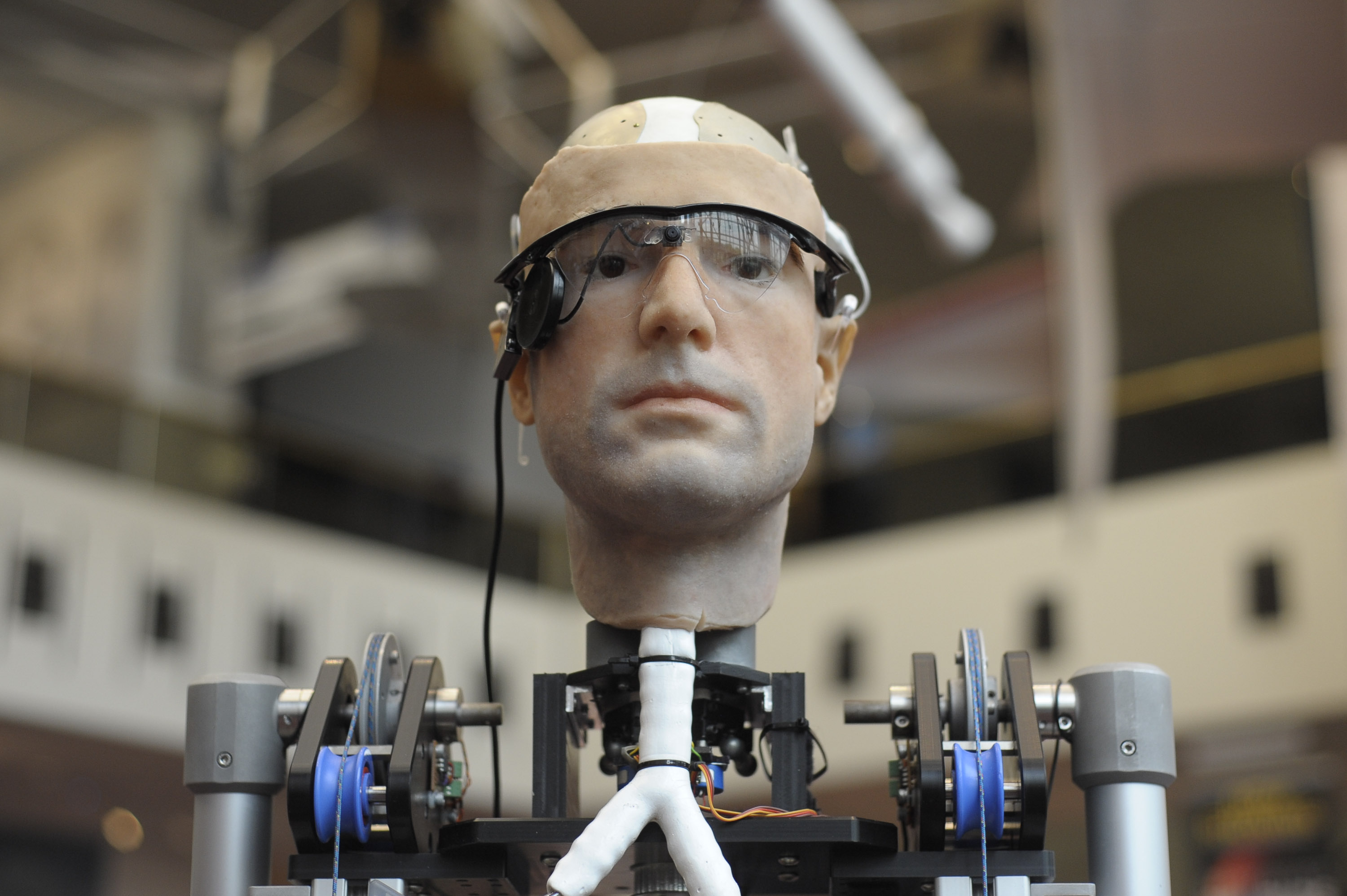
    A bionic man specimen in Washington.
    A bionic man specimen in Washington.

    Artificially Developed Limbs: Another contribution of transhumanism is prosthetic limbs. They have been developed as a direct offshoot of technological advancements for those who have undergone any kind of bodily amputation. It is an ever growing, ever expanding field of the medical industry and continues to make improvements with every passing day. Bionic men and cyborgs don’t seem that far a reality in contemporary times, do they now?

    Iron Man: Need we say more? Go ahead and feast your eyes post all that serious tech-jargon.

    "Marvel's Iron Man 3" Tony Stark/Iron Man (Robert Downey Jr.) Ph: Film Frame © 2012 MVLFFLLC.  TM & © 2012 Marvel.  All Rights Reserved.

    A Cool Example of Transhumanism:

    Transcranial direct current stimulation (tDCS) has been the talk of the town for a while now. This is a technique for speeding up reaction times and learning speed by -wait for it- supplying your brain by a very weak electric current. It has been practised by the US military to train snipers. This practice has its fair share of haters, and with good reason. But that doesn’t make it any less intriguing.

    A Not So Cool Example of Transhumanism:

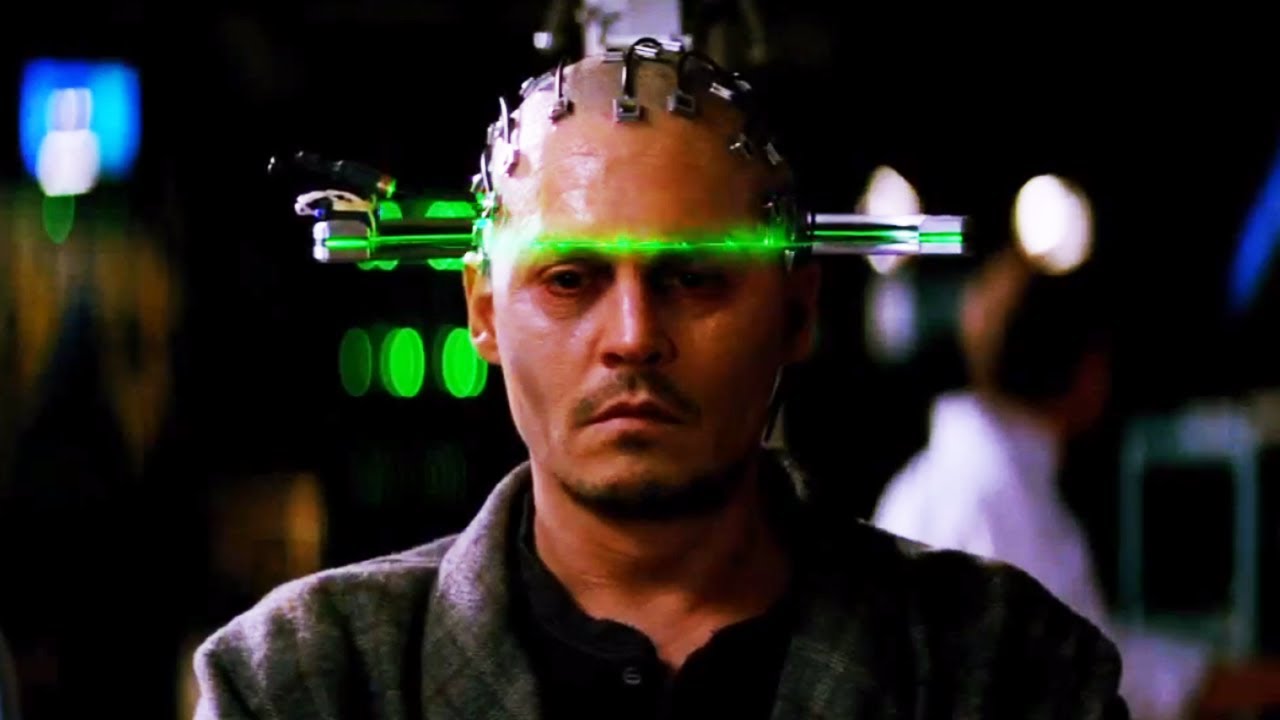
    Transhumanism grapples with the idea of uploading your memories and thoughts to a computer -a la Dumbledore and his pensieve, just not as cool and a more than a little disturbing. Hollywood has given us enough examples on how wrong this can go, latest being the Johnny Depp starrer Transcendence.

    Johnny Depp in Transcendence
    Johnny Depp in Transcendence

    Potential Pitfalls:

    Growth and Stagnation: Transhumanism is often viewed as the epitome of growth and progress. Transhumanists believe humans are a work in progress of sorts and therefore why should our current stage be the final stage of evolution? Why shouldn’t we control the direction of evolution from here? The instinctive human need is to move forward, develop and evolve, but what if transhumanism is not a step towards evolution but towards stagnation instead?Transhumanism1

    If we truly manage to achieve a world with no diseases, perfect immunity and consequently, a drastically reduced or nil death rate, it would be interesting to see what becomes of our overly-populated planet. If we decide to let go of procreation to deal with the problem of limited space, it leaves us with a world frozen in stagnation. Not exactly what we had in mind when we set out with the growth proposition, is it now?

    Dehumanization: Humans would cease to be what they are the moment external tampering with not simply a body part but the very core of existence begins, which is what transhumanism aims at. However, we are not sure if that’s exactly a bad idea or not.Transhumanism

    Inequality: The fact that technology would be used for enhancing intelligence or the mortality rate also implies that it would entail a certain financial cost. This inadvertently means that money would determine intelligence and mortality of an individual, once again sparking off a whole set of debates about the consequent inequality this will lead to.

    Transhumanism
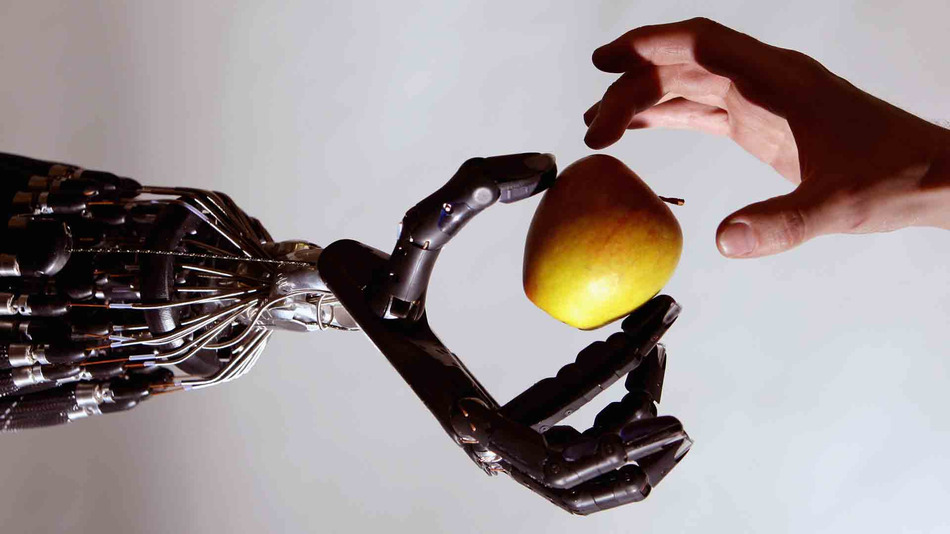
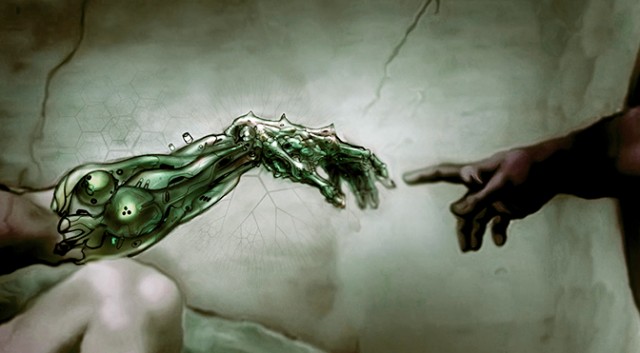
    Android arm and human arm: A transhumanist version of Michaelangelo’s Creation of Adam

    The Unknown Ahead: Honestly, no one has any clear idea of where we are headed with transhumanism. Those who endorse it may conjure up eutopic visions of a perfectly healthy and prosperous society, but the opposite side of the spectrum is also taken care of by those who reject transhumanism. Something as small and apparently harmless like smartphones have completely turned our lifestyle on its head, and given rise to a parallel reality of the virtual world. Let’s see where we end up with transhumanism.Transhumanism

    A world of  eternal life, superhuman strength, complete eradication of diseases and highly advanced mental faculties is what transhumanism seems to be offering. It has insidiously embed itself in our lives with present technologies like genetic engineering, information technology, and those in their more nascent form like molecular nanotechnology and artificial intelligence; all of it is a part of transhumanism. The question is, how much you will be willing to risk or get absorbed in.

    Let us know in the comments below.

  • 6 Tech Achievements Predicted by Back to the Future 2

    6 Tech Achievements Predicted by Back to the Future 2

    Our apologies for focusing on Apple and Samsung for so long when there are people out there making hover boards. The world needs more hover boards and other technologies that Back to the Future expected from 2015.

    Yes, we are celebrating the 30th anniversary of the cult and cultural phenomenon that is Back to the Future. Released in 1985, the first Back to the Future was all things groundbreaking, had everything a science nerd could ask for including a time-travelling DeLorean, Marty McFly and Doc Brown, ’nuff said. The massive success of the first movie led to a trilogy.

    If you watched the equally awesome sequel, Back to the Future Part 2 (1989), you’d remember that Marty traveled 26 years into the future, or more precisely, October 21, 2015. And that’s today. Fans of the movie have been eagerly waiting to see if the 2015 as shown in Back to the Future 2 matches the 2015 of today. The movie promised flying cars, flat TVs, hover boards, Artificial Intelligence and a championship season for the Chicago Cubs. Well, we can’t say much about the Cubs, but how about all that technological stuff?

    Flat TVs are already here and have been here for a while, so we can check that off the list. Flying cars are still a way off so we might have to wait a few more years before that can happen. It’s the 21st of October, 2015, so let’s see if our present is what Marty saw 26 years.

    Hover Boards

    One of the coolest moments in the sequel was when we saw Marty riding a hover board. Back in the ’80s this was a pretty exciting scene on the big screen mostly because people were only aware of a normal skateboard. For fans like myself, this remained something awesome even in the early ’00s.

    The hover board needed three specific requirements to work: the ability to hover above ground, the ability to bear your weight, and the ability to last long. While these aspects were seen fulfilled in the movie, it took a long time for reality to get there, but we finally did get there. There are a number of prototypes today that have actually succeeded in making the hoverboard a reality.

    Take the Hendo Hoverboard, for example. In 2011, Greg Henderson invented a hover board that used four maglev engines to rise about an inch off the ground and a 135-kilogram payload. However, the battery lasted only about seven minutes. But this was just the start. Unveiled in August 2015, the most recent hover board created by Lexus is undoubtedly awe inspiring. It’s a prototype hoverboard that uses magnetic levitation technology. The board has two reservoirs of superconducting material that’s kept at -197 degrees C through immersion in liquid nitrogen and can be operated when placed above a track that contains permanent magnets.

    The video showing the board in action makes you want to scream out “Great Scott!” like Doc Brown. Watch the it below and imagine how Marty would love getting on to one of these babies.

    https://www.youtube.com/watch?v=ZwSwZ2Y0Ops

    Artificial Intelligence

    Mart, Doc Brown, and Biff speak into computerized gadgets and the devices respond intelligently. Sound familiar?

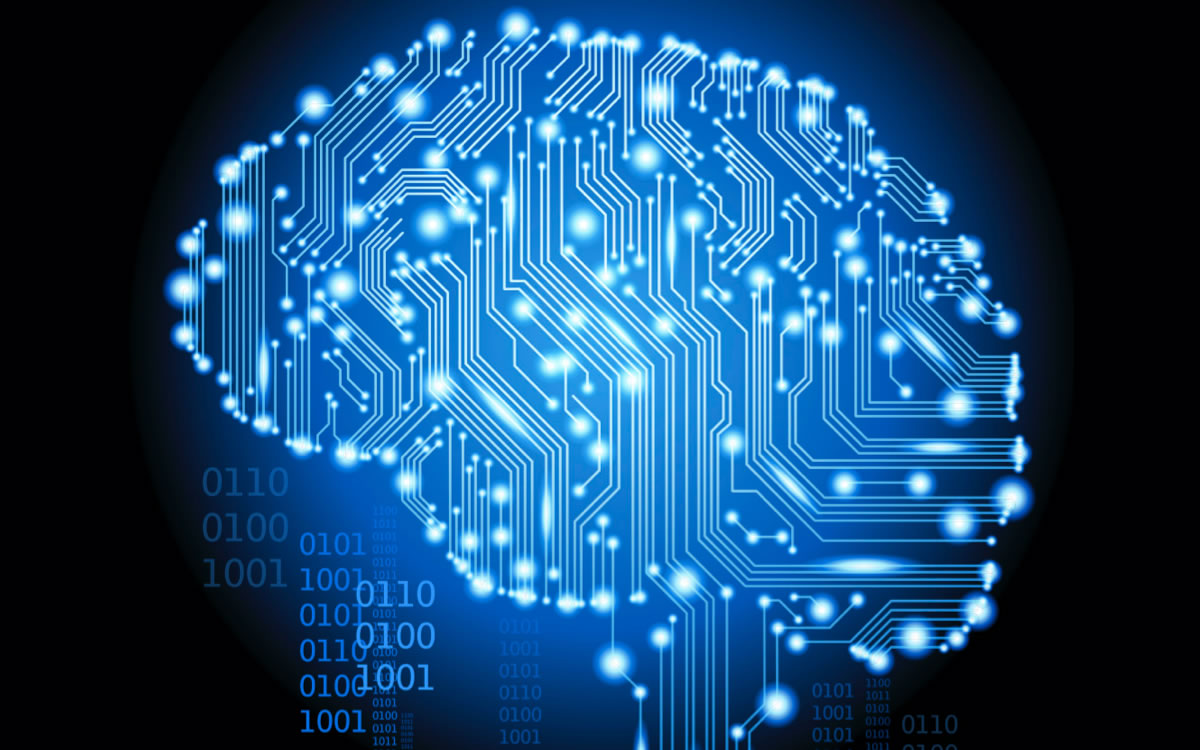
    Way before Siri even entered the picture, artificial intelligence already made its appearance on many sci-fi movies, and of course, Back to the Future as well. AI is a process of ‘deep learning’. The ability for a computer to understand human language and respond precisely is something almost every major tech brand today is working on to perfect. AI assistance like Siri and Cortana (first seen in the Halo series) have all drawn inspiration from movies like 2001: A Space Odyssey which featured HAL, the computer in charge of the spaceship.

    AI has come a long way and today it’s become extremely intelligent. And yet, AI knows no bounds. Developers are still exploring, looking at how far and wide AI can reach. Today, AI looks to please consumer needs, so much so that physicists like Stephen Hawkins worry about intelligent machines taking over the world.

    Fingerprint Biometrics

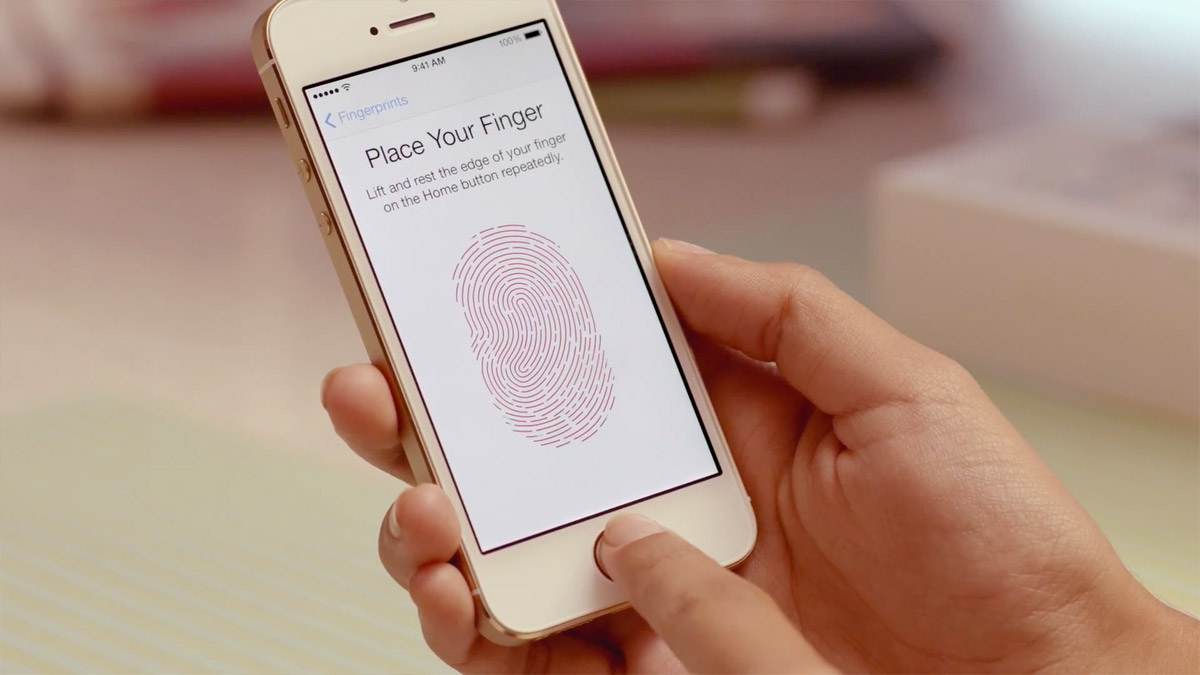
    In the movie, when police officers dropped the 1985 Jennifer to her 2015 home, they had to use her thumbprint to enter the house. The door did not have a typical door knob lock. The thumbpad was also seen on currency devices used by taxi drivers in the movie.

    Back-To-The-Future

    Biometric doorknobs are currently present in the market and work just like they do in the movie. Even smartphones and other gadgets use fingerprint scanners these days for a variety of purposes including that added safety that you need to keep your device protected.


    Visual Displays

    Throughout the movie, you find a number of visual gadgets being used for a number of reasons. You have a flat-screen TV for video conversations, robotic waiters in the shape of flat screen monitors, and you also see a tablet.

    B2F

    Small flat-screens have have been in existence since the 1960’s, but it wasn’t until 2005 that the LCD and Plasma screen TVs took over the traditional Cathode Ray Tube TVs, and could also be mounted on walls like you see in the movie.

    Back_to_the_Future_II

    Now for tablet computers. In the movie, Terry walks up to Marty and asks him to pay via a thumbprint on a pad. It’s interesting to see that the thumbpad is mounted on what looks like a tablet computer. Many years after this you would see Apple making the very first tablet called the iPad.

    Wearable Technology

    Back to the Future 2 also foresaw visual glasses. In a dinner scene with his future kids, Marty Jr. and Marleen are seen sporting electronic video glasses that can also make and receive phone calls. Interestingly, the scene also shows Marty’s mom hydrating a 2-inch pizza in a Black&Decker machine to a size that could easily feed four. Sadly, this technology has not yet been invented in reality by the company yet.

    In recent years, we have seen Google trying to create tech goggles with Google Glass. There’s also the more popular Oculus Rift gaming headset. With these devices in the works, virtual reality is not far. Microsoft also recently announced HoloLens which is supposed to bear some resemblance to junior Marty’s glasses.

    Microsoft Hololens
    Microsoft demonstrating HoloLens

    Self-tying Shoes

    Marty’s self-tying shoes were one of the more bizarre but neat inventions when he visited 2015. As the name suggests, they were shoes that could tie the laces by itself, and they were Nike. As a homage to the movie, Nike designer Tinker Hatfield has confirmed that the team is working on the very same self-tying shoes as seen in the movie and hopes to have them ready for sale by the end of 2015. It’s a beautiful thing when fiction meets reality, isn’t it now?

    B2F (2)

    Nike Shoes


    Finally, we had to add this last one in because it’s too brilliant to leave out. Among the things Marty saw in 2015, there was Jaws 19 being shown at a theater. Let us assure you that there is no Jaws 19 in existence and the series ended with only three sequels being made, none of which were as commercially successful as the original.

    Jaws 19 was one of the few false predictions in the movie (no flying cars yet), but that didn’t stop Universal Pictures to release a trailer for a fake Jaws 19 movie in celebration of Back to the Future’s 30th anniversary. The trailer is hilarious and you can’t help wonder at how spot on the naming of the titles are if it were true.


  • Evolution of the Camera: From Dark Boxes to Selfie Sticks

    Evolution of the Camera: From Dark Boxes to Selfie Sticks

    It all started with a desire to capture a moment, to freeze it in time and space -to get back to when the heart thus desired once again. And that is how, ladies and gentlemen, the thought of the first photograph, even though that’s not what it was called yet, came to be. The thought led to efforts which led to results and one fine day, humans had discovered a way to record memories, which they eventually chose to call photography.

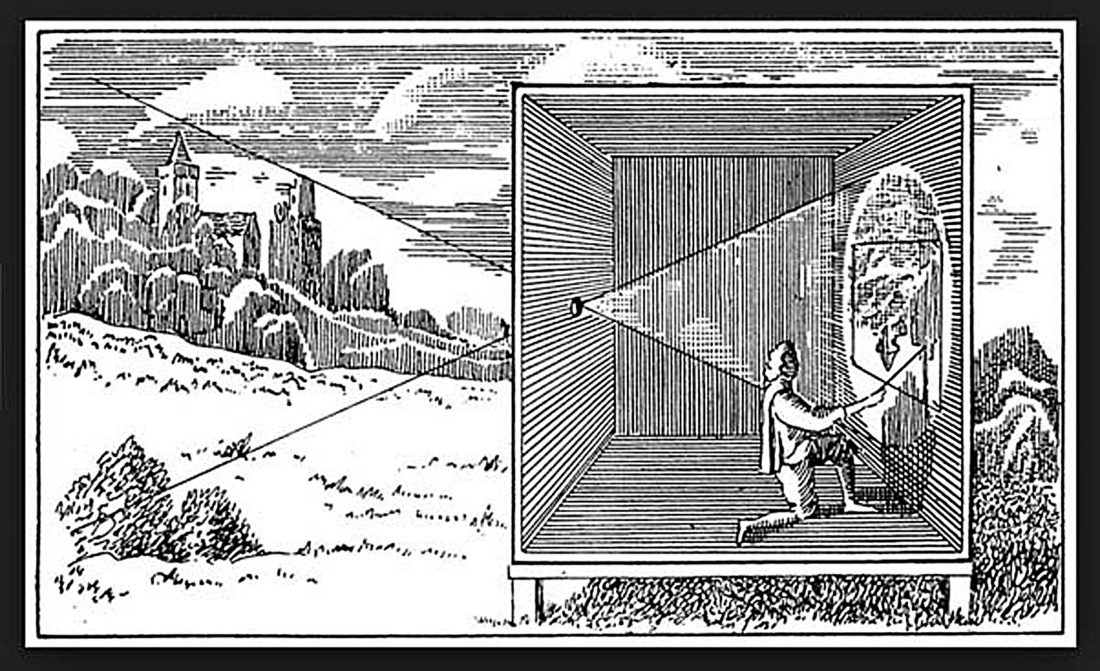
    However, cameras came into existence much before photography. It all started with the camera obscura -a Latin term which translates into ‘dark room’.

    Camera Obscura:

    It was the very first device that led to photography and the innovation of the camera. Optical in nature, it would allow light to pass in a dark box or room through a hole on one side and then use it to capture photographs, as they existed back then. This device dates back to 470 to 390 BC, its earliest extant written record found in the writing of Mozi, the Chinese philosopher. Camera Obscura

    The Very First Photograph:

    The first ever successful photograph of a camera image was developed by  Nicéphore Niépce in 1816 using a camera he had made himself. However, the photograph was not permanent and eventually ended up getting darkened due to repeated exposure to light necessary for viewing it.

    The Daguerreotype Camera:

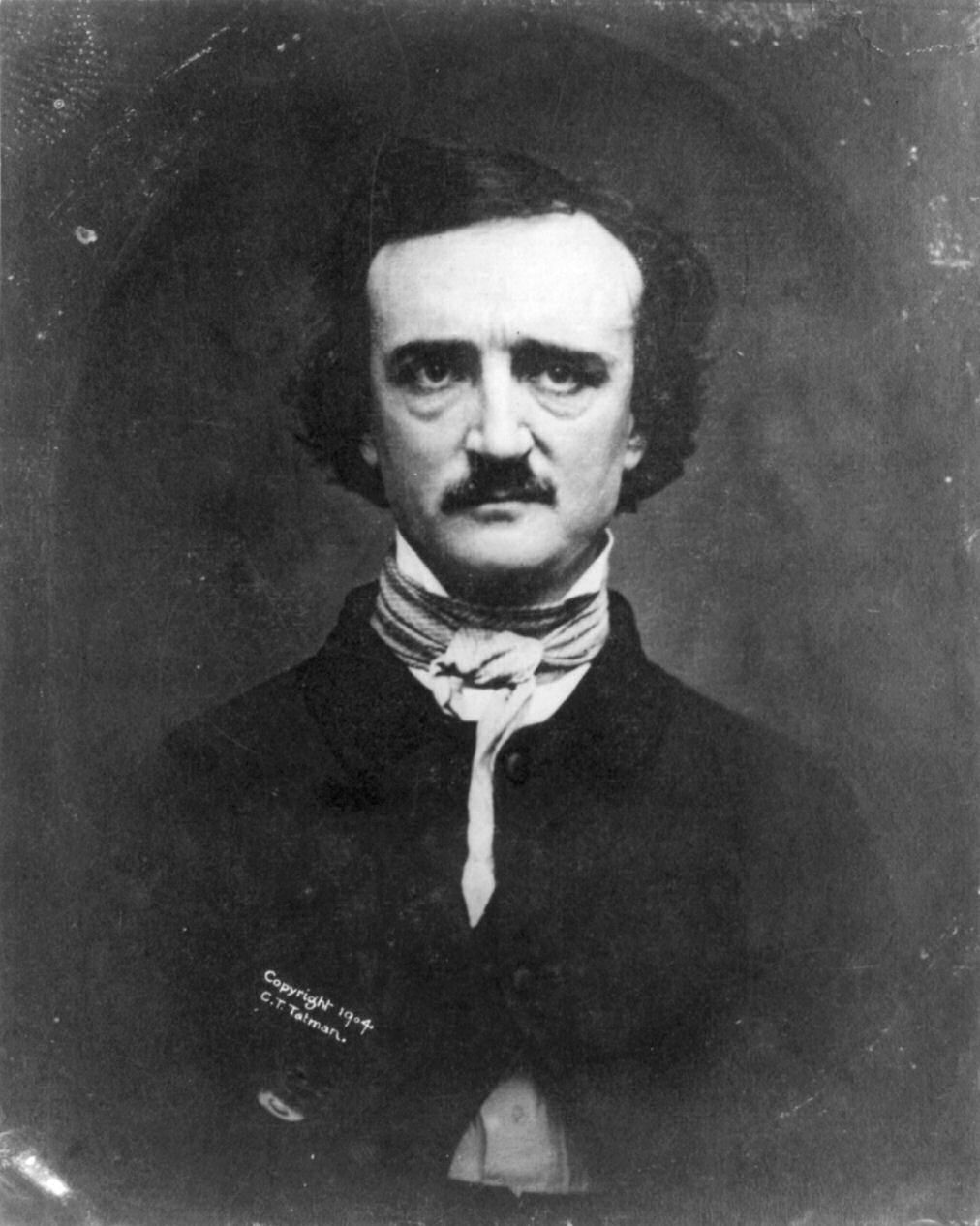
    Next came Louis Daguerre, a French artist who found a way to store the finished image on a shiny mirror finished copper plate treated with chemicals. Daguerre shared his technique with the public in exchange for a life long pension. It was later used in the film cameras of the past as well. By 1850s, there were over seventy daguerreotype studios in just New York, and the face of photography had changed forever.

    A daguerreotype of Edgar Allan Poe in the nineteenth century.
    A daguerreotype of Edgar Allan Poe in the nineteenth century.

    Birth of Photography:

    There were several significant developments in the realm of photography starting with negative to positive processing by a contemporary of Daguerre. This was followed by tintypes -a thin sheet of iron used for light sensitive materials, and therefore helped in obtaining positives, wet plate negatives, dry plate negatives and finally, hand held cameras. Cameras now became less bulky and a little more convenient to carry around. By the second half of the nineteenth century, a flexible roll film had also been invented by George Eastman which finally allowed for a mass-produced box camera.

    Coloured Photography and Twentieth Century:

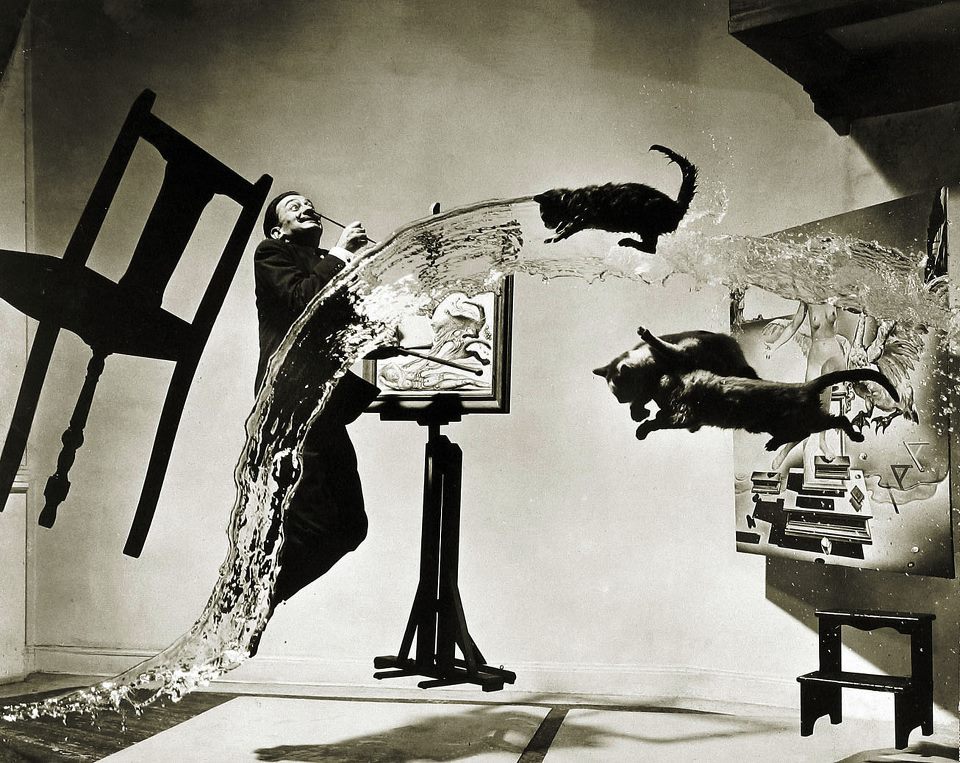
    The second quarter of the twentieth century brought with it coloured photographs within the reach of users when coloured films became commercially available. Twentieth century also marked the confluence of different art forms in a more significant way than before. Overlaps between photography and painting were no longer unheard of. One form drew from another.

    Photography meets painting: The photographer threw around objects for hours to get the perfect Surrealist shot with Salvador Dali.
    Photography meets painting: The photographer threw around objects for hours to get the perfect Surrealist shot with Salvador Dali.

    The first coloured photographs were so unstable because of organic dyes which were used to colour them, that the image would literally disappear after a while, leaving a blank film behind. Not so cool after-all.  Kodachrome was the first colour film to produce photographs that could last for over fifty years. You know times have changed when instead of performing vanishing acts, images can be stored for eternity.Cameras

    Digital Photography:

    The first breakthrough in this field was made by Canon in 1984 with its first digital camera for still photography, and there was no looking back post that. At the same time, on the turn of the new century, possibilities of mobile phone cameras began to be explored. Photography became a separate, fully-formed realm of art in itself. Debates between its position in the hierarchy of art, especially when pitted against painting continued, but there came a zeal and fervour to be intrinsically associated with photography.

    First digital camera by Canon 1984.
    First digital camera by Canon 1984.

    When photography was first introduced to people by and large, it took several seconds to a minute to click a single photograph. That explains why people would never smile for portraits. One wonders what their views on the contemporary selfie parades would be.Modern day DSLR

    The first important development in cellphone-photography is owed to Apple and its very first iPhone with its pedestrian 2 megapixel camera in 2007. Other tech giants too became part of the race, perfecting their own technology in terms of cell-phone photography until another breakthrough was made in the form of front, or more aptly termed, ‘selfie’ cameras. Next came selfie sticks, with social media not doing much to help the obsession, and voila! Now photography blogs and Facebook pages have declared everyone a photographer.Cameras and Photography

    The whole idea behind technological developments is to make things simpler, easier, more consolidated. But on the contrary, there seems to be an endless deluge of photography paraphernalia in contemporary times. When a bunch of kids were handed over a camera from the previous century, this was their reaction. You might want to sit down for this.

    Cameras have covered an incredibly long journey to be where there are today. It is an art form that continues to evolve and surpass itself. Let’s see where it lands itself next.

  • Top 5 Political Leaders that are Killing it on Social Media

    Top 5 Political Leaders that are Killing it on Social Media

    If you think you’re whiling your life away on social media instead of working on those childhood plans of taking over the world -here’s some comforting news for you -the current leaders of the world are actually doing pretty much the same thing. They have just made it a means to an end -taking to social media platforms in a bid to connect to their supporters. Here’s a quick list at what politicians all over the world have been up to.

    1. David Cameron:

    David Cameron is by far the most interesting name in terms of the recent bloopers made by politicians online. The British Prime Minister keeps his followers entertained as well as the world of internet stocked with memes thanks to his poorly judged selfie timing and interesting typos.

    Did he just? No, he did not. But DID HE JUST!

    Yes, ladies and gentlemen, this is how children were banned and made illegal in England last year. And you thought beef was the issue.

    2. Xi Jinping:

    You know something is just not right when a country bans Facebook (along with Google and Twitter), yet the president chooses to join the social media platform to share posts from his meeting with the American President, Barack Obama. This is precisely what happened in China last month. President Jinping posted updates from his meeting with Obama on his Facebook pagePresident Jinping meets Obama

    This was later followed by updates about a meeting with, ironically enough, Mark Zuckerberg. However, disappointingly enough, the page doesn’t have any selfies of the Chinese president.

    3. Angela Merkel:

    German Chancellor has already made attempts to tackle racist posts on Facebook, by raising her voice against them through her Facebook page. Merkel also maintains an Instagram blog called Bundeskanzlerin

    Angela Merkel with the Indian Prime Minister Narendra Modi
    Angela Merkel with the Indian Prime Minister Narendra Modi

    Once again, however, the blog has no images of selfies or German sunsets. The blog is an impersonal account of Merkel’s professional travels and projects. No wonder Merkel hasn’t been as entertaining as the British Prime Minister with her social media updates. Yet.

    4. Barack Obama:

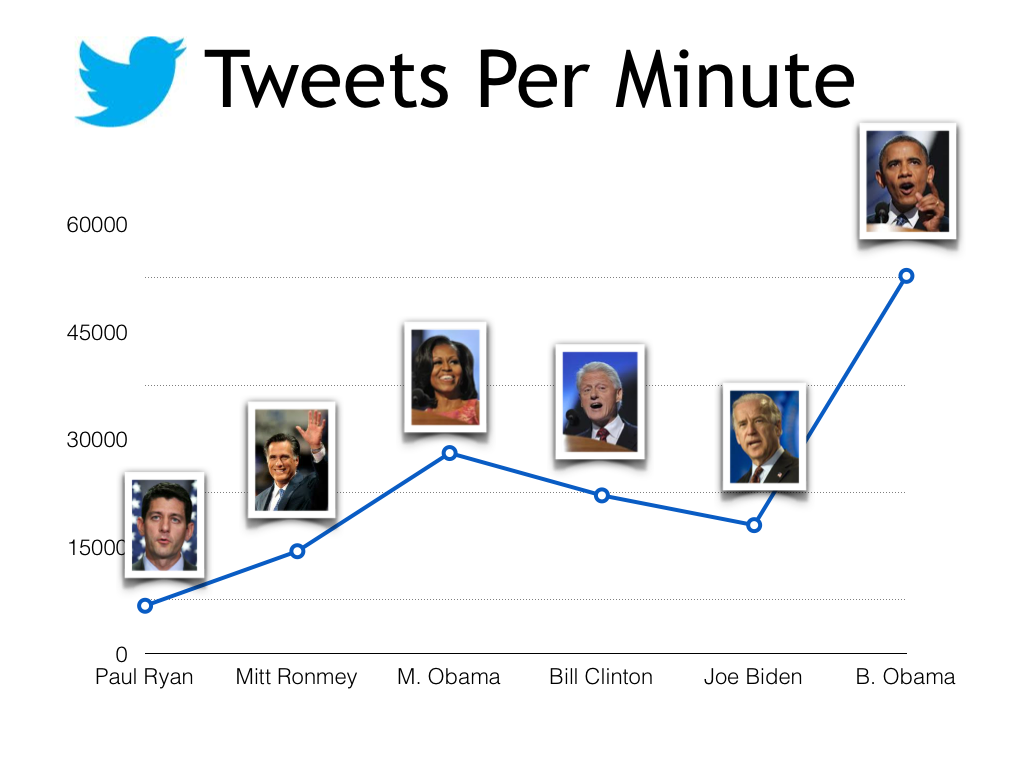
    Barack Obama is one of the most widely followed political leaders on social media. With 64.9 million Twitter followers,44.9 million supporters on Facebook and millions of views on his YouTube channel, Obama has successfully managed incorporate social media in his political campaigns and strategies. Right from the beginning of his campaign, Obama always outdid his opponents like John McCain and Michel Romney in terms of popularity on social media.Barack Obama Social Media

    Even though his sites are run by his campaign staff, personal Tweets are signed “bo” by him. After all, which other political leader mentions details like the Godfather movies as favourites or enjoying spending time with family on their Facebook page? Obama has definitely managed to make his followers feel like they are all participants in the same conversation.

    5. Narendra Modi:

    “This is the first election where social media has assumed an important role and the importance of this medium will only increase in the years to come. It became a direct means of information and gave us the much-needed local pulse.”

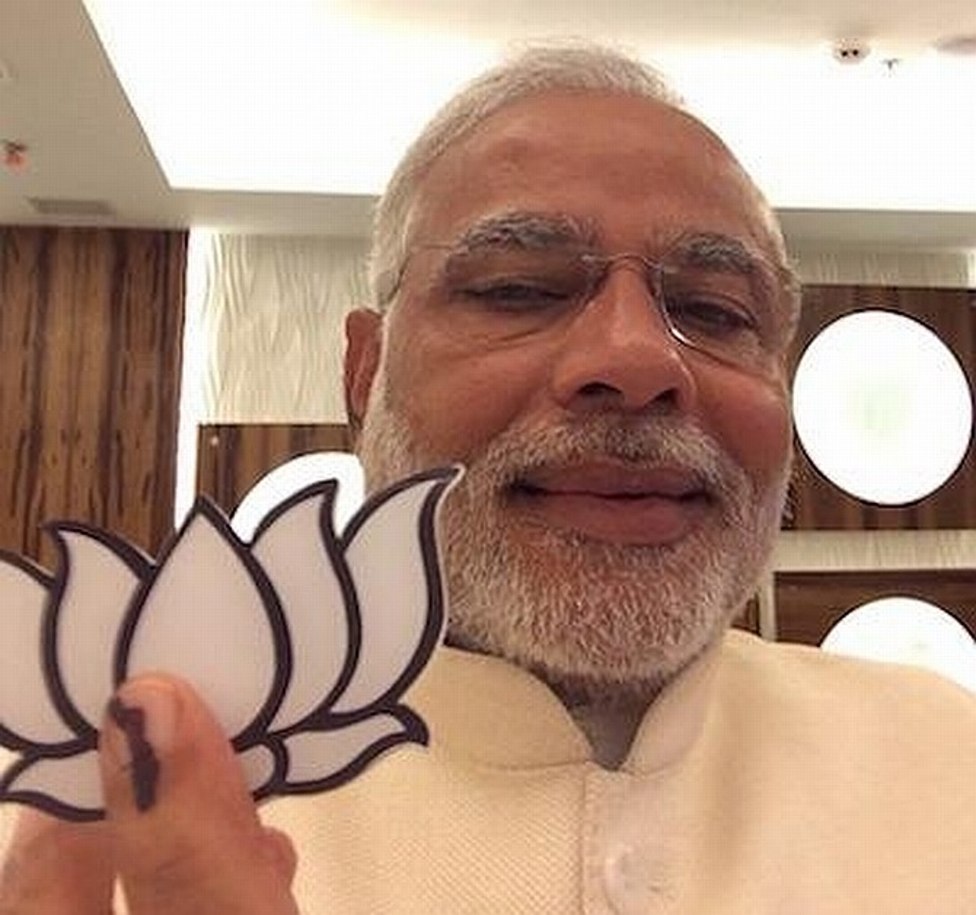
    Narendra Modi had made the statement in a blog post right before the election results. As he became the Indian Prime Minister, his victory message became one of the most retweeted posts on social media in the country.

    Narendra Modi Selfie

    The Indian Prime Minister is quite popular on social media, similar to his American counterpart, Barack Obama. Modi currently has over 30 million Facebook followers and about 15.5 million followers on Twitter.

    If leaders like Churchill and Wilson from the previous century were still around, they would definitely have interesting things to say about contemporary political trends. As more and more politicians struggle to become tech savvy, it is fun, often hilarious, to watch them grapple with selfie sticks and front cameras.Barack Obama clicks a selfie

    Just when you thought it was all about austere dressing and MPs falling asleep in the Parliament, social media happened to change the face of national and international politics forever -but for better or worse? Perhaps only time will tell.

  • Dummies’ Guide to Darknet: The Underbelly of the Virtual World

    Dummies’ Guide to Darknet: The Underbelly of the Virtual World

    It is one thing to drive cheap thrills out of crime fiction and cyber-crime drama, and it’s another to know that all the gore and darkness we have grown up to find in media and art exist somewhere. And then one fine day, someone, or a group of someones, decides to put it up online and voila! We have the Dark Web for you -the realm of the most primeval instincts -where even the Tim Burtons and H.P. Lovecrafts and Chuck Palahniuks of the world tread lightly.darknetDark Web refers to the content on Darknet not indexed by any of the commonly used search engines like Google, Bing etc. It’s often referred to as the subconscious of the internet, where only the Id is at play. Darknet, therefore, is the over-lay network of this data. Neither Darknet, nor Dark Web should be confused with Deep Web which also refers to data not available on the online servers of the ‘pedestrian’ or ‘clear’ internet. Too many darkness, deepness related terms floating around perhaps? Let’s break it all down into simpler categories.

    Darknet for Dummies:The world of darknet.

    Darknet: First up is the background against which all patterns are formed, the sea which inhibits all creatures – Darknet. This refers to that part of the internet which cannot be indexed by Google, Bing, Firefox, Internet Explorer, Safari or the likes. It is almost an established fact that this is that uncharted territory of the virtual world which is hundred times bigger than our, good old ‘clear’ internet we access through Google, Yahoo etc.Inside Darknet

    Deep Web: As exciting as the name sounds, hold your horses there for a bit, the mysterious, disturbing parts of the virtual world are yet to arrive. Deep Web simply refers to content on the World Wide Web, like large databases, libraries and members-only websites, general public does not have access to. Since a major chunk of this is made up by academic resources of universities, you probably have already had a few flings with Deep Web when you tried to access a computer catalogue at a public library or a book store. Remember the lingering anti-climactic feeling in the pit of your stomach right now? Remember it next time you confuse Dark Web with Deep Web.Darknet

    Dark Web: Time for the fun part now, you twisted readers, you! Darknet, as mentioned previously, refers to the content on Dark Web that cannot be indexed by any of the commonly (even not-so-commonly) used browsers. It requires specific virtual pathways for it to be accessed. It’s a realm of absolute anonymity where both the Website publishers as well as the surfers are completely unaware of each other’s identity. While governments and secret services have tried to track down individuals or groups in the past on the Darknet, more often than naught, these efforts have been in vain. Darknet, and therefore by default Dark Web, are part of Deep Web, and refer to the murky, unspoken aspects of it. A dark time on the darknet.

    Dark web cannot be accessed using any of the regular methods. The user needs to use an ‘onion network’ (one which does not reveal who is communicating with whom) to be able to do it. While using pedestrian internet, the server of the website is directly accessed by the user. But this also leaves a virtual footprint of all your activity on the internet which can very easily be tracked back to you. The task of an ‘onion network’ is to break this direct link between the user and the website. When you use the said network, the commands are sent back and forth in a number of intermediate steps, making sure your online trail is not traceable at all.  This is where browsers like Tor become significant.Darknet1

    Tor: Tor, which stands for The Onion Router, was an initiative of the US Navy developed with the aim of gathering intelligence and maintaining adequate secrecy while at it. But the anonymity of the browser ensured that it became a popular hub for darknet users. It’s user-friendly enough to accommodate all darknet-noobs, and a Tor download is simply a matter of two-three clicks. There’s also a version of Tor called Orbot meant for Google Android devices. The New York Times writes on Tor, “when a communication arrives from Tor, you can never know where or whom it’s from.”

    TOREven though Tor is a highly popular ‘onion network’, it’s not the only one. Another example is The Freenet Project. Time for a field-trip to the dingy world of dark web now, anyone?

    Things to be Found There: Nothing sums up this category more aptly than Loucif Kharouni’s statement, “You can find pretty much anything you can think of in the darknet.”

    In terms of percentage, this is what a part of darknet had to offer as of January, ’15 :

    Category Percentage
    Guns 1.2
    Abuse 2.2
    Books 2.5
    Porn 2.75
    Hacking 4.25
    Fraud 9
    Black Market 9
    Drugs 15.4

    As is clear from the survey, darknet is infamous for all sorts of nefarious activities, often defined as ‘criminal’ in the traditional sense of the word. Honestly, it was a little surprising to find any sort of books as part of these Hidden Web services. But then again, there’s never a dearth of illegal, banned items on the literature front. Similarly, it was also surprising to see a part of the internet where porn is not the most popular commodity.

    On the other hand, darknet also harbours the ideology of ‘freedom of information’. It becomes a platform of expression for revolutionaries, anarchists or just, plain simple distraught citizens of a country with draconian censorship laws and tyrannical oppression. In this aspect, darknet offers its own set of potential revolutionaries and reformers.

    Darknet TV Show

    There are ways to hire assassins for individual or group-paid murders on darknet. However such services are nothing more than money-making scams, from what the reports tell us. Similarly, there are also urban legends that talk of ‘Snuff Films’ or live telecasts of stone-cold murders. This sounds more like fiction in the same league as the Canadian TV series called Darknet. At the same time, since it’s the unexplored territory of darknet, who knows where the line between fact and fiction blurs?

    People to be Found There: As mentioned above, Tor, one of the most popular servers of darknet, was developed as a service to be used by the US military and navy. Military operations require secrecy and anonymity as a mandatory, and the most important prerequisite. Darknet, thus, became the perfect site for such exchanges. However the flip-side to this is that it has the potential of being used by ‘terrorists’ or other anti-social elements in the same manner.

    Darknet becomes a platform for a lot of controversial views and opinions being exchanged. Politicians, reformers and anarchists from all over the world use it to voice concerns they would otherwise not be allowed to express without the threat of persecution.Freedom of Information

    In a poll which was carried out with 27,181 people, when the participants were asked if they’ve visited the darknet, it was a puny 22% who replied affirmatively. It was a no for the majority of 78%. Darknet like the subconscious of the human mind, continues to exist and exercise its desires in a world far, far away from the world of happy display pictures, bad cinema and mood altering junk food. If your curiosity ever gets the better of you, this is where you find Tor: https://www.torproject.org/. If you decide to take this plunge, keep in mind you have absolutely no idea where you are headed, and even less of an idea of where you might end up.

    Peace.

  • Anonymous and Technology: A Hoax or Call for Revolution?

    Anonymous and Technology: A Hoax or Call for Revolution?

    As Slater’s character says in USA’s Mr. Robot, “It controls you and everyone you care about… Money…It’s become virtual. Software –the operating system of our world”, technology truly has become a force to reckon with. It’s interesting to see how the definition of technology and all that it entails has evolved over time, eventually becoming a magical entity which suddenly made information on the remotest of topics available just a simple click away.

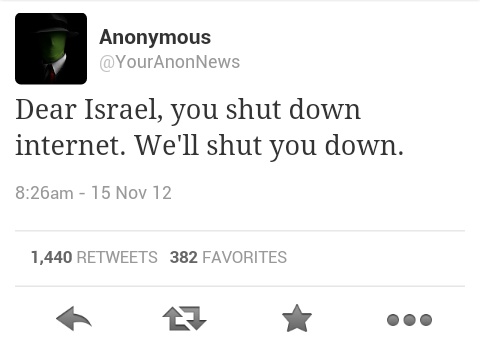
    In an attempt to move away from the fictional world of TV shows to the domain of international politics, one wonders how different Anonymous’ taking down of the Israeli websites in response to their attack on Palestinian cyber space is from Elliot’s attempts to take down E corp.

    IMG_20150907_130637The past decade has revealed the potency of technology in bringing down governments and international institutions. The Arab Springs is a perfect example of a situation where social media became the realm of youth-mobilisation against what was seen as injustice done by the system.  When one talks of technology as the space for revolution and change, it is impossible to not delve into an elaborate discussion on Anonymous.hacks-mr-robot-build-hacking-raspberry-pi.w654

    Describing themselves as “an internet gathering” with “a very loose and decentralized command structure that operates on ideas rather than directives”, the group emerged in 2003 and became self-professed defenders of those facing oppression at the hands of political or religious institutions. Anonymous provided the template for any group of maverick hackers trying to bring down big corporate houses, the State or any power structure threatening the well-being of a community. There is perhaps a reason Anonymous has gained a potent cult following, with TV shows like Mr. Robot being the latest reminders of it.

    Here’s a closer look at top five successful hacking operations carried out by Anonymous that made the world sit up and think:

    1. Project Chanology (2008): One of the first prominent hacking activities of the group, this project involved a series of DDoS in 2008 against the Church of Scientiology. As part of this attack, a group of Anons posted a video on YouTube where a robotic voice declared, “For the good of your followers, for the good of mankind—for the laughs—we shall expel you from the Internet.” Needless to say, within a week the video had earned hundreds of thousands of views all over the world.

    cruiseanonymous.jpg.size.xxlarge.letterbox

    2. Operation: Payback is a Bitch (2010): In 2010, Anonymous came across an Indian software company called Aiplex Software that carried out DDoS attacks against websites like the Pirate Bay that carried pirated content. On September 17th, within a week of having stumbled upon this company, Anonymous launched a DDoS against the site which shut it down for a day. It soon snowballed into a cyber-war which included Anonymous coming to the aid of various bitTorrent sites. The message was emphatic and well-articulated as Anons went ahead to declare in an official statement, “Anonymous is tired of corporate interests controlling the internet and silencing the people’s rights to spread information, but more importantly, the right to SHARE with one another”. The name of the project was put on a hacked website of copyright alliance.You_call_it_piracy


    3. Operation Avenge Assange (2010): This became an extension of Project Payback as the Anons took charge of hacking into all those websites which had refused to allow donations to WikiLeaks. Beginning with DDoS attacks against PayPal, Anons hacked into MasterCard and Visa websites, among others. This resulted in PayPal announcing the release of its frozen funds to be directed towards WikiLeaks. Also, in December of the same month, The Daily Telegraph reported a threat by Anonymous to hack into the British government websites if Assange were extradited to Sweden.

    hacktivism-101-the-anonymous-guide-to-cracking-sites

    4. Operation Darknet (2011): In October, 2011, Anonymous began a series of DDoS attacks against Lolita City, a child pornography website. Anons stated in an official statement, “We vowed to fight for the defenseless, there is none more defenseless than innocent children being exploited.” Multiple demands and warnings were made and issued respectively to take down the server. This was followed by a manifesto in the form of a YouTube video.

    When the servers still remained untouched, Anonymous revealed a list of 1589 users of Lolita City along with detailed records of their profiles. The FBI and Interpol were asked to look into the matter further. Eventually a total of 40 child pornography websites were taken down by Anonymous in 2011 itself.

    5. Anonymous-ISIS Cyber-War (2015): Earlier in 2015, a group of Anons called GhostSec started a cyber-campaign called #OpISIS against the Islamic State (IS). The campaign is aimed at targeting those members of the extremist IS who are using the internet as a platform to spread propaganda and fundamentalism. In order to “cure the ISIS virus” they are keeping a close track of the activities of the members of IS across various social media platforms. Even as early as April 8, 2015, Anonymous had managed to attack 233 websites, destroy 85 websites and terminate 25,000 Twitter accounts. Though this did result in a significant lull in the intra-group activities of IS, the move was criticised by many for it meant bigger obstacles in keeping track of IS activities.theVThese are just a few examples of what Anonymous has been up to since its inception over a decade ago. Often identified as the archetypal trickster, no one’s really sure of what to make of this secret, super snazzy self-proclaimed group of “hackists”. One is often tempted to wonder if they are operating as vigilantes, saviours of the world from religious and political institutions, or if they are only there for a few laughs, trolling the most powerful organisations of the world simply because they can.

    Could technology truly be the space for bringing about the change the reformers, revolutionaries and anarchists of the world dream of? Or is it simply a hoax, an illusion of power given to people to keep them appeased by hiding from them their absolute powerlessness?

    Anonymous-Awakening

    The realm of technology clearly raises more questions than it answers. Adding to the blur of conflicting opinions are groups like Anonymous which still leave us unsure of their position in this rigmarole of politics, power, society and ideology. Until the day a consensus is reached, if one is reached at all, here’s to the riot of social media, the fan-following of Anonymous, and well, to the threat of a futuristic society where artificial intelligence enslaves humanity to save a race turned upon itself.

  • Edit: Will ‘Tech Wear’ Work?

    Edit: Will ‘Tech Wear’ Work?

    ‘Tech Wear’ is a relatively new concept that perhaps began with the introduction and launch of the Google Glass on April 4, 2012. There was a huge frenzy about the Google Glass and the things it promised its wearer – such as direct visual access to friends, schedules and Internet. But Google Glass did not work. Why? What makes products like Google Glass, the Neptune Pine, the Pebble, fitness trackers and other technological wearables not popular enough to cater to the taste of the general public?

    Google Glass
    Credit: Frazer Harrison/Getty Images for Mercedes-Benz

    Firstly, these are luxury products. They cater to the needs of the general public but make themselves available to only a certain strata of society. For example, the Apple Watch is created in order to make interaction simpler and intimate. One doesn’t have to constantly be on their phones in order to check the time, reply to emails, take calls, respond to text messages etc, instead all these activities can be completed by a few glances and voice notes. Here is the catch, you have to have an iPhone (or any product by Apple) too so that all the information from your device can get synced to this new iWatch.

    Apple watch Sports Edition

    To get an idea of the approximate amount of money we might have to spend to buy an iWatch and support it, let us look at its INR value. The Apple Watch Sport Edition: Expected price tag in India for 38mm case model is Rs. 25000 and for the 42mm case model is Rs. 30000, plus the other Apple product to support it, for example an iPhone 6 (Silver 16GB) which is Rs.42,920 (on Ebay). The total amount would be Rs. 67,920. The prices differ in different countries and the accessibility of the product also differs, but to the average Indian, an iPhone update makes no serious change to his lifestyle.

    Apple watch Gold

    Secondly, even with a large portion of the world being able to afford tech wear, they are still looked at sceptically or cautiously by investors. Why? What makes a product stable in the market? The necessity of a product. Although, further research shows a changing trend in the demands of the consumers. Fashion experts say that most of these products look ugly, in fact, the New York Times even tagged them as ‘ugly tech’ instead of ‘wearable tech’.

    The consumer’s taste is now much more sophisticated than it used to be, he/she is not going to wear anything on his wrist that looks like a mini Kindle. And this is where Apple comes in with its slick and fashionably created Apple Watch. The ‘iWatch’ comes in various belts, both leather and metal, and is styled in a way that is appealing to all. Perhaps following suit are smaller fashion-focused tech companies, with a handful of partnerships between tech companies and big-name fashion brands.

    FitBit Tory Burch

    So far, the investors and critics were skeptic of these wearable products, but now with the coming of the fashionable and efficient iWatch, their predictions have changed. Gene Munster, managing director and senior research analyst at Piper Jaffray, predicted a 3 million dollars’ worth Apple Watch sale on 9to5mac.com, and thinks that 2017 will be the device’s ‘breakout’ year.  What changed?

    The reviews for the Apple Watch have been somewhat stable; most of the critics encourage the use of this wearable technology that is more compact, fashionable, efficient, modern, and advanced in its settings and features. For example, the product description states that the custom-designed chip at the heart of the Apple Watch is encapsulated in the resin to protect the electronics from the elements, impact and wear. Configuring an entire computer system on a single chip is an industry first; settings like these and many others make the Apple Watch user friendly. Although despite this commendable attempt by Apple, critics still suggest that there is room for improvement as far as speed, efficiency and battery life are concerned but that these are problems that can be rectified by perhaps an iWatch 2.

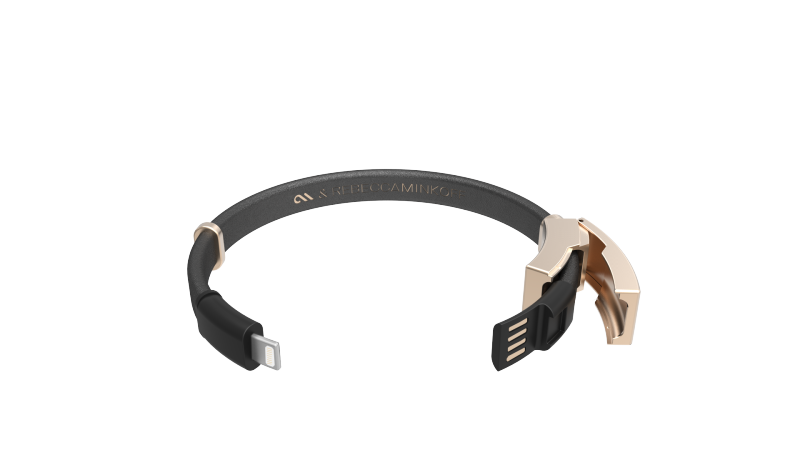
    Case-Mate tech bracelet

    Similarly, The New York Times states that earlier this year Fitbit announced a partnership with the designer Tory Burch to make fitness trackers stuffed inside a hinged bracelet and pendant necklace. Google Glass has partnered with DVF and Luxoticca to make the geeky specs, stylish. Rebecca Minkoff and Case-Mate announced a new line of techie jewellery, including a gold bracelet that pairs with a smartphone. Intel has also partnered with Barney’s New York and Open Ceremony to create a bracelet with a curved sapphire screen and built-in wireless radios called the MICA (My Intelligent Communication Accessory.)

    MICA bracelet
    Image source: New York Times 

    As far as reviews are to be trusted, they give us a realistic take on the new influx of wearable technology and its appeal. What has changed therefore, is the taste of the consumer and now that modern technology is being able to steadily cater to it, wearable technology might actually carve a stable niche for itself in the years to come.

iGyaan Network
Privacy Overview

This website uses cookies so that we can provide you with the best user experience possible. Cookie information is stored in your browser and performs functions such as recognising you when you return to our website and helping our team to understand which sections of the website you find most interesting and useful.