As reported previously, Social Media giant Facebook is planning to unveil its own cryptocurrency. The company is proposing to set up a digital payment system in up to twelve countries by the beginning of the year 2020. The currency is currently referred to as Globalcoin, but the name may change when Facebook outlines its plans in more details. Facebook also claimed that it has already completed talks with the Bank of England regarding the risks and opportunities of a new currency format. However, the latest reports state that the new currency may be unveiled in this month (June 2019) itself.
Apparently, the company is planning a huge push that will include bonuses for merchants that will adopt the cryptocurrency right away. Facebook also plans to introduce real-world kiosks where users can exchange their “GlobalCoins” for cash. Furthermore, the employees of the company can choose to be paid in the new cryptocurrency, an initiative that Facebook believes will encourage newer users to adopt the cryptocurrency with ease.

The project has been in the works for a while now and was codenamed Libra in the beginning. For the alleged project, Facebook will have to collaborate with various banks; which will allow it to exchange international currencies into Globalcoin. As mentioned before, it has already had a successful talk with the Bank of England, so this should not be a major problem.
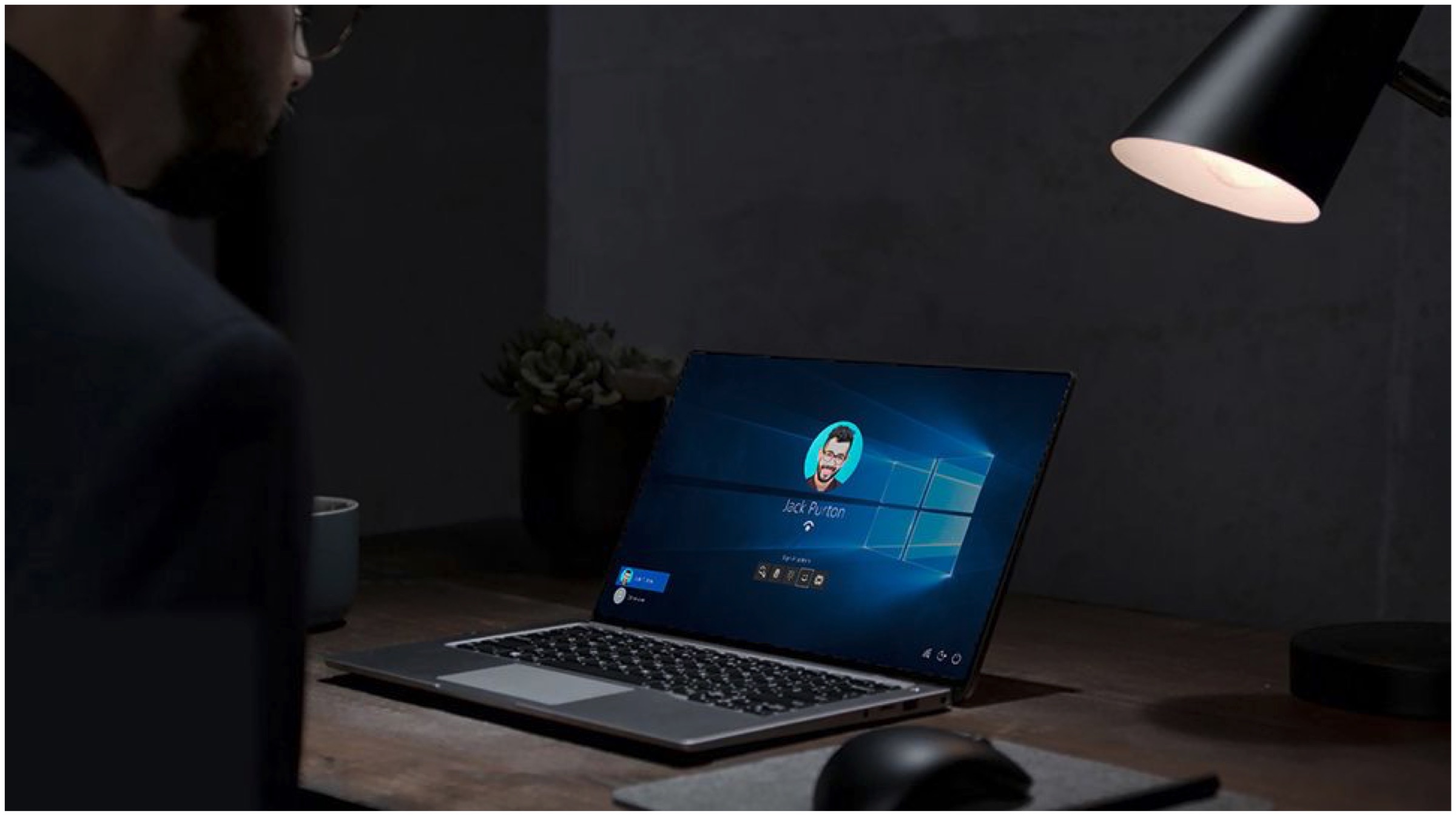
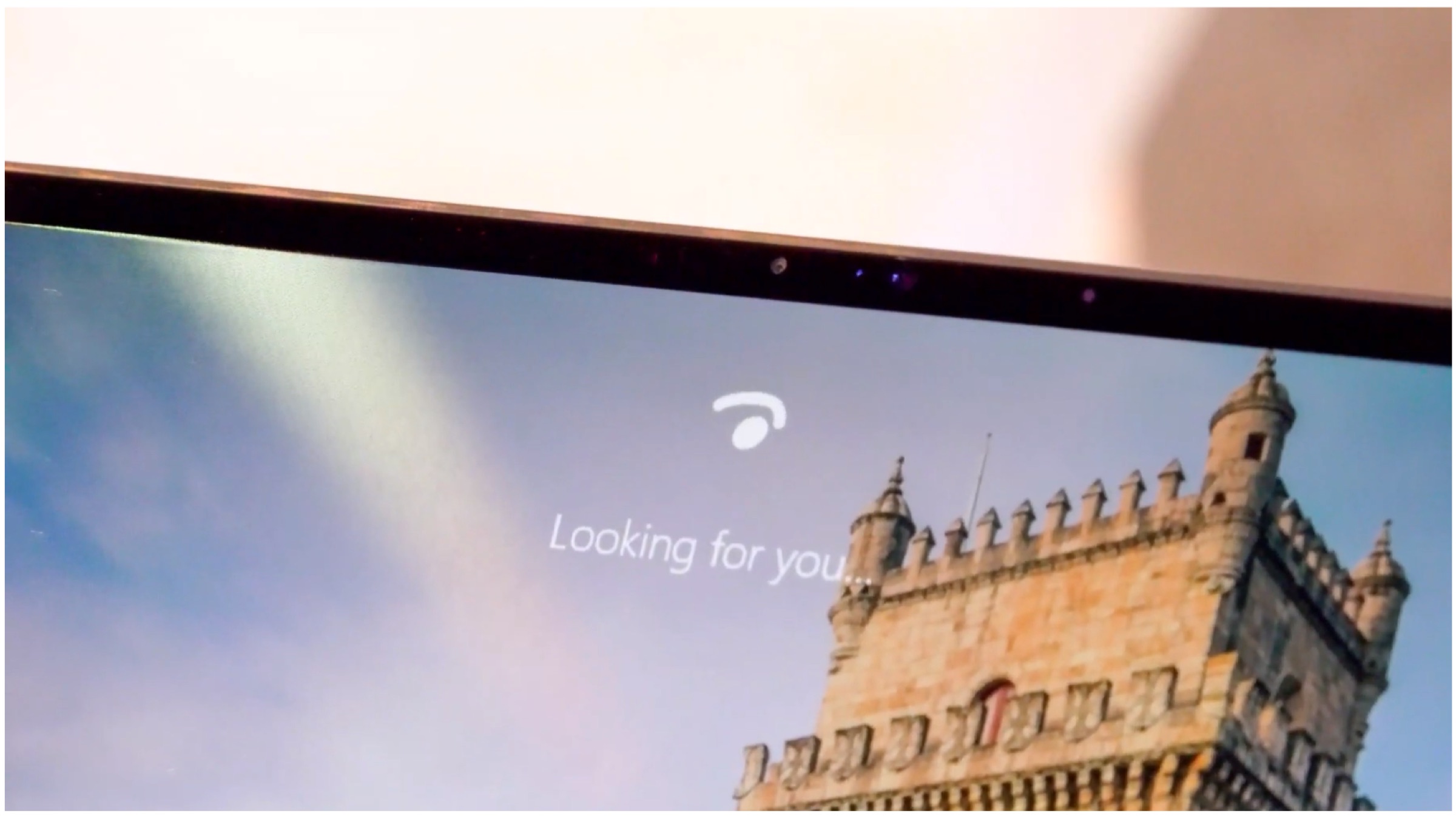
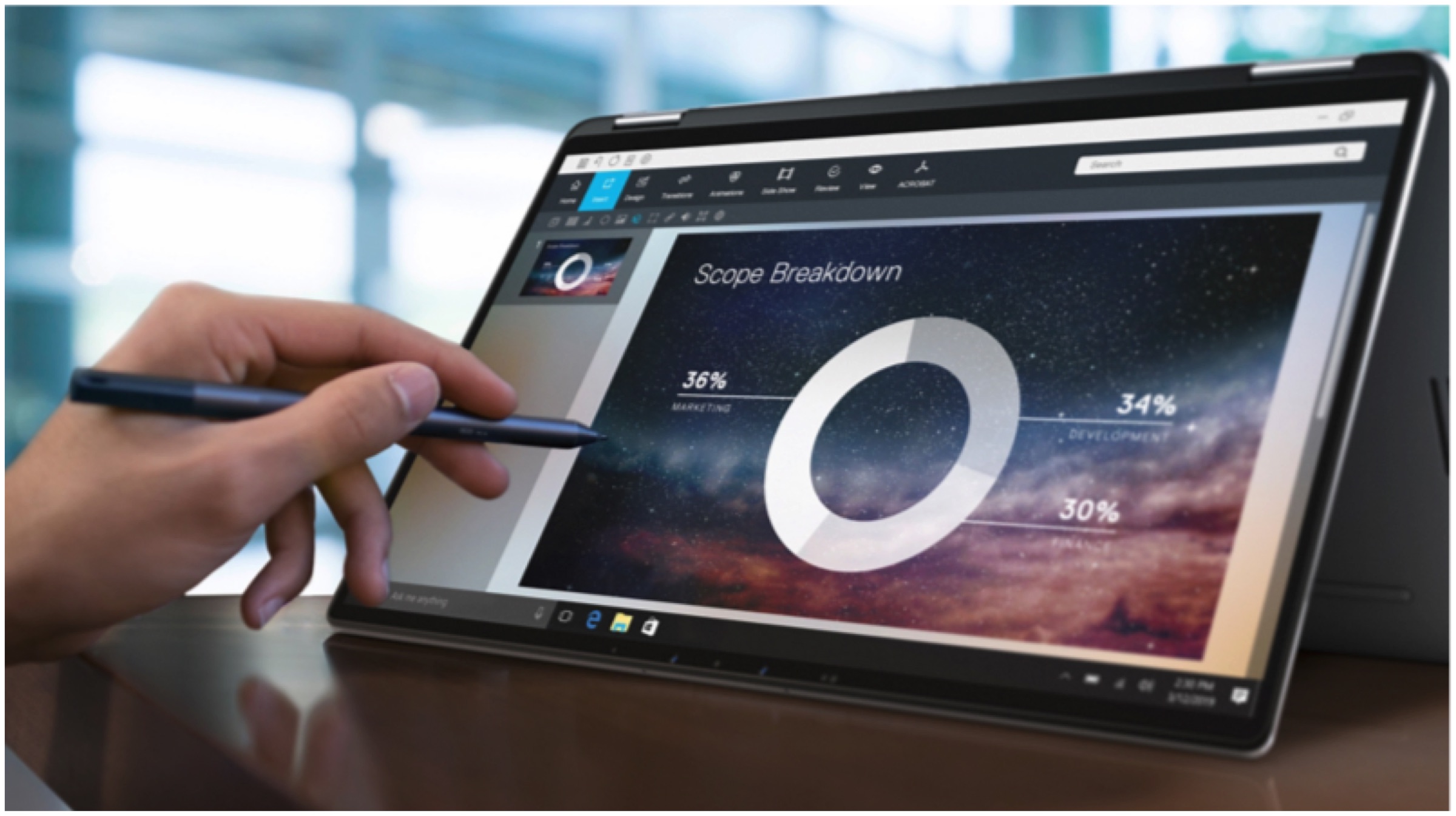
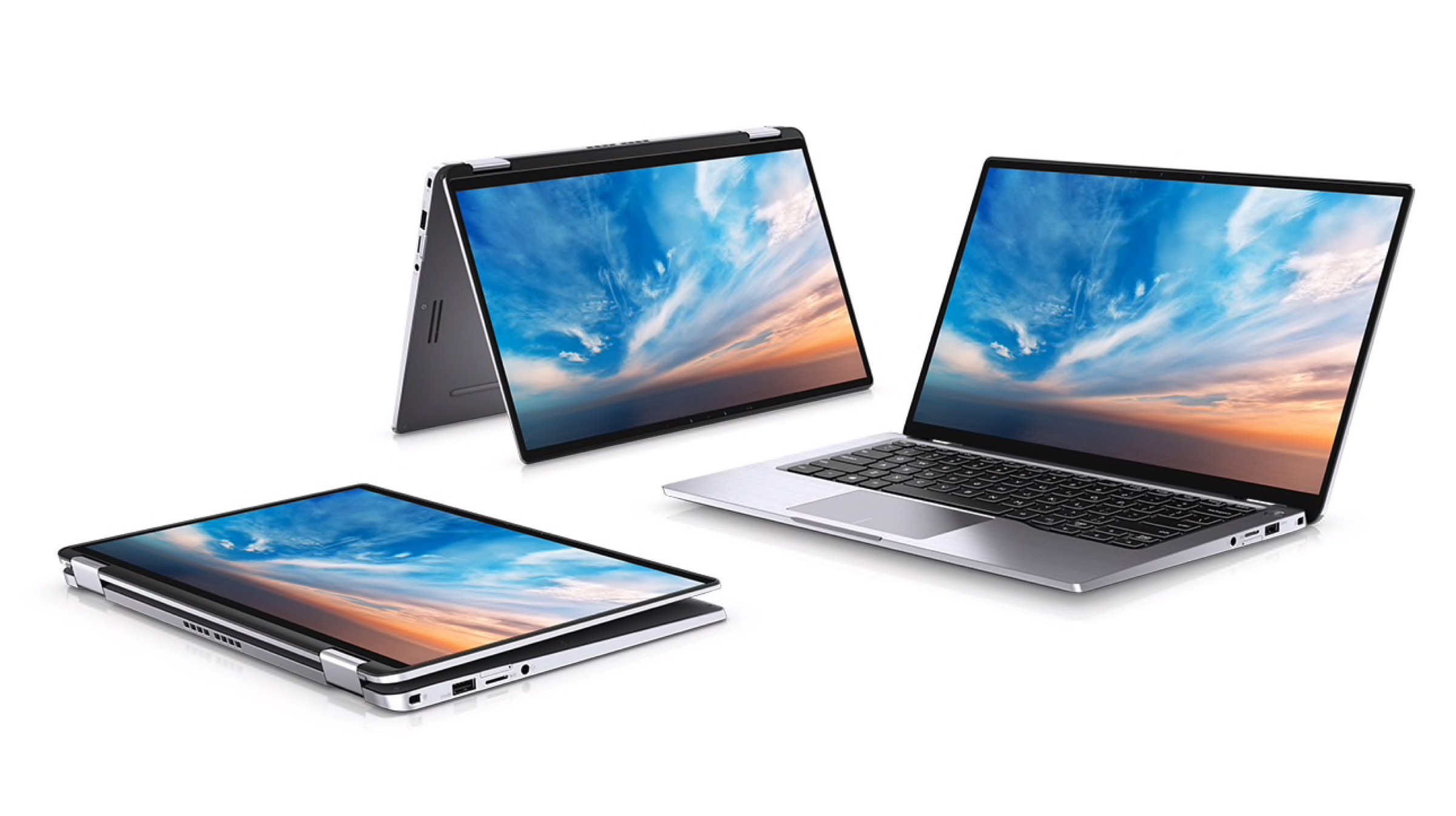
Also Read: Dell Unveils Latitude 7400 Laptop With New ExpressSign-In Feature
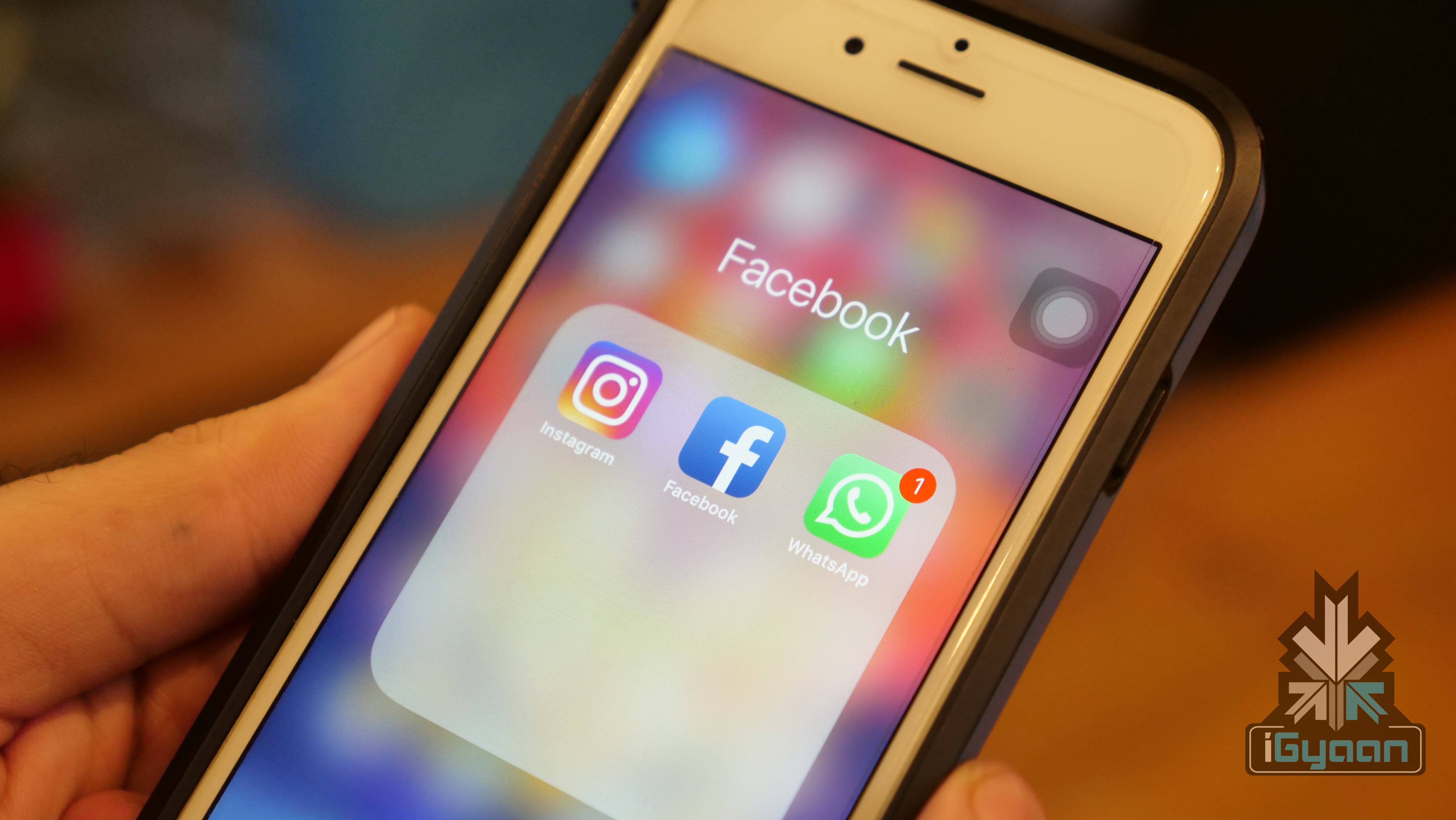
The major advantage Facebook will have with its currency Globalcoin over its rivals like Bitcoin and Ethereum is the sheer number of users of its various products. Over 2 billion people have been recorded to use Facebook actively and millions of other members of the audience are hooked to applications like Instagram and WhatsApp. Hence, these platforms can serve an important role in boosting the popularity of the new cryptocurrency. However, since Facebook has been involved in multiple security and data breaches in the past, the organization will have to establish a fair amount of trust in its users in order to make its cryptocurrency successful in the long run.
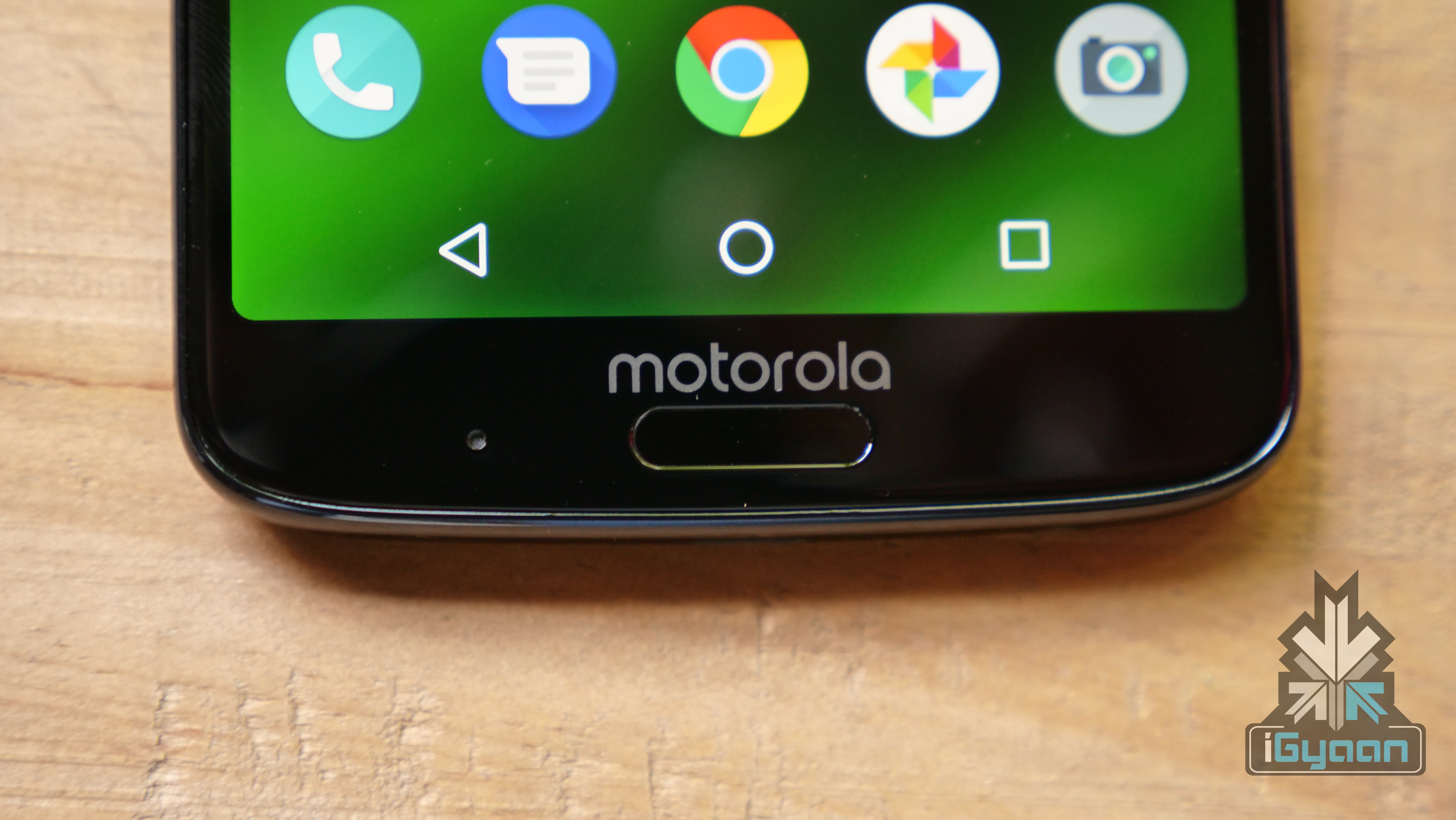
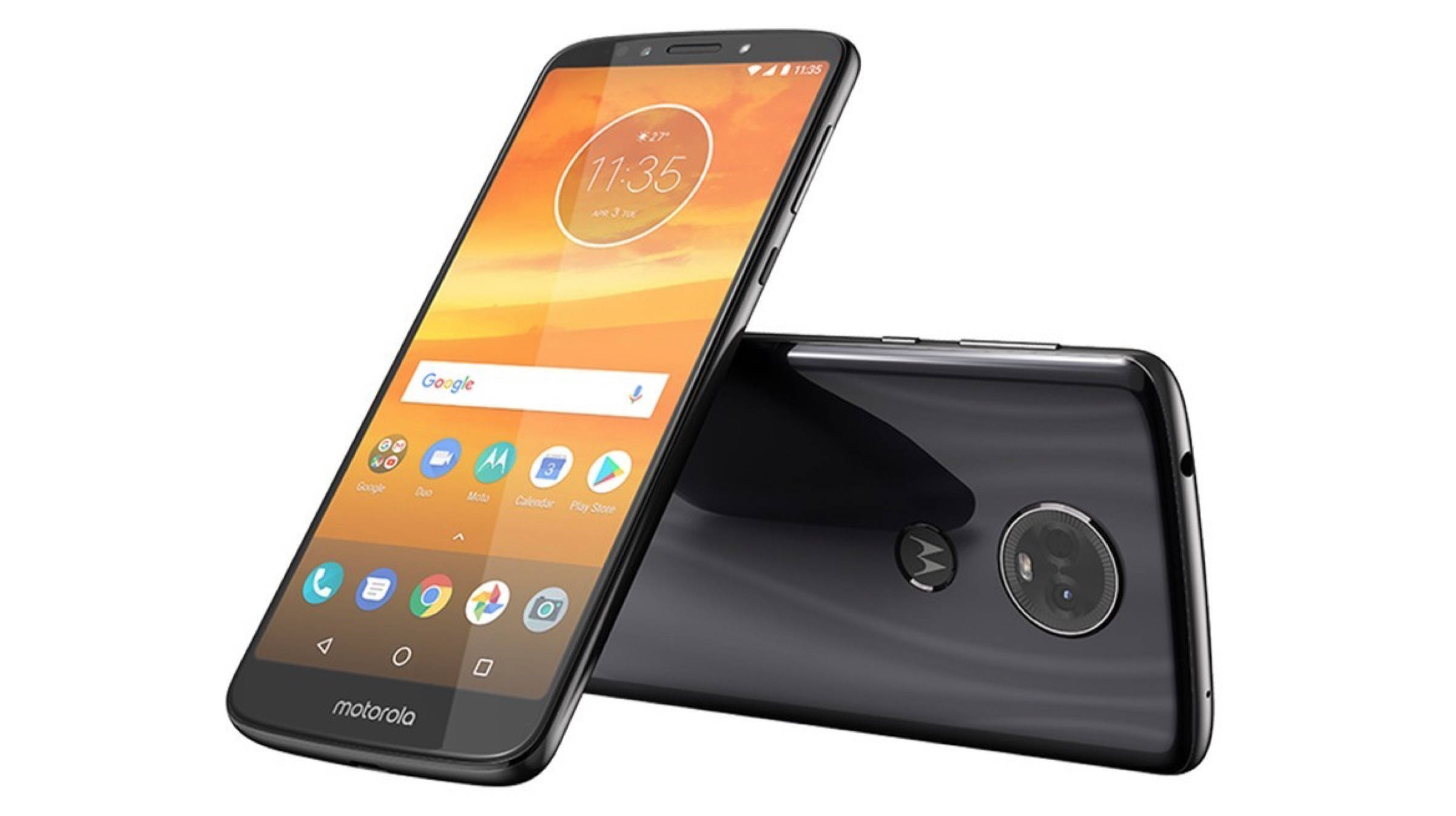
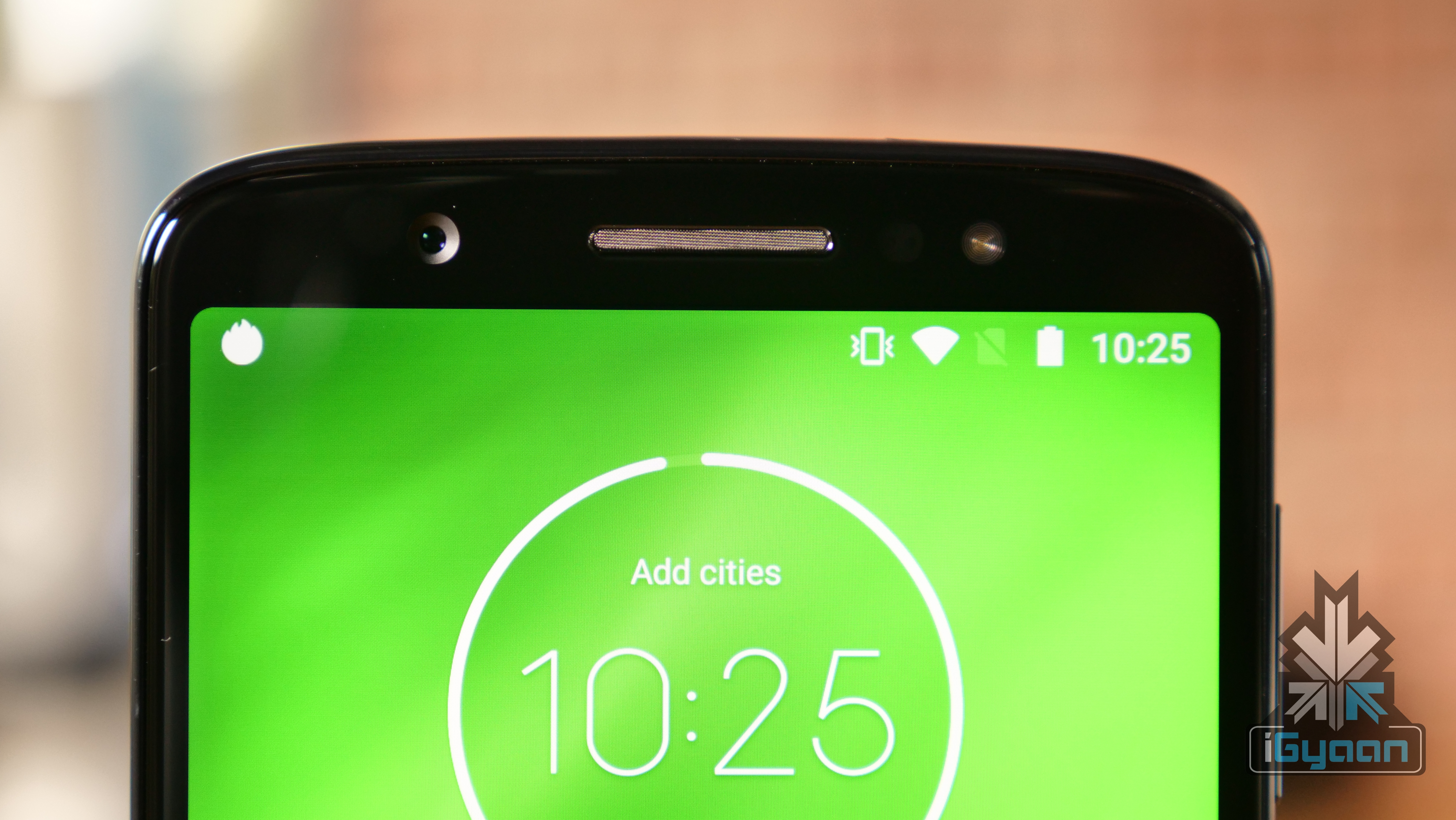
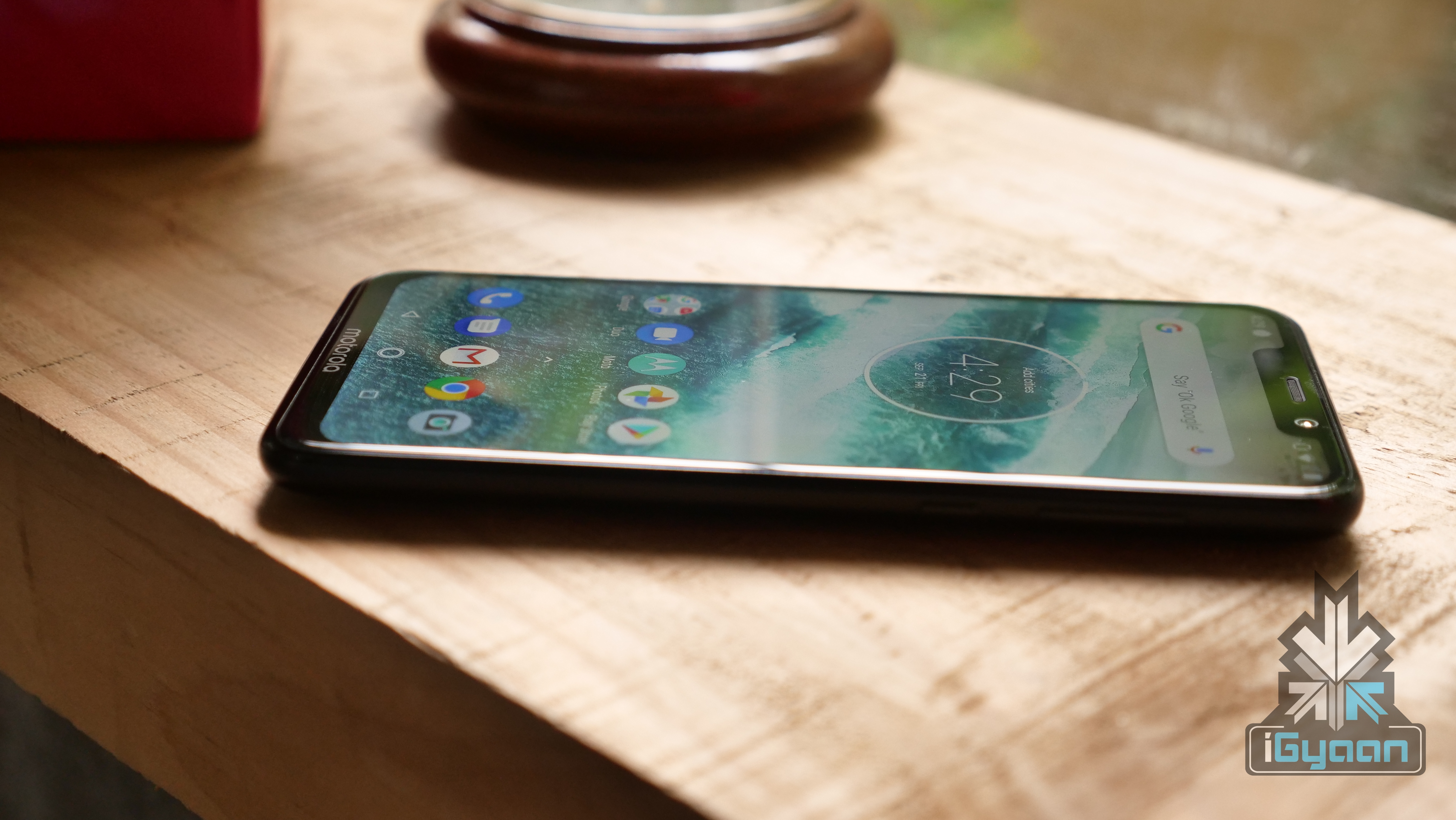

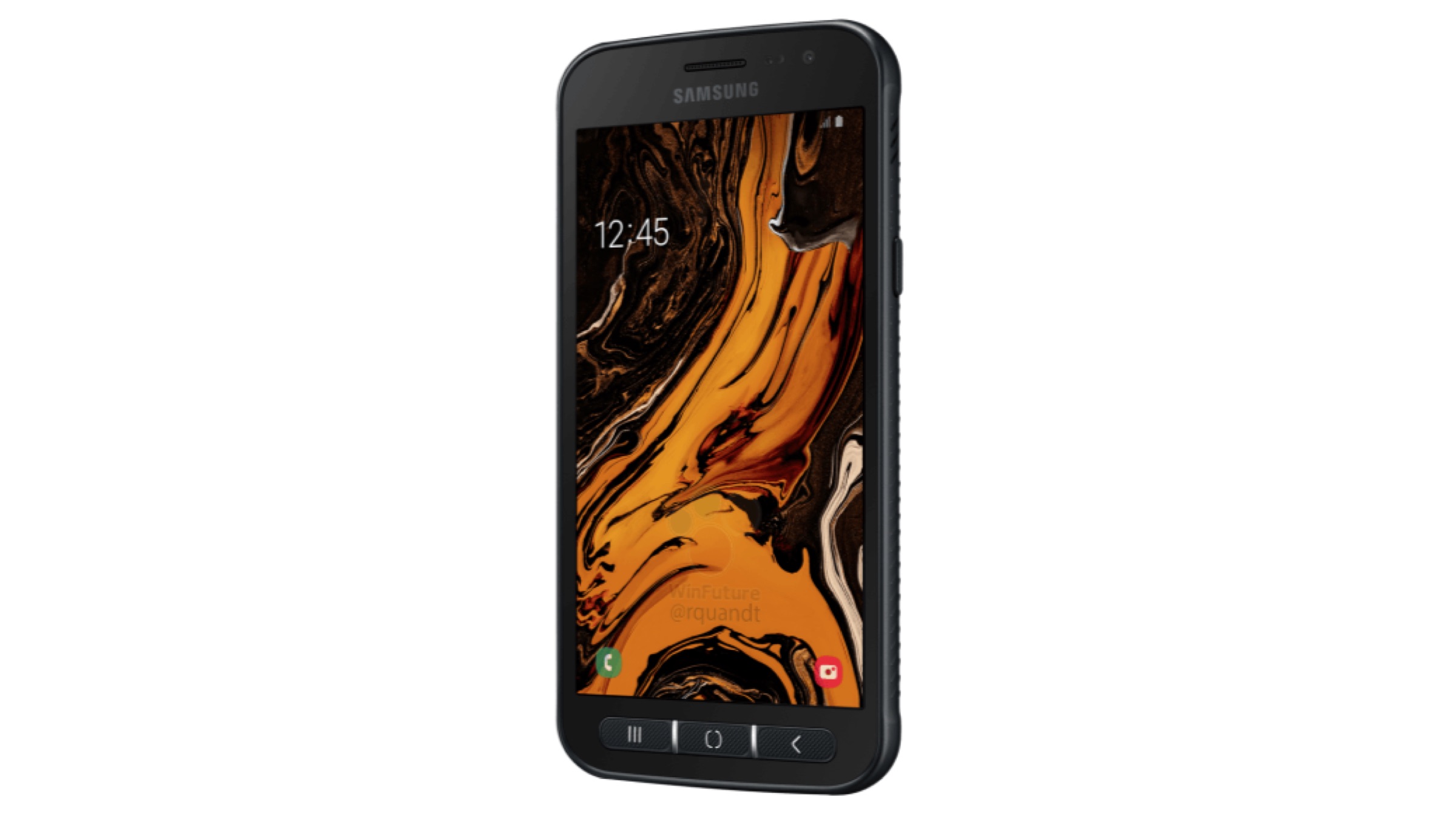
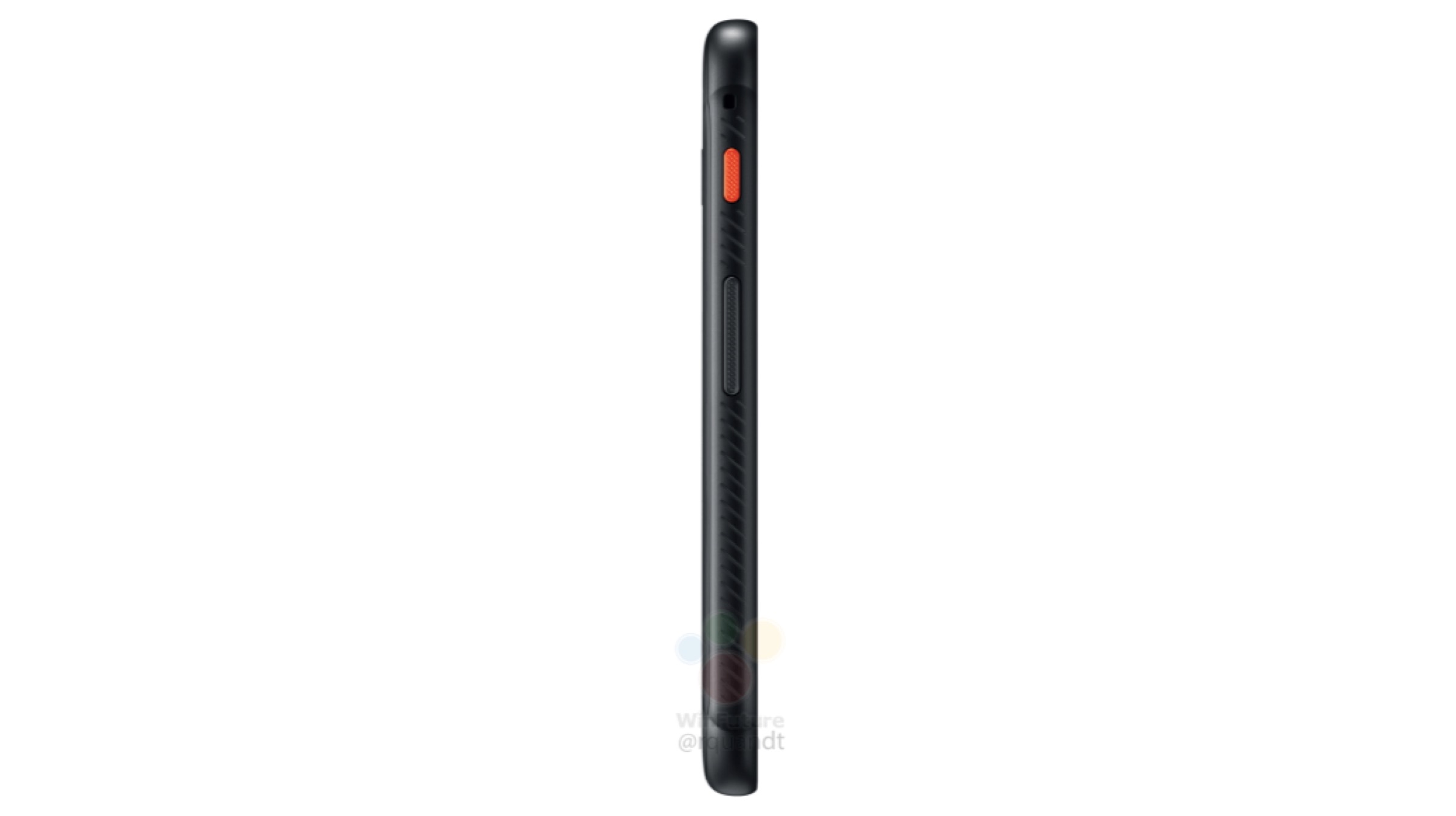
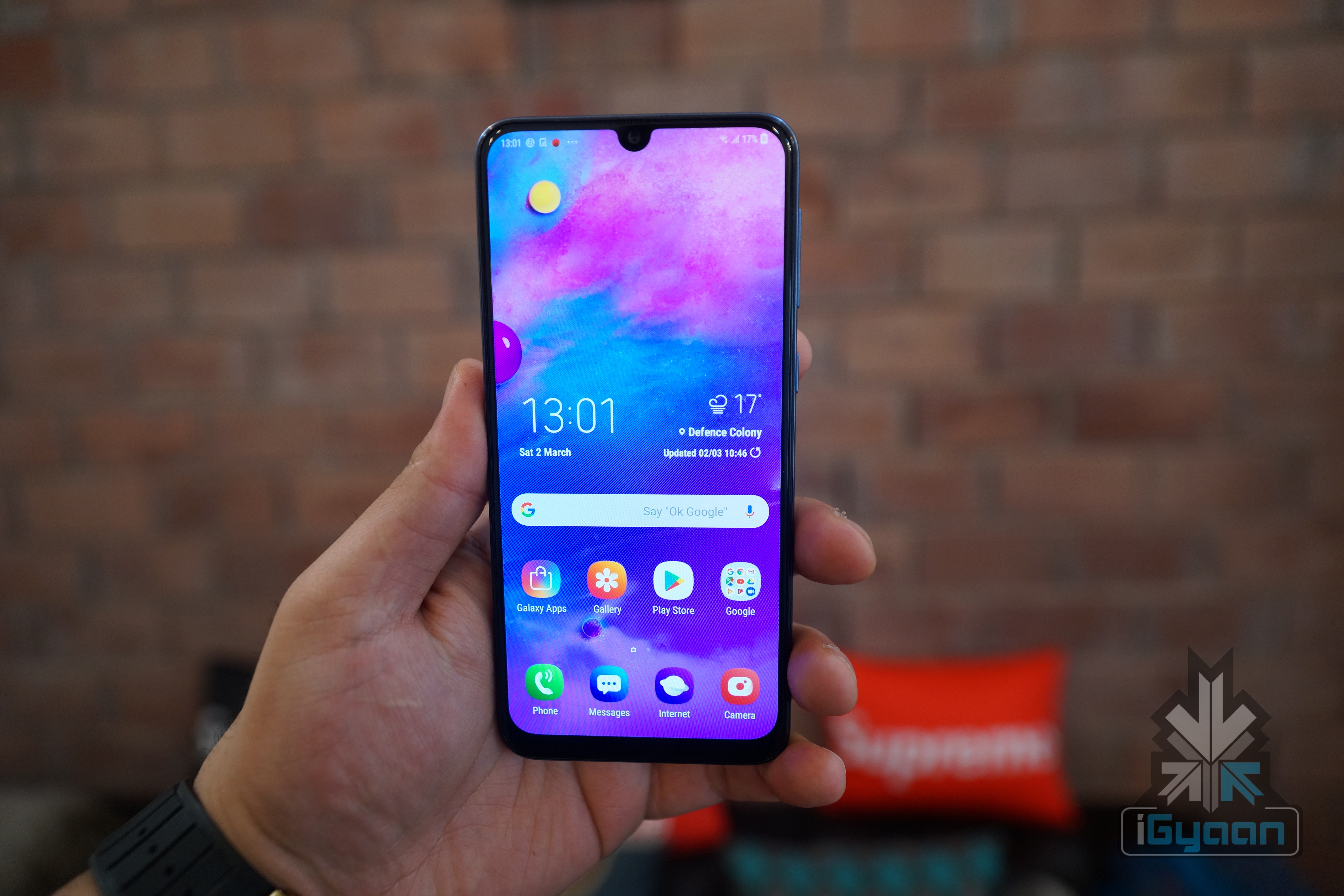
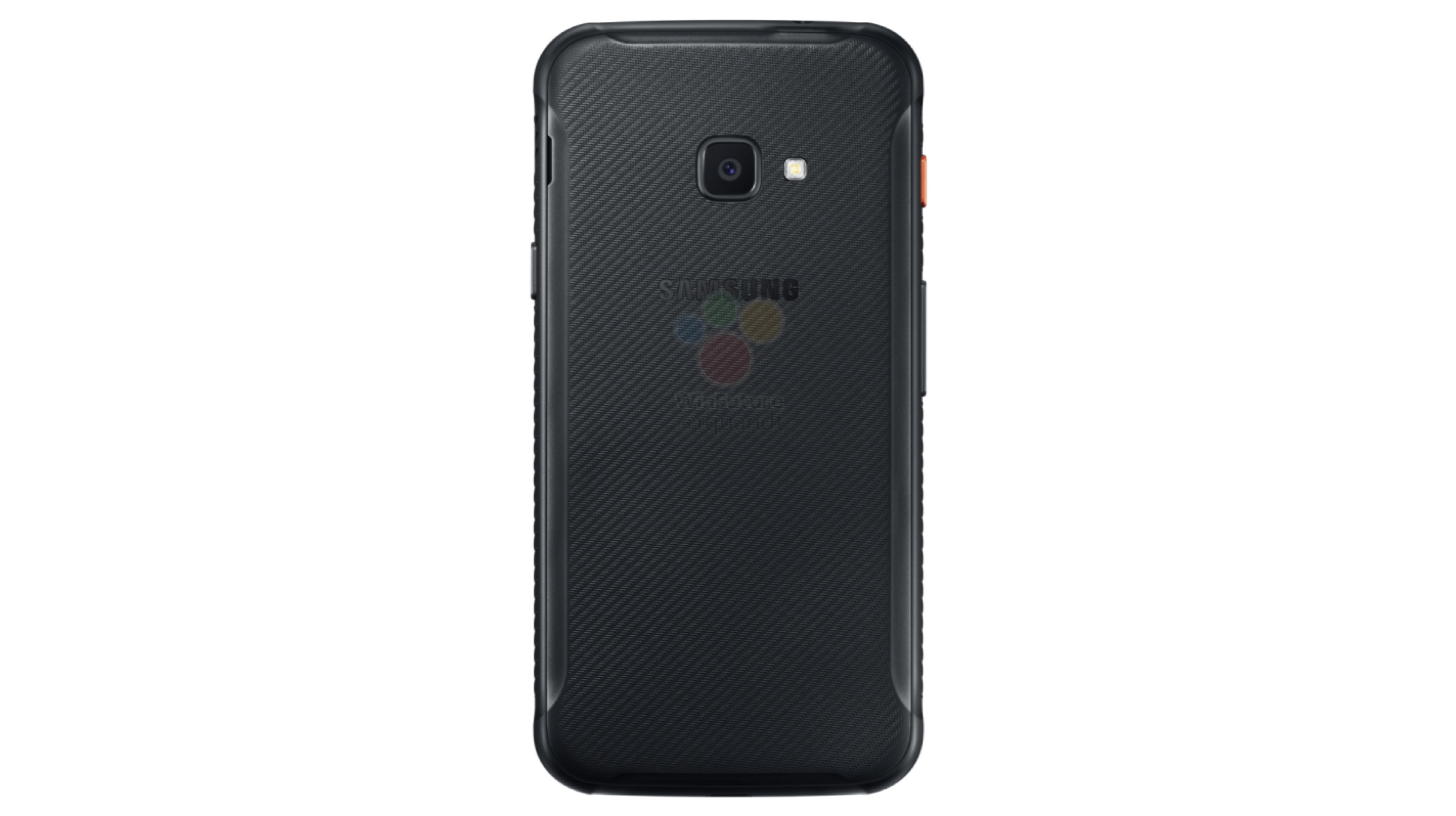 In terms of optics, the device features a single rear 16MP (f/1.7) camera. which supports scene optimization via AI. The camera supports Full HD video recording. For selfies, the company has included a 5MP (f/2.2) aperture front camera, which is placed in the top bezel of the handset. It packs a 2800 mAh replaceable battery, which can be charged via the USB Type-C port present at the bottom of the smartphone. It supports Bluetooth v5.0 and NFC. In addition to a 3.5mm headphone jack, the XCover 4S also has a XCover key which can be assigned to any application or service of choice.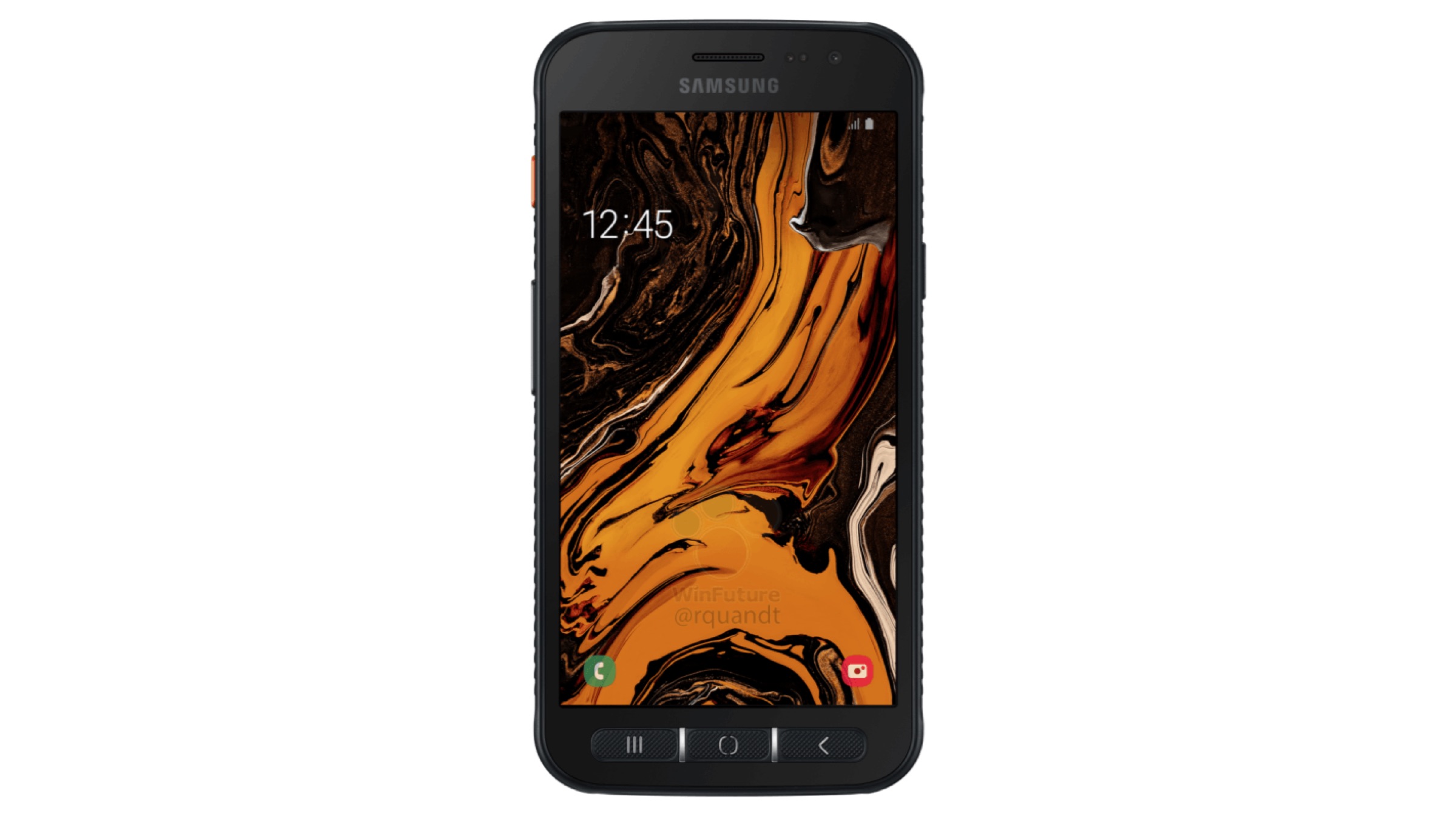









 Also Read:
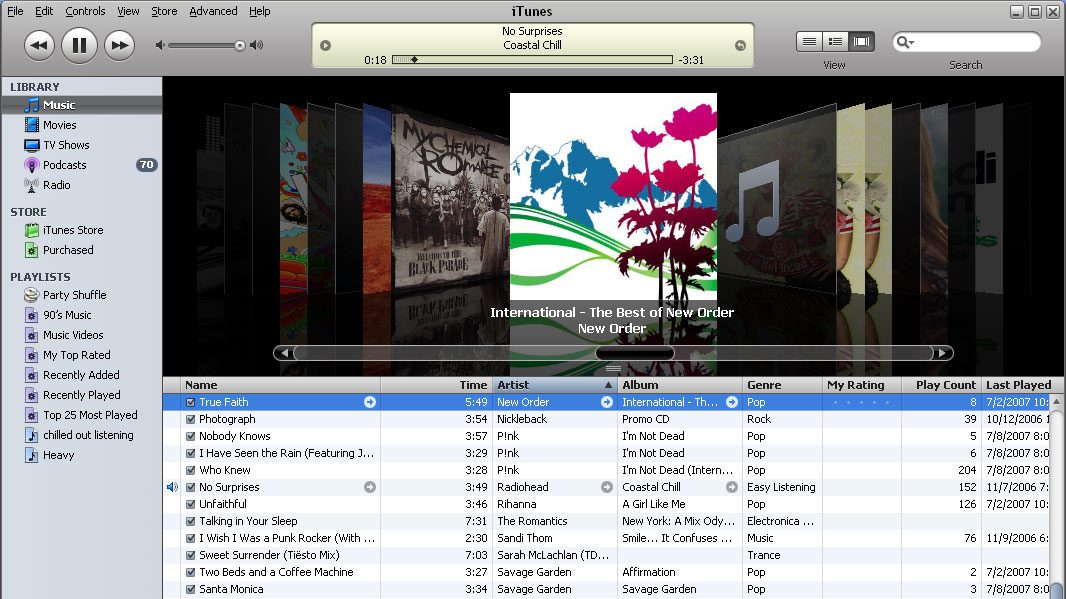 Formally launched on 9th January 2001, iTunes was introduced at a time where music was hugely downloaded via pirated websites and file-sharing platforms. The application had a fairly simple user interface, which made it easy for users to get accustomed to it. It had a simple billing procedure and a detailed yet vast catalogue of music and albums for users to pick from. In a nutshell, the iTunes application provided one of the best user experience at its time.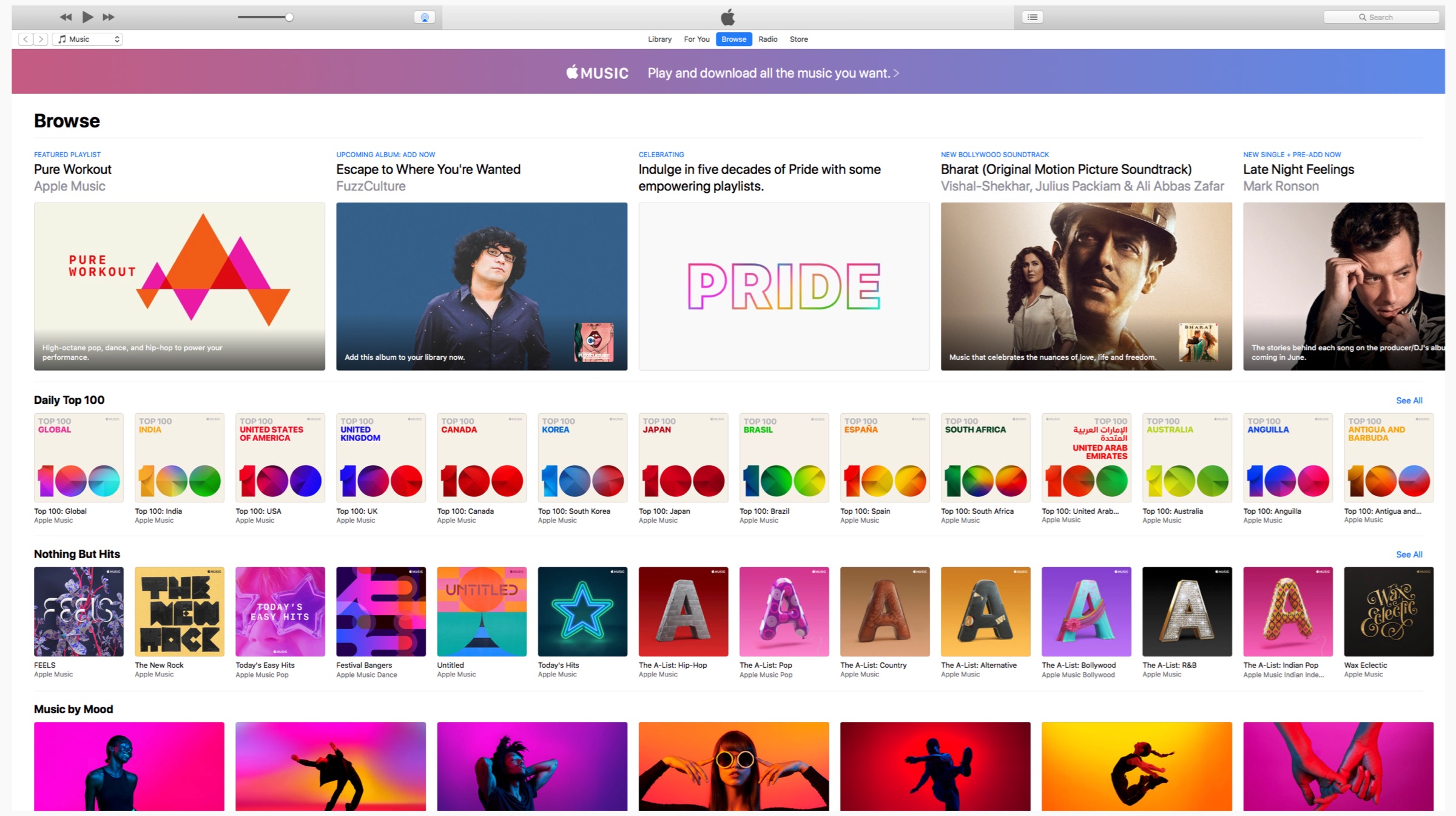
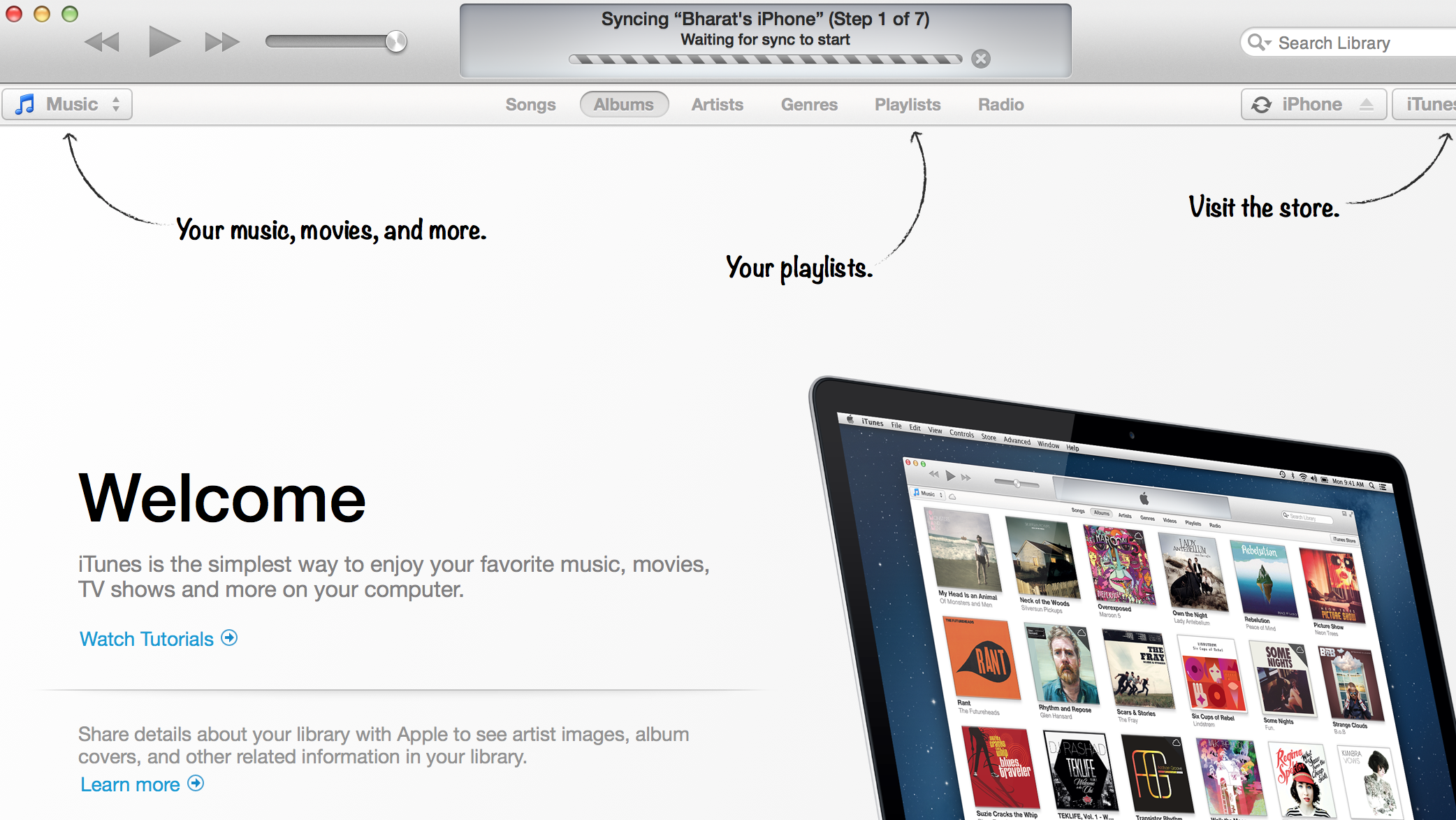 Almost two years later, iTunes started offering TV shows for purchase. This marked one of the most defining eras for iTunes, where music was sold alongside videos, making iTunes the perfect go-to entertainment platform. If that wasn’t enough, Apple also introduced movies on iTunes in the year 2006. Apple was tasting a lot of success with its entertainment platform, so it decided to launch the ‘Genius’ feature within iTunes, which recommended new music to users based on previous listening patterns.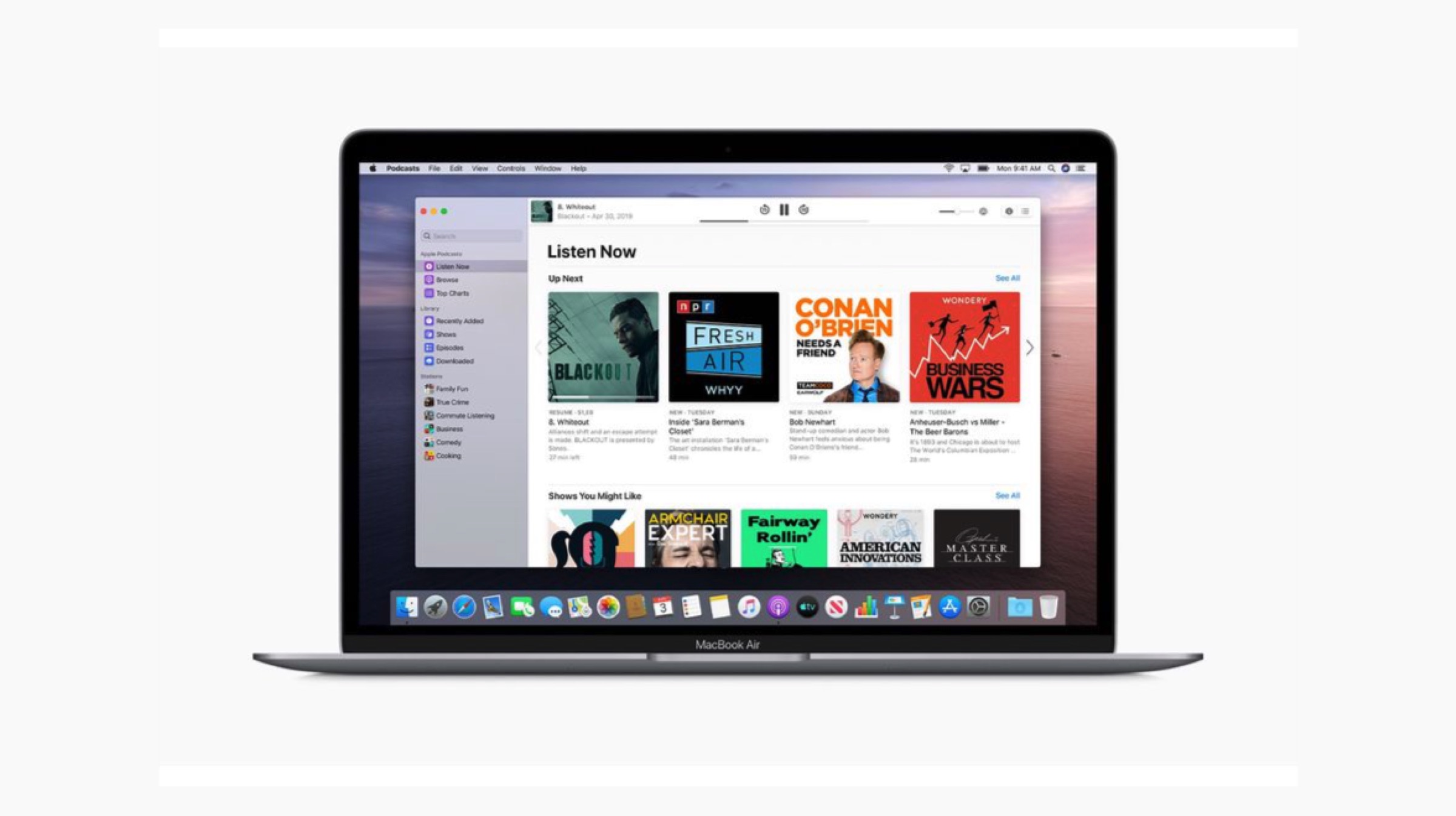


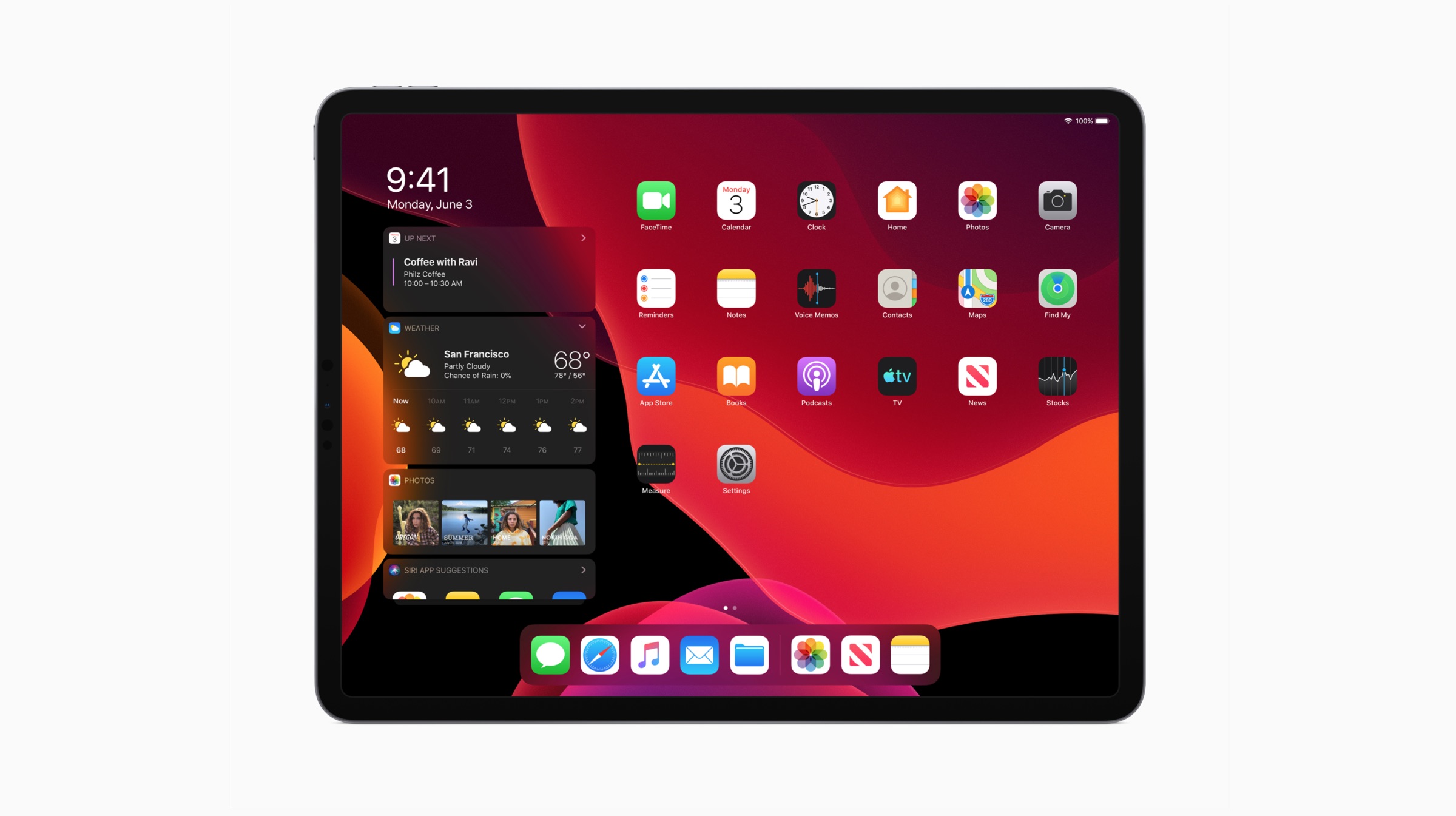
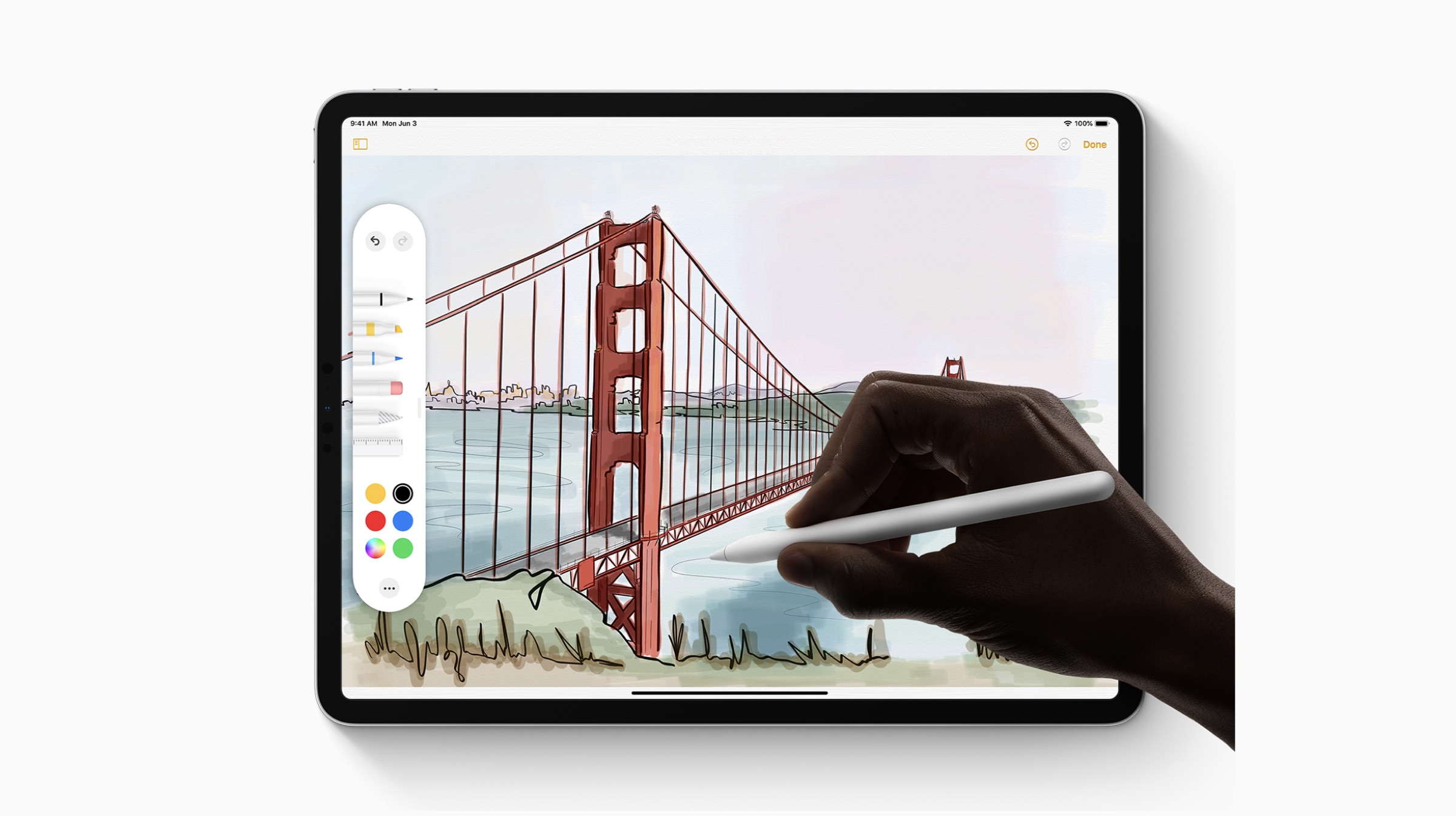
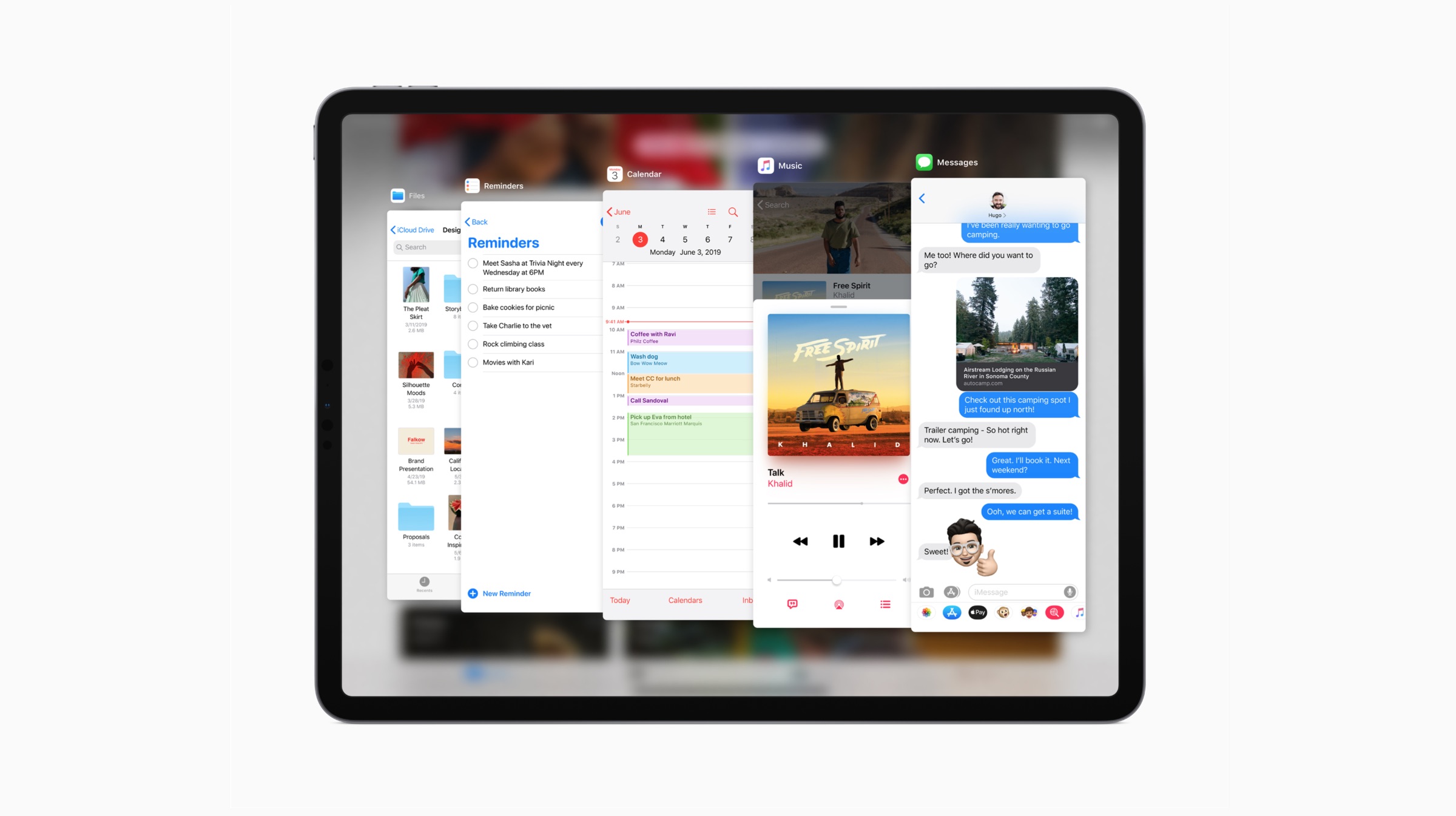
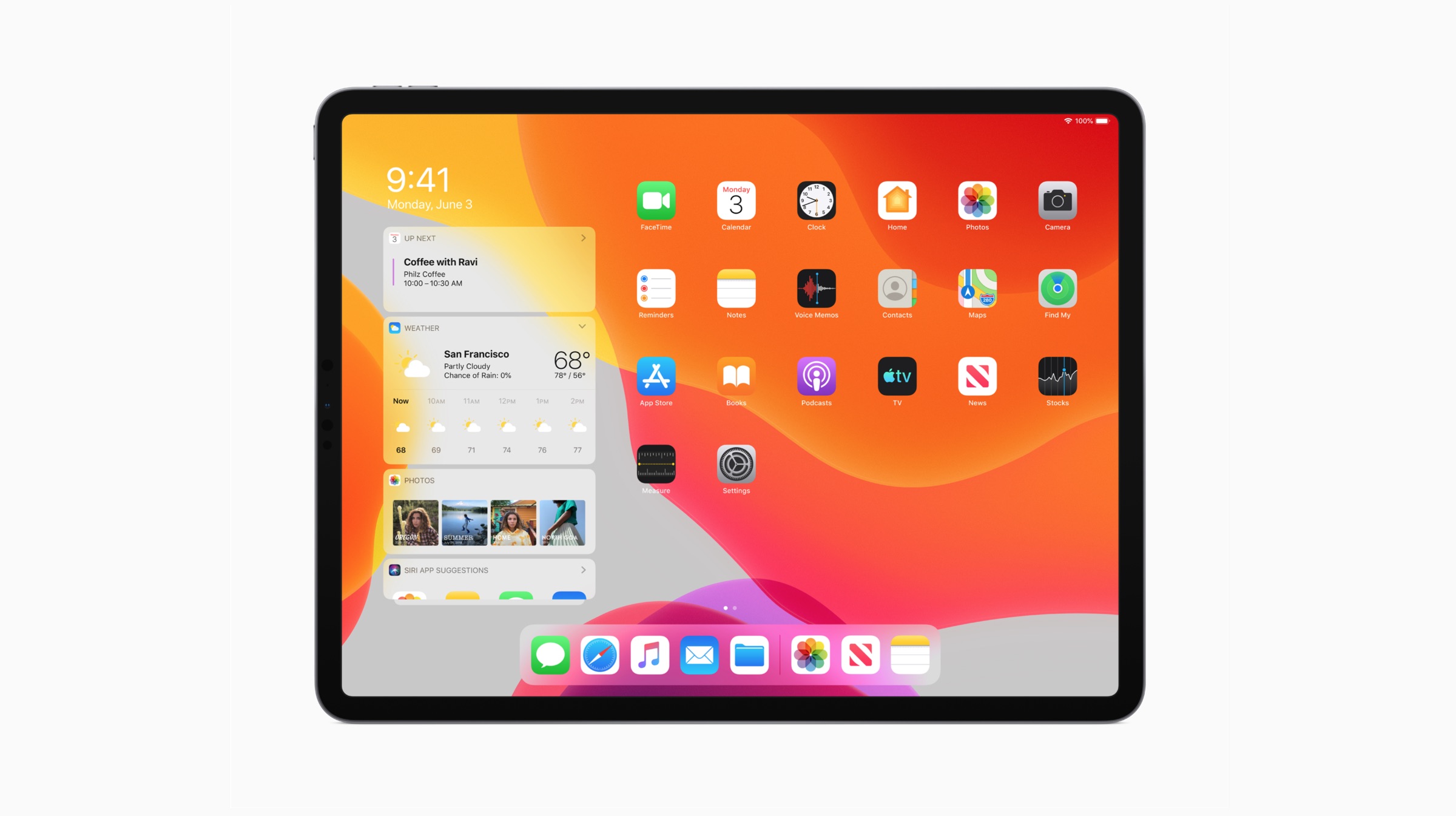 The all new iPadOS has a refreshed home screen with widgets support. Users can expand the widgets on one side of the screen, while the application icons take up the rest of the display. A host of multitasking gestures has also been introduced in the new operating system, so that users can simply ‘glide’ through their task list. For instance, users can drag the applications they intend to use and drop them alongside other applications. This will increase the ease with which users perform multiple tasks over different applications.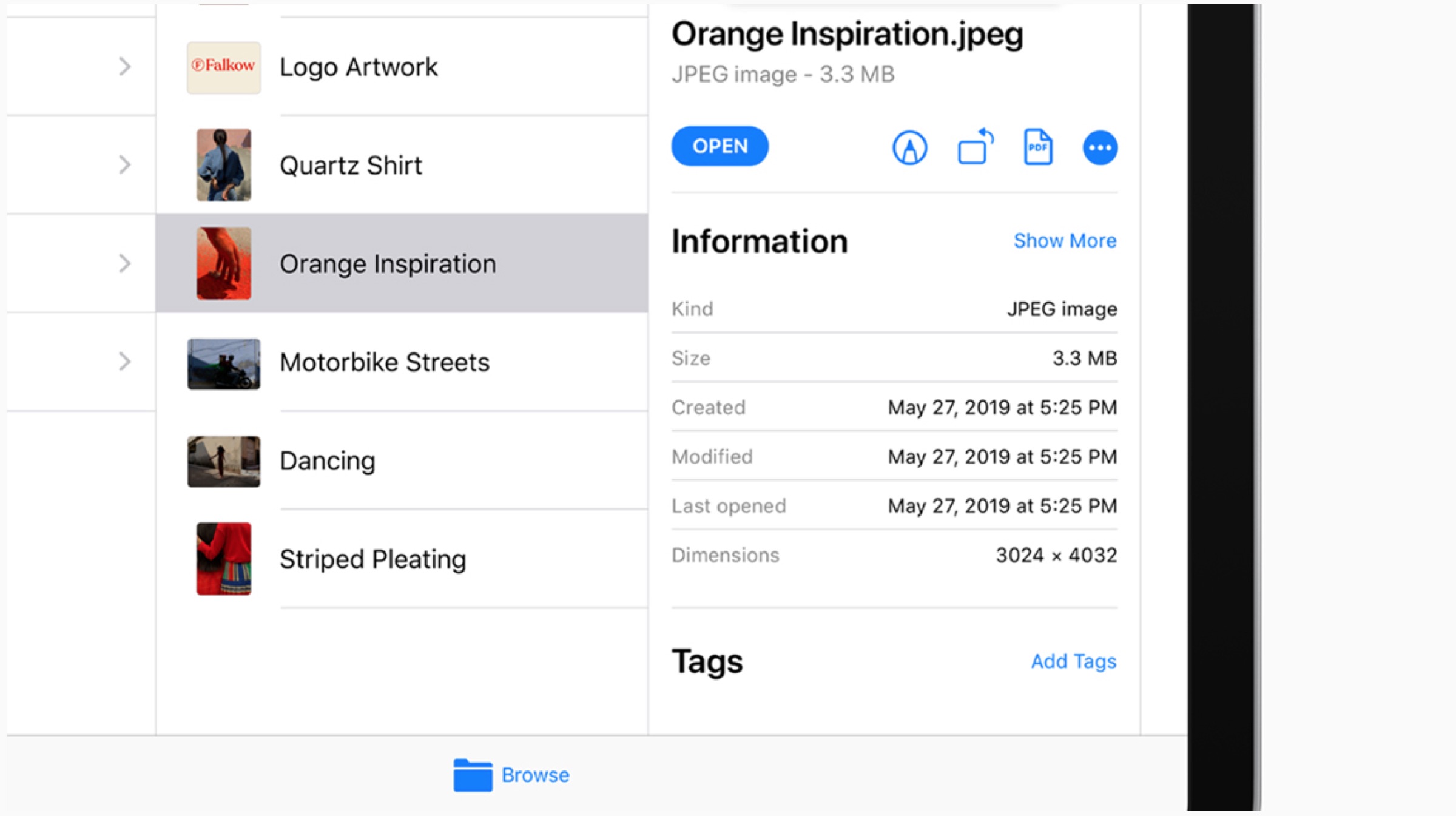
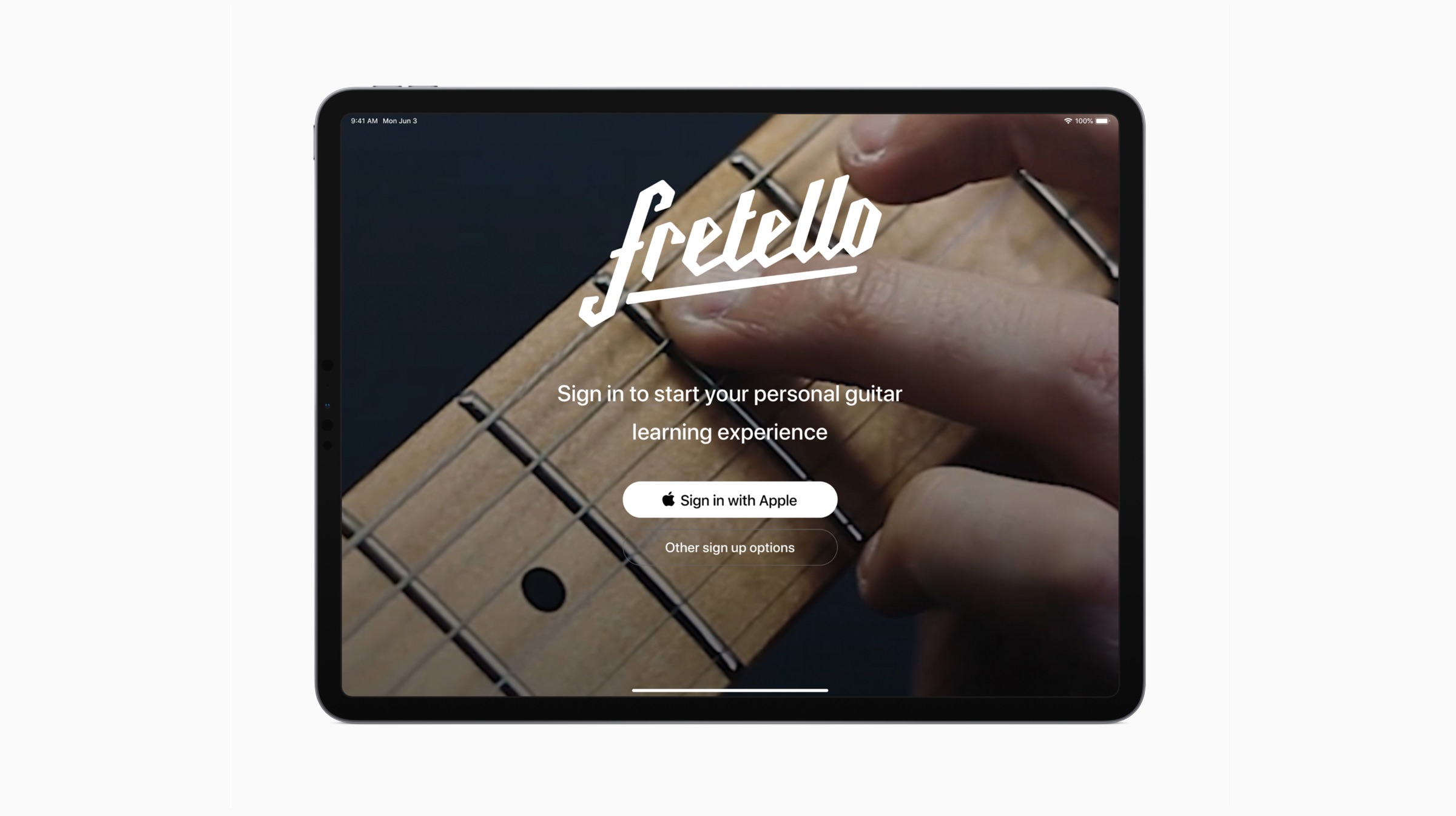
 Alongside the aforementioned features, Apple also introduced system-wide Dark Mode to the iPadOS that is applied across all applications. Users can install third party custom fonts which can be used while creating documents. Moreover, Apple’s iPad keyboard can now shrink down to a floating keyboard that can be moved across the screen. Pinching the regular keyboard will instantly convert it to the said floating mode. Performance boosts will ensure that users can launch their applications faster, unlock the iPad faster and reduce download sizes by up to 50 percent.