All the Latest, News, Reviews, Updates, How To, Mobile Phone news, Global and International News, From Cameras to Automobiles, from TV To PC and a lot more! Constantly updating!
5G technology is a part of the hottest connectivity buzz right now, with smartphone brands gearing up to release 5G variants of their flagship devices in the immediate future. For instance, Motorola launched a 5G mod for the Z3 smartphone and Samsung released a 5G variant of the S10 which is scheduled to release soon. All things said, Apple is also looking to enter the market with a 5G device, but considering the recent conflict between Apple and Intel, such a device may not be seen anytime soon. However, recent reports suggest that the company may launch a 5G variant of the iPad Pro in not-so-distant future.
5G Connectivity In iPads
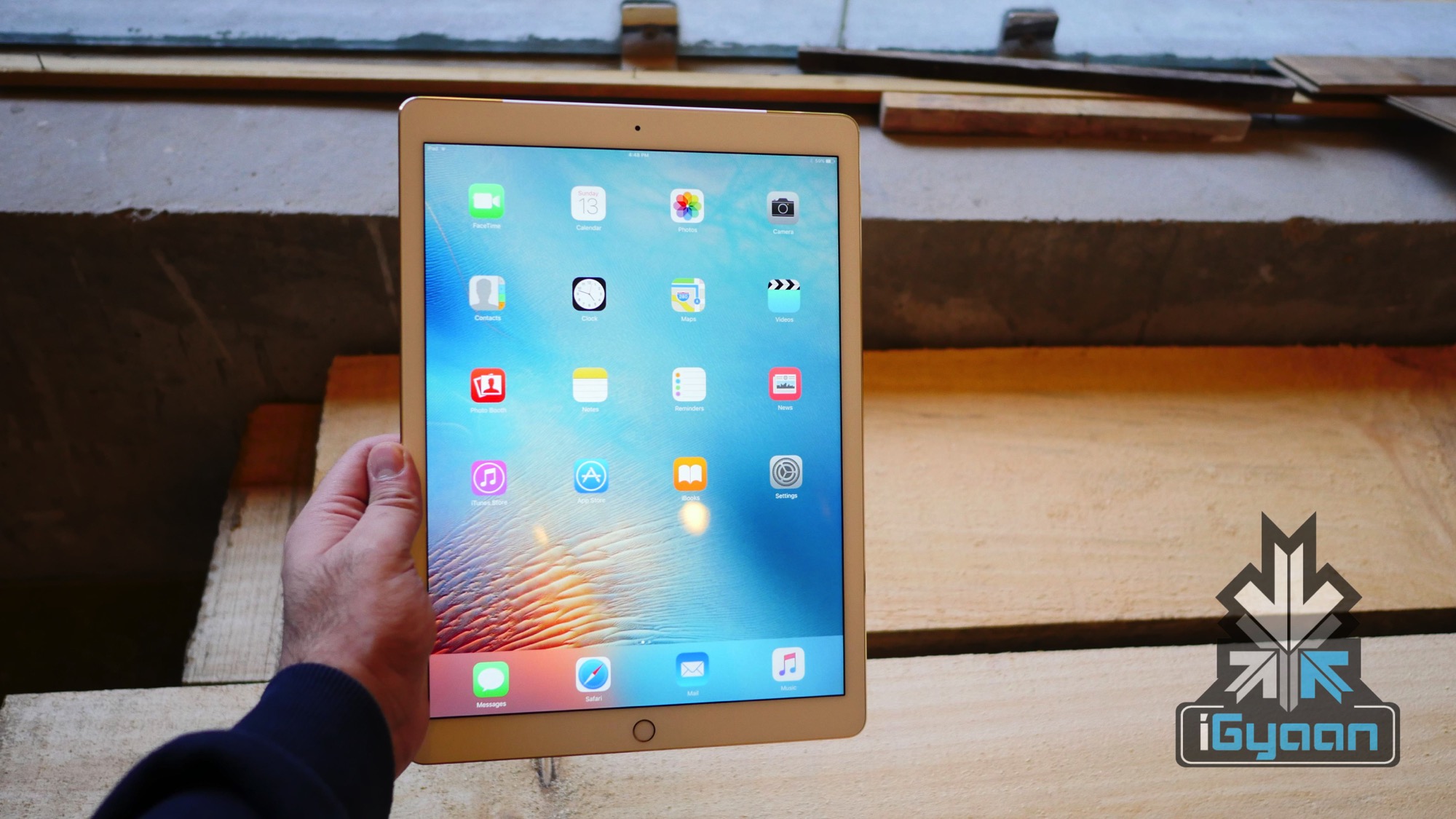
As per noted analyst Ming-Chi Kuo, Apple will unveil a total of two iPad Pros in 2019, which will include an 11-inch variant and a second variant with a large 12.9-inch screen. This is not exactly surprising, since Apple always releases two iPad Pros every year, but the elephant in the room is the fact that Apple is planning to incorporate 5G modems in the future iPads, which will be released by early 2021 or late 2020. Yes, that’s a long way to go, especially since Apple is facing issues with its 5G chip manufacturers at the moment.
The present iPad Pros, including the iPad Pro 12.9 and iPad Pro 11 have complete LTE support, which means that users can insert a 4G SIM card and use 4G internet on the device, implying that Apple can surely be expected to bring 5G support to its future iPads. Apple recently released the iPad Air and iPad Mini, which received rave reviews from users. Apple is speculated to release its first 5G iPhone in the year 2020, which implies that customers will have to wait a long time before they see the same connectivity being implemented on an Apple device. Nonetheless, the American company is also gearing up to release the iPhone XI later this year, and fans are surely looking forward to the same.
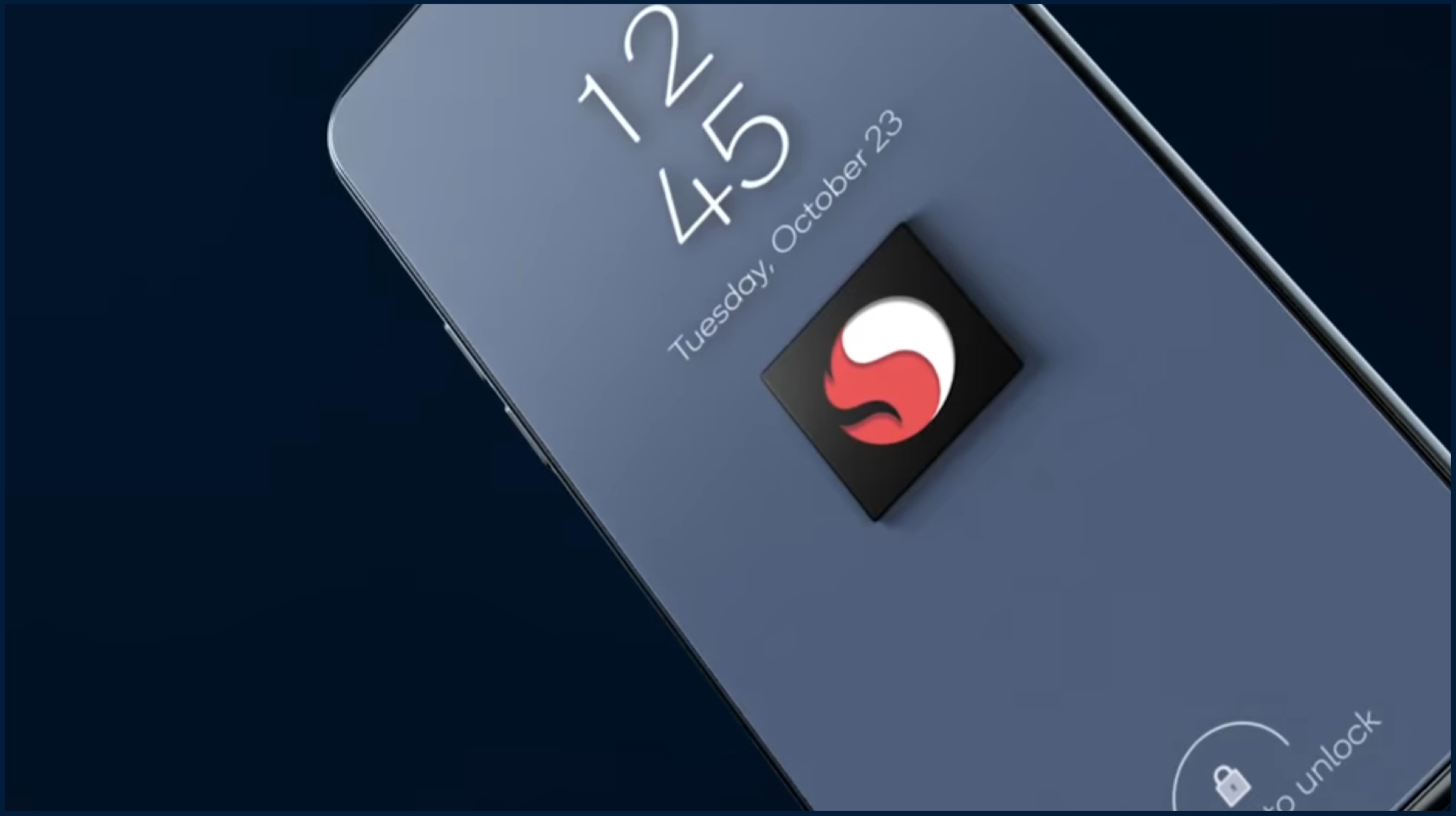
Qualcomm announced the Snapdragon 665, 730 and 730G smartphone SoCs earlier this month. The new processors promise a faster CPU and gaming performance with a balanced efficiency. While the only device announced until now with one of the above chipsets is the Samsung Galaxy A80, recent reports claim that may change in the near future. In a Tweet, a senior Xiaomi executive has hinted a smartphone from the company with the Snapdragon 730 SoC may launch soon.
Previous leaks have affirmed the presence of a Xiaomi smartphone with the Snapdragon 730 SoC. Among other details mentioned in the leak is the presence of a triple camera module, with a 48MP sensor as the primary camera. Apart from this, the image shows a second 8MP camera which may an ultra-wide sensor; and a third 13MP camera, which probably uses a telephoto lens. The image leaked in the past depicted a smartphone with a pop-up camera, a 3.5mm headphone jack and a microphone. This indicates that the Redmi smartphone will have a notch-less display.
The Snapdragon 730 processor was launched by Qualcomm on April 9, 2019, and comprises of an octa-core Kryo 470 CPU, which is clocked at 2.2 GHz; and uses the Adreno 618 GPU for graphics. Another notable aspect of the previous leak is the presence of a 4000 mAh battery in the device. The chipset has support for Quick Charge 4+ technology, which implies that the Redmi smartphone is likely to support fast charging. Since Xiaomi has confirmed the device it insinuates that it will be launched soon. Unfortunately, the company has not revealed any details about the launch date or the pricing of the handset. Although, as the company is known to price its products aggressively; the aforementioned smartphone may be priced around Rs. 20,000 price range in India.
Technology isn’t limited to electronic devices anymore. Gone are the times when any advancements in technology were directly correlated to mobile devices, computers and televisions. Since the first 3D printer was developed in the mid 1980s, implications of the same have seen no limit. Recently, a fully-functioning heart was produced with the help of a 3D printer, which opened the path to many more organs that can be replicated with the help of the same. As per recent reports, a professor at the University of Southern California’s Viterbi School of Engineering formulated 3D printable rubber, that can “fix” itself.
Qiming Wang, three of his students and a professor from the University of Connecticut were able to achieve the aforementioned feat via a kind of rubber developed from silicone. As per their statement, a self-healing rubber sole for a sneaker may soon be a reality. Not only sneakers, in fact, the material can be used to 3D print objects like toys and tires. What’s more, even parts of satellites can be developed from the same material for improved resilience.
Healing Mechanism
When the rubber material is exposed to a source of heat, a chemical reaction occurs that enables the atoms of the material to fuse back together. The healing speed is directly proportional to the amount of heat provided to the material, the report states. However, the healing process can occur at room temperature too. It will just take more time.
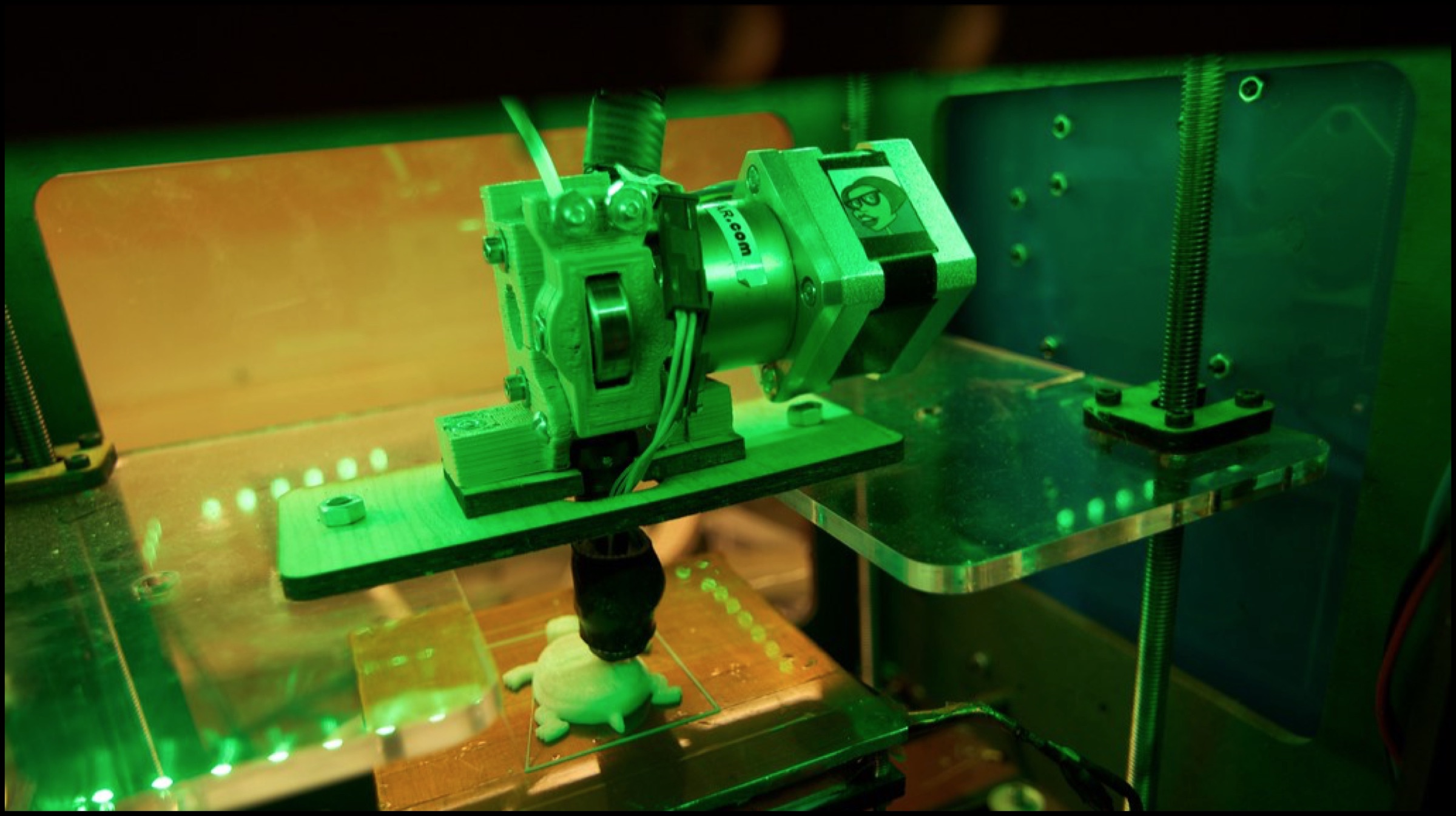
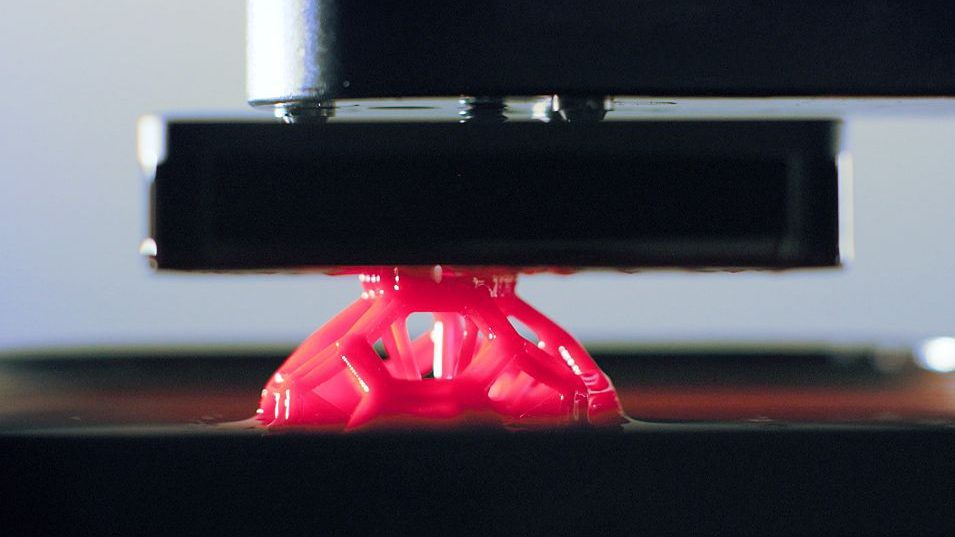
The report further states that the first step towards developing a self-healing object is to structure a model of the same in the computer. The software “slices” the 3D model into 100 smaller images, which are then projected onto a thin rubber layer (in liquid form). The rubber morphs into the shape of the original image, which is then converted to solid form using the projected light. Following a similar method, the complete shape is built up layer by layer, until the object is developed.
Because of the concern that some structural issues may arise during the testing and development of such objects, Qiming Wang states that his team will experiment with multiple hardness levels in order to make the rubber sole wearable in all conditions. Furthermore, they will also experiment with ragged edges and their healing process, so that the material may regain its original shape and not be affected by any wounds and punctures. Already, Wang and his team have been contacted by multiple footwear companies to use the material for their upcoming shoes. Wang believes that self-healing sneakers will make their way into stores in 2-3 years, and the same material will someday be used for creating Airplane wings as well.
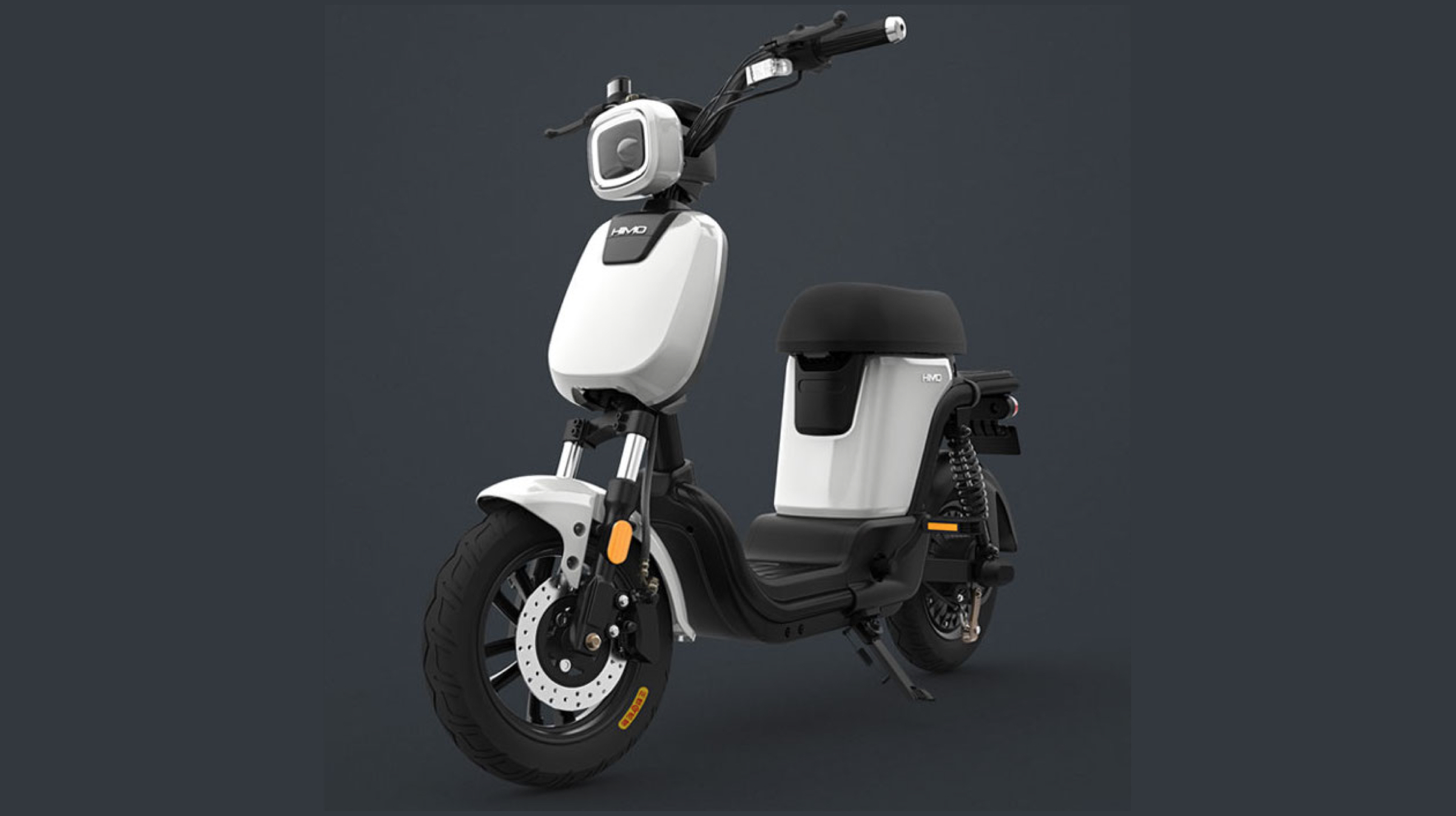
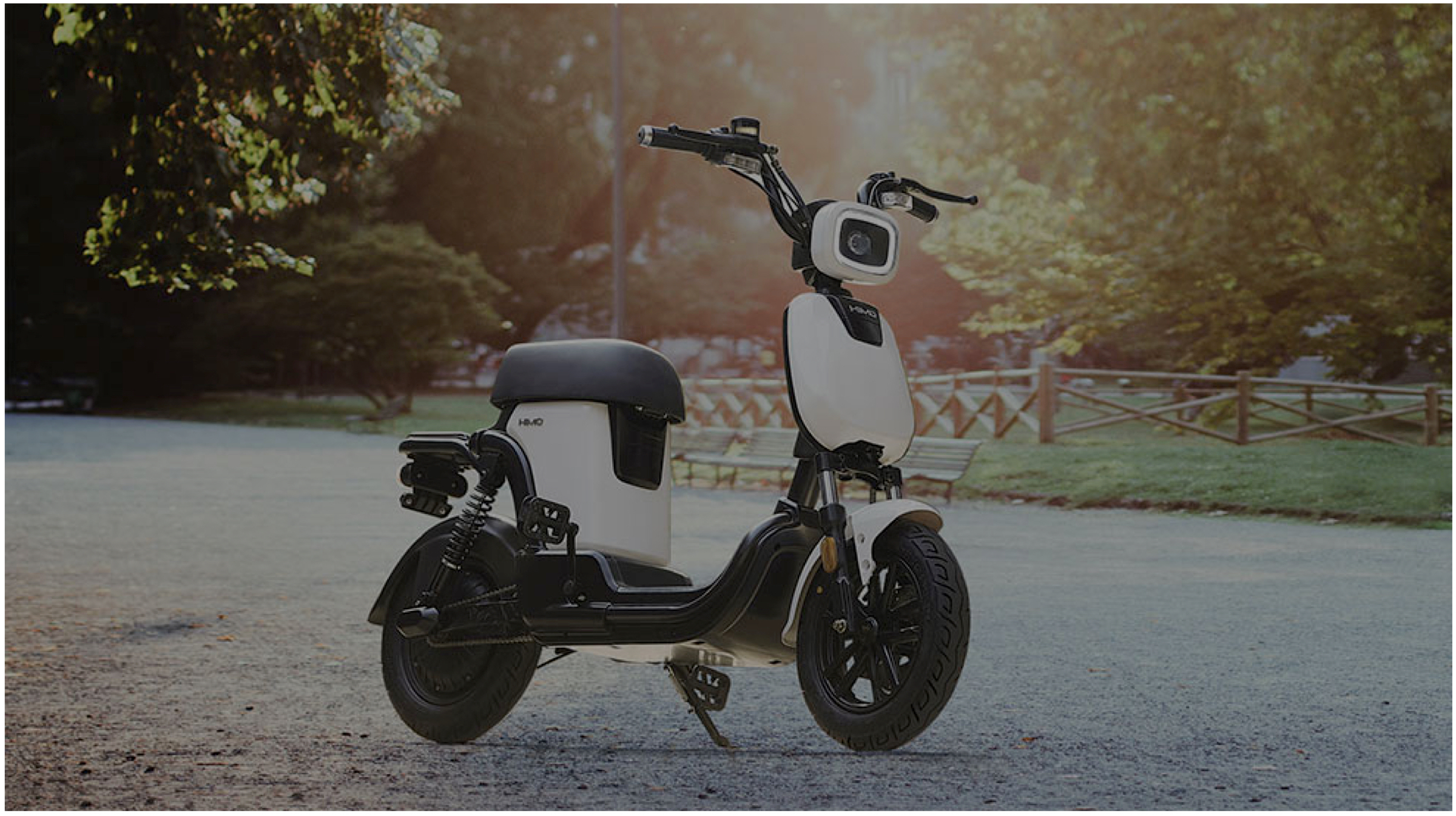
Chinese conglomerate, Xiaomi knows no boundaries in terms of the products they develop and offer. They are recognised globally for their smartphones that offer praiseworthy value. Additionally, it invests resources in other promising companies which results in bilateral benefits. To test the viability of new products, in an unconventional manner, Xiaomi offers them on crowdfunding platforms which when successfully accomplished are followed by deliveries. One significant product currently on offer from the company is the Himo T1, which is an electric urban mobility scooter.
Himo T1 Looks and Features
The Himo T1 from Xiaomi has a unique look with an exposed metal tube frame and minimal body panels. It features an LED headlamp which is both bright and power efficient. The urban mobility scooter can only seat the rider with a dedicated carrying rack behind the seat. The Himo T1 has dual telescopic suspension on the front and dual spring-loaded suspension on the rear. The front of the mobility scooter also provides an option to mount a basket which can be used to carry a variety of items.
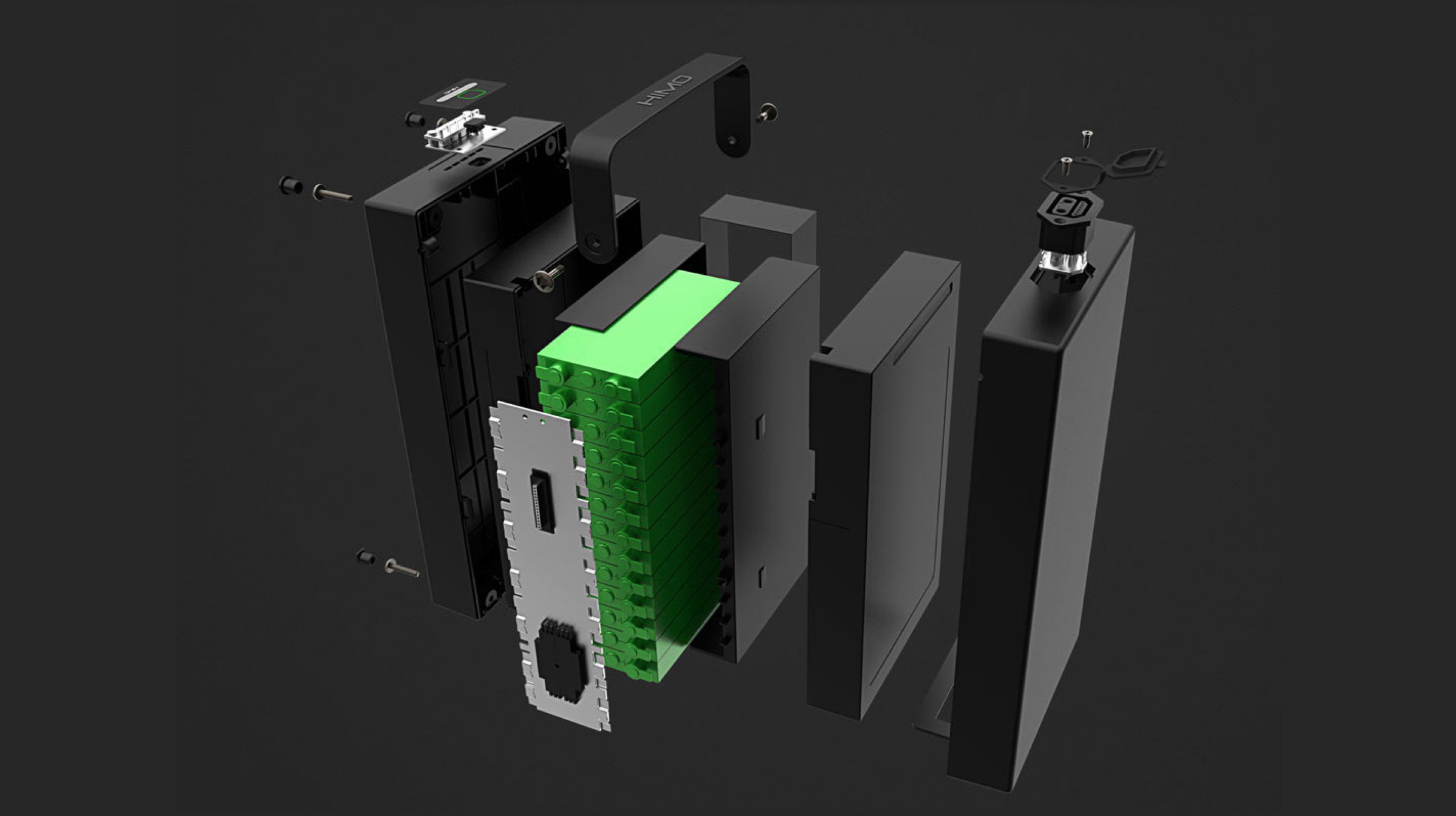
The Himo T1 electric scooter from Xiaomi has a top speed of 25 km/h and the 14,000 mAh inbuilt battery offers a range of 60 km. However, a secondary 14,000 mAh battery can also be installed which is claimed to double its range to a maximum of 120 km. The electric motor in the scooter is a 350 w unit and it can reach 380 RPM (Rotations Per Minute) at full pace.
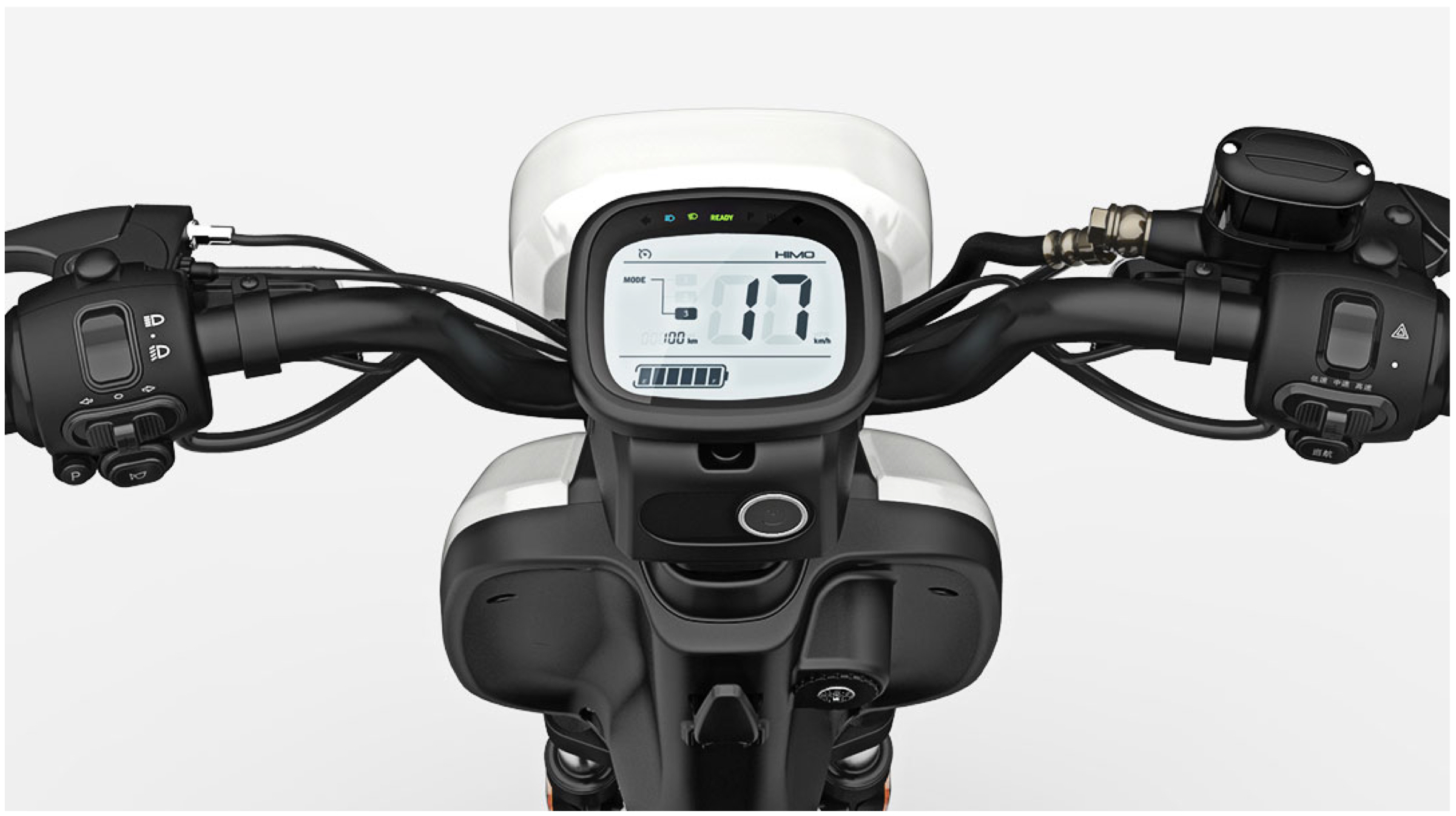
In case the battery on the Himo T1 from Xiaomi runs out, the user also has the option to pedal it and continue the trip. It also has 5v 1a USB port which can be used to charge electronic devices like smartphones and tablet PCs. It has a handlebar mounted digital meter which can be used to display the amount of charge left and current speed.
The Himo T1 urban mobility scooter is offered in three colours which include Grey, White and Red. As previously mentioned, it is currently available on Xiaomi’s crowdfunding website, Xiaomiyoupin at a price of ¥ 2999 (Rs 31,700). Currently, there is no information about its launch in India, though we would surely like Xiaomi to bring it to the country.
The latest superhero movie from Marvel Studios, Avengers: Endgame has hit theatres all across India today. The movie marks the culmination of 21 movies starting from Iron Man in the year 2008. While the wait to watch the movie seems like something impossible to do, Google has a surprise in store for the franchise’s fans. In typical Google fashion, the company has inserted an easter egg into its search engine. This one revolves around Thanos; the big bad in the latest Marvel movie.
Searching For Thanos On Google
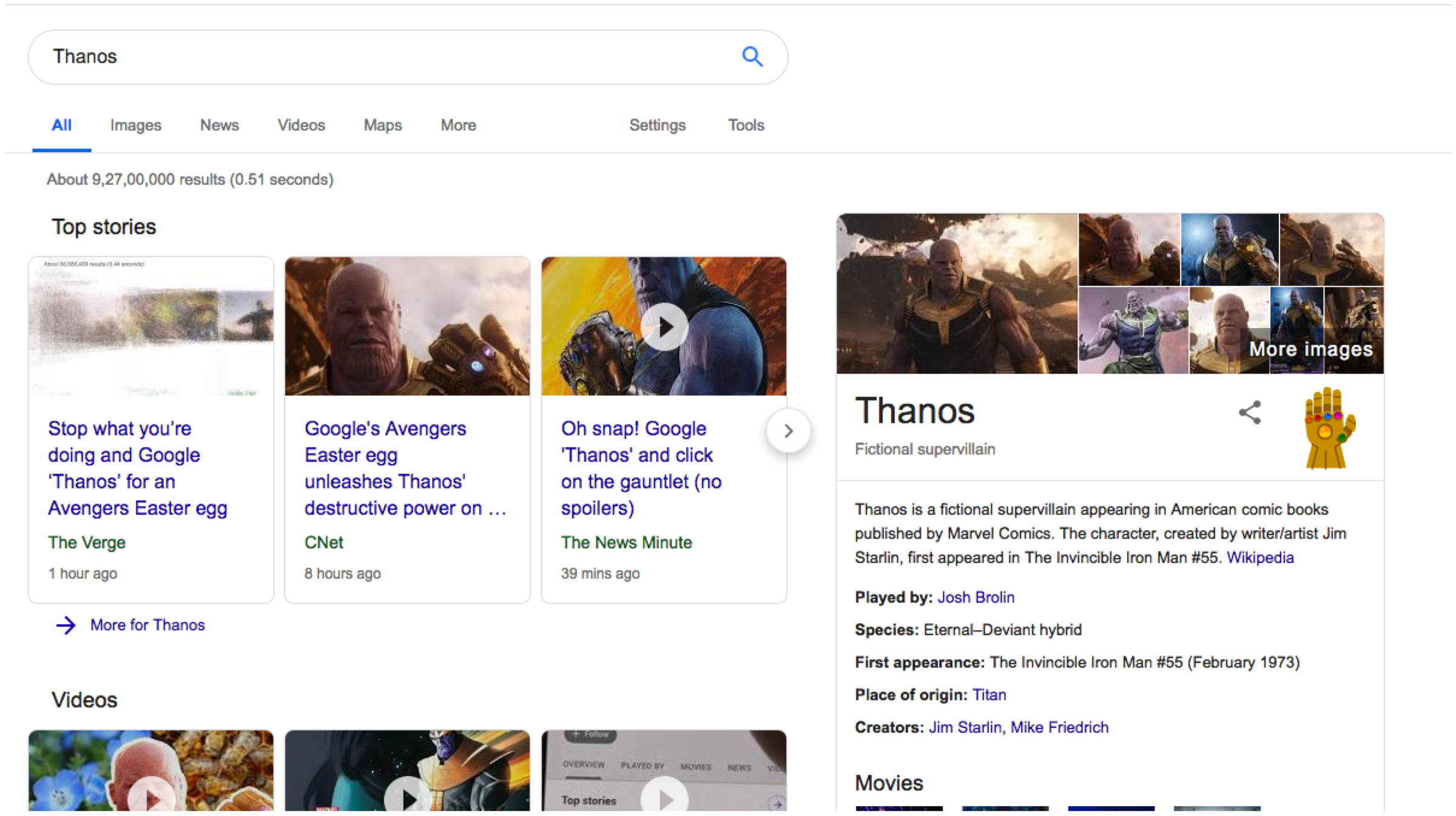
Like mentioned above, the latest easter egg from Google is dedicated to the villain of the Avengers: Endgame movie named Thanos, the Mad Titan. In the preceding film Avengers: Infinity War released last year, he was shown decimating half of the whole universe’s population with the snap of his fingers. The surprise by Google here is for the users searching for the Mad Titan on the search engine. In the search results, an infinity gauntlet similar to what he wore in the previous movie is visible on the right side of the screen. When it is clicked, the gauntlet snaps its fingers like in the movie and half of the search results disappear from the screen. Furthermore, the count of the search results is also reduced to half in the process.
Notably, to make things go back to their previous state, one would need to click on the gauntlet once again. Doing this shows a new animation which uses the time stone; an element in the Avengers: Endgame movie used to control time, to bring the results back to their original form. It is certainly an amusing addition to build the hype around the film further. The movie, as mentioned above releases today in most countries worldwide. The anticipation around Avengers: Endgame has been unprecedented; with over 2.5 million tickets sold via advanced booking across India, according to ticketing agent BookMyShow. For those who are too lazy to go on Google and search for Thanos, you can visit the link here to watch the decimation happen.
Avengers: Endgame is releasing in India today, and let’s admit it, we couldn’t be more excited. Amidst a ton of hype concerning the movie, tickets for the same are selling out like hot cakes on a December day. The movie is speculated to be the last one in the current series, hence, people have been looking forward to Avengers: Endgame for a long time now. What’s more, the movie has sold out a total of 2.5 million tickets in India till now, making it one of the highest booked movies in the country ever. At its peak, 18 Avengers: Endgame tickets were being sold every second on popular ticket-booking application, BookMyShow. That is indeed a feat.
Let’s have a look at some interesting and intriguing trivia about what will probably be the biggest movie of 2019.
Most of the footage used in the movie trailers on YouTube and TV Spots is reportedly extracted from the first 15-20 minutes of the movie, which means that fans have already seen 4% of the movie so far, considering the long 181 minute runtime.
Avengers: Infinity War and Avengers: Endgame are the first Hollywood movies to have been shot entirely on digital IMAX Cameras in an open-matte aspect ratio of 1.9:1
Chris Evans (playing Captain America) has been a part of the MCU (Marvel Character Universe) for almost a decade now. He has appeared as Captain America for a total of 10 times, including Captain America: The First Avenger (2011), The Avengers (2012), an uncredited cameo in Thor: The Dark World (2013), Captain America: The Winter Soldier (2014), Avengers: Age of Ultron (2015), a cameo in Ant-Man (2015), Captain America: Civil War (2016), a cameo in Spider-Man: Homecoming (2017), Avengers: Infinity War (2018), a cameo in Captain Marvel (2019) and eventually Avengers: Endgame (2019).
Similar to Avengers: Infinity War, the Russo Brothers (directors) published a letter to MCU fans, urging them to not divulge any details and spoilers regarding the upcoming movie. This sparked a viral trend on Twitter, with the hashtags #DontSpoilTheEndgame and #ThanosDemandsYourSilence.
When the first trailer for the movie came out, the name of the movie (the Endgame) was not included in the title of the trailer. Instead, it just read “Marvel Studios’ Avengers – Official Trailer”. This was formulated in order to surprise MCU fans with the title name at the end of the trailer.
Opening night tickets for the Avengers: Endgame were resold on eBay for a lot more than their original worth. Reportedly, a pair of IMAX tickets were resold in New Jersey for about US$ 15,000, which is ridiculously high.
The shooting of the movie was temporarily shut down on September 11, 2017 because of the Hurricane Irma.
Avengers: Endgame is the 3rd Avengers Movie to be released in the same year as a Quentin Tarantino movie. Previously, The Avengers and Django Unchained were released in the year 2012, and thereafter, the Avengers: Age of Ultron and The Hateful Eight were both released in 2015. This year, Avengers: Endgame and and Once Upon A Time In HollyWood will be released.
Paul Rudd as Ant-man and Mark Ruffalo as The Hulk will come together for the first time in the Avengers: Endgame.
The plot of the Infinity Stones and Thanos is expected to conclude in the movie, which means that Infinity stones won’t make an appearance in any further Marvel movies.
Tickets for the movie are available across all major event platforms, including BookMyShow and PayTM. Since a lot of people are lined up for the movie, be sure to get your hands on the tickets in ample time. Furthermore, PayTM is giving away discount vouchers on Twitter, so users can go check that out too.
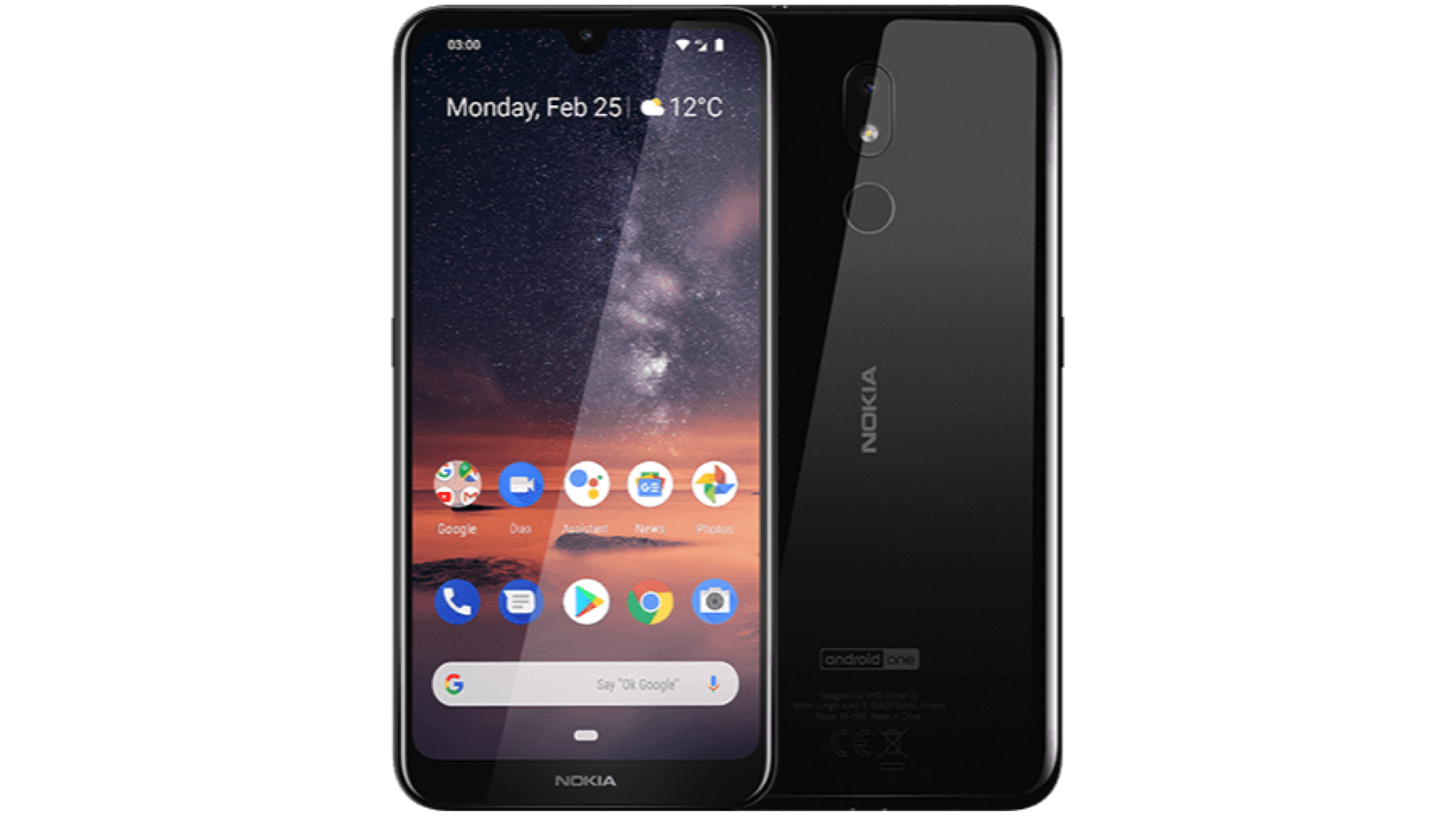
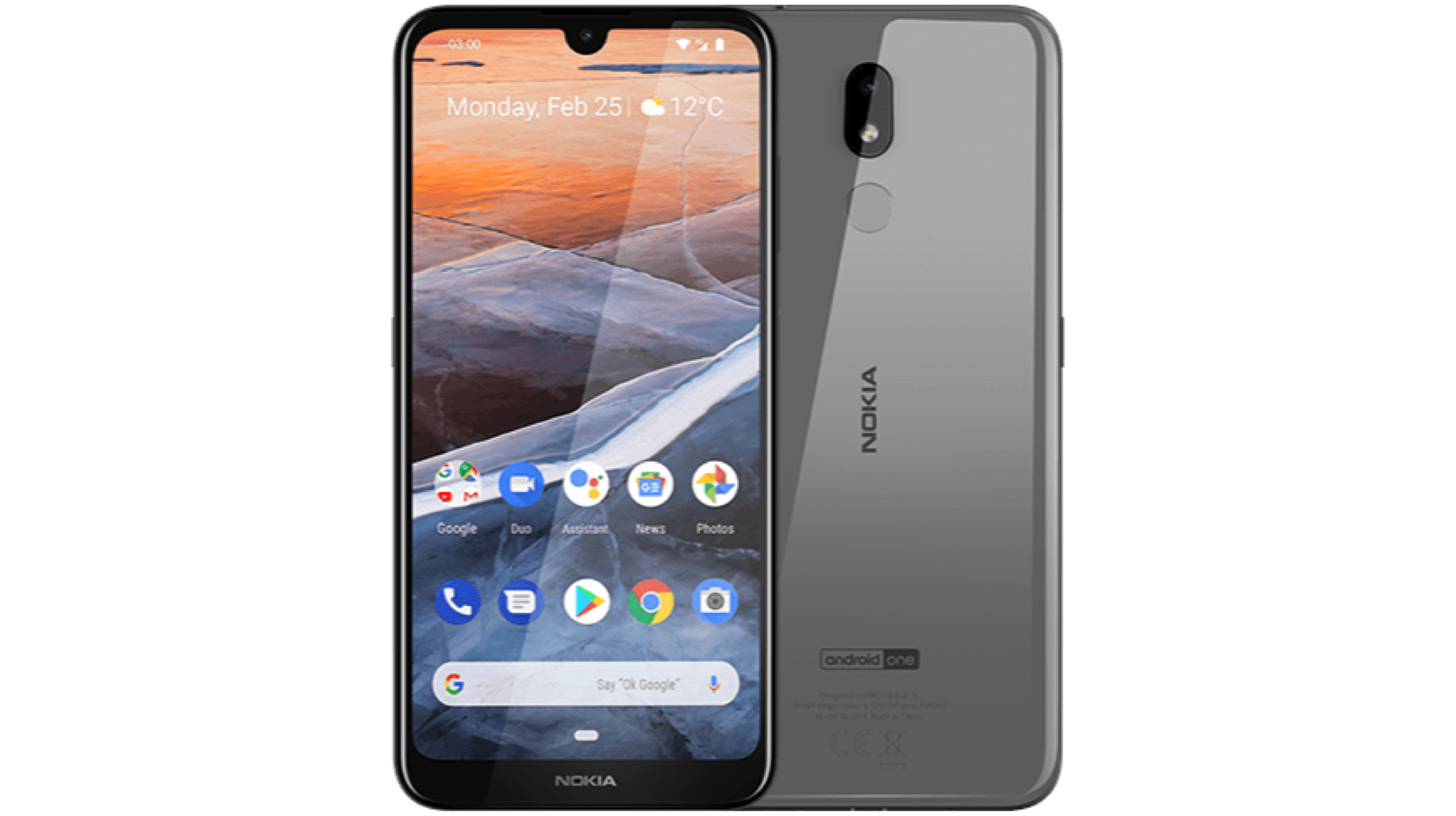
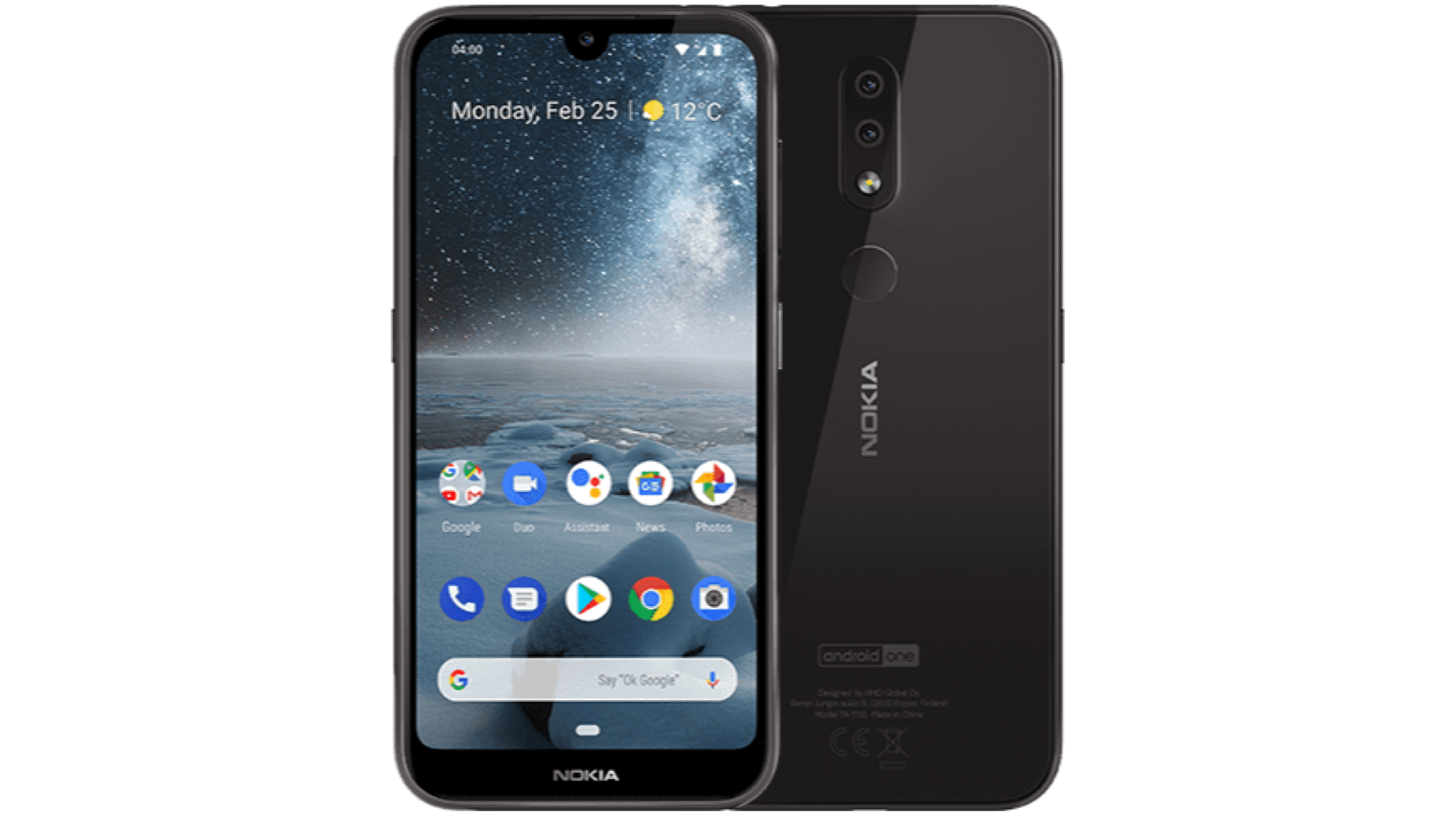
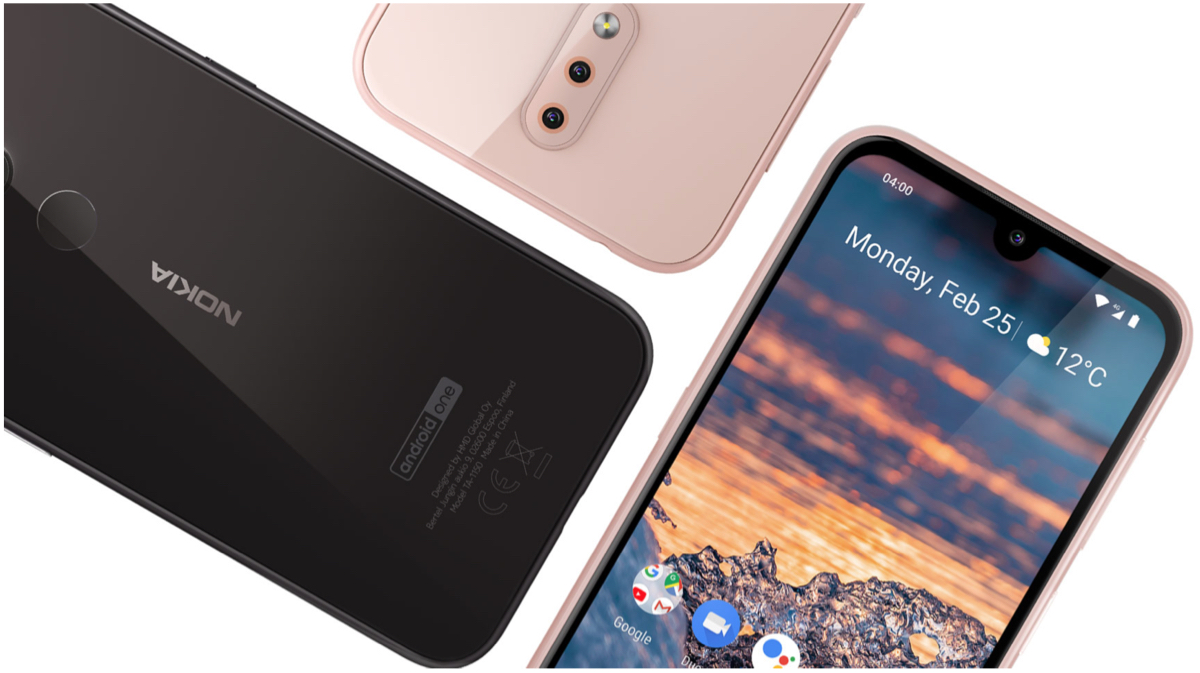
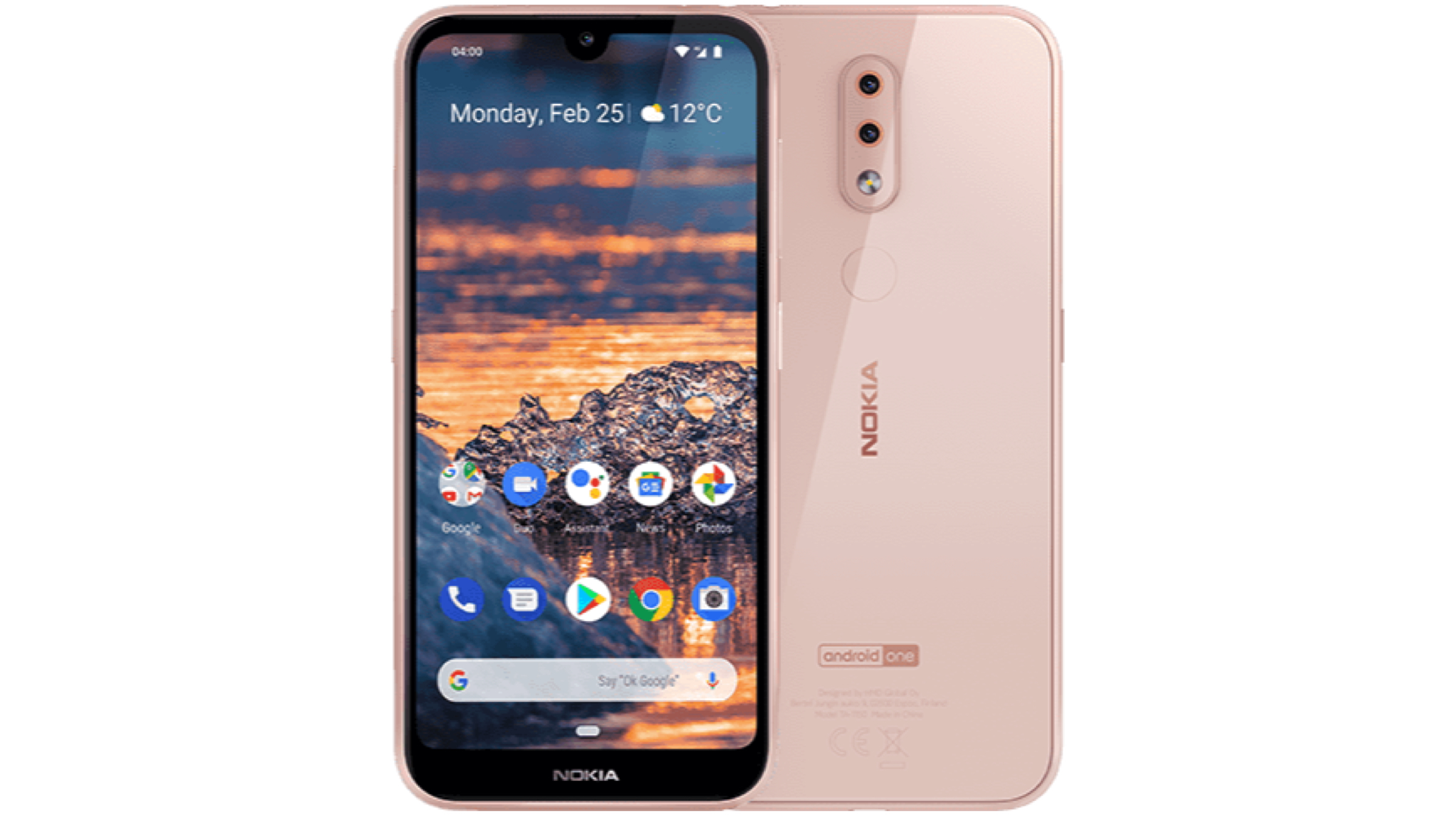
Nokia originally launched the Nokia 3.2 and 4.2 budget smartphones at an event in Barcelona, Spain back in the month of February. The handsets promise a stock Android interface with support for software updates for multiple years. It is now expected the company will launch the two aforementioned devices in the Indian market soon, as it has listed both handsets on its official website.
Nokia 3.2
To recall, Nokia 3.2 is the successor of the Nokia 3.1 which was launched last year. It is a budget device featuring a polycarbonate body. The display of the device is a 6.26 inch TFT LCD panel with a resolution of 1520 x 720 px. It has a pixel density of 269 ppi and features a waterdrop notch on top. For biometrics and easily unlocking the smartphone, a rear-mounted fingerprint scanner is available on the more premium storage variant of the smartphone
Under the hood, the Nokia 3.2 is kitted with a Snapdragon 429 SoC which is manufactured using the 12nm fabrication process. The chipset is comprised of an Octa-core CPU and Adreno 504 GPU. In terms of optics, the handset is equipped with a single rear camera which has an f/2.2 equipped 13MP sensor. For selfies, an f/2.2 aperture equipped 5MP sensor is housed in the notch up front. For memory and storage, the device is expected in two variants:
2GB RAM and 16GB ROM
3GB RAM and 32GB ROM (Also features a fingerprint sensor)
Nokia 3.2 is powered by a 4000mAh battery which the company claims can last up to two days on a single charge. A dedicated Google Assistant button is also present on the left side of the device. The smartphone runs on Android 9 Pie and is Android One certified; which states that it will receive Android updates for two years and monthly security updates for three years. While it’s pricing is unknown for the Indian market, it was launched for US$ 139 (around Rs. 9,900) for 2GB + 16GB variant and US$ 169 (around Rs. 12,000) for 3GB + 32GB variant so a similar price is expected.
Nokia 4.2
Nokia 4.2 is another budget offering by Nokia which features in a completely new lineup. It features a glass sandwich design with a polycarbonate frame. The smartphone has a 5.71 inch TFT LCD display with a resolution of 1520 x 720 px. The display has a pixel density of 270ppi and features a waterdrop notch on top. For biometrics and securely unlocking the device, it has a rear mounted fingerprint scanner.
Under the hood, the Nokia 4.2 runs on a Snapdragon 439 SoC which is manufactured using the 12nm fabrication process. It has an Octa-core CPU and Adreno 505 GPU. In terms of optics, the handset has a dual rear camera setup. This consists of an f/2.2 aperture equipped 13MP sensor paired with an f/2.2 aperture equipped 2MP depth sensor. For selfies, the device has an f/2.0 aperture equipped 8MP sensor housed in the notch on top of the display. For memory and storage, the device will be available in two variants:
Nokia 4.2 is powered by a 3000mAh battery which can be charged using the MicroUSB port on the bottom of the smartphone. Like the Nokia 3.2, it also features the dedicated Google Assistant button and runs on Android 9 Pie Android One edition. While it’s pricing is unknown for the Indian market, it was launched for US$ 169 (Rs. 12,000) for the 2GB + 16GB version and US$ 199 (Rs. 14,200) for the 3GB + 32GB version. Therefore a similar price tag is expected.
The rapidly flourishing smartphone maker OnePlus is set to launch its latest devices on the 14th of May. Unlike previous launch cycles, the company is expected to launch two smartphone models at the upcoming event. The aforementioned devices will allegedly be called the OnePlus 7 and the OnePlus 7 Pro. As the name suggests, the latter will be a specced up variant of the former. Details about both the handsets have previously leaked on several instances. One notable feature the upcoming smartphones were reported to have is a triple rear camera setup. A Tweet shared on the official OnePlus account confirms that the anticipated devices will indeed have a triple rear camera setup. Notably, it is not confirmed whether both the smartphones will have this feature or just the ‘Pro’ variant.
Putting more than two rear cameras on a smartphone has become very popular. Mainly due to the reason that a third sensor can provide added functionalities like optical zoom, ultra wide viewing capabilities, monochrome functionality and even more. Noteworthy, this depends on the type of sensor that the OEMs chooses to implement on their offering.
According to previous leaks and rumours, the triple camera setup on the upcoming OnePlus smartphone will be comprised of a 48 MP primary sensor, an f/2.4 aperture equipped telephoto sensor with 3x zoom capabilities and an f/2.2 aperture equipped 16 MP ultra wide sensor. Clearly, the telephoto sensor will allow the OnePlus 7 to capture close up shots while keeping distortion at bay. On the other hand, the ultra-wide sensor will enable the smartphone to capture images that have a considerably wide field of view (FOV).
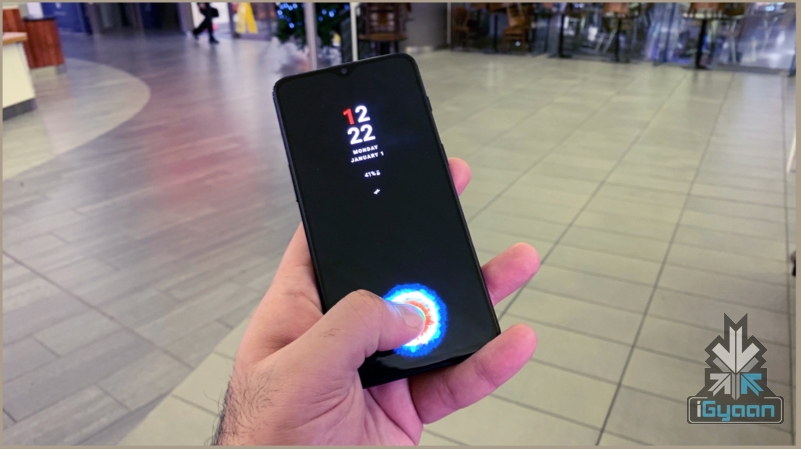
The in display fingerprint scanners for smartphones was first shown off at the Consumer Electronics Show (CES) last year by Vivo. Few months after, the technology was made commercially available in the form of the Vivo X21 UD. Since then, many other major OEMs have started providing an in display fingerprint sensor in their devices. Notably, the feature is only limited to smartphones that feature an OLED display. Mainly due to the reason, only OLED display allowed light to pass through to authenticate a fingerprint via the underneath mounted sensor. That all changes now, as a Chinese company Fortsense has announced it has successfully developed in display fingerprint scanners for handsets with an LCD display.
Why Is It Big News?
Galaxy S10+
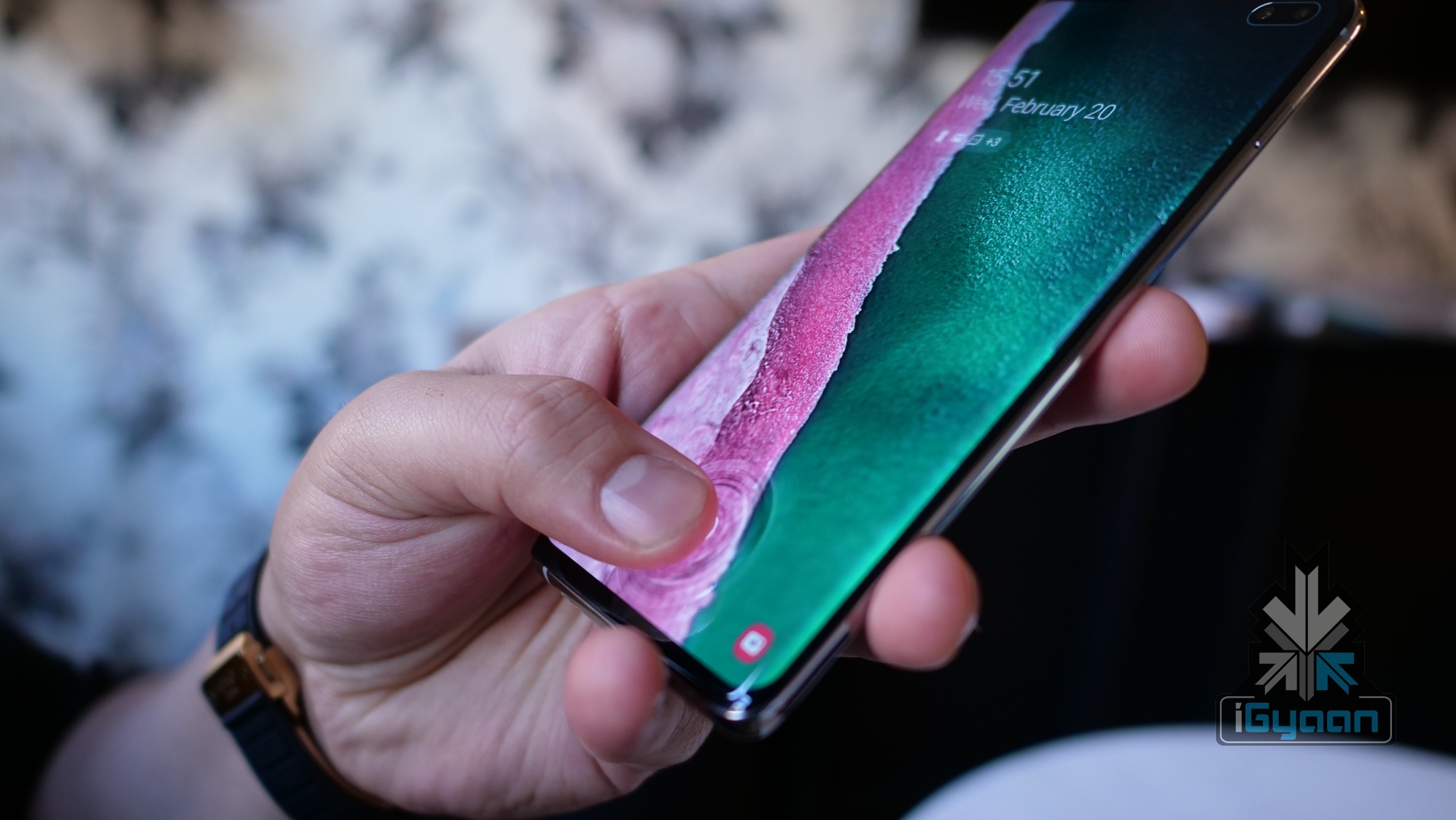
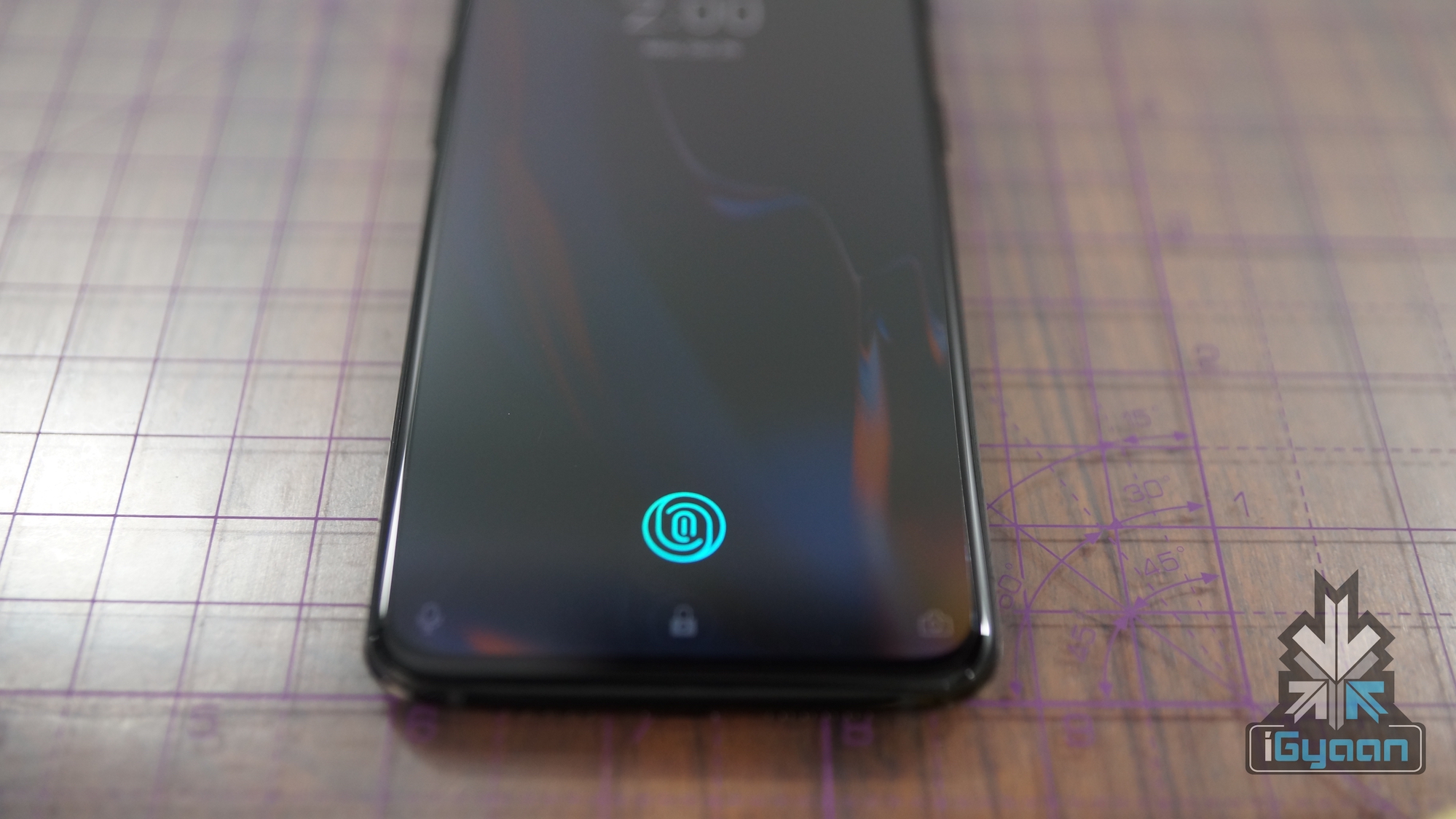
As mentioned above, traditional in display fingerprint scanners use light to authenticate and unlock the smartphone, like in the OnePlus 6T. These are called Optical fingerprint scanners. Samsung in its Galaxy S10, Galaxy S10+ and Galaxy S10 5G uses an ultrasonic in display fingerprint sensor. As opposed to optical ones, these use a sonic pulse wave to authenticate the user’s fingerprint and is claimed to be more secure than the former. In the past, both instances have used an OLED display to work because neither light or a sonic pulse wave can pass through conventional LCD displays.
As LCD displays are more affordable to manufacture and are found in abundance in budget and mid-range smartphones; an LCD in display fingerprint scanner is big news. This insinuates future budget devices may be featuring a fingerprint sensor inside the handset’s screen. Surprisingly, a senior executive at Xiaomi has already confirmed that smartphones with this feature will be released as early as the next year.
How Does It Work?
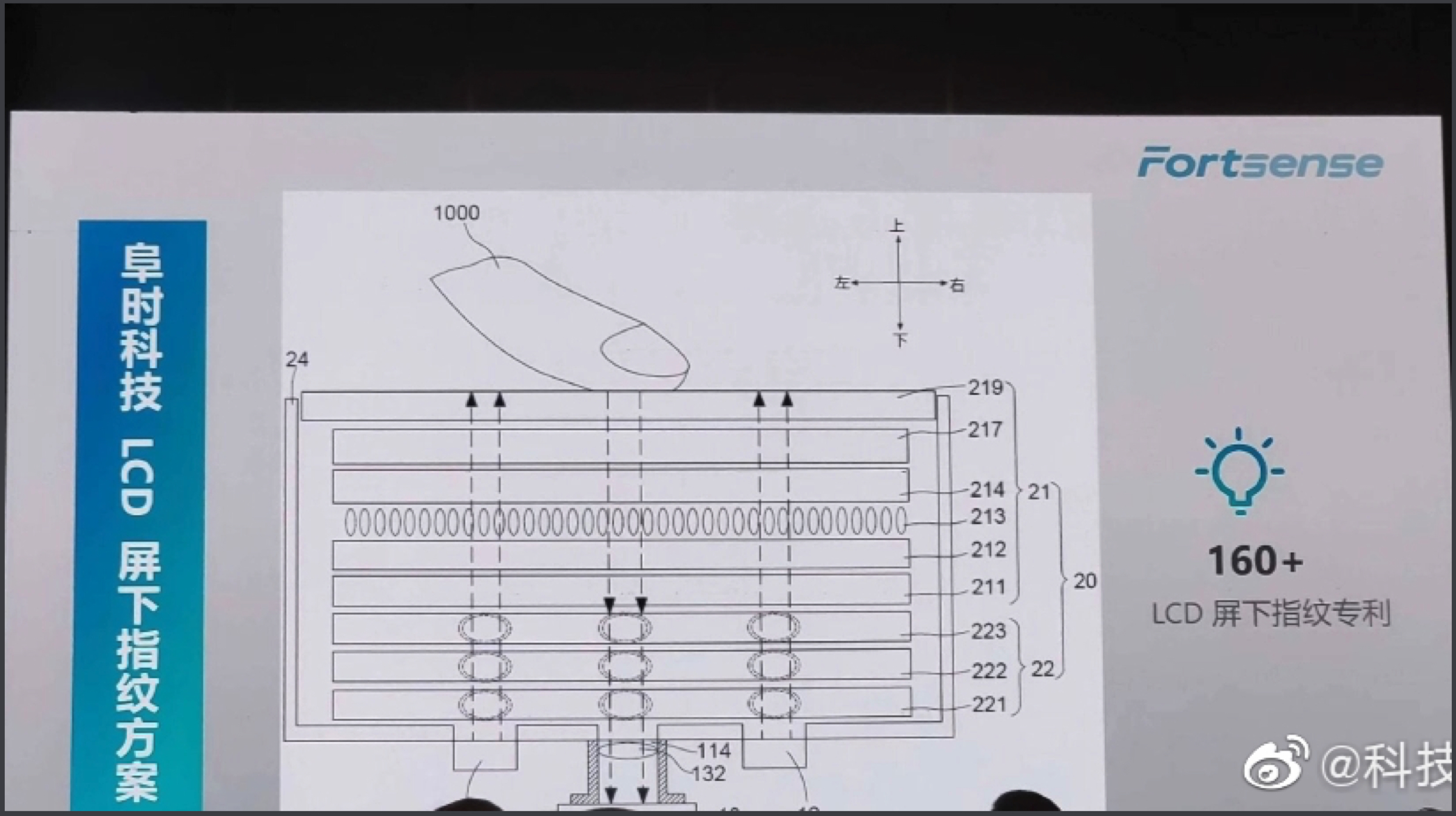
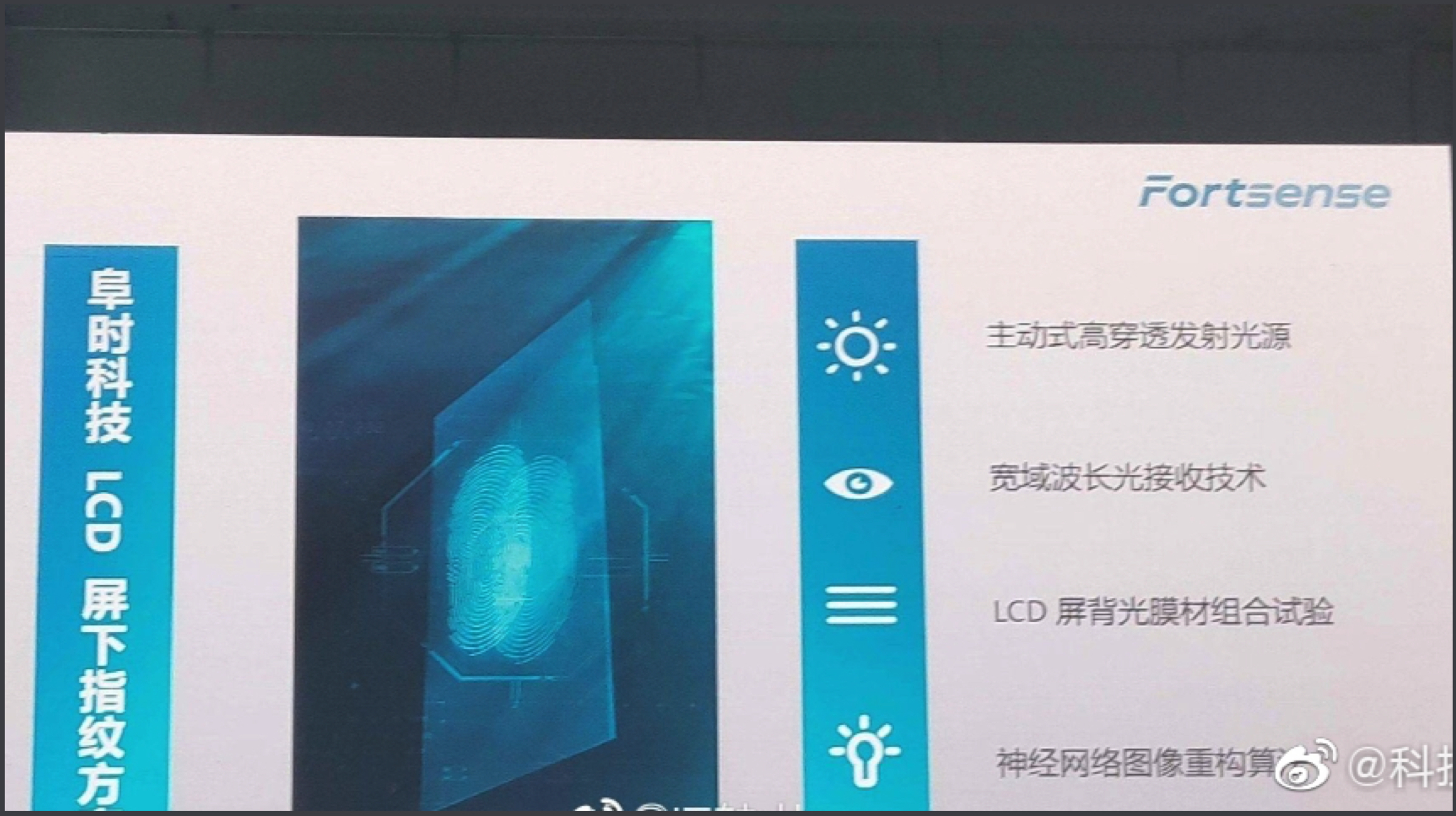
The R&D team of the Fortsense company claims to make the LCD in display fingerprint scanners work, it had to revise and improve the quality of the LCD backlight panel. It was achieved by enhancing the fingerprint optical path scheme of the display panel. The images from the announcement suggest the fingerprint sensor is an optical kind, but like them, a camera inside the screen is not visible. This might mean it is a completely different kind of technology.
Fortsense also claims to have adopted an algorithm based approach for its LCD in display fingerprint scanners. A combination of deep learning neural network algorithm for optimization and recognition of fingerprints quickly is used in the process. According to the company, the recognition speed is comparable to traditional fingerprint sensors.
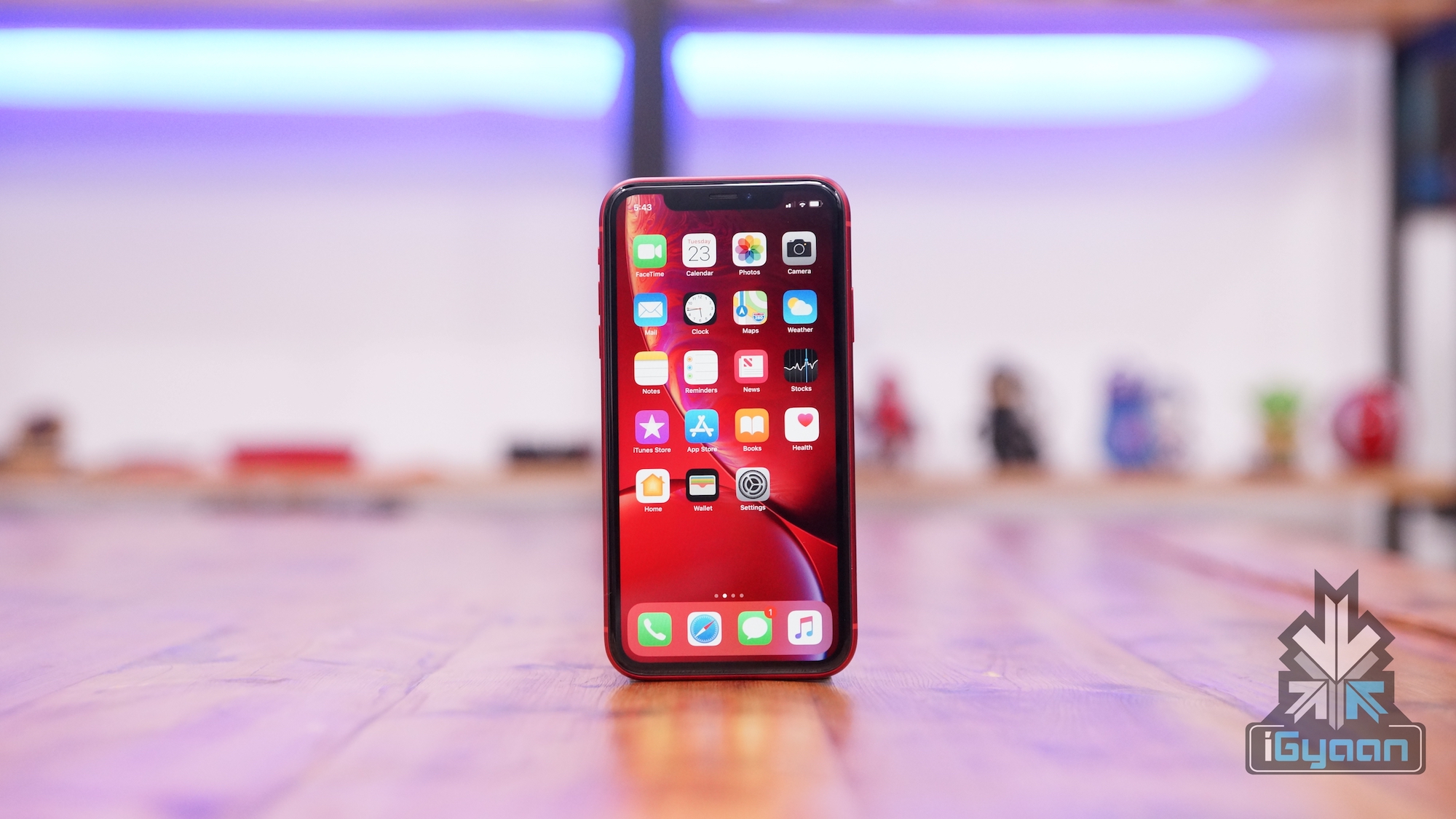
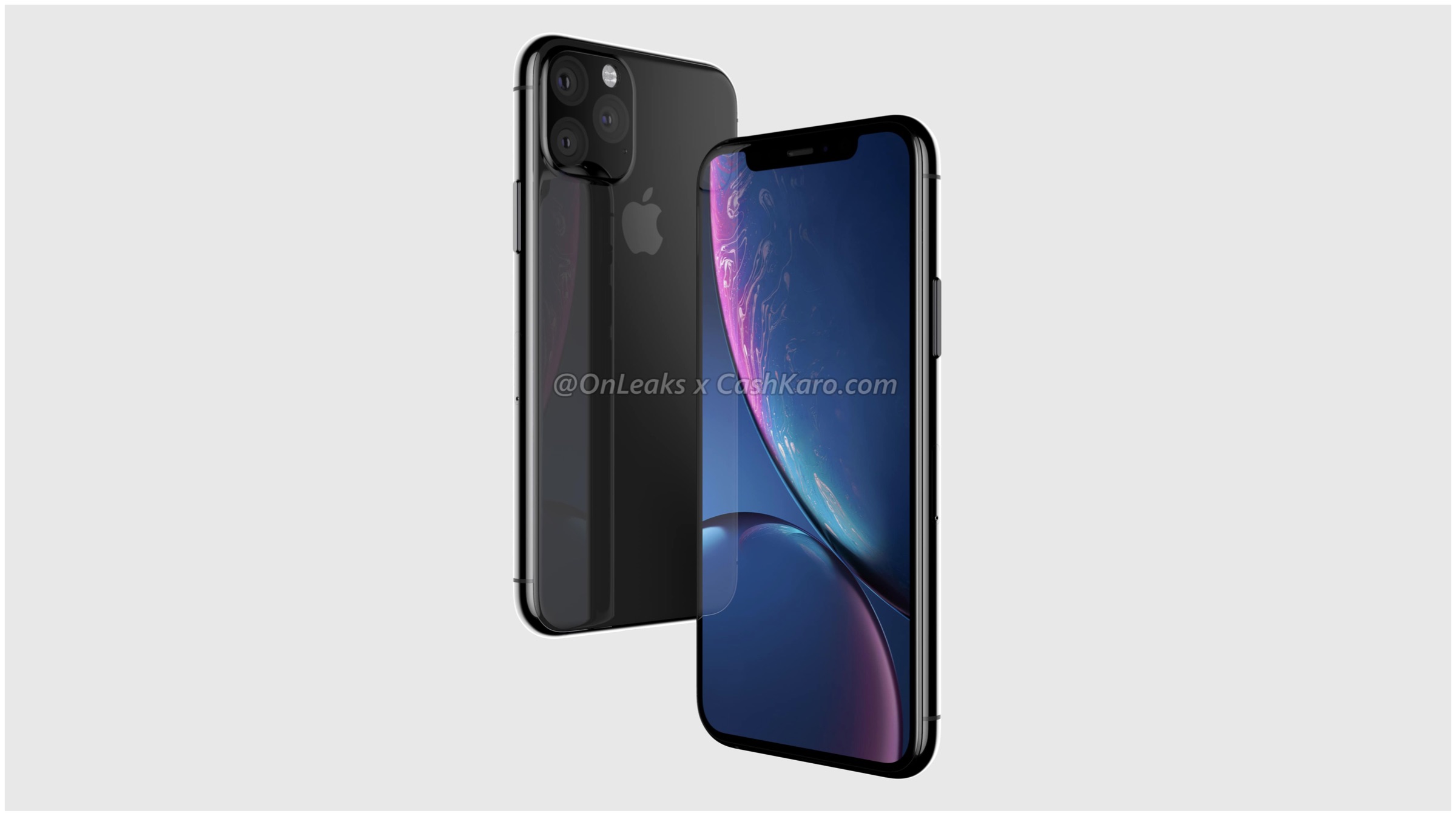
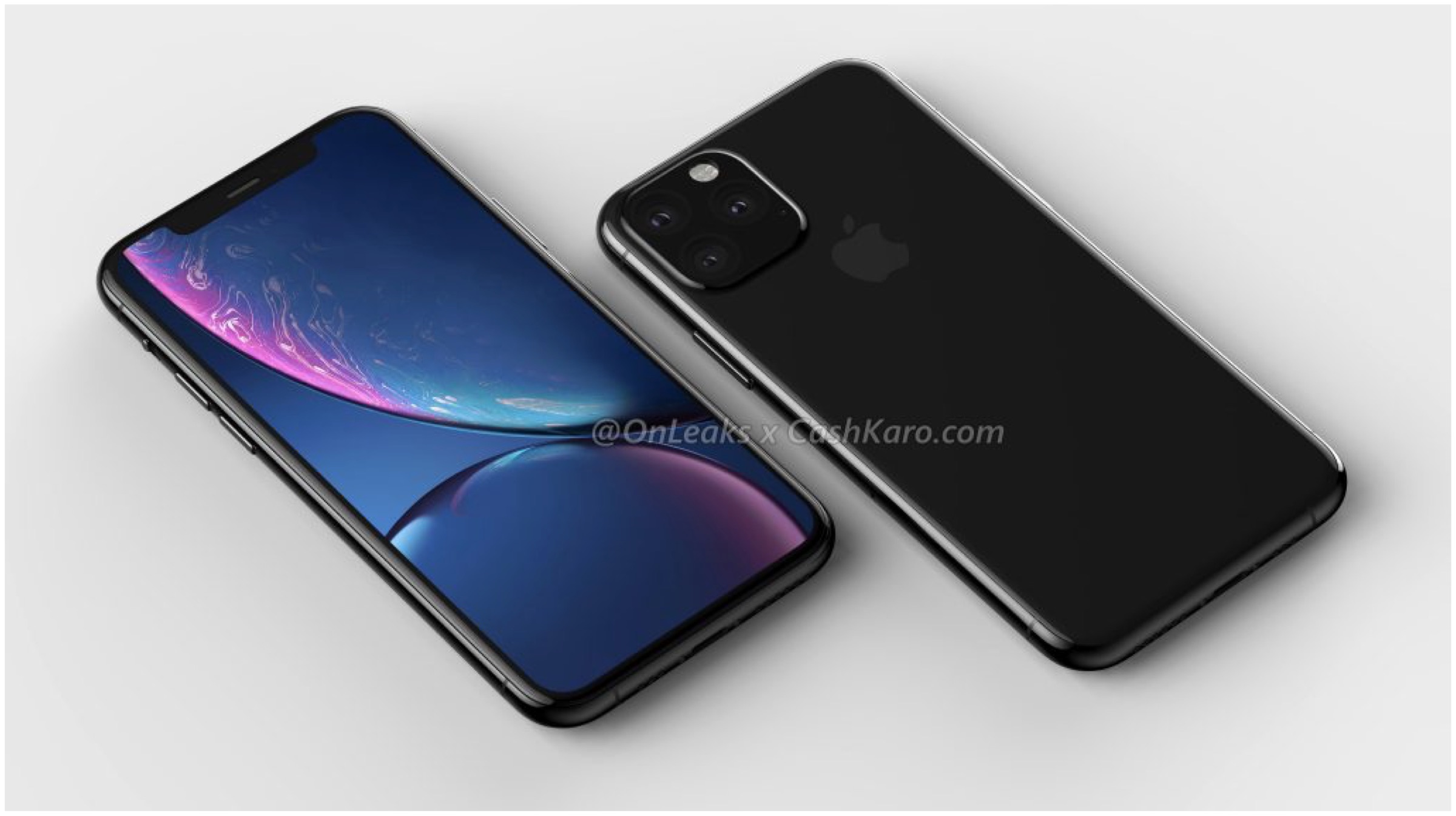
Rumours surrounding the upcoming iPhone XI have shrouded the device in mystery for quite some time now. Amongst a multitude of leaks, the triple rear camera setup was the most speculated. If and when released, the Apple iPhone XI will be the first smartphone from the company to feature a triple camera module, indicating a clear shift from Apple’s conventional design statement. Latest leaks regarding the iPhone XI showcase a rear camera bump housing three camera sensors placed in a triangular camera arrangement.
Apple iPhone XI Design And Features
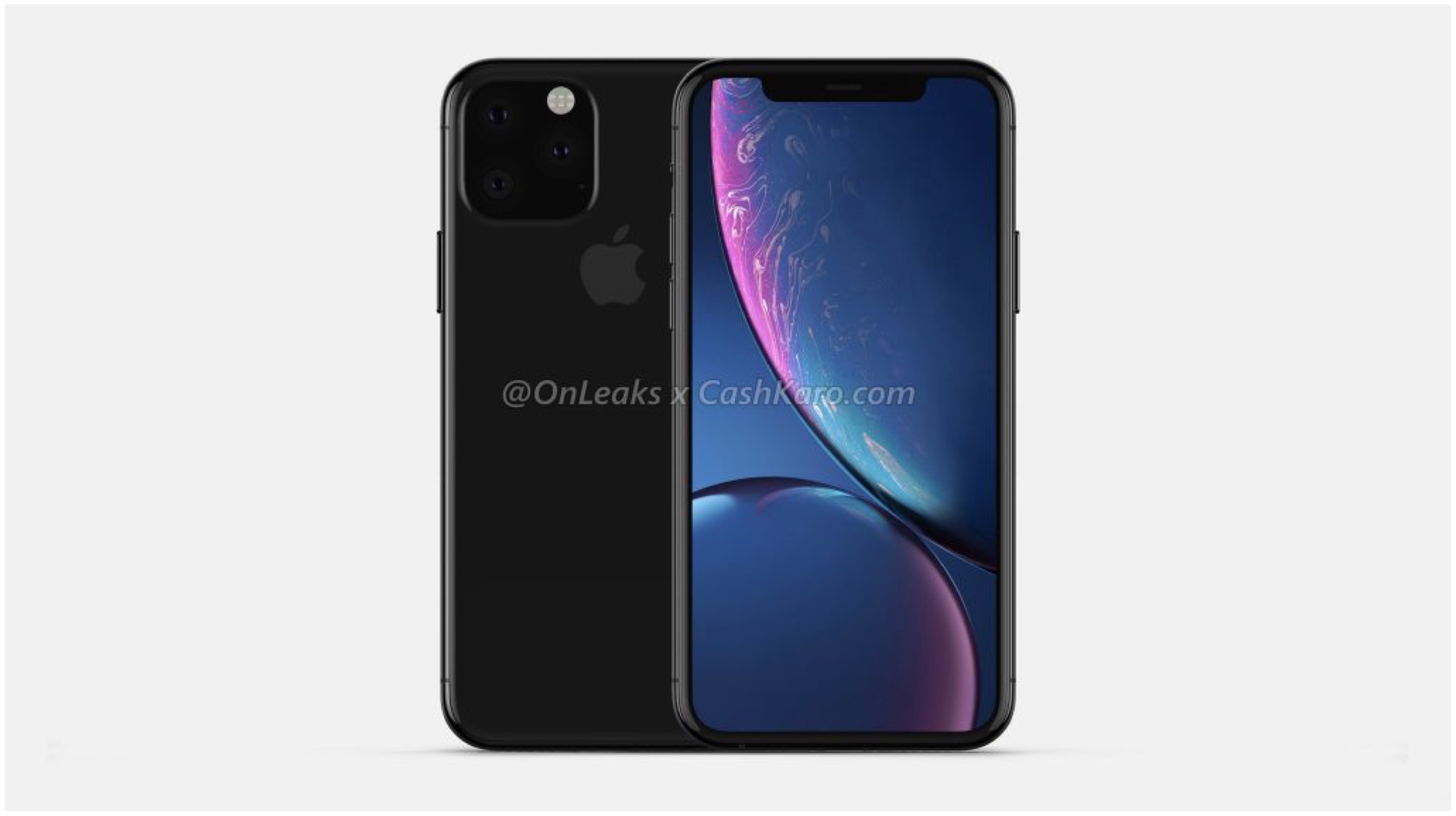
The leaks are in line with the previously reported design of the Apple iPhone XI, which hinted a similar camera setup. The complete module consists of three camera sensors, an LED flash and a microphone which may be used for directional voice recording. Apart from the primary camera, one of the other sensors can be an ultrawide sensor, whereas the third could be a telephoto lens. Front renders of the smartphone exhibit a selfie camera which is housed in the iPhone X-style notch. Quite interestingly, the back panel of the device seems to be fabricated with a single sheet of glass.
Additionally, the renders showcase a 5.8 inch AMOLED panel, something which is unchanged from the iPhone XS. Reports state that the smartphone will measure at 143.9 x 71.4 x 7.8 mm. Further insight into the smartphone’s renders reveals that the Mute switch on the left side of the phone has a different design from the preceding iterations. It resembles the mute switch which was previously seen in older iPads. Also, the bottom of the smartphone houses the Lightning port.
Apple is expected to release the iPhone XI in the month of September 2019, and the smartphone will go head-to-head against other flagship devices in the market, including the Galaxy S10 and the Huawei P30 Pro. It will be interesting to see how Apple will market it’s first “Triple-Camera Smartphone”. Furthermore, the company is also reported to be working on a foldable device, which may be announced around the same time as the iPhone XI.
Google’s Android and Apple’s iOS are the most popular and the most used mobile Operating Systems worldwide. While their success is unprecedented and doesn’t seem like it can be beaten; there was a time when many companies were close. Here is the list of all the once-promising competitors to the hulking giants in the smartphone OS market. Most of them have been forgotten in the wheel of time.
Windows Phone
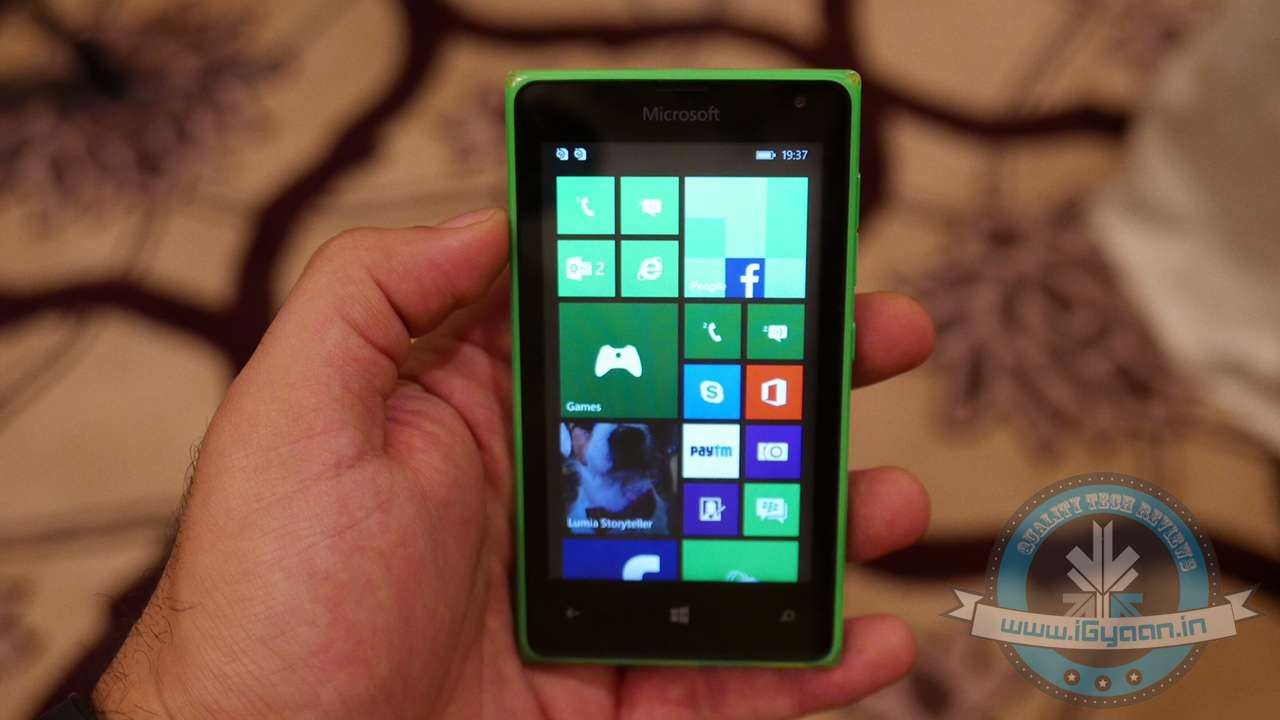
Windows Phone first debuted in the early 2000s and ran on QWERTY based mobile phones. After the ever increasing hold of Android and iOS on the consumer market, Microsoft shifted its strategy and named it Windows Phone in 2010. With support for touchscreen devices and partnership with renowned smartphone OEMs like Nokia, HTC and Samsung; it was a refreshing take on Operating System for mobile phones. Alas, due to the poor app support and partners backing out of the project, the company officially shut down the Windows Phone two years ago. While the loyalists would still swear by its fluidity and colourful UI; the Windows Phone is still the closest any competitor ever arrived at beating Android and iOS.
Symbian
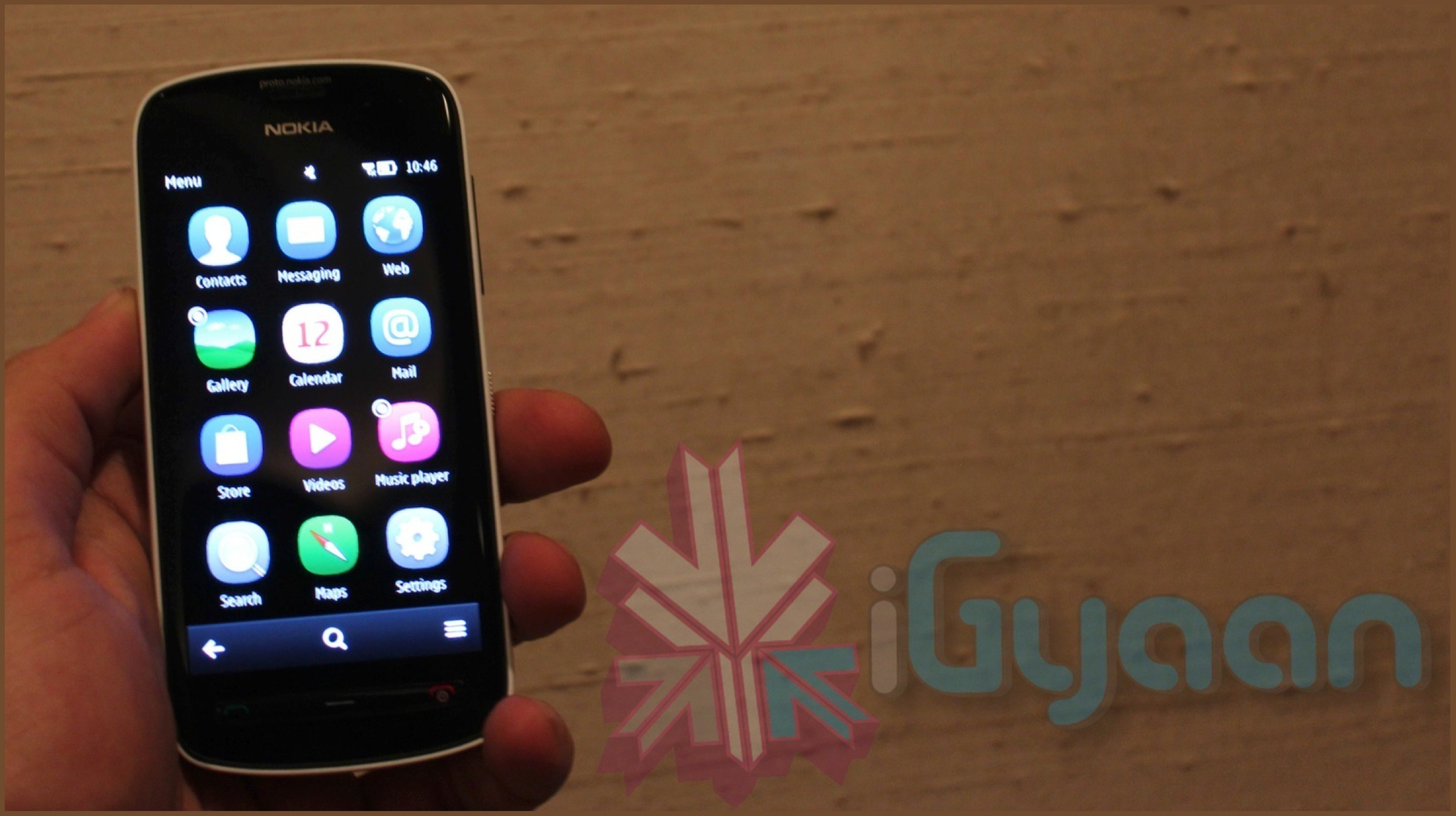
Symbian OS was developed by Symbian Limited and was launched in the year 1998. While it was earlier designed for Personal Digital Assistants (PDAs), many major phone makers adopted the OS. The most prominent one of them was Nokia. The king of mobile phone OEM at the time also used a User Interface (UI) called S60. But, due to the ever increasing adoption of Android and iOS and Nokia’s foray into Windows Phone, Symbian also had to meet its ill-fated end. The legendary Nokia 808 PureView released in the year 2012 was the last phone to run SymbianOS from Nokia.
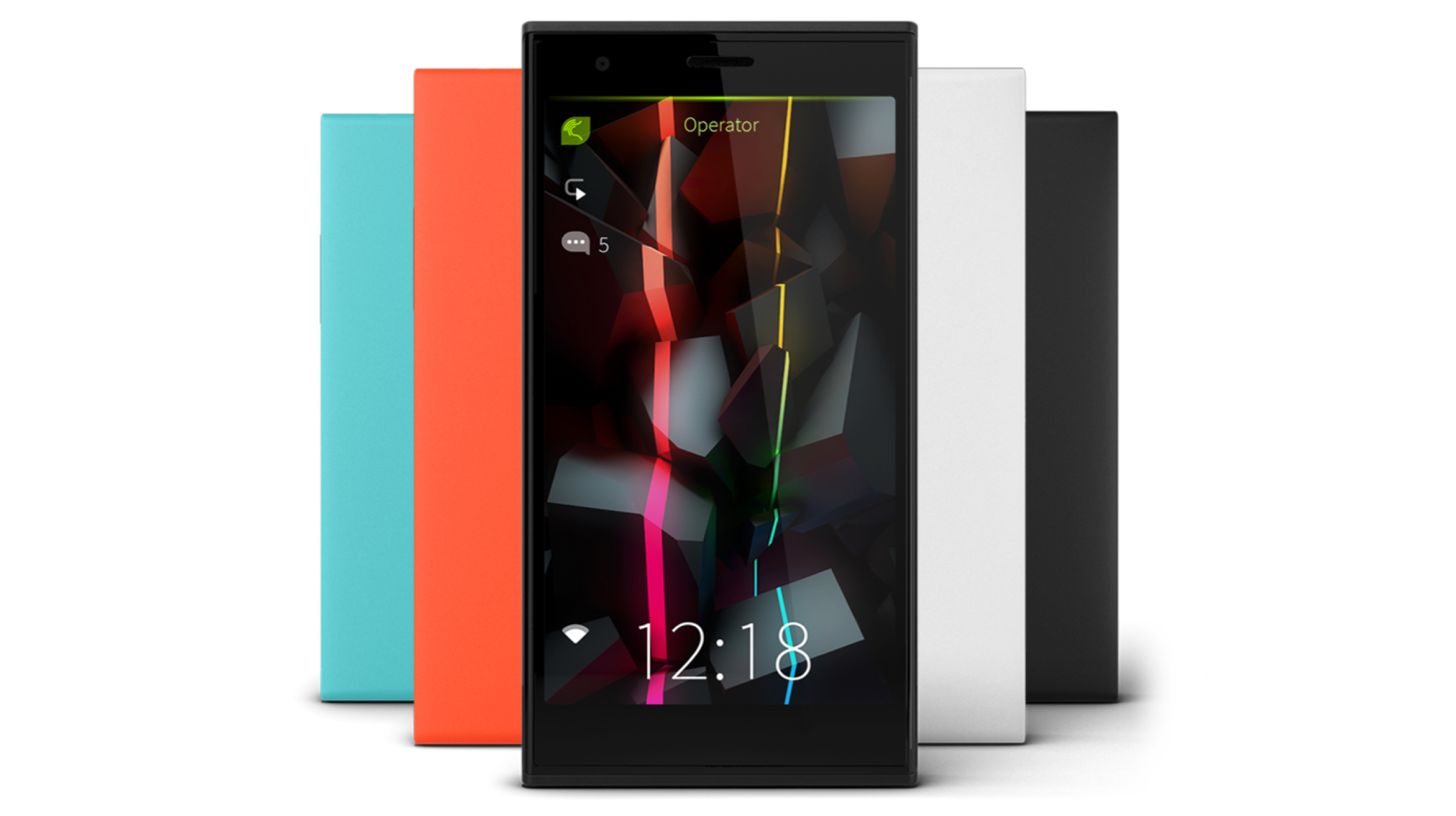
Sailfish OS
Sailfish is developed by Jolla after the MeeGo interface by Nokia in its smartphone, the N9. While the latter was soon discontinued after its release, the former still receives consistent updates. Sailfish was designed to be a replacement for Android, promising better and safer software integration. To appeal to its investors, the company even had to release its own smartphone, called Jolla Phone. But, due to issues with various part suppliers, the company failed miserably and announced bankruptcy. However, software updates to the OS are still delivered quite regularly.
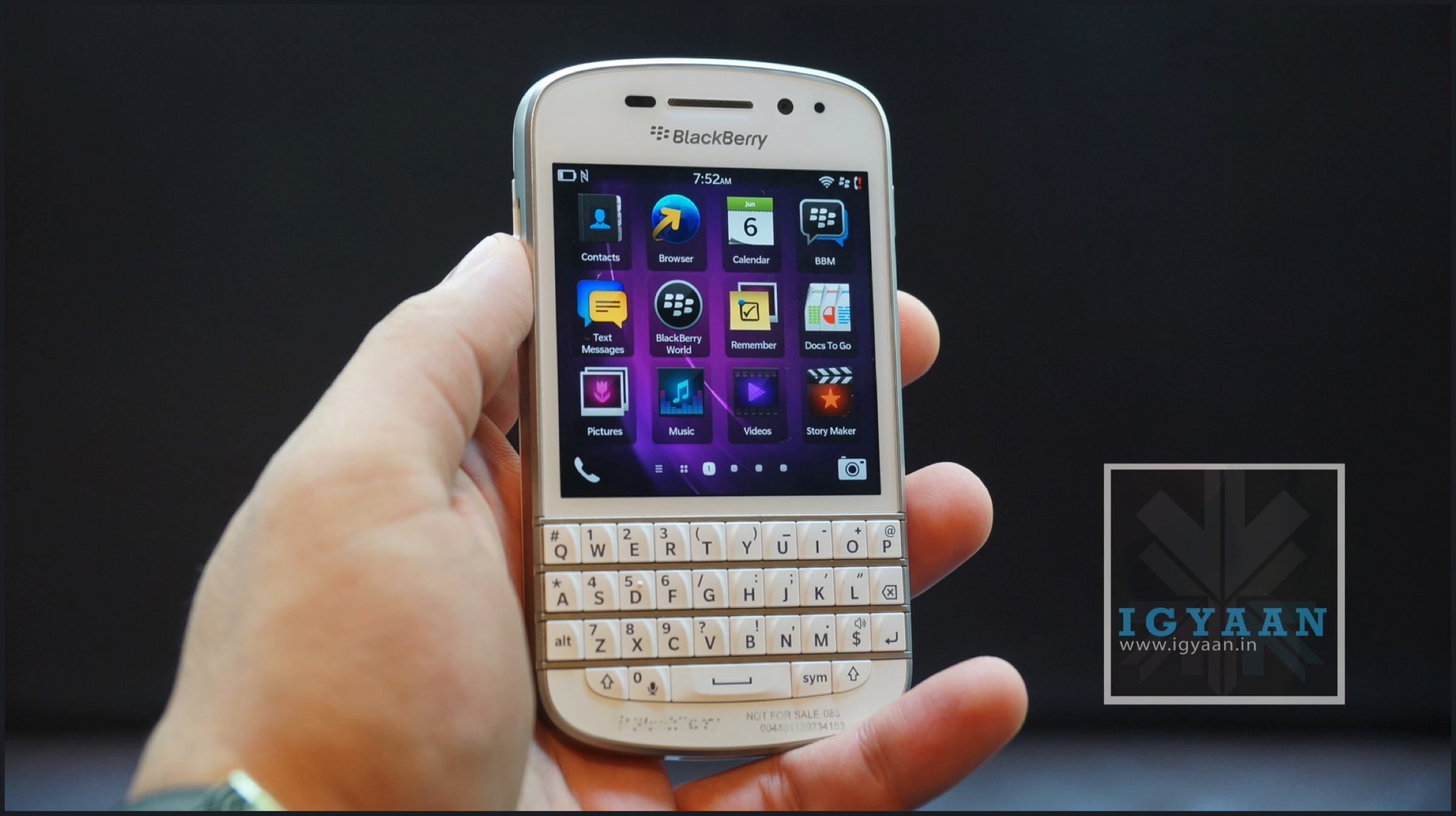
BlackBerry OS
Blackberry, the Canadian smartphone maker was once the most popular brand amongst businessmen and college goers. Remember when all the cool kids had access to BBM? This was due to the BlackBerry OS inside the devices. It was a secure operating system that was capable of supporting touch screen and QWERTY input. Although, like most entries in this list the BBOS also fell flat to its competition over the lack of apps and a dated UI design. While the company tried fixing it by allowing the installation of Android apps on the devices. But, BlackBerry eventually gave up and launched the Priv, a smartphone running Android OS in the year 2015.
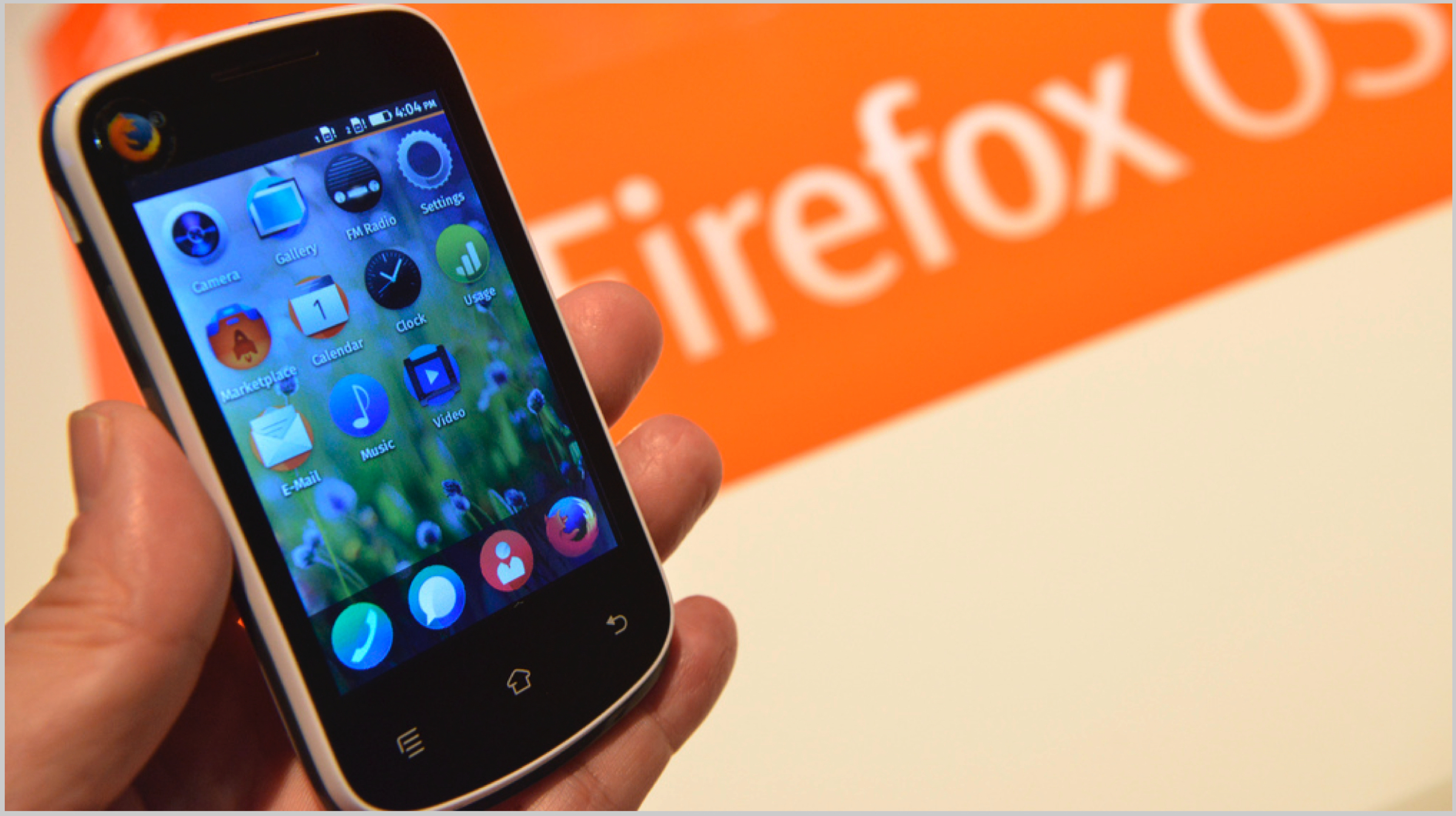
FirefoxOS
One of the biggest names in web browsers, Mozilla’s foray into the mobile OS business is nothing to write home about. First shown in the year 2012, it was designed for entry-level smartphones. But again, due to a sluggish adoption and lack of app support made the company discontinue Firefox OS in the year 2016. While it didn’t have a good run, the OS is credited for the birth of KaiOS. It is the latest software to power feature phones to make them smarter.
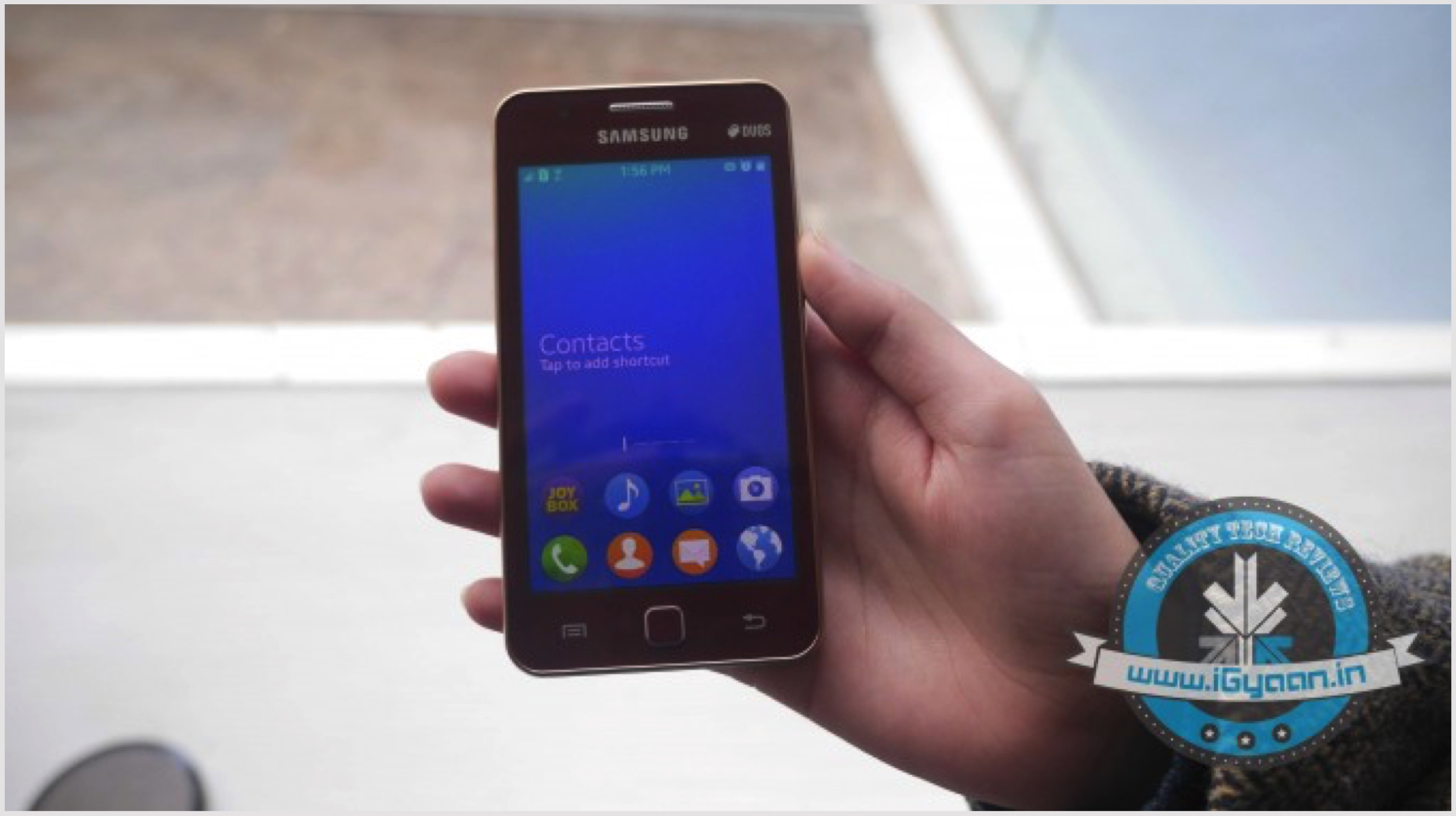
Tizen is an open source Operating System mainly embraced by Samsung in its Z series. It was mainly intended to run on entry-level budget smartphones and as a replacement to Android. The Tizen OS promised a faster UI with future support for popular applications. All the promises fell flat, however as these premises were met with no results. Tizen was last seen in the Samsung Z4 in the year 2017.
Avengers: Endgame is just around the corner, and the hugely popular Battle Royale game, Fortnite is celebrating the spirit of the new movie. The game has previously introduced events such as Marshmello concerts to keep the player base hooked to the game. The most recent update to the game includes a special Avengers: Endgame mode, where half the players will take up the roles of Thanos’s army, the Chitauri, or Thanos himself. The other half however, will get to play the roles of the Avengers themselves.
Avengers: Endgame Mode Details
In the new game mode, players can respawn upon being eliminated until one side wins by completing the objective. The heroes’ mission is to stop Thanos and his army from collecting all infinity stones spread throughout the map. The heroes start the game with a treasure map that has directions to a Mythic Avengers item somewhere in the map. Apart from the mythic items, the rest of the Avengers items can be collected via multiple chests scattered across the terrain.
The enemy team consists of Thanos and his minions, called the Chitauri. The Chitauri invaders start with a laser rifle, a grenade to destroy structures and a jetpack which can propel players into the air for a short amount of time. Once the first Chitauri invader gets his/her hands on an Infinity stone, he/she will be transformed into the purple Titan, Thanos himself. The abilities of Thanos includes a powerful punch attack, a strong laser attack and leaping high into the air and smashing everything when he lands back on the ground. With the acquisition of each infinity stone, Thanos will become more powerful and will gain a multitude of abilities. If Thanos dies in combat, a random Chitauri invader will take his place as the next Thanos. The game ends when Thanos and his army find all the stones to kill the Avengers or if the Avengers and other heroes eliminate Thanos and his army.
With over 250 million registered players, Fortnite has broken a lot of records since it was released. With a peak player count of almost 10.8 million players, the game remains, by large, one of the most popular battle royale games of all time. Moreover, the company also released a patch for Fortnite on Android, which enables MSAA anti-aliasing to now function normally on the Huawei Mate 20, P30 Pro and the Mate 20X. Furthermore, the reactive animation effects on the Marshmello outfit were fixed as well.
Chinese smartphone company Huawei is currently riding high on the success of the P30 Pro, which has one of the best optical systems in a smartphone till date. The company is known for innovating new technologies in their devices time and again. As per sources, Huawei is working on two new smartphones, which are the P Smart Z and P Smart X. Moreover, the P Smart Z will be the first smartphone from Huawei to feature a pop-up camera mechanism for the front camera.
Huawei P Smart Z: Features, Specifications & Availability
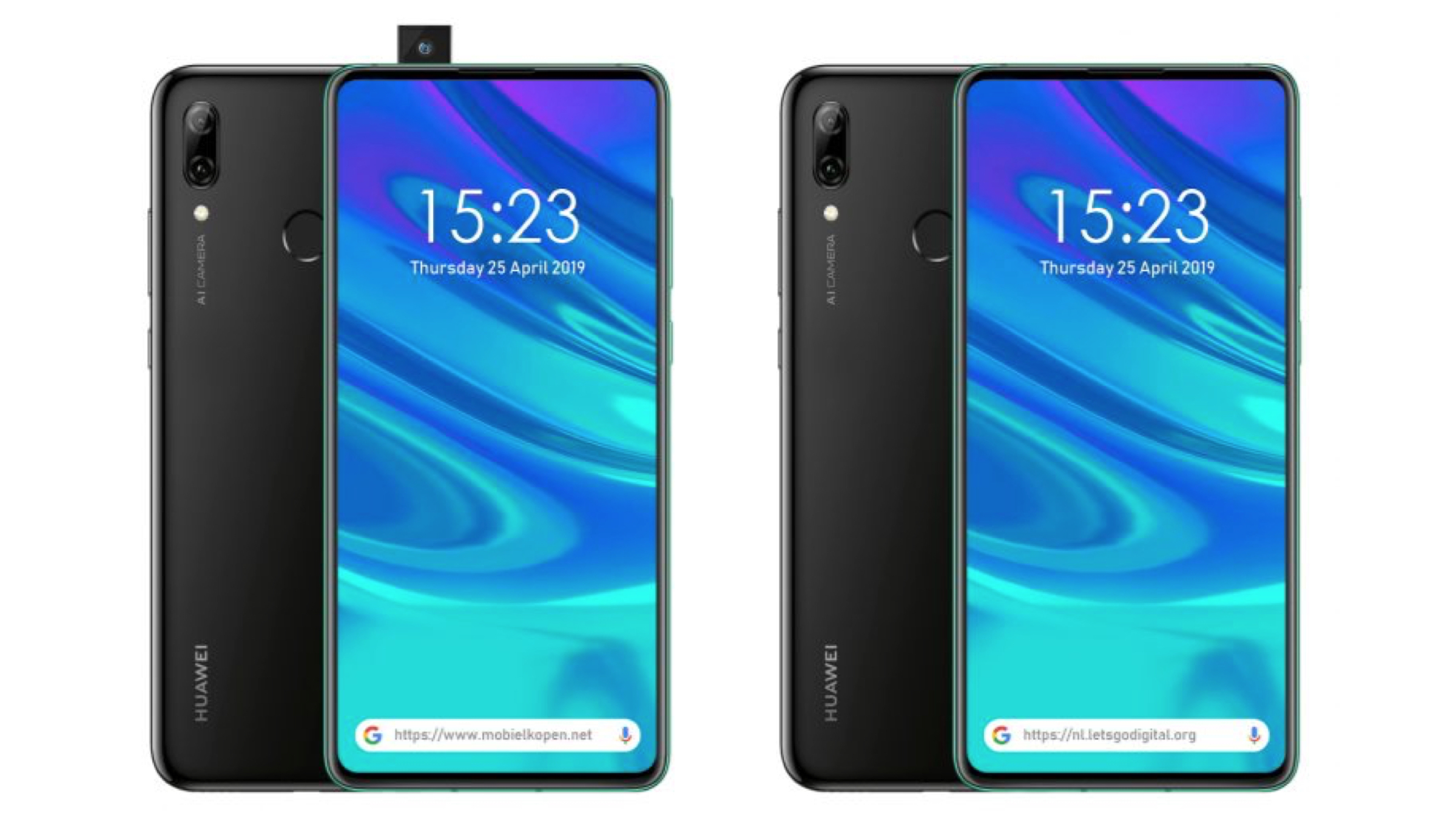
Reports state that the Chinese company first filed a trademark for the aforementioned devices in the month of March 2019. The P Smart Z features a large 6.59 inch display with a FullHD+ resolution, which it attains due to the pop-up camera. Just like Chinese competitors Oppo and Vivo, Huawei seems to be following the trend of a notch-less smartphone. Reports further mention that its display panel has a resolution of 2340 x 1080 px and a pixel density of 391 ppi.
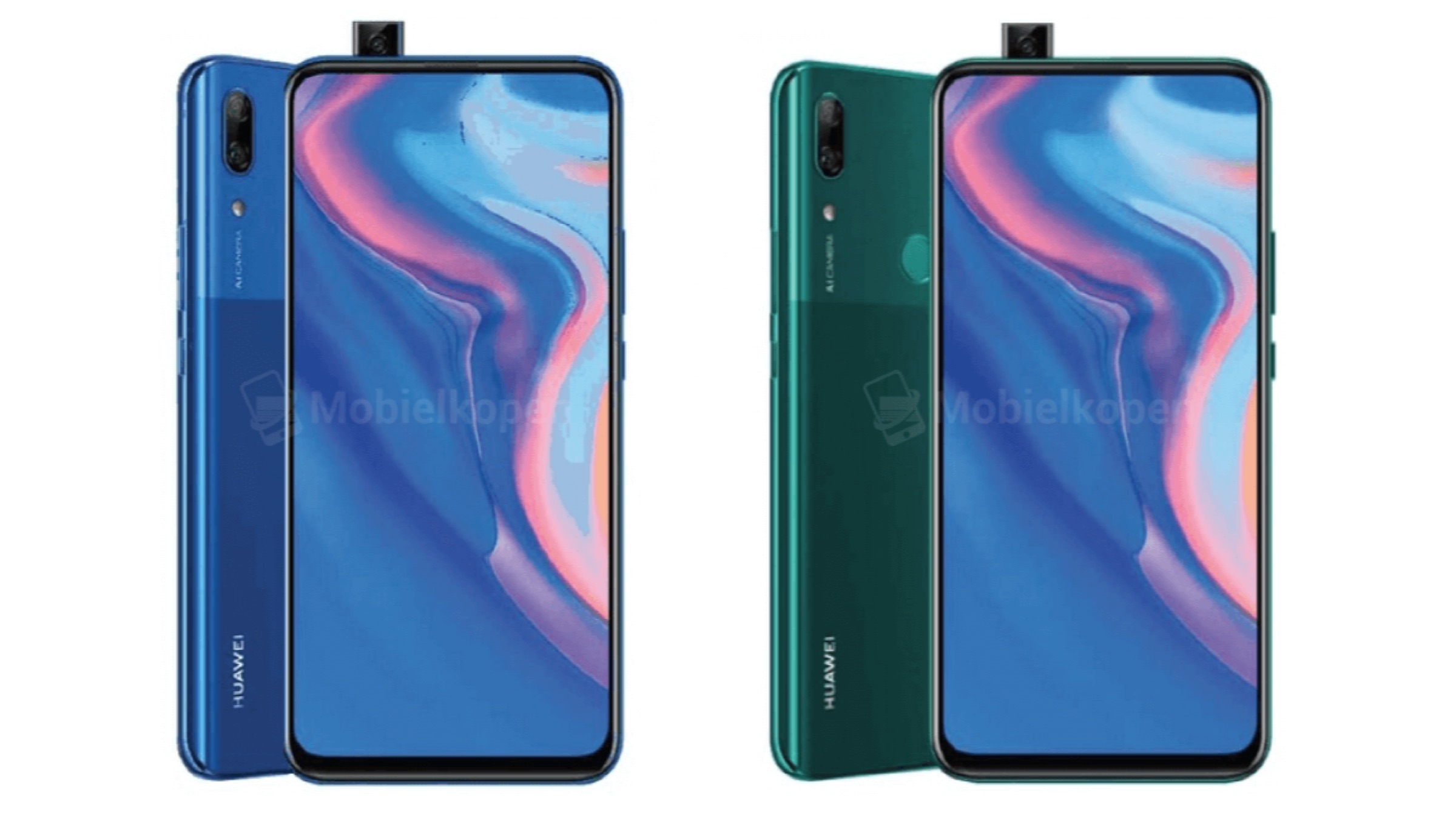
Under the hood, the Huawei P Smart Z runs on the 14nm HiSilicon Kirin 710 chipset, which comprises of an octa-core CPU and the Mali-G51 MP4 GPU. It is bundled with 4GB of RAM and 64GB of internal storage, with microSD card support up to 512GB. The P Smart Z packs a huge 4,000 mAh battery. As deduced from the renders of the device, it has a rear-mounted fingerprint scanner. Furthermore, Huawei has retained the 3.5mm headphone jack in the P Smart Z.
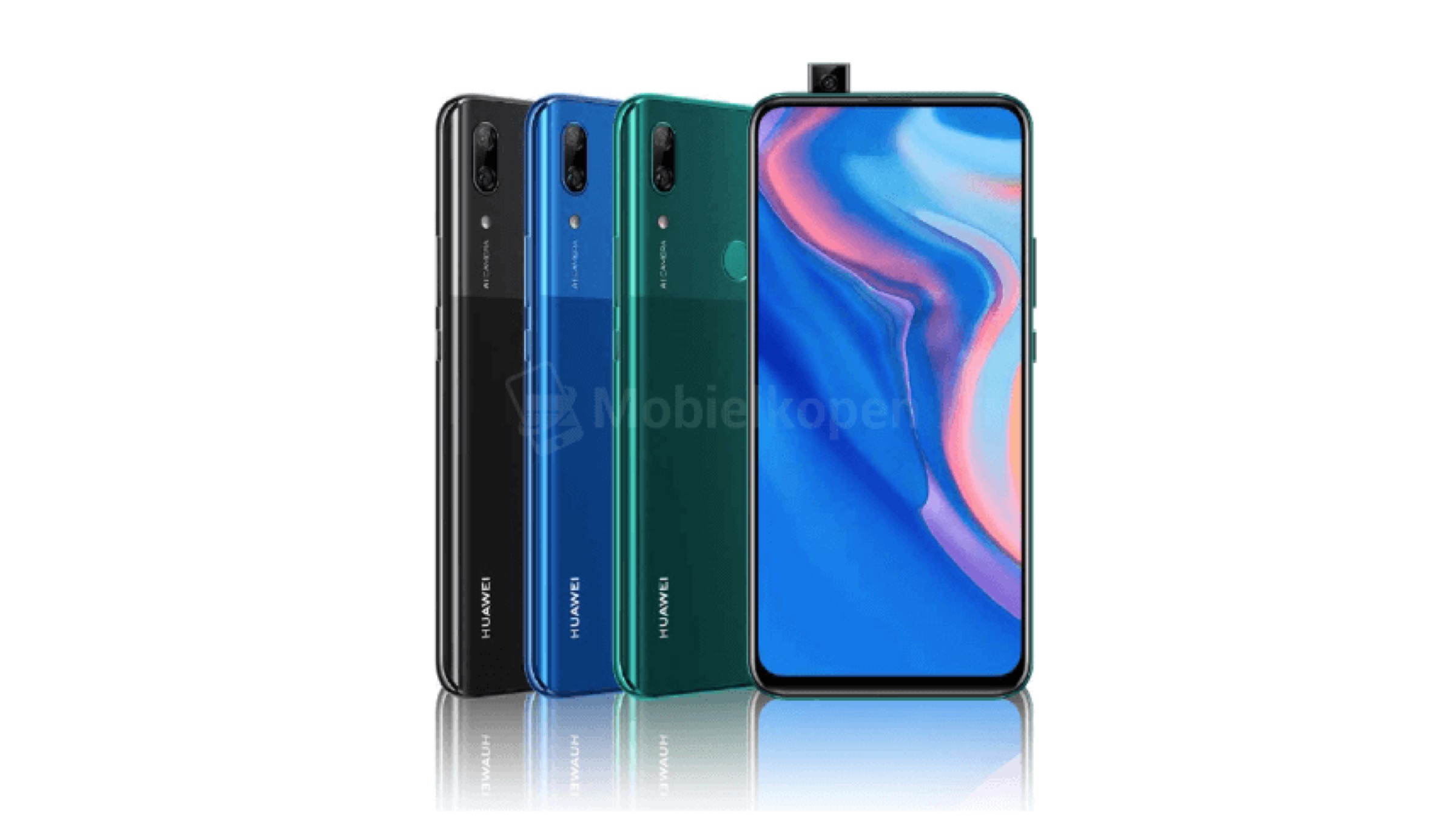
In terms of optics, the smartphone features a dual camera system, which consists of an f/1.8 aperture equipped 16MP primary camera and an f/2.4 aperture equipped 2 MP sensor. The pop-up mechanism houses the 16MP (f/2.0) selfie camera. The phone measures at 163.5 x 77.3 x 8.9 mm and weighs at 197 grams. It runs on Android 9.0 Pie out-of-the-box, which will supposedly be topped off with EMUI (Huawei’s custom skin). As of now, no official pricing and availability details are available, but sources suggest that the smartphone will be priced somewhere around €210 (roughly INR 16,400) at the time of launch. It will be available in three colour options: Black, Green and Blue.
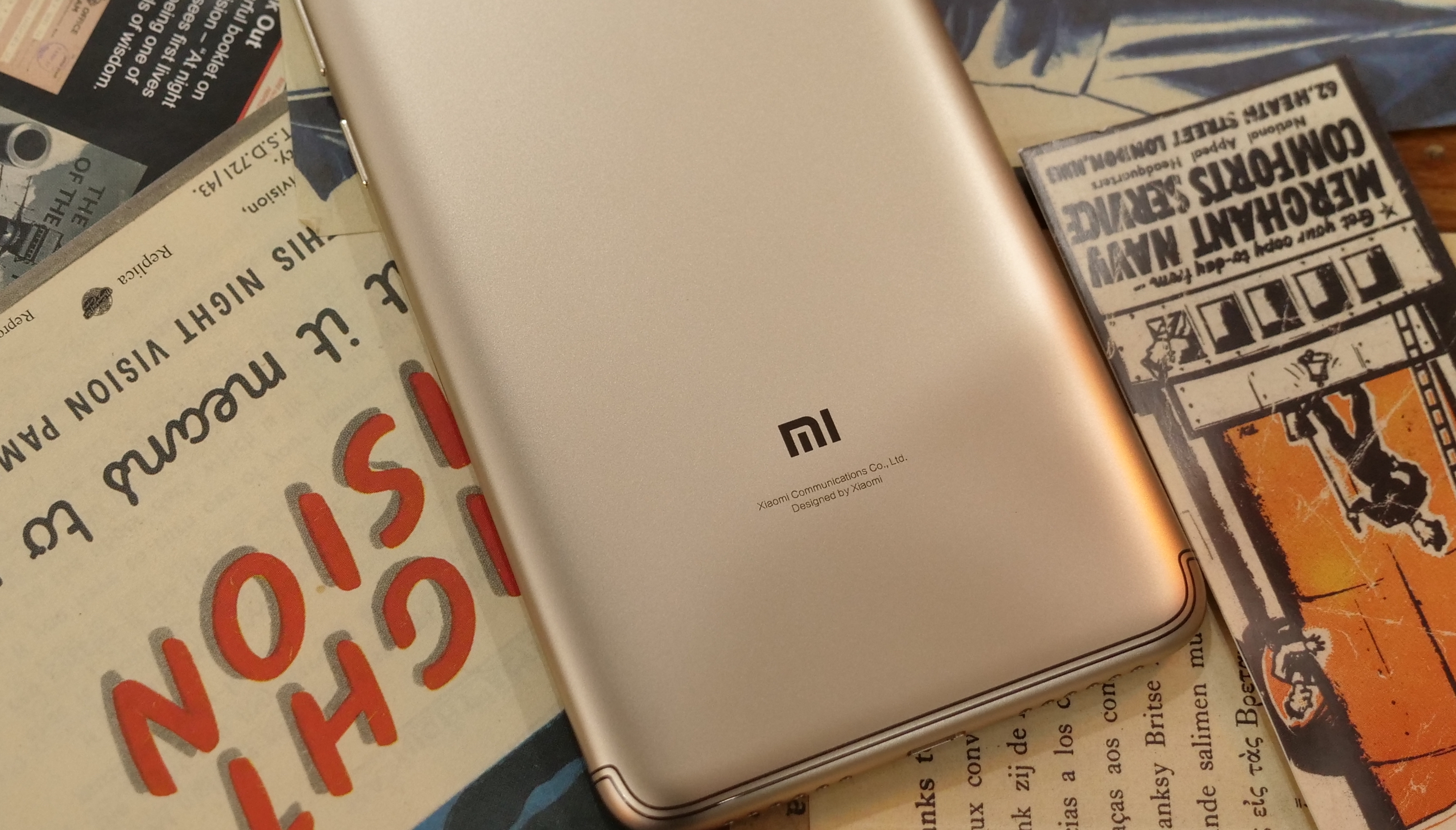
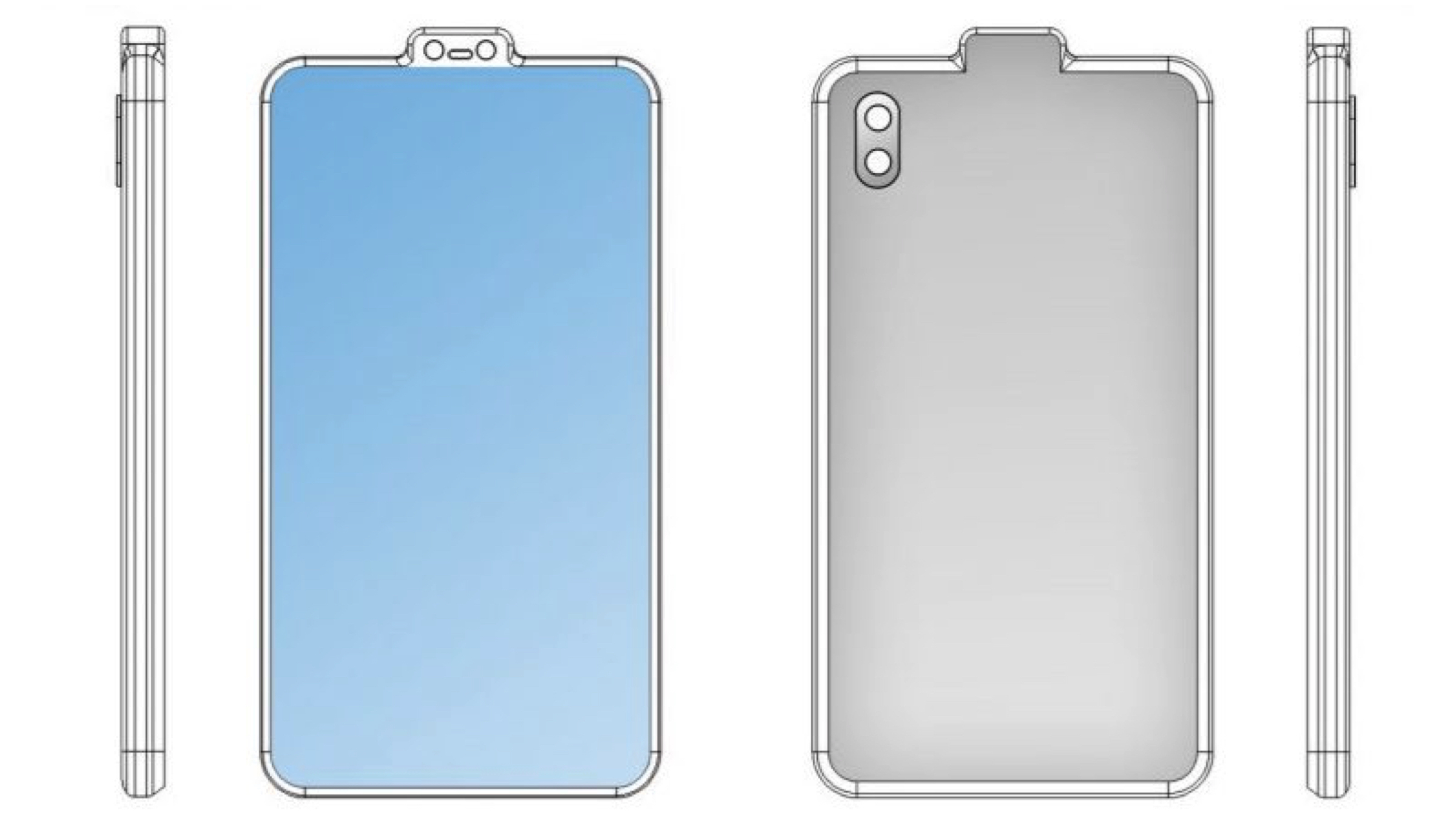
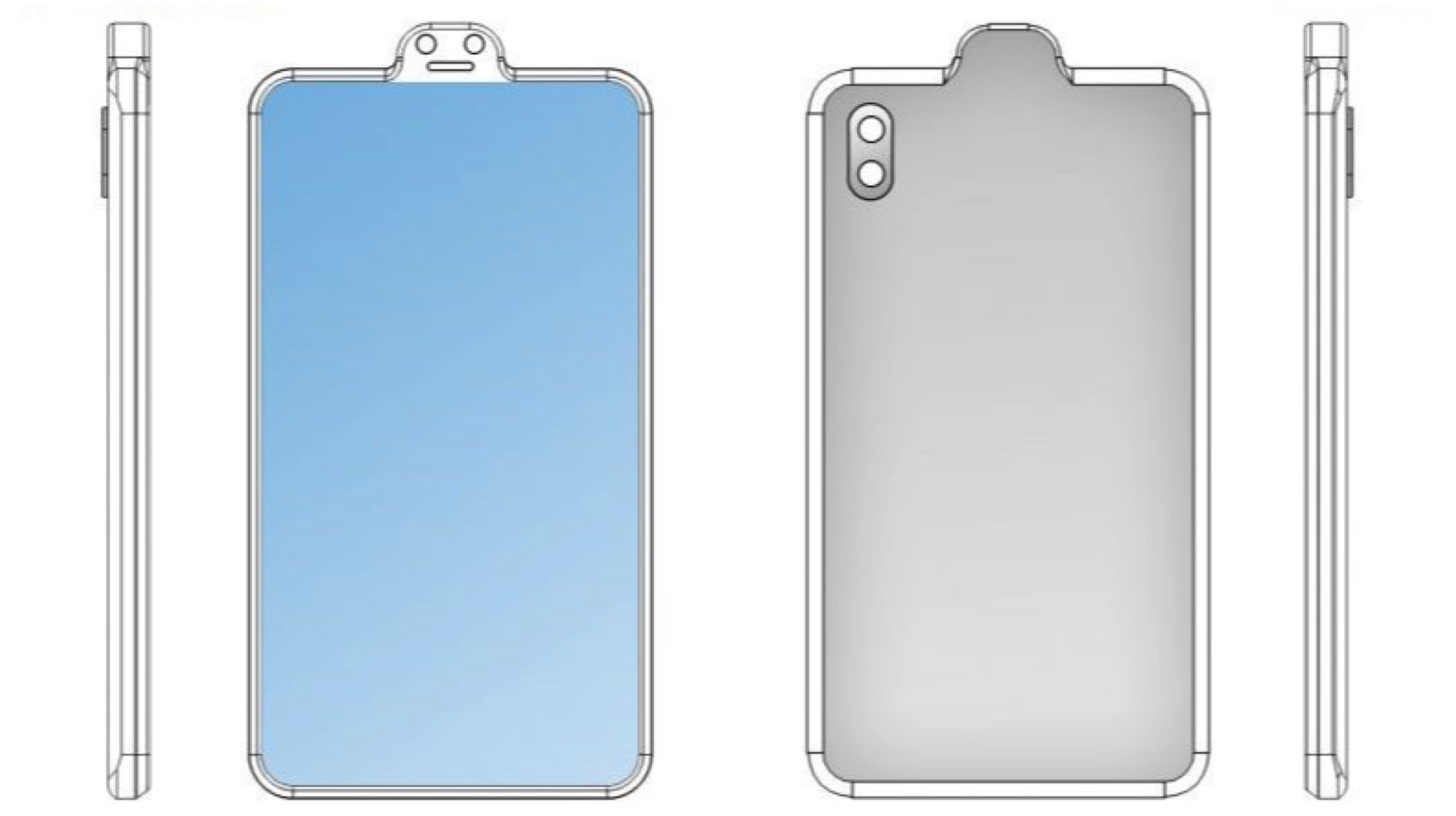
Since the year 2017, smartphone OEMs have tried multiple ways to maximise the screen real estate in their devices. Some innovative outcomes of the project included display notches of various sizes, hole punch displays and manual/mechanical sliders. Xiaomi, a renowned manufacturer has recently filed a patent which shows another unique way of increasing the screen to body ratio. The patent shows a smartphone with a reverse notch which protrudes from the top of the display.
Xiaomi Smartphone With Reverse Notch
The patent was applied by Xiaomi in mid-2018 and was published on the 23rd of April. It shows three different models, which slightly differ from each other in terms of design. Common aspects of all three smartphones include an edge to edge display, a dual selfie camera setup and an earpiece on top of the display. They also have a vertical dual rear camera setup on the back. The notch on top of the display is a unique deisgn choice and has never been implemented on a smartphone before. No physical fingerprint sensor is visible in the design of the device, which suggests the company will opt for an in-display scanner on the handset if it launches.
There may be many benefits of a reverse notch design on a smartphone over the conventional way of getting more screen real estate. With the cameras and sensors placed above the display, the chances of them cutting into the screen while consuming media are zero. Furthermore, no moving parts suggest the handset with the design can be made water resistant. However, the structural integrity and the ergonomic factor of the design remains to be seen when it is finally announced. Unfortunately, no details about the launch date of a Xiaomi smartphone with a reverse notch is known as of now.
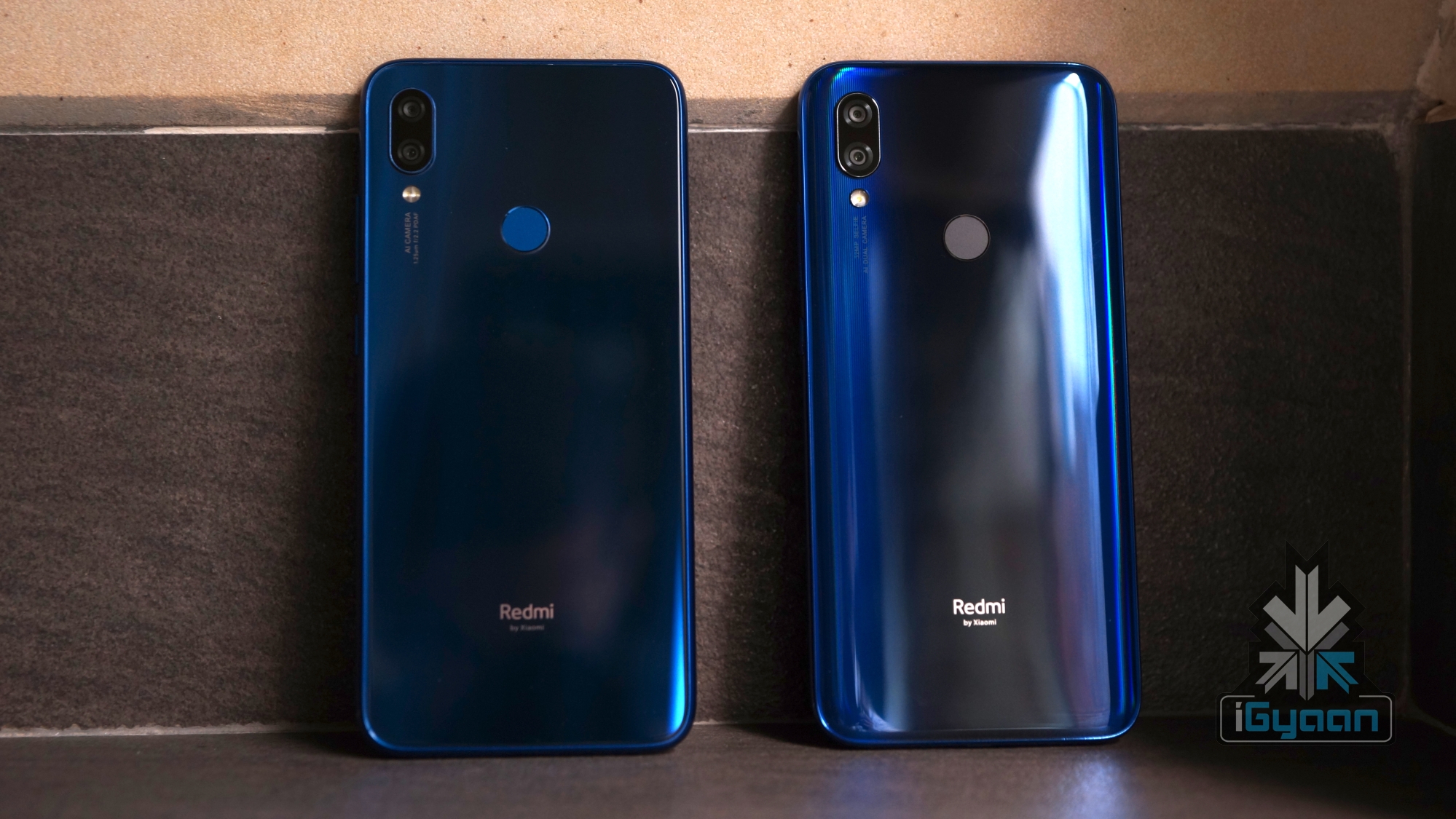
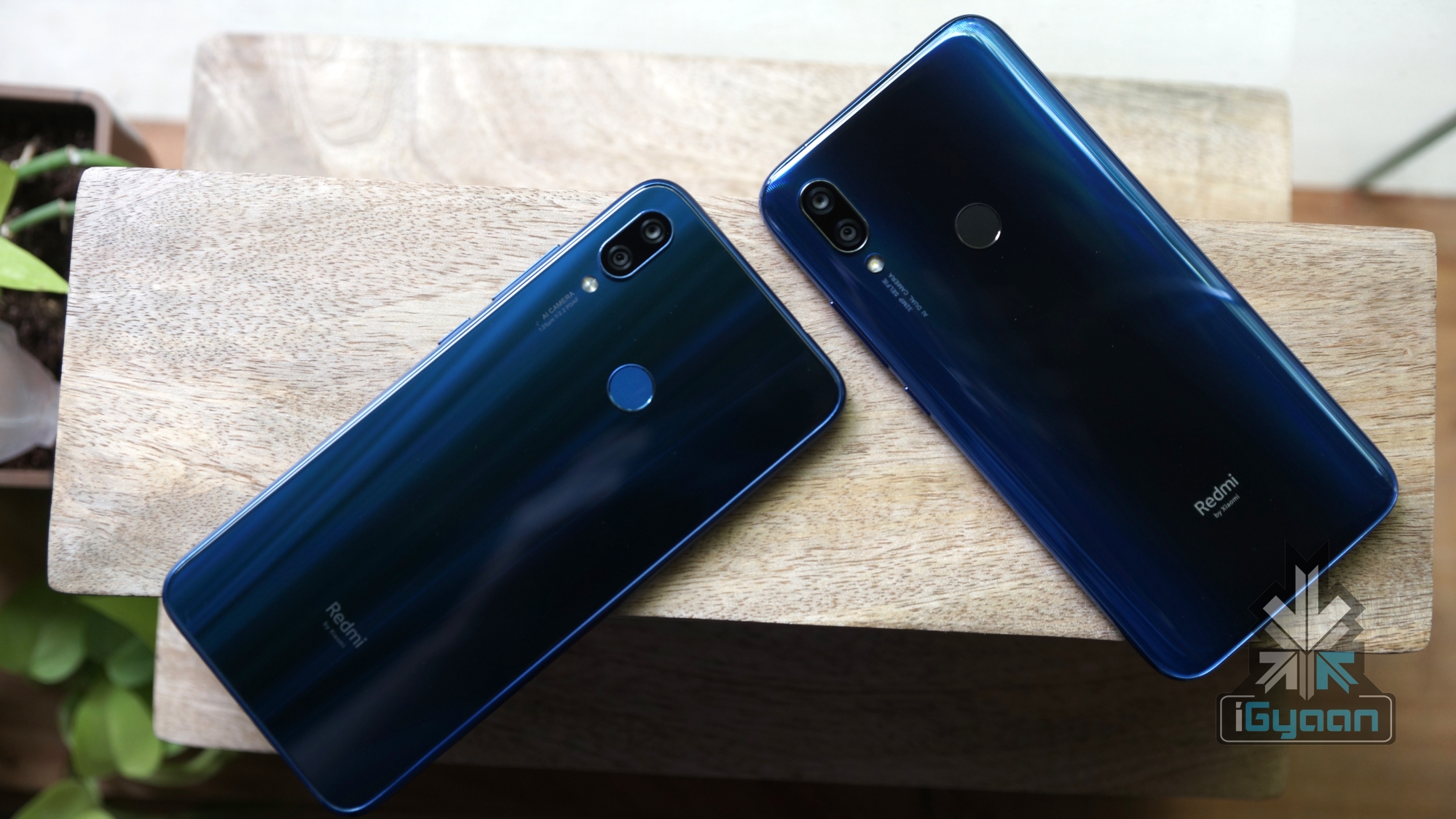
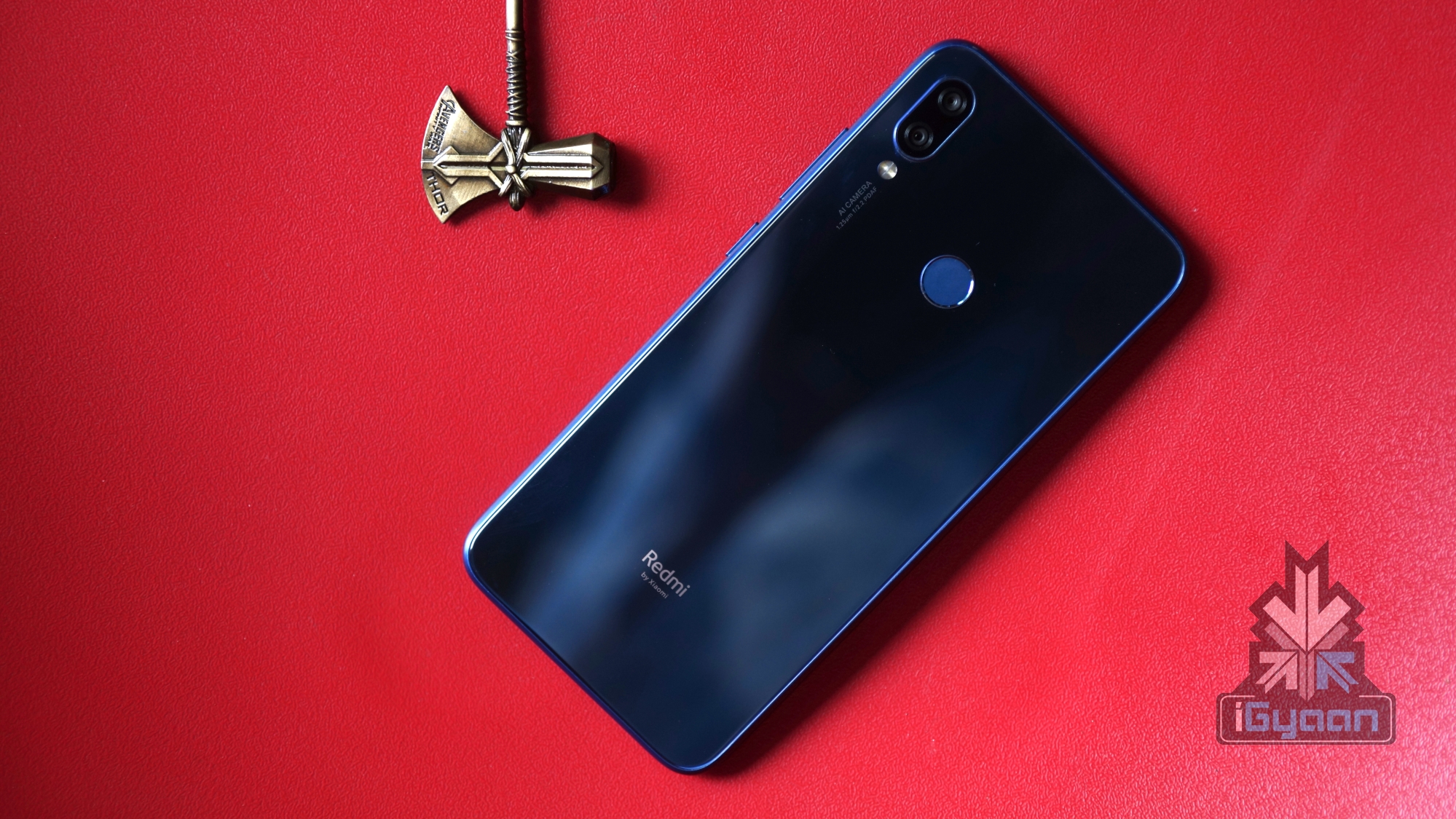
Earlier this year, Redmi separated itself from Xiaomi to turn into an independent brand. The first smartphone that the company launched was the Redmi Note 7 which has become the talk of the town due to its value for money. A short while ago the company launched another budget smartphone, the Redmi Y3 which is mainly targeted towards photography enthusiasts. Surprisingly, the price of both variants of the Redmi Note 7 and the Redmi Y3 are same which leads to the confusion of selecting the best out of the two. In this article, we discuss all aspects of the aforementioned smartphones which will help in deciding the best option based on the needs of every user.
Build and Design
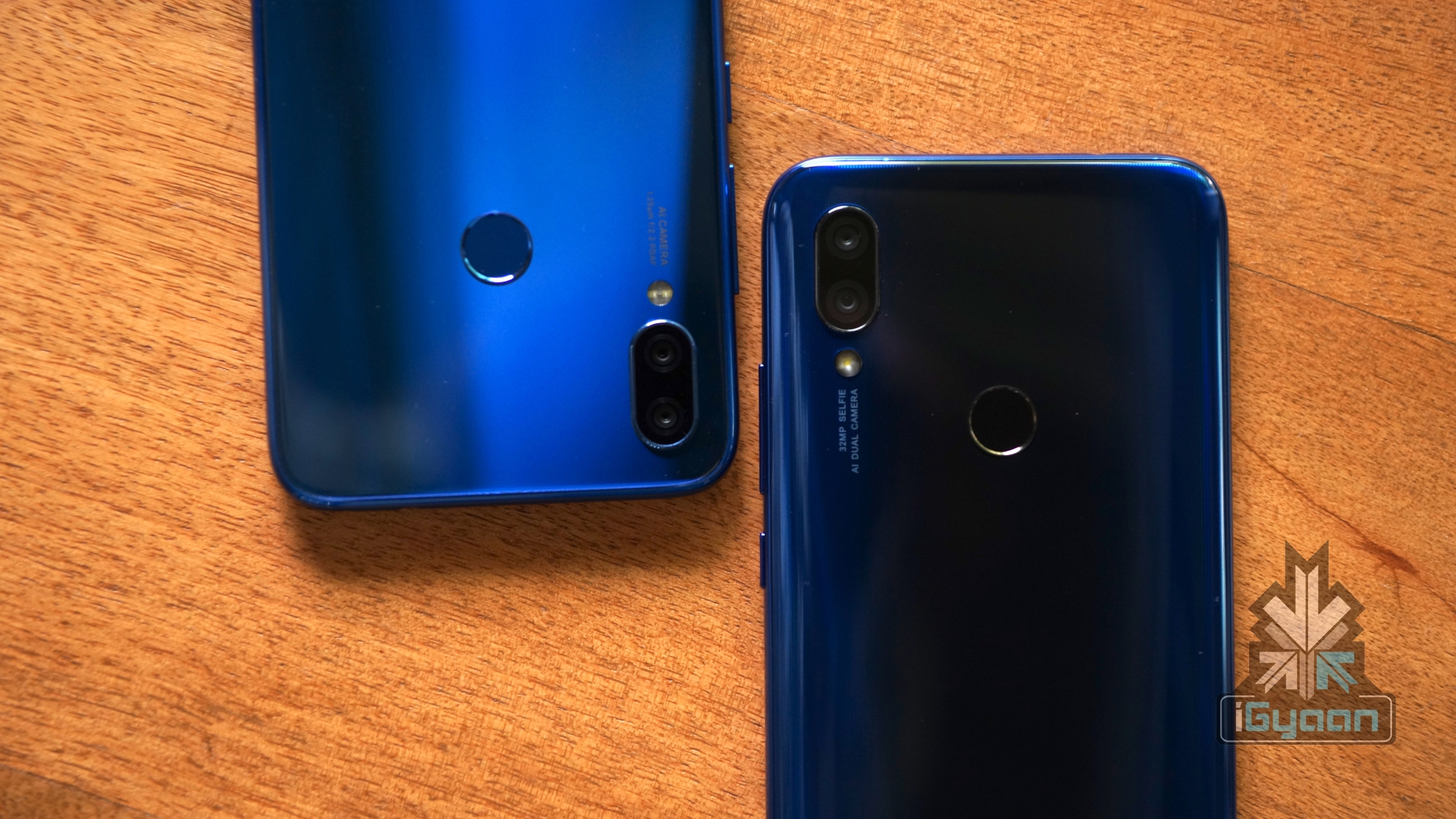
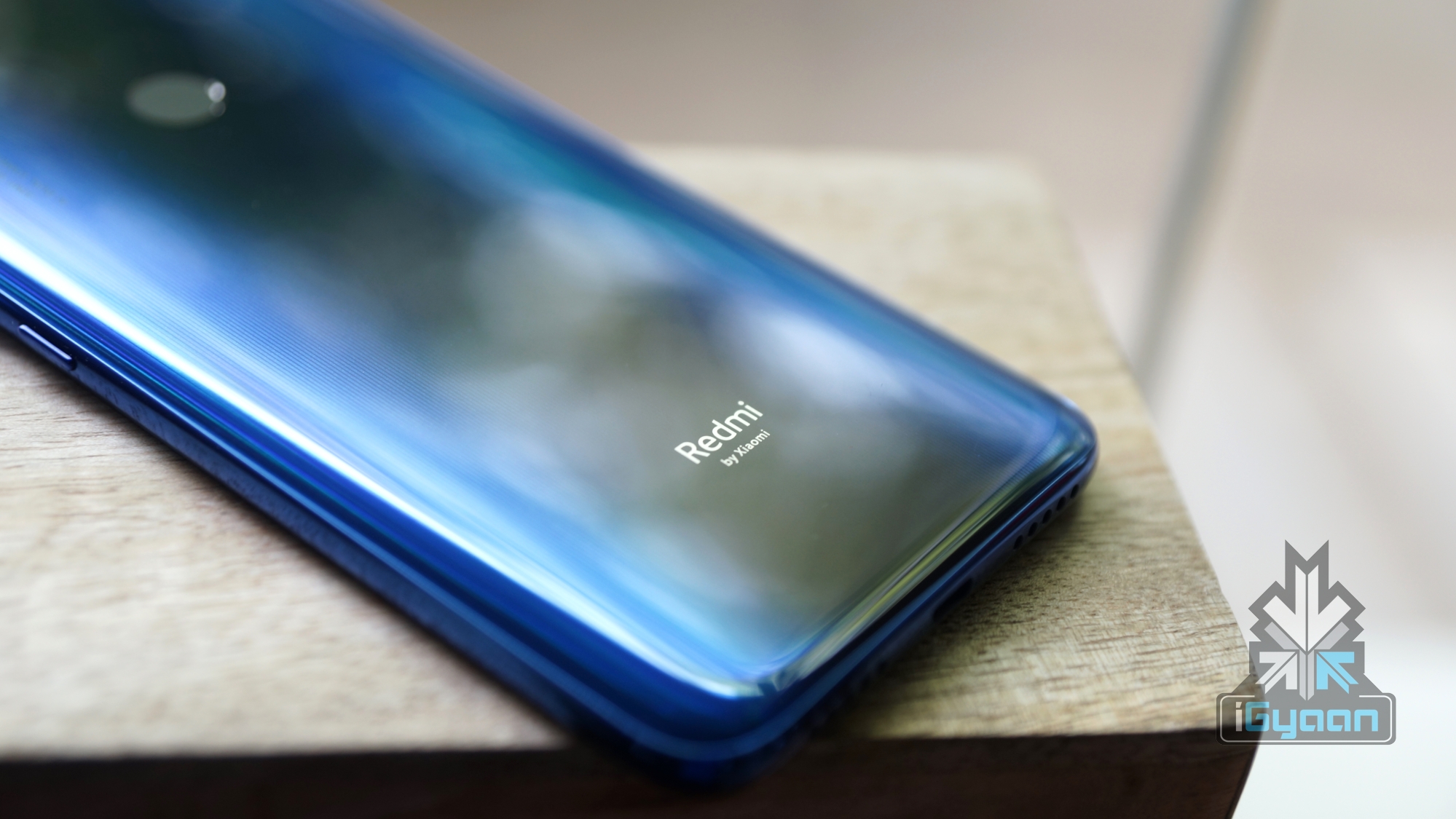
Both the Redmi Note 7 and the Redmi Y3 have a homogenous design with alike positioning of buttons, ports, camera sensors and the fingerprint sensor. Both smartphones sport a high screen-to-body ratio display that features a small dot notch up top. Noteworthy, the rear panel of the Note 7 Pro is made out of Corning Gorilla Glass 5. On the other hand, the Redmi Y3 has a plastic back panel which is comparatively prone to scratches and scuff marks. The two devices also weigh similar to each other, with the former weighing in at 186 gram and the latter at 180 gram.
The Redmi Note 7 features a 6.3 inch LCD display while the Redmi Y3 features a 6.26 inch LCD panel. Even though the size of the display on both smartphones is similar, the former has a full HD resolution panel while the latter gets an HD panel. The display panel of the Redmi Note 7 has a pixel density of 409 ppi. On the other hand, the display panel on the Redmi Y3 has a pixel density of 269 ppi. Additionally, both smartphones also have Corning Gorilla Glass 5 protection which safeguards them against scratches and accidental drops.
Camera and Video
The Redmi Note 7 and the Redmi Y3 both have a dual rear camera setup and a single front camera which is housed in the dot notch above the display. The rear camera setup on both devices is identical which is comprised of an f/2.2 aperture equipped 12 MP sensor and a 2 MP depth sensor. Undoubtedly, the front-facing camera on the Redmi Y3 is its key highlighting feature and one aspect in which it completely blows out its competition. It has a 32 MP selfie camera which has an 80 degree wide viewing angle. Noteworthy, the same sensor is present on the Vivo V15 Pro which costs upwards of Rs 25,000. On the other hand the Redmi Note 7 has 13 MP selfie camera with 1.25 ? pixel. The two smartphones can also capture 1080p video from both the front and rear camera.
Chipset and Battery
Assuredly, this is one area where the Redmi Y3 does not stand a chance against the Redmi Note 7. The former features the Snapdragon 632 SoC while the latter features the Snapdragon 660 SoC. Even though, chipsets on the device consist of an Octa-Core CPU. The Redmi Note 7 has significantly better real-world performance and a much better GPU which is the Adreno 512. The Redmi Note 7 and the Redmi Y3 are both powered by a large 4,000 mAh battery. The former, however, supports 18 W charging while the latter only supports 10 W charge.
In terms of connectivity, both the Redmi Note 7 and the Redmi Y3 support dual 4G VoLTE, 802.11 ac Wi-Fi, GPS, 3.5 mm jack, and Bluetooth. Notably the former supports Bluetooth 5.0 while the latter supports Bluetooth 4.2. For charging and data transfer, the Redmi Note 7 has a bottom mounted USB Type C port while the Redmi Y3 has a micro USB port. One key feature that the latter has and the former does not is the P2i nano coating. The coating allows the Redmi Y3 to easily survive accidental liquid spillage or sudden drizzles.
All in all, the Redmi Note 7 is a better smartphone out of the two as it offers considerably better value than the Redmi Y3. Though, for all the people who like clicking a lot of selfies, the latter is a better option.
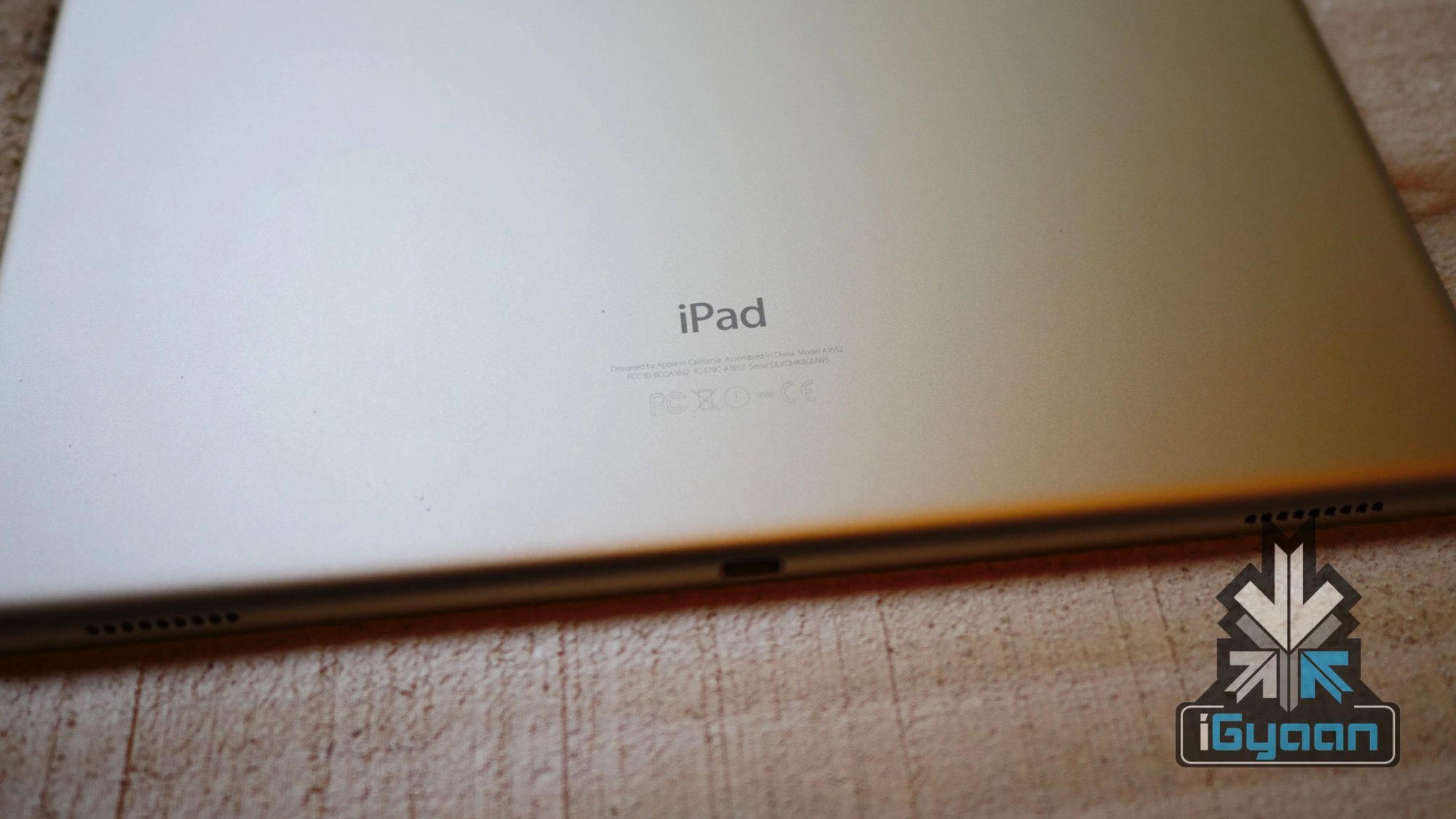
 As per noted analyst Ming-Chi Kuo, Apple will unveil a total of two iPad Pros in 2019, which will include an 11-inch variant and a second variant with a large 12.9-inch screen. This is not exactly surprising, since Apple always releases two iPad Pros every year, but the elephant in the room is the fact that Apple is planning to incorporate 5G modems in the future iPads, which will be released by early 2021 or late 2020. Yes, that’s a long way to go, especially since Apple is facing issues with its 5G chip manufacturers at the moment.
 Also Read: Xiaomi To Launch A Smartphone With Snapdragon 730 SoC Soon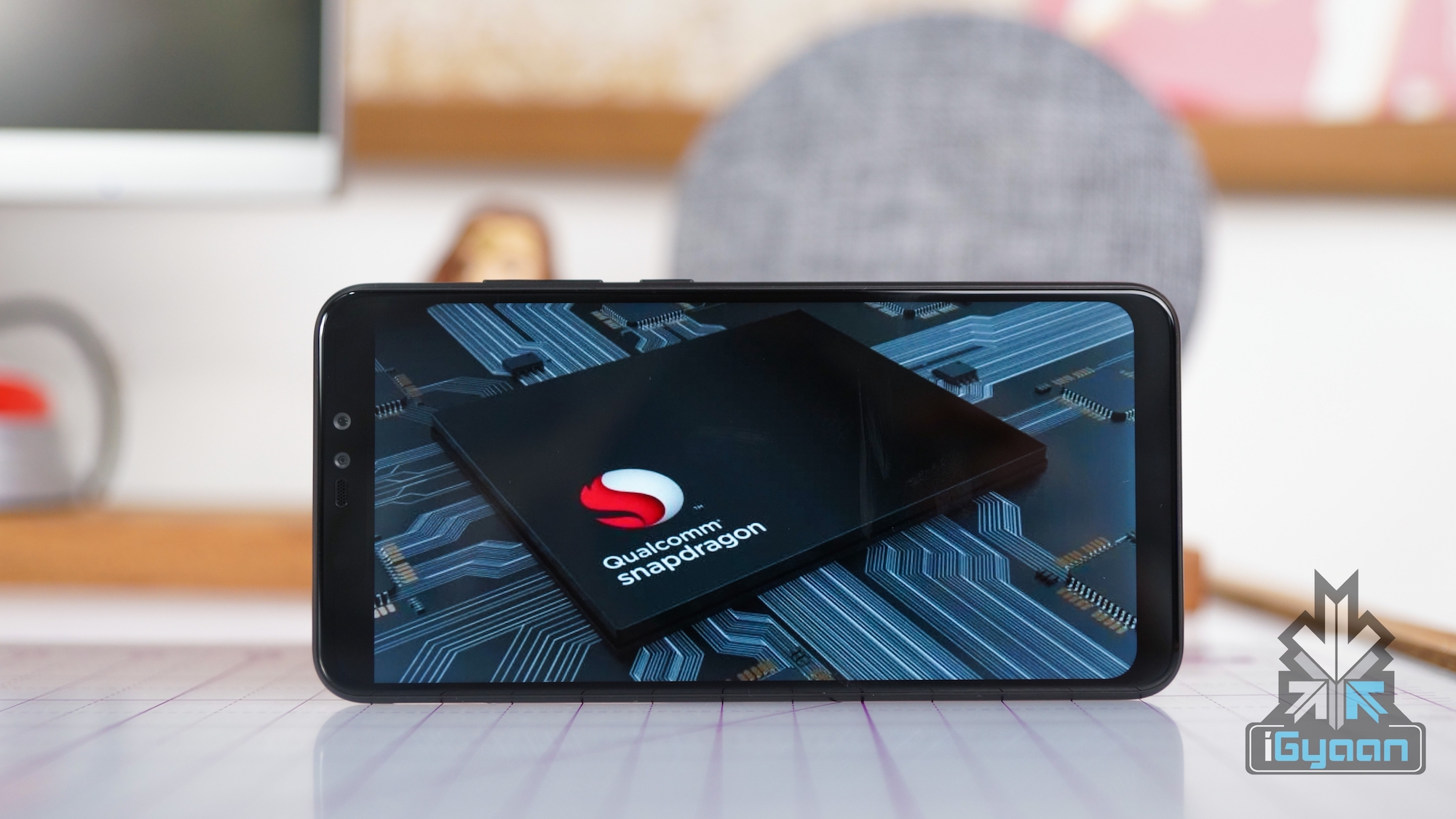


 When the rubber material is exposed to a source of heat, a chemical reaction occurs that enables the atoms of the material to fuse back together. The healing speed is directly proportional to the amount of heat provided to the material, the report states. However, the healing process can occur at room temperature too. It will just take more time.
  Also Read: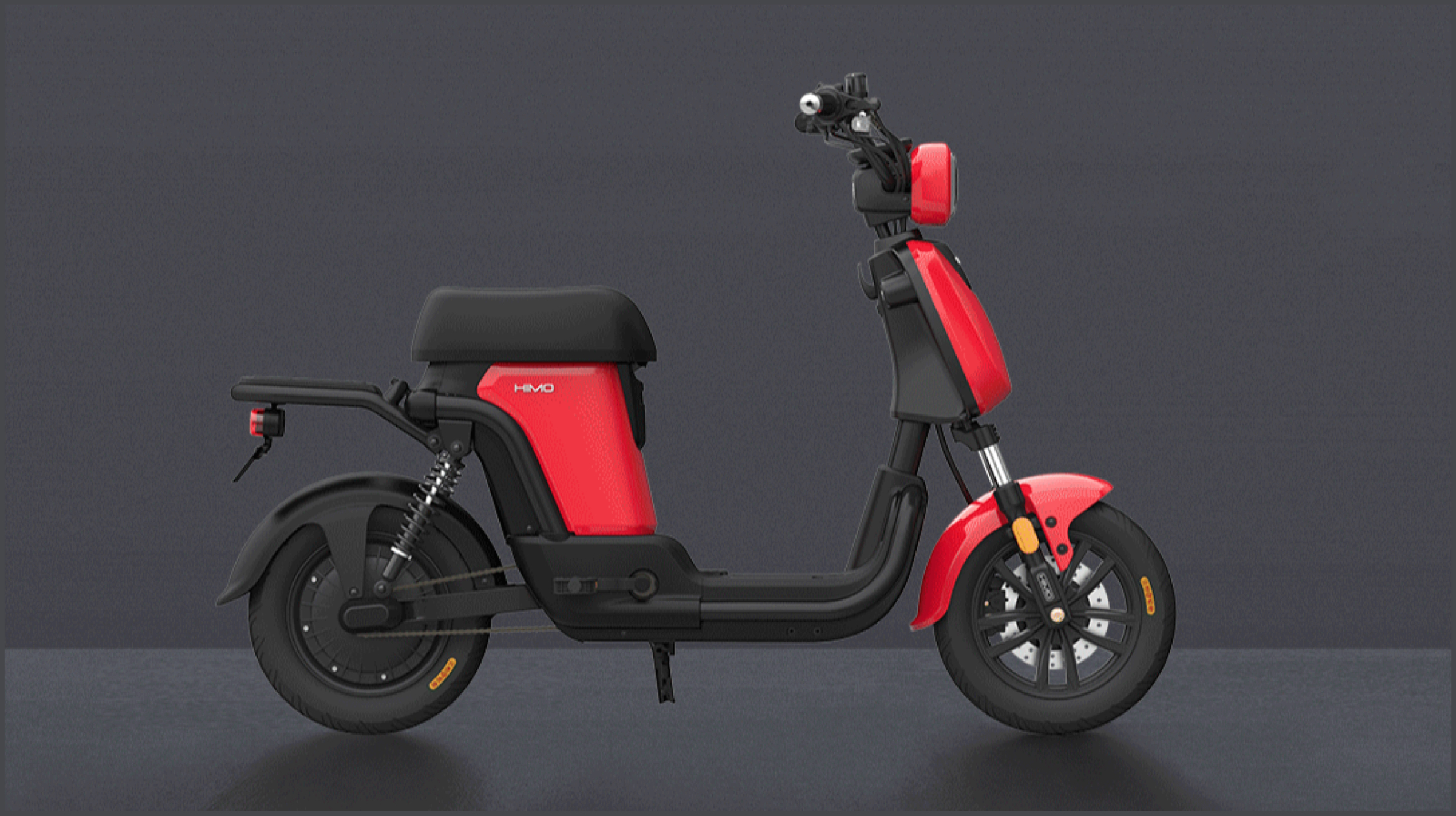


 Let’s have a look at some interesting and intriguing trivia about what will probably be the biggest movie of 2019.

 Also Read: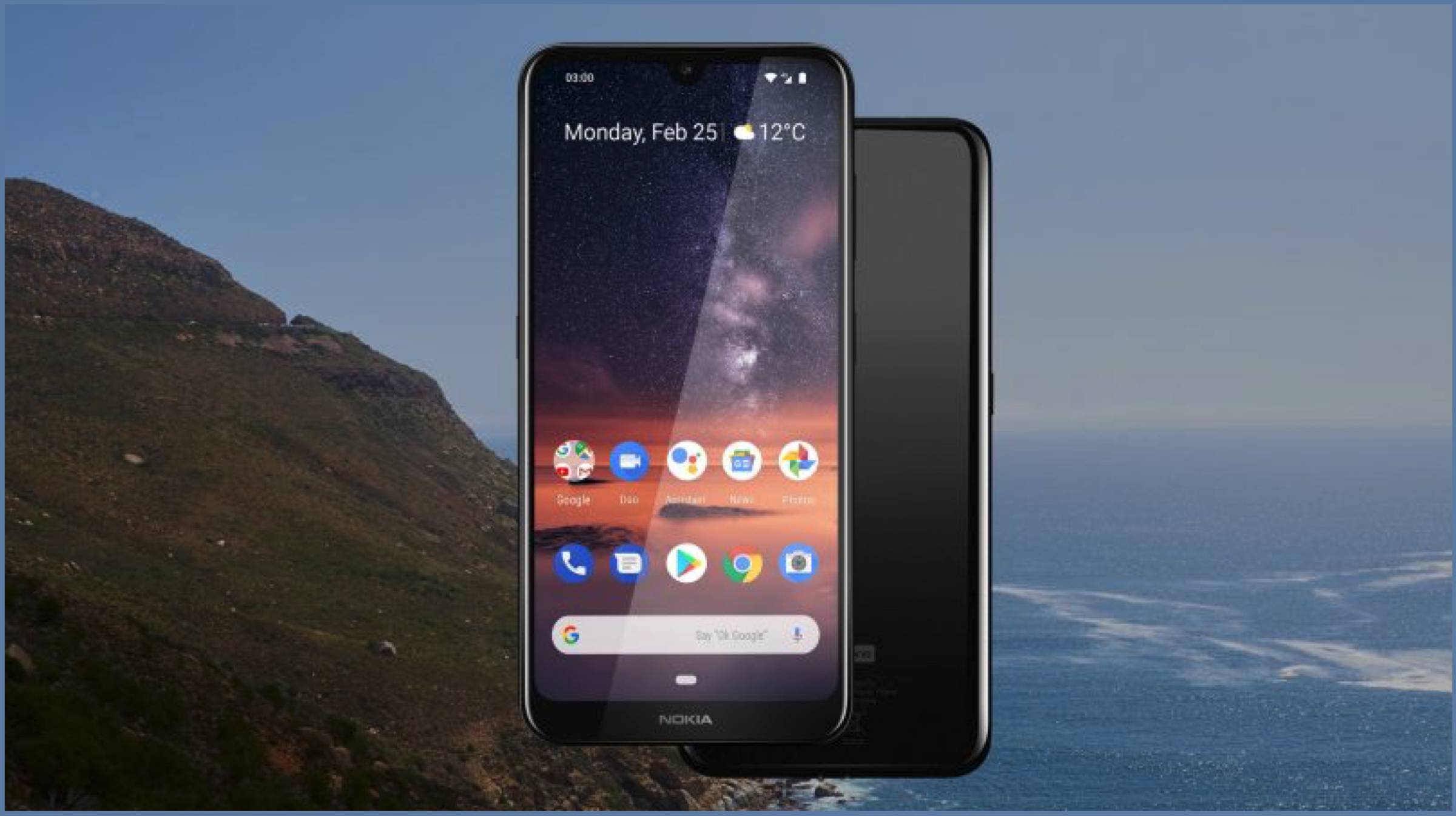
 The leaks are in line with the
  Additionally, the renders showcase a 5.8 inch AMOLED panel, something which is unchanged from the
  Also Read: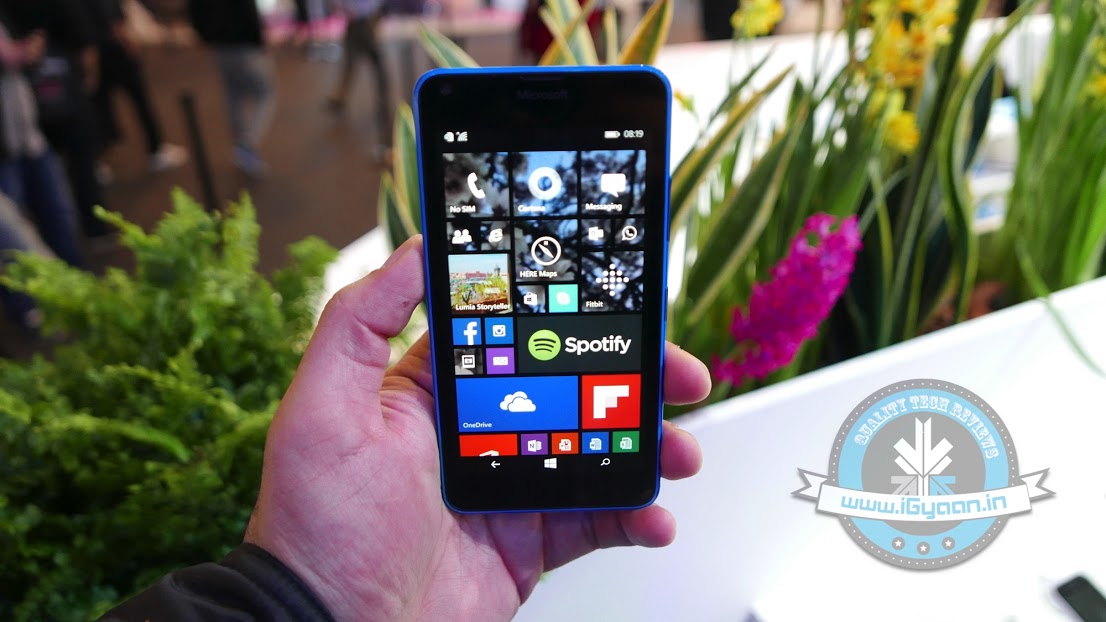

 In the new game mode, players can respawn upon being eliminated until one side wins by completing the objective. The heroes’ mission is to stop Thanos and his army from collecting all infinity stones spread throughout the map. The heroes start the game with a treasure map that has directions to a Mythic Avengers item somewhere in the map. Apart from the mythic items, the rest of the Avengers items can be collected via multiple chests scattered across the terrain.
  The enemy team consists of Thanos and his minions, called the Chitauri. The Chitauri invaders start with a laser rifle, a grenade to destroy structures and a jetpack which can propel players into the air for a short amount of time. Once the first Chitauri invader gets his/her hands on an Infinity stone, he/she will be transformed into the purple Titan, Thanos himself. The abilities of Thanos includes a powerful punch attack, a strong laser attack and leaping high into the air and smashing everything when he lands back on the ground. With the acquisition of each infinity stone, Thanos will become more powerful and will gain a multitude of abilities. If Thanos dies in combat, a random Chitauri invader will take his place as the next Thanos. The game ends when Thanos and his army find all the stones to kill the Avengers or if the Avengers and other heroes eliminate Thanos and his army.
  Also Read: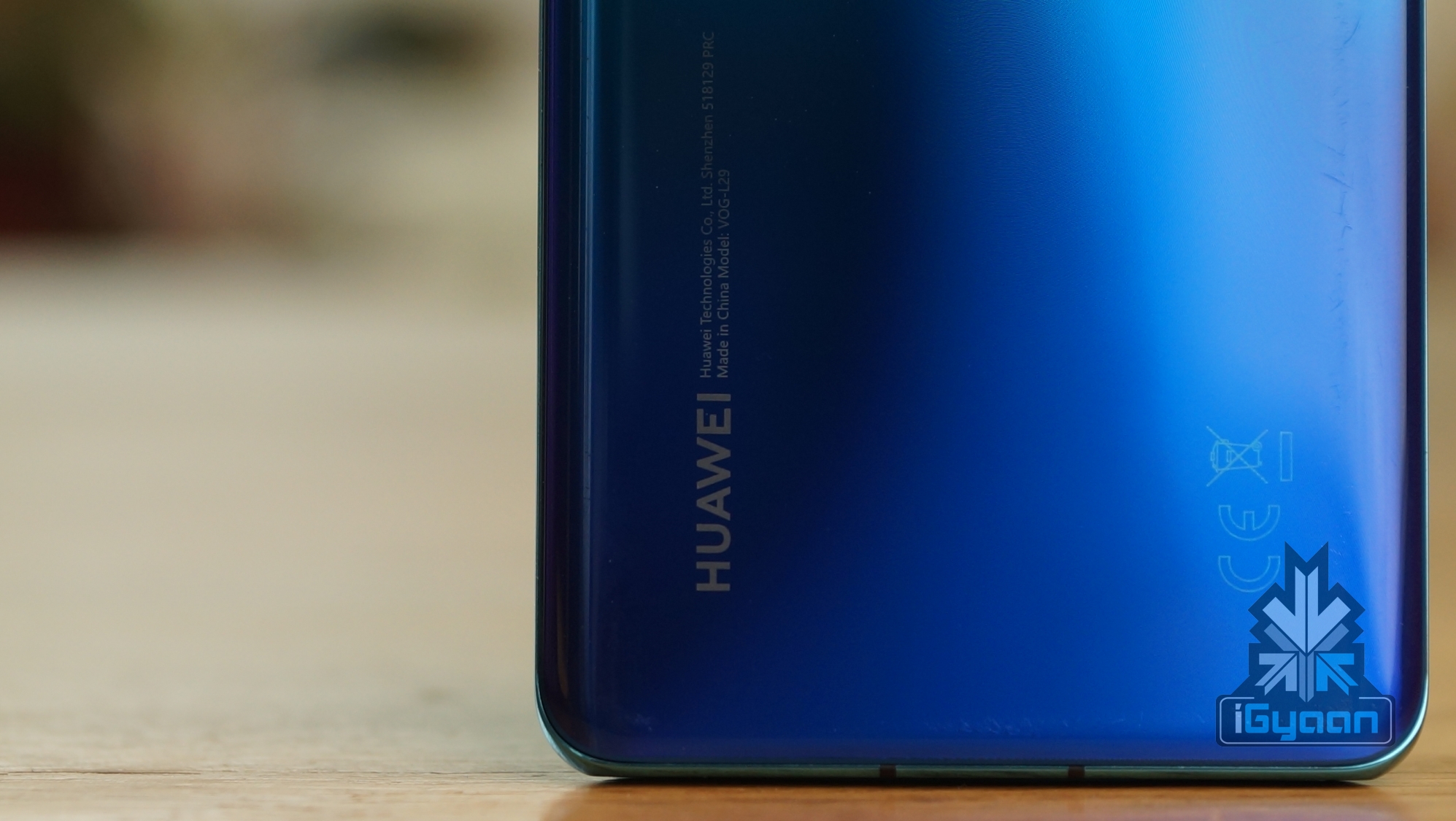
 Reports state that the Chinese company first filed a trademark for the aforementioned devices in the month of March 2019. The P Smart Z features a large 6.59 inch display with a FullHD+ resolution, which it attains due to the pop-up camera. Just like Chinese competitors Oppo and Vivo, Huawei seems to be following the trend of a notch-less smartphone. Reports further mention that its display panel has a resolution of 2340 x 1080 px and a pixel density of 391 ppi.
  Under the hood, the Huawei P Smart Z runs on the 14nm HiSilicon Kirin 710 chipset, which comprises of an octa-core CPU and the
  Also Read: