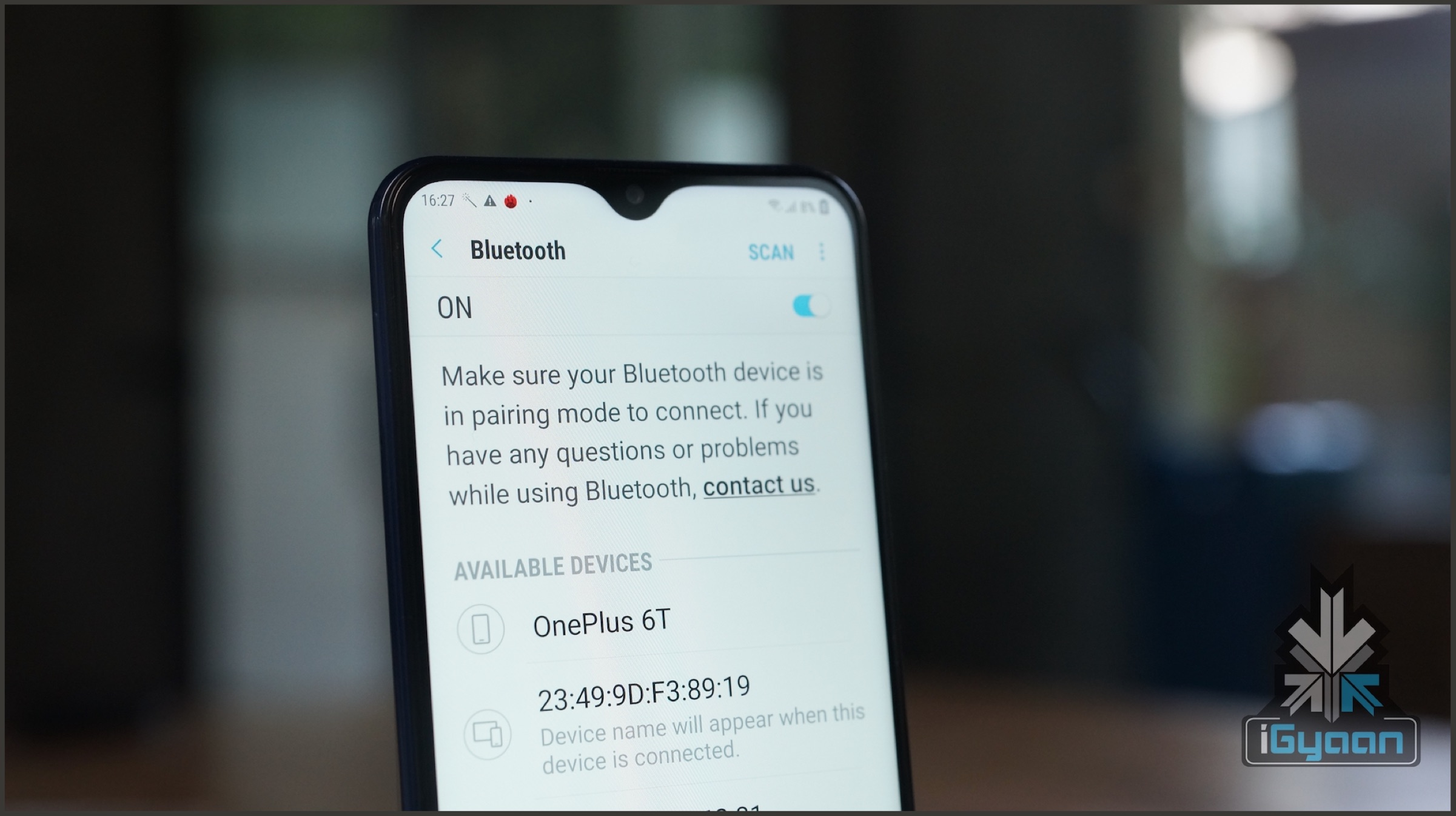
The term Bluetooth was officially coined in the year 1998. It is a global wireless communication standard that is used for connectivity and exchange of data over a limited distance. Over a time period of almost 20 years, this technology is not an option anymore. It’s a necessity for all mobile computing devices, such as smartphones, Laptops and Tablets. Bluetooth 1.0 specification was released in 1999, and in the very next year, the first v1.0 enabled mobile handset and headset was launched in the market.
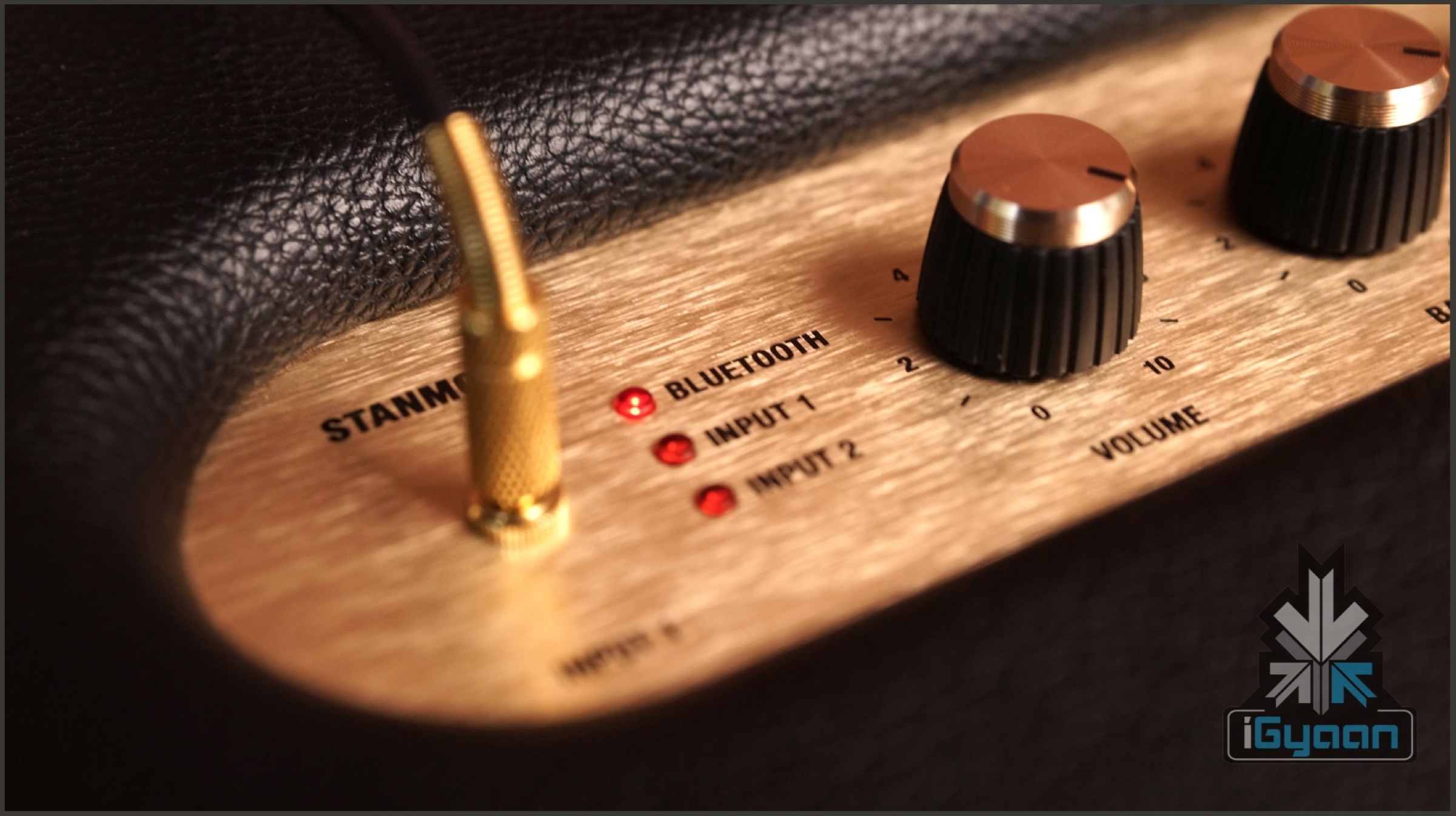 After a long series of product integrations and new versions being rolled out almost every year, Bluetooth v5.0 was announced in 2016. By the next year, Apple, Samsung and other major smartphone brands had included v5.0 support in their devices. Currently, the company extends its support to almost 35,000 brands, all of which are members of the SIG (Special Interest Group). Most users associate the chronological Bluetooth versions with the increase in transfer speed, which is not entirely true. A lot has changed over the years, and it’s not just the data transfer speeds, it’s basically everything that the technology is built around.
The various factors that are involved in distinguishing between different Bluetooth versions are the range, data transfer speed and power consumption. See how the different iterations of the technology line up against each other.
Bluetooth 1.0 & 2.0
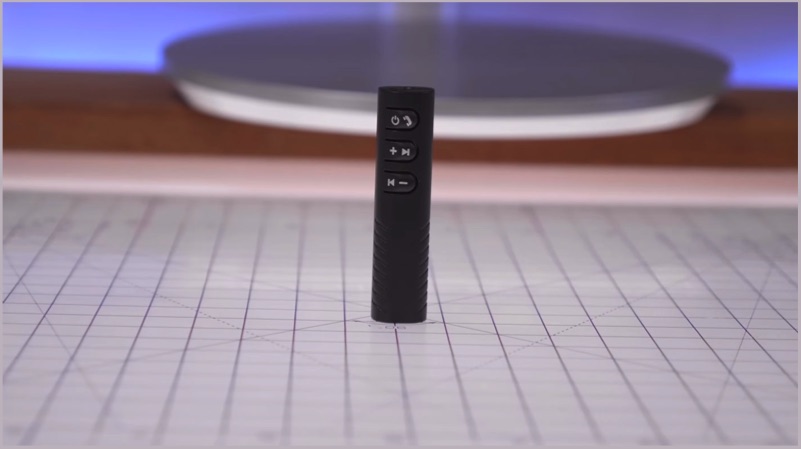
The first iteration of Bluetooth paved the way for wireless headsets, controllers and speakers that we still use today. Bluetooth 1.0 supported data speeds that capped off at just 1 Mbps. This is because Bluetooth 1.0 used a modulation scheme called Gaussian Frequency Shift Keying, or GFSK, which enabled the carrier to switch between two different frequencies (represented by 0 and 1). The two devices had to be placed within 10 meters of each other in order to facilitate communication between them.
The shortcomings of GFSK were attempted to be eliminated in the v2.0, which used two newer schemes, p/4-DQPSK and 8DPSK. Where Bluetooth 1.0 used frequency modulations to transfer data, v2.0 made use of changes in waveform phases to carry data. This led to a minimal yet significant upgrade in information transfer speeds, with devices communicating at speeds of up to 3 Mbps.
Bluetooth 3.0
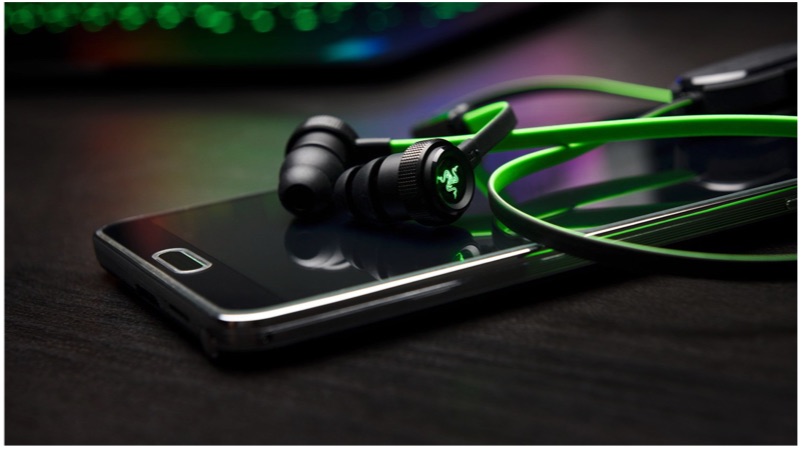
Bluetooth 3.0 was the first iteration to be recognized as a “high-speed” data transfer norm. While offering a much higher transfer rate of almost 24 Mbps, it also reduced the power consumption of devices using the technology. The high data transfer speed was achieved by the addition of 802.11, which is a standard created by IEEE (Institute of Electrical and Electronics Engineers) for wireless connectivity. Bluetooth v3.0 revolutionized short-range wireless communication and lay the foundation stone upon which v4.0 was designed a few years later.
Bluetooth 4.0, 4.1 and 4.2
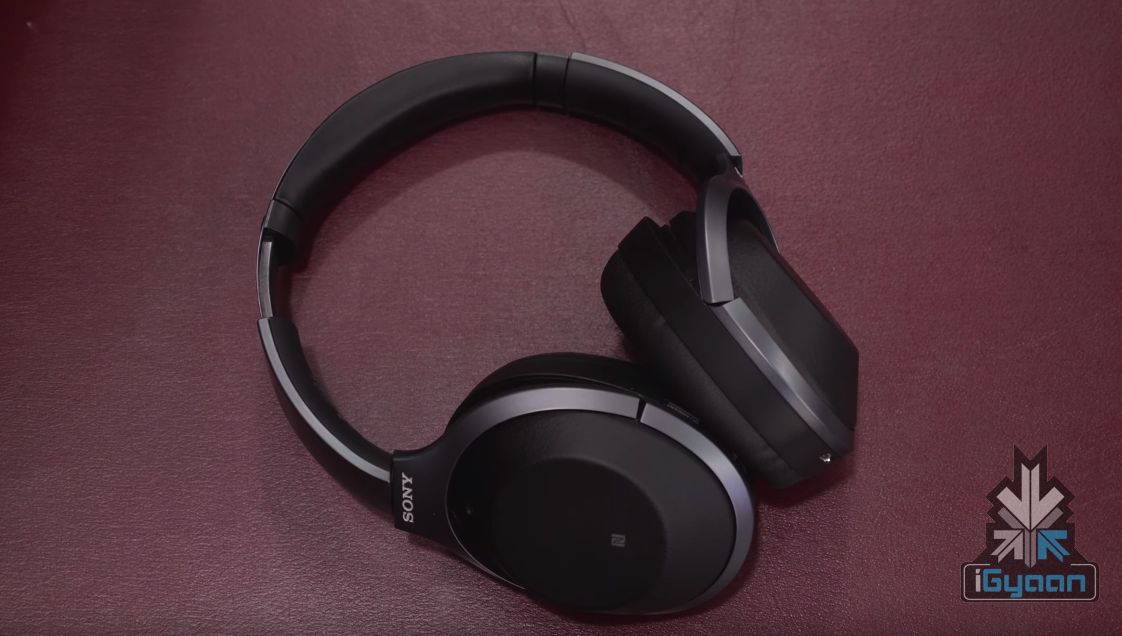 Bluetooth v4.0 boasted of a higher range of usage and better power management. It also introduced the Low energy protocol, which was highly appreciated by people who used Bluetooth headphones for longer period of times. Bluetooth 4.1 took this a step further. It introduced a power plan for Bluetooth devices that automatically adjusted the power consumption of the device depending on range and usage. Sure, 4G LTE and other communication technology interfered with its frequency bands, but updates have been introduced since then to get rid of that problem.
v4.2 brought some privacy updates to the table, which specified that tracking services cannot do what they are intended to do unless the user’s permission is granted. Also, it increased transfer speeds by almost 2.6 times, which was a huge step up from Bluetooth 4.1.
Bluetooth 5.0
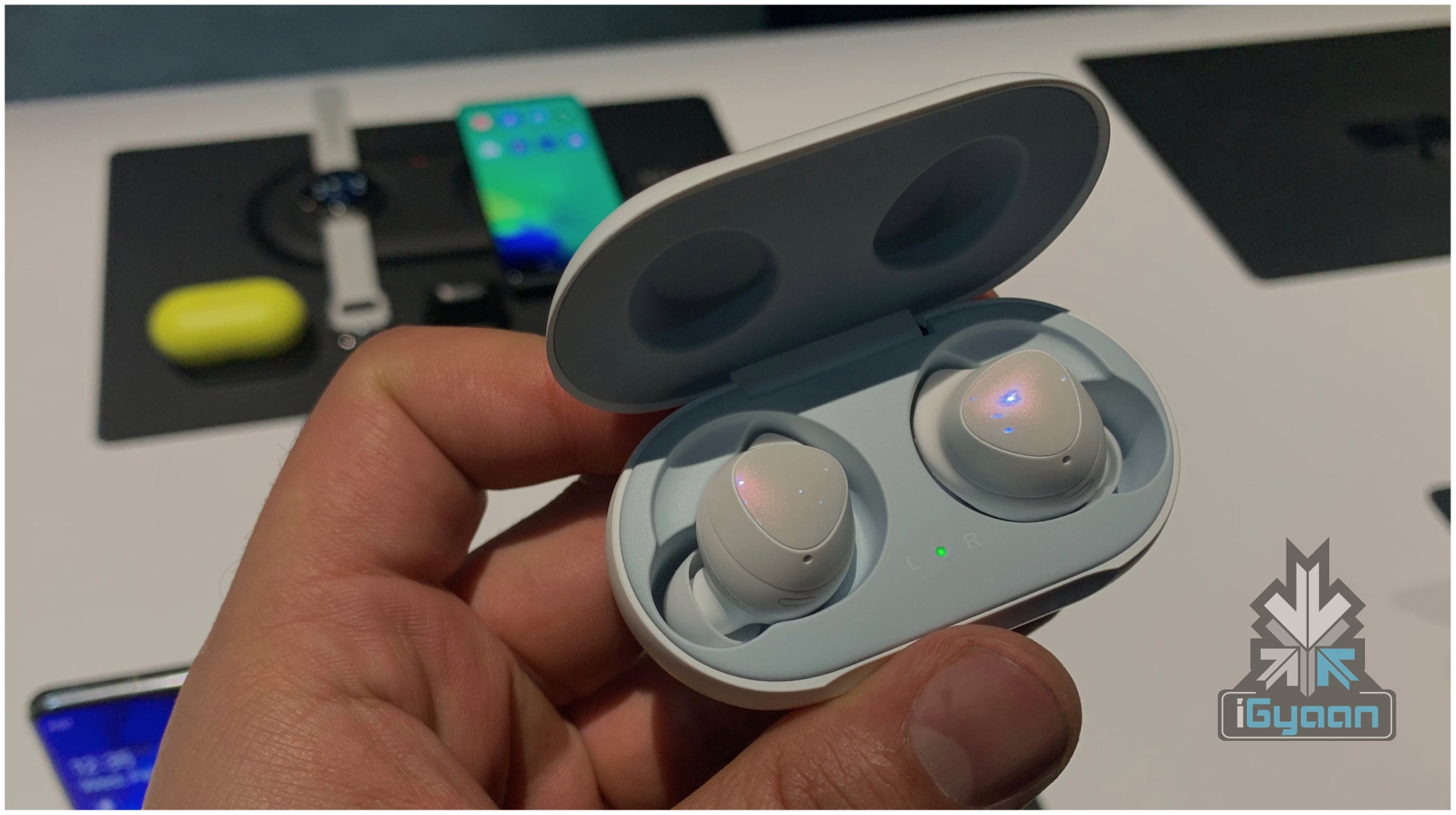 Bluetooth 5.0 is the latest iteration in the series as of now. First announced in 2016, v5.0 was specifically designed to render a lossless and secure communication channel between devices. With twice the connection speed of Bluetooth 4.0 and 4 times the range, it is very responsive as compared to the previous versions. Also, a larger amount of data can be transferred using an increased message broadcast message size.
 Also Read: What Is Wi-Fi 6; Understanding Different Wi-Fi Standards
A summarized table of all the versions and their key details is given below
|
Bluetooth Version |
Transfer Rate | Range (without obstacles) |
| v1.0 | 1 Mbps | 10m (33ft) |
| v2.0, 2.1 | 3 Mbps | 30m (100ft) |
| v3.0 | 24 Mbps | 30m (100ft) |
| v4.0, 4.1, 4.2 | 24 Mbps | 60m (200ft) |
| v5.0 | 48 Mbps | 200m (800ft) |

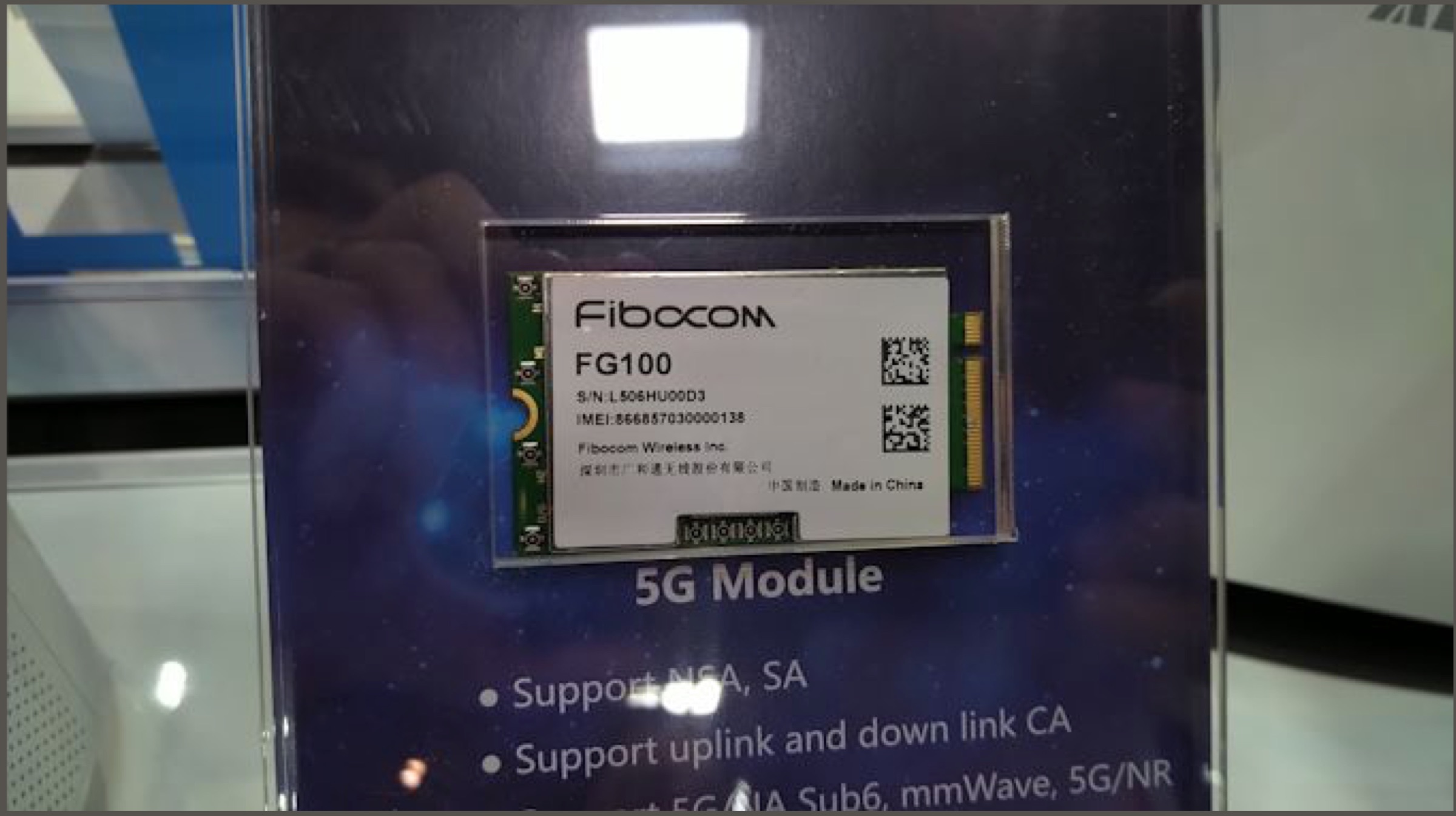
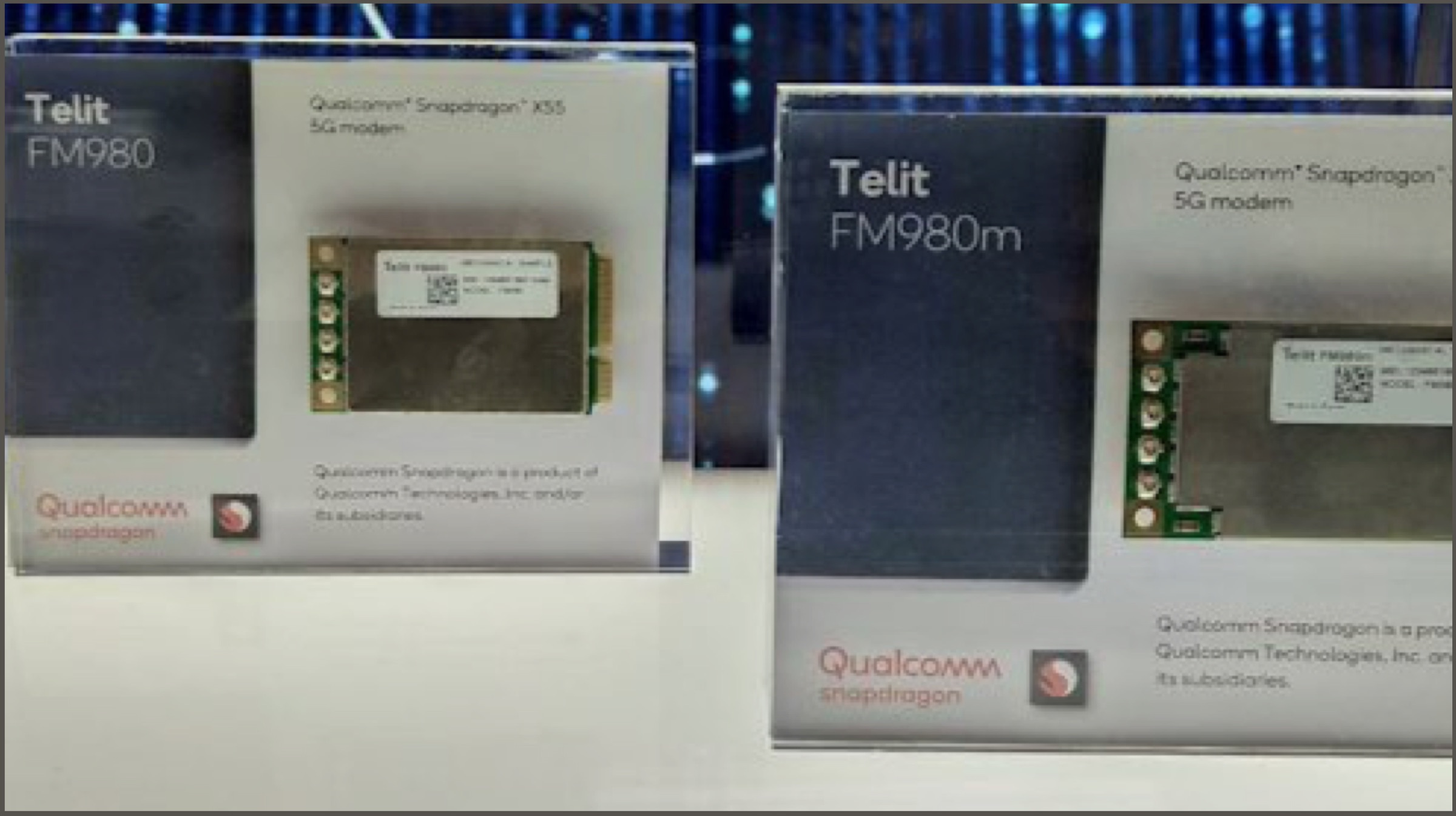 Noteworthy, the 5G modules are not intended to be Plug and Play devices, instead, they are dependant on the external 5G antennae for network reception. This means that without a 5G supported machine, the modules are of absolutely no use. The modules will be used by Laptop and desktop manufacturers, which include companies like
 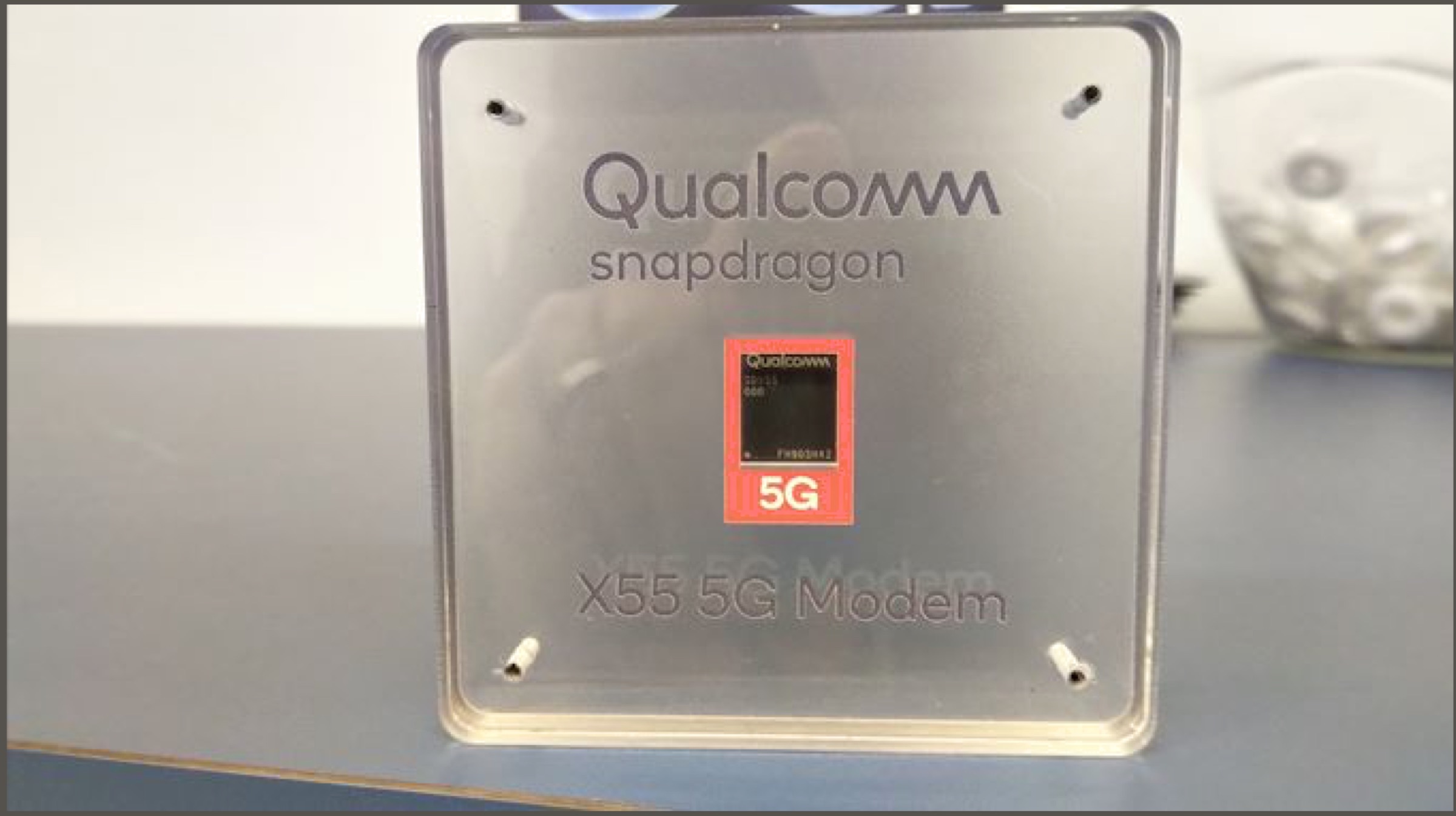 During MWC 2019, Qualcomm announced the X55 modem for 5G support across devices. The module is expected to be compatible with both mmWave 5G and Sub-6GHz 5G bands. mmWave 5G technology makes use of ultra high frequency radio signals, which are used to transfer data across devices. This is done within the 24 to the 90Ghz range, so a lot of bandwidth is wasted where it could be used to boost 5G speeds. Instead, the Sub-6GHz band operates between 1 and 6 GHz, which encompasses mostly all the data. It is less operational than mmWave in the long run, but it is certainly more functional.
 Also Read:
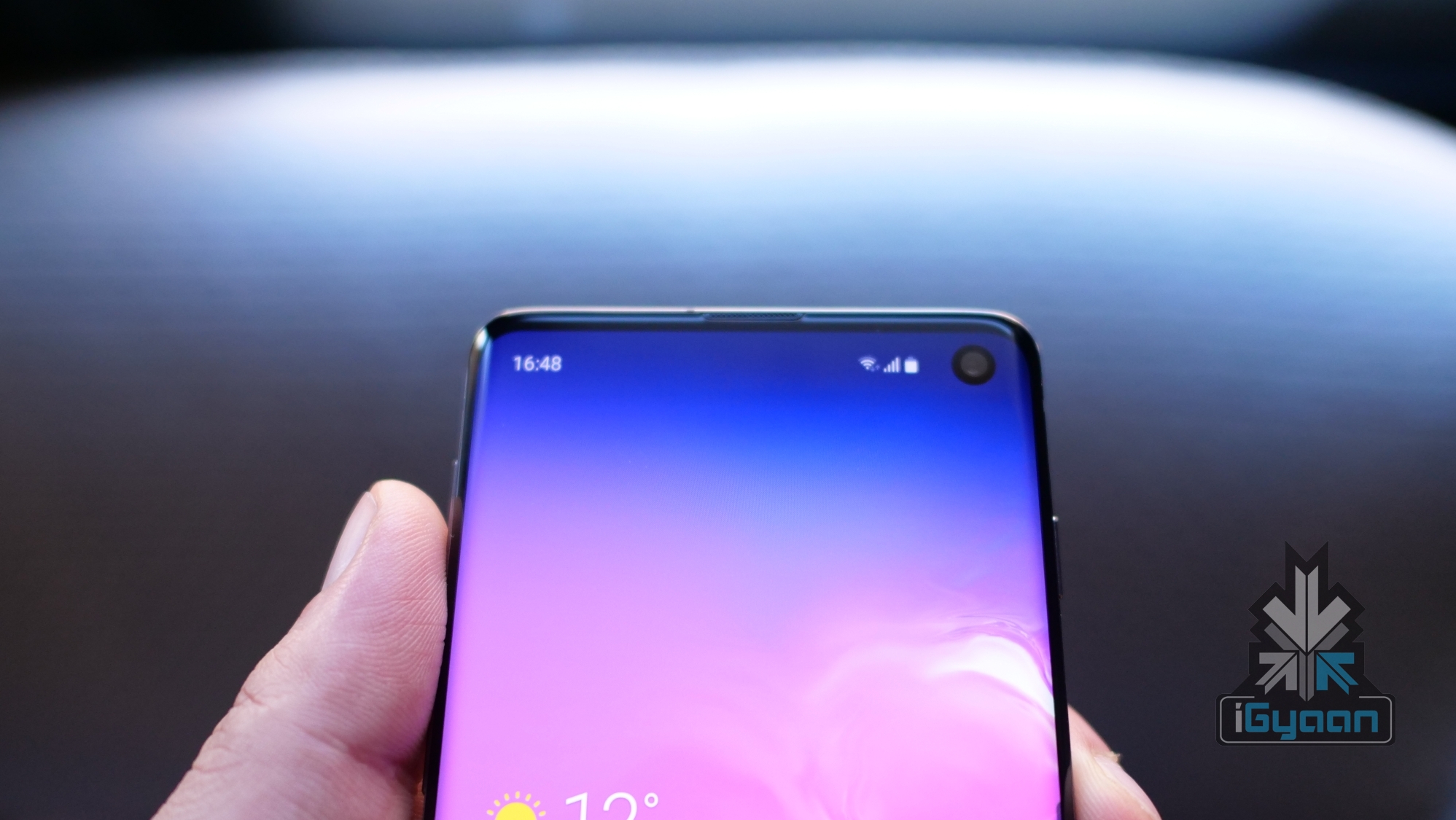
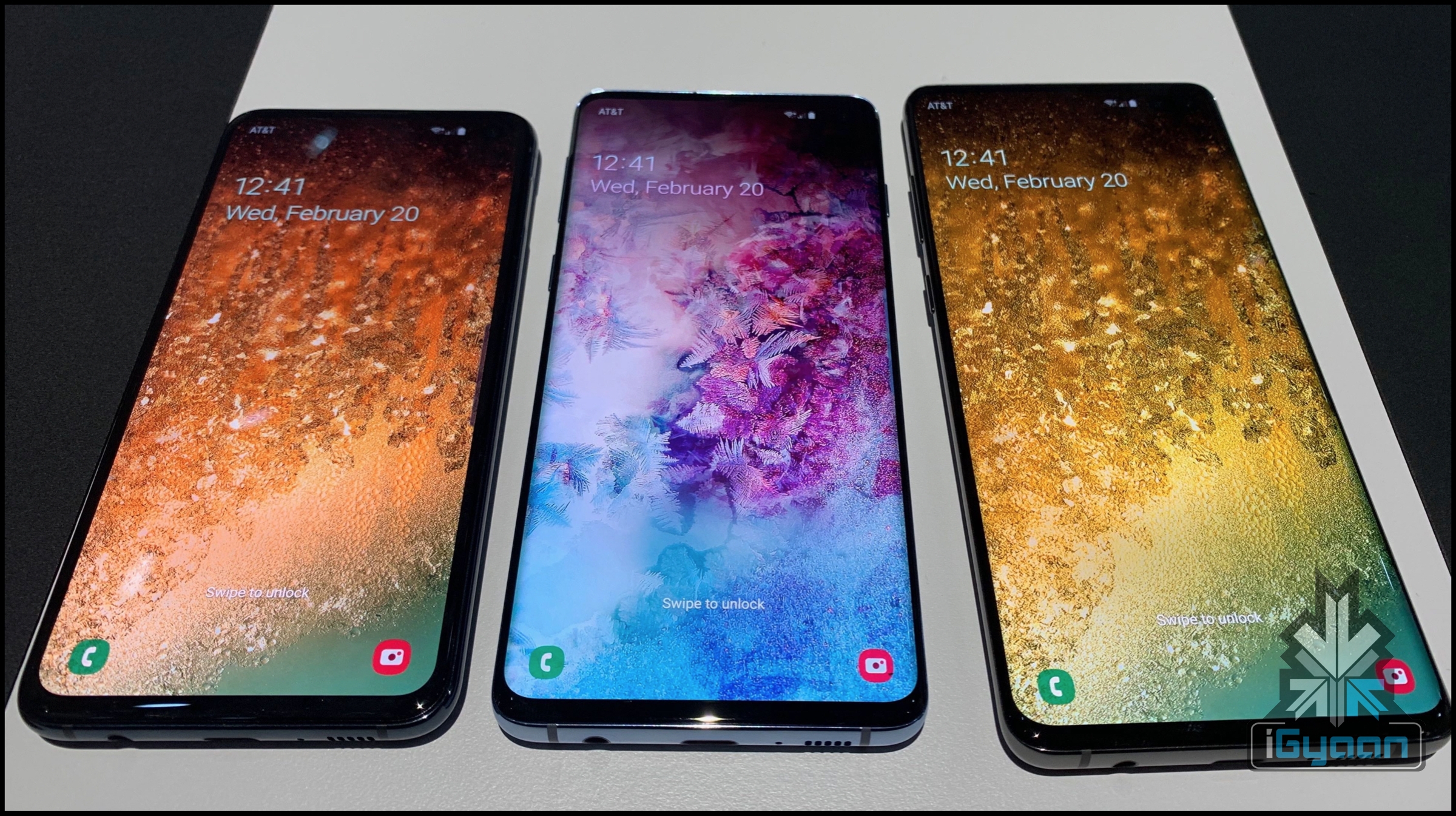
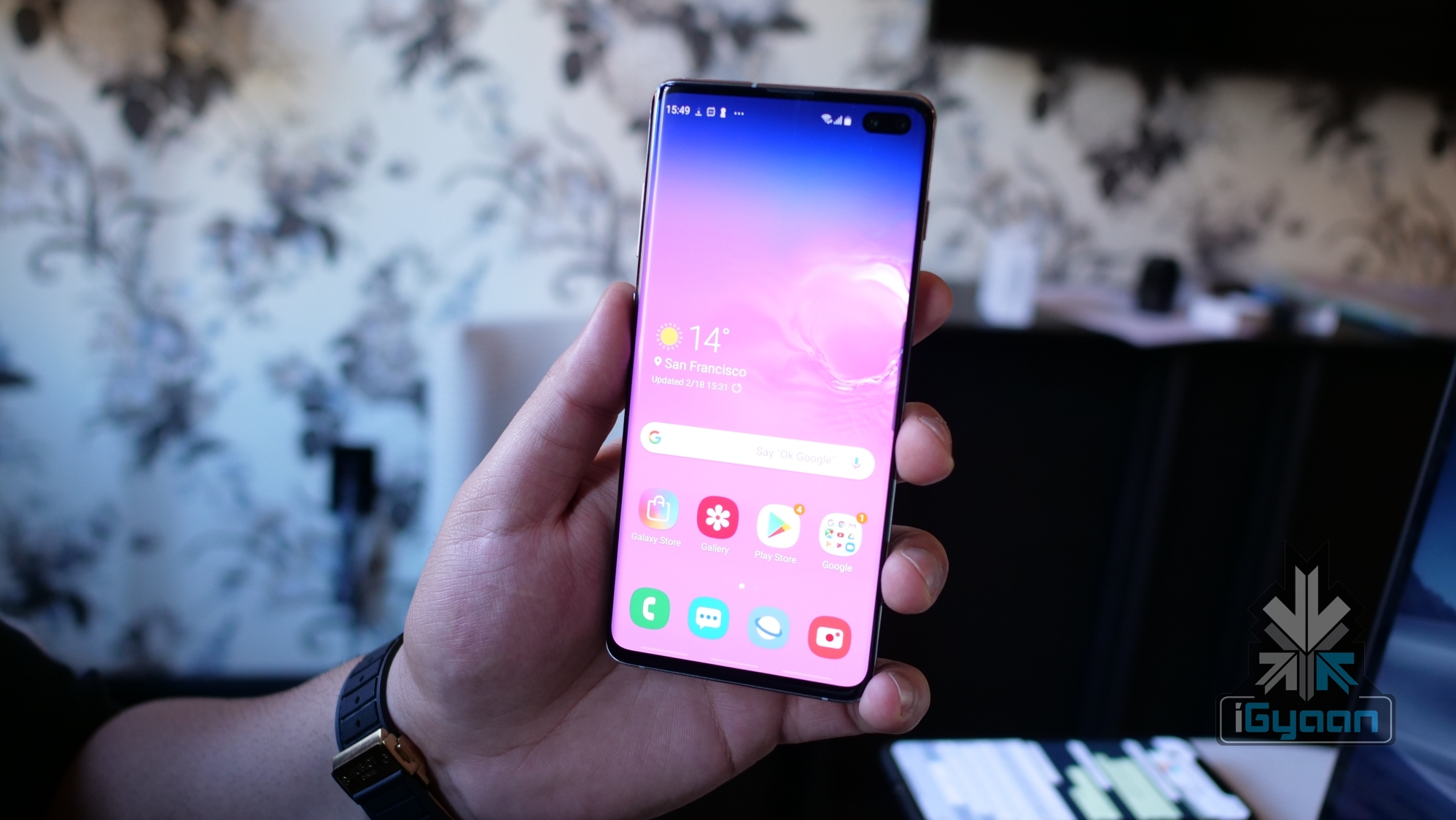
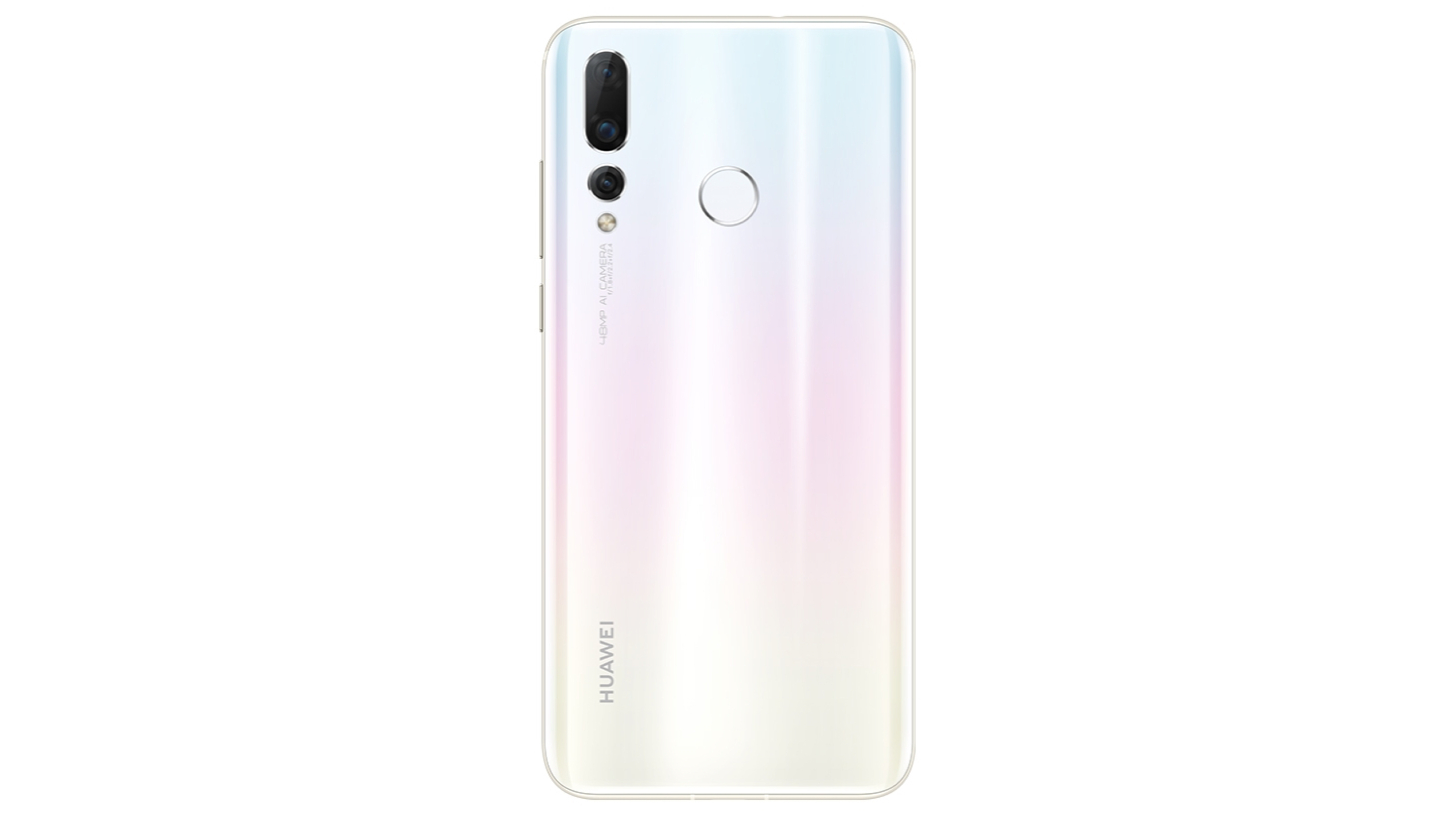
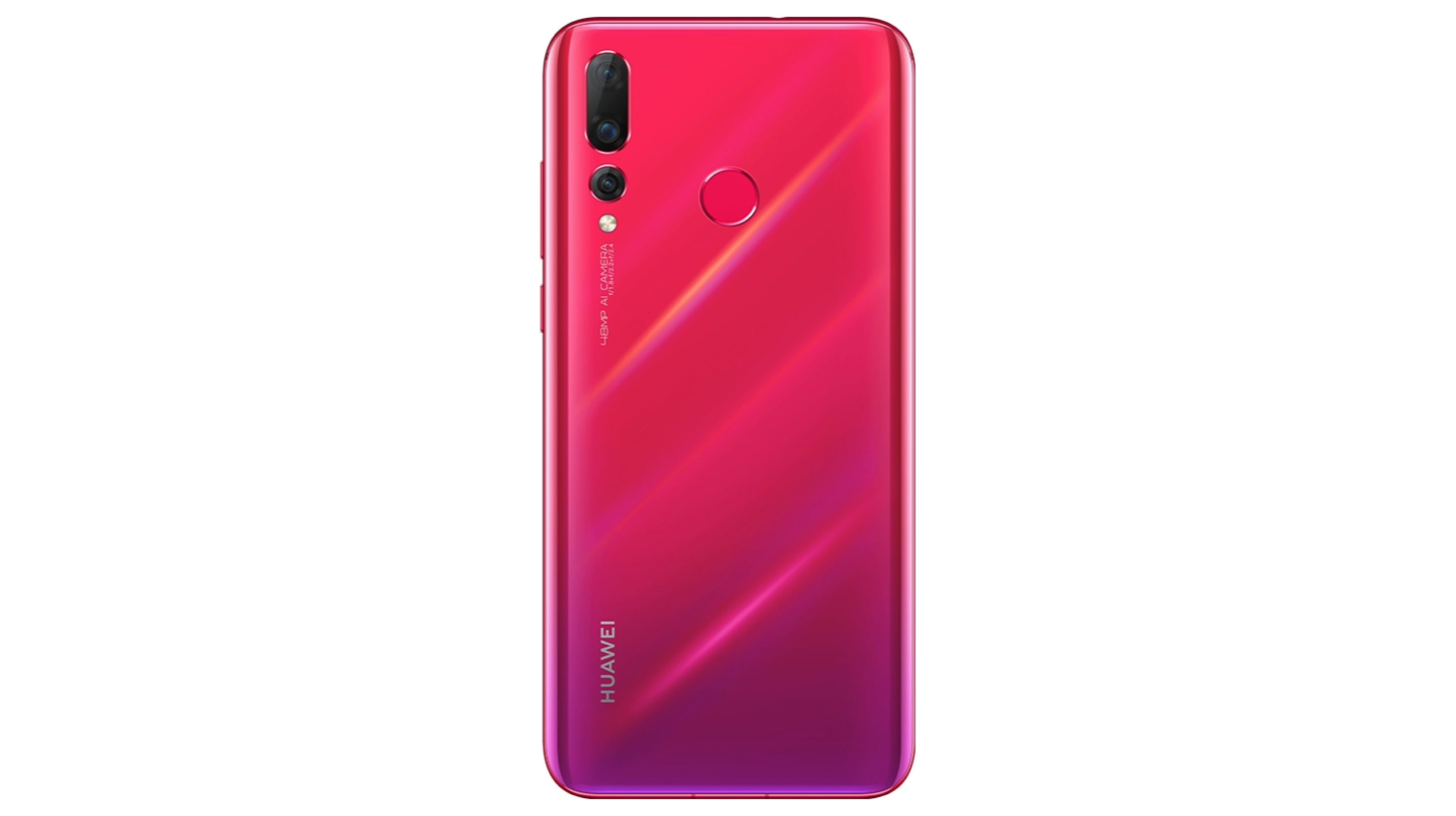
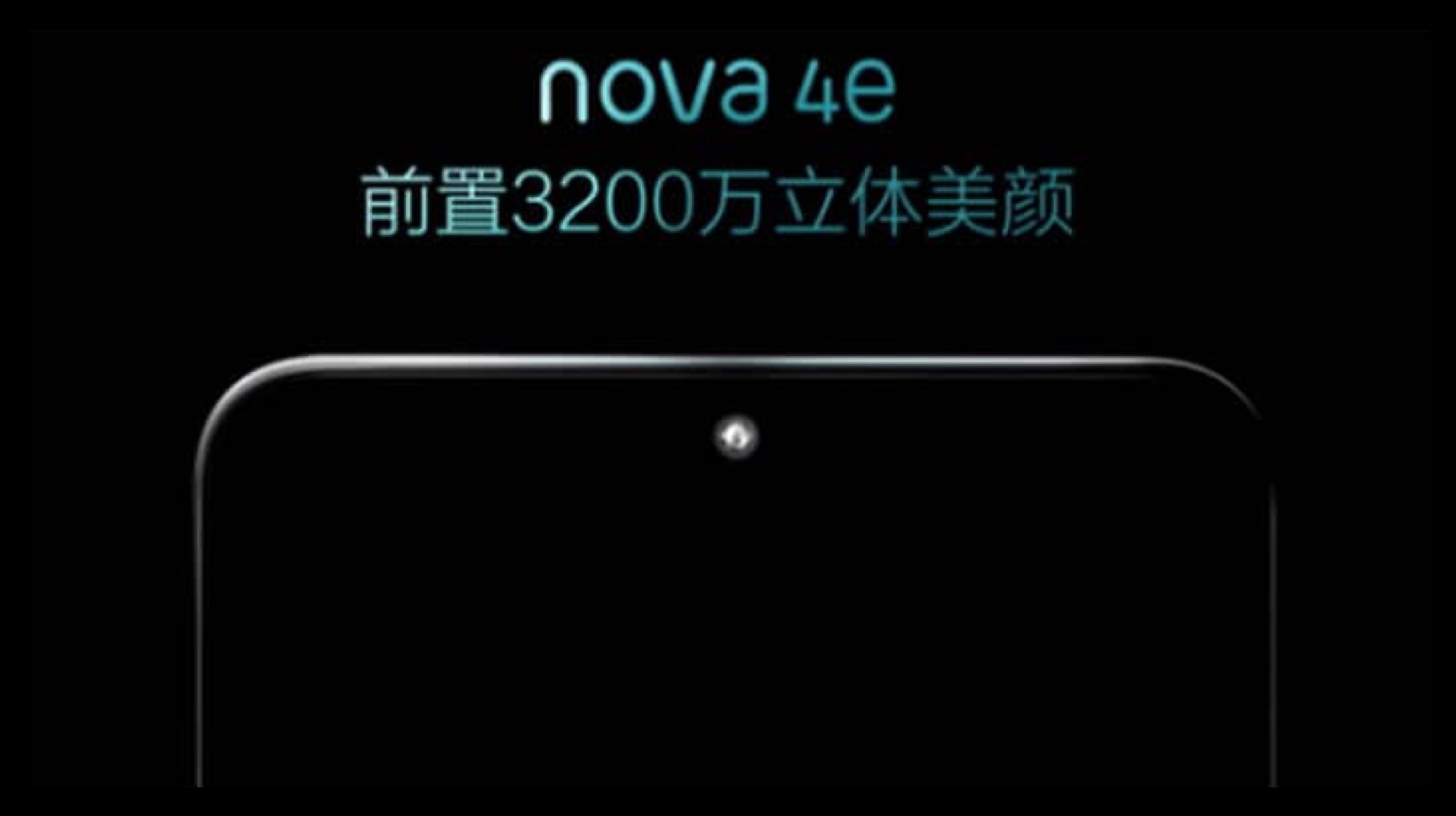 The Chinese smartphone manufacturer posted a video clip which clearly states that the upcoming Nova 4e will have a 32MP selfie shooter. The specifications of the device are not clear yet, but the device is expected to have a similar sized screen to the Huawei Nova 4, which has a 6.4 inch LCD display with a resolution of 2310 x 1080 px and a pixel density of 398 ppi. The Nova 4e may run on the company’s own 10 nm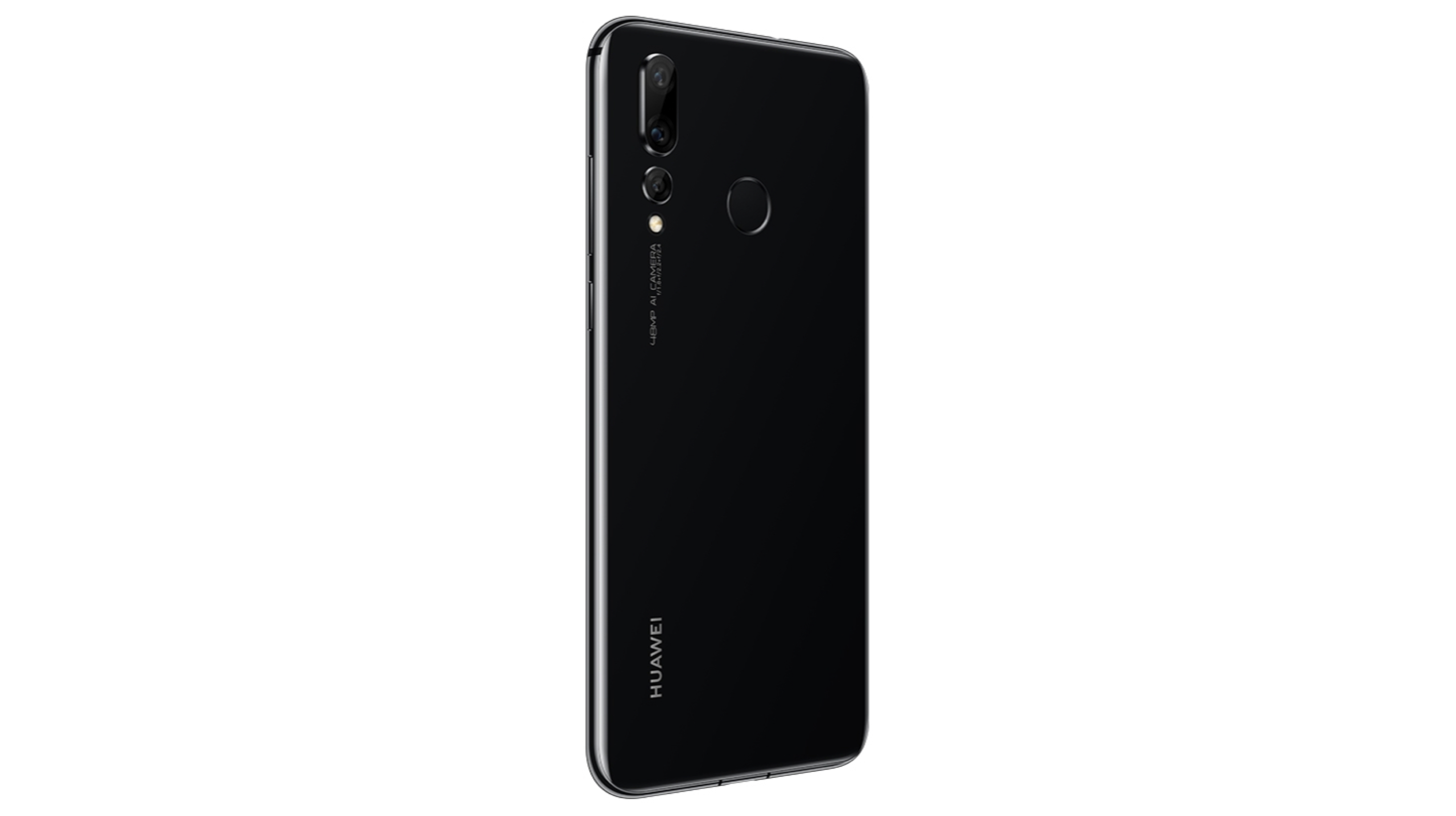

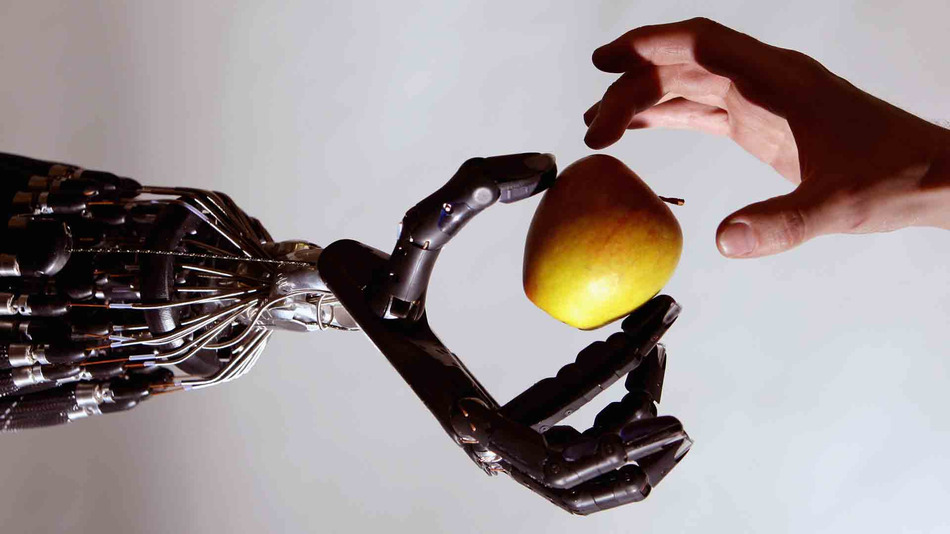
 We are enabling AI enabled machines to make decisions on our behalf all the time. It is customizing our music playlists as per our taste because we are too lazy to do so. Applications are available which can scrutinize your resumes and documents, suggesting necessary changes which are actually for the better. Machine learning algorithms browse through the pictures on your phone, looking for patterns that help them to filter out your best images. And all this happens in a matter of seconds. We gape with surprise at such instances of technology. We are impressed because our lives are becoming easier. Little do people realize that an algorithm which can shuffle through thousands of pictures to pick a perfect image can do much more if it’s given the necessary amount of time.
  The question that arises in such a case is very simple. Where does this stop? Where do we set the limits for the applications of Artificial Intelligence? Should we do it as per our convenience or should we have larger interests in view? Elon Musk, CEO and Founder of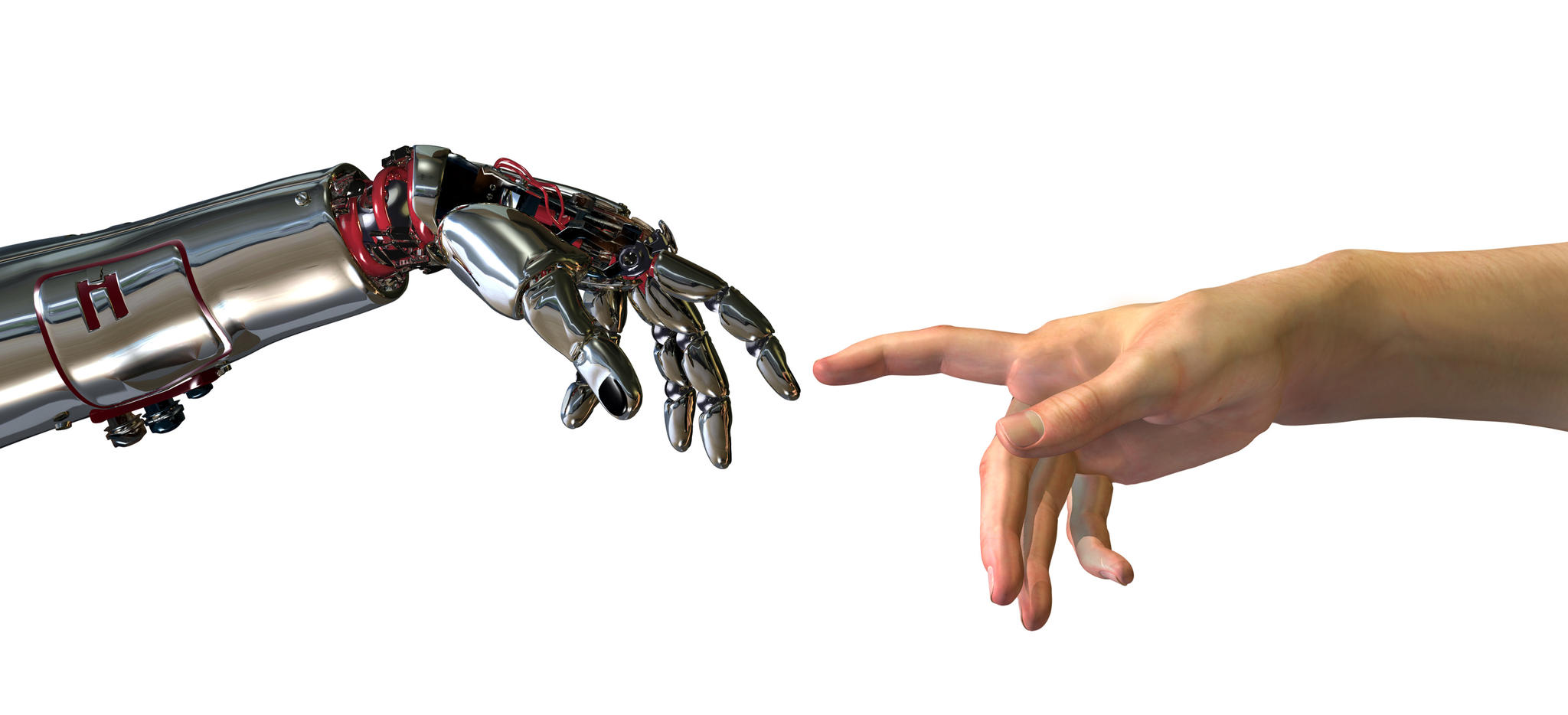
 Mentioned below are some of the major risks that accompany fully autonomous systems.