Category: Camera

Camera, Camcorders, DSLR, Mirrorless, Lenses and Accessories. All Here

  • What Is Pixel Binning In Smartphone Cameras? Here Is What You Should Know

    What Is Pixel Binning In Smartphone Cameras? Here Is What You Should Know

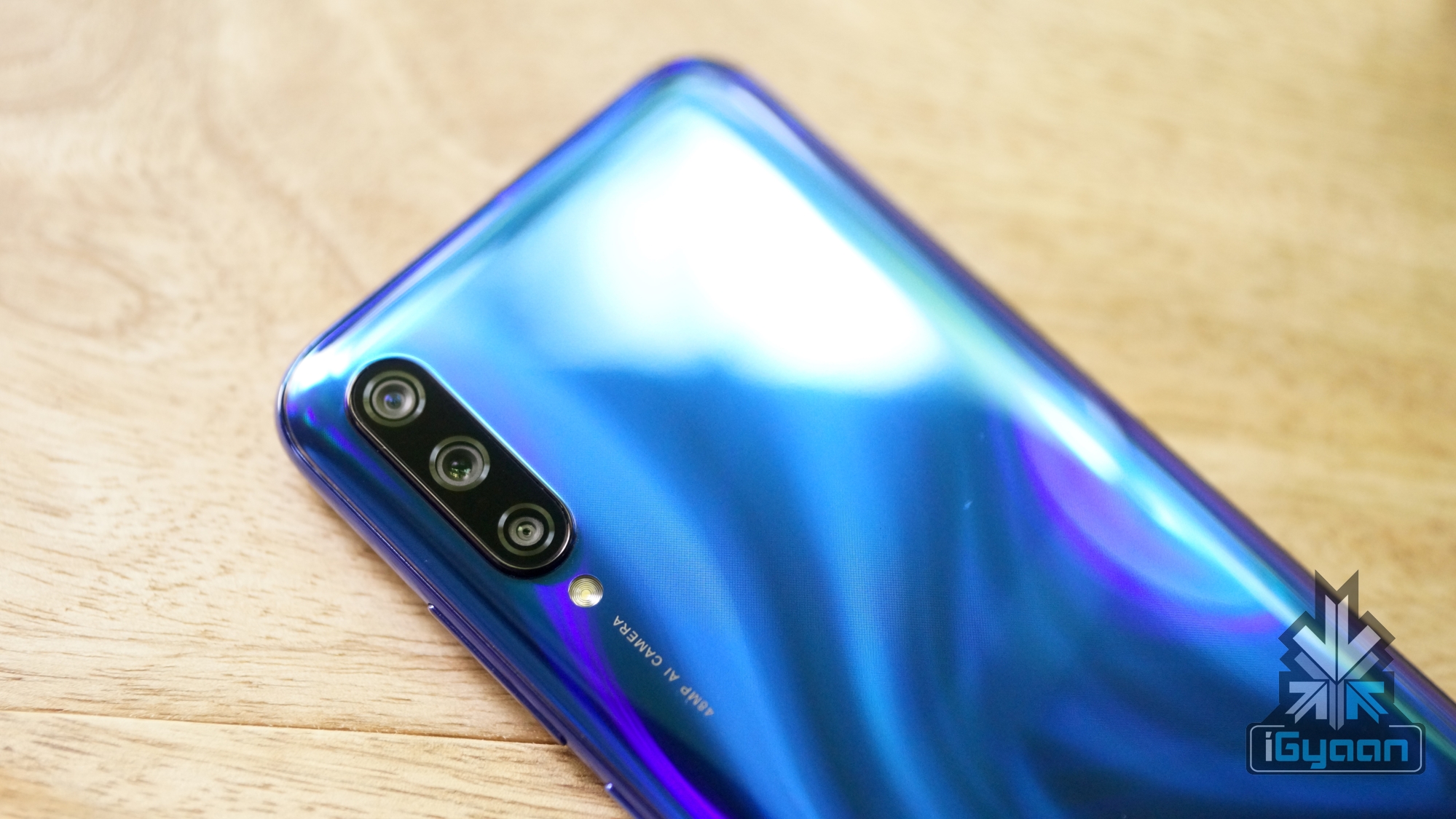
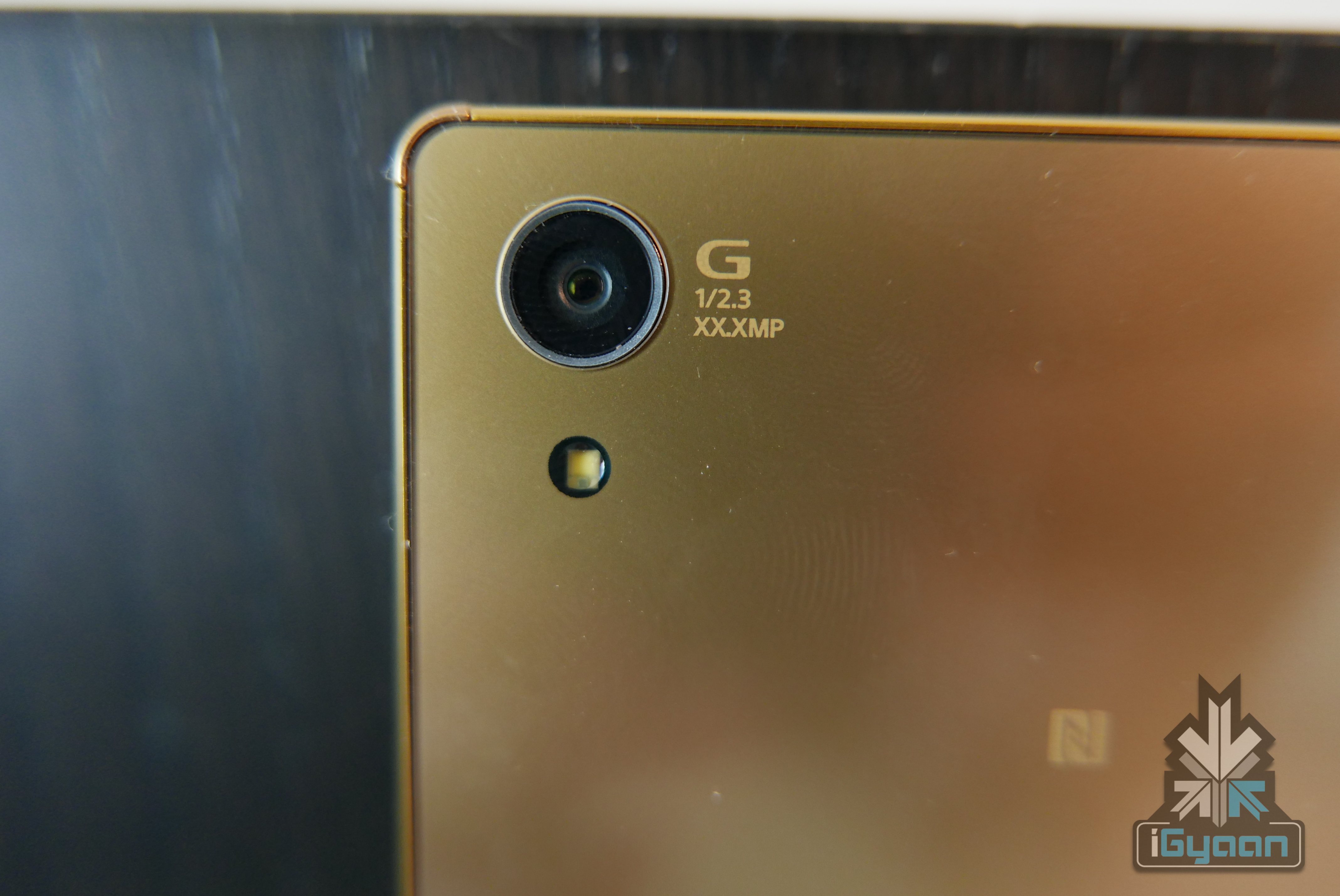
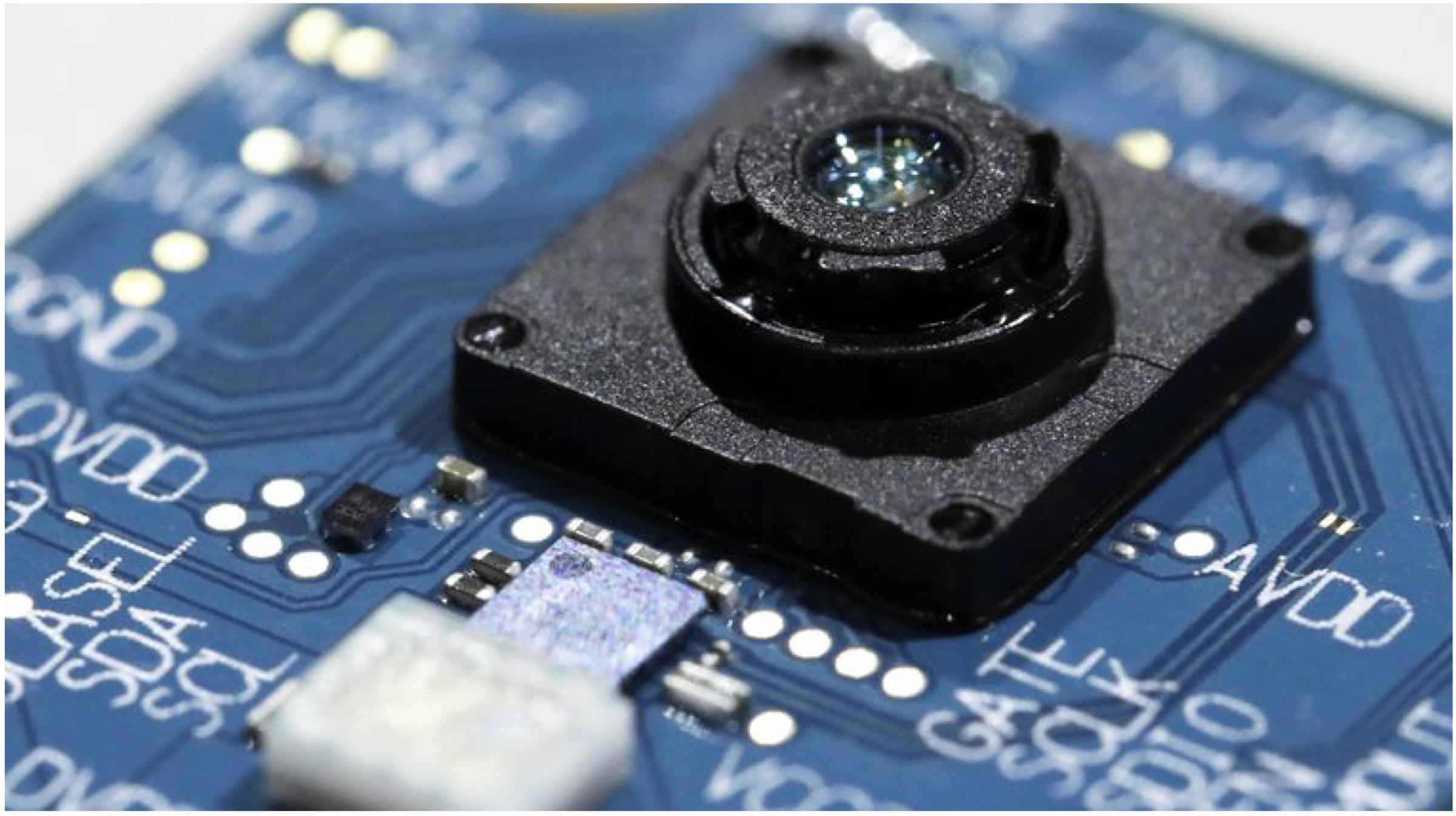
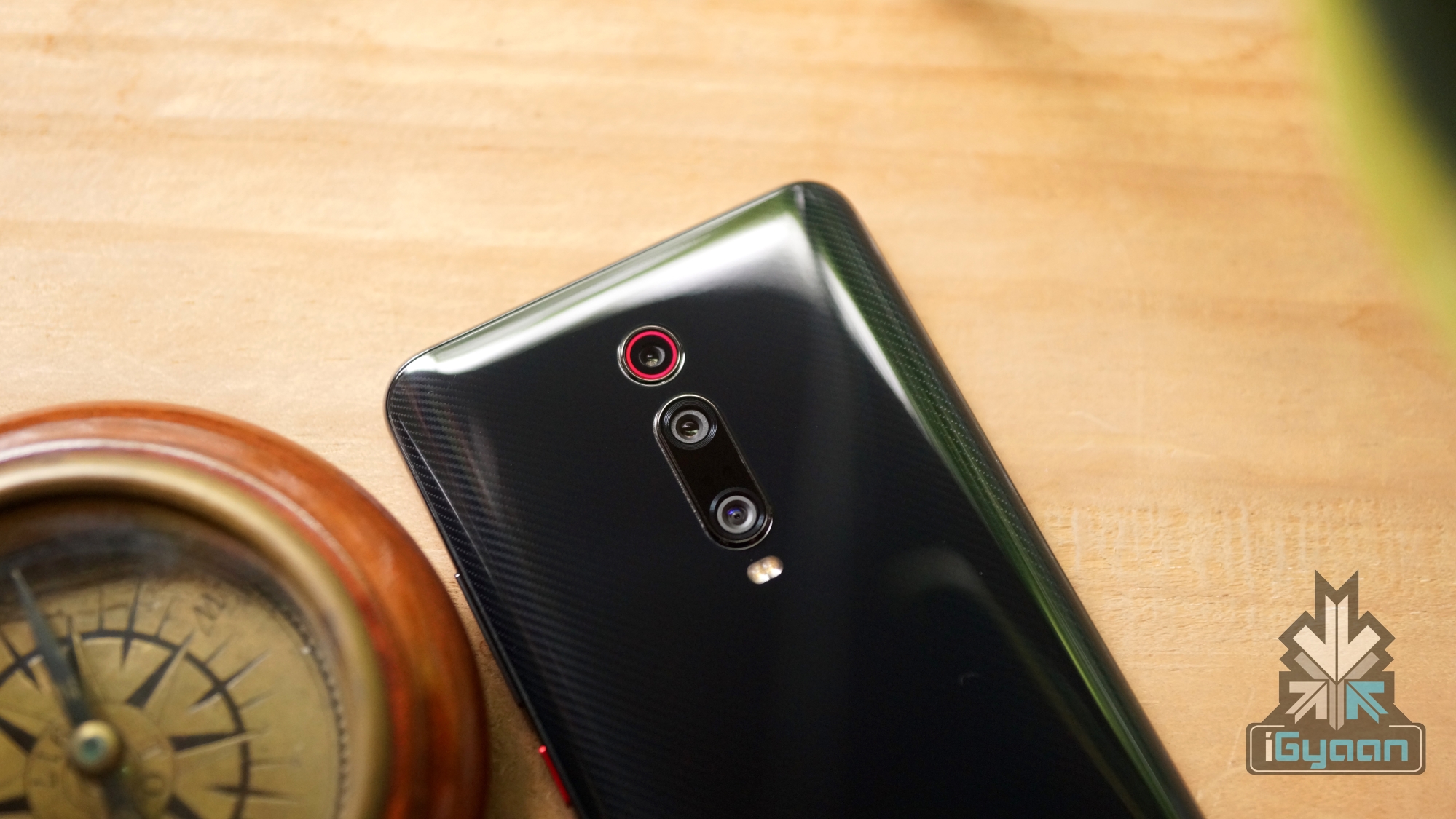
    The year 2019 has seen many innovative features arrive on smartphones. One of the ubiquitous out of the many features this year has been a high-resolution primary camera on the devices. Starting with budget handsets, the trend has trickled up to most modern flagship smartphones, like the OnePlus 7 Pro, Asus 6Z, Nubia Red Magic 3 and the Redmi K20 Pro. All these devices feature the same 48MP Sony IMX586 sensor as their primary camera. What’s special about the sensor is not the megapixel count, but the technology behind it. It uses pixel binning to create sharp 12MP images and the technology is the reason why the sensor is present on many devices. But what exactly is pixel binning? Here is everything you need to know about it.

    Understanding The Concept Of A Pixel
    Pixel Binning
    Redmi K20 Pro

    To understand what pixel binning means, we first have to understand what pixels are. While a pixel is generally defined as the smallest element in a picture represented on screen. However, in this context, pixels are the smallest physical elements on a digital camera sensor that capture light during photography. They are measured using microns, which is a unit of length a million times smaller than a meter. The bigger the pixel size in a camera, the more light it can capture. This will result in much sharper and brighter images, which is the goal of every camera manufacturer. 

    However, the bigger the pixel sensor size is, the bigger the camera unit will be which is a difficult feat to put inside a smartphone’s slender frame. This leads to the intrusive camera bumps that make the device wobble when kept flat. So basically smaller pixel size = bad low light performance, but a larger pixel = huge camera sensor. So, how to fix this issue? This is where the pixel binning technology arrives into the picture.

    What Is Pixel Binning?
    Pixel Binning
    Redmi Note 7S

    Pixel Binning is the process of combining four adjacent pixels into one. So a camera sensor which has a pixel size of 0.8 microns will combine these pixels into a 2×2 grid to form a larger 1.6-micron pixel image. The effective resolution is usually one-fourth of what the sensor is capable of. This means that a 48MP sensor effectively produces 12MP images, and a 64MP sensor will produce 16MP images. Combining the pixels will result in a brighter and sharper image, without the hassles of a huge camera sensor. 

    As mentioned above, the most popular sensor that supports pixel binning in smartphones is the 48MP Sony IMX586. There is also the Samsung ISOCELL GM1 with the same resolution, but it’s not very common and present on a handful of devices like the Redmi Note 7s and the Lenovo Z6 Pro. A few weeks ago, Samsung also announced the ISOCELL HMX, a sensor with a whopping 108MP resolution that uses the pixel binning technology to produce high-resolution 27MP images. This sensor is expected to debut in the upcoming Xiaomi Mi MIX 4 smartphone.

    The Future Of Smartphone Cameras

    While the idea behind the pixel binning technology sounds exciting and a good way to tackle a particular problem, it is not the only way. While the goal was to reduce the camera sensor size and fit it inside a smartphone, most of the devices with the sensors still have a huge camera bump. Additionally, none of the handsets with the famous pixel binned sensors are the best in their class. It is possible to produce better low light images by software, as Google has demonstrated with the Pixel’s Night Sight feature.

    Also read: Apple Will Sell Its Products Online In India For The First Time Through Its Official Website

    So while it may be cool to boast about the 48MP or 64MP camera that your smartphone has, the results they produce are nothing to write home about. Granted, the details they produce are at times extraordinary, but for most social media sharing, where the images are anyway compressed for any of the details to be visible, it frankly doesn’t matter. But, if combined with better software, these pixel binned sensors may be a good thing for future smartphones and definitely one of the better features to have come out recently.

  • Samsung Introduces A 108MP Camera Sensor For Smartphones

    Samsung Introduces A 108MP Camera Sensor For Smartphones

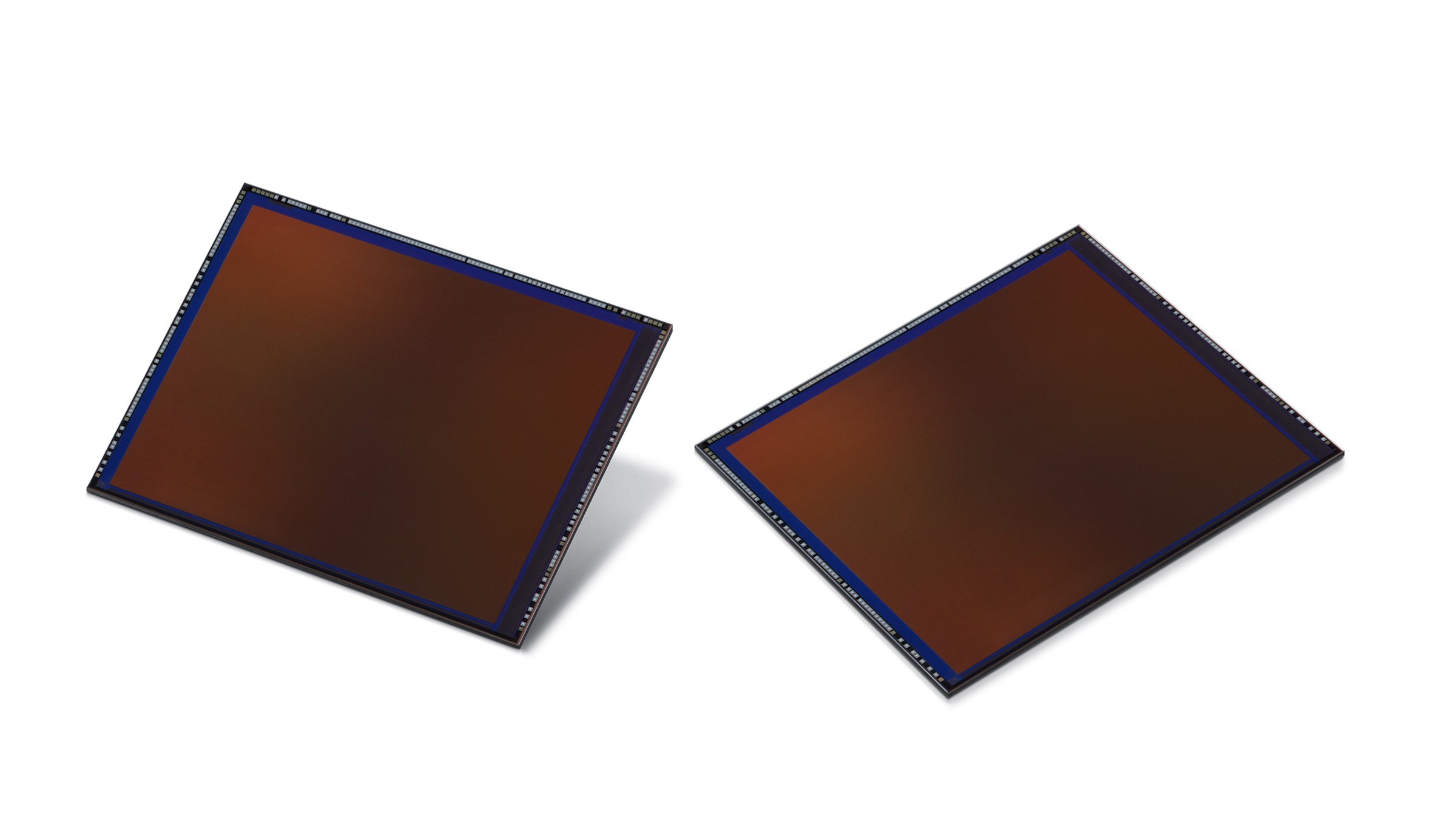
    Korean electronics giant Samsung has introduced a new camera sensor for smartphones. This has been launched under the company’s ISOCELL lineup and features a whopping 108MP resolution. Dubbed the ISOCELL Bright HMX, it is a result of a collaboration between the chaebol and the Chinese smartphone manufacturer Xiaomi; which is no surprise as the latter has already revealed a while ago that the latest sensor will be first seen in a Xiaomi device due to launch later this year. The mass production of the camera sensor is due to begin at the end of August.

    About the sensor

    Samsung

    As mentioned above, the Samsung ISOCELL Bright HMX is the latest smartphone camera sensor from the company. It is next in the lineup of the brand’s high-resolution sensor lineup and bumps up the maximum resolution to 108MP (12032 x 9024px), from the 64MP sensor launched earlier this year. In terms of specifications, the newest sensor has a large size of 1/1.33 inch, making it the first to adopt a size that large. It uses pixel binning Tetracell technology to produce 27MP images. For videos, the ISOCELL Bright HMX is capable of shooting 6K (6016 x 3384px) videos at 30 fps.

    Also read: 10 Things To Do First When You Buy A OnePlus Smartphone

    Other notable features of the new Samsung ISOCELL Bright HMX include Smart-ISO; which selects the level of amplifier gains according to the brightness levels in the surrounding. With a resolution rivalling most modern DSLR cameras, Samsung aims at redefining mobile photography. However, how the newest sensor performs remains to be seen until a smartphone featuring it is released in the markets. Like previously mentioned, Xiaomi has already placed dibs on the Samsung ISOCELL Bright HMX, so it will be seen in a Mi or Redmi branded device first. When the smartphone launches is anyone’s guess, but it is speculated to make its debut either later this year or early next year.

  • Panasonic S1H Launched With Support For 6K Video Recording

    Panasonic S1H Launched With Support For 6K Video Recording

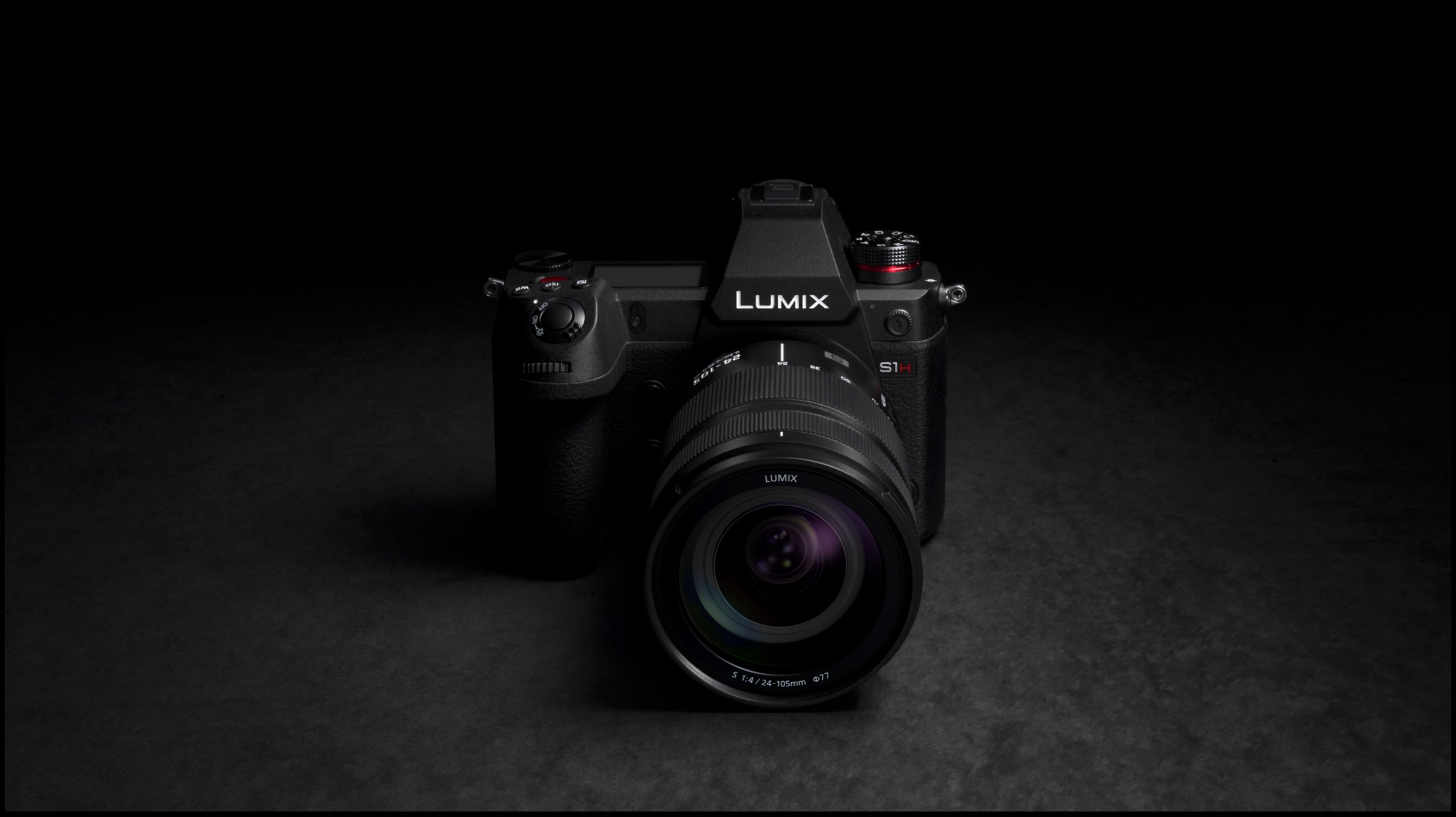
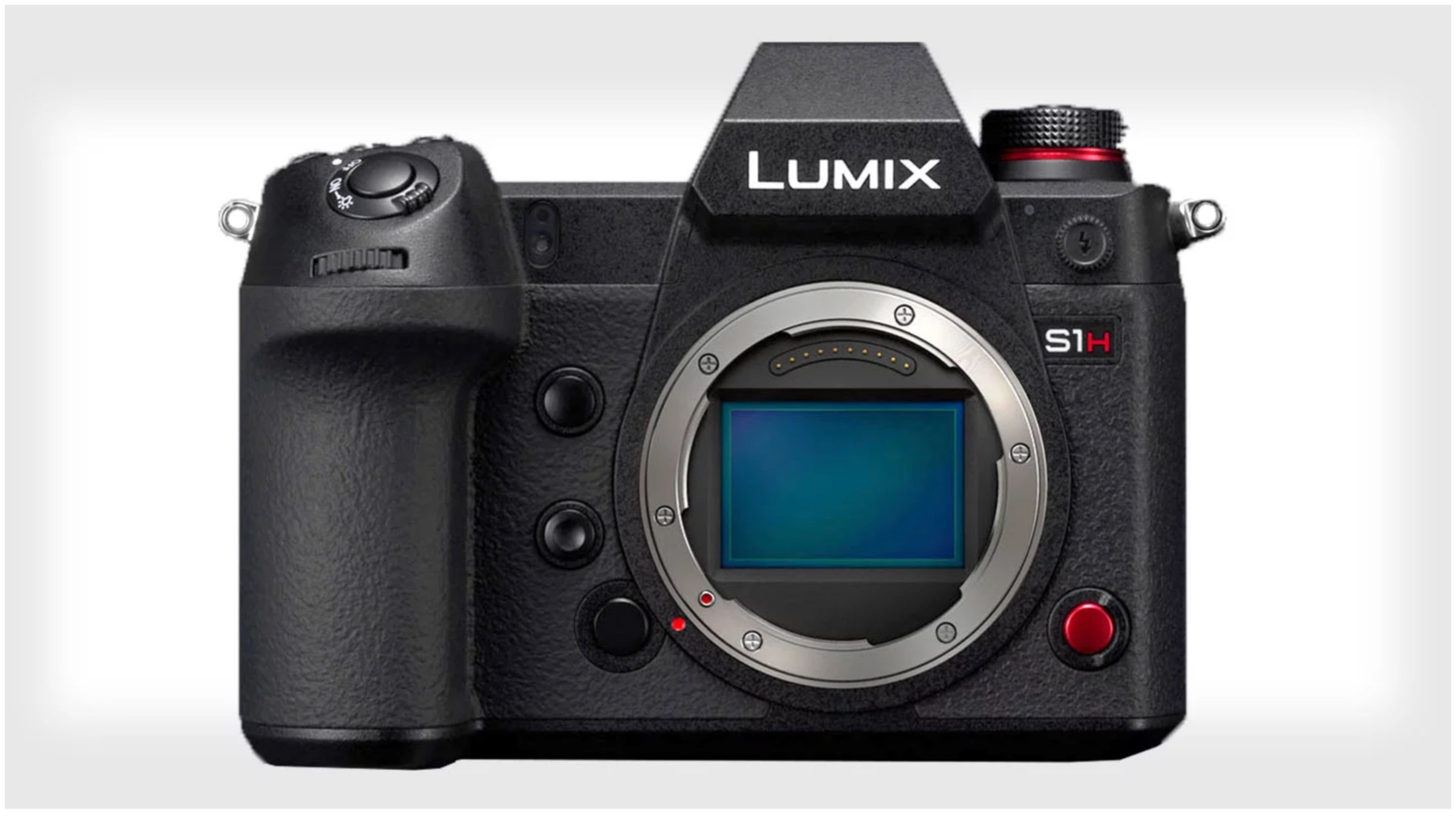
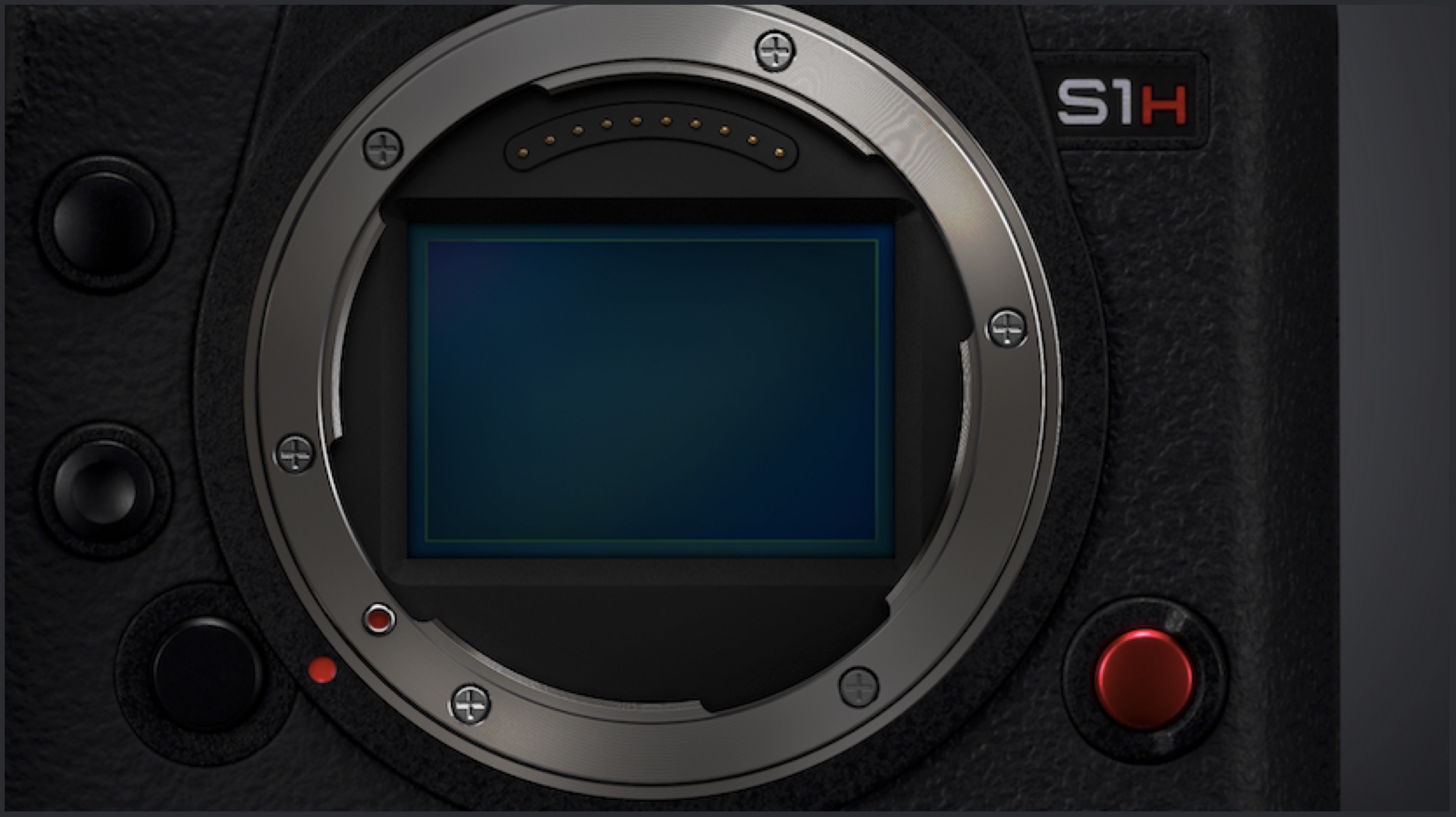
    Japanese electronics company Panasonic is widely known for making capable mirrorless cameras under its Lumix brand. The company on 31st May has announced its latest offering, the Lumix S1H Digital Single Lens Mirrorless camera; which boasts of being the worlds first full frame camera capable of recording in 6K resolution at 24 frames per second (fps). It is the successor to the Panasonic Lumix S1 launched last year and features notable improvements over it.

    Panasonic S1H

    Panasonic Lumix S1H

    As a full frame digital camera, the Panasonic Lumix S1H claims many world’s first to its name. Like mentioned above, it is the world’s first to record in 6K resolution at 24 fps in a 3:2 aspect ratio; or in 5.9K resolution at 30fps with an aspect ratio of 16:9. It is also capable of recording 10 bit 4K DCI video at up to 60 fps, which is also a world’s first. The camera has a variety of recording formats like the 4:3 Anamorphic mode like present in the popular GH5 camera from the company. The Lumix S1H also claims a wide dynamic range of 14+ stops with the V-Log/V-Gamut mode. Noteworthy, this dynamic range is the same as the premium Panasonic VariCam video camera.

    Panasonic Lumix S1H

    Also read: Alphabet’s New AI Defeats Human Players In A Multiplayer Game

    Unfortunately, Panasonic has not specified if the Lumic S1H will feature the in body image stabilization; like present in its predecessor, but it is assumed that the latest camera will pack in the stabilisation option. It also does not have any recording time limit, which may be a beneficial feature for shooting events. In terms of pricing and availability, the Panasonic Lumix S1H will be available starting fall, which generally refers to the fourth quarter of the year in the US; with the global availability to be announced soon. For pricing, the company’s latest offering is expected to be priced around US$ 4000 (Rs 2,78,300).

  • Fujifilm GFX100 Mirrorless Camera With A 102 MP Sensor Launched

    Fujifilm GFX100 Mirrorless Camera With A 102 MP Sensor Launched

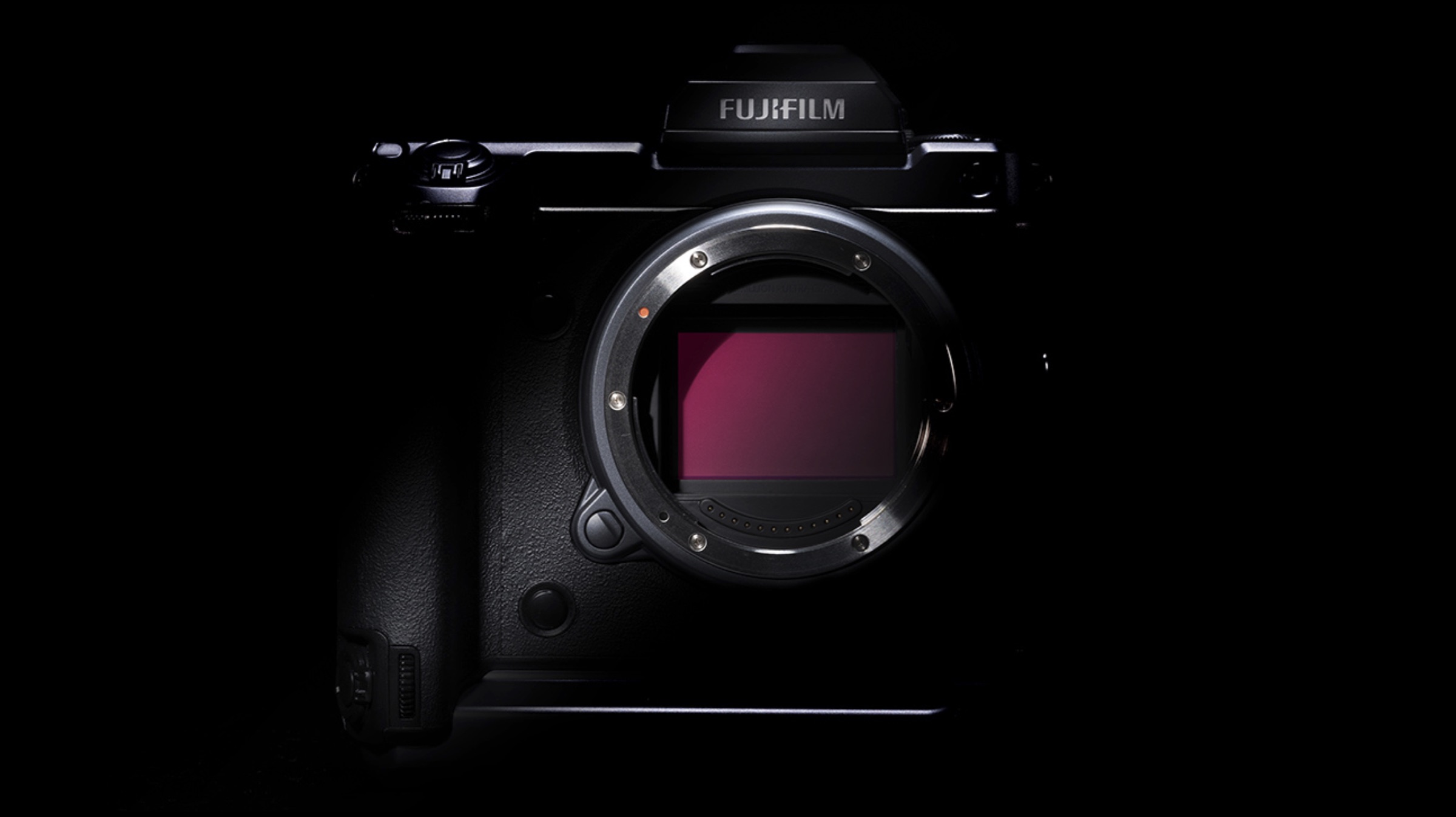
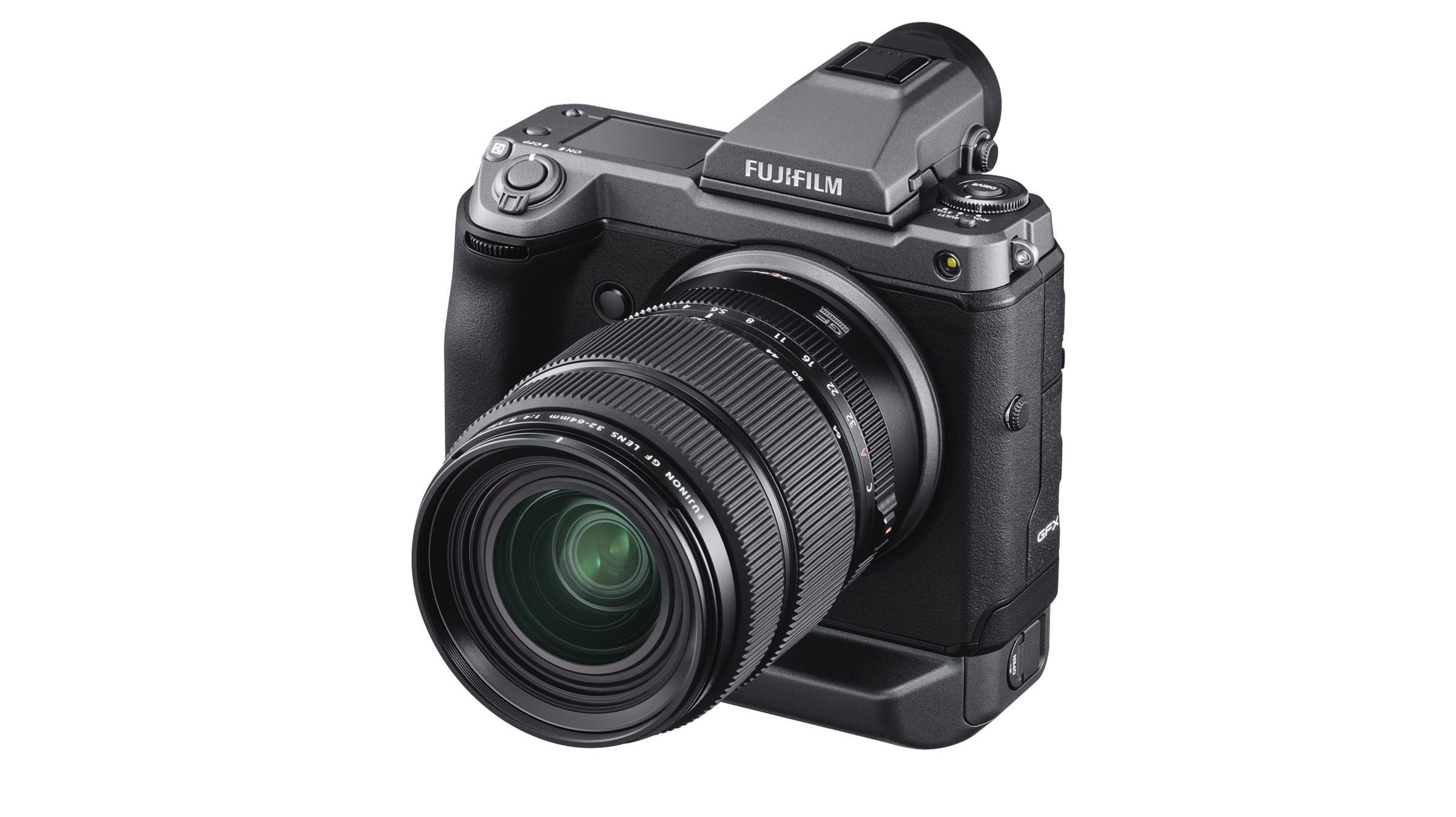
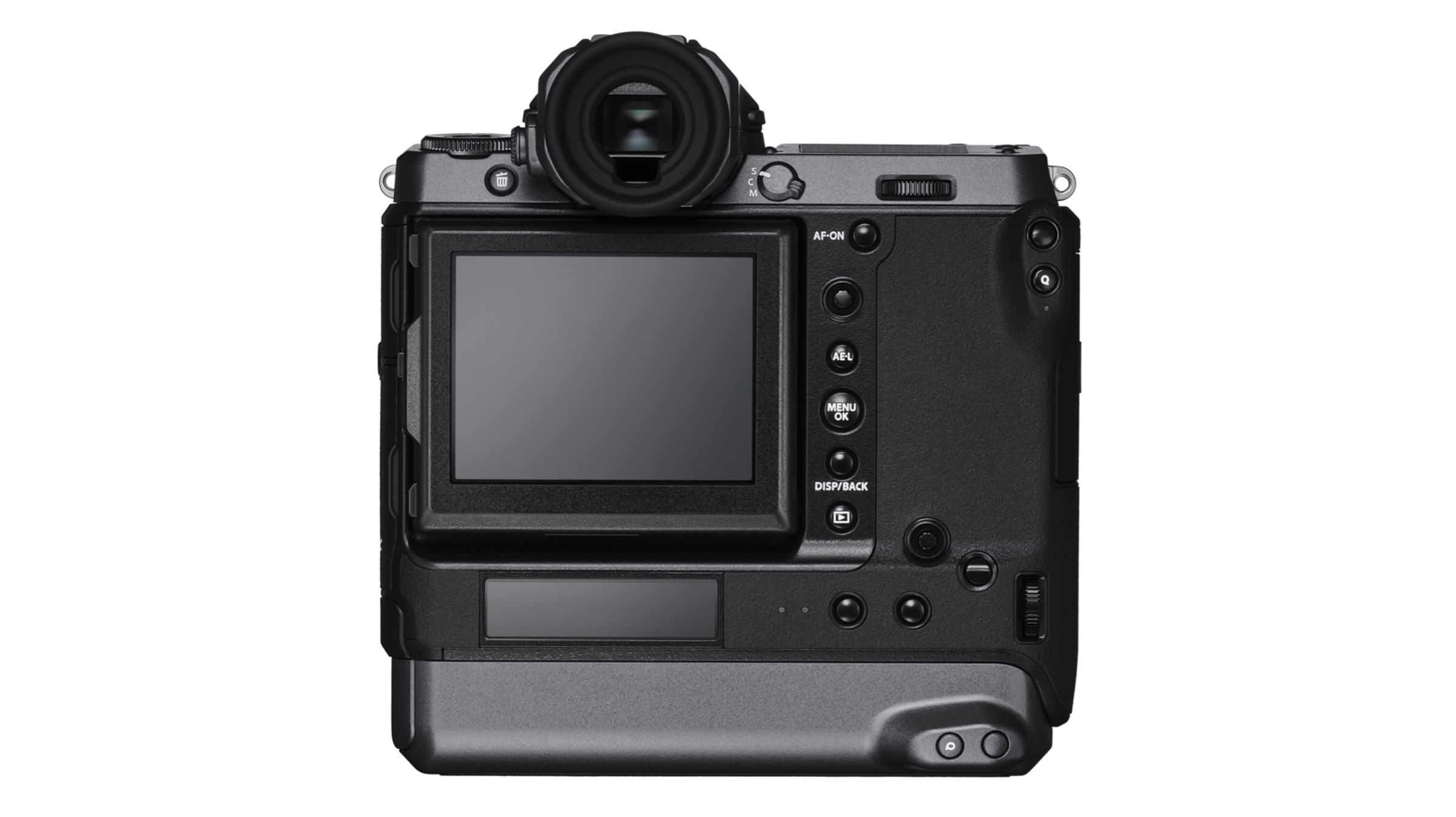
    Japanese imaging and photography giant Fujifilm has announced its latest mirrorless camera. Called the GFX100, it features a whopping 102 MP resolution sensor and is the first camera in a world to feature such a high-resolution sensor. While it was in development for quite a while now, the company has finally announced in a press release that it is ready to go on sale soon.

    Fujifilm GFX100

    As mentioned previously, the Fujifilm GFX100 is the world’s first commercially available mirrorless camera to feature a 102 MP sensor. In terms of design, it has magnesium allow body which the company claims is robust and weather sealed. It weighs 1400g including the two batteries, memory card and the electronic viewfinder; and has an equivalent form factor to that of a regular DSLR camera with a 35mm full-frame sensor. It has a tilting rear touch LCD display which measures 3.2 inches. There is also a 2.05-inch sub monitor which can display necessary information like exposure and shot controls. The focal plane shutter on the top of the camera has inbuilt springs that are claimed to reduce shutter shock which generally results in blurry images.

    Fujifilm GFX100


    Also read: US Researchers Produce Fuel By The Process Of Artificial Photosynthesis

    The Fujifilm GFX100 is capable of capturing detailed, 16-bit RAW and 16-bit TIFF images with available filters like Velvia, Eterna Cinema and Monochrome. It also has a new “Smooth Skin Effect” which saves time for post-processing by flattening the portrait shots. The camera can capture 4k videos at 30fps and features five-axis image stabilisation for smoother handheld footage. In terms of battery, it can accommodate two GFX series batteries; which extend the number of frames captured per charge to 800 when rear LCD is in use. In terms of pricing and availability, the Fujifilm GFX100 will go on sale starting the 27th of June; and will cost a hefty US$ 10,000 (Rs. 6,97,000) for potential buyers.

  • Every One In Two Smartphones Will Have Triple Rear Cameras By 2021, Claims Report

    Every One In Two Smartphones Will Have Triple Rear Cameras By 2021, Claims Report

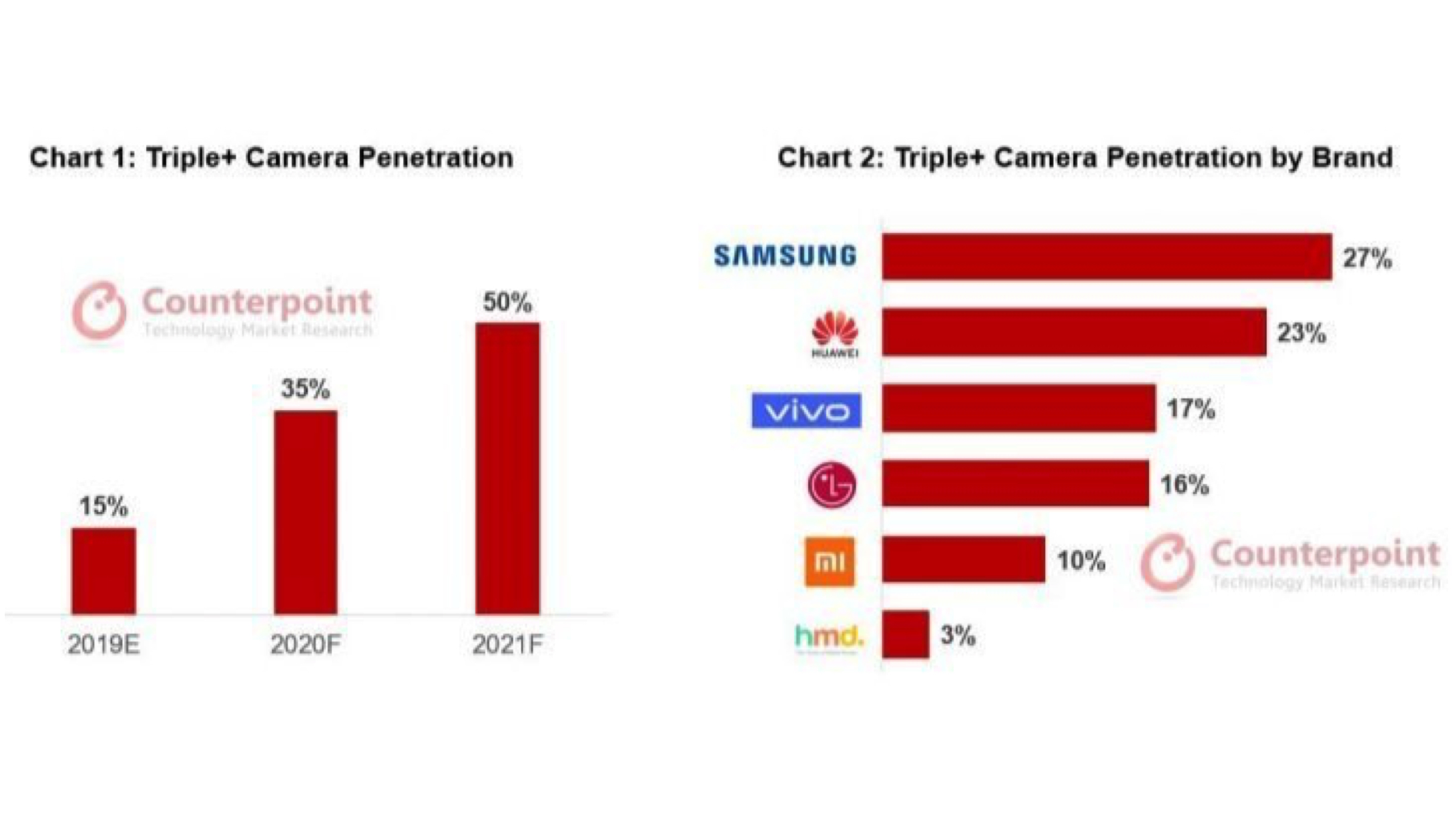
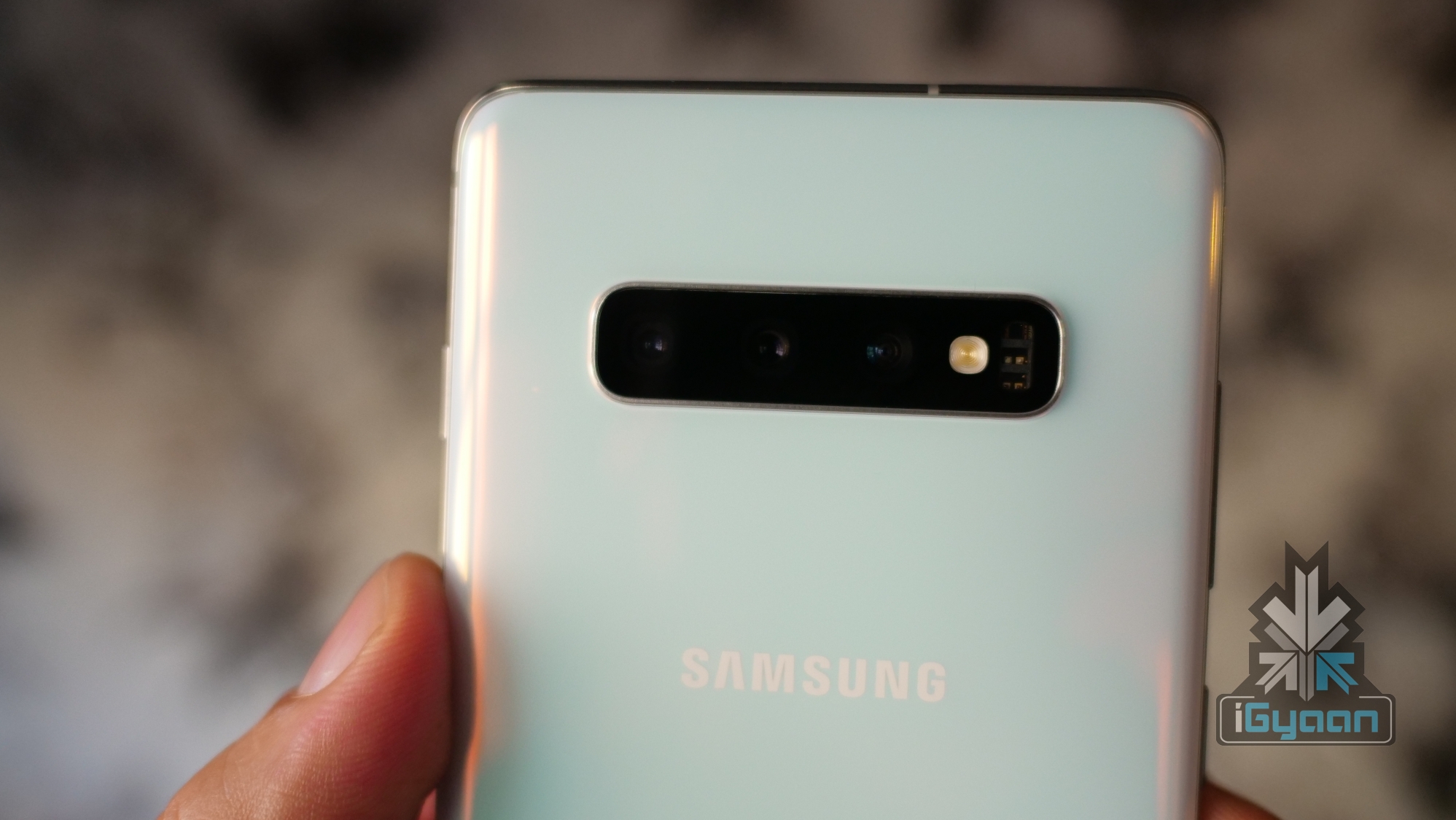
    Huawei launched the world’s first smartphone to feature triple rear cameras, the P20 Pro last year. It was praised for its camera prowess and made the mobile industry notice the importance of more than two cameras at the back of a device. Since then, many more smartphones from OEMs like Samsung, LG and Xiaomi sport three or more camera sensors on the rear. According to a known research firm Counterpoint, the number of handsets with multiple rear camera sensors will only increase with time. Fresh reports from the organization claim one in every two smartphones sold in the year 2021 will have a triple rear camera setup.

    Results Of The Research

    Counterpoint Triple Rear Cameras

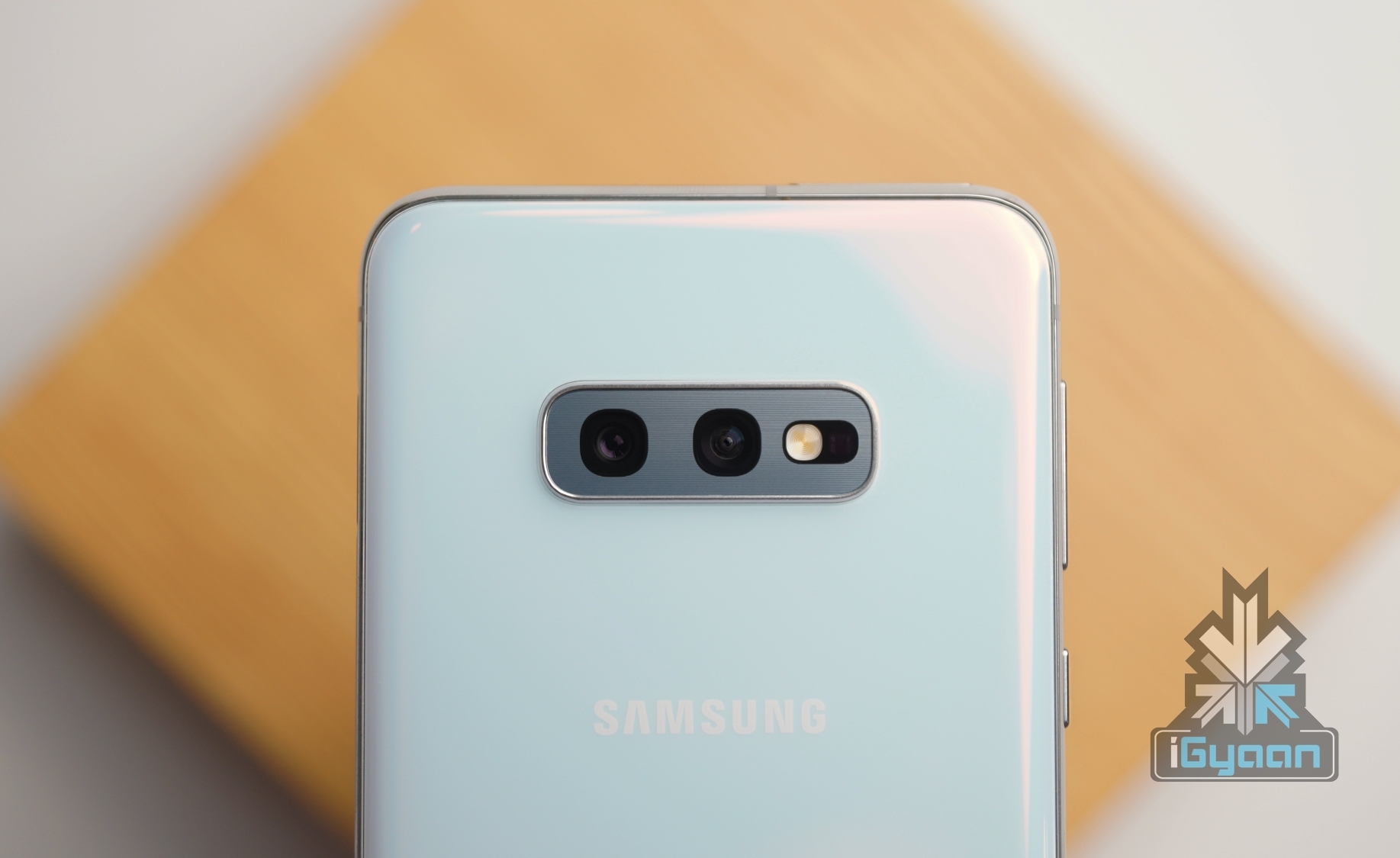
    According to Counterpoint, more than 40 smartphones launched until the month of April 2019; had three or more cameras on the rear of the handsets. While 30 of them were launched in the Q1, 10 were made official within a span of one month; between March and April. Notable launches in the time period included devices like the Samsung Galaxy A50, Huawei P30 Pro, Samsung’s Galaxy S10 lineup and the Vivo V15 Pro. All the aforementioned smartphones feature three or more camera sensor on the back. Interestingly, OEMs like OnePlus with the upcoming OnePlus 7 Pro; and Apple with the rumoured iPhone XI will reportedly include a triple rear camera setup.

    Galaxy S10+ Triple Rear Cameras

    Also read: Asus Zenfone 6 Case Renders Surface Online With Dual Rear Cameras

    With the launch of many smartphones with multiple rear camera sensors; it is expected the market penetration for Triple or more rear camera setups will reach a share of 15 percent in 2019. This number is only expected to increase, to 35 percent next year, and 50 percent till the year 2021. In terms of smartphone OEMs, the highest penetration belonged to Samsung, with a 27 percent share. Huawei and Vivo stand at the second and third place respectively; with a 23 percent and 17 percent share recorded by Counterpoint. The increased demand for multiple cameras set up at the back of handsets is seen as the major factor behind the increase in the above statistics. Because of this, budget smartphones with triple or more rear cameras are expected to debut starting this year.

  • Canon Launches The EOS Rebel SL3 DSLR Camera

    Canon Launches The EOS Rebel SL3 DSLR Camera

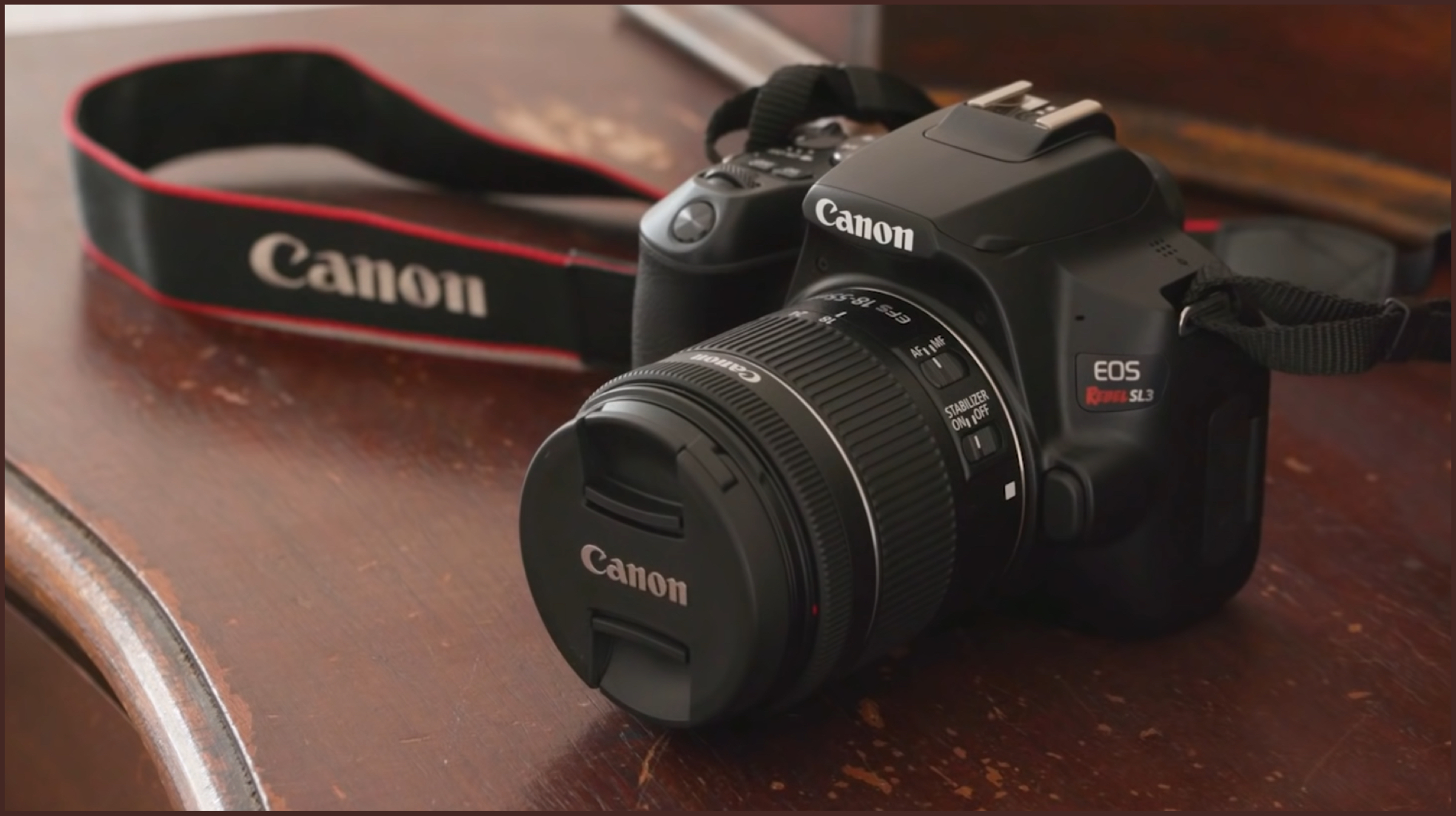
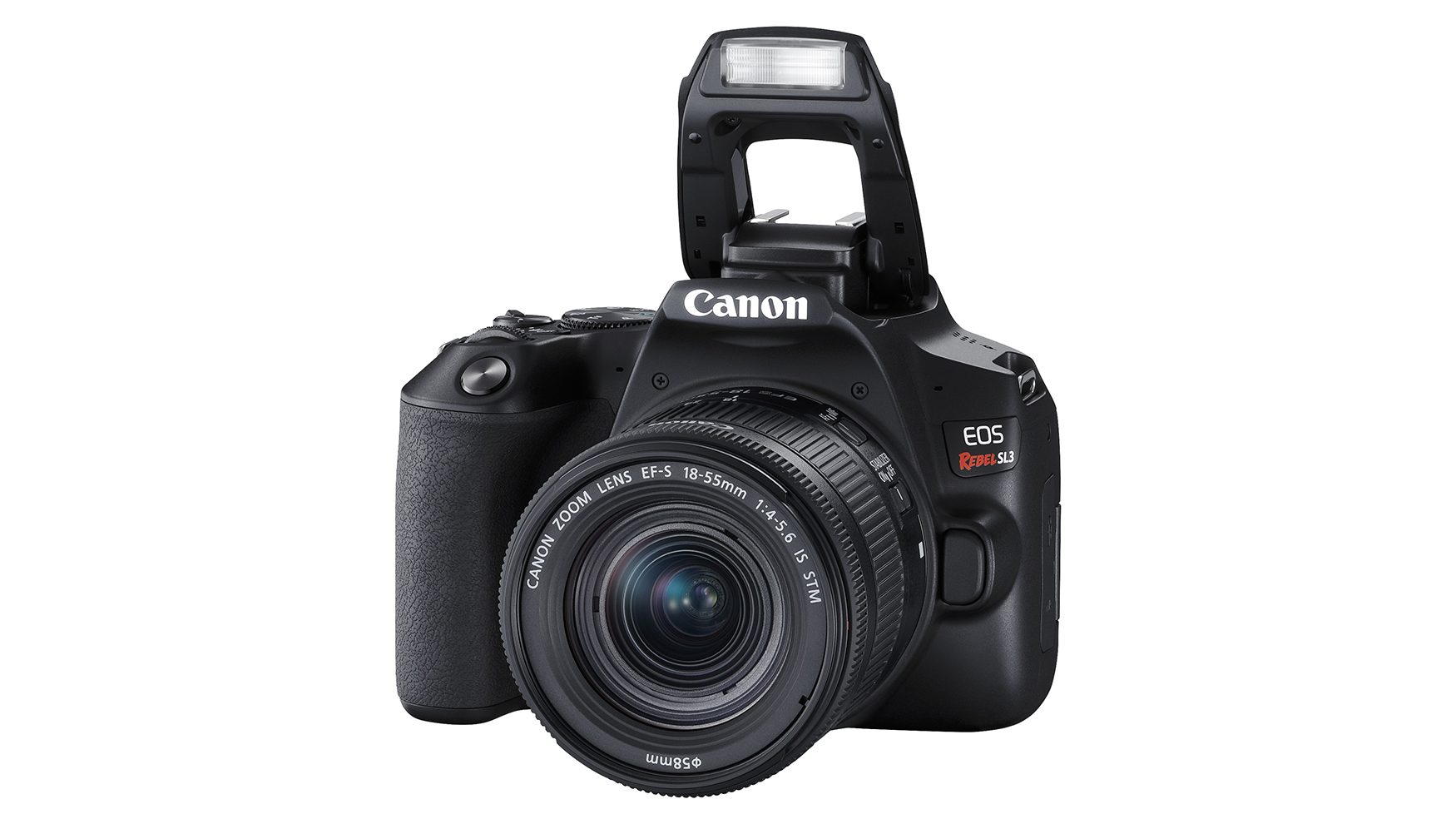
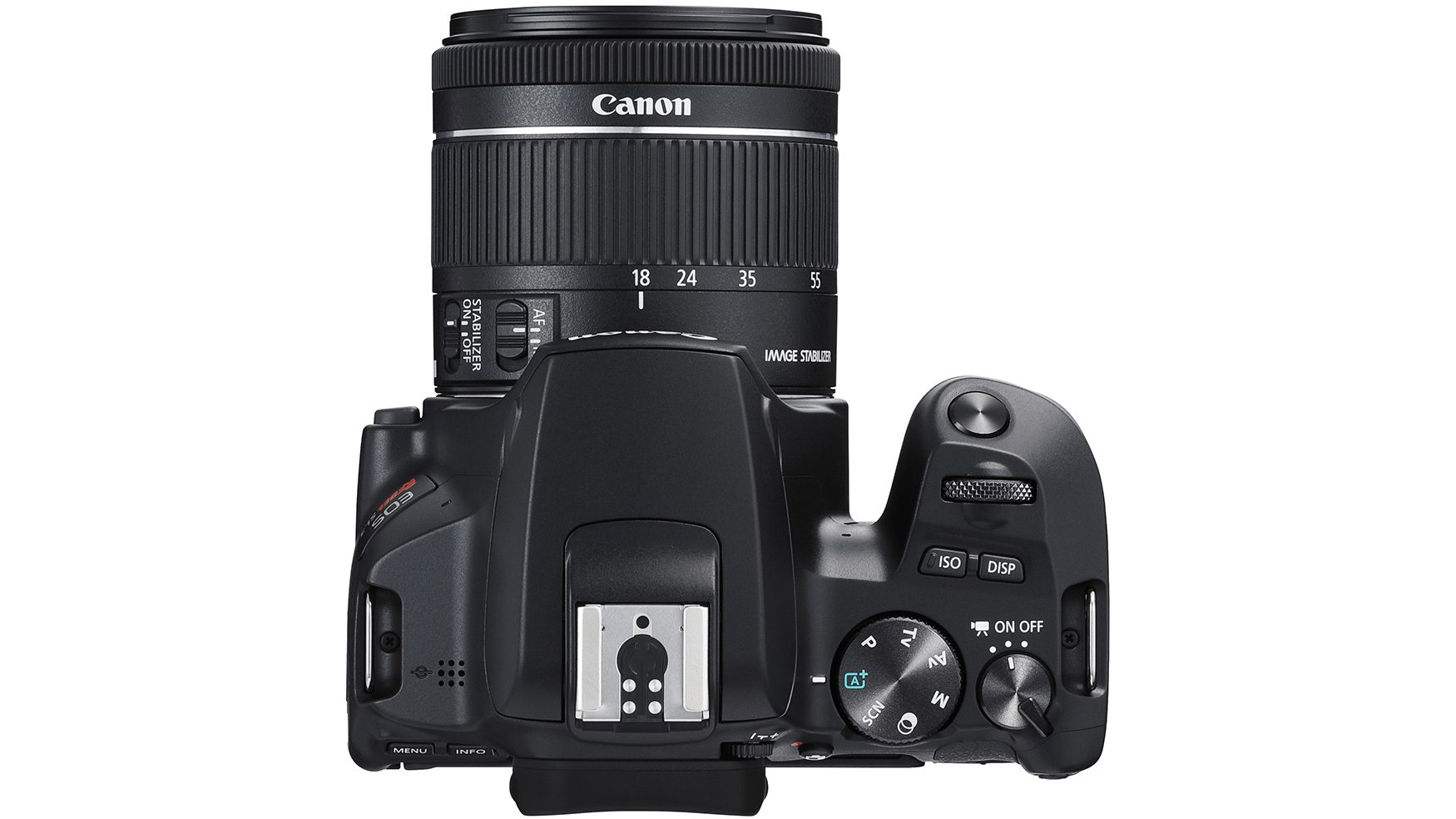
    Amidst heavy rumours, Canon launched the new EOS Rebel SL3 DSLR on April 10, 2019. The company claims that the Rebel SL3 is its smallest and lightest DSLR so far. It offers almost similar specifications to the mirrorless EOS M50 but has some significant upgrades that give it an edge over its predecessors. Moreover, the DSLR is Canon’s first DSLR model to feature Dual Pixel Autofocus with eye detection during live-view shooting mode.

    Canon EOS Rebel SL3 Features And Specifications

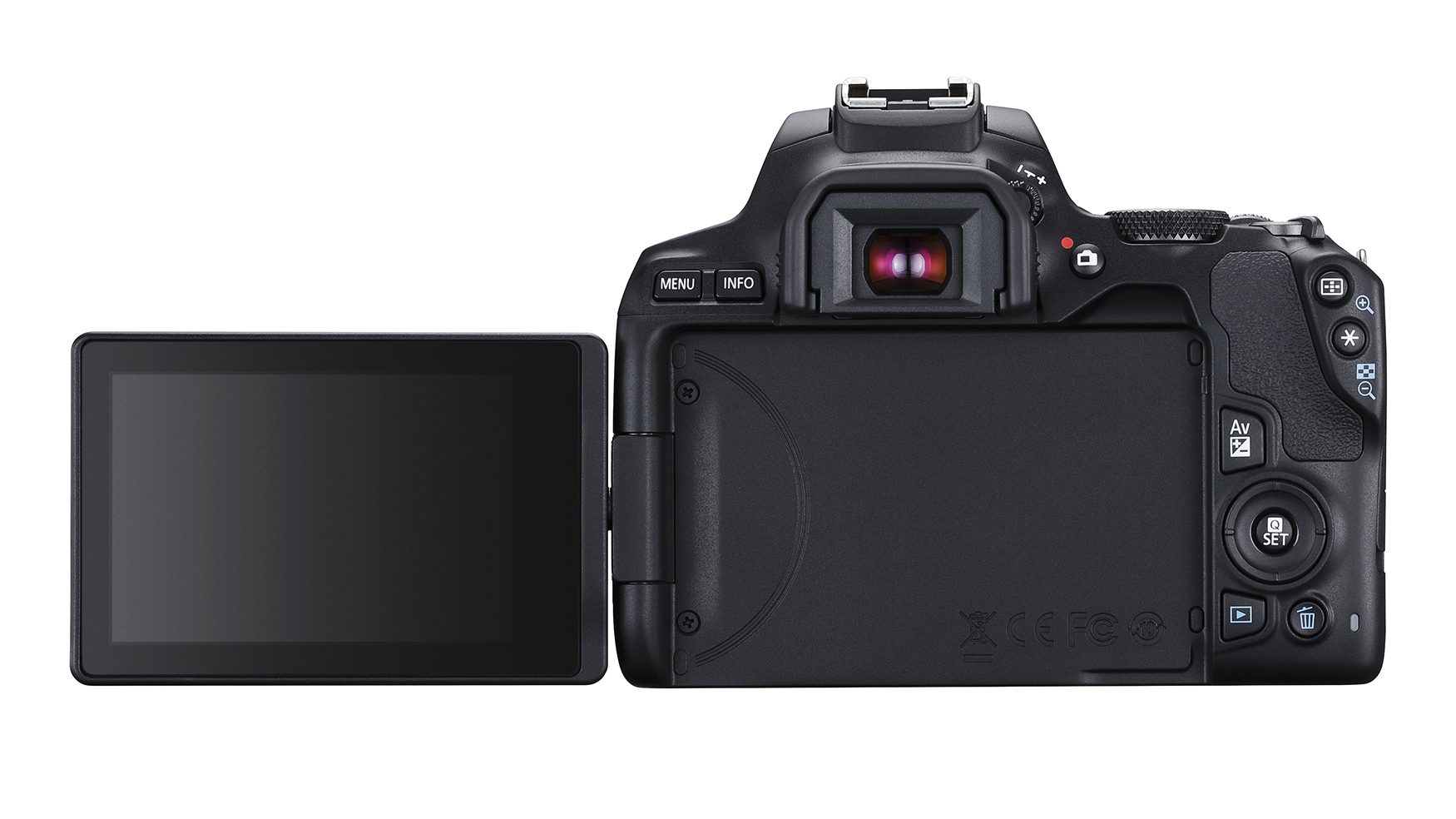
      Weighing at 449 grams, the Rebel SL3 packs a DIGIC 8 Processor, along with a 3.0-inch touchscreen (that flips around for selfies or vlogging) and 4K video support. The camera features a 24.1 megapixel APS-C (Advanced Photo System Type-C) sensor, which is also used in Nikon and Sony DSLRs. Furthermore, the Rebel SL3 offers a 9AF point-optical system and spot focus feature, so that users can accurately select their subjects while capturing images.

    The Canon EOS Rebel SL3 offers an on-sensor Dual-Pixel system, which may not be as efficient as the optical system, but still provides accurate eye-tracking Auto-Focus in 1080p videos considering the price of the budget DSLR camera. The SL3 also takes the spot for being the first Canon Rebel Series camera that can shoot in 4K resolution. A downside of the camera is the lack of sensor-based-in-body stabilization, which forces the Rebel SL3 to use Digital Image Stabilization. Moreover, the camera supports wireless image transfer via built-in Wi-Fi and Bluetooth across smartphones and tablets.  

    Photographers can utilize the Burst Shoot feature at a rate of 5fps. The DSLR has a native ISO range of up to 25,600 and an expanded ISO range of 51,200. In terms of the battery, Canon claims that the camera can shoot a total of 1,630 images on a single charge, and the number comes down to 350 shots with the Live View feature turned on. Talking of features, another nice addition to the camera feature list is the “smooth skin” mode, which enables the user to blur the background (similar to portrait mode in smartphones) without the presence of a fast lens. 

    Canon EOS Rebel SL3 Price And Availability

    https://youtu.be/6Xoo8MclmOI

    Also Read: Qualcomm Launches Three New Snapdragon Chipsets For Mobile Devices

    The Canon EOS Rebel SL3 will be available by the end of April. The DSLR will be priced at US$ 599.99 (~ INR 41,500) for just the body, and US$ 749.99 (~ INR 51,900) for both the camera and the EF-S 18-55 f/4-5.6 IS lens. The camera is expected to go up against the Nikon D3500 and the Nikon D5300, which are priced at a lower point than the EOS Rebel SL3. 


  • Canon Launches Zoemini S And Zoemini C Instant Print Cameras

    Canon Launches Zoemini S And Zoemini C Instant Print Cameras

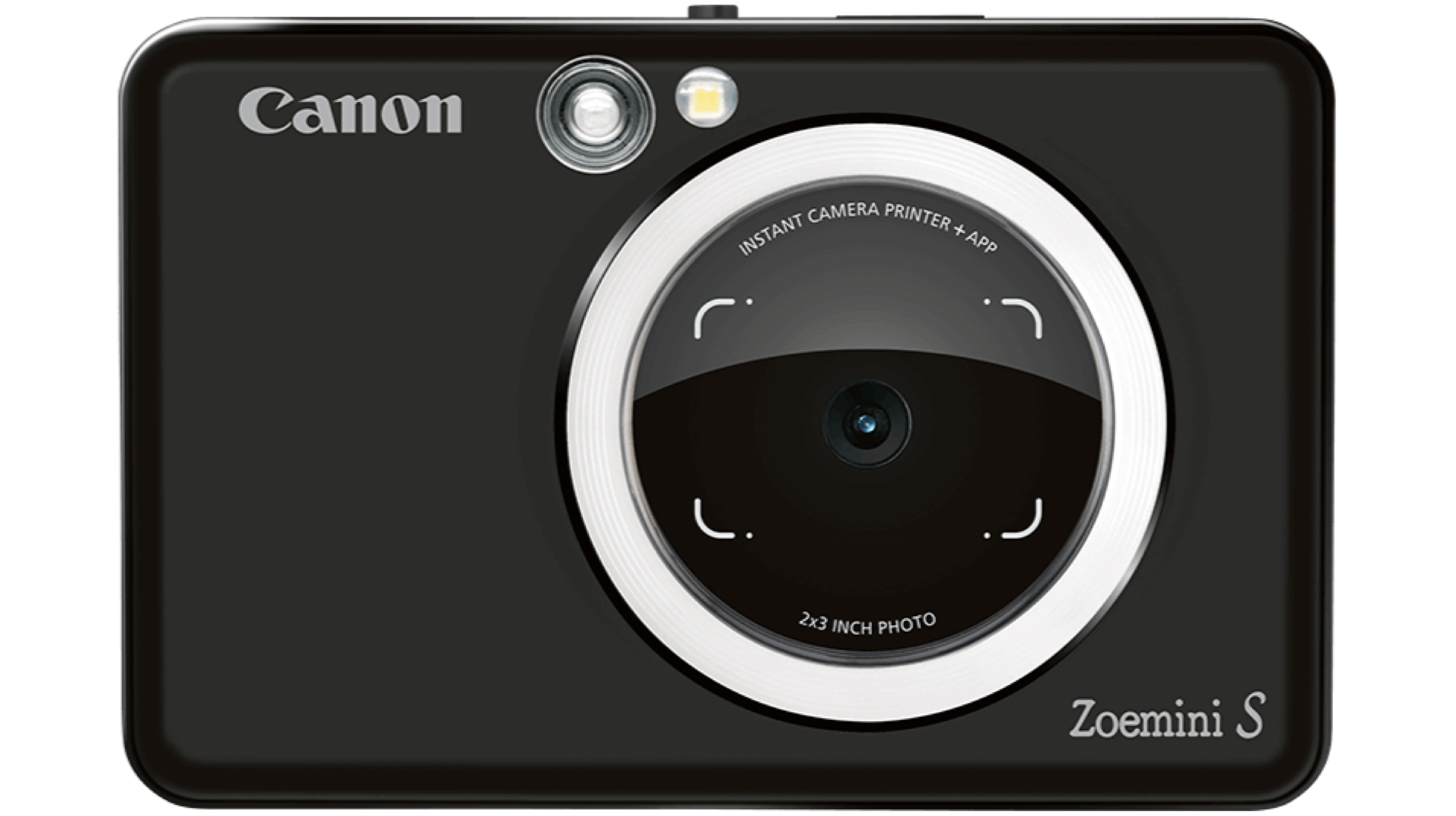
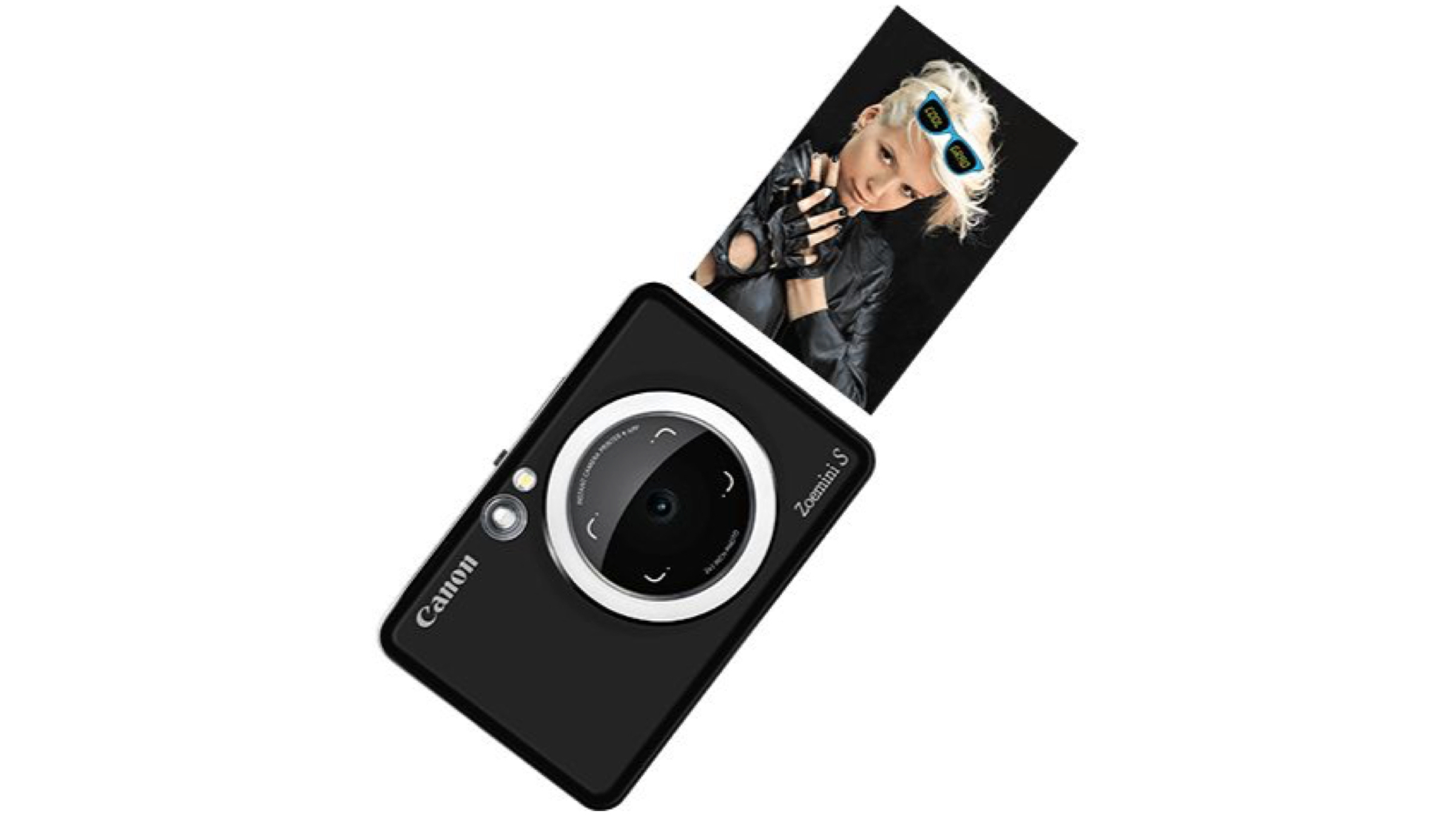
    In an era where a smartphone allows to capture and store, innumerable digital photographs, the demand for devices that can capture and print physical photographs has plummeted. Regardless of the preceding fact, an electronic device that has been gaining popularity is an instant print camera. As the name suggests, this type of camera allows users to instantly print pictures they just captured. Canon in an effort to cash in on the booming trend of the instant print cameras has launched two new devices, the Zoemini S and the Zoemini C. 

    Zoemini S and Zoemini C


    Zoemini C

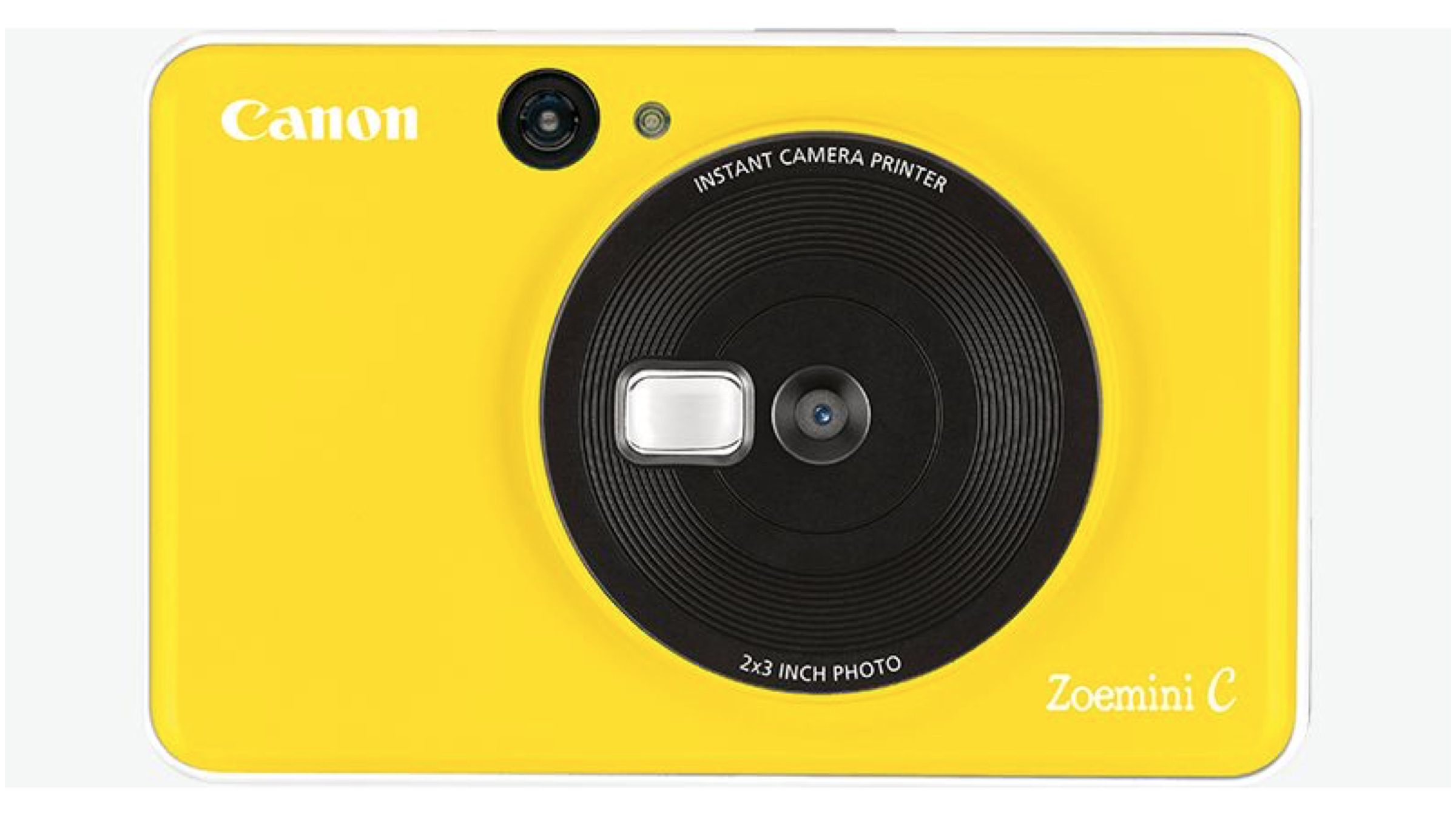
    Both the Canon Zoemini S and the Zoemini C have a rectangular body with an attractive design. The Zoemini S is the more feature rich out of the two while the Zoemini C is more affordable. Distinctively, the former has a ring shaped flash module while the latter has a traditional square shaped flash. The ring flash on the Zoemini S is comprised of 8 LEDs which provides for an evenly distributed light source which taking pictures. It also has support for Bluetooth connectivity with whose help it can even connect to Android or iOS smartphones. The application can also be used as a remote control for the shutter button on the instant print camera.

    The Zoemini S has an 8 MP sensor while the younger, Zoemini C has a 5 MP camera sensor. Both the cameras support expansion via memory card and make use of ZINK technology for printing the photographs. Both the cameras have a maximum storage capacity of 10 sheets. The Zoemini camera duo has a 700 mAh inbuilt battery which Canon claims can capture and print 25 photographs.

    Price & Colours
    Zoemini S

    Also Read: Vivo Apex 2019: Hands-On With The Port Less, Button-Less Phone With A Full Display Fingerprint Sensor

    The Zoemini S is available in three colour options which include Matte Black, Pearl White, Rose Gold. On the other hand, the Zoemini C is available in four colour options which are Bubble Gum Pink, Bumble Bee Yellow, Mint Green, Seaside Blue. The Zoemini ‘S’ is available at a price of £149 (Rs 11,500) while the Zoemini ‘C’ is priced at £109 (Rs 8,400). 

  • Sony Launches RX0 II, The World’s Smallest 4K Video Camera

    Sony Launches RX0 II, The World’s Smallest 4K Video Camera

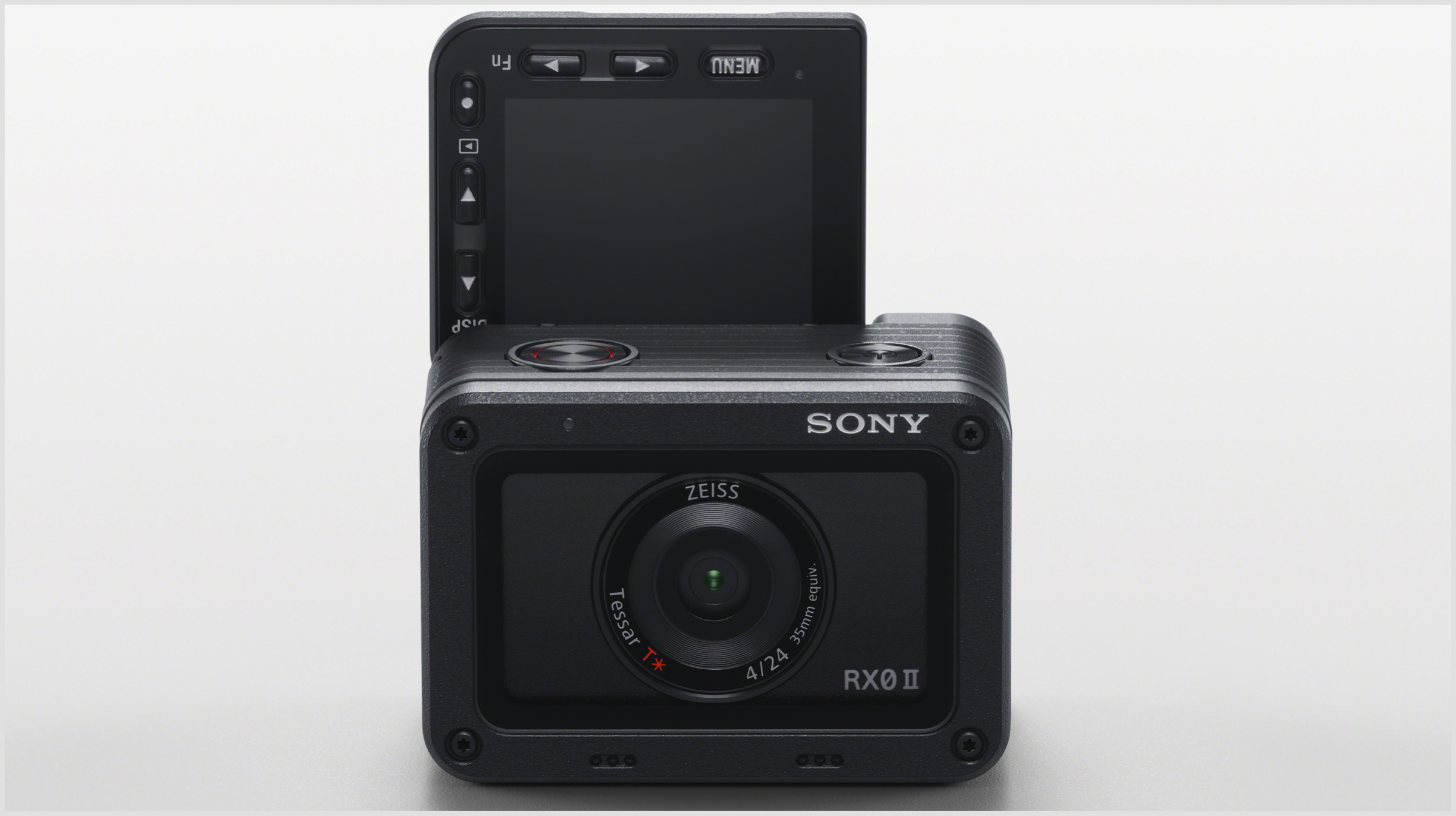
    In a bid to launch a competitor to the highly successful GoPro action cameras, Sony launched the RX0 in 2017. Despite offering good features at a lucrative price, the device wasn’t very successful. The company has announced the successor to the camera. Called the RX0 II, it has new tricks up its sleeve and offers few innovative features. 

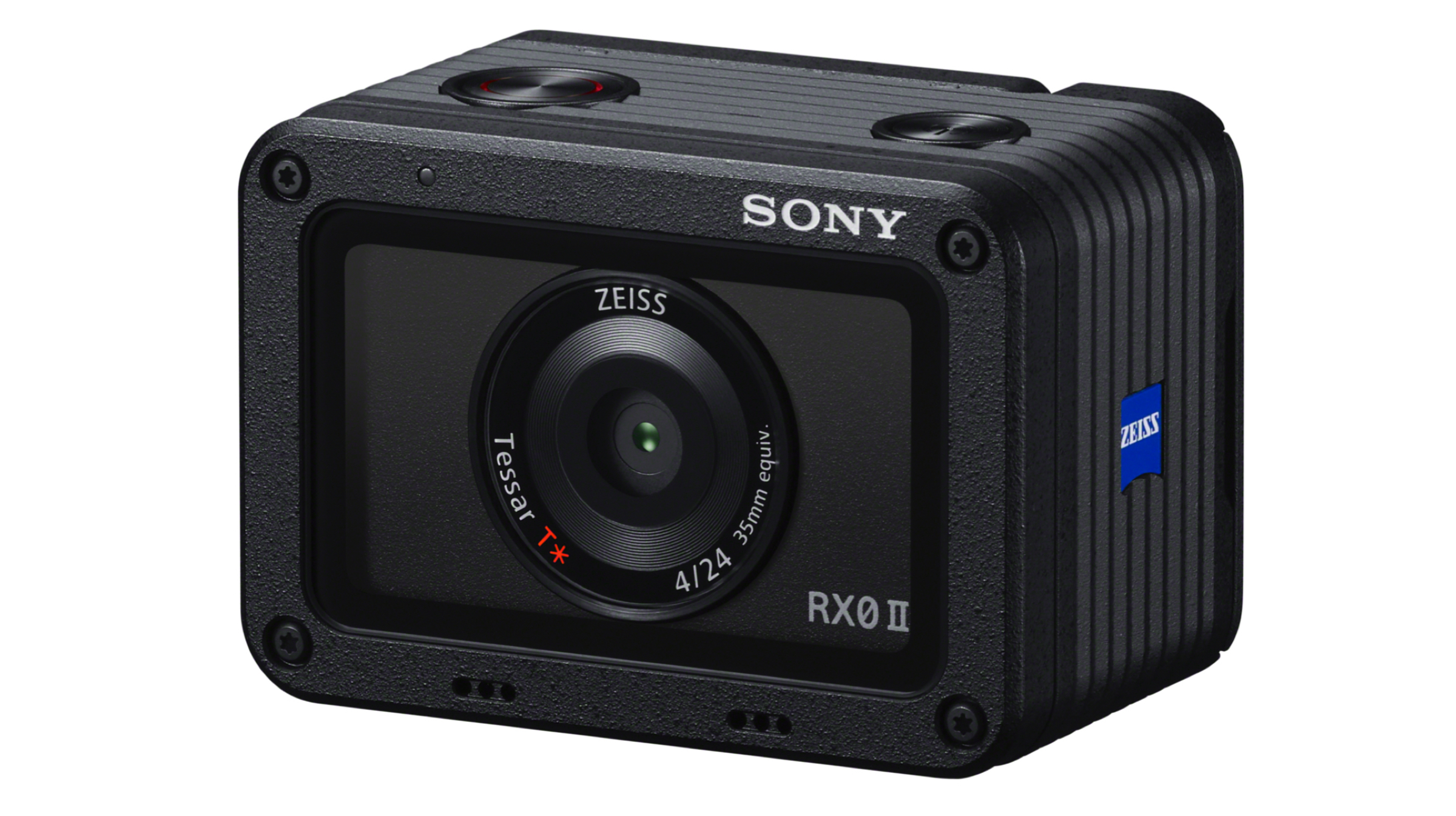
    Sony RX0 II

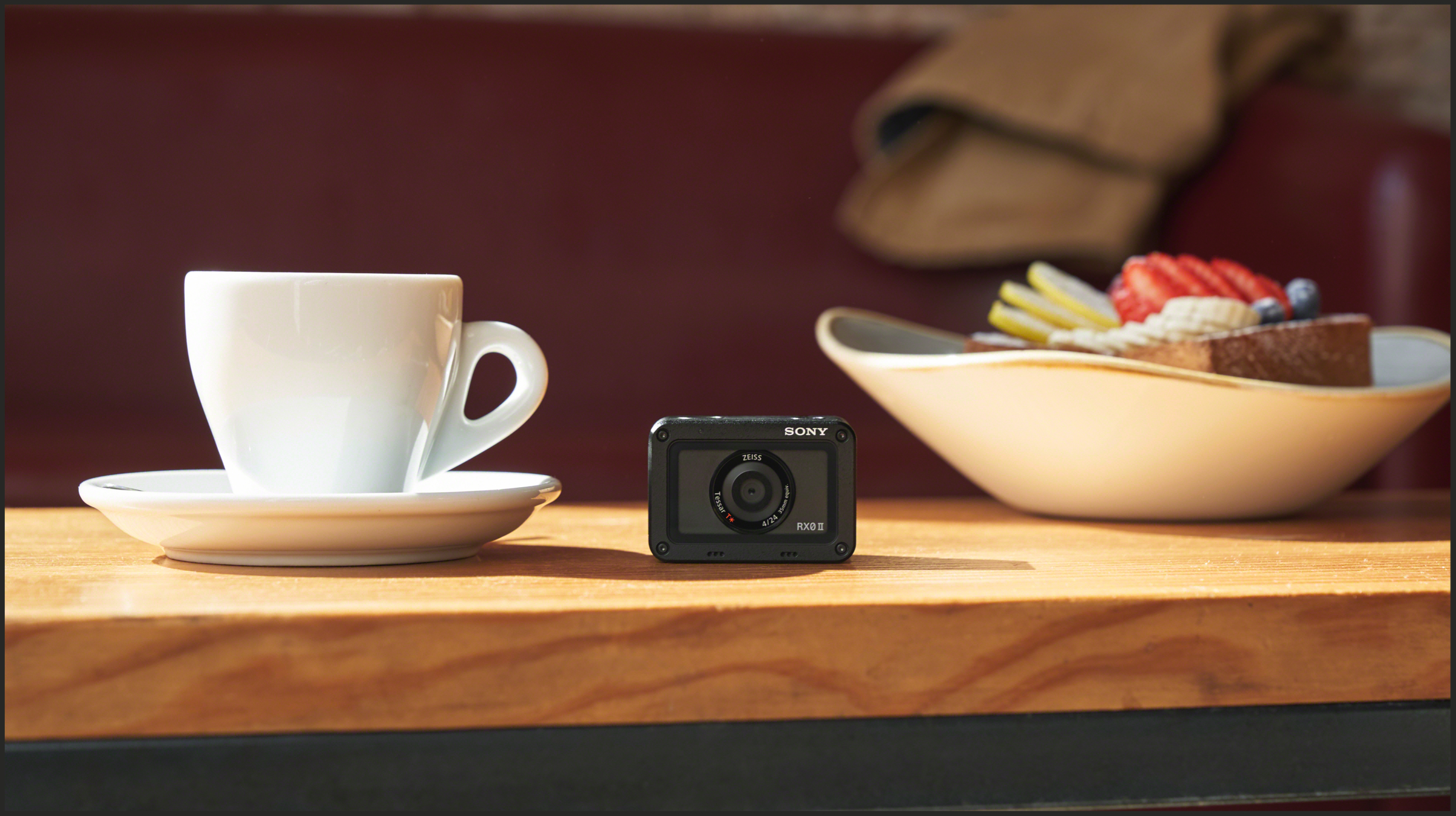
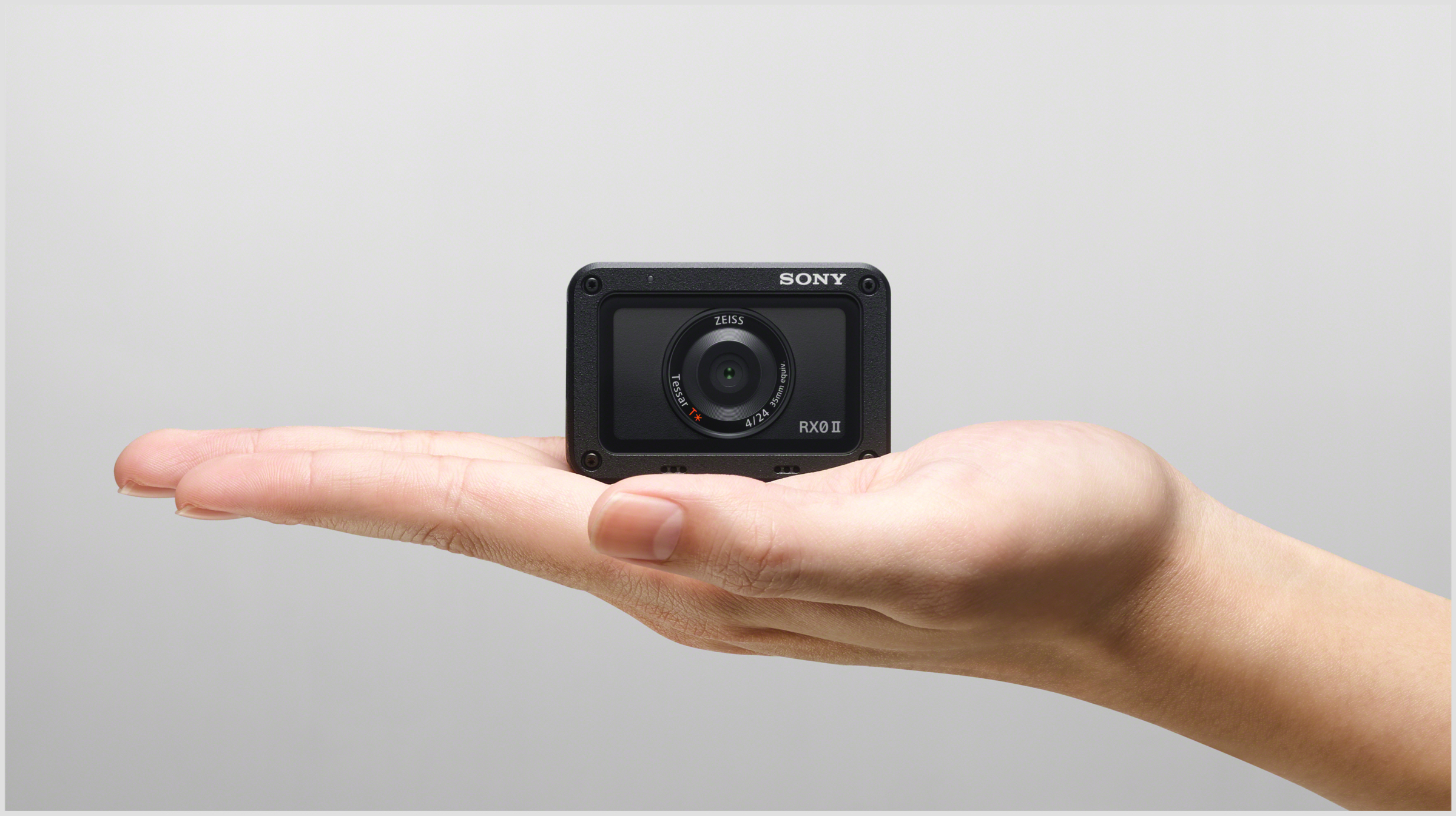
    According to Sony, the RX0 II is the world’s smallest 4K video camera. The action camera measure 59 x 40.5 x 35mm and weighs 132g. It has a rugged design and boasts of superior durability. It is certified to be waterproof up to 10 meters, is dustproof, shockproof and crush resistant up to 200kg of force. In terms of optics, there is a 15.3MP CMOS sensor combined with the company’s BIONZ X image processor which measures 1 inch. There is also a ZEISS Tessar T 24mm fixed wide angle lens with an aperture of f/4.0. The lens has a minimum focussing distance of 20cm.

    The Sony RX0 II also has an LCD panel which can be tilted up to 180 degrees. The camera can record videos in 4K resolution and has an Electronic Image Stabilization (EIS) for smoother footage which can also be used in handheld mode. There is slow motion recording support of up to 1,000fps. The action camera has a microphone jack for vlogging. Unlike most of its competitors, the RX0 II can capture still photos as well. Sony claims that the new update improves colour reproduction and adds an optional ‘Soft Skin Effect’ to refine the images. With the camera, there is an option for accessories like the VCT-SGR1 Shooting Grip for better grip and a bracket for mounting the camera.

    Pricing & Availability

    Also read: Nokia X71 With 48MP Triple Camera And Punch Hole Display To Launch Soon 

    The Sony RX0 II will be available to purchase in the US and Australia starting the month of April. The camera has been priced at US$ 698 (Rs. 48,057). The additional kit comprising of the shooting grip and bracket will be sold separately from June this year with pricing to be announced soon.

  • GoPro Launches HERO 7 Black Limited Edition In India

    GoPro Launches HERO 7 Black Limited Edition In India

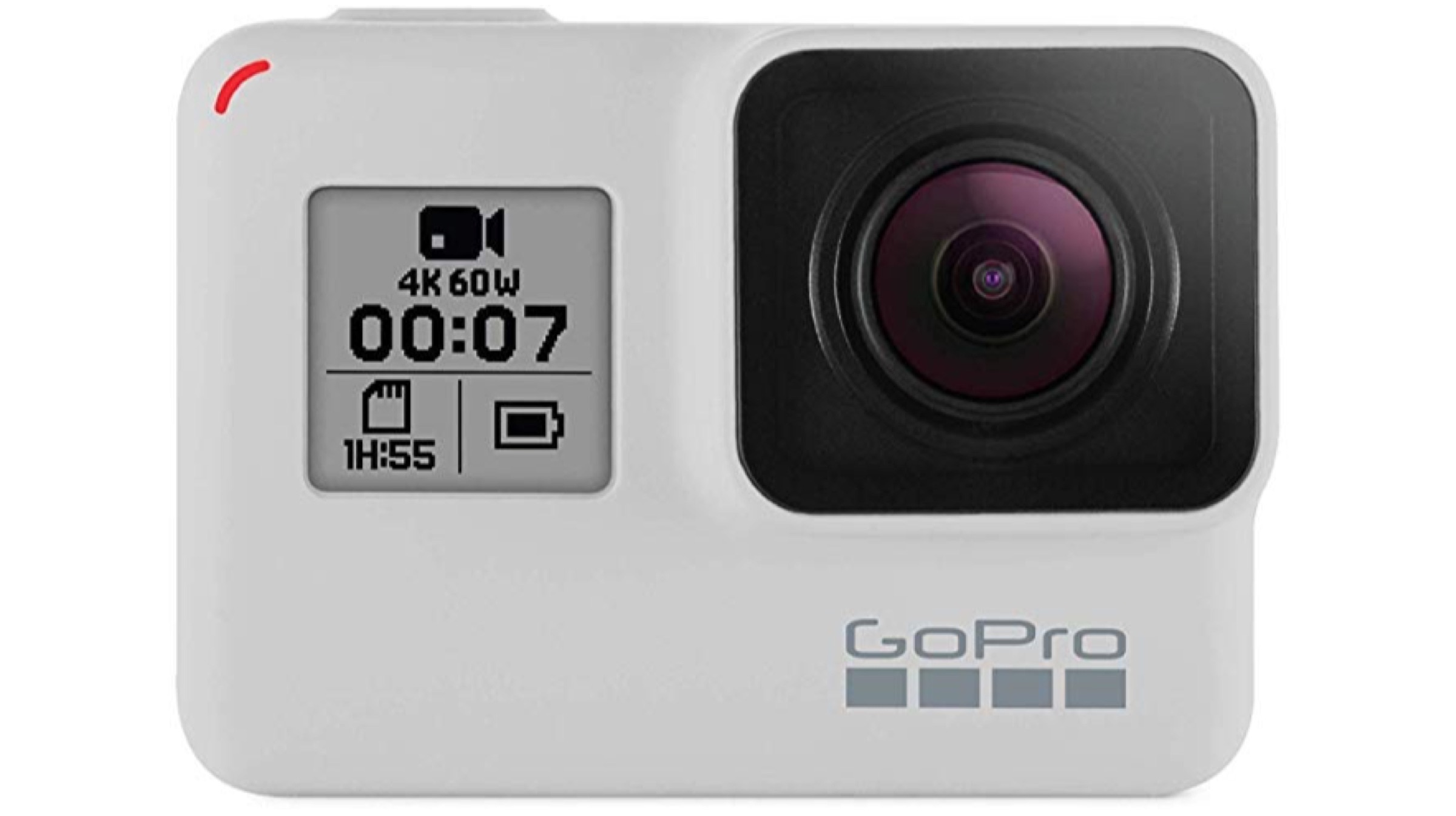
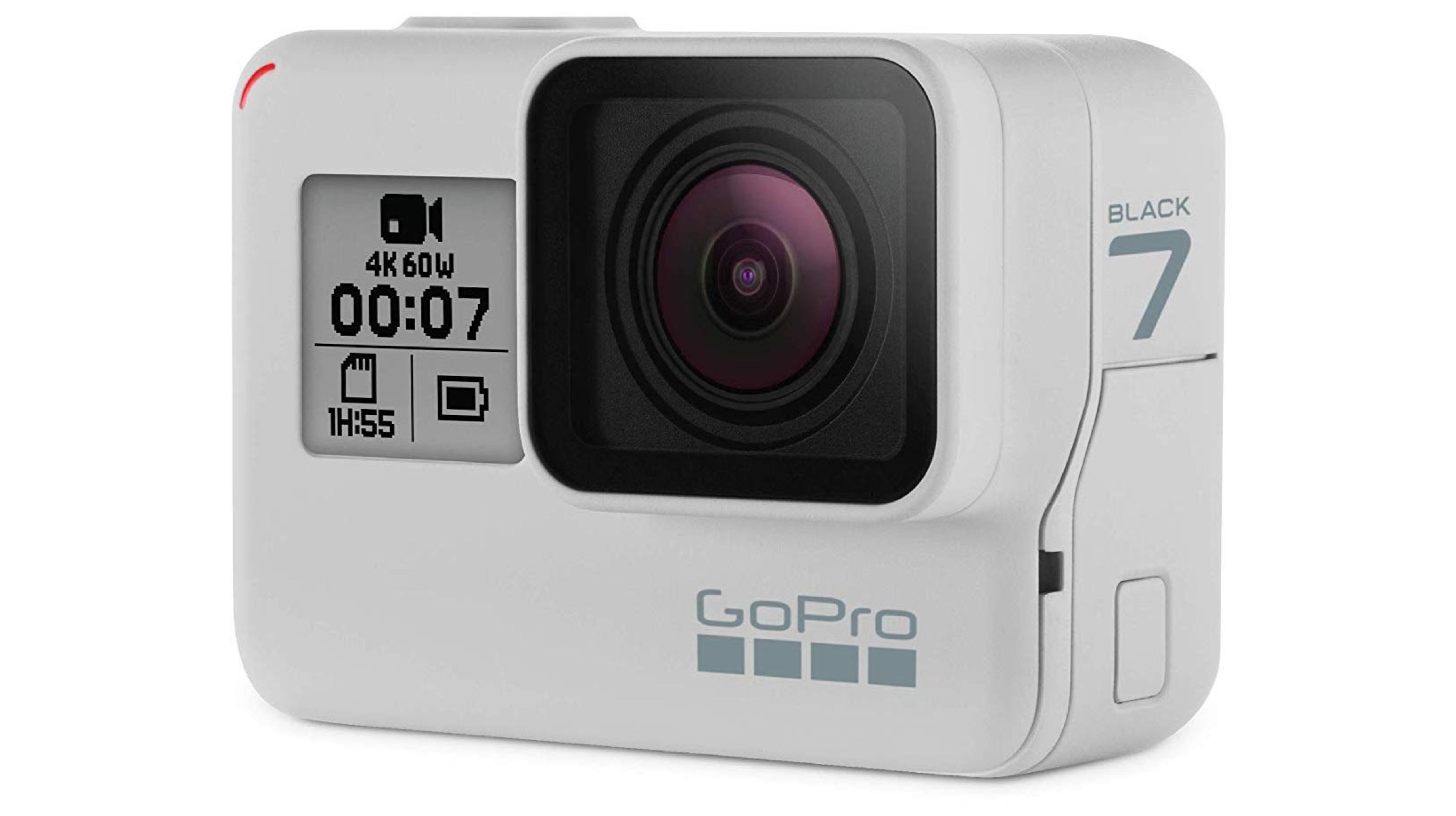
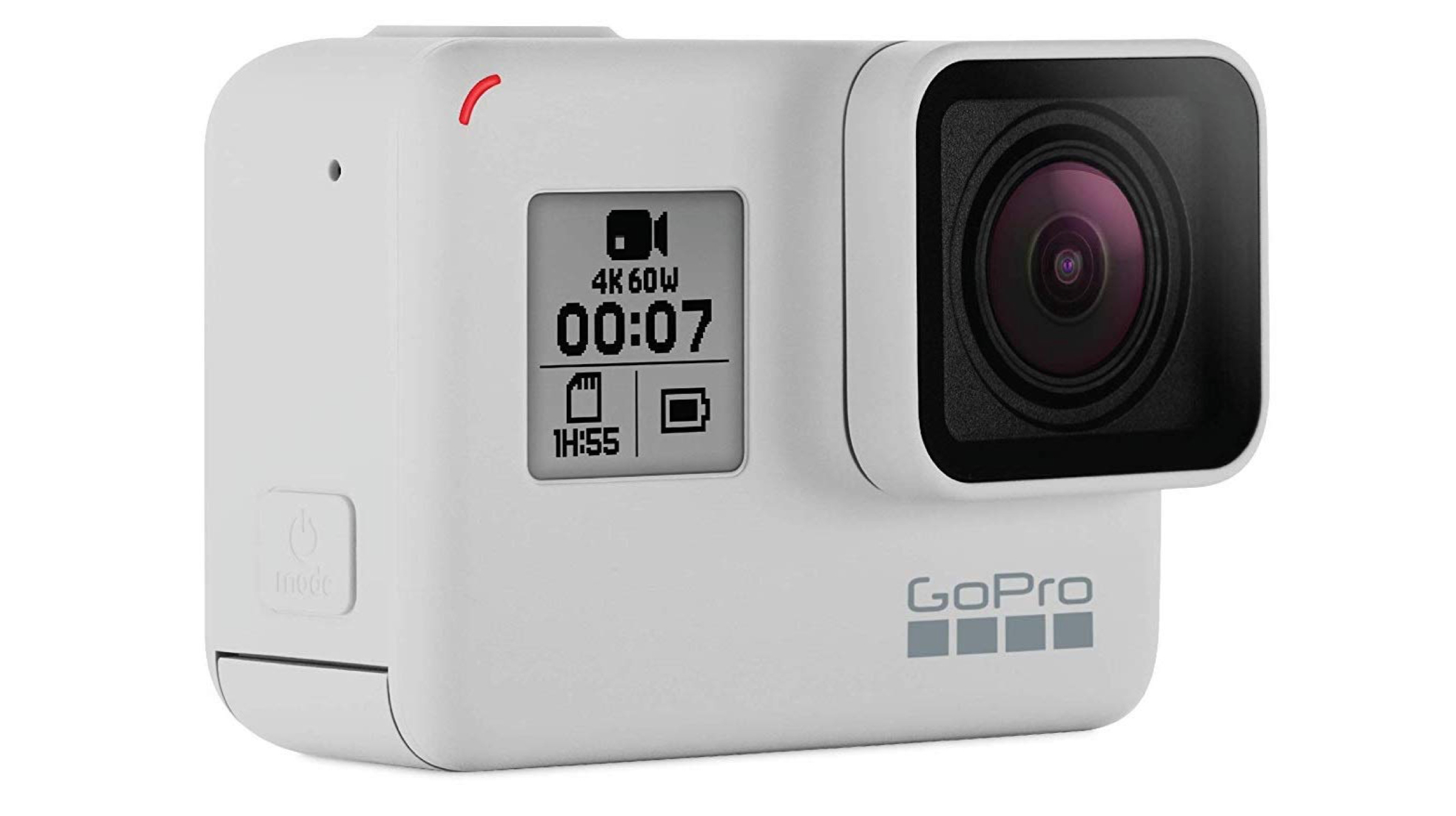
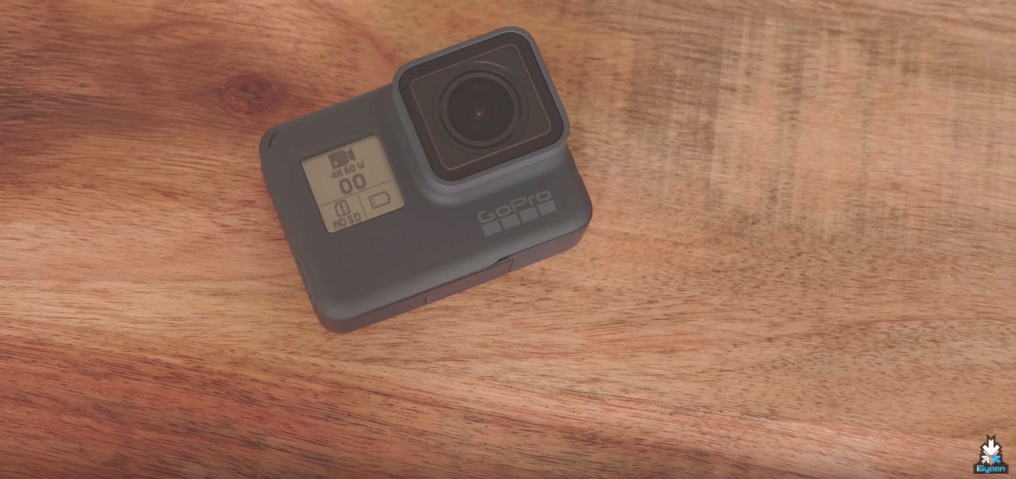
    GoPro launched the HERO 7 Range of action cameras in September 2018. The lineup included the HERO 7 Black, HERO 7 Silver, and HERO 7 White. The company has now released a Limited Edition Dusk White variant for GoPro HERO 7 Black, which supports 8x Slo-mo video, Timewarp video and several other features.

    Features

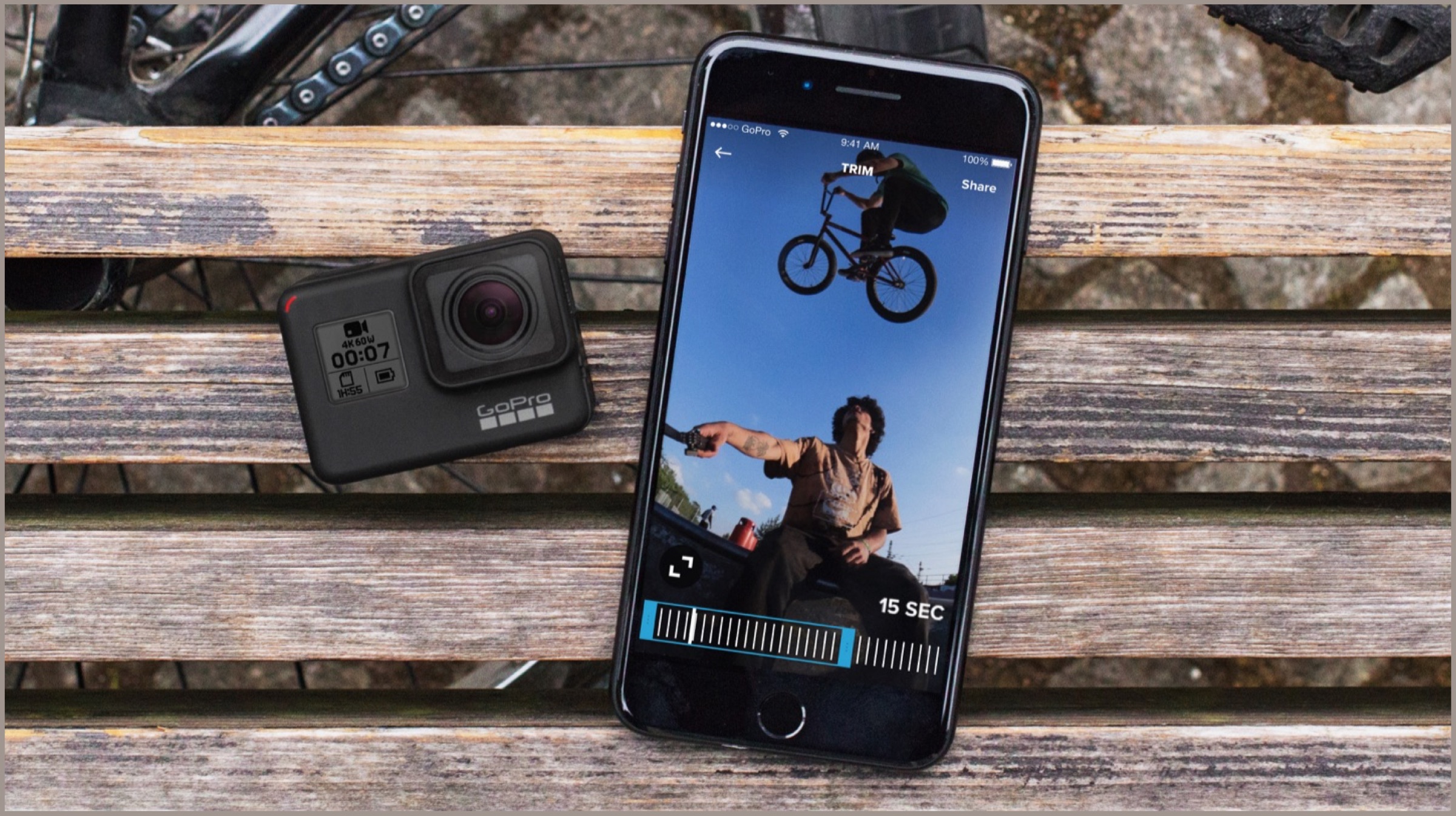
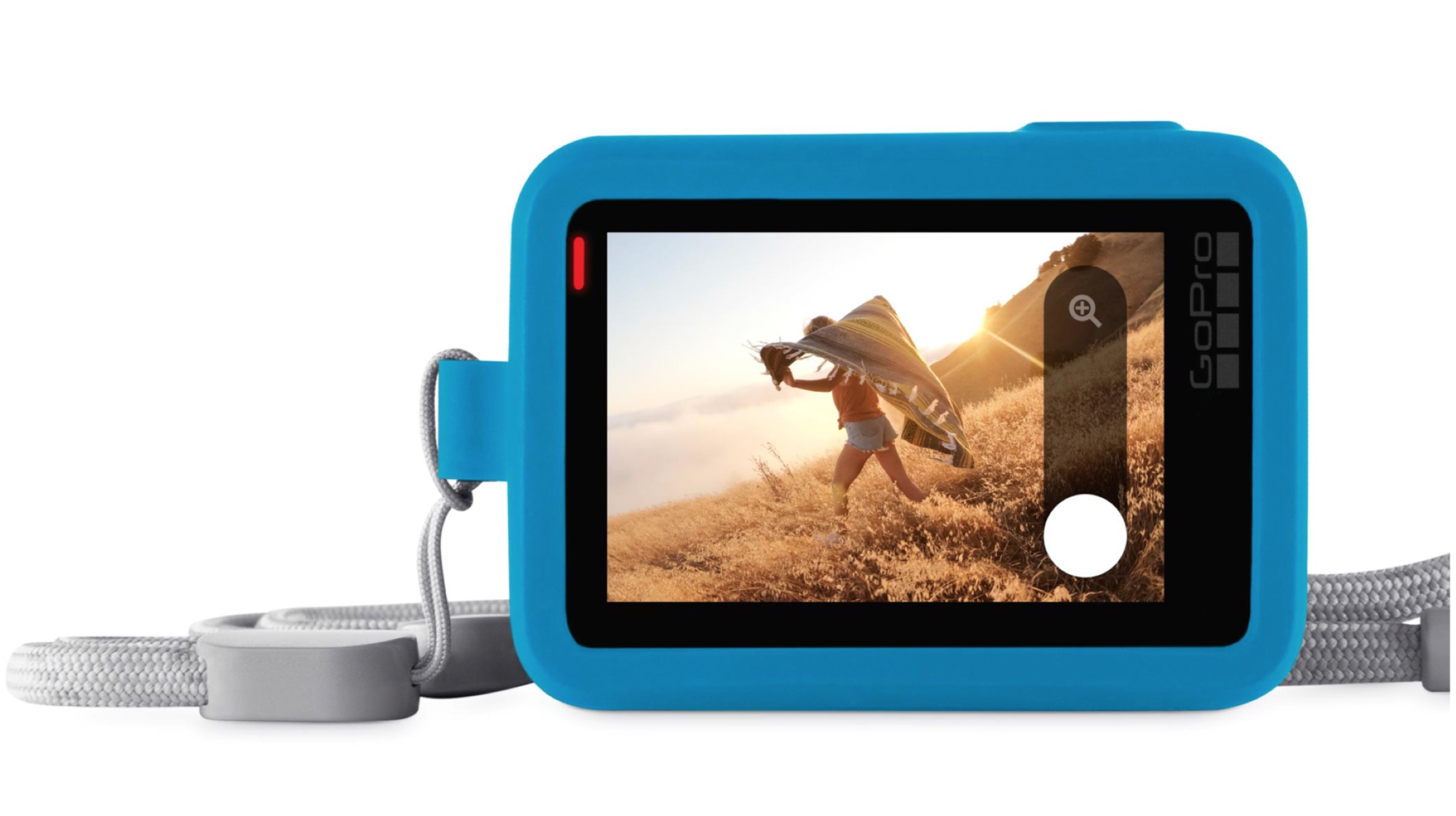
    The GoPro HERO 7 Black has a 2 Inch (480 x 320 px) touch panel that can be used to access different available shooting options on the device. It sports a 12MP sensor that can shoot 4K videos at 60 fps (frames per second). The camera also features 8x Slo-Mo feature, which captures super slow 1080p videos at 240 fps. The American company claims that it delivers gimbal-like camera stabilization without the gimbal, leading to extremely stable HyperSmooth videos.

    In terms of other features, the HERO 7 Black limited edition brings TimeWarp video shooting to the table. TimeWarp ensures that the camera captures a smooth and stabilized time lapse video, even if the person is moving through or around the scene. GoPro also provides the ‘SuperPhoto’ feature in the limited edition, which tones the camera images with HDR, local tone mapping and noise reduction. According to the company, the SuperPhoto feature can work in any form of lighting.

    GoPro action cameras are known to be tough and rugged for extra durability, and the HERO 7 Black follows on the same line. GoPro claims that the Hero 7 Black is ‘tough as nails’, and can shoot in water depths of up to 10m. In addition, the camera supports a total of 16 voice commands, which allows the users to click pictures hands free, or tag their videos on social media. Speaking of social media, GoPro HERO 7 Black Limited Edition supports live streaming to Facebook via Facebook Live and Youtube. Other features include Face/Smile detection, GPS and 3.5mm audio mic input. The camera is bundled with a 1220 mAh battery, mounting equipment and a USB Type-C cable in the packaging.

    Availability And Price

    Also Read: Xiaomi Launches 32 Inch Mi LED TV 4A Pro In India

    The GoPro HERO 7 Black (Dusk White Limited Edition) can be pre-ordered via Amazon for Rs. 35,500. For a limited period, users will get a free GoPro Shorty mini extension pole/tripod worth Rs. 3,900 when they pre-order the camera.


  • Canon Launches The EOS RP Mirrorless Camera In India

    Canon Launches The EOS RP Mirrorless Camera In India

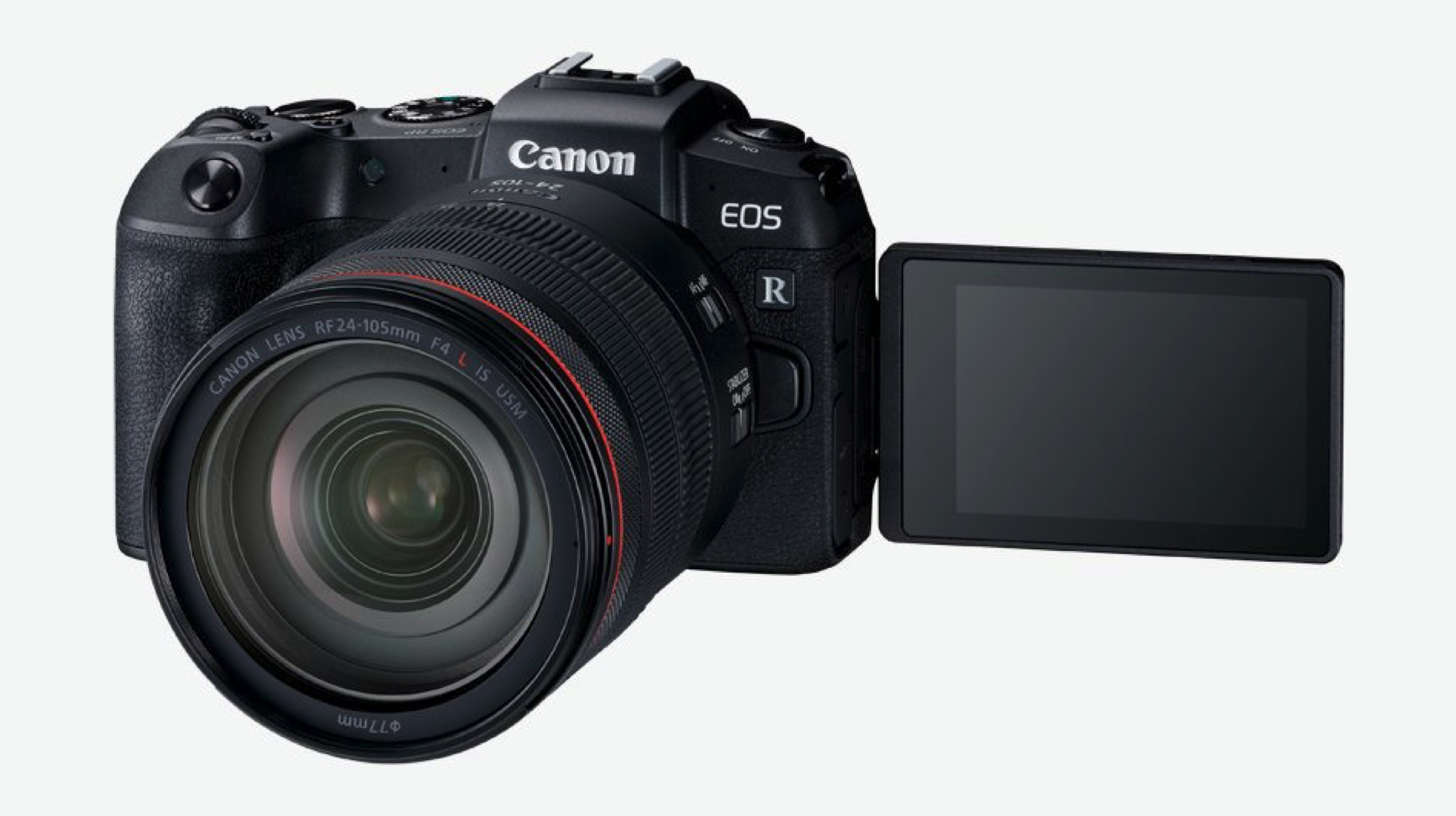
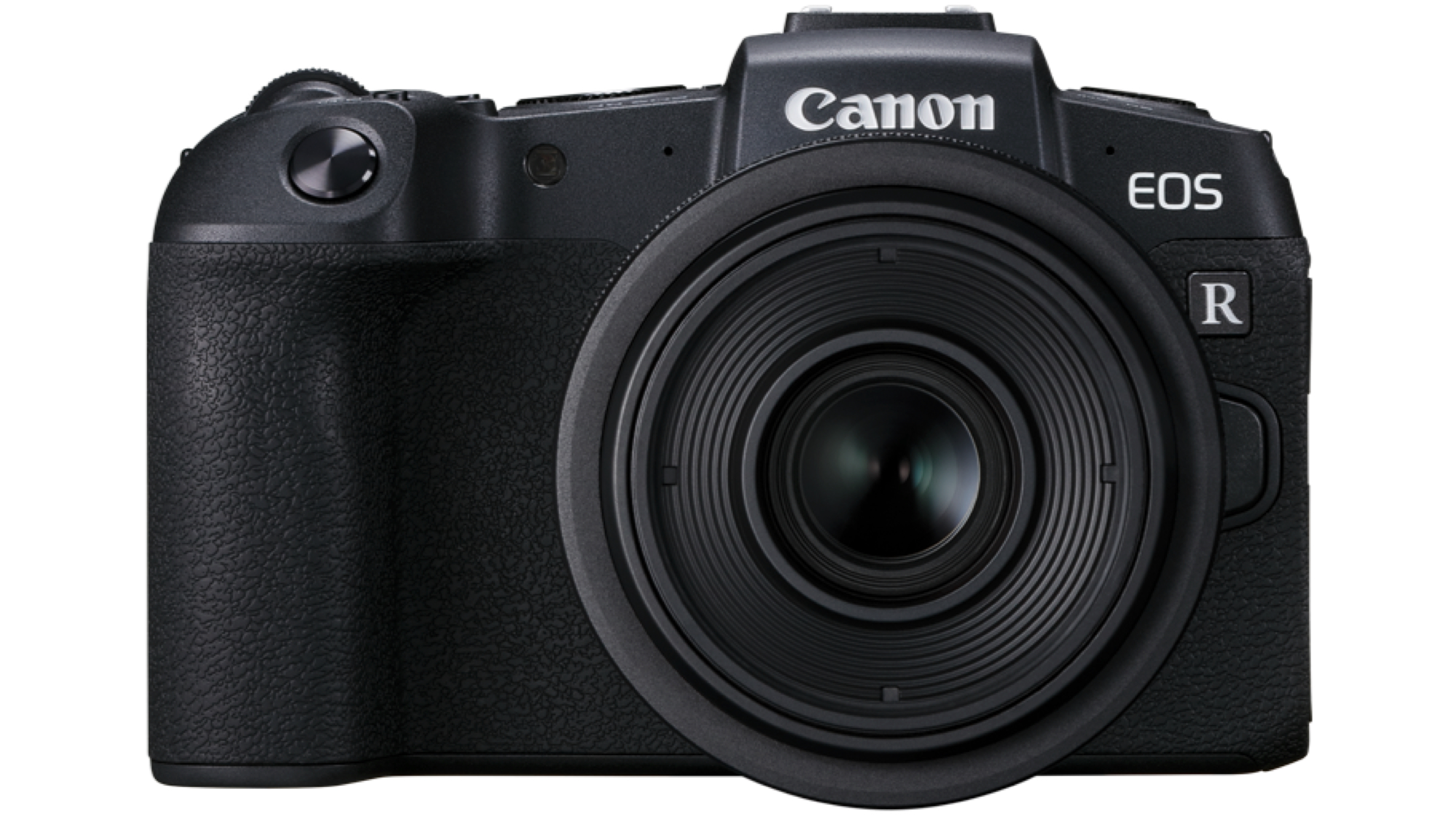
    After launching it on February 14 in Singapore, Canon has launched the EOS RP mirrorless camera in India. It is the lightest and smallest full-frame mirrorless camera the company has ever made. The camera is the second addition to its EOS R range, with the first one, the Canon EOS R which was launched in September last year.

    Canon EOS RP: Features

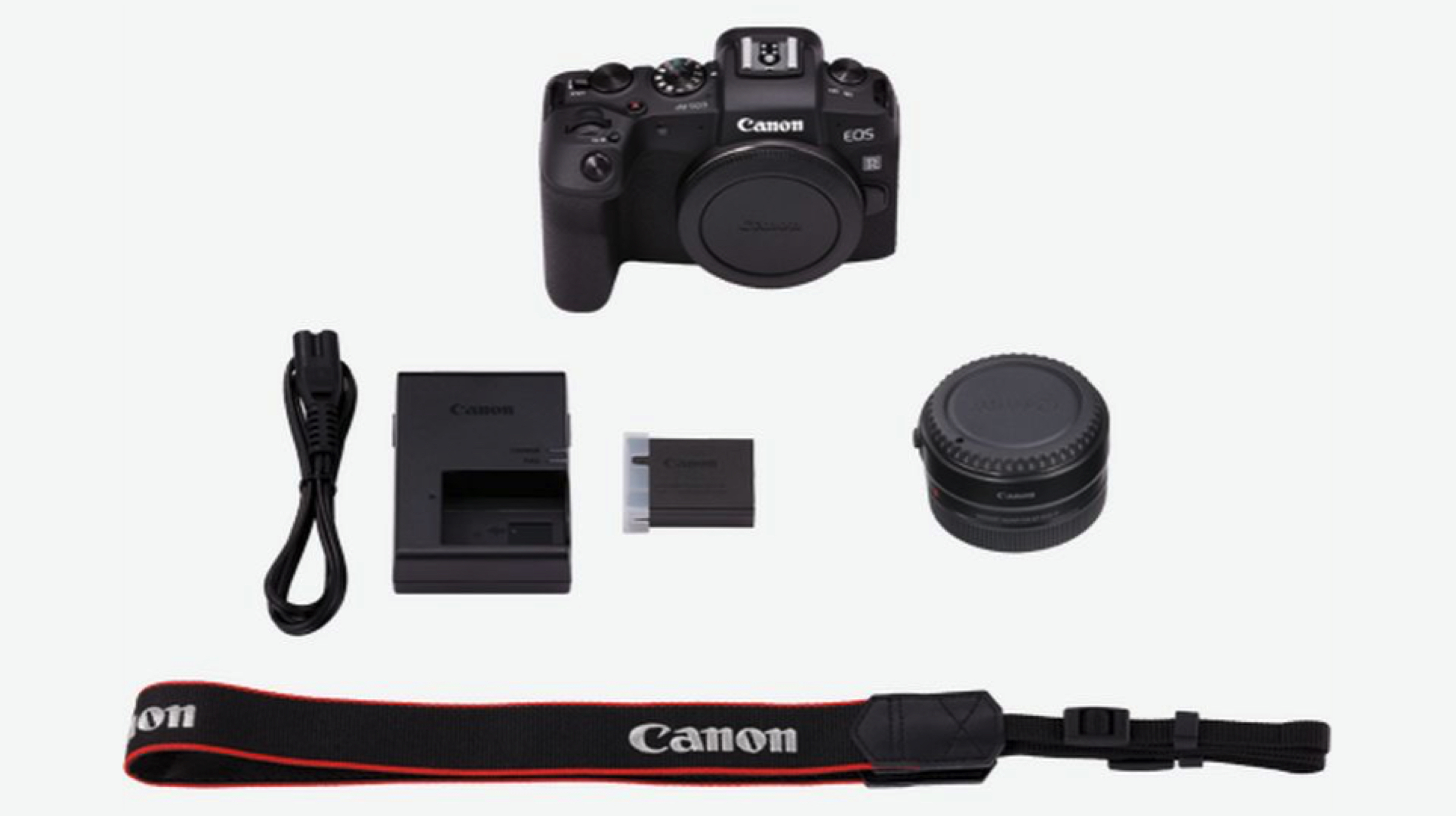
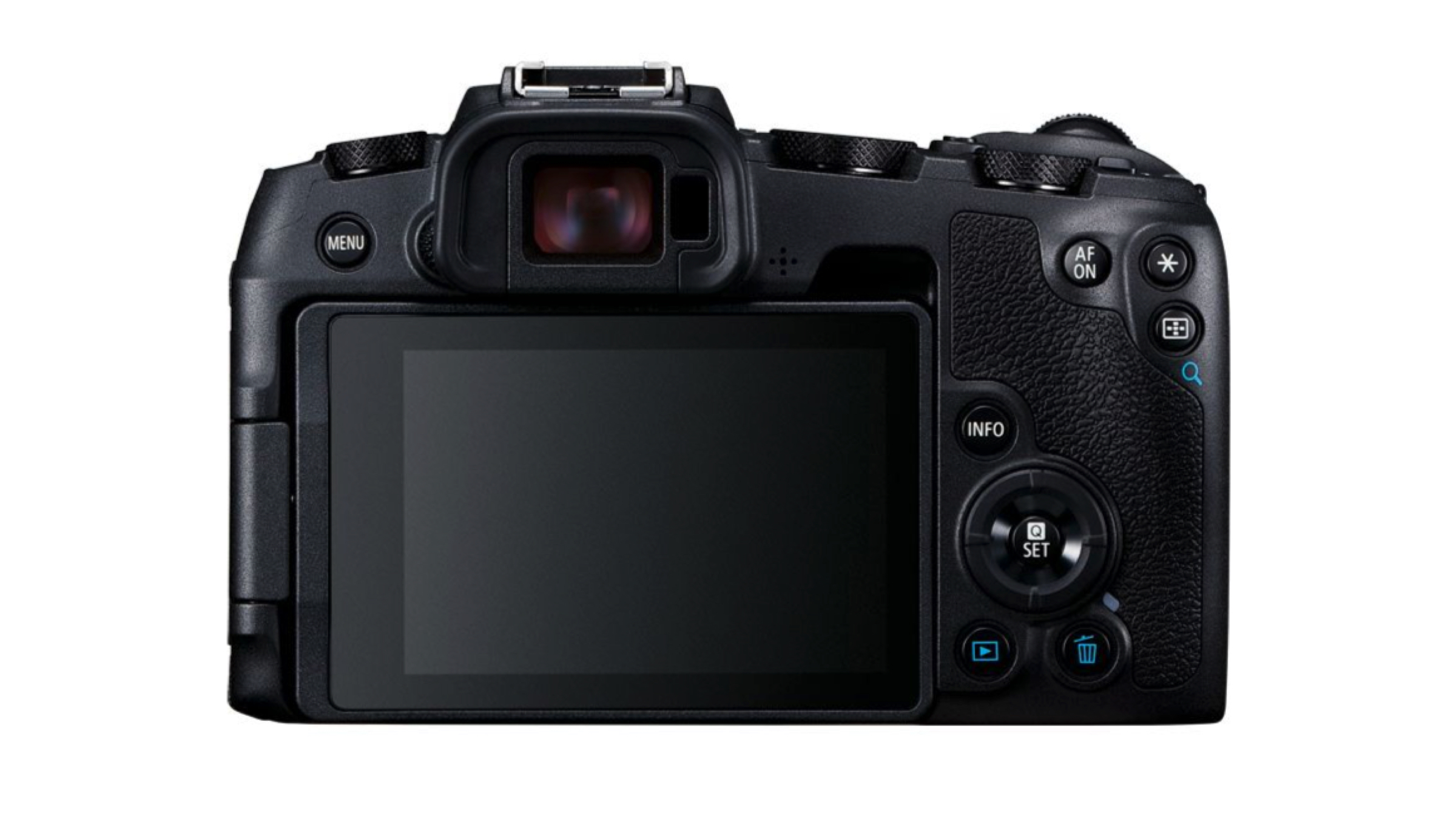
    The Canon EOS RP boasts of a lighter, smaller body compared to regular DSLRs. Measuring 132.5 × 85 × 70 mm in body size and weighing in at 485g, the camera is 285g lighter than its closest competitor, the company’s own 6D Mark II. The Canon EOS RP features a 26.2MP dual pixel CMOS sensor which is capable of 4K video recording at 25fps. It has a 0.05s focusing speed and EV-5 (Exposure Value) focusing capabilities. The camera runs on Canon’s Digic 8 image processor and is equipped with the RF mount which was introduced with the EOS R last year. 

    The Canon EOS RP has a wide range of lens compatibility options. Either an RF, EF or an EF-S lens can be used with an EF-EOS-R Mount Adapter in the camera. An LP-E17 battery is utilised in the camera which the company says should be good for 250 shots. For the viewfinder, Canon is using a 2.36 million dot OLED Electronic viewfinder with a 22mm eyepoint. It also has silent scene mode and support for UHS-II memory cards. Just like the EOS R, the EOS RP can be charged via a USB Type-C port, but there will be a need for the optional PD-E1 adapter (sold seprately).

    Canon EOS RP: Price 

    Also read: Xiaomi Launches Mi Wireless Earphones In India

    The entry of Canon in the mirrorless camera space seems to be a little late. But what will make it stand out from the competition is the price. The Canon EOS RP is available in India at a starting price of Rs. 1,10,495 for the body. If the RF24-105mm f/4 IS USM lens is purchased alongside the camera, it will cost Rs. 1,99,490. 

  • Ricoh Announces Two New K-Mount Lenses

    Ricoh Announces Two New K-Mount Lenses

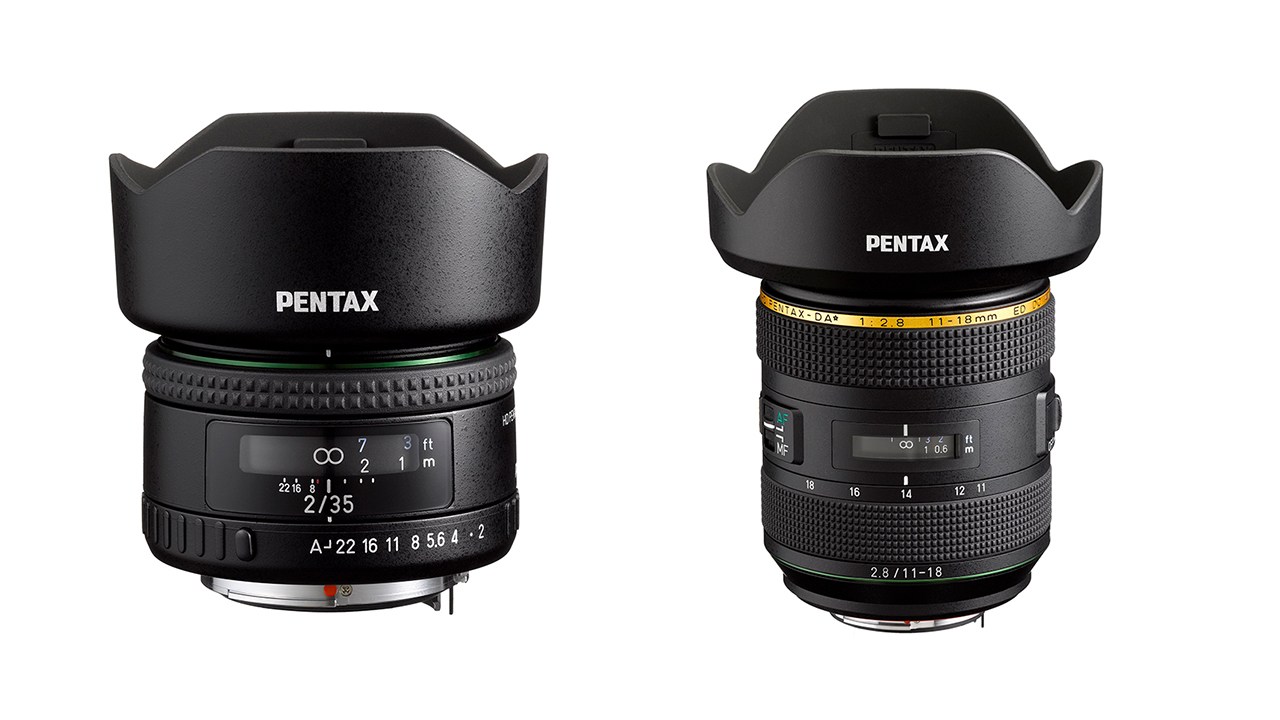
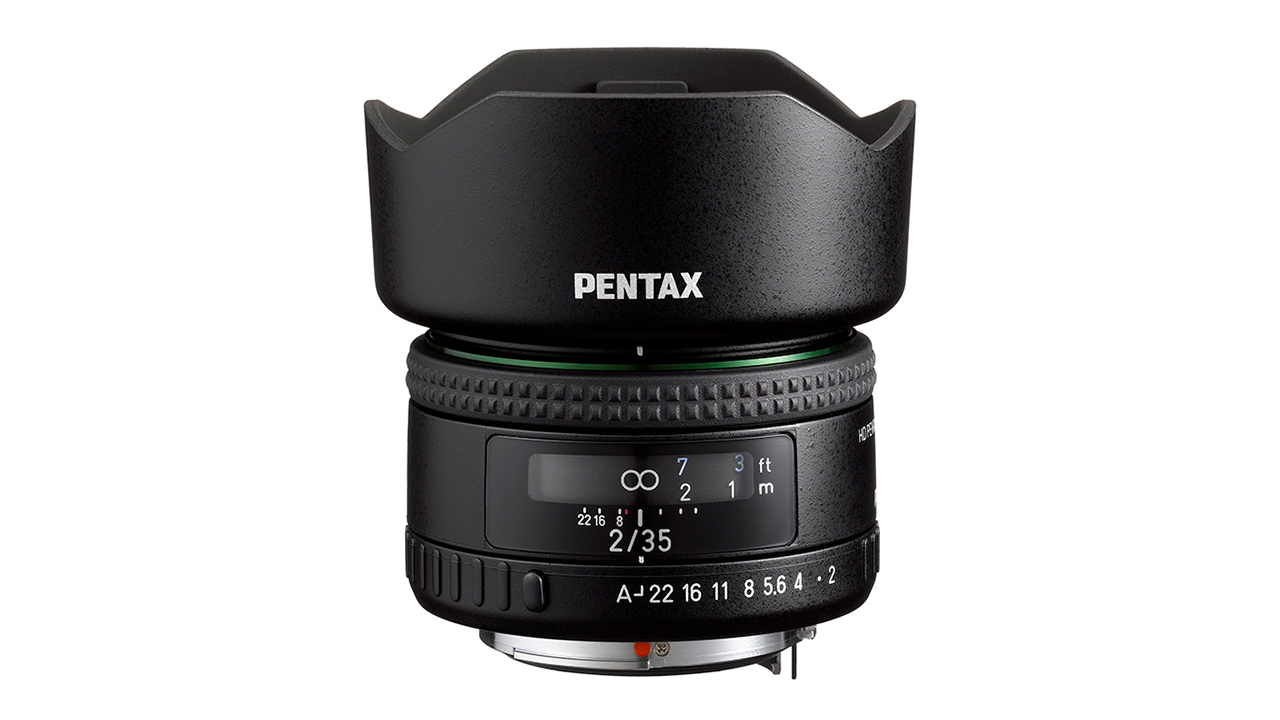
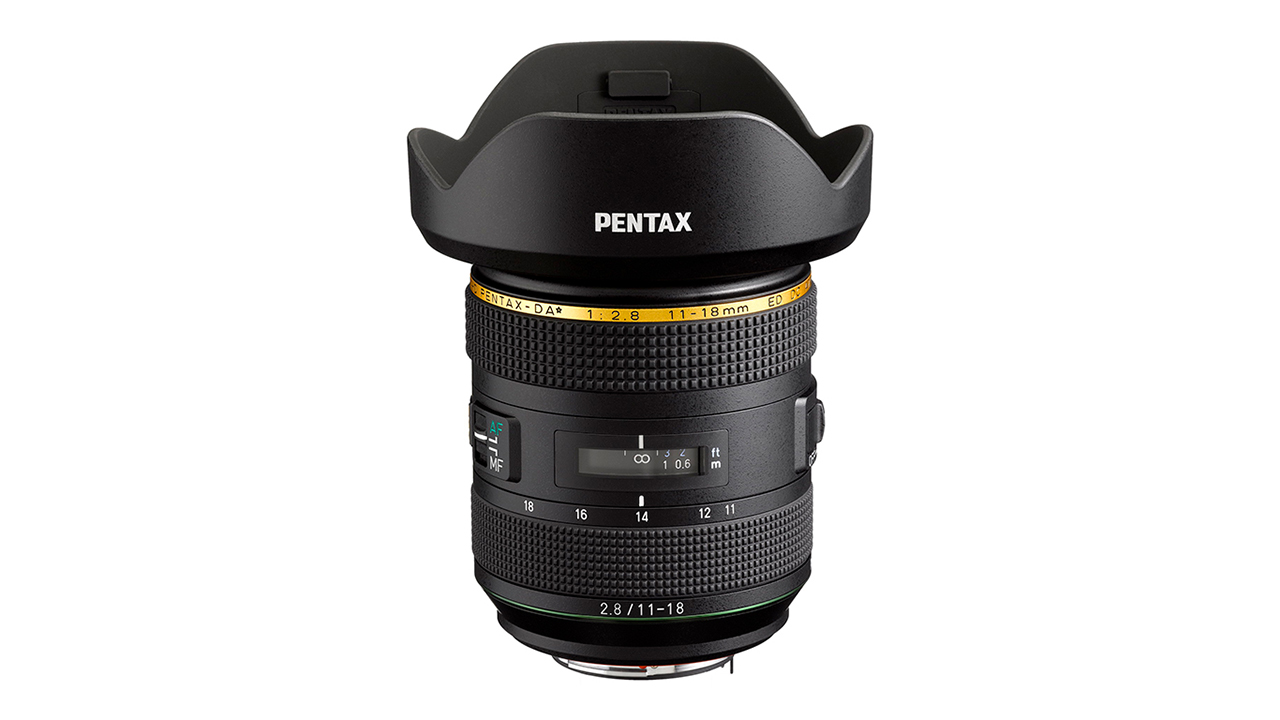
    Ricoh announced two new K- Mount lenses, namely HD PENTAX-FA 35mm F2 and HD PENTAX-DA 11-18mm F2.8 ED DC AW. The two lenses can be used in any K-mount cameras which are mostly used by Pentax. 

    The 35mm F2 is a compact lens. It claims to have a high-performance and being a wide-angle lens, covers the full-frame image circle of PENTAX K-mount digital SLR cameras. The new 35mm is said to have been based on  the smc PENTAX-FA 35mm F2 AL. The PENTAX-FA 35mm was a very popular lens for photographers when they shot in film cameras. The new lens boasts of  a high-grade, multi-layer HD Coating that is applied to the optical elements. It is said to produce high-contrast images with edge-to-edge sharpness, free of flare and ghosting. A highly stain-repellent SP Coating is also said to have been applied to the front surface. This improves the lens’ usability outdoors. The design of the new lens is reminiscent of the older model and looks almost alike.

    The second lens, which is a high-performance, ultra-wide-angle, Star-series lens delivers exceptional optical performance, according to claims made by Ricoh. The lens features a constant 2.8 aperture through every focal length and is a part of the new-generation Star series of lenses from the company. Being a member of the high performance lens series, the company claims that this lens will provide high-resolution, high-contrast images without blurring at the edges. 

    According to Ricoh, the lens provides a Focus Clamp Mechanism to lock focus at the desired focal point. It also is said to have outstanding dustproof and weather-resistant construction. Ricoh also claims to have built the lens keeping the adverse weather conditions in mind. One of the features that accommodate adverse weather condition shooting is a space specifically designed for holding a heating device to prevent condensation. The lens also has a metallic frame structure, which more effectively transmits the heat of the device to the lens. 

    The price of the HD PENTAX-DA 11-18mm F2.8 ED DC AW Lens is £1,399.99 and the HD PENTAX-FA 35mm F2 will retail for £399.99.

  • Panasonic Lumix S1, Lumix S1R Mirrorless Cameras To Go On Sale Soon

    Panasonic Lumix S1, Lumix S1R Mirrorless Cameras To Go On Sale Soon

    The entire photography industry slowly moving towards mirrorless cameras. More manufacturers are focusing more on their mirrorless lineup than ever before. Panasonic being on the forefront of mirrorless camera technology, along with brands like Fujifilm, Olympus, Pentax and Leica, has a great lineup of cameras. The company had announced the Lumix S1 and Lumix S1R mirrorless cameras in Photokina 2018 equipped with a Leica L mount lenses.


    Camera Specifications

    Now, at CES 2019, Panasonic has revealed that both the cameras will be available for purchase from end of March of this year. The LUMIX S1R will feature a 47MP sensor. Whereas, the LUMIX S1 will feature a 24MP sensor. Panasonic had also claimed that these cameras will be the world’s first full frame digital single lens mirrorless cameras to feature support for 4K 60p/50p video recording. The company also claims to be the world’s first full-frame camera to be equipped with Dual I.S. system. Panasonic had also announced an update for the Lumix S series cameras. This update will add key features one of which is the HLG photo mode. According to Panasonic, the HLG Photo allows images to be shot with a wider dynamic range. It also increases the precision of the colour accuracy to portrait colours.

    The other update will be a high-resolution mode that combines 8 consecutively shot images into a single high-res image. This will benefit photographers who require large prints such as fashion and commercial photographers.

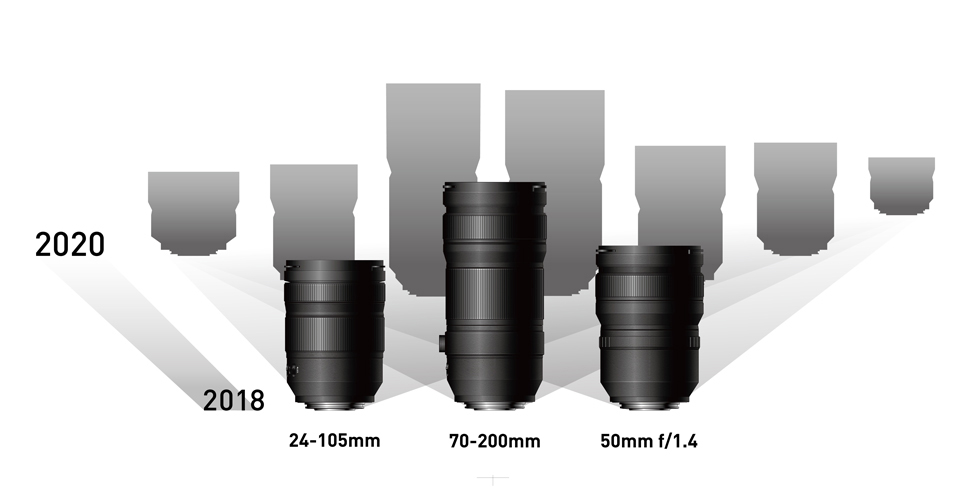
    Panasonic has also promised that they will also expand its lineup of LUMIX S series compatible lenses. They will develop more than ten lenses by the year 2020. These will include 50 mm/ F1.4 single focal length lens, 24-105 mm standard zoom lens, and 70-200 mm telephoto zoom lens among others. These new lenses will give photographers a variety of focal lengths to choose from. Both cameras will have support for  dual card slots for XQD as well as SD cards.

    Availability And Price

    The prices of the two cameras will be on the higher side, given that Leica is also involved in the project. The exact prices however have not been announced yet.

  • Sony Bumps Up 3D Camera Sensor Production

    Sony Bumps Up 3D Camera Sensor Production

    Sony’s smartphone and consumer electronics division might be facing tough times but the company is undoubtedly the world’s biggest smartphone camera chip manufacturer. More than 50 percent of the smartphones in the market use camera sensors that are manufactured by Sony which includes Apple, Samsung and Google. A Bloomberg report suggests that Sony is now gearing up to ramp up the production of 3D camera sensors. 

    What Is A 3D Camera Sensor?

    A 3D camera is an imaging device that allows to replicate three dimesional  objects with the help of depth sensing technologies. Digital cameras with 3D sensors have been available in the market for quite some time. These cameras are bulky and hard to carry but Sony seems to be developing miniscule 3D sensors that can be embedded in to smartphones. 3D sensors on a smartphone can open a whole new world of possiblities.

    Few uses of smartphones with 3D sensors are as follows:

    • Smartphones with 3D sensors can be used to create a virtual 3D model of a user that has the potential to change the future of shopping. The users can easily scan their body parts like the face and head to virtually try on accessories like hats and spectacles.
    • 3D camera sensor featuring smartphones can also help in pushing the boundaries of mobile gaming further. Mobile game corporations can use these sensors to make a virtual 3D model of the player which can be loaded in to the game. This would help the companies to create an even immersive expereience to the users.
    Sony’s Competition And Production Bump

    Also Read: Mi TVs Get Price Cut In India

    Except for Sony, companies like Lumentum Holdings Inc. and STMicroelectronics NV also make 3D chips that are used for accurate facial recognition and clicking photographs with enhanced depth effect. However, Sony claims their technology is more accurate than the offerings of their competitors. Sony uses a method called ‘time of flight’ of TOF that sends out out invisible laser pulses and measures how long they take to bounce back. This technology is used to take precise 3D pictures of objects. According to Sony officials, the company’s sensors can even capture pictures at a distance of five meters. 

    Sony seems to be optimistic about the future of this technology and predicts this feature can boost the sinking smartphone sales. In the interview with Bloomberg, the company reported that the upcoming Huawei phone will employ 3D sensors made by Sony. Additionally, Sony revealed that the company is getting interest from Apple perhaps future iPhones will makes use of this type of sensors. To meet the high prediction of demands, Sony will kick off mass production in late summer of 2019. 

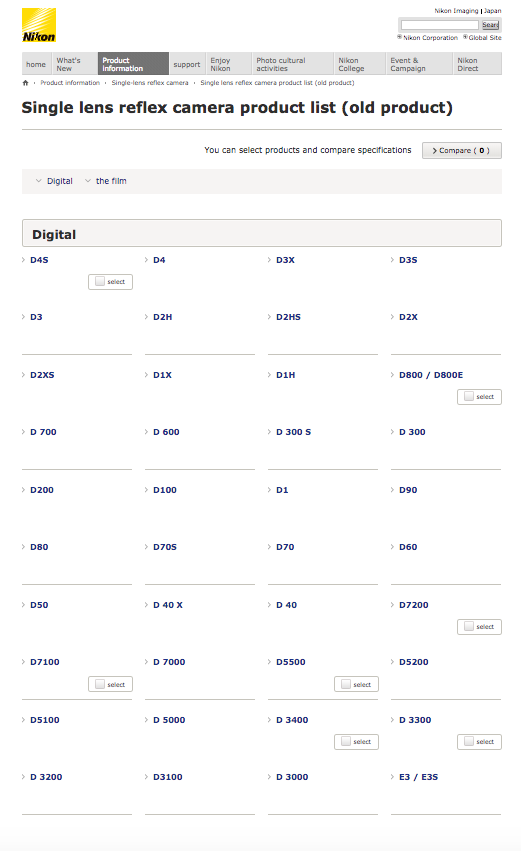
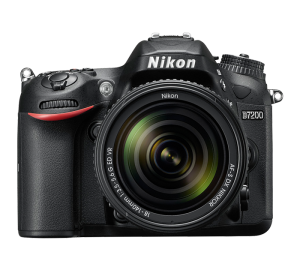
  • Nikon Officially Discontinues D5500 And D7200 DSLR Cameras

    Nikon Officially Discontinues D5500 And D7200 DSLR Cameras

    Nikon has finally announced the discontinuance of the popular D5500 and D7200 cameras. Rumours about the same were doing rounds of the internet for the longest time, but it seems like Nikon has finally done it. Both the cameras were released in 2015 and Nikon has better options with even better specifications at the moment. It seems like a good time to discontinue them, as the 24 Megapixel Dx body D5500 was getting old and featured old technology and so did the D7200.

    The D5500 was available in several different bundles with different body and lens combinations at  the time of it’s discontinuation. The first bundle was priced at Rs. 61,950 with D-ZOOM KIT: AF-P 18-55mm VR + AF-S 55-200mm VRII Kit Lenses. The second bundle available was for Rs. 65,950 which had the AF-S 18-140mm VR Kit Lens. It also had a cheaper option for  Rs. 52,950 with AF-S 18-55mm VRII Kit Lens. The camera was worth Rs. 47,450 for the body only version. These were extremely high considering other cameras as well as Nikon’s own D5600 is priced in the similar price range. The D5600 has better specifications and so does the newer D7500. The D7200 had a price range of Rs. 1,08450 to Rs. 69,950 while the D7500 has a price range of Rs. 1,15450 to Rs. 96,950.

    This year, Nikon has forayed into the mirrorless segment as well, which are quite expensive. With the discontinuation of the older models it seems highly likely that Nikon might release newer models of the currently available D7500 and D5600 soon. While Nikon itself has discontinued the two cameras they are still available on Amazon’s India website as well as Flipkart.

  • Why GoPro Failed And What It Needs To Change

    Why GoPro Failed And What It Needs To Change

    In today’s world of every growing technology and ideas, companies come and companies go. Most of them exit the scene as rapidly as they climbed the top of the ladder. GoPro is such a success story. Despite still having a relatively good footing in the market, it will be difficult for them to make a comeback unless they change their ways. Action cameras have been there for a while now and it all started with GoPro itself. In 2002 Nick Woodman went on a surfing trip and quickly realised that there was no way to take excellent quality photographs while in the water. While most photographers shooting surfing images usually used DSLR with long tele lenses from the beaches, buying these lenses and equipments and hiring photographers were an expensive affair. This led to the birth of the desire to shoot professional images in dire situations and adventure sports.

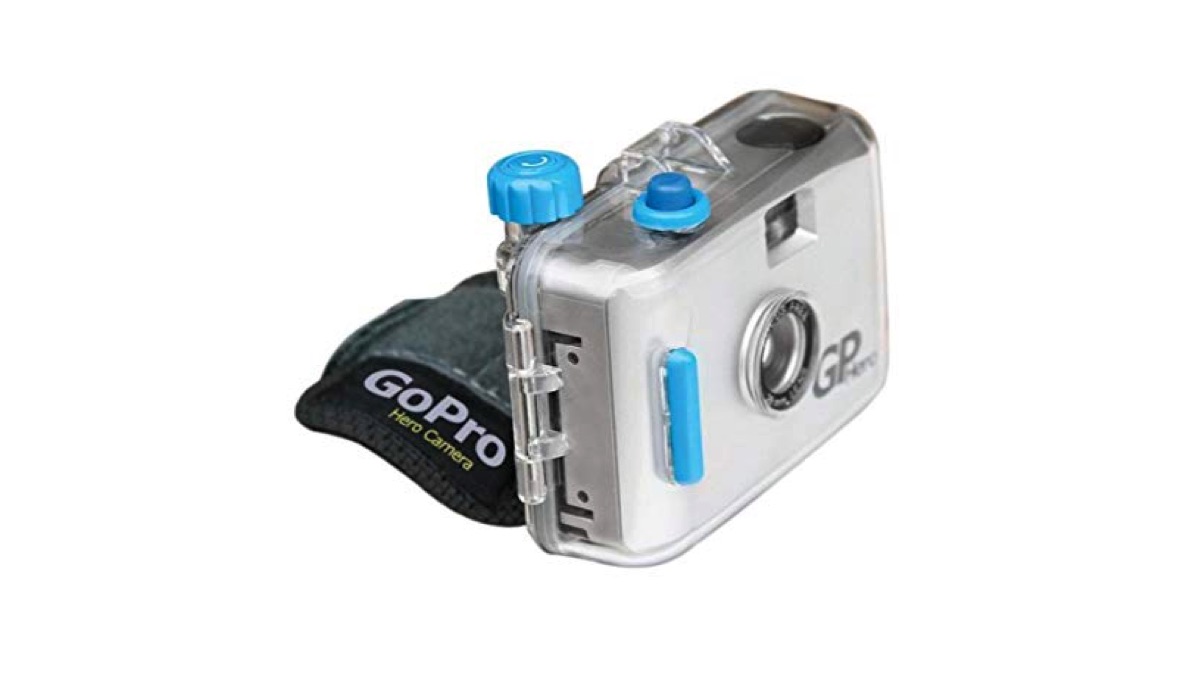
    In 2004 GoPro built it’s first camera that used 35mm film. The Hero lineup that we see today was born as the GoPro 35mm HERO in 2004.In its first year they sold $150,000 worth of products. Then in 2006 the Digital HERO was released. The camera shot 640×460 resolution photos and VGA definition 320X240 (10 fps) video for a maximum of 10 seconds. The Digital HERO had 32 MB of internal memory without an SD card slot.
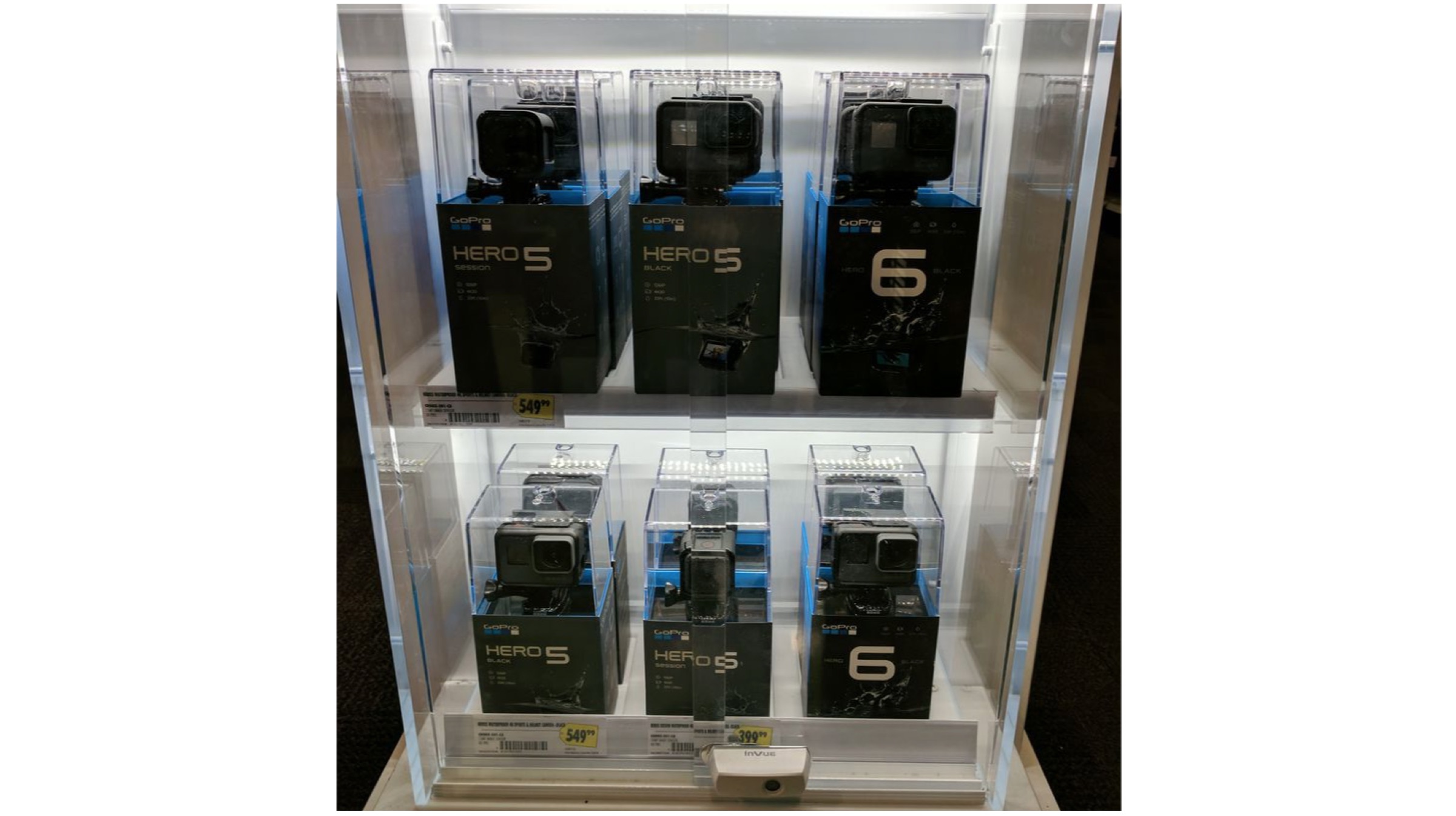
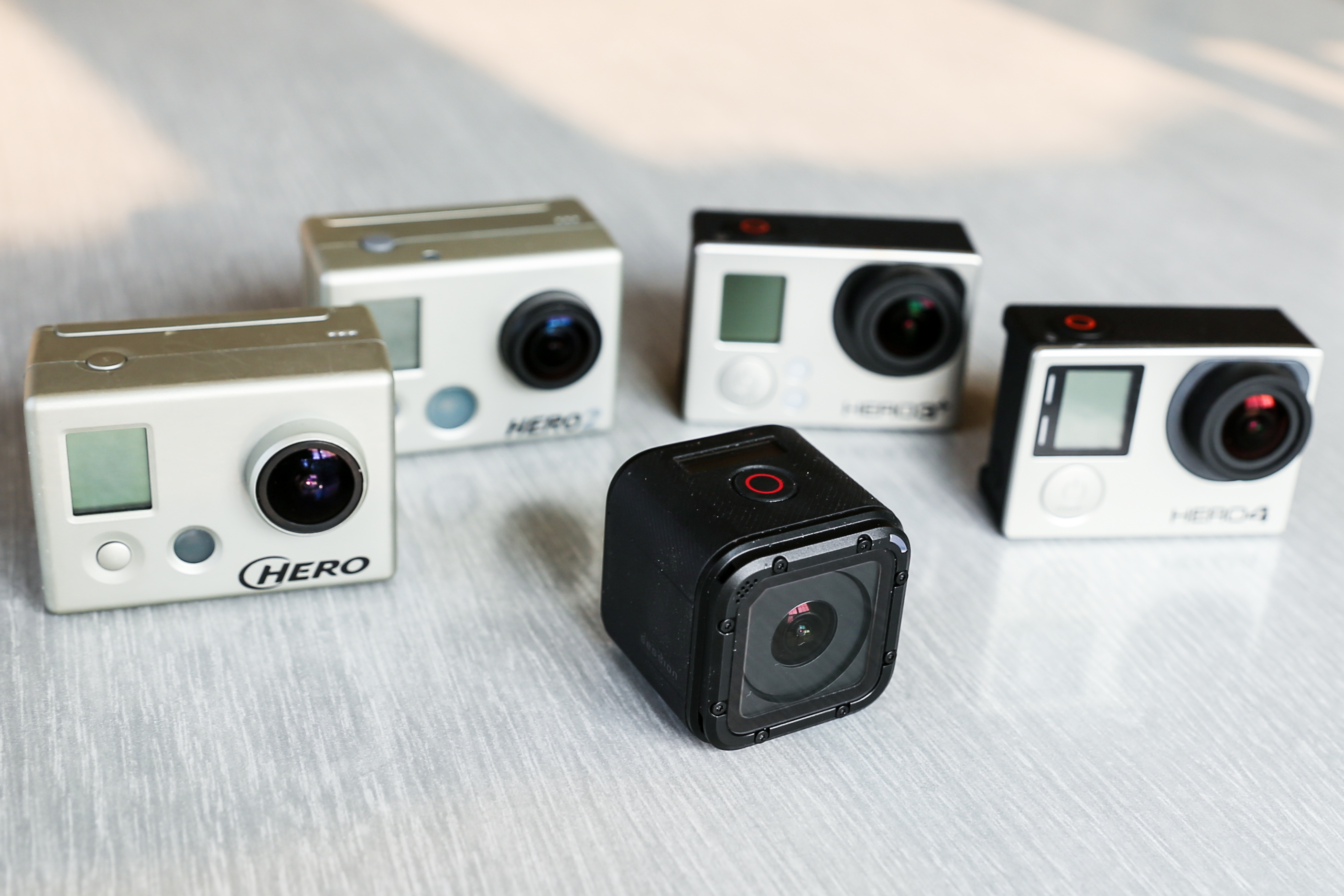
    Over the years, small improvements were made and the Digital HERO3 was released in 2007. It featured a 3-megapixel camera and shot standard definition 512×384 video. The latest GoPro, which is the Hero 7 shoots 4K images at 60 fps, came after several iterations of the HERO lineup. The cameras that were released between the Hero digital and Hero 7 were DigitalDigital 3Digital 5Digital WideHERO 2HERO 3HERO 3+HERO5, HERO6Fusion and HERO (2018). While the development and refining was constant and very smooth, the time taken to do it was not in their favour. But before we go into the reasons of the revolutionary company’s eventual failure in the market, let’s discuss why it succeeded in the first place. 

    GoPro’s Success

    GoPro was released at a time when cameras were bulky accessories that only photographers would buy. Yes, there were point and shoot cameras available, but these cameras were extremely brittle, untrustworthy and weren’t the greatest performers. In other words, they underperformed both in terms of image quality and build quality. Since Sony’s introduction of the world’s first ‘digital’ camera in 1981 called Mavica, there was very little in terms of research and development done in this sphere. While the DSLR technology was being improved with leaps and bounds, the compact camera segment was falling behind. Rangefinders were still in fashion and so was 35mm film. With little or no access to personal computers, the day to day consumer was more inclined towards having a film camera and saving printed positives.
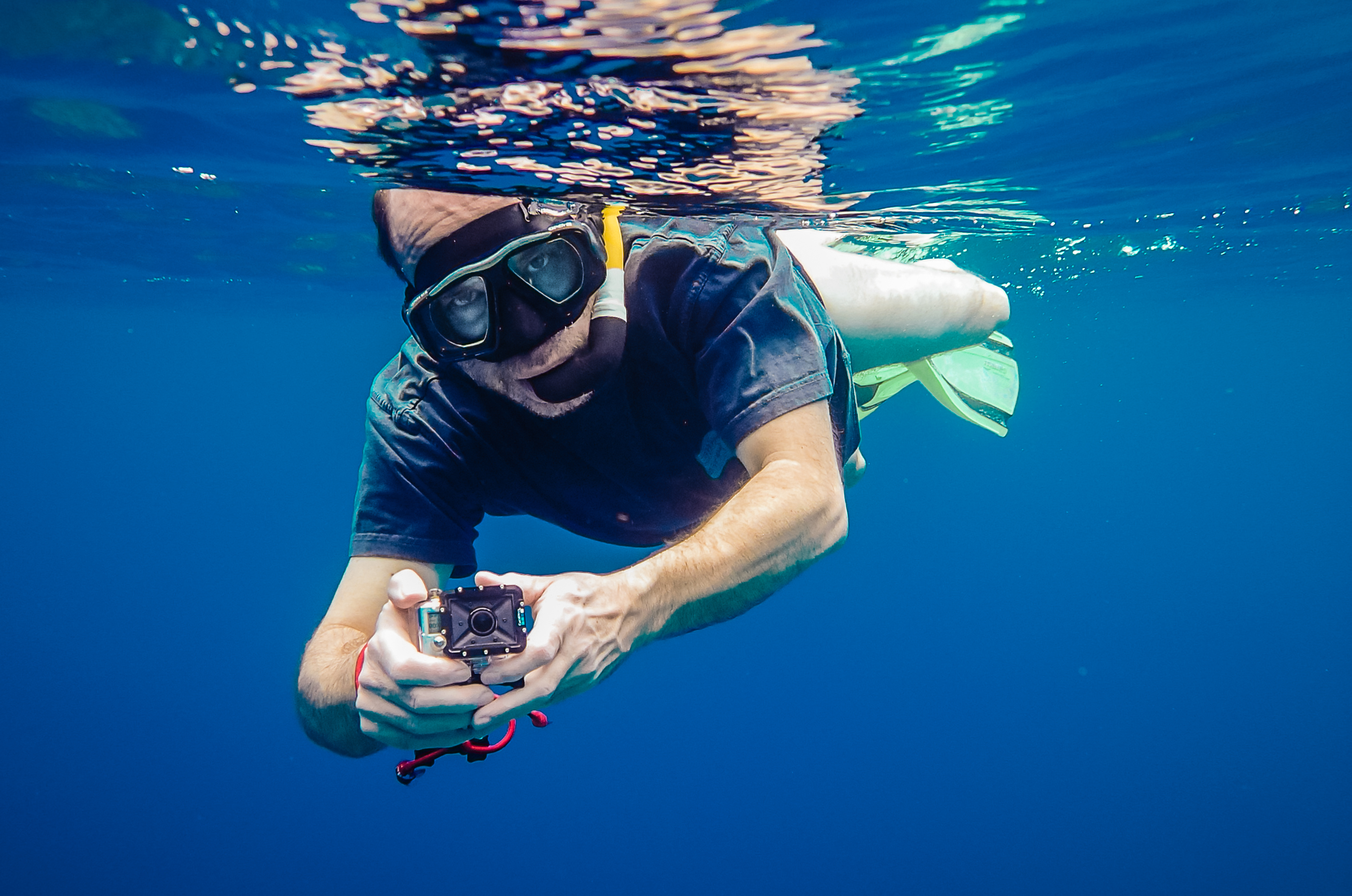
    What set the GoPro 35mm Hero apart from the rest of the point and shoot cameras was its ruggedness. It was also quite famous for being small and handy. The camera measured in at just 2.5 x 3 inches (64 by 76 mm) and weighed a mere 0.45 pounds (200 grams). What you got with the camera was a clear case with quick release, a camera strap and a ski glove adapter lash. It was functional in water to a depth of about 15 feet (5 m). The camera was marketed as a “reusable wrist camera” and included a roll of 24 exposure Kodak 400 film.

    Many photographers as well as day to day users such as students on a spring break, travellers and family members were using it. People in the United States love water, be it surfing, diving, river cruise, beach holidays or just a simple day relaxing at the pool. The camera struck a chord with these users. For a time when cameras had to be taken extreme care of and maintained like a family jewel, this rugged camera with a case and waterproofing was an excellent choice. Another extremely important reason for the GoPro Hero 35mm’s success was its pricing. Priced at just $20, it was an extremely good deal for photo enthusiasts and families alike.

    As time passed, the cameras became digital and so did people’s ways of interacting with technology. Everyone who was even slightly well off had a personal computer. At the Worldwide Developers Conference keynote address on June 6, 2005 which is a year before the first digital GoPro’s launch, Steve Jobs announced that Apple would begin producing Intel-based Mac computers in 2006. The world around GoPro changed and so GoPro changed along with it. They shifted to digital which was widely accepted by the people. But it also was a sign for future historians to look into since that was the last quantum leap that they took. At least till 2018, when this article is being written. Now that we have a basic idea of where GoPro was headed, let’s find out what led to the near shutdown of the industry leader.

    The Downfall

    GoPro was never doomed for failure. They had, what people in the industry call the first mover’s advantage in a segment in the photography and videography industry. A segment that they created themselves. Just as the word Xerox had become synonymous with Photocopier machines after the inventors named and trademarked their process under that name, action cameras were at one point known as GoPros. This was because they were for the longest time, the only players in the action camera market. So how did it all change?
    1. Lack Of Research And Development
      GoPro, being the leader in a market that previously did not exist, took the sales figures for granted and did not pay heed to what the future of the company was. A company, specially in the tech industry, needs to constantly keep innovating in order to compete. GoPro understood the position it stood in – great sales figures, stock prices increasing, newer markets such as India, South East Asia etc opening up. These made them oblivious of the fact that they need to make their company future-proof. For the longest time, their Hero series of cameras just saw incremental upgrades. This was in terms of video resolution, sensor size and durability. There were very few path-breaking innovations from them.
    2. Higher Cost
      The prices of the cameras kept increasing. This was partly due to the difficulty to fit all the features that the camera offers into such a tiny package without compromising on the durability. And partly due to them wanting to make huge profit. Their understanding of customer bases were different from their expectations of the same. They wanted to be a niche for adventurers, travellers, trekkers who could afford a $400 camera which gave a decent output but worked on adverse conditions. However the majority of customers for the company were just average day to day people. When it comes to action cameras, buying just the camera is never enough. These cameras require different accessories for different activities. These accessories become a part of the investment that one considers before buying an action camera. The GoPro accessories come at a very high price. For students and young enthusiasts, buying these accessories become extremely difficult. Especially when similar accessories are available in websites such as Aliexpress, Ebay and Gearbest.
    3. Lack Of Understanding Of The Market
      Another major reason for GoPro’s failure was the lack of understanding of the market. They did not expect or receive any competition from the smartphone market at the beginning of their journey. But as smartphones started to get better and smarter, cameras in smartphones also got better. Every person had a camera in their pocket and GoPro’s USP of it being handy and powerful became redundant. Smartphones became waterproof and much more rugged. GoPro was slowly falling behind due to it’s lack of uniqueness.  Both it’s unique selling propositions – ruggedness and being small and handy- were not ‘unique’ anymore. They failed to understand how the market was growing and developing. And they failed to adapt. While their rivals slowly moved into the action camera, drone and gimbal business, GoPro joined the party much later.
    4. Being Out Of Touch With Consumers
      GoPro wanted to become a niche and desirable product that catered to adventurers, surfers and travellers. Their main customer base was skaters, skiers, holiday makers and just about any average person. While they listened to their ‘Pro’s, they completely forgot about their other customers. They promoted their products using professional athletes and adventure sports enthusiasts. They failed to really showcase how an ordinary family man or woman could use their product too. A person who was thinking of buying an action camera saw only surfers and divers and such using these devices. This led to the customer deciding against buying a GoPro because they felt that the product probably wasn’t for them.
    5. Underestimating Competition
      This might have been the final nail in the coffin. GoPro was executing their tried and tested formulae over and over again. Meanwhile companies like DJI, Yi and SJCam were developing action cameras, gimbals and drones. GoPro failed to notice the market shift towards drones and birds eye shots in videos and vlogging. YouTubers also slowly shifted to powerful point and shoot cameras. These included cameras such as the Sony RX100 series, Canon’s G9X series. Some even shifted to higher-end and bigger cameras like the Panasonic GH5. While GoPro was releasing it’s first digital action camera, the founder of DJI was still studying in college. However, in 2018, DJI has completely taken over the drone business. So much so that GoPro has finally shut down their drone division and laid-off a lot of employees to cut losses. 
    The Next Step
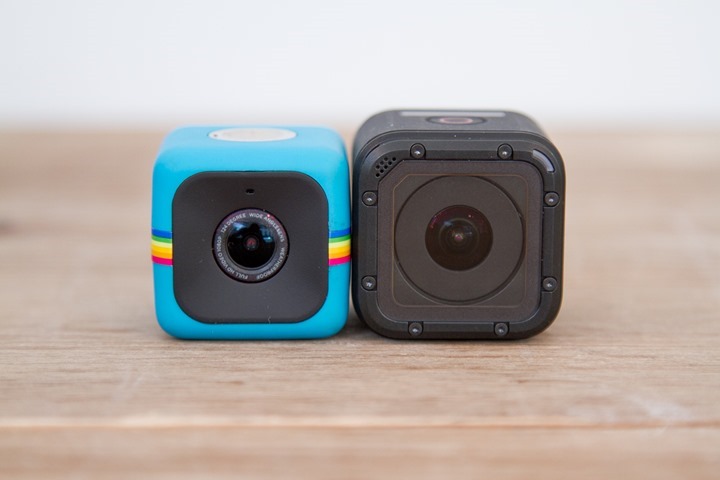
    Their understanding of the market and industry needs to improve. Within a week of the GoPro Karma launch, DJI announced their own drone – the DJI Mavic Pro. The Mavic Pro was better in terms of features and specifications thus beating GoPro to their game. DJI created quality products at a competitive price. GoPro needs to reduce the prices of their accessories so that more people feel comfortable in investing in a GoPro ecosystem. GoPro badly needs to streamline their work and employees if they wish to stay afloat. New investors are also something they should look into, to keep the company afloat. GoPro needs to get a grip on the ‘Next big thing’ that may hit the market. This will give them a head start compared to Chinese companies who are always on the lookout for the same.

    What Else?
    They also need to start looking at and listening to customers. They need to market their products by tailoring specifically for consumers. The company has already started to do that through their Instagram account that accepts entries from users. They still need to unify their App ecosystem which now consists of the GoPro App which is 97Mb, Quik App which is 100Mb and Passenger 43Mb. It would be extremely useful if all the three apps were unified into one single app.

    They also need to give developers more access to their hardware. This will enable customers to make their cameras more useful in their respective businesses by tweaking the firmware. All in all, GoPro needs to understand the pulse of the industry. They need to create a great marriage of hardware and software. Being user friendly and affordable will also factor in, if they wish to survive in the cut-throat market of technology.
iGyaan Network
Privacy Overview

This website uses cookies so that we can provide you with the best user experience possible. Cookie information is stored in your browser and performs functions such as recognising you when you return to our website and helping our team to understand which sections of the website you find most interesting and useful.