Category: Design

  • Intel’s Showcases Twin Screen Gaming Laptop At Computex 2019

    Intel’s Showcases Twin Screen Gaming Laptop At Computex 2019

    Intel, the chipmaking company has a lot of buzz going around its various announcements (such as Project Athena) and prototypes that have been making rounds all over the internet. The company was seen highlighting one of those prototypes in Computex 2019 all the way from its Santa Clara Lab in the headquarters. 

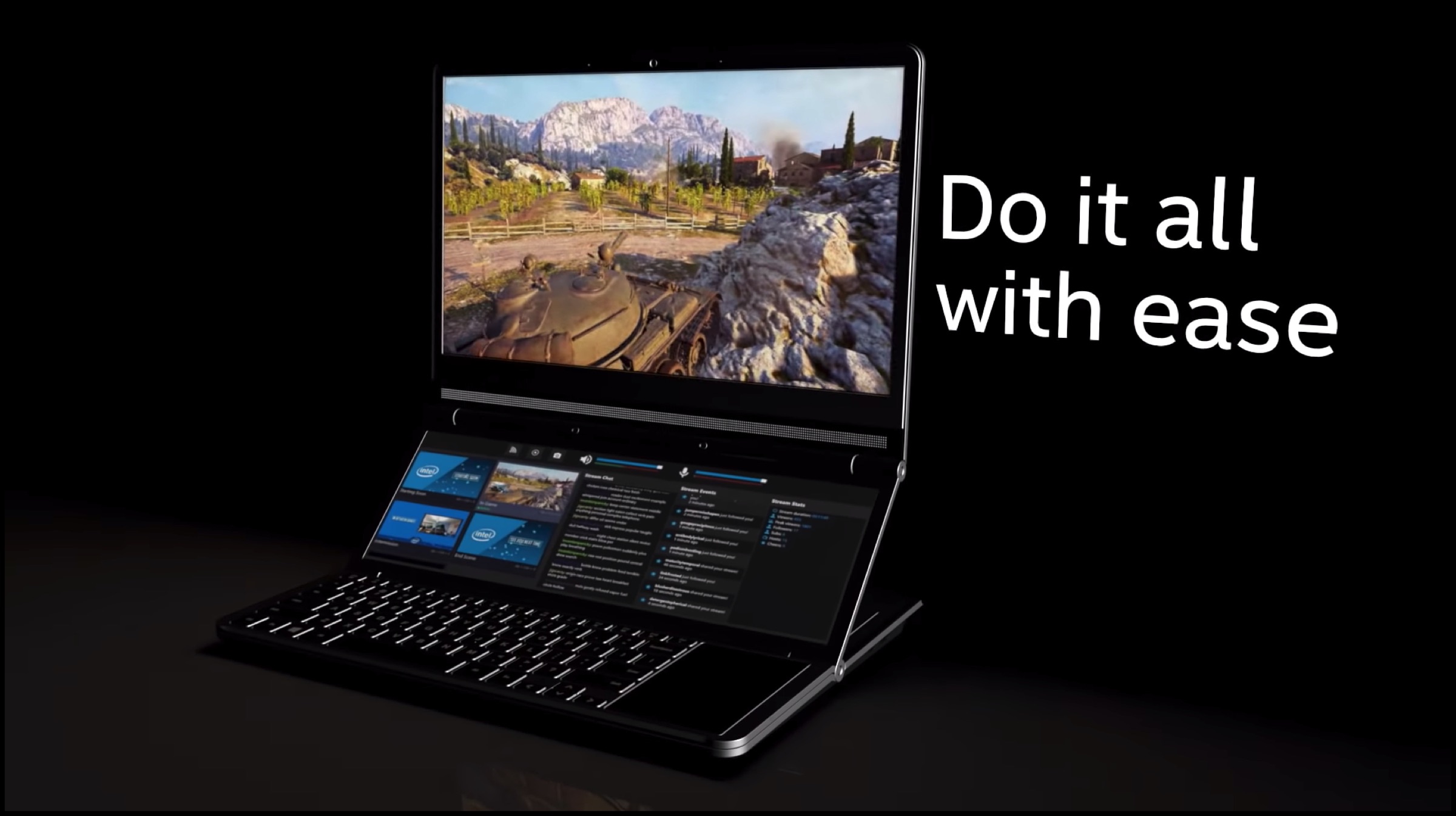
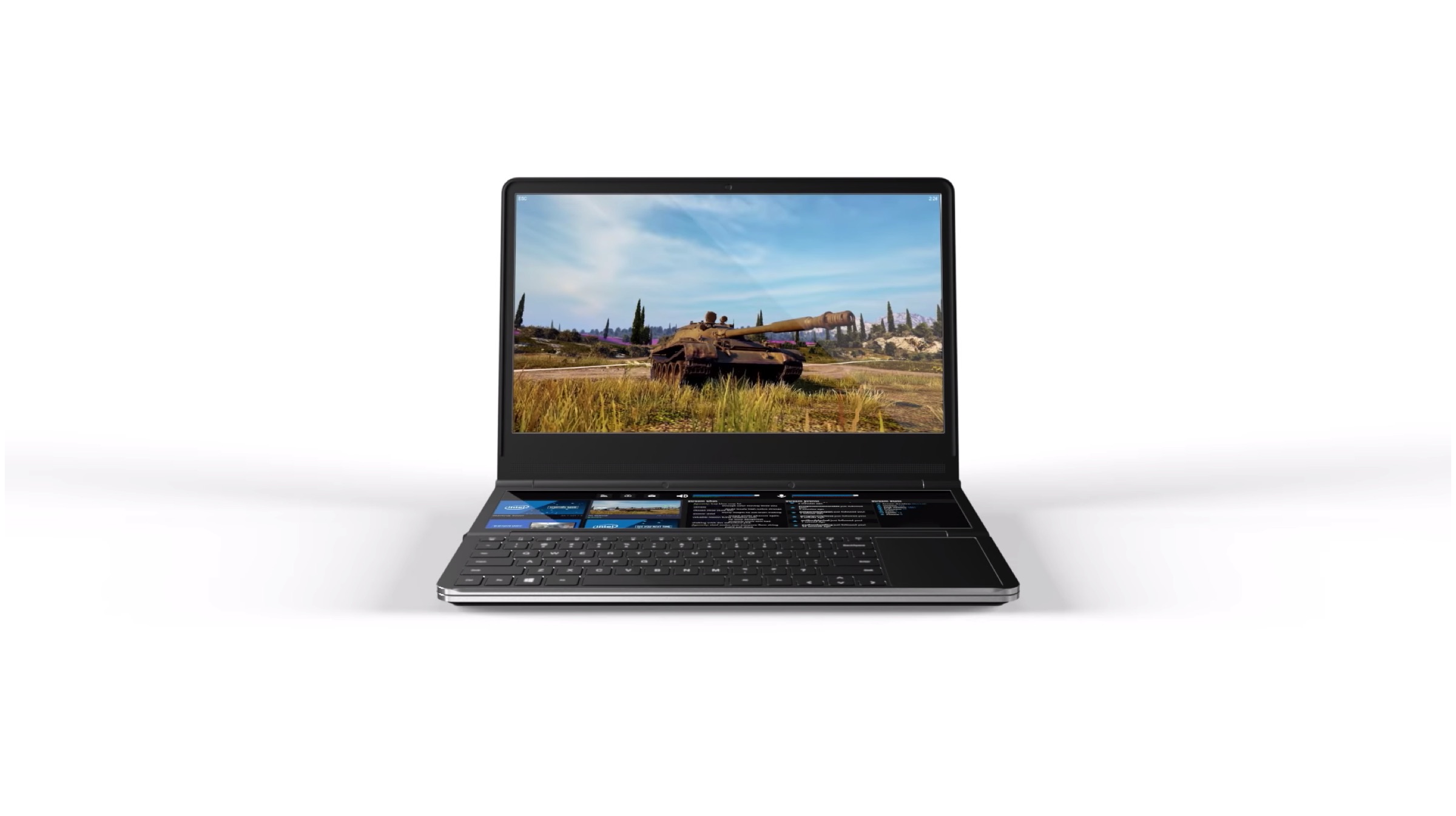
    Honeycomb Glacier may not seem like the name for a gaming system but Intel gets a pass on this for its innovation. Intel has supplied ample horsepower within this compact laptop. The key feature of this prototype is Intel’s attempt to place two full displays in the machine for an enhanced gaming experience.
    Intel

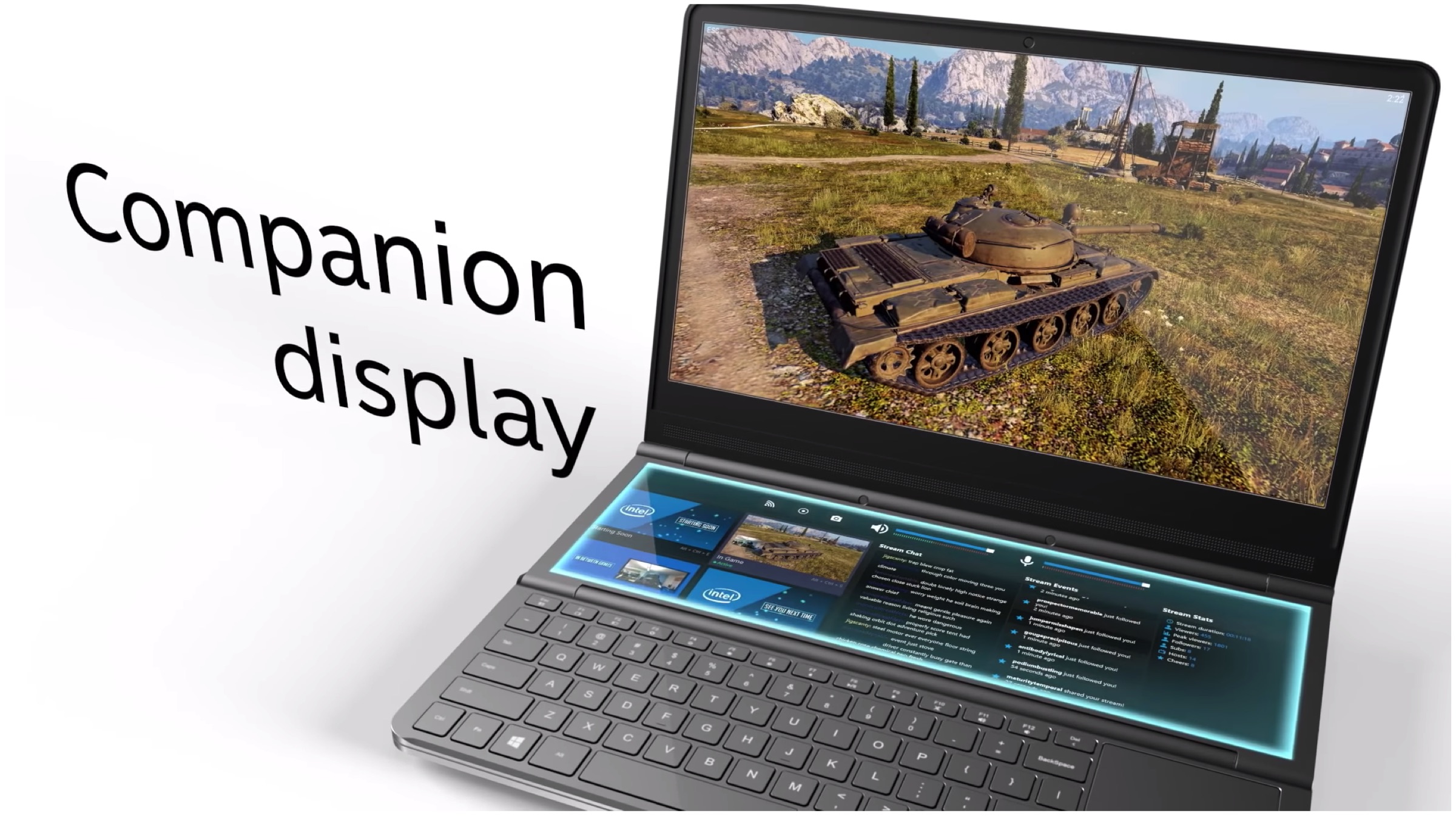
    The device is outfitted with a 1080p display panel for its main 15.6-inch screen while the secondary panel receives a 720p 12.3-inch 1920 x 720 display. Intel had partnered with Razer for the original Switchblade prototype back in 2011, the first laptop to have an entire screen as a touchpad, making this attempt their second endeavour for dual screens.
    Intel

    Intel sets itself apart from the numerous other OEMs, that have implemented a dual screen format, by actually having a second screen that does not necessitates having you look away from the primary screen. Users do not have to look down or divert their attention with a simple inclusion of a double hinge mechanism that raises the second screen to just below eye level that compliments the main screen.
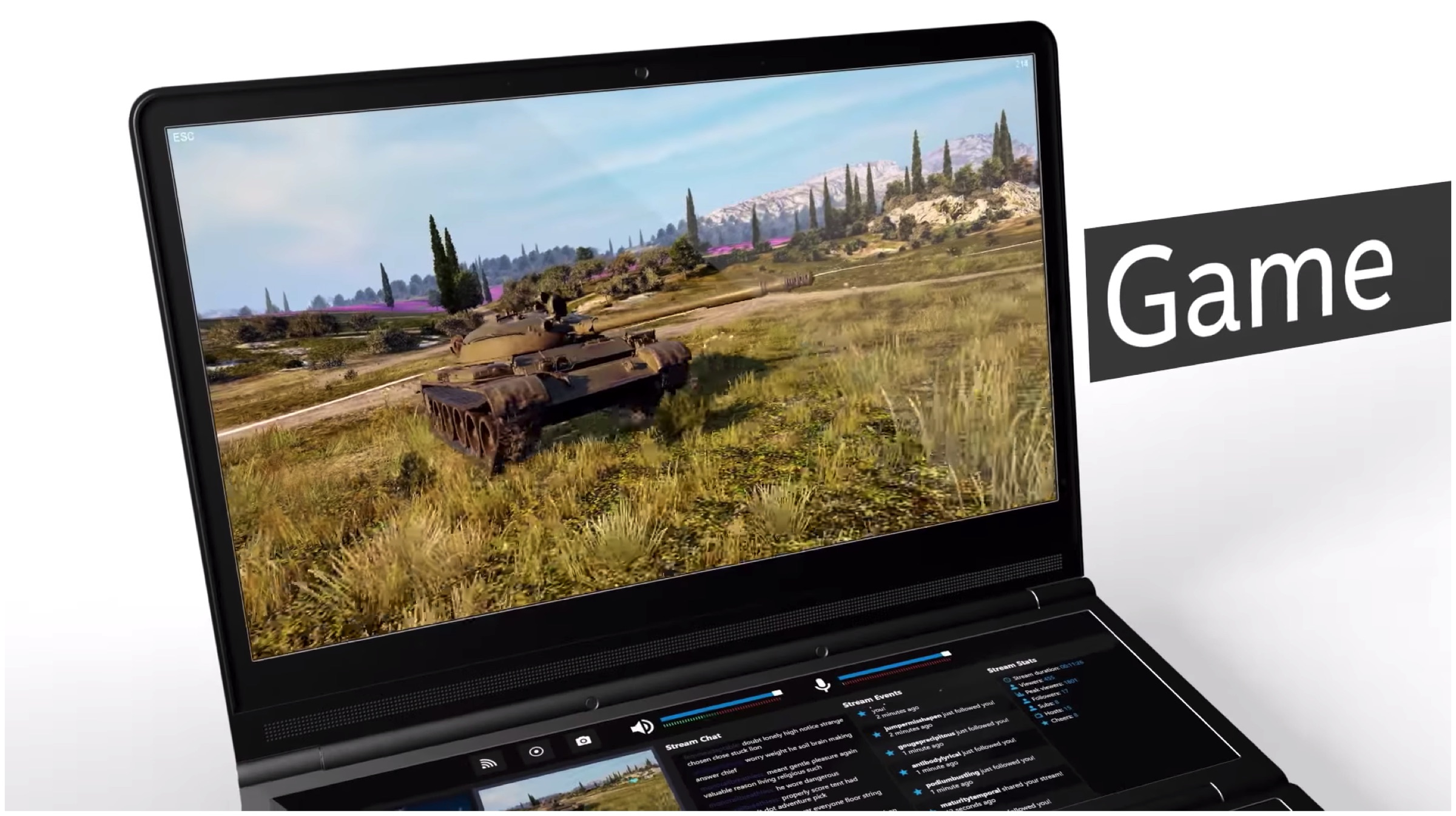
    A unique hinge mechanism gives users the freedom of the elevation and angle that automatically stays in whatever position it was propped up on. This was achieved by one-way roller mechanical clutch. Pressing on a small black button on the left side disengages the clutch to fold the laptop. This special mechanism provides space for the cooling solution built specifically for the specially placed motherboard with a single fan.
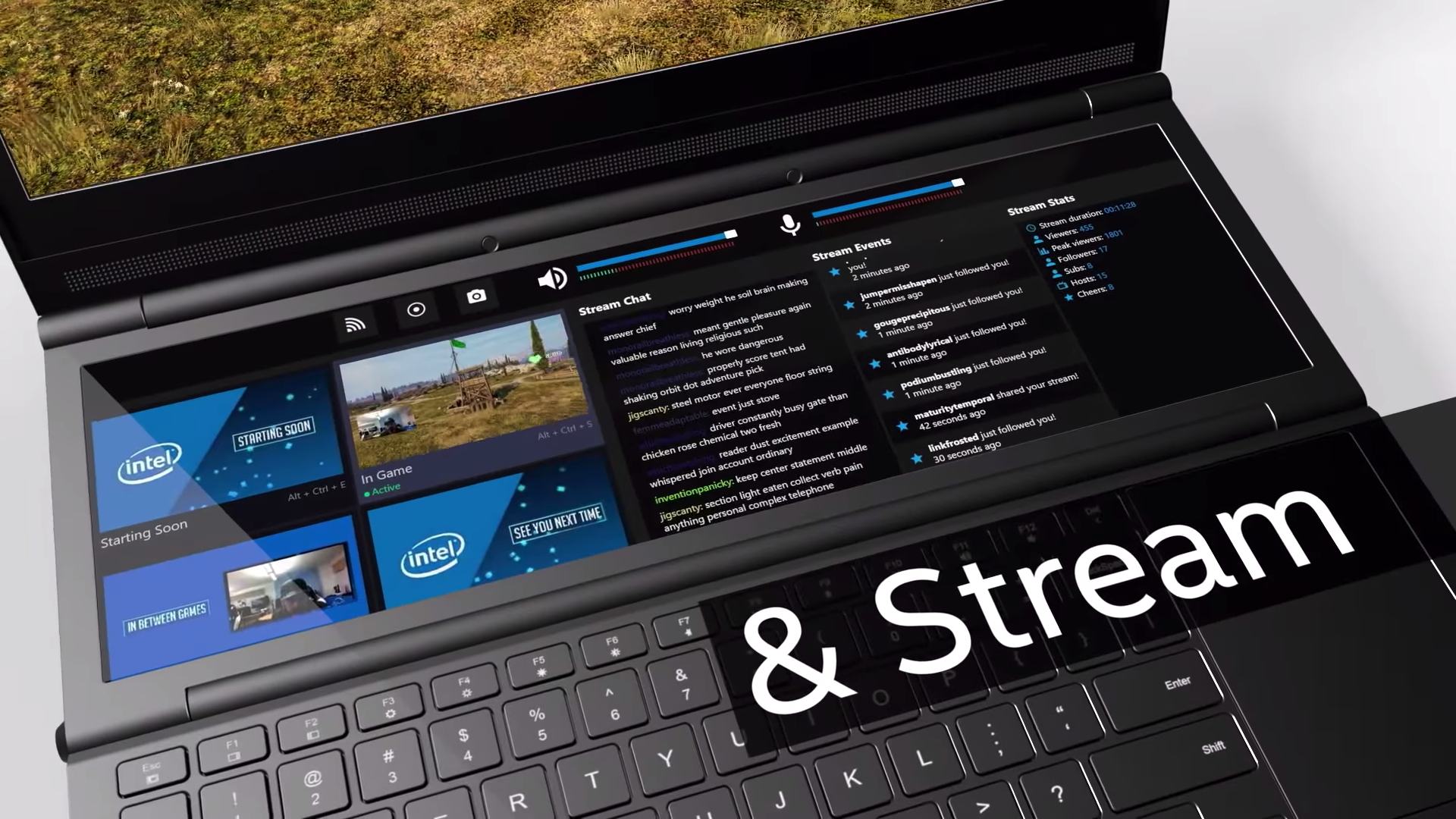
    The prototype, Honeycomb Glacier had been reportedly running on a 45W 8-core i9 Intel CPU and NVIDIA GTX 1070, both units being overclocked. The near eye level hinge houses a Tobii eye-tracking camera, that enables smoother user interaction with the second screen interface in different applications like Discord and Twitch for gamers or Slack for work. Simply drawing your eye to the application puts it on focus.

    Also ReadKonami Celebrates 20 Years Of Contra With Anniversary Bundle

    Intel is optimistic about Honeycomb Glaciers new design and functionality that has generated much interest from other manufacturers seeking to derive from it. Dual-screen laptops are making their way into mainstream reality, soon becoming a common happenstance. 
  • Samsung Files Patents For New Notch Designs

    Samsung Files Patents For New Notch Designs

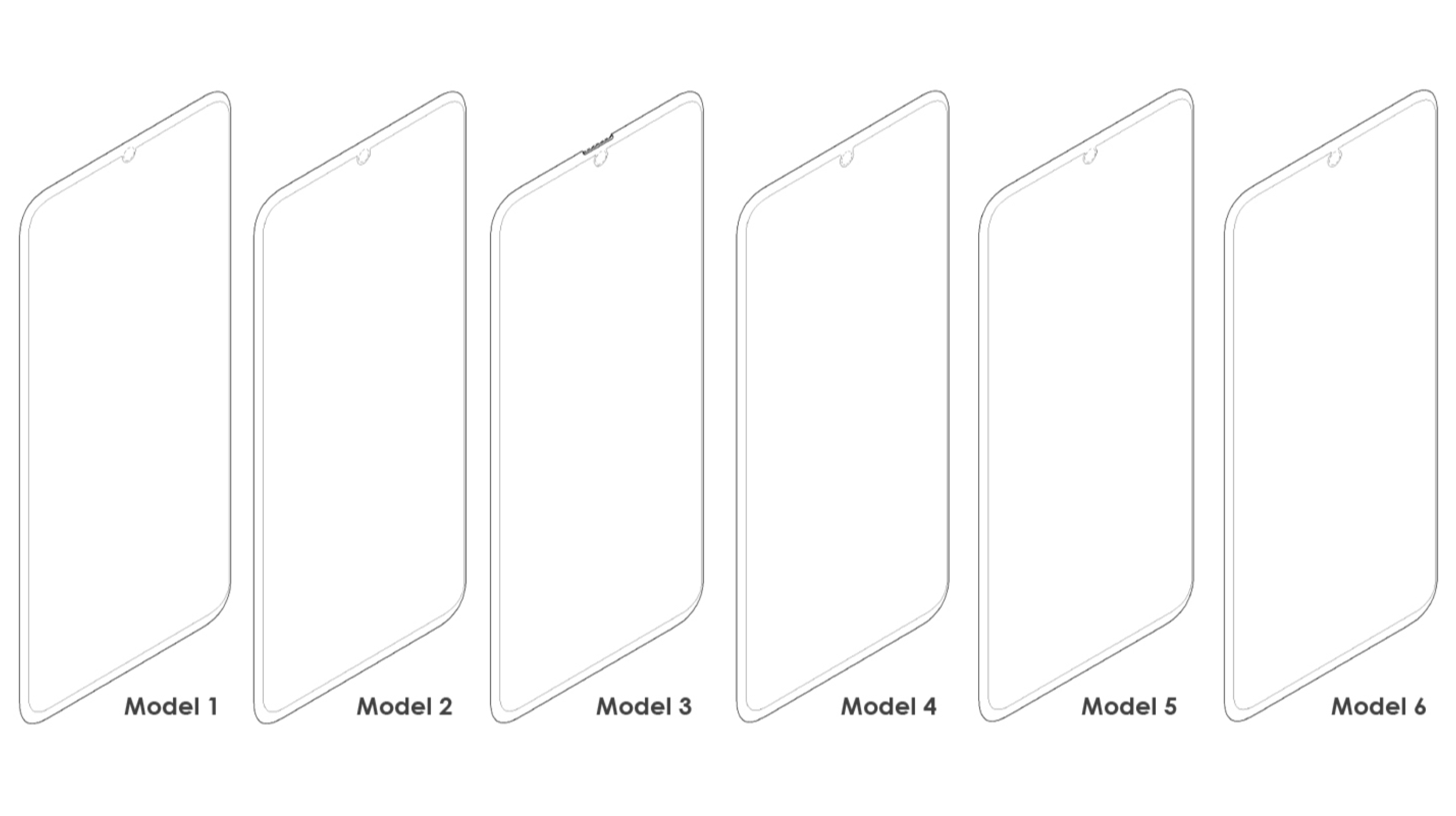
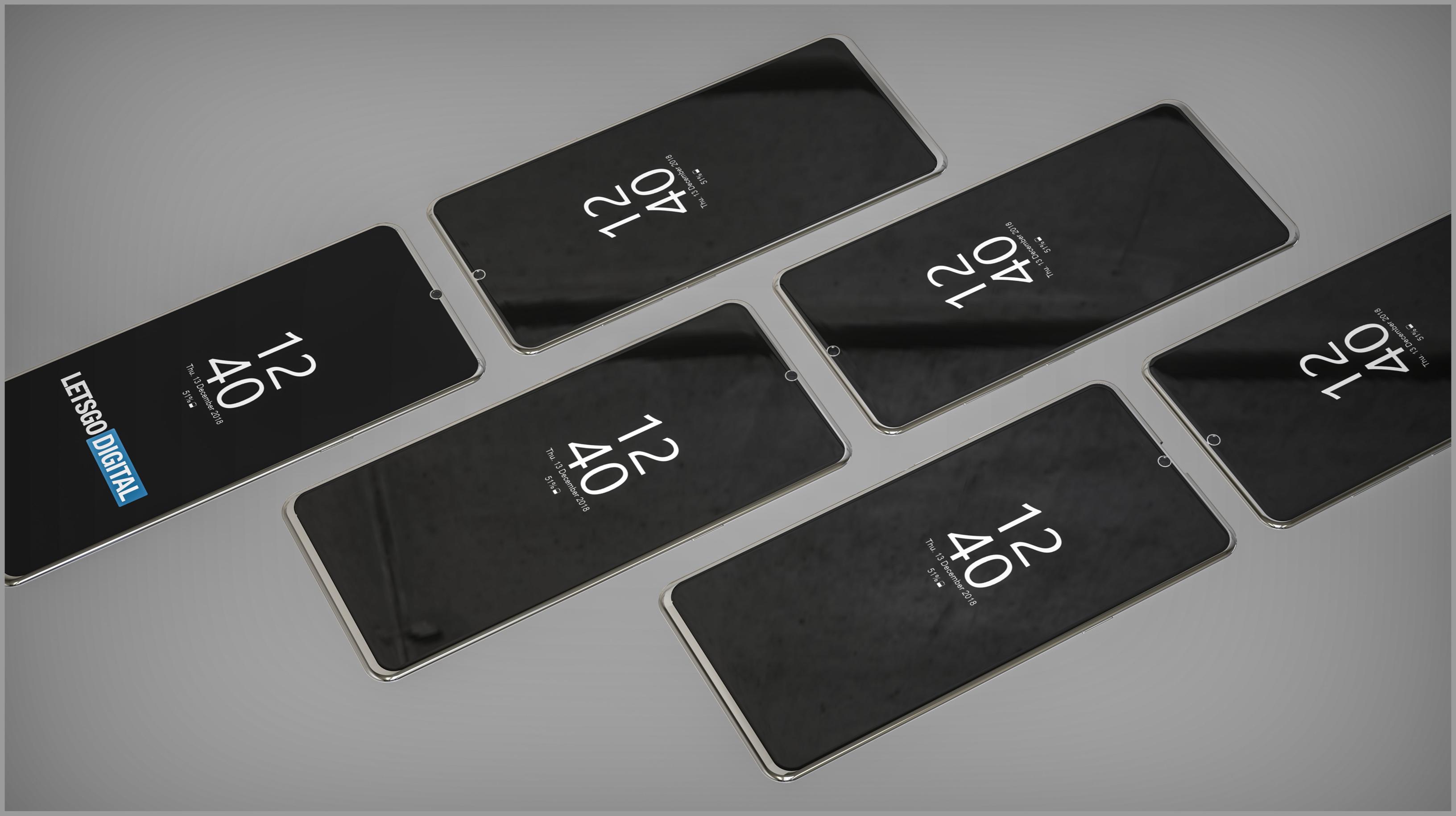
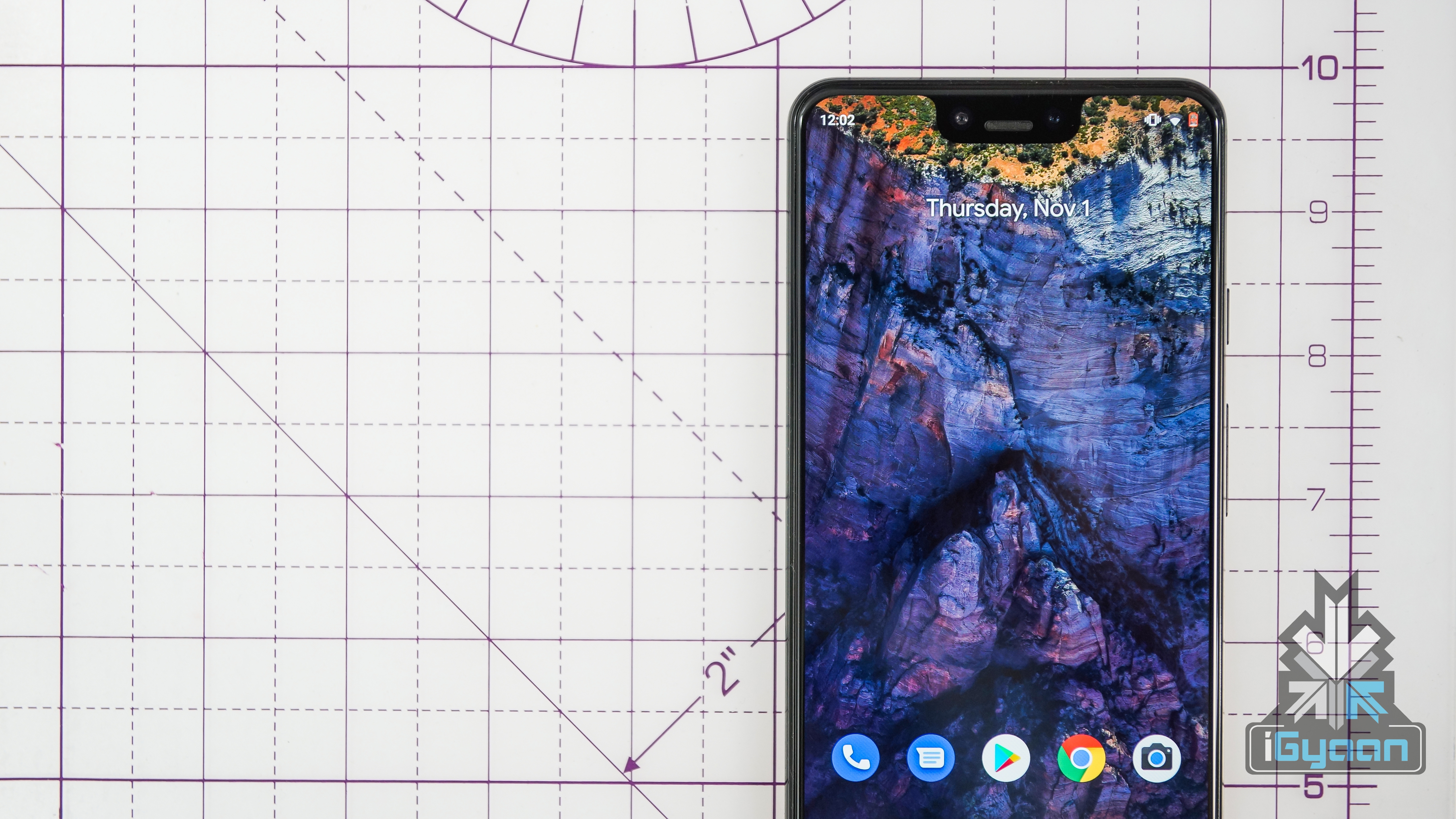
    Samsung held a developers conference last month where they showcased a variety of display notch designs. The designs included an Infinity-O, Infinity-U, and Infinity-V display notch designs. On December 10, Samsung launched the Galaxy A8s smartphone which has an Infinity-O display. The smartphone has a lateral cutout in the display for the front-facing selfie camera. Samsung has also filed patents for six other notch designs. The new patents seem to be a combination of the Infinity-O and the Infinity-U display notch designs.

    New Notch Designs 

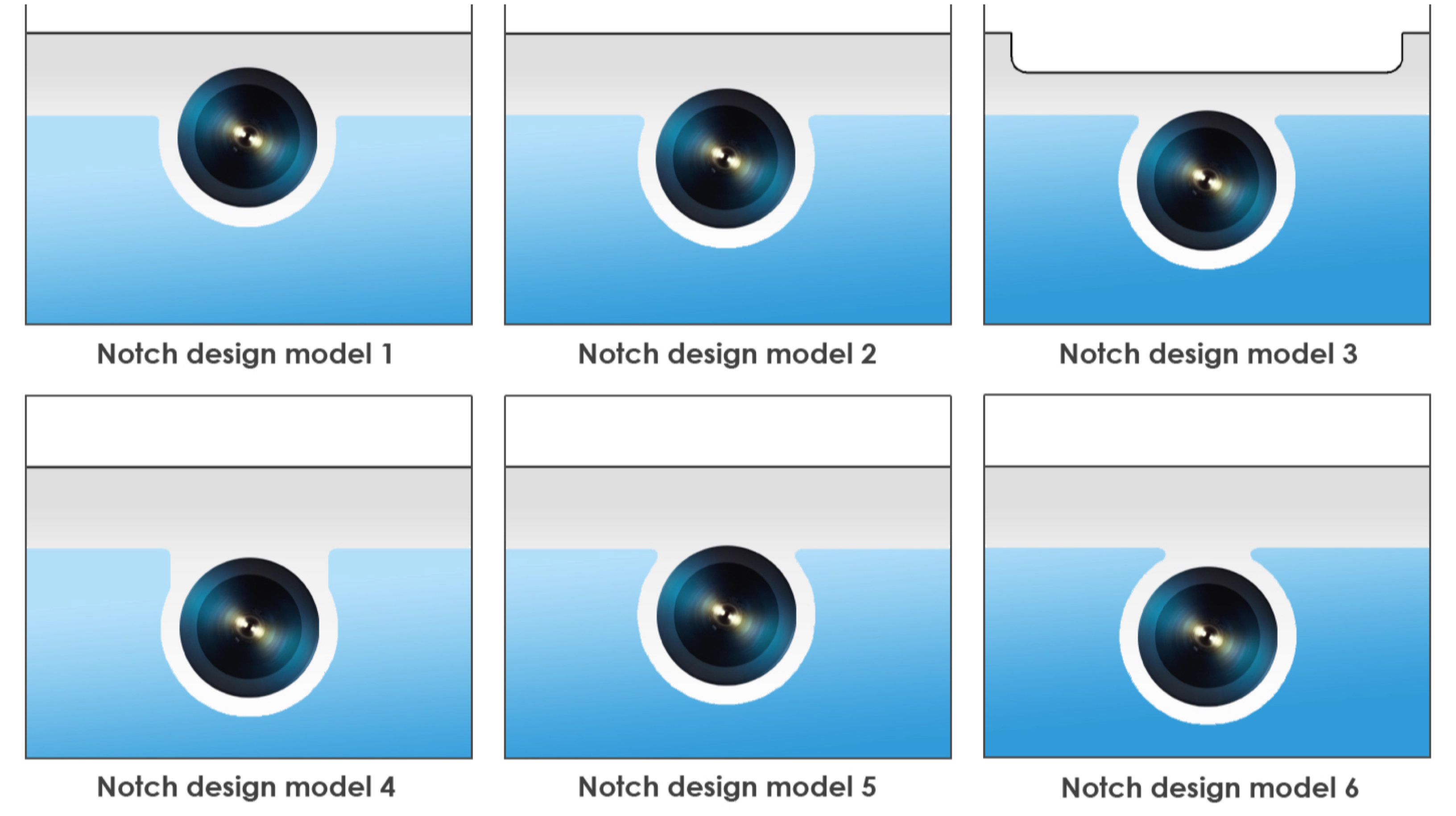
    Samsung filed the patents for six new notch designs to the KIPO (Korean Intellectual Property Office) which were granted on 10 December 2018. According to the patents, the height of the notch varies as per different models. Out of the six designs, the notch in four patents is placed below the bezel. While two patents reveal notches that are partly integrated into the bezel. The patent number 3 in this list has a “U” shaped cutout above the top bezel. Although its purpose is unclear as of now, it might be used to attach an accessor or this could be the earpiece of the phone. Certainly, these patents are of less importance to the end customer, it provides vital insight into the design language what future smartphones will look like.

    Also Read: MediaTek launches Helio P90 SoC With APU 2.0

    The first Samsung smartphones with the Infinity-U and the Infinity-V display will launch in 2019. In the future, the notch can evolve into something like the ones on these patents. According to the source manufacturing smartphones with these types of notch designs are comparatively cheaper. Therefore, these notch designs are likely to be seen on midrange and budget smartphones. Samsung is not only gearing up to adopt the notch but they are also planning to bring them to the mass market.

  • Nike Made 3D Printed Shoes That Can Be Customised To Perfection

    Nike Made 3D Printed Shoes That Can Be Customised To Perfection

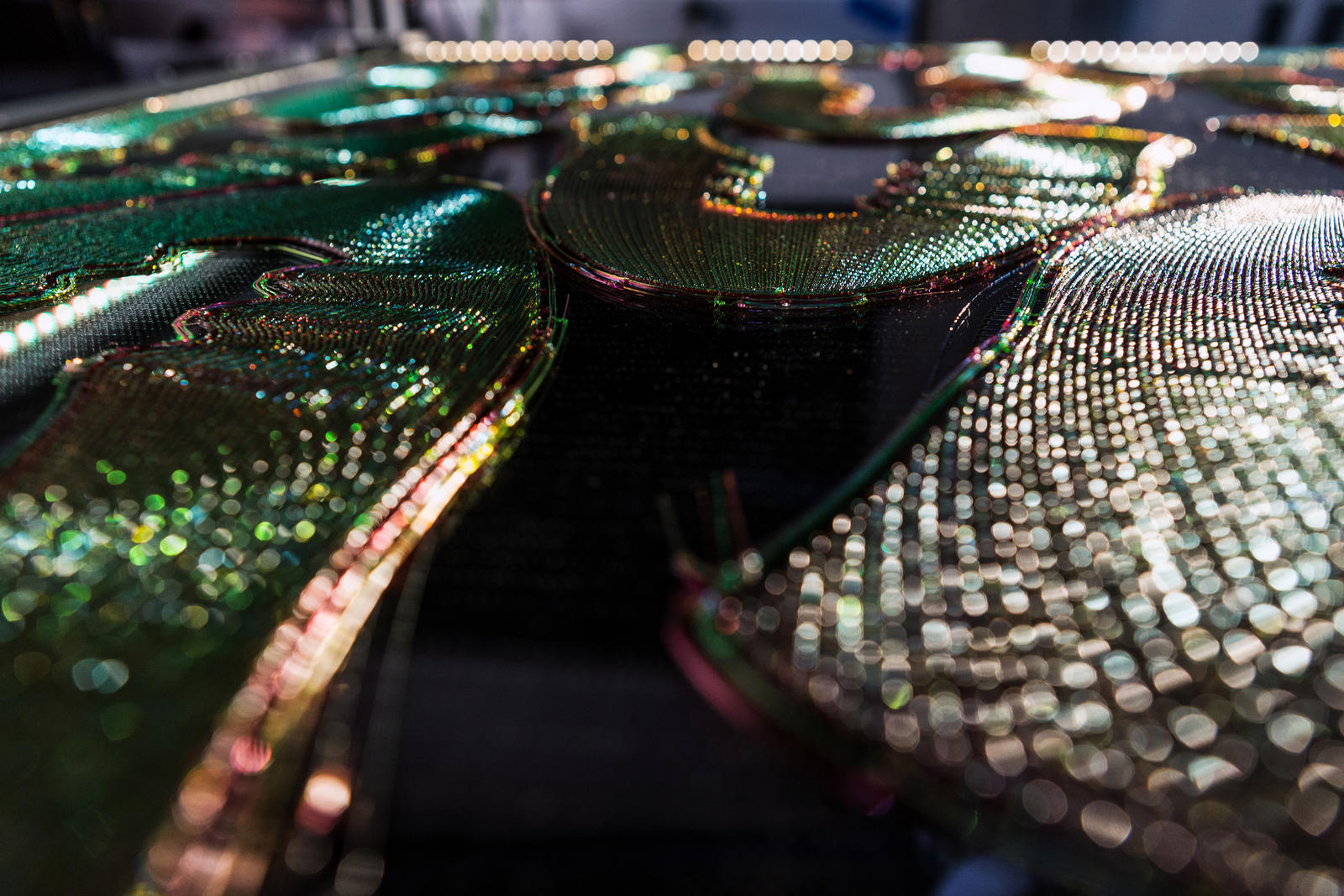
    Nike has just introduced a very significant product in the timeline of “shoes.” The American shoemaker has unveiled the first-ever 3D printed shoes, the Nike Flyprint. It is the first 3D-printed textile upper in performance footwear. What this basically means is that the entire shoe is not 3D printed, in fact, it is the upper material that is not woven or mass produced, it is 3D printed.

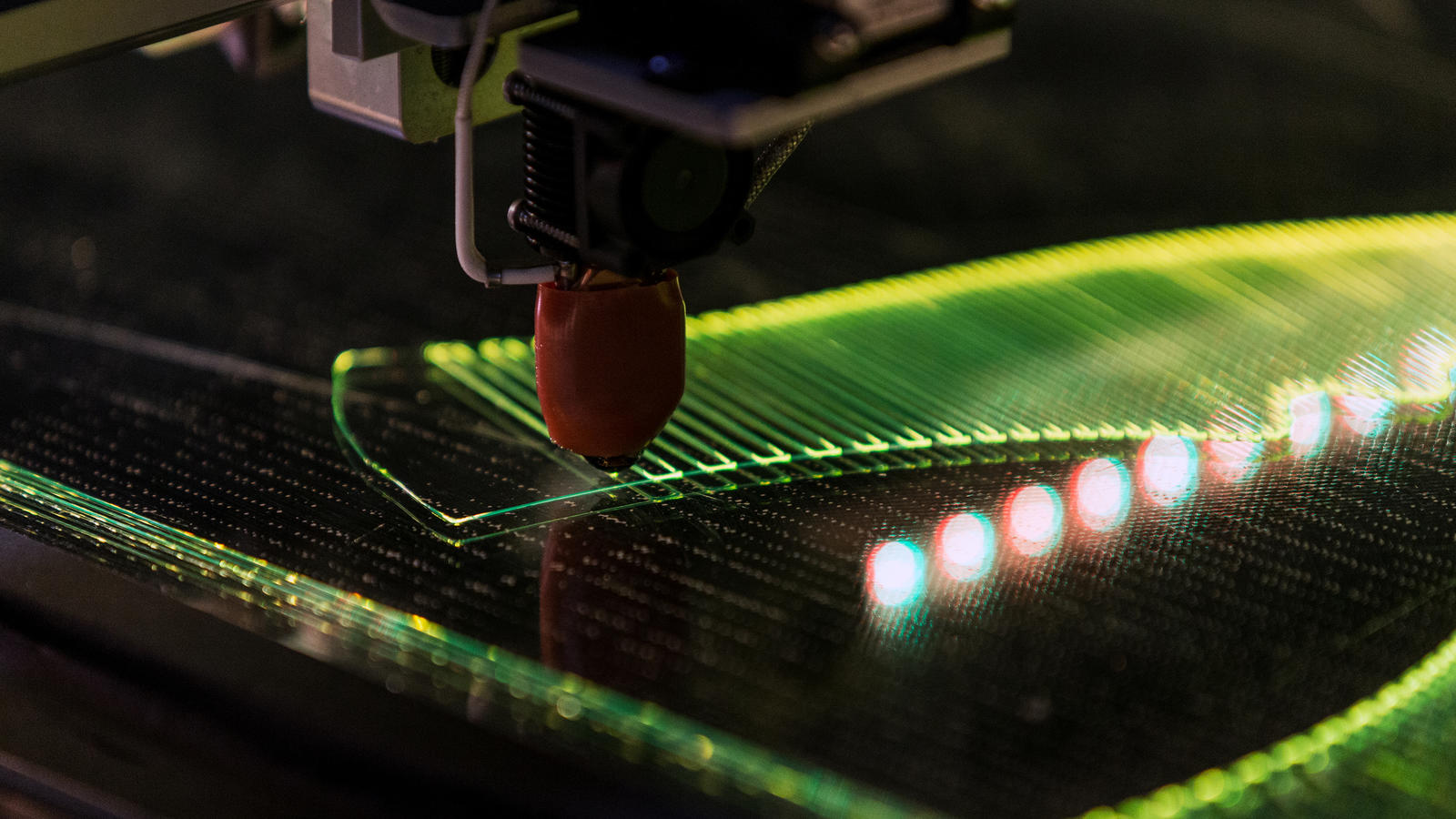
    The Nike Flyprint are produced through solid deposit modeling (SDM), a process whereby a TPU filament is unwound from a coil, melted and laid down in layers. While the process of 3D printing objects is not new, it is Nike’s implementation in this case that is interesting. According to Nike, the Flyprint method allows designers to translate athlete data into new textile geometries. In a nutshell, this means that all the data of an athlete that can be collected is used to customised accordingly for that athlete to ensure even better performance, from the shoes at least.

    Interestingly, the first step in making the Nike Flywear is collecting the data of the particular athlete. Once all the tangible data is collated using computational design tools, it is then studied thoroughly to affirm the ideal composition of the material that will be used. The fascinating aspect of this process is the uniqueness of every resulting product. We all know that athletes wear customised shoes but, with Nike Flywear, that customisation happens down to the last thread used in the upper of every shoe.

    One interesting benefit of 3D textiles over traditional 2D fabrics is the increased dynamism by adding an interconnection beyond a warp and weft. For example, whereas in a knit or woven textile there is frictional resistance between the interlaced yarns, in a printed textile, due to its fused intersections, there is greater potential for precision-tuned containment. This also results in lighter and more breathable uppers than any other previous Nike textile.

    As evident from the process and result of the Nike Flywear, these are tailor-made for athletes. Nike has announced that the Nike Flywear was created for Eluid Kipchoge, a Kenyan long-distance runner.

  • IIT Delhi Wants To Solve the Irrigation Problem For Indian Farmers

    IIT Delhi Wants To Solve the Irrigation Problem For Indian Farmers

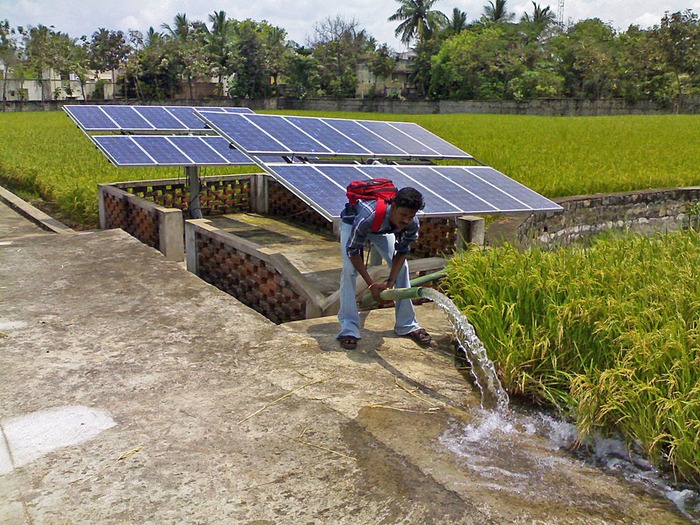
    India being an agrarian economy, is largely dependent on farmers, the seasonal monsoon and a reliable irrigation system. In a country where power cuts are in abundance and money is scarce, being able to get a proper irrigation system going is a real challenge. Taking the present scenario in account, the farmers face multiple challenges to simply irrigate the fields. Apart from the endless power cuts and the cost of fuel, other factors like the safety, sustainability and durability of the irrigation system are extremely questionable.

    Farmers currently resort to a device called “Jugaad pump” for irrigating the fields.This irrigation system is powered by a functional motor bike and is used for extracting water from open channels and ponds to deliver water for irrigation. While this “Juggad” works for some time, the bike run pump is not the ultimate and long term solution. A team of researchers from IIT Delhi has decided to build a solution which is sustainable and durable.

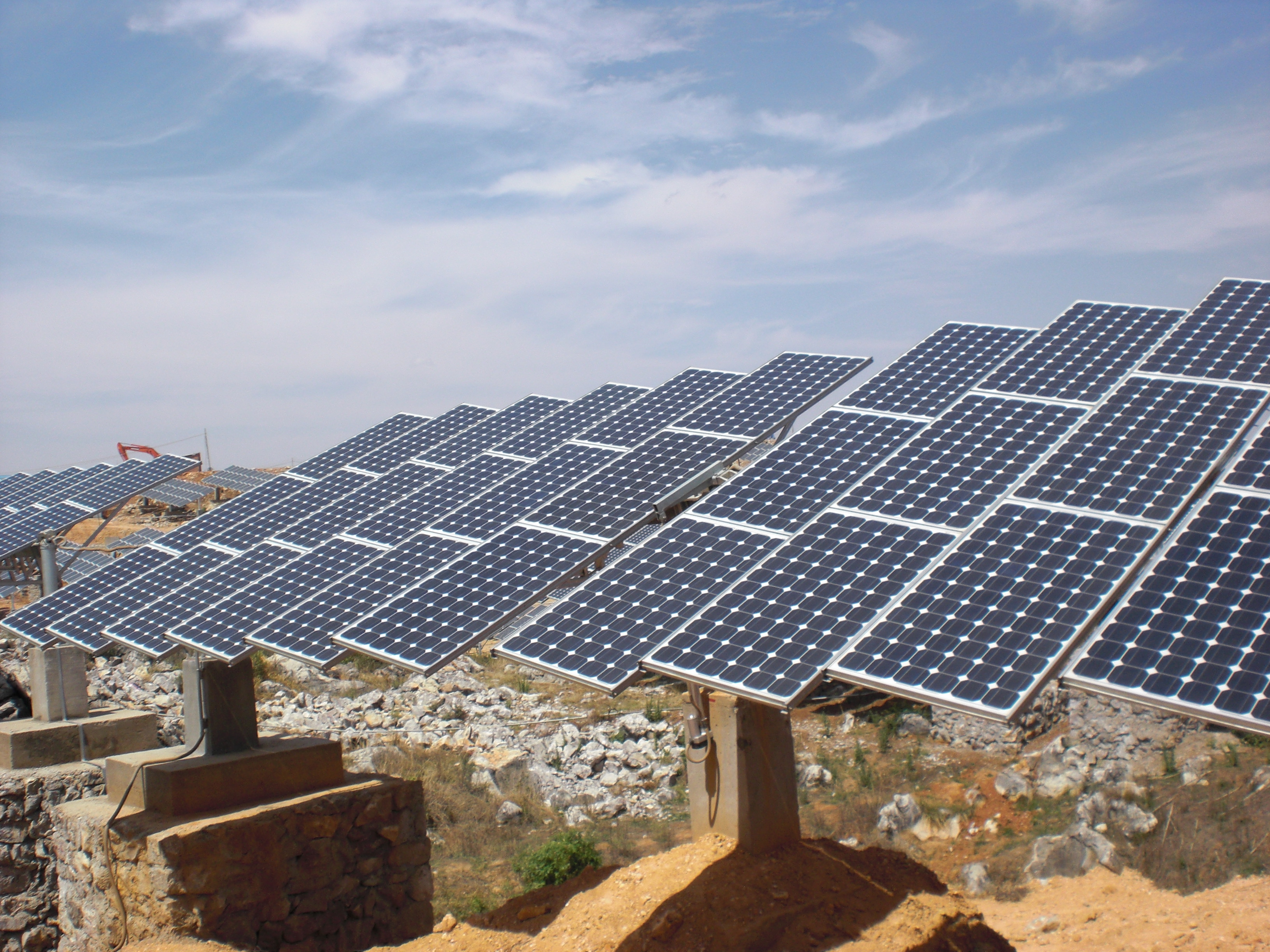
    IIT Delhi researchers are designing solar pumps and invertors that are cost effective and energy saving. The project which is in partnership with industry partner Shakti Pumps Limited, will boost the productivity of the farmers and has received a massive funding of Rs 1.12 crore. The IIT Delhi research team includes Prof. Bhim Singh (Principal Investigator) and research scholars Utkarsh Sharma, Aryadip Sen, Md Kashif, Rashmi Rai, Hina Parveen, Yalavarthi Amarnath.

    The research is carried out as a part of the project titled – Design and Development of Solar PV Based Super Efficient Agricultural Pumps and Hybrid Multidimensional Inverters- and falls under the Uchhatar Avishkar Yojana of the Ministry of Human Resource Development (MHRD).

    The project is based on decreasing the irrigation cost, or the cost of the energy (electricity or diesel) to drive the water pumps in remote areas where electricity is not yet available. The current irrigation cost in remote areas is upto 30% of the total input cost incurred by a farmer. This cost can be drastically reduced by solar powered water pumps.

    The solar pumps will incur one time installation cost and expected battery maintenance cost approximately every two years. The pump will convert solar energy into electricity and employ Direct Current (DC) as opposed to the Alternating Current (AC) which is being currently used by most farmers. A DC powered battery is more efficient and durable and will keep the solar powered pump working for a longer period.

    Project investigator Prof Bhim Singh says, “Besides development of super-efficient pumps we aim to design solar water pump with suitable motor considerations and variable frequency operation. We will subsequently be designing and developing the on grid/off grid hybrid inverter,”

    Professor further states that the project is aimed at design and development of the industrial products under three verticals. The team will also develop cost efficient inverters running on solar power which can be used to light up the household and feed the electrical grid. The final deliverables would include new technology in electrical drives fed from solar power, novel motor and pump design along with the hybrid inverter design.

    This project can help improve the lives of millions by making solar powered technology available at an affordable cost. But the maintenance cost after approximately every two years may make the farmers stick to their traditional method. A one time installation of the solar pump is expected to be expensive as well which may dissuade farmers not willing to incur the installation and the additional maintenance cost.

  • Apple Working On a Siri Activated Wireless Charging Dock

    Apple Working On a Siri Activated Wireless Charging Dock

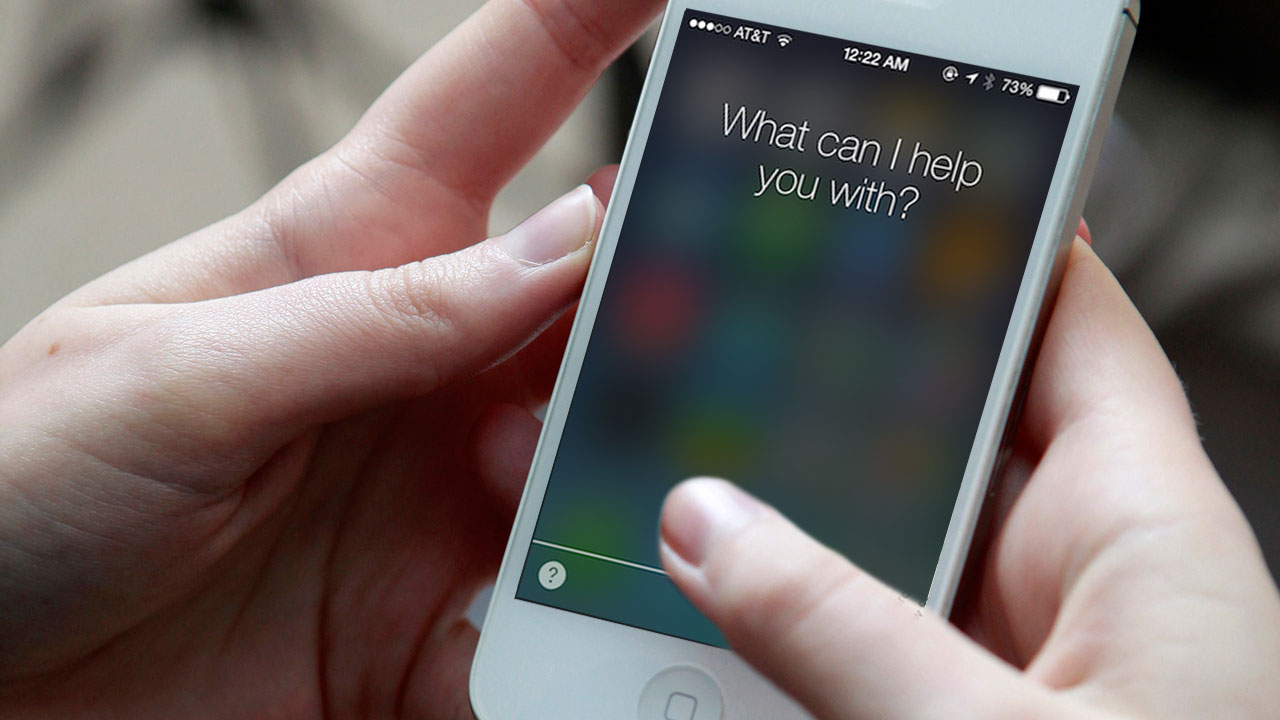
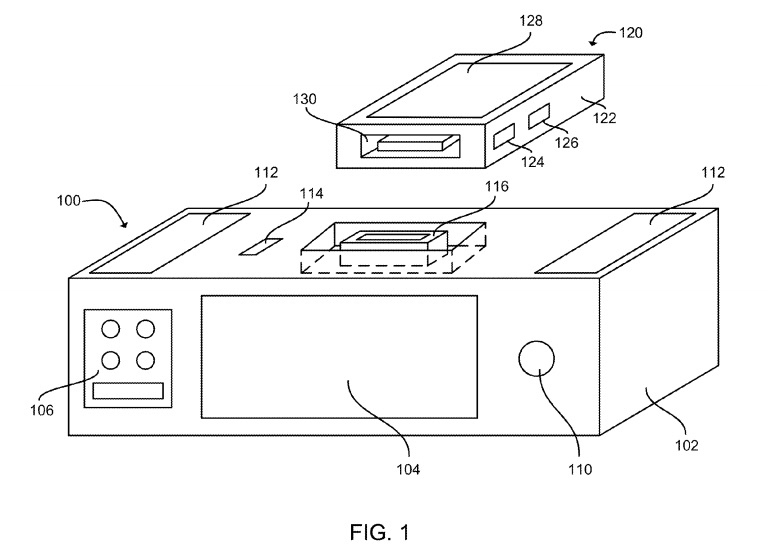
    The rumours about Apple bringing wireless charging to its iPhone 8 lineup have been innumerous. Given its membership in the wireless power consortium, Apple is likely to depend upon the Qi inductive standard for its rumoured new feature. For a feature like wireless charging, the company will most likely have to come up with a pad- like device, may be like a -Siri powered wireless charging dock. And considering that Apple has recently been granted a new patent which states, “Smart dock for activating a voice recognition mode of a portable electronic device,” the company might just roll out a Siri powered dock sometime in the future.

    The patent describes a device that could serve as a dock  for “a portable electronic device”, an iPhone outfitted with microphones for voice commands, allowing the users to access the phone from a distance, processors and wireless charging. The microphone installation in dock indicates it being powered by Siri. Further, the patent also states multiple ways of powering the iPhone which includes wireless charging, docks that range from basic microphone and speaker integrated connectors to mini computers with displays.

    Filed back in 2012, the patent defines Siri integration in the dock as “a voice recognition mode of the portable electronic device,” than a built in feature but considering the upcoming trends in the tech world, Apple might infuse Siri directly in the dock. The filing date of the patent also suggests that Apple might have been working on the idea for a while.

    Amidst all the ongoing rumours and announcements, the $349 HomePod, one of the upcoming Apple product is also expected to hit the stores in December. The Siri supported speaker is rumoured to serious contender against the Amazon Echo and Google Home. As to when the Siri powered wireless charging will be announced or if it ever will be, its all upto Apple. Amongst all the speculation, we still can’t claim it for sure until Apple officially announces the rumoured Siri connected dock.

  • Code Like a Pro With BitBucket Git Solution

    Code Like a Pro With BitBucket Git Solution

    Coding is becoming the quintessential millennial language, and with many new startups and entrepreneurs drifting towards a digital business strategy, writing a great code is not the only requisite. What if you could get a secure place to share and collaborate on your code? What if you could streamline your code workflow, storing revisions and create repositories for download and future referencing? Well, Atlassian Bitbucket is one such solution.

    Bitbucket is designed for small businesses and startup code developers, who need an easy and safe environment to code for their business, without the need to set up high end and expensive infrastructure. Bitbucket is available in two different options. A Bitbucket Server which allows you to host your code on an owned independent server using the Bitbucket platform and manage your coding workflow with complete control, or a BitBucket Cloud which would allow for on the fly expansion and failsafes, without the need for deploying several servers.

    If you have a small business with 5 or less users, then BitBucket is completely free, with the ability to have unlimited public and private repositories. You can keep increasing the plan as you go ; US$ 10 for 10 users and upto US$ 200 for unlimited users a month. With the free plan, the usage and deployment of repositories is unlimited with no questions asked, as your teams grow you can increase the plan to suit your needs.

    JIRA and Bitbucket work with seamless integration and allow programers to evaluate details of branches, commits and pull requests right in the JIRA Cloud issues. Since the sync works with pull requests, the JIRA Cloud workflow issues are updated automatically while you continue to work on advancing your software’s code.

    If you are using GitHub importing your repositories into BitBucket is easily done from the dashboard. Admins can define access controls for users allowing better control for who has access to what part of the coding process.


    For safety of your work, a ability to setup Two-factor authentication (2FA) and Universal 2nd Factor (U2F) authentication, ensures a clean disturbance free and secure platform for your next billion dollar idea. BitBucket is used by over 9 lakh development teams world wide including developers for companies like Starbucks, Ford, Myntra.com and even payment systems like PayPal.com code and deploy using Bitbucket.

    If you have a brilliant team working on the next big code, the BigBucket platform may be a great place to start. Did we mention it is absolutely free? Click Here to know more. 

    Partner Post

  • OLO 3D Printer costs US$ 99, Uses Your Smartphone

    OLO 3D Printer costs US$ 99, Uses Your Smartphone

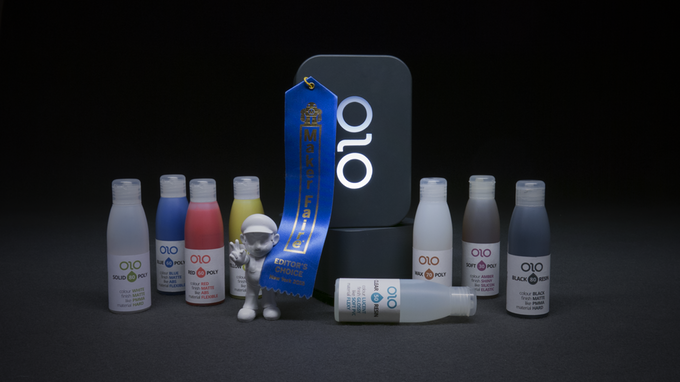
    With the 3D printing revolution taking the world by storm, a 3D printer has usually been a complicated piece of hardware costing thousands of dollars. But, with this new Kickstarted campaign, OLO 3D printer, which has gained almost a million dollars in funding is possibly the best example of a portable 3D printer.

    https://www.kickstarter.com/projects/olo3d/olo-the-first-ever-smartphone-3d-printer?ref=video

    Using the light from your smartphone as a curing agent for its many resins, the OLO works with nearly any brand, and they promise this translates to the bigger displays as well, such as those found on the iPhone 6S Plus or Galaxy S7 Edge. It’s also compatible with iOS, Android, and Windows. Consisting of a mere seven components and one engine, your smartphone is going to do most of the work for the OLO once you download an app that allows for files to be uploaded, managed online, and then sent for printing. The easy interface is also what makes this ‘first social printer’ on the market as users can share everything, and even send 3D prints as gifts.

    Check out the campaign here.

  • Meizu Pro 6 Concept Shows Off a Curved Screen

    Meizu Pro 6 Concept Shows Off a Curved Screen

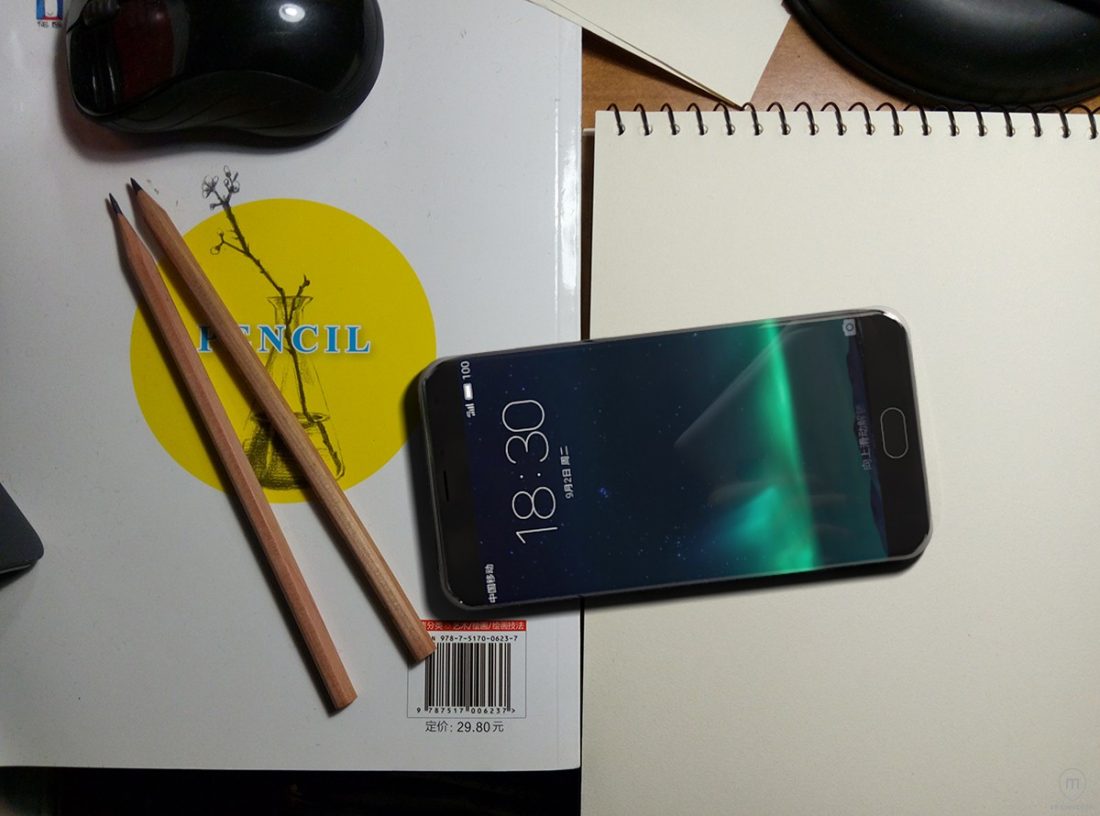
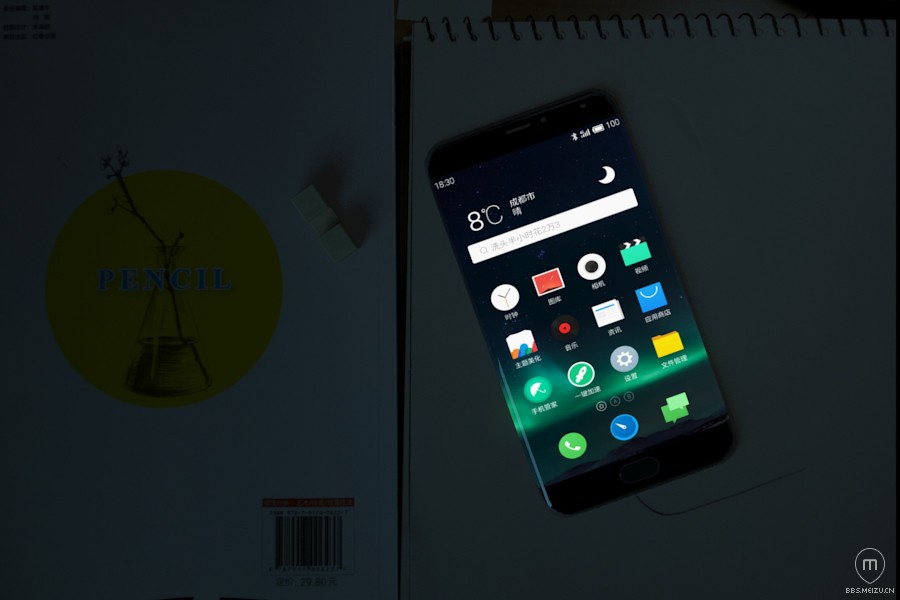
    If there’s one thing you’ve got credit Chinese smartphone makers it’s their ability to carve great looking devices. Meizu’s M2 Note, Pro 5 and MX5 are among the company’s most popular, and most loved phones. The MX5, in particular, had some mighty impressive specs including a 20MP Sony sensor and the handset pleased the eyes with slim bezels and a great screen to body ratio. Now, some concept renders of Meizu’s next offering have surfaced online.

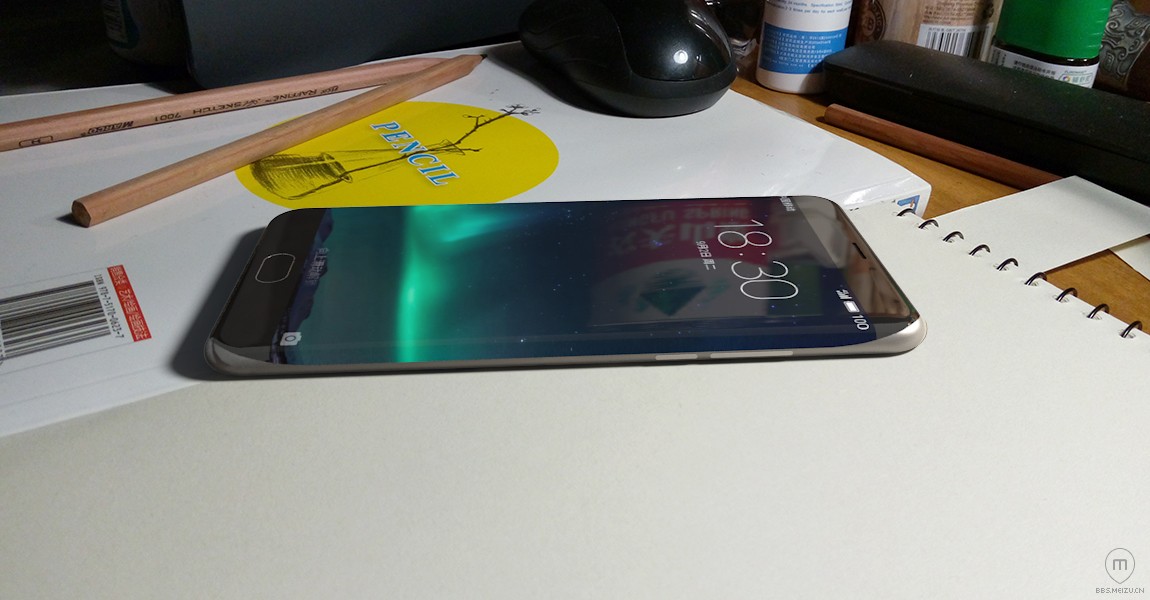
    Meizu-MX6-or-Pro-6-concept-renders-3

    Since Meizu has yet to confirm it’s next high-end device, the renders could either be of a MX6 or Pro 6 handset, but we’re leaning more towards the Pro 6. The upcoming MX6 handset is rumoured to pack MediaTek’s Helio X20 chipset with its deca-core CPU and Mali-T880 GPU. That’s right, if rumours are true, the Pro 6 will feature a cool 10-core processor that will likely shatter in multi-core performance in benchmark test (results of which you can expect as we approach closer to the launch of the device).

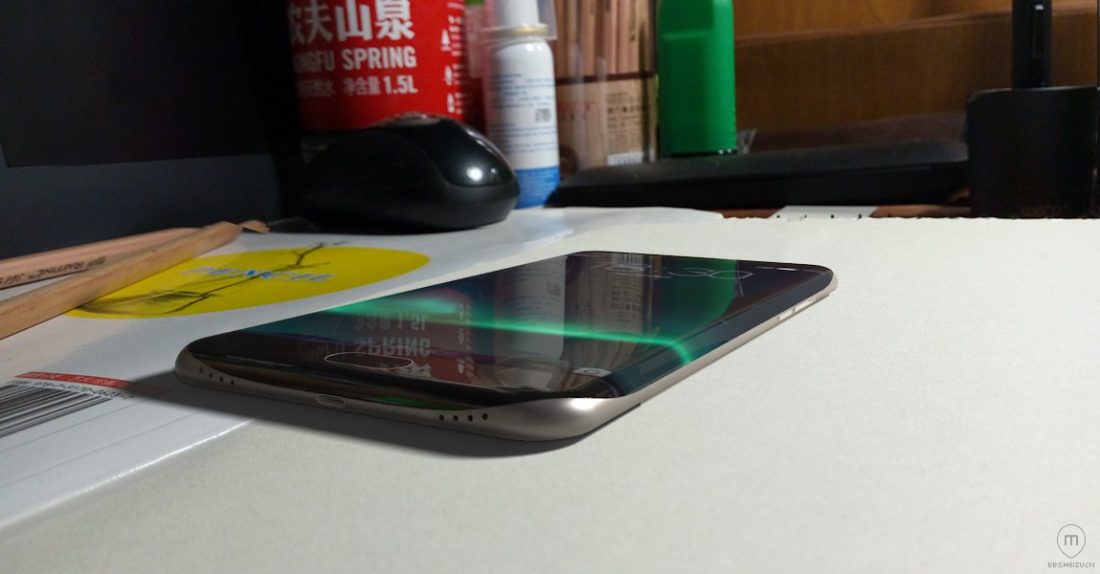
    But that’s not all that is being said about the Pro 6. Rumour has it that Meizu is developing it’s own version of Force Touch technology and the device will sport a curved edge design, much like Samsung’s Galaxy S7 Edge and Vivo XPlay 5. It is also being said that the display technology seen in the renders are flexible. Meizu is likely working with a POLED (Plastic OLED) screen for its upcoming handset. You’ll notice that the concept not only shows the display curving at the sides but also from the top and bottom. The phone’s corners are protected by a single piece of smooth aluminium.

    The concepts look like something Meizu can pull off. A curved edge design on a phone that could also look like an iPhone (as the Pro 5 did) could make for a smashing combination. Since we’re not sure whether the concepts are of an MX6 or Pro 6 handset, anything is possible as of now. The Pro 5 was a beautiful piece of machinery that, even though mimicked the iPhone, had managed to carve it’s own language, and top notch specs with that.

  • iPhone SE Concepts: Pick a Favorite

    iPhone SE Concepts: Pick a Favorite

    We’ve entered the month of March, which means we’re just three weeks away from the first Apple event of 2016. This event will see the unveiling of a 4-inch iPhone, called iPhone SE, and a 9.7-inch iPad Pro variant. When it comes to the iPhone SE, there have been a lot of rumours regarding the specifications.

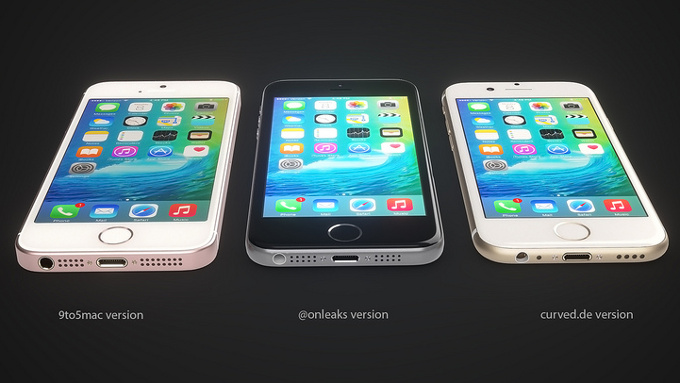
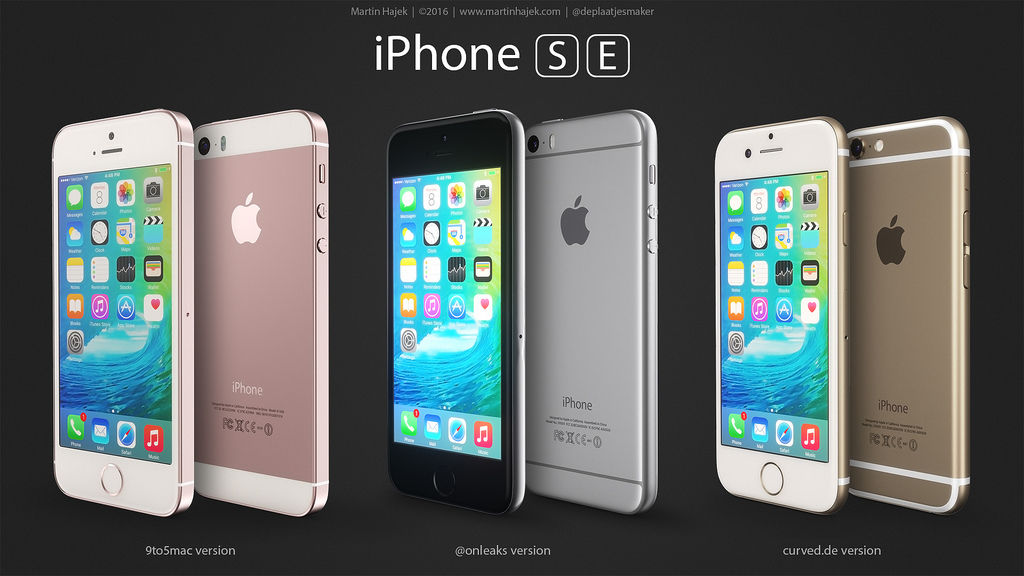
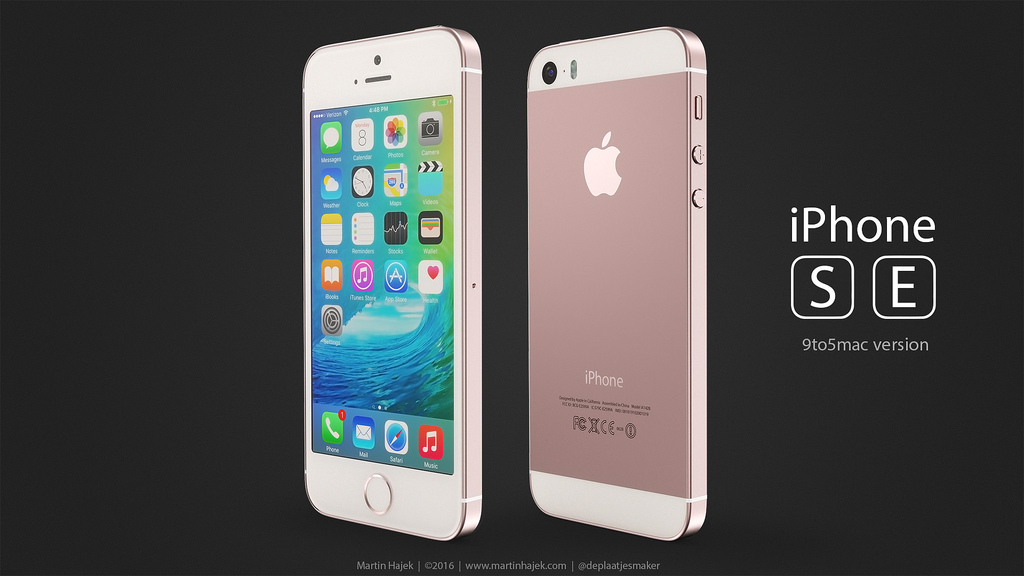
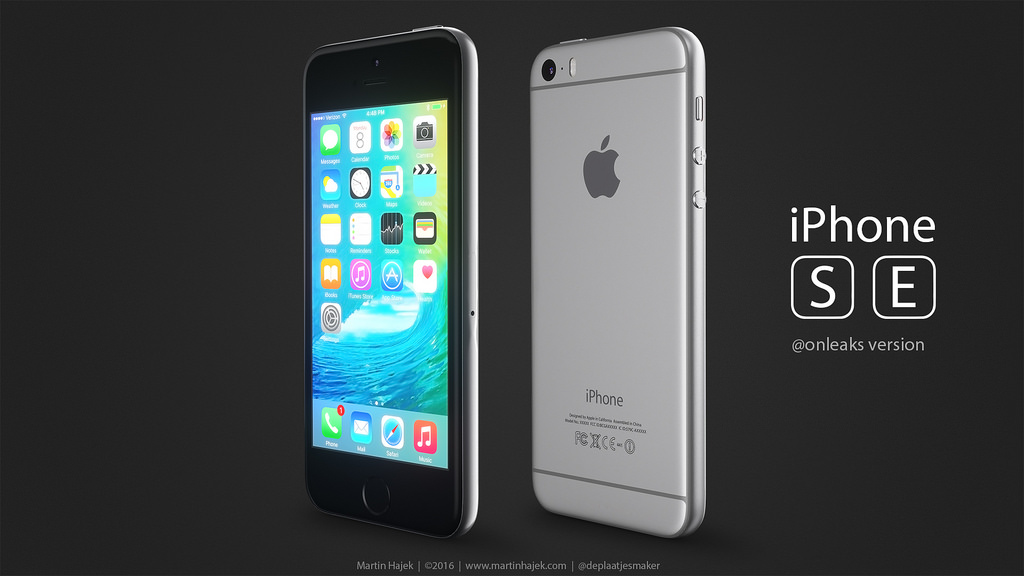
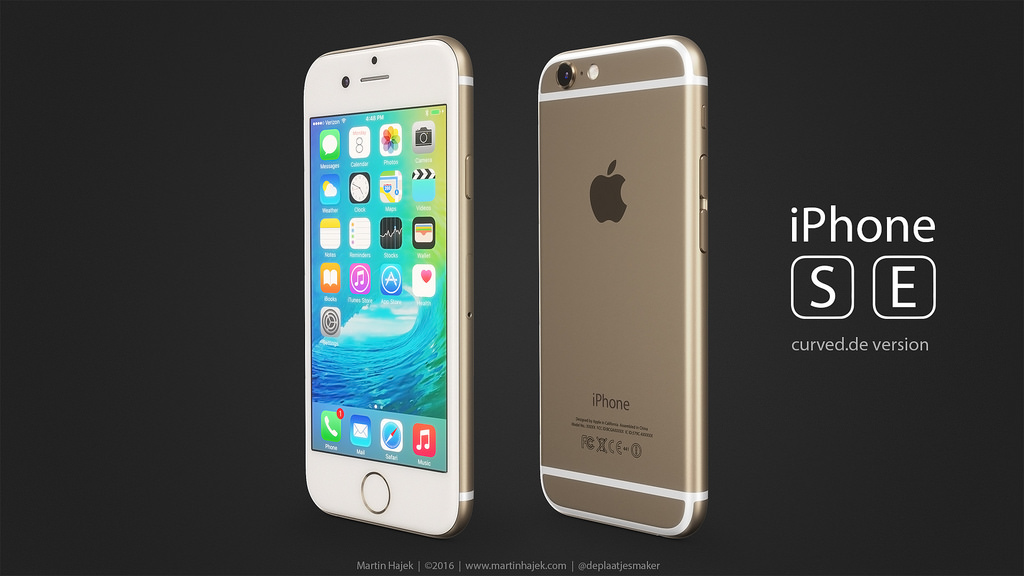
    Going by the flagship models and seeing as how the iPhone SE is aimed at a mid-range market, it becomes a little easier to make a few guesses at what the specifications can be. However, the design of the iPhone SE is shrouded in mystery and there have been a lot of renders and concepts that have emerged ever since talk about the 4-inch iPhone began. While some feel that the iPhone SE will look like the iPhone 5 lineup (since initially the 4-inch handset was called the iPhone 5se), others feel it’ll quite simply be a miniaturised version of the iPhone 6 and 6s.  Whatever may be the case, it is likely that the design of the iPhone SE will look like any one of these most likely contestants below.

    iPhone SE Concept

    These concepts are among the likeliest design language that the upcoming 4-inch iPhone could take after. The 9to5mac version shows a flat edged design, much like the iPhone 5 family while the other two show a curved edge design as the current generation of iPhones. A 4-inch iPhone that brings back the iPhone 5 design language would please Apple fans a lot and would bring back some favour as well. After all, The iPhone 5 series has been one of Apple’s most successful iPhones lineup, and the Cupertino giant could do well in reincarnating it with the iPhone SE.

    Popular Apple insider Ming-Chi Kuo expects the iPhone SE to feature a 12MP rear camera rather than an 8MP module as earlier expected. Kuo also added that the handset will fall between $400 to $500 and will be available in two variants – one with 16GB of internal storage and the other with 64GB. Lastly, the iPhone SE will pack a 1642mAh battery, and will be equipped with Bluetooth 4.2 and  Wi-Fi 802.11ac. The iPhone SE along with the 9.7-inch iPad Pro will be unveiled at an event on March 22.

    Source

  • Mattel’s New ThinkMaker 3D Printer lets you Create your own Toys

    Mattel’s New ThinkMaker 3D Printer lets you Create your own Toys

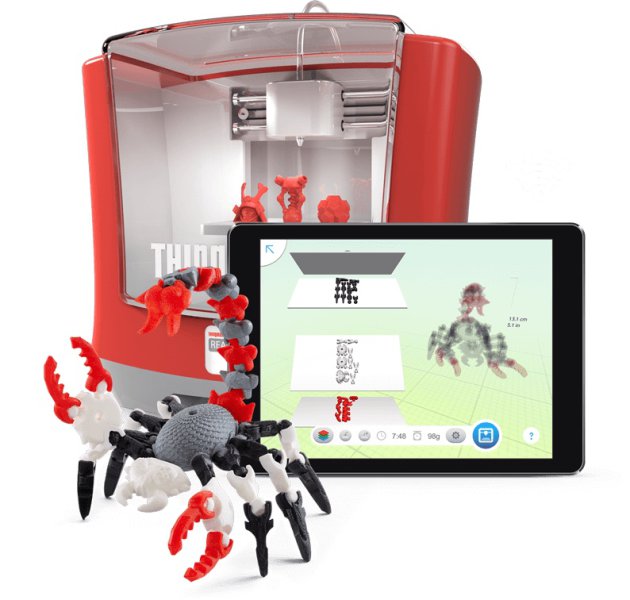
    At the recent New York Toy Fair, Mattel unveiled the ThinkMaker, a ’70s toy maker that uses modern 3D printing technology. But the new ThinkMaker is a lot more than an ordinary toy maker that could mould bug-like creatures or Creepy Crawlers as they were popularly called.

    The new 3D Printing ThingMaker can design complex objects like figurines, jewellery and accessories using the ThingMaker Design app, which Mattel developed together with Autodesk. The toy maker will start shipping this fall and comes at a very affordable price of $300.

    thingmaker+2

    There are so many reasons to love Mattel’s new ThinkMaker. At $300, the toy maker is not only cheap, but it can also train kids in 3D designing from an early age. It also engages the child’s creativity as it allows kids to use the ThinkMaker to create a variety of things. Kids will be able to design toys from scratch and the toys can be customised with different colours and textures.

    Instead of having to pour liquid plastic into toy moulds as was the case with Mattel’s original ThinkMaker back in 1960, the new ThinkMaker spits them out like any other 3D printer. And the fact that this is a 3D printer that is easy and safe to use makes it a great purchase for kids and adults alike.

  • Galaxy S7 Edge May Have a Batman vs Superman Edition

    Galaxy S7 Edge May Have a Batman vs Superman Edition

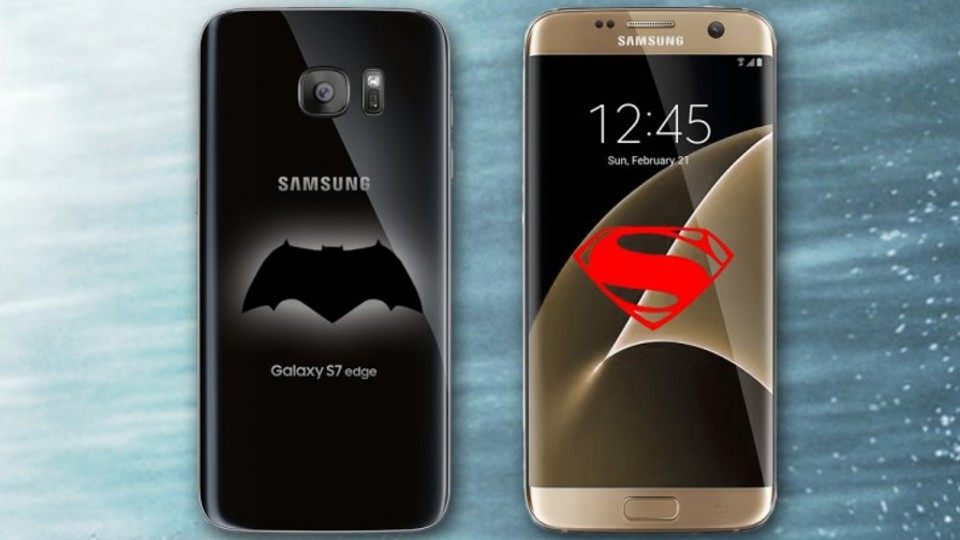
    Samsung Galaxy S7 devices are the one of the most anticipated smartphones of 2016, while Batman vs Superman is one of the most anticipated films of 2016. Put them both together and voila! Everyone is paying attention now.

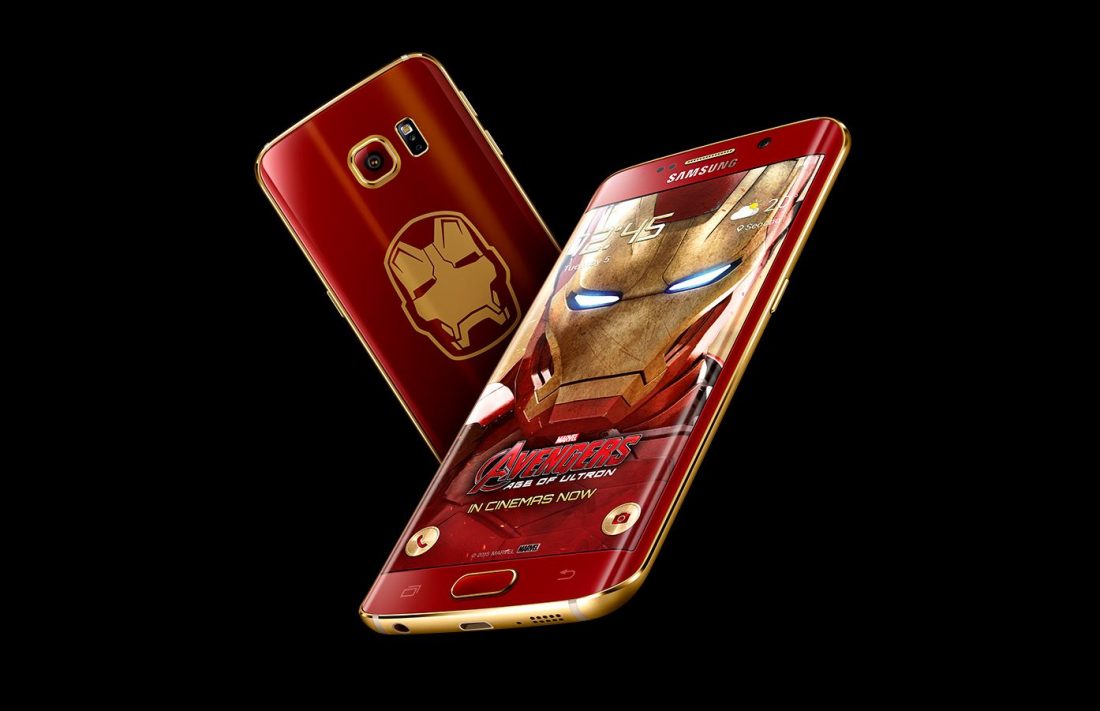
    A Korean publication, Naver reports that Samsung is likely to introduce a Batman vs Superman edition of the S7 Edge. If the source is to believed, it will arrive somewhere around March-April. This in turn means, its launch may or may not coincide with the launch of the standard S7 devices as well as the release of the film on March 25th.Iron Man Galaxy S6 Edge

    Last year Samsung had pulled a similar stunt by toying with the idea of making Avengers-inspired variants of Galaxy S6 Edge. Needless to say, this sent fans, both of the Marvel universe as well as of Samsung, into a frenzy. It was later in 2015, a little after the release of Galaxy S6 Edge, that Samsung came out with Iron Man Galaxy S6 Edge edition.

    Though the phone piqued everyone’s curitosity, it was made available only in selected Asian markets (only 1,000 units were made) and costed a fortune. Let’s see if a Batman vs Superman S7 Edge meets a similar fate and gives DC fans something to rejoice about this year. Fingers crossed.

    Source

  • iPhone 7 to Skip the Camera Hump and Antenna Band at the back

    iPhone 7 to Skip the Camera Hump and Antenna Band at the back

    Apple’s iPhone 7 isn’t expected to launch anytime before September but that does not mean we won’t get to know what it will be like before the launch date. In today’s dose of iPhone rumours, we bring to you news that will be music to most ears.

    According to latest reports, the iPhone 7 body will appear very similar to the design scheme used for the iPhone 6 and 6s, but with two very notable exceptions.

    iphone-6s-display-1200x737

    To start things off, Apple will do away with the slightly protruding camera module present on the iPhone 6 and 6s. On the iPhone 7, the camera is said to sit flush with the rear casing, enabled by a thinner camera module. Earlier we had reported that Apple was looking at new camera tech for what is expected to be a leaner iPhone 7.

    The second change that this latest report talks of is the removal of antenna bands at the rear of the handset. Antenna bands along the sides would still be present on the new iPhone.

    iPhone 7 is expected to come in two variants. The smaller iPhone 7 will come equipped with a 4.7 inch display, while the 7s will feature a beautiful 5.5 inch OLED diplay, with a full body speaker grill, and could even support Li-Fi. It is also expected to skip on the 3.5mm jack in favour of a system that will see audio accessories being connected to it via the lightning port.

  • Samsung Galaxy S7 Leaked Photos Reveal Back Design

    Samsung Galaxy S7 Leaked Photos Reveal Back Design

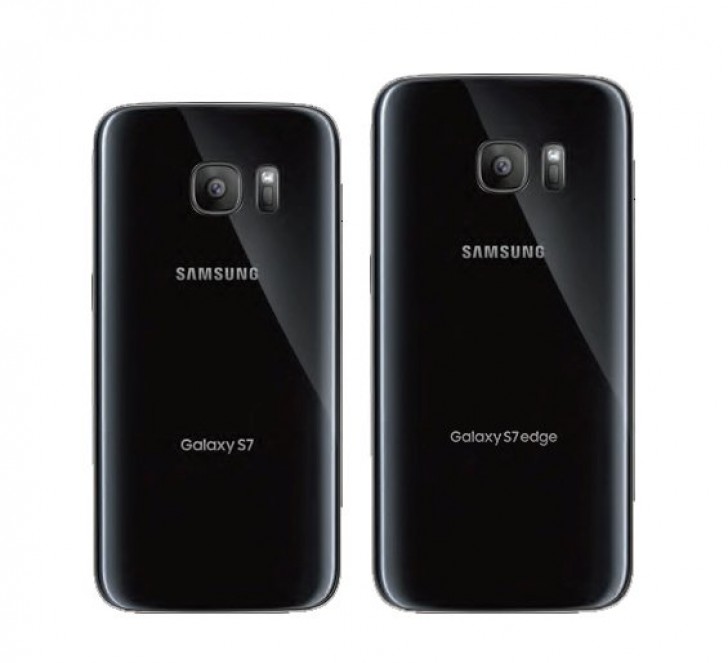
    Some more leaks regarding Samsung’s Galaxy S7 flagship devices are out to keep you satisfied for the day. While there have been many renders showing the front of the device, not much attention has been paid to the back. Well, popular leakster @evleaks has just revealed images of what could be the back of the Galaxy S7.

    Samsung Galaxy S7 Back

    From the images, it looks pretty certain that Samsung going by the Galaxy Note 5 design language, which we’re not complaining about as the Note 5 was a beautifully crafted device. The Galaxy S7 variants look like they will come with a glass back and curved towards the edges.
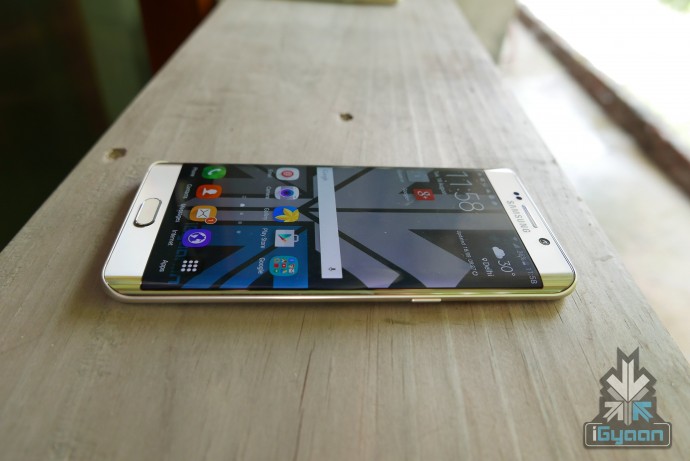
    Unconfirmed reports have suggested that the Galaxy S7 will come in four variants – Galaxy S7, Galaxy S7 Plus, Galaxy S7 Edge, and Galaxy S7 Edge Plus. All of the devices, including the 5.1-inch S7 will come with a curved back, while the ‘Edge’ variants will curve at the front.

    Other rumours include Exynos 8890 and Snapdragon 820 chipsets and a 12MP 1/2.0″ primary sensor. Samsung will hold is ‘Unpacked’ event on the 21st of February where it will unveil the flagship Galaxy S7.

  • Samsung Galaxy S7 to Have the Same Design as Galaxy S6

    Samsung Galaxy S7 to Have the Same Design as Galaxy S6

    Right ahead of the Mobile World Congress which kicks off, we have some more updates on the design of the Galaxy S7. If Evan Blass (@evleaks), who has been a reliable source for news in the past, is to be believed, the design of the Samsung flagship would be very similar to its predecessor, the S6.Galaxy S6 Edge + plus iGyaan 29

    He also confirmed that a microSD card slot for storage expansion would also be part of S7. The device will have an IP67 rating which makes it dust and water-resistant.

    As it had been reported for some time now, the S7 would come in two variants, the S7 Edge, and the flat screen S7. The curved screen Edge is expected to sport a Snapdragon processor with a 5.1-inch QHD screen along with 4 GB of RAM. The other model, the Galaxy S7 will come equipped with a Exynos processor. The devices are expected to be unveiled next month at the Samsung Unpacked event on the 21st of February. Watch this space for latest developments.

  • New Sony Xperia C6 Render Reveal Design Details

    New Sony Xperia C6 Render Reveal Design Details

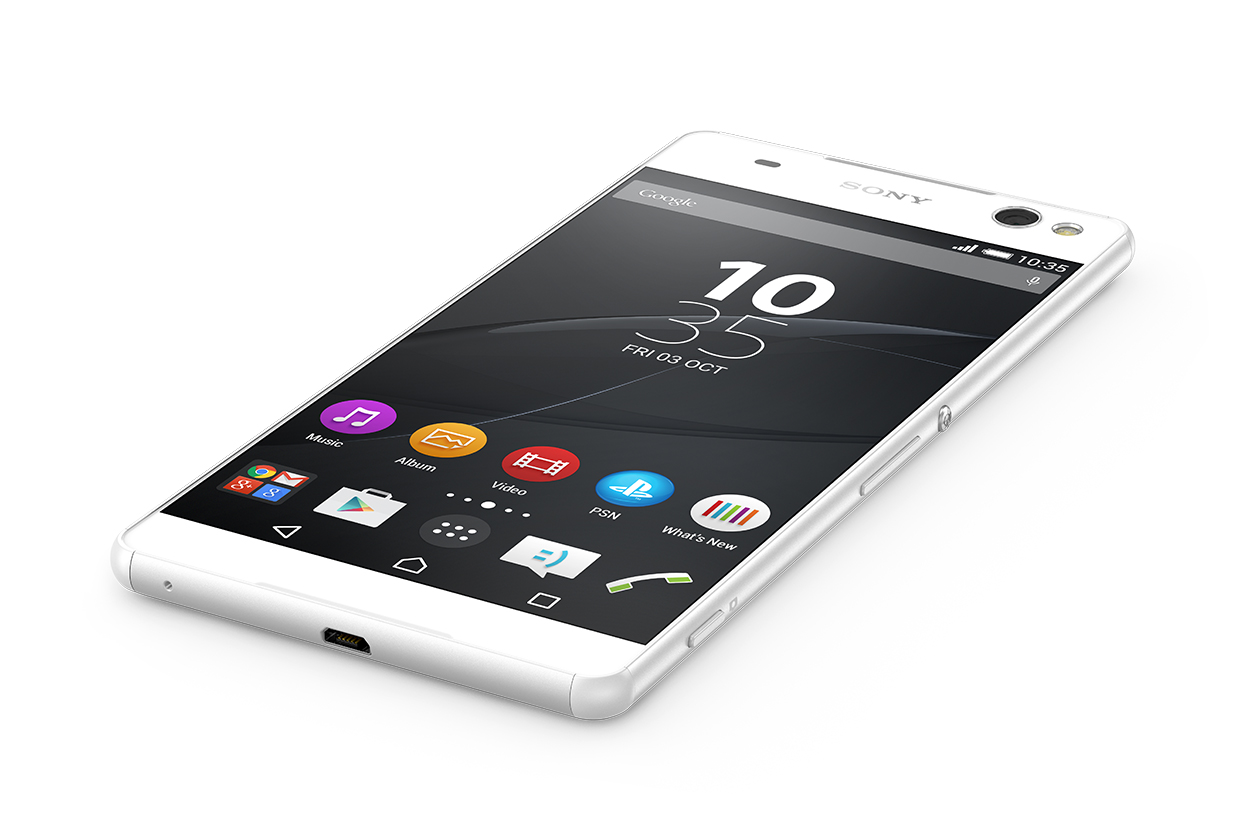
    Just ahead of the Mobile World Congress, rumours and renders and leaks are doing the rounds like there is no tomorrow. The latest update to be added in this list is of a bezel-less design for the Xperia C6. Sony Xperia C6 Renders

    Sony will hold a press conference at the MWC where it would announce new devices, Xperia C6 will be one of them. @OnLeaks have come up with a new render of the device based on its factory schematics. Xperia C6, with its bezel-less display, seems inspired by an older mid-range Sony device, Sony Xperia C5 Ultra, another device which has a near-bezel-less display.

    The device is expected to be powered by an octa-core MediaTek Helio P10 processor. Many believe that Sony is pretty much committing commercial hara-kiri by opting for MediaTek Helios P line. Sure they have low TDP, and Snapdragon 800 is a more expensive series but it’s definitely more reliable.
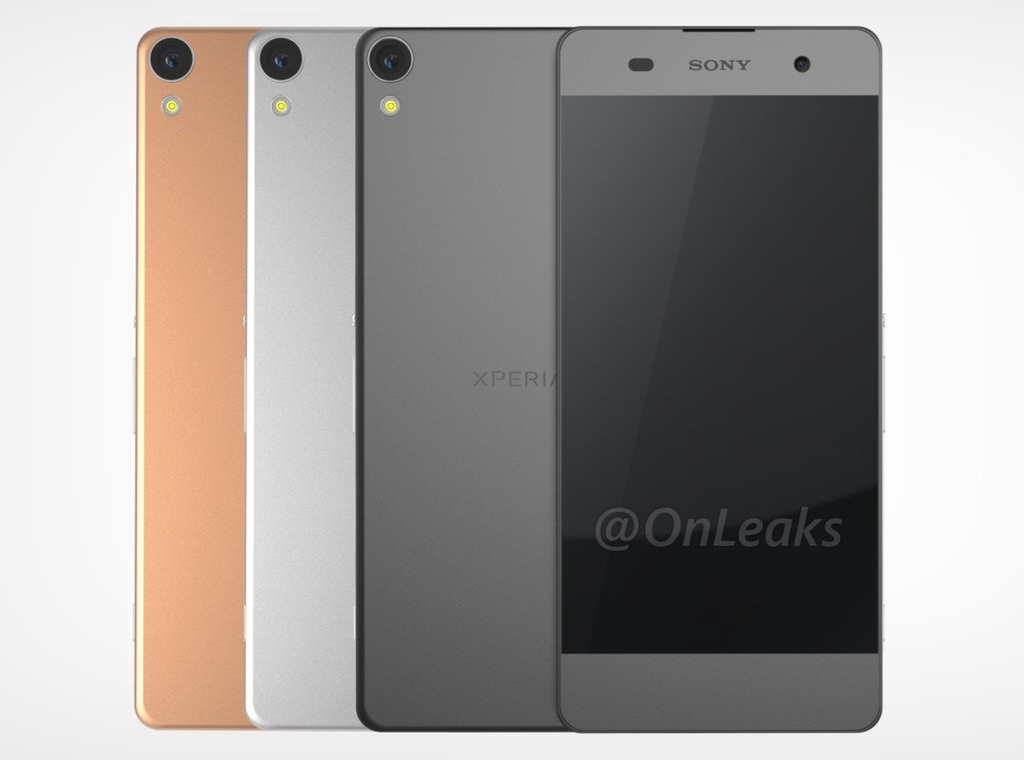
    Coming back to the design of C6, the render also suggests three colour variants. This is all the dope we have on the new Sony device. Watch this space for more.

iGyaan Network
Privacy Overview

This website uses cookies so that we can provide you with the best user experience possible. Cookie information is stored in your browser and performs functions such as recognising you when you return to our website and helping our team to understand which sections of the website you find most interesting and useful.