Smartphone News and Reviews, Latest Cellphones, Accessories, New Launches, Specifications, Details with Image and Video from Apple, Samsung, Lenovo, Moto, HTC, Xiaomi, Oneplus, Meizu, Sony, Lava, Micromax Yu Mobile and More.
Lenovo-owned company Motorola is looking to re-establish its footing in the smartphone market. Lately, the company has shown signs of shifting from flagship devices to midrange and budget smartphones. The company’s latest offering was the Moto Z4, which features the Snapdragon 675 SoC and had support for Moto mods. Motorola’s upcoming budget smartphone, the Moto E6 Plus was spotted on Geekbench, and it revealed some key specifications of the device.
Moto E6 Plus Specifications And Features
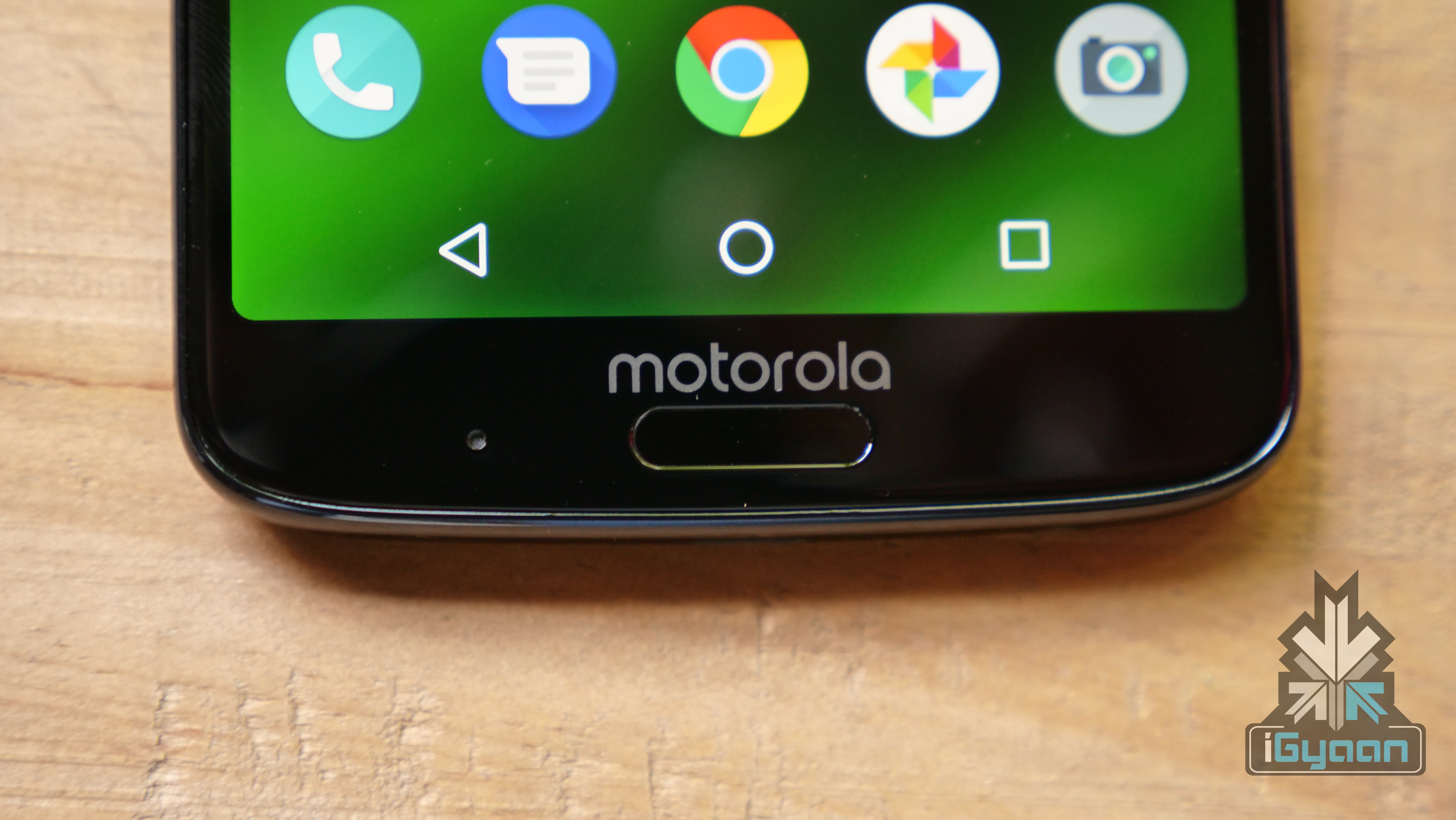
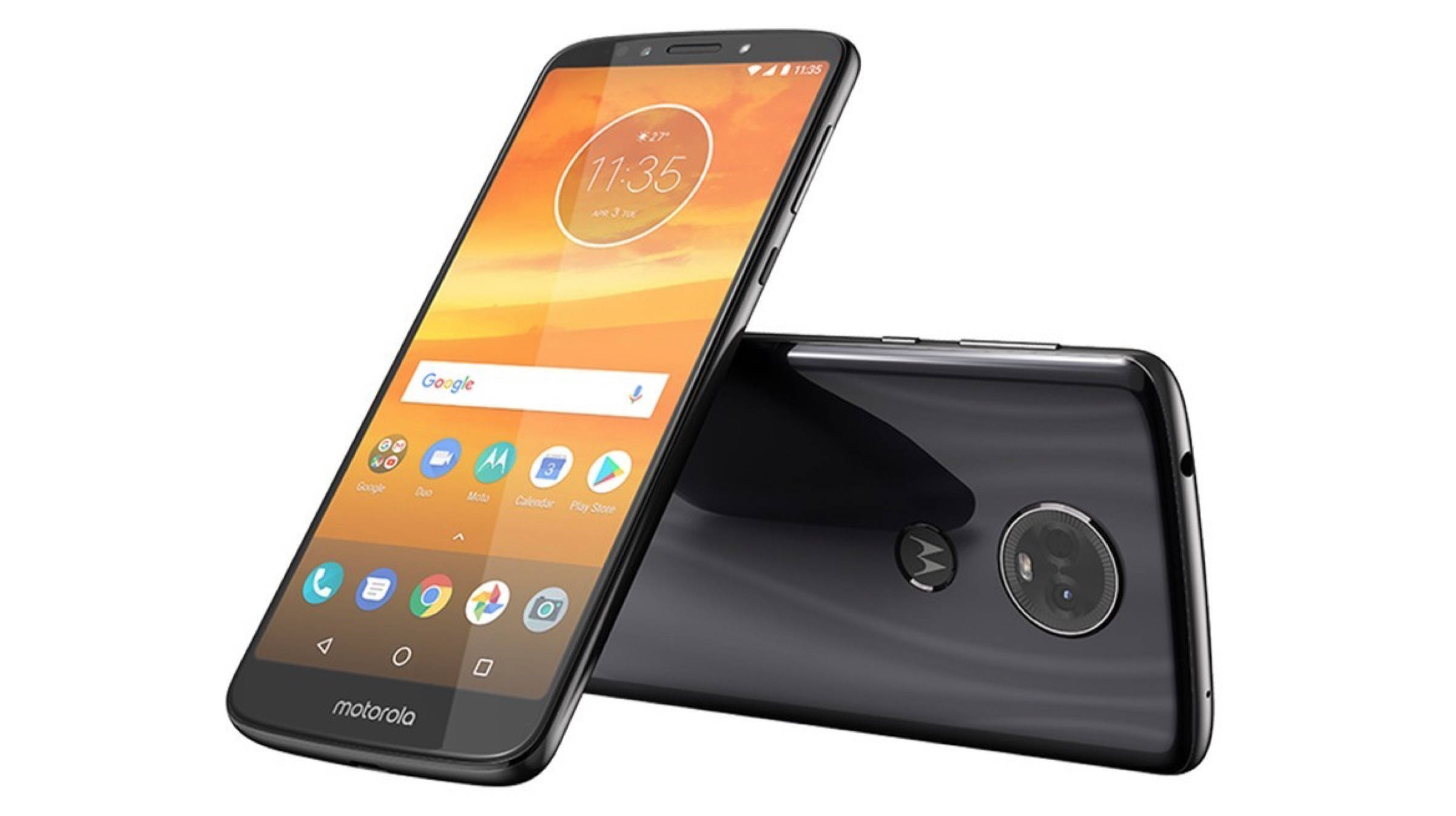
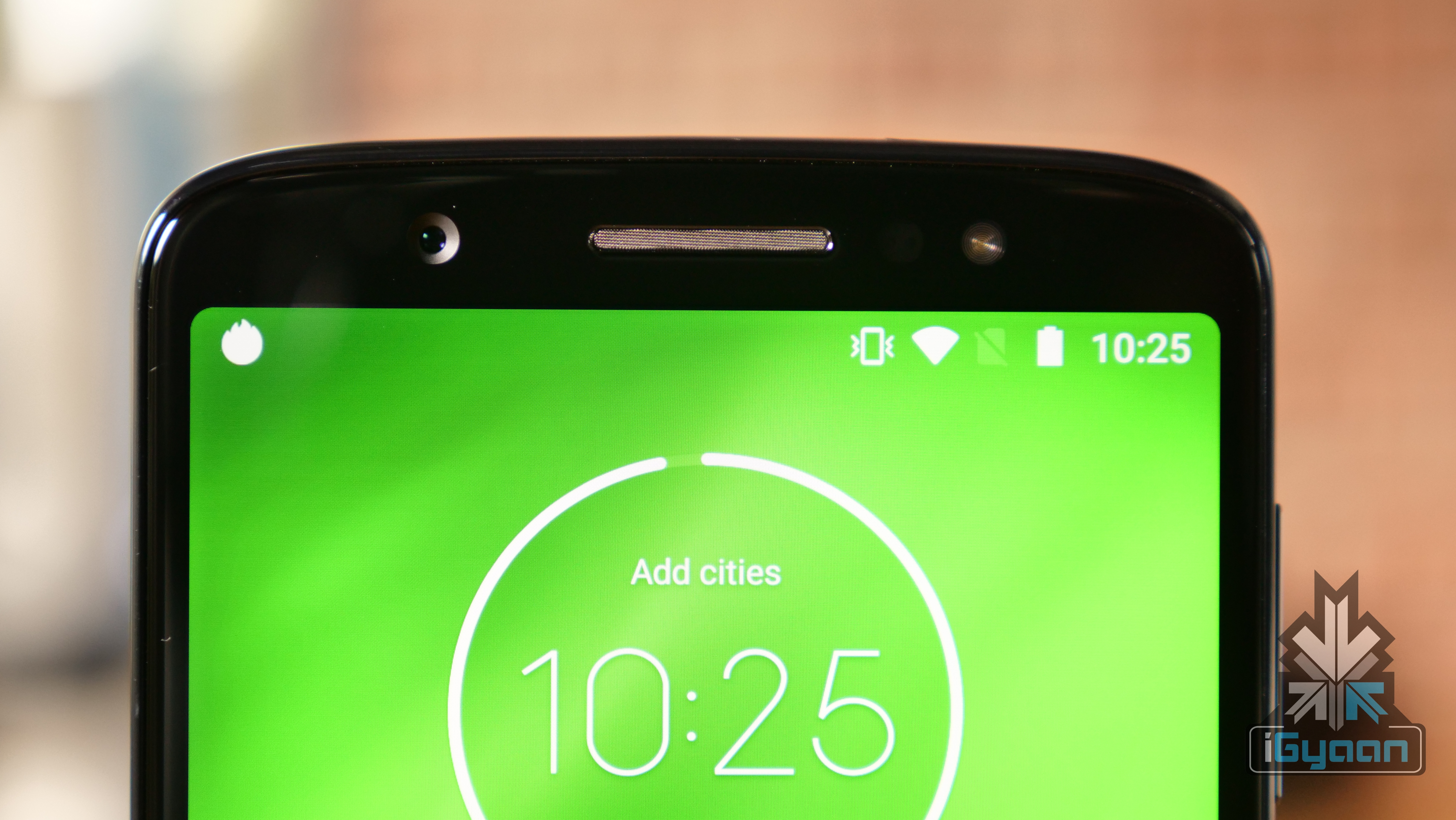
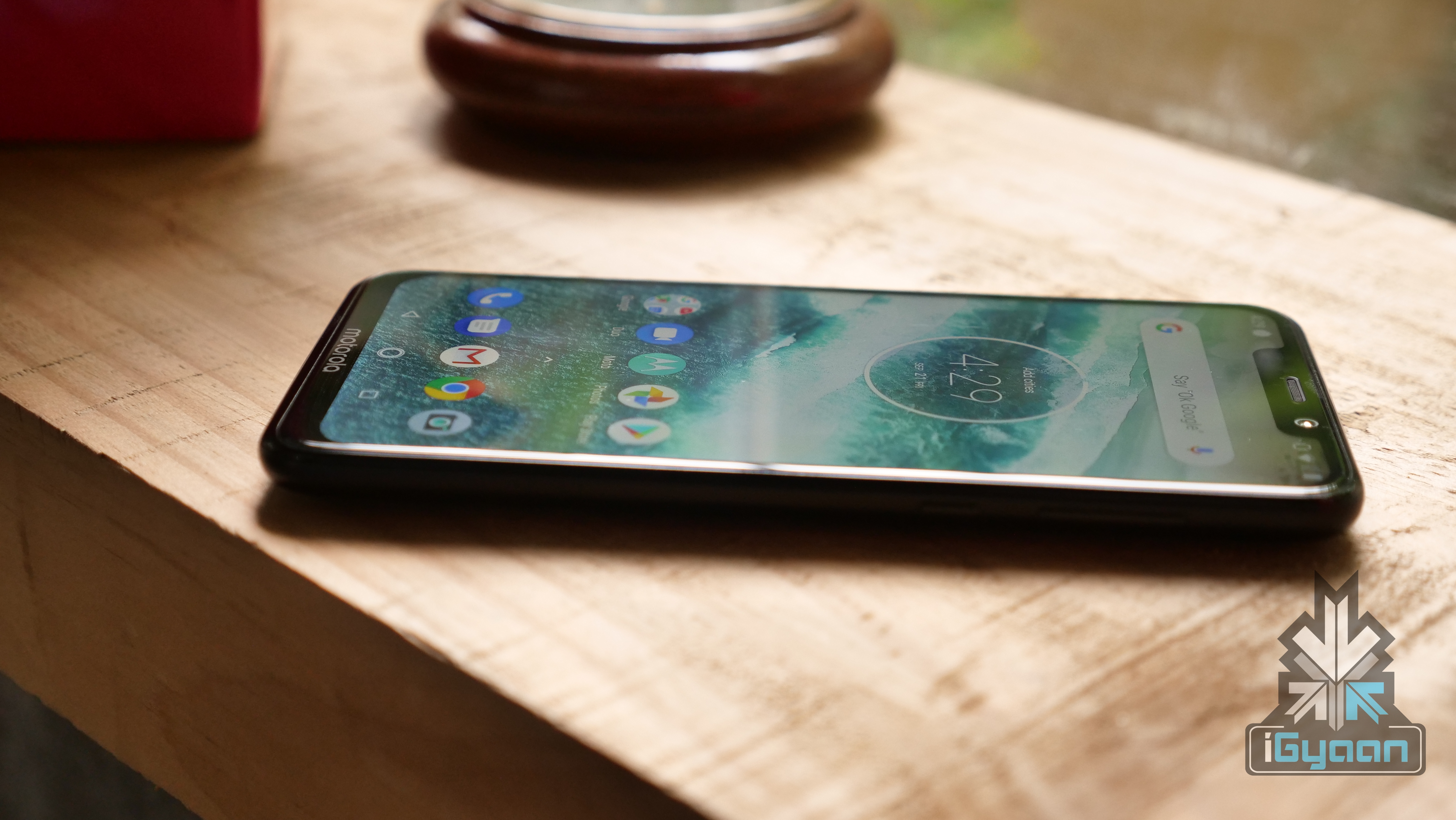
The Moto E6 Plus is expected to one of the three Motorola devices in the lineup similar to the E5 series (E5, E5 Plus and E5 Play). The Geekbench listing reveals that it is powered by the 14nm Mediatek Helio P22 chipset. It consists of 8 Cortex-A53 cores clocked at 2.0GHz and the IMG PowerVR GE8320 GPU chip. The handset in the Geekbench listing has 2GB RAM, but since Motorola launched the E5 Plus in two RAM variants: 2GB and 3GB, the same can be expected of the E6 Plus.
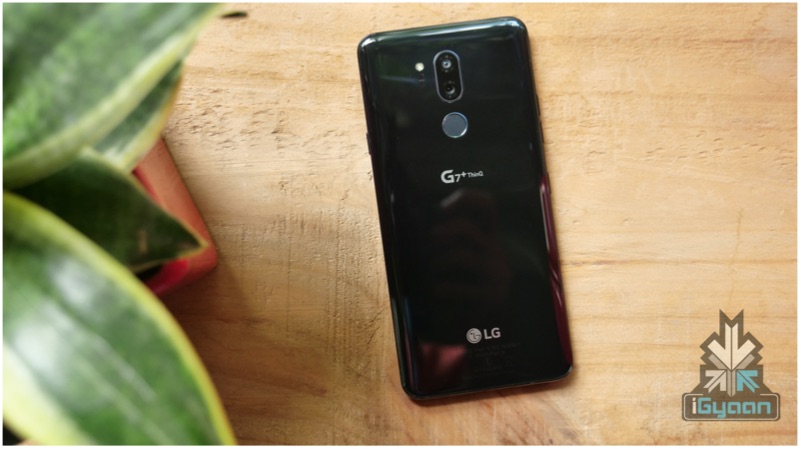
Moto G6 Plus
The Geekbench listing further reveals that the Moto E6 Plus runs on the Android 9 (Pie) OS. A single core score of 829 has been achieved by the device, whereas in the multi-core test, it hits a score of 3687. Although no other prominent features and specifications of the device have been divulged yet, it should be noted that the younger sibling of the device featured a 5.45 inch display with a 1440 x 720 px HD+ resolution.
Similar to the Moto E6, the Moto E6 Plus may be available in two 16GB and 32GB variants. It may sport a 13MP (f/2.0) primary camera with a front-facing 5MP camera. Details regarding the secondary camera are unknown at the moment. As mentioned before, the device is expected to be priced aggressively. Since the Moto E5 lineup was unveiled in the month of April 2018, the E6 series might make its way into the smartphone market soon enough.
Vivo Y12 is the latest budget smartphone offering from the Chinese smartphone manufacturer. The handset features triple rear cameras and an 8MP front camera. Under the hood, it runs on the Helio P22 chipset which consists of an ARM Cortex-A53 CPU and IMG PowerVR GE8320 GPU. It sports a 6.35 inch Halo FullView display with HD+ resolution and 19.3:9 aspect ratio. It boasts of Android 9 Pie, with Funtouch OS 9 on top. The device is powered by a massive 5,000 mAh battery, with reverse wireless charging feature.
Samsung has been focusing a lot on the budget smartphone segment in India lately. The South Korean technology company has tasted success in the hands of Galaxy M-series devices, such as the Galaxy M20 and Galaxy M30. As per latest leaked renders, a smartphone from the company believed to be the Galaxy XCover 4S is in the works. The device previously received FCC certification in the month of May 2019.
Samsung XCover 4S: Specifications And Features
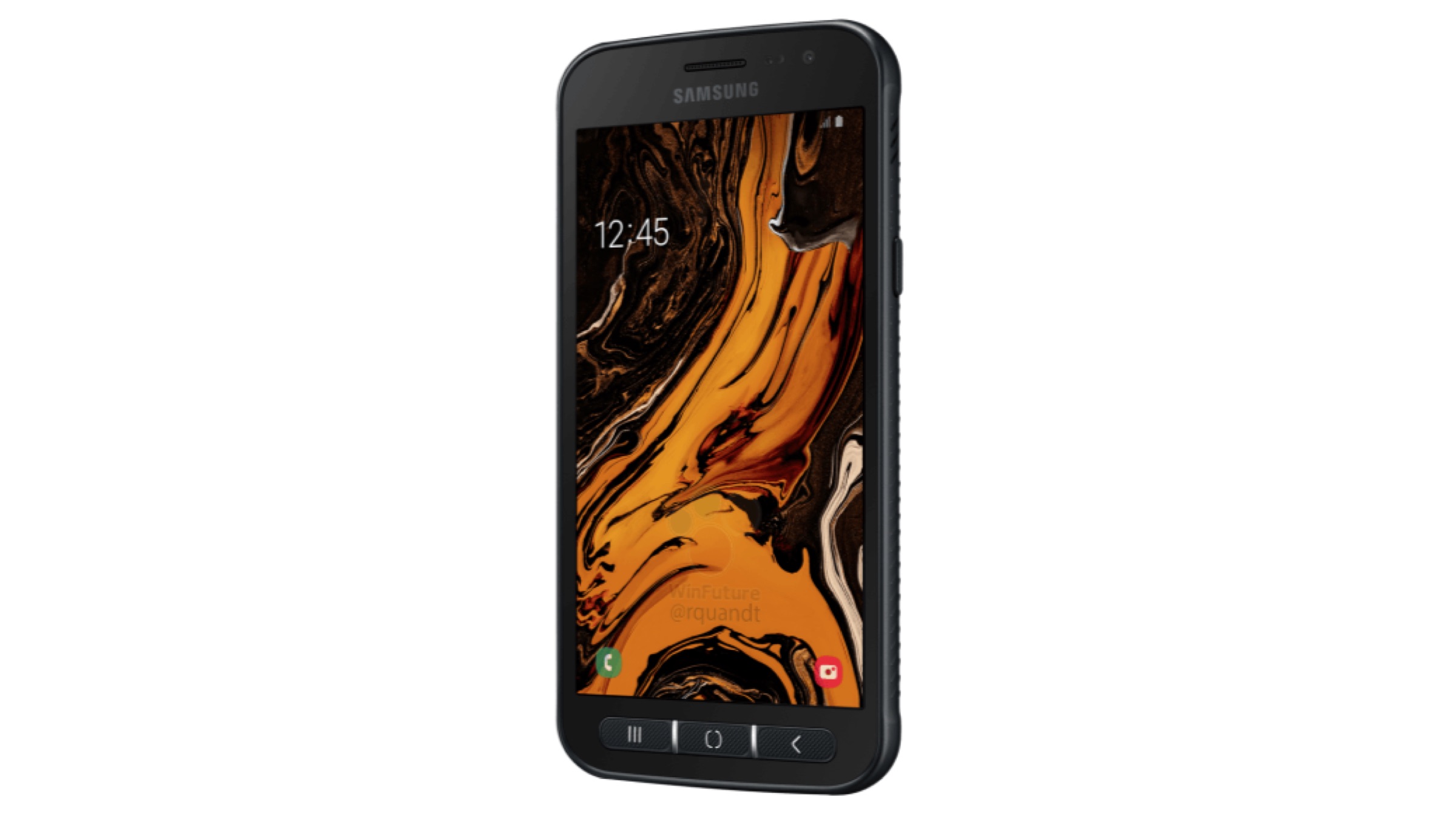
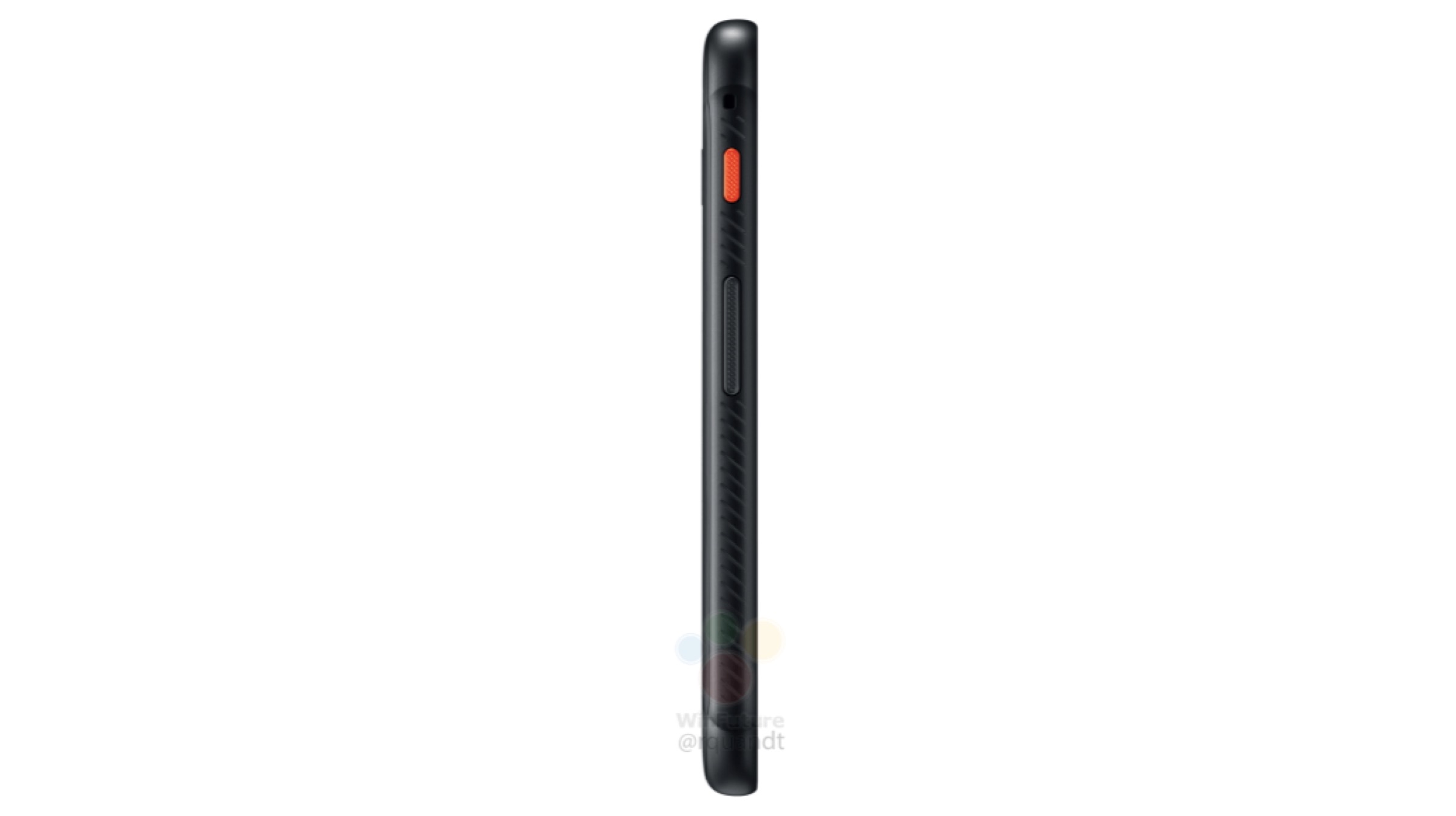
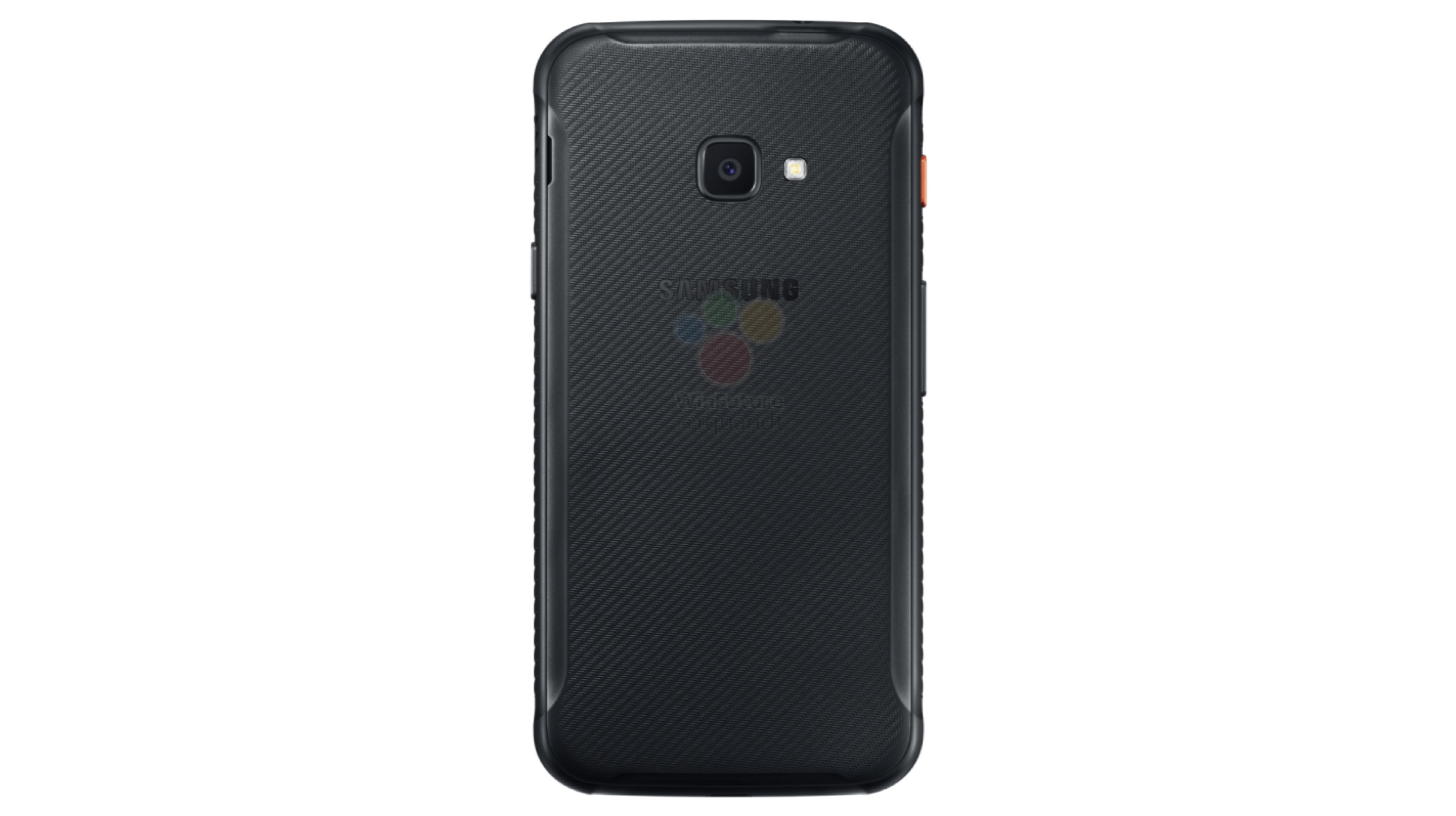
The device bears the model number SM-G398. As per renders, the Galaxy XCover 4S sports a rubber coating which will improve the grip and durability of the smartphone. The smartphone is rated IP68 water and dust resistant. Moreover, it also has MIL-STD 810G certification, which means that the XCover 4S can survive drops from up to 120 centimetres high as well. An interesting feature to note is that the device has physical navigation buttons placed right below the display.
The smartphone features a 5 inch LCD with a 1280 x 720 px resolution and 294 PPI. Since the device doesn’t exactly lie on the side of design and looks, it features reasonably wide bezels on all edges. Under the hood, the Galaxy XCover 4S runs on the Samsung Exynos 7885 chipset, which is clocked at 1.6GHz. It is bundled with 3GB RAM and 32GB of internal memory, which can be expanded via the microSD card slot.
In terms of optics, the device features a single rear 16MP (f/1.7) camera. which supports scene optimization via AI. The camera supports Full HD video recording. For selfies, the company has included a 5MP (f/2.2) aperture front camera, which is placed in the top bezel of the handset. It packs a 2800 mAh replaceable battery, which can be charged via the USB Type-C port present at the bottom of the smartphone. It supports Bluetooth v5.0 and NFC. In addition to a 3.5mm headphone jack, the XCover 4S also has a XCover key which can be assigned to any application or service of choice.
Samsung XCover 4S: Expected Price And Availability
The smartphone is expected to be launched on 12 June 2019. It will be targeted towards users who are looking for a rugged and durable device without any game-changing features. At the time of launch, it is expected to be priced at US$ 280 (~INR 19,500).
Xiaomi’s subsidiary Redmi launched its latest smartphones, the Redmi K20 and K20 Pro at an event in China on the 28th of May. While the former is a mid-range device, the latter is a flagship offering from the company. Both smartphones offer competitive specifications at a lucrative price tag. It was expected that the company will announce the handsets’ availability in the Indian market; however, no announcement regarding the news followed. Now, a senior Xiaomi executive has announced that both the Redmi K20 and K20 Pro will launch in India within the next six weeks.
Specifications
Mi fans! Here's a KNOCKOUT announcement! ? #RedmiK20 and #RedmiK20Pro are launching in India within 6 months.. ooops, I meant 6 weeks! ??
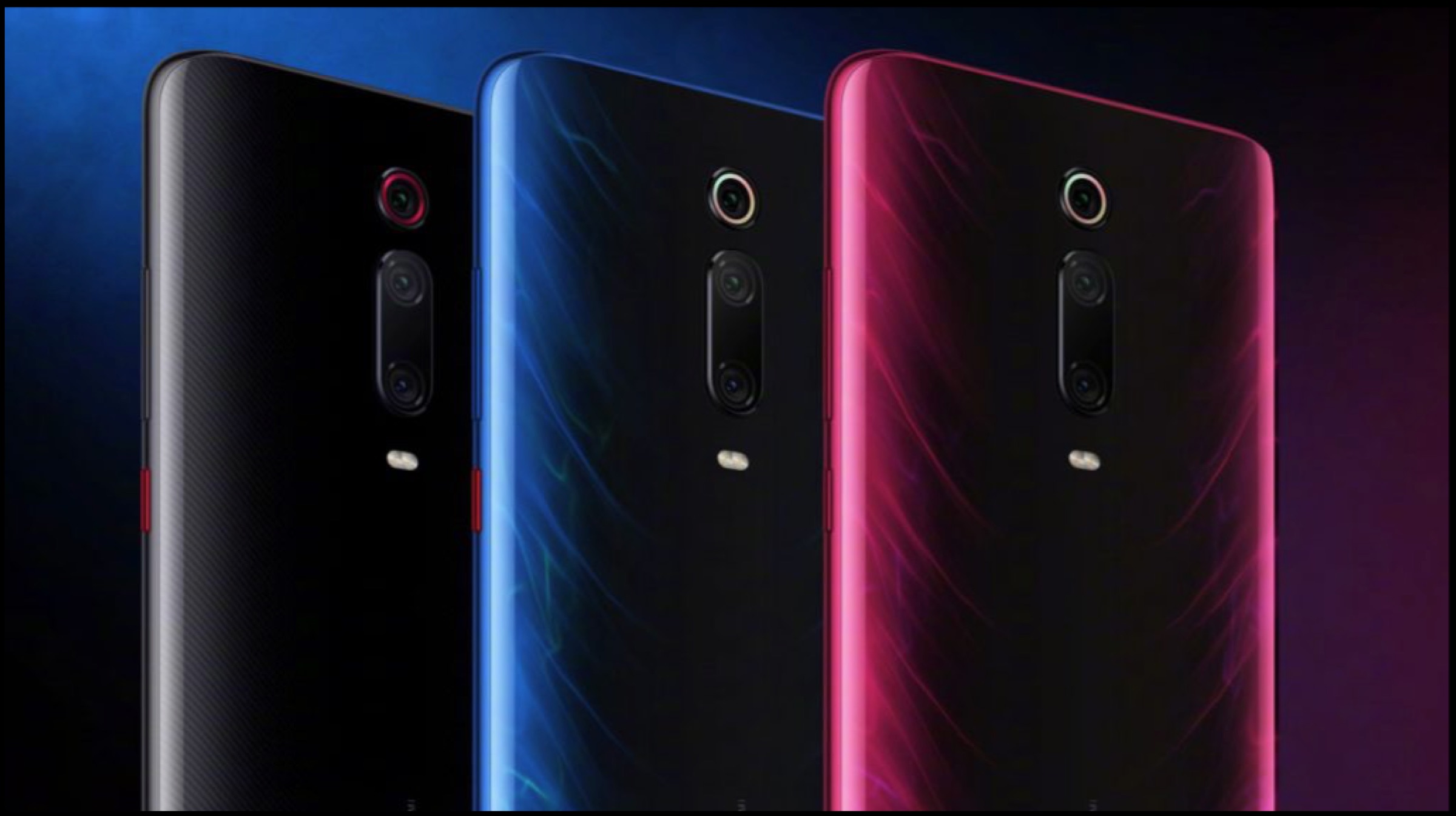
To recall, the Redmi K20 and the K20 Pro are the latest smartphones from the company. The devices have a glass design on the front and back with a metal chassis for reinforcement. They have an attractive gradient coloured design on the back. The handsets have a 6.39 inch AMOLED display with a resolution of 2340 x 1080 px. To maximise the screen real estate, they both have a pop-up mechanism on top to house the front-facing camera. For biometric security and unlocking the smartphones, the Redmi K20 series has an in display fingerprint scanner along with support for face unlock.
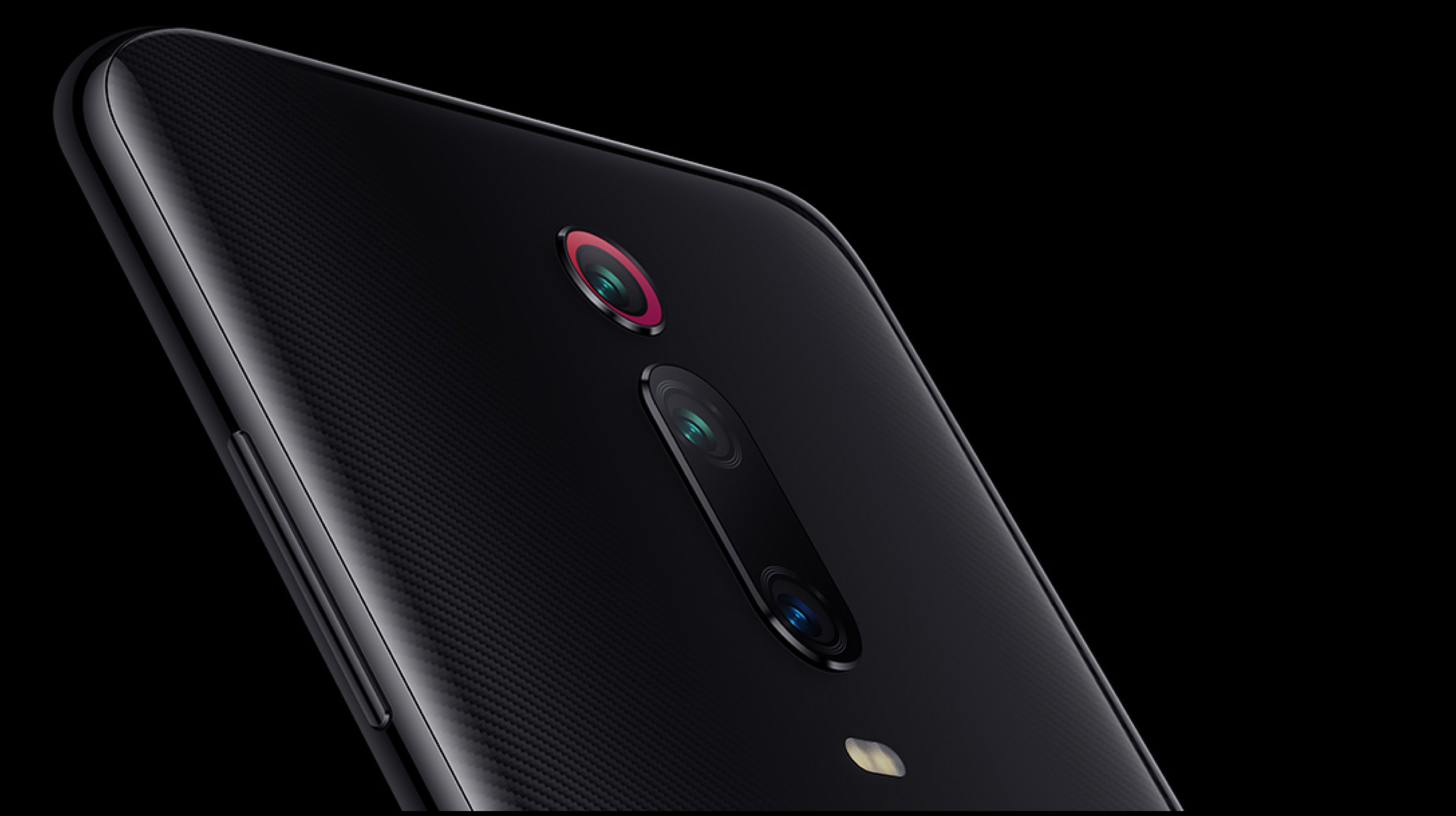
Under the hood, the Redmi K20 is kitted with the 8nm Snapdragon 730 SoC. The chipset is comprised of an Octa-core CPU and the Adreno 618 GPU. The more premium Redmi K20 Pro runs on the flagship grade 7nm Snapdragon 855 SoC which has an Octa-core CPU and the Adreno 640 GPU. In terms of optics, both smartphones have a triple rear camera setup consisting of an f/1.75 aperture equipped 48MP sensor, an f/2.4 aperture equipped 13MP ultra wide angle sensor; and a tertiary f/2.4 aperture equipped 8MP telephoto sensor. For selfies, an f/2.0 aperture equipped 32MP sensor is housed in the pop-up mechanism on top of the handsets.
Both the Redmi K20 and the K20 Pro are powered by a 4,000 mAh battery. However, the former supports 18 W fast charging while the latter supports 27 W fast charging. Both devices run on MIUI 10 which is based on top of the latest Android 9 Pie. The smartphones will be available in three colour variants namely, Blue, Red and Black. For memory and storage, the devices have up to 8GB of RAM and 256 GB of internal storage.
Pricing & Availability
As mentioned above, the Redmi K20 and K20 Pro will launch in the Indian market within the next six weeks. While the exact date of the announcement is not known yet, it is likely that the smartphones may be launched in the last week of June or first week of July. As far as pricing is concerned, the Redmi K20 is expected to be priced around Rs. 20,000, while the more premium K20 Pro may be priced around Rs. 30,000.
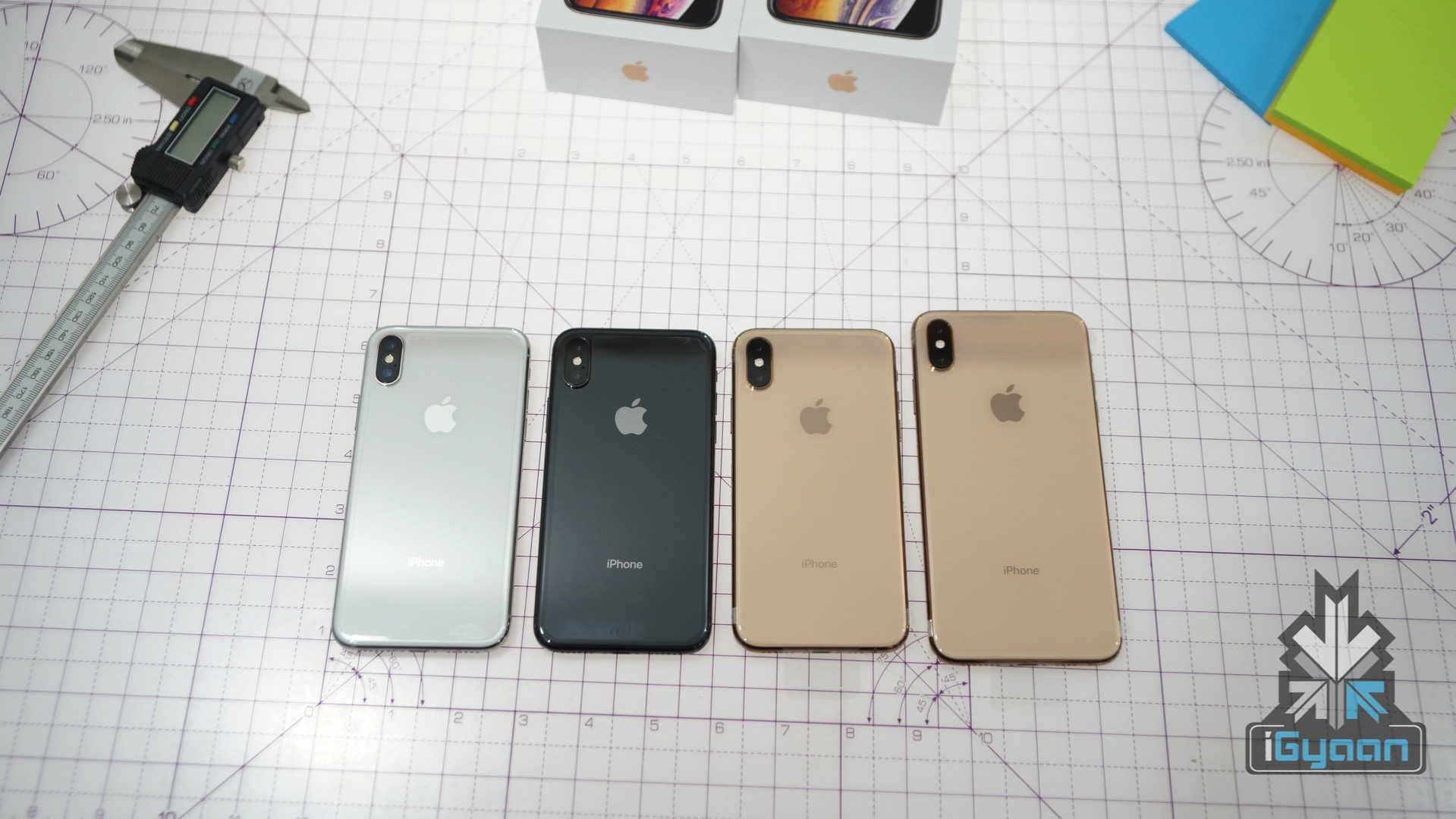
Rumours regarding the latest generation of iPhones are countless and varied, however, certain reliable sources have come forward with more concrete information regarding the upcoming devices. The Apple iPhone lineup, in a market where most phones start with either 32GB (budget) or 64GB of storage (mid-range to flagships), is reported to start from 128GB of internal storage. This along with iPhone cases being seen out in the open, confirm renders that have been leaked.
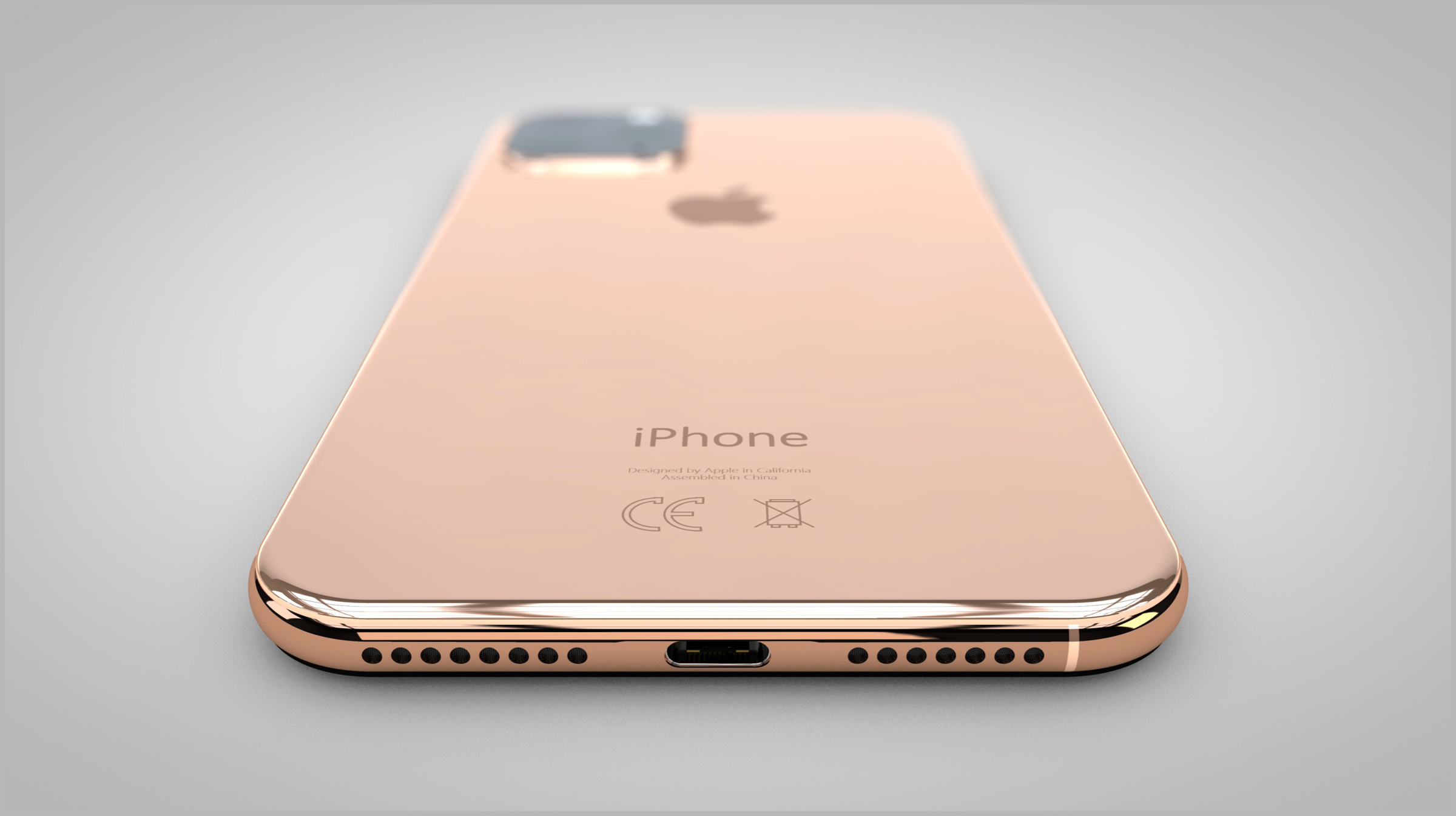
Apple’s long-awaited flagship smartphone and its variants have already been making headlines all across the tech world. The latest iPhone XI is still four months away from being showcased to the entire world, yet half a year prior to the launch event and renders of the smartphone have already surfaced online. The leaks showcase an entirely unique triple camera setup, that has received mixed reception with Apple’s fan base.
Multiple sources had already confirmed the renders of the Apple iPhone XI design with a video being uploaded on YouTube, that had an unboxing of clear cases for the upcoming Apple flagships. The clear cases had cut-outs for the triple camera set-up that was seen prior with slight changes in button placements due to dimensional differences with the iPhone XS, on which the case was tried on for reference in the video. The three prototype cases received in the package may possibly be for the iPhone XI, iPhone XI Max, and iPhone XIR (names not conclusive).
The Apple iPhone XI will probably have the same screen size as its predecessor iPhone XS that was equipped with a 5.8-inch OLED display. Reports also point towards a 12MP selfie camera, a welcome improvement over the 7MP sensor used in the current generation. Finer details can only ever be discerned when Apple finally unveils the smartphones, but the 128GB of base internal storage is one of the features that may have already been confirmed.
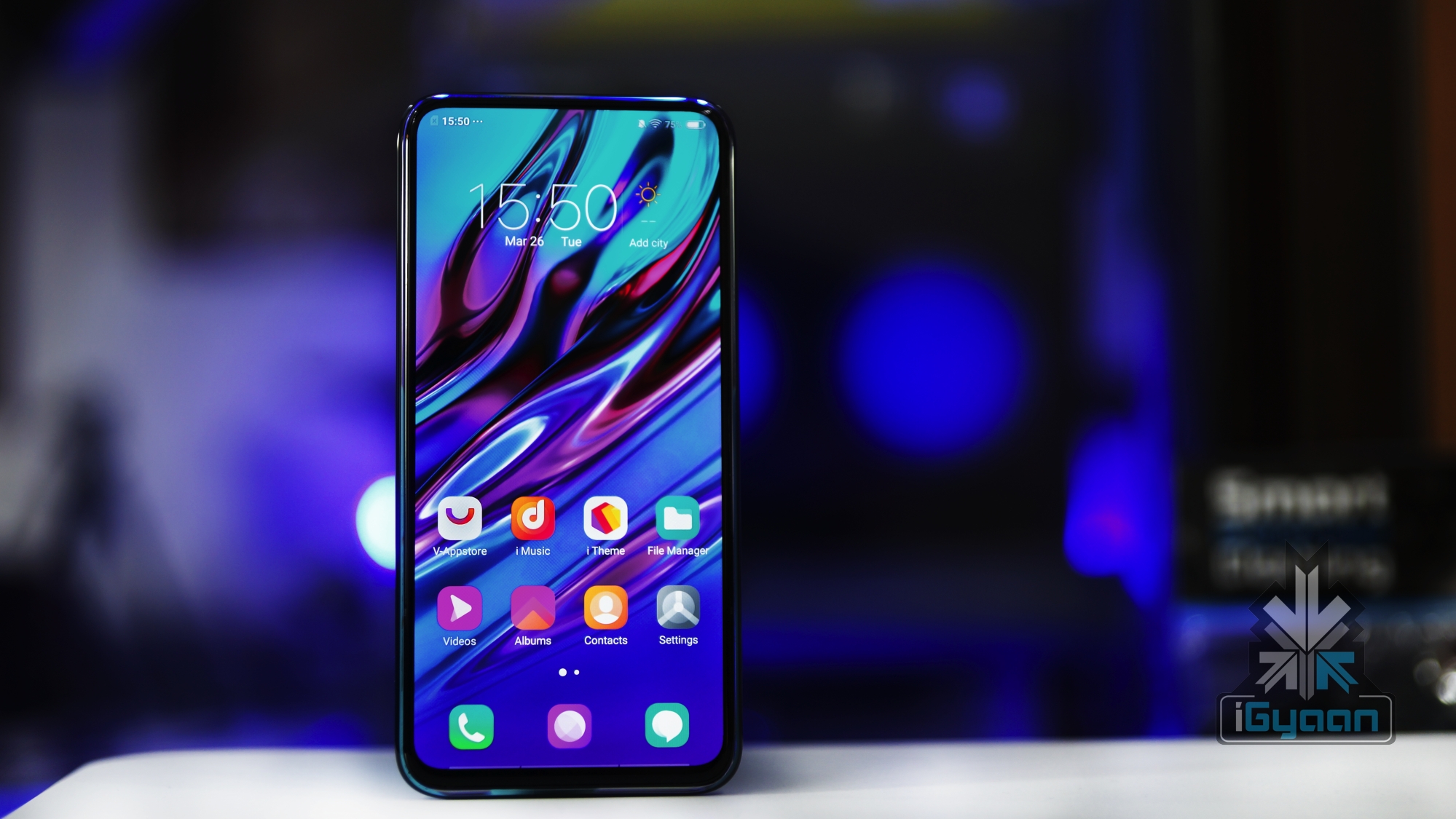
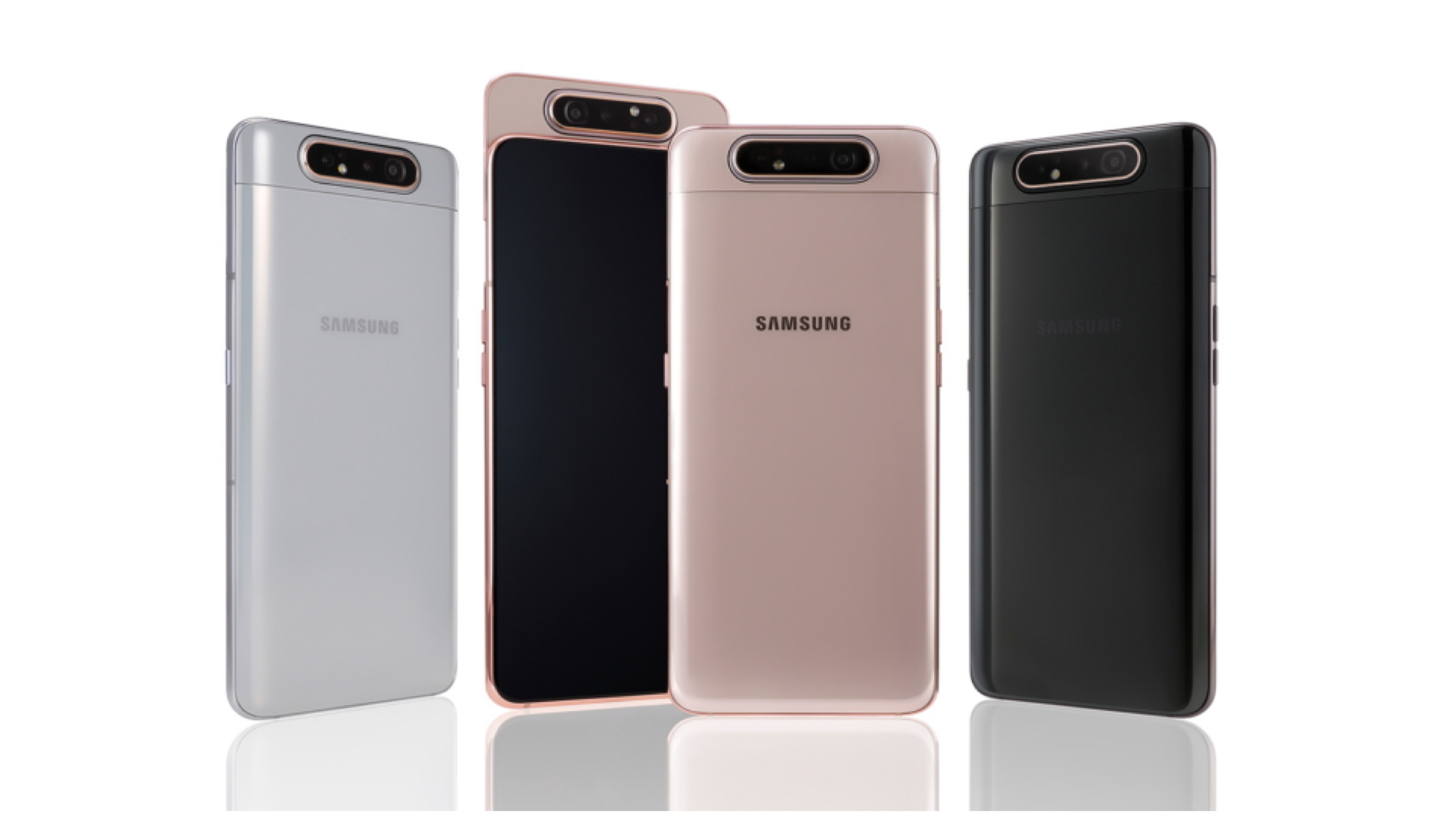
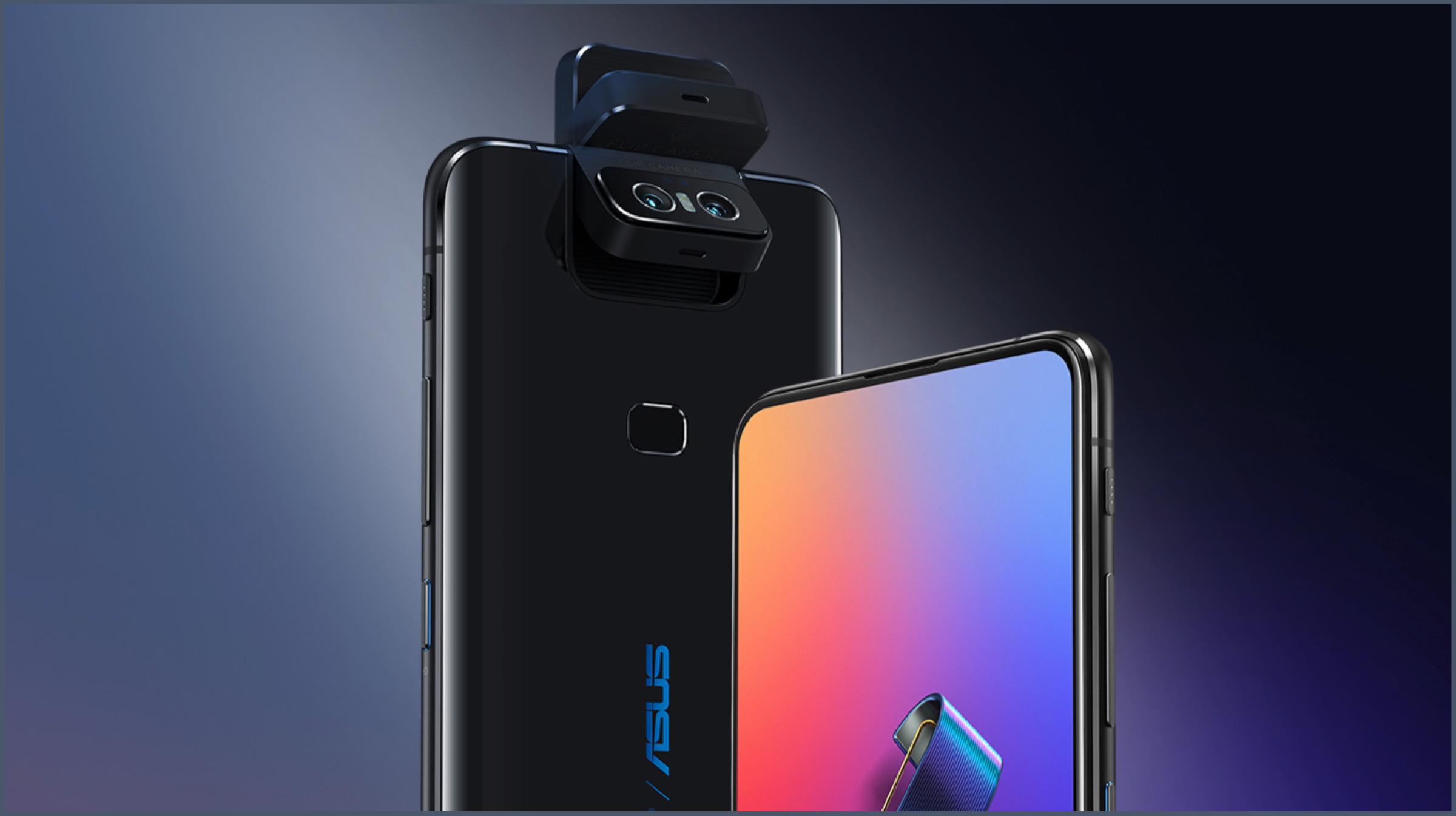
Innovation regarding smartphone cameras is an ongoing process in the current scenario. Instances from the past include the first pop-up camera, which was introduced in the Vivo Nex in the year 2018. In constant strife to eliminate notches in smartphone displays, brands such as Samsung and ASUS launched the Galaxy A80and Zenfone 6 respectively, which feature rotating camera systems. However, Chinese brands Oppo and Xiaomi have posted videos that showcase smartphones with under-display selfie cameras in all their glory.
For those seeking the perfect, notchless smartphone screen experience – prepare to be amazed. ?
You are taking a very first look at our under-display selfie camera technology. RT! ? pic.twitter.com/FrqB6RiJaY
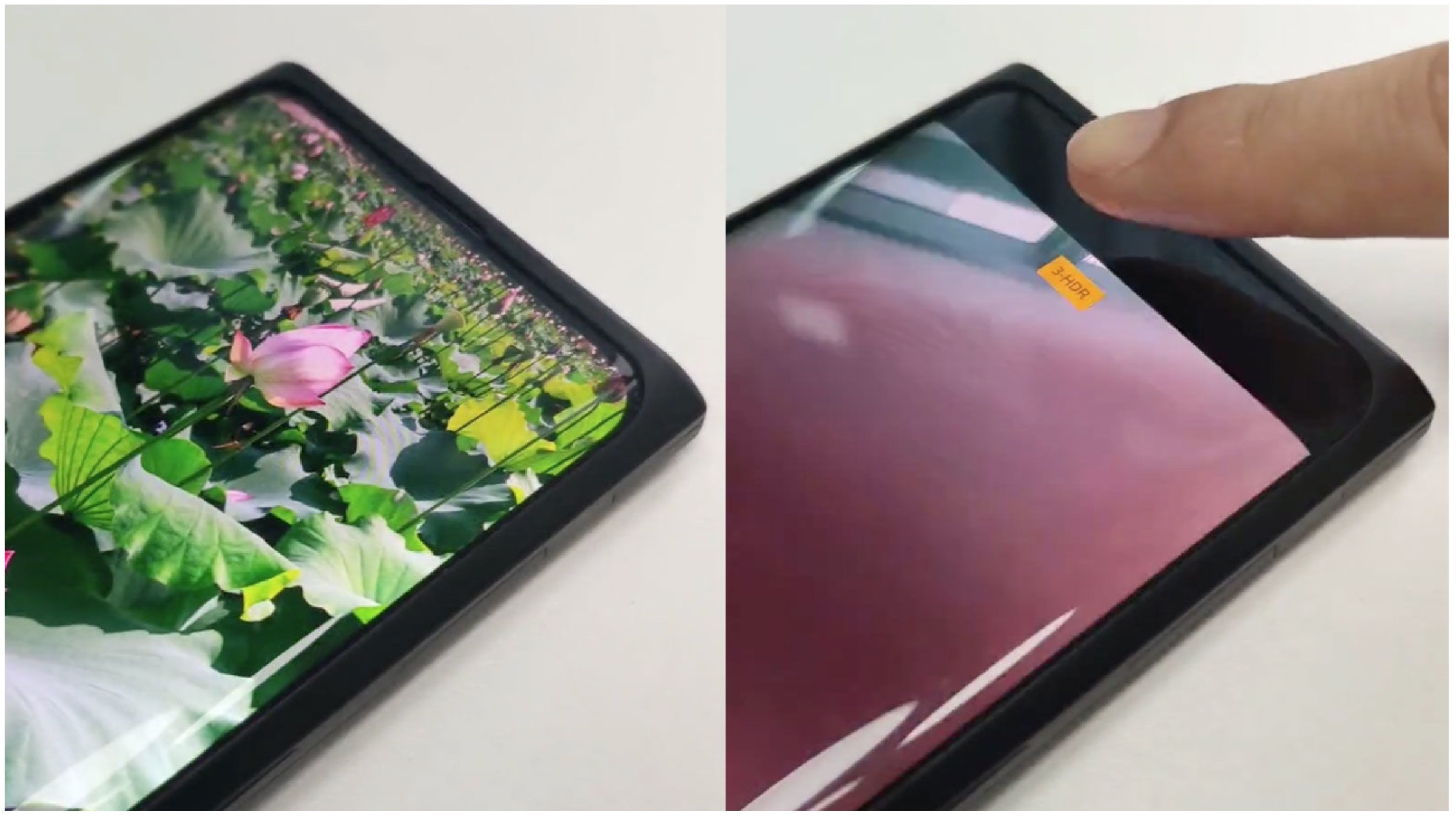
A senior Oppo executive allegedly shared a short video clip of a prototype smartphone sans a notch. When the camera app was launched, the screen displayed a view of the room’s ceiling, whereas no front camera can be spotted in the video. To confirm that the camera being showcased is an under-display module, the VP hovered his finger above the spot where the selfie camera is supposed to be, and as expected, it was visible on the display.
Check this out from our R&D team! @Xiaomi continues to innovate and we have some exciting tech up our sleeves. RT if you love under display camera! #xiaomipic.twitter.com/4Rlzt9uRAd
On the other hand, Xiaomi also posted a video which showcases two smartphones held next to each other. The device on the right features a waterdrop style notch, whereas the one on the left has no notch at all. After the camera application was launched, the user of the device switched to the front camera, which was placed under the display and hence wasn’t visible at all.
As further stated by the Oppo executive, an under-display camera would imply that there will be one less fragile component in the device to worry about. Moreover, there will be no physical wear and tear regarding such a camera module. However, a significant loss in optical quality may be experienced in the early stages of development as stated by the company.
Nonetheless, this unveil may be an indication that Oppo’s sister company, Vivo might also be working on a smartphone with an under-display selfie camera. The company previously hinted at such a feature in the Vivo Apex 2019 concept smartphone. Since the smartphone was devoid of any notch and ports, it is expected that the device will be launched with an under-display selfie camera.
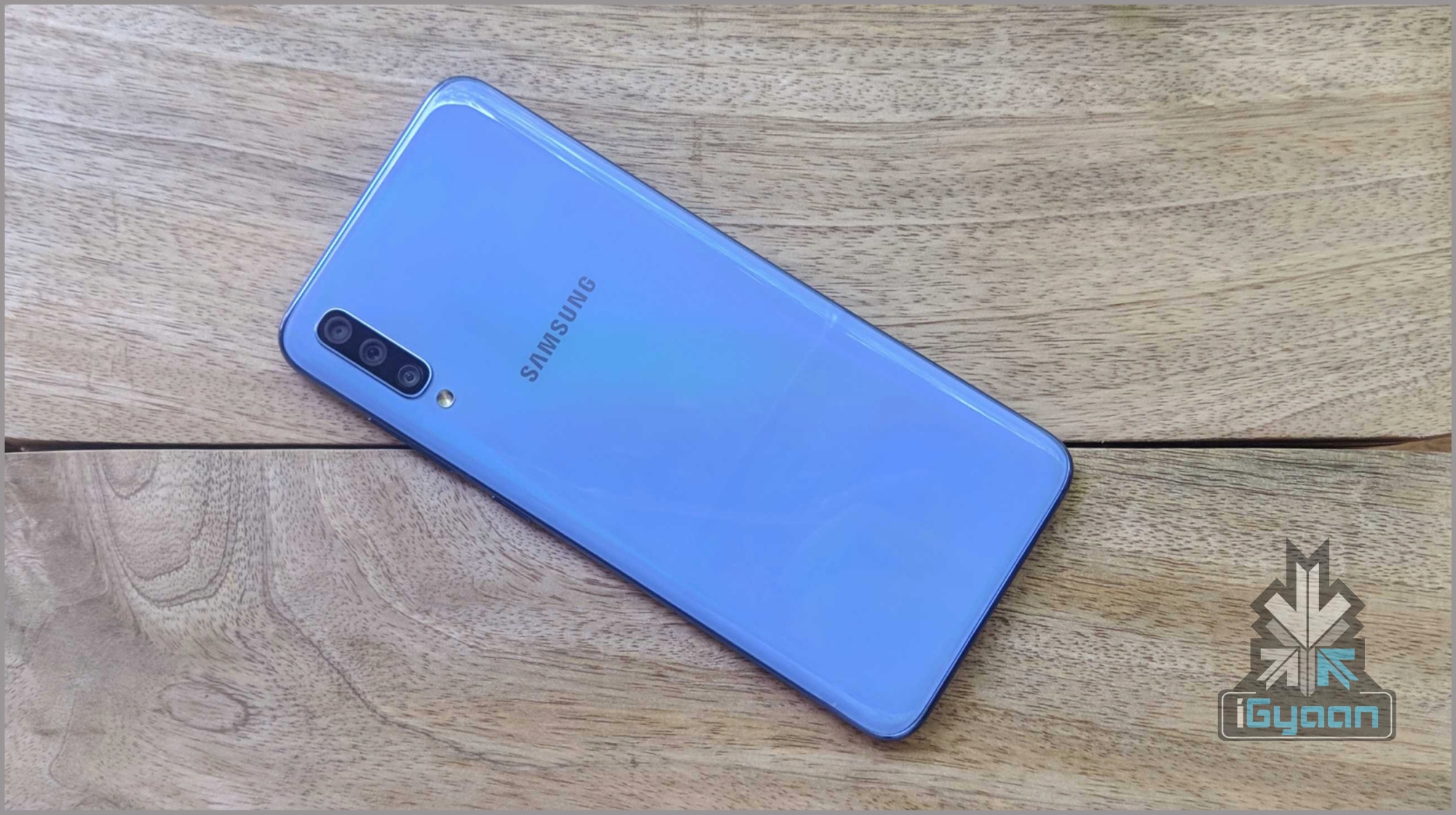
Samsung’s long-awaited Note series flagship smartphone has yet again received more rumours and speculations regarding its specifications. Popular handsets receive numerous leaks claiming features that may never surface on the actual product. Only genuine and credible sources are to be taken seriously. A reliable gadget tipster of Samsung products, who goes by the name Ice Universe on Twitter has revealed the upcoming Galaxy Note 10 may support 45W fast charging.
Samsung Galaxy A70
The aforementioned information about the Galaxy Note 10 smartphone from Samsung was revealed by the tipster in a rather cryptic manner. Posting a picture on Twitter of Leonardo Da Vinci with a binary number at the bottom of the image. The code directly translates to the number 45. The previous leaks have revealed that the Galaxy Note 10 has been given a code name “Da Vinci”. The number, with the picture provided, seems to hint at a new fast-charging tech making an appearance on the upcoming Samsung flagship.
Other rumours and interpretations of the cryptic message have pointed at a variant of the Galaxy Note 10 being powered by a 4500mAh battery. The famous tipster had also revealed other information leading upto this leak, namely, the device retaining physical buttons but skipping on the 3.5mm headphone jack. Reports so far had pointed at the Note 10 removing the physical buttons, including the Bixby button, for some form of pressure sensing and capacitive functions. The rumour also had these pressure sensors be textured on the edge or be a raised bump.
Ice Universe in his tweet refuted past claims of the removal of physical buttons as being just an initial prototype that did not make it through stress testing. From the multiple reports on the internet, one point towards the screen of the smartphone being a large 6.66-inch AMOLED display panel. Furthermore, the Samsung Galaxy Note 10 may also be equipped with the Exynos 9820 SoC on the phone as previously seen in the Galaxy S10 in some regions while the rest would receive the Snapdragon 855 SoC.
In the last few years, the dominance of Chinese smartphone OEMs has increased substantially in the Indian market. Makers like Xiaomi, Realme and Honor have seen exponential growth in sales while established brands like Samsung and LG had lost their grip on the same, at least on the budget side of things. The former tried to redefine itself by launching the online-only Galaxy M series back in the month of January. By providing competitive specifications at a lucrative price tag, the lineup has seen a good reception and has put Samsung back on the radar. Now, the latest reports claim that another Korean giant, LG is looking to do the same; by launching an online exclusive, budget smartphone lineup in India soon.
About the series
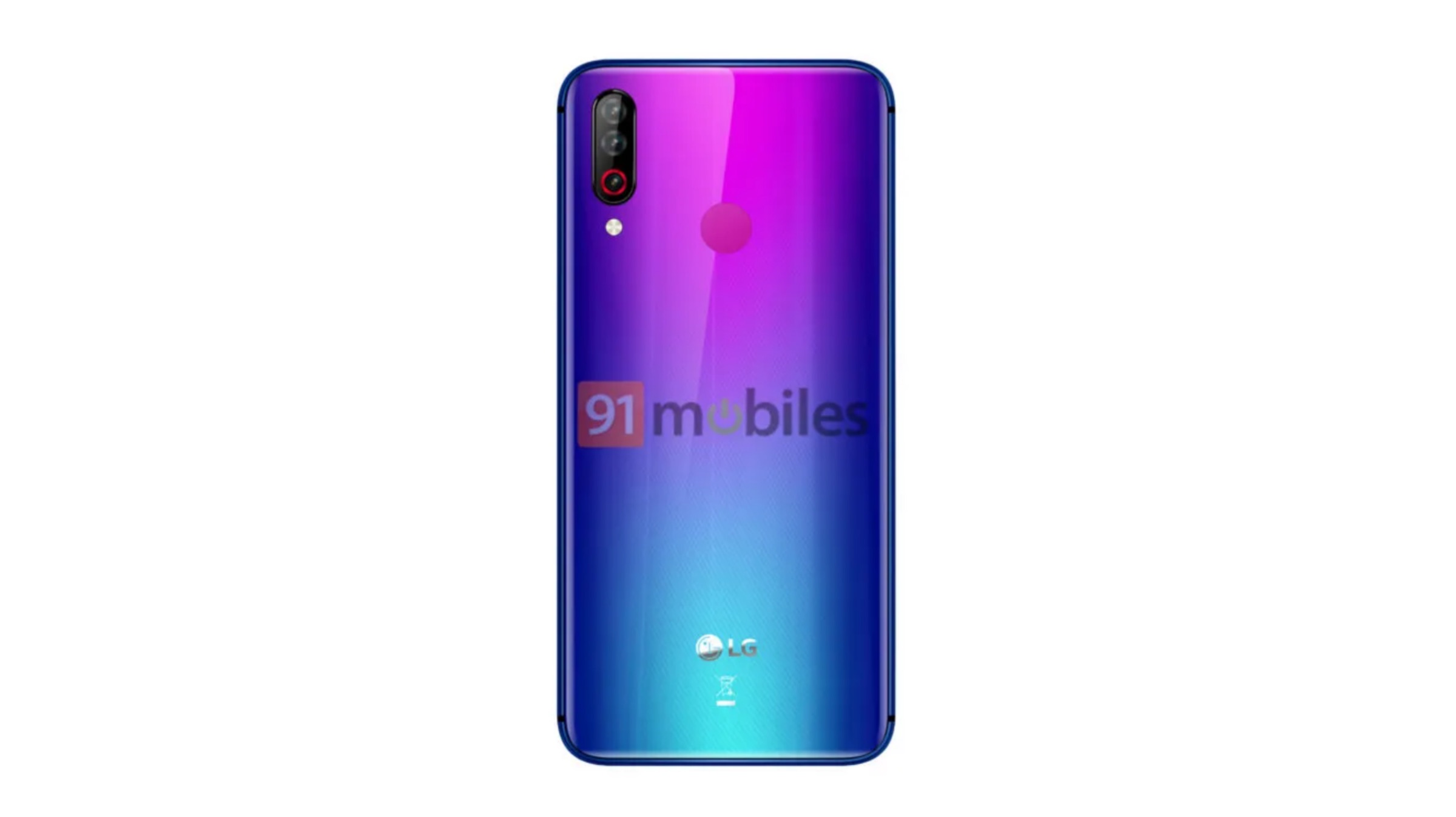
As mentioned above, LG is planning to introduce a new series of smartphones in the Indian market. This may be a budget lineup which will only be available to purchase online. Along with the information, images alleged to be of a device in the series have also been shared in the report. These images reveal a handset with a glass finish and gradient colour scheme on the back. The right side of the smartphone has the volume rockers and the power button. Over at the back, a vertically placed triple camera setup along with an LED flash is visible. The rear panel also has a rear-mounted fingerprint scanner with the LG branding present.
One of the leaked images of the latest LG smartphone also reveals it will have a FullVision display; which may be an indication that it will have a near edge of to edge display with minimal bezels around it. It is also known that the device will make use of AI in certain areas around the handset; presumably in the UI (User Interface) and the camera application. The reports further claim the series will borrow many features from LG’s flagship series, such as the G and V lineup of smartphones. Unfortunately, more details about the handsets are unknown at the moment. But it is expected that the company may make an announcement regarding them soon.
It is June already and many smartphone OEMs have announced that their handsets will launch in India this month. Amidst a sea of devices, we have compiled a list of all the top upcoming smartphones that are expected or have been confirmed to be launching in the Indian market in June.
OnePlus has already announced its latest smartphone, the OnePlus 7 on the 14th of May. The company has now revealed it will go on sale starting on the 4th of June. It is the successor of the OnePlus 6T from last year and boasts of several improvements over its predecessor. In terms of specifications, the OnePlus 7 features a 6.41-inch Optic AMOLED display with a waterdrop notch. For biometric security and rapidly unlocking the device, it has an in display fingerprint scanner and support for face unlock technology.
Under the hood, it is kitted with the 7nm Snapdragon 855 SoC which is comprised of an Octa-core CPU and the Adreno 640 GPU. For memory and storage, the OnePlus 7 has up to 8GB of RAM and 256GB of internal storage. In terms of optics, the handset has a dual 48MP + 5MP camera setup and a single 16 MP camera on the front. It is powered using a 3700 mAh battery with 20W fast charging support. The smartphone has been priced at Rs. 32,999 for the base variant with 6GB of RAM and 128GB of internal storage and Rs. 37,999 for the version with 8GB of RAM and 256GB of onboard memory.
Samsung Galaxy M40
The Samsung Galaxy M40 will be the latest addition to the company’s online exclusive Galaxy M lineup. It has been announced that the smartphone will be launched on the 11th of June. While the specification of the device has not been confirmed yet, past leaks have revealed it will sport a 6.3 inch LCD display; with an Infinity O style hole punch on the top left corner of the display. The teasers have also exhibited the presence of a rear-mounted fingerprint scanner for efficiently accessing the handset.
Under the hood, the Galaxy M40 is expected to run on the 11nm Snapdragon 675 SoC; which is comprised of an Octa-core CPU and the Adreno 612 GPU. In terms of optics, it is revealed to have a triple camera setup, details of which are not known yet. The device is also rumoured to feature up to 6GB of RAM and 128GB of Internal storage. More details about the upcoming smartphone may be revealed as we move closer to its launch.
Samsung Galaxy A80
The Samsung Galaxy A80 was announced in the month of April and is the first smartphone from the company to feature a mechanical camera mechanism. It was introduced alongside the Galaxy A70 which has already gone on sale in India. In terms of specifications, the Galaxy A80 features a 6.7 inch Super AMOLED display with no notch or hole punch in sight. The device has an in display fingerprint scanner with support for face unlock.
Under the hood, the Galaxy A80 runs on the 8nm Snapdragon 730 SoC, which is comprised of an Octa-core CPU and the Adreno 618 GPU. In terms of optics, the upcoming smartphone has a triple camera setup, which has a 48MP primary sensor, combined with an 8MP ultra wide sensor and a Time of Flight (ToF) sensor for capturing depth. The highlight feature of the device is the rotating camera mechanism, which allows the users to take selfies from the primary camera.
For memory and storage, the handset has 8GB of RAM and 128GB of internal storage. The Galaxy A80 is powered by a 3700 mAh battery with 25W fast charging. It is expected to be priced at around Rs. 45,000 when it launches in India later this month.
Asus ZenFone 6
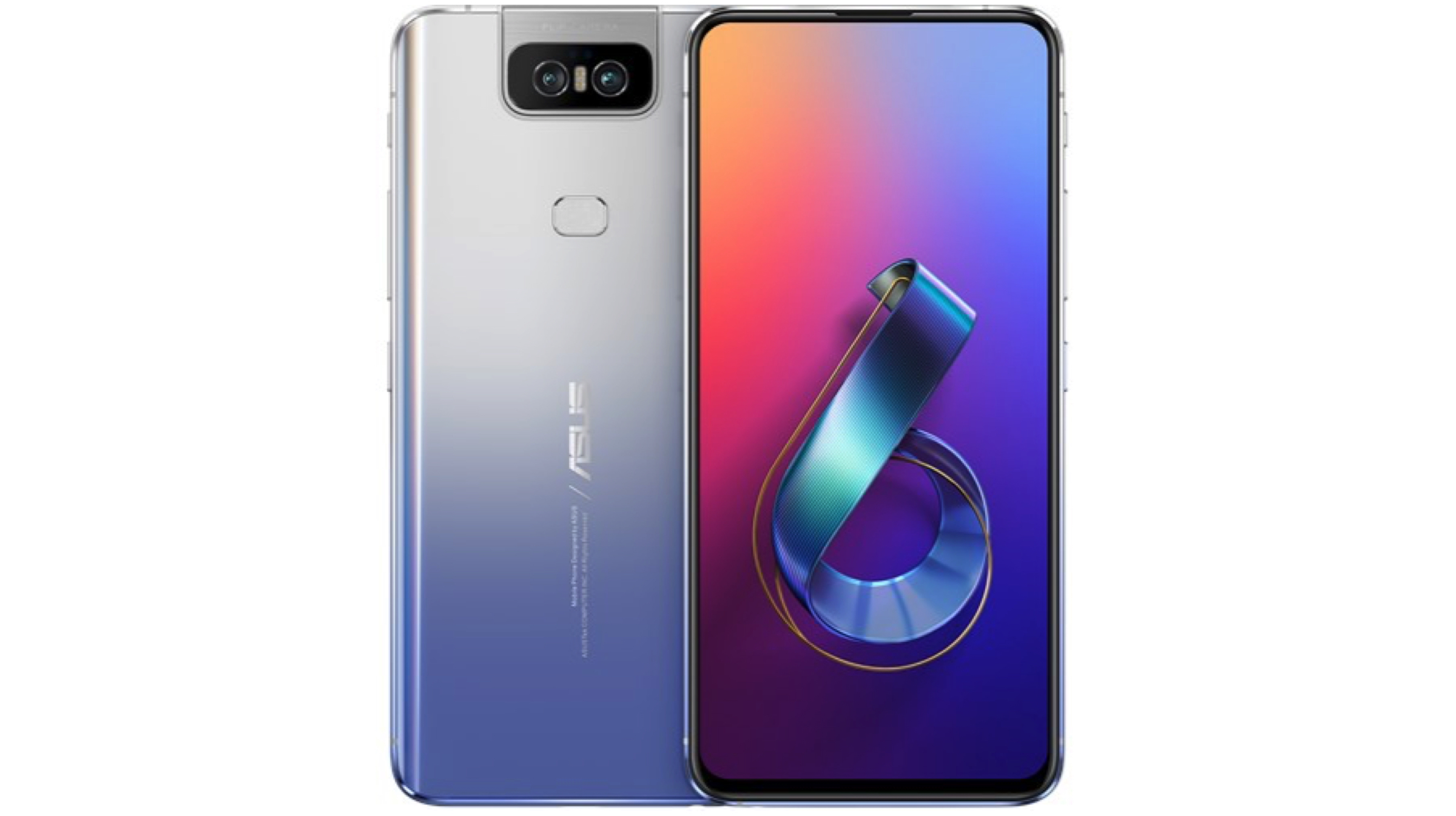
Taiwanese electronics giant Asus introduced its latest flagship smartphone, the Zenfone 6 at an event on the 16th of May. It is expected to be launched in India on the 6th of June at a lucrative price tag. In terms of specifications, it has a 6.4 inch LCD display with no obstruction like a notch or hole punch. For quickly accessing the device, there is a rear-mounted fingerprint scanner and also support for face unlock.
Under the hood, the Zenfone 6 is kitted with the 7nm Snapdragon 855 SoC; comprised of an Octa-core CPU and the Adreno 640 GPU. In terms of optics, a dual camera setup is present on the flip camera mechanism on the back. This setup consists of a 48MP primary sensor and a 13MP ultra wide angle sensor which can be flipped to 180 degrees for taking selfies. For memory and storage, the device has up to 8GB of RAM and 256GB of internal storage. The handset is powered by a mammoth 5000 mAh battery with 18W fast charging. It is expected to be priced around Rs. 40,000 range in India.
Nubia Red Magic 3
The Red Magic 3 is the latest gaming smartphone from ZTE’s subsidiary Nubia. It was announced in the month of April and features top tier hardware. In terms of specifications, the device has a 6.65-inch OLED display with a 90Hz refresh rate. For quickly accessing the handset, a rear-mounted fingerprint sensor with support for face unlock is present.
Under the hood, the Nubia Red Magic 3 runs on the 7nm Snapdragon 855 SoC, comprised of an Octa-core CPU and the Adreno 640 GPU. In terms of optics, it has a 48MP primary rear sensor with a 16MP selfie camera. For memory and storage, the device has up to 12GB of RAM and 256GB of internal storage. For efficiently cooling the upcoming smartphone under heavy gaming load, it has the company’s air and water cooling technology. The handset is powered by a 5000 mAh battery with 27W fast charging. It is expected to be priced around Rs. 35,000 price bracket in India.
Redmi K20 Series
Xiaomi introduced the Redmi K20 and K20 Pro last week. While the former is a mid-range offering, the latter is a flagship-grade device from the company, featuring top tier specifications at a competitive price. In terms of specifications, the smartphones have a 6.39 inch AMOLED display. For biometric security and unlocking the smartphones, the Redmi K20 series has an in display fingerprint scanner along with support for face unlock.
Under the hood, the Redmi K20 is kitted with the 8nm Snapdragon 730 SoC. The chipset is comprised of an Octa-core CPU and the Adreno 618 GPU. The more premium Redmi K20 Pro runs on the flagship grade 7nm Snapdragon 855 SoC which has an Octa-core CPU and the Adreno 640 GPU. In terms of optics, both smartphones have a triple rear camera setup consisting of a 48MP + 13MP ultra wide angle sensor + 8MP telephoto sensor. For selfies, a 32MP sensor is housed in the pop-up mechanism on top of the handsets.
Both the Redmi K20 and the K20 Pro are powered by a 4,000 mAh battery. However, the former supports 18 W fast charging while the latter supports 27 W fast charging. The Redmi K20 is expected to be priced around Rs. 20,000 while the K20 Pro might cost around Rs. 30,000 in India. Both the upcoming smartphones are one of the most anticipated in the country.
Honor 20 Series
Announced last month, the Honor 20 and 20 Pro are the latest flagship devices from the Huawei subsidiary. The company has announced the upcoming smartphones will be launched in India on the 11th of June. In terms of specifications, the handsets feature a 6.26 inch LCD display with a punch hole cutout on the top left corner. They have a side mounted fingerprint scanner for quickly accessing the device.
Under the hood, the smartphones pack the Kirin 980 SoC consists of an Octa-Core CPU and the Mali G76 GPU. The key highlight the Honor 20 and the Honor 20 Pro is the rear facing quad camera setup. Both smartphones have a 48 MP Sony IMX586 sensor, 16 MP wide angle sensor and 2 MP macro sensor. The fourth sensor on the Honor 20 is a 2 MP depth sensor whereas the Honor 20 Pro has an 8MP telephoto lens. For memory and storage, the handsets have up to 8GB of RAM and 256GB of internal storage.
In terms of battery, the Honor 20 is powered by a 3750 mAh battery whereas the Honor 20 Pro is powered by a 4,000 mAh. Both devices also support 22.5 W fast charging. They are expected to be priced around Rs. 35,000 in India.
As previously reported, South Korean technology giant Samsung is all set to launch the Galaxy M40 smartphone on June 11, 2019. Similar to the other devices in the Galaxy M series, the Galaxy M40 is expected to provide decent specifications at a competitive price point. Samsung seems quite confident with the upcoming device owing to the success of the Galaxy M10, M20 and M30 in the market. As per fresh leaks, the smartphone is expected to feature a 32MP primary camera alongside two other sensors.
Galaxy M40: Leaked Specifications And Features
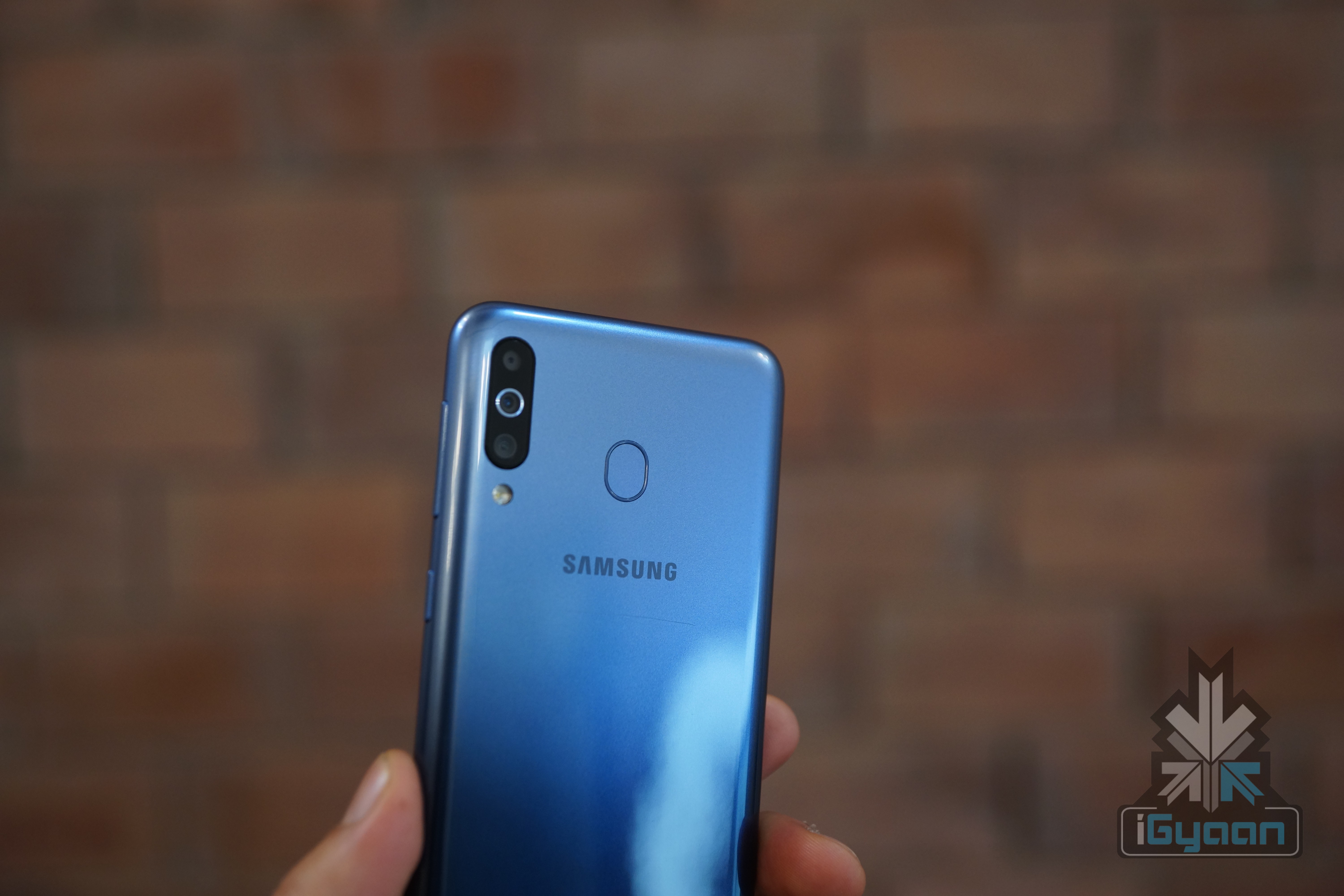
Leaks suggest that the Galaxy M40 will sport a 6.3 inch FHD+ display with a resolution of 2340 x 1080 px. The smartphone will boast of a high screen-to-body ratio thanks to the Infinity-O display (punch-hole display). The right side of the device will accommodate the volume rockers and the power button. The rear panel of the handset houses the triple camera setup, the fingerprint scanner and the company branding in the middle.
Samsung Galaxy M30
Under the hood, the Galaxy M40 will run on the Snapdragon 675 chipset, which consists of the octa-core Kryo 460 CPU and the Adreno 612 GPU. Information regarding different variants is unknown, but it is confirmed that the smartphone will launch with at least 6GB of RAM and 128GB of storage. It will be powered by a 3,500 mAh battery, unlike the Galaxy M30 (see review here), which packed a massive 5000 mAh battery.
Regarding optics, the Galaxy M40 will feature a triple rear camera setup, which will consist of a 32MP primary sensor, a 5MP depth sensor and a third 8MP ultra wide sensor. For selfies, it will sport a 16MP front camera housed in the in-screen cutout. Noteworthy, the M40 will be the first M-series smartphone to run on Android 9.0 (Pie) out-of-the-box.
As mentioned before, the Galaxy M40 will be unveiled by the company on June 11, 2019. Sources state that it will be priced around the price point of INR 20,000 (~$287). When launched, it will be retailed on an online-only basis, with the retailers being popular e-commerce website Amazon and Samsung’s own online store.
OnePlus 7 is the latest smartphone from the Chinese smartphone OEM OnePlus and was launched alongside the OnePlus 7 Pro on 14th of May. It is the successor to the OnePlus 6T from last year and features top tier specifications; which include a 6.41 inch AMOLED display, 7nm Snapdragon 855 SoC and up to 8GB of RAM and 256GB of internal storage.
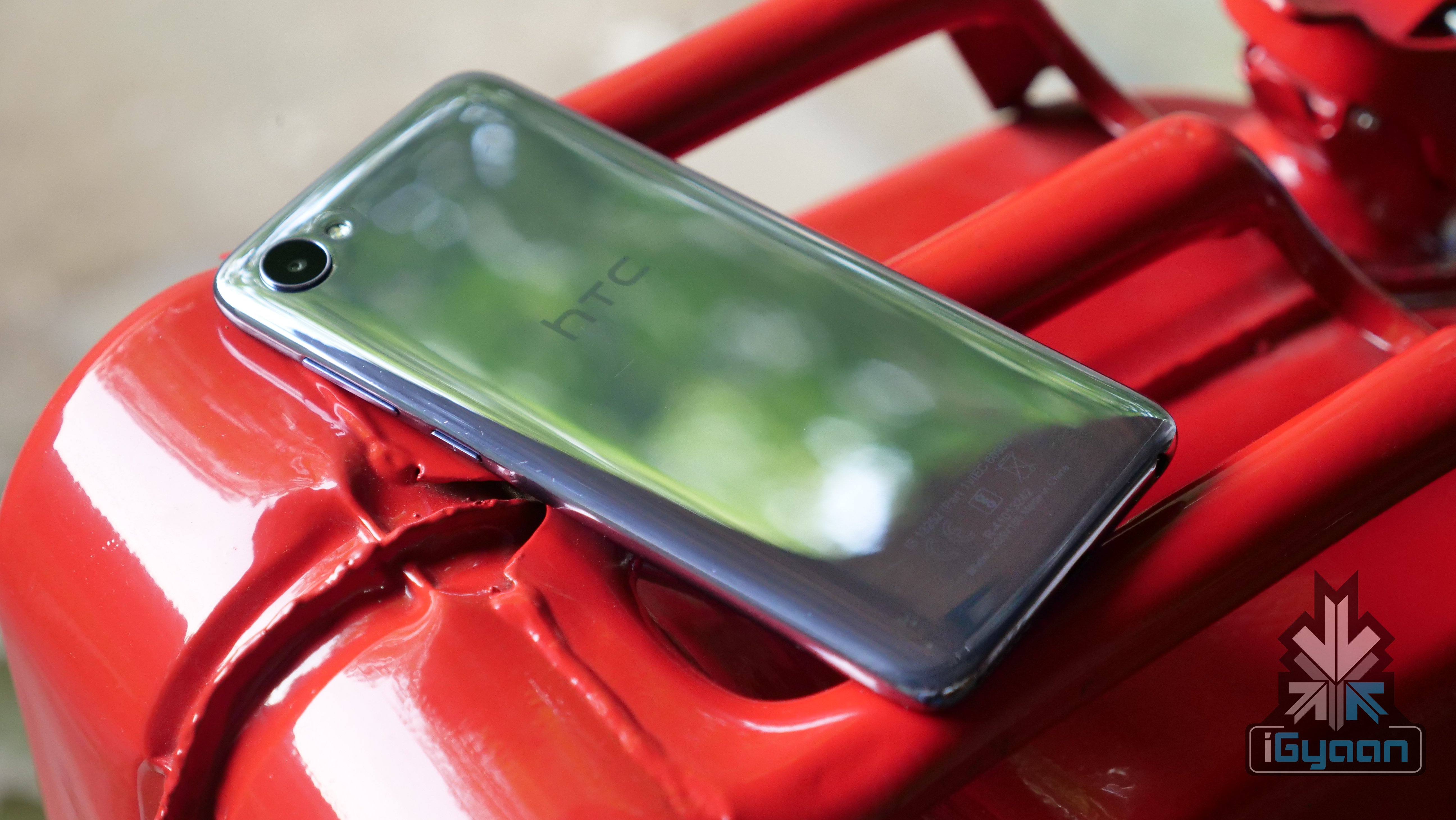
Taiwanese company HTC is best known for its smartphones. However, due to intense competition in the space, courtesy of Chinese OEMs, sales for the company have fallen significantly in the past few years. It has been long speculated that the company may exit the smartphone business altogether. However, in the month of April, a mid-range HTC handset surfaced on performance benchmarking platforms Geekbench and Antutu which suggests otherwise. Now, the device has been granted Bluetooth certification which suggests an imminent launch.
HTC Mid-range Smartphone
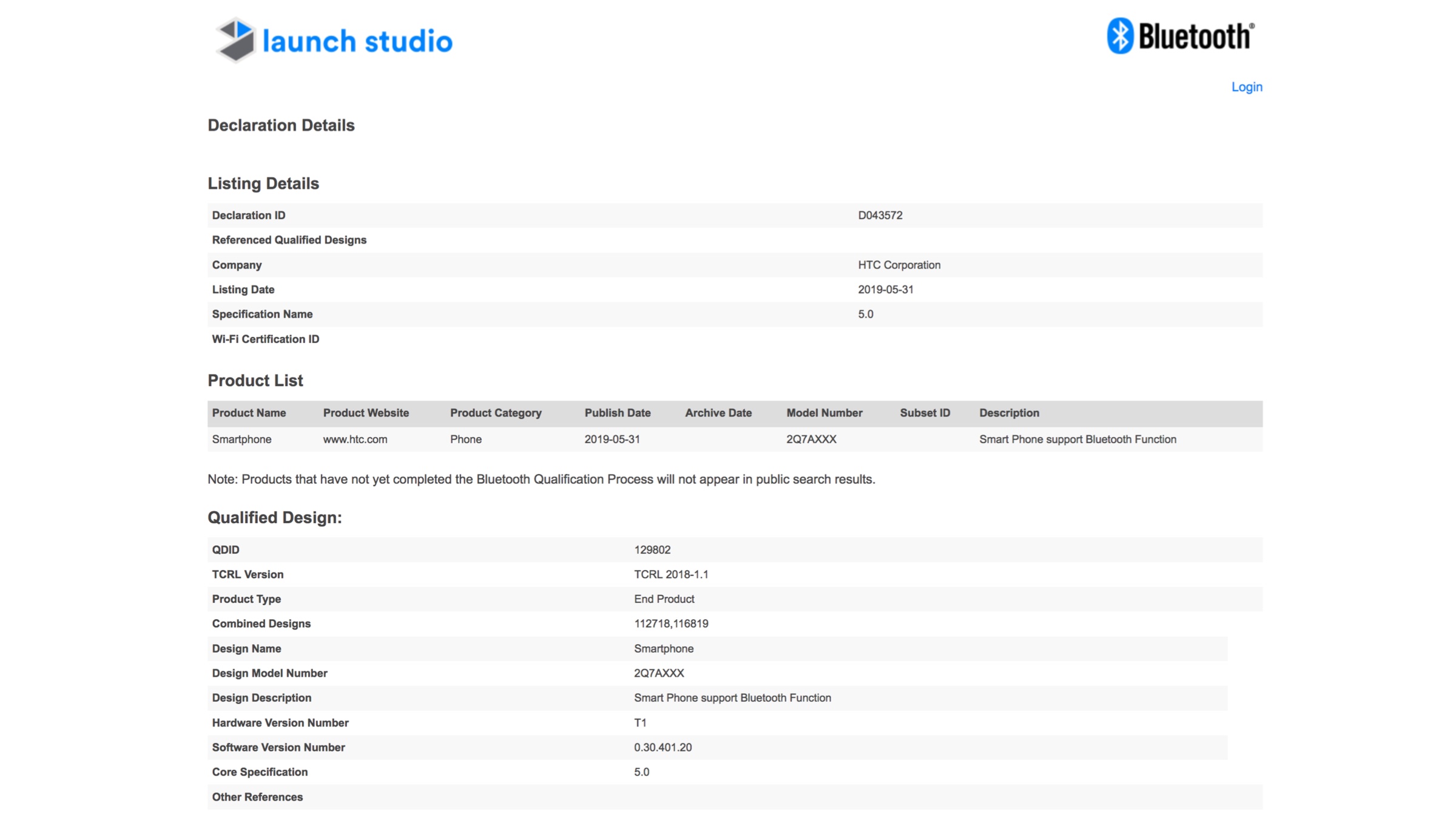
The mysterious smartphone from HTC is expected to be a mid-range offering. It has been certified by the Bluetooth Special Interest Group (SIG) with the model number 2Q7AXXX. This falls in line to the two previously leaked mid-range devices from the company. While the former had the model number 2Q7A100; the latter used the HTC 2Q741 moniker to identify itself. This insinuates the aforementioned handsets are part of a series that HTC may introduce soon. Unfortunately, the Bluetooth certificate of the smartphone does not add to the existing information about it, except for the fact that the upcoming device will have support for Bluetooth 5.0 Low Energy.
Previous leaks revealed the mysterious HTC mid-range smartphone will run on the 10nm Snapdragon 710 SoC. The chipset consists of an Octa-Core CPU and the Adreno 616 GPU. In terms of memory and storage, the device may have 6 GB of RAM and 128 GB of internal storage which might be further expandable via a microSD card. Even though the listing did not reveal the screen size of the upcoming device, it mentions an FHD+ resolution of 2160 x 1080 px. Unfortunately, HTC has not confirmed the authenticity of the leak, therefore, the price and the launch date of the upcoming smartphone by the company is anyone’s guess. But, the listing on the Bluetooth certification website hint toward an imminent launch.
Foldable smartphones are expected to be the technology trend for the year 2019. Samsung and Huawei have both showcased their first devices capable of folding into half. These handsets are the Galaxy Fold and the Mate X respectively. While the former was deemed ready for sales a few weeks ago, incidents questioning the smartphone’s durability surfaced online. This led to Samsung recalling the units in a bid to fix the issues plaguing them. While the market waits patiently for the Galaxy Fold to show up again, the major blow of the incidents seems to have been suffered by Xiaomi.
The Chinese smartphone OEM showed off its foldable smartphone in a series of teasers and videos over the past few months. It was also reported the device could make its way into the market in a few months at half the price of the Galaxy Fold and the Mate X. However, due to the increasing market insecurities over Foldable Smartphones, Xiaomi seems to have pushed back the release of its foldable handset.
Investors in the Xiaomi supply chain, had revealed that while the launch of the device was earlier planned in the month of June, our original source claims it has been postponed for later in the summer. This will allow Xiaomi to further test their foldable device.
Due to the unfortunate incidents with the durability of the Samsung Galaxy Fold, and the following negative sentiments regarding foldable smartphones; Xiaomi is delaying the release, and further testing their product, and also making sure that the insecurity over the Galaxy fold failure will not impact the sales of their foldable device. Our source claims that the company may wait till another manufacturer releases a foldable device, before they unveil the phone in its entirety.
The company was claimed to have sourced foldable displays from the display maker Visionox. A patent for a foldable Xiaomi device was also discovered around the same time. The rumoured handset by the company is also expected to feature the Snapdragon 855 SoC, up to 8GB of RAM and 512GB of internal storage.
The major attraction with the foldable Xiaomi smartphone is claimed to be its price. Our source told us that the device could retail at half the price of the already announced handsets from Samsung and Huawei, retailing in at about US$ 999 and arriving in India at a lucrative price tag of Rs 74,999. The handset is now expected later in the Summer, possibly after Samsung re launches the Galaxy Fold, and while Huawei Mate X is also expected in the month of July.
Apple’s latest generation of smartphones has been shrouded with plenty of rumours and speculations. The renders seem to strike the right chord with some but fail to impress others, regardless Apple is set to take centre stage with its latest lineup. Amongst the many leaks that have yet to be confirmed, the latest reports point towards the removal of 3D Touch input. The 3D touch is a feature that the company introduced in its handsets back in the year 2015 that has made a recurring appearance since and is now receiving a rain check with the latest generation of iPhones.
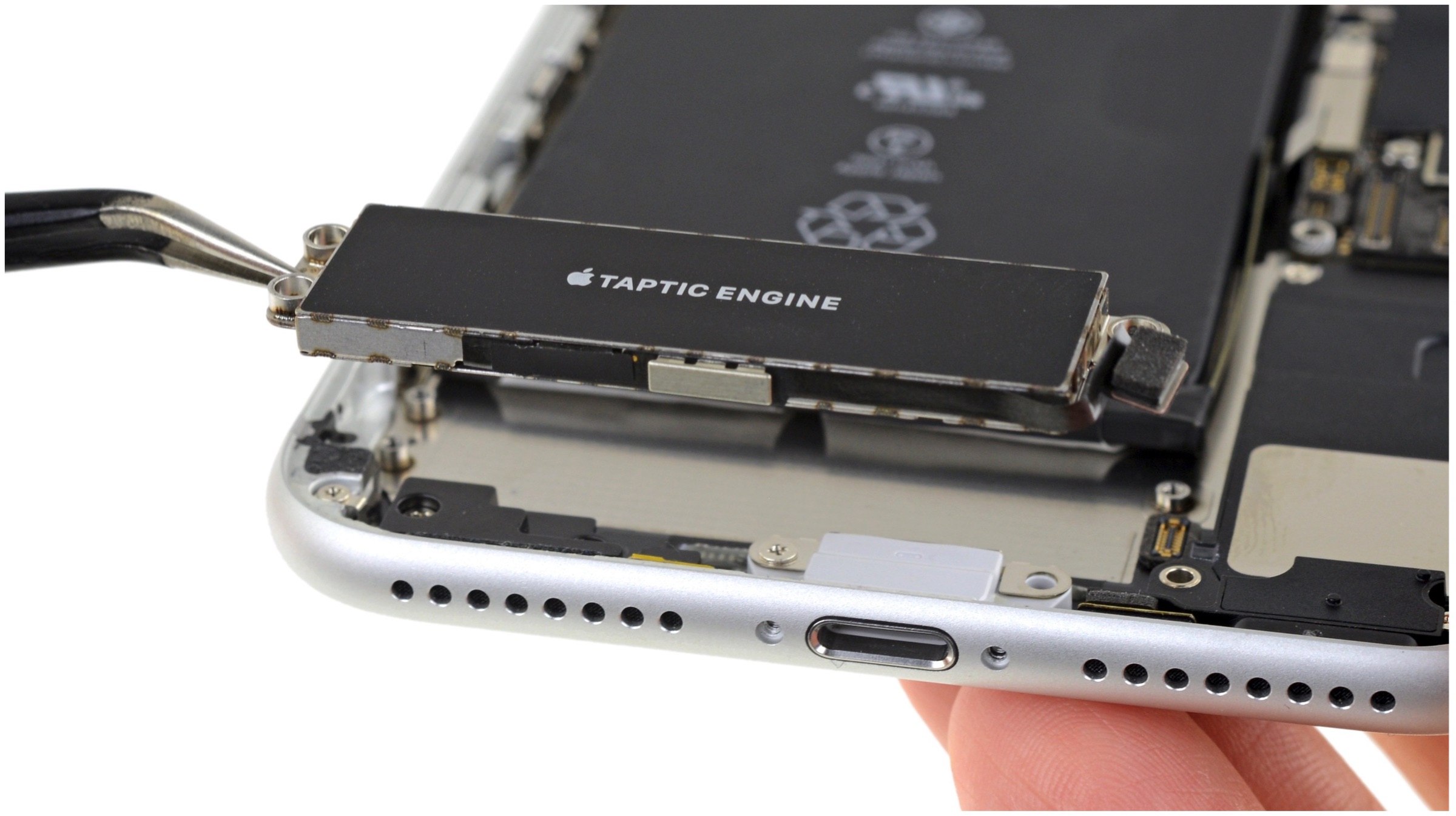
The exclusive pressure sensing technology from Apple has always been a cut above the rest was made possible by the company’s proprietary Taptic Engine. The seamless integration of 3D Touch within iOS added a varying degree of functionality to the user interface that saved time for users.
3D Touch allowed users to perform many useful ‘quick functions’ like ‘peak and pop’ where pressure on emails or other text-based apps allowed previews of messages and URLs without actually opening the said application or links. Apple, however, has been reported to have removed the Taptic Engine for cost efficiency and space management.
Apple’s Taptic Engine that powers the 3D touch is reportedly expensive to implement and takes up a lot of space inside the device. The company has sought to increase its profit margins and use the space for other potential components, like a larger battery. One of Apple’s best-selling iPhones the iPhone XR lacked the 3D Touch feature and still sold commendably. This is probably one of the major reasons that reassured Apple on its decision to make the feature optional.
Apple users have to, regardless of their stance on this decision, accept the removal of the Taptic Engine and lack of the 3D Touch functionality that was offered on previous iterations of iPhone models.
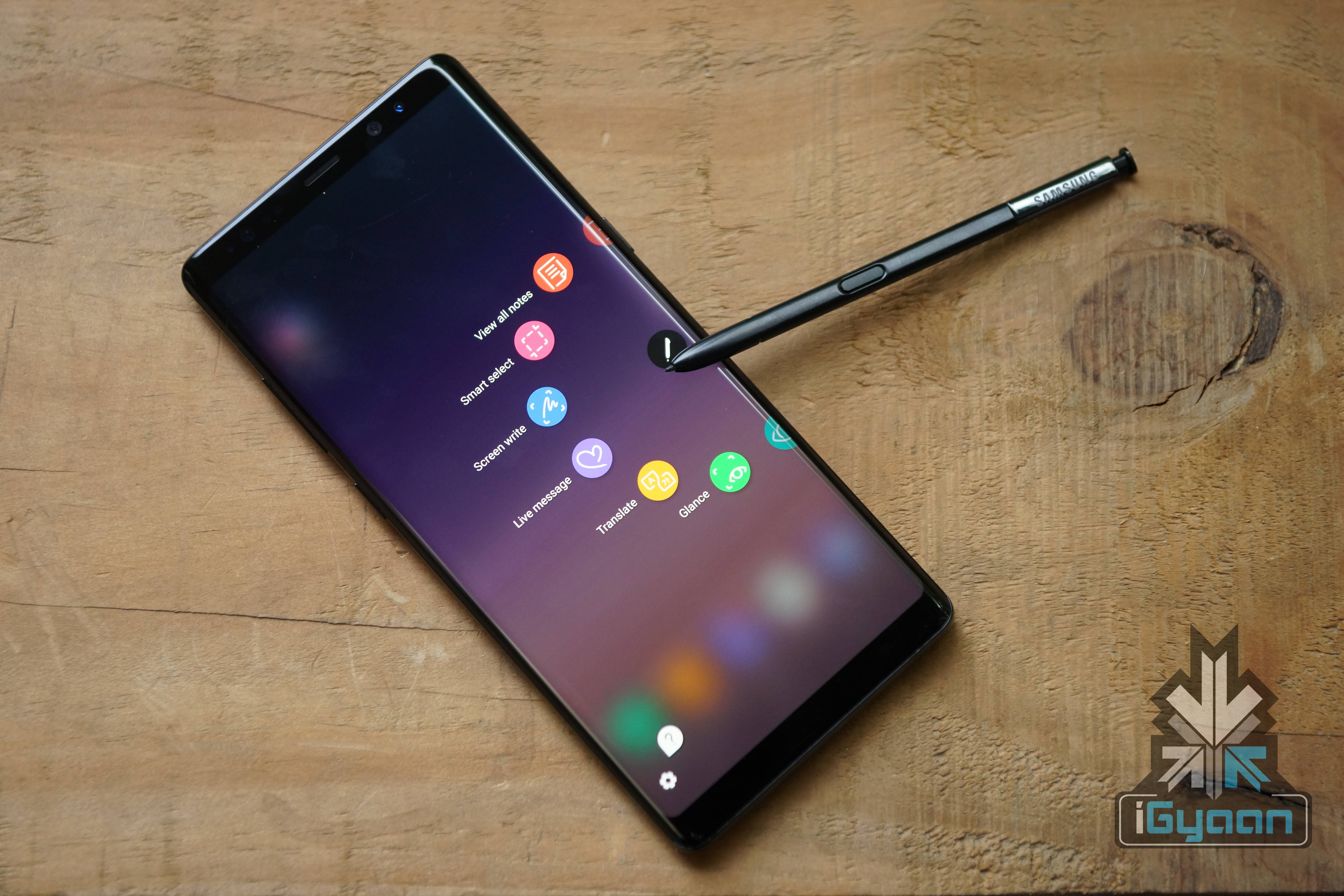
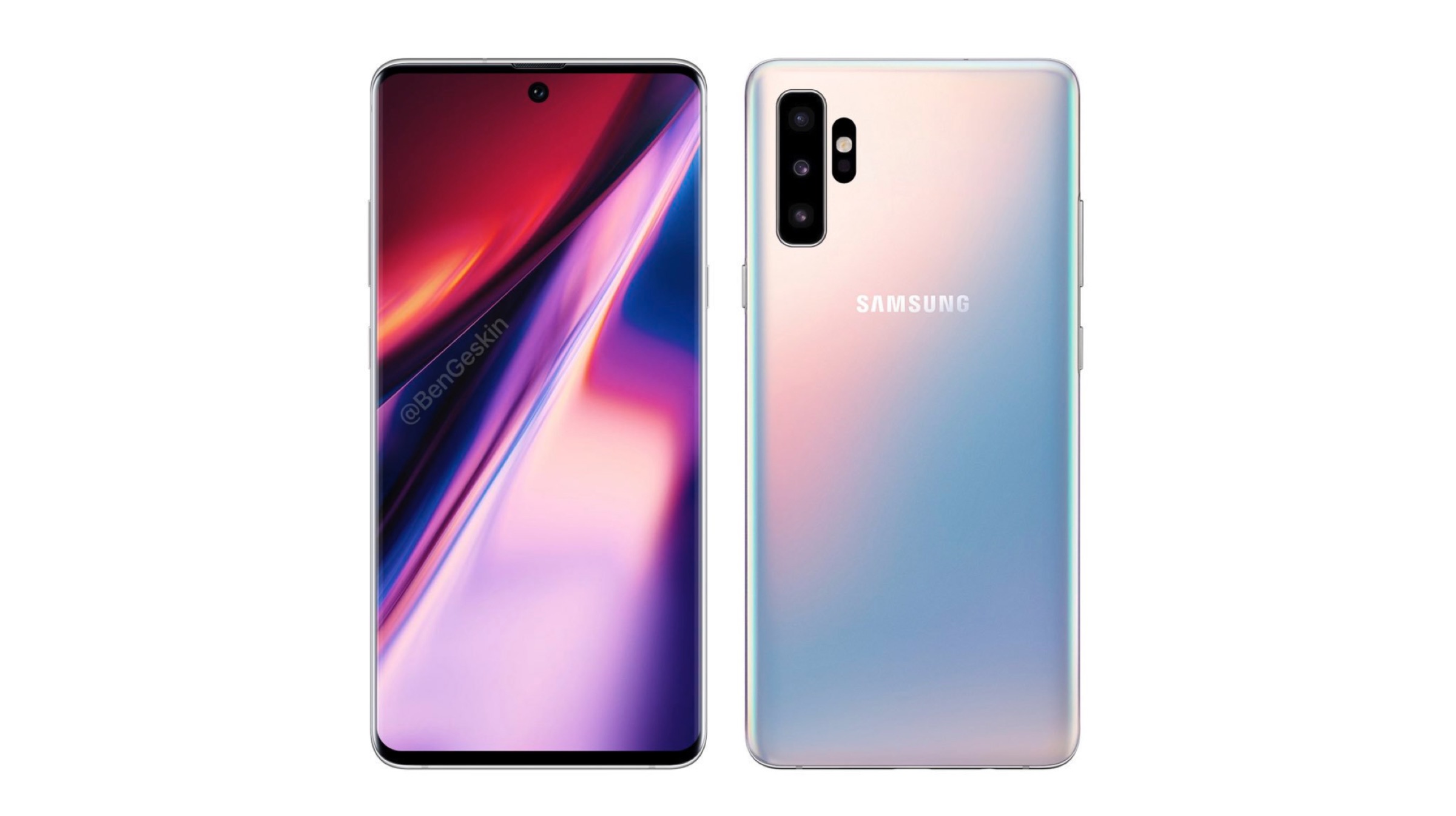
Samsung is known for launching its Galaxy Note series smartphones at the end of summer. Following the same launch cycle, the company’s upcoming flagship, the Galaxy Note 10 is expected to be unveiled in the month of August 2019. Ahead of its announcement, rumours regarding the device have started to surface. As per latest rumours, the 3.5mm headphone jack, which was retained in the Galaxy S10 seriessmartphones will reportedly not be present in the Note 10 devices. Furthermore, the flagship smartphone may not sport any physical buttons as well. The device will be released in two different variants, and both of them will sport the same button-less design.
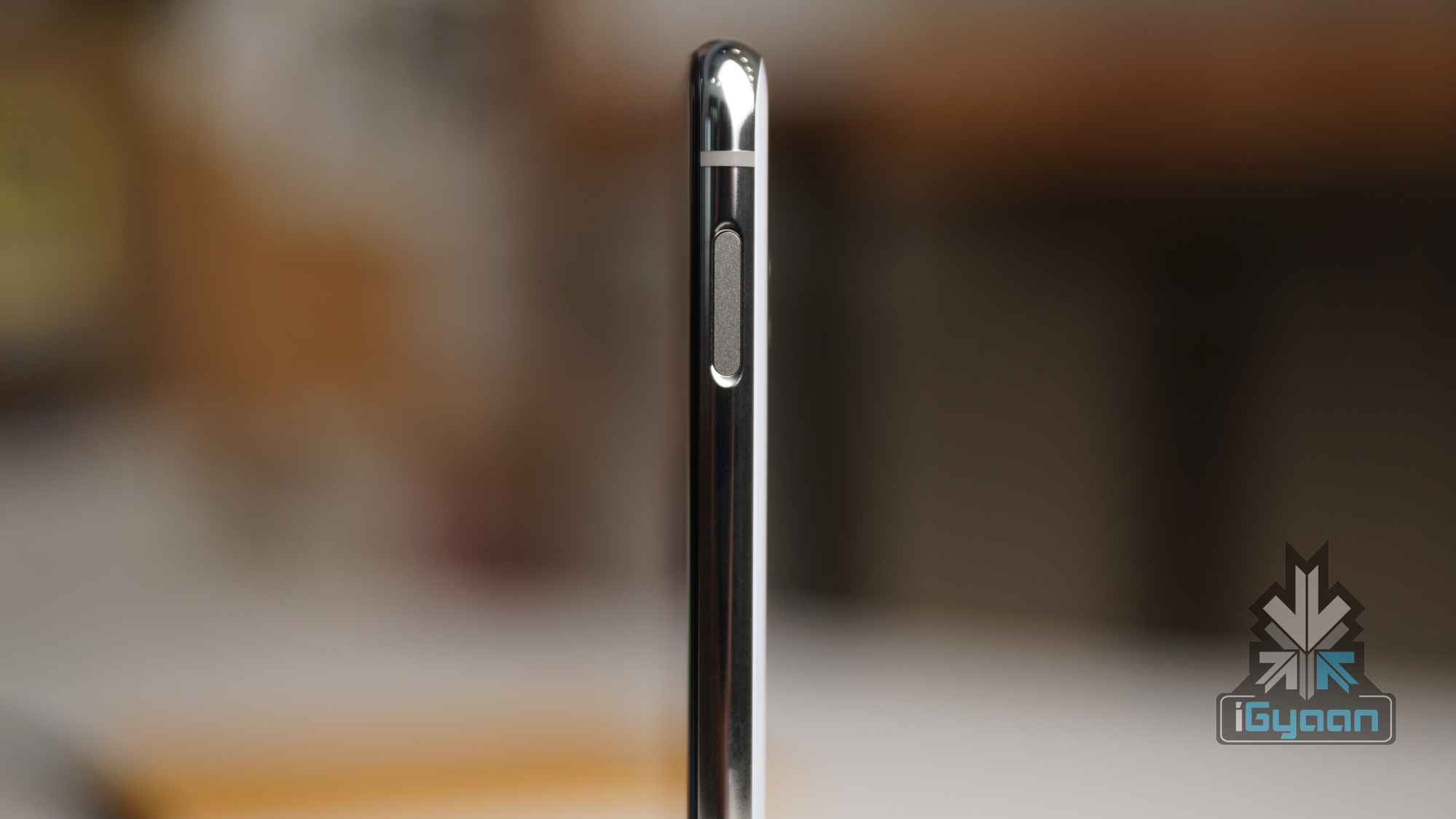
The rumours further state that the exterior buttons of the Galaxy Note 10 handsets will be replaced by capacitative or pressure sensitive buttons, that will be accessed by the user via raised bumps or a textured surface along the sides. Another device with the same design factor is the Vivo Apex, which is a step ahead and excluded all forms of ports and buttons from the device. Both the volume rockers and power button in the aforementioned smartphone were capacitative. Moreover, the device lacked all forms of ports, including the charging port. It had to be charged using the magnetic POGO pins at the back.
The removal of buttons from the smartphone will result in the absence of any cutouts in the frame of the device. This implies that the the Note 10 will have a slimmer design with increased structural integrity. Also, an IP68 water and dust resistance rating is easier to attain with the removal of physical buttons. However, we can expect that the Note 10 will not go port-less anytime soon, since the inclusion of a stylus and fast charging renders it impossible to do so.
A similar change was introduced to smartphones a few years back, when manufacturers inadvertently moved in favour of removing physical ‘home’ buttons from the devices. For instance, the iPhone 6Swas the last smartphone from Apple that featured a physical home button. The downside to such buttons is their tendency to wear out after a duration of time. On the other hand, capacitative buttons are much more resilient as compared to physical buttons. Another factor is the space consumed by the physical button module inside the device. The removal of physical buttons can ensure more space for the screen and other components.
As mentioned before, the buttons are not the only feature that is being eliminated. Rumours state that the 3.5mm headphone jack, which has been present in all Samsung flagships till date (except the Galaxy Fold) will be ditched in the upcoming Galaxy Note 10 smartphones. Other popular smartphone brands such as OnePlus and Apple have already gotten rid of the headphone jack in their flagship smartphones, and it seems that the South Korean technology company is planning to follow suit.
The Samsung Galaxy Note 10 is expected to be unveiled in the month of August 2019. It is speculated to feature a quad rear camera setup, a 19:9 display and a 4,500 mAh battery in the top variant. Also, the company may introduce a new stylus for the smartphones, which will boast of an inbuilt camera with optical zoom.

 In terms of optics, the device features a single rear 16MP (f/1.7) camera. which supports scene optimization via AI. The camera supports Full HD video recording. For selfies, the company has included a 5MP (f/2.2) aperture front camera, which is placed in the top bezel of the handset. It packs a 2800 mAh replaceable battery, which can be charged via the USB Type-C port present at the bottom of the smartphone. It supports Bluetooth v5.0 and NFC. In addition to a 3.5mm headphone jack, the XCover 4S also has a XCover key which can be assigned to any application or service of choice.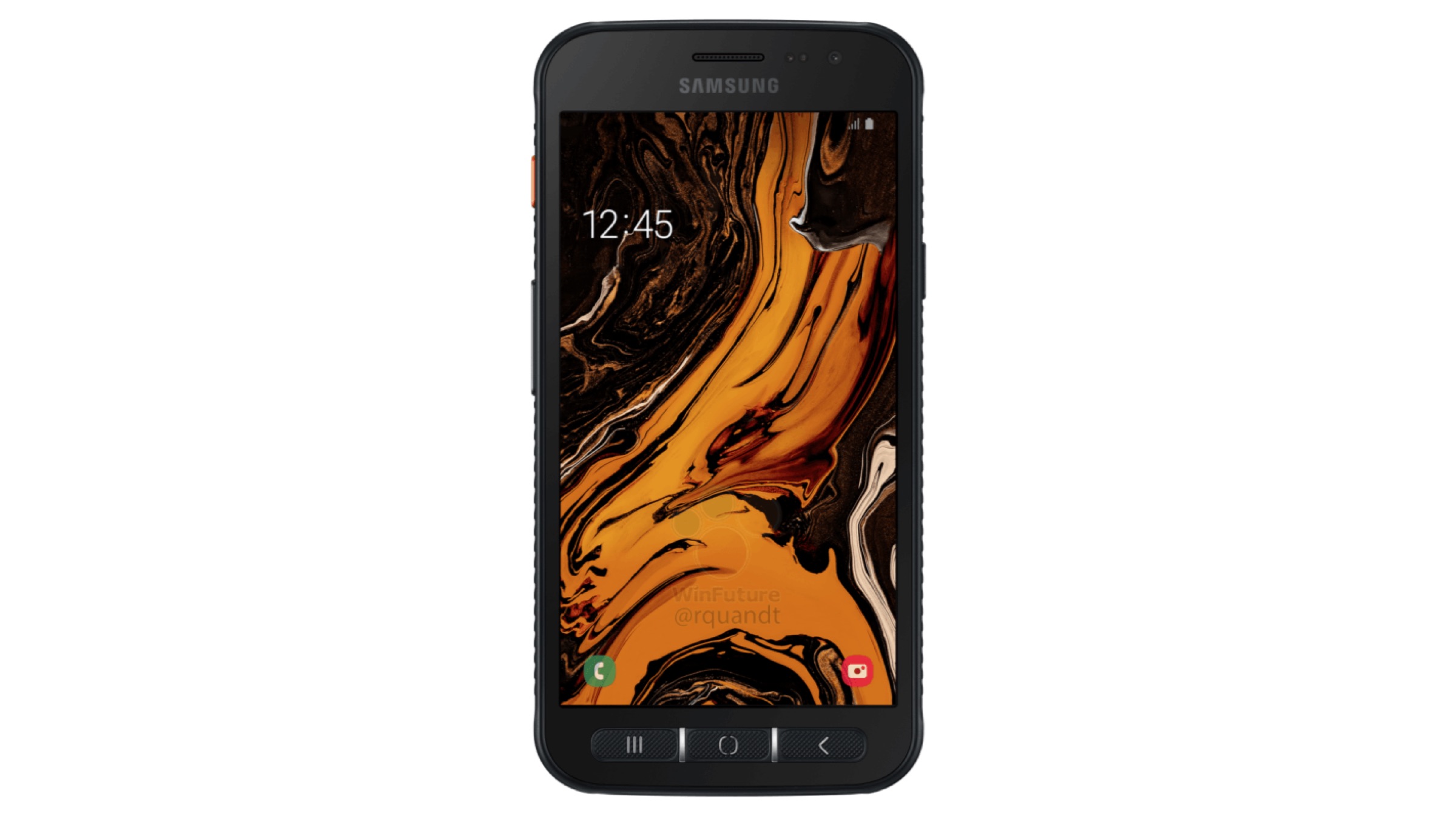





















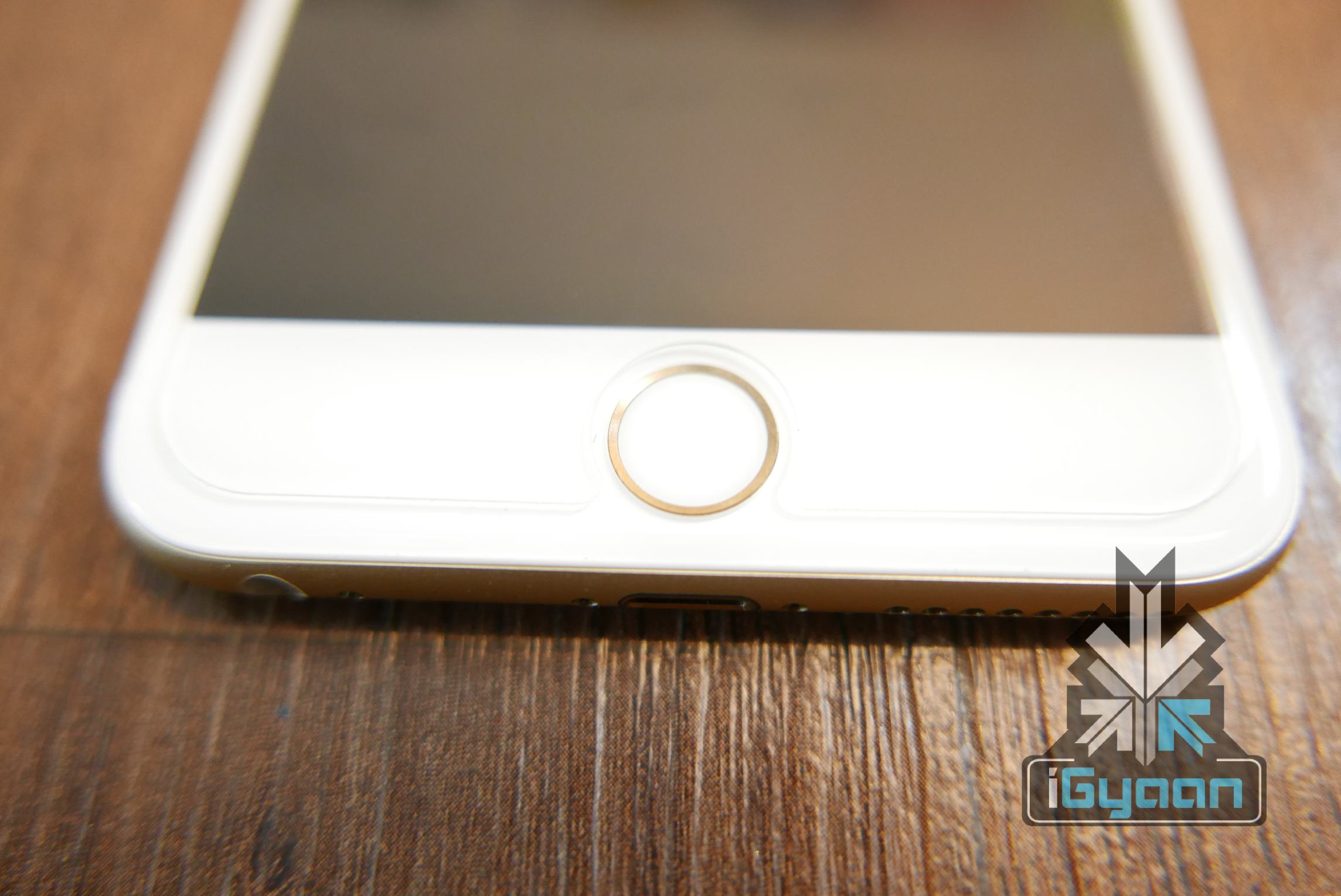 A similar change was introduced to smartphones a few years back, when manufacturers inadvertently moved in favour of removing physical ‘home’ buttons from the devices. For instance, the
 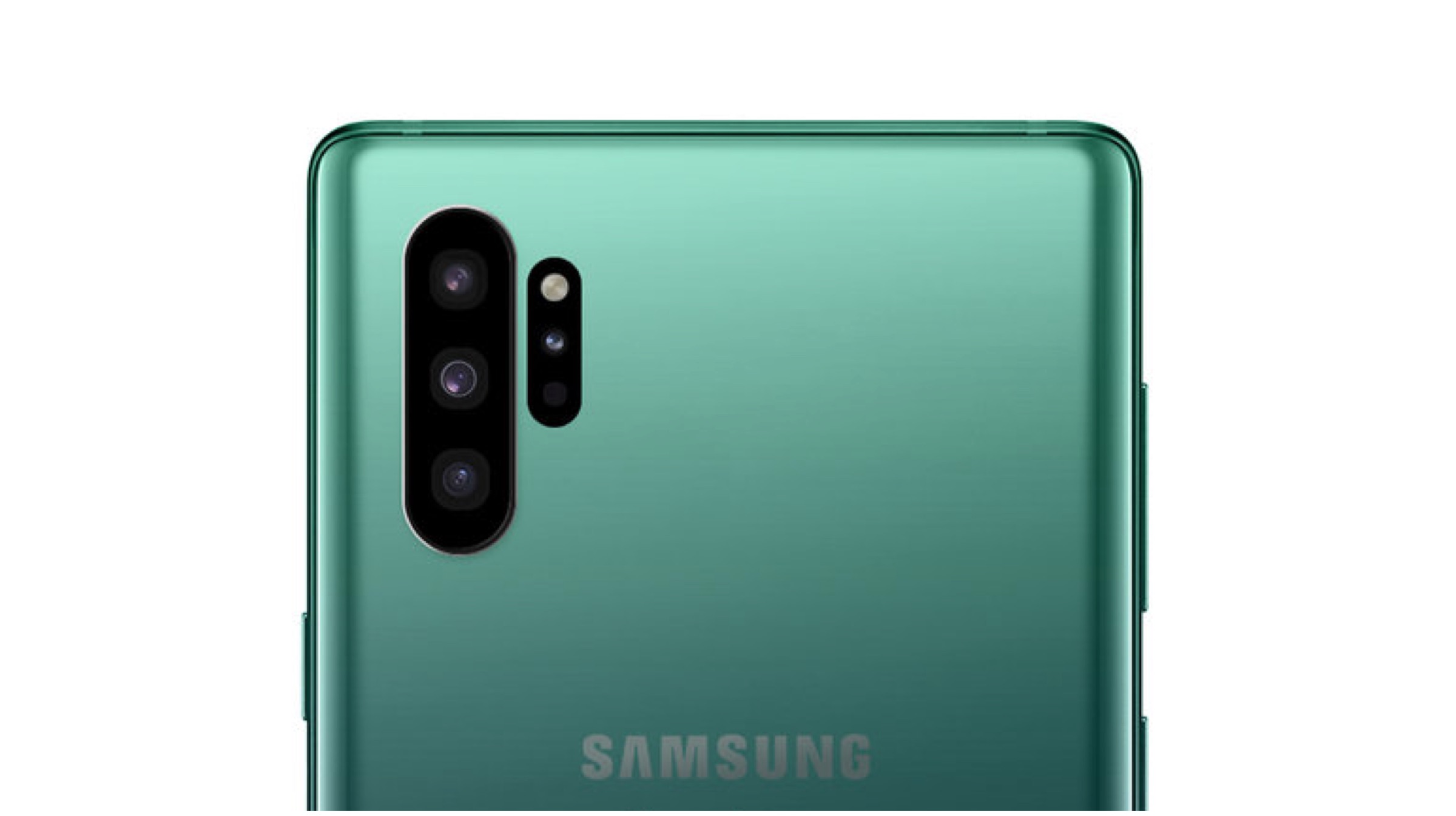 As mentioned before, the buttons are not the only feature that is being eliminated. Rumours state that the 3.5mm headphone jack, which has been present in all Samsung flagships till date (except the