Category: Tech

Latest Technology News, Alternative, Bio-Tech, Medical, R&D and Innovations

  • Kirin 970 Might Be Better Than Snapdragon 845

    Kirin 970 Might Be Better Than Snapdragon 845

    Upcoming smartphones of 2018 will mostly be powered by the new Qualcomm Snapdragon 845 chipset. Back in October, Huawei unveiled its new flagship chipset, the HiSilicon Kirin 970 chipset with an NPU. A new image has been doing the rounds on Weibo that reveals a few benchmark results wherein the Kirin 970 appears to outscore the Snapdragon 845 chipset.
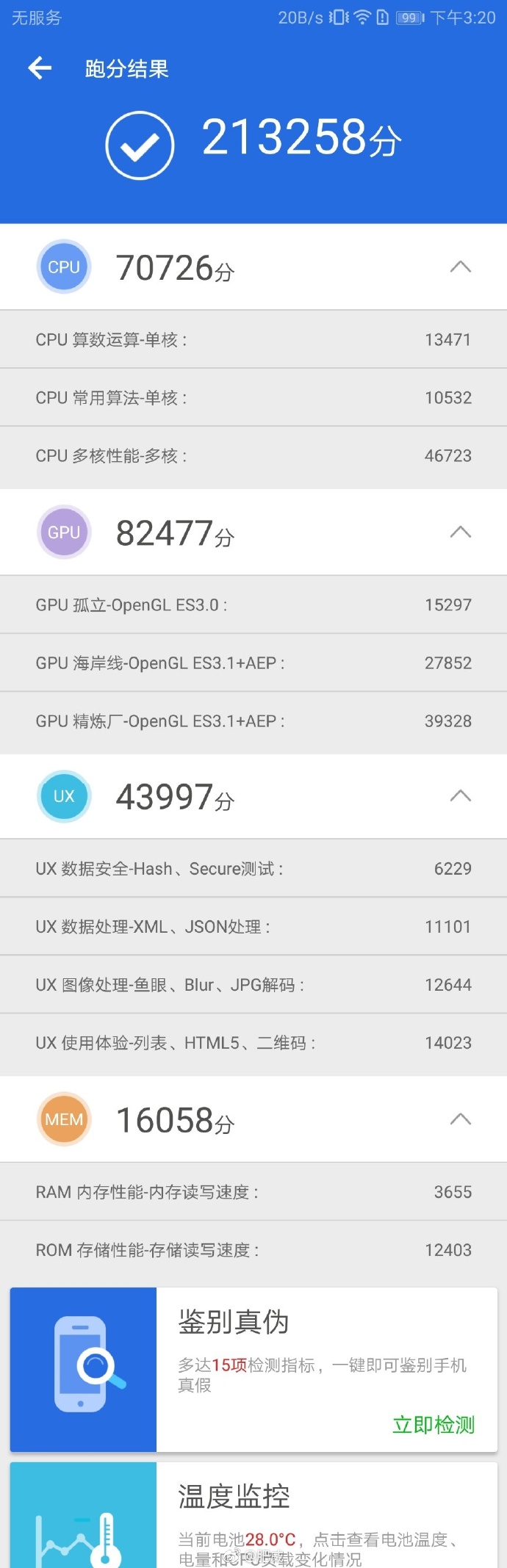
    The benchmarks are of the Huawei Mate 10 Pro which was launched in October and is powered by the HiSilicon Kirin 970 chipset. It scores impressively, achieving 213258 points. The difference between the two chipsets isn’t enormous and should definitely not sway a consumer to the other side. Also, synthetic benchmark scores barely indicate what the real-world performance of a chipset is like, especially when the difference between the two is so marginal.

    A few weeks ago, Samsung confirmed that it would manufacture the Snapdragon 845chipset on its 10nm LPP process. And now, a new report by Nikkei claims that TSMC is set to take over Samsung’s role for manufacturing Qualcomm’s modem and core processor orders next year.

    The report reads:

    Qualcomm’s flagship Snapdragon 835 and Snapdragon 845 processors are made by Samsung using 10nm technology. Snapdragon 835 processors have been adopted by a wide range of smartphone makers including Samsung, Oppo, Sony and Xiaomi, while Xiaomi will be the first to use the Snapdragon 845 chip that was unveiled earlier this month

    The report also claims that an industry executive believes that Samsung is losing Qualcomm orders to TSMC because the company will not be fabricating 7nm chips in 2018. The report went on to state that “Qualcomm is still likely to transfer orders back to Samsung in 2019 if its 7nm chip facility becomes ready.”
  • OnePlus 5 Is Getting The OnePlus 5T Feature Everybody Is Raving About

    OnePlus 5 Is Getting The OnePlus 5T Feature Everybody Is Raving About

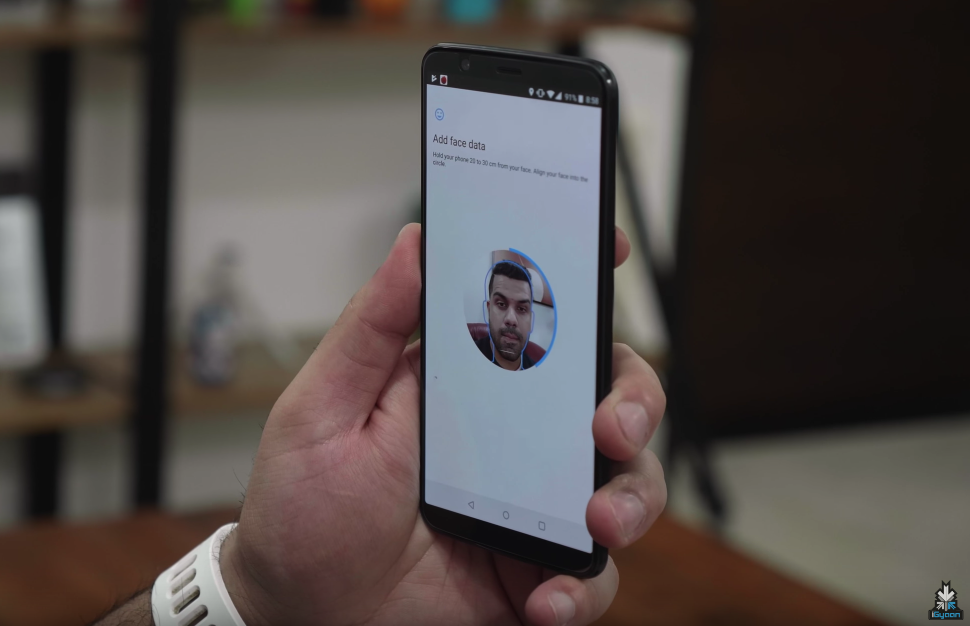
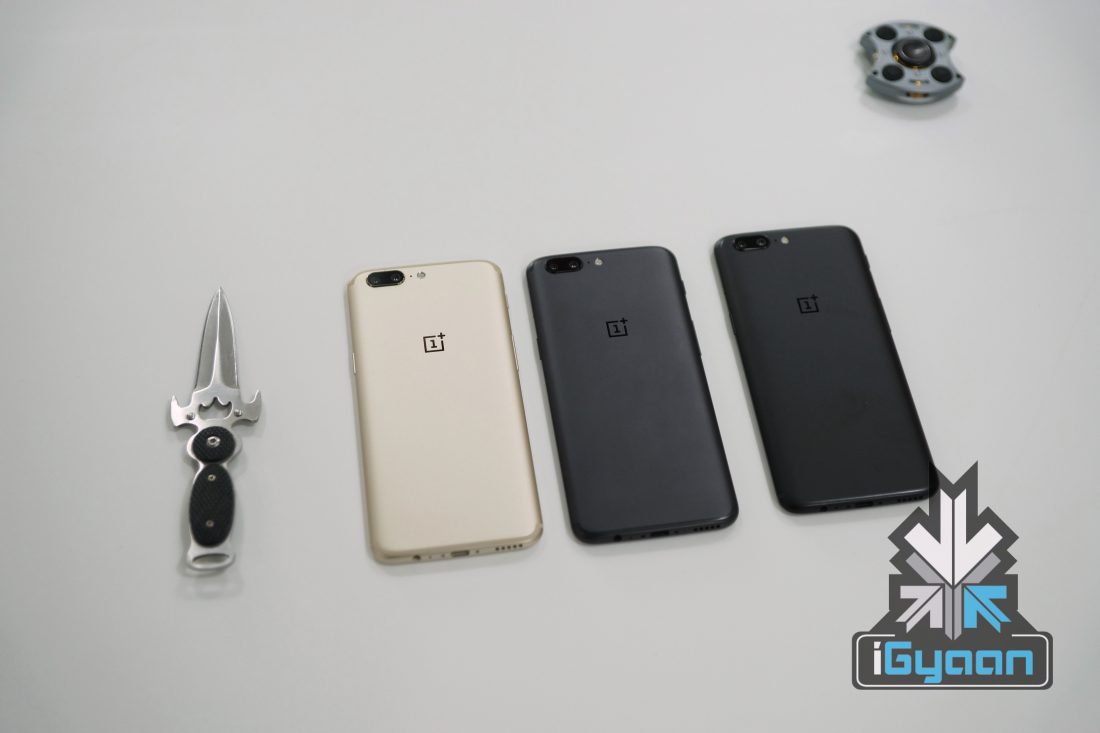
    The OnePlus 5T was launched back in November, just 5 months after its older flagship sibling the OnePlus 5 was launched. While many OnePlus 5 owners betrayed that the new device had come out just a few months later with a better design, in a nutshell, the OnePlus 5T was not that big an upgrade. The one thing that everybody has noticed about the OnePlus 5T is its Face Unlock technology. What was exclusive to the OnePlus 5T is now finally arriving in the OnePlus 5 as well.

    https://twitter.com/getpeid/status/944915403398098944

    [amazon_link asins=’B01FM8M0EI’ template=’ProductAd’ store=’igyaan-21′ marketplace=’IN’ link_id=’452ebc05-e952-11e7-ad0b-b3d612b3a656′]

    OnePlus co-founder Car Lei took to Twitter and announced that the Face Unlock feature will soon be coming to the OnePlus 5 as well. Unlike Face ID, OnePlus’ facial recognition doesn’t use any extra hardware and only makes use of the front-facing camera and software tweak. This is a welcome news for a lot of OnePlus owners especially those who felt dejected after the launch of the OnePlus 5T.

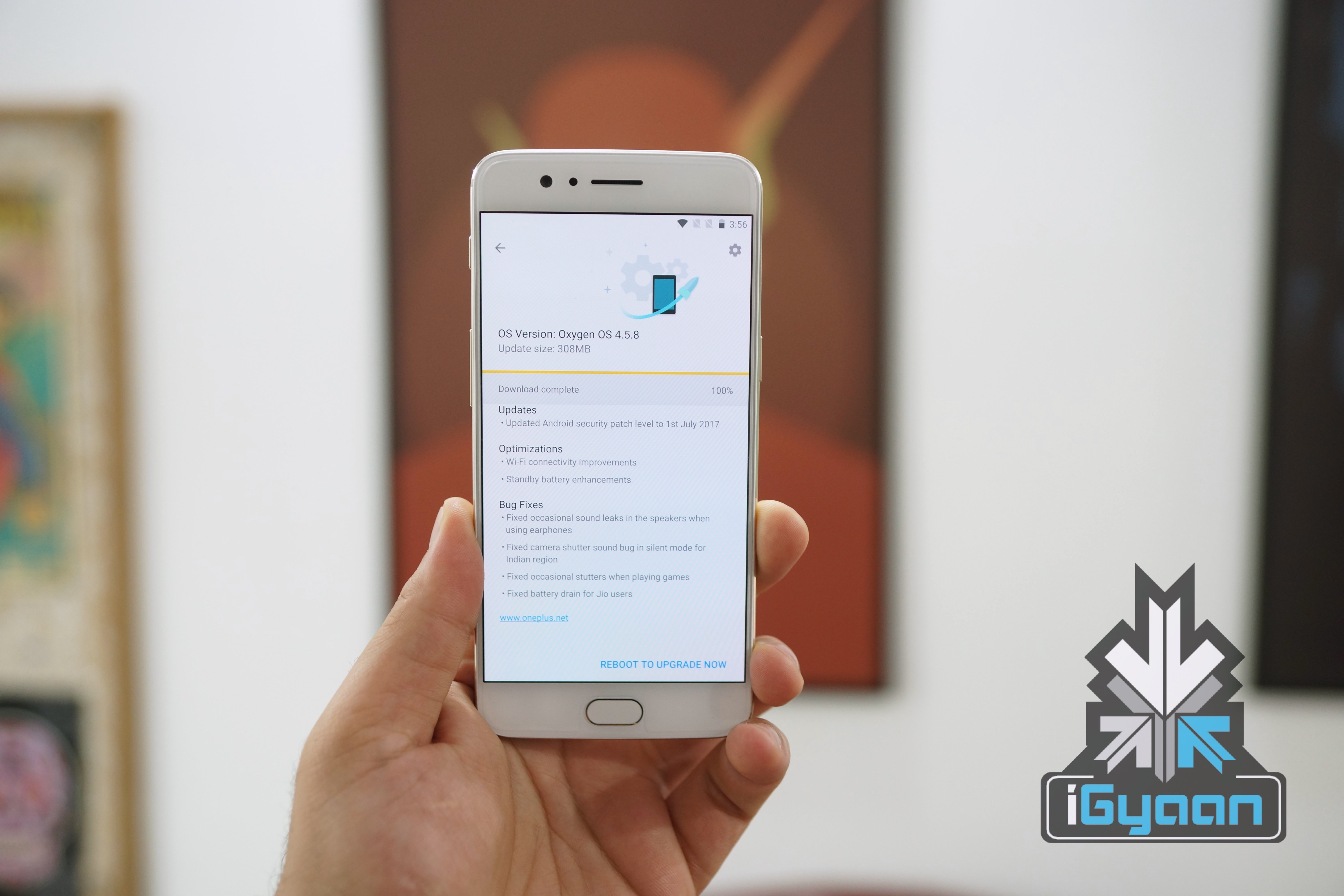
    The OnePlus 5 has also started receiving Android 8.0 Oreo update with OxygenOS 5.0 update. The company announced the new update on its forum page and detailed all the new features along with the new December security patch.

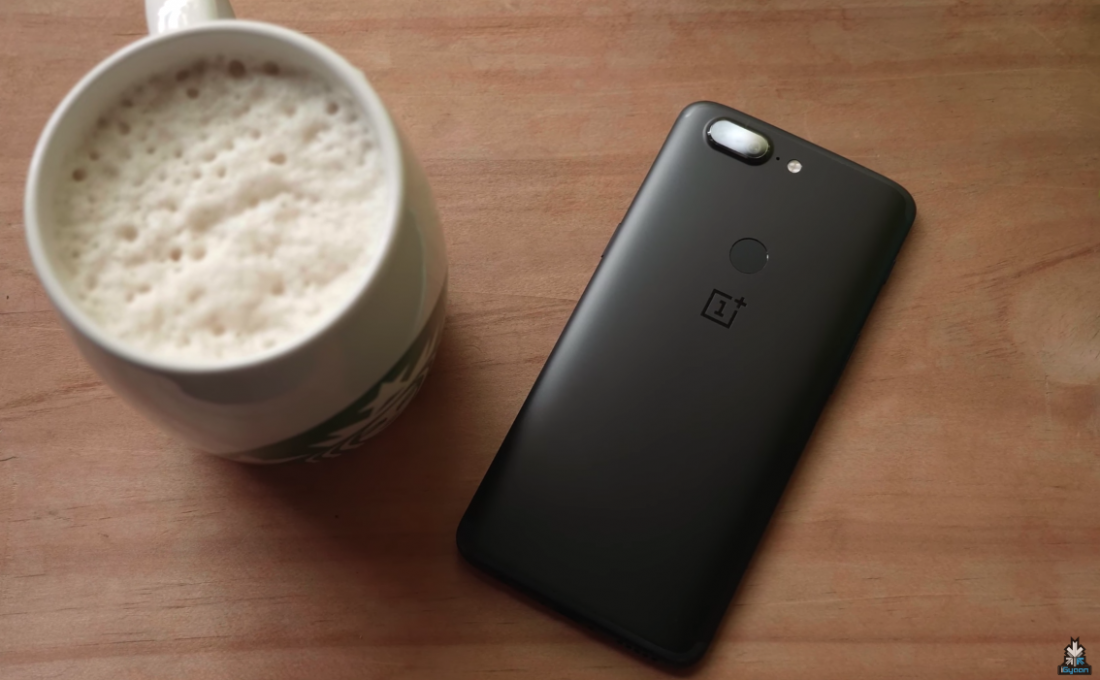
    In terms of specifications, the OnePlus 5 is almost identical to the OnePlus 5T in all aspects except the screen size and the primary camera setup. The OnePlus 5 has a 5.5-inch AMOLED display with a 1920 x 1080 px display while the OnePlus 5T has a 6-inch 2160 x 1080 px AMOLED display with thin bezels. The OnePlus 5 has a regular lens and a telephoto lens at the back while the OnePlus 5T has two lenses of the same size and the same f/1.7 aperture.
    [amazon_link asins=’B0756ZFXVB’ template=’ProductAd’ store=’igyaan-21′ marketplace=’IN’ link_id=’3862d33b-e952-11e7-a8fa-ed2fde25d236′]

    OnePlus recently announced that it will soon stop manufacturing the OnePlus 5 but, will support the device for the coming year and that it will also receive the Android P update.

  • Next Sony Flagship Will Have The Snapdragon 845 Chipset

    Next Sony Flagship Will Have The Snapdragon 845 Chipset

    Sony and its upcoming flagship phones have been in the news for the past few days. Various image leaks are pointing towards a design overhaul for the Sony flagship lineup and it appears that the company will take it up a notch.

    A new Geekbench listing reveals the Sony H8266 device being powered by the Qualcomm Snapdragon 845 chipset. Apart from the chipset, the listing reveals that it will have 4GB of RAM which has become standard for all flagships nowadays.

    The news about it sporting the Snapdragon 845 chipset is a welcome surprise as it was widely speculated that Samsung will have exclusive early access to the new flagship chipset.

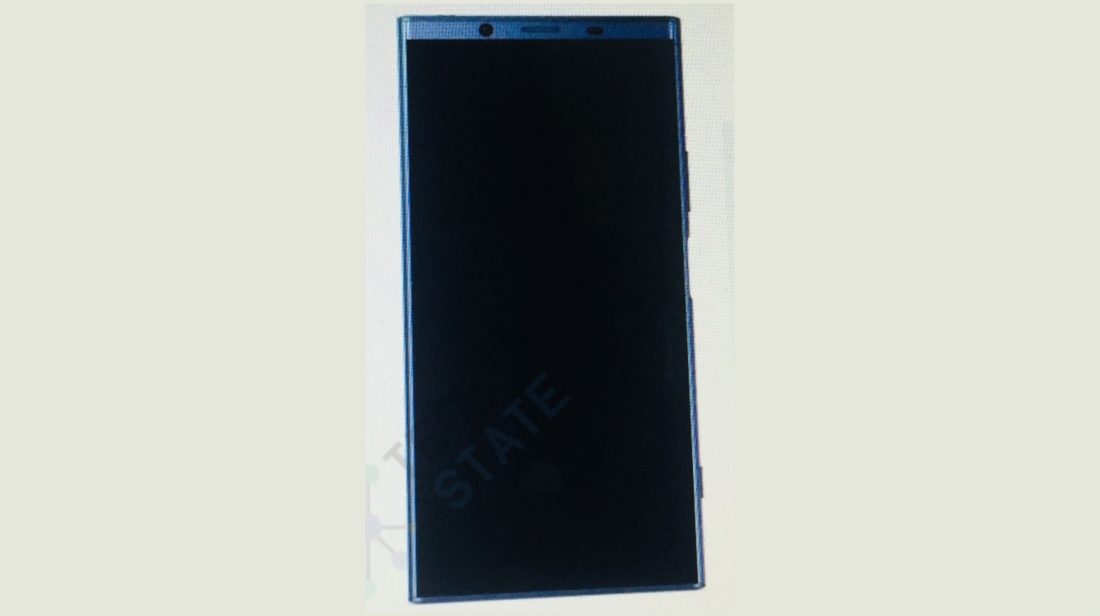
    The image reveals a design similar to the Xiaomi Mi Mix 2 with three sides of the device having minimal bezels and the top housing all the sensors and the secondary camera. Although the Xiaomi Mi Mix 2 has a thicker chin, the Xperia phone has a thicker forehead. The phone appears to have the power button on the side, most likely with a fingerprint scanner embedded. There is also a volume rocker and dedicated camera button on the right side.

    Leaked Image Of The Alleged Sony Xperia Phone

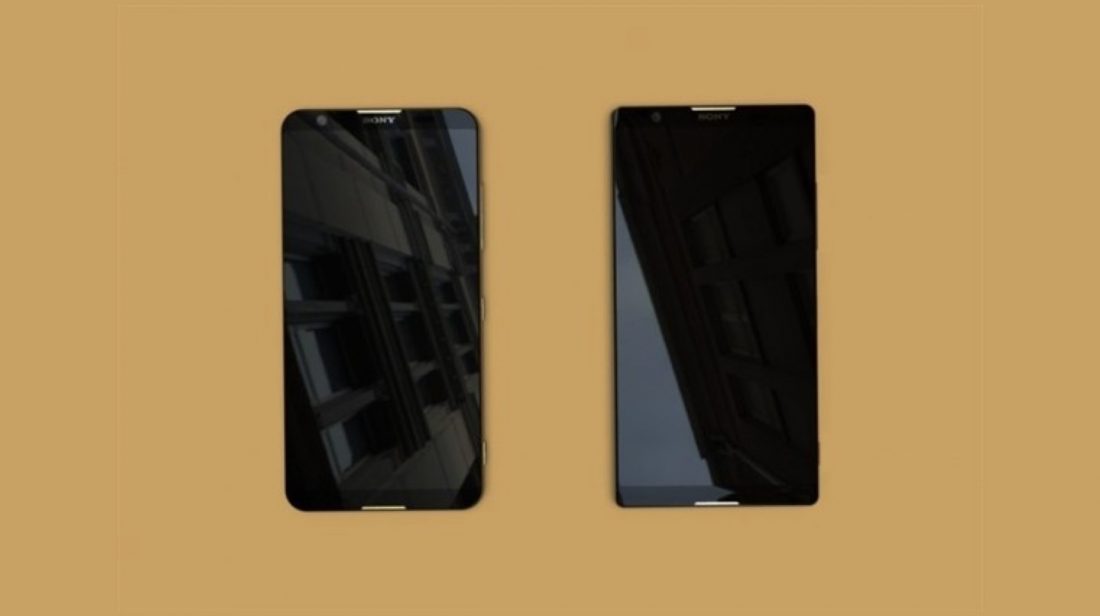
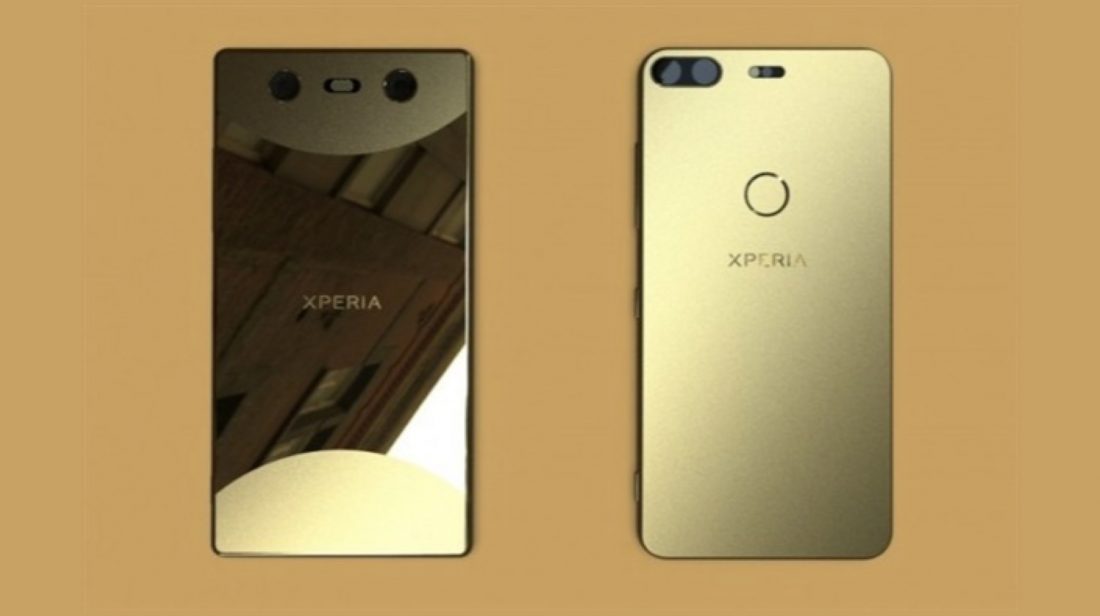
    Just like any other leaked image, it is fair to assume that this could easily be a doctored image and the real device could have a completely different design. But, until the time Sony announces the device itself, it is a good design cue for the company. Recently, images of two Sony Xperia phones were leaked along with a few specifications. Just like the image, these images also reveal the design shift that Sony will make in 2018 for all its flagship phones in 2018.

    Leaked Image Of The Alleged Sony Xperia Phone

    The next Xperia device could be unveiled at the upcoming CES or MWC event where a lot of other smartphones are also expected to be announced, most notably the Samsung Galaxy S9 and S9+.

  • Elon Musk Reveals The Roadster He Is Planning To Send Off To Space

    Elon Musk Reveals The Roadster He Is Planning To Send Off To Space

    A few weeks ago, Elon Musk revealed plans of sending a Teal Roadster inside the Falcon Heavy next year. Now, Elon Musk took to Instagram to show off a few images that is being prepped for the iconic launch into space.

    Musk said that test flights are usually boring and contain mass in the form of concrete or steel blocks to test load capacity.

    https://www.instagram.com/p/BdA94kVgQhU/?taken-by=elonmusk

    Falcon Heavy is the successor to SpaceX’s Falcon 9. It is supposed to be a more powerful rocket that the SpaceX plans to use for missions to the Moon and Mars. The first flight for Falcon Heavy was scheduled to take off in 2013 or 2014 but, it has been confirmed that the highly anticipated flight will take off in January 2018.

    Falcon Heavy is three Falcon 9 rockets strapped together. Therefore, the Falcon Heavy will be capable of creating around three times the thrust of a single Falcon 9 rocket, allowing SpaceX to perform missions beyond low Earth orbit.

  • Moto X4 Is Getting Android 8.0 Oreo Update

    Moto X4 Is Getting Android 8.0 Oreo Update

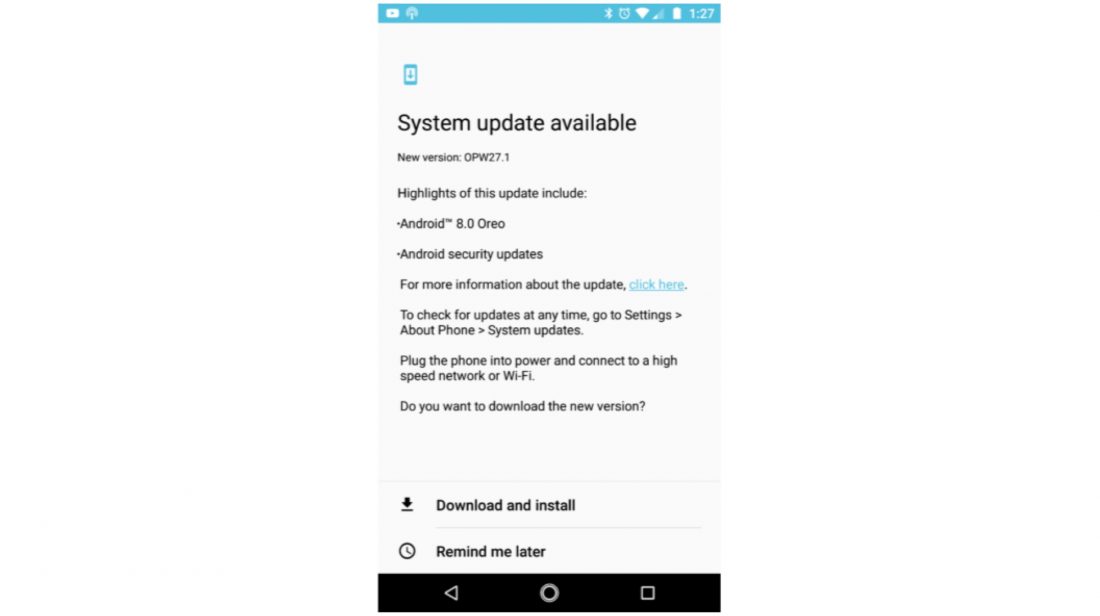
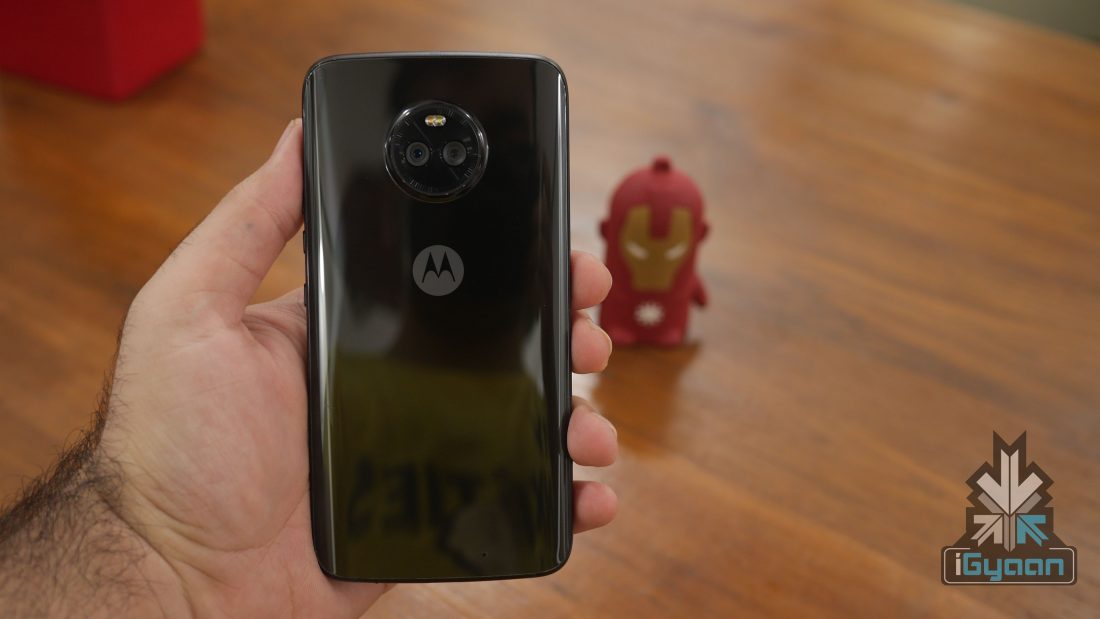
    Moto X4 Android One edition has started receiving Android 8.0 Oreo update. At the time of its launch, the company had promised an update of Android 8.0 Oreo by the end of the year, and it has delivered on the promise. In addition, the update also includes the latest Android security fixes.

    The Moto X4 that launched in India is the regular variant which, even though has a stock Android OS, is far from being an Android One phone. However, with the Moto X4 Android One variant receiving the Android 8 Oreo update, it is fair to assume that an update for the regular Moto X4 might not be too far away.

    The Moto X4 has a 5.2 inch 1920 x 1080 px LTPS IPS LCD display with Corning Gorilla Glass 3 on top for protection.

    The Moto X4 has the Qualcomm Snapdragon 630, 2.2 GHz octa-core processor and Adreno 508 GPU, along with 3GB or 4GB of RAM and 32GB or 64GB of onboard storage which can be expanded up to 2TB via microSD card. The fingerprint sensor is housed inside the home button which also doubles up as a single navigation button. The Moto X4 is powered by a 3000 mAh battery with TurboCharge capabilities. The company claims that the 15 mins of charge can give up to 6 hours of talk time. It has an IP68 rating for water and dust resistance.

    The Moto X4 has a dual-camera setup at the back. The main camera is a 12MP sensor with an f/2.0 aperture, and the 8MP secondary camera with an f/2.2 aperture is equipped with a wide-angle lens. The dual-cameras allow users to have depth effect shots, bokeh effect shots, ultra-wide angle shots, and selective focus shots. On the front of the device is a 16MP camera with an f/2.0 aperture and an LED flash. The cameras record 4K videos at 30 FPS.

    We will keep you updated as and when the Android 8.0 Oreo update for the non-Android One variant comes out.

  • Worried If Apple Has Slowed Down Your iPhone? Here’s How To Check

    Worried If Apple Has Slowed Down Your iPhone? Here’s How To Check

    It is no longer a conspiracy theory doing the rounds on the internet. Apple has come forward and conceded that it does indeed make older iPhones run slower in order to prolong its battery life. While much can be said about the intentions and actions of Apple, it is fair to assume that if you have an old iPhone, you would’ve thought about the repercussions of these actions.

    In a nutshell, what Apple is doing is occasionally restricting the processor of some old iPhones, specifically those that have batteries that can’t hold a proper charge. To tackle battery ageing in a more efficient way, what Apple is doing for older iPhones is it is capping the processor power to prolong the age of the battery. This is a is a lithium-ion chemistry issue, not an Apple or any other OEM issue. Over time, batteries just become bad. This is an attempt to make people’s phone work for longer with fewer issues, not to get them to switch away from it.

    Here are a few steps you need to take to see if your phone has been a part of Apple’s intentions to prolong the life of the old iPhones.

    Check the model of your iPhone

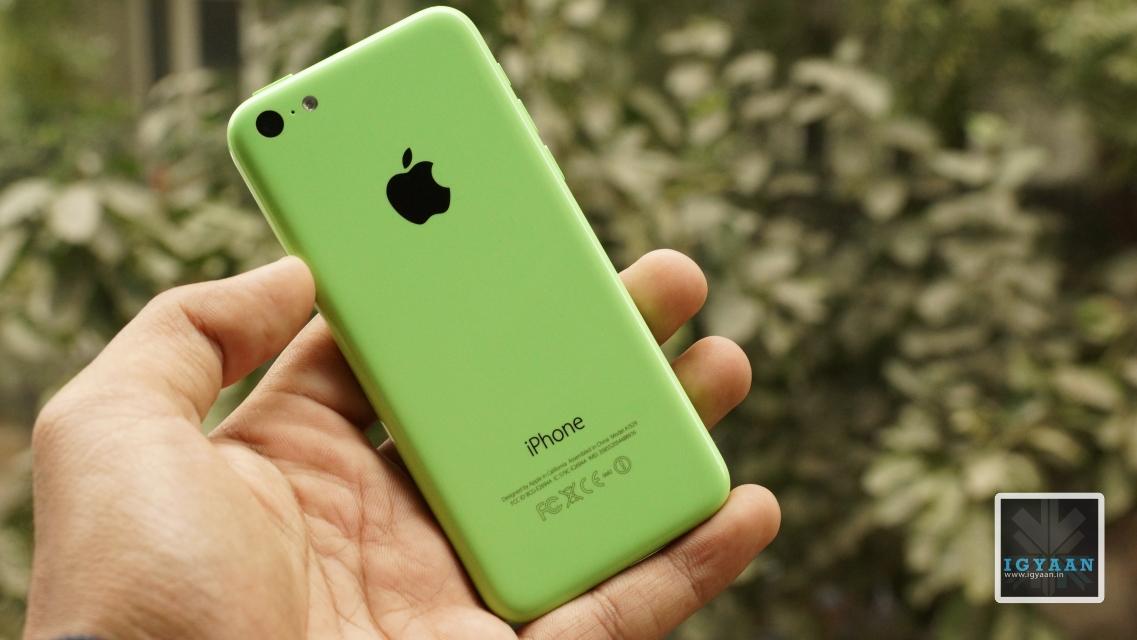
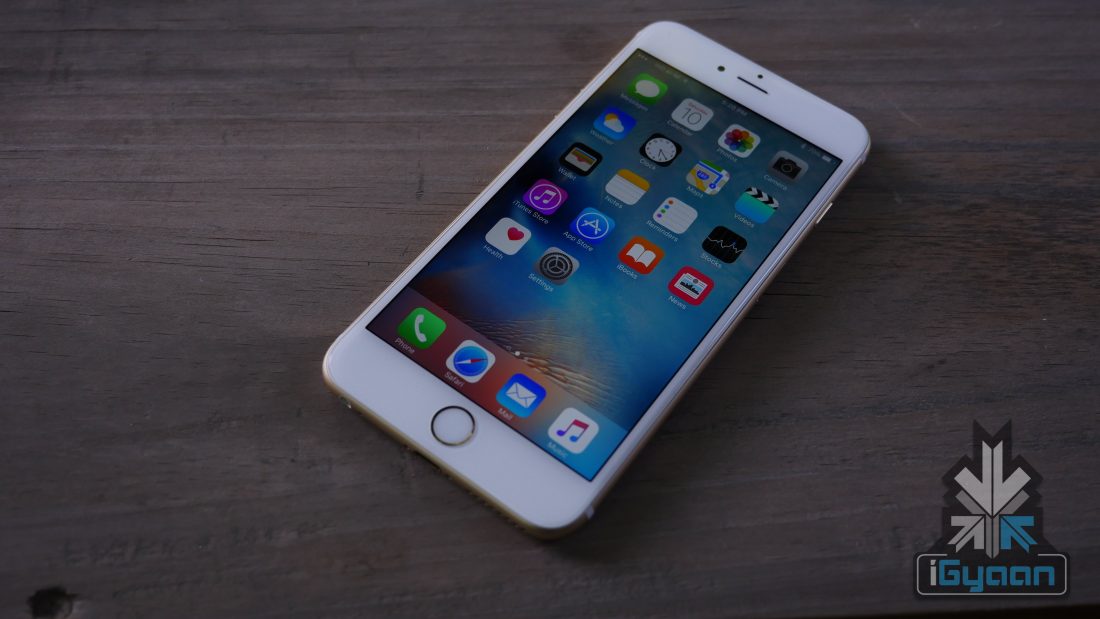
    First and foremost, you need to confirm whether your phone is affected by this or not. The affected iPhones are the iPhone 6, iPhone 6S, iPhone SE, and the iPhone 7.

    What software is your phone running

    Apple introduced its software fix with iOS 10.2.1 for the iPhone 6, iPhone 6S, and iPhone SE. It introduced it with iOS 11.2 for the iPhone 7. You can check your current software build by going to Settings>General>About and look under Version.

    Inspect the battery health of your iPhone

    This is the main issue. The main reason Apple is capping the CPU power is to prolong the battery life of older iPhones. It is a known fact that after around a thousand charges, lithium-ion batteries stop performing properly, and cannot retain more than 50-60% of the original charge.

    Download apps like Battery Life and do an inspection of the battery of your iPhone. Even though Apple hasn’t specified the parameters to judge your battery, but battery life rated as “Poor” or worse is likely to be a problem.

    Do a Benchmark Test

    The whole thing broke out when John Poole did some benchmark testing of his own and posted the results online. Geekbench scores for new iPhones are as follows:

    • iPhone 6S: 2500
    • iPhone 7: 3500

    Anything below that (greater than a 500-point difference) means that there is a problem.

    If the tests show that your iPhone has been affected, then the onus is on you to either replace the battery, buy a new phone or ride out the slow iPhone storm for as long as you can and then invest in a new phone.

  • OnePlus Could Be Sued For Face Unlock Patent Infringement

    OnePlus Could Be Sued For Face Unlock Patent Infringement

    OnePlus might be in some legal trouble if some reports are to be believed. The company is facing a possible patent infringement lawsuit that revolves around the Face Unlock facial recognition system on the OnePlus 5T. While the Face Unlock technology on the OnePlus 5T has received rave reviews from fans and critics alike, one company is definitely not a fan.

    SensibleVision is a company that works on facial recognition and biometric systems. George Brostoff, CEO and co-founder of SensibleVision claims that at least one of his company’s patents was infringed on by OnePlus’ Face Unlock system. One of the patents that he believed was used without permission, allows a phone’s screen to be used as an illuminator. Based on a video released by Forbes that shows Face Unlock in action, Brostoff claims that OnePlus is “likely infringing at the very least on our illumination patent.”

    In a statement, Brostoff said:

    This is nothing new. We have been doing this for years. It even appears that they may be using several patented technologies. We have not licensed our patents to OnePlus or their supplier. From the video on Forbes, they are likely infringing at the very least on our illumination patent.

    This is the definition of the patent in question right now:

    A camera is used for providing images to the facial recognition software where the display operates in a first mode for displaying images to a user and in a second mode for illuminating the user’s face for detection by the camera.

    It is also worth noting that patents are only valid in jurisdictions where they were granted. So, unless SensibleVision filed a patent application or was granted a patent for the illumination technology in China, there is no infringement, since the company is based in the US.

    It doesn’t appear that SensibleVision has yet taken a legal step towards addressing the issue. Stay tuned for more updates regarding this possible legal battle.

  • More Samsung Galaxy S9 Renders Reveal The Same Galaxy S8 Design

    More Samsung Galaxy S9 Renders Reveal The Same Galaxy S8 Design

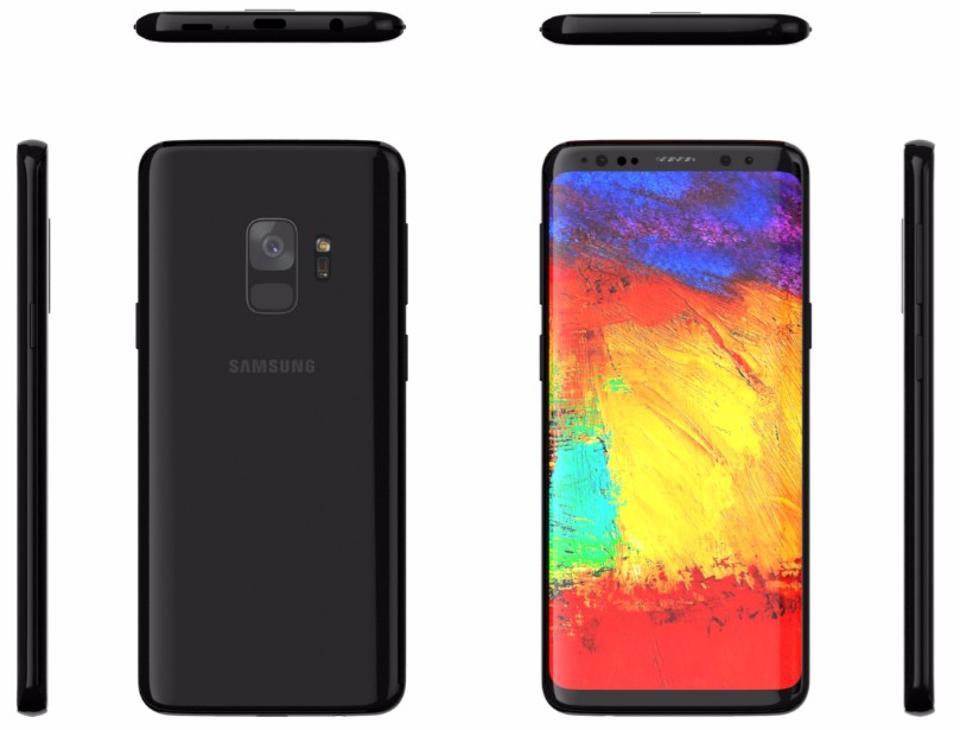
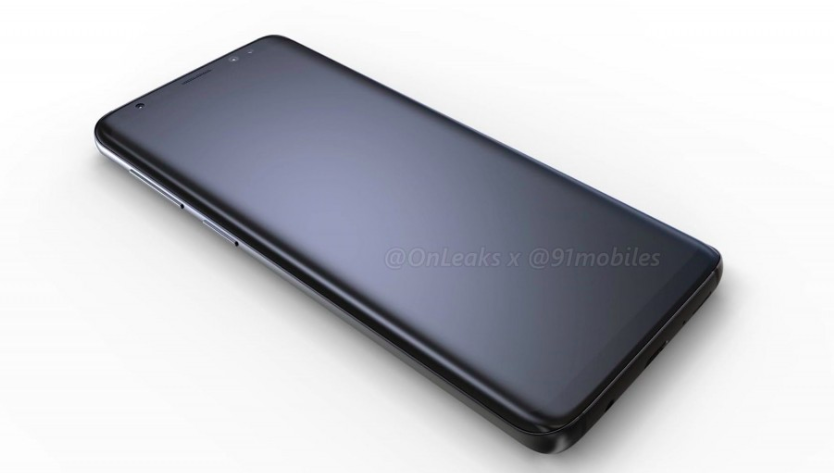
    When the Samsung Galaxy S9 rumours started out, they promised radical changes in the upcoming flagship device. As we move closer to the launch of first try flagship of 2018, the renders and leaks are much closer to reality and we now have a fair idea as to how the Samsung Galaxy S9 might look like.

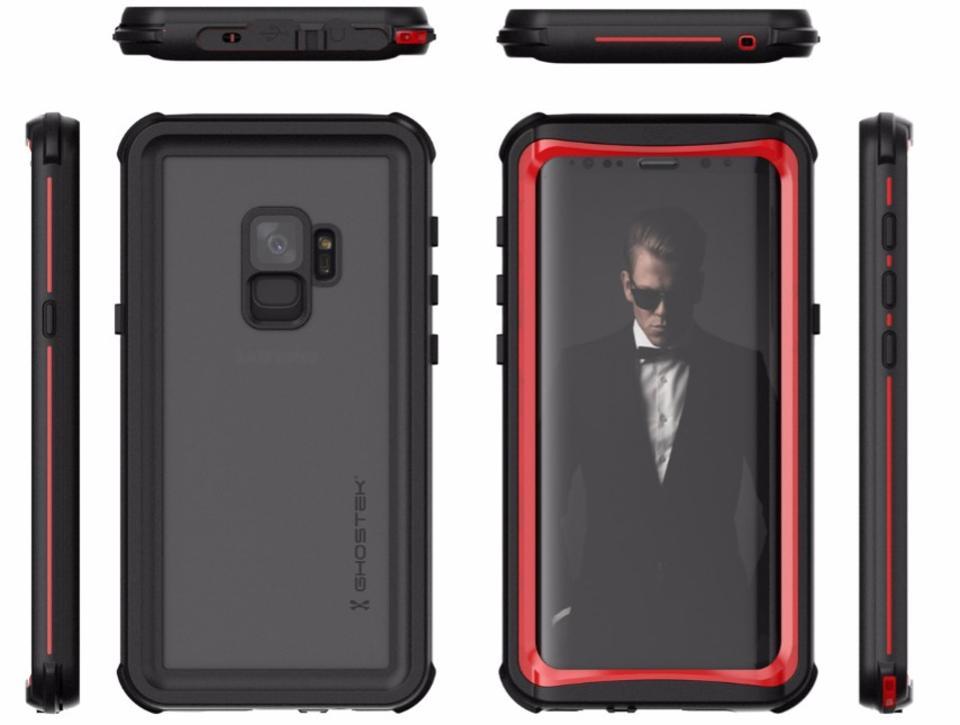
    Created by Forbes contributor Gordon Kelly in collaboration with accessory maker Ghostek, the image above is similar to what we have already seen from other renders.

    It has the same Infinity Display with no side bezels but the symmetrical top and bottom bezels are present, just like in the Galaxy S8. The back of the phone houses a single-lens camera, with the fingerprint sensor right below it. This has been rumoured for a while and this is just another case of a render confirming the repositioning the fingerprint sensor. The heart rate sensor and camera flash module, meanwhile, are placed on the right side of the handset.

    Apparently, Ghostek is so confident this is the final design of the phone that it’s already taking orders for cases built for this design.

    According to a recent benchmark leak, the Galaxy S9 and the Galaxy S9+ will have the Qualcomm Snapdragon 845 chipset. According to leak, the Galaxy S9 and Galaxy S9+ will run Android 8.0 Oreo which is a positive, considering the company announced the Galaxy A8 and A8+ with Android 7.1.1 Nougat even though the devices will be launched in January.

    Other Galaxy S9+ Renders

    If Samsung goes the Google Treble route, then the Galaxy phones might get faster updates compared to the umpteen amount of time that Samsung takes to update even its flagship phones.

    The Galaxy S9 could be launched at a price similar to the Galaxy S8+ and the Galaxy S9+ could break the thousand dollar barrier and be priced similarly to the iPhone X.

  • Xiaomi Mi Max 3 Might Have A 7-Inch Screen And A 5500 mAh Battery

    Xiaomi Mi Max 3 Might Have A 7-Inch Screen And A 5500 mAh Battery

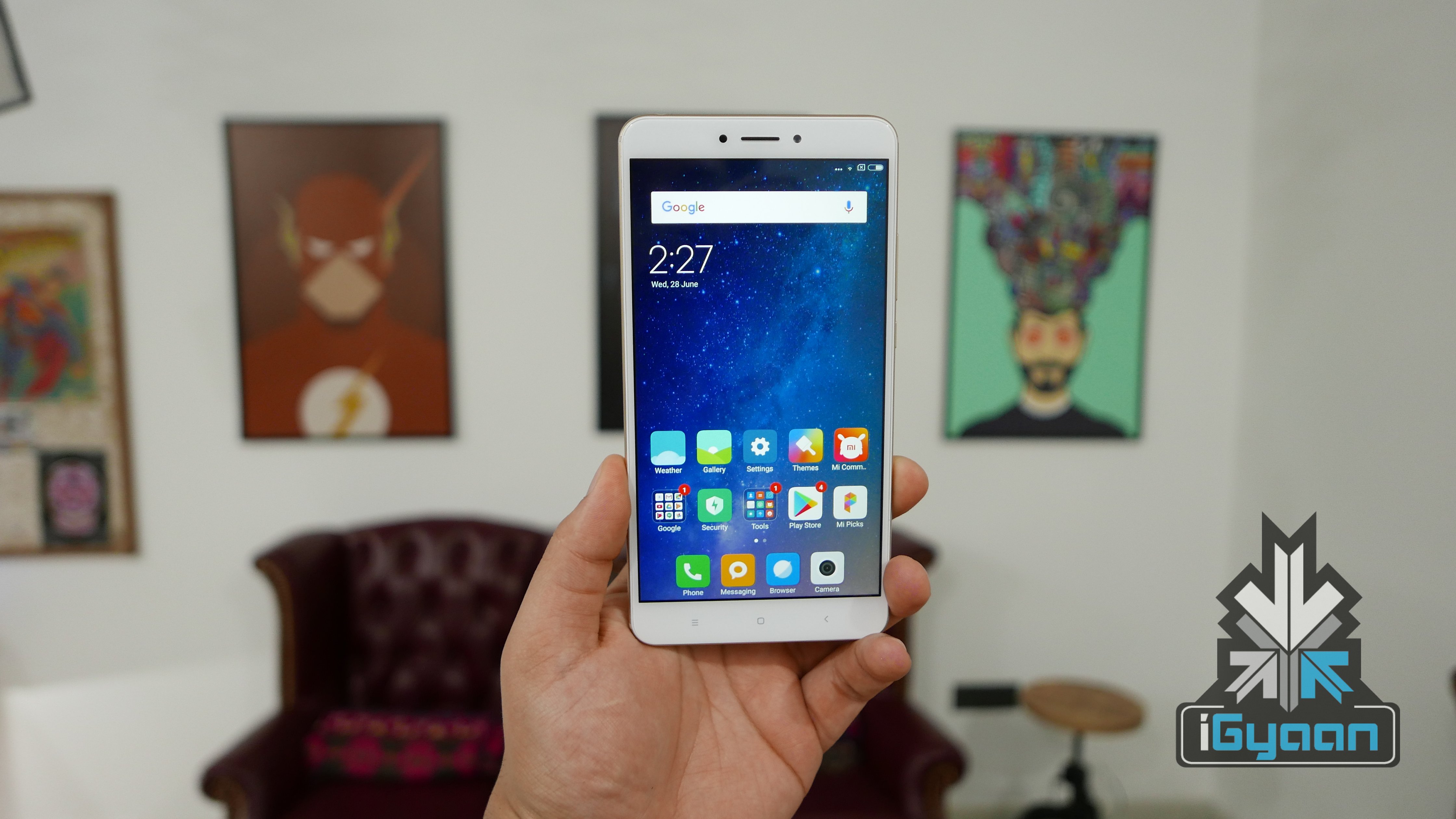
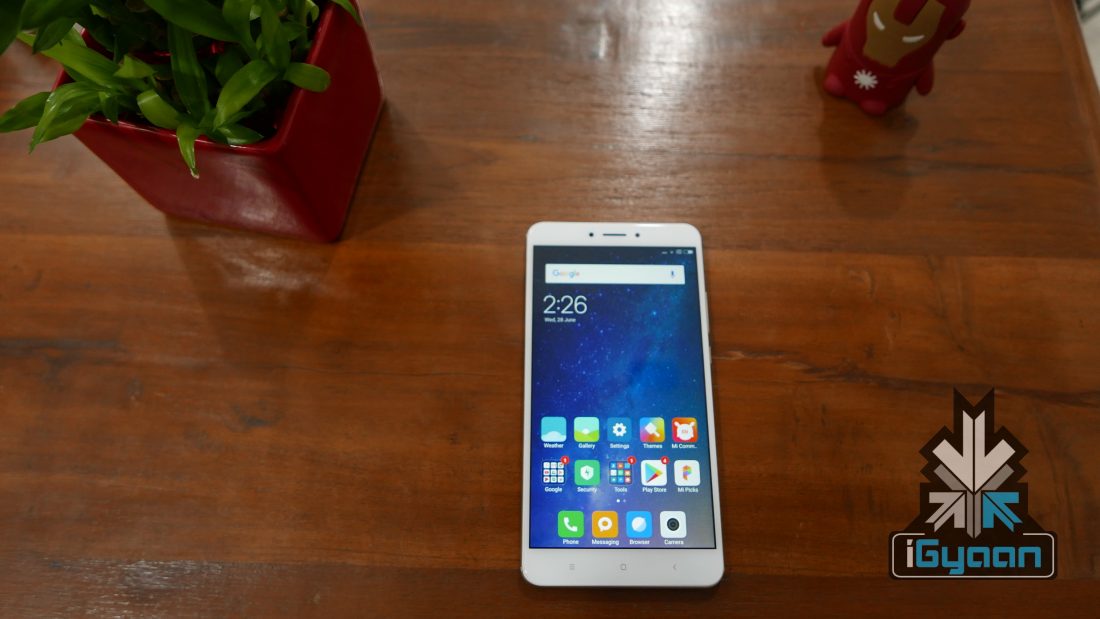
    Xiaomi has continued to consistently deliver a ‘Mi Max’ phone in the dwindling phablet segment. Xiaomi launched the Mi Max 2 back in June in India and it appears that the Mi Max 3 will take its ‘phablet’ tag up a notch.

    According to a report, the Mi Max 3 will feature a 7-inch display, considerably larger than the 6.44-inch screen we’ve seen on the Mi Max 2. Accompanying the large display will be an 18:9 panel with minimal bezels around the display to bring down the overall size of the phablet.

    The Mi Max 3 is also rumoured to have a dual-camera setup at the back. Powering the device would be a 5500mAh battery which is larger than the 5300 mAh battery found on the Mi Max 2. Similar to its predecessor, the Mi Max 3 will also feature QuickCharge 3.0.

    There are no details about the RAM and storage combination as of now. But, looking at the previous generations of the Max series, the Mi Max 3 could have the 3GB or 5GB of RAM along with 32GB or 64GB of onboard storage. The phablet might be offered in two variants, a base variant powered by the Snapdragon 630, and a high-end variant with the Snapdragon 660 chipset under the hood.

    Xiaomi is expected to price the Mi Max 3 similar;y to the Mi Max 2. So, expect a price tag of under Rs. 15000.

  • OnePlus 6 With An In Display Fingerprint Sensor To Launch In March 2018

    OnePlus 6 With An In Display Fingerprint Sensor To Launch In March 2018

    It all started like this. One leak, one report at a time and a month later, we had a confirmation from the company that the OnePlus 5T is indeed real. While many speculated that the company won’t launch a ‘T’ version of the OnePlus 5 so soon, the Chinese smartphone maker did exactly the opposite. And it appears that the OnePlus 5T users will soon feel what OnePlus 5 users felt at the time of the OnePlus 5T launch.

    A report claims that the OnePlus 6 will be launched as early as in March of 2018. Ever since the OnePlus 2 launch, the company has traditionally stuck to a mid-year launch of its flagship device but, it appears that the company will mix it up this time and launch the OnePlus 6 in March, only 5 months after the launch of the OnePlus 5T.

    Moreover, the OnePlus 6 will have one of the most exciting features which a lot of smartphones in 2018 are expected to have, an in-display fingerprint sensor. We already know that Vivo will launch the first ever smartphone with a screen embedded fingerprint sensor, it appears that OnePlus isn’t far behind in incorporating the technology in its own lineup.

    We also reported that the OnePlus 6 will have an iPhone X-like Face ID technology with a front-facing 3D camera. So far, the OnePlus 6 looks like the most interesting OnePlus device since the original OnePlus One was launched back in 2014.

  • More Issues With The Pixel 2 XL Speakers Reported

    More Issues With The Pixel 2 XL Speakers Reported

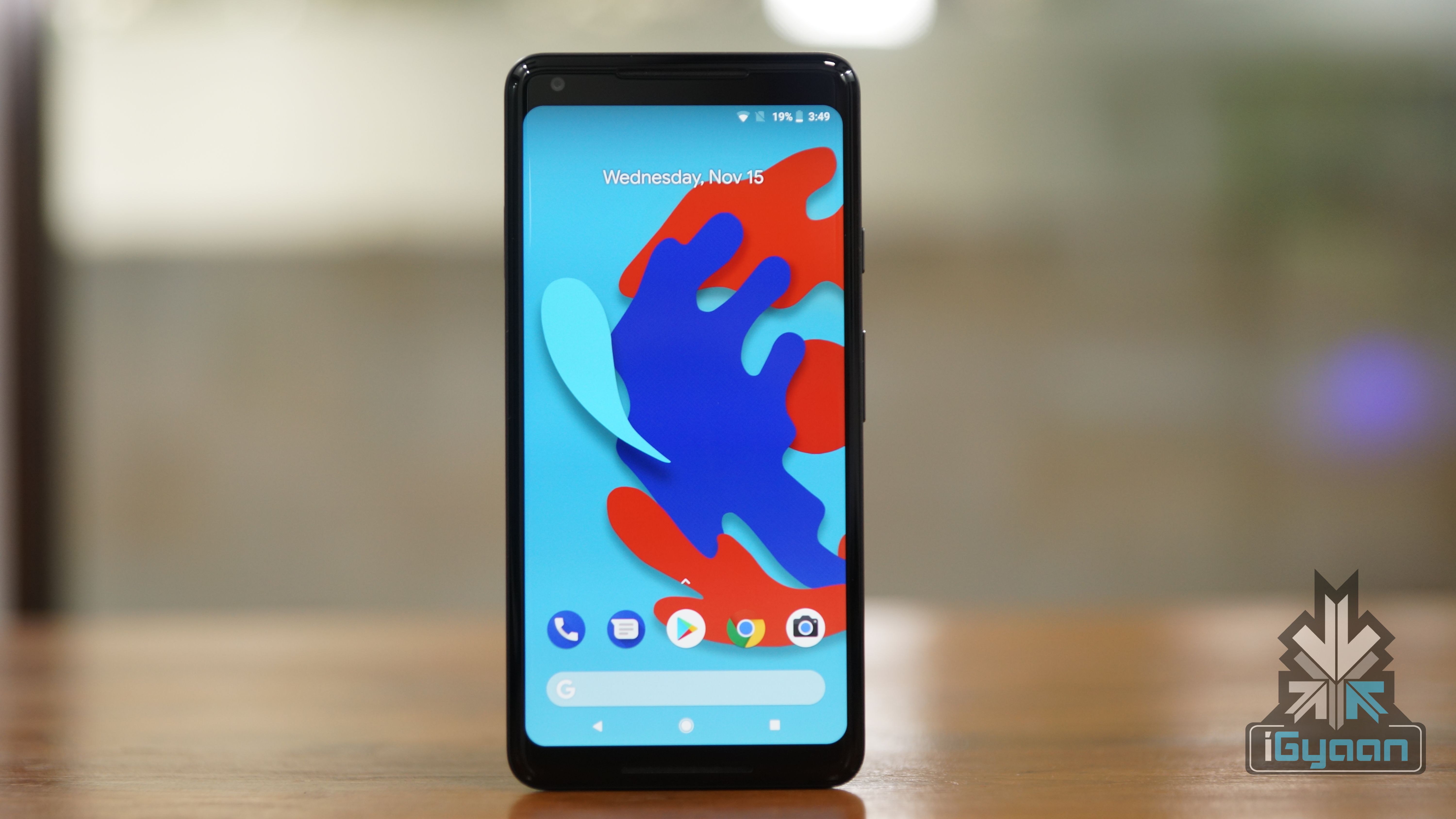
    Google cannot seem to catch a break. Ever since the Pixel 2 and Pixel 2 XL were launched, the two devices have been surrounded by nothing but controversies. Constant updates from Google fix one thing and mess up two other things. The latest to go down the firing line is the bigger of the siblings, the Google Pixel 2 XL.

    A growing number of users on Reddit and Google’s forums are reporting a problem with one, and in a few cases both of the Pixel 2 XL’s front-facing speakers. The issue centres around a buzzing/rattling sound, as well as minor micro-vibrations that impacts call quality. Some users report that the problem only arises when the volume is set at maximum, while others are noticing the noises at lower volumes when using the regular speaker during a phone call, or playing media content like YouTube videos via the stereo speakers.

    This is not the first time that people have had speaker-related issues with their Pixel 2 devices. A few weeks after the launch, people complained about a buzzing noise in their Pixel 2 phones. Google addressed the issue and released a software update that apparently fixed the buzzing noise issue.

    We reported that the new software update had even broken the basic functionality of the Google Pixel 2 XL. Some users reported that they had to manually switch on the display during an incoming call as the display won’t actually wake up to reveal the incoming call.

    Let’s hope that Google fixes these issues soon as people have paid big money for the premium Pixel 2 smartphones.

  • Honor 7X To Go On Open Sale From December 23rd

    Honor 7X To Go On Open Sale From December 23rd

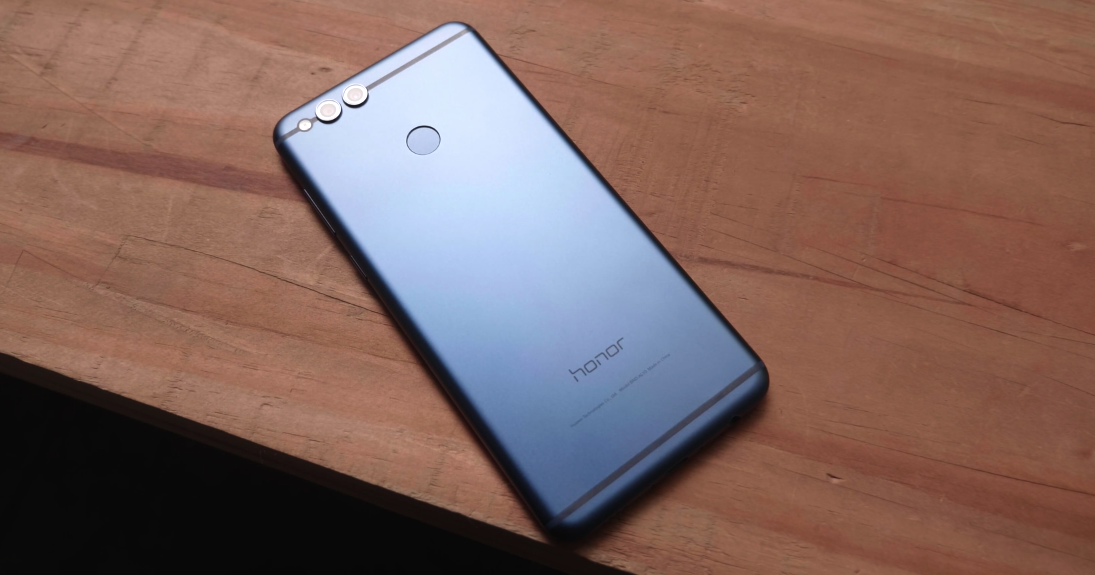
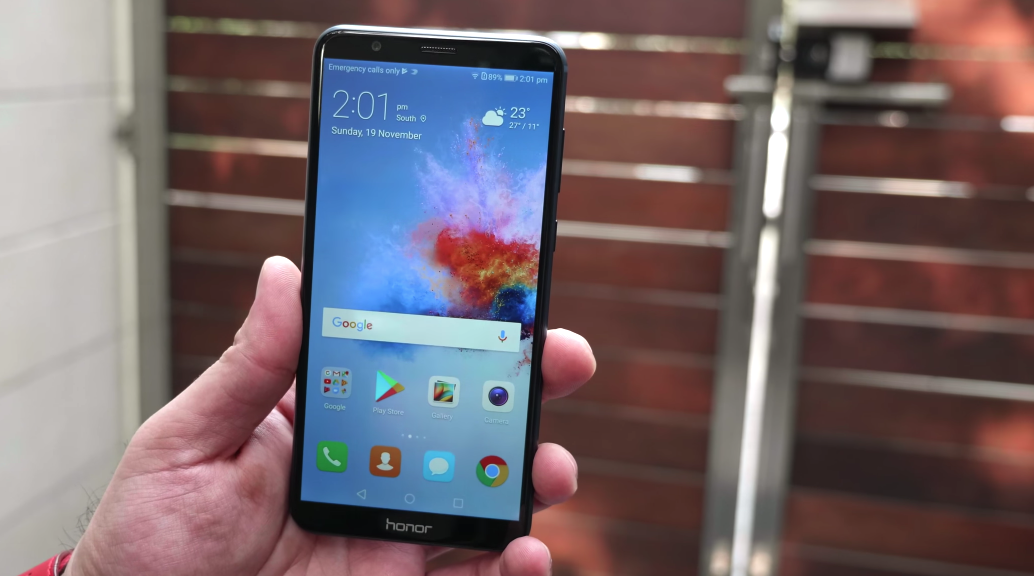
    Christmas might be coming early for Honor 7X aspirants as the new budget smartphone from Honor will go on open sale from the 23rd of December. The sale will last until the 29th of December and will be sold exclusively via Amazon at a starting price of Rs. 12999. So far, the device was sold via flash sales and this gives everyone looking for a budget smartphone the opportunity to buy it without rushing for the flash sale.

    The Honor 7X has a 5.9 inch LTPS IPS LCD display with a 2160 x 1080 px display which translates into an 18:9 aspect ratio.

    Under the hood, the Honor 7X has the HiSilicon Kirin 659 chipset, Mali-T830 MP2 GPU, 4GB of RAM and 32GB or 64GB onboard storage. The onboard storage is expandable up to 256GB via microSD card. The device is powered by a 3340 mAh battery which charges via a micro USB slot. Since the device has thin bezels, the fingerprint sensor is placed at the back of the below the dual-camera setup.

    The Honor 7X runs Android 7.0 Nougat with EMUI 6.0 on top which gives a user more options for customising their phones.

    The smartphone has a dual camera setup at the back. One of the cameras is equipped with a 16MP sensor while the other one is a 2MP depth sensor. The camera setup at the back has PDAF and records 1080P videos at 30fps. On the front is an 8MP camera which also records 1080P videos.

    Will you be buying the Honor 7X? Let us know in the comments!

    Buy it here

    Watch our full review of the Honor 7X:


  • Facebook And Universal Music Group Deal Will Allow Users To Upload Songs In Videos

    Facebook And Universal Music Group Deal Will Allow Users To Upload Songs In Videos

    Facebook has announced a new multi-year deal with Universal Music Group. The agreement, which also covers Instagram and Oculus, will allow content creators to upload songs by UMG artists in their videos without worrying copyright violations.

    The deal will help address the major copyright infringement issues around music on the social media platform. Facebook says this is the first step in addressing the issue but, noted that it would work with the label to introduce “music-based products” on its platforms as well. UMG is not the last label to sign a licensing deal as multiple reports have claimed that social media platform is in talks with Warner Music Group and Sony Music Group as well.

    Facebook is also creating its own version of Content ID, YouTube’s service to identify rights holders’ content across its network, which would allow music labels and other major rights holders to manage their content on the platform.

    The efforts to integrate music into its services began back in 2015 for Facebook. Facebook did not want to go the traditional route and create an on-demand streaming service. In turn, it has kept pushing for it and with UMG on board, it has addressed the copyright infringement issue on its platform which seems ideal for both creators and the music industry.

  • Price Of Samsung Galaxy A8 And Galaxy A8+ Revealed

    Price Of Samsung Galaxy A8 And Galaxy A8+ Revealed

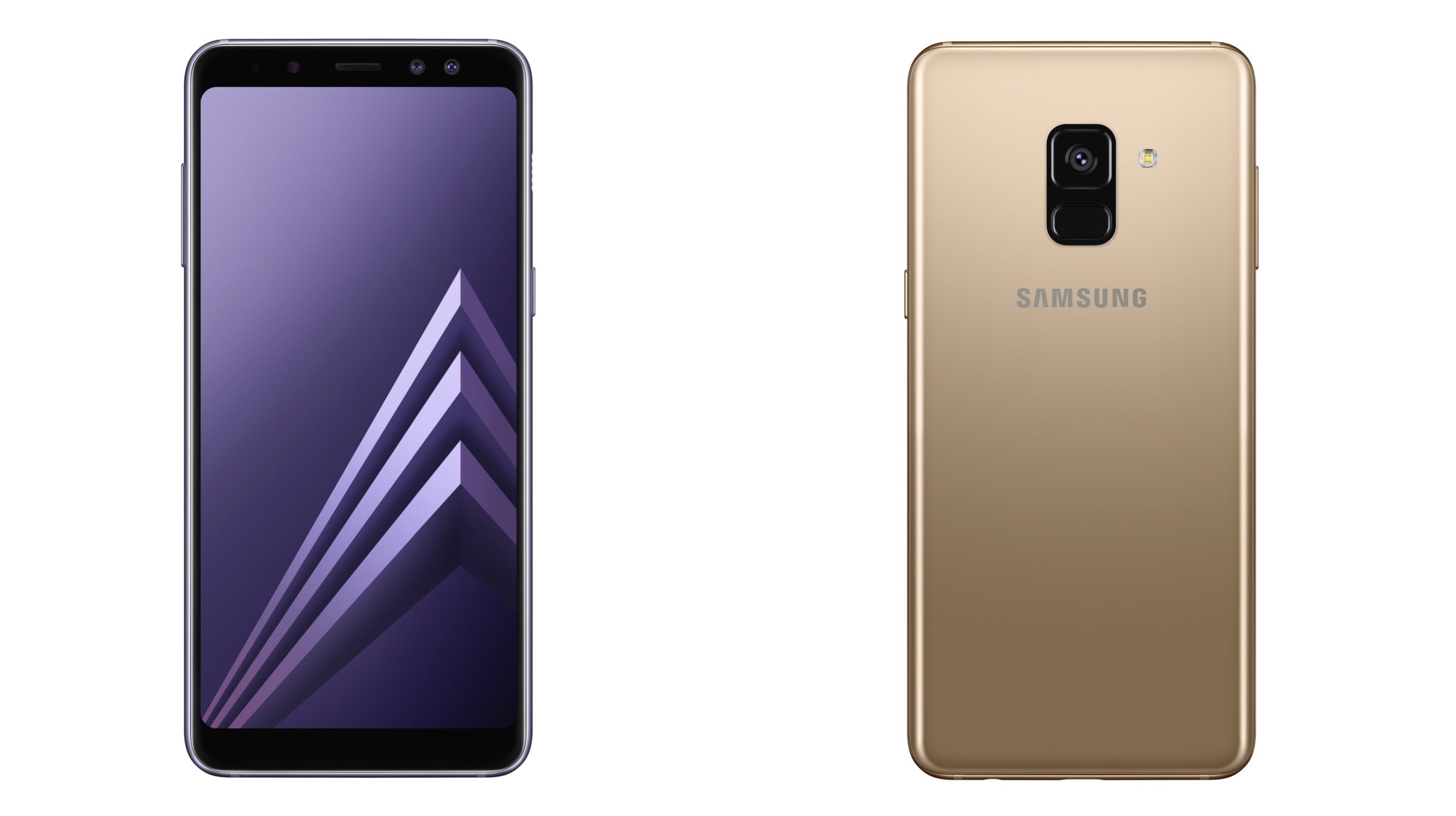
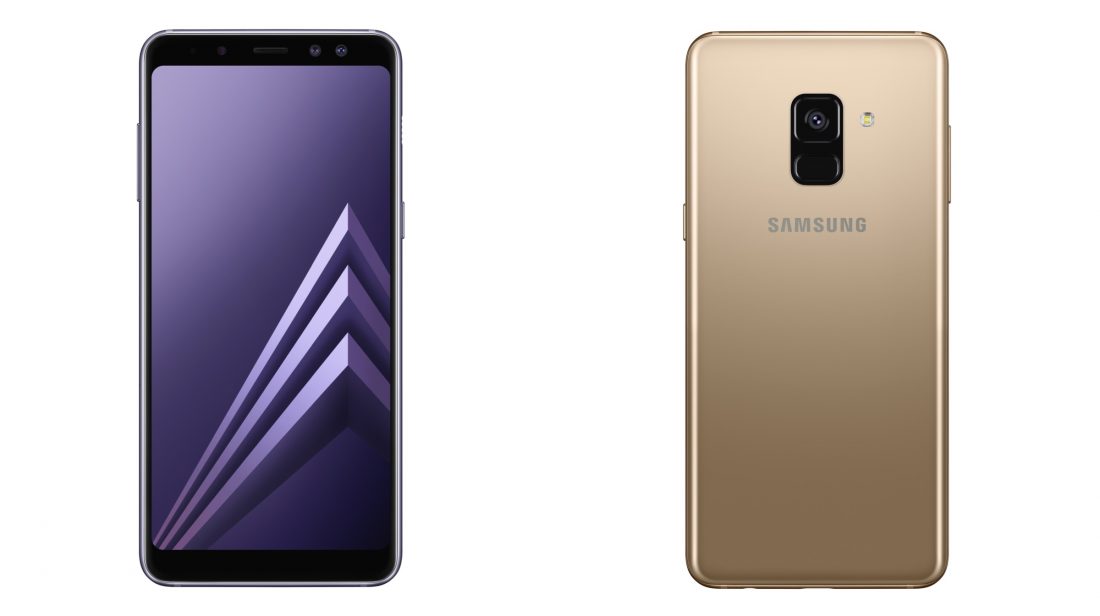
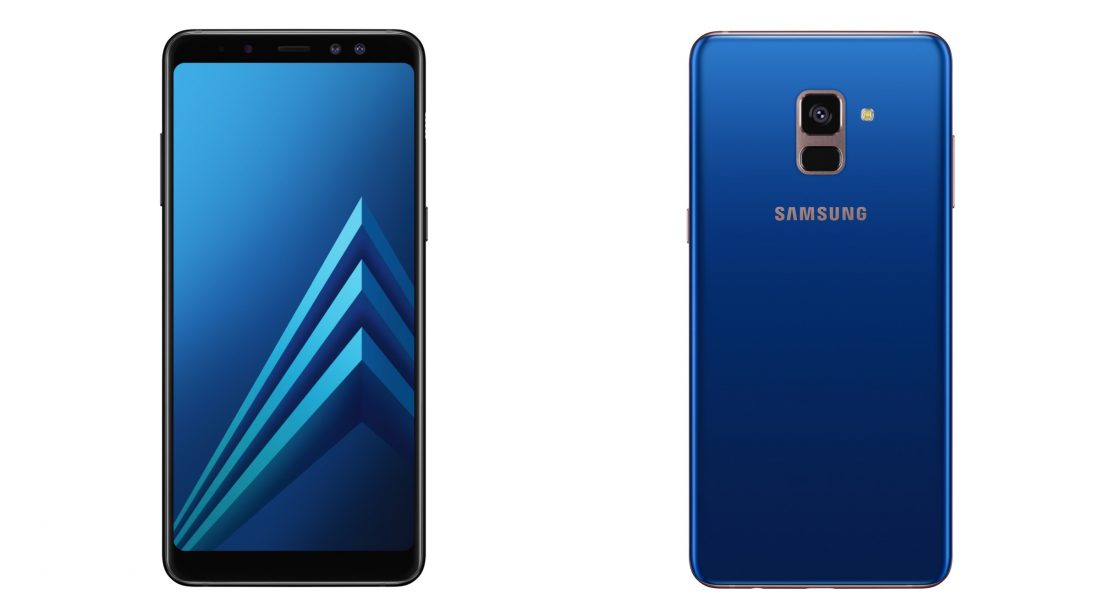
    Samsung recently unveiled the Galaxy A8 and Galaxy A8+ at an event in South Korea. Now, Samsung has announced that the device will be available in Vietnam from the 6th of January. The Galaxy A8 is priced at VND 10,990,000 (Rs. 30980 approx.) and the Samsung Galaxy A8+ is priced at VND 13,490,000 (Rs. 38040 approx.). This is a sign that the mid-range devices will soon make their way to other Asian markets as well.

    The Galaxy A8 and A8+ are the first budget-oriented Samsung phones to feature the infinity display. The Galaxy A8 has a 5.6-inch display while the bigger sibling, the Galaxy A8+ has a 6-inch display. Both the phones have a Super AMOLED display panel with a 2220 x 1080 px resolution which translates to an 18.5:9 aspect ratio.

    Galaxy A8

    Under the hood, both the devices have an octa-core (2.2GHz Dual + 1.6GHz Hexa) processor while the chipset is still unspecified, it could be the Exynos 7885 SoC as found in the leaked video. The Galaxy A8 has 4GB of RAM with two storage options of either 32GB or 64GB while the Galaxy A8+ has two variants, one with 4GB RAM and 32GB storage and the other with 6GB RAM and 64GB storage. Just like every other smartphone from Samsung, the onboard storage can be expanded up to 256GB via microSD card. Both the smartphones are IP68 rated for water and dust resistance and support Samsung Pay for contactless mobile payment.

    Powering the Galaxy A8 is a 3000 mAh battery while the Galaxy A8+ has a 3500 mAh battery. Both the devices are charged via USB Type-C port.

    One thing that might come as a surprise, especially for phones launching in 2018 is the OS. Both the phones will run Android 7.1.1 Nougat out of the box with Samsung’s own custom skin on top.

    Galaxy A8+

    The Galaxy A8 and Galaxy A8+ are also the first of Samsung phones to have a dual-camera setup on the front. Both the phones have a 16MP + 8MP camera setup with an f/1.9 aperture. The Live Focus feature lets users chose whether the background should be in focus or blurred to a soft bokeh. The phone will switch between the two front cameras to get the effect the user needs. To the back of the phone is a 16MP camera with an f/1.7 aperture and digital stabilisation.

    The literal currency translation puts the Galaxy A8 and Galaxy A8+ in the same price bracket as the OnePlus 5T and the Mi Mix 2. It will be interesting to see if the prices in India will be the same or Samsung will price them competitively in the Indian market.

  • Apple Sued For Deliberately Slowing Down Older iPhones

    Apple Sued For Deliberately Slowing Down Older iPhones

    Days after addressing the millions of conspiracy theories on the internet about the mysterious slowing down of older iPhones, Apple has been sued for it. Filed by Stefan Bogdanovich and Dakota Speas, the suit claims that Apple’s deliberate effort to throttle CPU performance on the iPhone amounts to “breach of contract.” It also notes that Apple’s behaviour lowers the resale value of existing iPhones and underhandedly coerces iPhone owners to upgrade to newer models.

    For years, iPhone users claimed to notice a discernible system slowdown with some iOS updates. However, the issue came in the spotlight thanks to a widely circulated Reddit thread backed. Following that, Geekbench founder John Poole did some performance testing on various iPhones running different versions of iOS. Poole found that Apple does, in fact, limit performance on older iPhone models with lower-capacity batteries in the interest of battery life and preventing unexpected shutdowns.

    After the hue and cry on social media, Apple decided to address the issue and put out a statement:

    Our goal is to deliver the best experience for customers, which includes overall performance and prolonging the life of their devices. Lithium-ion batteries become less capable of supplying peak current demands when in cold conditions, have a low battery charge or as they age over time, which can result in the device unexpectedly shutting down to protect its electronic components.

    Last year we released a feature for iPhone 6, iPhone 6s and iPhone SE to smooth out the instantaneous peaks only when needed to prevent the device from unexpectedly shutting down during these conditions. We’ve now extended that feature to iPhone 7 with iOS 11.2, and plan to add support for other products in the future.

    It is fair to say that while Apple has a noble reason behind the decision, the company should’ve been up-front about it from the beginning. Waiting for an outcry to come clean makes it look like a PR decision more than anything else. No other details about the lawsuit have been revealed yet.

iGyaan Network
Privacy Overview

This website uses cookies so that we can provide you with the best user experience possible. Cookie information is stored in your browser and performs functions such as recognising you when you return to our website and helping our team to understand which sections of the website you find most interesting and useful.