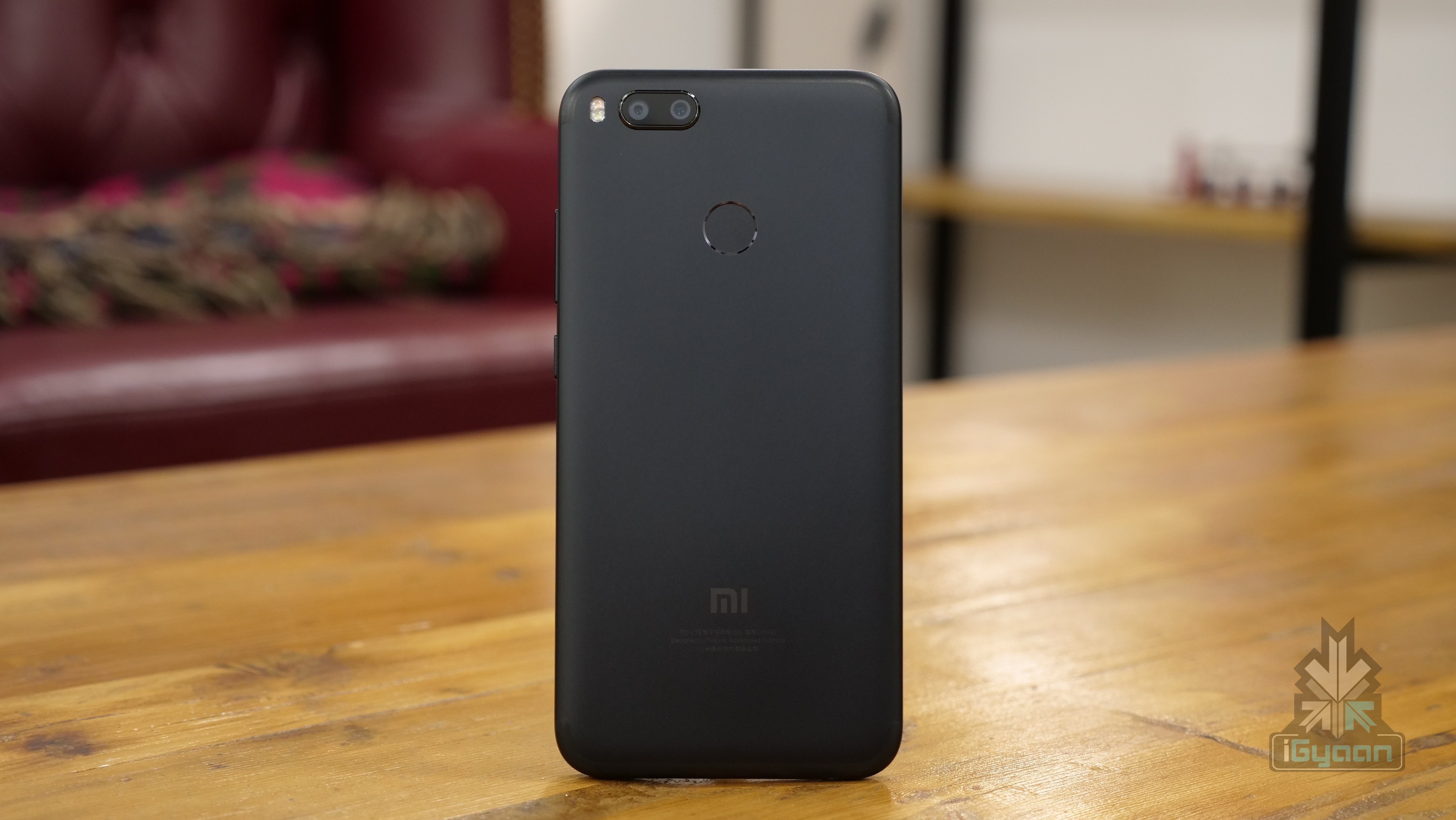
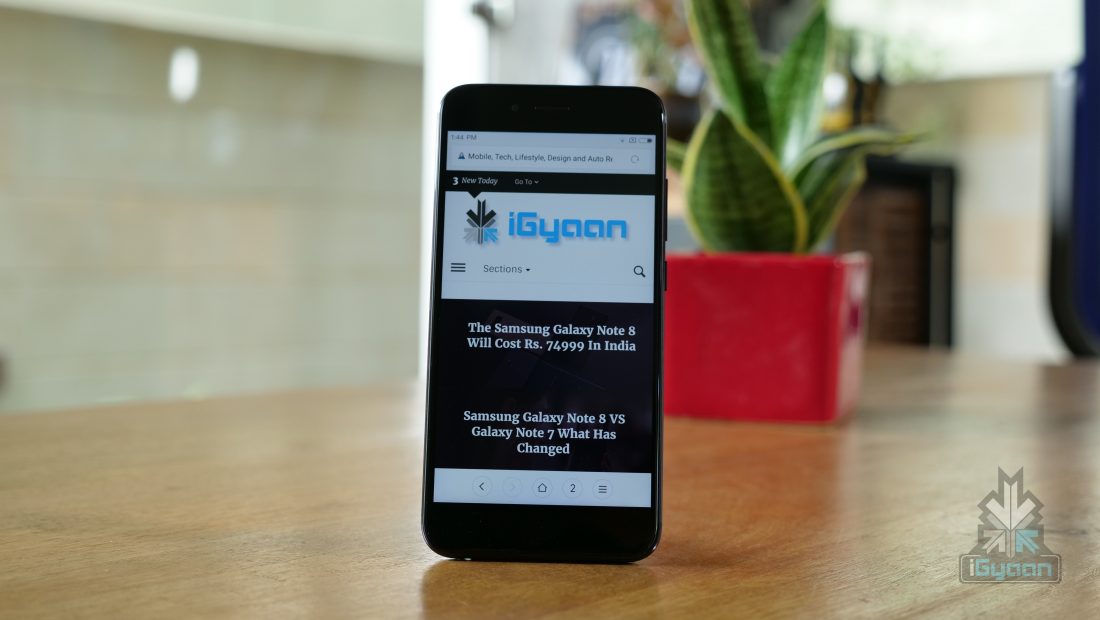
The Xiaomi Mi 5x was launched in the China market last month, the phone is a mid ranger with a dual camera setup. While Xiaomi is planning to launch it in other markets, there is no clarity on when and if the phone will ever make it to India. This new phone from Xiaomi has a 5.5-inch 1920 x 1080 px IPS LCD display. Unlike a lot of smartphones from 2017, the Mi 5X has a considerable amount of bezels around the display. The smartphone is powered by a 3,080 mAh battery with fast charging capabilities through the USB Type C port, although, the included charger does not provide a fast charge. The Mi 5X has the Qualcomm Snapdragon 625 chipset, 2.0 GHz octa-core processor, 4GB RAM and 64GB onboard storage which is expandable via microSD card up to 128GB. The Mi 5X runs Android 7.1.1 based on MiUi 8.5, this is a China edition ROM. However one can install Google Apps.
The phone is available in Black, Gold and Rose Gold colour variants You Can Buy it here. Inside the Box we get:
Xiaomi Mi 5X
Sim ejector tool
Documentation
2A wall charger
USB Type C cable
The phone has an all-metal build and features a dual-camera setup at the back along with a fingerprint sensor. The phone has 12MP dual-cameras with the secondary camera equipped with a telephoto lens for 2X lossless optical zoom. The camera app has a portrait mode very similar to the one on iPhone 7 Plus with features that include a portrait mode, blurring out the background. The dual-cameras are also capable of recording 4K videos at 30 FPS and 720P videos 120 FPS. On the front is a 5MP camera that records 1080P videos at 30 FPS.
Watch the unboxing video below, and stay tuned for our full review. Check Best Price
The world could witness new iPhones in less than a month as Apple is expected to hold the all-important launch event on September 12.
Apple has been hosting its iPhone launch events in September since 2012. September 12 also falls on a Tuesday, which is in line with the previous iPhone announcement events. A lot of people were speculating between September 5 and September 12, this should be clarified soon as Apple’s press invites should be appearing in inboxes soon. This news might convince a few iPhone buyers to hold off on their credit cards for a little longer. Apple is going to release the final version of iOS 11 at some point between September 12 and September 22.
Apple is also probably going to announce a new version of the Apple Watch. The main change with this new watch could be that it’s going to haveLTE connectivity. There could be a small update to the Apple TV as well with 4K video output.
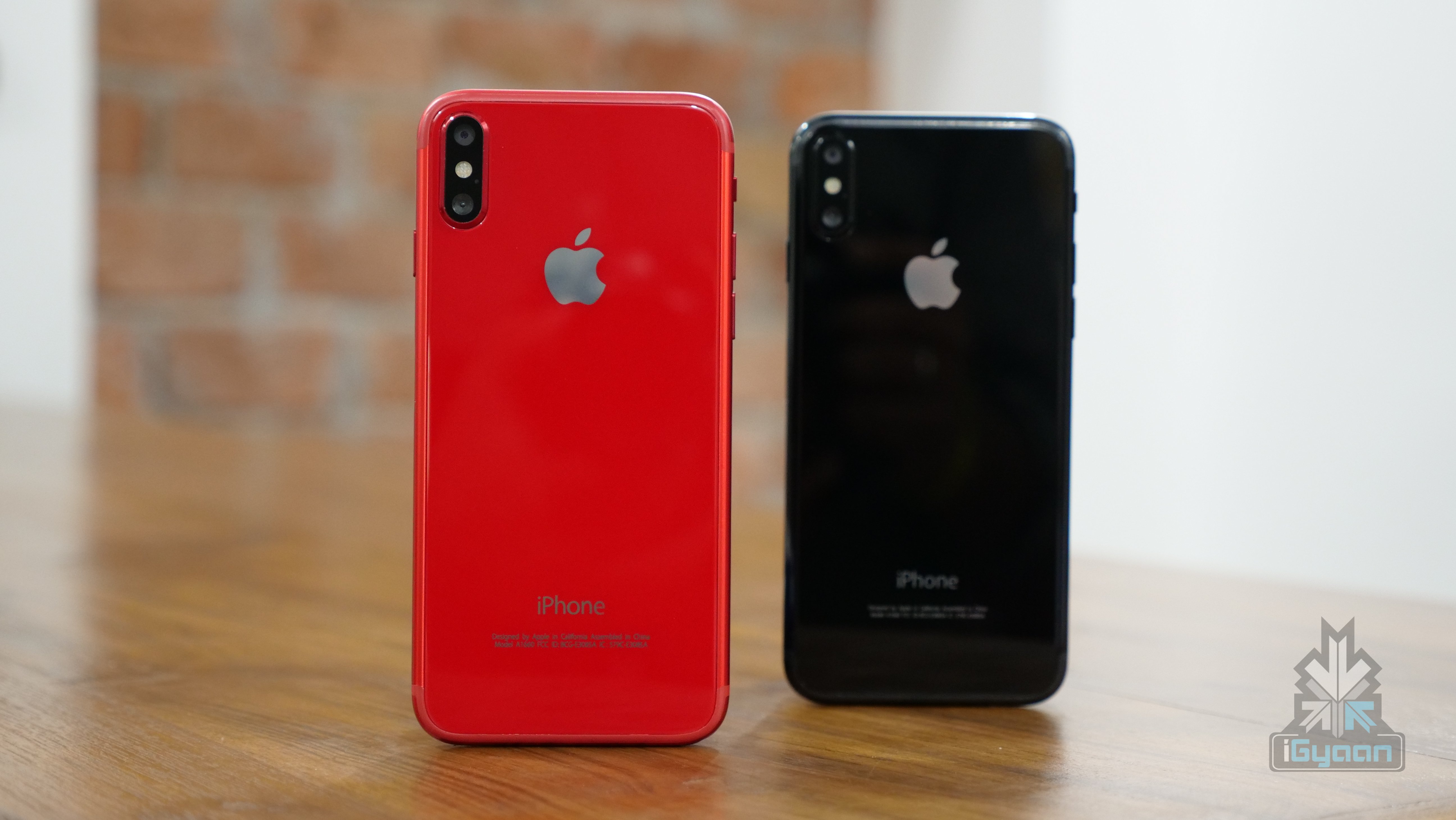
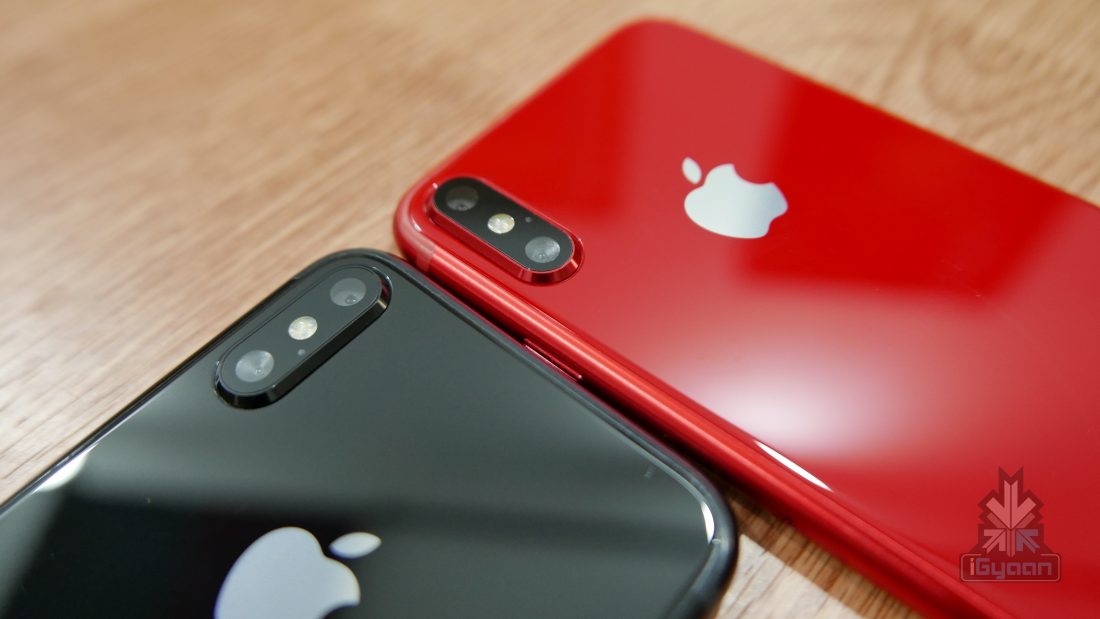
If certain reports are to be believed, Apple will, in fact, launch three different iPhone’s this year, iPhone 7S, iPhone 7S Plus and the iPhone 8. The marquee phone, of course, is going to be the iPhone 8 or whatever Apple decides to call it at the end with a reportedly bezel-less display and vertically mounted dual-camera setup. Apple will also finally introduce wireless charging to its iPhone lineup after a component was leaked online. The iPhone 8/X/Pro will also feature better cameras which will reportedly record 4K videos at 60 FPS. Another headlining feature will be 3D facial recognition, dubbed as ‘FaceID.’ The smartphone is expected to break the thousand dollar barrier and cost around $1,100 for the base variant.
Apple may also announce newer AirPods as the previous generation ones leave a lot to be desired from. The event will be followed up by a pre-order phase before the iPhones start to become available in stores. It is rumoured that the main iPhone 8 will be available in extremely limited numbers at launch.
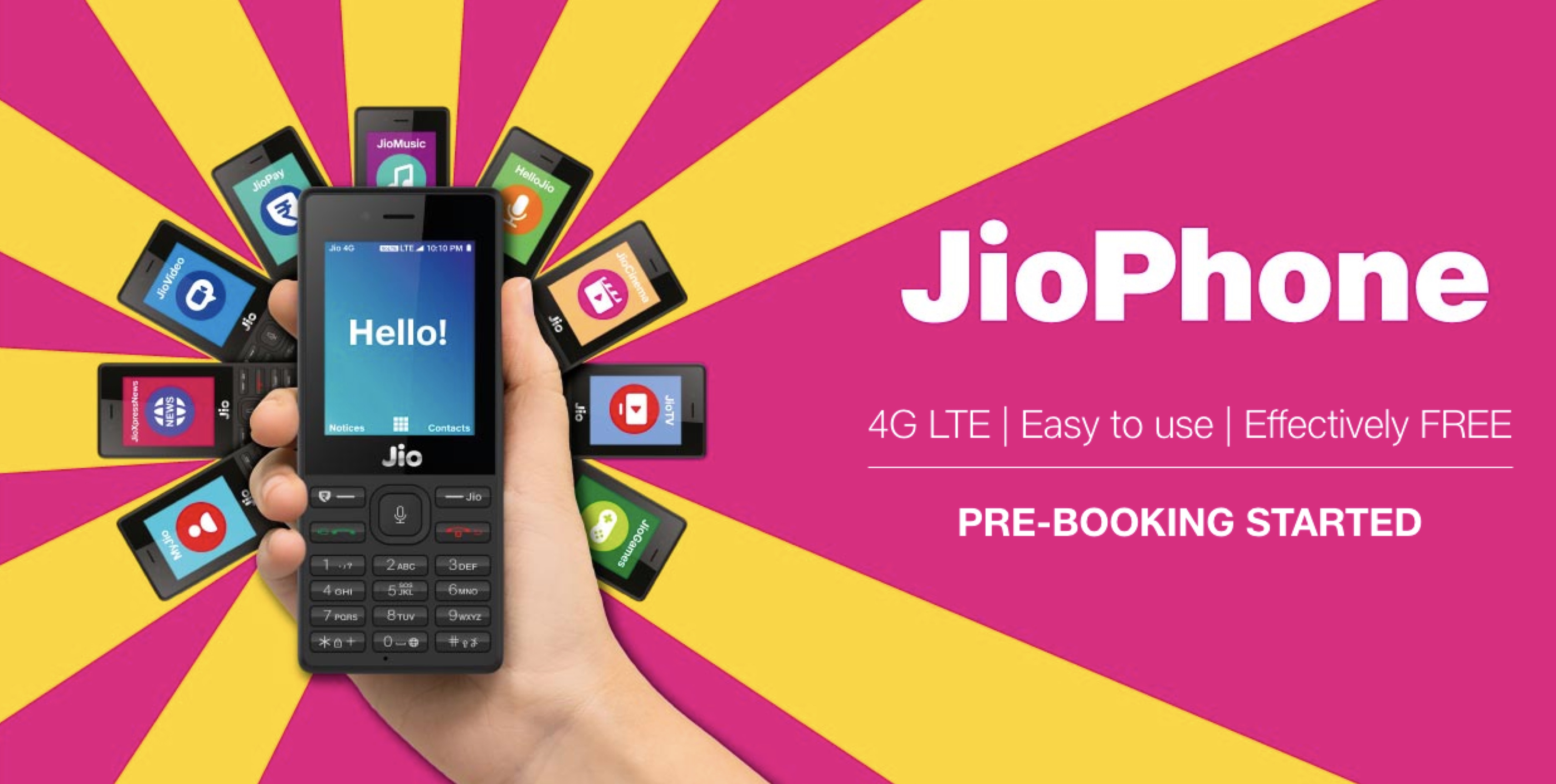
Reliance launched the 4G feature Phone, JioPhone at the company’s 40th AGM in July. During the unveiling, Reliance Jio offered a preview of how the JioPhone might look like along with a list of features. The phone was launched at an “effective price” of Rs 0, with a one time security deposit of INR 1500. The deposit will be refundable after a period of three years at the time of return. The 4G enabled JioPhone, which was in earlier the beta testing phase is up for pre-booking now. As the company stated earlier, the feature phone will be distributed on a ‘first come first serve’ basis to those who pre-booked the handset.
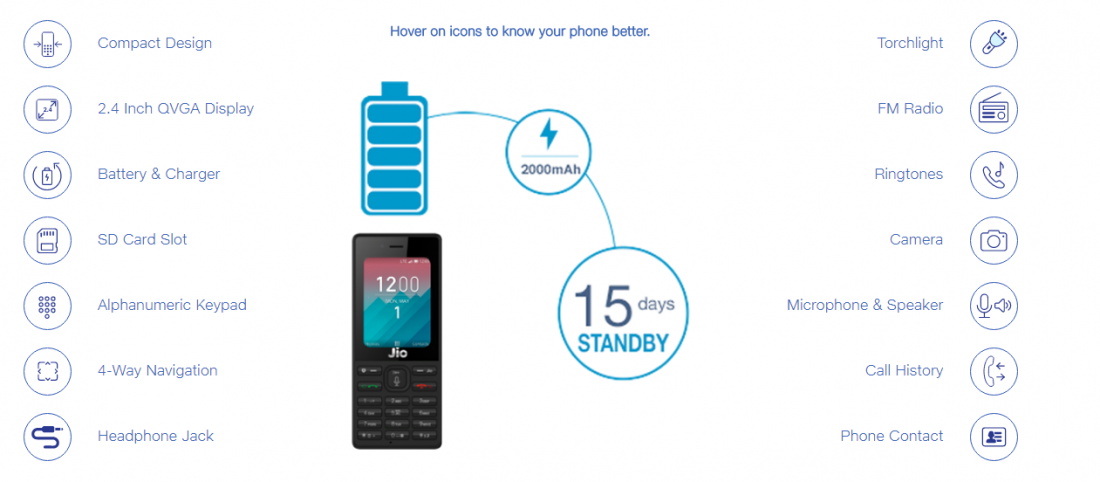
Reliance Jio has revealed the full specifications of the phone on its website. Apart from being effectively free, here are other features of the “India Ka Smartphone” that might interest the buyers.
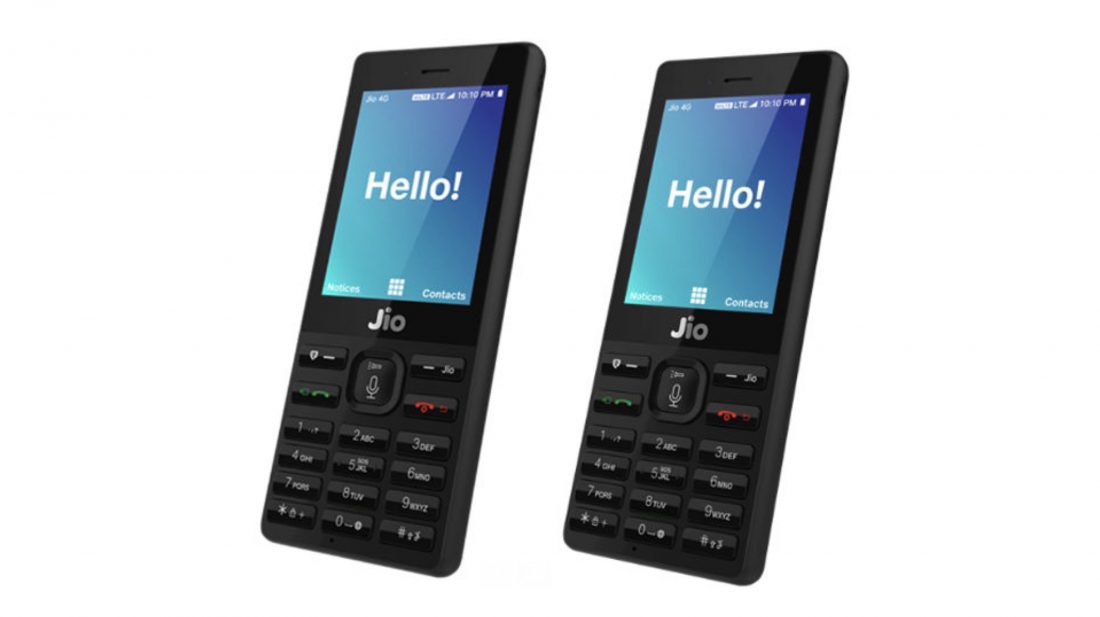
Apart from the standard phone features, the single Nano-SIM (contrary to the earlier rumors of dual SIM feature) Jio Phone runs on KAI OS (OS version of the Firefox OS) and comes with a a 2.4 inch display. The 4G VOLTE feature phone is powered by 1.2GHz Spreadtrum SPRD dual-core processor with 512 MB of RAM along with 4GB of internal storage which can be further expanded up to 128 GB via a micro SD card. The handset is powered by a 2000mAh battery and has a 2-megapixel rear camera at the back and VGA front camera.
As announced during the launch, the JioPhone comes with Jio Assistant which allows voice enabled search. A user can open apps, search on Google or even compose a message using the Jio Assistant. Built for the Indian market, the voice enabled research works in two languages, English and Hindi. The handset can be connected to TV via JioMediaCable and is preinstalled with a browser and Jio apps like Jio Cinema, Jio Music etc. The phone has regional language support and comes in 22 languages including Hindi, Marathi, Tamil, etc.
Catering to the Indian audience, Reliance Jio has kept the phone’s design familiar and is easy to use, unlike the complex smartphones available in market. The handset is available in black and has in-box accessories which include battery, charger, handset, service guide, warranty card and SIM card.
The JioPhone, which is manufactured by Indian engineers, as the company claims, also has an additional security feature. In case of emergency, the user just needs to long press number 5 on the JioPhone and a distress message will be sent to all registered contacts.For a price of Rs 0, the Reliance JioPhone offers a host of features along with 4G VoLTE support, unlimited voice calls . The handset can be booked on this link.
Google officially launched its latest Android OS, 8.0 Oreo during an event that ‘eclipsed’ the Solar Eclipse on August 21. Developers have had access to a preview version of Google’s latest mobile operating system since mid-March, with updated versions releasing in May, June, and July.
The new OS comes with a lot of new features and under the hood upgrades for better user experience. Highlights of new features in Android 8.0 Oreo
A new picture-in-picture feature allows users to continue operating the device without interruptions for things like watching a video.
Users can now organise notifications into custom channels and modify the alerts for the entire channel.
An auto fill framework in the operating system makes the repeated filling of forms easy for the user.
Original Equipment Manufacturers (OEM) can specify a look and feel for the UI by choosing between various icon shapes by using Adaptive Icons
Smart sharing feature allows the operating system to guess the context of a photo, and pick the best application to hand the image over to.
There are also background execution limits, which ensures that applications running in the background don’t use up a lot of system resources.
A lot of you must be wondering whether your Android device will be updated to 8.0 Oreo or not. Let’s find out
Google Devices
This is a no-brainer. If you own the Nexus 5X, 6P or the Google Pixel or the Pixel XL, an Android O update isn’t far away. Google Pixel 2 and Pixel XL 2 will be the first devices running Android 8.0 Oreo when they’re launched and an update to the Nexus devices and previous gen Pixel smartphones will follow soon.
Samsung
Samsung launched the Galaxy Note 8 running Android 7.1.1 Nougat and promised an update to Android Oreo in the coming months. This suggests that the Samsung Galaxy S8 and S8+ may also receive an update before the mid-2018 launch of the Galaxy S9. Samsung’s mid-range devices may also receive an Android Oreo update but later next year.
HTC
HTC has officially announced that the HTC 10, U Ultra and the new flagship U11 will receive the Android Oreo update in the coming months.
OnePlus
Carl Pei has announced that Oneplus 5, 3T and 3will all receive Android 8.0 Oreo update. However, it was also announced that this update will be the last Android OS update for last year’s OnePlus 3 and 3T.
Motorola
Moto Z2 Force, Z2 Play, G5S, G5S Plus, G5 and G5 Plus are all in line to receive an upgrade to Android 8.0 Oreo keeping up with Lenovo-owned Motorola’s promise.
Lenovo
Lenovo recently dropped its custom VibePure UI for pure Android skin and promised that the K8 Note and other K Note devices will receive the Android Oreo update. The timeline though is not confirmed.
LG
LG is on the verge of launching its late 2017 flagship, the LG V30 on August 31. The phone will most likely run Android 7.1 Nougat and will be updated to Android Oreo later on. Along with the LG V30, LG G6, LG V20, and V10 might also receive the update in the coming months.
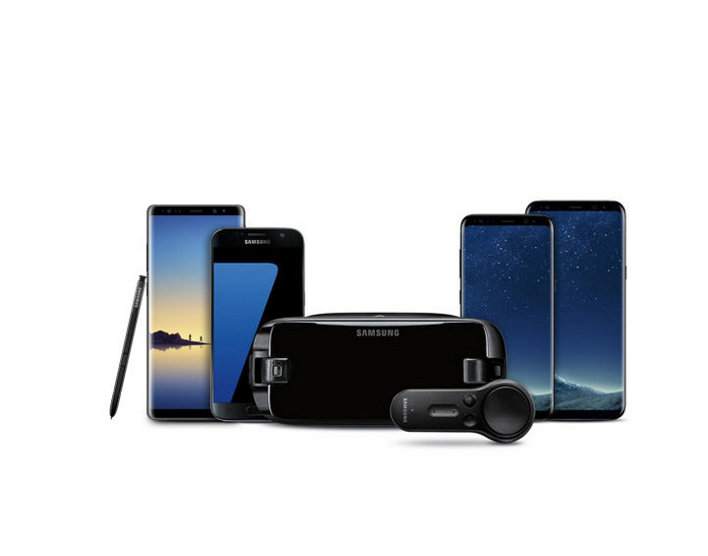
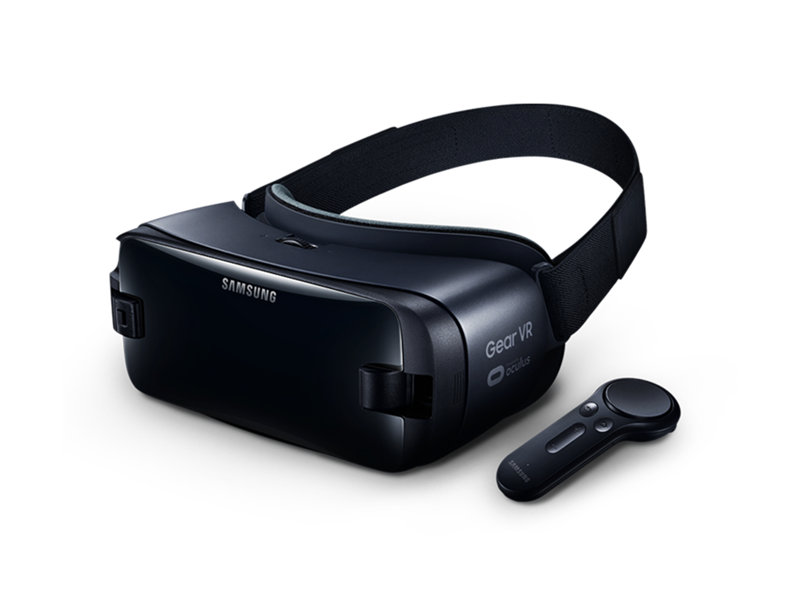
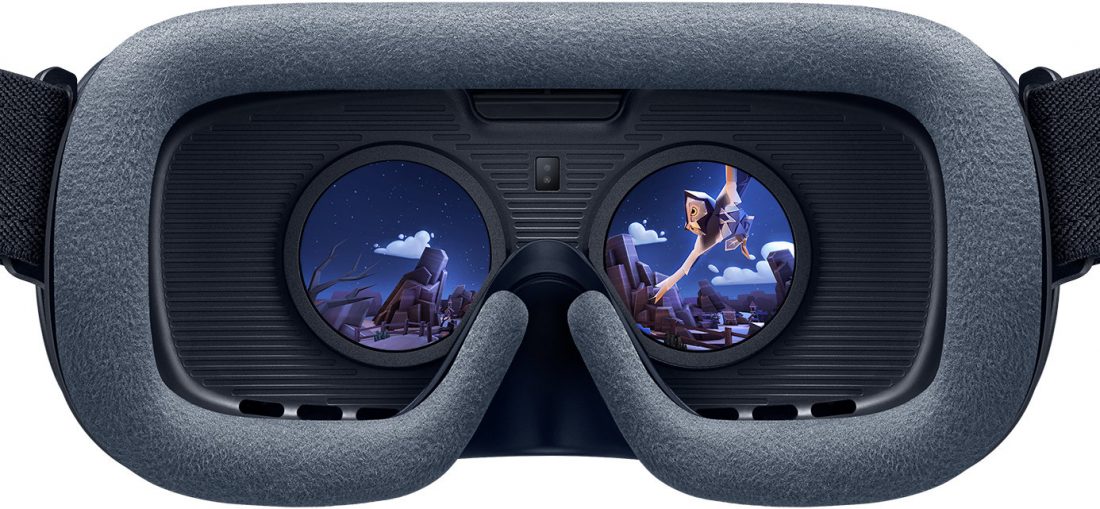
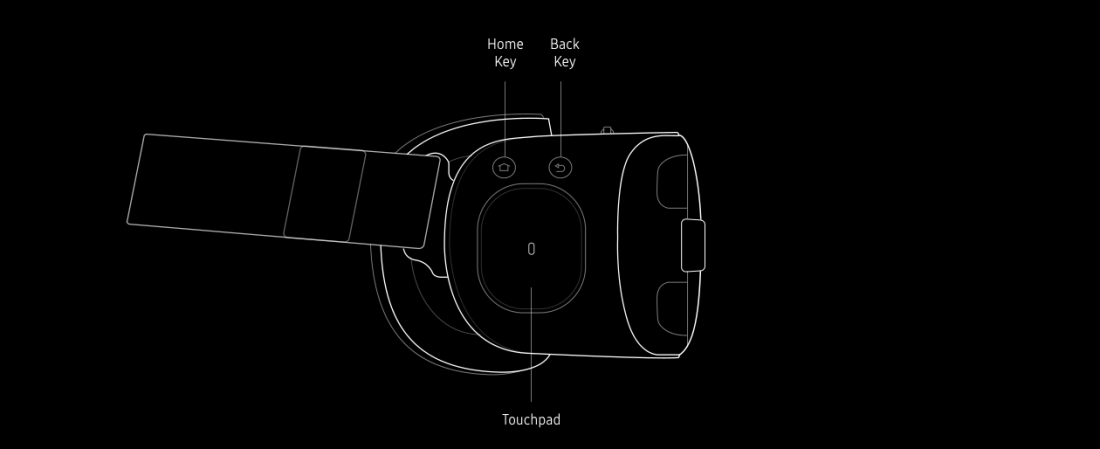
The Galaxy Note 8 wasn’t the only device announced at the launch yesterday. Samsung confirmed that the company is releasing another iteration of the Gear VR headset as the previous variant wasn’t big enough to fit the newly launched Note 8. The new Gear VR headset is designed to support the Galaxy Note 8’s 6.3-inch display and can be paired with Samsung’s new wireless controller. Apart from the size difference, no such significant difference could be spotted between the new and the previous Gear VR.
Both the devices are powered by Oculus and come with a physical controller which offers quicker selection and interaction, Samsung claims. The Gear VR headsets feature a wide interface and an ergonomic design for an interactive and immersive gaming session.
The Gear VR launched a few months back had a 101-degree field of view and the latest edition is no different. The previous iteration was compatible with the Galaxy Note5, S6, S6 Edge, S6 Edge+, S7 and S7 edge and the S8 phones. It appears to be that Samsung didn’t put in much thought whether the device would be capable of supporting the next Note or not. Hence, the new and bigger Gear VR headset.
The Gear VR (Galaxy Note8 Edition) will support Android Lollipop 5.0 or later devices. The headset weighs 345 grams and will be compatible with Galaxy S8+, S8, S7, S7 edge, S6, S6 edge, S6 edge+ and of course the Galaxy Note8. The Gear VR headset can be connected via Bluetooth, USB Type-C & micro USB and has an additional USB Port, Type-C for power connection, OTG USB Memory, 3rd-party controller.
Samsung promises that the new Gear VR will let you explore the multi-dimensional worlds in virtual reality, offer enhanced gaming experience with organic, intuitive responses, etc. Well, you won’t have to wait too long to find out as the Gear VR – Note8 Edition, which costs $129.99 (approximately Rs. 8,325) is already available on the company’s website for ordering.
Google Pixel and Pixel XL launched last year on October 4th to great anticipation. A new leak claims that the second generation Pixel phones will debut exactly one year after their older siblings, on October 5th. The tweet sheds light on another component of the device which is heavily rumoured, but, with no real evidence.
Google's second-generation Pixel handsets, powered by Snapdragon 836 SoC's, will be unveiled on October 5th.
In his tweet, Evan Blass claims that both the devices will have the Qualcomm Snapdragon 836 chipset, instead of the much-anticipated Qualcomm Snapdragon 835 chipset. More details about the new Pixel devices were leaked through an FCC filing by HTC confirming that the Taiwanese smartphone maker will be handling the smaller of the two variants, the Pixel 2.
Also, back in March, Bharat Nagpal had posted on his official Facebook account sharing information about the same chipset (Snapdragon 836), and that it will first show up in Pixel devices.
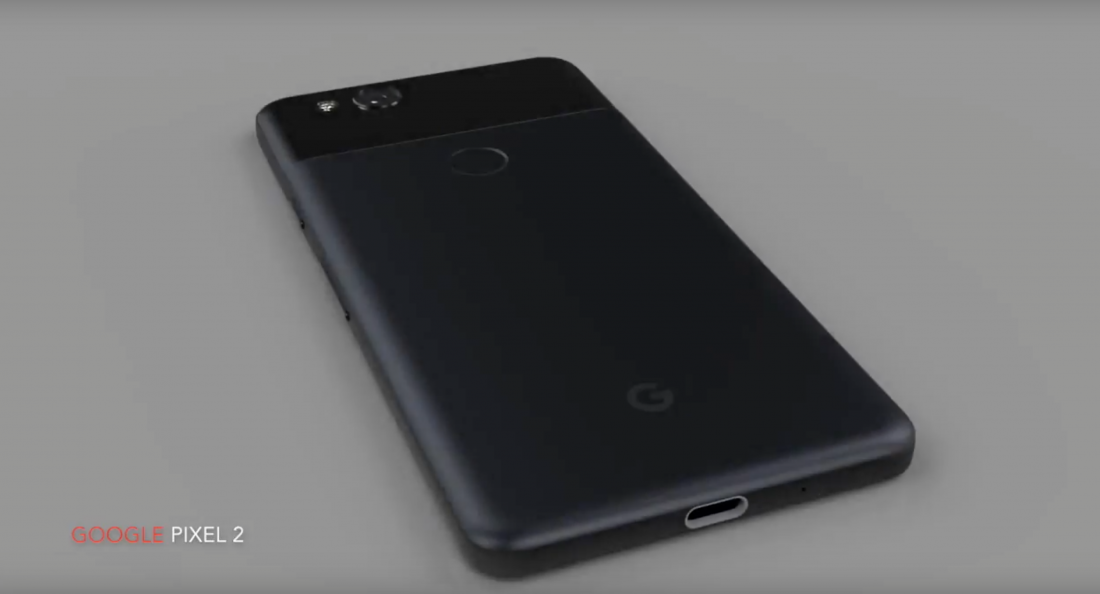
An interesting detail revealed by the filing was a feature called “Active Edge”, which is similar to the squeezable frame feature on the HTC U11. The difference here is that the squeeze will be programmed to launch the Google Assistant. In the filing, the “8998” in the baseband revealed that the device would either have a Snapdragon 835 or the updated, as-of-yet unreleased 836. There have been renders of the Google Pixel 2 suggesting that the 2017 flagship will ditch the headphone jack. The device will also sport a design similar to its predecessor’s with big bezels around the screen and a smaller glass window at the back.
The smaller Pixel 2 will reportedly sport a 5 inch 2560 x 1440 px AMOLED display and still have large bezels around the screen, unlike many flagships of 2017. The Pixel XL 2, on the other hand, will feature a more “2017 flagship design” with thin bezels around a 6 inch 2560 x 1440 px AMOLED display. The devices will run on 3,ooo mAh battery and 3,500 mAh battery respectively.
Samsung has just announced the Galaxy Note8 for global markets and the phone is said to go on sale in September some time. However, for the south Korean company getting their Note series back on track will be a bigger game. Markets like India majorly remained unaffected by the Note7 recall, because the Galaxy Note7 was never launched in said markets. Samsung has a huge void to fill in the premium upmarket business phone segment, which was ruled by the iPhone 7 Plus thus far. Considering that officially any revisions to the iPhone will go on Sale in India starting October, Samsung may get the upper hand by launching the Galaxy Note8 in September in India.
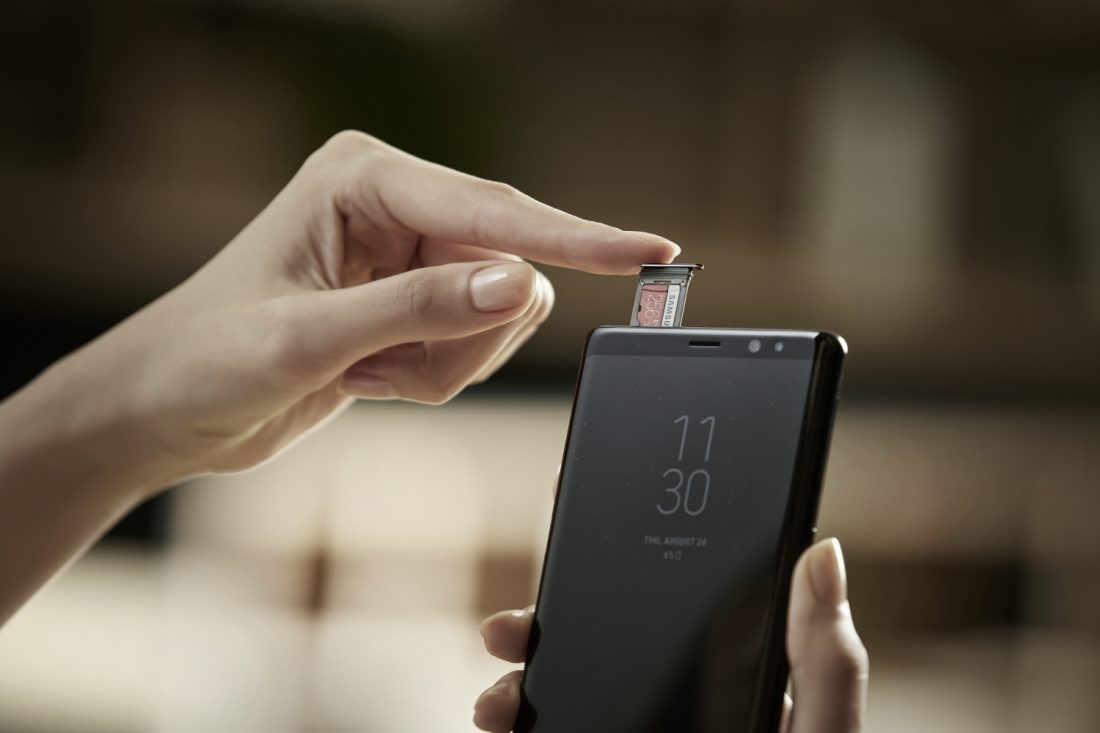
The Galaxy Note8 which has a similar Exynos processor for the India market will also launch only in two variants in India, the 64 GB and 128 GB storage options, with fewer colours available at launch. The 256 GB variant and other colour options will be launched later in the year. The new Galaxy Note 8 also features IP68 water and dust resistance which also applies to the new S Pen which is independently IP68 rated. The Note8 will also have a dual sim/hybrid tray in India, allowing for either one sim card + expansion via micro SD for upto 256GB of additional storage or two SIM cards.
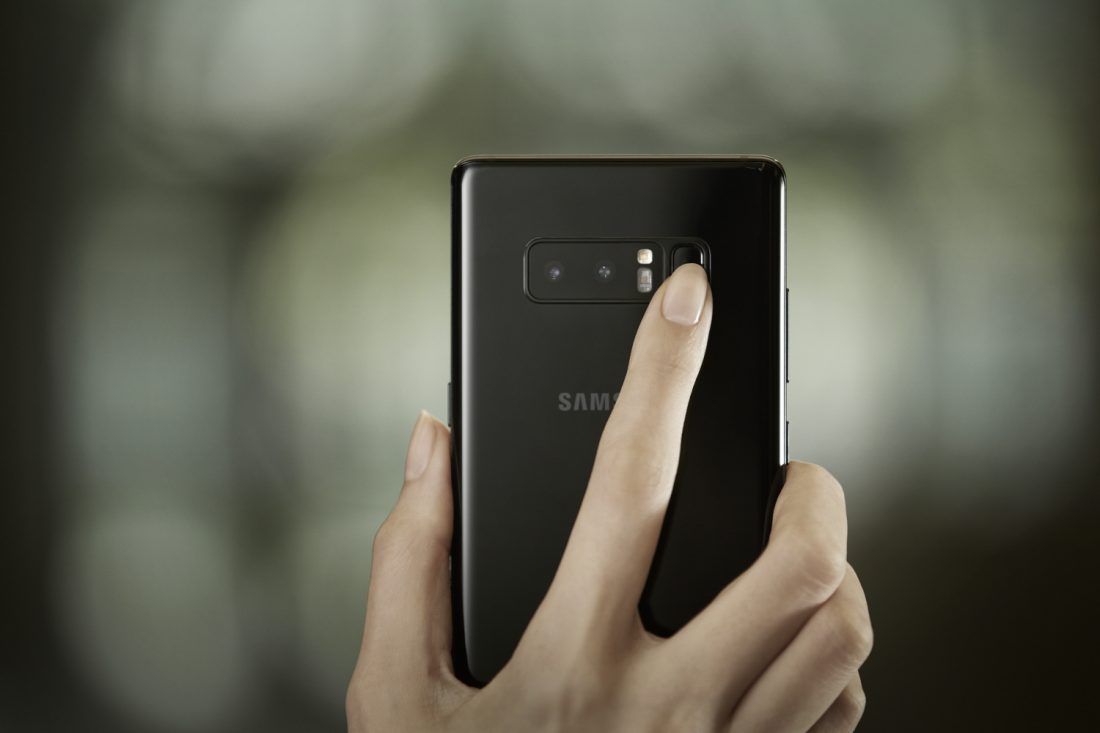
Samsung’s new Note is also the first Samsung smartphone to be featured with dual cameras, both are 12 MP and both have OIS, one has a wide lens while the other a telephoto lens. The Note8 also has an IRIS scanner on the front, sadly the fingerprint sensor still sits on the back of the phone next to the cameras.
Samsung will also launch the phone with several offers including a zero percent instalment (or EMI) option that will allow potential owners to buy the phone without worrying about the hefty price tag. Samsung will also bundle up the wireless charger for those who pre order. The updated Samsung Dex docking station will also receive and official launch in India alongside the Galaxy Note8.
After today’s much-anticipatedlaunch of the Samsung’s new Galaxy Note 8, the company hopes to rebuild consumer confidence and reinvigorate the Note series. Until last year, the Galaxy Note series was amongst the top flagship devices but, the recall of the Galaxy Note 7 due to battery issues had a significant impact on sales and consumer perception. So, from the Galaxy Note 7 to the Galaxy Note 8, what has changed?
The new standout feature – Dual-lens Camera
Unlike its predecessor, the Samsung Galaxy Note 8 is equipped with a horizontally placed two 12-megapixel cameras at the back with a fingerprint scanner right next to it. Many criticized the odd placement of the fingerprint sensor at the back when the Galaxy S8 was launched, and nothing has changed on this front in the Galaxy Note 8.
The 12MP primary camera has a wide-angle lens with an f/1.7 aperture whereas the secondary 12MP camera has a telephoto lens with an f/2.4 aperture. The dual-camera setup is capable of 2X lossless zoom and other features such as Bokeh effect and selective focus for background blurring. The rear camera setup records video in 4K at 30 FPS and features phase detection autofocus, dual optical image stabilization (an industry first, claimed by Samsung) and an LED flash. On the front is an 8MP camera with an f/1.7 aperture which captures 4K videos at 30 FPS whereas, the Galaxy Note 7 had a 5MP front camera with 1920×1080 full HD video recording at 30fps.
Another widely anticipated feature is the new and improved S-Pen.
[carousel]
[panel]
Live Message
[/panel]
[/carousel]
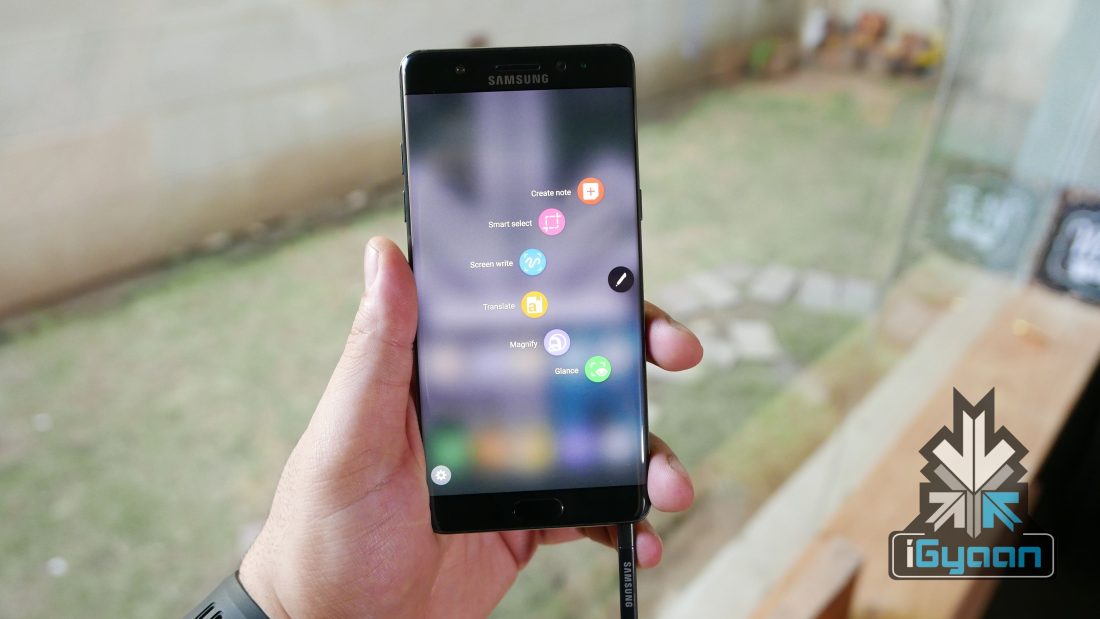
Similar to the Note 7 stylus, the new S Pen is water resistant and has more levels of pressure sensitivity. The latest S-Pen features include capability of taking notes up to 100 pages in the Screen Off Memo mode, a live messages which are saved as GIFs and the user can also hand-write a message or picture with the S Pen. Also, the translate feature, introduced on the Note 7, is making a come back in this year’s Note 8. To translate a sentence, a user has to simply highlight the text and the S Pen will instantly translate the sentence into 71 languages.
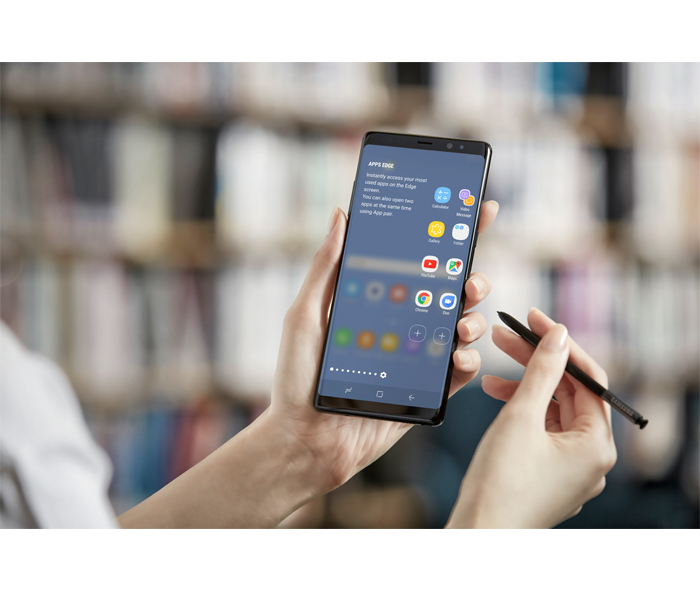
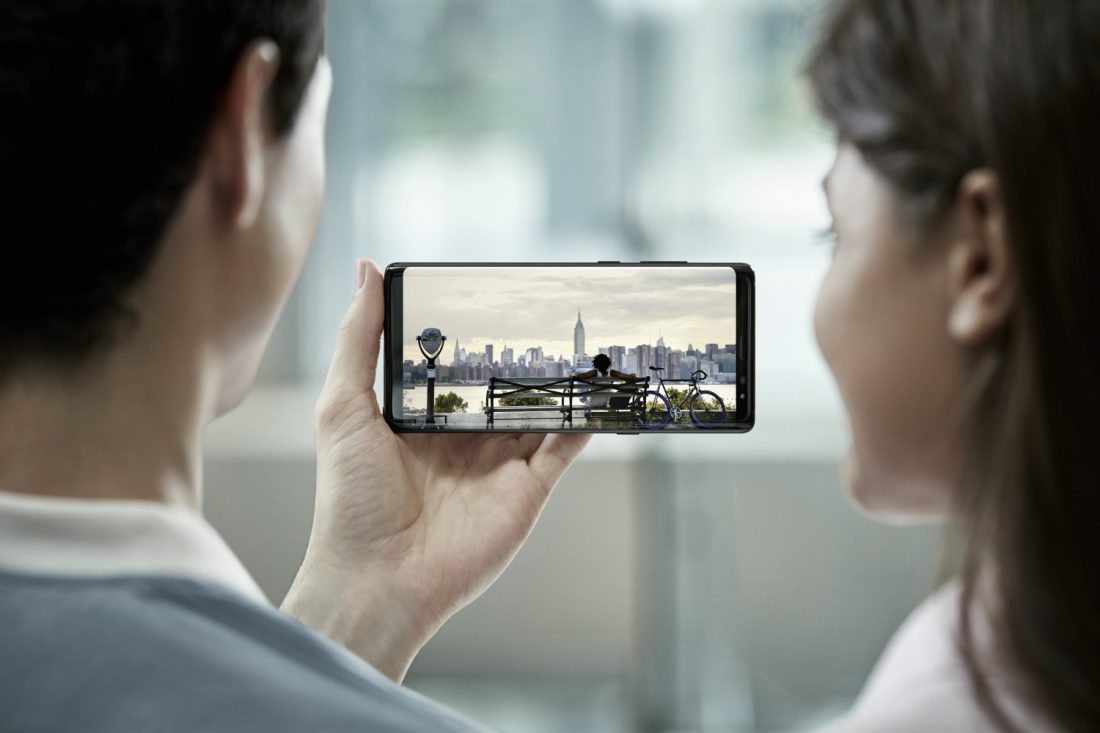
On the design front, both the Galaxy Note 8 and the Note 7 feature Corning Gorilla Glass 5 panels on the front and the back. Samsung is offering an almost all-screen front with a metal and glass body design along with a built-in stylus. The smartphone sports a 6.3 inch 2960 x 1440 px Super AMOLED display with curved edges. With an 83.1% screen-to-body ratio and almost bezel-less design (compared to the Note 7), Samsung is aiming to rival other similar flagship devices.
Coming to what’s under the hood, the newly launched Galaxy Note 8 runs Android 7.1.2 Nougat with a promised update to 8.0 Oreo in near future.
Galaxy Note 7
As is with all Samsung flagship devices, the Galaxy Note8 will ship with two different chipsets, the Qualcomm Snapdragon 835, 2.45 GHz octa-core processor with Adreno 540 GPU for USA and China, and the Exynos 8895, 2.3GHz Quad-Core (Custom CPU) + 1.7GHz Quad-Core (Cortex-A53) with Mali-G71 MP20 for the remaining markets. The device will have 6GB RAM and onboard storage options of 64GB/128Gb/256GB which will be expandable via microSD card up to 256GB.
Powered by a 3,300 mAh battery with QuickCharge 2.0 via USB Type C port and the rear glass panel allows the Galaxy Note 8 to support wireless charging. Thanks to Galaxy Note 7’s 3500mAh faulty batteries, Samsung has opted for a slightly smaller battery for its new flagship.
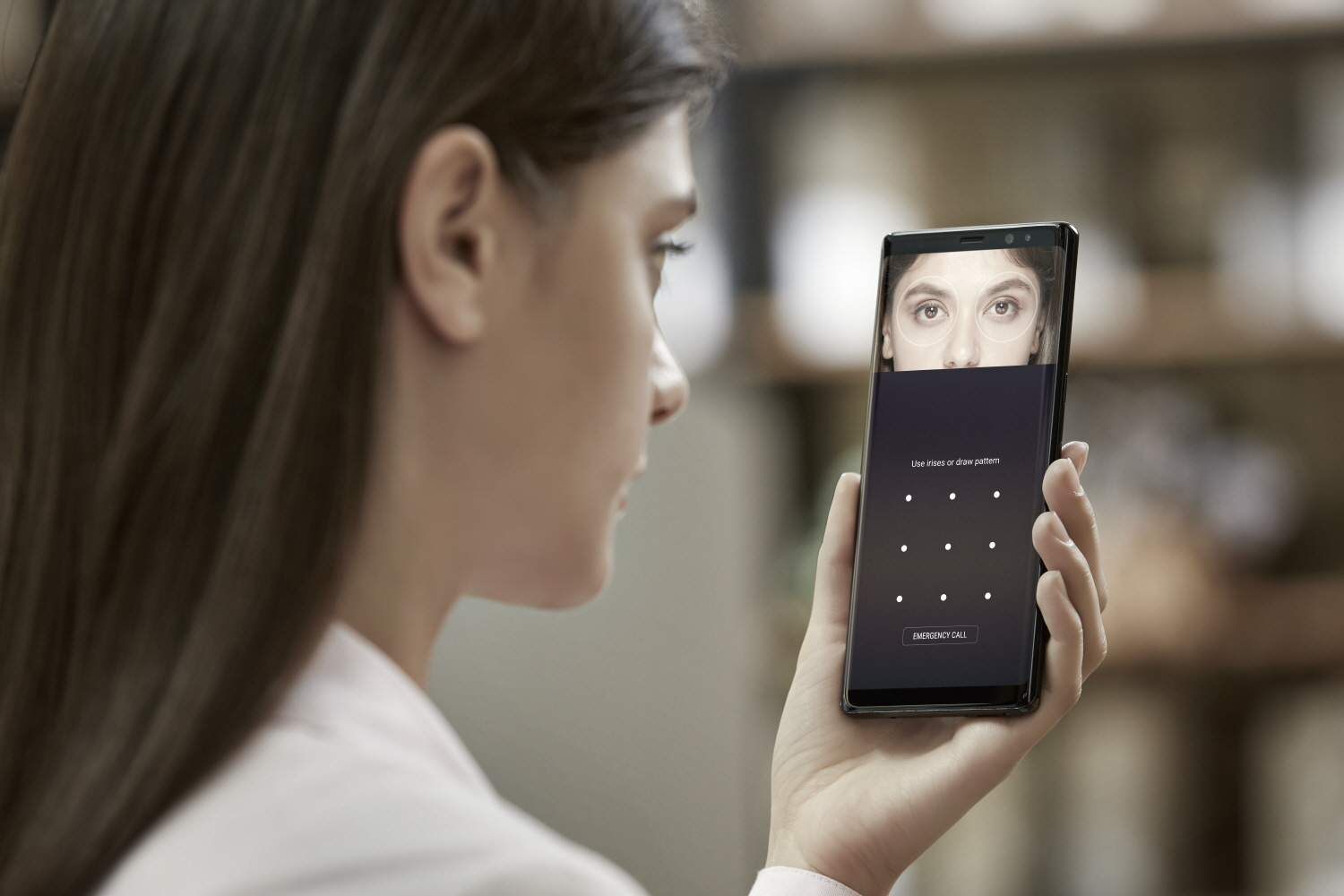
For added security, Samsung is offering plenty of biometric security options to choose from, such as iris scanner and facial recognition, apart from a fingerprint scanner. The Galaxy Note 7 was amongst the first of Samsung smartphone to feature iris scanner for unlocking the device.
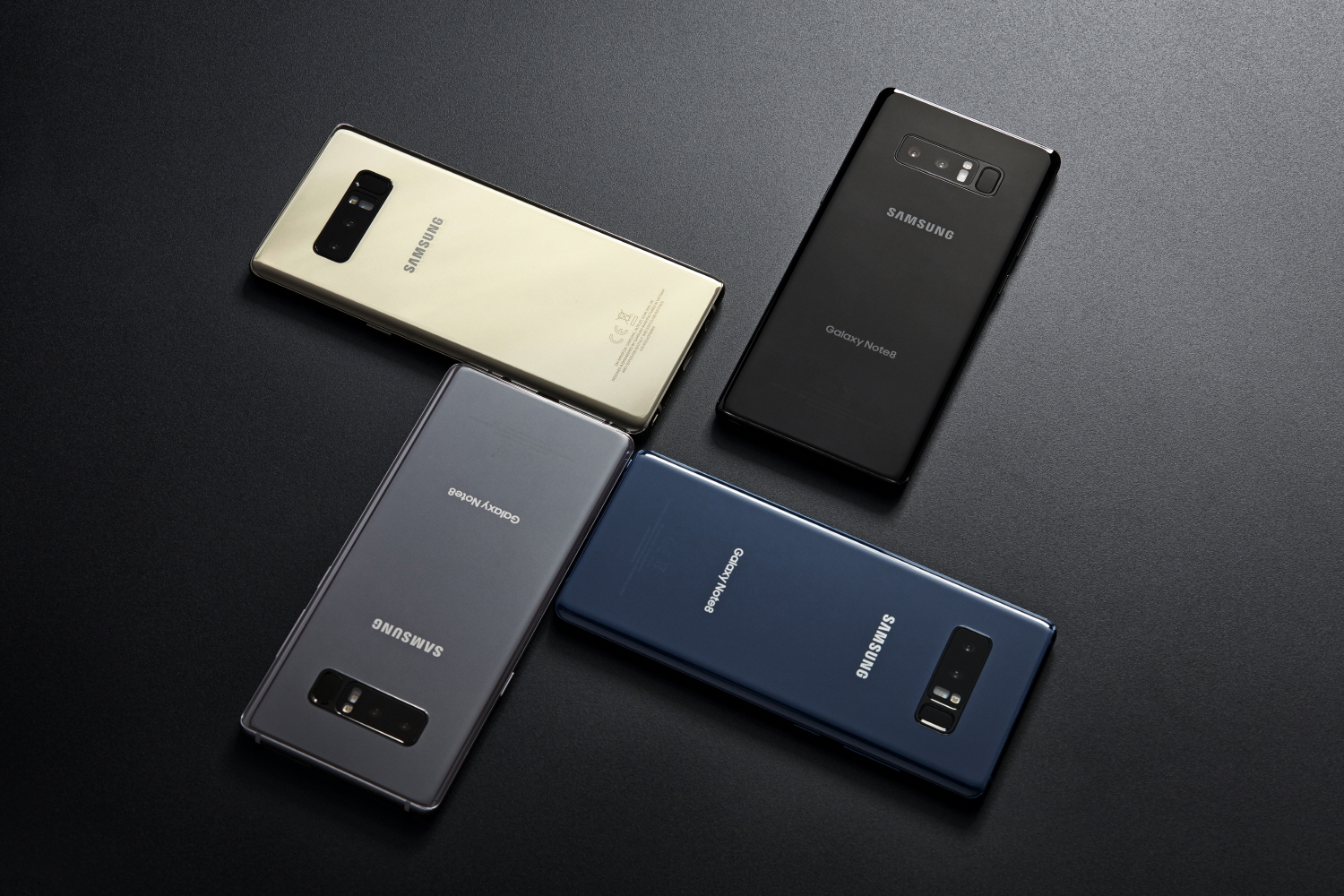
The smartphone will be available in four colour variants (two of which were leaked ahead of its launch)– Midnight Black, Orchid Gray, Deep Sea Blue and Maple Gold.
In term’s of how the Galaxy Note 8 will stack up against it’s recalled sibling, the Galaxy Note 7, here’s a little something to help you figure out.
Specifications
Galaxy Note 8
Galaxy Note 7
Price
£869 (Approximately Rs. 71,100)
Launched at US $ 849.99 (Approximately Rs. 59900)
Dimensions
162.5 x 74.8 x 8.6mm
153.5 x 73.9 x 7.9 mm
Weight
195 grams
169 g
Design
Corning Gorilla Glass 5 Front
Corning Gorilla Glass 5 Back
Metal Frame
Corning Gorilla Glass 5 Front
Corning Gorilla Glass 5 Back
Metal Frame
Colors
Midnight Black
Orchid Gray
Deep Sea Blue
Maple Gold
Blue Coral
Gold Platinum
Silver Titanium
Black Onyx
Display
6.3-inch Super AMOLED
5.7-inch Super AMOLED
Screen Resolution
2960 x 1440 px
2560 x 1440 px
PPI (Pixels Per Inch)
521ppi
518ppi
Display Protection
Corning Gorilla Glass 5
Corning Gorilla Glass 5
Chipset
Option 1: Qualcomm Snapdragon 835
Option 2: Exynos 8895
Option 1: Qualcomm Snapdragon 829
Option 2: Exynos 8895
CPU
Snapdragon 835 Variant: Octa-core 2.45 GHz
Exynos Variant: 4×2.3 GHz custom CPU and 4×1.7 GHz Cortex-A53
In an event in New York, Samsung has just launched its new iteration of the Note series, the Samsung Galaxy Note8 at a price of GBP 869 (Rs 71,100 approx). After the Samsung Galaxy Note7 was recalledglobally due to a fault in the battery, causing it to catch fire, the South Korean electronics giant made a comeback of sorts with the Galaxy S8 and S8+.
The Samsung Galaxy Note 8 has been launched in four colours – the Midnight Black, Orchid Gray, Deep Sea Blue and Maple Gold.
Just like the Galaxy S8 and S8+, the new Galaxy Note 8 features a glass front and back and the AMOLED display has curved corners and a long aspect ratio. The new 2017 Samsung Galaxy Note has a 6.3 inch 2960 x 1440 px 18.5:9 aspect ratio Super AMOLED display with an 83.1% screen-to-body ratio and Corning Gorilla Glass 5 on the front and back of the device.
The Galaxy Note 8 runs Android 7.1.2 Nougat and Samsung has promised an update to 8.0 Oreo in the near future. The phone is powered by a non-removable 3,300 mAh battery with QuickCharge 2.0 through the USB Type C port and because of the glass at the back, the phone also supports wireless charging as well. Just like the Samsung Galaxy S8 and S8 Plus, the fingerprint sensor sits at the back of the device right next to the dual-cameras. The iris scanner and face unlock features also return to the Galaxy Note 8 for further security.
As is with all Samsung flagship devices, the Galaxy Note8 will ship with two different chipsets, the Qualcomm Snapdragon 835, 2.45 GHz octa-core processor with Adreno 540 GPU for USA and China, and the Exynos 8895, 2.3GHz Quad-Core (Custom CPU) + 1.7GHz Quad-Core (Cortex-A53) with Mali-G71 MP20 for the remaining markets. The device will have 6GB RAM and onboard storage options of 64GB/128GB/256GB which will be expandable via microSD card up to 256GB.
What makes the Note series stand out from the flagship crowd is the S-Pen. The new Galaxy Note 8 comes with a new S Pen with improved functionalities. The Galaxy Note 8 and the S Pen are both also IP68 certified water and dust resistant. The S-Pen comes with a host of new features such as Smart Select, which allows you to easily select, clip and copy the content that you like. You can also send .gif messages via the S Pen. Another interesting feature is the Screen Off Memo, wherein you can quickly jot down important notes and details without going through the hassle of unlocking the device and opening the Notes app. The S Pen will be available in Midnight Black, Orchid Gray, Deep Sea Blue and Maple Gold colours.
The Galaxy Note 8 is the first phone from Samsung to feature dual-cameras with a 12MP dual-camera setup, the primary camera has a wide-angle 12MP lens with an f/1.7 aperture and the secondary camera has a 12MP telephoto lens with an f/2.4 aperture. The telephoto lens enables a 2X lossless optical zoom and has features such as the Bokeh effect, much like the iPhone 7 Plus. The dual-cameras are capable of capturing 4K videos at 30 FPS On the front is an 8MP camera with an f/1.7 aperture and captures 4K videos at 30 FPS.
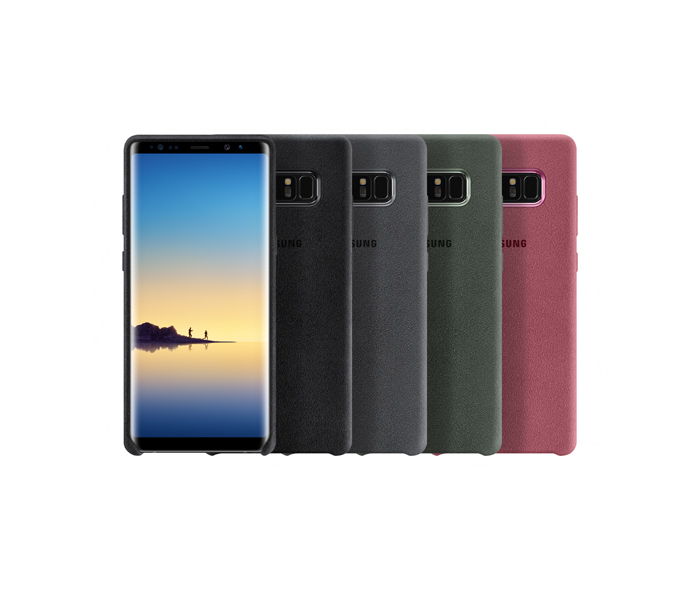
Samsung has also launched a host of Galaxy Note 8 compatible accessories today. The Samsung signature flip cover, a wireless charging pad in two colours, a back cover with a felt touch finish in 4 colours and a half-and-half gripper like the one launched for the Galaxy S8 and S8+.
The Samsung Galaxy Note 8 will be available starting in mid-September, in major markets including US, Europe, Australia, New Zealand and in India.
After SpaceX’s successful Falcon 9 rocket launch, Elon Musk posted a picture of his SpaceX space suit on Instagram. The image was shared via his official Instagram handle, confirming that the picture was not a mockup, but an actual shot of a fully functional suit.
https://www.instagram.com/p/BYIPmEFAIIn/
According to SpaceX’s CEO the suit actually works, and can withstand double the pressure of the vacuum of space. Taking cue from Boeing’s new spacesuit for its first commercial crewed space missions, the Space X space suit is designed to look svelte and tight to the body. As compared to other spacesuits, Elon Musk has emphasised on style with spacey white accents and lines on the suit.
Musk acknowledged that it was “incredibly hard” to get the right balance between the suit’s look and its function. Although, not specified, SpaceX suits are obviously meant to be worn by astronauts for safe travels inside the company’s Dragon Capsule. The pressure suits aren’t meant for space walks. Instead, are worn by astronauts during transport in case the capsule depressurizes. Once the SpaceX starts launching people to and from the International Space Station, these suits will be worn by NASA astronauts for the commercial crew program.
Not much have been divulged in terms of spacesuit detail, but Musk has promised follow up details including a full-body view reveal and many more images.
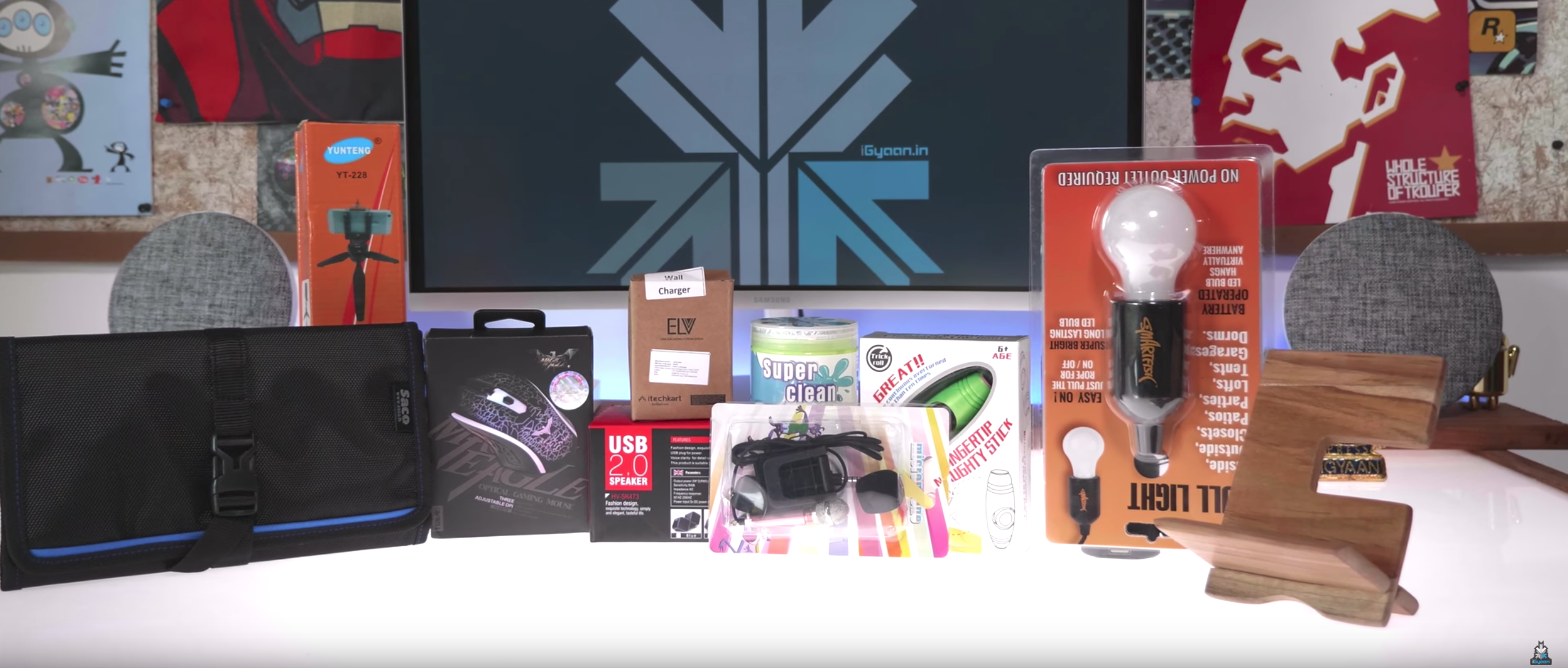
If you are always on the hunt for tech and accessories that won’t break the bank, we’ve got you covered. Here are the top tech accessories under Rs 500
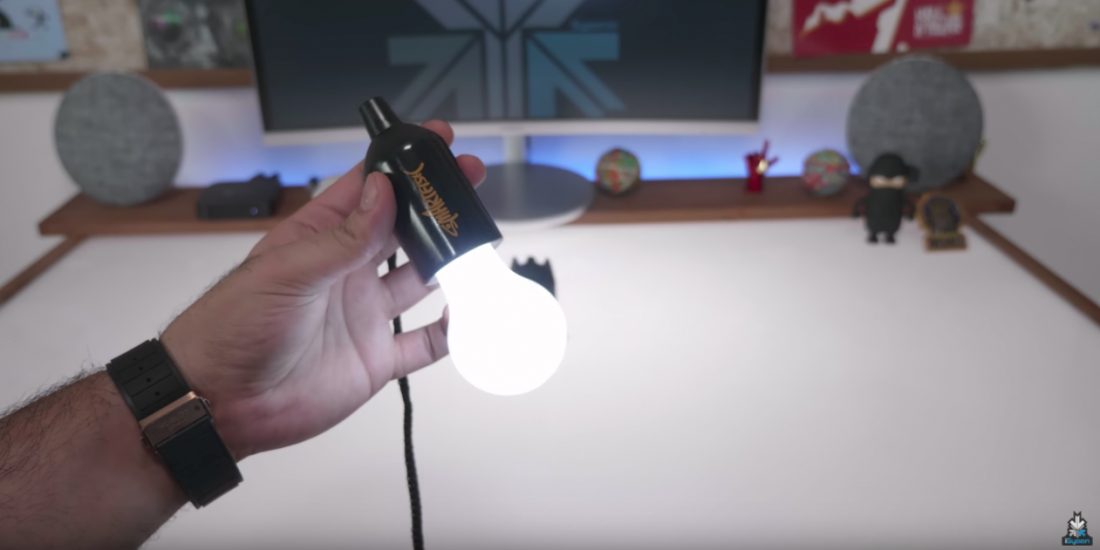
Pull Light
This convenient LED light is like a flashlight in the form of a bulb. You need to pull on the thread to switch it on and it is powered by three AAA batteries. It can be useful if you have a cupboard which is not lit or a part of your home which needs a bit more lighting. At a price of Rs 449, it is a handy accessory to have around your home or office.
Price – Rs 449
Powered by three AAA batteries
Pull the thread to switch on the light
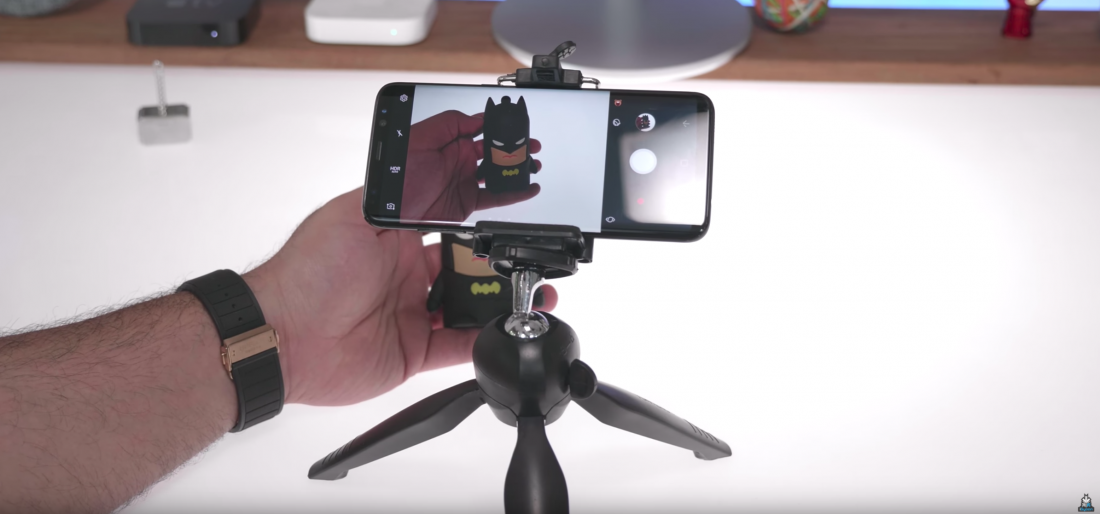
Mini Tripod
At a price of Rs 375, this mini tripod with an included smartphone mount is perfect for vlogging or for people who record a lot of videos with their smartphone. The mini tripod can also be used as a selfie stick and will come in handy for stable images and videos if your hands are shaky.
Price – Rs 375 including a smartphone mount
Ideal for vlogging
Stable images and videos
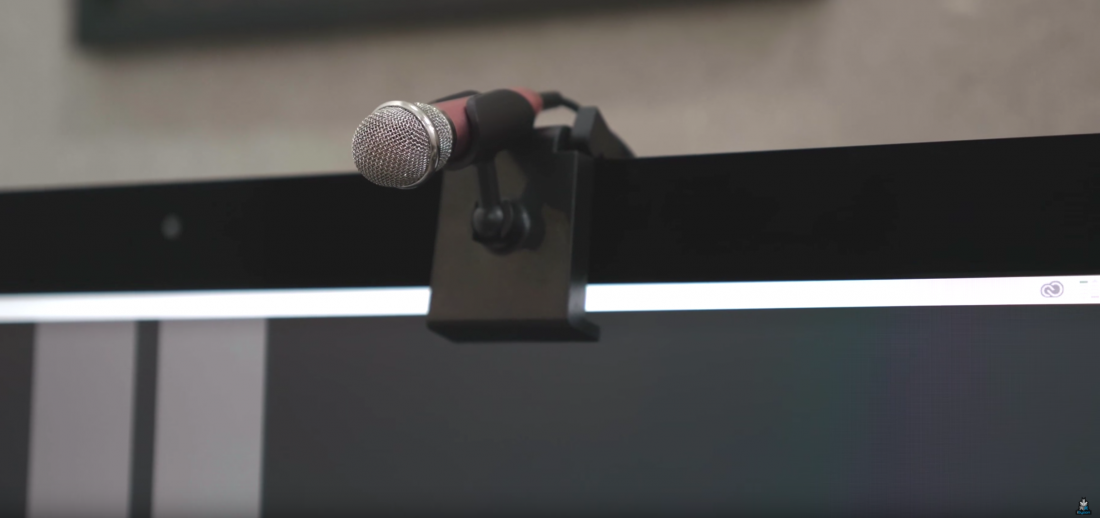
Mini Mic
To go along with that useful mini tripod is the mini mic for voice recording. It connects to your phone via the headphone jack and comes with a desktop mount. It has a 3.5mm output jack as well so that you can connect your headphones while recording an audio. For the size and a price of Rs 499, it records good quality audio.
Price – Rs 499
Connects to phone via headphone jack
Ideal to keep on desk
Records good quality audio
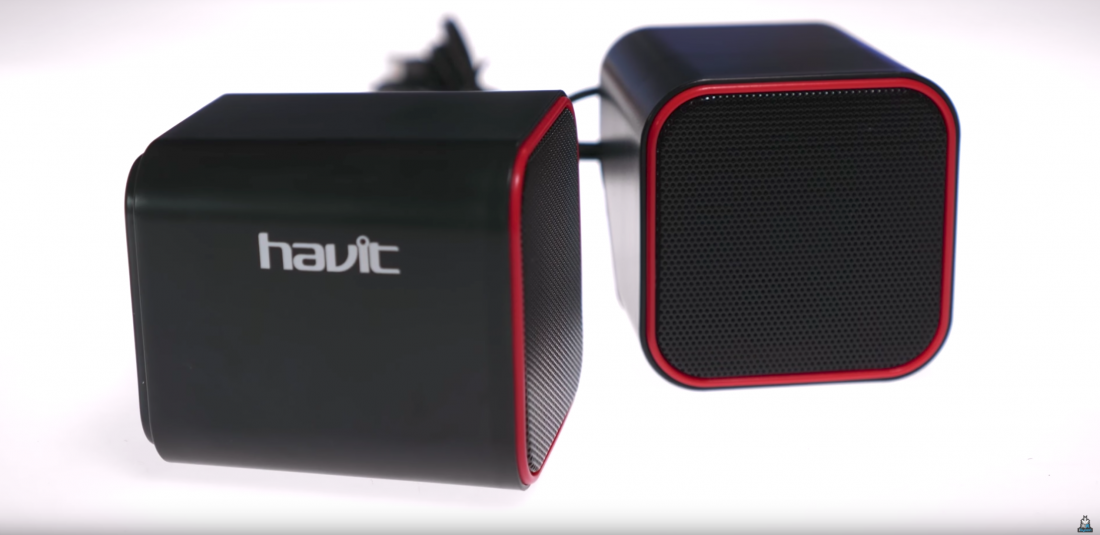
Havit USB Speakers
These compact speakers take power from a USB output and has a 3.5mm headphone audio output. For the size and price of the speakers, they get really loud. You can buy the Havit USB Speakers from Amazon for Rs 390.
Price – Rs 390
Compact design
Powered via USB output
Connects to phone via headphone jack
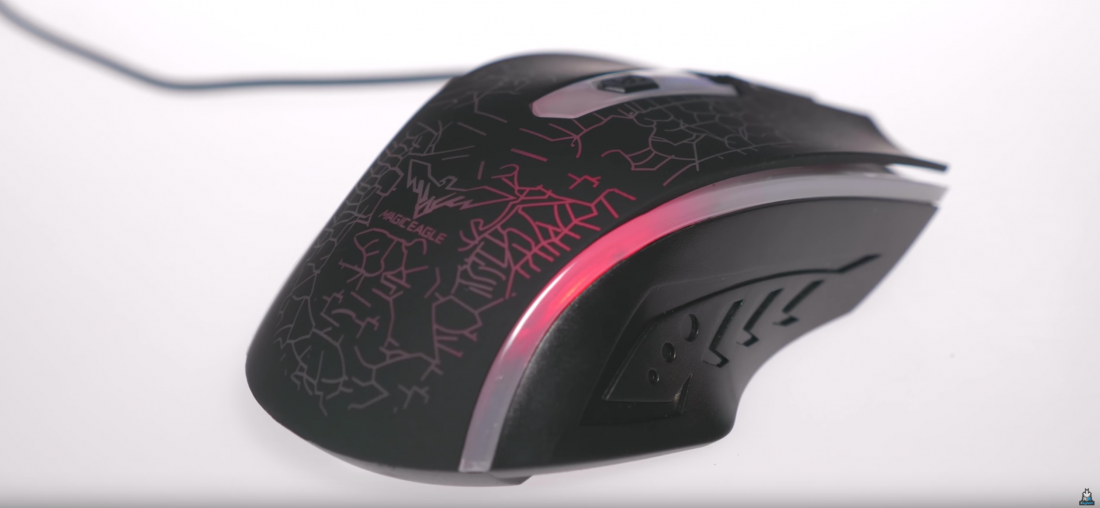
Havit Gaming mouse
The Havit Gaming Mouse comes with a 1.5-meter long cable and is available in two colours, White and Black. You can switch between 3 different resolutions – 800 DPI, 1000 DPI and 1,200 DPI. Another feature of this gaming mouse is that it has multiple LEDs that light up when you connect the mouse. You can further cycle through the LED lights to choose the one you like. It is available at a price of Rs 399.
Price – Rs 399
1.5-meter long cable
Different Resolutions – 800/1000/1200 DPI
Multiple LED lights to choose from
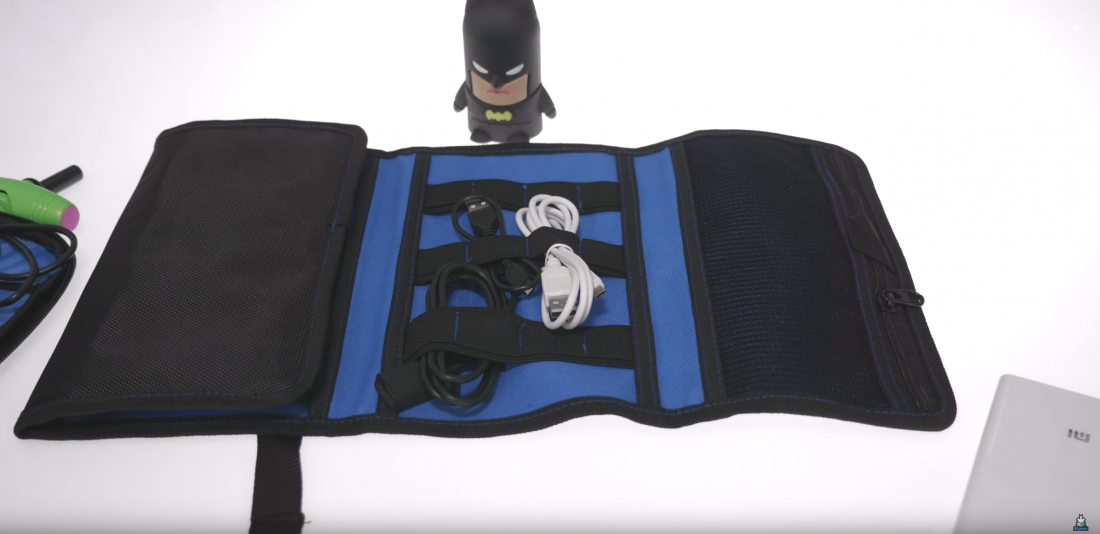
Saco Gadget Organiser
This gadget bag will come in handy if you like to travel with a lot of gadgets and like to keep everything clean and separated. This bag opens up into a big organiser to keep all your tech accessories in a segregated manner. The organiser is water-resistant and has a total of 18 different pockets and sections for all your tech. It is available for Rs 499 on Amazon India right now.
Price – Rs 499
18 different pockets/sections for all gadgets
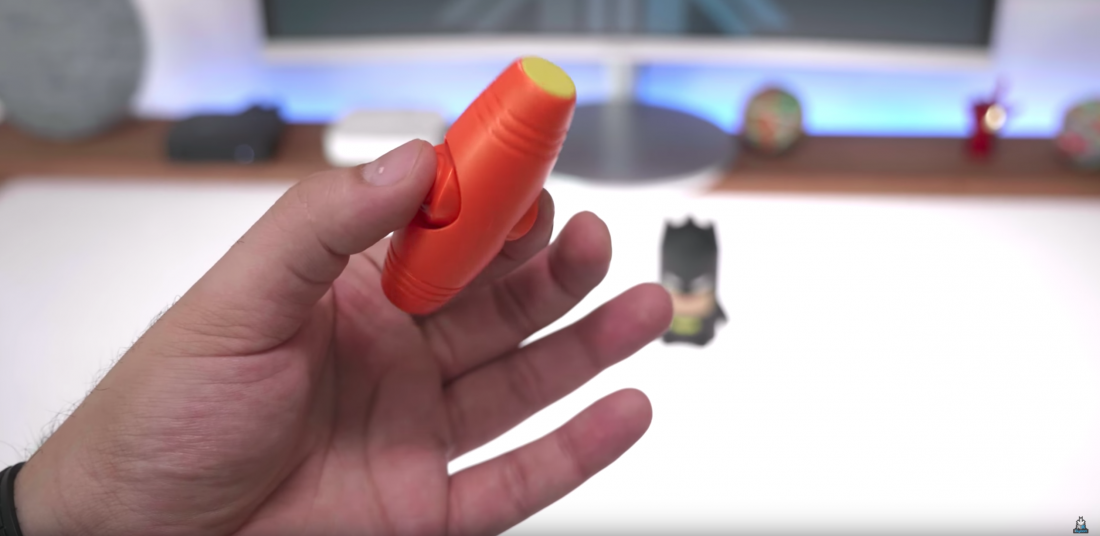
2-In-1 Fidget Spinner Roller Stick
This small little accessory is made entirely out of plastic but is well-built. It can be used as fidget spinner or a fidget stick. It is available for Rs 499 on Amazon.
Price – Rs 499
Plastic-built
Can be used as a Fidget Spinner or Fidget Stick
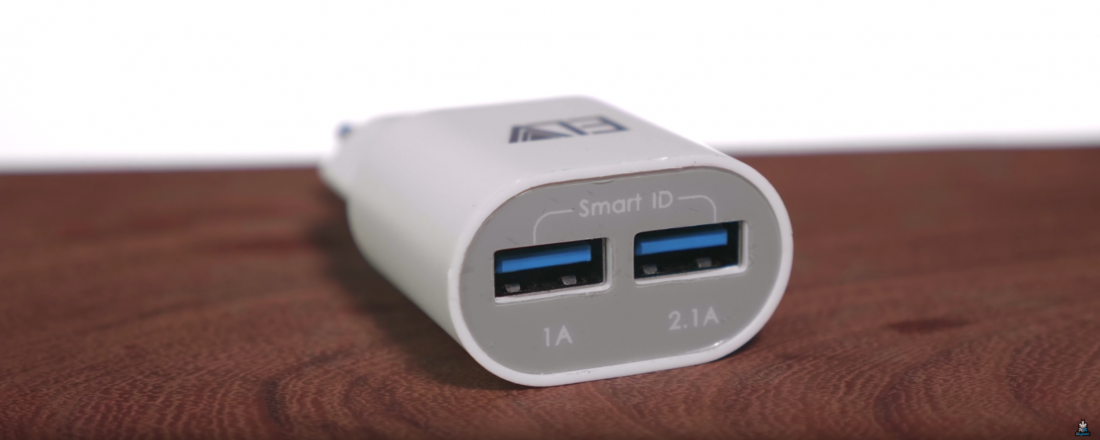
Dual USB Charger
This compact dual USB wall charger will let you charge two of your devices on a single plug. One of the two smart USB ports give an output of 1A and the other one gives an output of 2.1A. The dual USB charger is available for Rs 399 on Amazon.
Price – Rs 399
Two USB outputs
1A and 2.1A smart outputs
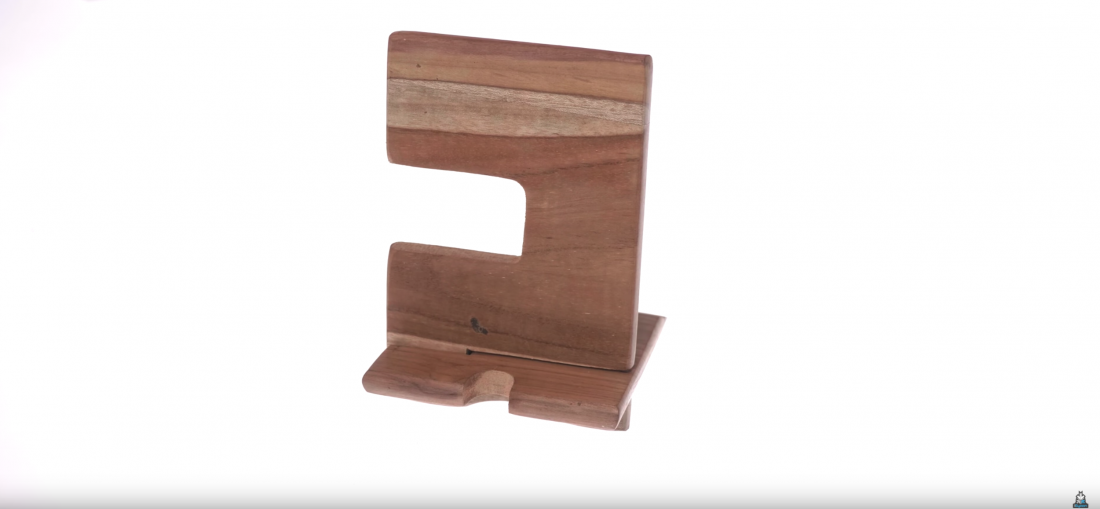
Wooden Phone Stand
This desktop accessory has multiple purposes. At its core, this is a phone stand but, is sturdy enough that you can even keep your laptop on it while it charges. If you’re not using it to hold your phone or laptop, you can lay it flat on your desk and turn it into a coaster. This accessory is available on Amazon for Rs 413.
Price – Rs 413
Ideal desk accessory to keep your smartphone or even a laptop
Can be used as a coaster
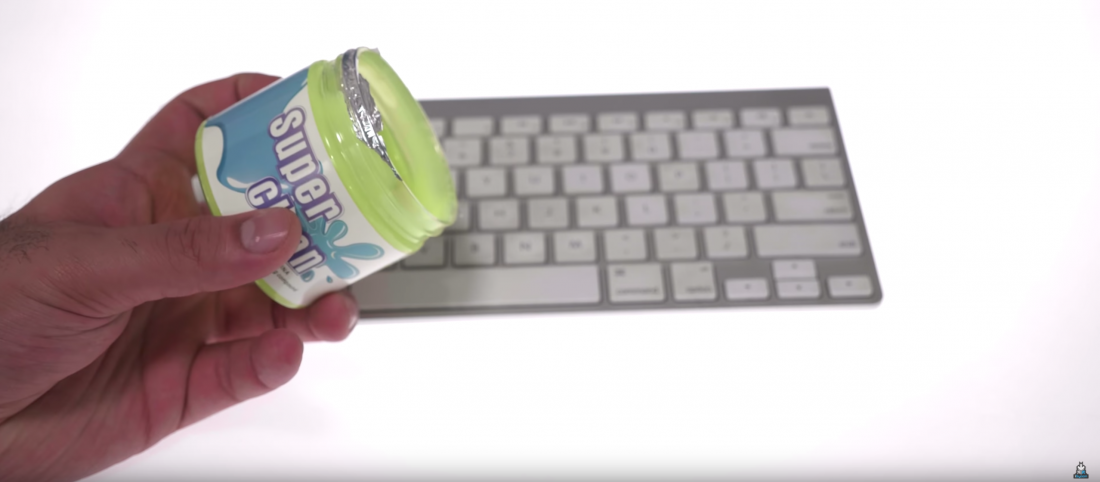
Sticky Jelly Cleaner
If you like to keep your keyboards and laptops clean and are okay with slimy things, then the Slime Cleaner fits the bill for you. Roll this green coloured cleaner on your keyboard and it cleans off the dust. All the dirt and waste material sticks on to the cleaner, so, this will be a short-term cleaning tool. For a price of Rs 499, this is a handy cleaning tool.
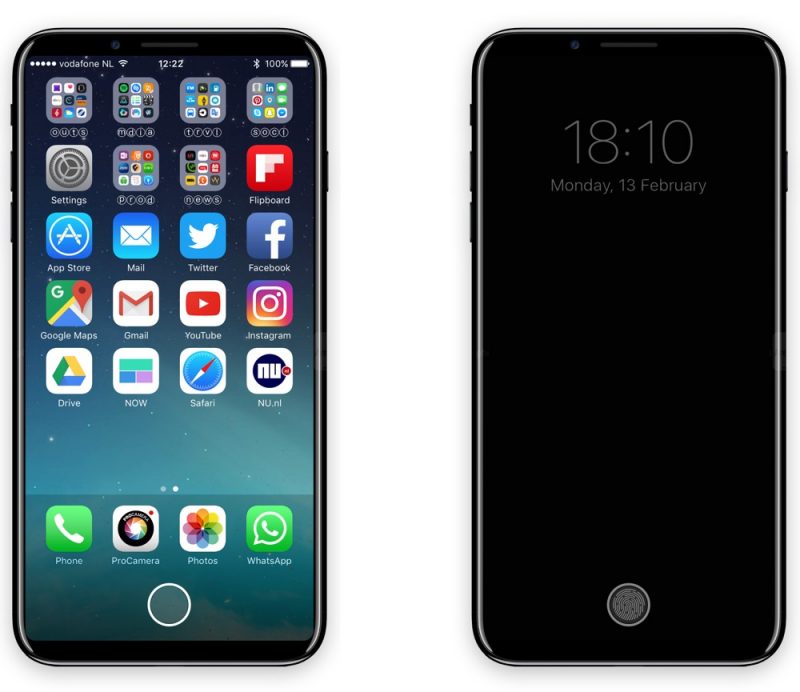
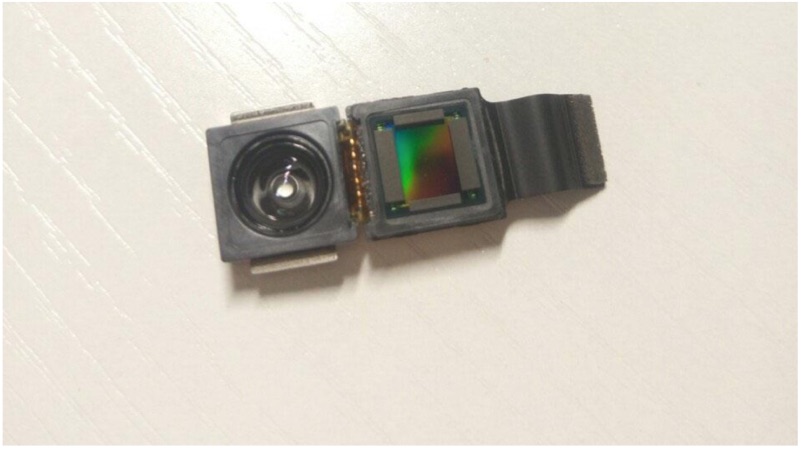
As the iPhone 8 reportedly enters production phase, new leaks from its assembly have surfaced online. A few days back, an image leak showcasing the alleged iPhone 8’s OLED display assembly, lightning and power flex cables emerged.
The latest component on display appears to be the iPhone 8’s 3D sensing camera module which is expected to replace Apple’s iconic TouchID. The leaked 3D camera module will most likely be used to recognise users’ face and the feature will be called “Face ID”. Another anticipated feature is the iris scanner. Multiple listings have stated that the the new iPhone is expected to have iris scanner as an added security feature.
But Apple isn’t amongst the first to use this technology. Smartphone makers like Samsung and LG have already integrated facial recognition and iris scanner in their flagship devices. However, Apple’s “Face ID” for unlocking the iPhone is expected to be much faster and ‘practically instantaneous’ as compared to the rival systems. Assuming that Apple is dropping the Touch ID, reports claim that “Face ID” will be just as fast, if not faster, than the fingerprint sensing technology.
Another challenge faced by Apple while embedding the facial recognition tech could be constantly environmental conditions. As the facial detection technology will have to cope with constant changes in the environment around the face. It is yet to see if ‘practically instantaneous’ system will be capable of handling the scanning, recognition and the storage of a user’s facial biometric information.
It will be interesting to see how Apple will pull off a seamless and instant facial recognition system which is secure and reliable for the upcoming iPhone 8. Apple’s redesigned flagship is expected to launch in September.
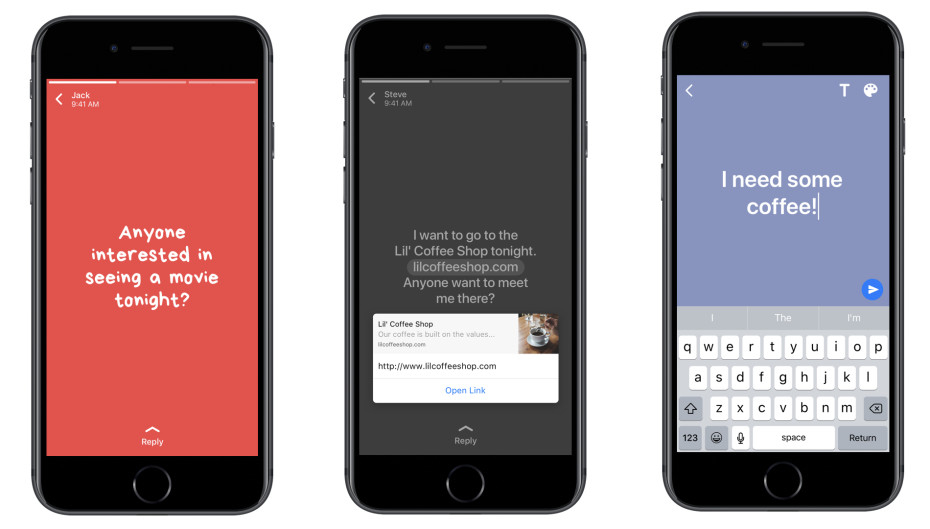
WhatsApp has added a new feature to its ranks, quite similar to Facebook’s colourful status update. Apparently, now you can change our WhatsApp status update to suit your mood. The Users will now be able to update their statuses with more than just images or videos, and use colourful meme-like text posts.
The new feature which is rolling out to Android and iOS devices, lets you write a snippet of text, choose a background color, and customize the font. This feature is specifically for WhatsApp’s Snapchat Stories clone. The Snapchat-like status update which disappears in 24 hours, was first introduced in February. Last month, Facebook announced that WhatsApp status feature has hit 250 million daily users, exceeding the Snap’s main product.
Much like Facebook, the new WhatsApp update allows you to link out to other websites from within a text post. Seems like Facebook is handing down similar upgrades to its messaging app, which the social networking website acquired for19 Billion dollars in 2014.
Though WhatsApp has confirmed the new colourful text update, all may not be able to use the new feature as it has been remotely activated, and full-fledged rollout is still awaited.
For iPhone users, the pen icon appears next to the camera icon in the new Status bar. For Android users, the floating pen icon shows up at the bottom of the Status tab, above the camera icon.
The option to type a status, choose a font, emoji, and the background colour as well shows up by clicking on the pen icon. After writing the status and making necessary changes, press the green arrow key to send the text status. The status will then be published on WhatsApp for all your contacts to see. As usual, you can control who sees your status and know who viewed it by clicking on the ‘eye’ icon at the bottom of the screen.
One of the most popular mobile web browsers in India, UC Browser is under the scanner for reportedly sending data from Indian users out of the country. According to a report by Business Standard, “a government lab in Hyderabad is probing how UC Browser can send user details and location data to a remote server.”
This aforementioned lab is the Centre for Development of Advanced Computing (C-DAC), an R&D organisation for the Department of Electronics and Information Technology, under the Ministry of Communications and Information Technology. If found guilty, the Alibaba-owned app could be banned. Further, the report said that the government plans on sending notices to Reliance Jio’s smartphone brand, LYF, and others including Meizu and Videocon.
The same report adds that the UC Browser sends data including device’s IMEI number and location data to a server in China on connecting to a Wi-Fi network.
This report comes a week after the government had asked over 21 smartphone companies, the majority of them being Chinese manufacturers, to outline the procedures and processes adopted by them to ensure security and privacy of users’ data. To submit the detailed responses on security practices, August 28 has been set as the deadline on the basis of which the government would verify and audit the devices.
In May 2015, a Canadian technology research group reported that Alibaba Group Holding Ltd paid more than $1 billion for leaking sensitive user data and said that it is a privacy risk. Another report states that the UC Browser is the most popular mobile browser in India, accounting for nearly a 50 percent share of the market, ahead of Chrome, which is a little over 33 percent, and Opera, which is nearly at 10 percent. UC Browser once accounted for over 60 per cent of the market share in India, but, has lost out a little of its share to Google Chrome since then.
Reacting to the reports of leaking mobile data of its Indian users to China, the Alibaba-owned browser UCWeb made statement on Wednesday saying that the company would never breach the trust of its users. and it takes security and privacy issues very seriously.
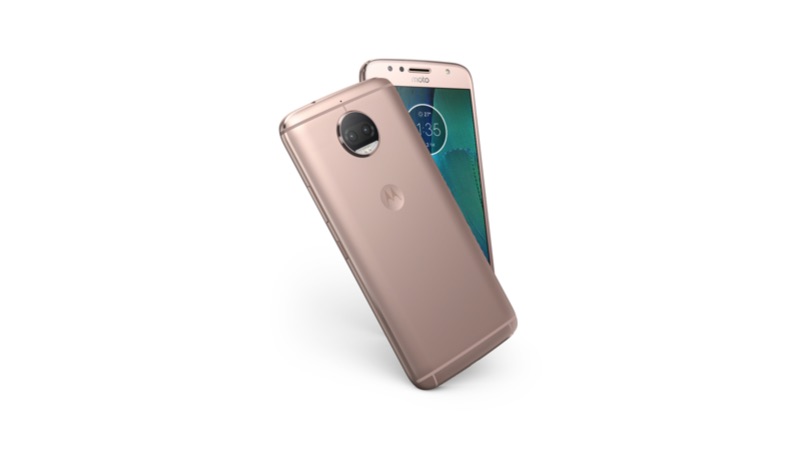
Motorola India has been teasing the launch of the Moto G5S Plus for the past few days and the company recently tweeted the Moto G5 Plus’ successor will launch in India on 29 August.
Although the the Moto G5S Plus listing has gone live on Amazon India confirming it to be an Amazon exclusive, no information about the launch of Moto G5S in India has been revealed yet.
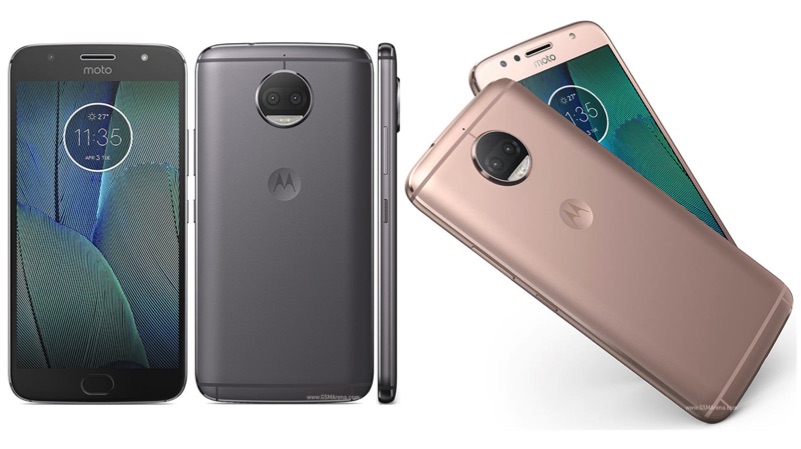
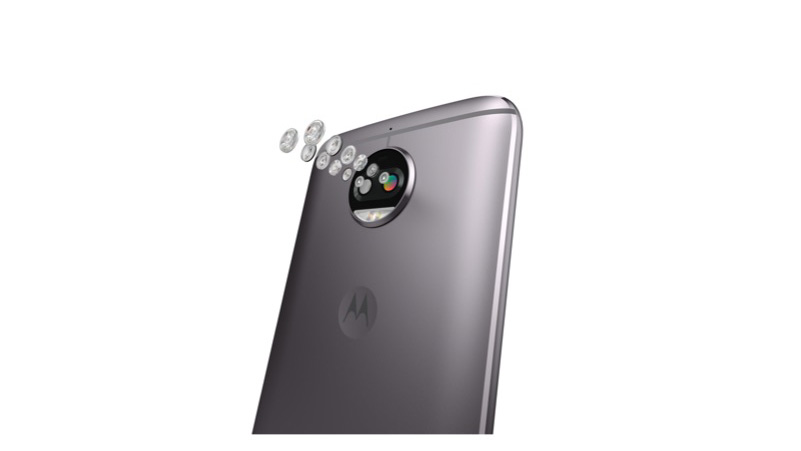
The Moto G5S Plus will be available in Lunar Grey and Fine Gold colour variants featuring a 5.5 inch 1920 x 1080 px display with Corning Gorilla Glass 3 for protection. The smartphone comes with a unibody metal design and sports a 2.5D curved glass panel on the front. Similar to it’s younger sibling – the Moto G5 Plus, the G5S Plus will be powered by a 3,000 mAh battery with turbo charging capabilities. The power adapter can supposedly provide 6 hours of usage time with 15 minutes of charging. The device has the Qualcomm Snapdragon 625 chipset, a 2.0 GHz octa-core CPU coupled with 3GB of RAM and 32GB of onboard storage which is expandable via microSD card up to 128GB.
The Moto G5S Plus’ widely speculated feature, the rear mounted 13MP dual-camera with an f/2.0 aperture and dual tone LED flash, comes with video stabilization and 4K video recording at 30 FPS. The dual camera has features like Bokeh, selective focus shots and exposure management. On the front is an 8MP camera with a wide-angle lens and LED flash along with a new panoramic mode.
The physical home button on the front also doubles up as a fingerprint sensor, much like the previous Moto phones. Additional features such as Night Display and Quick Reply have also been added as part of a more meaningful software experience for the customers, the company claims.
The Moto G5S Plus price hasn’t been confirmed yet but speculations predict that the smartphone will be priced around Rs 17,999.