Category: Tech

Latest Technology News, Alternative, Bio-Tech, Medical, R&D and Innovations

  • Mobile Websites or Apps, Shouldn’t the Choice Be Ours?

    Mobile Websites or Apps, Shouldn’t the Choice Be Ours?

    Fashion e-commerce store, Myntra recently made headlines when it announced that it will be shutting down their website and will be solely an app-based business. Myntra and its parent company, Flipkart have already shut down their mobile websites and are only accessible through their apps. This exclusive app based model raises several questions, most important of which is; why are we being forced to download more apps, has the smartphone consumer base grown strong enough to support the app-only business model?

    The switching of Myntra to an app-only business entity might make sense to the e-tailor. The company claims to make 85 percent of all visits from its smartphone app and 63 percent of all purchases on their websites from apps. But this inclination to mobile platform has ceased the freedom from millions of users the choice between a desktop website or a mobile app. It’s not only the case with Myntra, but many other e-commerce giants are forcing customers to switch to their respective mobile applications.

    It’s hard not to notice Flipkart, Zomato, Make My Trip and many more, flooding our lives with ads and other such promotional activities, egging us to opt for their app.  And when we visit an online website to shop or to book movie tickets, the first thing that appears before us is the advertising of their app. Sometimes, we can’t get away unless we download it.

    zomato o
    Yes Zomato, we’re quite happy living in the Browser Age.

    These retailers also announce exciting offers after regular intervals which are only applicable to apps and cannot be availed through the website. It’s an unethical force trade practice to make things work in their favour. While it may make things much easier for retailers to handle, it erodes the convenience that a user is entitled to. Everyday, they seem to find innovate ways to bombard consumers with reasons to add an extra widget to their handsets.

    One such “subtle” example of an ad:

    jabong

    Big online stores should keep in mind that apps are just an extension to the website, and have an existence as long as they have a presence on the web. The desktop sites add appeal when looking for clothing, footwear, and places, and applications can’t substitute them. When you’re deciding if you should invest in a pair of jeans, not even the massive 5.5-inch of the iPhone 6 Plus replicate the seamless experience of a website.

    Although there could be many factors for e-commerce dealers in terms of profit and traffic, the option of selection should not be taken away from the customers. Choosing between a website and an app should be the sole choice of the customer, a practice followed by e-commerce majors globally.

    Have something to add?  [poll id="31"]

  • In 12 Hours, Xiaomi Sold Over 2 Million Smartphones Across Seven Asian Countries

    In 12 Hours, Xiaomi Sold Over 2 Million Smartphones Across Seven Asian Countries

    On the occasion of completing five years on 8th April, Xiaomi had decided to give the public something worthwhile. Hence, the Chinese firm staged a 12-hour ‘fan festival’ across seven Asian countries. This event saw a total sale of 2.12 million smartphones, more than 38,000 Mi TVs and over 770,000 smart appliances, amounting to a revenue of RMB 2.08 billion ($335 million).

    In the words of Xiaomi, the company has truly established itself as an Internet company, with e-commerce proving to be the best way to reach its customers. In 2014 alone, Xiaomi sold over 61 million handsets worldwide and are aiming to complete a 100 million by the end of this year. This feat has landed them as the third largest mobile manufacturer in the world. The company has been on a tear lately, quadrupling its valuation while other established handset makers, including smartphone giant Samsung, have stumbled.

    Xiaomi will soon be launching its Mi.com online store in US and Europe, although this store will only be selling accessories like the Mi band and the ridiculously cheap power banks.

    Xiaomi has been grabbing headlines in the Indian market too with the release of the Red Mi, Mi Pad and many other products. You can read more about it here.

  • LAVA Launches the ‘Icon’ with 5-inch HD Display and 13MP Camera

    LAVA Launches the ‘Icon’ with 5-inch HD Display and 13MP Camera

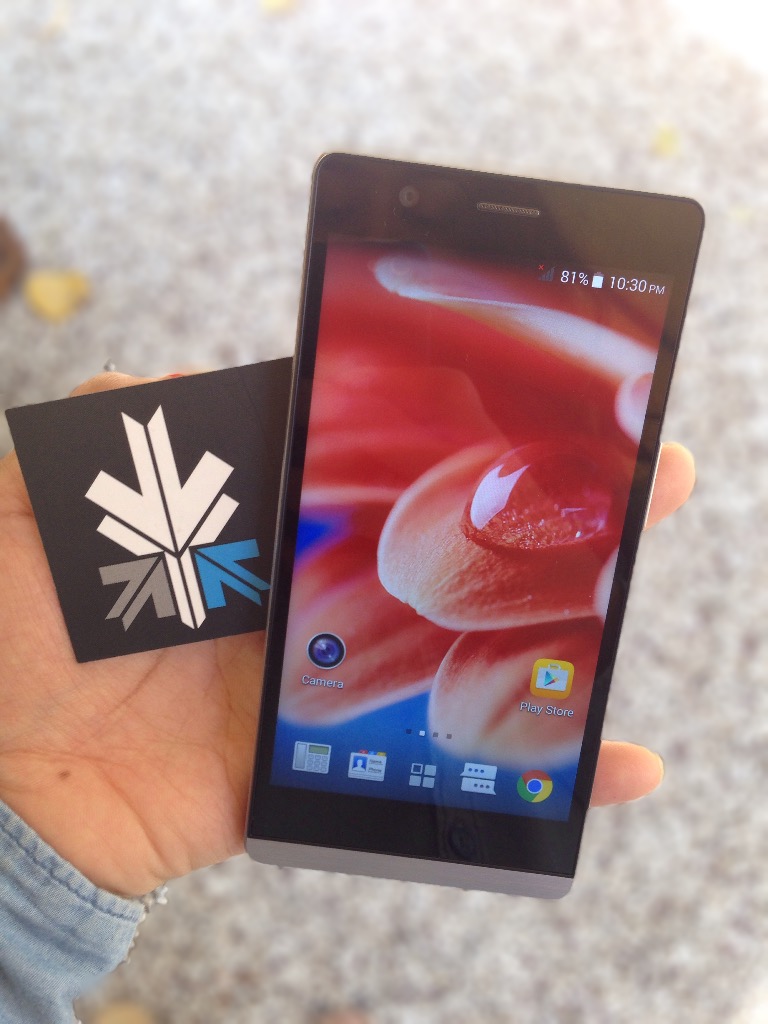
    Today, LAVA introduced a new smartphone in the Indian market. The latest offering, ‘Icon’ packs specifications to rival many present high-end handsets and comes at a price of Rs. 11,990.

    LAVA Icon sports a premium metal look and holds a thickness of 7.7 mm. The homegrown smartphone firm says that it has been designed to provide comfortable handling, which makes it less prone to damage.

    IMG_3598

    The device features a 5-inch HD IPS display with 550 Cd/m2 brightness, which the company claims is one of the highest in the industry. The display of the handset is protected with Asahi Dragon-Trail glass that offers resistance against scratches. A 1.3GHz quad-core processor powers the device along with 2GB RAM. It offers 16GB internal memory storage which can be expanded up to 32GB.

    The Icon runs on LAVA’s Star OS built on Android platform, which provides users with a variety of customizable gesture controls. A 13MP rear camera with Sony Exmor sensor is installed on the handset that features a F2.0 aperture and 5P lens for low light photography. The front has a 5MP shooter with Omni vision sensor. A 2500mAh battery is equipped with the phone to keep it running all day long. Connectivity options include 3G, Wi-Fi, Micro-USB and Bluetooth.

    The phone is available at select retails stores in India and will also be available online via exclusive online partner Snapdeal.com. The e-commerce website is making the deal sweeter by offering a free selfie stick with LAVA Icon. The sale starts today from 1 pm onwards.

  • Meet Phantom 3, The Newest Drone in the DJI Family

    Meet Phantom 3, The Newest Drone in the DJI Family

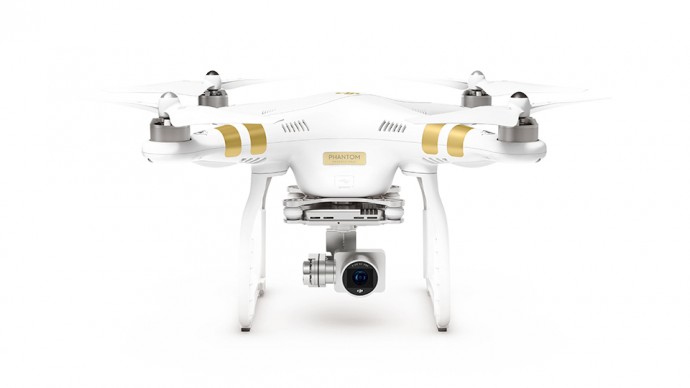
    DJI has just announced its latest camera-equipped quad-copter, the DJI Phantom 3. The drone, which is capable of an autonomous flight, has more upgrades than its predecessor. The Phantom 2 is more powerful, lasts longer, takes better quality pictures and videos and has a new remote and a revamped app.

    The most important part of the drone is the camera. There are two versions of the Phantom 3: the Professional version that takes 12MP and 4K video, and the other, the Advanced version, that takes 12MP and 1080p video. The 4K video records in 24, 25 and 30FPS while the 1080p goes up to 60FPS. Both ditched the distorted fish-eye images to give proper flat images in DNG RAW or JPG format.

    dji-phantom-2-vision-quadcopter-[3]-703-p
    Phantom 3’s Predecessor, came with a more powerful battery.

    As for the quad-copter, DJI says they have upgraded the Phantom 3 by adding more efficient and powerful motors that can accelerate or decelerate faster than the Phantom 2. Spec sheets read that it can travel up to 58 kmph with a maximum ascent speed of 21 kmph and a maximum decent speed of 6 kmph. It weighs 1280g and its only drawback is that it comes with a less powerful battery (4480mAh, as compared to 5200mAh of the Phantom 2). Although the company claims that it manages to offer the same flight time of 23 minutes.

    GPS-assisted features include the IOC (Intelligent Orientation Control) that allows continuous transmission to the pilot regardless of the direction the drone is pointing at, automatic Return Home or the Panic button which allows the craft to return if the communication is lost. The ability to hover at a fixed point is a crucial feature for aerial filmmaking. Phantom has also introduced the Optical Flow Sensor, inspired by the Inspire 1, which combines a ground-facing camera that takes sonar photographs whenever it is too close to the ground or if the GPS is lost. This prevents it from getting crushed.

    The Advance DJI Phantom 3 is priced at $999 (Rs. 62,167), and the Professional DJI Phantom 3 is priced at $1,259 (Rs. 78,347). Its availability has not been confirmed yet but according to Engadget, the drone will be released within the next few weeks.

  • HTC One M9 is Arriving in India on 14th April

    HTC One M9 is Arriving in India on 14th April

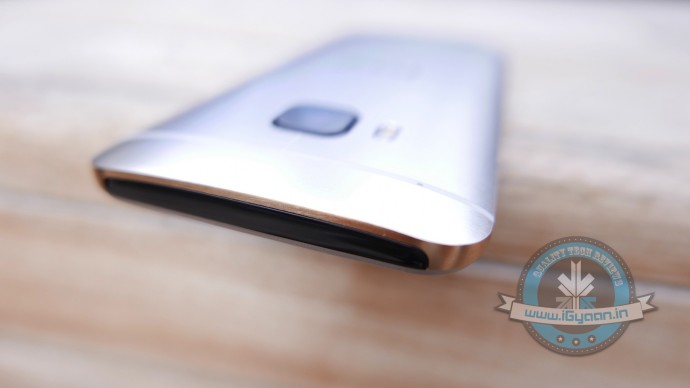
    HTC launched its new flagship device at MWC this year with much fanfare. The company now seems to be ready to bring it to India. The company has sent out invites for the One M9 launch in India scheduled for the 14th April. It has been said that this device addresses all the shortfalls of the last HTC flagship, the One M8.

    M9 Invite INdia

    Throwing some light on its specifications – the HTC One M9 is powered by an all new Qualcomm Snapdragon 810 chipset, a 64 bit SOC, with an Octa core 2.0 GHz CPU. It offers 3GB of RAM and 32 GB storage which is expandable upto 128 GB. The company also provides 115 GB of Google Drive. The device runs Android Lollipop out of the box and is juiced up by a 2800 mAh battery. It also offers features like quick charge which improves the charge times.

    The most stand out improvement of this device is the camera. This new handset offers a 20 MP shooter with a sapphire lens cover. And on the front, is the ultrapixel camera for your selfie needs.

    So if you are a fan of HTC’s designing superiority and were waiting for the One M9 to make a landfall in India, well your wait is about to end. Read and watch our hands on review of the new HTC One M9 right here.


  • Micromax YU Announces the Name of its Next Smartphone

    Micromax YU Announces the Name of its Next Smartphone

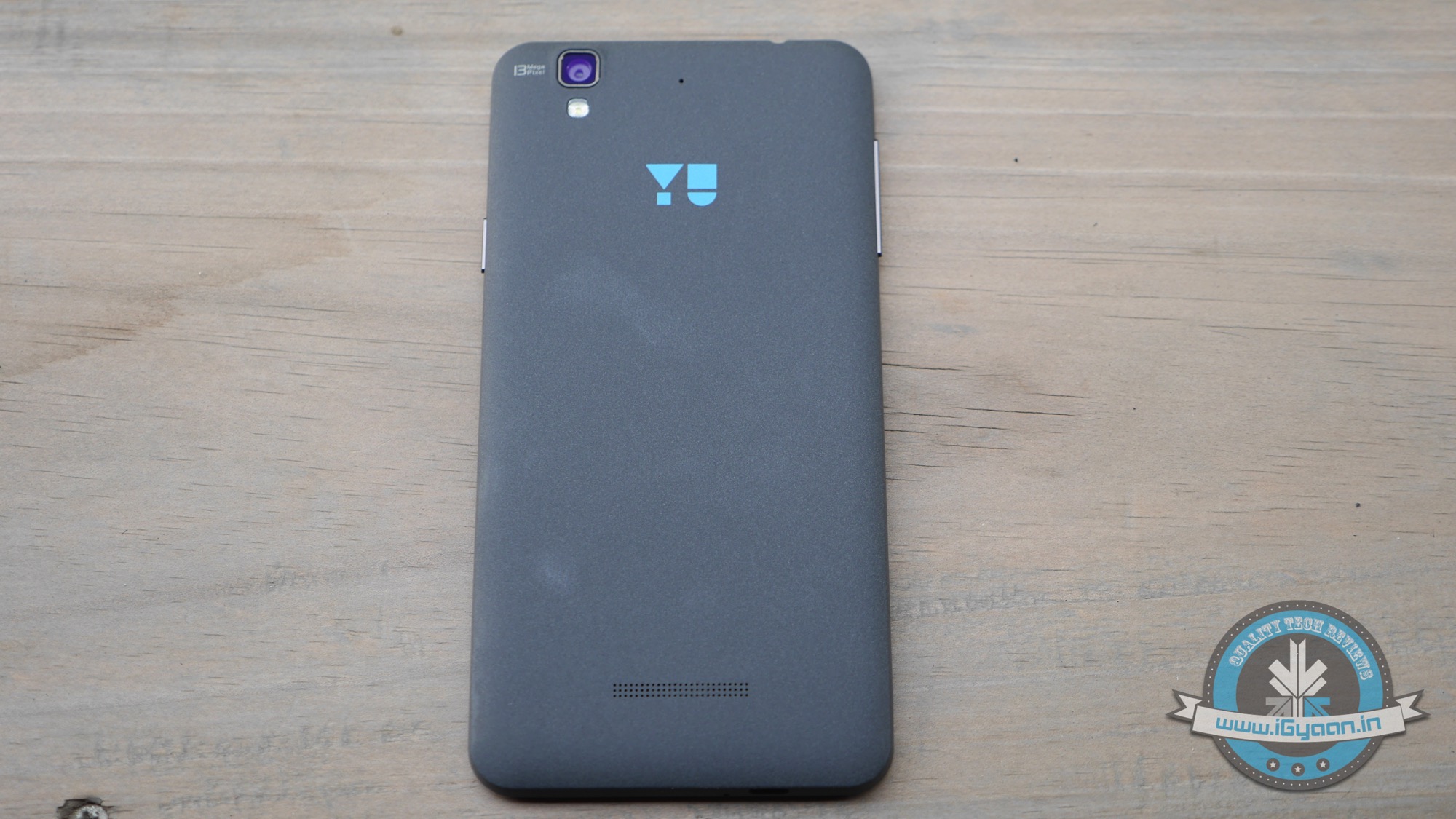
    Since YU threw the decision ball to name its next device in the consumers’ court, the company generated a lot of fanfare across social media platforms. Over 1,00,000 entries made it to the first crowd-sourcing campaign #YUNameIt and out of those, one entry has been chosen as the moniker of the second YU smartphone. Recognized till date as Project Caesar, the phone will now be known as “Yuphoria”.

    According to YU, “Yuphoria represents zeal, enthusiasm and passion which reflects what YU is committed to bringing to the consumers through innovating and reinventing technology.”

    Screenshot from 2015-04-01 19:15:06

    From more than 1,00,000 entries, the five submissions that reached the voting stage were Yuphoria, Yuknight, Yunicorn, Yunity, and Youth. Consumers’ votes favoured Yuphoria, which was then chosen as the identity for Project Caesar. As promised, five randomly selected lucky winners from the entries for Yuphoria will win the next YU smartphone. The company claims that participants have also won Amazon Gift Cards worth Rs. 1 lakh.

    Recalling the scarce details we’ve heard about the device, Yuphoria will be equipped with a 64-bit processor along with 2GB of RAM and 16GB internal storage support. The handset will boast Cyanogen OS 12 based on Android Lollipop. The upcoming handset is also expected to cost higher than the first phone.

    Micromax-owned subsidiary YU hasn’t disclosed the release date of its next device. Precise details will be made available at its launch. Keep checking back for more updates on Yu Yuphoria.

  • Canon Officially Delivers the Powerful Canon EOS C300 Mark II with Built-in 4K

    Canon Officially Delivers the Powerful Canon EOS C300 Mark II with Built-in 4K

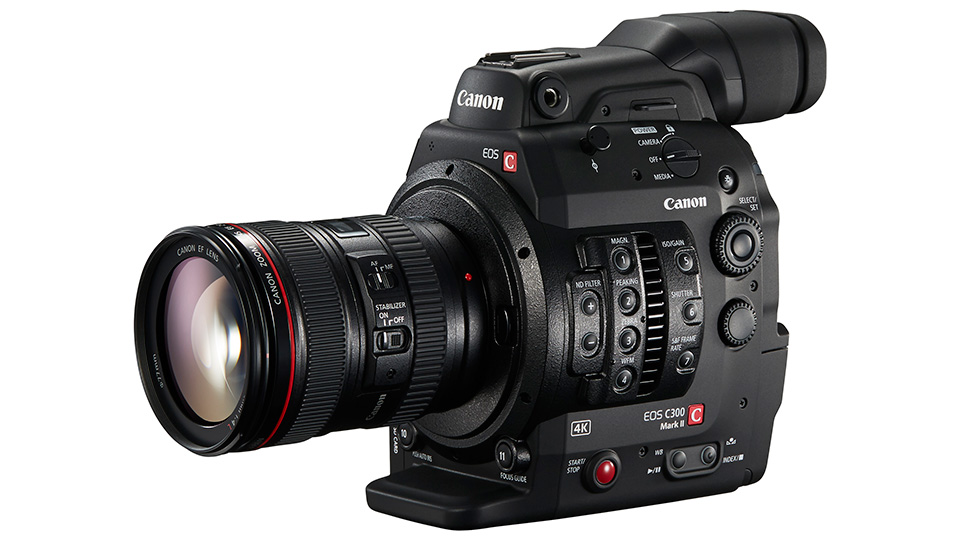
    Yesterday we had heard that Canon was extremely close to releasing its new addition to the C300 lineup, and now the company has officially confirmed the same. Canon has announced the successor of the immensely popular C300, an autofocus digital photographic and cinematographic SLR with mirrorless interchangeable lens camera system –  the Canon C300 Mark II.

    The new camera uses a new high-bitrate codec called XF-AVC with up to 410Mbps (4K). The recording mode has been shifted from CF cards to CFast 2.0 cards, which gives it a better speed. High-speed recording, which has been a point where Canon was lacking in, has been improved significantly. It offers the ability to record to the internal memory card 4K footage in 10-bit (4: 2: 2) with up to 410 Mbps or alternatively 2K / Full-HD material in 10/12 bit ( 4:4:4), with a dynamic range of up to 15 panels. Thus, the EOS C300 Mark II delivers sharp images across the entire color spectrum with minimized color fringing that is suitable even for extensive editing in post production. Though it is not much as impressive as Sony FS7’s 180fps, but it is a huge improvement from C300’s original 60fps in 720p.

    The body is very much similar to the old C300 but has a new, sturdy OLED screen which, the company promises, will deliver rich blacks and accurate colours. There has also been a slight tweaking of the button layout, with a large red Start/Stop button being placed low on the left side (operator’s side) of the camera. Other features include a Dual Pixel CMOS AF and a 4-channel audio in 16 or 24 bit and 48kHz. The sensor read-out is twice the speed than its predecessor, the C300 with less rolling shutter. The new C300 Mark II is priced at $15,999 (approx Rs. 9,97,144).

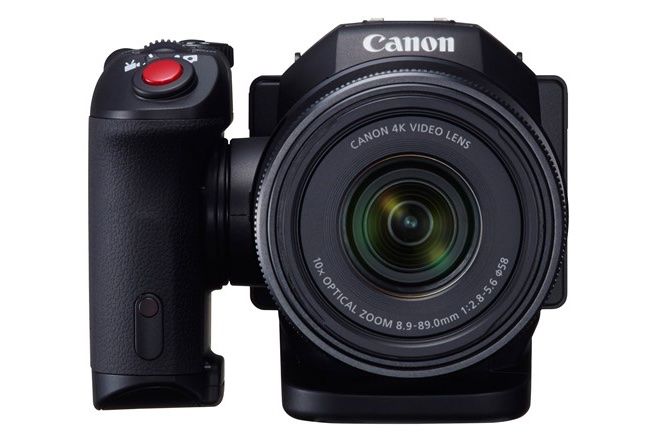
    Also, Canon has confirmed about another 4K video recording camera, Canon XC10.

    Canon XC10

    Specs of this camera include a 1-inch sensor with a max ISO sensitivity of 20,000 and will provide 12 stops of dynamic range while capturing 305Mbps 4K videos or 12-megapixel still photographs.the fixed lens is a 24-240mm f/2.8-5.6 zoom lens. Also attached is a microphone socket, headphone jack, HDMI 1.4 port, DC power and a built-in neutral density filter along with USB and Wi-Fi connectivity.

  • TRAI Recommends an American 911-like One Stop Emergency Number For India

    TRAI Recommends an American 911-like One Stop Emergency Number For India

    “911 how may I help you?” This sentence is perhaps the most popular reference to the American government’s one-stop emergency number for all kinds of public discomfort. By dialling this one number, the citizens can get access to emergency services like police, fire department ambulance and disaster management organizations. Now TRAI (Telecom Regulatory Authority of India) has recommended that Indians should get a similar service and for this purpose they want to assign the telephone number, “112.”

    Currently, the various emergency services have different contacts; citizens have to dial 100 for police, 101 for fire, 102 for ambulance and 108 for emergency disaster management. TRAI says that this move will allow users to save critical seconds during an emergency and will be able to alert the authorities immediately.

    This move will be appreciated by the citizens who had to fumble previously with various number during emergency situations. TRAI has also proposed to keep the present number as a backup or secondary contact numbers. Even when the users make a call on those numbers, they will be re-routed to 112.

    To add even more convenience during an emergency and offer ease of access, TRAI has asked that the calls to 112 be allowed even if the outgoing facility on the phones have been debarred or the temporarily suspended. There is also a proposal to allow access to emergency services through SMS.

    TRAI has recommended the establishment of specialised call centers called the Public Safety Answering Points (PSAPs). It will be manned by professionals trained in handling calls of distress. This is a fantastic move by the regulator and though the service should have been instituted long back, but all we’ll say is, better late than never.

  • HTC Introduces the One M9+ in China With a Fingerprint Sensor and a Larger Display

    HTC Introduces the One M9+ in China With a Fingerprint Sensor and a Larger Display

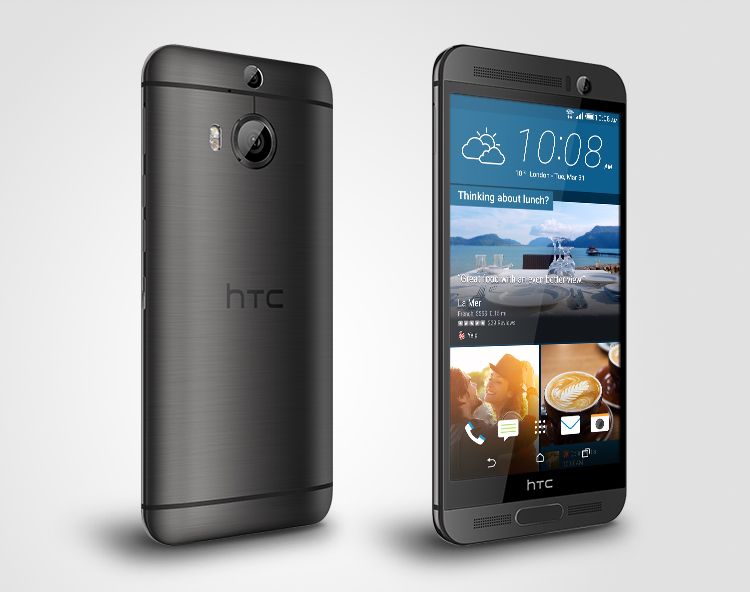
    HTC introduced its flagship for 2015, the One M9 at the Mobile World Congres this year. After the launch, a few leaks suggested that HTC might be working on a new, bigger device called the HTC One M9+. Well, HTC confirmed the leaks today by unveiling the device in the Chinese market.

    The One M9+ sports a 5.2 inch QHD (2K) display with a pixel density of 534 ppi. It is powered by a 2.2 Ghz, Octa-core, Mediatek MT6795T along with 3 GB RAM. The M9+ offers 32 GB of internal storage that is expandable up to 128 GB. The device is juiced up by a non-removable 2840 mAh battery.

    On the camera front, the handset flaunts a 20.7MP + 2.1MP dual camera on the back; we saw the ultra pixel avatar of the dual camera on HTC’s previous flagship, the One M8. On the front, the device offers a 4 MP shooter.

    The new addition to this device are the fingerprint sensors that have been previously seen on iPhones and other flagship devices. From the looks of it, the One M9+ looks like a much better competitor to the other flagships in terms of the features offered. But it is not sure as of yet if the company will be bringing the device to markets apart from China. We sure hope it does.

  • Yu Yureka Successor Might Not be as Affordable as the First Phone

    Yu Yureka Successor Might Not be as Affordable as the First Phone

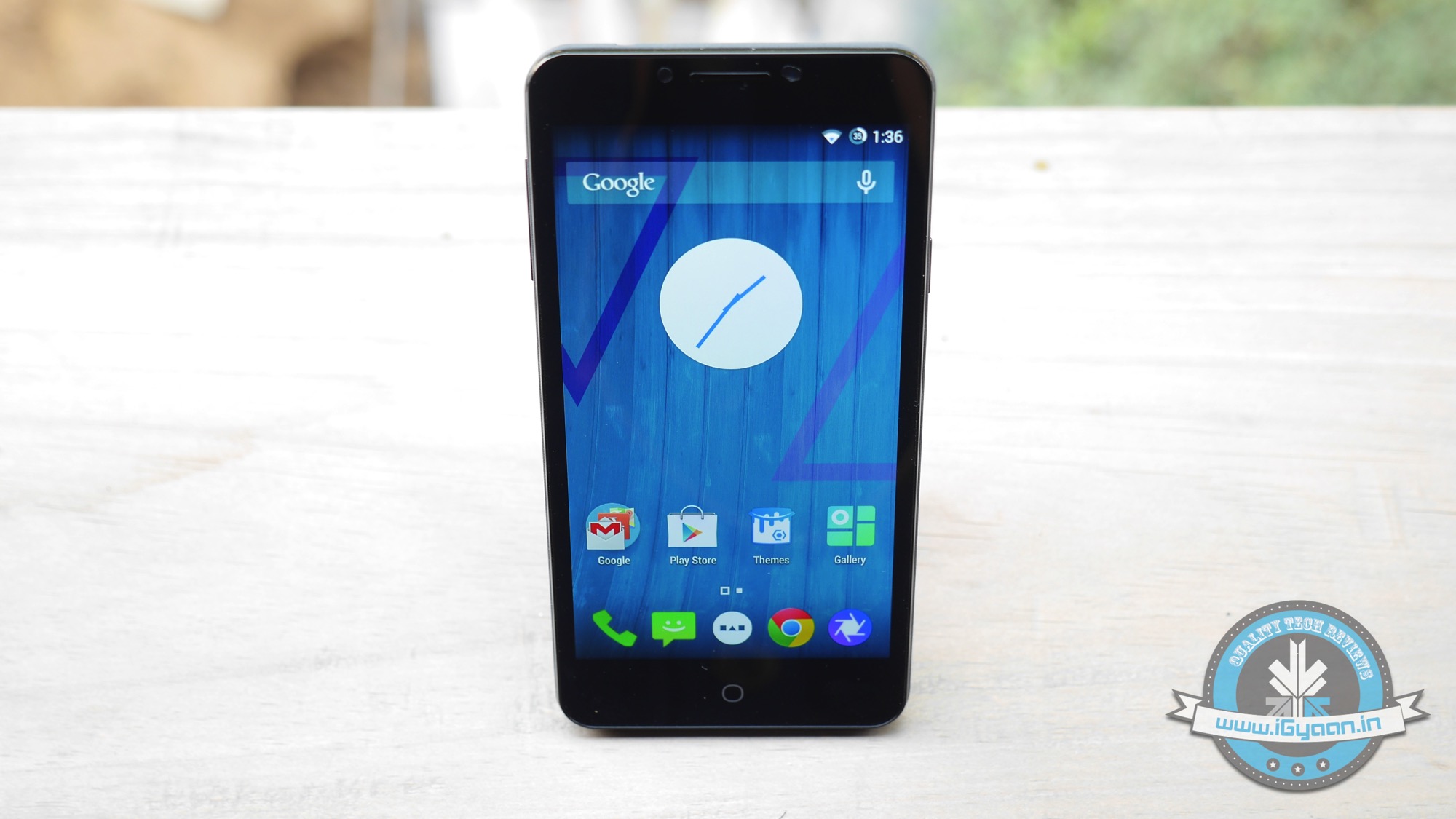
    Earlier we confirmed that Micromax Yu’s next smartphone, codenamed Project Caesar, will launch in April. Now, we’ve uncovered an important pricing detail about the Yureka successor. We have learnt that the next Yu device might not be as cheap as Yureka and will most likely cost higher than Yu’s present offering. This may be an unfortunate news for many, as Yu’s aggressive price point was considered a major reason for its success.

    It is still unknown if the upcoming handset will see a slight price bump or will come with a hefty price tag, but one will need to pay extra bucks to own the currently-untitled ‘Yu 2’.

    Yu Yureka iGyaan11

    Meanwhile, recent disclosures reveal ‘Project Caesar’ will boast the Android Lollipop version of Cyanogen OS, making use of its exclusive partnership with Cyanogen. The company has made official some standard features that would be equipped onto the next device such as a 64-bit processor, 2GB of RAM, and 16GB onboard memory. Recently, the firm also announced the first ever crowdsourcing campaign #YUNameIt where users were invited to name their device.

    The first Yu smartphone has managed to gather a large fan base among the customers. On the March 5 flash sale, 30,000 Yureka units swiped off in just 7 seconds. If the India-based smartphone maker continues to offer high specs at attractive rates, the company could have the chance to beat international companies in its homeground.

  • HTC One M9 Expected in India by End April, Pricing to Rival the Samsung Galaxy S6

    HTC One M9 Expected in India by End April, Pricing to Rival the Samsung Galaxy S6

    HTC kickstarted MWC 2015 by unveiling the HTC One M9. There has been quite a bit of speculations around its release date in India. Now we’ve heard HTC is just about ready to revamp its Indian line-up with the high-end M9. HTC is expected to launch the HTC One M9 in India by the end of this month. According to our sources, HTC is also planning to price the device to fight it out with Samsung’s new Galaxy S6.

    From the specs point of view, the display is a 5.1-inch Quad HD. A powerful 64-bit Exynos octa-core processor runs this handset along with 3 GB of RAM and 32 GB of storage. It runs on Android 5.0 Lollipop with HTC Sense. Since we expect its price may clash with Samsung Galaxy S6, we pit the two device against each other. Here are the differences:

    SPECIFICATIONS HTC One M9 Samsung Galaxy S6
    Display 5-inch Full HD 5.1-inch Quad HD Super AMOLED (577ppi)
    Processor 64-bit Qualcomm Snapdragon 810 octa-core 64-bit Exynos octa-core (1.5GHz quad-core Cortex A-53 and 2.1GHz quad-core Cortex A-57)
    RAM 3GB 3GB
    Internal Memory 32GB 32GB/64GB/128GB
    Expandable Up To 128GB  —
    Primary Camera 20MP with Auto-focus, BSI sensor 16MP with F1.9 + OIS
    Front Camera HTC UltraPixel 5MP
    Operating System Android 5.0 Lollipop with HTC Sense Android 5.0.2 Lollipop
    Battery 2840mAh 2550mAh
    Price Rs 53,800 (Approx) Rs. 49,000 (starting price)

    You can check out the video below to get a first basis idea of the handset.

    To know more about HTC One M9, click here.

  • OnePlus One Retains Original Price Point in India Despite Increased Custom Duty

    OnePlus One Retains Original Price Point in India Despite Increased Custom Duty

    With the unveiling of Union Budget 2015-2016, the Indian government made clear that importing mobile devices is not going to remain cheap anymore. The Government of India increased the exercise duty to double and made it 12.5 percent on imported mobile devices; raising the prices of popular phones. However, the flagship killer of 2014 will continue to sell at the same price as OnePlus sent us a message which reads “No Price Hike” for the One devices in India.

    Users can still buy OnePlus One at the original cost of Rs. 21,999 for 64GB model and Rs. 18,999 for the 16GB variant. The General Manager of OnePlus India, Vikas Agarwal, commented on this development –

    In line with our #NeverSettle philosophy and long term commitment to the Indian market, we assure our users that we are constantly evaluating what works best for them; part of that is to continue to make the One available at an attractive price point.

    He further added to his comments, “It is an ambitious step for a young startup, but for us, it’s about returning maximum value to our users by offering them great products and unique experiences.”

    OnePlus One has seen a price hike in Europe, but it seems like the tough competition in the Indian market with homegrown makers (such as Micromax) has forced the Chinese firm to stick to the initial rates. The device is available in Sandstone Black and Silk White colour options and can be ordered online via Amazon India, that is if you have an invite. Both the 64GB and 16GB variants hold similar specification and differ only in internal storage space.

    Watch our review here:

  • 4000 People Will Get a Chance To Test Out the LG G4 Before Launch

    4000 People Will Get a Chance To Test Out the LG G4 Before Launch

    LG is all set to bring out its new flagship that will take on the likes of Samsung’s Galaxy S6 and Apple’s iPhone 6. The LG G4 is expected to come out by the end of this month. Previously the device was expected to come out at the MWC 2015 but LG decided to work a bit longer on the handset to bring out a real competitor. LG has now announced that it will let 4000 people test out their new top-end device.

    The Korean electronics giant will be working with 4000 people in 15 markets to take the G4 on a test ride. LG says that its intention is to let the users have first-hand experience of the device instead of depending on reported spec-sheets, benchmarks and speed tests to judge the new device. The program has already started in Korea on Wednesday, and will soon be brought to Brazil, Canada, China, France, Germany, Hong Kong, India, Indonesia, Japan, Mexico, Singapore, Turkey, the UK and US.

    The LG G4 is expected to come out by April 28. The company hopes to generate buzz for the smartphone through social media initiatives through which they will find the 4000 potential testers of the new device. It will lead to tons of information and views before the launch, but it shows that LG is confident in their product to discard the secrecy that is usually maintained before the launch of any device. Let’s hope the LG G4 comes out as a challenging competitor to Galaxy S6 and iPhone 6; competition is always good for the consumer.

  • Stanford University Scientists Invent Batteries Which Can Fully Charge Your Device Within a Minute

    Stanford University Scientists Invent Batteries Which Can Fully Charge Your Device Within a Minute

    Scientists at Stanford University have invented an aluminium battery that could potentially allow smartphones to charge within a minute. This battery, according to its inventors, is so powerful that it could revolutionise the industry. The new battery is claimed to go from flat to full within a minute and pulls in enough electricity to fully charge a phone, a laptop or a tablet.

    The Apple iPhone takes around two hours to completely charge its inbuilt battery. But if it were fitted with the aluminium power source, it would completely top up within 60 seconds. Though the invention is still in its infant stage, scientists claim that the aluminium battery can withstand more than seven times of charging cycles than traditional battery. If a traditional battery can be recharged around 1,000 times,  then the aluminium battery can withstand 7,500 cycles.

    [quote text_size=”small” author=”Hongjie Dai” author_title=”Professor of chemistry at Stanford University”]

    Otherwise, our battery has everything else you’d dream that a battery should have: inexpensive electrodes, good safety, high-speed charging, flexibility and long cycle life. We have developed a rechargeable aluminium battery that may replace existing storage devices, such as alkaline batteries, which are bad for the environment, and lithium-ion batteries, which occasionally burst into flames. I see this as a new battery in its early days. It’s quite exciting.

    [/quote]

    As of now, the aluminium battery cannot produce more than half the voltage of a lithium battery, scientists are confident they will improve the output within the next few years. Another feature of aluminium batteries is that these can be bent or folded, and can be used in flexible electric devices and are also cheaper than lithium. Aluminium batteries are safer than conventional lithium-ion batteries used in millions of laptops and cell phones today, Hongjie Dai added.

  • John Oliver Makes it Easy to Understand the Problems With Government Surveillance

    John Oliver Makes it Easy to Understand the Problems With Government Surveillance

    Wikileaks, Julian Assange, NSA, Edward Snowden, all of these names have become buzzwords for the technology community. Security analysts and experts have constantly criticised the massive collection of data by the US government. Activists world over have been trying to help people understand the threats posed by mass scale surveillance of the general public in the name of anti-terrorism initiatives.

    John Oliver, known for his quirky humour and giving a new life to objective reporting, has now taken up the cause. He went to Russia for an interview Edward Snowden, the man who showed us how the National Security Agency (NSA) of America and GCHQ from the UK were snooping on all internet communication. This was called as a massive breach of the privacy of world citizens, but the common public didn’t really appeared concerned with the significance of these revelations.

    So John gave a simple analogy for everyone to understand; “the government is stealing your dick-pics”. With the help of the technical expertise of Edward Snowden, John shows how the government can snoop in and steal private data (including intimate pictures and videos) of the general public. This revelation will come as a shock to many viewers but it will allow them to have a more informed discussion on topic of government surveillance.

    Check out how John Oliver manages to convey complicated technological information in terms that will get everybody to stand up and take notice.

iGyaan Network
Privacy Overview

This website uses cookies so that we can provide you with the best user experience possible. Cookie information is stored in your browser and performs functions such as recognising you when you return to our website and helping our team to understand which sections of the website you find most interesting and useful.