Just after a few days of banning Facebook’s notorious internal apps on its iOS, Apple has now blocked Google for the same. The company can no longer run its internal apps on Apple’s platform following a privacy scare. This was reported by TechCrunch and Bloomberg’s Mark Bergen.
The main reason cited behind this decision is Google and Facebook’s use of these apps to monitor users activity. Apple’s move to block Google’s developer certificate comes just a day after Google disabled its Screenwise Meter app following press coverage. Google’s app also relied on Apple’s enterprise program. The program enables the distribution of internal apps within a company.
According to a statement by Google “We’re working with Apple to fix a temporary disruption to some of our corporate iOS apps, which we expect will be resolved soon.” This statement was given to Mark Bergen. Since that, Apple seems to have revoked Google’s apps.
Facebook’s Beef with Apple
This news comes days after Facebook was caught installing root certificates on iOS devices. These would help the company steal the usage data of the users. This was being done in exchange of an amount up to US $20. Apple also took necessary action against Facebook on the matter.
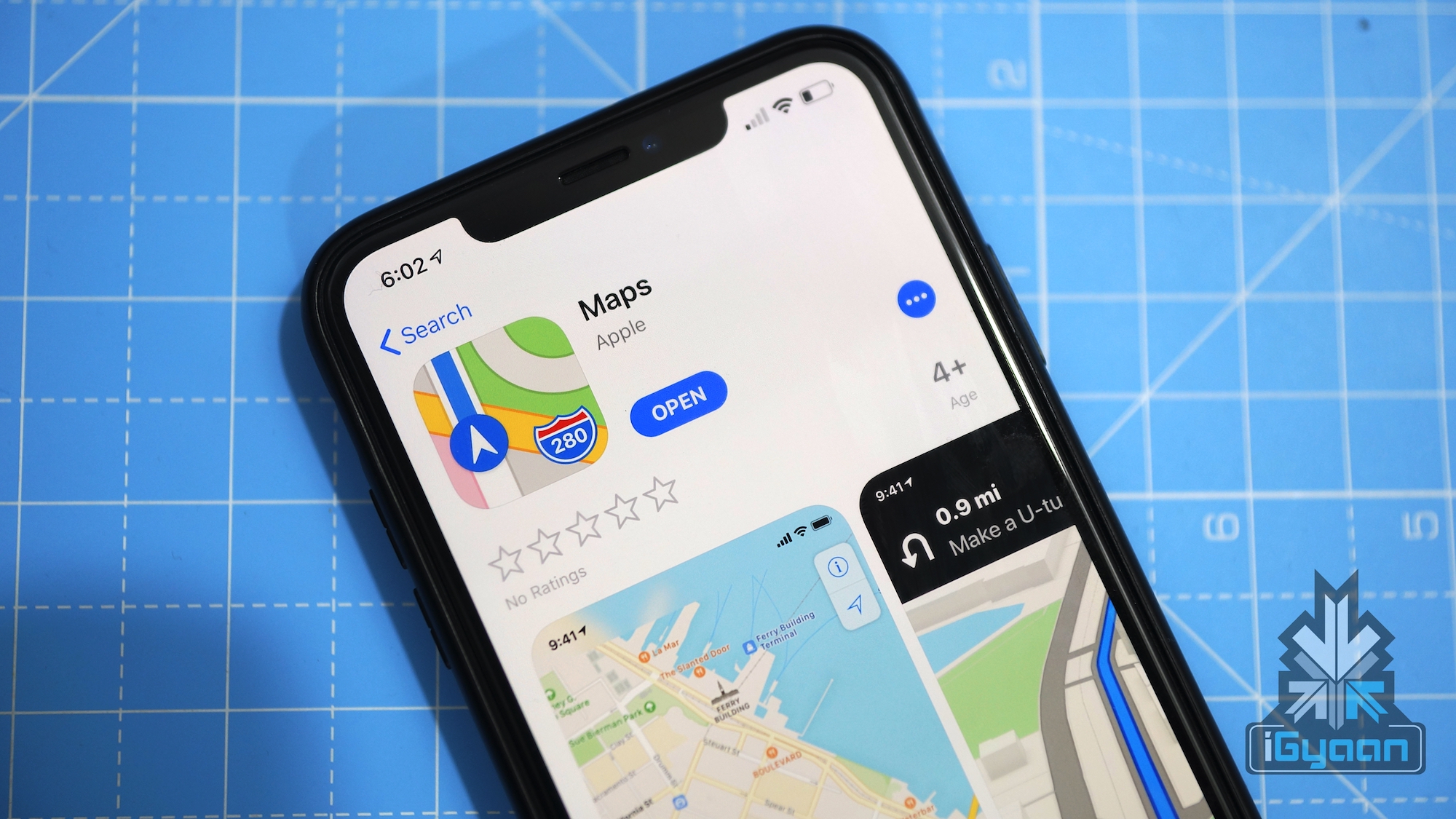
It was time for Apple to take a stand too, as the issues concerned privacy, a part where Apple claims to stand out. Incidents like these would’ve shown the company in a bad light. Since the news broke out, Facebook, in a statement to Bloomberg said “We can confirm that we have our enterprise certificate restored and we are working on getting our internal apps back up and running.”
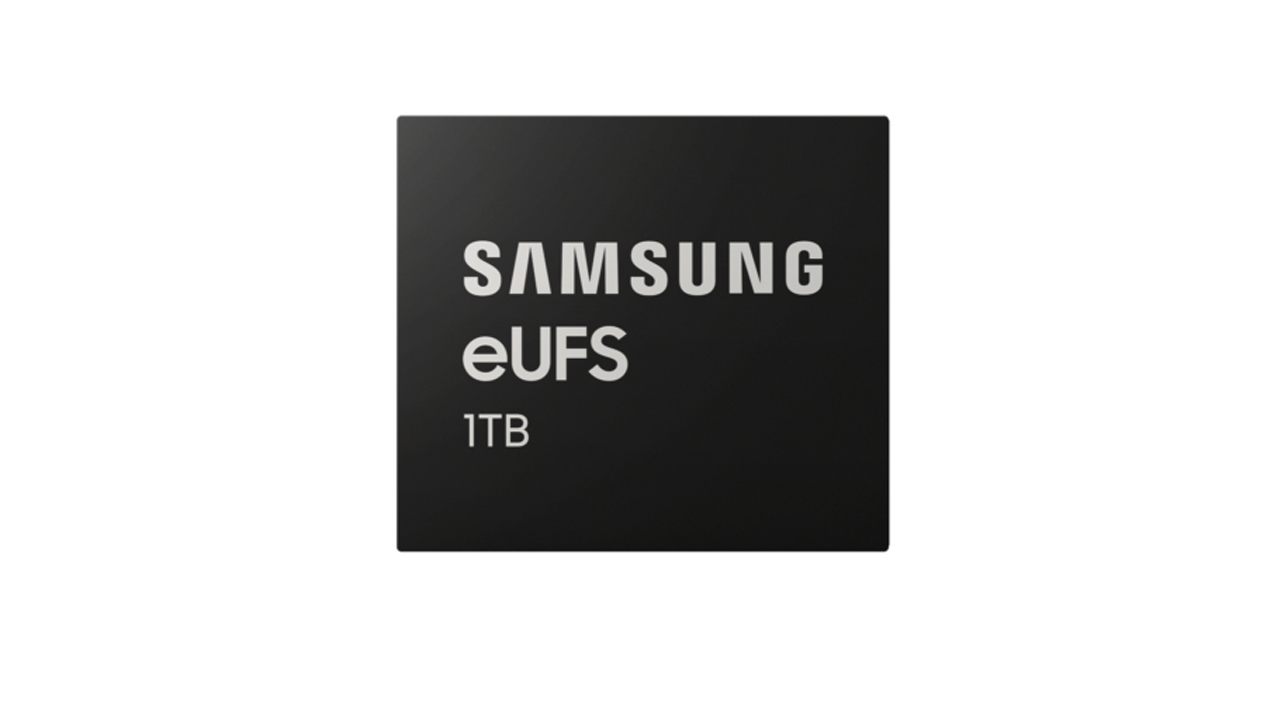
Also read: Samsung Breaks Terabyte Threshold for Smartphone Storage


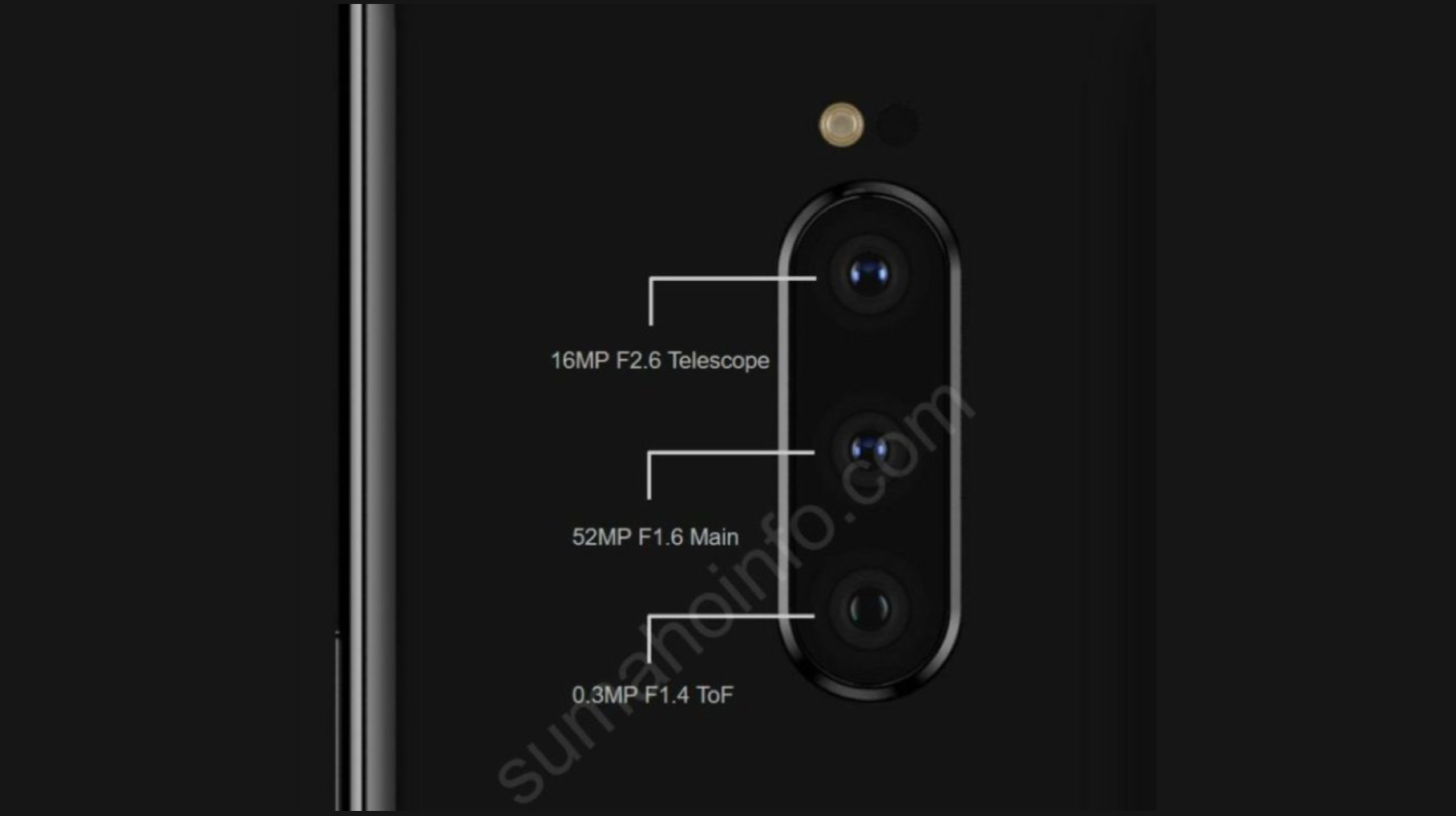
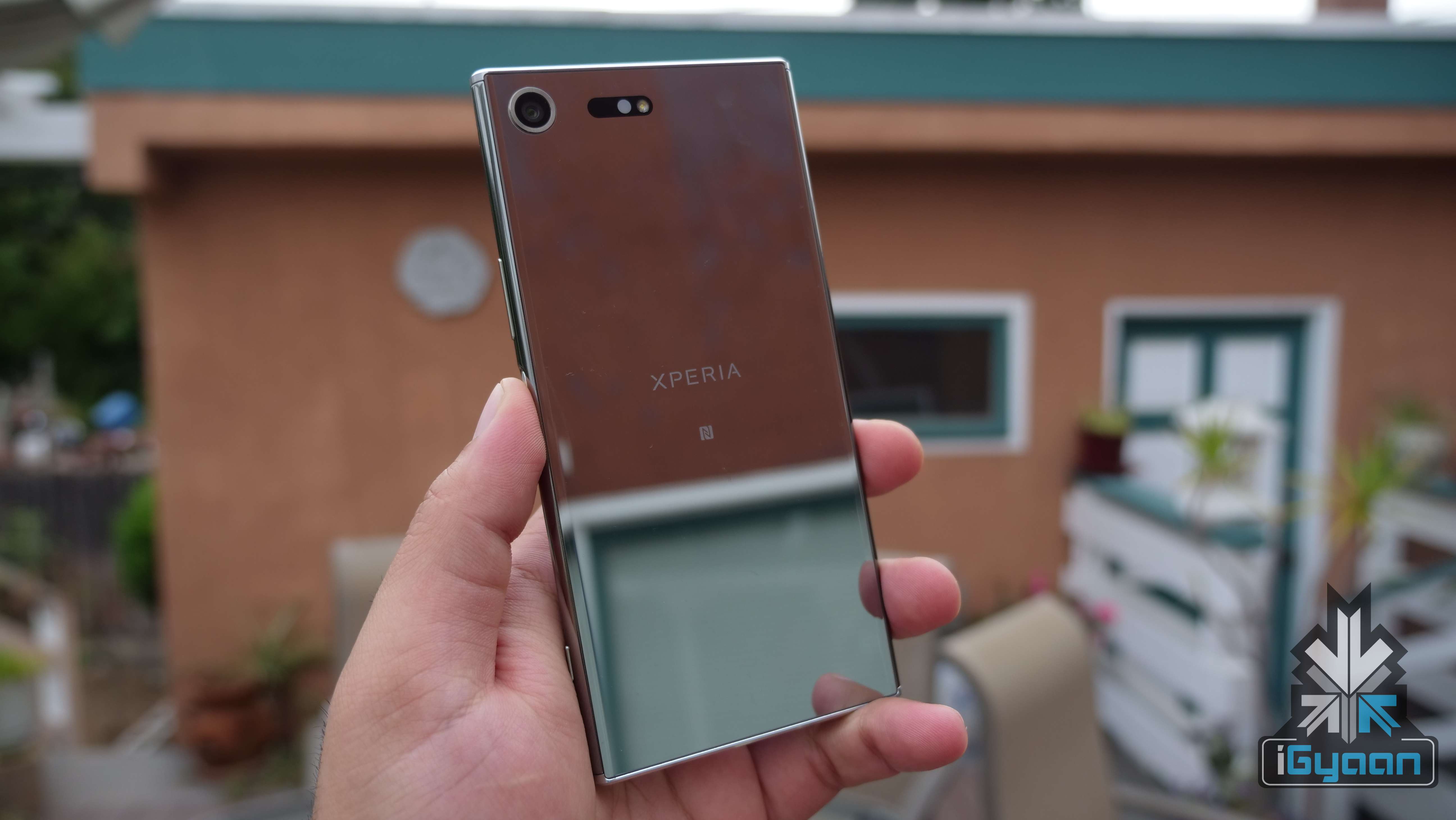
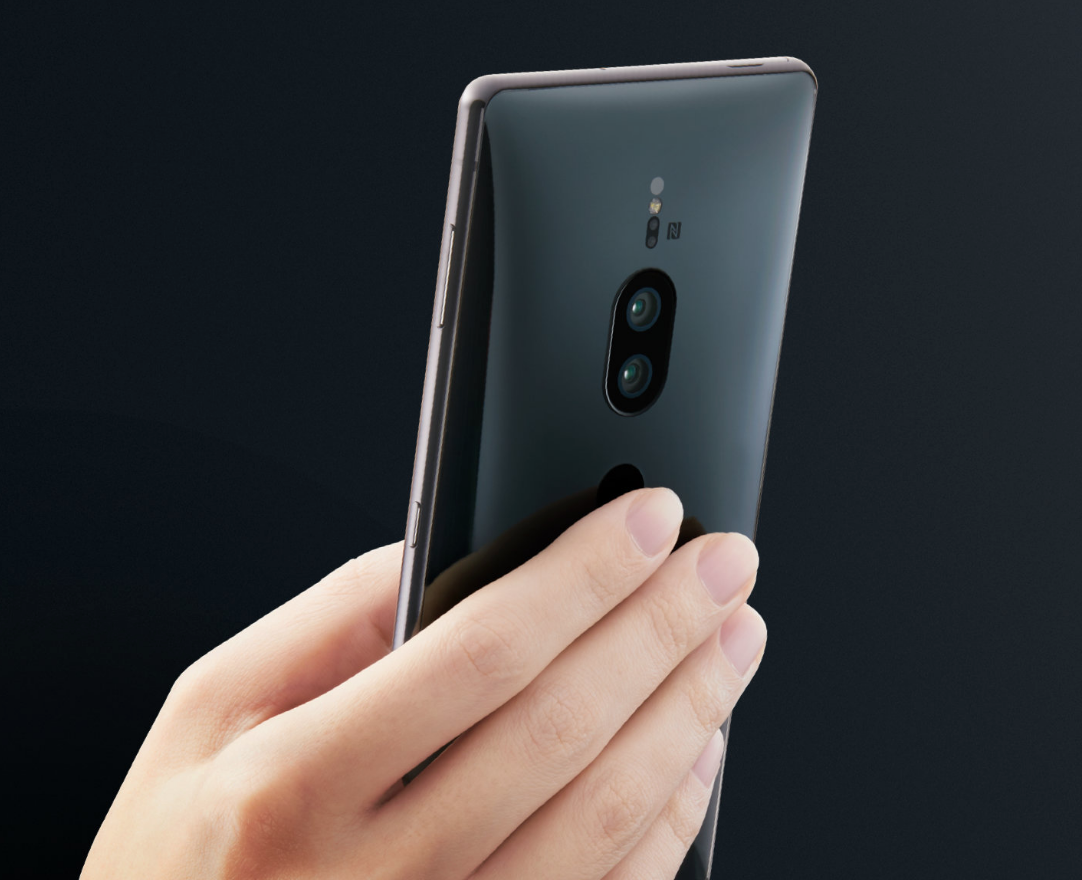 The Xperia XZ4 will the first in the series of premium Xperia smartphones. Sources say that the model will have 3 different camera sensors mounted on the back. Not a lot of details are out yet, but the camera is definitely going to be the defining factor of the Xperia XZ4. The rear image of the device was leaked with the same name.
  Also Read :
  It’s just a matter of time before the Sony Xperia XZ4 is announced, probably at the MWC 2019. Sony’s success rate dropped a bit with its last smartphone range, but hopefully they’ll make it back to the top with a smartphone release like this. Besides, Sony smartphones set standards for some of the best cameras all around. We all hope the legacy continues.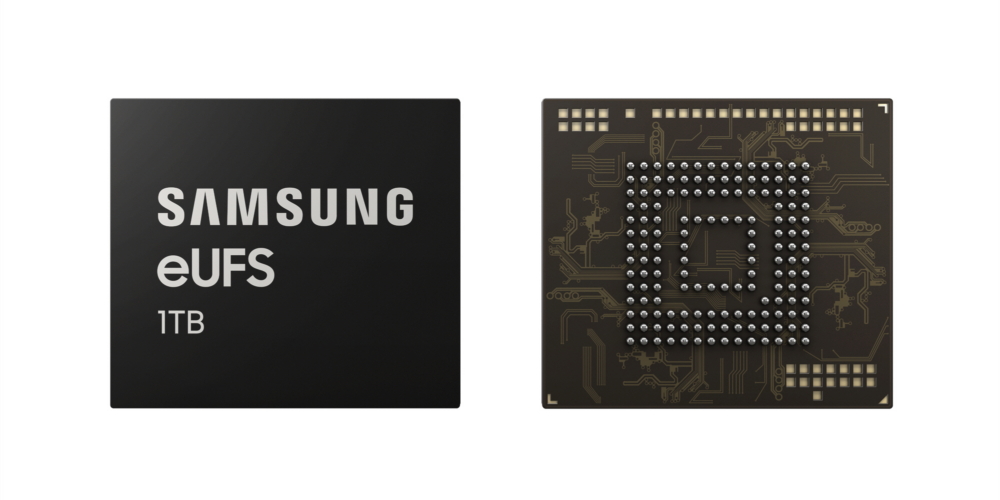
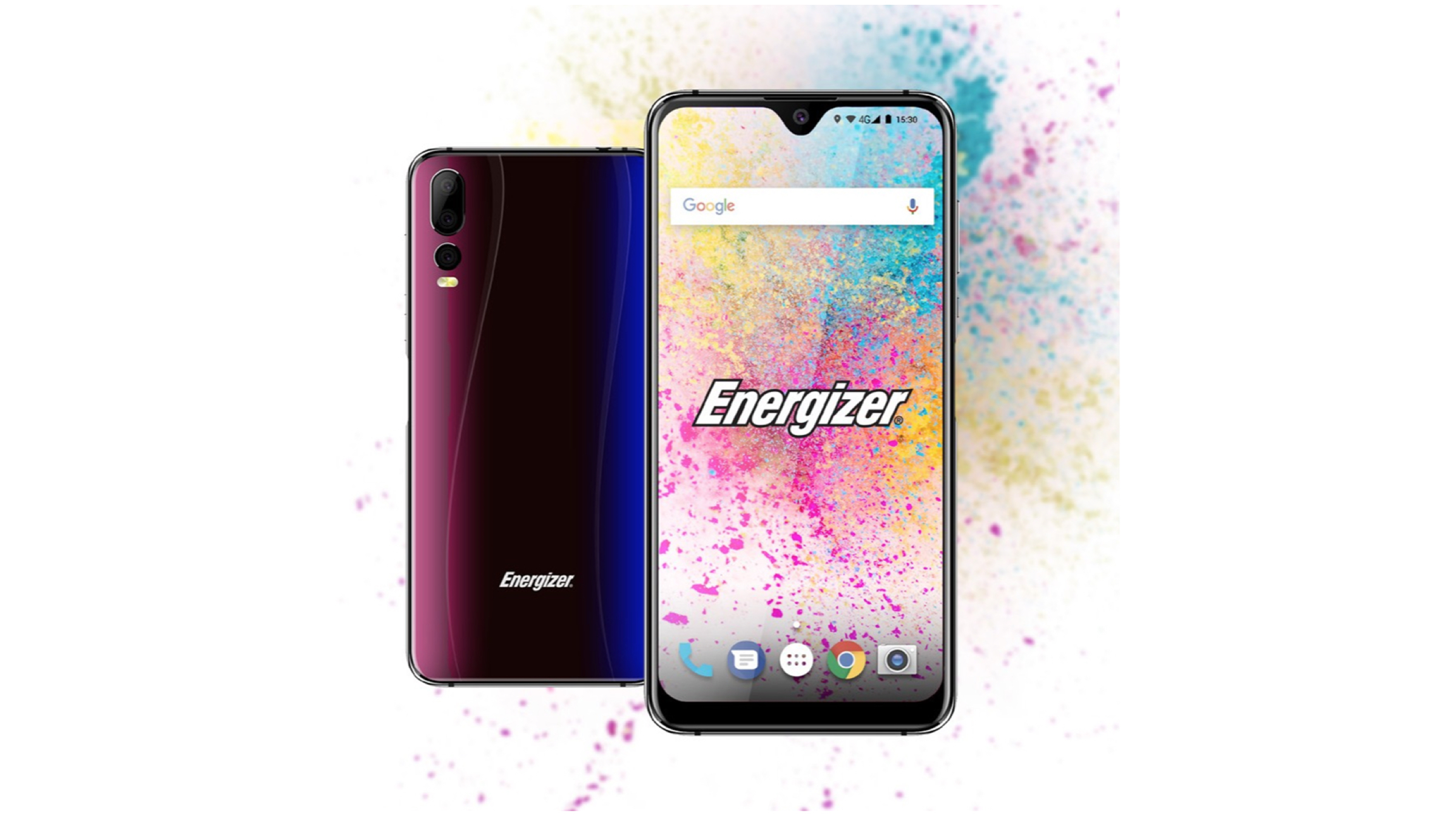
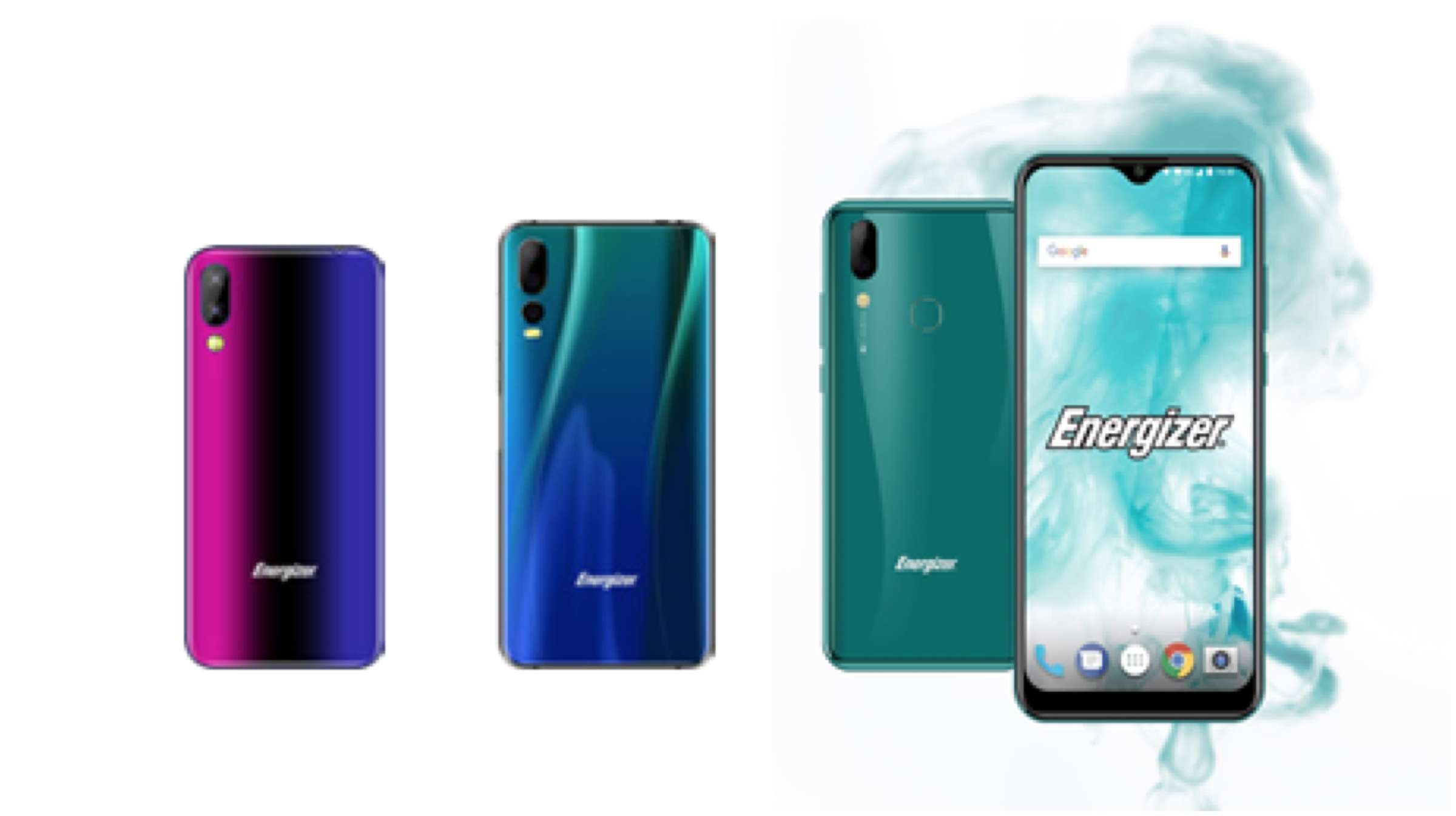

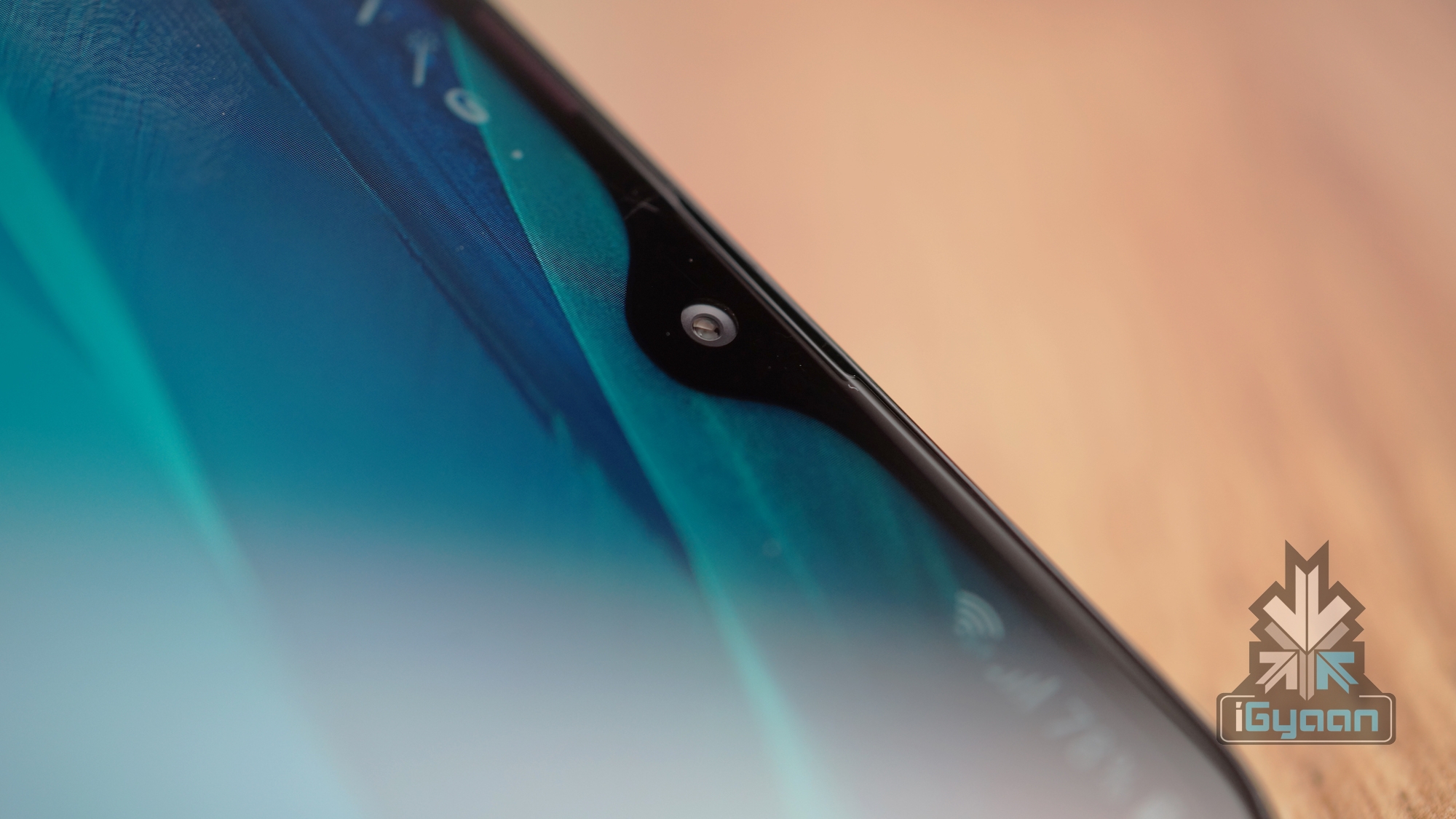
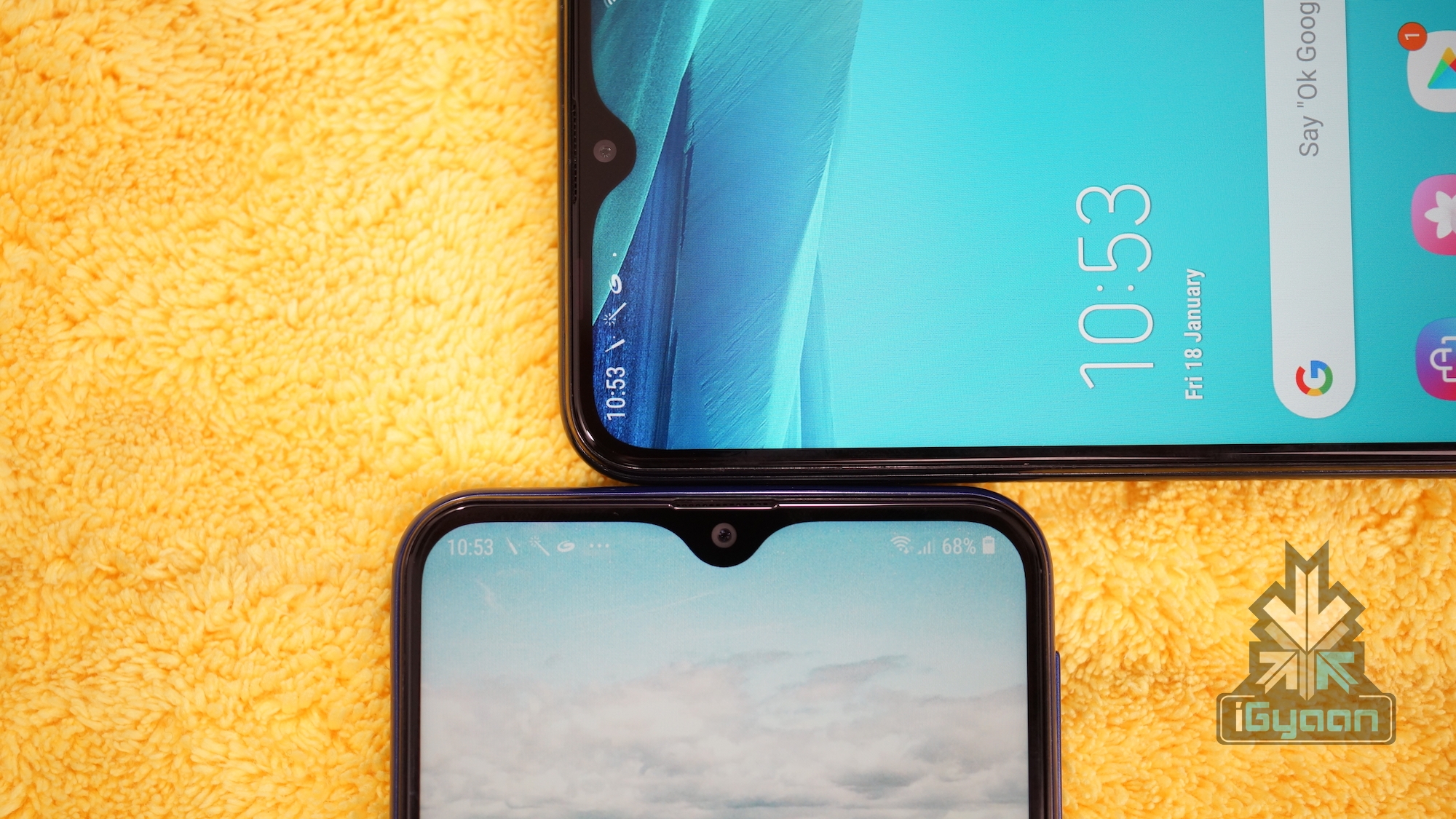
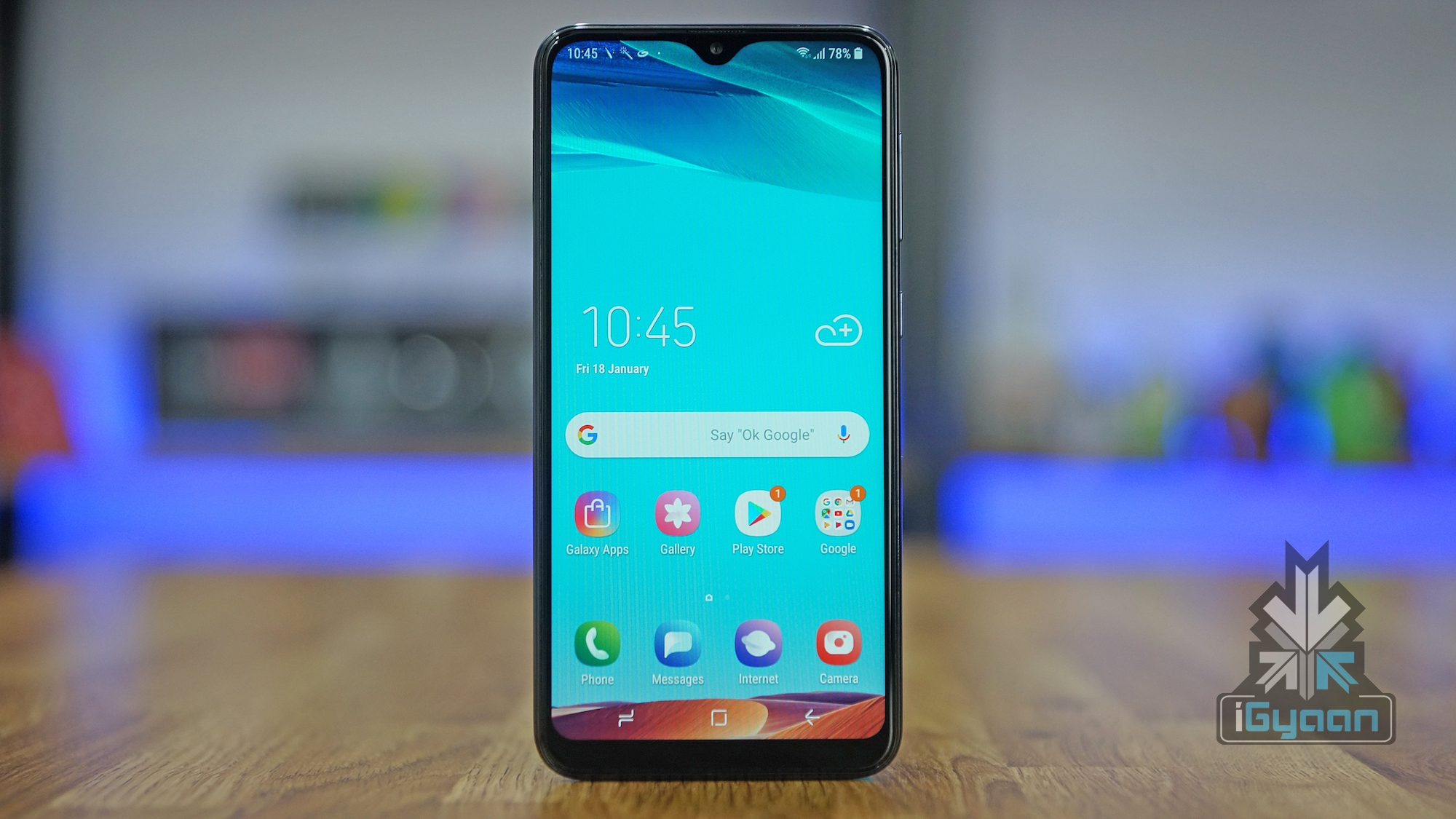 The Samsung Galaxy M30 will be comparatively slimmer than the Galaxy M20. At 8.4 inches of thickness, it isn’t going to be the slimmest phone around. Hopefully, it will be still sleek enough to implant an impression. Sporting the same waterdrop notch as the other two models, the Galaxy M30 is expected to look like a premium smartphone.
 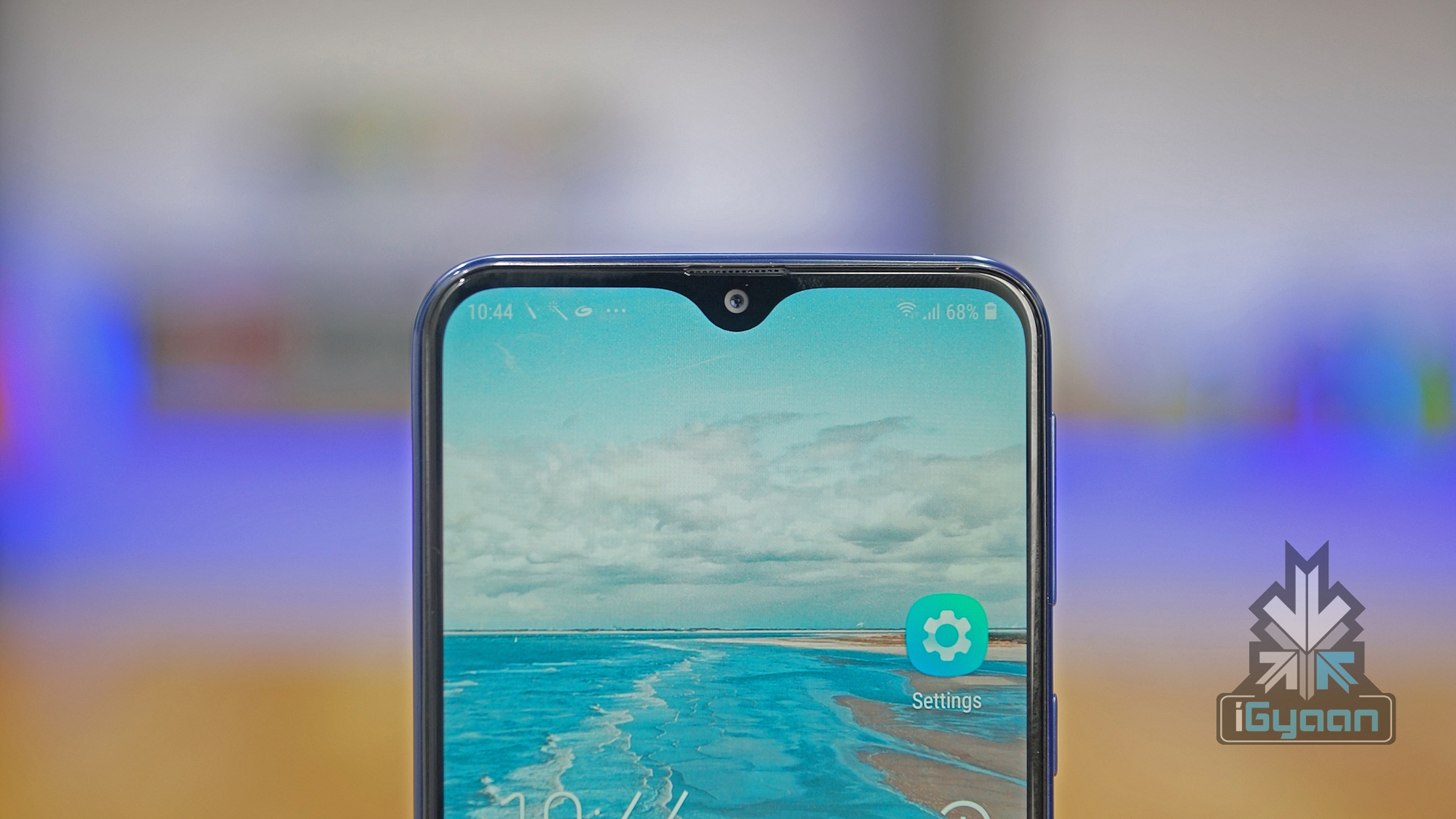 The Samsung Galaxy M30 is rumoured to have a 6.38 inch IPS LCD screen, with a high screen-to-body ratio. The resolution of the screen may be 2280 x 1080 px, but we can say nothing for sure as there have been some rumors of Samsung using Amoled panels for the M30.
 Though we have not confirmed the specs yet, the Samsung Galaxy M30 will run on the Samsung Exynos chipset, and will boast an octa-core processor. By the time the Samsung Galaxy M30 will be released, it will probably run Android 9.0 out-of-the-box.
 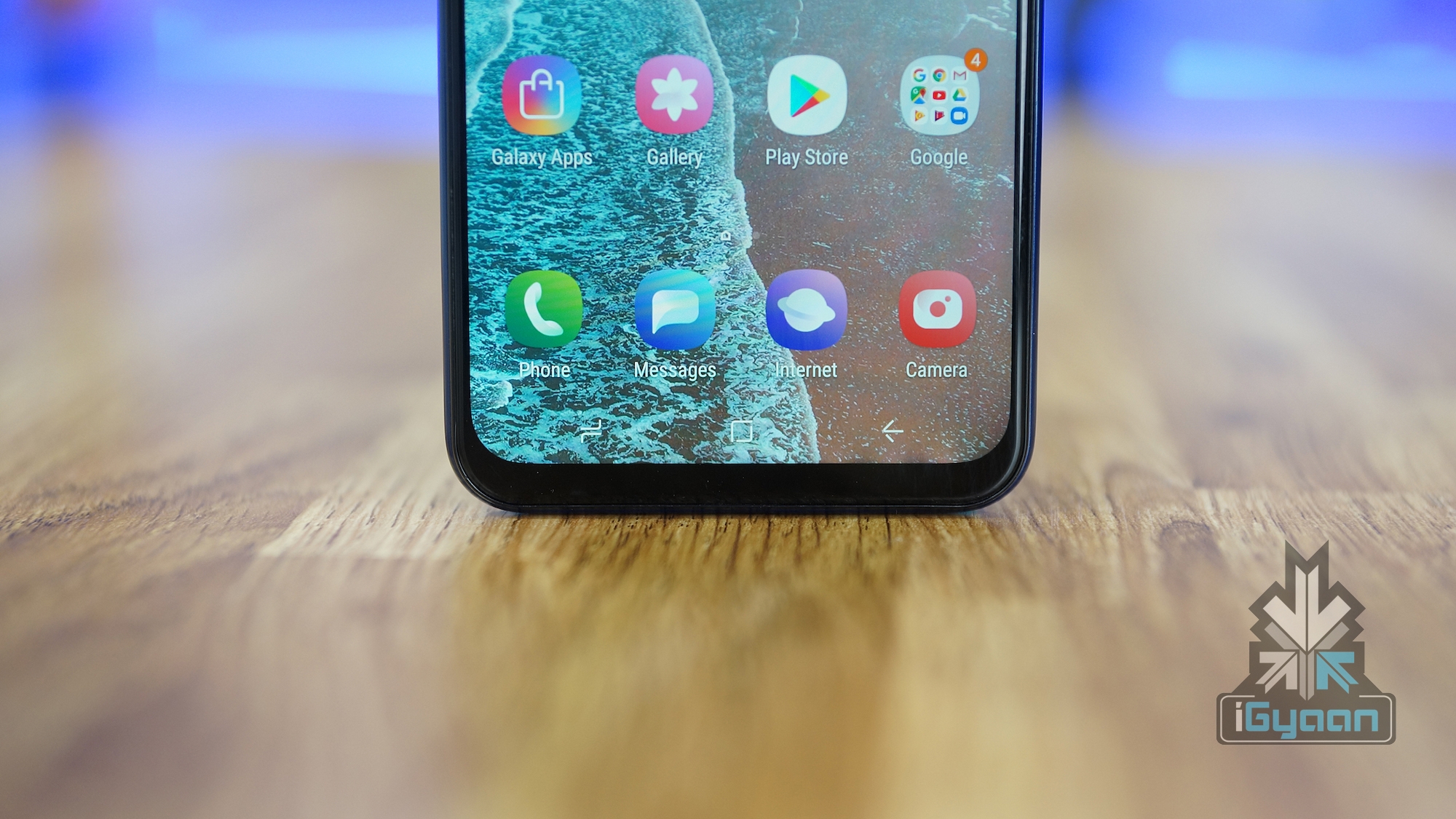 The Galaxy M30 may be rolled out in two variants, a 4GB RAM version and a 6GB one, both with different storage options. MicroSD support will be present, of course, with expandable memory up to 512 GB.
 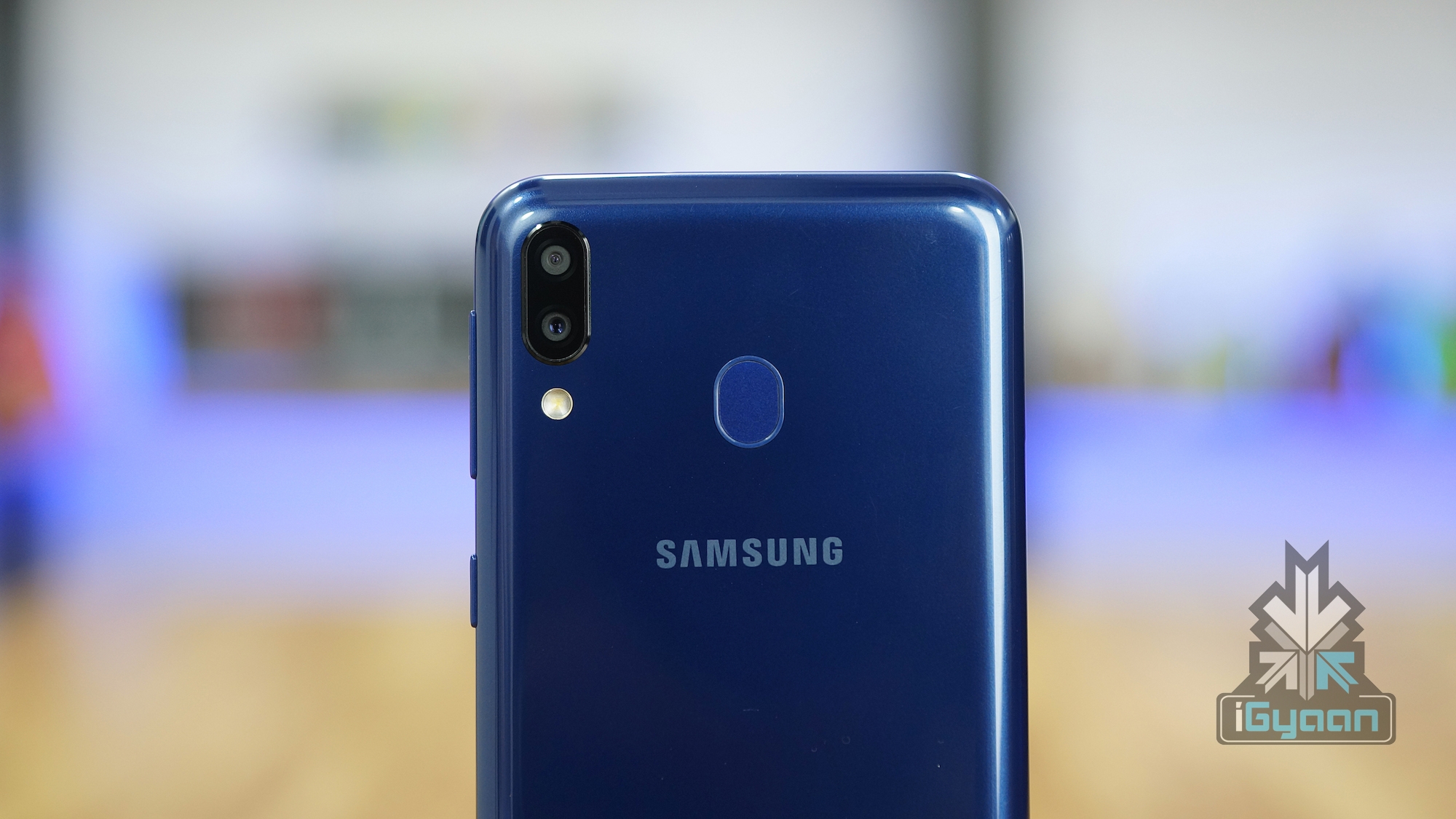 The primary camera of the Galaxy M30 will support 2K video recording, according to rumours. We are yet to see the features that Samsung will bring to the camera, the front camera is most likely to be a 16 MP camera with HDR support.
 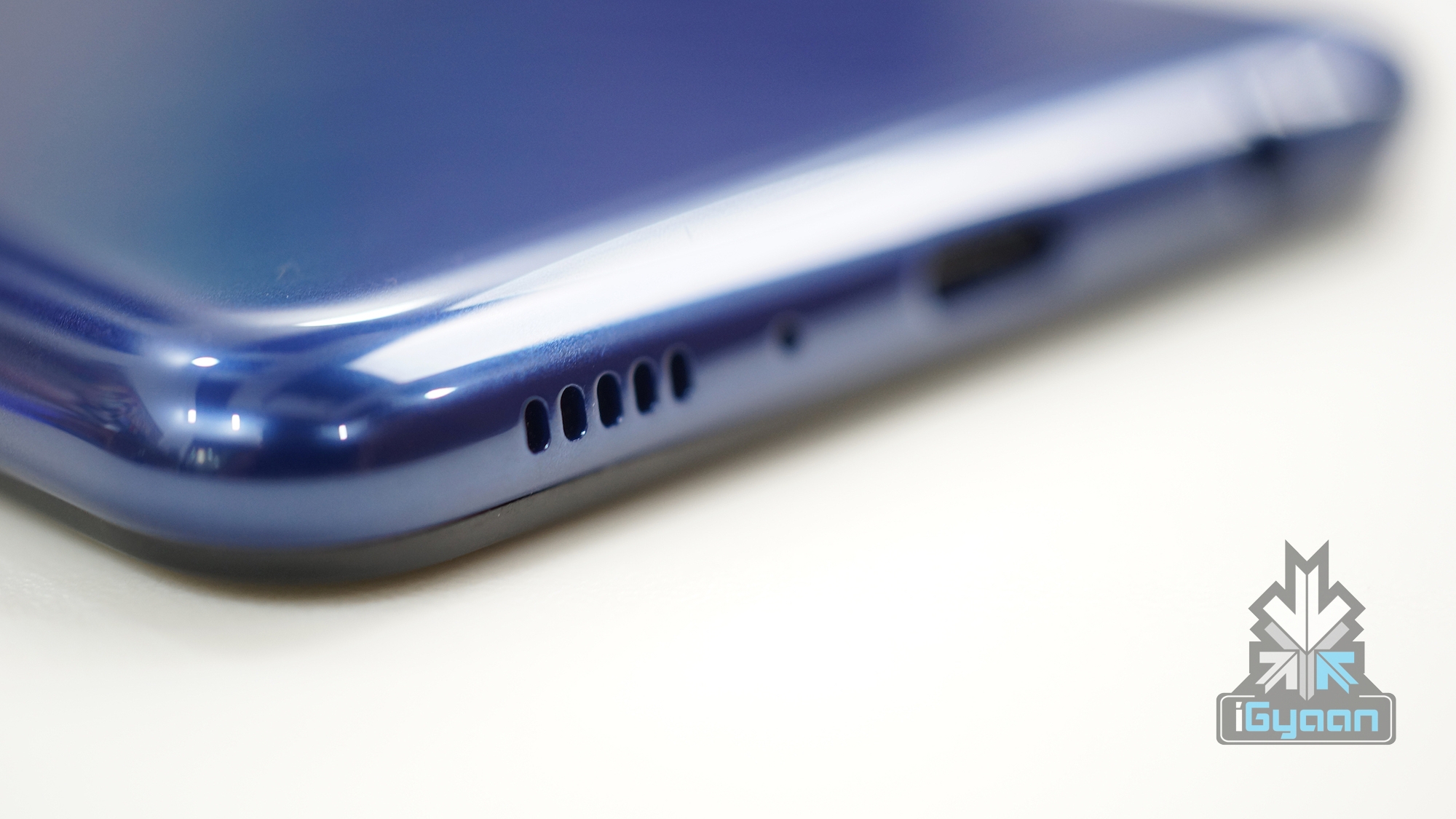 We believe the Samsung Galaxy M30 will pack a non-removable 5000 mAh Li-Po battery with fast-charging support. It will have a Type-C 1.0 reversible connector, with a rear-mounted fingerprint sensor, just like the Galaxy M20.
  Also Read :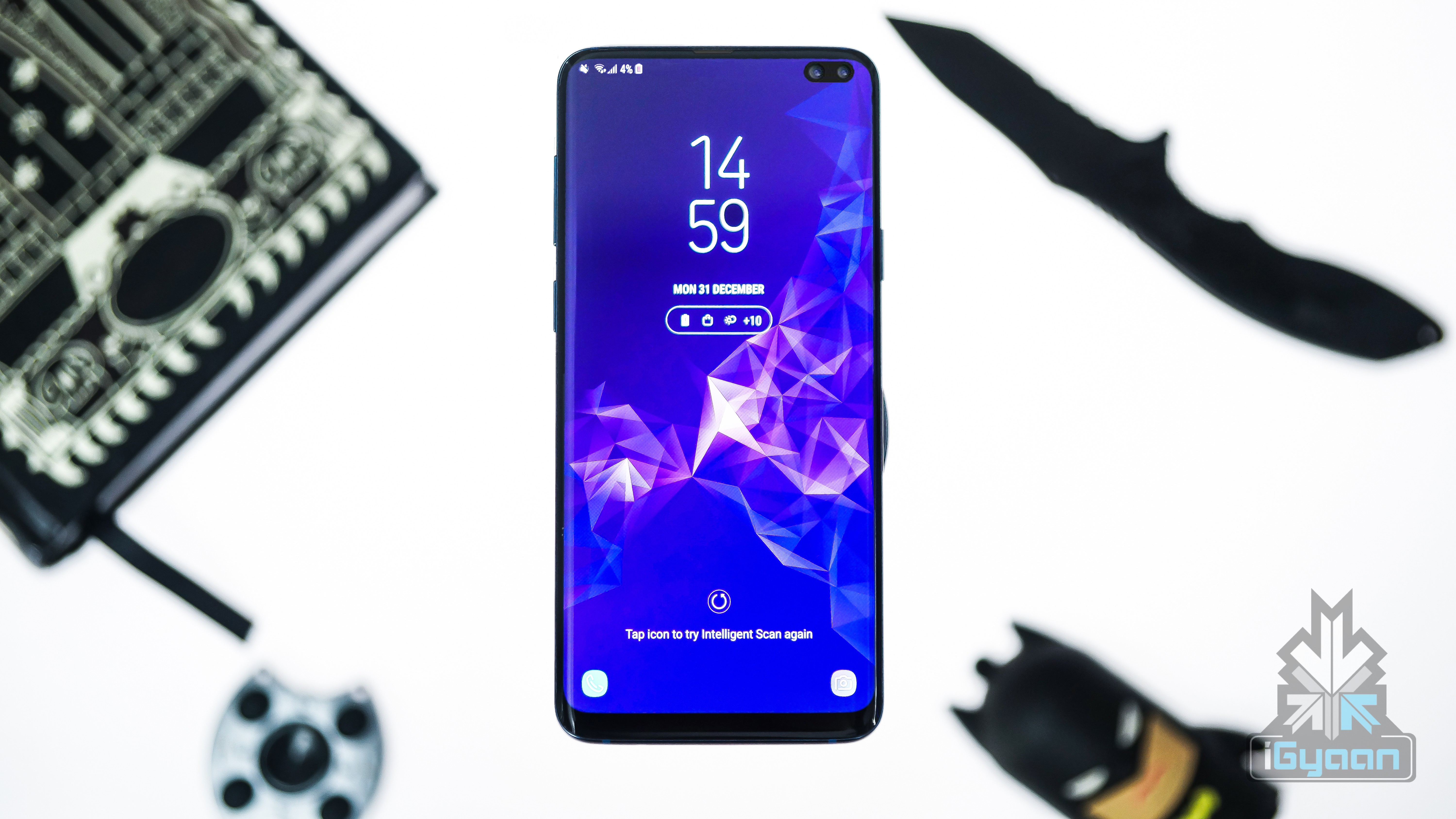
 This shut-down was initiated because they were unable to tackle challenges involved in maintaining a successful product, according to Google. As per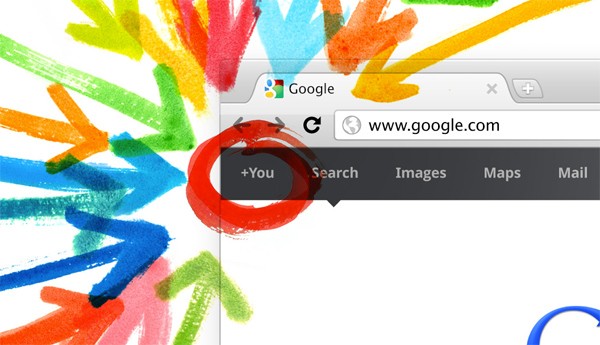
 Also Read :
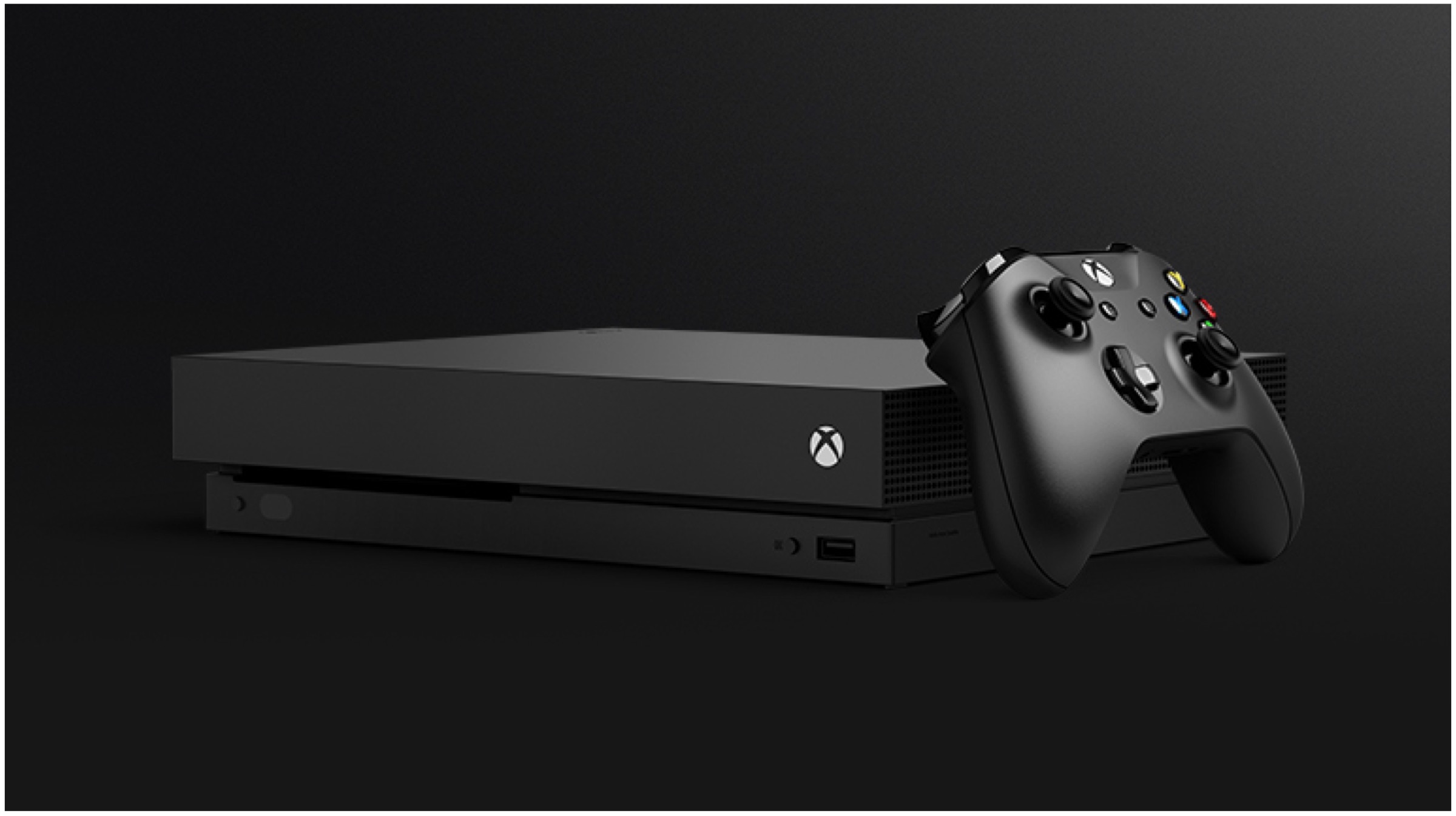
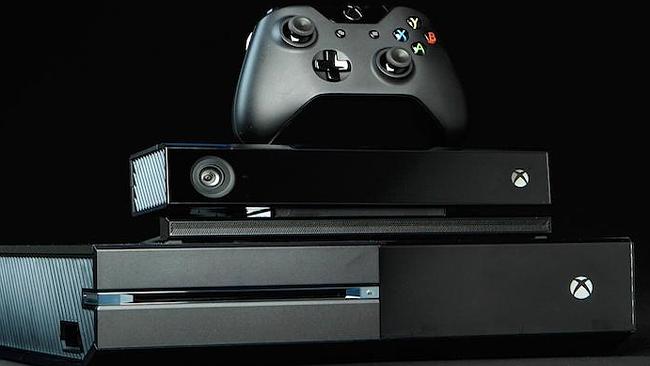
 A lot of reports and complaints originated around 7 pm IST, saying that a lot of Xbox one gamers couldn’t boot their Xbox One up. Even after restarting it several times, there wasn’t a fix available to the problem. Meanwhile, a lot of gamers started reaching out to the Xbox Support page on Twitter, creating a mess. Literally everyone saw that coming.
 Xbox support tweeted a while later (you can check out the tweet
  Some hours later, Xbox support got back to their user base with the relieving news that the issue has been resolved. Gamers were able to get back online and text their buddies ‘Servers are back up, let’s play’. According to some tweets, the issue was caused due to a service update, that had to be rolled back in order to fix the outage. But hey, all’s well that ends well.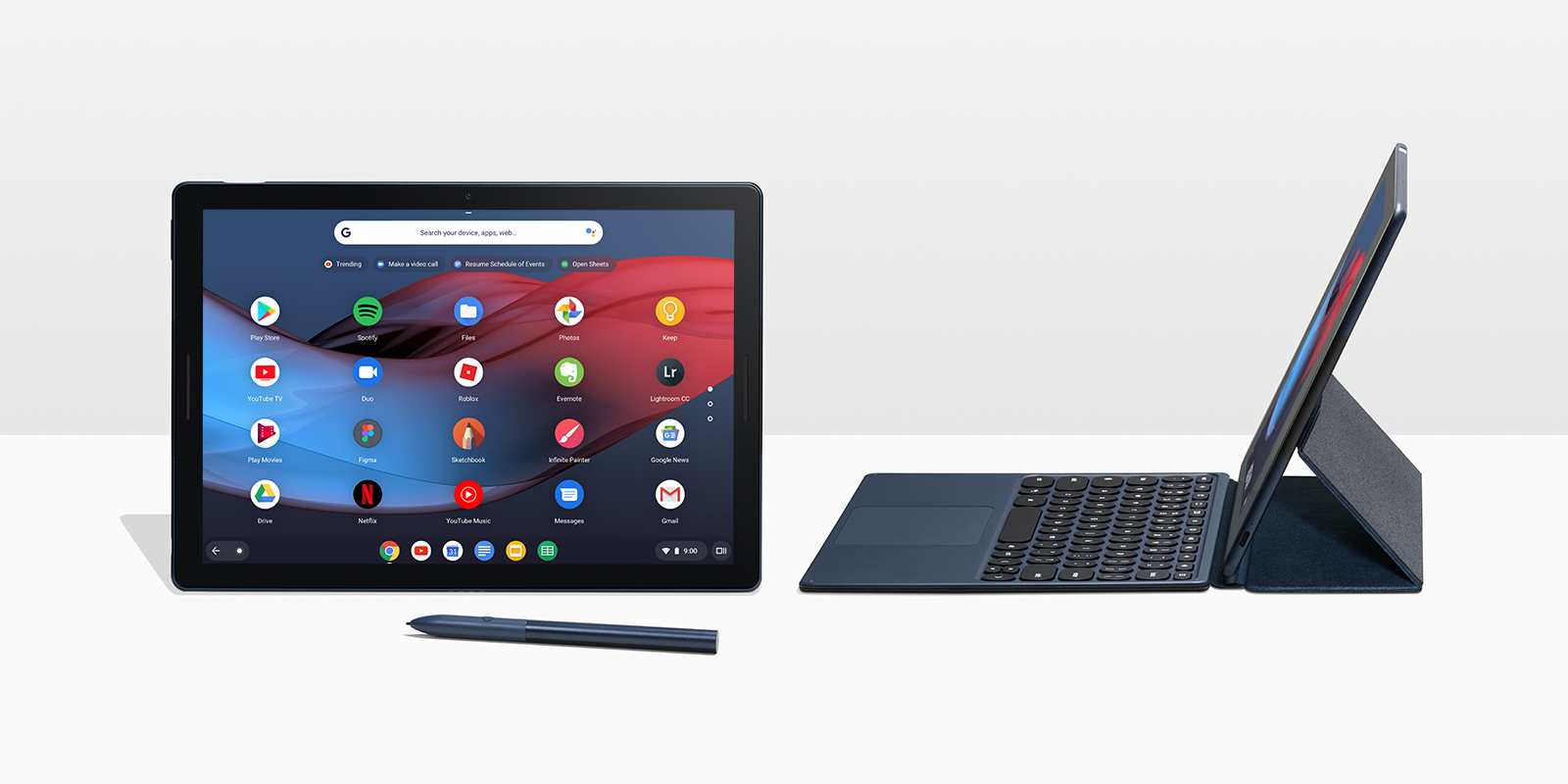
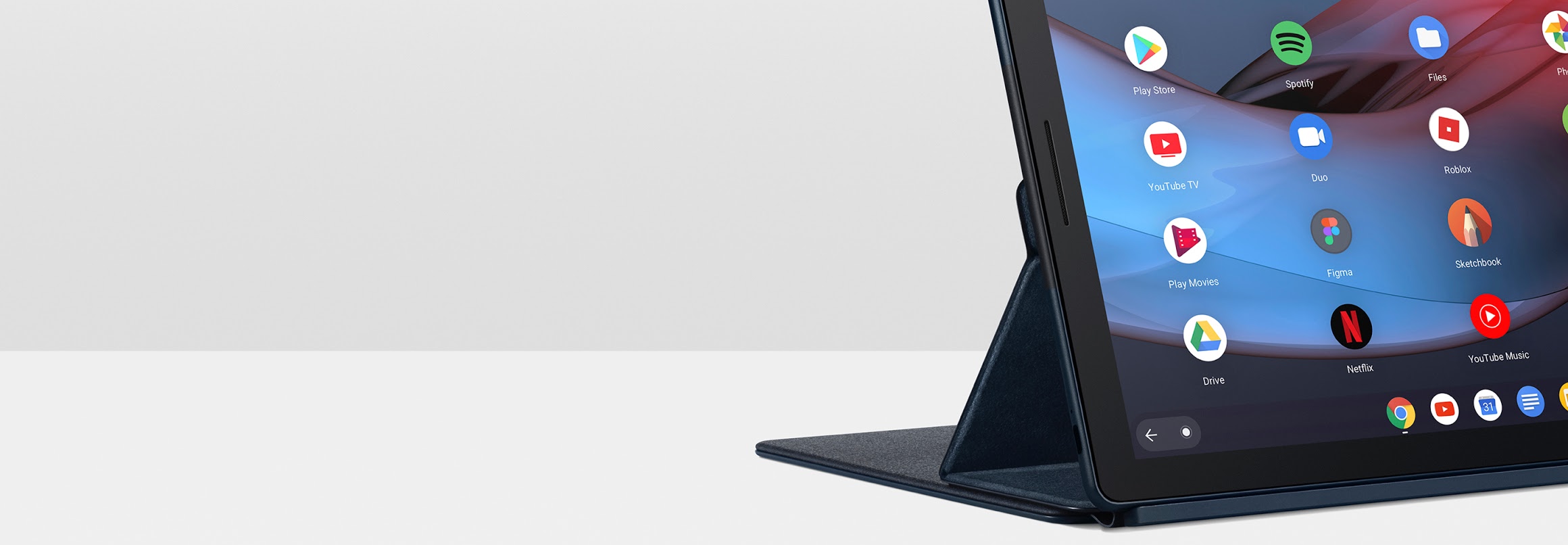 The latest Google “rammus” reveal on Geekbench indicates that the device is packing a 4.20 Ghz i7-8500Y dual-core processor. As we mentioned beforehand, the earlier version had an Intel Core m3-8100Y processor. This is an okay-ish improvement, considering the fact that there is not a lot of performance difference between the two chipsets. Both the Intel chips are based on the Amber Lake microarchitecture. They are built on a 14nm+ FinFET process.
 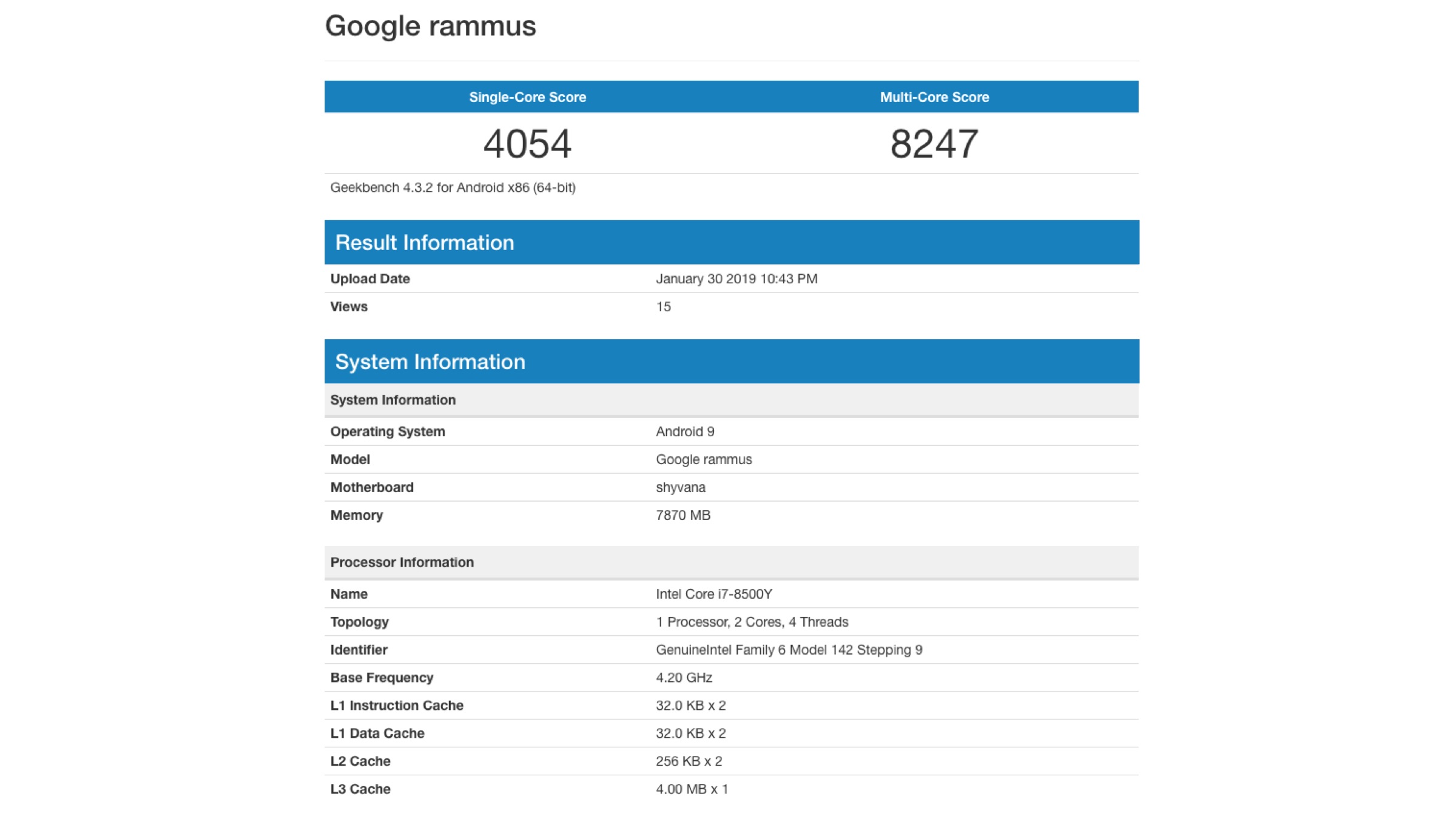 An 8GB RAM over 4GB RAM is a decent upgrade any day, which Google seems to have done with the new “rammus”. If we compare the benchmarking scores of the old and the new “rammus” models, we see a clear improvement. The newer variant with the core i7 processor scored 4054 in the single-core test, whereas it achieved a score of 8247 in the multi-score test. On the other hand, the older variant, which packed the Core m3 scored 3479 points in the single-core test and 6312 points in the multi-core test. A difference of almost 2000 points clearly indicates that Google is planning to bring this strange “rammus” to the market soon.
 Also Read :