Blog

  • Xiaomi Is On A Roll; Sells 34.7 Million Smartphones In H1 2015

    Xiaomi Is On A Roll; Sells 34.7 Million Smartphones In H1 2015

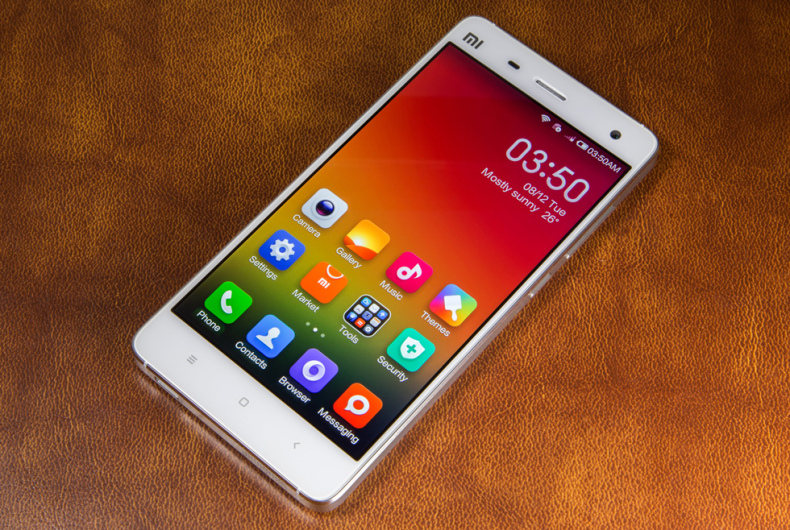
    Xiaomi, from January to June 2015, has sold 34.7 million smartphones, thus proving to the world that it is more than just a company that is manufacturing generic slabs of hardware to the world. This number beat last years’ number by 33%, thus proving to its competitors that Xiaomi is here to stay, and for a long time.

    Lei Jun, founder and CEO of Xiaomi, said:

    Even with the China smartphone market slowing down, we did a stellar job of posting a 33% growth in last year’s numbers. It can be said that we outperformed the market and produced an excellent report card.

    Lei Jung also reported last year that the company was aiming to sell a 100 million devices in 2015, but in the coming few months, he revised the number to 80-100 million. But to reach this figure, Xiaomi has to expand to new territories. This is why precisely Xiaomi extended its arm and launched the Redmi 2 in Brazil. It is also highly likely that Brazil may be established as the manufacturing hub for Latin America. Beyond Brazil, where it will start selling its first phone on July 7, the company previously earmarked Turkey, Mexico, Russia and other parts of Southeast Asia as future expansions.
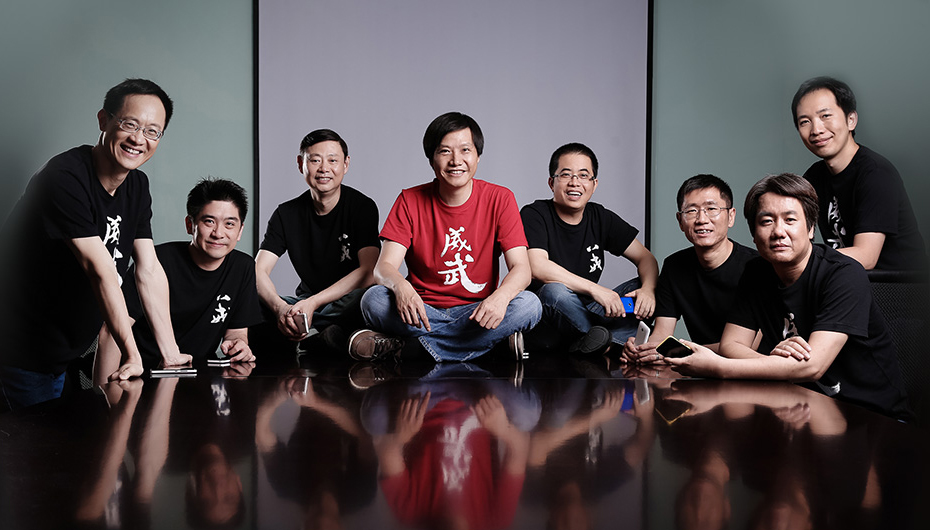
    Xiaomi Founding Team with Mr. Mr. Jun Lei (in red).
    Xiaomi Founding Team with Mr. Mr. Jun Lei (in red).

    Xiaomi is now valued at $45 billion and is the third largest exporter of smartphones. Xiaomi said that six of their phone models sold more than 10 million units each. During Mi Fan Festival in April this year, Xiaomi sold 2.12 million phones in just 12 hours. Sales on Mi.com make up 70% of Xiaomi’s total smartphone sales, helping the company become China’s third-largest e-commerce player.
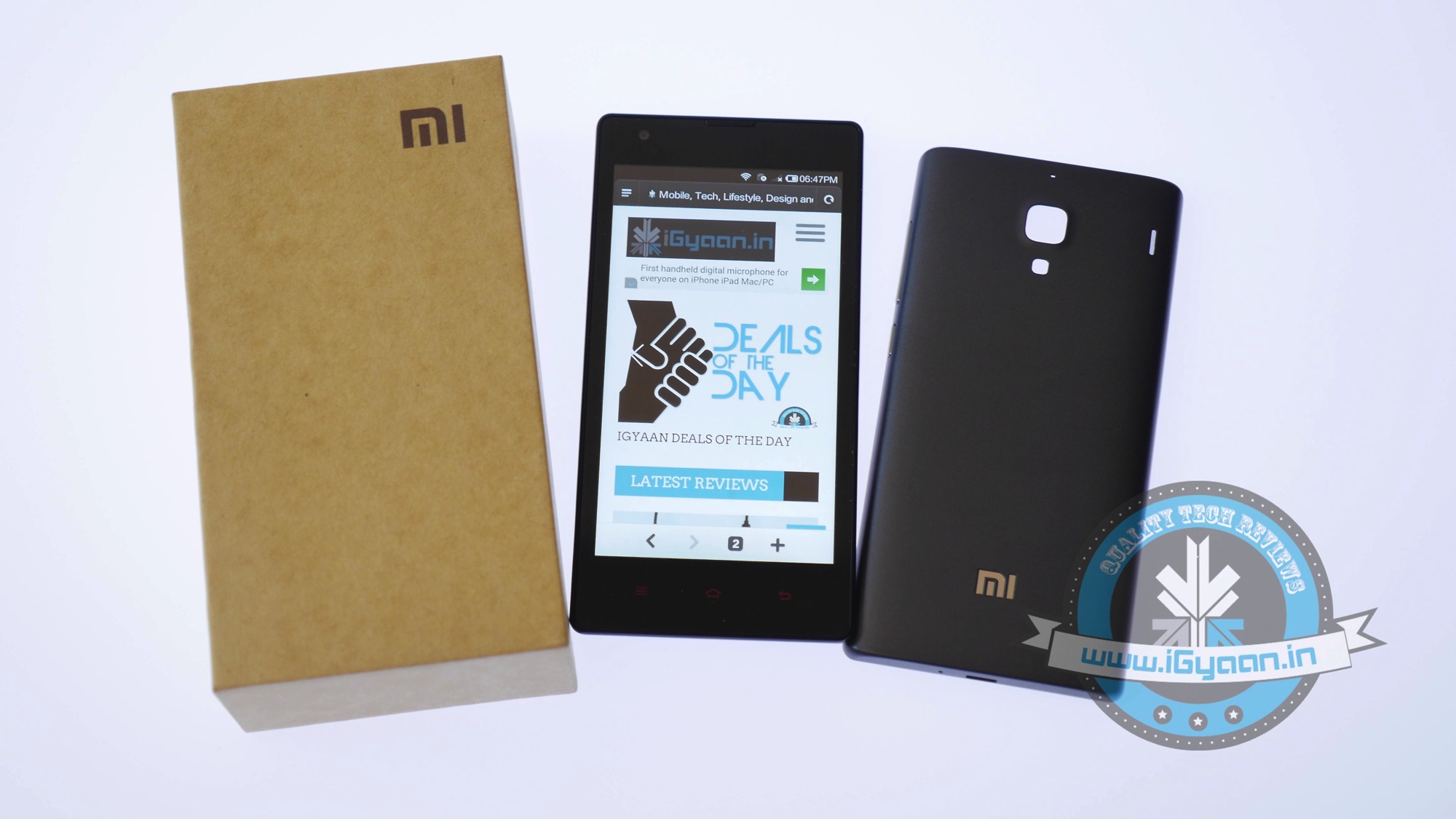
    Xiaomi Redmi 1s Unboxing 17

    Xiaomi is on a roll, seeking out new markets for rapid international expansion. When it first started off in 2010, this company did not expect that five years down the line, it would become one of the biggest smartphone companies globally. Yes, Xiaomi had taken the tech world by surprise when they released the Xiaomi Mi series lineup, capable of holding its own ground against Apple or Samsung smartphones.

    Read about Xiaomi’s journey from the start till now here.

  • Motorola Announces Android Lollipop Update for Moto X (Gen 1)

    Motorola Announces Android Lollipop Update for Moto X (Gen 1)

    Motorola has started rolling out Android 5.1 Lollipop for Moto X (1st gen) users in India, according to an announcement by David Schuster, VP of Product Sales and Operations. He also announced that the update would be received by users in 14 other countries including Australia, Hong Kong and Singapore.

    https://plus.google.com/+DavidSchuster/posts/CVeStkHUbak

    The latest update brings many improvements in Moto X (Gen 1) such as improved natural touchscreen interactions, automatically connecting your phone to home WiFi network. As BGR points out, the update has also fixed the heads up notification bug, which removed the notifications from the drop down notification menu when users swiped it from the lock screen.

    Since the update is being rolled out over-the-air, it will take some time before your phone receives the update.

    Moto X (Gen 2) already received Android Lollipop update in December last year. Motorola is speculated to launch the Moto X (Gen 3) in November this year. The new generation will run on Snapdragon 810 chipset and will house a 16MP rear camera with Clear Pixel Technology. The battery powering the new Moto X will be at 3280 mAh. The device will come in two storage variants – 32GB and 64GB.

    If you don’t want to wait for Moto X (Gen 3) till November, here are the specifications for Moto X (Gen 2):

    • Specs

      Display 5.2-inch 1080P Display – 401 pixels per inch
      Processor 2.5 GHz Snapdragon 801 Quad-core processor
      RAM 2GB
      Storage 16GB and 32GB
      Main Camera 13 MP with 4k video,
      Front Camera  2MP
      Battery 2,300mAh
      Operating System Android 4.4.4 KitKat

    Source: [tw-button size=”small” background=”” color=”” target=”_blank” link=”http://www.bgr.in/manufacturers/motorola/motorola-moto-x-1st-gen-now-receiving-android-5-1-lollipop-update-in-india/”]BGR[/tw-button] [tw-button size=”small” background=”” color=”” target=”_blank” link=”https://plus.google.com/+DavidSchuster/posts/CVeStkHUbak”]David Schuster[/tw-button]

  • India to Become The Second Largest Smartphone Market By 2017

    India to Become The Second Largest Smartphone Market By 2017

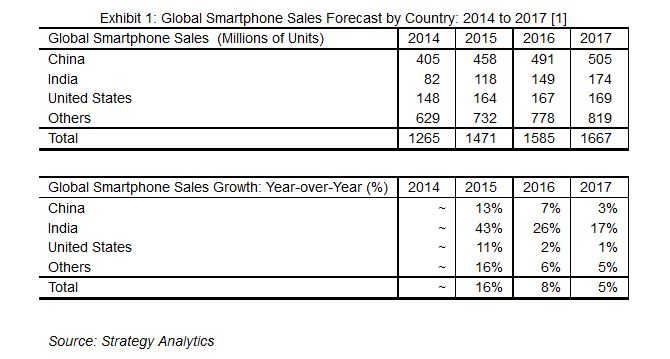
    India, the world’s 7th  largest country and with the second largest population in the world, may soon have one more tag to its name. According to a study conducted by Strategy Analytics, an international research firm, India is on the road to becoming the second largest smartphone market in the world by 2017.

    Capture

    The first position will be held by China, but India will push down USA from the current second place to the third place in the smartphone sector. Linda Sui, director at Strategy Analytics, says

    China has been the engine of global smartphone growth in recent years, but China is now maturing and slowing. India is fast becoming the next major growth wave. We forecast 118 million smartphones will be sold in India in 2015, increasing strongly to 174 million in 2017.

    The rise of the smartphone industry in India has been directly proportional to the Internet growth here. As of 2014, India had 243 million people in the Internet grid, the third largest in the world. The US had 279.8 million online in the same year, putting it in the second place.

    Linda Sui added that India is driven by the growth of low smartphone invasion, expanding retail availability of devices, prosperous middle-class consumers, and dynamic advancements from local smartphone brands like Micromax.

    According to the report, 118 million smartphones will be sold in India this year. About 458 million smartphones will be sold in China in 2015 and will rise steadily to 505 million in 2017. About 164 million smartphones will be sold in the US in 2015, climbing marginally to 169 million in 2017.

    Clearly, we can see that in the past decade, US was in the middle of the tech world. But now, companies are trying to get into different and untouched markets in many ways, since most of them are at a disadvantage to the local brands, anyways.

  • This Newly Developed 3D Fingerprint Scanning Technology Can Redefine Mobile Security

    This Newly Developed 3D Fingerprint Scanning Technology Can Redefine Mobile Security

    The world that we live in is surrounded by constant cyber threats and crimes, especially in the case of smartphones. You never know when your handset might get picked out from your pocket and be misused in many ways. Tech companies are aware of this fact, hence they are coming out with new innovations to prevent that from happening. We have retina scanning devices, highly secured passcodes, location tracking and more such measures. However, this new security technique will take smartphone security to another level.

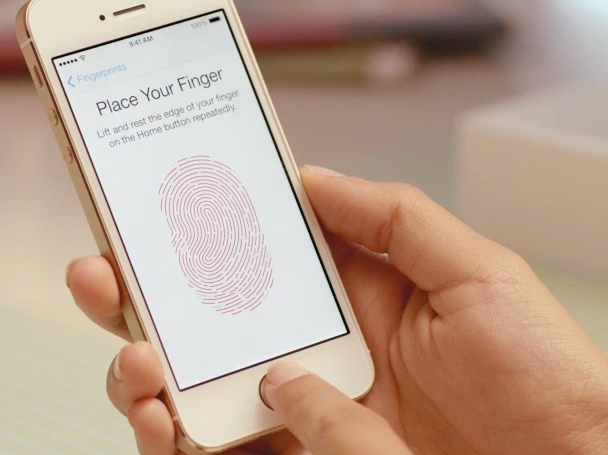
    We all thought of fingerprint scanning as a fictitious piece of design until recently, when Apple declared that it was going to include a fingerprint scanner in 2013’s iPhone 5s. Since then, many questions have emerged on the dependability of the scanning technique. As it turned out, the scanning feature was quite accurate and was received well when the iPhone 6 came out.

    But even in the best of cases, the capacitive sensors used in the modern age of mobile devices are still subject to serious security leaks. One of them is that since these scanners use 2D images of your fingerprint, anyone could place a printed image of your fingerprint on the top of the sensor and gain access to your phone.

    Scientists from Mechanical and Aerospace Engineering Department at the University of California have developed a unique ultrasonic 3D fingerprint scanner that could be used in smartphones and other devices to enhance and provide better protection against unknown access. Professor David Horsley and his team have developed the new fingerprint scanner by using low-depth ultrasound to image the ridges and valleys of the fingerprint surface (and the tissue beneath it) in 3D.

    According to Professor Horsley, his team realised the need for a new fingerprint scanner due to:

    Using passwords for smartphones was a big security problem, so we anticipated that a biometric solution was ahead. After Apple announced a fingerprint sensor in new iPhone in 2013, it was inevitable that more would follow.


    To formulate their image, the group used existing micro-electro-mechanical systems (MEMS) technology, which smartphones rely on for functions like microphones and directional orientation. According to Horsley, the use of well known, high volume manufacturing methods means that his team’s sensor could be generated at a very low cost.

    “The hope of the future is that beyond biometrics and information security purposes, the new technology is assumed to find many other applications, including low-cost ultrasound as a pharmaceutical diagnostic tool or for personal health monitoring,” Professor Horsley said.

  • Facebook Aims to Provide Fast Internet Access To the World Through Lasers

    Facebook Aims to Provide Fast Internet Access To the World Through Lasers

    Facebook’s latest endeavour, Internet.org has received a lot of flak for violating the rules of net neutrality. Co-founder Mark Zuckerberg has defended the company’s initiative many times, as he insists that the initiative’s sole purpose is to provide affordable Internet access to developing nations. It seems that Facebook has taken another step in this direction, as the company is working on lasers to improve Internet connectivity around the world.

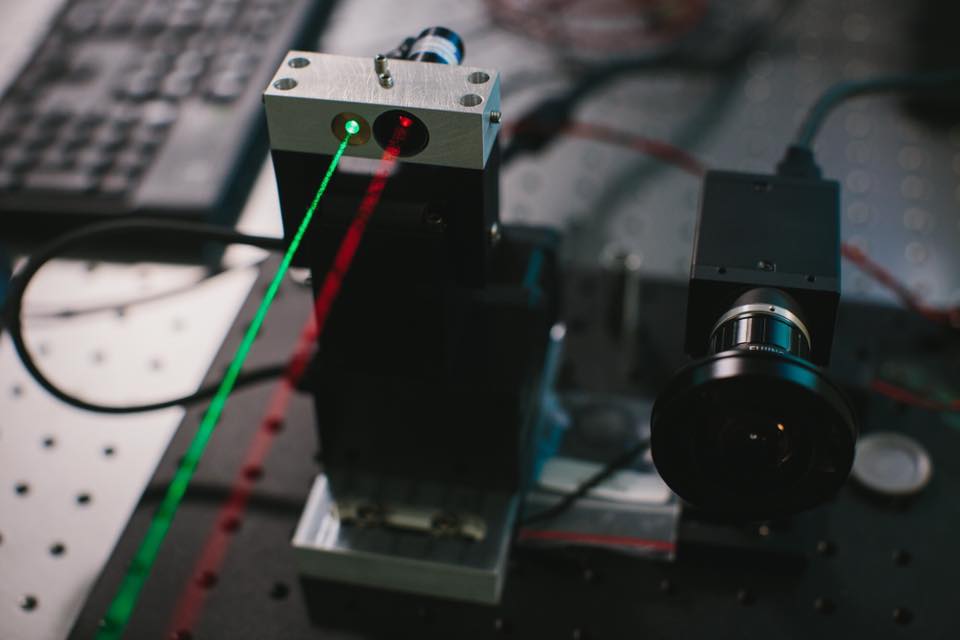
    Today, Zuckerberg has posted a few photos from the Connectivity Lab, Facebook’s ambitious project to connect the world to the internet through “drones, satellites and lasers”. According to his Facebook post, the Connectivity Lab has developed laser beams that will be able to transmit data from the sky into communities. As the Facebook founder explains, the beams will dramatically increase the speed of sending data over long distances.

    https://www.facebook.com/zuck/posts/10102217102231151

    The laser beams in the photos have been made visible for demonstration purposes. Zuckerberg says the beams won’t be actually visible and has not provided any further explanation on how the system works.

    Internet.org is an initiative by Facebook to provide affordable Internet to developing nations by giving access to select Internet services for free. Facebook has been criticised for violating the principles of net neutrality through this initiative, as the program favors certain sites over other.

    It seems Facebook’s vision to provide the internet for everyone is one step closer to reality.

  • Narendra Modi Flags Digital India Campaign with Digital India Week

    Narendra Modi Flags Digital India Campaign with Digital India Week

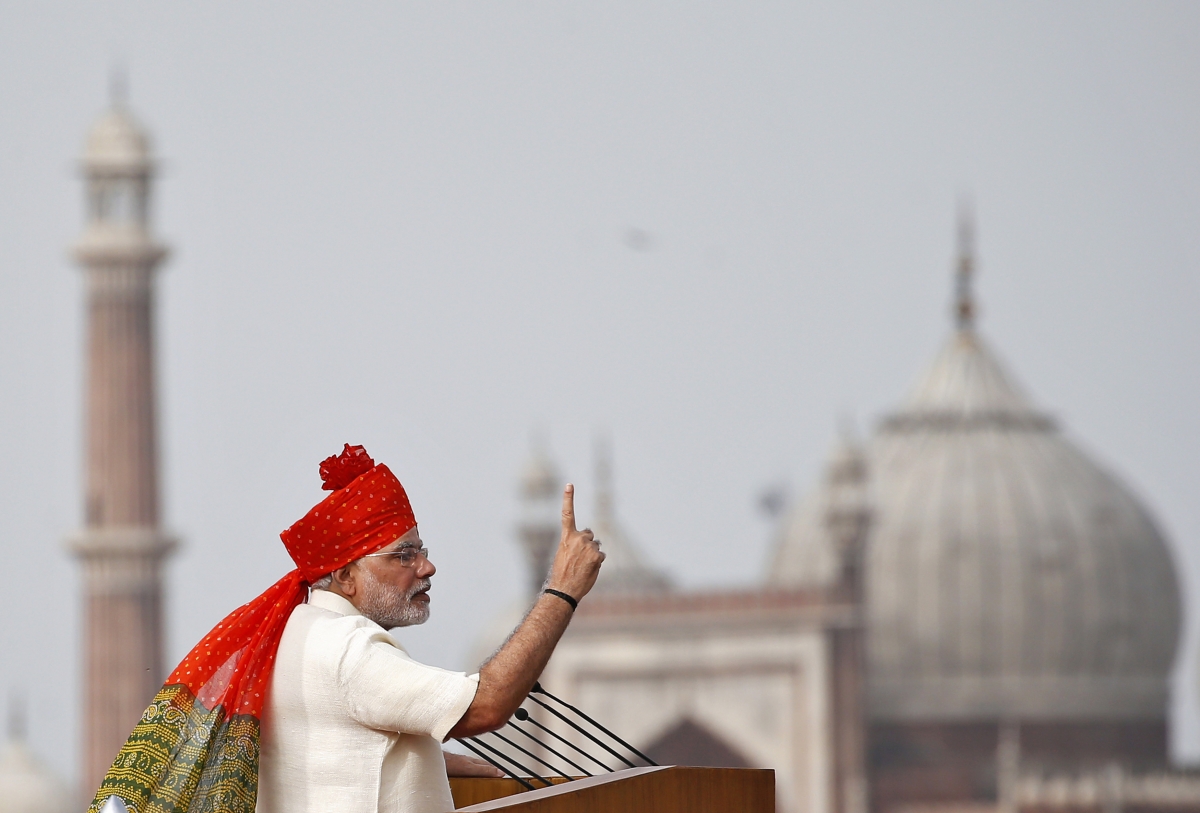
    ‘Make in India’ is an initiative that was started back in September 2014 by the Prime Minister of India, Narendra Modi. The principal objective of this initiative is to build manufacturing firms within India to generate more job opportunities and improve the skills of the people of India across different sectors like automobile, aviation, biotechnology, defence manufacturing, mining, oil and gas, ports, railways, textile and much more. As a part of the ‘Make in India’ campaign, Prime Minister, Narendra Modi, has launched the ‘Digital India Week’ today. He says the campaign is a part of a grander plan in the future and hopes to give better services with the use of IT.

    make in india

    Narendra Modi has been named as the chairman of the Digital India Week, where he also unveiled the official logo of the campaign that seeks to transform India into a digital powerhouse. For this campaign, Digital India will provide broadband connectivity to all panchayats, Wi-fi in all the schools and universities and public wi-fi hotspots in all important cities by 2019. It will be extended for giving services in areas like health, education, agriculture and banking. The vision is focused on three important areas:

    • Digital infrastructure as a utility to every citizen
    • Governance and service on Demand
    • Digital empowerment of Citizens

    The event saw tech powerhouses like Reliance Industries, Tata Group, Wipro, Bharti Group, etc. investing crores on the Digital India Programme.

    Officials say a plan will also be announced for “billions of dollars” of investment, most likely in manufacturing—critical for a government that needs to create more jobs, at a faster rate.

    India’s first cyber prime minister, Modi has used social media and particularly Twitter, where he has 13 million followers, to fashion himself as a leader in handling technology.

    With a growing economy and declining handset prices, India is one of the fastest developing smartphone markets in the world, and Modi is looking to harness India’s potential for social development in fields like education and health.

    For now, many companies are in support of the Make in India campaign. Companies from China like Alibaba and Xiaomi showed their full backing for the project. Alibaba Chairman said, “We are excited about India. We are excited about Make in India and Digital India.” Xiaomi President Lin Bin too showed his support and stated, “We have some big plans for India. We fully support Make in India.”

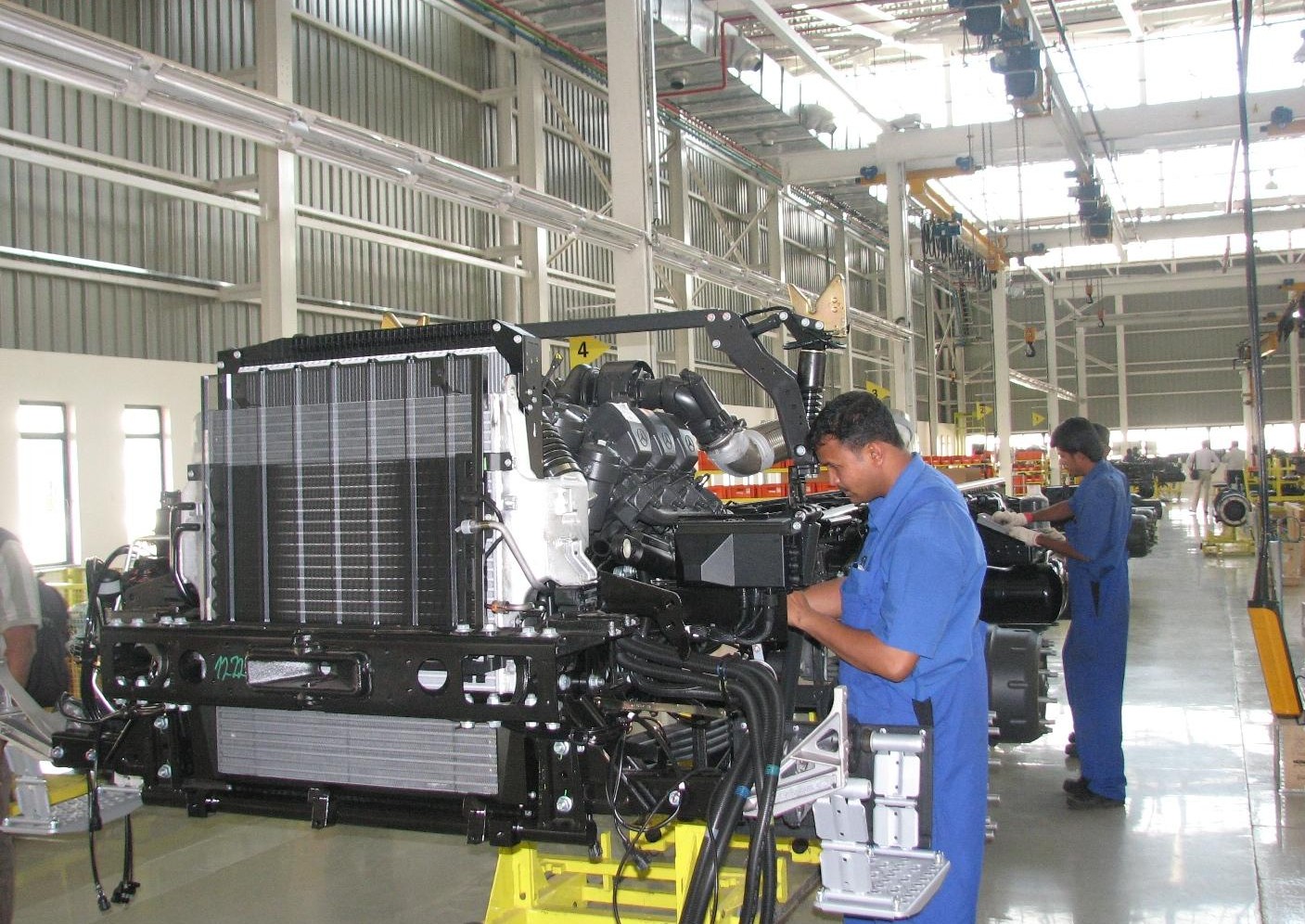
    Many companies have started putting up production houses in India like Celkon, Foxconn, Mercedes-Benz, etc.

    This initiative looks very promising. This can improve the economic well-being of Indian masses.

    Let us see how the campaign shapes up in the future.

    You can also follow Make in India YouTube campaign here.

  • Samsung Has Surprisingly Sold One Million Units of Tizen Powered Z1 Since January 2015

    Samsung Has Surprisingly Sold One Million Units of Tizen Powered Z1 Since January 2015

    It seems Samsung has not lost hope yet with Tizen. Z1, the company’s first phone to run on Tizen OS, got negative responses from critics and consumers alike. It seemed the low price of Rs. 5,000 wasn’t enough to save the phone from extinction. As we previously stated, the phone was barely unique and failed to find space for itself in the brutal smartphone marketplace. Still, Samsung never lost hope in its homegrown OS, also known as the company’s answer to Android One.

    It seems Samsung’s faith in Tizen has paid off.

    Today, Samsung India said that it has sold a record 1 million Tizen-powered Samsung Z1 smartphones since its launch in January 2015.

    Asim Warsi, vice-president-marketing, Mobile and IT, Samsung India, said:

    Our insights have shown that consumers hesitate to move beyond the familiar basic and simple interaction with their mobile devices. Keeping this in mind, Samsung Z1 features an easy to use UI that offers a smooth and fast experience to ensure a seamless migration to smartphones.

    Samsung is reportedly developing Z2, the successor to Z1. The phone is speculated to feature a 4-inch WVGA display, 1.2 GHz dual-core processor, 768 MB RAM, 4 GB inbuilt storage, and 1500 mAh battery. If the company plays its cards right, Z2 could strengthen the future for Tizen OS.

  • New Details About Xiaomi Mi5 Emerges, Hints a Power Packed Phone

    New Details About Xiaomi Mi5 Emerges, Hints a Power Packed Phone

    It has been ages since we last heard anything about the rumored Mi5. It was speculated that Xiaomi would launch the successor to Mi4 earlier this year, but instead the company released the Mi4i, which soon became a bestseller. Today, a report has emerged which says that the company will launch Mi5 in the November.

    Codenamed “Libra”, the phone will sport a 5.3 inch QHD display, which is consistent with the previous rumors about Mi5. The phone will be powered by Qualcomm Snapdragon 820 64-bit chipset paired with a 4GB RAM. Xiaomi Mi5 will come in two variants -16GB and 64GB version. Since Xiaomi always considers Apple its main competitor, the phone will include fingerprint scanner and run on a 3,030mAh battery. Also, it will have a 16-megapixel rear camera, and a 6-megapixel front camera.

    The phone will run on Android Lollipop based MIUI OS. Xiaomi will also offer another variant, Mi5 Plus, which would basically be a bigger version of Mi5, just like Samsung Galaxy S6 Edge. The phone is rumored to come with a 6 inch display with 2K resolution, 4GB RAM with 32GB storage capacity and 16 MP rear camera. While nothing has been mentioned about the price, some rumors claim that Mi5 is slated to be priced around Rs. 23,900.

    Should the rumor turn out to be true, Mi5 will become one of the strongest performing phones in the market. We hope Xiaomi announces Mi5 as early as possible.

    Source: [tw-button size=”small” background=”” color=”” target=”_blank” link=”http://www.androidheadlines.com/2015/07/xiaomi-mi-5-specs-leak-snapdragon-820-4gb-ram-tow.html?utm_source=feedburner&utm_medium=twitter&utm_campaign=Feed%3A+AH1+%28AndroidHeadlines%29″]AndroidHeadlines[/tw-button]

  • Leaked Images Shows Revamped Interiors of Apple iPhone 6S

    Leaked Images Shows Revamped Interiors of Apple iPhone 6S

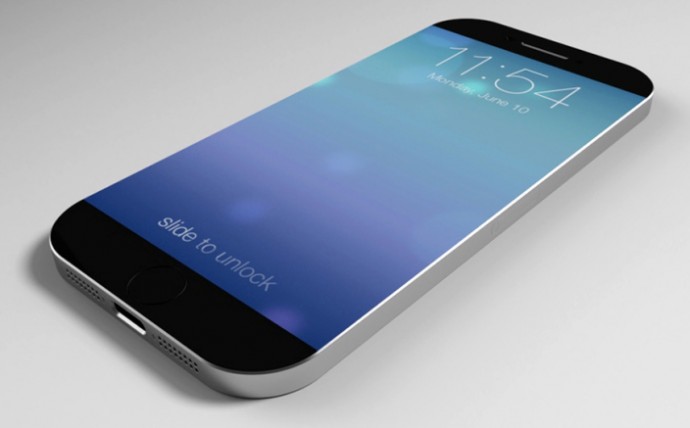
    A lot of rumours and speculations are revolving around the next iPhone, ‘temporarily’ named iPhone 6S. Apple’s latest products in the market, iPhone 6 and iPhone 6 Plus, include the most notable upgrades the company has incorporated since years. However, barely a few months after the launch, we have listed rumoured specs and features about the next iPhone.

    If we have to take a wild guess at what the smartphone might include, we would include a long list of patents that Apple have issued to the USPTO (United States Patent and Trademark Office). Judging by these patents, Apple might have a three-sided wall display, a smart waterproof design and it might be flexible. As we said, that would be our wild guess.

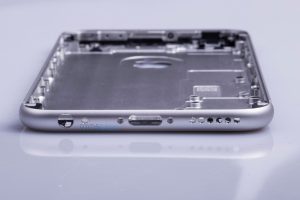
    Today, a batch of leaked images has hit the Web, purported to be of the iPhone 6s’ metal casing or chassis, thanks to 9to5Mac.

    As we can see in the pictures, the iPhone 6S is almost identical to both the predecessors in the terms of height and width. Unfortunately, the dual camera rumour will turn out to be untrue if these images are authentic. Changes in the internal mounting board also suggest of changes in chipset and quite a few more components. Few rumours suggested that there would be an antenna on the phone, but the metal casing proves this rumour to be false. The rest of the components, like the lightning port, audio jack and speaker holes are in the same place as the iPhone 6.

    From the above details, it is highly unlikely that Apple will be going for a significant design change for the upcoming iPhone. Since the launch of iPhone 6, the company’s flagship has gone through a major makeover. We also read that the next iPhones will include Force Touch and a new casing to make the iPhone 6S wider, taller and stronger.

    The new model will run on iOS 9 and have an enhanced processor, as Apple announced at the WWDC this year. We saw in May that Samsung might provide chipsets and displays for Apple’s forthcoming products. Ming-Chi Kuo, an Analyst at KGI Securities, says that Apple’s next iPhone 6s models will be powered by a next-gen A9 processor. There are no official confirmations from both the tech powerhouses, but if correct, we may soon see something very different from this alliance. Some sources state that the upcoming handset is expected to arrive with a 2GB RAM.

    It is also possible that Apple may release two variants of the iPhone, the smaller 6s variant, and a larger 6s ‘Plus’ version.

    If rumours are to be believed, the upcoming iPhone 6s will be available in stores from 25th September this year. According to the source, pre-orders will start on 18th September and it will go live physically on 25th September.

  • Samsung’s Project Zero 2 is Similar to Galaxy S6 Edge, New Details Emerge

    Samsung is reportedly working on a new phone, SM-G928, code-named Project Zero 2. What makes it interesting is that the phone will be similar to Galaxy S6 Edge, save for the display and processor. The phone will reportedly sport a 5.4-inch or 5.7-inch Super AMOLED dual-edge curved screen.

    According to the report, the SM-G928 will run on a hexa-core Snapdragon 808 processor. In addition to that, the phone will have a 32GB internal storage space, a 16-megapixel primary camera with optical image stabilizer and 4K video recording, and a 5-megapixel front-facing camera.

    As far as physical dimensions are concerned, the phone is around 151 mm tall and around 73 mm wide, which makes it taller and wider than Galaxy S6 Edge. The report speculates that the display will be larger than 5.1 inch, which is currently the display size in Galaxy S6. An increase in physical dimensions should allow the phone to create space for a larger battery, which is rumored to be a 3,000 mAh battery.

    The Project Zero 2 is being called Galaxy S6 Edge Plus. However, Samsung has not confirmed anything yet. The report states that an official announcement will be made by the company shortly.

  • Dubai Plans On Constructing The First 3D Printed Building

    Dubai Plans On Constructing The First 3D Printed Building

    Dubai, a city where something fresh is always being added to the skyline, may have found a way to make construction move even faster. On Tuesday, the Gulf commercial hub announced plans to construct the world’s first office building using 3D printer technology, adding another marvel to its collection of magnificent buildings.

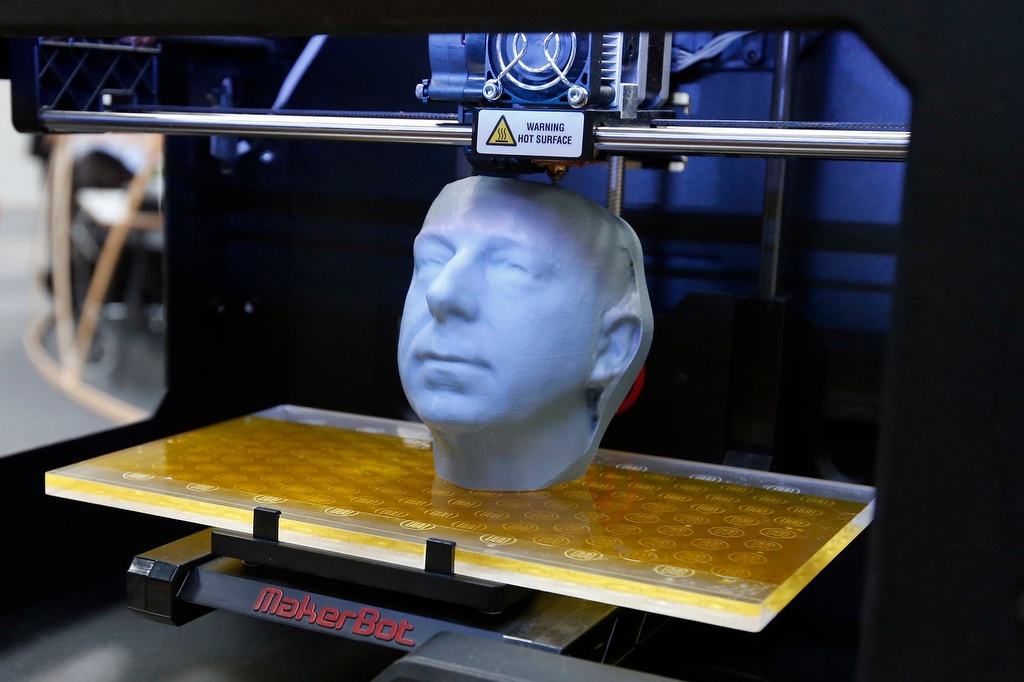
    The 3D printing or additive manufacturing (AM) is a technique by which you can create or recreate a three-dimensional object. The 3D printers are also considered to be industrial robots for their manufacturing aptitude. The technology utilises computer-aided formation of objects by laying successive layers of materials. The materials can vary from plastic to metals like silver, steel, and titanium. Read more about it here.

    3D Printers uses computer aided designs to create printable models.
    3D Printers uses computer aided designs to create printable models.

    Mohammed Al-Gergawi, the UAE’s Minister of Cabinet affairs, said the project is part of a broader plan by the federation to embrace cutting-edge science and technology and make Dubai a global hub for innovation.

    We are keen to use the latest technologies to simplify people’s lives and to serve them better. This project is part of our overall innovation strategy to create new designs and new solutions in education, healthcare and cities. Our goal is to increase the happiness and wellbeing of our residents and to pioneer new solutions for the world.

    The 2,000 square feet of floor space building is planned to be located in the center of the coastal business hub city, where it will be printed, layer-after-layer, using a huge 20-foot tall printer over the course of a few weeks. The entire interior will be 3D printed too. According to the experts, the technology will cut labor costs by 50-80%, and construction time by 50-70%. Other than this, no other details on the timeframe or cost were made public.

    The project is a result of cooperation between Dubai and WinSun, a pioneering Chinese company that has begun constructing houses and buildings made using 3-D printers. Some more partners have joined hands as well, like architectural and engineering firms such as Gensler, Thornton Thomasetti, and Syska Hennessy.

    For more information on what 3D printing is, refer to the video below.

  • Now Enjoy High Frame Rate Videos on YouTube App

    Now Enjoy High Frame Rate Videos on YouTube App

    Today, Google has announced that the YouTube’s iOS and Android app will support HFR playback, meaning that you can watch Mario steer through obstacles at a smooth 60fps on your phone, just like you see it on your Xbox or PS4. The announcement follows the one Google made in October last year, as it rolled out HFR video for YouTube, allowing users to watch videos with a smooth playback on web browsers.

    Over the past few years, High Frame Rate (HFR) video playback has been a craze around the world. The feature plays videos at 48-or-60 fps, as compared to the normal 24 fps playback. Videos playing in high frame rates appear silky smooth and without motion blurs. It is usually used by gamers who upload footage from video games and want the same quality they expect from a  PS4 or Xbox. YouTube currently offers HFR playback only on HD videos.

    Since Google is updating the content from the servers, Android and iOS users don’t have to update their apps to access HFR videos. If the video has been uploaded in HFR format, all users would have to do is select the resolution, which will be marked as 720p60 or 1080p60. The app users won’t be able to view live streaming in HFR though. In May, Google extended HFR support for live streaming for desktop users.

    youtube

    If you have no idea how HFR video looks like, play the video below and select 720p60 or 1080p60 to enjoy the smooth playback. Trust us, you’ll know the difference.

  • First Trailer of ‘Snowden’ Shows Surveillance Disguised as Patriotism

    First Trailer of ‘Snowden’ Shows Surveillance Disguised as Patriotism

    Call him a patriot or a traitor, but Edward Snowden is certainly a legendary figure among whistleblowers. The new trailer for Snowden doesn’t feature the famous whistle-blower but shows the impact he left on the state of surveillance around the world.

    Snowden created history when he revealed a large number of classified NSA documents in 2013, exposing how the government of the United States of America was using mass surveillance tactics not only around the world but also on its own citizens. The revelations were important as it showed not only U.S., but even countries like UK and India using mass surveillance to monitor the privacy of their own citizens, all in the name of protection. Currently, Snowden resides in an undisclosed location in Russia and is wanted in United States for treason.

    Only time will tell if the film shows Snowden as a patriot or a traitor. While describing Snowden’s past, the trailer shows an upside flag of USA with the words “One nation under surveillance for liberty and justice for all”, hinting at the surveillance tactics used by the government disguised as patriotism.

    Snowden stars Joseph Gordon Levitt as the titular character, Shailene Woodley (Divergent) and Nicholas Cage. The film is directed by Oliver Stone, who is best known for making politically-motivated films such as JFK and PlatoonSnowden will release on 25th December in U.S. theatres, while we should be expect a January release for India.

  • Gmail Updates Its Web Interface By Adding New Themes And Emojis

    Since 2014, Gmail was the only service of Google that had not received updates or new features. However from March this year, Gmail has been bringing in new updates, slowly and steadily, the latest being the ‘Undo Send’ feature. Google had been working on this feature for the past six years, and the work is now an official setting in the Gmail interface. As the name suggests, Undo Send pauses posting your email for a few seconds after you click Send, so you can take it back and edit it, like for example, spelled someone’s name wrong or entered wrong details.

    gmail

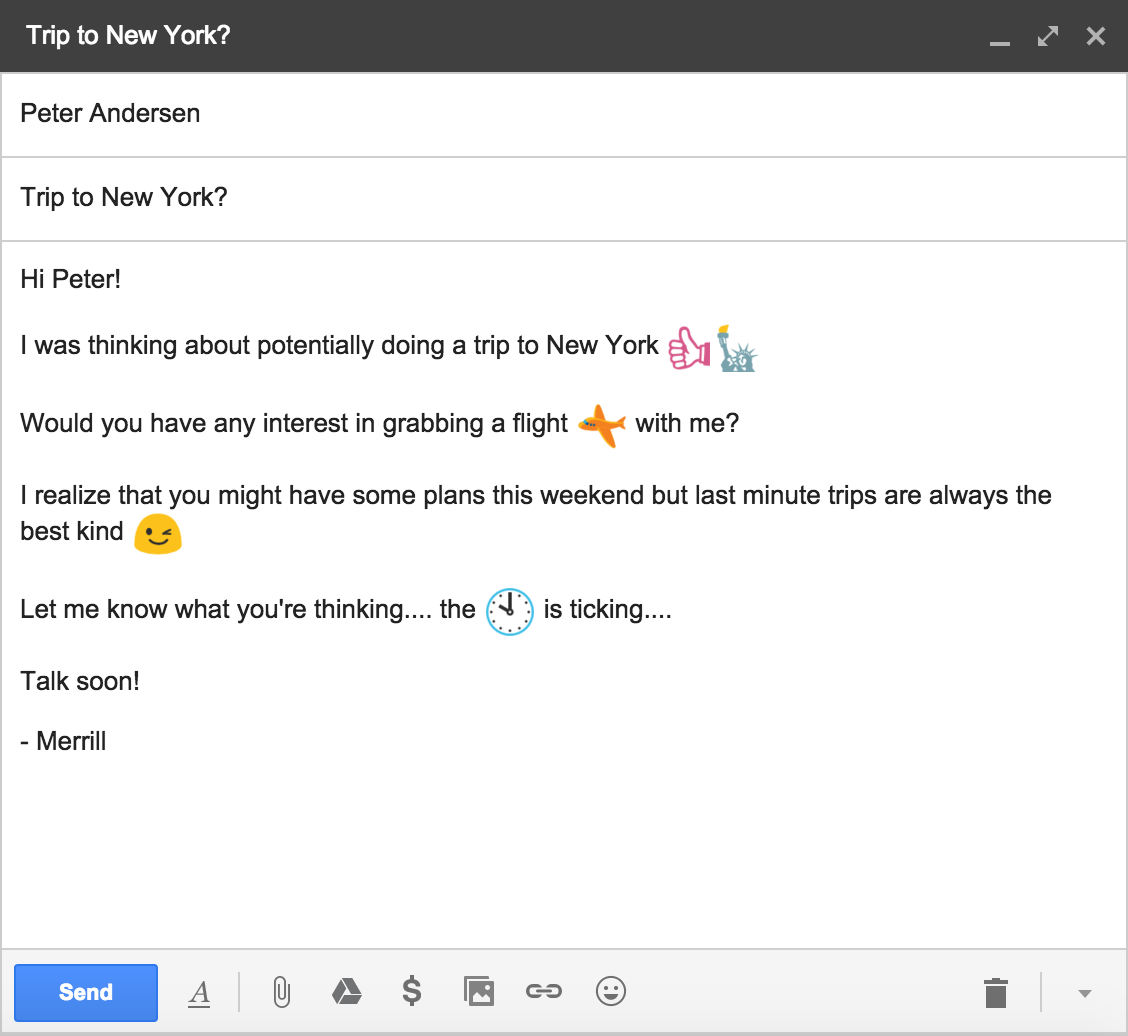
    Today, Gmail has rolled out yet another update for its web users. This new update focuses on fun, in a way we do while sending out emoji. Yes, Google’s updated and wider set of emoji characters, which we recently saw added to its Hangouts service, has now reached the company’s widely used Gmail. Now you can use all the same emoji you are already used to on Hangouts.

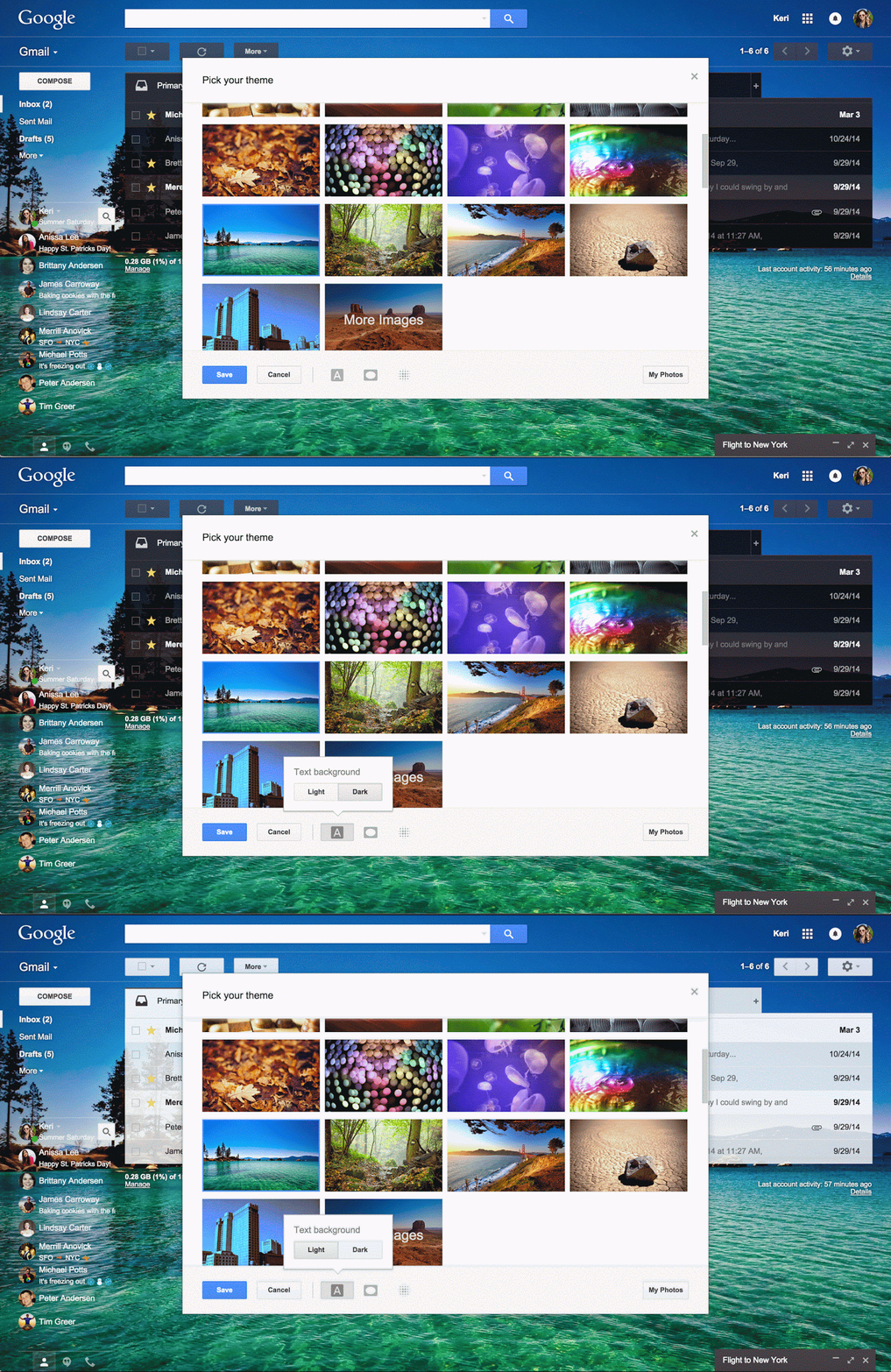
    Themes-GIF

    Additionally, Gmail has also added hundreds of HD wallpapers and themes to its already stunning bank of themes. But, that’s just not it. If you wish, you can edit the wallpaper according to your wish- there’s vignetting and text backgrounds, blurs, and such for making changes. If nothing else, then you can upload your own image instead.

    The update has rolled out today. All the changes are available automatically in Gmail, with no download or opt-in necessary. Don’t worry if you have not received this update yet, as it will take some time to reach its users around the world.

  • Ola Will Counter Uber by Launching its Own Courier Service in India

    Ola Will Counter Uber by Launching its Own Courier Service in India

    It seems Ola is bent on conquering the Indian market before its rival Uber does. After venturing into food delivery service and groceries, the company now wants to get into logistics services. According to a report, Ola has started testing a delivery service along the lines of UberRUSH, Uber’s courier service. The service will reportedly launch by mid-July.

    As reported, the service will deliver shopping orders at the customer’s doorstep within three hours. Apart from that, customers can also use Ola app for various purposes, from sending parcels to picking up laundry. Ola is said to have tied up with several businesses including florists, bakeries, laundries and ice-cream parlors. Moreover, apart from cabs, the deliveries will also be carried out on motorbikes and bicycles.

    It will be interesting to see how Ola’s new move will disrupt the traditional logistics service. Ola already operates more than 18000 taxis across India, and if the company adds bicycles and motorbikes for its delivery service, it could become one of the most efficient logistics services in the country. It will be a matter of concern for major logistic providers such as BlueDart and DTDC if Ola decides to foray into shipping services. So far, there is no mention of such intentions by Ola.

    Ola is probably playing it smarter by launching a service similar to Uber’s courier service before Uber does it. If the move is successful, Ola might achieve the same level of success that Uber has achieved in the US.

    Source : [tw-button size=”small” background=”” color=”” target=”_blank” link=”http://www.bgr.in/news/ola-to-launch-an-uberrush-like-courier-service-in-india-report/”]BGR[/tw-button] [tw-button size=”small” background=”” color=”” target=”_blank” link=”http://www.thehindubusinessline.com/industry-and-economy/logistics/ola-set-to-do-a-uber-in-india-with-collection-and-delivery-service/article7367614.ece”]The Hindu Business Line[/tw-button]

iGyaan Network
Privacy Overview

This website uses cookies so that we can provide you with the best user experience possible. Cookie information is stored in your browser and performs functions such as recognising you when you return to our website and helping our team to understand which sections of the website you find most interesting and useful.