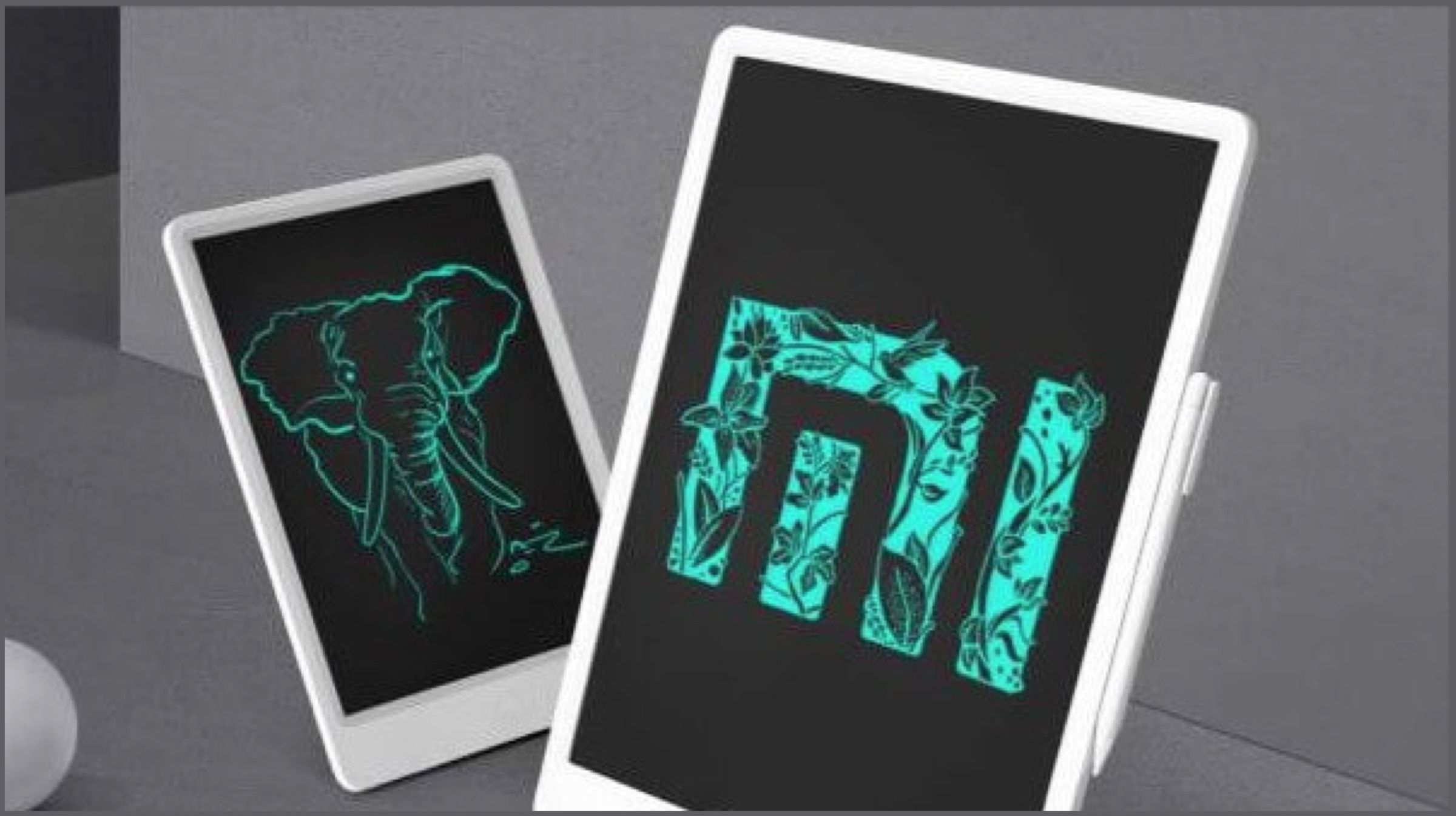
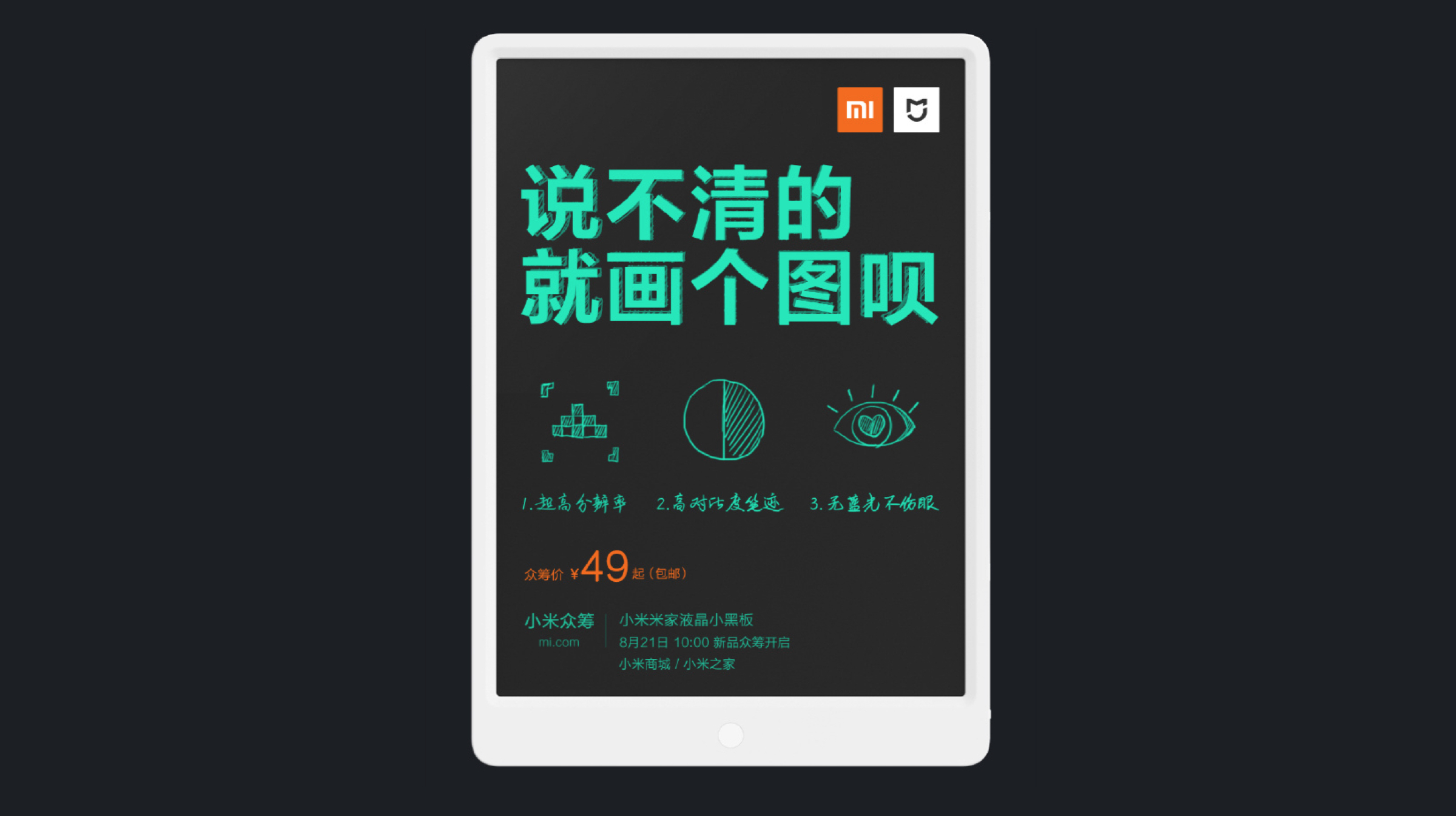
Except for smartphones and televisions, Xiaomi offers a wide variety of products ranging from electric scooters to shavers. The company has freshly announced a Digital Drawing tablet under its Mijia brand which is currently being crowdfunded in China.
The new device is developed to reduce paper waste and is aimed towards replacing a conventional paper notebook which cannot be reused.
Xiaomi Mijia Digital Drawing Tablet Features
The new device is offered in two different screen sizes which include 10-inch and 13.5-inch. While the former weighs just 195 g, the latter is a considerably hefty and it weighs 345 g. Just to clarify, they don’t feature a conventional display found on smartphones instead it has an LCD made out of ABS which can only show one colour that is green.
Noteworthy, both models of the Mijia LCD Blackboard have a display that does not emit any sort of blue light which can lead to visual fatigue during prolonged usage. Therefore, they make an appropriate choice of children who are starting to learn drawing and writing.
Equally important, they ship with a plastic stylus that resembles a pencil and they have a circular button in the bottom bezel which can be used to clear the illustrations or writings on the display.
Both the variants of the Mijia drawing tablet are powered by a button cell which can easily be replaced once they have been exhausted. Notably, Xiaomi claims that it can provide a backup of 365 days if the clear function is used 100 times every day.
As previously mentioned, both the variants are currently offered on a crowdfunding website that is operated by Xiaomi. The price of the two variants is as follows:
10 inch- CNY 49 (around Rs 500)
13.5 inch- CNY 79 (around Rs 800)
What are your thoughts on the latest offerings from Xiaomi? Would you buy it the company launches them in India? Let us know in the comments below.
Korean electronics giant Samsung unveiled its first foldable smartphone, the Galaxy Fold back in the month of February. While the device was claimed to be ready for prime time, just before its launch, problems with its durability started surfacing online. Due to this, the company had to recall the review units of the handsets and postponed the Galaxy Fold’s launch date to several months. While the world is still waiting to see the smartphone in action, latest patent filings by Samsung reveal it is ready with another foldable handset, the latest of which folds both ways.
Samsung Foldable Smartphone Patents
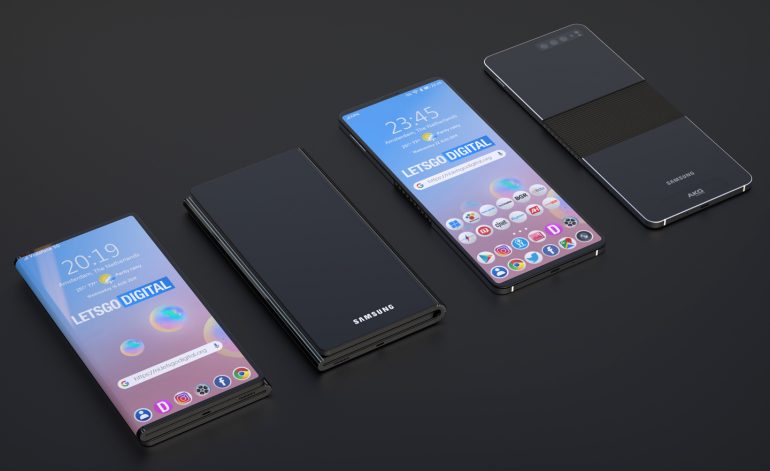
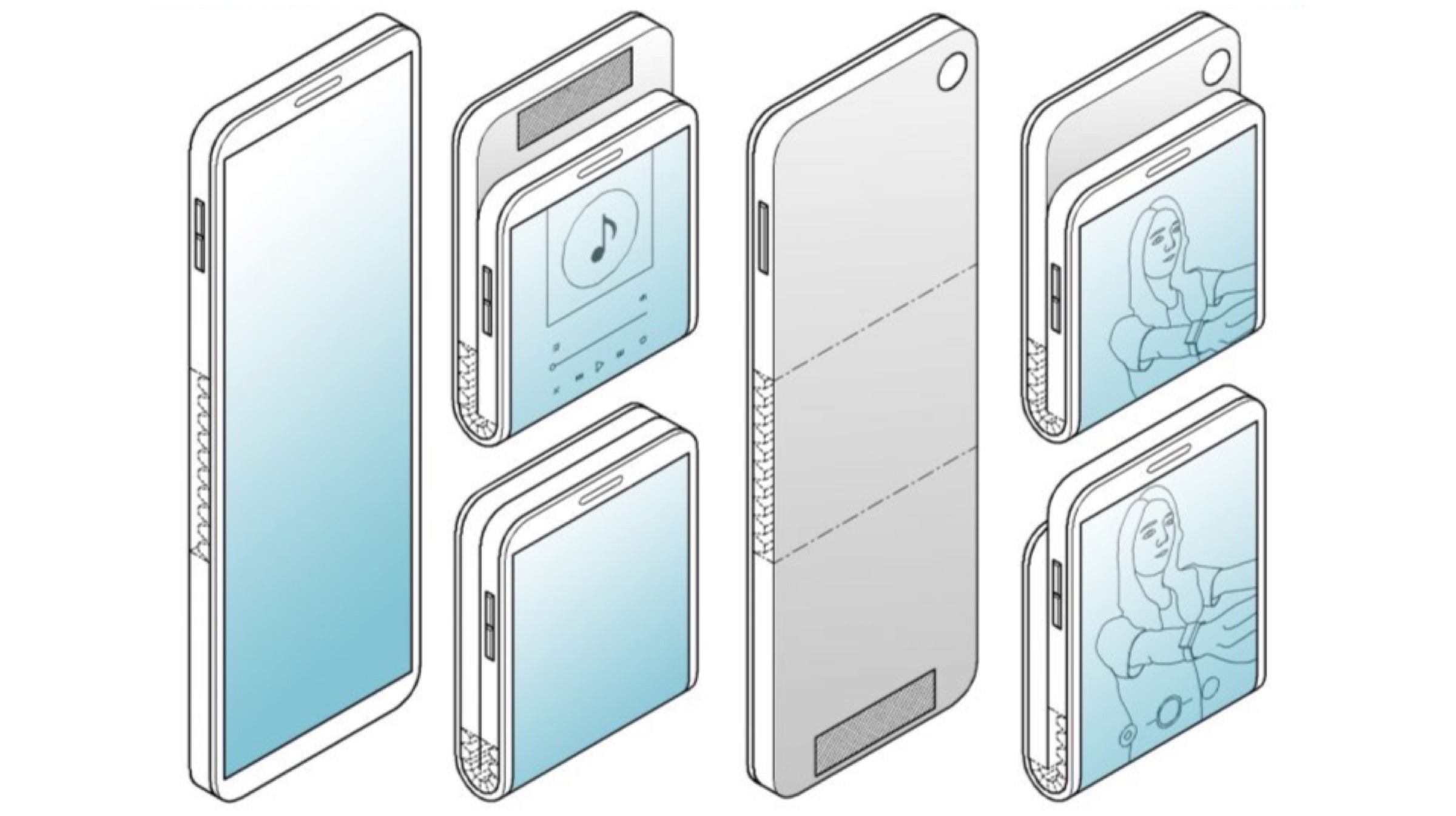
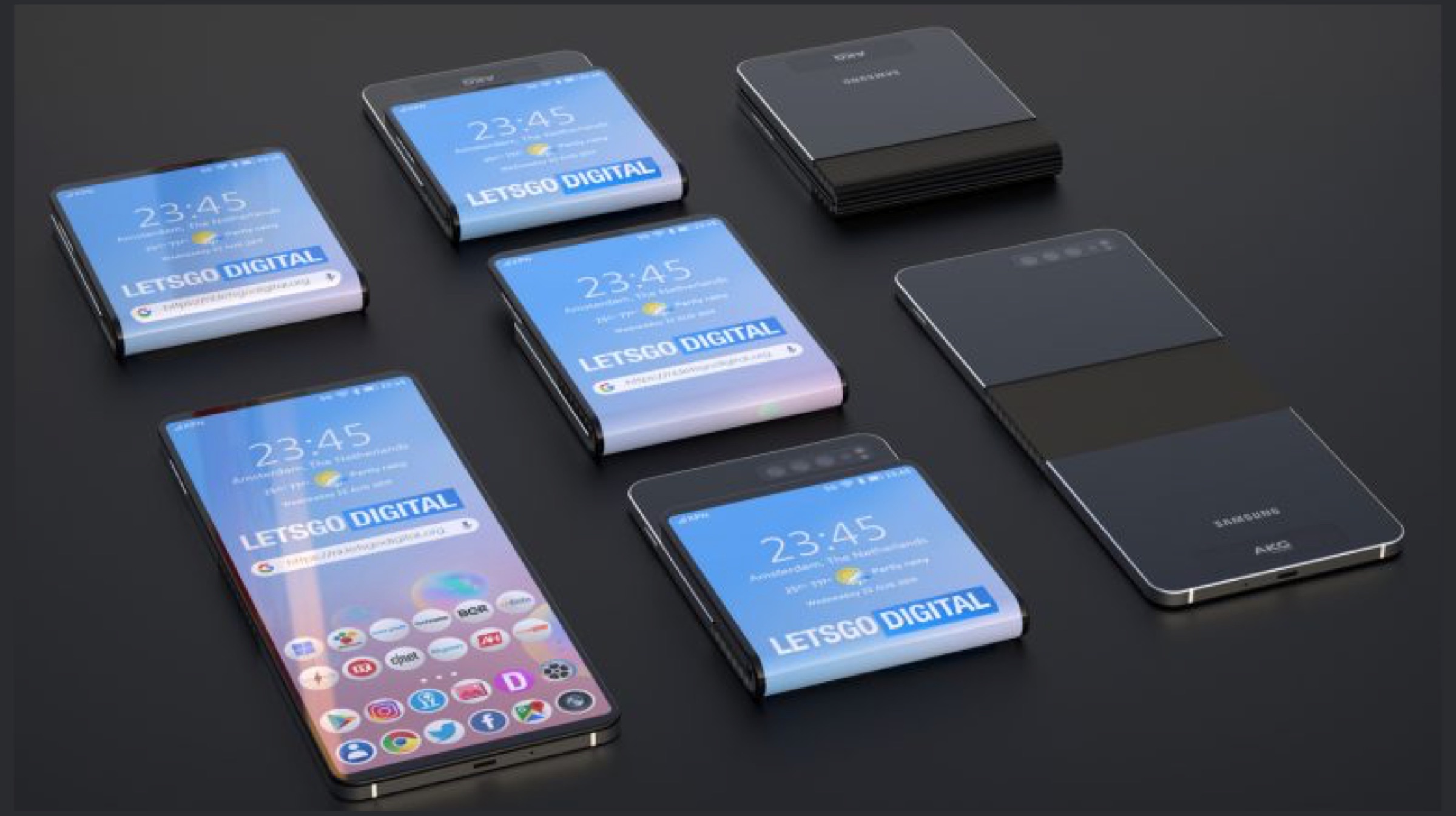
Samsung filed a patent back in the month of January this year at the United States Patent and Trademark Office (USPTO). It was for a foldable device and the method for controlling it. The patent was finally published on the 8th of August and has been included in the World Intellectual Property Office (WIPO) database, which means that Samsung holds the right to the patent worldwide. Noteworthy, it is just a utility patent and not a design one. This suggests that the design aspects provided by the source can still change. That being said, the design reflected in the renders of the Samsung Galaxy Foldable handset has a bi-directional slide mechanism. This is like the Motorola Razr foldable device concept renders, with the addition of the latest one being able to fold in both directions.
The patents and the image provided in it also indicate a single camera cutout on the back. The hinge or the mechanism that makes the folding possible is a huge strip on the middle of the device. This reminds of the hinge present on the Royole FlexPai, the world’s first foldable smartphone. As the patent images show that the Samsung handset can be folded both sides, this would make it easier to protect the display, thus increasing durability. While it is not certain when the dual foldable smartphone will hit the markets if at all, but if it does see the light of the day, it looks like a viable competitor to the likes of the Huawei Mate X and the Motorola Razr.
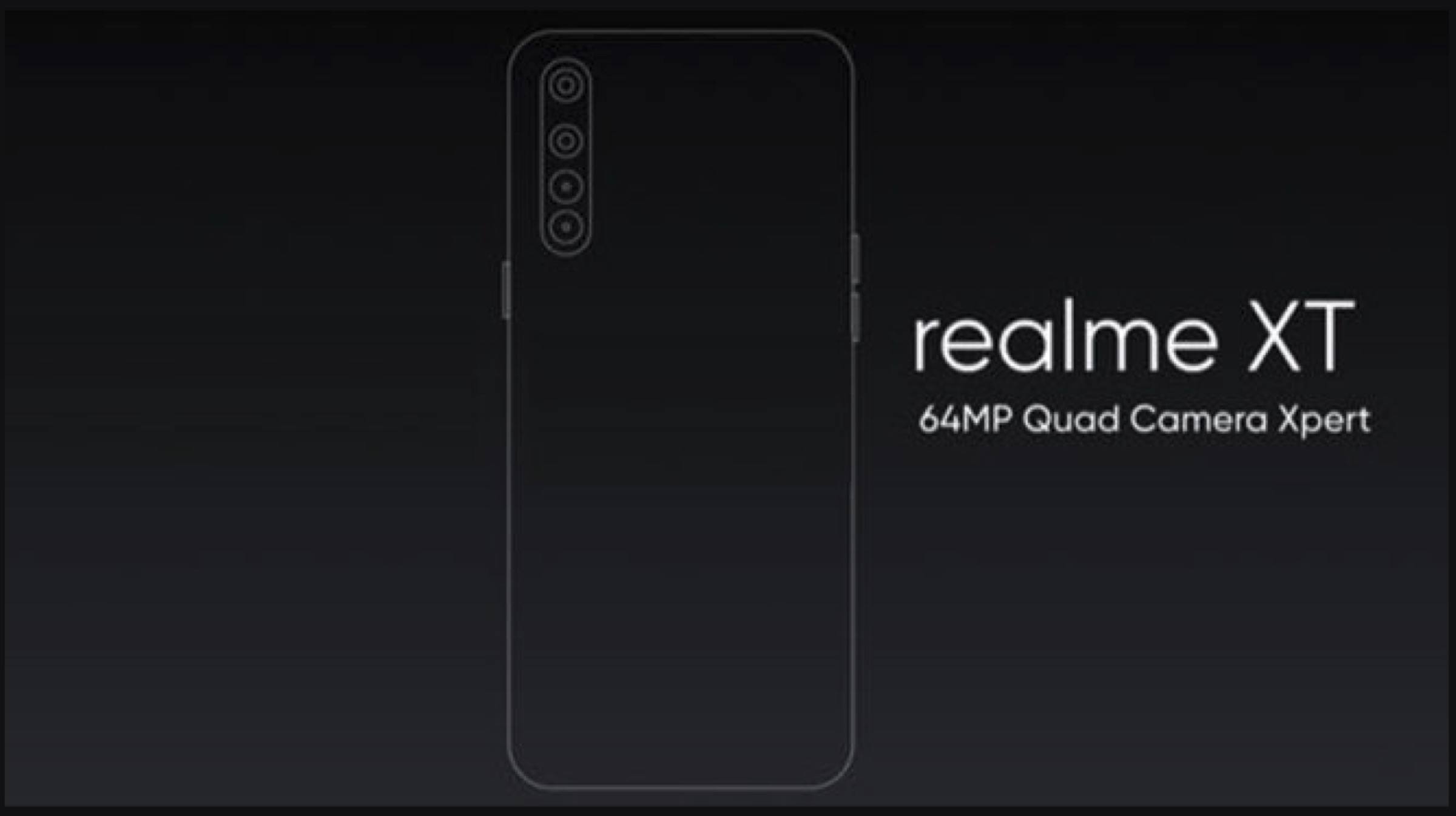
On 20th of August 2019, Realme unveiled its Realme 5 series of smartphones which will debut in India. The event saw details regarding the devices and gave us a slight glimpse of what to expect in the near future. Previously, we had reported about an upcoming Realme smartphone with 64MP quad camera setup. Now, it has been confirmed by the company that the device will be called Realme XT.
What To Expect
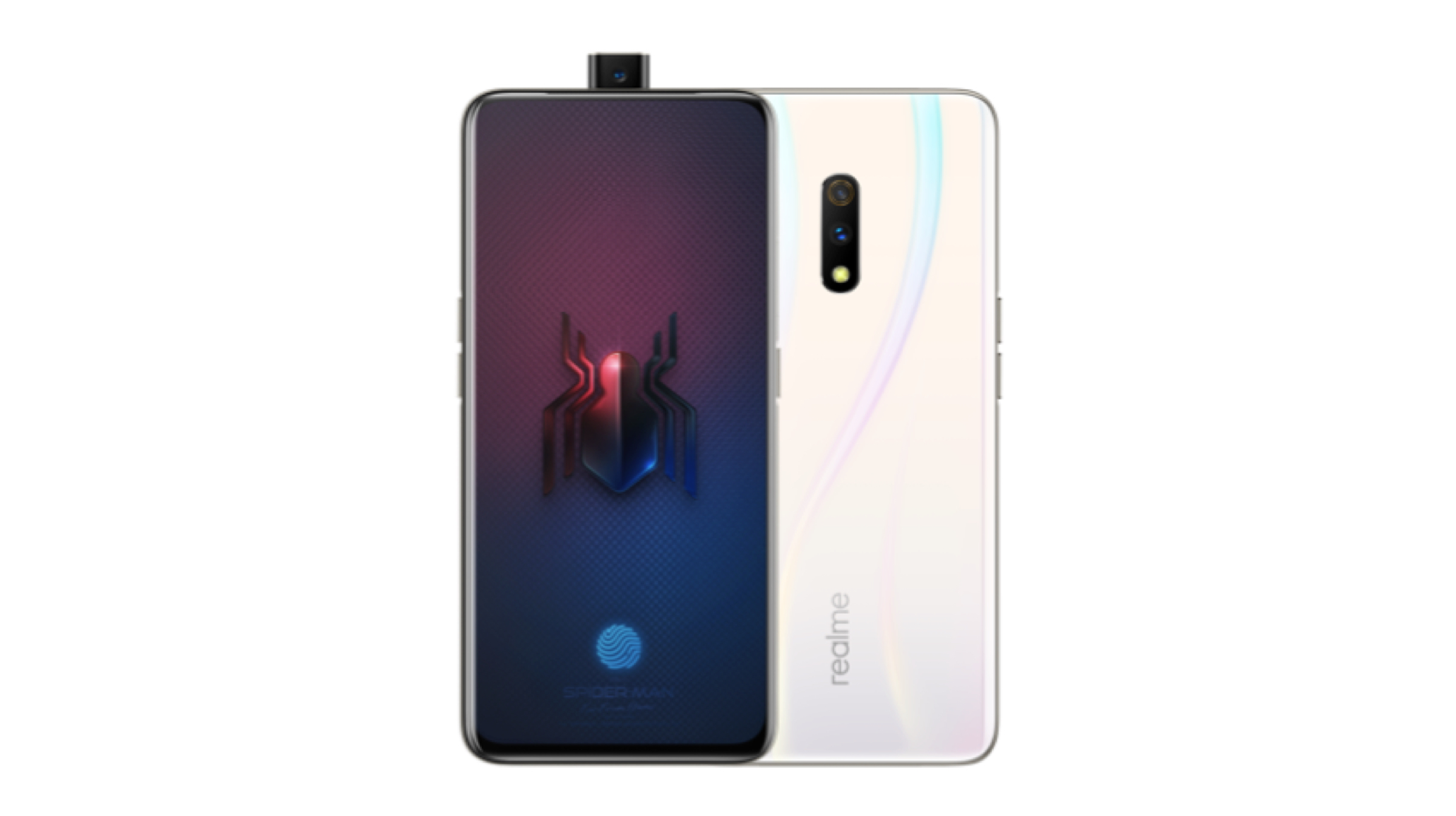
A 64MP Quad Camera Setup: Realme has already confirmed that the Realme XT will feature a quad camera setup with the primary camera being a 64MP sensor. Samsung launched the ISOCELL Bright GW1 sensor is the only sensor that fits the criteria. Hence, it is quite possible that Realme XT will feature this sensor. Unfortunately, it is not known what purpose the other three cameras serve. However, since Realme 5 Pro features an 8MP wide angle lens alongside a 2MP macro camera and 2MP depth sensor, similar sensors might also be found on the XT. Additionally, the smartphone may also house a popup selfie camera similar to its sibling, the Realme X.
Realme X Spiderman Edition
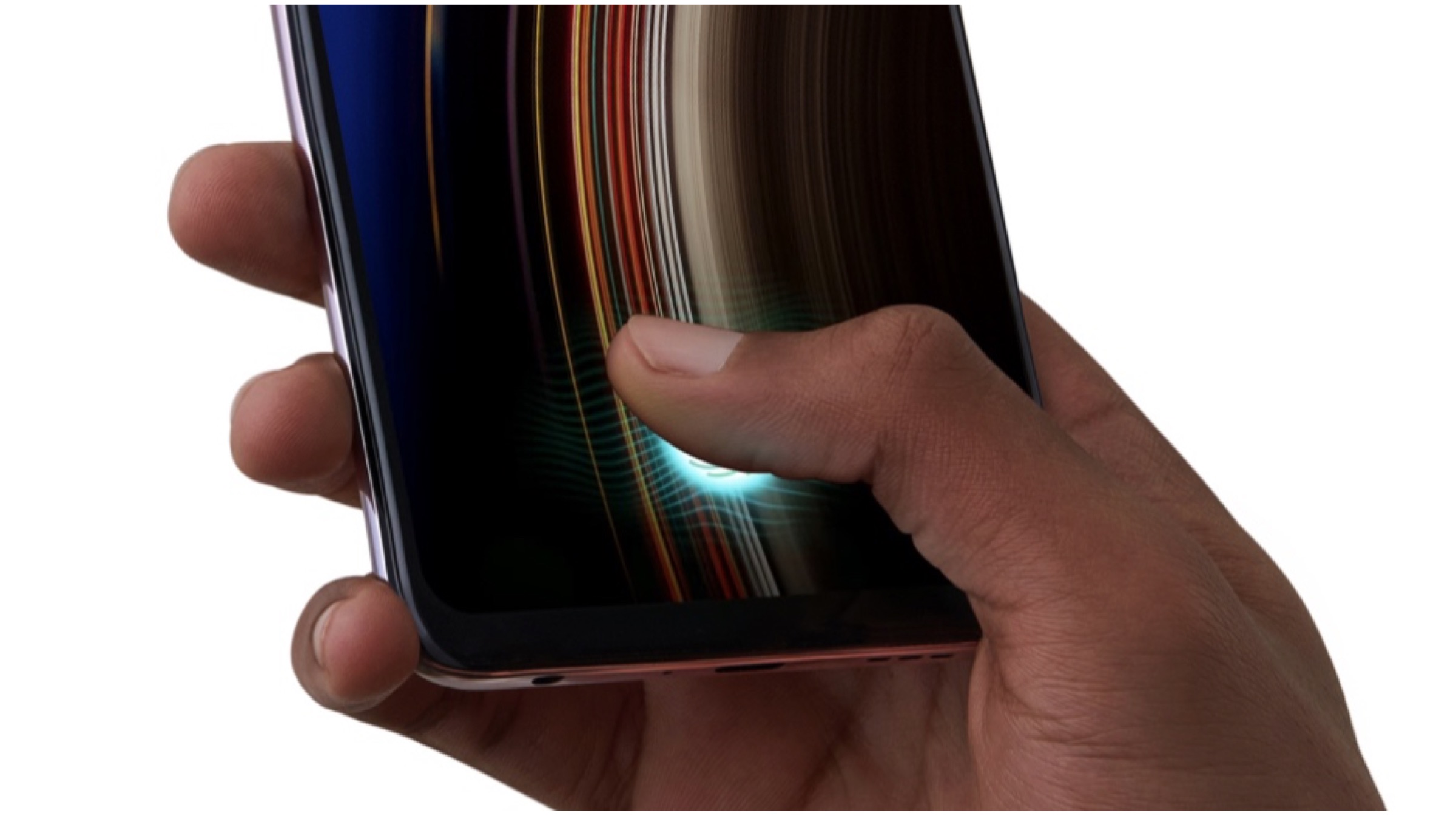
AMOLED Display: Earlier this year, Realme X was launched with a 6.53 inch AMOLED display. Furthermore, since the upcoming Realme XT is a beefed up variant of the same series, it is likely to sport an AMOLED panel. Notably, the company had teased a silhouette of the Realme XT which did not reveal a rear mounted fingerprint scanner. Thus, an in display sensor which is also present on the Realme X may make a reappearance.
Better Internals: The exact specifications of the Realme XT is currently a mystery. However, there is a high chance of it being a premium grade flagship smartphone. A Snapdragon 855+ device from Realme is expected to arrive soon and it might be the XT since Realme X was launched with Snapdragon 710 and was an upper mid range smartphone.
Realme XT is likely to be priced higher than existing members of the series. The reason for this is likely due to its bumped up camera specs and numbers alongside better internals. Lastly, the company had confirmed that the device will arrive right before Diwali. It means that we can expect a September-October launch date.
In the month of January, Xiaomi turned its Redmi smartphone lineup into a separate sub brand. Following the seperation, the first handset it launched was the Redmi Note 7. A couple of months after, it also launched the Pro variant of the smarpthone which has beefed up camera sensors and a better chipset.
Due to the value these handsets offer, they have become a global sensation. According to Xiaomi until now it has sold 20 million units of the Redmi Note 7 lineup worldwide which is a remarkable feat. A company official had previously revealed that the successors of these devices are in the pipeline.
Redmi Note 8 Pro Launch Date
On the 21st of August, the official Redmi account on the Chinese social media website, Weibo was populated with a teaser of the upcoming smartphone. According to which the Redmi Note 8 duo will be unveiled on the 29th of August which is just a week away.
The teaser also boasts of a ’64 MP’ camera sensor that the Pro variant will feature on the rear. In addition the rear panel also houses three additional camera sensors, an LED flash and a fingerprint scanner.
Redmi Note 8 Pro Features
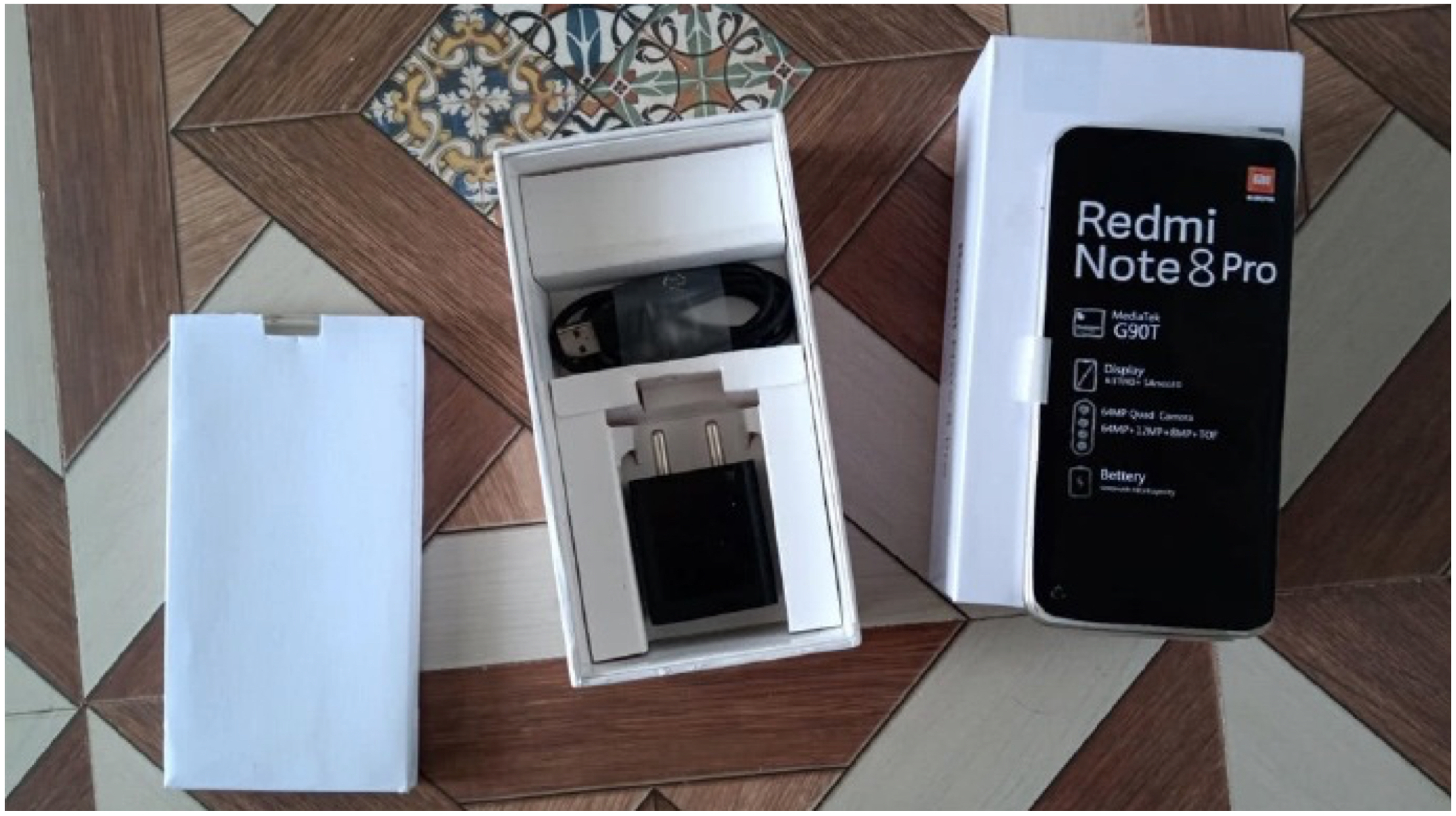
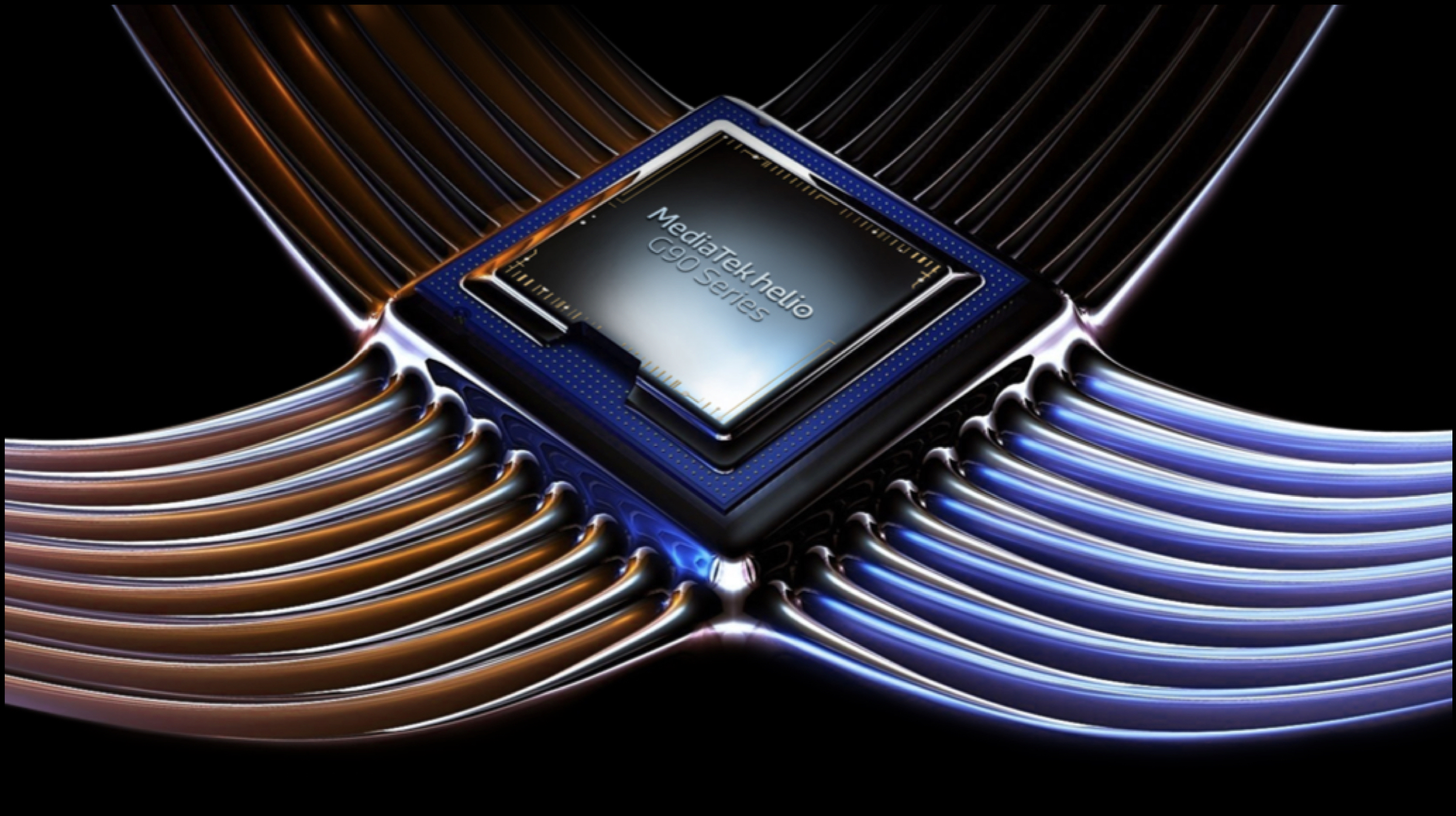
Noteworthy, a real life image of the upcoming smartphone was already leaked online which had revealed its key specifications. The Redmi Note 8 Pro will feature the MediaTek Helio G90T SoC which was unveiled last month. Although the image is not very clear, the smartphone is expected to be powered by a 5,000 mAh battery that the alleged Redmi 8A will also have.
Details about the display of Redmi Note 8 lineup are currently unavailable but it is assumed to have a display atleast as big as it predecessor that features a 6.3 inch display.
In order to confirm all the leaks and rumours about the Redmi Note 8 lineup we will have to wait until its official launch which is set for the 29th of August.
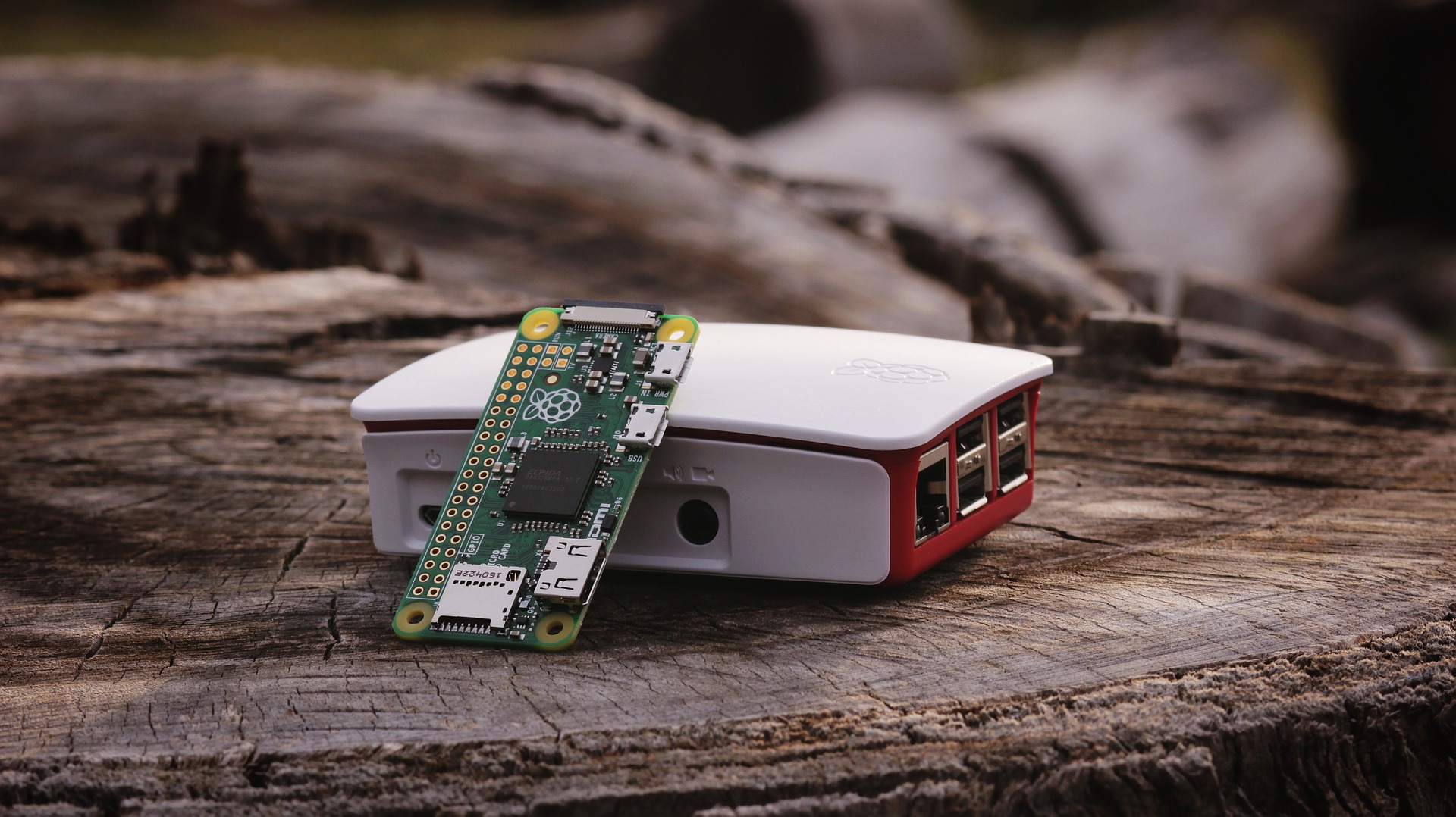
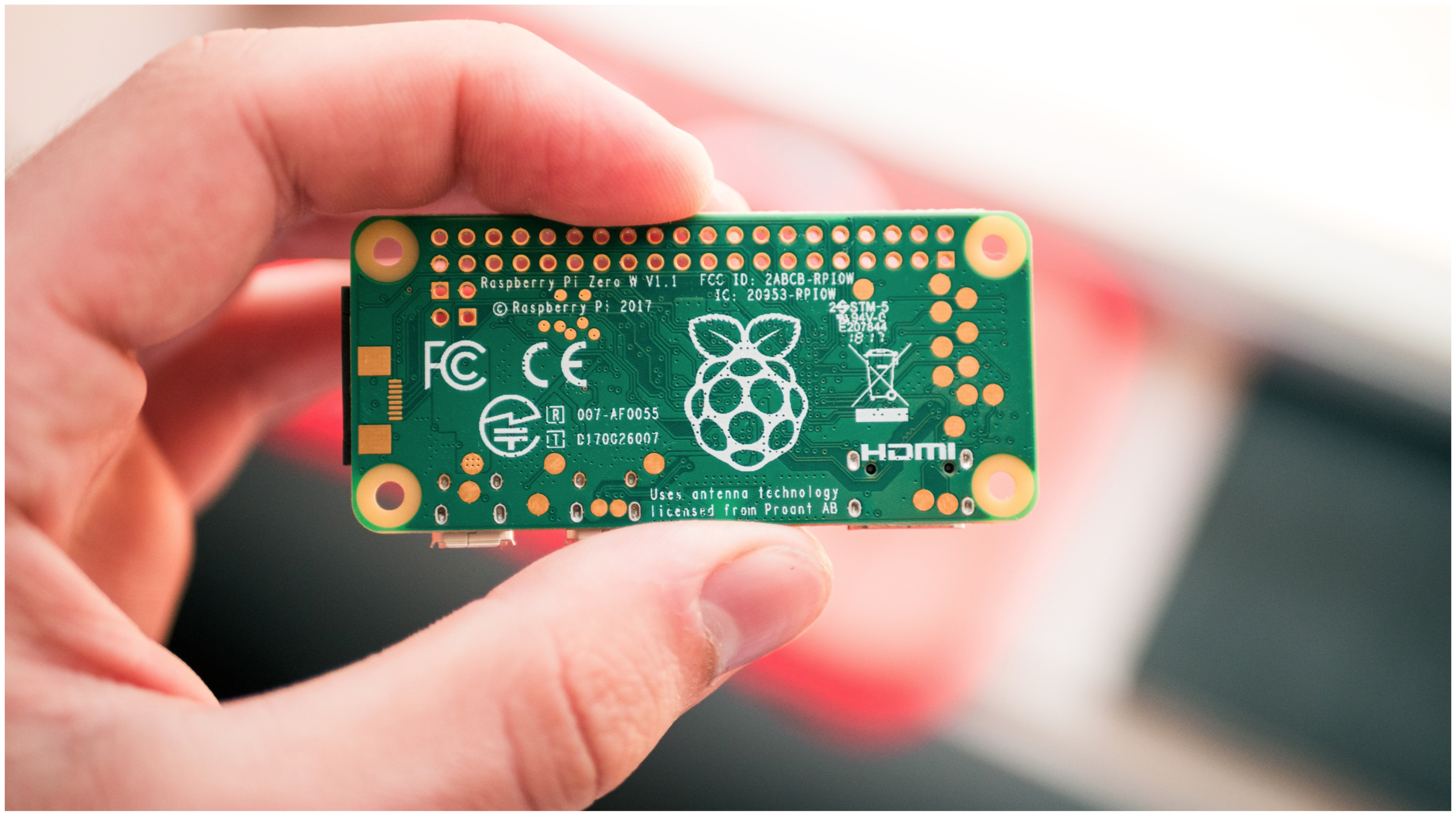
You have heard the term Raspberry Pi at several occasions and are curious to know what’s the deal with this palm-sized PCB (printed circuit board). Worry not, after reading this comprehensive article you will know the basics, features and applications (uses) of this modern marvel that has had a major impact on the world of computers.
To begin with, we will answer the question ‘ What is Raspberry Pi? ‘. In simplest terms, it is a single-board computer that can run a variety of operating systems ranging from Windows to Linux. You must be thinking that’s it, Yes it literally is. Notwithstanding, now you are confused about what is a single-board computer. Here you go, this is some brief information about this fancy keyword that you have just stumbled upon.
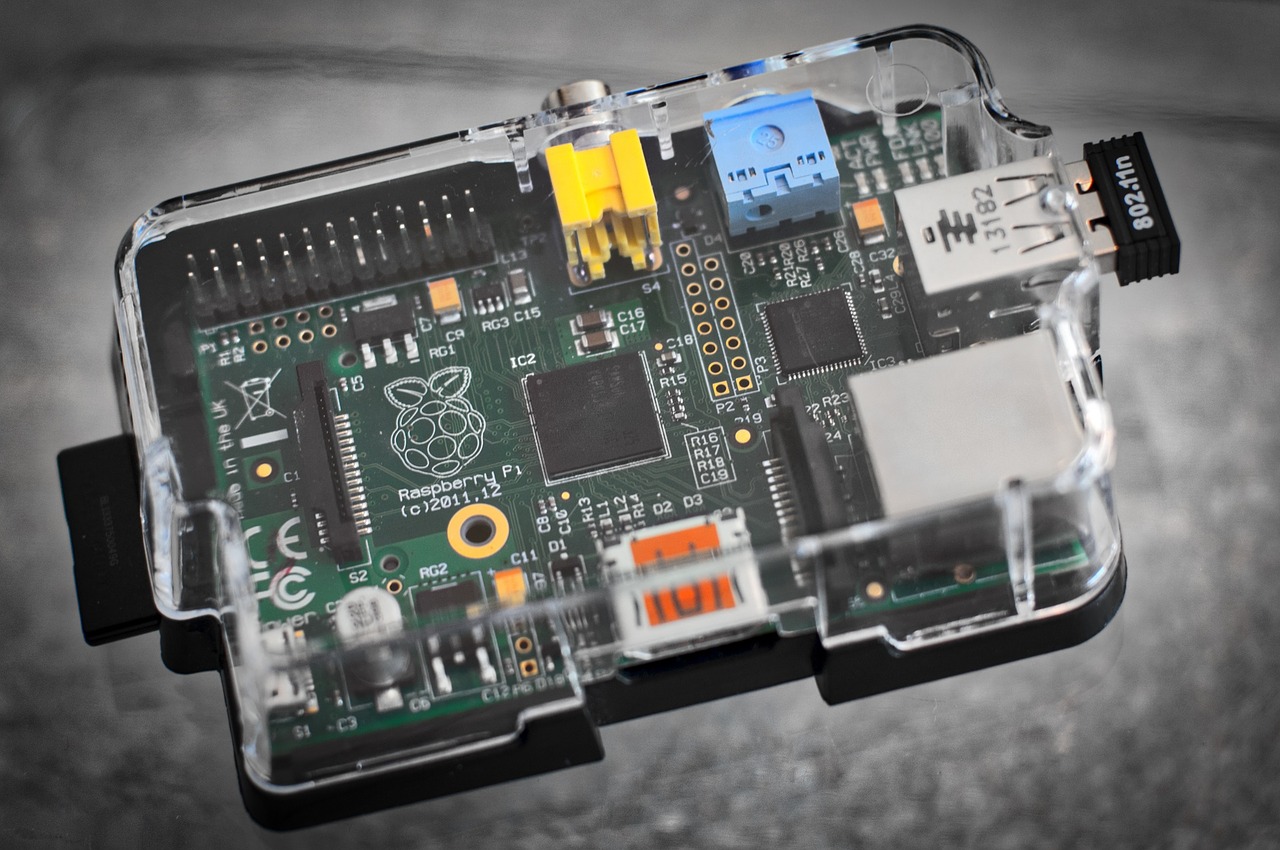
A single-board computer including the Raspberry has all the necessary components that a conventional PC or notebook computer has, which incorporates a RAM, ROM, CPU and I/O Ports (Input/Output). However, all of these are soldered onto just one PCB rather than being spread in a CPU enclosure.
You might be thinking there must be several other single-board computers in the market but why is Raspberry Pi is so popular. The concise answer to the question is that it was developed to be affordable and this factor alone is one of its biggest success mantras. Besides, there are several other reasons as well which will discuss later in this article.
History Of Raspberry Pi
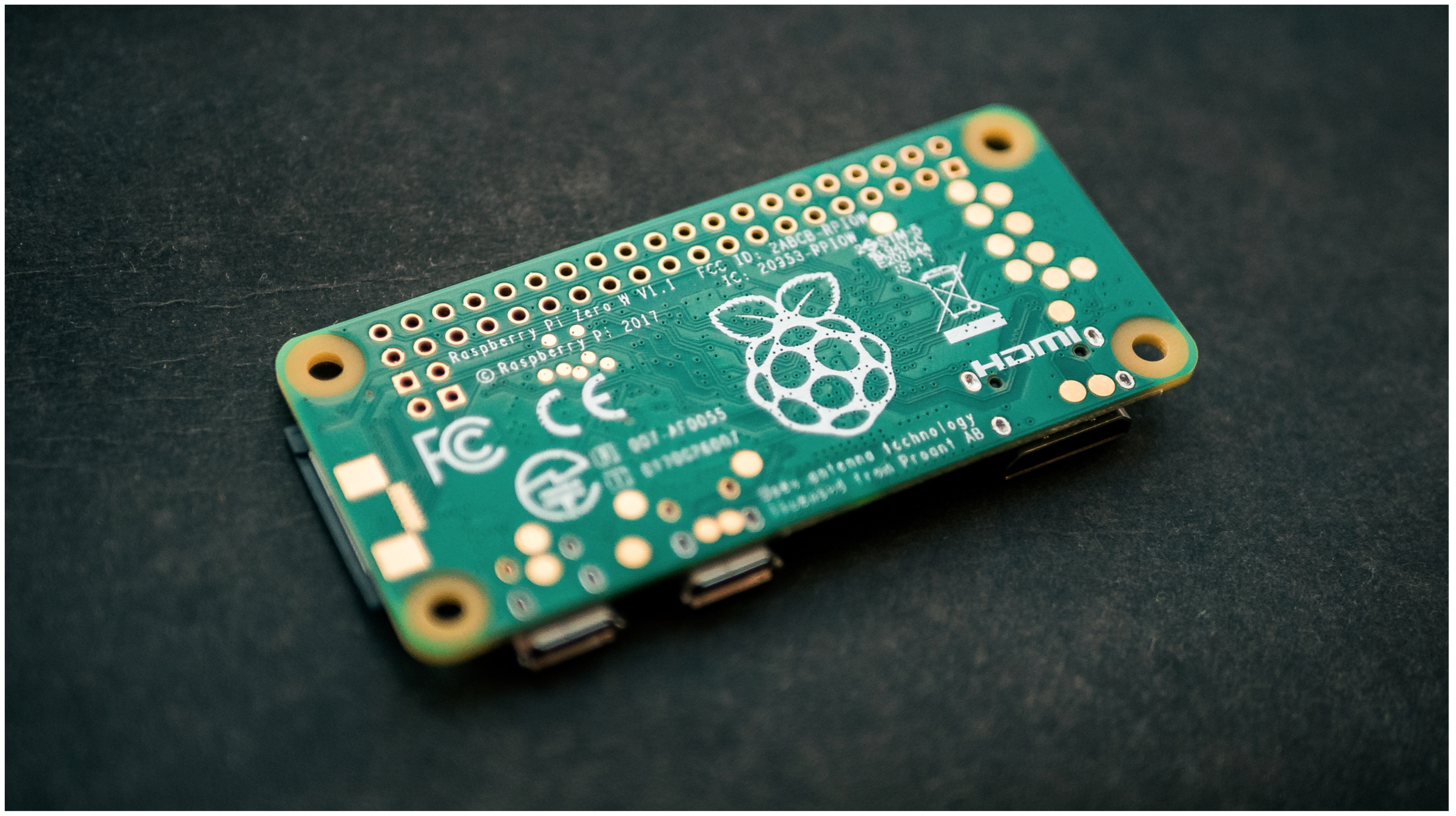
Raspberry Pi W
The original Raspberry Pi was released in the year 2012 by a UK based charity funded organisation called the Raspberry Pi Foundation. According to its founders, it was designed and developed to promote the teaching of basic computer science in schools and in developing nations which it has been highly successful at.
Not only that, but it has also become the go-to choice for DIY enthusiasts who need a robust solution for their electronics projects. Over the last 7 years, the organisation’s foundation has launched numerous generations of this tiny computer which are listed below.
Raspberry Pi Generations And Price
Family
Model
Form Factor
Ethernet
Wireless
Released
Price
Raspberry Pi 1
B
Standard
(85.60 × 56.5 mm)
Yes
No
2012
US$35
A+
Compact
(65 × 56.5 mm)
No
2014
US$20
Raspberry Pi 2
B
(65 × 30 mm)
Yes
No
2015
US$35
Raspberry Pi Zero
Zero
(65 × 30 mm)
No
No
2015
US$5
W/WH
Yes
2017
US$10
Raspberry Pi 3
B
Standard
Yes
Yes
2016
US$35
A+
Compact
No
2018
US$25
B+
Standard
Yes
2018
US$35
Raspberry Pi 4
B (1 GB)
B (2 GB)
B (4 GB)
Standard
Yes
Yes
2019
US$35
US$45
US$55
Raspberry Pi 4 Specifications
While the previous generations were worthwhile, the latest Raspberry Pi 4 has lifted the bar to another level which is reflected by its specifications.
Due to RAM capacities as high as 4 GB and powerful CPU it even supports dual 4K output.
Raspberry Pi Uses
Desktop Replacement: Right of the bat, the Raspberry can be used to run a full-fledged operating system that can perform all the basic computing tasks like browsing the web, watching videos or editing documents. As previously mentioned, it can run operating systems like Windows and Linux. However, running a certain OS like Windows 10 on models like the tiny Raspberry Pi zero or some of the older generations could turn into an unenjoyable experience.
Nevertheless, the Raspberry Pi Foundation has developed its very own OS called ‘Raspian’. It is a lightweight operating system which is optimised to run smoothly on the ARM-based architecture. Noteworthy, the credit card-sized computer does not have inbuilt storage therefore, device owners must use a microSD card with a pre-installed operating system installed.
Media Center/ HTPC (Home Theater PC): Although smart TVs are all the rage nowadays, users need to shell a considerable sum of money to purchase them. Besides, dealing with an existing TV could be another challenge. A Raspberry Pi with the help of softwares like OSMC and Kodi media player can easily convert any LED or LCD display into a full-fledged media centre.
Besides playing media from a thumb drive or hard drive, users can also stream content from popular services like Amazon Prime or Netflix.
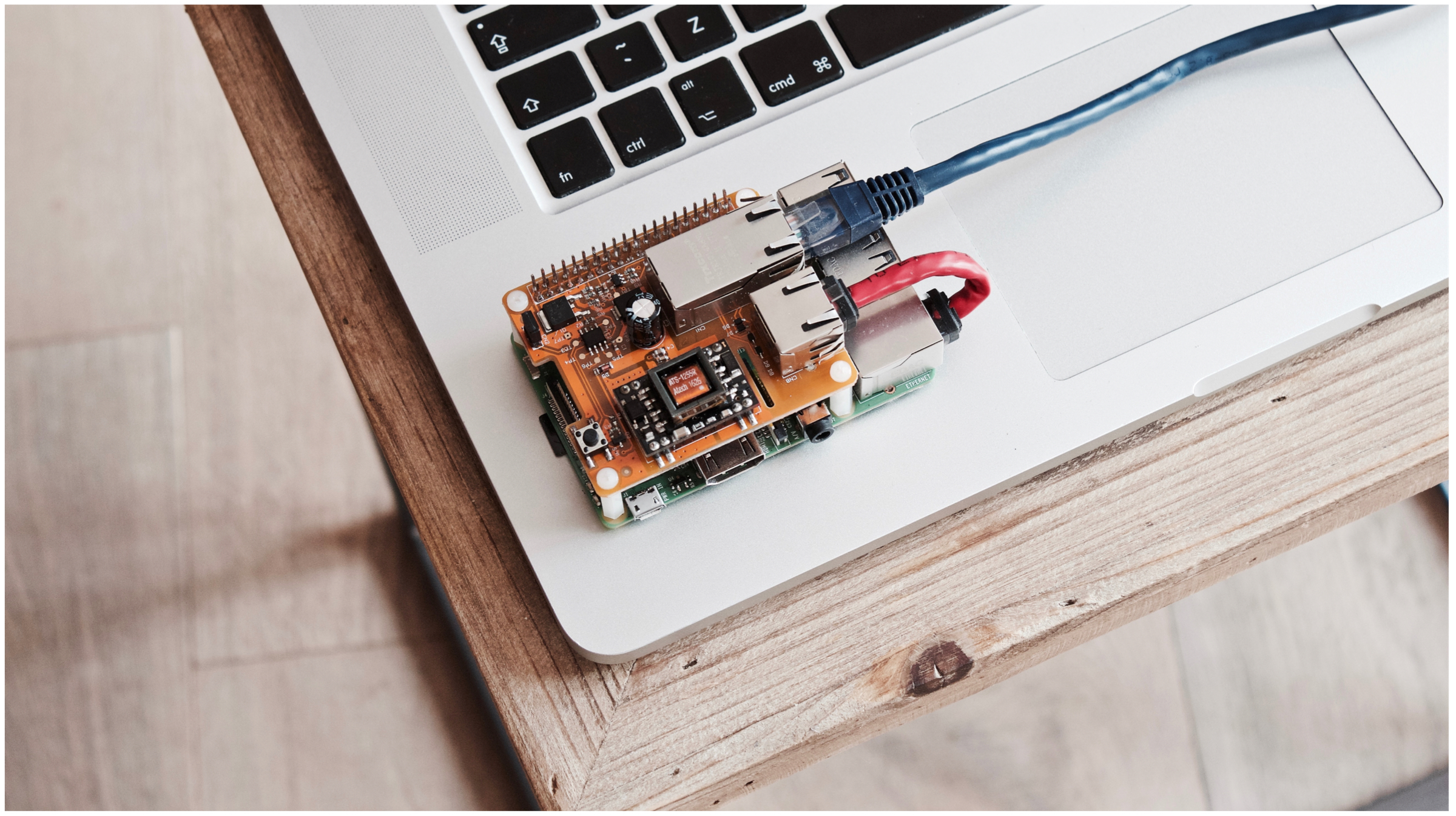
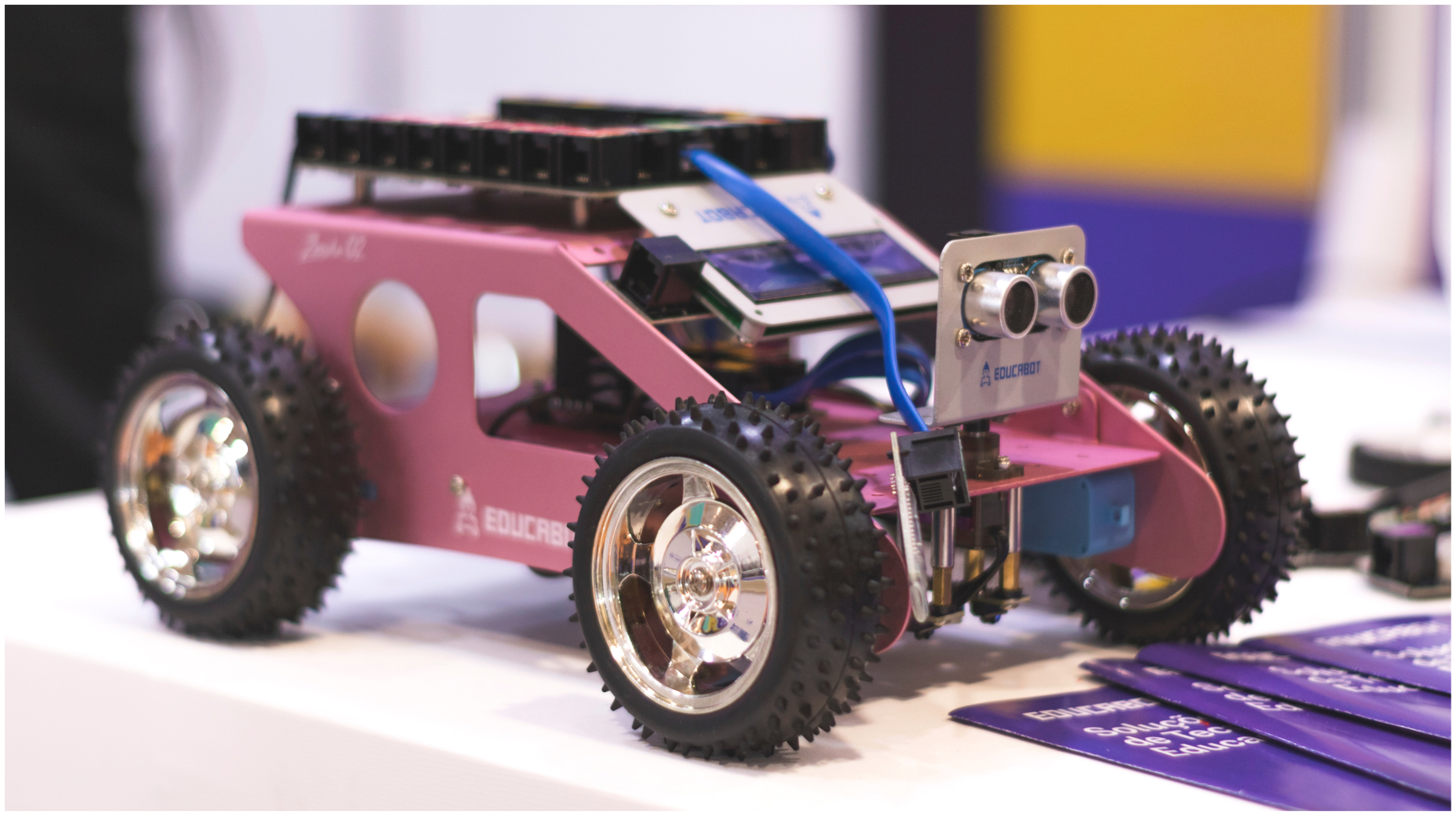
Robotics and Home Automation: Being an affordable computer which supports a wide variety of input/output ports and pins. This single board computer has become a preferred choice of engineers and DIY enthusiasts who are incorporating into Robots and smart home devices.
Mentioned above are just a handful of uses of this tiny marvel. While its applications and uses are endless.
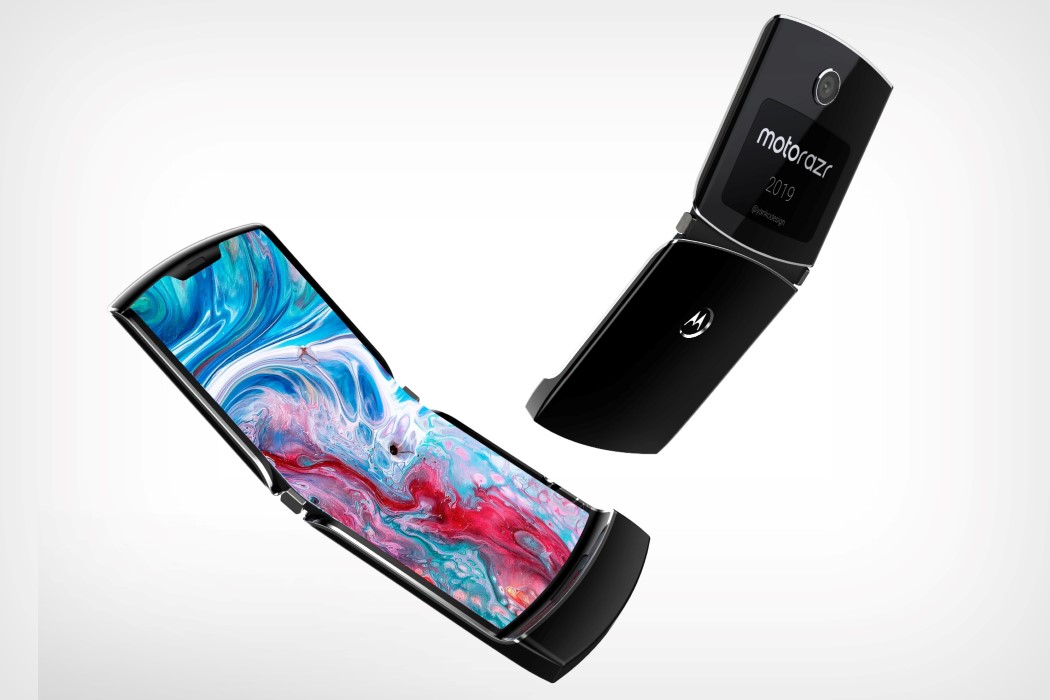
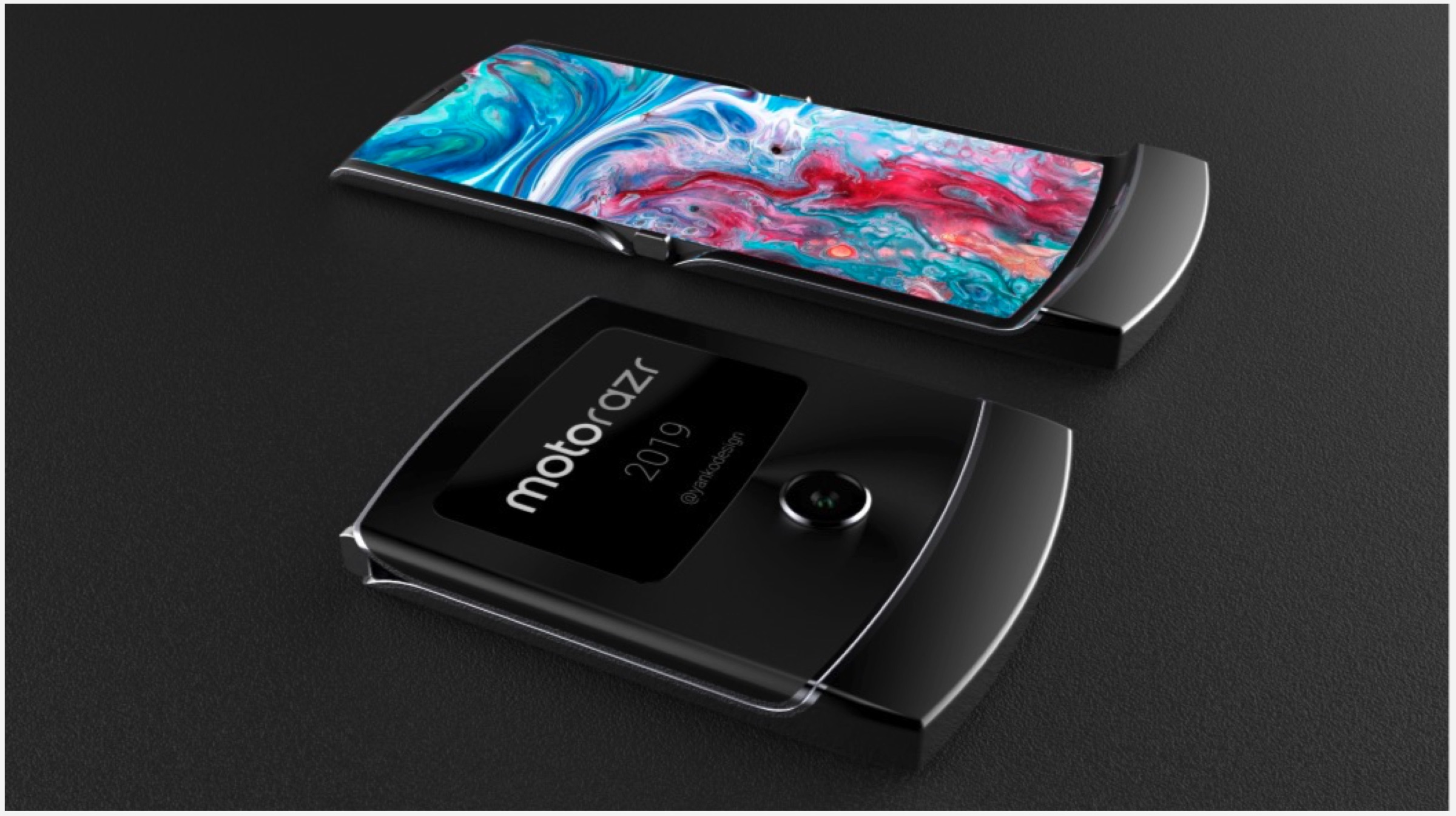
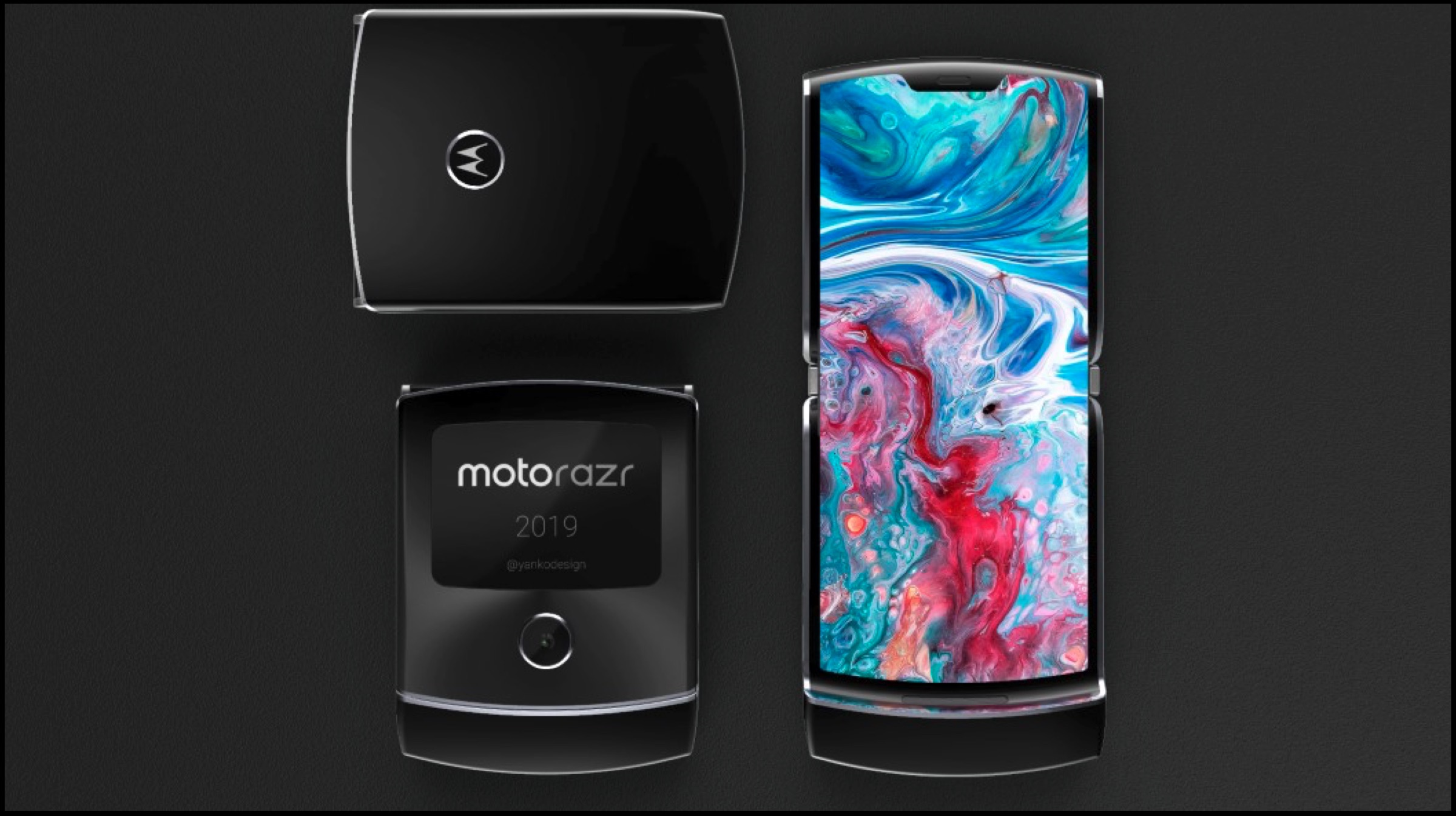
Earlier this year, we had covered multiple reports regarding Motorola’s Razr foldable smartphone. The device is the successor to the original Razr flip phones and will seek to revive the iconic series. The thing that sets it apart from its past generation is the foldable display in the form factor of a flip phone. It was confirmed by the company that the device was under development and we now have reports claiming it will launch in December alongside alleged pricing.
Motorola Razr
Motorola Razr is a refresh to the legendary lineup of sleek and compact flip phones that were extremely popular almost a decade ago. However, the 2019 Razr brings in a lot more than just better hardware and OS. The key feature is most definitely its folding screen that allows the device to have a very small physical footprint. In other words, it is compact and is minute compared to the large smartphone like the Galaxy Note 10. The handset also houses a small secondary display which was also seen in the previous iterations. Notably, the images are seen so far only showcase a single camera being present on the device.
Motorola Razr 2019 is expected to arrive in Europe in December and will carry a hefty price tag of EUR 1,500 and USD 1,500 in the US. In Indian Rupee, it translates to the device being priced anywhere between INR 1,07,000 to INR 1,19,000. However, an Indian release has yet to be revealed. Furthermore, it is expected to be a mid-range smartphone with weaker specs in comparison to Galaxy Fold or Huawei Mate X but may still be more affordable than its competitors.
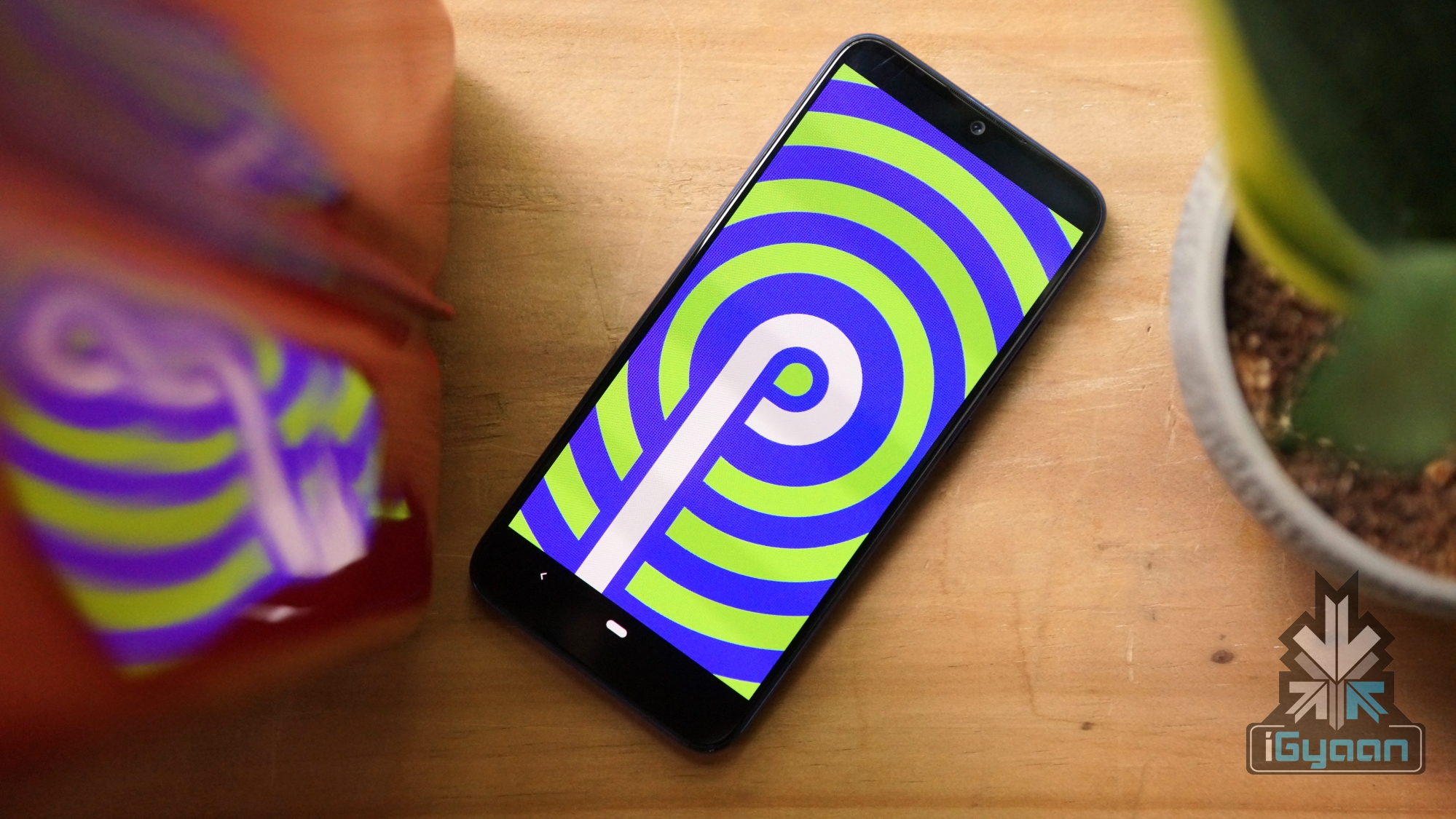
On the 21st of August, Xiaomi launched the Mi A3 smartphone in India which succeeds the Mi A2 from last year. Falling into the footsteps of its predecessor, the newly launched device is a part of the Android One program and runs on the stock version of Android which provides for a smooth and bloatware-free experience.
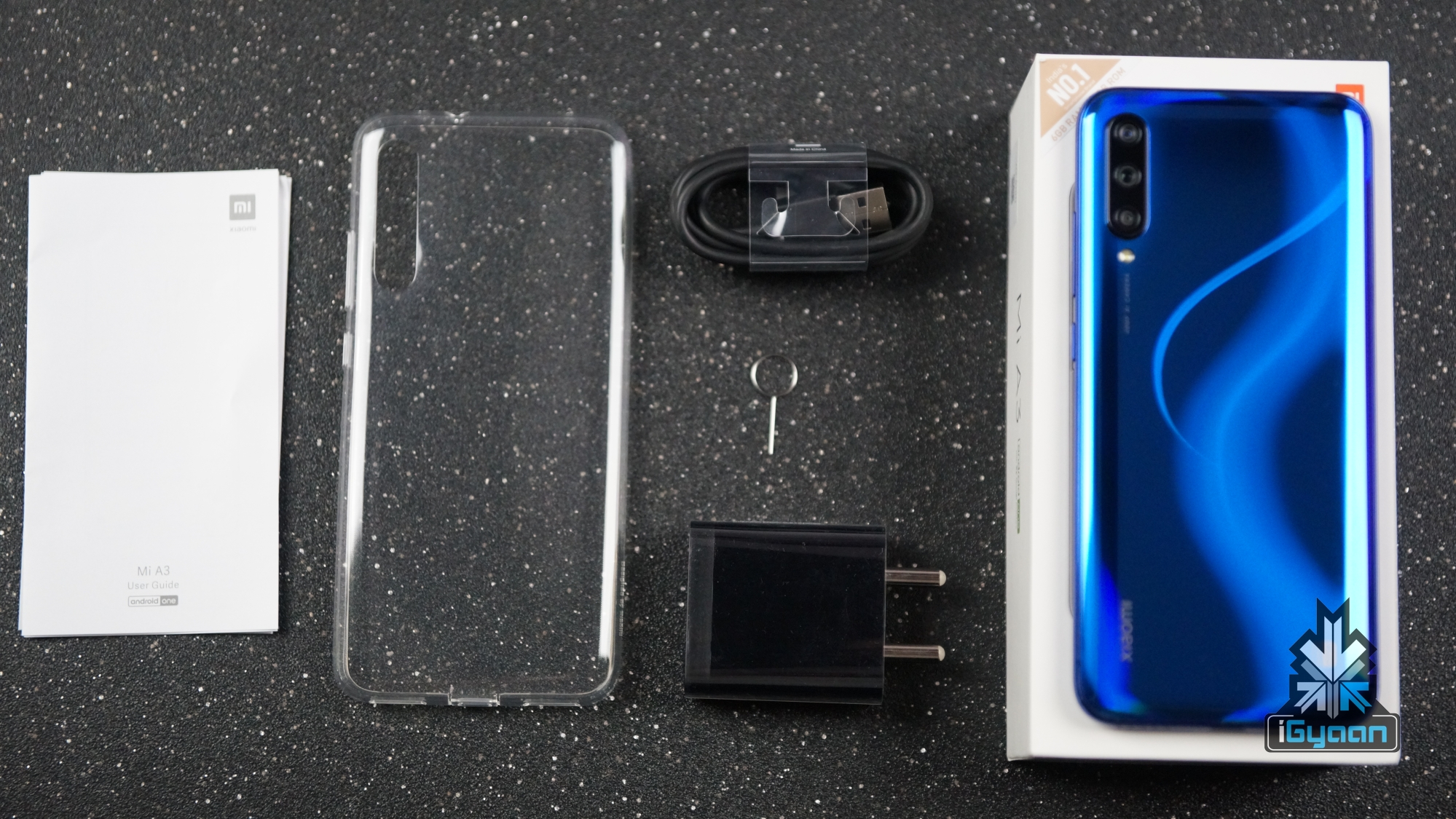
What’s In The Box?
Xiaomi Mi A3
Quick Start Guide
USB Type C Cable
Power Adapter
SIM Ejector
Protective Case
Design and Display
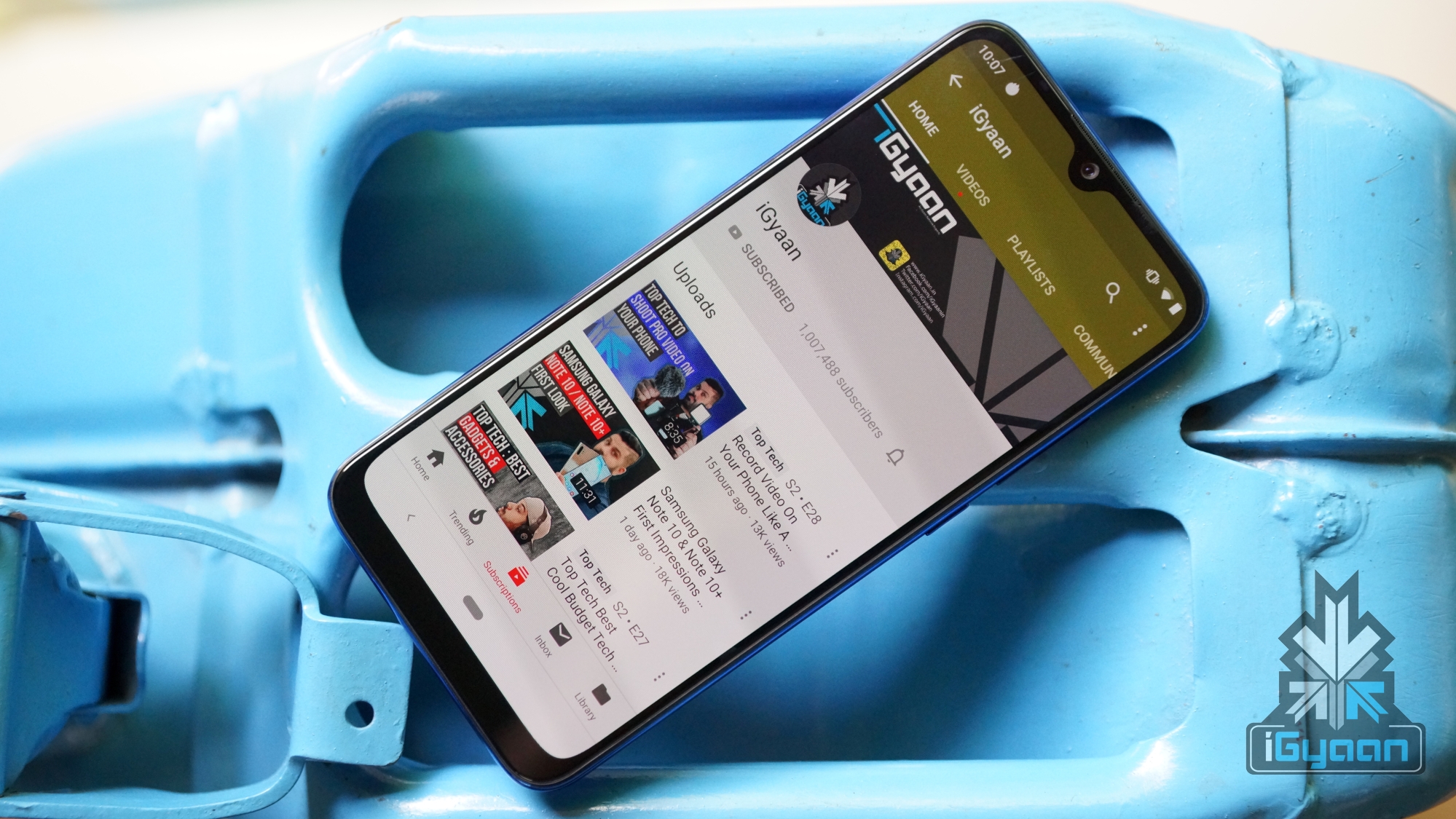
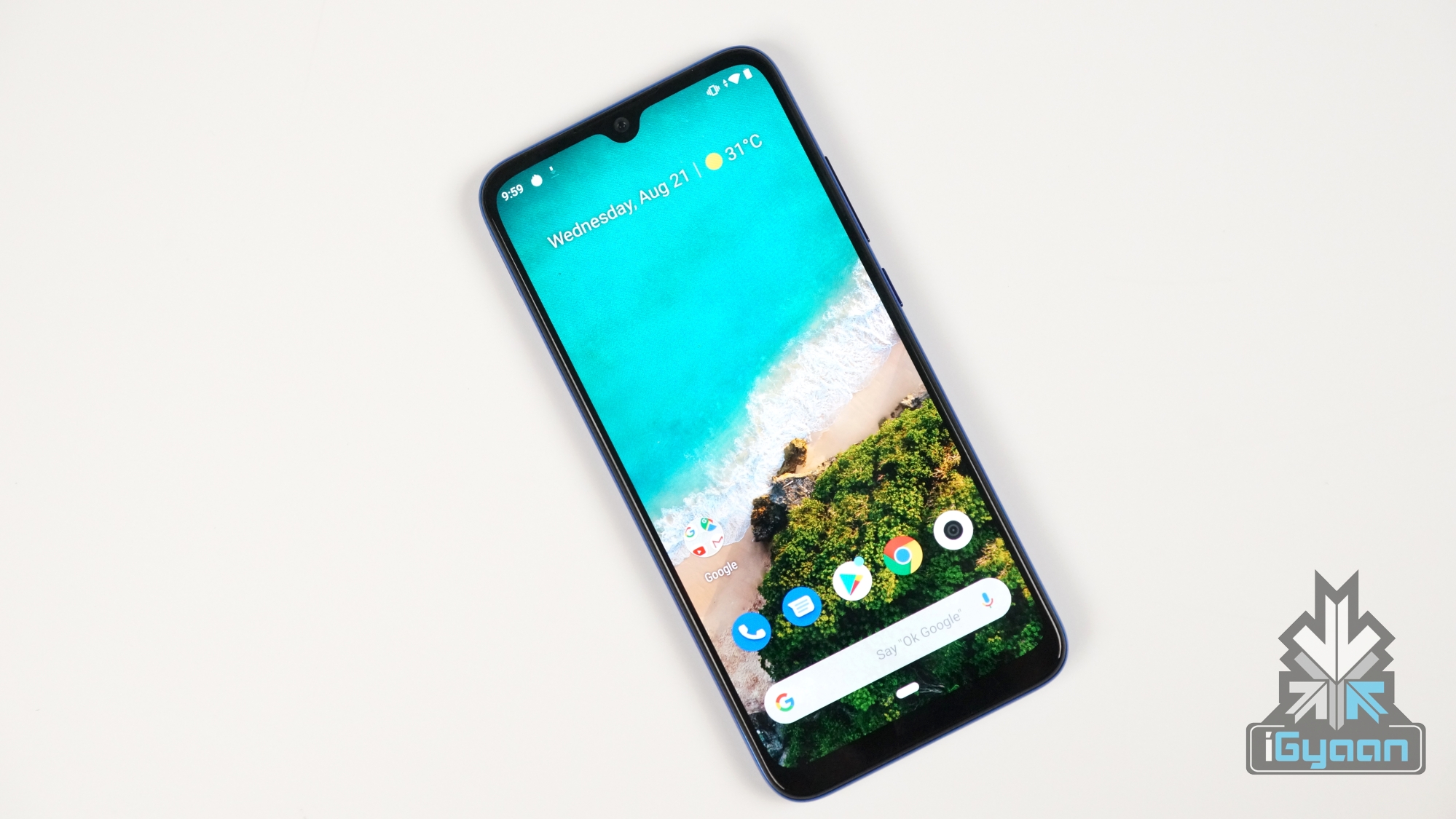
The front of the Xiaomi Mi A3 accommodates a 6.08 inch Super AMOLED display that features a waterdrop notch up top. The display panel has an aspect ratio of 19.5:9 and has an HD+ resolution of 1560 x 720 pixel. The display also features an in-display fingerprint sensor which allows to safely and securely bypass the lock screen.
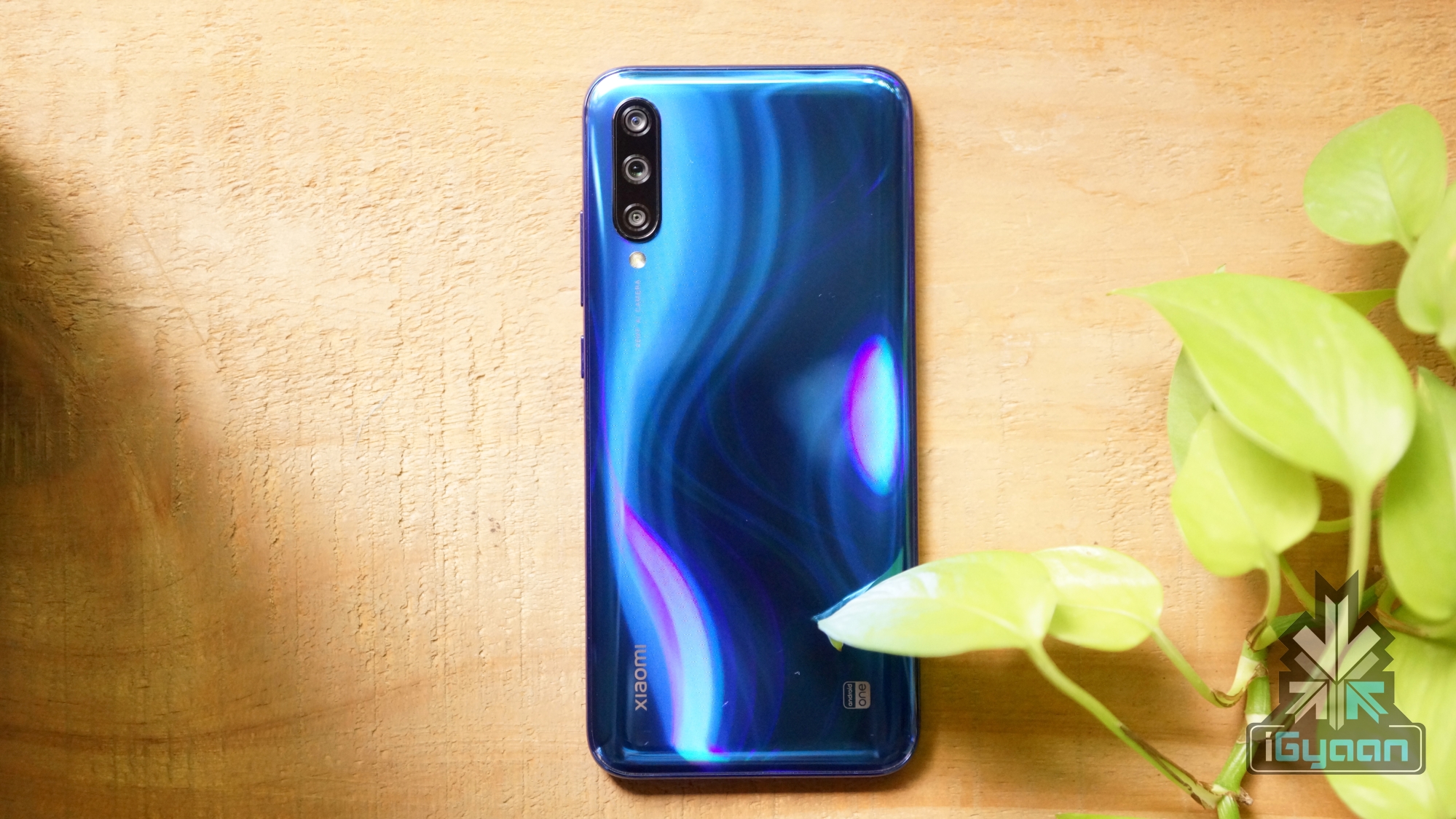
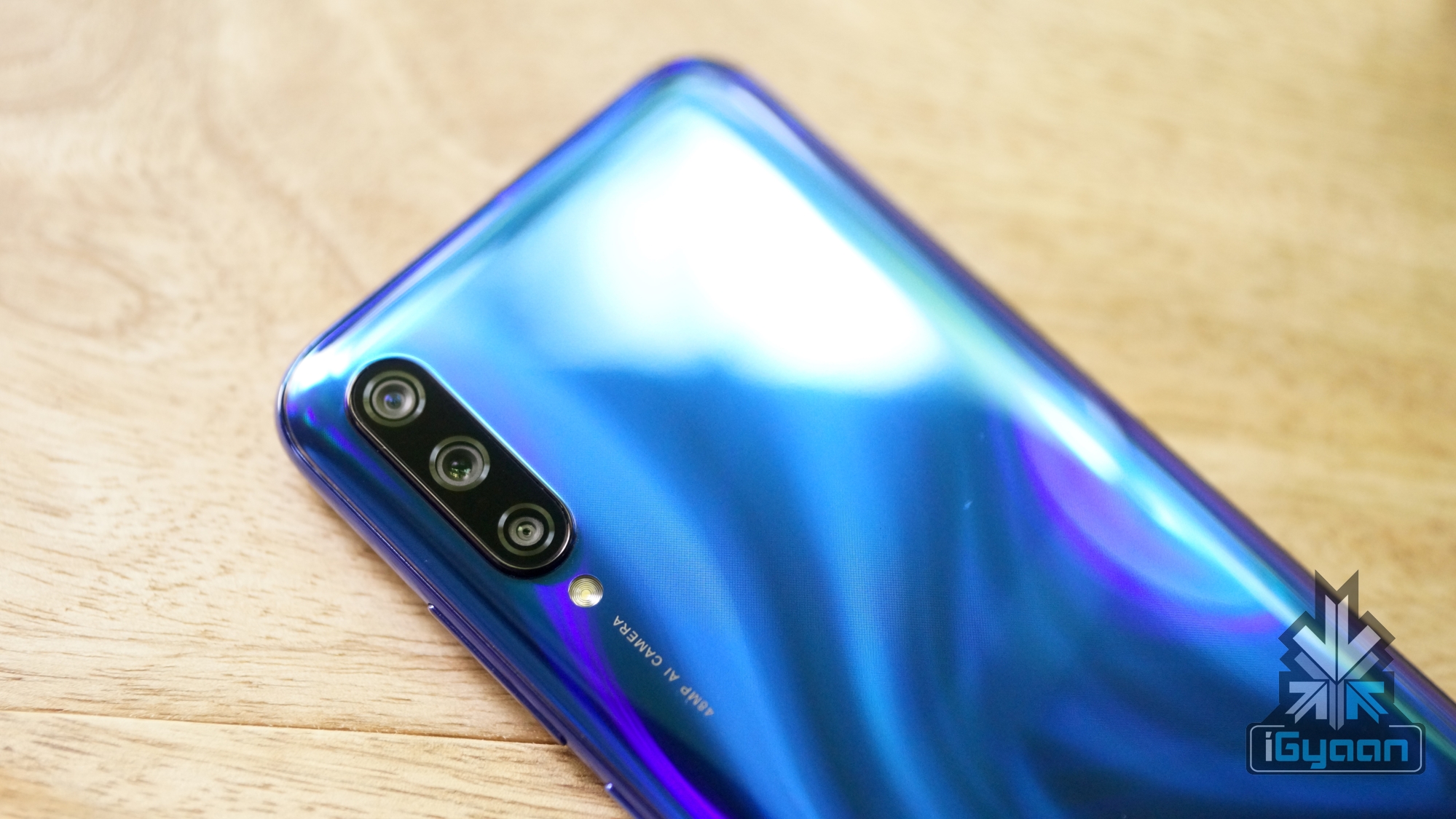
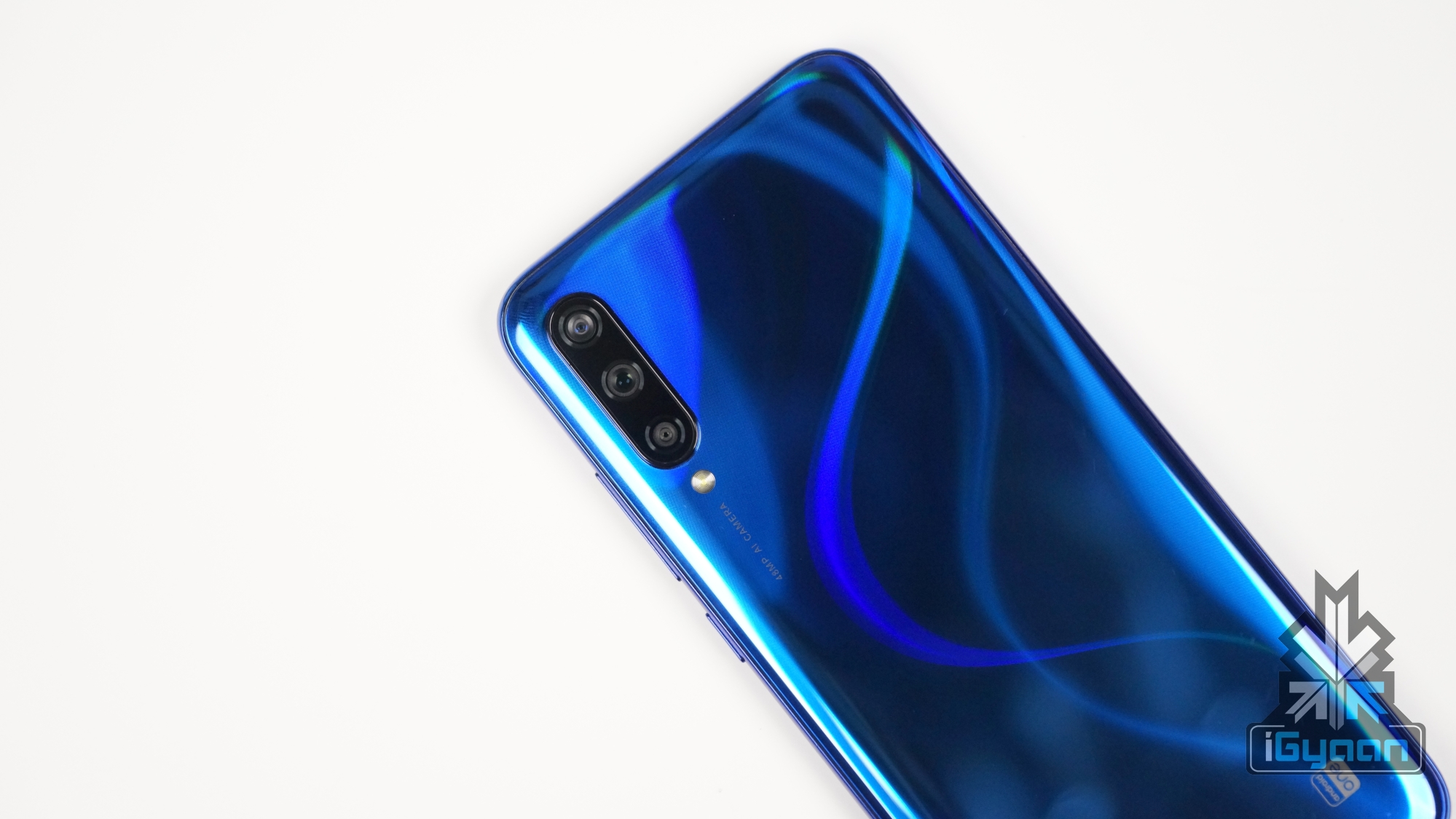
The rear of the Xiaomi Mi A3 is made out of glass which houses a vertically mounted triple camera setup, Android One logo and the company branding. The rear glass panel has a 3D design which reflects the light falling on it. Overall, the Mi A3 has a solid build and looks elegant at first glance.
Camera
The Mi A3 features a 32 MP selfie camera which is housed in the waterdrop notch above the display. Noteworthy, it also supports Panorama Selfie and Palm shutter. As the name suggests, a user can toggle the shutter button by waving there hand in front of the camera. While the Panorama selfie allows to capture a wide picture from the front camera which is ideal when there are multiple people in front of the lens.
The rear camera setup of the Xiaomi Mi A3 consists of an f/1.8 aperture equipped 48 MP sensor, 8 MP wide-angle lens and a 2 MP depth sensor which is accompanied by an LED Flash. The device can also capture 4K videos at 30 fps from the rear camera while video capturing from the selfie sensor is capped to 1080p @ 30fps.
Chipset
Under the hood, the Xiaomi Mi A3 packs the Snapdragon 665 SoC which is also found on the newly launched Realme 5. The chipset is manufactured using 11 nm FinFET process and it consists of an Octa Core CPU along with the Adreno 610 GPU.
As per our initial impressions, the Xiaomi Mi A3 can smoothly perform day to day tasks like navigating between apps and menus. While the device can handle light-weight games like a champ, it is not built to run games like PubG on high or extreme settings.
Battery, Connectivity Options and Other Features
The Xiaomi Mi A3 is powered by a 4,030 mAh battery which also supports fast charging upto 18 W. However, the device is shipped with a standard 10 W charger and users need to separately buy a compatible fast charger.
Connectivity options on the latest Xiaomi smartphone include Dual 4G VoLTE, Bluetooth 5.0, GPS, 802.11 ac Wi-Fi, 3.5 mm headphone jack and bottom-mounted USB C port which can be used for charging and data transfer.
Staple to most Xiaomi smartphones, the Mi A3 also has an IR blaster which can be used to wirelessly control home appliances or electronics like TVs or air conditioners. The device also has a P2i nanocoating which allows it to survive accidental liquid spillage or unexpected drizzles.
The Xiaomi Mi A3 is offered in three colour options which include Kind of Grey, Not just Blue and More than White. Like its preceding device, the smartphone will be sold via Amazon.in and the official Mi website. It is available in two storage variants for which the price is as follows:
4GB RAM + 64GB ROM: INR 12,999
6GB RAM + 128GB ROM: INR 15,999
In addition to the built-in storage, it also supports memory expansion upto 256 GB via a microSD card. The device will go on sale for the first time on 23rd of August starting 12 PM(IST).
Xiaomi’s launched the latest iteration of its Android One Mi A series last month in Spain. Dubbed the Mi A3, it is a direct successor to the Mi A2 and by its extension the Mi A1. The series has been popular in India with users particularly enjoying the stock Android experience. Mi A3 seeks to deliver much of the same experience with mid-range hardware at a lucrative price tag.
Xiaomi Mi A3
Xiaomi Mi A3 makes a noticeable change in design aesthetics over its predecessors with its new 3D glass finish on the rear. It offers an attractive look with gradient colour accents changing reflection with the angle they are viewed from. On the front, Mi A3 features a 6.08-inch HD+ Super AMOLED display which is a downgrade from the previous iteration which had an FHD+ display.
For photography, the Mi A3 features a triple camera setup with the primary shooter being a 48MP sensor. The latter two are an 8MP ultra-wide lens alongside a 2MP depth sensor. On the front, a large 32MP sensor for selfies can be found on a waterdrop notch. Notably, the Mi A3 is the first in the series to house the fingerprint scanner under the display. Furthermore, the handset houses Qualcomm’s Snapdragon 665 SoC with Adreno 610 GPU. The chipset has an Octa-core CPU and the Adreno 610 GPU.
Xiaomi’s Mi A3 is powered by a large 4,030mAh battery which supports 18W fast charging, however, the fast charger needs to be bought separately, as the provided capacity in the retail box is limited to 10W. For connectivity, the smartphone offers Bluetooth 5.0, an IR Blaster, USB Type-C port, Dual 4G VoLTE and a 3.5mm headphone jack. The last feature was omitted in the Mi A2 much to the loyal users disliking. Additionally, Mi A3 is an Android One device which means it runs the latest Android 9 Pie and is guaranteed to receive two major updates and security updates for up to 3 years.
Xiaomi Mi A3 will be available from 12 pm (IST) on 23rd August 2019. It can be purchased from Amazon and on Xiaomi’s official website. The smartphone is expected to be available on offline stores soon after. It is offered in three colour variants, namely Kind of Grey, Not Just Blue and More Than White. The device is offered in two different memory and RAM configuration that is:
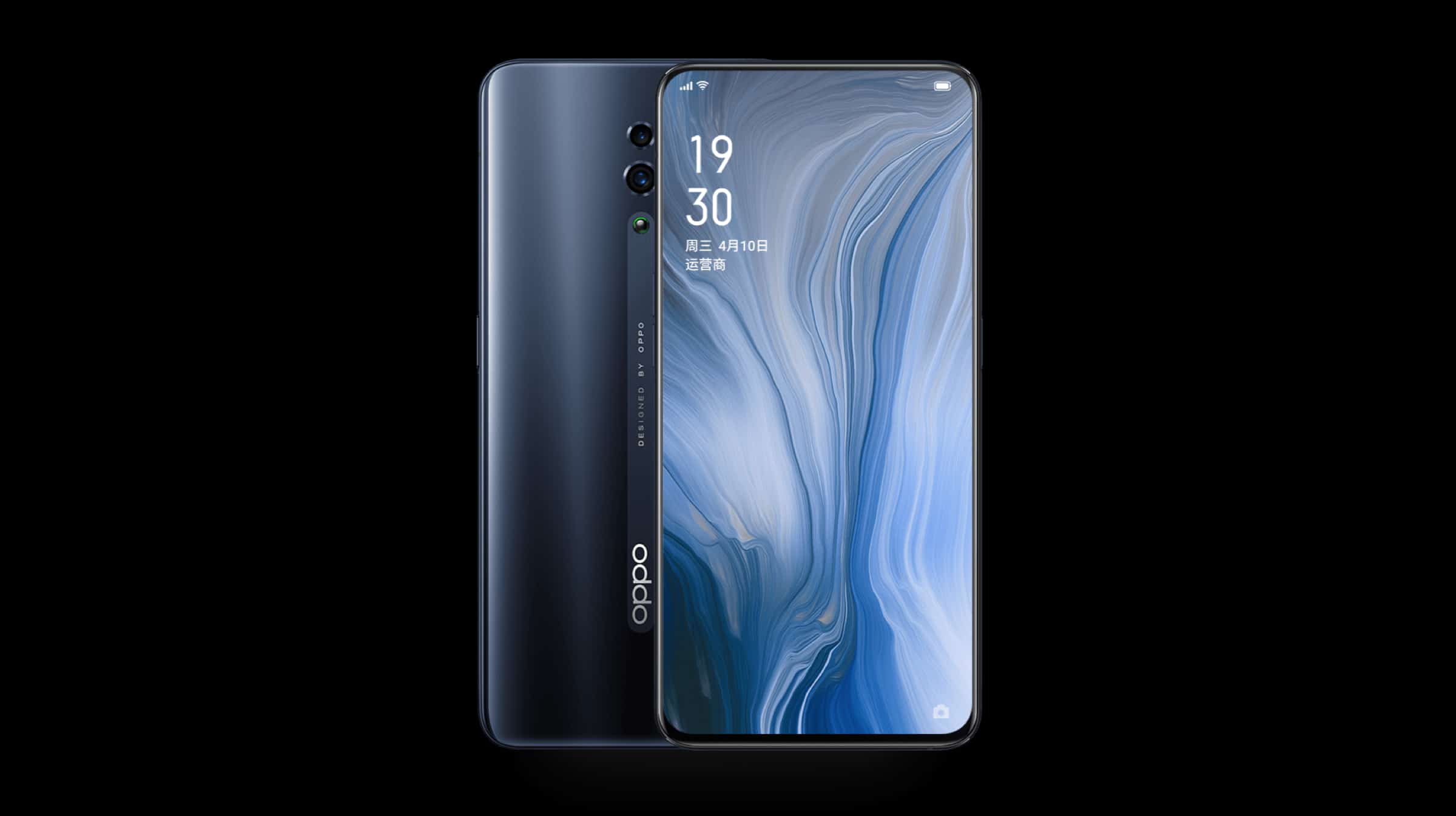
Oppo launched its Reno series of flagship and mid-range devices four months ago. Despite it being announced freshly, the series is already receiving a second-generation update. Previously, we had covered the official announcement and leak regarding three new upcoming Reno 2 series devices. Now, Oppo Reno 2 smartphone has its entire specifications leaked after it was spotted on a Chinese regulatory website TENAA.
Oppo Reno 2 Specs
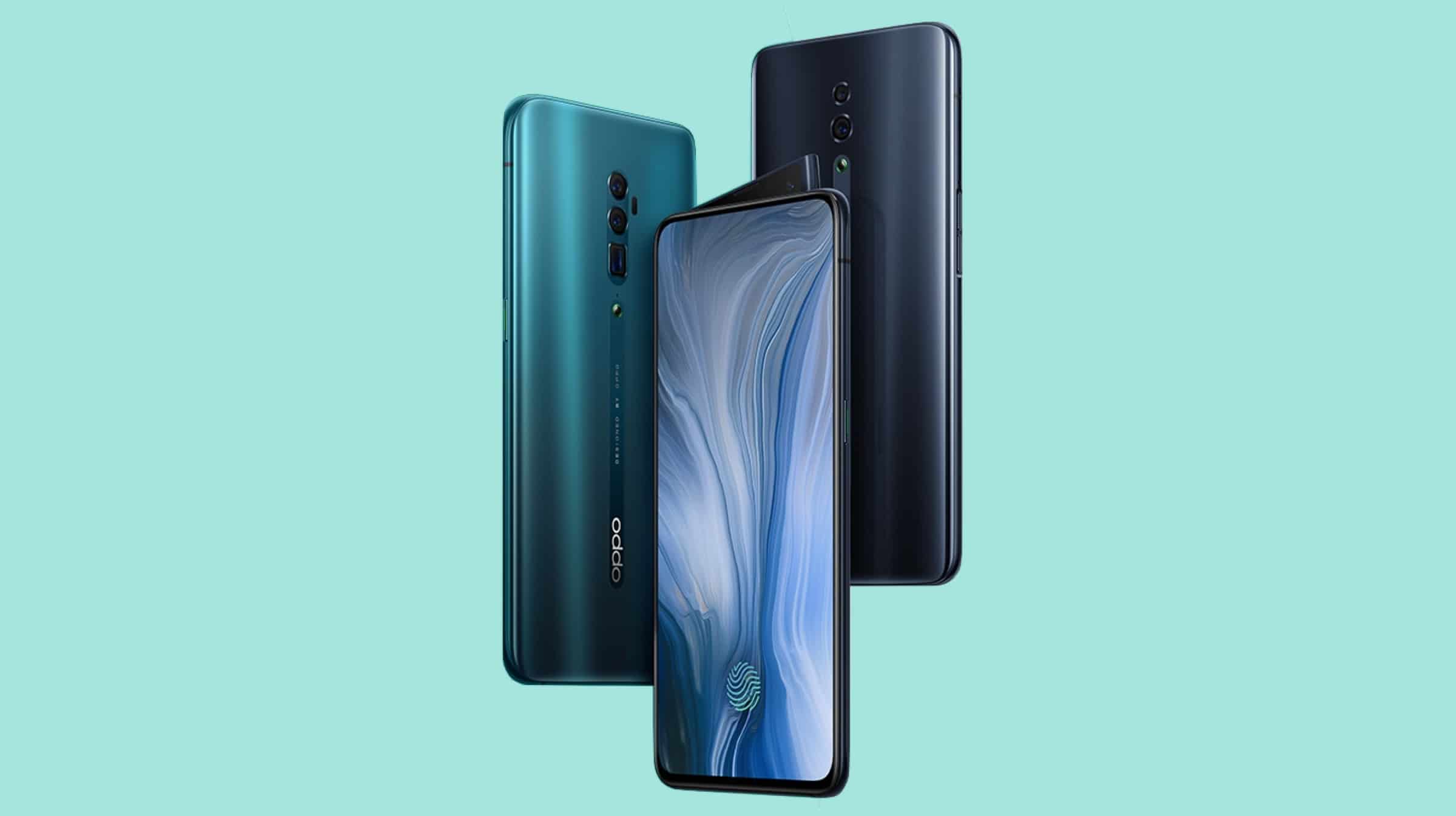
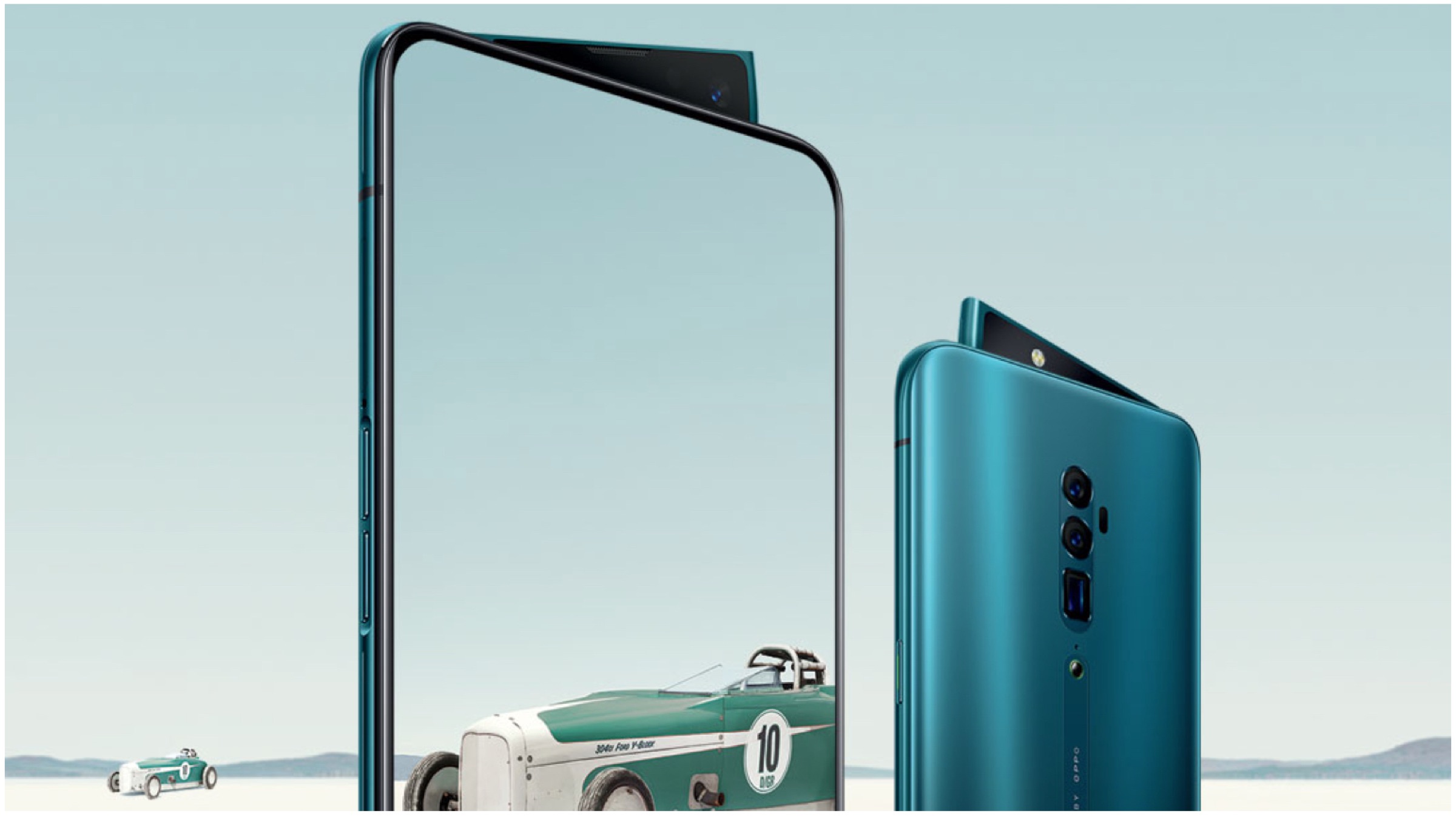
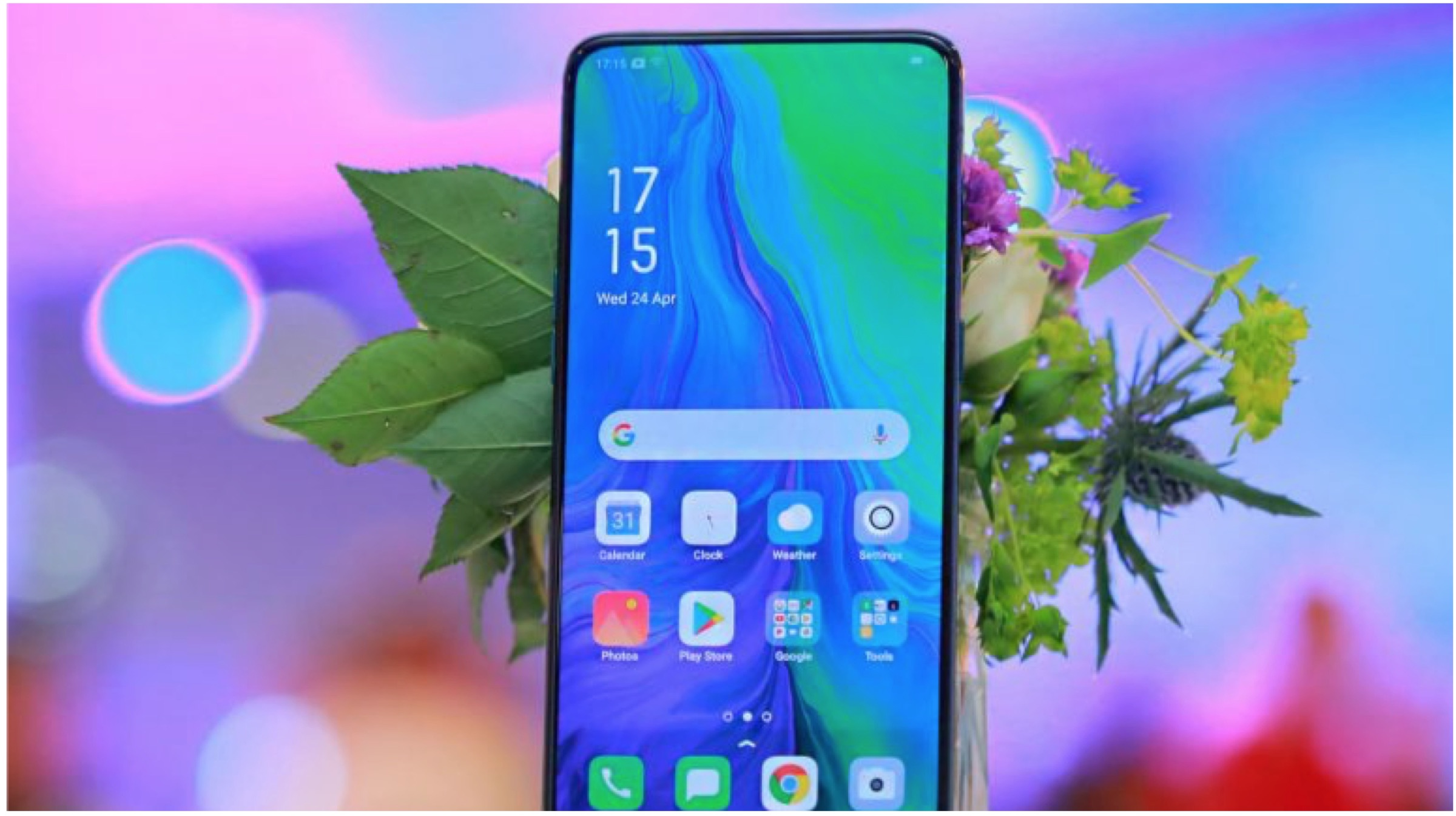
Oppo Reno 2 is a direct successor to the original Reno smartphone, not to be confused by Reno 10x Zoom flagship which will remain the company’s top-end offering. The latest iteration is speculated to offer a noticeable improvement in most aspects at the announcement expected on 28th August. Similar to its predecessors, Reno 2 will also sport a “shark-fin” pop up selfie camera that will allow for a notchless display. The device may sport a 6.5 inch FHD+ (2,400 x 1080px) AMOLED display on the front.
Oppo Reno
The listing further reveals that it will be powered by a 3,915mAh battery and may be offered with up to 8GB of RAM. For internal storage, Reno 2 may be available in 2 configurations, 128GB or 256GB. Furthermore, the Chinese website lists of an undisclosed 2.2GHz octa-core processor. It is speculated to be the Qualcomm’s Snapdragon 730 SoC, an improvement over the Snapdragon 710 chipset found on the original Oppo Reno.
Camera
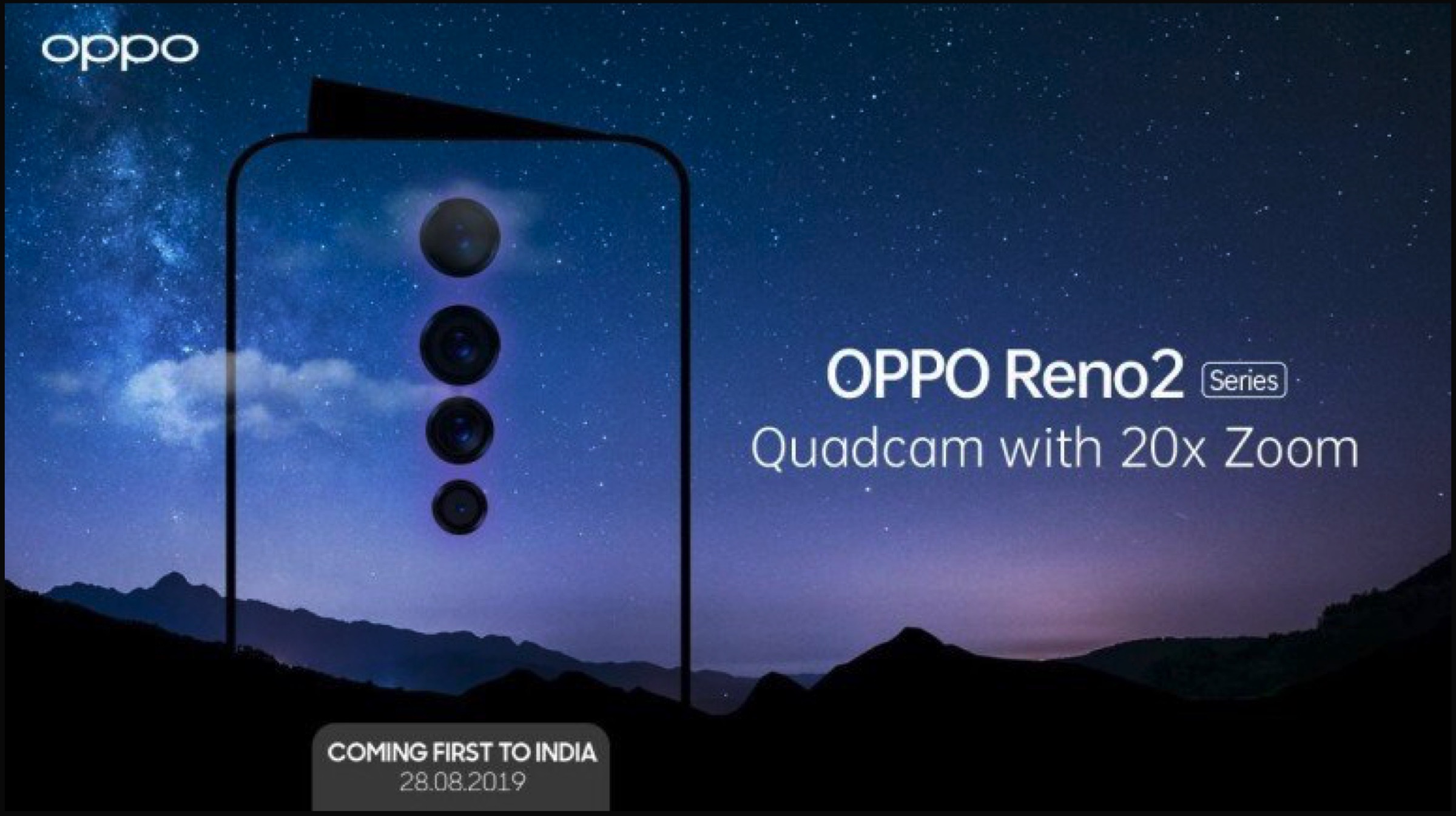
Oppo Reno 2 may also feature a quad-camera module on the rear that will be stacked vertically. The primary camera will be a 48MP shooter alongside three 13MP, 8MP and 2MP sensors respectively. It is assumed that at least one of the cameras is a depth sensor while others will be the 20x Zoom lens. However, Reno 2 may offer 2x optical zoom that allows for 5x hybrid zoom and the 20x digital zoom thereon unlike Reno 10x Zoom which has a 5x optical zoom along with 60x digital zoom. It suggests the upcoming devices do not employ the same periscope lens trick that its previous entry offered.
Oppo Reno 10x Zoom
Additionally, Oppo also shared another teaser that showcased a couple of new features for its Reno 2 series cameras. It includes Ultra Dark Mode, Ultra Steady Video and its 20x Zoom capabilities. Hence, Reno 2 is likely to use its multi-camera system to enhance low light imagery backed by image stabilization.
Oppo Reno 2 will be unveiled on 28th August 2019 and is expected to be priced around INR 35,000. It is currently unknown when the series will see a global launch but going by past reports, a UK, Australia and Asian launch can be expected to follow soon after.
Last year, Chinese smartphone maker OnePlus announced that it is ready to dive into the television business by launching an LED TV soon. A year has since passed and details about it started surfacing online. While it was known that the OnePlus TV will be launched this year, no exact date was revealed by the company. Until now, as a senior OnePlus executive has revealed that the device will be launched in the month of September and will be available exclusively in India initially.
OnePlus TV
In an official blog post on the 20th of August, the CEO and co-founder of OnePlus, Pete Lau has announced the latest details about the OnePlus TV. It has been confirmed that the upcoming television will be launched next month; i.e September. According to the company, the reason for it being exclusive to India at launch is that OnePlus has seen unprecedented success in India because of the community. To share that success, it is trying to bring its latest venture into the country first. The television will later be made available in other regions like North America, Europe and China.
Previous leaks have revealed the OnePlus TV will be an LED television and will be available in sizes ranging from 43 to 75 inches. It is rumoured to be a smart TV, which suggests it will run on an Operating System and will be capable of connecting to the Internet. While it is not confirmed, some reports claim the OnePlus TV will be unveiled on the 26th of September. Notably, this is the same day the OnePlus 7T Pro has been leaked to be shown off. Pricing and availability of both the devices remain in question, though we might not have to wait long to get those answered.
On the 20th of August, Realme launched two new smartphones which include the Realme 5 and Realme 5 Pro. As the name suggests, the latter is a beefed-up variant and it sports a better chipset and camera. Going by its pricing, the newly launched device competes against the Redmi Note 7 Pro which is one of the best value smartphones in this segment available in the country.
Both the handsets from Realme and Redmi have similar specs which make it difficult for the consumer to choose the best option. To help solve the dilemma we have laid out the different aspects of the Realme 5 Pro and the Redmi Note 7 Pro. Consequently, after reading the article you will determine which device suits your need and which one you should pick if you planning to buy a mid-ranger.
Design and Build
In terms of build, both the Redmi Note 7 Pro and the Realme 5 Pro have glass on the front and back which is held together with a polycarbonate chassis. The front of the two handsets have a waterdrop notch display which provides them with an elegant look.
The Redmi Note 7 Pro is offered in four colour variants which include Nebula Red, Neptune Blue, Space Black and Astro White. In contrast, the Realme 5 Pro is offered in two variants which include Crystal Green and Crystal Blue.
Based on our design preferences, we feel the holographic rear panel of the Realme 5 Pro looks more appealing therefore we give it the first round.
Display
Both the Redmi Note 7 Pro and the Realme 5 Pro are equipped with an LCD display that measures 6.3 inch. Moreover, the resolution of the display panel on the two smartphones is 409 ppi and they have an aspect ratio of 19.5:9.
While the former is safeguarded with Corning Gorilla Glass 5 the latter settles down with the Gorilla Glass 3. Due to better display protection, Redmi Note 7 Pro wins this round.
Battery
The Redmi Note 7 Pro is powered a 4,000 mAh battery that supports 18 W fast charging. On the other hand, the Realme 5 Pro has a slightly larger battery which has a capacity of 4,035 mAh and it also supports VOOC 3.0 technology.
The technology allows the smartphone to be charged with a maximum power of 20 W which is tad bid higher than the Note 7 Pro. However, the Realme 5 Pro ships with a 20 W compatible charger whereas its competitor is shipped with a 10 W charger. Slightly bigger battery and in-box fast charger make Realme’s offering take this round.
Chipset
Both the smartphones are kitted with Qualcomm chipsets. While the Realme 5 Pro packs the Snapdragon 712 SoC, the Redmi Note 7 Pro packs the Snapdragon 675 SoC.
Chipsets on both smartphones consist of Octa-Core CPU though they have disparate GPUs. The SD712 incorporates the Adreno 616 while the SD675 Adreno 612 GPU. Although we are yet to test the Realme’s offering, the performance that the two can churn out is expected to be comparable. Therefore, based on the assumptions this round results in a tie.
Other Features
Redmi Note 7 Pro
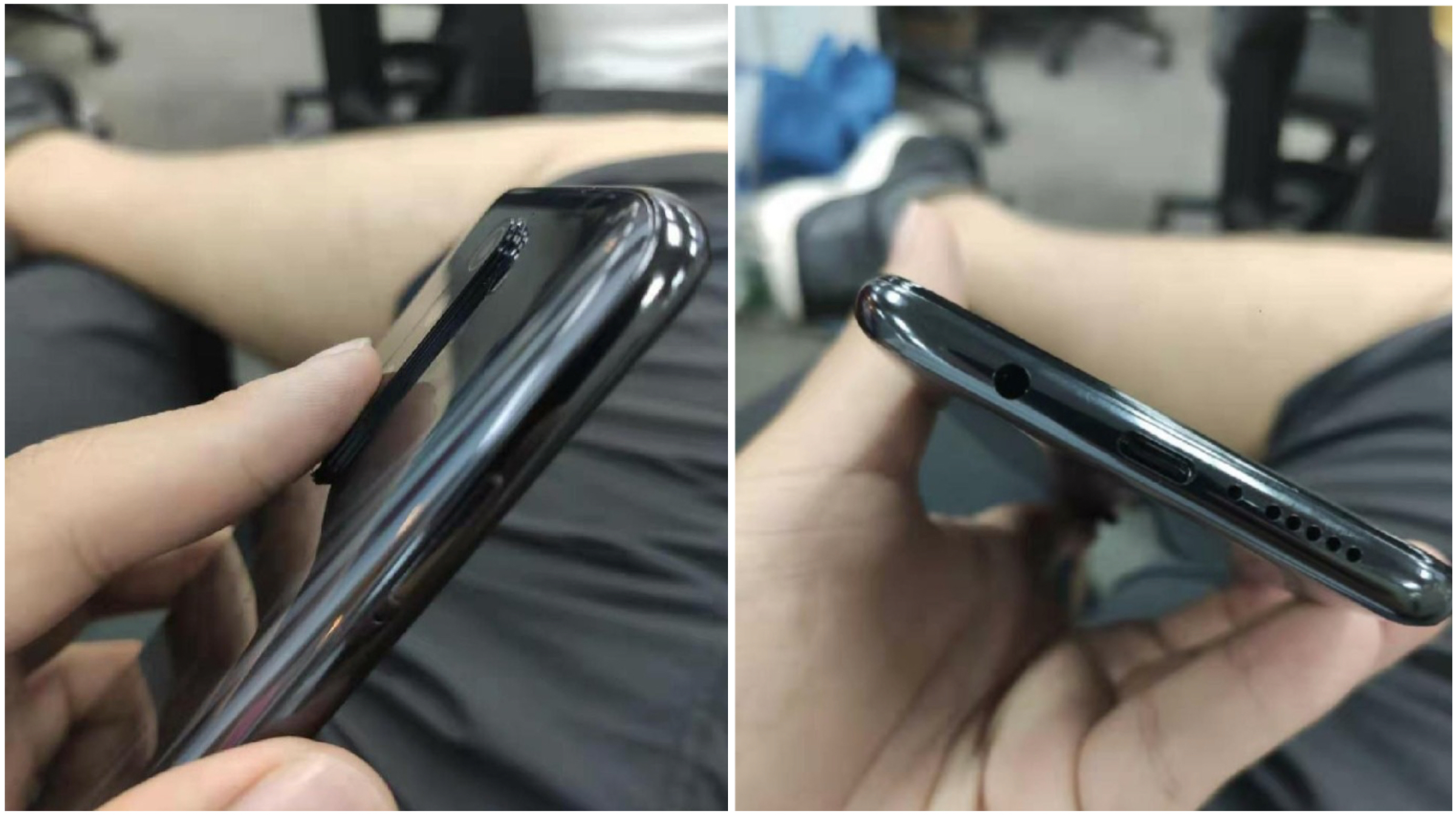
Connectivity options on the two smartphones are also heterogenous which include dual 4G VoLTE, 802.11 ac Wi-Fi, Bluetooth 5.0, 3.5 mm headphone jack and the bottom-mounted USB Type C port which can be used for charging and data transfer.
Both the Redmi Note 7 Pro and the Realme 5 Pro also have a rear-mounted fingerprint sensor which allows to rapidly and securely bypass the lock screen. However, one feature that only the former offers, is an IR blaster. Although not a huge deal breaker or deal maker, this feature can come in handy more often than not.
Just for the record, the inclusion of an infrared sensor makes the Note 7 Pro steer ahead of its competitor in this segment.
All in all, the two smartphones offer excellent value for money. The Redmi Note 7 Pro which was the most feature-laden smartphone at this price bracket six months ago.
Though due to a higher number of camera sensors, faster-charging support (along with fast charger) and a refreshing design we feel the Realme 5 Pro could be a better choice than the Redmi Note 7 Pro for a lot of consumers.
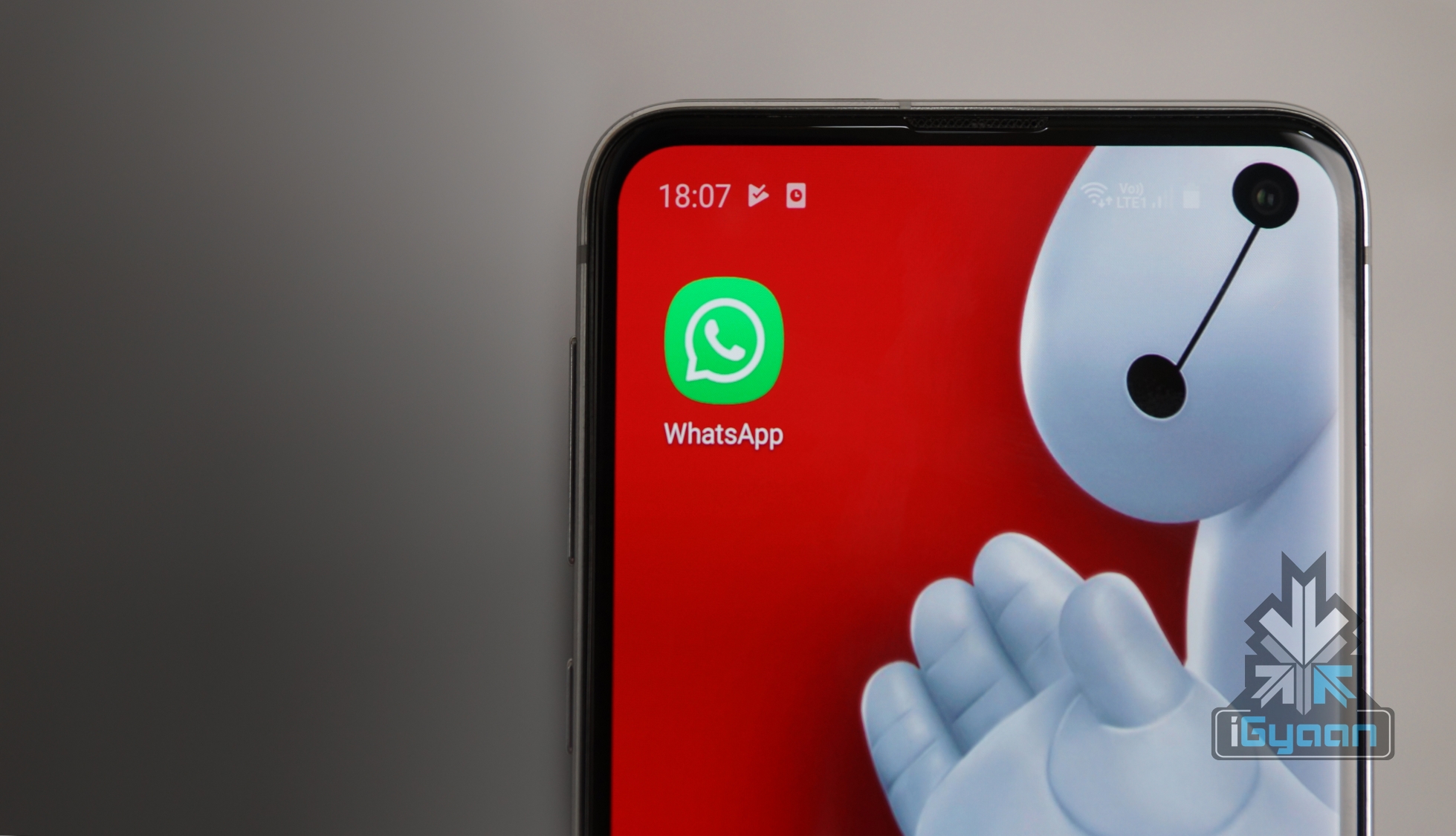
WhatsApp has a user count of over 1.5 billion across the world. It is one of the most popular applications on both the Apple App Store and Google’s Play Store; and has millions of active users at any given moment. In India alone, the application has over 400 million users. The company behind the popular chat app is starting to roll out four long awaited new features with its latest builds.
WhatsApp Inc, owned by Facebook, is rolling out the latest build in a staggered manner so most users may not immediately get the feature.
Fingerprint Lock Feature
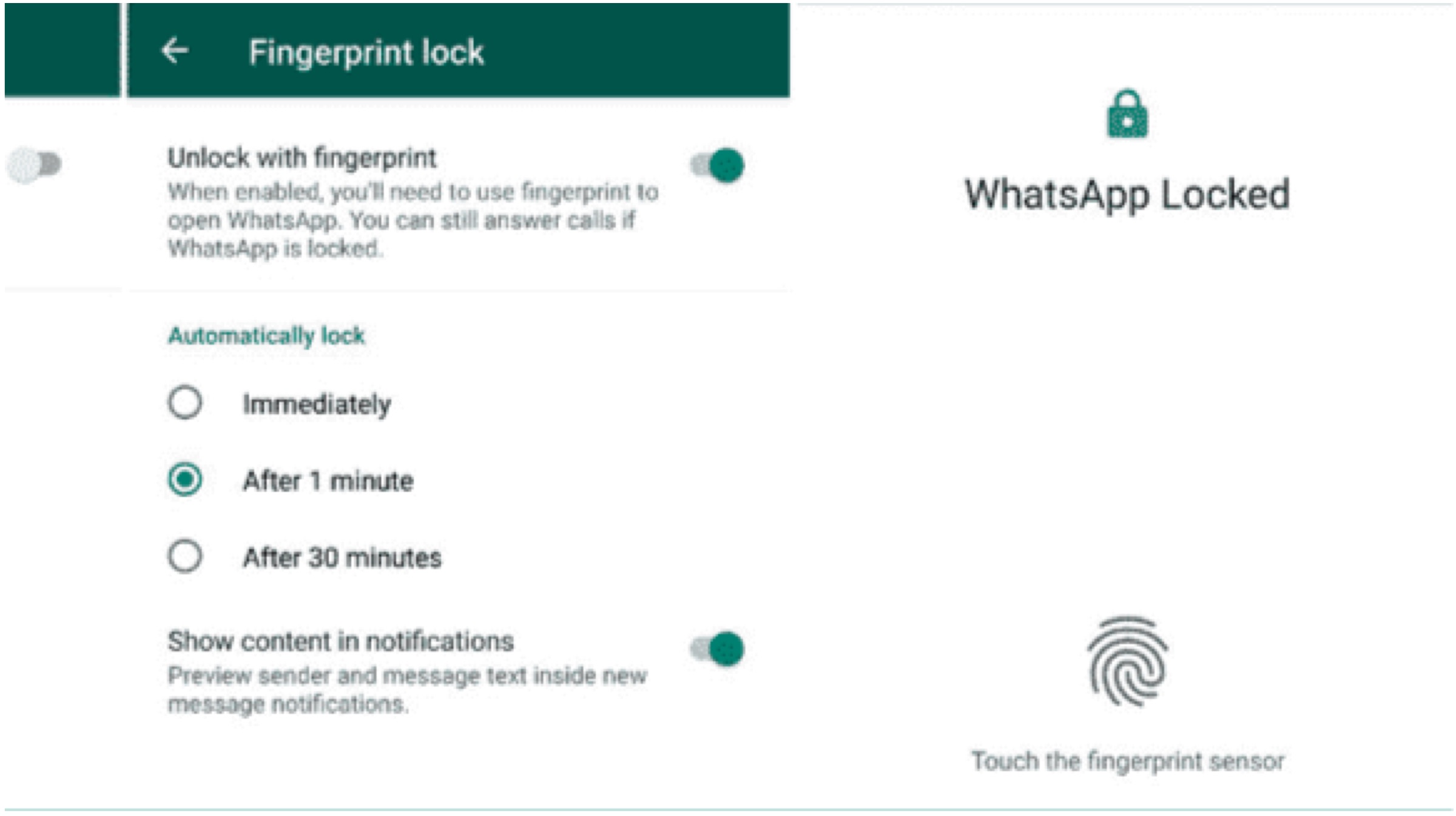
The features is not exactly a brand new addition to WhatsApp security functions. Earlier this year, iOS devices have already received the update that enabled this particular feature. Now, a whole seven months after, the feature is finally available on Android devices. In February 2019, iPhones had the ability to safeguard their app with biometric security either with FaceID or TouchID. The feature is cuurrently live with WhatsApp beta version for Android that are on the latest version 2.19.3 for those that wish to try it. A live build iteration is expected to arrive soon.
WhatsApp From Facebook
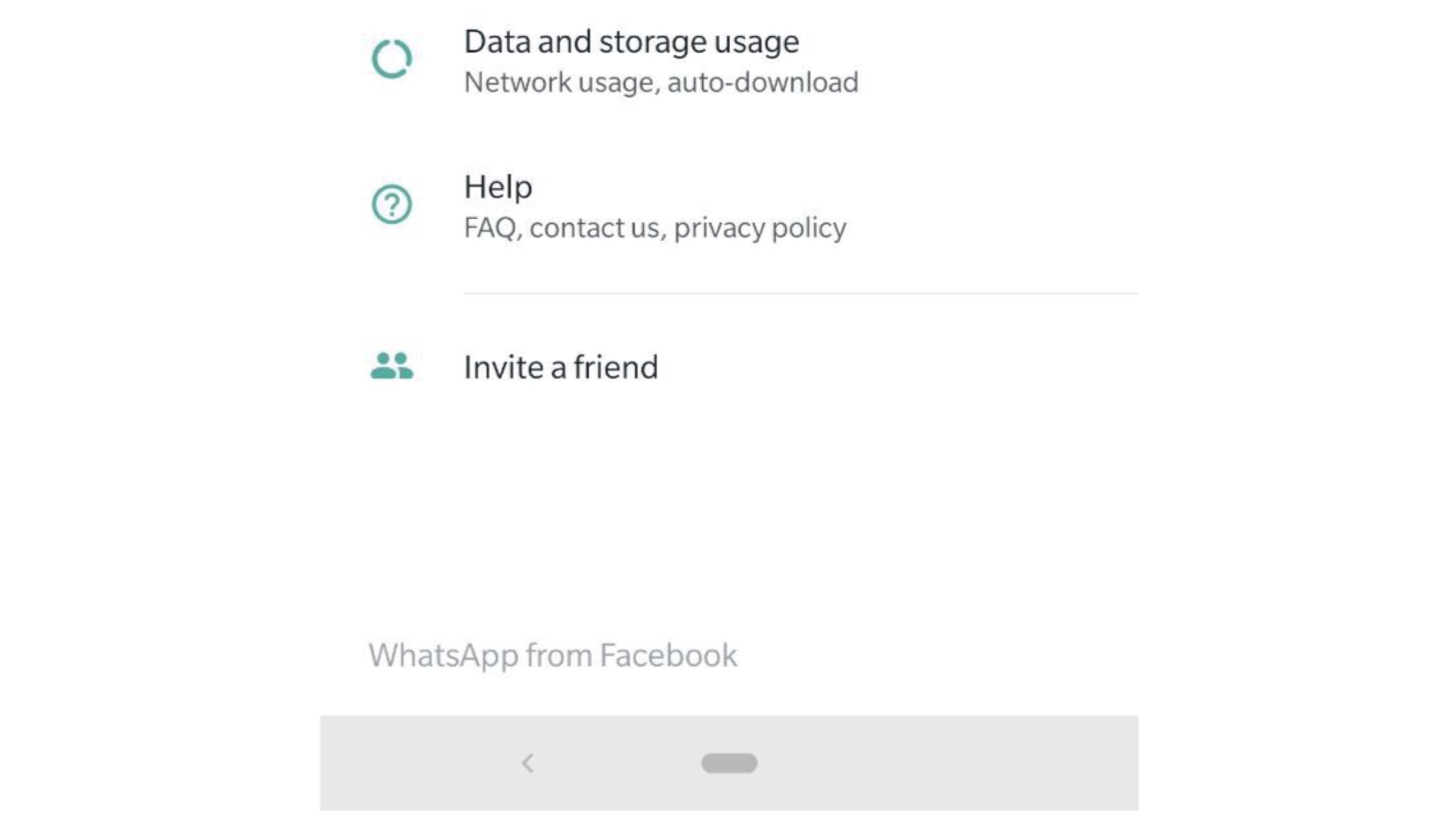
Previously, we had reported that Facebook the parent company behind WhatsApp and Instagram, wants to integrate the three social media platforms. It means that the company wants the user experience to be almost seamless with transitions in between any of its social networking services. Users can find the “WhatsApp from Facebook” tag in the apps Settings section.
Frequently Forwarded
Ill natured users on WhatsApp have been accused on multiple occassions of facilitating the spread of fake and false news in India. Hence, it has been a considerable effort from the company’s part to fix the issue. One of the moves employed to curb the forest fire nature of false information was identifying such texts and labelling them with the “Frequently Forwarded” tag. It would allow indentification of how many times the message has been forwarded by alerting the user.
One of the latest features being introduced is a real quality of life improvement in the user experience. The feature which was first seen in the iOS version of Whatsapp has the user no longer having to play consecutive voice notes manually. In simpler words, Users can now automatically play voice notes one after another seamlessly. Additionally, the chat app notifies the user with a sound after finishing one audio message before starting another.
Gaming smartphones are one of the new trends with the last couple of generation in the mobile industry. The devices, as the name suggests, are made with modifications or tweaks with gaming in mind. Previously, the genre had failed miserably with many unsuccessful attempts of bringing a new breed of cellular yet portable gaming consoles to the mainstream markets. Since then, consumer’s perspective has changed and the unique handsets are now widely sought after. But, do we really need a gaming smartphone?
To answer the question lets take a look at the brief history of gaming smartphones alongside other portable gaming devices.
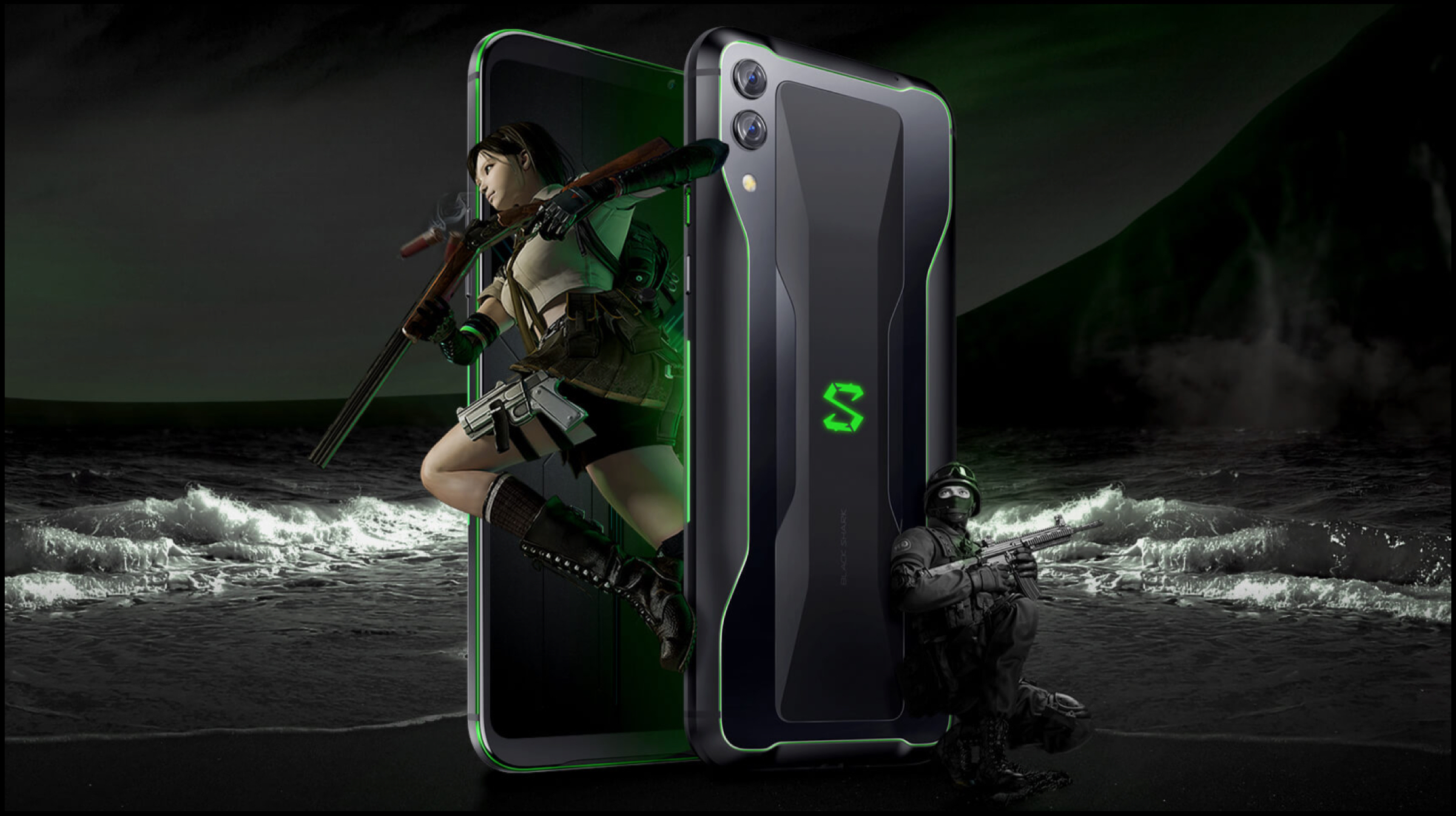
Xiaomi Black Shark 2
Portable Gaming
The first video game ever created was Pong back in 1958. Since its inception, a new multi-billion dollar industry has been borne with gaming as its business model. Soon after, in the early 1960s, consumers were looking at video games as the next big thing in the entertainment industry. Hence, companies took notice and game studios were founded. By 1970s, there were already multiple studios with various games for PCs alongside the first form of gaming consoles. Interestingly, the first consoles also birthed the race for portable consoles that have a wider reach and easier accessibilities.
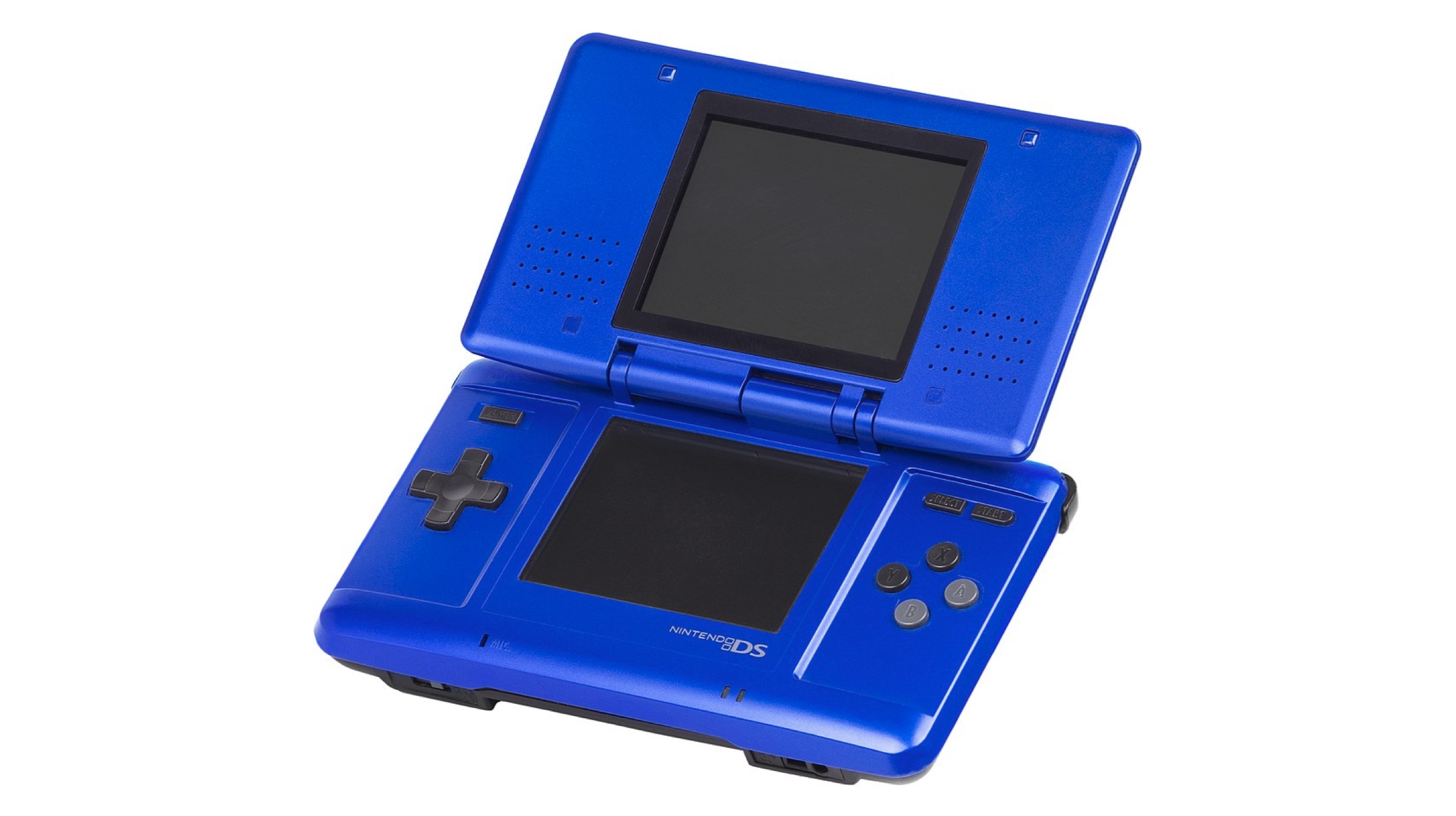
Nintendo DS
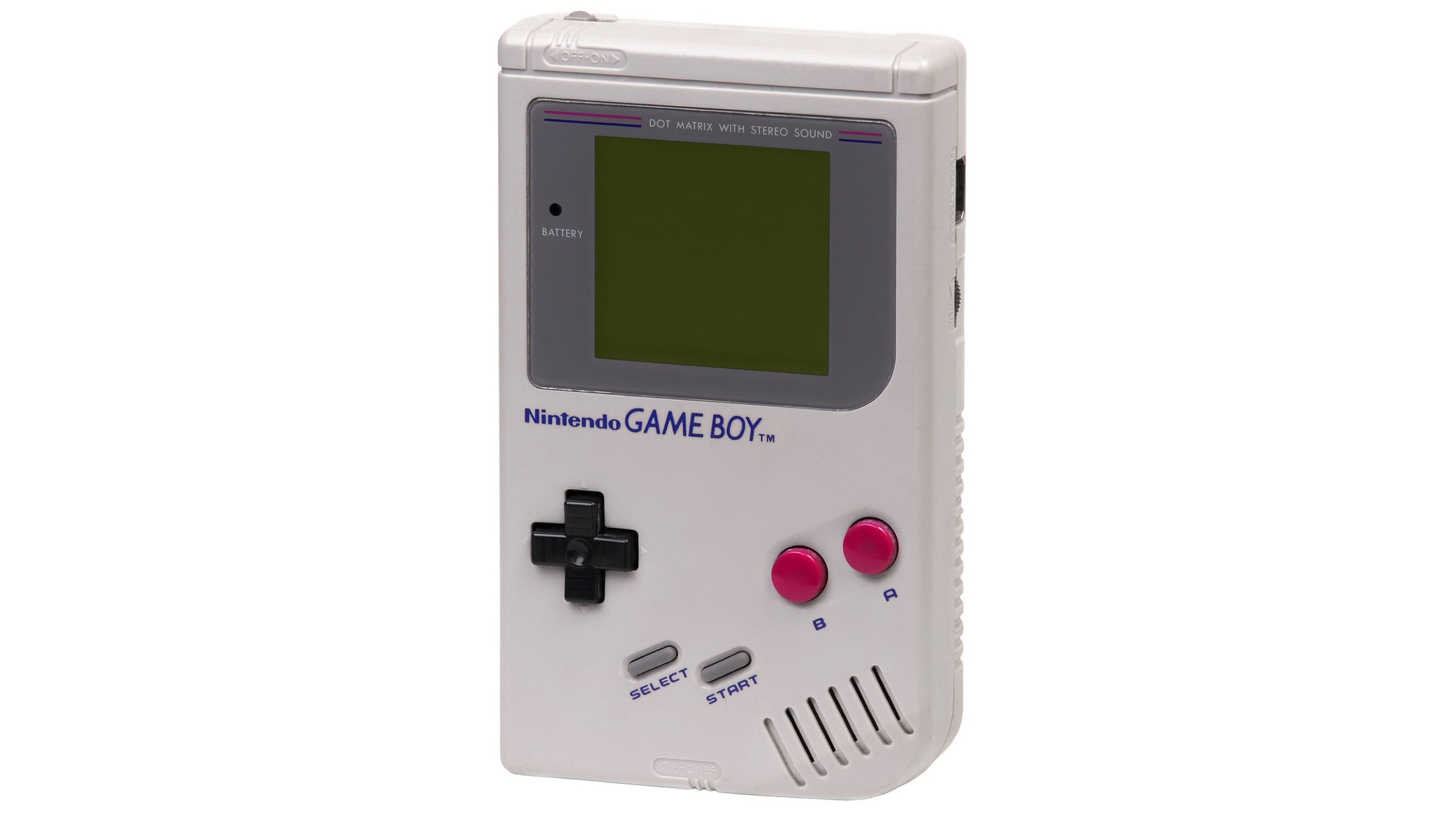
Nintendo is widely credited for being the company to popularize the handheld console market with its release of Game Boy in 1989. The portable gaming console was explosive in success and dominated the market for years into the future. Note, this was also the time where the mobile industry had devices become more compact meaning more portability. The gaming industry and mobile industry went parallel for the better part of each respective infant stages. However, the advancement in technology meant a cross over was soon to be expected.
Game Boy Original
Gaming Smartphones of Old
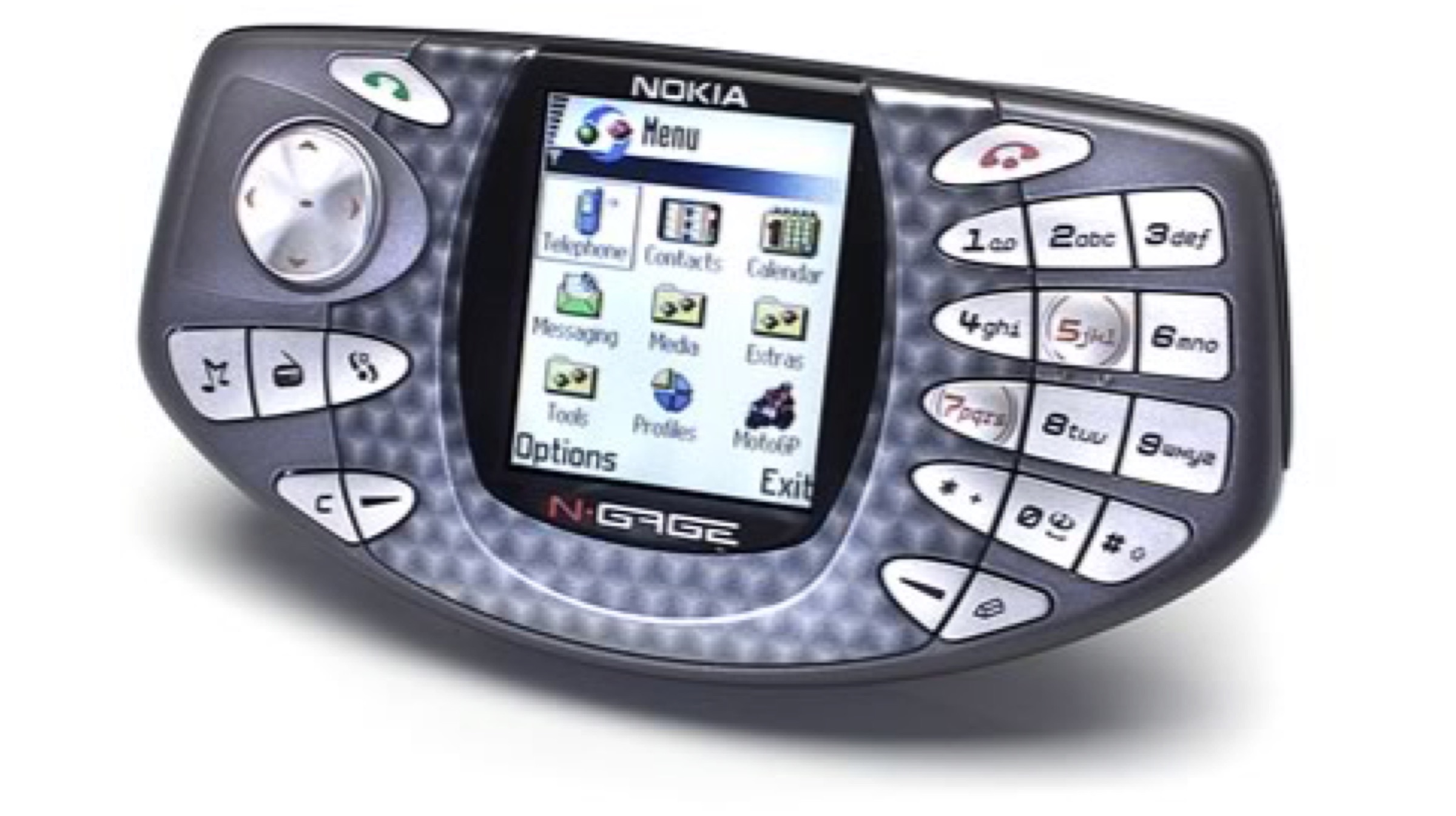
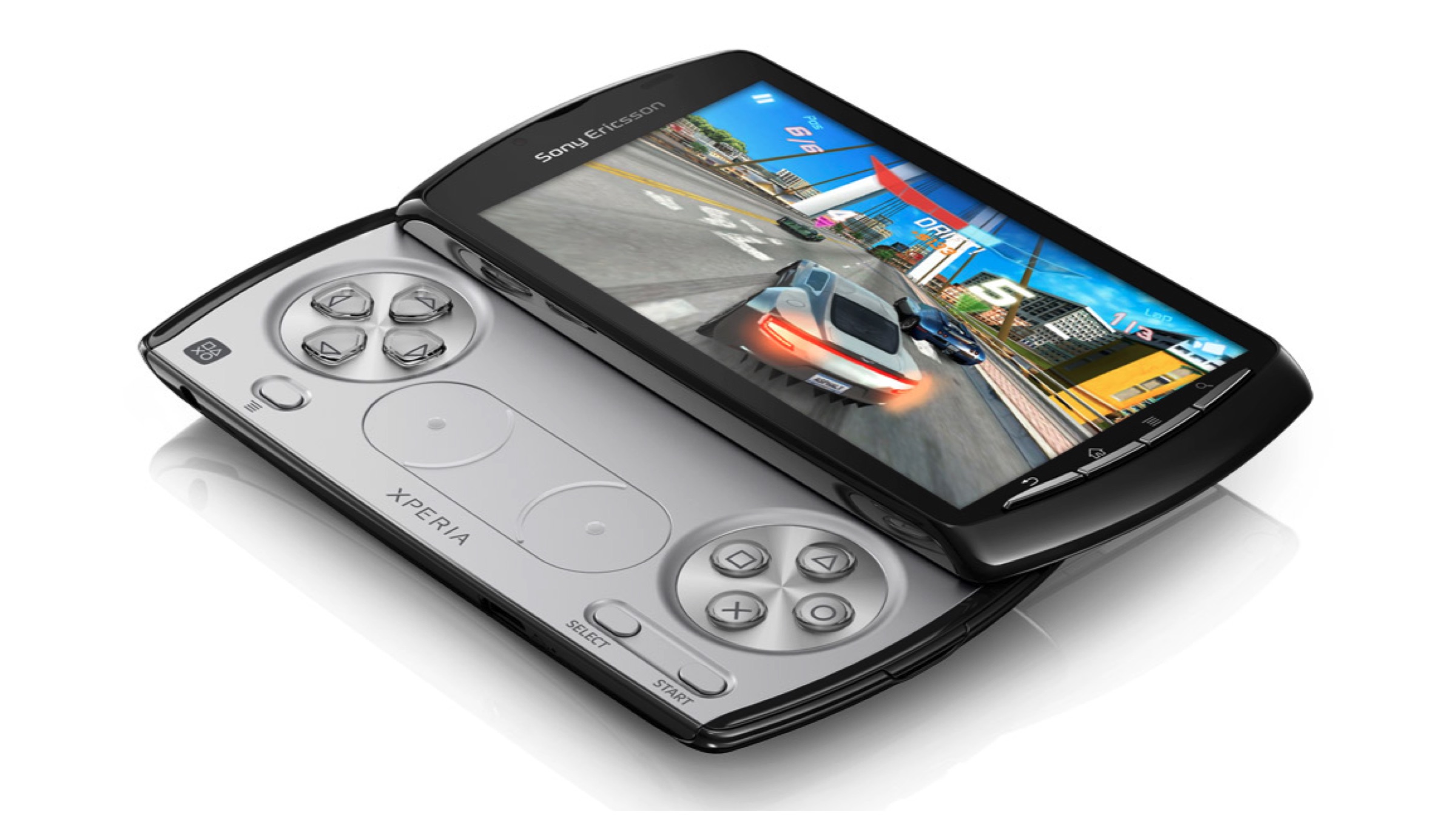
Gaming smartphones are not a new breed. Although they are now certainly a lot more viable than before. The reason why many established OEMs kept their distance from them is due to their infamous history. Devices such as the Nokia N-Gage, Sony Ericsson Xperia Play and more are a few that pop into mind. The gaming phones of old were surprisingly more powerful and capable than their handheld gaming consoles at the time in some scenarios.
Nokia N-Gage
For example, the N-Gage was a direct competitor to Game Boy Advance while featuring a much better processor. But, speed isn’t enough as the implementation of controls whilst having games actually made for your platform is rather difficult. The devices launched then suffered either of the two problems or both. At the time, the game studios had no inclination or incentive to collaborate with the mobile OEMs either, since the portable consoles were extremely popular at the time. However, that has since changed.
Known Gaming Phones and Handheld Consoles
Nokia N-Gage
Sony Ericsson Xperia Play
PlayStation Portable (PSP)
PlayStation Portable Vita
Game Boy & Game Boy Advance
Samsung SPH-B5200
Sony Ericsson Xperia Play
Gaming Smartphones Now
Surprisingly, even after the harsh history of the breed, gaming smartphones have stood the test of time. It indirectly implies the unending growth of gaming culture and entertainment. Currently, the smartphone gaming market accounts for more revenue than both PC gaming and console gaming market combined. In other words, studios earn more from games like Candy Crush over games like Call of Duty.
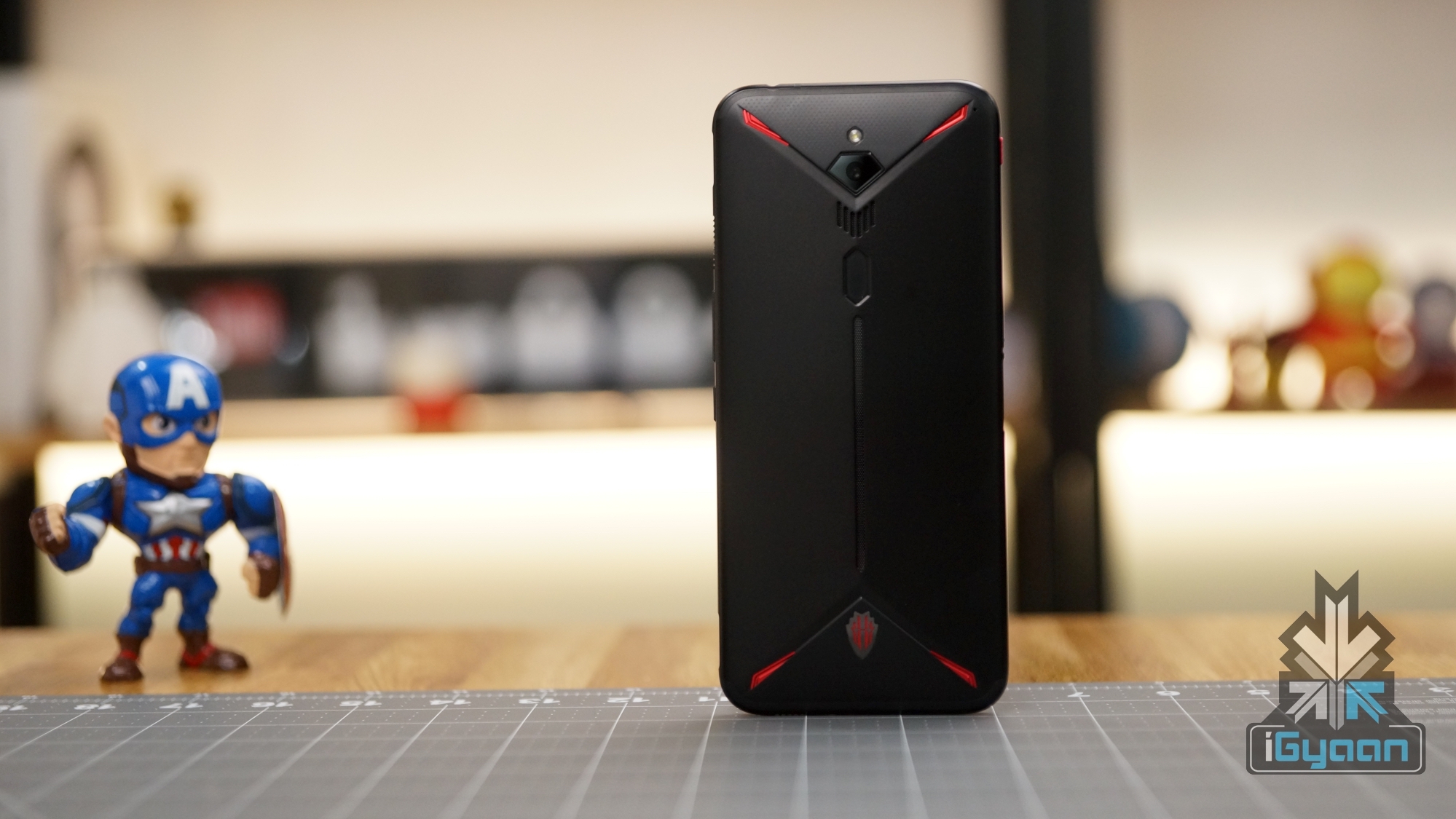
Nubia Red Magic 3
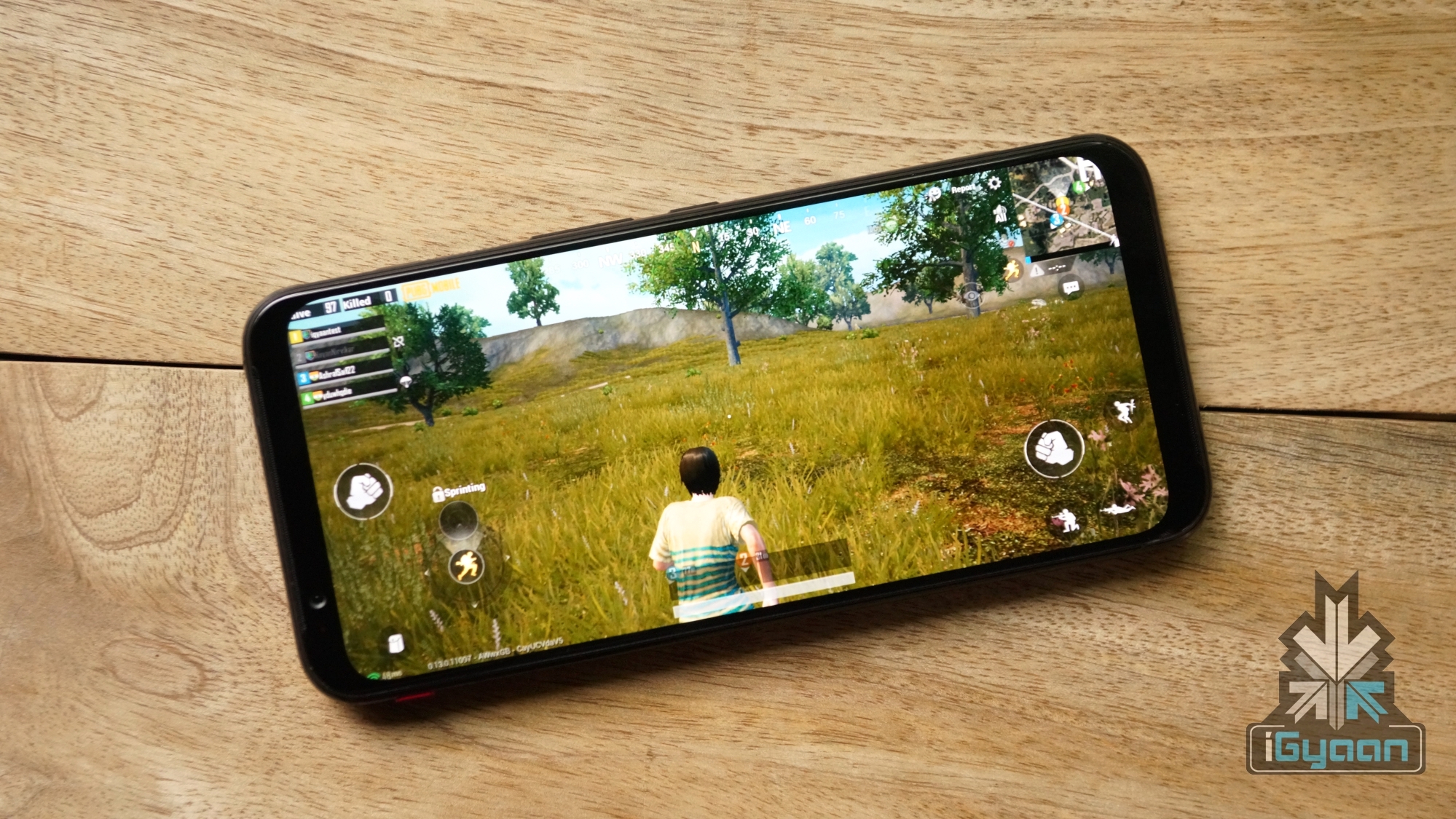
Furthermore, we all know the PUBG Mobile fever that has infected globally, especially India. After the game’s launch, we have seen more smartphone like the Asus ROG Gaming Phones being launched. These smartphones unlike regular feature aesthetical changes which make them look a lot more appealing and gaming-centric. They also carry tweaks and modifications, especially to the UI, to provide an enhanced gaming experience. Unlike the past, there is a booming mobile gaming market to cater to the increasing capabilities of smartphones.
PUBG Mobile
Are They Really Worth It?
Finally, the reason why you are here. Gaming smartphones are worth buying now more than ever before. Tech giants have recognised the true potential of the gaming genre and its immense value and are heavily invested in many mobile gaming studios. However, it would still be advised to wait just a bit longer. Yes, gaming smartphones are the best they have ever been, but they can be better. What we see now is the gaming industry finally penetrating the main stream market of smartphones or as they say, “just the tip of the iceberg.”
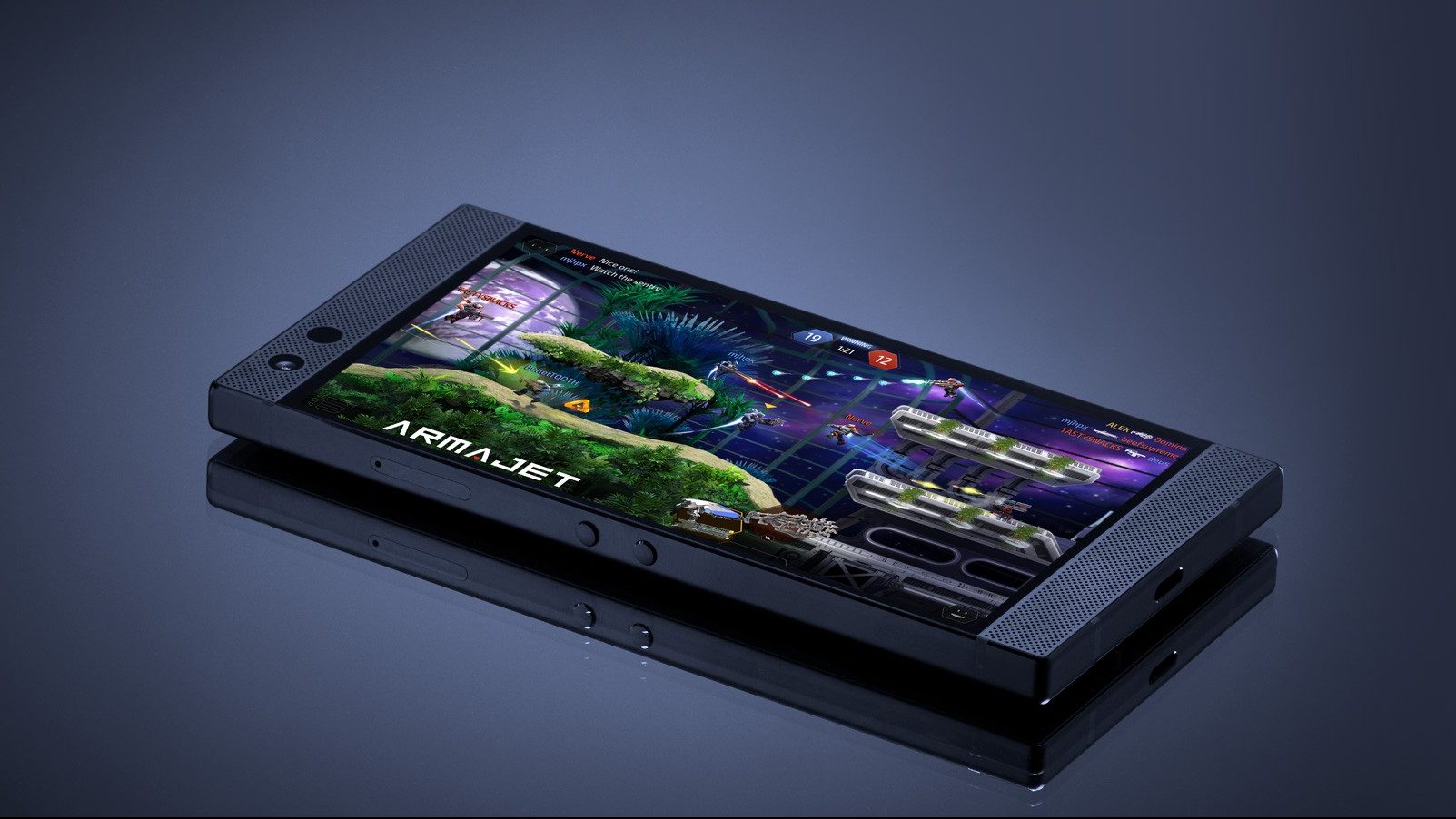
Razer Phone 2
Hence, it is expected that specialised hardware, such as MediaTek Helio G90T SoC that is made for gaming, will improve with time and exclusive more mobile gaming studios like Tencent Games will emerge. Regardless of its popularity, the gaming smartphone market is still a niche with its sales not being close to mainstream devices.
Additionally, there really isn’t a lot that difference, in most cases, between a gaming smartphone and a regular flagship. For the most part, gaming handsets offer a better display with a higher refresh rate panel, overclocked SoC or even better cooling solutions. Conclusively, it is a great time for mobile gamers and huge potential in the industry. With a bit more time, it is expected to mature into a gaming world of its own within amazing portability that beats any handheld consoles.
Realme once an Oppo subsidiary has quickly grown to become one of the top 10 smartphone OEMs in the world. On the 20th of August, it launched the highly anticipated Realme 5 and Realme 5 Pro in India. Both smartphones are mid-range devices but the Pro variant have comparativley bumped up specs.
Realme 5 & Realme 5 Pro
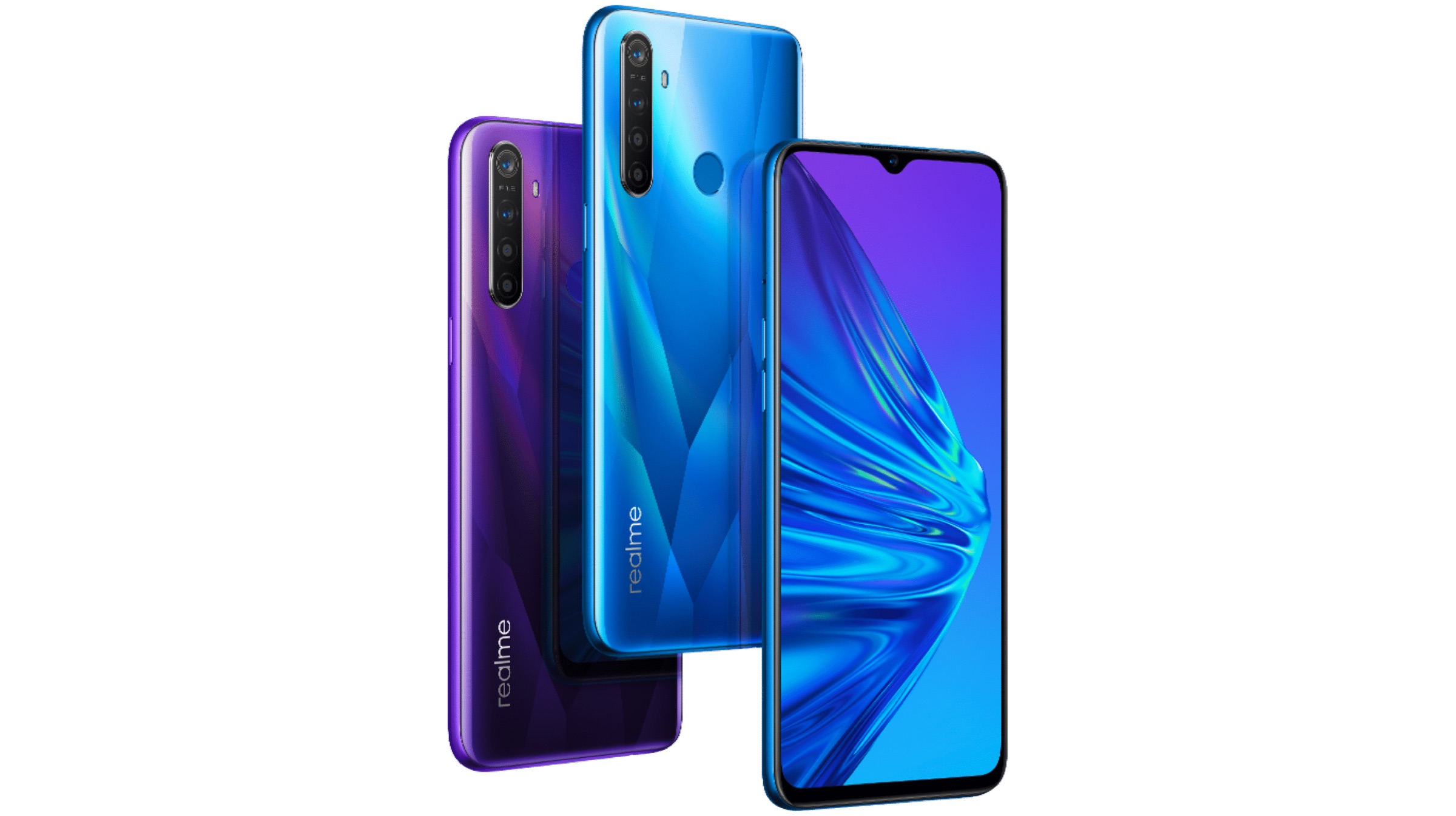
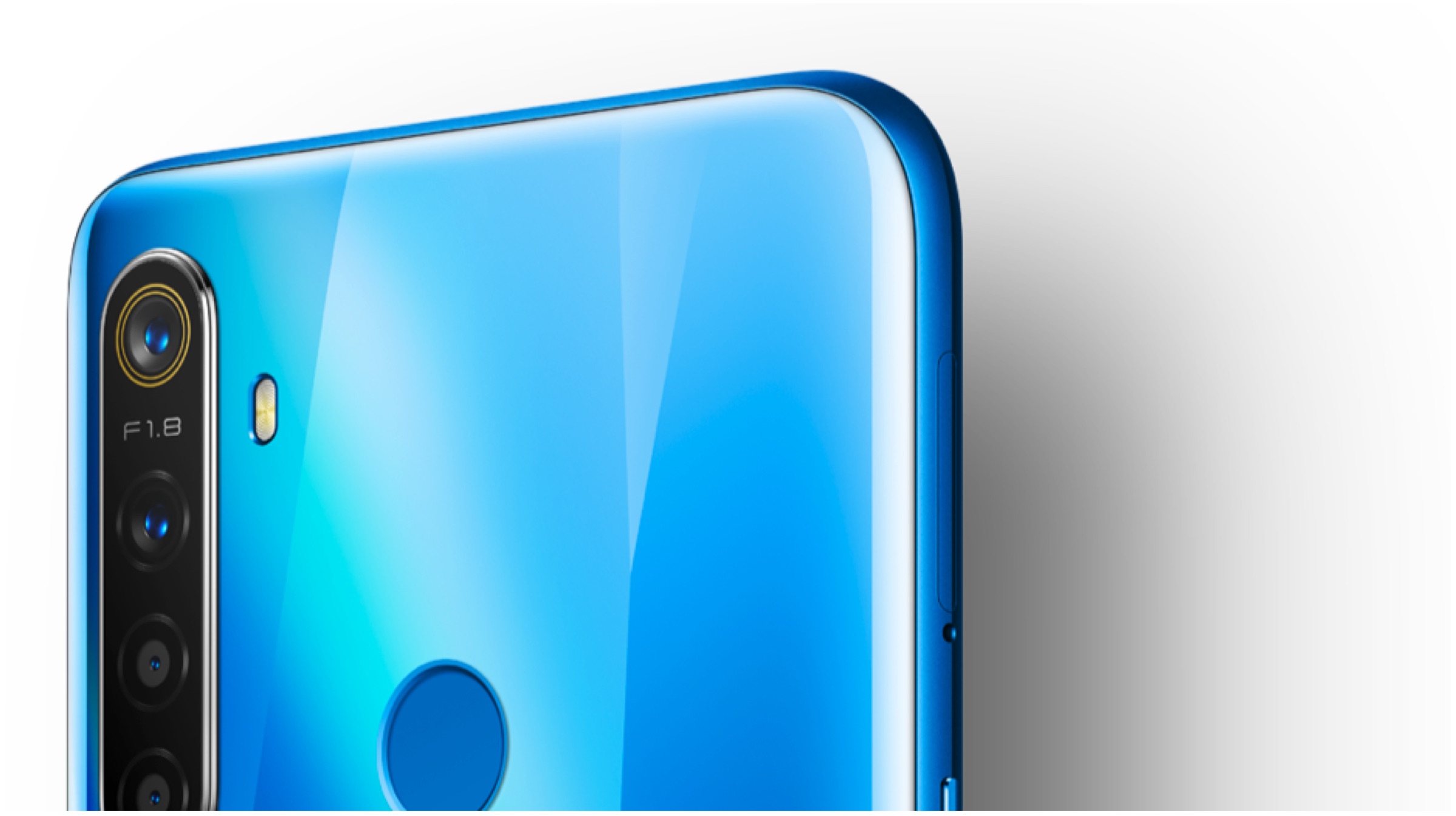
Both the Realme 5 and Realme 5 Pro have a crystal design on the rear panel which mimics a holographic effect. They feature a 6.3 inch FHD+ display with an impressive 90.6% screen to body ratio. The 16MP selfie camera is housed in the waterdrop notch on the front through which the high screen to body ratio is achieved. For security, the smartphone duo house a rear-mounted fingerprint scanner.
Under the hood, the Realme 5 houses the 11nm Snapdragon 665 AIE chipset which consists of an octa-core CPU alongside Adreno 610 GPU. On the other hand, the Realme 5 Pro features Qualcomm’s 10nm Snapdragon 712 SoC which also has an Octa-Core CPU along with Adreno 616 GPU. Both smartphones feature a quad-core camera which carries an 8MP ultra-wide-angle lens, 2MP depth sensor and 2MP macro camera. The Realme 5 sports a 12MP primary shooter while the Pro variant has a 48MP Sony IMX586 sensor.
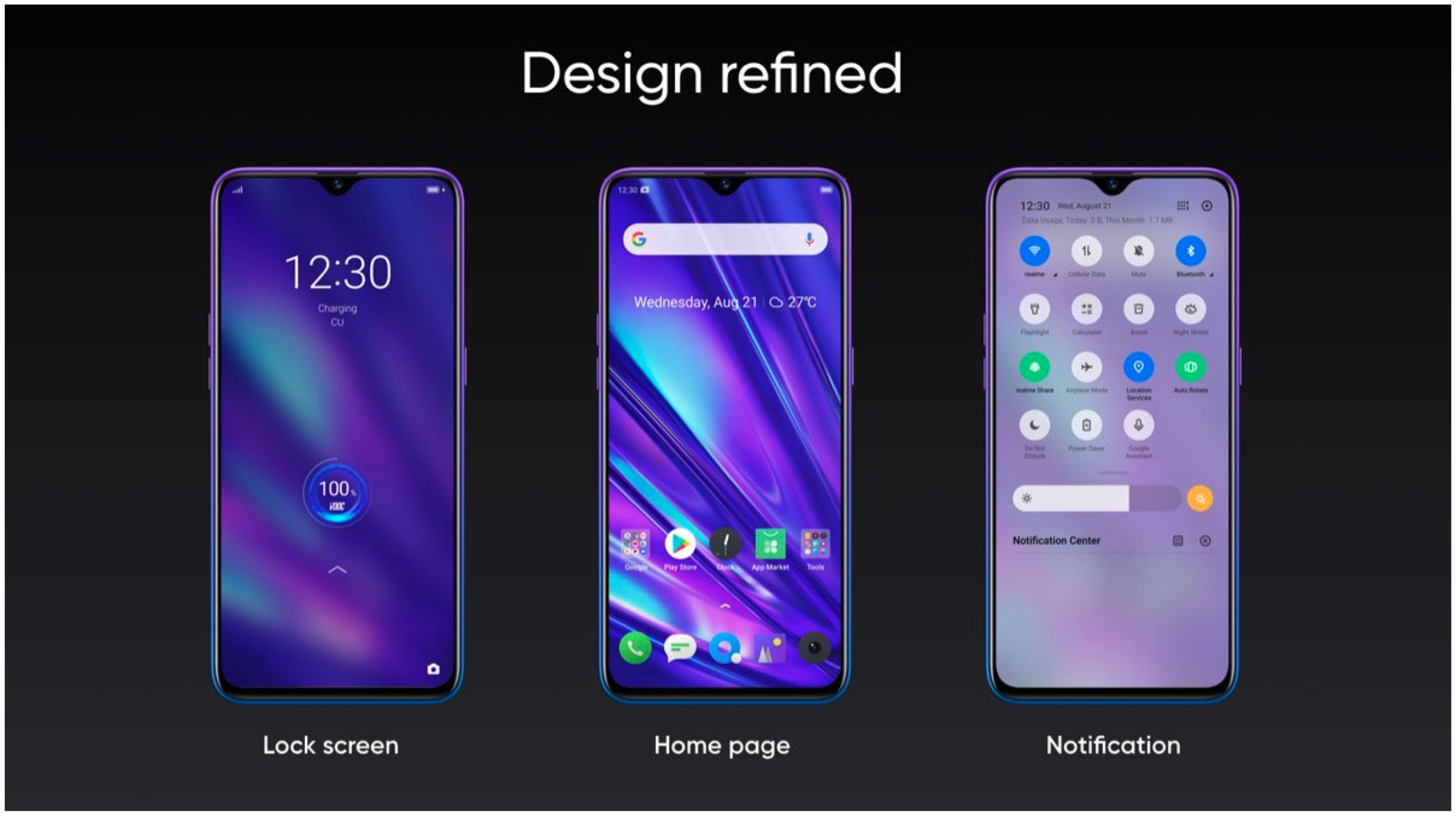
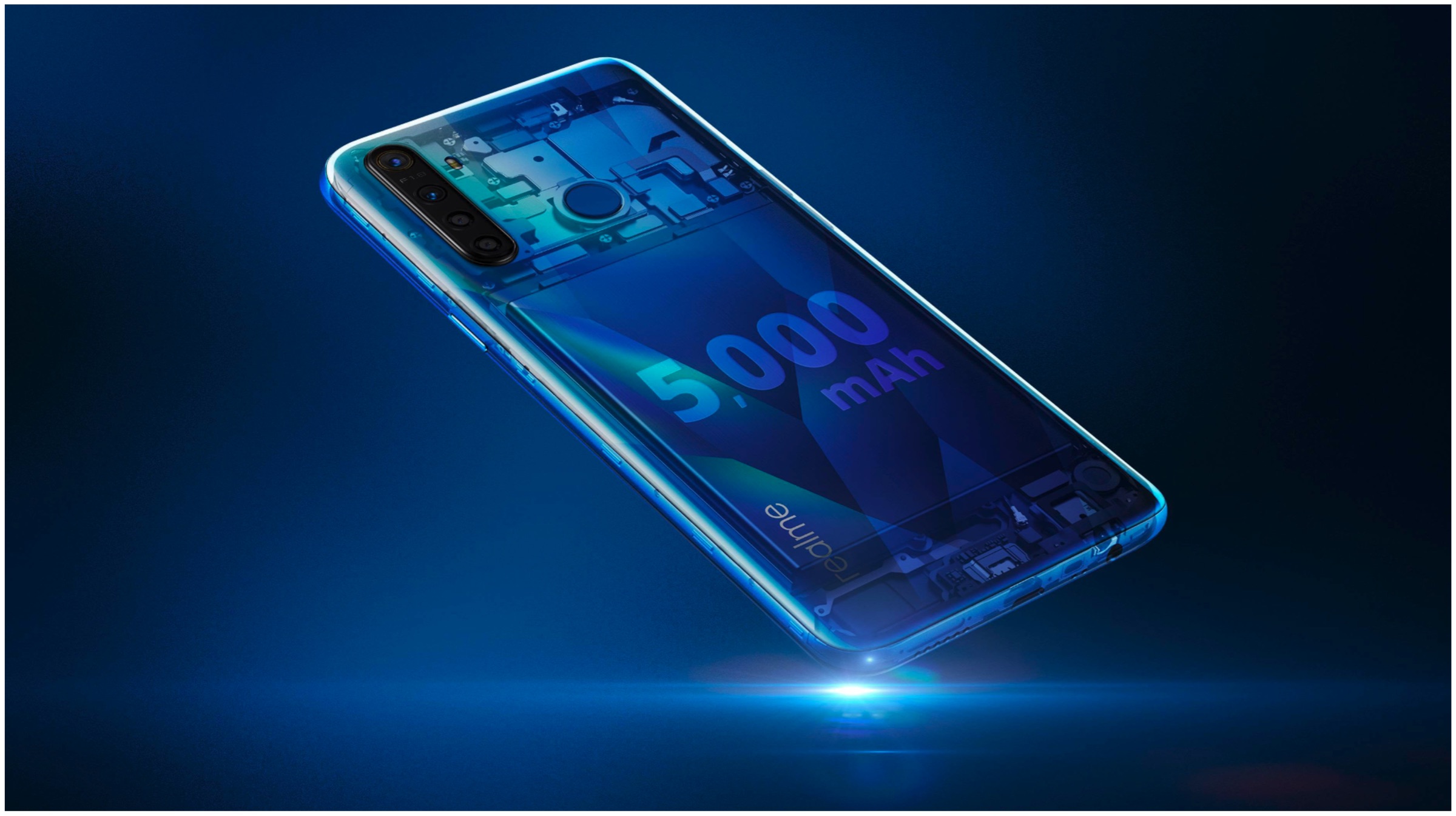
The Realme 5 is powered by a large 5,000mAh battery while the 5 Pro houses a 4,035mAh battery. The latter supports the company’s VOOC 3.0 fast charging upto 20W with a compatible charger bundled in the box. Both smartphones feature a much-welcomed headphone jack and offer similar connectivity options that include Bluetooth 5.0, 802.11 ac Wi-Fi and dual 4G VoLTE. Both the smartphones run on ColorOS 6 which is based on top of the latest Android 9 Pie. According to the company, ColorOS 6 has a simplified UI as it draws a lot of inspiration from stock Android.
Price & Availability
The Realme 5 will be available from 12PM (IST) on the 27th August 2019. It will be purchasable on Flipkart and Realme’s official websites. The smartphone will be available offine soon after its official launch. It is offered in two colours, Crystal Blue and Crystal Purple, and will be available in three different RAM and ROM configurations:
Realme 5 Pro will arrive after the base variant and will be available from 12PM (IST) on 4th September 2019. The device will also be available on Flipkart and Realme’s official website. Again, offline sales are expected to arrive soon after. The device will be offered in two colours, Sparkling Blue and Crystal Green, and will be available in three different RAM and ROM configurations for which the price is as follows:
4 GB + 64 GB: Rs 13,999
6 GB + 64 GB: Rs 14,999
8 GB + 128 GB: Rs 16,999
Conclusively, both the smartphones are value for money offerings and will give handsets from Samsung, Xiaomi and other brands a good run for their money.
Gone are the days when powerful smartphones were a novelty. In the current scenario devices (1) starting as low as Rs 6,000 can offer as many functionalities as high-end smartphones from the year 2010 to 2012. However, this is not just a coincidence, it is a result of the constant tug of war Chinese OEMs have been playing for over 5 years.
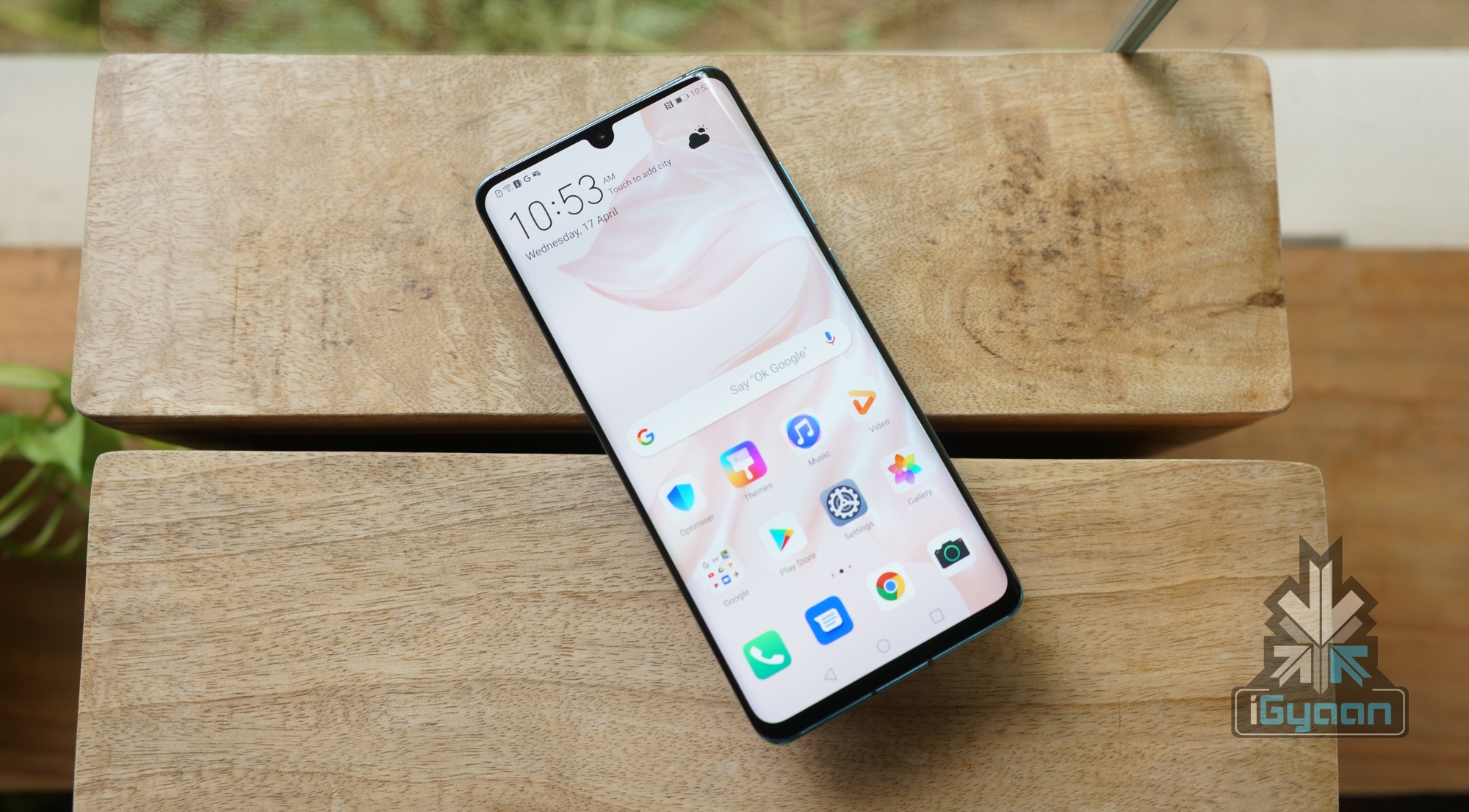
Some prime examples of the companies that have helped in driving down the costs of mobile devices include Huawei, Xiaomi and BBK Electronics (parent company of Oppo, Vivo, OnePlus and Realme).
Before we begin the saga of the previously mentioned Chinese OEMs, we will discuss the early days of smartphones and how some key players faired during those times.
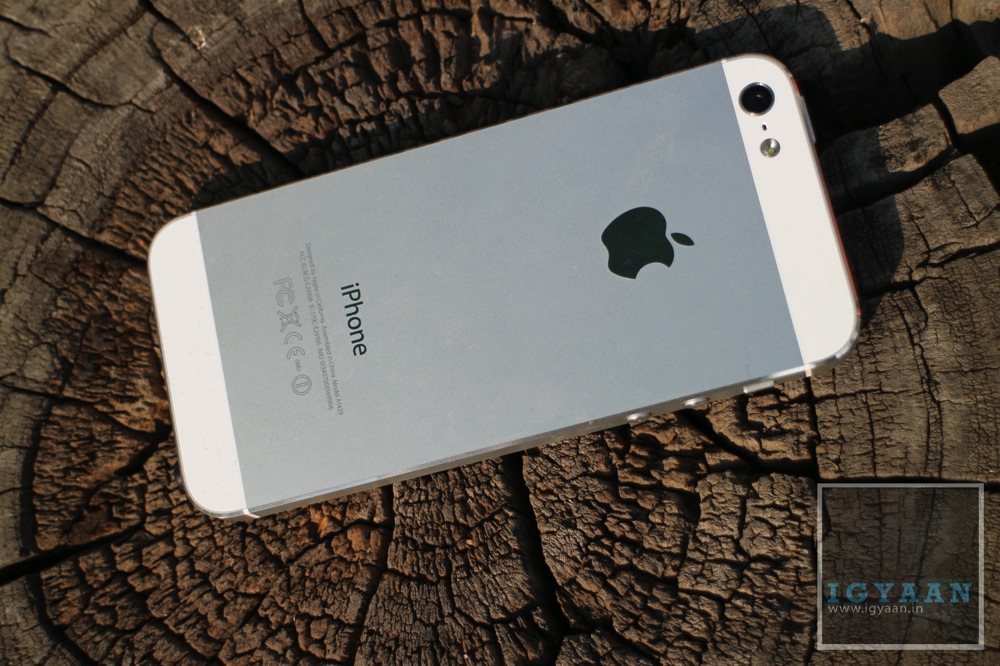
iPhone 5 From 2012
We all know, the original iPhone from the year 2007 is considered one of the first smartphones. While Apple maintained a closed ecosystem by only offering iOS on it’s in house developed products, Google, on the other hand, embraced the concept of hardware independence for the Android operating system.
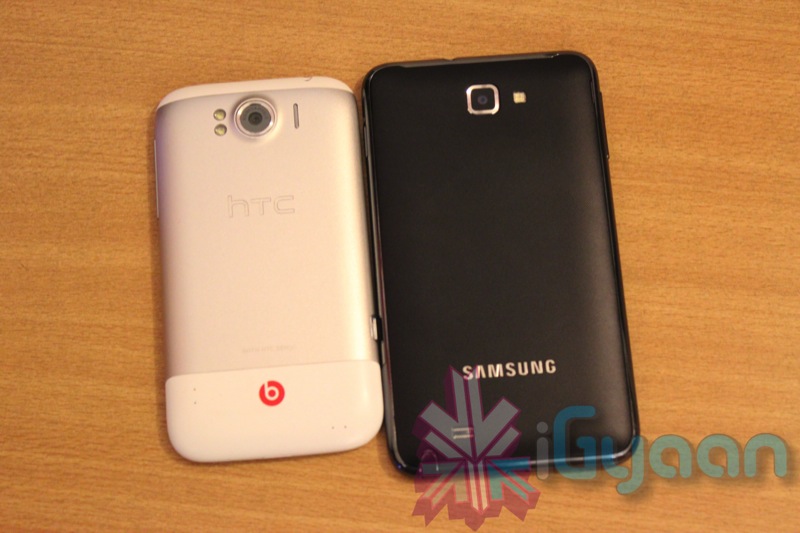
Besides Apple, numerous companies tried their luck in the smartphone industry which includes Nokia, Samsung, Blackberry and HTC. While HTC flourished in the early days, it had to fall back due to fierce competition from Chinese competition.
Talking about Blackberry and Nokia which stood by their in house developed OS (Symbian and BBoS), the companies were pushed to the brink of collapsing due to incompetent software. While Nokia has managed to recover to a fair extent after the adoption of Android, Blackberry still struggles to find a niche which would allow it to stand out of the crowd.
Nonetheless, one company that has not only survived but thrived during the early years of a smartphone is Samsung which currently enjoys the position of world’s number one smartphone manufacturer in terms of units sold.
Over a decade ago, the company was dabbling with operating systems including Windows OS and Palm until it stumbled upon Android. In the year 2009, it launched the ‘GT-I7500 Galaxy’ which was followed by the Galaxy Spica and the Samsung Galaxy S. While the former now rests in peace, the latter is one of the most renowned smartphones of the current era.
For three consecutive years until the launch of the Galaxy S4, Samsung was the only company that was able to rake in substantial sales which could match up with the sales figures of Apple iPhone.
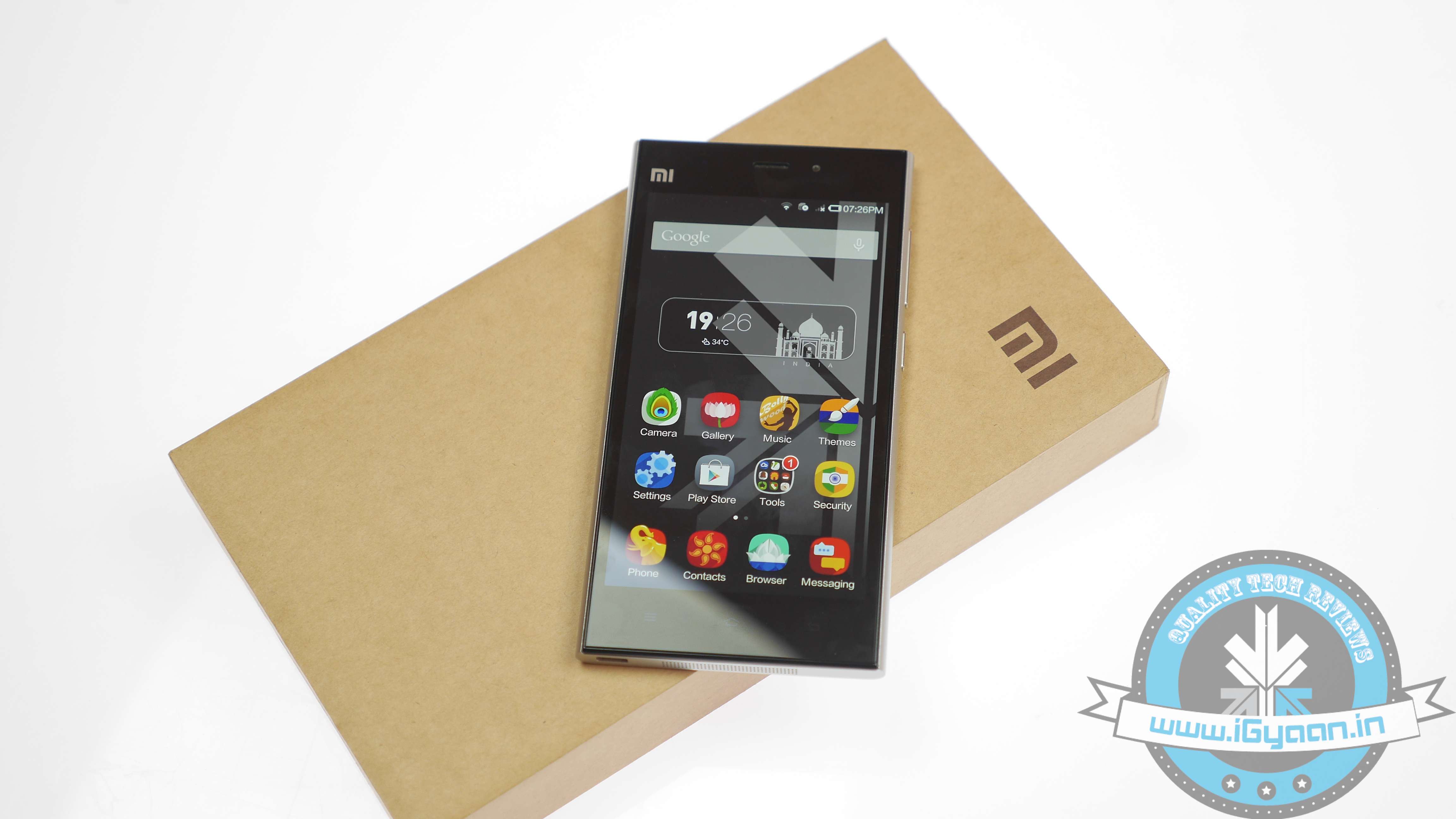
Then came the Mi3 which as we all know was made by Xiaomi. In comparison to Galaxy S4 which retailed for Rs 41,500, the Mi 3 cost only Rs 14,999. The reason for drawing this comparison is due to the fact that Xiaomi’s offering had similar specs to the 4th Gen Galaxy smartphone which include the following:
5 inch Full HD Display (441 ppi)
13 MP Front Camera
2 MP Rear Camera
Bluetooth 4.0, 802.11 Wi-Fi
Android 4.3
Now that we have a preface, let’s begin with the factors that allowed Chinese companies to significantly drive down costs of smartphones and associated technologies.
Online Only Business Model: Xiaomi which entered India in the year 2014, sold its devices exclusively online for a long period. This allowed the company to eliminate the traditional supply chain which included several commission bearers.
Instead, it gave a small fee of Rs 700 to Rs 1,500 to its online partners i.e Amazon and Flipkart. In comparison, a traditional supply chain would incur upto 10 to 30 per cent of the device cost. This strategy is now even adopted by large companies like Samsung that sell devices like the Galaxy M lineup via online channels.
Wafer Thin Margins: In an effort to gain traction and lure in the maximum number of customers, these companies maintain low-profit margins at least during the early years. These companies are also able to save up on development costs as most of the components incorporated in the smartphones are manufactured by other OEMs.
Economies Of Scale: Rather than selling fewer units with high-profit margin on each unit, Chinese companies tend to stress on selling a maximum number of units to drive up overall profit. Moreover, increased level of production also helps in saving costs.
Lean Manufacturing: As observed with several smartphone launches, companies allow users to block units by paying a small booking amount which is a part of lean manufacturing and supply.
Such practises allow the company to anticipate the demand which can be translated to adjust procurement of raw material, production of devices and storage of these ready products which would again incur costs in the form of warehousing if left piled up.
Overall, Chinese OEMs have closely scrutinised all the steps that are required from designing to developing to retailing smartphones. During the process, all the steps or costs that seemed unnecessary have been eliminated that has helped in creating a strong and efficient business model.
For reference, Huawei which has been heavily investing in R&D for a long period is able to design its own components like Kirin chipsets. This allows the company to save costs while allowing room for considerable profit margins.
Likewise, over the last few years, BBK electronics has also been observed to develop innovative devices like the Vivo Nex, Oppo Find X which have provided the company with a fair share of attention from the global audience.
To sum things up, this continuous contest played by the Chinese OEMs in order to maintain an edge over the other has helped in driving costs of smartphones consequently making them more affordable for the end-user.