Blog

  • Sonic The Hedgehog Director Claims Changes Will Be Made To Design Of The Main Character

    Sonic The Hedgehog Director Claims Changes Will Be Made To Design Of The Main Character

    The known studio Paramount and legendary gaming company Sega released the first trailer for Sonic the Hedgehog movie on the 30th of April. The film stars the beloved Sonic, a blue hedgehog who is bestowed with the power of superspeed. While the character has been a part of various video games and animated series in the past, to the creator’s surprise, the trailer for the movie was met with disappointing glares and negative reviews.

    The fans of the games and animated series made on the beloved character demanded a change in the look and design of Sonic. In a recent tweet, the director of the movie Jeff Fowler claimed that the studio will improve and enhance the design of Sonic before the film is released in November.

    Sonic the Hedgehog

    The announcement was made on microblogging website Twitter as mentioned above. The director of Sonic the Hedgehog movie, Jeff Fowler thanked the fans of the Sonic franchise for their support and criticism surrounding the trailer. He also claimed the Paramount studio and Sega have decided to change the design of the main character as requested by many fans. Unfortunately, it is not known what changes will be made to the characters, but reports are rife the studio will focus on making Sonic less humanoid.

    Also read: GTA 6 Leaks Suggest The Game Will Be Set In Vice City And Liberty City

    The storyline of Sonic the Hedgehog movie depicts Sonic, who is voiced by Ben Schwartz, trying to save the earth from the evil Dr Robotnik (who is played by Jim Carrey) in association with a policeman (played by James Marsden). The trailer is set against the legendary “Gangsta’s Paradise” soundtrack, which would have actually enhanced the trailer hadn’t it been for the kid-hedgehog combo leading the movie. Sonic The Hedgehog is scheduled to make its way to movie theatres on November 8, 2019. However, because of the changes, the release date may be further pushed into the future.

  • OnePlus 7 Pro Official Renders Leak, Pre Orders Live In India

    OnePlus 7 Pro Official Renders Leak, Pre Orders Live In India

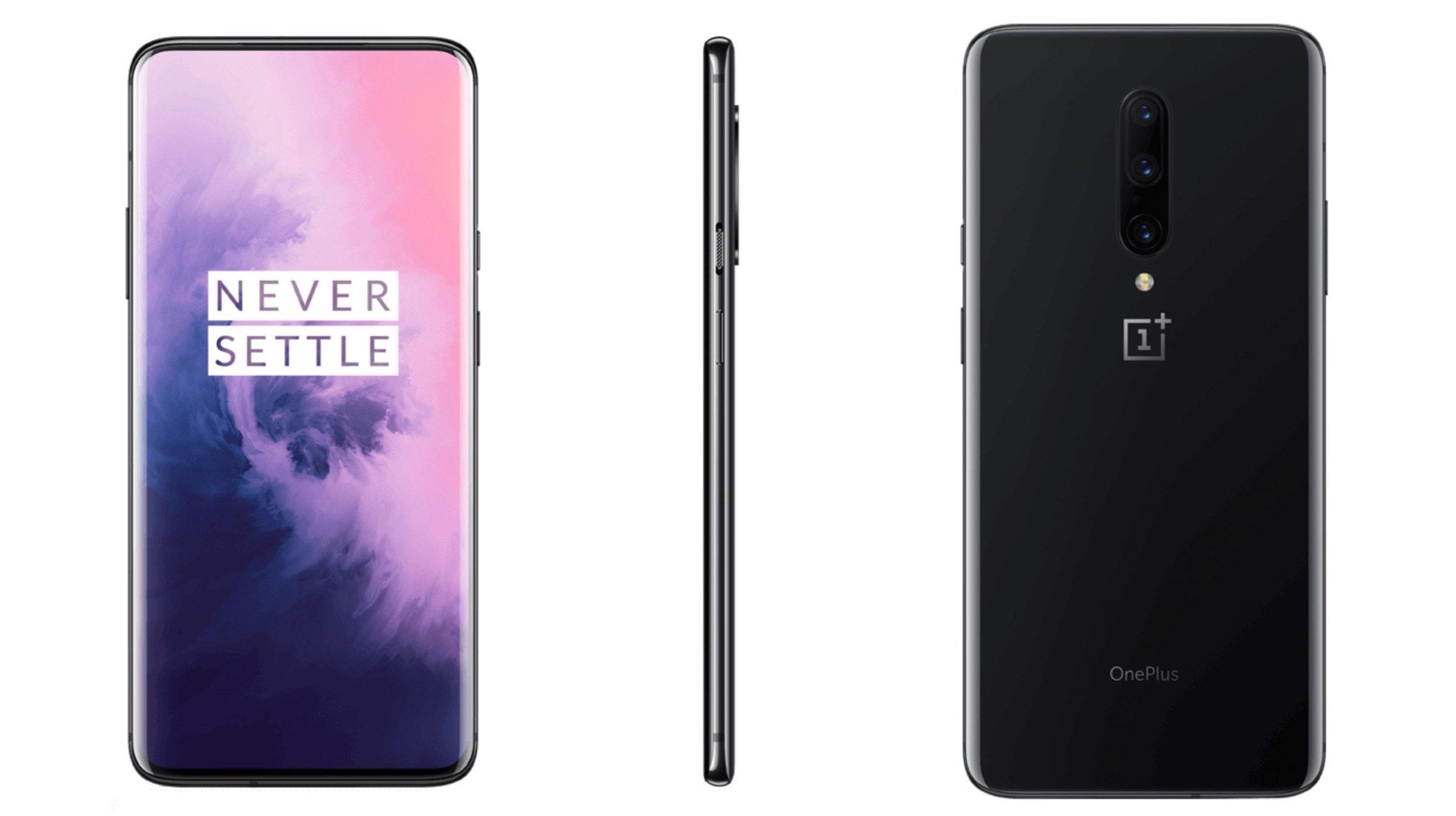
    In a market previously dominated by brands like Samsung and Apple, OnePlus has made a strong footing for itself. Almost 5 years after the release of the first OnePlus smartphone, the company is gearing up to disrupt the flagship segment with the release of its new lineup, the OnePlus 7 series. The lineup is expected to include the OnePlus 7,  the specced up OnePlus 7 Pro and supposedly a 5G variant of the same. Rumours regarding the specifications of the devices have been around for quite some time now. Ahead of the launch of the smartphones, official renders of the OnePlus 7 Pro have surfaced, which exhibit key features of the smartphone’s design, such as the triple camera and curved glass panel.


    The renders showcase the company’s prized smartphone in all its glory. As per latest reports, the OnePlus 7 Pro will be available in three colour variants, Nebula Blue, Mirror Grey and (possibly) an Almond colour option. The elegant renders also exhibit the triple camera module on the back of the aforementioned device. The LED flash is placed below the camera module, and the device has the OnePlus branding at the bottom of the rear panel. Front renders of the smartphone depict a curved glass panel that tapers towards the edges. Like the OnePlus 6T, the left side of the smartphone houses the power button and the mute switch, whereas the right side accommodates the volume rockers. 

    OnePlus 7 Pro Features And Specifications

    As the name suggests, the OnePlus 7 Pro will be the specced up variant of the regular OnePlus 7. It will sport an all glass design on the front and back with a metal chassis to provide reinforcement. According to the source, the smartphone will have a 6.7-inch Optic AMOLED display with a resolution 3120 x 1440 px and a refresh rate of 90Hz. The OnePlus 7 Pro will use a pop-up camera mechanism, similar to the one seen in the Vivo V15 Pro. Regarding biometrics, it will feature an in-display fingerprint scanner along with the support for face unlock technology.

    The OnePlus 7 Pro will run on the 7nm Snapdragon 855 SoC. As observed above, the smartphone will have a triple rear camera module, comprised of an f/1.7 aperture equipped 48 MP sensor, an f/2.2 aperture equipped 16 MP ultra wide sensor and an f/ 2.4 aperture equipped 8 MP sensor. It will also feature an f/2.0 aperture equipped 16 MP camera housed in the aforementioned pop-up mechanism. Reportedly, the device will have Ultra Fast Storage (UFS) 3.0 standard and will be available in the following memory variants.

    • 6GB RAM and 128GB ROM
    • 8GB RAM and 256GB ROM
    • 12GB RAM and 256GB ROM

    Also Read: The Apple iPhone XI Visualized In Elegant HD Renders

    The OnePlus 7 Pro will be powered by a 4000 mAh battery with support for 30W Warp charging. As previously mentioned, the smartphone will also be available in a 5G variant. Furthermore, the company is now accepting pre-bookings for the smartphone on Amazon India ahead of its May 14 Launch, so users willing to be the first exclusive OnePlus 7 Pro customers can sign up for the same. You can click here to book the OnePlus 7 Pro.  

  • Microsoft Launches The HoloLens 2 Developers Edition

    Microsoft Launches The HoloLens 2 Developers Edition

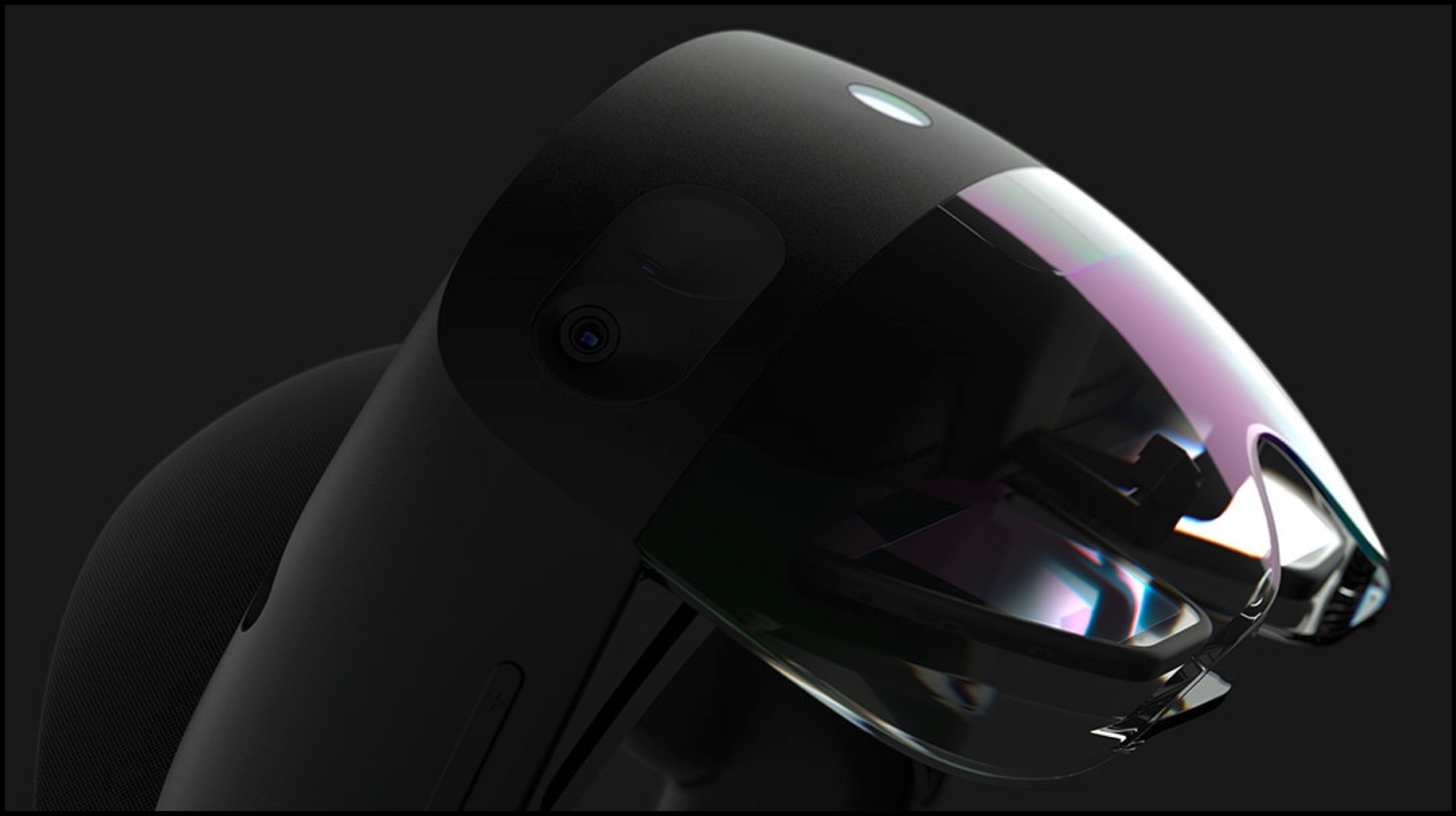
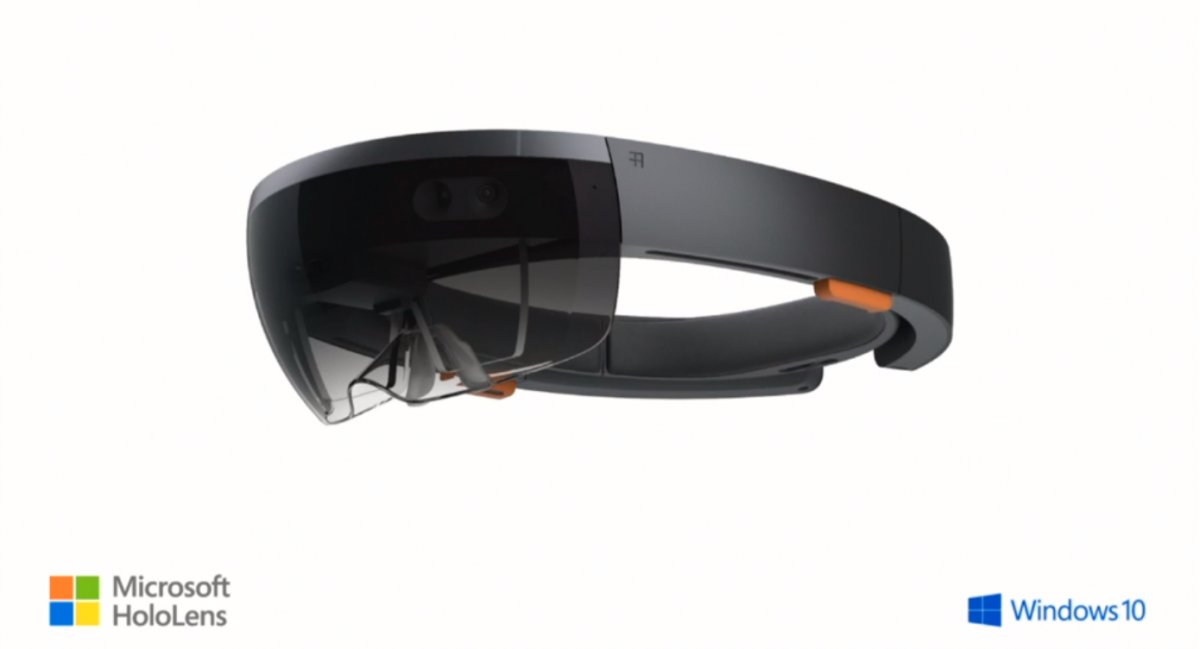
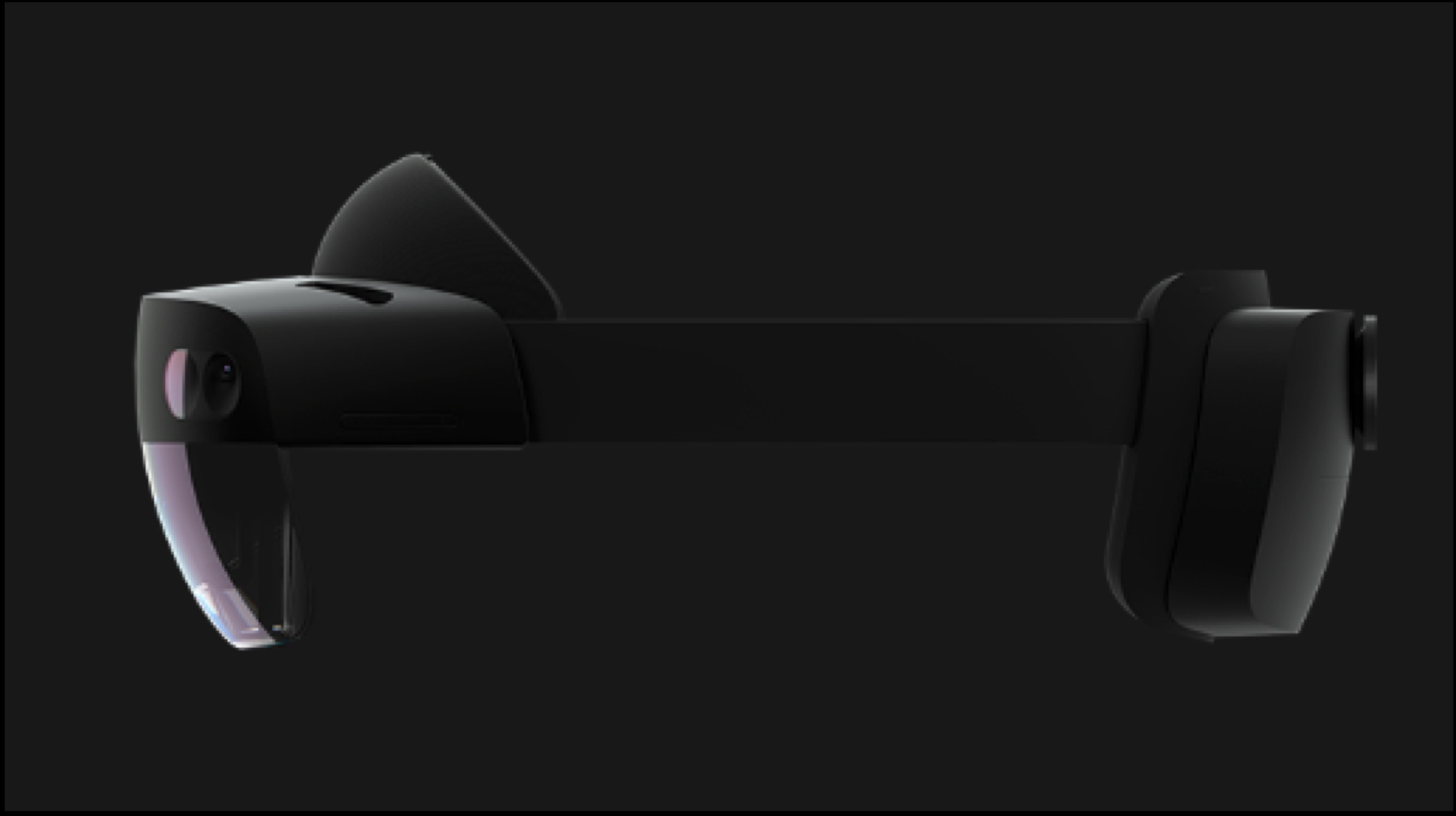
    Microsoft has unveiled the developer edition of its HoloLens 2 Mixed Reality (MR) Headset on the 2nd of May. It is the successor to the HoloLens headset that was launched in the year 2016. To recall, the company first showcased the product at the Mobile World Congress (MWC) 2019 in Barcelona in the month of February. It is touted to bring about major changes to its predecessor, especially in terms of design, comfort and processing power.

    What Is Mixed Reality?
    Microsoft HoloLens

    The Mixed Reality or MR platform was popularised by Microsoft with the original Hololens which offers a unique amalgamation of Augmented Reality and Virtual Reality. This signifies that the technology uses the camera attached to the headset which is worn by the user. With the camera used for augmented reality, the Virtual effect rendered inside the headset creates isolation from the real world. Noteworthy, Mixed Reality is anticipated to take off exponentially in a few years.

    The real world case of Mixed Reality is expected to be more elaborate than both AR and VR, which are mostly used for gaming as of now. For instance, the technology can be used to train industry workers and medical professionals in a virtual environment. This can help in driving down costs and boosting productivity. However, in its current stage, the technology is deemed significantly expensive which has limited its adaptation.

    Microsoft HoloLens 2: What’s New?

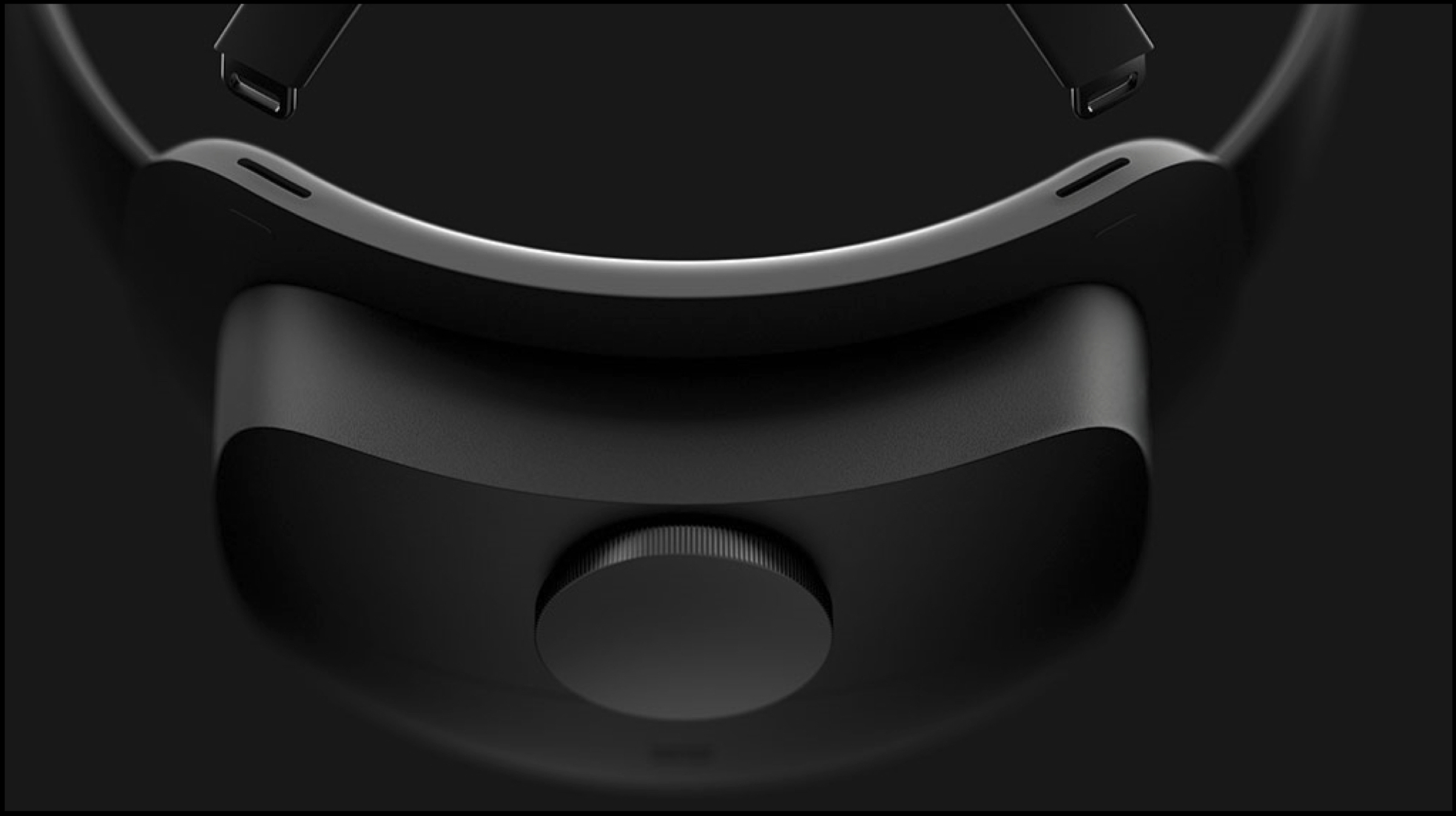
    As mentioned above, the HoloLens 2 Mixed Reality Headset boasts of major changes over the original HoloLens. The company claims to have fixed major gripes that were reported by the users of the first generation device. According to Microsoft, the customers mainly faced issues with the resolution of the two displays which have now been bumped up to 2K resolution panels resorting the complaints. Another issue that Microsoft has fixed with the HoloLens 2 is related to the Field of View (FoV). The FoV in the first generation was found to be its biggest weakness. Microsoft claims to have fixed it with a wider FoV on the latest device. It is also said to be three times more comfortable than the previous generation and uses a knob at the back for adjusting the grip of the headset.

    Also read: Top Gaming Laptops Available In India Under Rs 70,000

    The Developer Kit of the HoloLens 2 includes Azure Credits alongside Unity Pro and Unity PiXYZ Plugin. While the former is a cloud service by Microsoft, the latter two are used for developing software for the headset. The company has also revealed the Unreal Engine 3 will be supported for the HoloLens 2 by the end of May. In terms of pricing, the MR headset is available for developers at a price of US $3500 (Rs. 2,42,553). It is expected to be available commercially and to businesses later this year at a slightly more price than the developer edition.

  • GTA 6 Leaks Suggest The Game Will Be Set In Vice City And Liberty City

    GTA 6 Leaks Suggest The Game Will Be Set In Vice City And Liberty City

    Grand Theft Auto 5 is undoubtedly a name that most gamers can relate with, as the earlier iterations of the franchise gave way to the game that shattered records worldwide. After Grand Theft Auto: Vice City became one of the most loved PC games globally, the game’s publisher, Rockstar Games won hearts with GTA San Andreas, which released in the year 2004. Notably, the latest game in the series, the Grand Theft Auto 5 was a huge success for the company.

    For starters, it became the fastest video game and entertainment property to gross US$ 1 billion in sales, which is more than the gross earnings of some blockbuster movies out there. Till date, the game has sold over 90 million units and earned over US$ 6 billion in revenue. Continuing the success story of the same, Rockstar games is planning to release Grand Theft Auto 6 in the latter half of 2020. Recent leaks have revealed some key features and information regarding the upcoming game, which is sure to get gamers worked up. Note that this article may contain major spoilers, so tread at your own expense.

    GTA 6 Leaked Details

    Due to hardware limitations, the GTA 6 will reportedly not support any current generation gaming consoles which include the PS4 and the Xbox One. The game will most likely run on the latest-gen consoles of that time, which is most likely to be the PlayStation 5. As reported previously, the console is expected to be released in the latter half of the year 2020 or early 2021, which lines up with the release of the game. 

    Grand Theft Auto VIf any gamers are familiar with the key terms “Liberty City” and “Vice City”, be prepared to hear them a lot more times. Reports suggest that GTA 6 will be set against the picturesque sunsets of  Liberty City and Vice City in Miami. And this is good news since it will give gamers a chance to re-live the legacy that built the game we love today. The game is likely to have some sort of “quick travel” mechanic that would enable the player to transition between different cities. If this leak is legitimate, Grand Theft Auto fans have a huge treat waiting for them. 

    Grand Theft Auto VThe protagonist of the game will lead an empire business, starting out small time and then reaching the big ranks. Or that’s what the leaks suggest. The player will be tasked to look after a business in Liberty City, following which he will become the “drug lord” of Vice City. Oh, and the 2004 San Andreas map from the company may also be included in the upcoming iteration. Fans will be elated if something of this sort happens. Having the best three maps till date in one single game? Nothing comes closer to gaming nostalgia than this. 

    Grand Theft Auto VAlso Read: Lenovo L38111 Leaks on TENAA, Packs 4000 mAh Battery And 16MP Camera

    The landscapes of the game are hinted to be mostly countrysides and mountains, which will be linked together using beautifully carved roads and designed bridges. This is supposed to make traversing fun so that players can actually enjoy the aesthetics of the game to the maximum even while they’re not a part of an objective. Noteworthy, one of the biggest things that set GTA 5’s gameplay apart was the quality of real-time multiplayer, which is expected to be perfected in the upcoming game. Leaks suggest that Rockstar Games is working with Microsoft and Sony to enhance cloud gaming, which will provide a seamless online gaming experience to users.  

  • The Apple iPhone XI Looks Brilliant In These Amazing Renders

    The Apple iPhone XI Looks Brilliant In These Amazing Renders

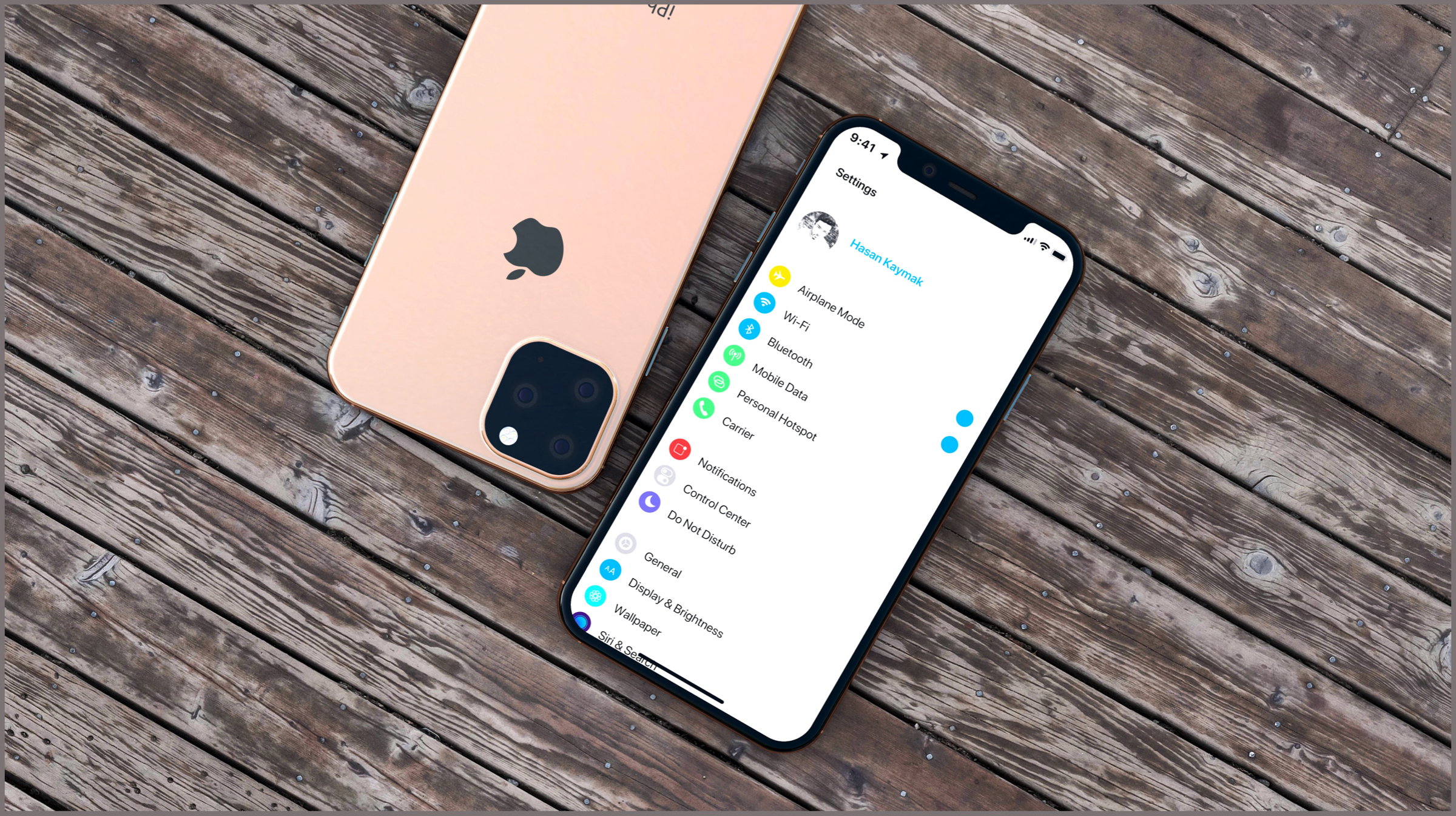
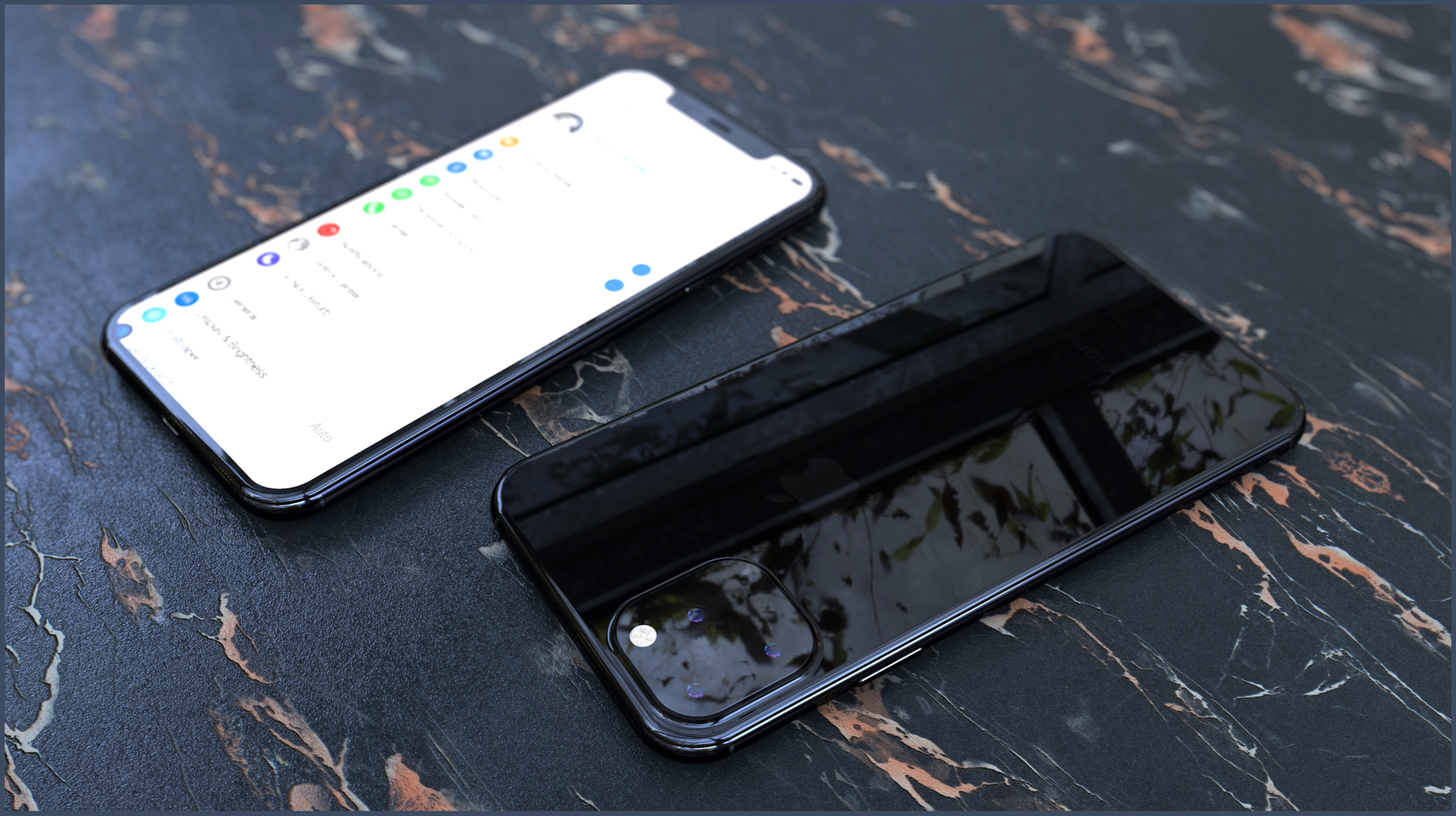
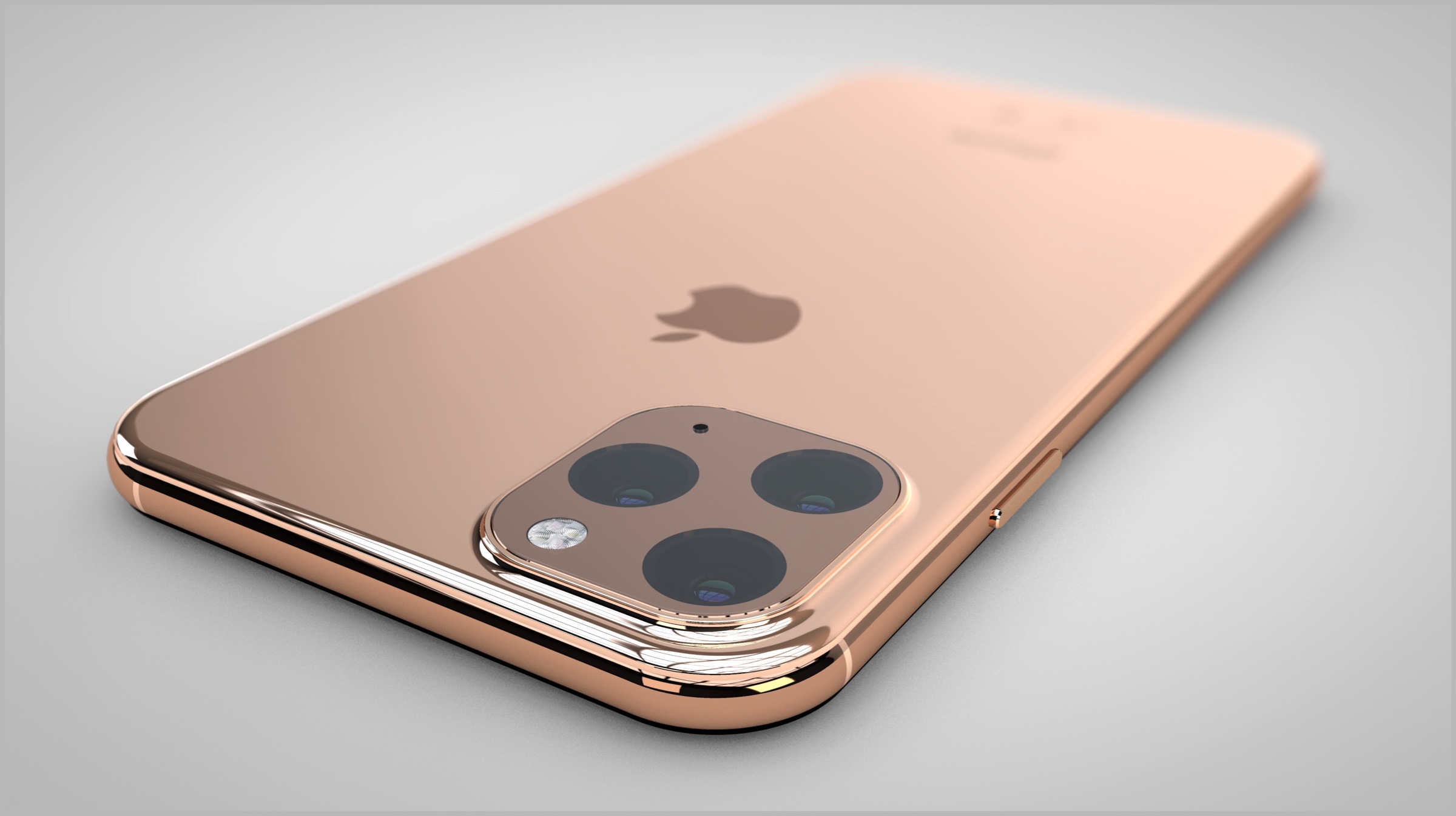
    Apple is five months away from launching the 2019 iPhones which will succeed the iPhone XS, the iPhone XS Max and the iPhone XR from yesteryear. The upcoming flagship handsets from the company will allegedly be called the iPhone XI (Eleven) and the iPhone XI Max (Eleven Max). While the name of the less feature upcoming iPhone is unknown as of now. Even though the launch of 2019 iPhone models is still distant, detail about the upcoming devices keeps on pouring in.  Based on the past leaks, a graphic designer, HKI Products has made renders of the iPhone XI which are worth taking a look.

    iPhone XI Renders
     

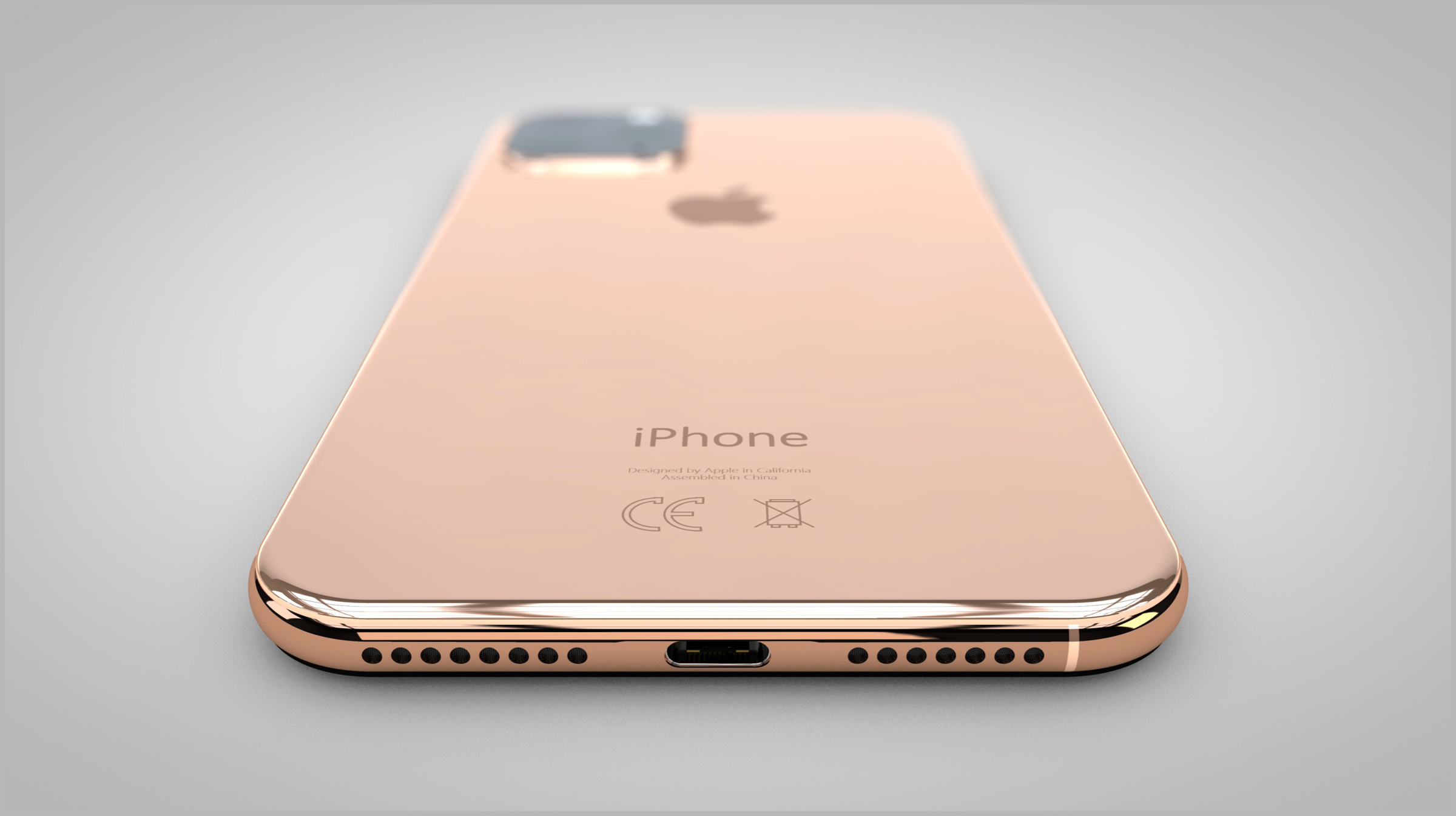
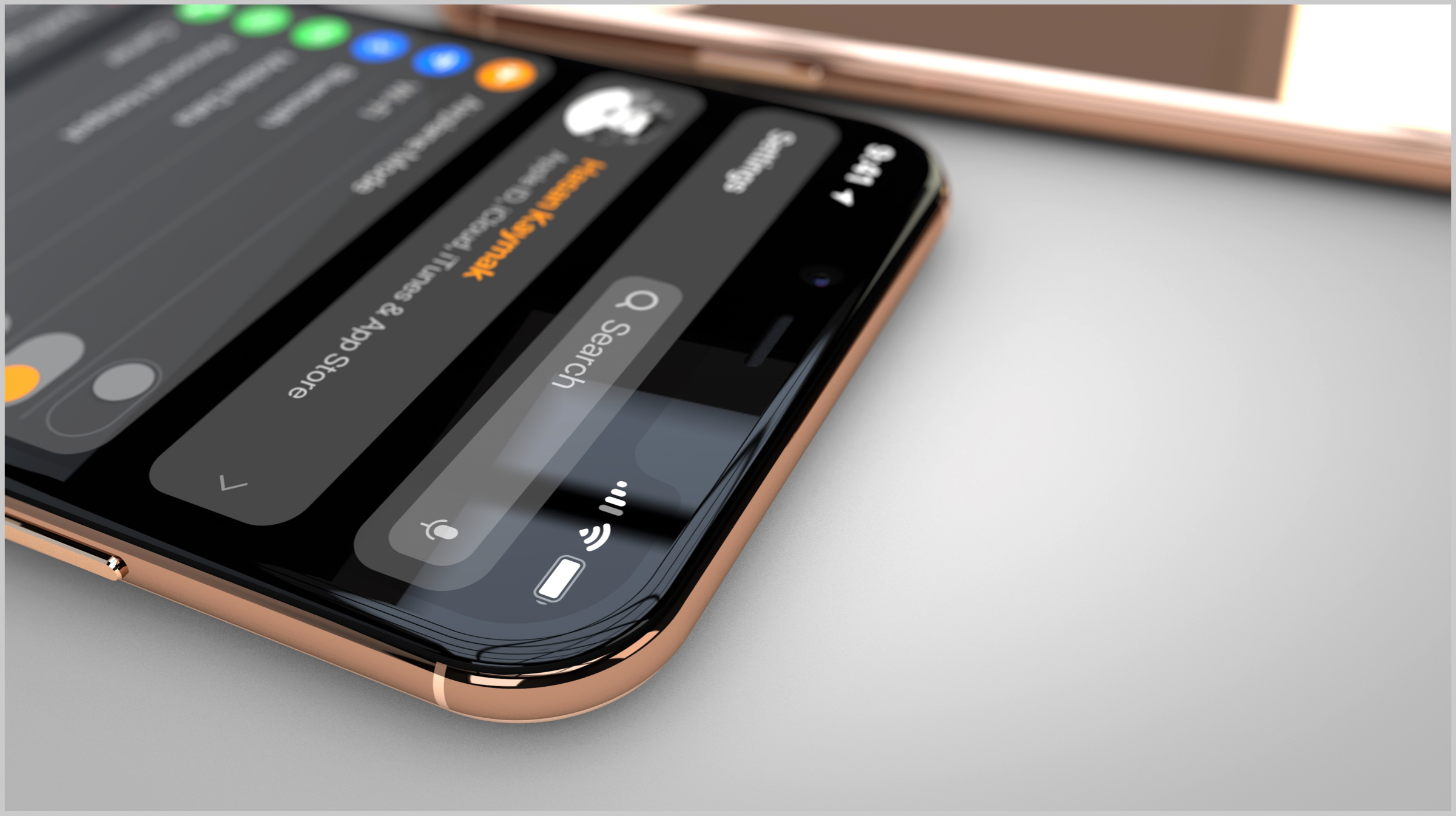
    The renders of the iPhone XI exhibit an elegant looking smartphone which is reminiscent of the current generation devices. On the front of the device sits a large screen display which is surrounded with minimum bezels on all sides except for a wide notch up top. Like the iPhone XS, the notch of the upcoming device houses the front-facing camera and the earpiece for receiving phone calls.

    The iPhone XI concept renders exhibit curved edges which have been staple to the lineup since the iPhone 6. However, the key highlighting feature of future flagship iPhone lies on the back. The rear of the conceptual iPhone XI has a triple camera setup which has been claimed several sources in the past. The camera housing has a squarical shape

    Notably, like the iPhone XS, the rear camera module of the anticipated smartphone also protrudes out slightly of the back panel. The bottom of the handset from the renders have a USB Type C port which is flanked by grilles on either side. Though, Apple is yet to confirm whether the device will have this type of connector or not. Even though the source does not provide any specifications of the smartphone they have been exposed in the past.

    iPhone XI Expected Features and Launch Date

    The iPhone XI is expected to have the same size screen as the iPhone XS which sports a 5.8 inch Super Retina HD display. Noteworthy, the upcoming device will reportedly feature a 12 MP selfie camera which is a significant bump in comparison to the 8 MP sensor found on current generation devices. Like the Samsung Galaxy S10 lineup, the future flagship iPhone models are also reported to support wireless charging. Talking about the chipset, it will ship with a faster SoC that succeeds the  A12 Bionic. 

    Also Read: Top Gaming Laptops Available In India Under Rs 70,000

    All in all, precise details including the price, specifications and design of the iPhone XI will only be publicised at its official launch. Going by Apple’s past launch cycles, the upcoming devices will launch in the month of September. 


  • Google Pixel 3a

    Google Pixel 3a

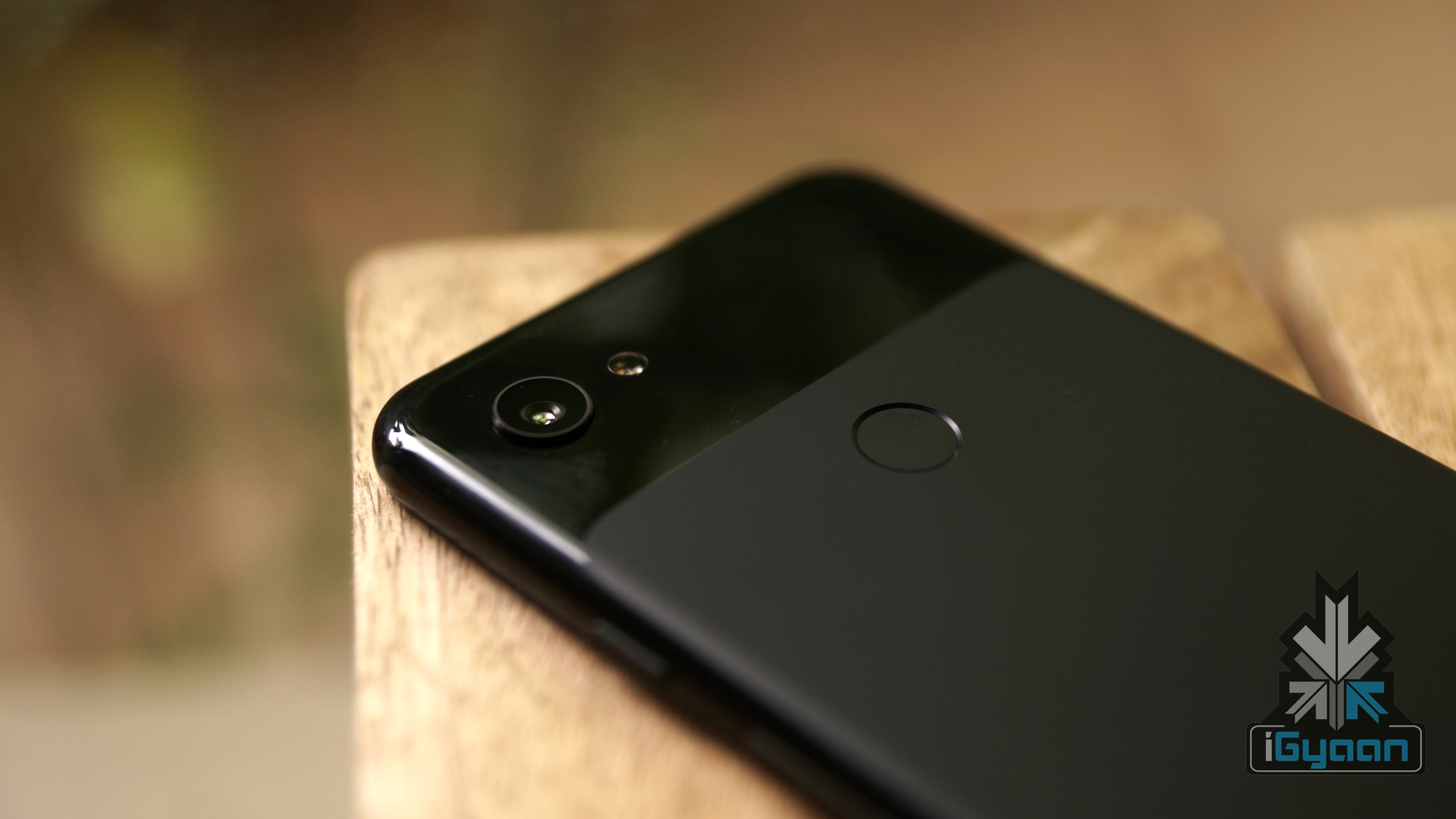
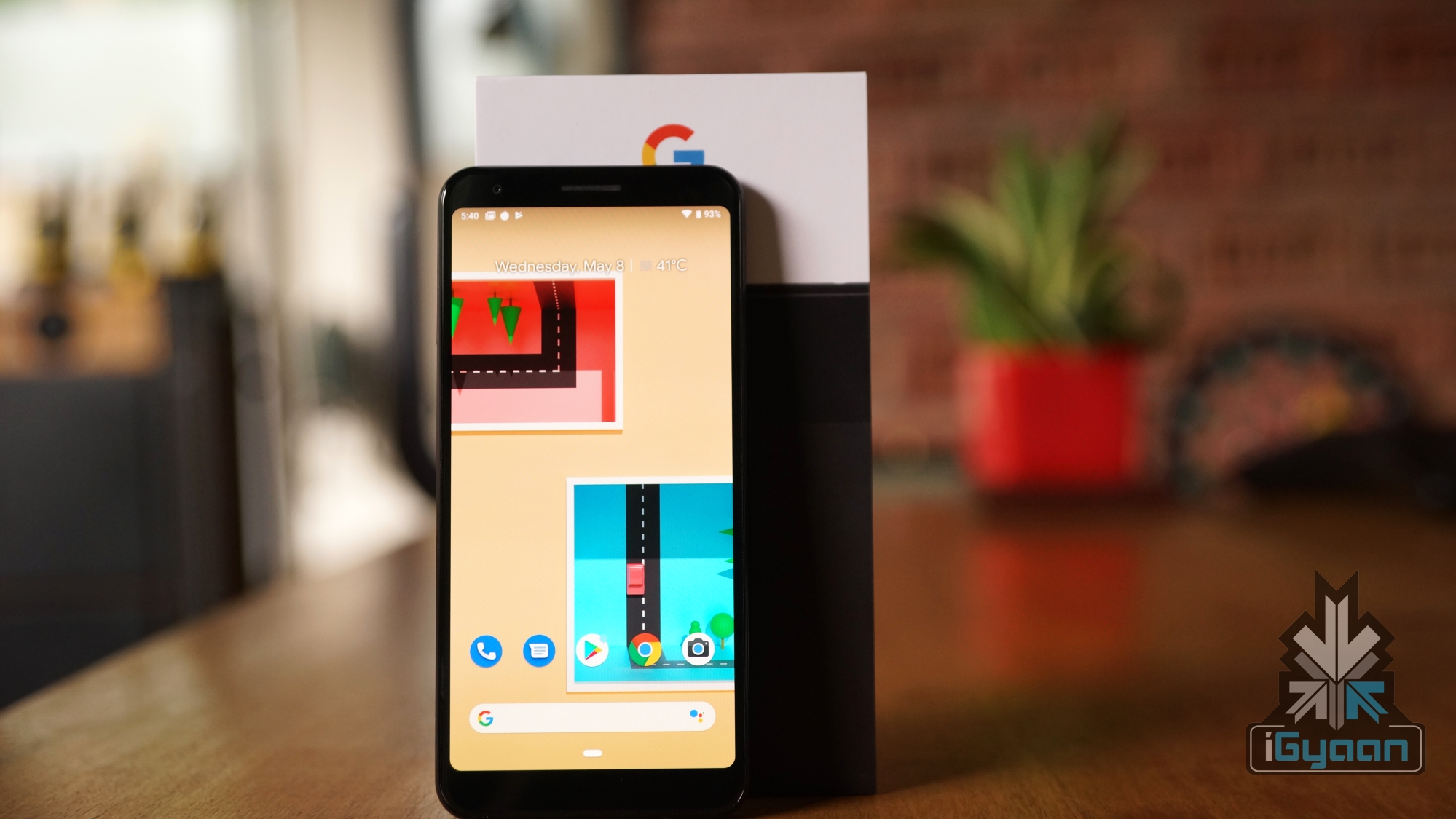
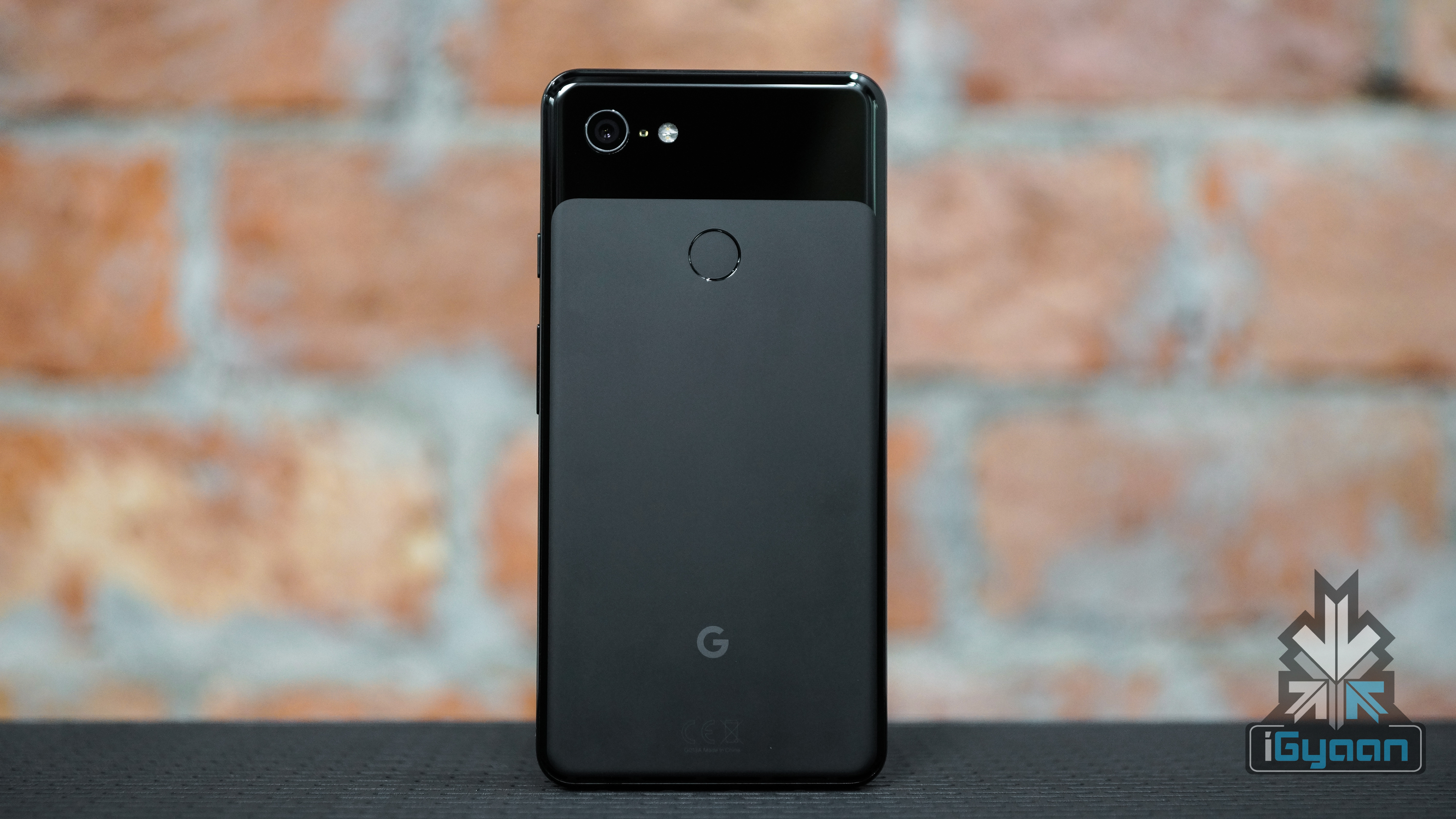
    The Google Pixel 3a is the latest mid-range offering from the company. The smartphone boasts of a similar design to its elder siblings, with an identical camera performance and a more affordable price. It offers some competitive specifications for the price, like the Snapdragon 670 SoC coupled with 4GB of RAM. As is the case with Pixel devices, the Pixel 3a also features a clean, stock build of Android with the promise of software updates in the near future.

    Click Here to buy the Pixel 3a on Flipkart

    [loop included_tags=”61161,64190,55969″ loading=”paged” layout=”f” postsperpage=”4″]

  • Google Pixel 3a XL

    Google Pixel 3a XL

    The Google Pixel 3a XL features a 6-inch OLED panel with a resolution of 2160 x 1080 px, and an 18:9 aspect ratio. Under the hood, the device packs a Snapdragon 670 chipset, which comprises of an octa-core CPU and the Adreno 615 GPU. It is bundled with 4GB of RAM and is available in 2 memory variants, 64GB and 128GB. The Pixel 3a XL has a 12MP rear camera sensor and an 8MP selfie camera. It is powered by a 3700 mAh battery with 18W fast charging support. The Google Pixel 3a XL is available in 3 colours, Just Black, Clearly White and Purple-ish. 

    Click Here to buy the Pixel 3a XL on Flipkart

    [loop included_tags=”64190,61161″ loading=”paged” layout=”f” postsperpage=”4″]

  • Top Gaming Laptops Available In India Under Rs 70,000

    Top Gaming Laptops Available In India Under Rs 70,000

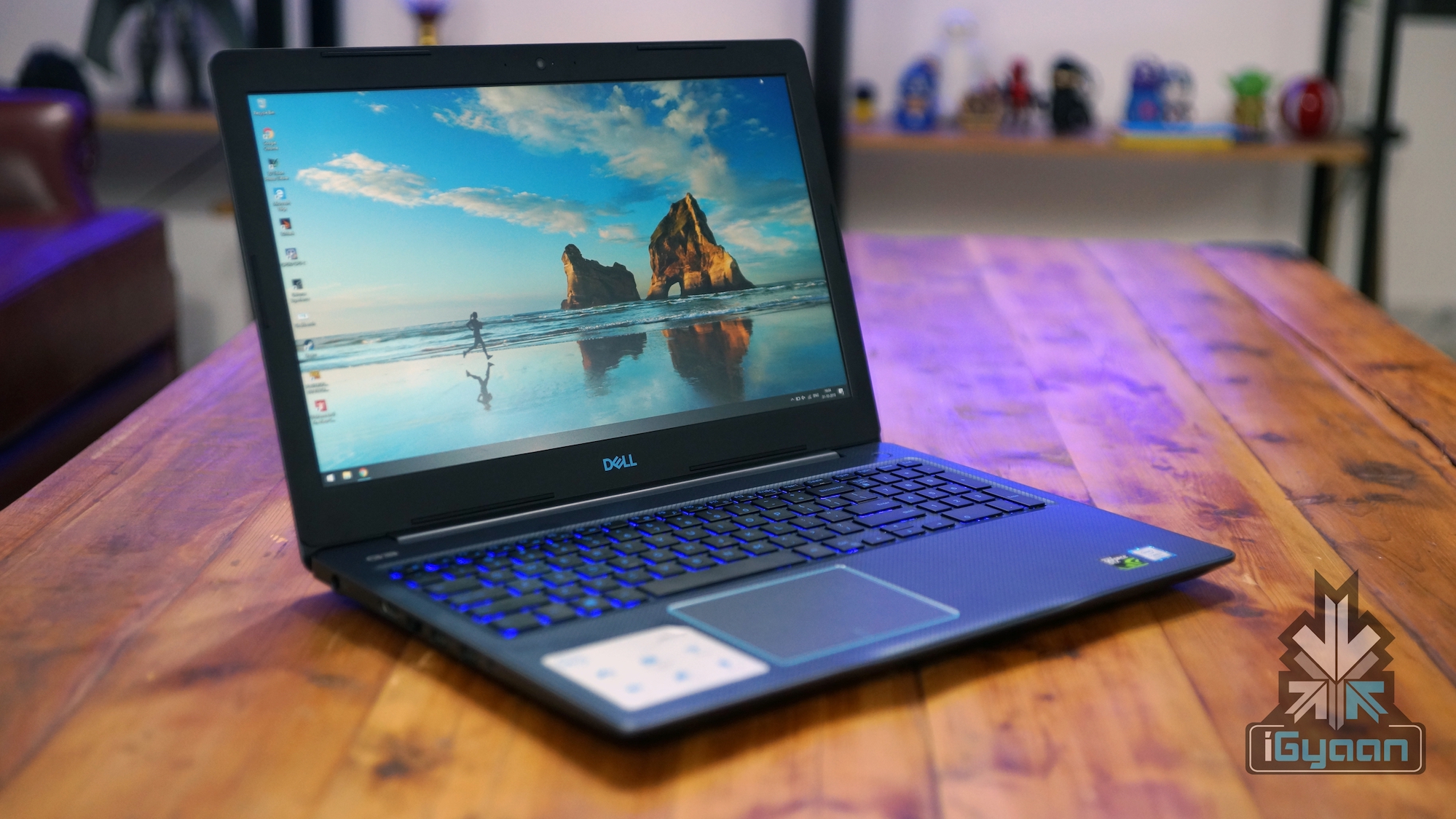
    Accrediting to the rising popularity of E-sports, the demand for gaming laptops has also risen. The market has boatloads of options which can be both confusing and overwhelming for a consumer. Adding further to the dilemma is a long list of technical jargon, due to which the customers can end up buying a device which might not offer the best value for money. Even worse, they could pick up a gaming laptop that has older generation components like ageing CPUs which seem better due to their model number. This guide will help you select the best gaming laptops with noteworthy recommendations across the most popular price bracket which happens to be Rs 50,000 and Rs 70,000.

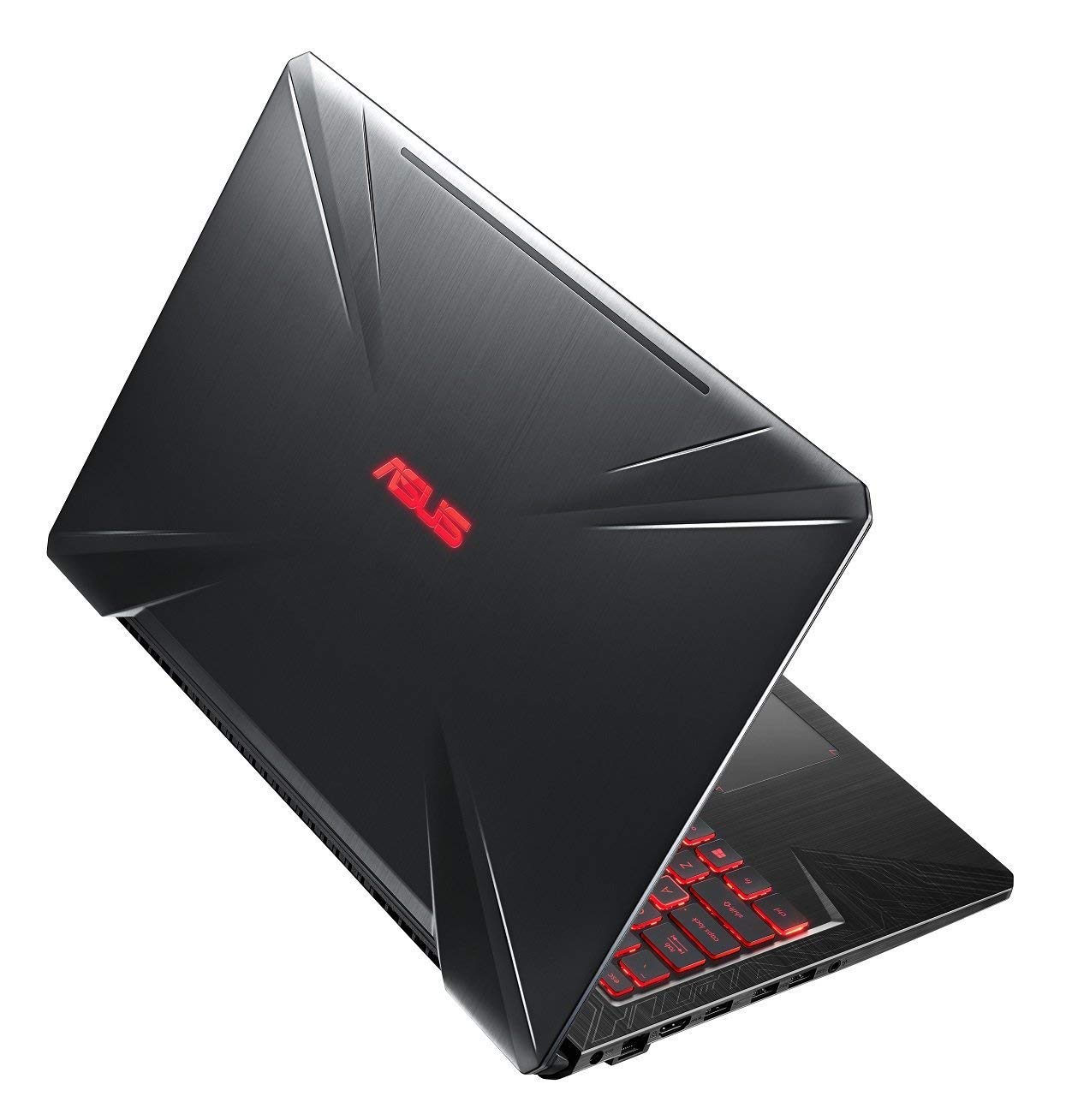
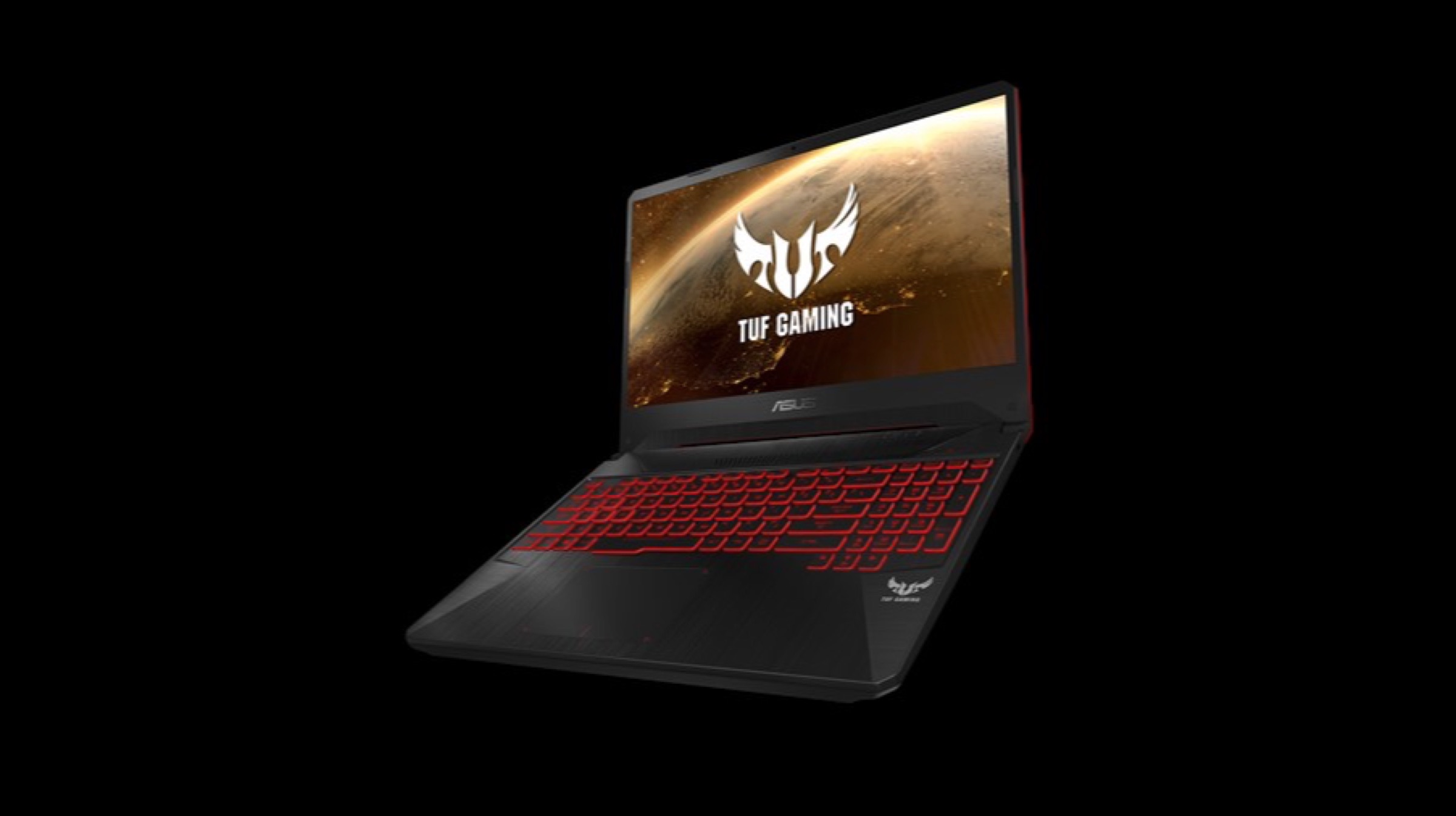
    ASUS TUF FX504 – Most Feature Rich

    The ASUS TUF FX504 is exactly what a gaming laptop should look like. It has a chic design with Asus branding on the lid with a tactile keyboard and a whole host of connectivity options. The ASUS TUF FX504 is the most expensive option in this list and it is loaded with features. Even though other options in this list have the same CPU and alike display. It has a certain edge over them. The ASUS TUF FX504 has 128 GB SSD in addition to the 1 TB hard drive which significantly reduces the loading time of games. 

    CPU Intel i5 8300h, Quad Core, 14 nm
    GPU GTX 1050, 4 GB GDDR5
    RAM 8 GB, DDR4
    Storage 1 TB HDD 5400 RPM + 128 GB SSD
    Screen Size 15.6 inch, 1920 x 1080 px resolution
    Battery Capacity 48 Wh
    Operating System Windows 10
    Weight 2.3 kg


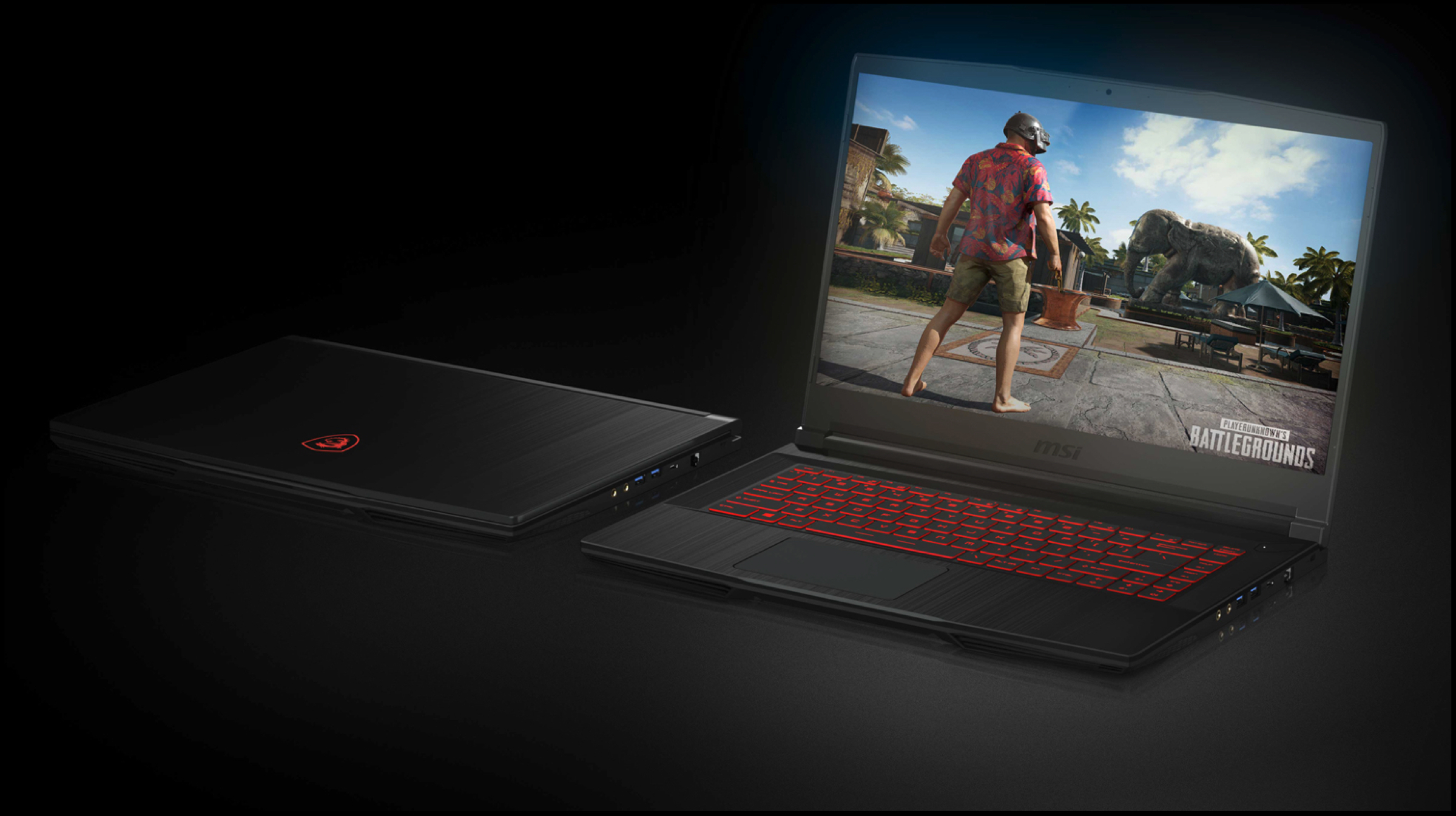
    MSI GF63 – Most Light Weight

    The MSI GF63 also has a plastic construction with company branding on the lid and 15.6 inch that is surrounded with minimal bezels. Despite being a full-fledged gaming laptop it only weighs in at 1.86 kg which makes it the lightest device in this list. Even though the MSI GF63 misses out on an SSD, it has a 7200 rpm HDD which tries to compensate for the former. Also, it has a 51 Wh battery which is only second to the next option. 

    CPU Intel i5 8300h, Quad Core, 14 nm
    GPU GTX 1050, 4 GB GDDR5
    RAM 8 GB, DDR4
    Storage 1 TB HDD 7200 RPM 
    Screen Size 15.6 inch, 1920 x 1080 px resolution
    Battery Capacity 51 Wh
    Operating System Windows 10
    Weight 1.86 kg


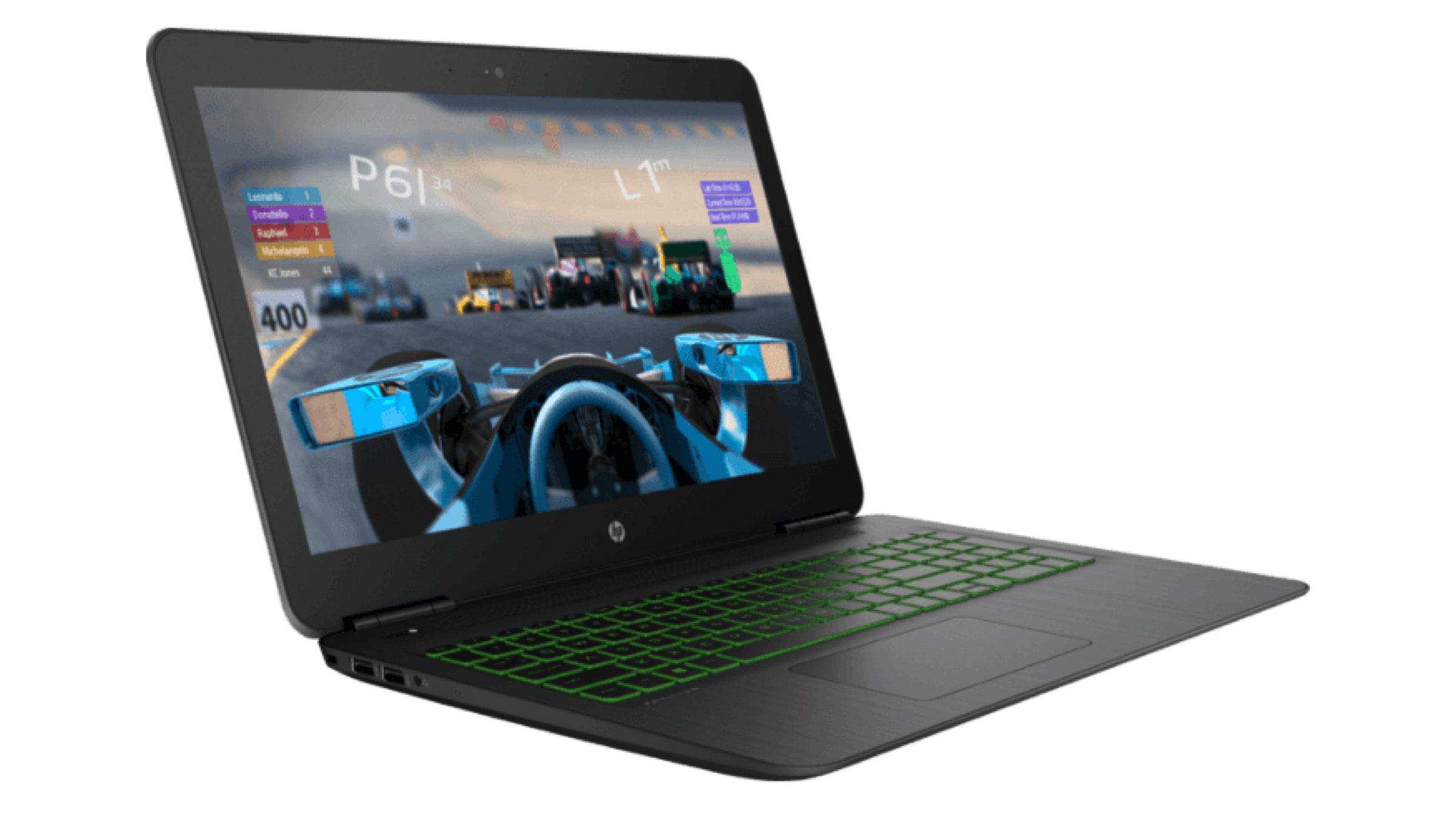
    HP bc406TX – Largest Battery

    The HP bc406TX is the third most expensive gaming laptop in this list. Like the ASUS TUF FX504 and the MSI GF63, it also features a 15.6 inch display, Intel i5 8300h CPU and the GTX 1050 GPU with 4 GB of RAM. As previously mentioned, the Hp bc406TX gaming laptop has the largest battery pack out of all the devices in this list which is rated at 52.5 WHr. However, it is one of the heaviest options in this list and it weighs a hefty 2.7 kg.

    CPU Intel i5 8300h, Quad Core, 14 nm
    GPU GTX 1050, 4 GB GDDR5
    RAM 8 GB, DDR4
    Storage 1 TB HDD 5400 RPM 
    Screen Size 15.6 inch, 1920 x 1080 px resolution
    Battery Capacity 52.5 Wh
    Operating System Windows 10
    Weight 2.17 kg


    ASUS TUF FX505DY – Largest Display

    The ASUS TUF FX505DY is the second gaming laptop from ASUS and has made its way into this list as it has the largest display. It sports a 17.3 inch display that has 1920 x 1080 px Full HD resolution. The ASUS TUF FX505DY also packs completely different CPU and GPU. The gaming laptop is kitted with the AMD Ryzen 5 3550H processor and the AMD Radeon RX 560X graphics card. Even though AMD is a less known brand for the selection of a GPU, it surely provides great value for money especially with the Ryzen lineup. Furthermore, the RX 560X GPU is also powerful enough to compete GTX 1050 found on the offerings which are listed above. 

    CPU Ryzen 5 3550H, Quad Core, 12 nm
    GPU AMD RX 560X, 4 GB GDDR5
    RAM 8 GB, DDR4
    Storage 1 TB HDD 5400 RPM 
    Screen Size 17.3 inch, 1920 x 1080 px resolution
    Battery Capacity 48 Wh
    Operating System Windows 10
    Weight 2.7 kg


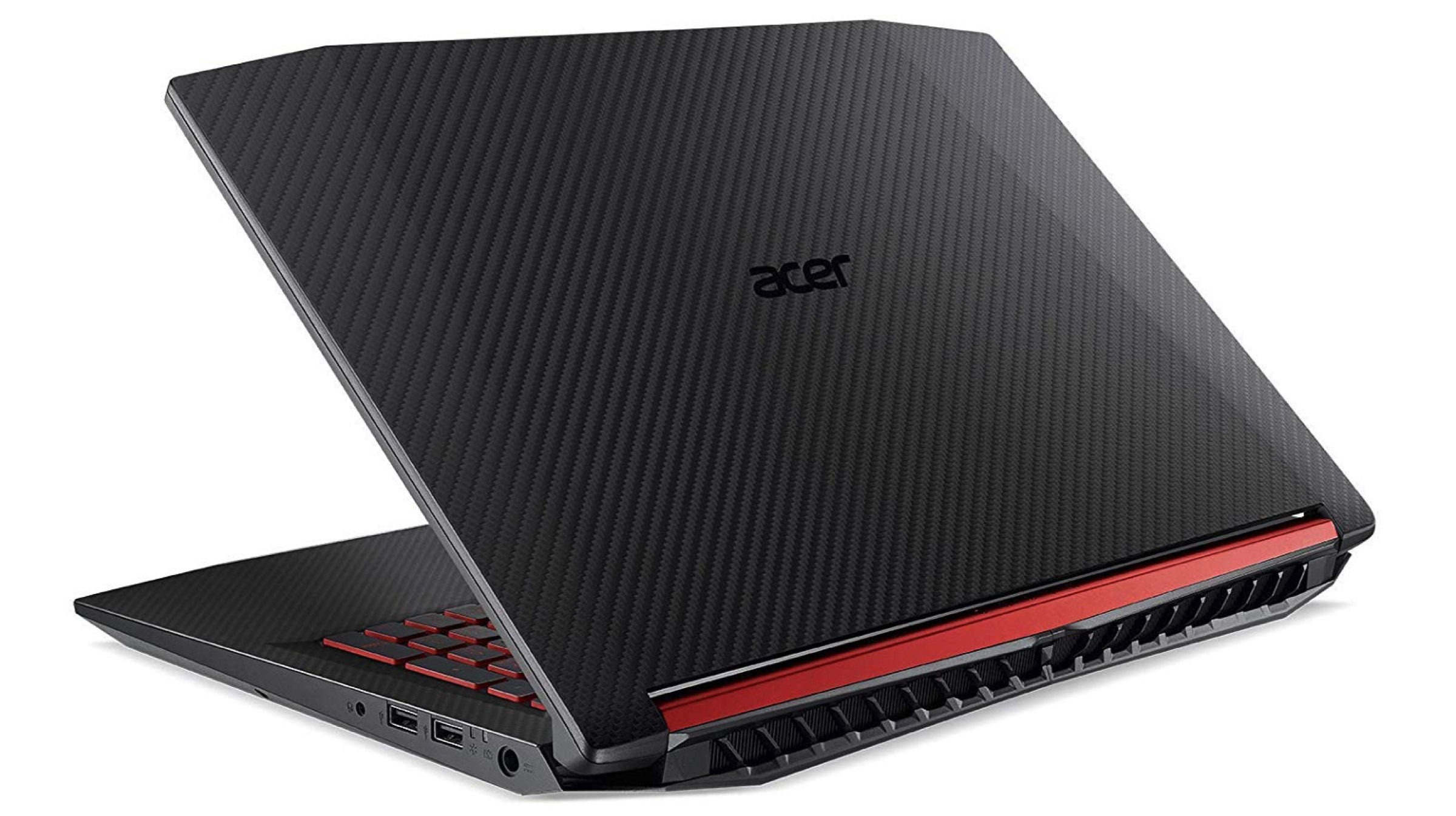
    Acer Nitro 5 AN515 42 – Value For Money

    The Acer Nitro Acer Nitro 5 AN515 42 is the most affordable option in this list, however, it provides excellent value for money. The gaming laptop is kitted with the Ryzen 2500U CPU which is nothing short of powerful and can easily handle non AAA gaming titles. Like the ASUS TUF FX505DY, the Acer Nitro 5 AN515 42 packs the AMD Radeon 560X GPU which has 4 GB of RAM. One shortfalling of this gaming laptop is its 37 Wh battery which, however, is not a major deal breaker.

    Also Read: Sony WH XB700 Wireless Headphones Review

    CPU Ryzen 5 2500U, Quad Core, 14 nm
    GPU AMD RX 560X, 4 GB GDDR5
    RAM 8 GB, DDR4
    Storage 1 TB HDD 5400 RPM 
    Screen Size 15.6 inch, 1920 x 1080 px resolution
    Battery Capacity 37 Wh
    Operating System Windows 10
    Weight 2.7 kg


  • Lenovo L38111 Leaks on TENAA, Packs 4000 mAh Battery And 16MP Camera

    Lenovo L38111 Leaks on TENAA, Packs 4000 mAh Battery And 16MP Camera

    In the latter part of April 2019, Lenovo launched its flagship device, the Z6 Pro, which has flagship specifications and a competitive price tag. As per latest reports, the company is gearing up for the release of another mid-range smartphone, which will be the Lenovo L38111. The device was spotted on Chinese regulatory website TENAA which reveals it complete specifications.

    Lenovo L38111: Design And Specifications

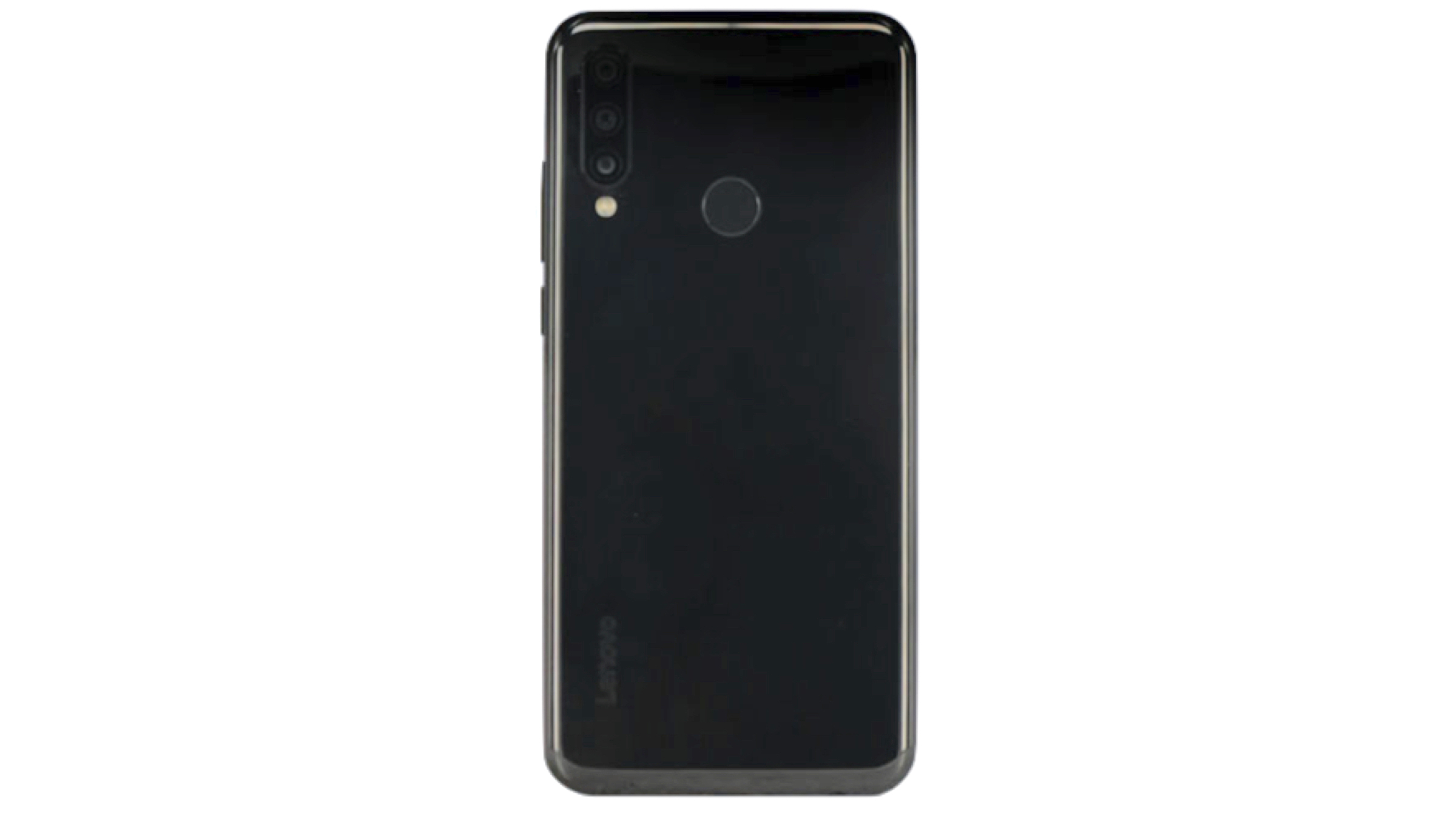
    The TENAA certification reveals that the Lenovo L38111 measures at 156.4 x 74.4 x 7.9 mm and weighs 163 grams. The smartphone has a 6.3 inch FHD+ IPS LCD display with a resolution of 2340 x 1080 px. It has a waterdrop style notch up front that houses the selfie camera. The smartphone’s back panel appears to be made out of a glossy plastic material. 

    Under the hood, the Lenovo L38111 features a 2.2GHz octa-core unnamed processor. Details about the same may be available in the near future. The device will be launched in three different variants as follows:

    • 3 GB RAM + 32 GB storage
    • 4 GB RAM + 64 GB storage
    • 6 GB RAM + 128 GB storage

    In terms of optics, the smartphone has a triple rear camera setup, which accommodates a 16MP primary sensor. Any information about the other two sensors is not known as of now. For selfies, the smartphone packs a 8MP front camera. The Lenovo L38111 runs on the Android 9 Pie operating system.

    Features And Expected Availability

    Also Read: Razer Is Making An RGB Toaster And You Can’t Do Anything About It

    Previously in the month of April 2019, the device received Bluetooth certification, confirming that the Lenovo L38111 will feature Bluetooth v5.0. Furthermore, it will be powered by a 3,930 mAh battery, which will have support for 18W fast charging. For biometric security, the L38111 sports a rear-mounted fingerprint scanner. The TENAA website reports a total of nine colour variants of the device, including Black, Green, Red, Purple, Gray, Gold, Silver, White and Blue colour options. Reports state that the Lenovo L38111 may be launched in the market in this year itself.    

  • Razer Is Making An RGB Toaster And You Can’t Do Anything About It

    Razer Is Making An RGB Toaster And You Can’t Do Anything About It

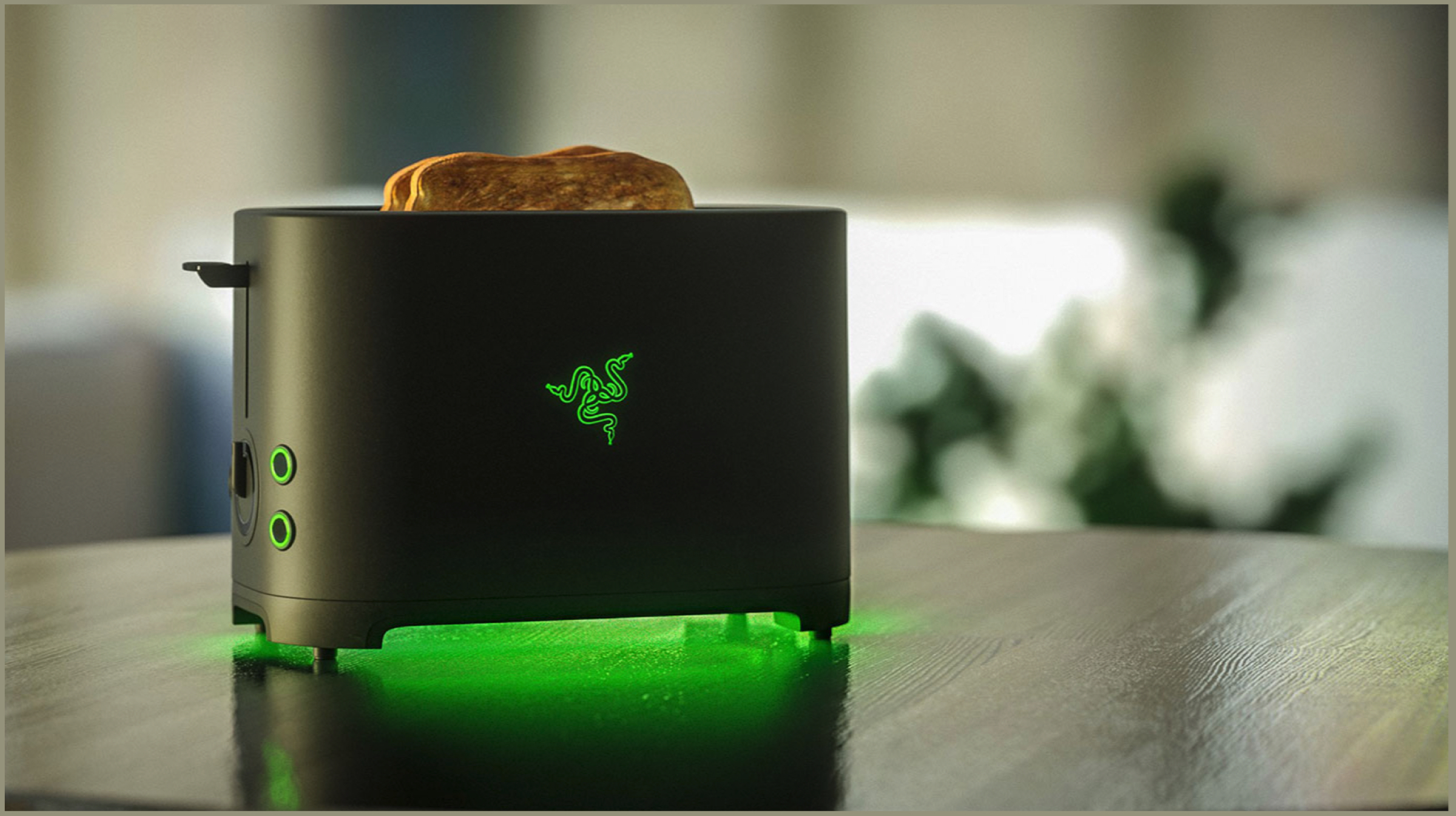
    Razer, an American Gaming Peripheral company is making a toaster. There, that’s the news you guys are here to read. After announcing the Project Breadwinner as an April Fools joke in the year 2016, the company is making it a reality. In the supposed joke, the company claimed it is developing an RGB Toaster which can make toasts with the Razer Logo on them. Now, the CEO of Razer has confirmed the company will start working on an actual toaster really soon. If all of this sounds weird, let us assure you that it is and you are not alone.

    History Of The Razer Toaster

    So if you want to know more about this “amazing” and “groundbreaking” idea by Razer, grip on to something. The story starts about six years ago, in the year 2013 when a fan asked Razer CEO Min-Liang Tan about the Razer Toaster. The executive jokingly said the company has already made one and that is when it all went downhill. A man named Mark Withers, the mastermind behind all this, started commenting on every Liang Tan’s post about the fabled product. He also created a Facebook page dedicated to this quest.

    This led to Tan claiming if Withers gets a million likes on the page, Razer will make an actual toaster. Furthermore, if a member of the page tattoos the Toaster image on their body, an additional 1,00,000 will be counted in the case. No prizes for guessing who won, as around 12 people posted pictures of them gracing the tattoo on their forearm.

    April Fools Of 2016

    The tale continues, and it doesn’t get less weird from there. So in the year 2016, Razer maybe in a bid to tease the hardworking activists just wanting a toaster, released the Project Breadwinner as an April Fools Joke. This, as discussed above, teased an amazing looking toaster, with RGB lights. What was interesting about the product was that it could imprint the company’s famous three-headed snake logo on the bread.

    While this prank was taken mostly in jest, it ended up increasing the demand for a Razer Toaster. Three years and a lot of bad decisions later, we are here and the product is a reality. After the page hit their goal, Min-Liang Tan posted on Facebook that he will put together a team and in a few years, will make the project a reality. Don’t fret though, as regular updates will be shared so you know the toaster is safe and sound. So Razer is making a toaster – for Razer toaster lovers. By Razer Toaster Lovers.

    Also read: Sony WH XB700 Wireless Headphones Review

    So this brings us where we are today, in a world where RGB toasters by Razer are apparently a thing. While we are all in for a company fulfilling all the demands of the consumers, how long do we have to wait for Asus to make a ROG Microwave? And if no one has asked that question before now, we are going to go and make a Facebook page soon about it. 

  • The Pixel 3a Will Cost Half As Much As the Pixel 3, Retail Packaging Leaked

    The Pixel 3a Will Cost Half As Much As the Pixel 3, Retail Packaging Leaked

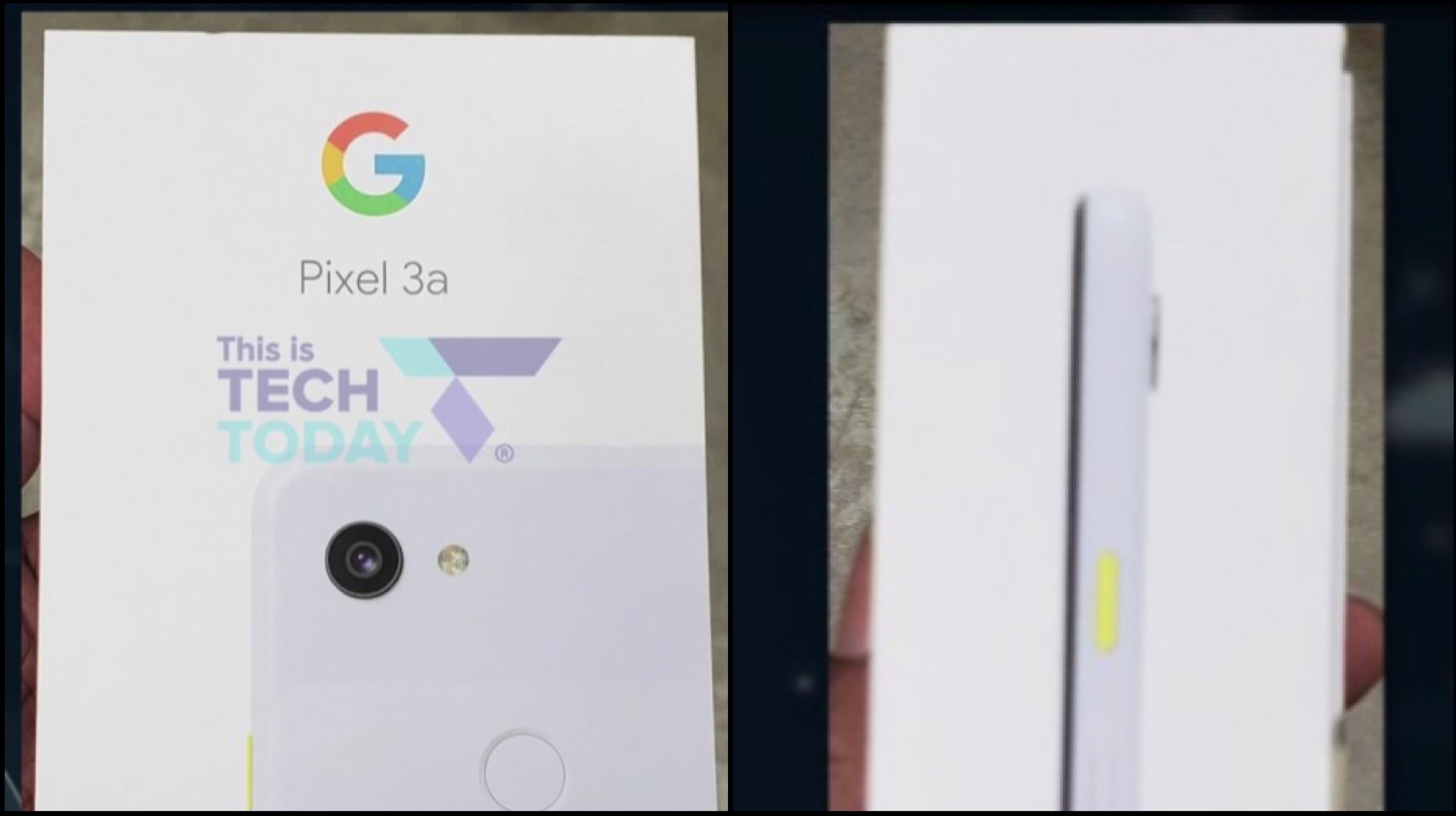
    Google is likely to release the highly-anticipated Pixel 3a and the Pixel 3a XL smartphone duo at the Google I/O keynote on the 7th of May. A lot of rumours have already brought the devices out into the spotlight. They are expected to be Google’s first attempt to tap into the midrange smartphone segment, accrediting to which the price expectations for the devices are quite varied. As per latest reports, the Pixel 3a, the specced down variant of the Pixel 3 will be priced at half its price. Images have also surfaced which showcase the Google Pixel 3a’s retail packaging in all its glory. 

    As per the leaked retail packaging images, the Pixel 3a will be available in a purple colour option apart from the Just Black and Clearly White variants, which will be named as “Purple-ish”. The retail packaging further affirms that the device will be available in two variants, one with 64GB and the other with 128GB of internal storage. Moreover, reports say that the Pixel 3a will be priced at US$ 399 (~INR 28,000) onwards, whereas the Pixel 3a XL will be placed at a price point of US$ 479 (~INR 33,000) onwards. A multitude of other details was also leaked regarding the upcoming Google devices, which are listed below.  

    Design, Features And Specifications

    The design of Google smartphones have been previously leaked, and it is quite similar to Pixel 3 and Pixel 3 XL. The devices are expected to be designed with polycarbonate instead of metal and glass on the Pixel 3 & 3 XL. As per leaks, the Google Pixel 3a will feature a 5.6 inch FHD+ gOLED display with 441 ppi pixel density while the Pixel 3a XL will sport a 6-inch gOLED FHD+ display with 402 ppi pixel density. For biometrics and security, both the handsets will feature a rear-mounted fingerprint sensor.

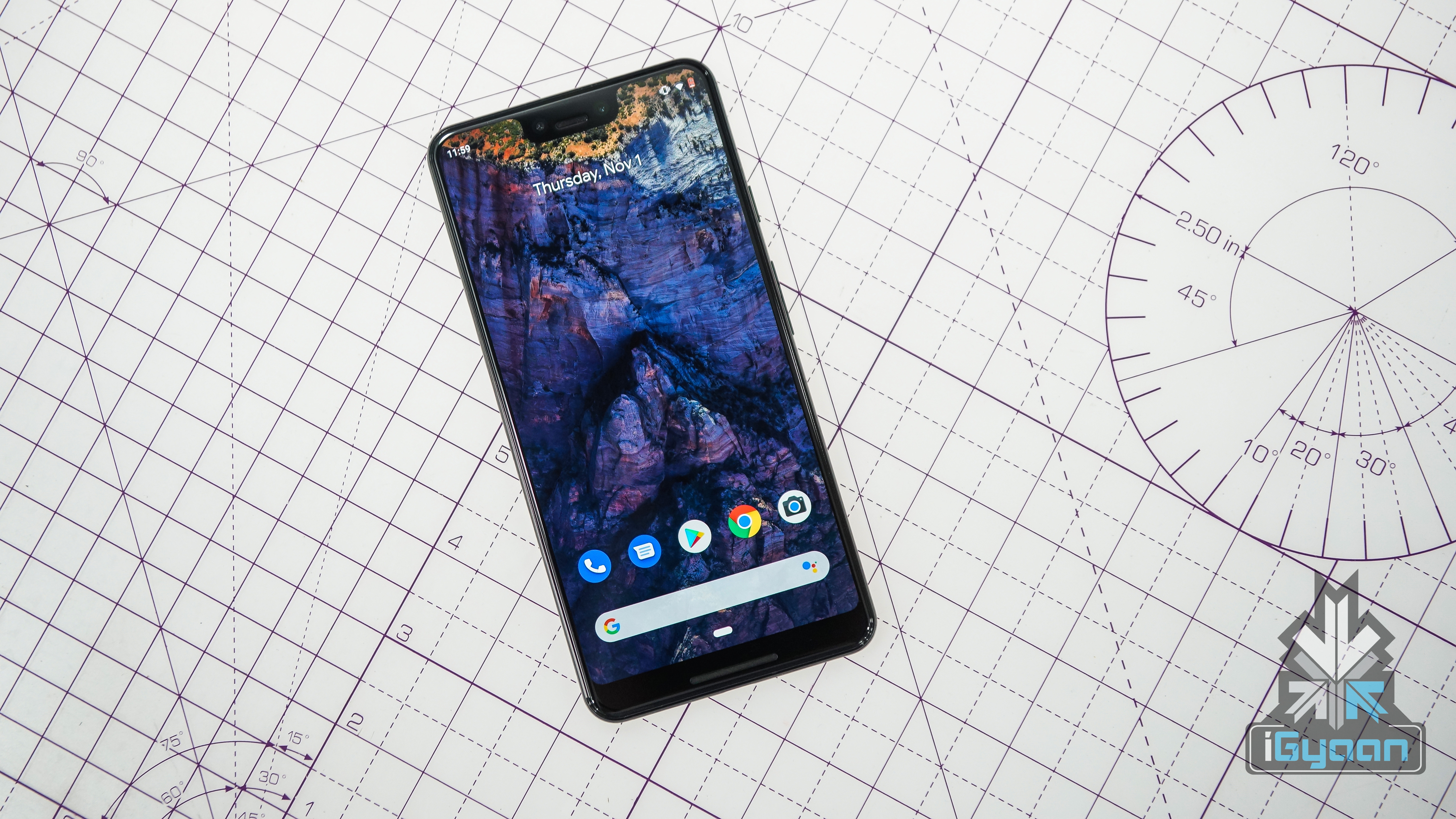
    Google Pixel 3XL

    Under the hood, the upcoming Pixel 3a and 3a XL are reported to run on the 10nm Snapdragon 670 SoC. which comprises of an octa-core processor and the Adreno 612 GPU. In terms of optics, an f/1.8 aperture equipped 12 MP single rear camera is expected in both the smartphones, while the front camera will have a resolution of 8 MP. As mentioned before, the devices are expected to feature 4GB of RAM and 64GB of internal storage for the base variants. Where the Pixel 3a weighs around 150 grams, the Pixel 3a XL weighs almost 20 grams more than the 3a.  

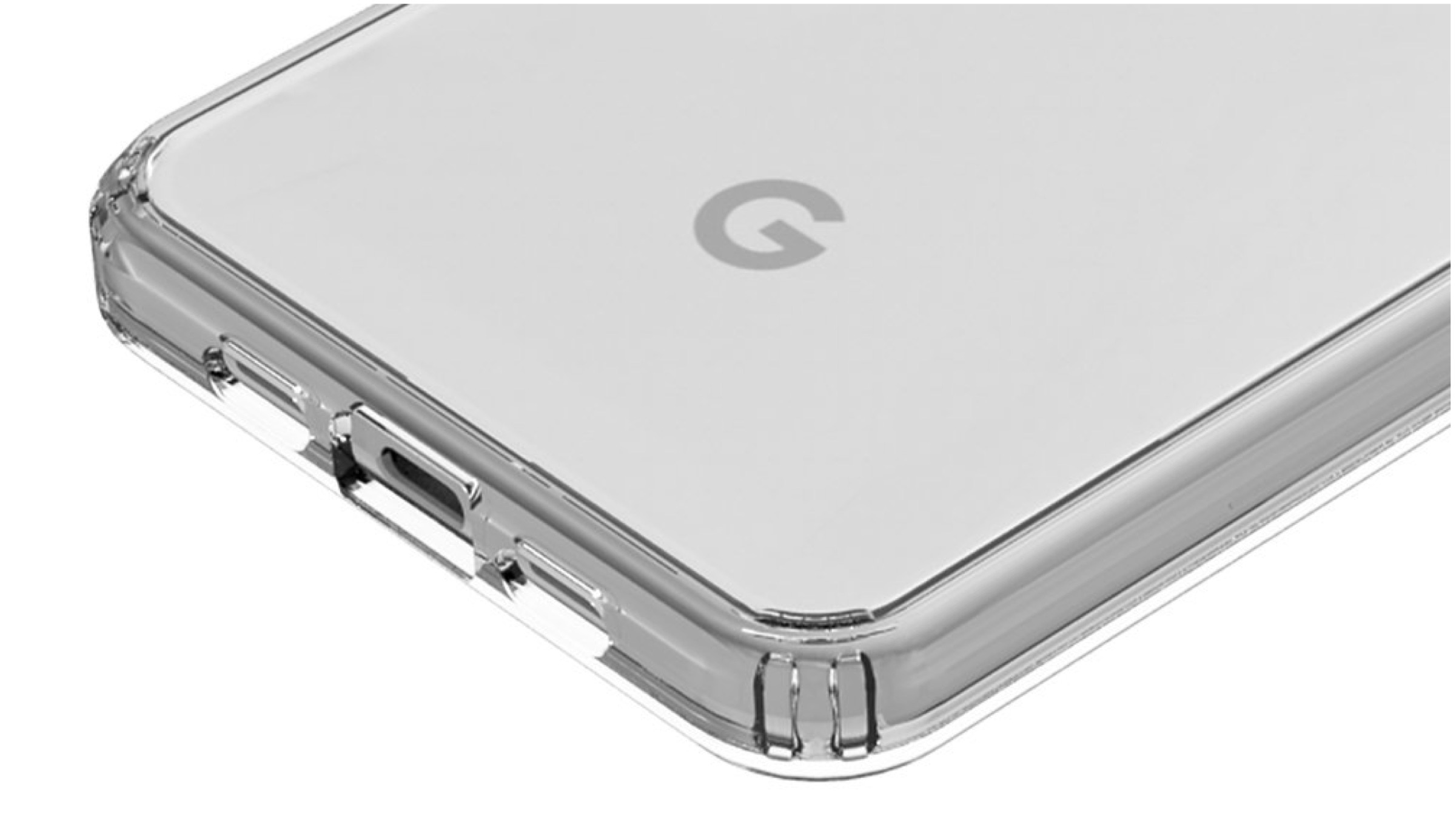
    Google Pixel 3a XL case render

    Past leaks suggest that the Pixel 3a will be powered by a 3000 mAh battery with support for 18W fast charging. Instead, the Pixel 3a XL is expected to feature a 3,700 mAh battery with 18W fast charging support as well. Like its elder siblings, they are expected to run on the latest Android 9 Pie with a stock interface and will get fast software updates. They are also expected to retain the 3.5mm headphone jack as seen in previously leaked images. A former listing on the Bluetooth certification website reveals the smartphones will support Bluetooth 5.0 connectivity. Recent reports have also suggested that the smartphones will have Always-On and Now Playing feature. 

    Pricing & Availability

    Google Pixel 3XL

    Also read: Fortnite Can Be Now Played On The Xiaomi Redmi Note 7 Pro

    As mentioned above, the Pixel 3a smartphone duo will be launched on the 7th of May at the Google I/O conference. Prices for the same have also been mentioned previously. Considering that Google can actually provide a premium camera in the midrange segment, the device will provide a tough competition to smartphones like the Samsung Galaxy A70.  

  • Sony WH XB700 Wireless Headphones Review

    Sony WH XB700 Wireless Headphones Review

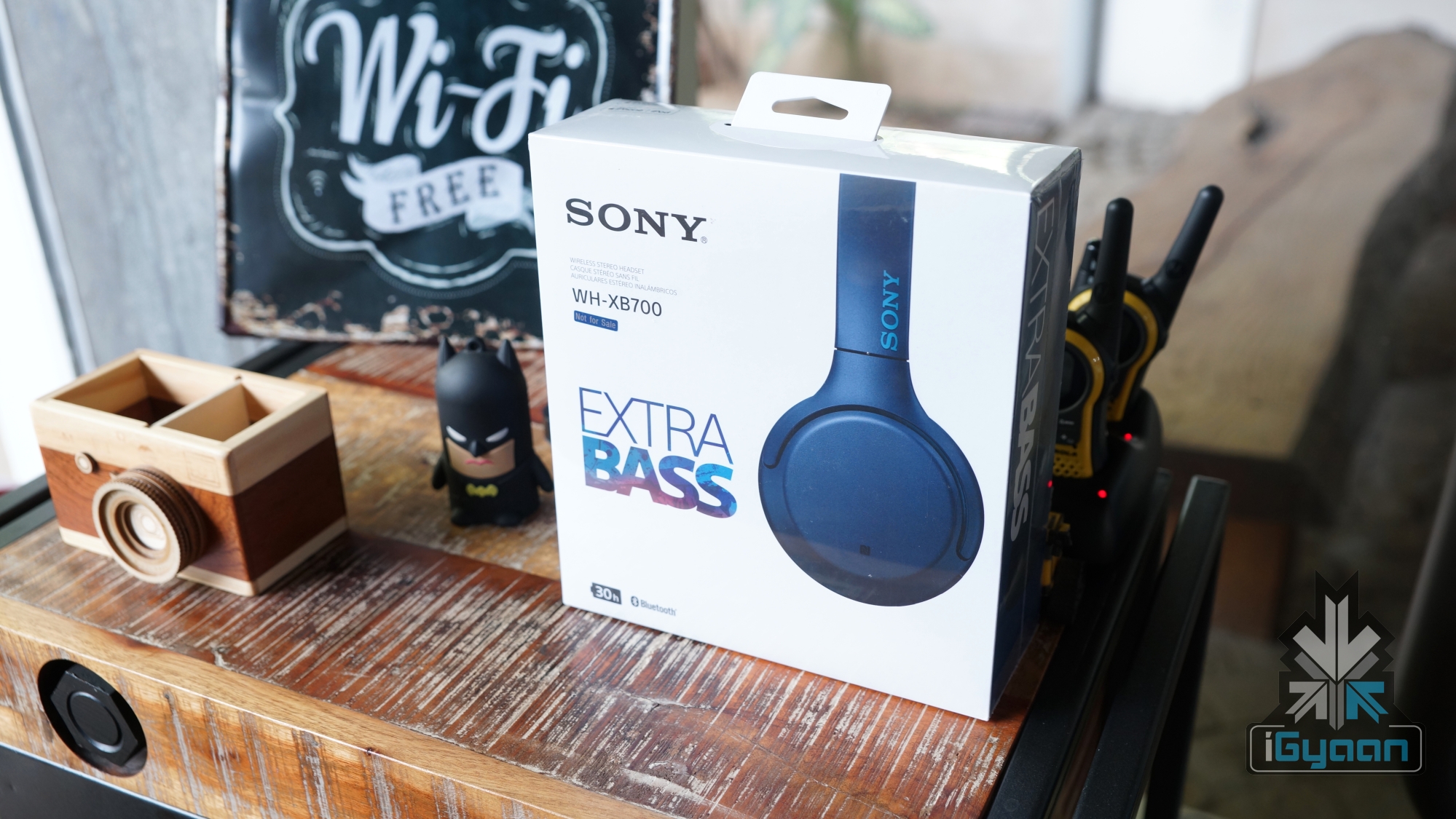
    The WH-XB700 are the latest addition to Sony’s wireless headphones family. For audiophiles, the Sony WH-XB700 provide a good set of features at a competitive price. One of the highlighting features of these headphones is Extra Bass, and that is an aspect most “regular” headphone users are willing to bet their money on. Let’s deduce where the Sony WH-XB700 delivers and where it could’ve done better. 

    Inside The Box
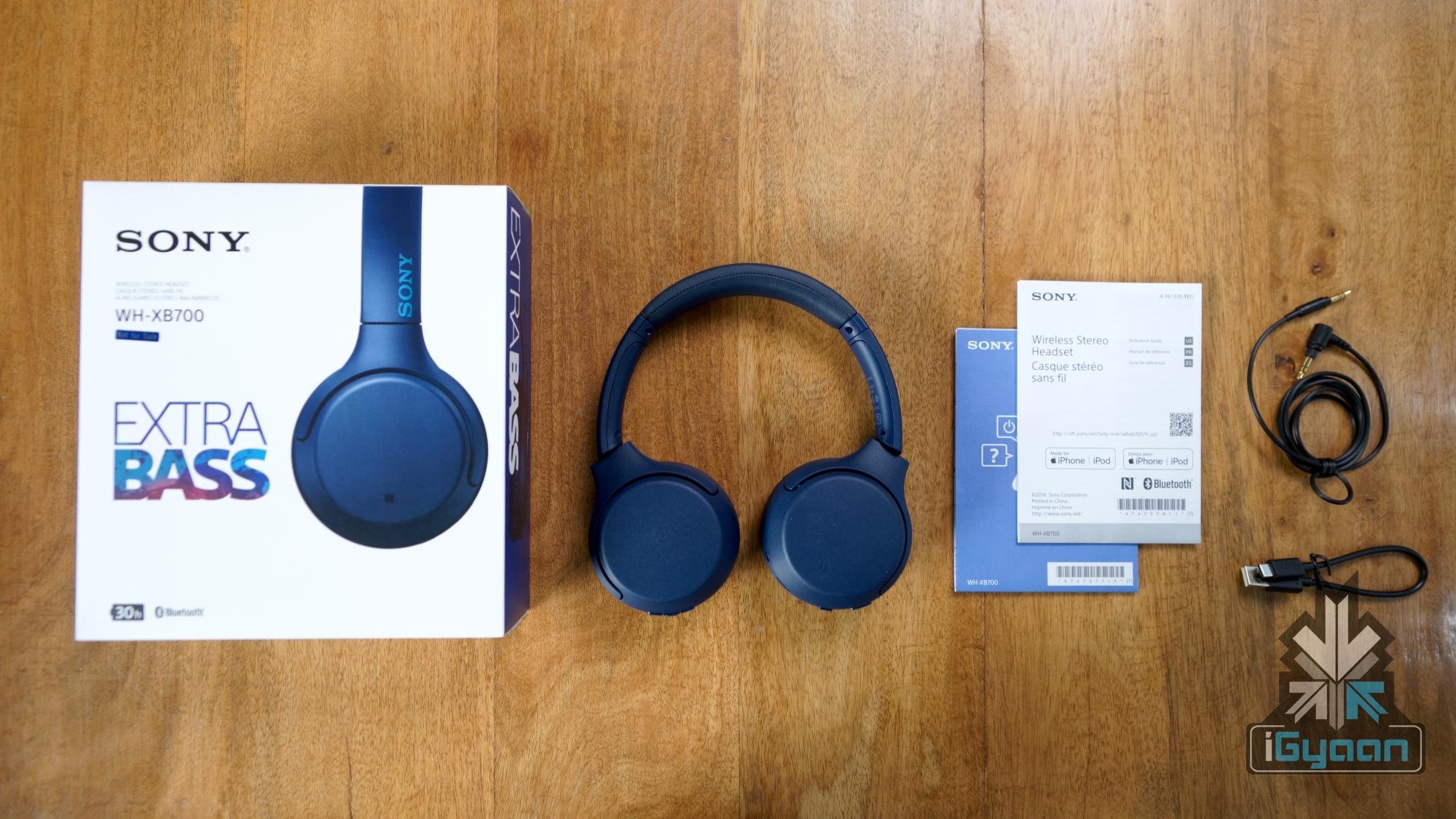
    • Sony WH-XB700 Headphones
    • Instruction Manual and Warranty/Safety Guide
    • 3.5mm AUX cable
    • USB Type-C cable 
    Build Quality And Design
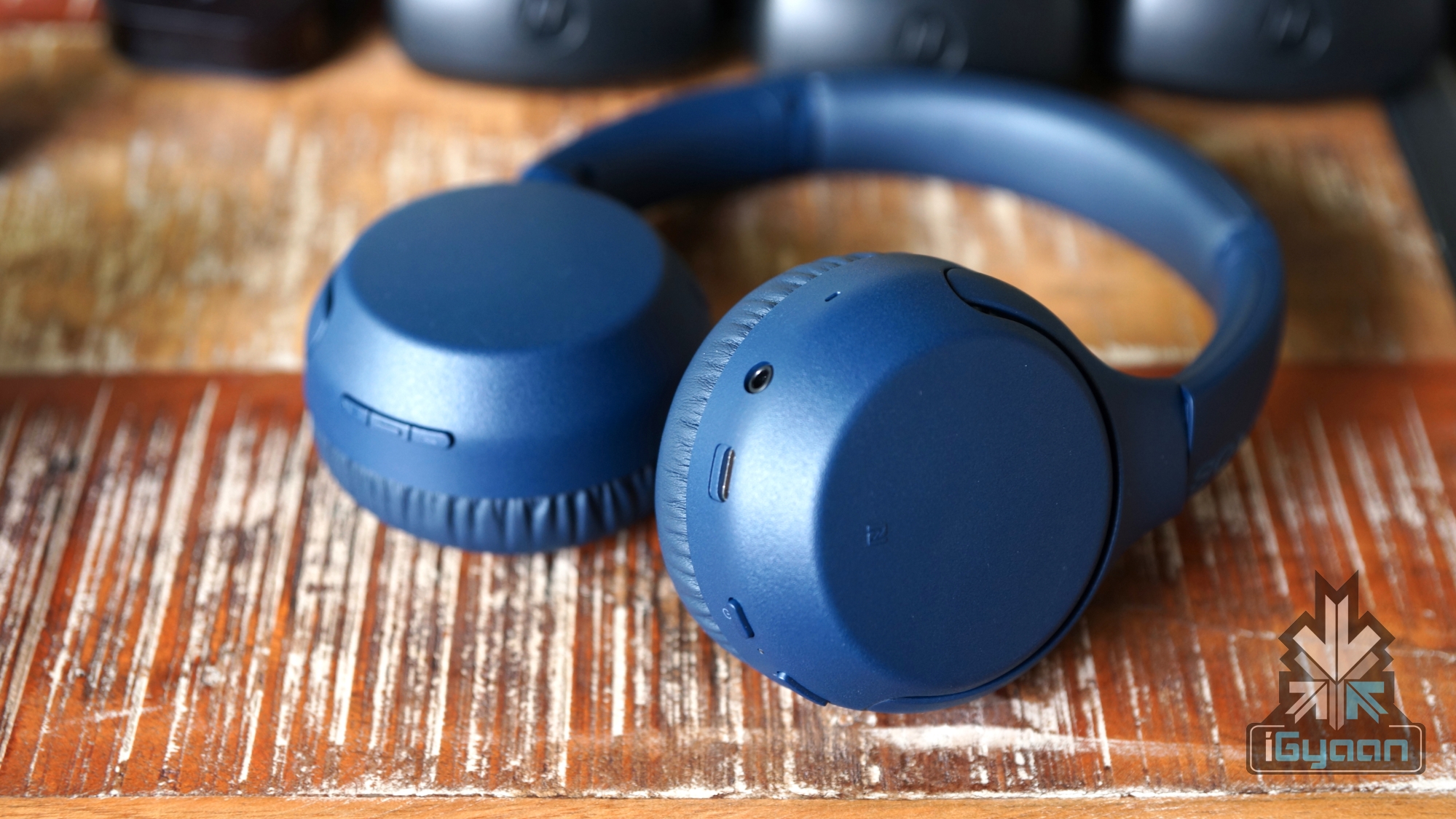
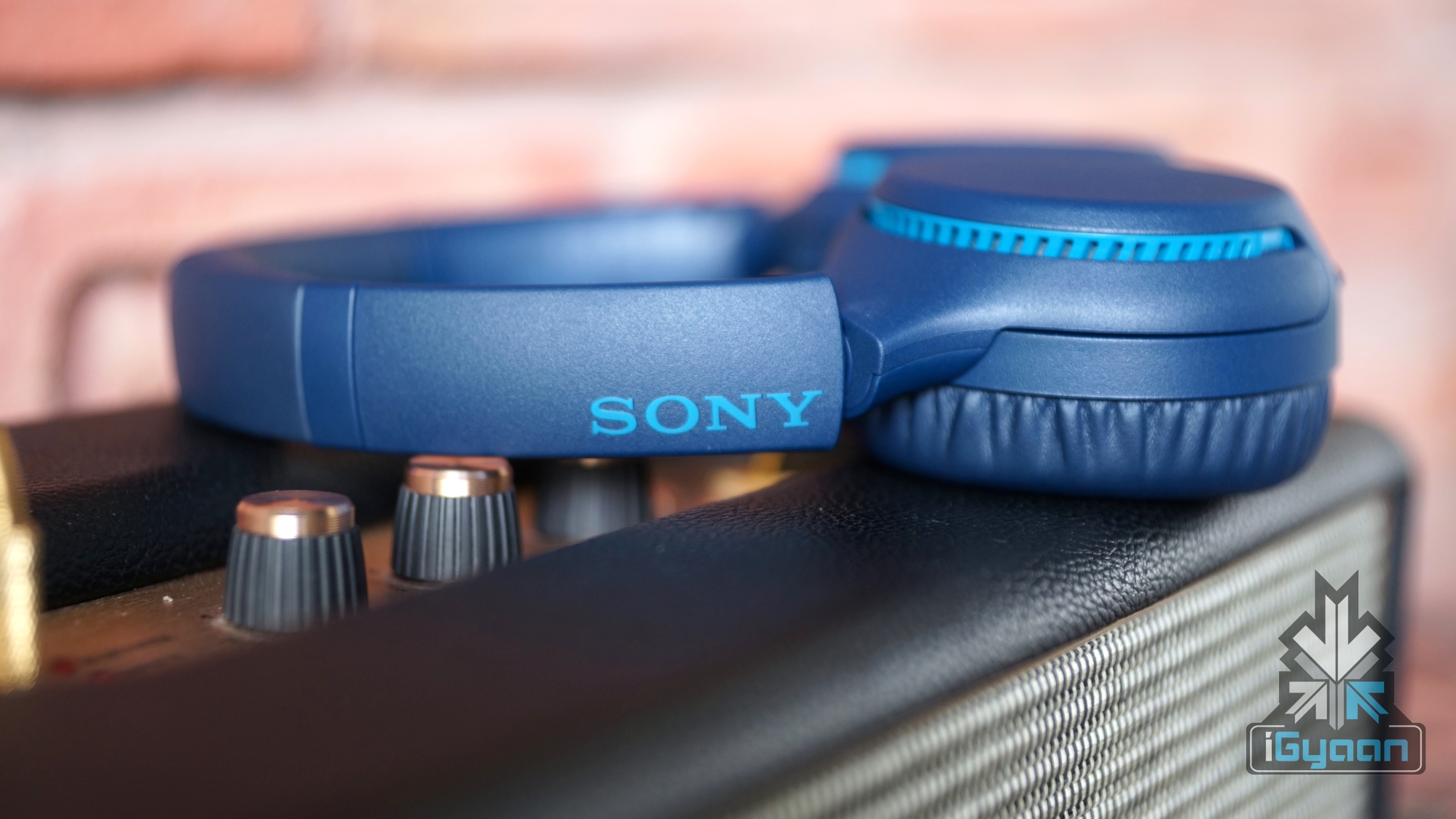
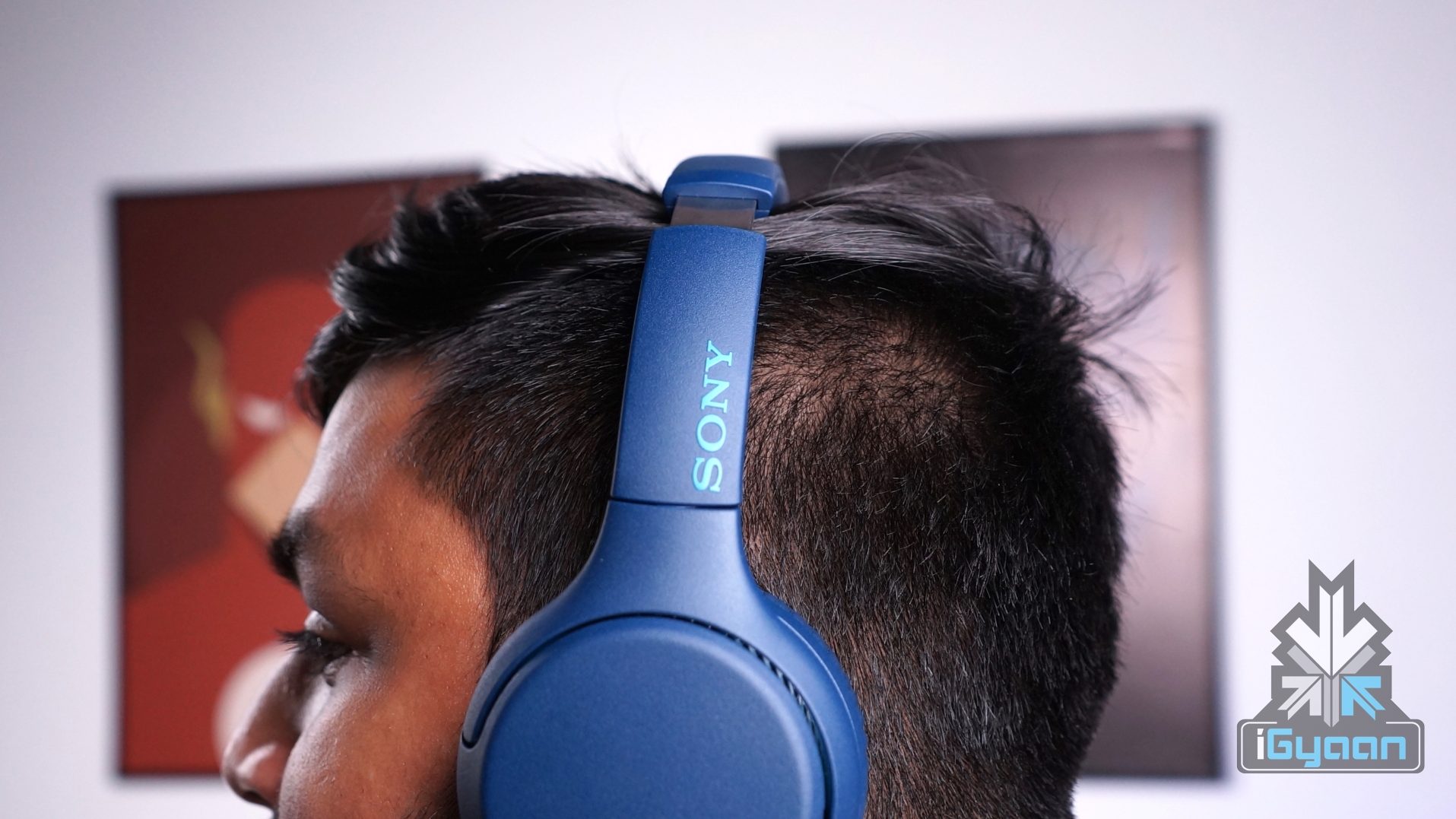
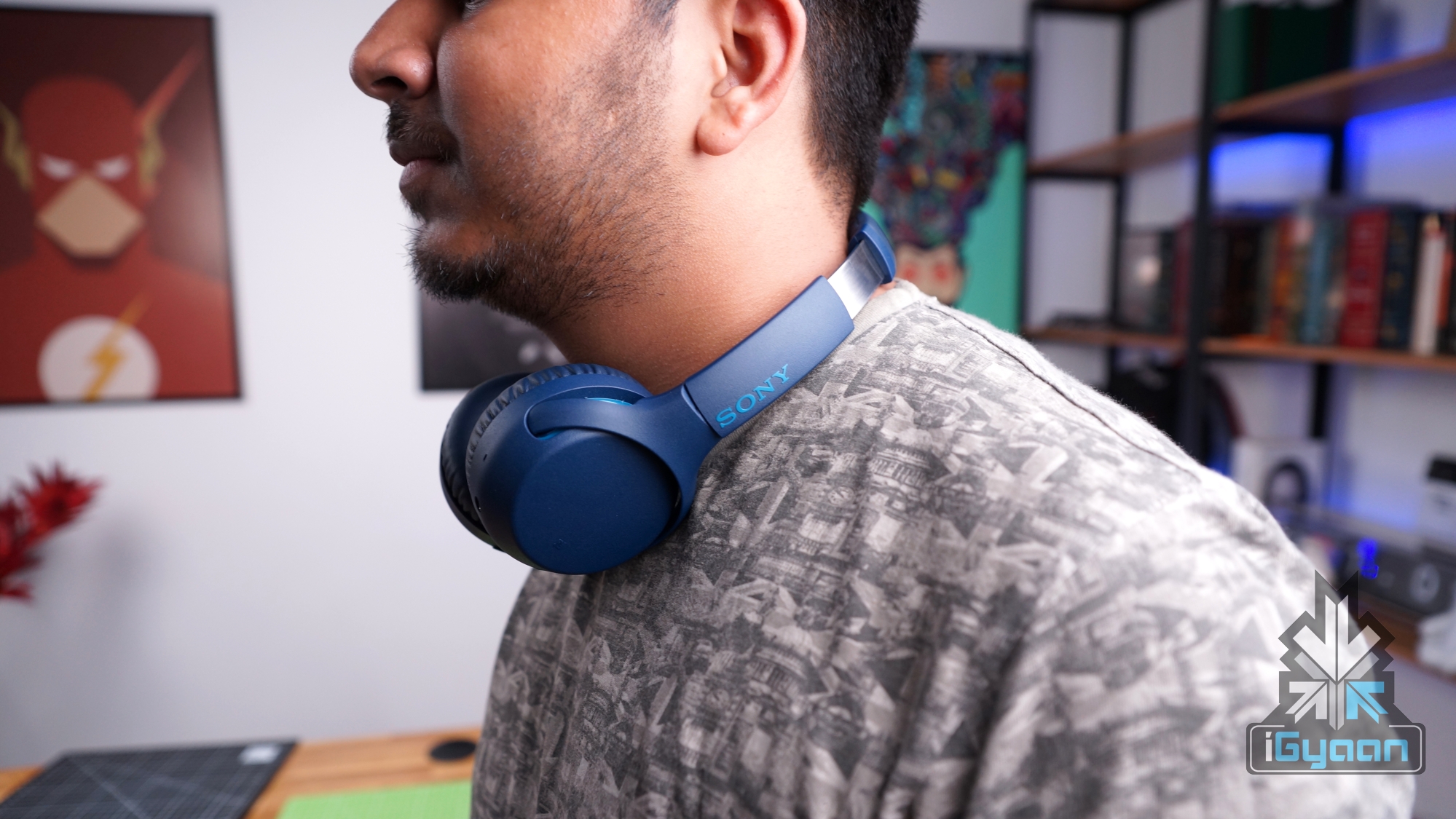
    The Sony WH-XB700 are fabricated from high grade plastic with a smooth matte finish. The framework of the headphones is made of metal though. More metal would have been appreciated in the build of the WH-XB700. The ear cups have a swivel design, implying that the Earcups can rotate around the pivot. This will make it convenient for users to slip these headphones inside their backpacks . Weighing at just around 195 grams, these may be one of the lightest headphones in this segment

    The Sony Logo is neatly embossed above both the earcups. The headphones look good enough to make a style statement. The headphones have an on-the-ear, or supra-aural design, implying that they rest on the ears rather over them. 


    The earcup’s pads, as well as the headband’s cushioning, are made out of memory foam. This material feels very premium and comfortable even when used for longer periods of time. The extending strips along with the framework are designed out of metal, which allows for considerable freedom of movement. Even upon stretching the ear cups apart, they seemed to retain their original shape upon restoring. Noteworthy, owing to the light weight of the Sony WH-XB700, they tend to sway “dangerously” when you move around while wearing these, so you might want to be careful when you take them out for a run.

    The left earcup houses the power button (which also doubles up as the pairing button). In addition, it accommodates the 3.5mm audio jack, USB Type-C port, the notification LED and a “Custom” button, which will be discussed in detail later. On the other hand, the right earcup houses the volume rockers and the play/pause/answer calls button.

    Audio Quality
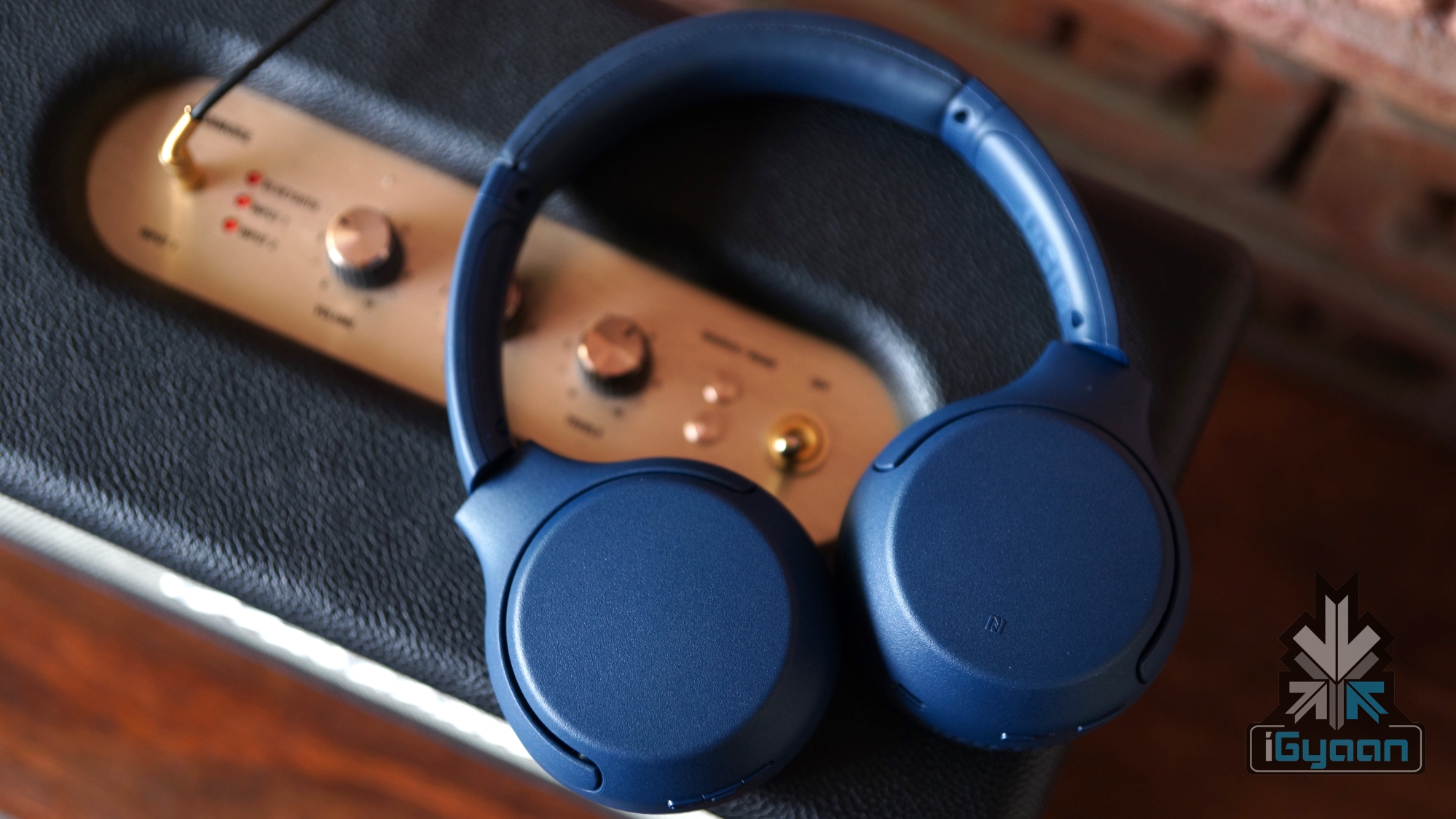
    The primary defining feature of any headphones is its audio quality. The Sony WH-XB700 operate within a frequency range of 20-20,000 Hz with 44.1 kHz Sampling and have an impedance of 37 ? (ohms). The headphones are quite loud, clocking in at a loudness level of 103 decibels. The 30mm Neodymium driver churns out evenly distributed frequencies, but it’s really the lows where the headphones excel. At higher volumes, negligible distortion in the sound is present. Even though Sony has laid emphasis on the lower frequencies here, there is a profound focus on the highs as well, which make them a pleasure to listen to. 
    The headphones are advertised with “Extra-Bass”, and they live up to their name. The ample amount of bass goes easy on the ears, delivering a rich experience. Plus, the headphones sport the “Vocal Clarity” feature, which enhances the experience if you are listening to a podcast or watching a lecture. Noise isolation is not that great, but that is expected considering the supra-aural design of the headphones.

    Audio is captured via the microphone present on the right earcup, and in the course of usage, the microphone quality is mediocre when it comes to answering calls indoors. Furthermore, the audio doesn’t bleed a lot when you have the headphones on. Advanced tweaking of the sound quality and bass levels can be done via the Smart Headphone Connect app, which is available for both Android and iOS devices. Firmware updates are also pushed to the WH-XB700 via the same app.

    Connectivity Options
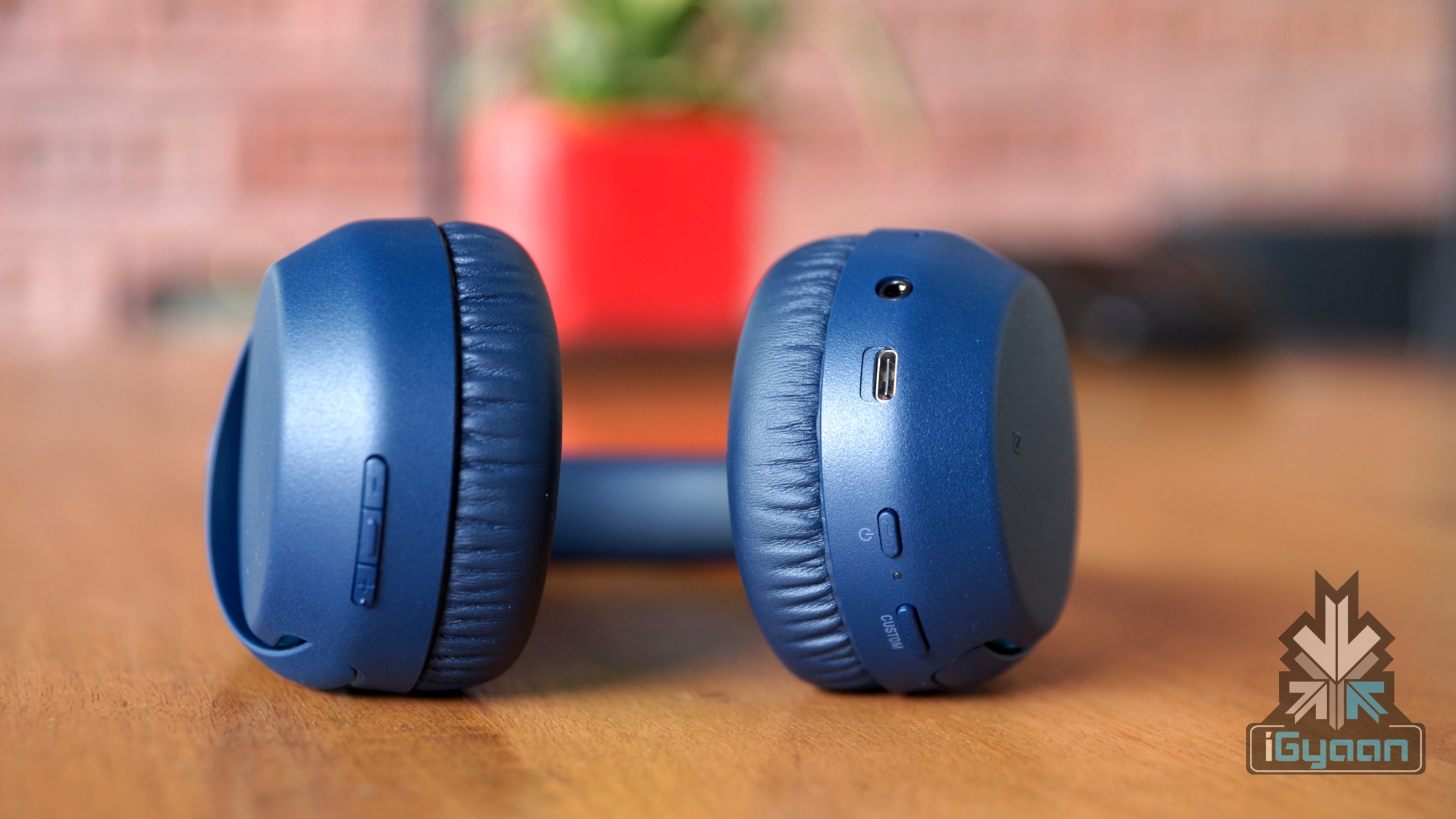
    In terms of connectivity, the Sony WH-XB700 features Bluetooth v4.2, NFC (Near Field Communication), a USB Type-C port and a 3.5mm headphone jack for those times where you run out of battery. To pair the headphones with your smartphone via Bluetooth, the user needs to simply hold down the power button and the headphones will pop-up on your smartphone’s Bluetooth devices list. Like other headphones in this range, the Sony WH-XB700 cannot be connected to multiple devices simultaneously. They have to be disconnected from one device in order to connect to another one.  

    The WH-XB700 also supports one-touch NFC pairing, where users can just stream music to their headphones by touching their NFC-enabled devices with the headphones. One thing to note is that there is a  significant loss in audio quality when the headphones are connected via the 3.5mm AUX cable. Similarly, all the buttons present on the headphones stop functioning when the headphones are connected passively.    

    Battery Life And Additional Features
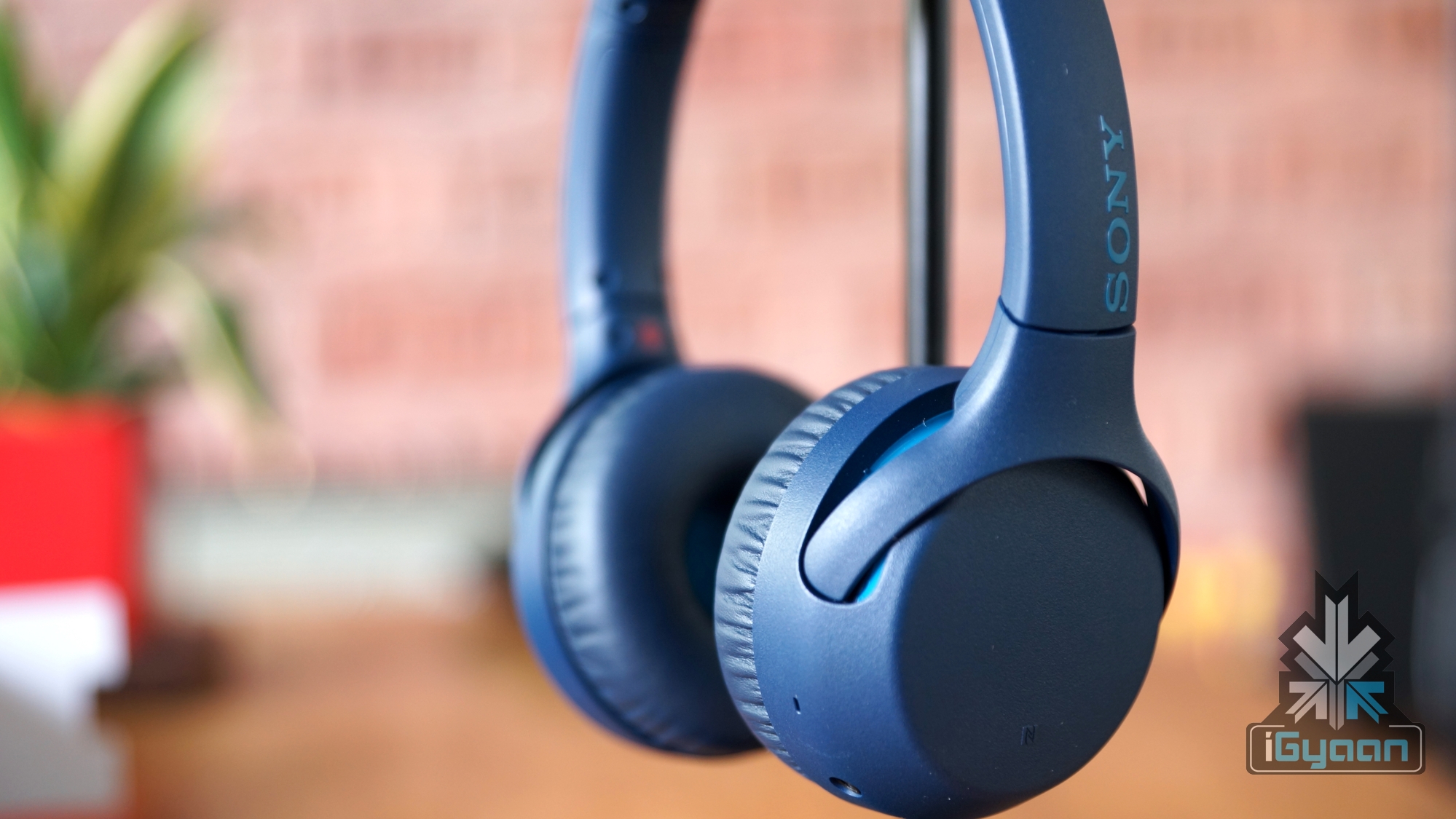
    The Sony WH-XB700 features a Li-ion battery, which promises a battery life of 30 hours, and we tested that out. Interestingly, on the maximum value and bass levels, the headphones were able to churn out the aforementioned time with ease. The headphones can be charged via the USB-Type C port which is mounted on the left earcup. They also provide a 90-minute playback time after a 10-minute charge time, which can be helpful for users who are on-the-go. Overall, the headphones take a bit more than 4 hours to attain maximum charging capacity. And if you do manage to run out of battery, you always have the option to use them with the 3.5mm AUX cable.
    As previously mentioned, the Sony WH-XB700 headphones have a  “Custom” button on the left earcup which can be mapped to either Alexa or Google Assistant dependent on user preferences. We noticed that the button was very responsive, as it immediately launched Google Assistant on our device in all instances. However, as mentioned previously, the Custom button only works in wireless mode. Nonetheless, we found the custom Assistant button very convenient and is welcoming addition.

    Conclusion 
    Also Read: OnePlus 7 Pro Screen Protector Leaks, Reveals Front Design

    In a nutshell, the Sony WH-XB700 is a pretty good deal considering it checks most of the boxes in the list. Rich and punchy bass, low distortion levels, rich highs and lows, and that’s just the audio quality. The headphones have a good battery life, support a host of connectivity options and look good on the ears.

    The only drawbacks that are worth mentioning are some aspects of the build quality, such as the lack of any metal accents. The fact that the headphones tend not to be very stable while wearing them might be a bit pesky for those who like to listen to music while running. Noteworthy, the Sony WH-XB700 don’t ship with a carrying pouch or hard case in-the-box. Although not a deal breaker it is worth taking into consideration.   

    Another worthy option in the same segment is the JBL Tune 600, which provides passive noise cancellation and deep, punchy bass. For almost INR 1,500 less, you can also try out the Sennheiser HD 4.40 Bluetooth headphones, which are a good buy considering its price. The Sony WH-XB700 is a pair of good sounding headphones, and audiophiles who want a set of portable cans should definitely go for them.  

  • Moto One Vision To Launch On The 15th Of May In Brazil

    Moto One Vision To Launch On The 15th Of May In Brazil

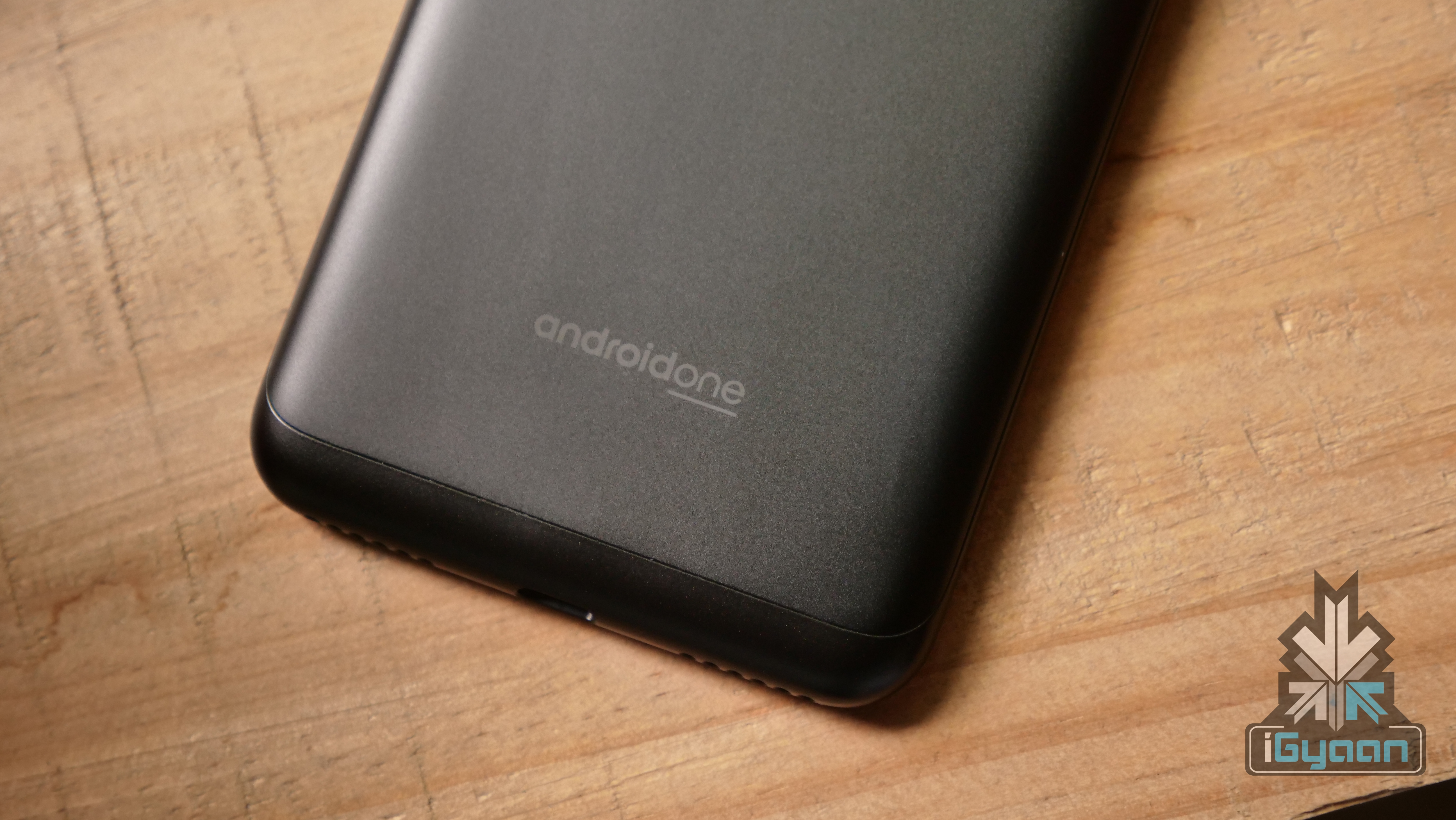
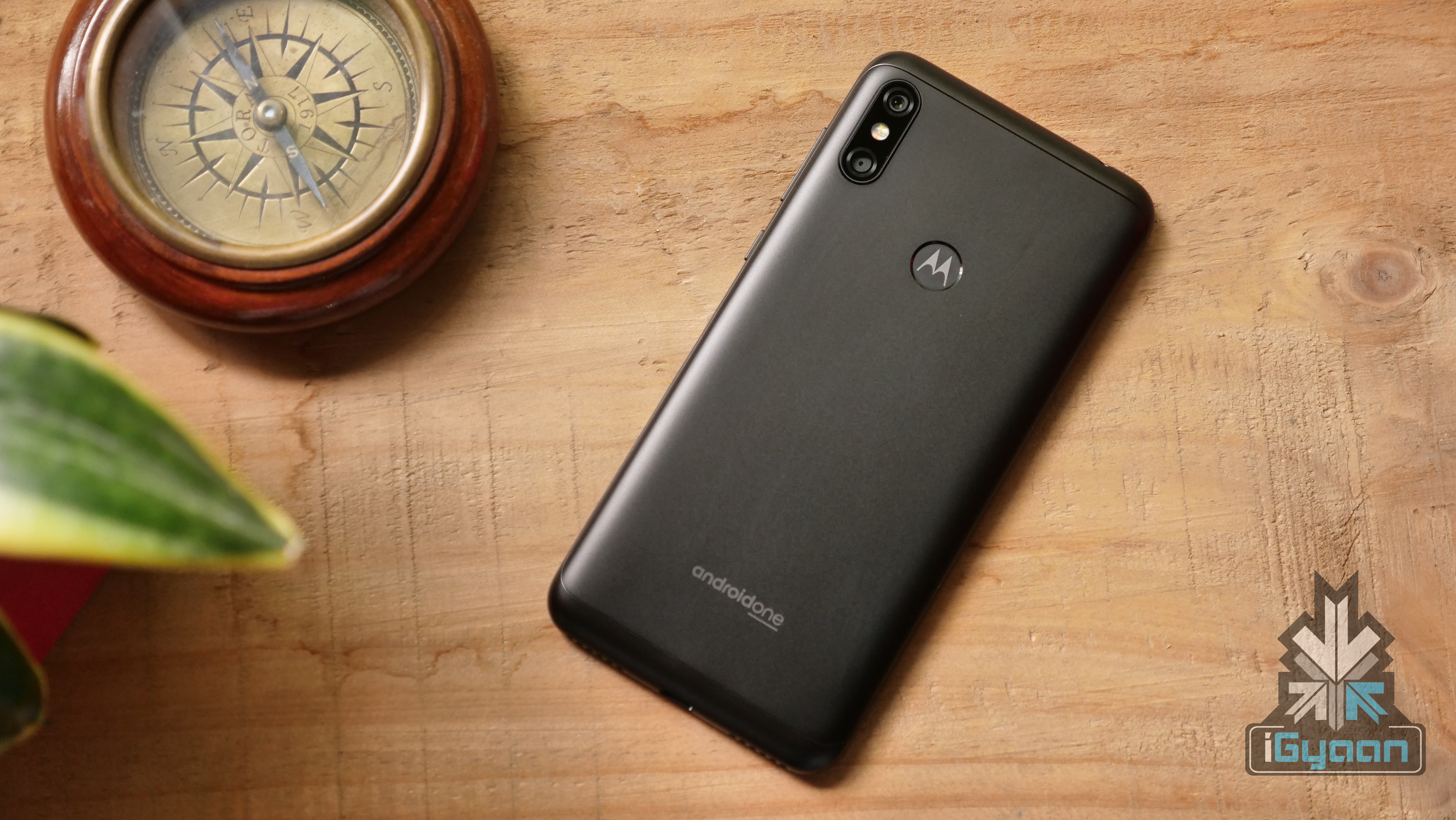
    Motorola launched the Moto One Power smartphone in India last year. The device was an entrant in a completely new series of handsets by the company and was unveiled with an Android One certification. Smartphones that are Android One certified run a clean, stock build of Android and are guaranteed to receive major software updates for up to two years and security updates for at least three years. A known gadget tipster on Twitter has now revealed the launch date of the successor of the Moto One Power. Allegedly called the Moto One Vision, the smartphone has been leaked multiple times in the past. The device will be launched on the 15th of May in Brazil.

    Moto One Vision

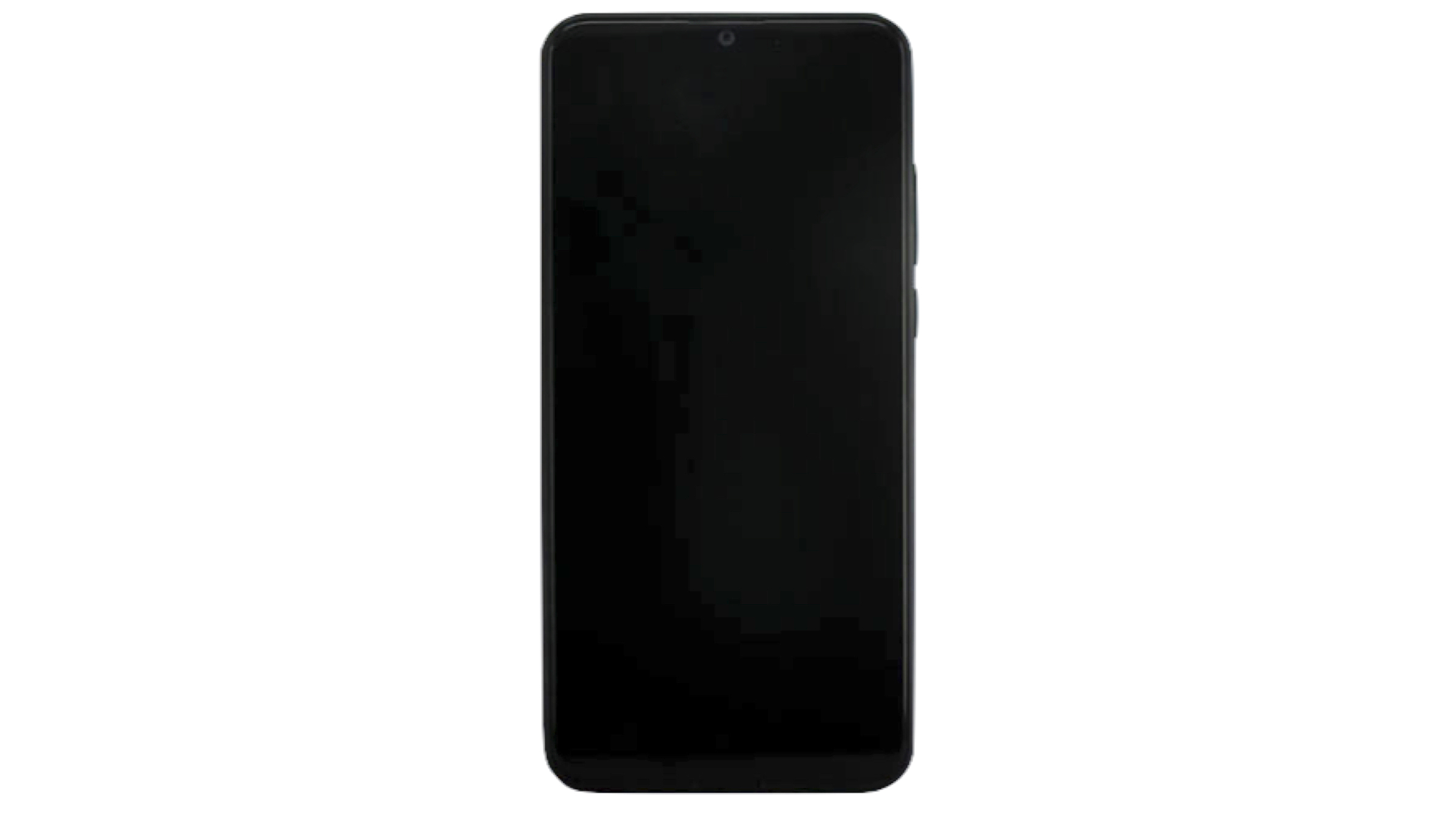
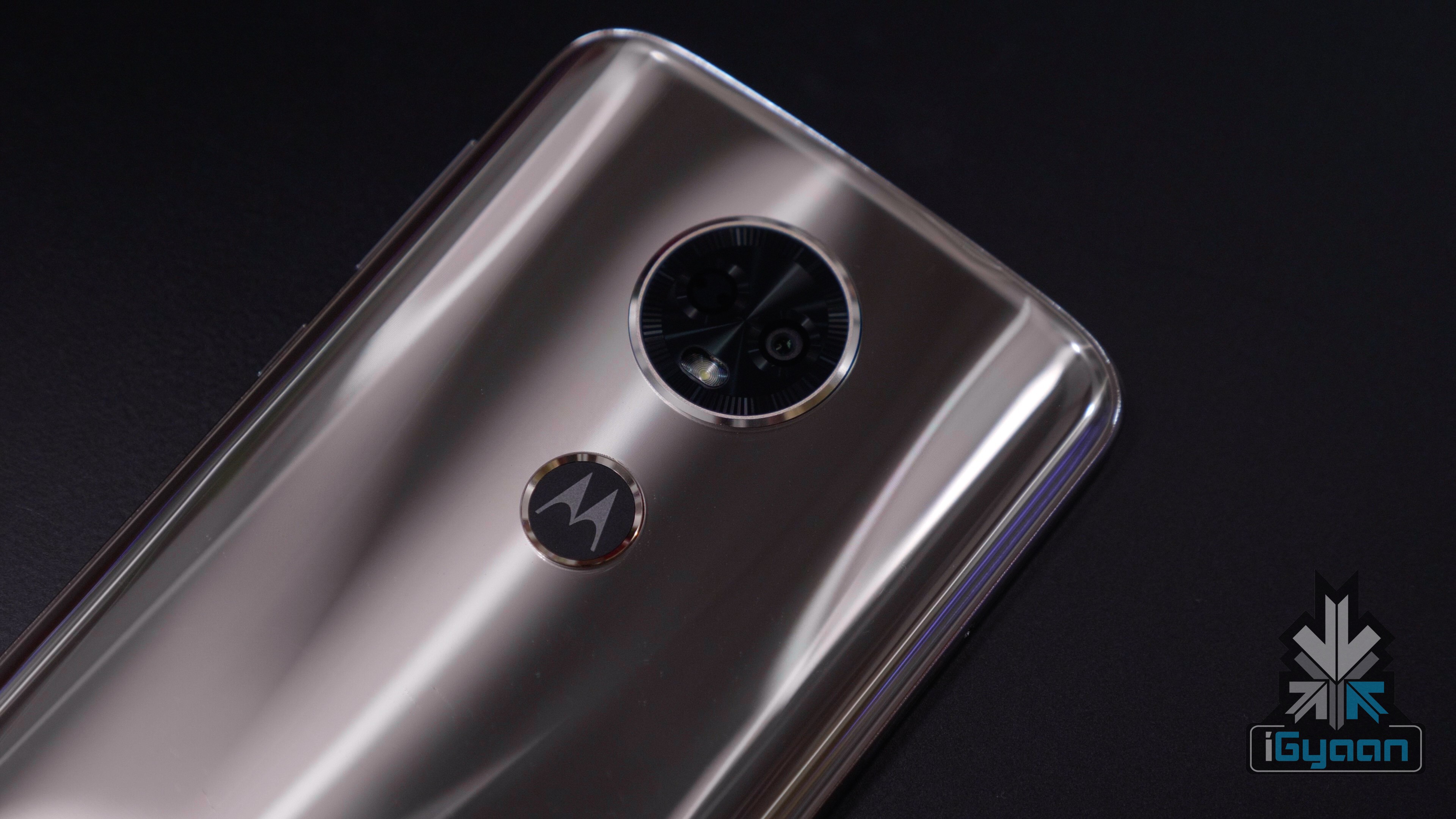
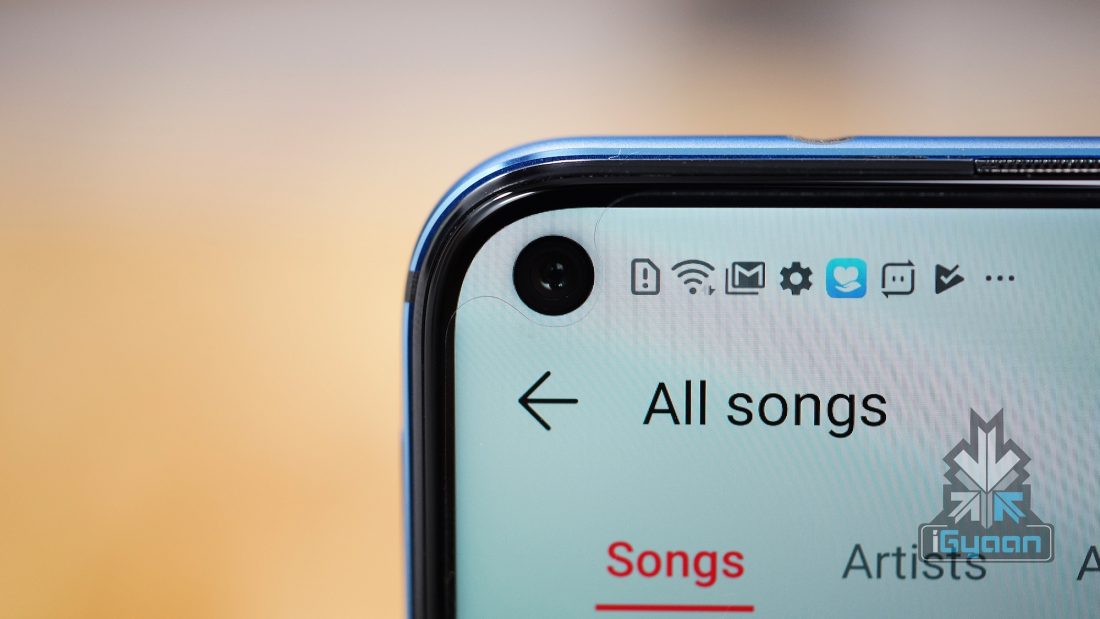
    The Moto One Vision is expected to embody a new design language by Motorola. The renders of the smartphone were leaked previously which reveal it will have a glass sandwich design with a glossy back. The front of the device has a 6.2 inch IPS LCD display with minimal bezels on all sides, and a punch-hole cutout for the front camera on the top left of the display. The design on the front is reminiscent of the Honor View20 which was launched in the month of January this year. For biometrics and security, the Moto One Vision will have a rear-mounted fingerprint sensor, housed in the Motorola batwing logo. 

    Honor View20

    Under the hood, the Moto One Vision has been leaked to run on the 11nm Exynos 9610 SoC by Samsung. Notably, this is the same chipset that is kitted inside the Galaxy A50 which was announced in the month of February. However, the smartphone will be available in China with the 11nm Snapdragon 675 SoC. In terms of optics, previous renders reveal it will have a dual rear camera setup consisting of an f/1.75 aperture equipped 48MP sensor; and a secondary 5MP depth sensor. For selfies, a 12MP sensor is expected to be housed in the punch-hole cutout on the top left of the display. For memory and storage, the device is expected to be available in the following variants:

    • 4GB RAM and 64GB ROM
    • 6GB RAM and 128GB ROM

    The previously leaked FCC listing reveals that the Moto One Vision will have a 3500mAh battery with 18W fast charging support. As mentioned earlier, the smartphone will be Android One certified; and will run on the latest Android 9 Pie. As far as connectivity is concerned, the Moto One Vision is confirmed to support Bluetooth 5.0, Wi-Fi 802.11 a/b/g/n/ac dual band and NFC.

    Pricing & Availability

    Moto One Power

    Also read: Samsung Galaxy A20 Review: A Good Alternative To The Redmi Note 7?

    The Moto One Vision, as mentioned above will launch in the city of Sao Paulo of Brazil. Unfortunately, no details are available regarding the pricing of the device. But, taking the price of its predecessor into consideration, it may launch under Rs 20,000 in India.

  • Apple Patents In-display Fingerprint Scanner, May Feature In Future iPhones

    Apple Patents In-display Fingerprint Scanner, May Feature In Future iPhones

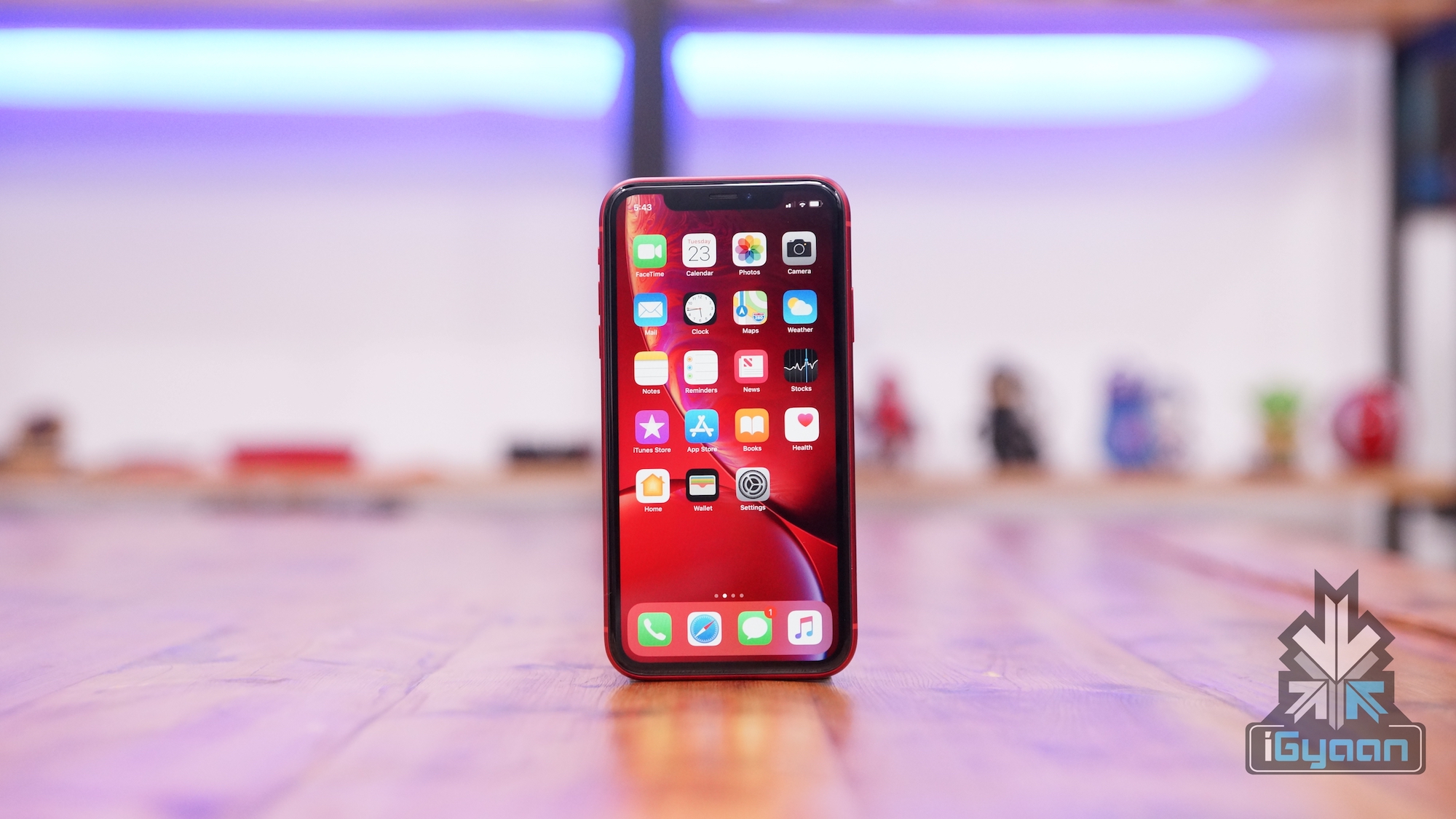
    In-display fingerprint scanners are slowly becoming a norm for flagship smartphones. First incorporated in the Vivo X20 Plus UD, the in-display scanners were later introduced by companies like OnePlus, and Huawei. Furthermore, South Korean technology company Samsung introduced the world’s first ultrasonic fingerprint scanner in the Galaxy S10+. The American technology giant, Apple till now has abstained from implementing the technology on its devices but this is likely to change soon. The company was granted a patent for what looks like to be an in-display biometric scanner for a future iPhone. 

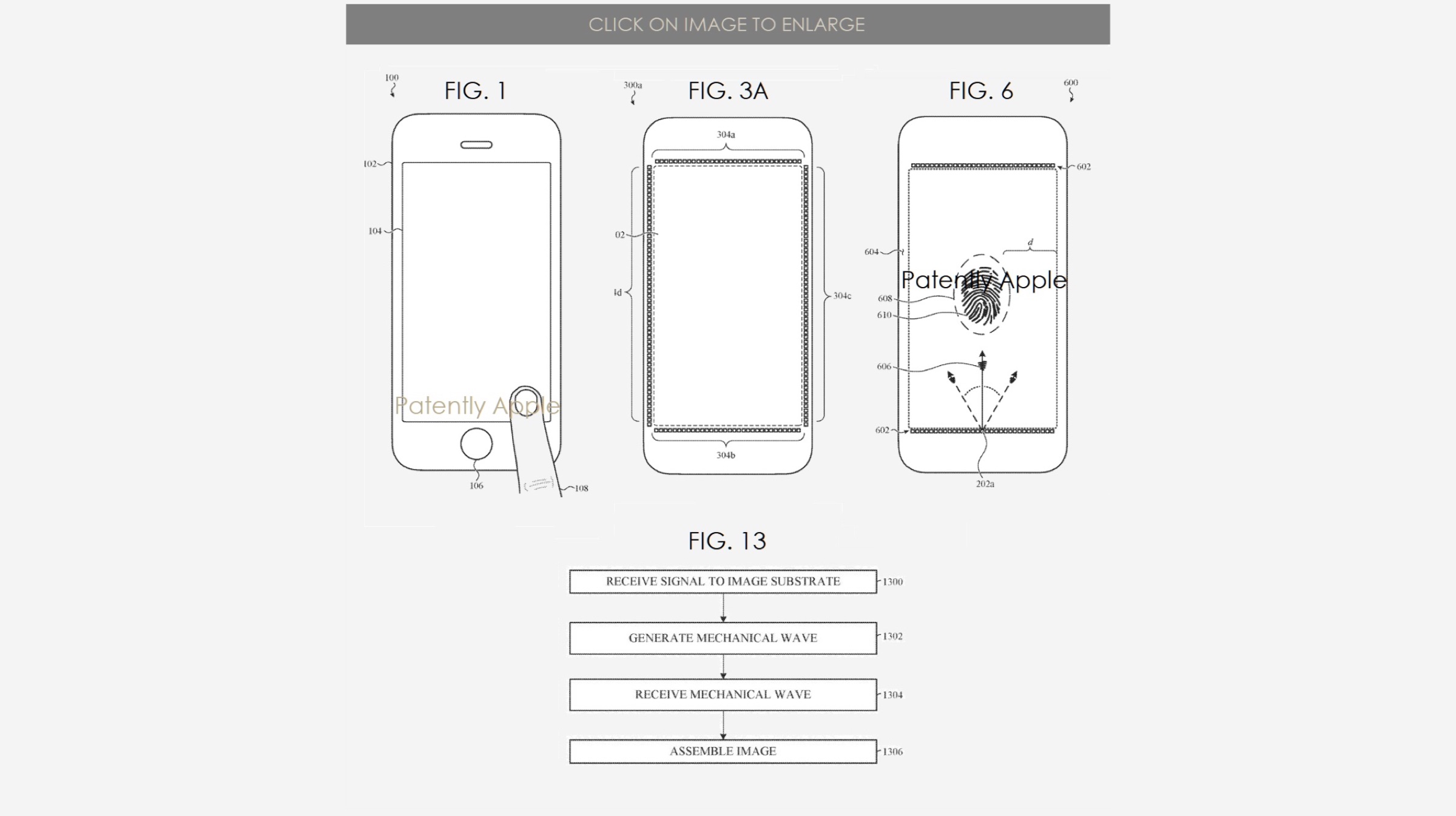
    The patent showcases “methods of biometric imaging of input surfaces”, which directly relate to an acoustic imaging system. Using the aforementioned technique, a high-resolution image of the object can be mapped, in this case, a fingerprint. Since Apple has never used an in-display fingerprint scanner in any of its devices yet, this patent getting published may be a start for the company. 
    How Does The Scanner Work?
    iPhone XR

    As per the patent, an acoustic transducer is configured to generate acoustic outputs in response to a signal from a controller. The outputs may be in the form of mechanical waves or pulses, and they will be coded with the help of the controller. To obtain the image of the fingerprint, the acoustic imaging system can use a multitude of techniques, including reflection, diffraction and transmission. Further notes from the patent state that the acoustic imaging system can also be used to map biometrically unique features of the fingers like size, shape and skin patterns. Moreover, some notes also affirm that the imaging technique can capture features like the user’s ears and other prominent features. 

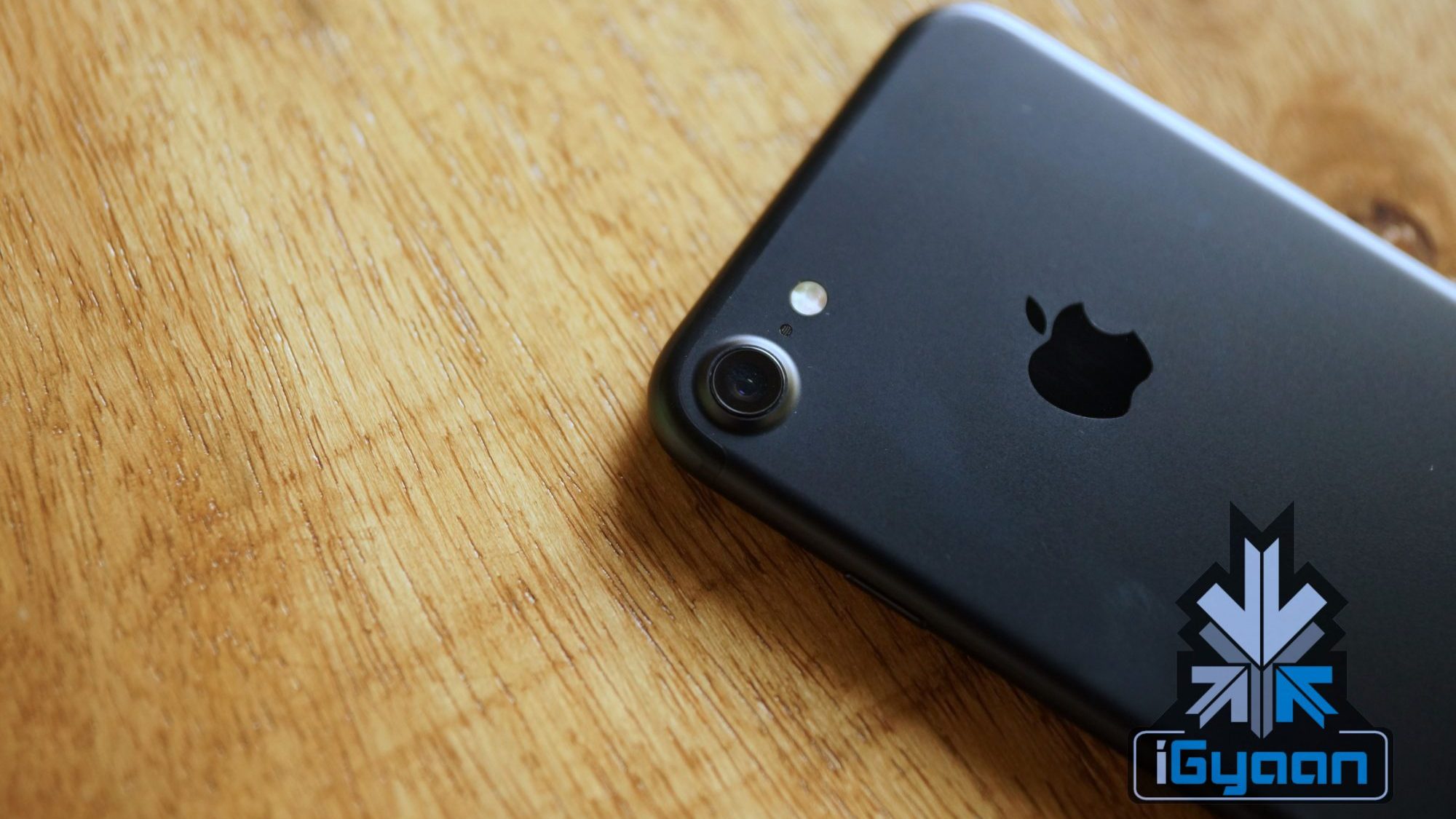
    iPhone 7

    Also Read: Latest Renders Reveal The Upcoming Moto Z4 In All Its Glory

    Considering that Apple originally filed the aforementioned patent in the third quarter of the year 2016, this technology may never see the light of day in the immediate future. However, implications of the same tech can be incorporated in newer Apple devices, and since Apple is highly focused on security detail, it might be the best-in-class too. 

  • Huawei’s Networking Equipment Had Backdoors Reveals Report

    Huawei’s Networking Equipment Had Backdoors Reveals Report

    Huawei is currently the world’s largest networking equipment manufacturer and the world’s second largest smartphone maker which is an honourable feat. However, it has had a few rough years accrediting to accusations associated with security. The company is blamed for installing back doors on its networking equipment which can allegedly expose sensitive user data to the Chinese government. Notably, the US government had suggested its allies to boycott using equipment manufactured by the company. Even though allegations against the company were not proved, they have definitely scarred Huawei’s reputation. In the latest development to the case, Bloomberg has published a report that states that the company indeed have backdoors in its equipment which date back from 2009 and 2011.Huawei

    According to the report, the telecom provider, Vodafone had found vulnerabilities in the equipment supplied by Huawei for the carrier’s Italian business. The vulnerabilities also referred to as hidden backdoors allowed unauthorised access to Huawei which could have been used to lurk into telecom providers fixed line network in the country. Vodafone reportedly asked the Chinese networking equipment provider to remove the backdoors from home internet routers in the year 2011 which the latter assured to have been removed. But, further testing performed by the telecom operator revealed that the back doors remained.

    Furthermore, Vodafone also discovered backdoors in parts of the fixed access network which is known as optical service nodes. Prominently, the service nodes are responsible for transporting data over optical fibre cables and also dealt with authentication of subscribers. Bloomberg would not reveal the names of the report providers as they were guaranteed of full anonymity on the matter. 

    Implications And Reasons For Installing Backdoors

    As previously discussed, backdoors can imply serious security concerns for an organisation and its subscribers. Especially, if ill-intended hackers get hold of such backdoors, a significant amount of damage can be done both in terms of money and confidential user data. 

    However, it must be noted that companies purposely tend to integrate backdoors in their equipment. These can be used for collecting data from the hardware which would help the company to eliminate bugs on the current hardware and further strengthen the security for future devices. 

    Also Read: Samsung Galaxy A20 Review: A Good Alternative To The Redmi Note 7?

    Even though Vodafone states the issues were resolved by the accused and has also vouched for the security on network equipment manufactured by Huawei. The fact will further damage the company’s reputation on a Global level. All in all, it is yet unclear what the future holds for the Chinese conglomerate. 

iGyaan Network
Privacy Overview

This website uses cookies so that we can provide you with the best user experience possible. Cookie information is stored in your browser and performs functions such as recognising you when you return to our website and helping our team to understand which sections of the website you find most interesting and useful.