
As Gaming PCs are becoming more popular day-by-day, people are starting to invest a fair chunk in building their setups. If a user has invested a majority of his time configuring his/her PC, chances are that he/she might have overlooked an aspect which holds a very important spot in a gaming setup. Peripherals are the basis of any complete setup, and choosing the best ones can be a little tricky. That is the exact reason why professional gamers spend so much time picking out the perfect peripherals for the most optimal experience.
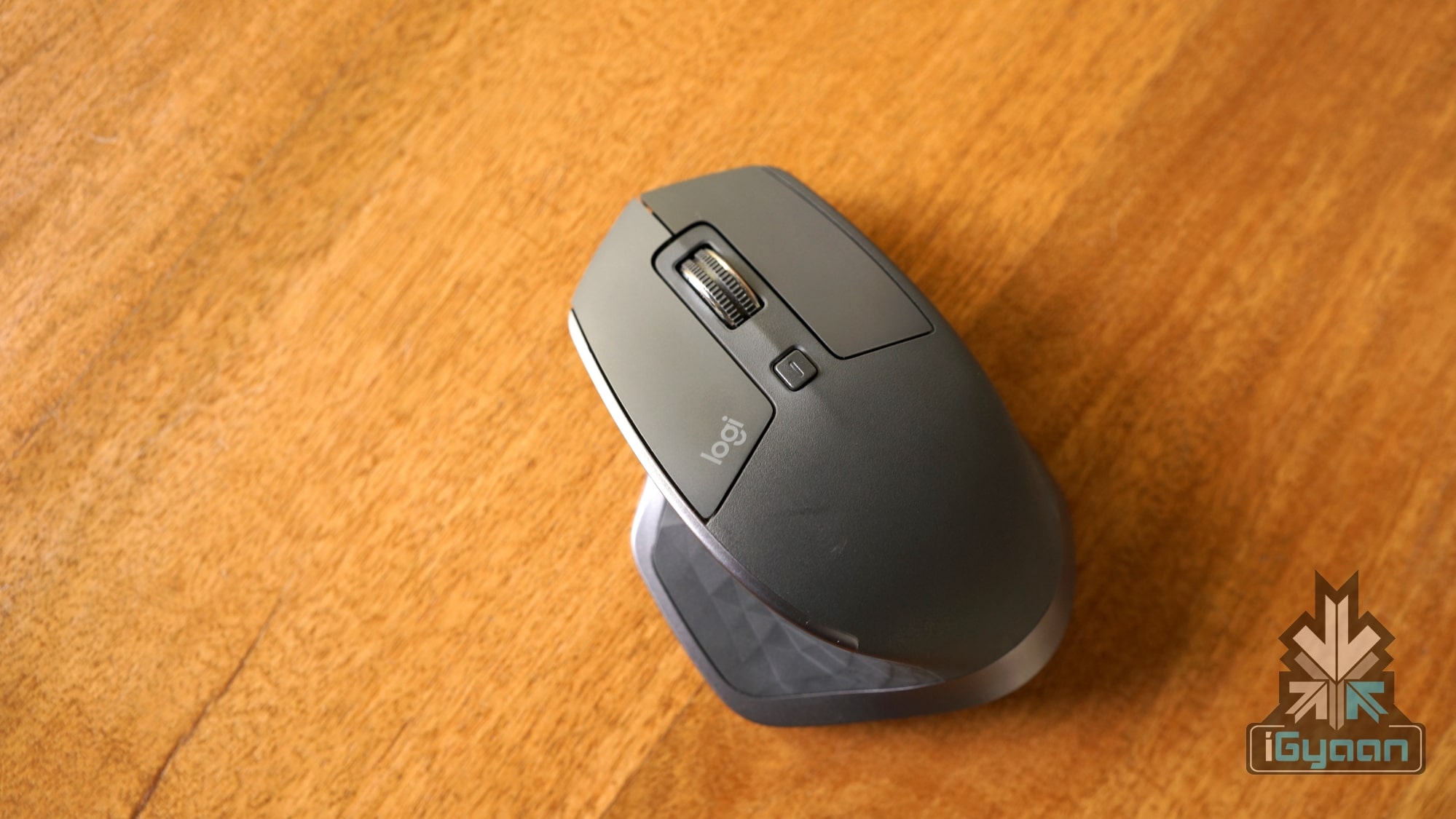 With the evolution of gaming, a lot of brands have emerged which aim to provide catered products as per the consumer base. For instance, streamers may require more flashy and aesthetic peripherals than regular gamers, who might end up focusing more on specifications of the same. The same may also depend on the game in concern. For example, if you play more FPS games than MOBAs, keyboards and mice with fewer add-on keys are perfect for you. Similarly, while playing MOBAs, macro keys and buttons come in handy.
Let’s have a look at some best-in-class gaming peripherals, ranging from keyboards to mice and gaming headphones as well.
Gaming Keyboards
 A lot of people pay more attention to gaming mice rather than the keyboard, but it is important to note that both the peripherals complement each other equally. Since a keyboard can be used for more than one task (for instance, typing and gaming), it makes sense to focus on the keyboard as well. And since membrane keyboards have given way to mechanical keyboards, it would be more viable to get a good mechanical keyboard that serves your purpose.
Listed below are 2 keyboards that offer nearly everything you need in a mechanical gaming keyboard:
Corsair K95 RGB Platinum
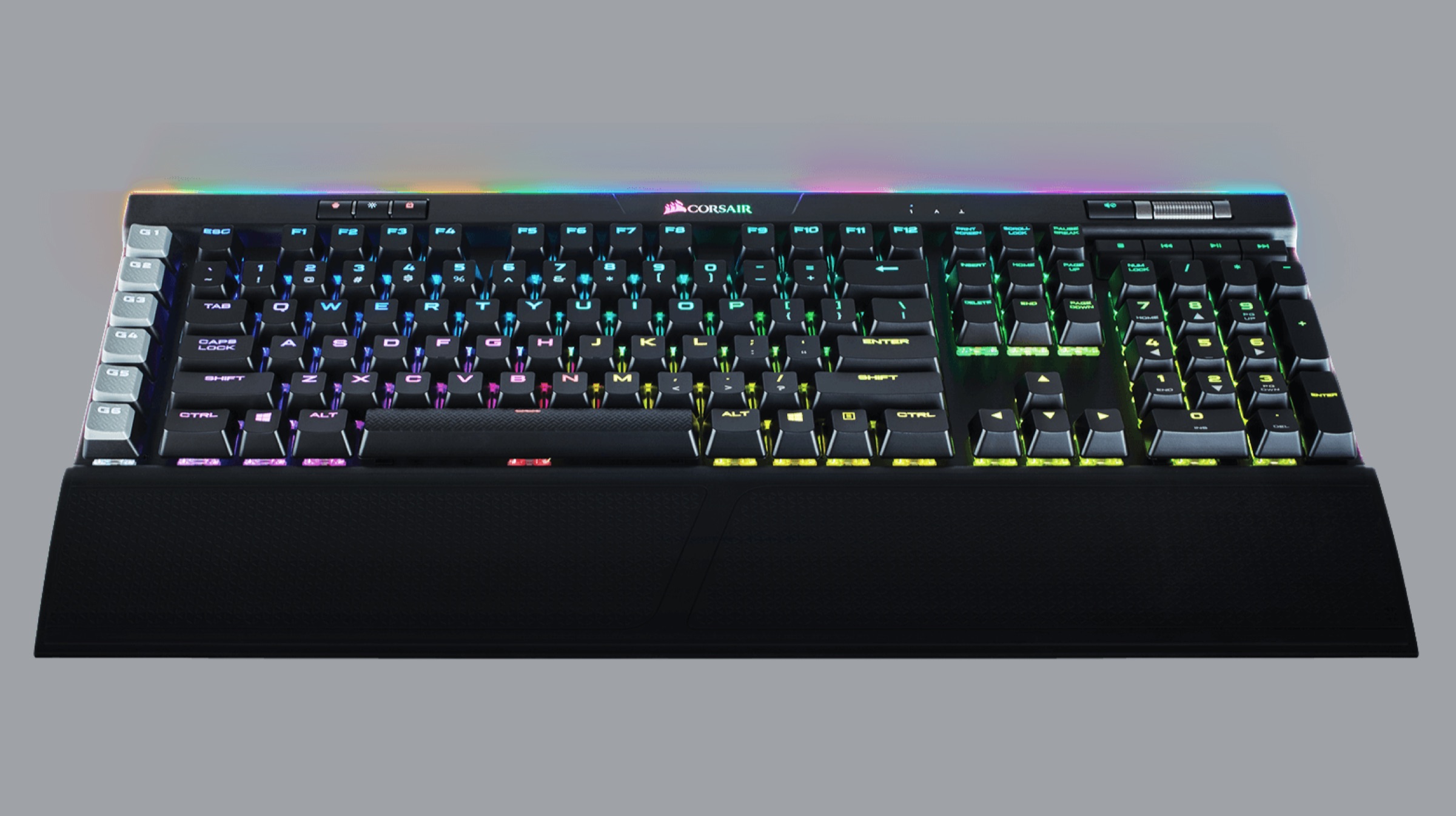 The K95 Platinum is a keyboard that has a plethora of features, which is apparent from its huge size. Keeping in mind that it will occupy its fair share of space in your desk, the K95 RGB Platinum delivers on all fronts. The keyboard has MX Brown switches, which don’t produce as much sound as Cherry MX Blue switches, so the keyboard doesn’t create a huge racquet when you decide to type on it. In terms of functionality, the K95 has a metallic volume wheel, dedicated media controls and above all, class-leading RGB integration, using which you can easily sync it with other peripherals. A detachable wrist rest ensures maximum wrist comfort while playing. Moreover, users can swap the WASD keys with a set of textured keycaps that come bundled with the keyboard.
Click here to buy the Corsair K95 RGB Platinum Mechanical Keyboard
HyperX Alloy Elite
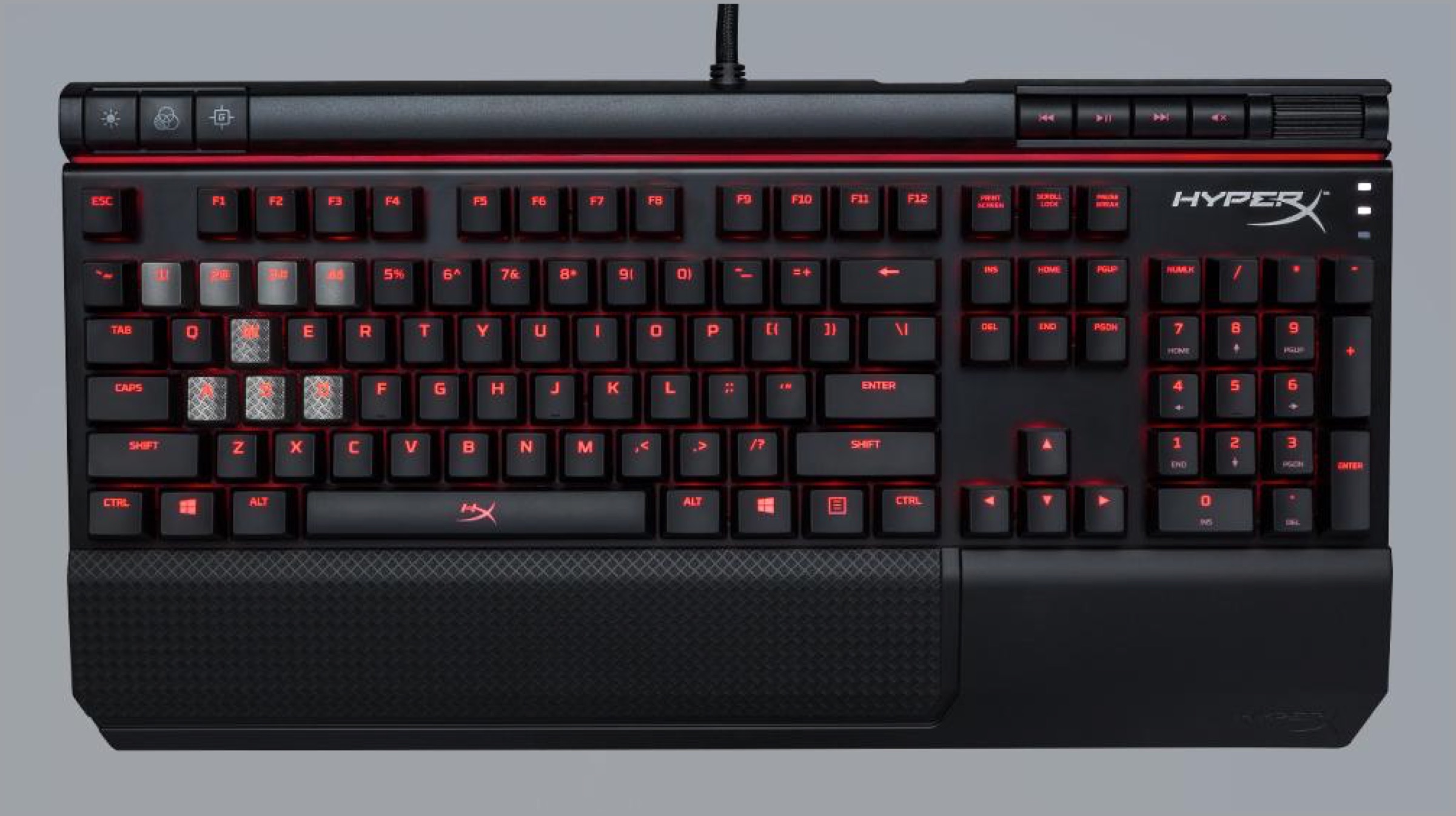 If you are on a bit of a budget, the HyperX Alloy Elite is a perfect package. While not as “beautiful” as the Corsair K95, the Alloy Elite packs all the necessary set of features required in a good mechanical gaming keyboard. Customers can choose from Cherry MX Brown, Blue and Red keys on the keyboard. Albeit it doesn’t have a set of dedicated Macro keys, it is priced much lower than the K95 keyboard. Also, the keyboard features just a single Red backlit version for the base model. Similar to the K95 RGB Platinum, it is bundled with an extra set of silver keycaps for the WASD keys as well as 4 number keys. N-key rollover ensures that all the key presses will be registered without any errors.
Click here to buy the HyperX Alloy Elite Mechanical Keyboard
Gaming Mice
 As mentioned previously, a good gaming mouse always complements the keyboard. This means that the first preference while choosing a gaming mouse is that it should fit the hand’s native grip. There are a total of three general grips: The first is the palm grip, in which the user grips the mouse with his complete hand and rests his/her palm on the rear section of the device. The second grip is the Claw Grip, where the person’s fingertips are almost perpendicular to the mouse click buttons. The last grip is named as the “finger grip” because the fingers rest flat on the mouse click buttons themselves.
Listed below are the two of the best gaming mice available right now.
Logitech G502
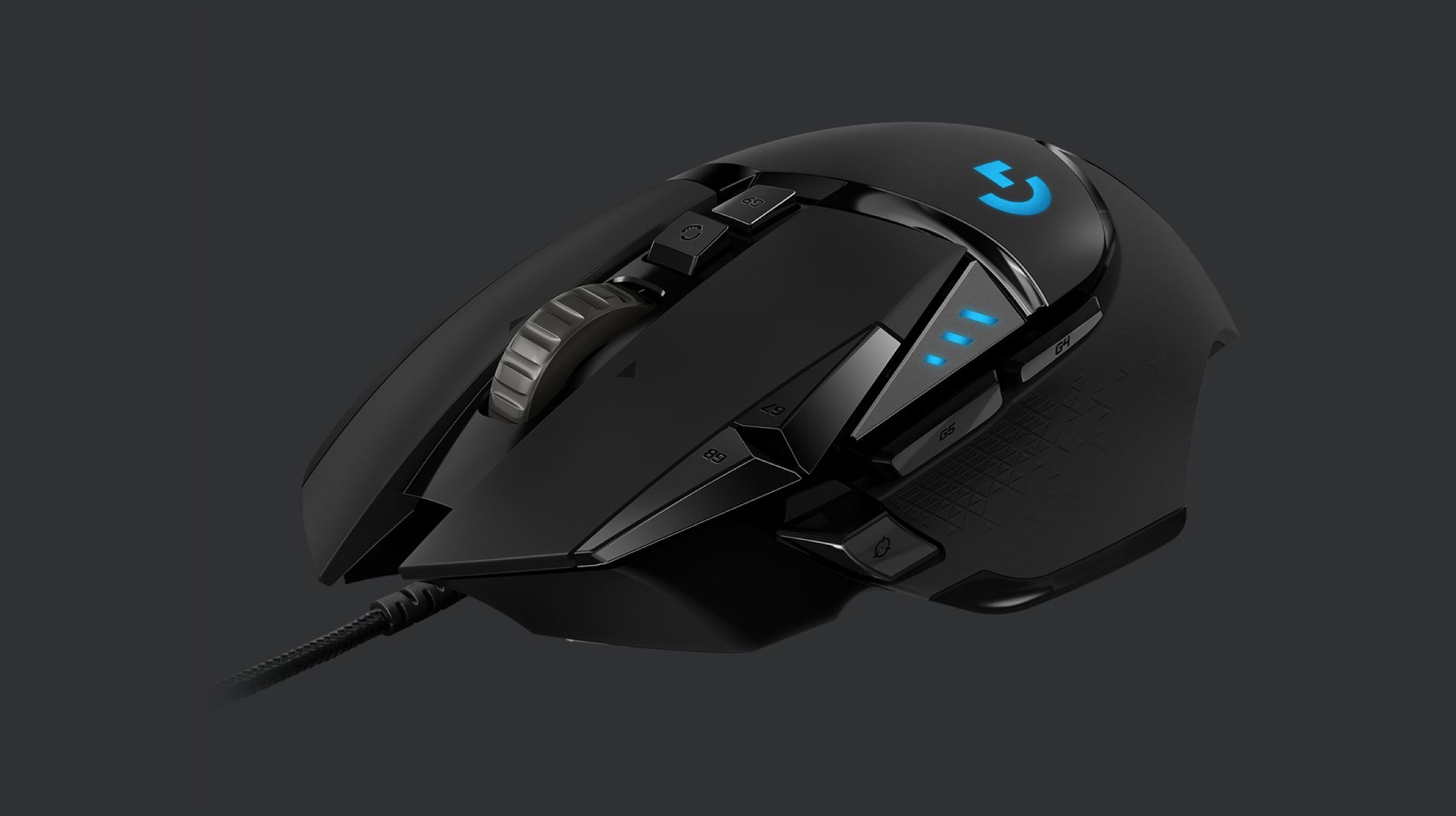 Logitech’s own prized baby, the G502 looks like a hybrid of the Logitech MX518 and G500. Packing one of the best native 16,000 CPI sensors in the market, the G502 weighs at about 121 grams with all its weights removed (the mouse comes bundled with extra weights). The mouse is best for palm grip users and has a premium build quality that makes it a pleasure to use. A notable feature of the mouse is the fact that the scroll wheel of the same can be switched between a notched spinning mode and a free spinning mode.
Click here to buy the Logitech G502
Razer Deathadder Elite
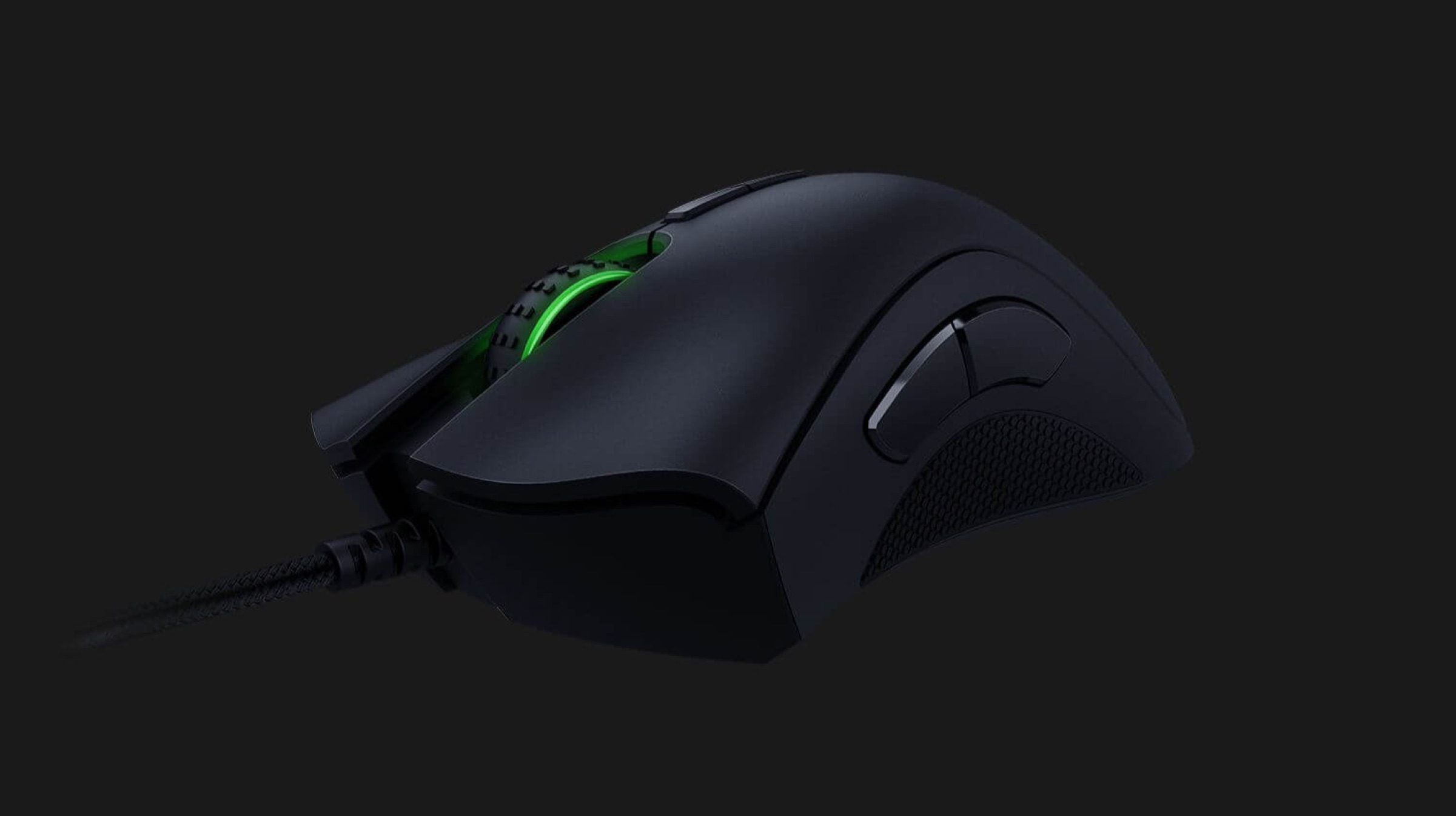 Razer Deathadder is a mouse that needs no introduction to gamers. The first generation of the Razer DeathAdder was unveiled in 2006. Since then, the mouse has undergone significant improvements, and almost 10 years later, the Deathadder Elite was launched by the company. The mouse is an all-round performer, and it uses a 16,000 CPI sensor, which is developed by Pixart in collaboration with Logitech. The sensor claims to provide 99.4% resolution accuracy, which means that the mouse delivers best-in-class tracking.
Click here to buy the Razer Deathadder Elite
Headphones
 Some of the best games available for PC are enjoyed in isolation. Although getting a good pair of speakers is necessary too, headphones enable you to cut-off from sounds around you and focus on the task at hand. Moreover, multiplayer games require acute sound sense, for hearing the sound of footsteps approaching can be a difference between winning and losing the game. Overall, it has been deduced that wired headphones provide better sound quality, but with technology evolving at an extremely fast pace, wireless headphones have become equally popular.
Given below are two performance-worthy gaming headphones.
Steelseries Arctis Pro w GameDAC
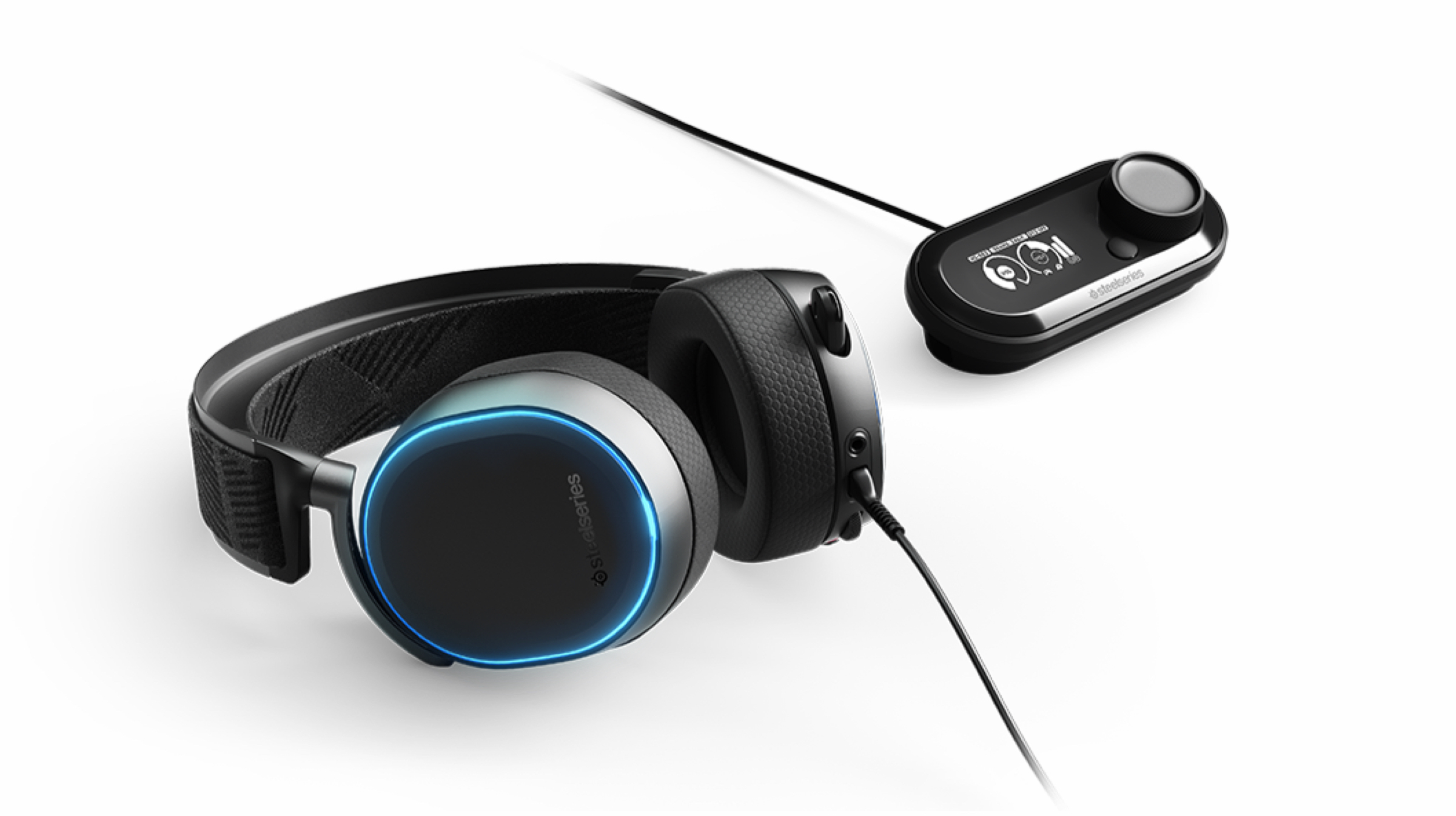 If you can shell out the money for it, the Steelseries Arctis Pro GameDAC provides the best audio quality available amongst a variety of headphones today. The headphones offer high quality lossless audio streaming feature with a 5Hz-40KHz frequency response range. The headphones sport a modern design, which male them perfect for regular usage as well. The highlight of this headset is the GameDAC, which comprises of the following components:
- A Digital-to-analog converter
- A preamplifier
- A control centre to regulate volume levels
Moreover, aesthetics-wise, an RGB ring encasing the earcups gives the headphones an attractive look.
Click here to purchase the Steelseries Arctis Pro + GameDAC
HyperX Cloud Alpha
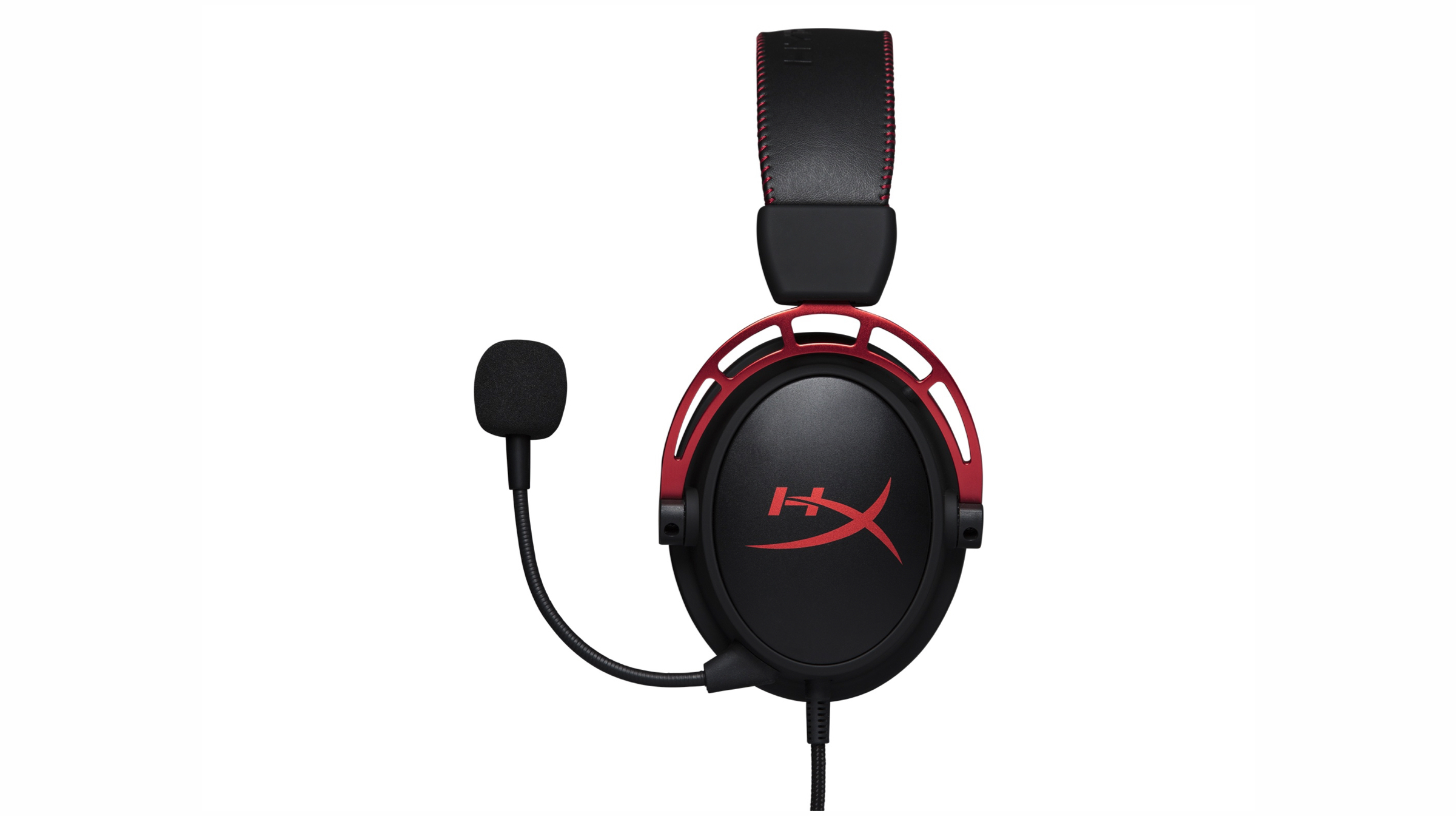 Priced at less than half of the price of Steelseries Artics, the HyperX Cloud Alpha may not have a DAC module, but it is one of the best performers on the scene. Sporting no extra gimmicks, the HyperX Cloud Alpha are bass-rich, making them the perfect companions to both music and gaming. The headphones have 50mm dual chamber neodymium drivers, which accurately reproduce frequencies. The headphones provide a high amount of comfort over long periods of time and feature a decent microphone.



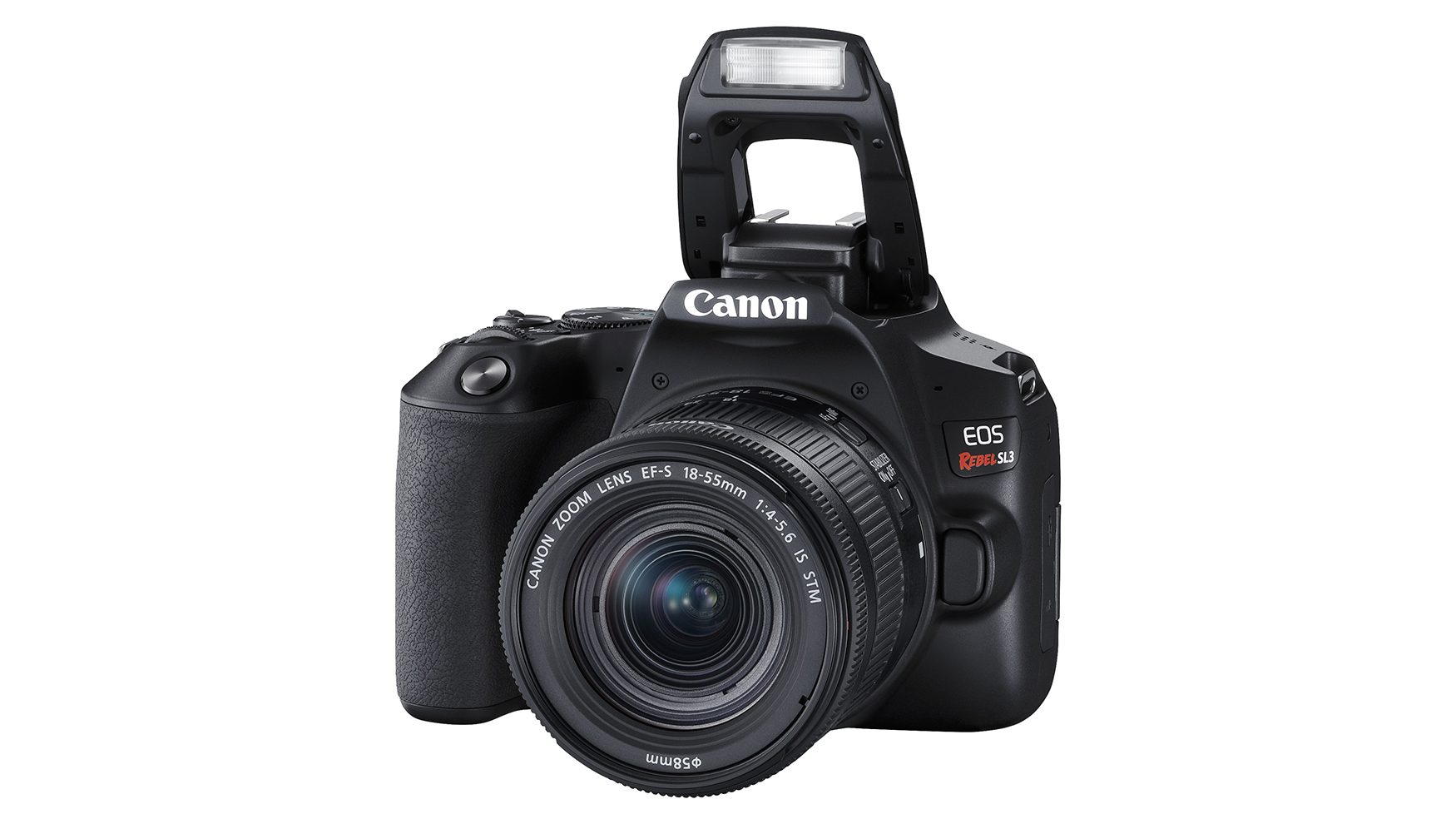 Weighing at 449 grams, the Rebel SL3 packs a DIGIC 8 Processor, along with a 3.0-inch touchscreen (that flips around for selfies or vlogging) and 4K video support. The camera features a 24.1 megapixel APS-C (Advanced Photo System Type-C) sensor, which is also used in Nikon and Sony DSLRs. Furthermore, the Rebel SL3 offers a 9AF point-optical system and spot focus feature, so that users can accurately select their subjects while capturing images.
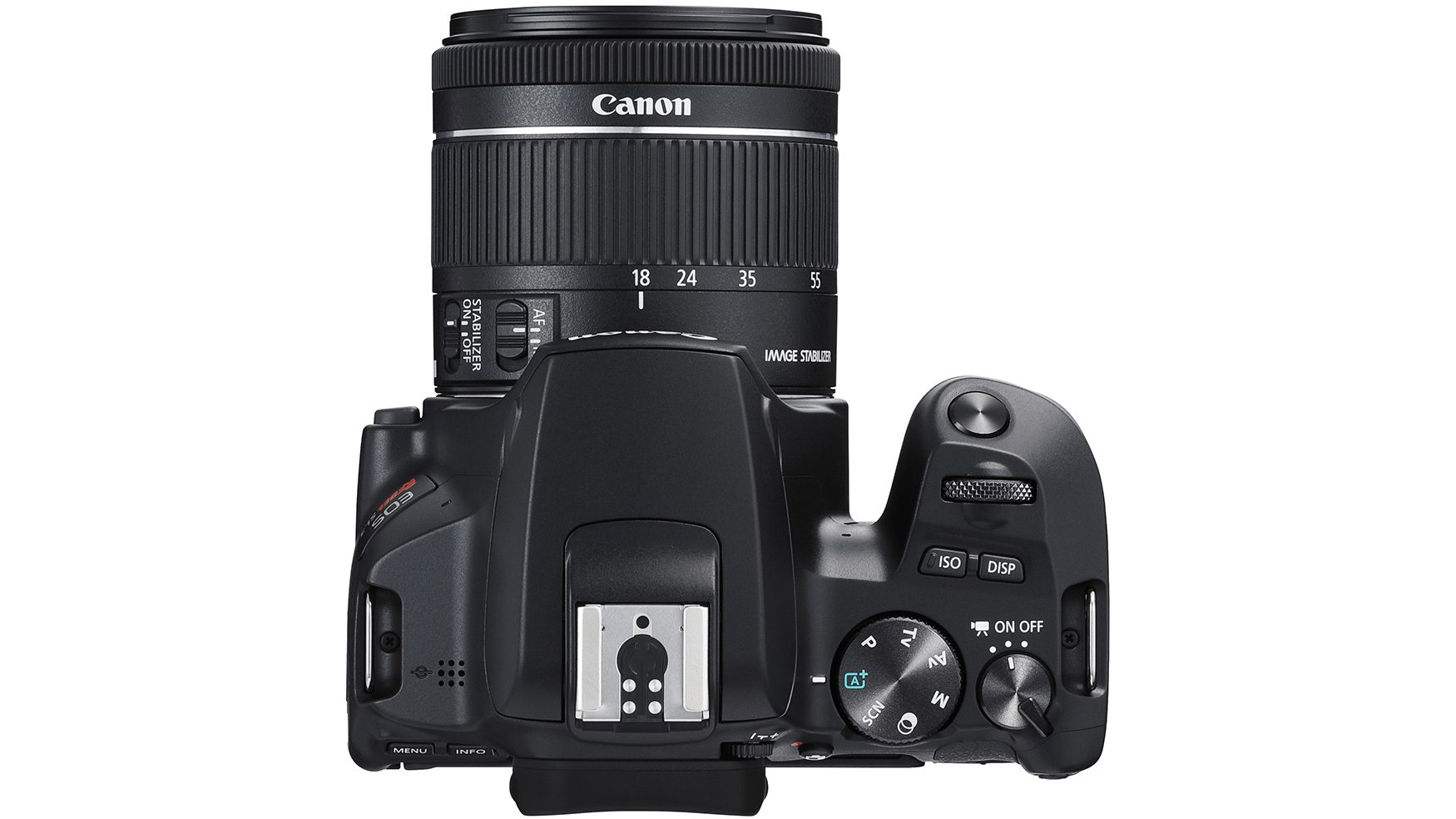 The Canon EOS Rebel SL3 offers an on-sensor Dual-Pixel system, which may not be as efficient as the optical system, but still provides accurate eye-tracking Auto-Focus in 1080p videos considering the price of the budget DSLR camera. The SL3 also takes the spot for being the first Canon Rebel Series camera that can shoot in 4K resolution. A downside of the camera is the lack of sensor-based-in-body stabilization, which forces the Rebel SL3 to use Digital Image Stabilization. Moreover, the camera supports wireless image transfer via built-in Wi-Fi and Bluetooth across smartphones and tablets.
 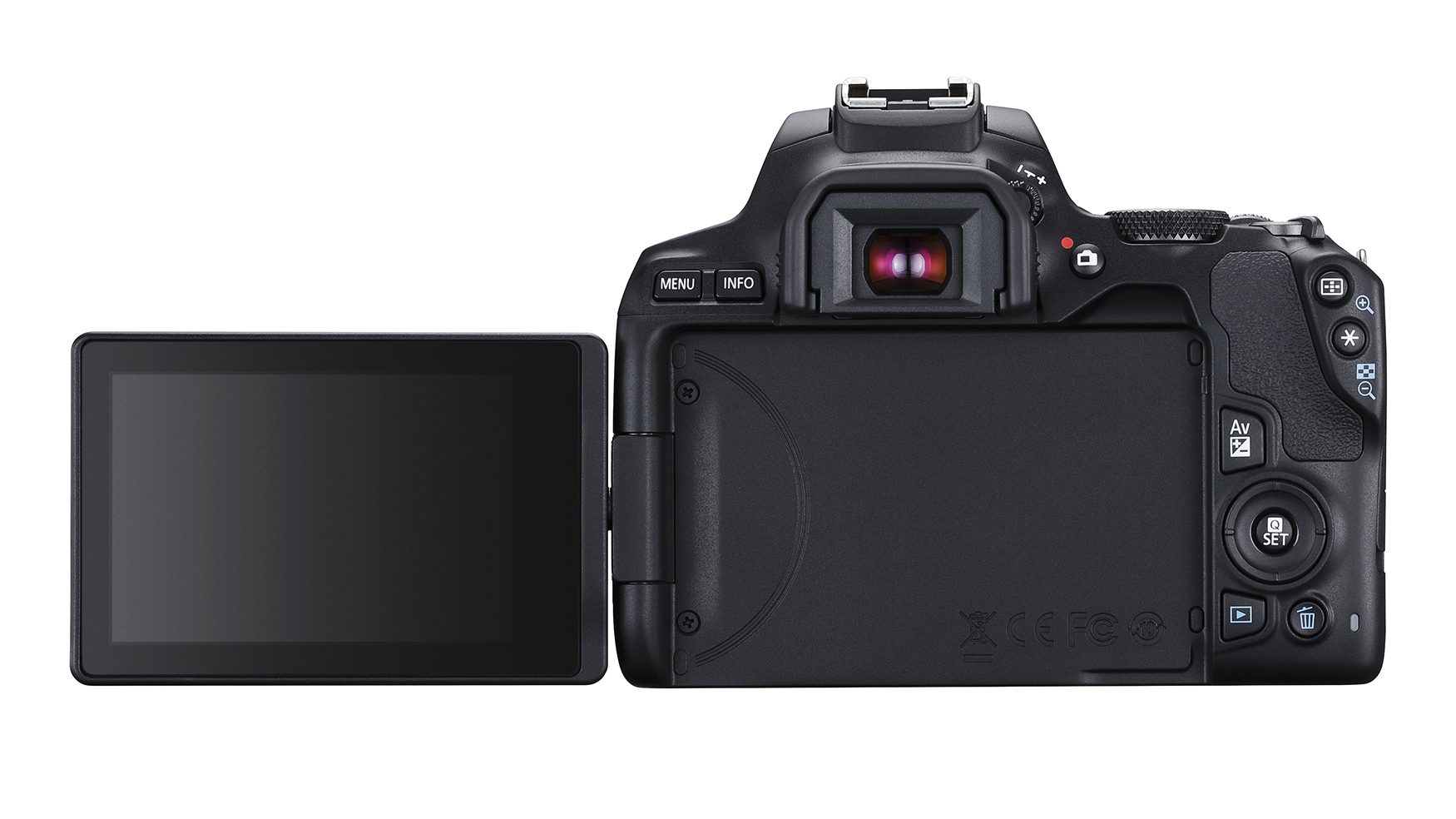 Photographers can utilize the Burst Shoot feature at a rate of 5fps. The DSLR has a native ISO range of up to 25,600 and an expanded ISO range of 51,200. In terms of the battery, Canon claims that the camera can shoot a total of 1,630 images on a single charge, and the number comes down to 350 shots with the Live View feature turned on. Talking of features, another nice addition to the camera feature list is the “smooth skin” mode, which enables the user to blur the background (similar to portrait mode in smartphones) without the presence of a fast lens.



 The Snapdragon 665 chipset is the base model in the lineup unveiled on April 9, however, it has significant improvements over the Snapdragon 660. The new 11nm chipset comprises of an octa-core Kryo 260 CPU. Four cores of the aforementioned 8 cores are dedicated to performance, while the other cores enhance the efficiency of the device, the company claims. For graphics, the chipset packs an Adreno 610 GPU with the Vulkan 1.1 graphics driver. Furthermore, the chipset features Qualcomm aptX Adaptive Audio and Aqstic to improve the gaming experience of the user.
 The company has included the Spectra 165 ISP, which integrates support for triple cameras and AI while capturing images. Also, the chipset enables features such as Hybrid autofocus, zero shutter lag and optical zoom, in addition to 48-megapixel image support. The SoC has the third-generation Qualcomm AI Engine, providing support for features such as 3D Face Unlock. Qualcomm claims that the chipset will deliver almost 2x faster AI device processing than the Snapdragon 660. Moreover, the SoC is enabled with Quick Charge 3.0 Fast Charge technology.
 Qualcomm made it quite clear that the Snapdragon 665 will be targeted towards smartphones lying in the entry-level segment. For mid-range segment devices, the San-Diego company unveiled the Qualcomm Snapdragon 730, which is built on an 8nm process. Some features that were previously only present on Snapdragon’s 8xx series have been carried over to the Snapdragon 730. The SoC comprises of Kryo 470 octa-core CPU, which have a maximum clock speed of 2.2 GHz. Six cores are dedicated to regulating the power and efficiency of the smartphone, whereas the other two cores are dedicated solely to performance. The chipset has the Adreno 618 GPU, which is claimed by the company to provide a 25% performance boost over its predecessor.
 In addition to Qualcomm aptX Adaptive audio and Qualcomm Aqstic audio, the chipset has the Spectra 350 ISP, which features a dedicated Computer Vision ISP. This will enable the capture of 4K HDR videos in portrait mode, that can be further mingled with bokeh effects. The Snapdragon 730 SoC has an inbuilt X15 LTE modem which claims to provide downloads up to 800Mbps. The chipset is Wi-Fi 6 ready and features Qualcomm Quick Charge 4+ technology.
 Also Read:







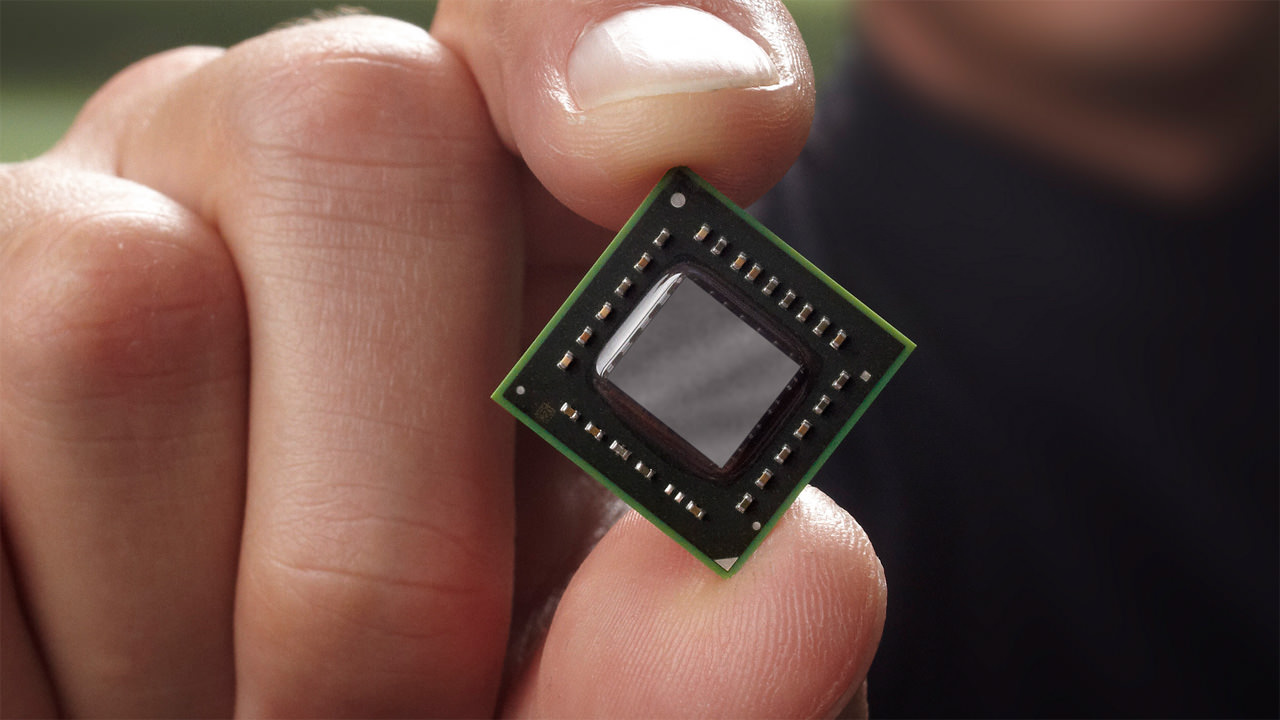
 The new lineup includes 2nd Gen AMD Ryzen PRO Mobile Processors (with Radeon Vega GPU) and AMD Athlon PRO mobile processors with a similar VEGA GPU. The primary incorporation of these processors would include premium professional notebooks and everyday-usage notebooks. Also, the company is planning to introduce its new lineup in the upcoming HP and Lenovo notebooks, which will make their way into the market in the second quarter this year. Updates for the same are expected to be released later in the year 2019.
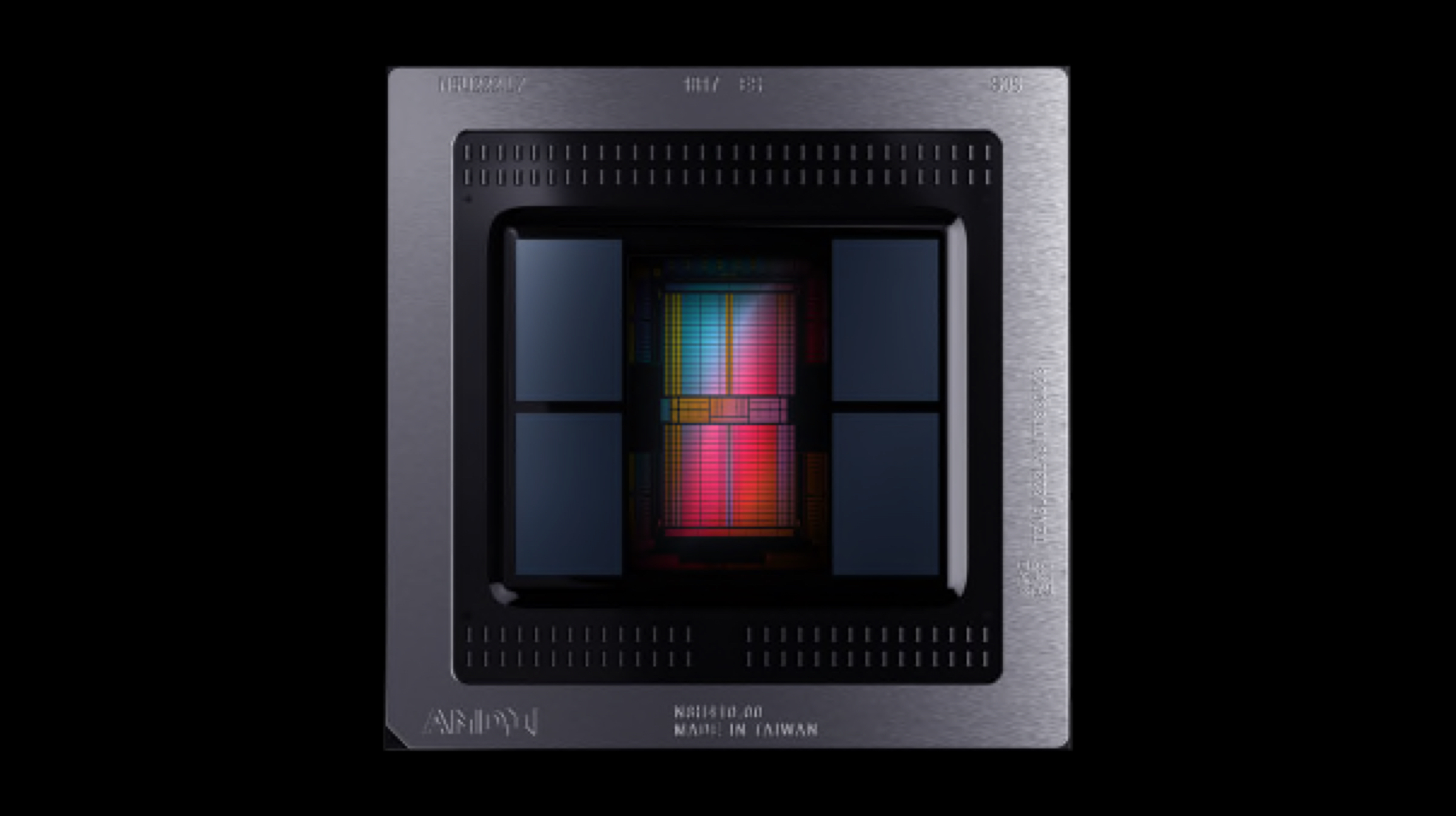 The 12nm mobile processors claim to increase productivity and deliver best-in-class performance. Also, the company states that the AMD Ryzen PRO 3000 series processors offer up to 16% more multi-threader processor performance than other similar processors in the market. Further claims include up to 12 hours of office usage, 14% faster content creation and best-in-grade security features.


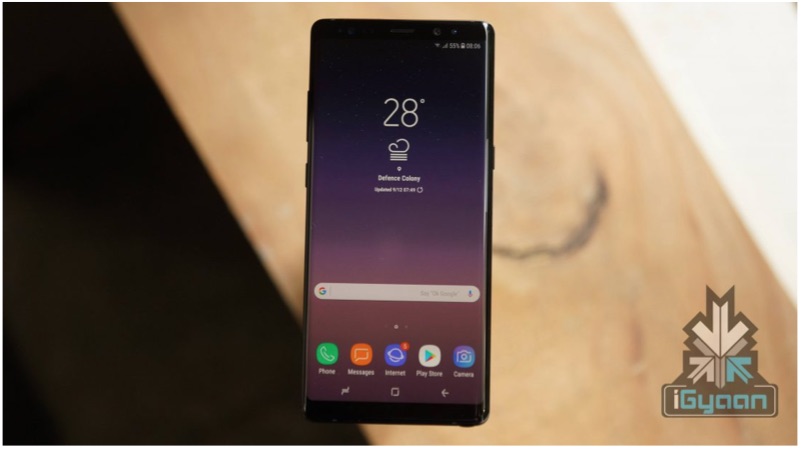
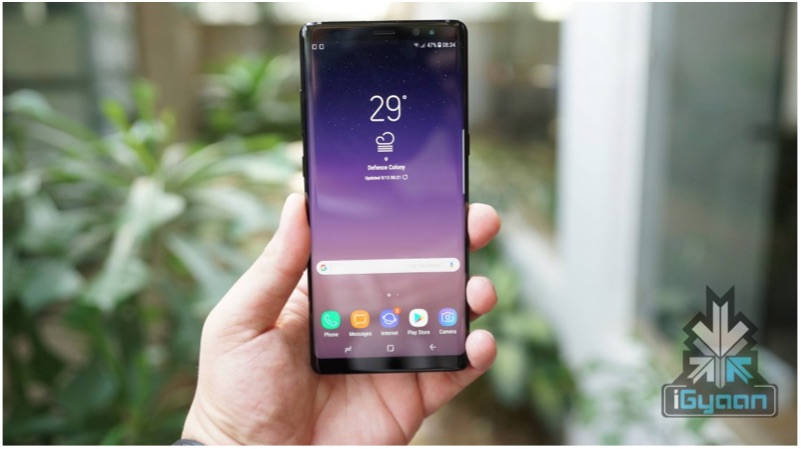 As per reports, the lineup will feature at least one 5G smartphone. Moreover, the Korean technology company is planning to release a significantly cheap model of the Galaxy Note 10. It is apparent here that the company is rolling the same dice as it did with the Galaxy S10e. The device which was intended to be the base model in the lineup received exceedingly rave reviews. Note that the last time when Samsung released more than one variant for the Galaxy Note series was in 2014 when the company unveiled the
 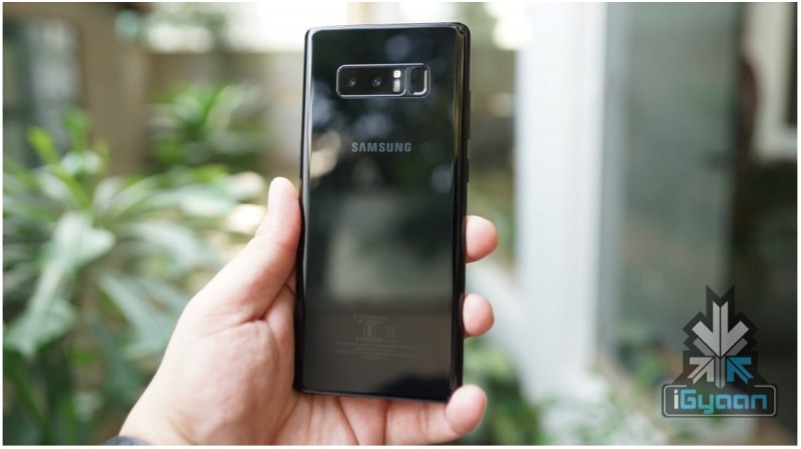 Reports also state that Samsung is modelling its strategy in order to create more impact on the smartphone market. Two of the four LTE variants of the Note 10 series are speculated to sport 6.28-inch and 6.75-inch displays with triple and quad camera setups respectively. The other two devices will carry over similar specs to the aforementioned devices, with the only notable addition being the 5G connectivity option.
 Also Read:

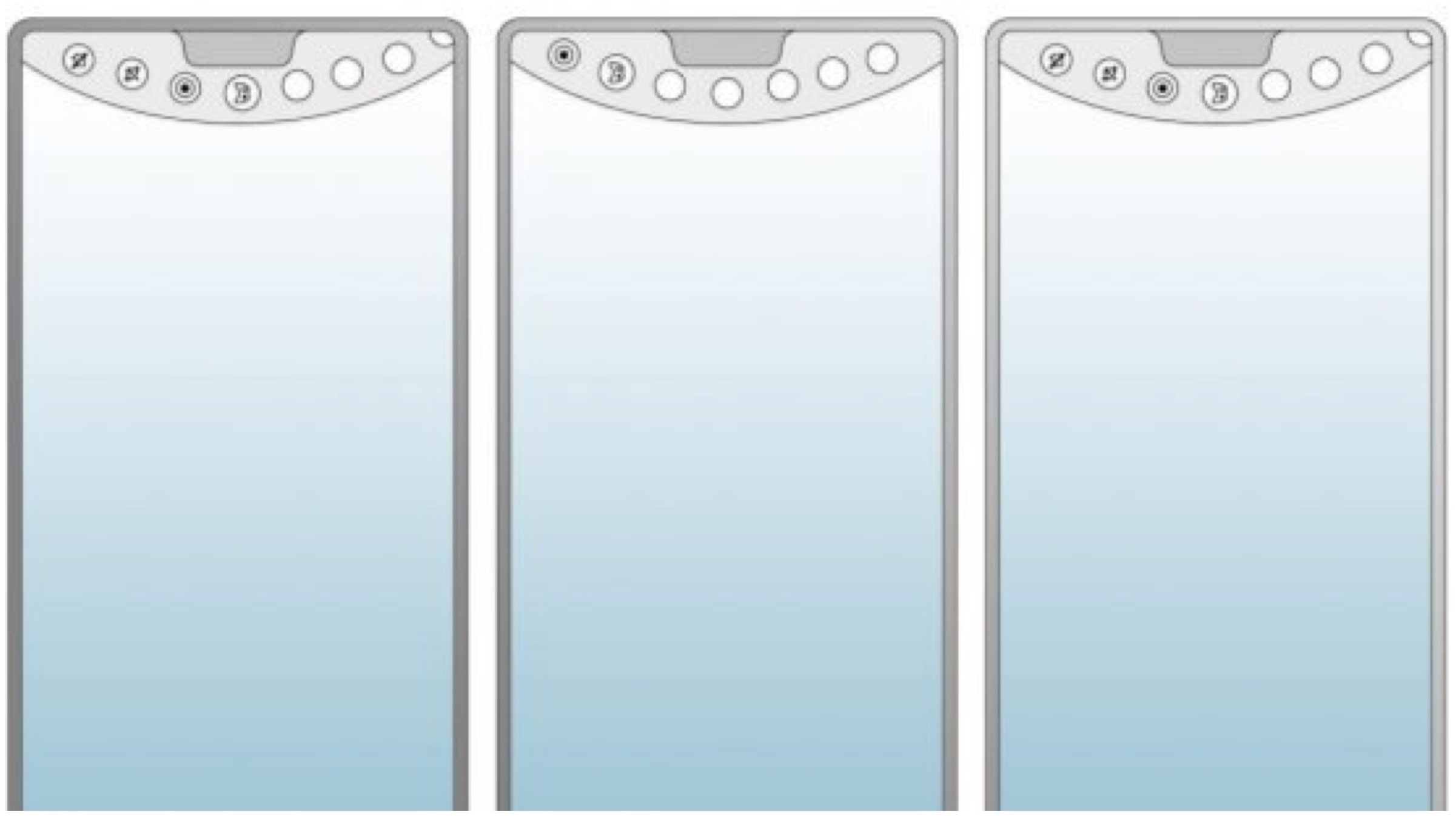
 Smartphones are evolving rapidly, and sure enough, many devices have the capability to run multiple applications at the same time. Higher battery capacities imply that multitasking is even more viable in such devices. More graphic-intensive games can be run on such devices, so Chinese Smartphone manufacturer Oppo has patented a gaming interface, which will allow users to launch certain apps during gaming on the device.
 Also Read: