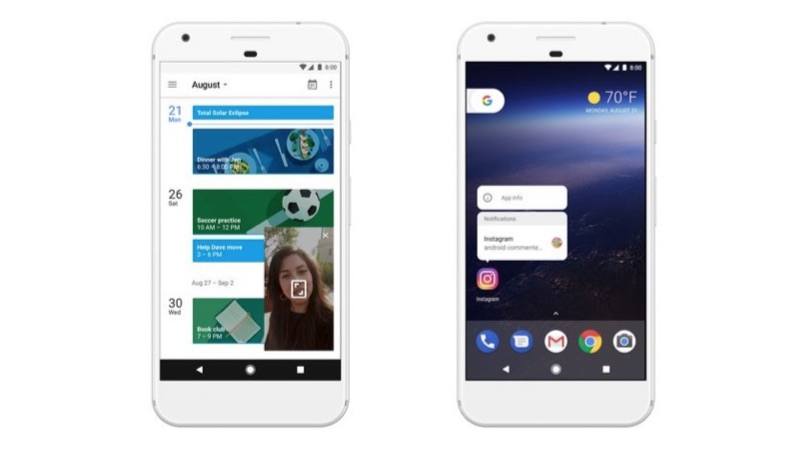
Google released the Android operating system for mobile devices back in the year 2008. The latest version of the OS is Android 9 Pie, which is its ninth major release. Before the launch of its successor, dubbed Android 10 Q in the following months, Google has released the Android Distribution list on the software’s official website. The list showcases the statistic of how many devices are running a particular version, and if a new version has been successful or not. The company refreshes the list every six months and this time it revealed Android version 8, named Oreo, is most popular worldwide.
The Result
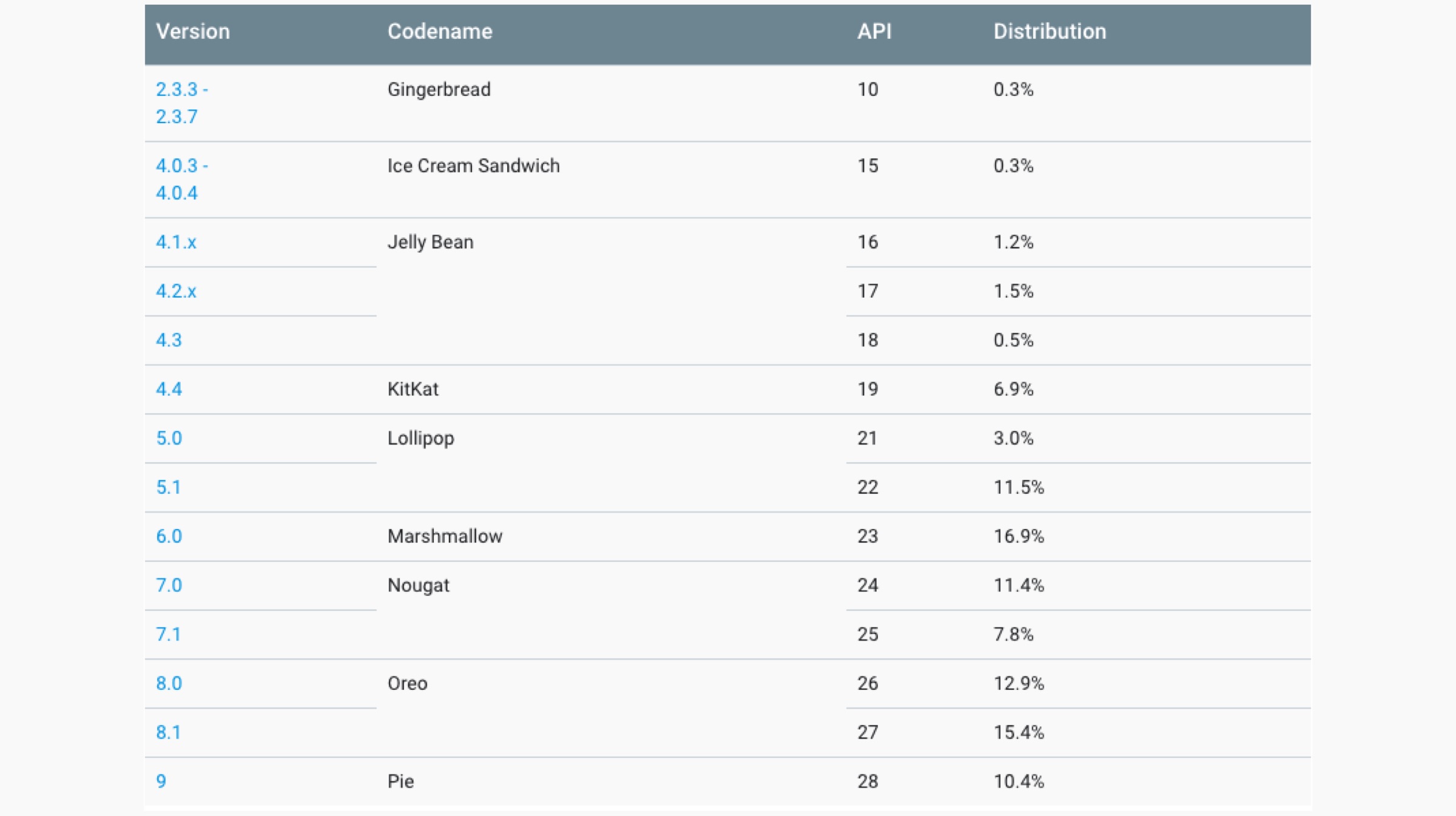
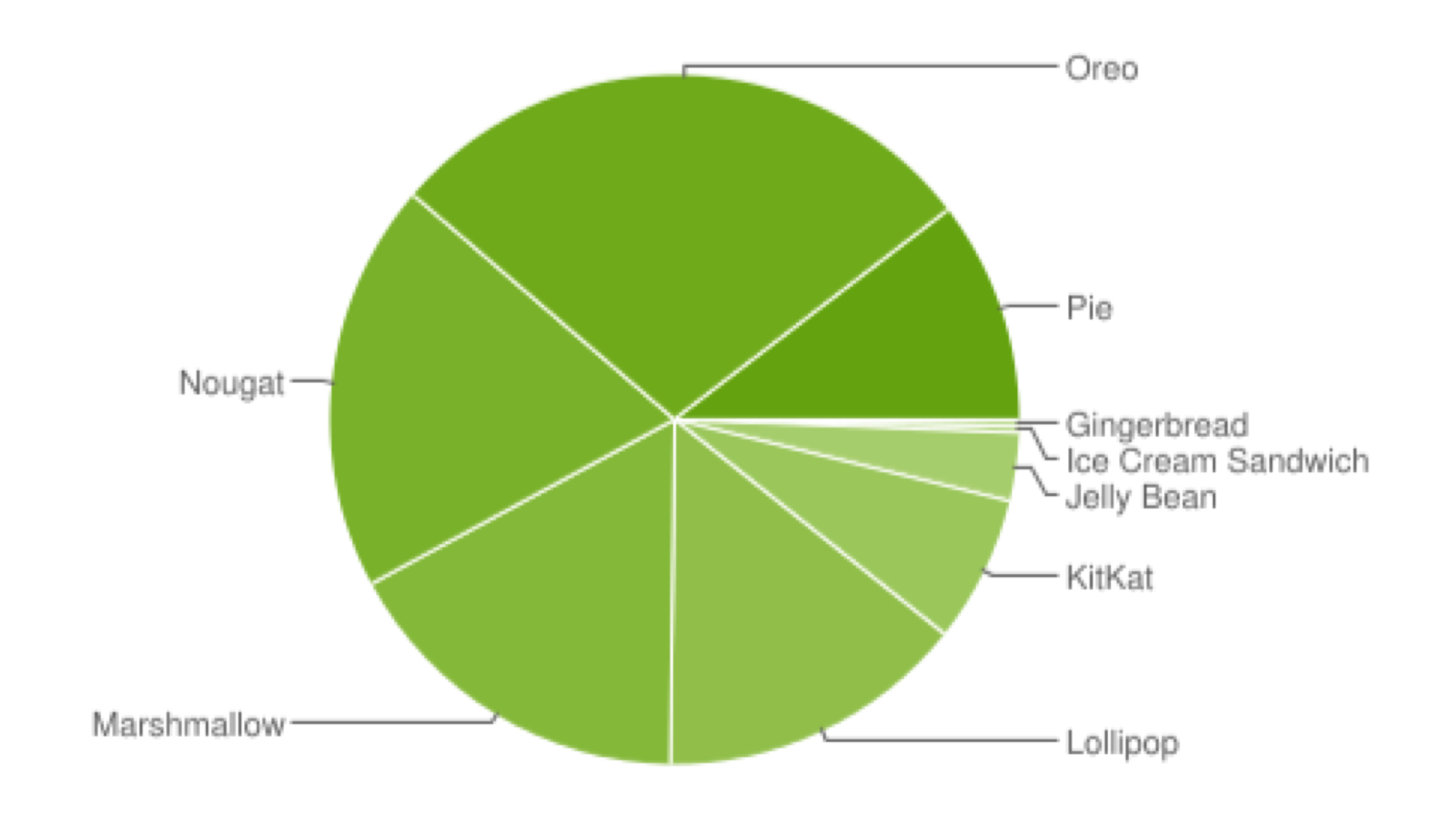
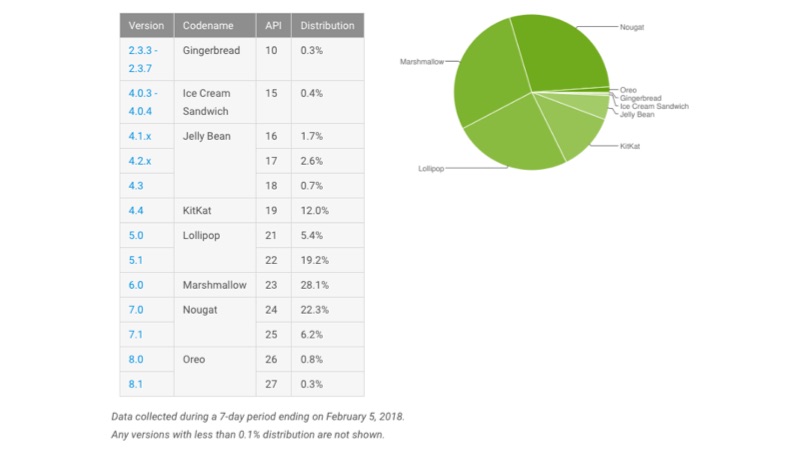
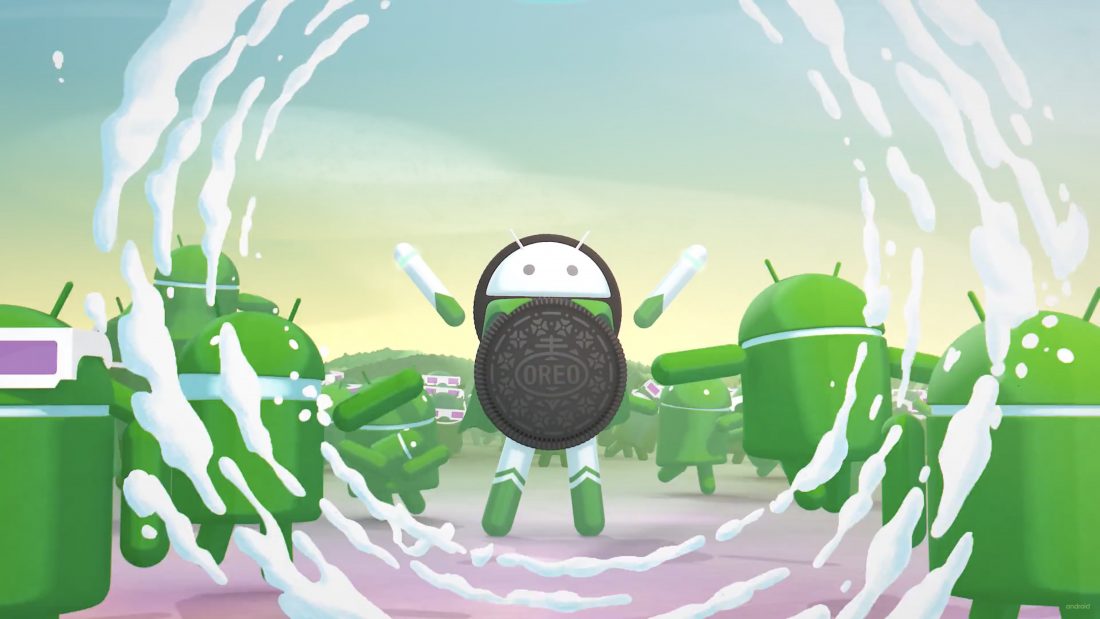
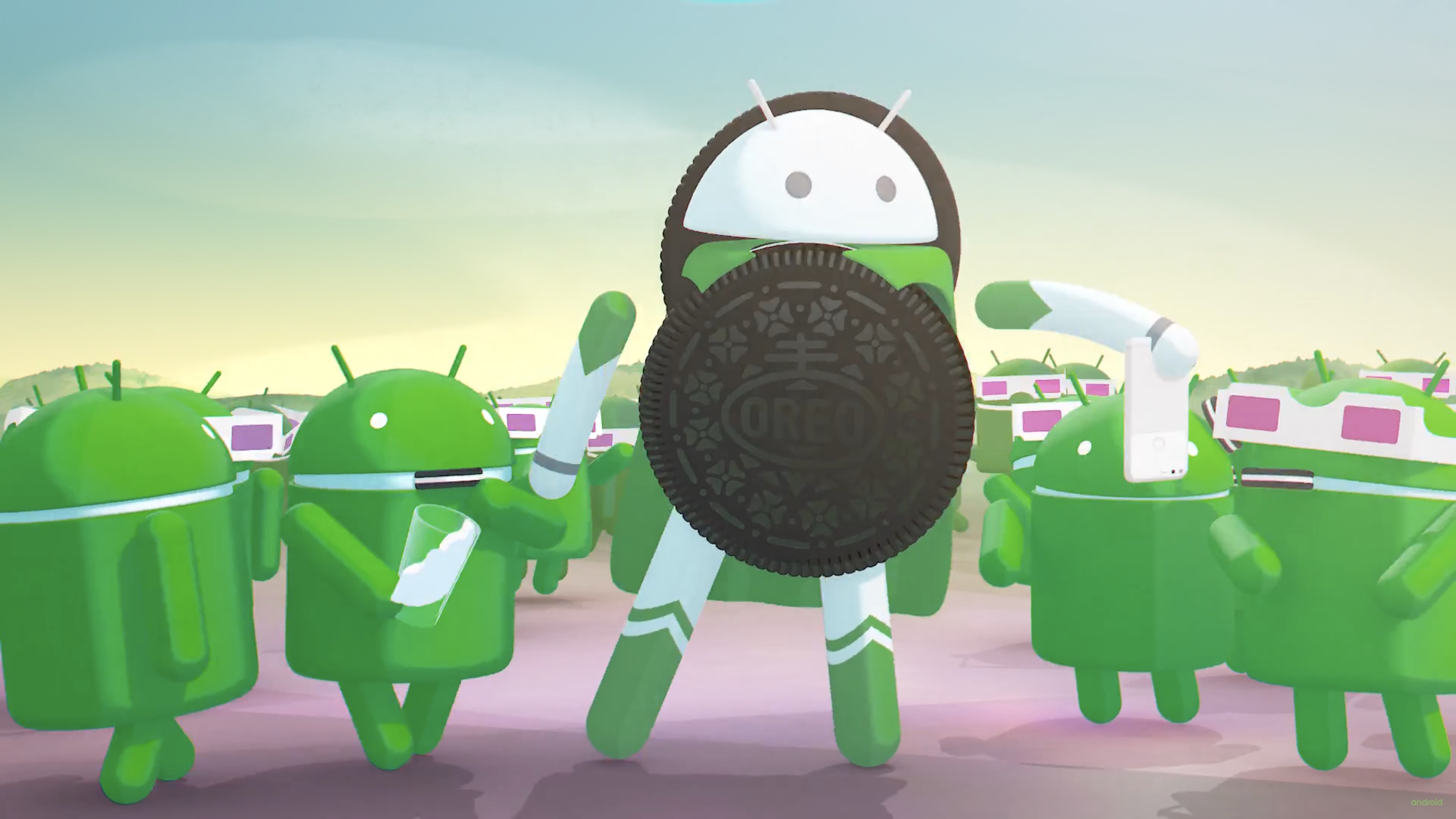
As mentioned above, Google refreshes the Android Distribution list every six months; with it being updated previously in the month of November last year. The company claims it collected the data over a 7 day period ending May 7, 2019. It also notes the versions with less than 0.1 percent usage were not included in the list. The list reveals the Android versions 8.0 and 8.1, both referred to as the name Oreo, with a combined percentage of 28.3 %, are the most used OS by the company worldwide. It was originally released back in the year 2017. Noteworthy, in the last list that was released by Google, the version 7.0/7.1, named Nougat was the most used at the time.
The Android Distribution list is followed by version 7 Nougat, released in the year 2016 in the second place with a combined share of 18.4 %. In the third place is the Android 6 Marshmallow released in the year 2015 with a cut of 16.9 %. After version 5 Lollipop with a share of 14.5% in the fifth place, the latest Android 9 Pie makes an appearance with a percentage of 10.4%. The latest statistics from Google showcase the Android Fragmentation problem that has plagued the platform since the beginning. The terms refer to the disparity in the software’s versions running on devices currently in use. The company is expected to release the latest version of the mobile operating system later this year.
Google released the first developer version of the Android P, which will be the successor of Android 8 Oreo. However, less than 1.5% of Android phones run on Android 8 Oreo right now. To improve this, Google introduced Project Treble which enables the faster Android updates, without interfering with the OEM.
Google follows the 2 years update policy, where the smartphones and tablets will receive two major OS upgrades. However, this changed with the launch of the Pixel series of smartphones. To keep up with Apple (which offers four major OS upgrades), the Pixel devices will receive three major OS upgrades. Similarly, the Pixel will update to Android P and Android Q and the Pixel 2 will also be updated to Android R.
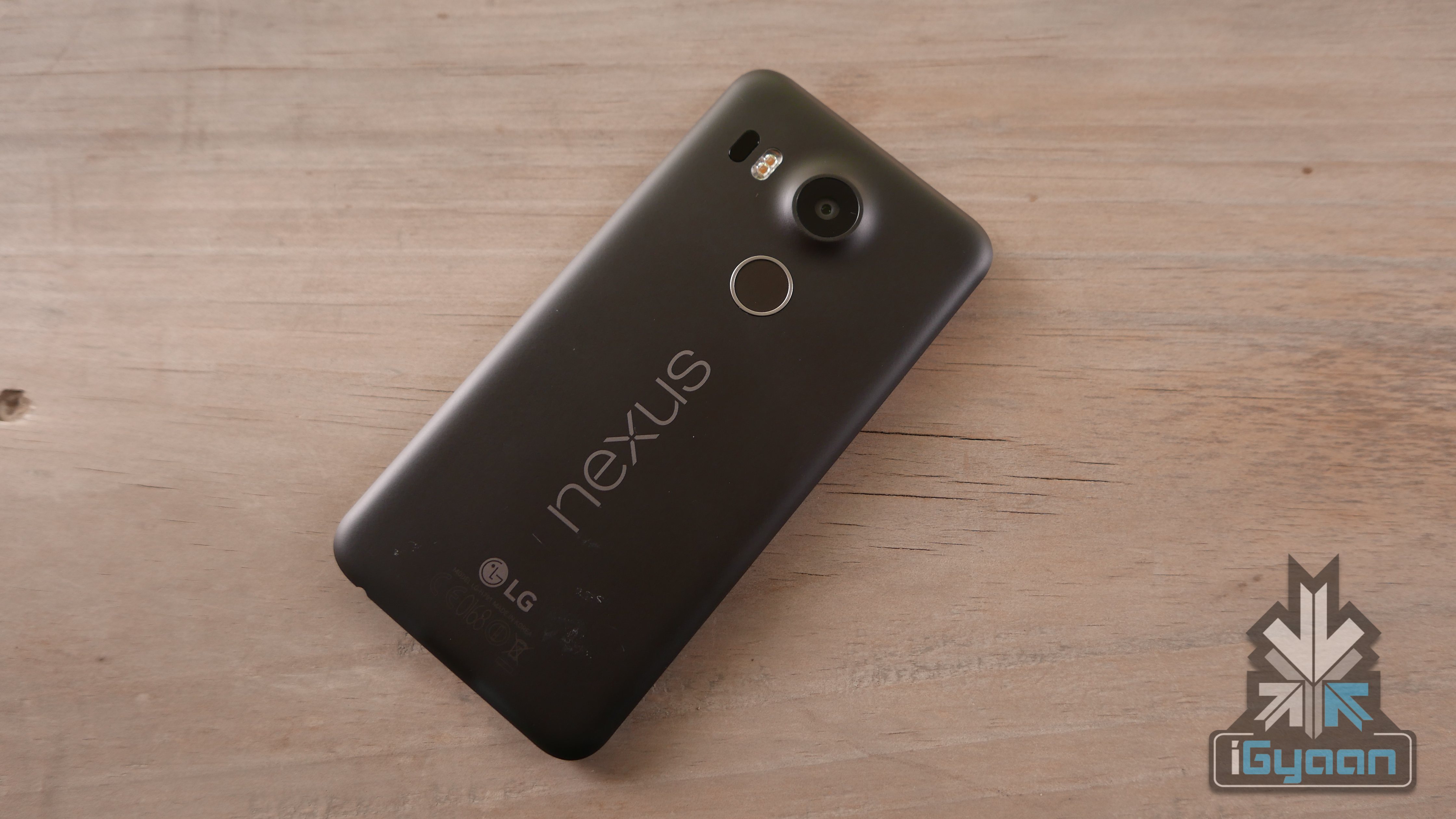
However, this is not applicable to the Pixel C tablet, Nexus 5X and the Nexus 6P. These devices have received two major software update and they are no more eligible to receive Android P. However, all three devices are eligible to receive monthly security updates until September 2018.
As these devices are very popular amongst the developers, the devices might receive unofficial build of Android P via third-party developers.
Android P Features
The Android P is expected to overhaul the user interface completely. In fact, the biggest change is the native support for the infamous notch. In fact, one can test these features by installing the developer version on a supported device.
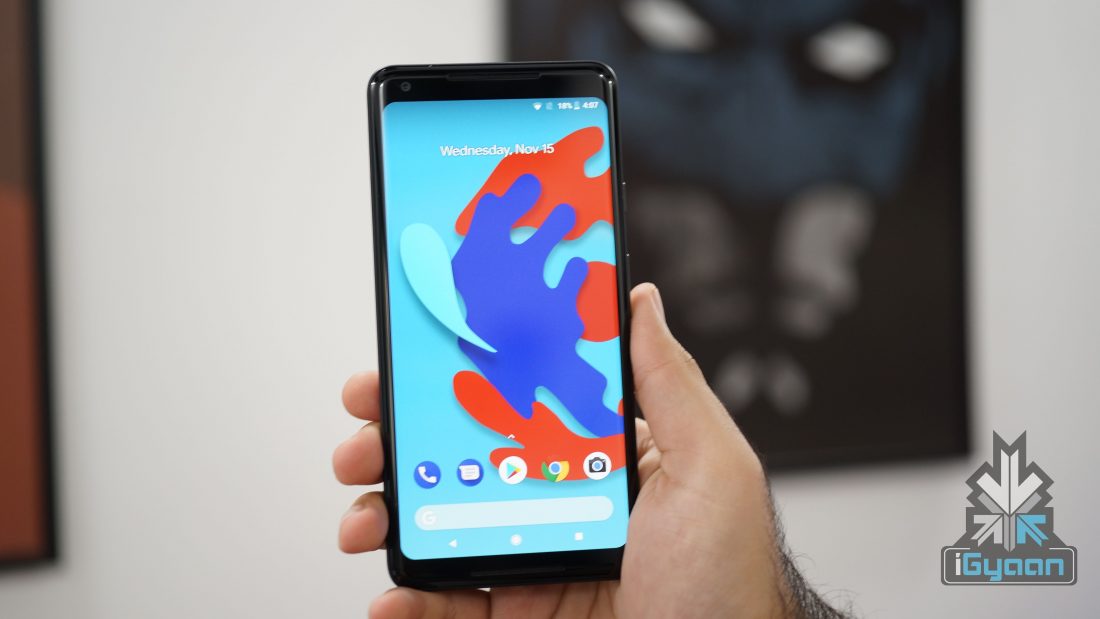
The dock in Android P will also look like a dock now. The four app icons along with the Google Search bar will have a cloudy background, distinguishing it from the rest of the screen. A microphone icon has been added to the Google Search bar to access Google Assistant or do a quick voice search. The volume slider has been moved to the side of the screen and shrunk in size.
Another feature added is something that has been there in custom skins for a while. A user can now take a screen from the power menu, that pops up by long pressing the lock/unlock button. This will come in handy during one handed usage. Visually, there are not many changes in the first developer preview of Android P. However, this can change by the time the official version rolls out. Google might introduce a few visual changes or keep it the way it is. Time will tell.
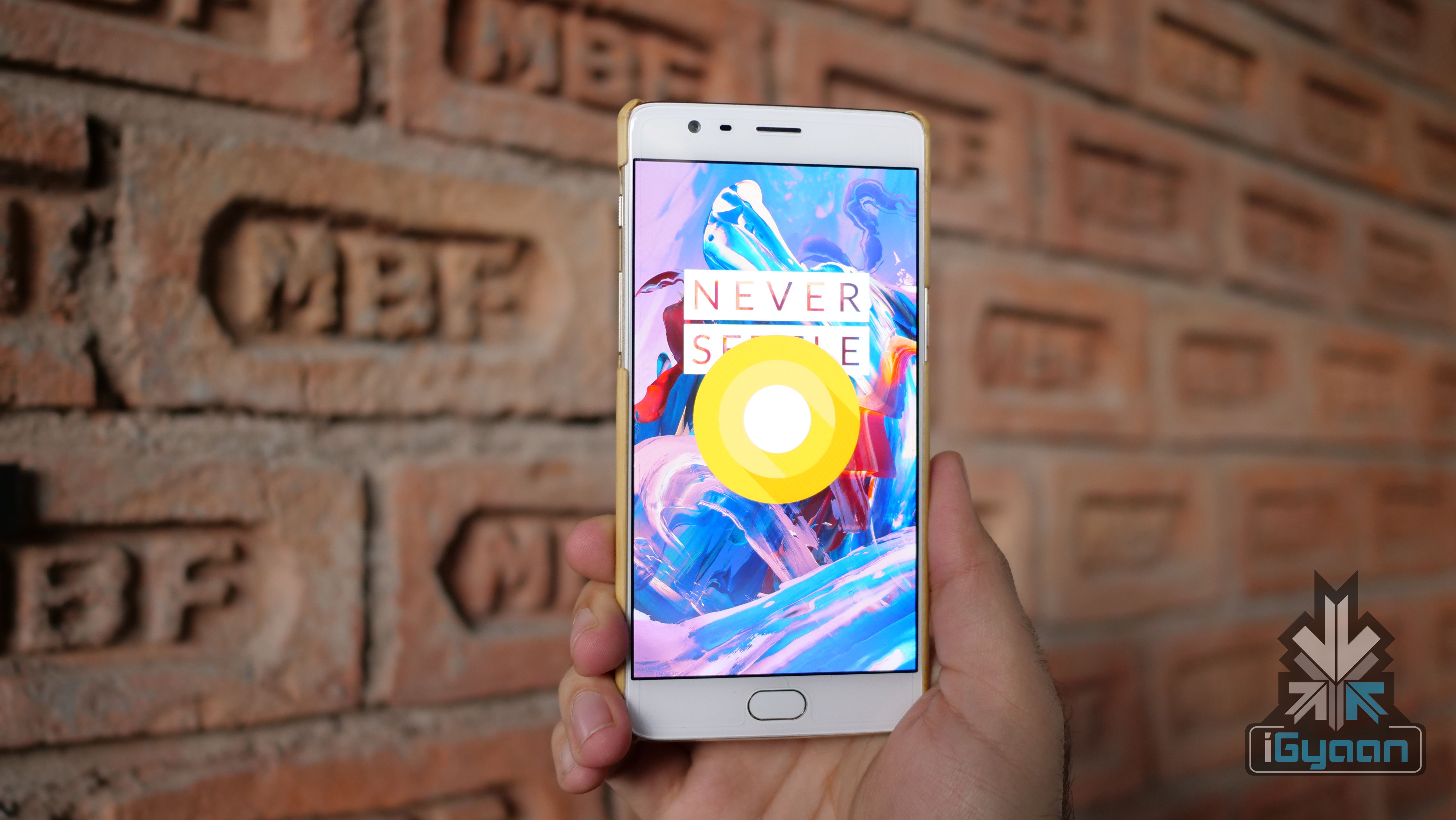
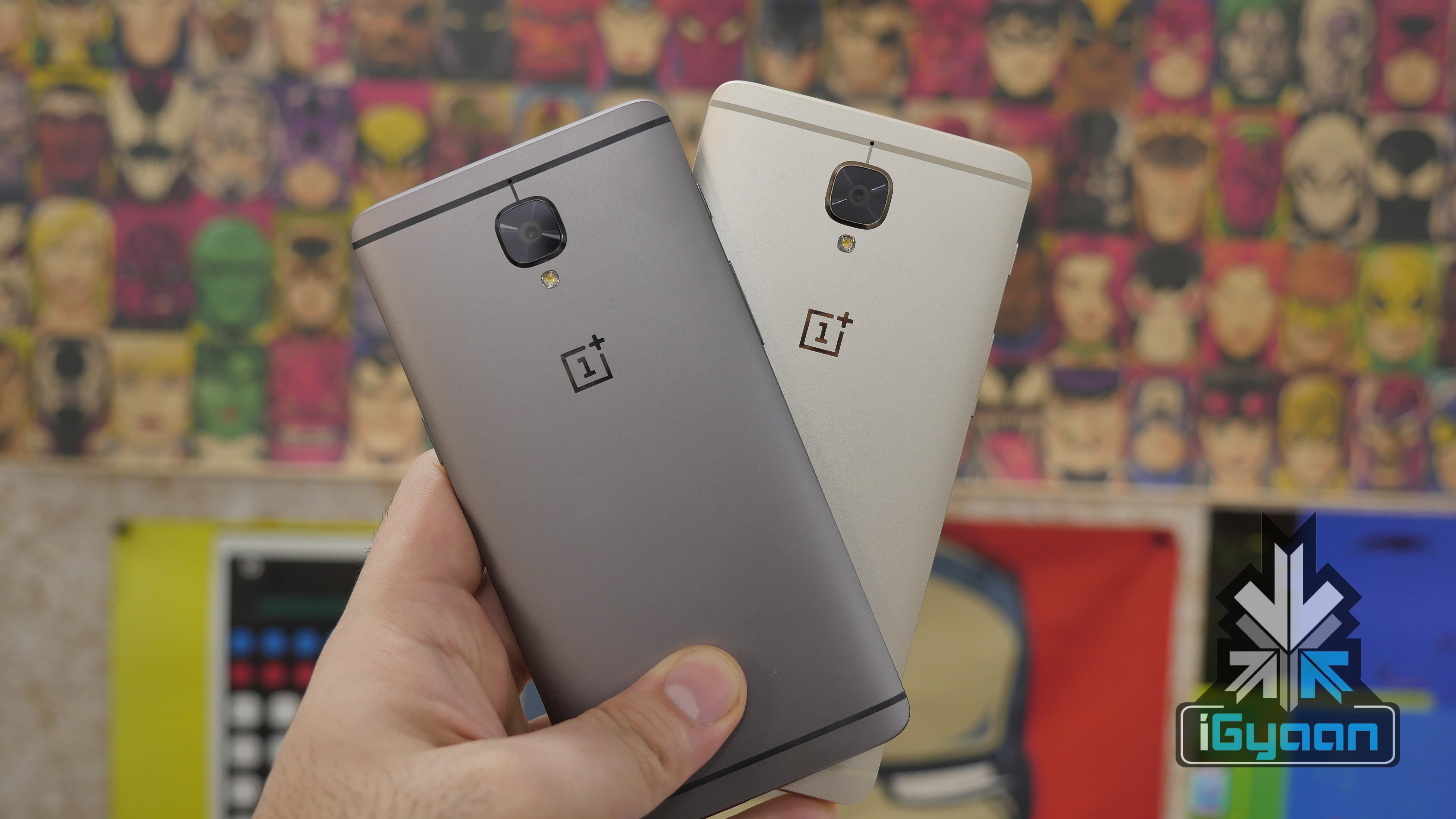
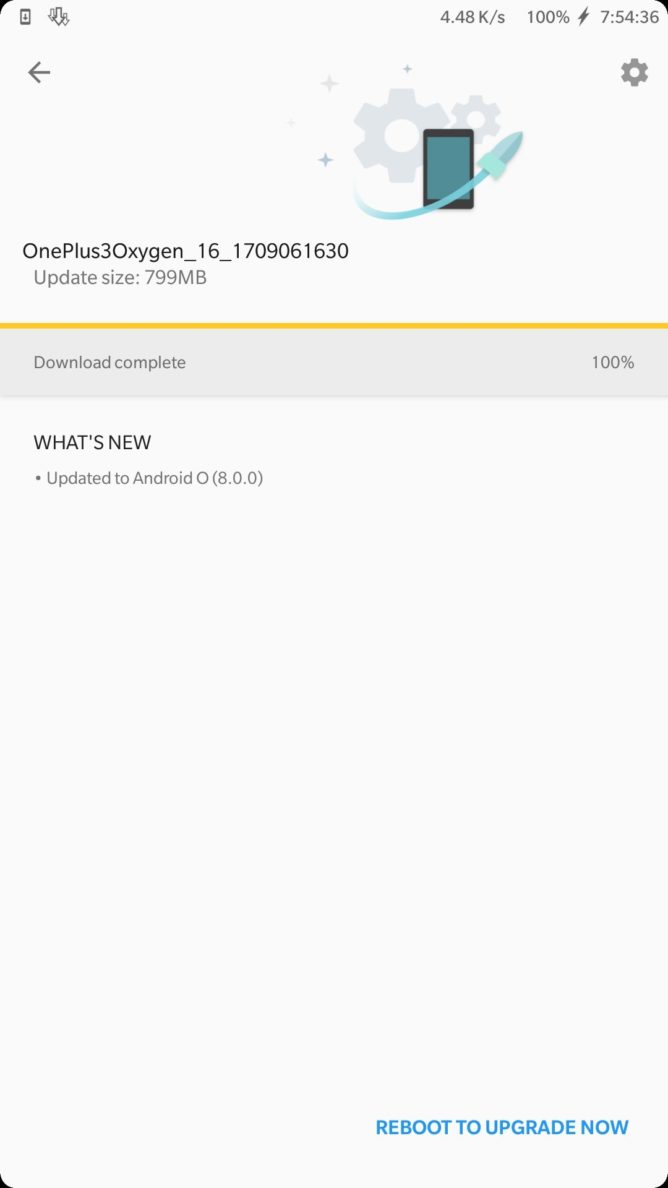
We are pushing out the incremental roll-out of OxygenOS 5.0, our first official Android O OTA update for the OnePlus 3 and 3T.
With the new update, the OnePlus 3 and 3T will get long awaited Android 8.0 Oreo features such as notifications dots and picture-in-picture mode and a few new Oxygen OS features. Other additions are ‘parallel apps’, auto-fill, smart text selection and more.
In the OnePlus launcher, there are new features like notification dots and a new app folder design. OnePlus has also added the option to upload photos directly to Shot on OnePlus. The company has further cleared that the OTA update is ‘incremental’ which means that only a small percentage of users will get the update right away. The blog post continues to state that a broader roll-out of the new software update will begin in some days.
The news is bittersweet for OnePlus 3 and OnePlus 3T users. Yes, these users will be the first to get Android 8.0 Oreo on a OnePlus device but, as the company had announced earlier, this is the last major software upgrade for the OnePlus 3 and OnePlus 3T. OnePlus is known for dropping support for its year-old flagships and this case doesn’t seem any different.
The OnePlus 5 and OnePlus 5Tare expected to get the Android 8.0 Oreo update some time in early 2018 as the beta testing on the two phones will start in early-December.
Storage space on smartphones which do not support microSD card has always been an issue. The Google Pixel from 2016 had 16GB of storage on its base model and it was a premium phone. This year, Google bumped it up to 64GB albeit, no storage expansion option. To tackle with this issue, Google will introduce a new smart feature in Android 8.1 Oreo which will reduce the size of inactive apps.
The latest commit in Android’s AOSP framework mentions a new feature that would automatically flag apps as “inactive” and deprioritises the generation of cache files for that app. The phone will only consider an app as “inactive” if it hasn’t been recently used in the foreground and the app package isn’t being used by another app package in the background.
These apps marked as “inactive” won’t have cache files generated for them, thus reducing storage space.
While the feature is a welcome addition to growing smart things Android phones can do, we might have to wait a while till we see this getting implemented in more smartphones other than the Pixels and the Nexuses. As reported earlier, only 0.2% Android smartphones run Android 8.0 Oreo right now, hence seeing Android 8.1 Oreo in a wide range of phones might be some time away. Also, OEMs will have to enable their smartphones to take advantage of this feature.
Lenovo K8 series owners will be happy to hear that Lenovo has officially announce update plans for the devices to receive Android 8.0 Oreo update. The excitement ends there as the timeline for these updates is a long time away.
The timeline has been announced by Lenovo, and the K8 series is expected to get the update June-July 2018 during which time Google should be announcing Android 9.0.
The K8 will be the first of the series to get Android Oreo according to the company’s post, which will roll out in June of 2018, while the K8 Note and K8 Plus are slated for an update in July of 2018.
The Lenovo K8 Note was launched in August for a price of Rs. 13999 while the K8 and K8 plus saw subsequent launches. The K8 Plus remains a flipkart exclusive while the other two handsets are on sale on Amazon.in
While most companies are pushing updates in a timely manner, and Xiaomi has set an end of the year timeline for their Mi A1 and Mi Mix 2, The company is yet to roll out any updates to the Mi Mix original which is still on MiUI 8.
The Update will be available as an OTA update to devices and will be rolled out across eligible Lenovo K8 / plus/ note devices at the same time.
When Android 8.0 Oreo was officially announced, OnePlus was one of the first few smartphone makers to announce its imminent availability to it smartphone portfolio. Now, OnePlus has rolled out the Open Beta build based on Android 8.0 for the OnePlus 3 and OnePlus 3T devices, signalling a full-blown release isn’t too far away. OnePlus wrote:
We are very excited to announce that we are ready to put out the first Open Beta build based on Android 8.0 for the OnePlus 3 and OnePlus 3T devices.
The company also pointed out the issues pertaining to the beta build:
Known issues:
Fingerprint actions may be slower than you are used to.
Shortcut to access Google Photos is unavailable
Some stability issues with NFC and bluetooth Performance and compatibility of 3rd party apps will continue to be optimised
Back in August, OnePlus subsequently announced that Android 8.0 Oreo will be OnePlus 3 and 3T’s last major software upgrade. This news didn’t go down too well for the owners of the two phones as they were launched recently in 2016 only. But, OnePlus continued its pattern of dropping support to its previous generation flagship phone and concentrate on the new and upcoming flagship smartphone.
This news comes days after the company was exposed to be collecting personal data of its users. While the company has come out and said that users can disable this function, it has still left a blemish on the perception of OnePlus.
Lenovo-owned Motorola has released a list of phones to receive Android 8.0 Oreo update. Motorola has long promised that most of its new smartphones will receive an update to Android 8.0 Oreo. Here’s the list of phones that Motorola launched
A noteworthy omission here is the Moto G4 Plus which the company promised will get an Android O update. So much so that the promotional images specifically said that the Moto G4 Plus will receive the said update. This resulted in social media outburst and the promotional images from Motorola were shared extensively. However, Motorola did reply to a few people confirming that the Moto G4 Plus will receive the update. This begs the question then why was it omitted from the official list?
A lot of other smartphones makers have confirmed that their smartphones will receive the updates in the coming months. HTC announced that the U11, HTC 10 and U Ultra will be the first HTC smartphones to be updated to Android 8.0 Oreo. Budget smartphones like the Lenovo K8 Note and Nokia’s Android lineup will also receive the update. OnePlus also announced that the OnePlus 3, 3T and 5 will receive Oreo update, and that this will be the last major software update for the 3 and 3T.
Motorola seems to have delivered on its promise of fast software updates and after some misunderstanding, it looks like the G4 Plus won’t be left out of the list. The smartphone maker insists that the updates will start rolling out this fall, which means somewhere between October and December.
OnePlus has started rolling out an 800 MB heavy software update for OnePlus 3 closed beta group which updates the phone to Android 8.0 Oreo.
The update as of now is very unstable with many functions like the NFC, WiFi, Bluetooth, and hotspot fairly unstable. OnePlus is trying to roll out a stable update in mid-September. The OnePlus 3T and OnePlus 5 closed beta groups will also start getting this update soon.
OnePlus had earlier announced that an update to Android 8.0 Oreo will be the last major software update for OnePlys 3 and 3T but, the devices will get regular security patches for a longer period. Only the OnePlus 5 as of now, will be updated to next year’s Android P. This news didn’t go down well OnePlus enthusiasts who had just bought either of the devices.
Android 8.0 Oreo was officially announced last month with a lot of upgrades and a few new features. Highlights of new features in Android 8.0 Oreo
A new picture-in-picture feature allows users to continue operating the device without interruptions for things like watching a video.
Users can now organise notifications into custom channels and modify the alerts for the entire channel.
An auto fill framework in the operating system makes the repeated filling of forms easy for the user.
Original Equipment Manufacturers (OEM) can specify a look and feel for the UI by choosing between various icon shapes by using Adaptive Icons
A smart sharing feature allows the operating system to guess the context of a photo, and pick the best application to hand the image over to.
There are also background execution limits, which ensures that applications running in the background don’t use up a lot of system resources.
OnePlus is notorious for shutting down support on its 1-year-old phones and has continued to do so with its 3 and 3T variants. This new update means that a full-fledged roll out of Android 8.0 Oreo is not too far and the users might get an update by October, which will be fairly quick considering the Google Pixel 2 and Pixel XL 2 will launch in early-October running Android 8.0.
Sony has officially unveiled its high-end flagship, the Sony Xperia XZ1, and its smaller sibling, the XZ1 Compact at the IFA 2017 in Berlin. A successor to the Xperia XZ Premium, both the Xperia XZ1 and the compact variant with a full metal frame, hasn’t strayed too far away in terms of design.
Both the Xperia XZ1 and XZ1 Compact will run Android 8.0 Oreo out of the box and will be amongst the first devices to launch with the latest Android OS.
The newly launched smartphones are equipped with the Qualcomm Snapdragon 835 chipset, similar to the one found in XZ1 Premium. Both the XZ1 and XZ1 Compact have 4GB RAM with 64GB and 32G onboard storage respectively. Both the phones are powered by a 2,700mAh battery.
The Xperia XZ1 has a 5.2-inch, 1920 x 1080 px HDR display(while the XZ1 Premium featured a 4K display), while the smaller variant, XZ1 Compact has a 4.6-inch 1280 x720 px display. Both the smartphones feature Gorilla Glass 5 for durability and are rated IP68 for water resistance. The devices sport a boxy all-metal design which helps with antenna performance, claims Sony.
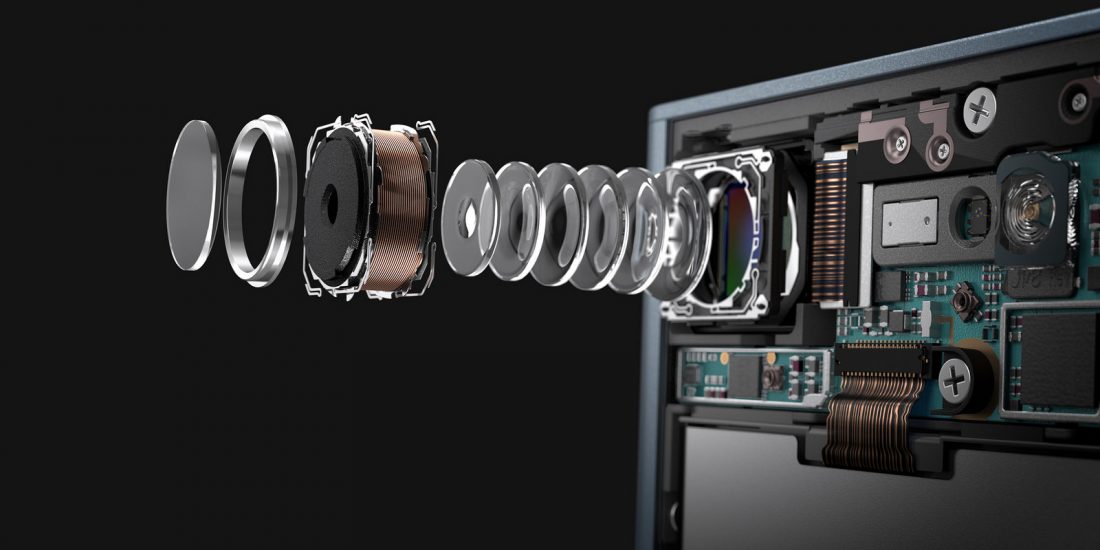
Sony has used its “Motion Eye” camera system in both the devices. According to Sony, “Motion Eye” system uses a 1GB memory-stacked camera which has five times faster image processing that other smartphones. Ditching the trend of the dual camera setup, Sony went with a single camera at the back with a 19MP 1/2.3″ Sony IMX400 camera lens with an f/2.0 aperture. It includes features like Predictive Capture which will click the picture seconds before you actually hit the shutter button. Sony has used SteadyShot electronic stabilization for video instead of optical image stabilization for images.
The primary camera can also record super slow motion 720p video at 960fps in addition to recording 4K videos at 30fps. On the front, the XZ1 has a 13MP camera, while the XZ1 Compact has a wide angle 8MP camera.
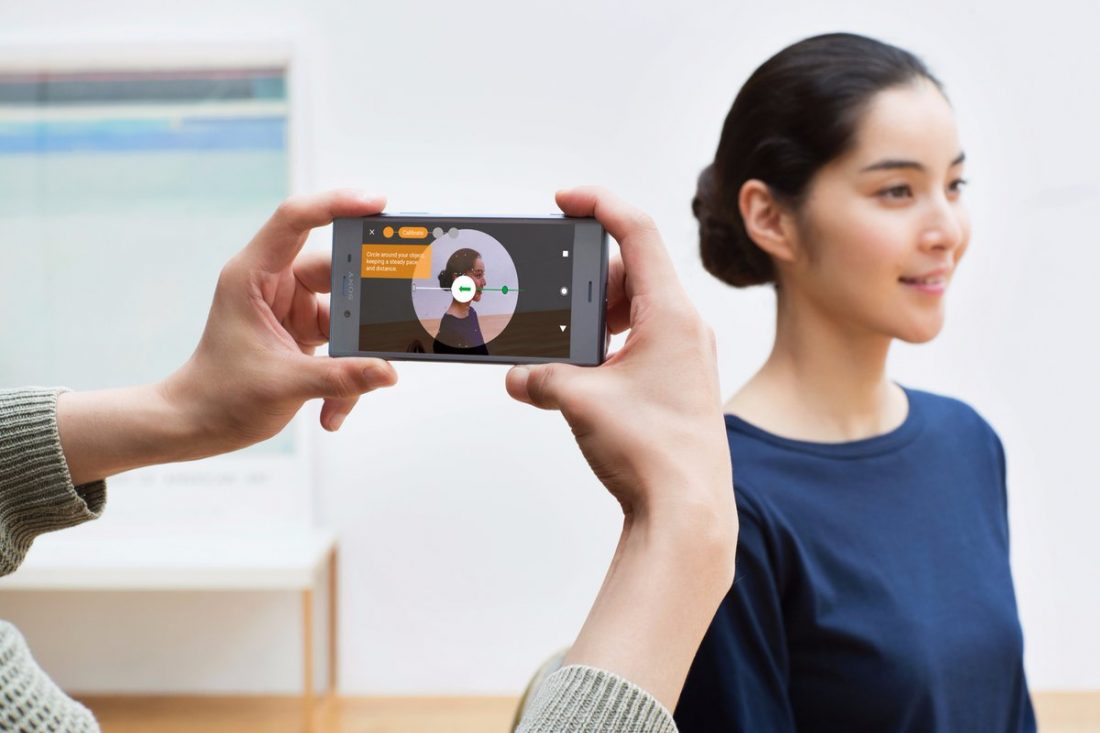
An additional camera feature in the Xperia XZ1 is the 3D scanning mode, which allows the camera to scan an object and save the image as a 3D image.
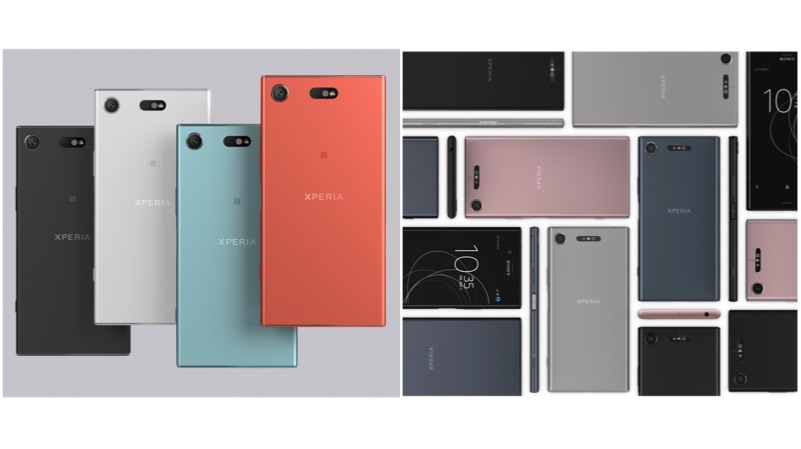
Sony will be launching Xperia XZ1 and the XZ1 Compact with Android 8.0 Oreo, making them the first phones aside from the upcoming Google Pixel 2 devices and Nexus lines running the OS. The smartphones will be available in Black, Snow Silver, Horizon Blue, and Twilight Pink. The Sony XZ1 will be available for purchase from 19th September at a price of US $699.99 via Amazon or Best Buy, while the XZ1 Compact will be available for sale from 4th October at a price of US $599.99.
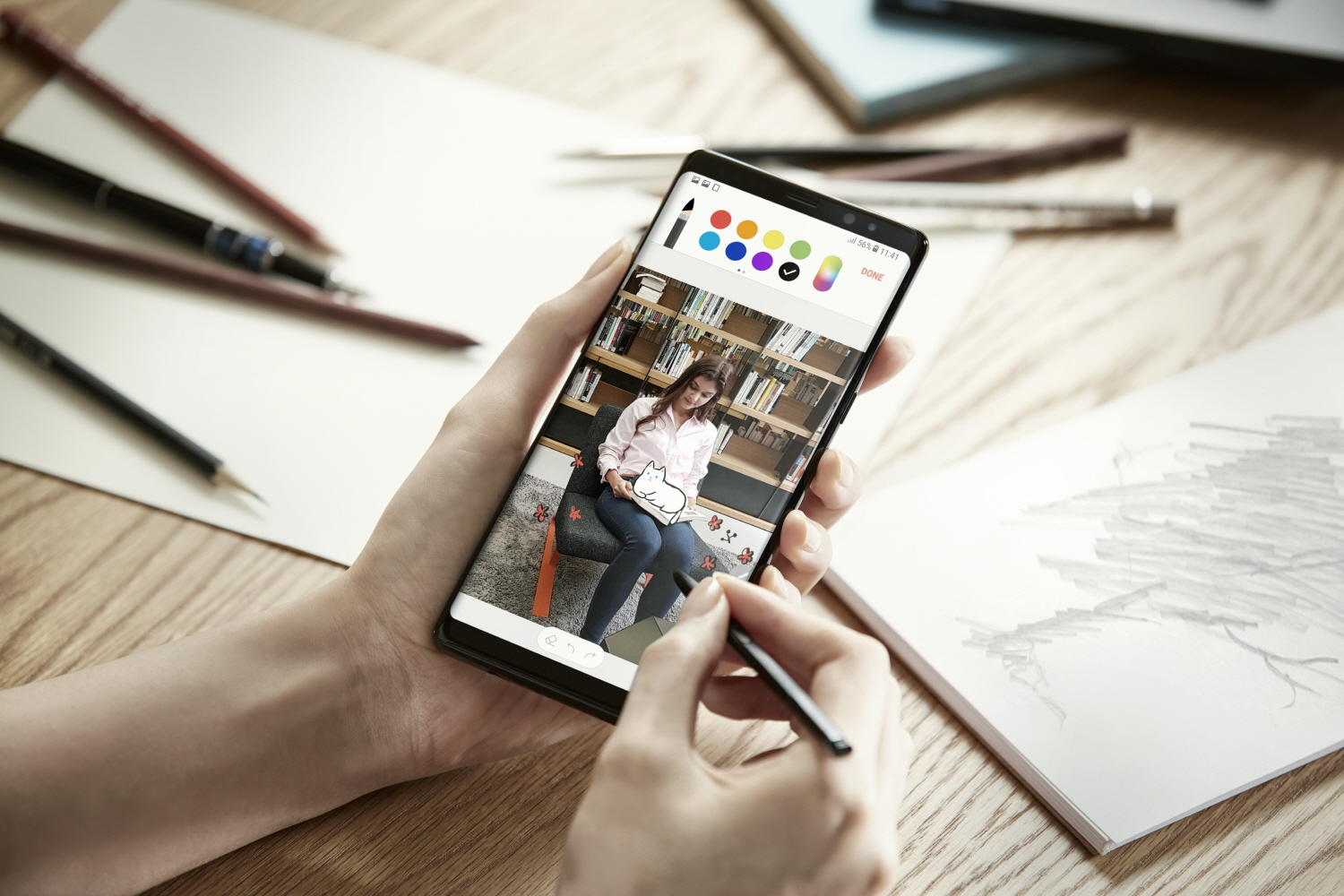
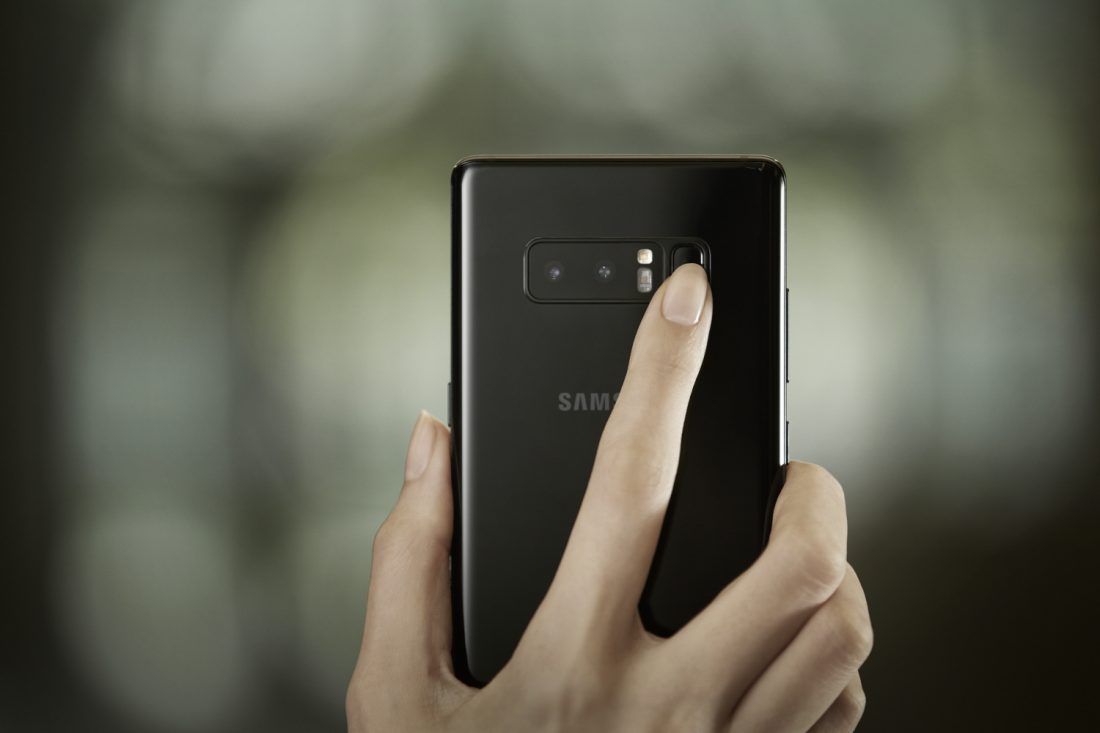
Samsung launched the highly-anticipated Galaxy Note8 in New York on August 23 during its ‘Unpacked 2017’ event. Priced at Rs 74,999 the Galaxy Note8 is the first Samsung to feature a dual-camera setup. Both the cameras are 12 MP and both have OIS, one has a wide lens while the other a telephoto lens. The Galaxy Note8 also has an IRIS scanner on the front, sadly the fingerprint sensor still sits on the back of the phone next to the cameras.
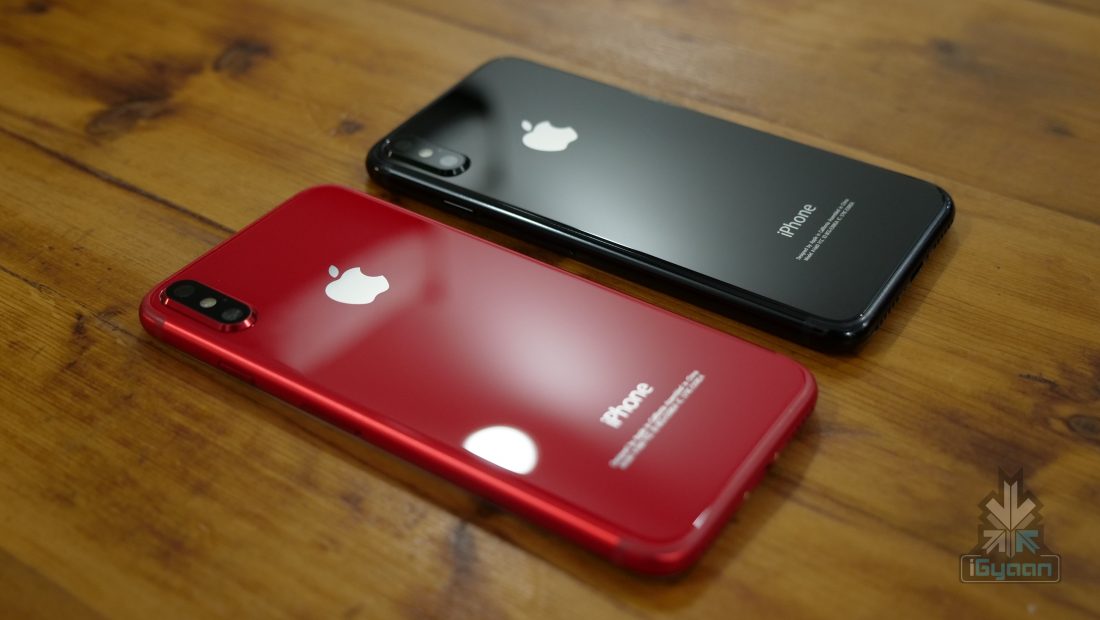
Apple looks all set to launch the new iPhone on September 12. Apple has been hosting its iPhone launch events in September since 2012. September 12 also falls on a Tuesday, which is in line with the previous iPhone announcement events. It is rumoured that the main iPhone 8 will be available in extremely limited numbers at launch. Along with the new iPhone 8, the launch of the iPhone 7S, 7S Plus, Apple TV with 4K video output, LTE enabled Apple Watch is also expected.
The follow-up to last year’s lineup of Pixel devices, the pixel 2 and Pixel XL 2 could be launched on October 5th according to a tipster. This tip comes after specifications of the Pixel 2 were leaked through an FCC filing document. In his tweet, Evan Blass claims that both the devices will have the Qualcomm Snapdragon 836 chipset, instead of the much-anticipated Qualcomm Snapdragon 835 chipset.
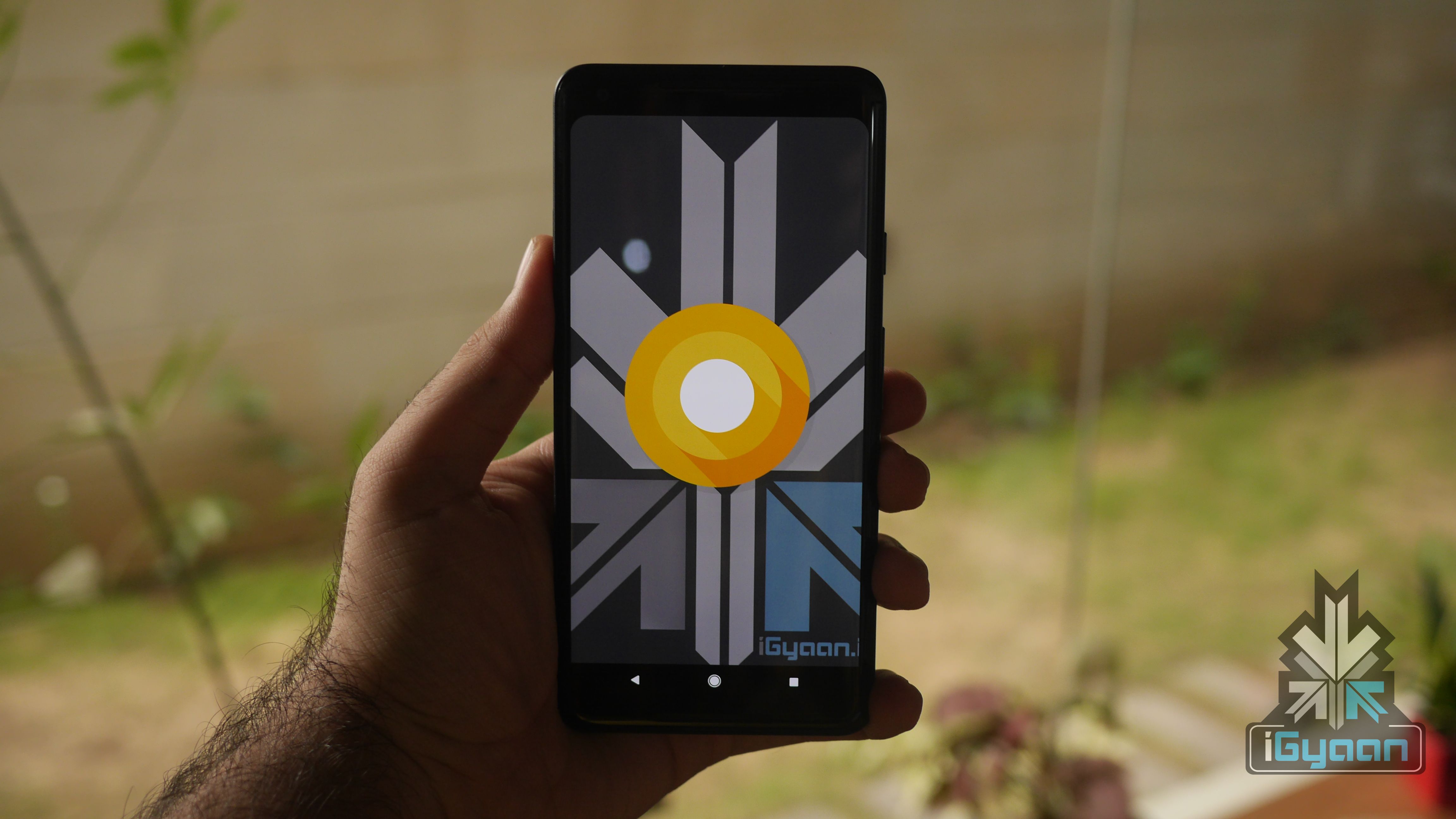
Google officially launched the next generation of its Android OS, 8.0 Oreo during the first Solar Eclipse in the USA since 1917 on August 21. The Google Pixel 2 and Pixel XL 2 are tipped to be the first sdevices to run Android 8.0 Oreo while many other smartphones will soon follow suit.
Features such as the new picture-in-picture mode, auto fill framework, notification dots and much more will be available when the Android 8.0 Oreo starts rolling out to devices later this year.
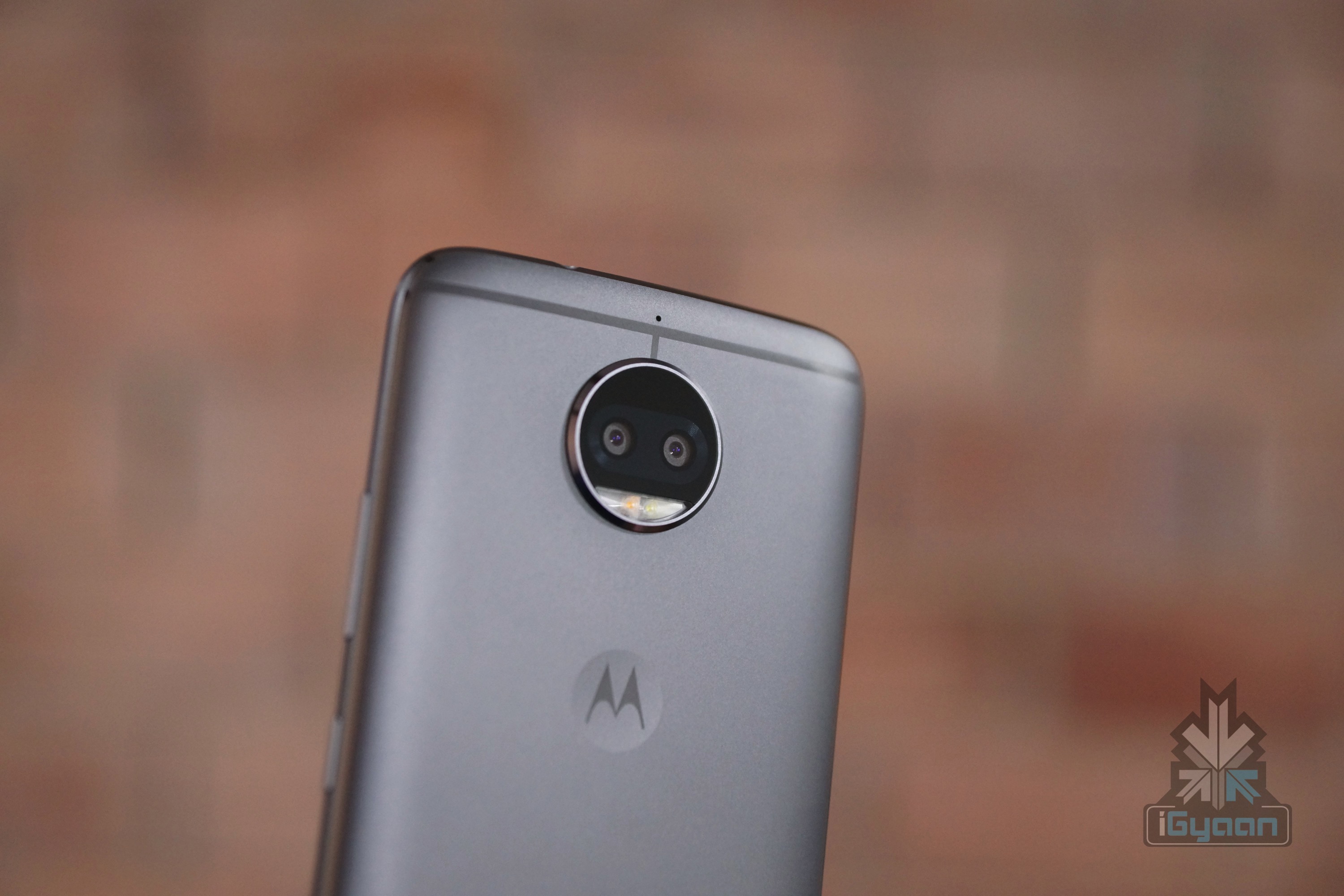
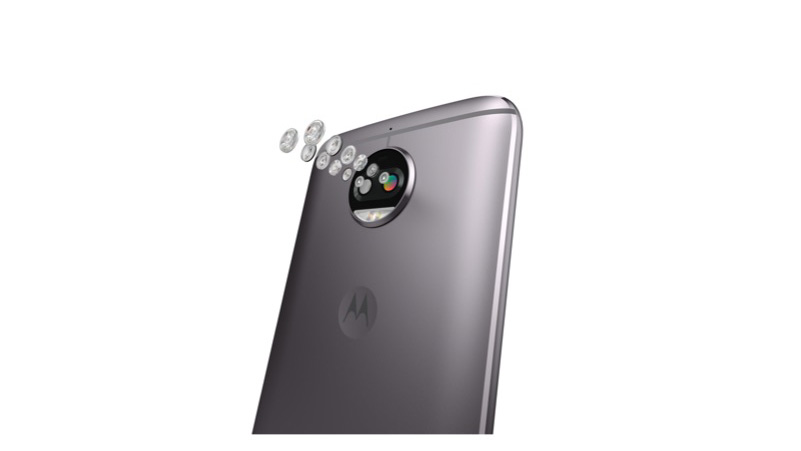
Lenovo-owned Motorola is set to launch the Moto G5S Plus in India on 29th August. The smartphone will be an Amazon exclusive in the beginning and will be available at offline retailers later.The Moto G5S Plus’ widely speculated feature, the rear mounted 13MP dual-camera with an f/2.0 aperture and dual tone LED flash, comes with video stabilization and 4K video recording at 30 FPS.
Google officially launched its latest Android OS, 8.0 Oreo during an event that ‘eclipsed’ the Solar Eclipse on August 21. Developers have had access to a preview version of Google’s latest mobile operating system since mid-March, with updated versions releasing in May, June, and July.
The new OS comes with a lot of new features and under the hood upgrades for better user experience. Highlights of new features in Android 8.0 Oreo
A new picture-in-picture feature allows users to continue operating the device without interruptions for things like watching a video.
Users can now organise notifications into custom channels and modify the alerts for the entire channel.
An auto fill framework in the operating system makes the repeated filling of forms easy for the user.
Original Equipment Manufacturers (OEM) can specify a look and feel for the UI by choosing between various icon shapes by using Adaptive Icons
Smart sharing feature allows the operating system to guess the context of a photo, and pick the best application to hand the image over to.
There are also background execution limits, which ensures that applications running in the background don’t use up a lot of system resources.
A lot of you must be wondering whether your Android device will be updated to 8.0 Oreo or not. Let’s find out
Google Devices
This is a no-brainer. If you own the Nexus 5X, 6P or the Google Pixel or the Pixel XL, an Android O update isn’t far away. Google Pixel 2 and Pixel XL 2 will be the first devices running Android 8.0 Oreo when they’re launched and an update to the Nexus devices and previous gen Pixel smartphones will follow soon.
Samsung
Samsung launched the Galaxy Note 8 running Android 7.1.1 Nougat and promised an update to Android Oreo in the coming months. This suggests that the Samsung Galaxy S8 and S8+ may also receive an update before the mid-2018 launch of the Galaxy S9. Samsung’s mid-range devices may also receive an Android Oreo update but later next year.
HTC
HTC has officially announced that the HTC 10, U Ultra and the new flagship U11 will receive the Android Oreo update in the coming months.
OnePlus
Carl Pei has announced that Oneplus 5, 3T and 3will all receive Android 8.0 Oreo update. However, it was also announced that this update will be the last Android OS update for last year’s OnePlus 3 and 3T.
Motorola
Moto Z2 Force, Z2 Play, G5S, G5S Plus, G5 and G5 Plus are all in line to receive an upgrade to Android 8.0 Oreo keeping up with Lenovo-owned Motorola’s promise.
Lenovo
Lenovo recently dropped its custom VibePure UI for pure Android skin and promised that the K8 Note and other K Note devices will receive the Android Oreo update. The timeline though is not confirmed.
LG
LG is on the verge of launching its late 2017 flagship, the LG V30 on August 31. The phone will most likely run Android 7.1 Nougat and will be updated to Android Oreo later on. Along with the LG V30, LG G6, LG V20, and V10 might also receive the update in the coming months.
Google officially launched the next generation of its Android OS, 8.0 Oreo during the first Solar Eclipse in the USA since 1917. Developers have had access to a preview version of Google’s latest mobile operating system since mid-March, with updated versions releasing in May, June, and July. Rumours of the new version being named Oatmeal Cookie were put to rest when Google launched Android 8.0 Oreo through a live stream.
So, what has changed from Android 7.0 Nougat to 8.0 Oreo? Let’s take a look
User Interface
Users can now organise notifications into custom channels and modify the alerts for the entire channel. This can be specifying the sounds if the notification triggers a vibration, and if the notification is allowed to override the do not disturb setting. An autofill framework in the operating system makes the repeated filling of forms easy for the user. This can range from sign up information to a new service, or credit card information to make a payment. The feature will prevent frustration and repetitiveness by allowing users to quickly fill in a form. Users will have to opt-in for the Autofill framework, after which new and existing applications can make use of the feature.
Picture-In-Picture Mode and New Notifications
A new picture-in-picture feature allows users to continue operating the device without interruptions for things like watching a video. Another interesting change in the UI this time around is Adaptive Icons. Original Equipment Manufacturers (OEM) can specify a look and feel for the UI by choosing between various icon shapes. Different shapes can be used on some models. The feat is achieved by applying masks over a base layer. The supported shapes are Circle, Squircle, Rounded Square and Square. Adaptive icons can be created using Android Studio.
Behind The Screen
Each application is now allocated a cache budget. When the system is low on resources, the applications that exceed the cache budget the most will be the first to have their cached files deleted. Content refreshing is now a more streamline experienced. Also, there is now an easier way for applications to check if they are displaying the latest content on the screen. Developers can also set custom triggers to update the content when it is stale or outdated, even without a specific request from the user. There are also background execution limits, which ensures that applications running in the background don’t use up a lot of system resources.
Media playback should be significantly improved for users, as now there is fine-grained control to scrub to a particular frame in a video. Applications can also now mix multiple audio and video tracks at once, for streaming purposes. This can be useful in gameplay videos where users can capture the screen, themselves through the front-facing camera, the audio from a game, and any commentary from the user.
A smart sharing feature allows the operating system to guess the context of a photo, and pick the best application to hand the image over to. For example, if you click a selfie, social networking applications are pulled up but, if you click a photo of a receipt, expense tracking applications will open up. The more you use your phone, the more your smartphone will learn about your behaviour and act accordingly. A smart copy feature enables similar functionality but for text, where the smartphone recognises if the text copied is an address, a phone number or name of an entity, and suggest opening a relevant app. For example, if you copy a phone number, a floating bar will suggest opening up the Dialer app or the Contacts app.
Connectivity
Android 8.0 Oreo has support for Wi-Fi Aware, an energy-efficient way by which supported hardware can discover and chat with each other without a Wi-Fi hotspot or an internet connection. There is also a support for the new Bluetooth Low-Energy (BLE) 5.0 standard.
It is expected that the first smartphone to run Android 8.0 Oreo will be the new Pixel 2 and Pixel XL 2 while the Pixel and Pixel XL will get an update soon after the launch.
Expected devices to receive Android 8.0 Oreo update
Nexus
Nexus 5X
Nexus 6P
Samsung
Samsung will push out the Android 8.0 update when it launches the Samsung Galaxy S9 next year. Devices expected to receive the update are-