Tag: ban

  • China Prepares A Counter Strike On The Huawei Ban

    China Prepares A Counter Strike On The Huawei Ban

    Trade relations between the US and China are rising in intensity again with China preparing for a response against the US ban on Huawei. The southeast Asian country has taken special measures to restrict the trade of rare earth elements to the US, placing the western country in its own ‘entity’ list. This puts the US in a blacklist as an unfavourable foreign company. 
    Japan’s SoftBank, taking the market opportunity has announced its plans for building its 5G network with equipment from Nokia and Ericsson amidst the turmoil. Huawei prior to this had been the supplier for 4G and was planned to collaborate alongside SoftBank for the same.
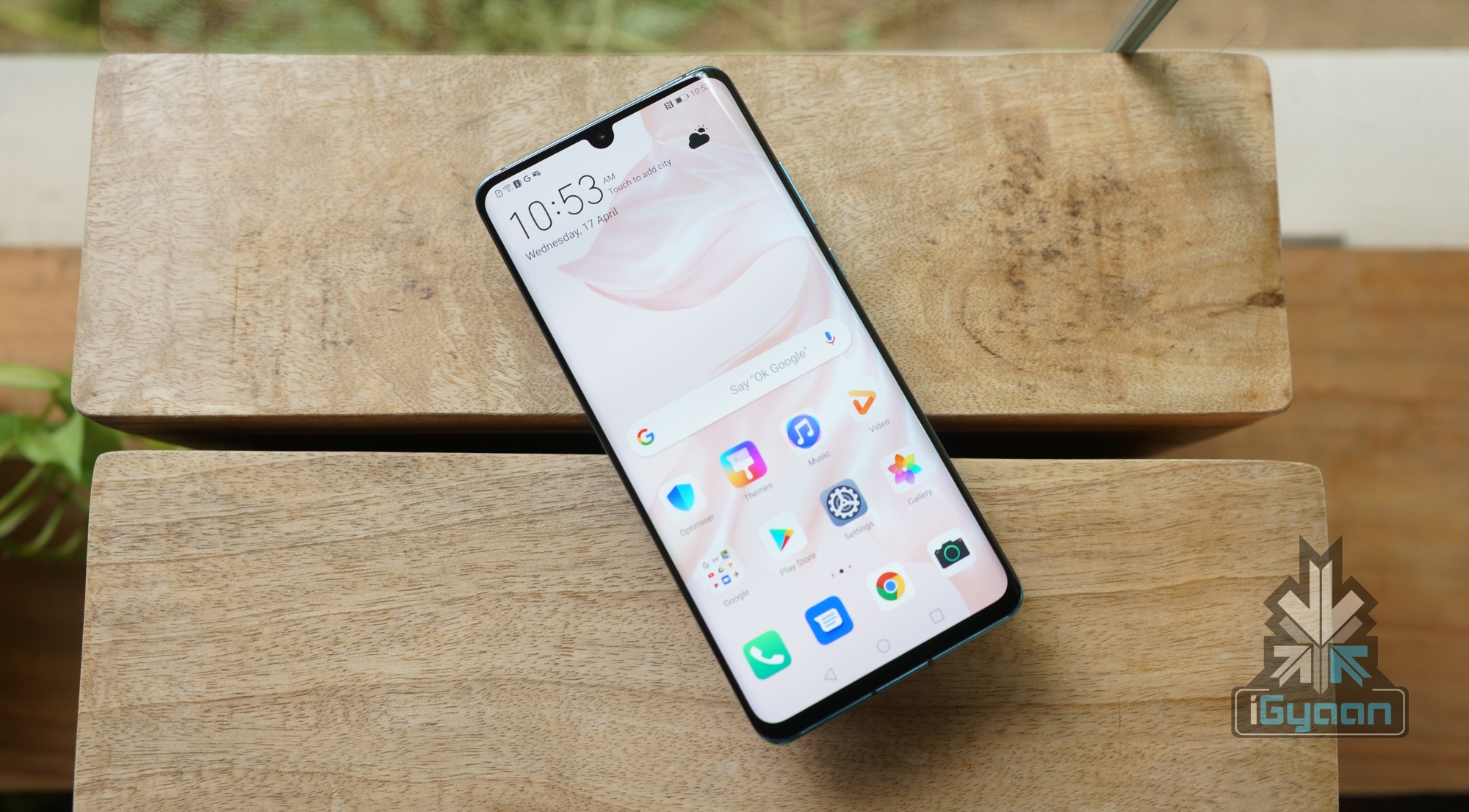
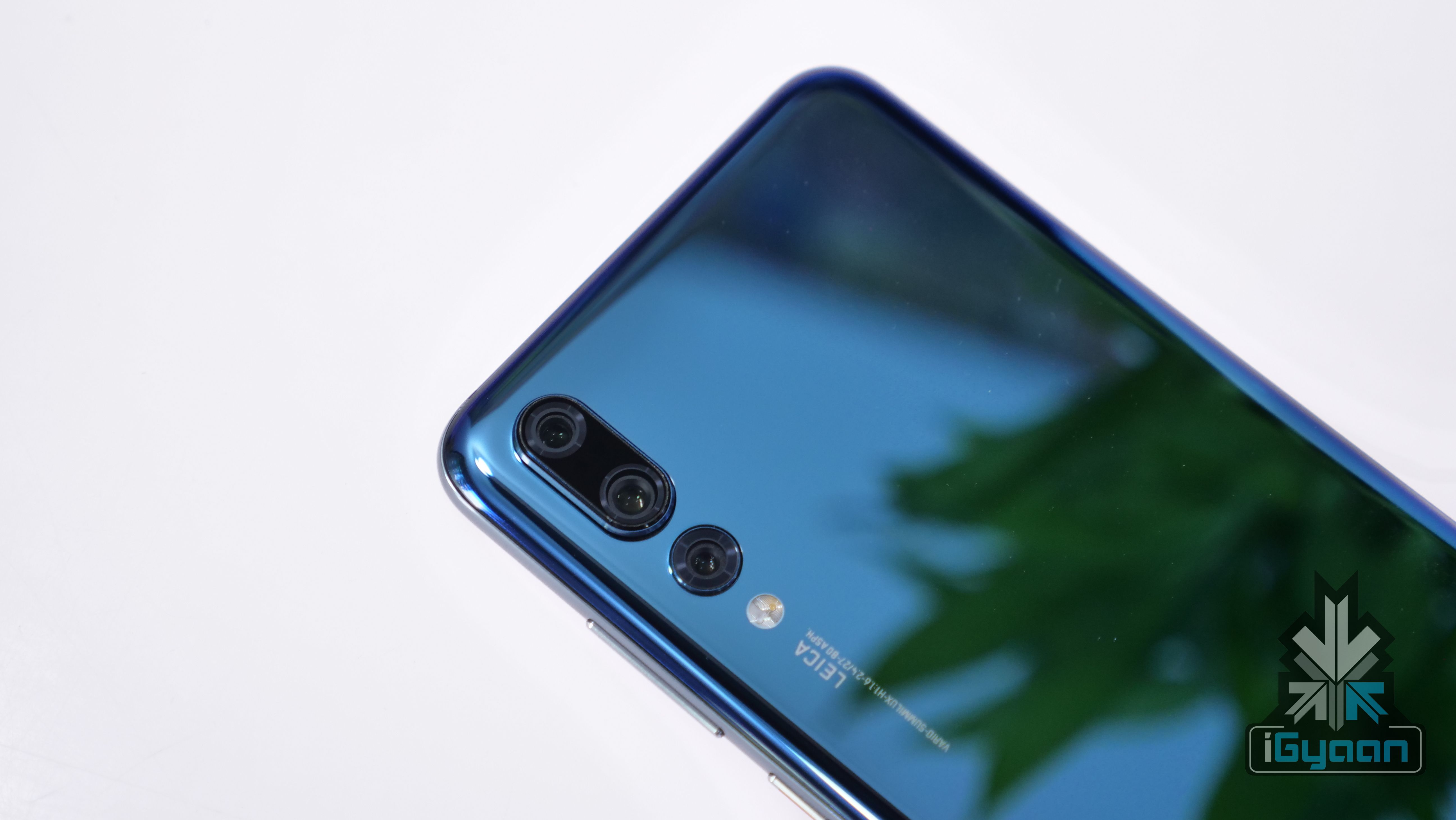
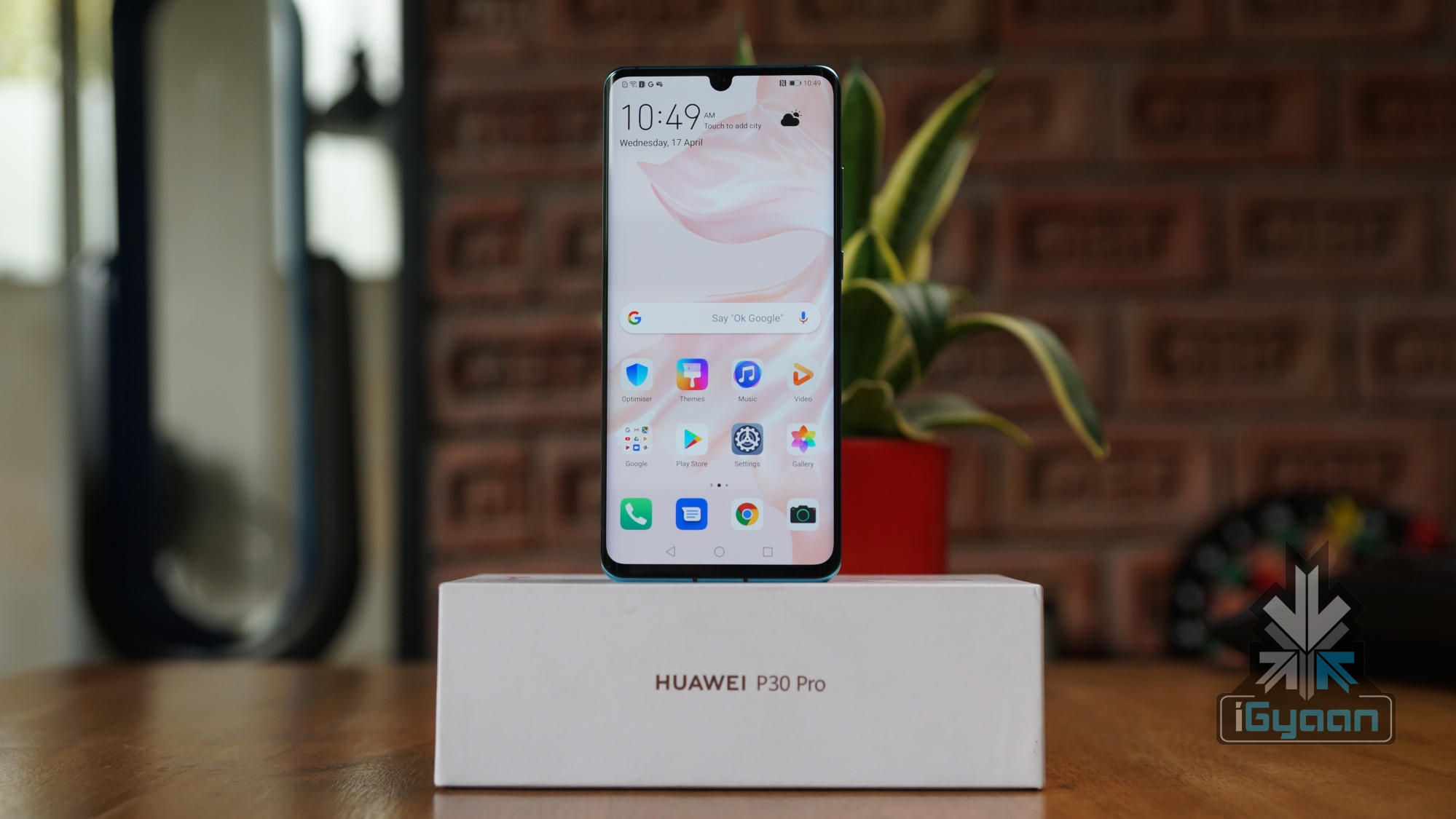
    Huawei P30 Pro

    The restrictions on rare earth elements stand as a signal from the Beijing leaders of its willingness to retaliate with countermeasures in place. This, however, is reported to only be actually deployed if the trade war between the US and China worsens with time. One of the important rare elements derived from China is Neodymium, a popular industrial grade element used to make magnets. It is often seen advertised spec sheets of audio gear such as earphones and headsets. The US according to various trade experts and researchers have no outside alternative worthwhile apart from China.
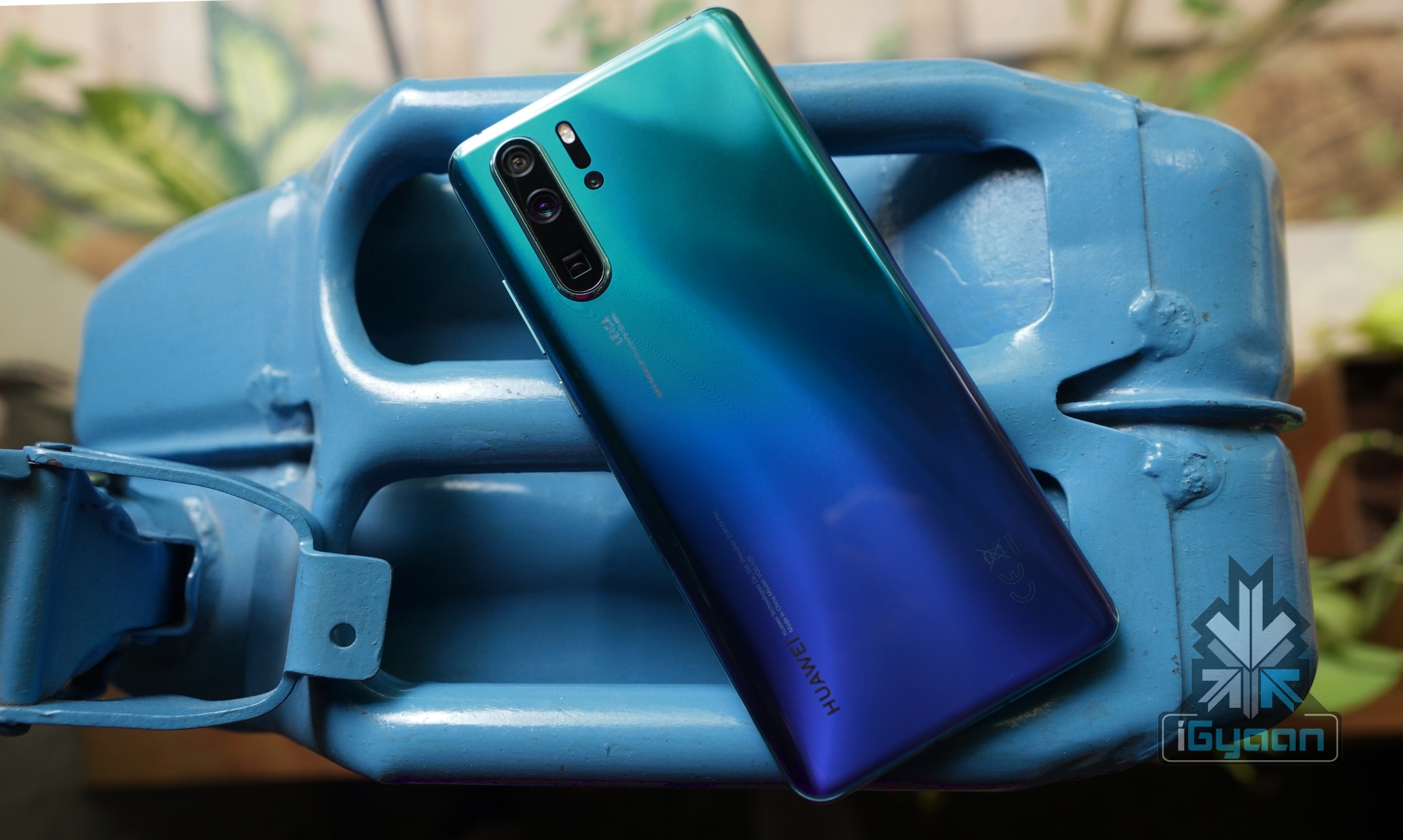
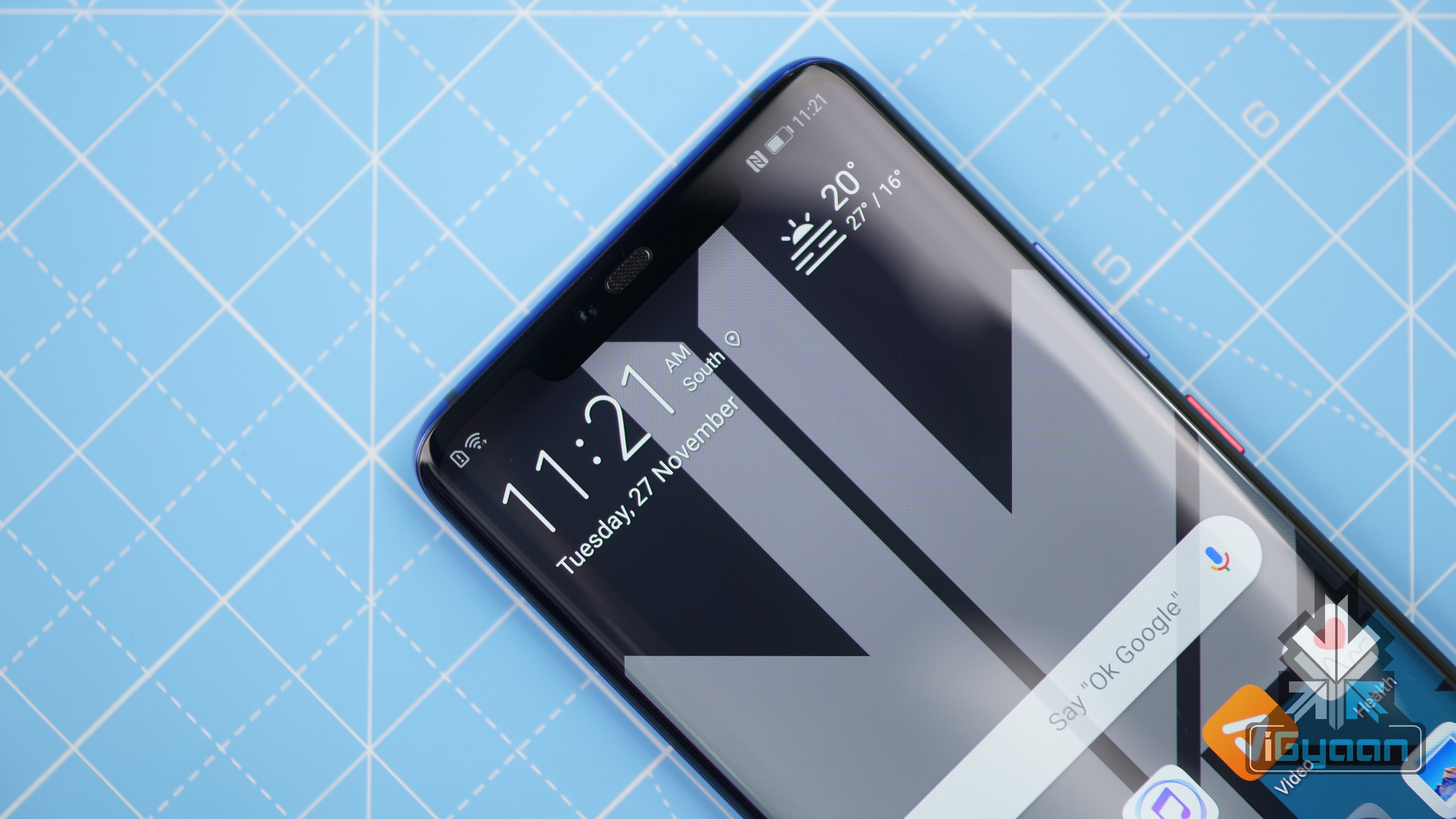
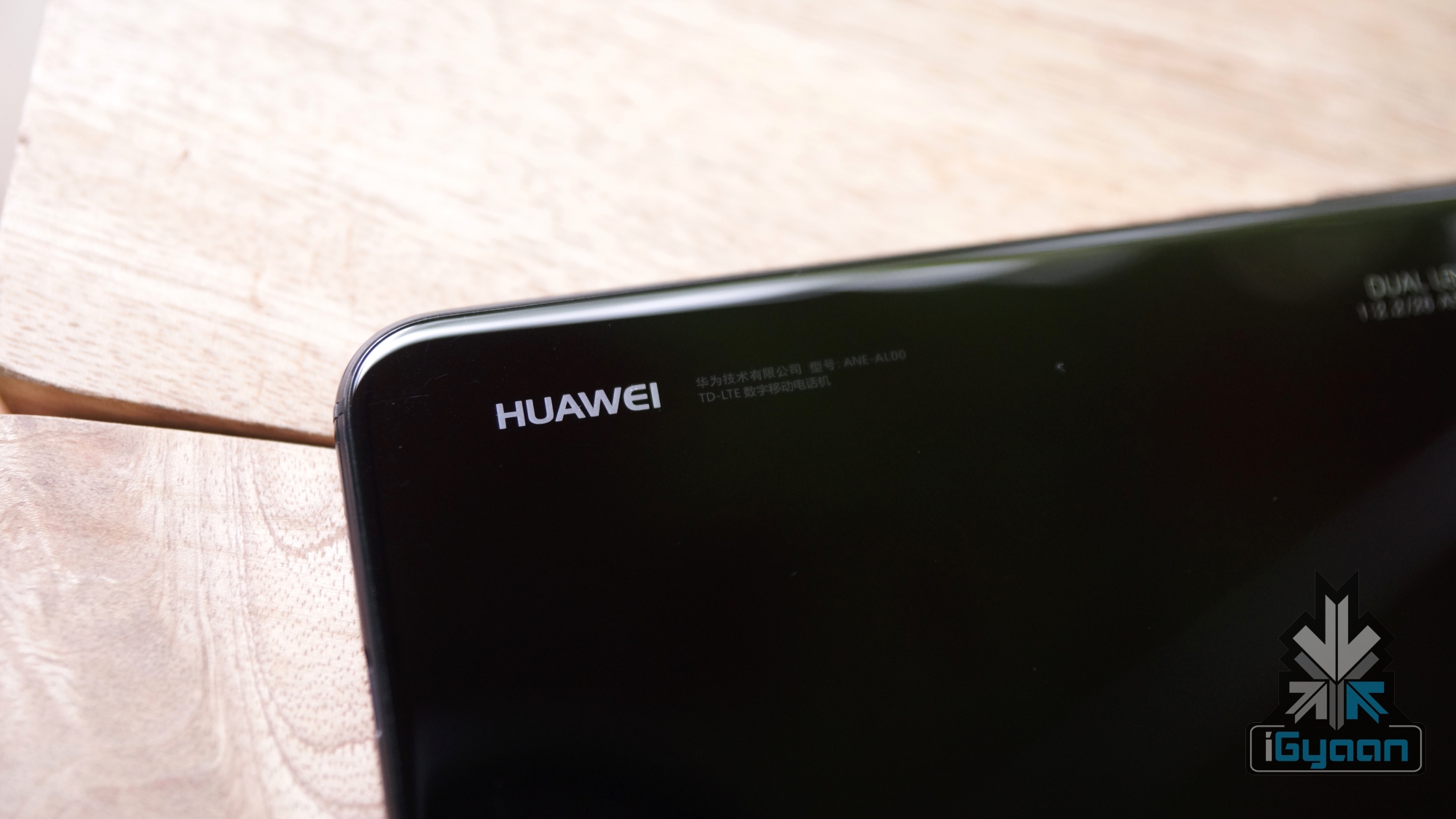
    Huawei

    The Chinese phone manufacturer, Huawei sits in the middle of the trade war zone. Taking a massive hit on its business with the loss of its huge deal with SoftBank related to 5G networking. This incident came after Huawei was claimed to be a national threat by the US President Donald Trump and placed in the Bureau of Industry and Security’s Entity List that has its business operations in America crippled.

    Also ReadApple Planning On Removing 3D Touch Feature In Future iPhones

    Actions questioning Huawei’s networking equipment and services have never been raised although concerns regarding security have driven its potential business operations away from it. The company’s affiliation with the Chinese Government only worsens relations with foreign companies like the Japanese SoftBank who’s decision is only a result of such accusations thrown about. Regardless of how soon or how smoothly the trade tensions die out, Huawei’s brand trust with confidentiality in mind will remain as trauma in the minds of its future partners.
  • Huawei No Longer Allowed To Work On The Wi-Fi, USB and SD Cards Standards In The Future

    Huawei No Longer Allowed To Work On The Wi-Fi, USB and SD Cards Standards In The Future

    Chinese telecommunications giant Huawei has seen better days. In the past week, it has seen business ties cut with every American company. Even ARM, the known chipset architecture licensing firm from the UK has suspended business with it. Now, in the latest development, reports claim the Wi-Fi Alliance has “temporarily restricted” Huawei’s membership and the company is also not a member of JEDEC, which sets the standard for semiconductors. Adding another blow to the list, Huawei has also been barred from setting new USB standards and cannot use SD cards in their future devices.

    About this ban

    Huawei Wi-Fi Alliance

    Last week, the government of the United States barred every American company from doing business with Huawei; until granted explicit permission to do so. Since then, companies like Google, Microsoft, Intel and NVIDIA have suspended business relations with the Chinese brand. Like mentioned previously, ARM has also cut any ties with Huawei owing to the former’s “US Based” technology. The latest addition arrives courtesy the Wi-Fi Alliance. It is a consortium that decides the new standards of the wireless technology going forward and it has temporarily restricted Huawei’s membership. The Wi-Fi Alliance, as most companies in the consortium are American, it has chosen to exclude the P30 Pro maker temporarily. This means the company will not be able to decide or have a say in the future of Wi-Fi technology.

    Huawei P30 Pro
    Huawei P30 Pro

    Also read: Standard Variant Of The Redmi K20 To Feature The Snapdragon 730 SoC

    In other news, Huawei is also no more a member of JEDEC which as mentioned above; is responsible for setting the standards of semiconductor technologies. This again means the company has no say in the development of the standards and technologies involved in future semiconductors. It has also been ousted from the SD card alliance, which implies future Huawei products cannot use SD cards. The last part may not be such a big deal for the company, as it has already been pushing its nano-memory standard since the launch of Mate 20 Pro last year.

  • Huawei’s Recess Could Provide Opportunities For Its  Competitors In India

    Huawei’s Recess Could Provide Opportunities For Its Competitors In India

    Huawei under the US ban, sanctioned by The US President Donald Trump, has the Chinese company take a step back. The company had been gaining traction in various markets around the globe, becoming the second largest manufacturer for smartphones, surpassing Apple. The sudden blow that slowed Huawei’s progress now gives breathing room for other companies to exploit.

    Huawei

    Huawei’s recess will lead smaller companies, in its comparison, securing a foothold in the market. Realme the debutant for the premium segment market is expected to join the category on the latter half of the year while Oppo is crossing the Rs30,000 threshold for the second time. The Reno series by Oppo will be its star line up for the premium market.

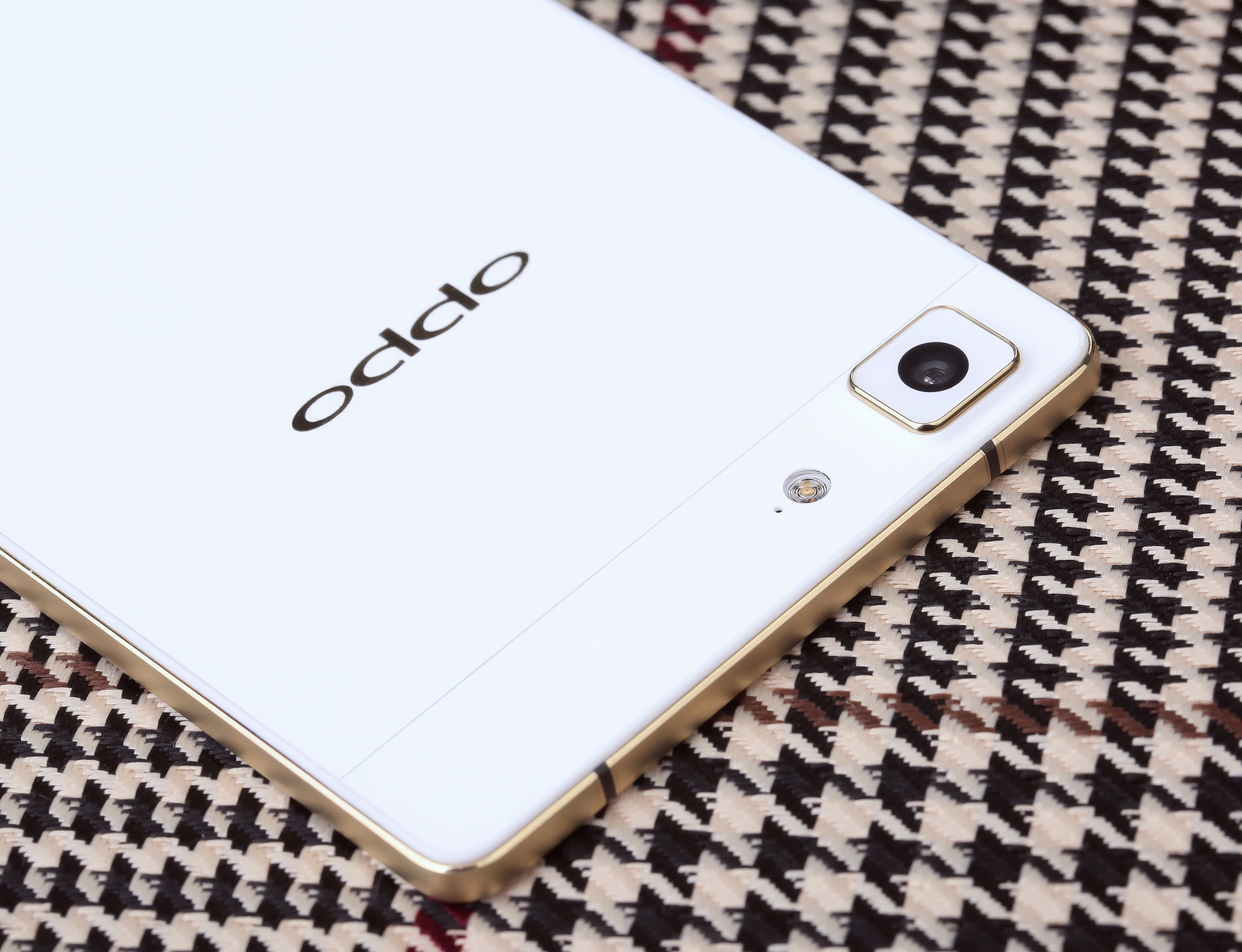
    Huawei competitor Oppo Reno

    The premium segment of smartphones has been dominated by industry giants like Samsung, Apple and OnePlus in India. According to CounterPoint Research, the premium segment market will reportedly double by December end of this year reaching a 10% of overall market share.

    One of the fastest growing company in the premium segment, Huawei’s absence should give competitors relief as stated by CounterPoint Research’s associate director. The Chief Executive Officer (CEO) of Realme has confirmed the brand’s focus on entering the premium market segment also stating the huge scope in the region. Realme is set to have a presence amongst other giants in the same market.

    BBK Electronics is the parent company which owns Oppo and Realme, both of which are in the top 5 of the overall Indian smartphone market. OnePlus and Vivo also fall under BBK Electronics. OnePlus as of March was the second largest premium brand after being the first throughout last year, as per CounterPoint and IDC.

    Also Read: Standard Variant Of The Redmi K20 To Feature The Snapdragon 730 SoC

    The Oppo Reno with the distinctive 10x Zoom feature will be announced later this month, this follows suit after its release of the first premium smartphone in 2018 namely the Find X and R17. The aforementioned phones did not perform well in India in terms of sale. But they paved the way for the company’s future endeavours in the higher price margin.


  • ARM Terminates All Ties With Huawei After US Ban

    ARM Terminates All Ties With Huawei After US Ban

    Huawei has been dealt another critical blow in the form of support withdrawal from ARM. The UK based company licenses the architectural design for the most smartphone chipset. After already have been knocked down by the loss of Android OS after the controversial US ban. The aforementioned ban was enforced by the US Commerce Department on all American firms to cease any forms of business ties or trades with the Chinese firm Huawei. This move had already crippled the company with the loss of the operating systems (Windows, Android) for the computing products they offer. 

    The rippling effect of the oncoming ban essentially weakens the Chinese based company’s structure and functions. Huawei’s ambitious climb to the top came to a staggering halt as the UK based chipset manufacturer ARM, has ordered to cease all ongoing support or projects with the Chinese firm.ARM Kirin

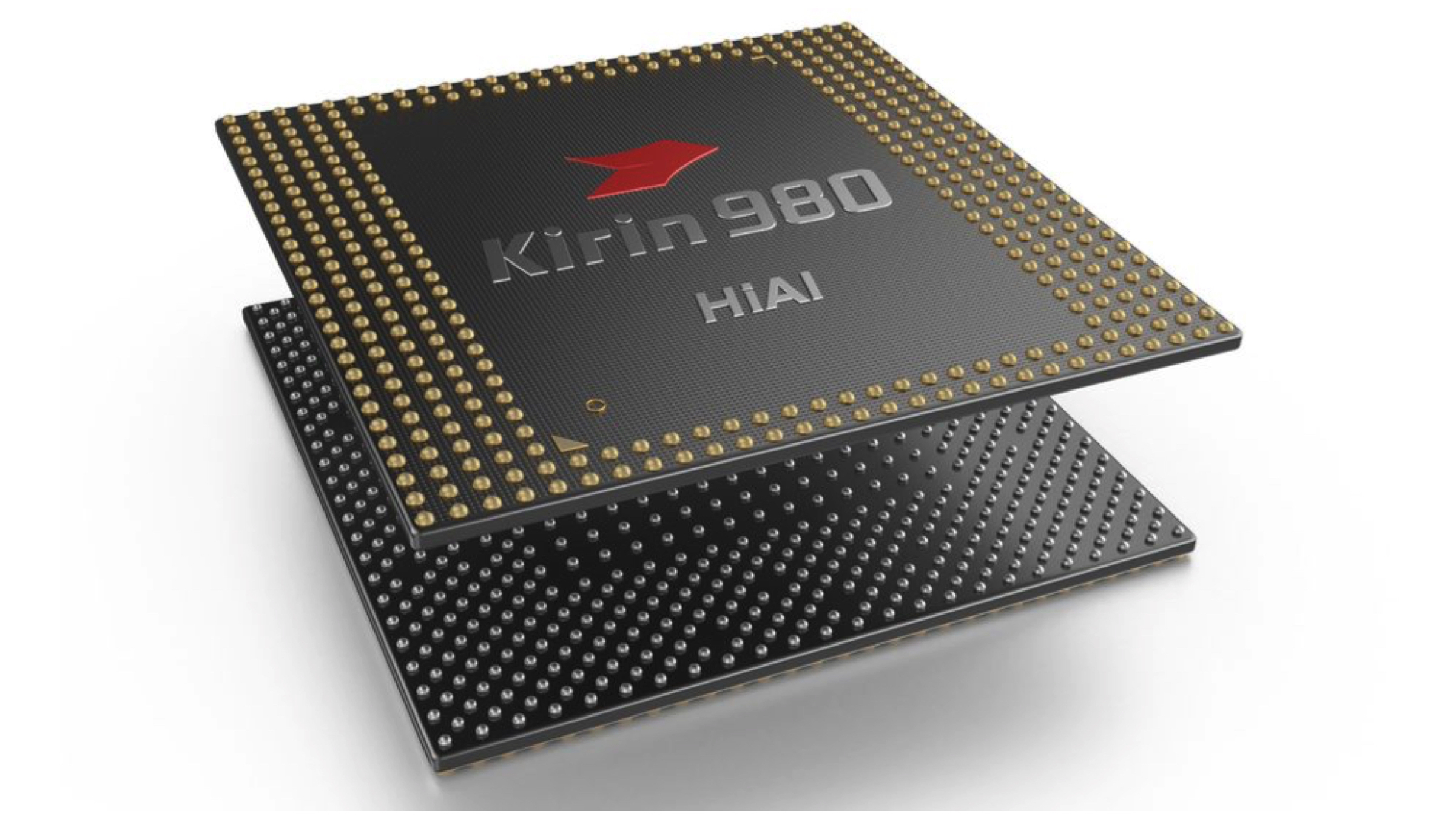
    Since the US President’s decision on moving Huawei to the ‘Entity’ list, the business became restrictive and limited between the US based firms and its eastern counterpart. The ARM’s chip design is not easily replaceable or solvable. The UK based chipset manufacturer, although owned by the Japanese Firm SoftBank, has many of its technologies originated in the United States.ARM Kirin 980

    ARM’s chipset architecture is used by every major phone manufacturing company, name and not limited to, Qualcomm and Huawei. ARM’s belief is being held accountable under the US Regulations breach by operating with Huawei. Consequently, this also impacts ARM’s China joint-venture that aims to increase the impact of ARM technologies support on the country. ARM was reported to have a 49% stake in the joint-venture.

    Also Read: Samsung Launches 10000 mAh Power Bank With Wireless Charging Support

    Huawei had tasted success in the western market as well its domestic market. The company became the second largest smartphone manufacturer in the world in the month of May 2019. The Kirin 985 chipset is reportedly unaffected, but Huawei has remained silent so far on their stance. No future products can utilize the ARM chipset architecture, which was being used as a foundation of their own proprietary Operating system previously rumoured to debut this fall.

  • United States Issues Warning Against China Made Drones, DJI May Be Banned

    United States Issues Warning Against China Made Drones, DJI May Be Banned

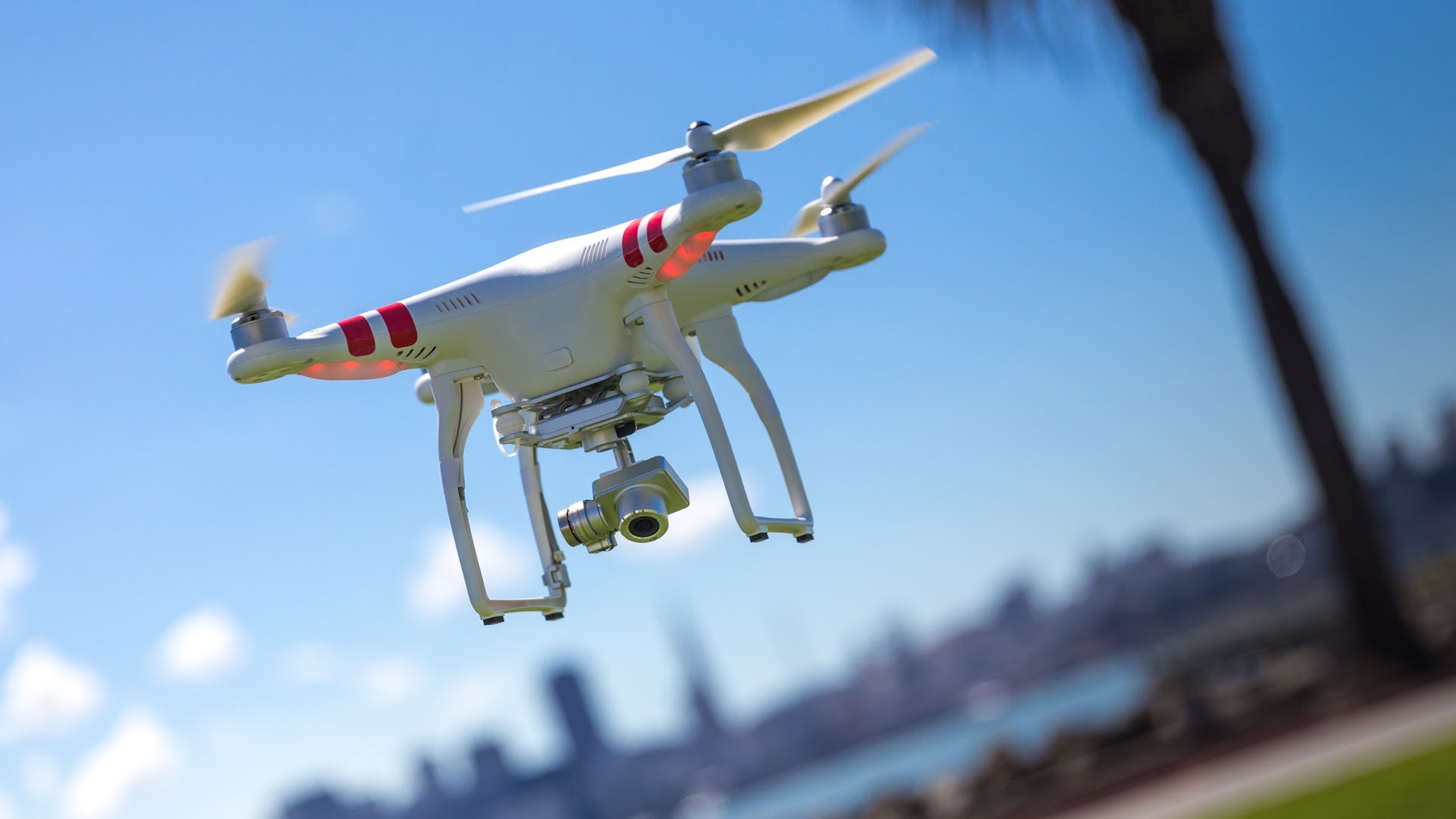
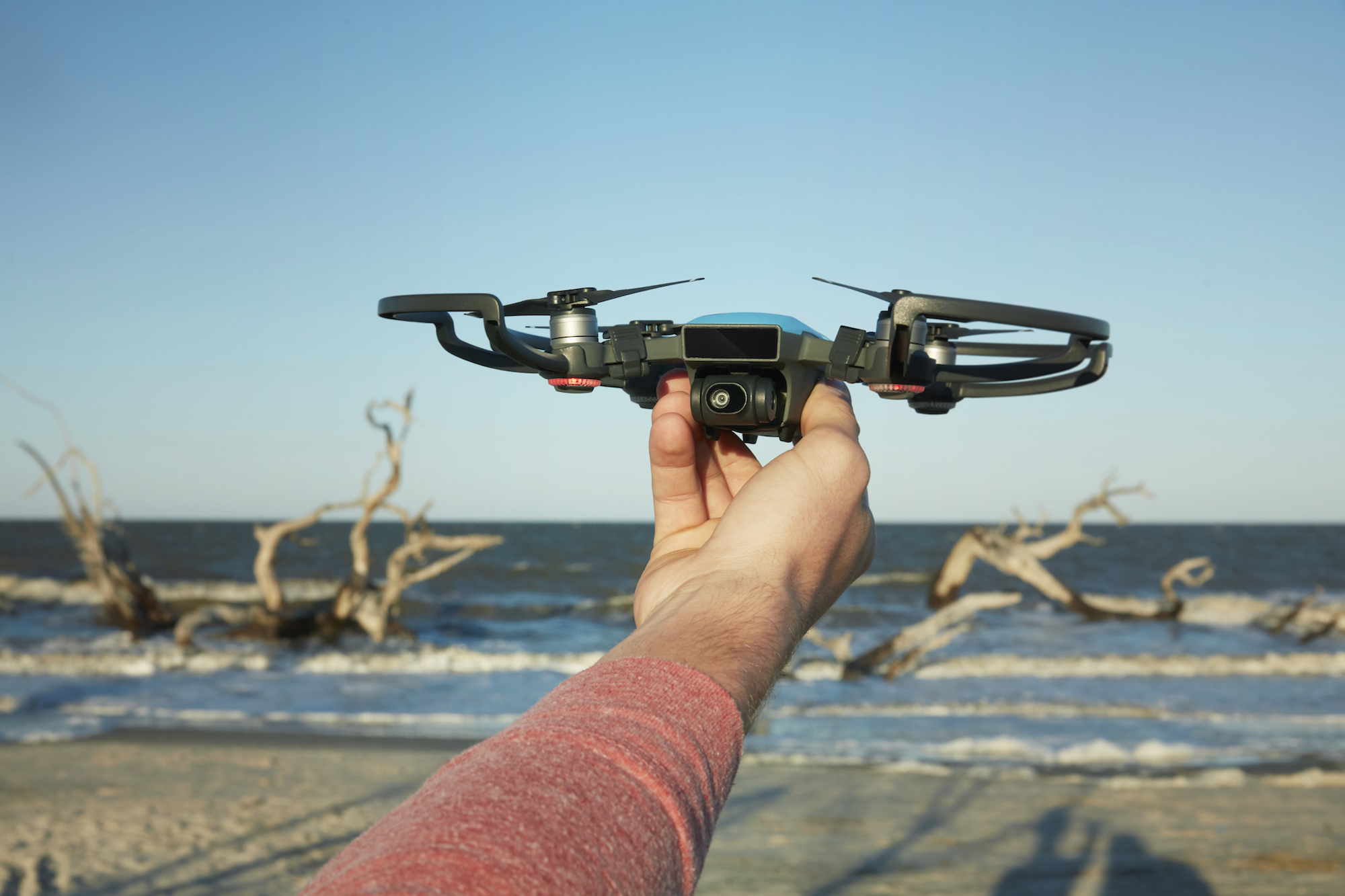
    The Department Of Homeland Security (DHS) of the United States has issued an alert against the Unmanned Aerial Vehicles (UAV) or drones manufactured in China. In a report provided to a renowned media house, the department claims the drone sends flight data to the manufacturers. And given the latest stance by the country over spyware, it is expected that DJI, a major Chinese drone maker who sells about eighty percent of the total drones in the US and Canada; may be banned from the country as well.

    DJI Drone

    This news arrives after the latest trade ban imposed by the country on Chinese telecommunications giant Huawei. While the ban has been suspended for 90 days, the increasing trade war between the US and China is expected to further rise because of the fresh statement. 

    About The Alert

    DJI Drone Spark

    As mentioned above, the Department of Homeland Security has alerted the users of drones manufactured in China that their flight data is being sent back to the manufacturers. This data can be accessed by the Chinese government which it can further use for spying purposes. According to the Department, the drones pose a potential risk to an organisation’s information. This is because the products contain components that can be used to compromise the user’s data and share their information on a server accessed by the Chinese government. And while a brand or a product is not mentioned specifically mentioned in the report, popular drone maker DJI seems to be that can be affected if the US decides to ban China made drones in the country.

    Also read: PlayStation 5 Loading Speed Shown Off, Will Be Ten Times Faster Than The PS4 Pro

    DJI is a Chinese manufacturer headquartered in Shenzhen and is really popular globally for its drones. As is previously mentioned, they have over 80 percent of the market in the US and Canada. So in a case where the country decides to ban their products, the revenue of the company can take a hit substantially. It has clarified to its customers in a statement which notes that its products provide full and complete control over the security of their data. The users can decide how their data is stored, collected and transmitted. 

  • Huawei Smartphones To Stop Receiving Android Updates As Google Suspends Business Relations With Huawei

    Huawei Smartphones To Stop Receiving Android Updates As Google Suspends Business Relations With Huawei

    Chinese telecommunications giant Huawei has time and again faced backlash for its ties with the Chinese government. It has been accused of stealing its user’s data and sending it back to the home country for spying purposes. In what could be a major blowback to the company’s imperative business, American technology giant Google has suspended the majority of its business with the company. This insinuates that going forward, Huawei and it’s subsidiary Honor’s devices will not receive Android security updates. They will also lose access to the search engine giant’s popular services such as Maps and YouTube.

    What Does This Mean?

    The aforementioned suspension of business will take place between Huawei and Alphabet, the parent company of Google. With this in effect, the existing and future smartphones from the former will stop receiving monthly security updates from Google. These are important for keeping the device up to date and safe from newly discovered malware. Furthermore, as mentioned above, the handsets from the Chinese OEM will also lose access to services like the Google Play, YouTube and Google Maps. Notably, the suspension does not affect the existence of Android on Huawei smartphones. This is because the suspension is not applicable on open source software and as is implied, Android is an open source software. But, the Chinese company will only be able to use the public version of the operating system and not the one made available by Google.

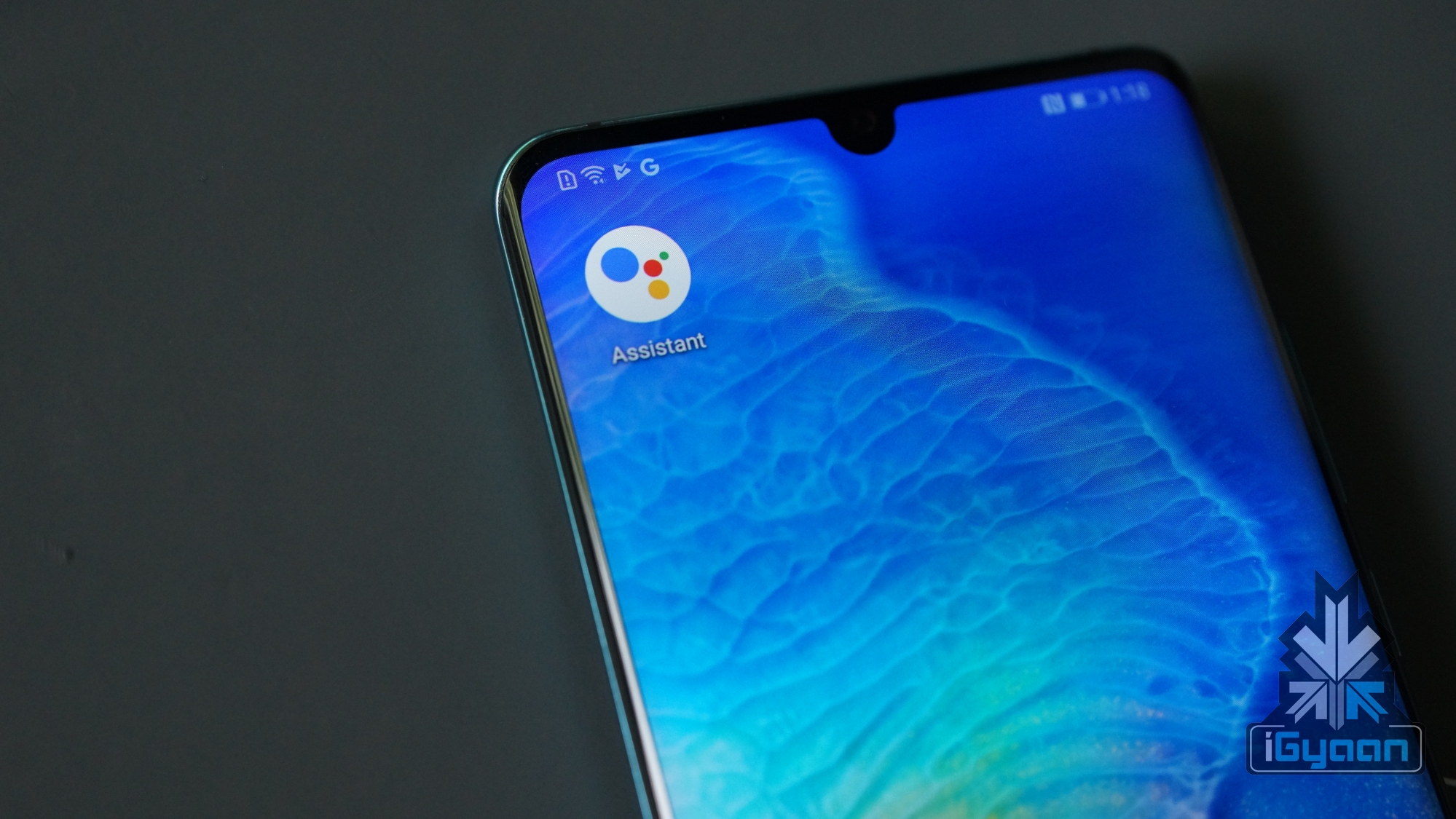
    Google Voice Assistant On Huawei P30 Pro

    Also read: 5 Of The Weirdest Gadgets Ever Designed

    The suspension of business by Alphabet on Huawei takes place after the United States government added the latter to its trade blacklist. It was added to the aforementioned list on Thursday and it means no American firm can engage in business with the Chinese company until explicitly given permission by the US government. In a post on microblogging website Twitter, the official account of Android has assured existing Huawei users that the suspension does not affect existing devices from the company. Present users of all Huawei and Honor handsets will keep featuring the Play Store and receive app updates via the software.

  • Madras High Court Lifts Ban From Popular App TikTok

    Madras High Court Lifts Ban From Popular App TikTok

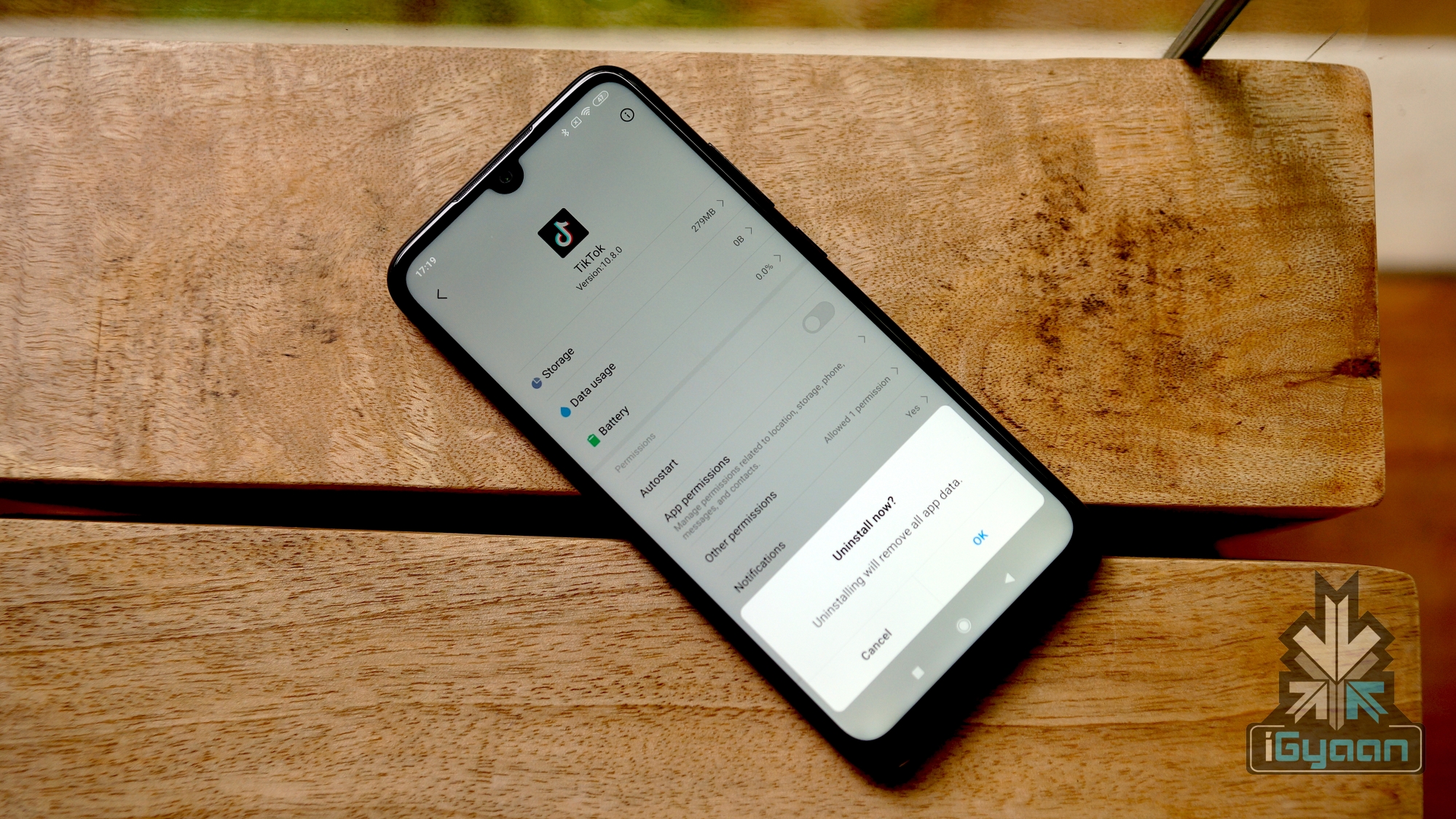
    TikTok is a wildly popular media sharing platform/application that has a lot of controversy surrounding it at the moment. On April 16, 2019, the Indian Government issued a report which stated that Google and Apple should take down the TikTok app from the respective application stores. Shortly after, the action was implemented by both American technology organizations, resulting in the removal of the application from the online app stores. As per latest reports, the Madras High Court has lifted the ban on the aforementioned app.

    The Madurai Bench of the Madras High Court announced its decision on Wednesday (April 24, 2019).  The Bench removed its interim order on the condition that the upload of any form of obscene content to the application will result in the revival of any court proceedings associated with the same. On the other hand, TikTok users are ecstatic, and so is the company. In a statement by ByteDance, which is the parent company of TikTok, this decision is greatly appreciated by the thriving community in India, as it will give a chance to the users to showcase their creativity via the application.
    Previously, Tamil Nadu’s IT Minister M. Manikandan had suggested that the state should submit a petition to the Central Government in order to incorporate a strict ban on the application in India. Consequently, the HC had appointed Arvind Datar as the independent counsel to the court. As per recent reports, the Chinese company had appealed for interim relief by April 24, which led to the lift of the ban from TikTok in India.
    Also Read: You Can Now 3D Print Full Human Organs Including A Live Working Heart

    In further developments, TikTok said that it will continuously keep improving its security detail in order to regulate any forms of obscene and vulgar content on the application, while catering to the users’ needs at the same time. India’s resilience against such applications is increasing day-by-day, and only time will tell if banning such applications will lead to an improvement in the social culture or not. 

  • Google And Apple Take Down TikTok From Their Respective Application Stores

    Google And Apple Take Down TikTok From Their Respective Application Stores

    On April 16 2019, the Indian government asked American Multinational technology giants Apple and Google to take down the popular application TikTok from the respective application stores. This action took place soon after the Supreme court refused to issue a stay order regarding the ban of the viral app. As per reports, ByteDance, the parent company of TikTok had previously filed an appeal which alleged that such a ban will lead to a huge setback to the company in the future run. As per latest reports, the application has been banned from both Apple and Google’s application stores. 

    About TikTok

    TikTok is an insanely viral media sharing application, which is a rebranded version of the application that was earlier referred to as ‘Musical.ly’. The app allows users to share self-created short videos with a background track of their choice. Millions of audio tracks are present in TikTok’s library. Furthermore, a multitude of filters and effects are available in the application, which can be used to enhance the video quality. The app is completely free to use and was gaining a lot of popularity among the younger audience. 

    The aforementioned application was accused of providing unregulated videos to its users, which contained instances of vulgar content. Reports stated that the Madurai bench of the aforementioned High Court had previously passed an order which directed the government to remove the application and any similar instances from the app stores. In the appeal filed by ByteDance, it claims to have taken down 6 million lewd and non-compliant videos from the application’s video library. Moreover, ByteDance also stated that the company trusts the Supreme Court to take the right decision. 

    Conclusions

    Also Read: Apple, Qualcomm Drop All Lawsuits, Sign A Six-Year License Agreement

    The Madras HC also appointed a senior advocate as an independent counsel in the case. The Senior Advocate will examine the implications of the application regarding any policy-violating content in the application. In the next hearing (which will be held on April 24), TikTok’s viability as a media sharing application will be brought to light. Even though there is a chance that the application may not ever make its way back to the Google Play Store and Apple App Store, TikTok Owners are quite positive regarding the results of the hearing in the light of the appointment of the new independent counsel. 

  • Indian Government Asks Apple & Google To Remove TikTok From Their App Stores

    Indian Government Asks Apple & Google To Remove TikTok From Their App Stores

    In the ongoing case against the immensely popular media app TikTok; the Indian government has asked technology giants Apple and Google to take down the short video recording and sharing service from their respective app platforms. The news arrives after the Supreme Court refused to issue a stay order on the banning of the app. ByteDance, the parent company of TikTok had filed the appeal to issue a stay on banning the app alleging it is causing irreparable damage to the company.

    What Is TikTok?

    For those who are unaware, TikTok is a popular Chinese mobile app that was earlier known as ‘Musical.ly’. It lets users create short videos and offers features like filters and effects to be used in the videos. The app has become immensely popular among the younger audience which is credited to the exponential increase in affordable smartphones and the rise of 4G connectivity in the country.

    About The Case

    A case was filed in the Madras High Court after a Public Interest Litigation (PIL) was filed in the court regarding the TikTok app for objectionable, vulgar content. The Madurai bench of the aforementioned High Court passed an order which directed the government to stop the downloading the app in the country. It also put a restriction on certain media houses which restrained them from telecasting the videos created using the TikTok app. As mentioned above, the company ByteDance then challenged this by filing an appeal in the Supreme Court. It has claimed it has taken down almost 6 million videos which didn’t meet its guideline policies and that it trusts the Indian Judicial System to take the right decision. 

    Also read: Redmi Smartphone Leaks With Snapdragon 730, Triple Camera Setup

    The aforementioned request to remove TikTok from app stores by the government is issued via the Ministry of Electronics and Information Technology (MeitY). The ministry has asked Apple and Google, both of the companies which own iOS and Android OS respectively. If the companies accept the request made by the government, the TikTok app will cease to subsist on the app stores of both the Operating Systems. This is being done to stop new users from downloading the app. However, for users who have the TikTok app preinstalled on their devices, the change wouldn’t lead to anything, as the app would continue to exist on their devices.

  • Huawei Sues The US Government Over The Ban On Its Devices

    Huawei Sues The US Government Over The Ban On Its Devices

    Huawei has announced on March 7 that it is suing the government of the United States of America (USA) owing to the ban of its products the country put in place. The company has claimed that it has filed a lawsuit in the US district court in Plano, Texas. A senior executive of the company claims that the company was left with no choice other than to take legal actions against the government. It also called the ban on its devices ‘unlawful’ in a bid to justify its actions.

    Huawei’s Lawsuit On The US Government

    Huawei

    In a press conference on Thursday, March 7, Chinese telecommunications giant Huawei announced its decision to file the aforementioned lawsuit. It claimed the ban on its devices in the country is ultimately harming US consumers. It said it is looking forward to the court’s verdict and trusts that it will eventually benefit both Huawei and the people of America. The lawsuit arrives after several accusations of the company spying for, and having ties with the Chinese government.

    The ban on the company’s products was taken into effect in August 2018. It was earlier set to enter the US market with its smartphone Mate 10 and Mate 10 Pro in 2017. Not only the company’s deal with telecom carrier fell flat, but the President of the country, Donald Trump also signed a provision of the National Defence Authorisation Act; which prevented government agencies using third-party contractors to use Huawei products. 

    Also read: Google Launches Bolo App To Improve Children Literacy In India

    Huawei alleges that by singling out the company for punishment without a fair trial, the US government has violated the terms of its own constitution. The company also fired back at reports claiming it installs backdoors in its devices to spy on the users. Notably, Huawei is the world’s largest supplier of telecoms equipment, the second largest smartphone maker and is currently one of the global leaders in the development of wireless 5G networks. 

  • Indian Government Bans Smartphone Online Exclusive Sales

    Indian Government Bans Smartphone Online Exclusive Sales

    India is a largely online buyer’s market and many phone manufacturers have switched to selling online instead of investing in brick and mortar stores. Samsung has been in the number one position in terms of smartphone sales worldwide for quite some time now. But Xiaomi had taken the lead in the first quarter of 2018 in terms of India smartphone shipments market share. But now, it seems like Samsung will get a leg up in this battle with a new law that has been introduced by the government banning exclusive deals of phone manufacturers with online marketplaces.

    What Exactly Happened?

    Most manufacturers these days such as Xiaomi, Oppo, Vivo and even OnePlus use these exclusive launches with one of the E-commerce players to promote their phones and drive sales. The new law will bring the websites including Amazon and Flipkart to a level playing field. The government also directed that a single vendor can sell a maximum of 25% of its inventory on an e-commerce platform. This is where Samsung’s brick and mortar stores come in. Since the Chinese manufacturers heavily depend on online sales which help them keep their phone prices down, we can expect a surge in prices of these phones in future. We can also expect phones being sold out quicker. A black marketing of phones due to their unavailability can also be a cause for concern. Xiaomi and OnePlus has already started opening their own storefronts in several locations in India. But they are not nearly enough to compete with Samsung.

    According to Counterpoint, about two years ago, 5% of Xiaomi’s volumes came from offline channels which has grown to around 30%. This can largely be attributed to them opening their own stores and selling through other affiliate stores as well. Xiaomi has around  500 Mi stores at the moment while Samsung has around 2100 stores in the country. This also means that Indian manufacturers who completely missed out on the online selling bandwagon might just regain their footing in the business. OnePlus had also said in March 2018 that they will expand their offline selling stores, which they call ‘experience zone’. Their plans included 10 cities which also include Delhi, Mumbai, Chennai and others.

    It is also important to note that the offline segment witnessed an annual growth of 6.6 per cent in Q3 2018 but still online channels continued to dominate with around 60 per cent of the Indian smartphone market in that quarter.

  • India Bans Wayback Machine – The Internet Archive With Over 300 Billion Pages

    India Bans Wayback Machine – The Internet Archive With Over 300 Billion Pages

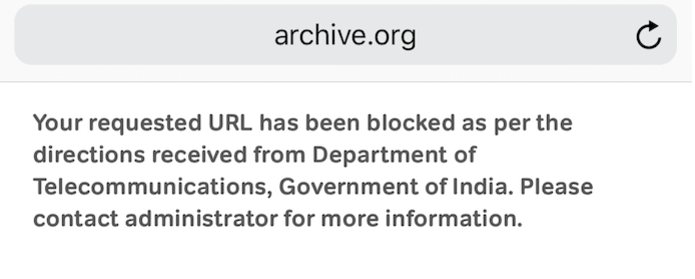
    In a move that can be construed as a move against the idea of the free internet, the Indian Government has banned the Wayback Machine. Wayback Machine is a California-based non-profit that has been archiving the World Wide Web for over 20 years now. It has archived over 300 billion web pages, and stores nearly 15TB of data. It is one of the most utilitarian sites on the web and allows users to archive pages, access archived pages for free, and also get hold of several terabytes of music, movies, books, and software that are free from copyright.

    Users who tried to access the website on last Tuesday night saw a message from their ISP that read – “Your requested URL has been blocked as per the directions received from the Department of Telecommunications, Government of India. Please contact administrator for more information.” The block as of now seems patchy, as users on BSNL, Airtel, Hathway and Tikona have reported the block but a lot of other people can still access the website. It is unclear as of now why the government felt the urge to block archive.org which many people rely on for information from back in the day.

    This is the second time that the government has blocked archive.org. back in 2014, the government blocked archive.org, GitHub, Vimeo, Pastebin, and Weebly among others after a threat from the terrorist group ISIS. An Internet Archive spokesperson told Buzzfeed India, “Obviously, we are disappointed and concerned by this situation and are very eager to understand why it’s happening and see full access restored to archive.org.” Also, queries from the Internet Archive to the Department of Telecom have gone unanswered.  Chris Butler, Office Manager at the Internet Archive said, “We have not been contacted by the Government of India regarding this apparent blocking of archive.org. We have no information about why a block would have been implemented.”

    There are ways to bypass the block, as a Redditor suggest that it can be accessed using an HTTPS link or by spoofing your location by using a VPN.

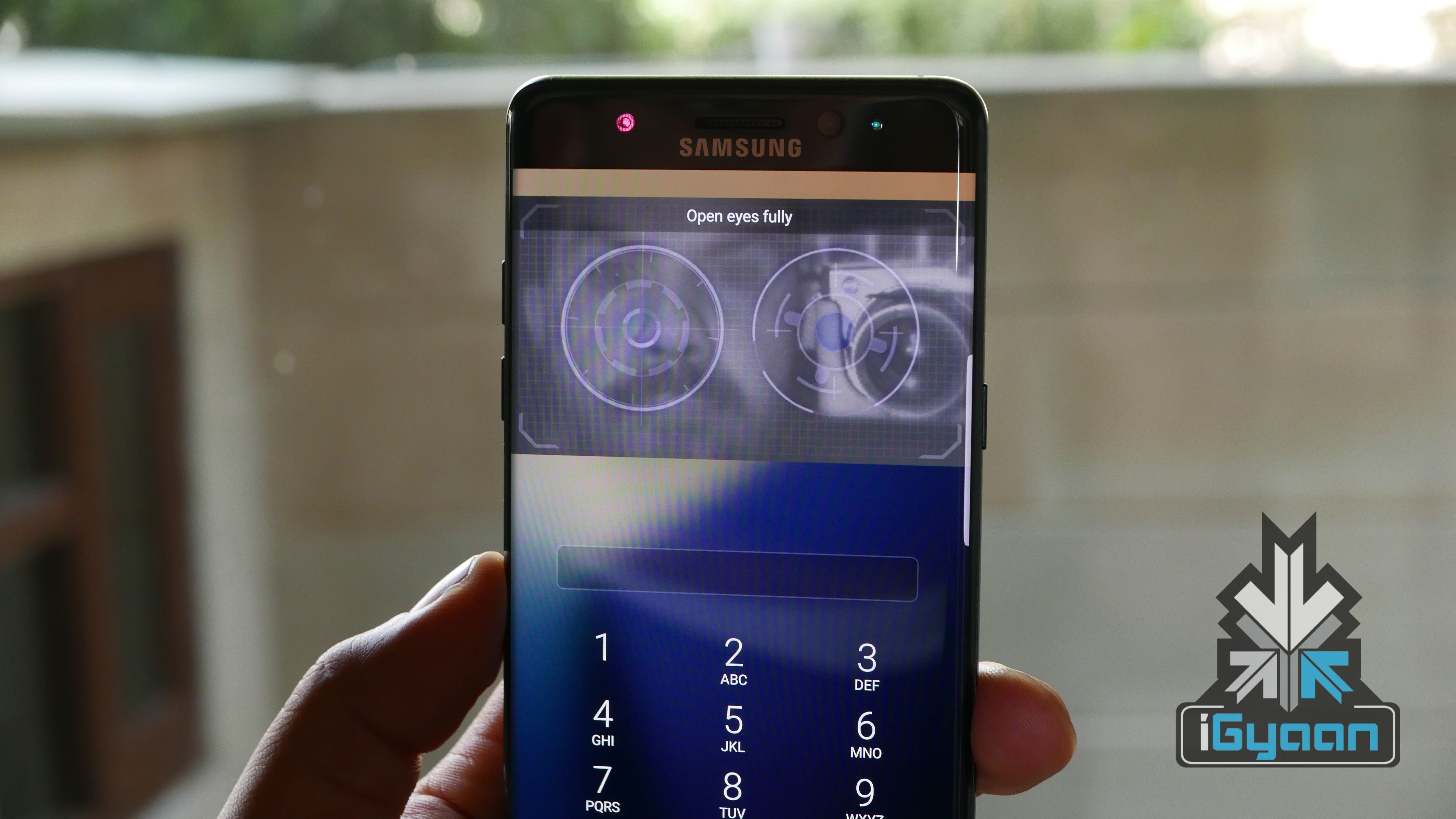
  • Airlines Ban Galaxy Note 7 From Taking Flights

    Airlines Ban Galaxy Note 7 From Taking Flights

    If you still own a Samsung Galaxy Note 7, you may be deemed a risk to lives of everyone else on board. Qantas, Jetstar, Virgin Australia and Tiger Airways, among many other have banned the use and carry of Galaxy Note 7 onboard their flights till the phone can be fixed by the South Korean manufacturer, Samsung.

    Samsung has already issued a global recall of the handset, however, many hardcore Samsung Galaxy Note 7 users have retained the handset assuming no real threat exists.

    Following Samsung’s product recall announcement, Samsung Galaxy Note 7 devices may not be used or charged on board Virgin Australia flights, Said a  Virgin spokesperson.

    Samsung PR couldn’t have it any worse after the Note 7 incident. It looks like nothing will look good for Samsung till they can rectify the issue, only if they can do it quickly.

    Although it should not be a problem if you are flying in India, it may soon catch on as a trend. You anyway don’t want to be in a sealed tube hundreds of miles in the air, if you phone has been rated explosive.

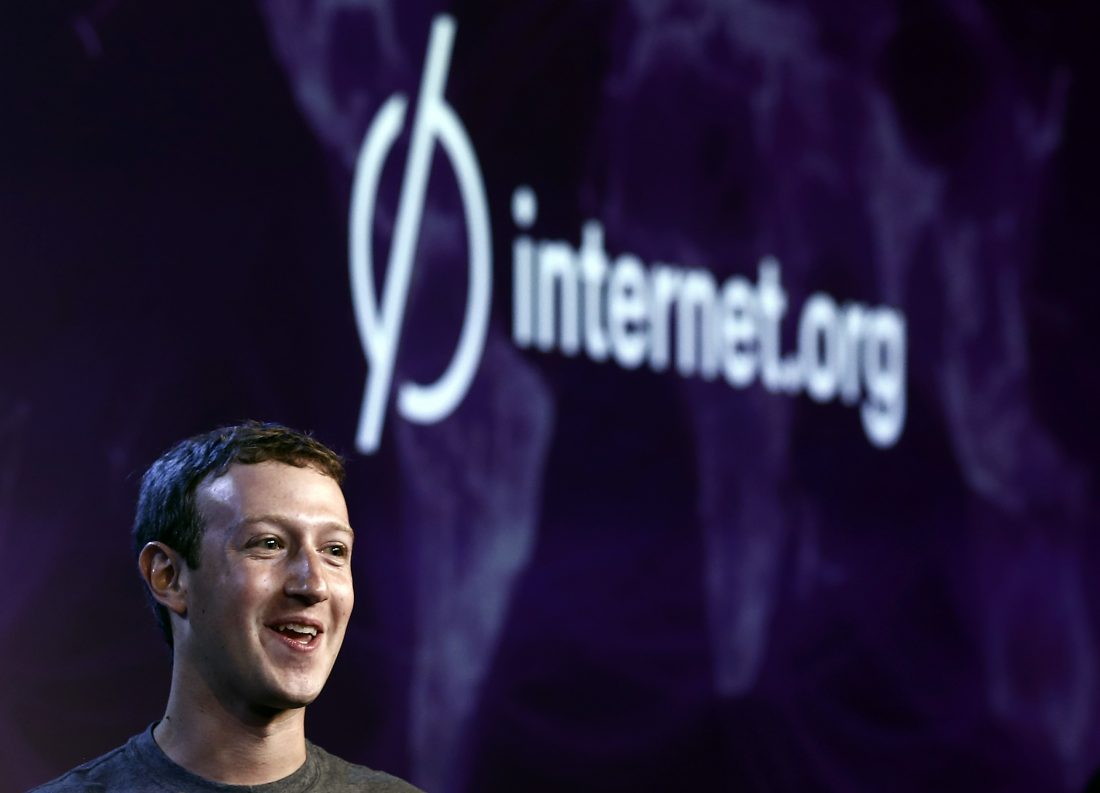
  • Mark Zuckerberg Stays Hopeful About Internet.org in India After TRAI Bans Free Basics

    Mark Zuckerberg Stays Hopeful About Internet.org in India After TRAI Bans Free Basics

    Telecom Regulatory Authority of India has spelled doom for Facebook’s Free Basics campaign by banning it from India. So much for all the voiced opinions in the last couple of weeks.

    Though this is big setback for Internet.org, Mark Zuckerberg refuses to let it douse his spirits. In a post he put up earlier today, he says,

    “Our work with Internet.org around the world has already improved many people’s lives. More than 19 million people in 38 countries have been connected through our different programs. Connecting India is an important goal we won’t give up on, because more than a billion people in India don’t have access to the internet.”

    One cannot help but question Facebook’s ‘altruistic’ intentions, or ones it cannot stop talking about when it comes to Free Basics. With its infinite resources can’t Facebook simply set up a company that provides Internet to remote locations for free? Wi-Fi powered stations that provide connectivity can be used to help with these attempts. Once there are a substantial amount of people involved, there can surely be a way figure out a way to make money without necessarily compromising on net neutrality.

    It is a fact that Facebook has provided some sort of Internet connectivity, mostly through the platform of Free Basics in 38 countries. But in the future, both Internet.org and Free Basics are expected to face the same trouble it did in India elsewhere as well over net neutrality.

  • Apple Wins Lawsuit Against Samsung, 9 Samsung Devices Banned from Sale

    Apple Wins Lawsuit Against Samsung, 9 Samsung Devices Banned from Sale

    Say hello to yet another courtroom drama between Samsung and Apple. As always, the bone of contention was patent infringement where Apple accused Samsung of having stolen features like word recommendations and unlock gestures.

    Judge Lucy Koh of the Northern California District San Jose court agreed with Apple leading to banning of Samsung’s flagship devices from 2012. The list of devices now banned from sale in the US includes Samsung Admire, Galaxy Nexus, Galaxy Note, Galaxy Note II, Galaxy S II, Galaxy S II Epic 4G Touch, Galaxy S II Skyrocket, Galaxy S III and Samsung Stratosphere.Samsung vs Apple

    The lawsuit had been stretched over a period of three years before the final verdict was passed. This means there has been three new generations of smartphones since the first violation of patents. Other than many sellers making some extra dough by selling these banned Samsung devices for a higher-than-normal price on eBay, one wonders what else this verdict could lead to. While Samsung may not feel too amused at this point, this is a blow it will definitely recover from without much effort.

    Besides, it wouldn’t be too long before Samsung’s gets a chance to even out the two scores once the two companies find themselves pitted against each other again in another courtroom scenario. Hold your breath until then.

iGyaan Network
Privacy Overview

This website uses cookies so that we can provide you with the best user experience possible. Cookie information is stored in your browser and performs functions such as recognising you when you return to our website and helping our team to understand which sections of the website you find most interesting and useful.