Earlier this week, Xiaomi’s sub-brand, Redmi launched two new admirable smartphones, the Note 7 and Note 7 Pro in India. A listing on Chinese regulatory website, TENAA has revealed the specifications of the unreleased Redmi 7 which is supposed to launch soon. The smartphone will succeed the Redmi 6 which was launched last year. Going by the placing of its predecessor in companies portfolio, it will be a sub 10k smartphone will
Redmi 7 Specifications
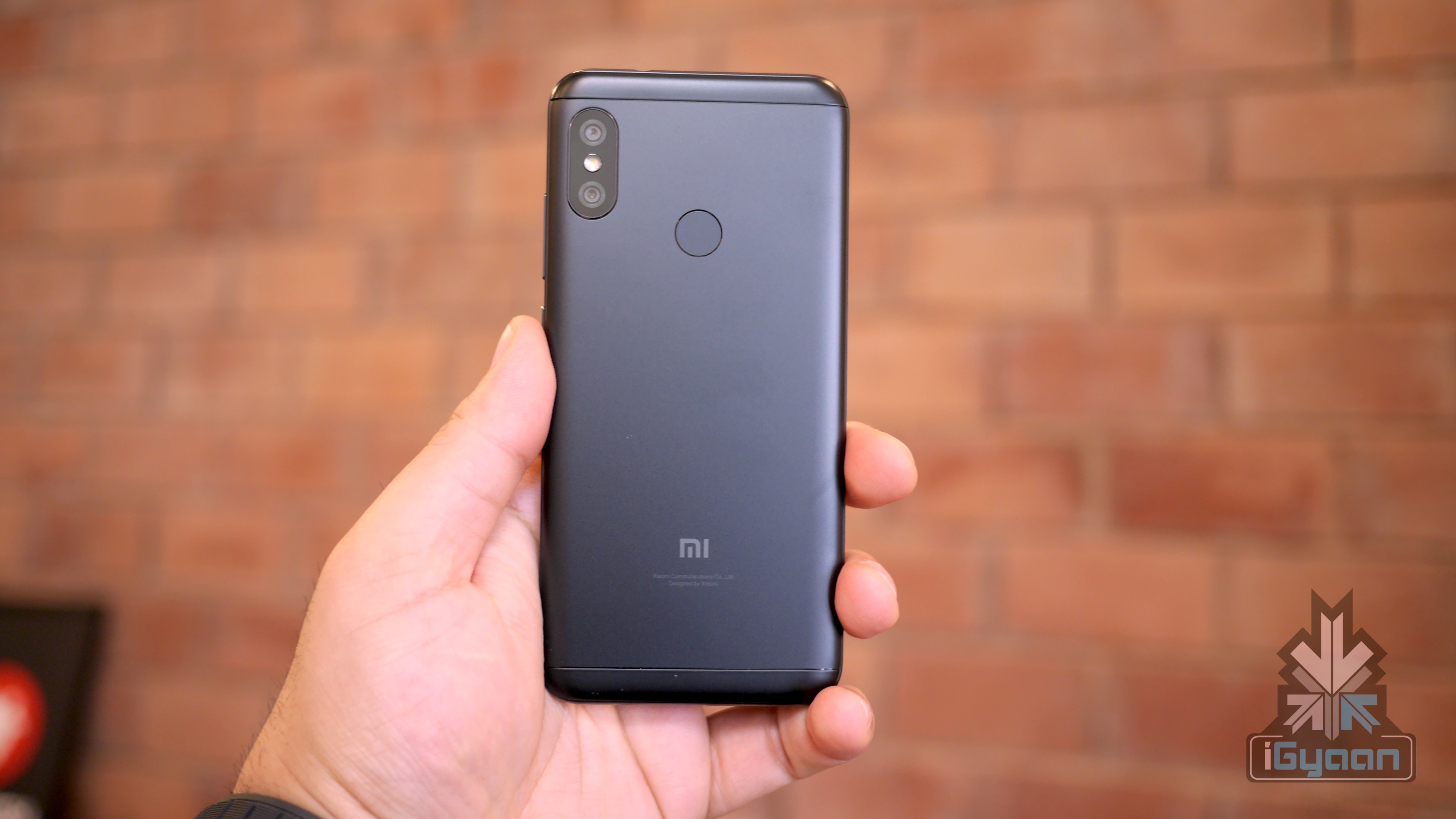
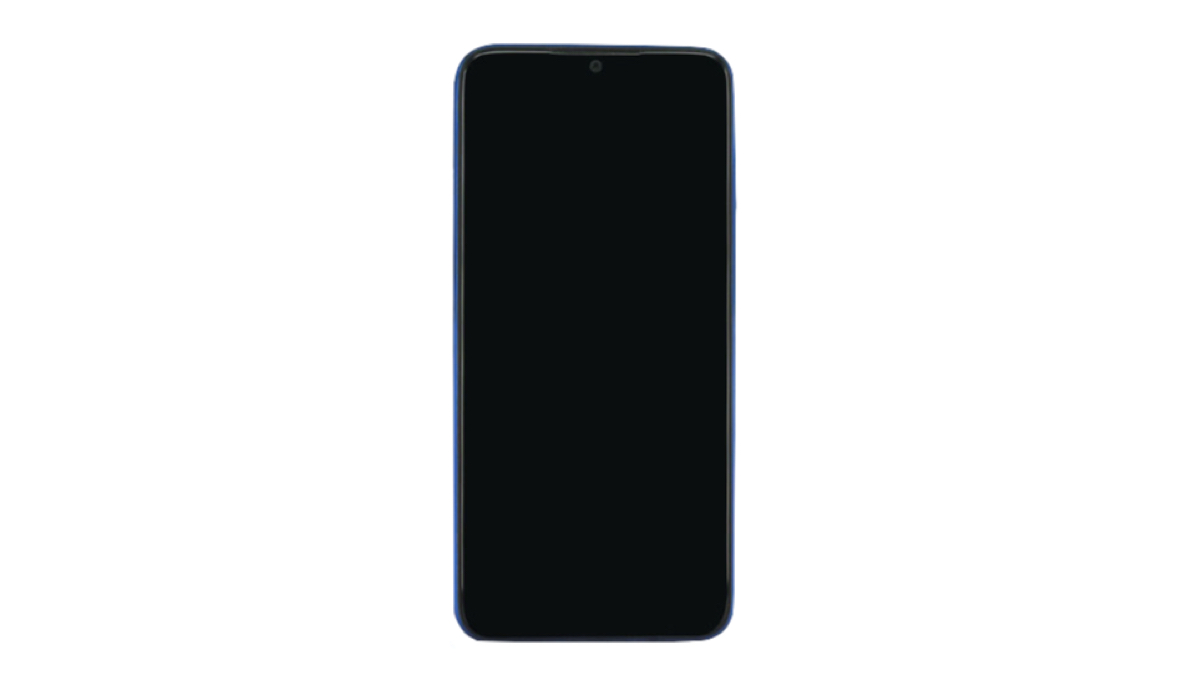
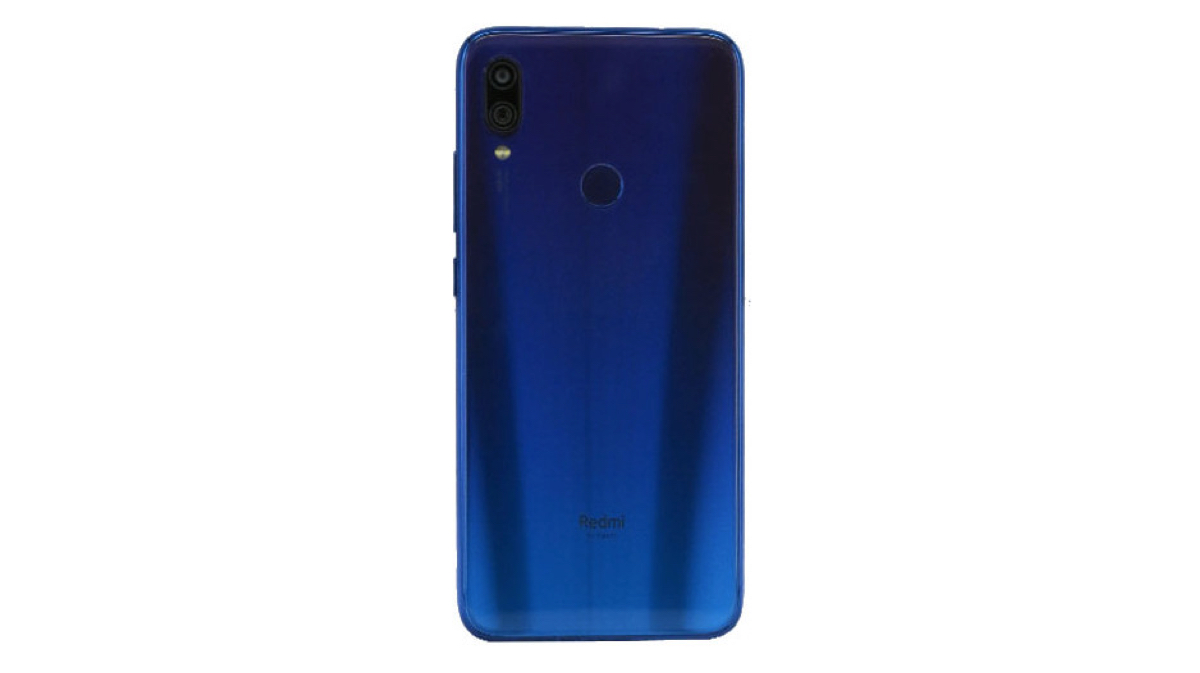
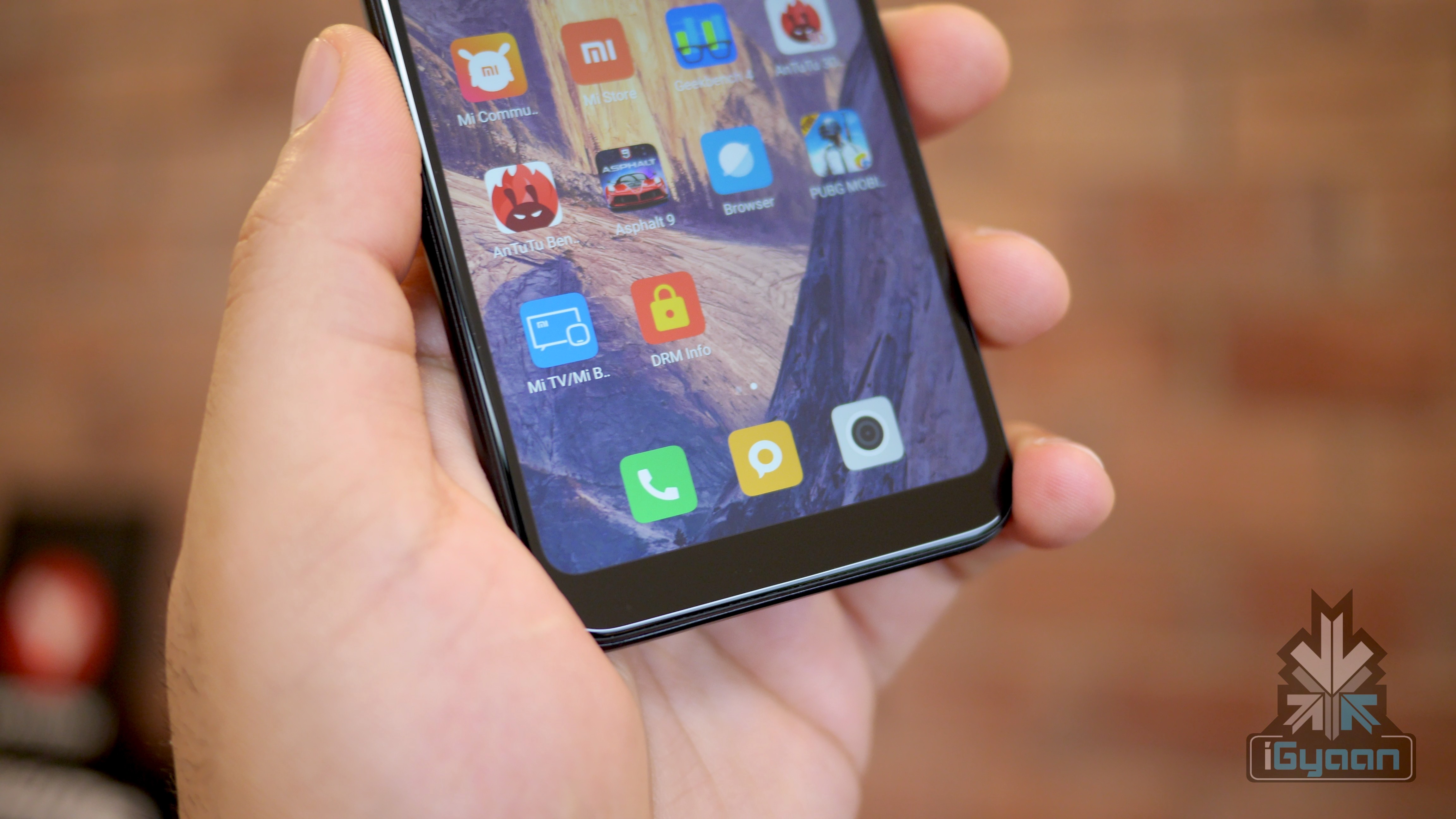
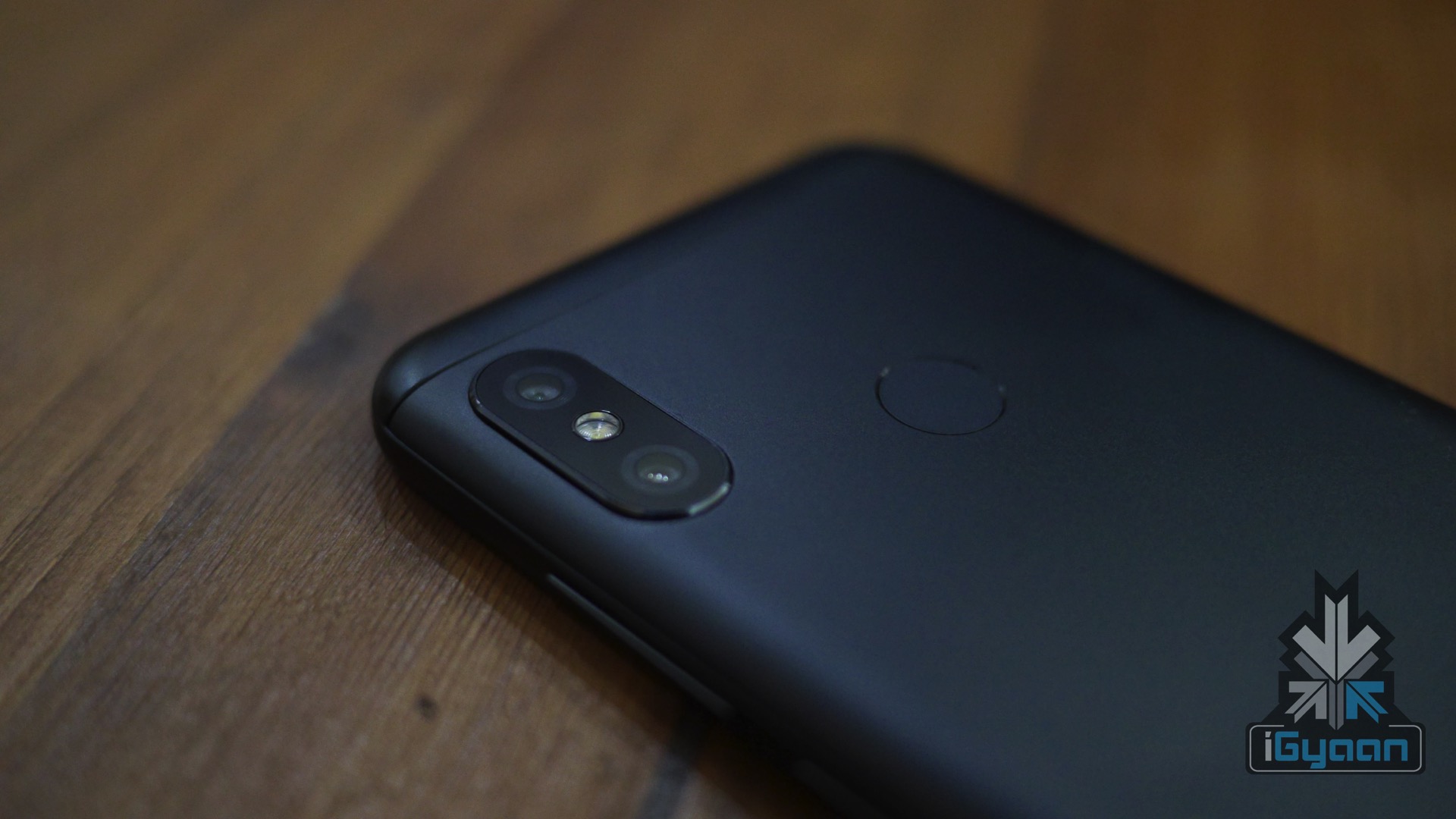
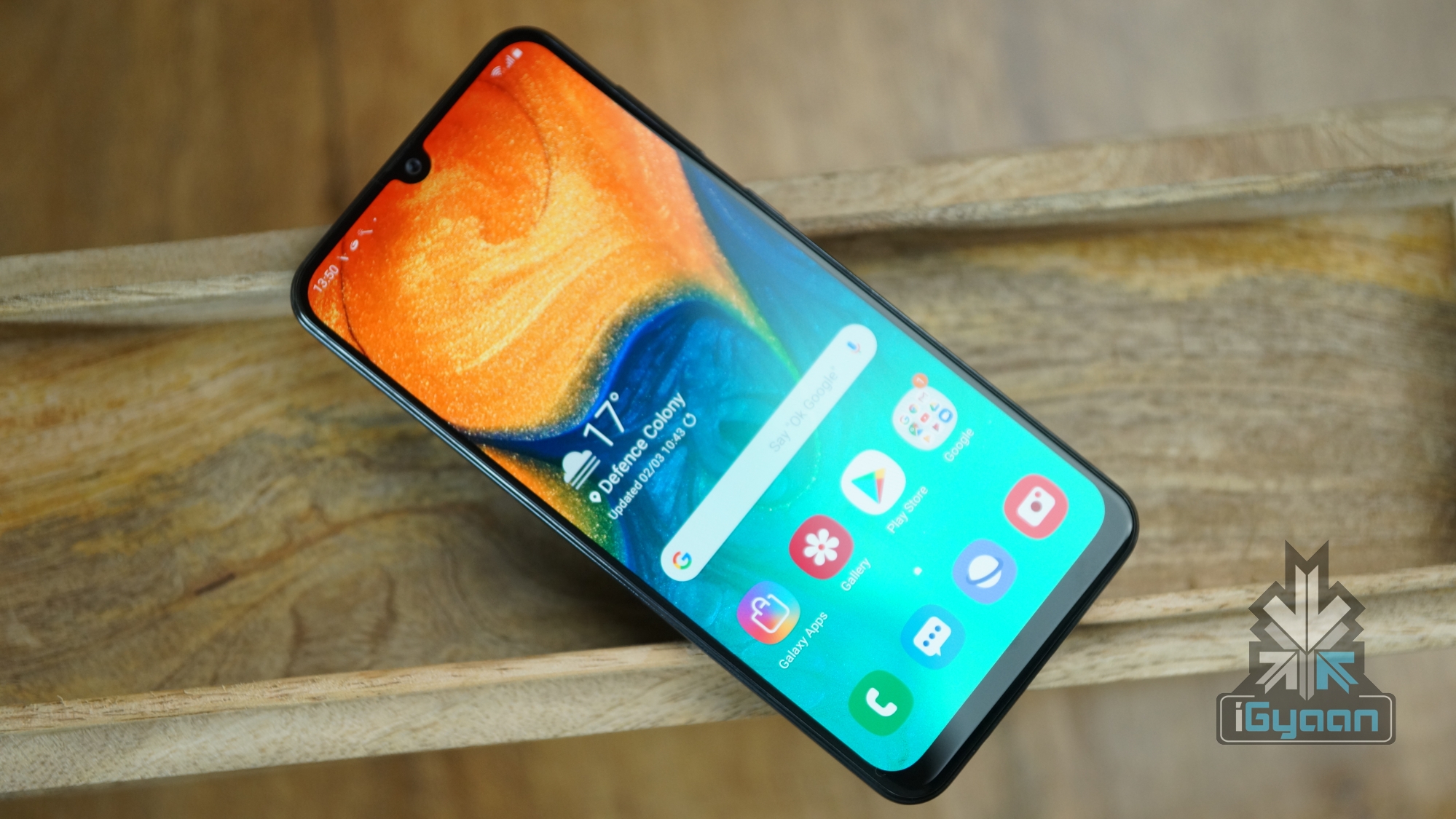
According to the TENAA listing, the Redmi 7 measure 158.65×76.43×8.47 mm and weighs in at 180 grams. The smartphone sports a 6.26 inch display that has a resolution of 1520 x 720 px. The device has a total of three cameras out of which two are placed on the rear while the third one is placed on the front. The dual camera setup at the rear is comprised of a 12 MP main sensor and an additional 8 MP sensor. The front facing camera of the smartphone uses an 8 MP sensor which is presumed to be housed in a waterdrop notch on the front of the display.
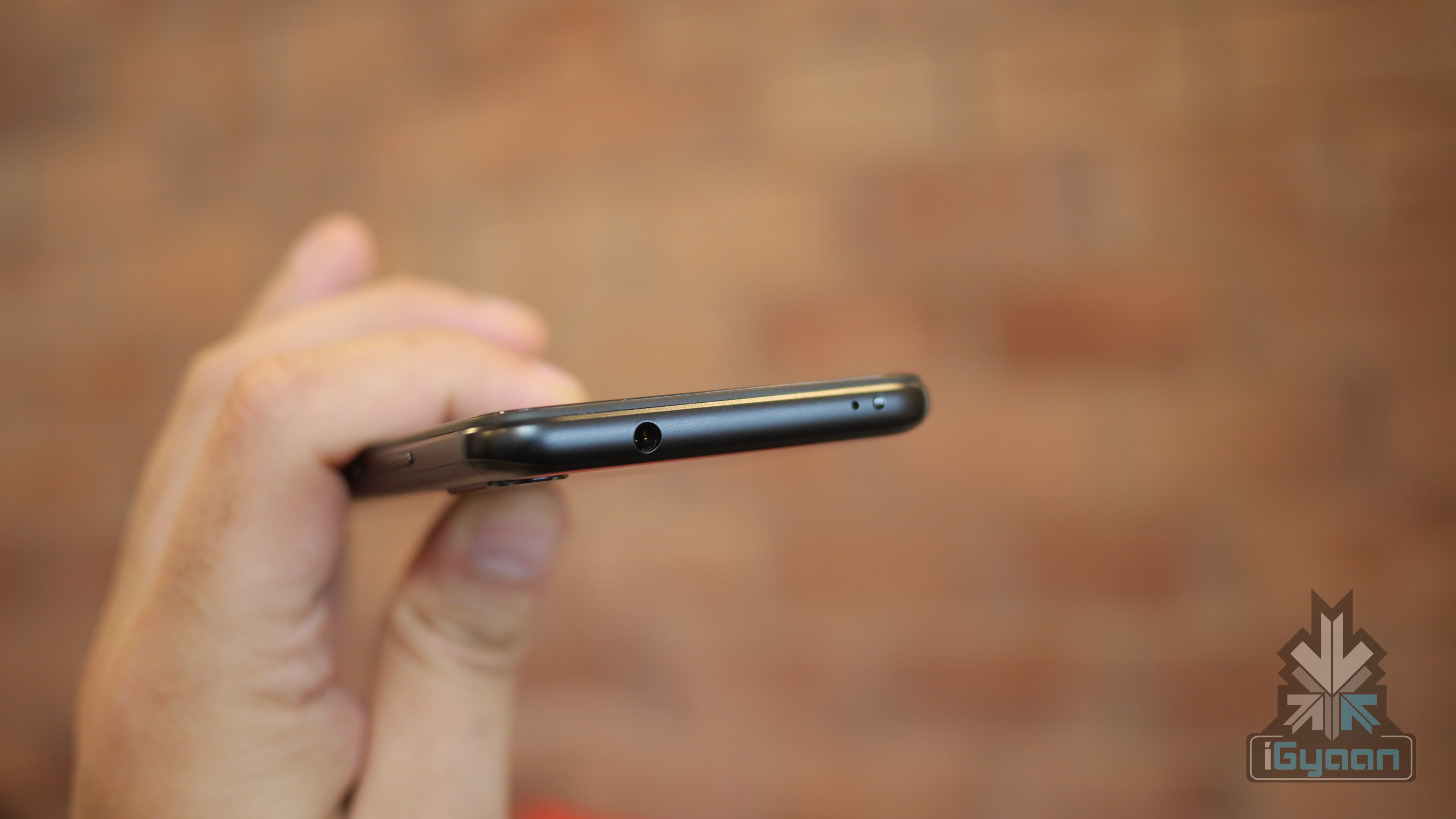
The Redmi 7 is kitted with an Octa-Core CPU which is clocked at 1.8 GHz. Although the TENAA listing does not specify the precise chipset detail, going by the clock speed of the CPU, it is likely to be the Snapdragon 632 or Snapdragon 636. The smartphone is powered by a 3,900 mAh and runs on the latest Android 9.0 OS which will be skinned with MIUI. Connectivity options on the Redmi 7 include 802.11 ac Wi-Fi, Bluetooth, 4G VoLTE, Infrared and USB port. As of now, it is unclear whether the device will have a Micro USB port or a USB Type-C port. It also has a variety of sensors which include Gravity sensor, light sensor, distance sensor and a fingerprint sensor.
According to the listing, the device will be available in three storage variants which are as follows:
- 2 GB RAM + 16 GB ROM
- 3 GB RAM + 32 GB ROM
- 4 GB RAM + 64 GB ROM
Except for the internal storage, it also supports memory expansion via a microSD card. The listing states two different memory expansion capacities, 256 GB and 512 GB. Although previously unheard from Redmi, the base variant might support only 256 GB of memory expansion. The TENAA listing does not provide any insight about the design and layout of the smartphone and it will be publicised once the device is officially announced.
Redmi 7 Price and Launch Date
Also Read: Meizu’s New Smartphone Will Have A 48 MP Sony Sensor & Snapdragon 855
Going by both the specifications and price of its predecessor, the Redmi 7 is assumed to be a sub 8k smartphone in India. Its launch date is currently unavailable but the company is expected to soon announce it.




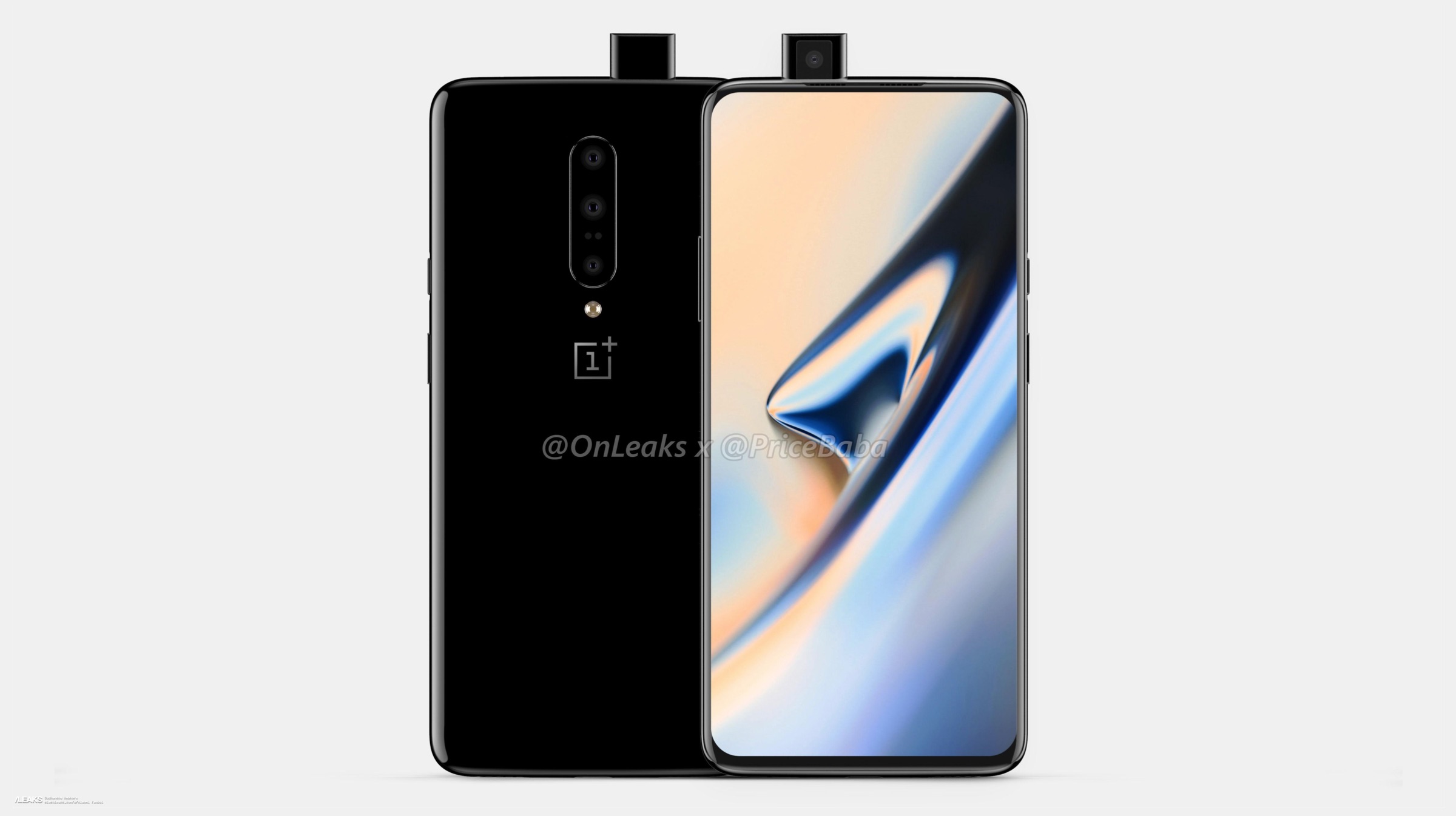
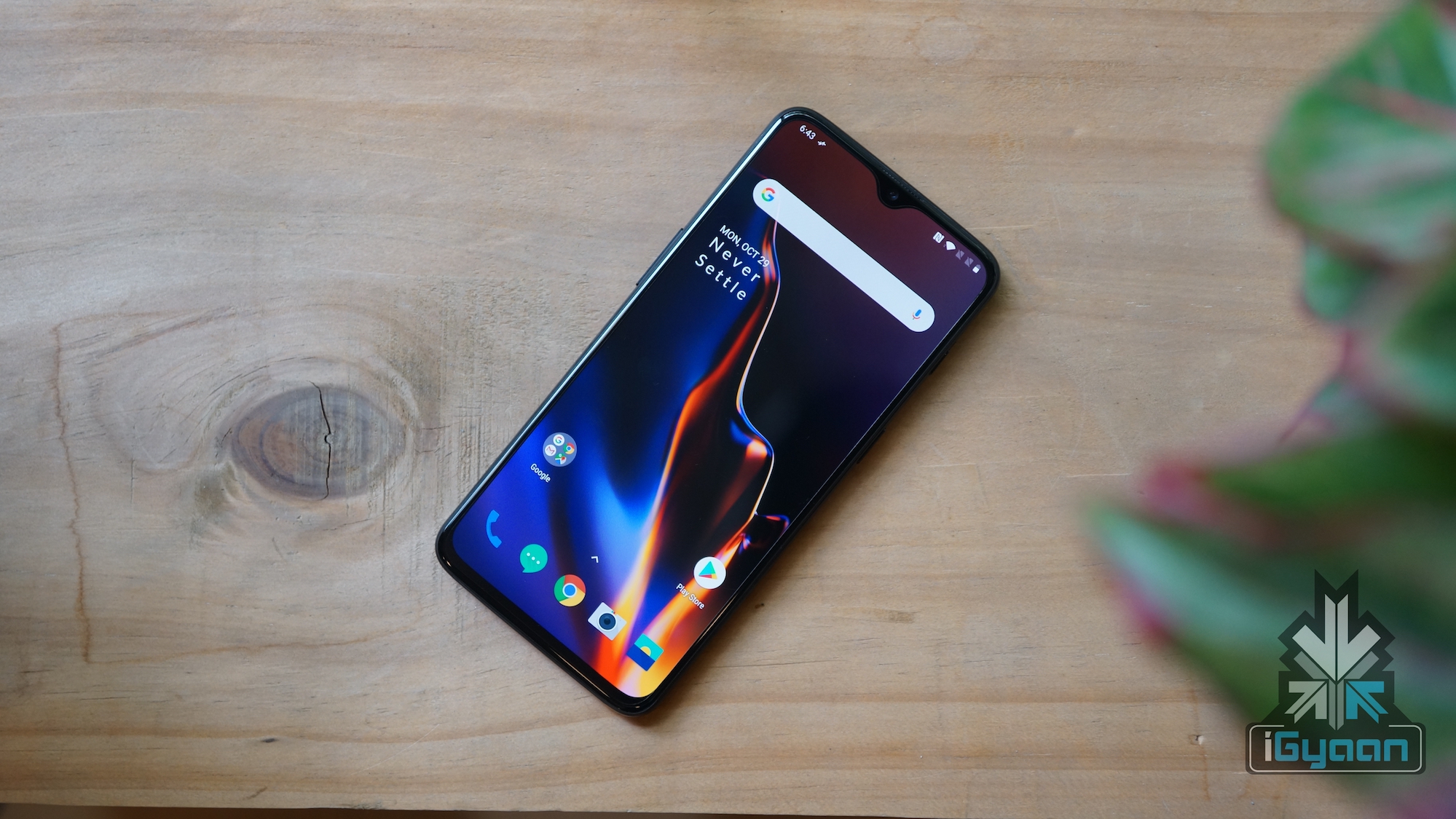
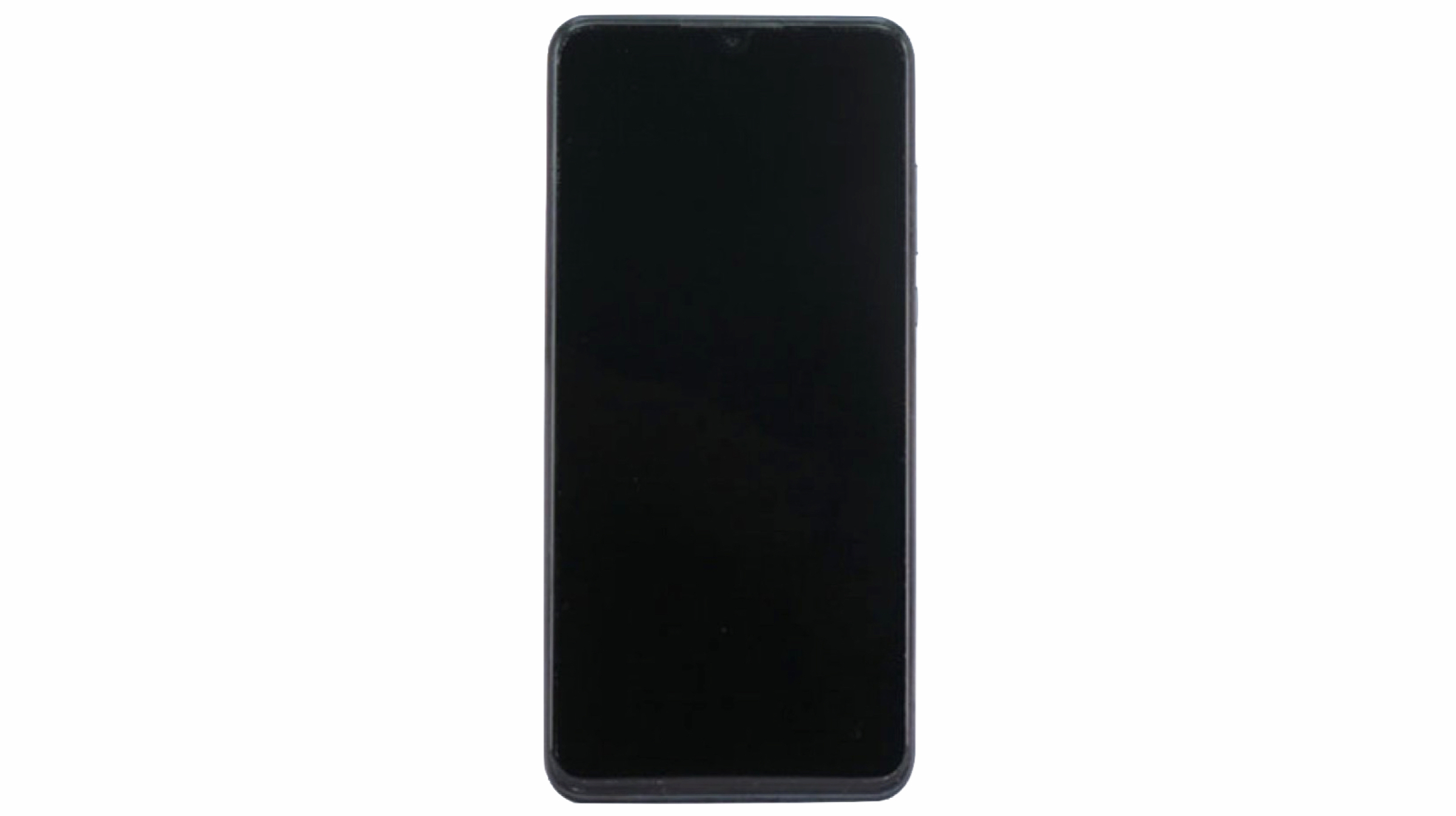
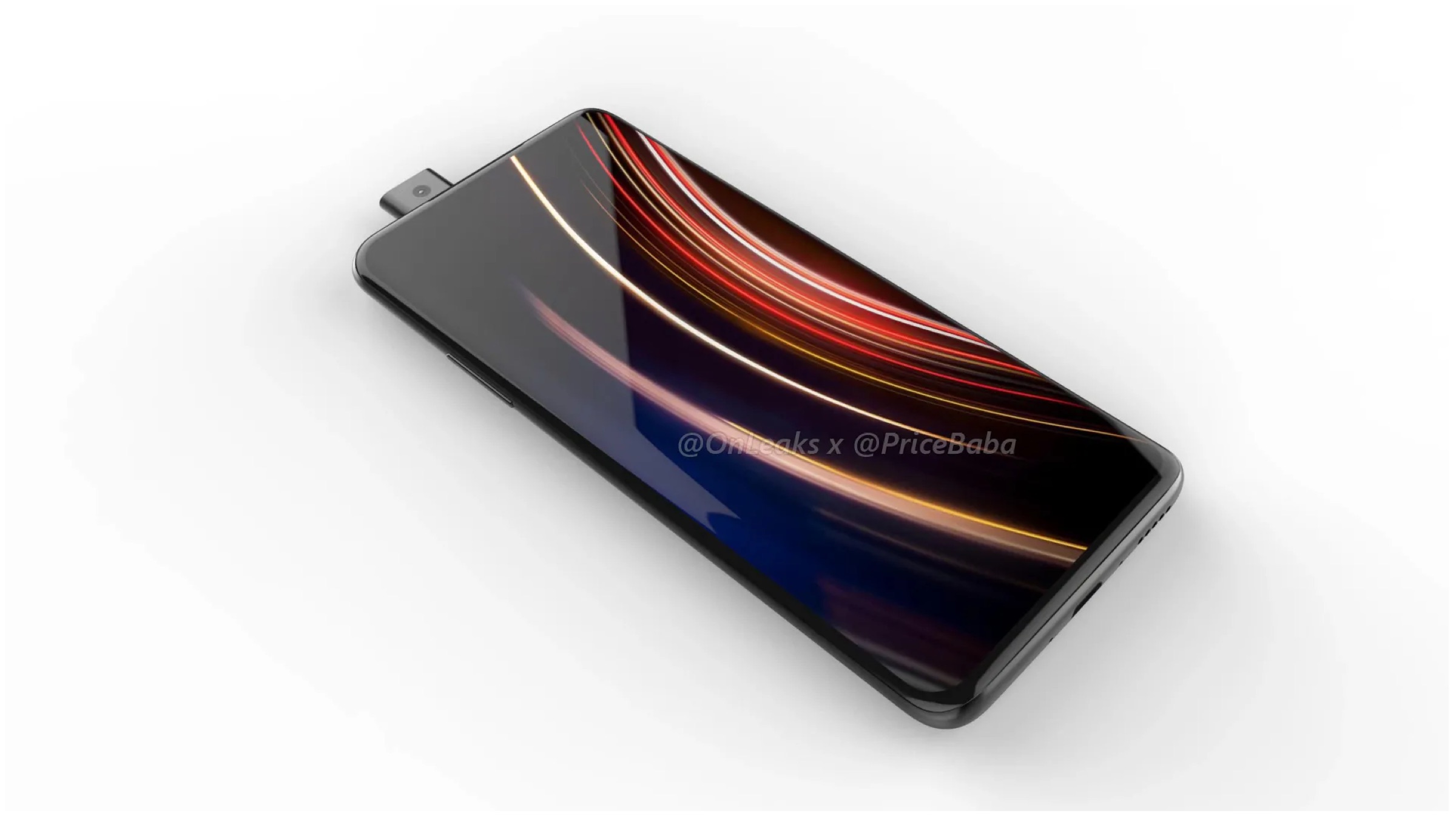 As per the leaks, the OnePlus 7 features a bezel-less 6.5 inch display, which can be an Optic AMOLED panel similar to the one in OnePlus 6T. The screen tapers towards the edges, with no visible notch or ‘punch hole’. As mentioned before, a motorized selfie camera pops up from an enclosure on top of the smartphone. The specifications of the selfie shooter, however, are not available as of now.
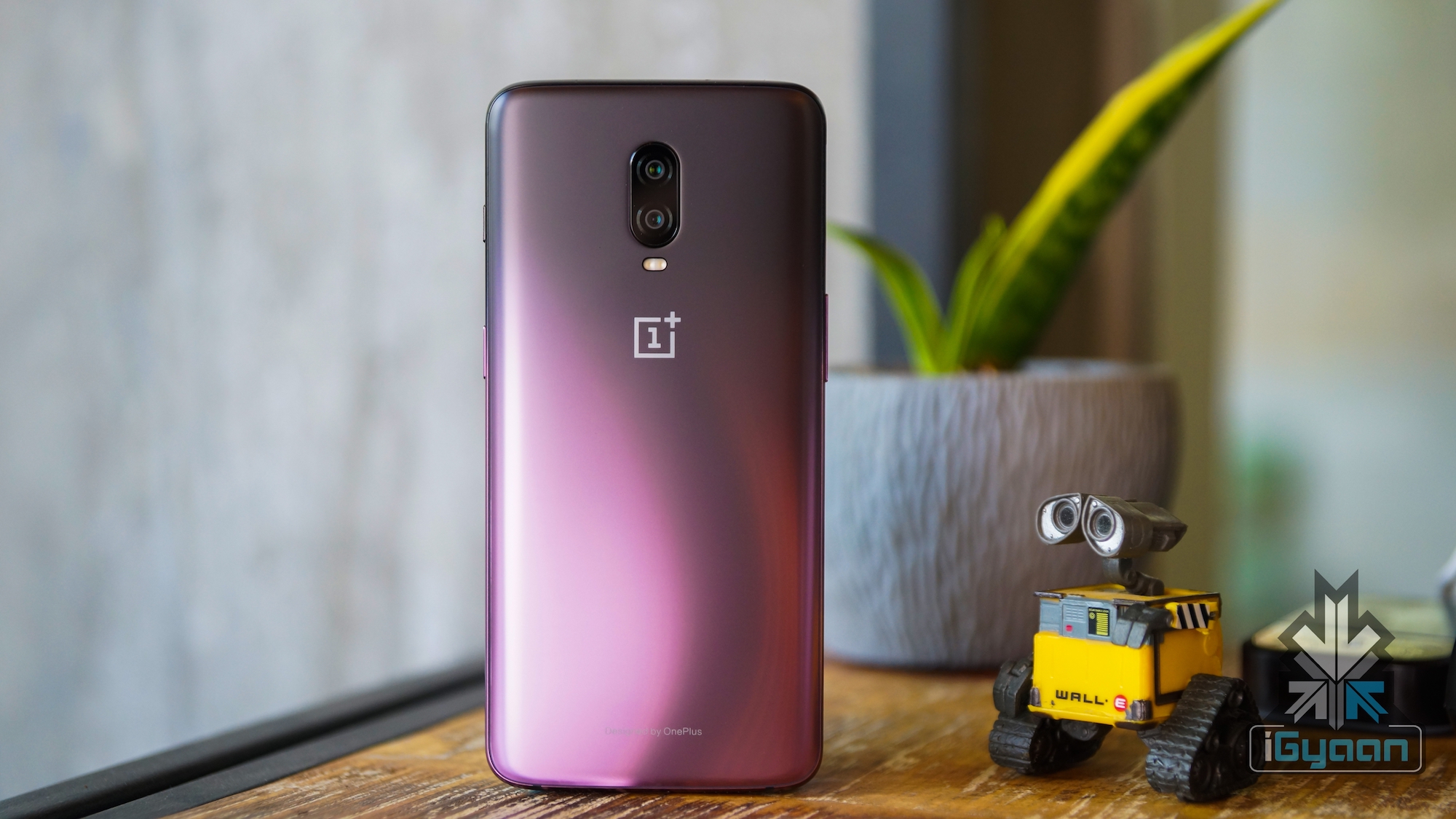
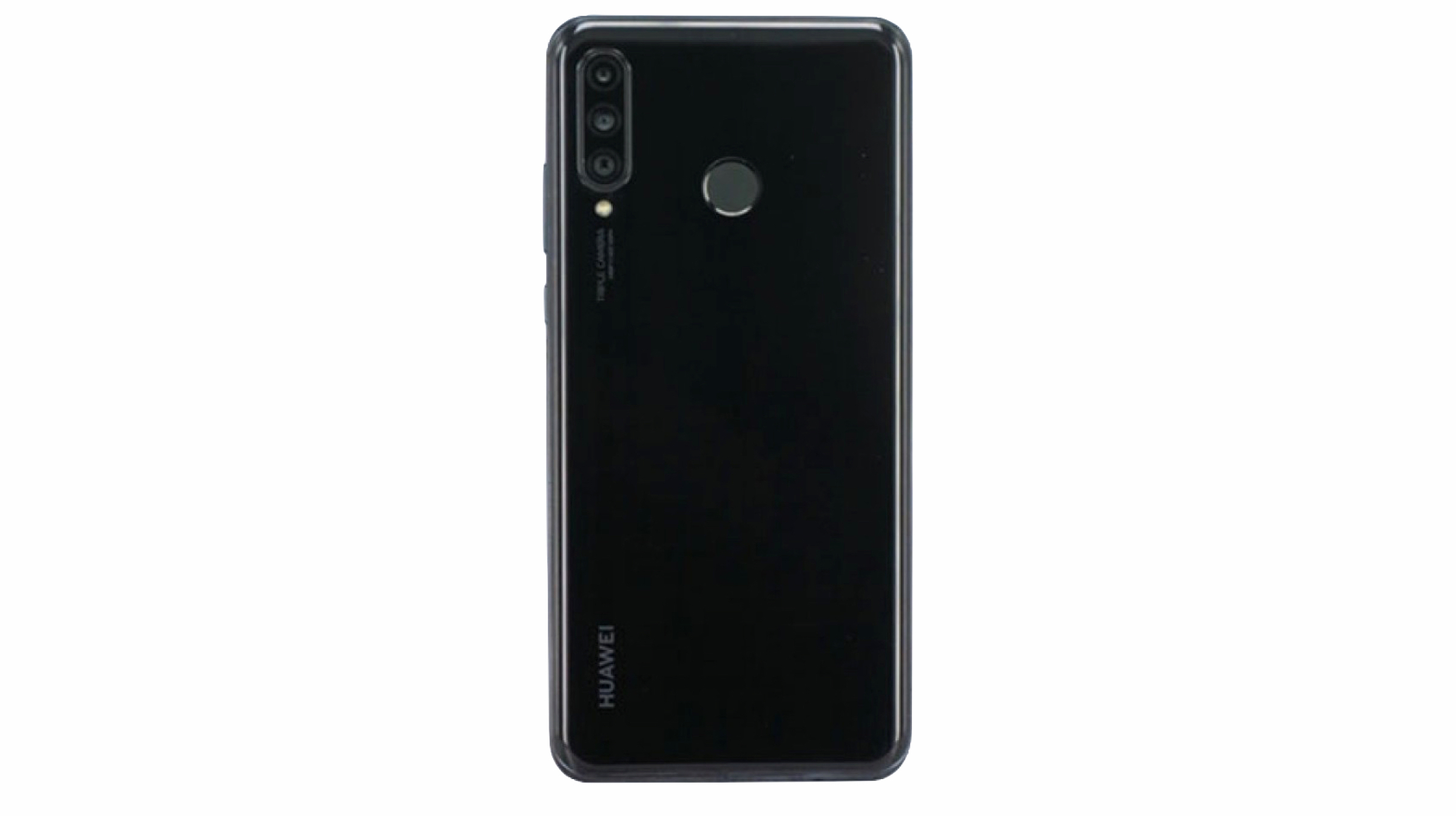
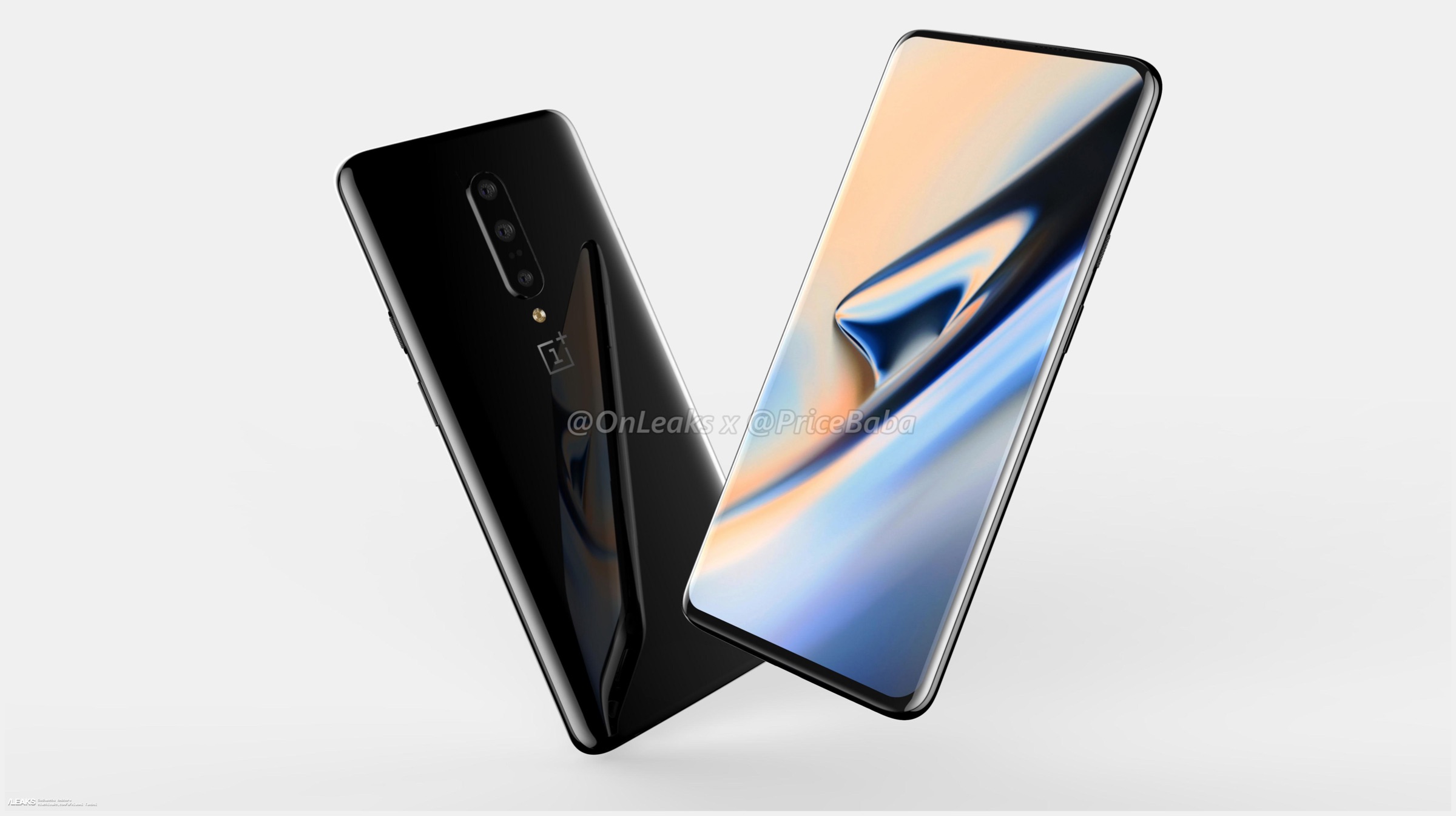 The leaked renders also show a triple rear camera setup. The three sensors are aligned vertically, with the LED flash placed just below the cameras. The predecessor of the OnePlus 7 had a dual camera module, which was housed in a 16 MP+20 MP configuration. It is possible that the third camera sensor being introduced in the OnePlus 7 is a ToF (Time of flight) sensor, which is seen on smartphones from both Oppo and Vivo.
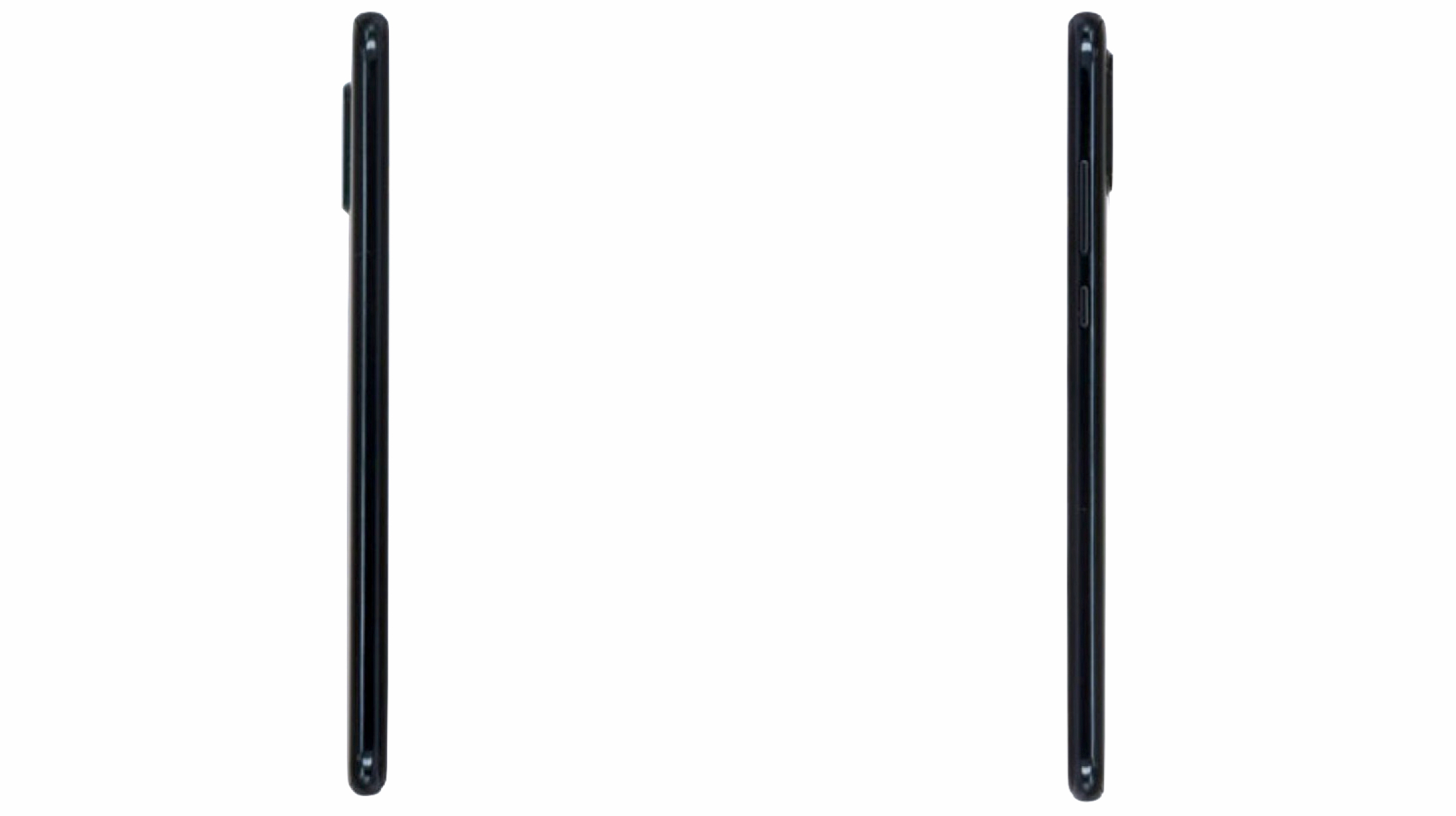
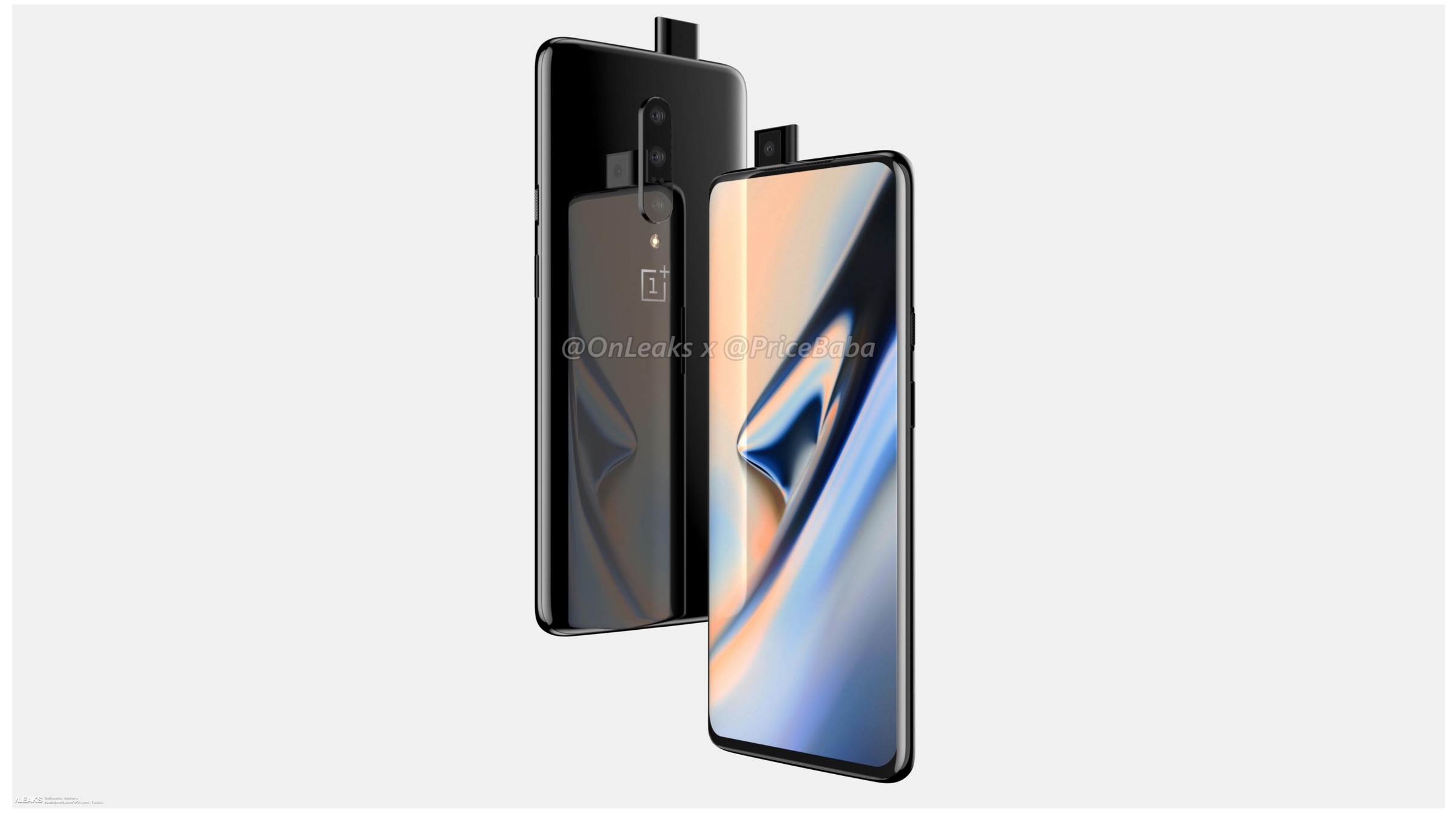 The left edge of the smartphone has the volume rockers, whereas the right side accommodates the power button and the alert slider. No rear fingerprint sensor was spotted in the leaks, so this may hint towards the fact that the OnePlus 7 may support a similar in display fingerprint scanner to the OnePlus 6T. Furthermore, no 3.5 mm headphone jack is spotted in the images, but there is nothing surprising about that since the previous iteration lacked the same. A standard USB Type C port is present on the device, right next to the speaker and the microphone.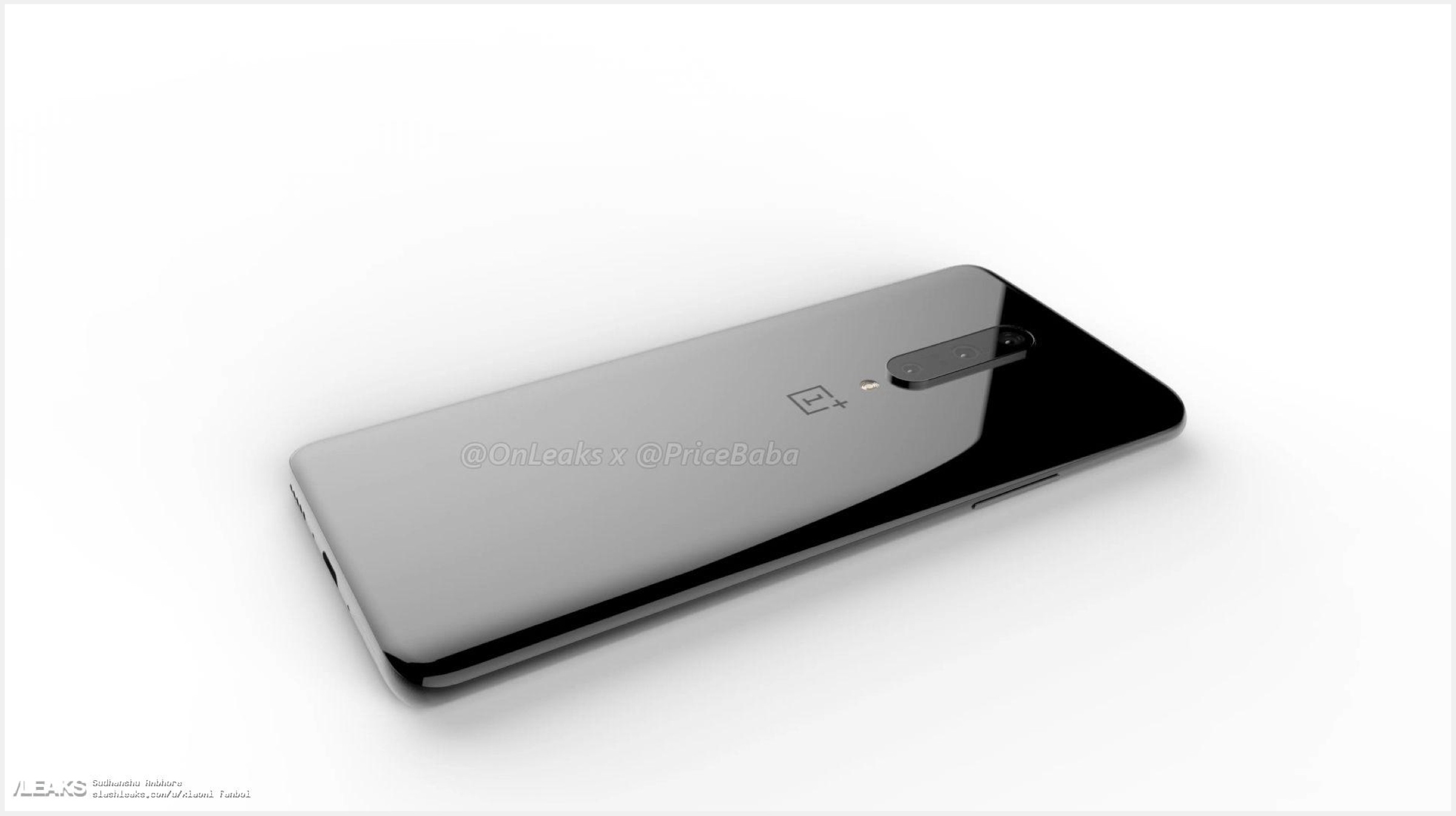




 Concerns arose on Twitter regarding the fact that this option will lead to users hiding obnoxious tweets. For instance, a user might get a different idea while reading a tweet if some of the replies are missing/hidden. People also said that controversial politicians can just hide tweets that they find outrageous or unacceptable. Unless a user actually clicks on the ‘View Hidden Tweets’ button, he/she might miss out on critical parts of the conversation.
 The positive aspects of integrating such an update are intended towards putting the user in control of his tweets. In a ‘toxic social media era’ where hate provoking comments can be found on almost every post, moderating the replies could impact user growth for the better purpose. It could also encourage people to debate or argue in a more ‘docile’ manner knowing that their tweets can be hidden any time.

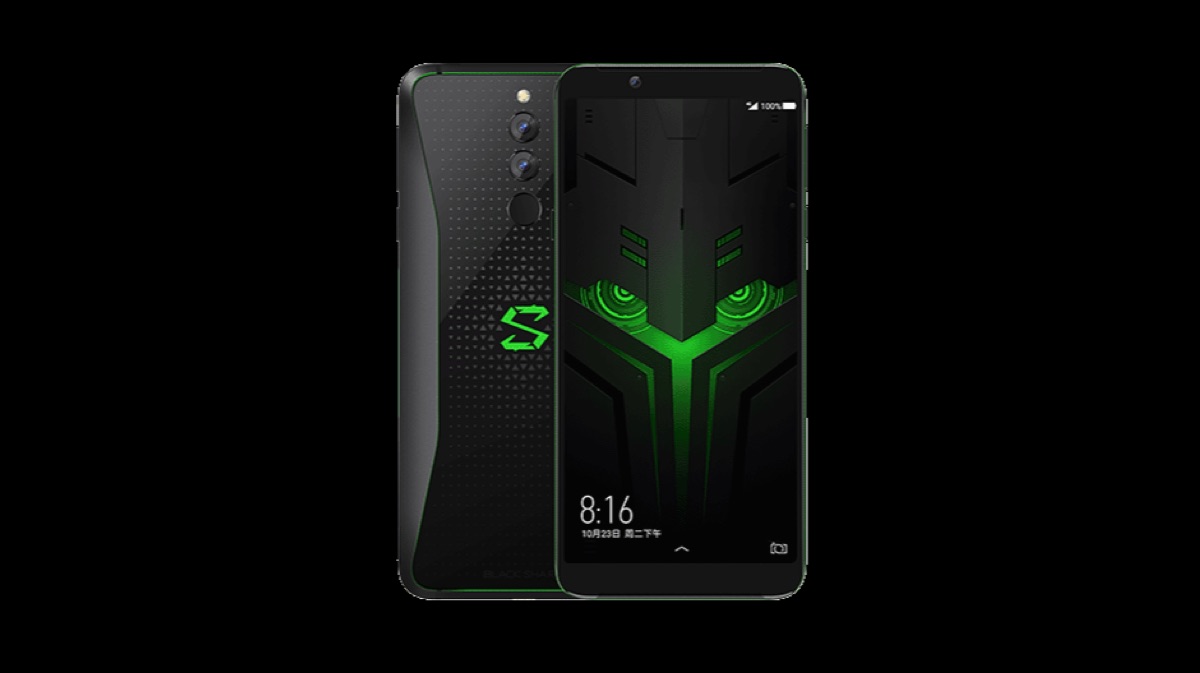
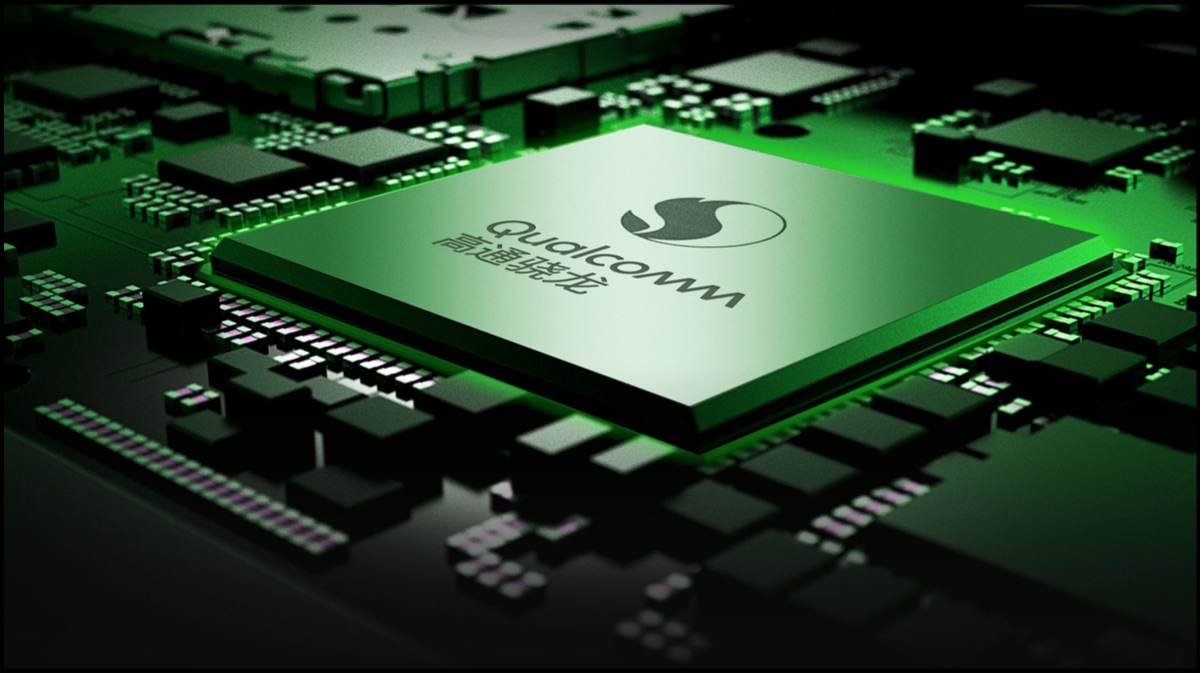
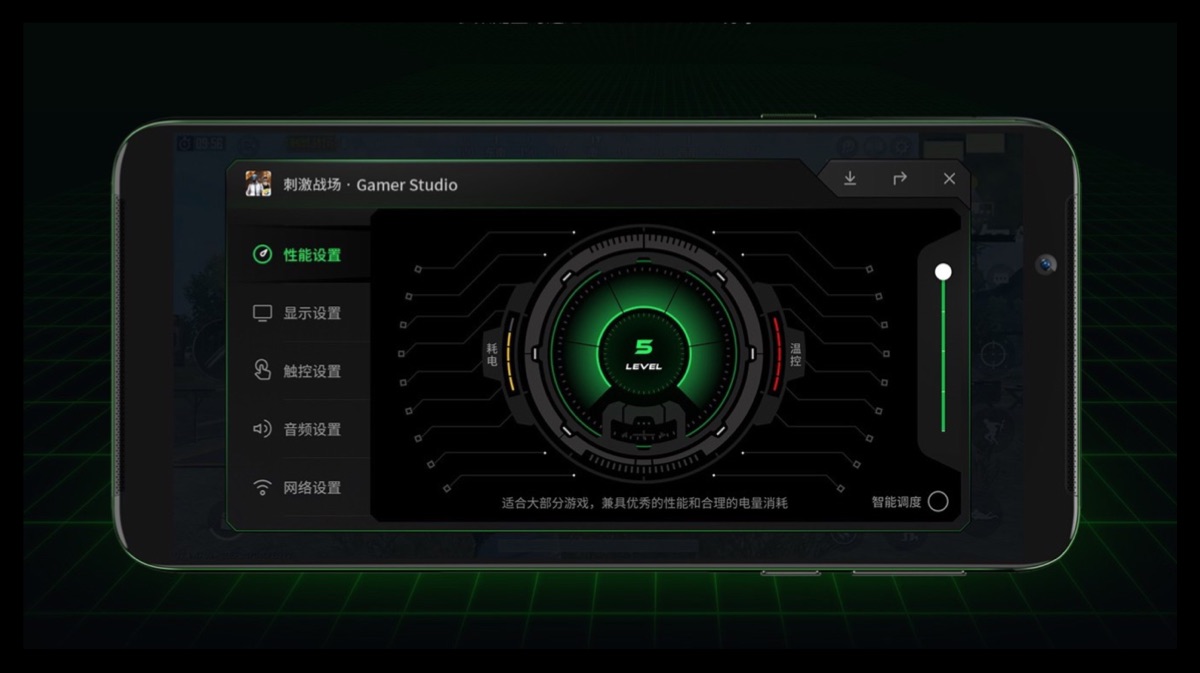 The Black Shark 2 will supposedly have Game Turbo, a technology introduced in the
 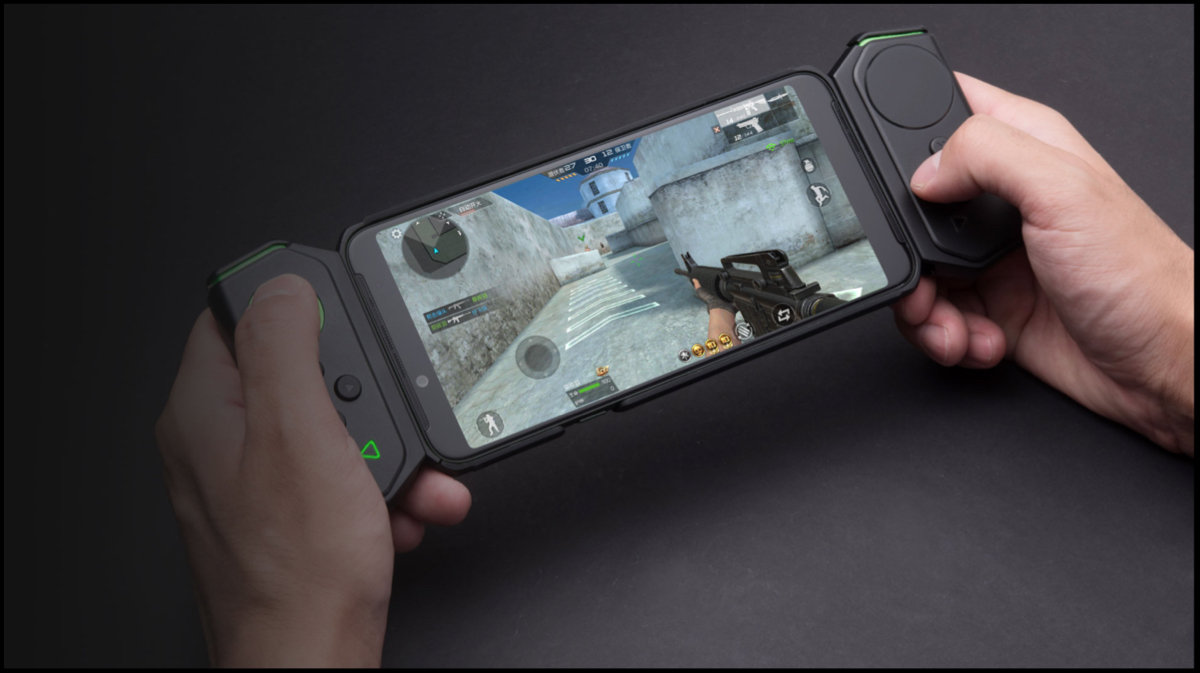 In terms of accessories, dedicated gaming attachments may be launched alongside the Black Shark 2. For instance, the smartphone may have a Bluetooth gamepad and wireless gaming earphones to improve the gaming experience on the device. Also, to maintain competition with smartphones like the Razer Phone, Xiaomi may introduce Liquid Vapour Cooling in the Black Shark 2.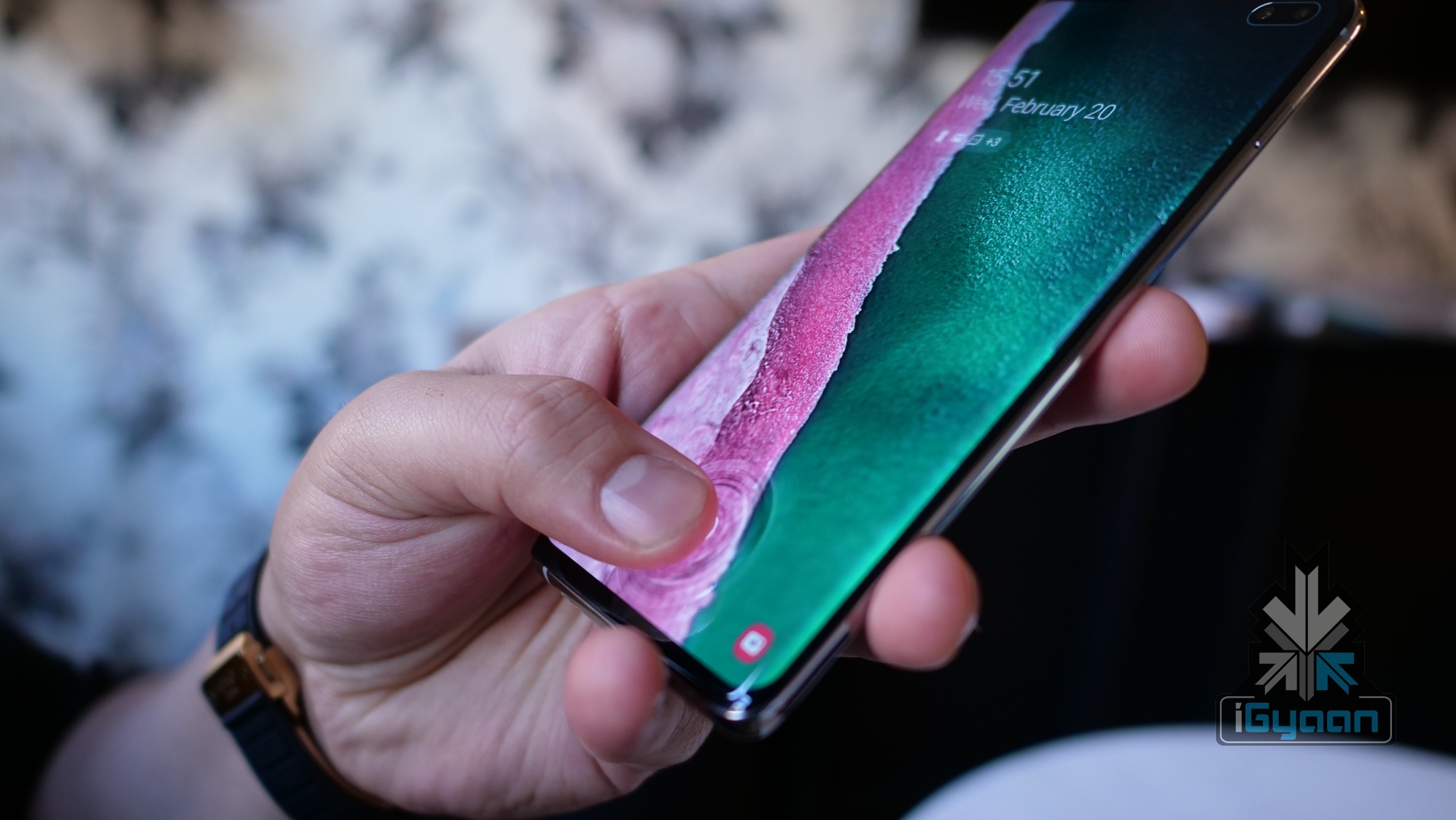
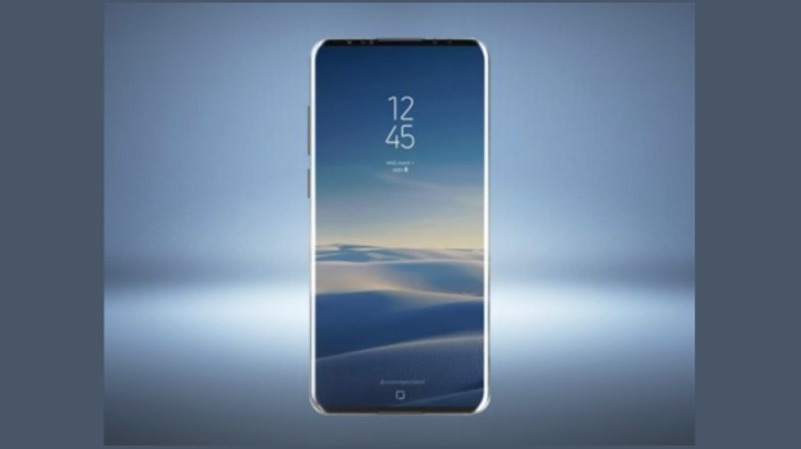 Rumours have been around regarding Samsung rebranding its lineup later in 2019. Because of the same reason, it can’t be confirmed whether the device will be called the Note 10, but it will surely succeed the Note 9 which was released in the year 2018. The model number with the digit ‘5’ is unusual and off-track for Samsung phones, which usually have their model numbers ending with ‘0’. This may imply that the device may launch with a 5G variant alongside a 4G LTE model.
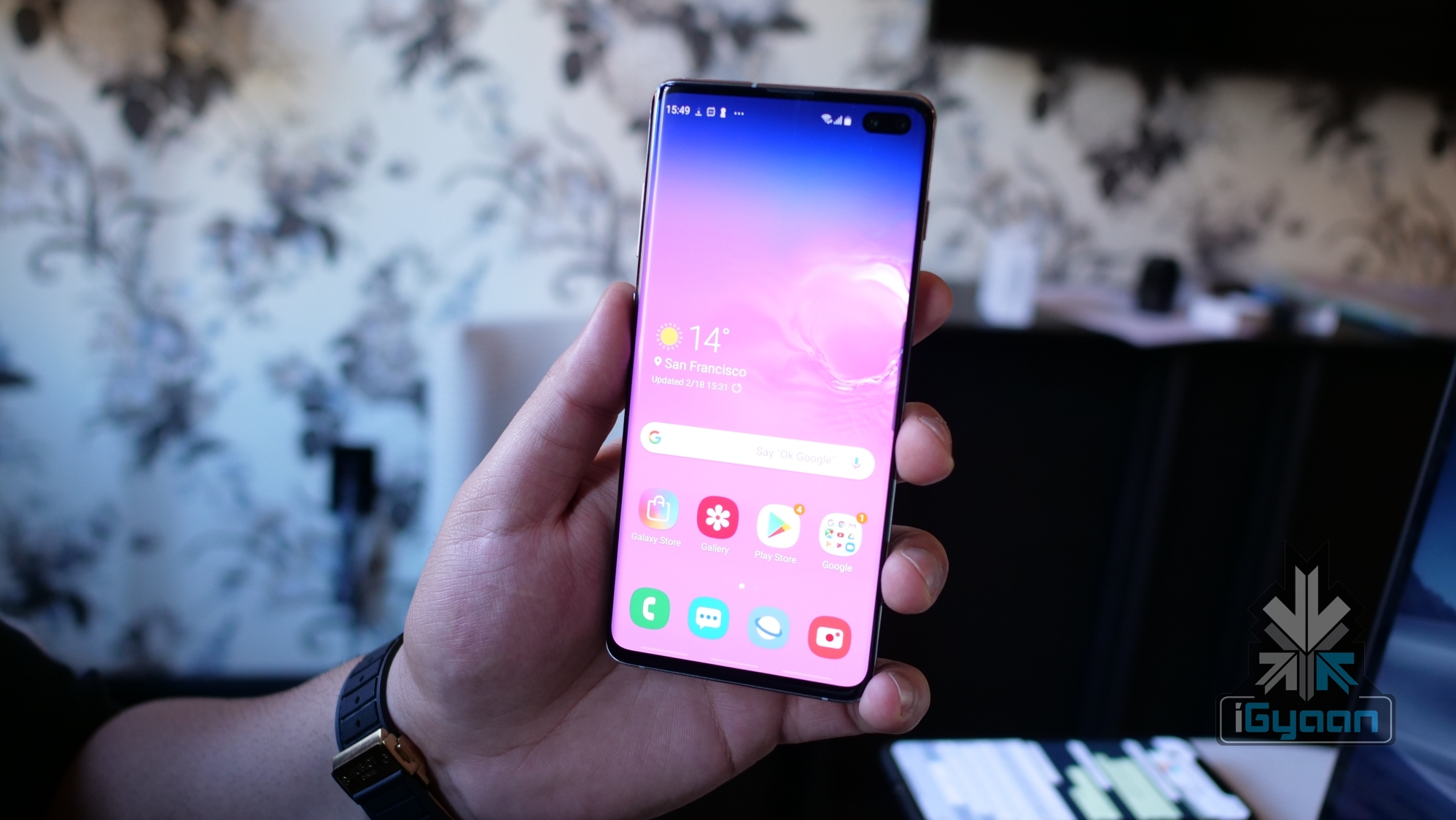 The company is a strong player when it comes to smartphone cameras, and the Samsung Galaxy Note 10 is expected to bring some innovative camera features to the table. The device may run on the Exynos 9820 or Snapdragon 855, which are the flagship chipsets in the smartphone arena right now. It will supposedly feature an in-display ultrasonic fingerprint scanner, which was first introduced with the Samsung