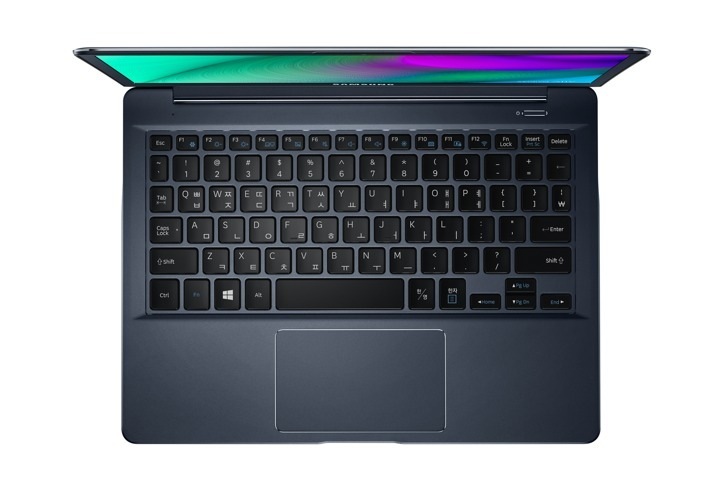
Samsung’s newest addition ATIV Book 9, showcased at the CES platform this year, was a breakthrough in the ultrabook series. It was one strong contender by the South Korean giant that could be pitted against Apple’s MacBook Air. The same ATIV Book 9 is now rolling out for customers.
Samsung announced that it will release its lightest notebook tomorrow (i.e. March 1). The laptop has an all-aluminium body and measures just 0.46-inches thick. Compressed to a mere 2.09 pound, the new ATIV Book 9 can be carried anywhere hassle-free. The 2015 ATIV Book 9 will come at two price points – $1,199.99 for 4 GB RAM and 128 GB of SSD, and $1,399.99 for 8 GB RAM and a larger 256GB SSD.
However the 12.2-inch laptop might be sleek, it’s pretty solid from inside. It is powered by Intel’s Broadwell Core M processor and runs on Windows 8.1 for now. It can work for 12.5 hours on a single charge. The USP of the notebook is that it’s fanless, a feature Apple cannot claim about any of its laptops.
It’s not certain if it would be released globally or to some markets, but we’ll know more details tomorrow.
It doesn’t matter how aggressively Samsung retorts to challenge reports by analysis firms reporting it losing its stronghold in the market; reality cannot be concealed for long. Unfortunately, the company is currently in hot waters and is suffering a financial setback.
As per a developing report by Reuters, Samsung Electronics will freeze the salaries of their employees this year, as per a statement by the spokeswoman of Samsung. It is the first time the South Korean organisation has taken such a step since 2009. The company representative didn’t throw light on what made the company take such a drastic step.
Samsung is undergoing a rough patch as its profits declined substantially in 2014. It was the first time in three years that its earnings took a downward turn. Well, we have high hopes from the upcoming Galaxy S6 to be launched at the Mobile World Conference. If that turns out to be a hit, it might help Samsung regain its position as one of the top smartphone manufacturers in the world.
With mobile phones going for slimmer and thinner designs, its components are also going narrower in size. So far, all high-end phones are equipped with 28nm or 20nm size system-on-chip (SoC), but Samsung has showcased the sleekest ever SoC that makes a dent in the mobile hardware market.
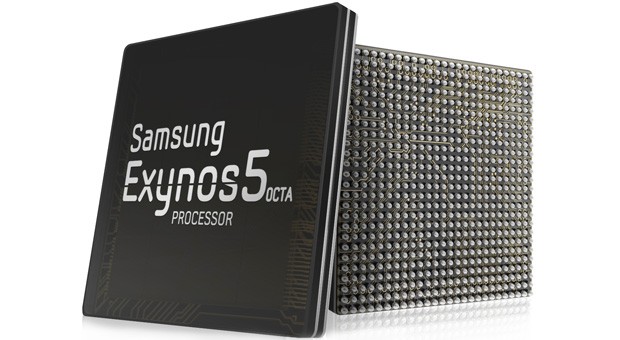
Today, at the International Solid State Circuits Conference (ISSCC), the Korean manufacturer demonstrated the 10nm FinFET semiconductor manufacturing process. It’s the world’s first SoC to come in such a minimal size and is expected to be more powerful and energy efficient than the existing offerings. Meanwhile, the latest processor, Qualcomm Snapdragon 810 is built on a 20nm die size. On the other hand, Samsung’s in-house Exynos 7420, said to be embedded on the upcoming Galaxy S6 and S6 Edge flagship devices, uses a 14nm SoC.
Samsung Electronics Semiconductor President, Kim Ki-nam explained the new manufacturing process as a major step in the evolution of the Internet of Things (IoT). He said that it allows more power efficient chipsets at smaller and smaller sizes. It’s also learnt that Samsung is planning on releasing a memory built on the same 10nm die process.
The company has solidified its steps in the hardware segment and the refurbishment of its in-house operating system Tizen is going in full swing. Samsung has given decent competition to Intel and Qualcomm. Since the Korean firm has just presented the idea, it is not going to come anytime soon (maybe in a year or two).
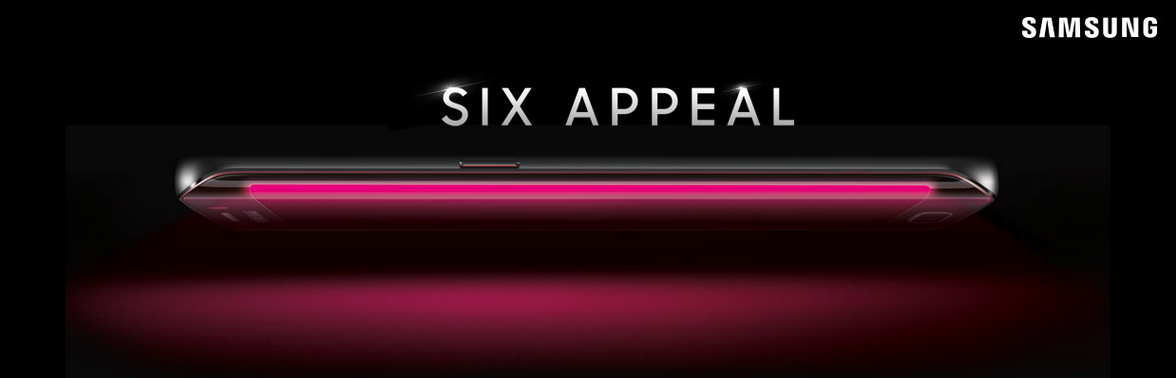
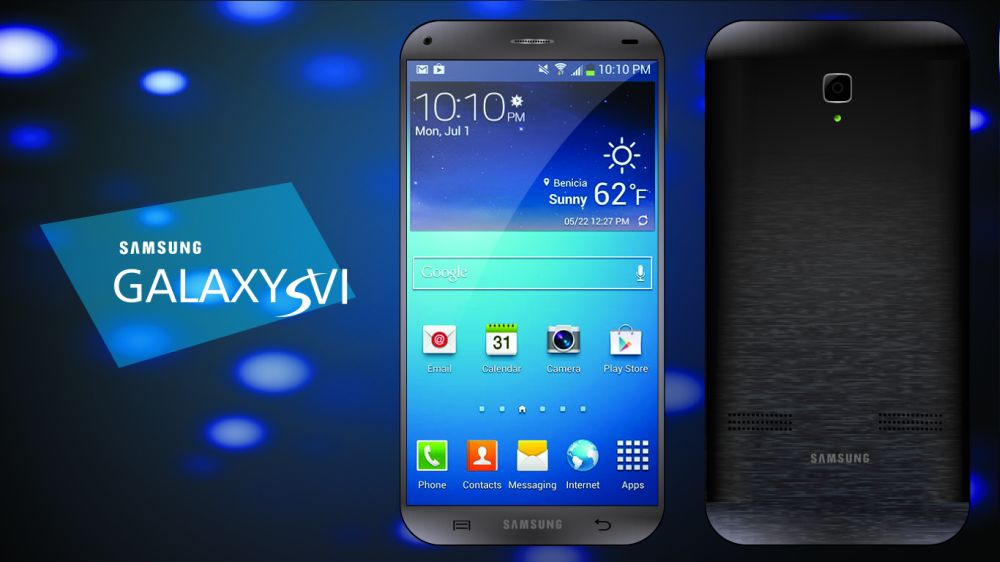
Samsung’s upcoming flagship Galaxy S6 is the next big thing everybody is waiting for. It is scheduled to unveil at Barcelona on March 1 at the Mobile World Conference (MWC) 2015. The global launch is just around the corner and a fresh round of rumours suggest that it will possibly land in India in April.
With global launch date drawing nearer, the Korean firm is expected to make things clearer soon. As per IBN Live, the handset will be up for pre-bookings from March itself and the registrations will open for only a couple of weeks.
Considering the rumours, the Galaxy S6 looks promising and this is what Samsung needs at this moment; a powerful, value for money and an exceptional device. The company is said to have revamped almost everything – from design to software and hardware – it could prove to be a saviour for the drowning electronics producer. With Samsung’s market share following a steep fall in every segment (recently, the tablet segment), Galaxy S6 is its one hope.
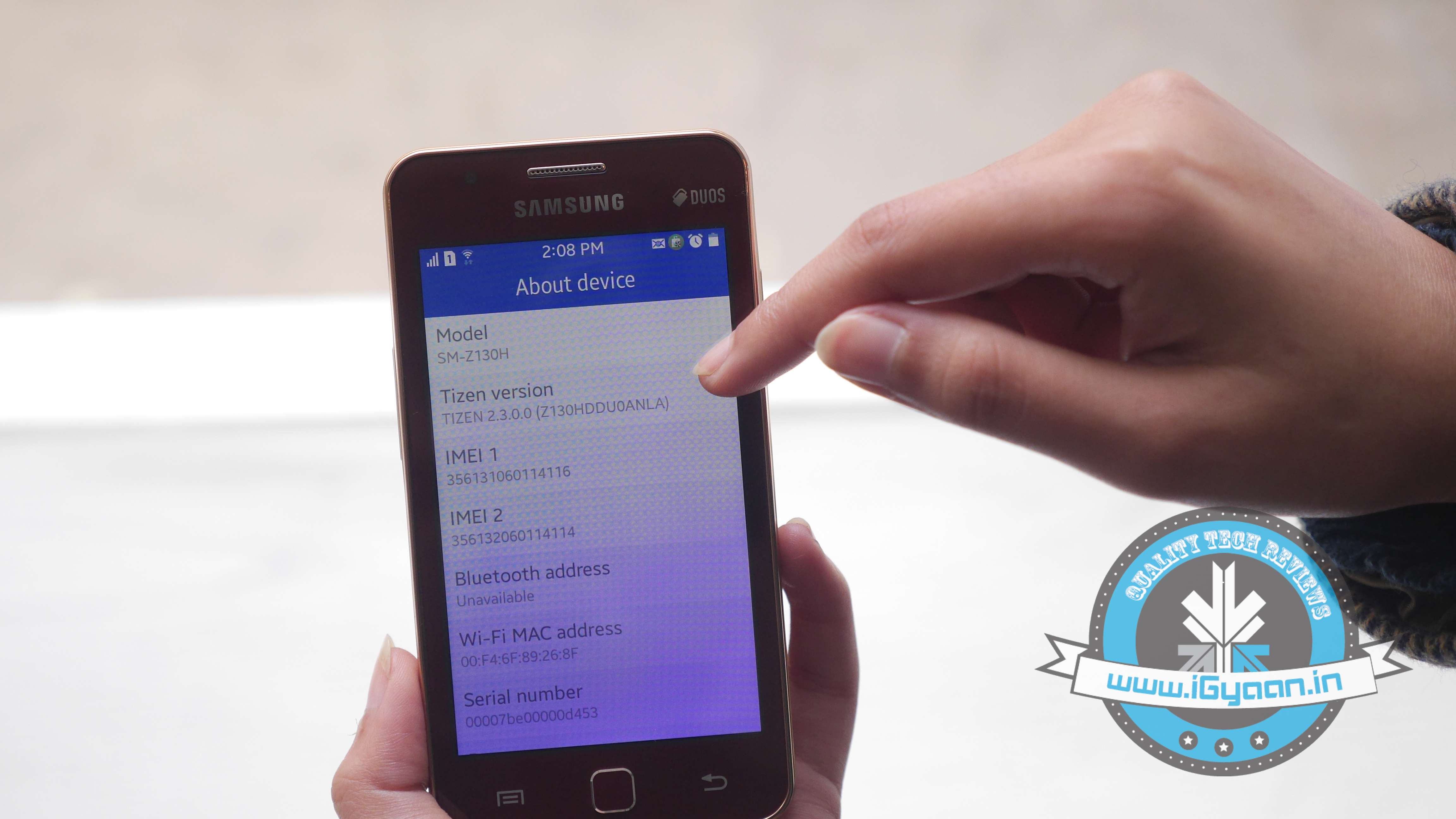
Clad in a plastic body and embedded with Tizen OS, Samsung Z1 was barely unique and failed to find a space for itself in the brutal smartphone marketplace. However, the Korean electronics giant seems to be standing firmly behind its operating system and is reportedly working on expanding its smartphone portfolio running on the Tizen OS.
As per Tizen Indonesia blog post, Samsung is working on the successor of Z1 that would run on the company’s Tizen OS. Rumour mills suggest that the iteration (temporarily titled Z2) would have a slightly higher display resolution of 540x960p which is a qHD display. The presently available Z1 features a 480×800 WVGA display.
Samsung claims most of the major apps are available on Tizen OS
Tizen OS was criticized for being an Android clone. In spite of the unfavorable reviews for Tizen based Z1, Samsung made a marginal profit by selling 100,000 units in India in just one month and sold 20,000 handsets in less than 30 days in Bangladesh. The reason may be the low-price device and the much hyped new operating system from a major company that led people to give it a try.
There are no more speculations about the Z2, but it will surely stand close in specs with the Z1 which has a 4-inch WVGA display, 1.2 GHz dual-core processor, 768 MB RAM, 4 GB inbuilt storage, and 1500 mAh battery. Samsung can probably attract more audience if it adds some unique features instead of just emulating Android. The consumers have embraced new operating systems like the MIUI and Cyanogen for their varied appeal. Being Samsung, the company can afford to take a risk here as it desperately needs a popular device in the affordable segment of smartphones which is currently dominated by Indian and other Asian brands.
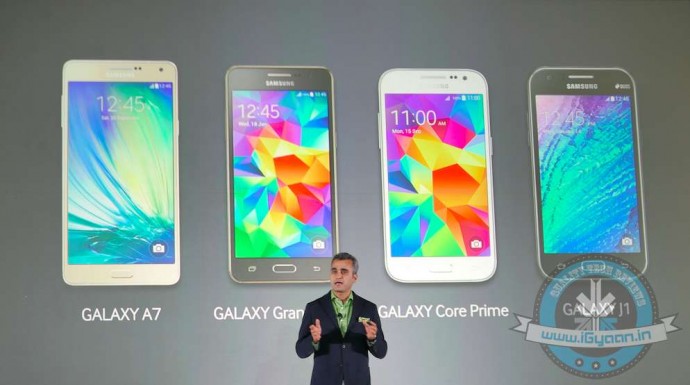
Samsung came out with a plethora of devices at the 2015 Samsung Forum held in Bangkok, Thailand. The newest entrants in the 4G lineup are four handsets – Galaxy J1, Galaxy A7, Galaxy Core Prime and Galaxy Grand Prime. The company looked promising and the India Head of Samsung, Asim Warsi, took to the stage announcing that the firm will focus on bringing out more 4G devices to the market.
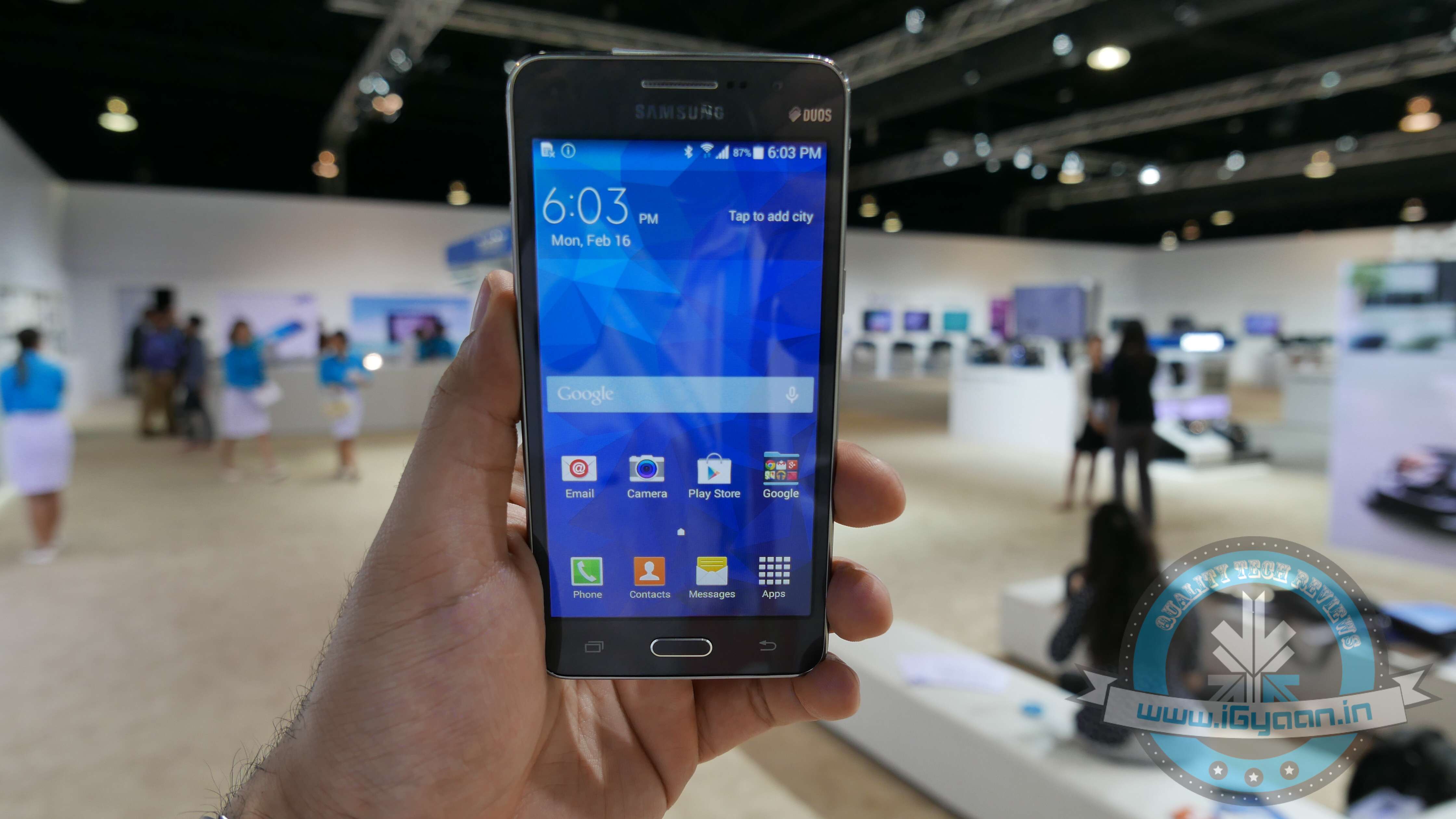
Meanwhile, we got an opportunity to get our hands on one of the devices, Galaxy Grand Prime 4G.
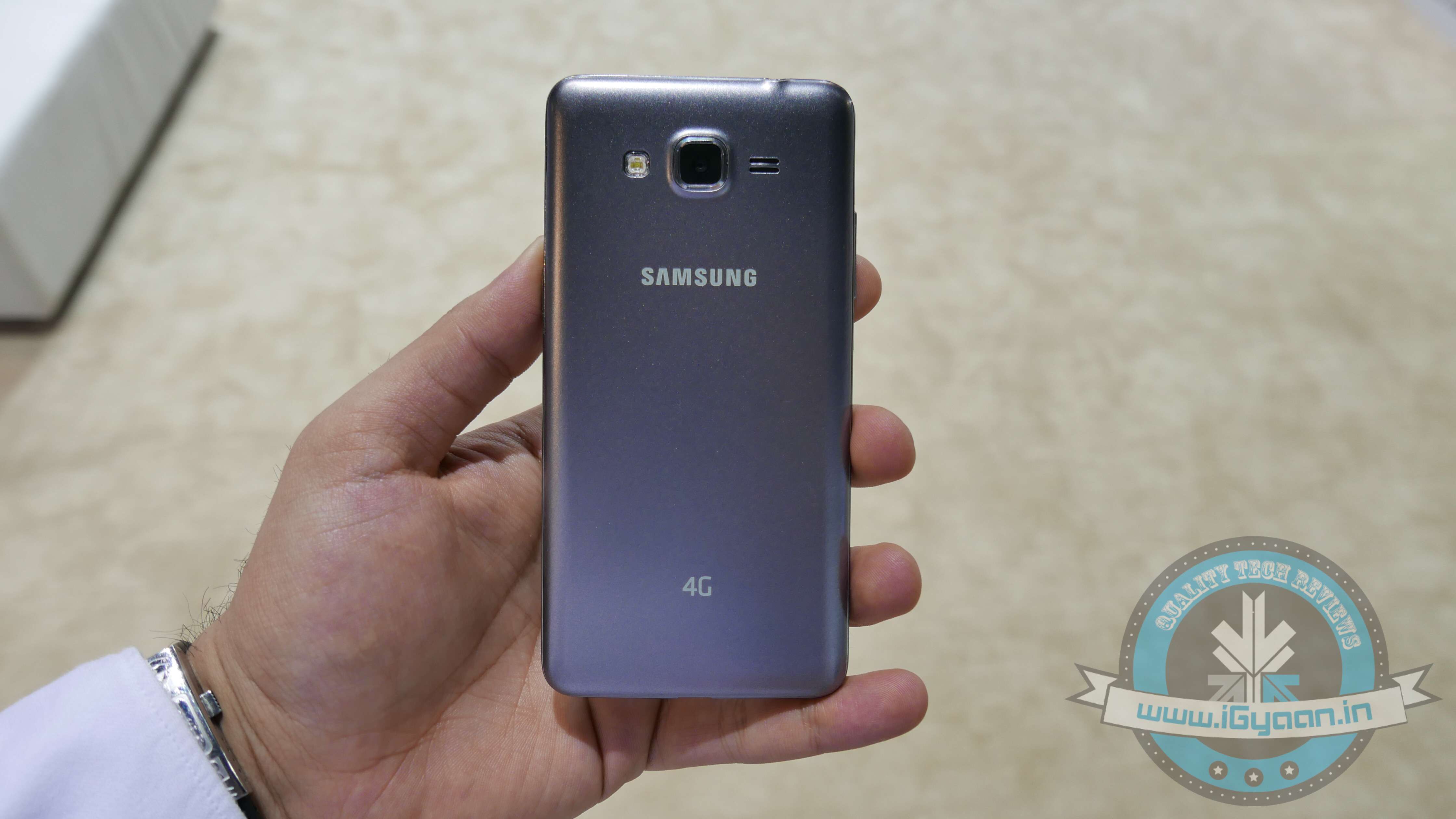
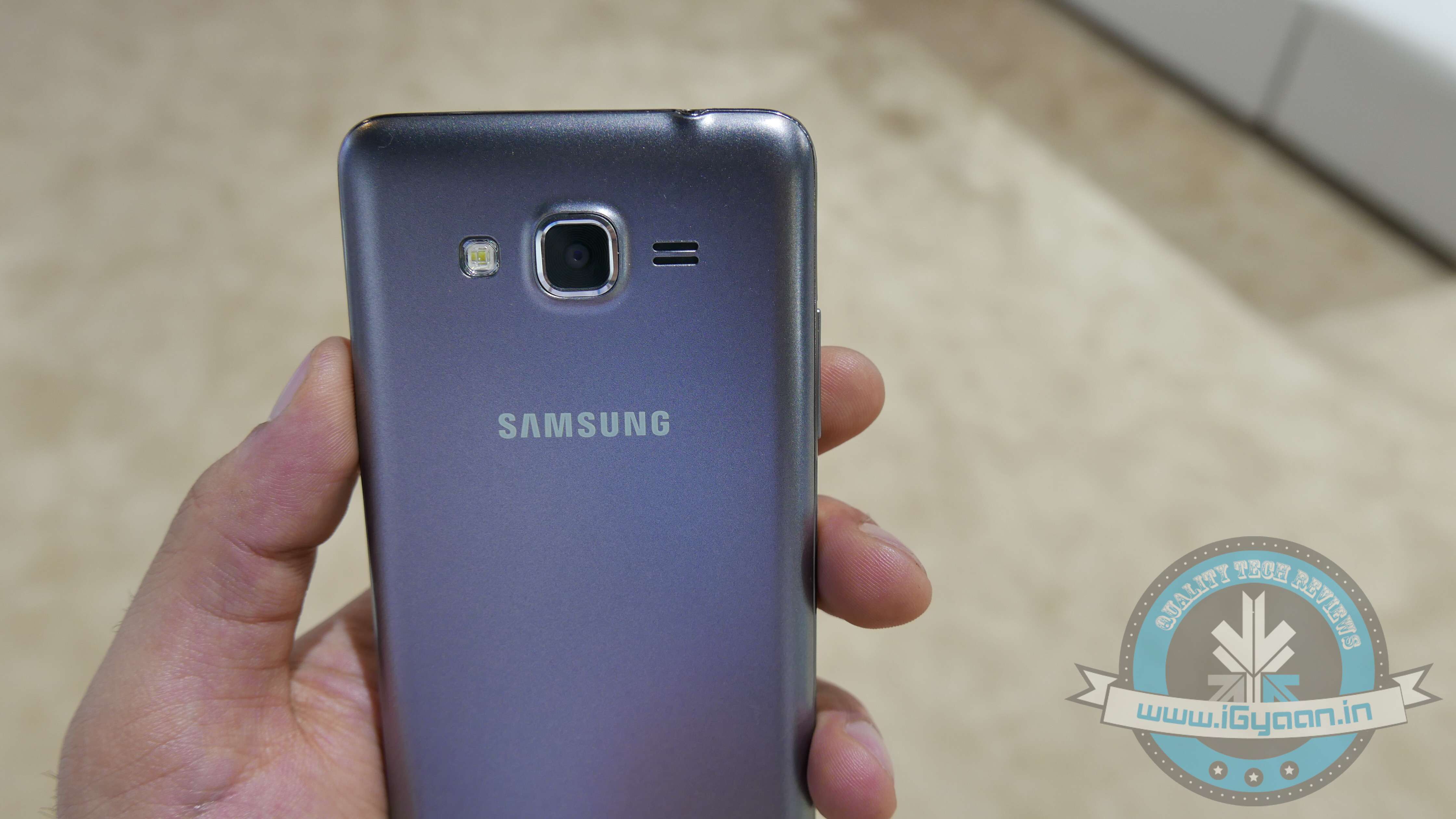
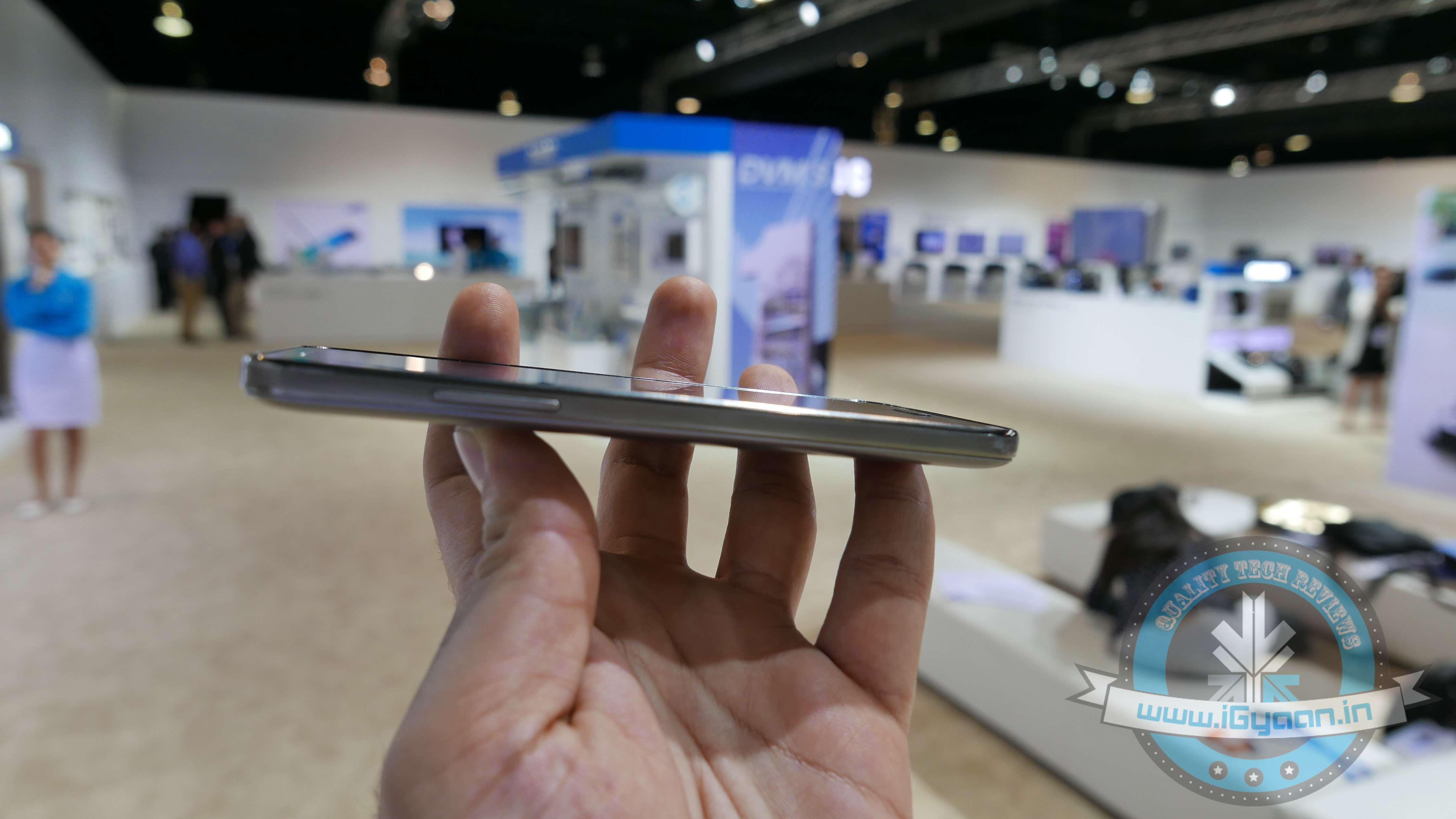
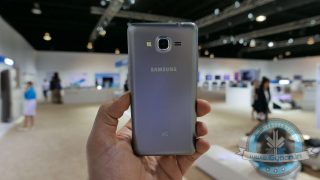
The Galaxy Grand Prime, as earlier said, is a 4G capable device and holds two SIM slots. At a thickness of 8.6mm, it couldn’t be considered slim, and the rounded edges give it more bulky look. With a plastic body, the Grand Prime weighs mere 156 grams. The design of the Galaxy Grand Prime is nothing extraordinary and is akin to the other Samsung models with similar key placement and identical build.
The handset comes in two colour options – white and grey.
Talking about the specifications of Galaxy Grand Prime 4G, then the smartphone boasts a 5-inch qHD TFT (960x540p) display and is equipped with a 1.2GHz quad-core processor. The device runs on Android 4.4 KitKat with TouchWiz UI on top, and there’s yet no notification if the device can be upgraded to Android 5.0 Lollipop. The smartphone sports an internal memory capacity of 8 GB (expandable up to 64 GB) and 1 GB RAM.
The Galaxy Prime Grand features an 8MP snapper at the back with LED flash and speakers. The front sports a good 5MP front camera that sits at the top of the 5-inch screen for clicking selfies. The back of the phone secures a 2,600mAh battery that powers up the device. Connectivity options like Bluetooth, USB 2.0, Wi-Fi Direct, Wi-Fi and NFC.
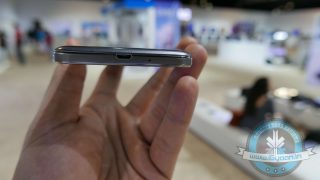
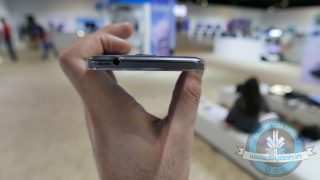
Just like any other handset, the Galaxy Grand Prime holds the volume rocker on the left-hand side and power button on the right. The top of the rim has a 3.5mm audio jack and the bottom comprises of a USB slot for charging the device.
The Samsung Galaxy Grand Prime 4G support TDD-LTE (2300) 4G network used in India. The 3G variants of the smartphone are already available in the market, but this handset will hit Indian stores in March this year. Meanwhile, the company is tight-lipped about its price but is anticipated to be priced slightly higher than the J1, around Rs. 15,000.
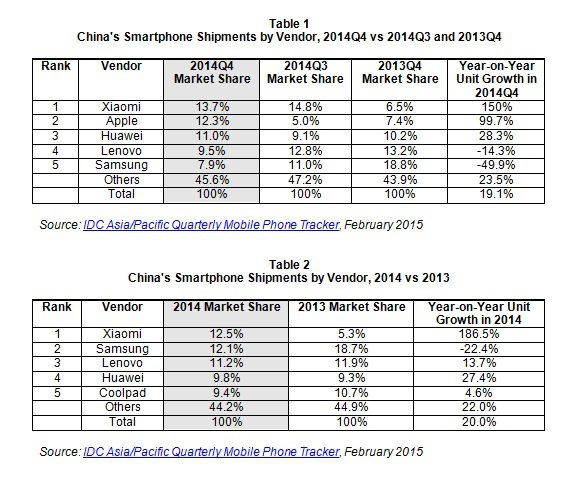
Samsung was leading the race of the biggest smartphone vendor race in China. But it was before Xiaomi stepped into the battle ground. The five-year-old Chinese smartphone producer has now dethroned Samsung from the top spot and has become the leader of China’s smartphone market, as per a report by research firm IDC.
According to the firm, Xiaomi showed a splendid 150 percent year-on-year unit growth in the fourth quarter of 2014, which was followed by Apple at 99.7 percent. Samsung was at the fifth place with a declined smartphone shipment numbers at -49.9 percent after Huawei and Lenovo.
The news in not at all astonishing as IDC and Strategy Analytics dubbed Xiaomi as the biggest smartphone vendor of China in the third quarter last year in August. They also confirmed that Xiaomi is the third-largest smartphone vendor in the world.
A total of 420.7 million smartphones were shipped to China in 2014. The IDC’s analysts say that Xiaomi has gained success due to the flash sale strategy and low prices.
Samsung is going through a rough patch since the past few months. After losing the world’s leading smartphone vendor position from Apple, its situation became more critical after Indian-grown Micromax snatched another accolade from the South Korean electronics producer. Samsung continues to launch more phones with low specs and high prices, which are failing dramatically to impress the potential customers.
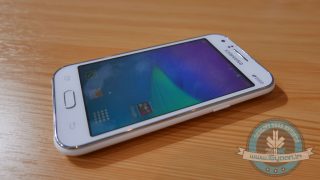
Yesterday, Samsung at their annual Forum announced that they will be focusing more on releasing 4G smartphones for the Indian market. Keeping in line with their word, they went forward to announce four 4G devices. The Samsung Galaxy J1, is one of the devices. It was also the cheapest handset announced by the company yesterday.
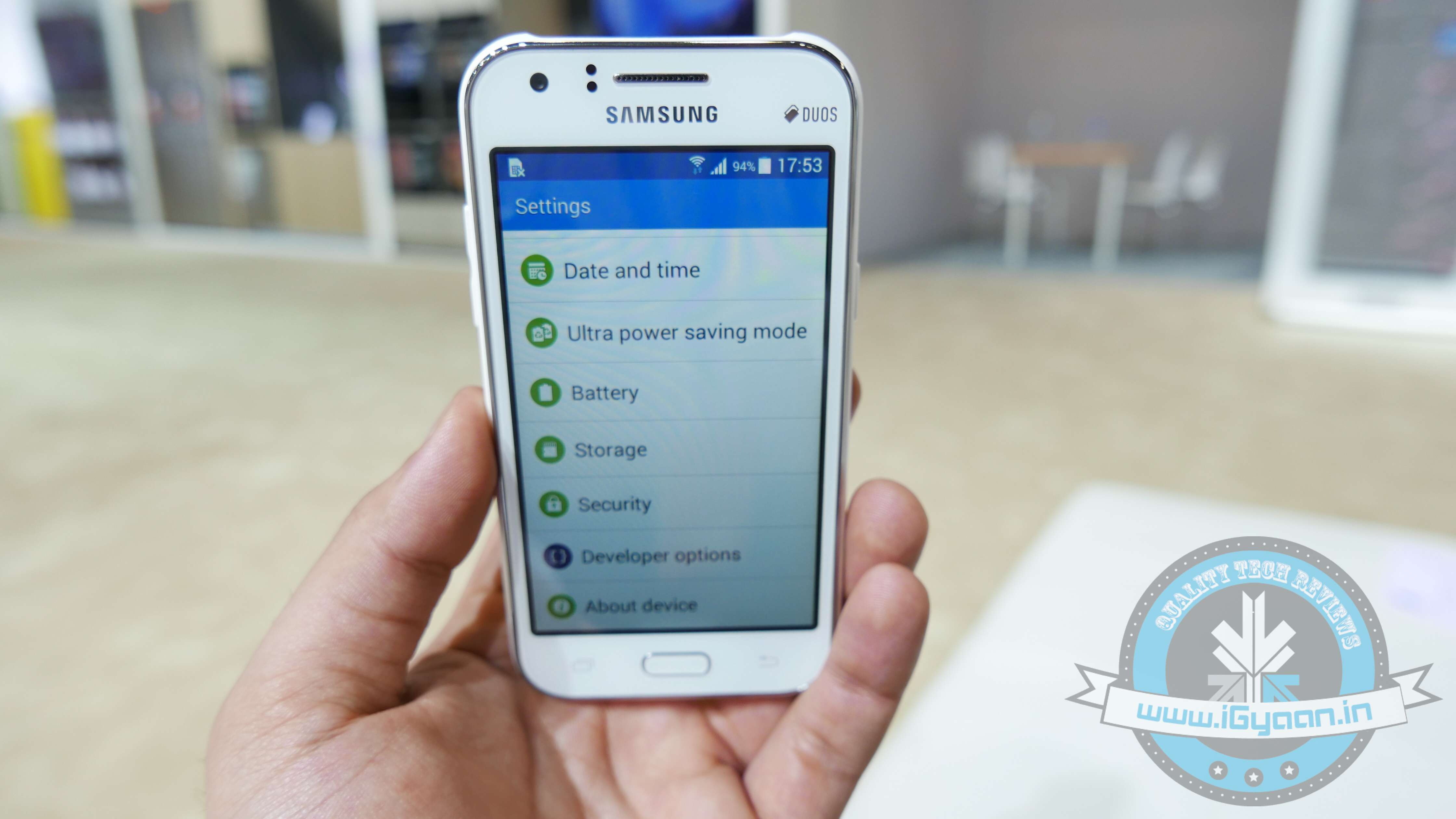
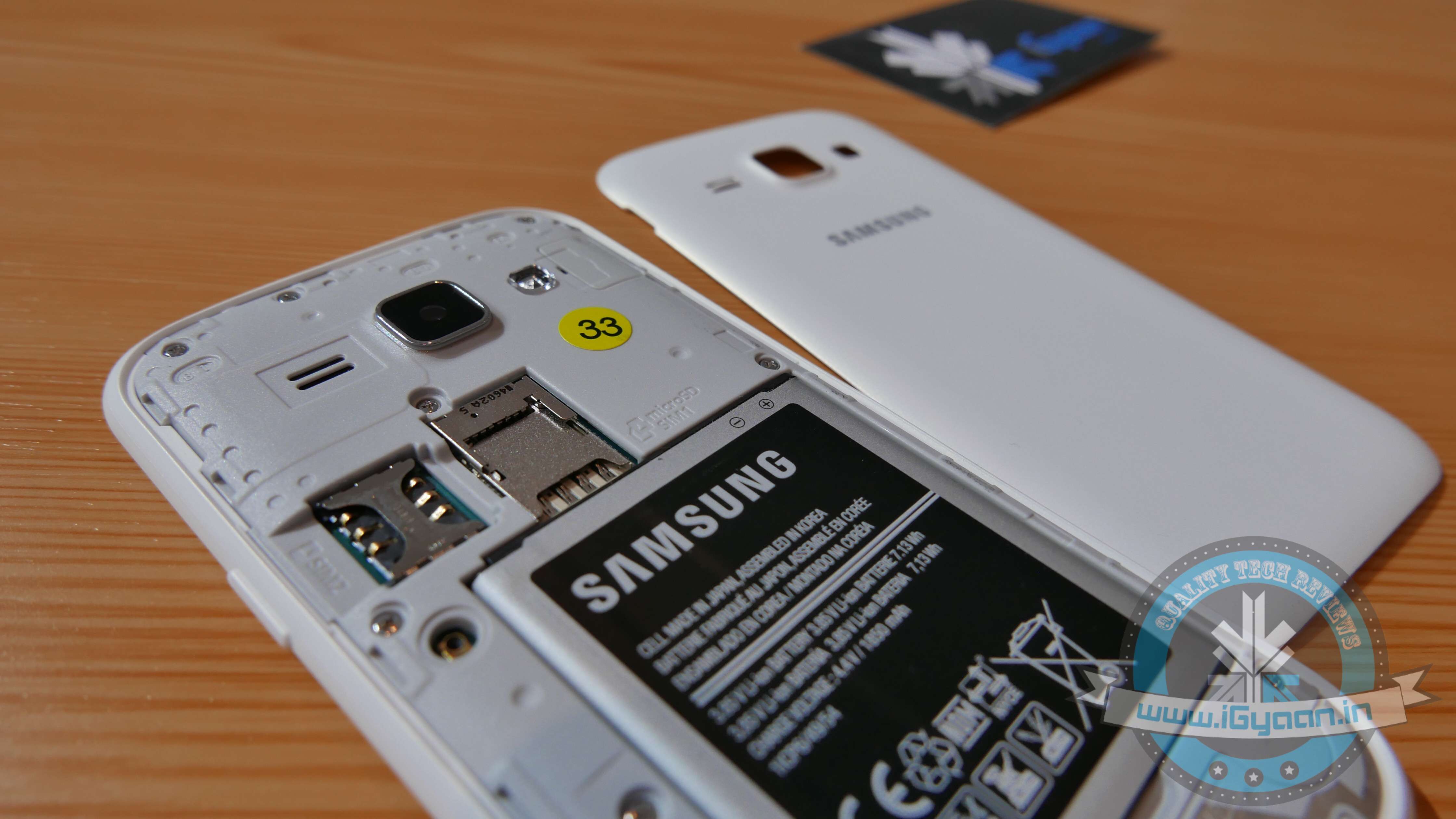
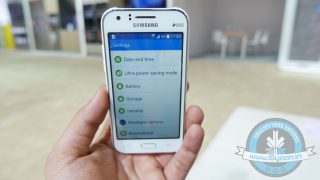
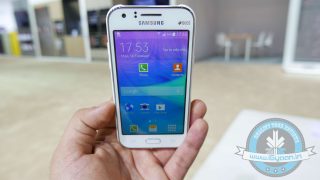
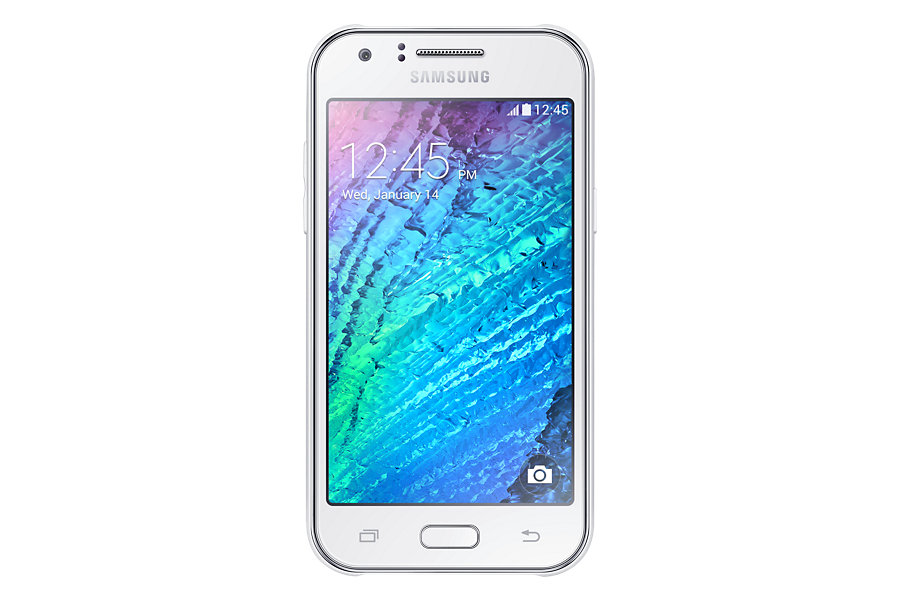
The Galaxy J1 sports a 4.3-inch WVGA TFT display with 480×800 pixel density. It is equipped with 1.2GHz quad core processor and runs on Android 4.4 KitKat. It has an inbuilt memory of 768 MB RAM and 4 GB internal memory, which can be upgraded up to 128 GB via microSD slot.
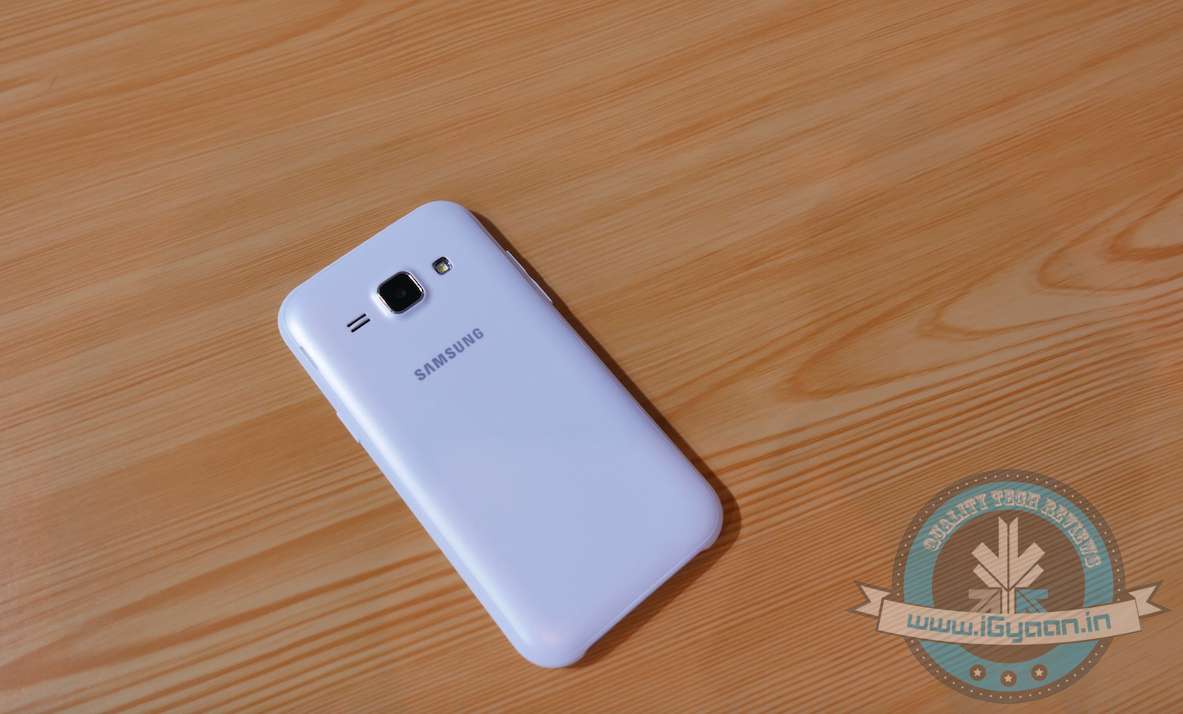
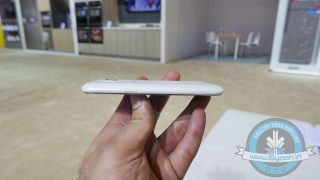
Samsung has gone for a curvier look with the J1. The design is typical Samsung-style – touch capacitive buttons at the bottom, centre oval shaped home button and the logo placement is kept the same as every other model by the company.
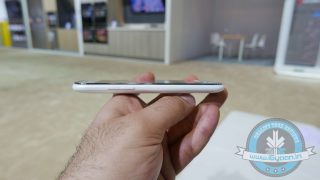
The look and feel of the device is good, however it is slightly on the bulky side, especially when compared to the rest of the sleek devices recently launched by Samsung.
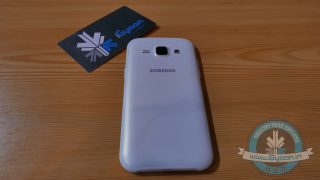
The Galaxy J1 features a 5MP rear shooter with Flash along with 2 MP front camera; the company should’ve considered going for a higher resolution cameras.
The Dual SIM handset gets powered up by a 1,850mAh battery. The device is available in blue, black and white colour variants. The model will come at Rs. 9,900 and will be available in India from the second week of March 2015.
The specifications are mediocre for the amount the company has priced the device. There are several devices in the sub-Rs. 10,000 segment, which offer way better specs, some even at lower prices.
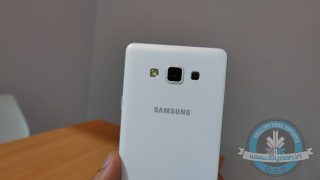
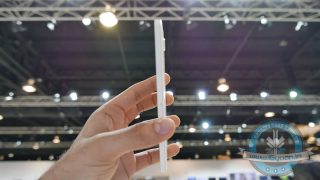
Yesterday, Samsung Forum 2015 kicked off in Bangkok Thailand, and the company took the opportunity to announce a couple of devices. One of them was the new Galaxy A7, the slimmest Galaxy smartphone yet, measuring only 6.3 mm. They claimed that the phone has been packaged with premium hardware for a superior social experience. We decided to check the smartphone out for ourselves. Here are our first impressions:
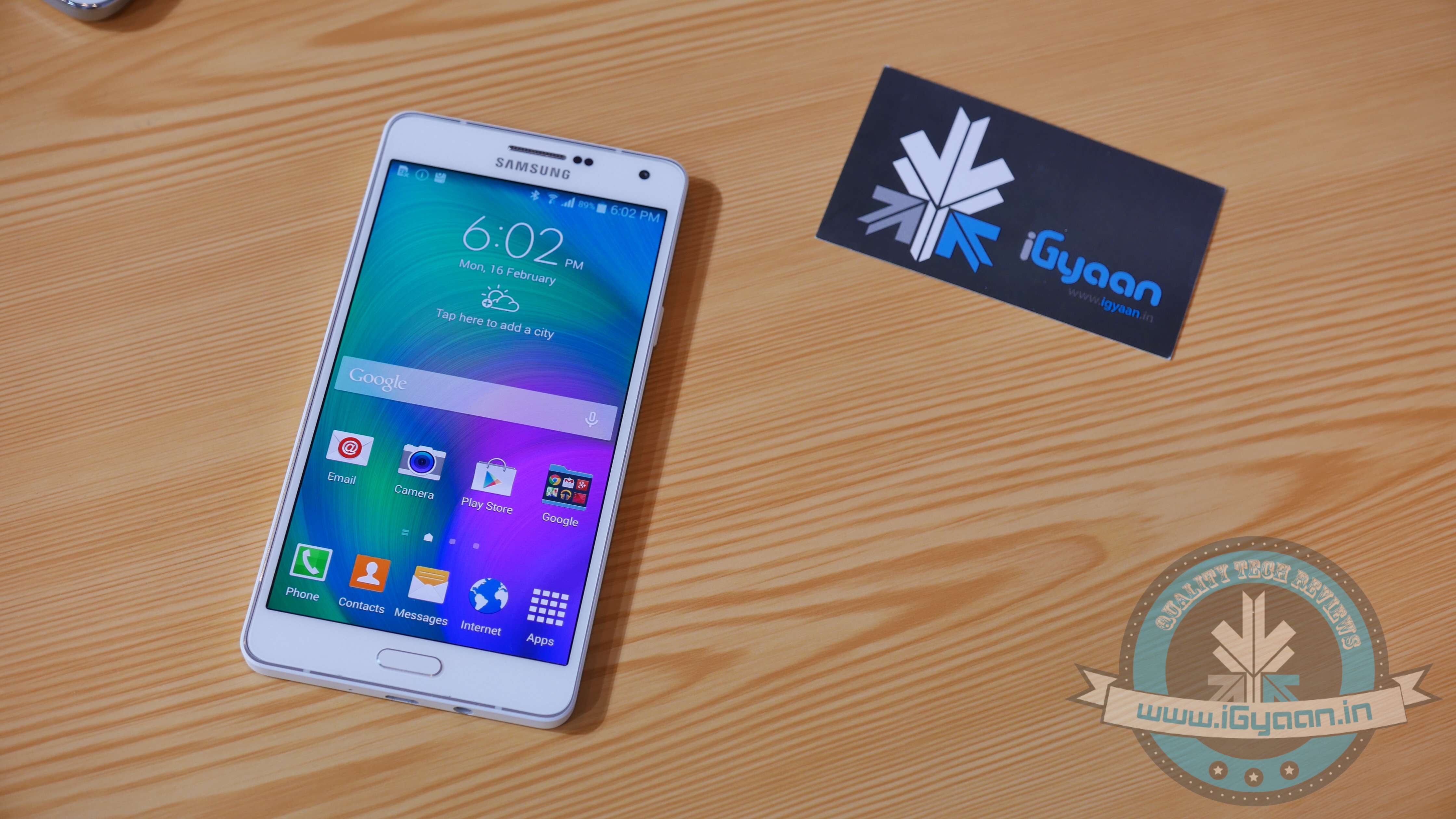
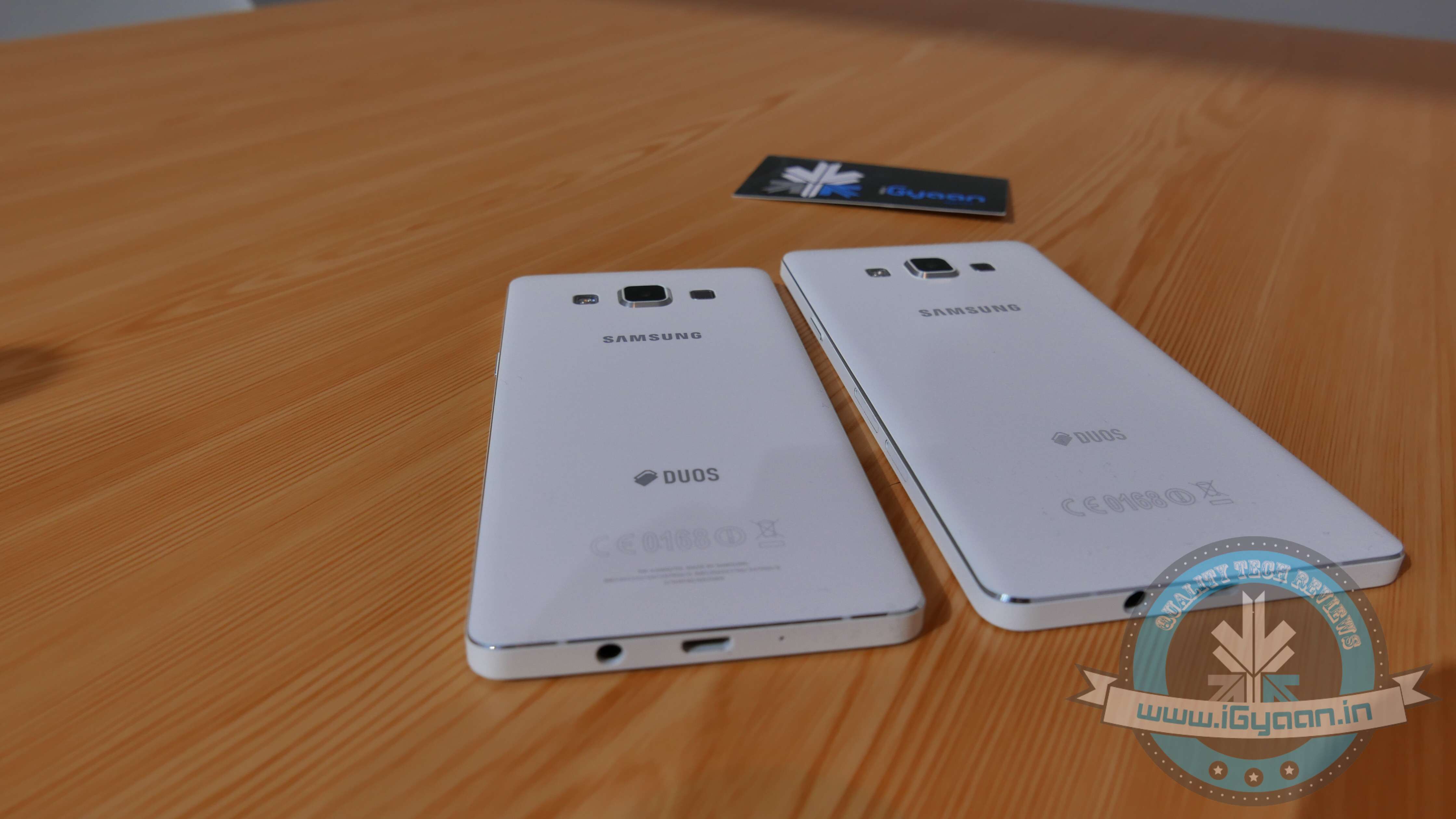
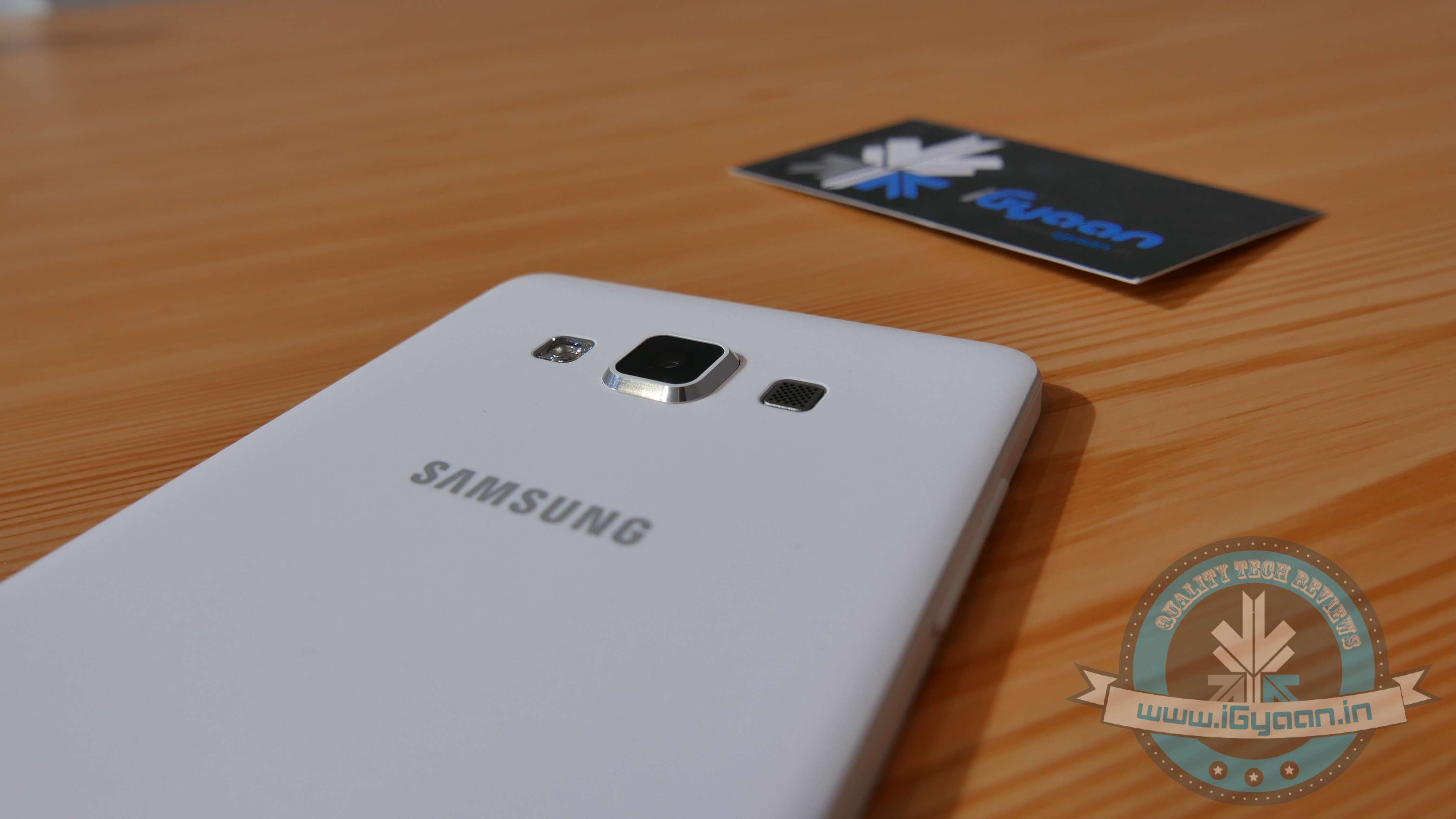
Galaxy A7 vies to expand the services provided by Galaxy A5 and A3. The A7 is exactly like the big brother of the A5. Except that they’ve upped the notch on specifications, the look and feel of the two devices is exactly the same. The use of metal gives this device an extremely premium feel. The device will be appreciated for its classy design.
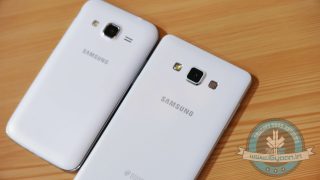
The Galaxy A5 and the A7, size comparison.
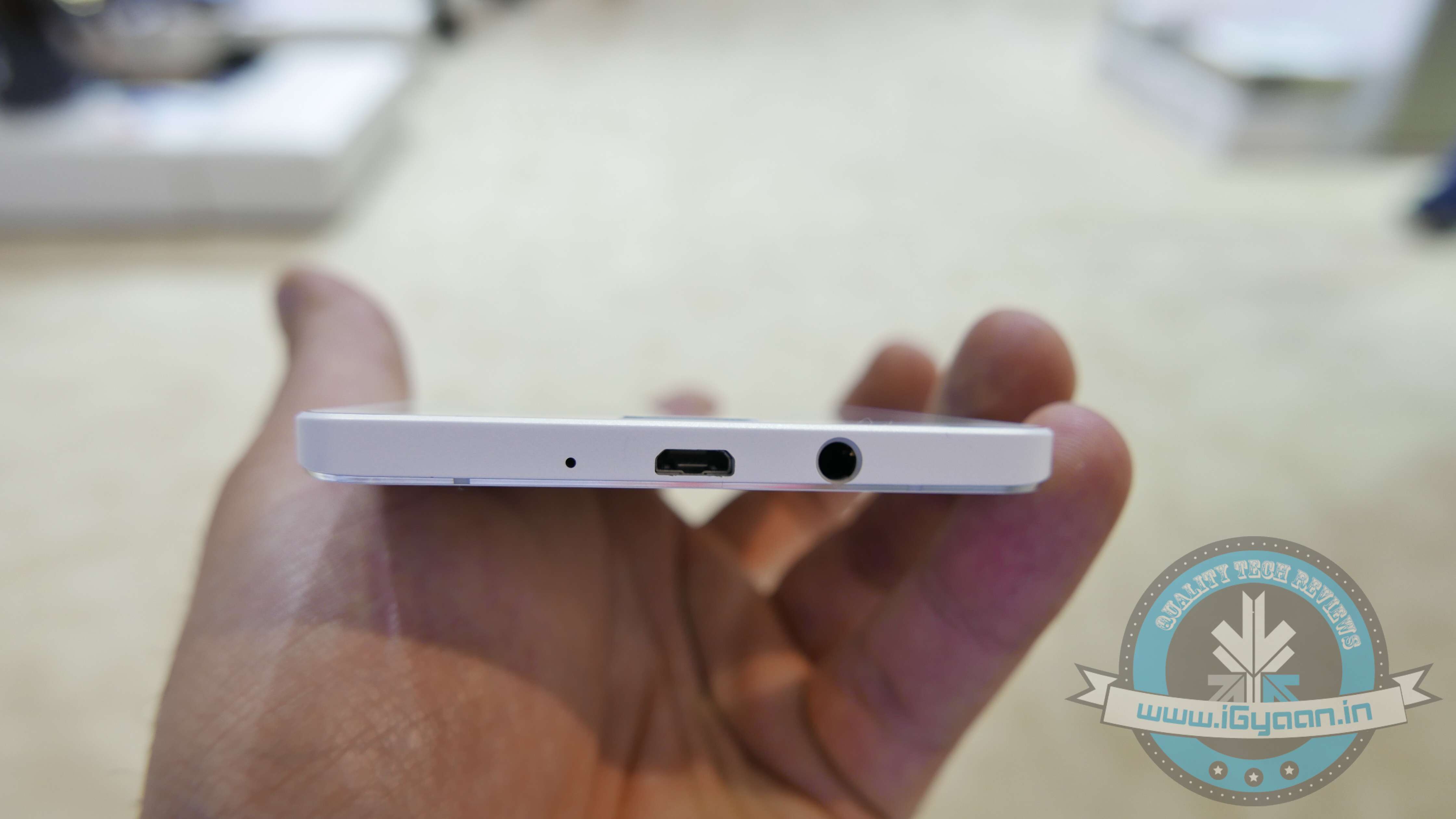
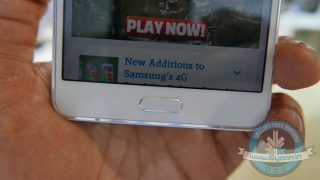
On the front bottom, below the screen of the device, there are the touch capacitive buttons, and in the centre is the Samsung’s typical oval style Home Button. At the bottom we have the main USB slot/Data synching port and 3.5 mm jack.
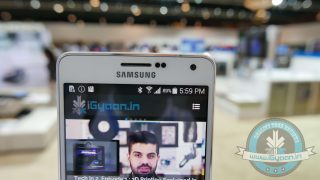
The metal handset is equipped with a 5.5 inch, Full HD Super AMOLED display, which is a step ahead of the A5. This one delivers an excellent viewing experience. With the bigger screen and good display, watching videos and browsing the internet was a breeze.
The company has also added Adaptive Display Technology which intelligently optimizes the screen brightness and the color saturation.
Coming to the camera of the device, it is equipped with a 13 MP primary camera and a 5 MP front camera, along with Advanced Selfie features like Ultra Wide Shot, GIF shooting modes and Auto Selfie modes (Palm and Voice Selfie.) We checked out the camera, and it served the purpose well.
It runs on Android 4.4 KitKat and comes packed with 2GB of RAM. It is powered by a Qualcomm Snapdragon Octa-core processor which allows users to easily perform data intensive tasks. On the first go, the UI seemed really fast and responsive.
All in all, with its nice accents of metal, the big brother of A5 is a good addition to Samsung’s portfolio. Priced at Rs. 30,499, it may appear to be expensive but is unique in its own way!
SPECS
Samsung Galaxy A7
Operating System
Android OS, v4.4.x (KitKat)
Screen Size
5.5 inch
1080×1920 pixels
RAM
2 GB
Battery
2600 mAh
Processor
Qualcomm MSM8939 Snapdragon 615
CPU
Quad-core 1.7 GHz
Internal Storage
16 GB
Expandable Up to
64 GB
Front camera
5 MP
Rear Camera
13 MP
Price
Rs. 30,499
The handset is available online at the company’s official India e-Store in black, white and gold colors.
Today, at the Samsung forum 2015, held in Bangkok, Thailand India Head Asim Warsi announced that Samsung is now focusing on releasing 4G-friendly smartphones. He also mentioned 4G internet in India is expected at the same price bands as of 3G today.
Keeping in line with its promise, Samsung introduced three 4G enabled smartphones; swelling the spectrum to nine 4G devices in total. Apart from Galaxy J1 4G and Galaxy A7 announced earlier today, the company added Galaxy Grand Prime 4G and Galaxy Core Prime 4G in its 4G smartphone portfolio. Both the handsets encompass a comparatively larger screen and pack a decent set of specs.
The Galaxy Grand Prime 4G boasts a 5-inch TFT (960x540p) display and is infused with 1.2GHz quad-core processor. The device runs on Android 4.4 KitKat and is dual SIM. Holding an 8 GB ROM and 1 GB RAM, the memory of the Galaxy Grand Prime 4G is expandable up to 64 GB. It comes with a 8MP rear camera and 5MP front snapper. With 2,600mAh battery, the Galaxy Grand Prime 4G has connectivity options like Bluetooth, USB 2.0, Wi-Fi Direct, Wi-Fi and NFC.
On the other hand, the Galaxy Core Prime 4G features a 4.5-inch WVGA TFT (480x800p) screen. The gadget is powered by 1.2GHz quad-core processor paired with 1 GB RAM. Running on Android 4.4 KitKat, the device has 8 GB internal memory which can be expanded up to 64 GB. The camera is restricted to 5MP rear and 2MP front. The dual-SIM handset gets its juice from the 2,000mAh battery.
The company hasn’t given a word about the price of both the devices, and how they are planning to retail them.
At its 2015 Forum in Thailand, the South Korean electronics giant, Samsung, is carefully and slowly taking the veil off its latest innovations. After introducing the Galaxy J1 for Rs. 9,900, the company has now showcased a tablet primarily manufactured for business-oriented customers. The Galaxy Tab Active is designed to boost business productivity.
The Senior Vice President, Enterprise Business, Samsung India Electronics, Mr. Anuj Jain commented about the gadget saying –
Samsung’s latest innovation, Galaxy Tab Active is the first tablet built for enterprise use. The device has been created basis the valuable feedback from top companies across industry verticals and Samsung’s own market insights. Galaxy Tab Active features business enhancing functionality and powerful technological capabilities allowing professionals to work without limitations in and out of the office.
The Galaxy Tab Active is 9.75mm thick and sports a sufficient 8-inch LCD screen. It is infused with 1.2GHz quad-core processor with 1.5 GB RAM, which is powerful enough to carry out routine tasks. The tablet is supported by Samsung KNOX for comprehensive mobile security. The security feature keeps the data safe without the need for a third-party platform and gives the freedom to customize the device with personal apps.
The tablet features a 3.1 MP rear snapper with Auto Focus and LED Flash, and a tough 4,450mAh battery, which can go for 10 hours on a single charge. Connectivity options include Micro USB 2.0, NFC and AllShare Cast. The company has added a built-in C-Pen, a stylus for easy access and note-talking.
There is no detail about the price and availability of the tablet. Keep checking our website for more updates.
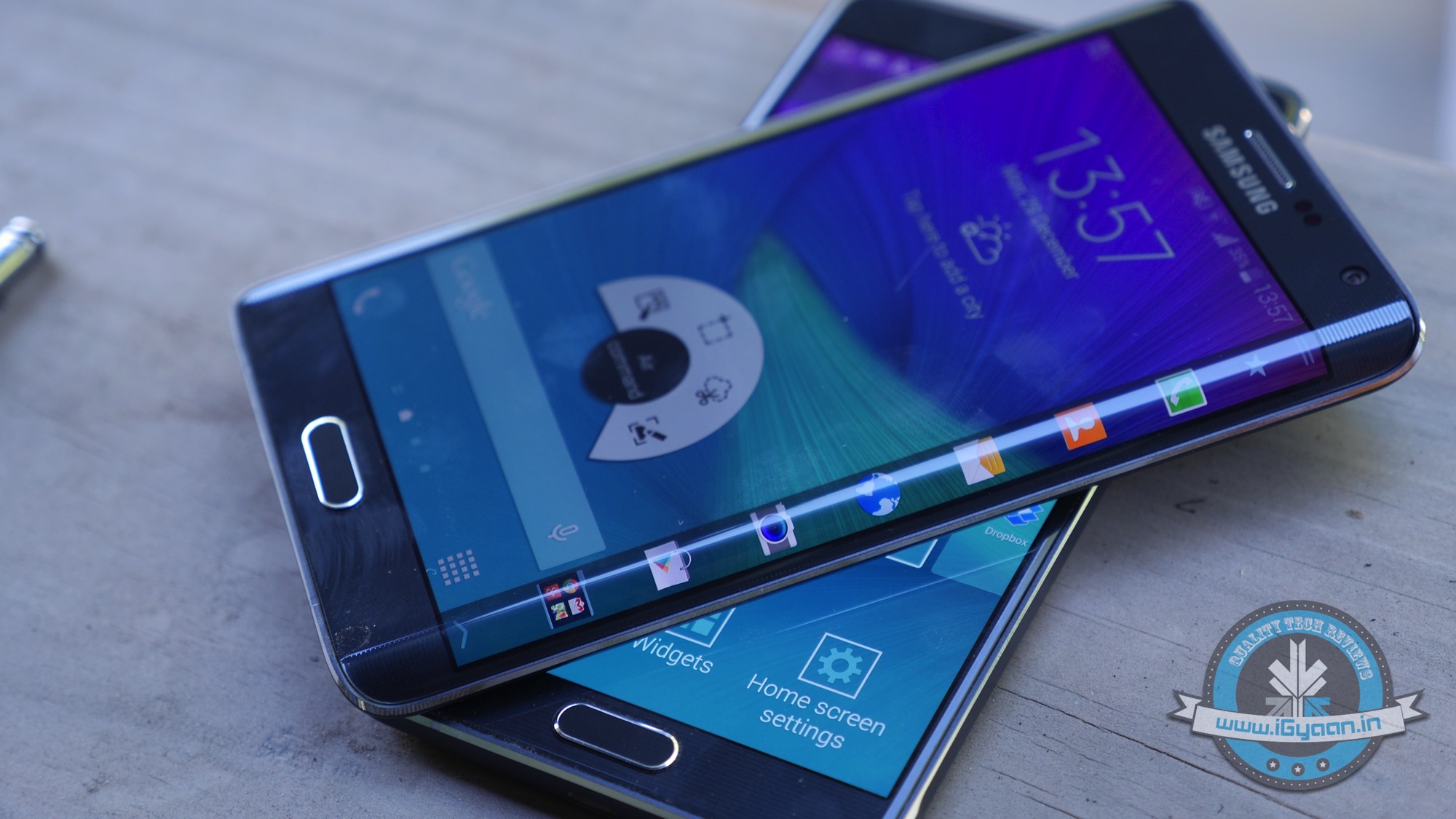
Samsung in the recent past has been unanimously berated for the dull design elements of its smartphones. The company responded to complaints by introducing a new line of metal frame based designs that began with the Galaxy Alpha and the Note 4. Samsung also brought an innovative device called the Galaxy Edge with a secondary display on the right side of the main display. Now Bloomberg is reporting that Samsung might be working on a device with three displays.
According to the report the Korean company is expected to release two top tier smartphones soon, one of which most probably is the Galaxy S6. The second device is expected to have a display on three sides. Both these devices will have all-metal bodies as reported by many rumor reports and will be powered by Samsung’s most powerful Exynos chipset.
The devices are being developed under Samsung’s “Project Zero” initiative that intends to recreate the Galaxy S6 from ground up. With these new launches, Samsung would try to take on its biggest adversary, Apple, which is a market leader in terms of designs. Apple’s designs have “inspired” multiple clones in the Android market.
The new device sounds interesting, but we would have to wait and see if it’s an innovative new display or just two-sided edge screen, which could be pretty impractical. Samsung also needs to bring a major design upgrade to its products in the lower segment of the market. Other phone brands are fast capturing Samsung’s share in this segment, and the company needs to buck up its efforts in this arena.
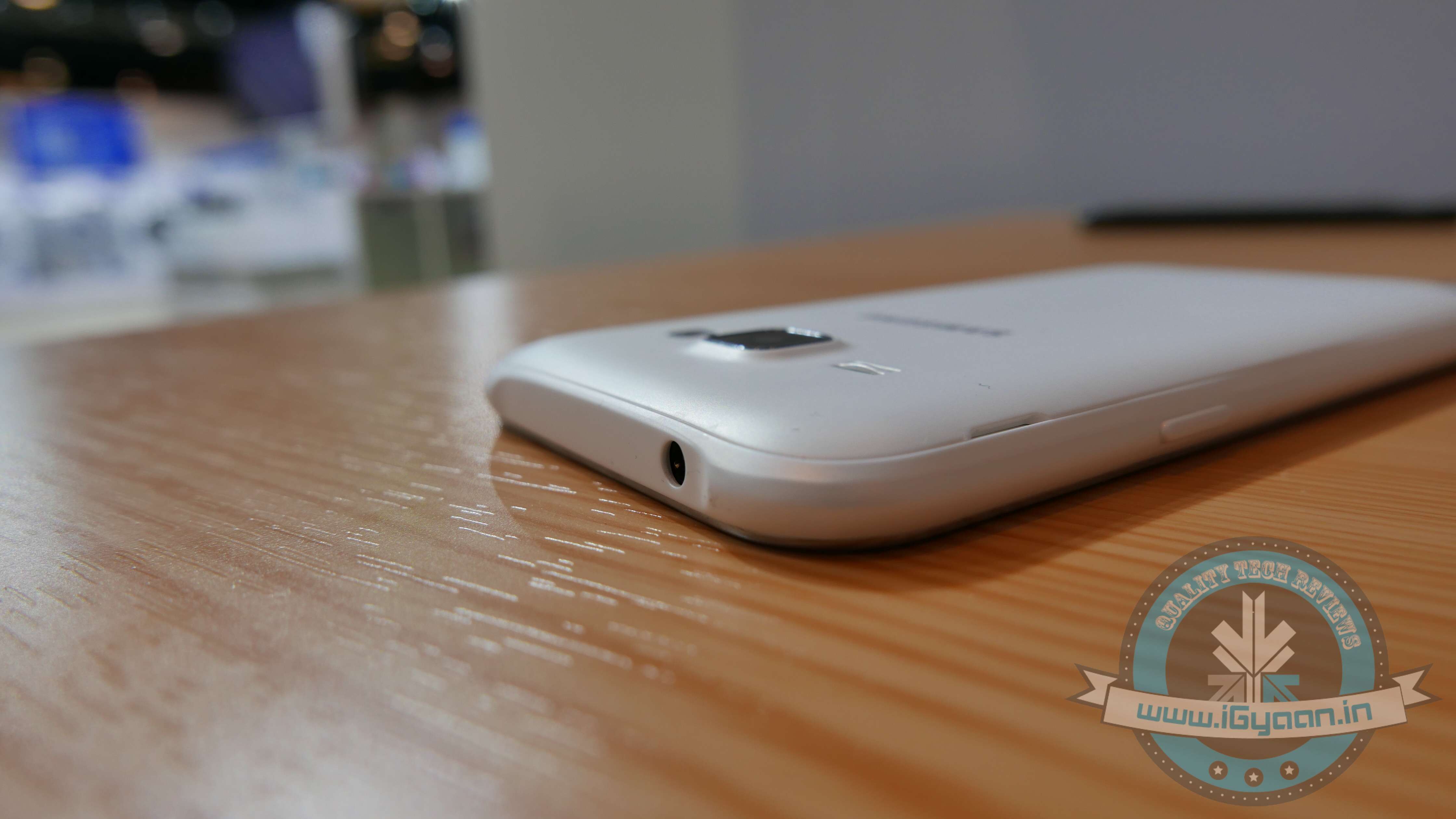
Not long ago Samsung launched the Tizen-based Z1 in India, which failed to impress the Indian customers. Now, the South Korean manufacturer is giving another shot to influence the budget segment and is set to launch Galaxy J1 in India. The device will debut tomorrow, i.e. 11th February, and will cost Rs. 7,199.
Getting to the specifications of the handset, the Galaxy J1 sports a 4.3-inch WVGA (800×480) display. It packs a 1.2GHz dual-core Cortex A7 CPU and a Mali-400 GPU paired with 512 MB RAM. The handset features 4 GB of internal space which is expandable. The Galaxy J1 will run on Android 4.4 KitKat.
The phone encompasses a 5MP primary camera and 2MP secondary shooter at the top. The device gets its juice from the 1,580mAh battery and the connectivity options include Wi-Fi and Bluetooth. The dual-SIM phone will come bundled some exciting offers, as informed by Amazon India.
The phone is not exceptional, and at this price point, Xiaomi and Asus are offering much better specifications. Samsung has to throw some free deal to lure more audience and stay in the competition.
Today began with a news that could have been the cause of jubilation at Micromax’s office but would bring gloom to Samsung’s. Research firm Canalys had reported that Samsung was pushed off from the top spot by Micromax in the fourth quarter of 2014. But Samsung has now hit back at the report quoting data from market research organisation Gfk group.
Samsung has said that according to the Gfk data, its volume market share in the October-December 2014 quarter was 34.3% whereas the value market share was 35.8%.
[quote text_size=”small” author=”Asim Warsi” author_title=”Vice President, Marketing, Mobile business, Samsung India Electronics Pvt. Ltd.”]
In the entire year 2014, we continued to lead the market with innovative and exciting offerings. Our volume market share in the smartphone market in the year was 35.7%, which is more than double than that of the next player, while our value share was 40.2%, which is more than four times the next player. The GfK data is based on actual retail sales in 50,000-plus population cities.
[/quote]
But all of this doesn’t depart from the fact that the company has been losing ground to brands that are offering a lot more features to the consumers. Samsung has to find a silver bullet to return back to the prominent spot it used to at during the start of the smartphone race.
Samsung wants its next flagship Galaxy S6 to overtake all existing records and attain the top spot among the users. The South Korean firm is taking every possible measure to ensure this and according to a Korean media report, the company is geared to launch a new payment system, Samsung Pay, with the Galaxy S6.
The Korean Times stated –
Samsung Electronics’ new smartphone Galaxy S6, set to make its debut at the Mobile World Congress (MWC) in Barcelona in Spain next month, will look a lot like Apple’s iPhone 6, sources said Monday
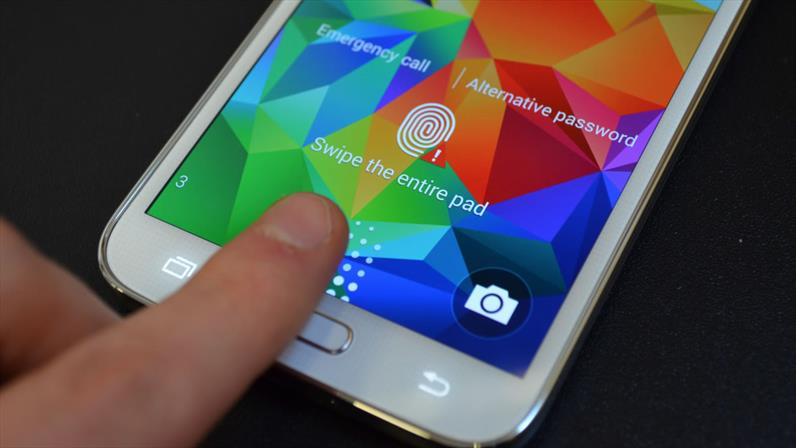
As per the report, the producer has already partnered with VISA as one of the payment partners in the system. The Samsung Payment System will be based on LoopPay technology. Through the new fingerprint sensor embedded on Galaxy S6, users can pay by just touching LoopPay-enabled cards. The rumour going around is that the device will sport a non-swipe fingerprint sensor that requires you to place your finger and hold it for a minute like the iPhone.
Meanwhile, talks have surfaced that LoopPay is working on cases for Galaxy S5 and Galaxy Note 4. These cases would be touch-enabled and will allow making payments through phones like the upcoming Galaxy S6. As of now, there is no information about Samsung Pay coming to Note Edge, but we expect the company will extend support to this device as well.
There are a lot of speculations about the forthcoming flagship by Samsung; as many wait anxiously for its upcoming launch at the MWC. Samsung has used many tactics to market this phone, but only time will tell whether it will live up to its expectation.