Visits to the dentist are usually cumbersome and expensive, but the latest development from a team of engineers, dentists and biologists from the University of Pennsylvania have designed a crew of microrobots that can be deployed and controlled to remove the buildup of plaque between the teeth and gums. That is right, scraping and scratching with mechanical tools is not the only methods via which dental clean-ups can be performed.
The scientists have developed two different types of robotic systems for entirely varied purposes. One of them works on open surfaces, whereas the other system is designed specifically to operate inside closed spaces. The researchers showcased the microrobots’ ability to destroy biofilms and sticky deposits of bacteria. Plus, the scientists state that the same technology can be implemented in cleaning dirty water pipes and other inaccessible areas which are prone to bacterial deposits.
About The Research Process
The research was led by Hyun (Michel) Koo of the School of Dental Medicine and Edward Steager of the School of Engineering and Applied Science. As per their statements, multiple biomedical fields face the issue of microbial deposits in inaccessible places. And this problem gets enhanced when the action has to be taken on human teeth, simply because it requires more precision and manual labour at the same time.
Biofilms are extremely difficult to remove from a surface, owing to their chemical composition. Previously, multiple attempts have been made to devise chemicals that can remove such deposits with relative ease, but in vain. The sticky matrix holding the bacteria against the surface provides protection from antimicrobial agents. The microrobots designed by the researchers, however, break down the biofilm matrix by working catalytically on the material with the help of iron-oxide-containing nanoparticles. The particles then activate hydrogen peroxide to release free radicals that can destroy bacterial biofilms.
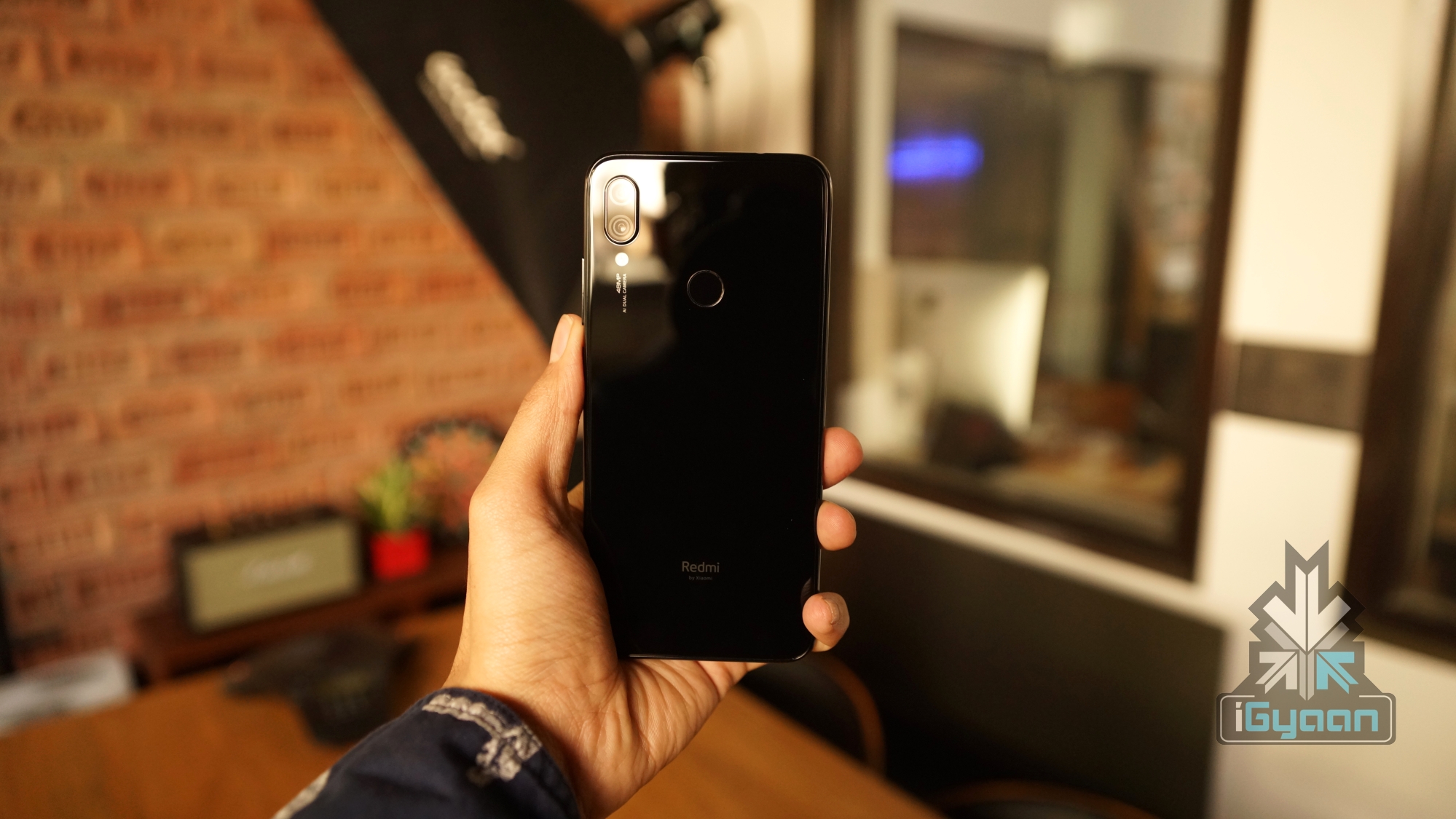
When Fortnite was first released in 2018, the game had support for only a select number of devices, which included Samsung flagships like the Note 9 and the Galaxy S9. The game is free to play, and it earlier required the user to receive an invite, without which they could not play the game. Previously, Realme CEO showed off the game running on the Realme 3 Pro, which was released on April 29, 2019. The post was a jab on the Redmi Note 7 Pro, which was barely hidden in the same image, and could not run the game previously. According to the latest Tweet shared by Company VP, the Redmi Note 7 Pro has received Fortnite support with the push of the latest update.
The Chinese company has released v10.2.10.0 update for the aforementioned smartphone, which runs on the Snapdragon 675 mobile chipset, comprising of the octa-core Kryo 460 CPU and the Adreno 612 GPU. It is one of the most powerful SoCs in the Qualcomm Snapdragon 6-series chipsets, and Redmi Note 7 Pro users took to Twitter to express their expectations regarding the popular Battle Royale game that has over 40 million active players on PC. The game’s number one competitor is PUBG Mobile, which dominates the mobile gaming scene. With Fortnite support now present on the Redmi Note 7 Pro, more users will be able to play the game on their respective devices.
As per reports, the performance of the game on the Redmi Note 7 Pro was underwhelming at most. Even after installing the latest update from the company, there was a negligible change in the performance, reports claim. Furthermore, the game runs on the lowest possible graphics settings and delivers about 20 frames per second, which is quite low for a third person shooter. It is possible that the game was not optimized for the devices running Snapdragon 675, considering the chipset is not widely used in the United States and Epic Games is a US based organization. It is expected, however, that Epic Games will push an update in the not-so-distant future which will significantly improve the performance of the game on Redmi devices.
Cellular Biology is one of the hottest fields in medical science right now. Scientists and Researchers are working on techniques to make cellular biology more accessible, and in such an effort, Researchers from the University of Connecticut have used 3D printing technique to manufacture a portable and affordable microscope that can provide high-resolution 3D images of cells, which can be further used to detect diabetes, malaria and other diseases.
Bahram Javidi, the lead of the research team states that the microscope does not require any staining and labels, which will make the microscope easy to use. He further adds that the microscope will would be of extreme convenience in places where access to high-quality healthcare and medical research is limited. A multitude of diagnostic facilities can make use of the 3D printed microscope to test out cellular structures.
Design Of The 3D Printed Microscope
The design of the 3D printed microscope is based on digital holographic microscopy. Bahram claims that the images produced by the portable microscope are almost twice the resolution of the images produced by traditional microscopy. The applications of such a device are not limited to research and medical science, rather, it can be used in defence and education as well. Since the entire microscope is manufactured out of 3D printed parts, it can be assembled anywhere and with relative ease. Moreover, unlike other scientific equipment, the 3D printed microscope is not expensive at all. Also, the incorporation of alternative components such as image sensors could drastically reduce the price point of the microscope when/if it is mass produced at some point.
How Does The 3D Printed Microscope Function?
The core of the new microscope works in similar ways to a traditional digital holographic ones, where a digital camera captures the hologram generated when the light coming from the sample object interferes or colludes with the reference light wave. This process relies on a controlled setup where the environment has to be free of vibrations and temperature fluctuations. Instead, the newly manufactured equipment combines the two images using a super-resolution technique, which is scientifically referred to as Structured Illumination Microscopy. In this process, a structured light pattern is created with the help of a clear disc.
The involved researchers state that the 3D printed microscope is ready for use in the field. It can applied to a variety of fields such as diagnosing diseases and identification of concerned cellular structures. The researchers are already working to enhance the resolution of generated images and reduce the incoming noise, that too without leading to price hikes in the same.
Lenovo first showcased its Ideapad S540 notebook with GeForce MX250 graphics at the Consumer Electronics Show (CES 2019), and the company has now launched the same laptop with NVIDIA GeForce GTX 1650 graphics. The laptop is aimed towards entry-level gamers and content creators who don’t want to shell out a lot of money for a powerful laptop. Gamers can play their favourite games in Full HD resolution on the Ideapad S540.
Lenovo Ideapad S540 Specifications And Features
The laptop features a 15.6 inch Full HD IPS display with 300 nits of brightness. It runs on the 8th Gen Intel Core i7 (i7-8565U) processor, which is bundled with up to 12GB of RAM and up to 512GB PCIe SSD for storage. As mentioned previously, the Ideapad S540 features NVIDIA’s latest mobile graphics chip, the GTX 1650. It is based on the Turing architecture, which provides higher performance than its predecessors while consuming lesser power.
As per reports, the performance levels of the GTX 1650 are almost 70 percent better than the GeForce GTX 1050 graphics card. The 4GB GDDR5 GPU chip features a total of 896 CUDA cores with a base clock speed of 1485 MHz and a turbo boost up to 1665 MHz. It does not require it’s separate power source, instead, it consumes power from the 75W power input from the PCIe bus. The company claims that the laptop provides a power backup of up to 12 hours. The Lenovo Ideapad S540 weighs at 1.8 kilograms.
As of now, the product listing can be seen on Lenovo’s UK website sans any price for the same. However, given the inclusion of the GeForce GTX 1650 graphics, the laptop is expected to retail for somewhere around the price point of INR 60,000. Further details regarding the availability are expected to be revealed soon by the company.
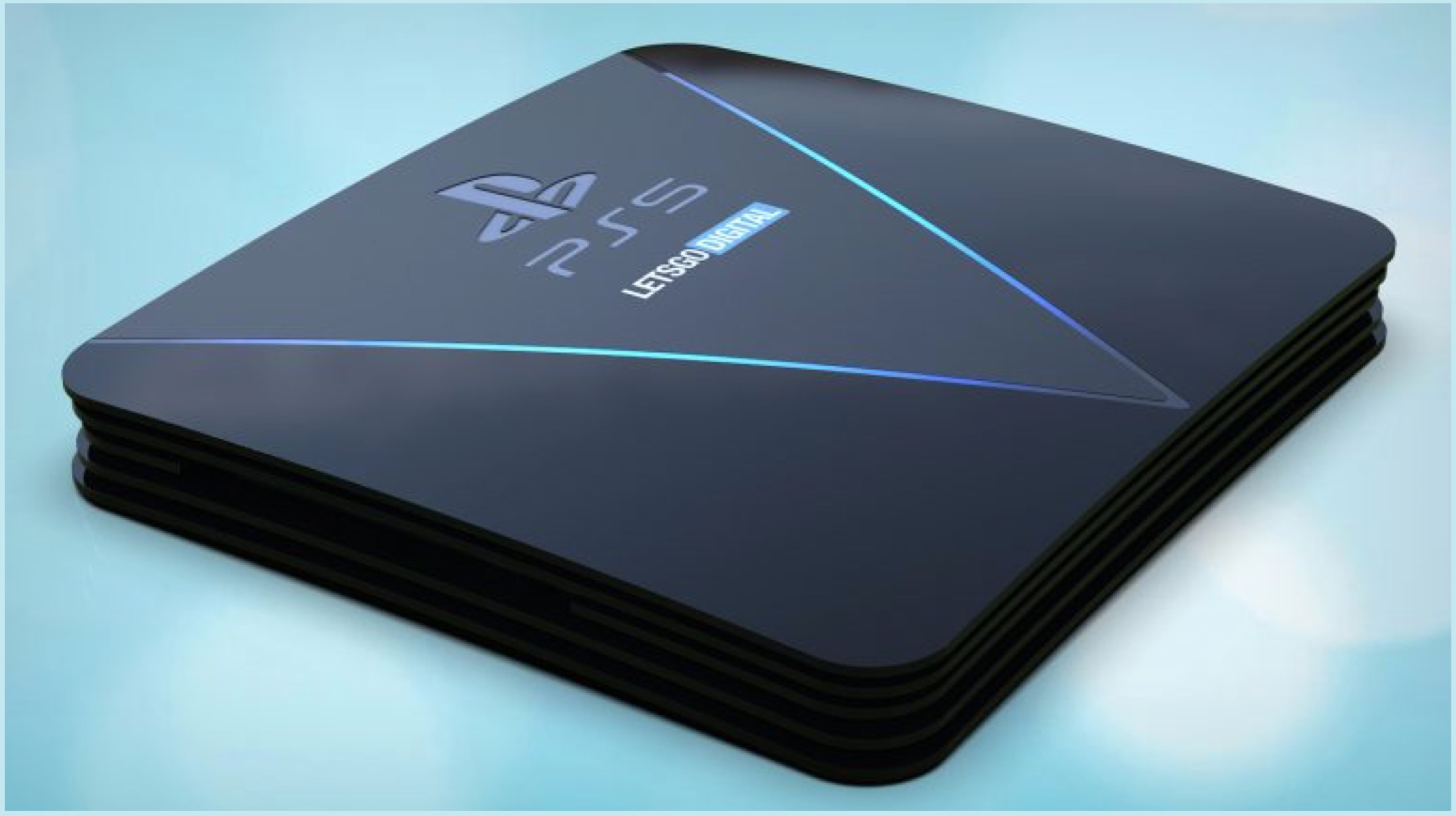
When gamers talk about gaming consoles, very few machines come to mind. One of them is the Sony PlayStation series, which has been one of the most popular gaming console lineup so far. The first PlayStation was unveiled in the year 1994, and since then, the company has released 3 more iterations of the same. The last console by Sony was the PlayStation 4, which dates back to the year 2013. As reported previously, the company seems to be working on the fifth and upcoming gaming console, the PlayStation 5. As per latest reports, the Sony PlayStation 5 may feature 8K gaming and a host of other features.
Sony PS5: Expected Features
The Japanese manufacturer previously revealed information regarding some features of the upcoming console. For instance, the PlayStation 5 is expected to sport 3D audio technology, which will enable gamers to have an immersive gaming experience. Another speculated feature of the PS5 is the incorporation of a Solid State Drive or an SSD. This will lead to visibly faster game load times and seamless switching between various applications within the console’s interface.
The Sony PlayStation 5 is expected to be the first console to sport 8K resolution gaming. Of course, to take full advantage of the same, gamers will need to plug in their console to an 8K supported panel, but Sony making a move for future-proof gaming will surely be appreciated. Last but not the least, some new PS5 games may support Ray Tracing. Ray Tracing simulates the interaction of real world light with real time objects in the game, which leads to lifelike graphic rendering. Battlefield 5 was the first game to support Ray Tracing on NIVIDA RTX powered PCs, and we can expect developers to release more titles in accordance with Ray Tracing technology if consoles start supporting it too.
The PlayStation 5 is not expected to release anytime soon though, in fact, reports state that the PS5 may not see the light of day before the year 2021. However, other sources state that the PS5 might make its way into the market by the end of the year 2020. Either way, Sony is known for releasing their consoles according to a 7-year-product-cycle, so something along the aforementioned lines can be expected for sure. It is expected to be priced somewhere around US$ 550 (~INR 39,000) considering that the price of the PlayStation 4 Pro was US$ 400 (~INR 31,000). Furthermore, companies like Nintendo and Microsoft may release their gaming consoles around the same time, which may provide some solid competition to Sony’s console.
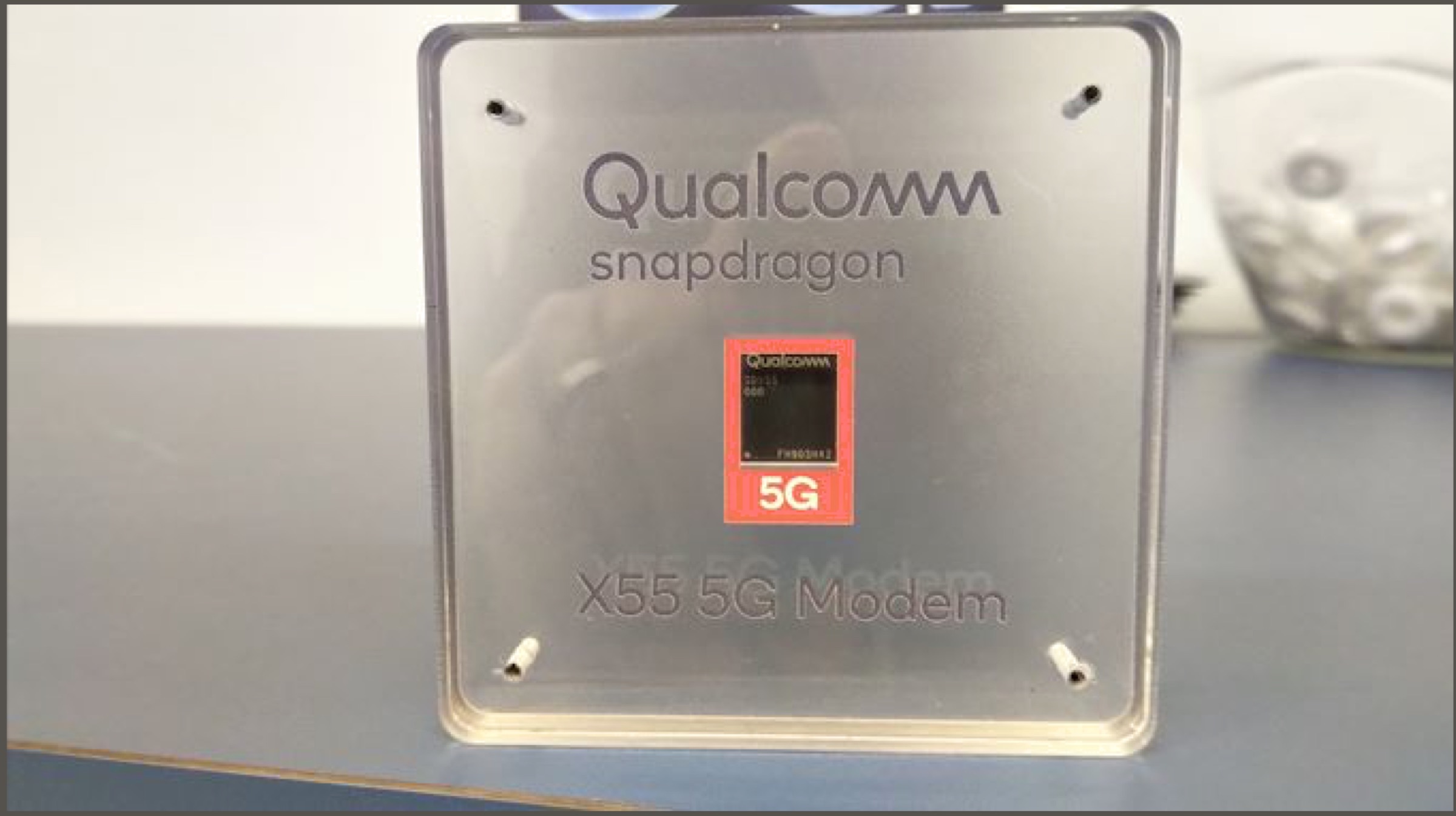
Apple, Qualcomm and Intel have been a subject of a multitude of legal issues lately. The companies have been involved in conflicts over a variety of reasons, the major one regarding the supply of 5G chips to Apple. Previously, Qualcomm and Apple were involved in a 6-Year License agreement regarding 5G modems, following which Intel exited the 5G modem business. As per latest reports, Apple hired the lead modem developer of Intel before settling with Qualcomm and letting Intel go.
Qualcomm X50 5G Modem
A leaked email cited the aforementioned facts, in addition to the news that Umashankar Thyagarajan, the developer involved was hired just two months before the settlement. As per sources, Umashankar played an important role at Intel in the development of 4G modems, and was also working on the 5G XMM 8160 modems. After his exit from the scene, Intel was forced to rethink its chip development strategy. Consequently, Intel announced its departure from the 5G business on the same day as the Apple-Qualcomm deal went down.
As previously reported, the company had raised concerns regarding Intel’s pace of the development process of 5G chips, following which Apple’s 5G iPhones were eventually delayed up to 2020. Seeing the 5G competition in the market from brands like Samsung and Huawei, Apple was forced to rethink its partnership with Intel. While Apple was unsatisfied with Intel’s results, the latter reverted by saying that Apple is a demanding client and that it is very conflicted with Apple regarding the partnership.
In other reports, Apple was planning to step-up it’s in house modem manufacture after Intel delayed the production of the 5G chips. This step was taken in order to reduce the dependence on third-party suppliers, but unfortunately, adopting a manufacturing strategy like this will still cost time, delaying future 5G iPhones up to 2021. Since Apple is taking matters into its own hands now, 5G support can be expected fairly soon from the American multinational company.
More and more companies are adopting the 10nm fabrication process for their processors, but Intel does not seem to be affected in the least, as a leaked roadmap for the company’s future CPUs reveals that Intel will not be releasing any 10nm based processors anytime soon. 10nm processors offer considerable improvements over current generation 14nm fabricated processors. For starters, 10nm CPUs have closely placed transistors, implying that signals travel at a higher speed between various components of the chipset. Moreover, since the transistors are closely placed, power consumption is noticeably reduced. It seems, however, that Intel has some plans of its own.
Intel Coffee Lake CPUs
First leaked on April 24 by a Dutch website, the roadmap highlights Intel’s key plans over the next two years. As per the roadmap, the company will launch a whole new refreshed lineup of Coffee Lake CPUs in the latter half of 2019. Intel will then follow up the Coffee Lake processors with the Comet Lake series of processors in the early half of the year 2020. Since Intel often labels its desktop processors as the “S-series”, it’s clearly visible in the roadmap that Intel will keep working on 14-nm S-series processors until 2022.
Intel Tiger Lake CPUs
Another highlighting fact is that the company has marked its upcoming 10nm “Tiger Lake” processors as TBD, or To Be Decided. Tiger Lake architecture-based CPUs will be released as the “U-series”, and they will be specifically targeted towards mobile devices such as laptops. Planned for release somewhere in the second quarter of the year 2021, the TBD label on the aforementioned CPUs may mean that the company might have different plans for them.
Furthermore, as mentioned previously, Intel will release the Comet Lake desktop CPU range based on the 14nm process in the second quarter of the year 2020. The processors will feature a 10-core architecture. Also, in the year 2021, Intel will provide an overhaul to the Comet Lake lineup, which will then be called the “Rocket Lake” series. It may be possible that Intel is actually developing a 10nm desktop CPU that may be announced in the near future. Even if the roadmap shows otherwise, fans should take this news with a grain of salt, as the company hasn’t provided a statement regarding the same yet.
The year 2019 has seen a lot of developments in terms of gaming so far, with Google releasing their cloud-based game streaming service (named Stadia) and Apple following up with their own “Apple Arcade” gaming platform. Companies like Samsung don’t plan to stay behind for a long period of time. A recent patent granted to the company showed that the South Korean Technology company is working on a platform which will enable users to play online games via Galaxy devices.
About The Patent
The patent was first filed by Samsung in America with the United States Patent and Trademark Office, or USPTO. The trademark included details about a service called the PlayGalaxy Link, and was finally published on April 26 in the database of the European Union Intellectual Property Office (EUIPO). As per reports, the patent is categorized under Class 9 and 41. While class 9 is comprised of a broad range of trademarks for scientific, cinematographic and photographic devices, Class 41 mainly covers products which cater to entertainment purposes.
Samsung Galaxy S10e
Previously in April 2019, Samsung was reported to have partnered with Finnish organization “Hatch” to launch a new 5G cloud gaming service in Korea. Furthermore, people who buy the recently launched Galaxy S10 5G get a free three-month premium Hatch subscription. This may be the new gaming service that Samsung has been working on, but nothing can be said for sure, since the trademark for the “PlayGalaxy Link” is applied for in US, not in Korea.
Whatever the case may be, it is clear that Samsung plans to go up against American technology mega-giant Apple and it’s latest gaming service, Apple Arcade. While it is reported that Apple Arcade may be available starting this fall, Samsung may unveil its “PlayGalaxy Link” service sooner than expected. Moreover, the company is also planning to release a smartphone which will be dedicated to gaming. Reports say that such a device may be released under the Galaxy A series branding, but nothing can be confirmed as of now.
ZTE’s subsidiary Nubia is known for launching feature laden gaming smartphones at a competitive price tag. As it was previously reported, the company was planning to unveil its latest addition to the gaming smartphone family, the Red Magic 3. In an event held in China on April 28, Nubia finally announced the aforementioned gaming smartphone with a load of exciting features, such as a 90Hz display, an internal cooling fan and a 48MP rear camera.
Nubia Red Magic 3: Features And Specifications
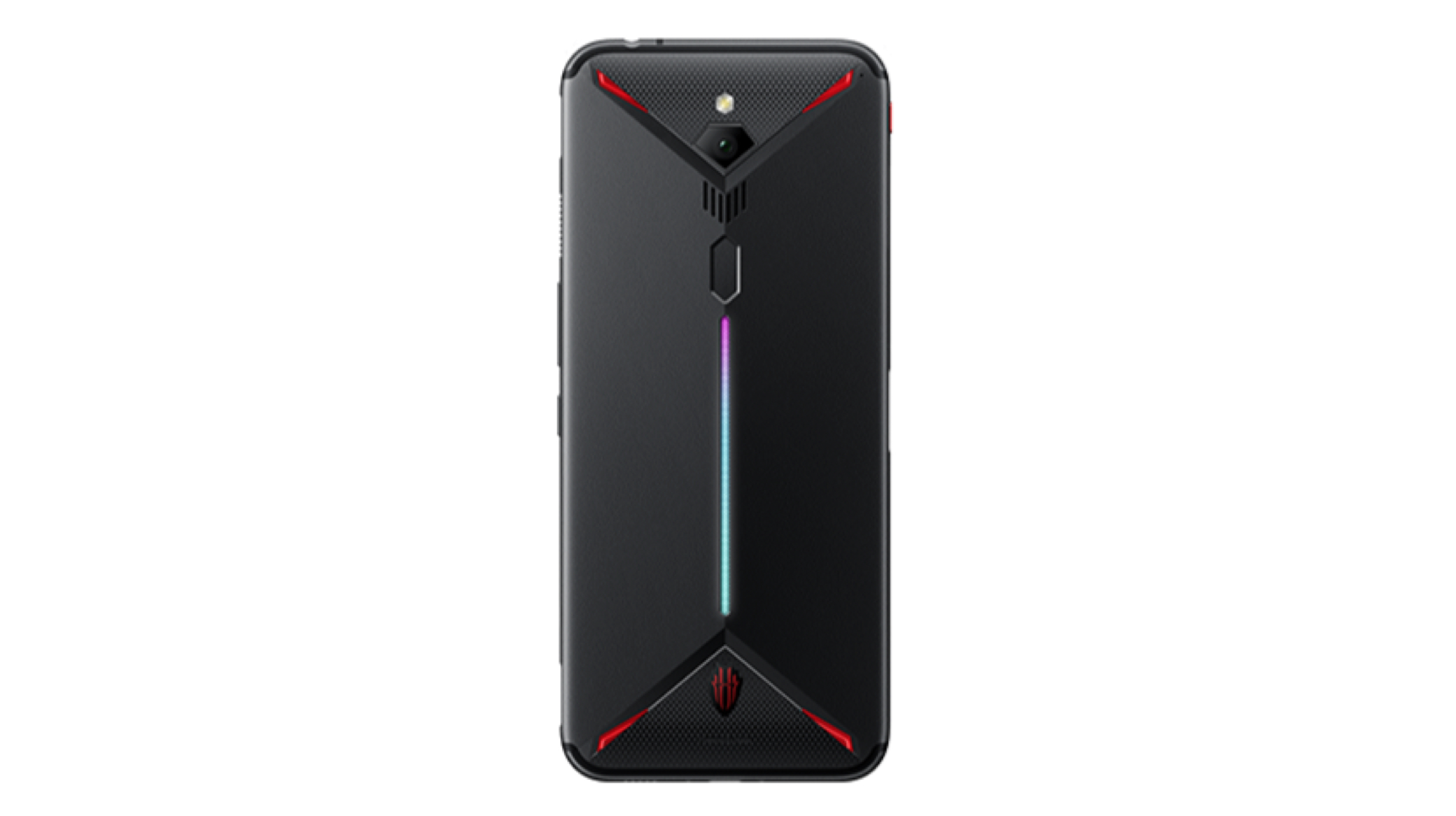
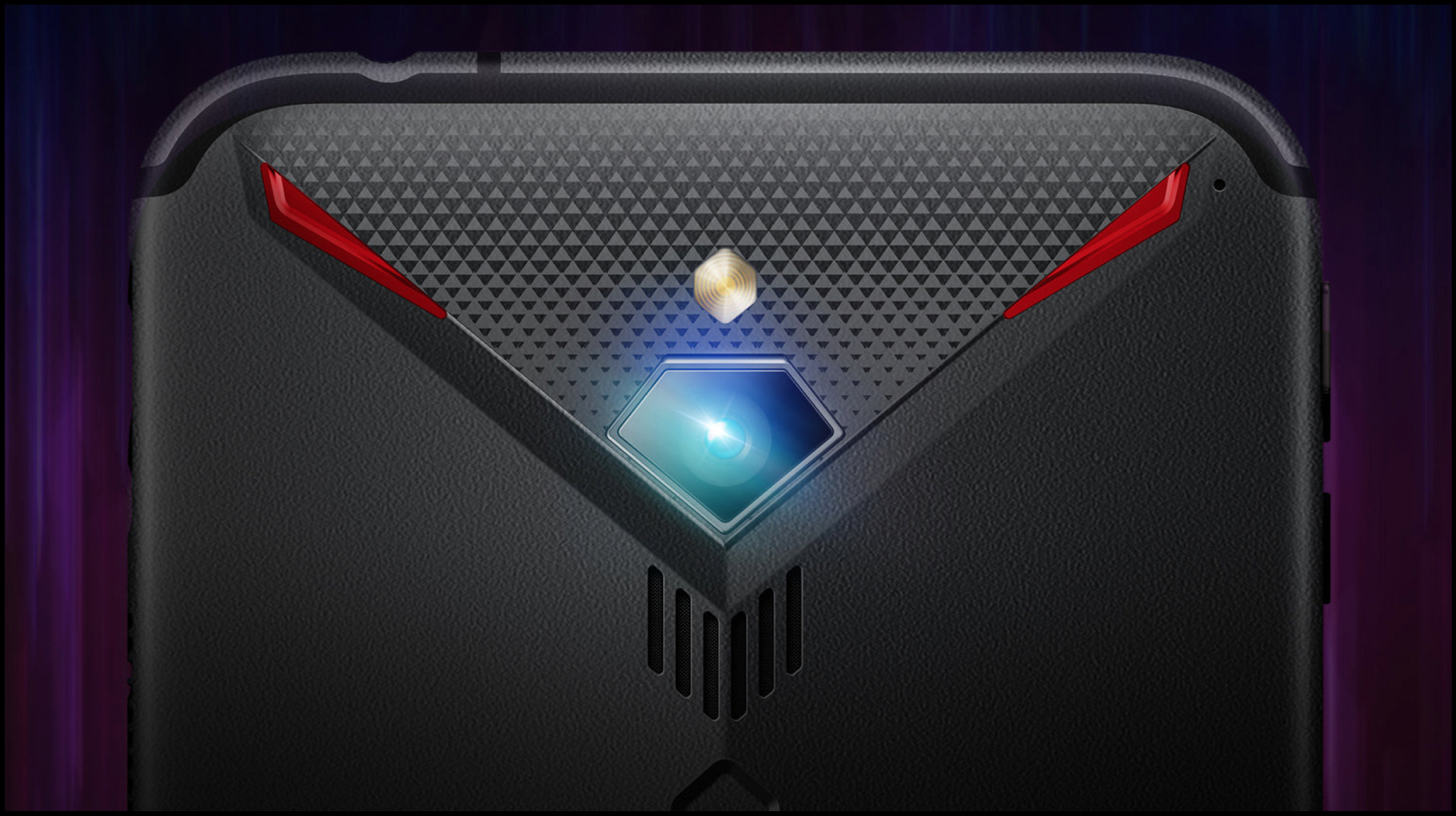
The specifications of the Red Magic 3 will provide some strong competition in a fast-growing space of gaming smartphones. The smartphone features a 6.65 inch FHD+ AMOLED display which also supports HDR playback. Owing to the presence of a 90Hz refresh rate in the device panel, gamers are expected to experience less screen tearing and almost negligible lag issues. The front of the device also houses DTS:X surround sound speakers. The rear panel of the Red Magic 3 houses the camera, an elongated fingerprint scanner and an LED strip which can be customized with a combination of 16.8 million colours.
Under the hood, the smartphone packs the powerful 7nm Snapdragon 855 chipset, which comprises of an octa-core CPU and the Adreno 640 GPU. The Red Magic 3 is available in four storage variants which are as fllows:
6 GB RAM + 64 GB ROM
8 GB RAM + 128 GB ROM
8 GB RAM + 128 GB ROM
12 GB RAM + 256 GB ROM
To provide for extensive gaming sessions, the Nubia Red Magic 3 packs a massive 5,000 mAh battery with 30W fast charging support. Noteworthy, it is the first time that a company has incorporated an active internal cooling system in a smartphone. The company claims that the fan present inside the device can operate at a speed of 14,000 rpm, which can also be manually tweaked.
In terms of optics, the Red Magic 3 features a single rear 48MP (f/1.7) Sony IMX586 camera sensor. While Nubia might not have gone “big” on the multi-camera setup here, the specifications of the camera are worthy in fact. Moreover, it has 8K video recording support and can record super slow videos at 1920 fps. The smartphone also has an f/2.0 aperture equipped 16MP front-facing selfie camera. It is IP55 dust and water resistant, which can even survive water jets. Furthermore, gamers can program two touch-based shoulder buttons in the smartphone in addition to the reprogrammable fingerprint scanner. The Red Magic 3 runs on Androdi 9 Pie out-of-the-box, with Nubia’s Redmagic OS 2.0 on top.
The Nubia Red Magic 3 will be available in China from the 3rd of May onwards, which will soon be followed by the US, UK, Canada and European launch. The price for different variants of the smartphone are as follows:
6GB+64GB: CNY 2,899 (~INR 30,100)
6GB+128GB: CNY 3,199 (~INR 33,200)
8GB+128GB: CNY 3,499 (~INR 35,300)
12GB+256GB: CNY 4,299 (~INR 44,650)
It is available in four colour options: Black, Red, Camouflage and Blue Gradient.
Medical advancements are occurring side-by-side with the progress in science and technology. Recently, using 3D printers, scientists developed a self-healing rubber material, which can be used in objects to make them last a lifetime. In other news, a fully-functioning heart was also printed using a 3D printer. All these achievements make one wonder about the limits of medical science, and for the right reasons, since MIT engineers have engineered tiny micro robots that can help nanoparticles reach unaccessible targets in the human body and administer the necessary drugs.
Challenges Faced
One of the biggest challenges while delivering drugs via nanoparticles is the exit strategy of the robots, implying that the micro robots can escape the blood vessels and accumulate in the desired spot for removal from the human body. Sangeeta Bhatia, a senior author of the aforementioned study states that it is tough to get the nanomaterials to the tissue in the lining of the blood vessel, but the use of magnetism to develop fluid forces, the nanoparticles can be pushed through the lining. The same study further states that swarms of naturally magnetic bacteria (Magnetotactic bacteria) can be also used to achieve the same result.
Schurele, the assistant professor at the Swiss Federal Institute of Technology previously worked on magnetic microbots, and consequently she aimed towards making the nanoparticle drug delivery technique more efficient when she started working with Sangeeta Bhatia. The researchers used their micro robots to target diseased sites in the human body which were usually a host of tumours. Since they faced issues with the same, the team explored their options with magnetic bacteria to devise a method to push the particles to the target in a better way.
About The Nano Robots
Regarding the involved micro robots, they are 35 hundredths of a millimeter long, which can be compared to the size of a single cell. The robot has a helix that is similar to the flagella, which empowers the movement mechanism of bacteria. For magnetic functionality, the nano robots are first printed with a high resolution 3D printer and then coated with Nickel. Simulations were then performed with these tiny robots, where the nanoparticles can travel in a system that mimics blood vessels (50 to 200 microns wide).
The research was funded by the Swiss National Science Foundation, the Branco Weiss Fellowship, the National Institutes of Health, the National Science Foundation, and the Howard Hughes Medical Institute. If this is applied in real life, administering drugs directly to affected tissues and tumours would become infinitely easier. Scientists are already working on a system where the nano robots can travel without the need for any visual feedback, and can be controlled externally as well.
Monitors are probably the only part of your gaming setup which will serve you the longest, considering that a lot of users prefer upgrading the graphics, CPUs or peripherals of the system. The gaming monitor segment was once dominated by panels which guaranteed 4K video quality and 60 frames per second (fps). Instead, the gaming monitors of today offer almost 3 times the features found in conventional monitors. Since newer graphics cards pump out more juice than before, an equally capable gaming monitor becomes an absolute necessity to experience top-tier graphics
Given below is a list of 5 performance gaming monitors, which will change the way you look at games, literally.
ASUS ROG Swift PG279Q
Since the beginning, gamers have been confused regarding their monitors. Should it sport an IPS panel, or should it feature a high refresh rate for a smoother gaming experience? The ASUS PG279Q features a 27-inch IPS panel with a resolution of 2560 x 1440 px, but at the same time, the monitor sports a refresh rate of 144Hz (which is further overclockable to 165Hz), making it a “best-of-both-worlds” experience. Furthermore, the monitor features G-Sync, which allows you to switch between your refresh rates only if you are using an NVIDIA graphics card. However, the monitor is slightly expensive, and it will set you back by US$ 800 or INR 83,999.
Acer Predator X27
The Acer Predator X27 is a fantastic gaming monitor, which suffers a bit owing just to the price of the same. The monitor features an IPS panel, which is topped out a refresh rate of 144Hz. It supports 4K video playback, and a resolution of 3840 x 2160 px. The monitor supports VisionCare technology, which claims to reduce eye strain during long gameplay sessions. Moreover, G-Sync allows for a variable refresh rate in the monitor, making it the perfect fit for NVIDIA’s graphics cards. The Acer Predator X27 has a multitude of ports on both sides, including a total of 4 USB 3.0 ports as well as an HDMI 2.0 and DisplayPort 1.4. The real downside is the price, which tunes in at around US$ 2,000 (~INR 1,40,000), making it one of the most expensive gaming monitors in this list.
BenQ EL2870U
BenQ EL2870U does most of the things right, one of them being at the perfect price point. It is a 28-inch gaming monitor that won’t make you bankrupt, and at the same time, provides a host of features that fulfil almost ever major need of yours. It has a 3840 x 2160p resolution, enabling you to enjoy games in crisp 4K resolution. With a response time 1ms, the monitor even has an integrated pair of 2W speakers that might just come in handy. Moreover it sports a 3.5mm headphone jack which enhances convenience a lot. Since it’s an HDR monitor, it features a HDR button which can be used to hot-toggle the High Dynamic Range setting. On top of that, it is available at a price of INR 27,000, which is bound to turn heads.
AOC Agon AG273QCG
Few monitors in this list cater to just eSports players, and AOC AG273QCG is definitely one of them.The monitor ticks all the boxes if you’re are an avid eSports player and need a professional grade monitor to play on. It has a 27-inch screen with 1440p resolution and on top of that, it supports NVIDIA G-Sync in one variant and AMD FreeSync in the other. The monitor has a curved design and features a high refresh rate of 165Hz. Furthermore, AOC AG273QCG has a vibrance scale that has received rave reviews from a lot of users, making it the perfect pick if you’re into that thing.
The only widescreen gaming monitor on our list, the Acer XB271HU is an amazing deal if you’re willing to go for a gaming monitor that provides aesthetic value as well. It features a WQHD IPS panel with a resolution of 2560 x 1440 px. The monitor equipped with NVIDIA G-Sync and flicker-less technology, claiming to reduce annoying screen flickering that can cause eye strain when viewing the monitor for long periods of time. It has a refresh rate of of 144Hz, which can be overclocked to 165Hz. The 27 inch panel of the monitor is gorgeous to look at. It is priced at INR 47,899, which is a good deal for the features it offers.
At Samsung’s Galaxy Unpacked event held in February 2019, the company announced a multitude of devices, which included the Galaxy S10 series, Galaxy Fold, the Galaxy Watch Activeand last but not least, a fitness band which will cater to the entry-level budget segment. Called the Galaxy Fit-e, the band is a very basic fitness tracker that is available at a very low cost as compared to similar products by the company. However the fitness band contains no “smartwatch features”, and was recently spotted on an Albanian Website.
As per reports, the Samsung Galaxy Fit-e was previously supposed to be launched on May 21 in the United States, hence the fitness tracking suddenly appearing on Samsung’s Albanian website is probably a mistake. Moreover, the fact that the buying links on the website are not functioning at all gives a confirmation of sorts that this page may not be intended after all.
Features And Specifications
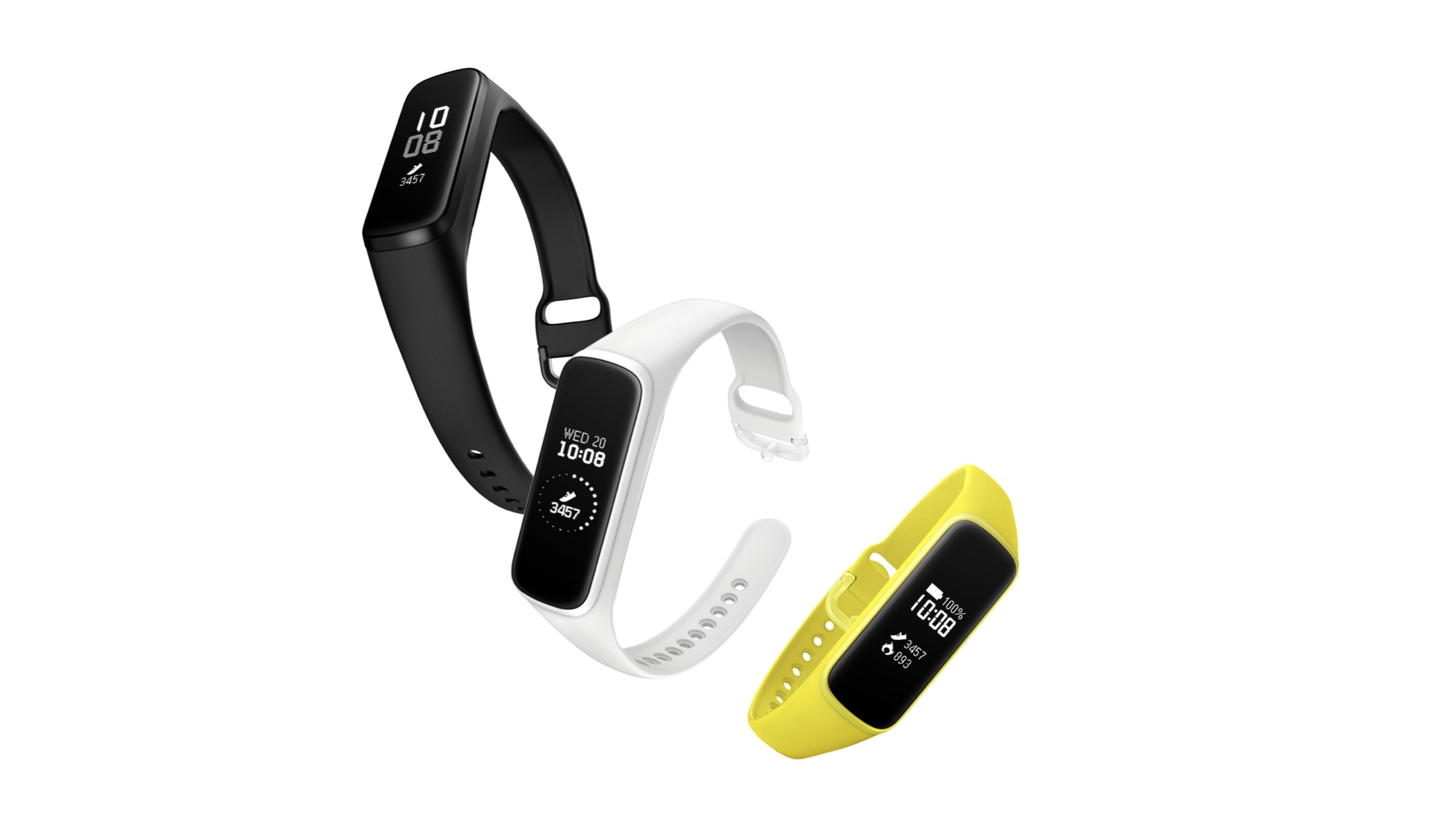
Nonetheless, the listed specifications of the Galaxy Fit-e informs that the fitness band runs on the FreeRTOS operating system. It features a monochrome PMOLED display panel, which is expected out of an aggressively priced fitness band. It sports Bluetooth v5.0, and packs a 70 mAh battery which enables the Fit-e to last an entire week, the company claims. It measures at 40.2 x 16 mm and weighs 15 grams.
Additional features of the Fit-e include the ability to analyze sleep patterns, detection of the sport being pursued and collecting related data. Also, the band detects the pulse rate and relays the corresponding data to the connected smartphone via the health application. Moreover, the fitness band can inform the user regarding any incoming calls or messages on the smartphone. It does so haptically or via an optic notification that pops up on the monochrome display. The Galaxy Fit-e is available in two colours on the Albanian website, Black and Yellow. As per the same website, the band is priced at a price equivalent to US$ 35, which will help it to go up against other fitness trackers like the Mi Band.
Dementia is one of the most common chronic disorders found in older-aged people, and what’s more, more than 60 percent of people with dementia suffer from Alzheimer’s disease. First discovered in the year 1906, the disease is incredibly complex to diagnose and takes its toll slowly. One of the most common symptoms of Alzheimer’s is short term memory loss. The long-term symptoms of the same are quite serious. For instance, people lose the ability to sustain independent living and have difficulties in assessing the environment. Regulating Alzheimer’s disease may be much easier from now on, as a long term study has suggested that some forms of blood testing can help track the progress of Alzheimer’s disease.
Tracking The Progress Of Alzheimer’s Disease
Dr. Niklas Mattsson, the physician at Skåne University Hospital and the lead author of the aforementioned study stated that a protein called neurofilament light in the blood can be conveniently used to measure brain cell damage in various stages of Alzheimer’s disease. The protein leaks/spills out of damaged and dying nerve cells and travels into the cerebrospinal fluid, heading into the bloodstream shortly afterwards. As per previous studies, people who suffer from diseases like Alzheimer’s have a higher level of neurofilament light in the blood.
Such a method of regulating blood levels for Alzheimer’s can effectively help in regulating whether treatments for Alzheimer’s are working or not. As of now, no non-invasive technique exists via which the progression of the disease can be kept in check. Moreover, another study in the same hemisphere concluded that the neurofilament light in the blood could help in the identification process of the disease almost 10 years before the emergence of symptoms such as memory loss and thinking problems. The research was performed on a age specific group of people above the age of 65, where the onset of Alzheimer’s is highly imminent.
5G technology is a part of the hottest connectivity buzz right now, with smartphone brands gearing up to release 5G variants of their flagship devices in the immediate future. For instance, Motorola launched a 5G mod for the Z3 smartphone and Samsung released a 5G variant of the S10 which is scheduled to release soon. All things said, Apple is also looking to enter the market with a 5G device, but considering the recent conflict between Apple and Intel, such a device may not be seen anytime soon. However, recent reports suggest that the company may launch a 5G variant of the iPad Pro in not-so-distant future.
5G Connectivity In iPads
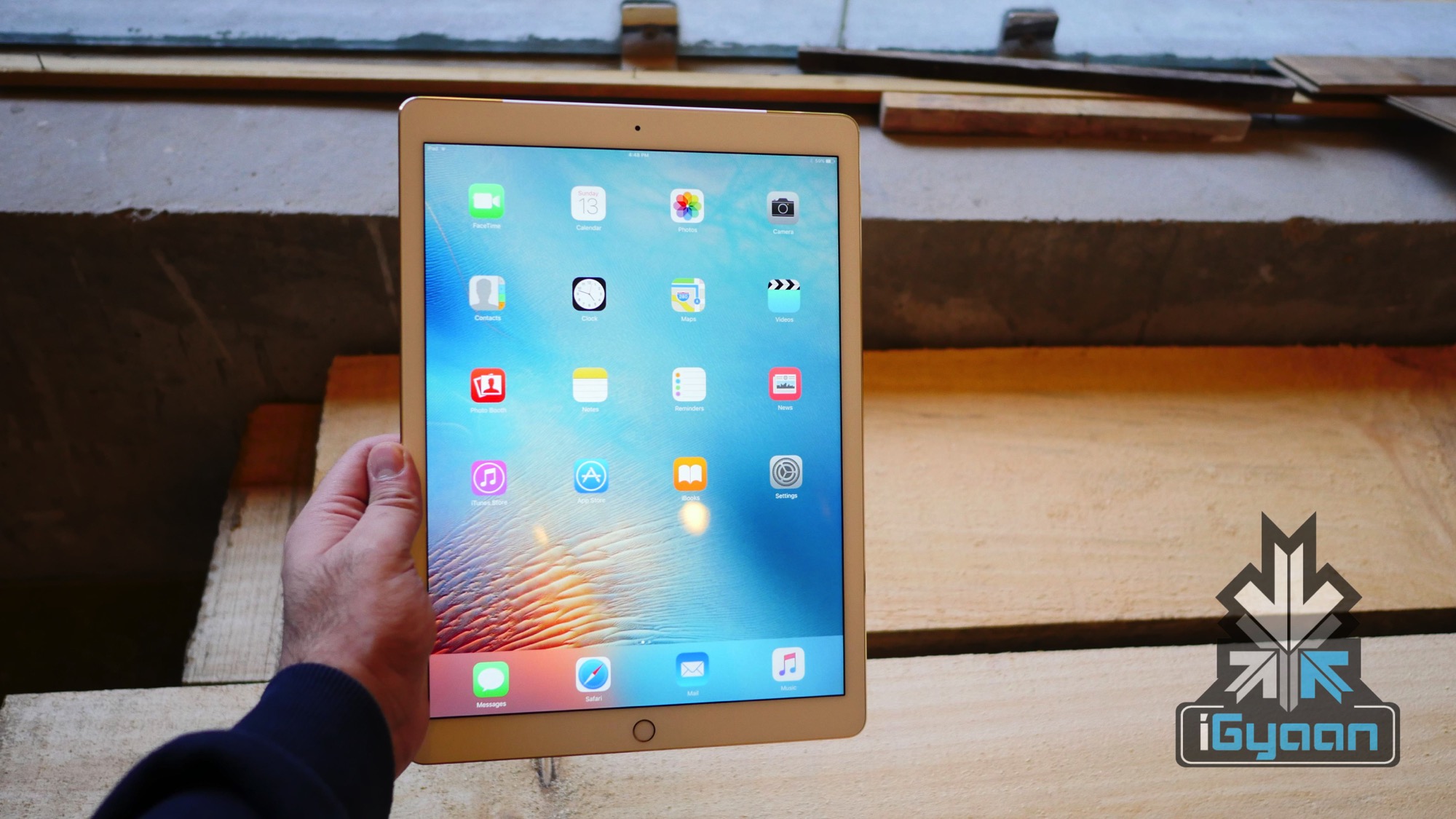
As per noted analyst Ming-Chi Kuo, Apple will unveil a total of two iPad Pros in 2019, which will include an 11-inch variant and a second variant with a large 12.9-inch screen. This is not exactly surprising, since Apple always releases two iPad Pros every year, but the elephant in the room is the fact that Apple is planning to incorporate 5G modems in the future iPads, which will be released by early 2021 or late 2020. Yes, that’s a long way to go, especially since Apple is facing issues with its 5G chip manufacturers at the moment.
The present iPad Pros, including the iPad Pro 12.9 and iPad Pro 11 have complete LTE support, which means that users can insert a 4G SIM card and use 4G internet on the device, implying that Apple can surely be expected to bring 5G support to its future iPads. Apple recently released the iPad Air and iPad Mini, which received rave reviews from users. Apple is speculated to release its first 5G iPhone in the year 2020, which implies that customers will have to wait a long time before they see the same connectivity being implemented on an Apple device. Nonetheless, the American company is also gearing up to release the iPhone XI later this year, and fans are surely looking forward to the same.
Technology isn’t limited to electronic devices anymore. Gone are the times when any advancements in technology were directly correlated to mobile devices, computers and televisions. Since the first 3D printer was developed in the mid 1980s, implications of the same have seen no limit. Recently, a fully-functioning heart was produced with the help of a 3D printer, which opened the path to many more organs that can be replicated with the help of the same. As per recent reports, a professor at the University of Southern California’s Viterbi School of Engineering formulated 3D printable rubber, that can “fix” itself.
Qiming Wang, three of his students and a professor from the University of Connecticut were able to achieve the aforementioned feat via a kind of rubber developed from silicone. As per their statement, a self-healing rubber sole for a sneaker may soon be a reality. Not only sneakers, in fact, the material can be used to 3D print objects like toys and tires. What’s more, even parts of satellites can be developed from the same material for improved resilience.
Healing Mechanism
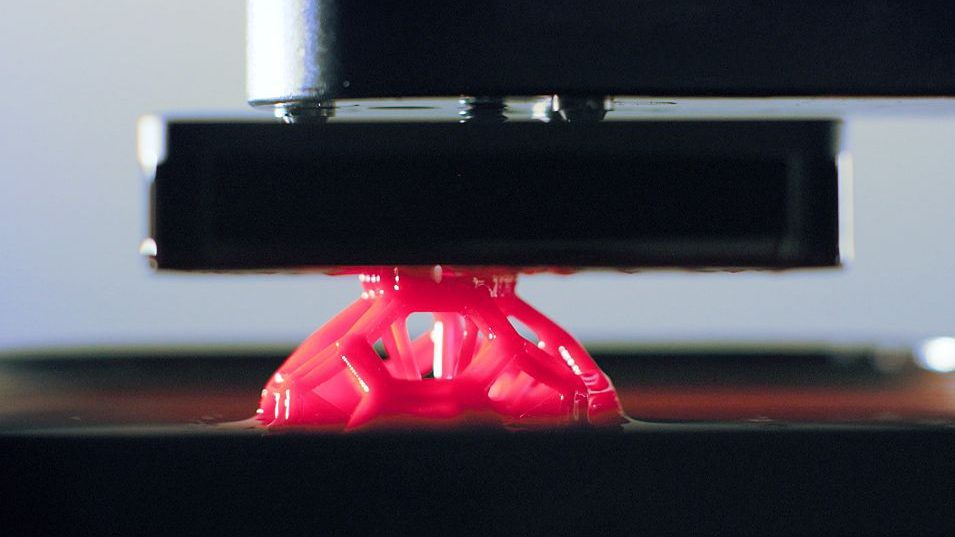
When the rubber material is exposed to a source of heat, a chemical reaction occurs that enables the atoms of the material to fuse back together. The healing speed is directly proportional to the amount of heat provided to the material, the report states. However, the healing process can occur at room temperature too. It will just take more time.
The report further states that the first step towards developing a self-healing object is to structure a model of the same in the computer. The software “slices” the 3D model into 100 smaller images, which are then projected onto a thin rubber layer (in liquid form). The rubber morphs into the shape of the original image, which is then converted to solid form using the projected light. Following a similar method, the complete shape is built up layer by layer, until the object is developed.
Because of the concern that some structural issues may arise during the testing and development of such objects, Qiming Wang states that his team will experiment with multiple hardness levels in order to make the rubber sole wearable in all conditions. Furthermore, they will also experiment with ragged edges and their healing process, so that the material may regain its original shape and not be affected by any wounds and punctures. Already, Wang and his team have been contacted by multiple footwear companies to use the material for their upcoming shoes. Wang believes that self-healing sneakers will make their way into stores in 2-3 years, and the same material will someday be used for creating Airplane wings as well.

 The scientists have developed two different types of robotic systems for entirely varied purposes. One of them works on open surfaces, whereas the other system is designed specifically to operate inside closed spaces. The researchers showcased the microrobots’ ability to destroy biofilms and sticky deposits of bacteria. Plus, the scientists state that the same technology can be implemented in cleaning dirty water pipes and other inaccessible areas which are prone to bacterial deposits.
 Also Read: Fortnite Can Be Now Played On The Xiaomi Redmi Note 7 Pro

 The design of the 3D printed microscope is based on digital holographic microscopy. Bahram claims that the images produced by the portable microscope are almost twice the resolution of the images produced by traditional microscopy. The applications of such a device are not limited to research and medical science, rather, it can be used in defence and education as well. Since the entire microscope is manufactured out of 3D printed parts, it can be assembled anywhere and with relative ease. Moreover, unlike other scientific equipment, the 3D printed microscope is not expensive at all. Also, the incorporation of alternative components such as image sensors could drastically reduce the price point of the microscope when/if it is mass produced at some point.
  The core of the new microscope works in similar ways to a traditional digital holographic ones, where a digital camera captures the hologram generated when the light coming from the sample object interferes or colludes with the reference light wave. This process relies on a controlled setup where the environment has to be free of vibrations and temperature fluctuations. Instead, the newly manufactured equipment combines the two images using a super-resolution technique, which is scientifically referred to as Structured Illumination Microscopy. In this process, a structured light pattern is created with the help of a clear disc.
  Also Read: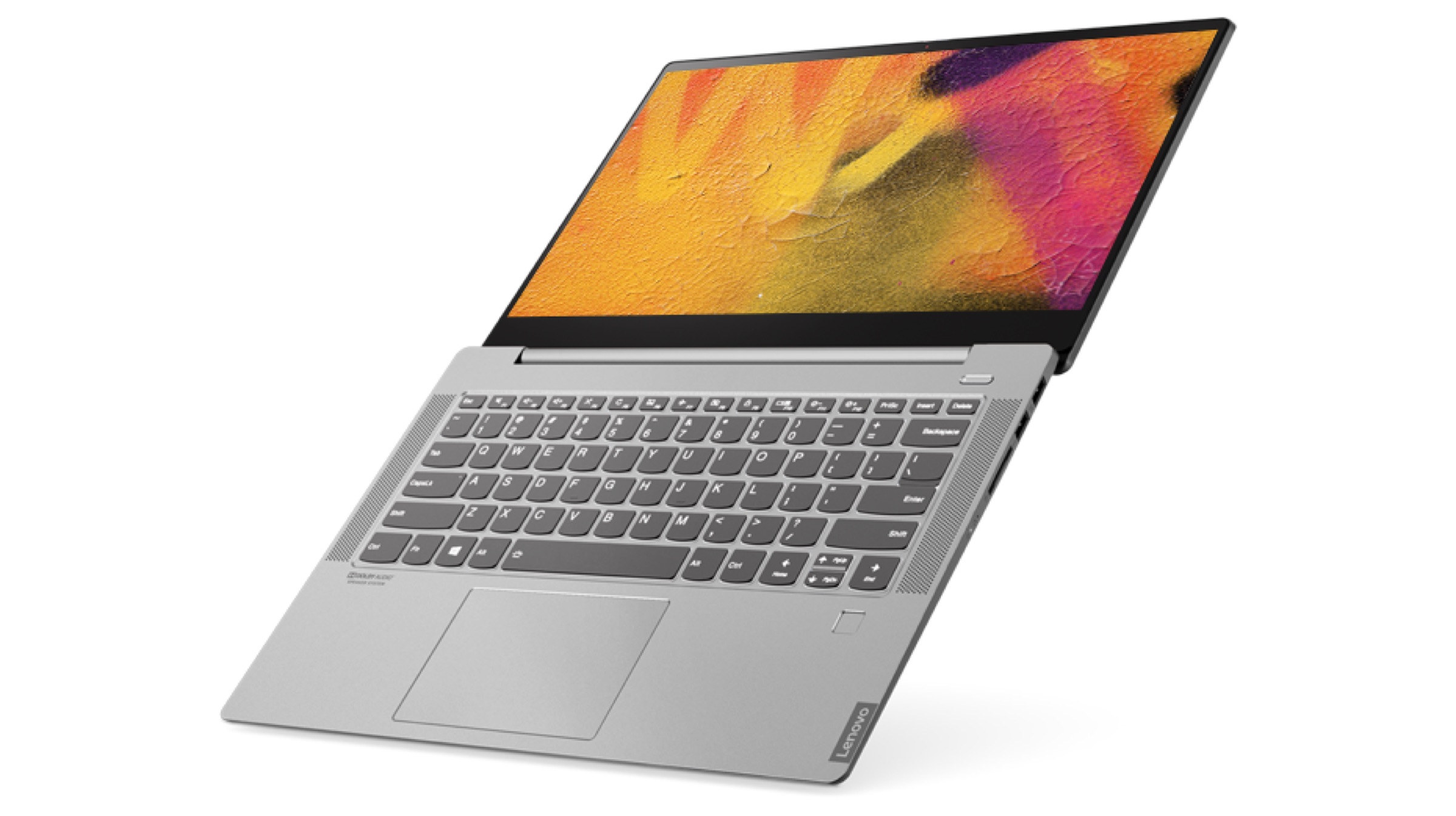
 The laptop features a 15.6 inch Full HD IPS display with 300 nits of brightness. It runs on the 8th Gen Intel Core i7 (i7-8565U) processor, which is bundled with up to 12GB of RAM and up to 512GB PCIe SSD for storage. As mentioned previously, the Ideapad S540 features NVIDIA’s latest mobile graphics chip, the GTX 1650. It is based on the Turing architecture, which provides higher performance than its predecessors while consuming lesser power.
 As per reports, the performance levels of the GTX 1650 are almost 70 percent better than the GeForce GTX 1050 graphics card. The 4GB GDDR5 GPU chip features a total of 896 CUDA cores with a base clock speed of 1485 MHz and a turbo boost up to 1665 MHz. It does not require it’s separate power source, instead, it consumes power from the 75W power input from the PCIe bus. The company claims that the laptop provides a power backup of up to 12 hours. The Lenovo Ideapad S540 weighs at 1.8 kilograms.
  Also Read:
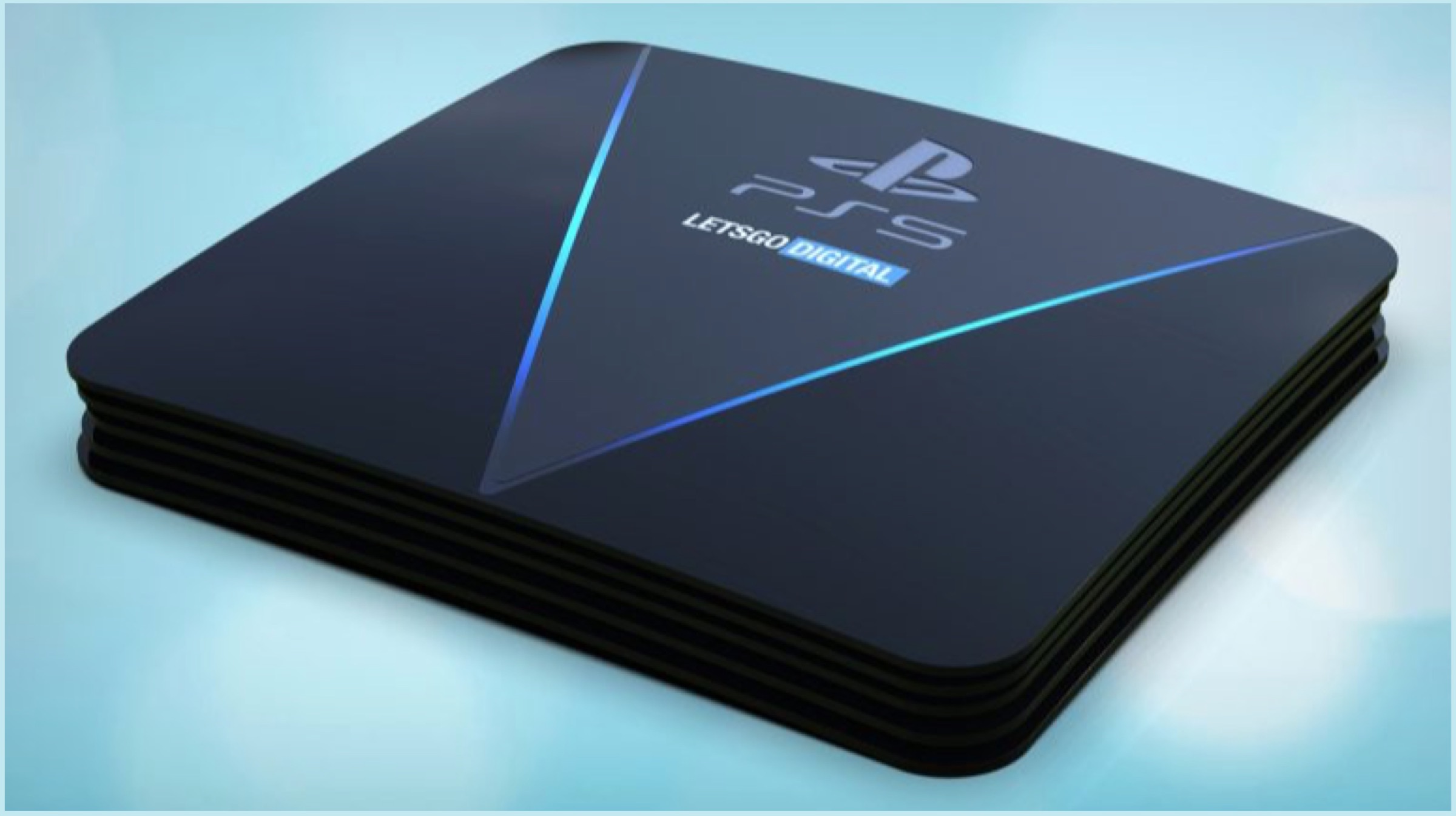 The Japanese manufacturer previously revealed information regarding some features of the upcoming console. For instance, the PlayStation 5 is expected to sport 3D audio technology, which will enable gamers to have an immersive gaming experience. Another speculated feature of the PS5 is the incorporation of a Solid State Drive or an SSD. This will lead to visibly faster game load times and seamless switching between various applications within the console’s interface.
 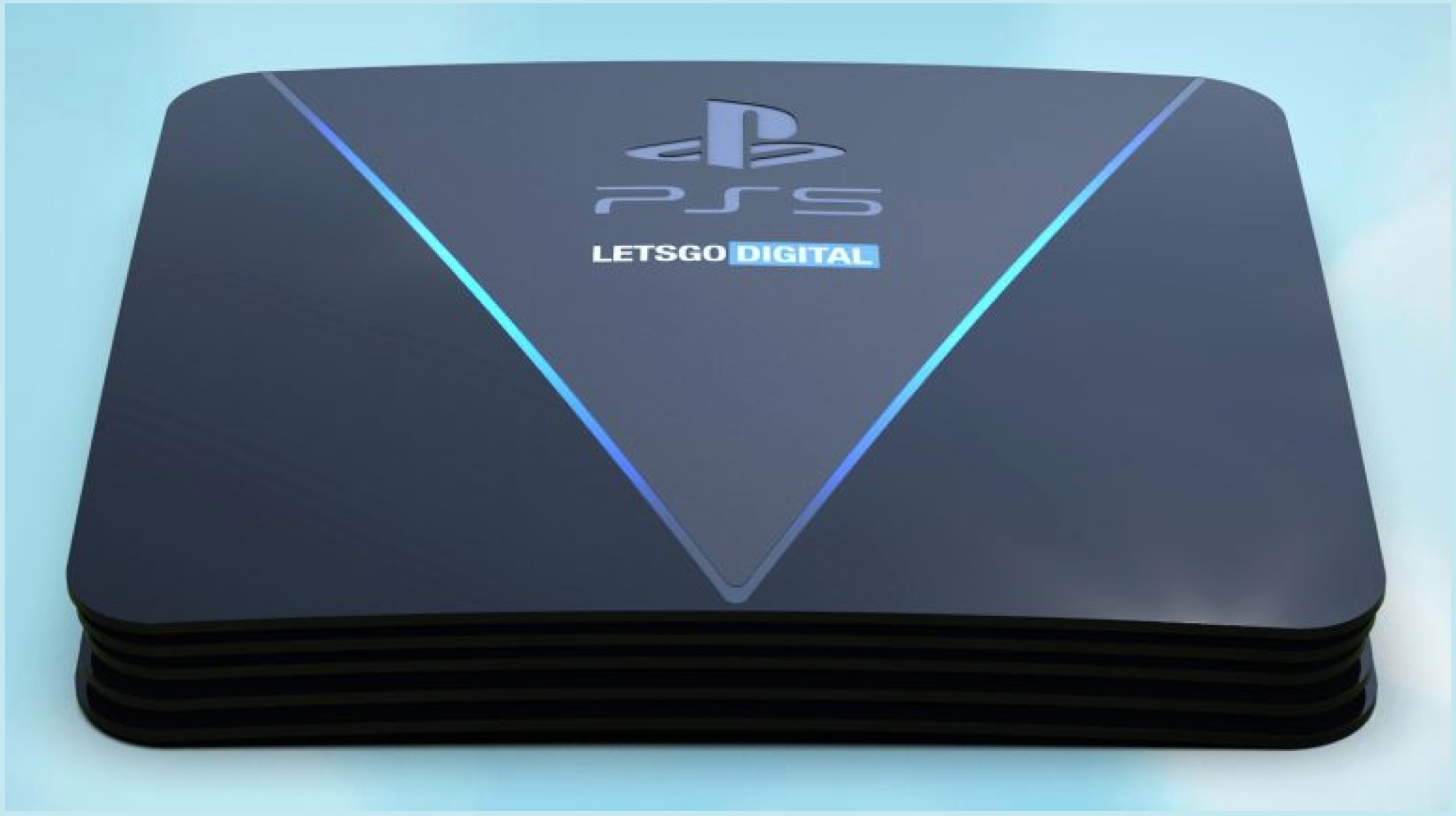 The Sony PlayStation 5 is expected to be the first console to sport 8K resolution gaming. Of course, to take full advantage of the same, gamers will need to plug in their console to an 8K supported panel, but Sony making a move for future-proof gaming will surely be appreciated. Last but not the least, some new PS5 games may support Ray Tracing. Ray Tracing simulates the interaction of real world light with real time objects in the game, which leads to lifelike graphic rendering. Battlefield 5 was the first game to support Ray Tracing on NIVIDA RTX powered PCs, and we can expect developers to release more titles in accordance with Ray Tracing technology if consoles start supporting it too.
  Also Read:
 As previously reported
 Also Read:
 First leaked on April 24 by a Dutch website, the roadmap highlights Intel’s key plans over the next two years. As per the roadmap, the company will launch a whole new refreshed lineup of Coffee Lake CPUs in the latter half of 2019. Intel will then follow up the Coffee Lake processors with the Comet Lake series of processors in the early half of the year 2020. Since Intel often labels its desktop processors as the “S-series”, it’s clearly visible in the roadmap that Intel will keep working on 14-nm S-series processors until 2022.
  Another highlighting fact is that the company has marked its upcoming 10nm “Tiger Lake” processors as TBD, or To Be Decided. Tiger Lake architecture-based CPUs will be released as the “U-series”, and they will be specifically targeted towards mobile devices such as laptops. Planned for release somewhere in the second quarter of the year 2021, the TBD label on the aforementioned CPUs may mean that the company might have different plans for them.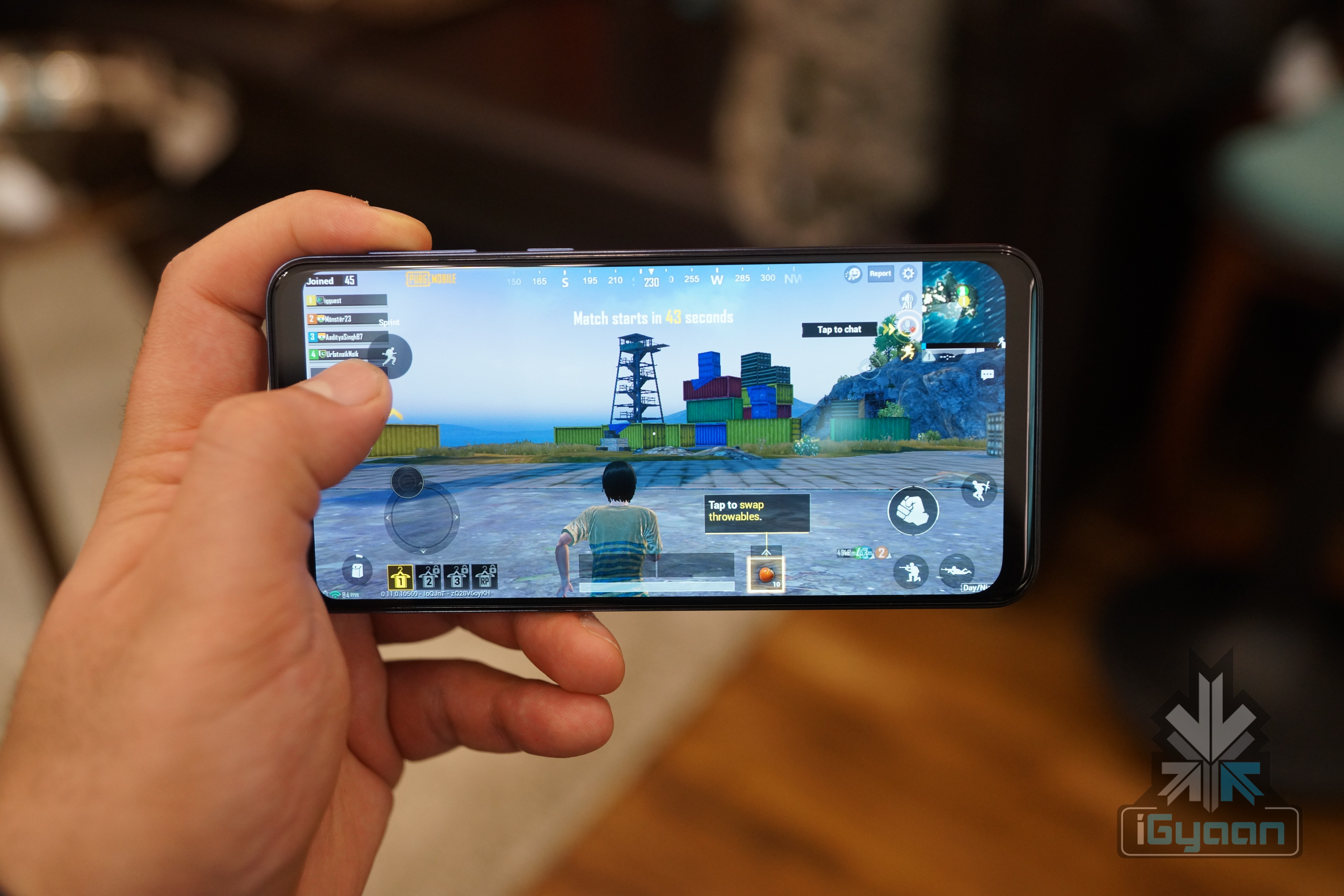
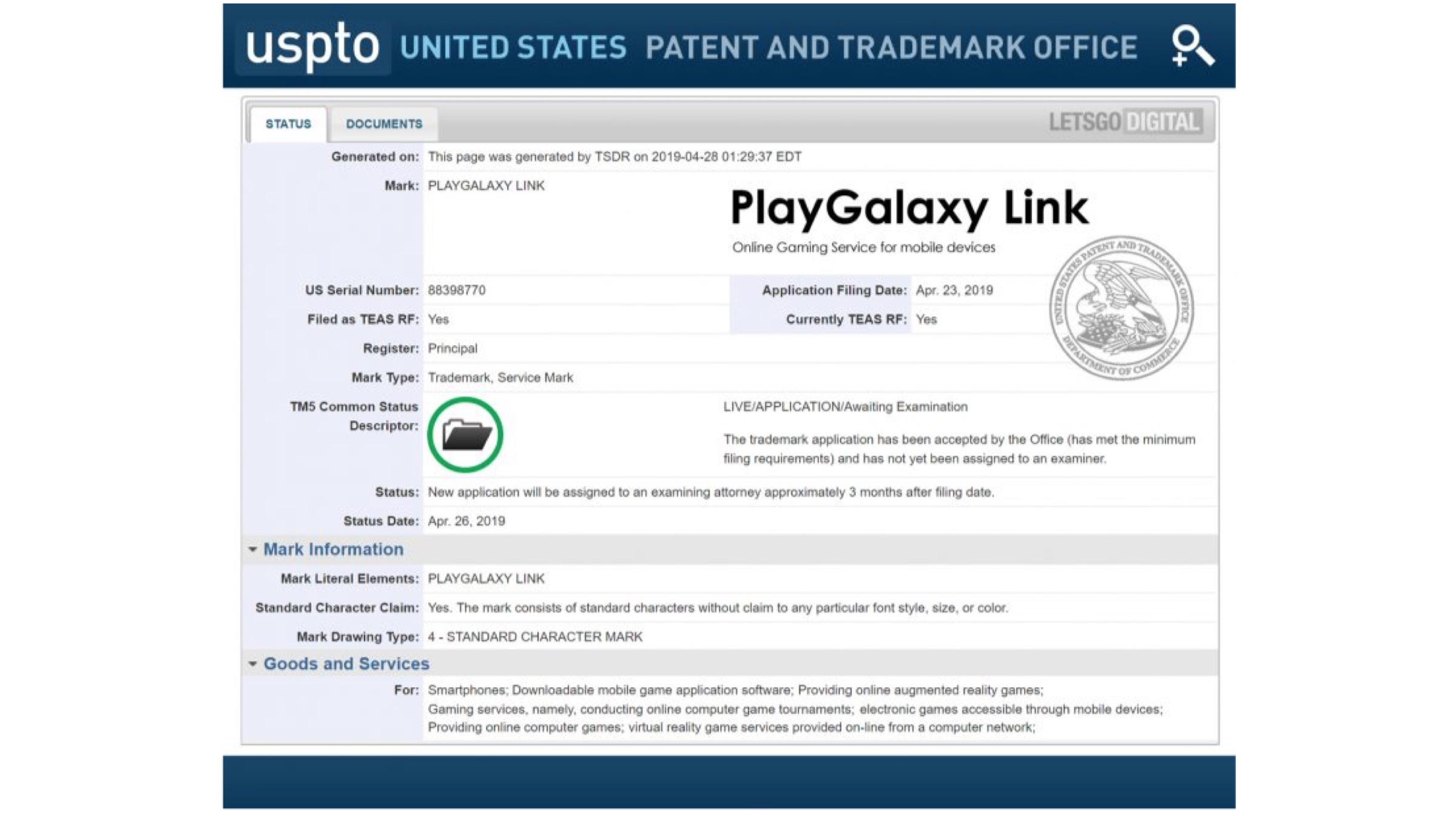 The patent was first filed by Samsung in America with the
 Also Read:



 One of the biggest challenges while delivering drugs via nanoparticles is the exit strategy of the robots, implying that the micro robots can escape the blood vessels and accumulate in the desired spot for removal from the human body. Sangeeta Bhatia, a senior author of the aforementioned study states that it is tough to get the nanomaterials to the tissue in the lining of the blood vessel, but the use of magnetism to develop fluid forces, the nanoparticles can be pushed through the lining. The same study further states that swarms of naturally magnetic bacteria (Magnetotactic bacteria) can be also used to achieve the same result.
 Schurele, the assistant professor at the Swiss Federal Institute of Technology previously worked on magnetic microbots, and consequently she aimed towards making the nanoparticle drug delivery technique more efficient when she started working with Sangeeta Bhatia. The researchers used their micro robots to target diseased sites in the human body which were usually a host of tumours. Since they faced issues with the same, the team explored their options with magnetic bacteria to devise a method to push the particles to the target in a better way.
 Also Read: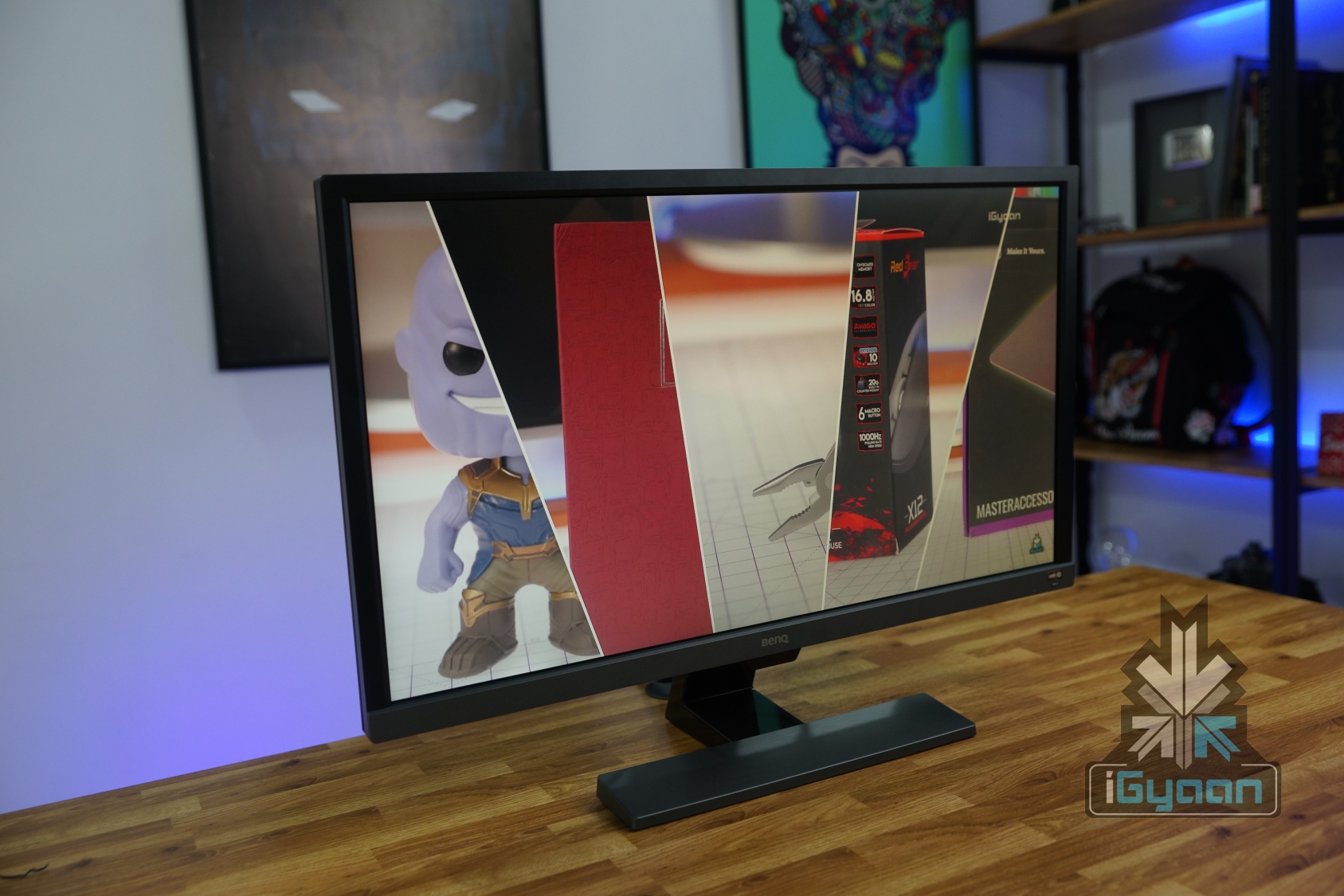
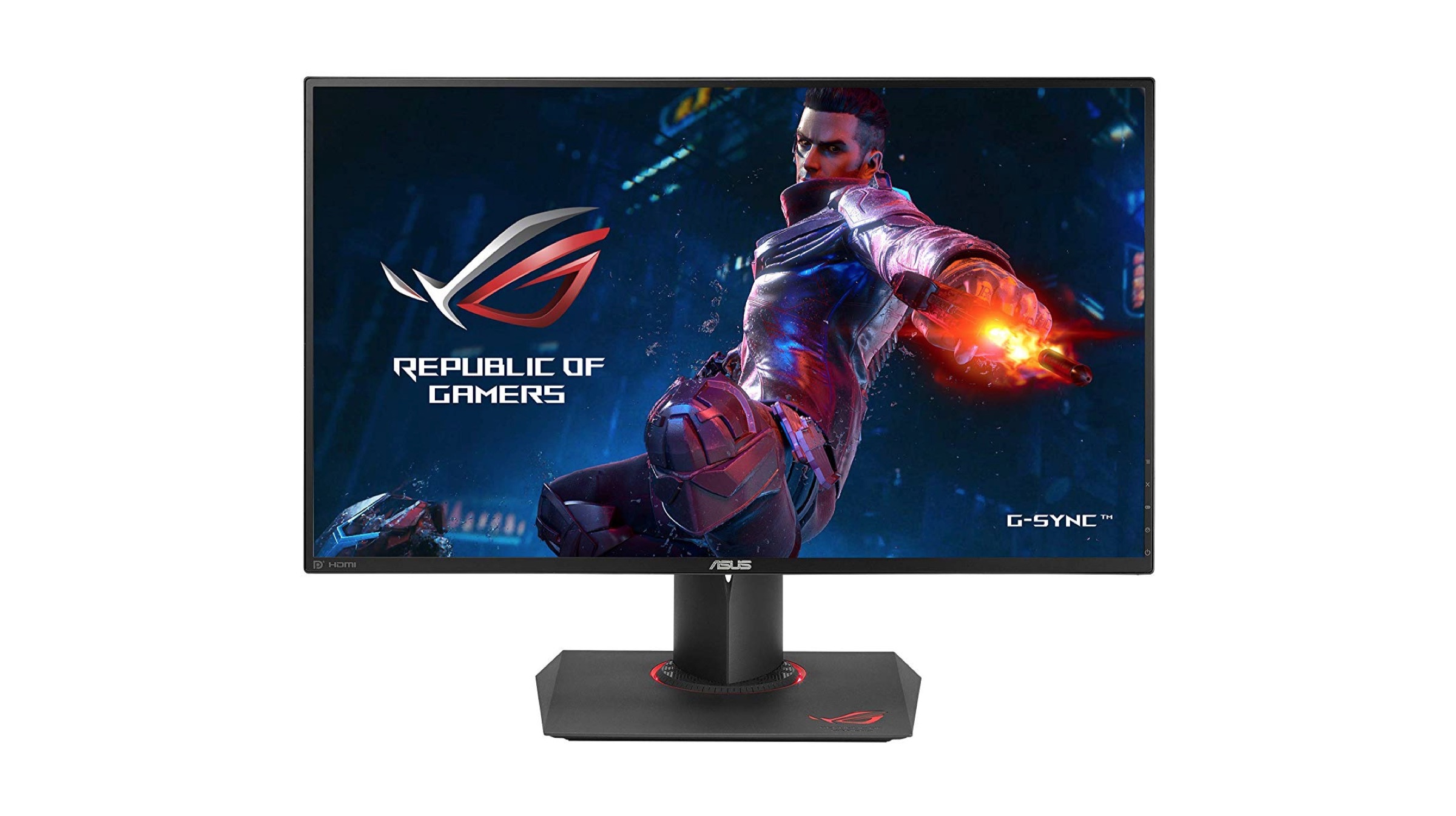 Since the beginning, gamers have been confused regarding their monitors. Should it sport an IPS panel, or should it feature a high refresh rate for a smoother gaming experience? The ASUS PG279Q features a 27-inch IPS panel with a resolution of 2560 x 1440 px, but at the same time, the monitor sports a refresh rate of 144Hz (which is further overclockable to 165Hz), making it a “best-of-both-worlds” experience. Furthermore, the monitor features G-Sync, which allows you to switch between your refresh rates only if you are using an NVIDIA graphics card. However, the monitor is slightly expensive, and it will set you back by US$ 800 or INR 83,999.
 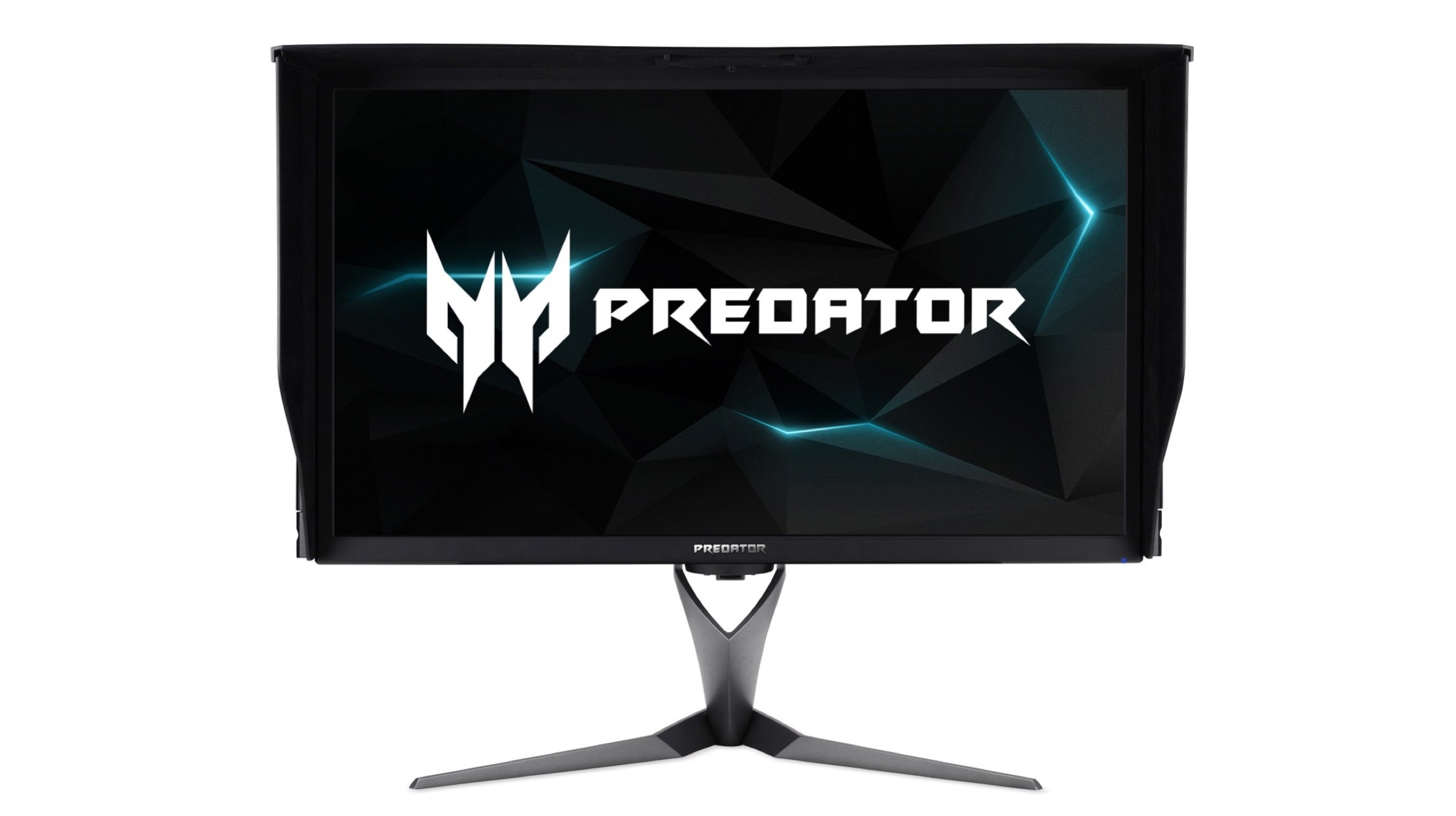 The Acer Predator X27 is a fantastic gaming monitor, which suffers a bit owing just to the price of the same. The monitor features an IPS panel, which is topped out a refresh rate of 144Hz. It supports 4K video playback, and a resolution of 3840 x 2160 px. The monitor supports VisionCare technology, which claims to reduce eye strain during long gameplay sessions. Moreover, G-Sync allows for a variable refresh rate in the monitor, making it the perfect fit for NVIDIA’s graphics cards. The Acer Predator X27 has a multitude of ports on both sides, including a total of 4 USB 3.0 ports as well as an HDMI 2.0 and DisplayPort 1.4. The real downside is the price, which tunes in at around US$ 2,000 (~INR 1,40,000), making it one of the most expensive gaming monitors in this list.
  Few monitors in this list cater to just eSports players, and AOC AG273QCG is definitely one of them.The monitor ticks all the boxes if you’re are an avid eSports player and need a professional grade monitor to play on. It has a 27-inch screen with 1440p resolution and on top of that, it supports NVIDIA G-Sync in one variant and AMD FreeSync in the other. The monitor has a curved design and features a high refresh rate of 165Hz. Furthermore, AOC AG273QCG has a vibrance scale that has received rave reviews from a lot of users, making it the perfect pick if you’re into that thing.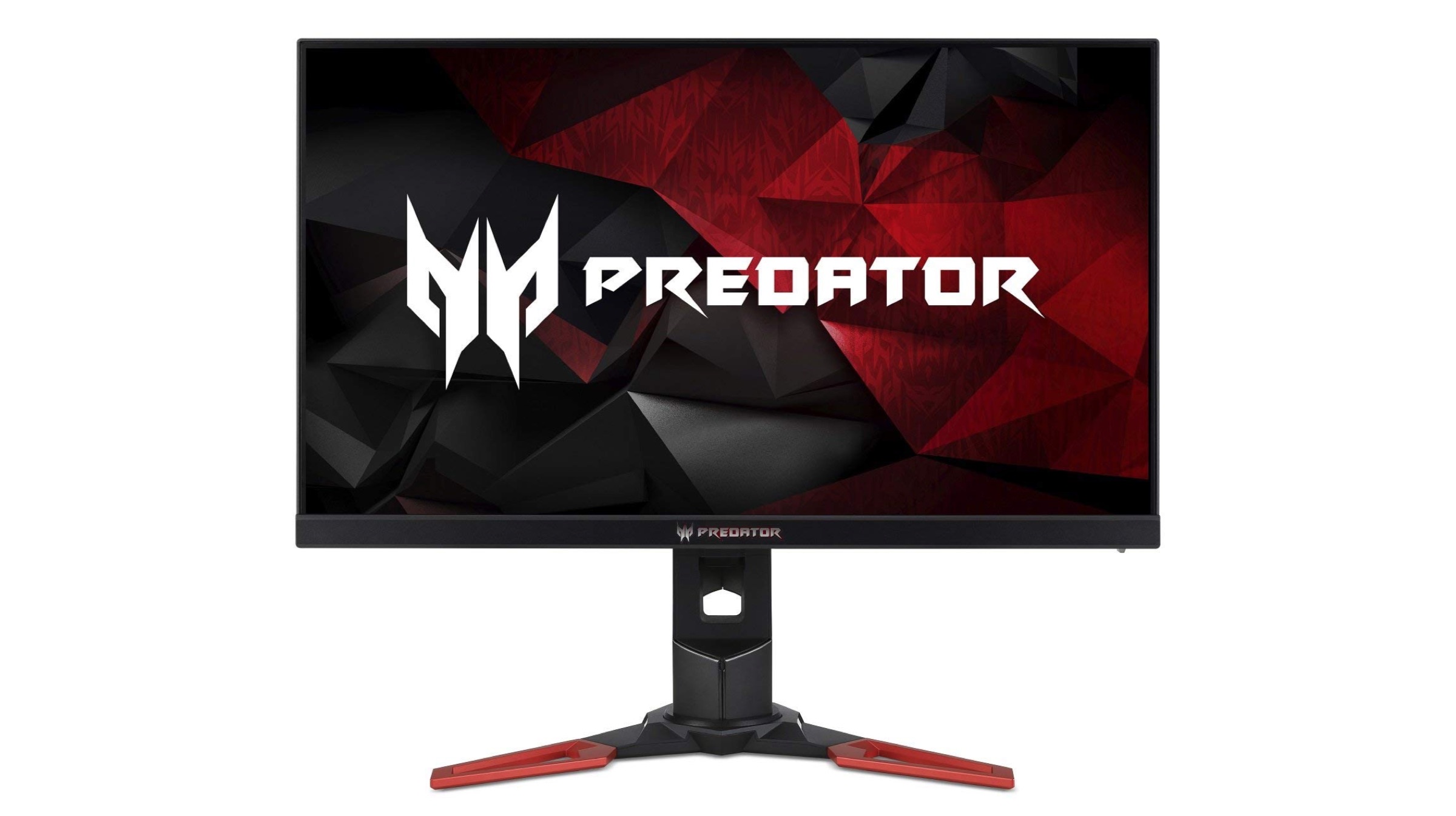

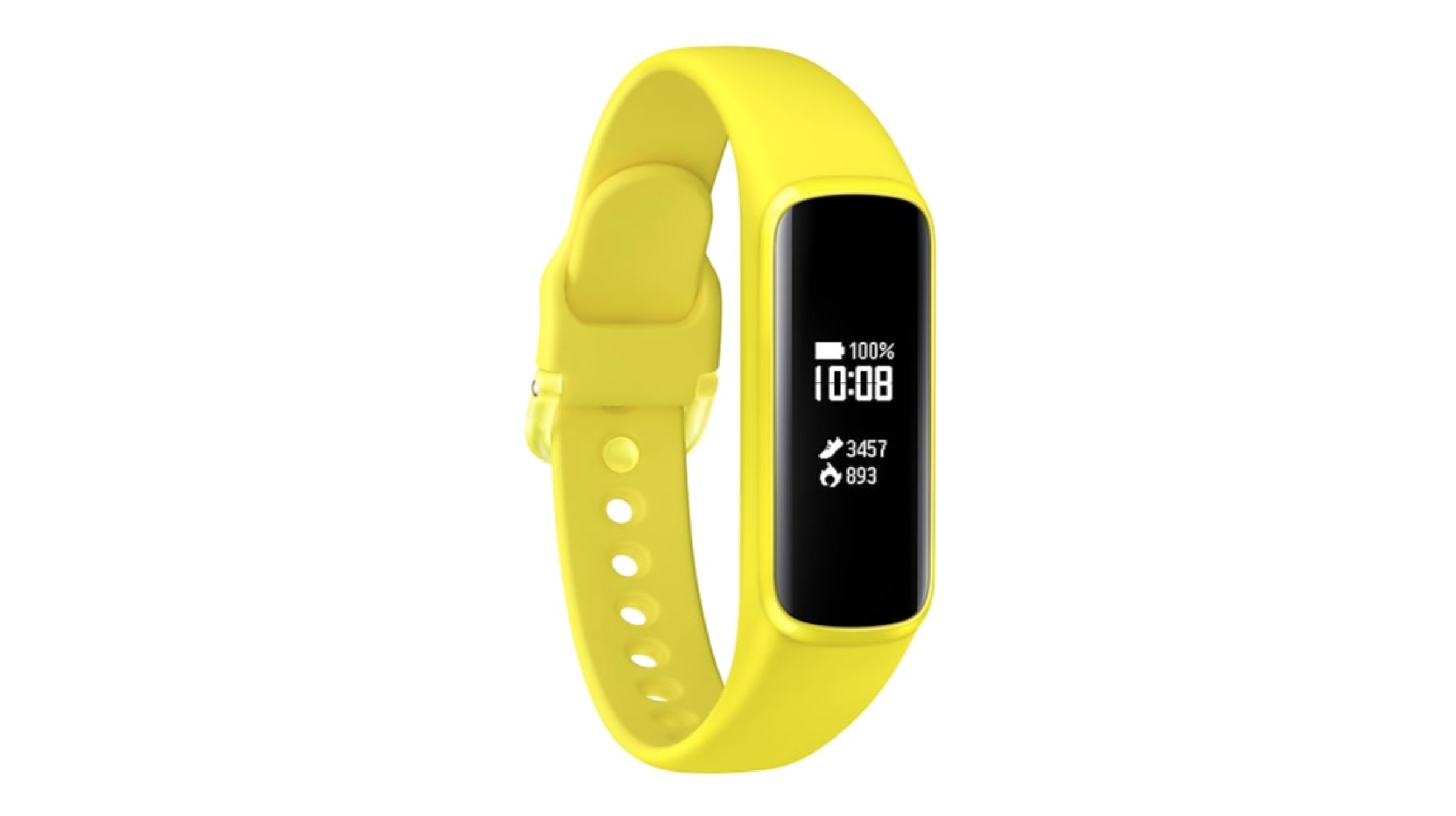 As per reports, the Samsung Galaxy Fit-e was previously supposed to be launched on May 21 in the United States, hence the fitness tracking suddenly appearing on Samsung’s Albanian website is probably a mistake. Moreover, the fact that the buying links on the website are not functioning at all gives a confirmation of sorts that this page may not be intended after all.
 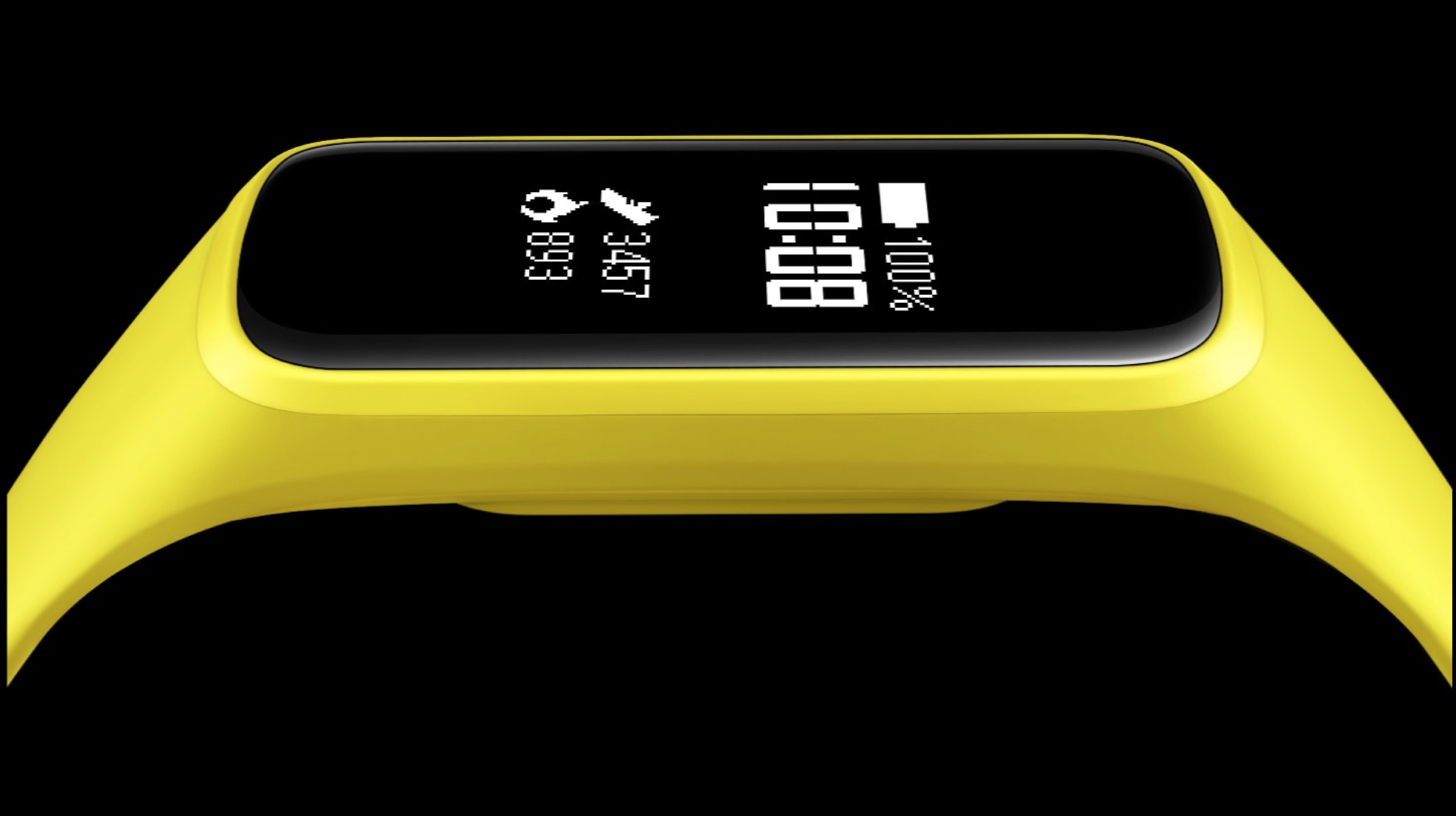 Nonetheless, the listed specifications of the Galaxy Fit-e informs that the fitness band runs on the FreeRTOS operating system. It features a monochrome PMOLED display panel, which is expected out of an aggressively priced fitness band. It sports Bluetooth v5.0, and packs a 70 mAh battery which enables the Fit-e to last an entire week, the company claims. It measures at 40.2 x 16 mm and weighs 15 grams.
  Also Read:
 Dr. Niklas Mattsson, the physician at Skåne University Hospital and the lead author of the aforementioned study stated that a protein called neurofilament light in the blood can be conveniently used to measure brain cell damage in various stages of Alzheimer’s disease. The protein leaks/spills out of damaged and dying nerve cells and travels into the cerebrospinal fluid, heading into the bloodstream shortly afterwards. As per previous studies, people who suffer from diseases like Alzheimer’s have a higher level of neurofilament light in the blood.
 Also Read:
 As per noted analyst Ming-Chi Kuo, Apple will unveil a total of two iPad Pros in 2019, which will include an 11-inch variant and a second variant with a large 12.9-inch screen. This is not exactly surprising, since Apple always releases two iPad Pros every year, but the elephant in the room is the fact that Apple is planning to incorporate 5G modems in the future iPads, which will be released by early 2021 or late 2020. Yes, that’s a long way to go, especially since
  Also Read: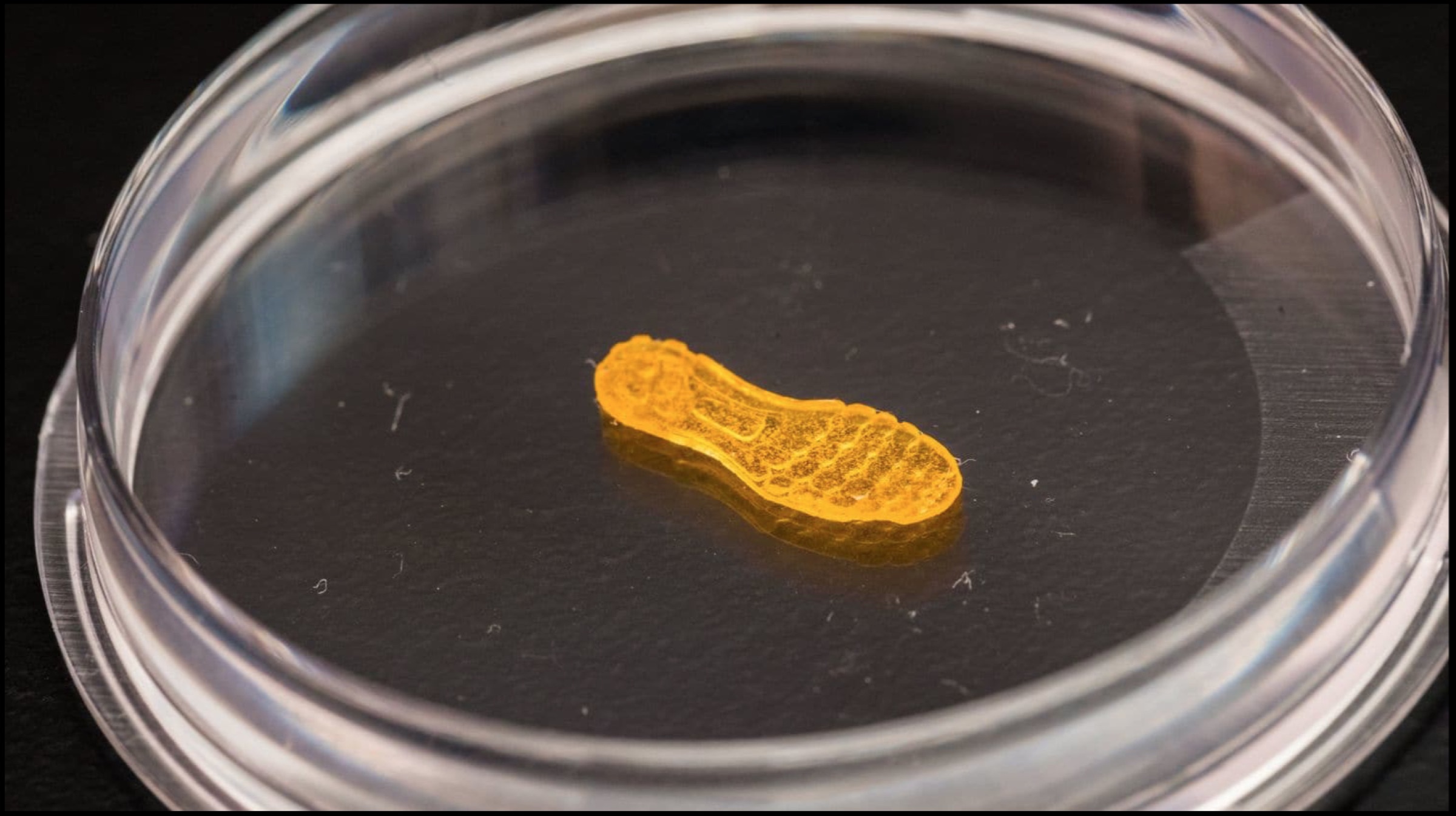

 When the rubber material is exposed to a source of heat, a chemical reaction occurs that enables the atoms of the material to fuse back together. The healing speed is directly proportional to the amount of heat provided to the material, the report states. However, the healing process can occur at room temperature too. It will just take more time.
  Also Read: