As Gaming PCs are becoming more popular day-by-day, people are starting to invest a fair chunk in building their setups. If a user has invested a majority of his time configuring his/her PC, chances are that he/she might have overlooked an aspect which holds a very important spot in a gaming setup. Peripherals are the basis of any complete setup, and choosing the best ones can be a little tricky. That is the exact reason why professional gamers spend so much time picking out the perfect peripherals for the most optimal experience.
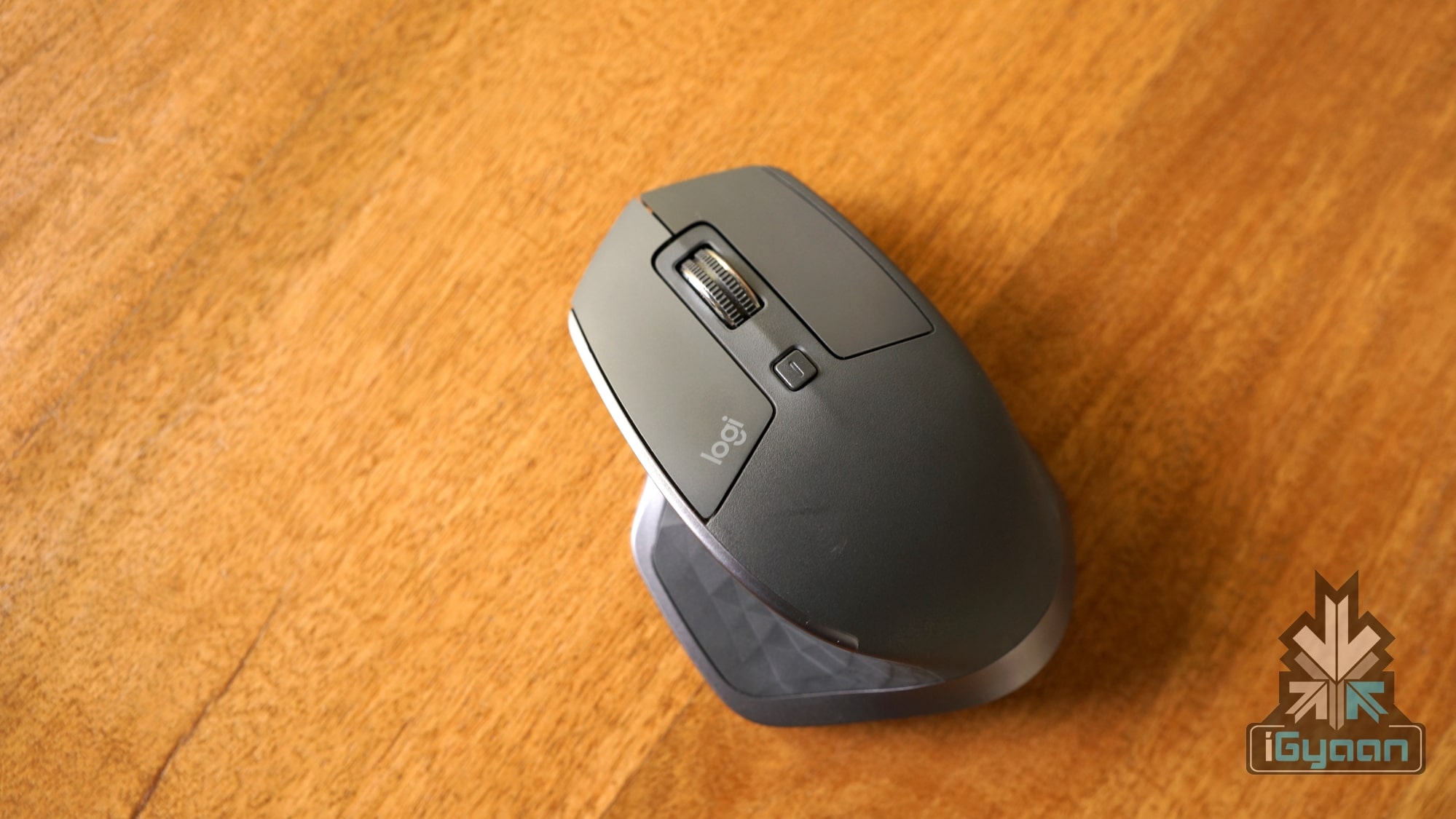 With the evolution of gaming, a lot of brands have emerged which aim to provide catered products as per the consumer base. For instance, streamers may require more flashy and aesthetic peripherals than regular gamers, who might end up focusing more on specifications of the same. The same may also depend on the game in concern. For example, if you play more FPS games than MOBAs, keyboards and mice with fewer add-on keys are perfect for you. Similarly, while playing MOBAs, macro keys and buttons come in handy.
Let’s have a look at some best-in-class gaming peripherals, ranging from keyboards to mice and gaming headphones as well.
Gaming Keyboards
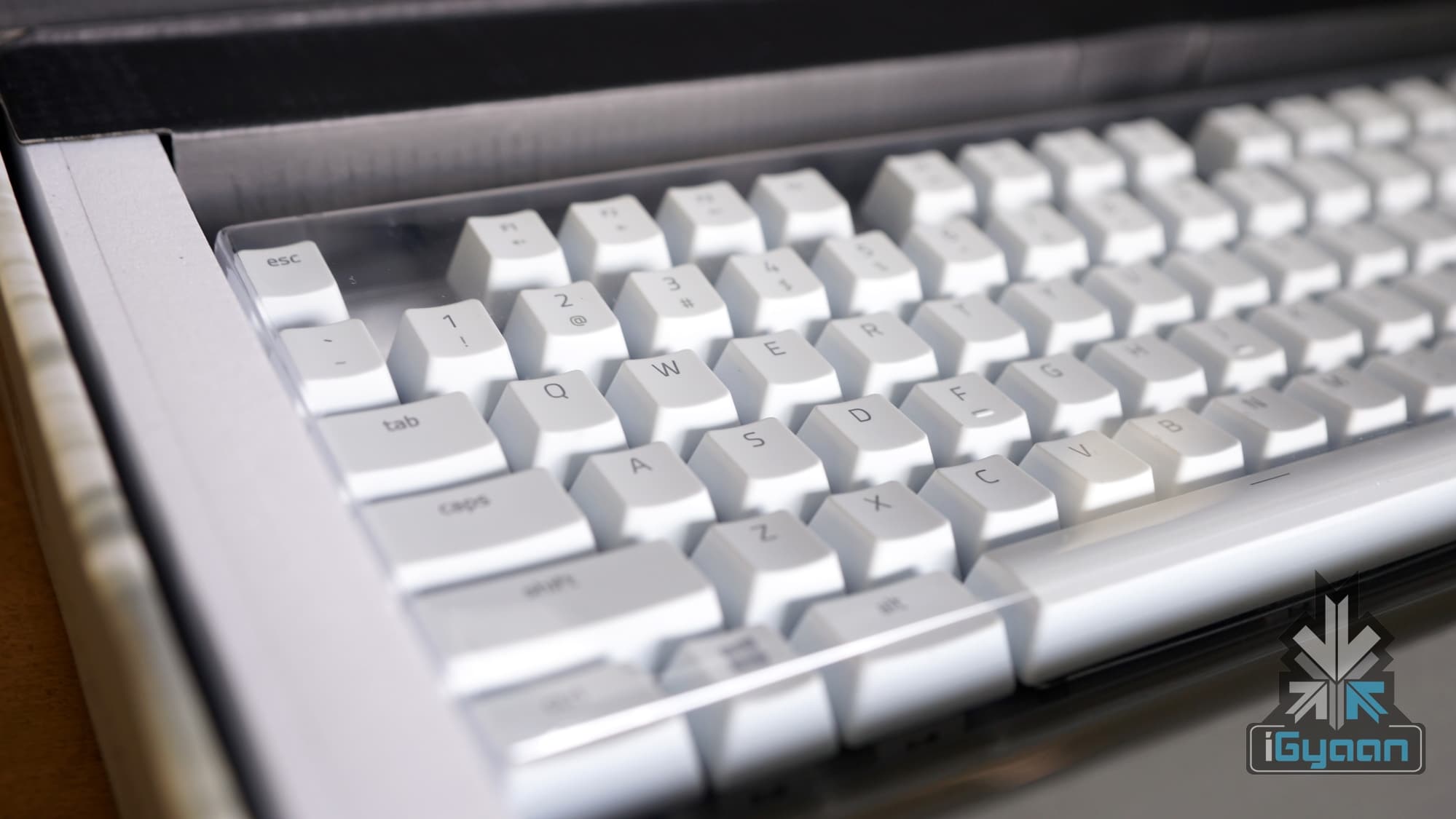 A lot of people pay more attention to gaming mice rather than the keyboard, but it is important to note that both the peripherals complement each other equally. Since a keyboard can be used for more than one task (for instance, typing and gaming), it makes sense to focus on the keyboard as well. And since membrane keyboards have given way to mechanical keyboards, it would be more viable to get a good mechanical keyboard that serves your purpose.
Listed below are 2 keyboards that offer nearly everything you need in a mechanical gaming keyboard:
Corsair K95 RGB Platinum
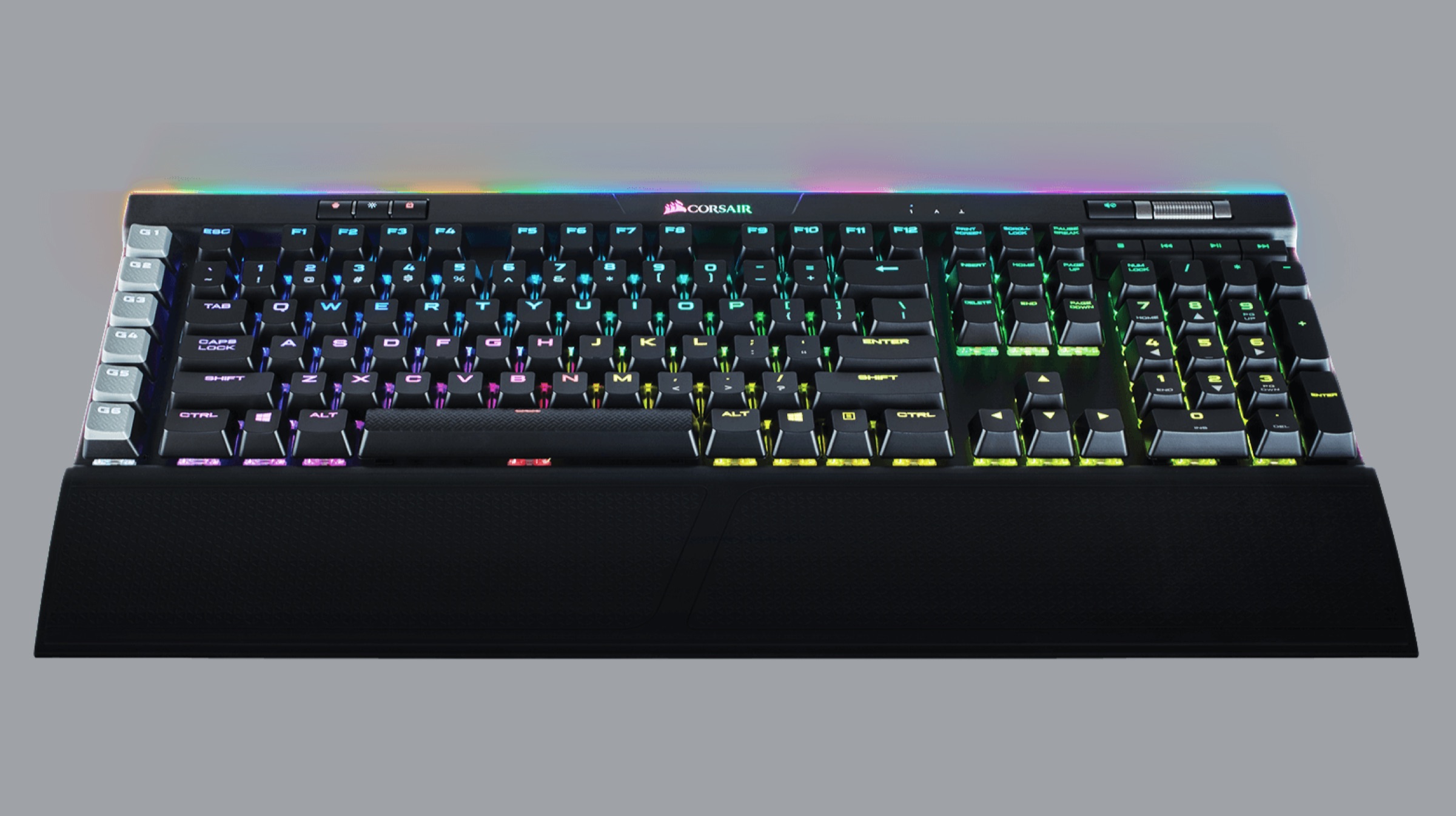 The K95 Platinum is a keyboard that has a plethora of features, which is apparent from its huge size. Keeping in mind that it will occupy its fair share of space in your desk, the K95 RGB Platinum delivers on all fronts. The keyboard has MX Brown switches, which don’t produce as much sound as Cherry MX Blue switches, so the keyboard doesn’t create a huge racquet when you decide to type on it. In terms of functionality, the K95 has a metallic volume wheel, dedicated media controls and above all, class-leading RGB integration, using which you can easily sync it with other peripherals. A detachable wrist rest ensures maximum wrist comfort while playing. Moreover, users can swap the WASD keys with a set of textured keycaps that come bundled with the keyboard.
Click here to buy the Corsair K95 RGB Platinum Mechanical Keyboard
HyperX Alloy Elite
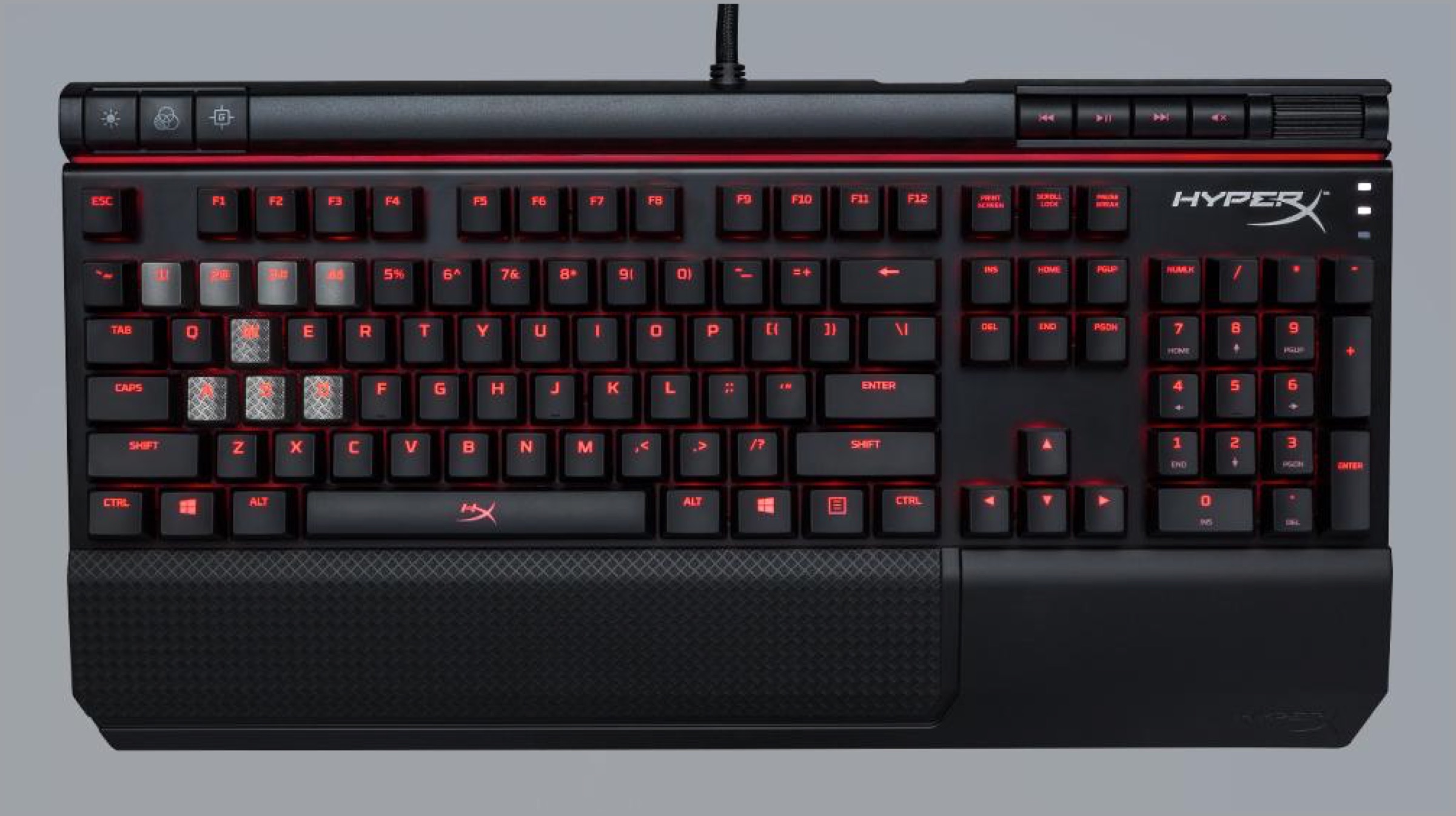 If you are on a bit of a budget, the HyperX Alloy Elite is a perfect package. While not as “beautiful” as the Corsair K95, the Alloy Elite packs all the necessary set of features required in a good mechanical gaming keyboard. Customers can choose from Cherry MX Brown, Blue and Red keys on the keyboard. Albeit it doesn’t have a set of dedicated Macro keys, it is priced much lower than the K95 keyboard. Also, the keyboard features just a single Red backlit version for the base model. Similar to the K95 RGB Platinum, it is bundled with an extra set of silver keycaps for the WASD keys as well as 4 number keys. N-key rollover ensures that all the key presses will be registered without any errors.
Click here to buy the HyperX Alloy Elite Mechanical Keyboard
Gaming Mice
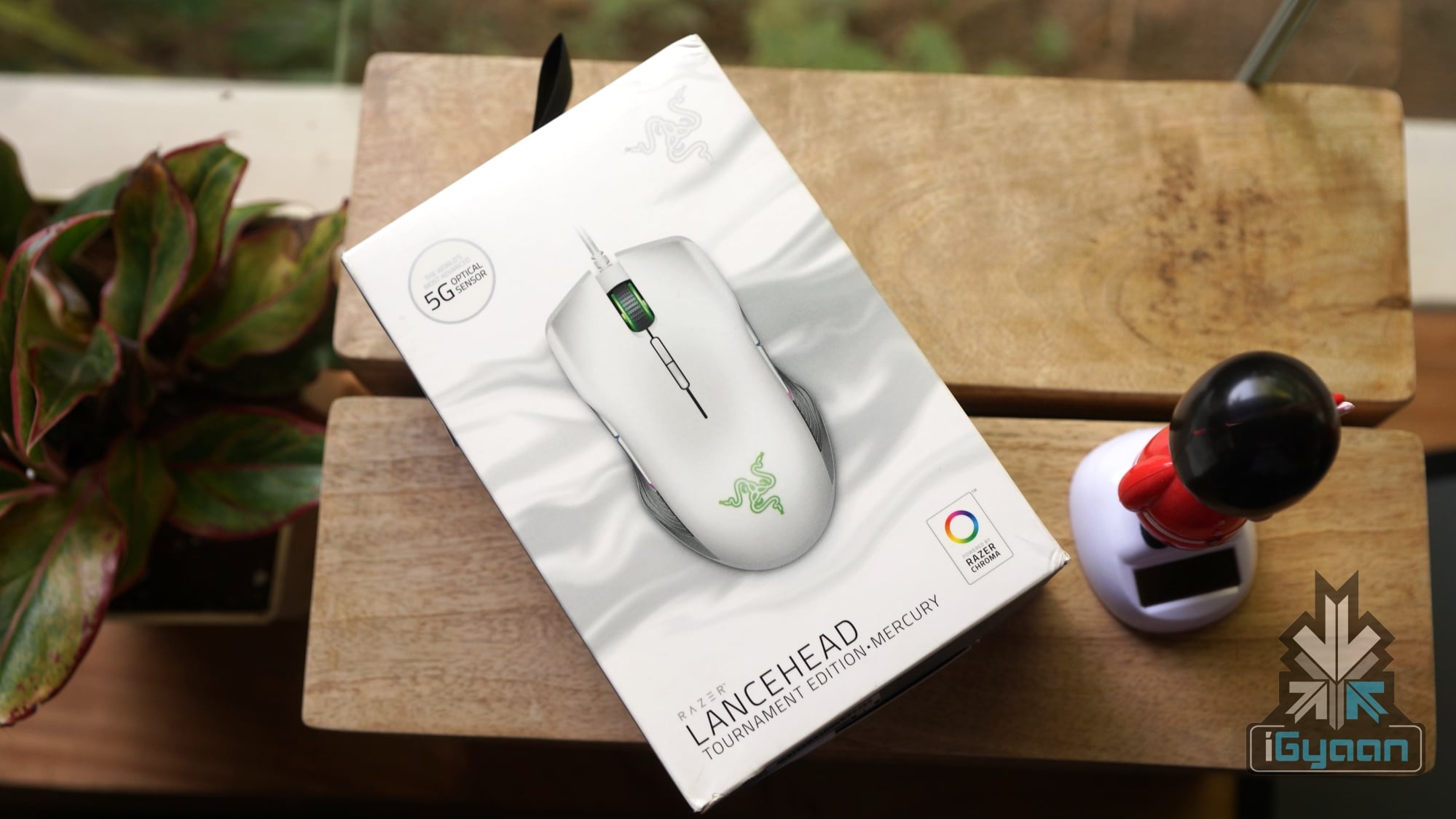 As mentioned previously, a good gaming mouse always complements the keyboard. This means that the first preference while choosing a gaming mouse is that it should fit the hand’s native grip. There are a total of three general grips: The first is the palm grip, in which the user grips the mouse with his complete hand and rests his/her palm on the rear section of the device. The second grip is the Claw Grip, where the person’s fingertips are almost perpendicular to the mouse click buttons. The last grip is named as the “finger grip” because the fingers rest flat on the mouse click buttons themselves.
Listed below are the two of the best gaming mice available right now.
Logitech G502
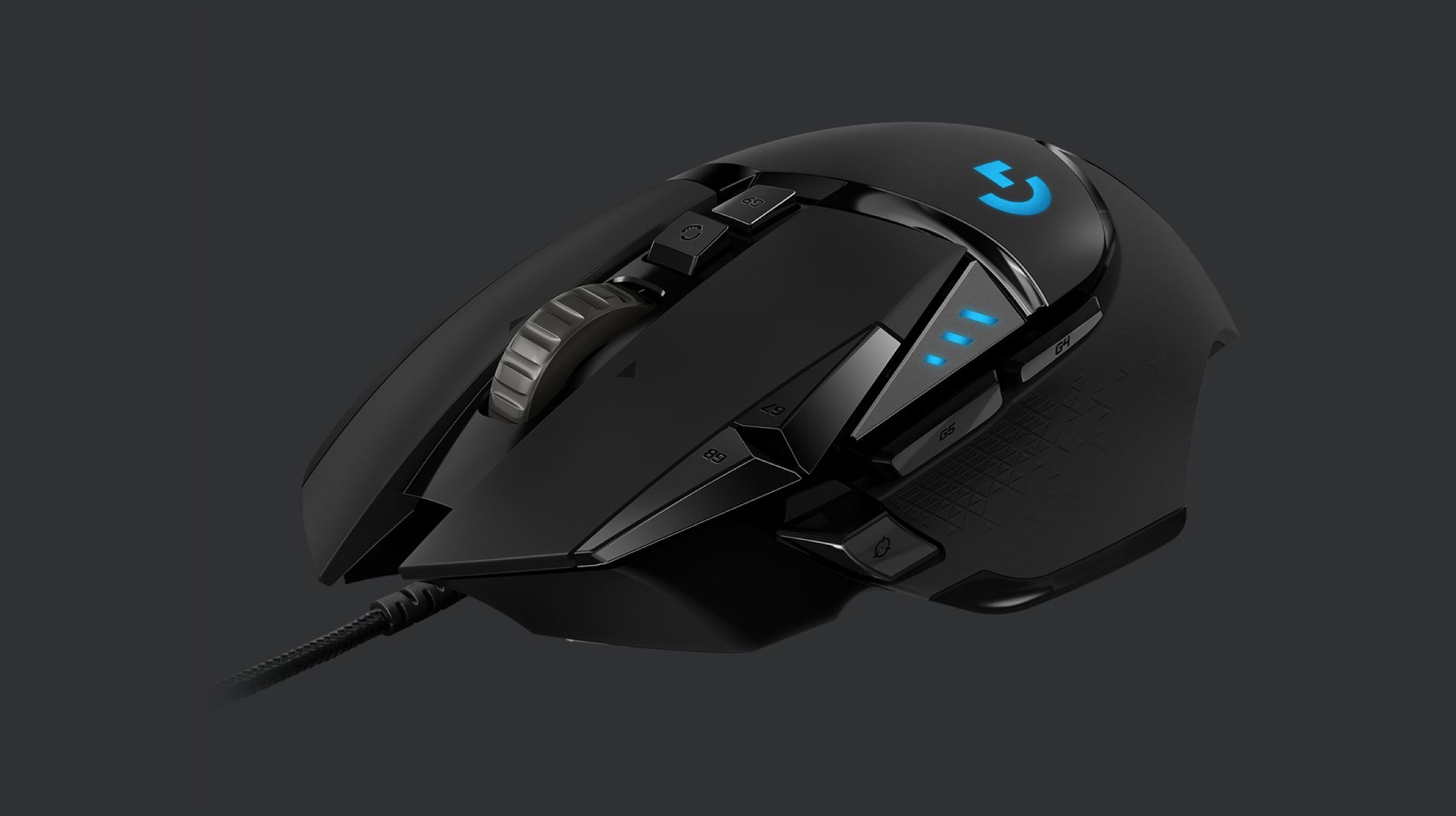 Logitech’s own prized baby, the G502 looks like a hybrid of the Logitech MX518 and G500. Packing one of the best native 16,000 CPI sensors in the market, the G502 weighs at about 121 grams with all its weights removed (the mouse comes bundled with extra weights). The mouse is best for palm grip users and has a premium build quality that makes it a pleasure to use. A notable feature of the mouse is the fact that the scroll wheel of the same can be switched between a notched spinning mode and a free spinning mode.
Click here to buy the Logitech G502
Razer Deathadder Elite
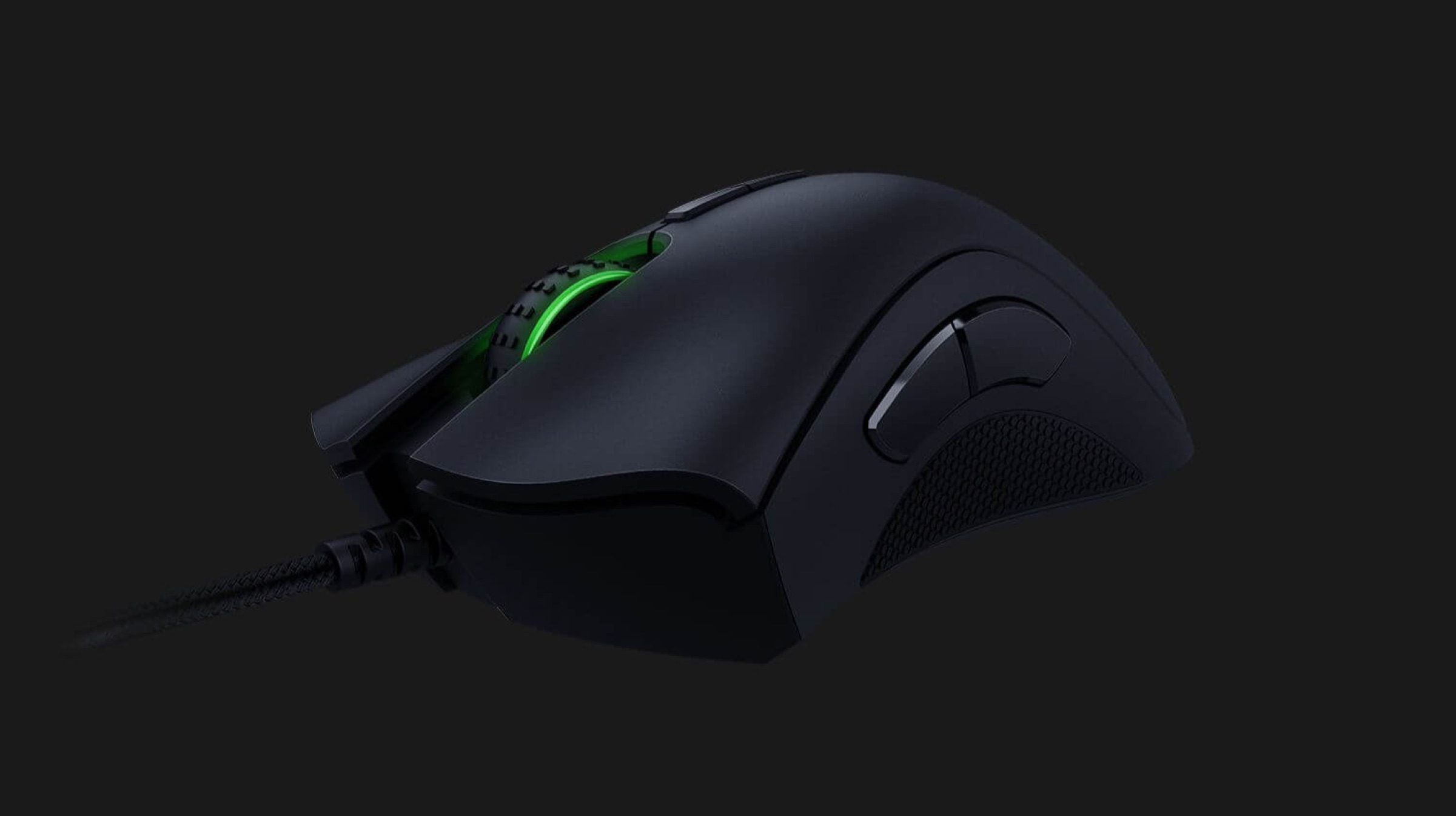 Razer Deathadder is a mouse that needs no introduction to gamers. The first generation of the Razer DeathAdder was unveiled in 2006. Since then, the mouse has undergone significant improvements, and almost 10 years later, the Deathadder Elite was launched by the company. The mouse is an all-round performer, and it uses a 16,000 CPI sensor, which is developed by Pixart in collaboration with Logitech. The sensor claims to provide 99.4% resolution accuracy, which means that the mouse delivers best-in-class tracking.
Click here to buy the Razer Deathadder Elite
Headphones
 Some of the best games available for PC are enjoyed in isolation. Although getting a good pair of speakers is necessary too, headphones enable you to cut-off from sounds around you and focus on the task at hand. Moreover, multiplayer games require acute sound sense, for hearing the sound of footsteps approaching can be a difference between winning and losing the game. Overall, it has been deduced that wired headphones provide better sound quality, but with technology evolving at an extremely fast pace, wireless headphones have become equally popular.
Given below are two performance-worthy gaming headphones.
Steelseries Arctis Pro w GameDAC
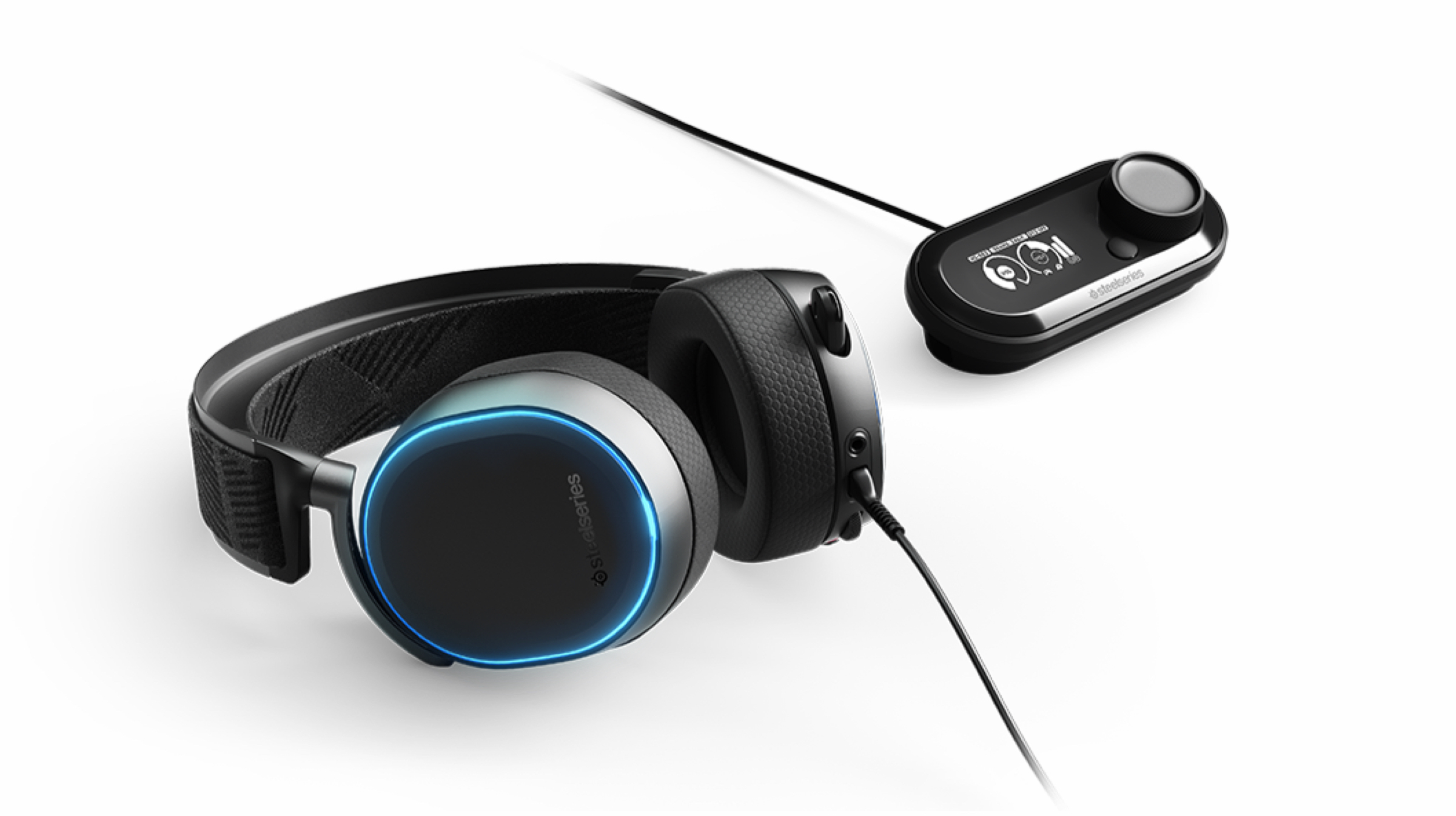 If you can shell out the money for it, the Steelseries Arctis Pro GameDAC provides the best audio quality available amongst a variety of headphones today. The headphones offer high quality lossless audio streaming feature with a 5Hz-40KHz frequency response range. The headphones sport a modern design, which male them perfect for regular usage as well. The highlight of this headset is the GameDAC, which comprises of the following components:
- A Digital-to-analog converter
- A preamplifier
- A control centre to regulate volume levels
Moreover, aesthetics-wise, an RGB ring encasing the earcups gives the headphones an attractive look.
Click here to purchase the Steelseries Arctis Pro + GameDAC
HyperX Cloud Alpha
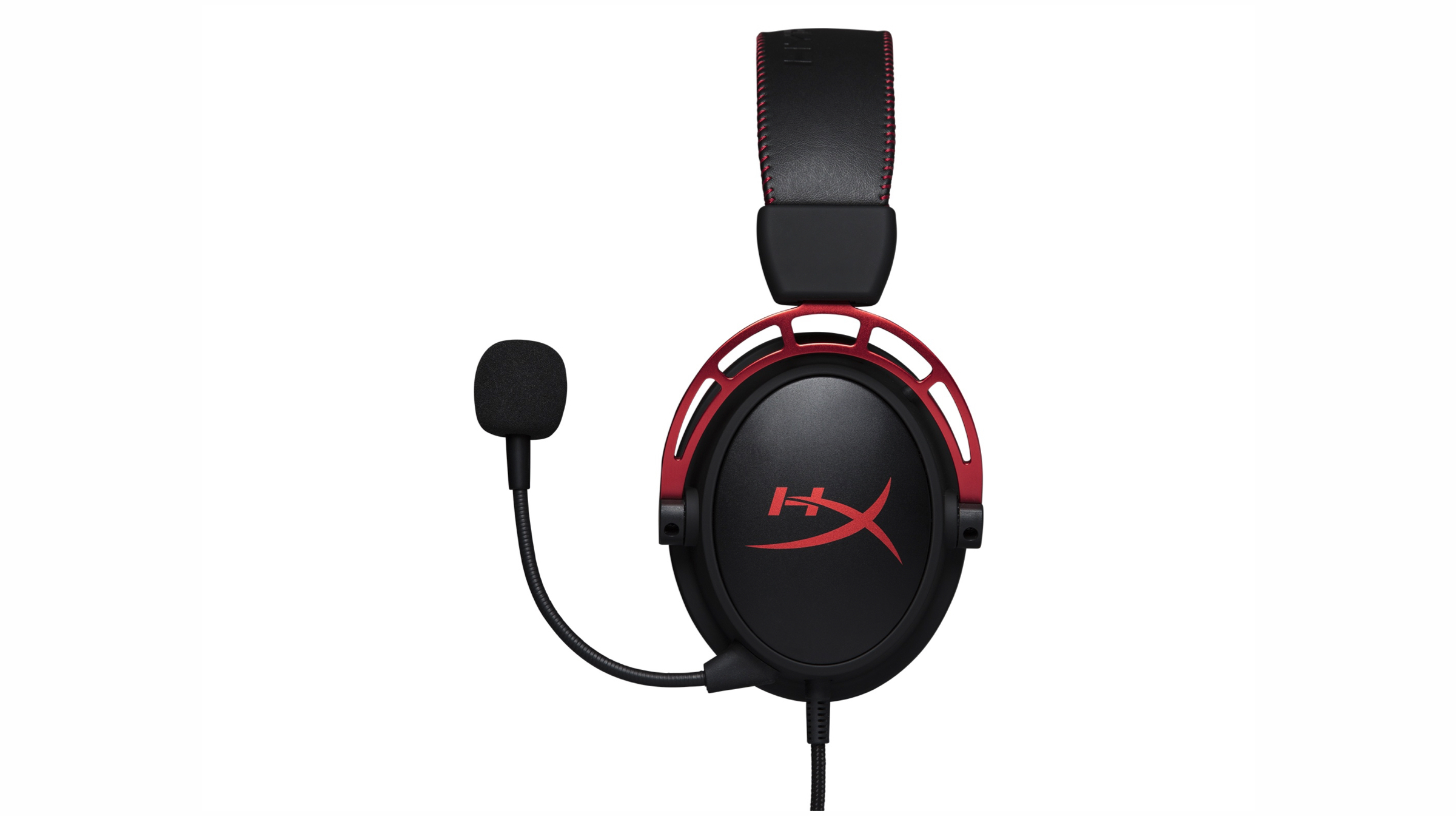 Priced at less than half of the price of Steelseries Artics, the HyperX Cloud Alpha may not have a DAC module, but it is one of the best performers on the scene. Sporting no extra gimmicks, the HyperX Cloud Alpha are bass-rich, making them the perfect companions to both music and gaming. The headphones have 50mm dual chamber neodymium drivers, which accurately reproduce frequencies. The headphones provide a high amount of comfort over long periods of time and feature a decent microphone.
Click here to purchase the HyperX Cloud Alpha
 Facebook’s spokesman stated that the company is acknowledging the issue faced by users and that all steps are being taken to resolve the issue. Apologizing for the inconvenience, the spokesman refused to divulge the cause of the outage. Rumours are floating around, which state that the reason for the outage of Facebook services was most likely a DDoS (Denial of Service) Attack. In a Denial of Service attack, multiple network nodes try to disrupt the server by accessing it at the same time.
 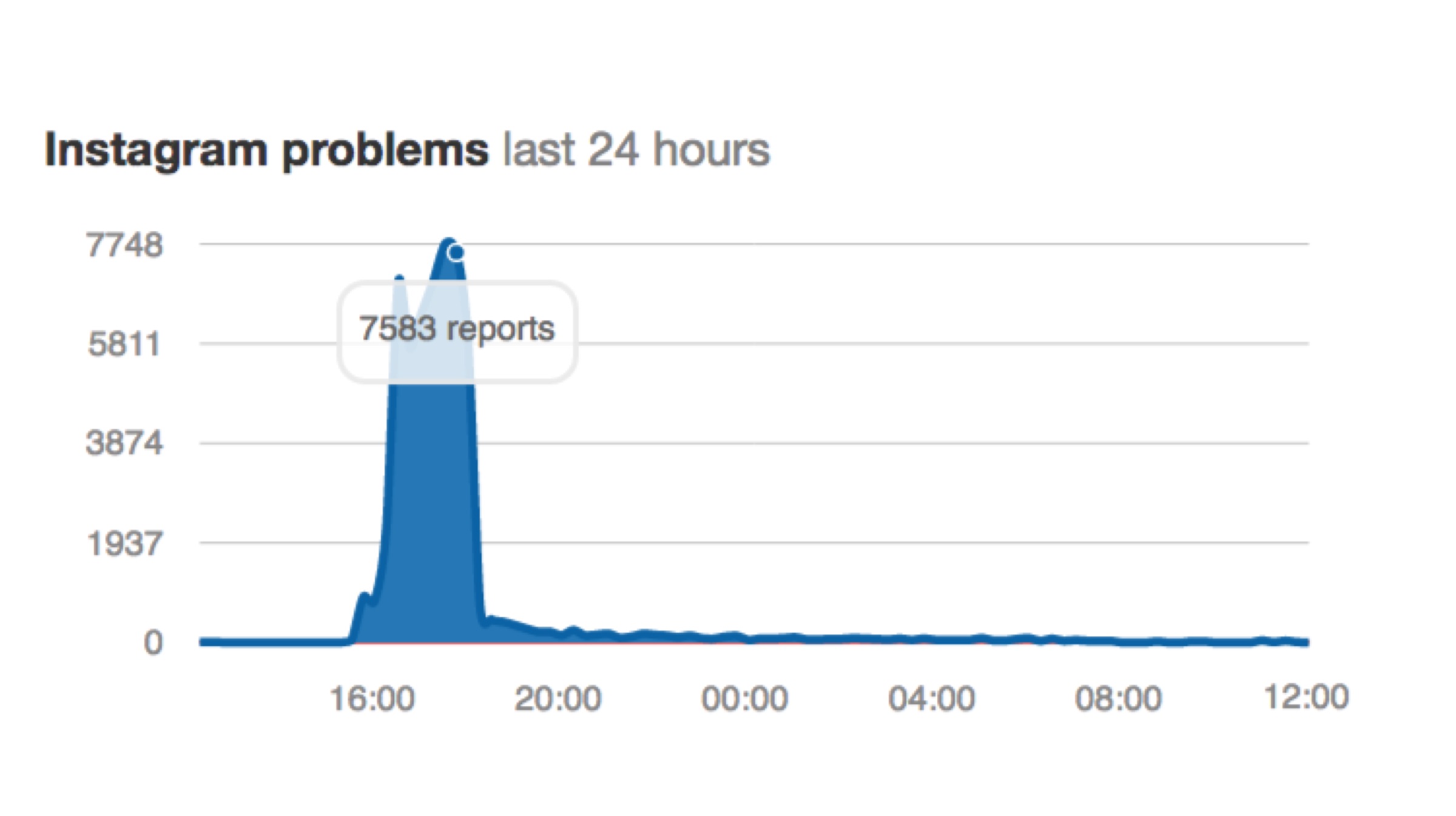 Downdetector.com indicated that at the peak time, over 12,000 users reported issues with Facebook connectivity throughout the world. Regarding other applications, Instagram had an outage count of over 7,000 users, whereas Whatsapp peaked at 3,000 user reports. The live outage map on the website clearly exhibited that the majority of issues arose from the Asian and European continental regions.
 Also Read: OnePlus 7, OnePlus 7 Pro To Launch On The 14th Of May
 Also Read:
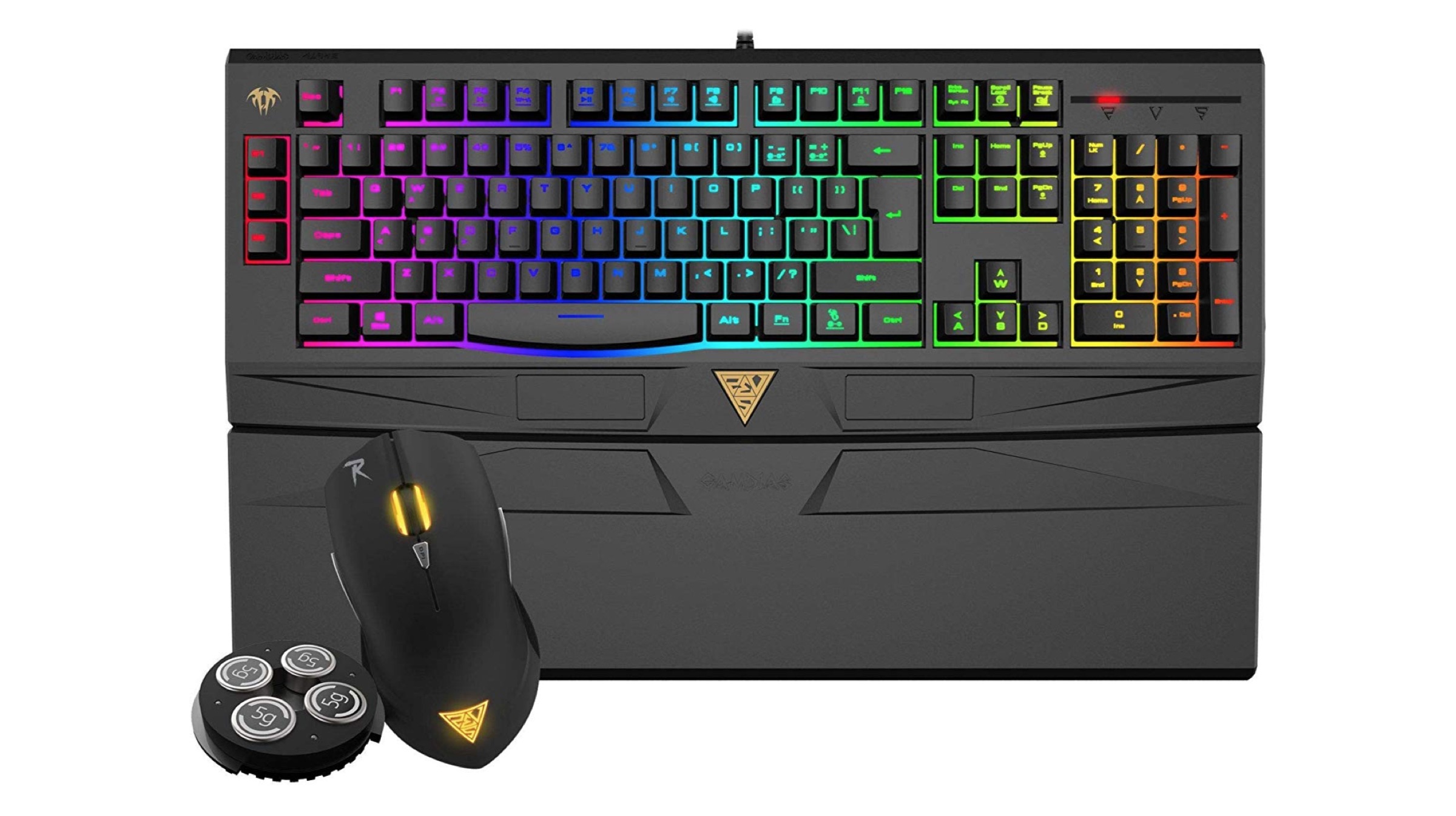 The GAMDIAS Gaming combo consists of a RGB backlit keyboard and an ambidextrous mouse with adjustable DPI settings. The ARES membrane keyboard includes a host of convenient features, such as 23-Key Rollover, All-keys lock mode, and OTF (On the fly) macro recording with 3 programmable Macro keys. Moreover, the keyboard features a spill-proof design, along with 7-colour RGB lighting and a convenient wrist-rest. The keyboard is paired up with the OUREA FPS mouse, which has an inbuilt microprocessor, an 8-million click lifespan and an ambidextrous design, which means that it is optimal for both left and right handed users. Furthermore, the mouse features selectable DPI options from 400/1600/3200/4000 DPI, and has a weight tuning system for mouse weight customization.
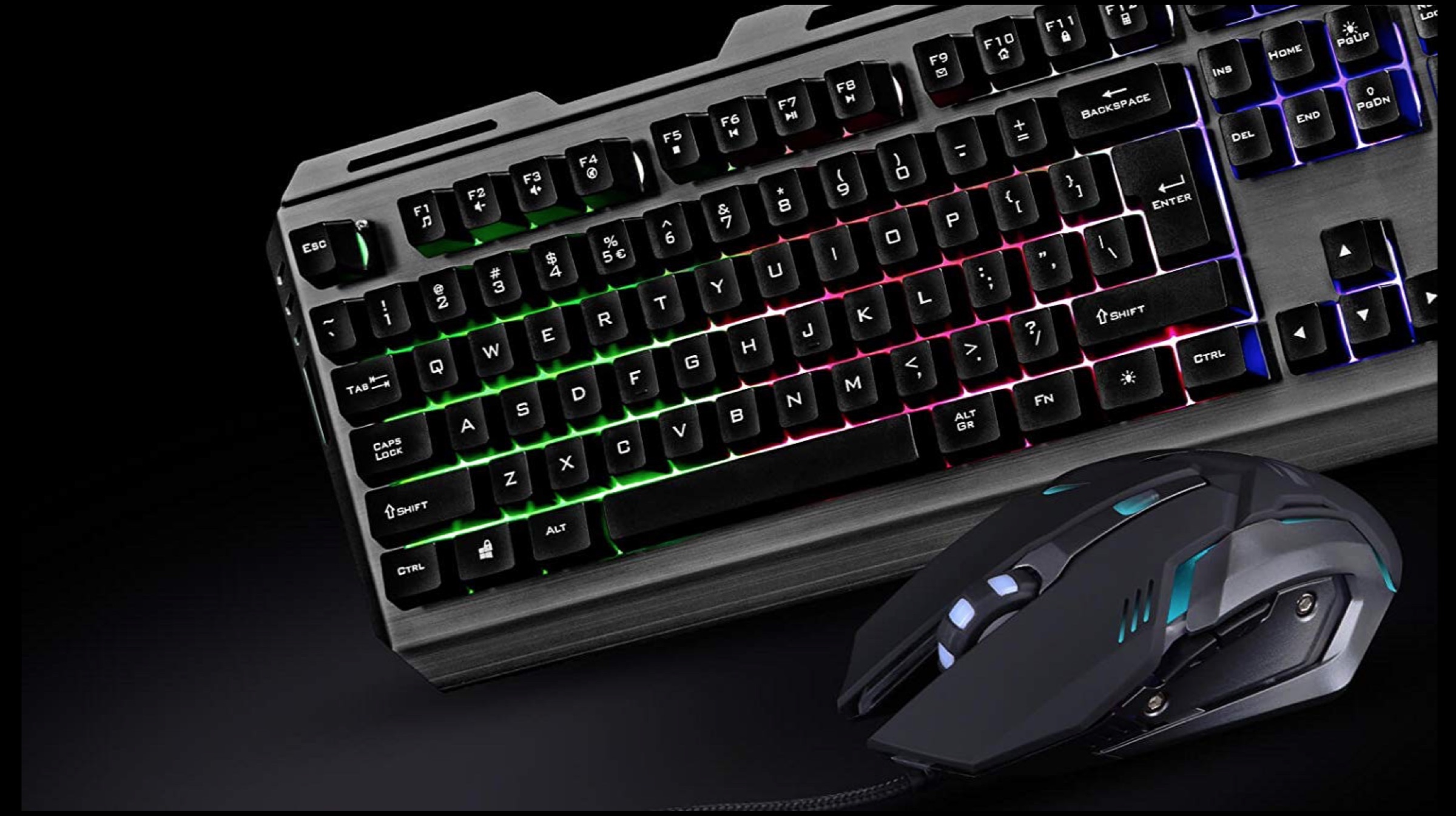 Zebronics is a well-known Indian peripheral manufacturing brand, and the Transformer gaming combo is fit for anyone who’s looking to add a little zest to their system. The keyboard features a total of 104 keys with 4-colour RGB illumination and a total of 3-light modes. The keyboard also has integrated media control keys, and sports a durable build thanks to the aluminium frame. The bundled mouse also supports RGB illumination, and has a sturdy design. Furthermore, the mouse features an extra button for DPI settings and two additional customizable buttons on the side of the mouse. The mouse has a 3200 DPI sensor.
 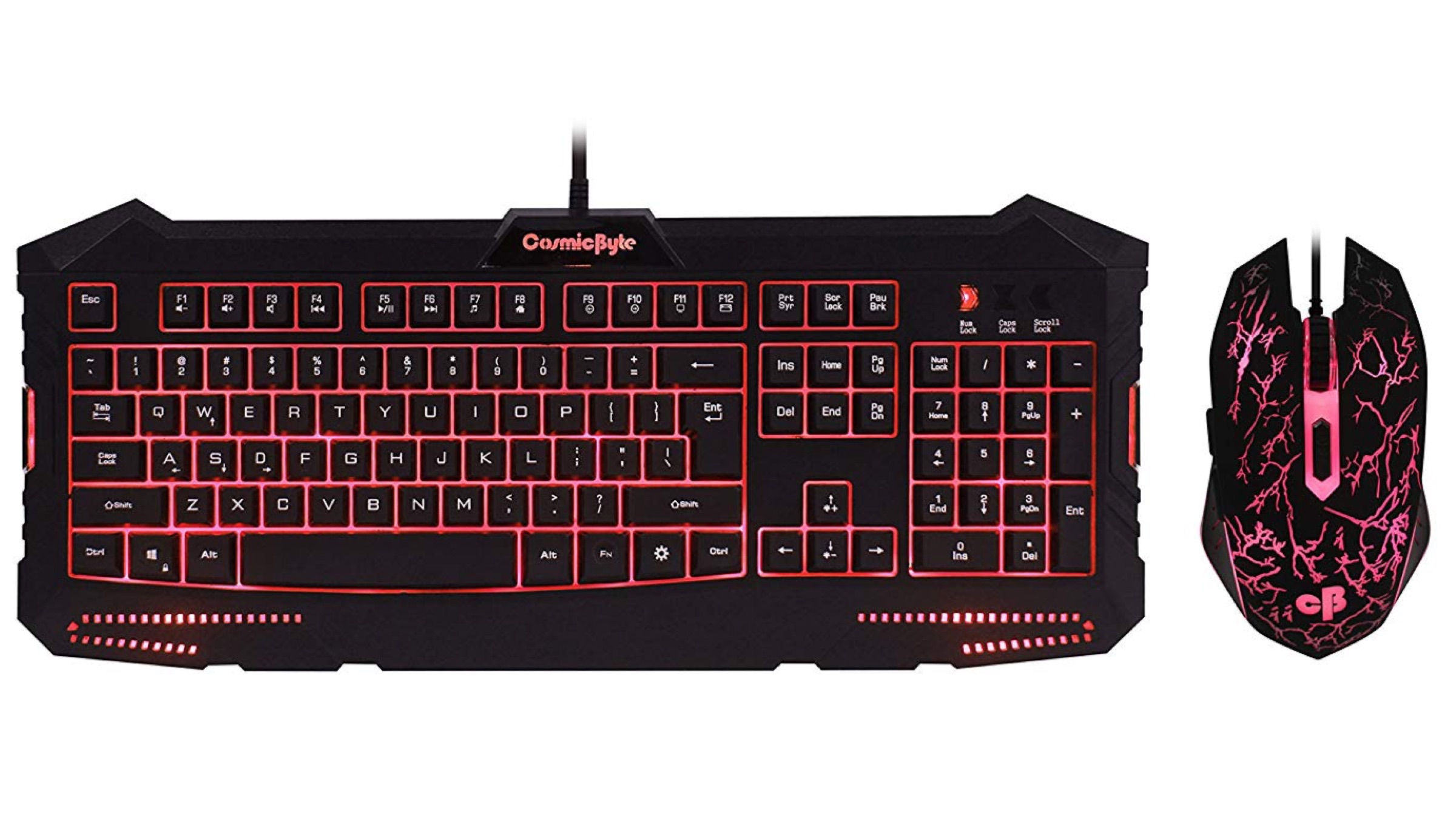 The Cosmic Byte Keyboard features a high quality membrane and 19-Key Rollover to prevent anti-ghosting. It has a one-touch media access key to access the volume and play/pause operations easily. Aesthetics wise, it features a total of 3 lighting modes. Moreover, the keyboard has 10customizable keys so that gamers can play different games with desired key setups. The less-feature-rich mouse has a similar RGB pattern scheme to the keyboard, and has extra customizable keys on the left. The mouse sports a 2400 DPI sensor.
 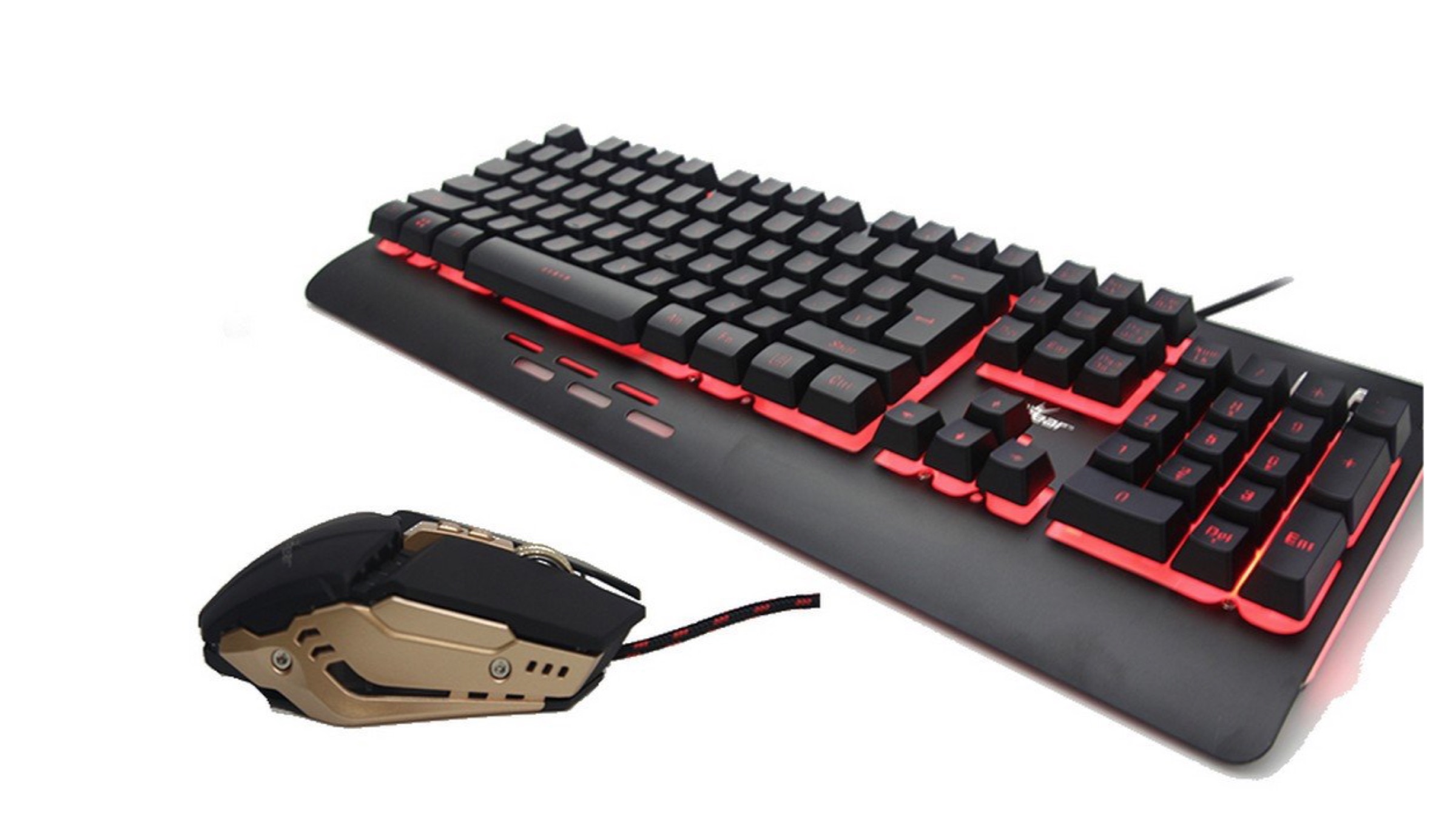 With a life span of up to 10 million keystrokes as claimed by the company, the Redgear Manta keyboard is ergonomic and well-built keyboard. It also has 3 LED colour light modes. The Redgear Manta keyboard has 19-key rollover to register all keys accurately while in-game. Similarly, the Manta Gaming mouse has an ergonomic design, but the mouse is not ambidextrous, instead, it is focused towards right-handed users. Users can customize the RGB settings on the mouse for an attractive look, and also save 5 macro profiles using the software application which comes bundled with the combo. The mouse also sports a 3200 DPI sensor, with on-the-fly DPI switching.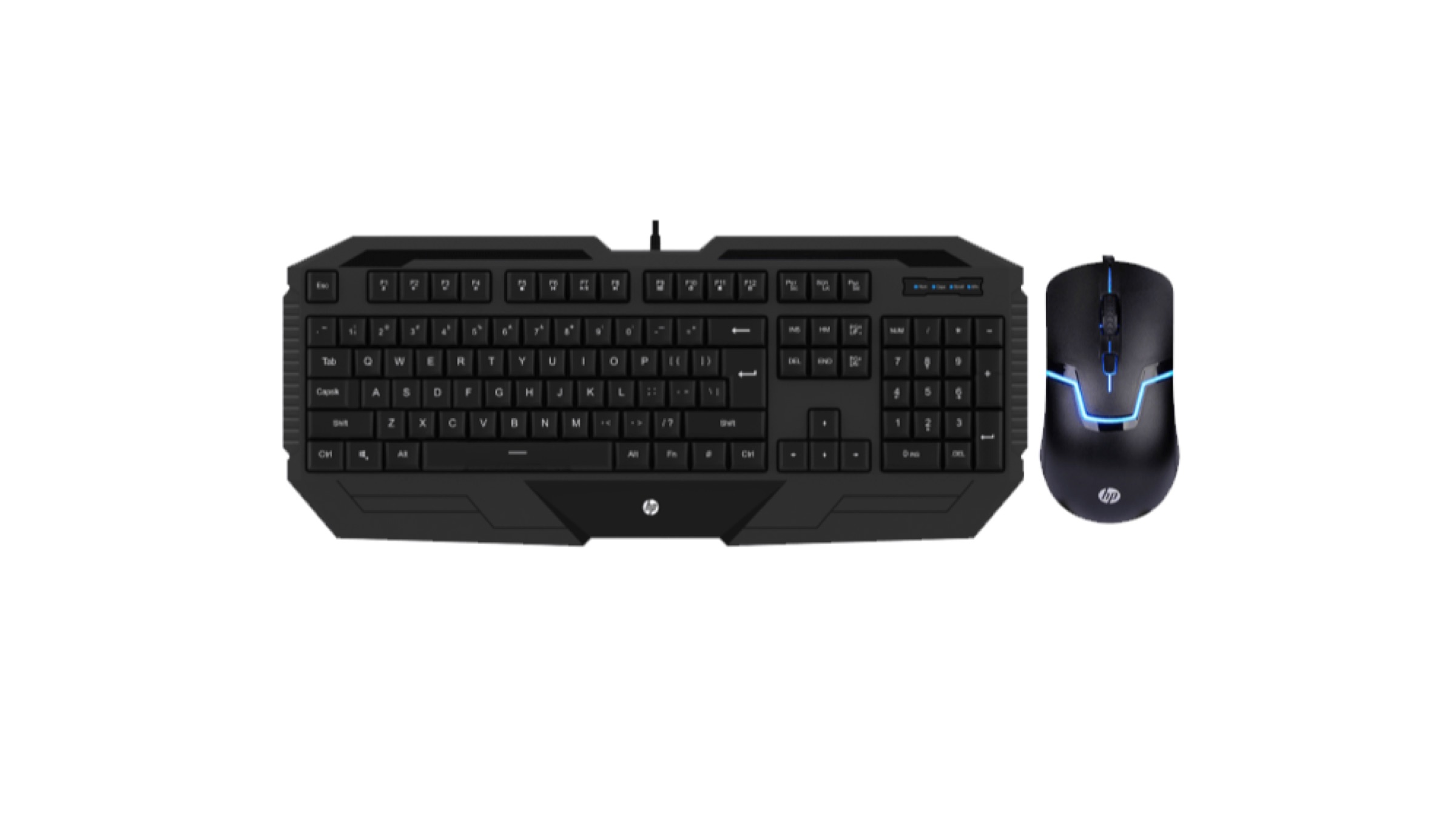

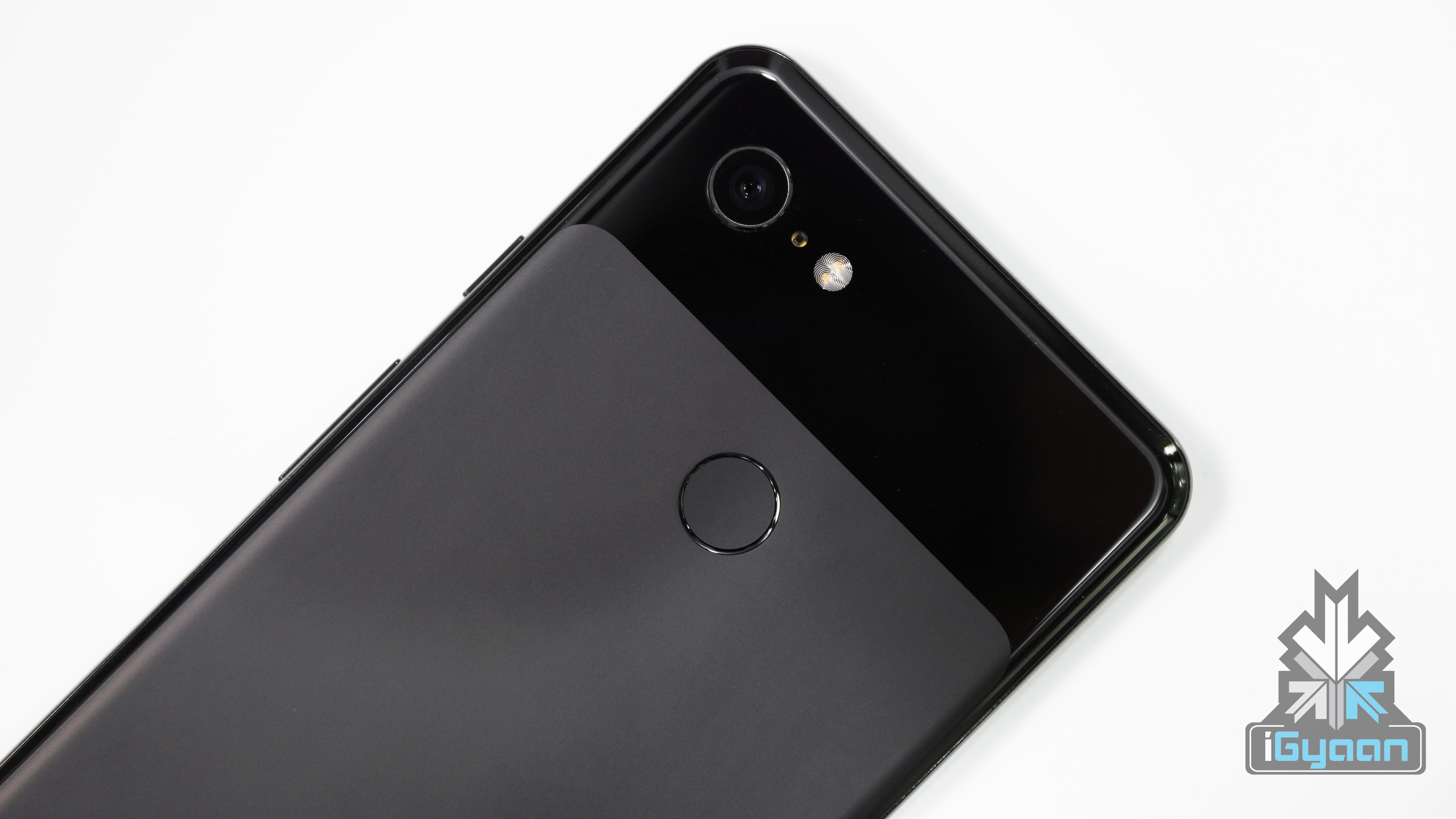
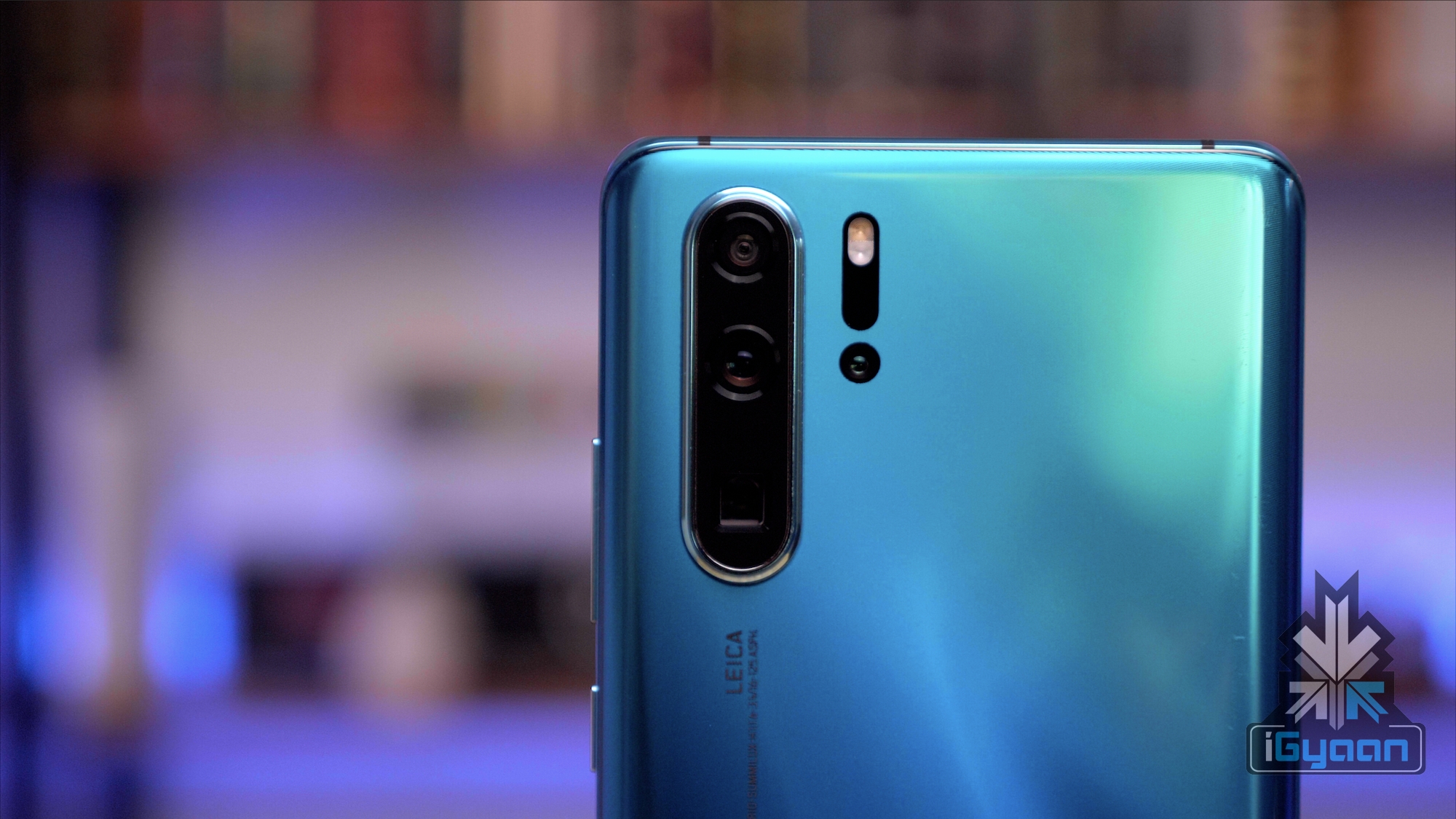
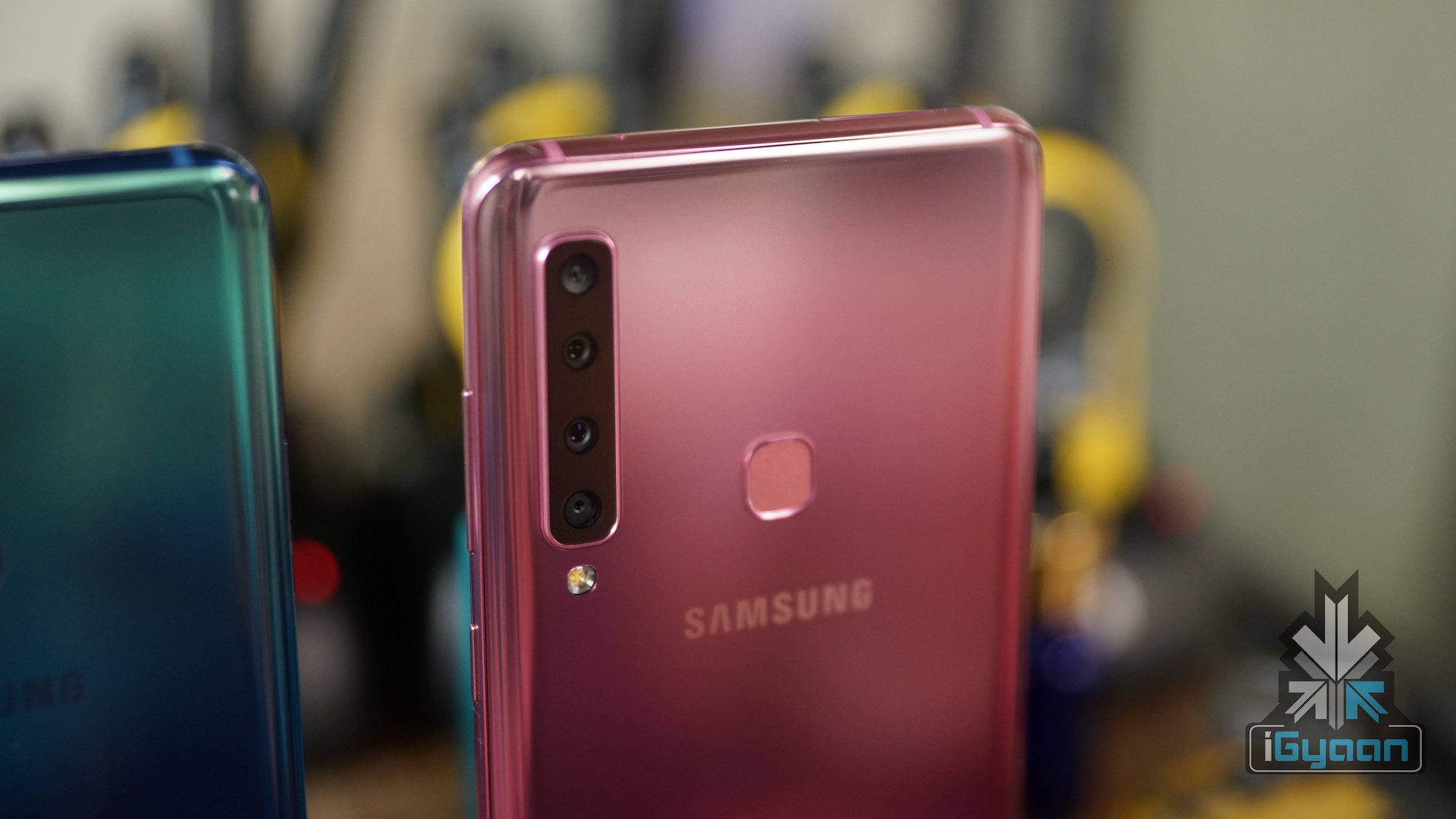
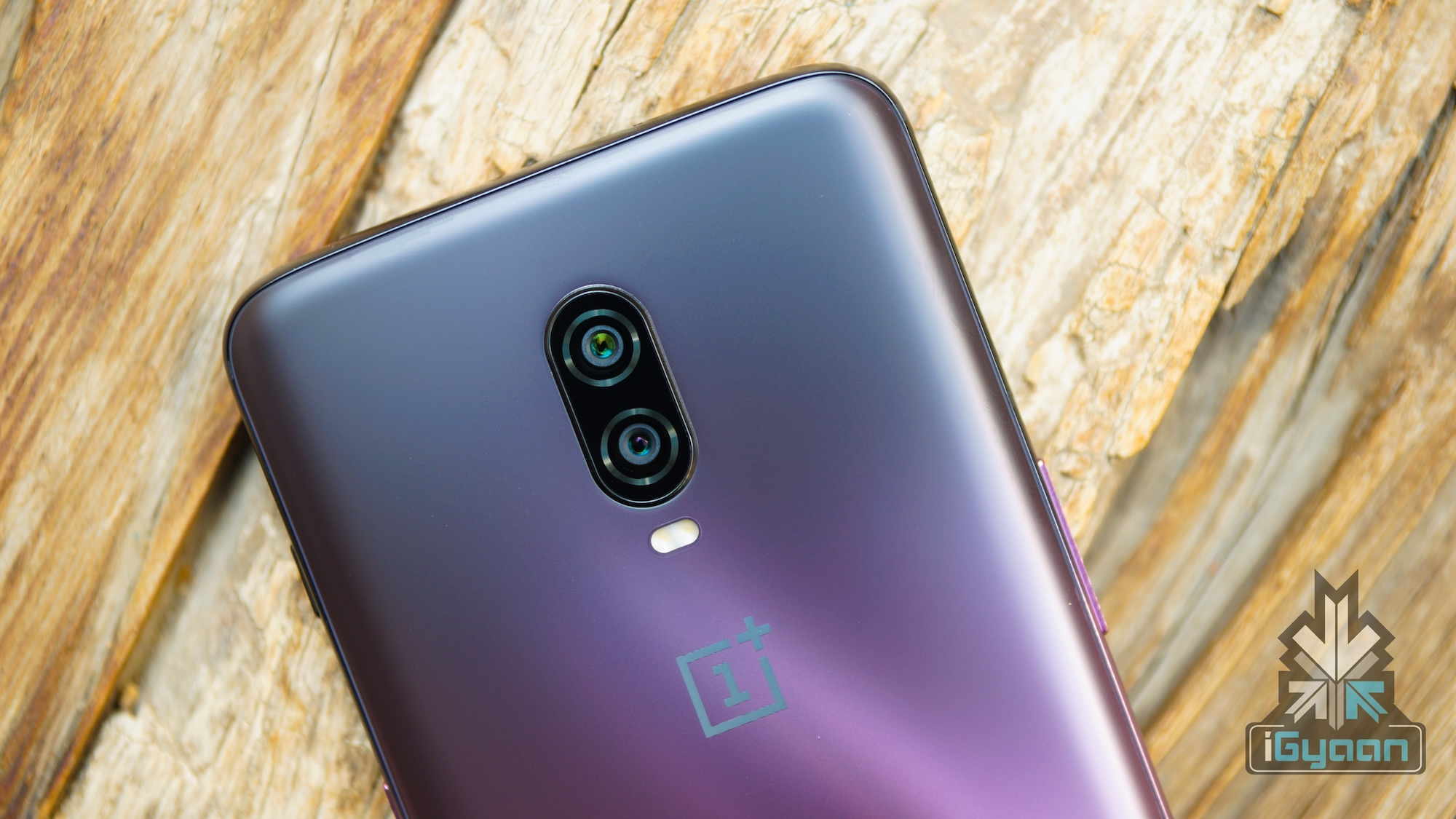
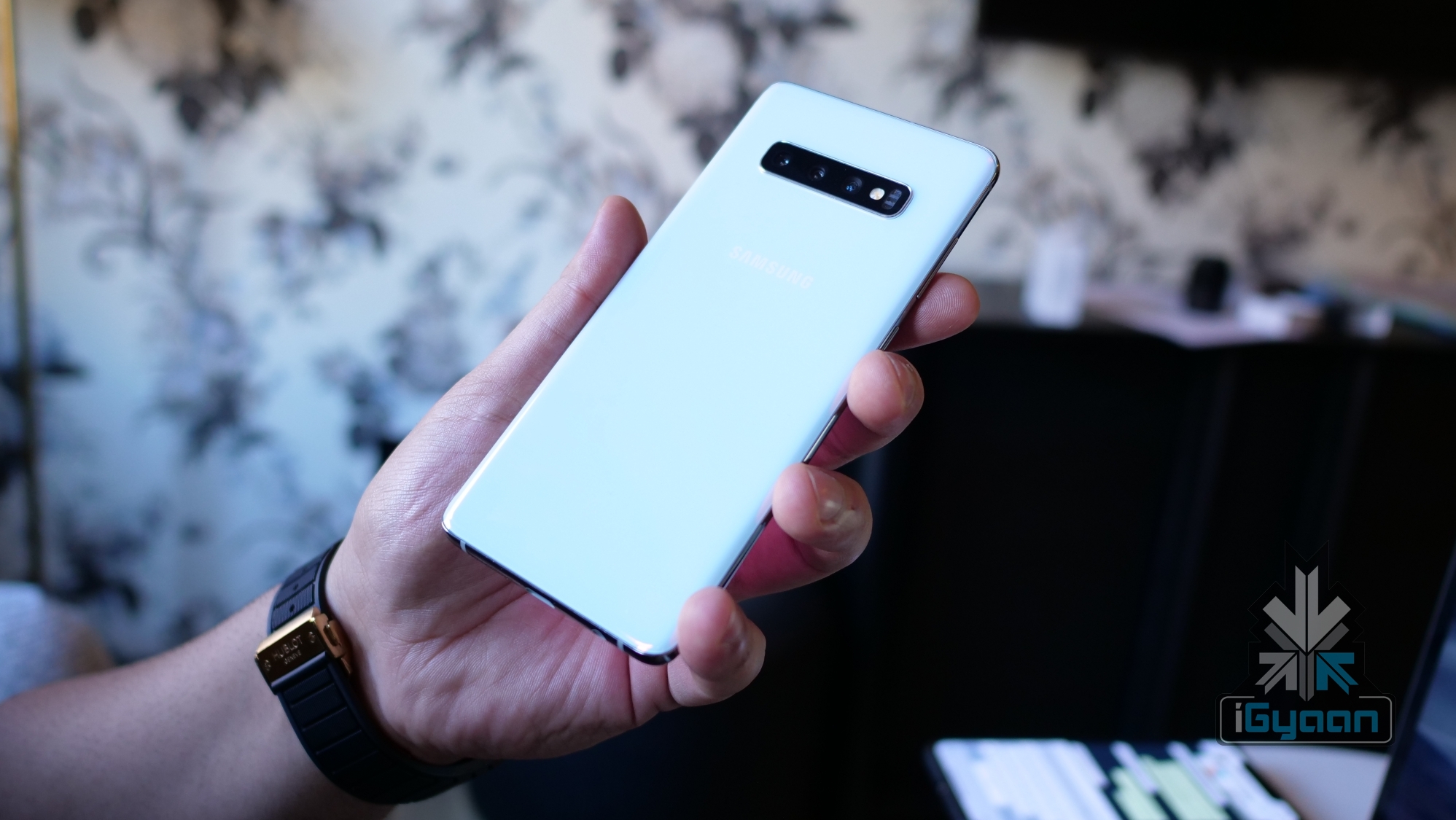
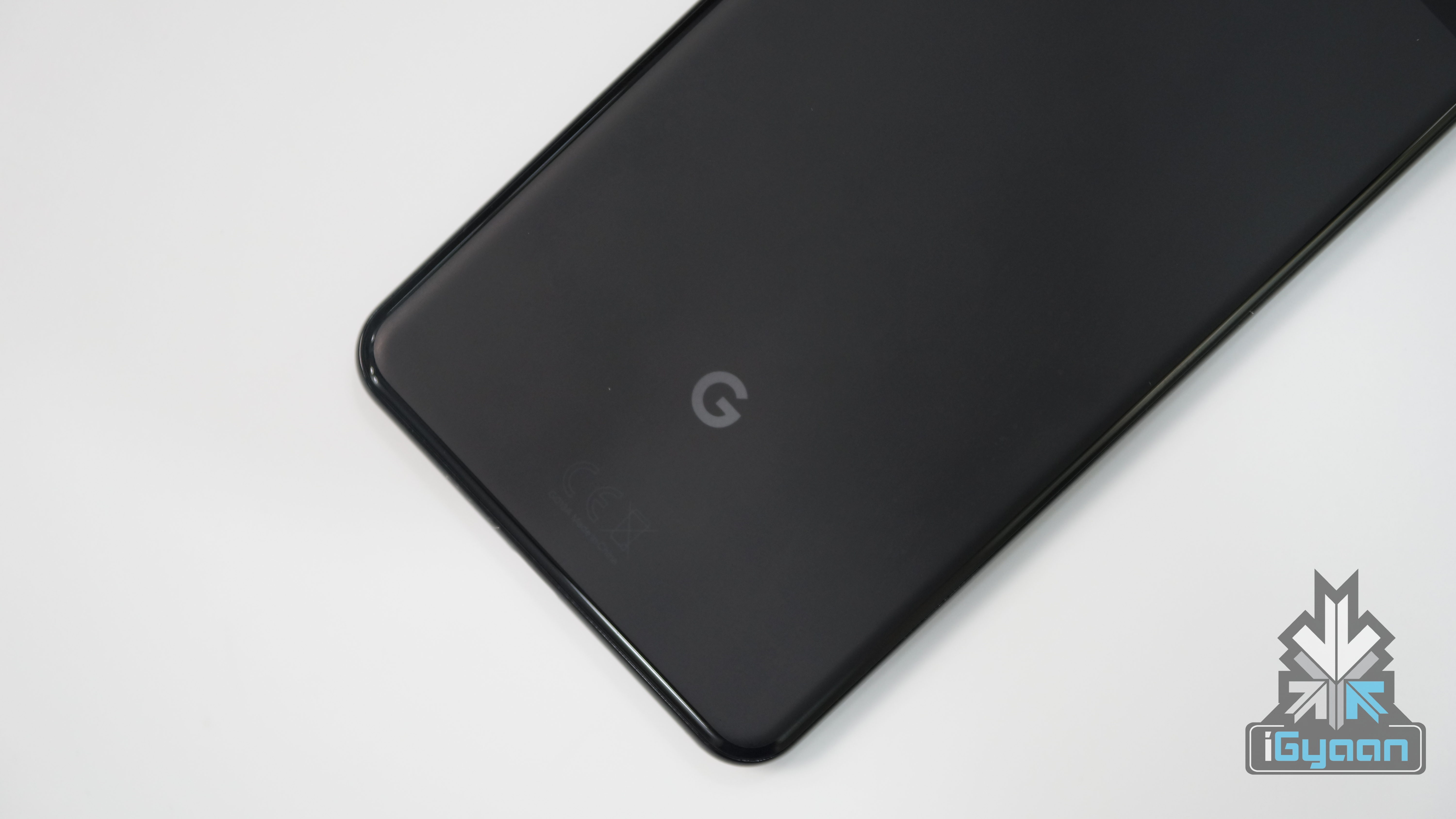
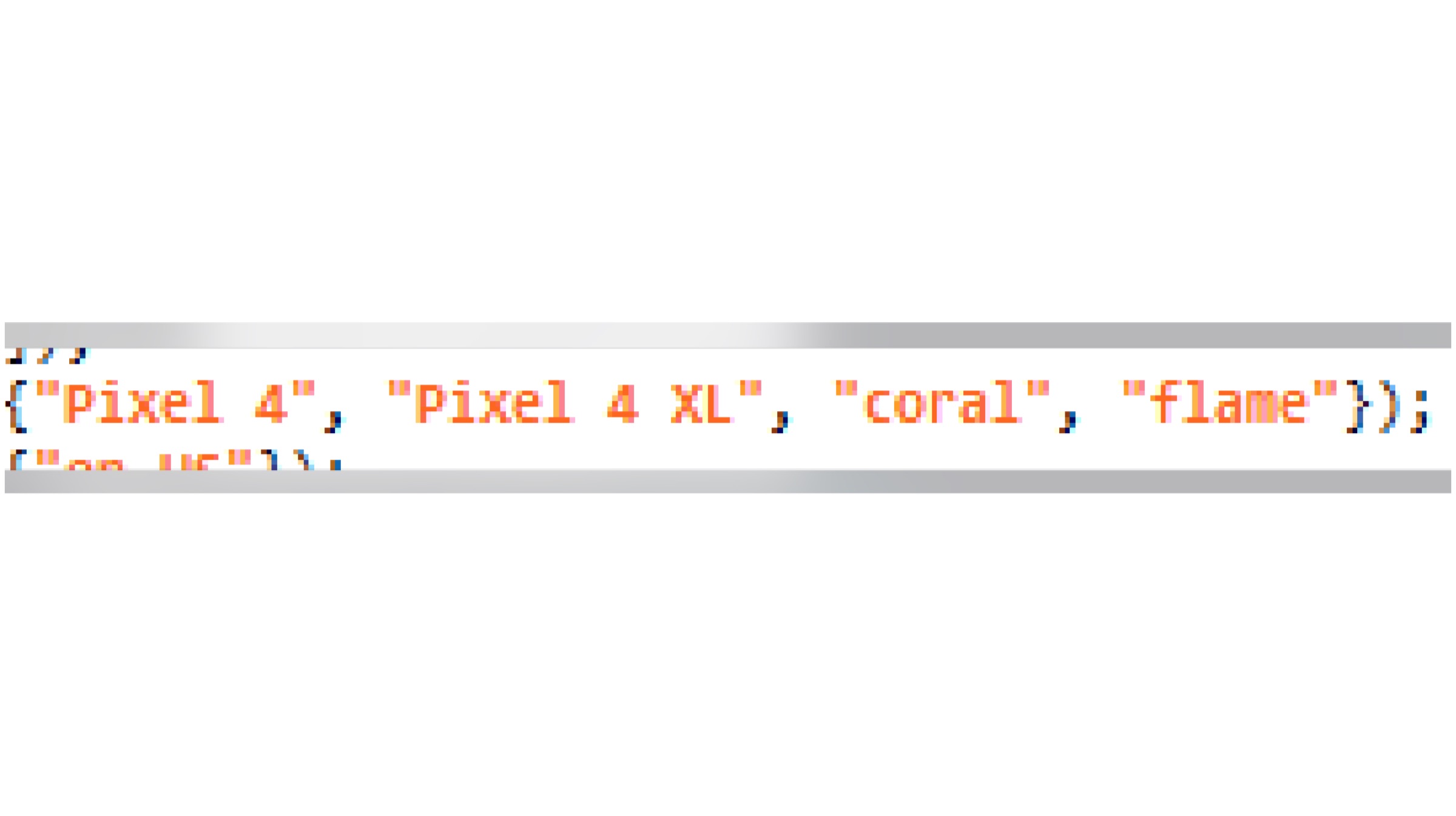 On April 11 2019, a commit (a move to make changes in a code permanent) was posted to the AOSP (Android Open Source Project), which was attempting to correct an anomaly of Android’s SELinux Policy. Regarding the code, the developers were trying to explain the fix for the aforementioned issue using the comments (comments are code lines that are not executed with the code) in the project. The list of internal files provided in the comments includes the codenames of a total of eight devices, out of which two are Panasonic devices, and the remainder are six Google devices.
 Four of the aforementioned Google smartphones are already known (Marlin or the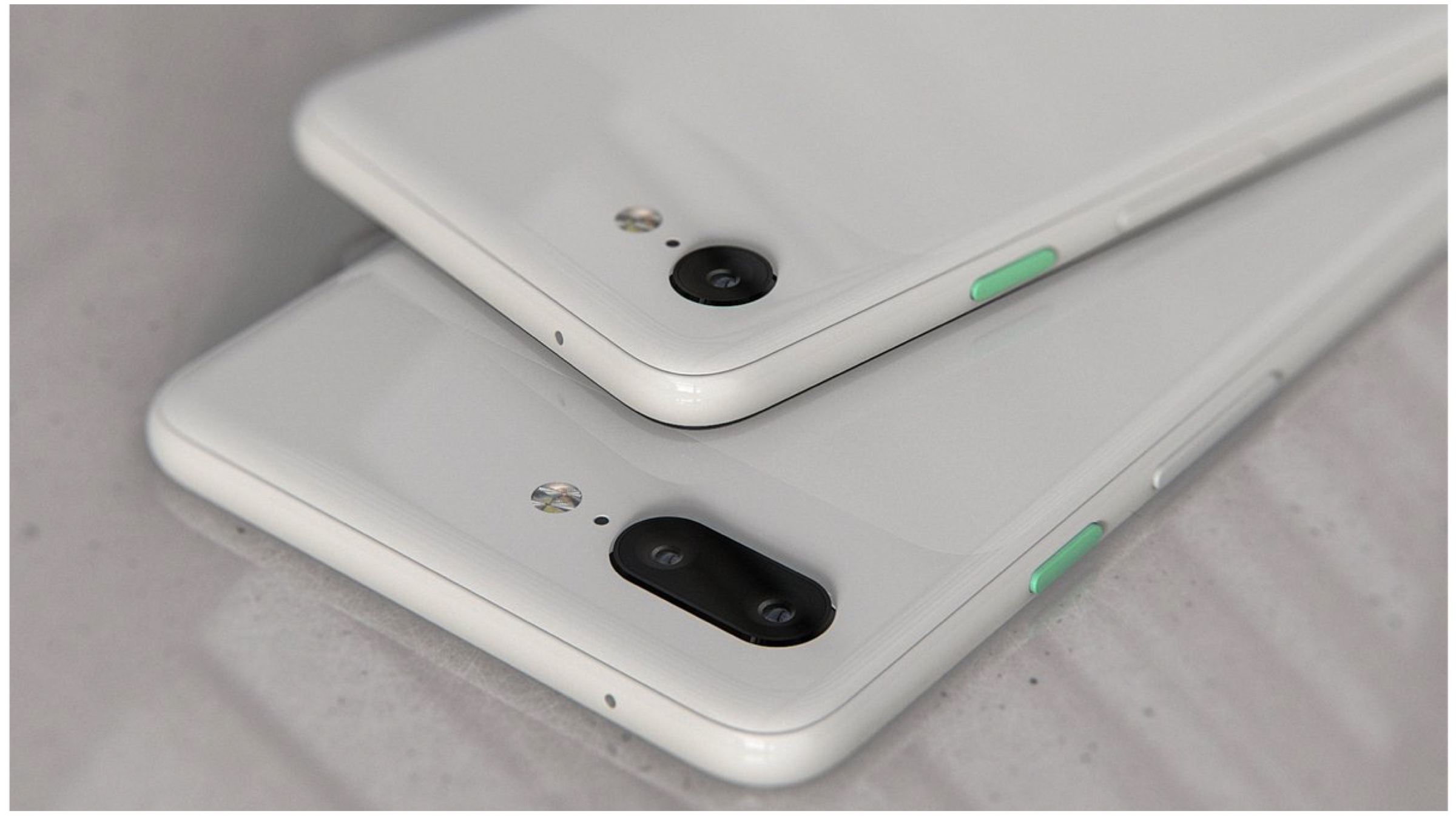
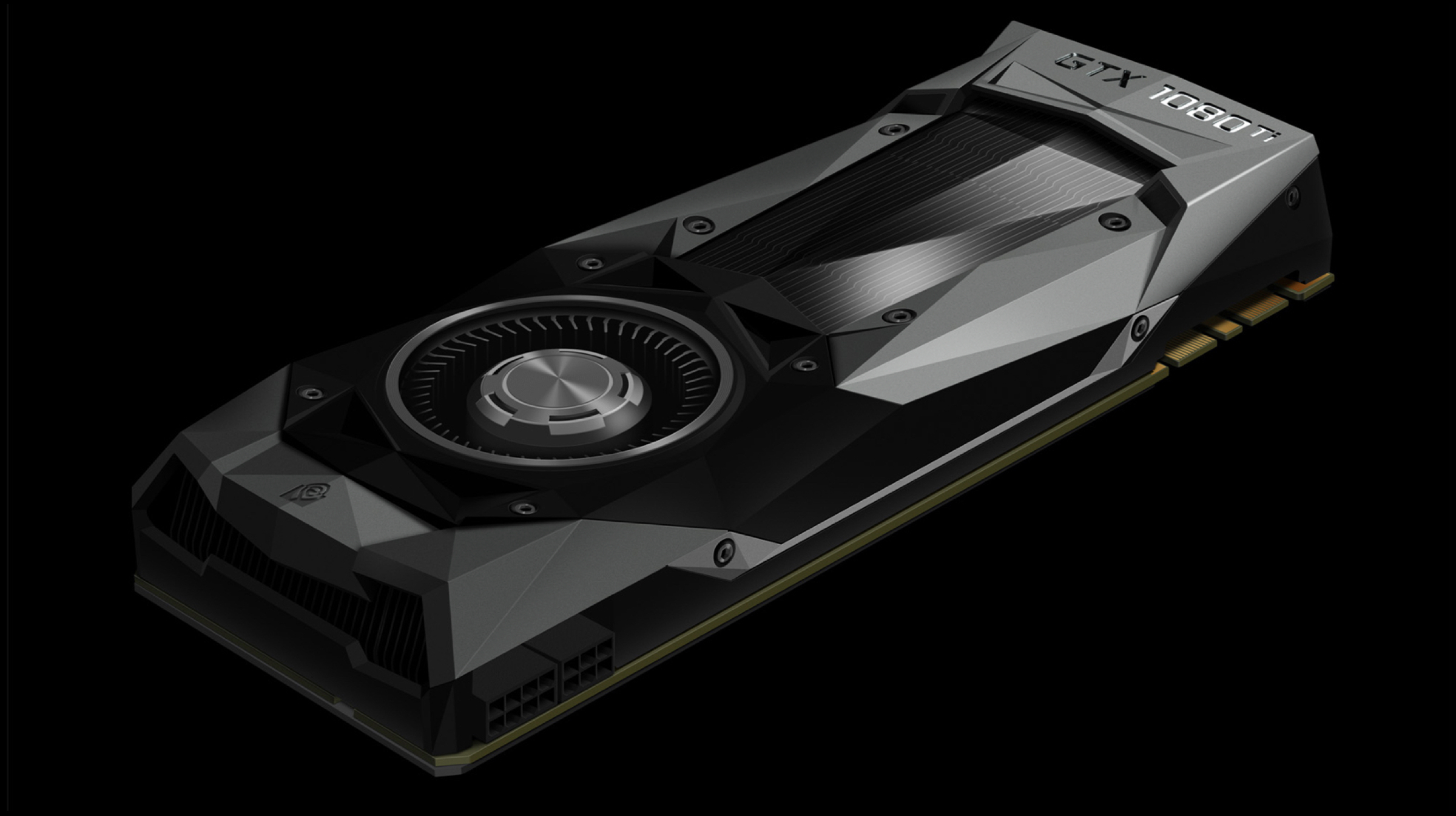
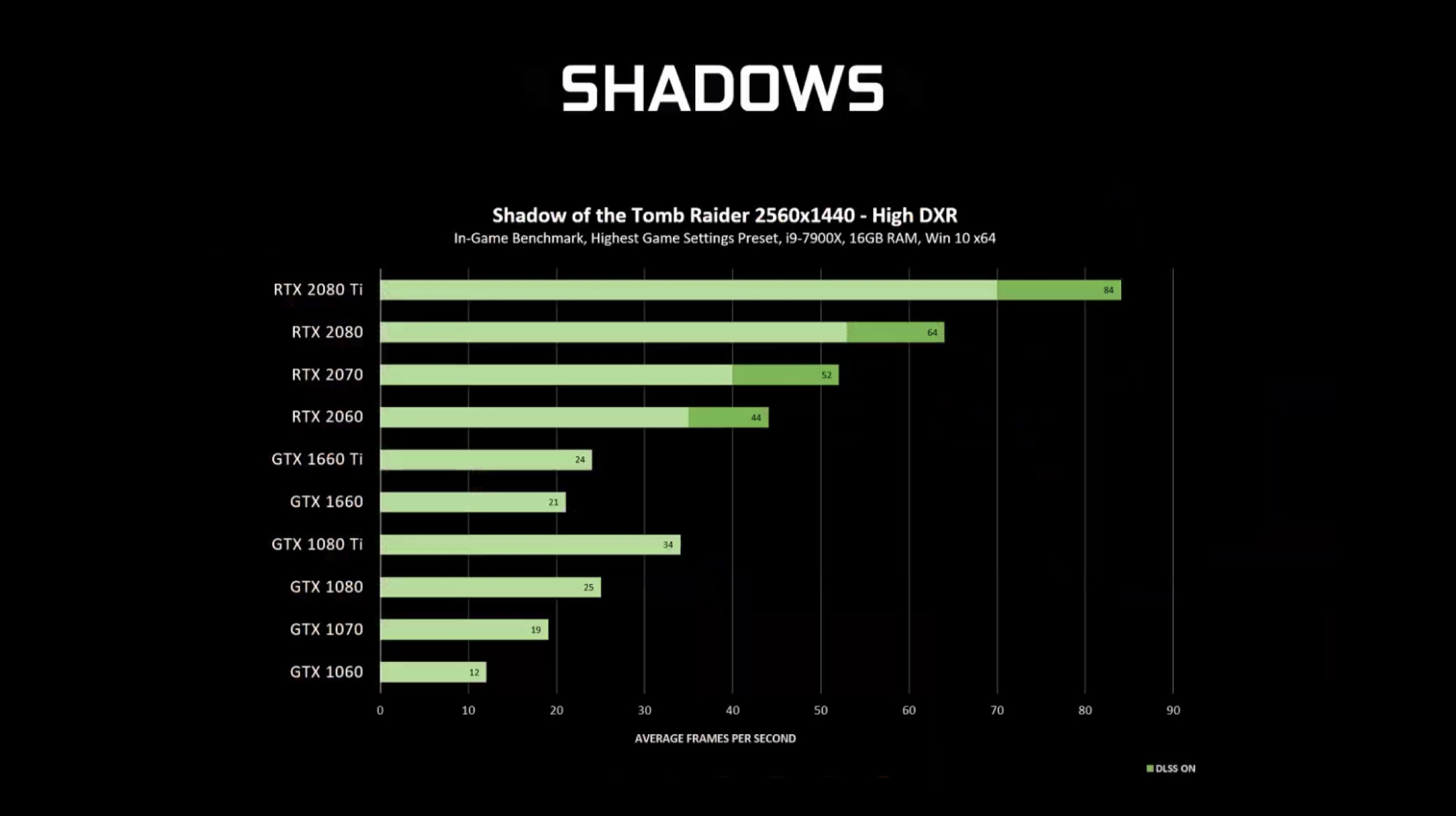
 GTX series users can test out the feature in only select games for now, which include Battlefield 5, Metro: Exodus and Shadow of the Tomb Raider. As per NVIDIA, if the users don’t want to download the complete game for any reasons, they can download free tech demos for the same games from
 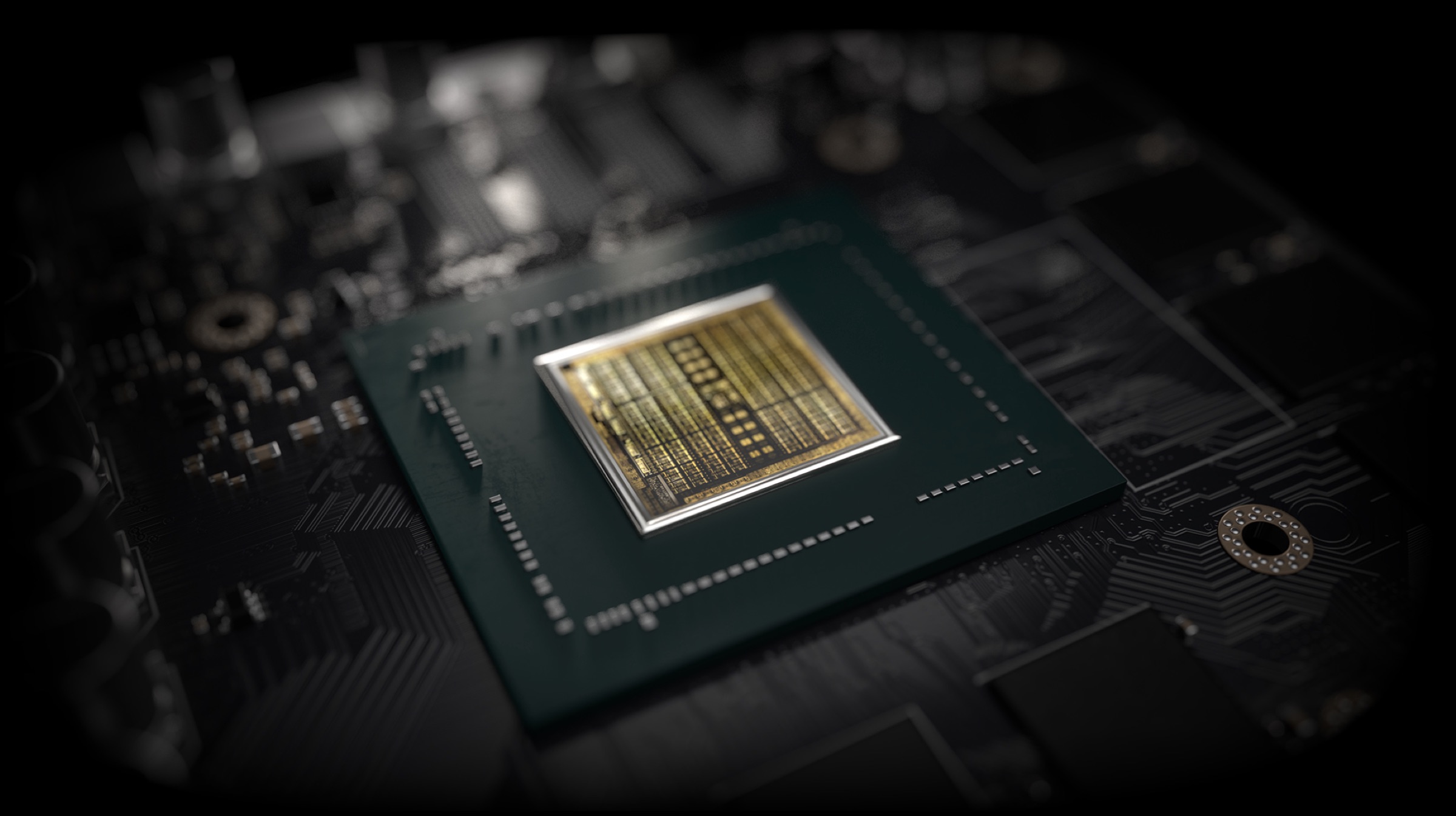 But there is a catch to all of this. GTX series users cannot actually experience the same functionality as present in the RTX series graphics cards. For starters, GTX series GPUs will run the Ray-tracing-based games at significantly lower and choppier frame rates. This is because the company is just using the GTX graphics cards to depict how Ray Tracing will work for each
 As per reports,
  Also Read:
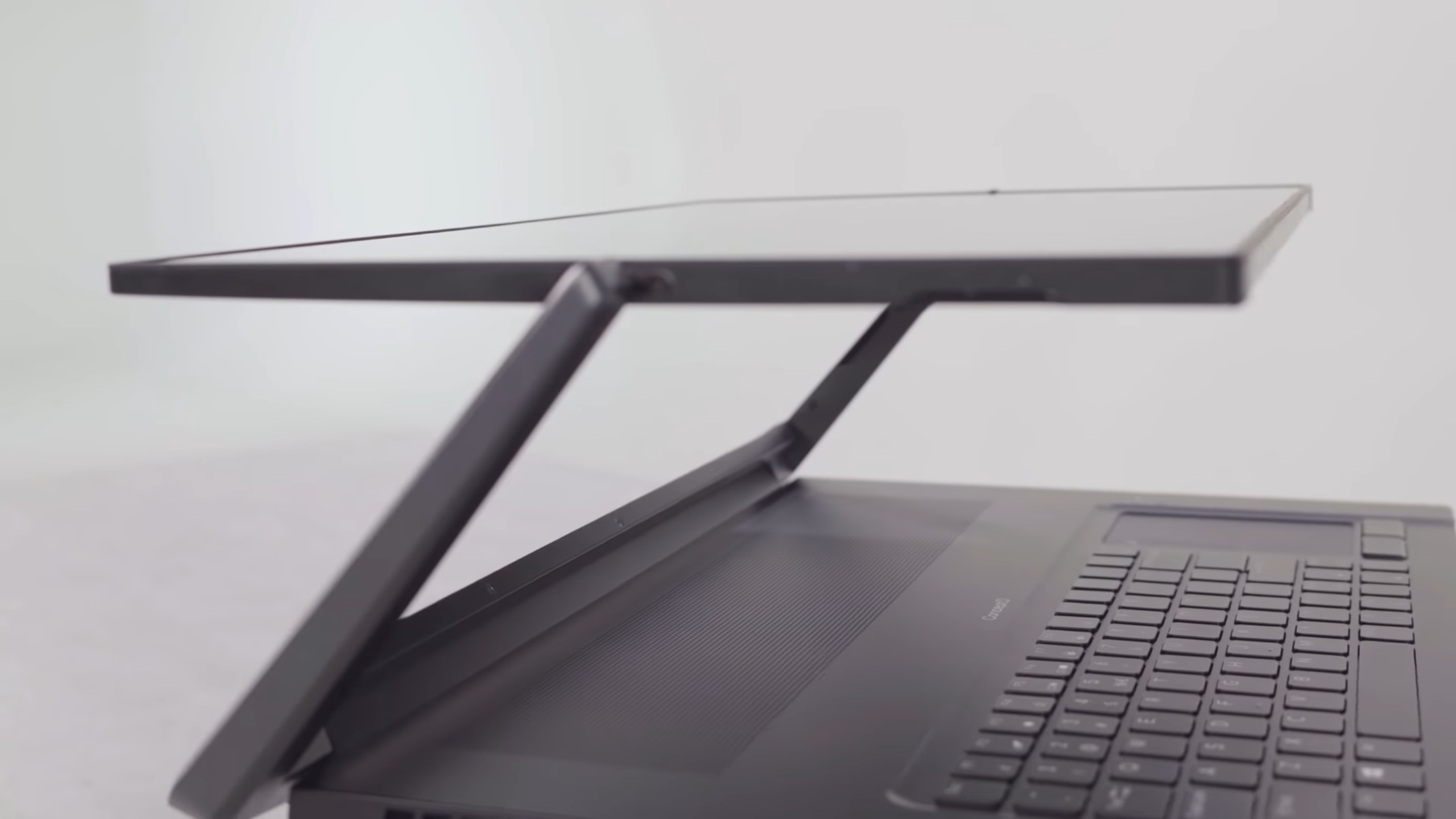 The display of the laptop has one of the best Delta-E colour accuracy ratings (under 1). Furthermore, the screen is Pantone Validated, which will ensure that creators will have a wide variety of hues to choose from. The ConceptD 9 laptops are customizable, with up to 9th-generation Intel Core i9 processors and NVIDIA mobile RTX 2080 graphics. The keyboard also features Amber-lit keys that the company claims are easy on the eyes.
 The company also launched two slightly toned down variants of the ConceptD 9 laptop, which are the ConceptD 7 and ConceptD 5. While the ConceptD 7 features a Core i7 processor with NVIDIA GeForce RTX 2080 graphics, the ConceptD 5 packs an 8th Gen Core i7 processor bundled with Radeon RX Vega M GL Graphics.
  For those who want to settle for lower specifications, Acer also announced the ConceptD 500 desktop. It packs a 9th Generation Intel Core i9 CPU, with Ray-Tracing enabled NVIDIA Quadro RTX4000 graphics. Just like ConceptD laptops, the machine has a very low fan noise (under 40 dB). An attractive wooden panel present at the top of the cabinet gives it a very picturesque look.
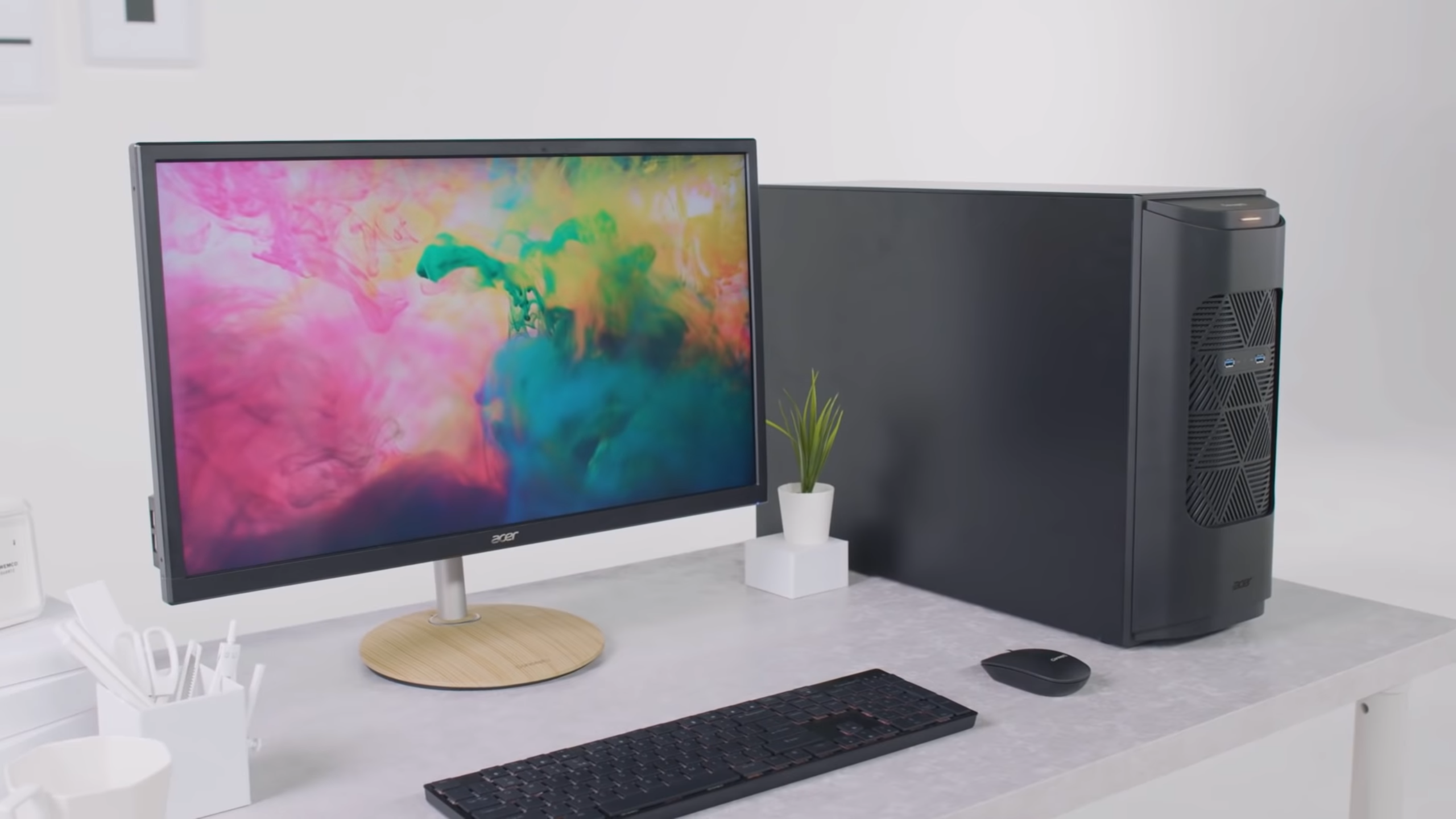 As mentioned before, two new monitors were also brought to light by the Taiwanese technology company, which are the ConceptD CM7 and the CP7. The CM7 has a huge screen size of 34 inches, whereas the CP7’s screen measures at 27 inches. The ConceptD CM7 is directed towards users who work in print design and manufacturing, while on the other hand, the CP7 is meant for users who work with digital content. Both CP7 and CM7 support 4K resolution, with the smaller CM7 featuring a 144Hz refresh rate.
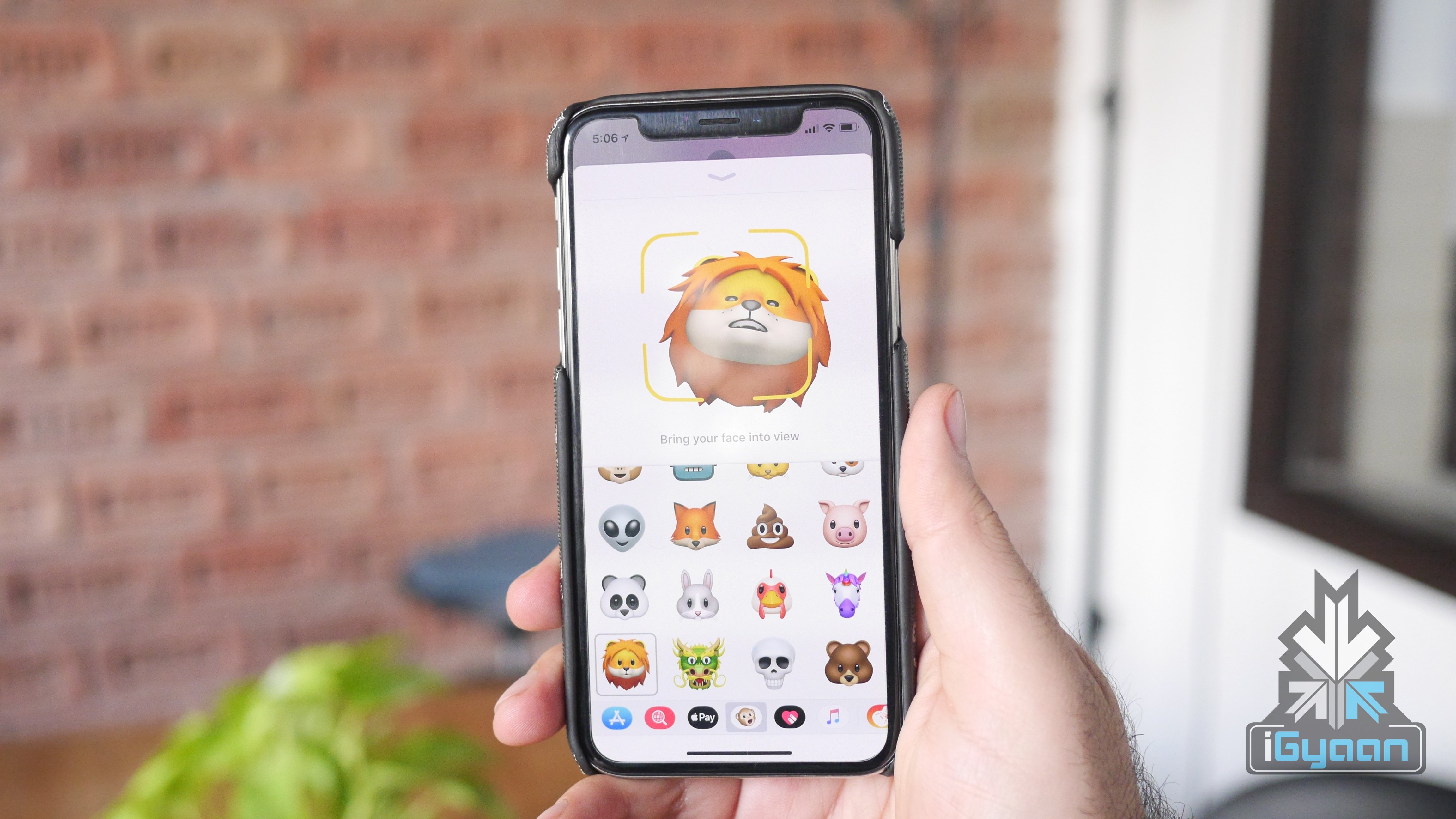
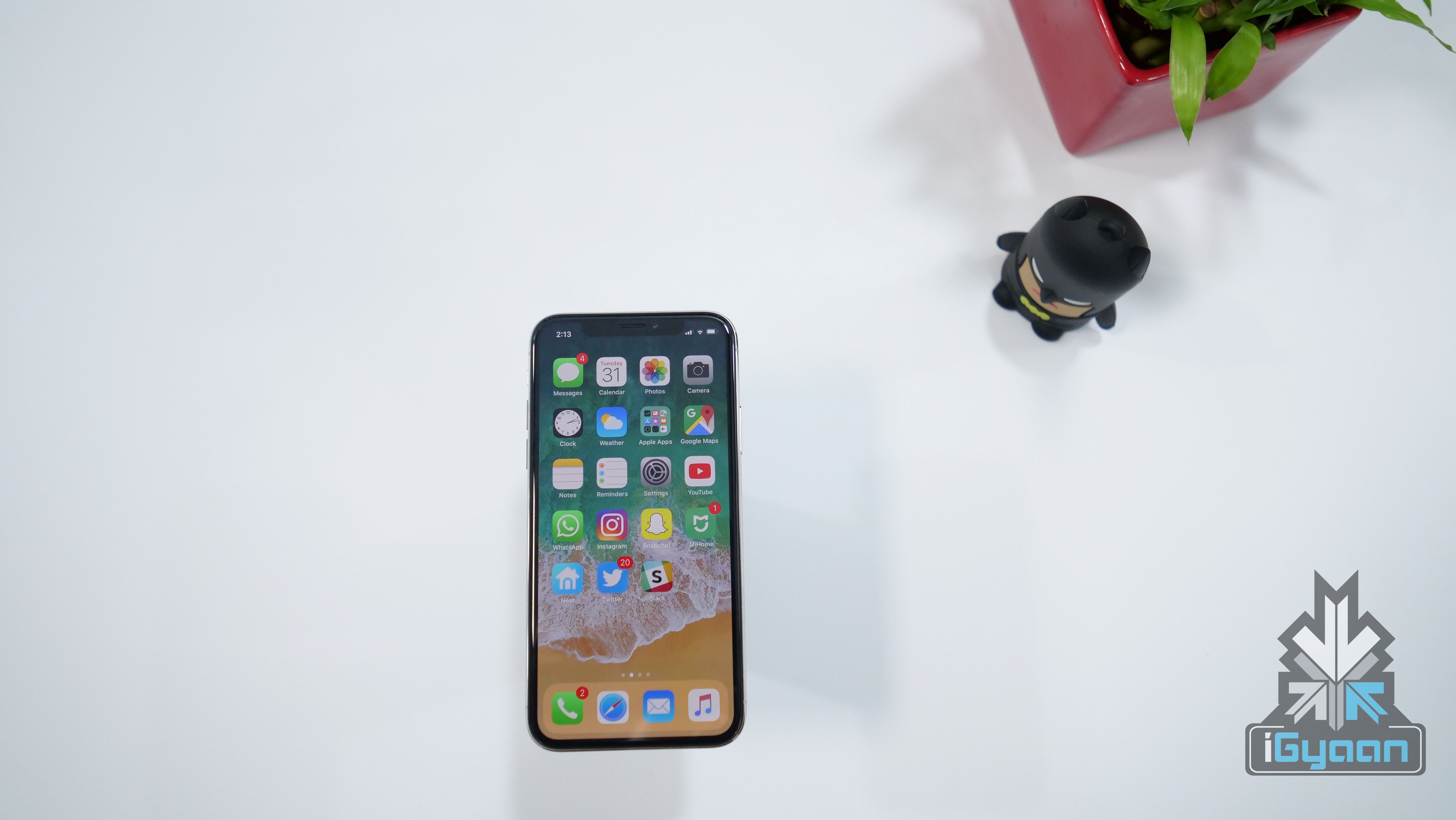
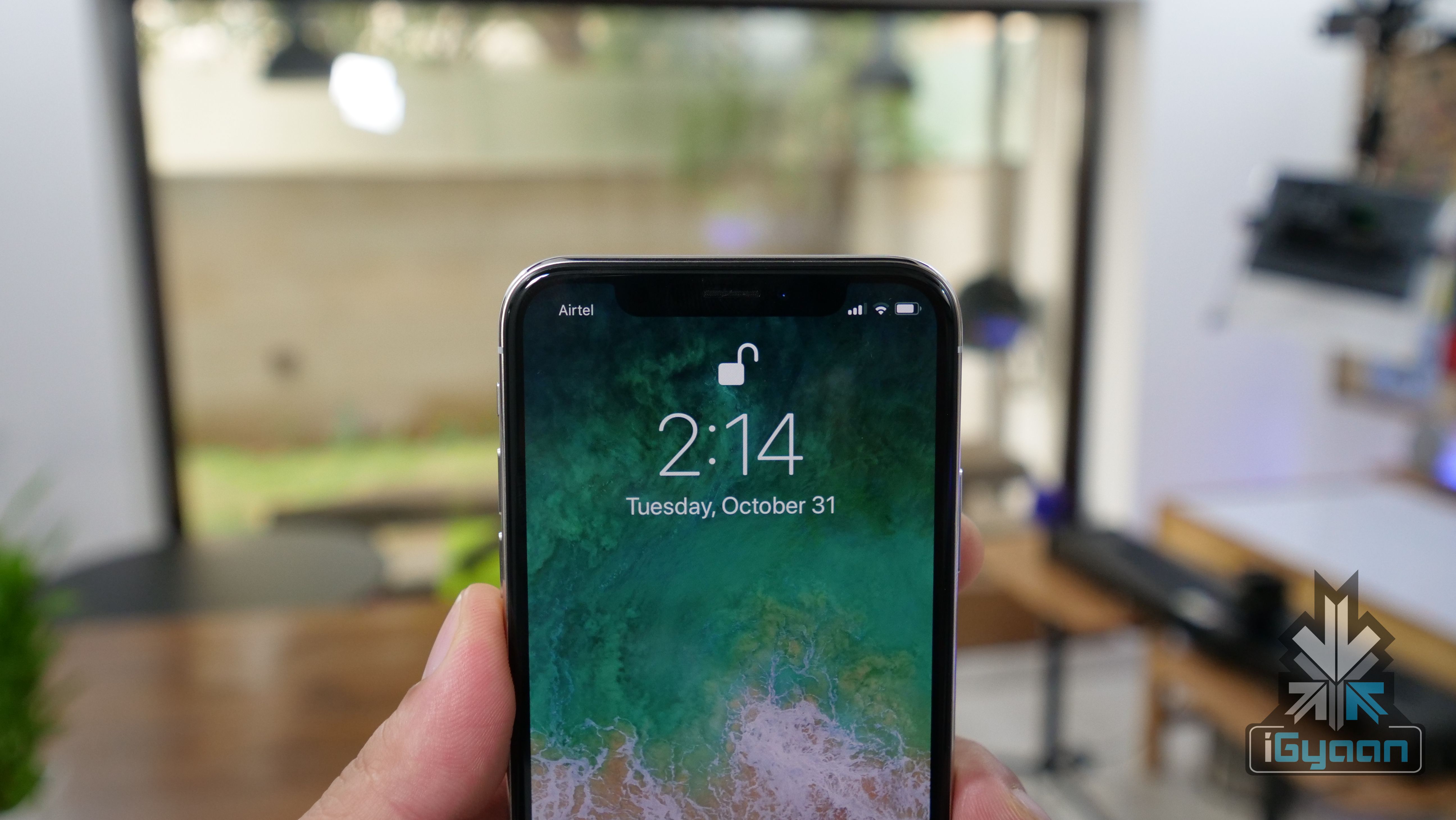

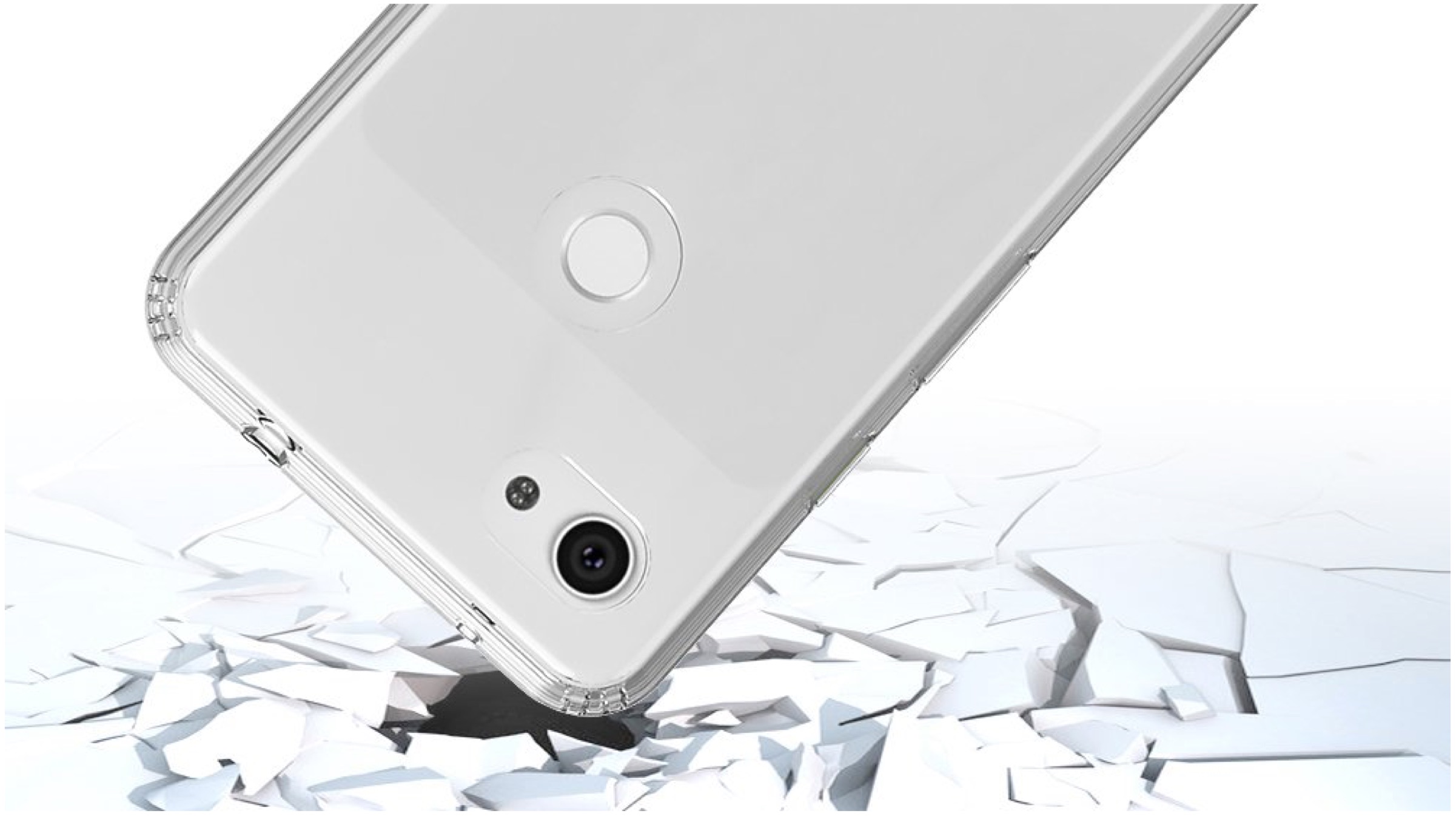
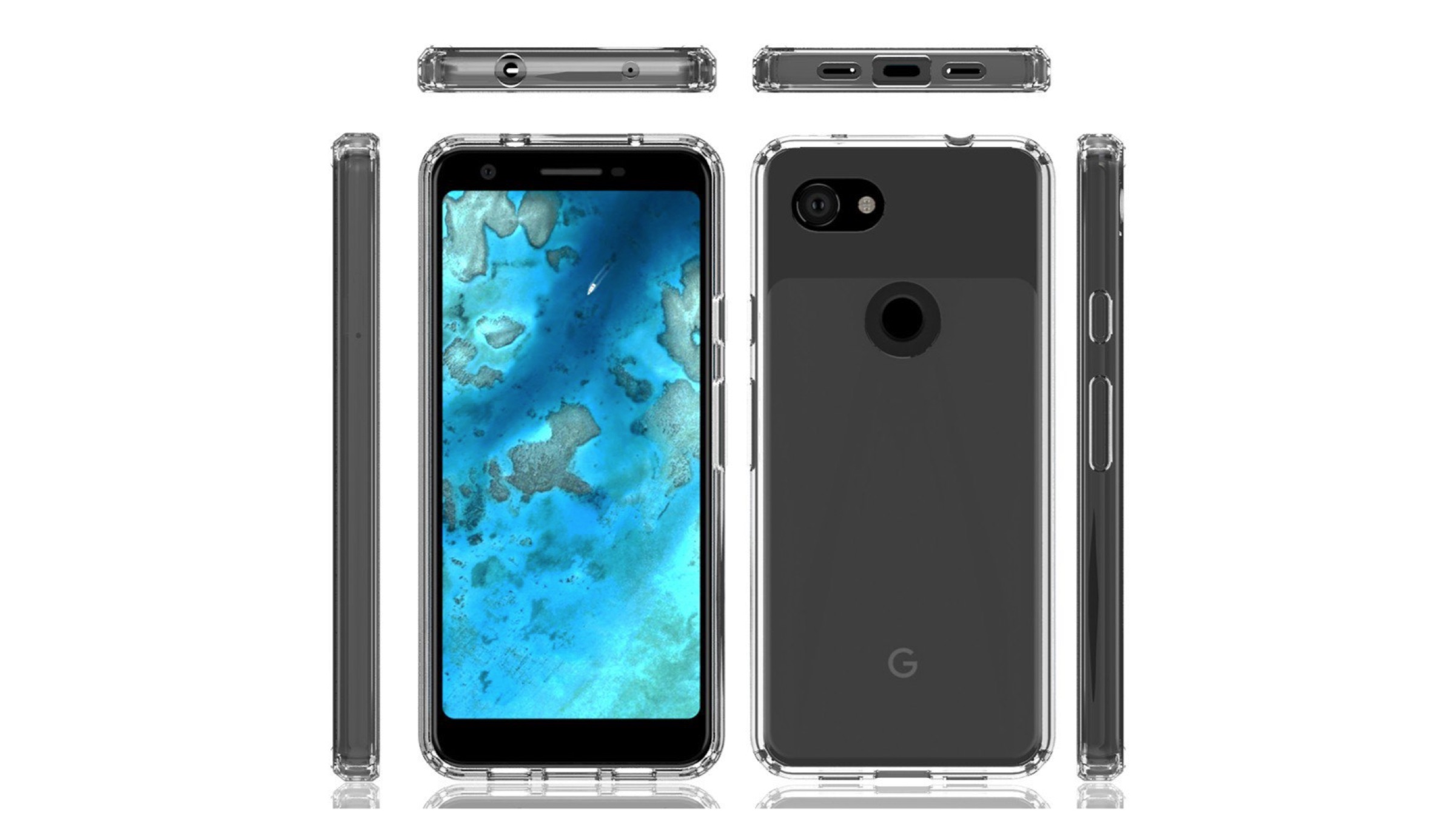 The cases for both the devices are completely transparent and clearly highlight the schematics of the smartphones. A cutout at the back reveals the rear-mounted fingerprint scanner. The bottom of the Pixel devices houses the USB Type-C port, which is flanked by speaker grilles on either side. The 3.5 mm headphone jack is present at the top of the device, which is a feature that was missing from the Pixel 3 and Pixel 3XL smartphones. Another noteworthy fact is that the front of the Google Pixel 3a and 3a XL sport a wide chin and forehead. The volume rockers and the power button are both housed on the right side of the smartphone, whereas the left side of the device accommodates the SIM card slot.
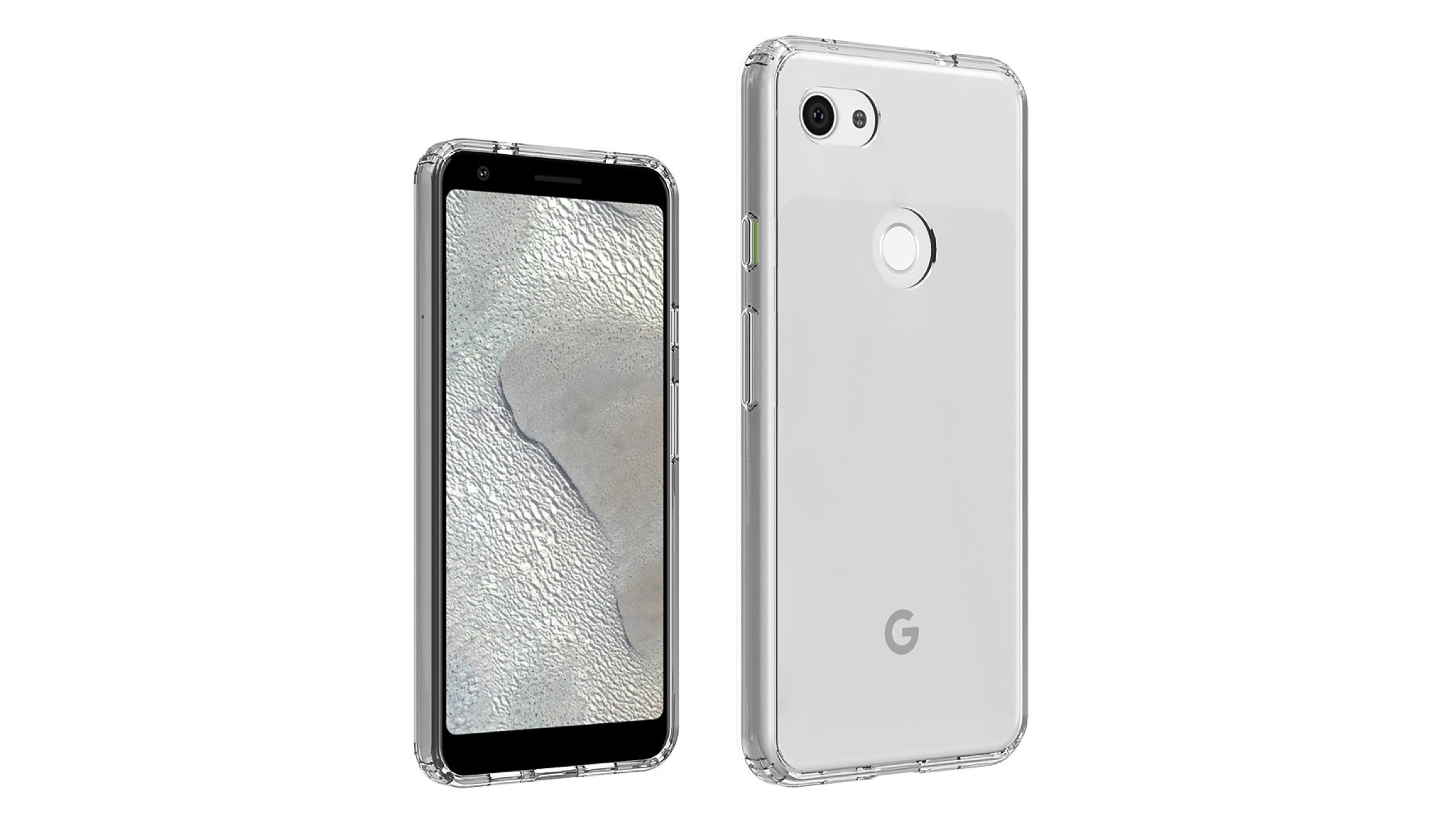 The Pixel 3a and 3a XL are expected to sport a 5.6-inch and 6-inch OLED display respectively. Other significant changes from the Pixel 3 and Pixel 3 XL may include the use of polycarbonate for the device design instead of glass and metal. Under the hood, the Google Pixel 3a and 3a XL are speculated to run on the Snapdragon SoC, which is designed on the 10nm fabrication process. The chipset comprises of an octa-core Kryo 360 CPU and the Adreno 612 GPU. In terms of optics, the devices are expected to be equipped with a primary 12MP camera and an 8MP selfie shooter.
 Also Read: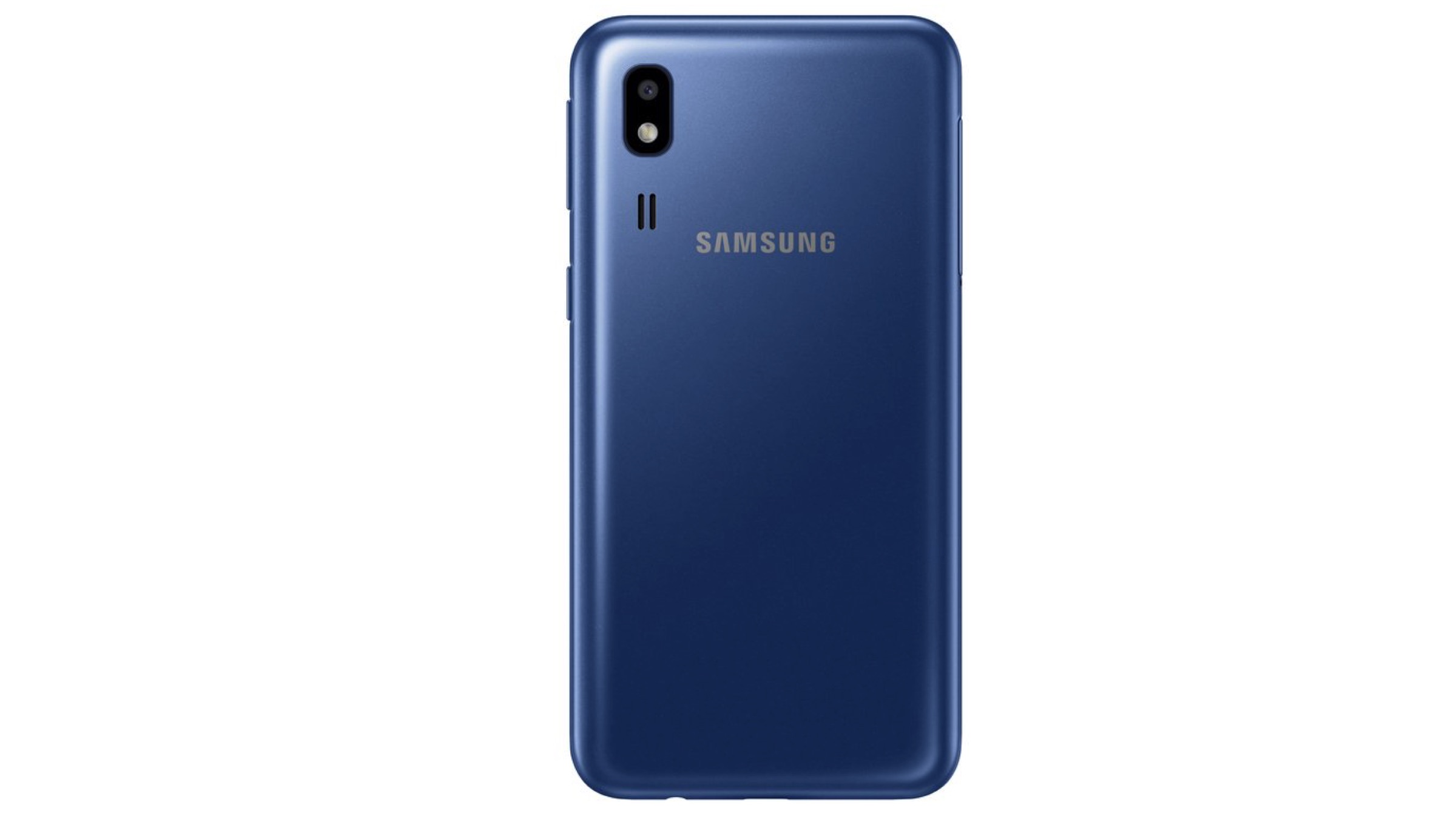
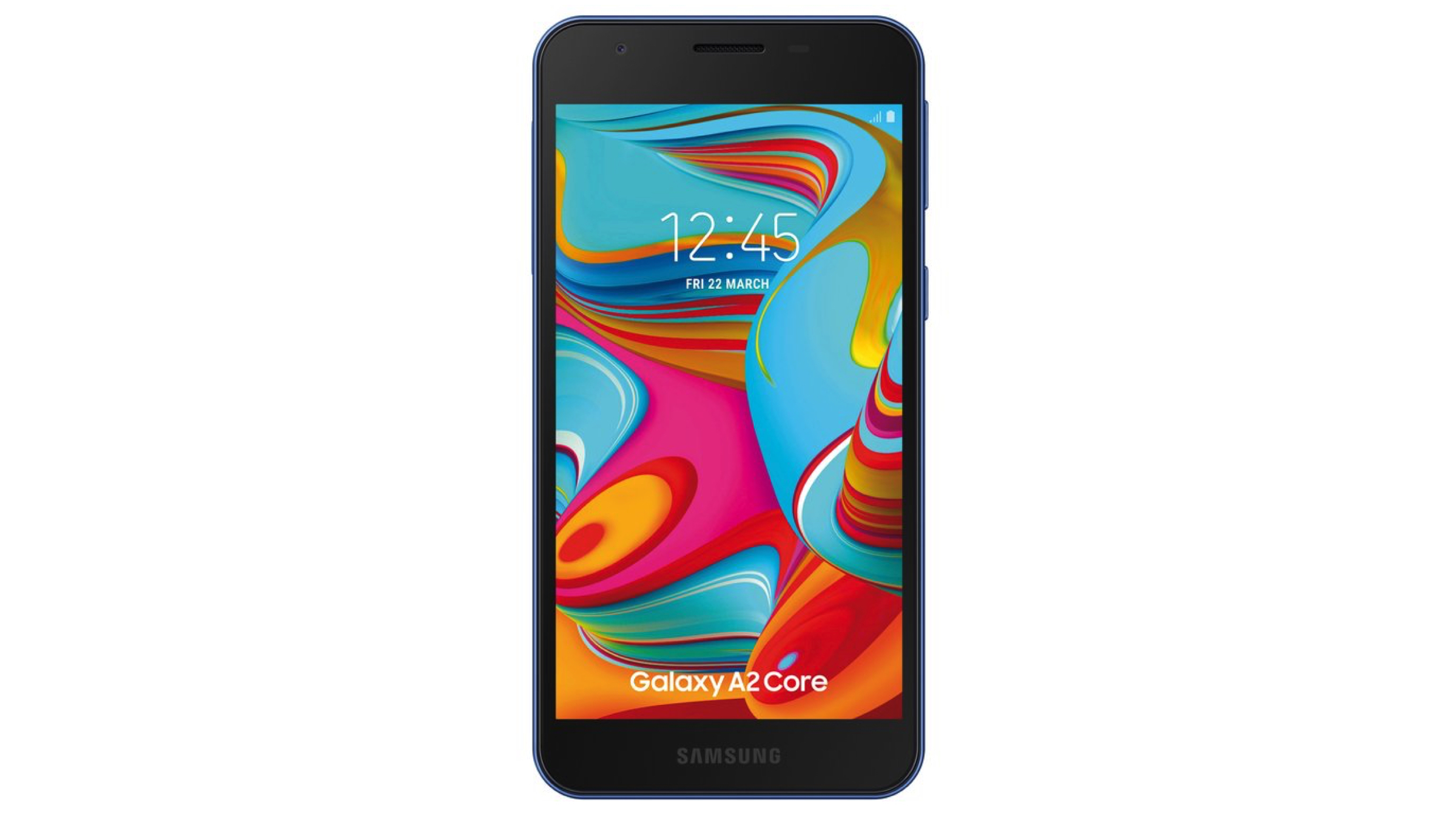
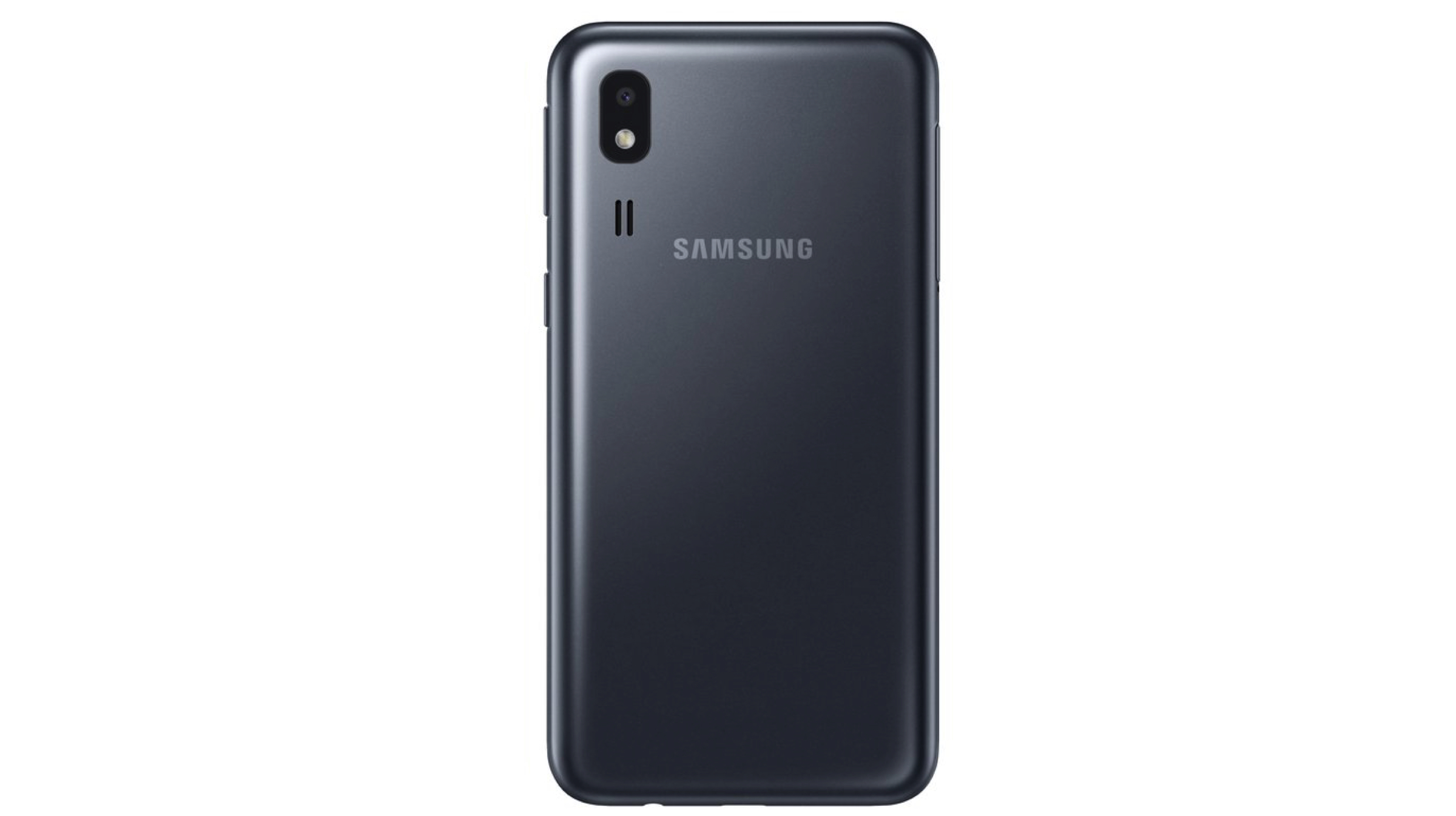 The budget smartphone will feature a glossy plastic design on the back. The Galaxy A2 Core will measure at 141.5 x 70.9 x 9.1 mm, with a 5-inch qHD (quarter HD) display. The smartphone will run on the 14nm Exynos 7870 chipset, which comprises of the 1.6 GHz octa-core Cortex A53 CPU and the Mali T830 MPI GPU. It is bundled with 1GB of RAM and 16GB of internal storage.
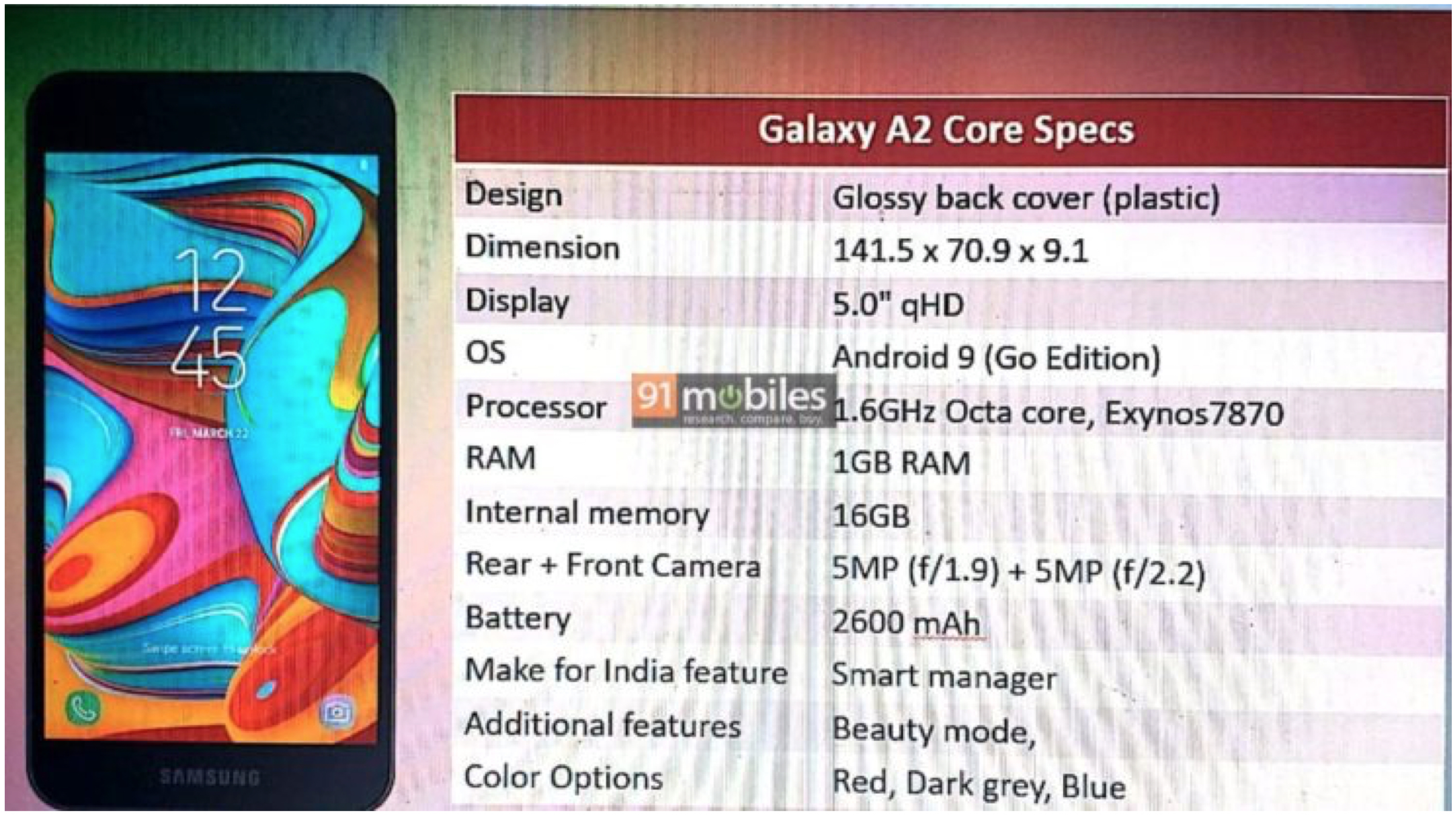 The Samsung smartphone will run on Android 9 (Go Edition). In terms of optics, the Galaxy A2 Core will feature an f/1.9 equipped 5MP primary camera sensor in combination with an f/2.2 equipped 5 MP front camera for selfies. The selfie camera will be integrated with the “beauty mode” feature. The device will pack a 2600 mAh battery, and will be available in three colour options, which are listed below:
 Also Read: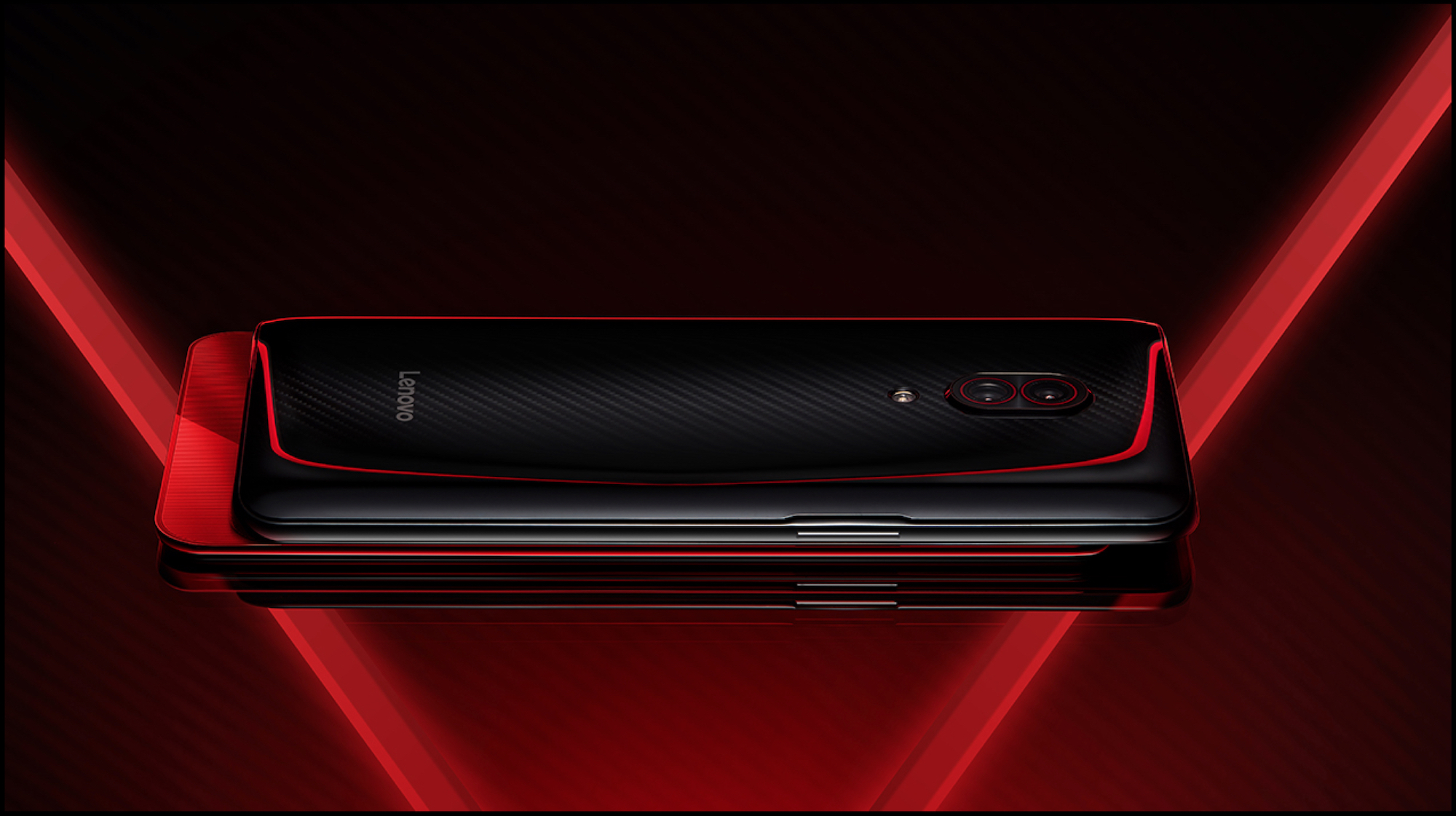
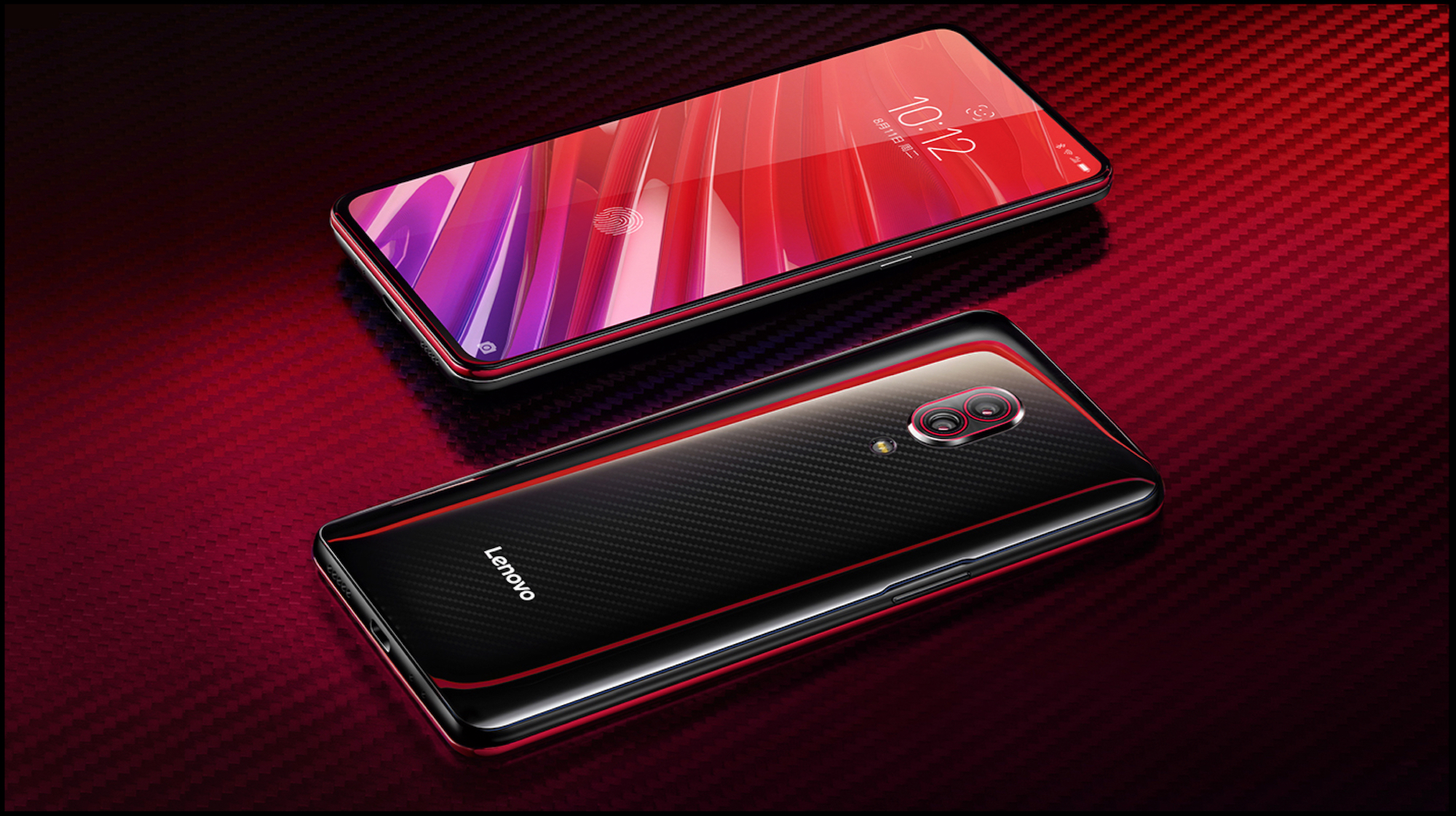
 The images are taken during the phase of dusk and the night, and they bear watermarks in Chinese, which when translated, reveal significant information regarding the Z6 Pro’s camera. The images exhibit detailed levels of colours and brightness. The faint layer of light on top of the images give them a natural look. As deduced from the overlaid watermarks, the camera has a pixel size of 2.9 ?m, indicating towards a camera with advanced night mode capabilities. Moreover, the second watermark exhibits an 80dB over-motion map, which hints towards the fact that the camera has a large photosensitive area.
 Previously, the company confirmed that the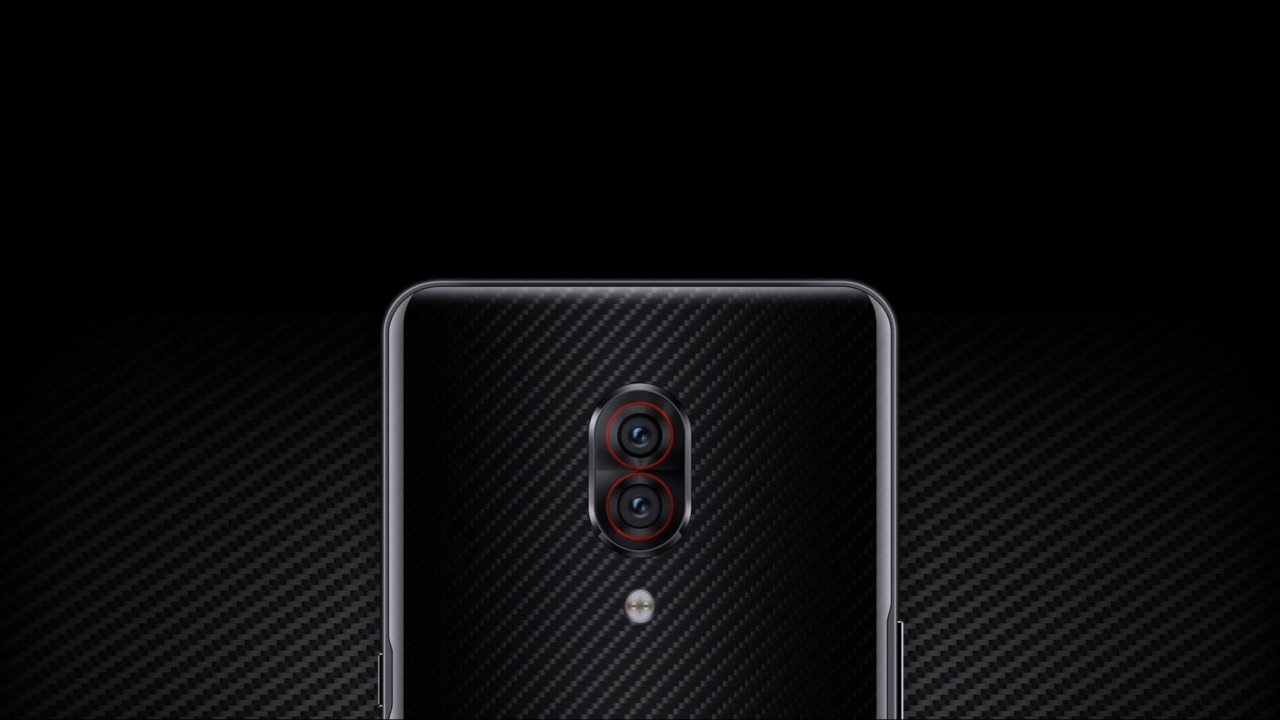



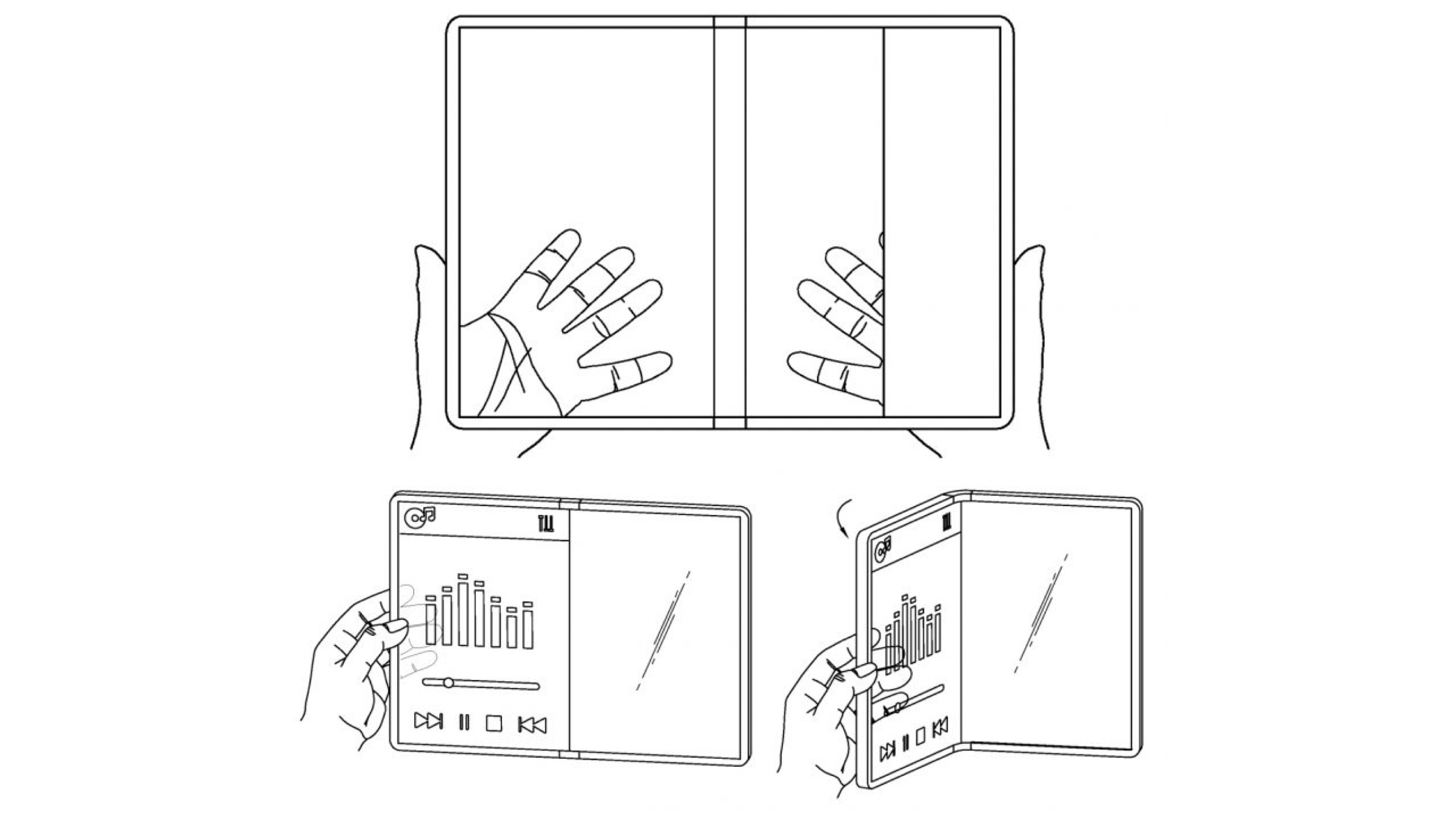 The company has been experimenting with the transparent screen design for quite some time now, which was last spotted at CES 2019 (Consumers Electronics Show) when LG showcased a transparent OLED television. Its display had a transparency of 40%. Previously, on SID (Society for Information Display), LG unveiled a flexible and transparent 4K UHD OLED display with a screen size of 77 inches. It may be possible that the company incorporates a similar technology in its future smartphone designs.
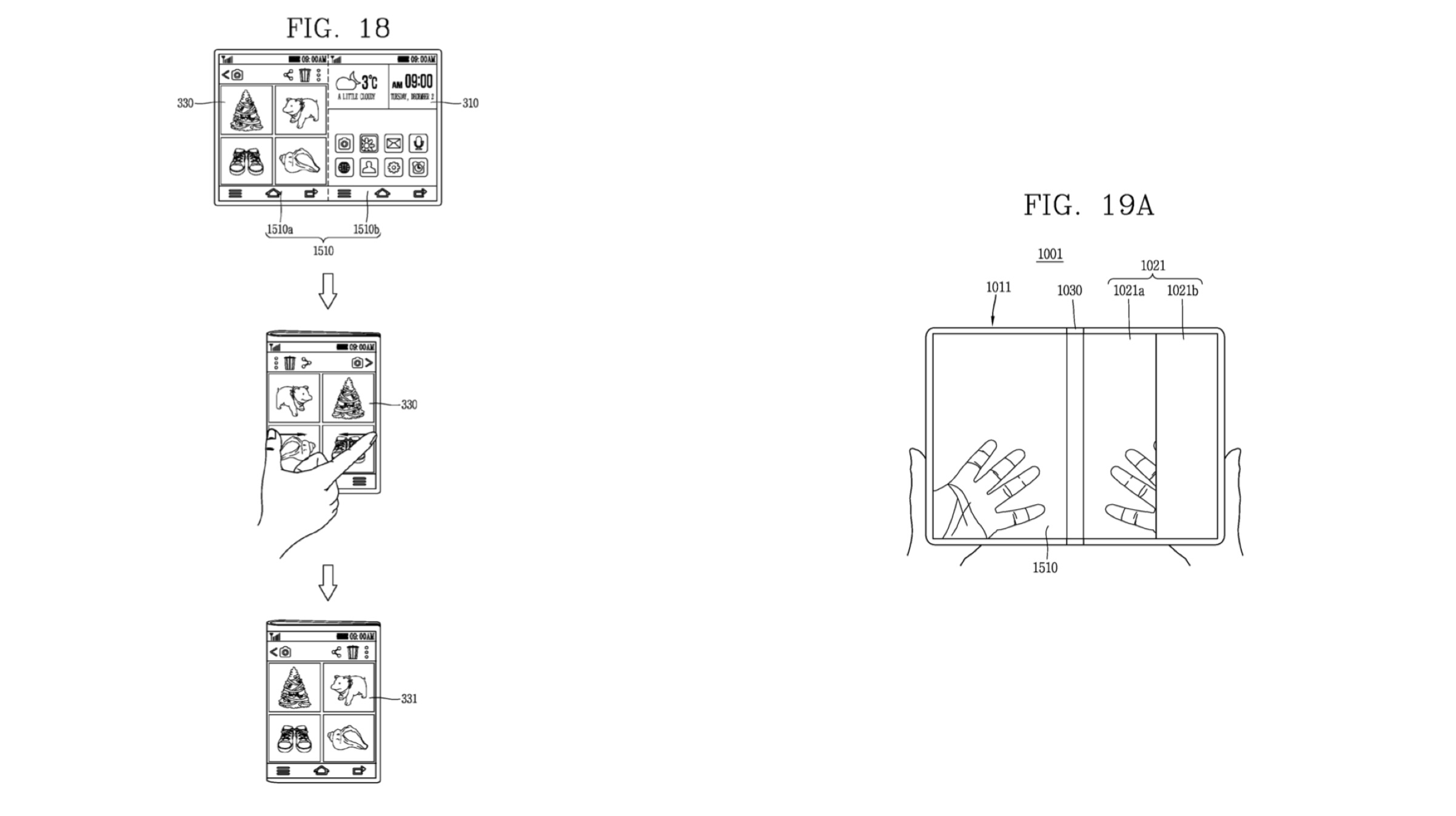
 On April 9, 2019, a patent was published by the United States Patent and Trademark Office (USPTO). Originally filed by LG Electronics more than three years ago, the patent clearly depicts a smartphone with a flexible transparent display. A lot of details are included in the patent, such as the UI (User Interface), operation and the materials required to make the display. This may very well be the first foldable transparent smartphone of its kind.
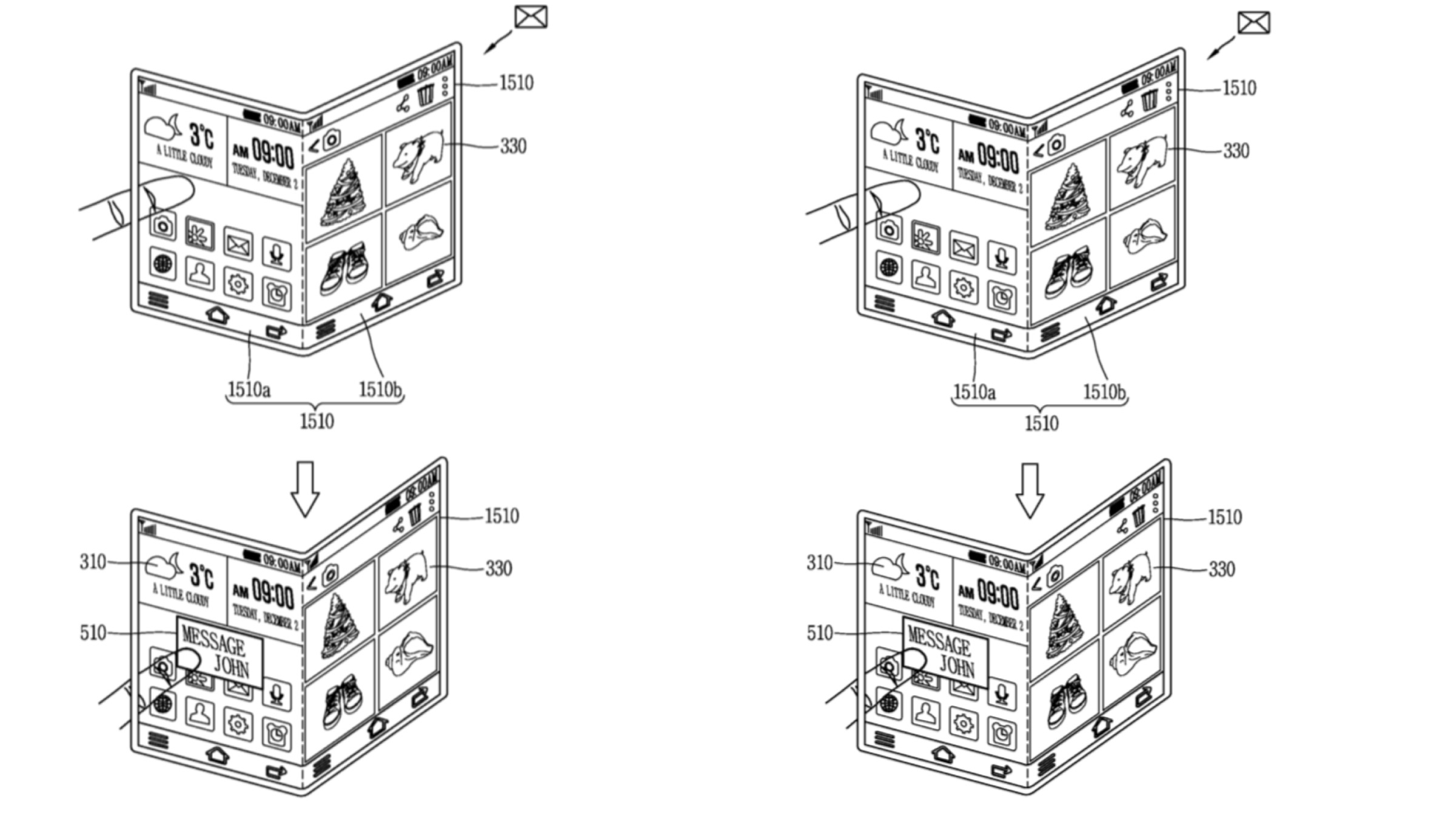 As per the patent, the smartphone is entirely made of the flexible display, which is incorporated both on the inside and outside the foldable smartphone. The handset can be unfolded to almost double its size, which then enables the user to operate it in the tablet mode. While unfolded, both the left and the right parts can independently turn opaque or transparent, indicating that separate modules will be used for the two adjacent sides of the device. As per the patent, the transparency of the smartphone changes with the way it is held, which is quite interesting.
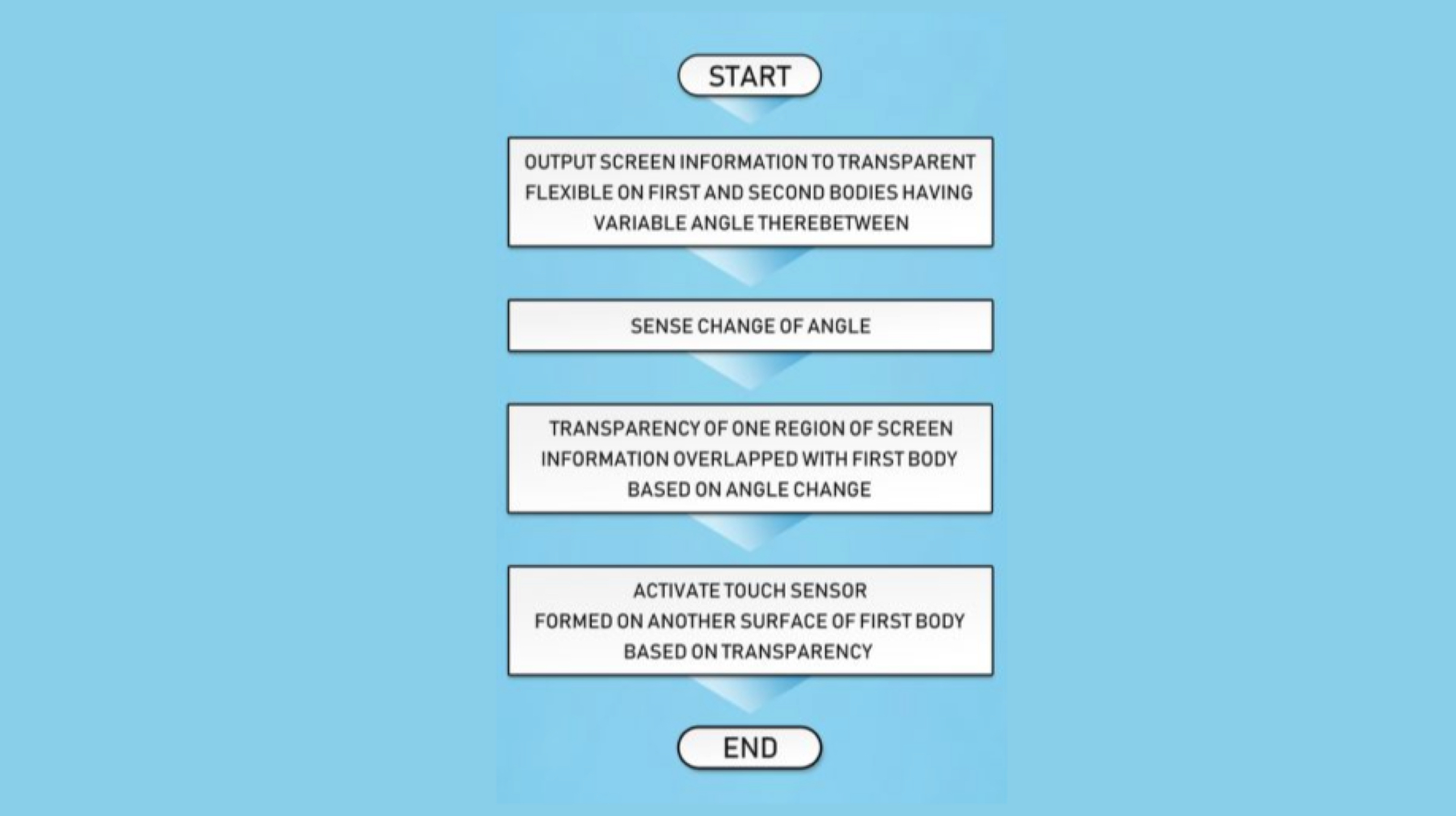 If the smartphone is lying flat on a surface, the display will exhibit a very low degree of transparency. However, when the smartphone is picked up and folded, the transparency will be clearly visible. Upon increasing the transparency beyond 20%, the rear touch sensor of the device is enabled, with the help of which users can operate the flexible transparent display from the rear. This feature seeks to maximize functionality in such a smartphone.
 Also Read:

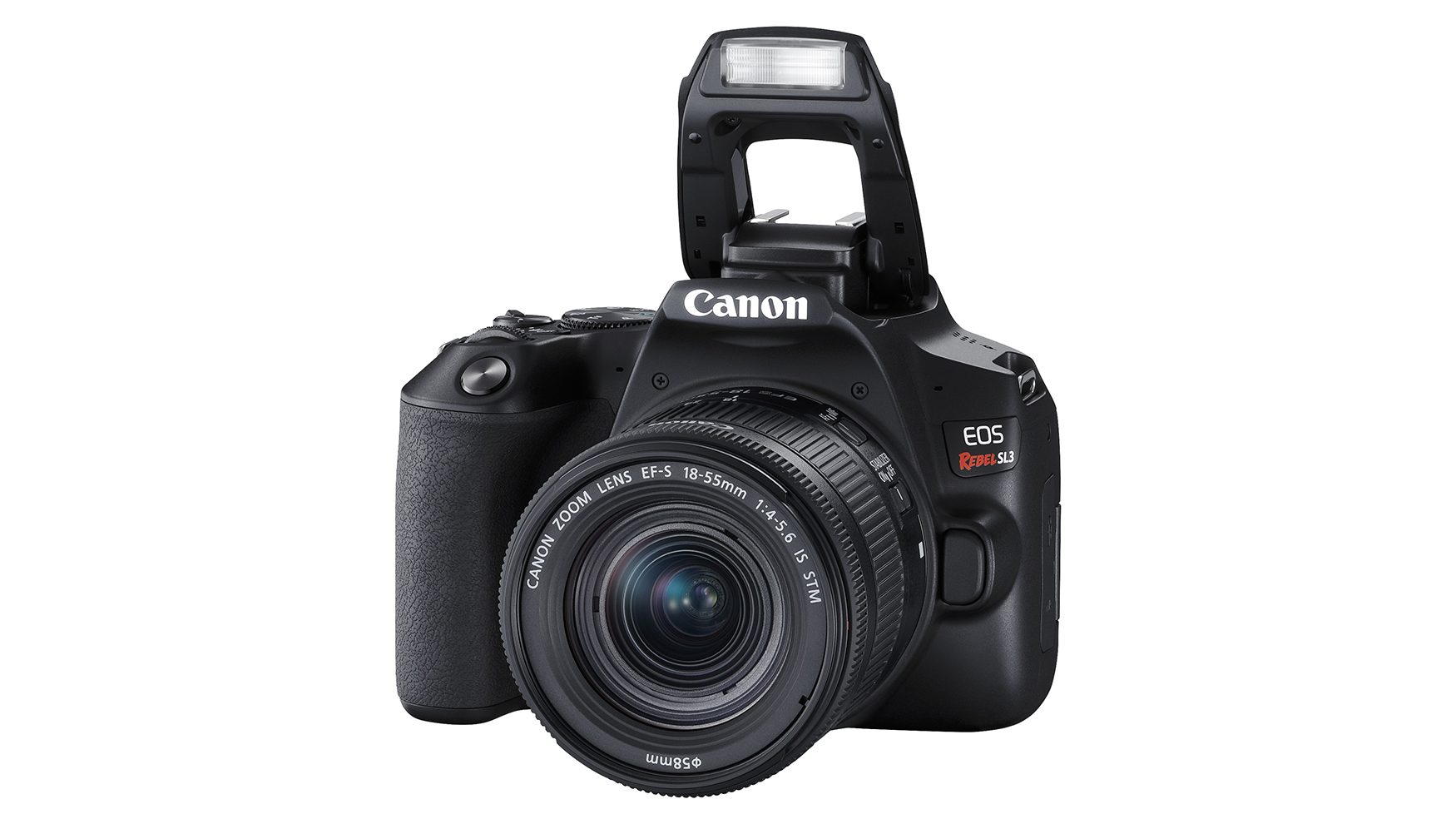 Weighing at 449 grams, the Rebel SL3 packs a DIGIC 8 Processor, along with a 3.0-inch touchscreen (that flips around for selfies or vlogging) and 4K video support. The camera features a 24.1 megapixel APS-C (Advanced Photo System Type-C) sensor, which is also used in Nikon and Sony DSLRs. Furthermore, the Rebel SL3 offers a 9AF point-optical system and spot focus feature, so that users can accurately select their subjects while capturing images.
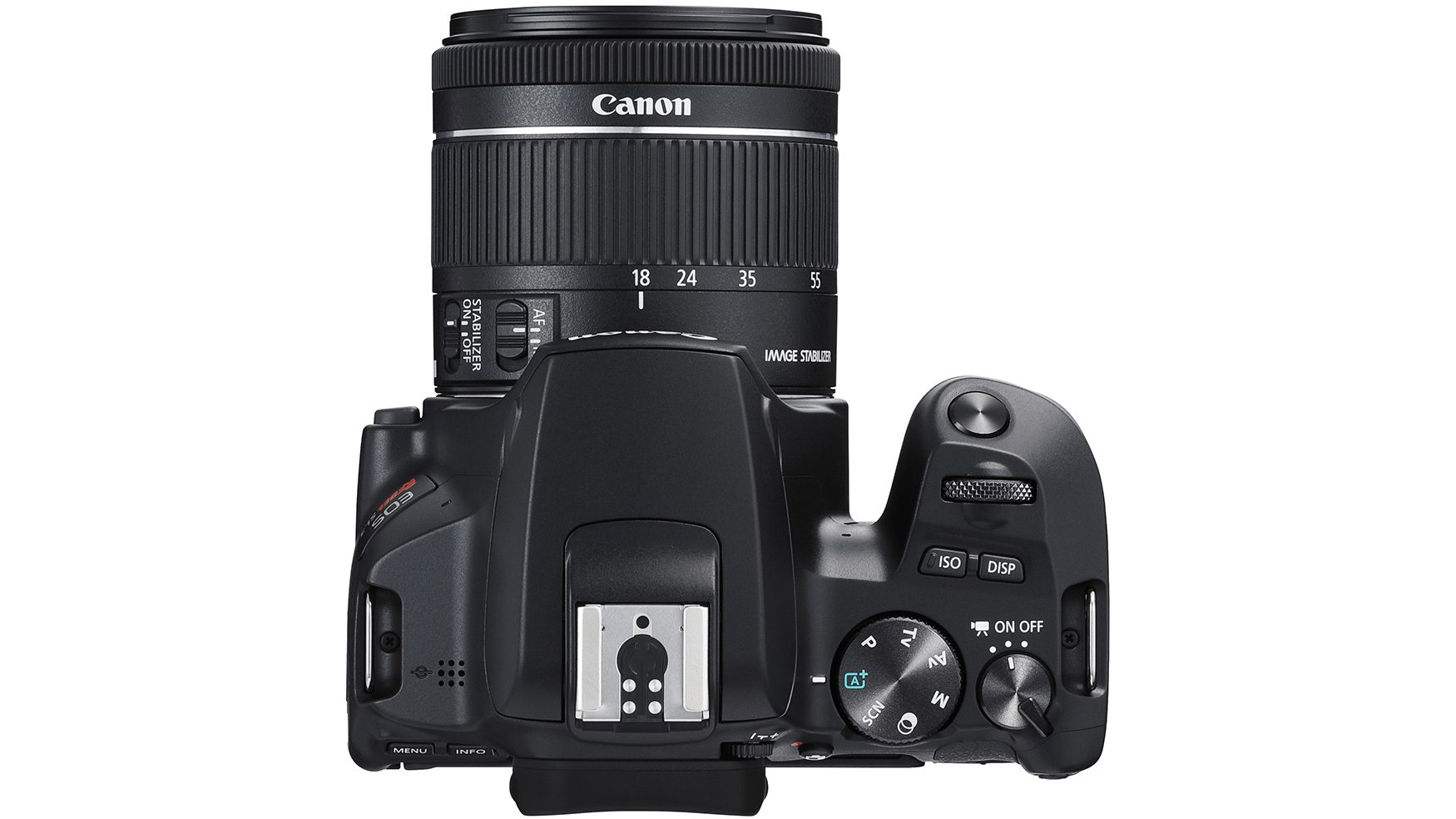 The Canon EOS Rebel SL3 offers an on-sensor Dual-Pixel system, which may not be as efficient as the optical system, but still provides accurate eye-tracking Auto-Focus in 1080p videos considering the price of the budget DSLR camera. The SL3 also takes the spot for being the first Canon Rebel Series camera that can shoot in 4K resolution. A downside of the camera is the lack of sensor-based-in-body stabilization, which forces the Rebel SL3 to use Digital Image Stabilization. Moreover, the camera supports wireless image transfer via built-in Wi-Fi and Bluetooth across smartphones and tablets.
 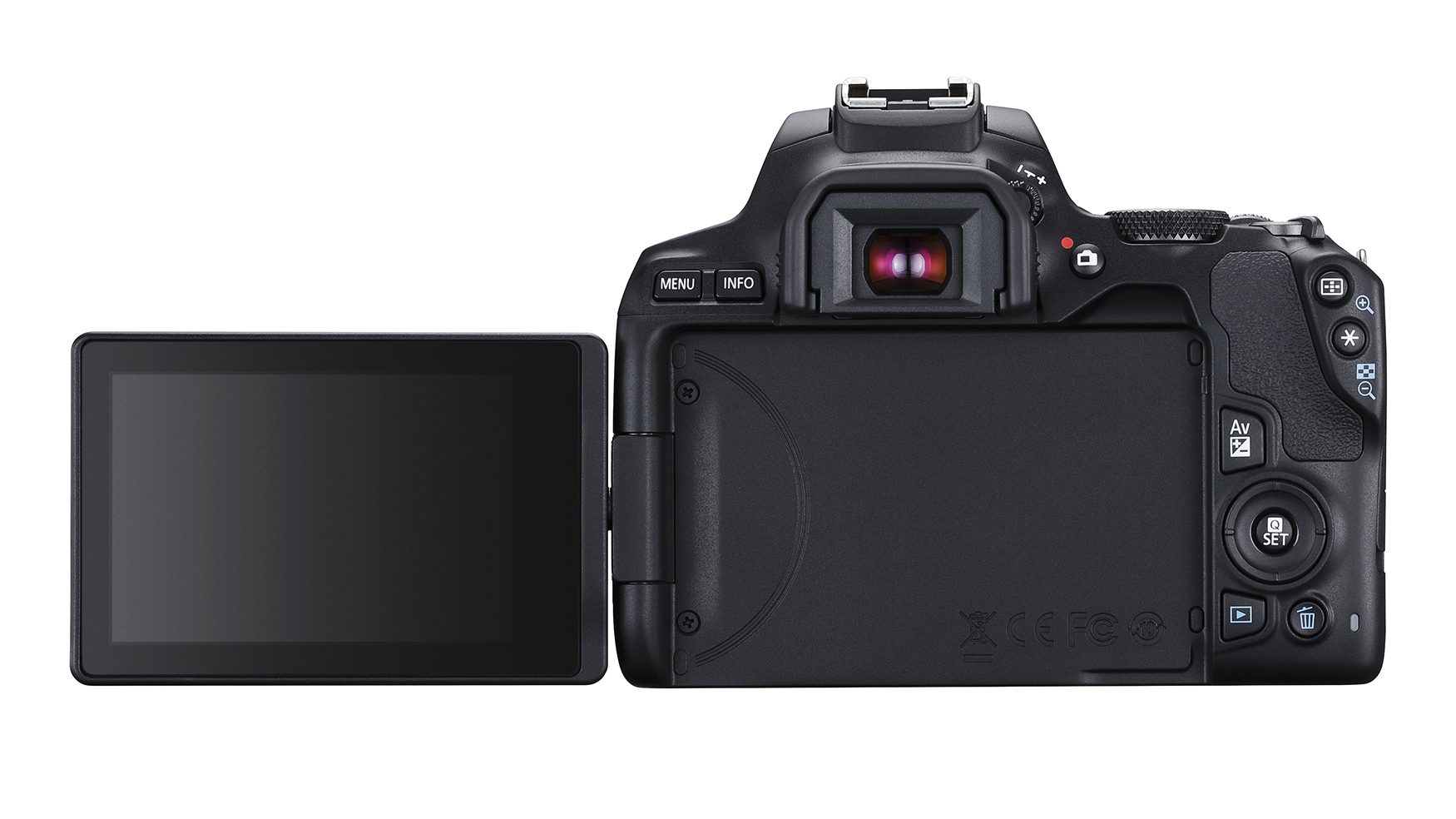 Photographers can utilize the Burst Shoot feature at a rate of 5fps. The DSLR has a native ISO range of up to 25,600 and an expanded ISO range of 51,200. In terms of the battery, Canon claims that the camera can shoot a total of 1,630 images on a single charge, and the number comes down to 350 shots with the Live View feature turned on. Talking of features, another nice addition to the camera feature list is the “smooth skin” mode, which enables the user to blur the background (similar to portrait mode in smartphones) without the presence of a fast lens.