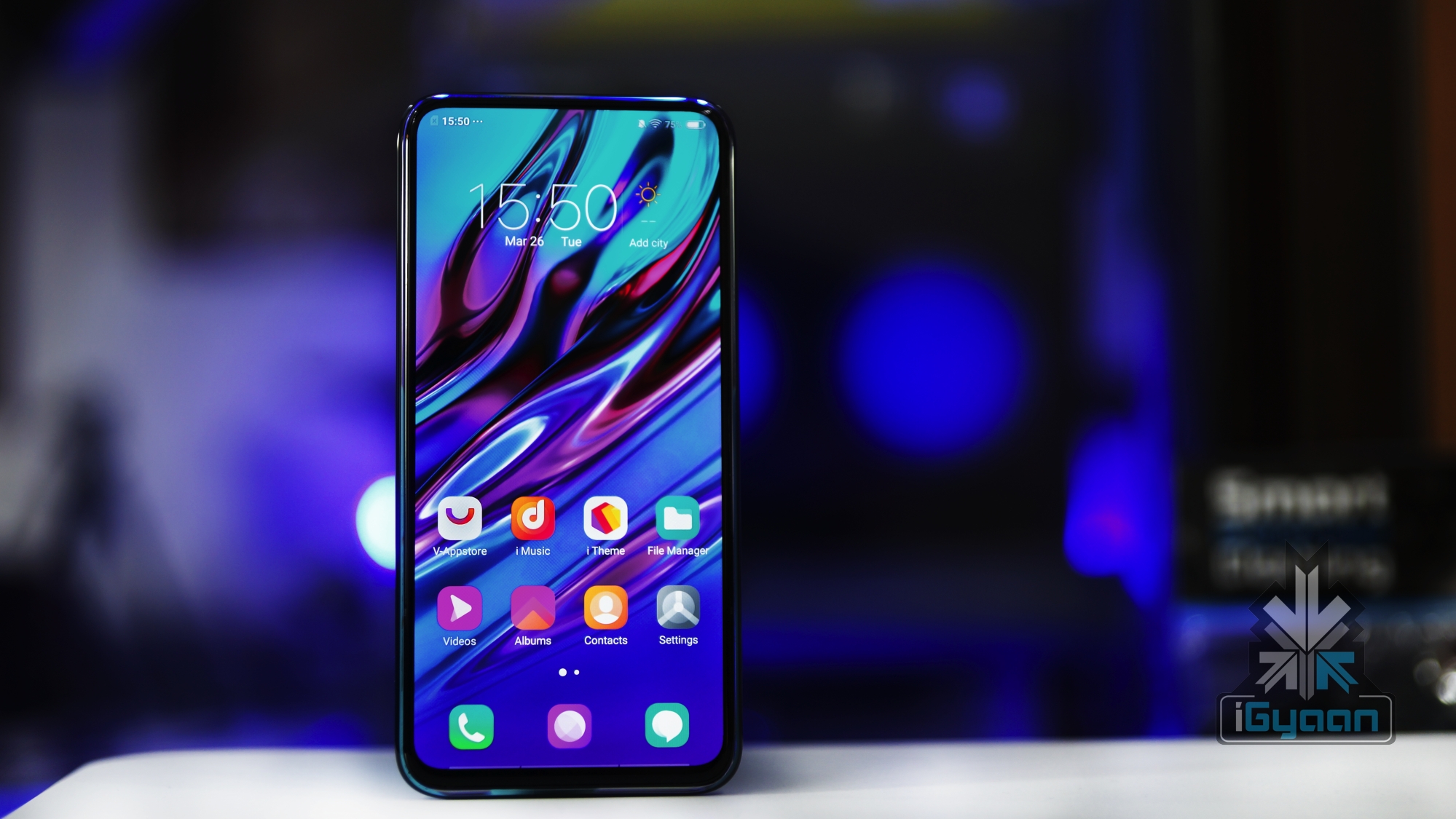
Innovation regarding smartphone cameras is an ongoing process in the current scenario. Instances from the past include the first pop-up camera, which was introduced in the Vivo Nex in the year 2018. In constant strife to eliminate notches in smartphone displays, brands such as Samsung and ASUS launched the Galaxy A80 and Zenfone 6 respectively, which feature rotating camera systems. However, Chinese brands Oppo and Xiaomi have posted videos that showcase smartphones with under-display selfie cameras in all their glory.
For those seeking the perfect, notchless smartphone screen experience – prepare to be amazed. ?
— OPPO (@oppo) June 3, 2019
You are taking a very first look at our under-display selfie camera technology. RT! ? pic.twitter.com/FrqB6RiJaY
A senior Oppo executive allegedly shared a short video clip of a prototype smartphone sans a notch. When the camera app was launched, the screen displayed a view of the room’s ceiling, whereas no front camera can be spotted in the video. To confirm that the camera being showcased is an under-display module, the VP hovered his finger above the spot where the selfie camera is supposed to be, and as expected, it was visible on the display.
Check this out from our R&D team! @Xiaomi continues to innovate and we have some exciting tech up our sleeves. RT if you love under display camera! #xiaomi pic.twitter.com/4Rlzt9uRAd
— Alvin T (@atytse) June 3, 2019
On the other hand, Xiaomi also posted a video which showcases two smartphones held next to each other. The device on the right features a waterdrop style notch, whereas the one on the left has no notch at all. After the camera application was launched, the user of the device switched to the front camera, which was placed under the display and hence wasn’t visible at all.
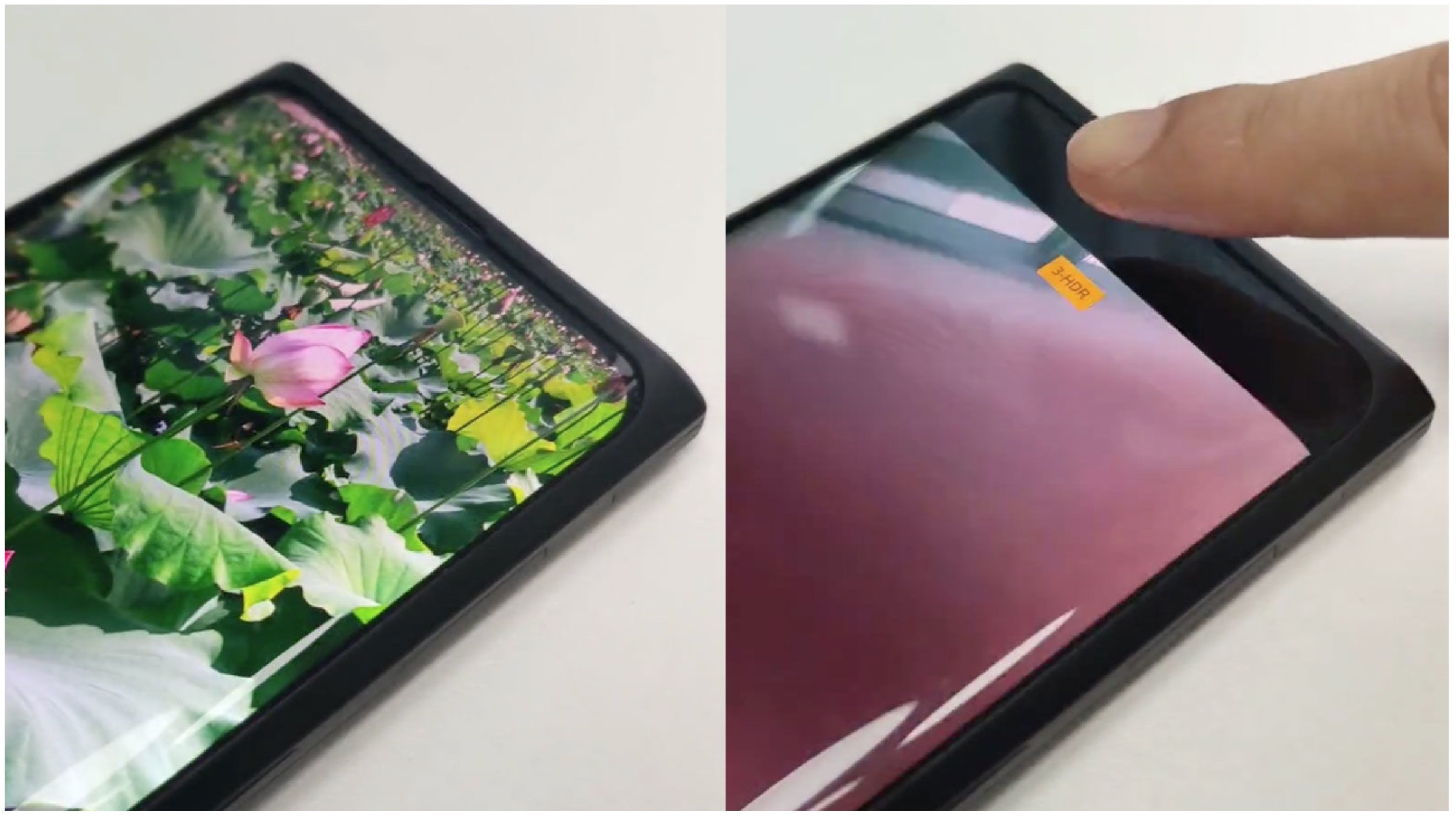
As further stated by the Oppo executive, an under-display camera would imply that there will be one less fragile component in the device to worry about. Moreover, there will be no physical wear and tear regarding such a camera module. However, a significant loss in optical quality may be experienced in the early stages of development as stated by the company.
Also Read: LG To Launch An Online Only Budget Smartphone Series In India Soon
Nonetheless, this unveil may be an indication that Oppo’s sister company, Vivo might also be working on a smartphone with an under-display selfie camera. The company previously hinted at such a feature in the Vivo Apex 2019 concept smartphone. Since the smartphone was devoid of any notch and ports, it is expected that the device will be launched with an under-display selfie camera.

 As per a statement released by the company, the Google Compute Engine was suffering from a multi-region issue that was affecting Google Cloud services. Owing to network congestion in Eastern USA, users were experiencing extremely slow loading times and errors. Moreover, people reported issues with Google Nest that was not allowing them to change the temperature in their homes and apartments.
  Also Read:



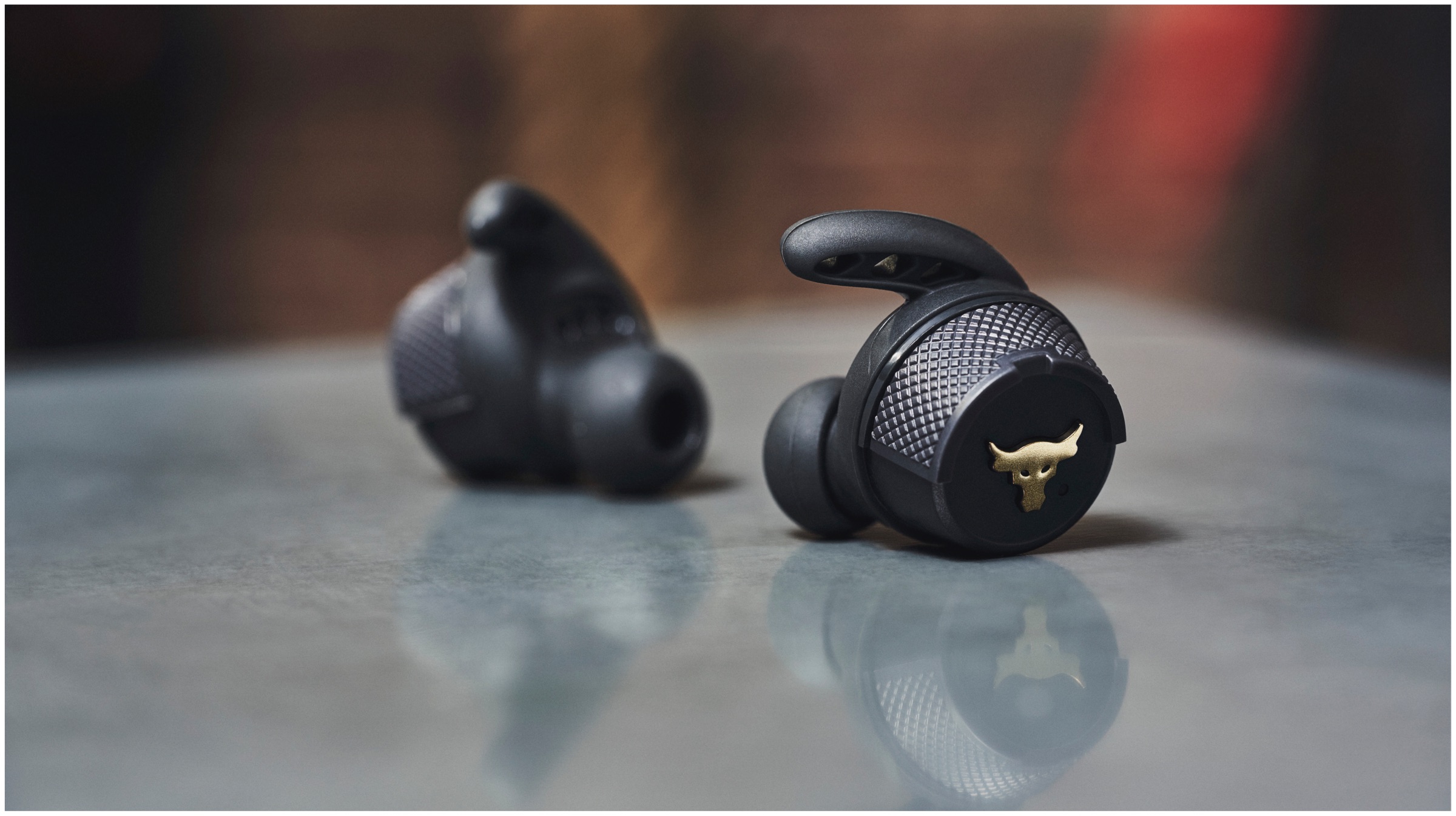
 The Truly Wireless Earbuds will be the latest addition to the “Project Rock” audio products. Named as the “UA True Wireless Flash Project Rock Edition”, the earphones are IPX7-rated water and sweat resistant. On a single charge, the earphones can last for about 5 hours. Upon discharging, they can be juiced up via the charging-cum-carrying case, which provides an additional 20 hours of recharge. The carrying case itself can be charged via a micro-USB 2.0 port. Regarding audio, the company has teamed up with JBL audio.
  The Project True Wireless Earphones feature UA TALKTHRU, which enables the user to lower the music momentarily to focus on the surroundings. This technology is similar to the one found in JBL’s own wireless earbuds. A golden bull logo is embossed on both the earphones, which doubles up as a button to activate noise cancellation and block out external audio. The earphones will ship with a set of antibacterial ear tips that will enable them to sit comfortably in the ear without falling off.
 Also Read:

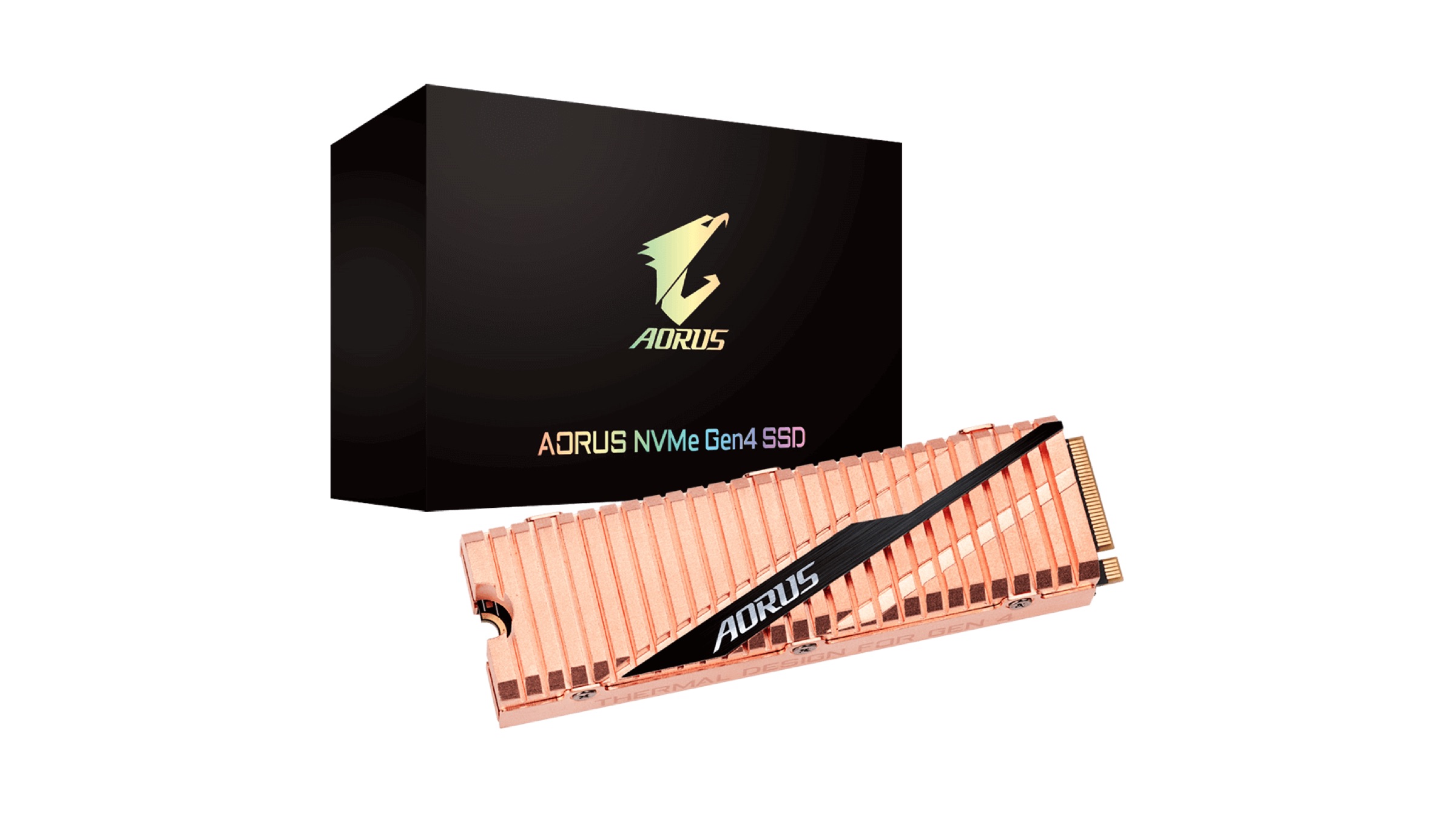
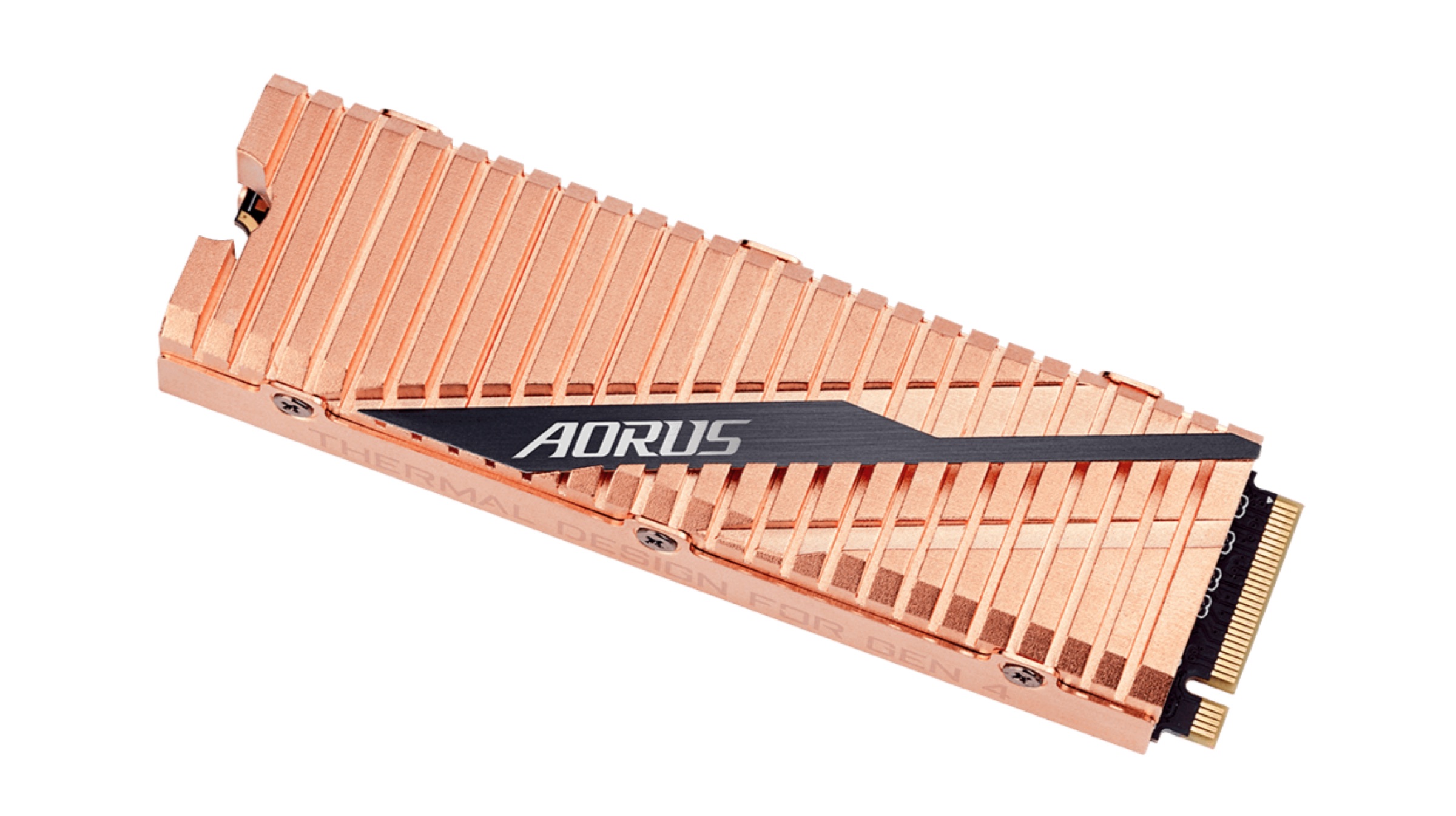
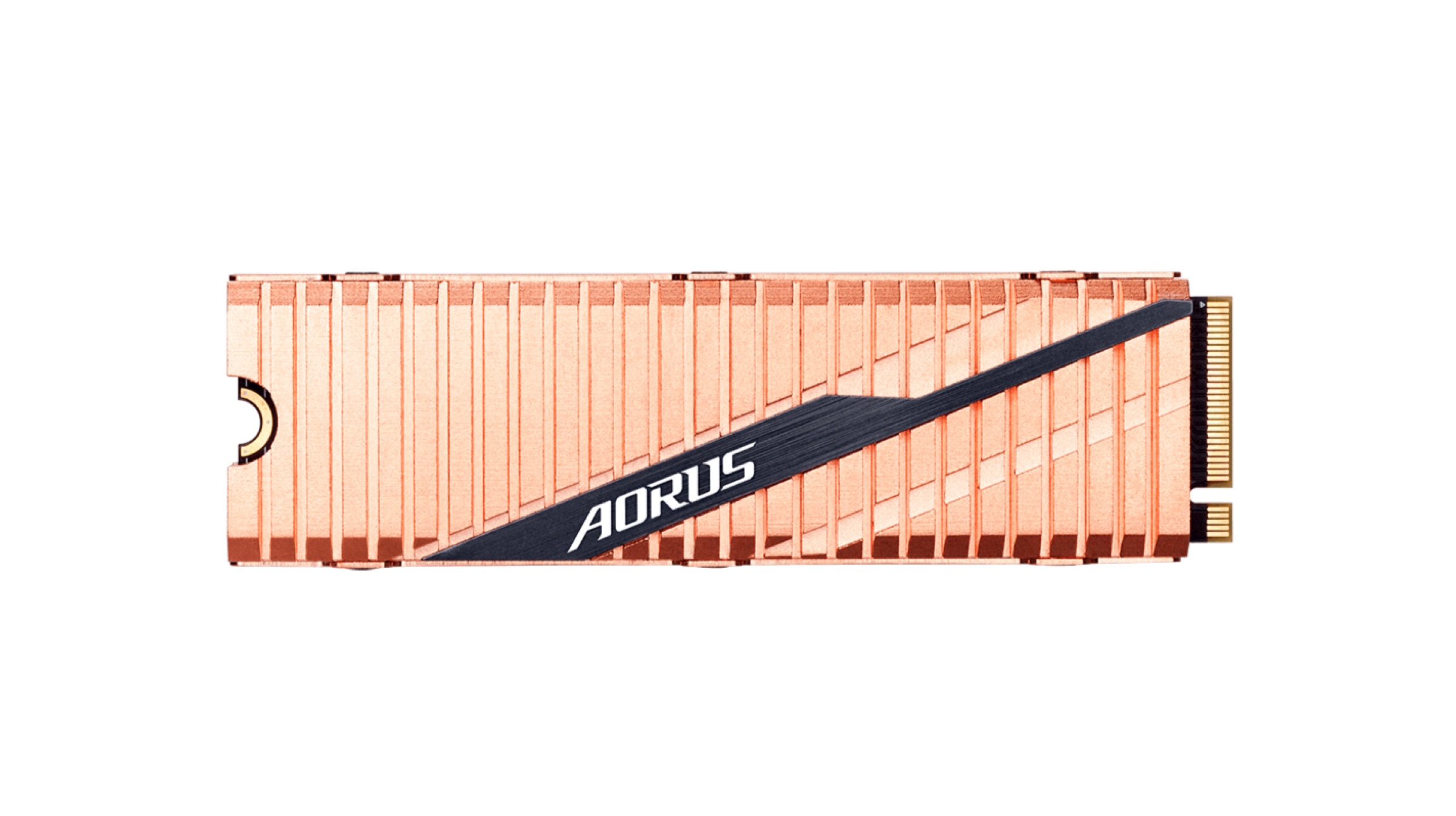 However, Corsair also launched its own Generation PCIe SSD on May 27, 2019. It can achieve a read speed of 4950 MB/s, which falls merely 50MB/s short of Gigabyte’s SSD. Both the SSDs offer almost 56% faster read speeds than the Samsung 970 nvme Solid State Drive, which is one of the fastest available SSDs in the market. The Gigabyte PCIe 4.0 utilizes the Phison PS5016-E16 controller and 3D Triple Level Cells (TLC) NAND flash memory chips manufactured by Japanese manufacturer Toshiba.
 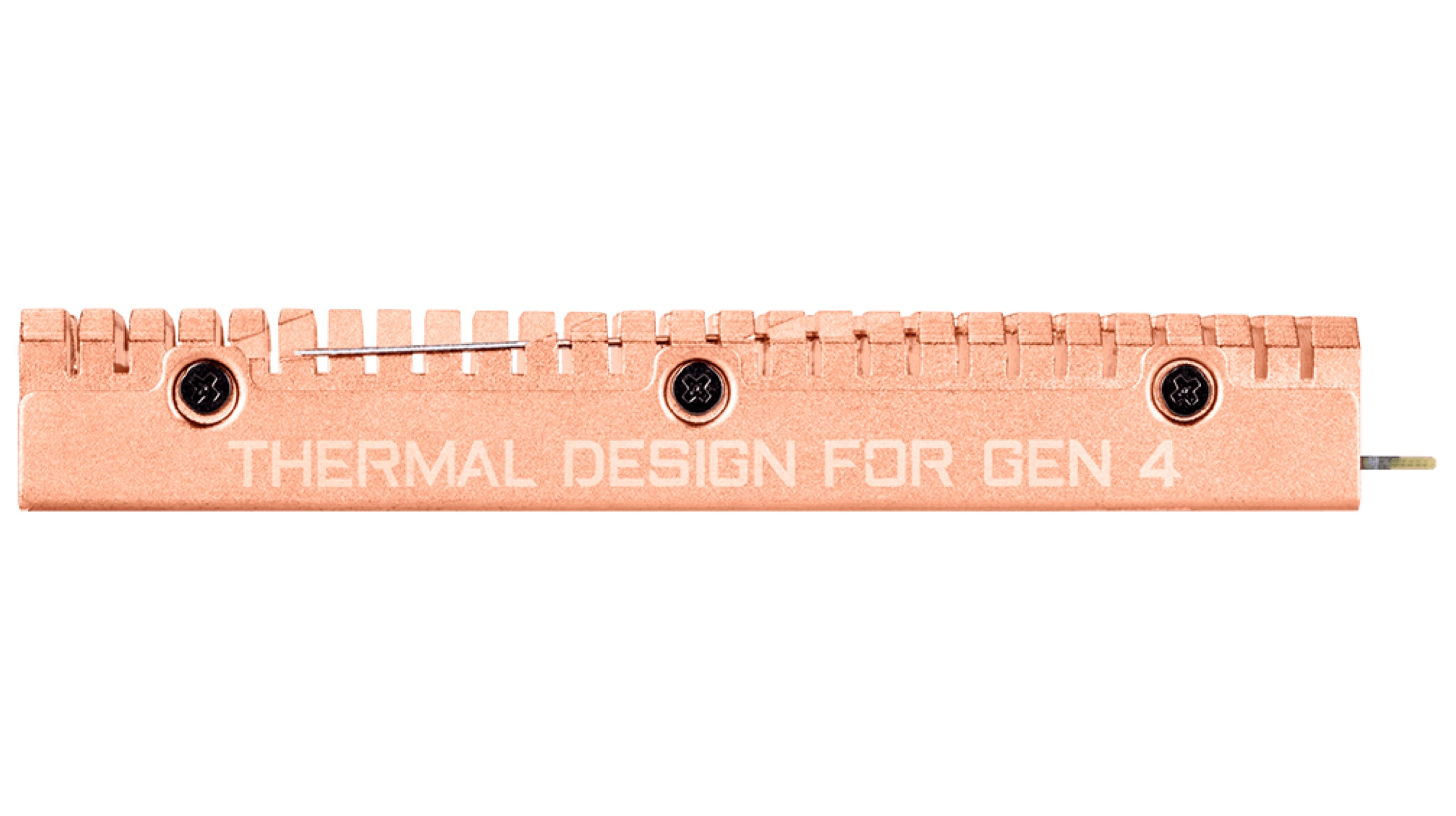 A full body copper heat spreader engulfs the AORUS NVMEe Gen4 SSD, so that the generated heat can be managed at higher read/write speeds. Since the temperature can increase drastically during operation, Gigabyte states that using the heatsink can reduce the temperature of the SSD by almost 14 percent.
  Also Read:
 The trailer is centred around the ‘golden’ CoD character, Captain John Price, who is one of the more prominent faces of the franchise. It is expected that other characters such as John “Soap” MacTavish and Derek “Frost” Westbrook will also make an appearance in the reboot. The trailer showcases scenarios that are heavily relatable to the current state of the world in some cases. Terrorism and bio-chemical wars are just two of the threats that were poised in the trailer.
 One significant fact is the return of the original developers, Infinity Ward back to the franchise. As per reports, the core developer and design teams working on the game (including developers from Naughty Dog) are focusing on the emotional impact that the Call of Duty: Modern Warfare can have on the players. Infinity Ward co-head stated that the story designers will aim to be sensitive and edgy at the same time. Since the game is based on real world headlines and events, it is expected to feature psychological warfare along with dictating villains and a rich dose of violence.
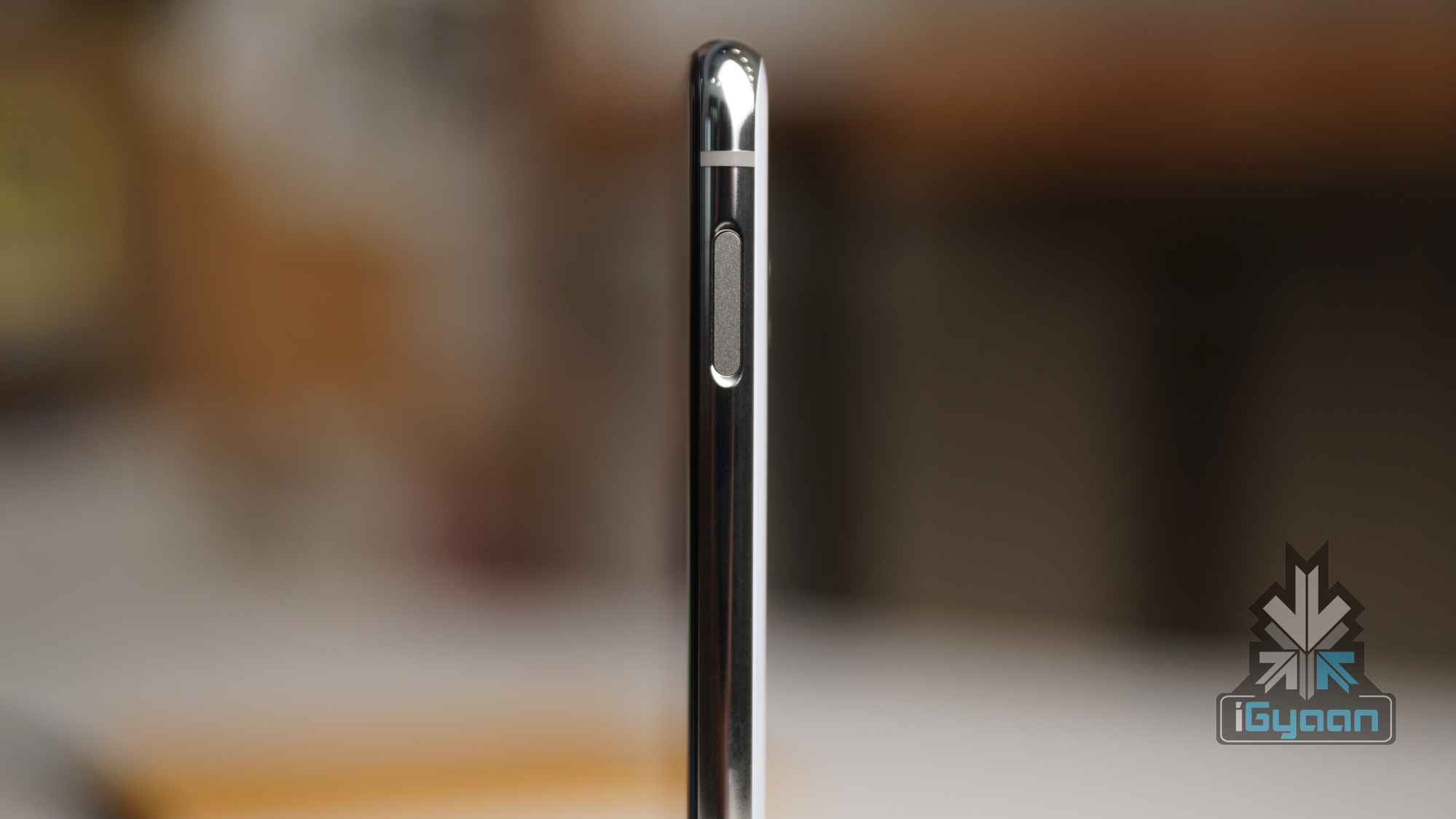
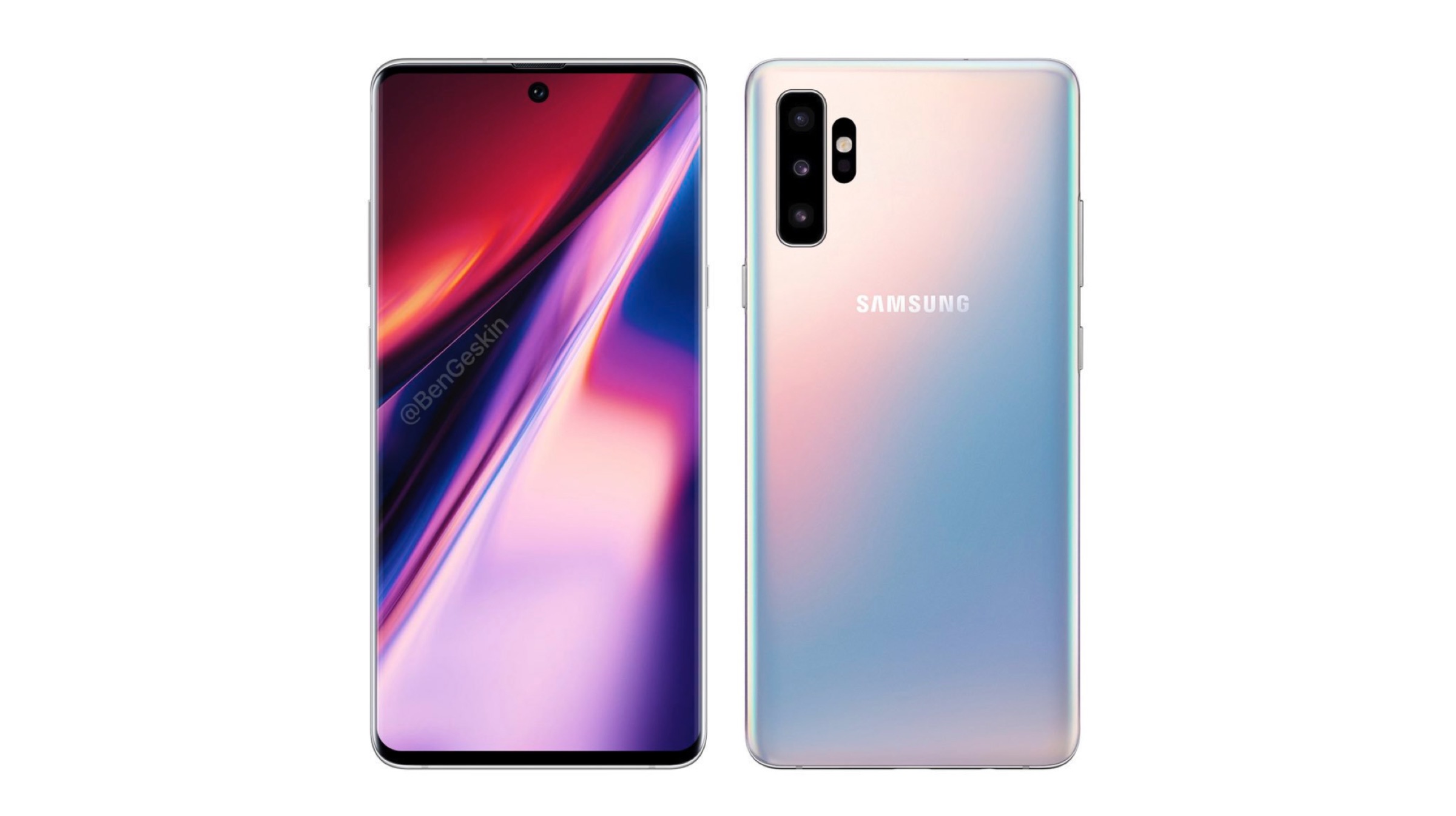 The rumours further state that the exterior buttons of the Galaxy Note 10 handsets will be replaced by capacitative or pressure sensitive buttons, that will be accessed by the user via raised bumps or a textured surface along the sides. Another device with the same design factor is the Vivo Apex, which is a step ahead and excluded all forms of ports and buttons from the device. Both the volume rockers and power button in the aforementioned smartphone were capacitative. Moreover, the device lacked all forms of ports, including the charging port. It had to be charged using the magnetic POGO pins at the back.
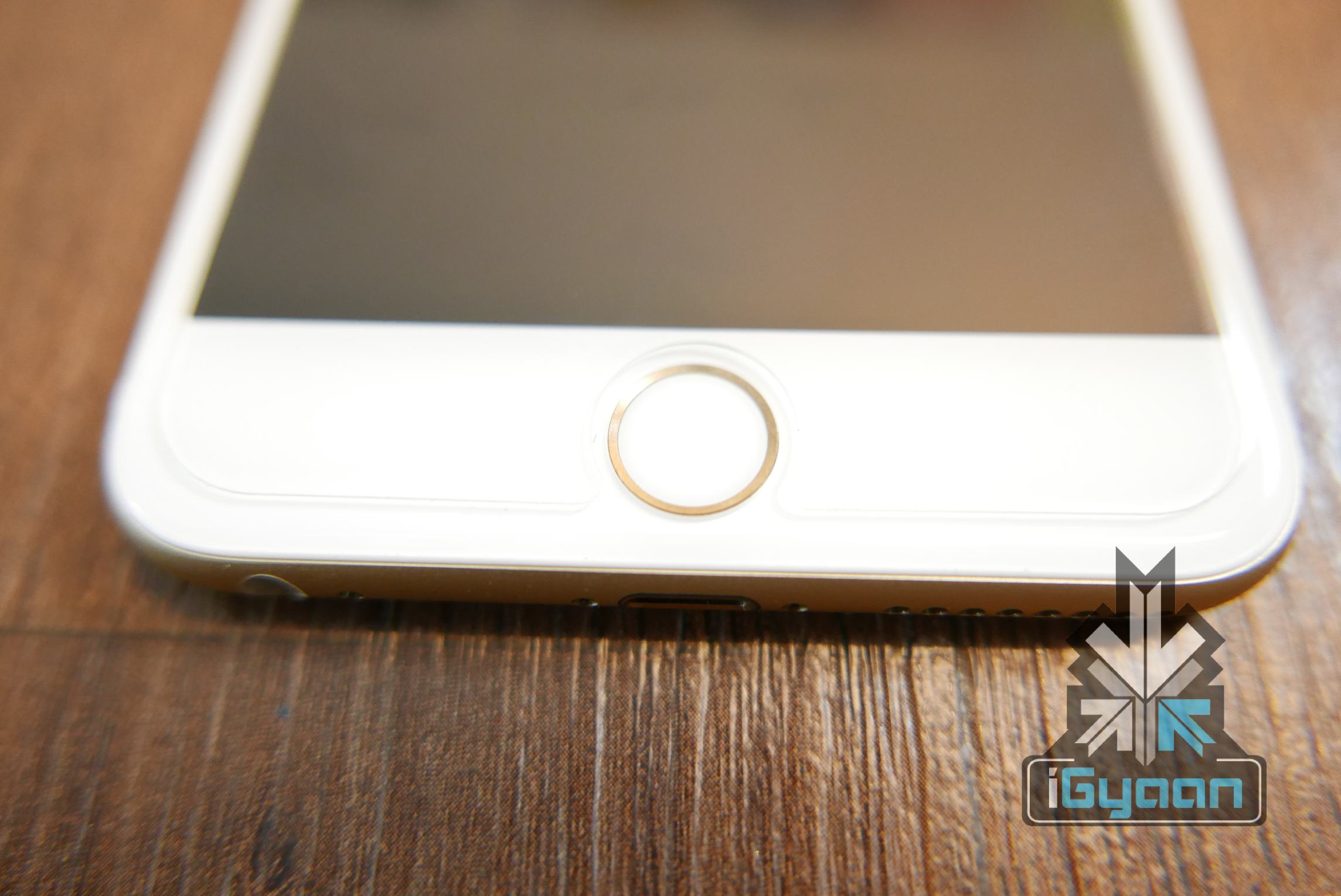 A similar change was introduced to smartphones a few years back, when manufacturers inadvertently moved in favour of removing physical ‘home’ buttons from the devices. For instance, the
 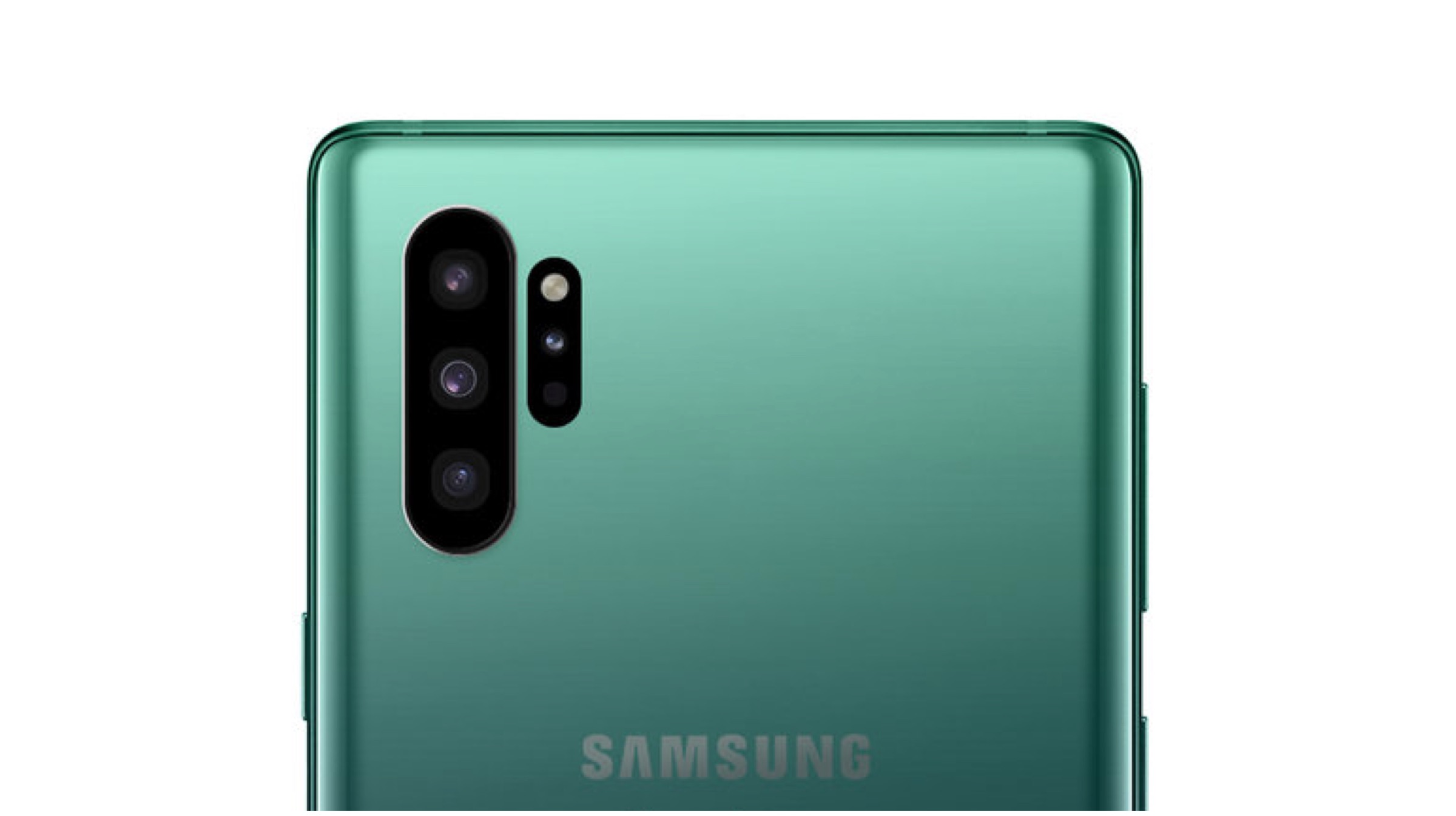 As mentioned before, the buttons are not the only feature that is being eliminated. Rumours state that the 3.5mm headphone jack, which has been present in all Samsung flagships till date (except the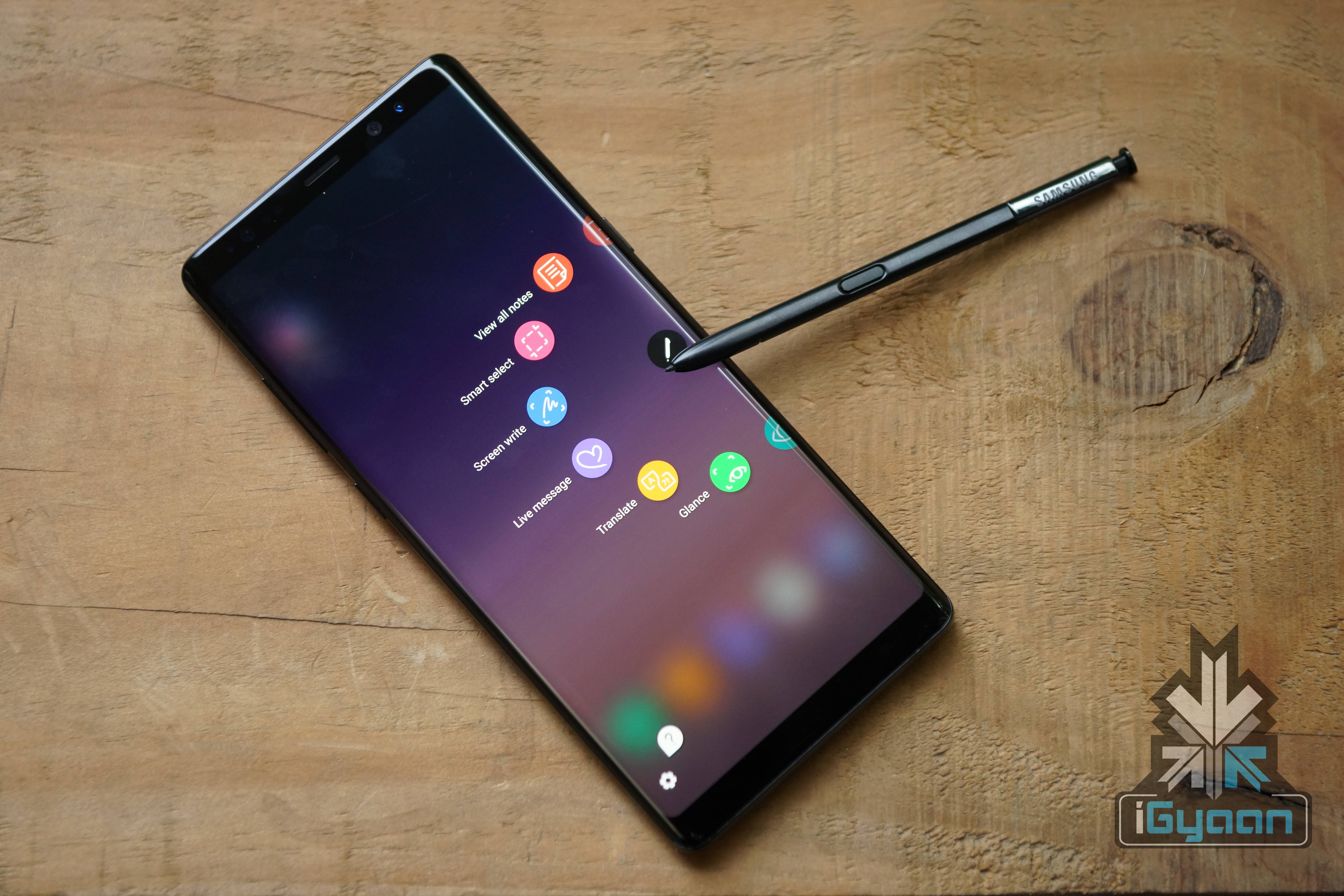




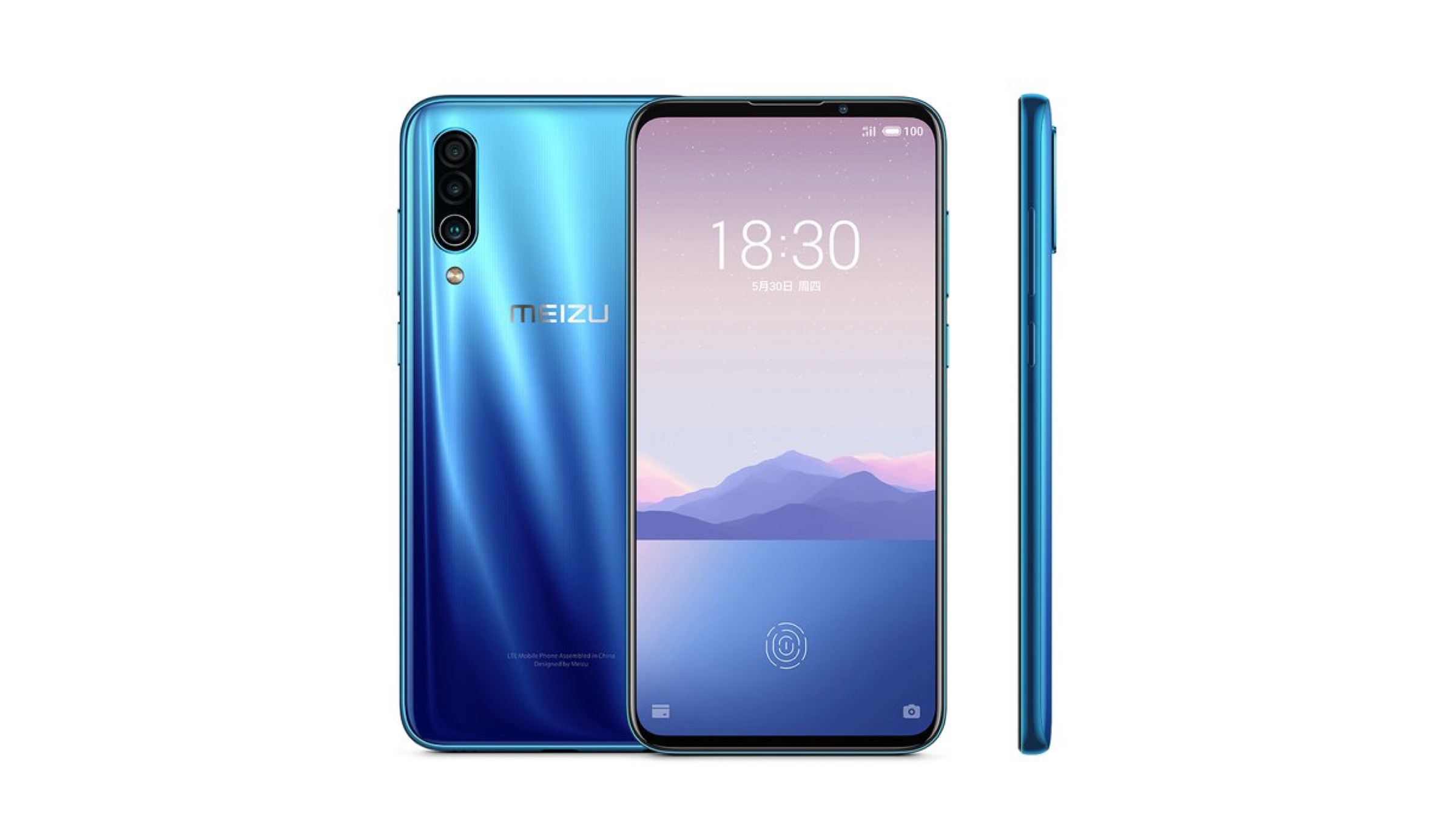
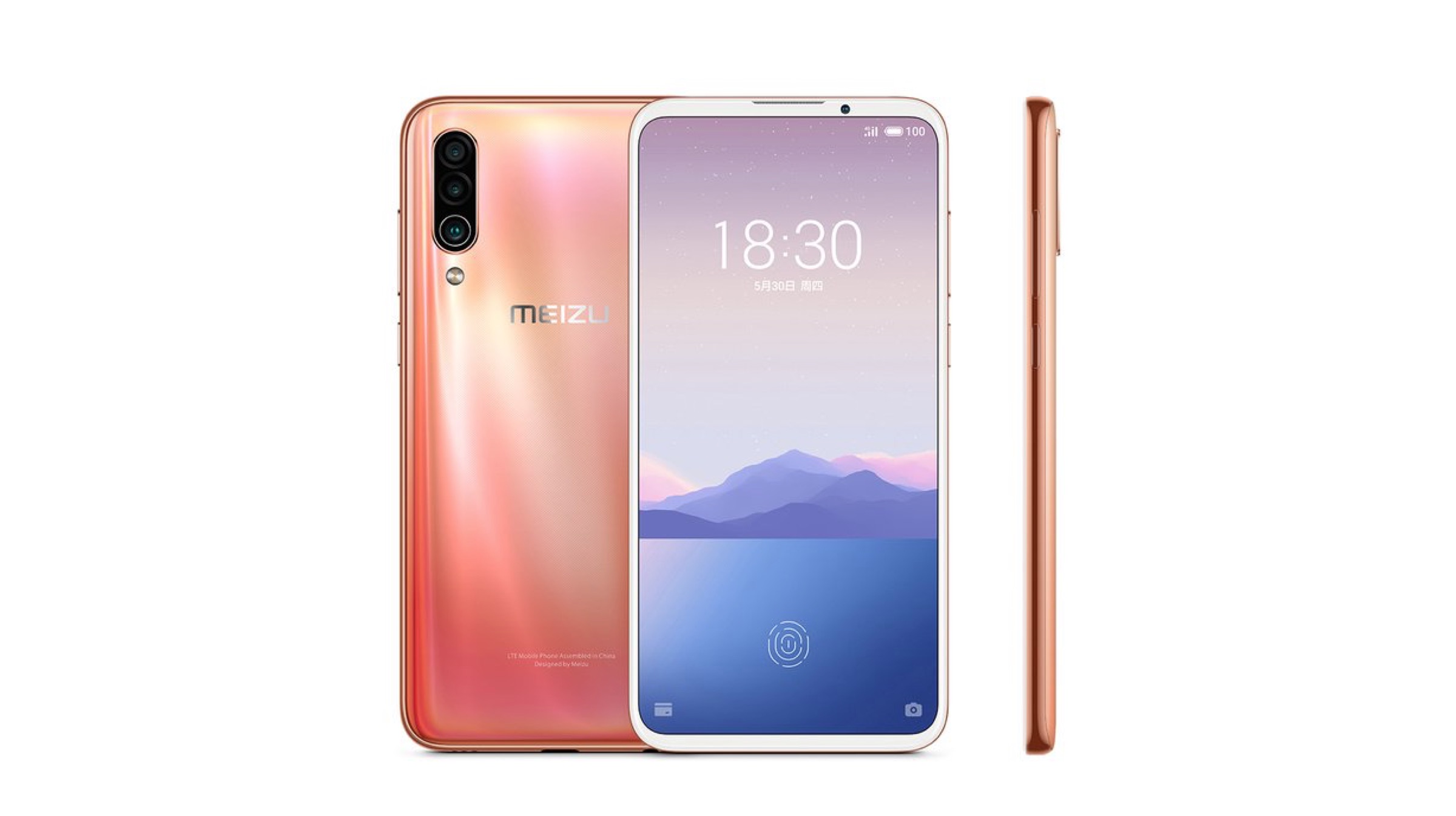 In terms of optics, the smartphone has a triple rear camera setup. It consists of a primary 48MP (f/1.7) Samsung GM1 MOD sensor, a secondary 5MP (f/1.9) sensor and a third wide-angle (118.8 degree) lens. For selfies, the Meizu 16XS is equipped with a 16MP front camera that supports HDR+ and portrait mode. Additionally, the selfie camera also has support for facial recognition technology.
 Also Read:
 The supercar sports a torque-vectoring AWD (All Wheel Drive) system and an eight-gear dual-clutch transmission. Even though the SF90 is less powerful than the top of line

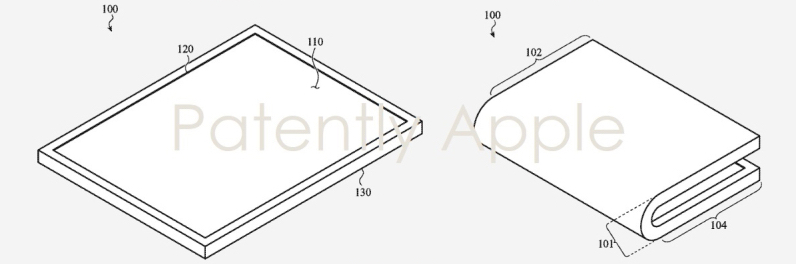
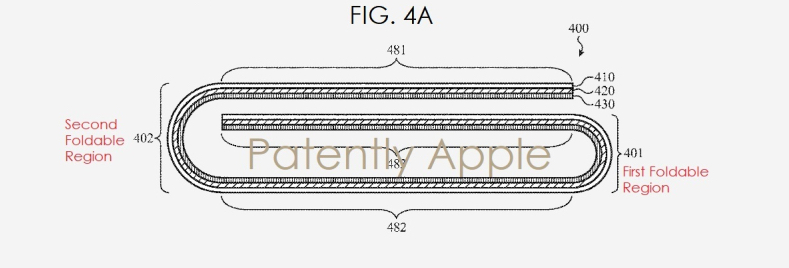
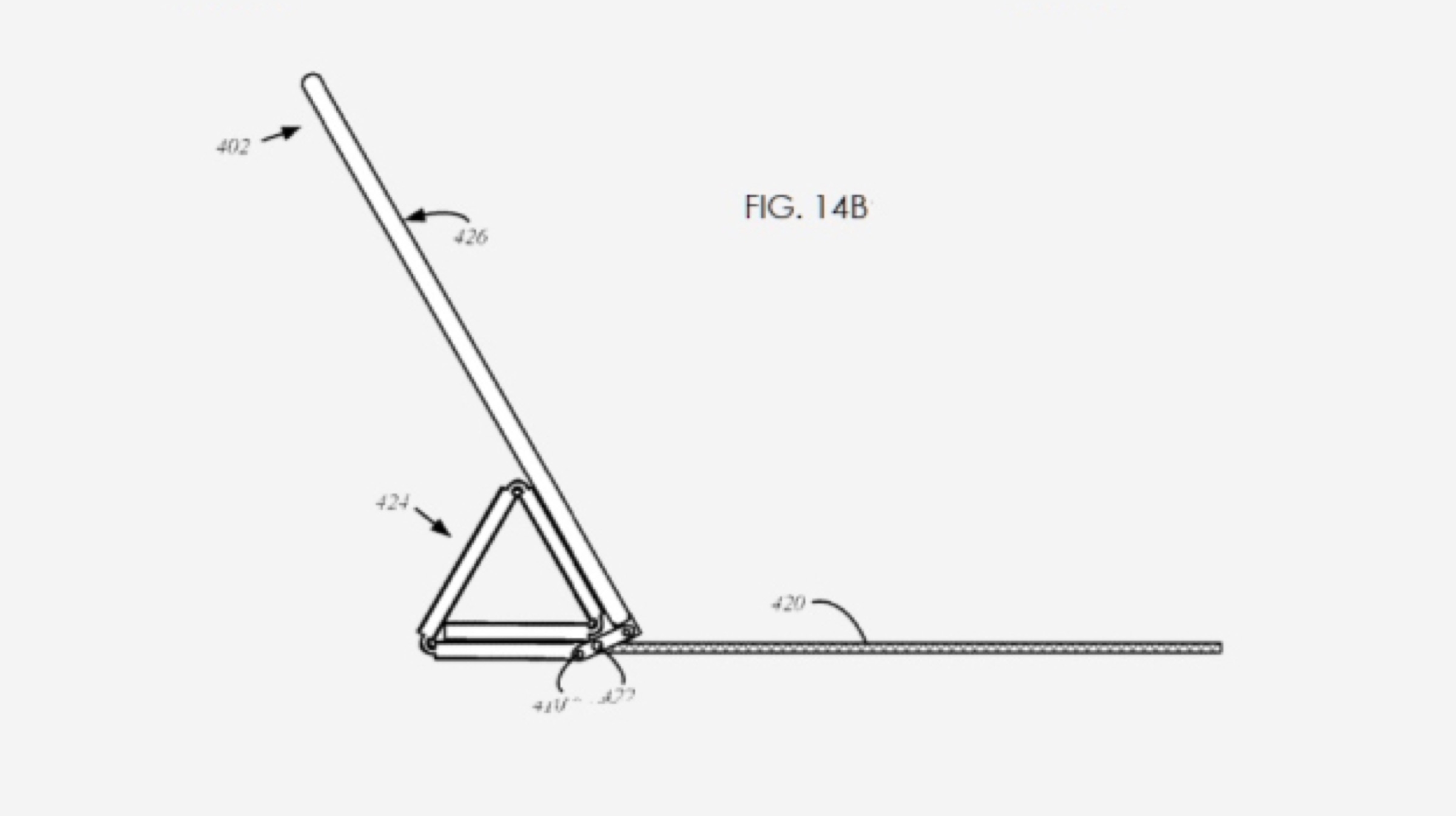
 The second patent covers a device that is quite similar to the Apple Folio smart keyboard, which was released alongside the iPad Pro 12.9 in the year 2016. The patent includes images of a variety of designs for a new smart keyboard that may be announced in the future. One of the images showcases a keyboard design with a space above the keyboard which can be used to input data via the Apple Pencil. Another design features the inclusion of a trackpad to the keyboard.
  Also Read: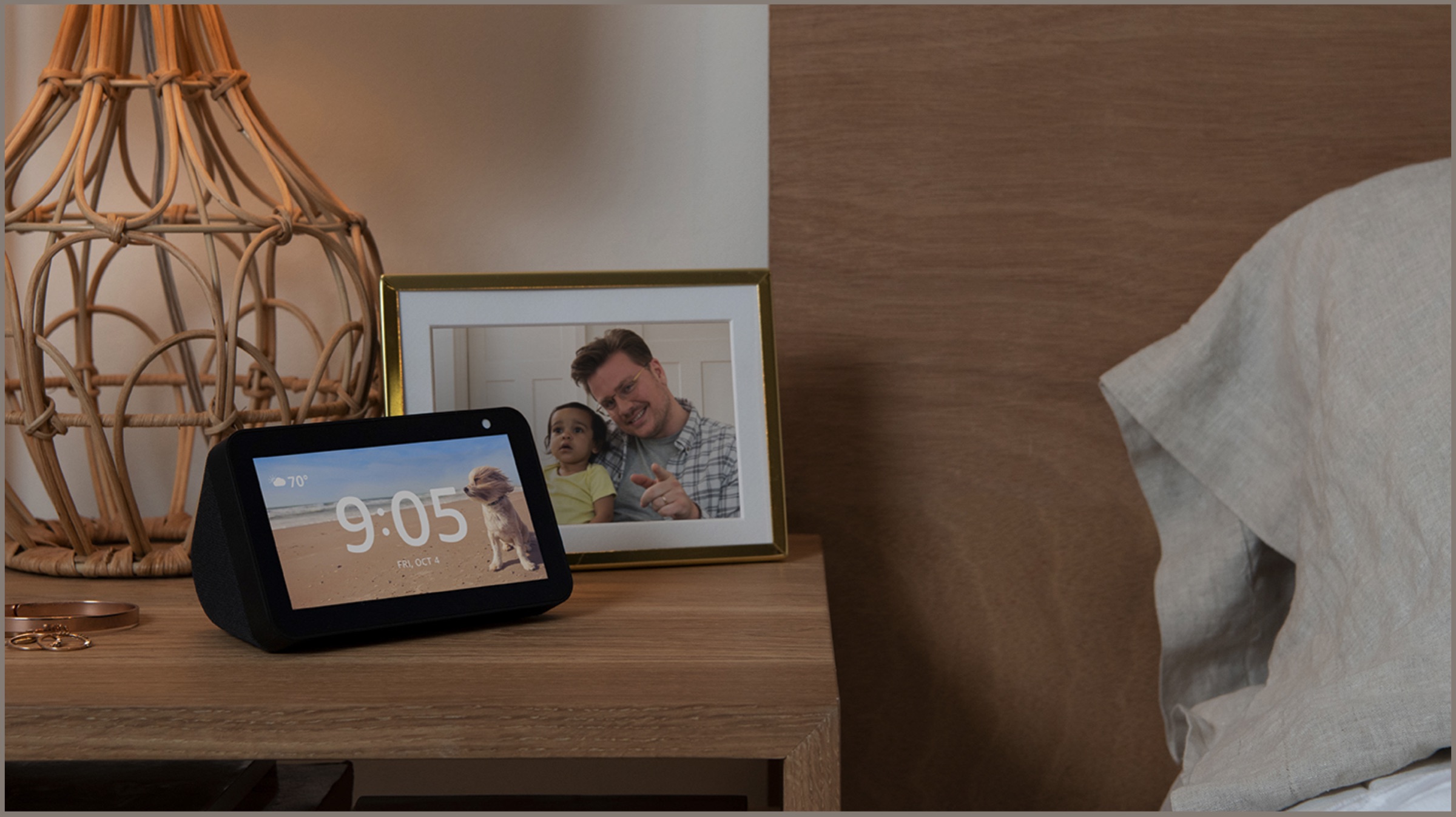
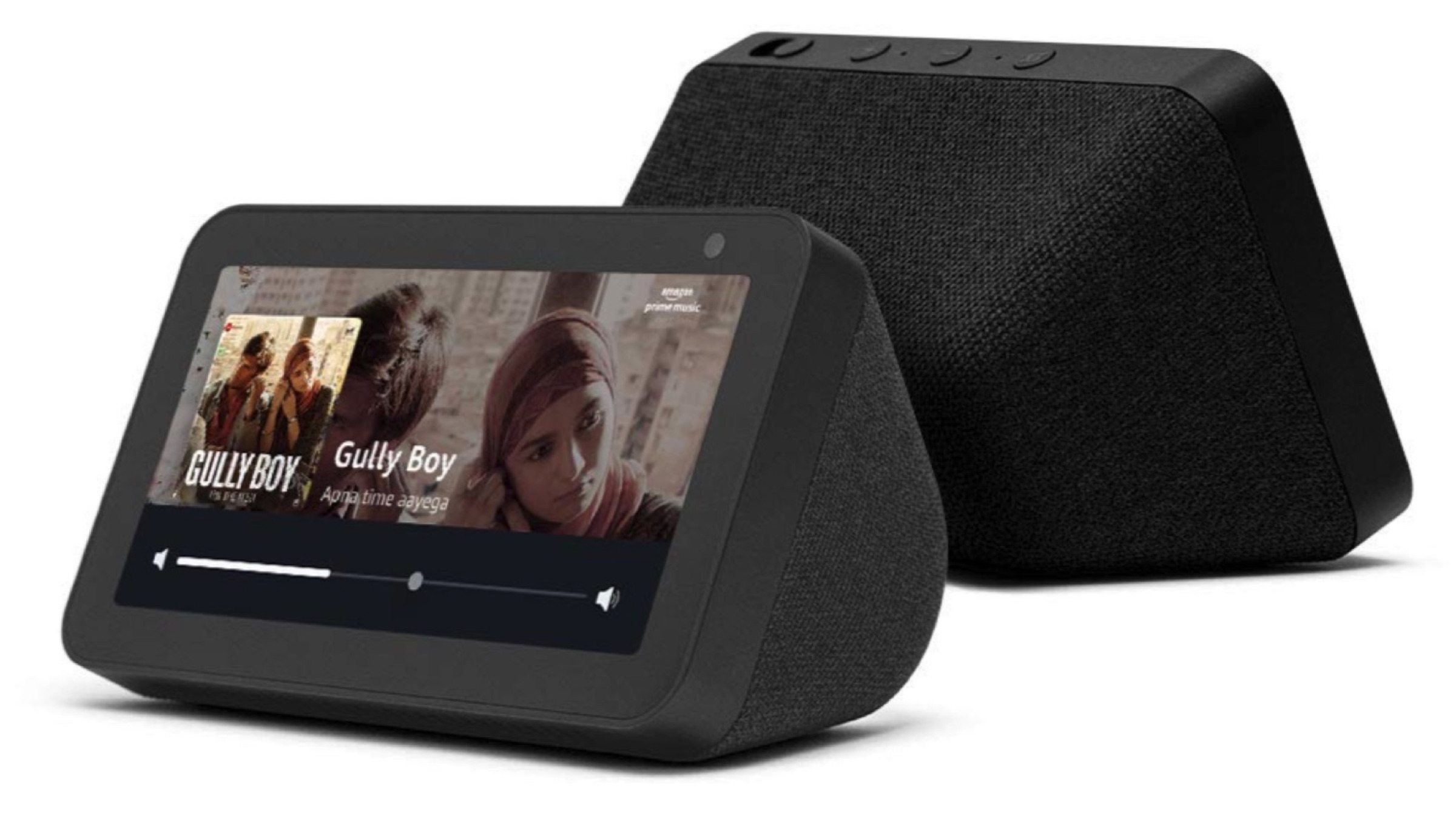
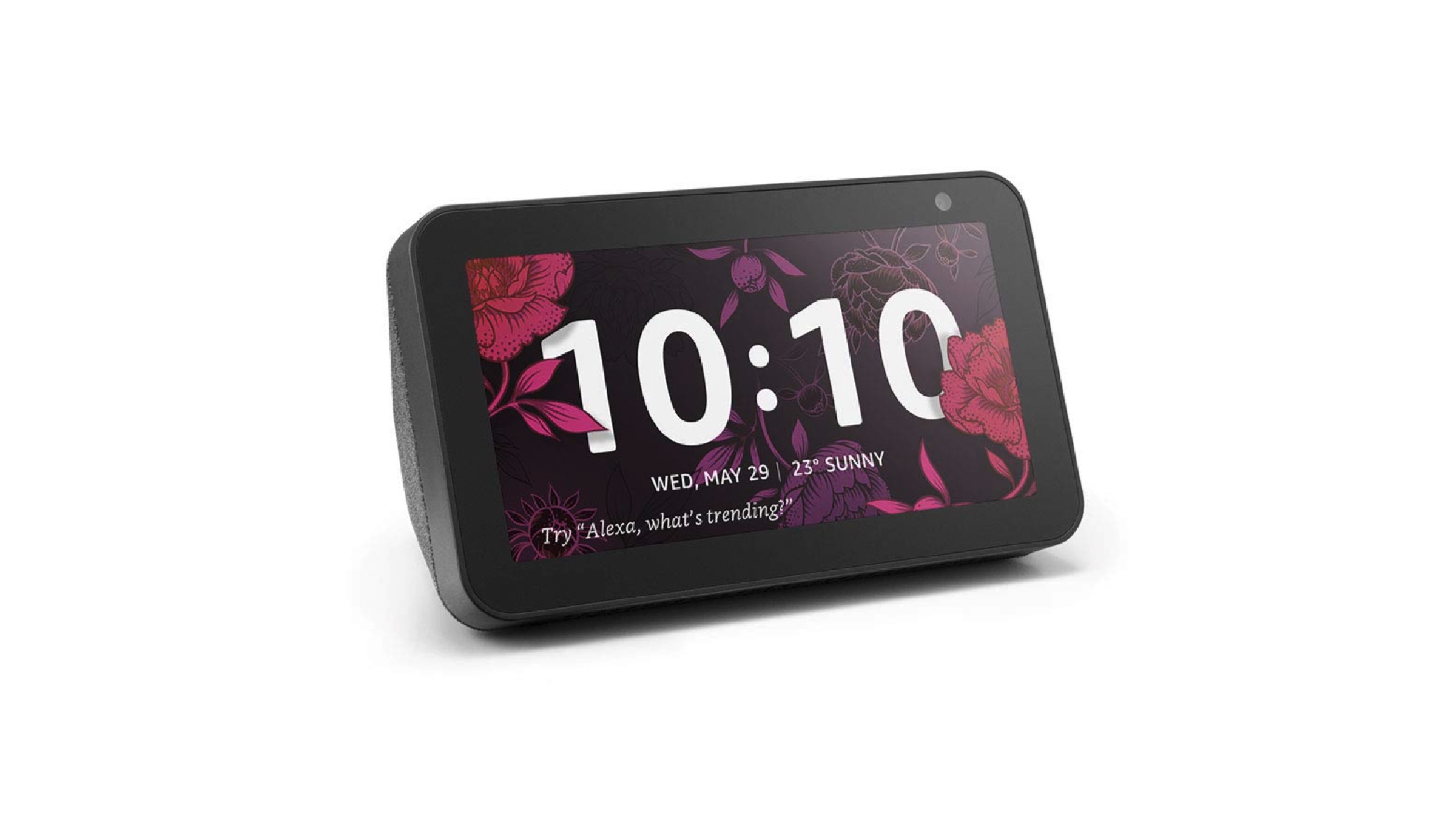 The smart display sports an ambient lighting mode to automatically regulate the brightness as per the surroundings. Solely using voice commands, users will be able to view how-to-clips from wikiHow. Additionally, the Echo Show 5 also features a smart home dashboard that can be used to control multiple connected gadgets. The camera can be used in combination with applications such as the Arlo Baby Camera, which can be used by parents to keep an eye on their babies from a remote location.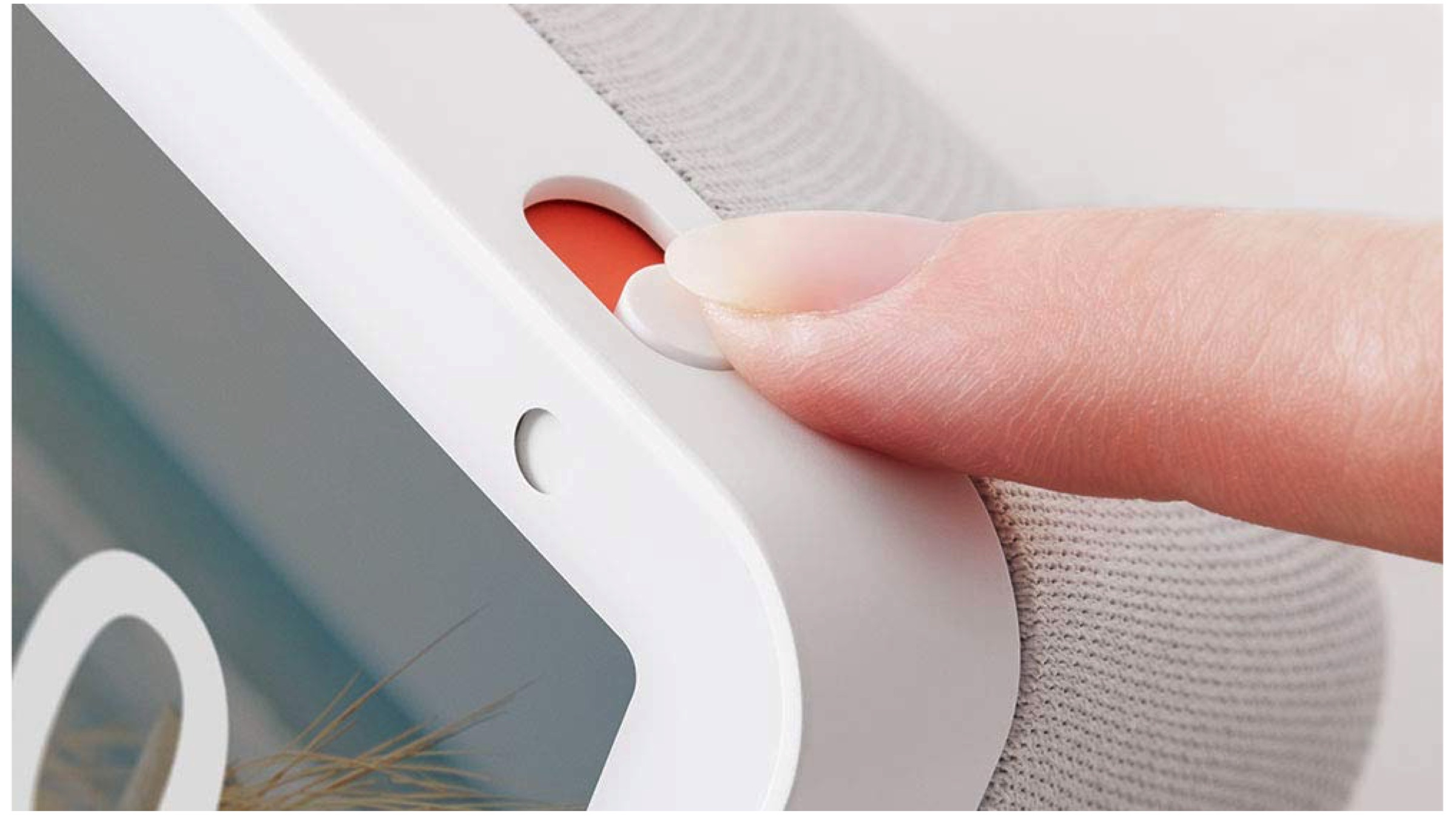
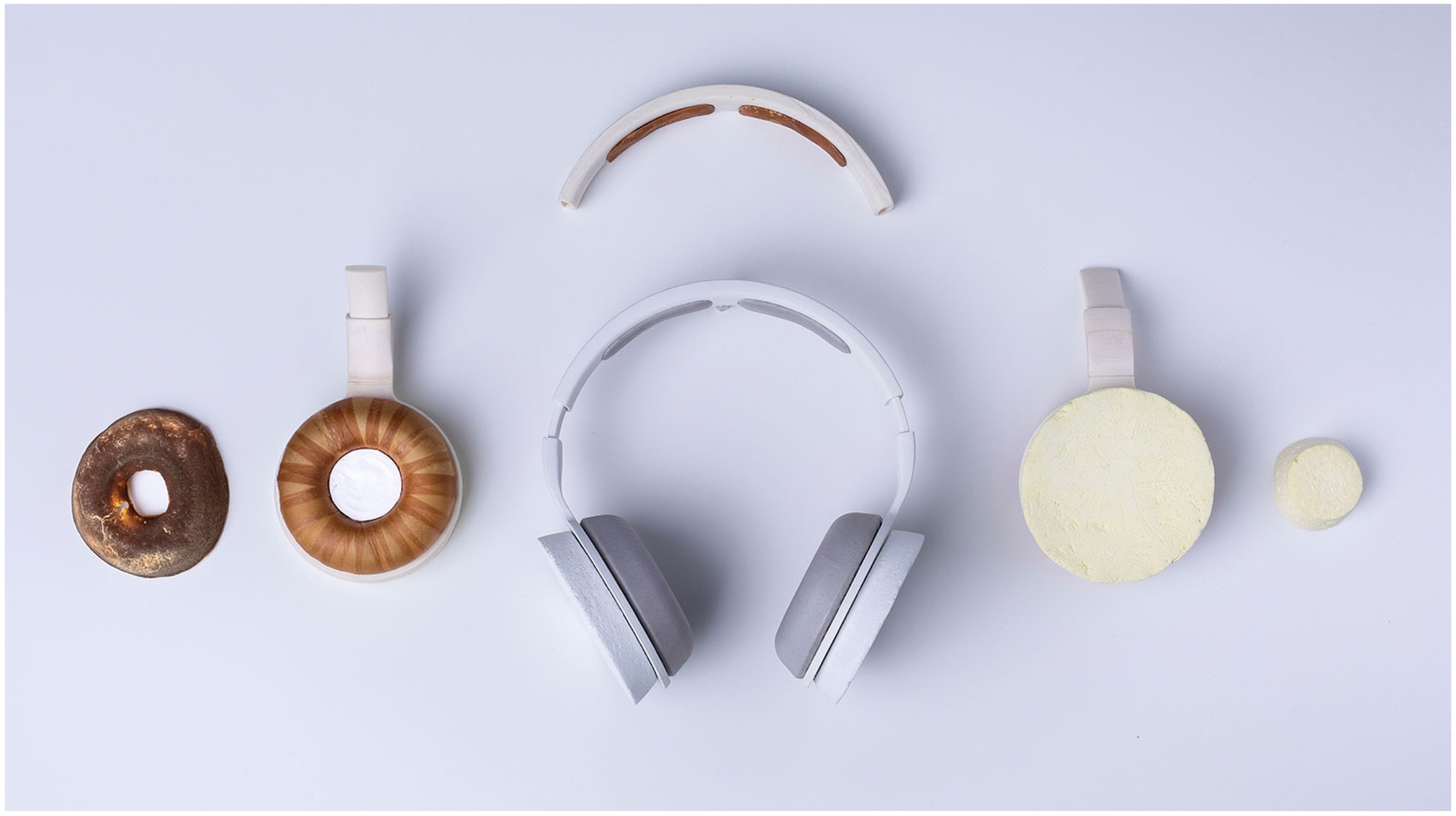
 The headband of the Korvaa headset is born out of a 3D printer and designed with the help of a bioplastic formulated from yeast produced lactic acid. Notably, the earcup padding is made out of Hydrophobin. The compound is known for its ability to form a hydrophobic (water-repellent) coating on the surface of an object. It is essentially a foaming protein generated by a type fungus and plant cellulose. Instead of the mesh used in conventional headphones, the Korvaa headset uses a biosynthetic spider silk that is produced by microbes. The outer foam used in the headphones is a composite compound made out of mycelium and cellulose.
 Also Read: