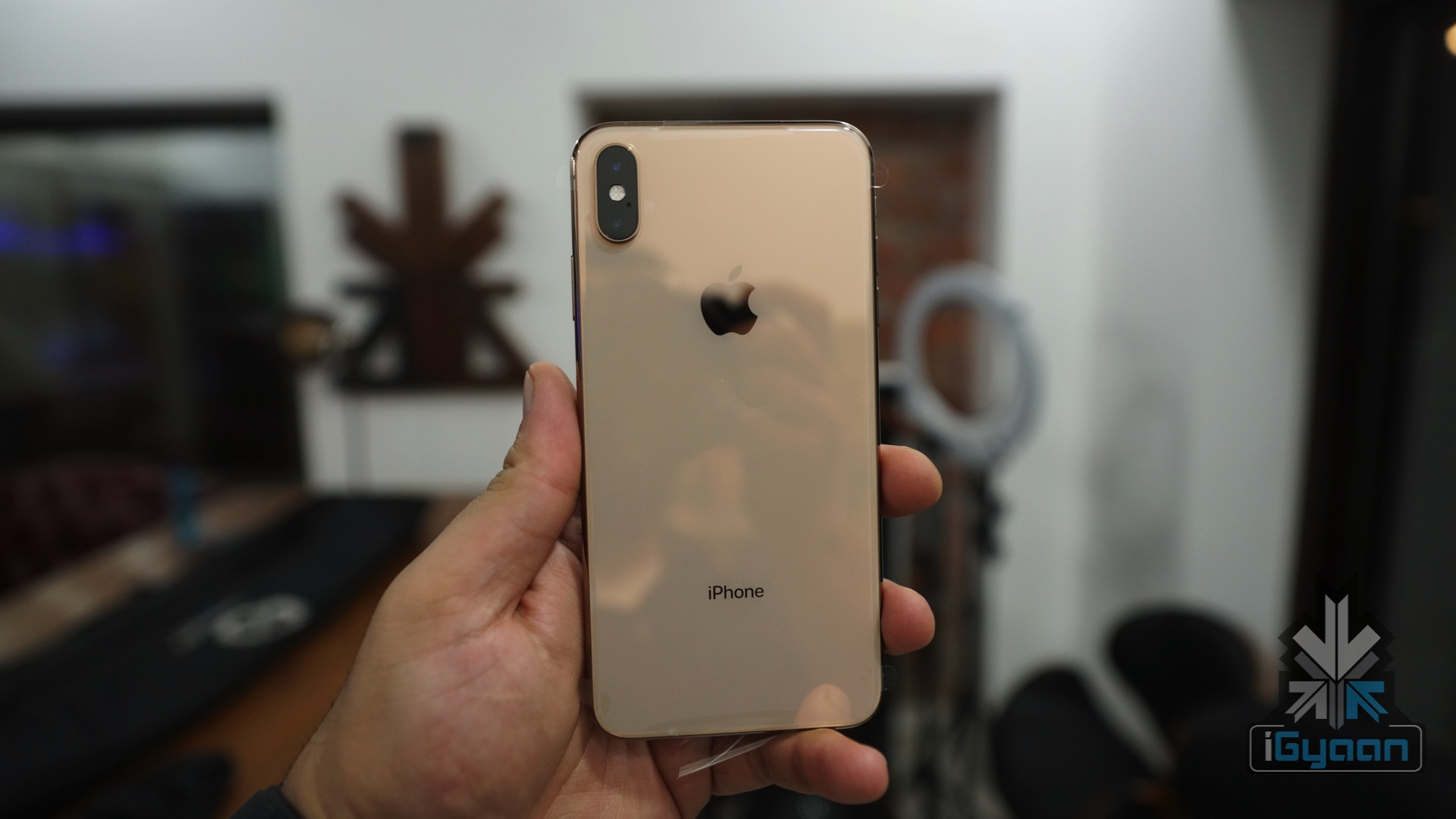
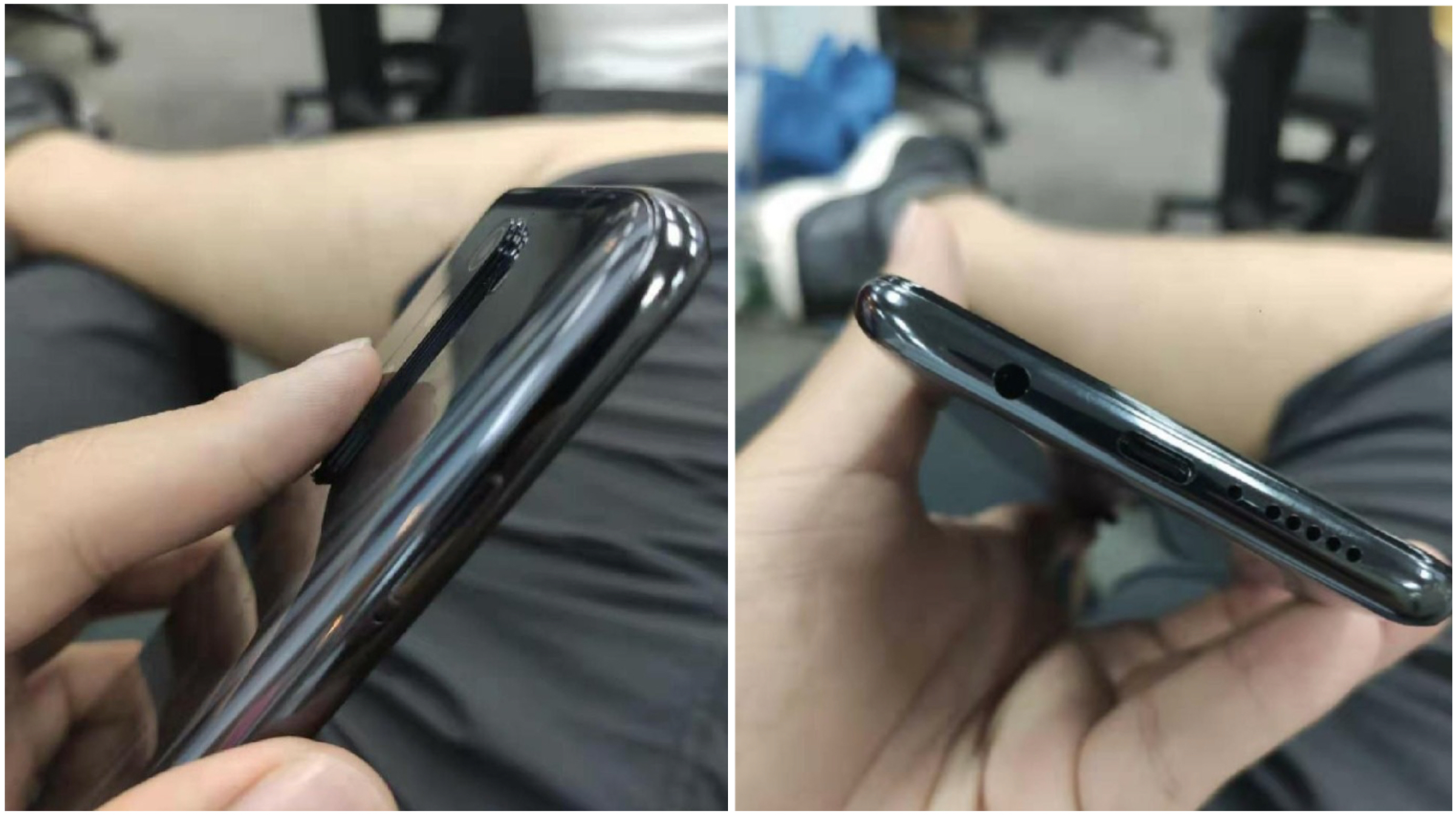
To begin with, a Reddit user who goes by the username ‘NotRealUserNameHomie‘ has observed that his and his wife’s iPhone XS start strobing by themselves in the middle of the night (between 3 AM and 4:30 AM which apparently are known as witching hours).
Obviously, the user is asleep between these hours but he has learned about this anomaly while he was doing a routine check of the surveillance camera that supports night vision. See video below
Although this might seem like a paranormal occurrence, there are a couple of reasons that could be causing this. The source of the light is explainable but details regarding what is triggering it are still unknown.
While initially, it seemed like the well-known iPhone feature ‘LED Flash for Alerts’, looking closely reveals that it is not the case. Because, if it was the flashlight strobe the area around would have been lit and it could have been seen via the human eye.
Alternatively, this is the Infrared dot projector that aids in facial recognition of the FaceID biometric unlocking feature. (DIY: Put a TV remote in front of the camera sensor on your smartphone and look at its display, you will be able to see a light beam clearly which is otherwise invisible to the naked eye)
While FaceID could be the reason toggling this sensor on the couple’s iPhones, shockingly the Redditor claims that this feature has been disabled on both the iPhones.
Additionally, the infrared dot projector is also used to determine whether the user is looking at the display or not. This aids the iPhone to keep the display on and prevents it from going into sleep mode after touch inactivity counter has been hit.
Similar to FaceID, this aspect could also be detecting movement. Even though Apple has never spoken about it, this could be a deliberate behaviour.
A theory suggests that the Apple iPhone XS would periodically restart and this execution would be authenticated by the user unknowingly while they are looking at the display during night hours.
Conclusively, most users would not have a night vision surveillance camera installed in their living space. Therefore, this feature would have gone unnoticed until now. Or there might be some supernatural spirit that is repeatedly toggling the IR projector.
Choosing a perfect laptop can be an overwhelming task due to the abundance of options available in the market. While choosing the right CPU and GPU have their own importance, we believe there are several other options that one must consider before picking the right choice which are listed below.
Display Size and Weight
13 Inch MacBook Pro
When it comes to the display size, most consumers tend to be biased towards a larger panel. However, we would recommend you to question yourself beforehand the kind of tasks you intend to perform on your laptop. A lot of customers buy a 15-inch or even a 17-inch laptop which according to us is targeted towards a small group of users or professionals like gamers or video editors.
The key reason for choosing a laptop over a desktop is, the former being a portable device that can be conveniently transported or carried in a backpack. For people who are always on the go, a 13-inch laptop would prove to be a better option. As per our observation, 15-inch laptops or above (excluding ultrabooks) can be too beefy to be carried around. Defying the whole purpose of them being easy to carry.
A bit of my personal experience, the used Thinkpad X240 I bought a couple of months ago to use as a secondary laptop has surprisingly become my go-to choice. It features a 12.5 inch display and weighs just 1.3 kg which is considerably less than my 13 inch MacBook Pro which weighs in at 2.1 kg.
Long Battery, Compact Charger With Fast Charging Support
Once again, when you opt for a laptop instead of a desktop, it is for the ease of portability. Besides choosing the right size display, having a long battery backup is important as well. This aspect will provide you with the freedom of working on for extended periods of time in situations when there is no power outlet around.
As observed with budget-friendly 15 inch or larger laptops, companies tend to equip them with a small capacity battery which barely crosses the 3-hour mark. Without getting into much of the details, we believe that a laptop with 45 WHr+ battery capacity is a good option as it could provide a battery backup of 5-7 hours.
Noteworthy, the battery backup is also hugely affected by the CPU that the laptop features. Therefore, opt for a power-efficient variant that might have a clock speed lower than 2 GHz but supports turbo clocking. If you plan to get an Intel-based laptop, look for “U” or “Y” suffix in the processor name as they mean ‘low power’ or ‘ultra low power’ consumption.
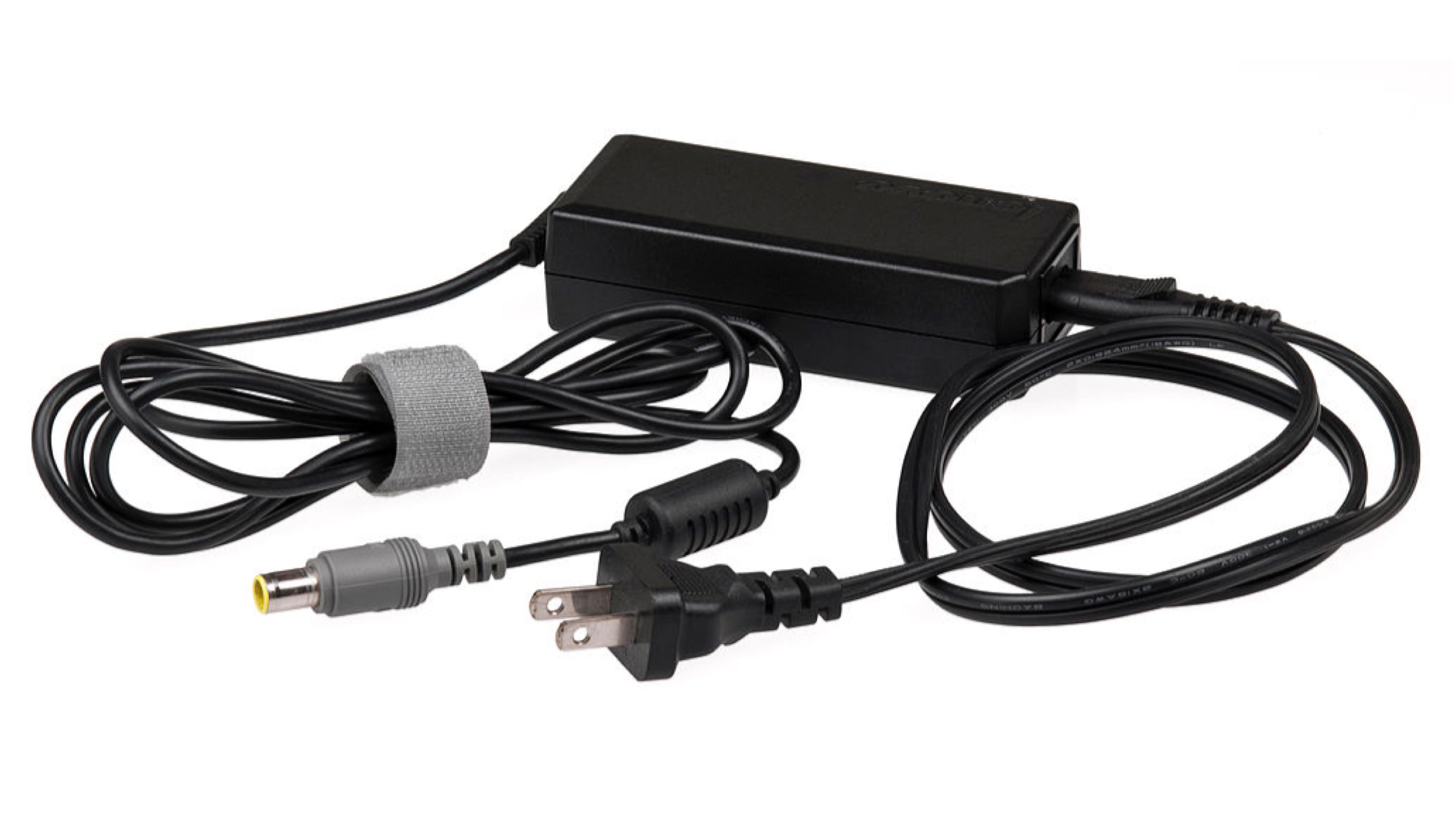
Another factor to take into consideration is the size of the power brick/charger and the charging speed it supports. Try looking for a laptop that supports and ships with a charger that is rated for 50+ watts so the inbuilt battery can be rapidly topped up.
Faster Storage Over More Storage
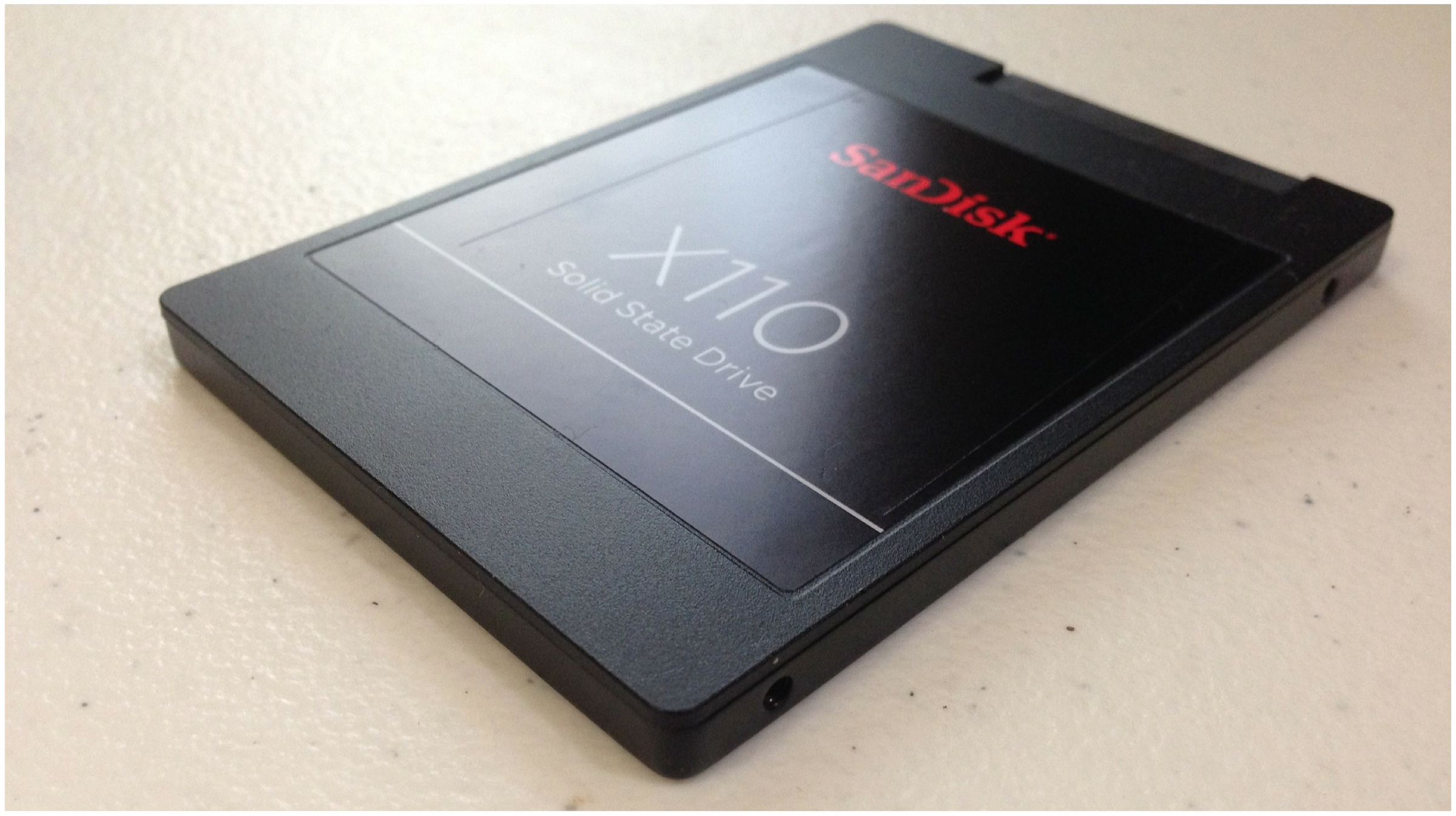
Although consumer-grade SSDs have been available for a long period of time, their adaptation has been limited as the default storage type. Based on our observation, conventional hard disks are the biggest bottleneck in any laptop or desktop rather than the CPU or RAM.
Even the standard SATA based SSDs are upto 5 to 6 times faster than a spinning hard disk. For the consumer, this could mean boot times falling from 1.5 to 2 minutes to under 20 seconds and applications like games loading much faster. Accordingly, we would suggest that you make sure that the laptop you are about to buy has an SSD in addition to a regular spinning drive.
In case the laptop does not support multiple storage interfaces, go for the SSD variant and buy an external hard disk additionally. Moreover, due to the abundance of high-speed internet, files like movies can be streamed on-demand rather than being stored on a personal storage medium.
Upgradability Options
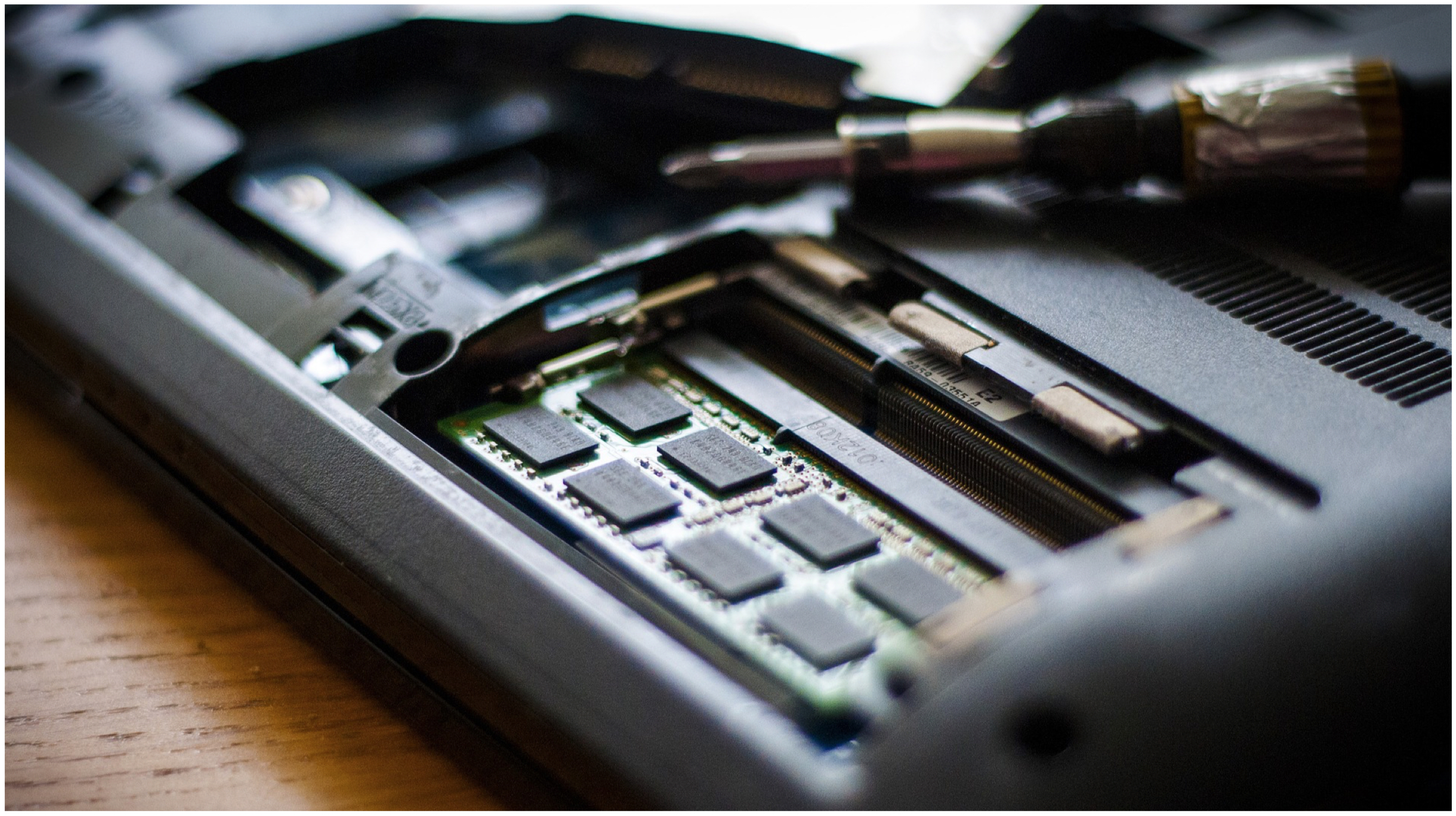
While buying a laptop also go through the upgradability options it supports. This would allow the user to increase the pre-installed RAM or storage medium which could either be a hard disk or an SSD.
In order to save up space and make laptops thinner in size, manufacturers tend to solder the previously mentioned components directly onto the motherboard. Which unfortunately disallows any sort of upgrades after the device has been purchased.
Not only will adding RAM or storage be easier but replacing faulty components will also be considerably more economical. As such parts can be swapped with standard off the shelf components are easily available both online and offline.
While laptops with an upgradable CPU are now a thing of the past. If you plan to upgrade it later down the road, you should keep it in mind while buying a laptop.
Build Quality and Materials
While most consumers just choose a laptop based on the way it looks. We would recommend going a bit deeper and inspection the e-commerce website or questioning offline retailer the material that is used to fabricate the machine. Most affordable laptops are made out of plastic which is sprayed with shiny paint that can be easily scratched.
Moreover, plastic is prone to cracking or breaking when exposed to an external force. Therefore a metal body laptop could be a better choice as it will age much better. Another preferred material of choice is ‘Magnesium alloy’. A few examples of laptop constructed with this include some models of the Dell Latitude lineup and the Lenovo Thinkpad lineup.
All in all, these are a handful of things that one must consider before buying a laptop in addition to on paper specifications.
Which aspect do you think is the most noteworthy in this list? Also if you have any suggestions that we might have missed upon. Please let us know in the comments below.
In the month of June last year, Lenovo launched a budget-oriented smartphone, dubbed the Lenovo A5 it was well-received by the consumers. According to a teaser shared by a senior company official, the handset is about to get a successor which will carry the ‘Lenovo A6 Note‘ moniker.
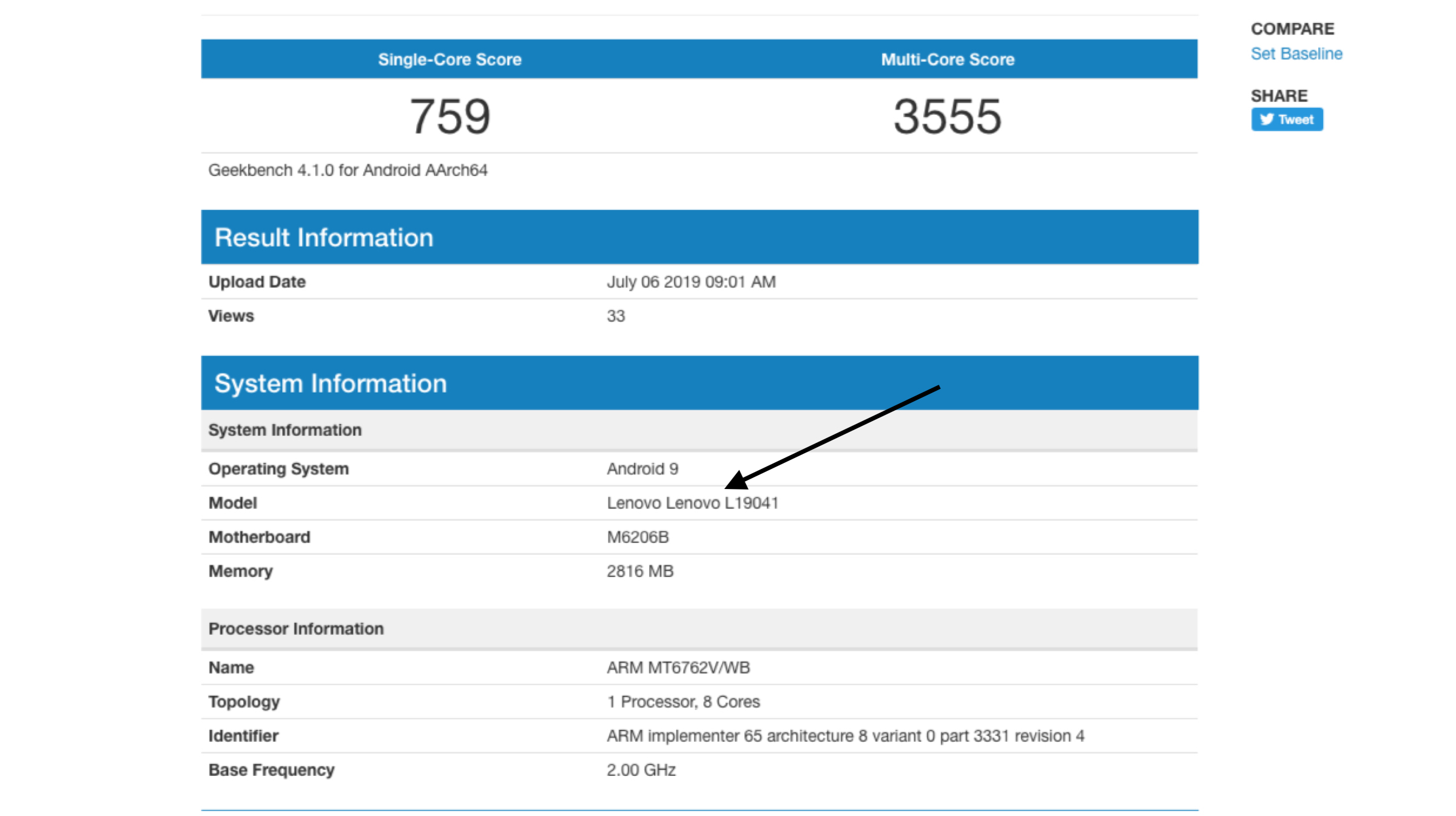
Moreover, the same smartphone was previously approved by NBTC, the regulatory body of Thailand. Its listing revealed that the model number of the handset is ‘L19041‘ and surprisingly a device with the corresponding model number has been spotted on the benchmarking website Geekbench that has revealed it key specifications.
Lenovo A6 Note Design and Features
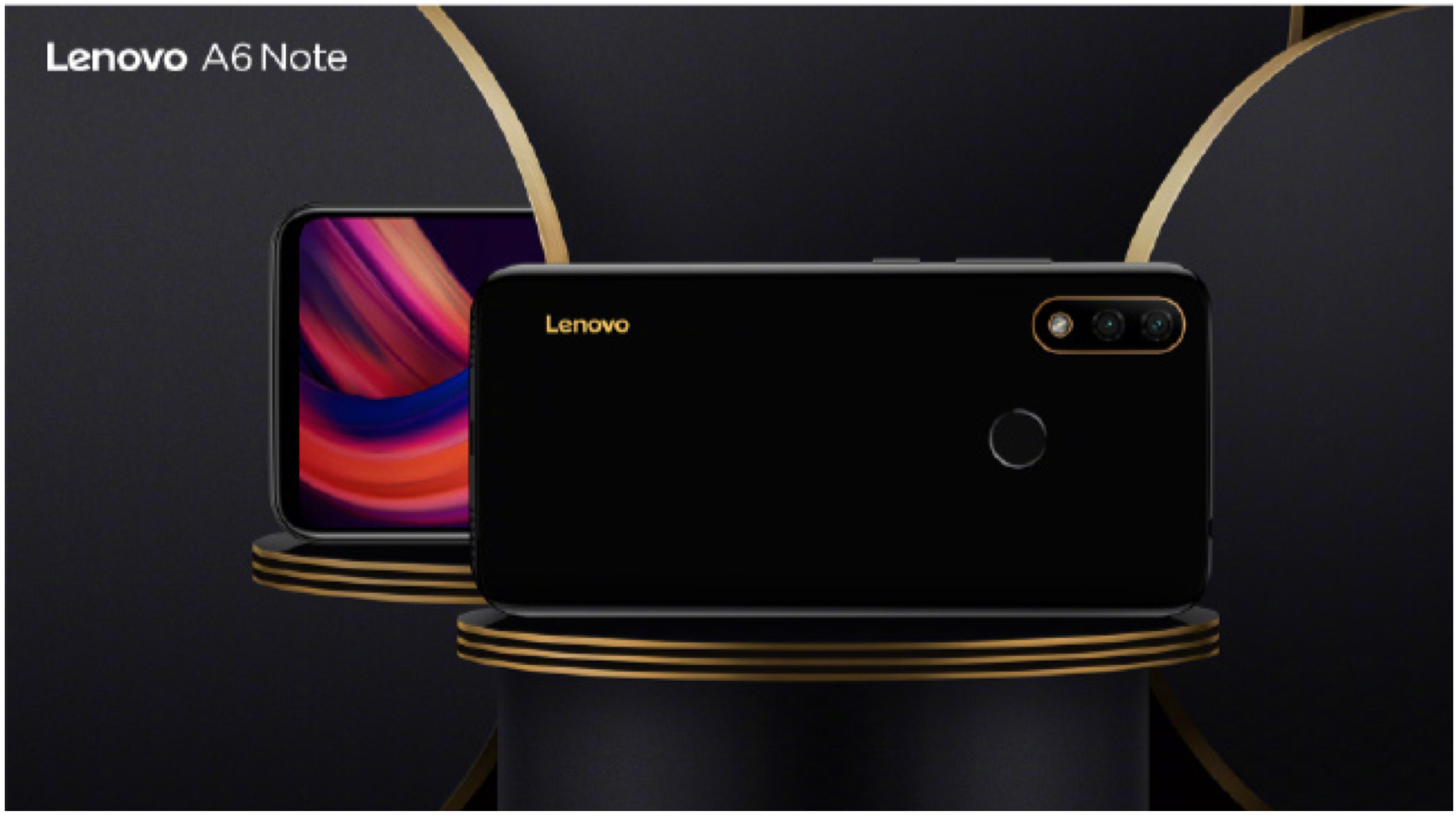
Going by the official images, the Lenovo A6 Note has an elegant design owing to a high screen body ratio display on the front and a contoured rear panel that seems to be made out of polycarbonate.
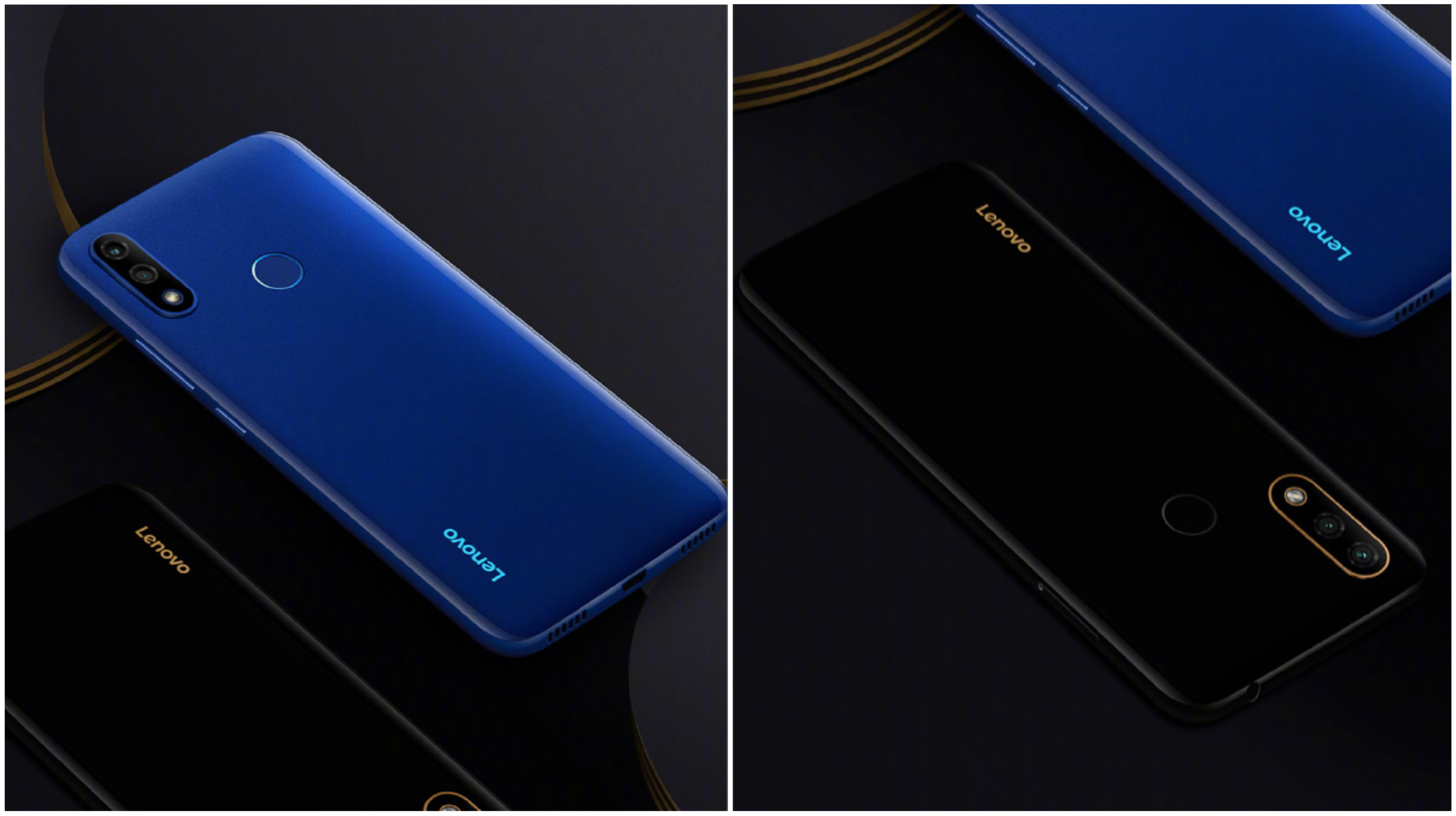
Like most modern smartphones, the display of the Lenovo A6 Note has a waterdrop notch up top and slim bezels on all sides. The rear of the smartphone houses a dual-camera setup in addition to a fingerprint sensor and vertically marked company branding.
As the image show, the Lenovo A6 Note will be available in two colours which include Blue and Black. The accents around the rear camera module and the colour of the company branding looks very slick and attractive. Overall, the company seems to have nailed the design of a budget-friendly smartphone that a lot of other companies might overlook.
Speaking of the previously mentioned Geekbench score, the handset registers a single-core score of 759 points and a multi-core score of 3555 points. The listing reveals that the hand is equipped with 3 GB of RAM and an Octa Core CPU which clocked at 2.0 GHz. The name of the processor is listed as ‘ARM MT6762V/WB‘ which is the model number for the ‘MediaTek Helio P22′.
Unfortunately, the listing does not reveal other details like the battery capacity, display size or the resolution of the camera sensor. However, taking into consideration the specs of its predecessor and the already revealed specs, we assume the Lenovo A6 Note will have the following features:
Although the company has not yet revealed the announcement date of the smartphone, the teaser suggests that the launch of Lenovo A6 Note is imminent. The official price will only be publicised at the launch event, however, the device is expected to be priced in the Rs 6,000 and Rs 8,000 price bracket like its predecessor.
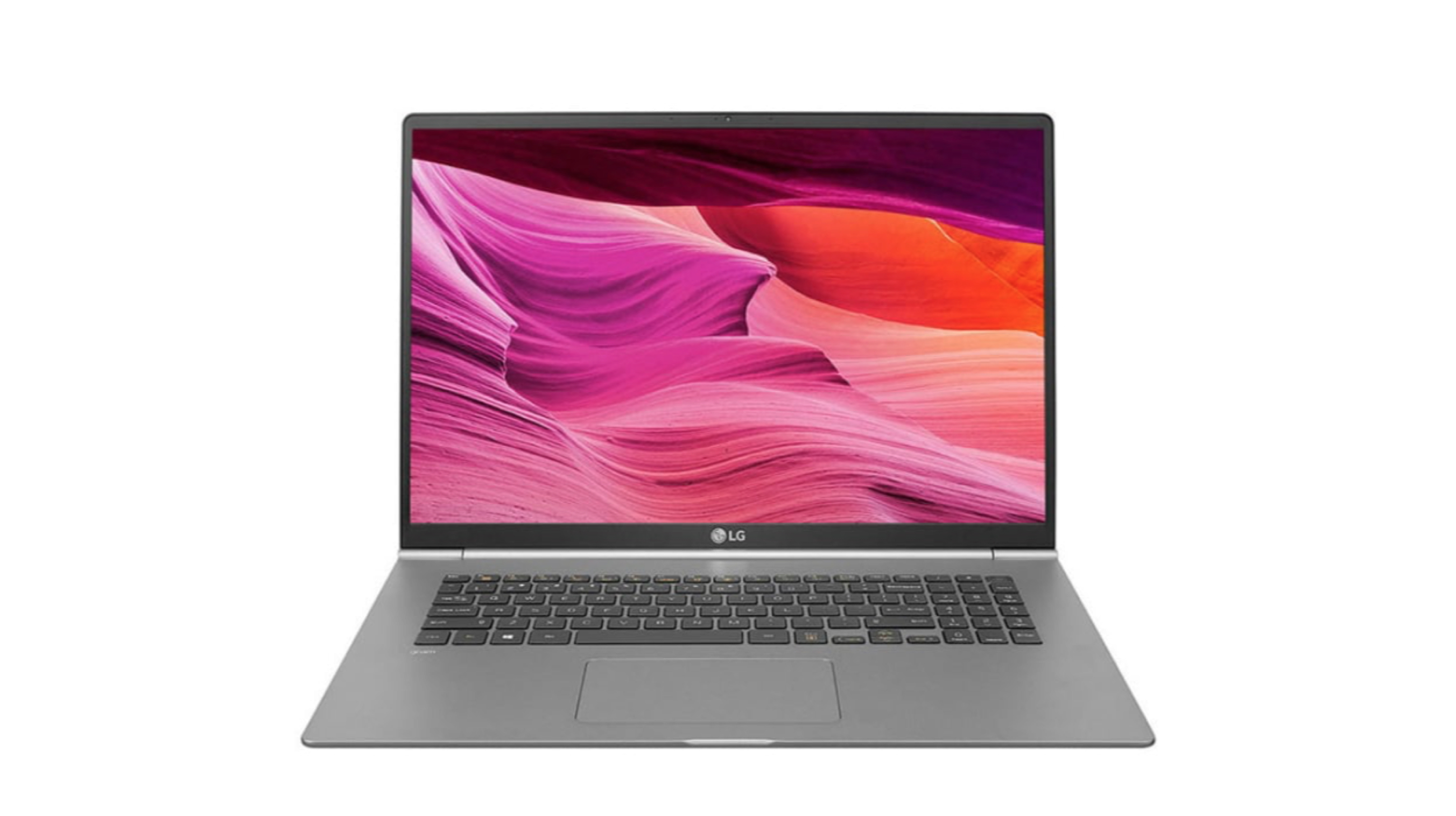
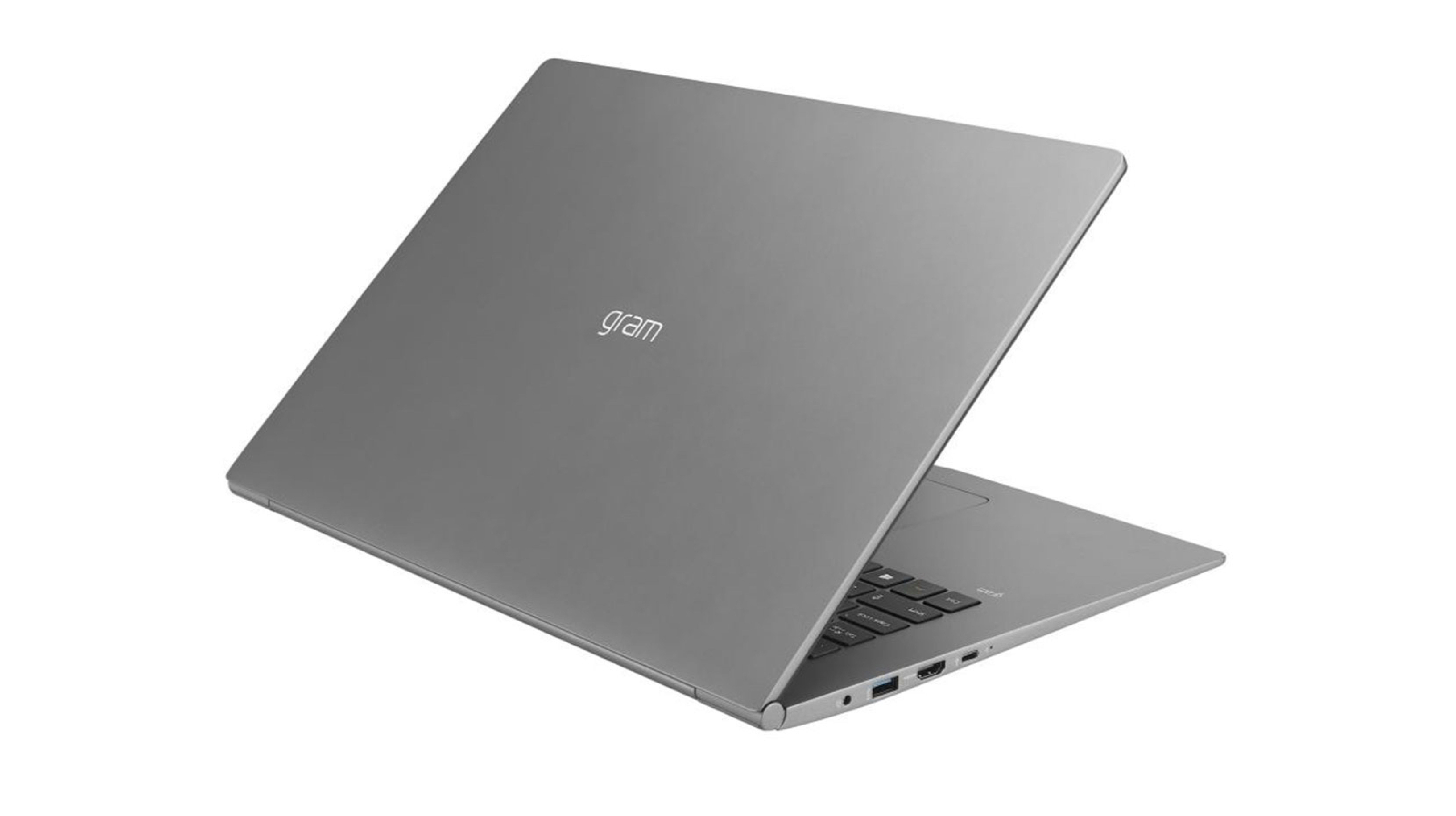
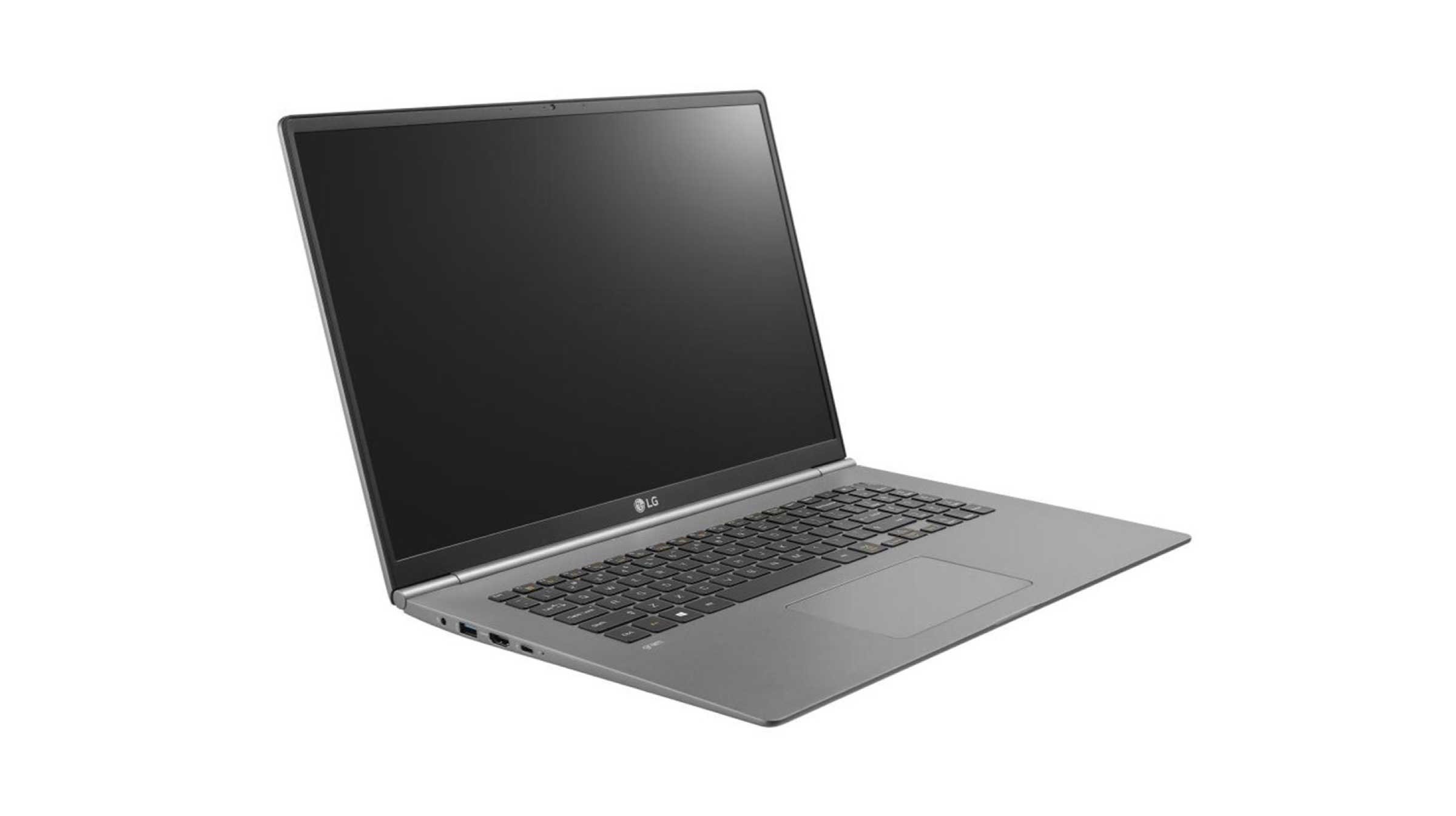
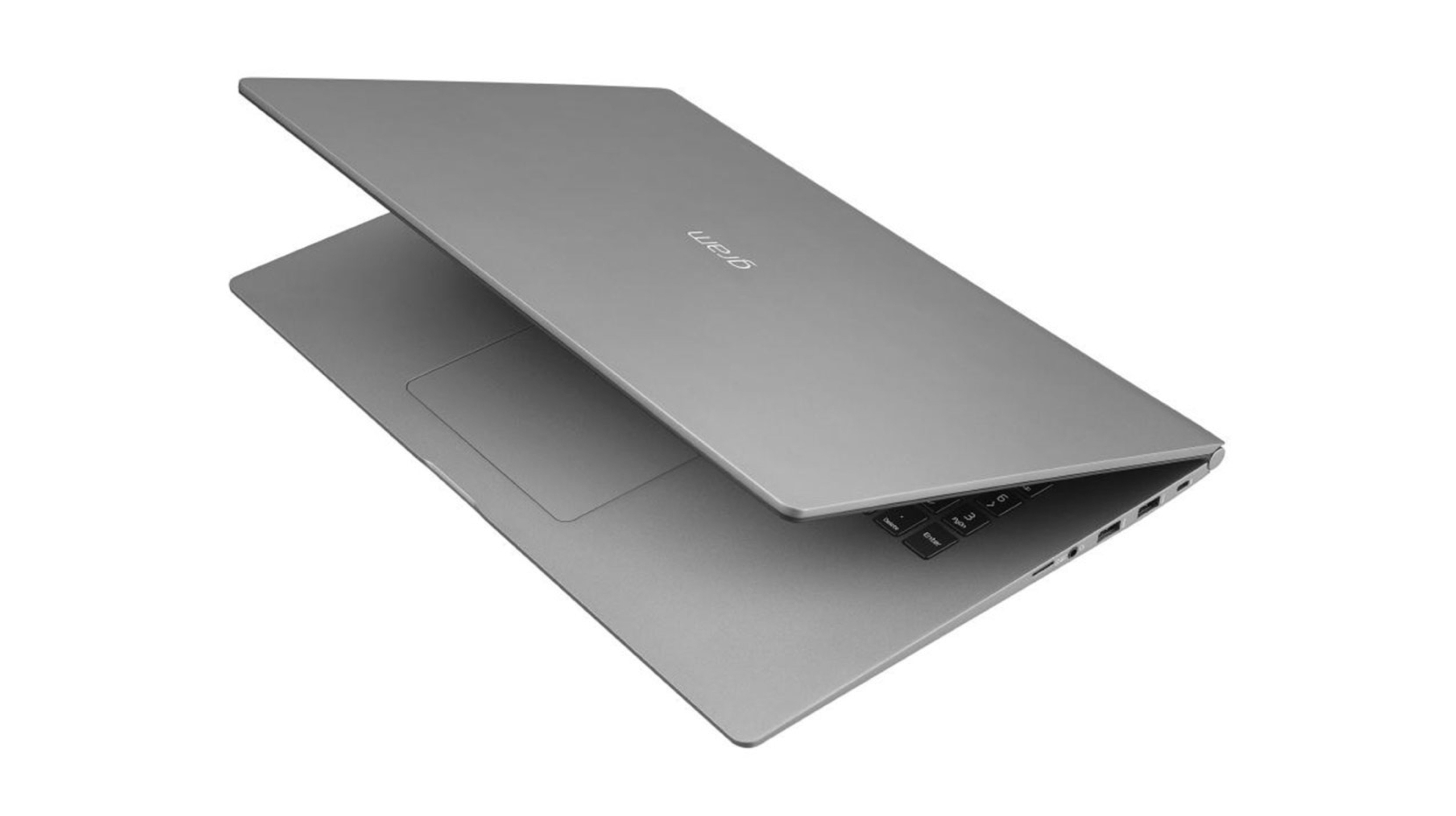
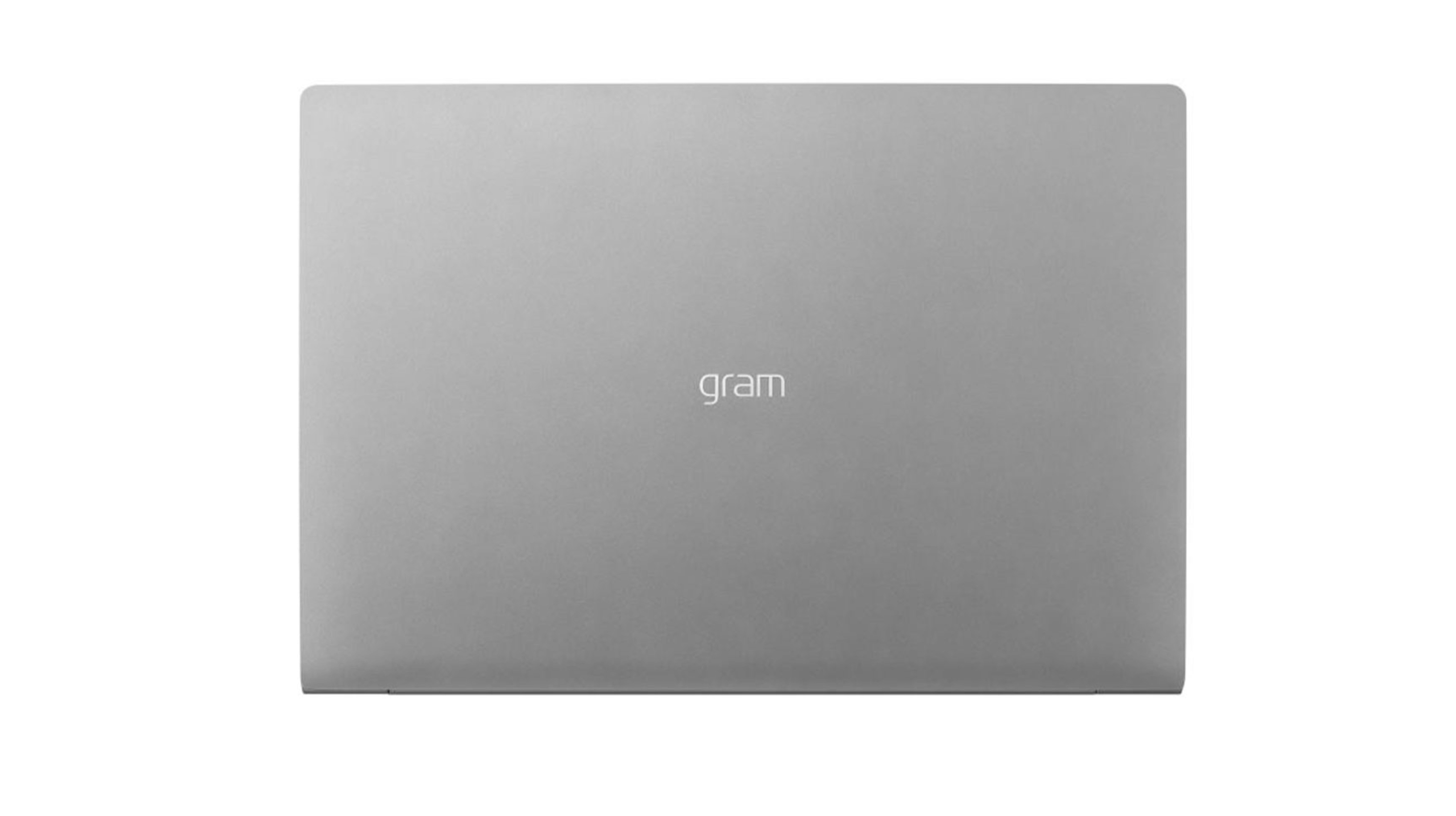
On the 23rd of August, LG launched three premium-grade laptops in India which are dubbed the Gram 17, Gram 15 and Gram 14. All three laptops will be available for purchase starting next week exclusively on Amazon.in. Noteworthy, in the month of February 2019, the Gram 17 that weighs just 1 kg was awarded a Guinness World Record to be the world’s lightest laptop in its category.
LG Gram 17 Features
As the name suggests, the LG Gram 17 sports a 17 inch IPS display that has a resolution of 2560 x 1600 pixel and 16:10 aspect ratio. The laptop is kitted with the 8th Gen Intel Core i7 processor which is coupled with Intel UHD graphics.
In terms of memory and storage, LG Gram 17 can be configured with upto 8 GB of DDR4 RAM and 512 GB of Solid State Drive (SSD). The laptop is powered by a 72 WHr battery and company claims a battery backup of upto 19.5 hours. It features a whole host of input and output ports which include 1x USB Type-C port, 3x USB 3.1 ports, an HDMI port, headphone and mic combo jack, a microSD card slot.
Other features of the LG Gram 17 include a fingerprint scanner, Precision Glass Touchpad, backlit keyboard and DTS X audio support.
LG Gram 15 and 14 Features
The LG Gram 15 packs 15.6 inch display while the LG Gram 14 features a 14 inch display. The former weights 1099 grams while the latter weighs 995 grams. The Gram 15 and Gram 15 are equipped with 8th Generation Intel Core i5 processor. In terms of memory and storage, they have 8 GB of RAM and 256 GB SSD.
Both the laptops are claimed to provide a battery backup of upto 21.5 hours which will vary on the type of usage. Input and output ports on the Gram 15 and Gram 14 are similar to the elder Gram 17.
LG Gram Laptops Price In India
As previously mentioned the three newly launched laptops from the company will be available for purchase from Amazon.in starting next week. The price of the different models is listed below:
All in all, LG has launched three worthwhile Windows laptop in the country which feature-laden and are capable to take on the notebook computer offerings from all other manufacturers.
Motorola has freshly announced the Motorola One Action in India which features an unconventionally tall display that has an aspect ratio of 21:9. The smartphone is offered in a single storage configuration and is priced at Rs 13,999.
Falling in a price bracket that is one of the most popular, the question arises where does the Motorola offering stand in front of smartphones like the Redmi Note 7 Pro and Realme 5 Prothat are laden with features.
In this article, we will look at both the pros and cons of the Motorola One Action. Besides, we will also discuss, who should get the latest offering from the company that birthed mobile phones in 1973.
In order to provide a reference point, we have laid out the specifications of the Motorola One Action and its competitors in a tabular manner.
Feature/ Device
Motorola One Action
Realme 5 Pro
Redmi Note 7 Pro
Display
6.3 inch LCD
432 ppi
21:9 Aspect Ratio
Punch Hole
6.3 inch LCD
409 ppi
Corning Gorilla Glass 3+
19.5:9 Aspect Ratio
Waterdrop Notch
6.3 inch LCD
409 ppi
Corning Gorilla Glass 5
19.5:9 Aspect Ratio
Waterdrop Notch
Front Camera
12 MP
16 MP
13 MP
Rear Camera
12 MP (PDAF)
16 MP (ultrawide)
5 MP (Depth Sensor)
48 MP (PDAF)
8 MP (ultrawide)
2 MP (Depth Sensor)
2 MP (Macro Lens)
48MP (PDAF)
5 MP (Depth Sensor)
Battery
3,500 mAh
10 W Fast Charging
10 W Box Charger
4035 mAh
20 W Fast Charging
20 W Vooc Charger (In Box)
4,000 mAh
18 W Fast Charging
10 W Box Charger
Security
Rear Mounted Fingerprint Sensor
Face Unlock
Rear Mounted Fingerprint Sensor
Face Unlock
Rear Mounted Fingerprint Sensor
Face Unlock
Chipset
Exynos 9609
Octa Core CPU
Mali G72 MP3 GPU
Snapdragon 712
Octa Core CPU
Adreno 616 GPU
Snapdragon 675
Octa Core CPU
Adreno 612 GPU
Price
4 GB + 128 GB: Rs 13,999
4 GB + 64 GB: Rs 13,999
6 GB + 64 GB: Rs 14,999
8 GB + 128 GB: Rs 16,999
4 GB + 64 GB: Rs 13,999
6 GB + 64 GB: Rs 14,999
6 GB + 128 GB: Rs 16,999
Build (Front/Rear)
Front Glass
Rear Plastic
Front Glass
Rear Plastic
Front Glass
Rear Glass
OS
Android 9 Pie
Android One
Android 9 Pie
ColorOS 6
Android 9 Pie
MIUI 10
We can clearly see that the Motorola One Action not only has a smaller battery but it also does not support 18 W or 20 W fast charging like its competitors. We feel this is the only con that the newly launched smartphone has.
However, if fast charging is not your biggest concern and you can overlook this aspect. There are plenty of features that he Motorola One Action offers which are listed below:
Bloatware Free Experience: The Motorola One Action runs on the stock version of Android 9 Pie which is devoid of any custom skins. Therefore, the UI is free from any intrusive ads that Xioami owners would be well aware of. Besides, it does not have any bloatware or custom apps that are found on devices including Xiaomi and Realme. Although it is debatable, we believe stock Android offers a much more slick UI and first-time device owners can learn it without much hassle.
Moreover, there are no proprietary versions of apps like gallery or music that continuously prompt for device permissions like storage and location which may send user data off-shore to data centres in the name of improving user experience.
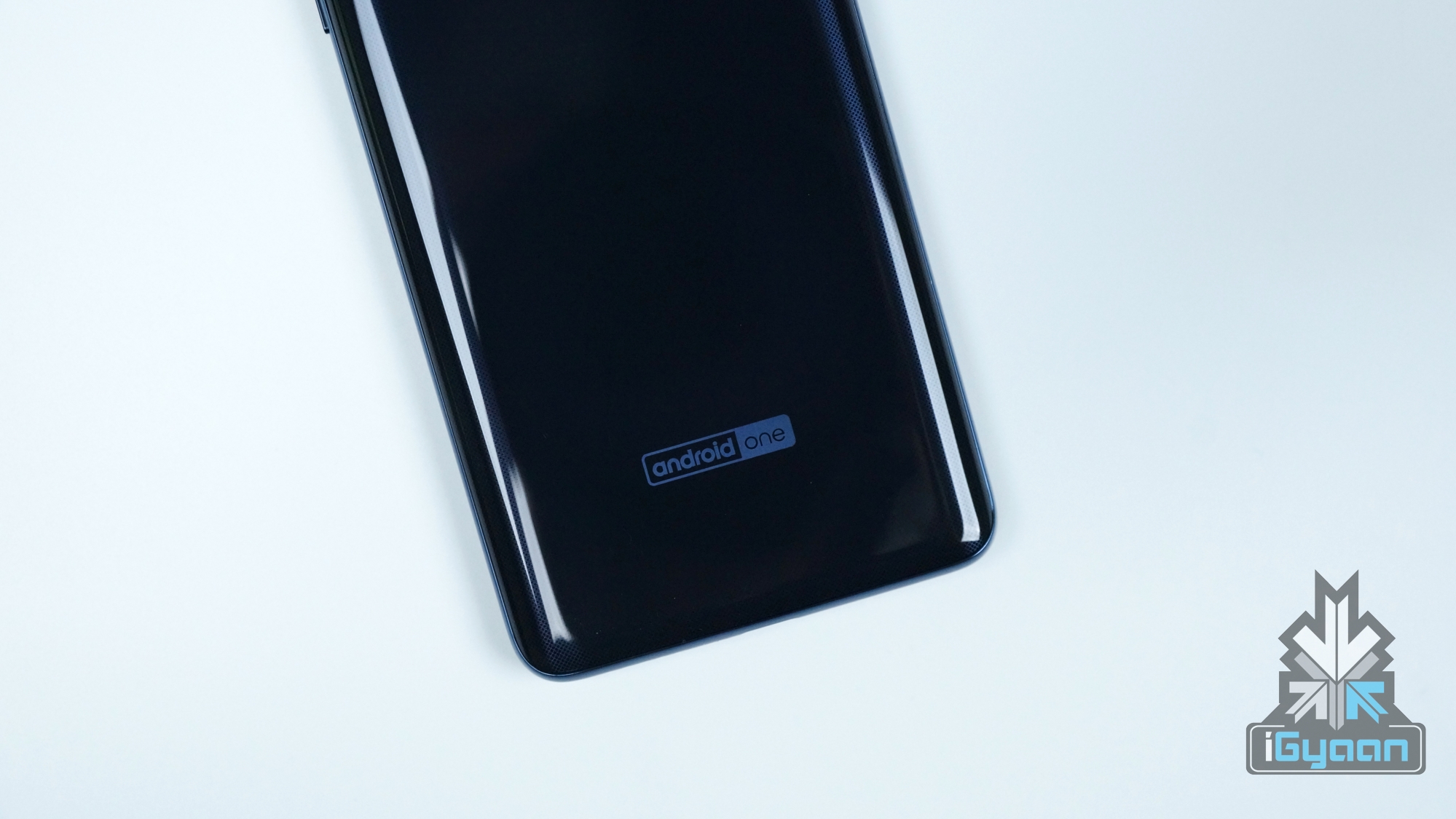
Android One Certification: Like most other Android smartphones from the company, the Motorola One Action is a part of the Android One Program. Therefore, it is assured to receive at least two upgrades of Android operating system and security patches for 36 months which is a considerable factor. In the case of Motorola One Action, the smartphone is guaranteed to receive the upcoming Android 10 which was freshly unveiled and its succeeding version which will be unveiled in 2020.
21:9 Aspect Ratio Display: The Motorola One Action has a 6.3 inch LCD display that has a pixel density of 432 ppi. As observed with the previously launched Motorola One Vision, the latest offering from the company also has an unconventionally tall display that has an aspect ratio of 21:9. For readers who do not know most of the movies are shot in 21:9 ratio and the content creators on YouTube are also gradually moving over to his aspect ratio. To make it easier to understand, the black area above and below any video content is minimised while viewing them on the Motorola One Action. Therefore, it is able to provide an immersive viewing experience.
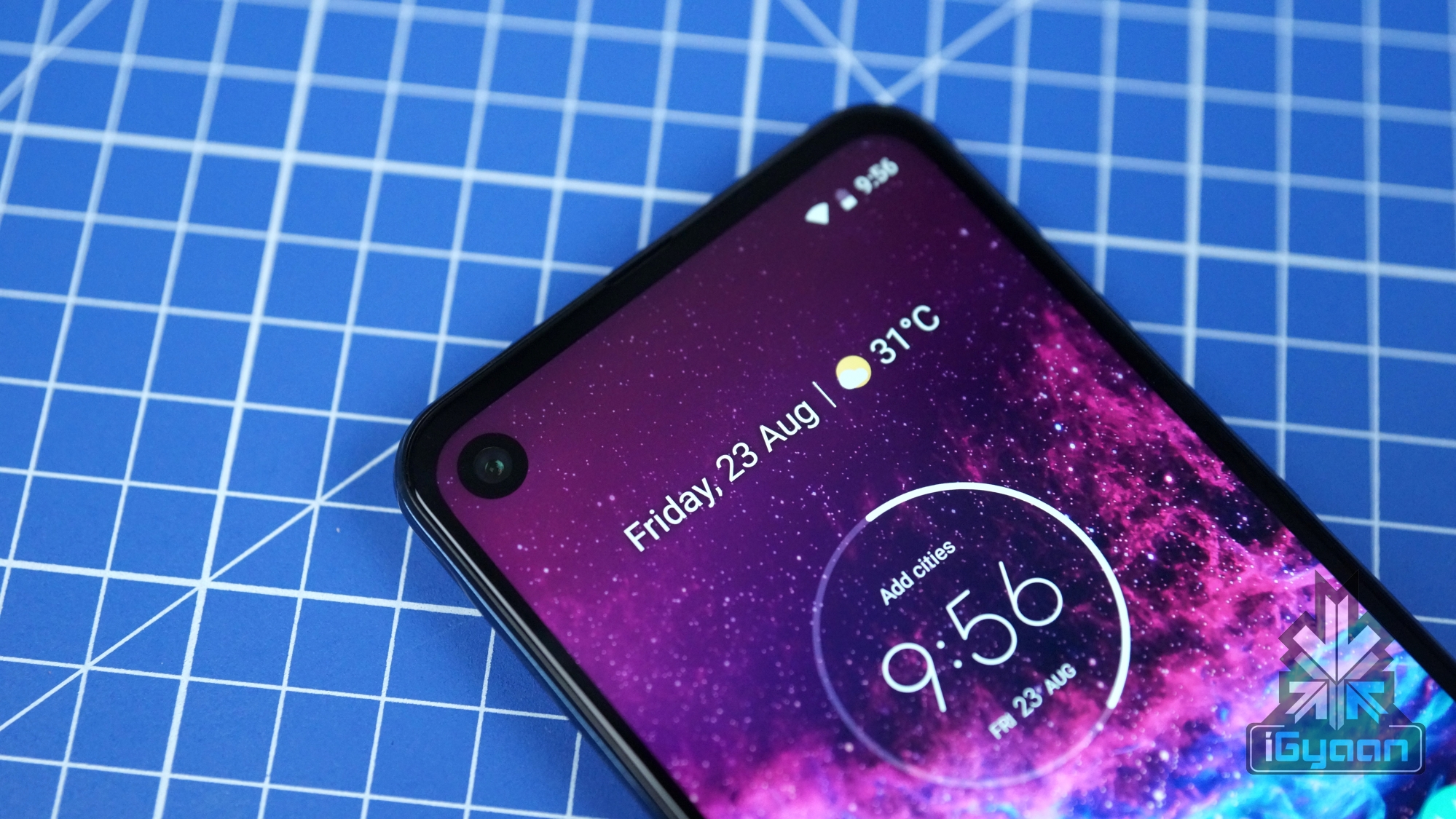
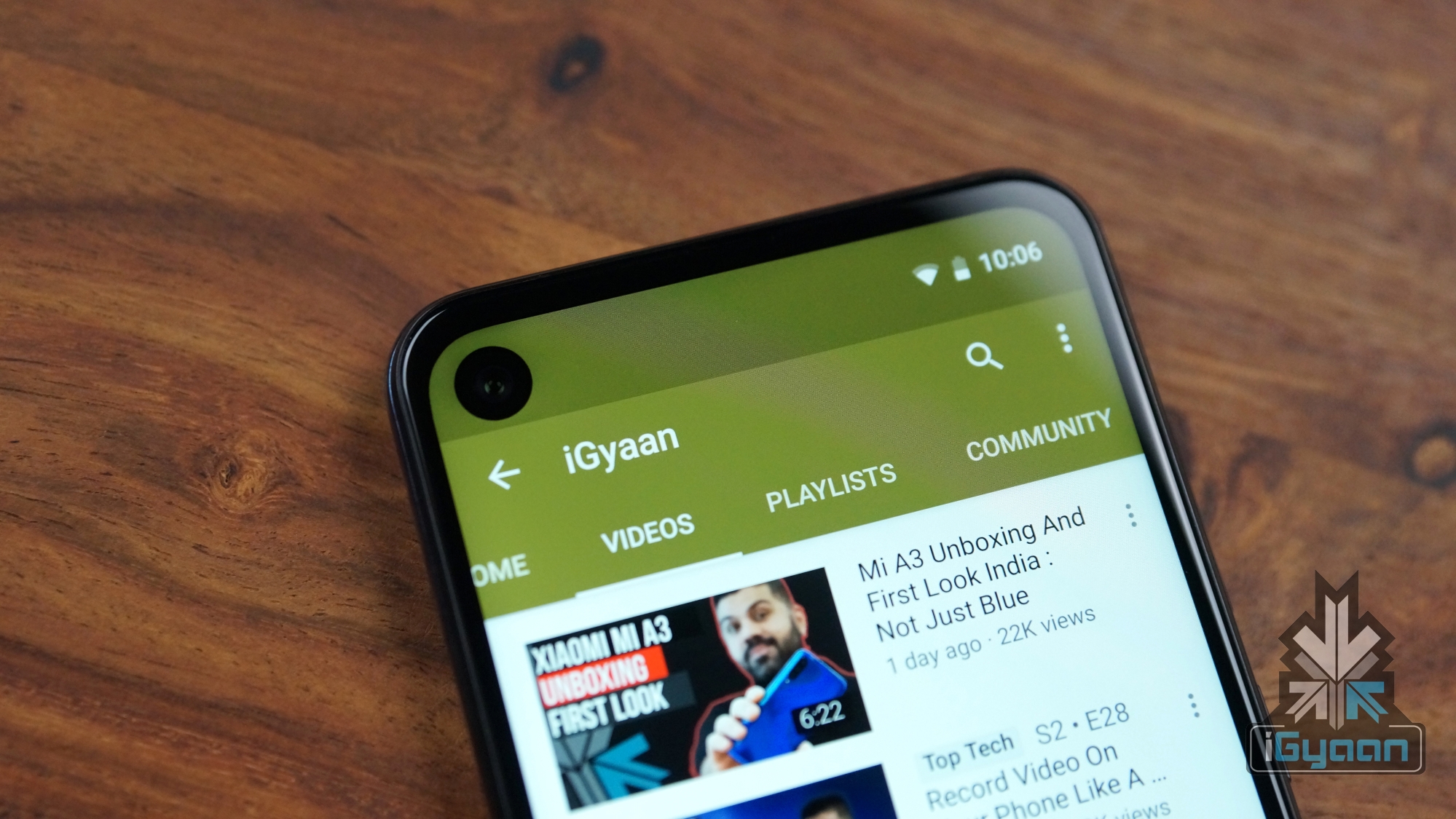
Punch Hole Camera: The 6.3-inch display of the Motorola One Action features a punch hole that houses the selfie camera. In comparison to the waterdrop notch that is found on almost every other Android smartphone, the punch hole looks a lot more futuristic and intriguing. Due to this feature alone, the Motorola One Action stands out the crowd and could be a conversation starter while in a social or formal gathering.
128 GB Storage: As we know the Motorola One Action is offered in just one storage capacity that is 4 GB + 128 GB. Unlike its competition, Motorola has opted to go with 128 GB of onboard storage on the sole, base variant. While its competitors are offered in the same ROM capacity, they are at more expensive than the Moto offering. Based on our experience and encounters, most users buy 32 GB or 64 GB variants of mid-range smartphones and after the 4G revolution and plenty of digital content to consume, they find these storage capacities filling up quickly. On the other hand, 128 GB is perfect for most users.
In addition, if power users end up filling the whole storage, they are covered with the support of memory expansion upto 512 GB via a microSD card.
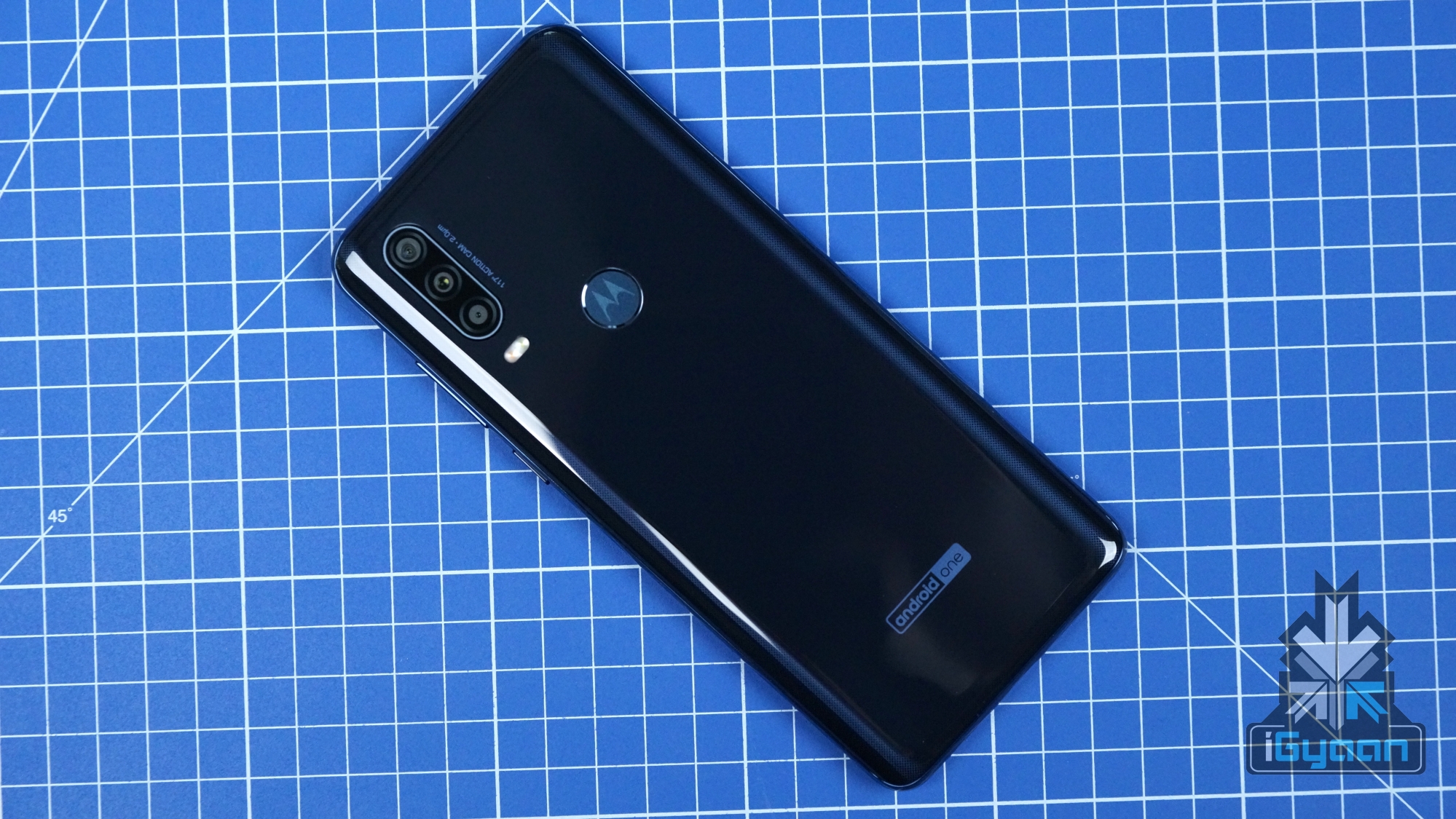
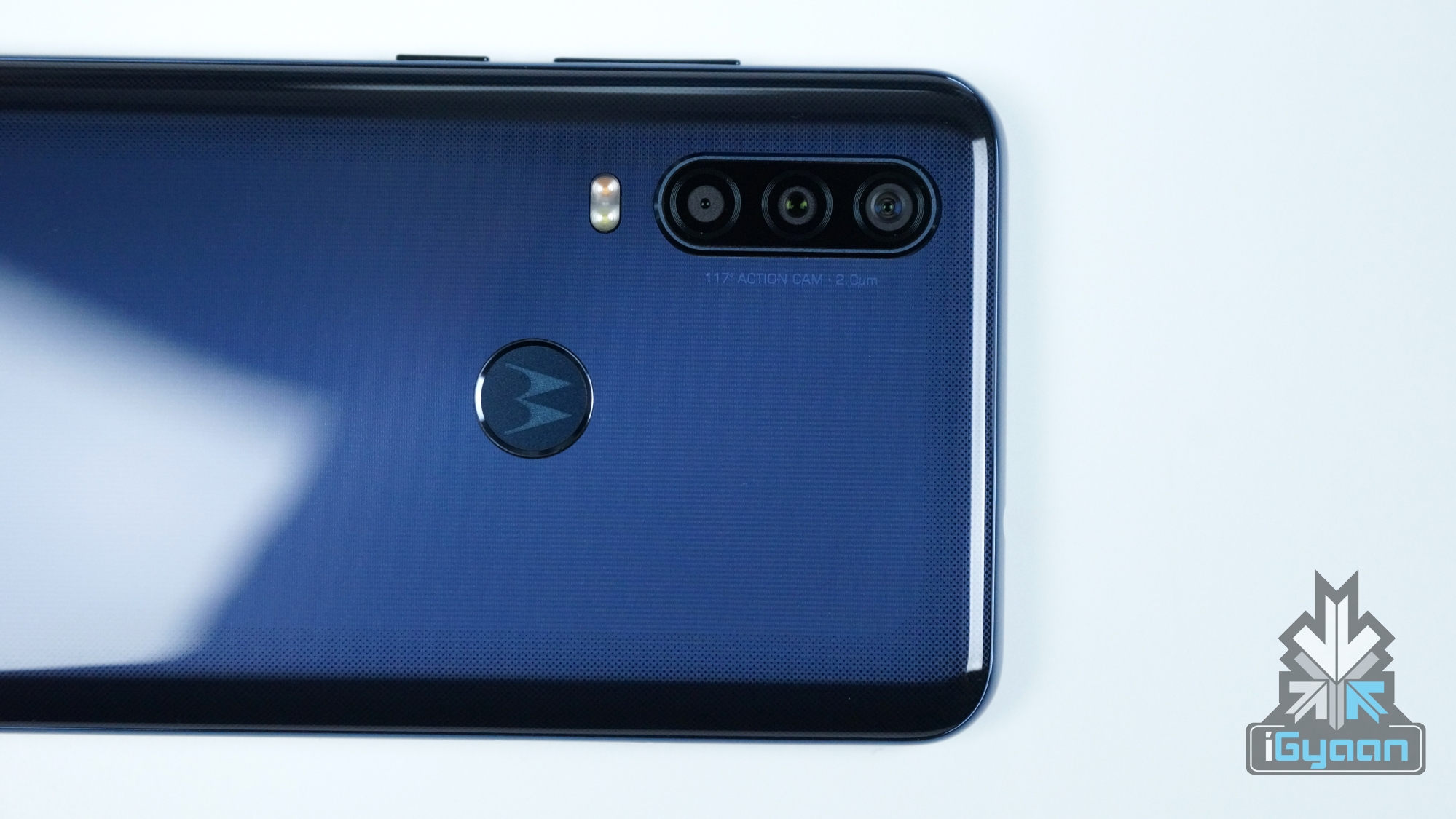
117 Degree Action Camera: One of the key highlighting features of the Motorola One Action is its 117-degree ultra-wide video camera. Ingeniously, Motorola has mounted the sensor in a sideways position. This allows the users to shoot landscape video with the Motorola One Action even when it is held in portrait orientation. This feature is inspired from action cameras like GoPro, which also explains the name of the smartphone.
Moto Actions: Staple to most Android smartphones from the company, the Motorola One Action also supports ‘Moto Actions’, some of which include ‘Fast Torch’, ‘Three Finger Screenshot’ and ‘Quick Capture’.
In order to toggle the flashlight on the Motorola One Action, the users can quickly shake the handset in a back and forth motion. The same gesture can be used to toggle the flashlight off. To quickly pull up the camera application, the users can twist their wrist twice while holding the Moto One Action. Moreover, the same gesture can be used to switch between the front and rear camera.
As the name suggests, holding three fingers on the display captures a screenshot which is much easier than pressing the power button and volume button simultaneously or clicking the button from the navigation menu.
Until one has actually used these gestures to toggle certain features they would not know how much utility to provide. On top of that, this is something that other companies should draw inspiration from as it does not require any additional hardware.
To sum things up, Motorola One Action has turned out to be a better offering than we initially thought it to be. Most importantly, all of these features make sense because the company has managed to price the device aggressively.
In case, the device was priced at Rs 16,000 or upwards, most of the features have been overshadowed due to the fierce competition.
The answer to the question “Who Should Buy The Motorola One Action?” is, anyone who is looking for an elegant mid-range smartphone that offers up to date features and has an innovative ultrawide camera.
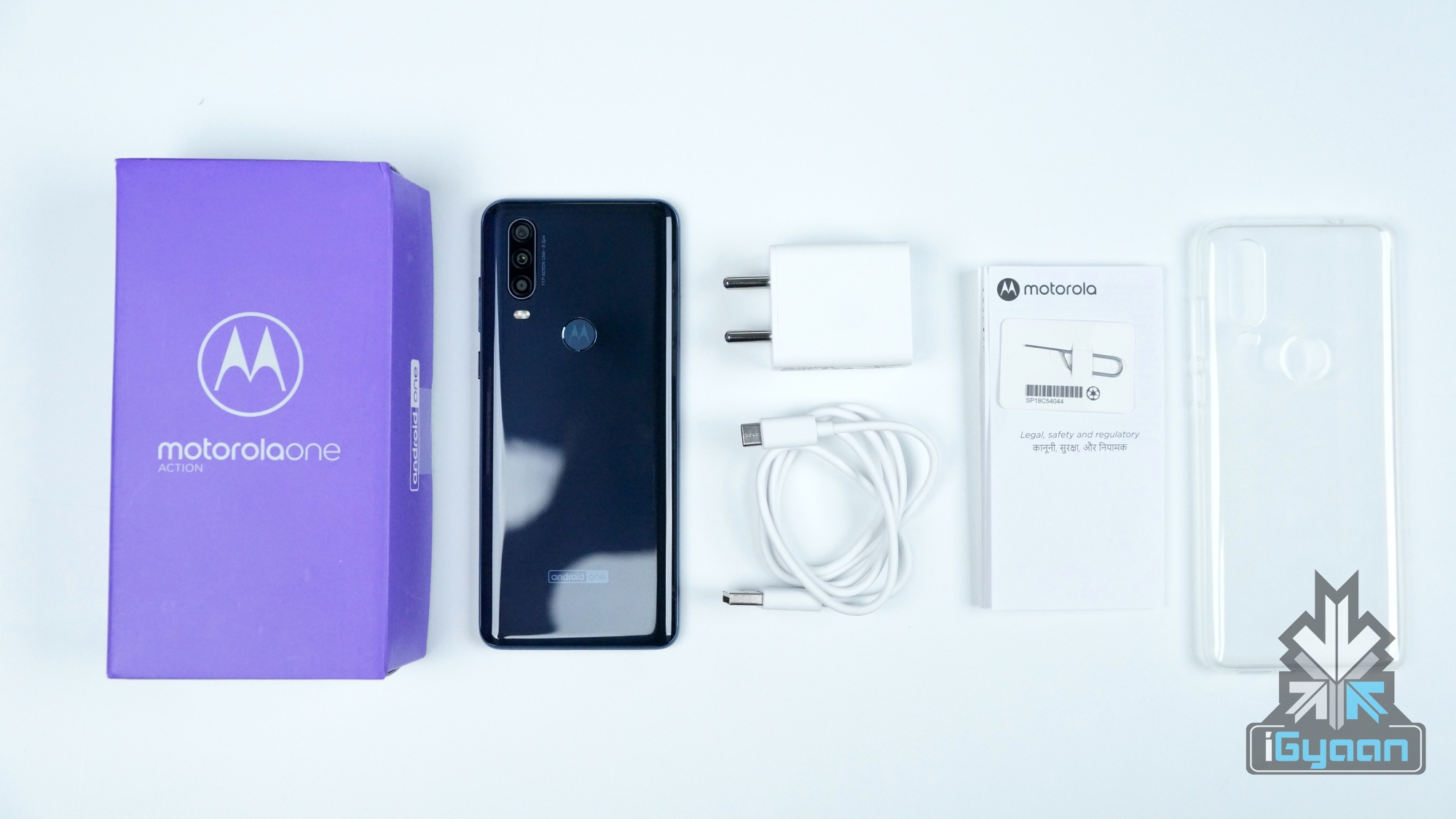
Don’t forget to watch our unboxing video of the smartphone.
Chinese conglomerate, Xiaomi is bracing for the launch of Redmi Note 8 smartphone lineup which will be unveiled on the 29th of August. As the launch date of the handsets near, the company keeps on sharing more details about them.
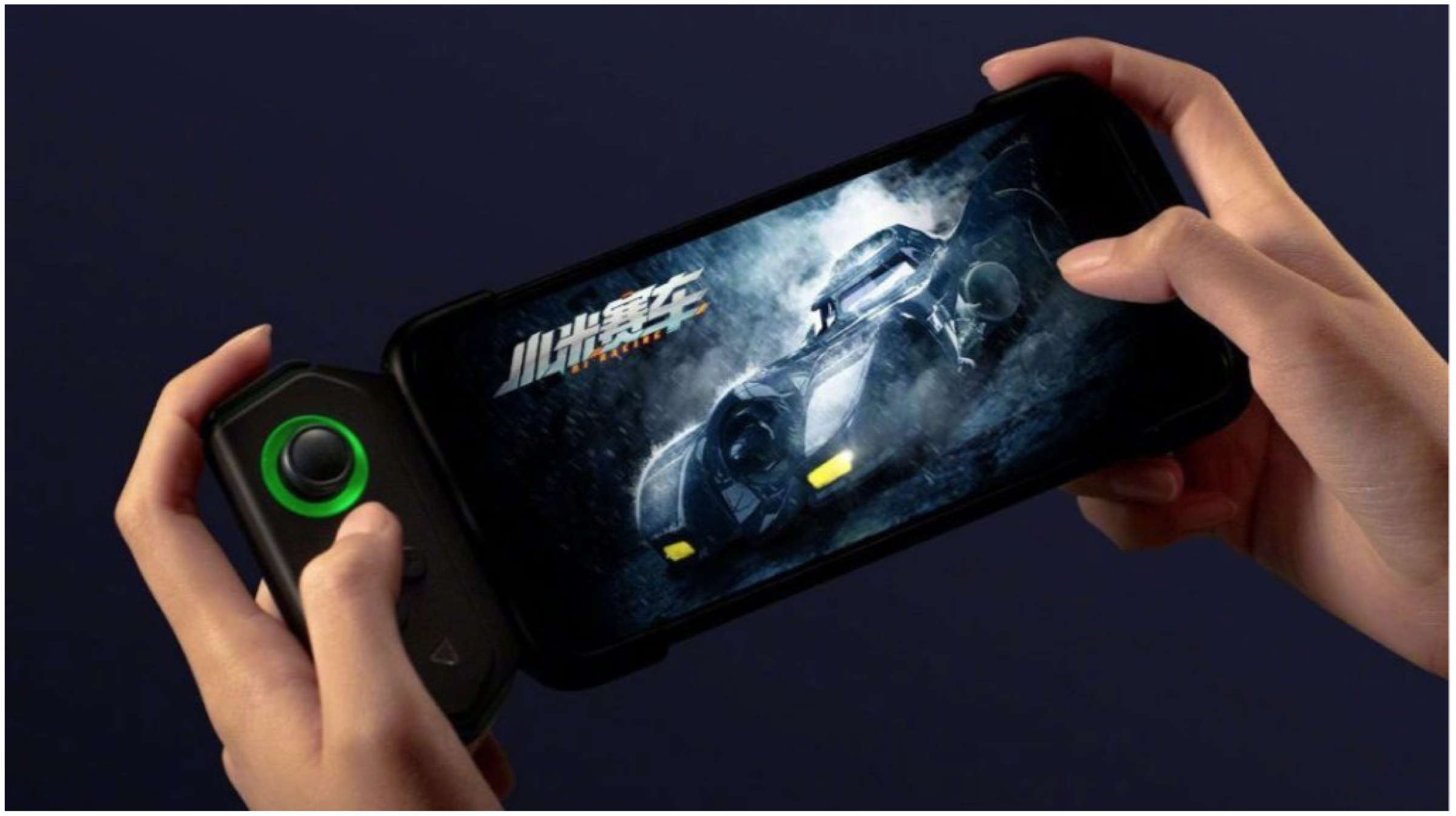
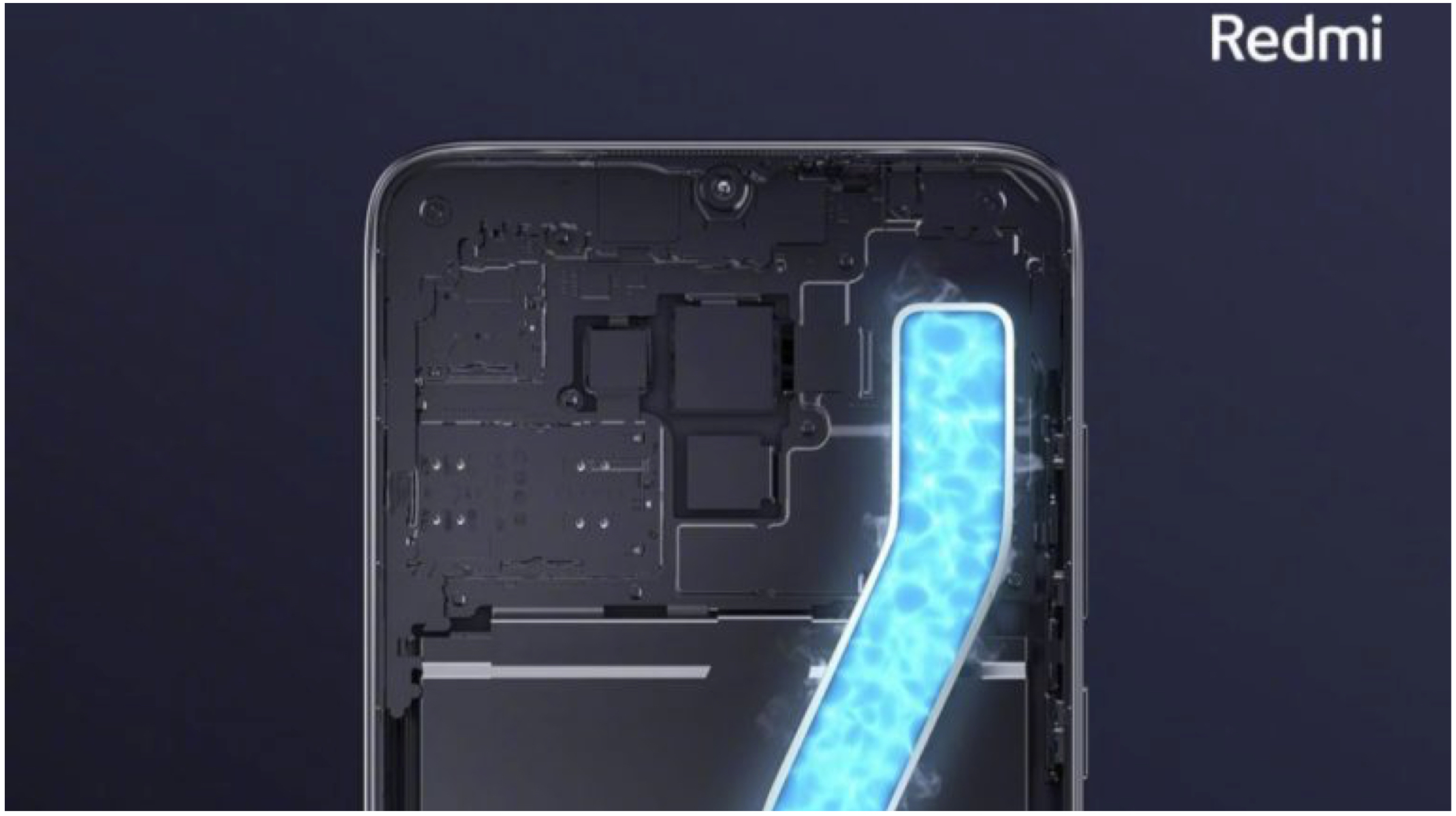
According to a fresh teaser, the upcoming Redmi Note 8 smartphones will have exclusive gaming accessories including a gamepad with a joystick. Moreover, it has been revealed that the devices will have a liquid cooling system which will keep the temperatures under check during intensive gaming.
The teaser shared by the company reveals that the liquid cooling system is capable of reducing temperatures as much as 6-degree C which is a considerable difference.
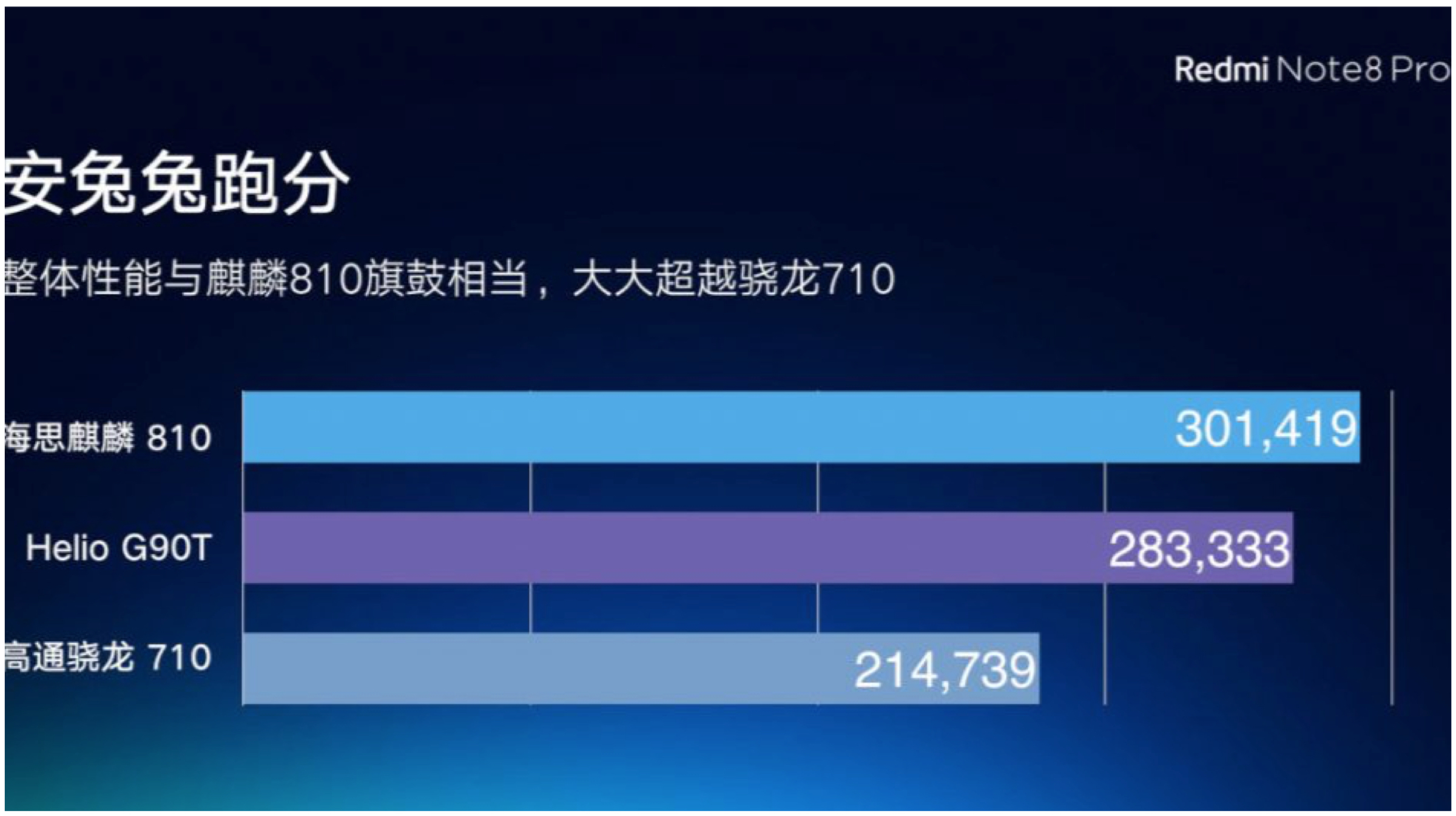
Besides, the company had previously shared a bar graph that compares the Antutu benchmark of three mid-range chipsets which include the MediaTek Helio G90T, Huawei Kirin 810 and the Qualcomm Snapdragon 710. For readers who are unaware, the upcoming Redmi Note 8 smartphones will be equipped with the Helio G90T chipset.
The chart reveals that the SoC found in Xiaomi’s offering registers a significantly higher score than the SD710 which is present on devices like the Realme X (a competitor of the Redmi Note 8). However, the G90T scores a slightly lower score than the Kirin 810 which is found on the Huawei 9x and 9X Pro.
In order to learn the official specs and price of the Redmi Note 8 lineup, we will have to wait for the official announcement. As previously mentioned, the handsets will be unveiled on the 29th of August in China.
Earlier this month, Motorola LLP launched the Motorola One Action smartphone in several countries that include Brazil, Mexico and a few European regions. On the 23rd of August, the handset has been launched in India as well. Like the previously launched Motorola One Vision, it also has an unconventionally tall display and is Android One Certified.
Motorola One Action Design and Features
The newly launched Motorola One Action has glass on the front while its rear panel is made out of plastic. Holding the device together is a polycarbonate chassis. The handset measures 160.1 x 71.2 x 9.2 mm and it weighs 181g.
The front of the Motorola One Action accommodates a 6.3 inch LTPS IPS display that has a resolution of 2520 x 1080 px and a pixel density of 432 ppi. As previously launched Moto One Vision, it also has an unconventionally tall display that has a 21:9 aspect ratio.
Noteworthy, the display of the smartphone has punch hole on the top left corner which makes room for the 12 MP selfie camera. For rapidly and securely bypassing the lock screen, it has a rear-mounted fingerprint sensor. Besides, it also supports face unlock technology and the traditional screen lock.
The Motorola One Action runs on the latest Android 9 Pie and it is Android One certified. The certification states that the smartphone is assured to get two major Android updates and security updates for three years.
Under the hood, it is kitted with Exynos 9609 SoC which is manufactured by Samsung. The chipset is comprised of an octa-core CPU and the Mali G72 MP3 GPU.
In addition to the selfie camera, the Motorola One Action has a triple rear camera setup which consists of an f/1.8 aperture equipped 12 MP sensor, 5 MP depth sensor and an ultrawide sensor that has a 117-degree field of view. Notably, the wide-angle sensor is arranged in a sideways manner which means the device can capture landscape videos even when it is held in portrait mode.
The Motorola One Action is powered by a 3,500 mAh battery which shockingly supports on 10 W fast charging. Connectivity options on the handset include 802.11 ac Wi-Fi, 4G VoLTE, Bluetooth 5.0, NFC, USB Type C port and a 3.5 mm headphone jack.
Motorola One Action Price, Storage Variants and Colours
The Motorola One Action is offered in three colour options which include Denim Blue, Pearl White. As observed with several other offerings from the company, the newly launched handset will be sold online on Flipkart.com and select offline retailers. The sale of the smartphone will commence from the 30th of August.
In terms of memory and storage, the Motorola One Action is available in just one variant for which the price is as follows:
Overall, the device has an elegant design and is comprised of modest features. However, we will have to see how it fairs against the likes of the Redmi Note 7 Pro and Realme 5 Pro.
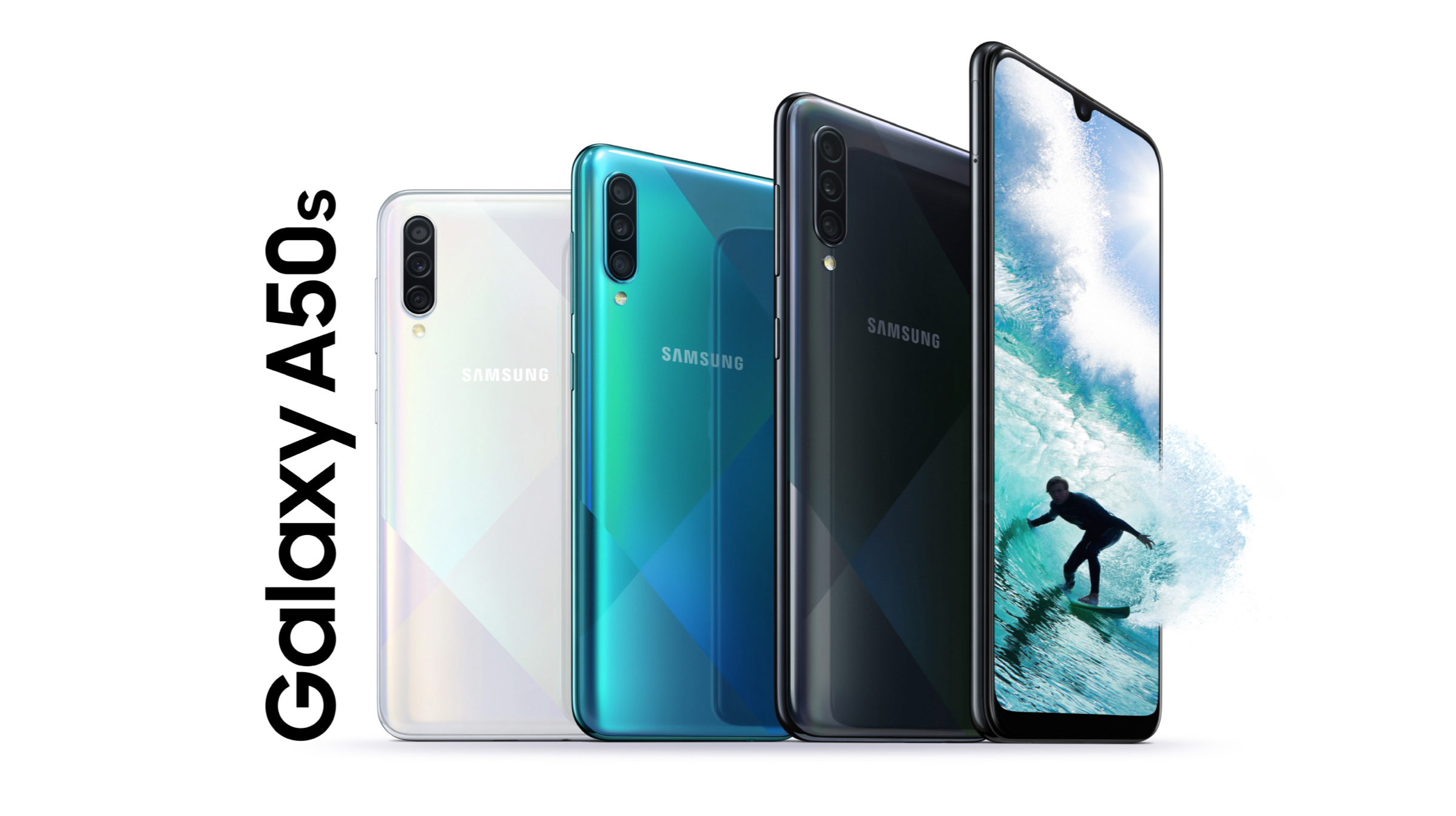
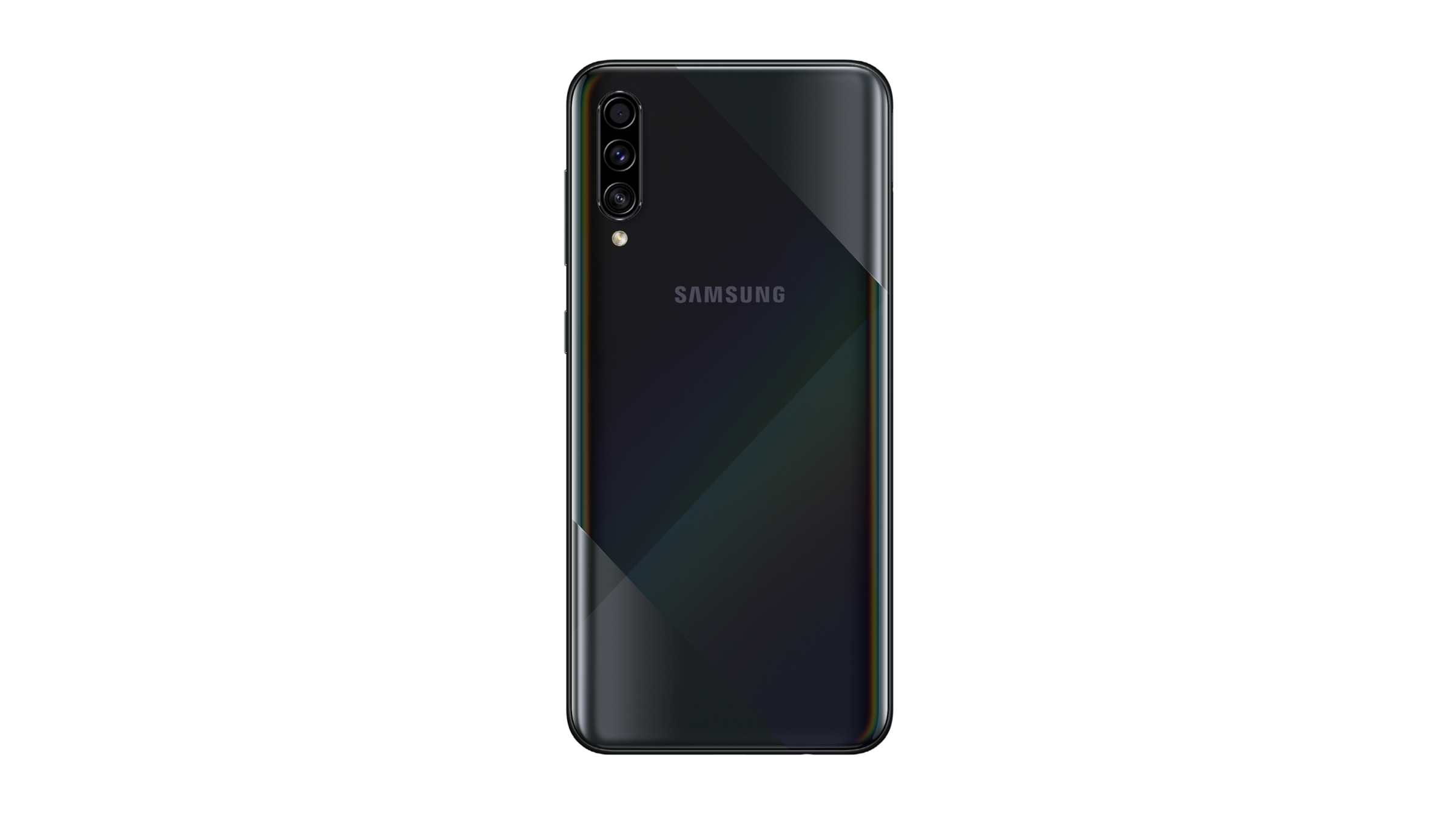
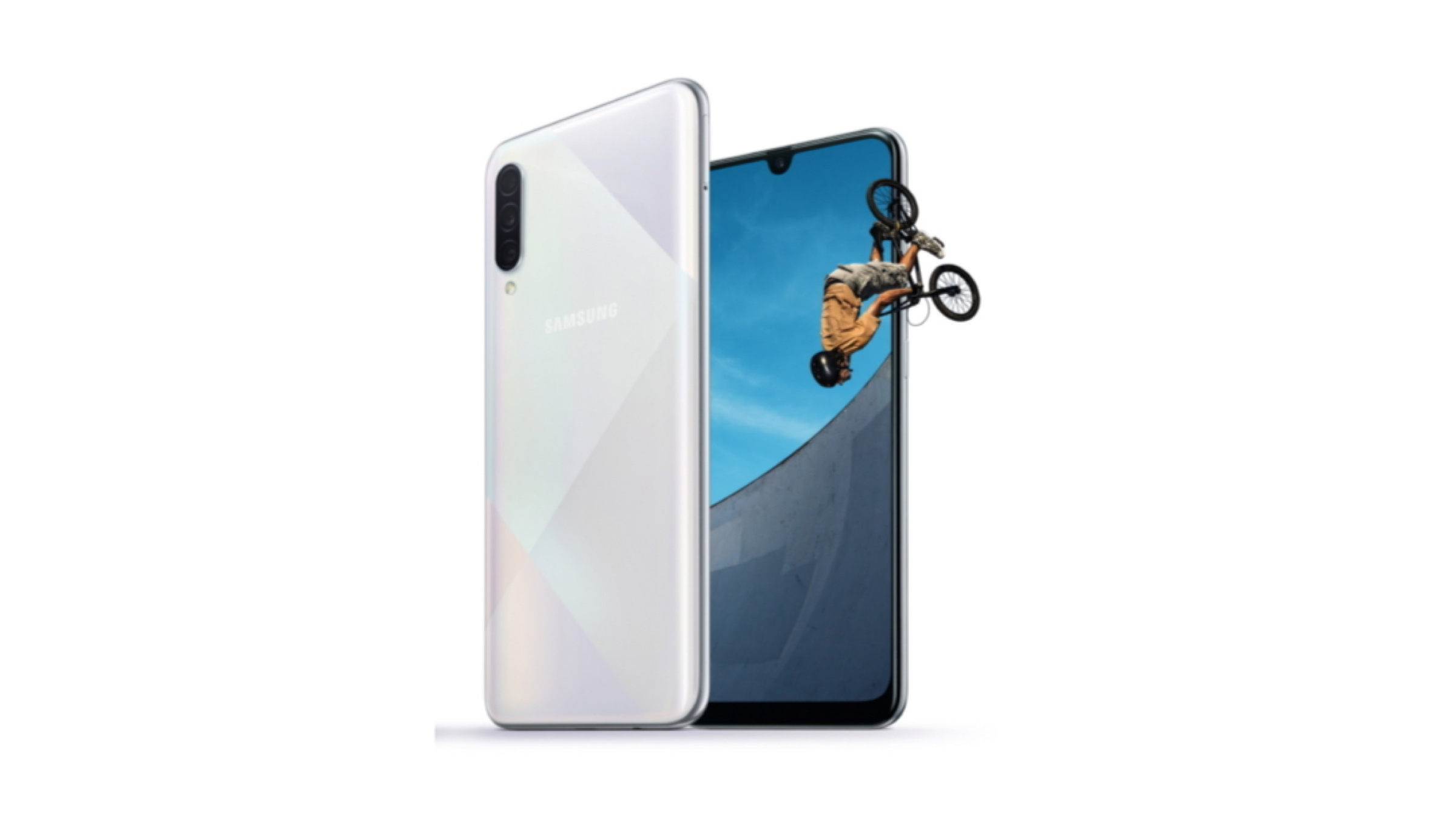
Korean smartphone maker, Samsung, on the 22nd of August silently updated its two existing smartphones which were launched earlier year. The newly launched devices are dubbed the Galaxy A50s and Galaxy A30s and they have improved camera optics and a different back panel in comparison to their predecessors.
In this article, we will discuss the Galaxy A50s, however, if you want to see the specs and features of the Galaxy A30 you can do so by clicking this link.
Galaxy A50s Design and Features
Like its predecessors, the Galaxy A50s has glass on the front and a polycarbonate back. However, instead of a solid colour rear panel, the new device has a holographic design which looks very elegant. The handset measures 158.5 x 74.7 x 7.7 mm and it tips the scale at 169g.
The front of the Samsung Galaxy A50s accommodates a 6.4-inch Infinity U display. The display on the devices uses a Super AMOLED panel that has a resolution of 2340 x 1080 px. Like the Galaxy A50, it also features an in-display fingerprint scanner. The power button and volume rockers are situated on the right side of the device while the SIM card tray is placed on the left side.
The rear glasstic panel of Galaxy A50 has a triple rear camera setup which is comprised of a 48 MP + 5 MP + 8 MP sensors. It also features an f/2.0 aperture equipped 25 MP front camera which is placed in the Infinity U notch above the display.
It is powered by a 4,000 mAh battery which supports 15 W fast charging via the bottom-mounted USB Type-C port. Under the hood, the Galaxy A50s packs the Exynos 9610 chipset which consists of four Cortex A73 cores, four A53 cores and Mali G72 MP3 GPU. Connectivity options on the handset include 802.11 ac Wi-Fi, Bluetooth 5.0, GPS and 3.5 mm audio jack.
Unfortunately, Samsung has not revealed the price of either the Galaxy A50s or the Galaxy A30s. Nonetheless, it is expected to be announced at the upcoming IFA Berlin convention which will kick off from the 6th of September.
Although the new smartphone is not a huge upgrade but improved optics and all new holographic rear panel are a welcoming addition.
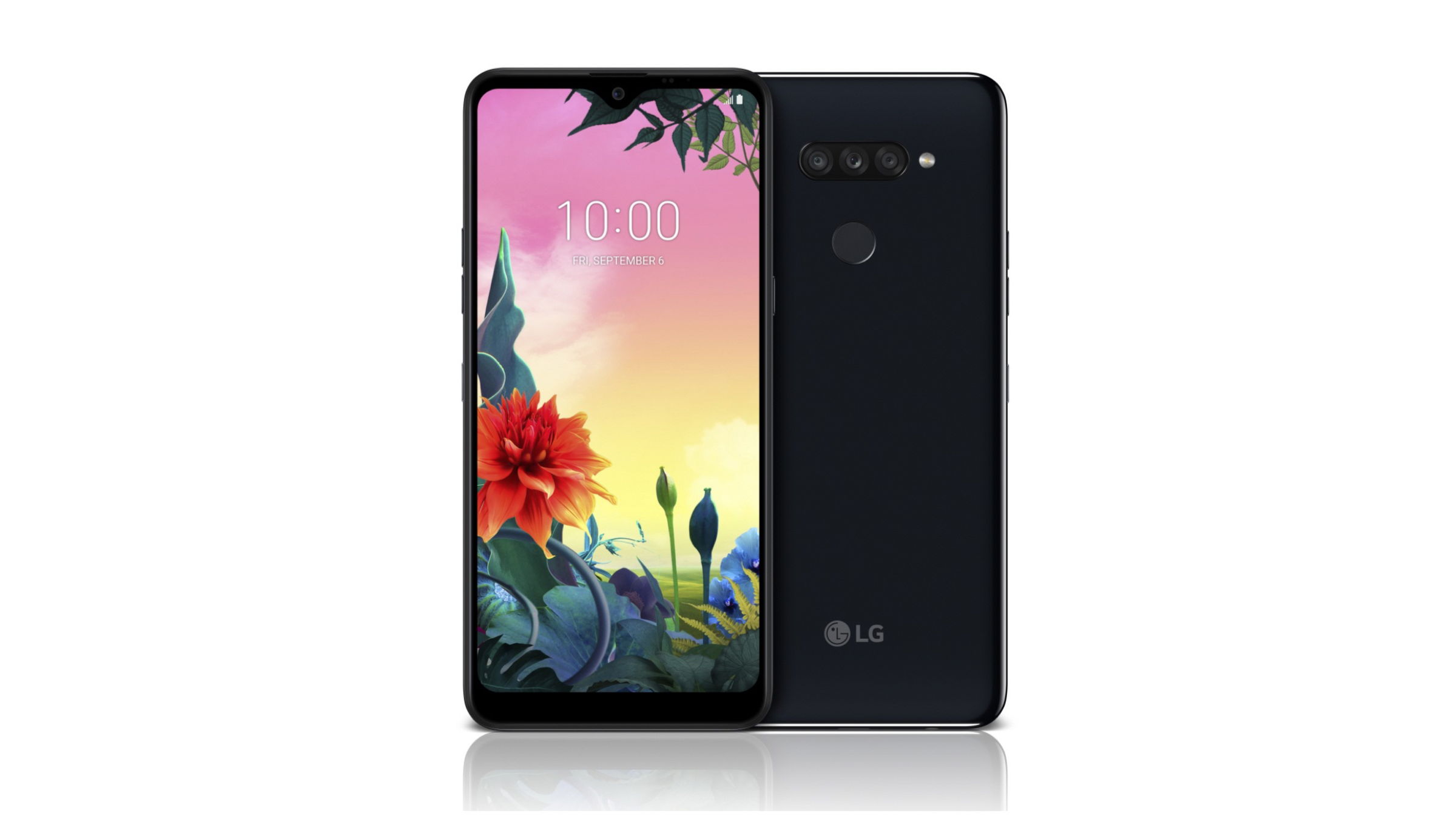
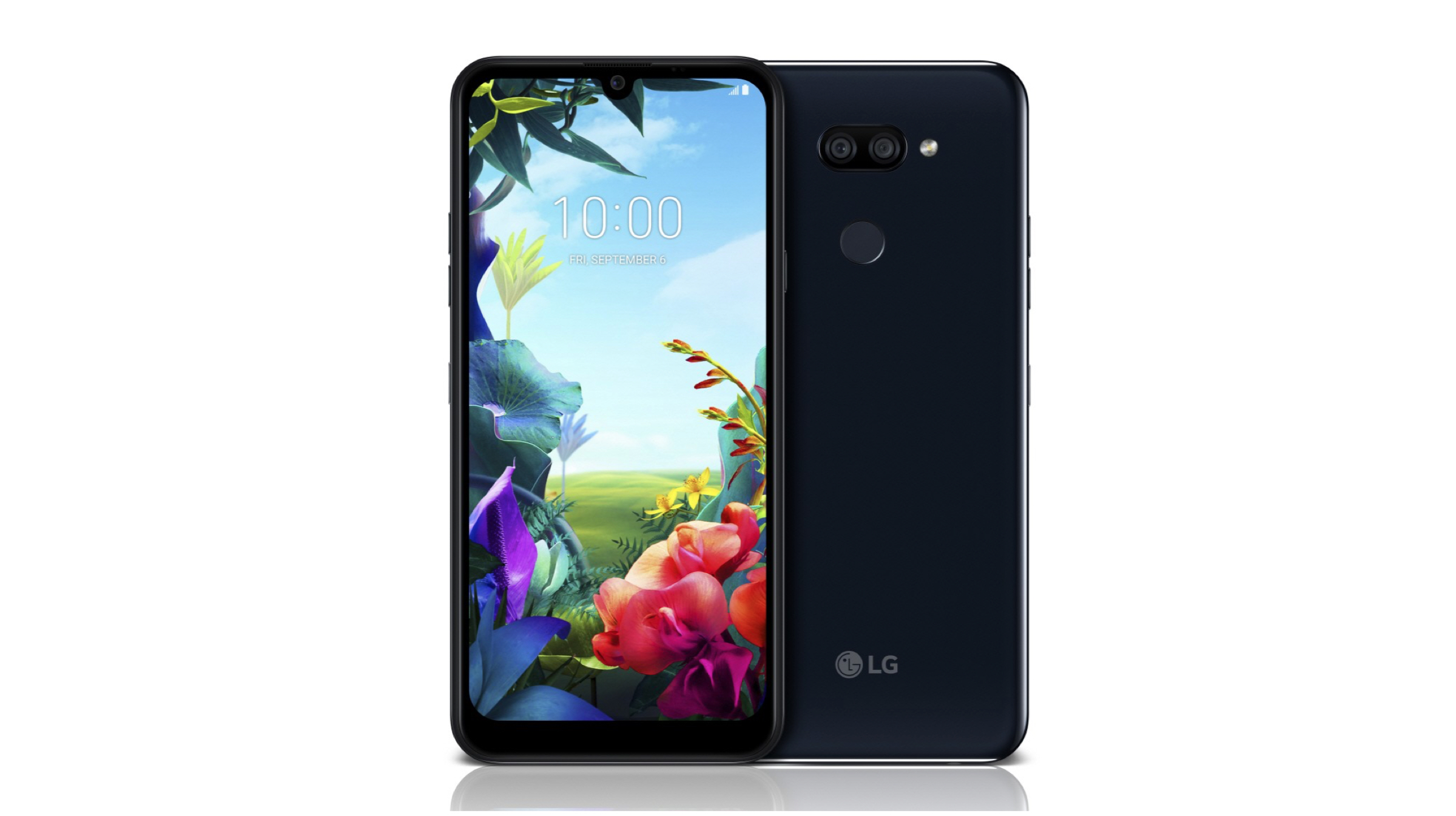
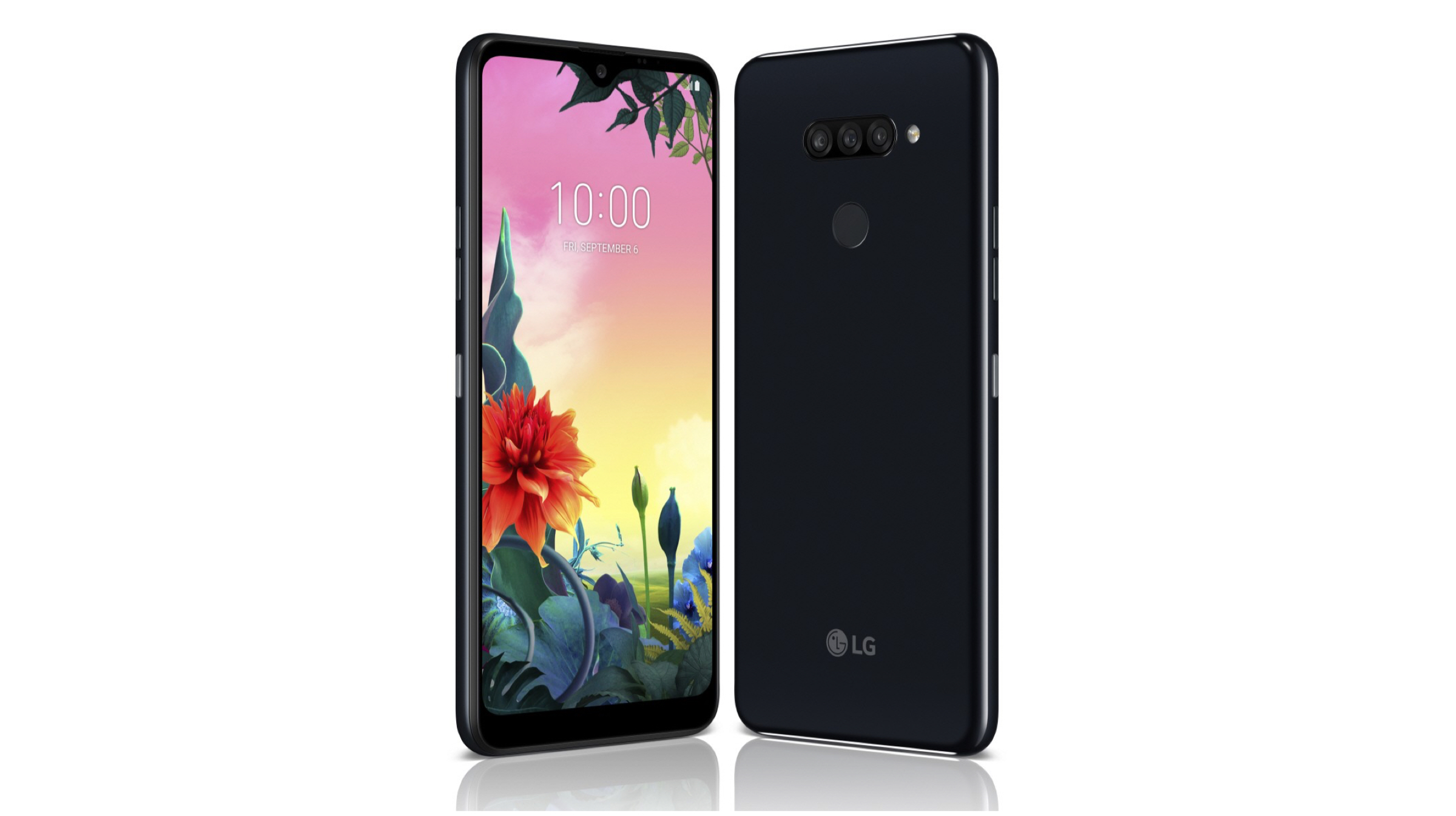
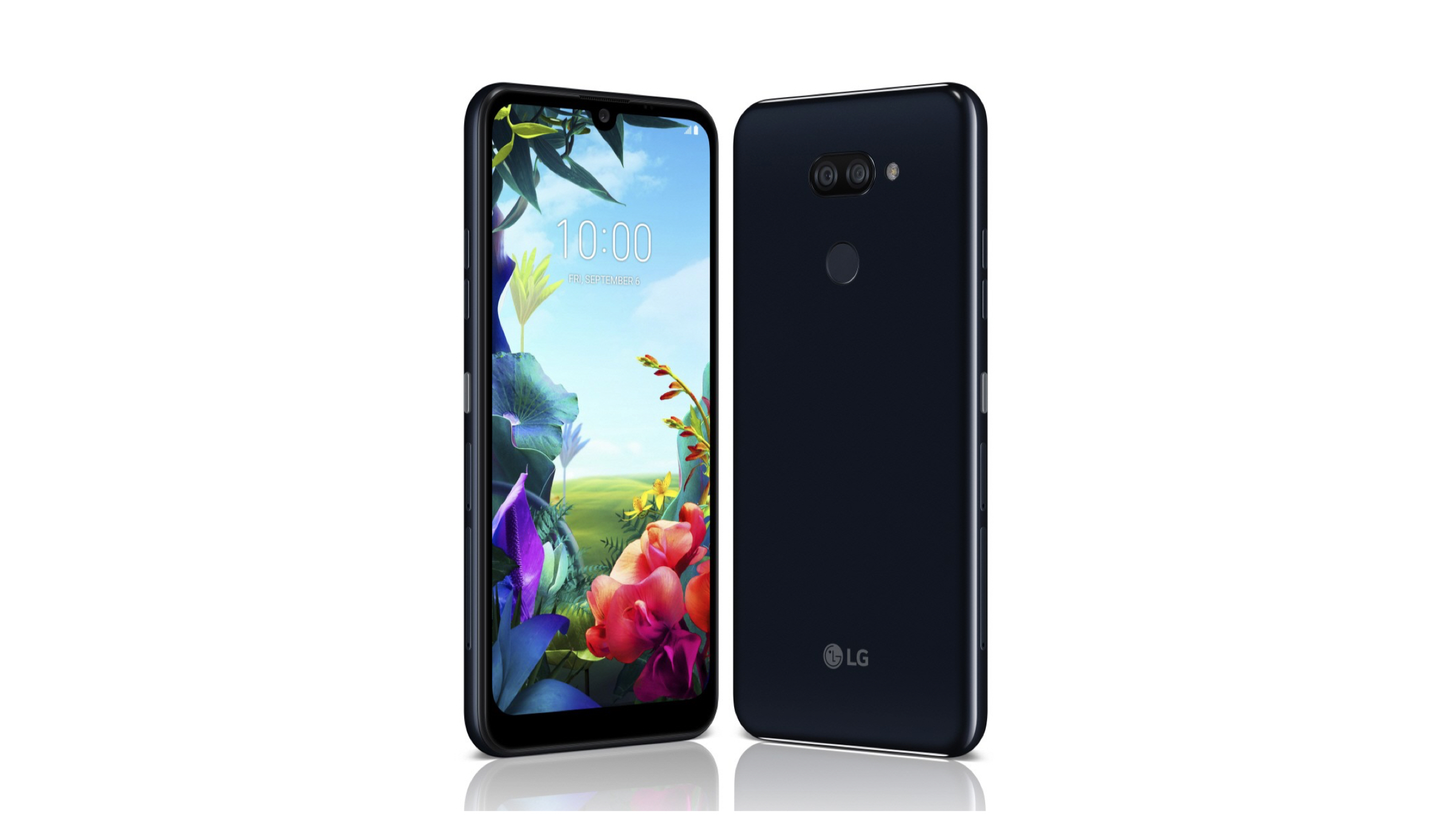
Korean electronics maker, LG has launched two new mid range smartphones ahead of IFA Berlin 2019. Dubbed the K50s and K40s, they are members of the K series which is targeted towards the budget segment. Both the newly launched devices have heterogenous chipset with key difference being display size, rear camera and battery capacity.
LG K50s and K40s Features
LG K40s
Both the LG K50s and the K40s have a similar design with a water drop notch display on the front and a glass back. While the former sports a 6.5 inch display, the latter sports a 6.1 inch display. Display panels on both the smartphones have an HD+ resolution.
The LG K50s and the K40s feature a 13 MP selfie camera which is housed in the waterdrop notch above the display. Both handsets also have a rear mounted fingerprint sensor along with the company branding and the camera setup. While the K40s has 13 MP + 5 MP dual rear cameras, the K50s has a triple camera which consists of same sensor as the former in addition to a 2 MP depth sensor.
LG K50s
In terms of battery, the K40s is powered by a 3500 mAh battery while the K50s is powered by a 4000 mAh battery. Both the smartphones feature an Octa Core CPU which is clocked at 2.0 GHz. Additional features of the newly launched K series smartphones include 3D Surround Sound and MIL-STD 810G compliance.
Both the LG K50s and the K40s are offered in two colour variants which include New Aurora Black and New Morrocan Black. Unfortunately, LG has not yet revealed the price of these smartphones. However, it is expected to be announced at IFA Berlin which will kick off from the 6th of September.
For easy reference we have also listed their specs in a tabular manner which are as follows:
Apple is about to launch the highly anticipated iPhone 11 lineup which allegedly consists of three devices like last year, 2. Several rumours about the design and features of the upcoming handsets have leaked in the past. Interested readers can read them here (1,2,3).
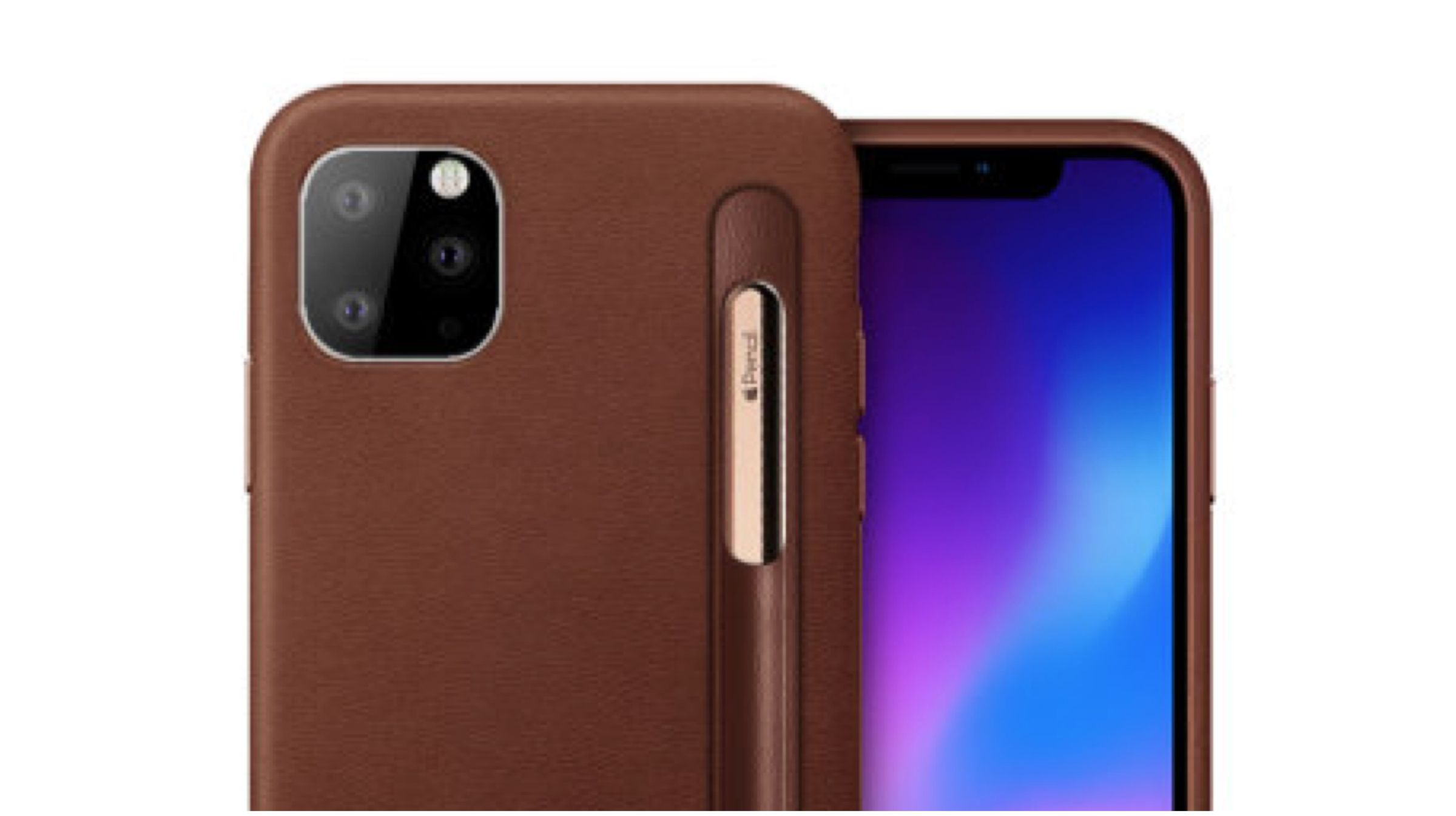
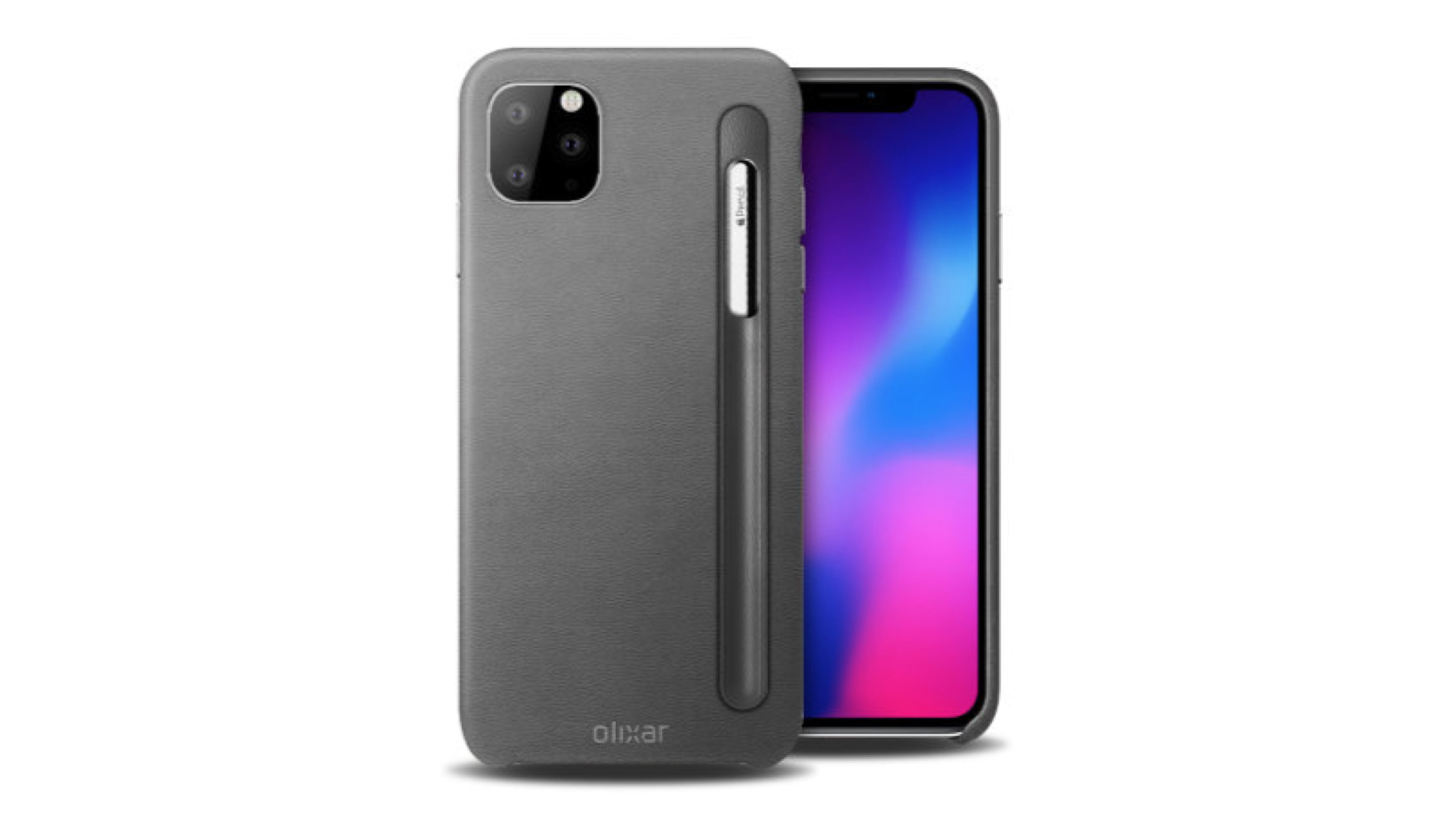
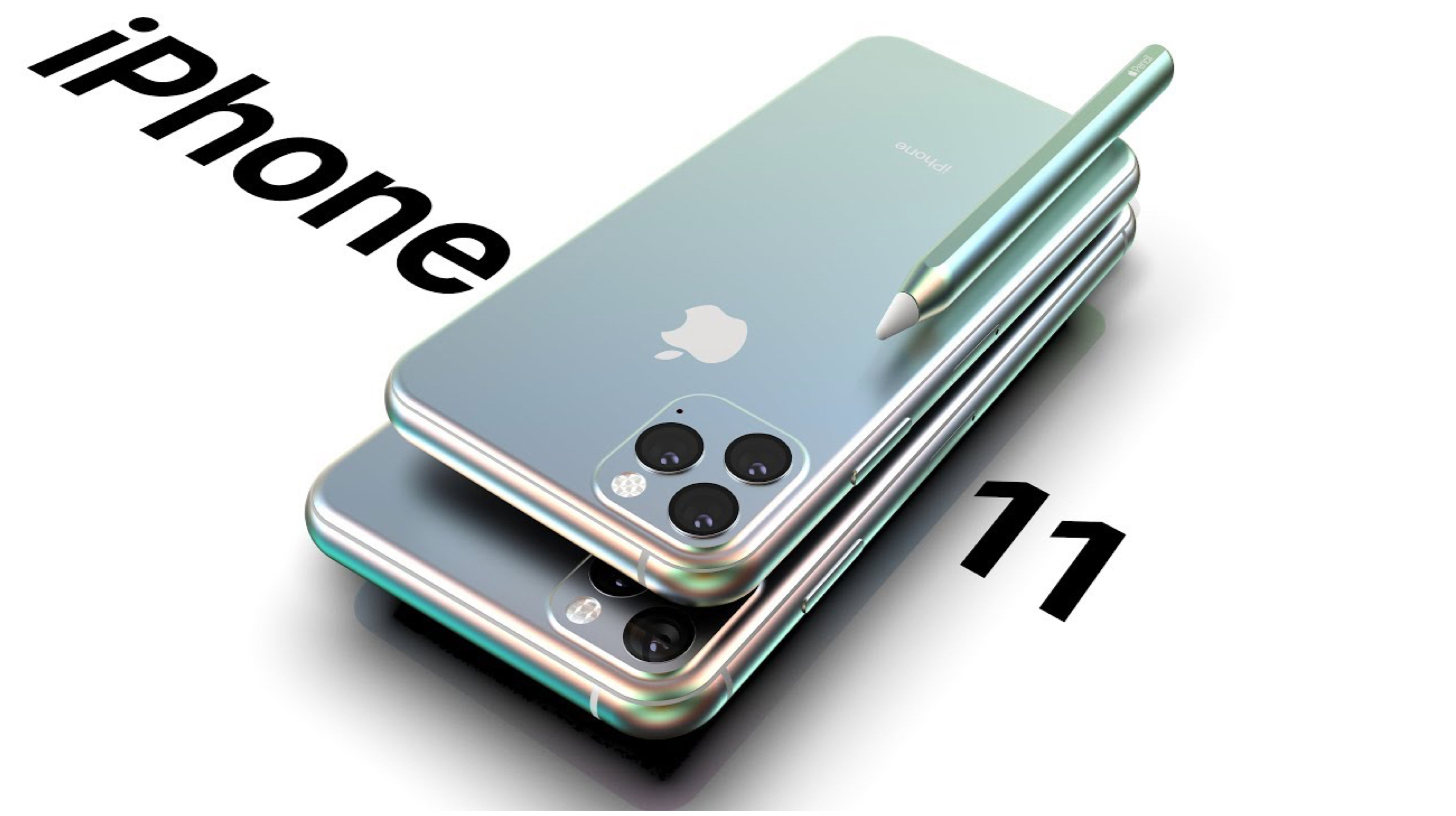
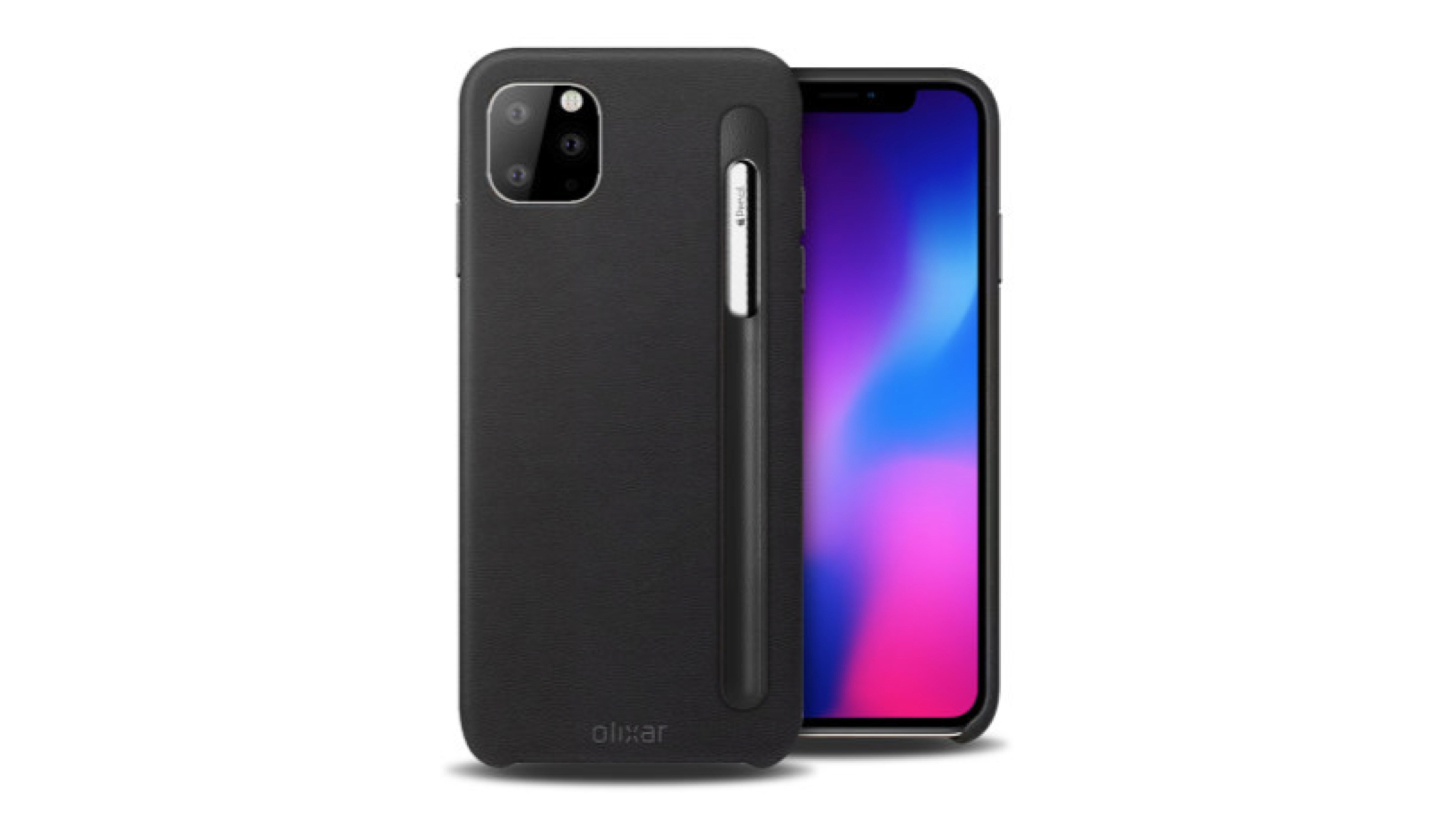
According to freshly listed cases on the MobileFun website, Apple will finally embrace a stylus for its smartphones. Apart from the triple rear cameras that the upcoming flagship iPhones are reported to have, this could be one of the biggest addition to one of the world’s most popular smartphone since its debut in the year 2007.
Apple iPhone 11 Case With Stylus
Noteworthy, the late Apple co-founder, Steve Jobs in the past had mocked companies like Microsoft who showcased the touch capabilities of Windows via a Stylus. Nonetheless, as previously seen with the latest generation iPad Pro, the possibility of Apple launching a smaller sized stylus or an Apple pencil for the iPhone could turn out true.
Besides, the listing does not reveal any other specifics of the stylus. Though as observed with the iPad Pro, it is assumed to be magnetically connected to the rear of the upcoming iPhone.
Apple iPhone 11 Mockup
As the device is currently unannounced, we can only make assumptions about the features it would offer. Similar to the newly launched S-Pen for the Galaxy Note 10, it might have a physical button which could toggle the camera shutter. Moreover, it might support air gesture to navigate between apps or switch between the front or rear camera.
To sum things up, the probability of Apple making a compact Pencil/stylus for iPhone 11 lineup are quite high. However, in order to confirm the leaks and rumours, we will have to wait for the official launch event. Going by past experiences, the future iPhone will be unveiled in the second week of September which is just around the corner.
What do you think about Apple launching a stylus for smartphones? Do you think they offer any practical benefits or it is just a gimmick? Let us know in the comments below.
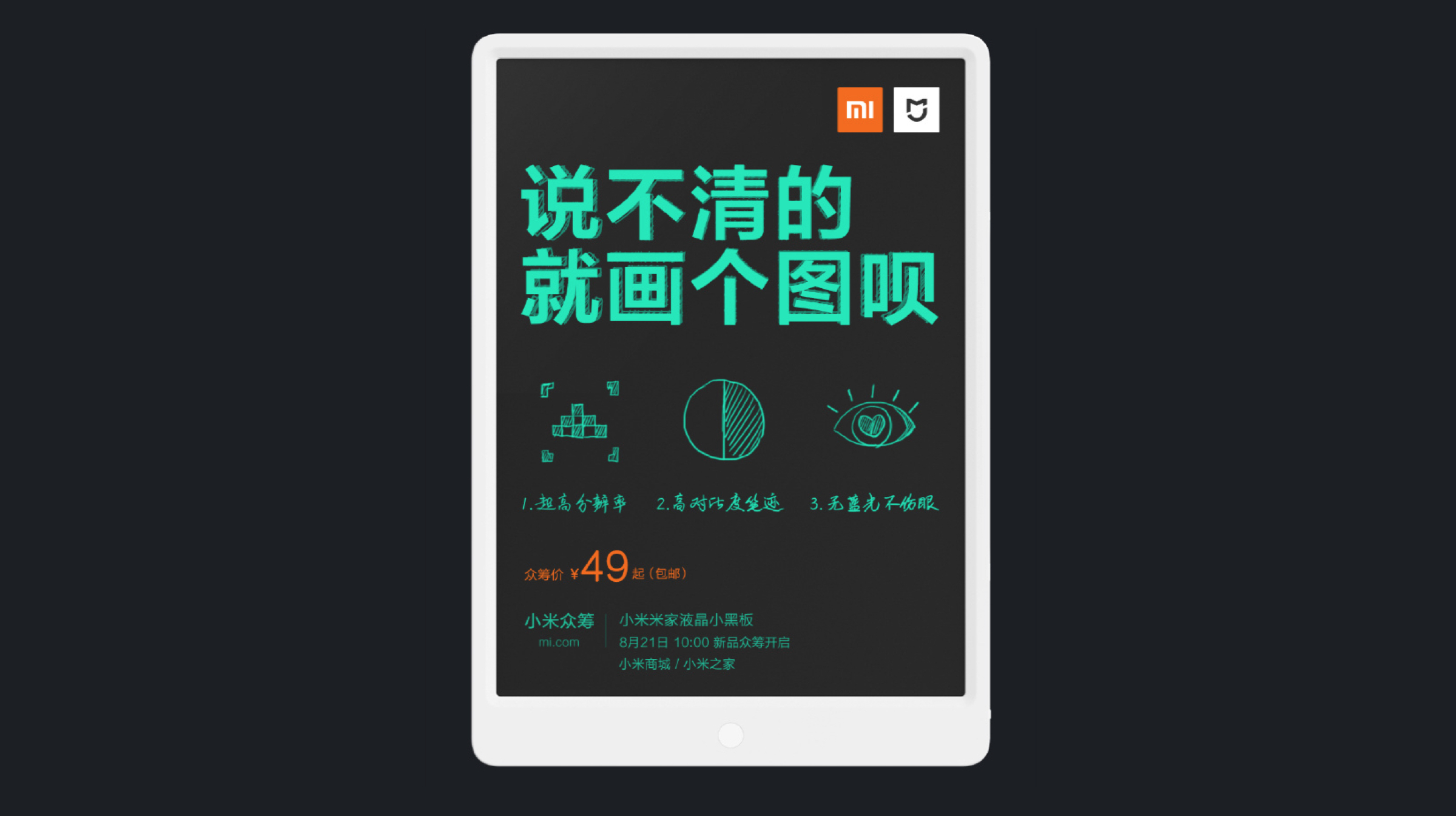
Except for smartphones and televisions, Xiaomi offers a wide variety of products ranging from electric scooters to shavers. The company has freshly announced a Digital Drawing tablet under its Mijia brand which is currently being crowdfunded in China.
The new device is developed to reduce paper waste and is aimed towards replacing a conventional paper notebook which cannot be reused.
Xiaomi Mijia Digital Drawing Tablet Features
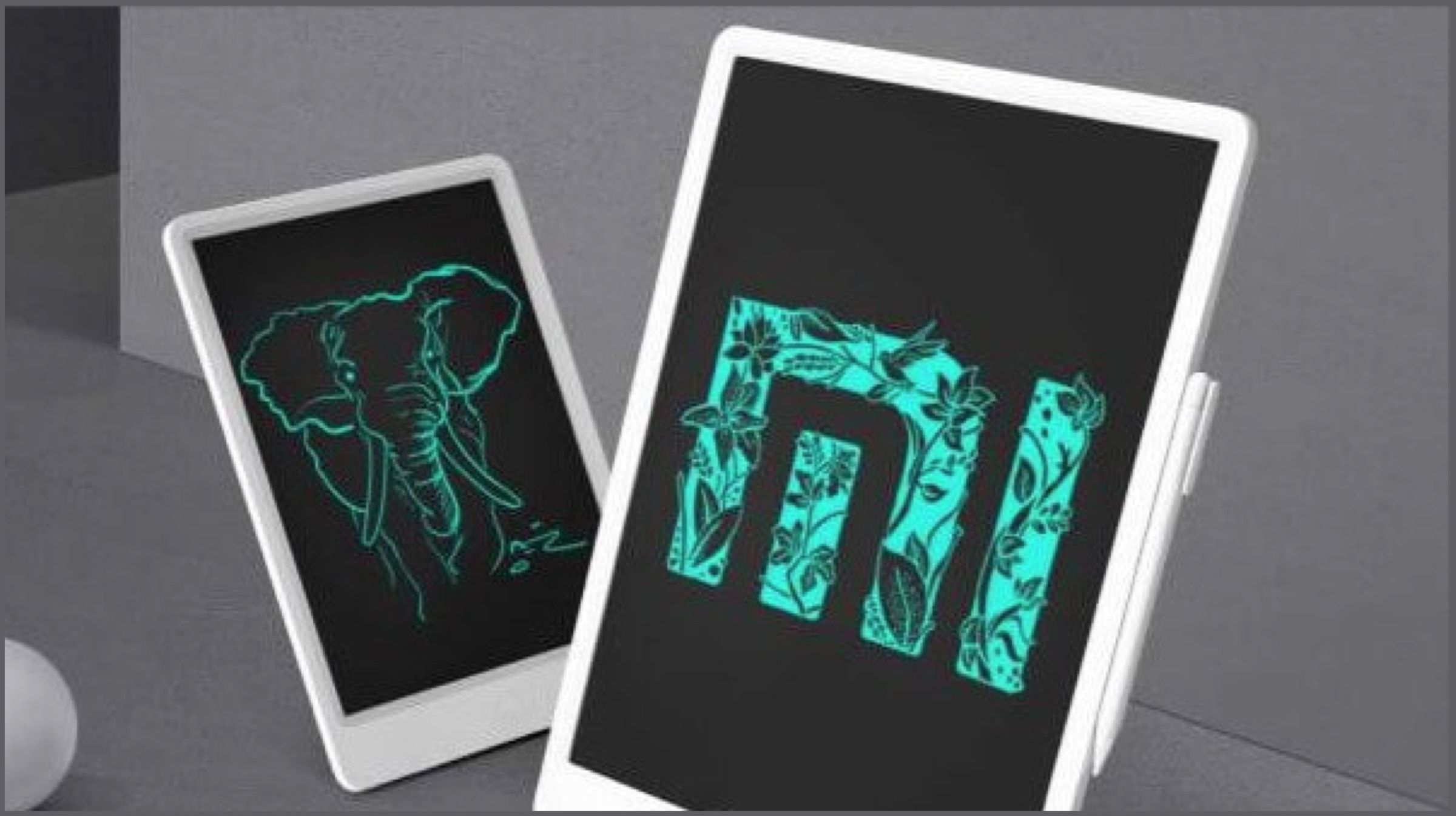
The new device is offered in two different screen sizes which include 10-inch and 13.5-inch. While the former weighs just 195 g, the latter is a considerably hefty and it weighs 345 g. Just to clarify, they don’t feature a conventional display found on smartphones instead it has an LCD made out of ABS which can only show one colour that is green.
Noteworthy, both models of the Mijia LCD Blackboard have a display that does not emit any sort of blue light which can lead to visual fatigue during prolonged usage. Therefore, they make an appropriate choice of children who are starting to learn drawing and writing.
Equally important, they ship with a plastic stylus that resembles a pencil and they have a circular button in the bottom bezel which can be used to clear the illustrations or writings on the display.
Both the variants of the Mijia drawing tablet are powered by a button cell which can easily be replaced once they have been exhausted. Notably, Xiaomi claims that it can provide a backup of 365 days if the clear function is used 100 times every day.
As previously mentioned, both the variants are currently offered on a crowdfunding website that is operated by Xiaomi. The price of the two variants is as follows:
10 inch- CNY 49 (around Rs 500)
13.5 inch- CNY 79 (around Rs 800)
What are your thoughts on the latest offerings from Xiaomi? Would you buy it the company launches them in India? Let us know in the comments below.
In the month of January, Xiaomi turned its Redmi smartphone lineup into a separate sub brand. Following the seperation, the first handset it launched was the Redmi Note 7. A couple of months after, it also launched the Pro variant of the smarpthone which has beefed up camera sensors and a better chipset.
Due to the value these handsets offer, they have become a global sensation. According to Xiaomi until now it has sold 20 million units of the Redmi Note 7 lineup worldwide which is a remarkable feat. A company official had previously revealed that the successors of these devices are in the pipeline.
Redmi Note 8 Pro Launch Date
On the 21st of August, the official Redmi account on the Chinese social media website, Weibo was populated with a teaser of the upcoming smartphone. According to which the Redmi Note 8 duo will be unveiled on the 29th of August which is just a week away.
The teaser also boasts of a ’64 MP’ camera sensor that the Pro variant will feature on the rear. In addition the rear panel also houses three additional camera sensors, an LED flash and a fingerprint scanner.
Redmi Note 8 Pro Features
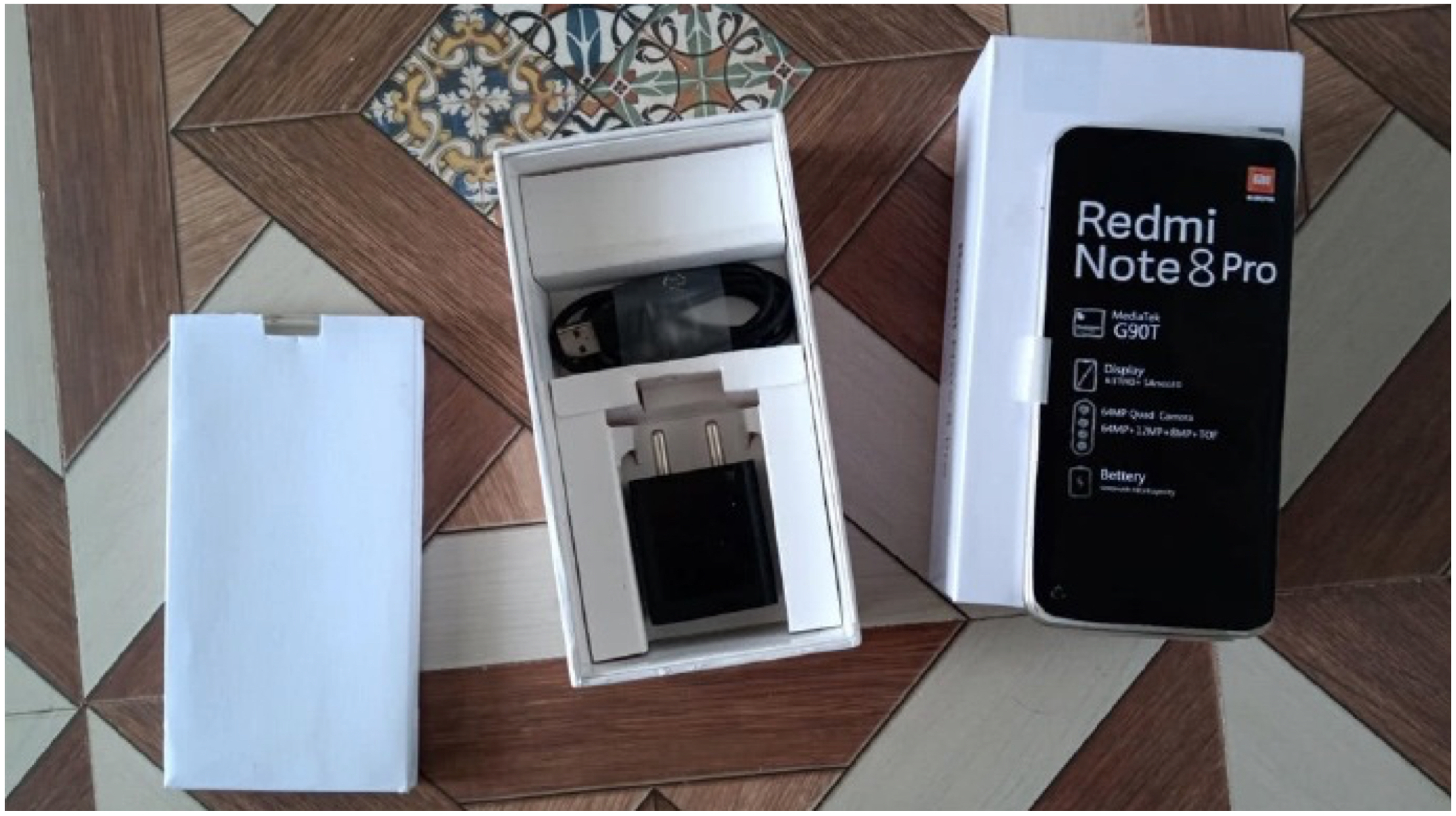
Noteworthy, a real life image of the upcoming smartphone was already leaked online which had revealed its key specifications. The Redmi Note 8 Pro will feature the MediaTek Helio G90T SoC which was unveiled last month. Although the image is not very clear, the smartphone is expected to be powered by a 5,000 mAh battery that the alleged Redmi 8A will also have.
Details about the display of Redmi Note 8 lineup are currently unavailable but it is assumed to have a display atleast as big as it predecessor that features a 6.3 inch display.
In order to confirm all the leaks and rumours about the Redmi Note 8 lineup we will have to wait until its official launch which is set for the 29th of August.
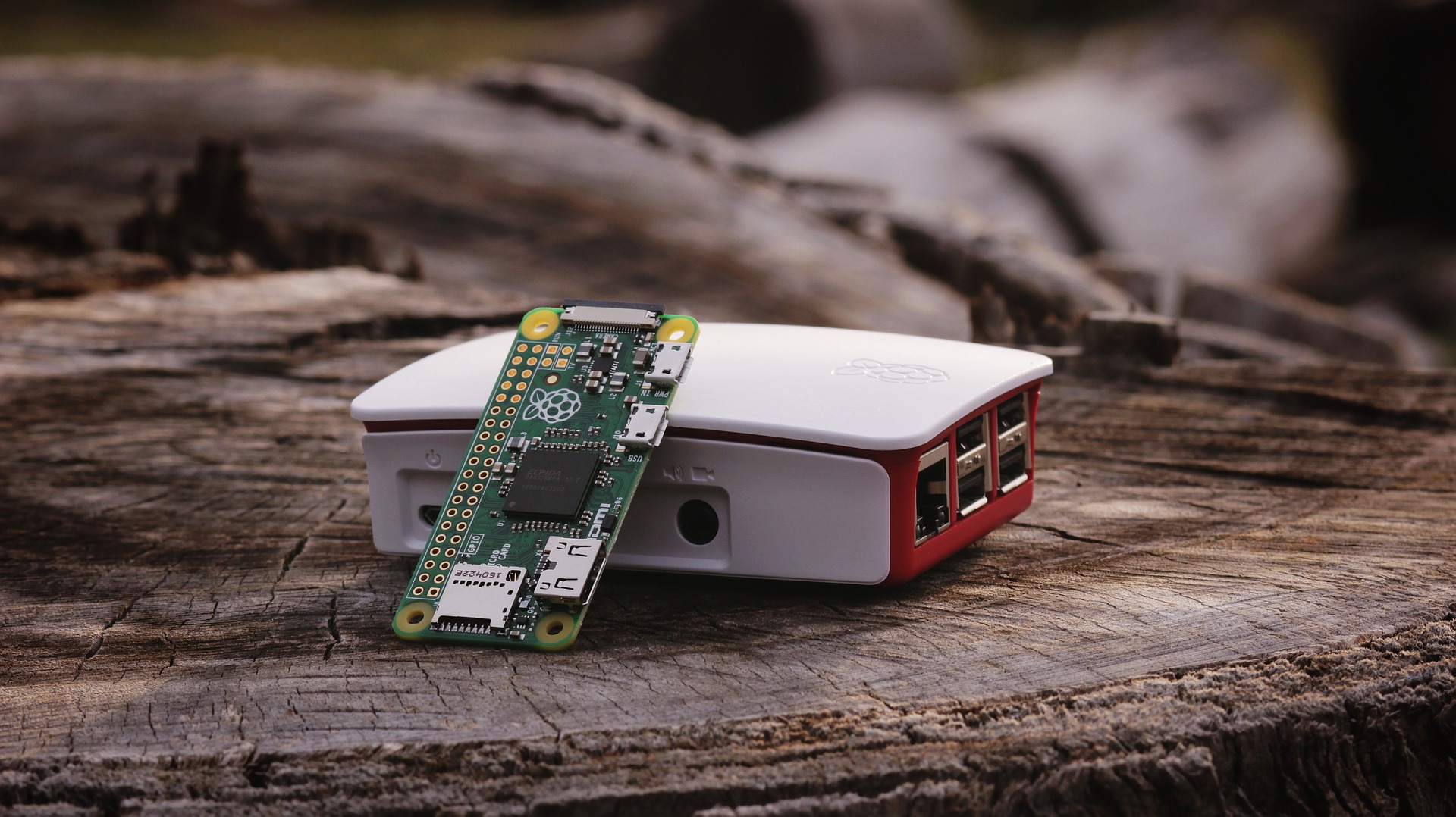
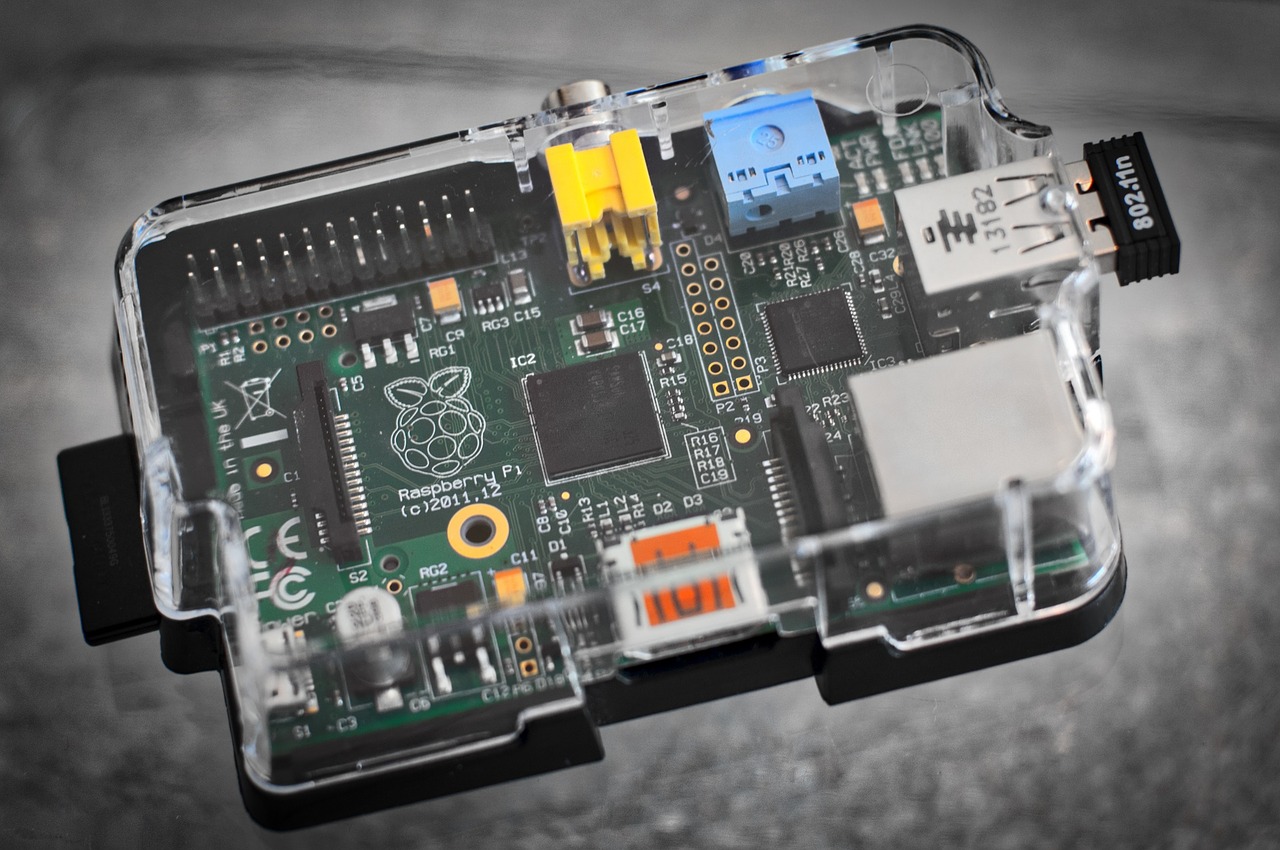
You have heard the term Raspberry Pi at several occasions and are curious to know what’s the deal with this palm-sized PCB (printed circuit board). Worry not, after reading this comprehensive article you will know the basics, features and applications (uses) of this modern marvel that has had a major impact on the world of computers.
To begin with, we will answer the question ‘ What is Raspberry Pi? ‘. In simplest terms, it is a single-board computer that can run a variety of operating systems ranging from Windows to Linux. You must be thinking that’s it, Yes it literally is. Notwithstanding, now you are confused about what is a single-board computer. Here you go, this is some brief information about this fancy keyword that you have just stumbled upon.
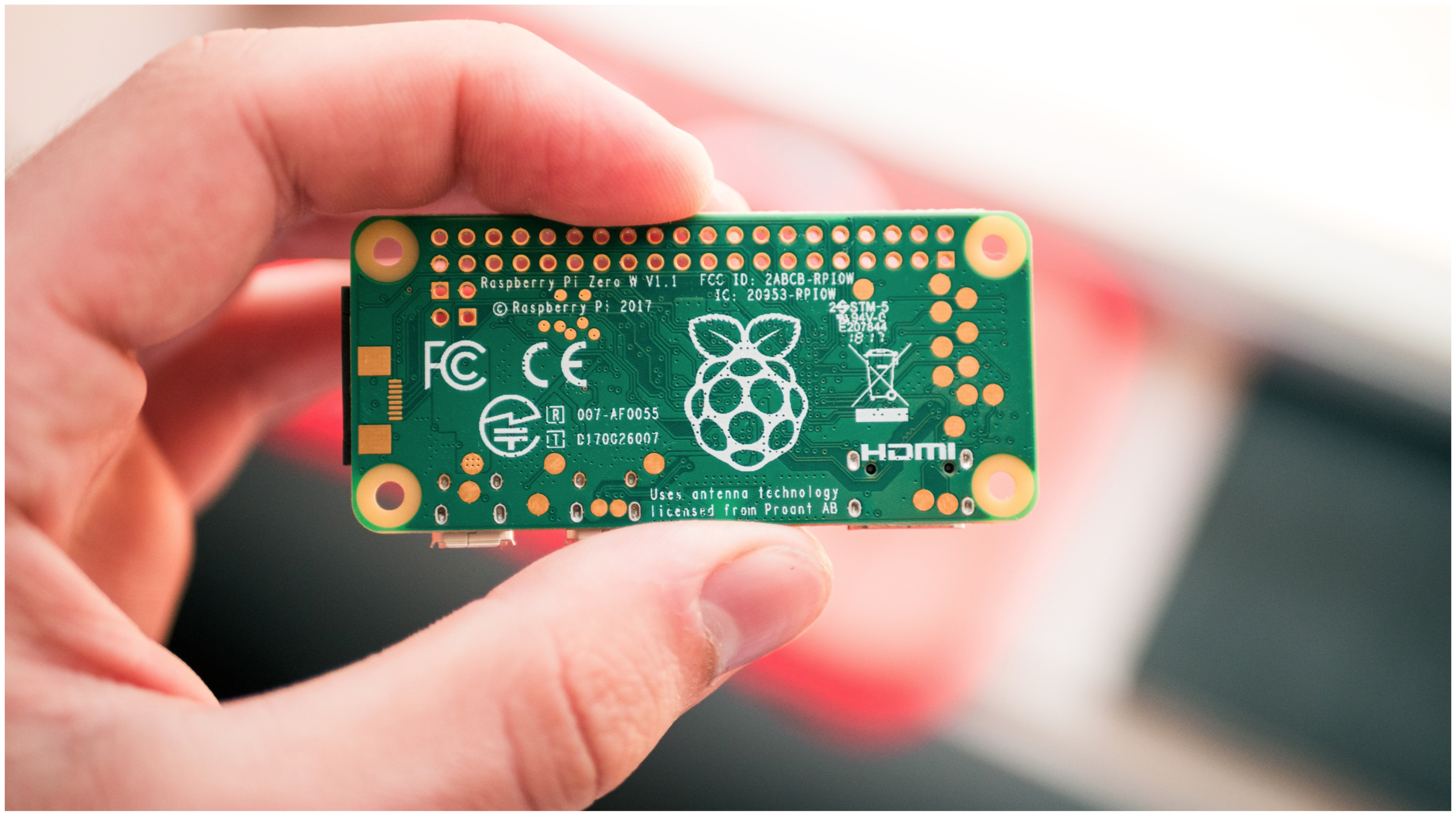
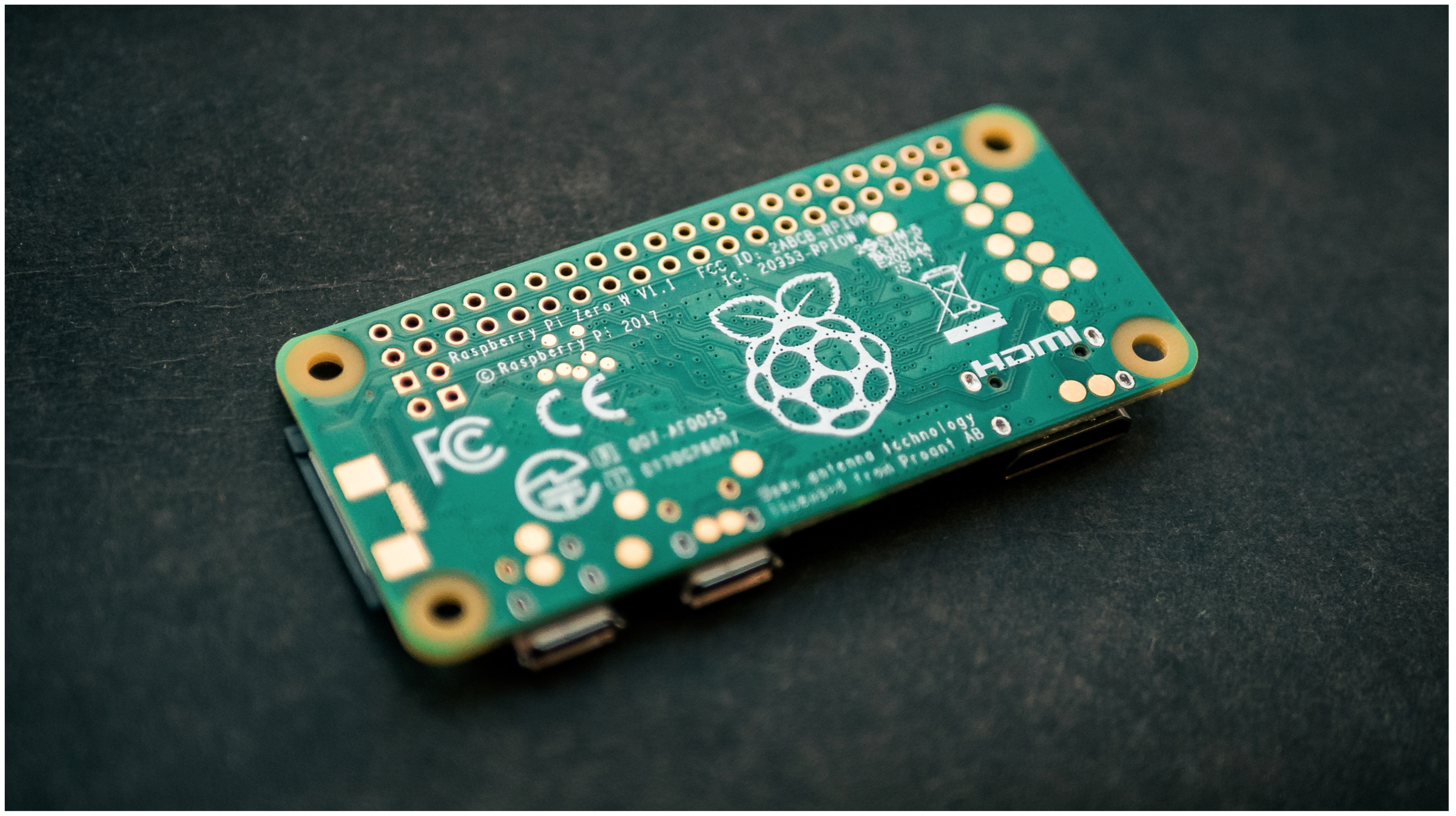
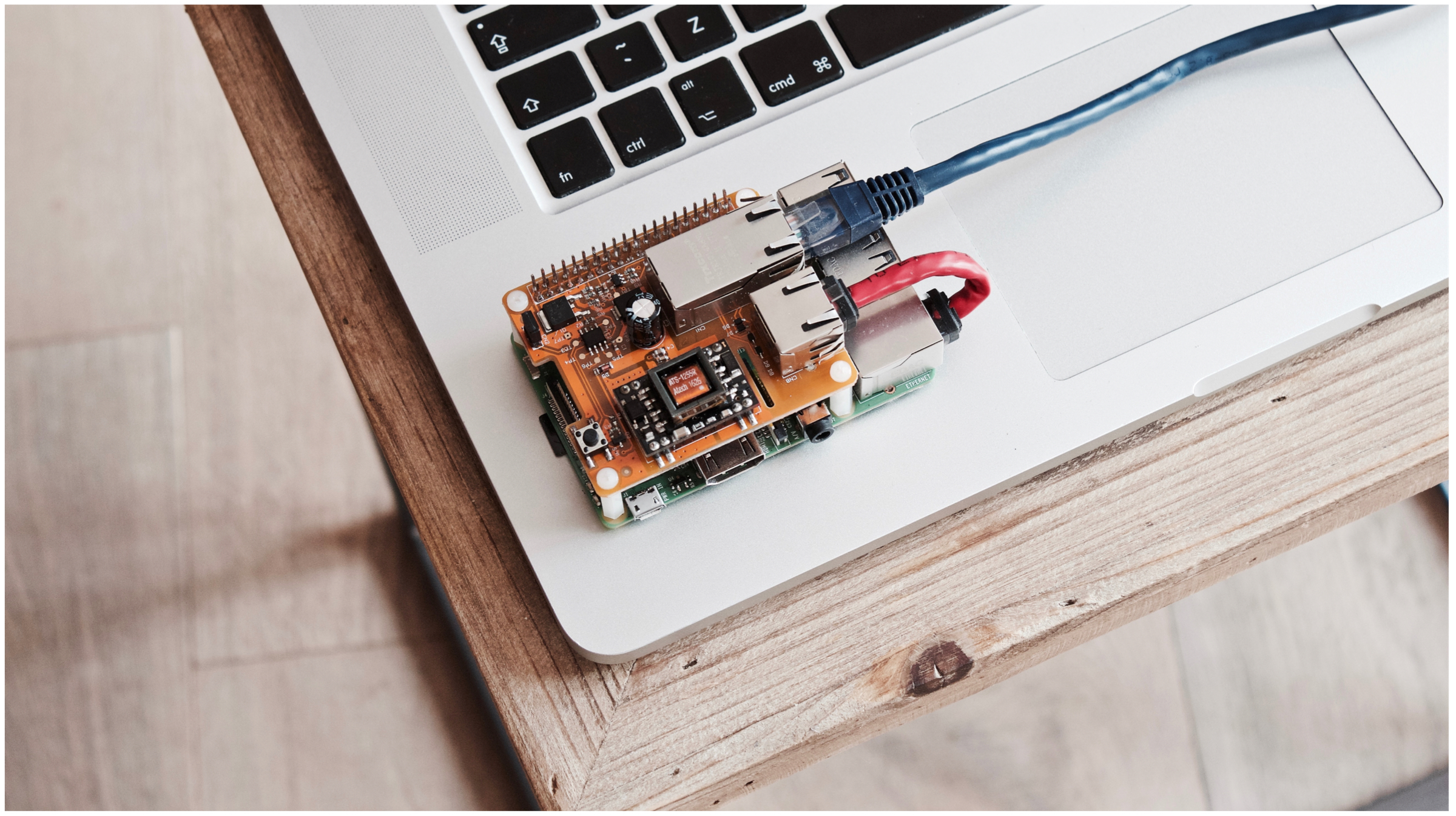
A single-board computer including the Raspberry has all the necessary components that a conventional PC or notebook computer has, which incorporates a RAM, ROM, CPU and I/O Ports (Input/Output). However, all of these are soldered onto just one PCB rather than being spread in a CPU enclosure.
You might be thinking there must be several other single-board computers in the market but why is Raspberry Pi is so popular. The concise answer to the question is that it was developed to be affordable and this factor alone is one of its biggest success mantras. Besides, there are several other reasons as well which will discuss later in this article.
History Of Raspberry Pi
Raspberry Pi W
The original Raspberry Pi was released in the year 2012 by a UK based charity funded organisation called the Raspberry Pi Foundation. According to its founders, it was designed and developed to promote the teaching of basic computer science in schools and in developing nations which it has been highly successful at.
Not only that, but it has also become the go-to choice for DIY enthusiasts who need a robust solution for their electronics projects. Over the last 7 years, the organisation’s foundation has launched numerous generations of this tiny computer which are listed below.
Raspberry Pi Generations And Price
Family
Model
Form Factor
Ethernet
Wireless
Released
Price
Raspberry Pi 1
B
Standard
(85.60 × 56.5 mm)
Yes
No
2012
US$35
A+
Compact
(65 × 56.5 mm)
No
2014
US$20
Raspberry Pi 2
B
(65 × 30 mm)
Yes
No
2015
US$35
Raspberry Pi Zero
Zero
(65 × 30 mm)
No
No
2015
US$5
W/WH
Yes
2017
US$10
Raspberry Pi 3
B
Standard
Yes
Yes
2016
US$35
A+
Compact
No
2018
US$25
B+
Standard
Yes
2018
US$35
Raspberry Pi 4
B (1 GB)
B (2 GB)
B (4 GB)
Standard
Yes
Yes
2019
US$35
US$45
US$55
Raspberry Pi 4 Specifications
While the previous generations were worthwhile, the latest Raspberry Pi 4 has lifted the bar to another level which is reflected by its specifications.
Due to RAM capacities as high as 4 GB and powerful CPU it even supports dual 4K output.
Raspberry Pi Uses
Desktop Replacement: Right of the bat, the Raspberry can be used to run a full-fledged operating system that can perform all the basic computing tasks like browsing the web, watching videos or editing documents. As previously mentioned, it can run operating systems like Windows and Linux. However, running a certain OS like Windows 10 on models like the tiny Raspberry Pi zero or some of the older generations could turn into an unenjoyable experience.
Nevertheless, the Raspberry Pi Foundation has developed its very own OS called ‘Raspian’. It is a lightweight operating system which is optimised to run smoothly on the ARM-based architecture. Noteworthy, the credit card-sized computer does not have inbuilt storage therefore, device owners must use a microSD card with a pre-installed operating system installed.
Media Center/ HTPC (Home Theater PC): Although smart TVs are all the rage nowadays, users need to shell a considerable sum of money to purchase them. Besides, dealing with an existing TV could be another challenge. A Raspberry Pi with the help of softwares like OSMC and Kodi media player can easily convert any LED or LCD display into a full-fledged media centre.
Besides playing media from a thumb drive or hard drive, users can also stream content from popular services like Amazon Prime or Netflix.
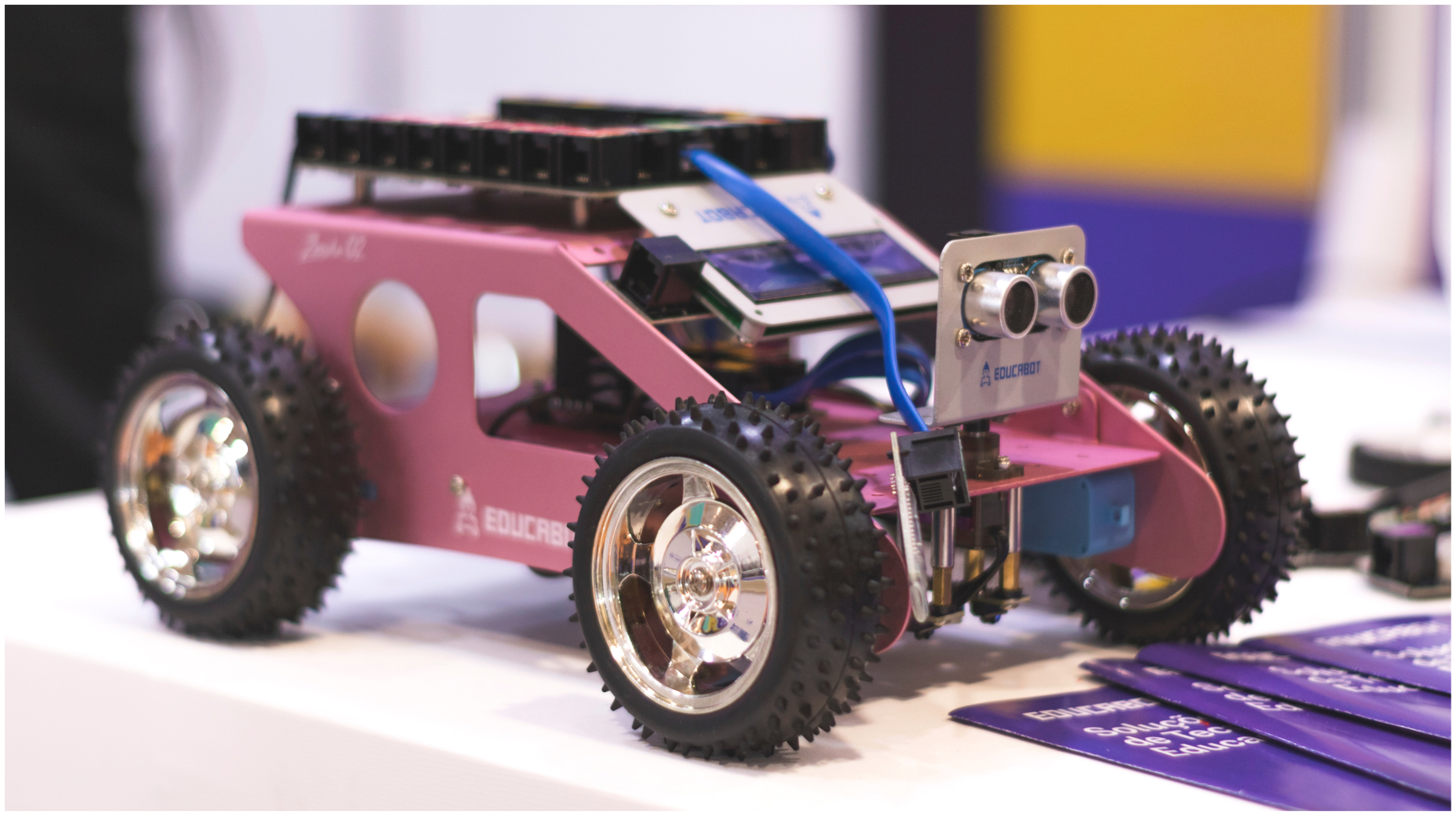
Robotics and Home Automation: Being an affordable computer which supports a wide variety of input/output ports and pins. This single board computer has become a preferred choice of engineers and DIY enthusiasts who are incorporating into Robots and smart home devices.
Mentioned above are just a handful of uses of this tiny marvel. While its applications and uses are endless.
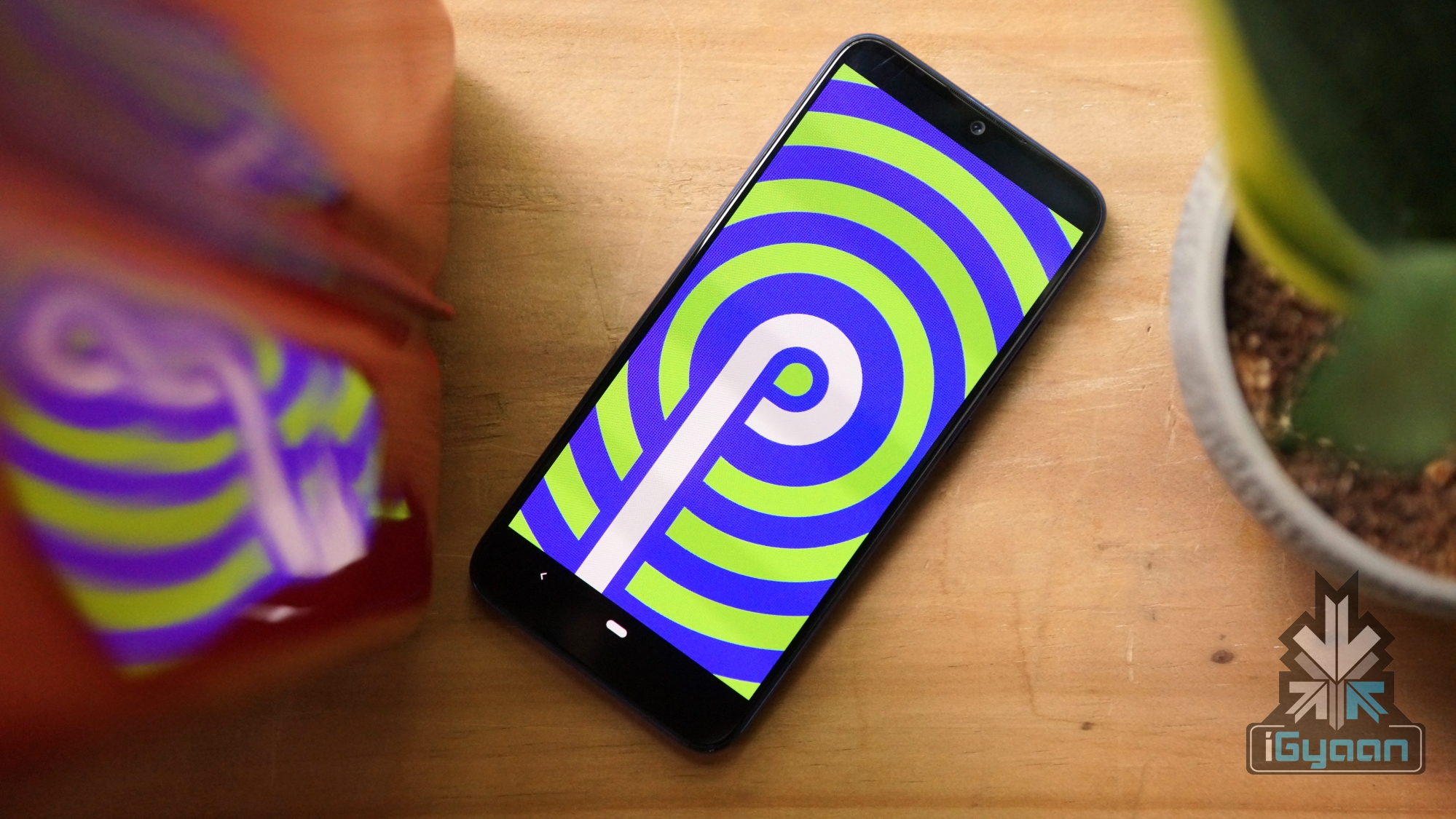
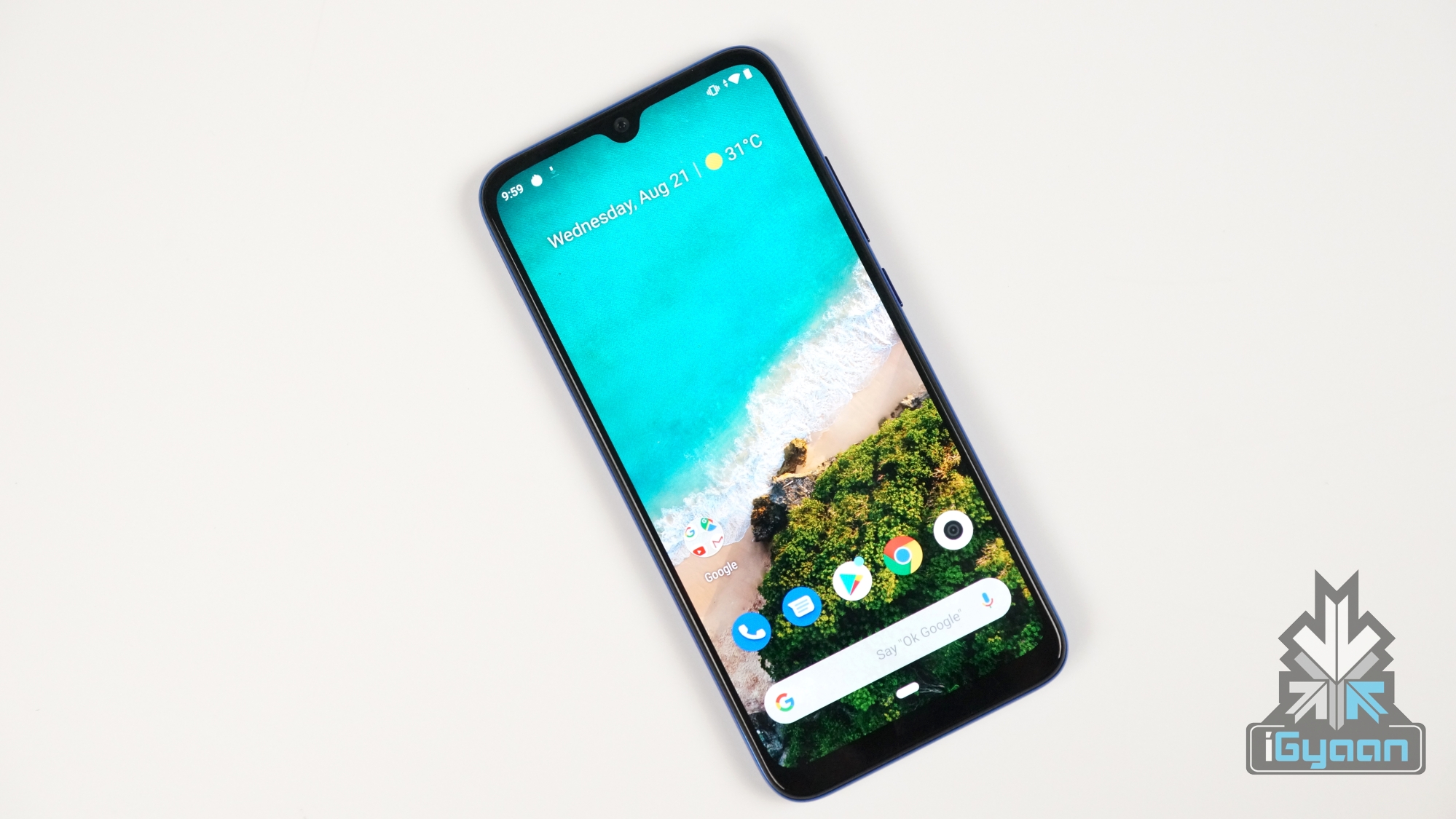
On the 21st of August, Xiaomi launched the Mi A3 smartphone in India which succeeds the Mi A2 from last year. Falling into the footsteps of its predecessor, the newly launched device is a part of the Android One program and runs on the stock version of Android which provides for a smooth and bloatware-free experience.
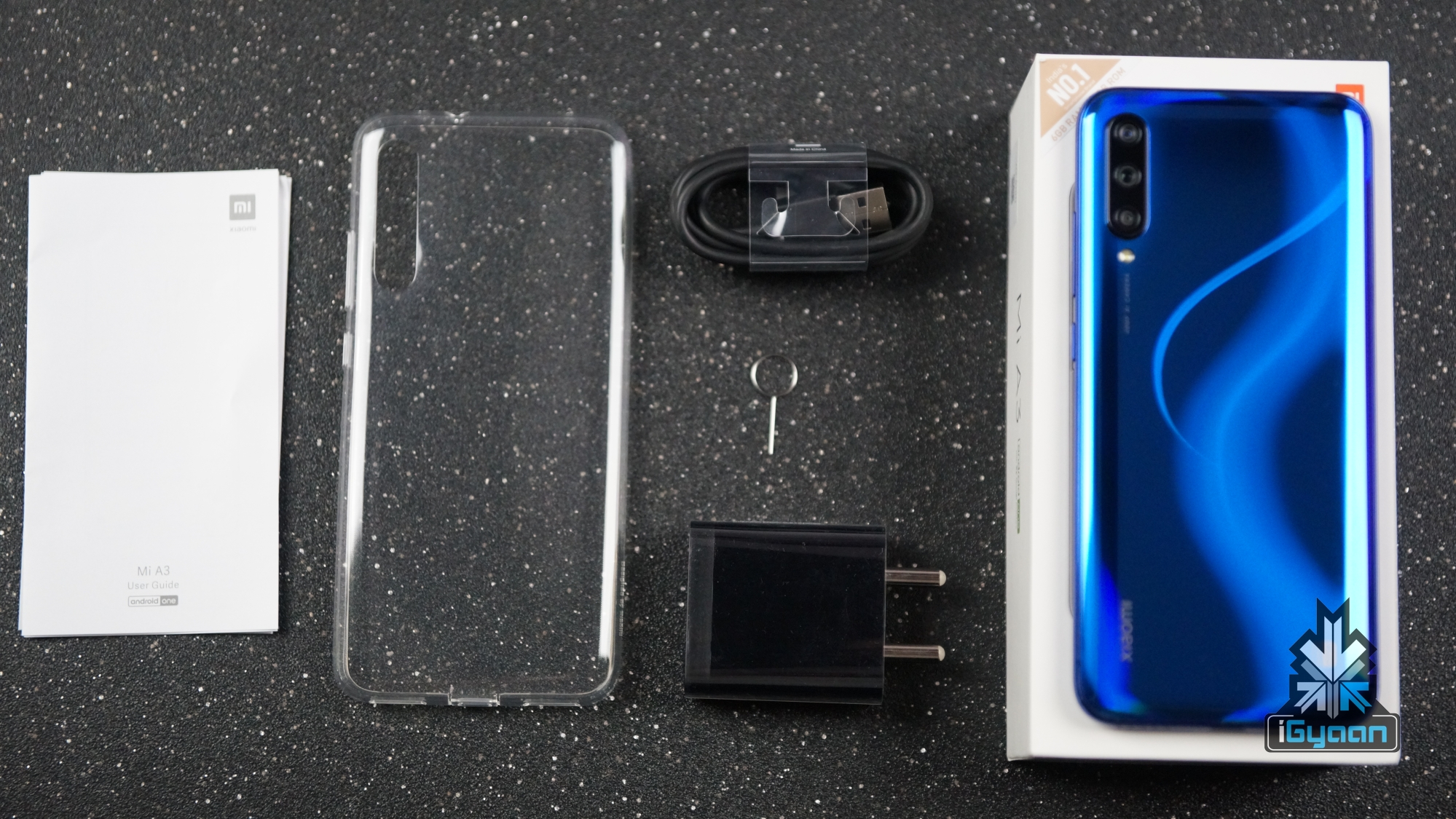
What’s In The Box?
Xiaomi Mi A3
Quick Start Guide
USB Type C Cable
Power Adapter
SIM Ejector
Protective Case
Design and Display
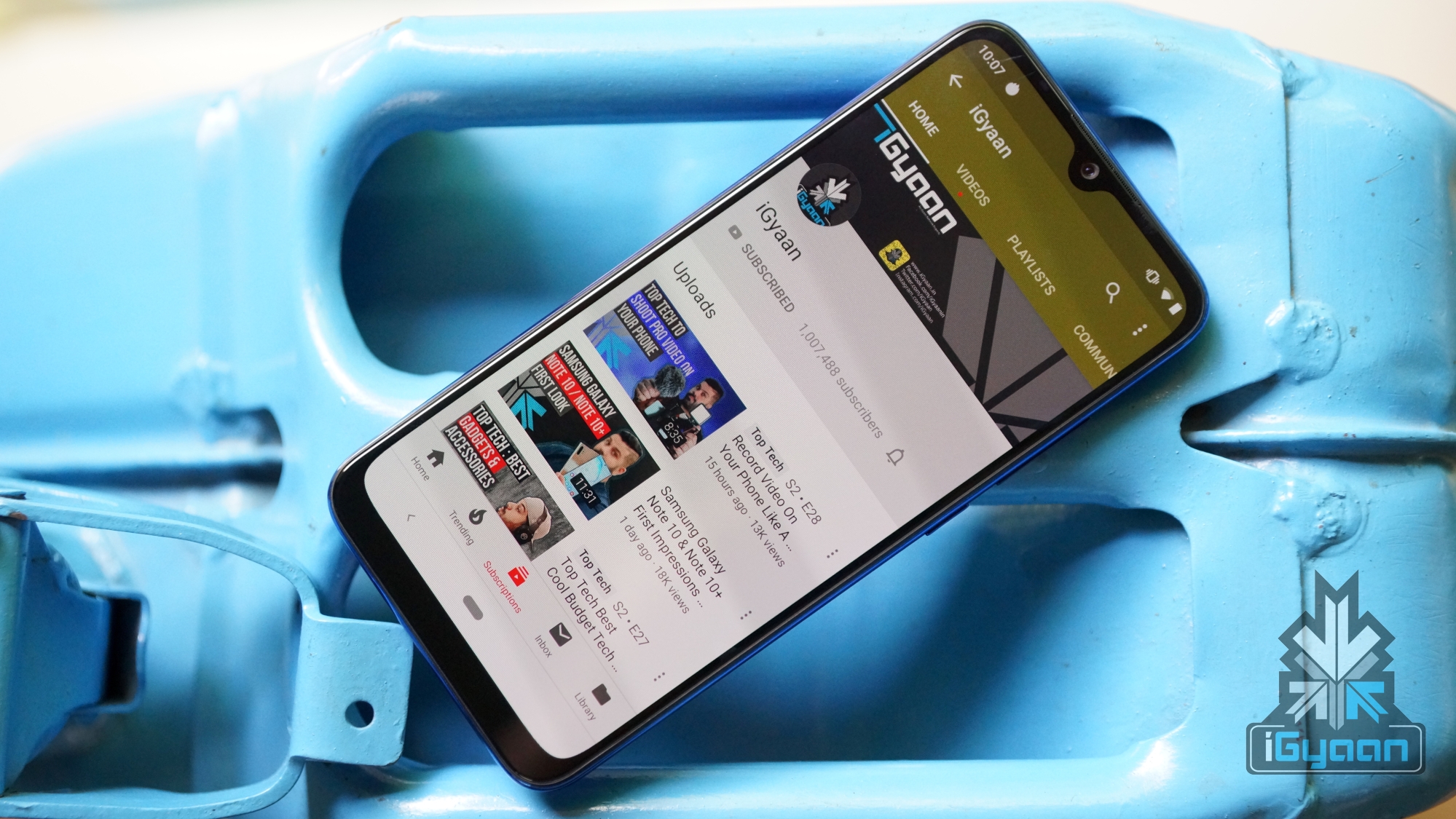
The front of the Xiaomi Mi A3 accommodates a 6.08 inch Super AMOLED display that features a waterdrop notch up top. The display panel has an aspect ratio of 19.5:9 and has an HD+ resolution of 1560 x 720 pixel. The display also features an in-display fingerprint sensor which allows to safely and securely bypass the lock screen.
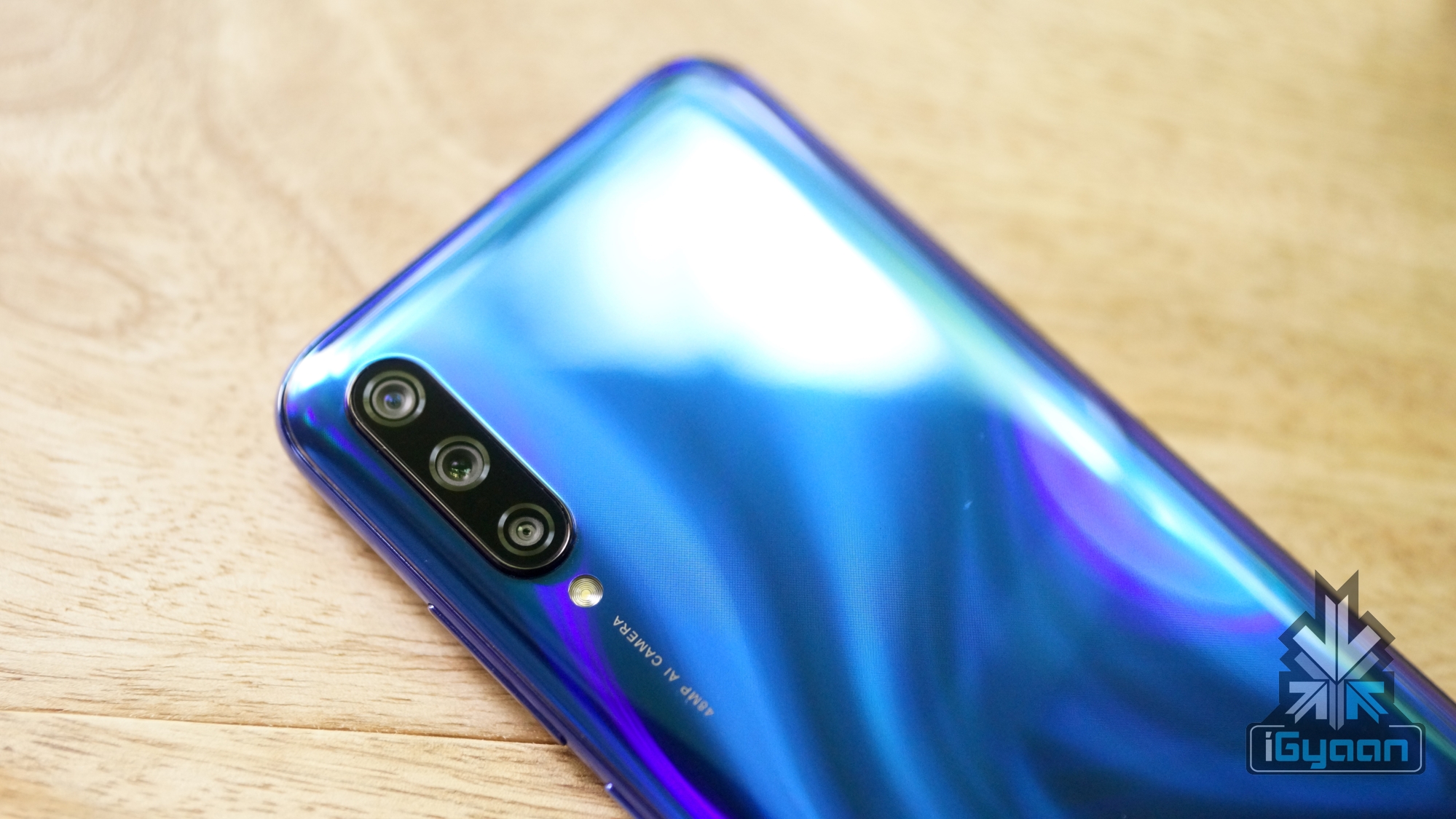
The rear of the Xiaomi Mi A3 is made out of glass which houses a vertically mounted triple camera setup, Android One logo and the company branding. The rear glass panel has a 3D design which reflects the light falling on it. Overall, the Mi A3 has a solid build and looks elegant at first glance.
Camera
The Mi A3 features a 32 MP selfie camera which is housed in the waterdrop notch above the display. Noteworthy, it also supports Panorama Selfie and Palm shutter. As the name suggests, a user can toggle the shutter button by waving there hand in front of the camera. While the Panorama selfie allows to capture a wide picture from the front camera which is ideal when there are multiple people in front of the lens.
The rear camera setup of the Xiaomi Mi A3 consists of an f/1.8 aperture equipped 48 MP sensor, 8 MP wide-angle lens and a 2 MP depth sensor which is accompanied by an LED Flash. The device can also capture 4K videos at 30 fps from the rear camera while video capturing from the selfie sensor is capped to 1080p @ 30fps.
Chipset
Under the hood, the Xiaomi Mi A3 packs the Snapdragon 665 SoC which is also found on the newly launched Realme 5. The chipset is manufactured using 11 nm FinFET process and it consists of an Octa Core CPU along with the Adreno 610 GPU.
As per our initial impressions, the Xiaomi Mi A3 can smoothly perform day to day tasks like navigating between apps and menus. While the device can handle light-weight games like a champ, it is not built to run games like PubG on high or extreme settings.
Battery, Connectivity Options and Other Features
The Xiaomi Mi A3 is powered by a 4,030 mAh battery which also supports fast charging upto 18 W. However, the device is shipped with a standard 10 W charger and users need to separately buy a compatible fast charger.
Connectivity options on the latest Xiaomi smartphone include Dual 4G VoLTE, Bluetooth 5.0, GPS, 802.11 ac Wi-Fi, 3.5 mm headphone jack and bottom-mounted USB C port which can be used for charging and data transfer.
Staple to most Xiaomi smartphones, the Mi A3 also has an IR blaster which can be used to wirelessly control home appliances or electronics like TVs or air conditioners. The device also has a P2i nanocoating which allows it to survive accidental liquid spillage or unexpected drizzles.
The Xiaomi Mi A3 is offered in three colour options which include Kind of Grey, Not just Blue and More than White. Like its preceding device, the smartphone will be sold via Amazon.in and the official Mi website. It is available in two storage variants for which the price is as follows:
4GB RAM + 64GB ROM: INR 12,999
6GB RAM + 128GB ROM: INR 15,999
In addition to the built-in storage, it also supports memory expansion upto 256 GB via a microSD card. The device will go on sale for the first time on 23rd of August starting 12 PM(IST).
On the 20th of August, Realme launched two new smartphones which include the Realme 5 and Realme 5 Pro. As the name suggests, the latter is a beefed-up variant and it sports a better chipset and camera. Going by its pricing, the newly launched device competes against the Redmi Note 7 Pro which is one of the best value smartphones in this segment available in the country.
Both the handsets from Realme and Redmi have similar specs which make it difficult for the consumer to choose the best option. To help solve the dilemma we have laid out the different aspects of the Realme 5 Pro and the Redmi Note 7 Pro. Consequently, after reading the article you will determine which device suits your need and which one you should pick if you planning to buy a mid-ranger.
Design and Build
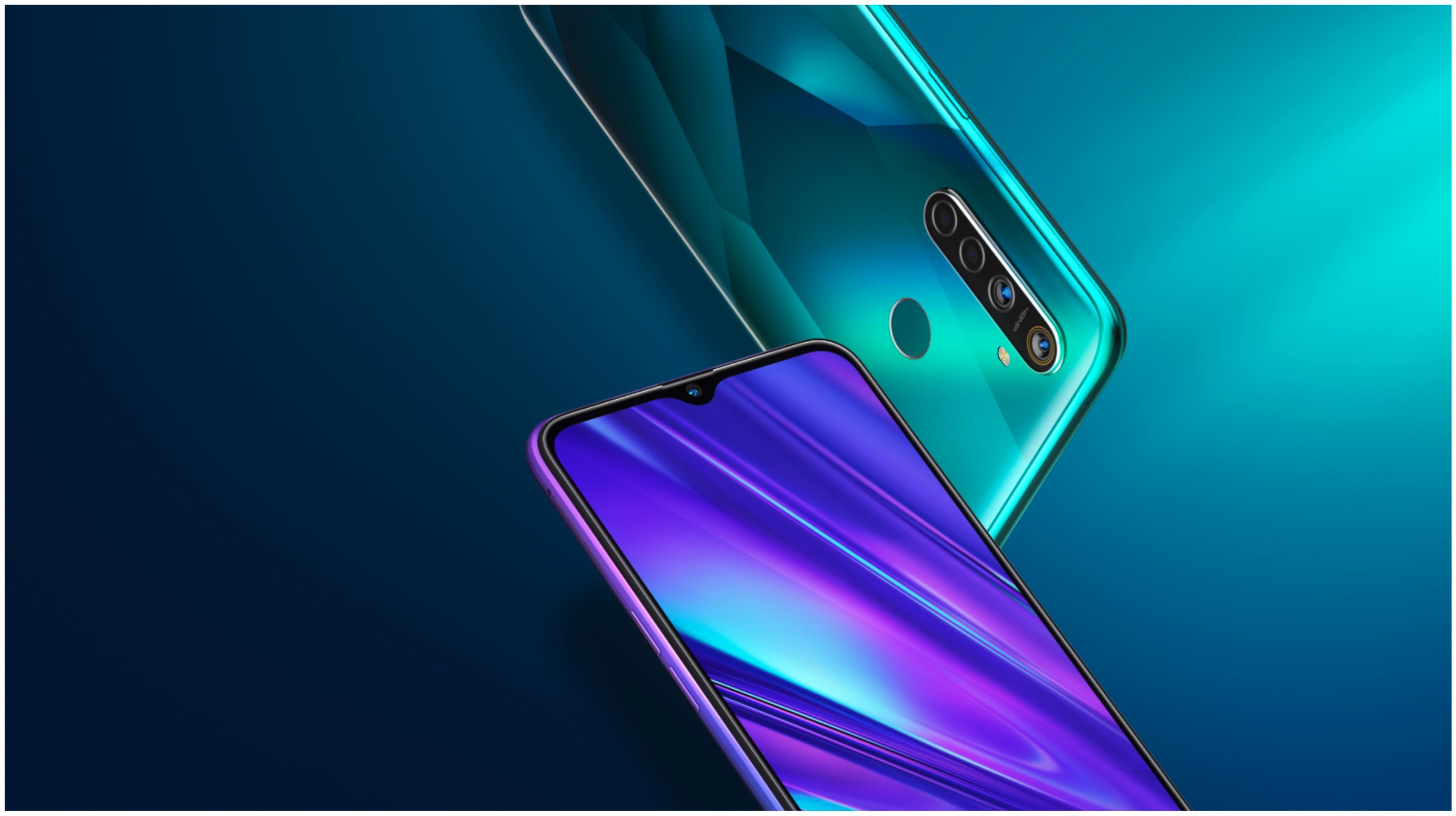
In terms of build, both the Redmi Note 7 Pro and the Realme 5 Pro have glass on the front and back which is held together with a polycarbonate chassis. The front of the two handsets have a waterdrop notch display which provides them with an elegant look.
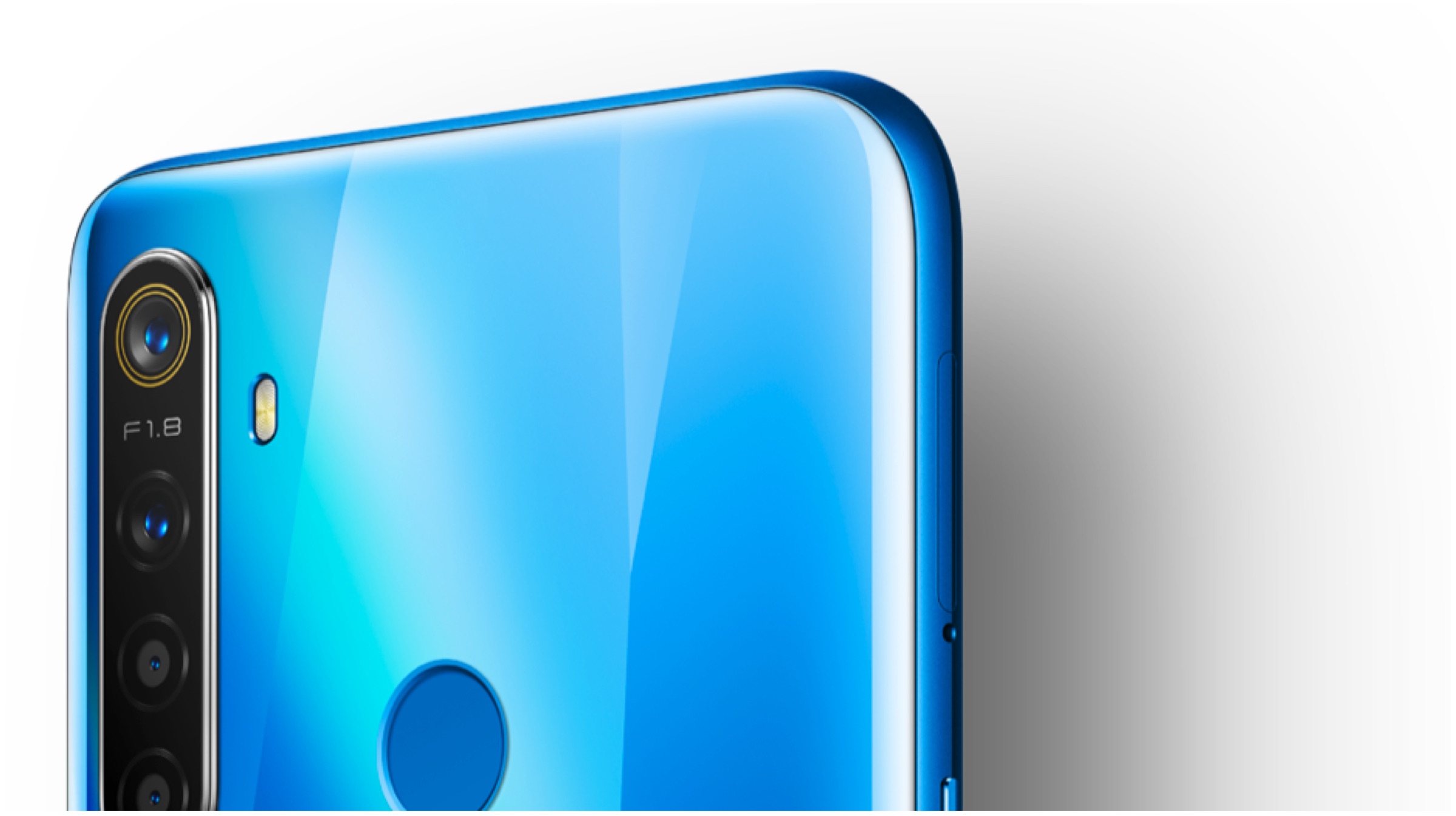
The Redmi Note 7 Pro is offered in four colour variants which include Nebula Red, Neptune Blue, Space Black and Astro White. In contrast, the Realme 5 Pro is offered in two variants which include Crystal Green and Crystal Blue.
Based on our design preferences, we feel the holographic rear panel of the Realme 5 Pro looks more appealing therefore we give it the first round.
Display
Both the Redmi Note 7 Pro and the Realme 5 Pro are equipped with an LCD display that measures 6.3 inch. Moreover, the resolution of the display panel on the two smartphones is 409 ppi and they have an aspect ratio of 19.5:9.
While the former is safeguarded with Corning Gorilla Glass 5 the latter settles down with the Gorilla Glass 3. Due to better display protection, Redmi Note 7 Pro wins this round.
Battery
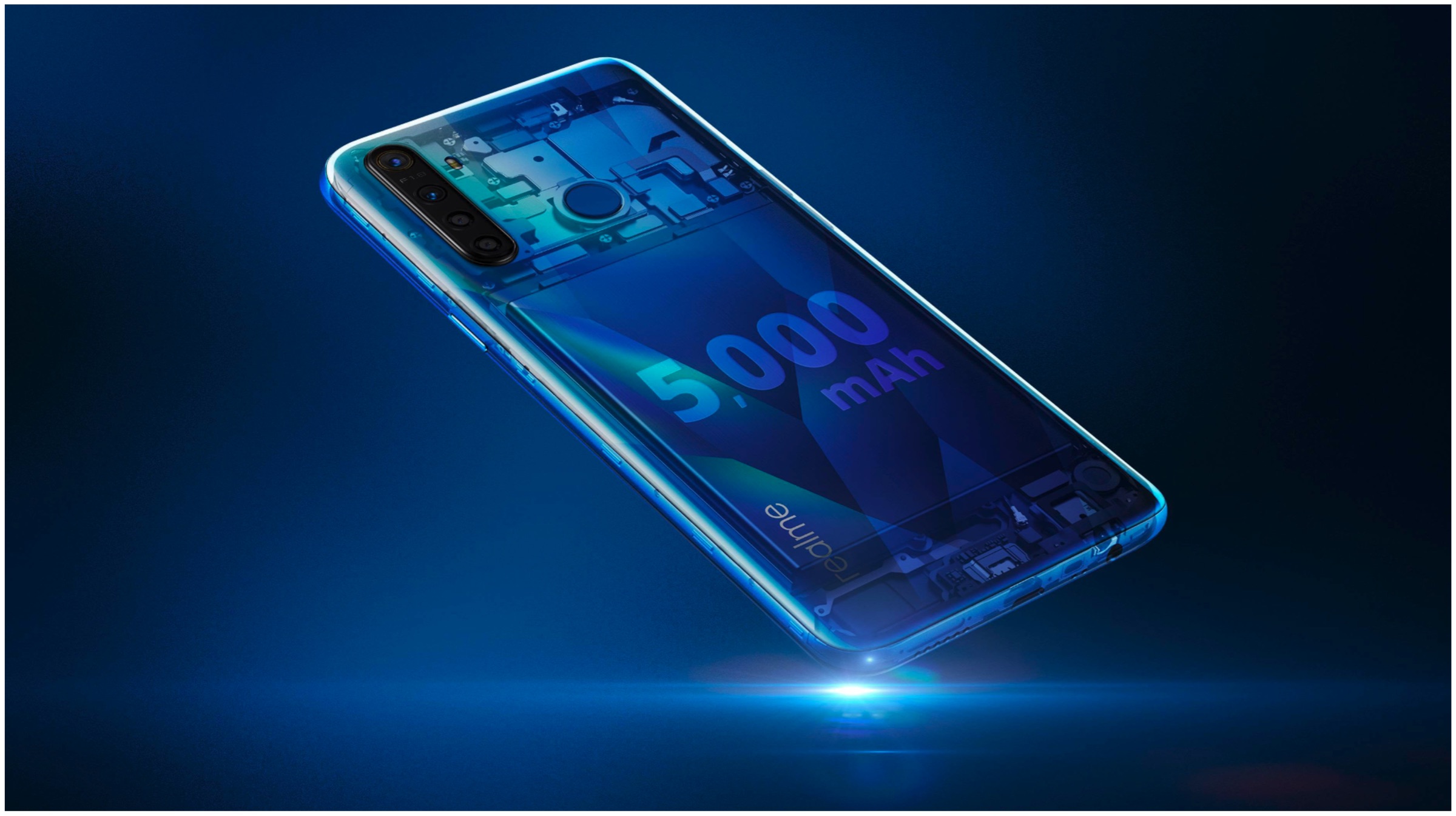
The Redmi Note 7 Pro is powered a 4,000 mAh battery that supports 18 W fast charging. On the other hand, the Realme 5 Pro has a slightly larger battery which has a capacity of 4,035 mAh and it also supports VOOC 3.0 technology.
The technology allows the smartphone to be charged with a maximum power of 20 W which is tad bid higher than the Note 7 Pro. However, the Realme 5 Pro ships with a 20 W compatible charger whereas its competitor is shipped with a 10 W charger. Slightly bigger battery and in-box fast charger make Realme’s offering take this round.
Chipset
Both the smartphones are kitted with Qualcomm chipsets. While the Realme 5 Pro packs the Snapdragon 712 SoC, the Redmi Note 7 Pro packs the Snapdragon 675 SoC.
Chipsets on both smartphones consist of Octa-Core CPU though they have disparate GPUs. The SD712 incorporates the Adreno 616 while the SD675 Adreno 612 GPU. Although we are yet to test the Realme’s offering, the performance that the two can churn out is expected to be comparable. Therefore, based on the assumptions this round results in a tie.
Other Features
Redmi Note 7 Pro
Connectivity options on the two smartphones are also heterogenous which include dual 4G VoLTE, 802.11 ac Wi-Fi, Bluetooth 5.0, 3.5 mm headphone jack and the bottom-mounted USB Type C port which can be used for charging and data transfer.
Both the Redmi Note 7 Pro and the Realme 5 Pro also have a rear-mounted fingerprint sensor which allows to rapidly and securely bypass the lock screen. However, one feature that only the former offers, is an IR blaster. Although not a huge deal breaker or deal maker, this feature can come in handy more often than not.
Just for the record, the inclusion of an infrared sensor makes the Note 7 Pro steer ahead of its competitor in this segment.
All in all, the two smartphones offer excellent value for money. The Redmi Note 7 Pro which was the most feature-laden smartphone at this price bracket six months ago.
Though due to a higher number of camera sensors, faster-charging support (along with fast charger) and a refreshing design we feel the Realme 5 Pro could be a better choice than the Redmi Note 7 Pro for a lot of consumers.