In the year 2018, Xiaomi launched the flagship-grade Poco F1 which due to its value for money was well-received across the globe. Six months after its launch, reports via unofficial started surfacing that claimed the company will launch its successor which clearly has not yet happened.
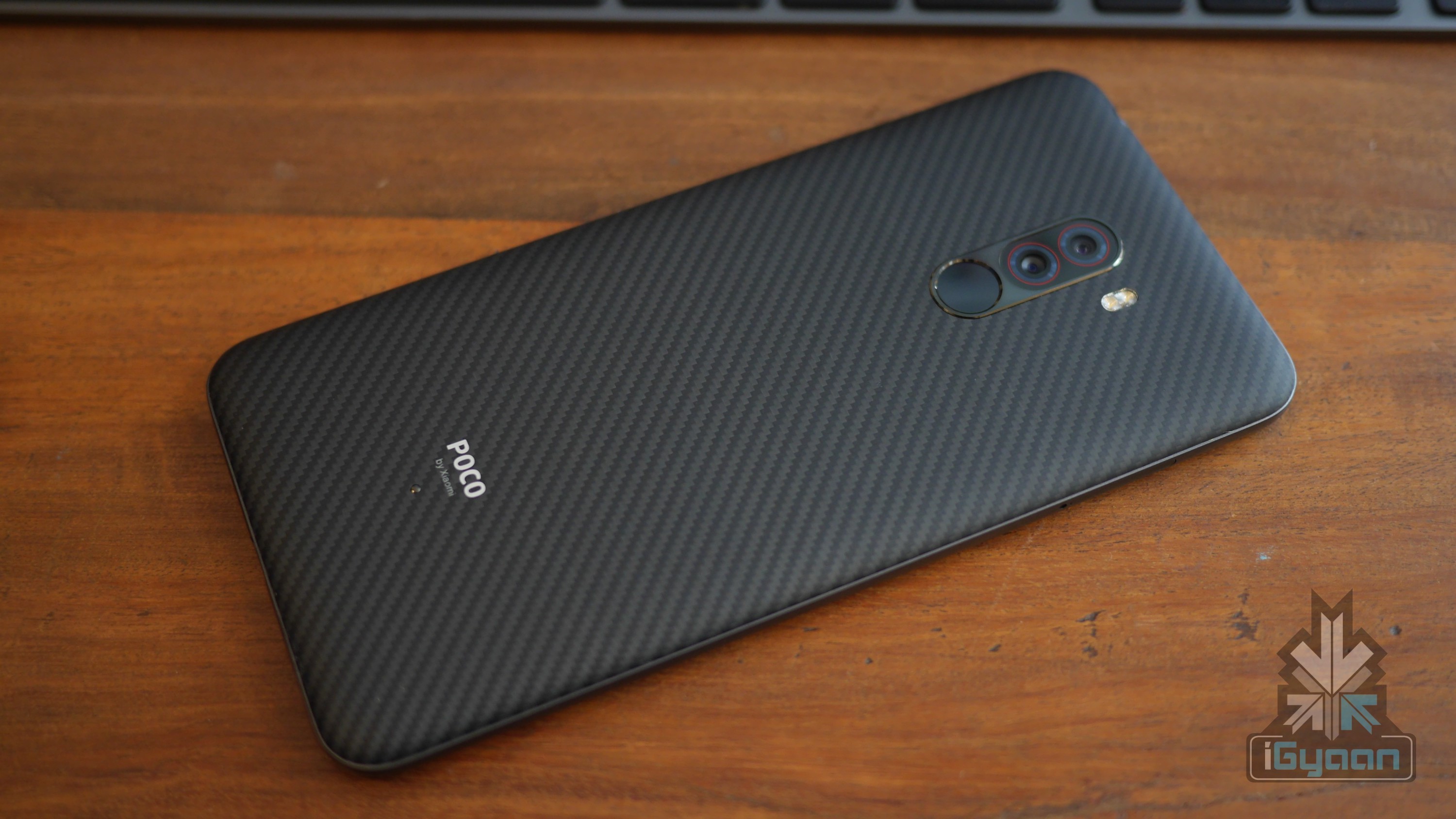
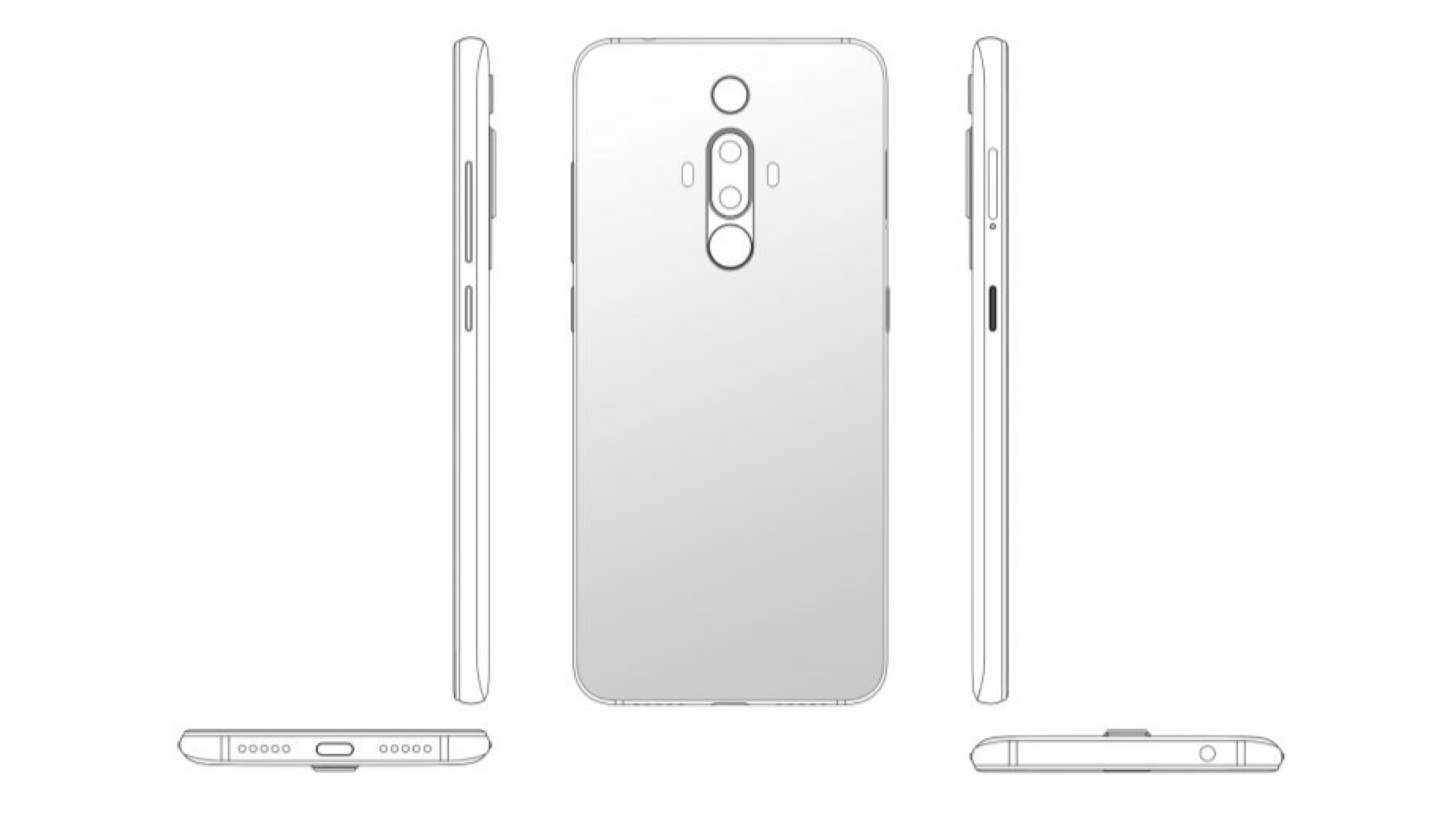
On the 6th of August, Xiaomi was granted patent for an under development smartphone whose design seems familiar. The rear of the device houses a vertically aligned camera setup and a fingerprint sensor which is reminiscent of the Poco F1.
Moreover, the placement of USB Type C port, IR blaster and control buttons and SIM card slot on this device is heterogenous to that of the Poco F1.
Besides the handset in the patent has triple cameras rather than dual cameras. Due to the similar layout or ports, buttons, sensors and camera module, we believe this could indeed be the long-awaited Xiaomi Poco F2.
Talking about the front of the smartphone, it has an elegant looking front fascia. Unlike the original handset that has a wide notch up top, the alleged Poco F2 has a punch hole camera which helps to maximise the screen-to-body ratio.
However, the patent reveals three different arrangements for the placement of the punch hole camera. Therefore, the company is yet to reach a decision as in which design will be implemented in the commercially available device.
Unfortunately, the source does not reveal any specifications of the smartphone. Nonetheless, based on our assumptions, the Poco F2 will have the following features:
Screen: 6.4 Inch, LCD Display, Full HD Resolution
Rear Camera: 48 MP + 8 MP + 13 MP
Front Camera: 20 MP
Battery: 4,000 mAh, 27 W
Chipset: Snapdragon 855
CPU: Octa Core
GPU: Adreno 640
Connectivity: Bluetooth 5.0, 802.11 ac Wi-Fi, USB Type C Port, NFC, GPS
Notable Features: Rear Mounted Fingerprint Sensor, Punch Hole Camera
Conclusively, based on our assumptions, this device has a high possibility of being the Poco F2. Though we will have to wait patiently until Xiaomi acknowledges the patent or speaks publically about the handset.
The simple answer to the question is Everything. Yes, you read that right, except for the price and availability details, the design and specifications of the upcoming Samsung Galaxy Note 10 lineup have already been leaked via unofficial sources.
For easy reference we have presented the specs of all three upcoming Galaxy Note 10 smartphones in a tabular manner which are as follows:
Now that the specs are out of the way, let’s have a look at other elements of the upcoming Galaxy Note 10 lineup.
Samsung Galaxy Note 10 Design & Features
In comparison to the preceding devices, the Samsung Galaxy Note 10, Galaxy Note 10+ and the Galaxy Note 10+ 5G have a significantly different design.
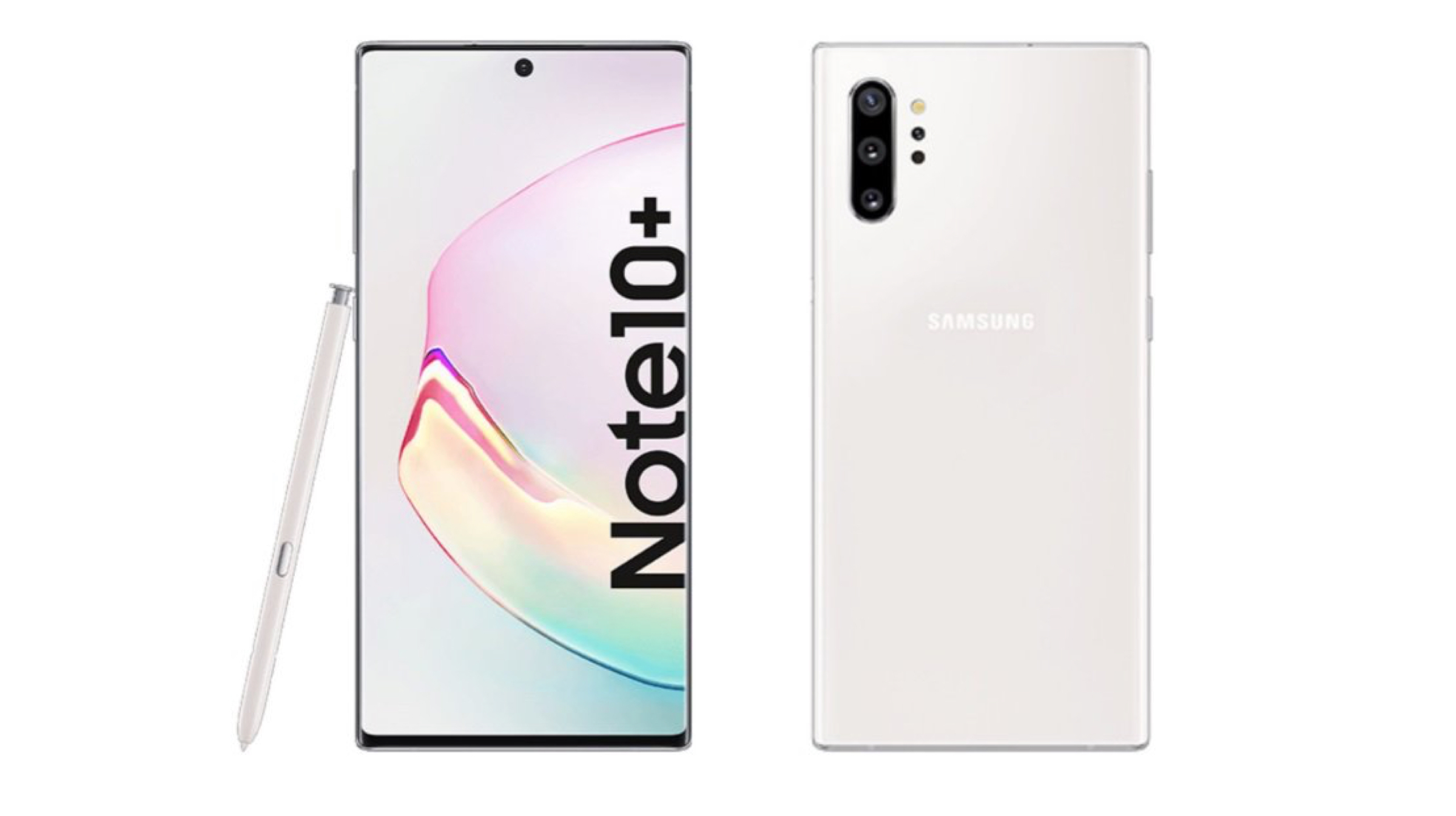
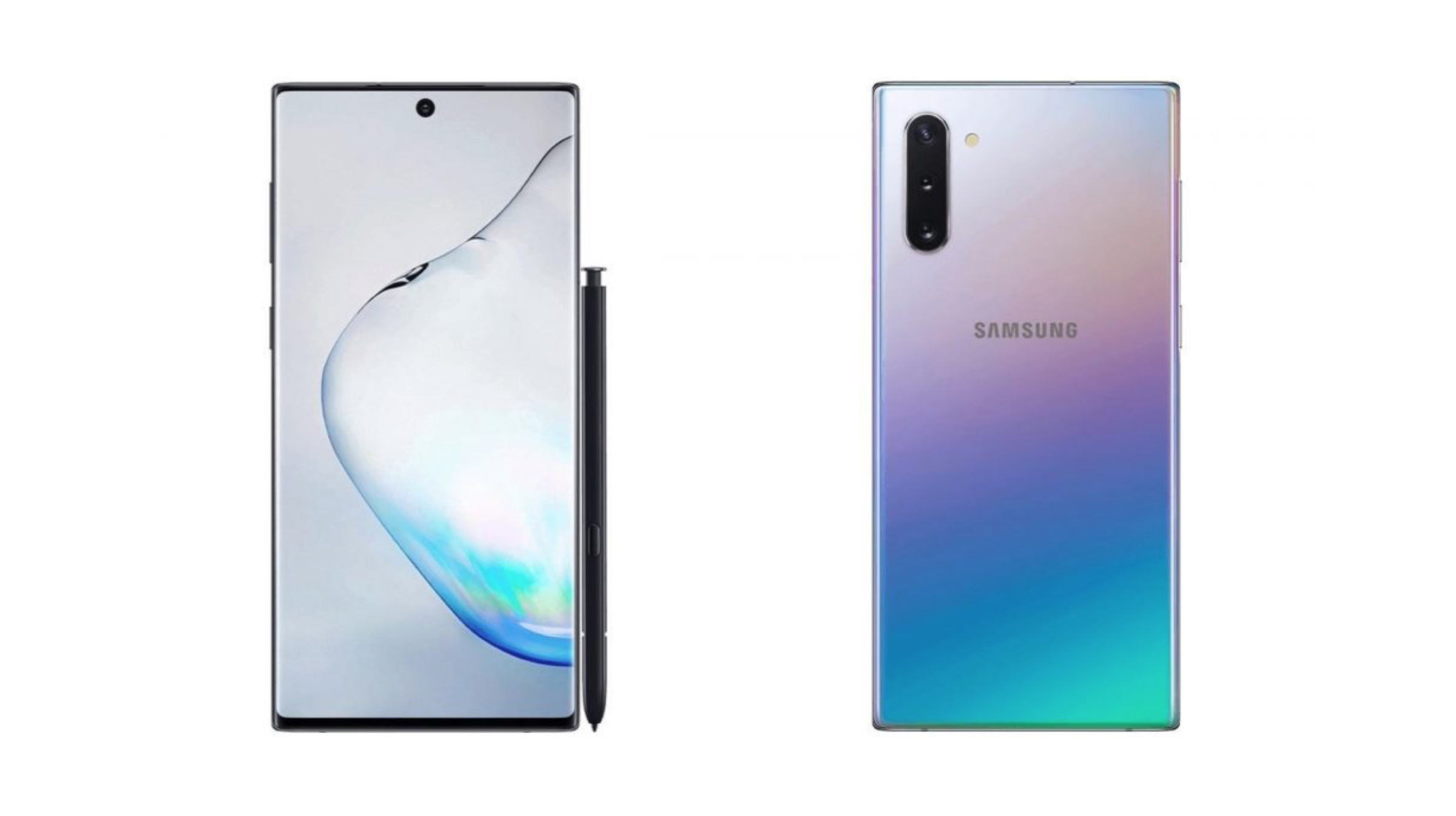
The latest smartphones will have a centre-mounted punch hole near the top bezel that houses the front-facing selfie camera. As the images exhibit, they have an extremely high screen-to-body ratio which is due to minimal bezels that surround the display.
The rear panel of the upcoming Galaxy Note 10 lineup has a gradient finish which houses a capsule-shaped camera module and the company branding. While the standard variant has 3 sensors, the Note 10+ and its 5G variant have four camera sensors on the back.
The left side of the all three Galaxy Note 10 smartphones has right side-mounted volume rockers and power button, while their bottom houses USB Type C Port, loudspeaker grille and microphone grille.
Also new with the 10th gen of Note smartphones, Samsung will introduce an upgraded S-Pen which will offer similar functionality to the one offered on the newly launched Galaxy Tab S6.
Notably, as the user writes on the display with the S-Pen, the smartphone will artificially mimic the sound that is produced when a marker is used to write on paper. Besides, users will be able to switch between applications wirelessly with the help of the updated S-Pen.
Furthermore, the smartphones in the Galaxy Note 10 lineup will support Audio Zoom functionality. In simple words, as a user zooms in or zooms out on a subject while recording a video, the audio volume is also boosted or reduced which allows capturing life-like videos.
Samsung Galaxy Note 10 Accessories
With the Galaxy Note 10 lineup, Samsung will introduce several new accessories that have already been leaked.
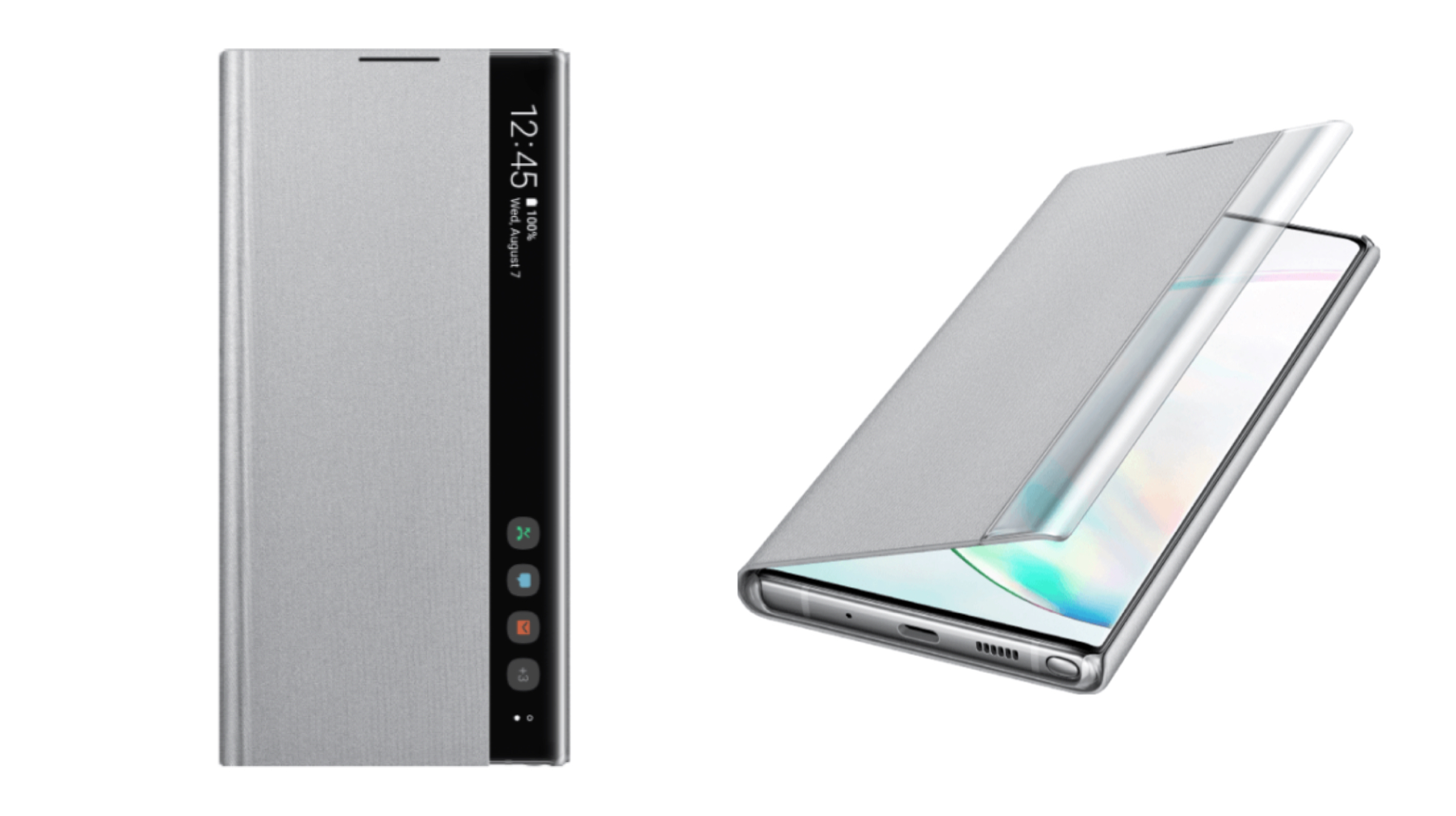
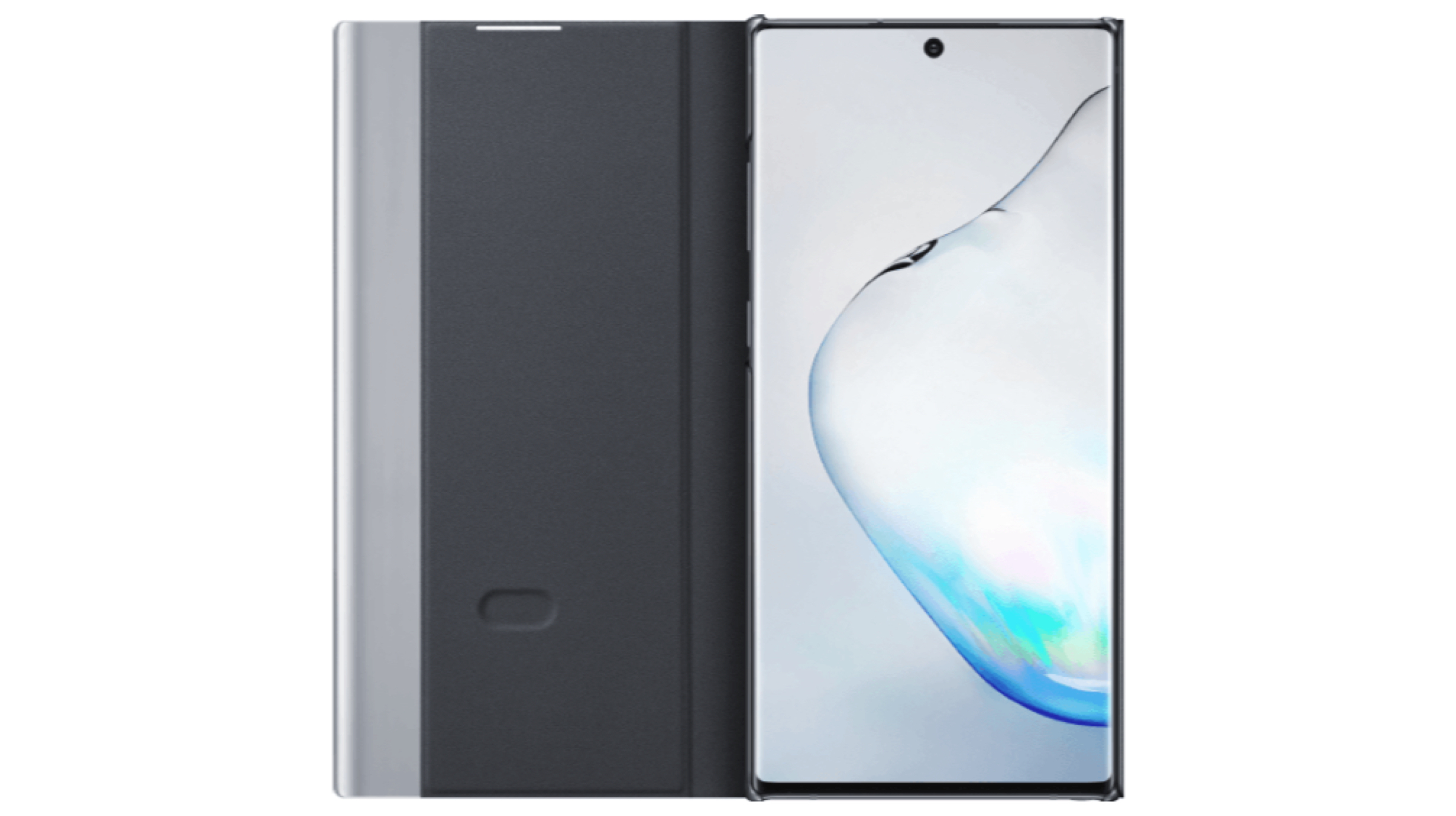
First in line is the Flip cover that has a transparent edge. This will allow the user to quickly grab hold of notifications like missed calls, mail, message prompt. Also, it can be used to see the remaining battery percentage and charging status of the Note 10 smartphones. In addition, users will have the option to buy the LED rear case which first debuted with the Galaxy S10.
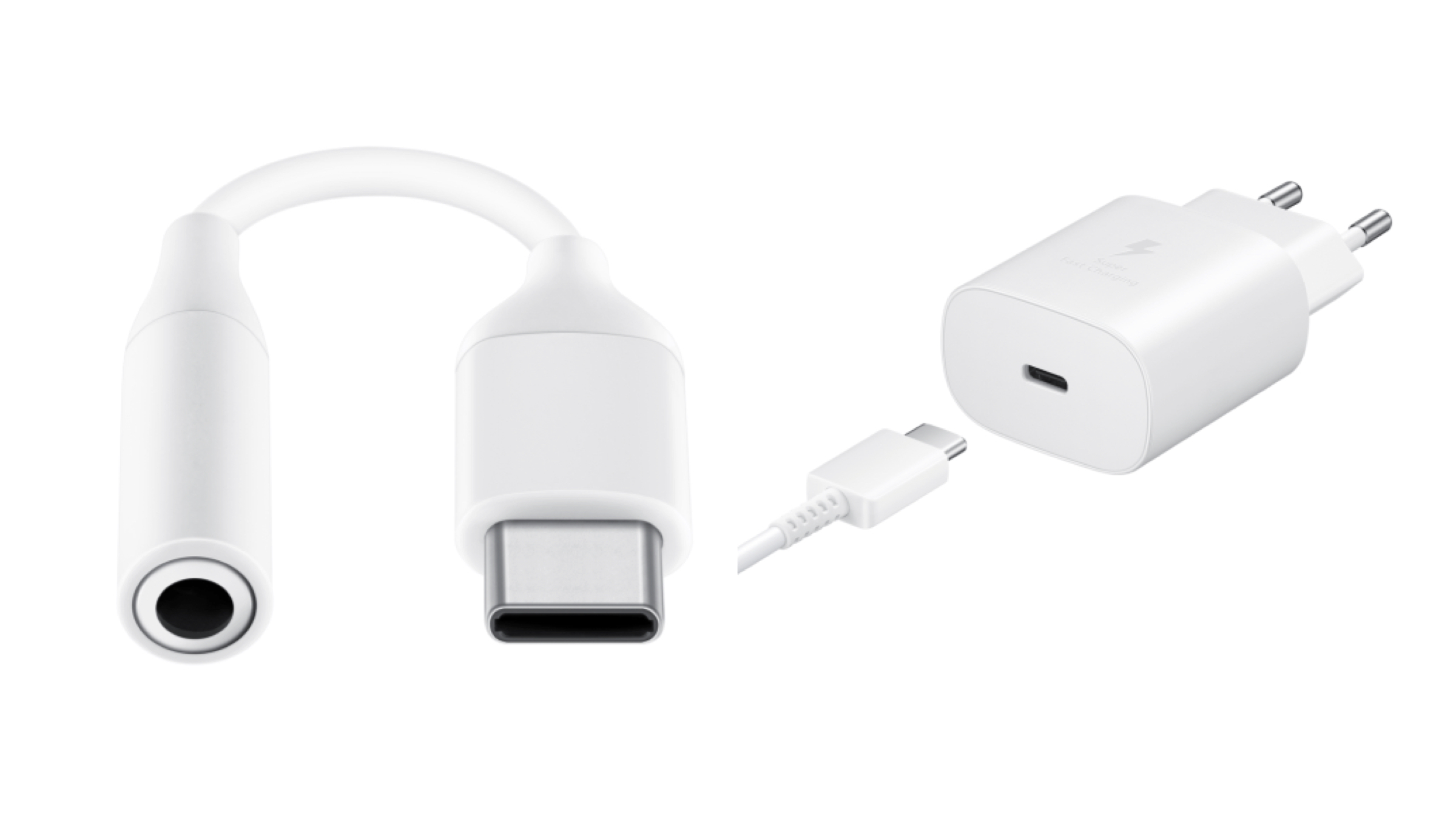
The USB cable that Samsung ships with the Galaxy Note 10 smartphones will have USB C port on either end which will be accompanied with a corresponding power charger. The devices will be shipped with a USB C to 3.5 mm adaptor which confirms that the company has done with the connector that most earphones and headphones have.
To sum it up, the Galaxy Note 10 seems like powerful Android flagship devices which can easily take on the likes of OnePlus 7 Pro which has been well appreciated. Furthermore, it seems geared to compete against the highly anticipated iPhone 11.
Even though all the leaked details about the Galaxy Note 10 smartphone seem genuine, we will have to wait until they are officially confirmed. Speaking of which; specs, price and availability information of the devices will be revealed at the Galaxy Unpacked event which is set for the 7th of August (later today) in New York.
Luxury watchmaker, Fossil has launched its Gen 5 smartwatch series which succeeds Gen 4 wearables from the year 2018. The newly launched lineup runs on Google developed Wear OS and they are compatible with devices running both Android or iOS.
Fossil Gen 5 Features
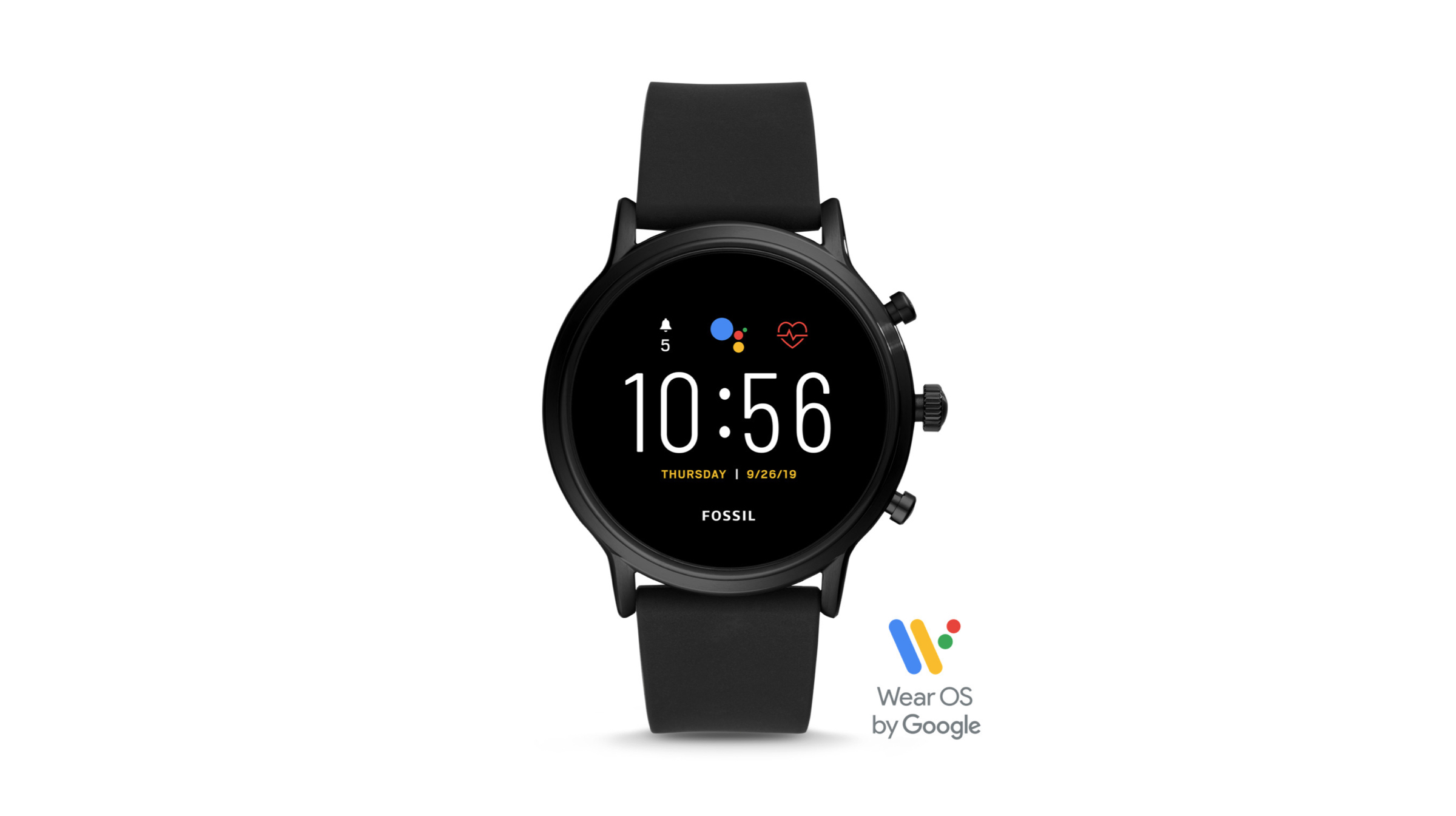
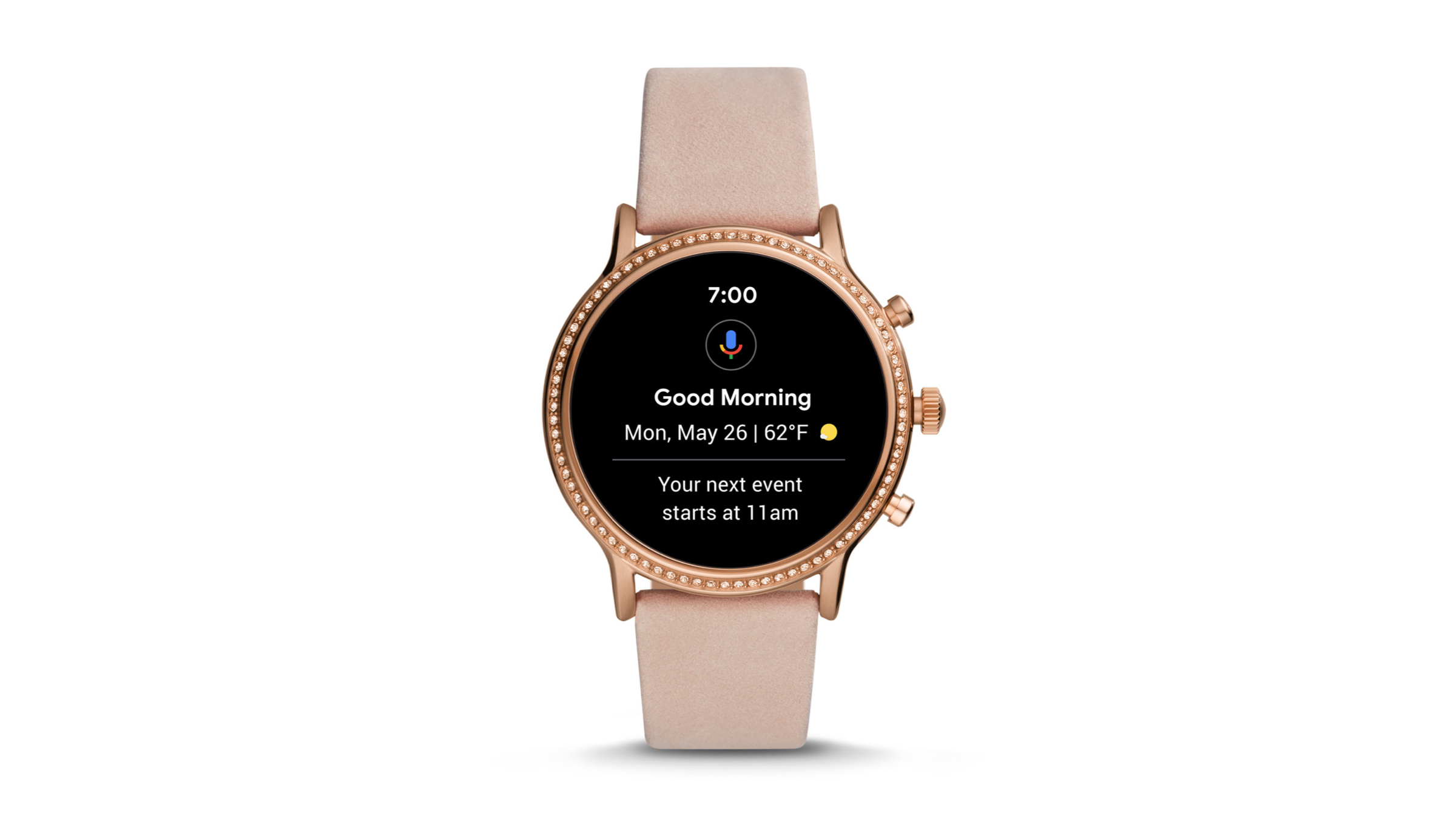
The front of the Fossil Gen 5 smartwatch sports a 1.28-inch circular touch screen display. Housed in a 44 mm case, the device has a thickness of 12 mm. The right side of the wearable features two push buttons and one circular crown.
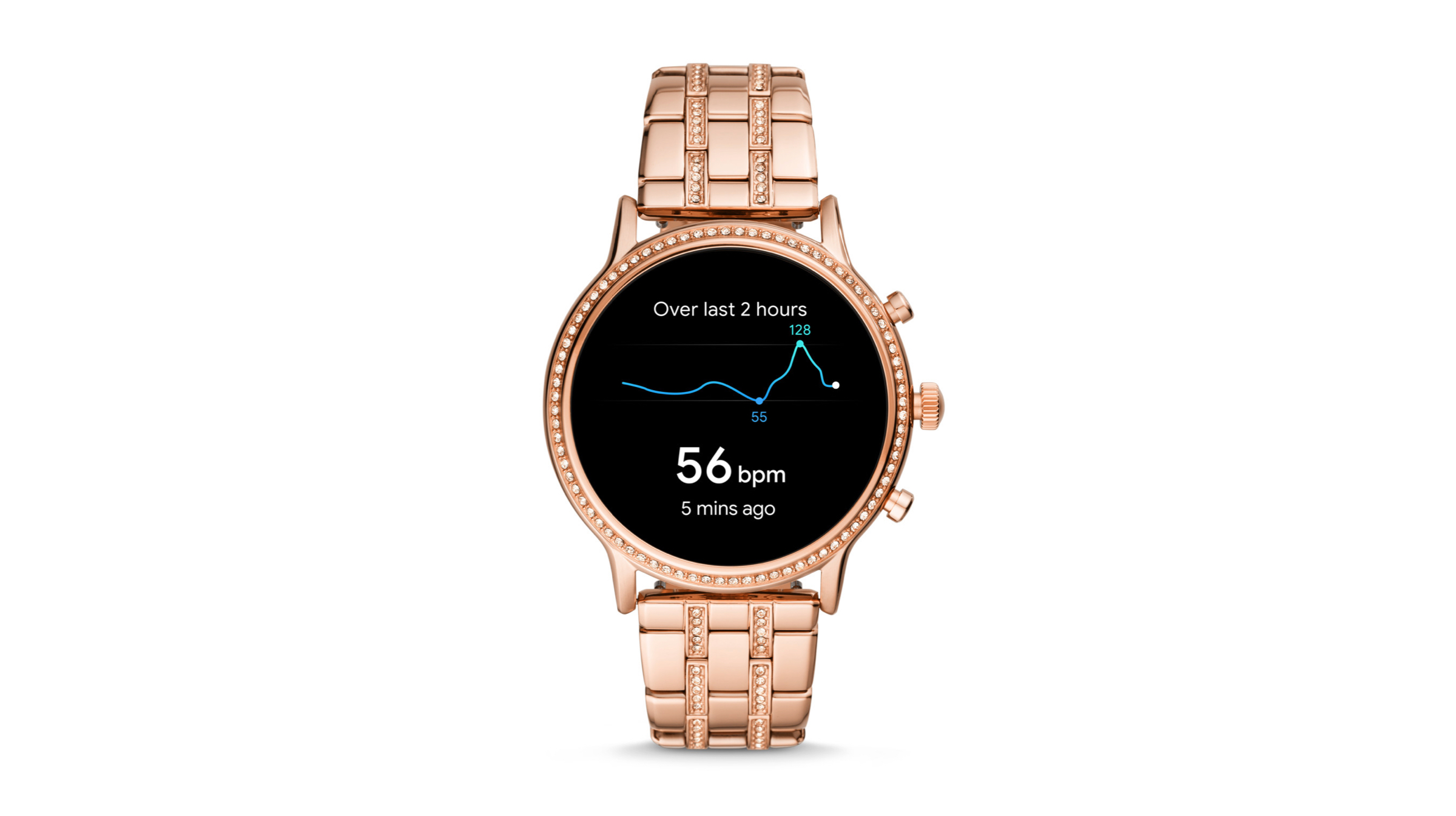
The combination of the touchscreen and the physical button allows the smartwatch in a convenient manner. The device is offered in multiple strap and case finishes which include Stainless Steel, Silicone, Leather and Julianna HR Stainless Steel and Blush Leather.
The last two variants in the list have a feminine element and are targeted towards the female audience. Besides, the dial on these variants also has reflective stones embedded around the bezel which provide for an elegant look.
In terms of memory and storage, the Fossil Gen 5 smartwatch has 1 GB of RAM and 8 GB of inbuilt storage which can be used to store media files like images and audio. Under the hood, the wearables feature the Snapdragon 3100 processor which is manufactured by Qualcomm.
The Fossil smartwatch also supports health-oriented features like Heart rate tracking, activity tracking which includes step counter and calorie meter.
Connectivity options on the Fossil Gen 5 include Bluetooth 4.2 and 802.11 b/g/n Wi-Fi, GPS and NFC. The built-in NFC sensor allows the smart wearable to make wireless payments from an e-wallet with the help of G Pay.
Noteworthy, the GPS on the device is untethered, therefore, users can navigate through maps without connecting to a smartphone with an internet connection.
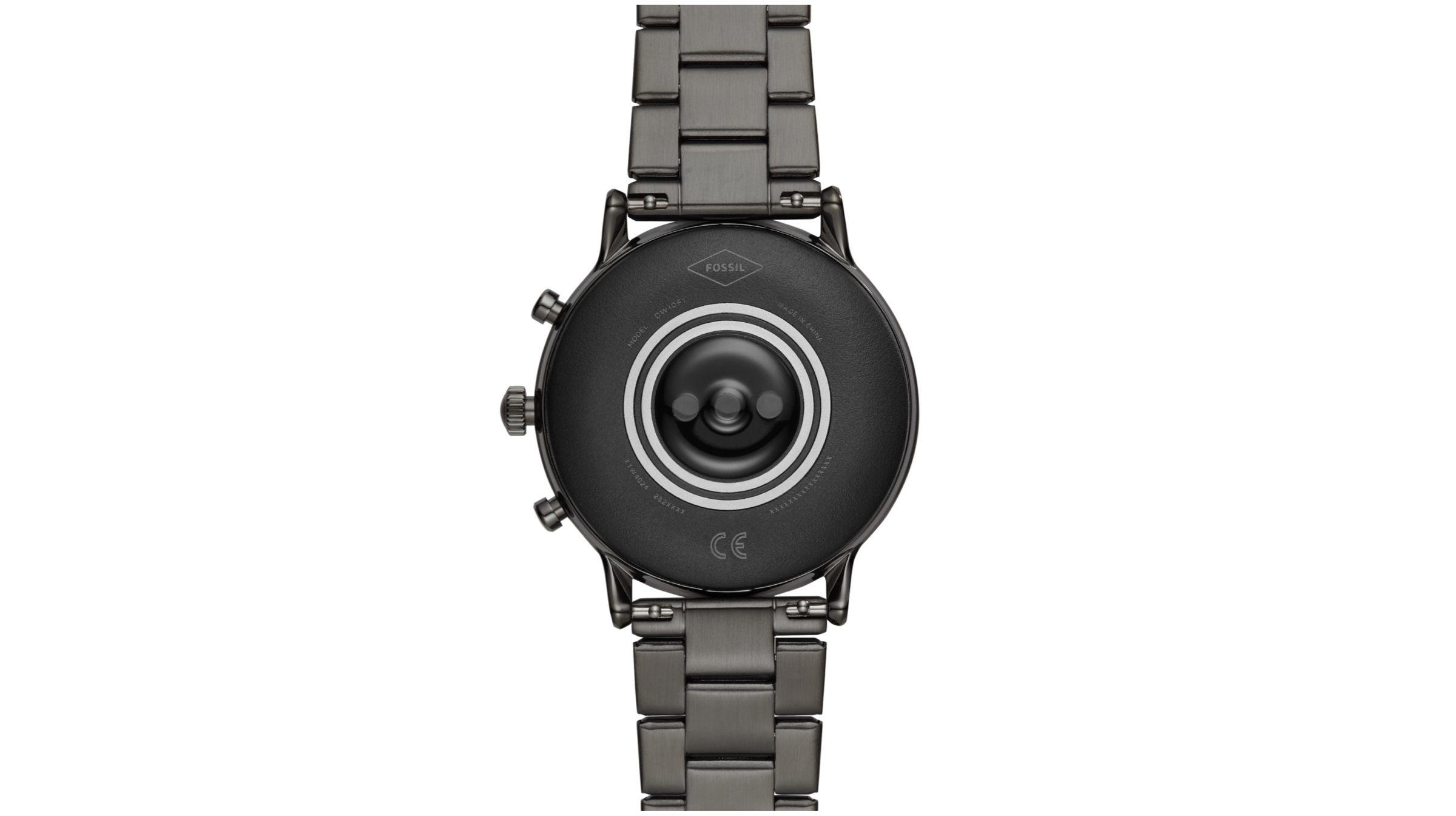
Fossil claims that the smartwatch can offer upto week-long battery backup in clock mode, however, using features like NFC and fitness tracking brings down the battery back up to about 36 hours. The inbuilt battery can be replenished with the help of a proprietary magnetic USB charger which latches to the rear side.
As previously mentioned, Fossil Gen 5 smartwatch is compatible with both Android and iOS. Though, devices should be running on OS including or above Android 4.4 and iOS 9.3.
The Fossil Gen 5 smartwatch is currently available for purchase in the US, Europe and the Middle East while a wider release will follow on 26th of August. Regardless of the case or strap selection, all variants of the smartwatch cost US $ 298 (around Rs 21,000).
Readers who want to check the official listing can do so by clicking here.
On the 6th of August, Samsung launched two new series of online exclusive smart TVs in India which are called the “Smart 7-in-1” and “Frame”. The former is targeted towards the budget segment and competes against the likes aggressively priced Smart TVs from Xioami.
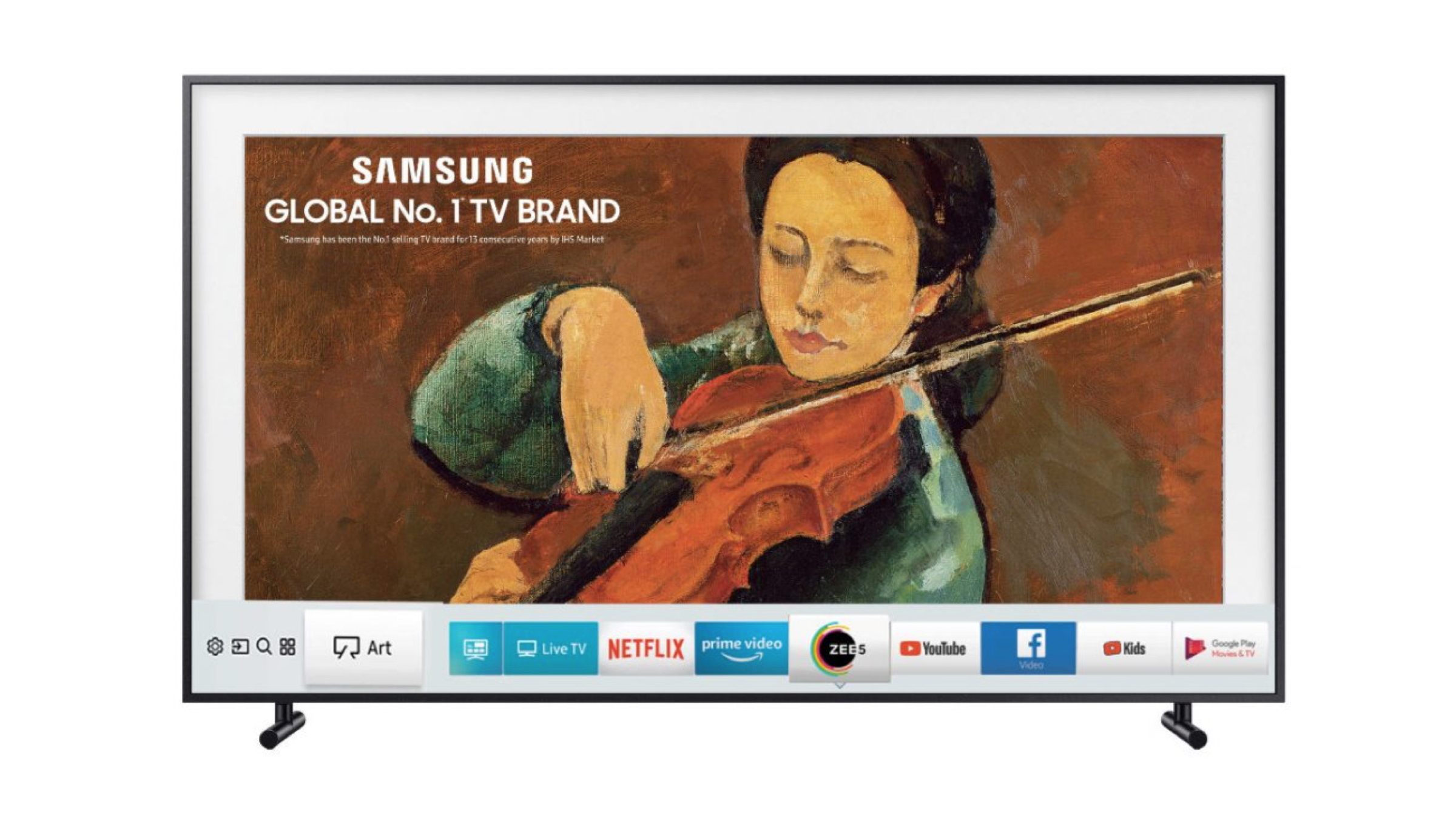
On the other hand, Frame TV from Samsung is targeted towards the premium segment and its price affirms the same.
The Smart 7-in-1 LED TVs are available in two display sizes which include 32 inch and 40 inch, while the Frame LED TV has a 55 inch 4K display.
As the name suggests, the Smart 7-in-1 brings seven remarkable features to the table which include the following:
PC Mode: The Samsung TVs can be used to mirror a laptop or personal computer wirelessly. Therefore, one can easily watch video content stored on a PC or do productivity tasks like edit documents on a large screen display.
Music System, Home Cloud: The TVs can be used as virtual music system with customisable visual skins so that the user can see what music is being played. The Home Cloud feature allows users to preview images and videos captured on their smartphones wirelessly on the large screen display.
Live Cast, Screen Mirroring: The Samsung 7-in-1 TVs supports the functionality to stream live moments from any remote location over the internet from a smartphone. The screen mirroring feature allows previewing videos or images from a smartphone wirelessly.
Content Guide: The Samsung 7-in-1 TV has a content guide which recommends content to watch based on previously watched content.
Netflix, Prime Video & Zee5 Supported: To top it all, the Samsung TVs have these three video streaming applications built in to watch on-demand video content.
Talking about the Samsung Frame 55 inch TV, it has built-in Bixby and Google voice assistants which can be used to wirelessly control it.
It also supports AirPlay 2, so the user can wirelessly stream content from Apple devices including iPhone, iPad and Mac Computer.
As previously mentioned, all three TVs launched by Samsung will be exclusively sold online. The 32 inch Samsung Smart 7-in-1 TV costs Rs 17,999 and can be purchased from Flipkart and the company’s online store.
The 40-inch Samsung Smart 7-in-1 TV will go on sale on Amazon and Samsung Shop in the fourth week of August at Rs. 33,900.
The Frame 55-inch 4K HDR TV will be available on Flipkart and Samsung’s official online store Samsung Shop at Rs. 1,19,999 starting August 12, 2019.
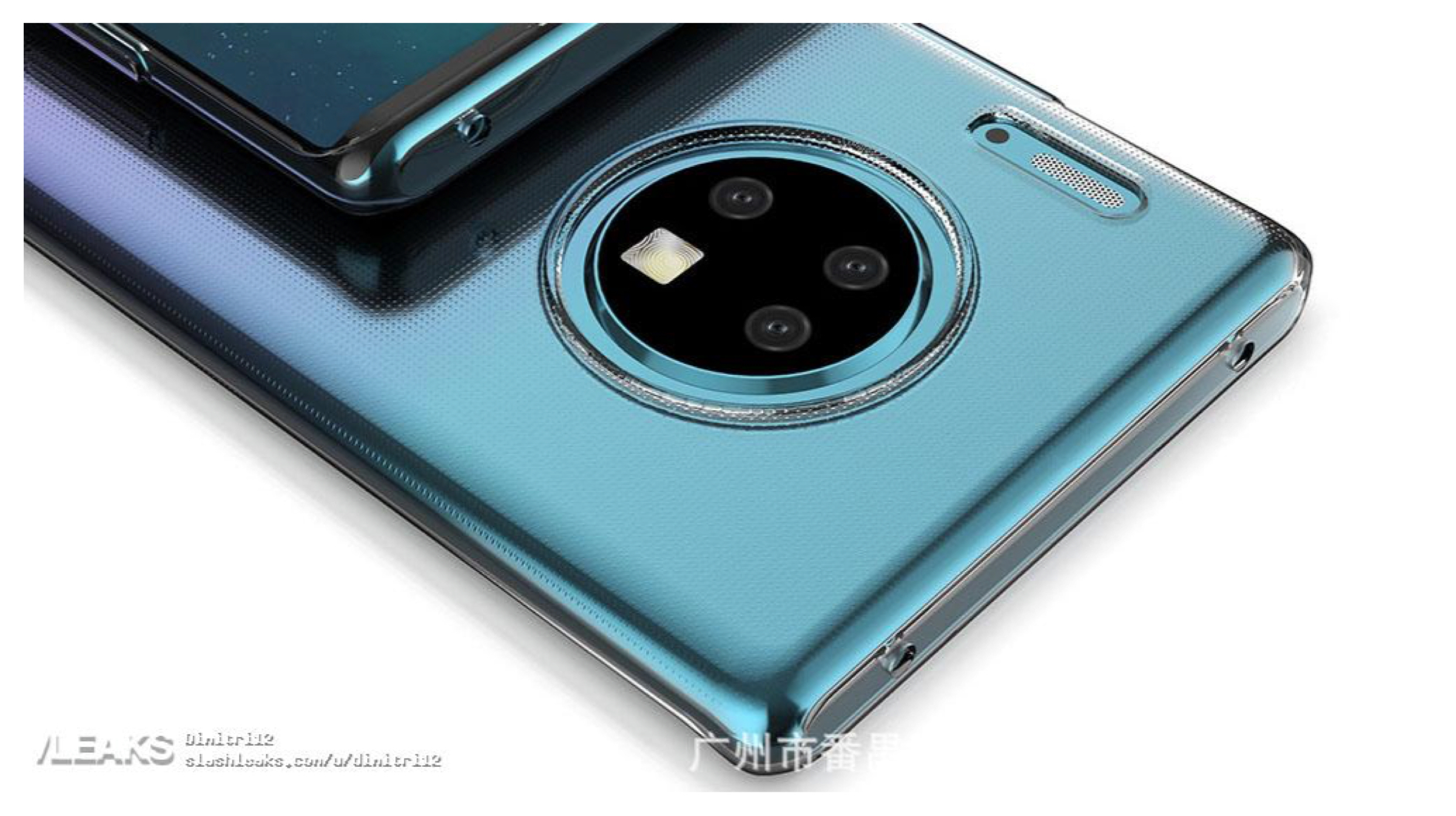
Huawei is bracing for the launch its latest flagship smartphones, the Mate 30 lineup which will succeed the Mate 20 lineup from the year 2018. Going by previous launch cycles, the upcoming devices are expected to be unveiled in the month of October.
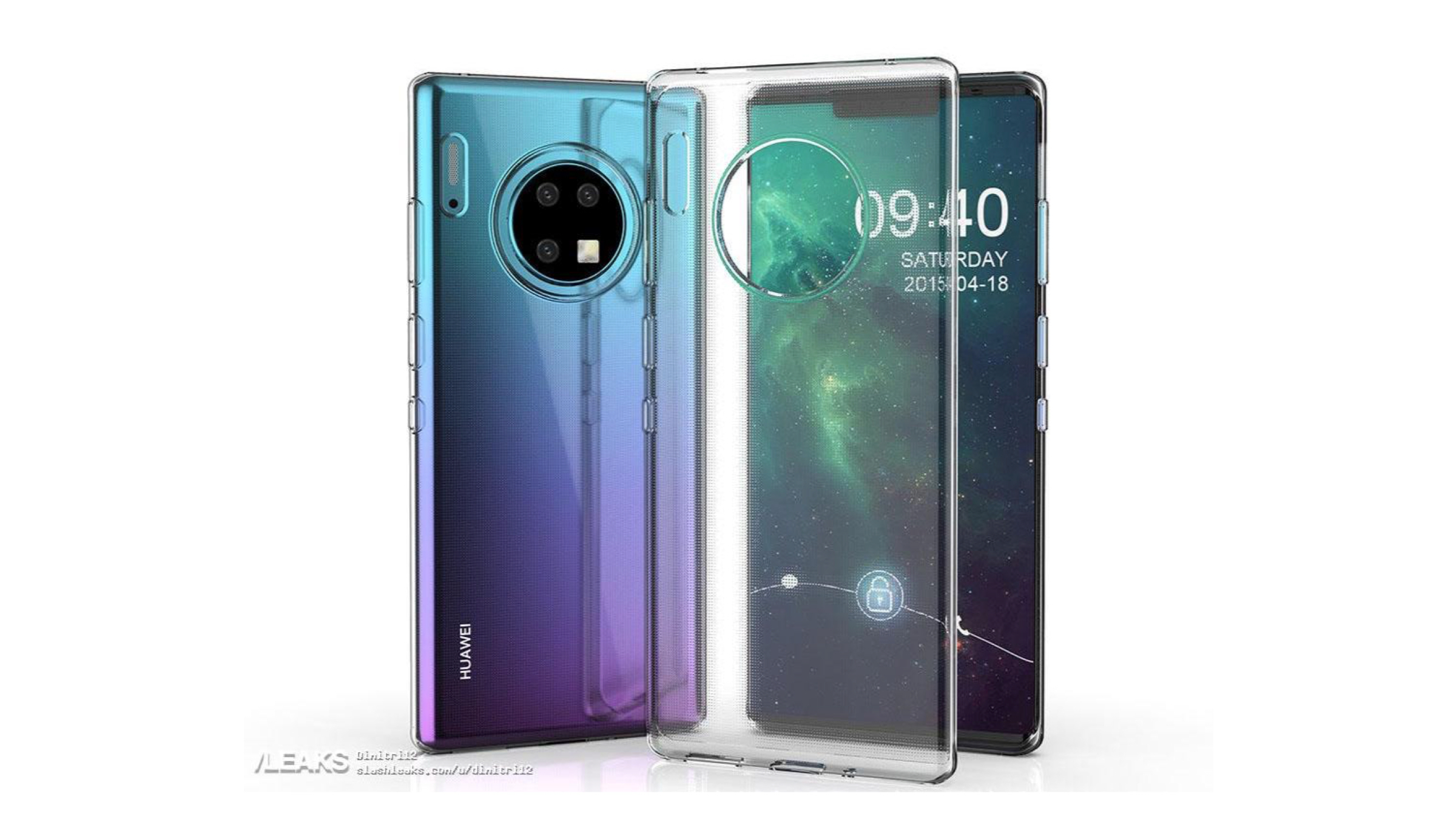
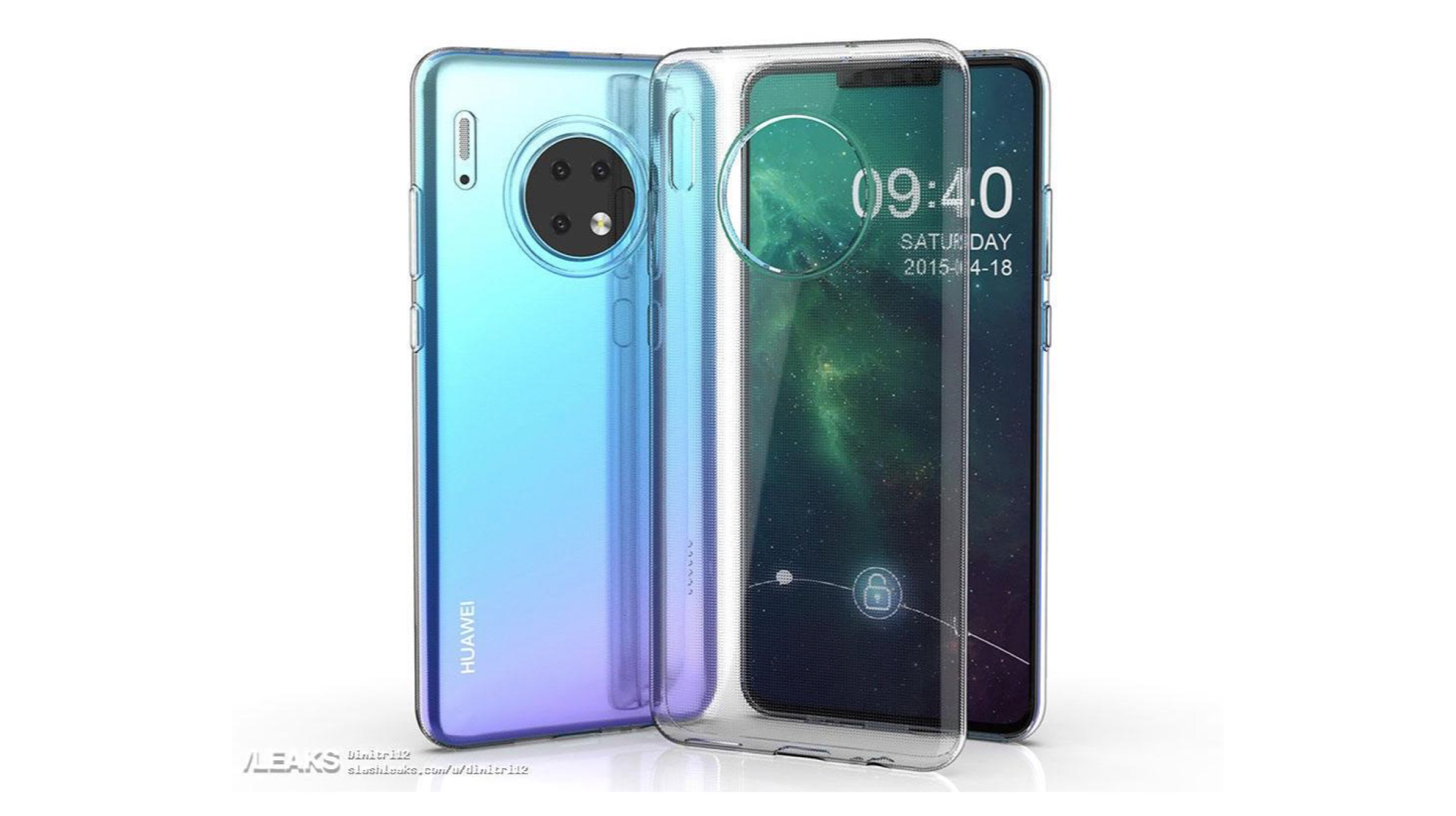
However, months before the official launch the alleged renders of both the Mate 30 and the Mate 30 Pro have been revealed by a case maker. Although the source cannot be verified, based on past claims, the leak looks legit.
Besides, case makers usually have design details for upcoming smartphones so that they can manufacture accessories in time, right before their demand skyrockets following the official announcement.
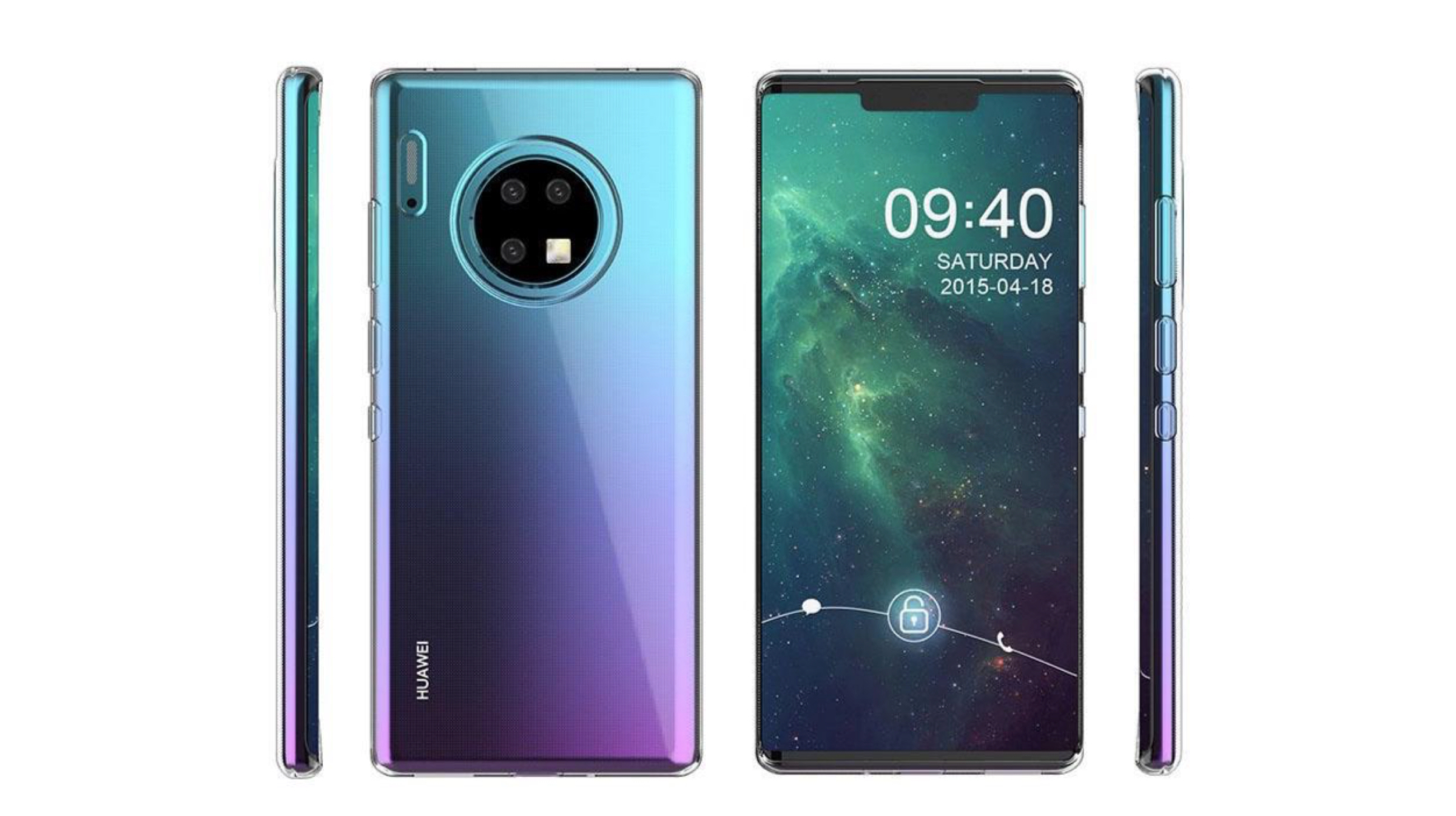
According to leaked images, both the Mate 30 and the Mate 30 Pro have a high screen to body ratio display on the front. Noteworthy, they also have a wide notch up top along with unconventionally tapered side edges which were previously revealed by its leaked screen protectors.
It is evident that the Mate 30 Pro sports a larger display in comparison to the standard variant. But details about the screen size of either device are currently unavailable.
The rear of both the Mate 30 and the Mate 30 Pro accommodate a triple camera setup which is housed in a circular module. Notably, the former has a circle-shaped LED flash while the latter has a square-shaped flash.
In addition, the upcoming smartphone duo from Huawei also has the company branding and what appears to be a loudspeaker grille on the rear.
The devices lack any visible fingerprint sensor, therefore, they are assumed to feature and an in-display fingerprint scanner which is slowly becoming a standard for mid-range and flagship devices.
Apart from the leaked case renders, another source claims that the Huawei Mate 30 smartphones will be equipped with dual 40 MP rear cameras which will be an industry first.
Even though the current leaks seem correct and go in line with past revelations, we will have to wait until the devices are officially launched which is expected to happen in the month of October.
Innovation in the field of smartphones is at an all-time high. In order to increase the screen-to-body ratio on handsets, OEMs have shrunken the bezels around the display. However, this move leads to the dilemma of finding a position to accommodate the selfie camera and the earpiece.
As seen on several smartphones, the manufactures have embedded the earpiece in the top bezel which is considerably easy to attain. Apart from this, companies like Samsung and Motorola have developed smartphones that have a punch hole in the display that houses the selfie camera.
Even though this strategy has allowed solving the original difficulty, a punch hole in the display is clearly an obstruction which has prevented users from across the globe to accept this as a mainstream design preference.
Nonetheless, taking this innovation a step further, smartphone manufacturers have been developing invisible under-display camera. A handful of companies that already previewed devices with this feature include Oppo and Xiaomi.
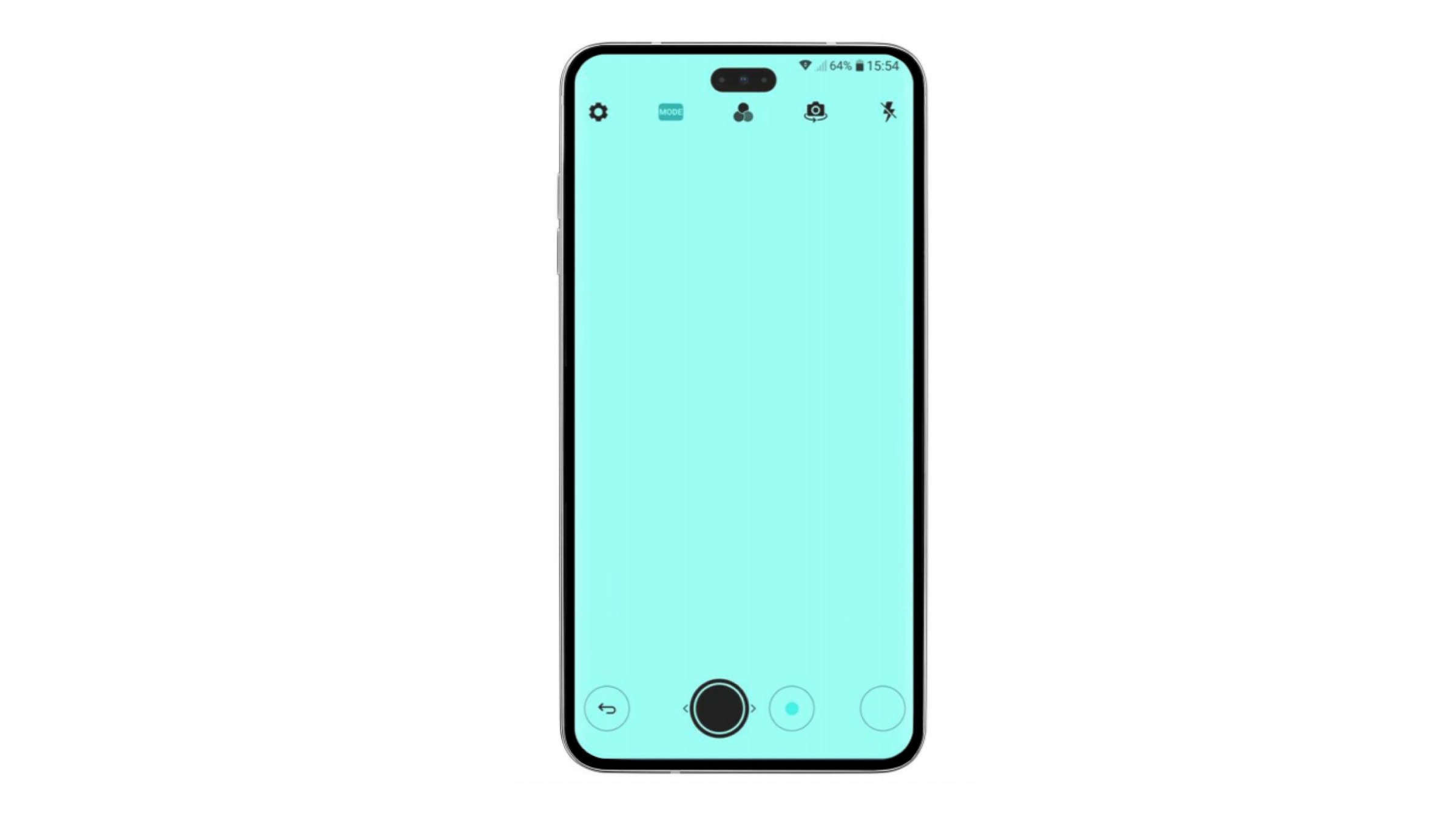
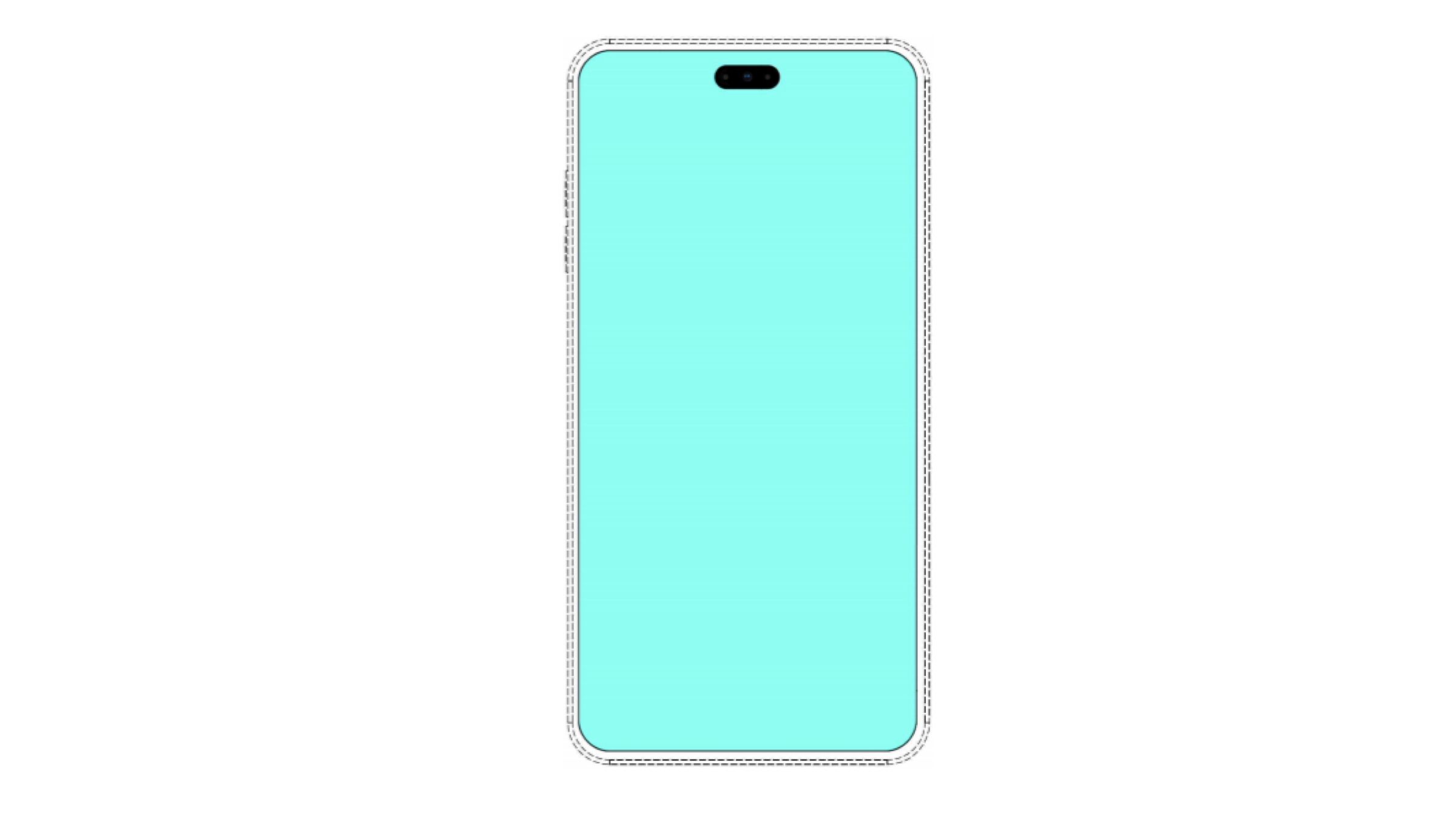
Not long ago, Korean smartphone maker, LG had filed a patent with KIPO (Korean Intellectual Property Office) which indicates that it is also developing a smartphone with invisible selfie camera technology which sounds promising.
The patent granted to the company shows two different illustrations, out of which, the first one exhibits a smartphone with an edge to edge display without any punch hole. But the second illustration reveals when the camera application is toggled, the selfie camera manifests itself which stays concealed under the display.
Unfortunately, the patent granted to LG does not reveal any fine details like the features, name or specs of the handset. It is assumed that the technology that will be developed with this device will be incorporated in future smartphones made by LG.
In order to gain more details about the LG smartphone, we will have to wait patiently until the company publicises concrete information about it.
Nonetheless, the company was granted the patent a couple of months ago, therefore, we believe that a commercially available handset from LG with this feature could launch soon.
What are your thoughts on a handset with an invisible selfie camera? Let us know in the comments below.
Korean electronics giant, Samsung is on a launch spree. Earlier this month, it launched the Galaxy Tab S6 which is a flagship-grade Android tablet. On the 7th of August, it will unveil the highly anticipated Galaxy Note 10 lineup which might be accompanied with the Galaxy Book S, a windows laptop.
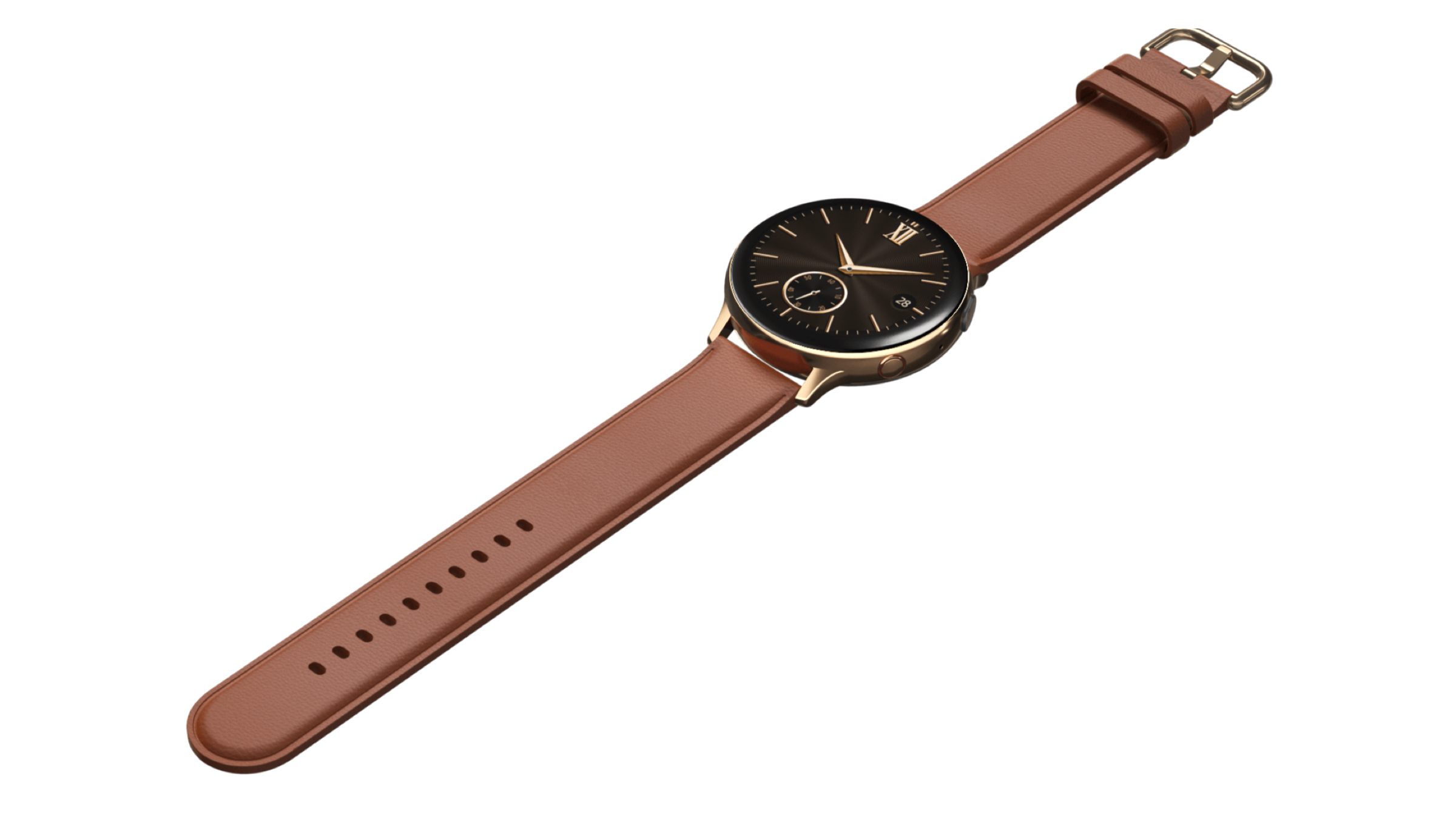
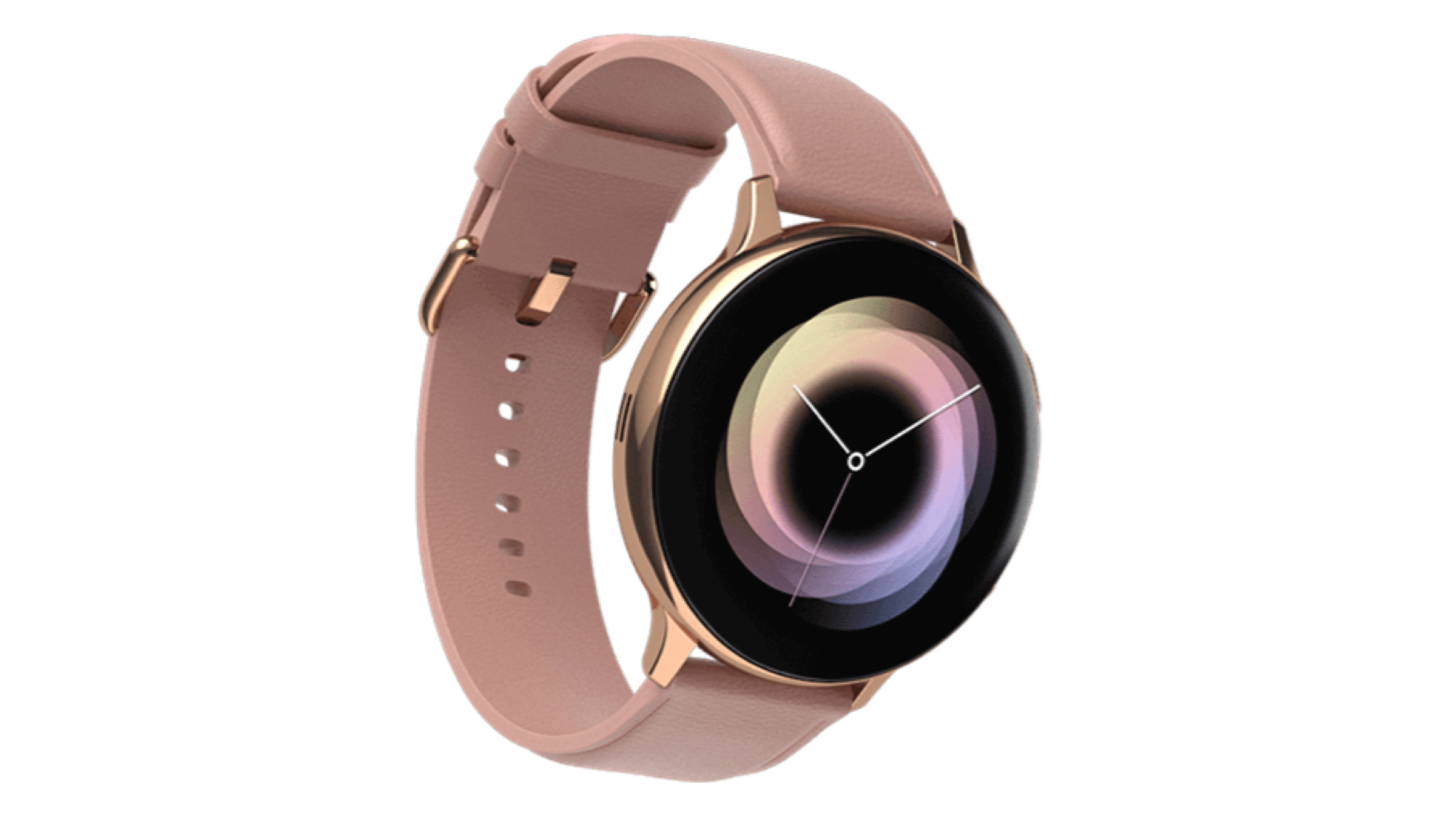
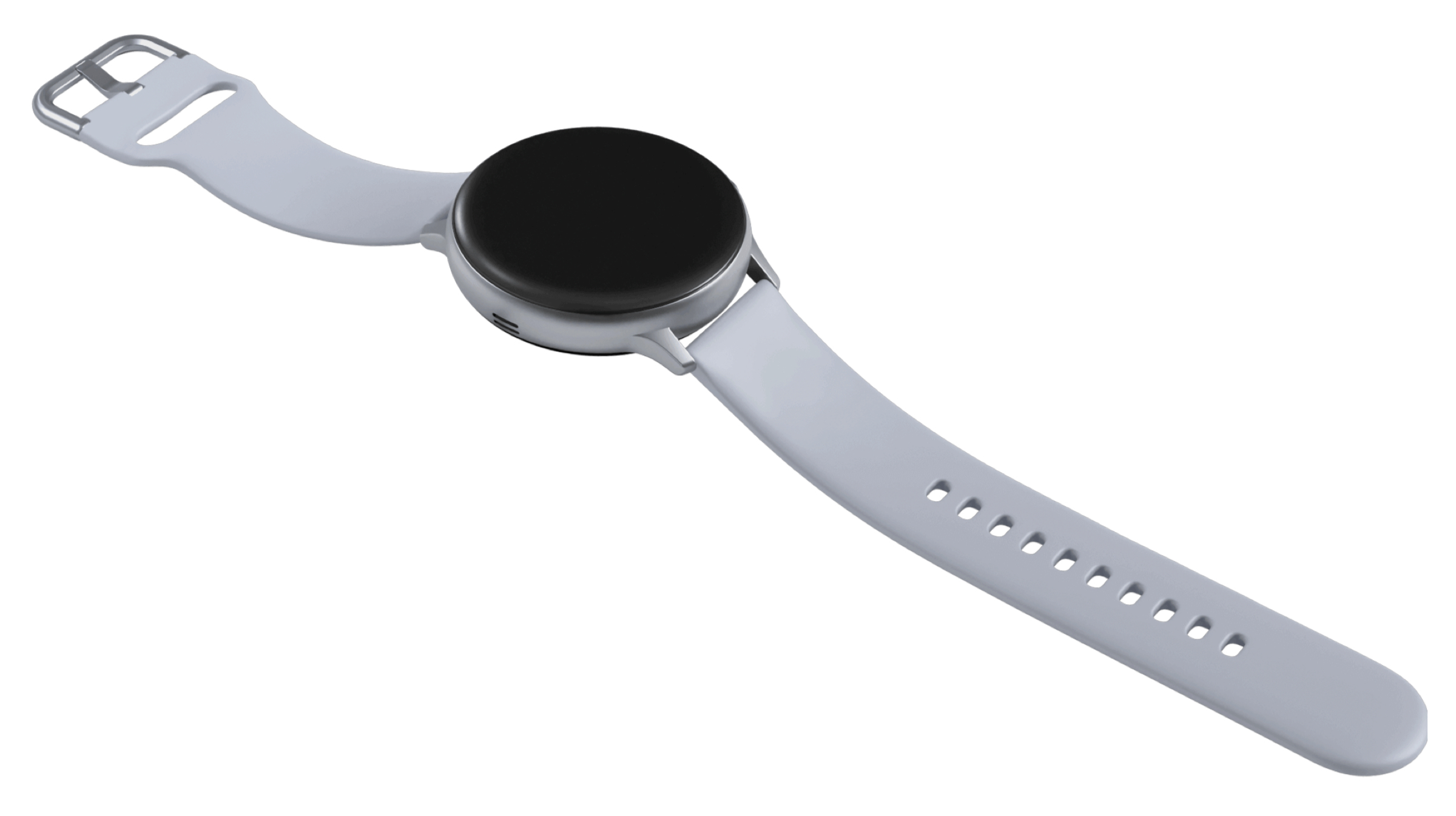
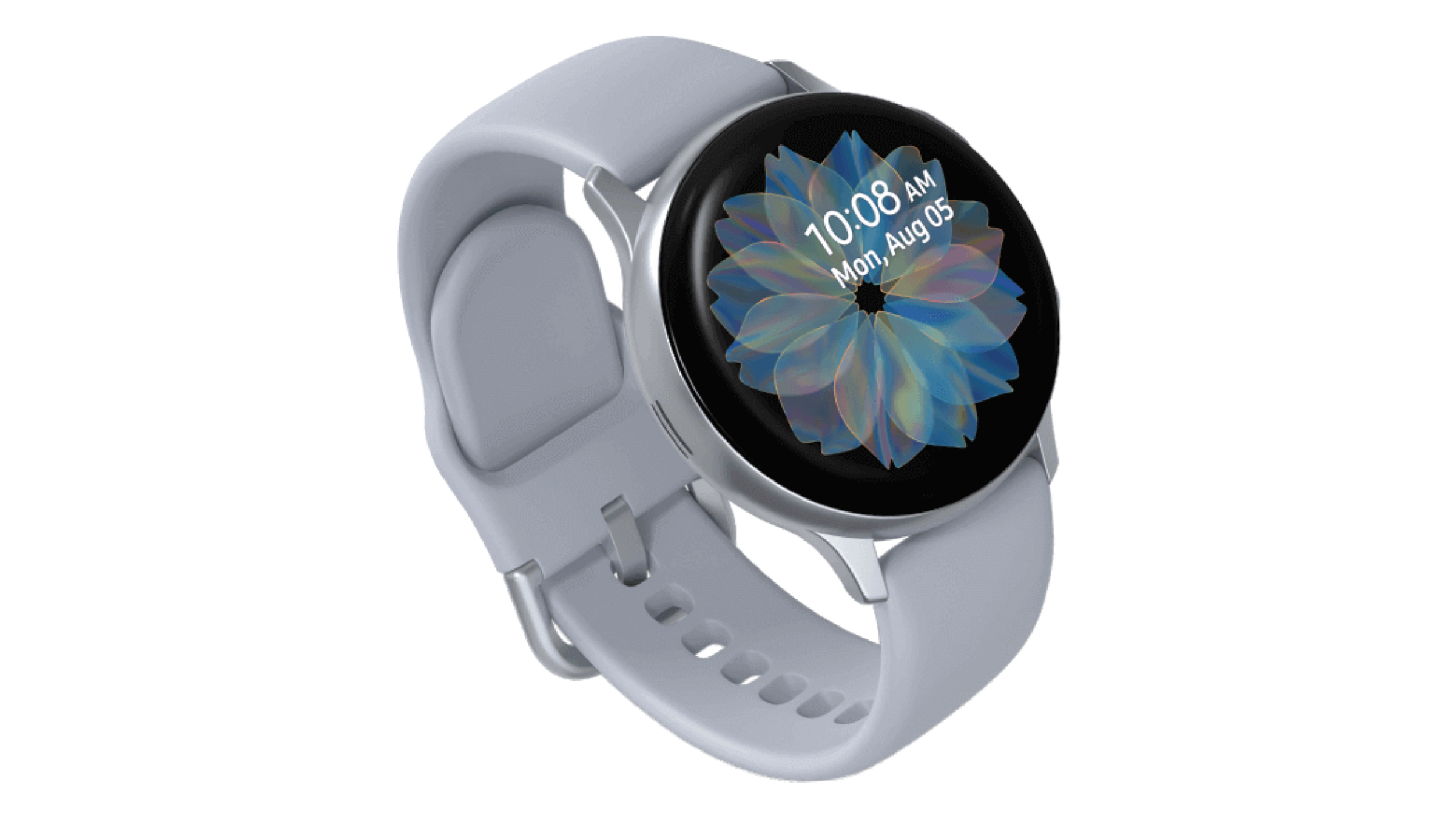
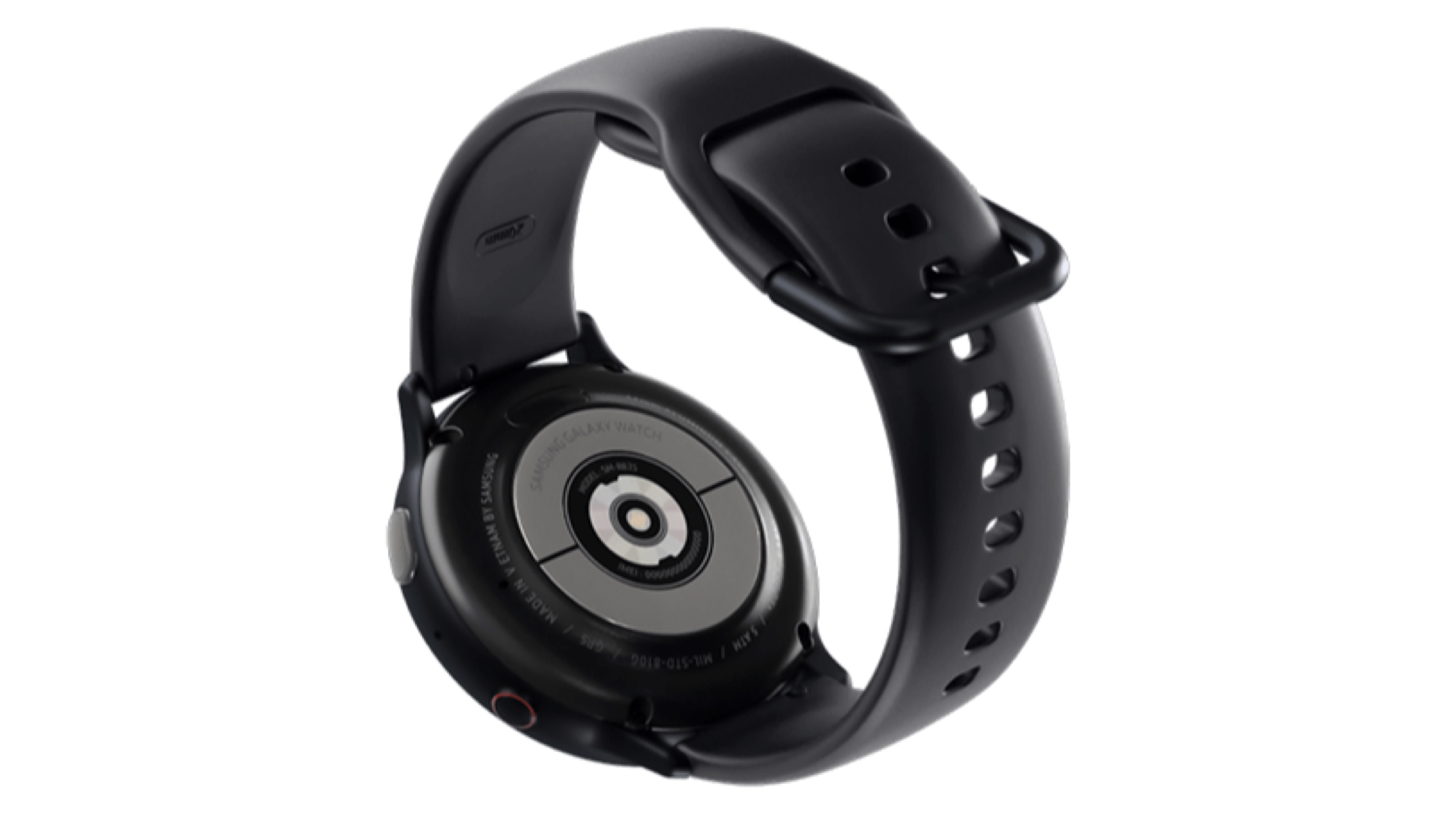
Apart from the said launches, on the 5th of August, Samsung unveiled the Galaxy Watch Active 2 which competes with the likes of the Apple Watch. As the name suggests, it succeeds the original Galaxy Watch Active which was launched earlier this year.
Talking about key differences, the Galaxy Watch Active 2 is offered in two different screen sizes whereas the original device was offered in a single variant. It boasts of a bigger battery and has better connectivity options. However, to embrace all the additions, its side profile or depth has been increased from 10.5 mm to 10.9 mm.
Galaxy Watch Active 2 Design and Features
Samsung Galaxy Watch Active 2 Silcion Strap
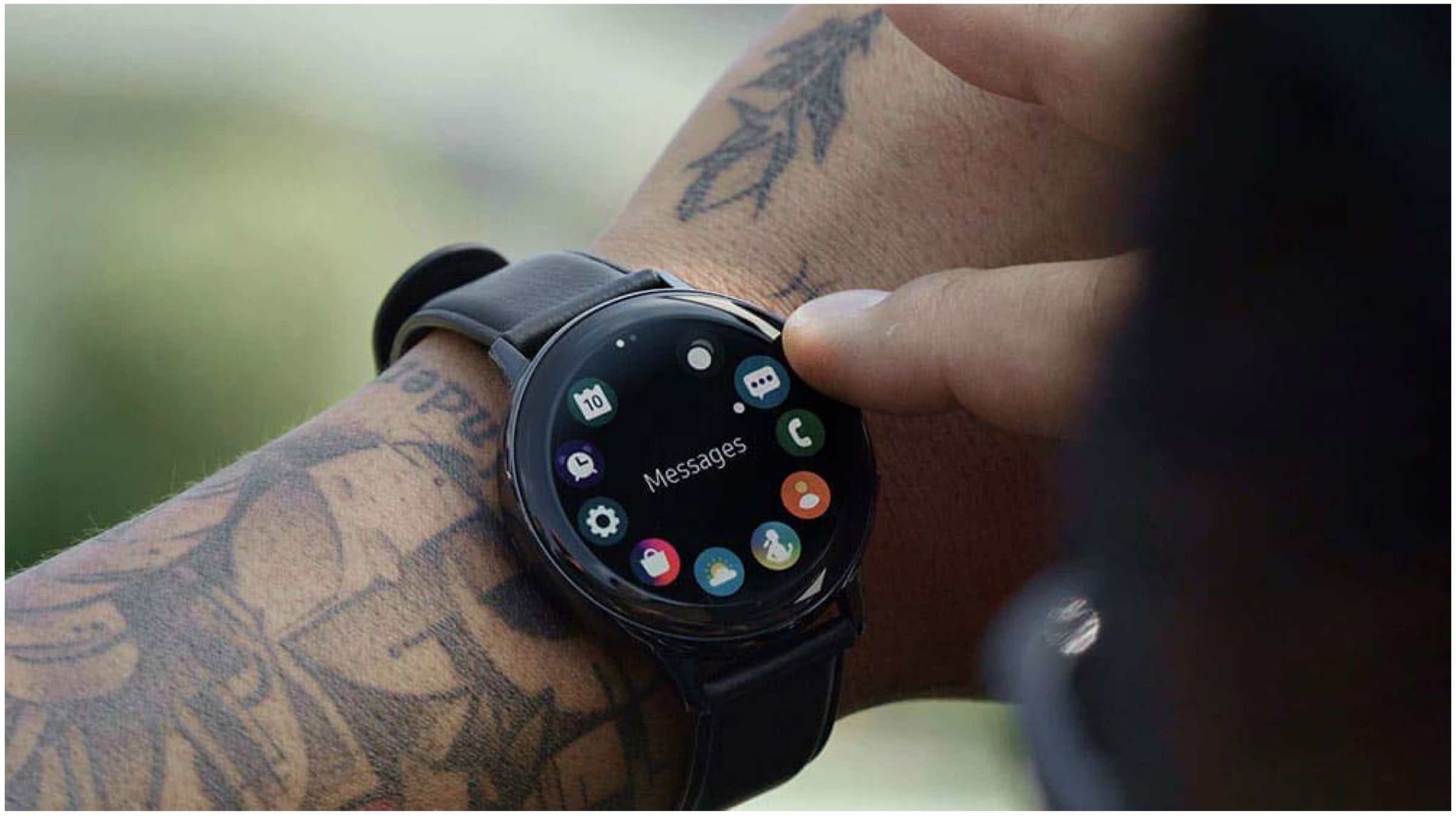
In terms of design, the newly launched smartwatch is reminiscent of its predecessor with a circular screen on the front and interchangeable straps which the user can purchase separately.
Speaking of screen size, users can choose between 1.2 inch or a 1.4 inch display. Regardless of the display size, both variants use a Super AMOLED display that has a resolution of 360 x 360 px.
To safeguard the display against scratches, the Galaxy Watch Active 2 is equipped with Corning Gorilla Glass DX+. Moreover, the smart wearable is IP68 rated and certified 5 ATM underwater. In simpler words, it can be submerged upto 50 metres in depth for 10 minutes.
Samsung Galaxy Watch Active 2
While the original Watch Active had an aluminium case, the Galaxy Watch Active 2 is offered in either aluminium or stainless steel option which varies with screen size.
The right side of the smartwatch has two buttons which can be used to control its different functionalities. Besides, the edge around its display is touch-sensitive and can be used to navigate through menus and different applications.
Under the hood, the Galaxy Watch Active 2 features the dual-core Exynos 9110 SoC and has 4 GB of inbuilt storage. In terms of volatile memory, the Wi-Fi version has 768 MB of RAM while the LTE variant has 1.5 GB of RAM.
Living upto the “Active” suffix, the smartwatch offers several features that are targeted towards the overall well being of the wearer. Like the original Watch Active, the latest offering from Samsung supports HRM (Heart Rate Monitoring). However, the new watch has twice the number of LED sensors.
Samsung Galaxy Watch Active 2 Rear view
Similar to the original device, the Galaxy Watch Active 2 also supports features like step counting, sleep tracking and total distance travelled. All the data gathered by the smart wearable can be synced on the Samsung Health App which can also be reviewed later.
Besides, it also has an improved accelerometer which can measure upto 32G’s of force. In comparison, its predecessor could only measure upto 16G.
As previously mentioned, the battery on the Galaxy Watch 2 has been bumped up in contrast to its preceding device. It features either a 247 mAh or 340 mAh, depending upon the display size, which is larger than 240 mAh on the last-gen wearable.
All in all, the Galaxy Watch Active 2 is a significant upgrade over its predecessor due to the introduction of features like LTE and bigger sized display.
The wearable is currently available for purchase in the US, however, its specific launch details are yet to be publicised. Nonetheless, it is expected to launch in the country in the coming months.
What are your thoughts on the latest and greatest wearable from Samsung? Let us know in the comments below.
Scientists and inventors from around the globe have been working to develop new forms of transportation that include the likes of electric cars and Hyperloop One.
Franky Zapata flying over the English Channel
Frank Zapata, an inventor hailing from France had developed a Flyboard which is essentially a jet-powered hoverboard. The inventor was previously seen riding the Flyboard a couple of stories high which is nothing short of remarkable.
However, on the 4th of August, 2019, he marked a revolutionary feat as he was able to successfully fly over the English Channel which is 21 miles long. The inventor began his journey from Sangatte, France and landed in England about 20 minutes later.
While airborne, the inventor was able to reach speeds of upto 106 miles per hour. However, the whole journey was not covered in a single flight session.
Noteworthy, the inventor had to make a pit stop halfway in order to refuel. As he could only carry fuel worth 10 minutes of flight.
Apart from inventing the Flyboard Air, Franky Zapata had previously invented the similar machine which goes airborne by propelling water out of high-pressure water jets.
Except for Zapata, an English inventor named Richard Browning has also developed jet-powered personal transportation that uses six turbo engines.
To sum it up, the technology is years away from commercial availability, nonetheless, this is a worthwhile achievement in the field of personal transportation which will see rapid growth in the coming future.
What are your thoughts on the Flyboard? Does the technology excite you? Let us know in the comments below.
Korean smartphone maker, LG has unveiled its latest affordable handset in its home country which is dubbed the LG X2 (2019). Apart from being sold in Korea, it will also be available in North America and Europe where it will be called the K30.
LG X2 (2019) Design And Features
In terms of dimensions and weight, the LG X2 has a compact form factor that measures 147 x 71.5 x 8.2 mm and tips the scale at 147 g. The front of the smartphone accommodates a 5.45-inch full vision display that has a resolution of 1440 x 720 px and a pixel density of 295 ppi.
The left and right bezels around its display are negligible while the top and bottom bezel are comparatively thicker. The bezel above the display houses the earpiece and a 5 MP selfie camera. It also has a 13 MP rear-facing camera which is accompanied by an LED flash.
Under the hood, the LG X2 (2019) is kitted with the Snapdragon 425 which consists of a quad core CPU and Adreno 308 GPU. It is powered by a non-user removable Lithium battery which has a capacity of 3,000 mAh.
In terms of memory and storage, it has 2 GB of RAM and 32 GB ROM. In addition to the inbuilt battery, it also supports memory expansion upto 2 TB via a microSD card.
Connectivity options on the LG X2 (2019) include 802.11 ac Wi-Fi, Bluetooth 5.0, NFC and a micro USB port which can be used for both charging and data syncing.
LG X2 (2019) Price
The LG smartphone is offered in just one colour option which is New Aurora Black. The price for the smartphone is as follows:
The LG X2 (2019) might seem like an underpowered smartphone to similarly priced handsets in India. However, the competition in Korea, Europe and North America is not as fierce for affordable devices. Therefore, it is expected to sell in respectable quantities in those regions.
Chinese conglomerate, Xiaomi launches a wide variety of smartphones every year that range from budget devices like the Redmi Go to flagship-grade Mi Mix and Redmi K20 Pro. Due to its value for money offerings, it has become a well-known brand around the globe.
Apart from competitively priced devices, the company is also investing resources to develop unique and innovative devices, one of which includes the unreleased two-way foldable smartphone.
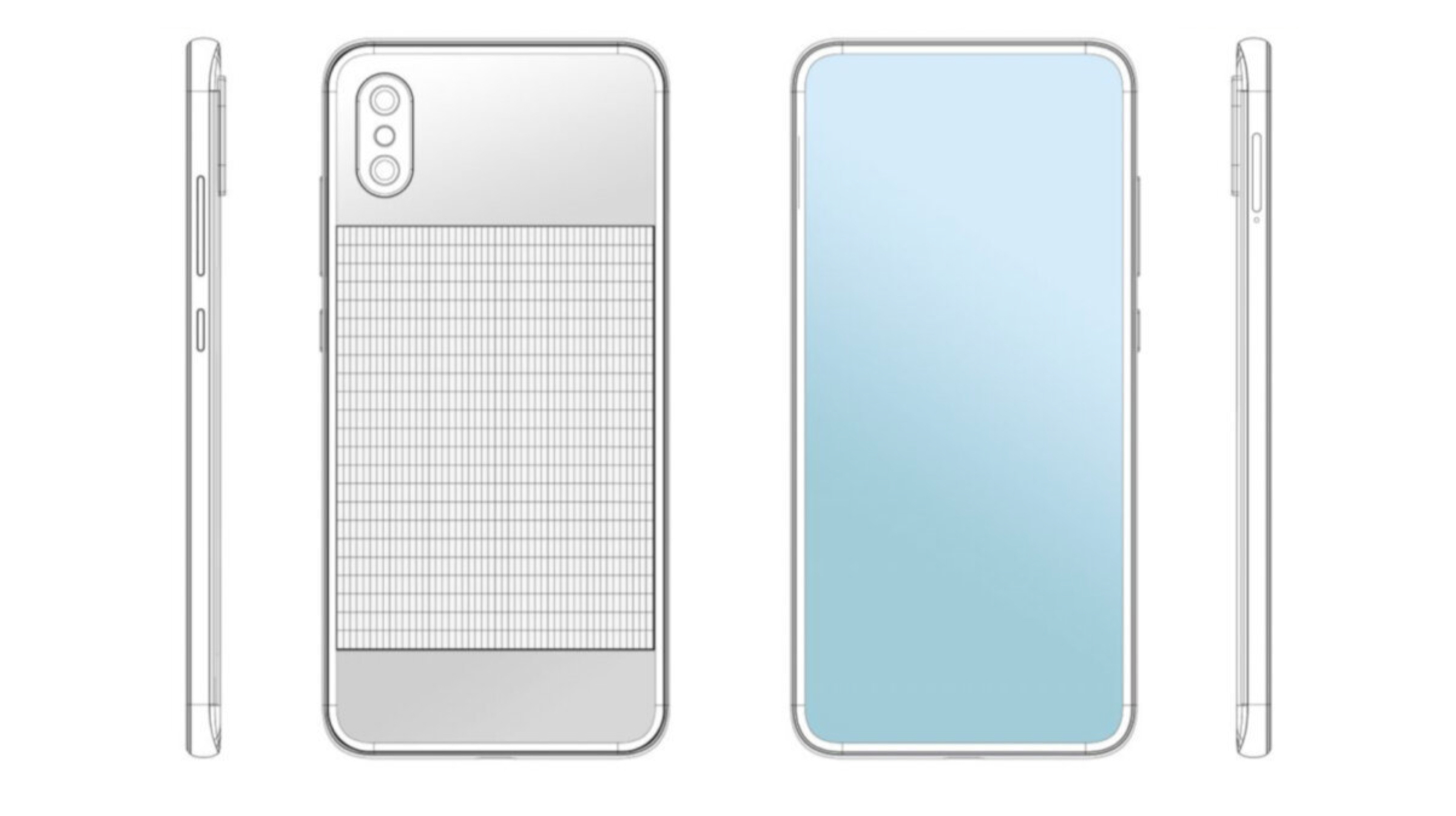
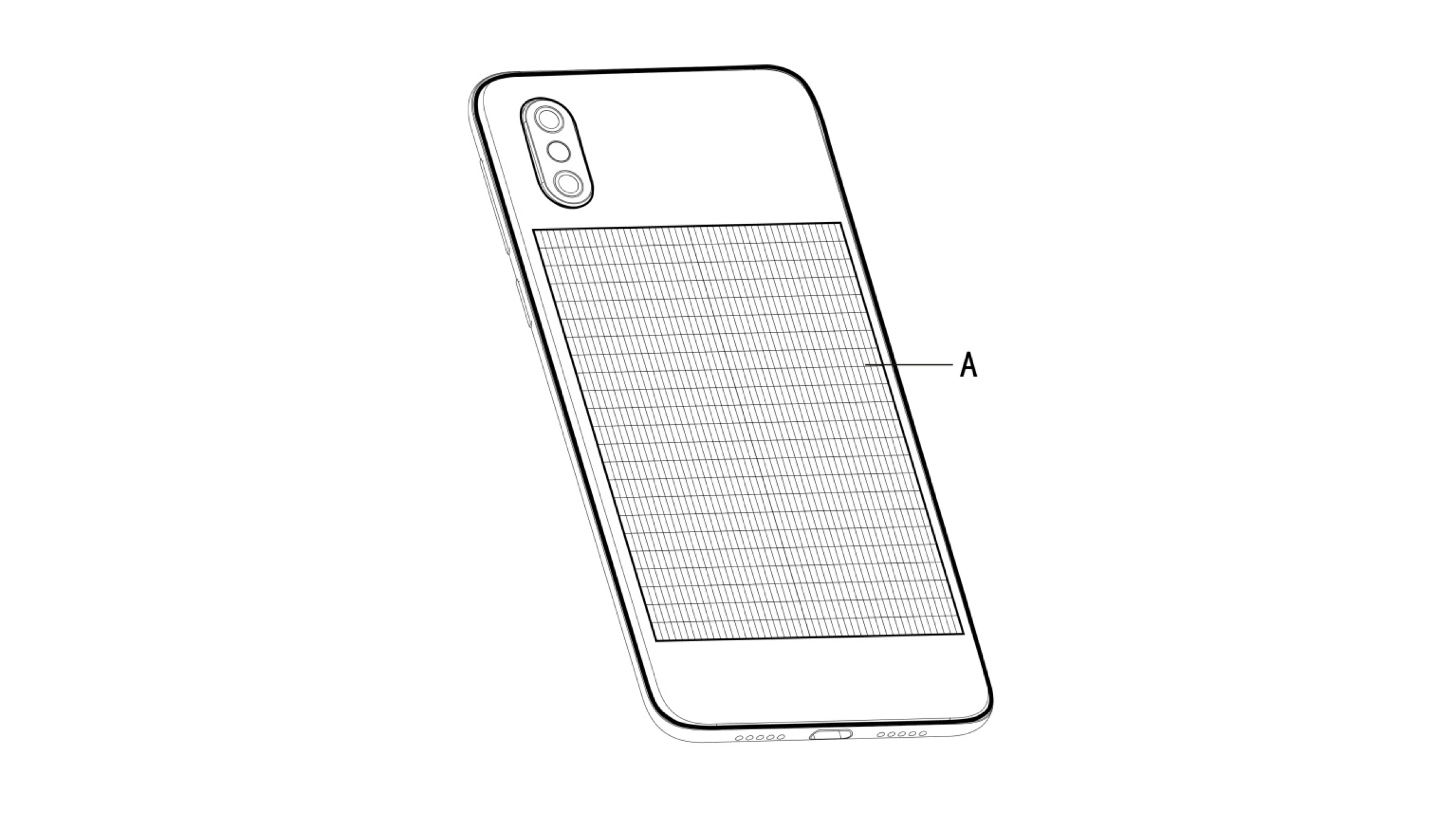
According to freshly discovered patents, Xiaomi is working on a handset with rear-mounted solar panels. Yes! you read it right, the technology that has been fantasied ever since the inception of smartphones may soon become a reality suggests the patent.
In terms of design, the front of the Xiaomi smartphone is reminiscent of the Redmi K20 duo that has a high screen-to-body ratio display. The handset lacks a visible fingerprint sensor, therefore, the company could opt for an under-display scanner which is slowly becoming a common sighting on mid-range and premium devices.
The rear of the Xiaomi device from the patent has a vertically aligned dual-camera setup which slightly protrudes from the surface.
Noteworthy, the solar panel on the device has been thoughtfully embedded into the rear. Hence, it does not stick out allowing the smartphone to maintain a slim profile which is as portable as a conventional smartphone of this size.
Clearly, the sole purpose of the solar panel will be to recharge the inbuilt battery of the handset. Unfortunately, fine details like the wattage generated by the solar panel are currently unavailable.
Nonetheless, going by its size it is assumed to produce 50-10 watts of energy per hour. For reference, a smartphone with 4000 mAh capacity battery which is rated 3.7 v can hold a total current of 14.8 W.
Hence taking the previously mentioned Whr power generation, it would take between 3 to 6 hours to fully replenish the inbuilt battery.
Most importantly, the brightness of the sun will also affect the charging speed of the device. Charging a smartphone with a built-in solar panel might take significantly more time in comparison to currently available fast chargers, the technology will only get better with passing time.
To sum it up, a smartphone with a solar panel is a welcoming addition from Xiaomi. However, the patent does not suggest any launch date of such a device. Consequently, we will have to wait patiently until the company itself reveals more details about.
According to leaks and reports, the OS is called Hongmeng OS and is based on a microkernel. This allows the operating system to run on various electronic devices like smartphones, tablets, TVs, IoT peripherals and many more.
Moreover, reports in the past claimed that Huawei had already shipped close to one million smartphones that run Hongmeng OS. However, the claim is yet to be verified.
Fortunately, the ban imposed on Huawei has now been lifted. Though, when the ban was still in effect, it was alleged that the company will sell future devices running it in-house developed OS. Following the ban uplift, a senior company executive revealed that the company will continue to use Android OS for its flagship devices.
Surprisingly, a fresh piece of new claims that a Hongmeng OS running smartphone will launch in the Q4 of 2019. Notably, the upcoming device is reported to be priced around the CNY 2000 price bracket which is approximately Rs 20,000.
Therefore, it is clear that Huawei wants to target an affordable device with its own OS rather than launching high-end flagship devices right away.
According to a Chinese news agency, Global Times, the Hongmeng OS will first be reviewed with the Honor TV. The device will reportedly be unveiled at the Huawei’s developer conference which is set to kick off from the 9th of August.
What are your thoughts on HongMeng OS, Can this new OS go head to head with long-settled contenders like Android and iOS? Let us know in the comments below.
Earlier this month, Chinese smartphone maker, Realme had shared a Twitter post that addressed a smartphone with a 64 MP camera. The company has scheduled a media briefing on the 8th of August which will reveal more details about the upcoming smartphone.
Aiming to steal its thunder, Xiaomi has announced the media briefing of its 64 MP camera smartphone on the 7th of August which is a day before Realme.
However, the Realme event will be held in India whereas the Xiaomi event will be held in China. Therefore, it is assumed that the former will be the first one in line to offer a commercially available 64 MP camera smartphone in India.
Nonetheless, both the upcoming smartphones from Xiaomi and Realme are assumed to incorporate the same sensor, Samsung made Isocell GW1.
For readers who are unaware, the Samsung Isocell GW1 utilises a technology called Pixel Binning. It combines the image data captured from multiple sensors to produce a single image. Hence, the sensor actually consists of four 16 MP sensors which produce a combined output of 64 MP.
Besides the 64 MP sensor, the upcoming Xiaomi smartphone is reported to have three additional sensors which will be as follows:
Ultra-Wide Sensor
Depth Sensor Sensor
ToF Sensor (Time Of Flight)
Noteworthy, the images captured via 64 MP phone will have a file size of about 20 MP and can be best viewed on displays with upto 8K resolution.
Any fine details including the name of specifications of the Xiaomi smartphone are currently unavailable and they will only be revealed after the previously mentioned event.
What do you think of a smartphone with a 64 MP camera? Do you think is it vital to have cameras with this high resolution? Let us know in the comments below.
Late last month, Samsung launched the Galaxy Tab S6which is a flagship-grade Android Tablet. Noteworthy, the device also supports detachable keyboard which allows it to be used as a conventional laptop.
After unveiling the hybrid device, Samsung will reportedly launch the Galaxy Book S which is full-fledged laptop running Windows operating system rather than a convertible.
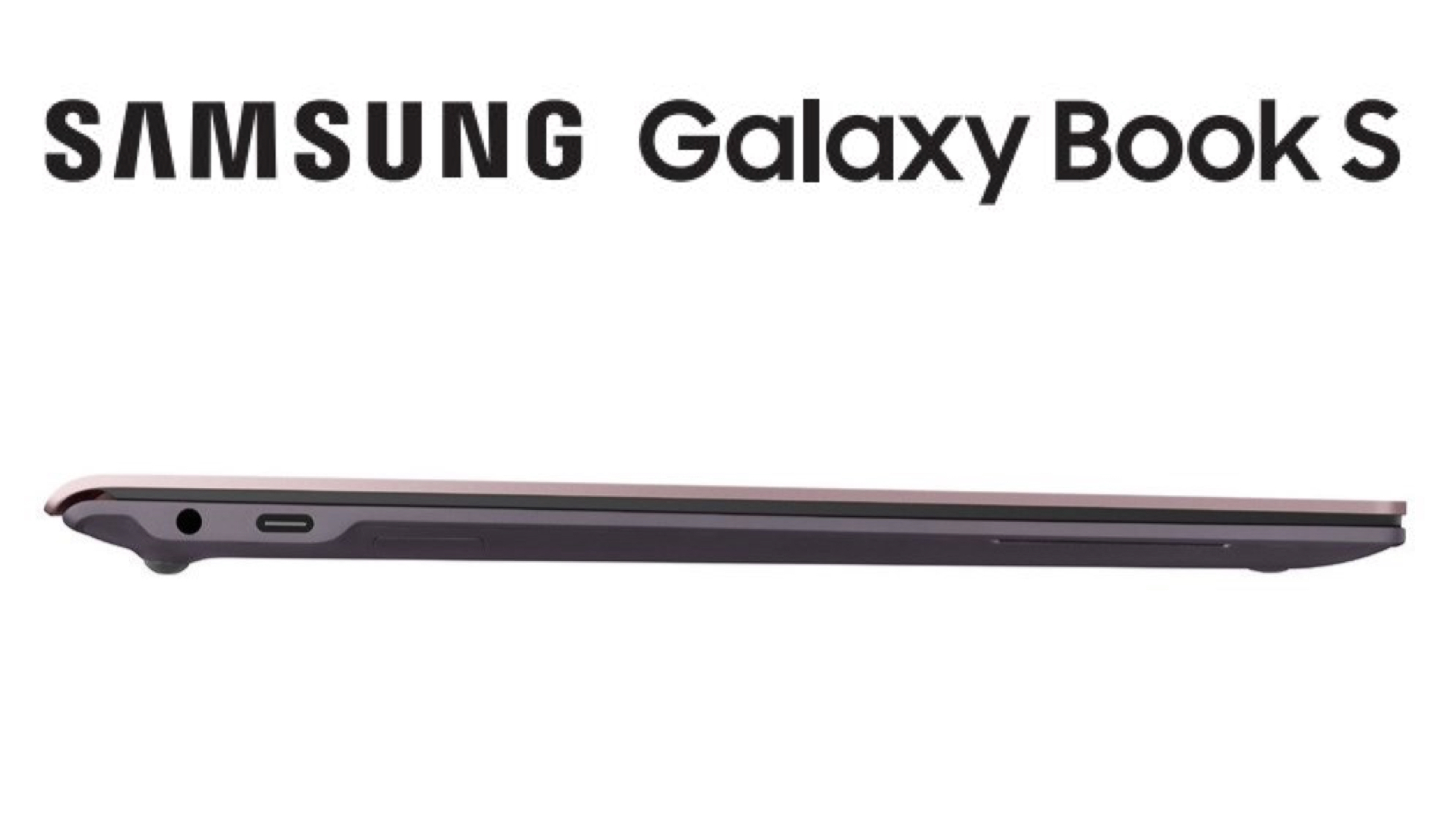
The image renders of the Galaxy Book S have made their way to the internet which is detailed enough to reveal its key physical aspects.
According to the leaked images, the Samsung Galaxy Books S has a narrow form factor which is similar to the Apple MacBook and Microsoft Surface laptop.
The laptop features a large screen display that is surrounded by thin bezels on all sides. Besides, the bezel below the display also houses the company branding.
Talking about the keyboard, the upcoming laptop form Samsung seems to have a well-spaced chiclet-style keyboard which will provide for a comfortable typing experience.
It also features a large trackpad which is likely to support multi-touch gestures like pinch to zoom, two-finger scroll and swipe to change workspace.
Talking about the ports, the left side of the Samsung Galaxy Book S houses a 3.5 mm audio jack and a USB Type C which will be used for charging, data transfer and even display out.
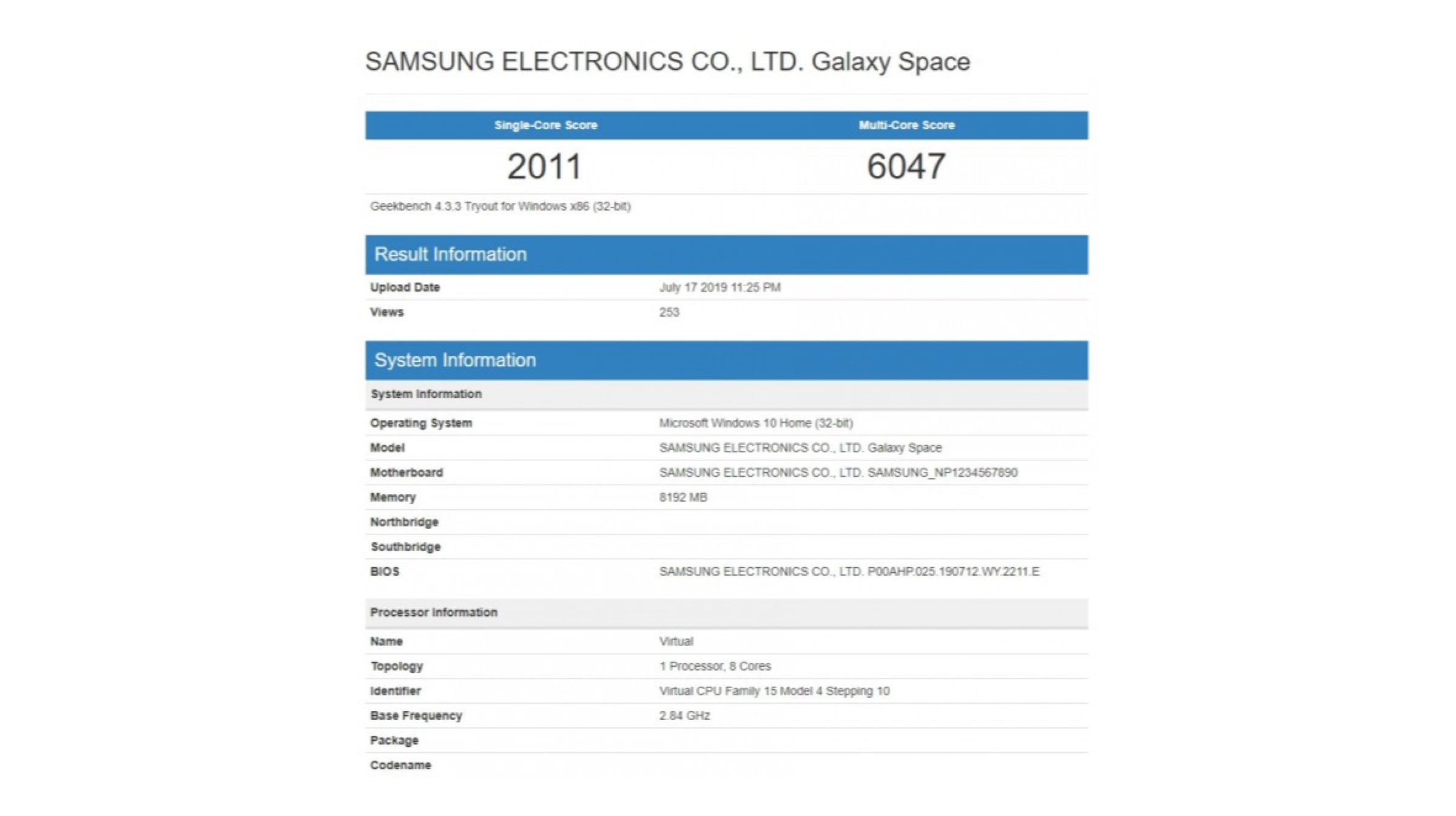
Unfortunately, the source has not revealed any specifications of the upcoming laptop from Samsung. Nonetheless, a device with the same name was previously spotted on Geekbench which revealed a couple of its specs.
The Geekbench listing exhibits that the laptop is kitted with an Octa-core CPU that has a frequency of 2.84 GHz. Even though, the listing does not reveal the processor name, going by its clock speed it is speculated to be the Snapdragon 855 which is found on devices like the Samsung Galaxy S10 and the Galaxy Tab S6.
Surprisingly, we haven’t seen any laptops running on the flagship chipset from Qualcomm and Samsung’s offering might be the first one to have it.
Apart from the SoC details, the Geekbench listing also reveals that the device will be equipped with 8 GB of RAM.
The Samsung Galaxy Book S is expected to launch alongside the Galaxy Note 10 lineup which will be unveiled at the Galaxy Unpacked. The said event will take place in New York and is scheduled for the 7th of August.
In order to verify the leaks and claims as the expected launch date is approaching fast.
Amidst all the unfavourable situations that Huawei had to face after the US ban, its pace of developing and launching new smartphones has stayed unaffected. Earlier this year, it launched three smartphones in the “P” handset lineup which include the P30, P30 Pro and the P30 Lite.
Chronological name sequencing suggests that the successors of the handsets would carry the Huawei P40 branding, however, a latest piece of news suggests that the company is about to stir things a bit.
On the 2nd of August, Huawei was granted three trademarks by the UK IPO (Intellectual Property Office) which carry the following names:
P300
P400
P500
For readers who do not know, it is mandatory for OEMs to get their device names registered with Intellectual Property Offices of different countries or regions. So that once a trademark has been registered, another company cannot make use of the name for their products.
The trademarks are categorised as Class 9 with the description; ‘smartphones; mobile phones; tablets’. Hence it is clear that the newly trademarked Huawei listings are concerned with smartphones or mobile handsets.
Huawei has never released a P-Series smartphone with a hundred in the model name. Correspondingly it is hard to deduce precise details about the handsets. Nonetheless, theory can be derived that the P400 could become the P40, the P300 could become the P40 Lite, while the P500 becomes the name of the P40 Pro at the time of official launch.
Unfortunately, the trademarks do not reveal any feature or specification of the upcoming smartphone. As observed with past instances, Huawei usually launches P-series smartphones in the Q1 of the respective year and upcoming devices are expected to follow suit.
Therefore we will have to wait patiently as that time period is still distant.
Days before the official launch, the accompanying accessories of the upcoming Samsung Galaxy flagships have also been leaked.
According to the source, Samsung will introduce an all new flip cover that has a translucent edge. The feature will allow the user to easily look at unread notifications like missed calls, unread messages or emails. Besides, it also shows date, time and the remaining battery capacity. Overall, the cover looks elegant and has a unique design.
Also new with the Galaxy Note 10, Samsung is reported to include support for 45 W fast charging. The images shared by the source reveals that unlike traditional chargers, the Galaxy Note 10 power brick will have a USB C outlet port instead of a USB A port. Accordingly, the cable shipped along with the smartphones will have the USB C port on either end.
Falling in line with past reports, Samsung has done away with the 3.5 mm headphone jack on the Note smartphones which is confirmed by the leaked USB C to 3.5 mm adapter.
In order to confirm all the leaks, we wont have to wait for long as Galaxy Note 10 lineup and its accompanying accessories are set to be launched at the Galaxy Unpacked event which is scheduled for the 7th of August.

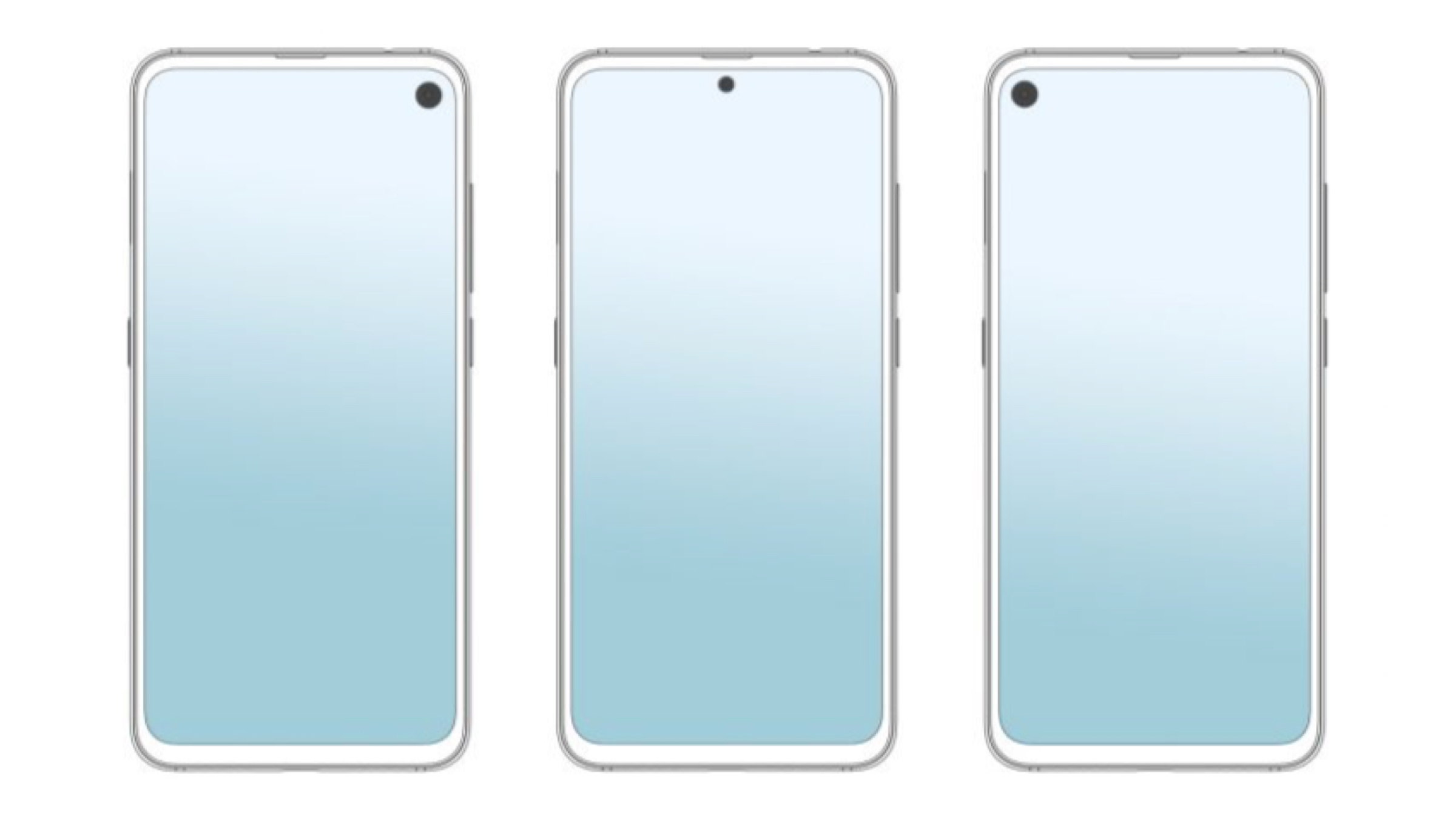 However, the patent reveals three different arrangements for the placement of the punch hole camera. Therefore, the company is yet to reach a decision as in which design will be implemented in the commercially available device.