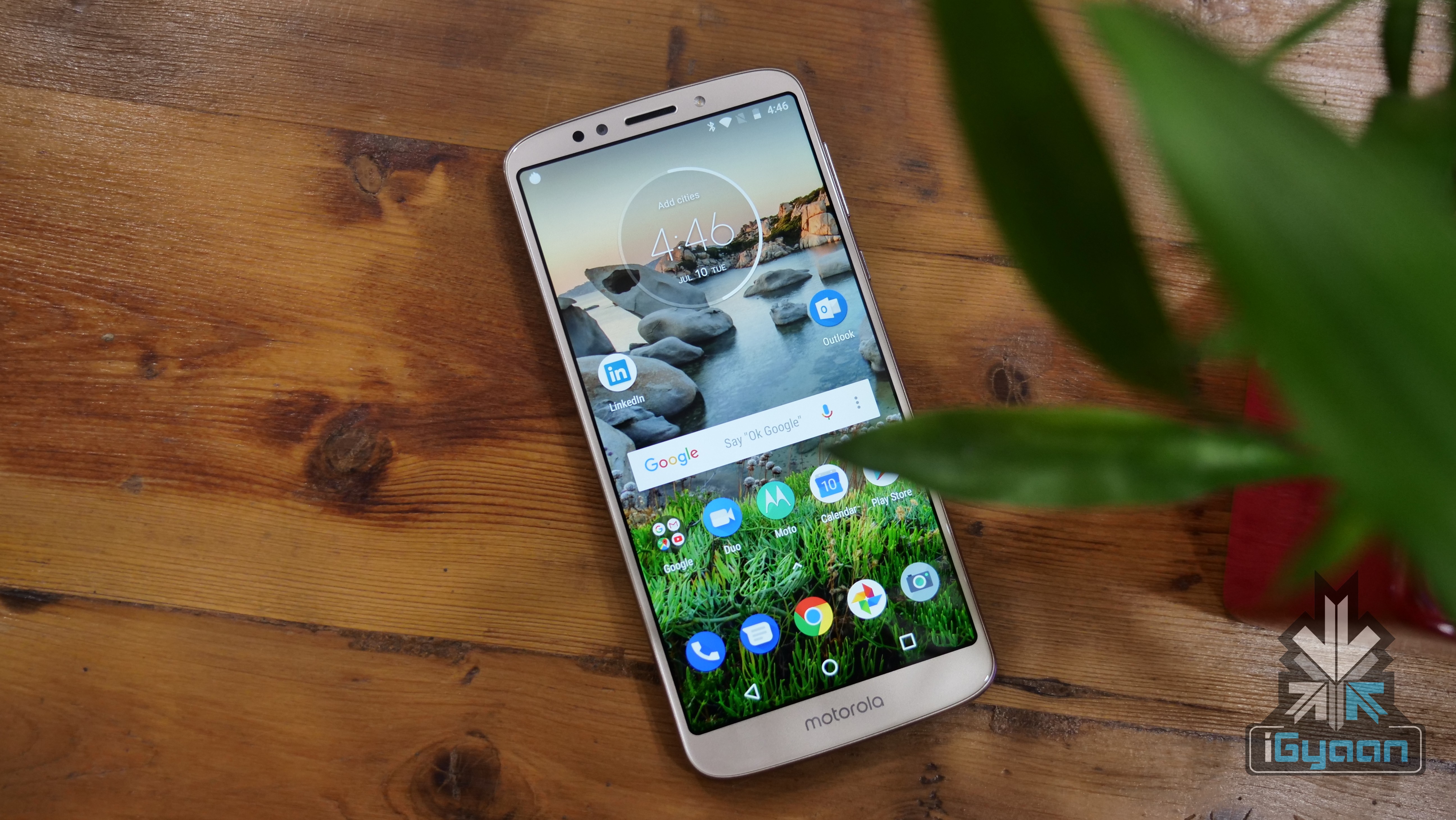
Motorola is expected to launch the budget-oriented smartphone, dubbed the Moto E6 in the following weeks. Previous leaks have already revealed key details about the device, which is set to feature humble specifications at a lucrative price. Now, the handset has passed the Federal of Communications Certificate (FCC) certification. The listing on FCC’s official website mentions the smartphone’s code name as ‘surfna’, which corroborates with the previous leaks.
Moto E6
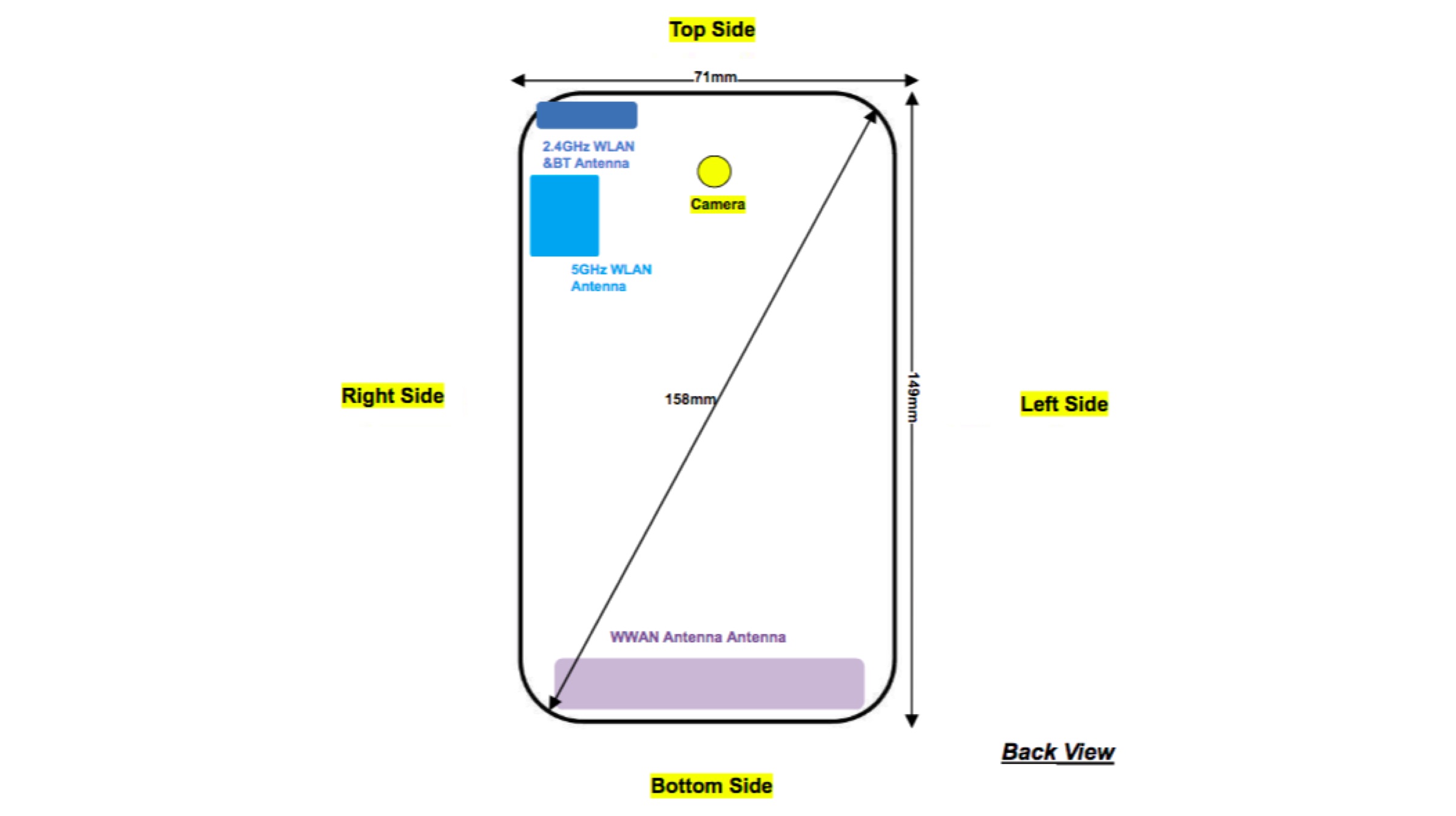
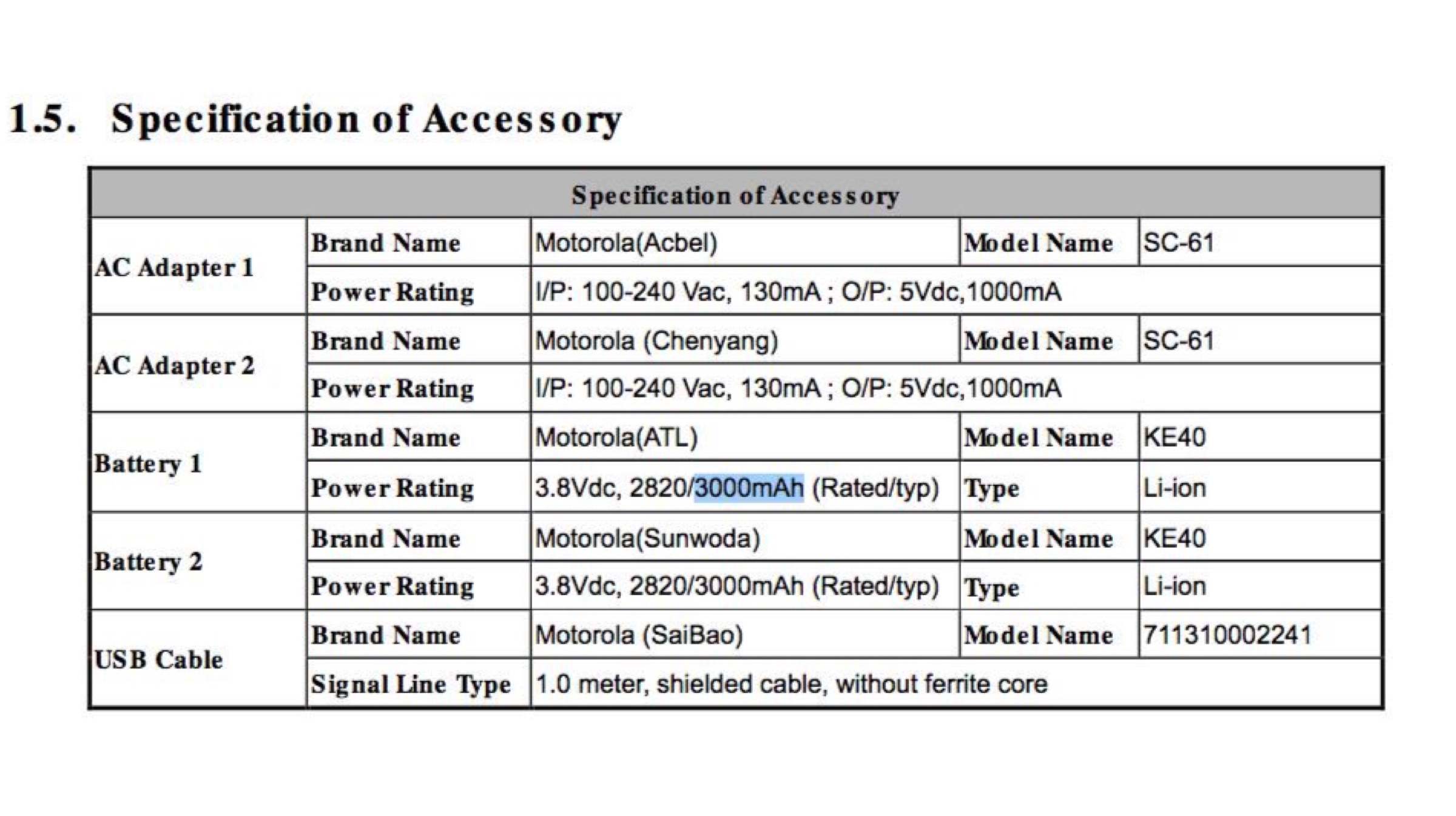
The upcoming Moto E6 will be a budget offering from the company. It will be the successor to the Moto E5 launched last year. The listing on FCC reveals the smartphone will have a 3000 mAh battery. Measurements of the device mentioned in the listing are 149mm x 71mm (Height x Width) and 178.36mm diagonally. It is also revealed the handset will have support for the 2.4 GHz and the 5GHz bands of Wi-Fi networks, which is a rarity in the budget segment.
While the FCC listing does not reveal specifications of the Moto E6, previous leaks have already provided the information. The device has been leaked to have a 5.45-inch display with a resolution of 1440 x 720 px. The smartphone will have significant bezels on the top and the bottom of the display and will not have a physical fingerprint scanner. This insinuates it will rely on conventional unlock methods like a numerical pin, alphabetical passwords and patterns. The Moto E6 will run on the latest Android 9 Pie and will feature a stock interface with some customisations by Motorola.
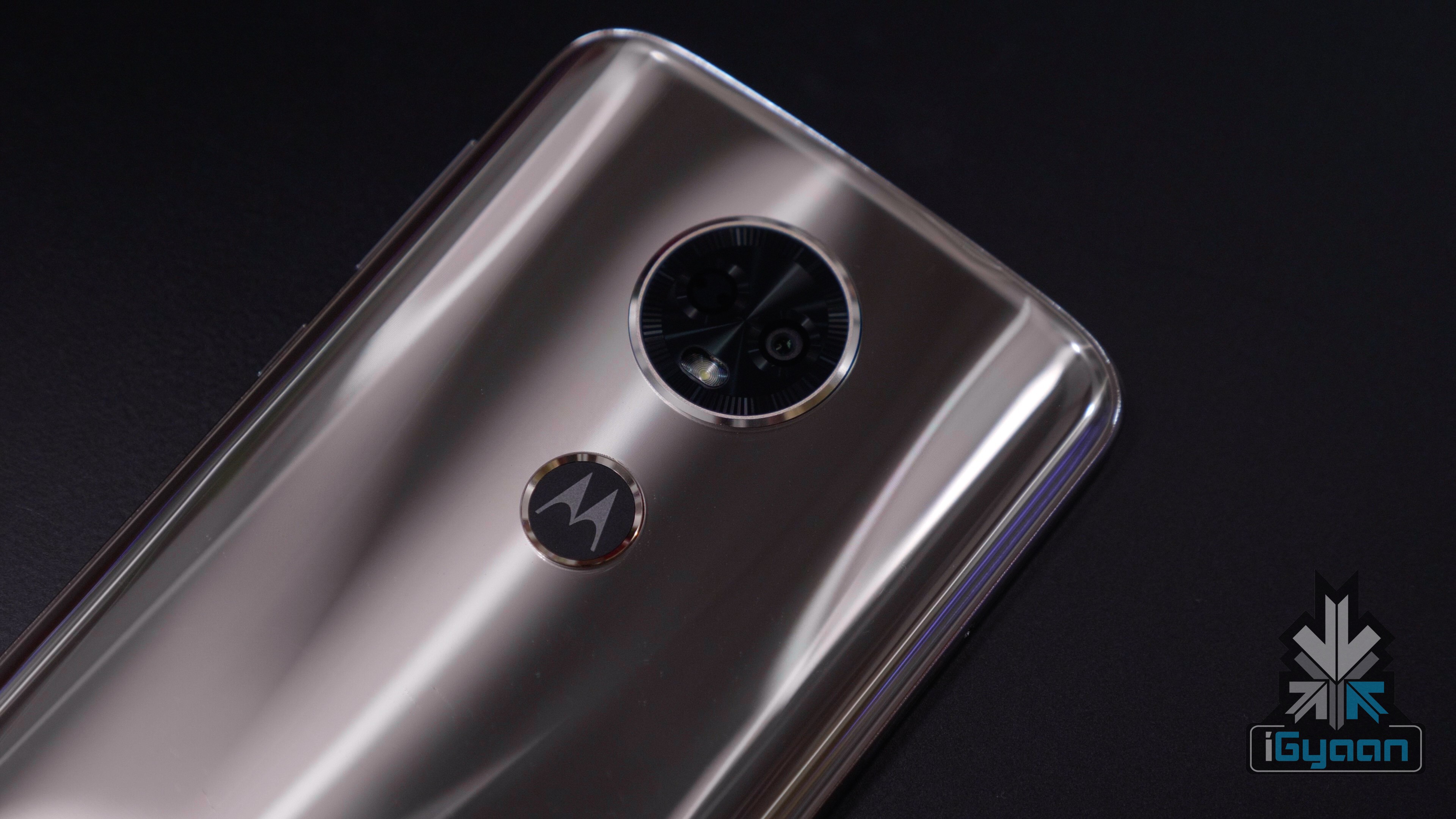
The previous leaks further insinuate Moto E6 will be kitted with the 28nm Snapdragon 430 SoC. The chipset is comprised of an Octa-core Cortex A53 CPU and the Adreno 505 GPU. In terms of optics, the smartphone will have a single f/2.0 aperture equipped 13 MP rear camera. For selfies, an f/2.0 aperture equipped 5 MP sensor is expected to be housed on top of the display. For memory and storage, the device is expected to feature 2GB of RAM and up to 32GB of Internal Storage. Unfortunately, it is not known when the Moto E6 will be launched, but the FCC listing suggests it may be on its way soon.
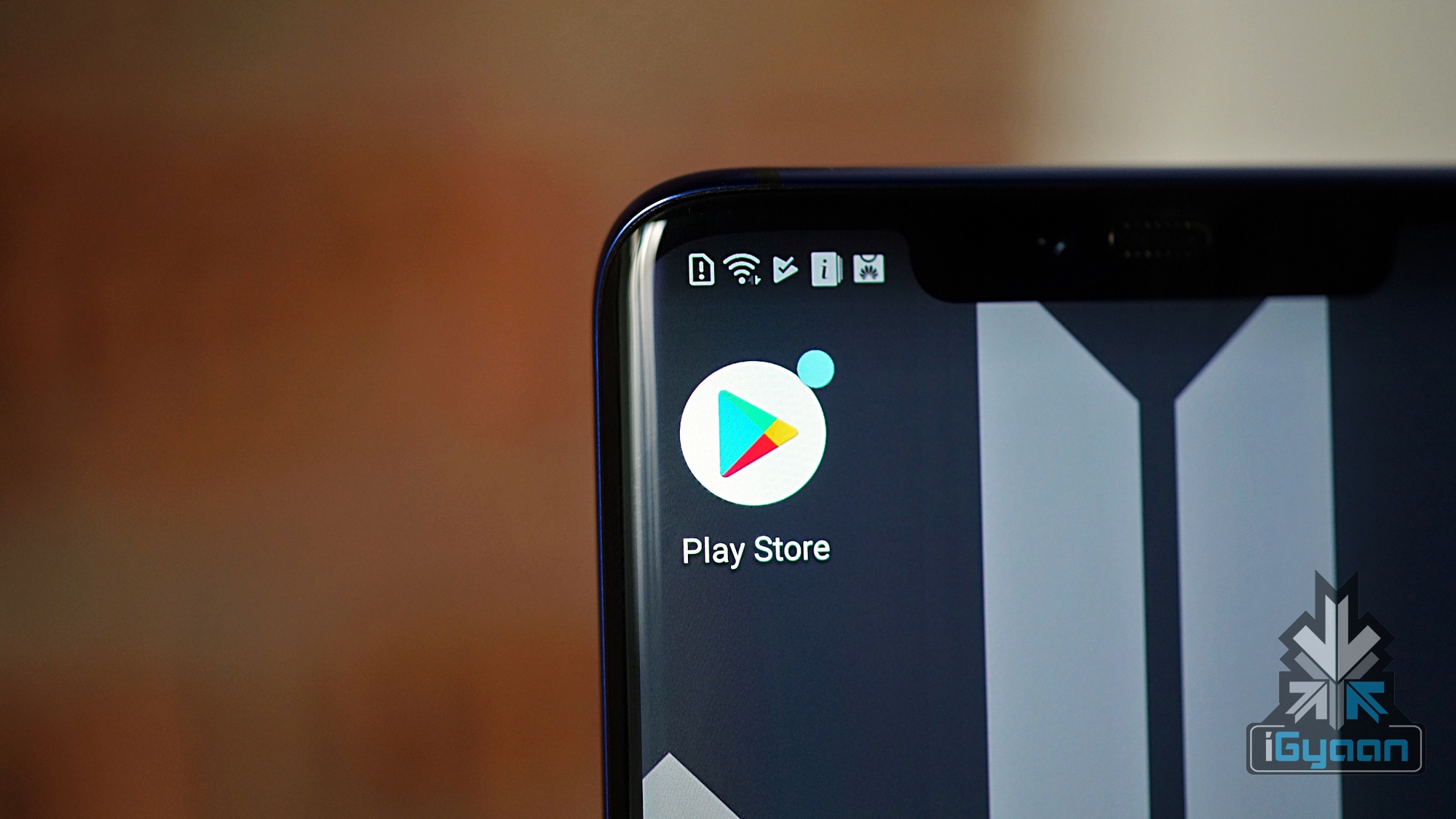
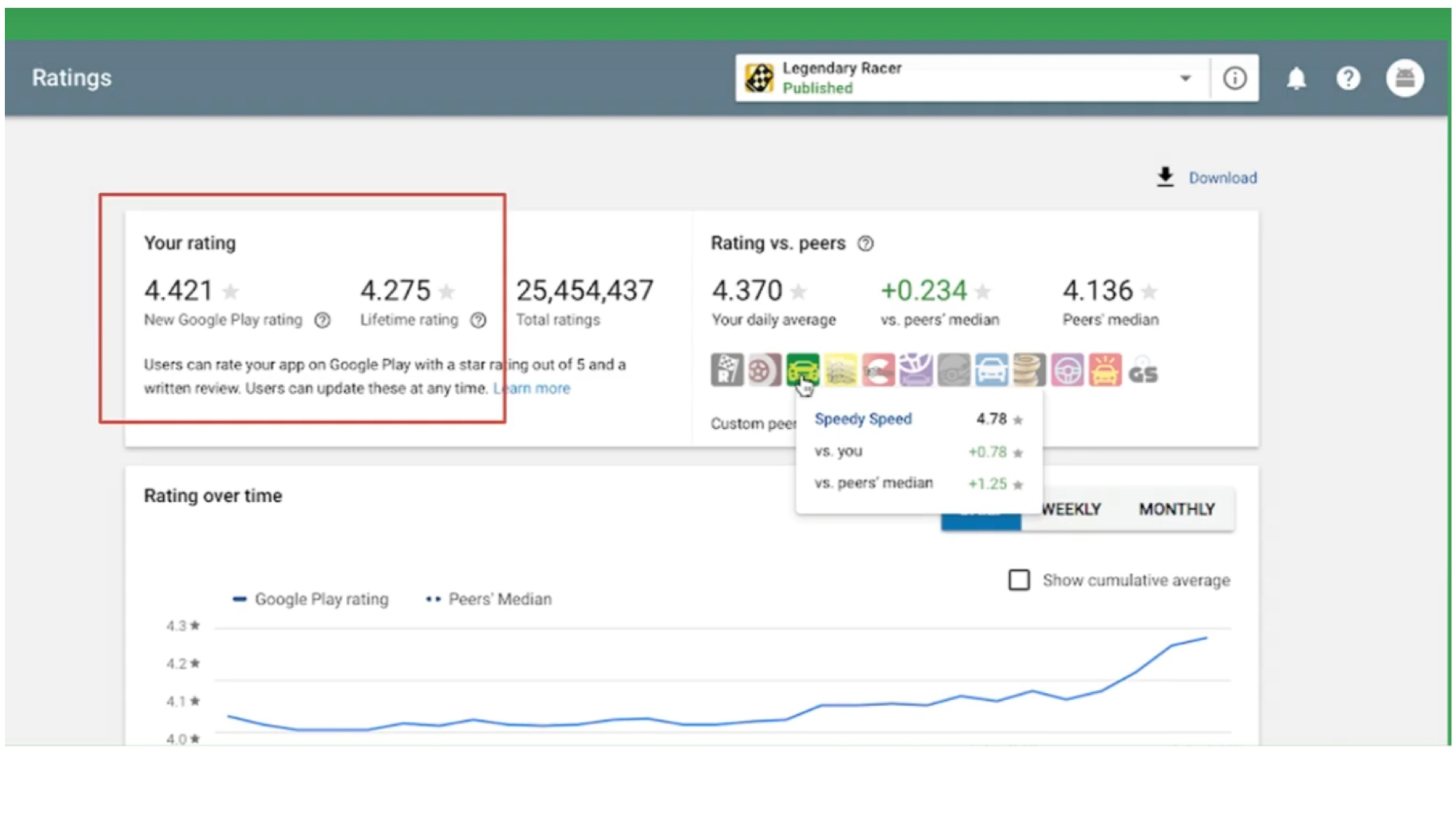
Google’s Play Store is a digital distribution service which houses millions of applications, games, books, movies and music files. It is used globally by several users of Android-enabled smartphones to download the aforementioned media. Now, in a bid to promote transparency in the ratings available for the applications on the Play Store, Google is changing how they work. At Google I/O 2019 developers conference, the search engine giant has announced it will now give importance to the latest rating given to an application to showcase its evaluation.
Google Play Store Ratings
According to a senior Google executive, the move is being done due to high public demand. She is further noted saying that the current system of rating in the Play Store uses the collective lifetime value of an application’s rating. The system is scheduled for a change later this year, wherein more emphasis would be given to the latest ratings for the application. The company claims this will reflect the developer’s hard work and efforts as any update can change how an app is perceived among users. For example, if an app that has had negative reviews gets updated and the experience is more refined, the ratings will give weight to the latest ratings, which were given after the update. A similar feature was provided by Apple around two years ago when it gave the developers of the App Store a choice; to refresh the ratings of an application after each update.
The latest update to the Google Play Store is expected to be a great change for the developers. However, in the last few weeks, reports of fake ratings on an app by a significant number of people have surfaced online. With the updated version of the Play Store, this can mean the ratings of the app would plummet significantly. While Google has not provided a release date for the feature, it will roll out by the month of August. For Android developers, the feature should be available for preview in their Play Store Dashboard starting May 8.
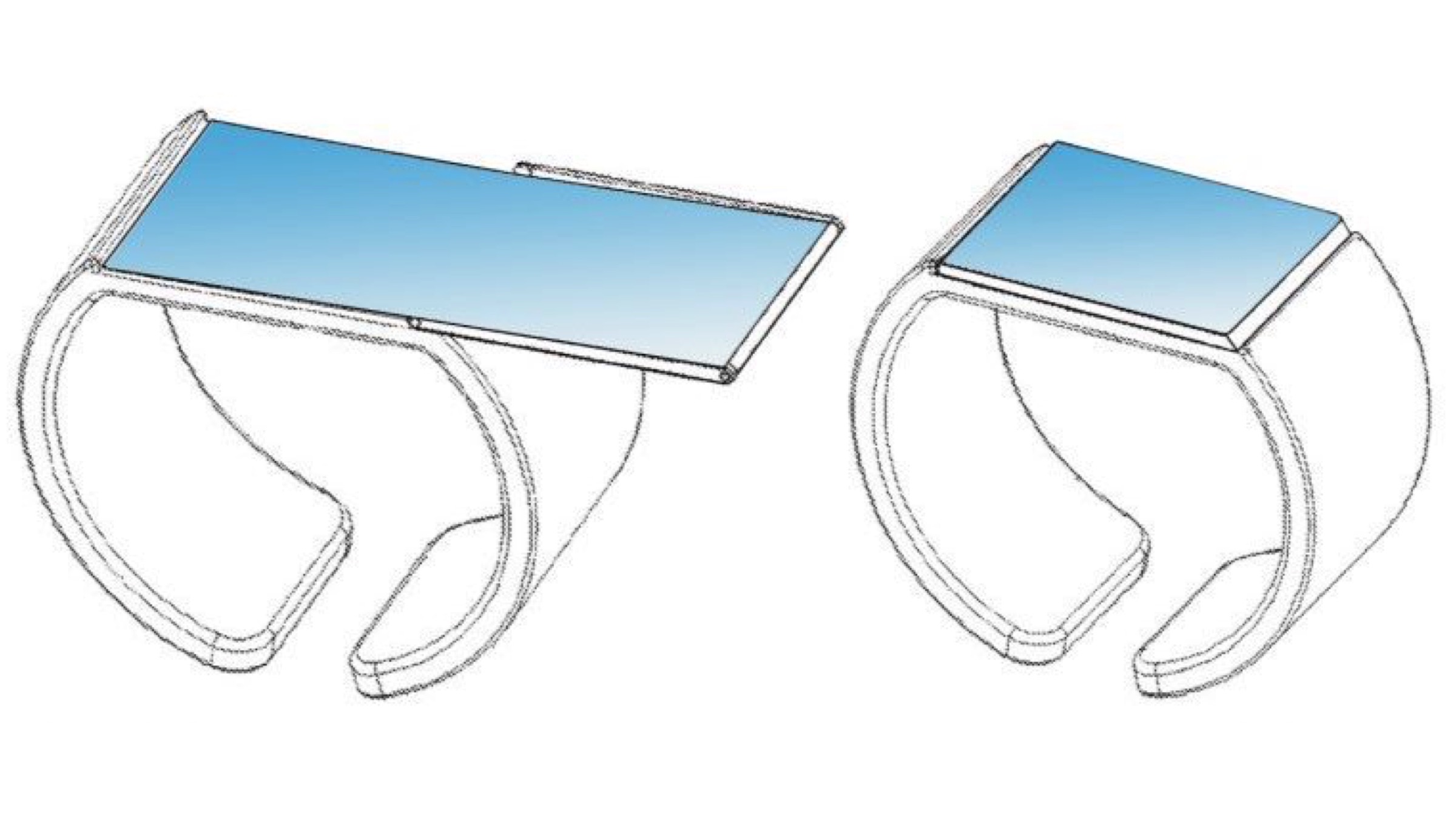
Chinese technology company Royole is best known for making the world’s first foldable smartphone, the Royole FlexPai. Fresh patents from the company have surfaced online which reveal it is working on two new design for foldable wearable devices. Both the wearables feature a large screen that can be folded to be comfortably worn on the wrist.
About The Patent
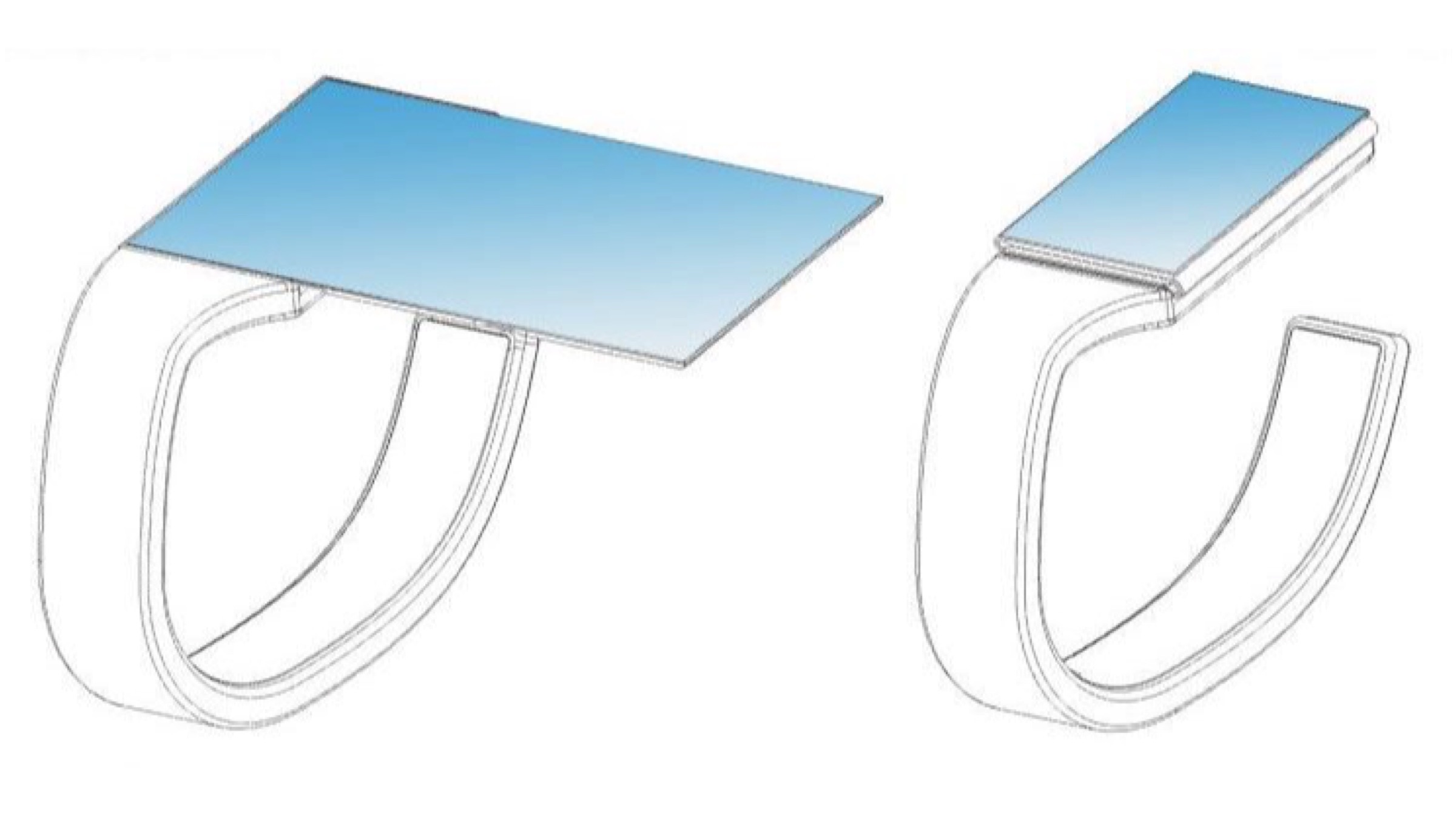
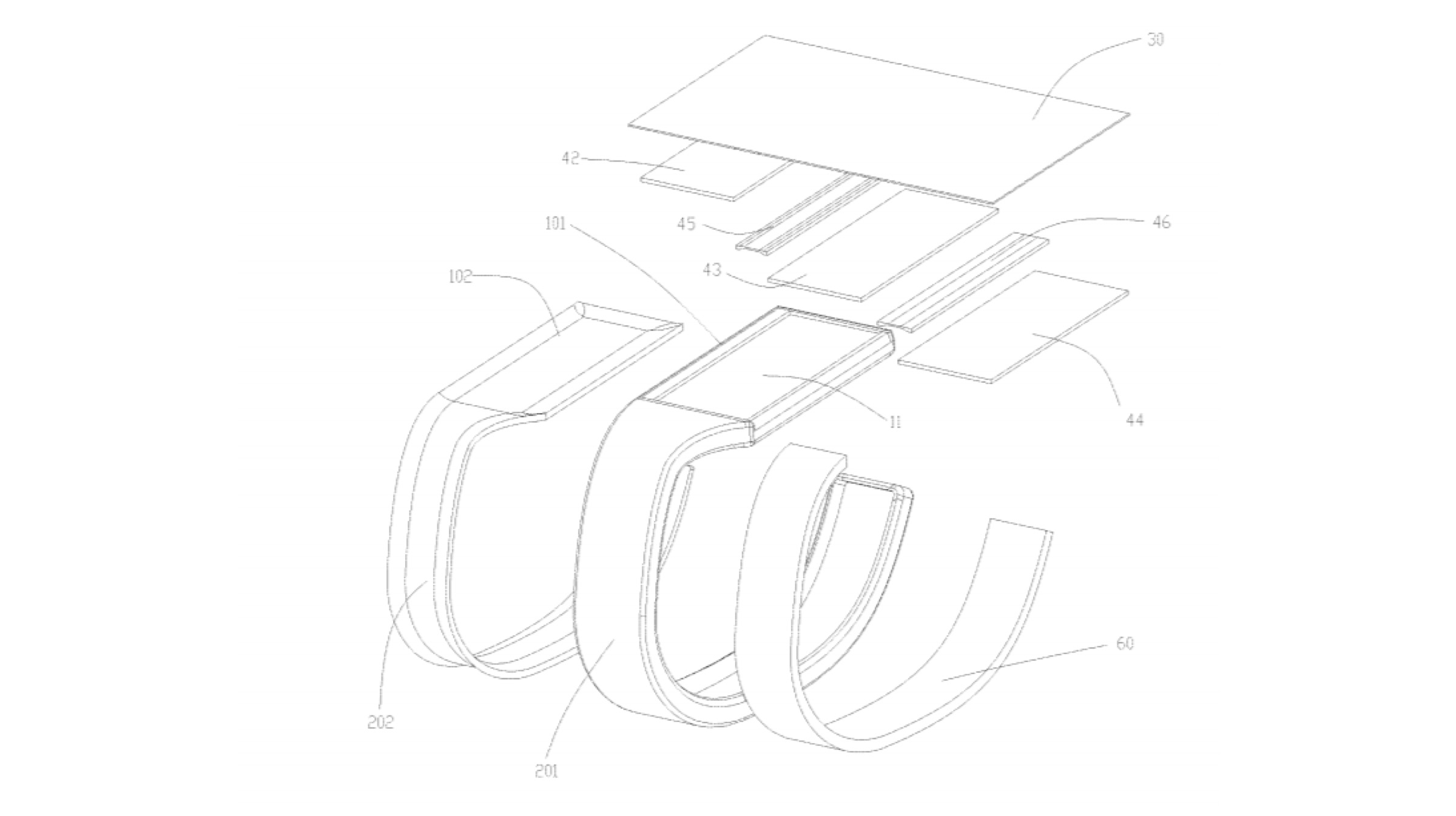
The patent for a folding wearable was filed by the Royole Corporation in the second half of the year 2017. It was then published on the website of the World Intellectual Property Organisation (WIPO) on the 4th of April 2019. Images in the patent reveal a flexible wristband with a foldable rectangular display. The display can be folded into a compact form factor that can be easily worn on the user’s wrist. To hold the screen together, magnets are used behind the display. All the necessary display components are processed inside the bendable housing behind its top layer. The patent claims the folding wearable will make use of a flexible battery, which will be integrated into the watch band. Unfortunately, it is unclear what battery technology will be used into the device, as modern-day Lithium-ion (Li-ion) batteries cannot be bent because they have a high chance of leaking or exploding.
The second patent showcased is of a ‘Smart bracelet’ which was published in the month of February this year. The images in the patent showcase a similar device to the first patent with minor differences. Like the one mentioned above, the device in the images also showcases a smartwatch with a foldable display, however, this time it is shaped in the form of a bracelet. The display on the smart bracelet can be unfolded downwards, providing an elongated screen. To facilitate the folding and unfolding, a rotating mechanism is used on the device. While the company has been granted these patents, it is unknown as of now if it will release devices corresponding to them in the near future.
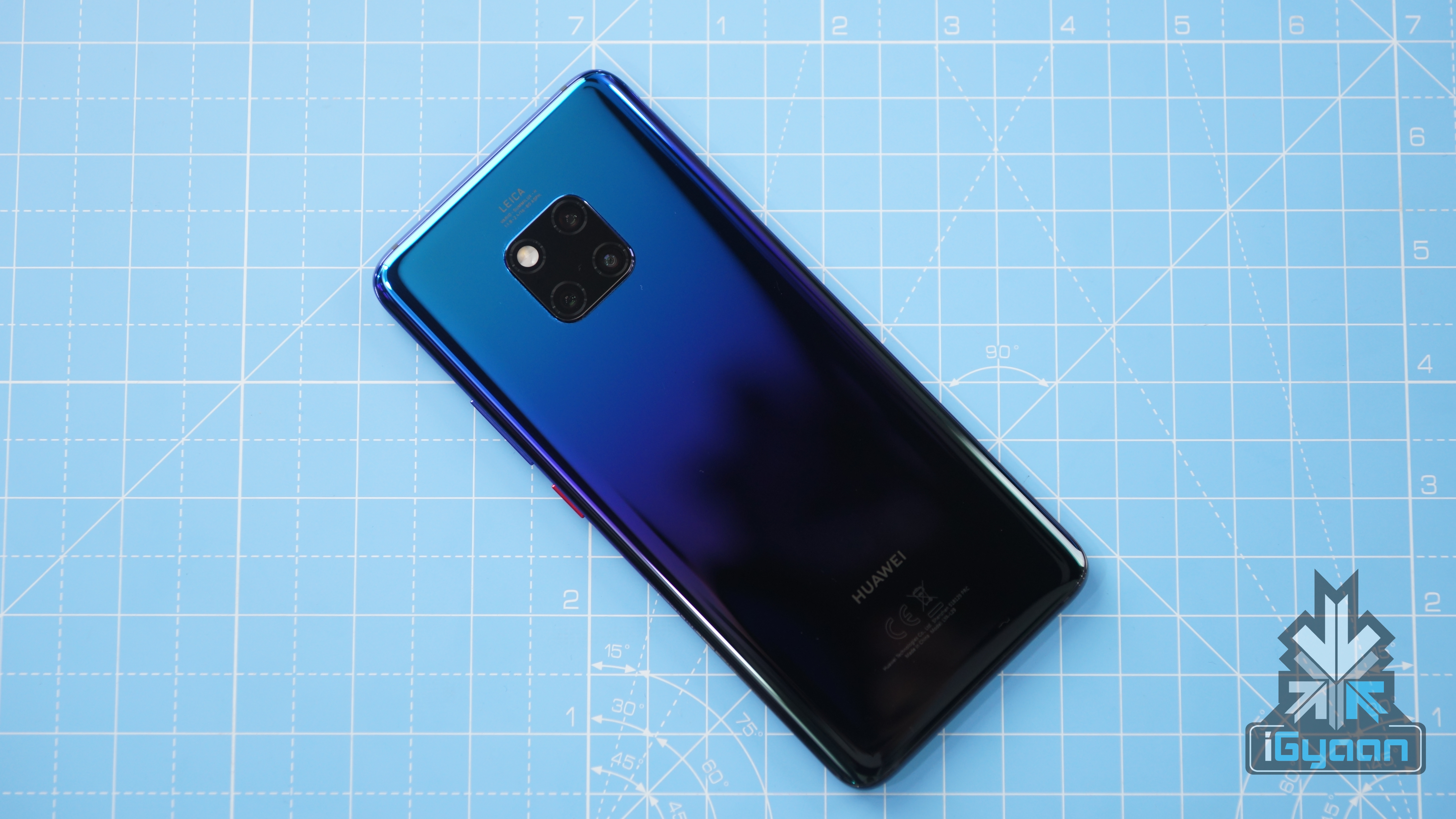
Huawei launched the world’s first smartphone to feature triple rear cameras, the P20 Pro last year. It was praised for its camera prowess and made the mobile industry notice the importance of more than two cameras at the back of a device. Since then, many more smartphones from OEMs like Samsung, LG and Xiaomi sport three or more camera sensors on the rear. According to a known research firm Counterpoint, the number of handsets with multiple rear camera sensors will only increase with time. Fresh reports from the organization claim one in every two smartphones sold in the year 2021 will have a triple rear camera setup.
Results Of The Research
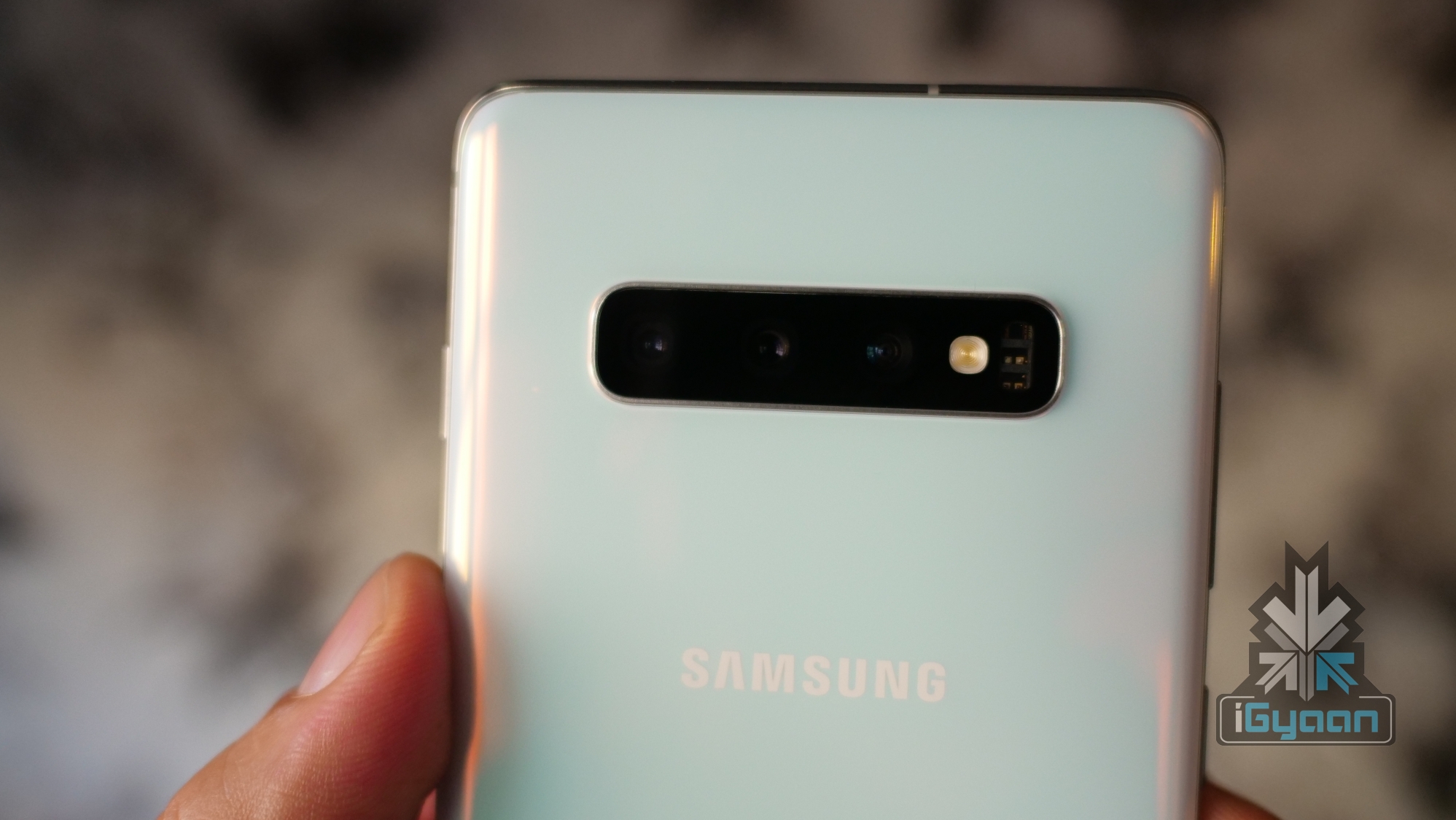
According to Counterpoint, more than 40 smartphones launched until the month of April 2019; had three or more cameras on the rear of the handsets. While 30 of them were launched in the Q1, 10 were made official within a span of one month; between March and April. Notable launches in the time period included devices like the Samsung Galaxy A50, Huawei P30 Pro, Samsung’s Galaxy S10 lineup and the Vivo V15 Pro. All the aforementioned smartphones feature three or more camera sensor on the back. Interestingly, OEMs like OnePlus with the upcoming OnePlus 7 Pro; and Apple with the rumoured iPhone XI will reportedly include a triple rear camera setup.
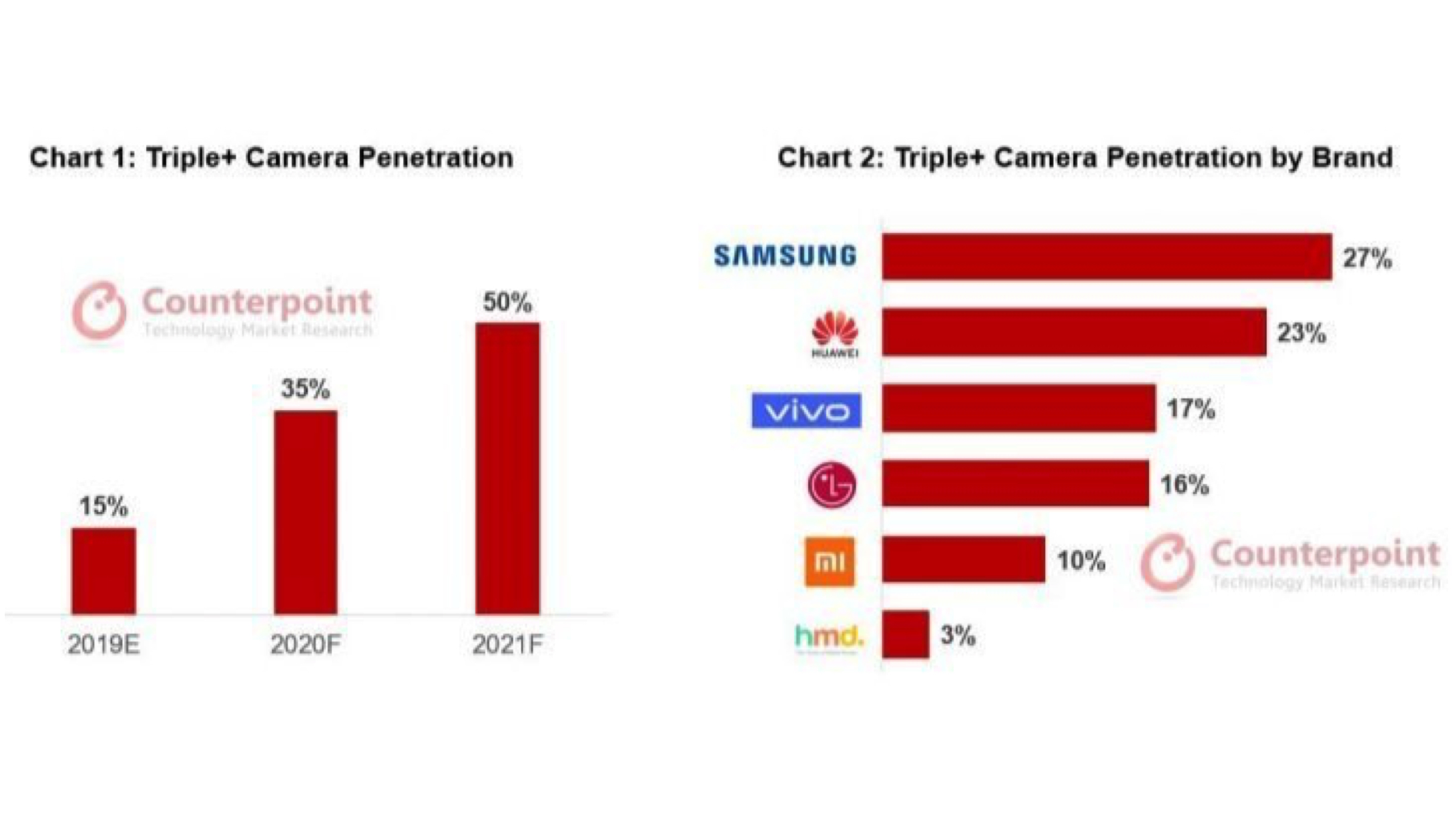
With the launch of many smartphones with multiple rear camera sensors; it is expected the market penetration for Triple or more rear camera setups will reach a share of 15 percent in 2019. This number is only expected to increase, to 35 percent next year, and 50 percent till the year 2021. In terms of smartphone OEMs, the highest penetration belonged to Samsung, with a 27 percent share. Huawei and Vivo stand at the second and third place respectively; with a 23 percent and 17 percent share recorded by Counterpoint. The increased demand for multiple cameras set up at the back of handsets is seen as the major factor behind the increase in the above statistics. Because of this, budget smartphones with triple or more rear cameras are expected to debut starting this year.
Taiwanese electronics giant Asus will launch its latest flagship smartphone, the Zenfone 6 on the 16th of May at an event in Valencia, Spain. While previous leaks revealed the specifications of the device, its design had been shrouded in a cloud of mystery, until now. A known gadget leaker has shared the case renders of the upcoming Zenfone 6 smartphone which unveils the handset in its full glory.
Asus Zenfone 6 Design
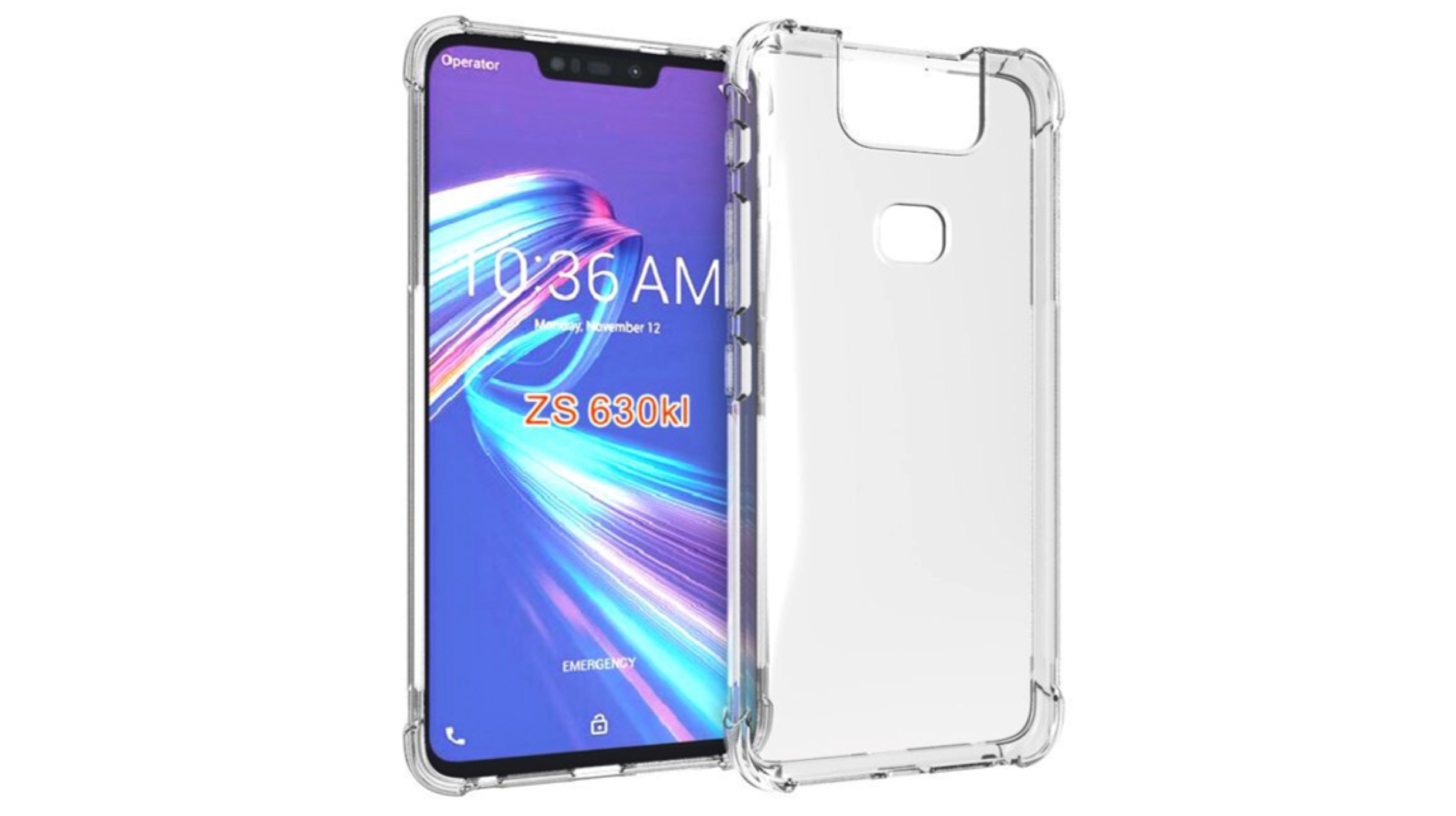
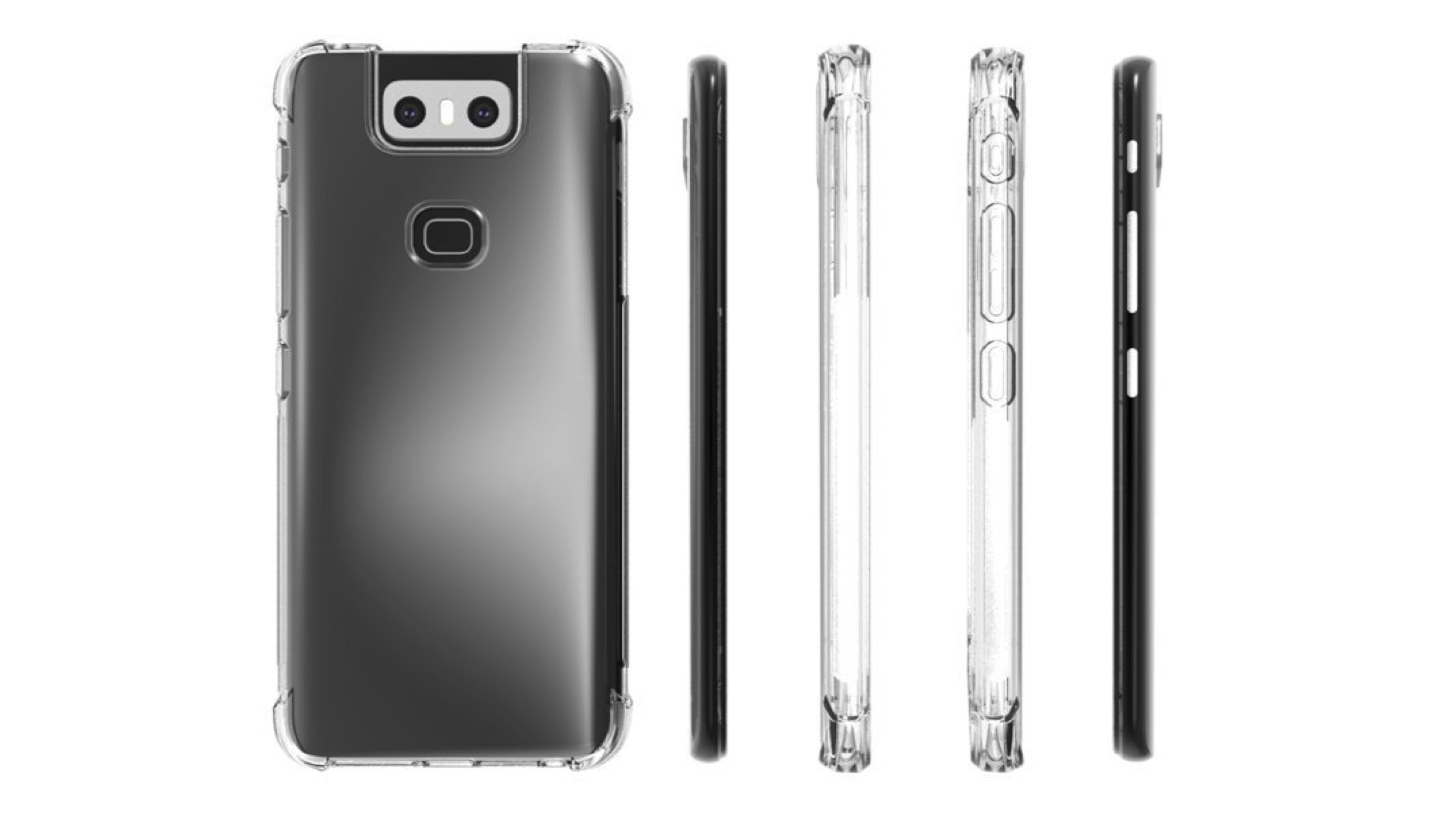
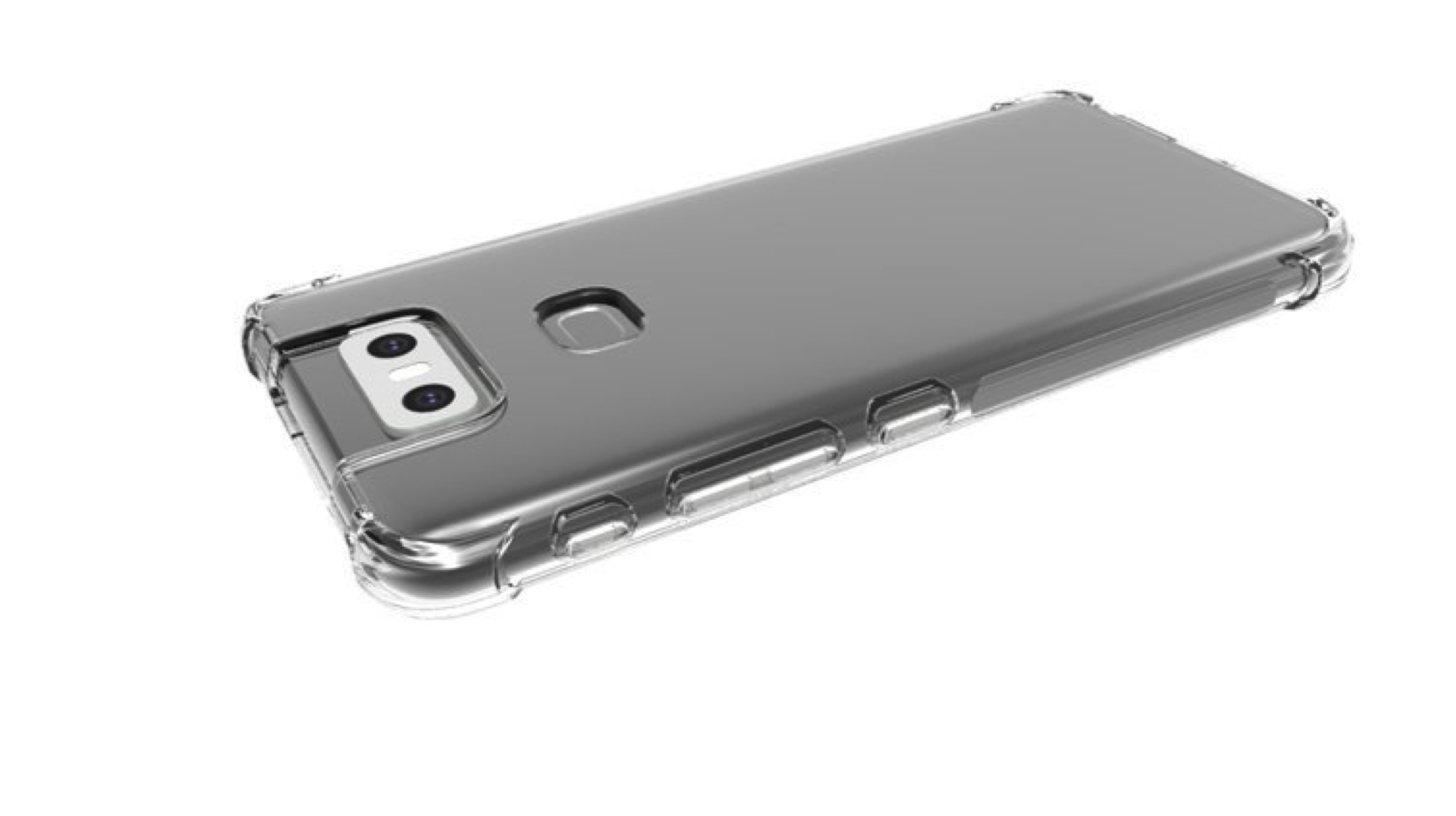
The upcoming Zenfone 6 smartphone from Asus will be the company’s flagship offering; and will succeed the Zenfone 5Z launched last year. Leaked case renders of the device showcase what it could look like once it is official. The images exhibit a design reminiscent of its predecessor, complete with an all-glass build on the front and the back. The front of the handset is dominated by a large display with minimal bezels on the side and a wide notch up top. There is a minimal chin at the bottom of the display which may house the display components inside it.
The images further reveal the back of the Zenfone 6 will have a horizontally placed dual camera setup with an LED flash between the two lenses. A rectangular shaped fingerprint scanner is also visible on the rear of the device which will be used to rapidly unlock the smartphone. The right of the handset has the volume rockers and the power button, but at the top, the Zenfone 6 will also have a third button. Unfortunately, it is not known what function will be assigned to the additional key, although it may be used as a mute switch; which will help in switching the smartphone to silent, ringer and vibrate mode. A similar switch has been available in devices from Apple and OnePlus for a while. The leaker also claims while the basics layout will be the same, the Zenfone 6 may end up looking different than the one present in the renders.
Specifications
Even though the teaser does not reveal any specifications of the Asus ZenFone 6, the information can be derived from past leaks. The previously uncovered Geekbench listing of the smartphone states that it will feature the Snapdragon 855 which is manufactured using the 7nm fabrication process. The chipset is comprised of an Octa-core CPU and the Adreno 640 GPU. The listing also revealed that the device packs 6 GB of RAM, however, Asus is likely to launch the handset with higher RAM capacities as well. It is expected to run on the latest Android 9 Pie which may be skinned with Asus’s custom ZenUI on top. As previously mentioned, the company will launch the Zenfone 6 on the 16th of May when all the details about the smartphone can be confirmed.
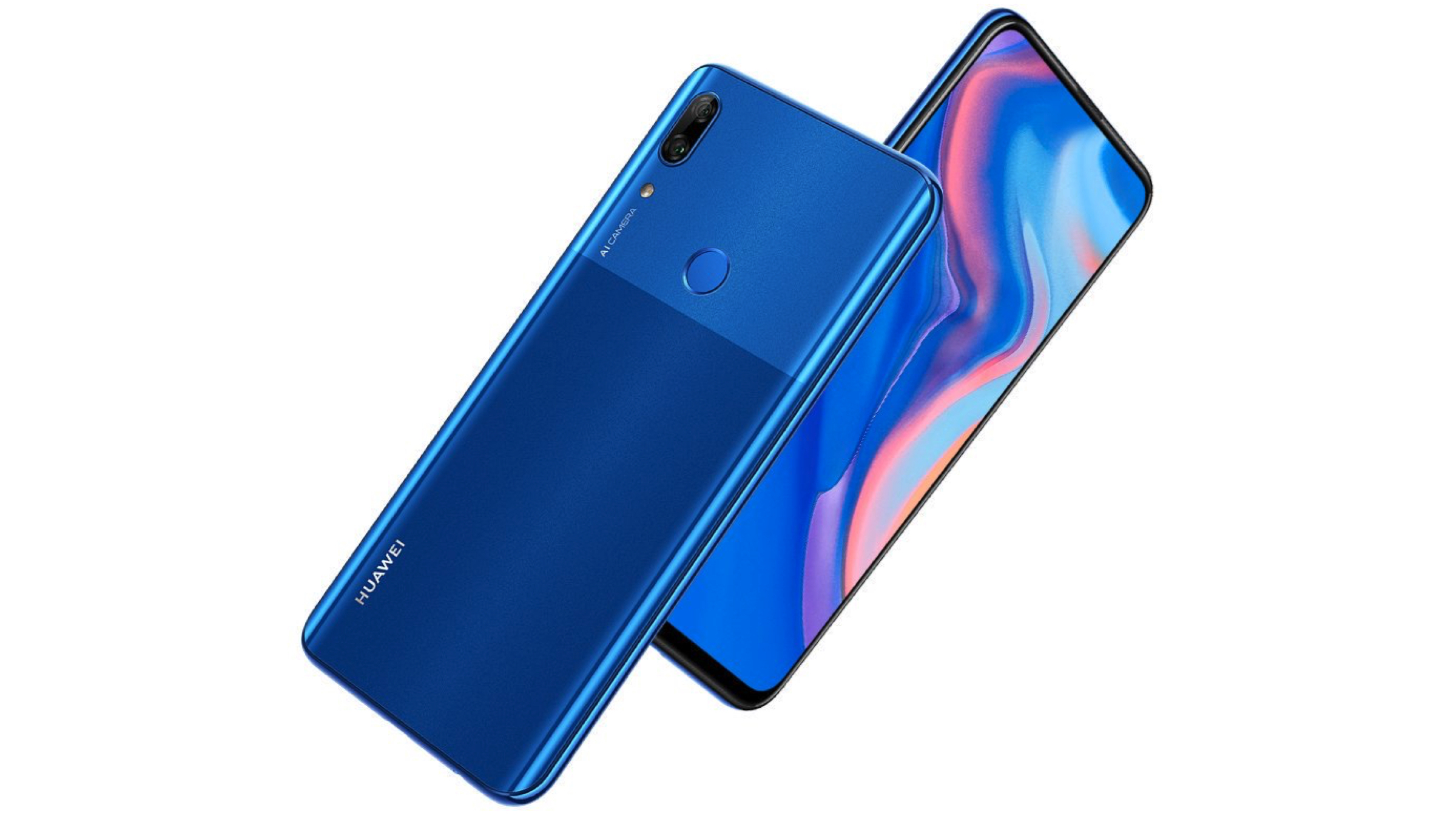
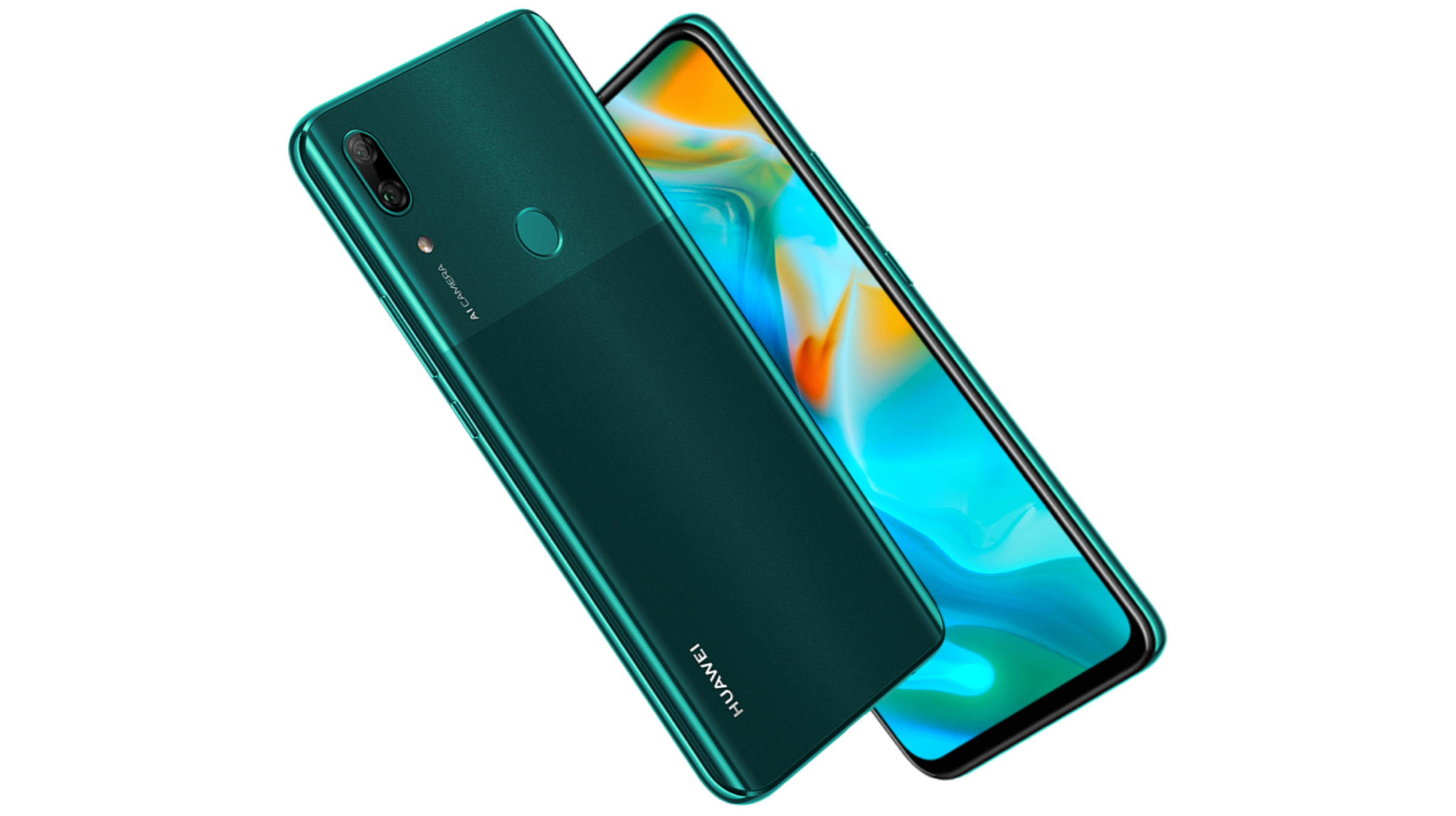
Huawei has listed its latest smartphone, the P Smart Z on its official Spanish website. The device boasts of being the first from the company to sport an elevating mechanism to house the front-facing camera, implementation of whose was first seen with the Vivo Apexsmartphone last year.
Huawei P Smart Z
The P Smart Z features an all-glass design on the front and rear with two-tone colour design on the back. It has a large 6.59-inch display with a resolution of 2340 x 1080 px and a pixel density of 391 ppi. To maximise the screen real estate of the smartphone, a pop-up camera mechanism is implemented on top of the device. The technology is also seen in smartphones like the Vivo V15 Pro and the rumoured OnePlus 7 Pro. For biometric security and rapidly unlocking the handset, it has a rear mounted fingerprint sensor with support for face unlock technology.
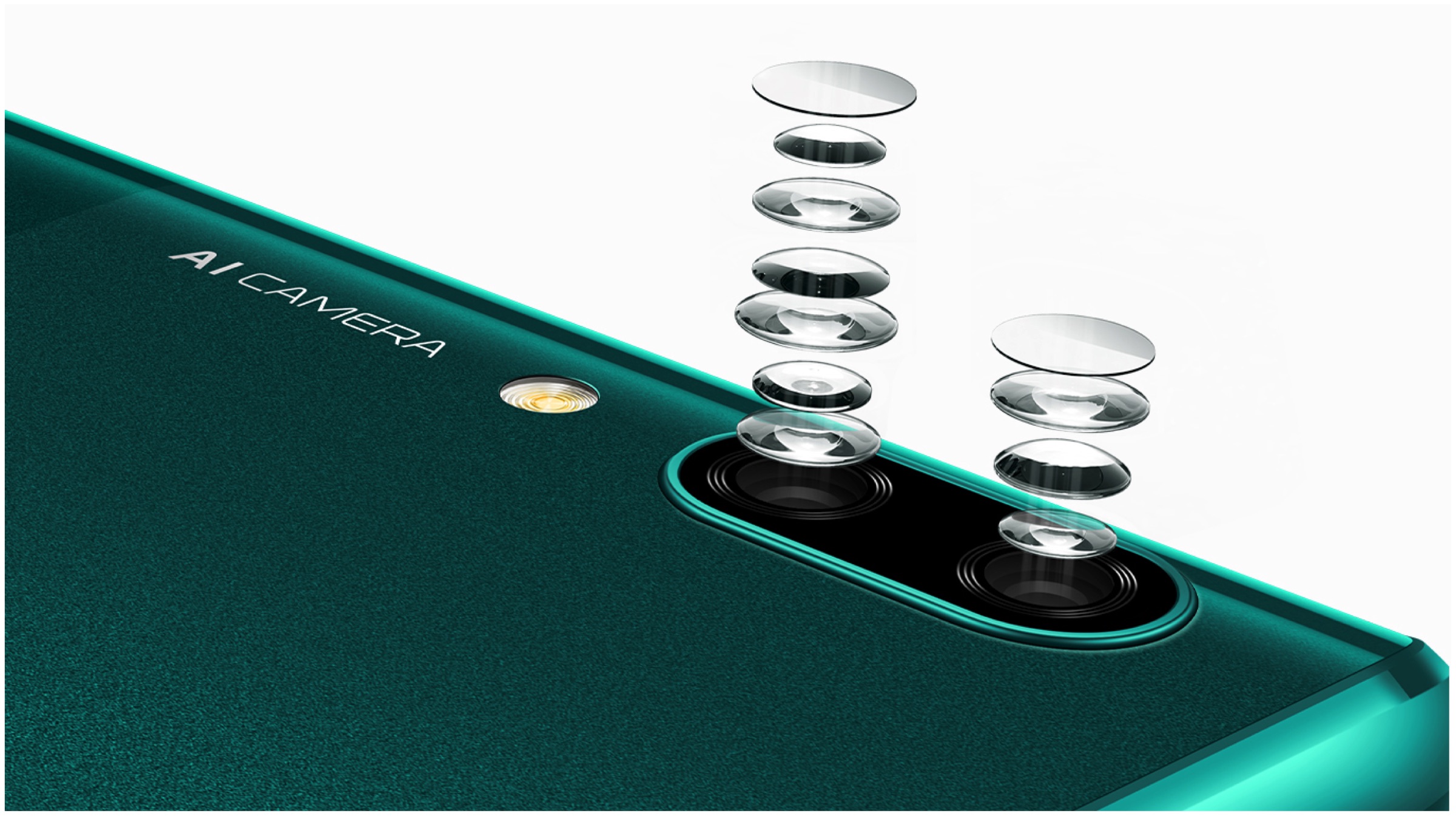
Under the hood, the Huawei P Smart Z is kitted with the 14nm HiSilicon Kirin 710 chipset, which consists of an octa-core CPU and the Mali-G51 MP4 GPU. In terms of optics, the smartphone has a dual rear camera module, which consists of an f/1.8 aperture equipped 16MP primary sensor and an f/2.4 aperture equipped 2MP depth sensor. For selfies, the pop-up mechanism houses the f/2.0 aperture equipped 16MP selfie camera. For memory and storage, the device features 4GB of RAM and 64GB of Internal Storage.
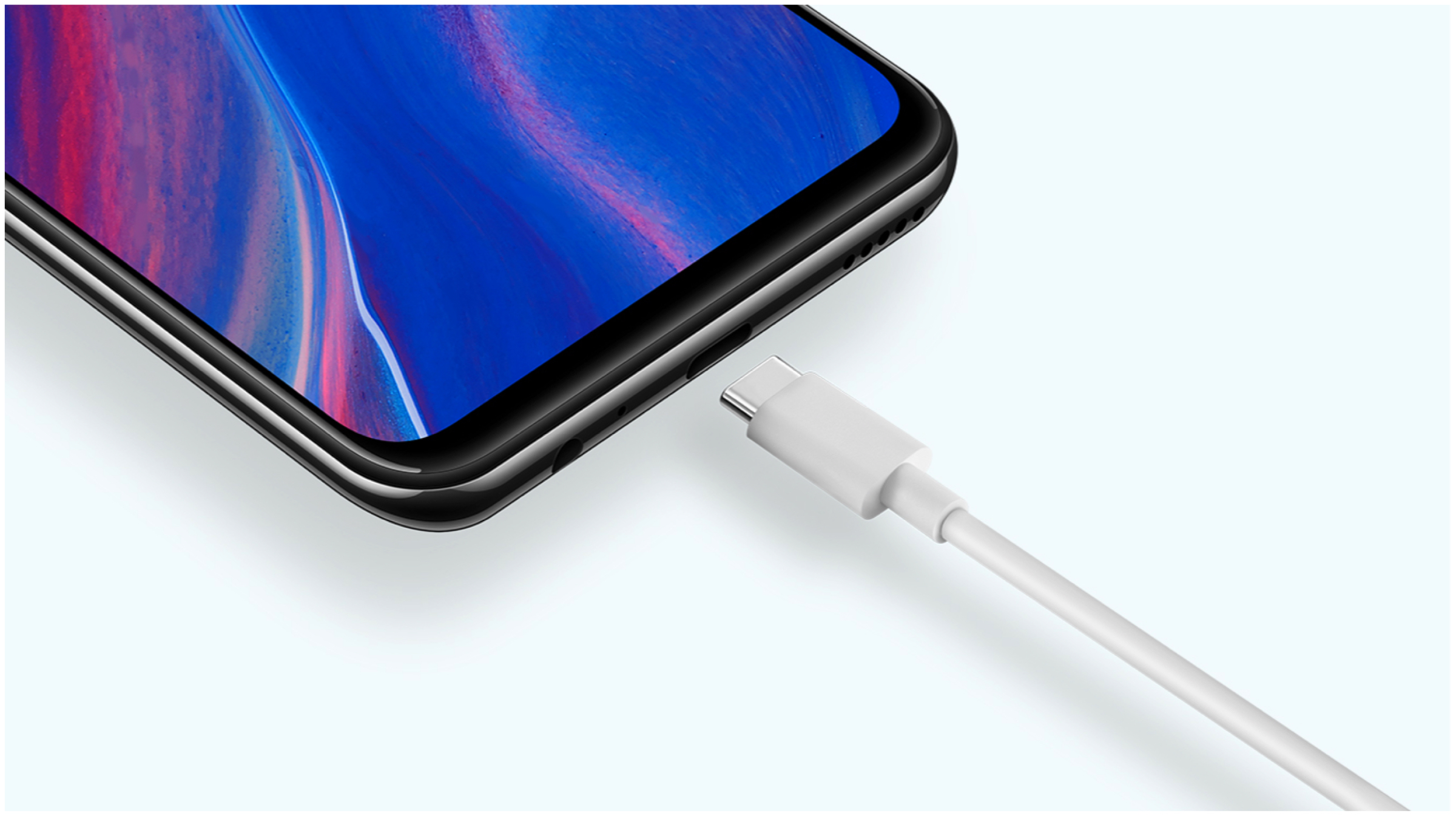
The Huawei P Smart Z is powered by a 4000 mAh battery which can be replenished by the bottom mounted USB Type-C port on the device. It runs on the latest Android 9 Pie, which is topped off with the company’s custom skin EMUI 9. The smartphone will be available in three colours, namely Sapphire Blue, Midnight Black, Emerald Green.
While the Huawei P Smart Z has been listed on the company’s official Spanish website, details about the pricing and availability are not known yet. But, previous leaks reveals it will be priced at EUR 279 (Rs. 21,600). As it has officially been listed by Huawei, it is expected to be made available for purchase in the following weeks.
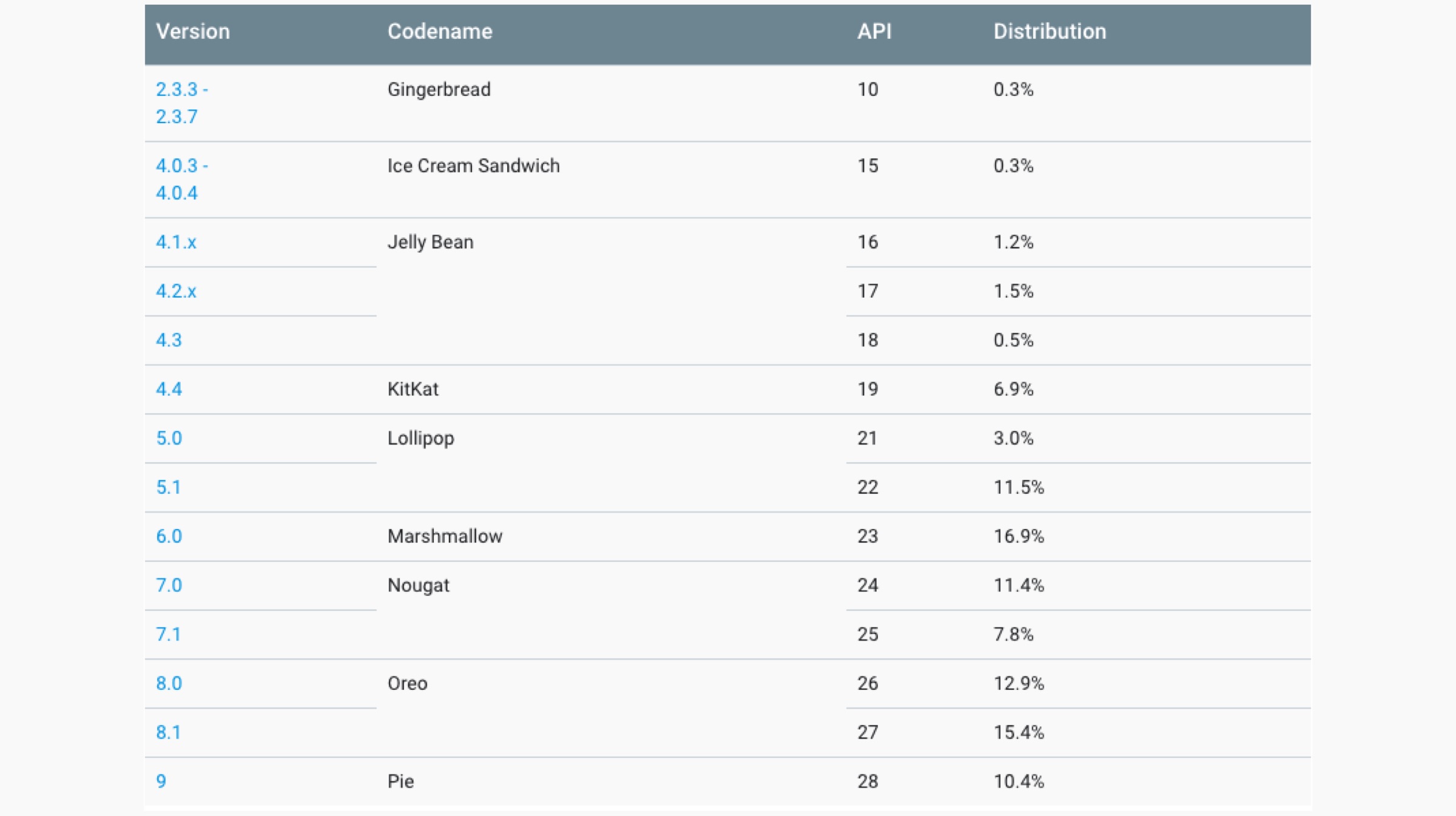
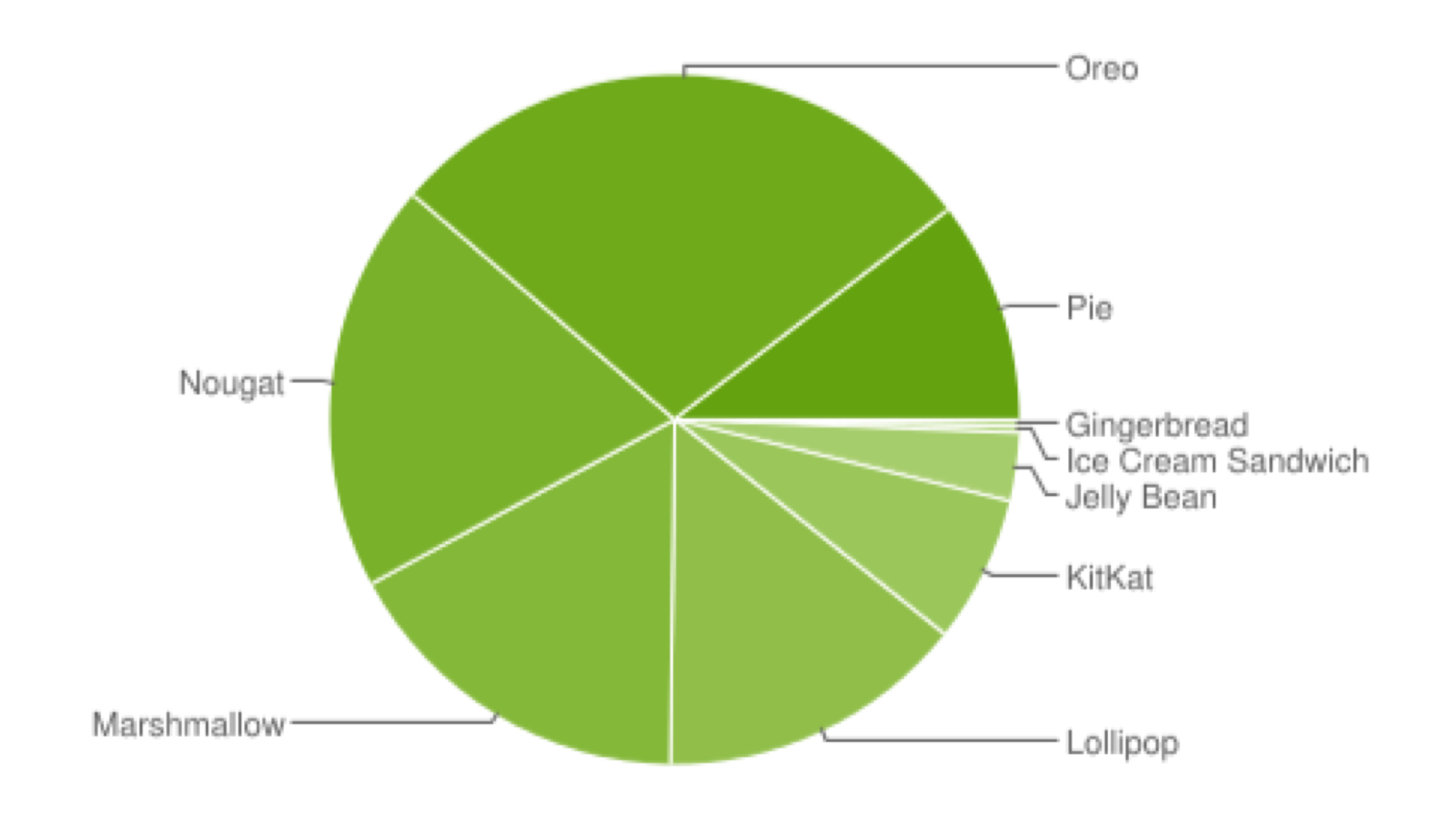
Google released the Android operating system for mobile devices back in the year 2008. The latest version of the OS is Android 9 Pie, which is its ninth major release. Before the launch of its successor, dubbed Android 10 Q in the following months, Google has released the Android Distribution list on the software’s official website. The list showcases the statistic of how many devices are running a particular version, and if a new version has been successful or not. The company refreshes the list every six months and this time it revealed Android version 8, named Oreo, is most popular worldwide.
The Result
As mentioned above, Google refreshes the Android Distribution list every six months; with it being updated previously in the month of November last year. The company claims it collected the data over a 7 day period ending May 7, 2019. It also notes the versions with less than 0.1 percent usage were not included in the list. The list reveals the Android versions 8.0 and 8.1, both referred to as the name Oreo, with a combined percentage of 28.3 %, are the most used OS by the company worldwide. It was originally released back in the year 2017. Noteworthy, in the last list that was released by Google, the version 7.0/7.1, named Nougat was the most used at the time.
The Android Distribution list is followed by version 7 Nougat, released in the year 2016 in the second place with a combined share of 18.4 %. In the third place is the Android 6 Marshmallow released in the year 2015 with a cut of 16.9 %. After version 5 Lollipop with a share of 14.5% in the fifth place, the latest Android 9 Pie makes an appearance with a percentage of 10.4%. The latest statistics from Google showcase the Android Fragmentation problem that has plagued the platform since the beginning. The terms refer to the disparity in the software’s versions running on devices currently in use. The company is expected to release the latest version of the mobile operating system later this year.
Renowned video game company EA surprised the world by launching Apex Legends; a battle royale game developed by Respawn Entertainment in the month of February. The game was originally launched for Personal Computers (PCs) and major gaming consoles including the Xbox One and PlayStation 4/4 Pro. The game primarily competes with PlayerUnknown’s Battlegrounds (PUBG) and Fortnite which are two very popular titles in the battle royale genre. While both the aforementioned games have been available on Android and iOS OS since last year, it was expected EA will also make Apex Legends available on the said platforms soon. Now, in the quarterly earnings announcement from the company, it has been revealed the game will soon be launched for mobile platforms as well.
Apex Legends Mobile
In the quarterly earnings report for EA, the publisher announced it is looking forward to bringing the Respawn developed game, Apex Legends to mobile platforms to countries like South Korea and China. While the specific details about which mobile platforms will be supported have not been revealed, it is reported the title will be available across the two most popular mobile operating systems, Android and iOS. Noteworthy, both the aforementioned OS run on more than 90 percent of the smartphones and tablets globally. Reports also state the upcoming mobile version will essentially be the same as the version already available on PC and gaming consoles. However, the non-mobile versions are graphically intensive which may be toned down to reduce the size of the game for portable devices.
Apex Legends since its launch on the 4th of February earlier this year has seen unprecedented success. The game acquired more than 25 million players within a span of one week of release, which set a new record. Apex Legends is based on the Titanfall universe, which is a popular game series by Respawn Entertainment. Unfortunately, neither EA or Respawn have provided a launch date for the upcoming Apex Legends Mobile, but it is believed the company will launch it soon, to keep the early momentum of the title’s success going.
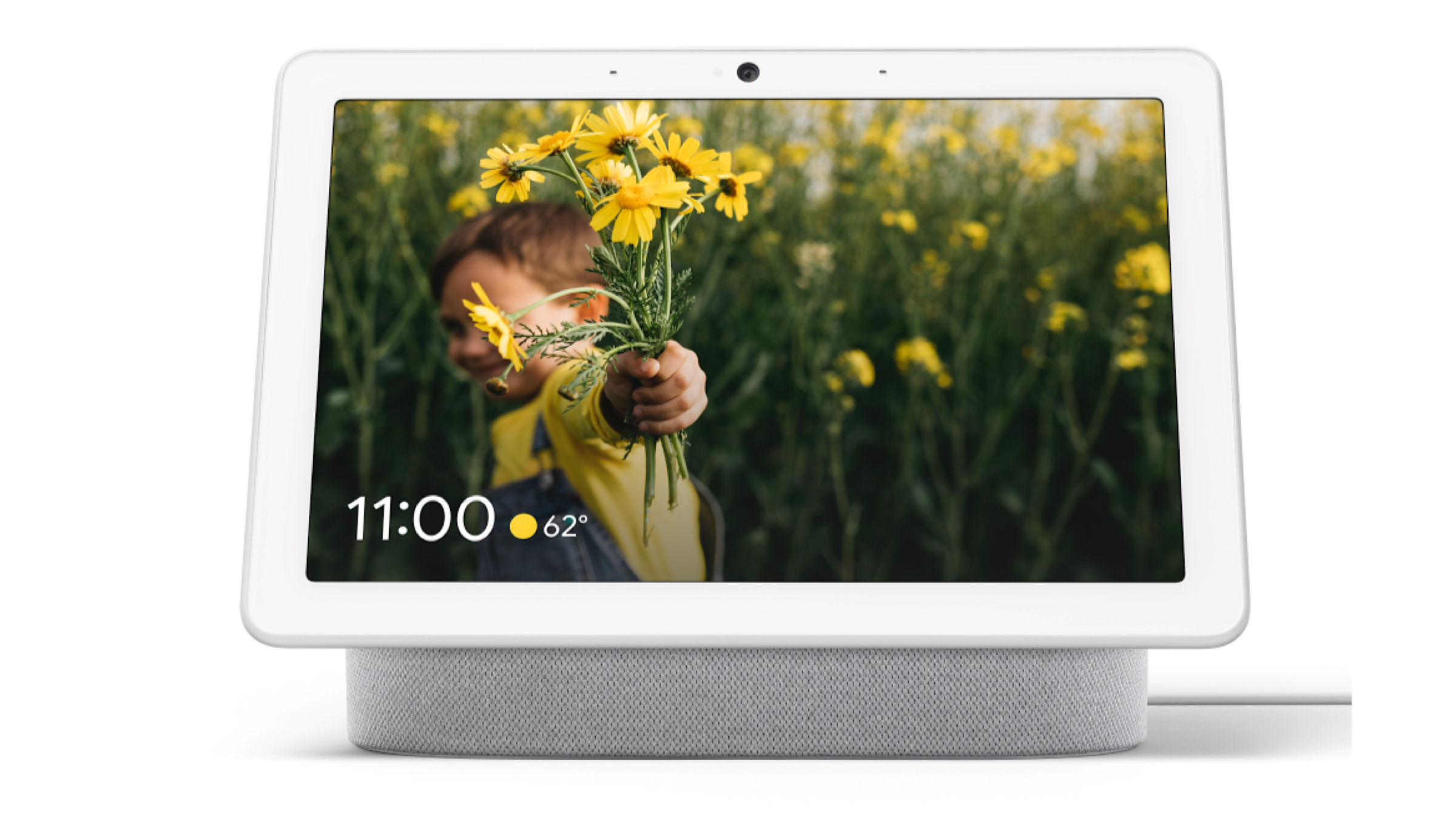
At the Google I/O 2019 developers conference, the company showcased a variety of new services(1) and the long-anticipated Pixel 3a smartphone duo. Additionally, it launched the Nest Hub Max smart display which succeeds the Home Hub launched last year. The company has announced the products under the home category that will be branded in the Nest lineup starting with the new Nest Hub Max.
Nest Hub Max
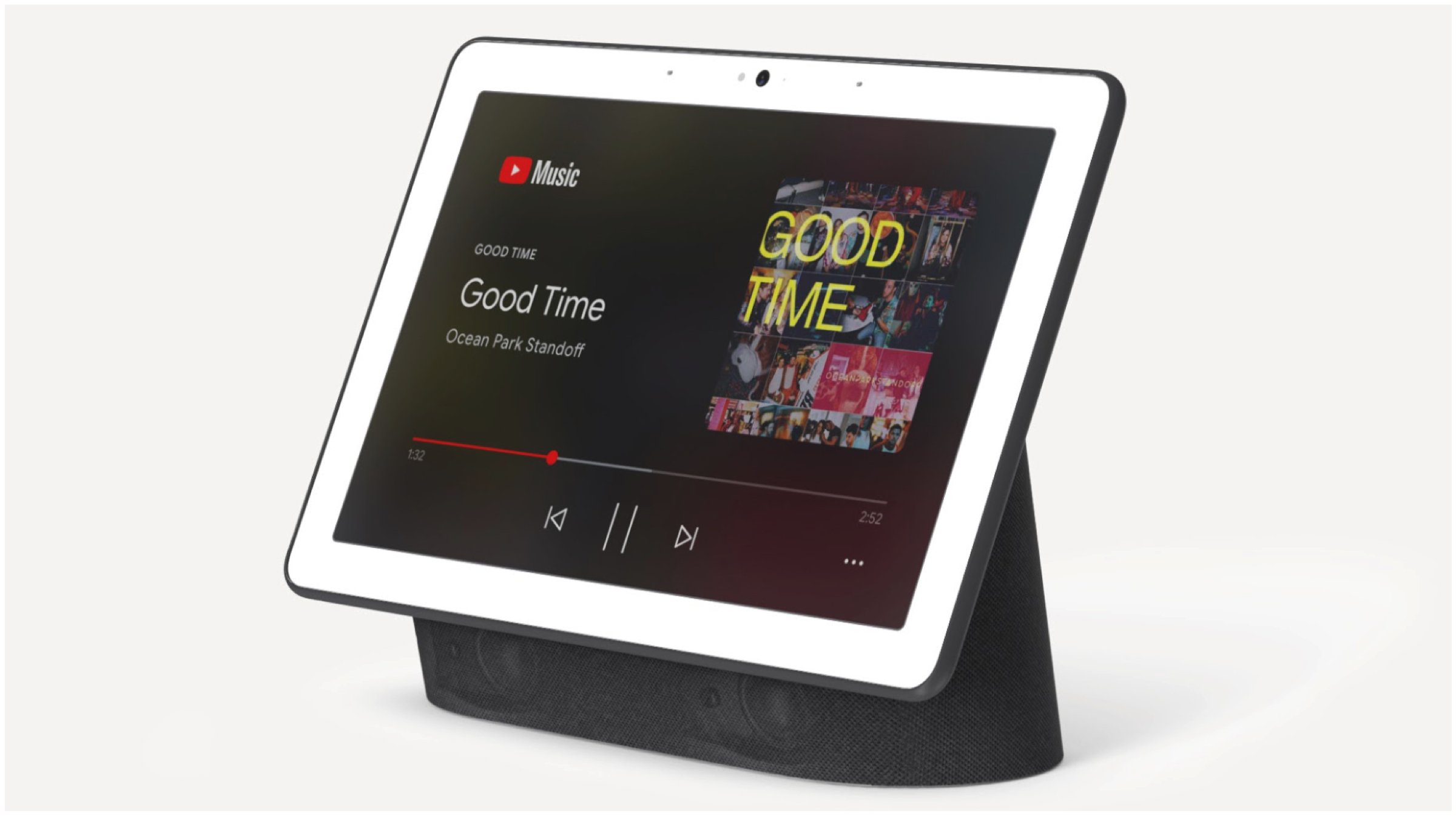
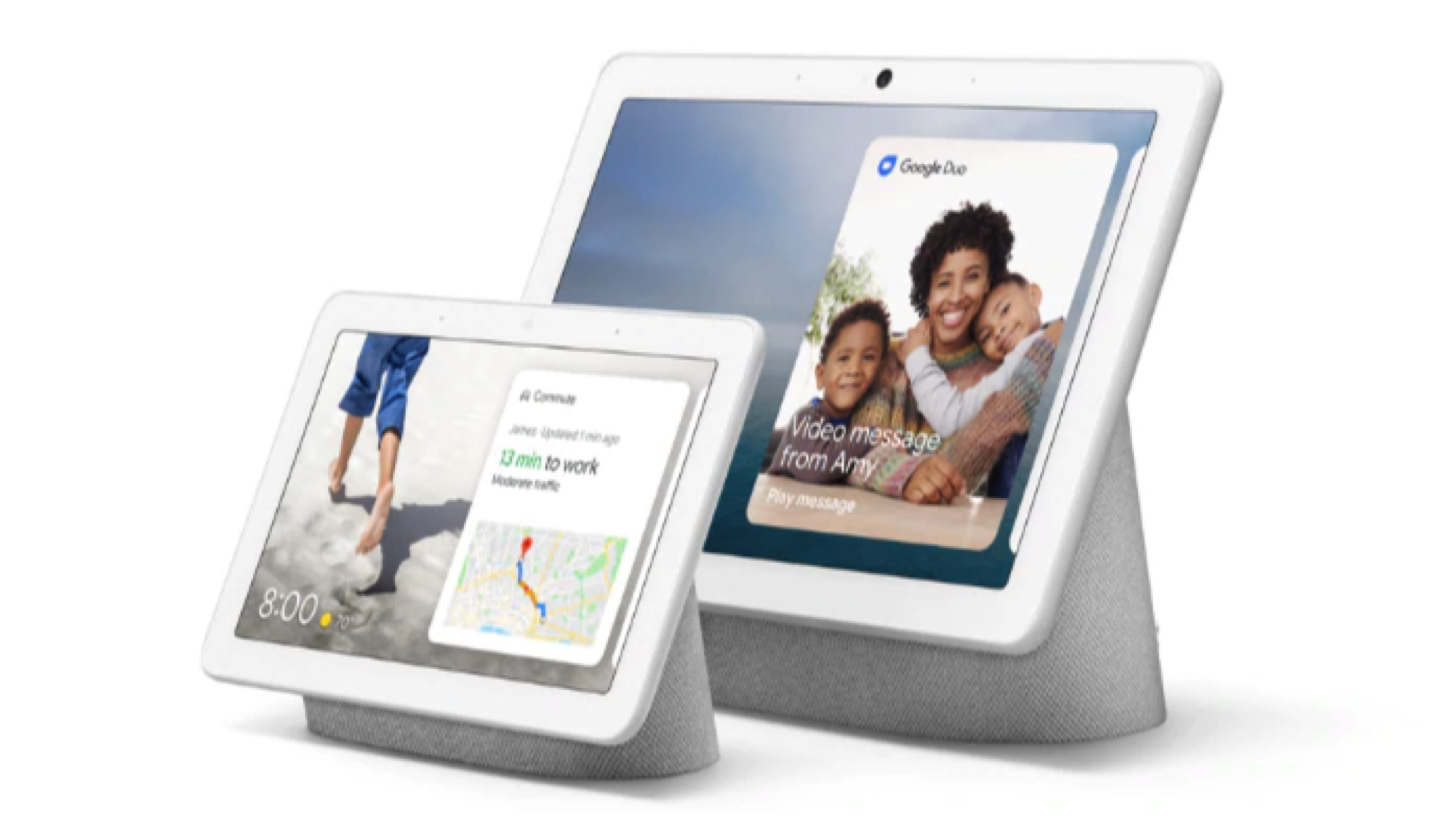
The new Google Nest Hub Max is a smart display with a built-in speaker and Google Assistant. Unlike the previously launch Home Hub, the device features a front facing camera which can be used to make video calls via the company owned Duo video calling service. The camera uses a wide-angle Sony IMX277 sensor which combined with software algorithms can track and keep faces in the centre of the frame during video calls. Notably, this is the same sensor present on the GoPro Hero 7 Black action camera. The key highlight of the product is the 10 inch LCD display with an HD resolution; which is significantly larger than the 7-inch one found in its predecessor.
The Nest Hub Max also supports gesture recognition which can be used to play/pause the music or video without the need of speaking out a command. It also has a switch on the back which can be toggled to disable both the camera and the dual microphones on the device. The company has implemented the feature to address the ever-increasing security concerns of installing a microphone and a camera in a household gadget. Additionally, the Nest Hub can play videos via YouTube and is capable of recognizing individuals in a family. The device can then give out individually specific briefing relevant to the person interacting with it.
The Nest Hub Max will be available for purchase in the US, UK and Australia later this summer. It has been priced at US$ 229 (Rs. 15,900) and can be purchased from the official Google Store. Furthermore, the company is also launching the last generation Home Hub in 12 new countries including India. The device has been discounted to US$ 129 (Rs. 9,000), down from its original price of US$ 149 (Rs. 10,400).
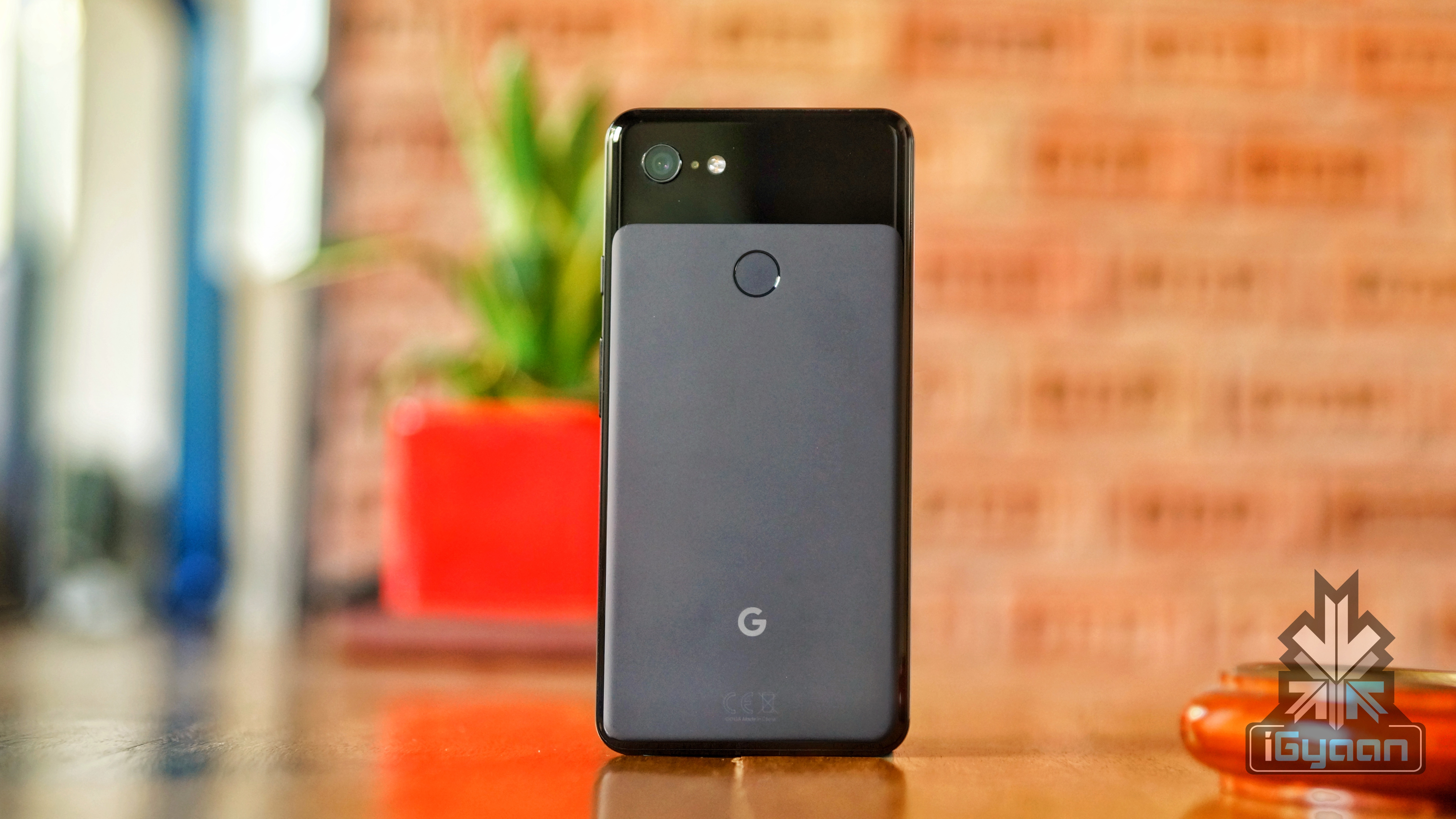
After much leaks and speculations, American technology giant Google has launched the Pixel 3a and Pixel 3a XL smartphones. Both devices are the watered down variants of the Pixel 3 and Pixel 3XL flagship smartphones respectively which were launched last year. The handsets feature a modern design with competitive specifications at a lucrative price.
Specifications:
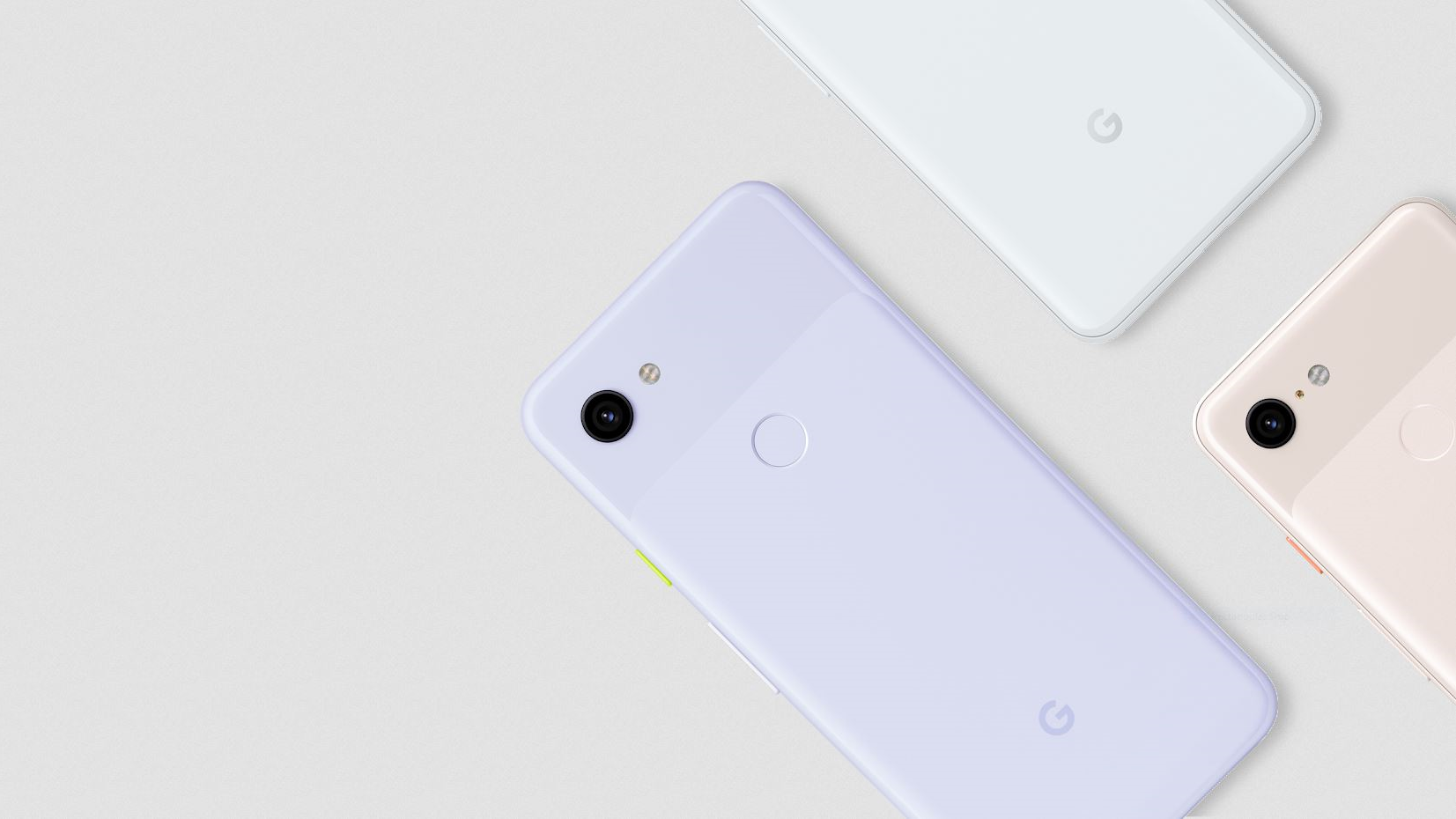
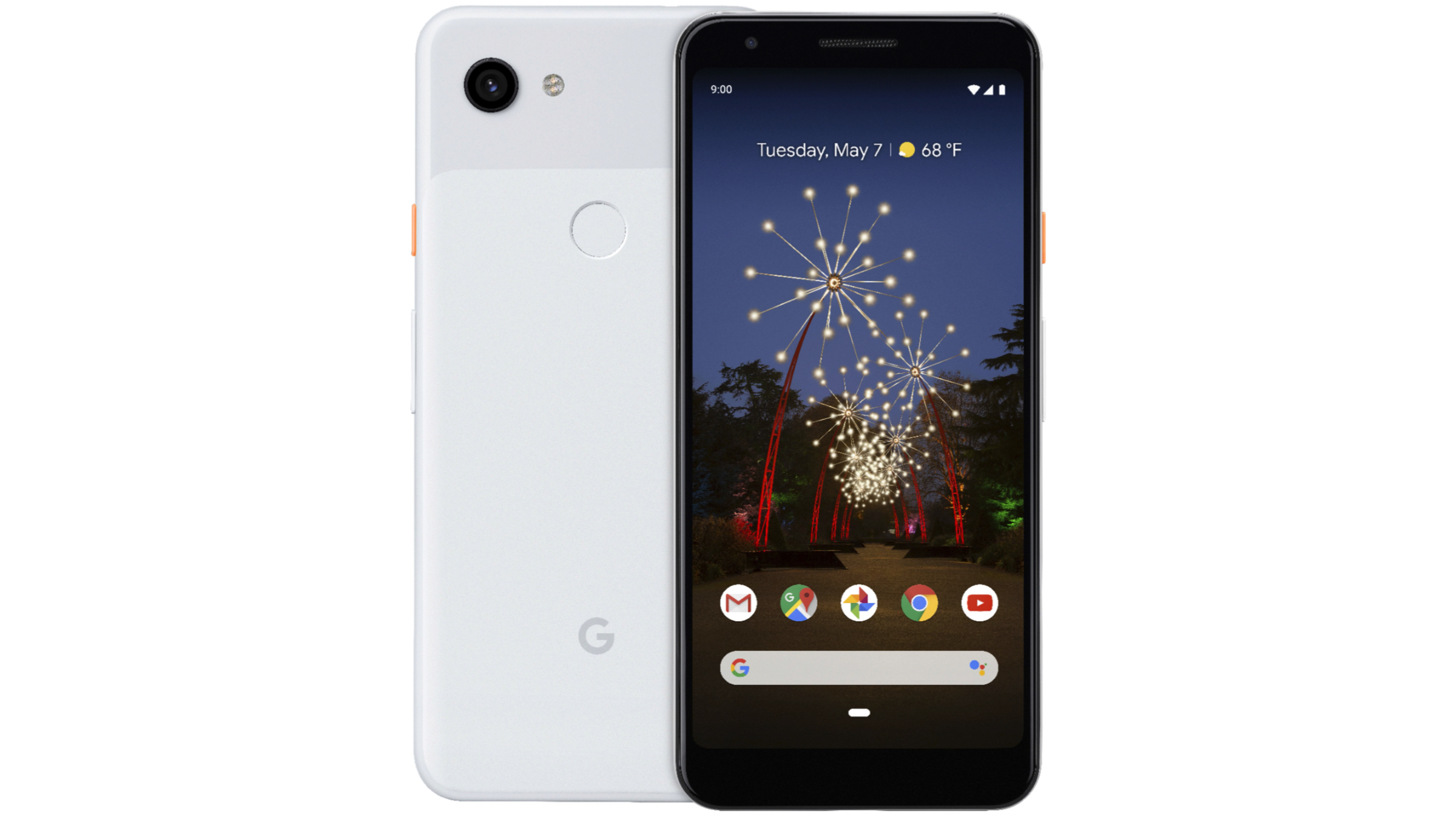
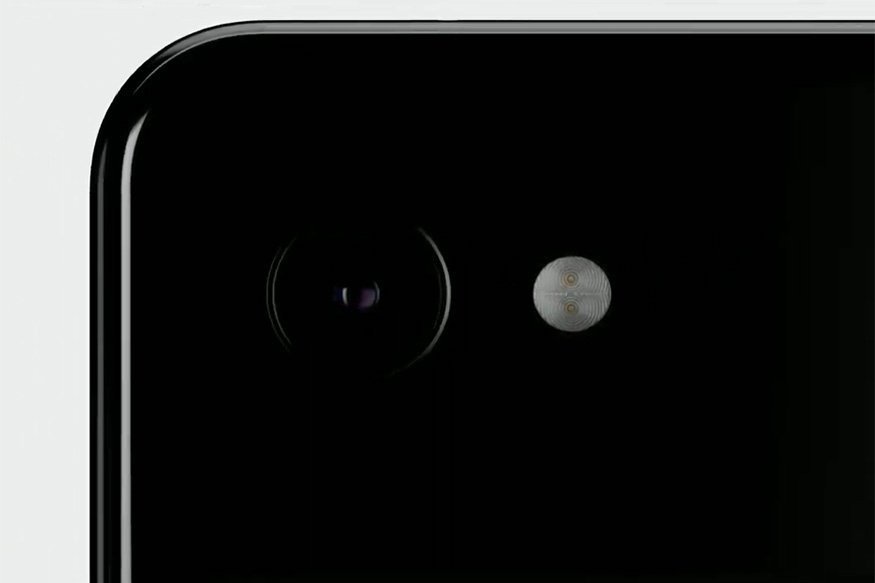
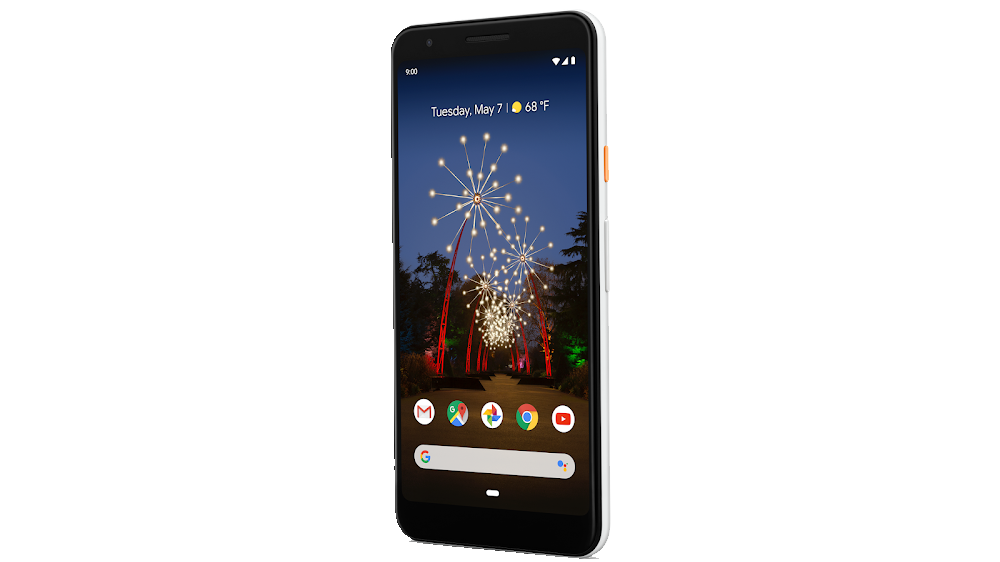
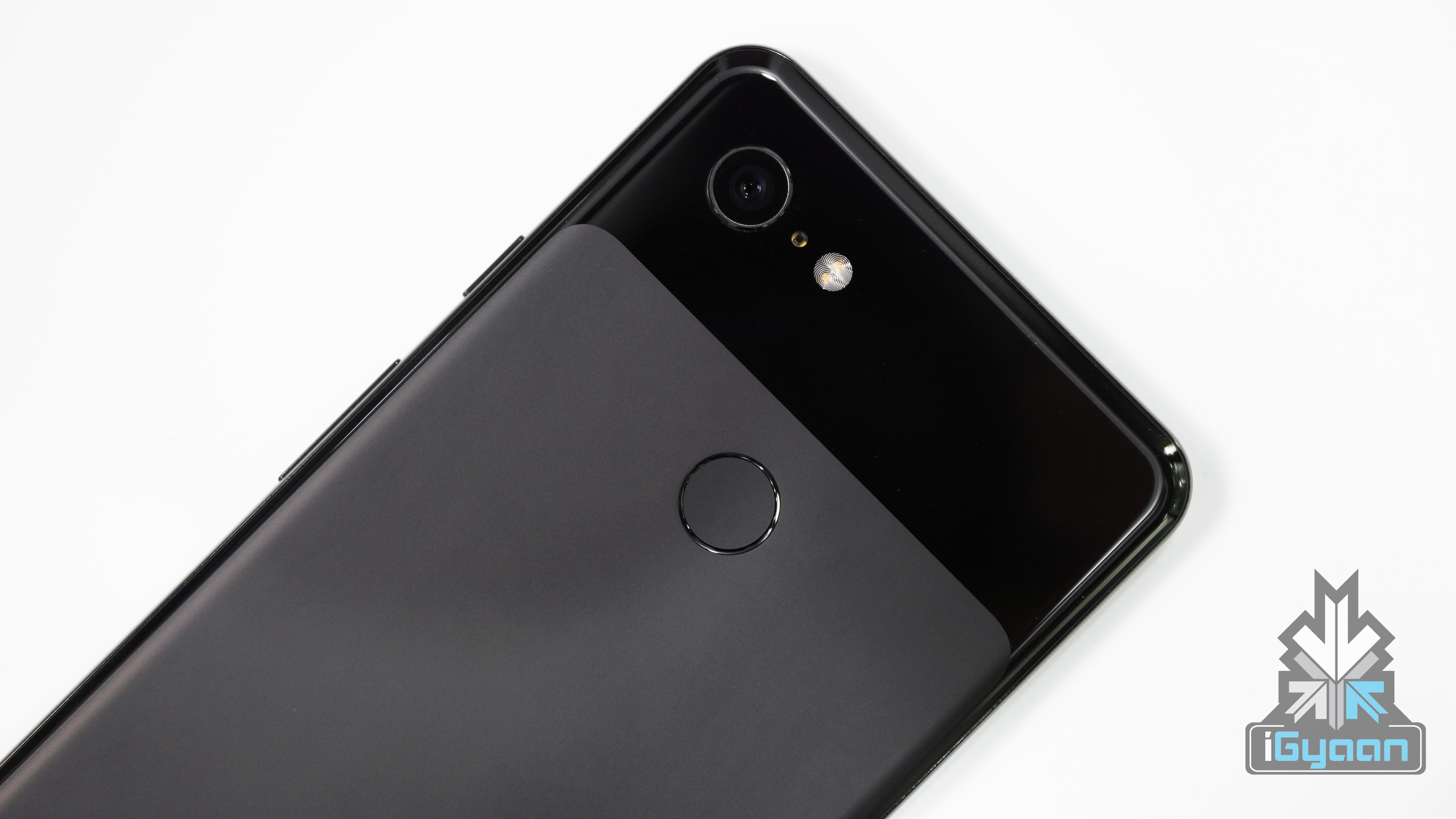
The Pixel 3a and 3a XL are the first mid range smartphones from Google. In terms of design, both smartphones are reminiscent of their elder siblings but instead feature a polycarbonate construction instead of metal and glass found in the more premium Pixel 3/3XL. While the Pixel 3a has a 5.6 inch OLED display with a resolution of 2220 x 1080 px, the larger variant has a bigger 6.0 inch OLED display with a 2160 x 1080 px resolution. The smartphones have a considerable bezel on the top and bottom of the display. For biometric security and swiftly unlocking the smartphones, there is a rear mounted fingerprint scanner on both handsets.
Under the hood, the Google Pixel 3a series is kitted with the 10nm Snapdragon 670 SoC which is comprised of an Octa-core CPU and the Adreno 615 GPU. In terms of optics, the devices feature a single rear camera which is an f/1.8 aperture equipped 12 MP sensor and is the same one found in their elder siblings. For selfies, an f/2.0 aperture equipped 8 MP front camera is present on top of the display. Like the Pixel 3/3XL, both the smartphones have innovative software features on the camera including Night Sight, Super Res Zoom and Optical Image Stablisation (OIS). For memory and storage, both devices will be available with 4GB RAM and 64GB internal storage.
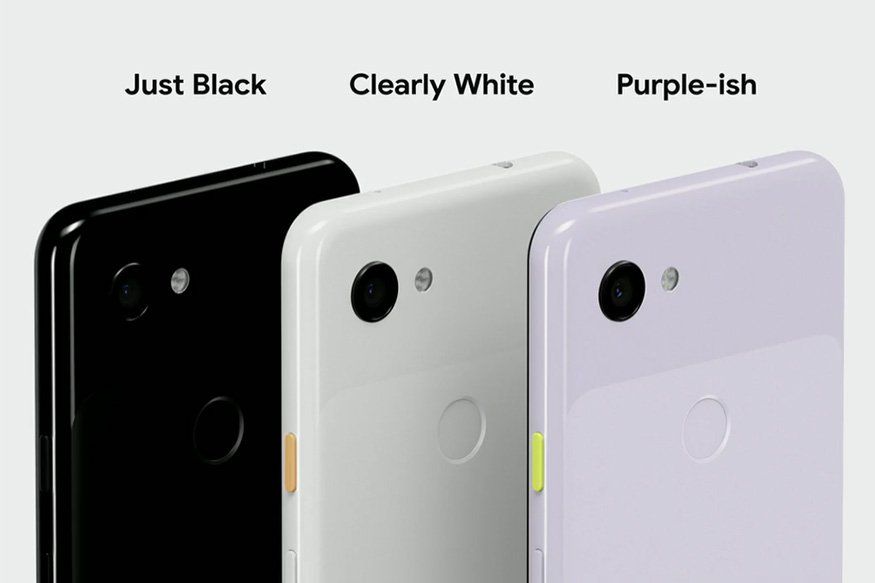
In terms of battery capacity, the Google Pixel 3a is powered by a 3000 mAh cell while the larger variant is fueled by a 3700 mAh battery. Both devices support 18W fast wired charging with the bottom mounted USB Type-C port. Surprisingly, the handsets mark the comeback of the 3.5mm headphone jack, which was removed starting the Pixel 2 lineup back in the year 2017. The handsets will be available in three colours, Just Black, Clearly White and Purple-ish.
The Google Pixel 3a series has been launched in a total of fifteen countries globally where it will be available starting May 8th (IST). The smartphone will be available in India starting the 15th of May exclusively on Flipkart. The price of the Pixel 3a is US$ 399 (Rs. 27,700) while the Pixel 3a XL will cost US$ 479 (Rs. 33,300).
HMD Global has launched the Nokia 4.2, its latest budget smartphone in the Indian market on the 7th of May. At a price of Rs. 10,990, it goes head to head against the proven champion of the segment, the Redmi Note 7. With a legendary name behind it and a clean build of Android, is it the budget smartphone to buy in 2019?
We find out in our Nokia 4.2 Review
What’s In The Box?
Nokia 4.2
Power Adapter
MicroUSB Cable
Earphones
SIM Card Ejector
Quick Start Guide
Warranty Card
Build Quality & Design
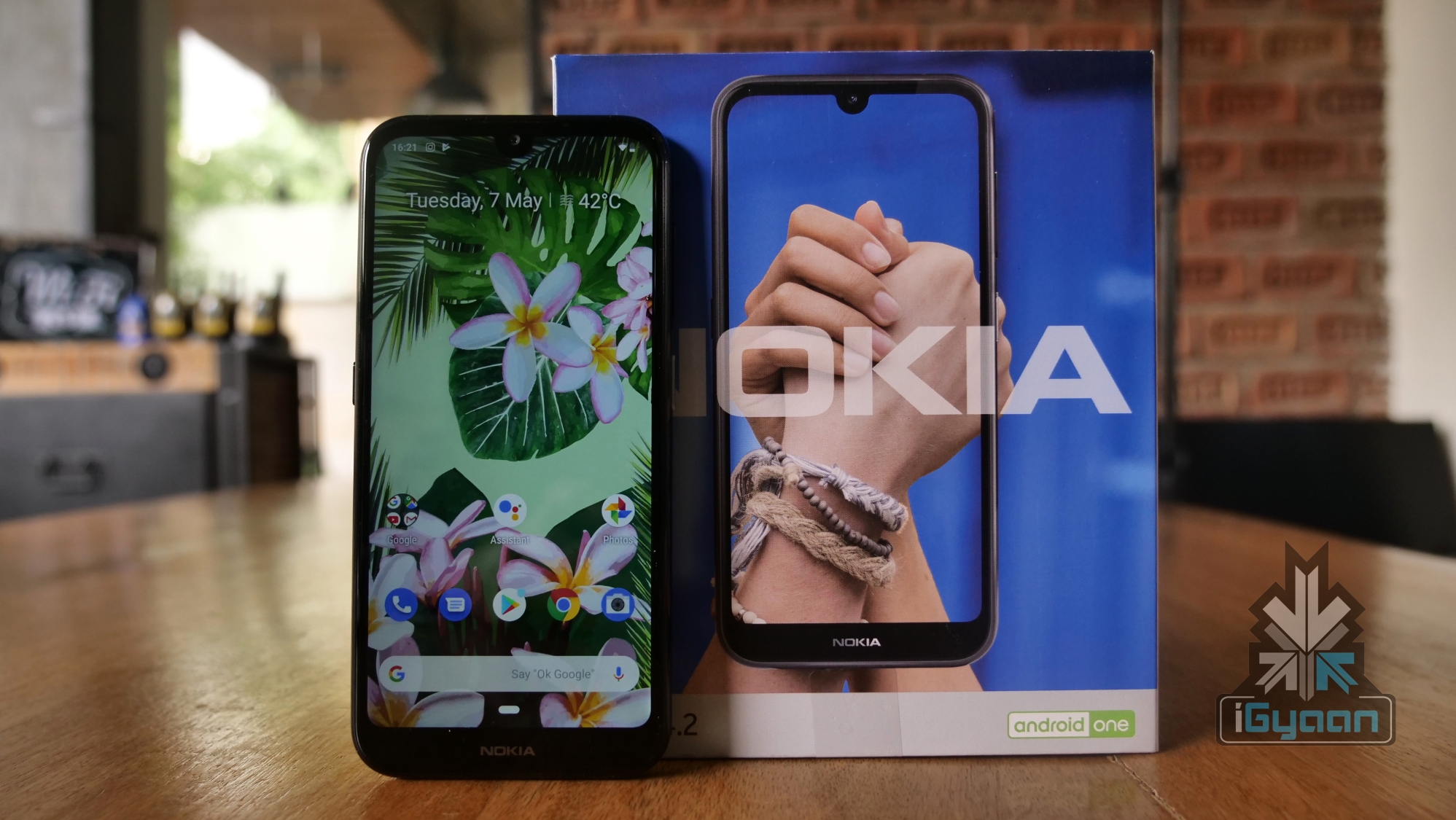
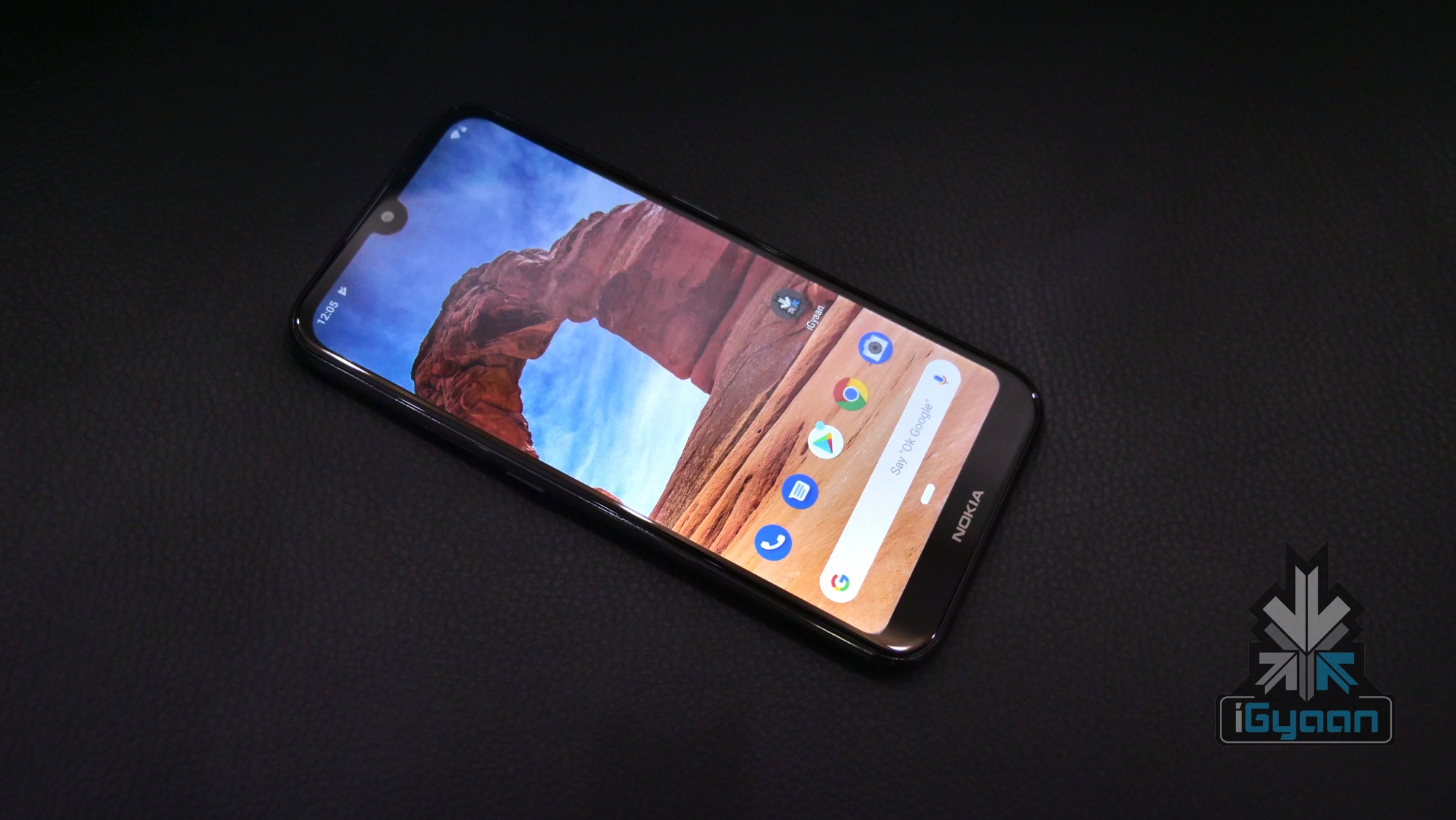
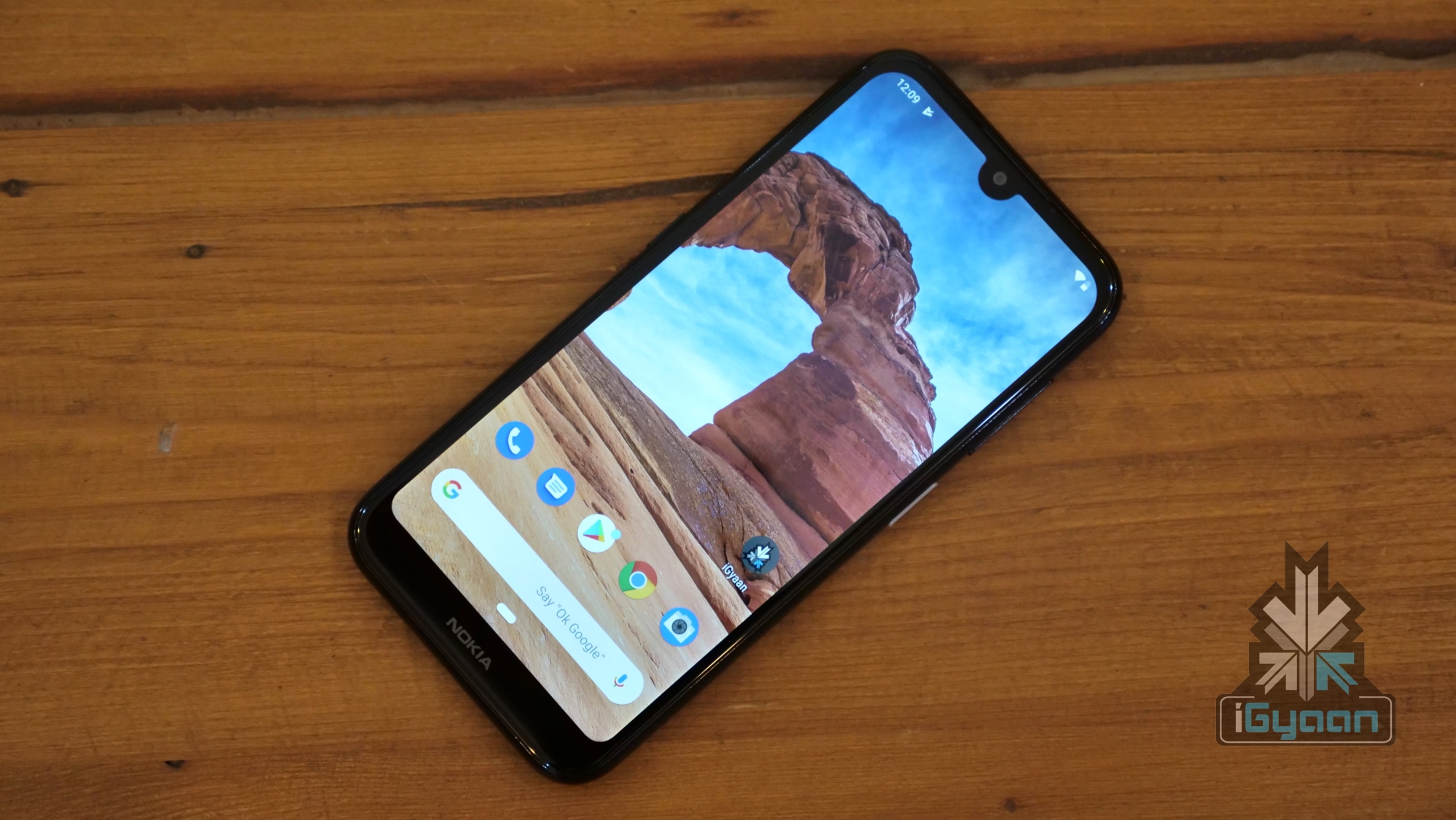
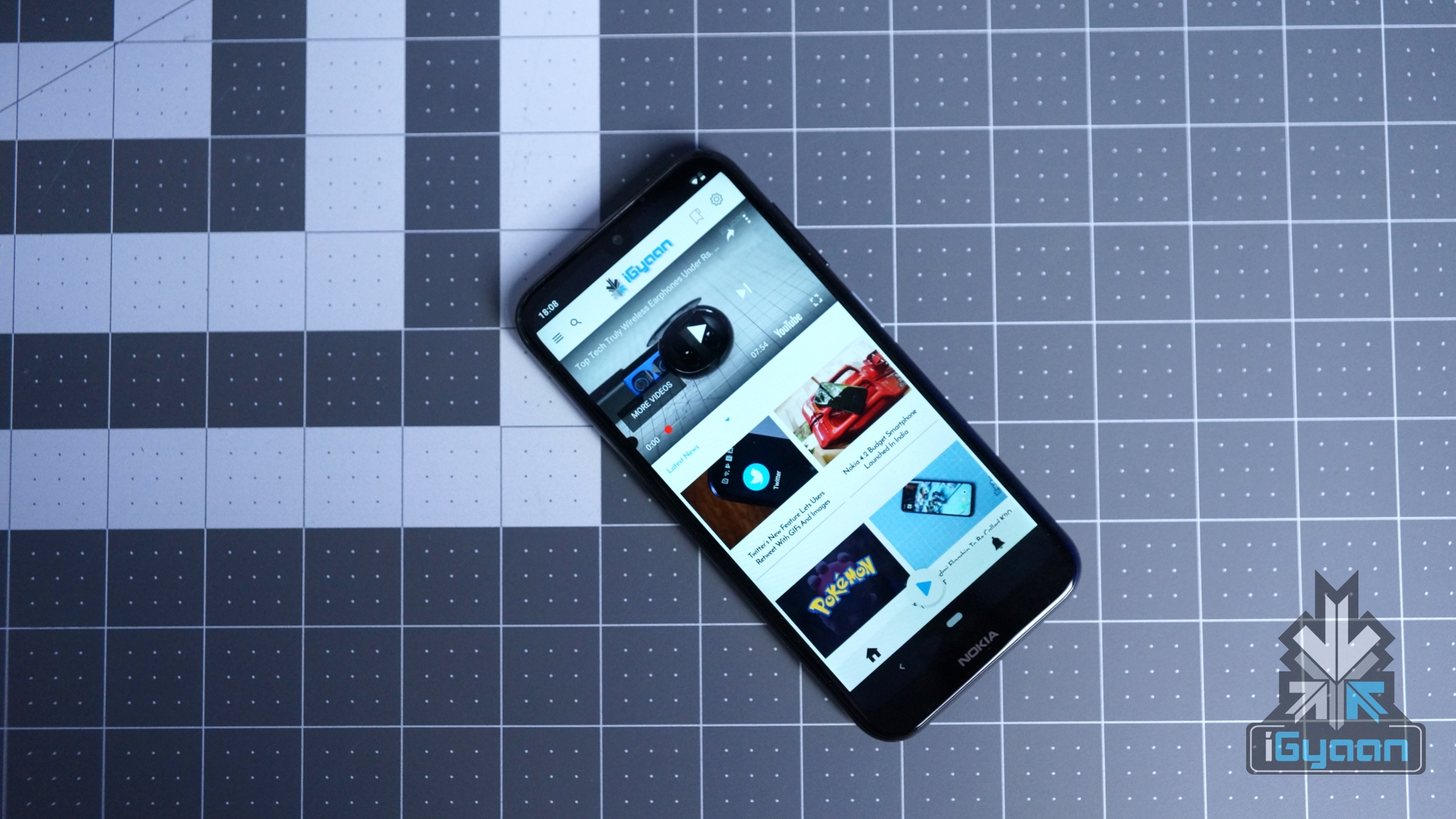
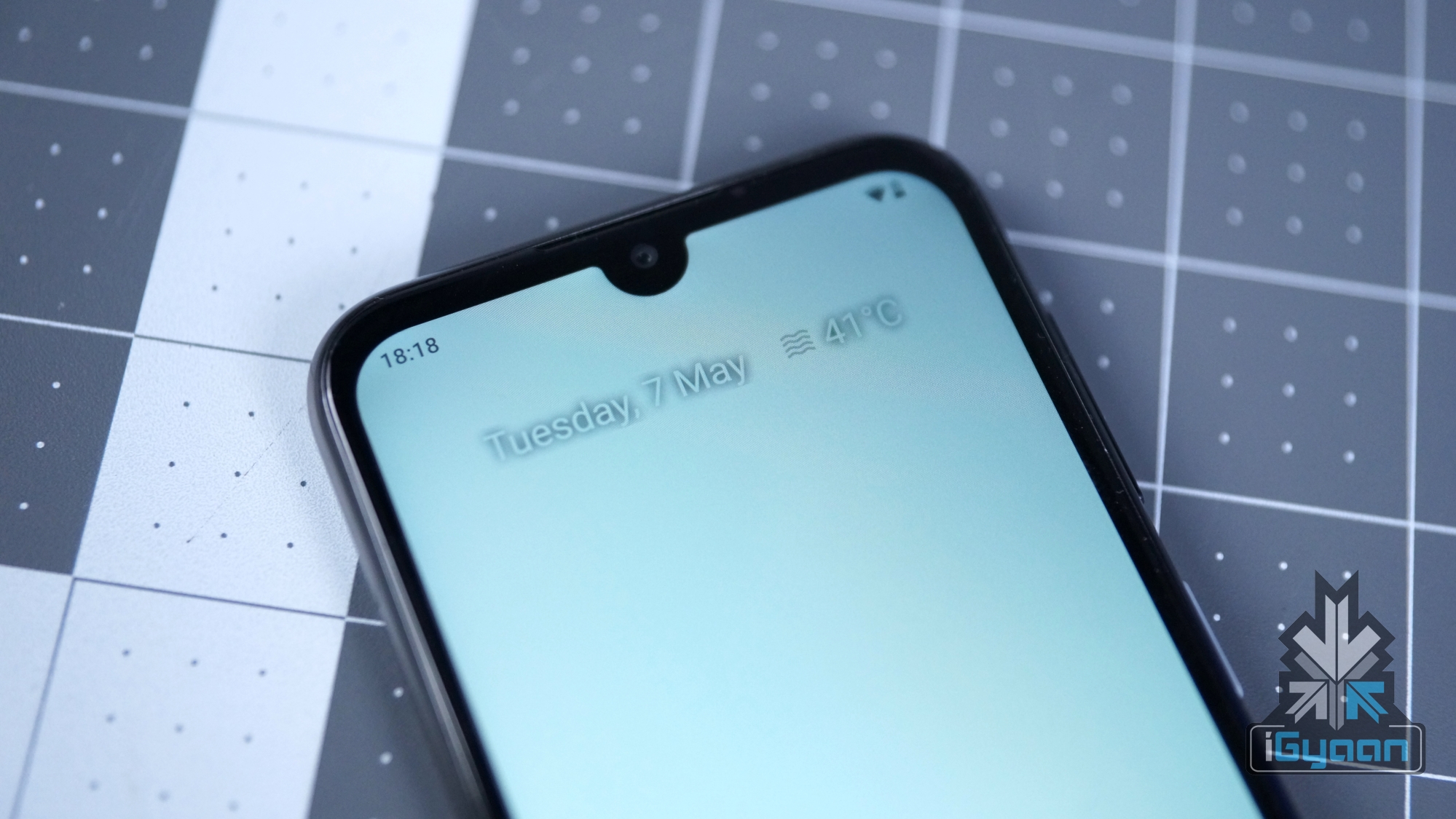
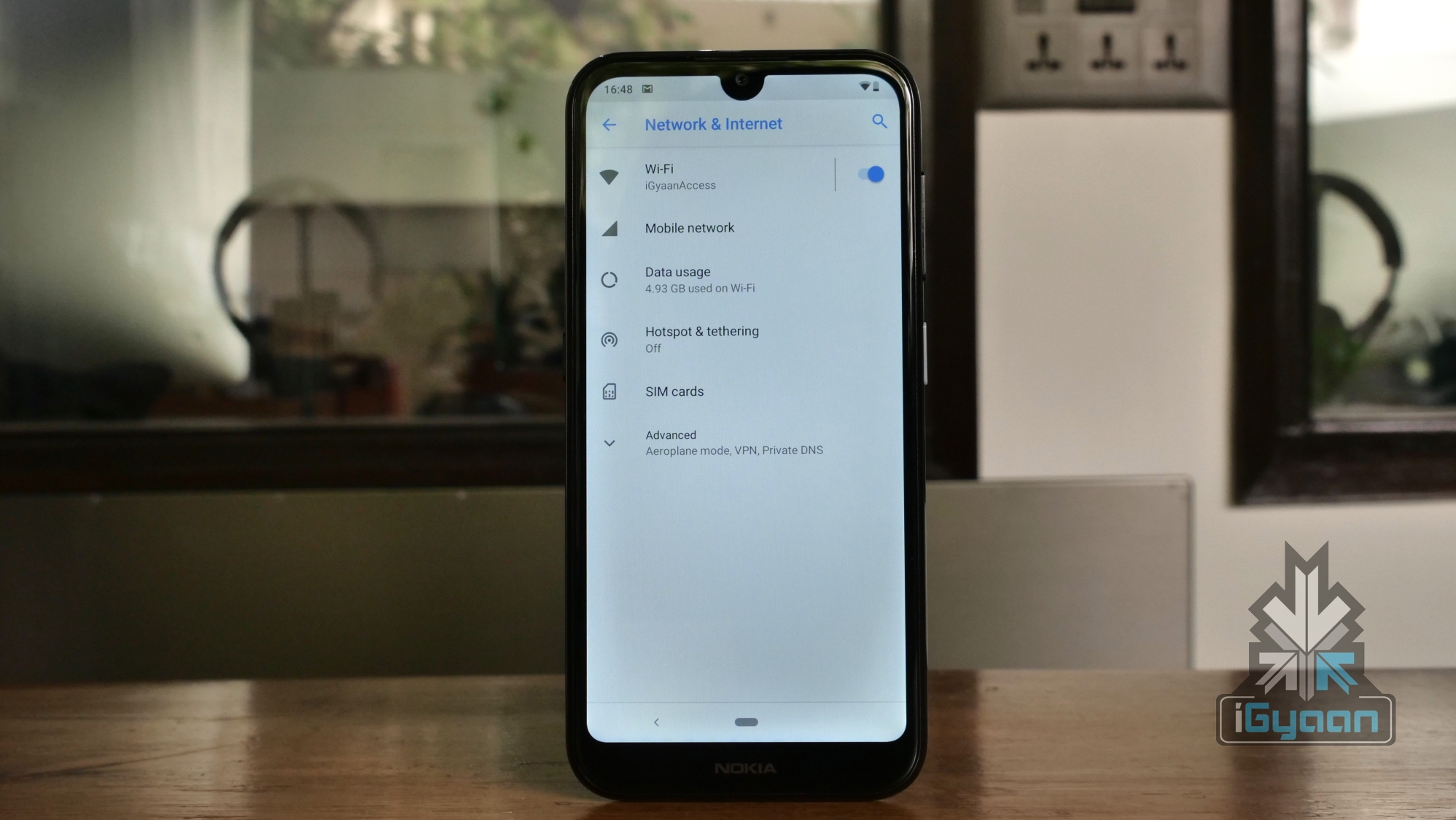
As far as the build quality and design is concerned, Nokia has not strayed far in taking inspiration for the Nokia 4.2. It features glass on both sides with a polycarbonate frame for reinforcement. The design makes it look a lot like the Nokia 6.1 Plus which was launched last year. The front of the smartphone is dominated by a 5.7-inch display with a waterdrop notch on top of it.
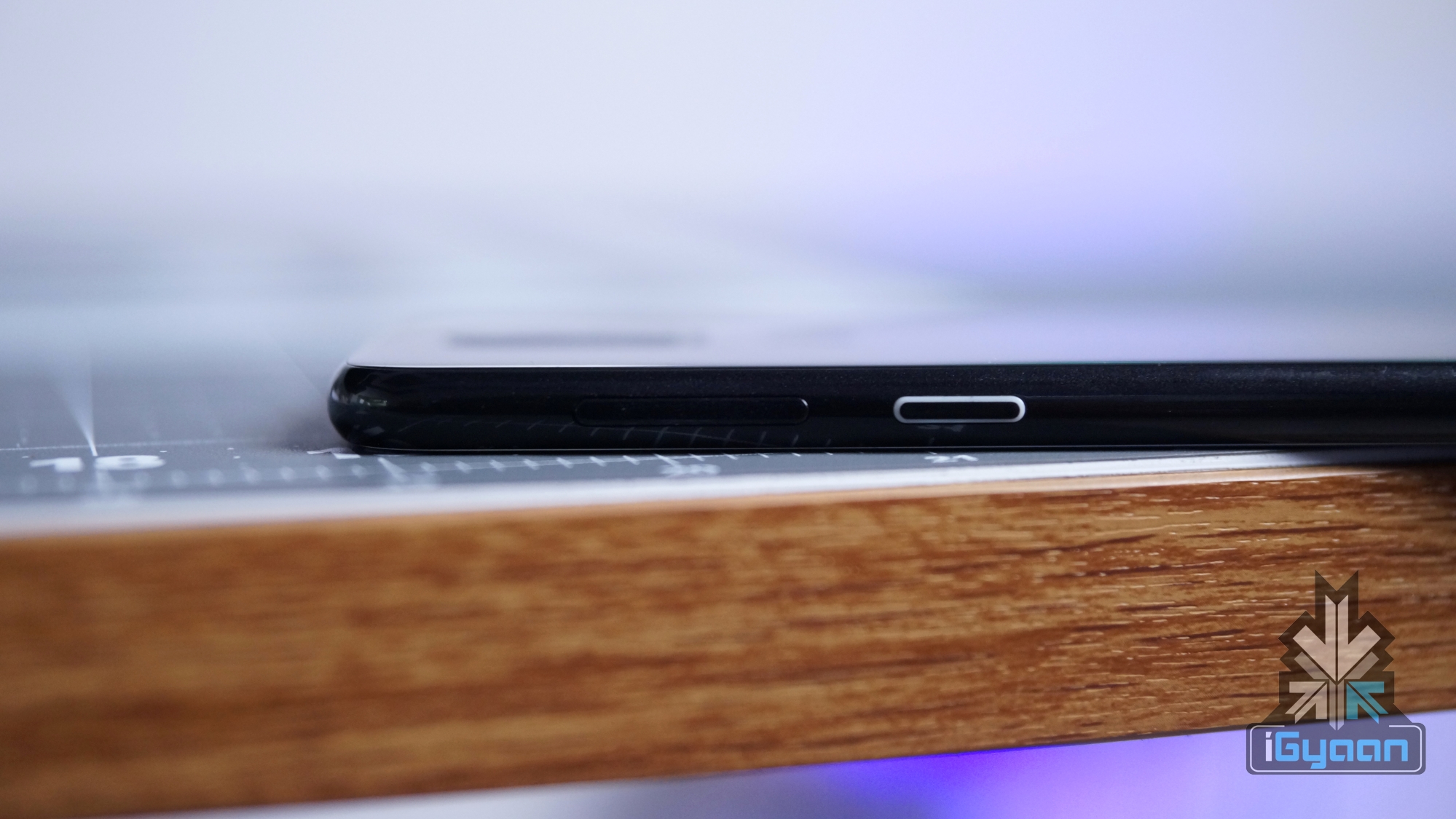
The right side of the Nokia 4.2 houses the volume rockers and the power button. Interestingly, the power button also features the notification LED, which as the name suggests lights up whenever the device receives a new notification. Unconventionally, the left side of the smartphone has a dedicated Google Assistant button which can be used to summon the voice assistant. This side houses the Hybrid SIM card tray which can either accept two nano SIM cards or one SIM card and a memory card up to 400 GB. While the top of the handset accommodates the secondary noise cancellation microphone and the 3.5mm headphone jack, the bottom has the microphone, micro USB port and the speaker grille lined up together.
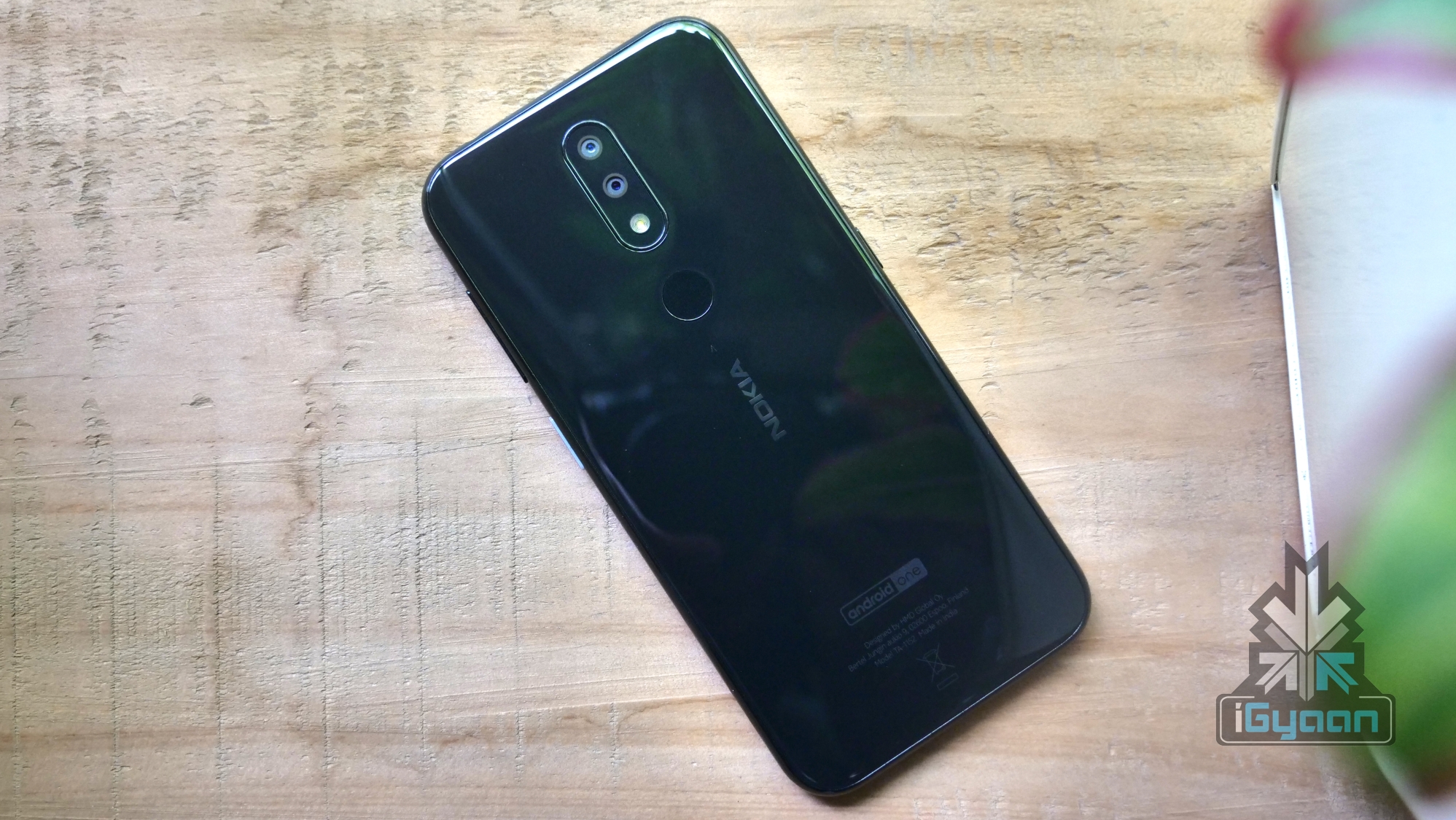
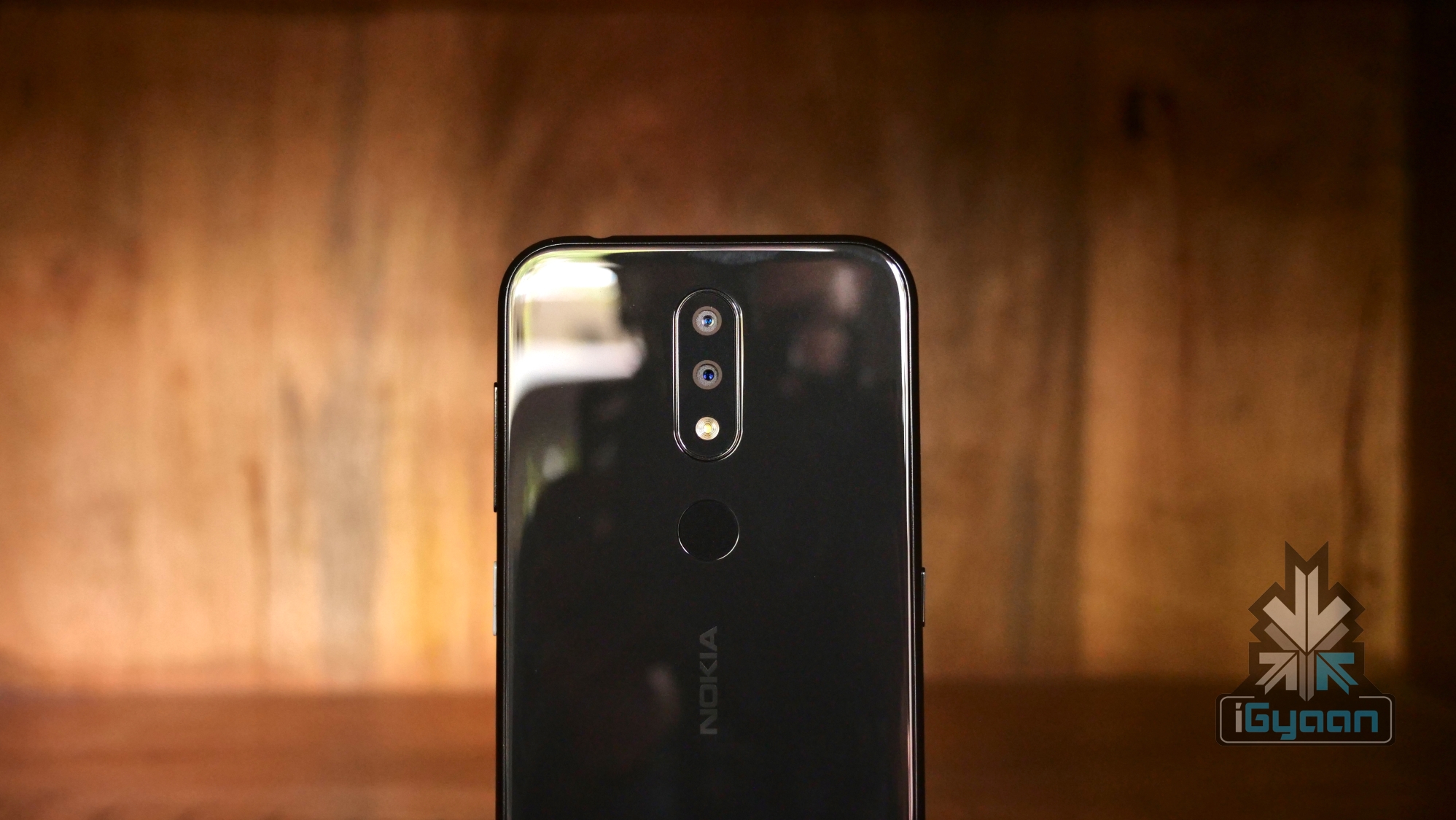
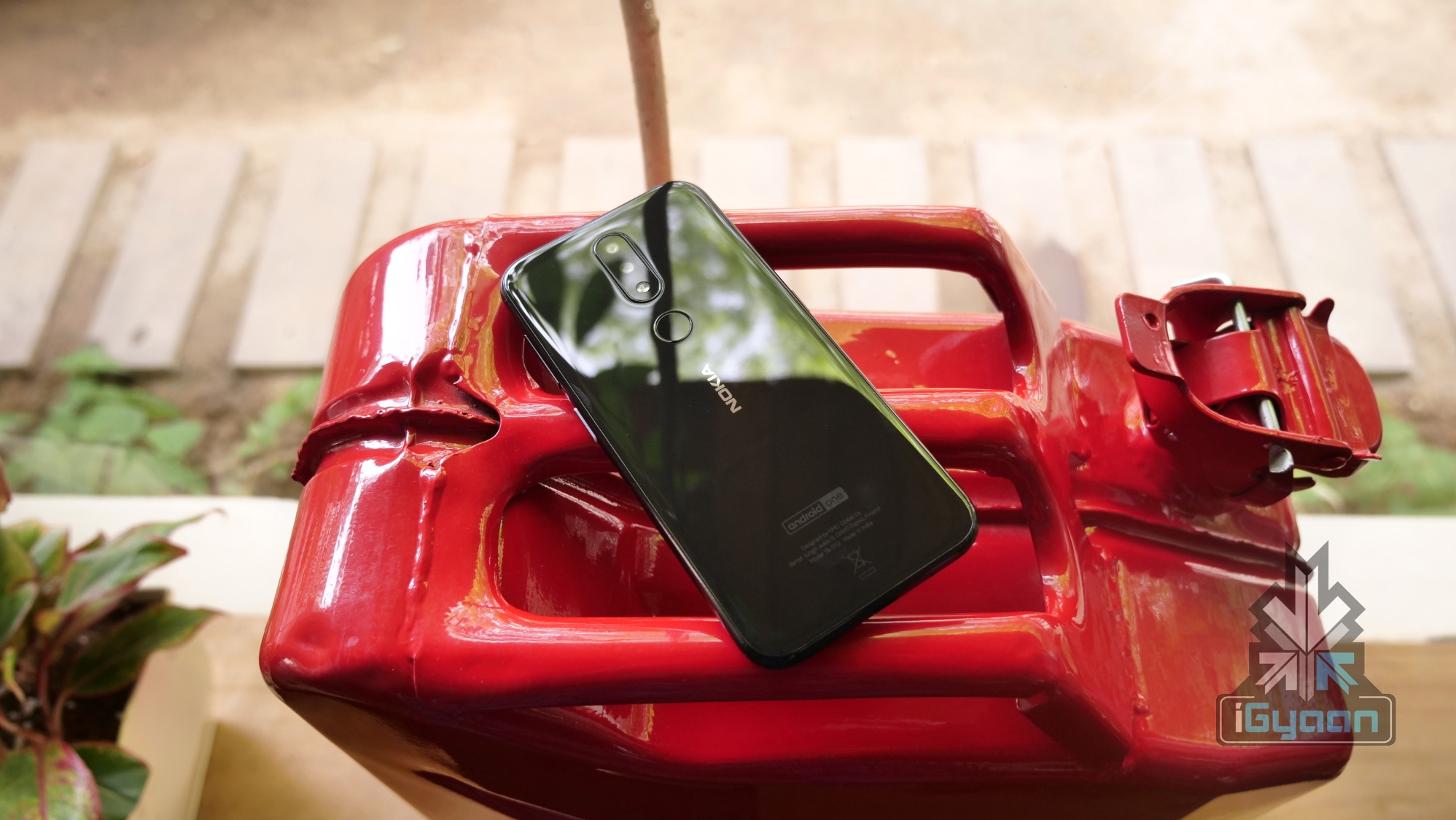
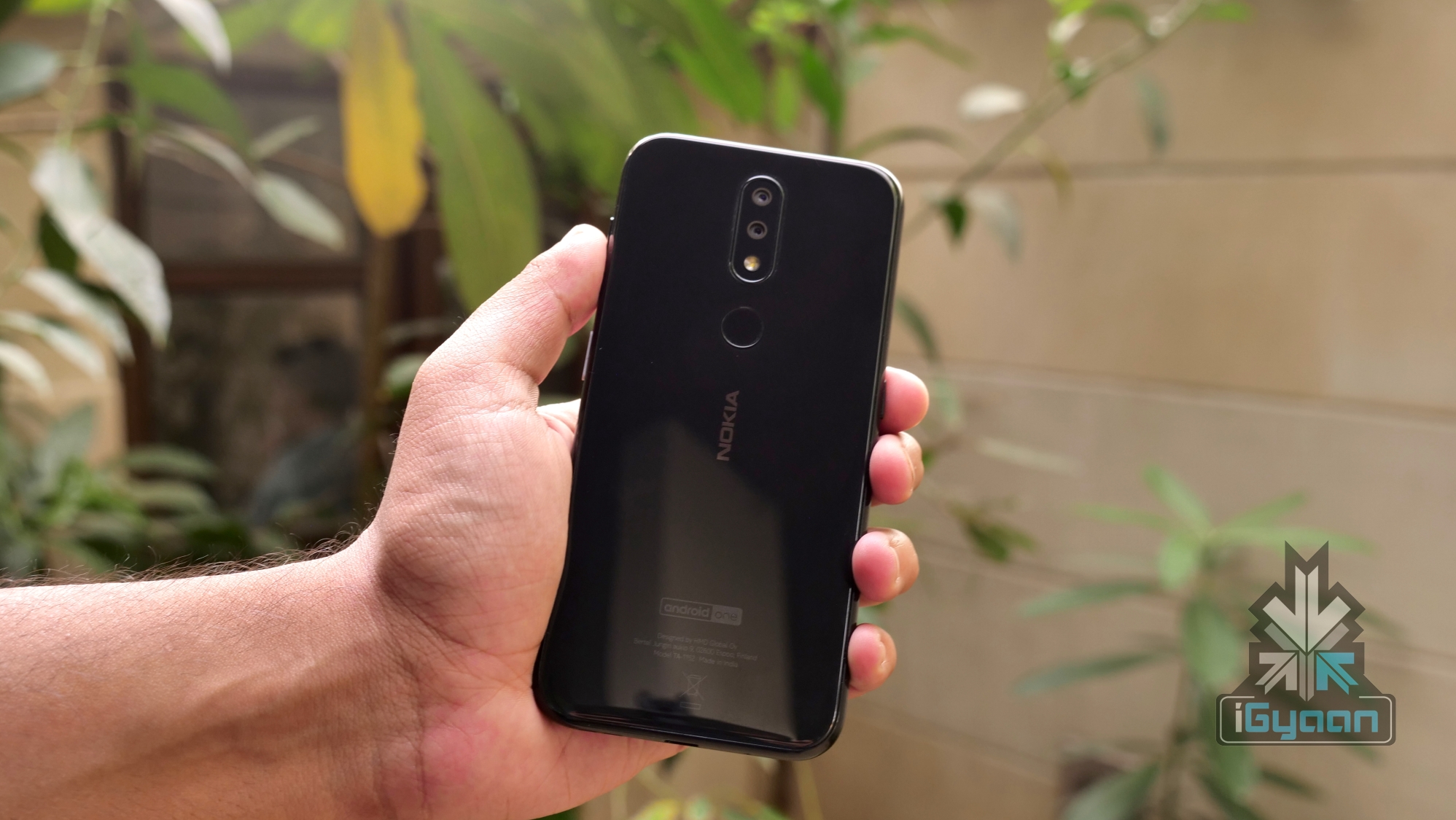
We reviewed the Black coloured variant of the Nokia 4.2 which looks subtle and premium. The back of the smartphone houses the vertical dual camera setup with the flash. The fingerprint scanner and the Nokia logo is also present on the rear of the device. Overall, the Nokia 4.2 features a solid build quality known to the company’s devices and the smartphone feels robust in the hand. The small and compact form factor of the smartphone ensures it is easy to use with one hand. However, we recommend using a case as it can easily slip out of your palm owing to the glass back. Also, the case will prevent the fingerprints which the device easily attracts.
Display
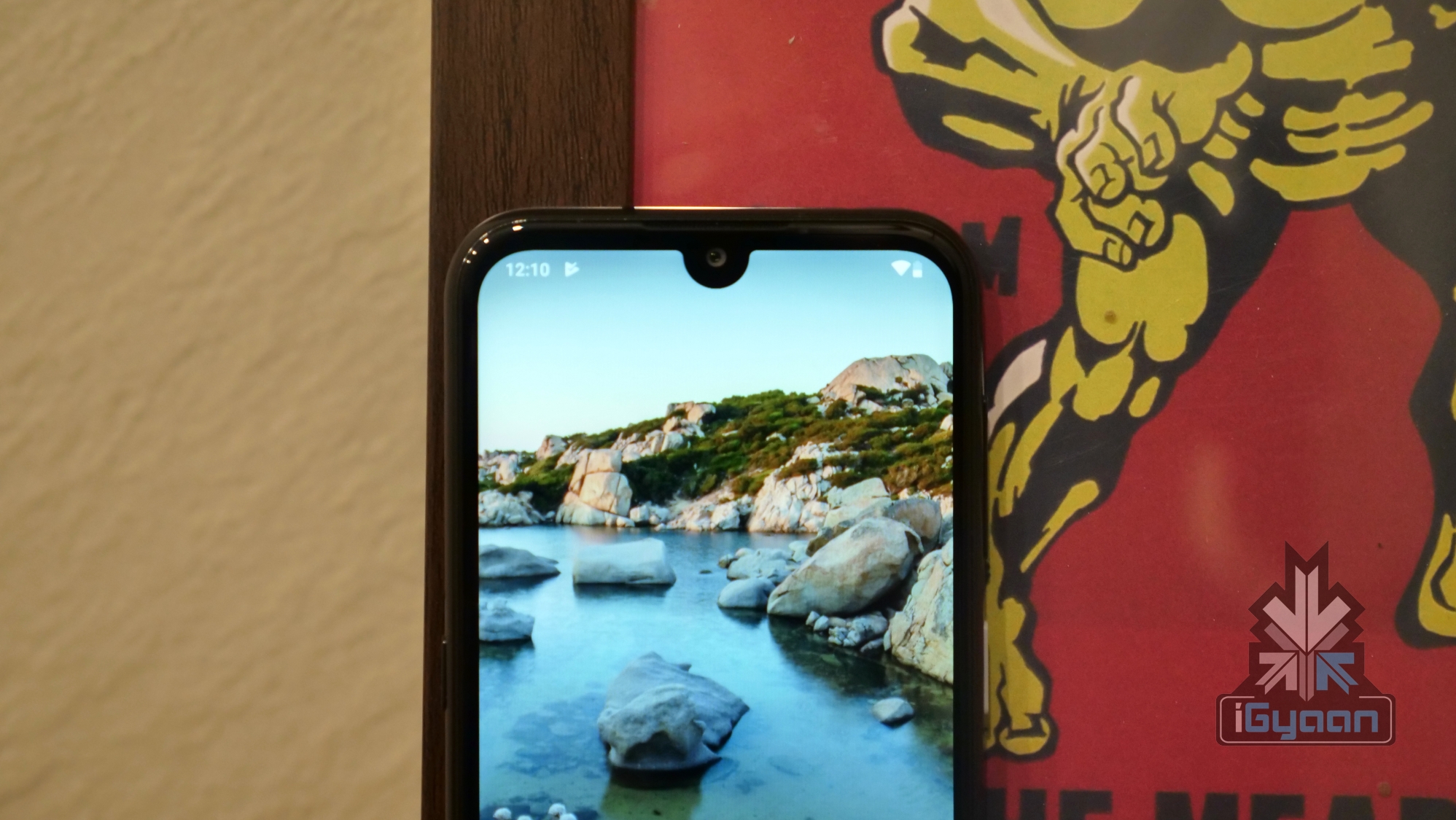
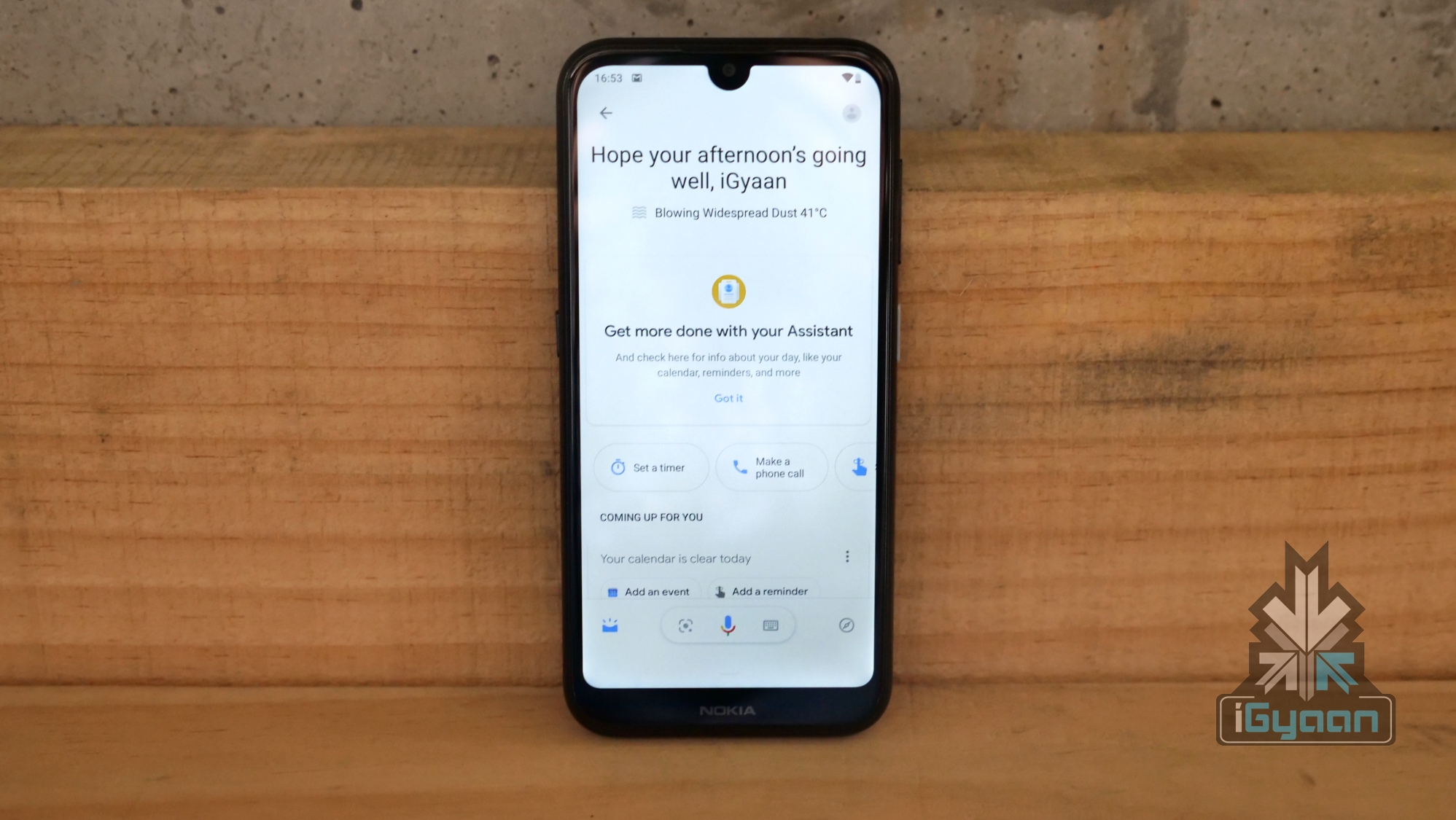
The Nokia 4.2 has a 5.7-inch display with a resolution of 1520 x 720 px. The sides of the device have thin bezels while there is a significant chin at the bottom. To maximise the screen real estate, the company has implemented a waterdrop style notch on the smartphone, which is becoming increasingly common in the segment.
In terms of quality, the TFT display of the Nokia 4.2 offers good colour reproduction and average contrast levels. Being a TFT display, you will not get deep blacks or saturation like seen in the Galaxy A20 which incorporates an AMOLED panel. However, the display should be fine for daily use and media consumption, even though we would have preferred a panel with higher brightness levels that facilitate outdoor usage. Given the smartphone competes with the likes of the Redmi Note 7 which has a FullHD display, the display is not the strong suit of the Nokia 4.2.
Hardware & Performance
The Nokia 4.2 features the Snapdragon 439 SoC coupled with 3GB of RAM and 32GB of Internal Storage. In terms of day to day usage, the smartphone performed well and we faced zero lags while switching between applications with several apps running in the background. The humble amount of RAM is enough for keeping light applications in memory.
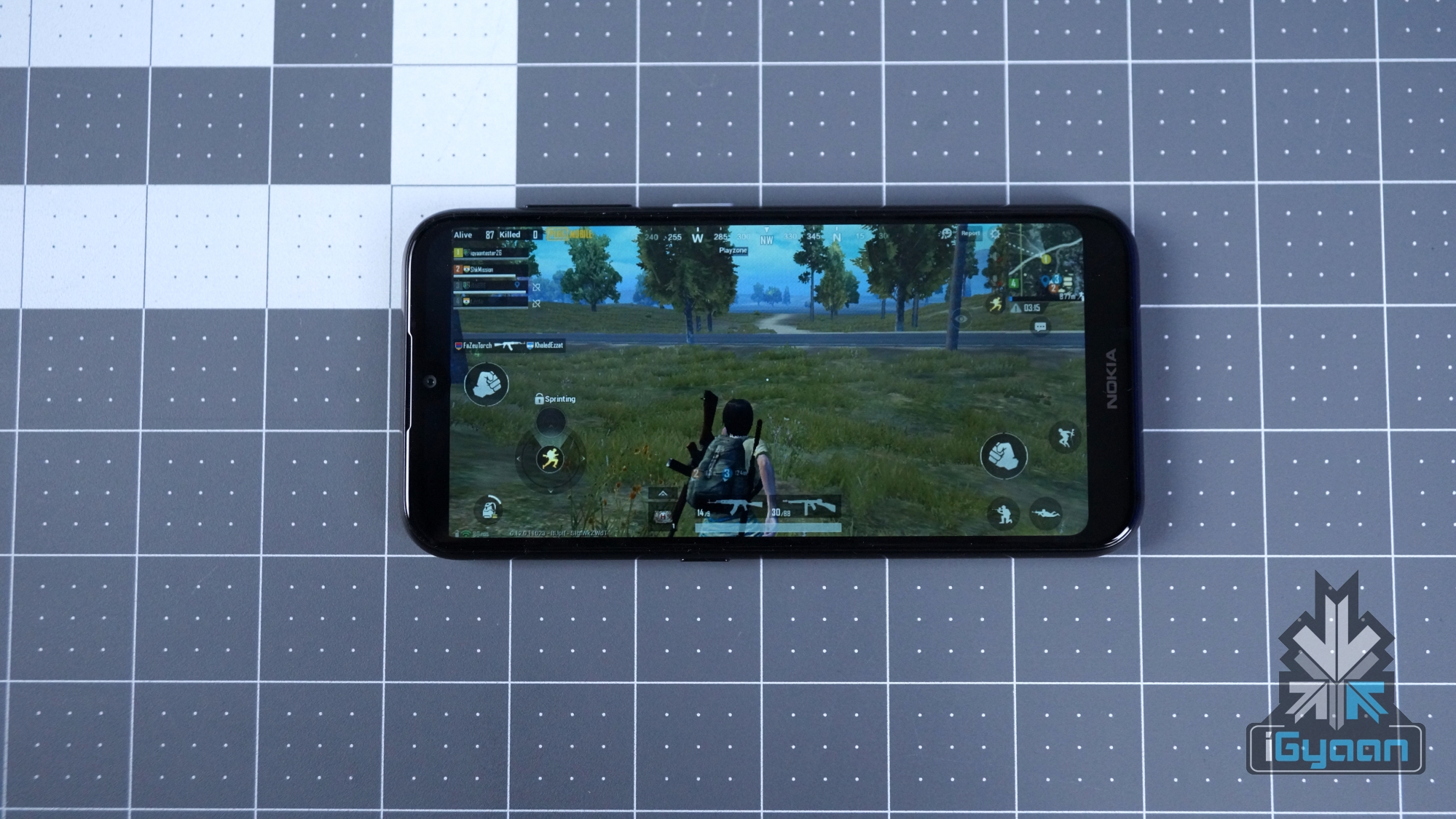
While the general performance was fine, gaming on the Nokia 4.2 is another territory altogether. While playing PUBG Mobile, the game chose low settings by default and medium frame rates when opened for the first time. The gameplay was average, with minor frame drops and stutters. The next game we tried was Asphalt 9 Legends racing game, which selected the lowest graphics setting by default. Its gameplay was smooth, with playable frame rates and zero stutters. Overall, the performance on the Nokia 4.2 is below average, but gaming on the smartphone is an underwhelming experience.
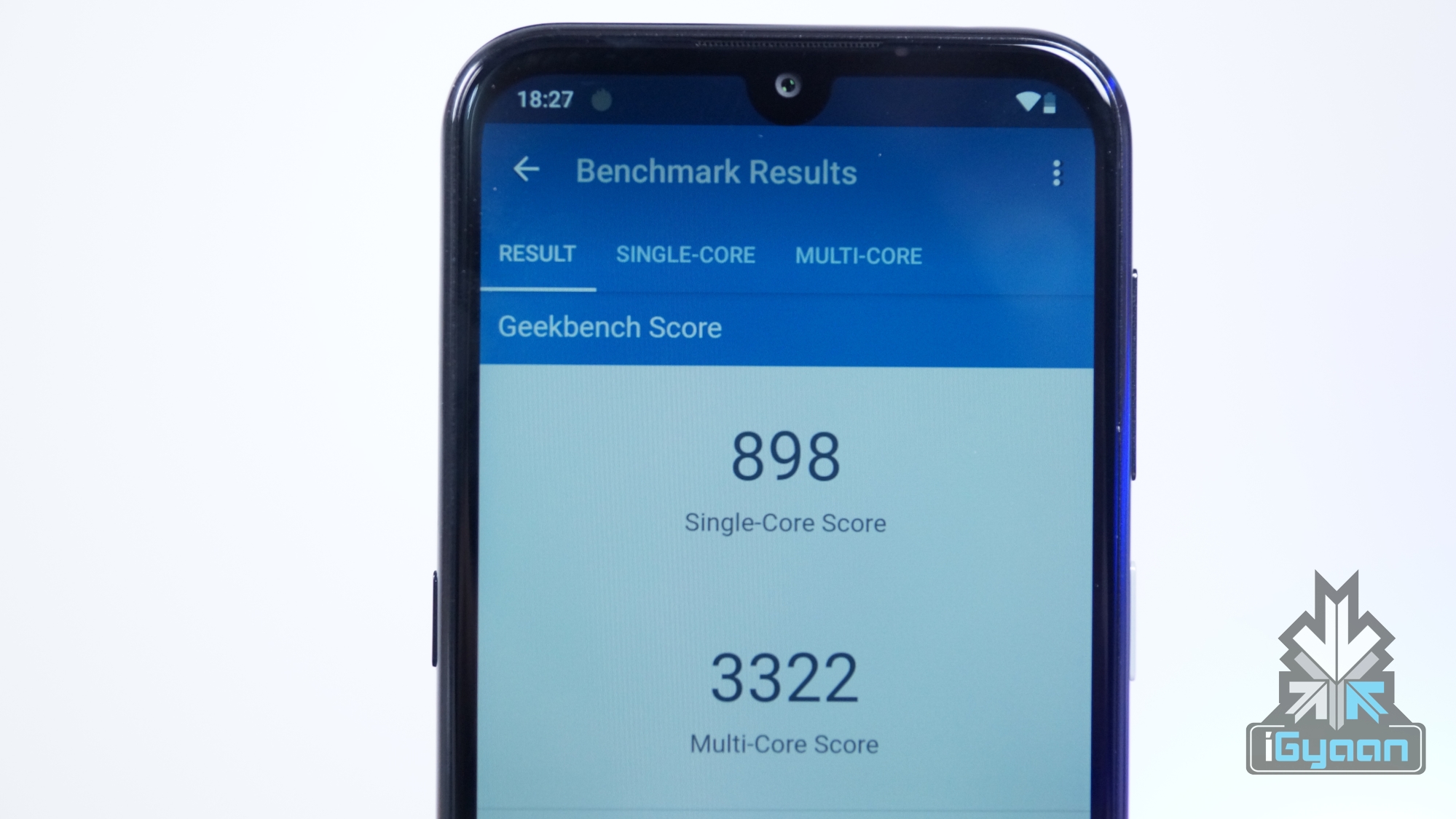
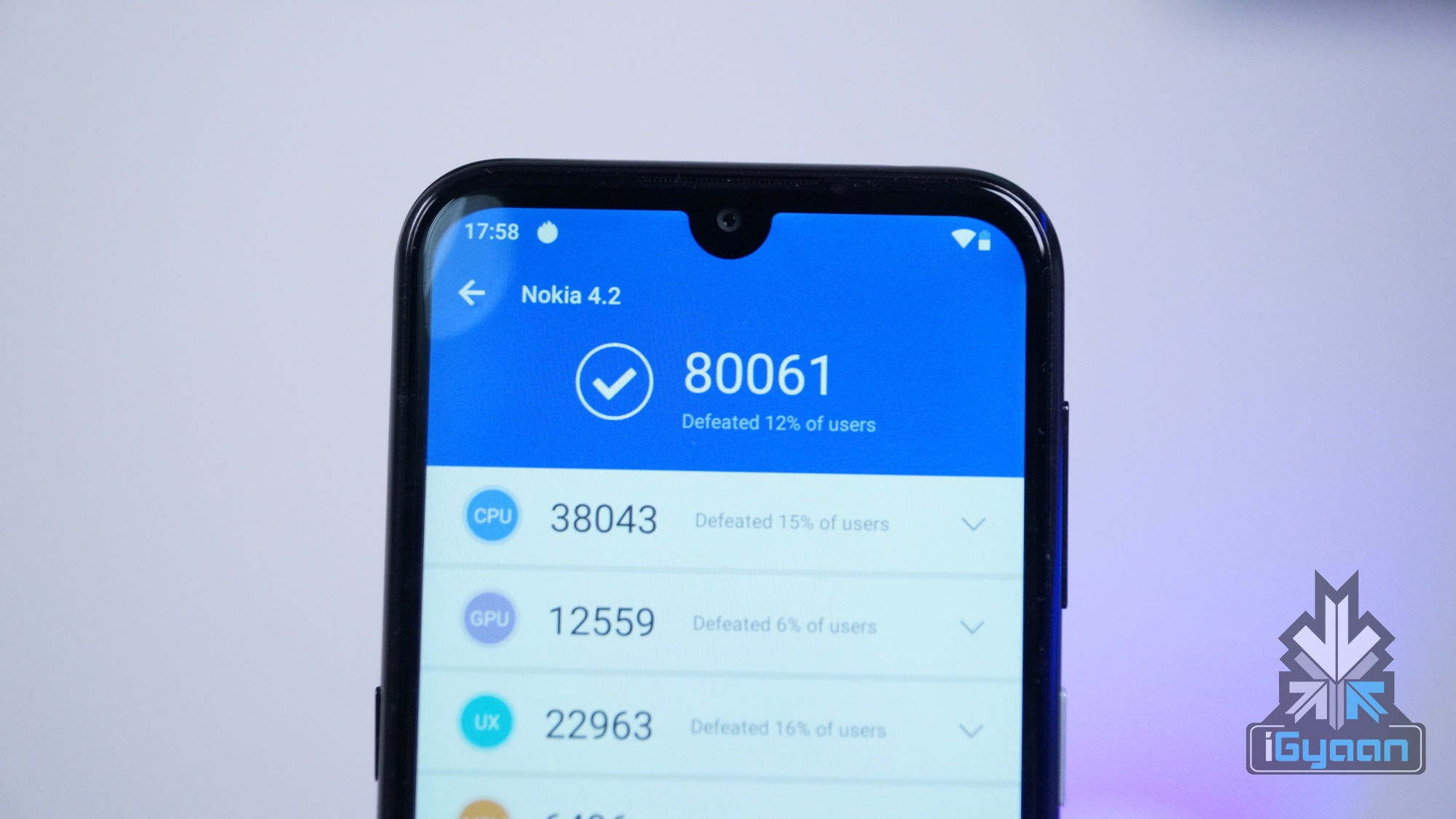
Using benchmarking applications like Antutu and Geekbench on the Nokia 4.2 does not tell a different story either. While testing the Antutu benchmark, we got a score of 80,061 which is significantly lower than the competition including the Galaxy A20 or the Redmi Note 7. In Geekbench, the device registered a single core score of 898 points and a multi-core score of 3322 points. As is evident from the numbers, the handset should be fine for day to day usage but is not made for performance enthusiasts.
Software, UI & Multimedia
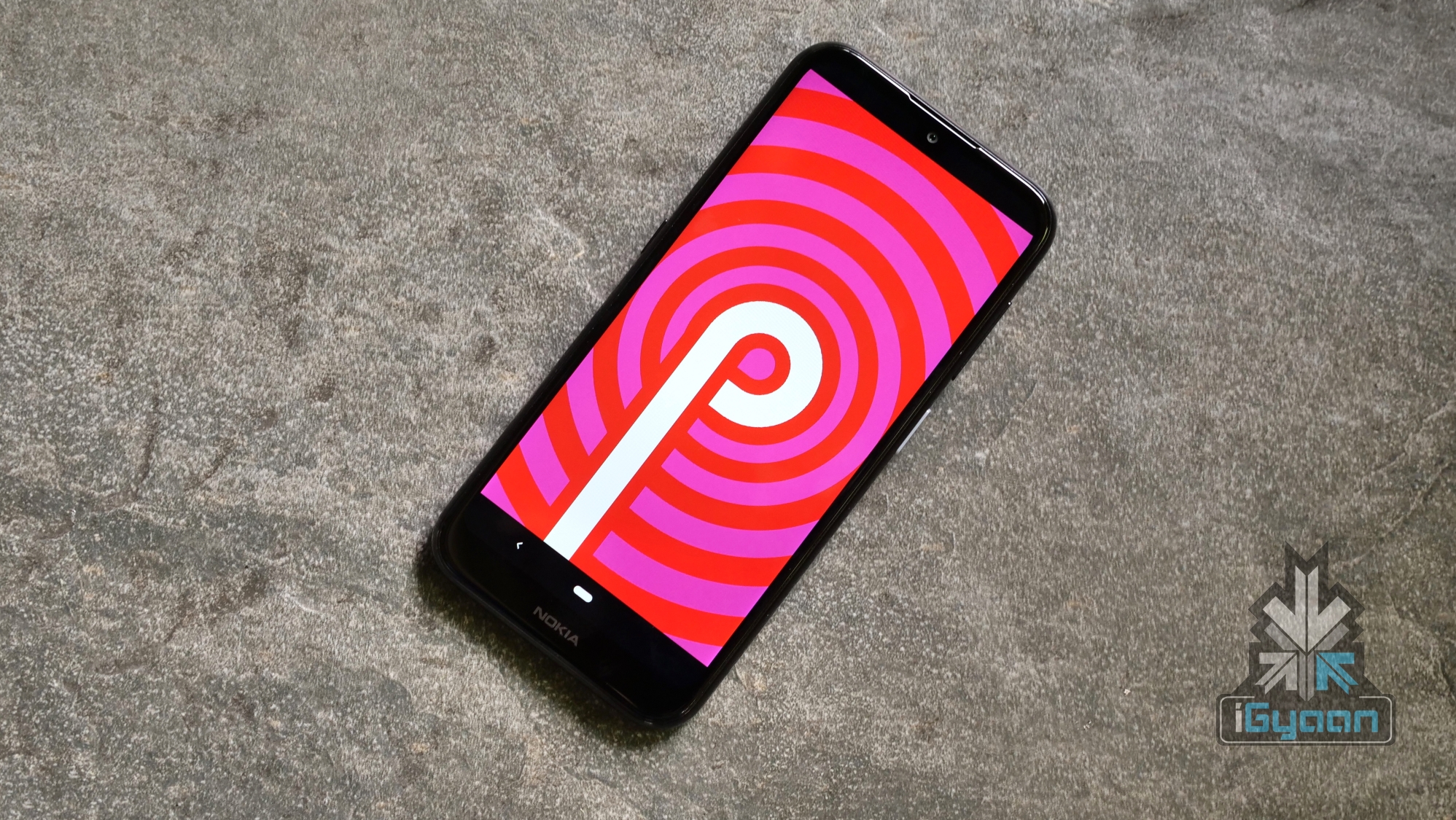
The Nokia 4.2 runs a stock build of Android 9 Pie with Android One Certification. This essentially implies the smartphone will get guaranteed updates to major Android versions for at least two years and security updates for three years. As this is a stock build of the OS, there is no bloatware or customisation from Nokia, which is appreciated.
The Nokia 4.2 supports the basic Android navigation gestures which are bundled with Android 9 Pie. These let users go back with the dedicated back button on the left, a single tap on the centre pill takes you home and a swipe up on it brings out the multitasking menu. Dragging the pill to the right lets users scroll across various applications open in the background.
In terms of sound quality, the Nokia 4.2 has a single bottom firing speaker which has decent sound output. One downside of the setup is how easy it is to block the speaker grille while holding the device in landscape mode. Audio output via the Bluetooth is above average which provides for a good listening experience.
Camera
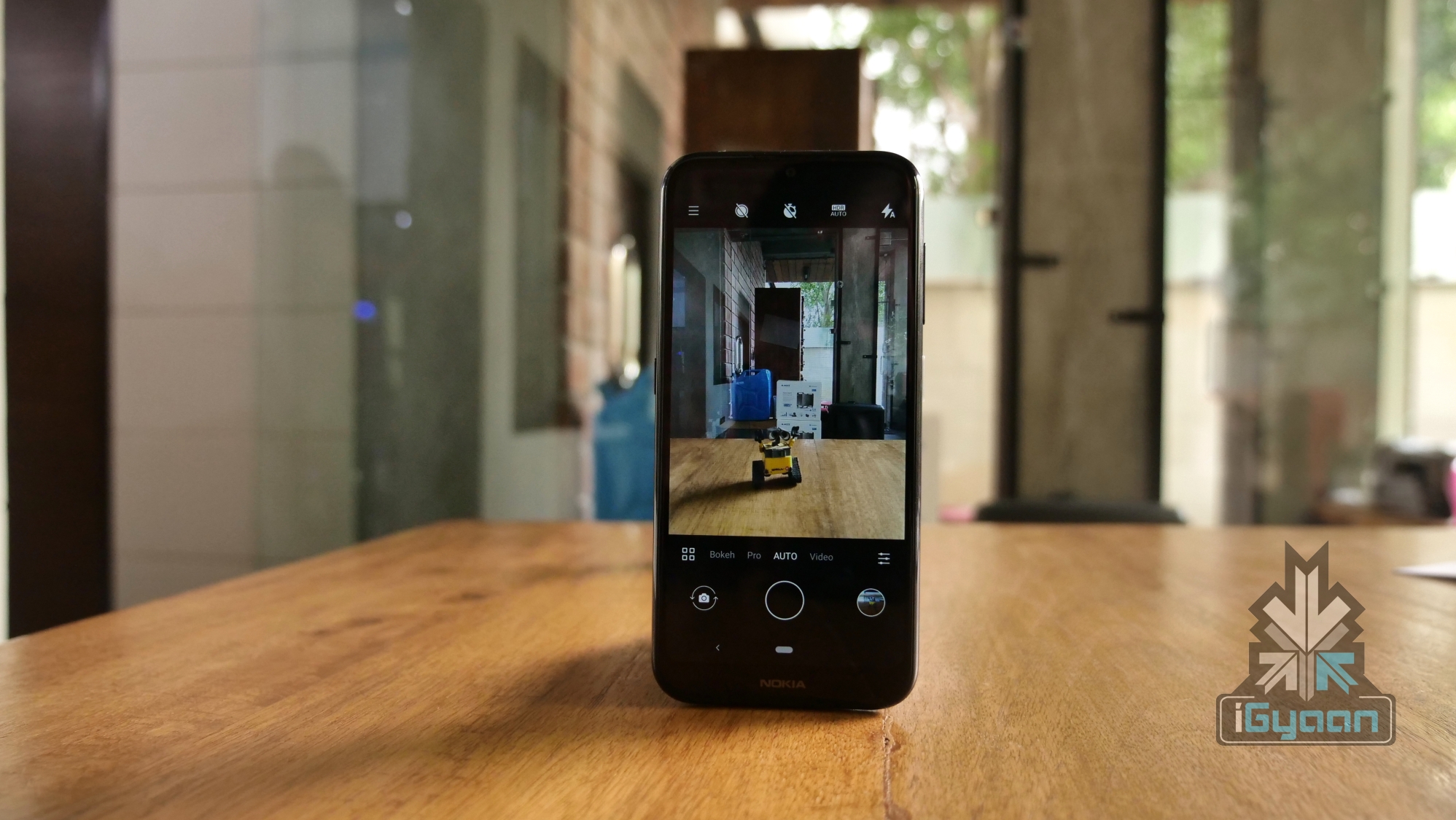
While the Nokia 4.2 ships without any customisations out of the box, the company has bundled its homegrown camera app. The application is similar to ones found in other Nokia devices. All the major controls are laid out thoughtfully which provide for easy with one hand. There is also a Pro mode, which can be accessed by swiping up on the shutter button. This mode lets users select image properties like shutter speed and ISO manually.
Rear Camera Daylight Sample
Rear Camera Indoor Sample
Rear Camera Indoor Sample
Rear Camera Low Light Sample
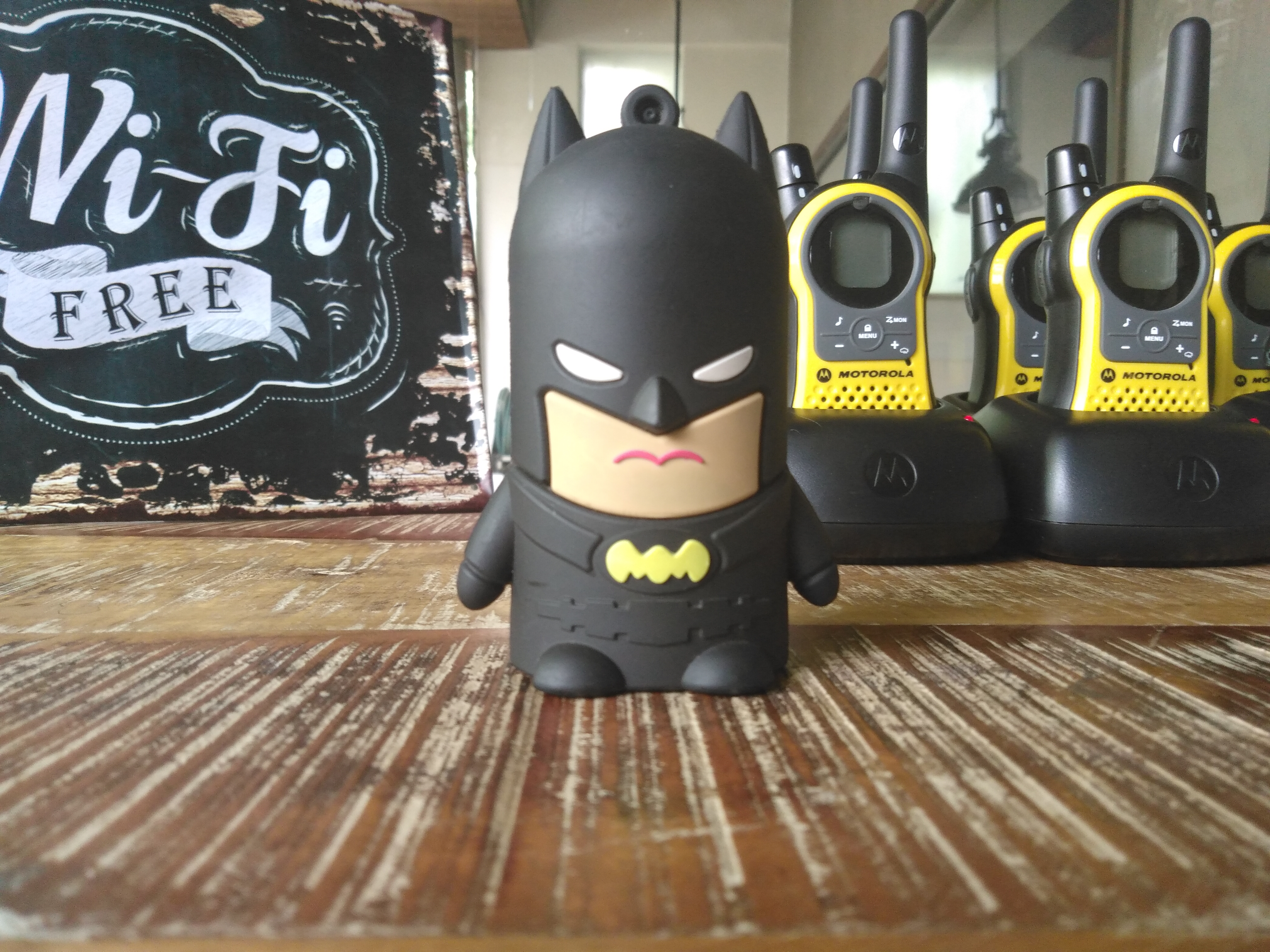
The Nokia 4.2 has a dual rear camera setup consisting of an f/2.2 aperture equipped 13MP sensor paired with an f/2.2 aperture equipped 2MP depth sensor. Images captured in daylight from the smartphone are above average, with decent contrast and natural colours. One gripe we have about the camera is that it can be a little slow to process the images. Images captured in low light are below average, with softer colours and a visible loss of detail.
Rear Camera Bokeh
Rear Camera Bokeh
Rear Camera Bokeh
Like most modern smartphones, there is a Bokeh mode which is dicey on the Nokia 4.2. While the subject separation is good and the device does a decent job of recognising depth, the colours in the result look very artificial. This effect is most prevalent in the day and with good lighting.
Front Camera Sample
Front Camera Sample
Front Camera Bokeh
Front Camera Bokeh
For selfies, the Nokia 4.2 has an f/2.0 aperture equipped 8MP sensor housed in the notch on top of the display. Images from the front camera are generally great, with accurate colours and good detail. There is a live bokeh mode which also works well. The results are far from what the best can churn out but are worthy enough to be shared on social media.
Battery and Connectivity
The Nokia 4.2 is powered by a 3000mAh battery which can be charged using the bottom mounted micro USB port. Frankly, we would’ve prefered a USB Type C port and faster charging than the provided 5 W charger can offer. The battery life of the device is also average, with us getting a screen on time of about four to five hours on medium usage. The low-resolution screen, combined with stock Android provides the smartphone with acceptable battery life.
In terms of connectivity, the Nokia 4.2 has WiFi 802.11 b/g/n, Bluetooth 4.2 and also supports 4G VoLTE. The smartphone faced no problems in latching on to Wi-Fi networks and performed as expected. Call quality on the device was excellent, with the earpiece producing loud, crisp audio. The handset was able to perform equivalent to its rivals when it is about network and connectivity. Notably, the SAR value of the Nokia 4.2 is 0.79 W/Kg which is well in the safe limit set according to the Indian standards.
Other Features
The Nokia 4.2 has a rear-mounted fingerprint scanner and supports the ever popular face unlock technology. In our usage, we found the fingerprint scanner to be a little slow in unlocking the smartphone. As the biometric sensor is placed on the rear, it is inaccessible when placed on a flat surface. For those occasions, the face unlock is a handy feature. Interestingly, there are two ways to set up facial recognition on the Nokia 4.2. The first one takes a while to unlock the smartphone but is a lot safer. The second option, which can be turned on in settings, unlocks the handset much faster but the security aspect of it takes a backseat.
The dedicated Google Assistant button is one of the key highlights of the Nokia 4.2. Like mentioned above, the button can be pressed to summon the digital voice assistant. With the smartphone, three individual functions have been mapped to the button. Pressing it once will bring up the Google Assistant which can be used to input commands. Clicking the button twice brings up the Assistant dashboard to glance through updates, while a long press on the button turns on the microphone until the key is pressed. This function works like a walkie talkie and is a good addition for quick or longer commands.
Verdict
The Nokia 4.2 is a smartphone in a completely new lineup for the company. While it offers a solid build, premium design, stock Android with Android One and the Google Assistant button, its performance and cameras leave a lot to be desired. In a segment where versatile cameras like in the Galaxy A20 and great performance like seen in the Redmi Note 7 is a thing; the Nokia 4.2 doesn’t have a lot of features to justify its asking price.
Nevertheless, if you want a smartphone from a brand offering a good after-sales service and software experience, the Nokia 4.2 might just work out for you. However, the Redmi Note 7 has proven itself as a complete package and is an excellent value for money device. We found the Nokia 4.2 to be an underwhelming offering from the company; and recommend you also check out smartphones like Samsung’s Galaxy M20, the Galaxy A20, the Redmi Note 7 or the company’s own Nokia 5.1 Plus if you’re looking for a great budget device.
Nokia, at an event in New Delhi on the 7th of May, has launched the Nokia 4.2. It is the latest smartphone in the company’s budget lineup and was first announced at the Mobile World Congress (MWC) 2019 in Barcelona Spain back in the month of February. The Nokia 4.2 features a modern design, with competitive specifications at a lucrative price.
Nokia 4.2
Nokia 4.2 is a budget offering by Nokia which features in a completely new lineup. The smartphone features an all-glass design on the front and back with a polycarbonate frame for reinforcement. It has a 5.71 inch TFT LCD display with a resolution of 1520 x 720 px. The display has a pixel density of 270ppi and features a waterdrop notch on top to maximise the screen real estate. For biometric security and rapidly unlocking the handset, there is a rear-mounted fingerprint scanner with support for face unlock technology.
Under the hood, the Nokia 4.2 runs on a Snapdragon 439 SoC which is manufactured using the 12nm fabrication process. It has an Octa-core CPU and Adreno 505 GPU. In terms of optics, the handset has a dual rear camera setup. This consists of an f/2.2 aperture equipped 13MP f/2.2 sensor paired with an f/2.2 aperture equipped 2MP f/2.2 depth sensor. For selfies, the device has an f/2.0 aperture equipped 8MP sensor housed in the notch on top of the display. For memory and storage, it features 3GB of RAM and 32GB of onboard storage.
Nokia 4.2 is powered by a 3000mAh battery which can be charged using the MicroUSB port on the bottom of the smartphone. The highlight of the device is the dedicated Google Assistant button which is present on the left side of the device. It can be used to summon Google Assistant, Android’s digital voice assistant. The handset runs on Android 9 Pie and is also Android One certified; which suggests that it will receive Android updates for two years and monthly security updates for three years.
The Nokia 4.2 has been priced at Rs. 10,990 in India and will be available exclusively starting today from Nokia’s official website for a 7-day period. The smartphone will also be available at select retail outlets including Croma and Reliance starting 14th May across the country. The initial buyers of the Nokia 4.2 will get a one-time screen replacement for six months and a discount of Rs. 500 till the 10th of June.
Xiaomi launched the Black Shark 2 gaming smartphone at an event in China on the 18th of March. The device succeeds the Black Shark Helo launched last year as the top end handset from the company made for mobile gaming. Now, fresh leaks claim it is launching the device in the Indian market soon. The smartphone has passed the mandatory BIS certification in the country which suggests it may be announced later this month.
About the BIS Certification
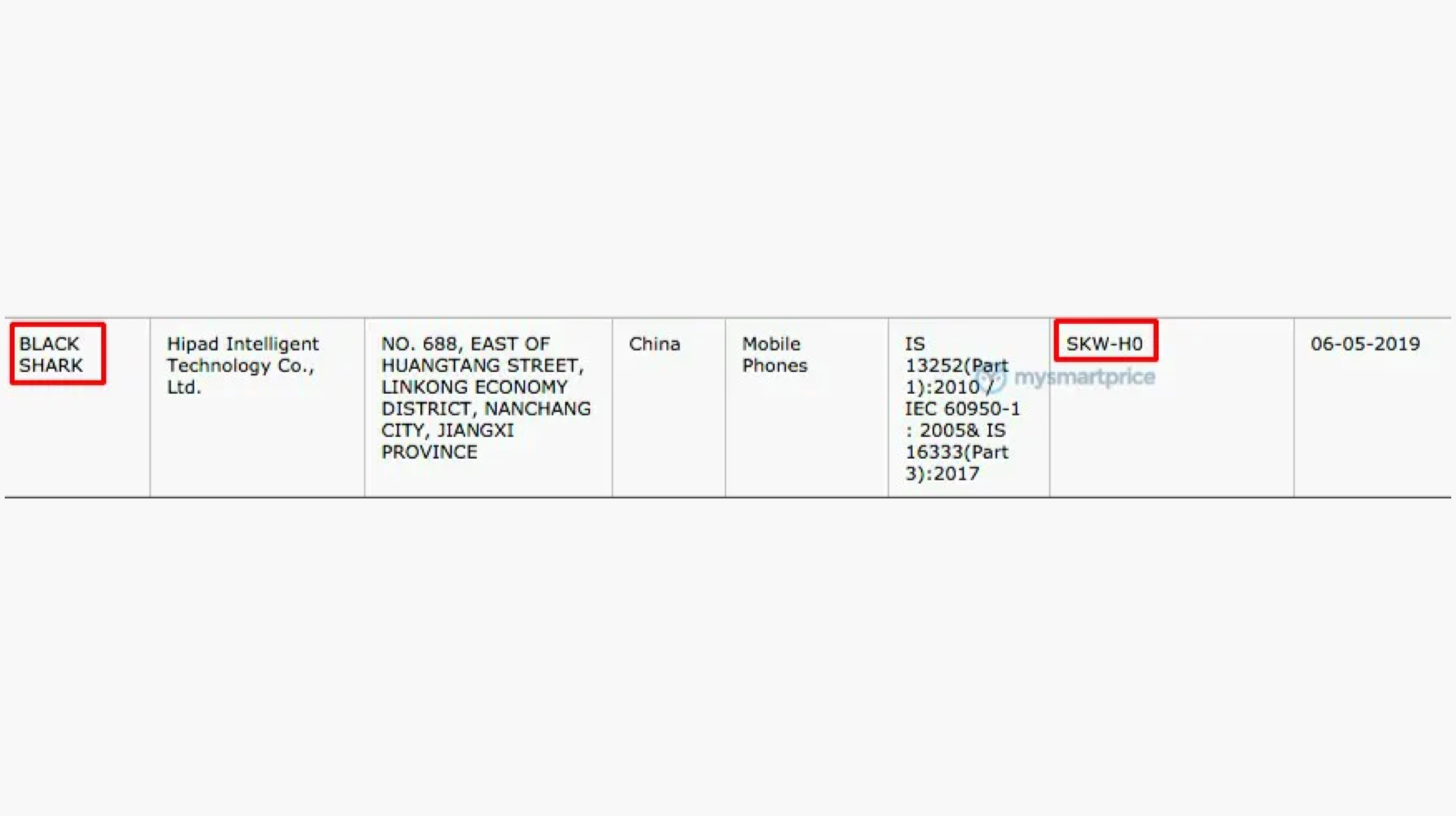
The Bureau of India Standards (BIS) has certified the Xiaomi Black Shark 2 with the model number SKW-HO. BIS is a national standard body of India which is responsible for providing certification to certain products. It is often seen as a means for providing a third-party guarantee of quality and reliability of the products. While the BIS certification is voluntary in nature, the government of India has made it mandatory for certain products citing public health hazards.
Xiaomi Black Shark 2
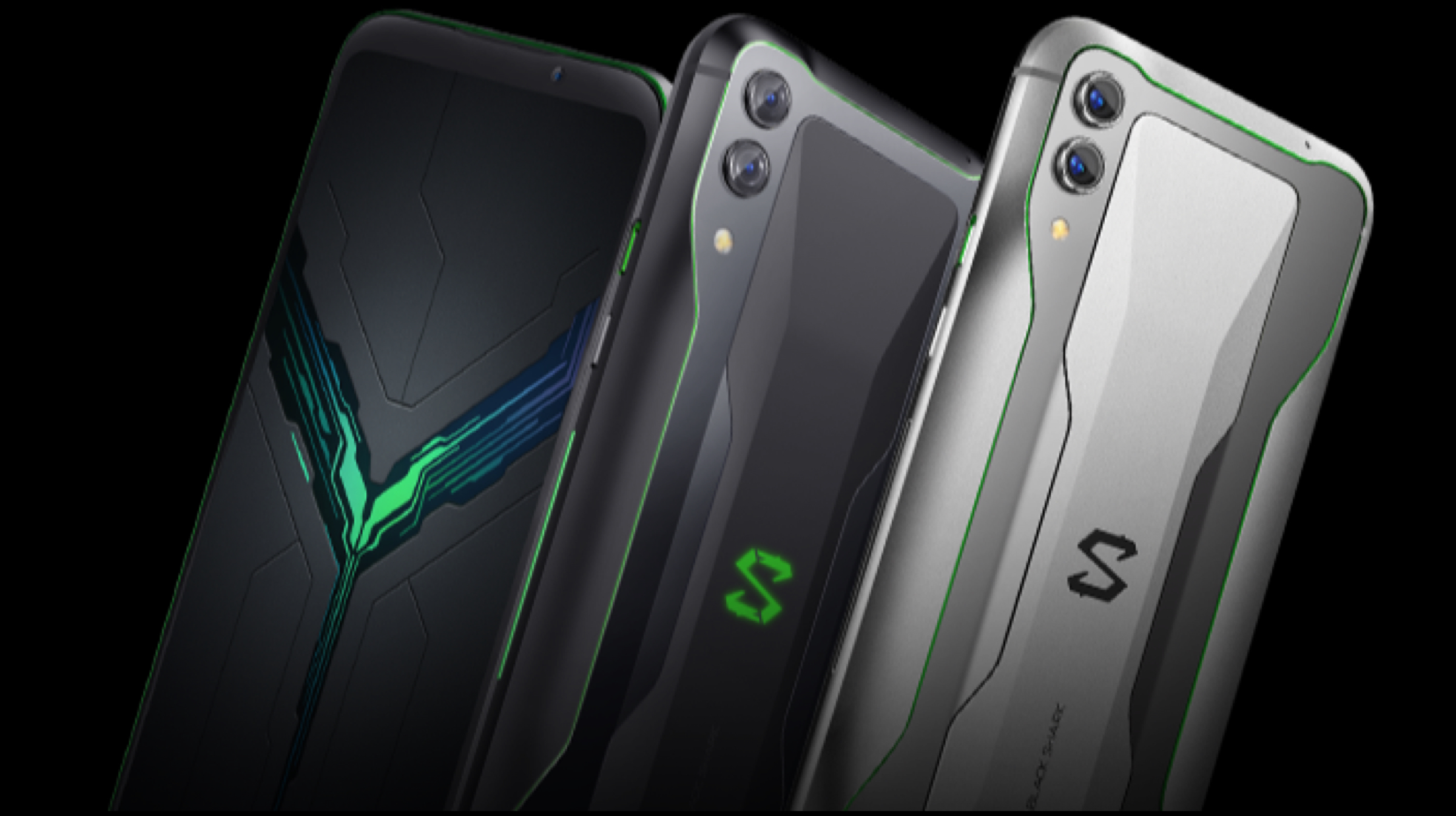
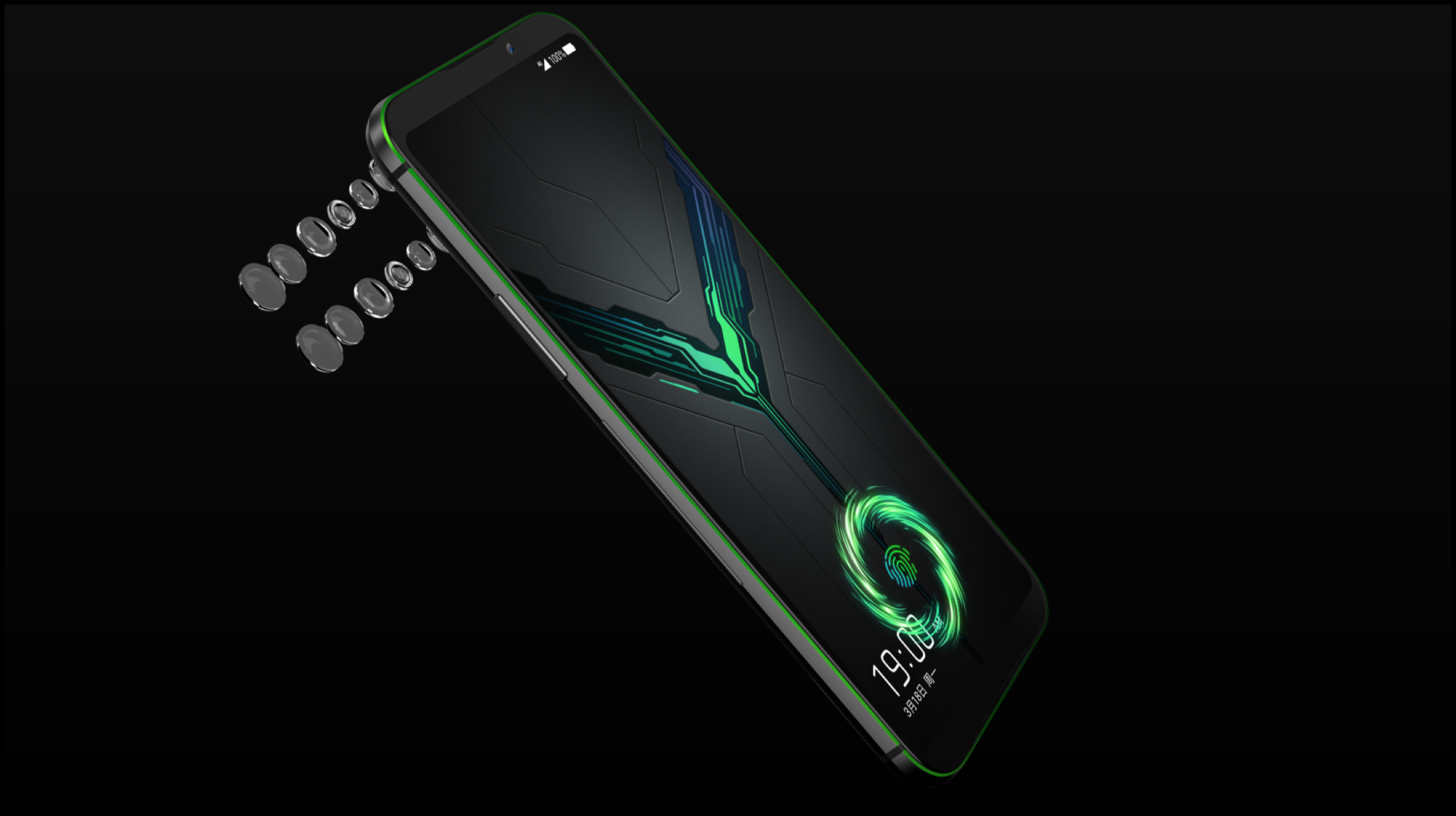
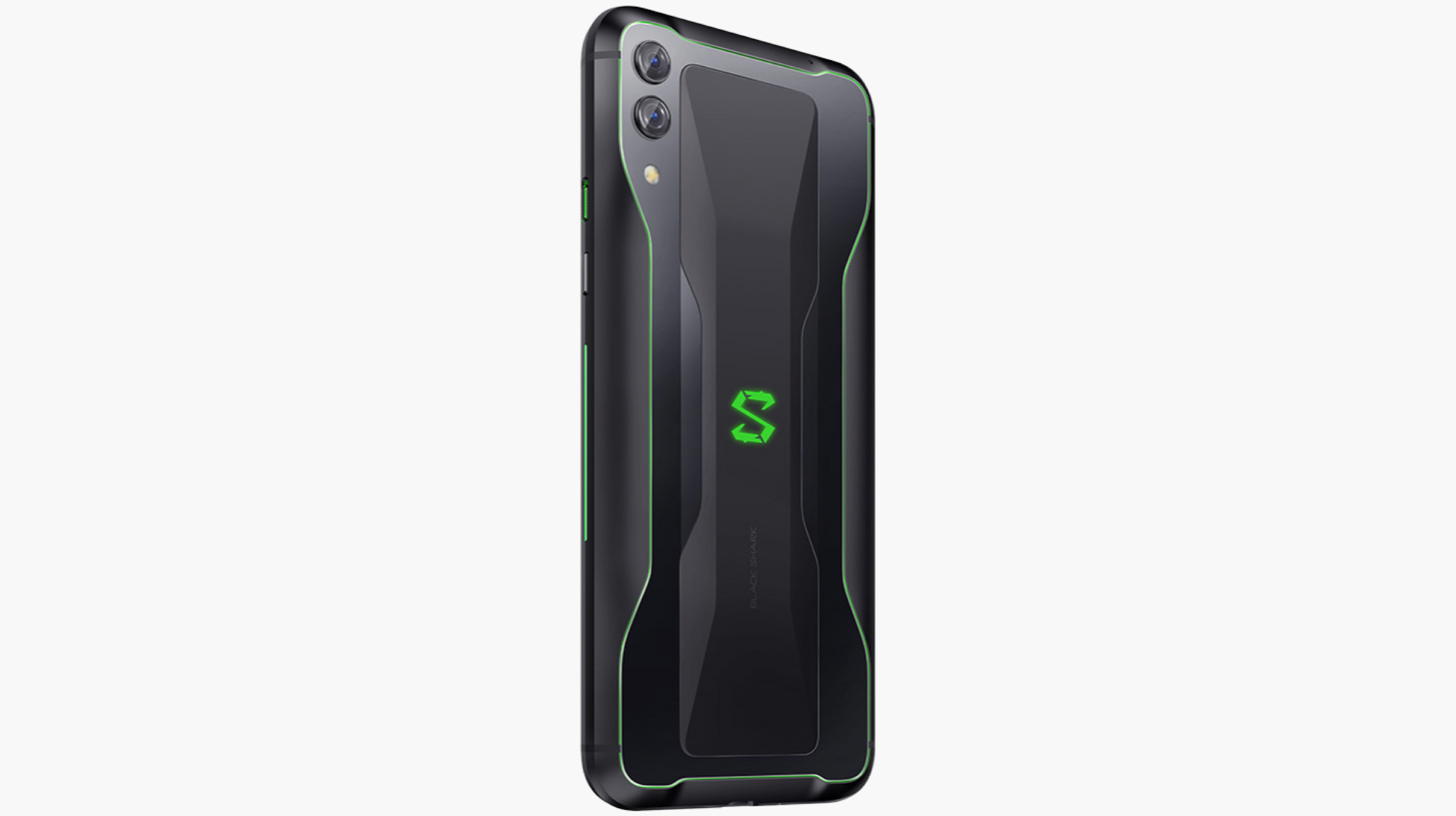
The Xiaomi Black Shark 2, like its predecessors, has an unconventional design language with a distinctive pattern on the rear and a large screen display on the front. It measures 163.61 x 75.01 x 8.77 mm from all sides and weighs in at a hefty 205 grams. It sports a 6.39 inch AMOLED display which is surrounded by minimal bezels on all sides. The smartphone’s display has a resolution of 2340 x 1080 px and a pixel density of 403 ppi. The display panel can reach brightness levels of up to 430 nits and has an aspect ratio of 19.5:9. Noteworthy, the AMOLED display also supports pressure sensitive controls which means the amount of pressure applied to the screen while playing games would affect the on-screen controls. For securely and swiftly unlocking the device, it features an in display fingerprint sensor.
Under the hood, the Xiaomi Black Shark 2 is kitted with the Snapdragon 855 SoC which is comprised of an Octa-Core CPU and the Adreno 640 GPU. In terms of optics, the smartphone has a dual rear camera setup which consists of a 48 MP sensor combined with a 12 MP sensor and an LED Flash which can capture 2160p videos at 30 fps. It also has a 20 MP front-facing selfie camera which is placed in the bezel above the display. The front camera can capture 1080p videos at 30 fps. For memory and storage, the device is expected to be available in the following variants.
6 GB RAM + 128 GB ROM
8 GB RAM + 128 GB ROM
12 GB RAM + 256 GB ROM
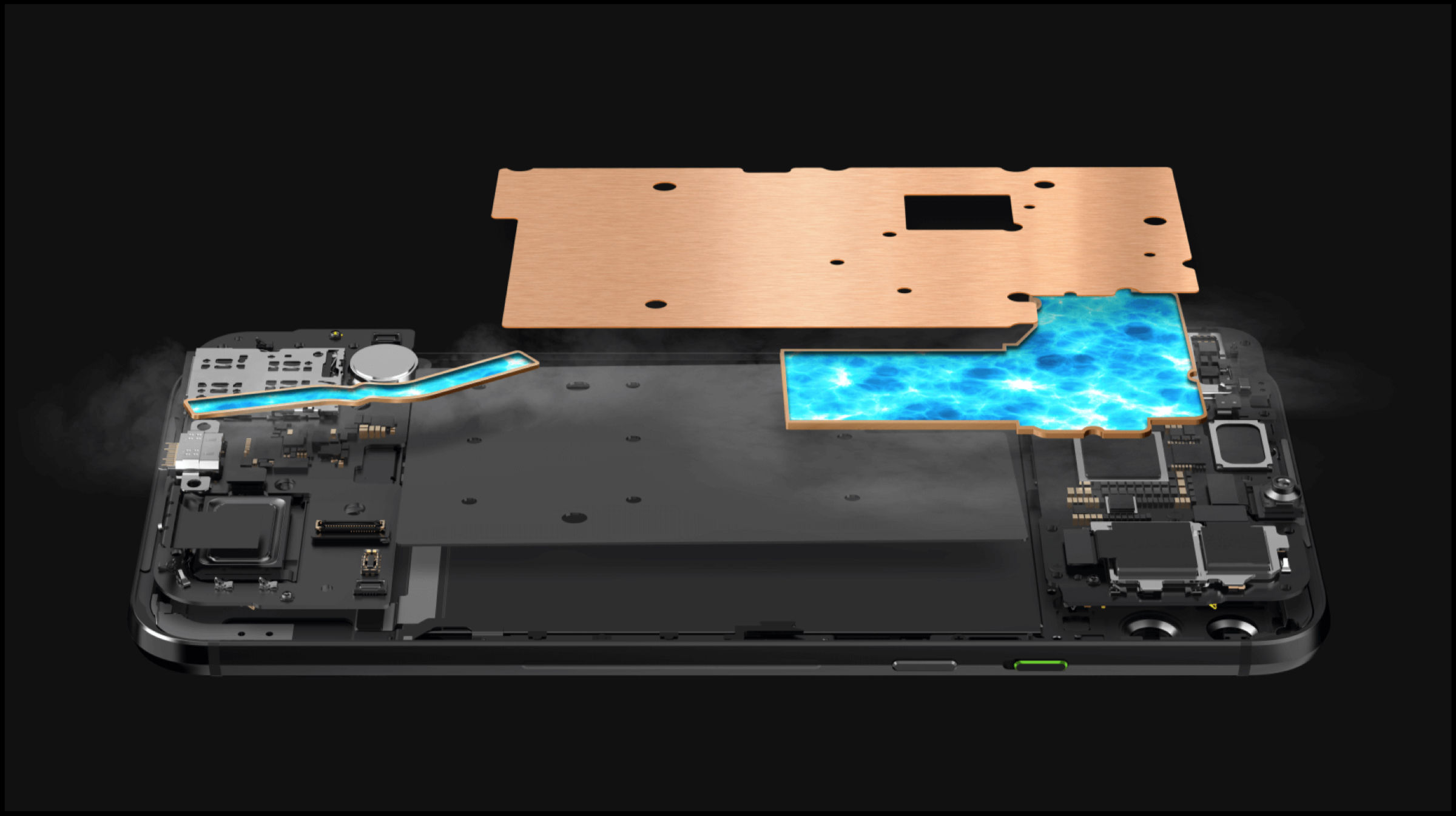
The Xiaomi Black Shark 2 is powered by a 4,000 mAh battery which supports up to 27 W wired fast charging. Connectivity options on the handset include 802.11 ac Wi-Fi, Bluetooth 5.0, Dual 4G VoLTE and GPS. To keep the temperature of the device under check while running heavy games, it also has a vapour cooling chamber.
Since the Xiaomi Black Shark 2 has passed the mandatory BIS certification, the Indian launch of the smartphone seems imminent. Furthermore, the company started its operations in the country a while ago; which may be another indication of the approaching announcement. Unfortunately, details about its pricing are not known yet, but taking the price of the Chinese variant into consideration, it is expected to start at Rs. 33,000.
Google will host the Google I/O 2019 event from May 7-9 at the Shoreline Amphitheatre, Mountain View in California, USA. It is the company’s annual developers event where it showcases its software prowess to the world. While the schedule for the three-day event has been released, it is anyone’s guess what Google has in store for us. Here is what to expect from Google I/O 2019.
Android Q
One of the highlights of the Google I/O 2019 is expected to be the next generation of Android, the Android Q. As two beta versions of the mobile operating systems have already been released, Google may announce the third beta on the first day of the event. Like it did last year, smartphones from more companies than before may be added to the list. While what devices will be added is not known yet, it is reported that handsets from Samsung, LG, Motorola and Huawei may be the lucky ones to get Android Q Beta 3.
Android Q is alleged to be a major change over its predecessor, Android Pie. The first two beta builds of the software insinuate it will bring over many highly anticipated features like dark mode, new navigation gestures and a new update delivery system. However, no major design overhaul is expected from the upcoming version of Android. It is also reported that Google will launch the final, stable build of the software for compatible smartphones starting the month of August later this year. Maybe then we will finally know which desert starts from the letter Q; Android Quiche maybe?
Pixel 3a, 3a XL
While Google is not known to launch any hardware at the Google I/O event, it is almost confirmed the company is all set to change the unwritten rule. Two new mid-range Google smartphones, allegedly called the Pixel 3a and Pixel 3a XL are expected to be announced on the first day of the event. These devices will be the watered down variants of the flagship Pixel 3 and Pixel 3 XL handsets respectively. The upcoming smartphones will be significantly affordable than their siblings which may make them more desirable.
Leaked details about the Pixel 3a, 3a XL direct towards a polycarbonate body instead of a glass and metal construction as seen in their siblings. Like the Pixel 3 XL, none of the smartphones will feature a notch in their displays. Surprisingly, the devices may also bring back the 3.5mm headphone jack, which was removed starting the Pixel 2 lineup. Other leaked specifications of the handsets include the Snapdragon 670 SoC, 4 GB RAM, 64GB Internal Storage and clean, a stock build of Android with guaranteed software updates for three years.
Google Nest Hub
Google Home, Home Mini
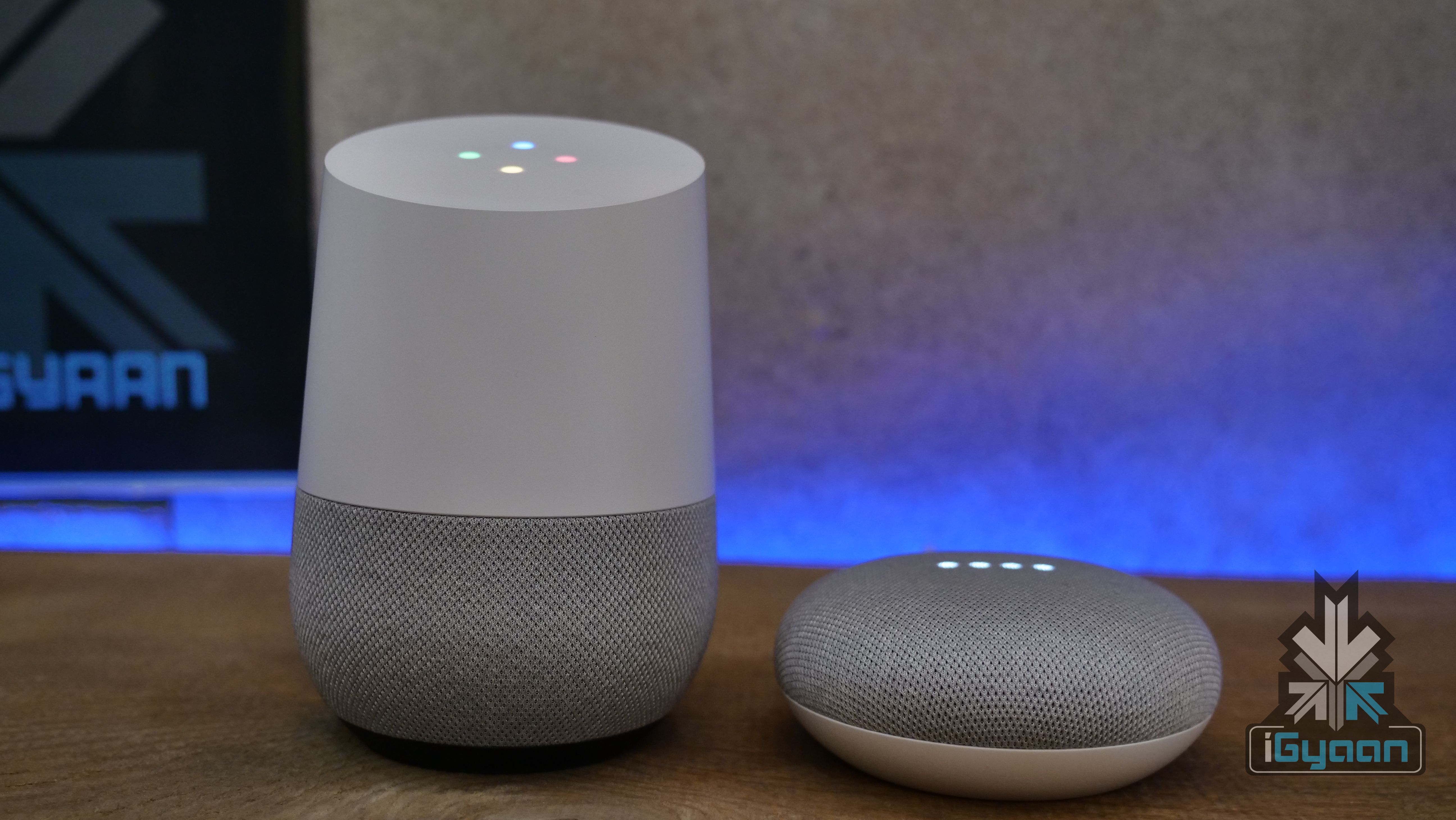
Google acquired the smart home company Nest in the year 2014. And since last year, it has started branding itself in the company’s products lineup. It is expected that with the Pixel 3a series, a new smart speaker with a display may also be announced. This device is allegedly called the Google Nest Hub and it will an upgrade to the Home Hub smart speaker announced last year. It may have an 8 inch or bigger display which will support touch input and will feature the Google Assistant. Unlike the Home Hub, the Nest Hub is expected to have a front facing camera which will help in video calls and facial recognition features.
Google Stadia
Google bowled everyone over when it showcased Stadia, a cloud gaming service for every smart device available on the market. While the concept of the service was innovative and never seen before, no details were provided at the previous event. It is thus expected that the technology giant will finally elaborate on its take on the future of gaming. Google Stadia was announced to be ready by the end of this year, so the company might finally have some answers to the plethora of questions that the sceptical audiences have about the service.
Each year, senior Google executives get on stage and discuss the things the company has improved with the Google Assistant. The digital voice assistant from the company saw the addition of the Duplex feature last year. It let the smartphone make dinner reservations or book an appointment for the user with an eerie, human-like voice. The concept worked great in the demos and was later rolled out to selected users in the US and Canada. It is thus expected that the company will either announce the expansion of the service to more countries around the globe; or blow everyone’s mind once again with a similarly innovative offering.
As an increasing number of Smartphone OEMs eliminate the 3.5mm headphone jack from their devices, the demand for wireless headsets has risen subsequently. However, a pair of Bluetooth enabled wireless headset is comparatively expensive than its wired counterpart. If you are on the hunt for a pair of affordable truly wireless earphones, we have made the choice easier for you. Here are the best truly wireless earphones available in India under Rs. 2,500.
Video:
List:
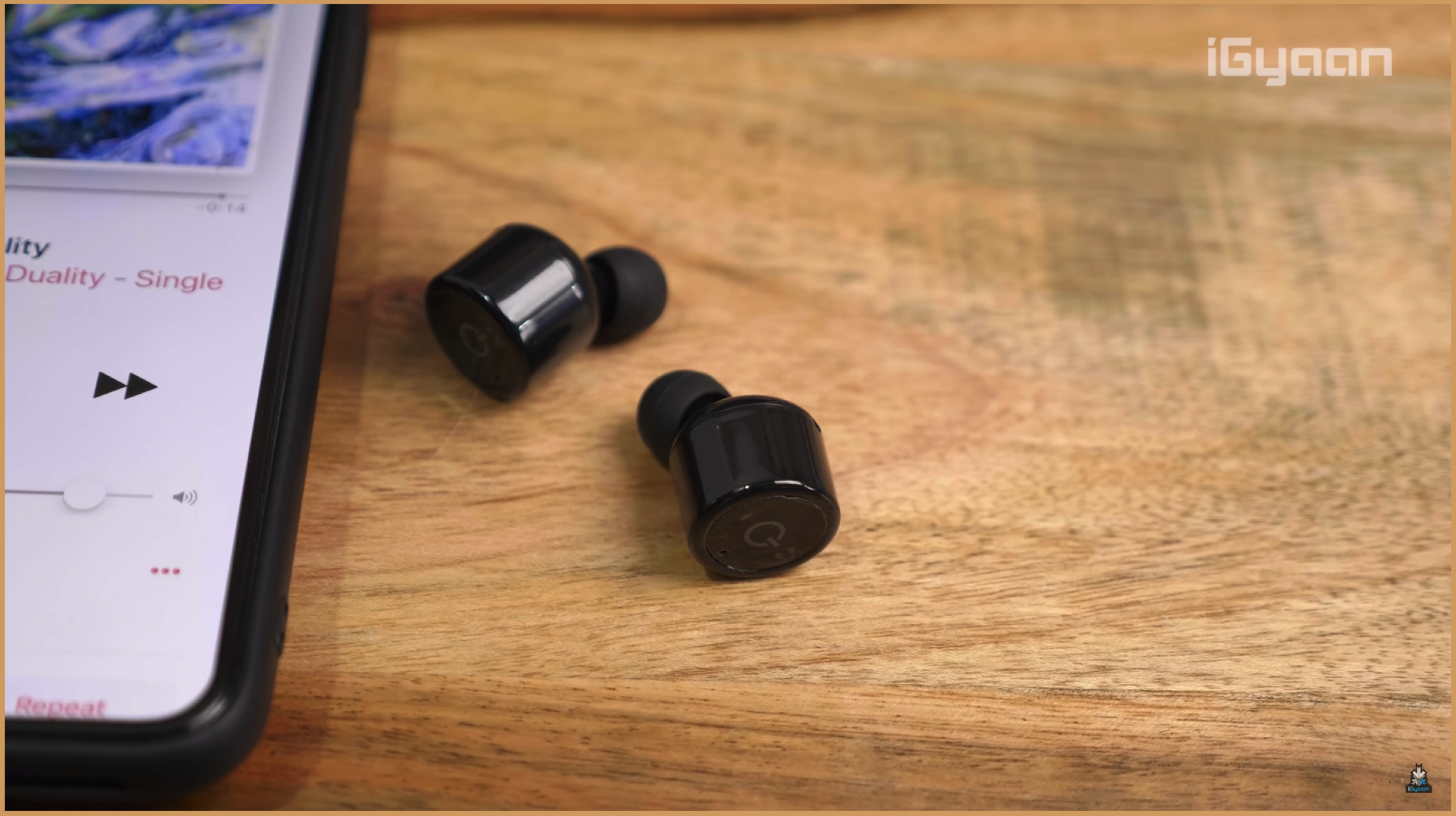
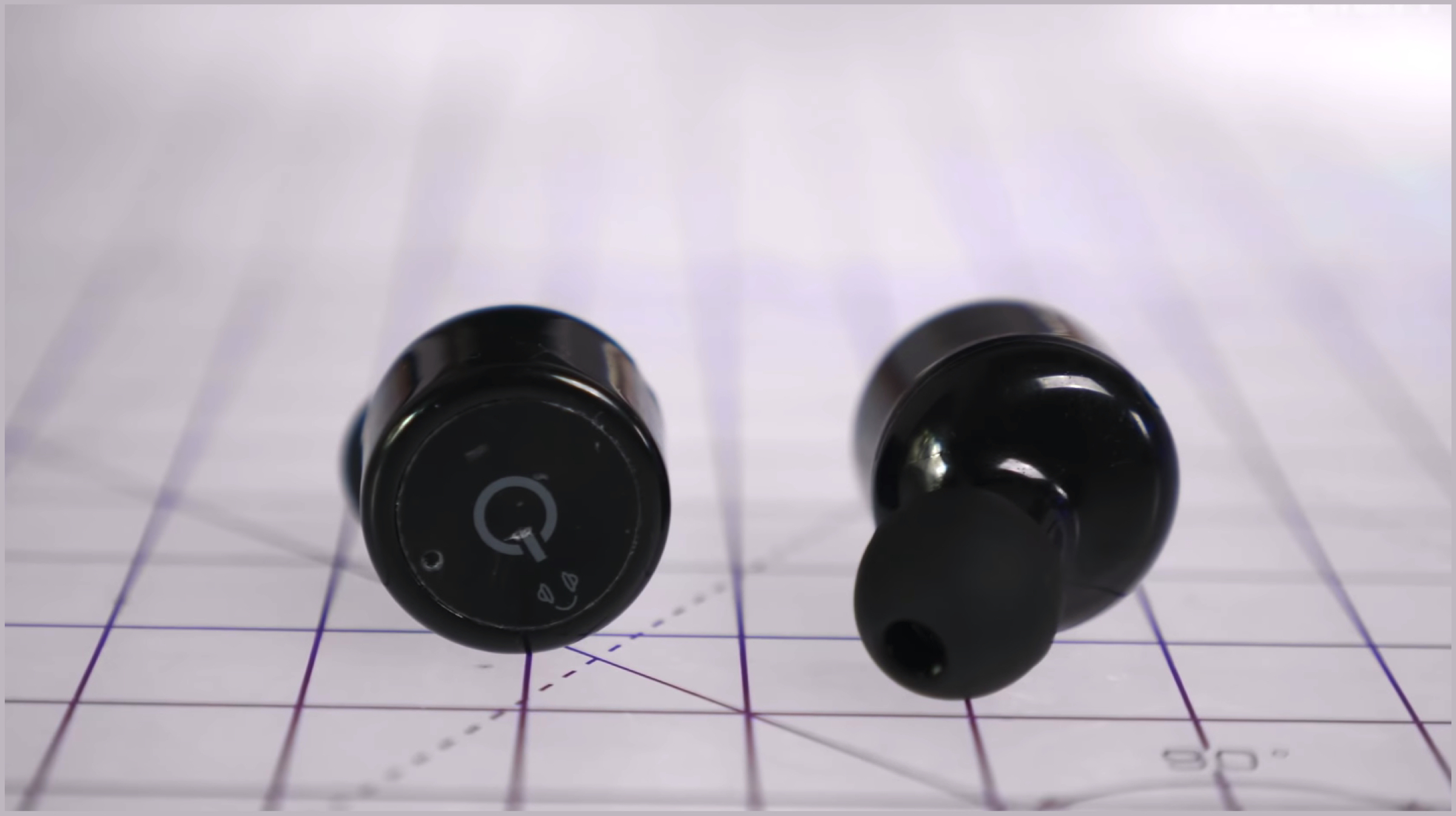
X1T Wireless Earbuds
The X1T truly wireless earbuds are available from a range of different manufacturers, each at a different price. The package contains two earbuds which don’t ship with a charging case and instead use an old Nokia style charging port. There is a different version with a charging case available, but it is slightly expensive. If you’re ready to overlook this negative, the pairing mechanism is quick and easy. There are additional eartips inside the box which should make them comfortable to wear for most people. The manufacturer claims a battery life of around 5 hours but in our testing, the music playback time was found to be around 2.5 hours. The sound quality of the earphones is surprisingly good, with balanced sound output and not so punchy bass.
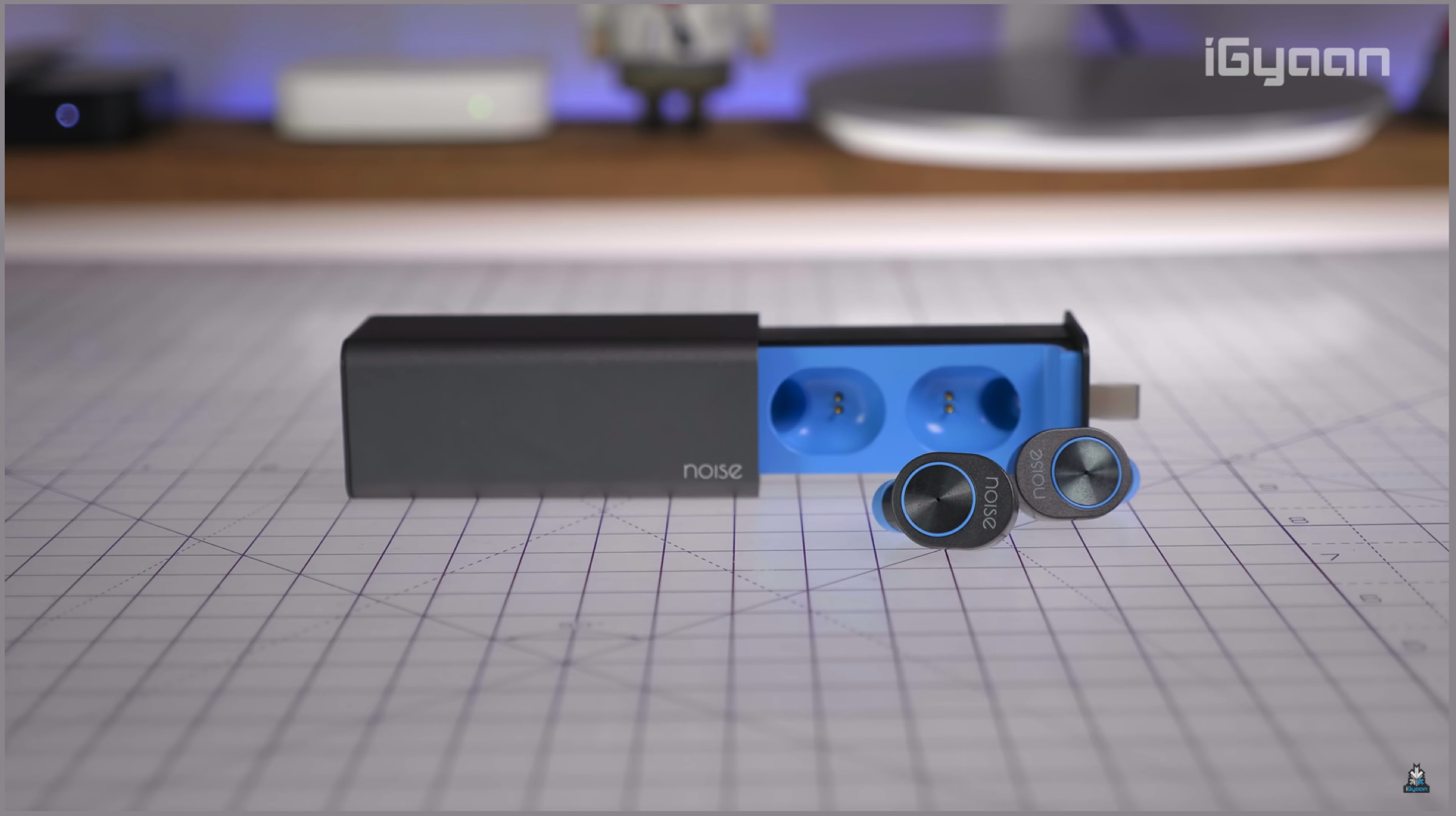
Noise Shots
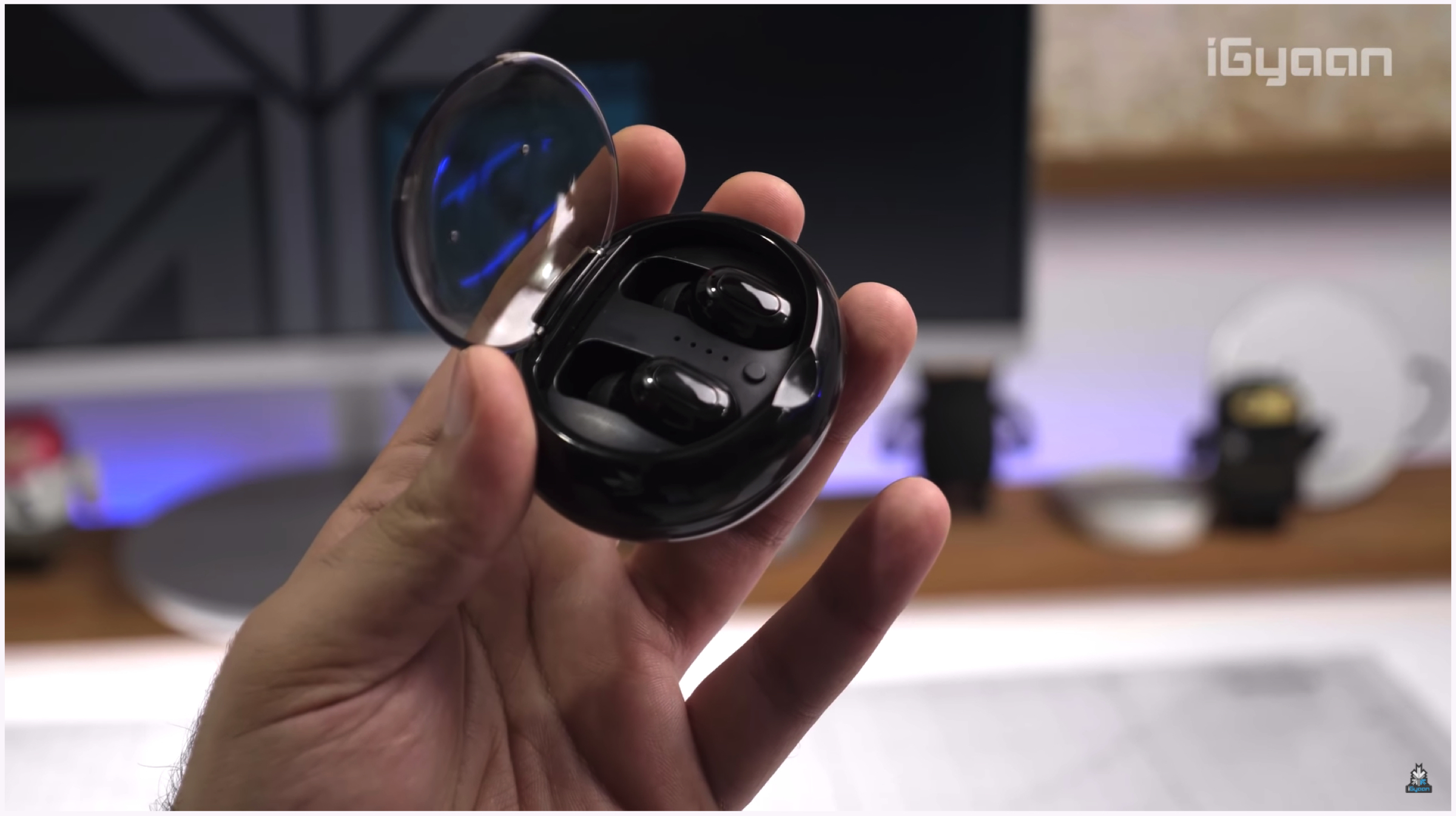
Noise is a renowned Indian company that makes affordable wearable products. The Noise Shots are the company’s most affordable truly wireless earphones. They ship with a metal charging case that can charge the earphones by connecting magnetically. Each earbud is well built, with metal and plastic design. Noise claims a battery life of 2.5 hours on continuous use of the Shots with an additional 10 hours with the charging case. The earbuds are also IPX4 rated, which makes them a good companion for fitness enthusiasts as they are sweat proof. Additional eartips are provided in the box to maximise comfort while wearing the headsets. Talking about the sound quality, the Noise Shots can push out extremely loud volumes, bass and treble. The clarity is also quite impressive for the price.
Pebble Wireless Earbuds
Next up on our list are the Pebble Wireless Earbuds. Each earbud features a glossy design and is lightweight. Unique in the price range, the Pebble Truly Wireless Earphones have touch controls on each earbud which can be used to control music and calls. The earbuds ship with a charging case which can provide around seven full charges to the headsets. There are interchangeable eartips inside the box adjusting the fit accordingly. In terms of sound quality, the Pebble wireless earphones have a balanced sound output and can get pretty loud at maximum volumes.
Boult Tru5ive
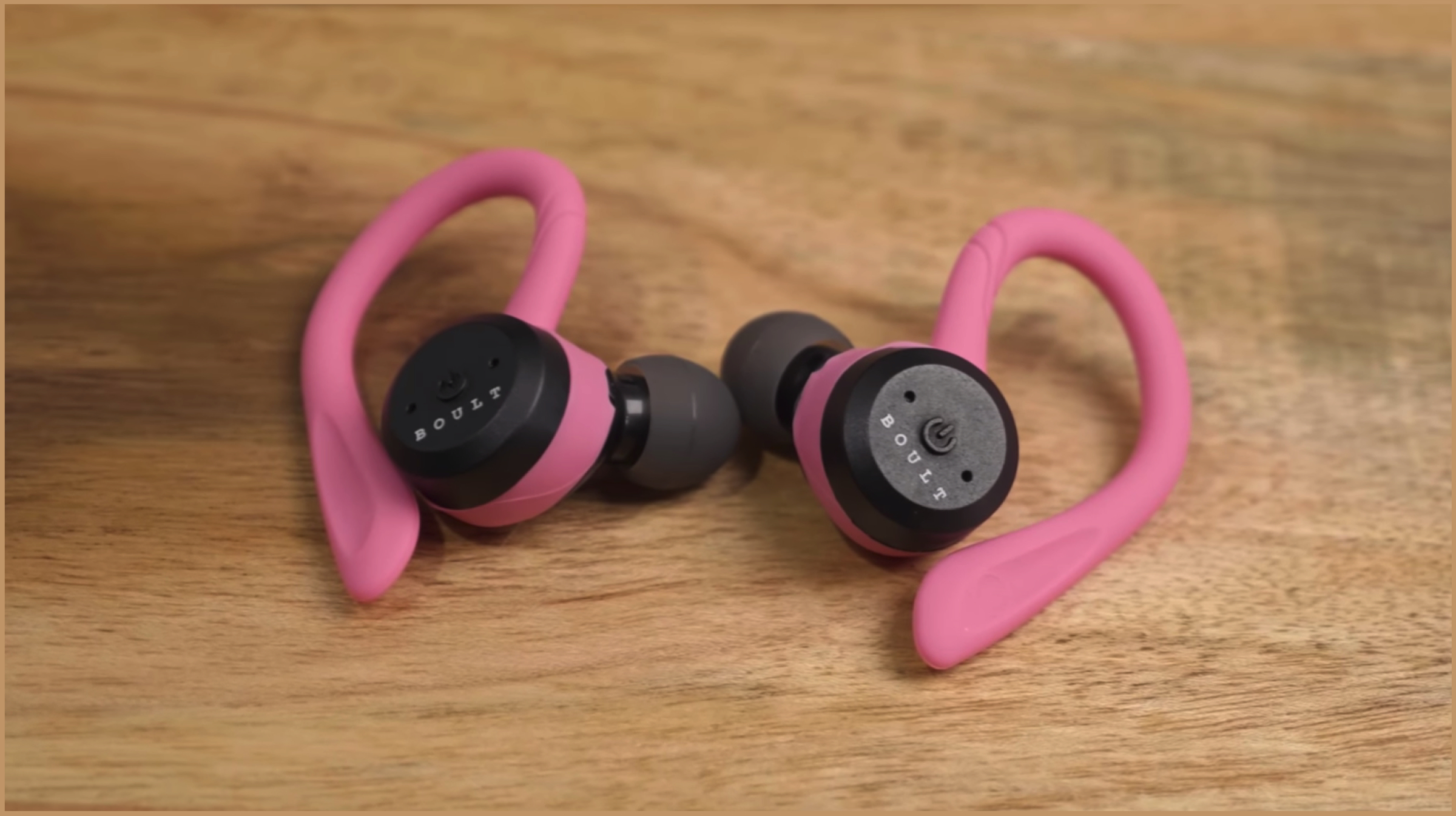
The Boult Tru5ive is a great option for anyone looking to buy truly wireless earphones under Rs. 2,500 for many reasons. They are the only ones on the list to feature Bluetooth 5.0, which should provide better range and connectivity. For a better and comfortable fit, the earbuds have a lot of earhooks, wing tips and eartips in the box. The user can easily maximise the comfort by attaching the size which fits them the best. Due to a good fit and sweat resistance, the Tru5ive truly wireless earphones are a great buy for fitness enthusiasts. In terms of battery, the headsets last about 5 hours on music playback with an additional 3 charges that can be provided with the bundled charging case. In terms of sound quality, the Tru5ive has a good amount of bass and treble.