Category: Apple

  • Here is Everything We Know About Apple iPhone 6S Till Now

    Here is Everything We Know About Apple iPhone 6S Till Now

    With just around a month to go for the next iPhone launch, we have rounded up some specs and features that we may see with the next Apple device.

    Force Touch and New Casing Material
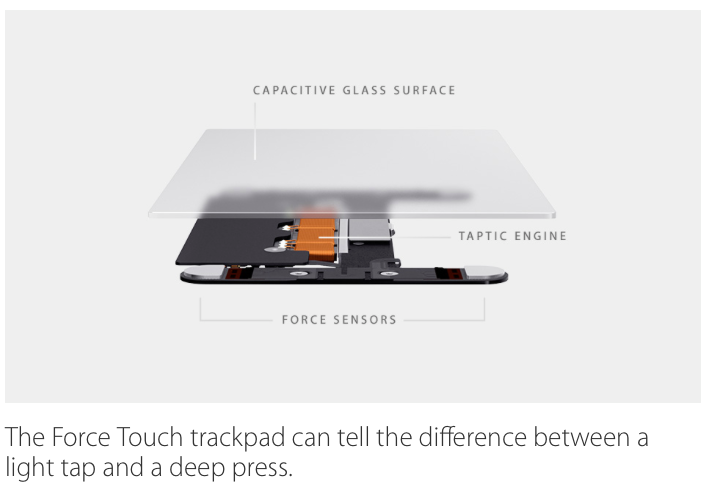
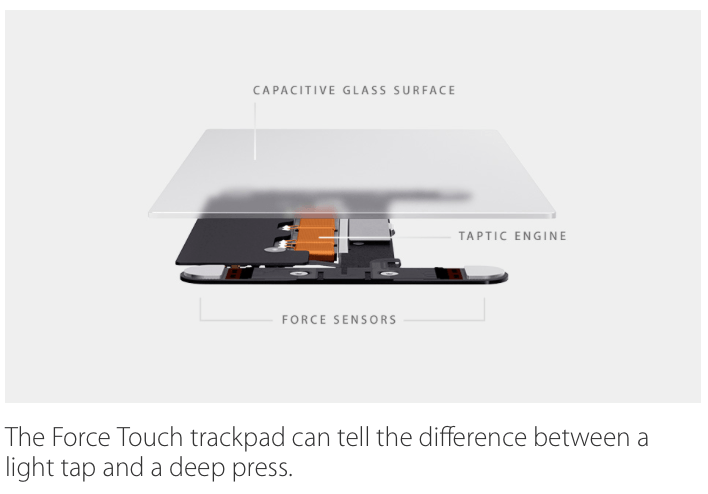
    Apple MacBook Force Touch

    Earlier this year, Apple’s next-generation iPhone was announced to come with the ‘Force Touch’ feature, which made a debut appearance with the Apple Watch and the new 13-inch MacBook. The inclusion was widely expected, and a report by analyst Ming-Chi Kuo of KGI Securities has confirmed its existence stating that the implementation of Force Touch on iPhone 6s might even add to the thickness of the device.
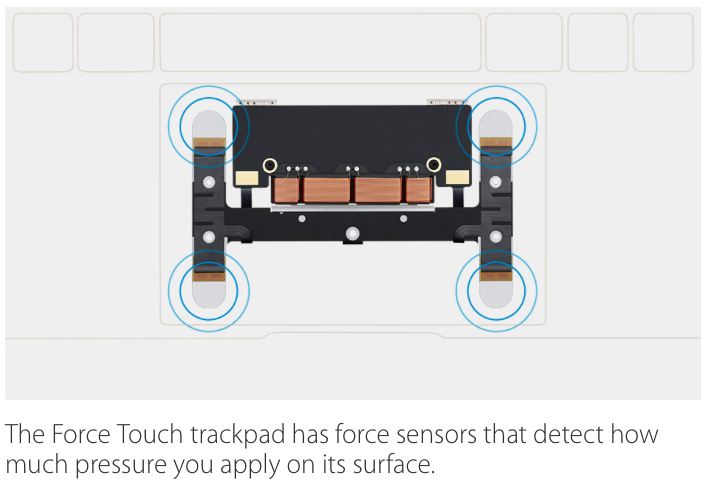
    Apple Force Touch

    Force Touch is a brainy touch feature that senses the level of force applied on the screen. It uses tiny electrodes around the flexible Retina display to distinguish between a light tap and a deep press, which trigger instant access to a range of contextually particular controls. This feature adds the chance of embedding more gestures onto the device.

    Kuo argued that Force Touch will lead to the forthcoming iDevice (tentatively titled iPhone 6s) being wider, taller, and thicker. It is speculated to increase the dimensions of the phone by 0.15 millimetres crosswise as well as in length and 0.2mm in thickness.

    As per Kuo, Apple will employ Series 7000 Aluminium, introduced with Apple Watch, on the next-generation iPhones. The custom metal is 60 percent stronger than the regular aluminium and has just one-third the density of stainless steel.

    Apple to Use Better Battery Tech

    We hear that a battery breakthrough will fuel the next iPhone, making it last long between two subsequent charges. The innovative battery was patented by Apple in 2012 but came into practice in 2015 with MacBook.

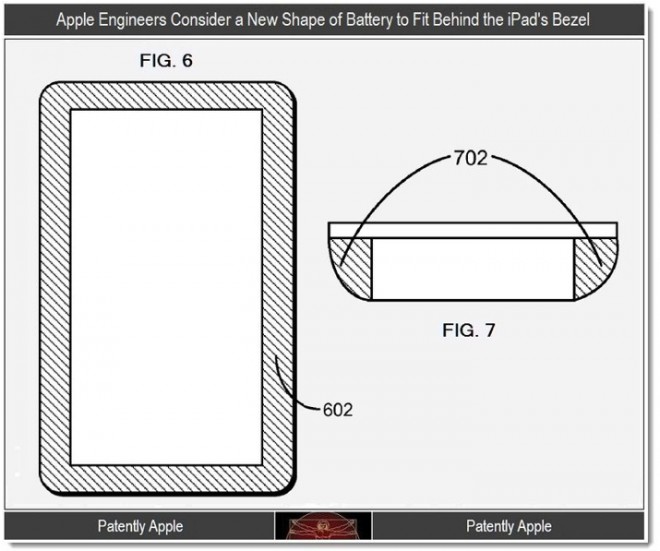
    The next-gen battery goes beyond the barrier of the conventional rectangular slab type and can take any shape. This battery consists of thin electrode sheets stacked on one another. These electrodes are cells of different sizes and are installed in the particular contours of the enclosure. This way, developers would be able to utilize the reserved battery space to embed an LTE chip.

    This arrangement gives 35 percent more battery cell capacity, using every single millimeter of space available in the enclosure. The technology is currently powering the super-slender 13-inch MacBook that has been engineered to give 9 hours of standby on web browsing and up to 10 hours on iTunes Movie Playback. By combining the same battery technology, the Apple iPhone 6s is expected to provide better battery cycles.

    Revamped Interiors

    Aa batch of leaked images has hit the Web, purported to be of the iPhone 6s’ metal casing or chassis, thanks to 9to5Mac.

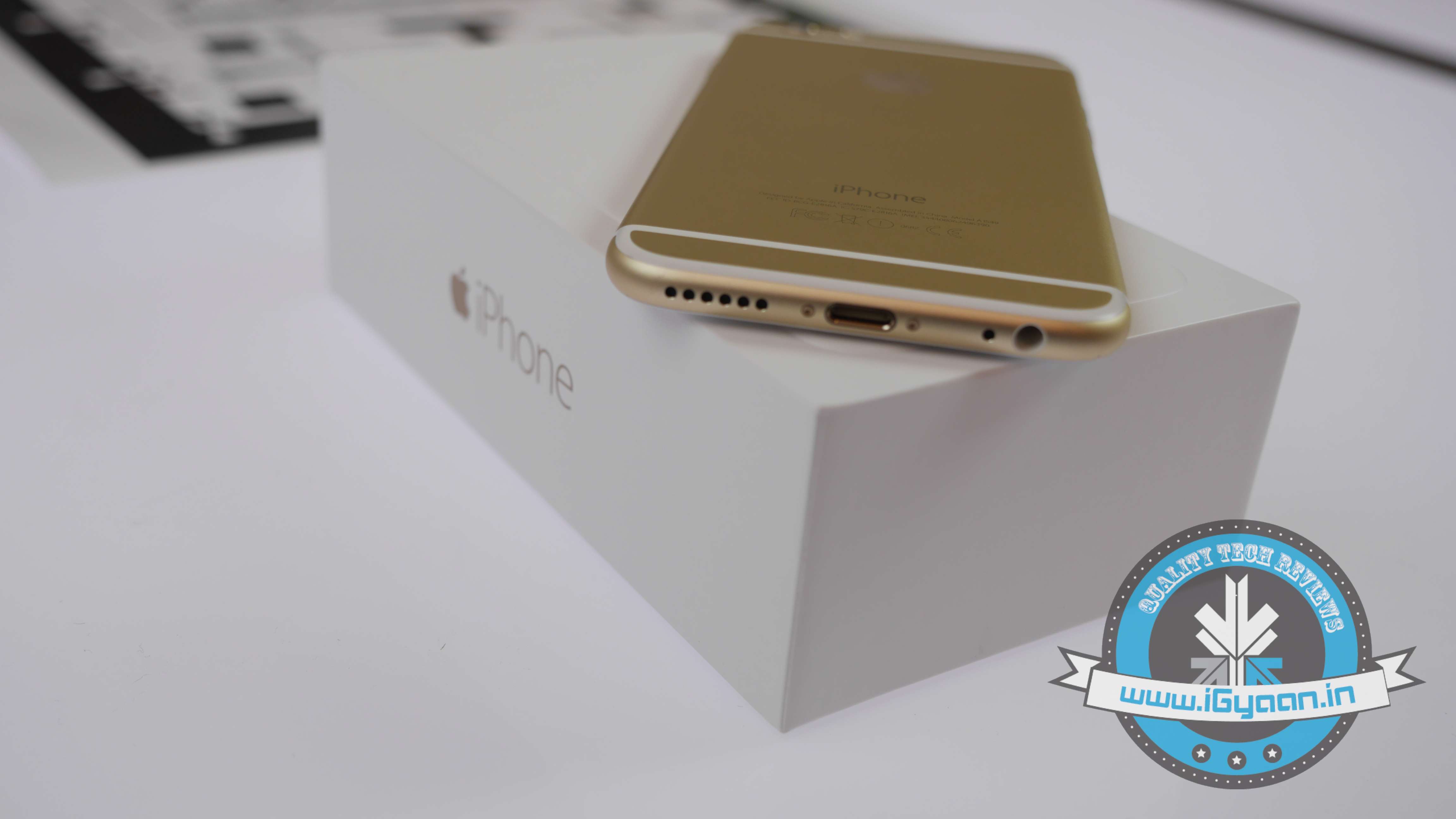
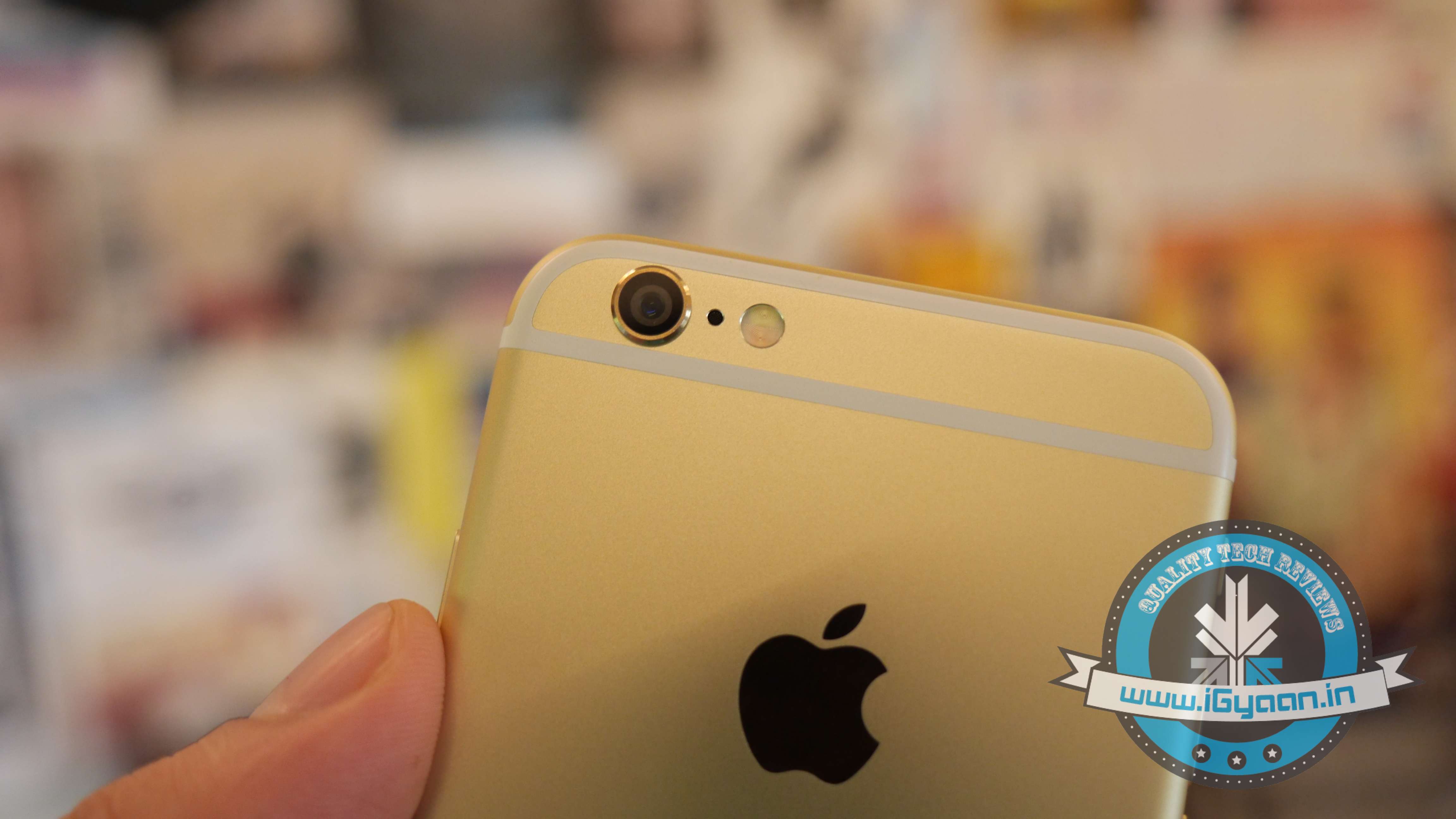
    As we can see in the pictures, the iPhone 6S is almost indistinguishable to both the predecessors in the terms of height and width. Unfortunately, the dual camera rumour will turn out to be untrue if these images are authentic. Differences in the internal mounting board also suggest of changes in chipset and quite a few more components. Few rumours suggested that there would be an antenna on the phone, but the metal casing proves this rumour to be false. The rest of the components, like the lightning port, audio jack and speaker holes are in the same place as the iPhone 6.

    From the above details, it is highly unlikely that Apple will be going for a notable design change for the upcoming iPhone. Since the launch of iPhone 6, the company’s flagship has gone through a major makeover.

    Sports 5MP FaceTime Camera
    Apple-iPhone-6-Rumors-Camera--620x450

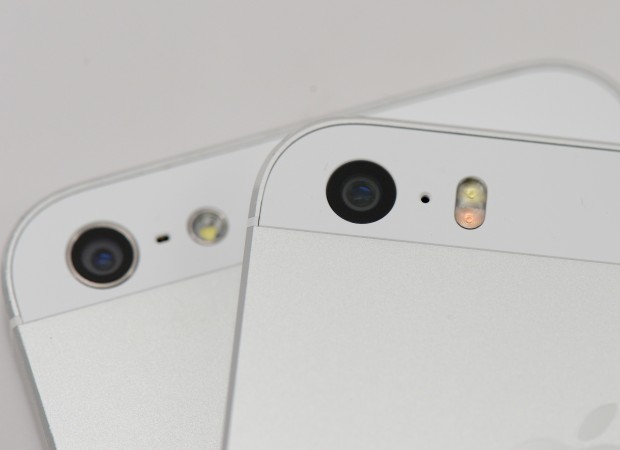
    According to the leaks, the iPhone 6S will sport a 5 MP FaceTime camera, which is an upgrade from the 1.2 MP camera employed by the current version. If the leak is accurate, then we will be witnessing a surge in demand for high-res selfies. Moreover, the rear camera will be upgraded to 12 MP from 8 MP, with 4K video recording capability.  The phone will also be able to capture slow-motion videos at 1080p resolution, up from 720p in the current versions.

    4K video-recording is currently offered in many high-end smartphones such as Samsung Galaxy S6 and OnePlus One. However, what differentiates Apple from its rivals is the software it employs in iPhone to convert the raw data into a polished product. That is why budget filmmakers use iPhone to make short films (and features) even when there are alternatives available in the market.

    Samsung to Provide Chipset and Displays for Apple’s Upcoming Products
    apple-samsung

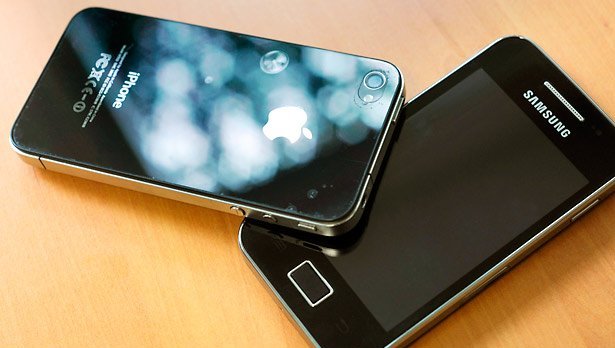
    It looks like the world’s biggest rivals in the tech world may soon be announcing significant collaborations. According to the grapevine, Samsung will be producing Apple’s core chip for the next iPhone as well as displays of other Apple products. This sudden alliance was formed when Apple Chief Executive agreed to tone down the battle of patent suits against Samsung, thereby leading to this association.

    Samsung will be budgeting $14 billion dollars for setting up new plants and equipment for assembling Apple’s newest device parts. Samsung had used the latest SoC for their flagship Galaxy S6 and Galaxy S6 Edge. The chip uses 14nm technology whose standards are matched by Exynos 7420, Samsung’s home-made processor. The 14Nm chip is more powerful than the 16Nm chips that are standardly used in the company’s handsets.

    If rumours are to be considered, the expected iPhone 6s will be available in stores from 25th September this year, according to MobileNews. In an entertaining chain of events, Vodafone began sending out “Save the Date” e-mails to its staff and unwittingly leaked the release date of Apple’s next flagship.

    Surprisingly, there was no name mentioned about the next iPhone; it was just being referred to as the ‘new iPhone’. According to the source, pre-orders will start on 18th September, and it will go live physically on 25th September.

    Even before this was leaked, we were somewhat confident that the iPhone 6s would be released in September. We guess Apple decided to stick to its long-standing tradition, as the last three flagships were released in September, in their respective years.

  • The Next iPhone May Finally Drop 16GB Base Model In Favor of 32GB

    The Next iPhone May Finally Drop 16GB Base Model In Favor of 32GB

    Given the fact that Apple does not include a microSD slot for expanding memory, a 16GB iPhone can get really cranked up with just a handful of games, apps and music. Apple also has issues regarding the iOS updates, which require an immense amount of free space to install. The company is even going to drastic measures to ensure that its entry-level devices can upgrade to newer versions of iOS by removing apps before installation to reclaim disk space, and then reinstalling them after the iOS update has ended.

    But, with the upcoming iPhone 6S, 16GB models may soon become obsolete. We think that the next iPhone will not have a 16GB variant, but instead will go for the 32GB as a start. Interestingly, Apple removed the 32GB storage option after the 5S. Bumping the entry-level offering to 32GB would give customers a better experience.

    It is highly unlikely that Apple will be going for a significant design change for the new upcoming iPhone. Since with the iPhone 6, the company’s flagship went through a major makeover. We also read that the next iPhones will include Force Touch and a new casing to make the iPhone 6S wider, taller and stronger.

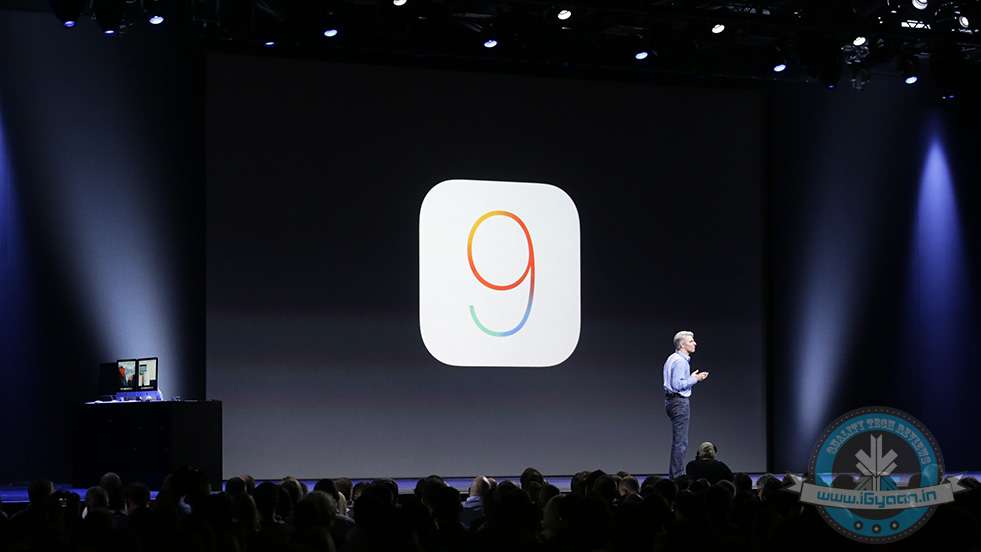
    The new model will run on iOS 9 and have an upgraded processor, as Apple announced at the WWDC this year. We saw in May that Samsung might provide chipsets and displays for Apple’s upcoming products. Ming-Chi Kuo, an Analyst at KGI Securities, says that Apple’s next iPhone 6s models will be powered by a next-gen A9 processor. There are no official confirmations from both the tech powerhouses, but if correct, we may soon see something very different from this alliance. Some sources state that the upcoming handset is expected to arrive with a 2GB RAM.

    From the battery perspective, Apple will use a next-gen battery that goes beyond the barrier of the conventional rectangular slab type and can take any shape. This battery consists of thin electrode sheets stacked on one another. This way, developers would be able to utilize the reserved cell space to embed an LTE chip.

    There is still have more than a month before we see the new iPhone. Until then, we’ll make sure to keep you updated with its (leaked) details.

  • Apple iPhone 6S to Sport 5MP FaceTime Camera, Reveals New Leaked Documents

    Apple iPhone 6S to Sport 5MP FaceTime Camera, Reveals New Leaked Documents

    Over the past few weeks, we have discovered many rumors about the next iPhone, currently known as iPhone 6S. Just a few days back, a set of leaked images about the phone’s metal casing hit the web, which gave an idea of how iPhone 6S will look like. Today, a new set of documents has been leaked from Foxconn, Apple’s manufacturing partner, revealing new details about the upcoming iPhone.

    According to the leaks, the iPhone 6S will sport a 5 MP FaceTime camera, which is an upgrade from the 1.2 MP camera employed by the current version. If the leak is accurate, then we will be witnessing a surge in demand for high-res selfies. Moreover, the rear camera will be upgraded to 12 MP from 8 MP, with 4K video recording capability.  The phone will also be able to capture slow-motion videos at 1080p resolution, up from 720p in the current versions.

    4K video-recording is currently offered in many high-end smartphones such as Samsung Galaxy S6 and OnePlus One. However, what distinguishes Apple from its rivals is the software it employs in iPhone to convert the raw data into a finished product. That is why budget filmmakers use iPhone to make short films (and features) even when there are alternatives available in the market.

    So far, we’ve learnt that the next iPhones will include Force Touch and a new casing to make the iPhone 6S wider, taller and stronger. The new model will run on iOS 9 and have an enhanced processor. Samsung might provide chipsets and displays for Apple’s forthcoming products, and iPhone 6S will be powered by a next-gen A9 processor and come with 2GB of RAM.

    The upcoming iPhone 6s is rumored to be available in stores from 25th September this year. According to the source, pre-orders will start on 18th September, and it will go live physically on 25th September.

    Source: [tw-button size=”small” background=”” color=”” target=”_blank” link=”http://www.bgr.in/news/apple-iphone-6s-to-boast-upgraded-5-megapixel-facetime-camera-reveals-latest-foxconn-document/”]BGR[/tw-button]

  • Apple Music Is Available For Rs 120 For A Single User In India

    Apple Music Is Available For Rs 120 For A Single User In India

    A few days back, Apple released the much-awaited iOS 8.4, and along with It, the much talked about Apple Music. The service arrived in India along with the iOS update, along with 100 more countries. Unexpectedly, the service is available in India for very low rates, especially when you compare it to what Apple is charging in the US. The streaming service has been priced at Rs.120 per month for a single user. You can also opt for a family with maximum six member plan at a discounted subscription of Rs.190 per month. In comparison, US subscribers will have to pay $9.99 (Rs.637) per month or $14.99 (Rs 918) per month for a family account.

    Apple Music is slowly rolling out to some regions, and as promised, it is free to use for the first three months. Just enter your credit card details to sign up or if you already have your card on file in the AppStore, you’re good to go with the free trial.

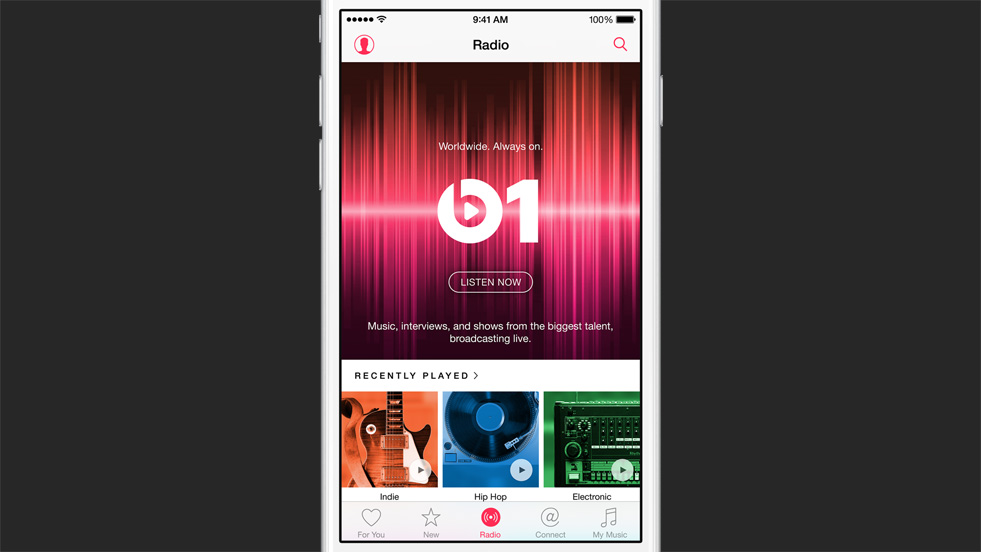
    The music service is built into a redesigned variant of the Music app on iOS based on Beats Music. Apple has also revamped its iTunes Radio and expanded the service to new countries. It has added a social media angle to it, making it an interactive feature for music lovers. Only artists will have their profiles, enabling them to post media including music samples and share content from other artists. The regular users can like or comment only using their iTunes accounts.

    Apple is all set to revamp and replace its long forgotten ‘iTunes Ping’ with ‘Apple Music’. ‘iTunes Ping’ was a music social network service launched in September 2010 but had to be shut down two years later.

  • Leaked Images Shows Revamped Interiors of Apple iPhone 6S

    Leaked Images Shows Revamped Interiors of Apple iPhone 6S

    A lot of rumours and speculations are revolving around the next iPhone, ‘temporarily’ named iPhone 6S. Apple’s latest products in the market, iPhone 6 and iPhone 6 Plus, include the most notable upgrades the company has incorporated since years. However, barely a few months after the launch, we have listed rumoured specs and features about the next iPhone.

    If we have to take a wild guess at what the smartphone might include, we would include a long list of patents that Apple have issued to the USPTO (United States Patent and Trademark Office). Judging by these patents, Apple might have a three-sided wall display, a smart waterproof design and it might be flexible. As we said, that would be our wild guess.

    Today, a batch of leaked images has hit the Web, purported to be of the iPhone 6s’ metal casing or chassis, thanks to 9to5Mac.

    As we can see in the pictures, the iPhone 6S is almost identical to both the predecessors in the terms of height and width. Unfortunately, the dual camera rumour will turn out to be untrue if these images are authentic. Changes in the internal mounting board also suggest of changes in chipset and quite a few more components. Few rumours suggested that there would be an antenna on the phone, but the metal casing proves this rumour to be false. The rest of the components, like the lightning port, audio jack and speaker holes are in the same place as the iPhone 6.

    From the above details, it is highly unlikely that Apple will be going for a significant design change for the upcoming iPhone. Since the launch of iPhone 6, the company’s flagship has gone through a major makeover. We also read that the next iPhones will include Force Touch and a new casing to make the iPhone 6S wider, taller and stronger.

    The new model will run on iOS 9 and have an enhanced processor, as Apple announced at the WWDC this year. We saw in May that Samsung might provide chipsets and displays for Apple’s forthcoming products. Ming-Chi Kuo, an Analyst at KGI Securities, says that Apple’s next iPhone 6s models will be powered by a next-gen A9 processor. There are no official confirmations from both the tech powerhouses, but if correct, we may soon see something very different from this alliance. Some sources state that the upcoming handset is expected to arrive with a 2GB RAM.

    It is also possible that Apple may release two variants of the iPhone, the smaller 6s variant, and a larger 6s ‘Plus’ version.

    If rumours are to be believed, the upcoming iPhone 6s will be available in stores from 25th September this year. According to the source, pre-orders will start on 18th September and it will go live physically on 25th September.

  • Apple iPhone 6s – Everything We Know So Far

    Apple iPhone 6s – Everything We Know So Far

    The Apple iPhone 6 and iPhone 6 Plus released last year in September. It barely seems any time has passed and we’re already hearing a steady flow of rumours about the next iPhone, temporarily dubbed as the iPhone 6s.

    If we took a wild guess at what the smartphone might incorporate, we would include a long list of patents that Apple have issued to the USPTO (United States Patent and Trademark Office). Going by the patents, Apple might have a three-sided wall display, a smart waterproof design and it might be flexible. Like we said, that would be our wild guess.

    Coming back to reality, we have a long list of rumours that give us a good idea of what the next iPhone might incorporate.

    apple-macbook-force-touch

    It is highly unlikely that Apple will be going for a significant design change for the new upcoming iPhone. Since with the iPhone 6, the company’s flagship went through a major makeover. We also read that the next iPhones will include Force Touch and a new casing to make the iPhone 6S wider, taller and stronger.

    The new model will run on iOS 9 and have an upgraded processor, as Apple announced at the WWDC this year. We saw in May that Samsung might provide chipsets and displays for Apple’s upcoming products. Ming-Chi Kuo, an Analyst at KGI Securities, says that Apple’s next iPhone 6s models will be powered by a next-gen A9 processor. There are no official confirmations from both the tech powerhouses, but if correct, we may soon see something very different from this alliance. Some sources state that the upcoming handset is expected to arrive with a 2GB RAM.

    apple battery patent

    From the battery perspective, Apple will use a next-gen battery that goes beyond the barrier of the conventional rectangular slab type and can take any shape. This battery consists of thin electrode sheets stacked on one another. This way, developers would be able to utilize the reserved battery space to embed an LTE chip.

    rosegoldiphone_3321476b

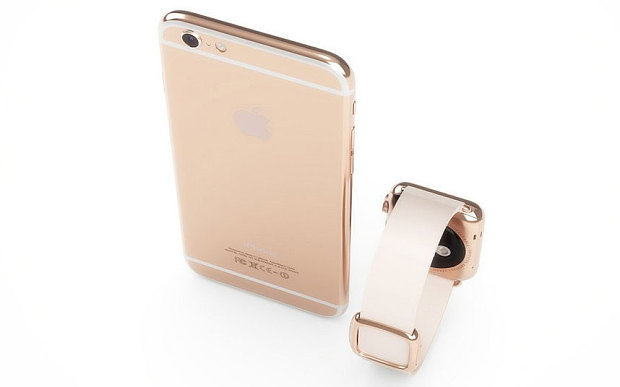
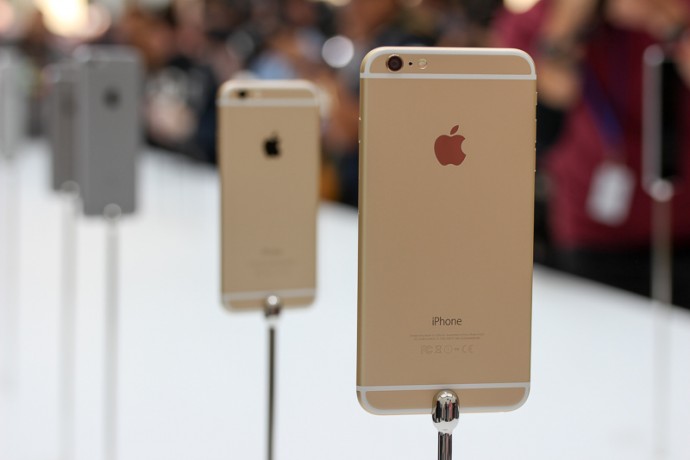
    According to AppleInsider, Ming-Chi Kuo also said that Apple will be offering an additional Rose Gold option for the upcoming iPhone, to keep its market in momentum. It is entirely possible that Apple may release two variants of the iPhone, the smaller 6s variant, and a larger 6s ‘Plus’ version.

    If rumours are to be believed, the upcoming iPhone 6s will be available in stores from 25th September this year. According to the source, pre-orders will start from 18th September and it will go live physically on 25th September.

    There is still more than two months left before we see the new iPhone. Until then, we’ll make sure to keep you updated about its (leaked) details.

  • Apple Begins Manufacturing the New iPhone With ‘Force Touch’

    Apple Begins Manufacturing the New iPhone With ‘Force Touch’

    According to a new report, Apple has started the manufacturing process for the new iPhone. We’re talking about the iPhone 6s which will be arriving this September. The Force Touch feature, first introduced in the Apple Watch and the new 13-inch MacBook, has been expected to be included in the new iPhone for a few months now.

    ‘Force Touch’ is a feature that detects the level of force in a tap and responds accordingly. For example, a light tap on the screen will perform another task than a hard tap. Tiny electrodes surrounding the Retina display sense the difference in the amount of pressure applied on screen. Thus, a user can perform simple tasks such as fast-forwarding a movie or using pressure to zoom in on a map with ease.

    Apple begins production from the first of July. The company expects the production to go smoothly due to the similarities in design between the new and existing iPhone 6. Apple has spent more than two years trying to perfect ‘Force Touch’, which will enhance the user experience when using pressure-sensitive displays.

    Earlier this month, it was reported that the next-gen iPhone would be thicker than the existing iPhone due to the integration of ‘Force Touch’ feature. Also, Apple is reportedly integrating support for the feature in the beta versions of iOS 9, which will allow developers to make use of ‘Force Touch’ in navigation and media controls.

    Source : [tw-button size=”medium” background=”#07ABE2″ color=”” target=”_blank” link=”http://www.bloomberg.com/news/articles/2015-06-26/apple-suppliers-said-to-start-making-iphones-with-force-touch”]Bloomberg[/tw-button]

  • iOS 9’s ‘Low Power Mode’ to Reduce iPhone’s Performance by 40%

    iOS 9’s ‘Low Power Mode’ to Reduce iPhone’s Performance by 40%

    While iPhone users have a lot to boast about, battery life of their smartphones is not something that is easily discussed. Apple acknowledged the problem, and at WWDC this year, it was one of the most important issues addressed. At the event, we learned that iOS 9 would feature a “low power mode” that would extend the battery life upto three hours. The mode will allow for devices to reduce power consumption and restrict to only phone call capability.

    Now, a new report has revealed that the mode will reduce the performance of the iPhone in exchange for improving the battery life.

    The guys at MacRumors ran a benchmark test on iPhone 6 Plus and iPhone 5s to test the device’s processor power. They discovered that the single and multi-core scores for the processors dropped by 40% when iOS 9’s “Low Power Mode” was turned on.

    When turned on, the mode reduces the CPU speed, which results in the shutting down of background activities like mail fetch, background app refresh, motion effects and brightness. Nothing has been mentioned about activities such as browsing web, making calls after iOS 9 activates the energy saving mode.

    Source : [tw-button size=”medium” background=”#07ABE2″ color=”” target=”_blank” link=”http://www.macrumors.com/2015/06/25/ios-9-low-power-mode-benchmarks/”]MacRumors [/tw-button]

  • Details About Upcoming Apple Products Revealed by El Capitan’s Beta Version

    Details About Upcoming Apple Products Revealed by El Capitan’s Beta Version

    A new beta version of OS X El Capitan has revealed a new line of Apple products. According to a report, the beta version references for future products include a 21.5-inch 4K Retina display and a Bluetooth remote control.

    Source: 9To5Mac.com
    Source: 9To5Mac.com

    Apple introduced the 27-inch iMac with 5K Retina display last year. It is only logical that if Apple wants to introduce a smaller version of Retina display with 4K resolution, it would upgrade the 21.5 inch Mac for it. The new beta version references Mac support for Apple-made display panel with a 4096 x 2304 resolution.

    A new Intel graphics chipset, Iris Pro 600 was referenced in the El Capitan beta version. Along with that, four new AMD Radeon processors – M380, M390, M395 and M395X – were mentioned. It is possible that these chipsets would power the 4K iMac and the new models.

    Source: 9To5Mac
    Source: 9To5Mac

    A new file inside El Capitan has revealed the possibility of a Bluetooth Remote Control being developed at Apple. The report says that ” this new piece of hardware integrates a dedicated Bluetooth wireless chip, can connect with devices via an infrared sensor, and includes a Multi-Touch trackpad with inertial scrolling support”. The device also seems to support audio, which means it could be integrated with Siri.

    The report suggests that the new remote could be a part of an upcoming revamped Apple TV. However, there is no mention of Apple TV and the file doesn’t exist in public versions of OS X and OS X Yosemite Beta release.

  • Apple Plans to Include a Dual-Lens Camera in the iPhone 7 : Report

    Apple Plans to Include a Dual-Lens Camera in the iPhone 7 : Report

    Apple is famously known for the strict quality measures it employs in all of its products, thanks to the company’s late co-founder Steve Jobs’ desire for top-notch products. Despite all the fun Samsung may make of Apple, one thing it cannot make fun of is the camera quality of the iPhone. The camera is recognized for capturing professional-like photographs and has even been employed as the main camera in some films.

    So, how do you improve a cell phone camera famous for being close to a professional camera? By adding another lens. Recently, a report has emerged from Taiwan which claims that Apple is planning to include a dual-lens front camera in the iPhone 7. No, we’re not talking about the iPhone 6s, which is expected to be out in September. The iPhone 7 will be revealed next year, in 2016.

    iPhone 6 7

    Apple reportedly faced problems, such as blurred images and other performance issues, while testing the dual-lens camera system. It seems the company has found solution with the help of LinX Imaging, an Israeli company specialising in camera-technology, which was bought by Apple in April this year.

    The report also mentions that Apple faced manufacturing problems regarding dual-lens camera, which have been solved in a deal with Largan, one of the major suppliers of camera lens modules for smartphones and tablets. Apple has recently placed more orders for the same lens with Largan. It seems that Largan may manufacture the lens required for the iPhone 7.

    HTC was the first company to introduce the dual-lens system in the One M8, which received mixed reception from the users. If the report is true, then iPhone 7 may turn out to be a game-changer by setting the standard higher for cameras in smartphones.

  • Watch Samsung Take a Dig at Apple in its Latest Galaxy S6 Ad

    Watch Samsung Take a Dig at Apple in its Latest Galaxy S6 Ad

    It seems Samsung will never be tired of poking fun at Apple, whether it is live streaming, bigger displays, or suggesting iPhone users are gradually become “wall-huggers”. In a latest ad to promote the new Galaxy S6, Samsung understands the frustrations a user goes through when the charger has to be untangled to charge a phone.

    The ad makes note of the lengths people will go through to connect their phones to a white cable. And as seen in one frame, a bundle of white wires. Samsung points out that they are the source of head-banging, back-ache and anger issues. Then, it shows its wireless charger, which makes the ordinary task of charging a phone, well, ordinary.

    So how does Apple figure in this ad? The white cables represent the white charger that comes with every Apple product. To make the point more clear, one frame shows a woman frustratingly trying to connect her phone to a deck.

    Samsung’s Galaxy S6 and S6 Edge have buit-in wireless charging. Samsung may have made fun of Apple users, but S6 users will also have to take their charger everywhere they go.

    After watching the ad, Taylor Swift will probably write an open letter, asking Apple to include wireless charging in the next iPhone.


  • Report: Apple’s Next iPhone to be Available for Purchase on 23rd September

    Report: Apple’s Next iPhone to be Available for Purchase on 23rd September

    This is good news for Apple fans everywhere. If rumours are to be believed, the upcoming iPhone 6s will be available in stores from 25th September this year, according to MobileNews. In an amusing chain of events, Vodafone began sending out “Save the Date” e-mails to its staff and accidentally leaked the release date of Apple’s next flagship.

    Surprisingly, there was no name mentioned about the next iPhone; it was simply being referred to as the ‘new iPhone’. According to the source, pre-orders will start from 18th September and it will go live physically on 25th September.

    Even before this was leaked, we were somewhat optimistic that the iPhone 6s would be released in September. We’re guessing Apple decided to stick to its long standing tradition, as the last three flagships were released in September, in their respective years.
    It is highly unlikely that Apple will be going for a significant design change for the new upcoming iPhone, since it went through a major make-over in its last release. Recently, it was also revealed that the next iPhone will include Force Touch and a new casing – making the iPhone 6s wider, taller and stronger.

    Click here to read more about the iPhone 6s.

  • Another Useful Hidden Feature of iOS 9 Discovered

    Another Useful Hidden Feature of iOS 9 Discovered

    At this year’s WWDC, Apple made a string of announcements about its future. Especially Apple iOS 9 was seen to be a major overhaul. The company showed off the software’s multitasking featurelow power mode and Siri’s Proactive mode. However, Apple didn’t disclose many fresh apps and exciting features, which make its OS all the more seamless.

    According to a new report, iOS 9 can delete apps temporarily to accommodate software updates. If the operating system is short of storage, it will prompt the user to temporarily delete the apps before installing the updates. After updates have been installed, iOS 9 will automatically re-install those apps.

    https://twitter.com/Kaleb_Butt/status/613403921512411136/photo/1

    The feature was discovered by developers who installed the new beta version of iOS 9, as per a report by 9to5Mac. According to the report, the data will remain intact.

    One of the main criticisms of iOS 8 was the amount of exorbitant space it took for installing updates. To make up for it, Apple announced at 2015 WWDC that the new iOS would only require only 1.35 GB of space, a huge improvement from iOS 8, which used 5.5 GB. The announcement was a relief to the iPhone users who use the 16 GB variant.

    With iOS 9, Apple is making efforts to utilize the storage space. At WWDC, Apple mentioned that developers will be able to “thin” their apps, freeing up more storage for media and other content.

  • Rumours Suggest, Apple Plans to Remove the Home Button on its iPhone

    Rumours Suggest, Apple Plans to Remove the Home Button on its iPhone

    Apple is reportedly working on an iPhone design that will remove the iconic home button. A recent post on the website, AppleInsider, claims that the company is planning to replace the home button with a virtual one. The website also claims that the redesign wouldn’t take place for at least two years and may not be seen in the next version of the iPhone.

    Touch-ID-in-action

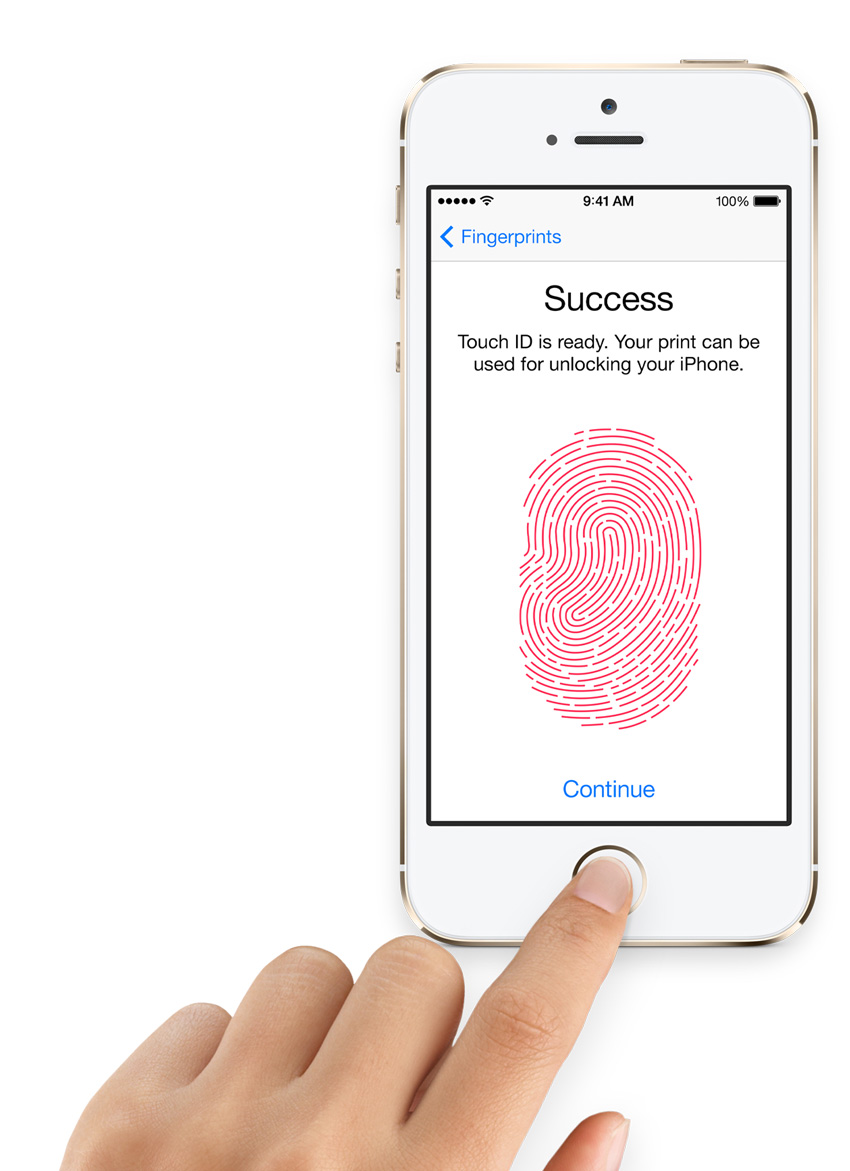
    Apple has made Touch ID, its fingerprint recognition feature, available on every device launched since iPhone 5s. The company has integrated Touch ID onto many of its services and is developing more uses for it. As a result, it will not ditch the feature in favour of a virtual home button, just yet.

    To make the virtual home button possible, Apple is working on integrating Touch ID into the iPhone’s display. According to AppleInsider, patents have been filed which would allow people to scan their fingerprints on the display itself. If the company is successful in integrating Touch ID onto the display, the home button could be replaced by an on-screen button. Until then, Apple’s plan of having a virtual home button remains long-term.

  • What We Can Learn From the Taylor Swift-Apple Controversy

    What We Can Learn From the Taylor Swift-Apple Controversy

    Taylor Swift is currently one of the biggest music icons in the world, as evident from the fact that her last album sold more than four million copies worldwide and in all, she has won seven Grammy awards and 22 Billboard awards. So, it matters when one of the most influential music artists in the world says she has a problem with Apple Music, the new streaming service launched by Apple.

    In her recent open letter to Apple, Swift explains why she would hold back her new album, 1989, from Apple Music. She wrote, “Apple Music will be offering a free 3 month trial to anyone who signs up for the service. Apple Music will not be paying writers, producers, or artists for those three months. I find it to be shocking, disappointing, and completely unlike this historically progressive and generous company.”

    Swift’s open letter points to the statement given by Apple executive Robert Kondrk, who said that the company won’t pay the artists during the three month trial period. The company would later make it up to the artists by paying them higher amounts than its rival, Spotify. A few hours after Swift’s open later was published, Apple VP, Eddy Cue tweeted that the artists will be paid during the three month trial period, which Swift positively responded to.

    Swift’s concern is in a right place. Most people nowadays want to access media without paying, which leaves services like Spotify and YouTube with no other option but to provide free streaming with advertisements. As a result, streaming generates less royalties than a CD sale or digital download would’ve generated.

    apple music
    Apple won’t pay the artists during the three month trial period of Apple Music

    Although streaming would not affect the music sales of Swift or the likes, as she points out, it is “about the new artist or band that has just released their first single and will not be paid for its success..about the young songwriter who just got his or her first cut and thought that the royalties from that would get them out of debt.. but will not get paid for a quarter of a year’s worth of plays on his or her songs”.

    Artists depend on the royalties generated from the sale of CDs and downloads. Their only source of income get affected due to the amount of money generated from streaming. Hence, artists and record labels are pushing for subscription based music services, which they believe will be more stable when it comes to generating royalties.

    taylor swift

    This is not the first time artists have spoken out against the streaming services. Recently, rapper Jay-Z launched his own streaming service, Tidal, which is said to be the first artist-owned streaming service. He criticized YouTube and Spotify for not giving enough money to the artists. In November 2014, Swift removed all of her old albums from Spotify over the issue of royalties.

    Apple’s recent move is a temporary resolve, since it is in a position to pay the artists during the trial period. The success of Apple Music will be determined when people actually subscribe. To keep the music industry alive, a model has to be devised which would allow people to pay reasonable rates and at the same time allow artists to earn fair royalties in return. Higher rates can lead to piracy, which would again affect the artists. An effort has to be made to persuade people to subscribe to music services and support the artists. Till such things happen, artists have to speak out.

    We like how Taylor Swift put it  – “We don’t ask you for free iPhones. Please don’t ask us to provide you with our music for no compensation.”

    Source : [tw-button size=”medium” background=”#07ABE2″ color=”” target=”_blank” link=”http://taylorswift.tumblr.com/post/122071902085/to-apple-love-taylor”]Taylor Swift’s Blog [/tw-button]

iGyaan Network
Privacy Overview

This website uses cookies so that we can provide you with the best user experience possible. Cookie information is stored in your browser and performs functions such as recognising you when you return to our website and helping our team to understand which sections of the website you find most interesting and useful.