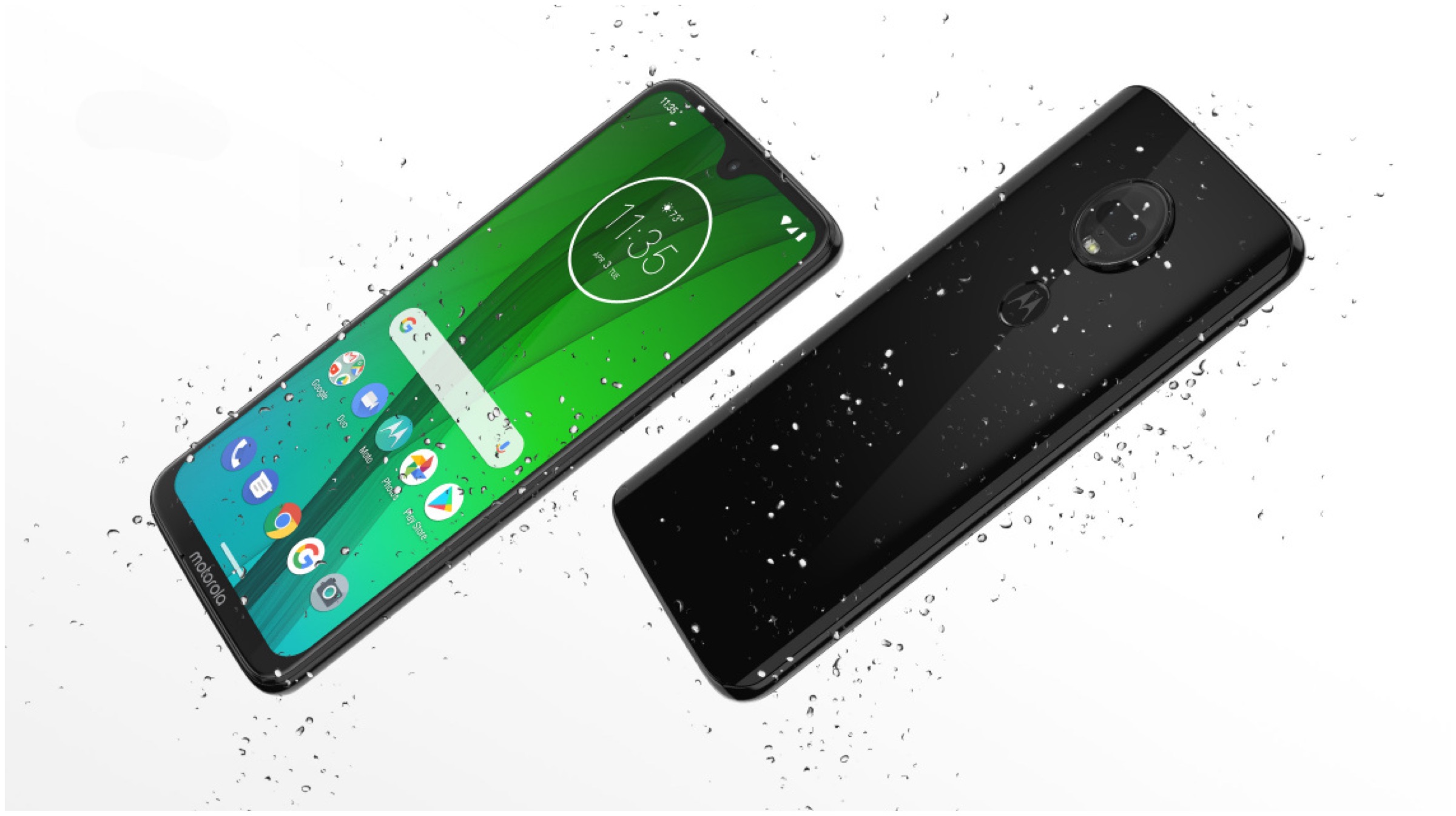
Motorola has launched two new smartphones, the Moto G7 and Motorola One in the Indian market today. The Moto G7 is the latest device in the company’s hugely popular Moto G lineup while the Moto One is the second Android One smartphone from the company and is the specced down variant of the Motorola One Power, which was launched in the country last year. While the G7 was launched in Brazil on February 7, the Motorola One was launched in the US last year.
Moto G7
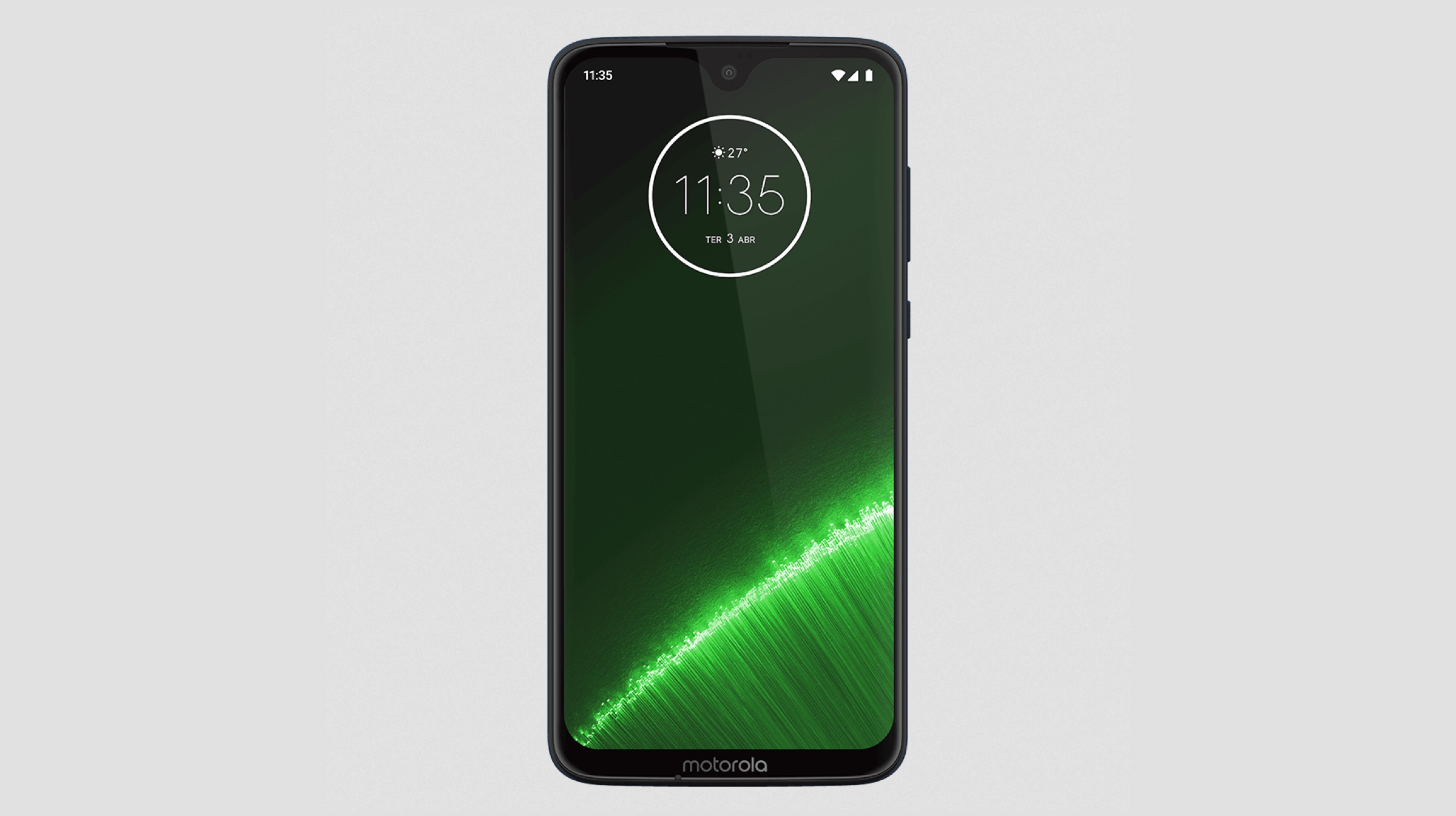
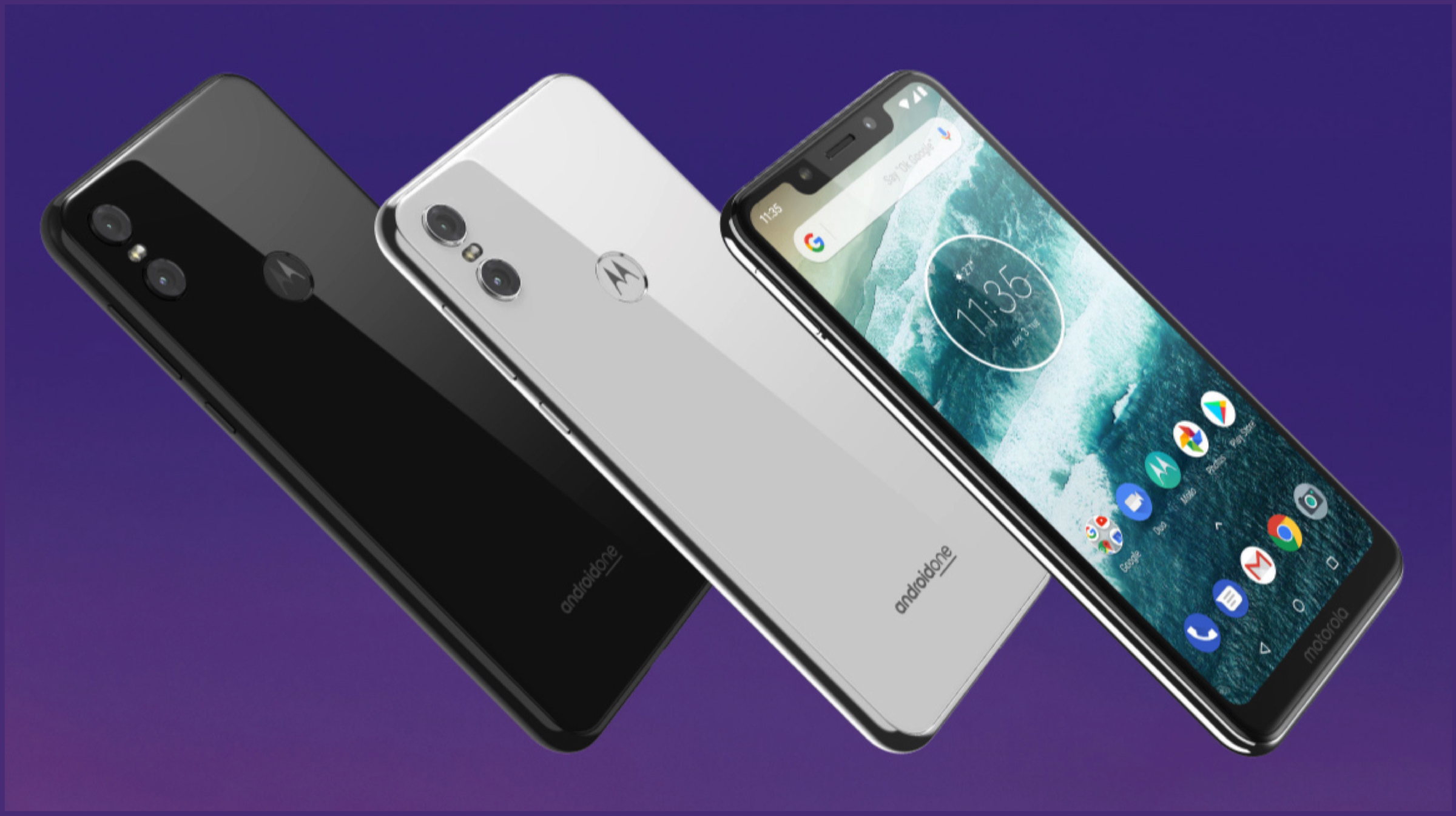
The Moto G7 measures 157 × 75.3 × 7.92mm and weighs in at 174 grams. Design-wise, it has glass on both the front and back of the handset. The smartphone has a 6.2-inch IPS LCD display with 2270 x 1080 px resolution and a waterdrop notch up top. The device has a rear-mounted fingerprint scanner and supports face unlock technology.
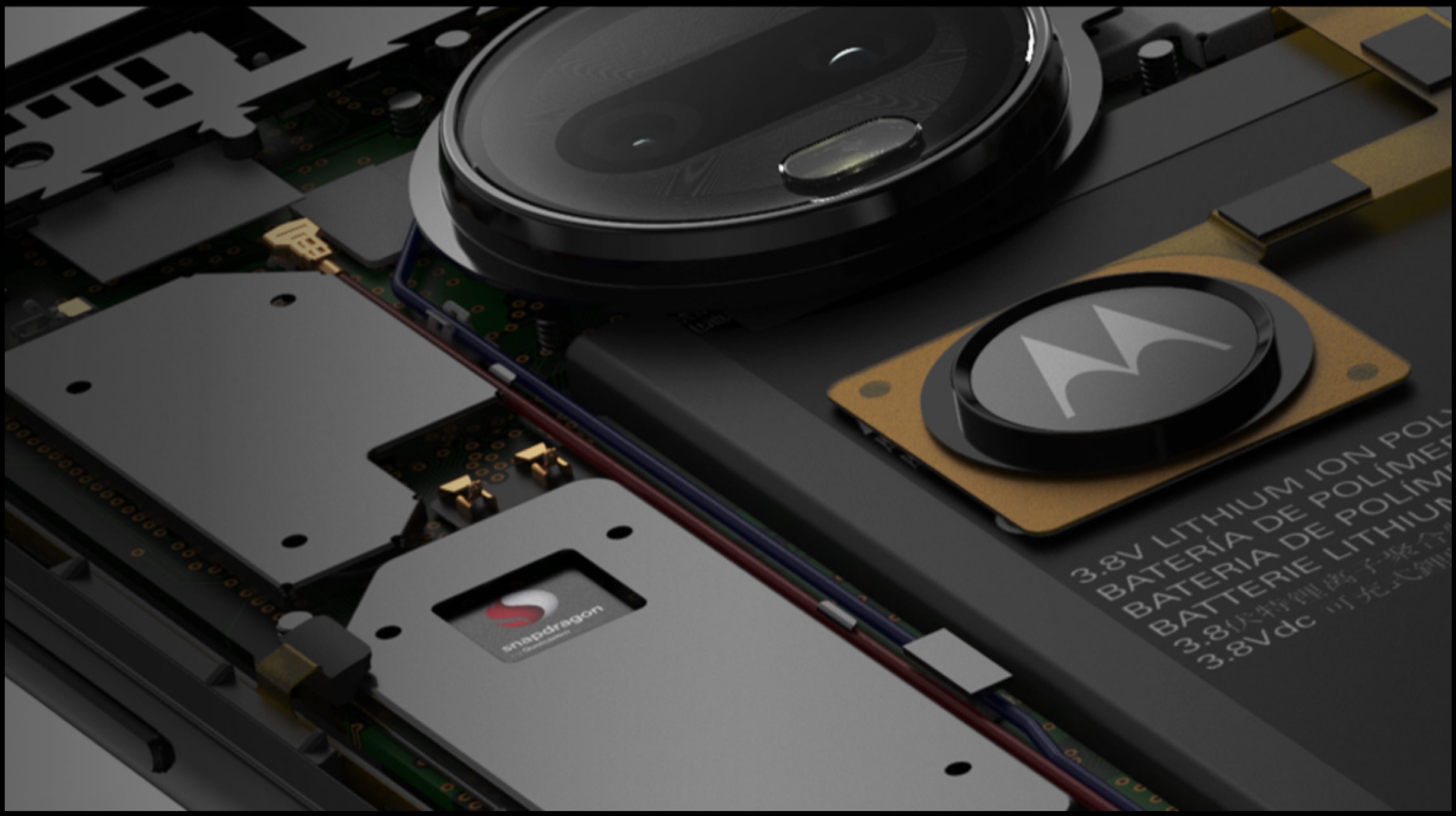
Under the hood, the Moto G7 runs on the 14nm Snapdragon 632 SoC which consists of an Octa-Core CPU and Adreno 506 GPU. The rear of the smartphone has the dual rear camera setup which is comprised of a 12 MP sensor with an f/1.8 aperture and 5 MP secondary sensor. For selfies, the handset has an 8MP camera housed in the notch on the top of the display. In terms of memory and storage, there is 4GB of RAM and 64GB of onboard storage.
The Moto G7 is powered by a 3,000 mAh battery which supports fast charging up to 15W with the bottom mounted USB Type-C port and runs on the latest Android 9.0 Pie. The handset also has P2i nano-coating which is certified to protect against liquid spills. Connectivity options include 4G VoLTE, 802.11 ac Wi-Fi, Bluetooth 4.2. The device is available in two colour options namely Clear White and Ceramic Black.
Motorola One
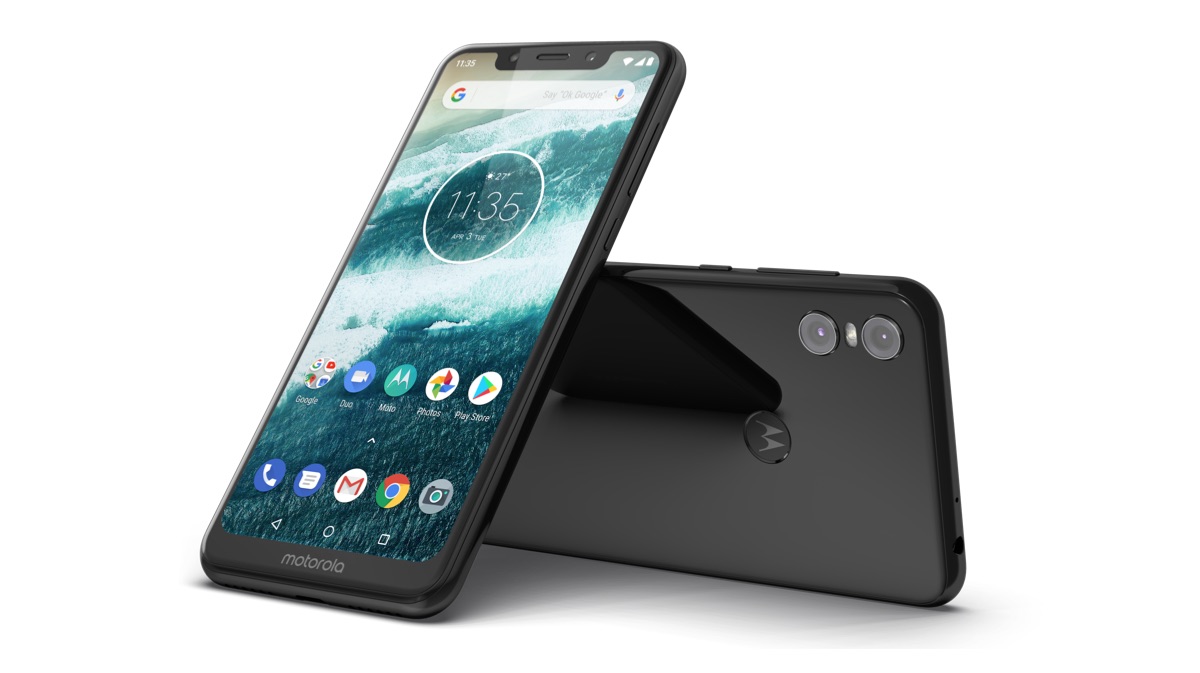
The Motorola One measures 150×72×7.97 mm and weighs 162g. The front is dominated by a 5.9-inch IPS LCD display with 1520 x 720 px resolution and minimal bezels on the sides. There is a substantially wide notch on the top and a chin on the bottom. For biometrics and security, the smartphone has a rear mounted fingerprint sensor and support for face recognition technology.
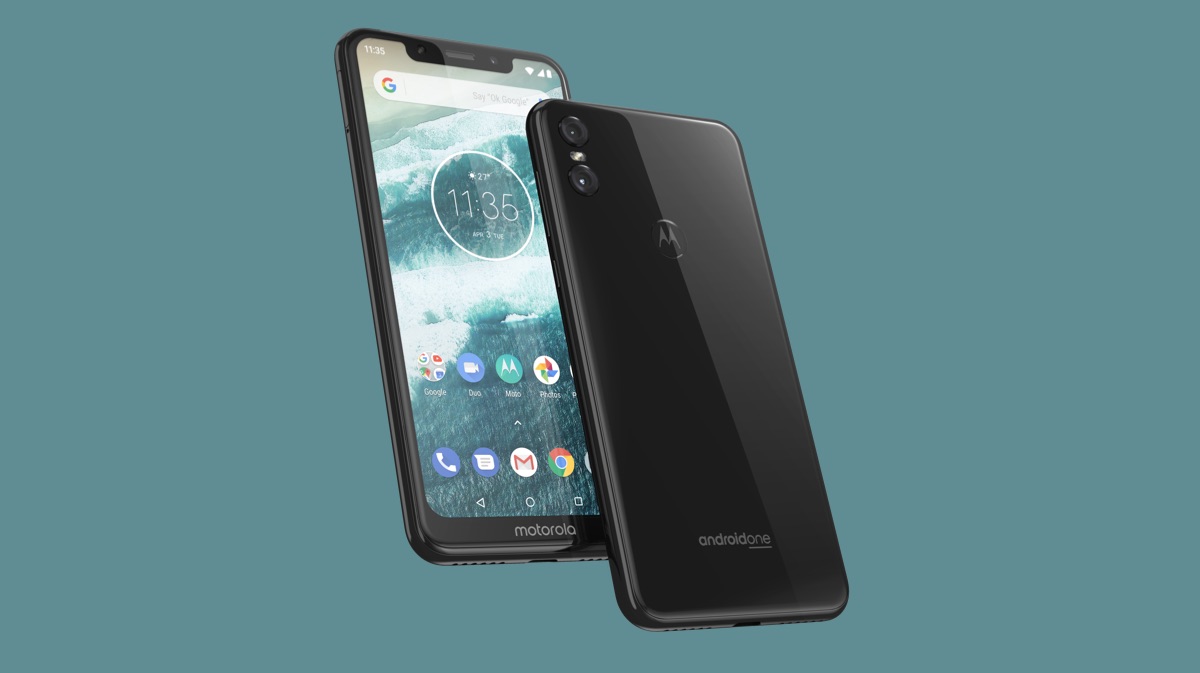
Under the hood, the Motorola One is kitted with a 14nm Snapdragon 625 SoC. The chipset has an Octa-core CPU and Adreno 506 GPU. In terms of optics, the smartphone has a dual rear camera setup which is comprised of a 13 MP sensor with an f/2.0 aperture and 2 MP secondary depth sensor. For selfies, the handset has an 8MP camera with an f/2.2 aperture housed in the notch on the top of the display. Like the Moto G7, the device has 4GB of RAM and 64GB of onboard storage.
The newly announced Motorola One is powered by 3000mAh battery with support for 15W fast charging via USB Type-C port. The smartphone is Android One certified and runs on the latest Android 9 Pie. The certification means that the device will get guaranteed two years of regular software updates. Like the Moto G7, it has also has a P2i nano-coating which is certified to protect against liquid spills. The device is available in two colour options namely White and Black.
Pricing & Availability
Also read: ASUS Launches New Ryzen Powered Gaming Laptops In India
The Moto G7 and Motorola One will be available starting today, 25th March across leading offline stores and online on Flipkart for the price of Rs. 16,999. The Motorola One is priced at Rs. 13,999. Initial buyers of the devices will also get a cashback from Jio as a part of a special launch offer.

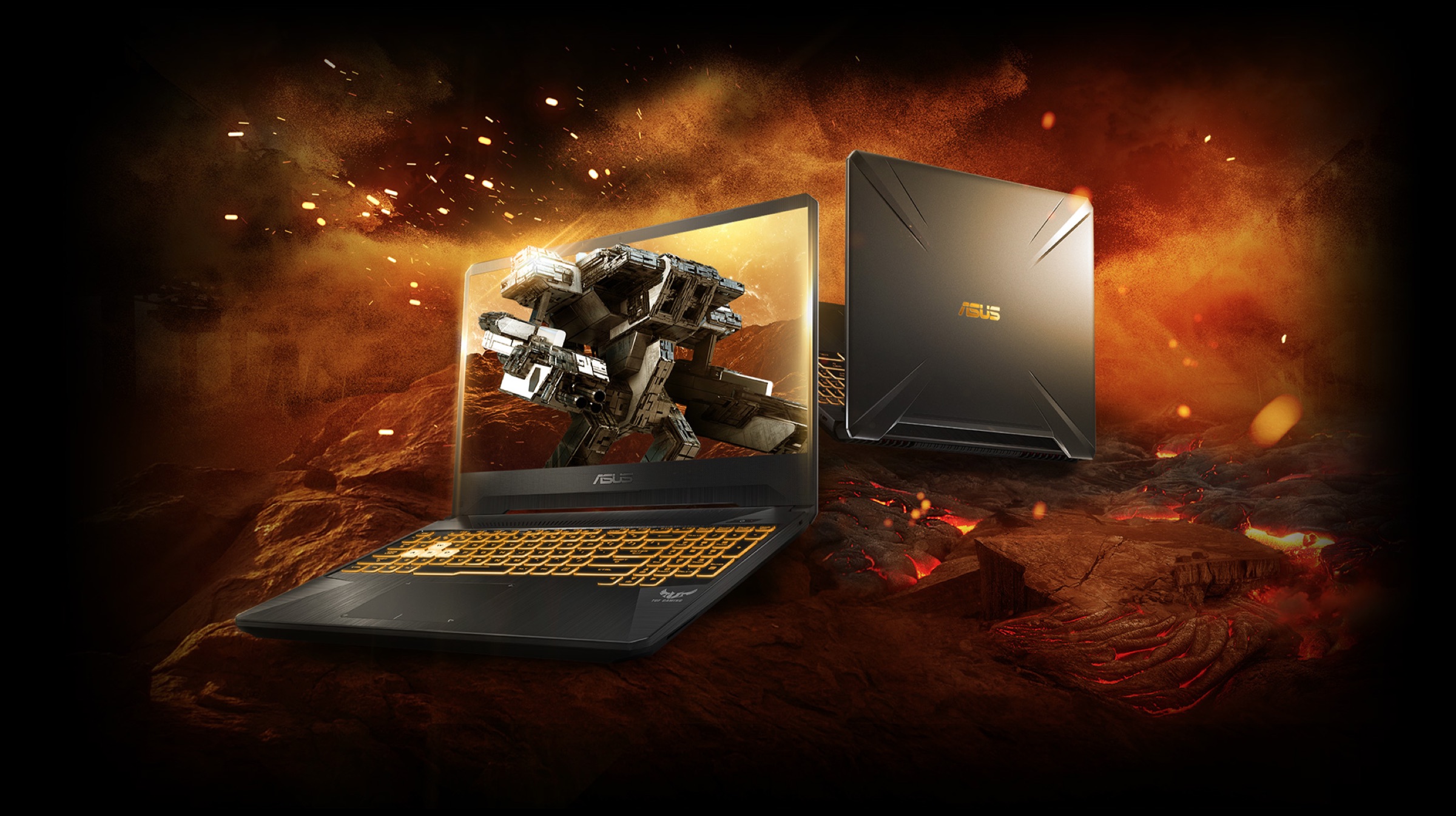
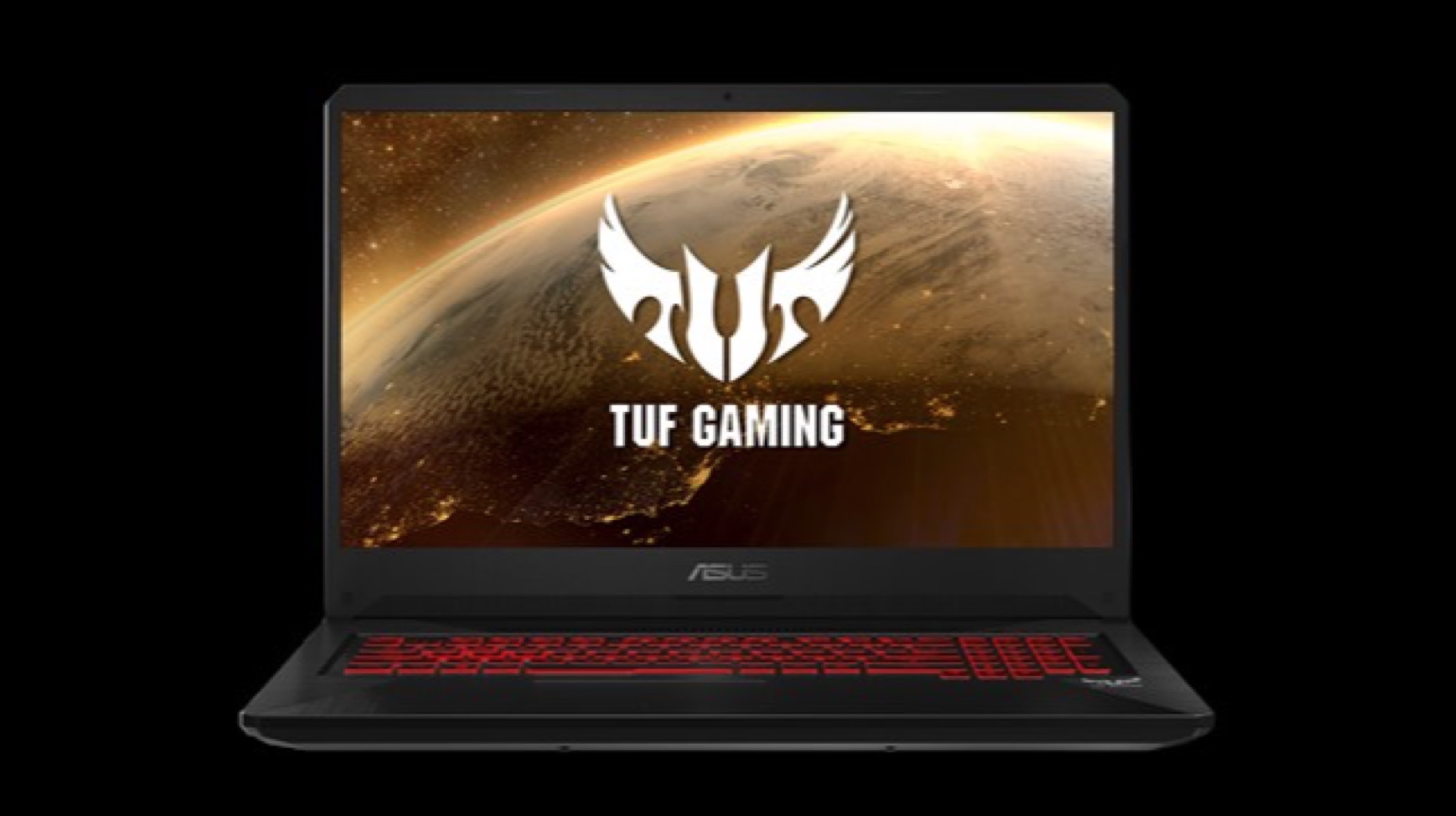 The ASUS FX705 features a 17.3-inch FHD display, with a 60Hz refresh rate, AMD’s FreeSync and a resolution of 1920 x 1080 px. The laptop runs on the AMD Ryzen 5 3550H, coupled with the Radeon RX 560X GPU. In terms of storage, the FX505 has a 1 TB FireCuda SSHD and up to 512 GB of SSD. The gaming laptop supports up to 32 GB of Dual Channel SDRAM.
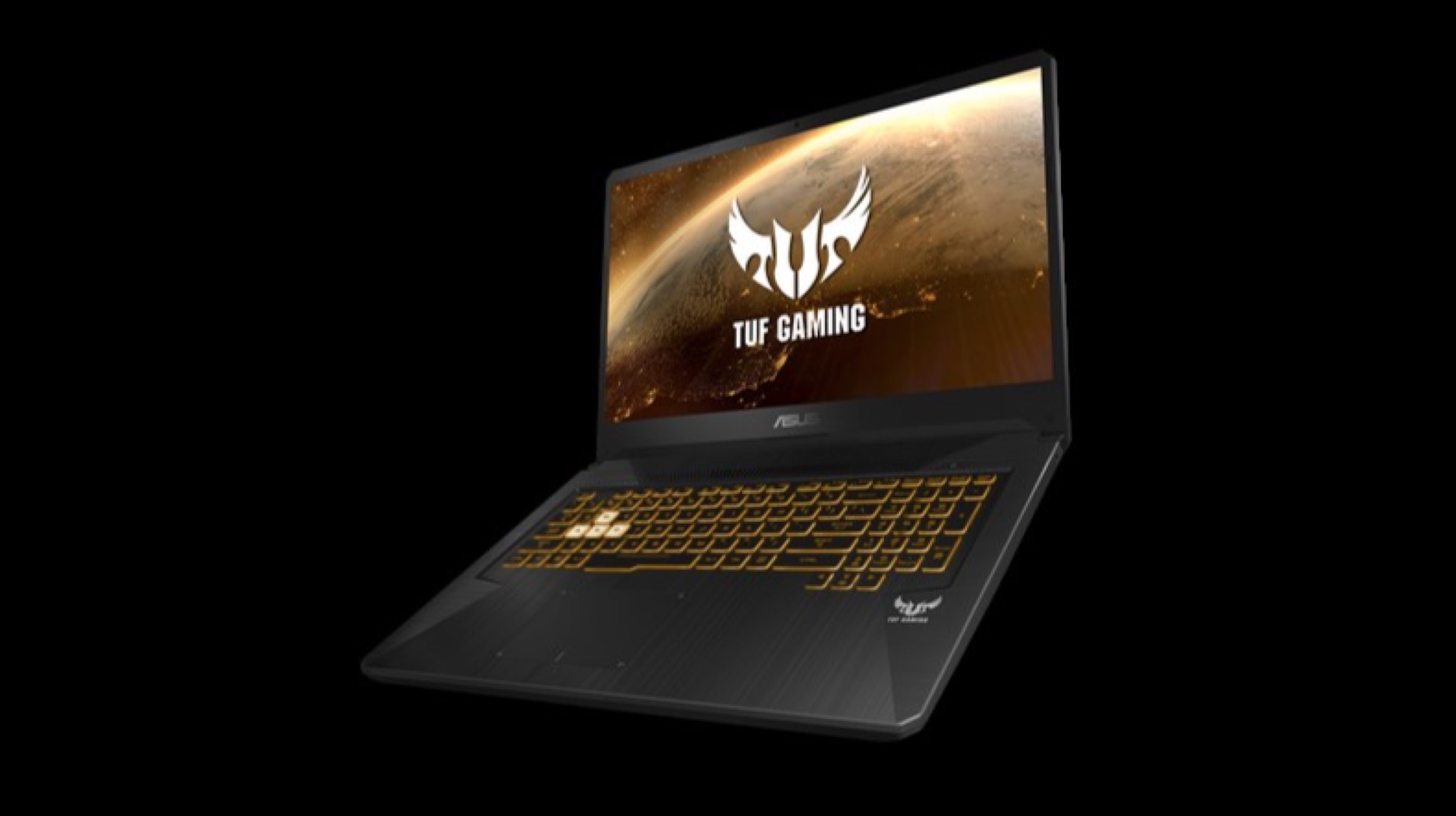 The ASUS FX505 is slightly toned down from the FX705. It features a smaller 15.6-inch FHD display, with a 60Hz refresh rate, AMD’s FreeSync (optional) and a resolution of 1920 x 1080 px. The laptop runs on the same AMD Ryzen 5 3550H, paired with the Radeon RX 560X GPU. The FX505 has a 1 TB FireCuda SSHD and up to 512 GB of SSD as per the user’s choice. It also supports up to 32 GB of dual-channel SDRAM.
 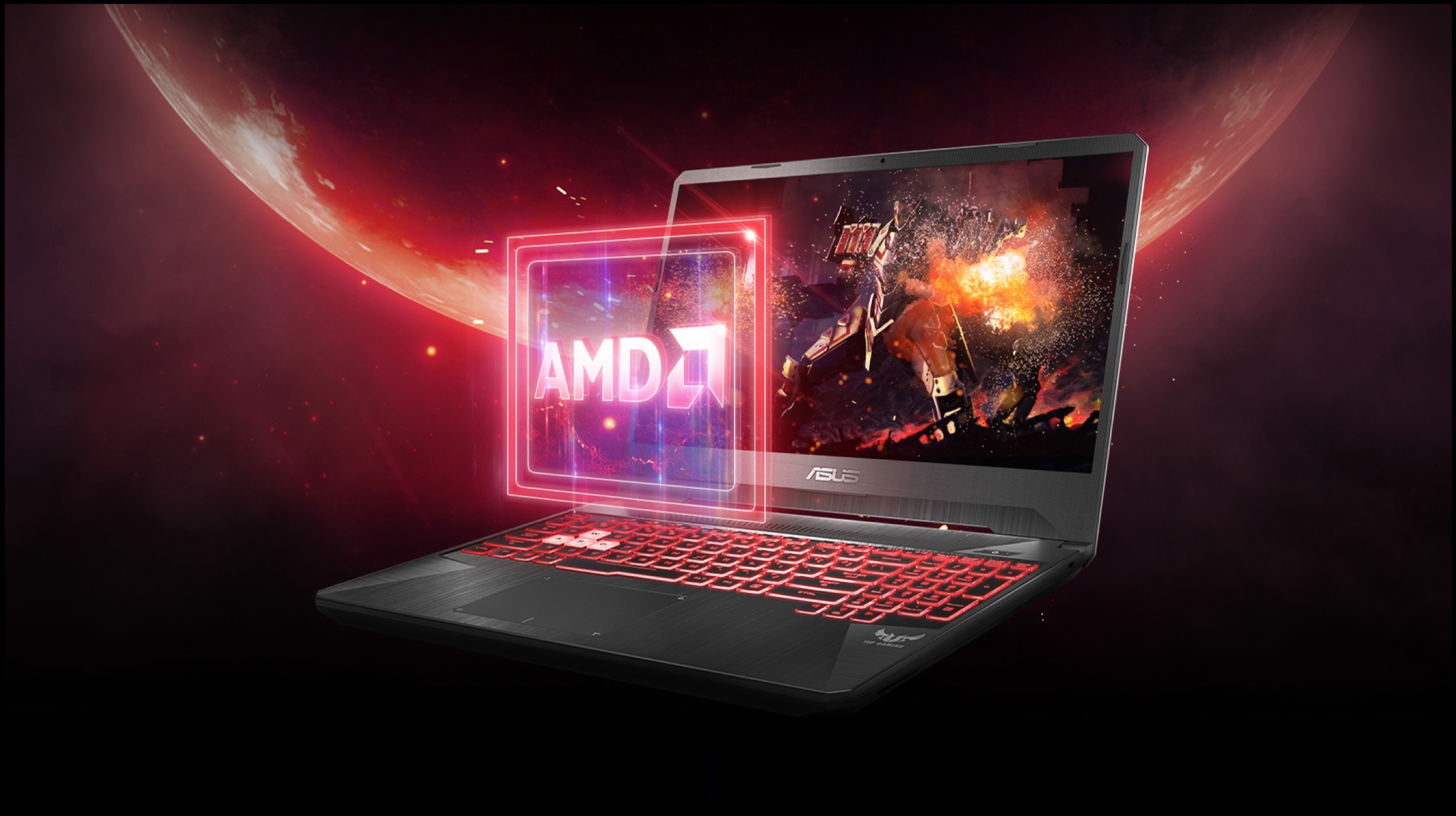 Both the laptops have the option of choosing between an illuminated chiclet keyboard or a non-illuminated one. The FX305 and the SX505 have 2W speakers with array microphones to improve sound capturing while streaming. The laptops also have an HD 720p webcam for video calling and streaming. Noteworthy, the FX505 has a 3-cell 48 Wh battery, whereas the FX705 has a 4-cell 64 Wh battery. The gaming laptops meet military-grade MIL-STD-810G standards, which renders them tougher as compared to similarly priced laptops. Also, the FX705 weighs almost 0.4 kg more than the FX505, which weighs at 2.2 kilograms.
 Also Read:
 Earlier, Google Stadia’s Executive stated that players will have to be equipped with a 25 Mbps internet connection in order to stream games at 4K resolution and 60 fps (frames per second). The actual consumption of bandwidth is lower, but Google recommends the aforementioned speed in order to boost performance. At a lower bandwidth, players may face issues with resolution and fps while streaming the game.
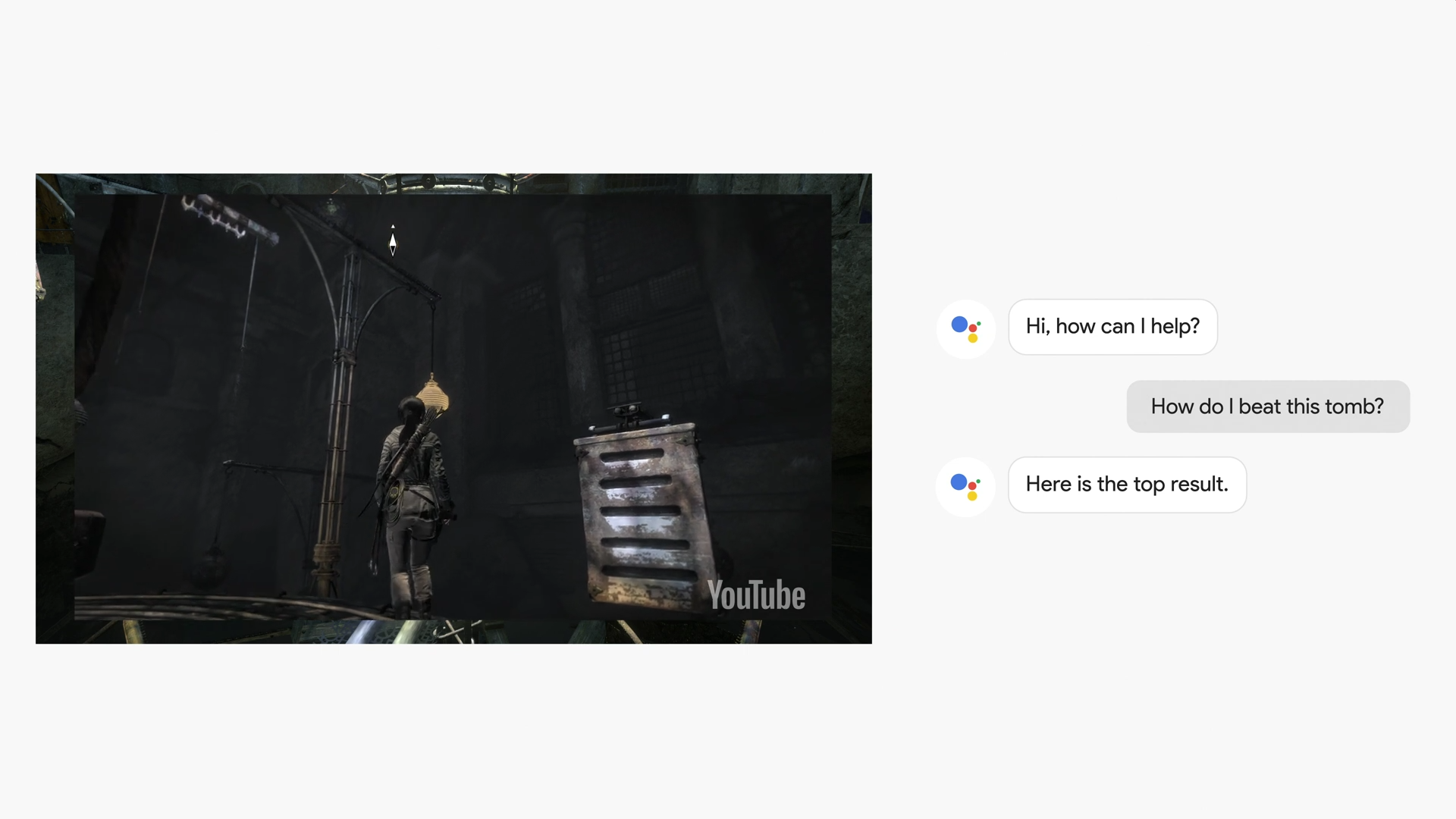 The average internet speeds in India are about 6.5 Mbps, whereas the peak connection speeds average at 41.4 Mbps. A lot of users prefer mobile internet in the country, which can give high speeds but at the same time, users may face issues with packet losses and data polling, adversely affecting the “Stadia” experience. The best bet would be using a broadband connection (preferably an optical fibre connection) in order to preserve internet speeds while not losing any data packets at the same time.
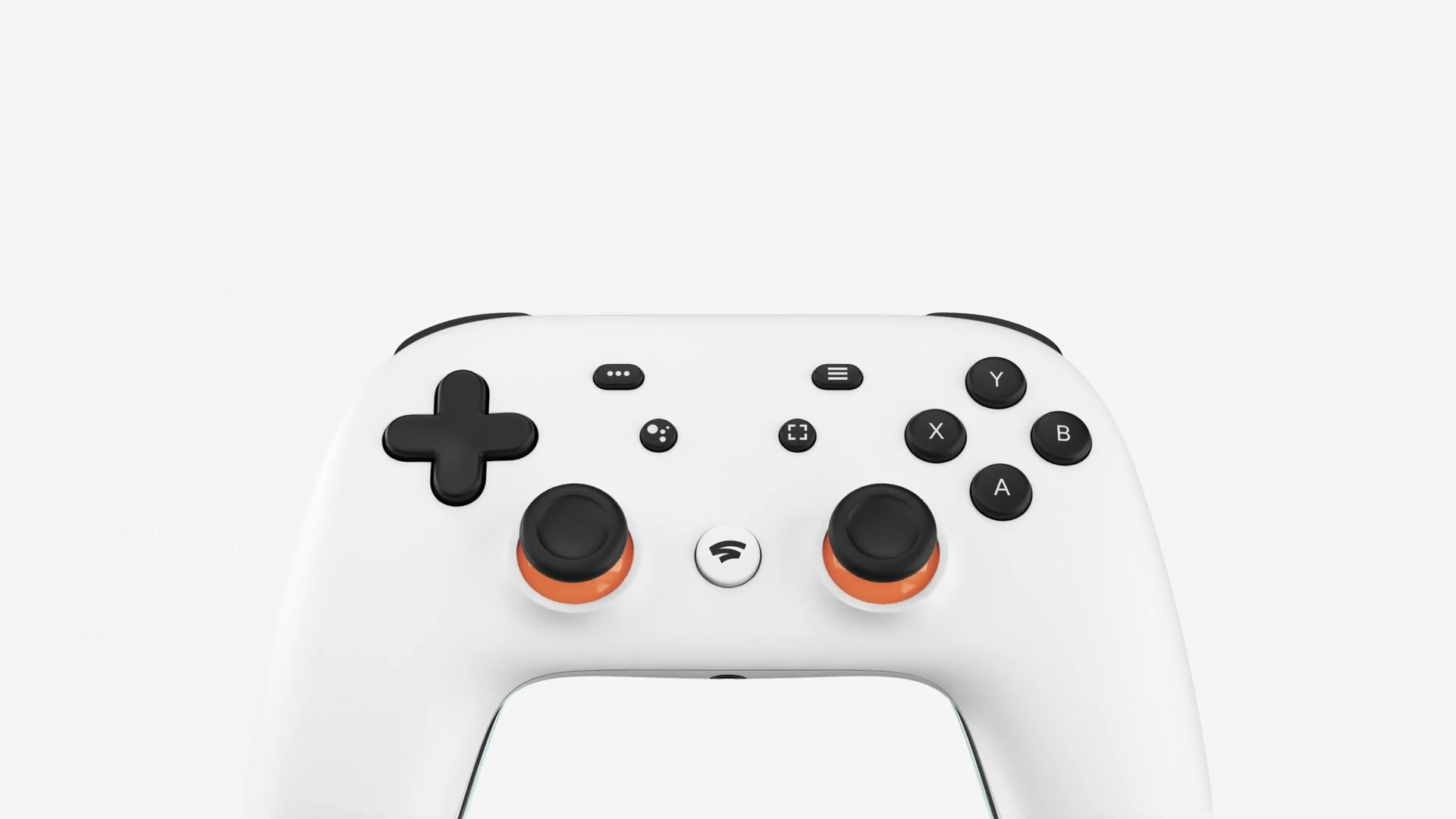 Since the Stadia controller connects directly via WiFi to the datacenter where the game is running, a high peak speed connection would fare well while playing a game that requires multiple responses to be sent over the internet in a short period of time. Although users can make use of Keyboards and mice too, Google emphasized that the Stadia controller provides enhanced compatibility with the Stadia ecosystem. Gamers who want to play a specific game on their TVs can use Chromecast to stream the game. Similarly, gamers can stream the game via the Google Chrome Browser on their laptops/desktops.

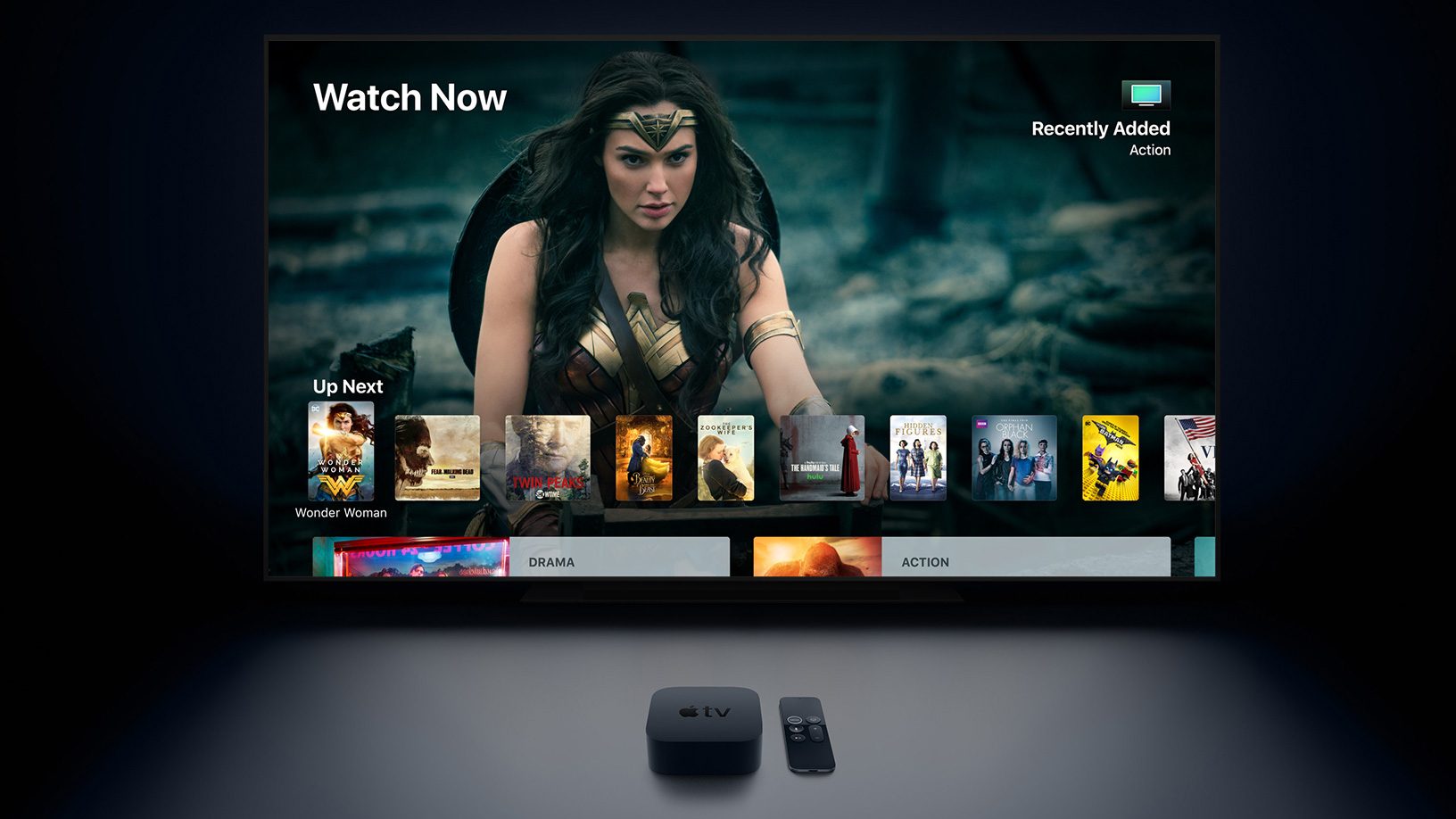 As per reports, HBO and CBS, two very popular networks have agreed to partner up with Apple’s upcoming service, whereas Hulu and Netflix have chosen to stay away from the same for obvious reasons. This means that the company will source content from other channels as well as create original content for the streaming service. Reportedly, Apple spent over US$ 2 Billion to sign up major stars like Oprah Winfrey for the event that will shortly go live.
 Apple is also looping a clip on the Apple Events web page, which shows a video feed from the Steve Jobs Theater itself. The stage has some sort of screen which is displaying a variety of content, including the Apple screensaver and interestingly, an incoming call from Captain America, hinting at the fact that the company has probably signed up Chris Evans for a project. It will also come forward with a host of other shows over varied genres such as drama, comedy, science fiction and movies for children.
 Furthermore, Apple will also unveil its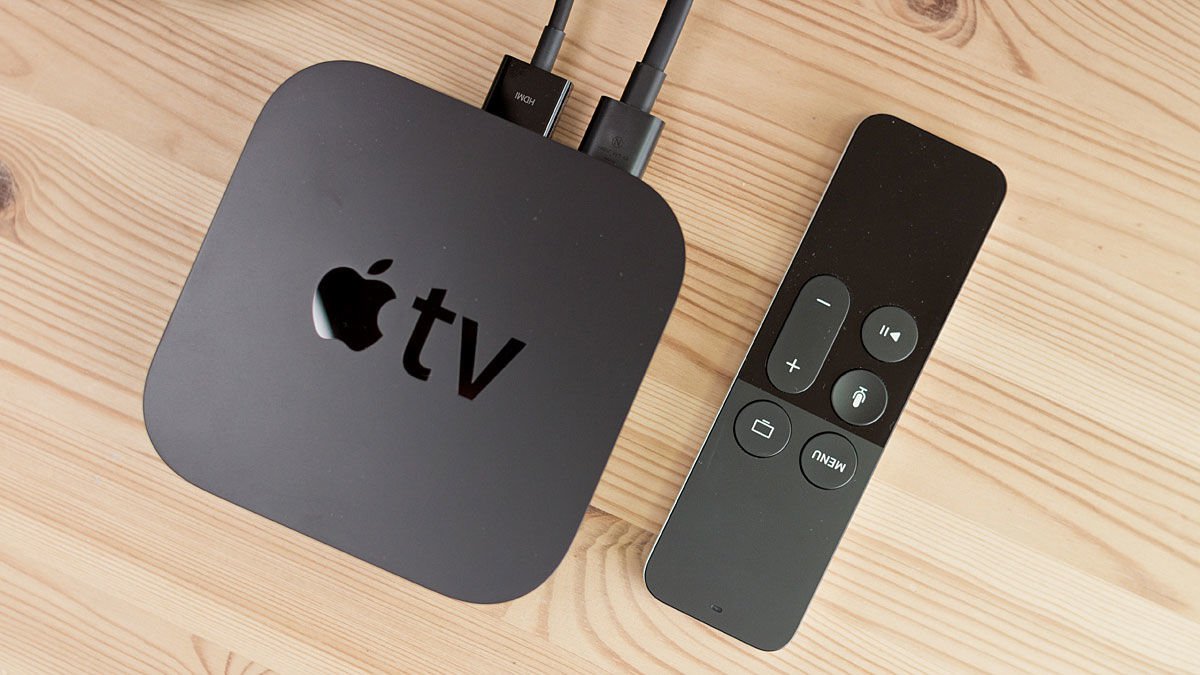


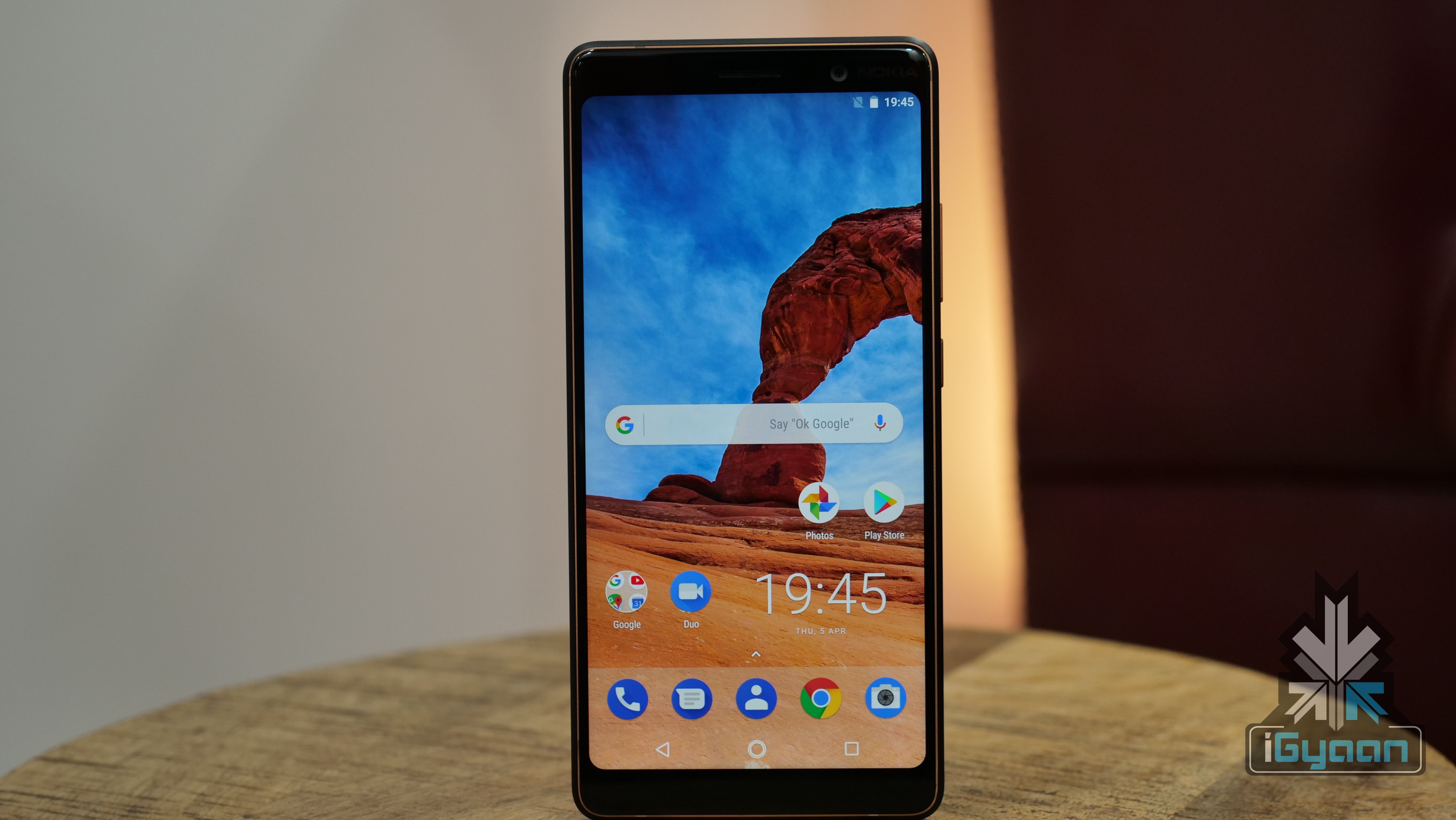
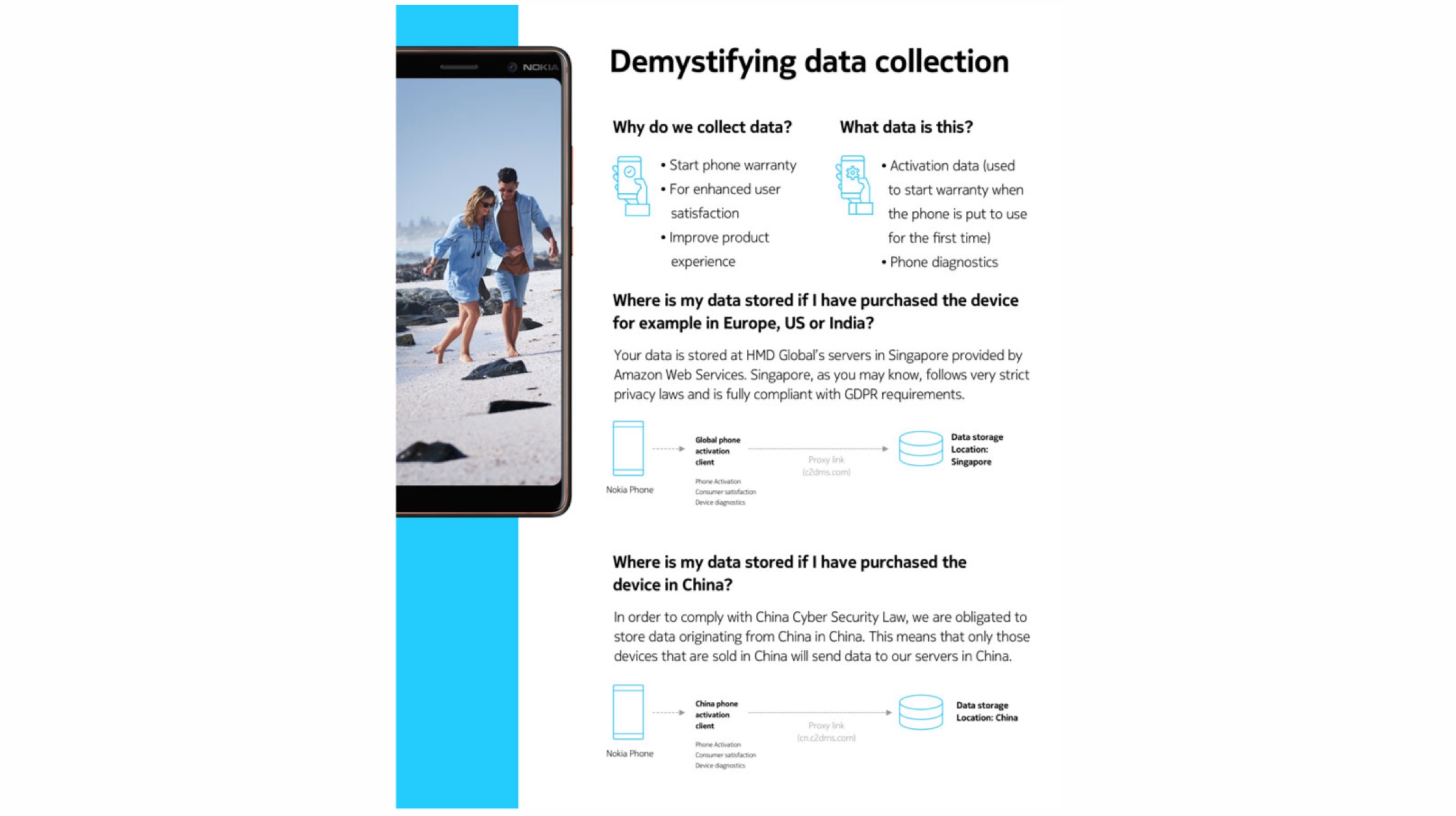
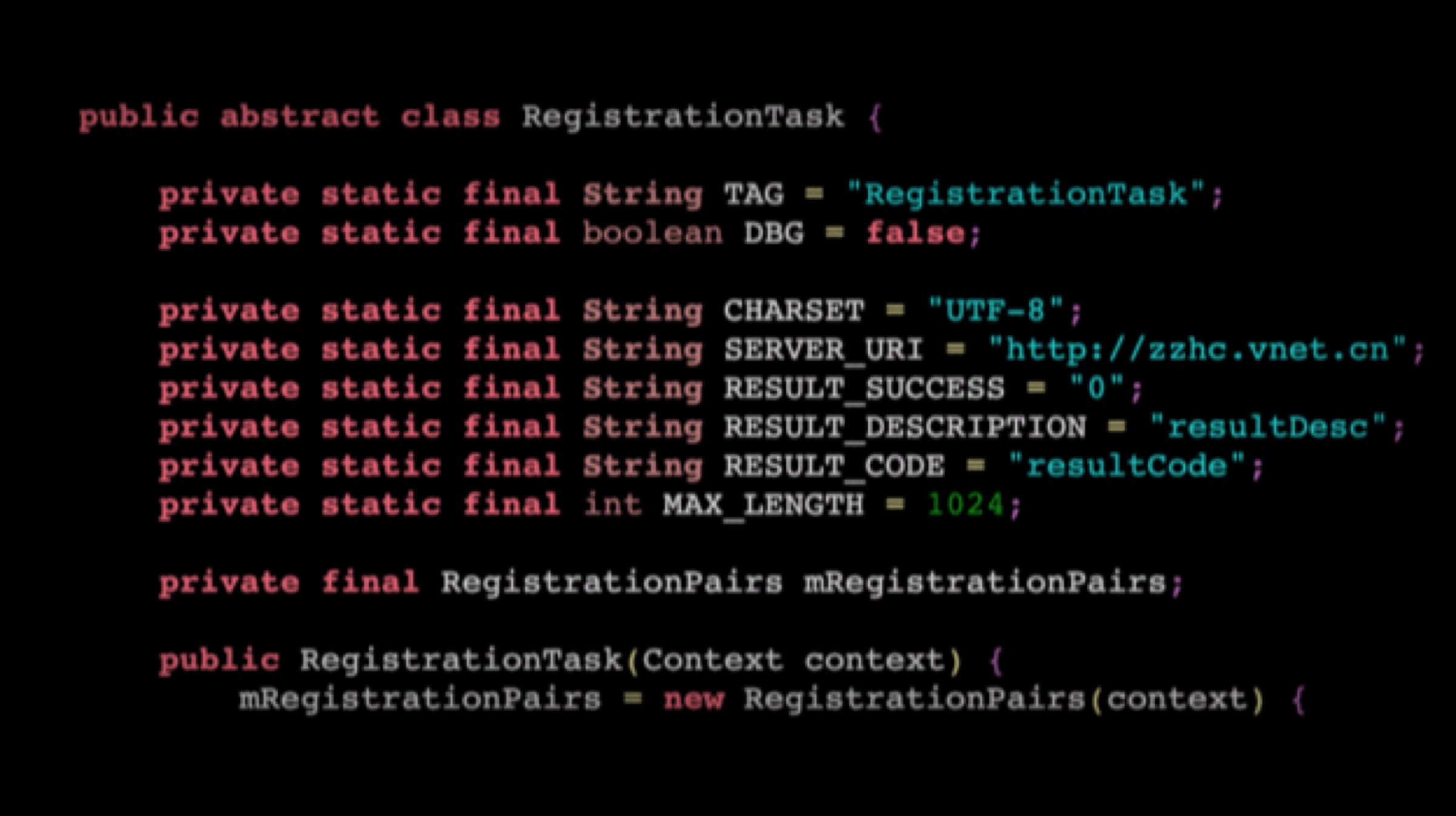 The Finnish company had mistakenly installed the Chinese device activation client on the Nokia smartphones which were intended to retail outside China. Consequently, the activation data was being sent to vnet.cn, a Chinese server located in the China Internet Network Information Center, or CNNIC. The domain is owned by the state-run Chinese Telecom operator.
 HMD Global also stated that the issue was taken care of in the month of February since most Nokia 7 Plus smartphones had been updated with the bug fix. Users can check if the fix is installed in their devices by going to Settings>System>About Phone>Build Number. The build number should be “00WW_3_39B_SP03” or “00WW_3_22C_SP05“. If the build number does not match, users may need to update their device. This can be done by going to Settings> System> Advanced>System Update>Check for Update.
 Also Read:
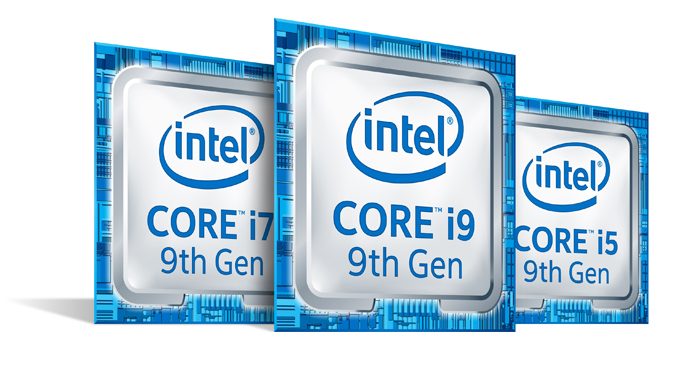
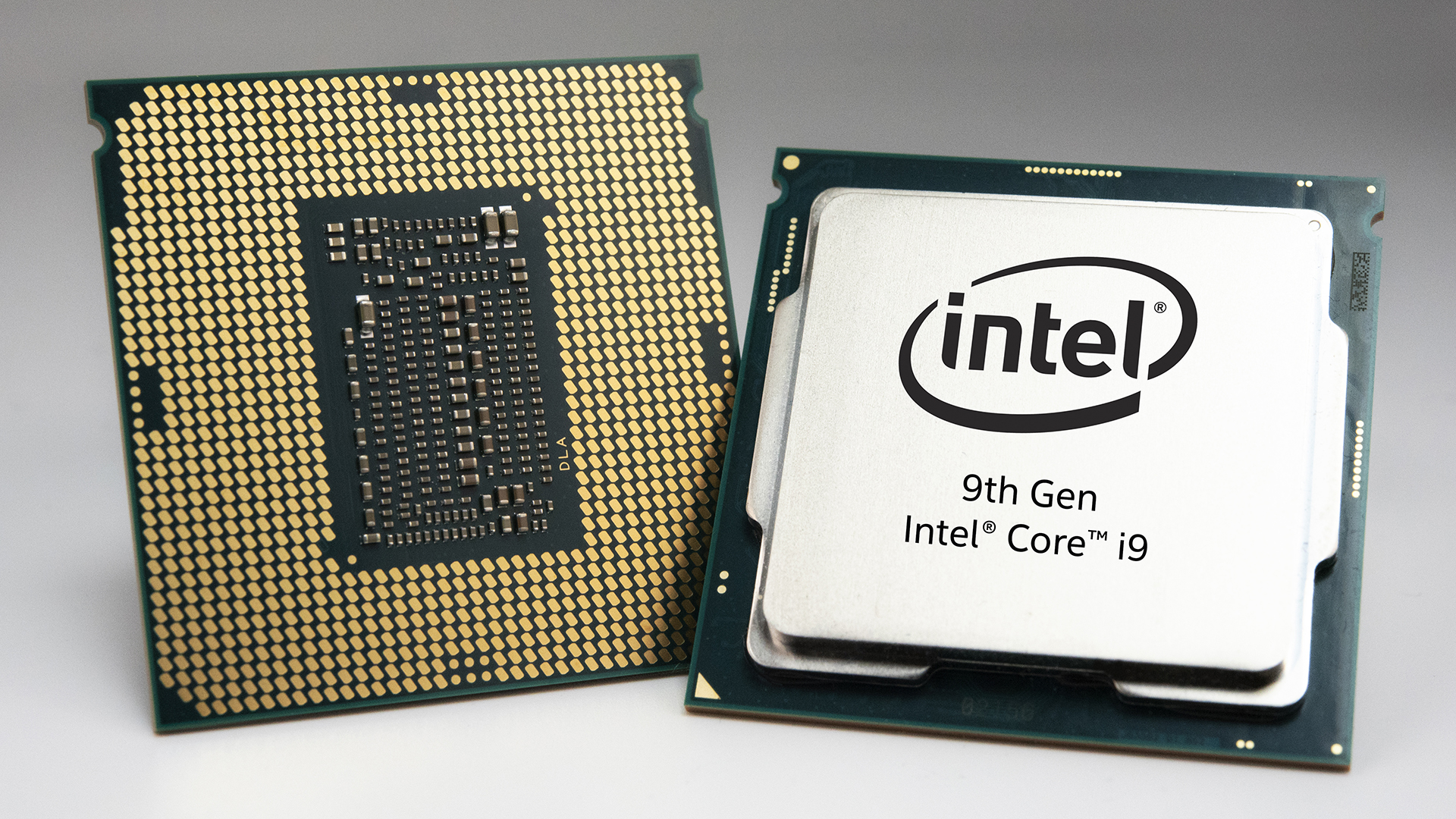
 The company did not put forward any official specifications for the same, but as per leaks, Intel will introduce two new models in each of the Core i5, i7 and i9 CPUs. The Core i5-9400H is expected to have four cores running at 4.3 GHz, whereas the toned down i5-9300H will sport similar cores clocked at 4.1 GHz. The i7 lineup will be joined by the Core i7-9850H and Core i7-9750H, both with hexa cores clocked at 4.6 GHz and 4.5 GHz respectively. Lastly, the top-end Core i9 series is said to feature two new models, which are the i9-9980HK and the i9-9980H. Both the variants will expectedly have a total of 8 cores, with the clock speeds varying at 5 GHz and 4.8 GHz respectively. All the models are also speculated to sport Hyper Threading.
 Also Read:
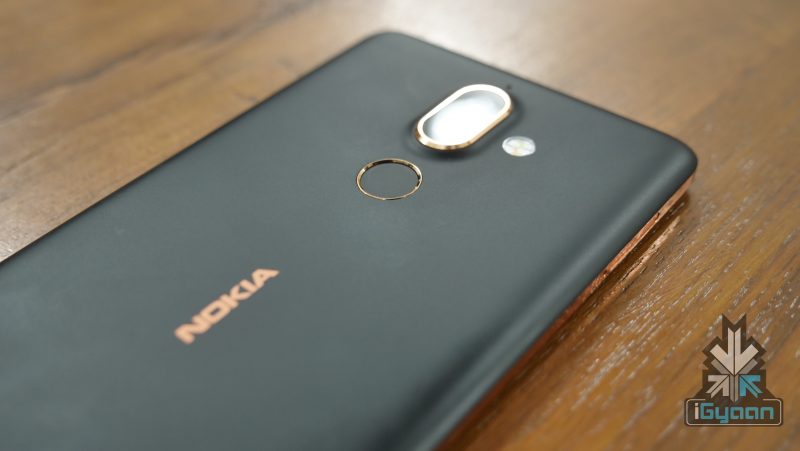
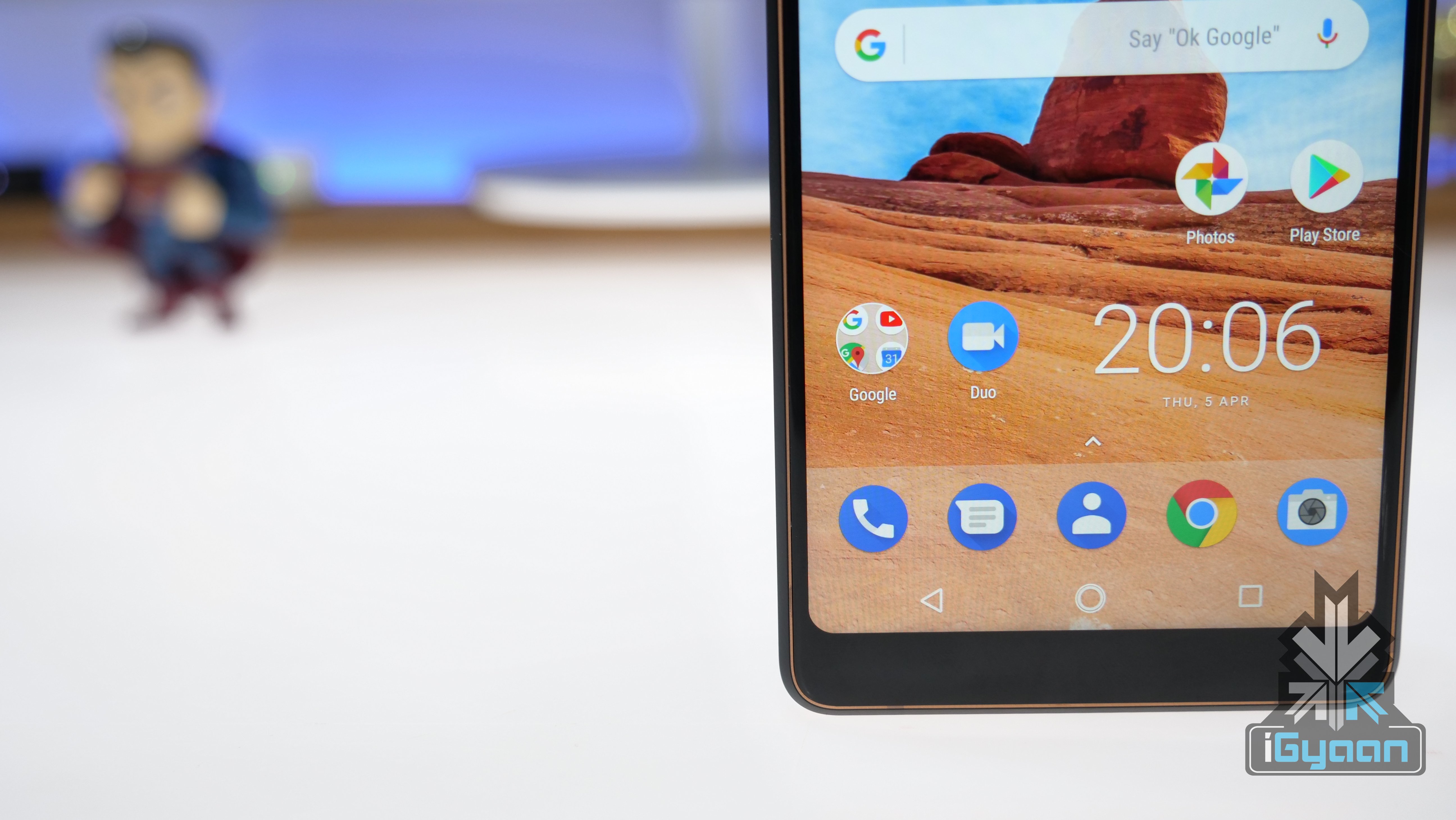
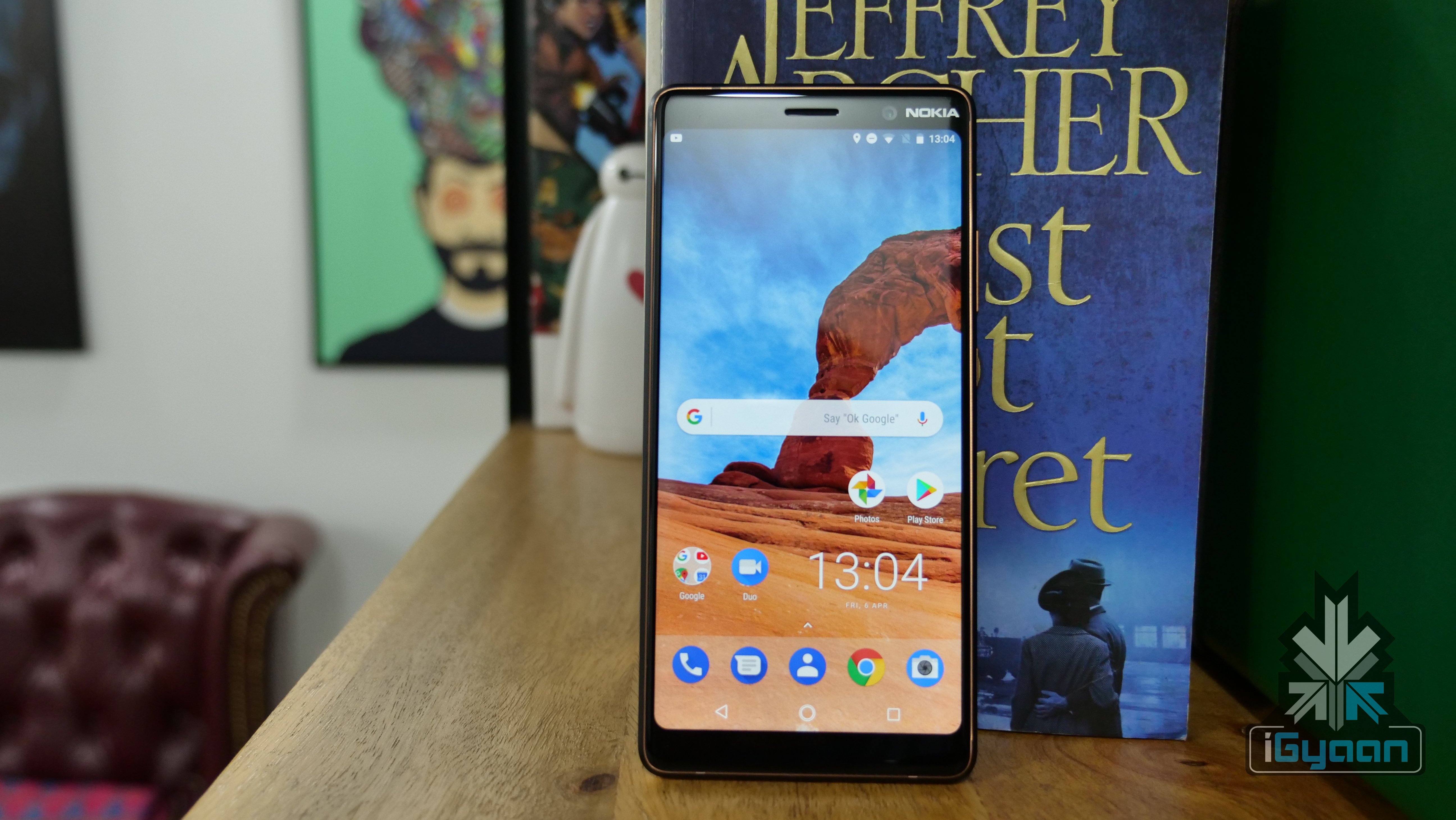 Reports state that sensitive data was being sent to a Chinese domain whenever the device was being switched on or being unlocked. The transferred data included the SIM card number, geographical location and the device’s serial number. Interestingly, the domain name of the Chinese server was vnet.cn, which refer to the China Internet Network Information Center, or CNNIC. The aforementioned domain is owned by the state-run Chinese Telecom operator.
 Also Read: