Category: Latest

All the Latest, News, Reviews, Updates, How To, Mobile Phone news, Global and International News, From Cameras to Automobiles, from TV To PC and a lot more! Constantly updating!

  • Amazon To Compete With Flipkart’s Billion Capture+ With Its Own Smartphone

    Amazon To Compete With Flipkart’s Billion Capture+ With Its Own Smartphone

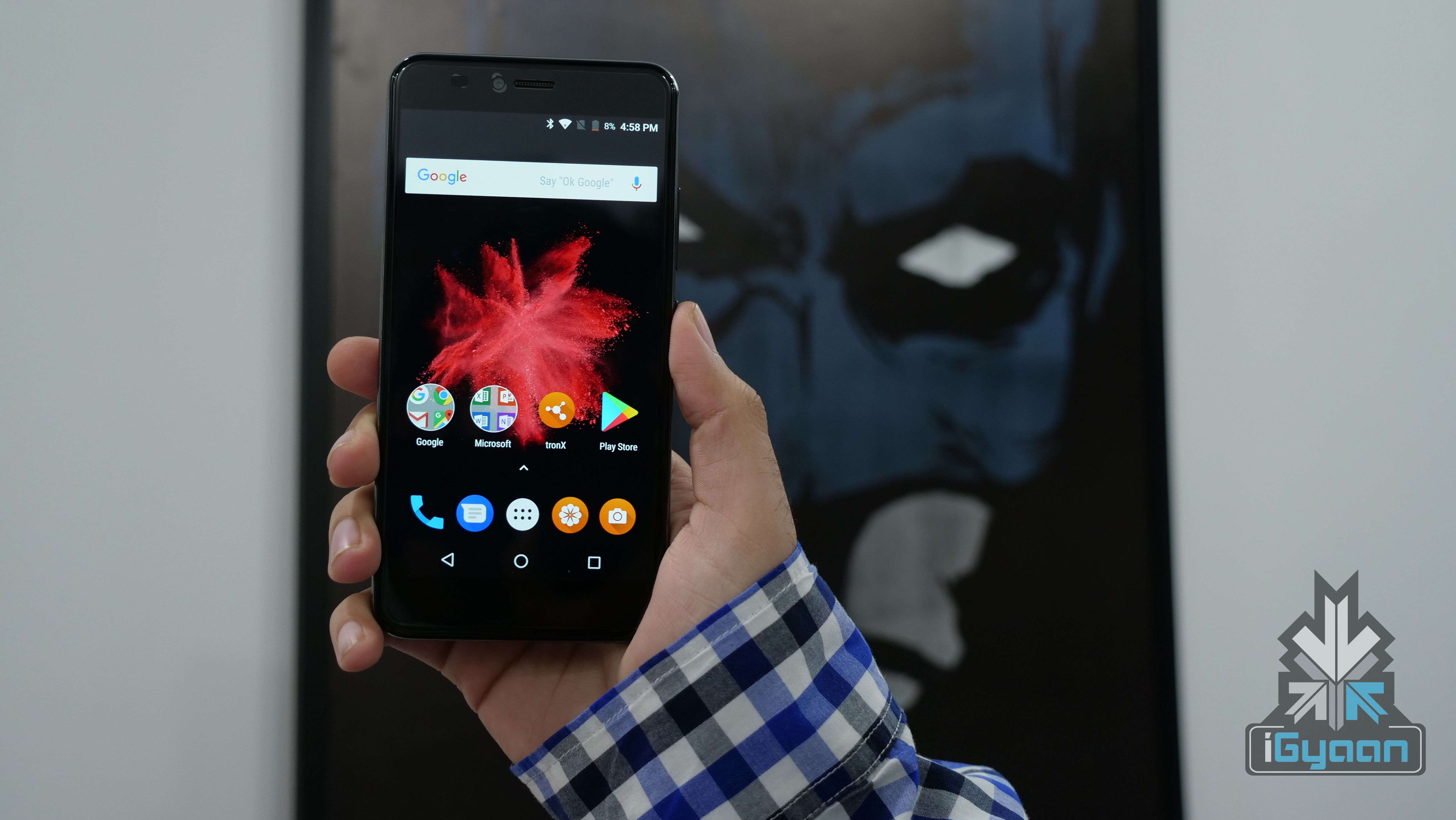
    Flipkart and Amazon are the two big players in the e-commerce market in India. Both the companies are always trying to one-up the other, either with new sales or advertisements. Flipkart recently launched the Billion Capture+ smartphone, an Android phone with a dual-camera setup priced at Rs. 10999. But, a couple of months before Flipkart’s move, Amazon launched two budget smartphones called Tenor E and Tenor G. New reports claim that Amazon will be launching its own smartphone in January next year under the brand name Tenor.

    Manish Tiwary, VP at Amazon India told ET:

    We leverage the customer data and feedback to understand the gaps in the selection, pricing and reach out to our vendors or OEMs to manufacture relevant products.

    While Flipkart labels its Billion brand as ‘Made for India, in India’, Amazon labels its brand as ‘Crafted By Amazon’. Both the companies have launched products and product lines on their private labels. Amazon has a diverse portfolio under the ‘Amazon Basics’ moniker while Flipkart has Smart Buy, a brand for electronics and electronic accessories and MarQ for large appliances.

    The budget smartphone industry in India is seeing an exponential rise right now and most of it is dominating by Chinese brands such Xiaomi and Honor. Experts believe that the private label market in India for smartphones is fairly nascent.

    The overall mobiles and tablet market would be at $8.5-9 billion annualised run rate in terms of gross merchandise volume. The smartphones private label would be targeting the local, low-brand and mid-brand strength of smartphones which make up almost 20% of the market, thereby making it a $2-billion opportunity for these private labels.

    While there are plenty of budget smartphones, a good phone at a competitive price will always receive the attention and persuade buyers to try out a new brand, that is how Xiaomi gained popularity in India. Will you buy an Azom-made phone if the specs are spectacular?
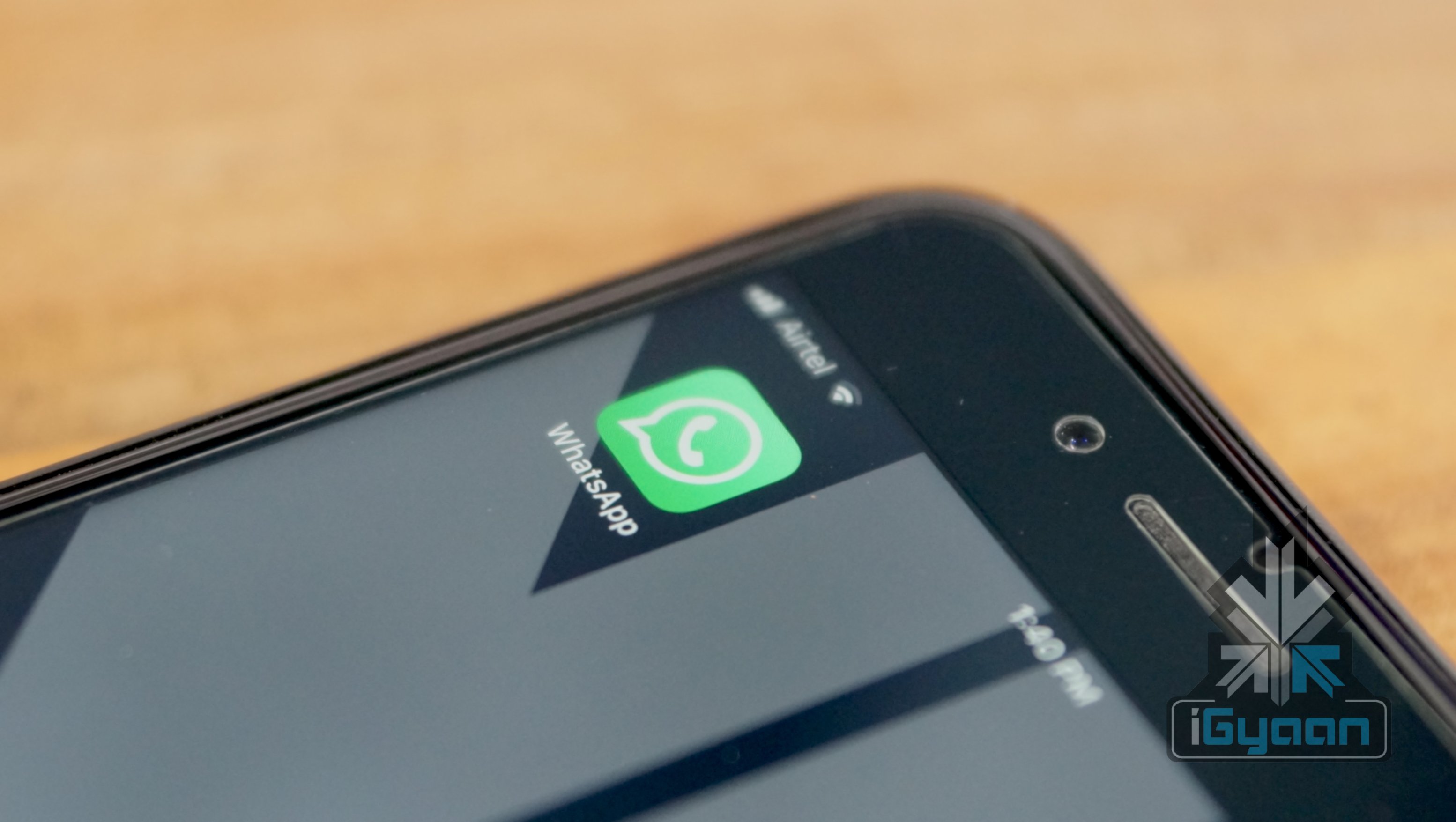
  • WhatsApp Ordered To Stop Sharing User Data With Facebook

    WhatsApp Ordered To Stop Sharing User Data With Facebook

    Back in 2014, Facebook bought one of the most famous instant messaging apps in the world, WhatsApp. Over the course of three years, there have been many Facebook features which have trickled down to WhatsApp as well, WhatsApp Status being one of them. Being the parent company, Facebook started using the user data from WhatsApp to develop targeted advertising, security measures, and to gather business intelligence.

    To tackle the free-sharing of personal user data among the two firms, France’s ultra-strict privacy watchdog CNIL has ordered WhatsApp to stop sharing user data with parent company Facebook. WhatsApp has a month to comply with the order, according to a public notice posted to the French website. CNIL ruled that while WhatsApp’s intention of improving security measures was valid, the sharing of data for business intelligence purpose was not acceptable.

    CNIL believes that since WhatsApp never told its users that it was collecting data for business intelligence and there’s no way to opt out without uninstalling the app, it violates the fundamental freedom of users.

    This is a yet another step from European regulators to crack down on the freewheeling data sharing between the two social networking entities. Germany ordered Facebook to stop collecting data from WhatsApp users in September 2016, and in the UK, Facebook agreed to stop collecting WhatsApp user data in November 2016.

    Do you find it uncomfortable that Facebook can use your data to create specific advertisements for you while it claims that the data-sharing is for security purposes only? Let us know in the comments below!

  • Samsung Galaxy S9 Leaked In Live Images

    Samsung Galaxy S9 Leaked In Live Images

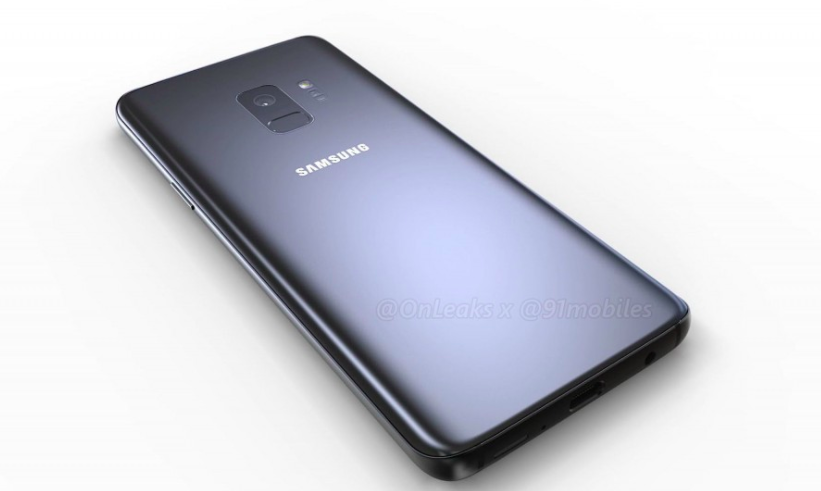
    Samsung is planning to launch the Galaxy S9 and Galaxy S9+ at MWC in late-February. While smartphone makers try hard to keep their upcoming phones under wraps, it’s become harder to do that with every person now having a camera phone with them. Recently, the renders of the Galaxy S9 and Galaxy S9+ were released which show very little design change from 2017’s Galaxy S8 and Galaxy S8+.

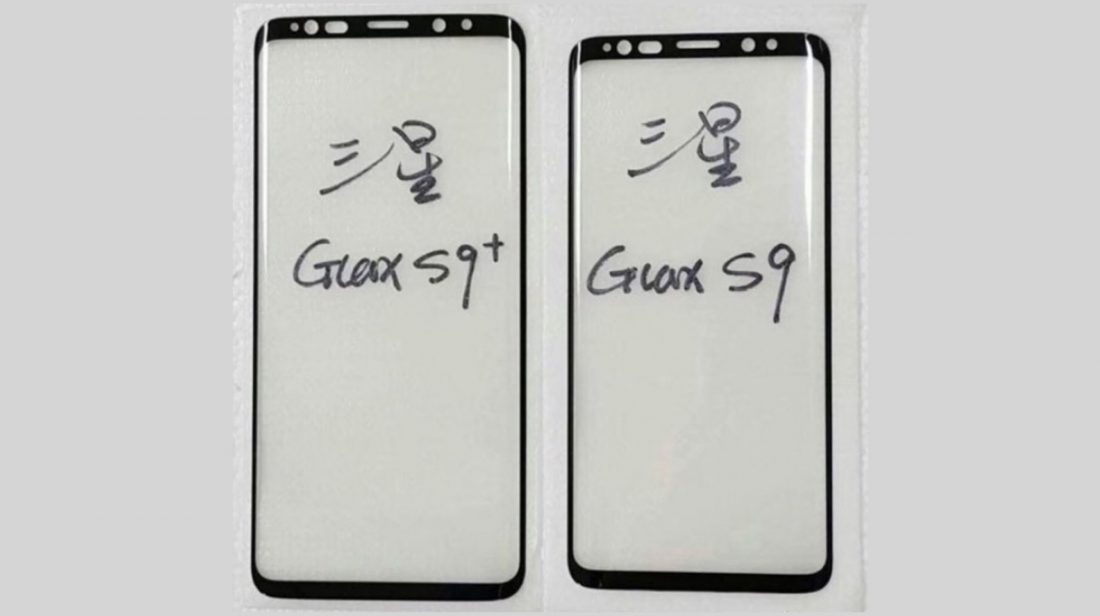
    Now, two new leaked images reveal the front and back of the Galaxy S9 and the S9+. The images of the front glass reveal the size of the bezels and the camera and sensor cutouts. While people expected a nearly bezel-less design, these images reveal that the bezels will be ever so slightly shrunken in the 2018 iteration of the Galaxy S lineup.

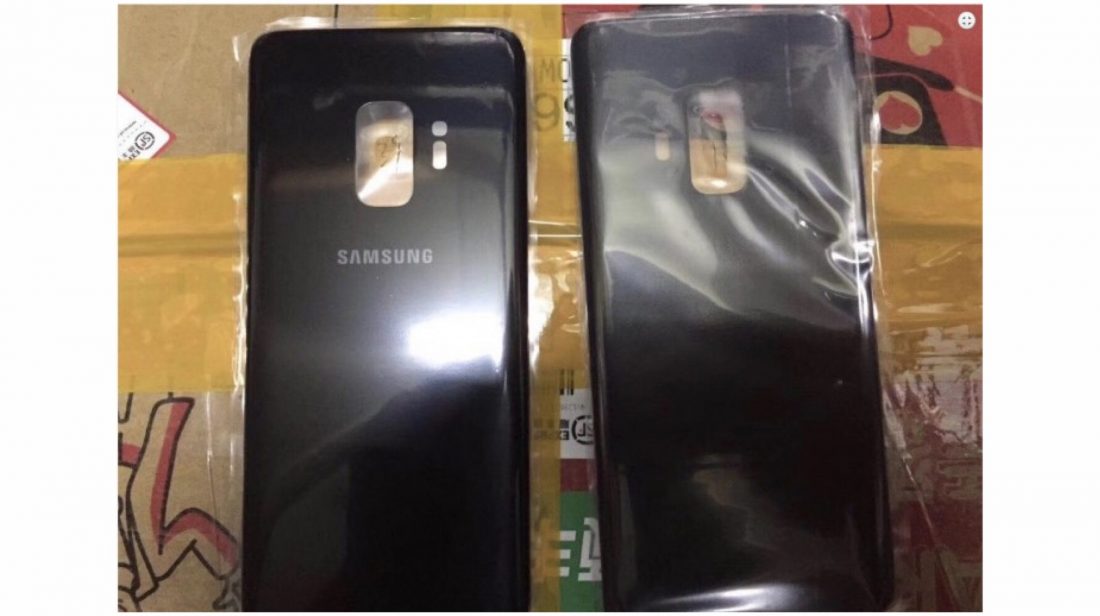
    The other image is of the back panel of the Galaxy S9. The image falls in line with previous reports that the Galaxy S9 will continue to sport a single camera setup at the back and have a repositioned fingerprint sensor which will now be placed under the camera lens. The Galaxy S9+ is expected to have a dual-camera setup which will justify the steeper price tag of the bigger sibling.

    While the Galaxy S9 and S9+ are expected to be launched at MWC 2018, it will be interesting to see if India will be one of the first few countries to see the launch of the new flagship phones considering the Galaxy S8 and S8+’s popularity in the country. Both the devices are expected to be launched at the same price as the Galaxy S8 and S8+ were launched back in early-2017.

  • Samsung Announces Galaxy A8 And Galaxy A8+ With Infinity Display

    Samsung Announces Galaxy A8 And Galaxy A8+ With Infinity Display

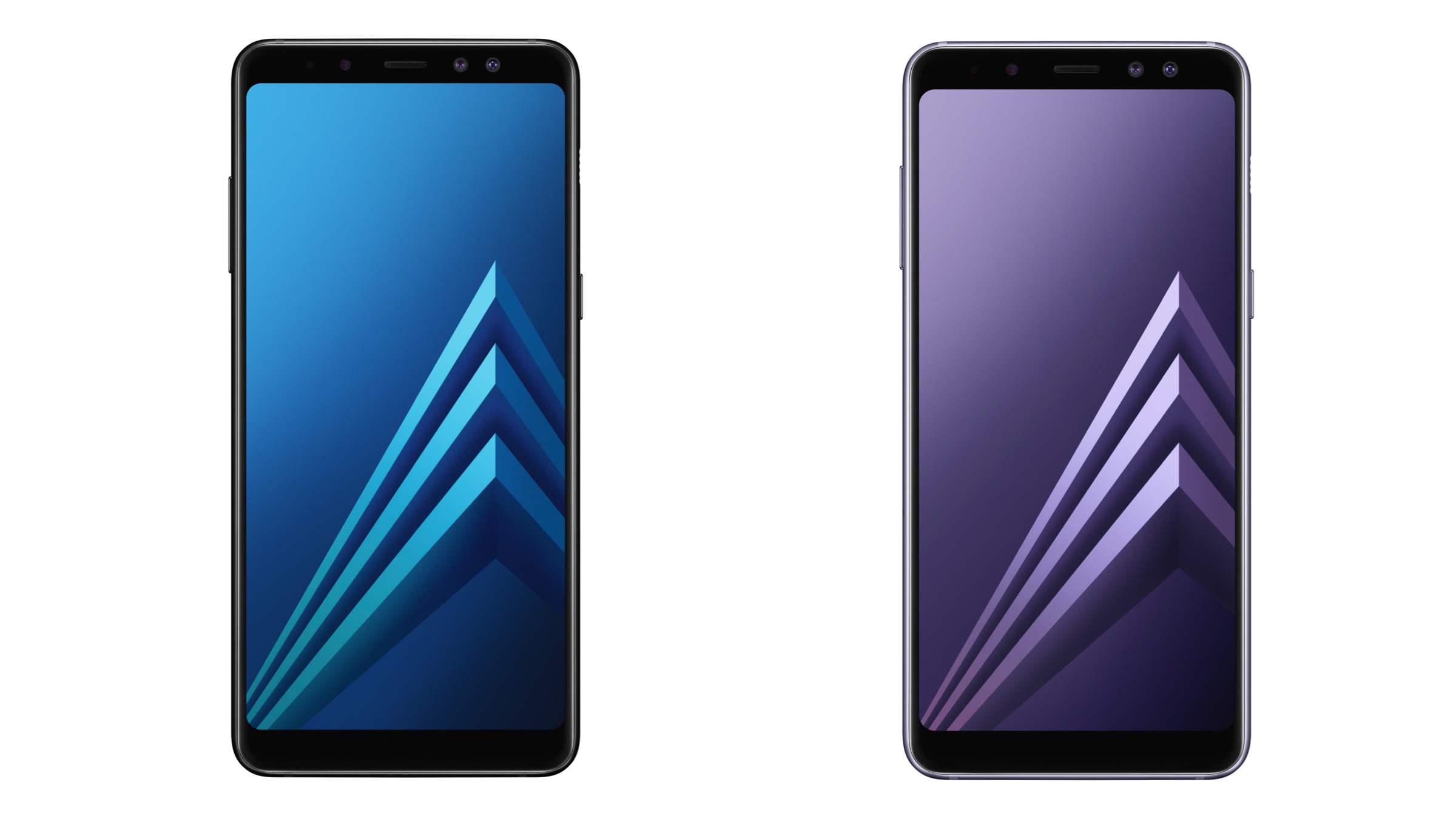
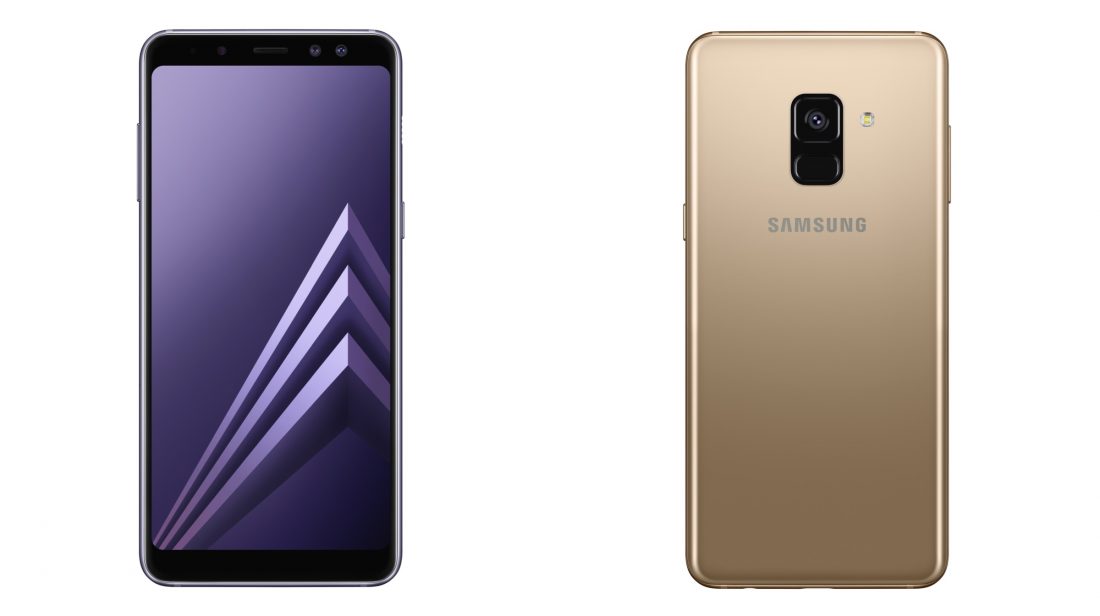
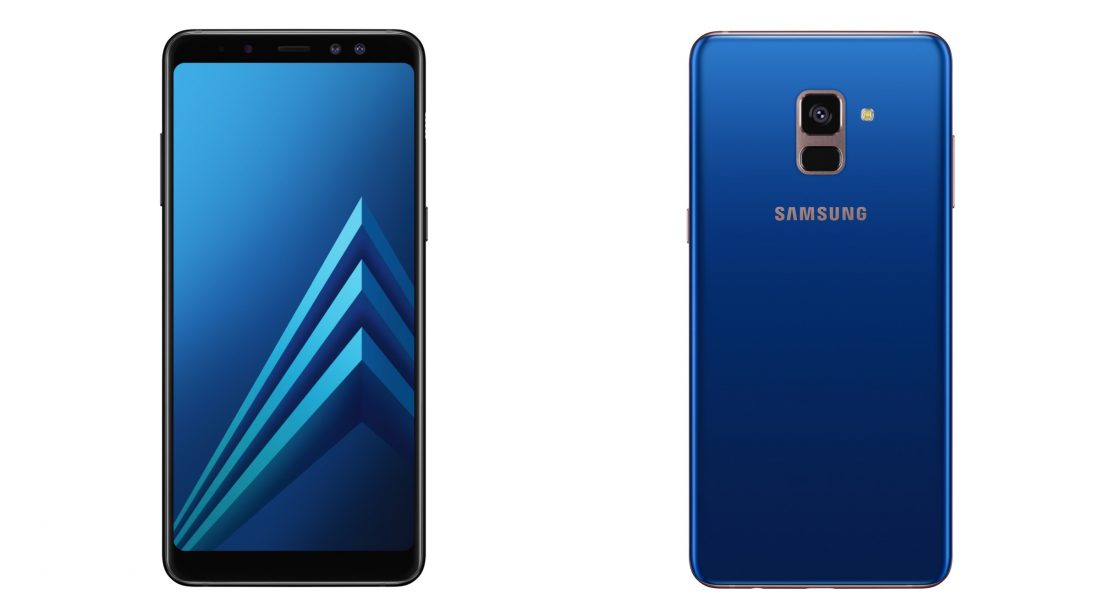
    After weeks of speculations and leaks, Samsung has announced the Galaxy A8 and Galaxy A8+ at an event in South Korea. What the nomenclature doesn’t tell is that these two phones are the follow up to the Galaxy A5 (2107) and Galaxy A7 (2017). There is no word on the pricing and their availability in countries like India. However, more in-depth information about the two phones will be revealed at CES 2018.

    The Galaxy A8 and A8+ are the first budget-oriented Samsung phones to feature the infinity display. The Galaxy A8 has a 5.6-inch display while the bigger sibling, the Galaxy A8+ has a 6-inch display. Both the phones have a Super AMOLED display panel with a 2220 x 1080 px resolution which translates to an 18.5:9 aspect ratio.

    Galaxy A8

    Under the hood, both the devices have an octa-core (2.2GHz Dual + 1.6GHz Hexa) processor while the chipset is still unspecified, it could be the Exynos 7885 SoC as found in the leaked video. The Galaxy A8 has 4GB of RAM with two storage options of either 32GB or 64GB while the Galaxy A8+ has two variants, one with 4GB RAM and 32GB storage and the other with 6GB RAM and 64GB storage. Just like every other smartphone from Samsung, the onboard storage can be expanded up to 256GB via microSD card. Both the smartphones are IP68 rated for water and dust resistance and support Samsung Pay for contactless mobile payment.

    Powering the Galaxy A8 is a 3000 mAh battery while the Galaxy A8+ has a 3500 mAh battery. Both the devices are charged via USB Type-C port.

    One thing that might come as a surprise, especially for phones launching in 2018 is the OS. Both the phones will run Android 7.1.1 Nougat out of the box with Samsung’s own custom skin on top.

    Galaxy A8+

    The Galaxy A8 and Galaxy A8+ are also the first of Samsung phones to have a dual-camera setup on the front. Both the phones have a 16MP + 8MP camera setup with an f/1.9 aperture. The Live Focus feature lets users chose whether the background should be in focus or blurred to a soft bokeh. The phone will switch between the two front cameras to get the effect the user needs. To the back of the phone is a 16MP camera with an f/1.7 aperture and digital stabilisation.

  • Huawei Enjoy 7S Launched

    Huawei Enjoy 7S Launched

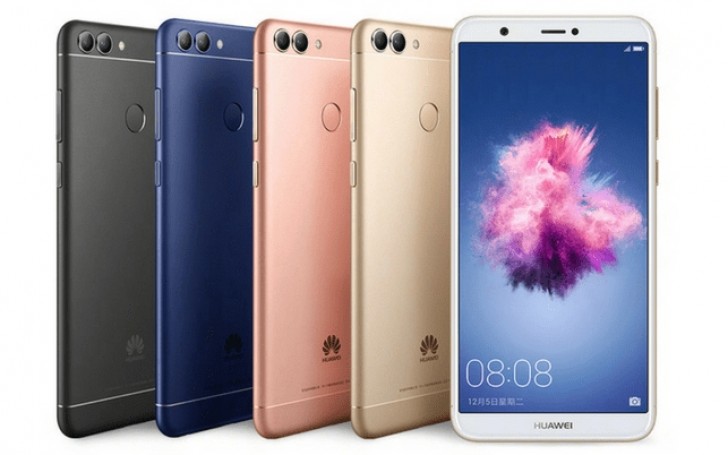
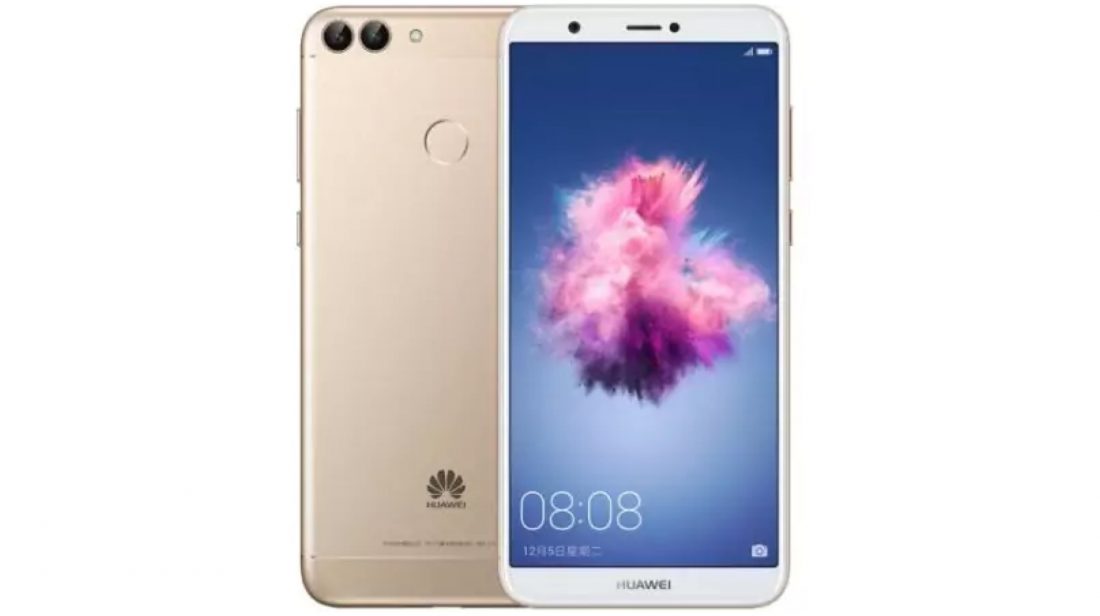
    Huawei has launched a new mid-range smartphone, the Huawei Enjoy 7S at a starting price of CNY1,499 (US $226 approx.). The device will be available in Black, Blue, Rose Gold and Gold/Champagne colour variants and go on sale in China on the 22nd of December.

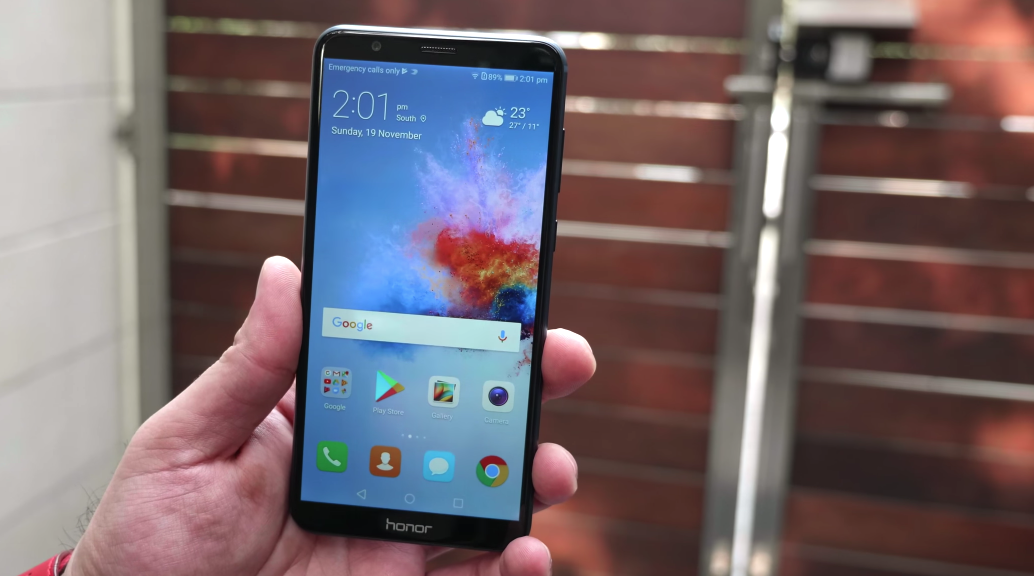
    The Huawei Enjoy 7S has a 5.65-inch FullView display with a 2160 x 1080 px resolution. Similar to the Honor 7X, the thin bezel at the bottom houses the company logo and the fingerprint sensor is moved the back of the phone.

    Honor 7X

    Under the hood, the Huawei Enjoy 7S has the HiSilicon Kirin 659 chipset, octa-core processor clocked at 2.3GHz, and Mali-T830 MP2 GPU. In terms of RAM and storage, the Huawei Enjoy 7S has two variants, one with 3GB of RAM and 32GB of storage and the other with 4GB of RAM and 64GB of storage.

    The Huawei Enjoy 7S runs Android 8.0 Oreo out of the box with EMUI 8 on top.

    Powering the device is a 3000 mAh battery that can be fast-charged thanks to the Super Charge technology.

    The camera setup on the back is 13 MP + 2 MP,  where the secondary camera is a depth sensor for artificial background blur during portraits. On the front is an 8MP camera for selfies.

    There is no word on the device’s availability in other markets such as India right now but, stay tuned to iGyaan for any further updates.

  • Apple iPhones In India Are Pricier Now

    Apple iPhones In India Are Pricier Now

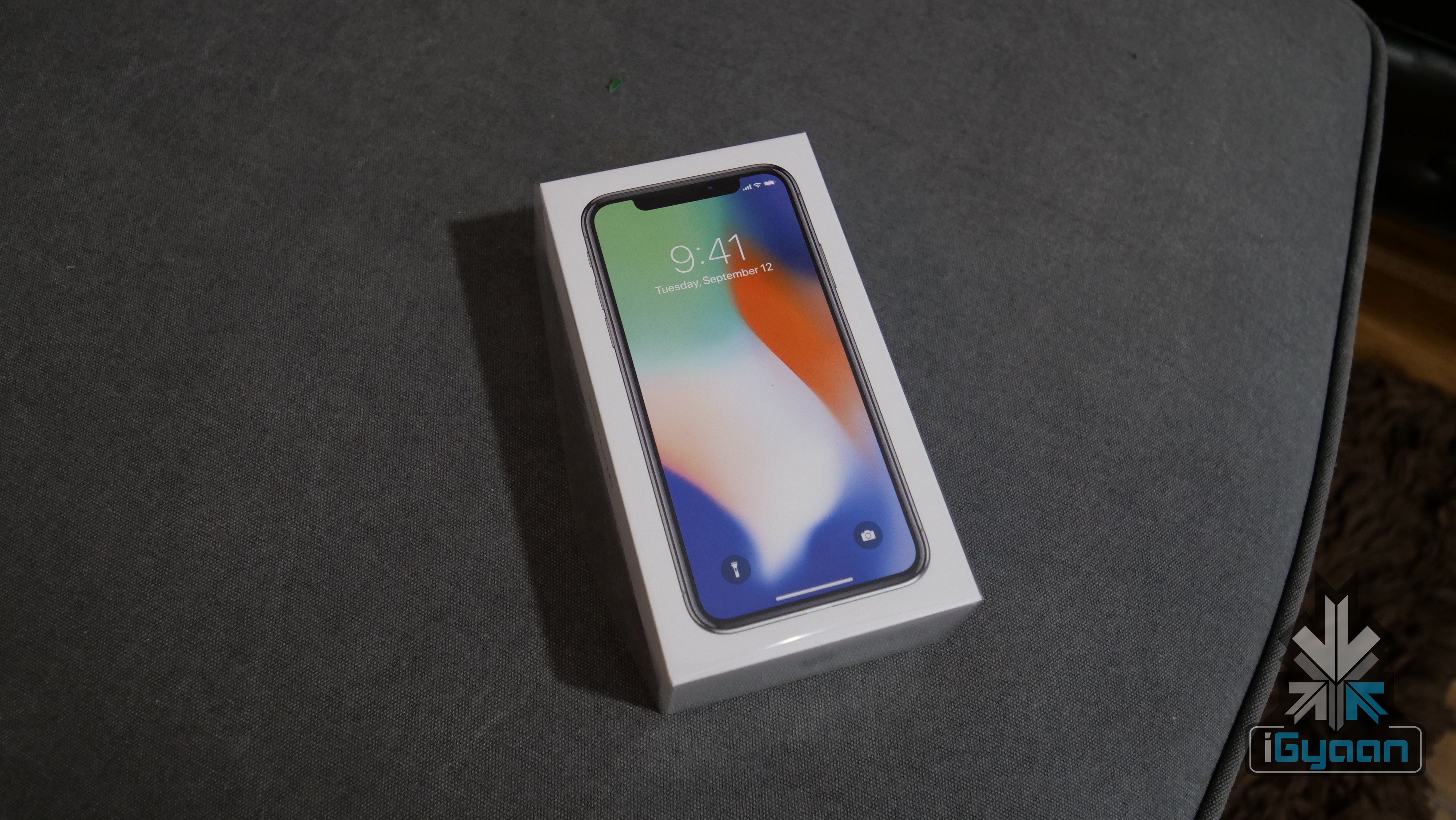
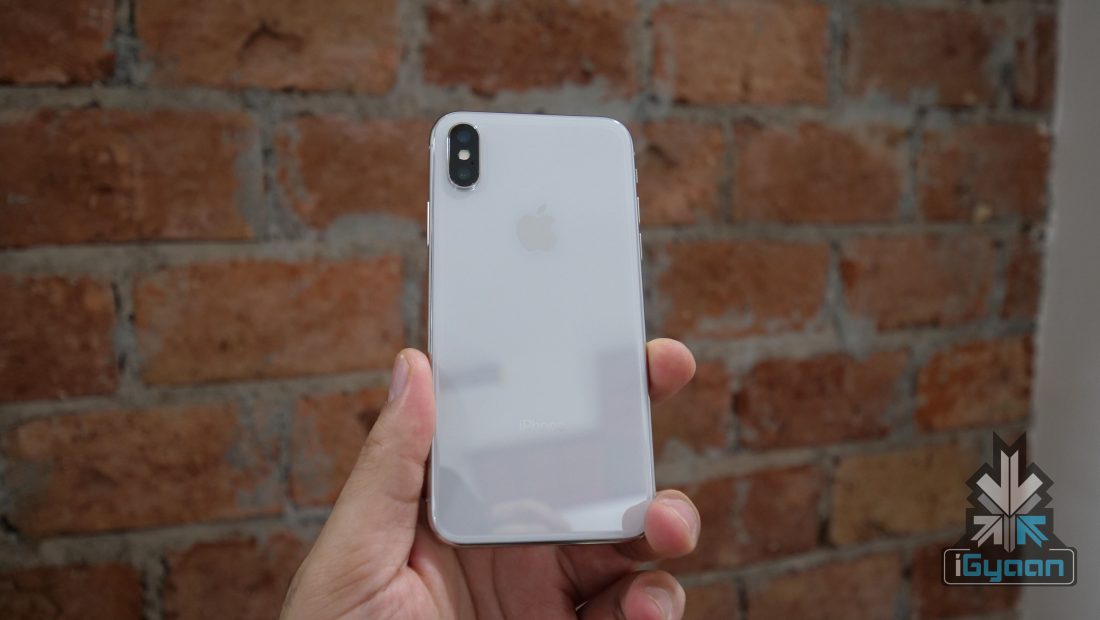
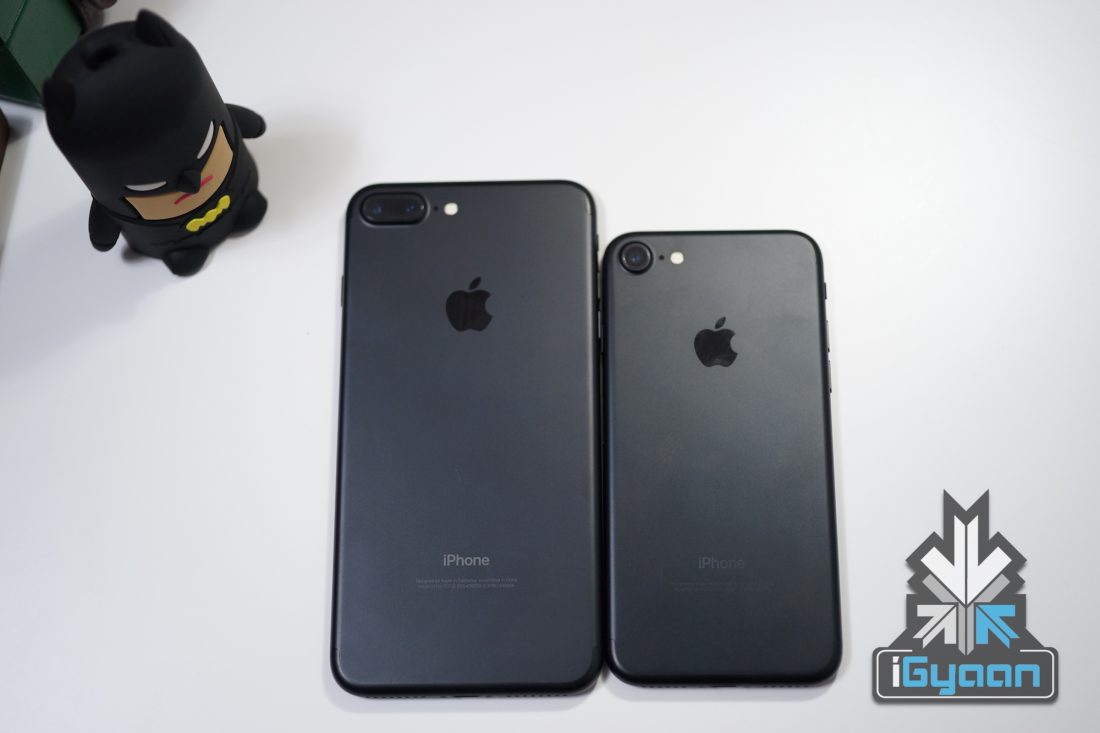
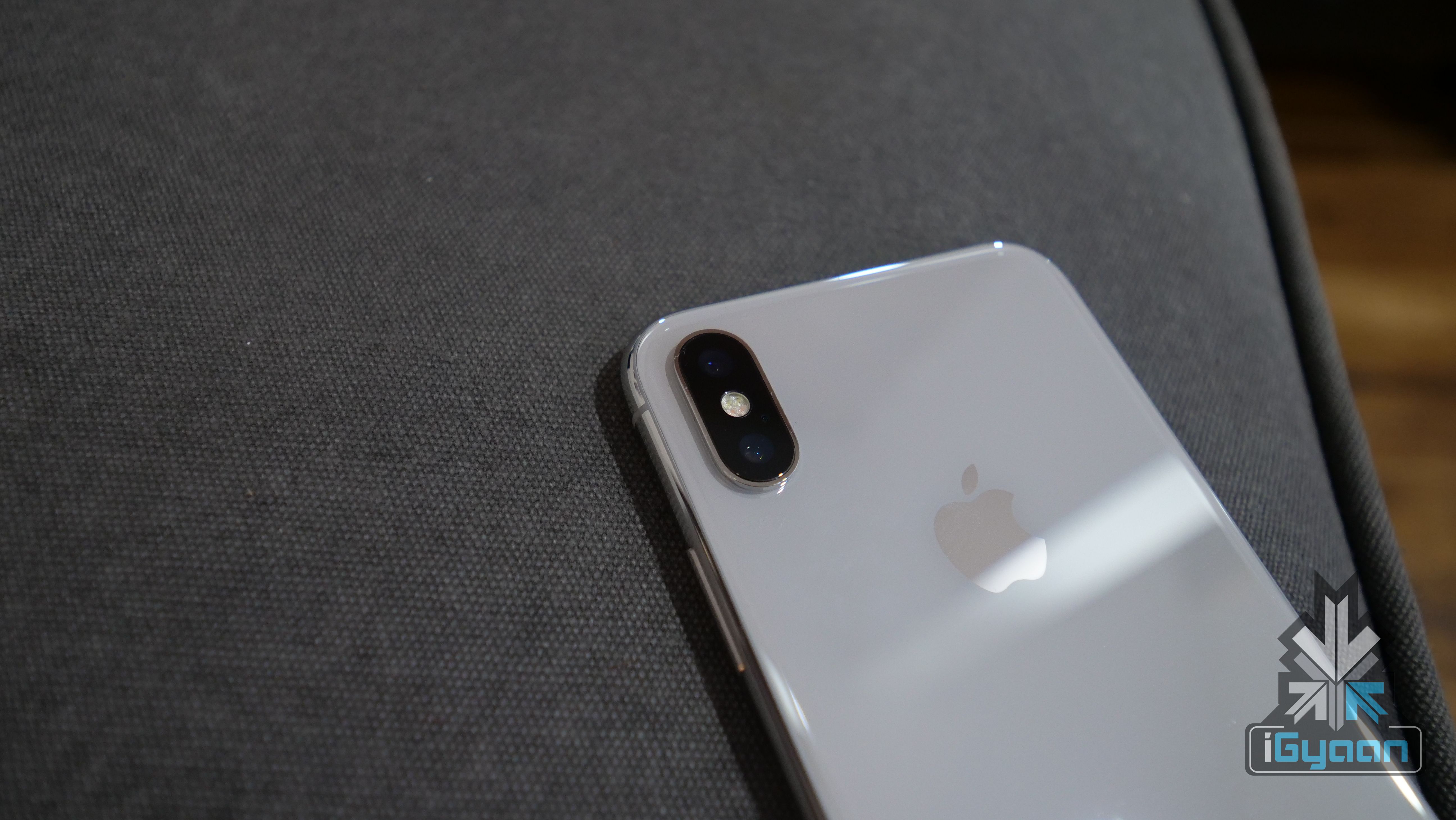
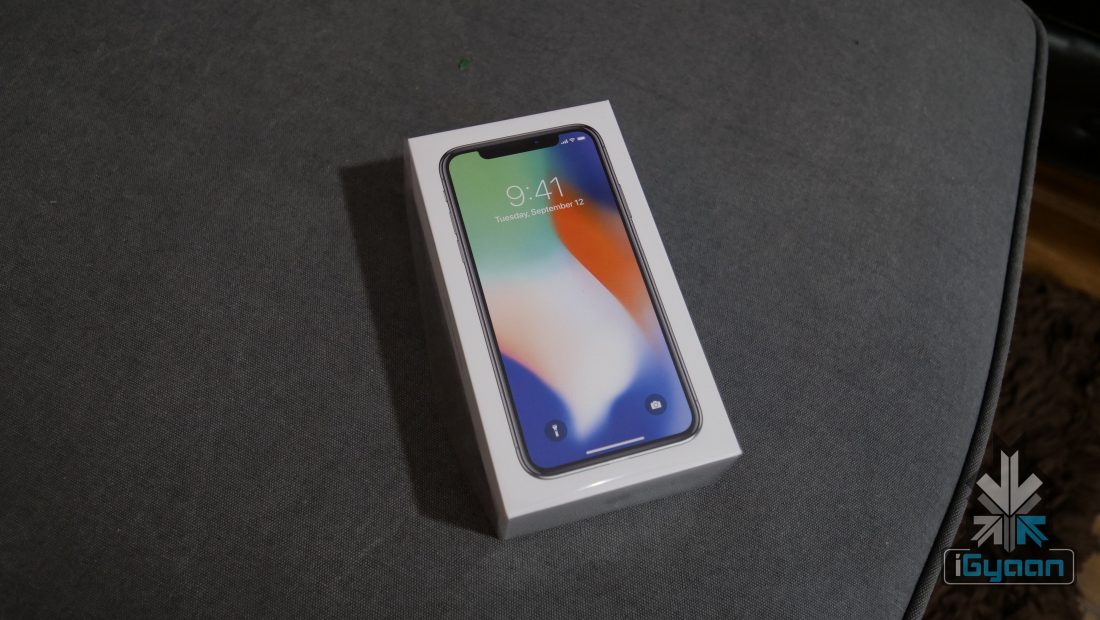
    Apple iPhones have been known to be much more expensive in India than the western market. To put things into perspective, the iPhone X was launched at a price of Rs. 89000 in India which roughly translates to about US $1400 and in the US, it is priced at US $999. That is a huge difference and, that difference will now increase even more. iGyaan reported that the Indian government will increase the import tax on electronics such as phones and that it could have an effect on the price of iPhones in India.

    Apart from the iPhone SE, all iPhones from iPhone 6s and above will see a price hike in the Indian market. This isn’t good news for people with the holidays coming up and people tend to buy new phones to commemorate the new year.

    From today, the iPhone X will retail at a new price of Rs 92430 for the 64GB variant and Rs 1,05,720 for the 256GB variant. After the customs hike, iPhone 6s will be priced at Rs. 41550 for the 32 GB variant which was earlier Rs. 30780 while the 128 GB variant will be available for Rs 50,660. The 32 GB and 128 GB variants of iPhone 6s Plus will now be priced at Rs 50740 and Rs 59860, respectively.

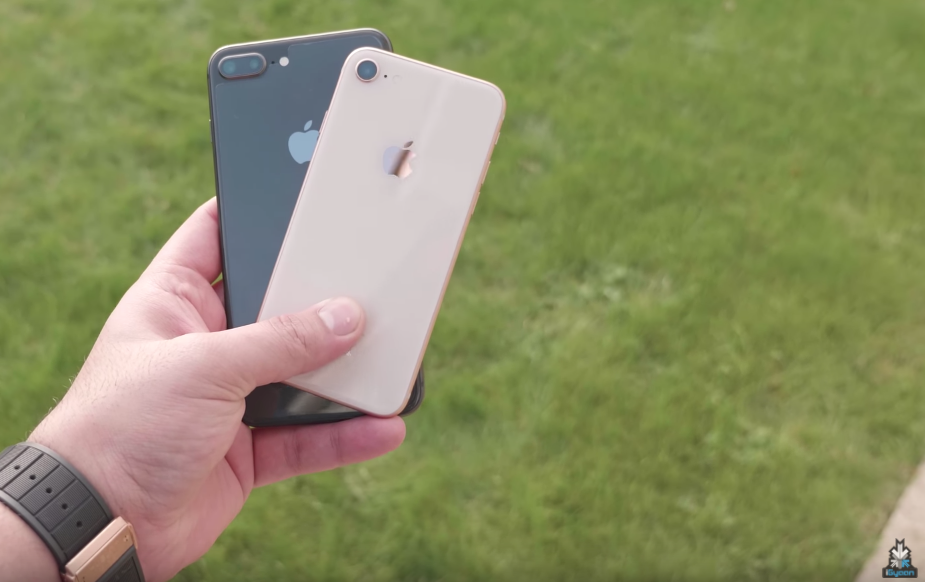
    iPhone 8 Plus and iPhone 8

    The iPhone 7 will be priced at Rs. 50810 for the 32GB variant, while the 128GB variant is now priced at Rs. 59910. The iPhone 7 Plus will be now be priced at Rs. 61060 for the 32 GB variant and Rs. 70180 for the 128GB variant. The iPhone 8 will be available for Rs. 66120 for the 64GB variant and Rs. 79420 for the 256GB variant. The iPhone 8 Plus is priced at Rs. 75450 for the 64GB variant and the 256GB will be available for Rs. 88750.

    iPhone 7 Plus and iPhone 7

    This has happened because the government has increased the import tax from 10% to 15% and this news comes a few days after Apple registered the slowest revenue growth in India in the past six years. With this price hike, there is a huge possibility that iPhones will face a steep competition from their own price tag, more than anything else.

    Buy it here

  • Xiaomi Announces Android 8.0 Oreo Beta Program For Mi Mix 2

    Xiaomi Announces Android 8.0 Oreo Beta Program For Mi Mix 2

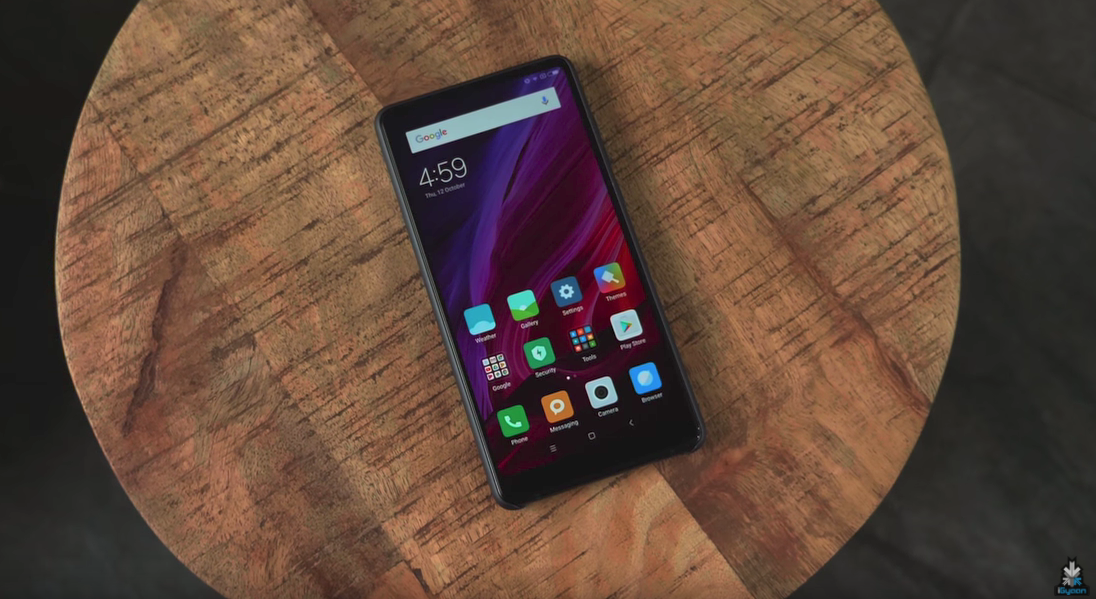
    Xiaomi launched the Mi Mix 2 back in October in India at a price of Rs. 35999. The device currently runs Android 7 Nougat with MIUI 9 on top. Xiaomi has announced Android 8.0 Oreo beta program for the Xiaomi Mi Mix 2.

    It’s a closed beta program, which means that a very limited number of Mi Mix 2 users will be able to participate and try the Oreo-based MIUI 9 build. There’s currently no information on exactly when the final release will begin rolling, although that’s probably still at least a few months away.

    You can head to this link for more information on the Mi Mix 2 Oreo beta and how to register for it.

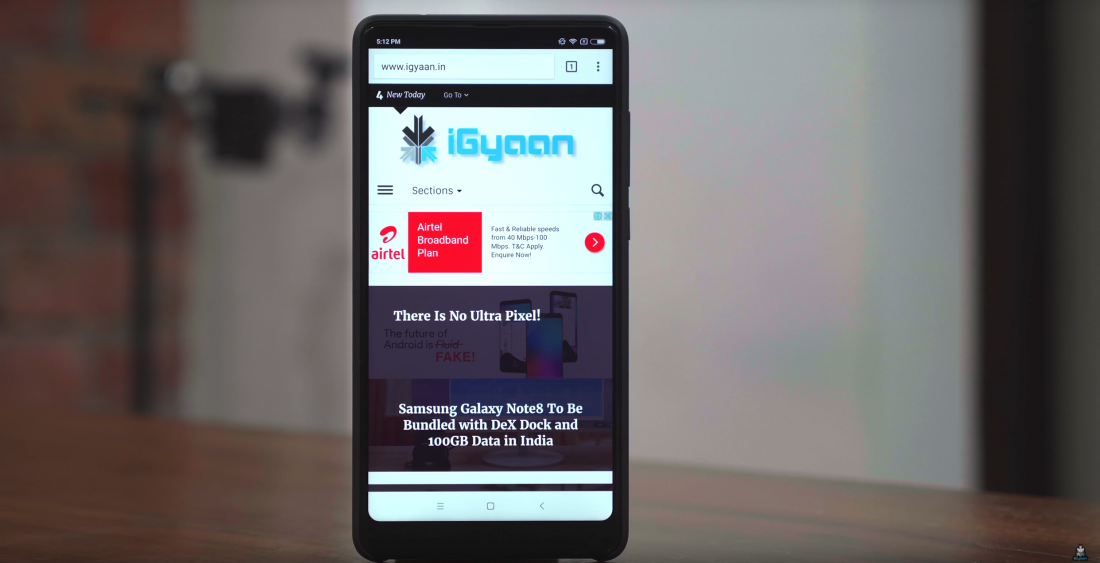
    The Mi Mix 2 has a 5.99 inch 2160 x 1080 px LCD display with an 18:9 aspect ratio. The Mi Mix 2 has a 12% reduced bottom bezel and a screen-to-body ratio of 80.8%. The device features a cantilever piezoelectric ceramic acoustic speaker and ultrasonic proximity sensor.

    The Mi Mix 2 runs Android 7.1.1 Nougat with Xiaomi’s custom MIUI 9 on top. Under the hood, the flagship smartphone has the Qualcomm Snapdragon 835 chipset, Adreno 540 GPU, 6GB RAM and storage options of 64GB, 128GB or 256GB. A special edition Mi Mix 2 with a full ceramic body, 6GB RAM and 128GB onboard storage has also been announced. The onboard storage will not be expandable due to the absence of a microSD card slot.

    The device is powered by a 3400 mAh battery which is considerably smaller than the previous generation Mix’s 4400 mAh battery. The fingerprint sensor is placed at the back of the device just below the camera.

    The Mi Mix 2 has a very unlike-2017 flagship single camera setup at the back. The smartphone sports a 12MP Sony IMX386 sensor with 1.25-micron pixels, an f/2.0 aperture 4-axis optical image stabilisation, 5-piece lens, and facial recognition. On the front is a 5MP which features facial recognition as well.

    Xiaomi appears to be pushing Android 8.0 Oreo for its smartphones now. It recently announced the Android 8.0 Oreo program for the Xiaomi Mi A1 as well.

    Xiaomi Mi Mix 2 Review:

  • Dell Launches The XPS 13 In India At A Price Of Rs. 84590

    Dell Launches The XPS 13 In India At A Price Of Rs. 84590

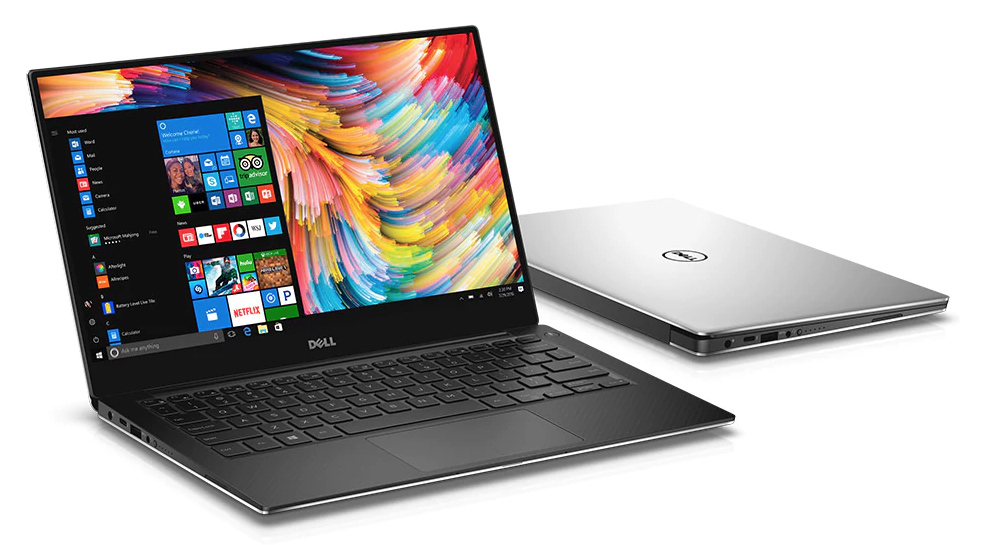
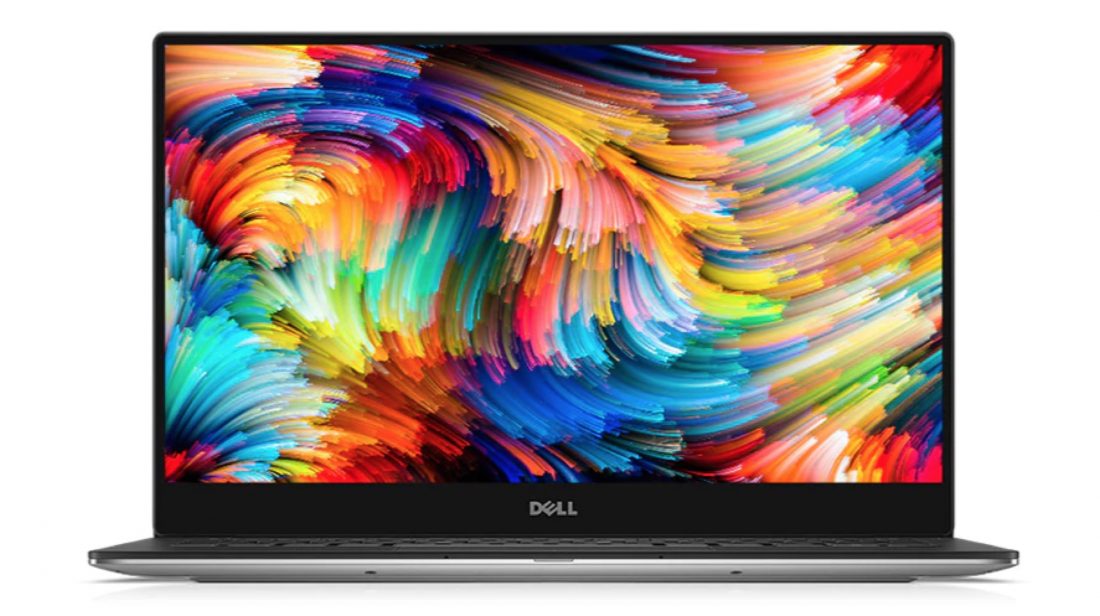
    Dell has launched its new laptop, the Dell XPS 13 in India at a starting price of Rs. 84590. The laptop is available to buy at www.dell.co.in, select Dell Exclusive Stores, Croma and Reliance Digital outlets. The design of the Dell XPS 13 looks like the laptop version of the Xioami Mi Mix 2 with thin bezels on the top and both the sides with a thick bottom bezel.

    It has a 13.3-inch IGZO IPS InfinityEdge touch display with 3200 x 1800 px resolution with a brightness of up to 400-nits.

    Under the hood, the Dell XPS 13 has the 7th generation Intel Core i7-7560U Processor, up to 16GB LPDDR3 1866MHz RAM, 512GB PCIe Solid State Drive and the Intel Iris Graphics 640 to handle all the graphics intensive work. The keyboard on the laptop is backlit and is accompanied by a fingerprint sensor.

    The Dell XPS 13 runs Windows 10 Home out of the box and comes with a 12-month subscription for McAfee LiveSafe antivirus software. For connectivity, it has two USB 3.0 – 1 w/PowerShare, one SD card reader (SD, SDHC, SDXC), one 3.5mm Headset jack, one Noble lock slot and one Thunderbolt 3 (2 lanes of PCI Express Gen 3) slot.

    Powering the laptop is a 60WHr battery which is charged through a 45W AC adapter.

    Buy It Here.

  • Still Use BBM? You Can Now Book An Uber From BBM

    Still Use BBM? You Can Now Book An Uber From BBM

    BBM was all the rage back in the day when iOS and Android were just starting out. Although the BlackBerry OS appealed to the professionals more because of the security features but, BBM gained popularity thanks to its iMessaging-like exclusivity. This was also before WhatsApp and other IM services gained popularity.

    However, over the past few years, BBM and BalckBerry OS are virtually dead in most of the western market. However, there are some parts of the world where people have clung on to BBM. Now run by Indonesian telco Emtek, BBM still maintains a decent following in Indonesia, other parts of Asia, Africa and the Middle East.

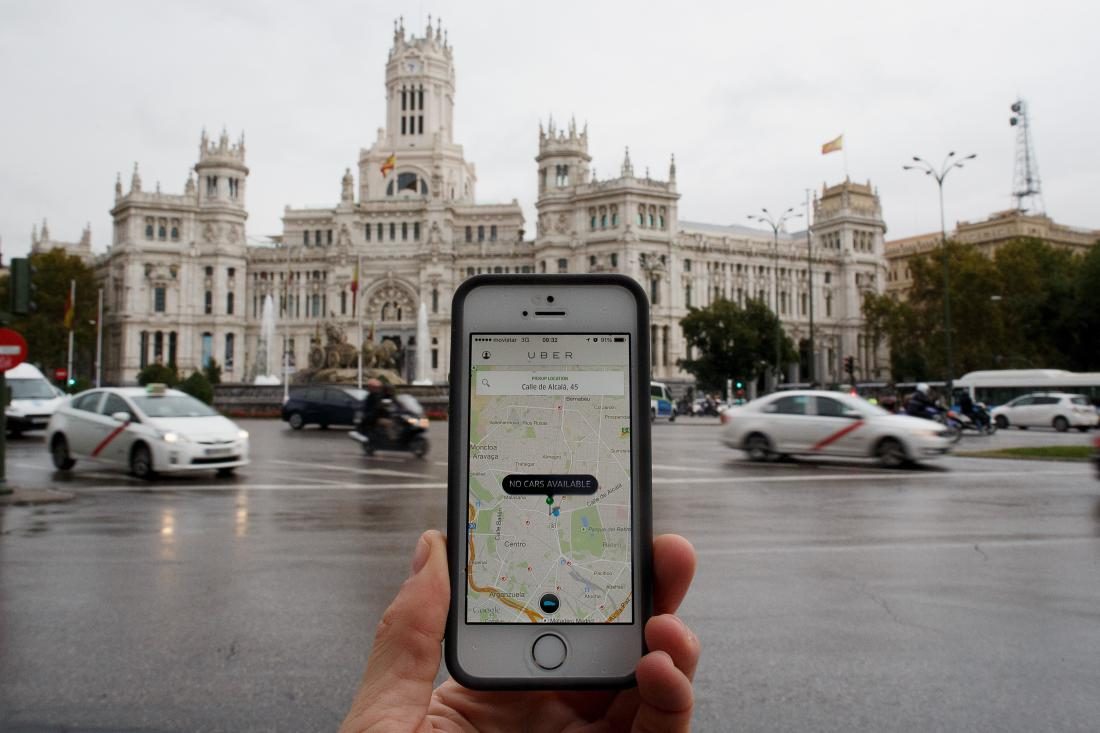
    In association with BBM, Uber will now users to book a ride from inside the chat app within the ‘discover’ menu. The feature will go live in selected countries in Africa, Asia, Europe, North America, and the Middle East.

    BBM will do a one-up over WhatsApp since it doesn’t have a feature like this to compete with BBM. However, with its ever-growing popularity, WhatsApp doesn’t appear to be competing with the dwindling by-gone messaging service BBM. This move is more to do with Uber targeting Indonesia than BBM coming up with a feature to resurrect itself in the world of instant messaging.

    Indonesia is the world’s fourth most populous country and Uber will try to gain impetus in the Southeast Asian country. The ride-hailing business in Indonesia has grown to US $1.5 billion in 2017 and a higher growth is projected in the coming years.

    The BBM partnership makes use of Uber’s web-based app, ‘m.uber’ which offers features you’d find in a regular app but comes suited to poor quality connections and lower-end devices.

    [poll id=”57″]

  • Xiaomi Launches Mi A1 Special Edition Red In India At A Price Of Rs. 13999

    Xiaomi Launches Mi A1 Special Edition Red In India At A Price Of Rs. 13999

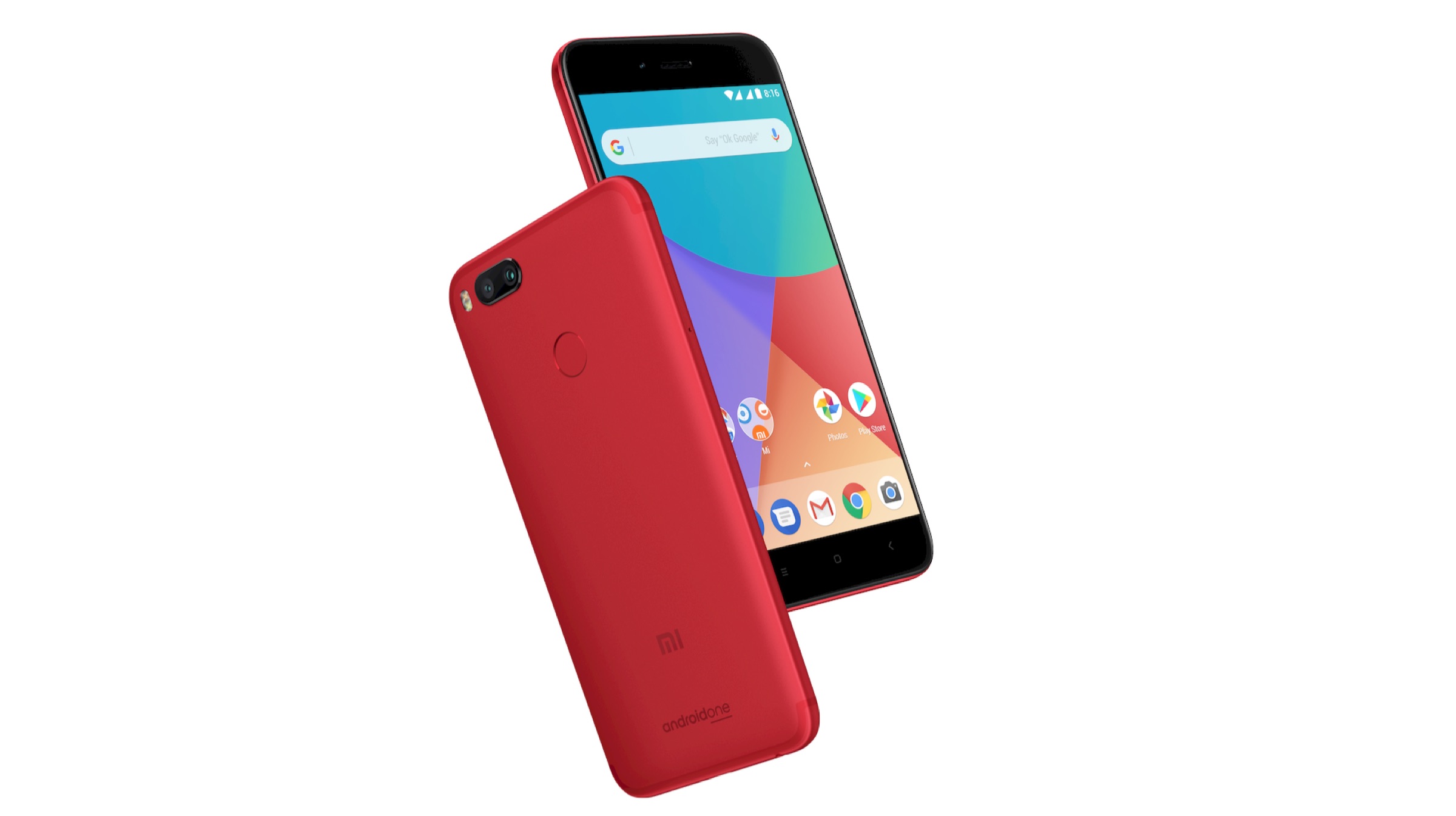
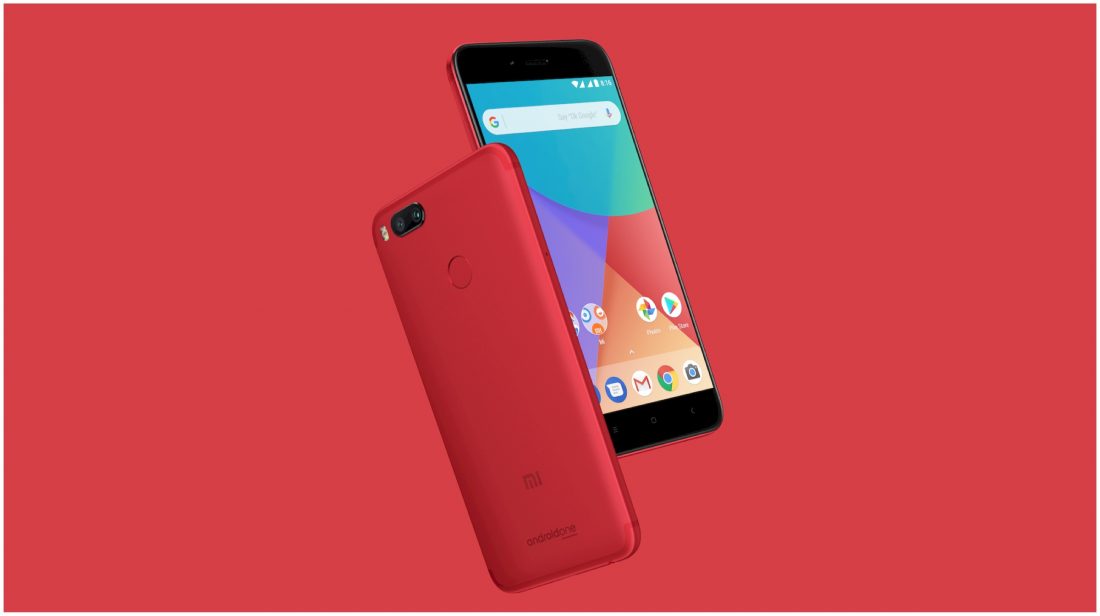
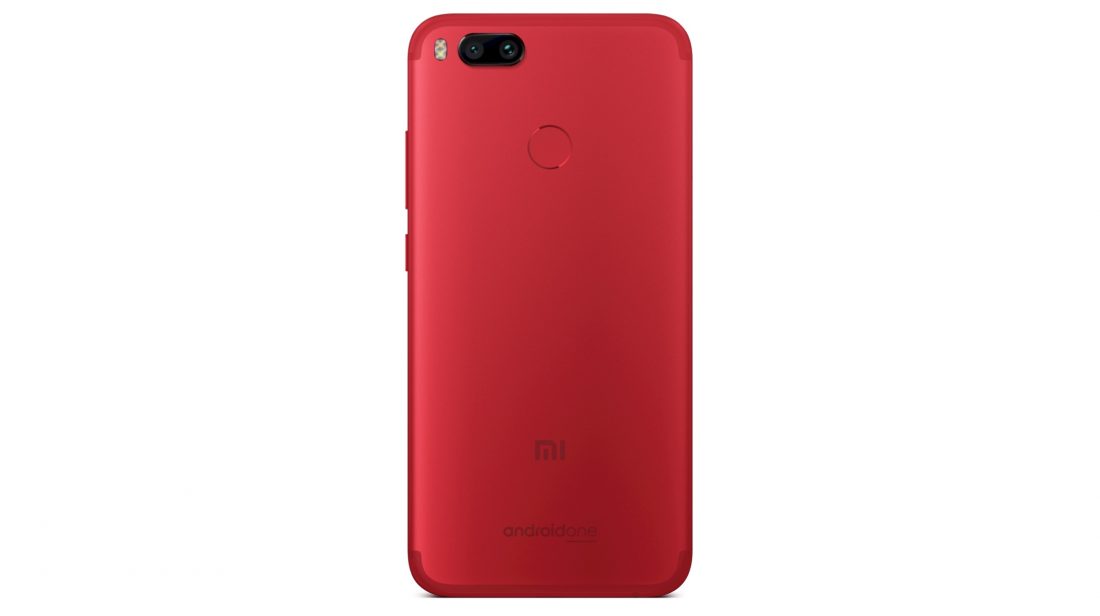
    Xiaomi has launched its limited edition Red colour variant of the Xiaomi Mi A1 in India at a price of Rs. 13999. Xiaomi recently launched the Red edition of the Mi A1 in Indonesia a few days back. The device in India will go on sale in India via Flipkart, mi.com and Mi Home stores from the 20th of December. The Xiaomi Mi A1 is already available in India in Gold, Black and Rose Gold colour variants.

    The smartphone recently received a permanent price cut and is available at a price of Rs. 13999. Seeing its popularity in India, Xiaomi has launched the red colour variant as well especially since other OEMs have launched phones in colours other than the usual black, gold and pink. The new Honor 7X is priced at Rs. 12999 and comes in a blue colour variant which definitely makes it stand out from the crowd.

    As far as specifications go, it has a 5.5 inch IPS LCD display with a 1920 x 1080 px resolution.

    The interesting bit about this phone lies in its software and camera department. It is the first ever Xiaomi phone to run stock Android OS thanks to Android One program. It also has a dual-camera setup at the back.

    Watch Our Full Review Of The Xiaomi Mi A1:

  • Apple Refunds Chinese Woman Twice Due To Faulty Face ID

    Apple Refunds Chinese Woman Twice Due To Faulty Face ID

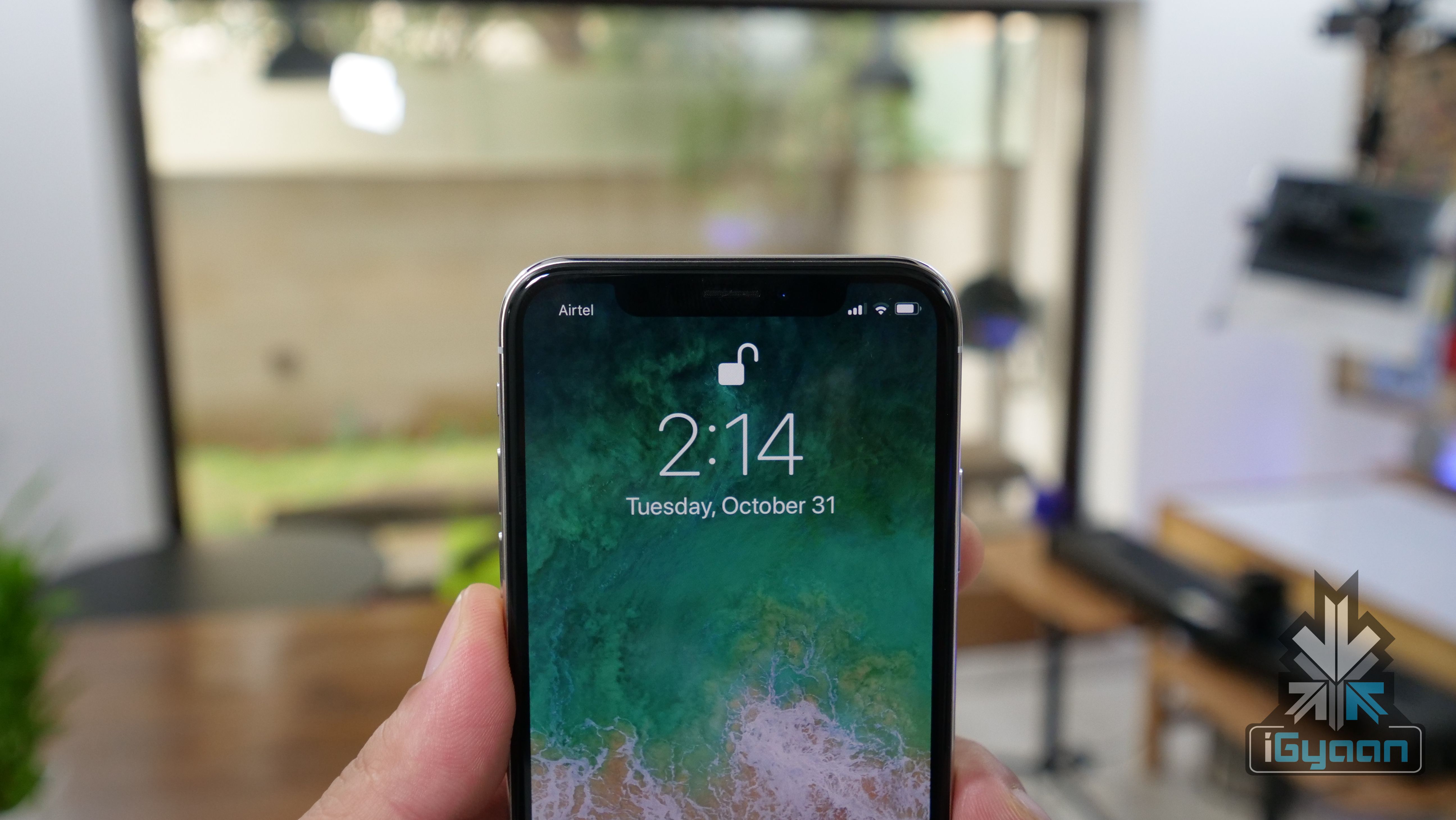
    In September 2017, Apple took to stage and announced its true successor to the original iPhone of 2007, the iPhone X. Thin bezels, OLED display, vertically placed dual cameras, wireless charging, and no Touch ID. Instead of repositioning Touch ID, Apple decided to drop it altogether and replace it with its rendition of Face ID. Apple claimed that it much more accurate than Touch ID albeit, a bit slower. However, Face ID might not have been implemented with the accuracy that Apple claimed, as a woman China was refunded twice because of faulty Face ID on her iPhone X.

    The woman, identified as Yan, told the Jiangsu Broadcasting Corporation that despite setting up each phone’s Face ID, her colleague was able to get into both the devices on every attempt. Yan was offered two refunds from Apple after her colleague managed to unlock two separate iPhone X units. Yan said the first time it happened, she called the Apple hotline, but the staff would not believe her. She then had to go to the nearest Apple store, where her colleague used Face ID on the phone to demonstrate the issue to the staff.

    An Apple spokesman said that he suspected that both women may have used the phone during its “passcode training” and that the phones may have been essentially “taught” to recognise both the faces.

    Ever since it was made available to the public, Face ID has received a mixed response. While the in-app usage of Face ID has been well-received, the process of unlocking the phone has been deemed much slower than Touch ID and even the Face Unlock feature of the OnePlus 5T. However, OnePlus has conceded that its facial recognition software is for mere convenience and not security.

    The Face ID Experiment

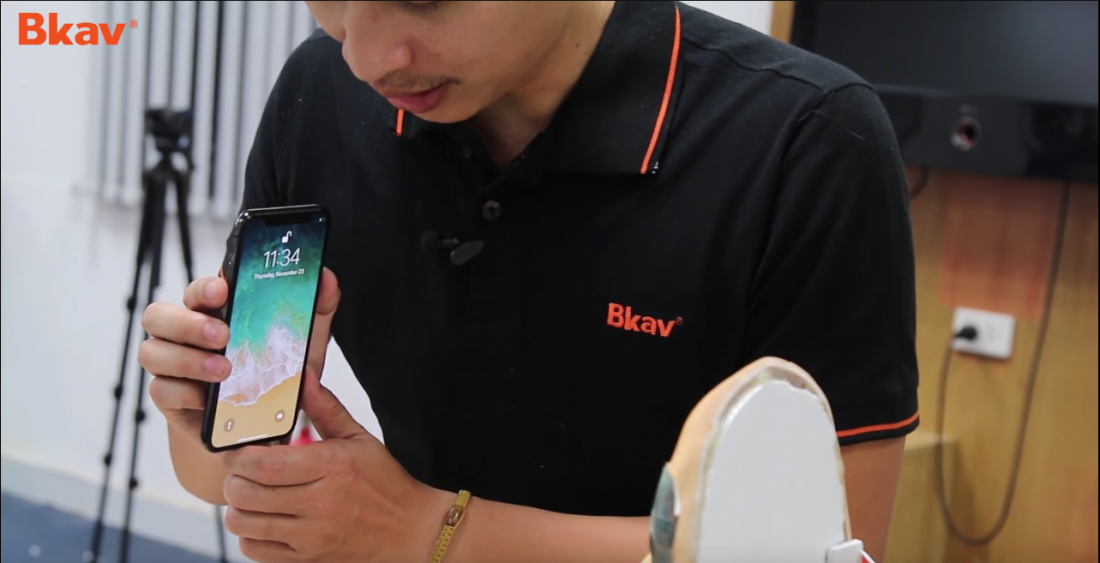
    A month ago, Face ID was bypassed through an elaborate experiment using a 3D printed mask and heavy duty expensive gadgets.

    While Face ID has received some criticism, future software updates and Apple’s constant efforts to make its facial recognition system the best in class should improve the performance of Face ID in the coming months.

  • Pixel 2 XL Fingerprint Issues Reported After Android 8.1 Oreo Update

    Pixel 2 XL Fingerprint Issues Reported After Android 8.1 Oreo Update

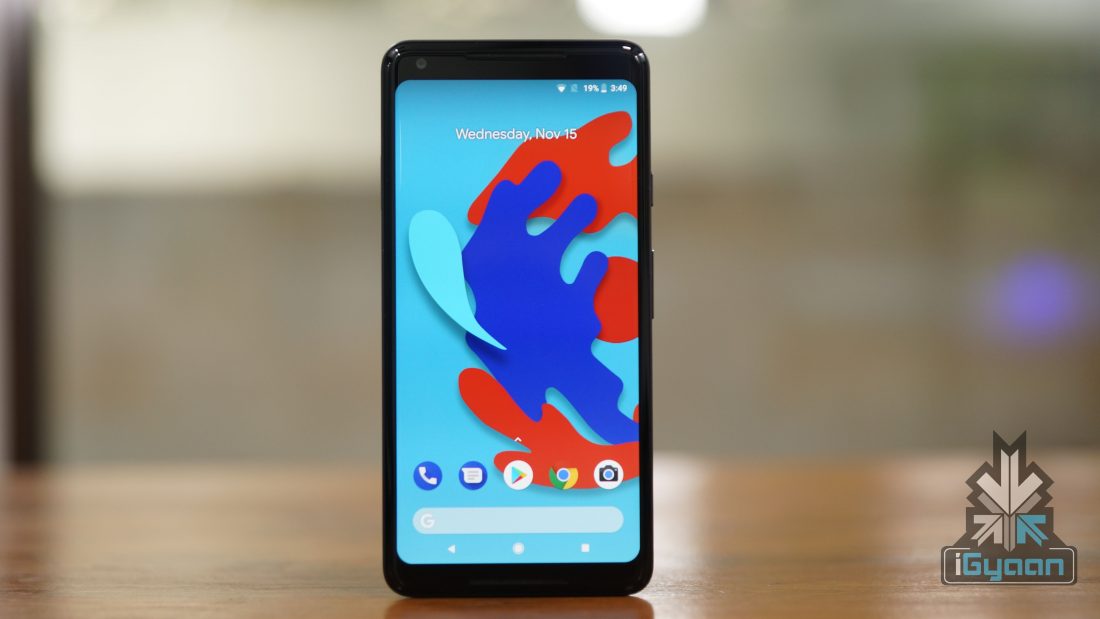
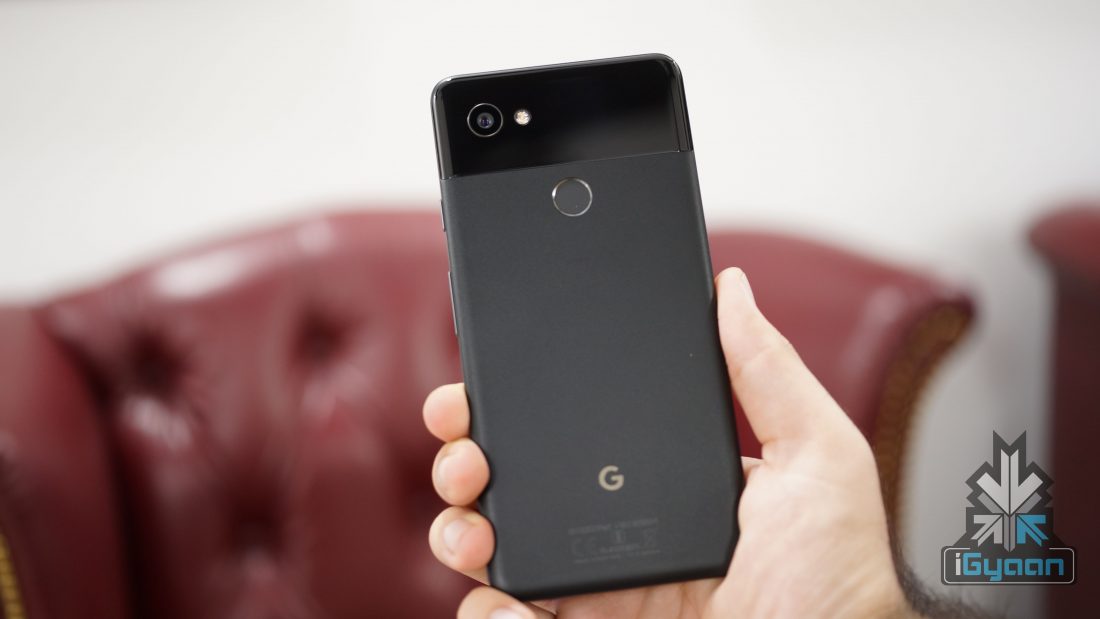
    Google launched the Pixel 2 and its bigger sibling, the Pixel 2 XL back in October. The smartphones succeeded the 2016 Pixel smartphones, which were the first ever phones “Made By Google.” While the Pixel 2 phones brought in a few changes were pointed out in the original Pixel devices such as an IP67 rating and a refined design. But, ever since the launch, the Google Pixel 2 and Pixel 2 XL have been marred by controversial issues.

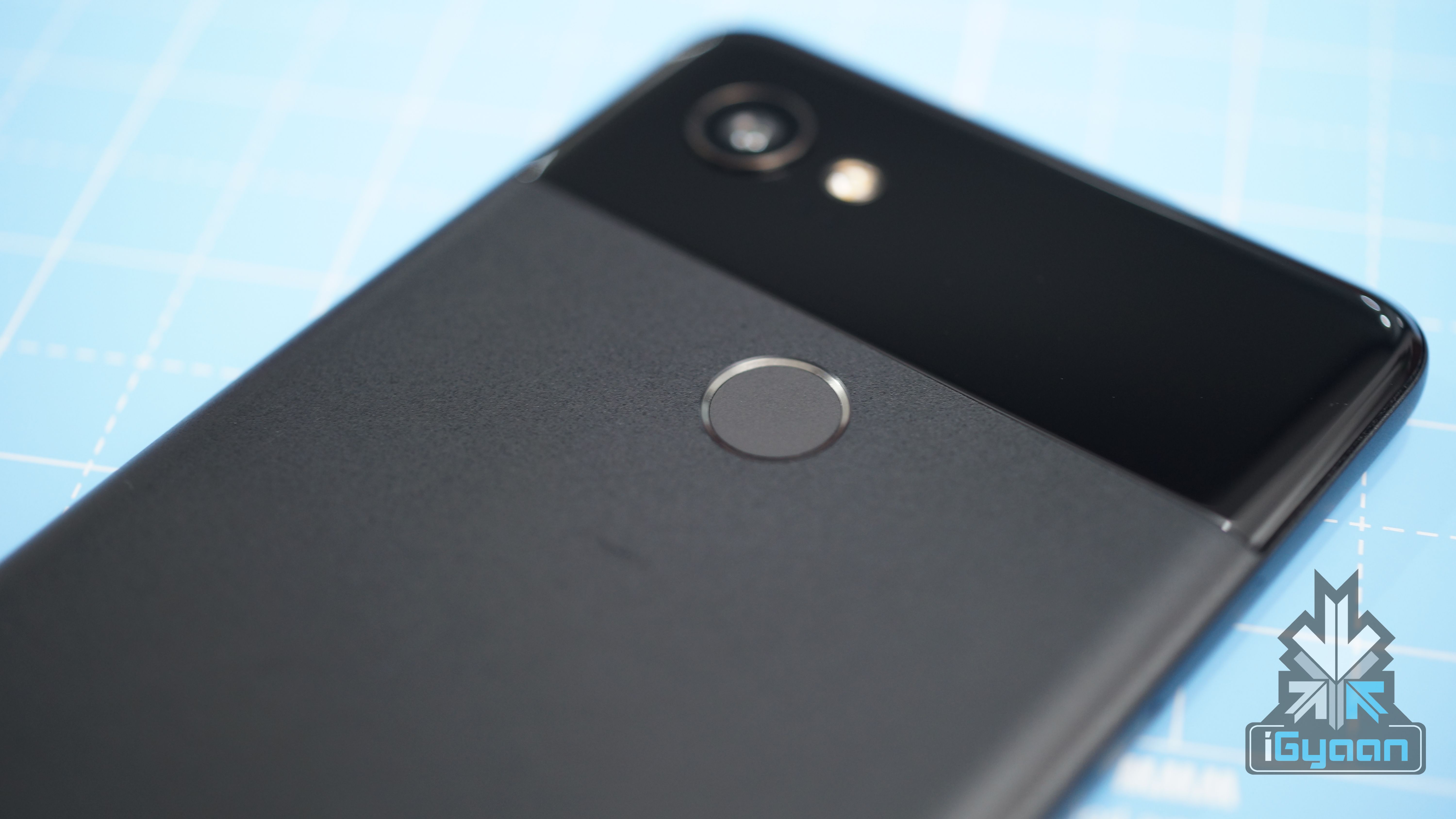
    Android 8.1 Oreo stable update started rolling out a few weeks ago for the Google Pixel 2 devices and ever since then, there have been multiple instances where users have complained that the fingerprint sensor on the Google Pixel 2 XL has slowed down. It was also reported earlier this week that some Pixel owners were facing multi-touch issues after updating their phones to Android 8.1 Oreo. No new update has since been rolled out to address those issues.

    A temporary fix that some users have discovered involves turning on the phone’s always on display. In theory, this feature should not consume a lot of battery since the Pixel 2 XL has an OLED panel but, if you like saving battery to the last iota, then this fix won’t help.

    A Google representative on the support forum has confirmed that the team knows about the issue and that it will be reaching out to affected users to obtain bug reports so they can isolate the issue and fix it. Google has been prompt in acknowledging and addressing issues to its products and a new software update to fix these issues should be seeding soon.

  • “Hey Google” Can Now Wake Up Your Device

    “Hey Google” Can Now Wake Up Your Device

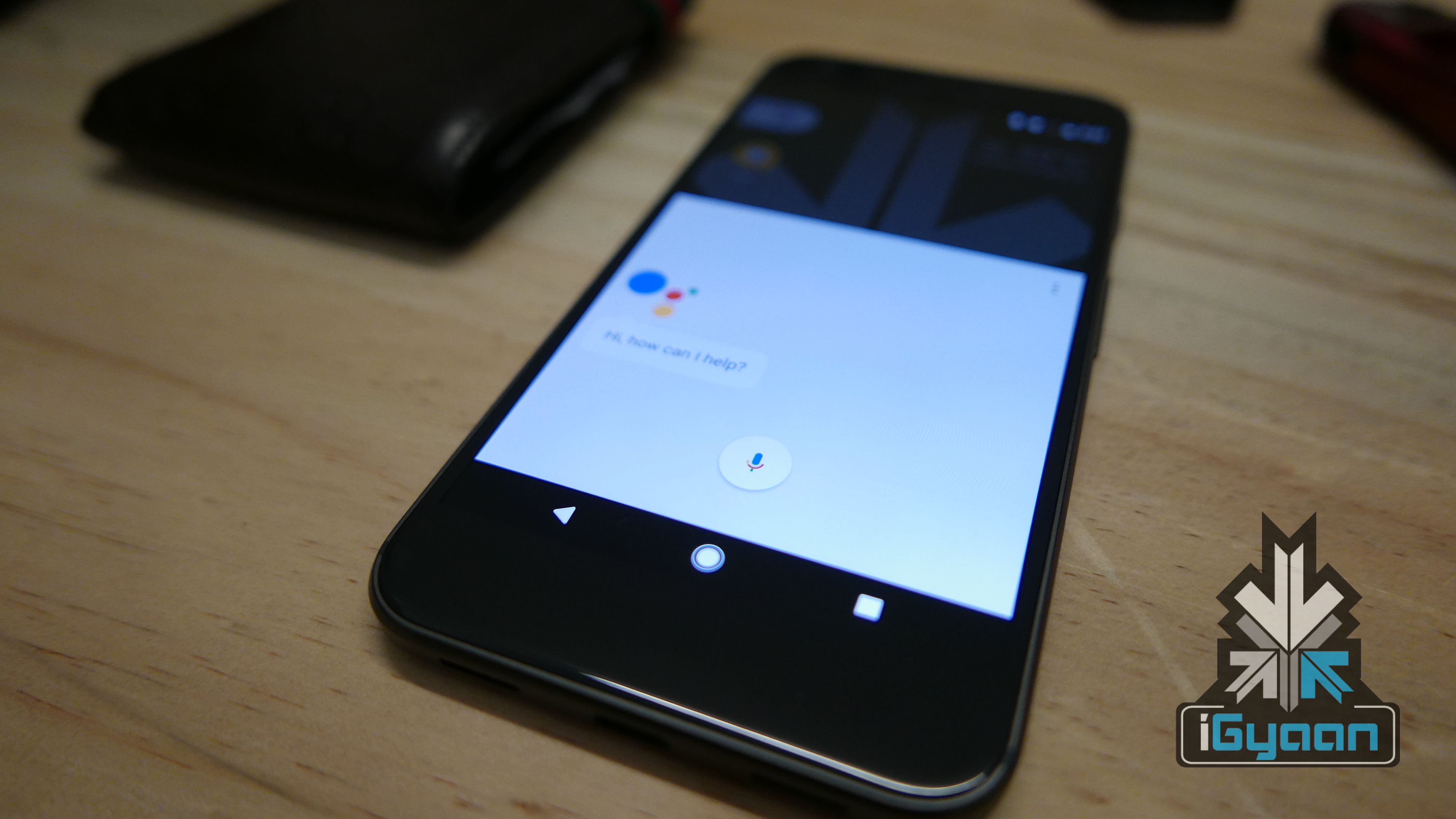
    The Google Assistant was introduced with Android 7 Nougat and with it, came the ability talk to your AI assistant. There has been the ability to search for anything on the Google app via voice commands but, a new feature is rolling out to devices that have Google Assistant which is different than just a voice search. Using the hotword “Hey Google” or “OK Google,” people can launch the Google Assistant and invoke a search.

    This feature was introduced back in October but, it was only available on a handful of devices. Now, a larger rollout of this feature has begun for devices that have Google Assistant support. Google also recently started seeding out Google Assistant support for Android 5 Lollipop users.

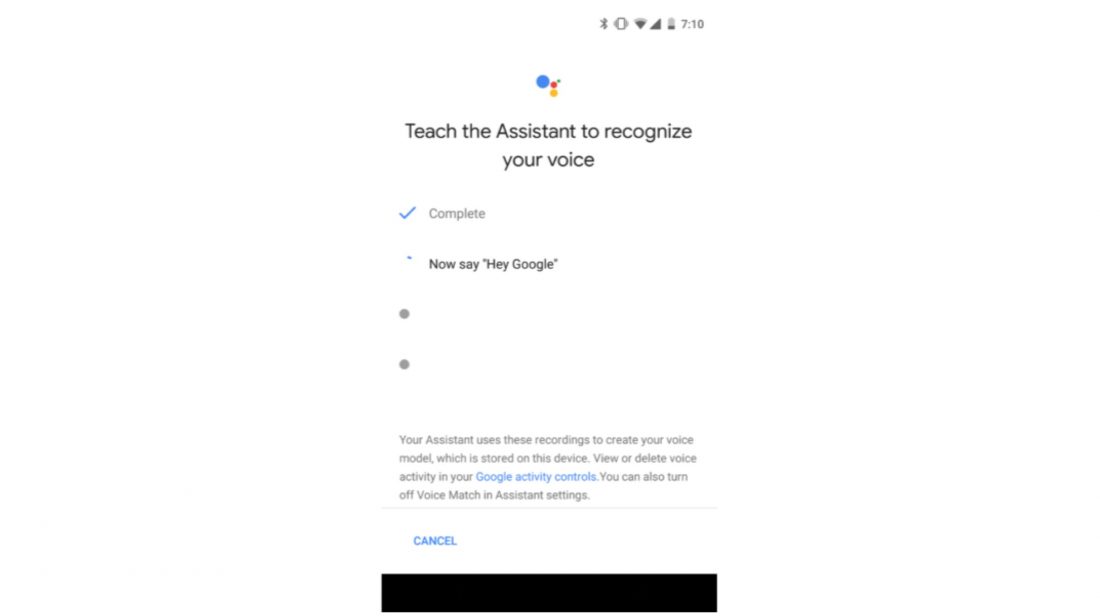
    A notification asking people to re-setup the voice model (which is required for the new command to work) has appeared on many devices. If a user has not received any notification of this kind, they can head over to Settings > Google > Voice and re-setup the voice model.

    Once you re-setup the voice model, you can use either “OK Google” or “Hey Google” to open Google Search/Assistant. Just like with the old phrase, it even works when your screen is off, on some devices.

  • Upcoming iPhones Will Be A Lot More Expensive

    Upcoming iPhones Will Be A Lot More Expensive

    Apple recently broke the thousand dollar barrier in the US and the 1 lakh barrier in India with the iPhone X. Over the years, every iteration of the iPhone has launched in India pricier than its predecessor, which has become a norm for every other smartphone maker. However, comparing the price of iPhones in the US and India brings out the image of how inflated the price of an iPhone in India is.

    This news might not be good for future iPhone aspirants. With the implementation of GST this year, it was obvious that all mobile phones will become expensive even if they’re made in India. But, the government’s duties on phones and their components imported into India will result in higher price tags compared to those made in India. Now, the government has hiked the import tax on various electronic products including mobile phones and TVs.

    The import tax was initially 10% but, the latest hike pushes the limit to 15%. This might not be good news for Apple itself especially after it recorded a slow growth in revenue for the 2016-17 year in India.

    Tarun Pathak, an associate director at Counterpoint Research said:

    It will impact Apple the most as the company imports 88 percent of its devices into India. Either this will lead to increase in iPhone prices or force Apple to start assembling more in India.

    According to Counterpoint Research, eight out of ten phones sold in India were made in India.

  • Google’s Tango Will Shut Down On March 1

    Google’s Tango Will Shut Down On March 1

    As smartphone makers and other tech giants move towards virtual and augmented reality, Google has announced that its first foray into AR, Tango will be shut down come 2018.

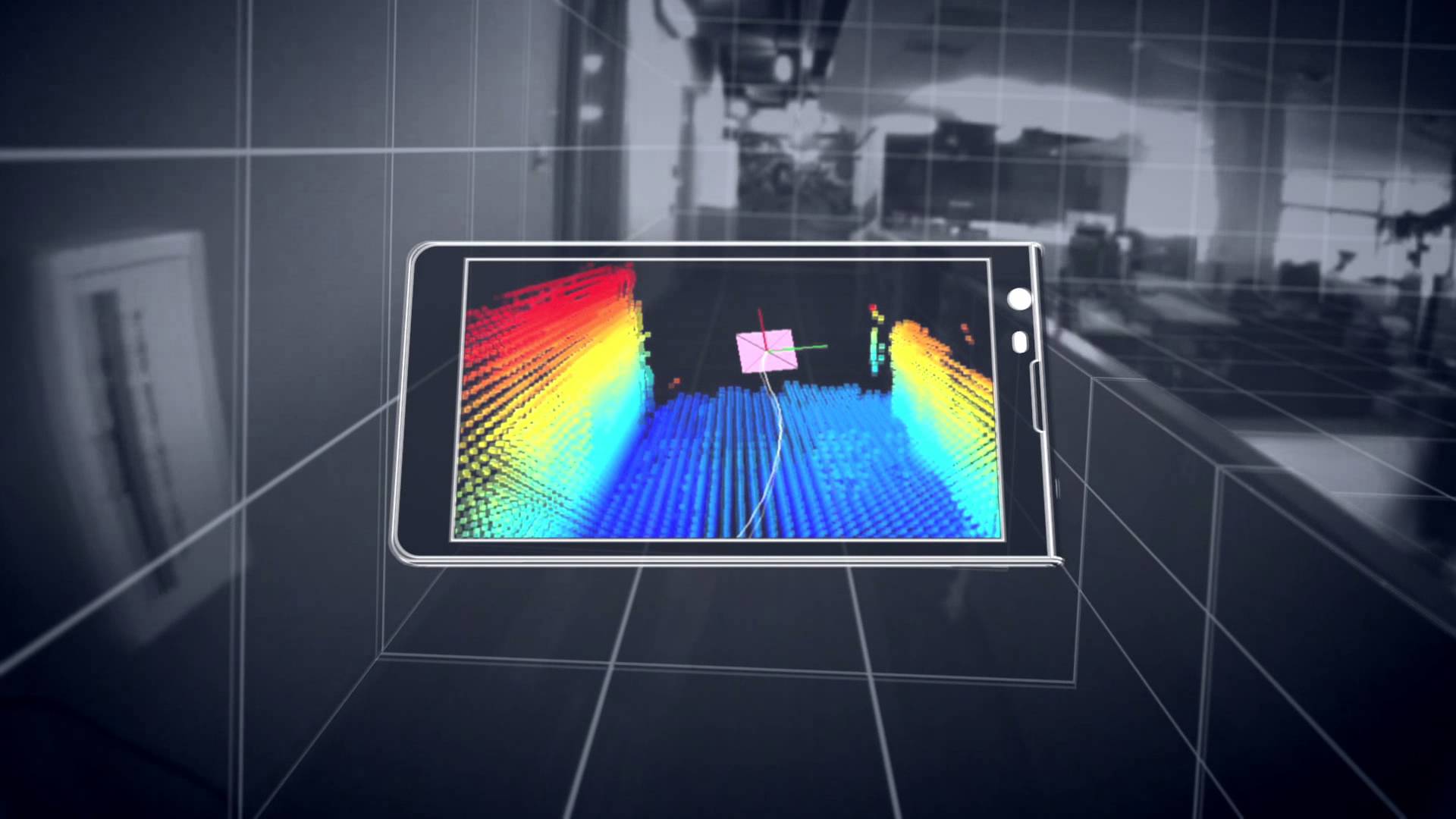
    Tango, originally Project Tango, was launched in 2014 and used special sensors and cameras on devices to display virtual objects. ATAP, Google’s advanced technology and projects lab, developed Tango but it was soon succeeded by ARCore.

    With ARCore now progressing quickly, Google feels that it doesn’t make sense to carry on supporting Tango. Google announced today that it will end the project on March 1, 2018.

    https://twitter.com/projecttango/status/941730801791549440

    Back in 2014, Project Tango was a new and exciting prospect as it enabled devices to utilise cameras and IR sensors to track and place objects, and was one of the first mobile options to do so. But, Tango soon started falling off the radar due to speed and accuracy issues. Also, the phones that supported project Tango were pricey due to the required hardware.

    As of right now, ARCore only works on Pixel devices and the Samsung Galaxy S8 and Galaxy S8+. But, Google already has a host of other companies on board like LG, Huawei, ASUS and more.

    Google believes ARCore is the future of AR and VR for the company thanks to its implementation. Even though ARCore can’t see in 3D, it works with the hardware already found on phones. That means that unlike Tango, no special sensors or cameras are required to make use of the software. Machine learning, something that Google showed off in the new Pixel 2 devices, is used to accomplish the same tracking that Tango required hardware for, which gives ARCore a leg up.

    Even Apple’s ARKit focuses on the future of AR and VR, and other company’s decision to support ARCore means that more smartphone makers want to make use of the technology in its upcoming phones.

iGyaan Network
Privacy Overview

This website uses cookies so that we can provide you with the best user experience possible. Cookie information is stored in your browser and performs functions such as recognising you when you return to our website and helping our team to understand which sections of the website you find most interesting and useful.