American technology behemoth Facebook acquired popular social media service Instagram back in the year 2012. Since then, the company has experimented with various addition and additional services in an attempt to make it more appealing. Now, the latest reports from a renowned media house reveal that the social media giant is working on an application named Threads for Instagram. Early leaks have revealed that it will be a messaging service that will rival Snapchat, another popular social media application.
Threads by Instagram
As mentioned above, Facebook seems to be working on a messaging app called Threads, for Instagram. It is revealed to provide constant and intimate sharing between users and their closest friends. Until now, Instagram lets users add their followers to a list called close friends, this lets them share private stories to only the people they have chosen to do that with. With the new app, they will also be able to share things like location, messages and media with their friends. This is similar to what Snapchat offers, and part of the reason it is so much popular, so it would make sense for Facebook to go after this feature. But since the app is still under testing and development, more information about Threads is not available yet.
Interestingly, this is not the first time Facebook has been found working on a separate messaging app for Instagram. It is known that earlier in the year, it ceased development on a messaging service called Direct. It was shut down because the company executive said it was frustrating having to switch between two different apps to send a message. It is not clear how the company aims at solving the problem with Threads, which is another messaging app for Instagram but it is certain that Facebook has something figured out. It is also not certain when Threads will hit Instagram, but some speculations suggest a date later in the year.
WhatsApp has a user count of over 1.5 billion across the world. It is one of the most popular applications on both the Apple App Store and Google’s Play Store; and has millions of active users at any given moment. In India alone, the application has over 400 million users. The company behind the popular chat app is starting to roll out four long awaited new features with its latest builds.
WhatsApp Inc, owned by Facebook, is rolling out the latest build in a staggered manner so most users may not immediately get the feature.
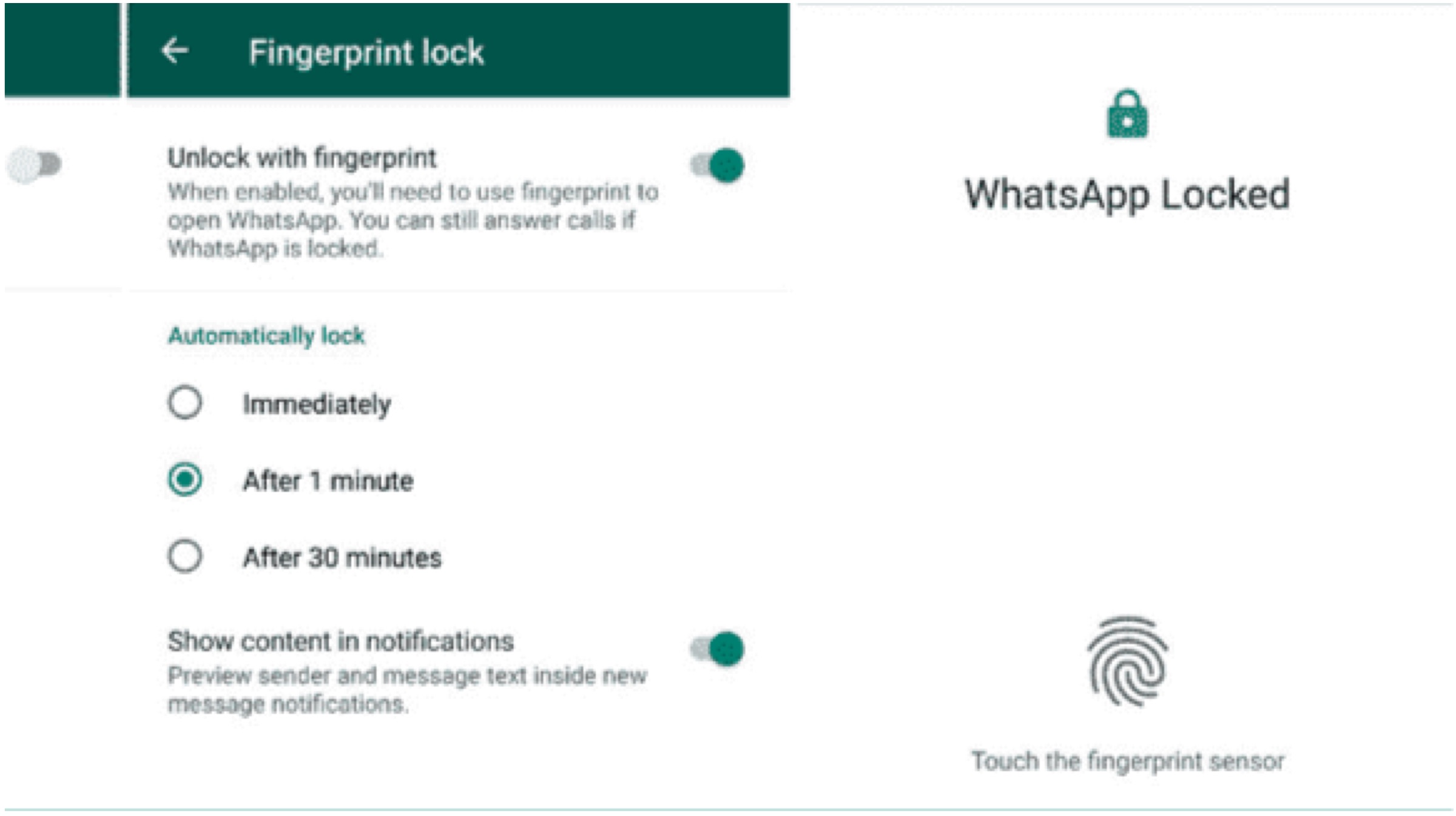
Fingerprint Lock Feature
The features is not exactly a brand new addition to WhatsApp security functions. Earlier this year, iOS devices have already received the update that enabled this particular feature. Now, a whole seven months after, the feature is finally available on Android devices. In February 2019, iPhones had the ability to safeguard their app with biometric security either with FaceID or TouchID. The feature is cuurrently live with WhatsApp beta version for Android that are on the latest version 2.19.3 for those that wish to try it. A live build iteration is expected to arrive soon.
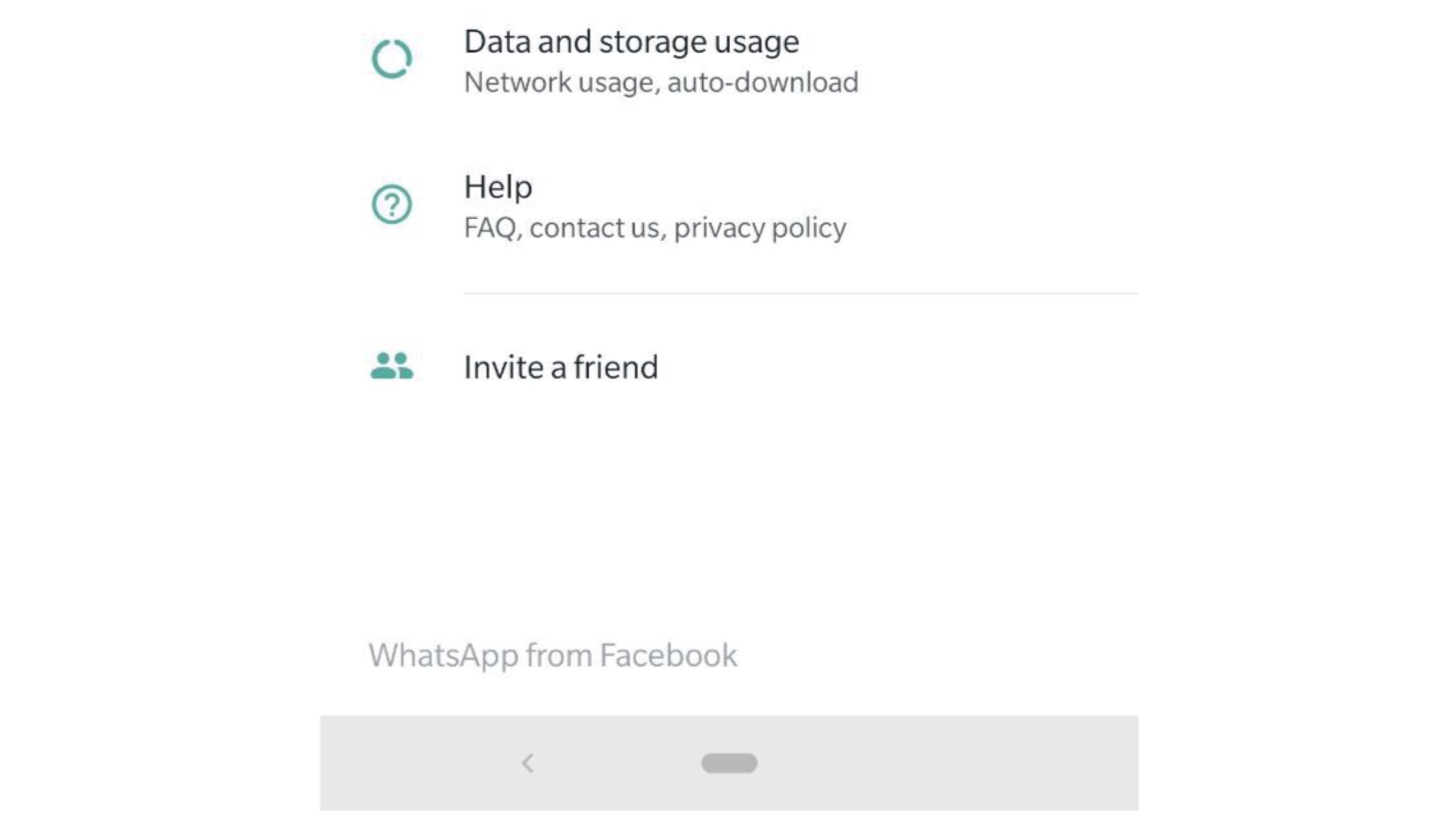
WhatsApp From Facebook
Previously, we had reported that Facebook the parent company behind WhatsApp and Instagram, wants to integrate the three social media platforms. It means that the company wants the user experience to be almost seamless with transitions in between any of its social networking services. Users can find the “WhatsApp from Facebook” tag in the apps Settings section.
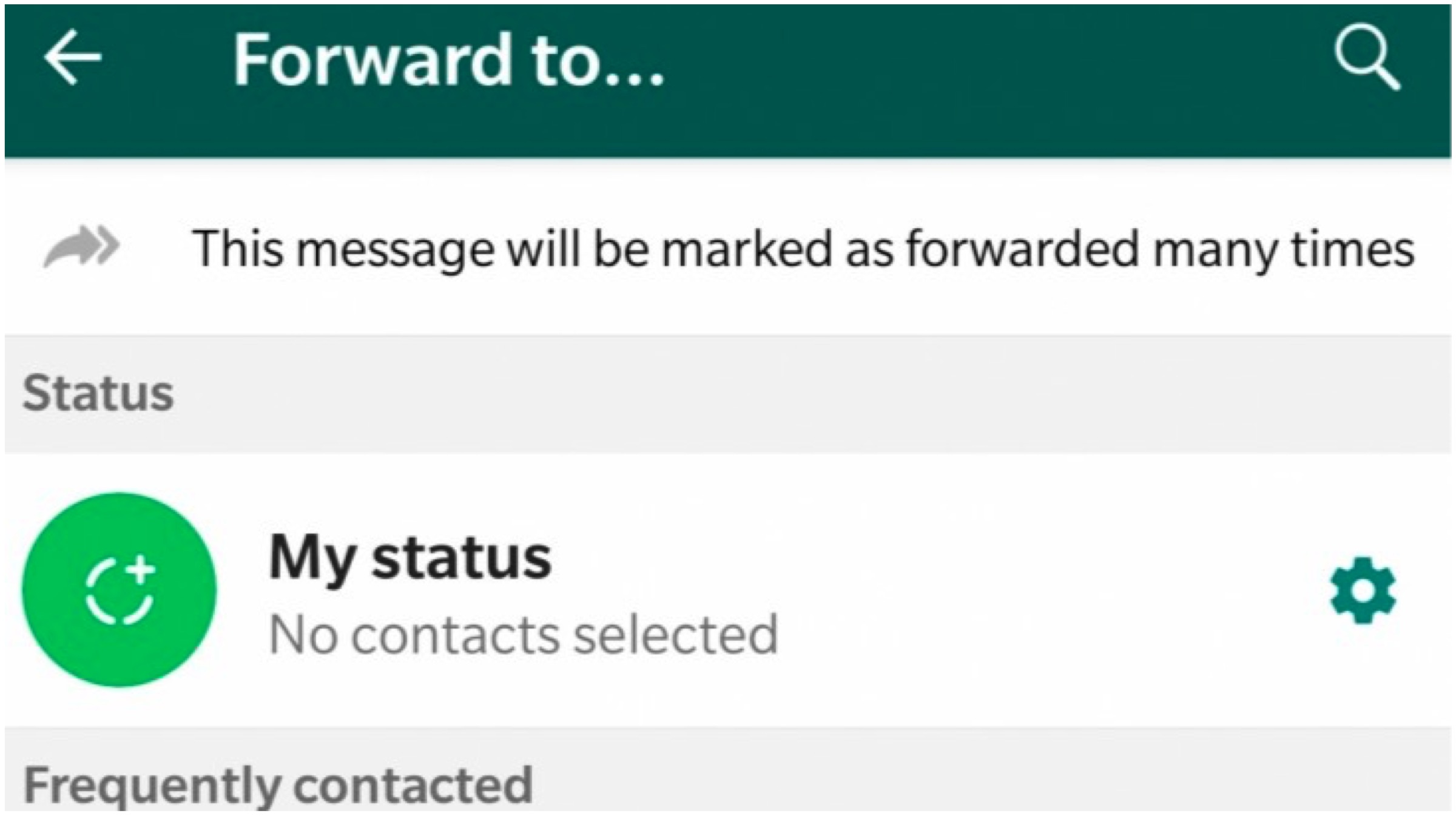
Frequently Forwarded
Ill natured users on WhatsApp have been accused on multiple occassions of facilitating the spread of fake and false news in India. Hence, it has been a considerable effort from the company’s part to fix the issue. One of the moves employed to curb the forest fire nature of false information was identifying such texts and labelling them with the “Frequently Forwarded” tag. It would allow indentification of how many times the message has been forwarded by alerting the user.
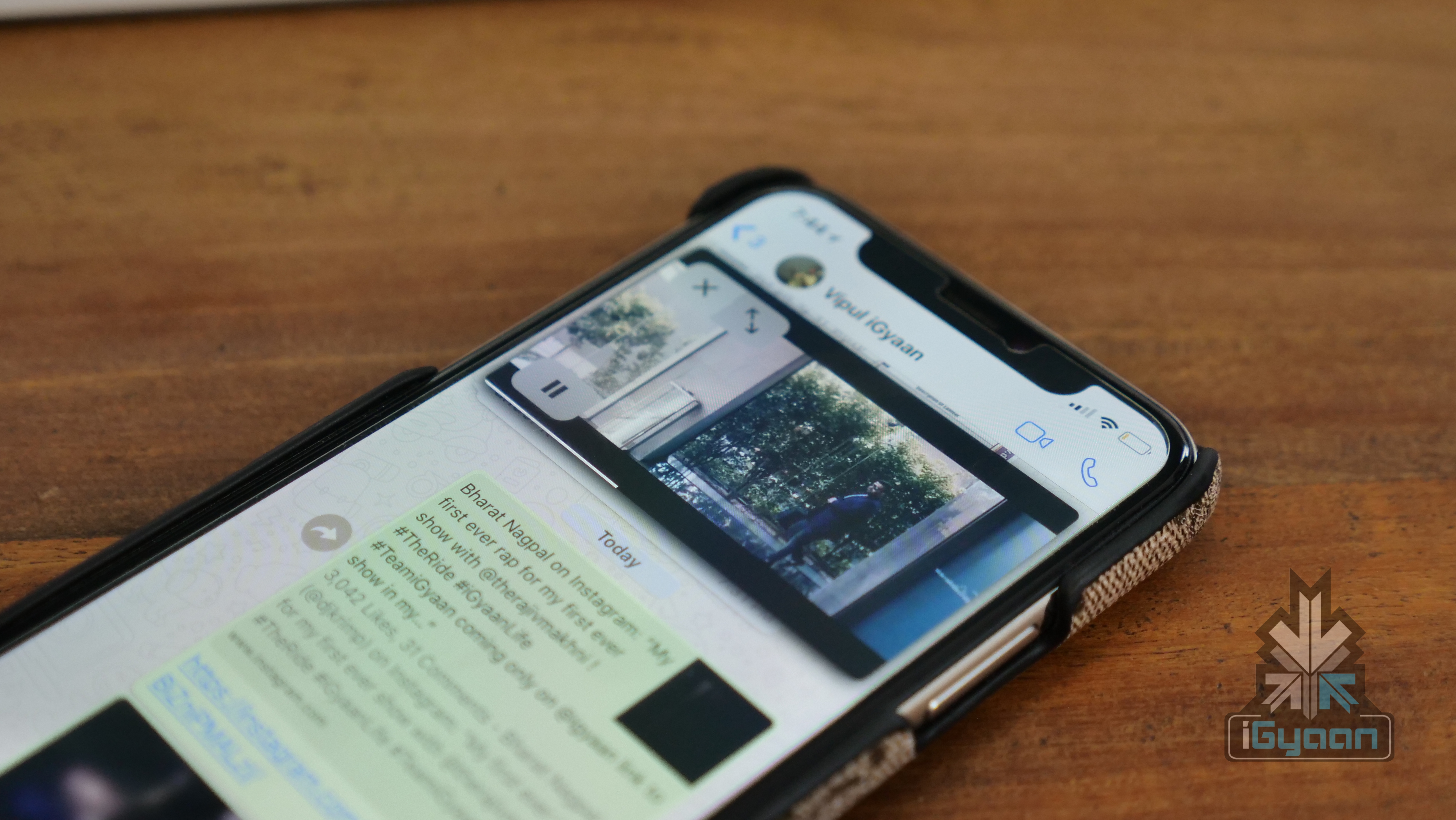
One of the latest features being introduced is a real quality of life improvement in the user experience. The feature which was first seen in the iOS version of Whatsapp has the user no longer having to play consecutive voice notes manually. In simpler words, Users can now automatically play voice notes one after another seamlessly. Additionally, the chat app notifies the user with a sound after finishing one audio message before starting another.
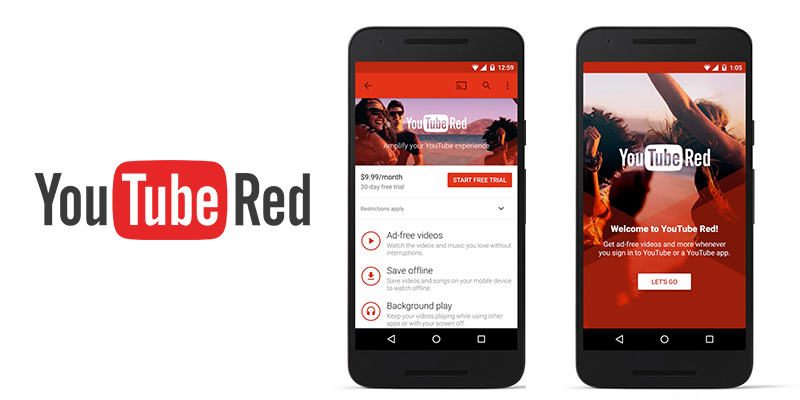
YouTube is an app that is found in almost every smartphone and is enjoyed by most users. The website or app allows people to consume video content alongside music for free. Its business model is centred around ad revenue with ads people watch in between videos and such. For the most part, the app is a free service but does offer some paid services like Youtube Premium. Freshly, Google, its parent company has announced that is making the paid service free for all to watch.
YouTube Originals
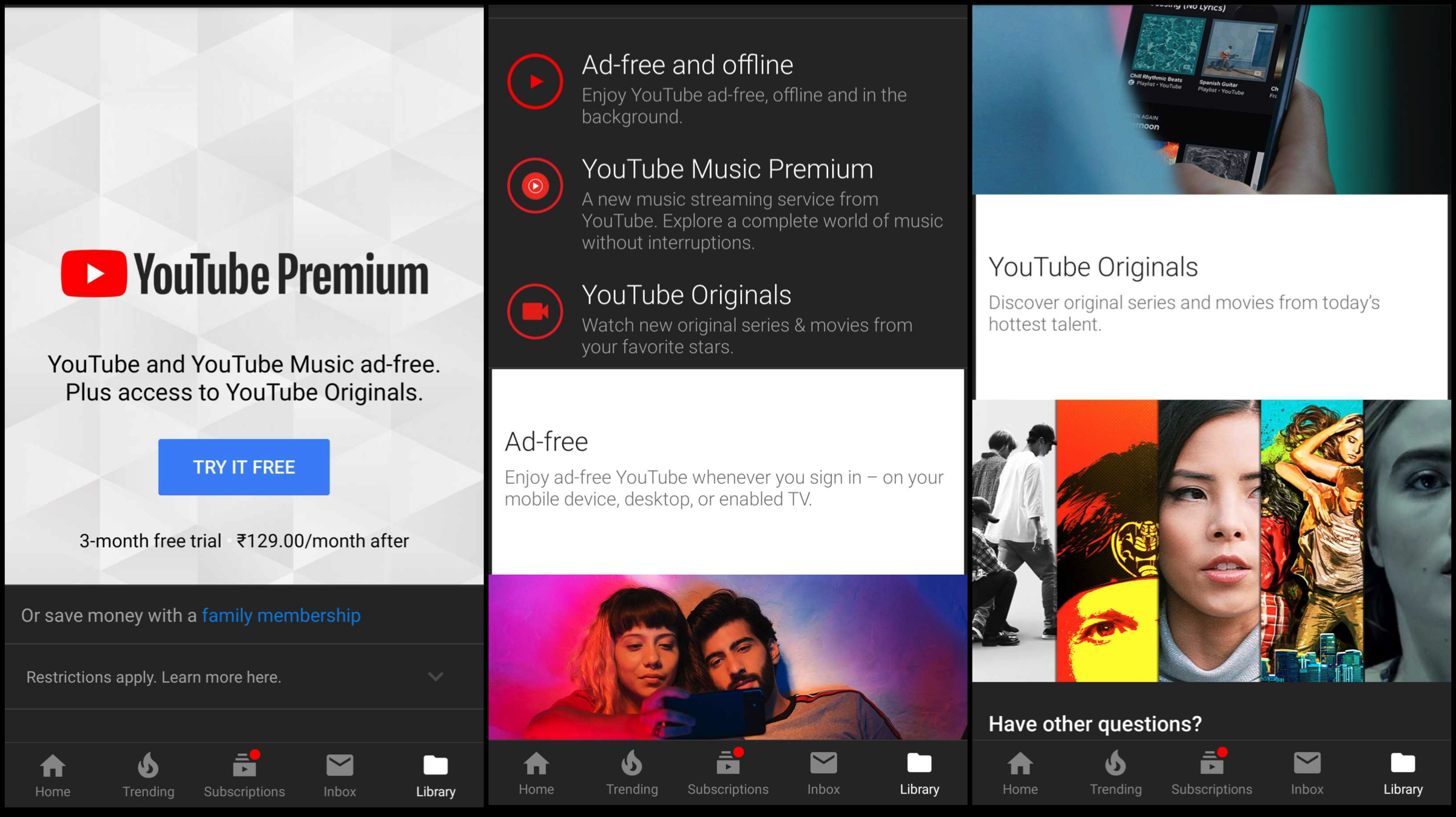
The company had previously announced YouTube Originals which was introduced to make the platform similar to Netflix and other paid streaming platforms. In other words, users are offered a wide variety of movies and episodic series to choose from. However, the difference between the other services and YouTube Originals has now broadened. While Netflix employs a monthly subscription fee, Youtube is offering its Originals service for free. The service, until now, has been exclusive to Youtube’s Premium users but is now set to change.
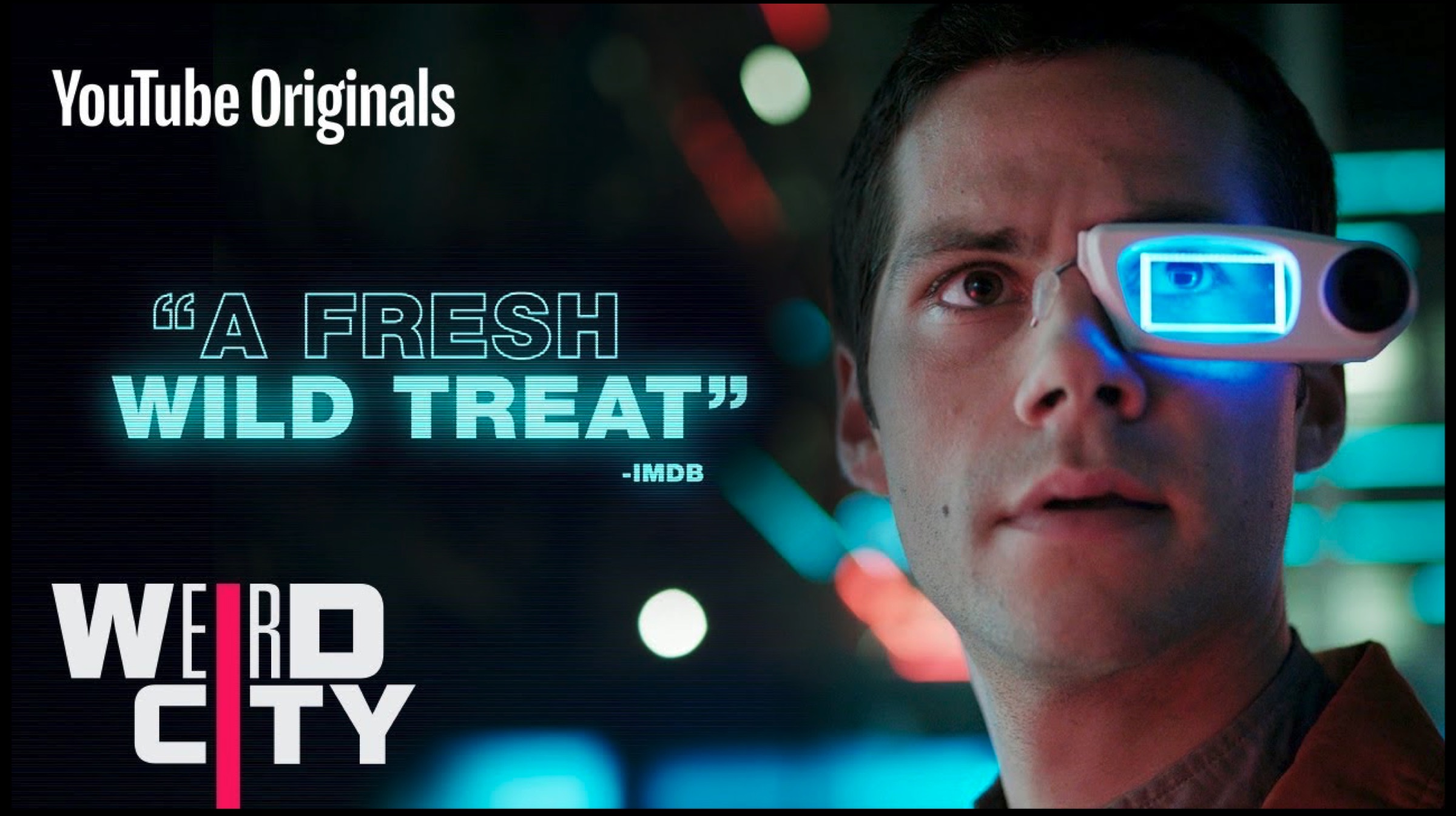
Weird City
YouTube Premium
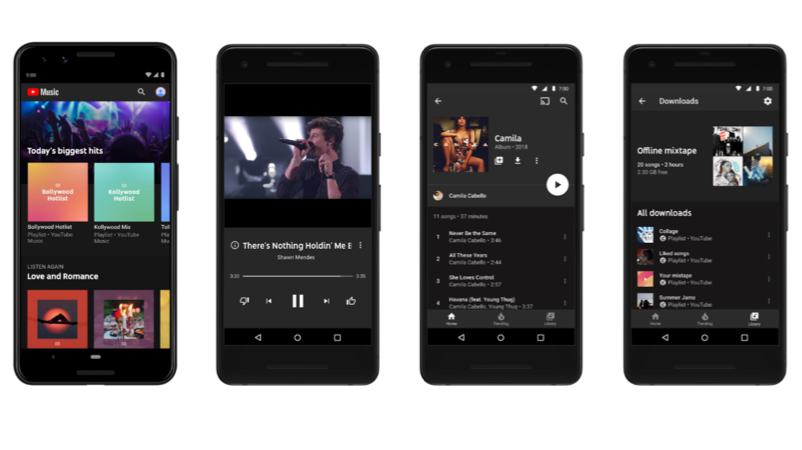
YouTube has also added new features for Premium subscribers of its service to enjoy. It includes:
A new “Recommended Downloads” section in its app library.
It is now possible to switch between songs and music videos with a single tap.
The ability to download up to 500 songs from their Liked Songs list and other playlists
So How Do They Still Make Money?
How does a free service earn like Google, Facebook, Instagram or YouTube earn money? The answer is ads; most popular service out there run an ad-based revenue and YouTube Originals will also be loaded with them now. Previously, to the premium subscription, users had to shell out INR 129 a month which include:
According to Google, every YouTuve Originals series released after 24th September will be available to everyone regardless of paid or unpaid status. However, premium users still receive a lot of benefits over the free users including:
The premium users are not bothered by ads.
Paid users get immediate access to every episode while paid users must wait for timed releases.
Due to the abundance of 4G internet, on-demand music and video streaming services have seen rapid growth in India. To attract more customers to its platform, Netflix has introduced a “Mobile” plan that is significantly more affordable than the “Basic”, “Standard” or “Premium” plan.
As the name suggests, the subscription can only be used to stream on-demand video content on smartphones and tablets. Equally important is the fact that content is limited to SD quality (standard quality) or 480p in the “Mobile” Netflix subscription. Nevertheless, users still get the option to download media locally which they can consume later, during the absence of an active internet connection.
Speaking of price, the Netflix “Mobile” plan costs only Rs 199 which is significantly lower than other plans. For reference, listed below are all the plans that Netflix offers in the country:
Although Netflix mobile subscription is remarkably more affordable than regular plans, as previously mentioned, video streaming is only limited to SD quality which may be the only reason that keeps potential subscribers at bay.
What do you think of this affordable Netflix plan? Let us know in the comments below.
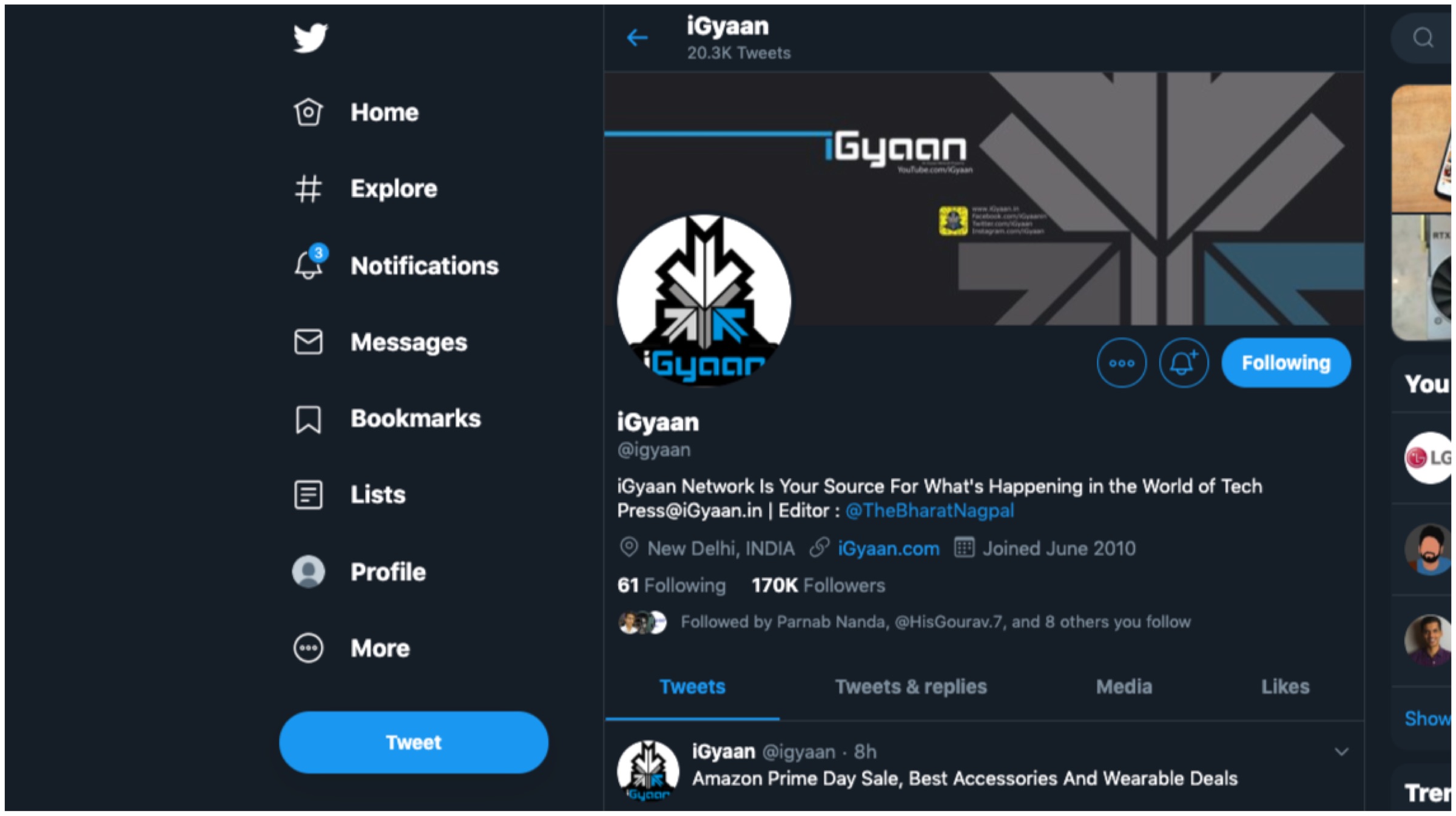
Twitter is one of the most popular social media platforms. The microblogging website/application is an active service that is provided to its large user base. Similar to Facebook, WhatsApp and Instagram; Twitter too has a refresh cycle in which it upgrades certain aspects related to its service. The social media giant has now announced a refreshed new look for its desktop version of the official website.
Previously, Twitter was rumoured to overhaul its aesthetics which has now finally been unveiled. The social network is live with its new skin today (16th of July) and it seeks to offer a more streamlined experience; it goes in line with its mobile application iteration. For a quick look here are all the notable changes that have been made:
Changelog
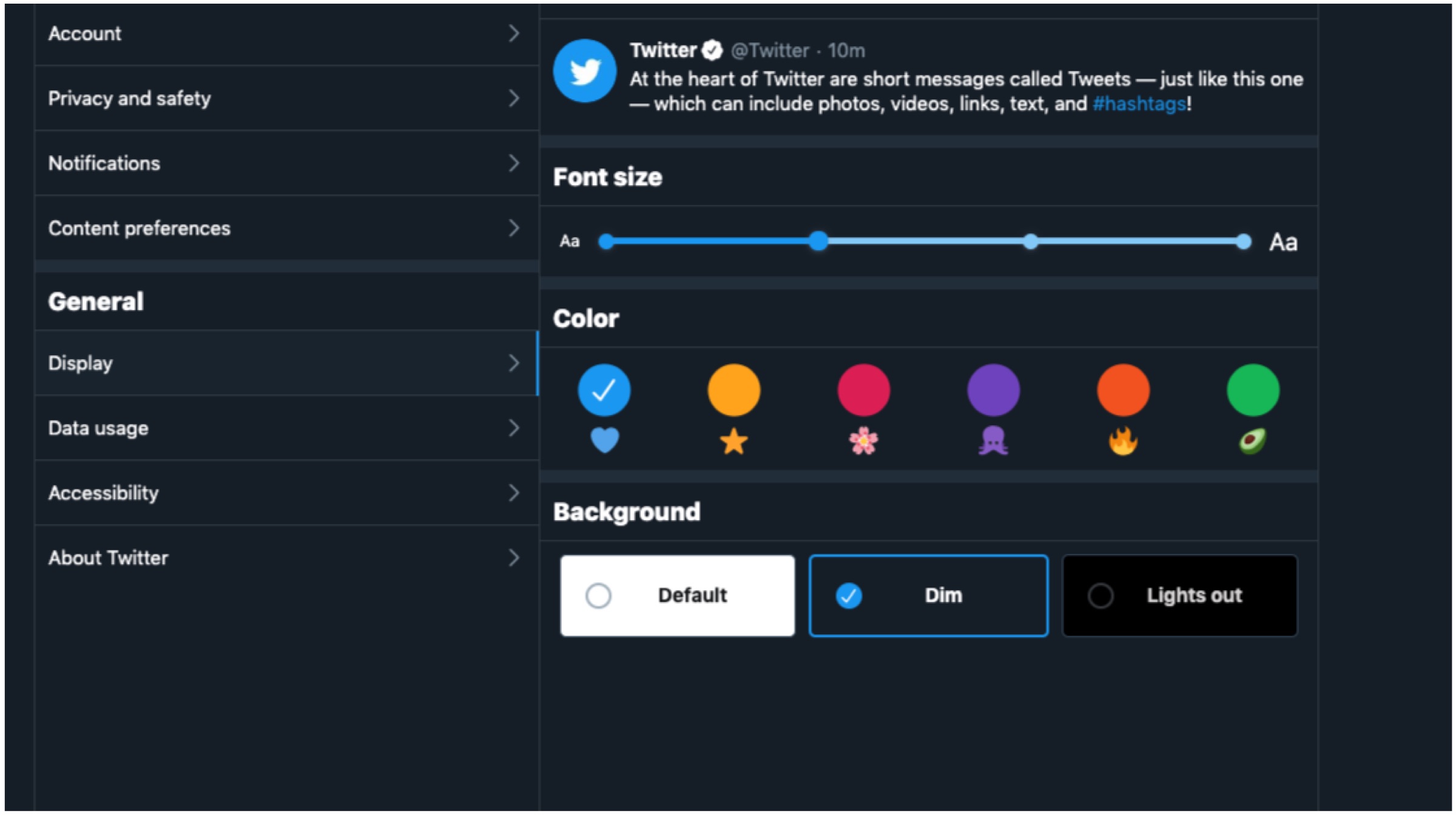
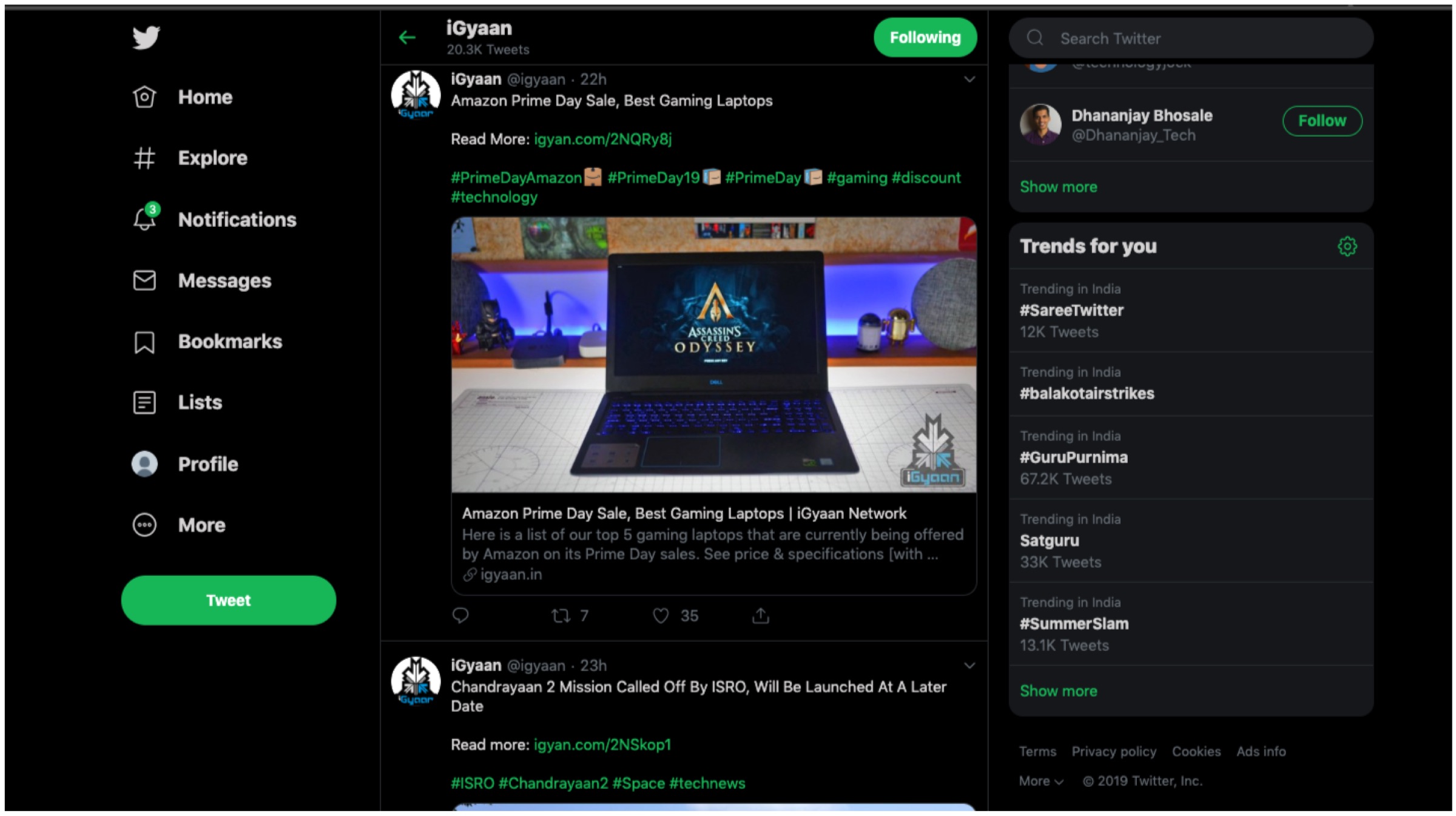
Users now have two additional options with dark mode alongside various other themes and colour options.
The ‘Explore’ tab is now available on desktop for easier navigation to find live videos or location based posts on Twitter.
Direct Messages now offers a larger view which enables users to respond to multiples messages on the same screen.
It is now much easier to navigate the side menu as Bookmarks, Lists and Profile as they are now found on the left margin.
The sidebar menu allows for seamless switching between different user accounts.
According to the company, the changes are built upon a major revamp of Twitter’s back end architecture with Twitter.com being remade from scratch. The new changes were made to offer a clean, intuitive and more faster user interface experience to all. It ensures a more efficient platform that have a more unified experience across multiple platforms like PC and smartphones. For example, tablet users are able to use keyboard shortcuts similar to desktop users. Furthermore, the refreshed website will only load features as and when required to save on data on metered connections.
Twitter has claimed that its has worked on the aforementioned changes with “hundreds of thousands of responses.” The feedback was received during the testing period which paved the way for the final design. The new look is rolling out gradually and will not be available to everyone immediately. For those who wish to acquire the changes, simply click on your avatar and opt to “Try the new Twitter.” The fresh aesthetics will have its fair share of likes and dislikes, but to us it offers a unique and clean interface. Do let us know what you think of the new changes.
Hate speech is a common occurrence and an evil that goes side by side with the growth of the internet and social media. The digital world gave a powerful tool at the hands of men, which was impersonal mode of exchange. One of Instagram’s greatest feature is its impersonal method of communication and portrayal of lives. By basic psychology, it is much easier to speak ill online or to say certain things that have an impact without having a physical presence.
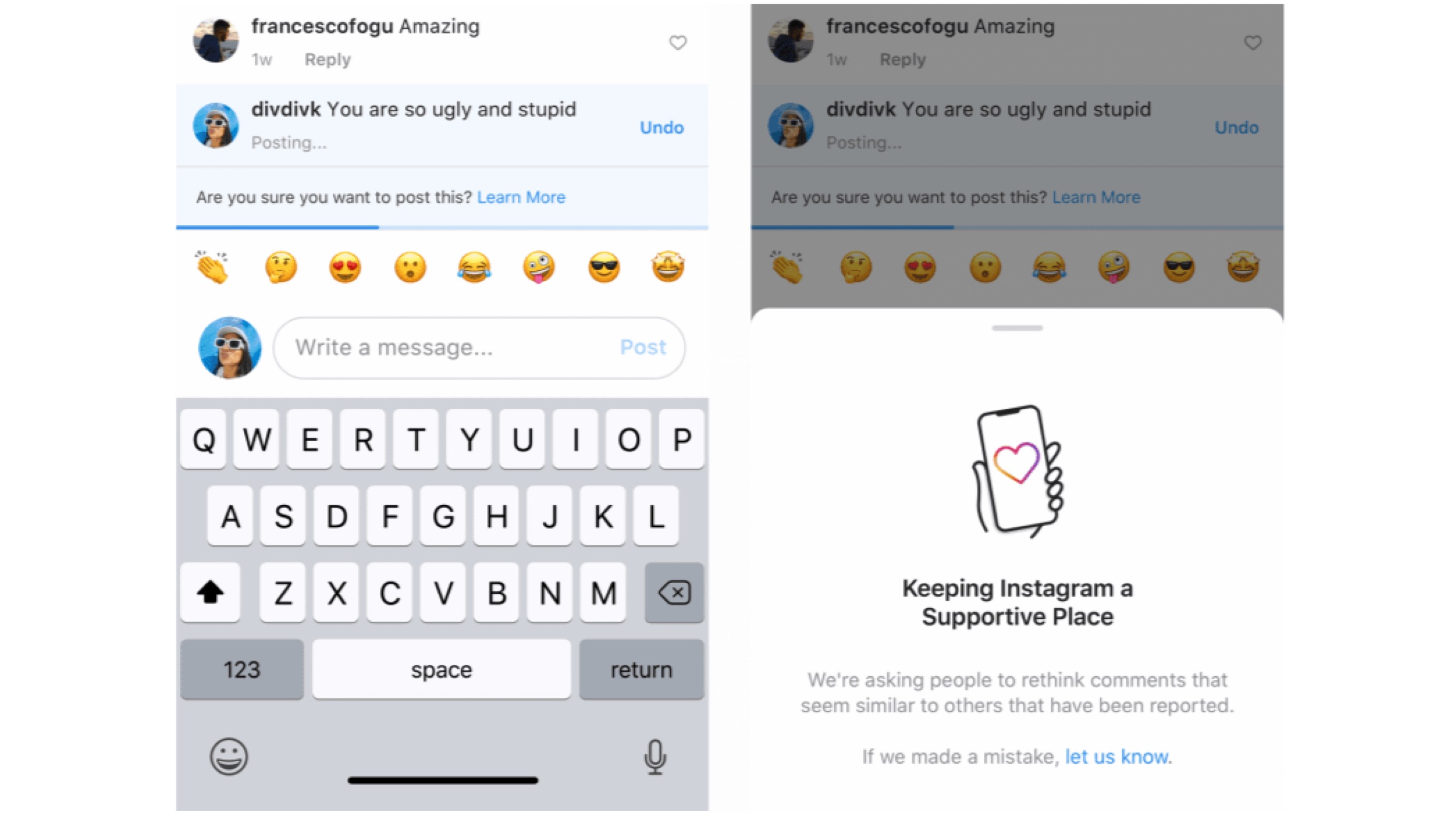
To curb a growing trend of online negativity, Instagram is now introducing a new system that checks profanity and abusive words on its app. It includes a filter to restrict foul languages and hates speech on the comment sections and posts. Instagram has rolled out two new features to reduce online bullying.
The firstly is anyone trying to comment on a post in an abusive manner will receive a popup warning.
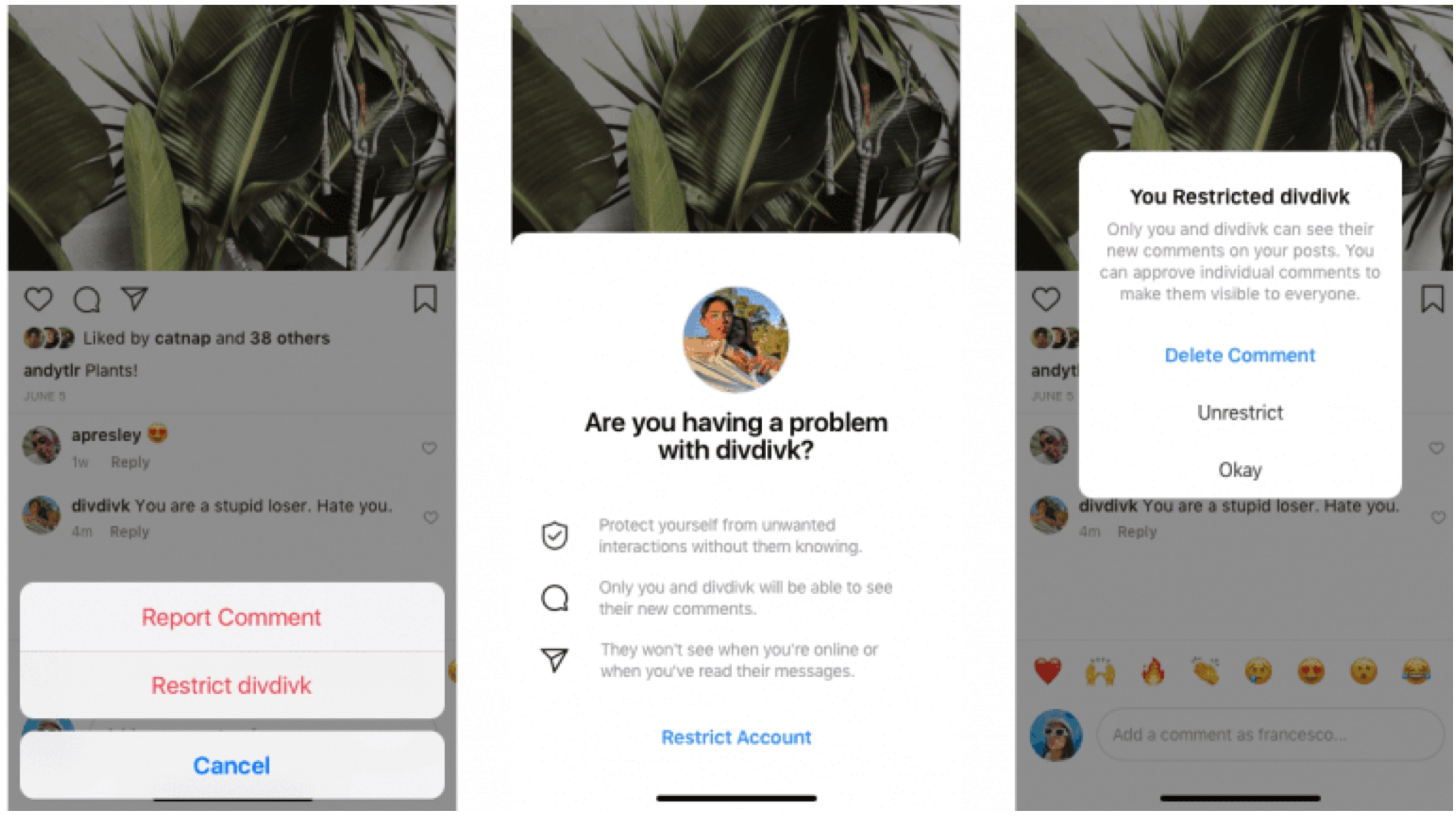
The second is the new ‘Restrict’ function which has been added to limit other users’ interaction with another.
Profanity Filter
According to the early testing period reports, the AI powered warning feature has stopped some people from posting abusive comments. The new intervening feature will occur if a user types any abusive comments which will be responded by a popup message. It asks the user if they are sure they wish to post the negative content. People are still capable of fooling the aforementioned AI by simply using symbols or alternative spellings. Instagram has not given any statement as to how it is going to prevent this from occurring. The new features functionality has yet to be extended towards other languages.
Restrict Function
The social media platform is also testing a new feature dubbed as ‘Restrict’. It will allow a person to limit undesired users to interact with them. A restricted person can still comment on the posts from the person that restricted them; however, the comments will only be visible to themselves. The person that utilizes the Restrict function can review and allow the restricted user’s comments to be visible to others specifically. Instagram has stated that people avoid blocking, reporting or even unfollowing their bullies fearing the escalation of the problem. The new feature would have restricted users not being able to see when the victim is active or when they’ve read their messages.
Instagram has started to demote offensive posts that propagate hate speech starting in April 2019. The company is working hard to stop the ever-growing negativity that spreads on any social networking platform. Updates are expected to arrive that boost the AI’s capabilities to detect the hidden abusive language in comments. The new feature will add a much-needed function to help its users avoid troublesome people on its platform; a healthy step towards a positive online environment.
The trio of social media platforms, Facebook, Instagram and WhatsApp have suffered from a massive outage that affected its users. These platforms have a combined user base that easily crosses over a billion. The latest outage marks the third major issue that has yet been faced by Facebook Inc. which owns the other two platforms.
Facebook, Instagram and WhatsApp had started experiencing outages and issues in its service about 12 hours ago. The services are reportedly struggling across the globe, with the problem being severe in the East Coast and in Europe. Many WhatsApp users were either unable to send photos, videos and voice messages or were unable to receive them. However, text messages were unaffected and went through. Hashtags such as Instagram down have already trended on Twitter.
Instagram had issues regarding its stories and its cycle of post refreshes and preview. Users were either unable to open stories of their followers or see recent posts on their feeds. The problem made it seem like a loss of internet connectivity even if that was not the case. It is still unclear as to what seems to be causing these massive outages. The leading explanation points at a change in the server configuration. Facebook had experienced a massive outage in March, while Facebook, Instagram and WhatsApp experienced another in the following month.
We’re back! The issue has been resolved and we should be back at 100% for everyone. We're sorry for any inconvenience. pic.twitter.com/yKKtHfCYMA
Facebook has since acknowledged the latest issue plaguing its services. The company has stated that it is currently working to resolve the issues being faced by its large number of users on Instagram and WhatsApp. The services now appear to be almost completely restored for Facebook and WhatsApp, declared via a post shared on Twitter.
The respective companies’ are hoping to keep the issue contained and never have to repeat it again. An apology was also issued alongside the announcement of it being fixed. Social media platforms are now an integral part of a modern individual’s life. Outages on social media platform such as Facebook showcase just how strongly it can impact the daily routine of a person.
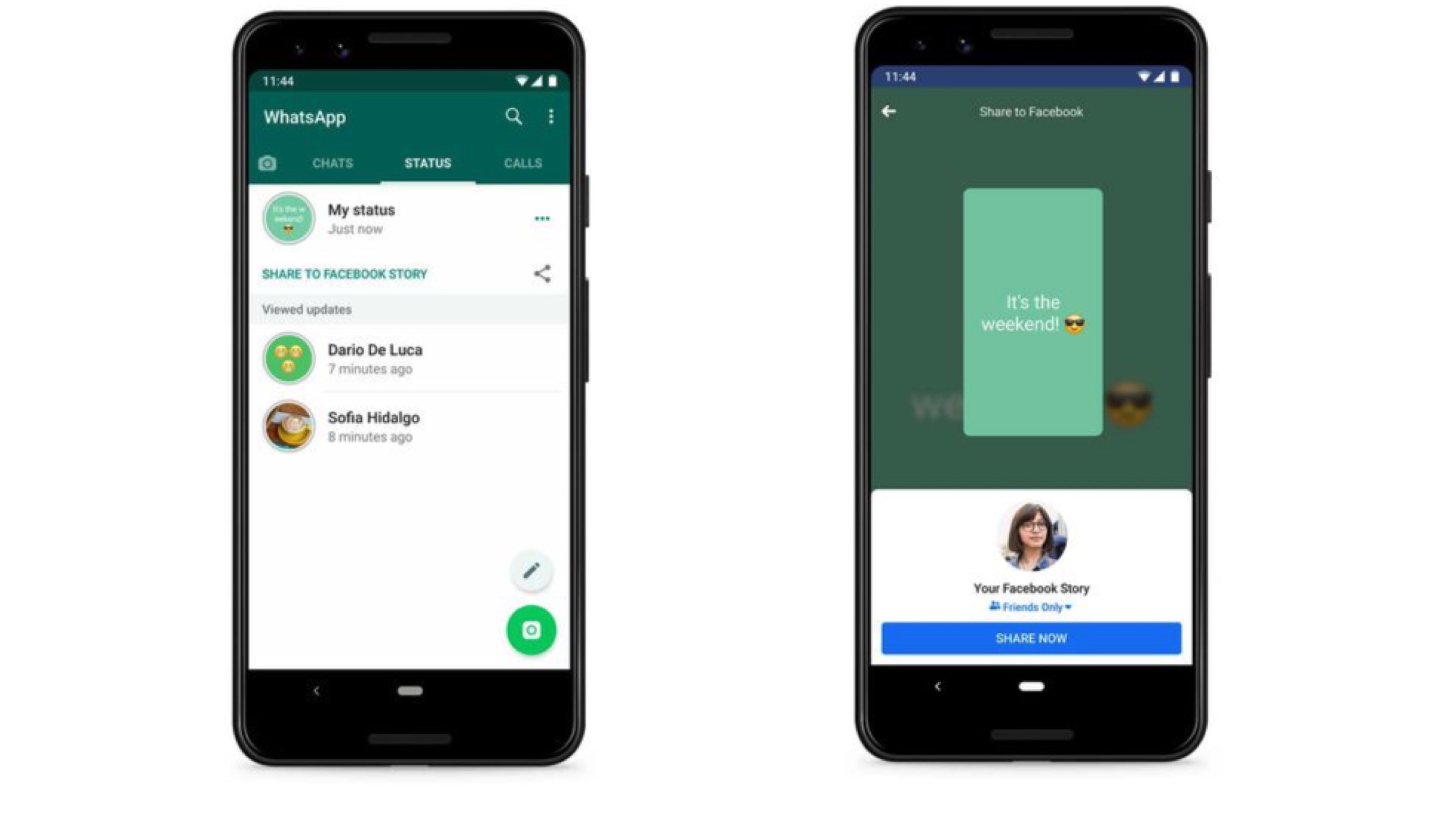
WhatsApp is one of the largest social media platforms in the world. Indians are reportedly the highest users (estimated 200 million) of the chatting app that is owned by Facebook Inc. The company is now testing a new feature, which would allow users to seamlessly share their WhatsApp status on Facebook. The move will bridge the gap between both these massively popular standalone social media applications.
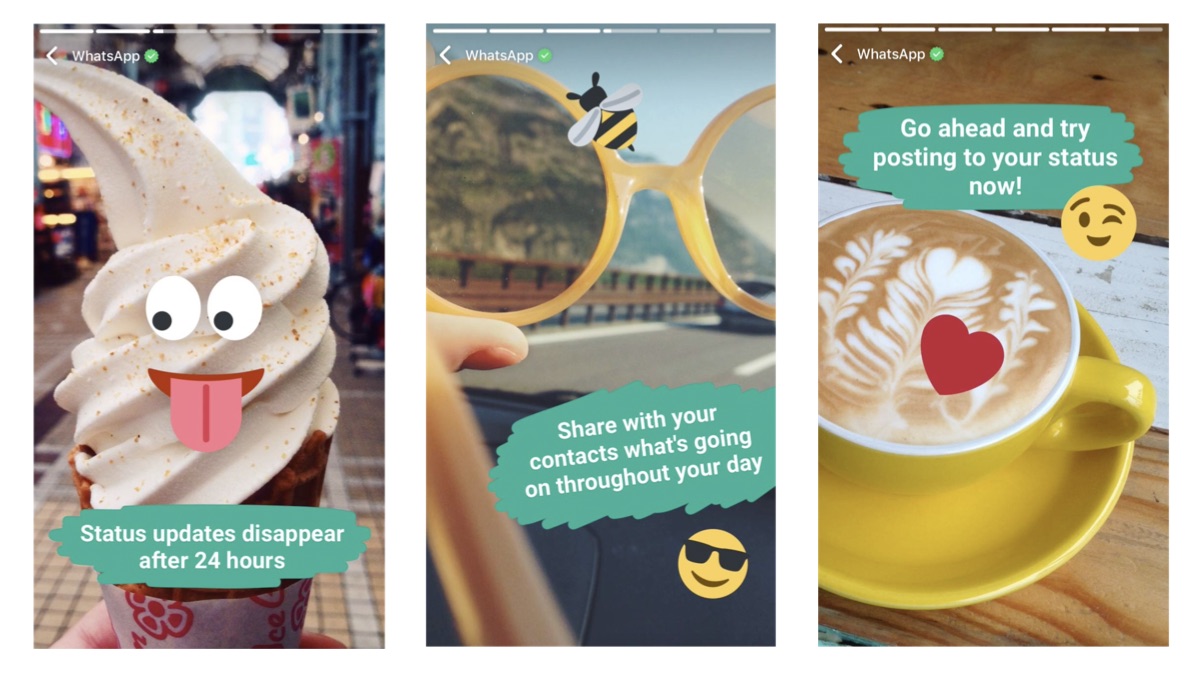
WhatsApp’s status is essentially the same feature as ‘stories’ from Snapchat and Instagram. It allows users to share instances from their lives or any other creative messages intended for a broader audience. The new feature would allow such status to be directly portable to Stories on the parent company’s Facebook app. Furthermore, the status can also be shared to Instagram, Gmail and Google Photos.
According to the report, WhatsApp will not require the linking of its users’ accounts to their separate Facebook profiles to share stories. The trade, however, is made via the data-sharing API used by Android and iOS platforms. This will allow the content being shared on either platform without a direct link being established on the accounts. The feature is not activated by default and users will have to manually share their status. WhatsApp’s new status sharing feature is claimed not to share any additional user data with the Facebook app.
The link between the two social media apps has always been a serious subject. Facebook had initially acquired WhatsApp back in 2014 for a sum of US$ 19.3 billion (approx. Rs. 1,33,600 crores). The parent company has been a target of numerous allegations and scandals regarding user privacy and data tracking. Hence, the implications also affect WhatsApp’s business practices. Additionally, Facebook has already hinted at a single streamlined messaging app that combines the Messenger app, Instagram DMs and Whatsapp.
WhatsApp status was originally introduced back in 2017 and is actively used by an estimated 500 million users. The number is a large chunk of the total user base (1.5 billion) and in 2020 will become the largest platform to generate ad revenue for the company. The new feature is a welcome change that eases the transition between the two apps but the heavy implications do warrant caution. It is currently available for interested users under Whatsapp’s beta program.
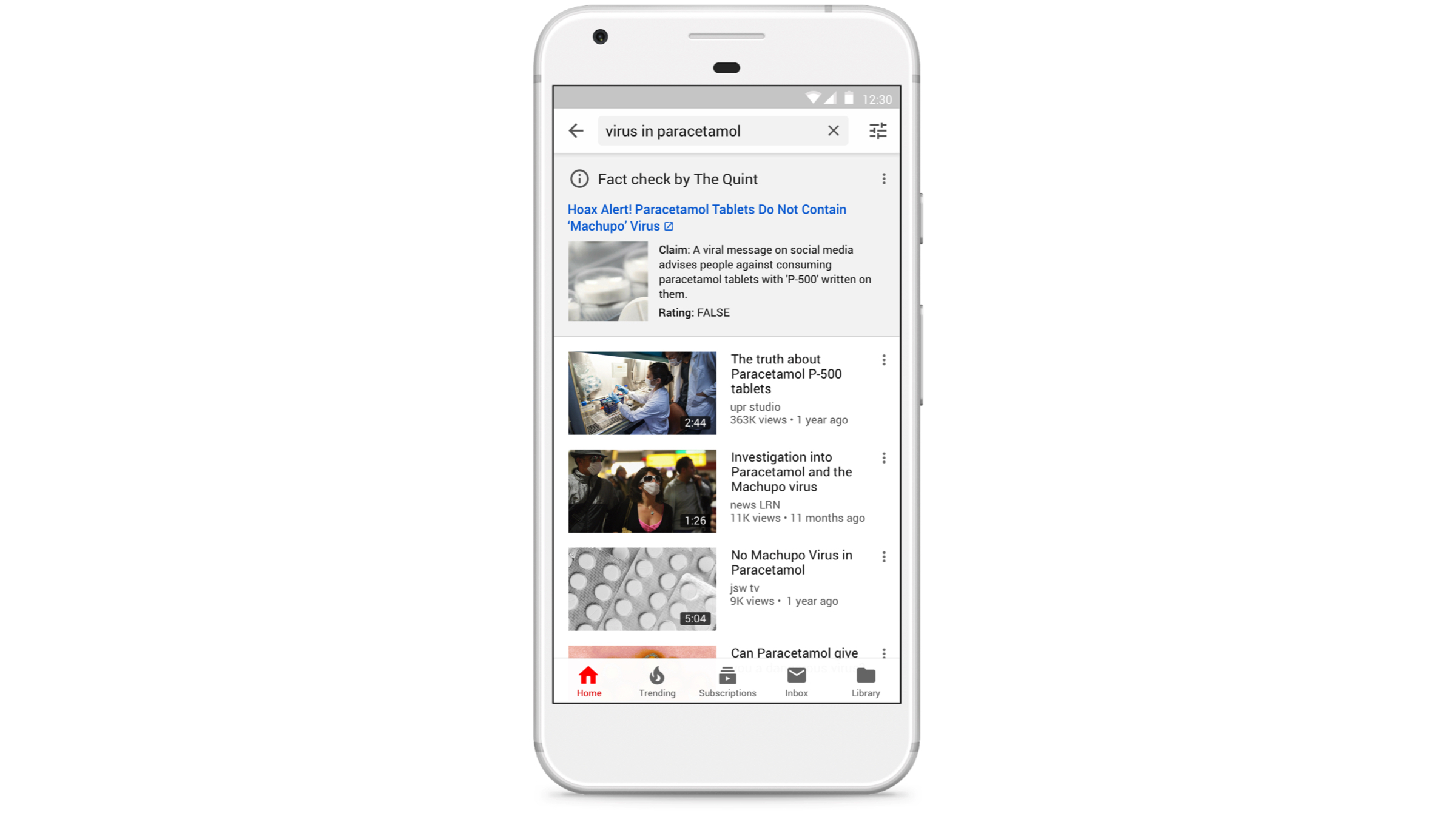
YouTube is one of the largest and most recognisable platforms for viewing online content. However, the company has been a target of various criticism over the past couple of weeks. The media giant has faced multiple critiques regarding it’s Home Feed and recommendations column.
Now, YouTube has sought to give users more control over which videos that may possibly show up on their Feed.
The Problem
Users are shown a collection of videos when browsing YouTube which is cleverly provided based on their preferences and browsing history. YouTube uses an algorithm to cater to its millions of visitors every day in a personalised fashion. Advertising strategies and paid artificial boosting from content creators have unfortunately caused an issue. Users have started receiving recommendations of videos that they have neither subscribed or would likely never see. The problem lies in the implementation, not the system itself. Artificial boosting offers a healthy growth to any channel but not if it is received by a person that is not inclined to watch their videos.
New Suggestions
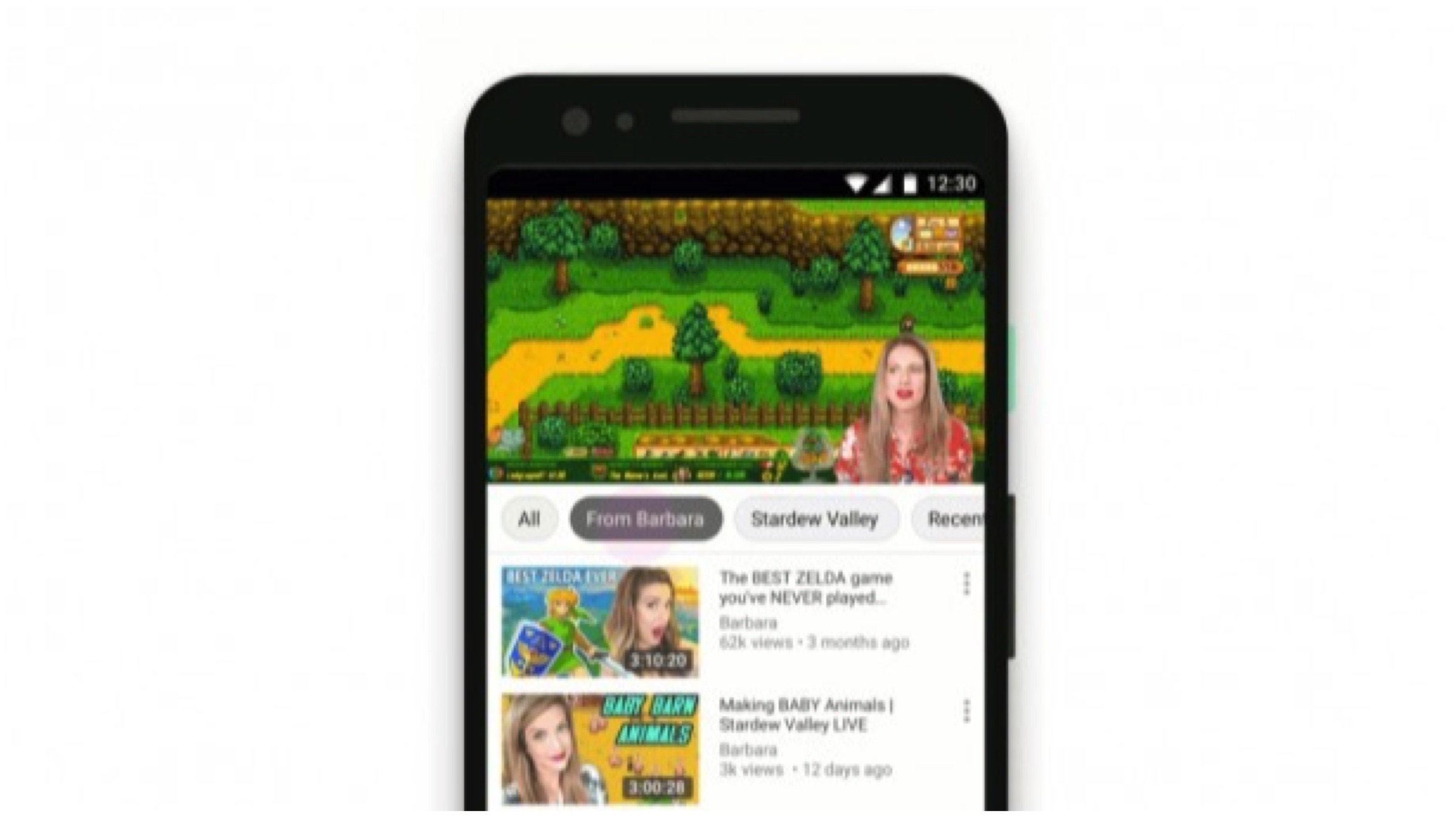
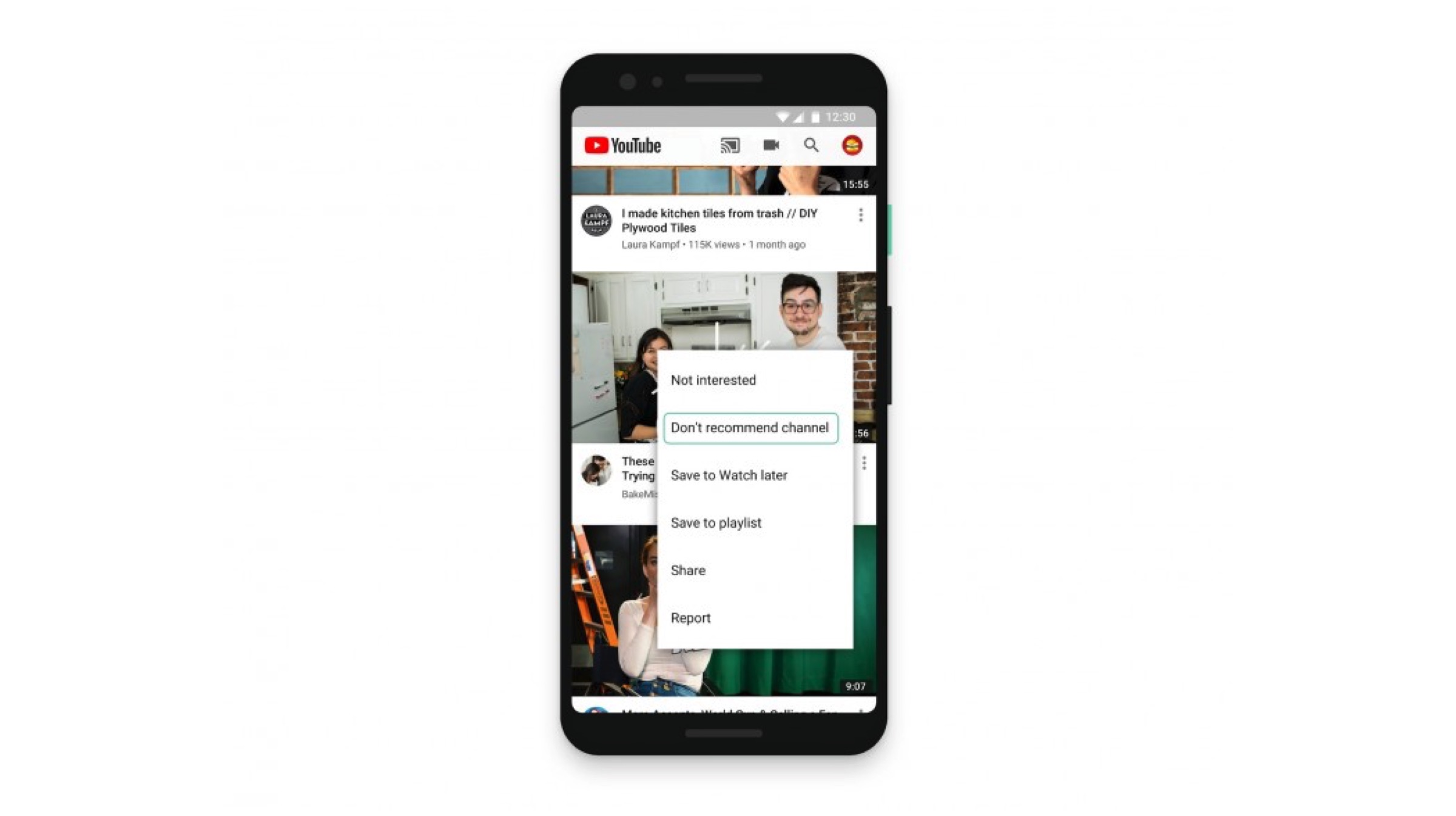
After numerous backlash, YouTube is finally offering more choices to its consumers. People who wish to stop receiving unwanted content can remove suggestions from their Home Feeds. Users can do this by tapping the three-dot menu next to a video on the homepage or Up Next, then “Don’t recommend channel.” The option, once activated, removes any unnecessary videos that one might end up receiving via notifications or in their feeds. Furthermore, users can still look up the dismissed channel by simply searching for it or their videos.
Explore Topics & Videos
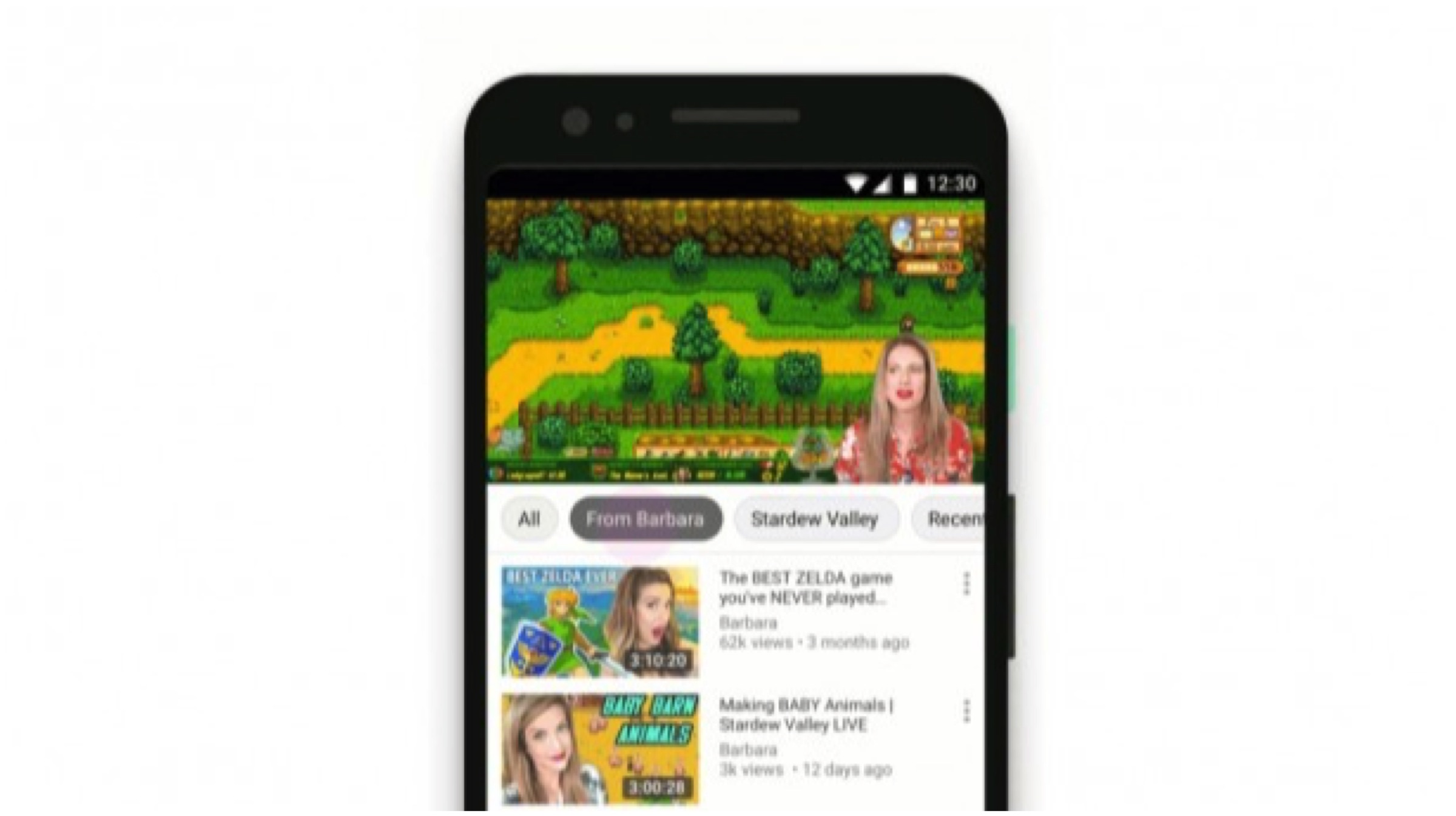
The addition of the new explore topics and related videos options now allows one to browse more videos of their preferred genres. The suggestions could be related to the video a person is watching or more from the same channel. The options presented are based on users existing personalized suggestions and are meant to help them quickly find what they are looking for. Explore feature can be found on the homepage when you scroll up or on the Up Next when browsing.
Transparency
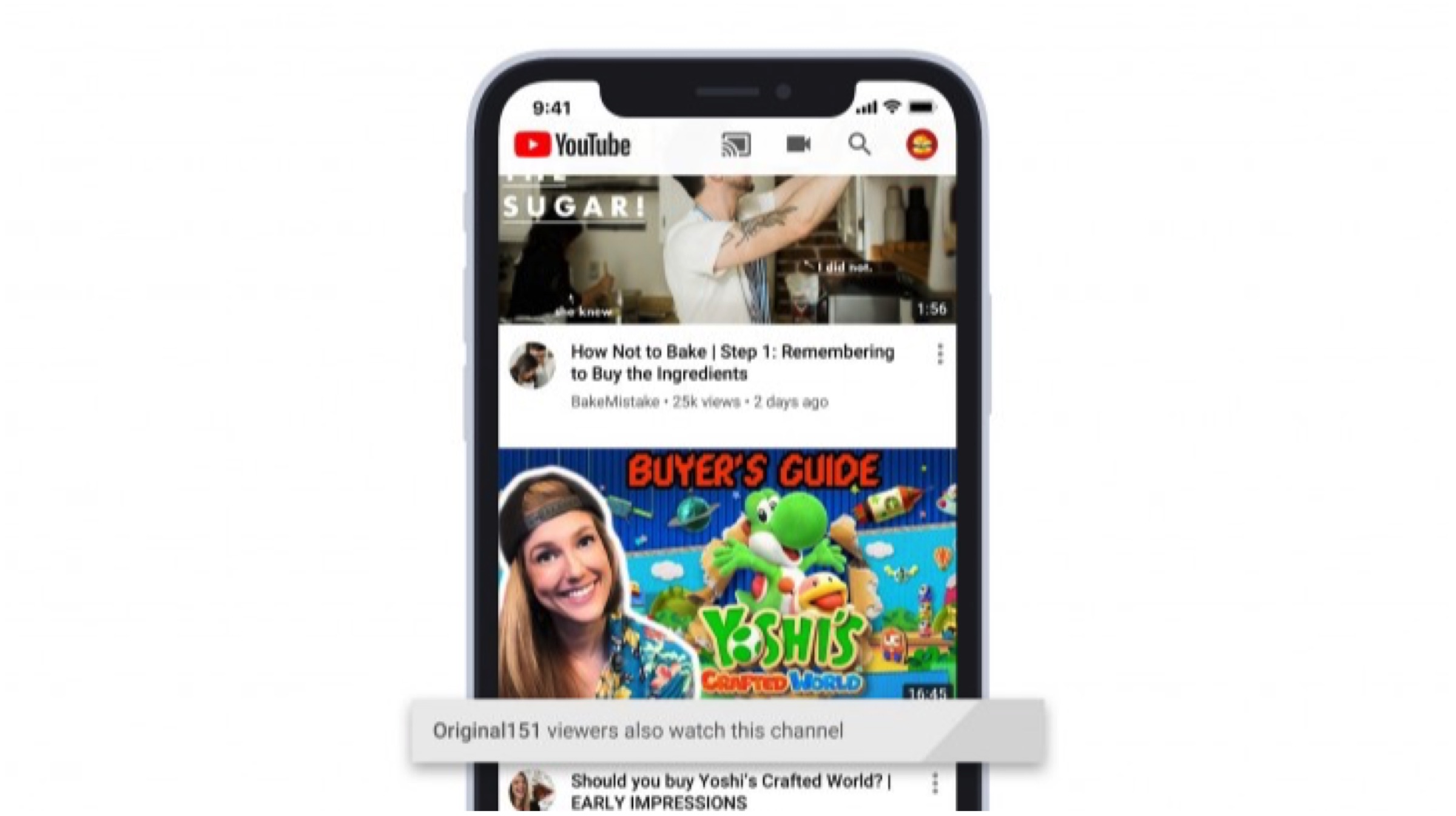
YouTube has stated that it uses the data collected via the channels a person visits and their similar interests to recommend videos. The company now plans to include a small box underneath a video that provides more information when recommending similar content. For example, a cooking video recommended might carry a tag of baking in the small box. This is done to explain why certain videos from unfamiliar new channels may end up on the homepages.
The new features will be made globally available. An update for the YouTube app on iOS will be released prior to the Android counterpart and even the desktop main website. The company has added a great new feature which is a pro-consumer move. It should help the company regain lost reputation over past mishaps and pave the way for a user-friendly business model. It is also likely to ensure YoutTube’s long-standing reign in the online multimedia segment.
American social media giant Facebook has announced a digital currency called Libra on the 18th of June. It is a cryptocurrency that aims at allowing billions of Facebook users to make transactions globally. Libra is expected to debut in the year 2020 alongside a blockchain network supporting it. The company also introduced its newest subsidiary called Calibra, which is a payments interface that will leverage the various assets of Facebook like Messenger and WhatsApp.
About Libra
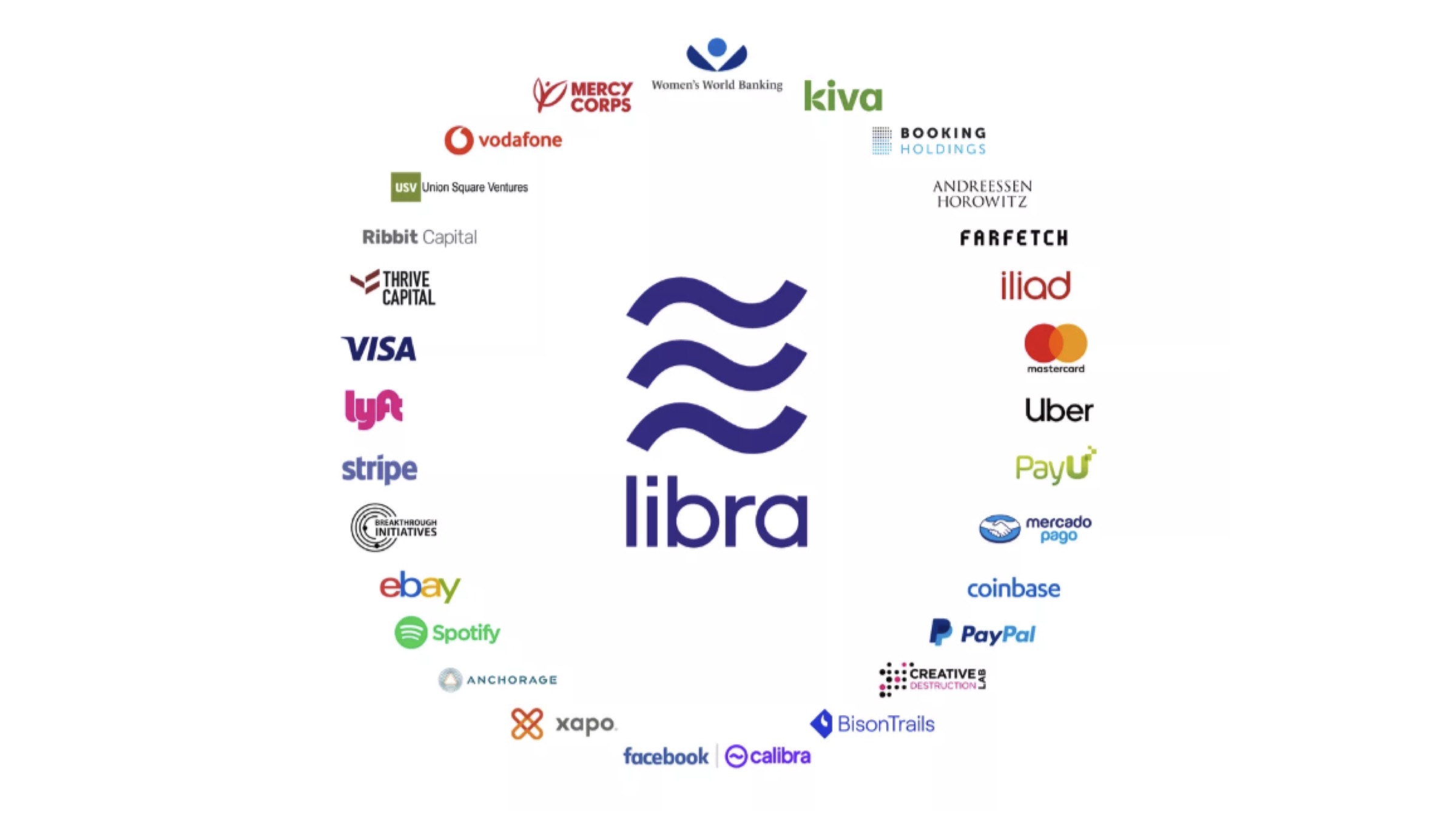
As mentioned above, Libra is the latest cryptocurrency backed by Facebook. The company believes it will be used for money transfer between people in developing countries; who do not have access to a proper banking structure. The final goal though is to develop the first mainstream cryptocurrency, which is in use more than Bitcoin. Facebook believes Libra will grow into a currency which is stable and decentralized; this means no country will have ruling rights over it. Although the social media company is developing the currency, it has formed the non-profit Libra Association alongside 27 other partners so help it develop and get the cryptocurrency into the mainstream market. These partners include names like Mastercard, Visa, eBay, PayPal, Uber and Vodafone.
The aforementioned organizations together are set to contribute to an asset pool known as Libra Reserve. This will make sure that every Libra (a unit of the currency) is backed by something essential in nature. This is different than how Bitcoin works, as it relies on its rarity and insufficiency to increase in value. Facebook’s Libra is being viewed as a financial behemoth, due to the sheer number of people using Facebook actively, which is around 2.4 billion each month. However, as the company always finds itself in the middle of a privacy debate, it may also face a lot of criticism when it lands next year.
WhatsApp Messenger, owned by the American social media giant Facebook is one of the most popular messaging services in the world. And the largest market for the application in India, with over 200 million active users in the country. Lately, the platform has been plagued with malicious activities, some of which are criminal in nature. To counter that, the Indian government has asked WhatsApp to digitally fingerprint every message sent on the app for easy traceability.
About the move
A report claims that WhatsApp has been asked by the Indian government to make it easy to trace the origins of a message on its platform. This may be achieved by placing a digital fingerprint of the sender on the message. Notably, the messaging app boasts of a secure, end to end encryption on its platform since the year 2016. This according to the company, does not let even its employees view what has been sent or received on its platform. Two government officials have said that it should be able to identify where a message has originated and how many people have interacted with it; that is either have read it or have forwarded it. Interestingly, this is not the first time demand from the Indian government similar to the one mentioned above has been shared with WhatsApp.
While the Indian government has claimed the request to trace the messages on WhatsApp will be limited; it goes against the company’s privacy policies. The company claims it cannot go forward with the demands as it would change the architecture of the product and make it a different application altogether. So, the introduction of a digital fingerprint to track the origins of a message on WhatsApp might be seen as a breach of privacy.
Instagram has steadily been growing to become one of the most prominent social media platform over the last couple of years. With user base numbers easily crossing several hundreds of millions, there will always be “bad company”. Potential hackers that seek to harm or exploit are found in every major website or social platform. However, Instagram in its bid to strengthen its defences against these parties is now making accounts safer and easier than before to recover.
Numerous people had gone online to voice their grievances regarding their accounts that were broken into by hackers in 2018. Instagram now seeks to make the process of recovering users account easier in case of future attacks. The company is testing a new in-app account recovery process that will streamline the process while making it harder it to be hacked into.
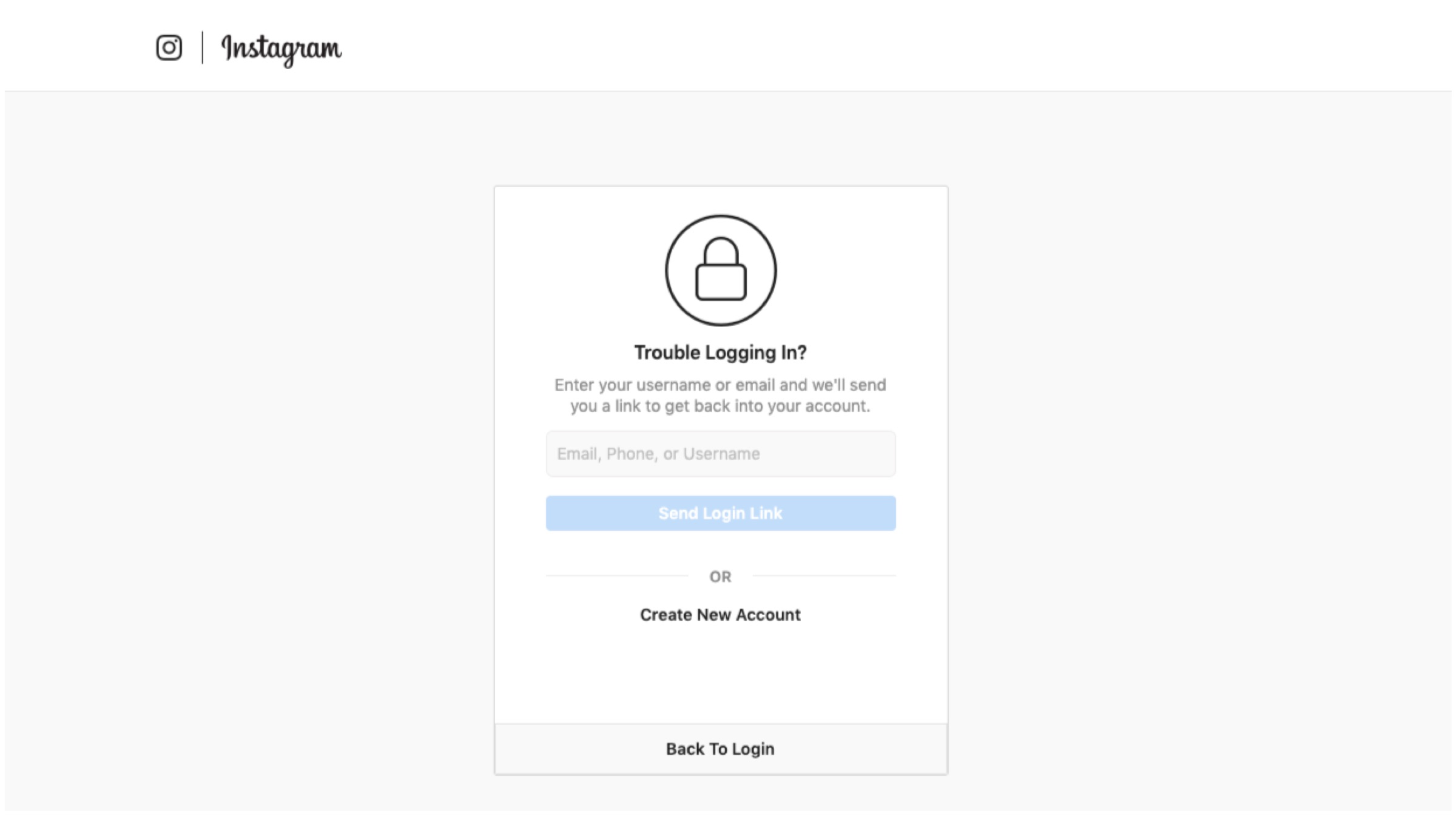
Previously, users had to wait for an email or fill out support forms but now a new approach is being taken. The app will now ask for different types of information (like users original email address or even phone numbers). A six-digit code will then be sent on the details provided, and Instagram will thereon prevent hackers from accessing the user’s account using the email or phone number from a different device.
This method seeks to ensure users account recovery even if the thief has changed usernames and contact data. Instagram has also added a small period of time in which the original username cannot be claimed after being changed regardless of whether or not it was intended or unintended. This feature is already accessible to all Android and iOS users, however, the availability of the new in-app recovery system is still not certain.
Instagram is planning for a full in-app account recovery feature in the future without ever needing the security team. The social media giant’s security has been reportedly lax, with various exposed passwords and growing attacks on its systems occurring at frequent intervals. This new security feature cannot actually prevent all forms of hacking, but it may make it harder for hackers to take advantages of vulnerabilities in the recovery system that is currently live.
It is not often that Indian television ventures into dystopian worlds, in-fact Leila marks the first ever Indian Television Show to feature a dystopian India in the not so near future. A world ruled by religion and divided by categories and caste. Sounds a lot like the present, but may be a just a over imagined version of an expected reality of our future, at least from the creators mindset.
Storyline
Based on Prayaag Akbar’s book “Leila,” the Netflix original series talks about a dystopian India in the 2040s called “Aryavarta”. In Aryavarta intercaste marriages are illegal and water and basic life resources are scarce.
The storyline is strong and heart wrenching, but also slow at times. All characters introduced in the show are new, and hence only by episode 2 does the viewer get any grasp of what is happening in this world.
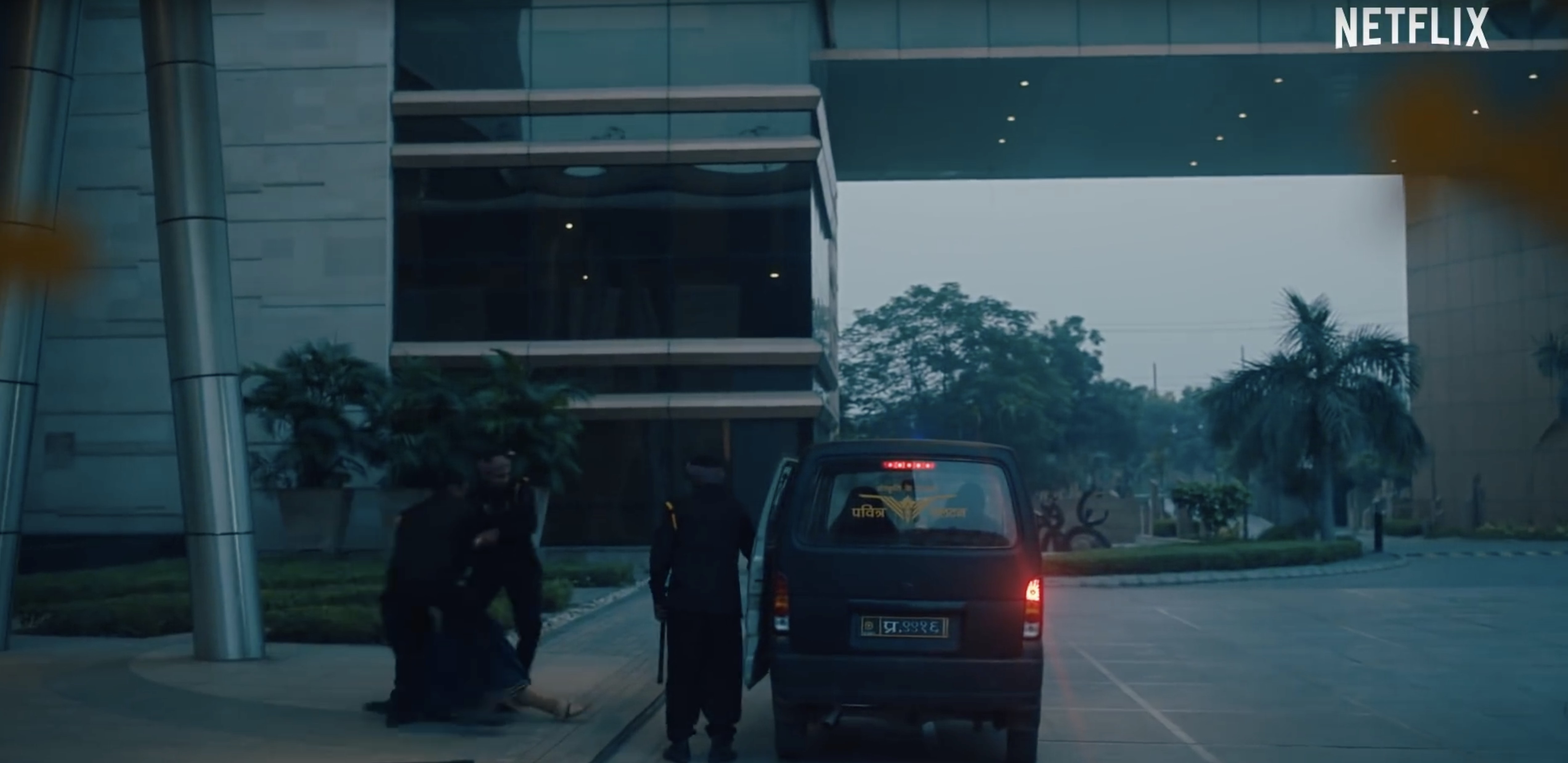
The communities and religions are divided into sectors and ruled with an iron fist. Delinquents are picked up by Repeaters, Aryavarta forces and sent to purifying camps, where they undergo “Shuddhi Parikshas”. And are brainwashed into the new world order.
Shalini (Huma Qureshi) is the protagonist, post marrying a Muslim, Rizwan (Rahul Khanna). Is taken to a “Purifying camp” by Repeaters and her daughter “Leila” is now missing. The story follows six episodes of Shalini navigating this new world and locating her daughter.
Cinematography
The show is shot entirely in Delhi, so those familiar with places like Nehru Place, Lodhi gardens and our famous Garbage dump will easily relate to the show.
Leila is also the first Indian show that manages a dystopian world that seems believable, and even though it shows a general propaganda machine it is evident that the creators of the show managed a tastefully shot future.
There are parts which seem annoying, the use of current generation cars, and homes, and while they show a walled city separated from the “doosh” ( an untouchable caste in the show) technology is still very outdated. These is also a poor use of drones in one of the episodes that is extremely cringe.
Use of current cars, breaks the future
Certain parts of the show create the concept of a future with good use of graphics show a wide use of holographic technology, modern tablets and scanners that scan chips embedded in wrists of citizens behind tattoos.
Despite the lack of a perfect future from a cinematography perspective the show is shot beautifully and then graded well. Even parts of the show shot in garbage dumps look great and really capture the mind of the viewer. There is an overcast throughout the show which really engulfs you, and makes the entire prospect believable.
The show is also available in both English and Hindi, originally shot in Hindi, but voiced over by the same actors in English.
Verdict
The show seems similar to the Handmaids Tale, from design and storyline, especially in the early episodes. However it takes a different twist as it progresses.
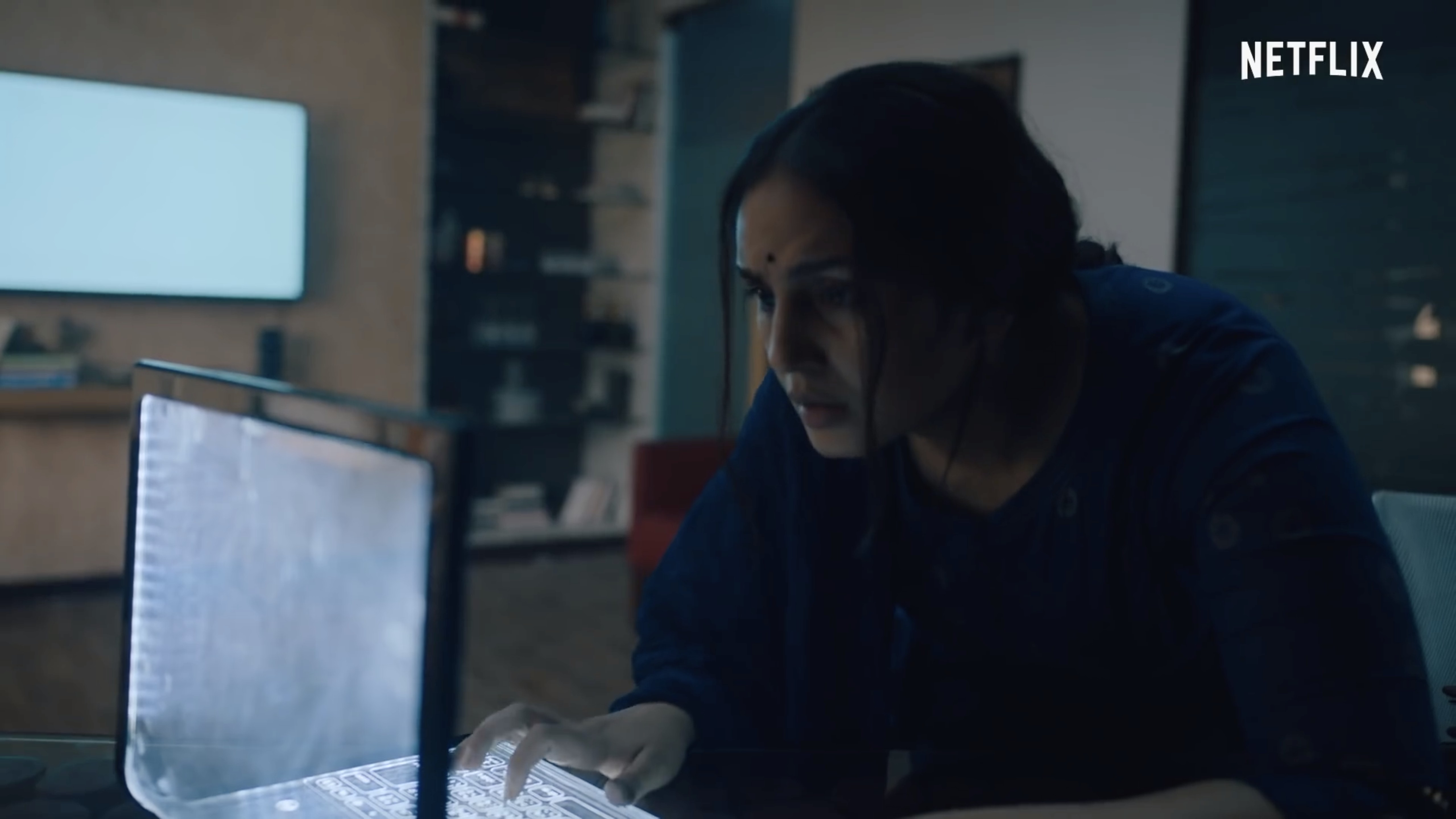
Taste full use of futuristic technology throughout the show. Including this foldable glass laptop !
It is also clear that some characters are not properly suited for their roles initially. Especially Bhanu (played by Siddharth) who is Shalini’s minder and only by the 4th episode seems comfortable with the role.
This is the best portrayal of a propaganda based system of government, from a design and execution perspective. The world, however, seems tiny and characters are less. The show constantly revolves around a small region which makes the imaginative scope of Aryavarta small. The rulers of Aryavarta all seem extremely close and the shows creators seem to be in a rush to introduce characters on a grand scale.
The story line is also slower than one would like, but the show is beautifully crafted and engulfs you with intrigue and shock. Certain aspects of the show will make you reflect your own choices and this is what makes Leila special.
We would like to see Leila return for several more seasons, and create a larger world with a deeper storyline. The 6 episode show seems to near a closing, but there is a lot expected from the future from the show.
Leila is grippy and exciting, and is an exceptional watch, as it sets a benchmark for TV shows in India. Now if they could just use some electric cars and more graphics we would be thrilled.
With the weekend lining up, it’s time to make a list of the trending shows on Netflix so that you can binge them as per your taste. A mix of multiple genres including action, drama and thrillers are available on the streaming service right now. We have compiled a list of popular shows that may deserve a spot on your Netflix’s Watch List.
Black Mirror (Season 5)
https://www.youtube.com/watch?v=2bVik34nWws
The Netflix show which brought the dark side of technological advancement to light has been updated with a new season. Black Mirror, which first aired in the year 2011 focuses on the scary yet highly probable implications of technology in the not-so-distant future. Created by Charlie Brooker, the 5th season of the series consists of three episodes (each almost an hour long) and stars Anthony Mackie, Miley Cyrus and Andrew Scott over the three episodes. While one focuses on the staggering future of AR and VR, the others focus on the vices of social media and Artificial Intelligence. This one is a must watch, especially for technology fanatics.
Leila
Leila is an Indian dystopian drama series set in the near future. It is the story of a mother, Shalini, who is trying to locate her missing daughter in a totalitarian region. The show stars Huma Qureshi, Siddharth, Rahul Khanna, Sanjay Suriand and Arif Zakaria. Leila is the name of Shalini’s daughter, and she disappears at the age of two. After the death of Shalini’s husband two years later, she strives to find her daughter. The show first aired on 14 June, 2019, so you still have ample time to keep up with it.
Jessica Jones (Season 3)
Jessica Jones is a Netflix original series which describes the life of one of the darker Marvel characters, the mysterious Jessica Jones herself. When a tragedy puts an end to her short-lived career as a superhero, Jessica settles in New York City and opens her own detective agency. In the third season of the show, Jessica takes on a new case, which will apparently change her life. The show has a dose of suspense and thrill combined with a lot of action. The third season started airing June 14 onwards, and consists of 13 episodes, so fans are in for a treat.
When They See Us
https://youtu.be/u3F9n_smGWY
When They See Us is Netflix series that covers the true story of five teenagers of colours who were convicted of a rape that they did not commit. Shedding light over the story of Antron McCray, Kevin Richardson, Yusef Salaam, Raymond Santana and Korey Wise, the series spans over twenty five years, from 1989 to 2014. The cast features Emmy winning actors and the show itself is directed by Oscar-nominated Ava DuVernay. The show is rated 9.1 on IMDb. It is a must watch for all those who want a peek into the political systems that enforce laws across the globe.
How To Sell Drugs Online (Fast)
No, this show isn’t a tutorial regarding selling drugs online or offline. It depicts the story of a nerdy high school kid who does not do drugs, but is forced to start selling drugs because it’s apparently the only way to win back his girlfriend. The show is originally shot in German, but the English audio dub is equally good. The show stars Maximilian Mundt and Anna Lena Klenke as the leads. It first aired on 31 May 2019, with six episodes in the fray.
With such an exciting list of shows to binge on this weekend, you shouldn’t be bored at all. However, in case you feel like you are missing out on a movie, Marvel’s Spiderman: Homecoming is now also available on Netflix. Exciting shows are coming next week, so stay tuned.
Whatsapp is widely regarded as one of the most widely used Instant messaging applications in the world. Launched in the year 2009, the application was later acquired by social media giant, Facebook in the year 2014. As per latest reports, Whatsapp will start taking legal action against users who have a habit of sending way too many messages. This step is being taken to curb the amount of fake news that is being spread via the application.
Previously, the company owned rights to ban users if the terms and condition policy was violated in any manner. However, incidents in the past have indicated that people tend to act instinctively upon receiving news via the application. In a survey, it was discovered that almost 52 percent of respondents received news and stories via WhatsApp. The content shared via the application has supposedly led to murders, extortions and even unwanted uprisings amongst the inhabitants of the country.
The company had previously introduced a “forwarded” tag to messages which had been forwarded multiple times. However, 7 December 2019 onwards, any user who indulges in “bulk or automated WhatsApp messaging” can be sued, the company states. Whatsapp states that the sole motive of the application was to act as a direct link between people and organizations (via the Business app), hence any kind of spam will not be tolerated. This step will enable the organization to assert direct control over its users, even if it concerns data that is solely accessible by the company itself.
The update can be seen on Whatsapp’s page under “unauthorised usage of WhatsApp”, which clearly states that the Facebook-owned instant messaging application is committed to developing its structure around the private nature of data transmission. Especially during elections, a rogue message forwarded by a group of people can spark controversies and biased opinions. This decision by the American company will serve as an effective check on people who tend to forward/send messages in bulk amounts.