Category: Mobile

Smartphone News and Reviews, Latest Cellphones, Accessories, New Launches, Specifications, Details with Image and Video from Apple, Samsung, Lenovo, Moto, HTC, Xiaomi, Oneplus, Meizu, Sony, Lava, Micromax Yu Mobile and More.

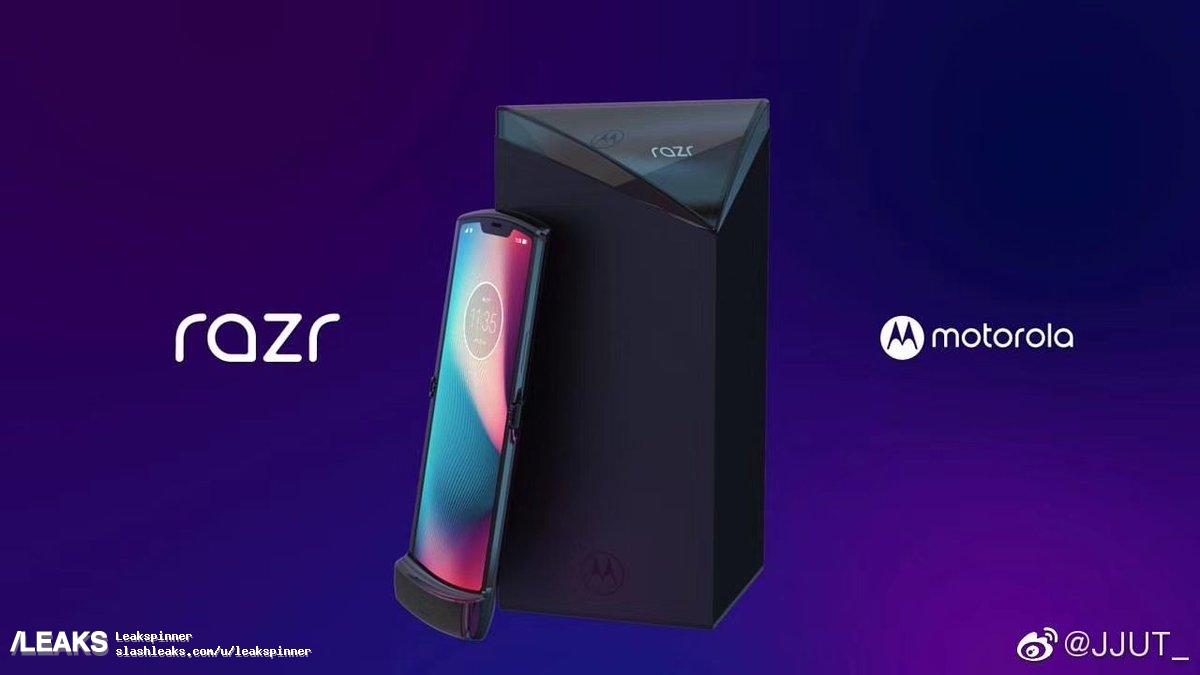
  • Foldable Moto Razr 2019 Leaked Images Show Packaging

    Foldable Moto Razr 2019 Leaked Images Show Packaging

    The Moto Razr has been one of the most iconic mobile phones of the connected era. The touch screen smartphone paved the way for a candy bar only design, leaving other form factors far behind. 

    2019 is an interesting year as it has shown off a newer possibility for a display design, the foldable display smartphone. This new foldable display technology was first publicly launched by Samsung, followed swiftly by Huawei and many others.

    This makes it the idea time for Motorola to show off their Foldable Moto Razr concept. The device will be based on a foldable plastic OLED panel that will allow the brand to retain the clamshell design of the original phone. 

    The device will also be packed with the Snapdragon 855 chipset along with 8GB of RAM and 256GB of storage. 

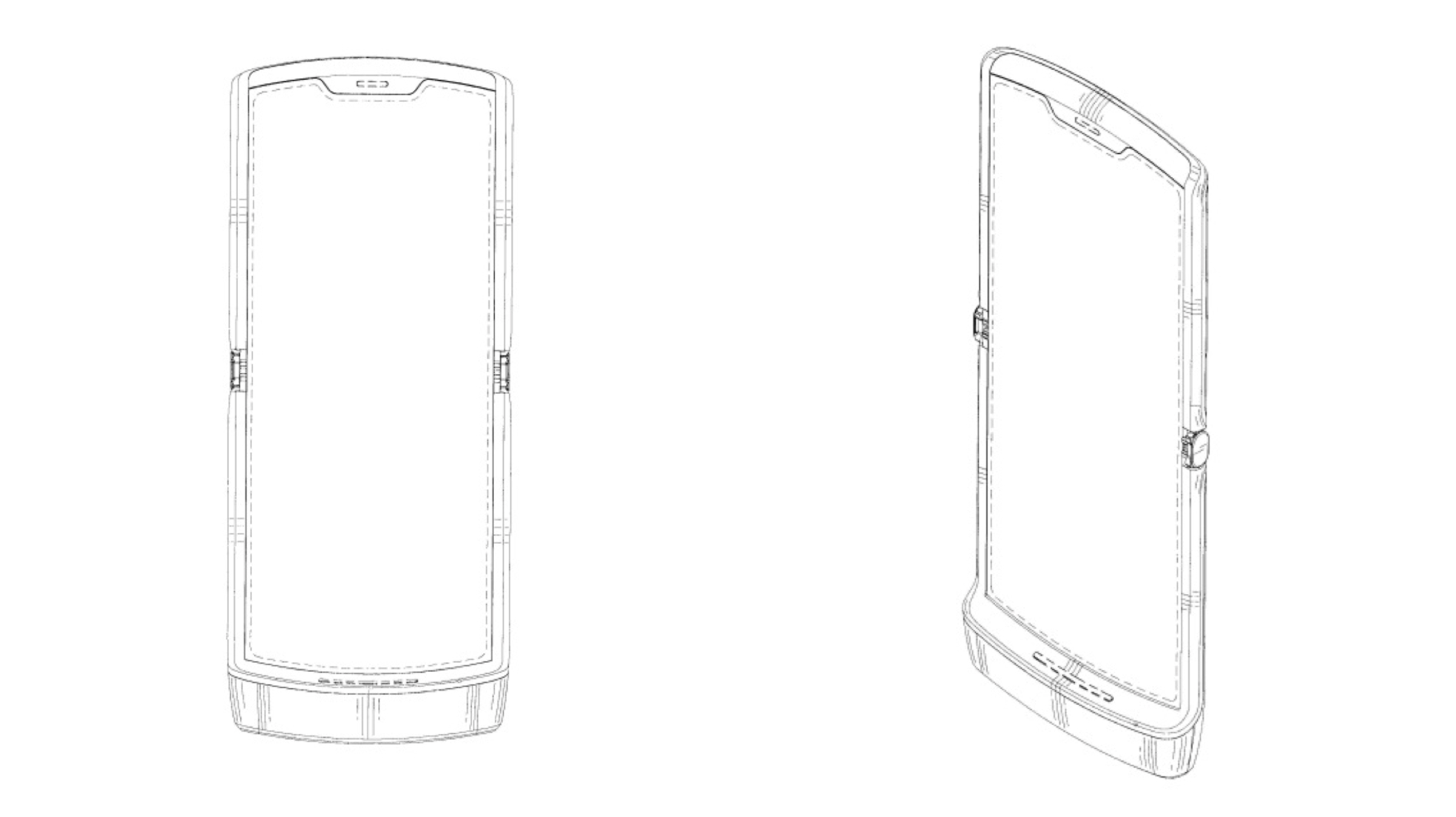
    The new leaked image also shows off the packaging of the phone and the display notch on the top of the screen. You can also partially see the hinge mechanism.

    The image is not very high resolution and could possibly be a good quality render. However if Motorola is indeed working on a foldable Razr phone, this is pretty close to what it should look like. 

    The patent filings of the device are very close to the image now leaked. But it is still unclear if Motorola will proceed with launch after the recent issues with the Galaxy Fold.

    Motorola will ideally add another screen on the front of the clamshell fold, which may be used for notifications or front facing selfies. However, the first generation Moto Razr may only have the one Foldable display, reserving the secondary display for the redesign in 2020. 


  • Camera Bump Of Upcoming iPhone XI Is More Complicated Than It Looks

    Camera Bump Of Upcoming iPhone XI Is More Complicated Than It Looks

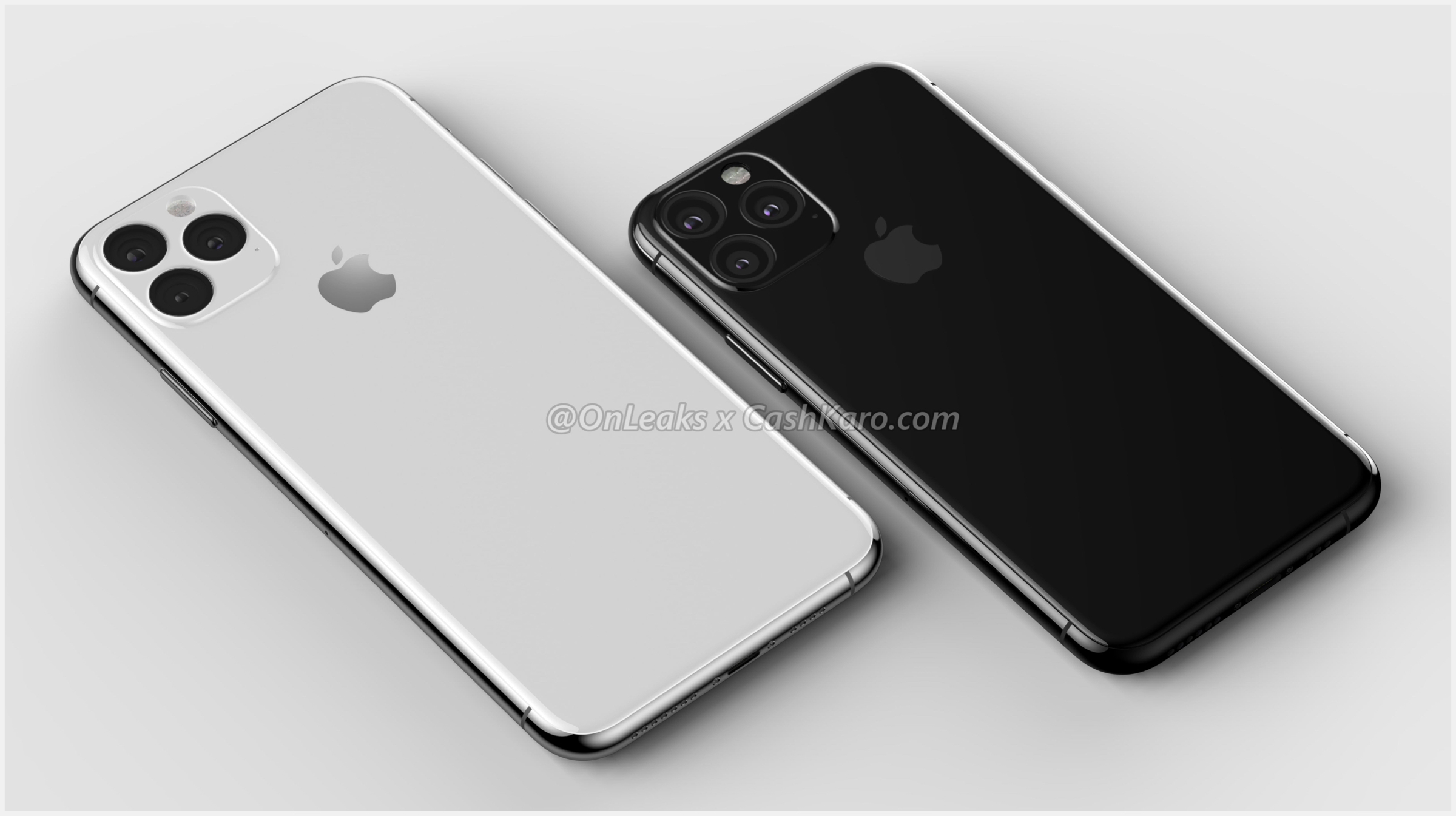
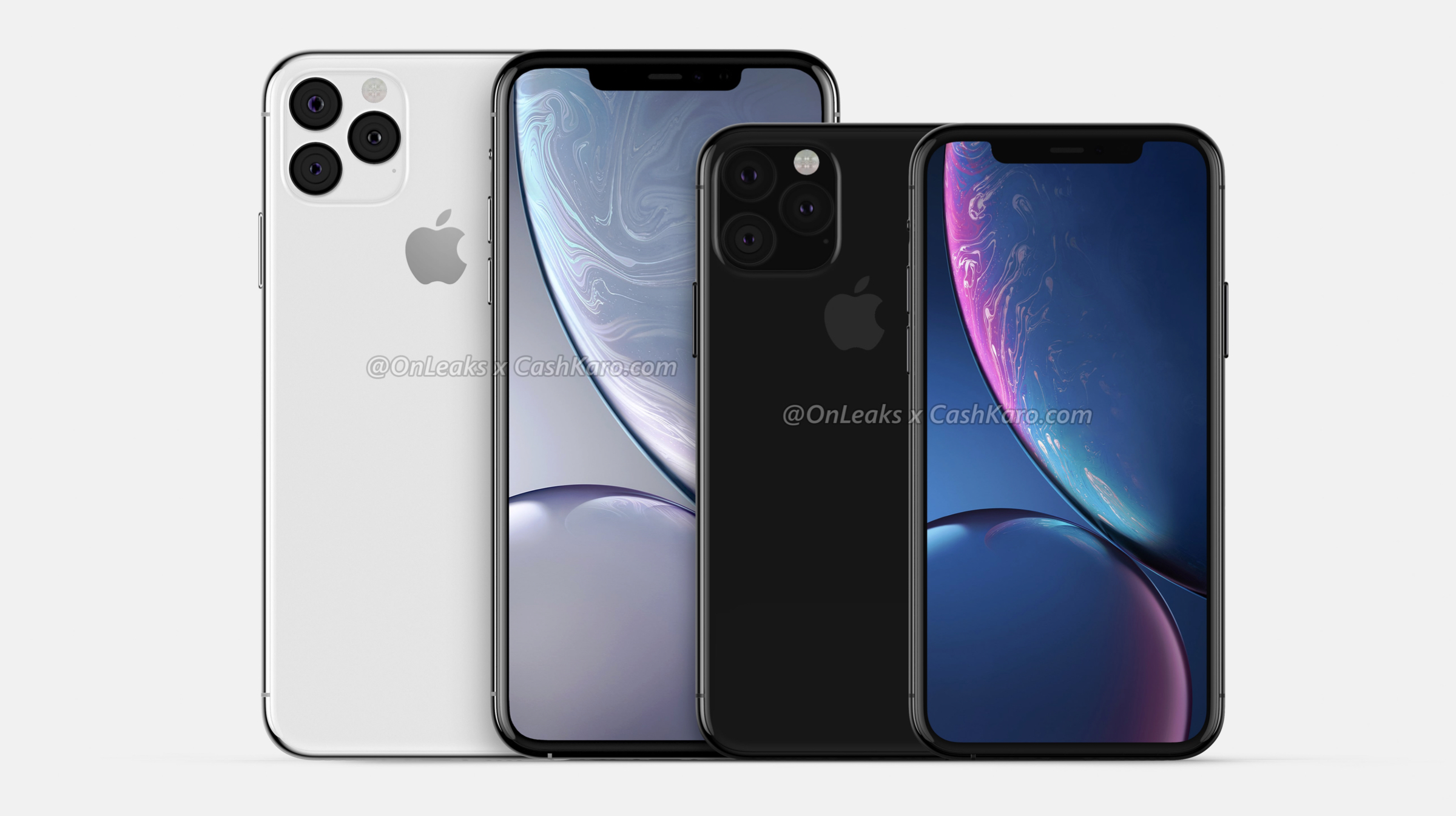
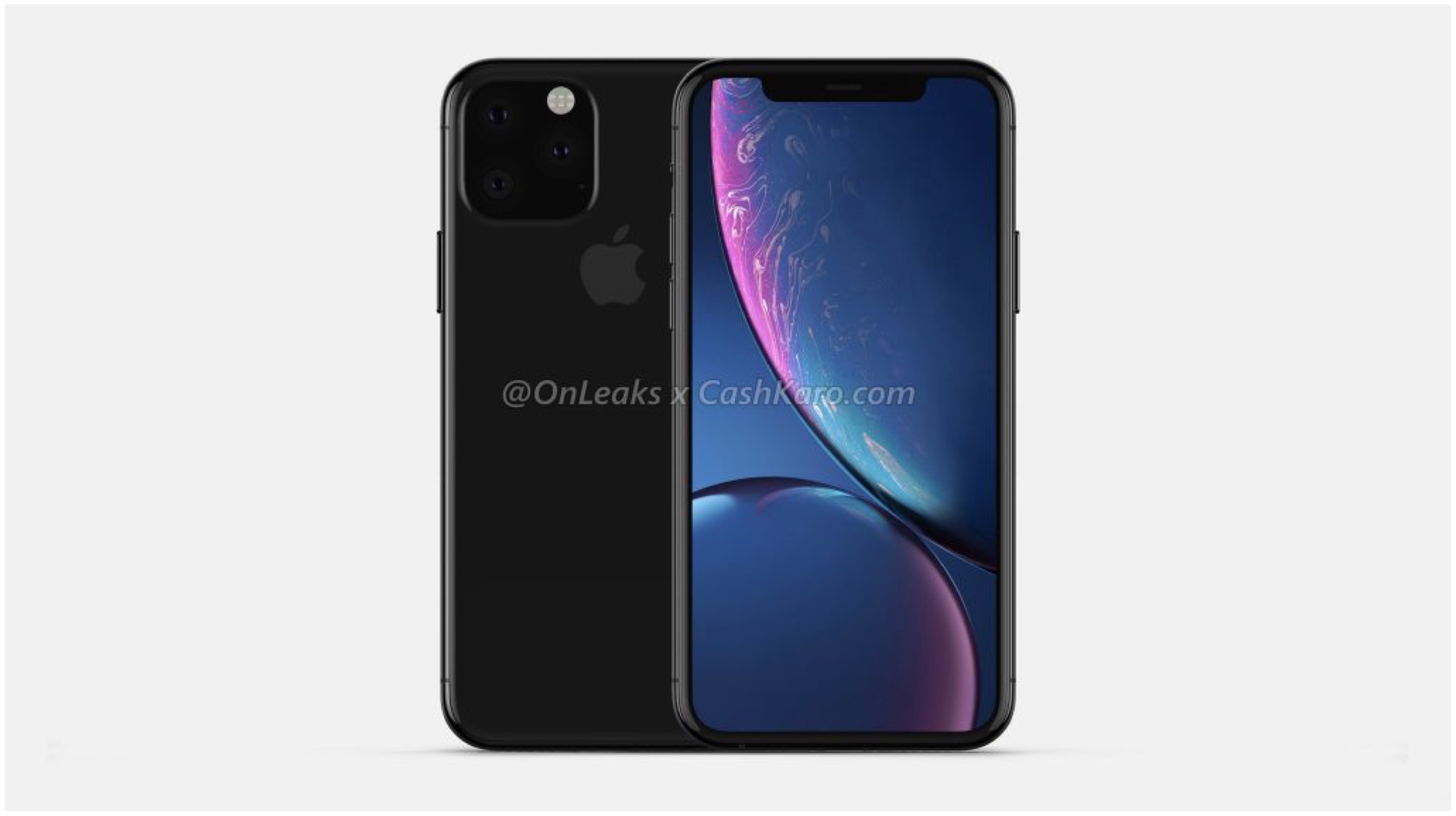
    Apple is expected to launch its latest flagship smartphones in the month of September this year. The upcoming devices are allegedly called the iPhone XI (Eleven) and iPhone XI Max which will succeed the iPhone XS (Ten S) and XS Max from yesteryear. The smartphones were previously reported to feature triple cameras sensors at the back and a recent leak originating from a reliable leakster vouched for the same.

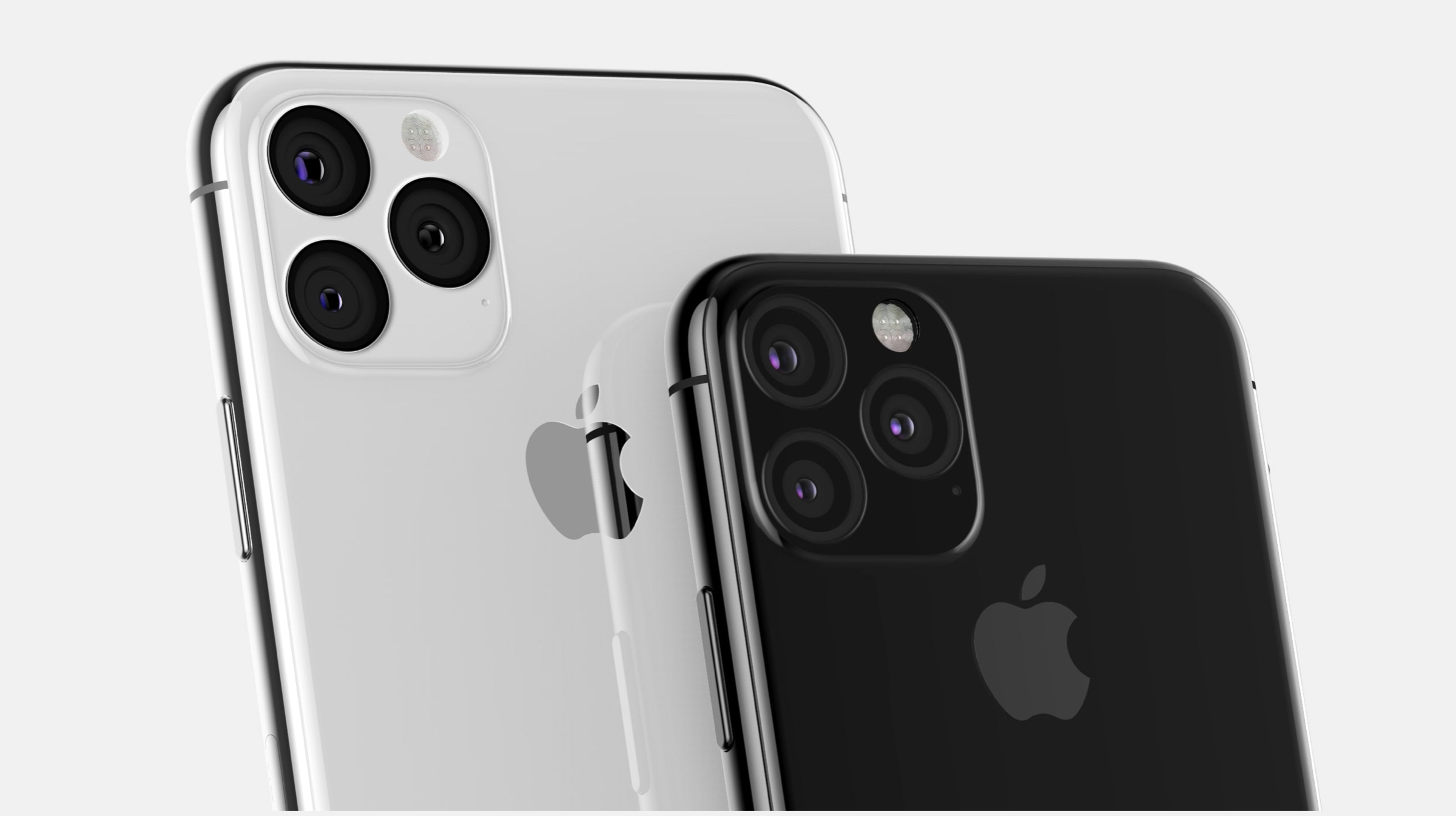
    The aforementioned leak is detailed enough to reveal the layout of both the smartphones from angles. In the latest development to the leak, the source states that the previous leak is mostly correct except for one minor difference. The upcoming iPhone models will have a raised rear camera bump which will be the same colour as the body of the device. Noteworthy, the glass covering the camera bump is transparent but its get the colour from the body panel underneath it. The leakster claims it is sort of hard to explain the subtle difference but illustrations shared by him clarify the case.

    Also Read: These Monitors Are Great For Gaming

    Upon close inspection, it is noticeable that the glass panel covering the triple camera setup is actually transparent as claimed by the leakster. In order to verify the authenticity of the leaks, we will have to wait patiently as the launch date of 2019 iPhone models is still distant.


  • Galaxy S10 Lineup Receives Temporary Price Cut Of Up To Rs 15,000

    Galaxy S10 Lineup Receives Temporary Price Cut Of Up To Rs 15,000

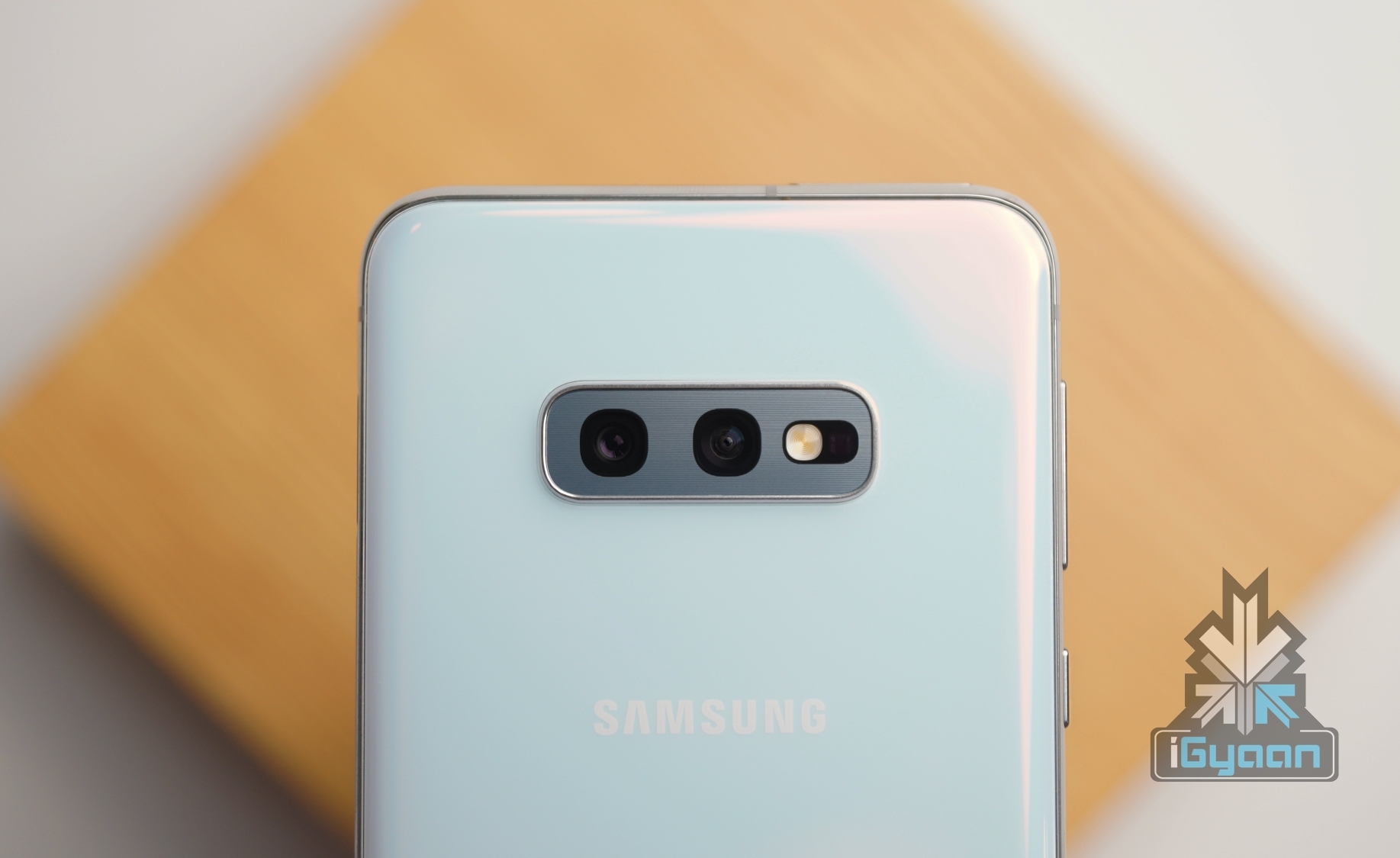
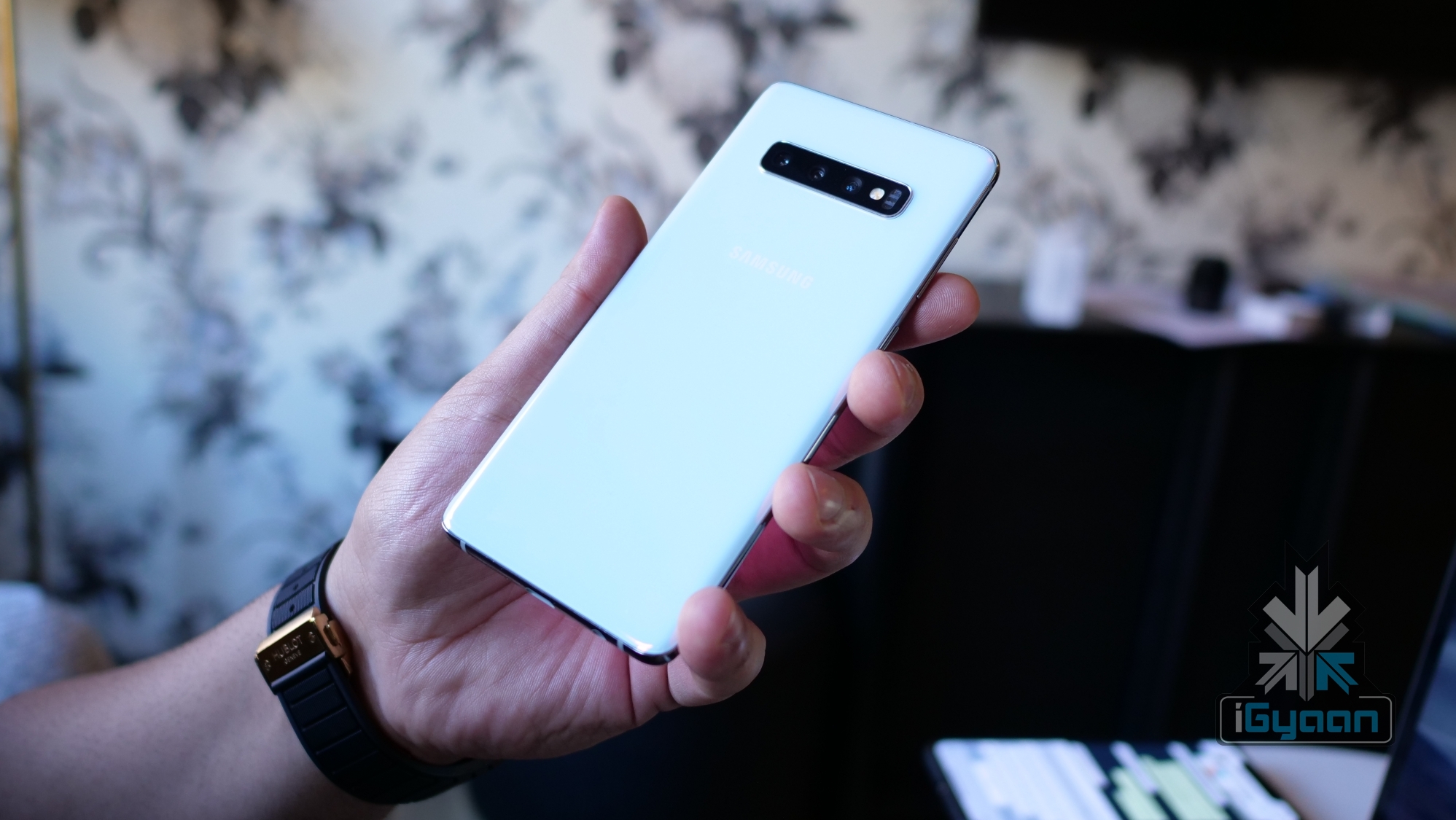
    Samsung launched its latest flagship smartphones, the Galaxy S10 lineup back in the month of February. Soon followed by the global launch, the devices made their way to India. The lineup includes three smartphones, the Galaxy S10e, the standard Galaxy S10 and the Galaxy S10+. All the smartphones are loaded with top tier specifications and have a distinctive design with a hole punch display. A month after the launch of the S10 trio in the country, they are temporarily being offered at discounts of up to Rs 15,000. 

    Discounts Explained

    The Samsung Galaxy S10 lineup is being offered at an instant discount on the Amazon India website along with a cash back discount for HDFC debit card or credit card holders.

    Samsung Galaxy S10e

    The most affordable and what seems to be the most practical and aggressively priced, Galaxy S10e, usually retails for a price of Rs 55,900. But during the temporary discount, users can buy it for Rs 46,900. The Rs 9,000 discount can be broken down into an instant discount of Rs 5,000 and an additional Rs 4,000 discount for HDFC card holders. The Galaxy S10e has 6 GB of RAM and 128 GB of Storage. Click here to see full specifications and features of the Galaxy S10e.

    Samsung Galaxy S10

    The Samsung Galaxy S10 usually retails for a price of Rs 66,900 for the 128 GB and Rs 84,900 for the 512 GB storage variant. The 128GB variant of the smartphone is being offered at a discount of Rs 11000 (Rs 5000 instant discount + 6000 HDFC cash back) while the 512 GB variant is being offered at a discount of Rs 14,000 (Rs 8000 instant discount + 6000 HDFC cash back). Click here to see full specifications and features of the Galaxy S10.

    Also Read: Samsung Galaxy Fit e Spotted on Albanian Website Ahead Of Launch

    Samsung Galaxy S10+

    The Galaxy S10+ usually retails for a price of Rs 73,900 for the 128 GB, Rs 91,900 for the 512 GB and Rs 1,17,900 for the 1 TB storage variants.

    All three variants of the smartphone are being offered at a discount of Rs 15,000 (Rs 9000 instant discount + 6000 HDFC cash back). Click here to see full specifications and features of the Galaxy S10+.


  • Nubia Red Magic 3 Gaming Smartphone Appears On Geekbench A Day Before Launch

    Nubia Red Magic 3 Gaming Smartphone Appears On Geekbench A Day Before Launch

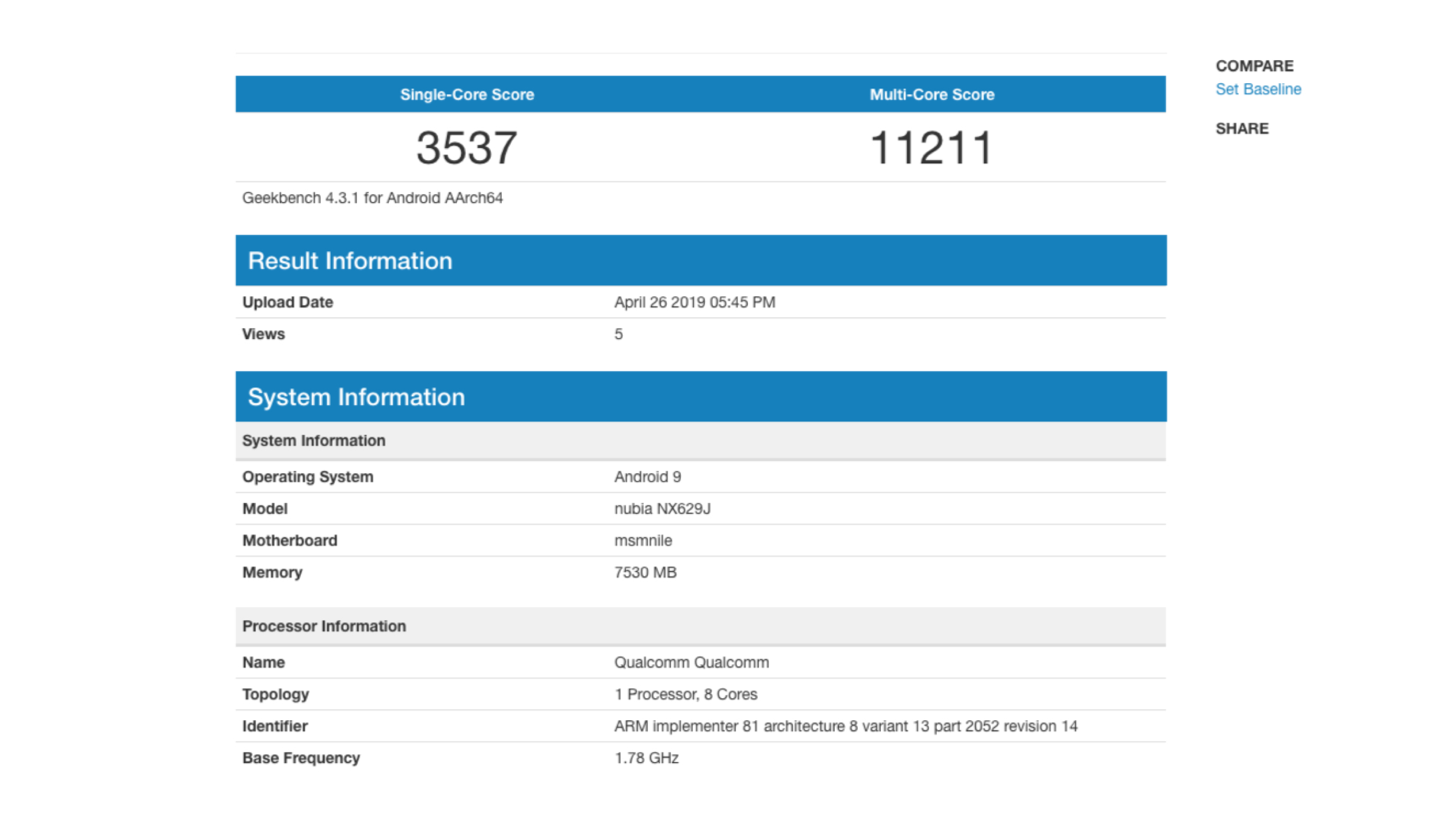
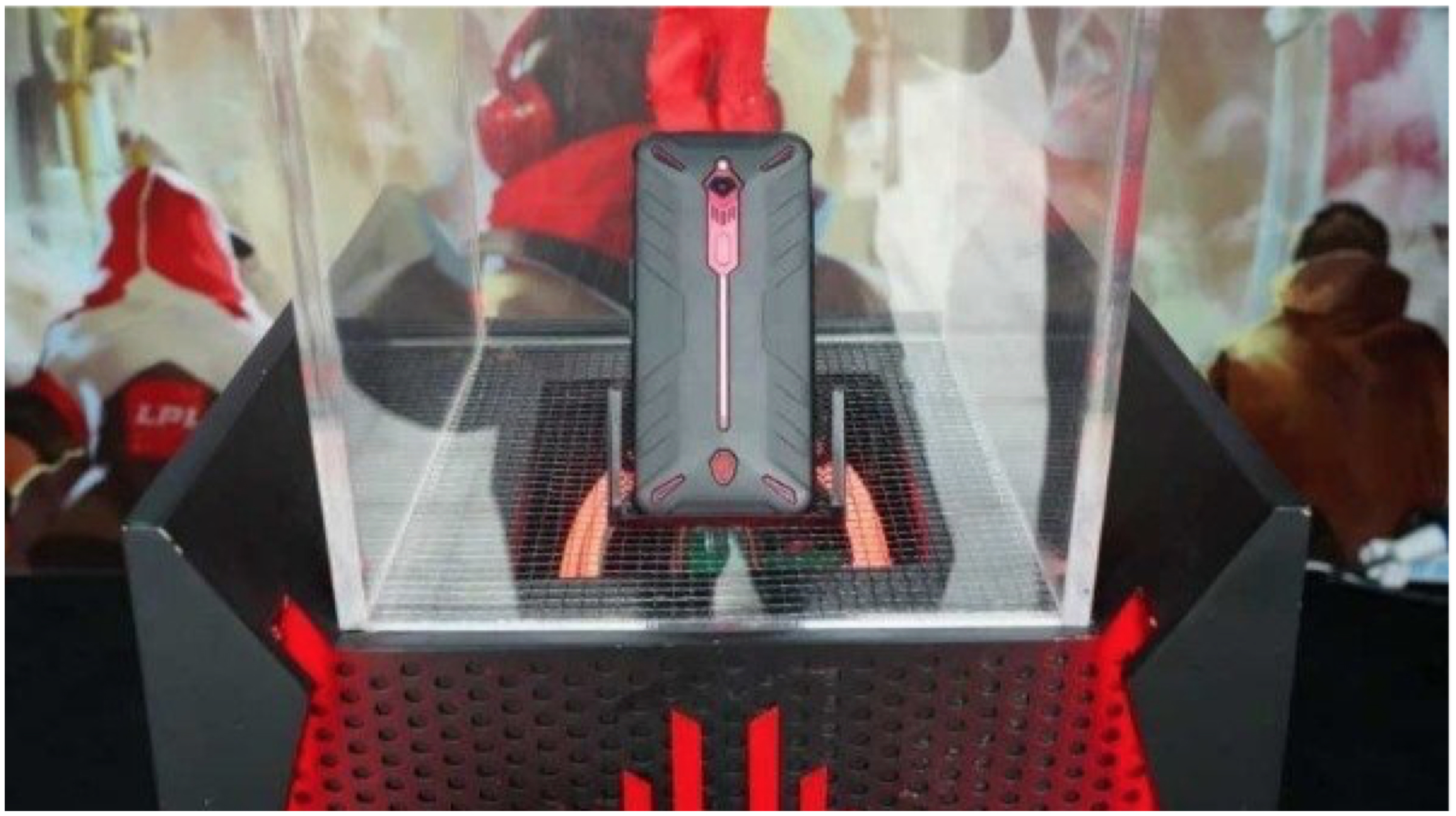
    ZTE’s sub-brand, Nubia is set to launch it’s latest gaming smartphone on the 28th of April 2019. Called the Nubia Red Magic 3, it is the successor to the Red Magic Mars which was launched last year. A couple of days ago, the smartphone was spotted at a Chinese gaming event exhibiting a distinctive design. On 26th of April, the Red Magic 3 was listed on the benchmarking website, Geekbench confirming its key specifications. 

    Nubia Red Magic 3 Features

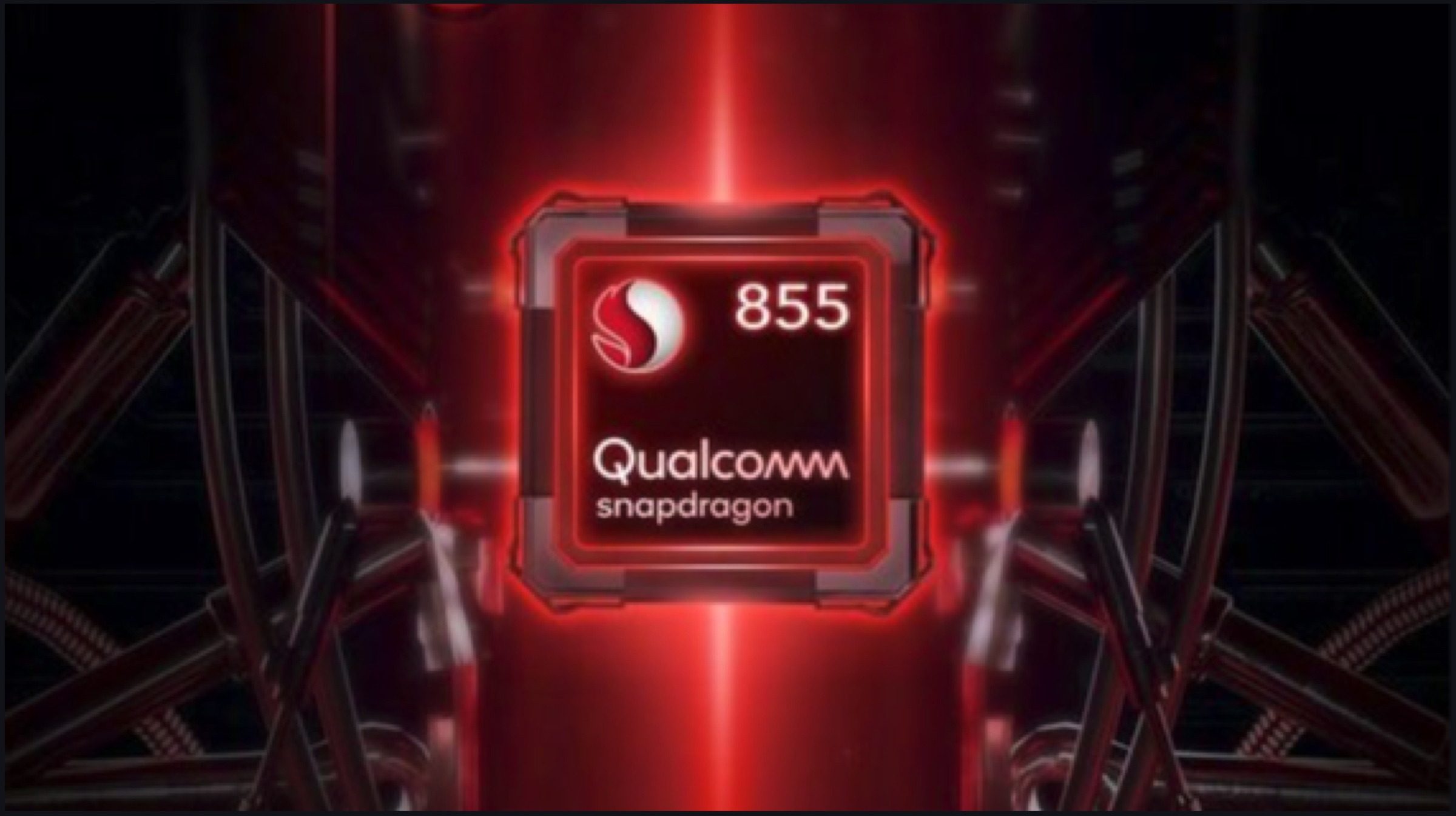
    The Geekbench listing of the Red Magic 3 reconfirms that it is kitted with the Snapdragon 855 SoC which is paired with 8 GB of RAM. The Snapdragon 855 is the current flagship chipset that Qualcomm currently offers. It is manufactured using 7 nm fabrication process and is also present on devices including the Galaxy S10 and Oppo Reno 10X Zoom Variant

    Accrediting to its hybrid cooling solution, the Nubia Red Magic 3 registers and an impressive single-core score of 3537 points and a multi-core score of 11211 points. Another noteworthy feature the smartphone is boasted to have is a high refresh rate display which enhances the gaming experience.

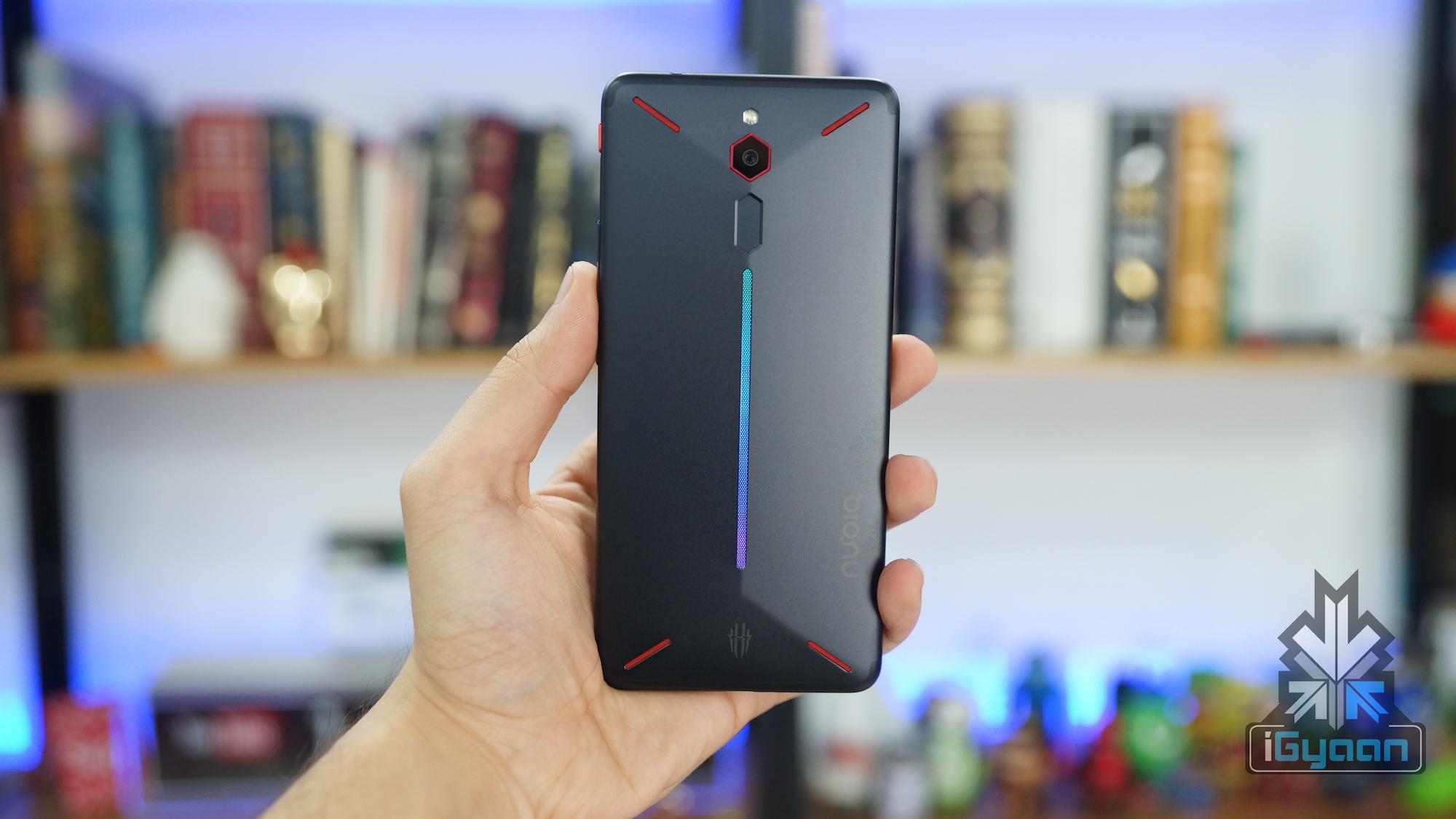
    As previously mentioned, the Nubia Red Magic 3 has a distinctive design. Like previous Red Magic smartphones, the anticipated device also has a metal back which houses an elongated fingerprint sensor, single camera sensor and an LED strip. It also has air vents on the rear which keeps the temperature under check while heavy gaming. 

    Also Read: Scientists Confirm That Testing Blood Levels Can Track Progress Of Alzheimer’s Disease

    Finally, precise details, price and storage variants of the gaming-centric smarpthone will be unveiled tomorrow at its Chinese launch. 

  • Realme 3 Pro

    Realme 3 Pro

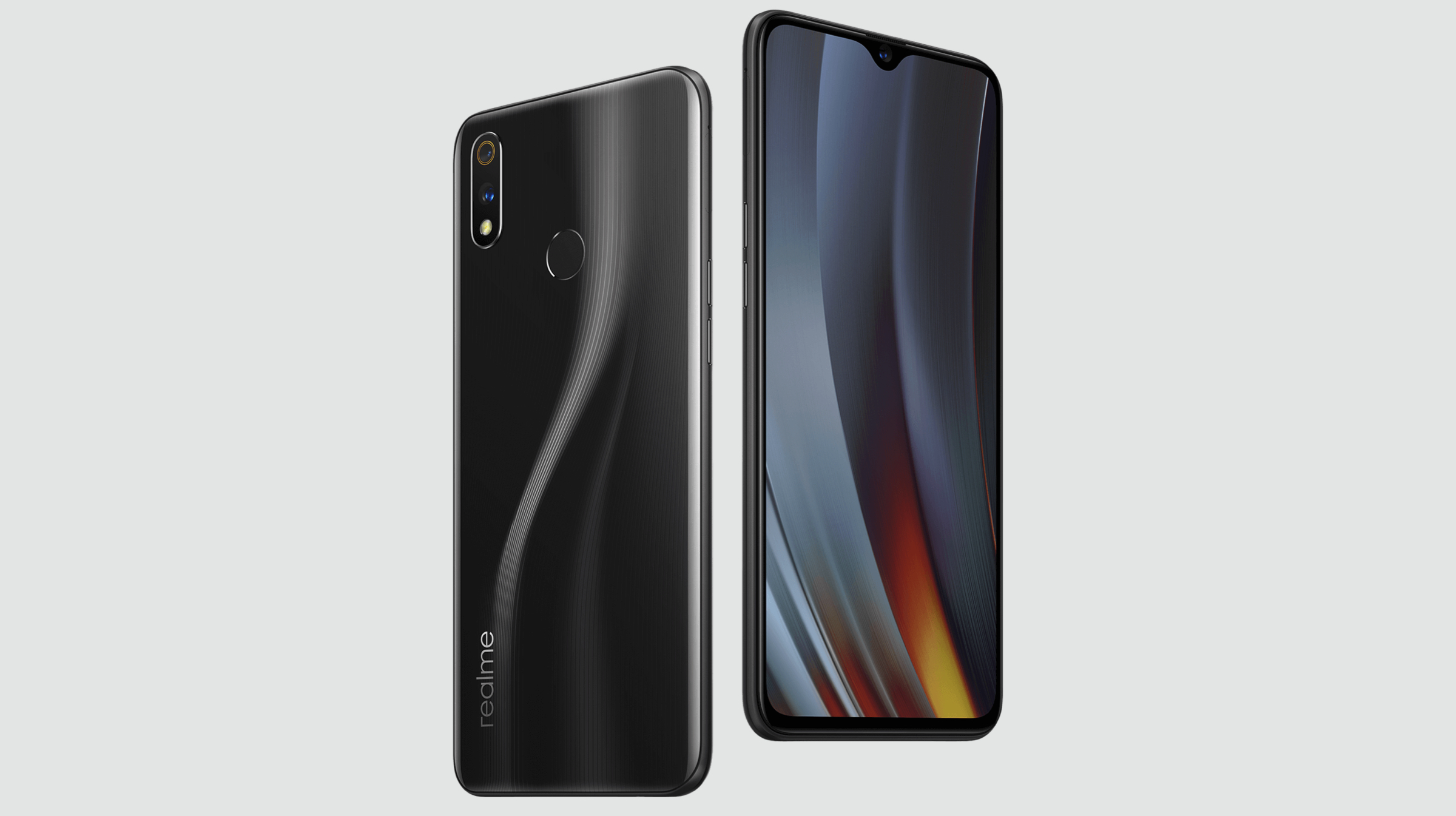
    Realme launched the Realme 3 Pro in an event held in New Delhi on the 22nd of April. It is the most feature-laden smartphone the company currently offers. Going by its price and specifications, it mainly targets competitors the Redmi Note 7 Pro and the Samsung Galaxy A30. It packs the Snapdragon 710 SoC and is powered by a large 4000 mAh battery. It sports a 6.3 inch display and runs on the latest Android 9.0 Pie.

    Click here to buy the Realme 3 Pro

    [loop included_tags=”62452,55724″ loading=”paged” layout=”f” postsperpage=”4″]


  • Realme Flagship Smartphone With Snapdragon 855 SoC Leaked, Launch Imminent

    Realme Flagship Smartphone With Snapdragon 855 SoC Leaked, Launch Imminent

    Realme launched its latest device, the Realme 3 Pro at an event on the 22nd of April. The smartphone boasts of competitive specifications at a lucrative price tag. While it was long believed the aforementioned handset is the company’s flagship offering, a recent leak reveals Realme has other plans. An unknown smartphone with the model number RMX1901 has surfaced on Chinese certification website TENNA. The device is reported to feature top tier specifications and a significantly affordable price than the competition.

    Realme’s Flagship Smartphone

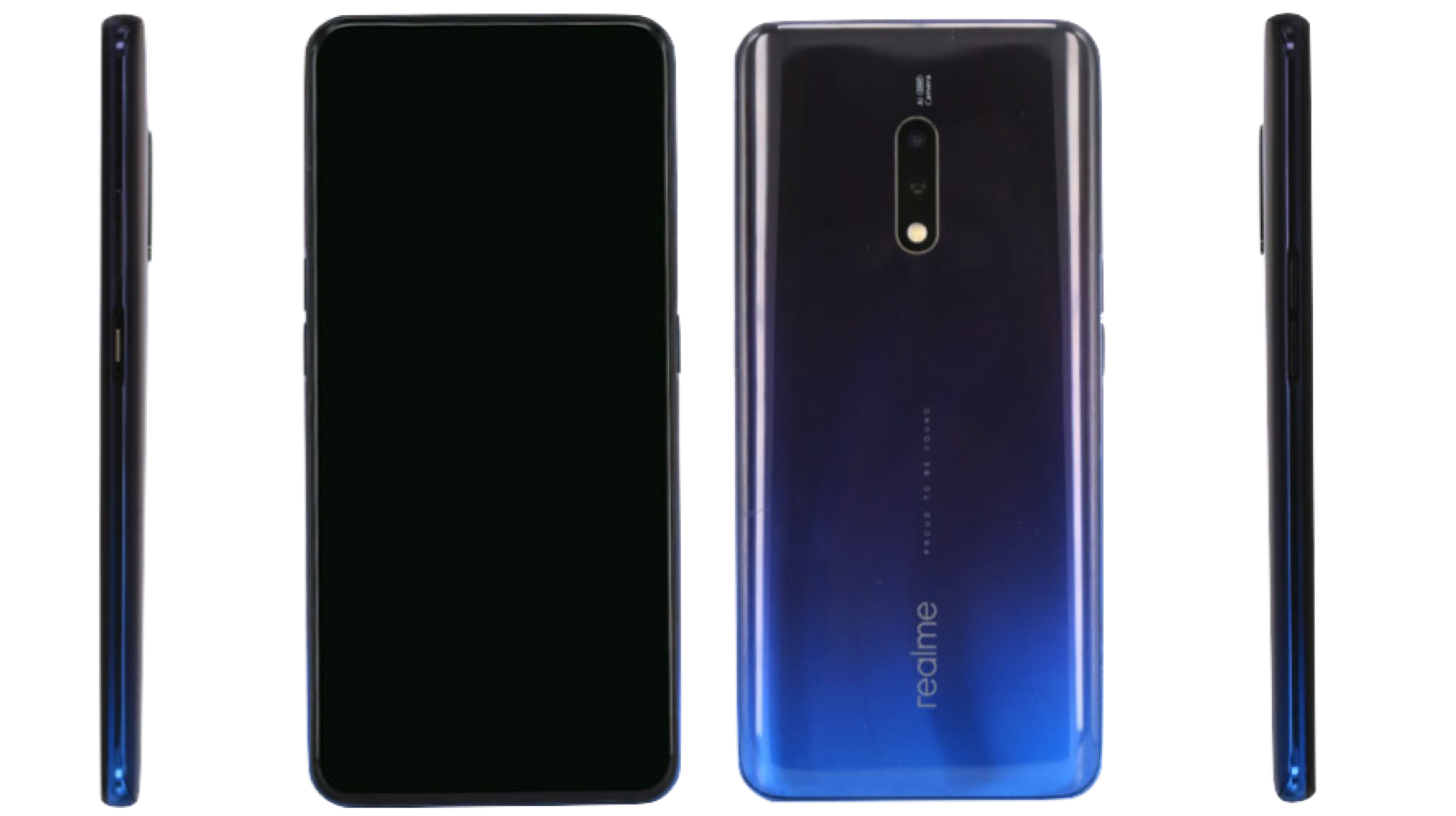
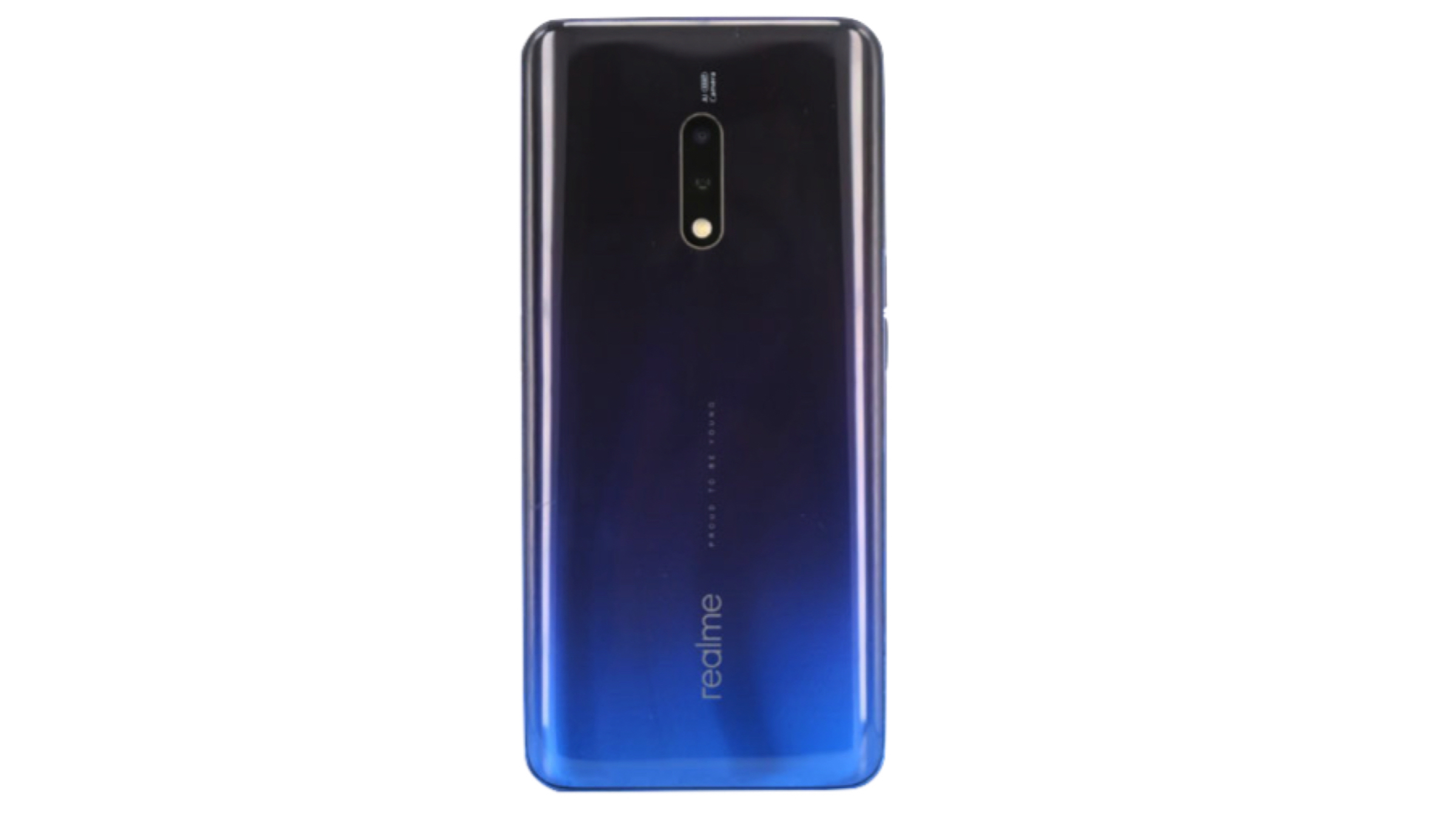
    The upcoming smartphone from Realme will be the company’s first flagship offering. Leaked details reveal it will measure 161.2 × 76 × 9.4 mm and will sport a polycarbonate body like the Realme 3 Pro. The back of the handset has been shown to have a gradient colour scheme. It will have a 6.5-inch display OLED display with an FHD+ resolution. Images of the device insinuate it will use a pop-up mechanism to house the front camera. Since a physical fingerprint scanner is not visible anywhere around the smartphone, an in display sensor is expected to make its debut on the device.

    Reports claim the upcoming flagship smartphone from Realme will run on the 7nm Snapdragon 855 SoC. The chipset is comprised of an Octa-core CPU and uses the Adreno 640 GPU for graphics. The images reveal the device will have a vertically stacked dual rear camera setup, details of which are unknown at the moment. For selfies, a single front-facing camera is expected to be housed in the pop-up mechanism on top of the display. More details about the memory and storage remain shrouded in mystery as of yet.

    Also read: Xiaomi To Launch A Smartphone With Snapdragon 730 SoC Soon

    The listing further reveals the Realme flagship smartphone will be powered by a 3680 mAh battery with support for VOOC fast charging. The handset is likely to run on the company’s latest ColorOS 6 on top of current Android 9 Pie. While the company hasn’t made any announcement regarding the device, the listing suggests it may launch soon.

  • Xiaomi To Launch A Smartphone With Snapdragon 730 SoC Soon

    Xiaomi To Launch A Smartphone With Snapdragon 730 SoC Soon

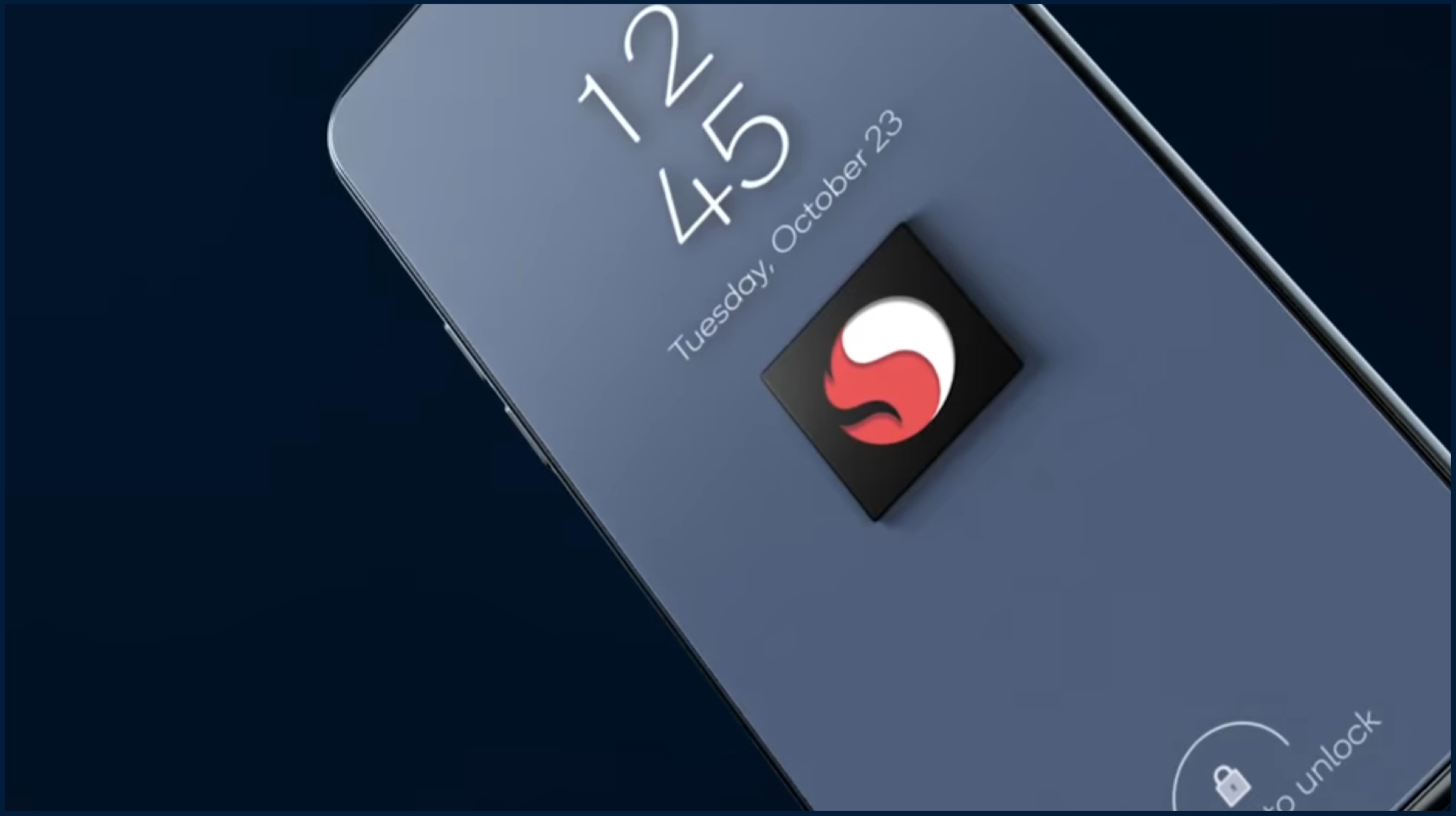
    Qualcomm announced the Snapdragon 665, 730 and 730G smartphone SoCs earlier this month. The new processors promise a faster CPU and gaming performance with a balanced efficiency. While the only device announced until now with one of the above chipsets is the Samsung Galaxy A80, recent reports claim that may change in the near future. In a Tweet, a senior Xiaomi executive has hinted a smartphone from the company with the Snapdragon 730 SoC may launch soon.

    Xiaomi Smartphone With Snapdragon 730

    Previous leaks have affirmed the presence of a Xiaomi smartphone with the Snapdragon 730 SoC. Among other details mentioned in the leak is the presence of a triple camera module, with a 48MP sensor as the primary camera. Apart from this, the image shows a second 8MP camera which may an ultra-wide sensor; and a third 13MP camera, which probably uses a telephoto lens. The image leaked in the past depicted a smartphone with a pop-up camera, a 3.5mm headphone jack and a microphone. This indicates that the Redmi smartphone will have a notch-less display. 

    Also read: Nokia 3.2, 4.2 Budget Smartphones Listed On Indian Website, Launch Imminent

    The Snapdragon 730 processor was launched by Qualcomm on April 9, 2019, and comprises of an octa-core Kryo 470 CPU, which is clocked at 2.2 GHz; and uses the Adreno 618 GPU for graphics. Another notable aspect of the previous leak is the presence of a 4000 mAh battery in the device. The chipset has support for Quick Charge 4+ technology, which implies that the Redmi smartphone is likely to support fast charging. Since Xiaomi has confirmed the device it insinuates that it will be launched soon. Unfortunately, the company has not revealed any details about the launch date or the pricing of the handset. Although, as the company is known to price its products aggressively; the aforementioned smartphone may be priced around Rs. 20,000 price range in India.

  • Nokia 3.2, 4.2 Budget Smartphones Listed On Indian Website, Launch Imminent

    Nokia 3.2, 4.2 Budget Smartphones Listed On Indian Website, Launch Imminent

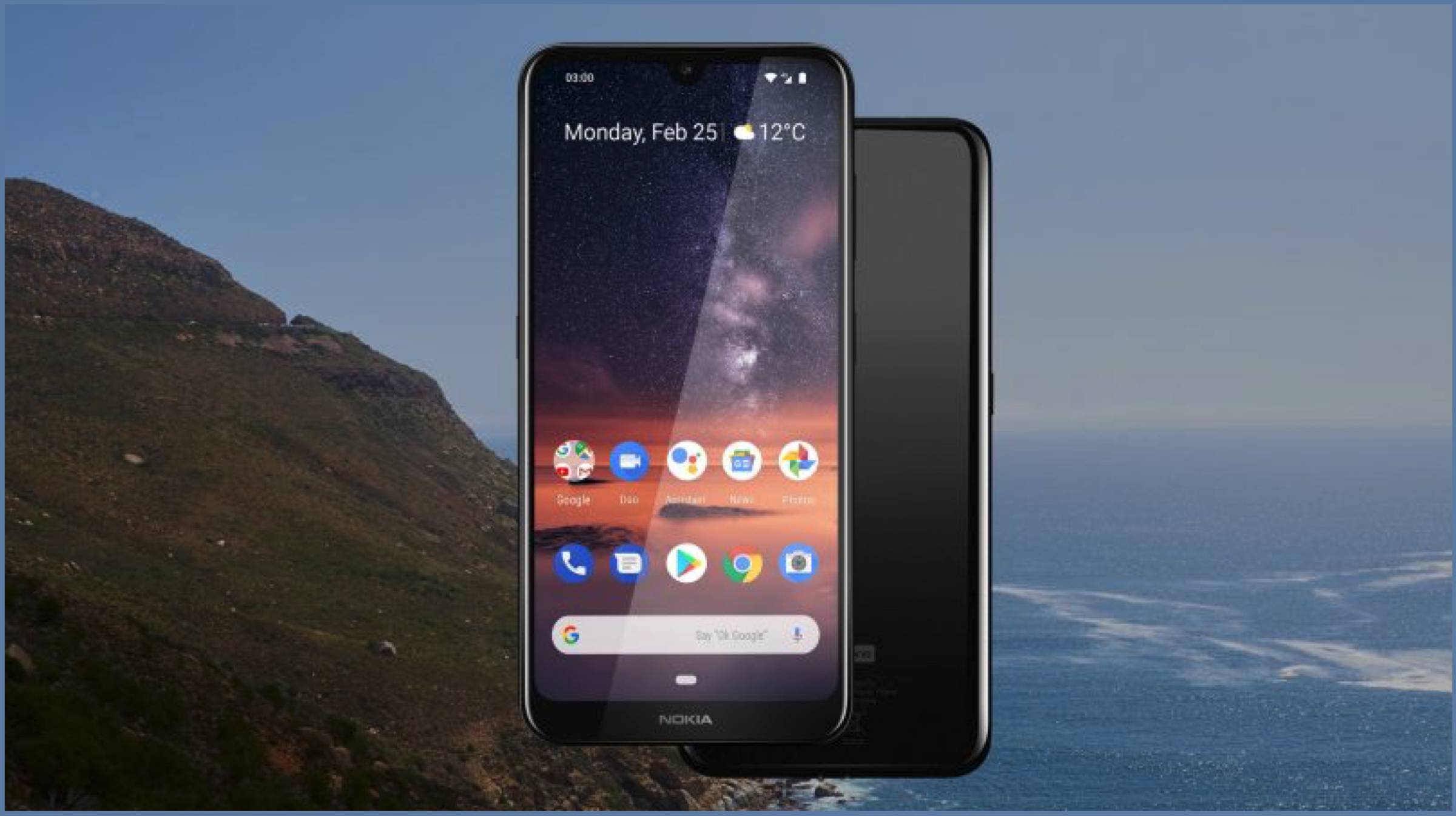
    Nokia originally launched the Nokia 3.2 and 4.2 budget smartphones at an event in Barcelona, Spain back in the month of February. The handsets promise a stock Android interface with support for software updates for multiple years. It is now expected the company will launch the two aforementioned devices in the Indian market soon, as it has listed both handsets on its official website.

    Nokia 3.2 

    To recall, Nokia 3.2 is the successor of the Nokia 3.1 which was launched last year. It is a budget device featuring a polycarbonate body. The display of the device is a 6.26 inch TFT LCD panel with a resolution of 1520 x 720 px. It has a pixel density of 269 ppi and features a waterdrop notch on top. For biometrics and easily unlocking the smartphone, a rear-mounted fingerprint scanner is available on the more premium storage variant of the smartphone

    Under the hood, the Nokia 3.2 is kitted with a Snapdragon 429 SoC which is manufactured using the 12nm fabrication process. The chipset is comprised of an Octa-core CPU and Adreno 504 GPU. In terms of optics, the handset is equipped with a single rear camera which has an f/2.2 equipped 13MP sensor. For selfies, an f/2.2 aperture equipped 5MP sensor is housed in the notch up front. For memory and storage, the device is expected in two variants:

    • 2GB RAM and 16GB ROM
    • 3GB RAM and 32GB ROM (Also features a fingerprint sensor)

    Nokia 3.2 is powered by a 4000mAh battery which the company claims can last up to two days on a single charge. A dedicated Google Assistant button is also present on the left side of the device. The smartphone runs on Android 9 Pie and is Android One certified; which states that it will receive Android updates for two years and monthly security updates for three years. While it’s pricing is unknown for the Indian market, it was launched for US$ 139 (around Rs. 9,900) for 2GB + 16GB variant and US$ 169 (around Rs. 12,000) for 3GB + 32GB variant so a similar price is expected.

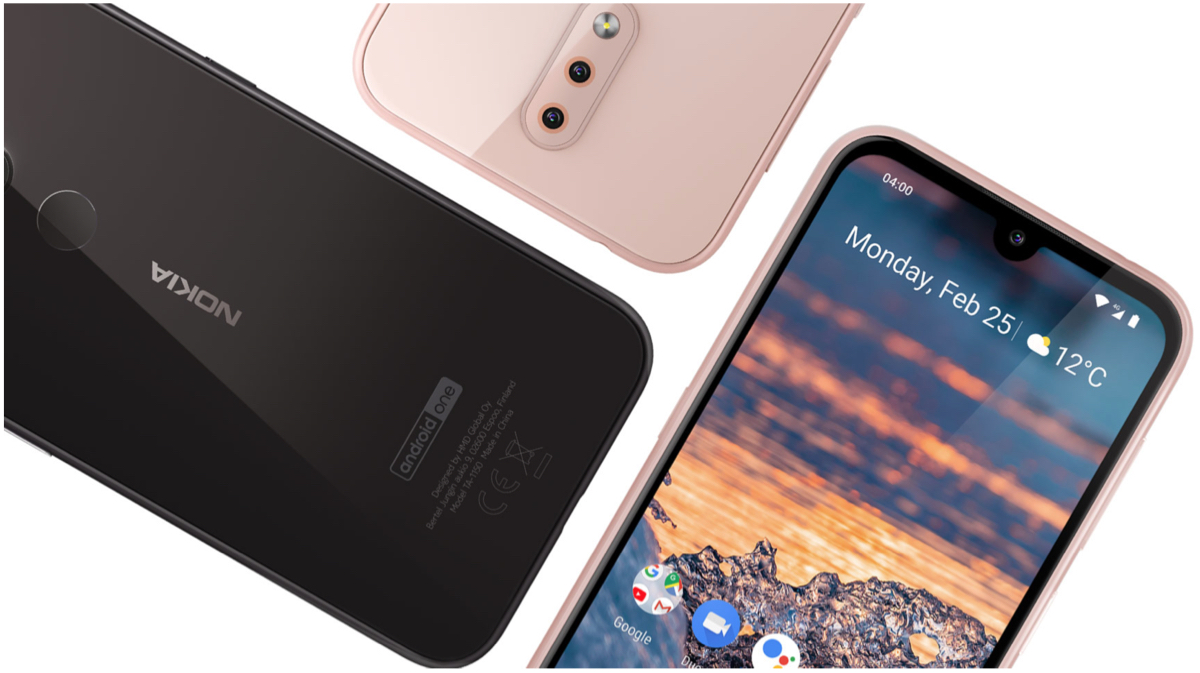
    Nokia 4.2

    Nokia 4.2 is another budget offering by Nokia which features in a completely new lineup. It features a glass sandwich design with a polycarbonate frame. The smartphone has a 5.71 inch TFT LCD display with a resolution of 1520 x 720 px. The display has a pixel density of 270ppi and features a waterdrop notch on top. For biometrics and securely unlocking the device, it has a rear mounted fingerprint scanner.

    Under the hood, the Nokia 4.2 runs on a Snapdragon 439 SoC which is manufactured using the 12nm fabrication process. It has an Octa-core CPU and Adreno 505 GPU. In terms of optics, the handset has a dual rear camera setup. This consists of an f/2.2 aperture equipped 13MP sensor paired with an f/2.2 aperture equipped 2MP depth sensor. For selfies, the device has an f/2.0 aperture equipped 8MP sensor housed in the notch on top of the display. For memory and storage, the device will be available in two variants:

    • 2GB RAM and 16GB ROM
    • 3GB RAM and 32GB ROM 

    Also read: OnePlus 7 Will Have Triple Rear Cameras Confirms Company

    Nokia 4.2 is powered by a 3000mAh battery which can be charged using the MicroUSB port on the bottom of the smartphone. Like the Nokia 3.2, it also features the dedicated Google Assistant button and runs on Android 9 Pie Android One edition. While it’s pricing is unknown for the Indian market, it was launched for US$ 169 (Rs. 12,000) for the 2GB + 16GB version and US$ 199 (Rs. 14,200) for the 3GB + 32GB version. Therefore a similar price tag is expected.

  • OnePlus 7 Will Have Triple Rear Cameras Confirms Company

    OnePlus 7 Will Have Triple Rear Cameras Confirms Company

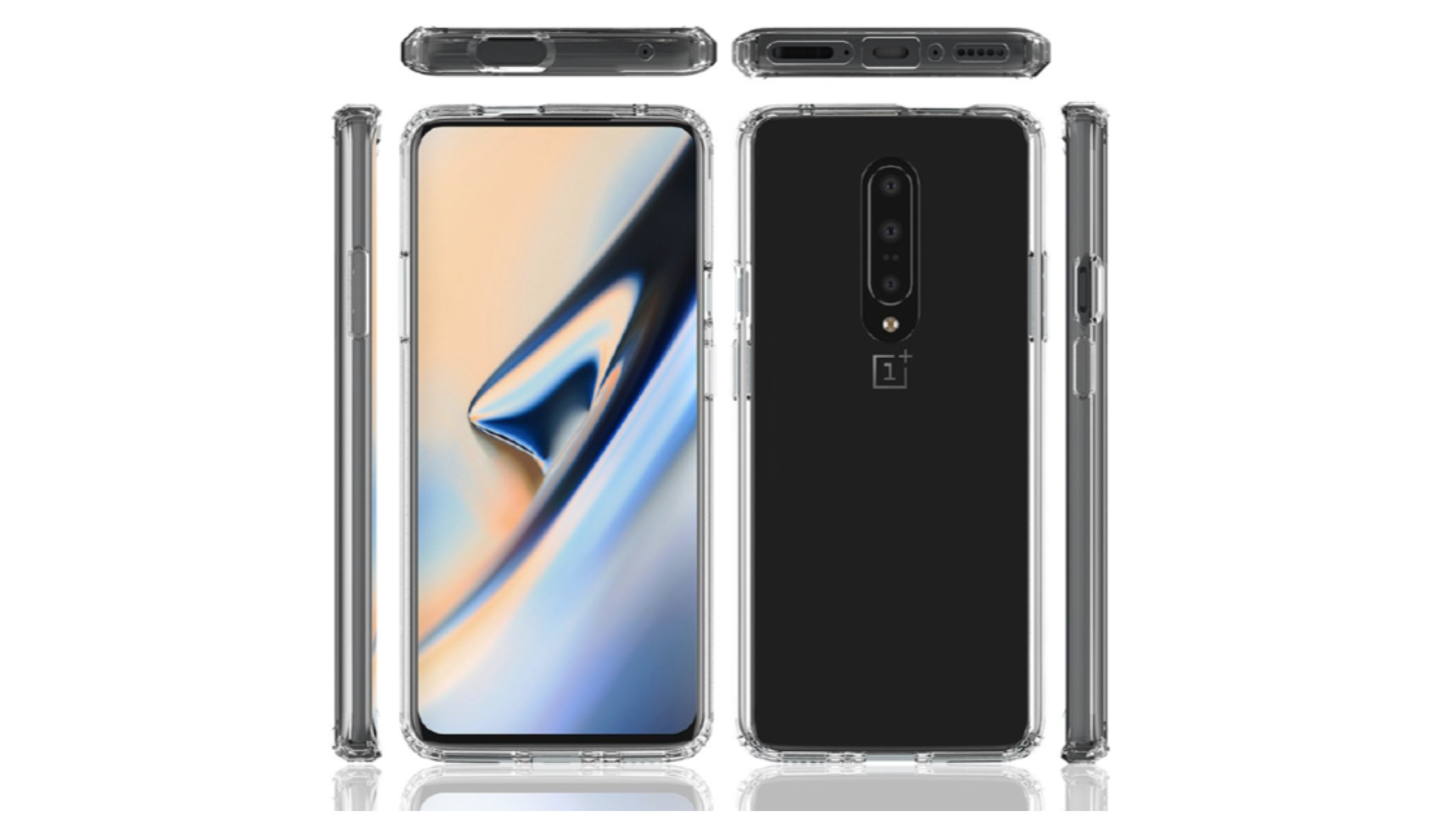
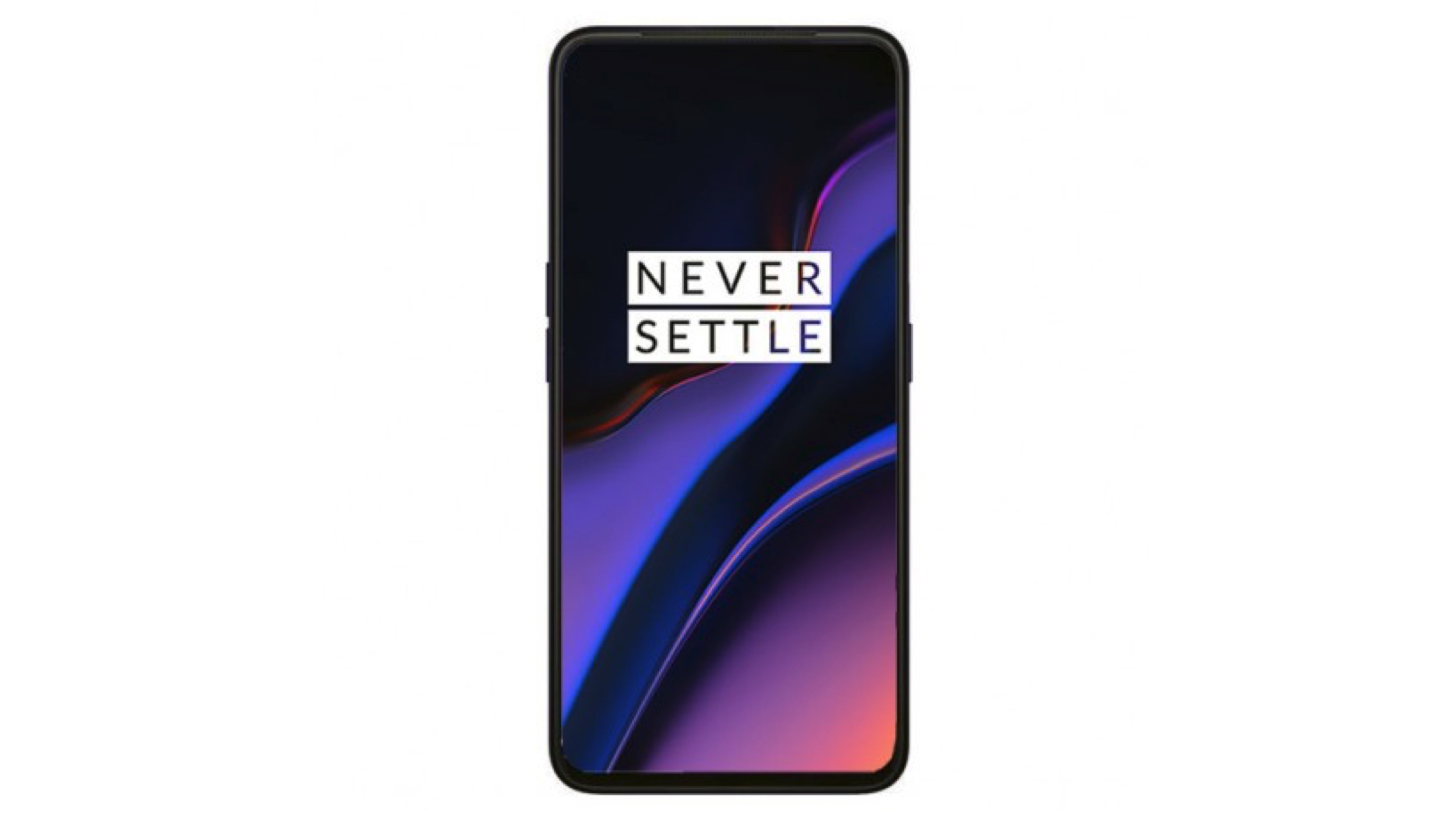
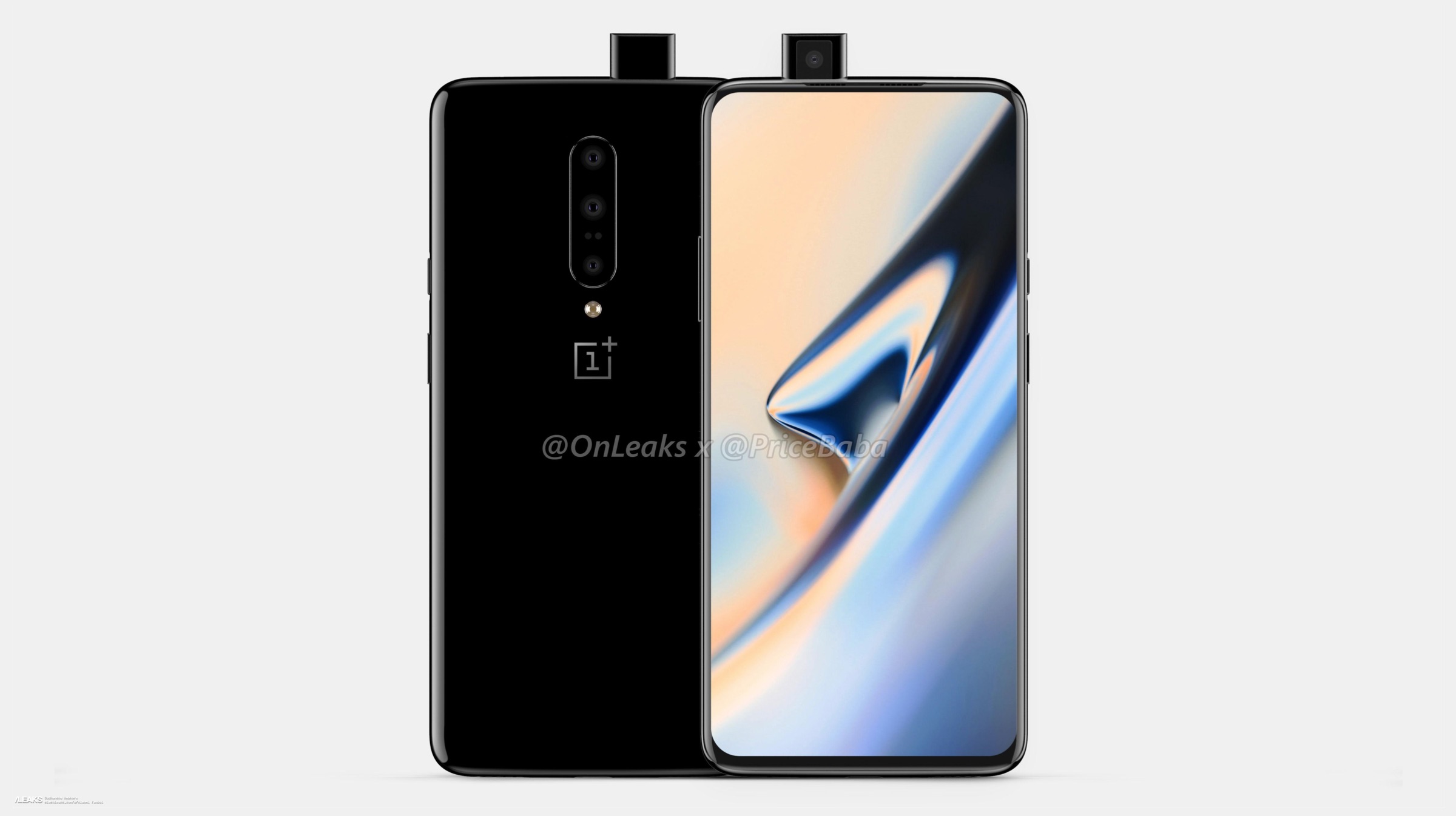
    The rapidly flourishing smartphone maker OnePlus is set to launch its latest devices on the 14th of May. Unlike previous launch cycles, the company is expected to launch two smartphone models at the upcoming event. The aforementioned devices will allegedly be called the OnePlus 7 and the OnePlus 7 Pro. As the name suggests, the latter will be a specced up variant of the former. Details about both the handsets have previously leaked on several instances. One notable feature the upcoming smartphones were reported to have is a triple rear camera setup. A Tweet shared on the official OnePlus account confirms that the anticipated devices will indeed have a triple rear camera setup. Notably, it is not confirmed whether both the smartphones will have this feature or just the ‘Pro’ variant.  

    https://twitter.com/oneplus/status/1121398453018316802

    Need and Composition Of The Triple Camera Setup?

    Putting more than two rear cameras on a smartphone has become very popular. Mainly due to the reason that a third sensor can provide added functionalities like optical zoom, ultra wide viewing capabilities, monochrome functionality and even more. Noteworthy, this depends on the type of sensor that the OEMs chooses to implement on their offering.


    According to previous leaks and rumours, the triple camera setup on the upcoming OnePlus smartphone will be comprised of a 48 MP primary sensor, an f/2.4 aperture equipped telephoto sensor with 3x zoom capabilities and an f/2.2 aperture equipped 16 MP ultra wide sensor. Clearly, the telephoto sensor will allow the OnePlus 7 to capture close up shots while keeping distortion at bay. On the other hand, the ultra-wide sensor will enable the smartphone to capture images that have a considerably wide field of view (FOV).

    Also Read: iPhone XI Latest CAD Based Renders Affirm Triangular Camera Setup

    Pleasantly, we won’t have to wait for long to get the exact features and details of the upcoming OnePlus smartphones as their launch is imminent. 

  • In Display Fingerprint Scanners For LCD Displays Are Now A Reality

    In Display Fingerprint Scanners For LCD Displays Are Now A Reality

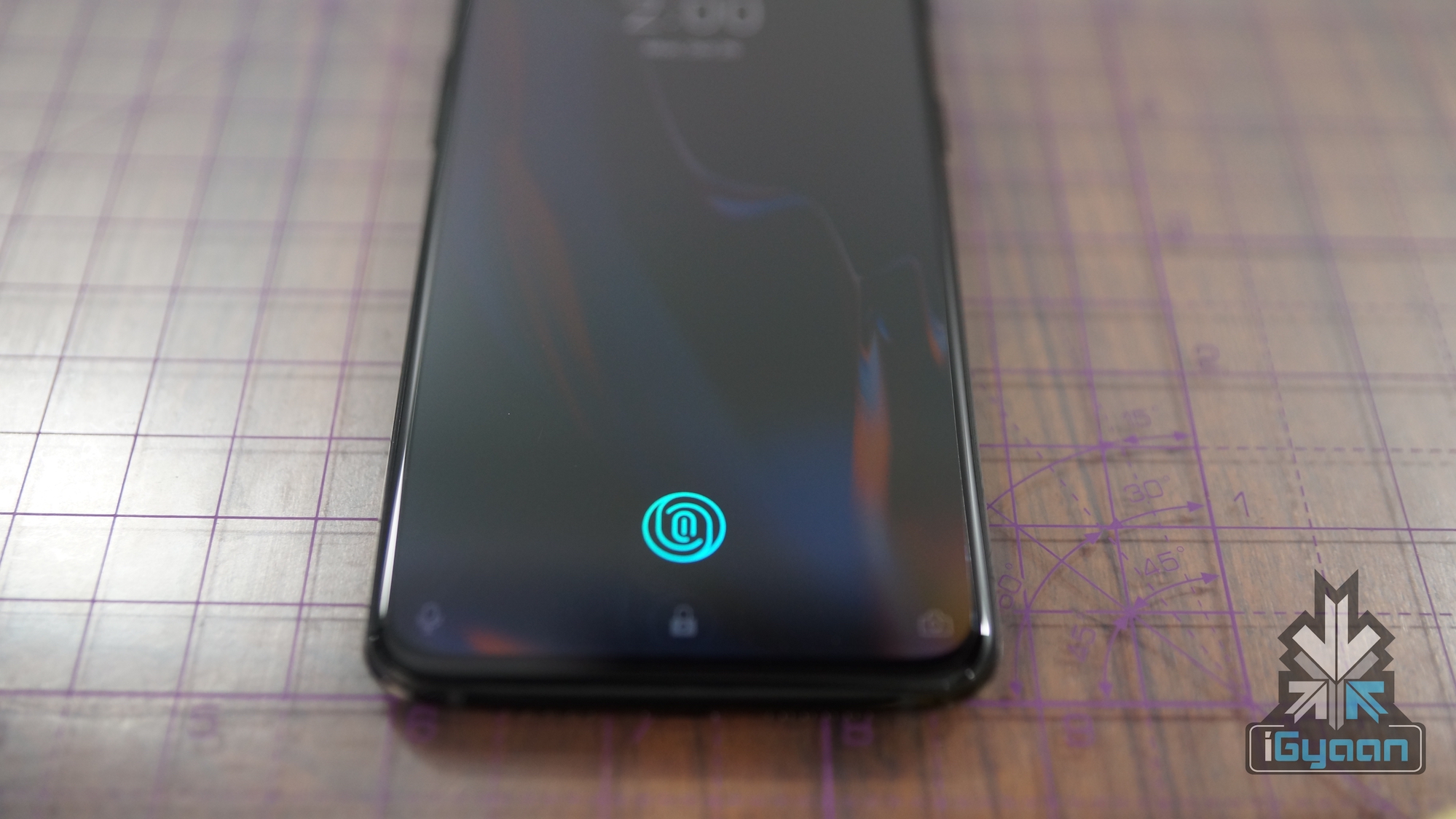
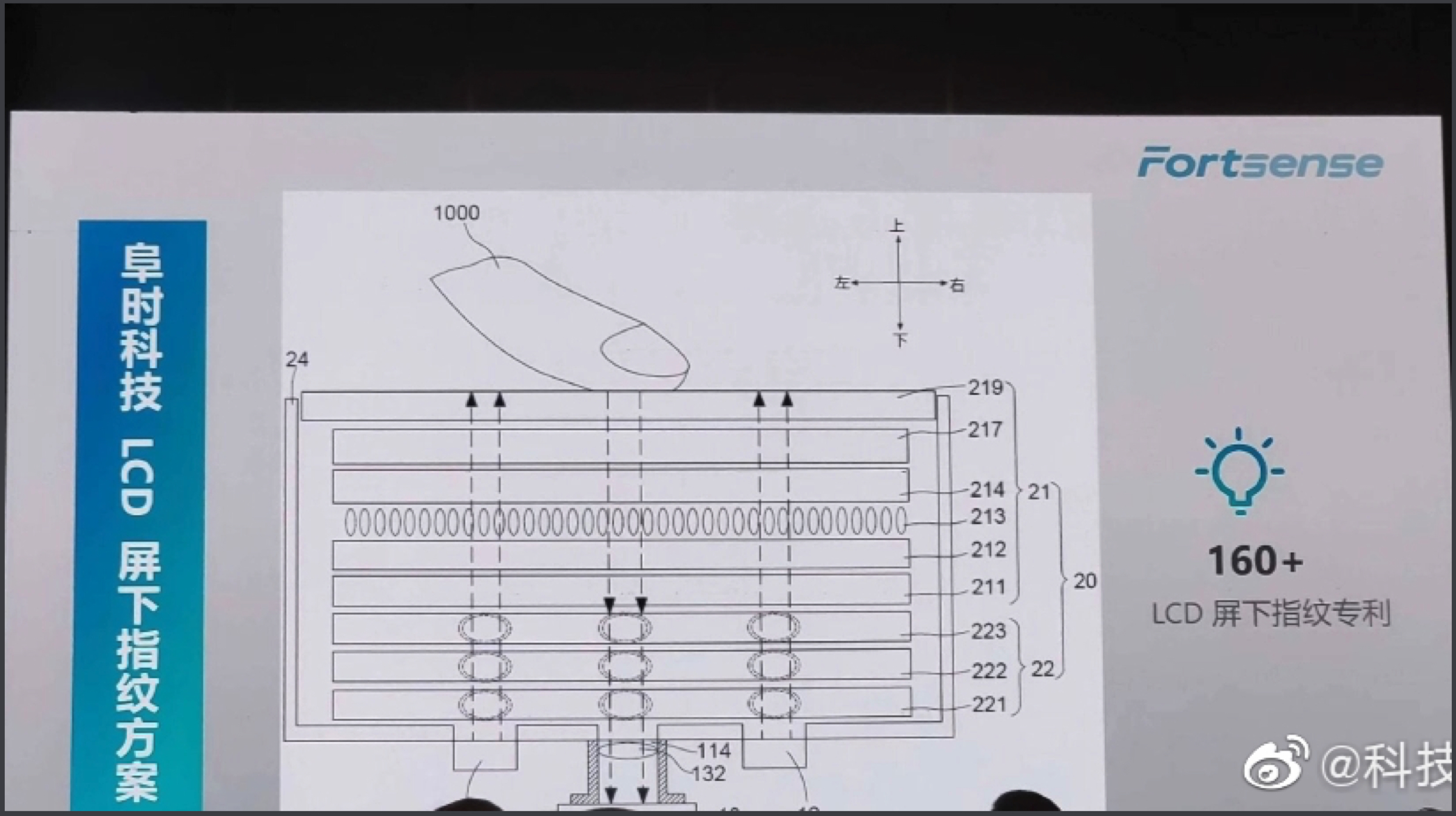
    The in display fingerprint scanners for smartphones was first shown off at the Consumer Electronics Show (CES) last year by Vivo. Few months after, the technology was made commercially available in the form of the Vivo X21 UD. Since then, many other major OEMs have started providing an in display fingerprint sensor in their devices. Notably, the feature is only limited to smartphones that feature an OLED display. Mainly due to the reason, only OLED display allowed light to pass through to authenticate a fingerprint via the underneath mounted sensor. That all changes now, as a Chinese company Fortsense has announced it has successfully developed in display fingerprint scanners for handsets with an LCD display.

    Why Is It Big News?
    Galaxy S10+

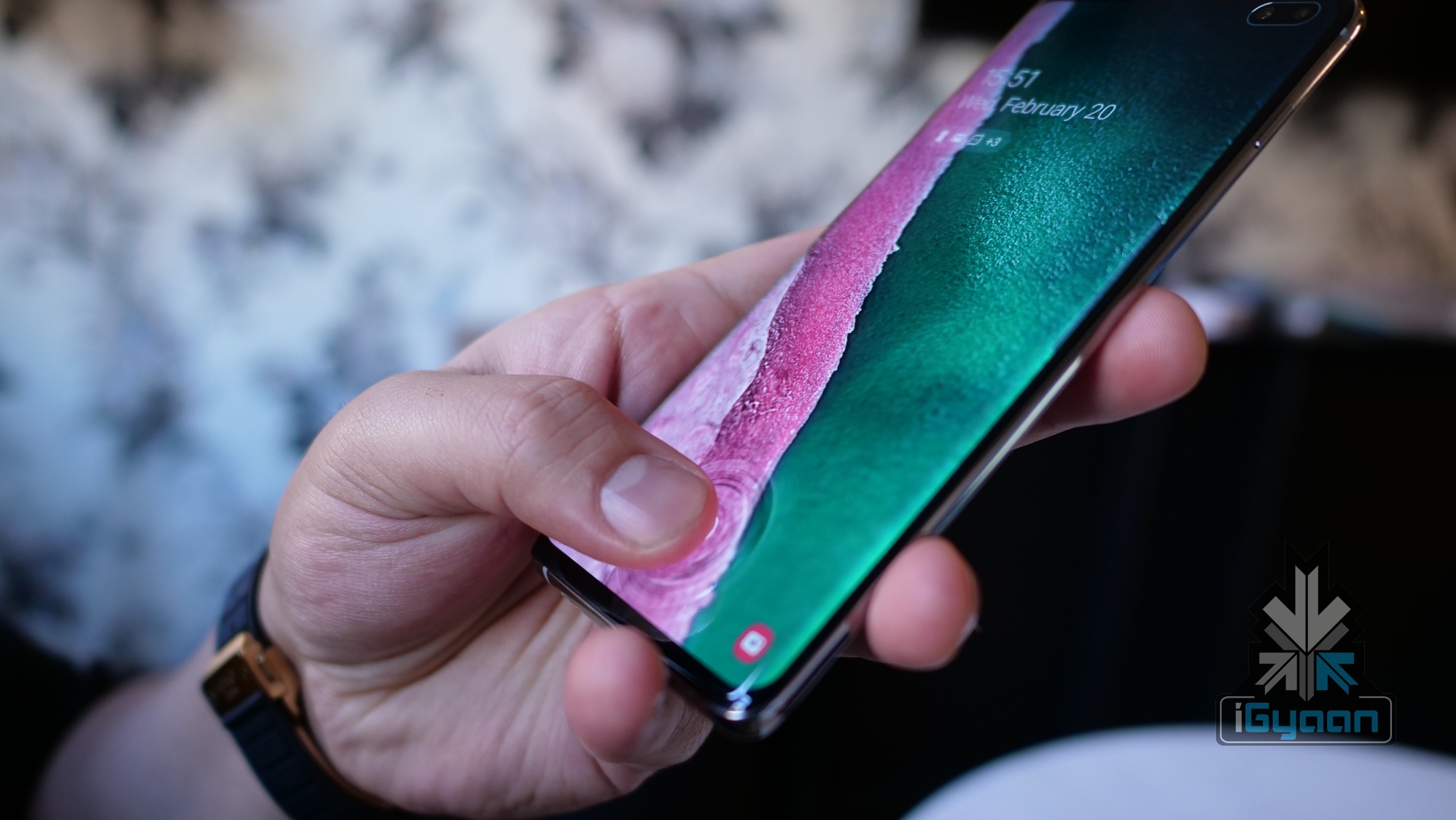
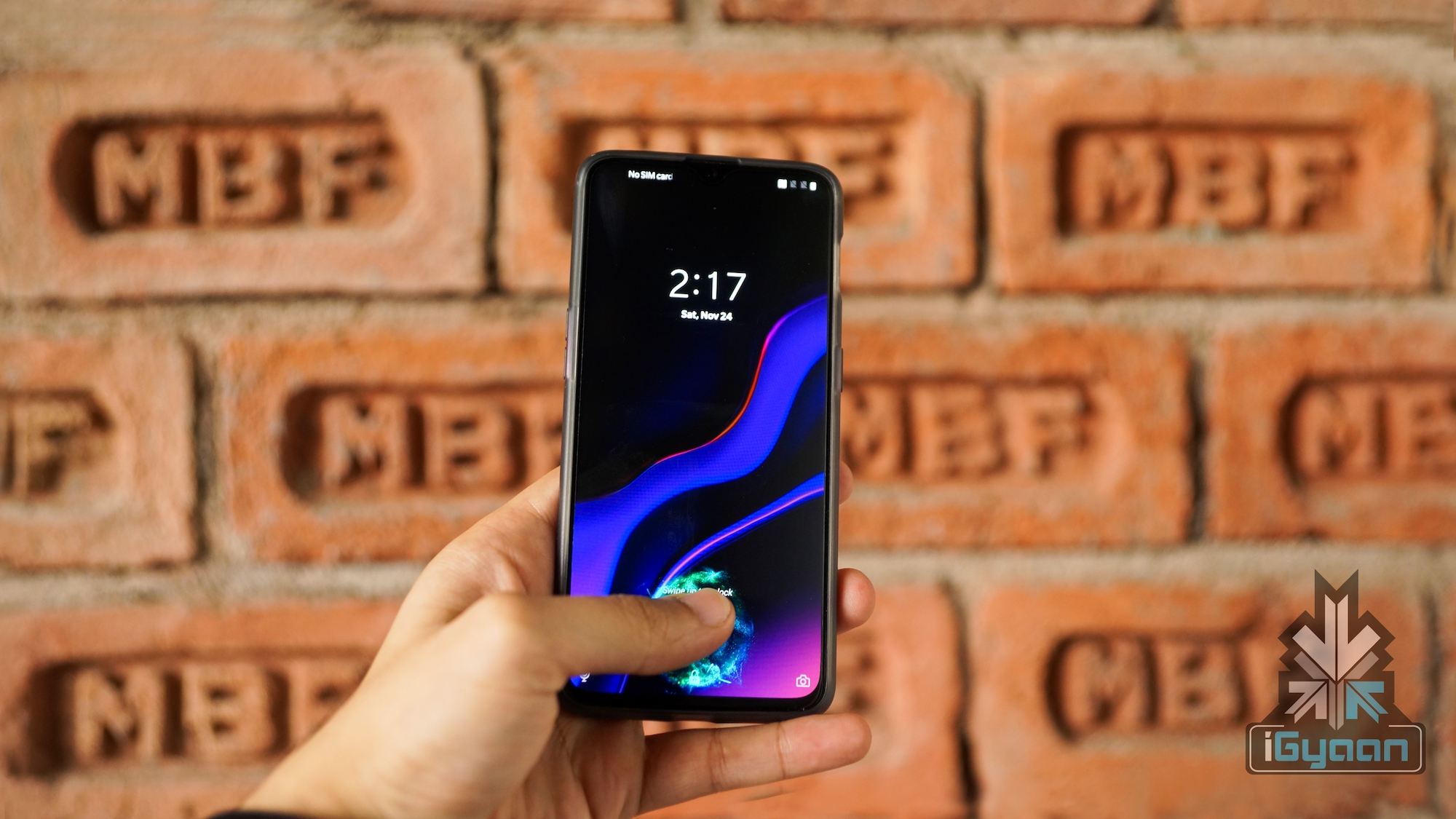
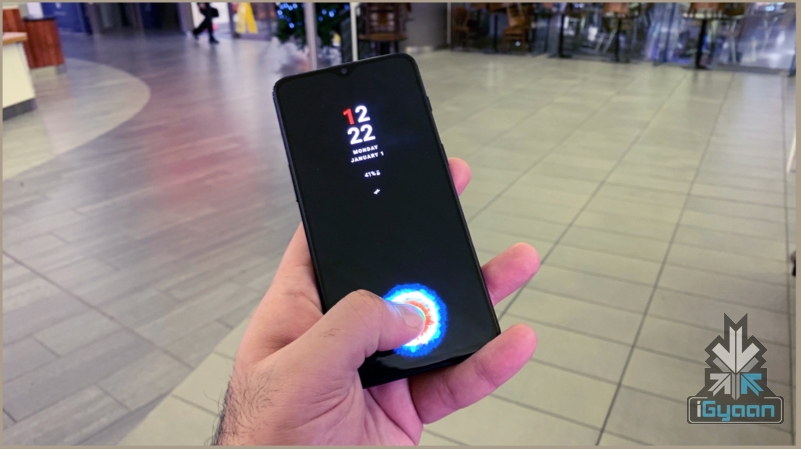
    As mentioned above, traditional in display fingerprint scanners use light to authenticate and unlock the smartphone, like in the OnePlus 6T. These are called Optical fingerprint scanners. Samsung in its Galaxy S10, Galaxy S10+ and Galaxy S10 5G uses an ultrasonic in display fingerprint sensor. As opposed to optical ones, these use a sonic pulse wave to authenticate the user’s fingerprint and is claimed to be more secure than the former. In the past, both instances have used an OLED display to work because neither light or a sonic pulse wave can pass through conventional LCD displays.

    As LCD displays are more affordable to manufacture and are found in abundance in budget and mid-range smartphones; an LCD in display fingerprint scanner is big news. This insinuates future budget devices may be featuring a fingerprint sensor inside the handset’s screen. Surprisingly, a senior executive at Xiaomi has already confirmed that smartphones with this feature will be released as early as the next year.

    How Does It Work?

    The R&D team of the Fortsense company claims to make the LCD in display fingerprint scanners work, it had to revise and improve the quality of the LCD backlight panel. It was achieved by enhancing the fingerprint optical path scheme of the display panel. The images from the announcement suggest the fingerprint sensor is an optical kind, but like them, a camera inside the screen is not visible. This might mean it is a completely different kind of technology. 

    Also read: Top Android And iOS Competitors That Got Lost In The Wheel Of Time

    Fortsense also claims to have adopted an algorithm based approach for its LCD in display fingerprint scanners. A combination of deep learning neural network algorithm for optimization and recognition of fingerprints quickly is used in the process. According to the company, the recognition speed is comparable to traditional fingerprint sensors.

  • iPhone XI Latest CAD Based Renders Affirm Triangular Camera Setup

    iPhone XI Latest CAD Based Renders Affirm Triangular Camera Setup

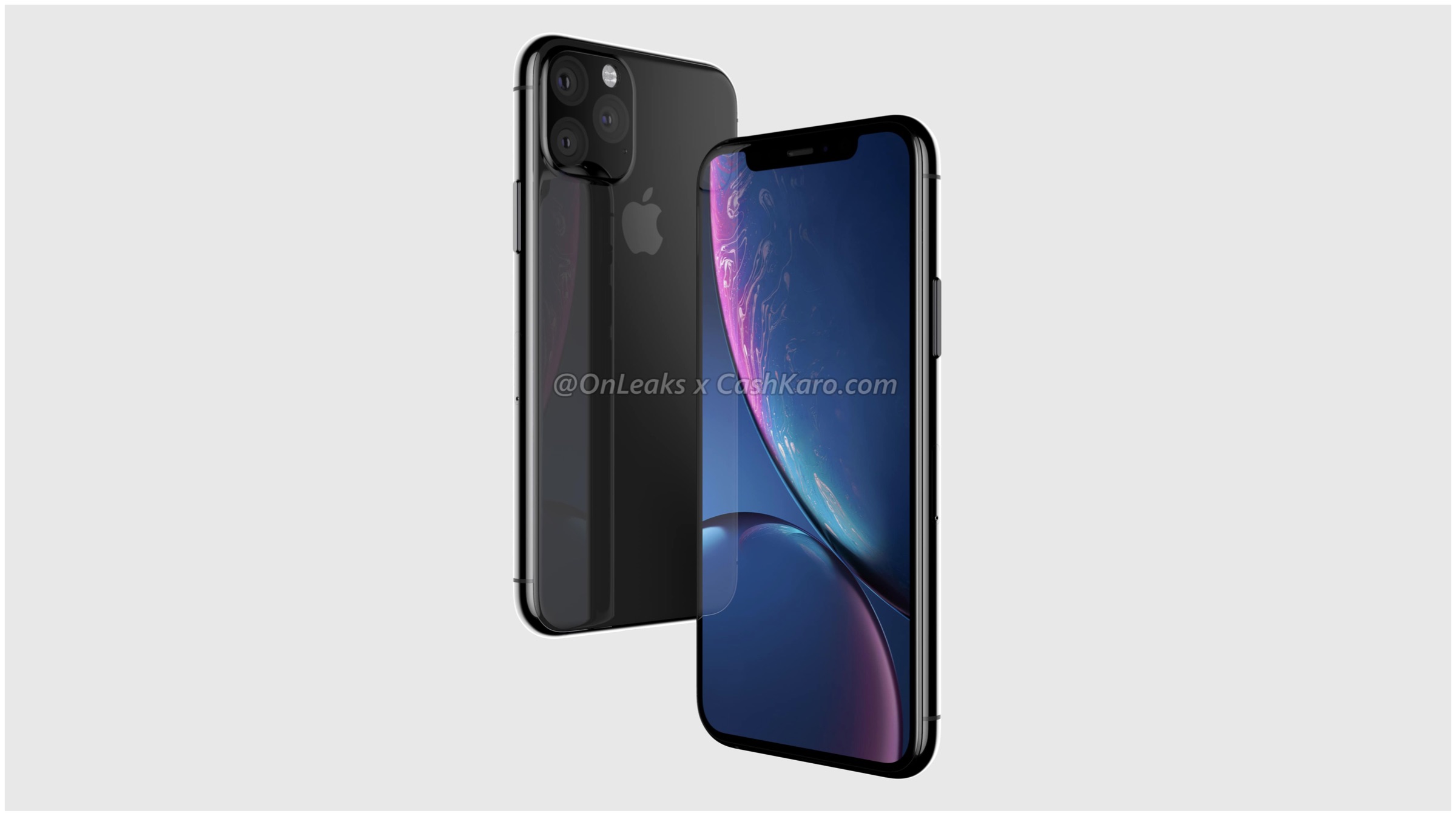
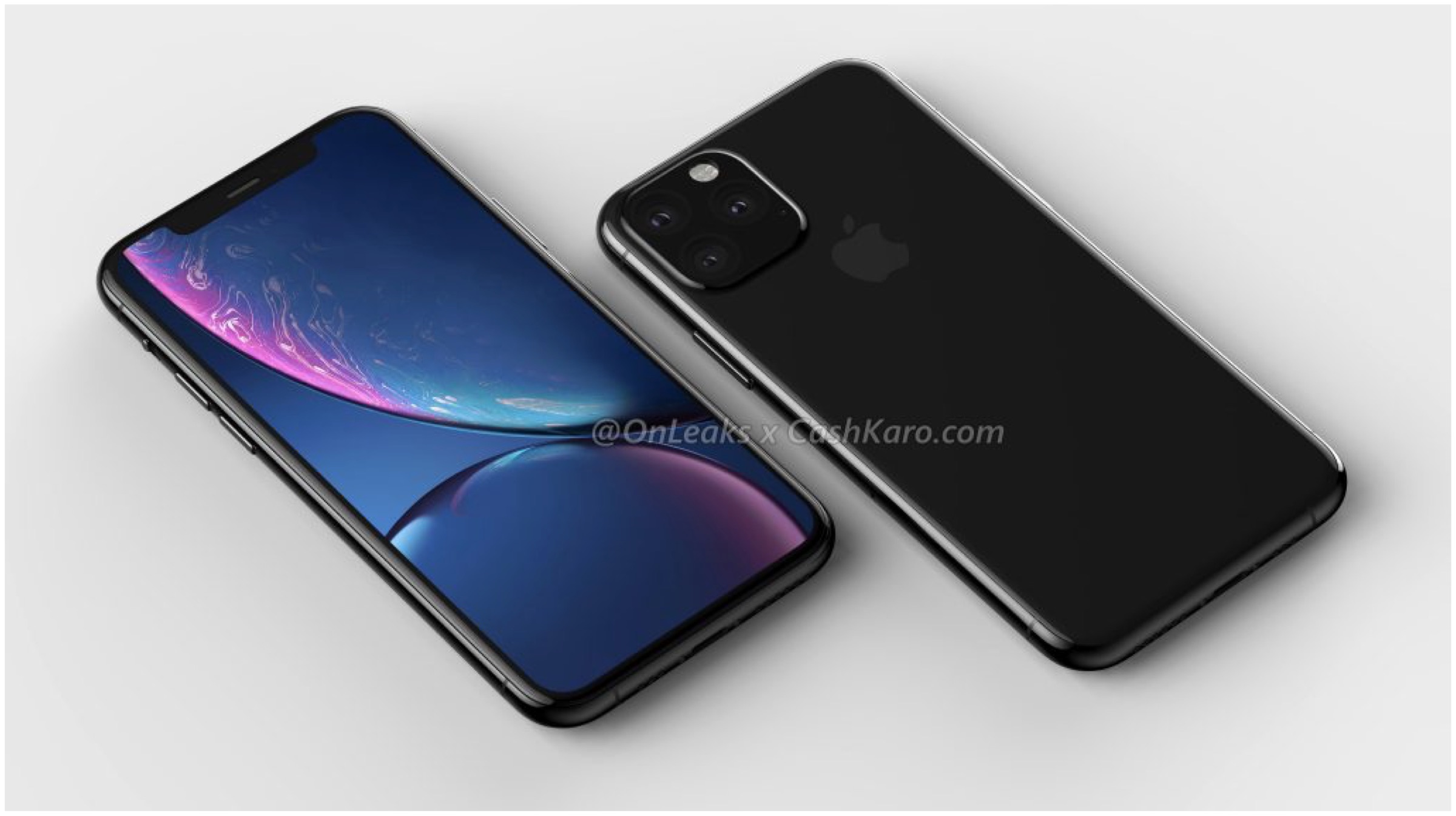
    Rumours surrounding the upcoming iPhone XI  have shrouded the device in mystery for quite some time now. Amongst a multitude of leaks, the triple rear camera setup was the most speculated. If and when released, the Apple iPhone XI will be the first smartphone from the company to feature a triple camera module, indicating a clear shift from Apple’s conventional design statement. Latest leaks regarding the iPhone XI showcase a rear camera bump housing three camera sensors placed in a triangular camera arrangement. 

    Apple iPhone XI Design And Features

     The leaks are in line with the previously reported design of the Apple iPhone XI, which hinted a similar camera setup. The complete module consists of three camera sensors, an LED flash and a microphone which may be used for directional voice recording. Apart from the primary camera, one of the other sensors can be an ultrawide sensor, whereas the third could be a telephoto lens. Front renders of the smartphone exhibit a selfie camera which is housed in the iPhone X-style notch. Quite interestingly, the back panel of the device seems to be fabricated with a single sheet of glass.

    Additionally, the renders showcase a 5.8 inch AMOLED panel, something which is unchanged from the iPhone XS. Reports state that the smartphone will measure at 143.9 x 71.4 x 7.8 mm. Further insight into the smartphone’s renders reveals that the Mute switch on the left side of the phone has a different design from the preceding iterations. It resembles the mute switch which was previously seen in older iPads. Also, the bottom of the smartphone houses the Lightning port.

    Expected Availability

    Also Read: Top Android And iOS Competitors That Got Lost In The Wheel Of Time

    Apple is expected to release the iPhone XI in the month of September 2019, and the smartphone will go head-to-head against other flagship devices in the market, including the Galaxy S10 and the Huawei P30 Pro. It will be interesting to see how Apple will market it’s first “Triple-Camera Smartphone”. Furthermore, the company is also reported to be working on a foldable device, which may be announced around the same time as the iPhone XI. 


  • Top Android And iOS Competitors That Got Lost In The Wheel Of Time

    Top Android And iOS Competitors That Got Lost In The Wheel Of Time

    Google’s Android and Apple’s iOS are the most popular and the most used mobile Operating Systems worldwide. While their success is unprecedented and doesn’t seem like it can be beaten; there was a time when many companies were close. Here is the list of all the once-promising competitors to the hulking giants in the smartphone OS market. Most of them have been forgotten in the wheel of time.

    Windows Phone
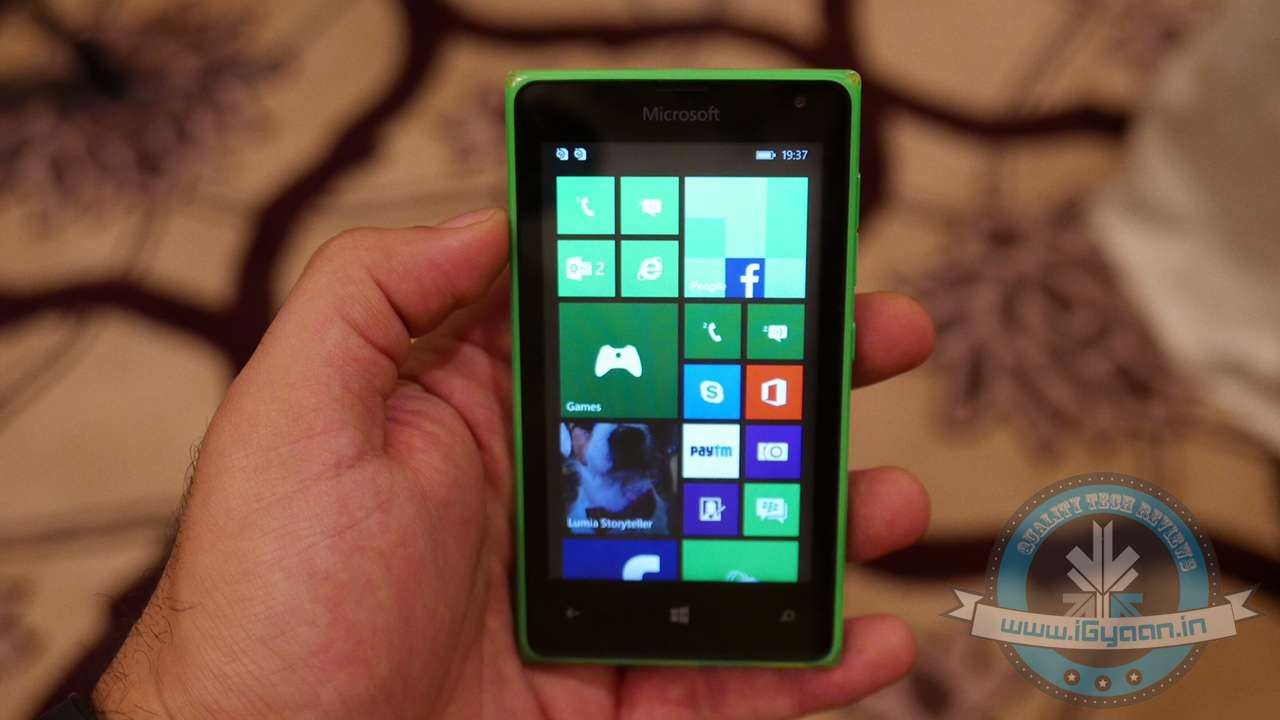
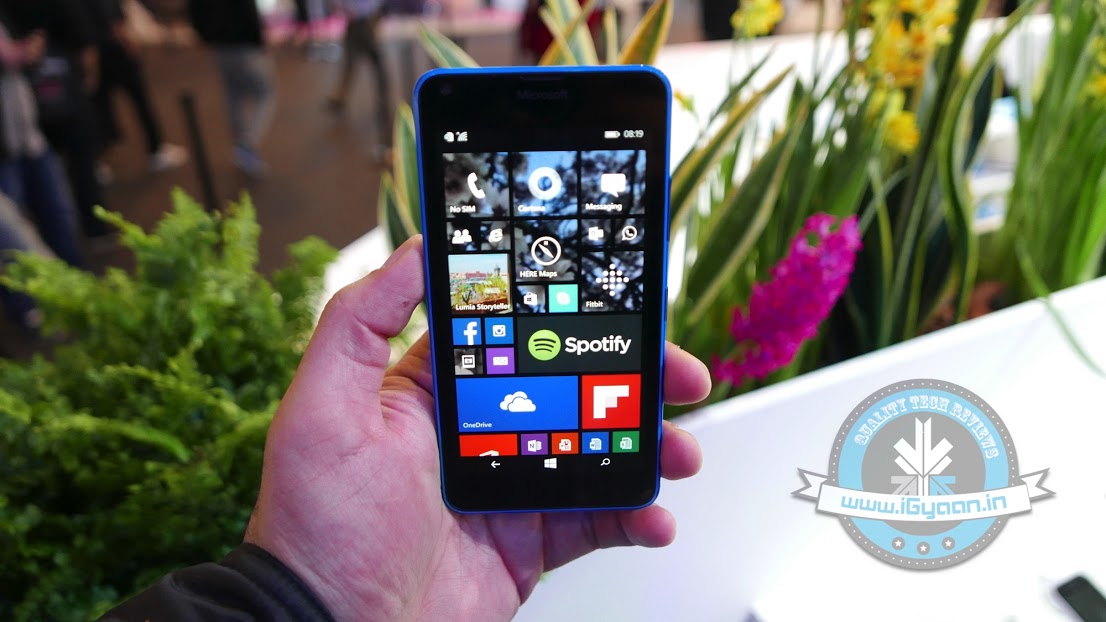
    Windows Phone first debuted in the early 2000s and ran on QWERTY based mobile phones. After the ever increasing hold of Android and iOS on the consumer market, Microsoft shifted its strategy and named it Windows Phone in 2010. With support for touchscreen devices and partnership with renowned smartphone OEMs like Nokia, HTC and Samsung; it was a refreshing take on Operating System for mobile phones. Alas, due to the poor app support and partners backing out of the project, the company officially shut down the Windows Phone two years ago. While the loyalists would still swear by its fluidity and colourful UI; the Windows Phone is still the closest any competitor ever arrived at beating Android and iOS.

    Symbian
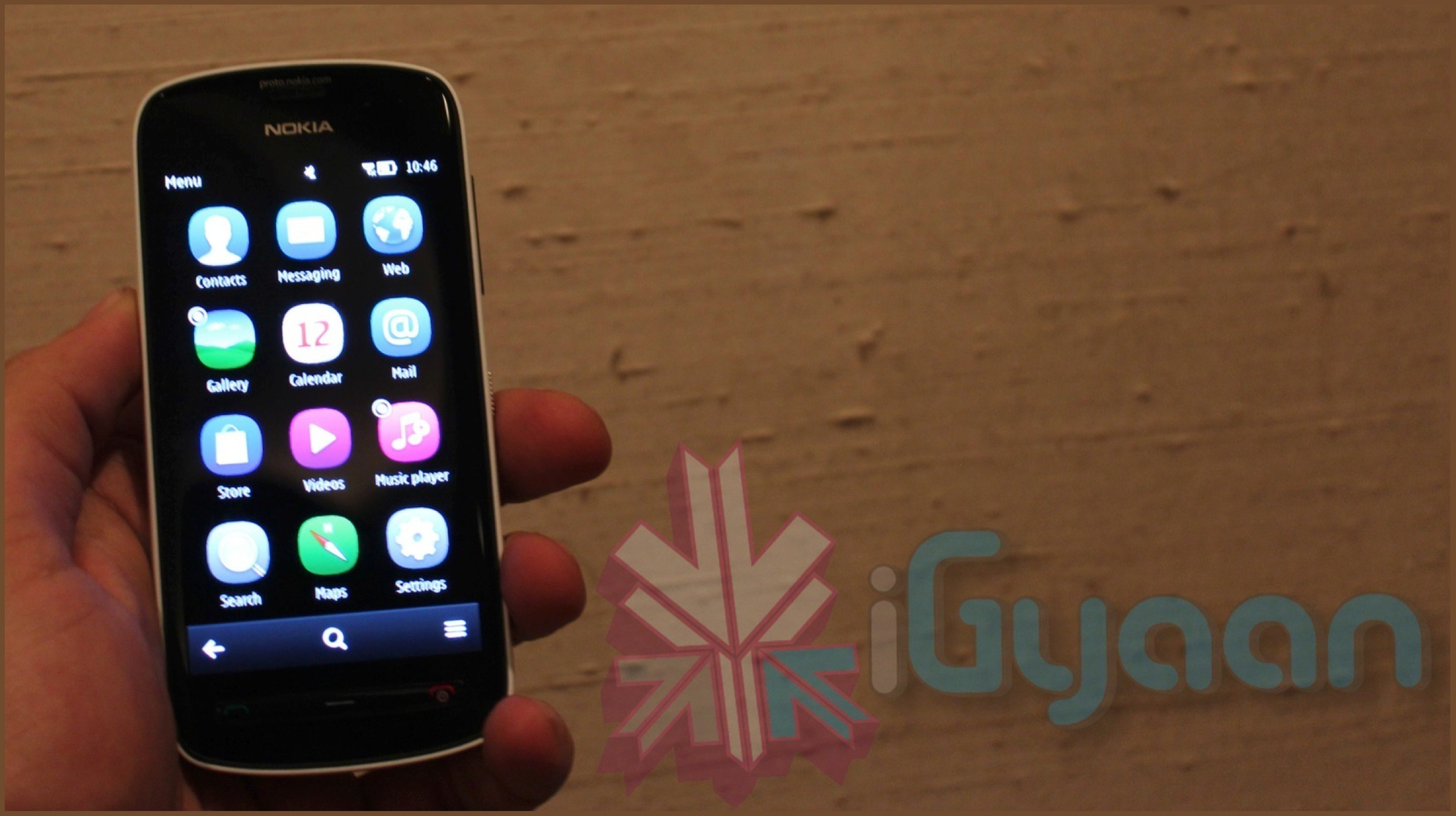
    Symbian OS was developed by Symbian Limited and was launched in the year 1998. While it was earlier designed for Personal Digital Assistants (PDAs), many major phone makers adopted the OS. The most prominent one of them was Nokia. The king of mobile phone OEM at the time also used a User Interface (UI) called S60. But, due to the ever increasing adoption of Android and iOS and Nokia’s foray into Windows Phone, Symbian also had to meet its ill-fated end. The legendary Nokia 808 PureView released in the year 2012 was the last phone to run SymbianOS from Nokia.

    Sailfish OS
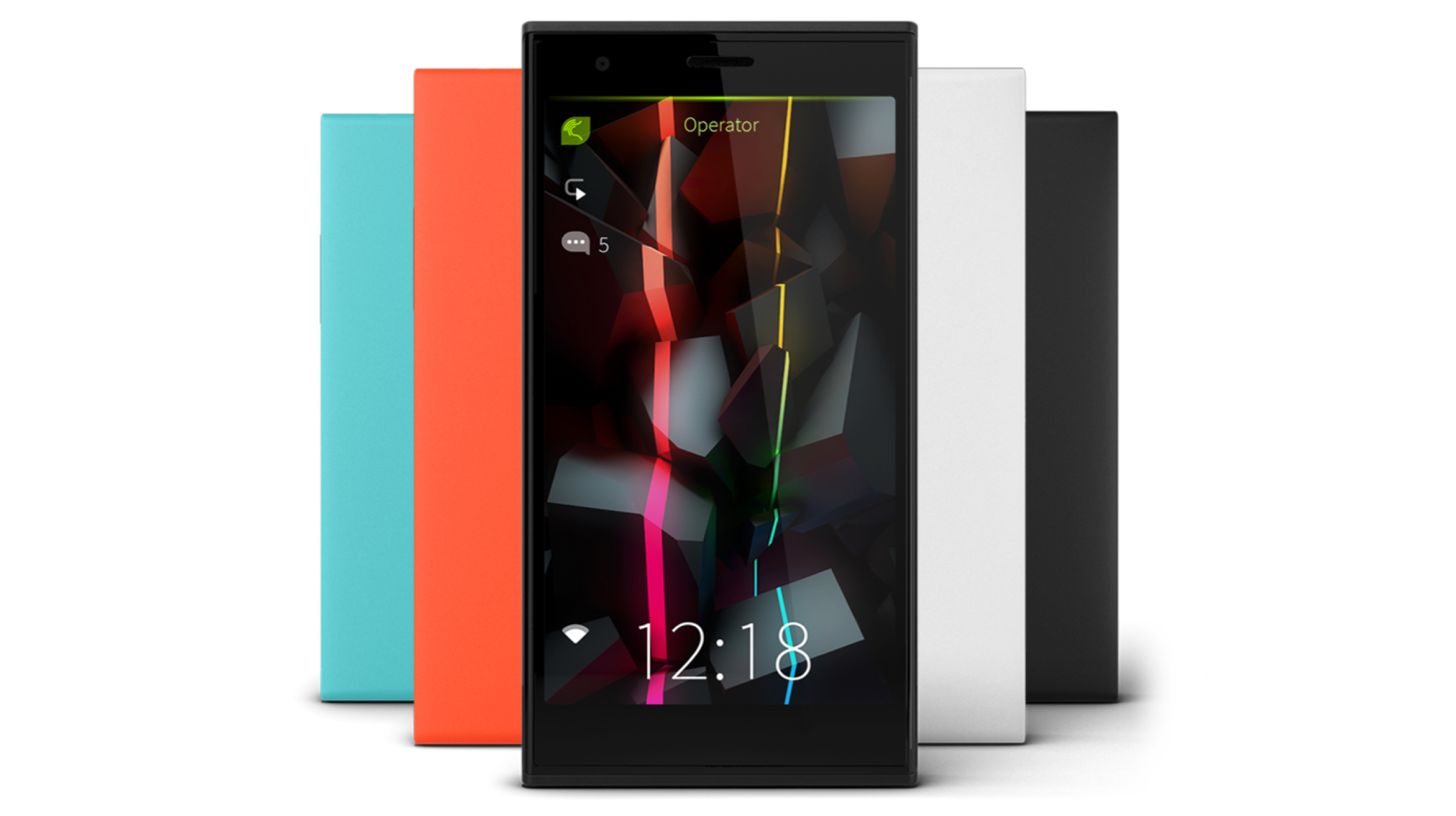
    Sailfish is developed by Jolla after the MeeGo interface by Nokia in its smartphone, the N9. While the latter was soon discontinued after its release, the former still receives consistent updates. Sailfish was designed to be a replacement for Android, promising better and safer software integration. To appeal to its investors, the company even had to release its own smartphone, called Jolla Phone. But, due to issues with various part suppliers, the company failed miserably and announced bankruptcy. However, software updates to the OS are still delivered quite regularly.

    BlackBerry OS
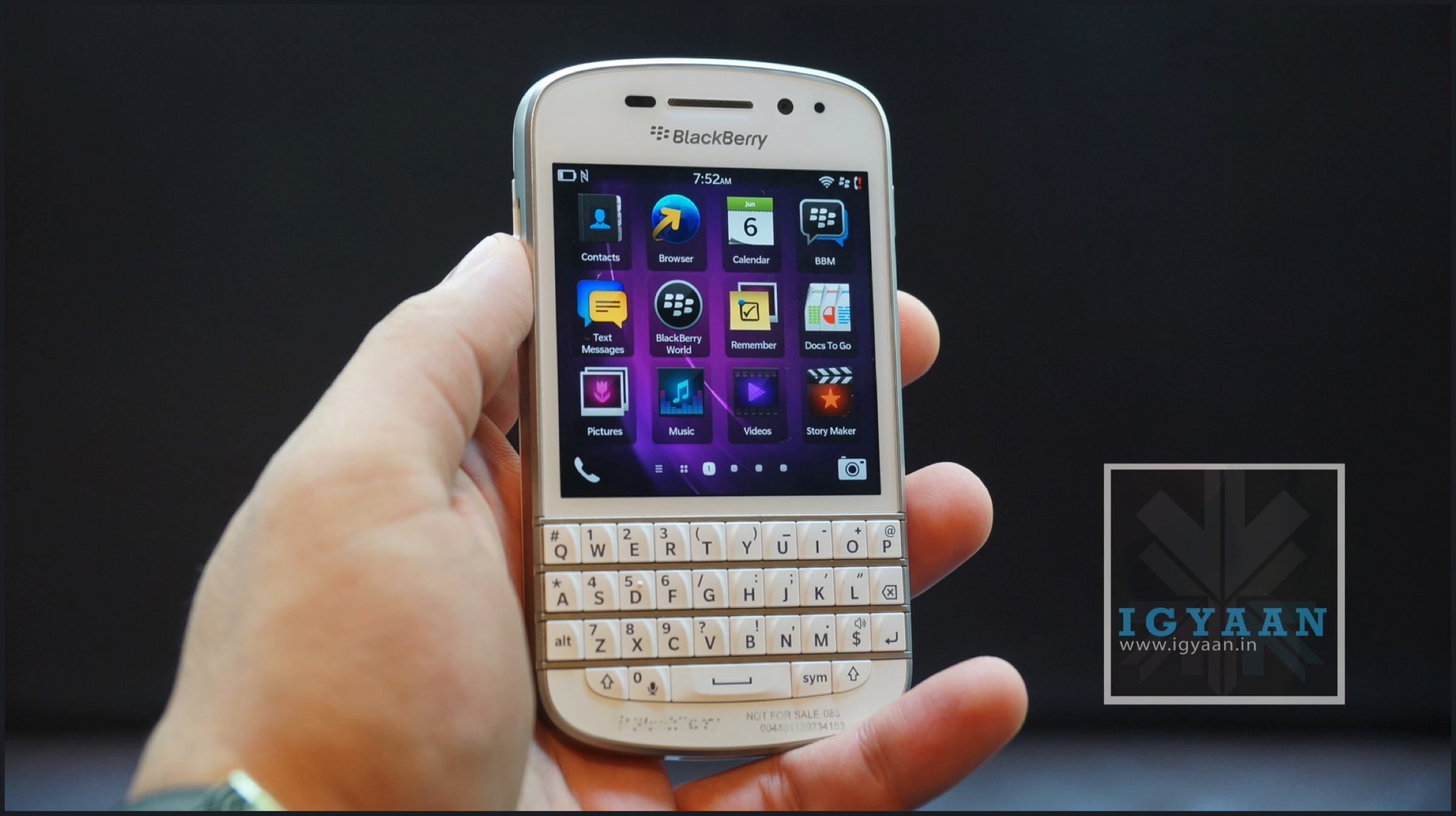
    Blackberry, the Canadian smartphone maker was once the most popular brand amongst businessmen and college goers. Remember when all the cool kids had access to BBM? This was due to the BlackBerry OS inside the devices. It was a secure operating system that was capable of supporting touch screen and QWERTY input. Although, like most entries in this list the BBOS also fell flat to its competition over the lack of apps and a dated UI design. While the company tried fixing it by allowing the installation of Android apps on the devices. But, BlackBerry eventually gave up and launched the Priv, a smartphone running Android OS in the year 2015. 

    FirefoxOS
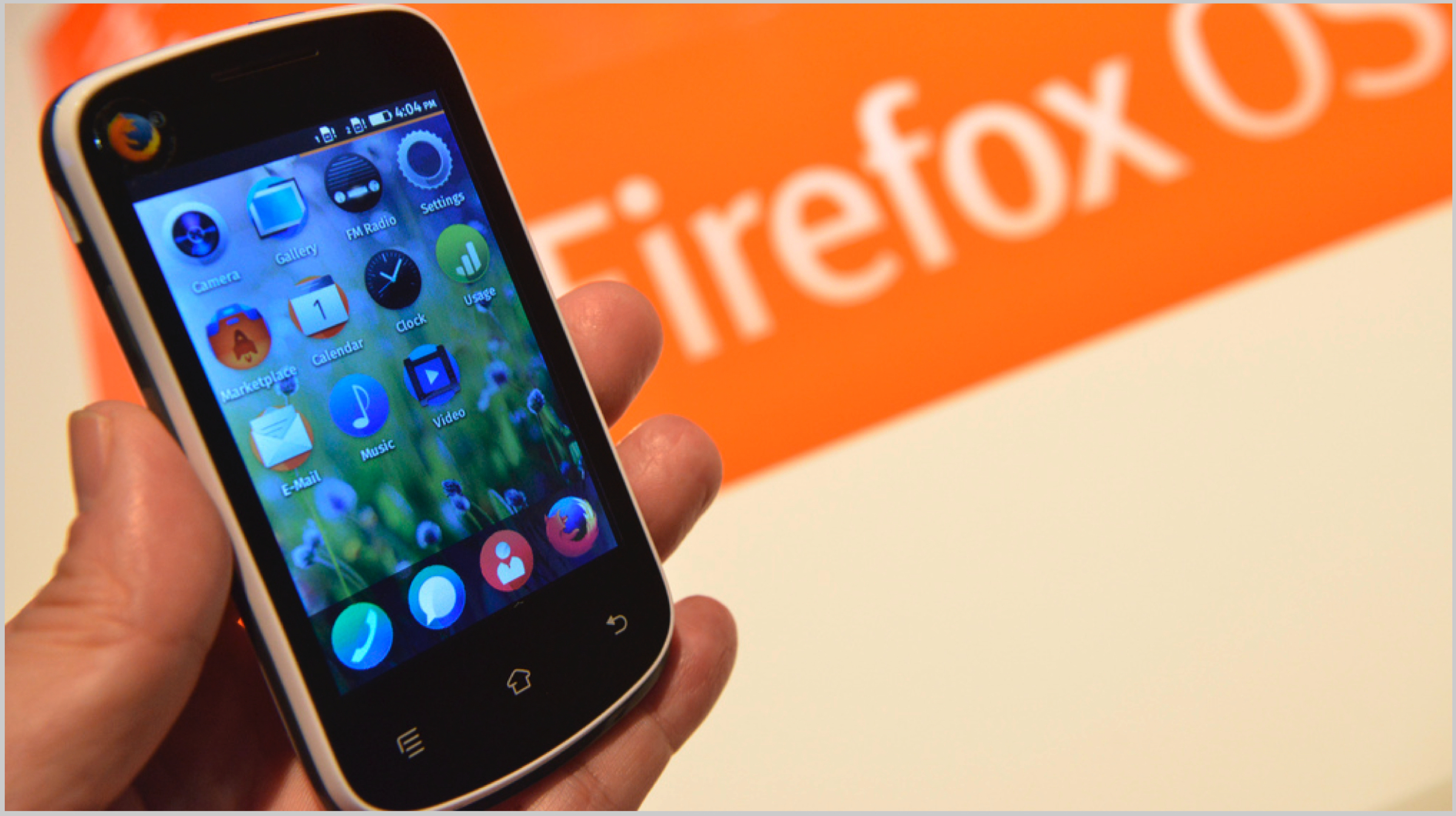
    One of the biggest names in web browsers, Mozilla’s foray into the mobile OS business is nothing to write home about. First shown in the year 2012, it was designed for entry-level smartphones. But again, due to a sluggish adoption and lack of app support made the company discontinue Firefox OS in the year 2016. While it didn’t have a good run, the OS is credited for the birth of KaiOS. It is the latest software to power feature phones to make them smarter.

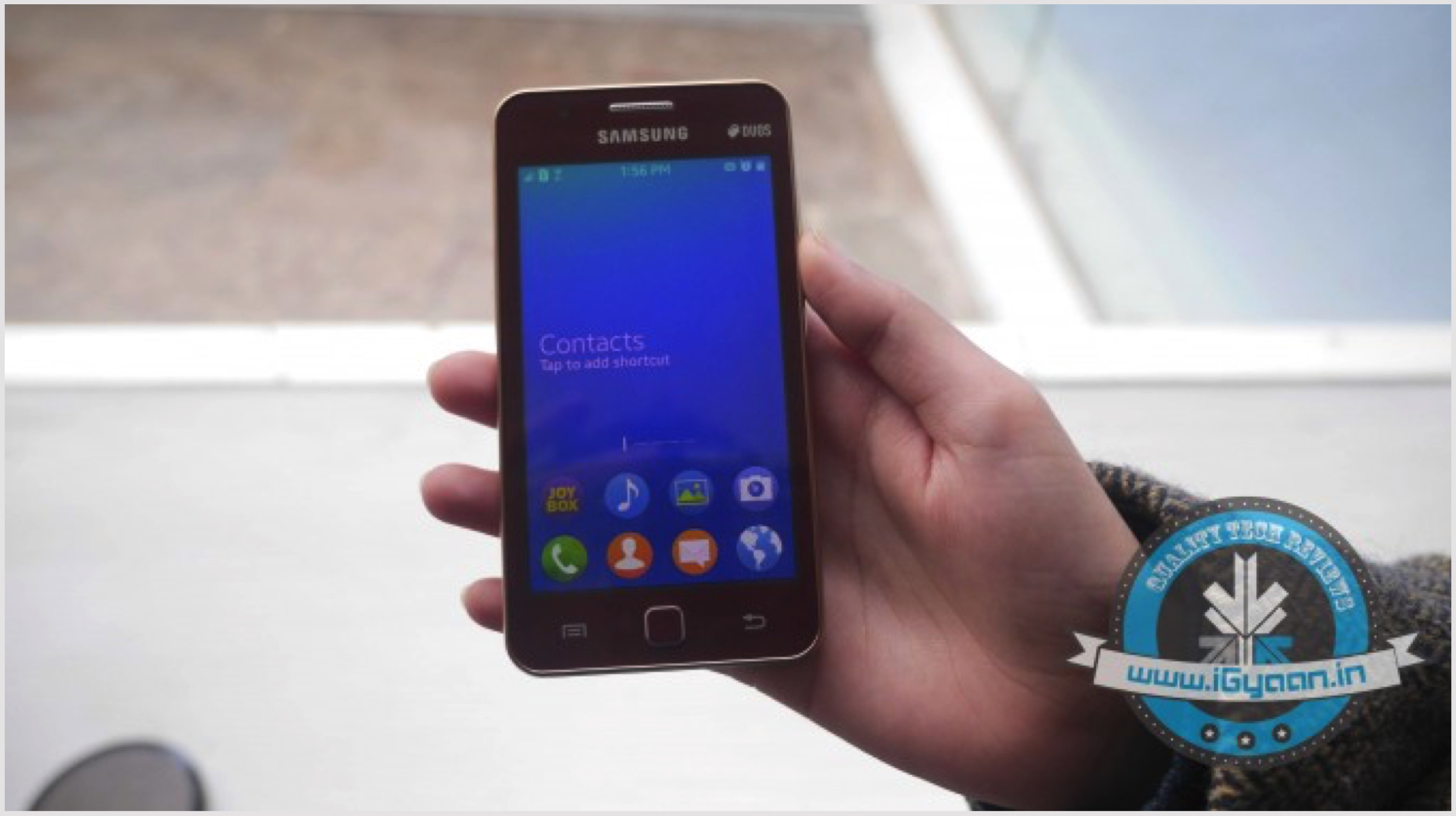
    Tizen
    Also read: Huawei Working On Smartphone With 16MP Pop-Up Camera And 4,000 mAh Battery

    Tizen is an open source Operating System mainly embraced by Samsung in its Z series. It was mainly intended to run on entry-level budget smartphones and as a replacement to Android. The Tizen OS promised a faster UI with future support for popular applications. All the promises fell flat, however as these premises were met with no results. Tizen was last seen in the Samsung Z4 in the year 2017. 
  • Lenovo Z6 Pro

    Lenovo Z6 Pro

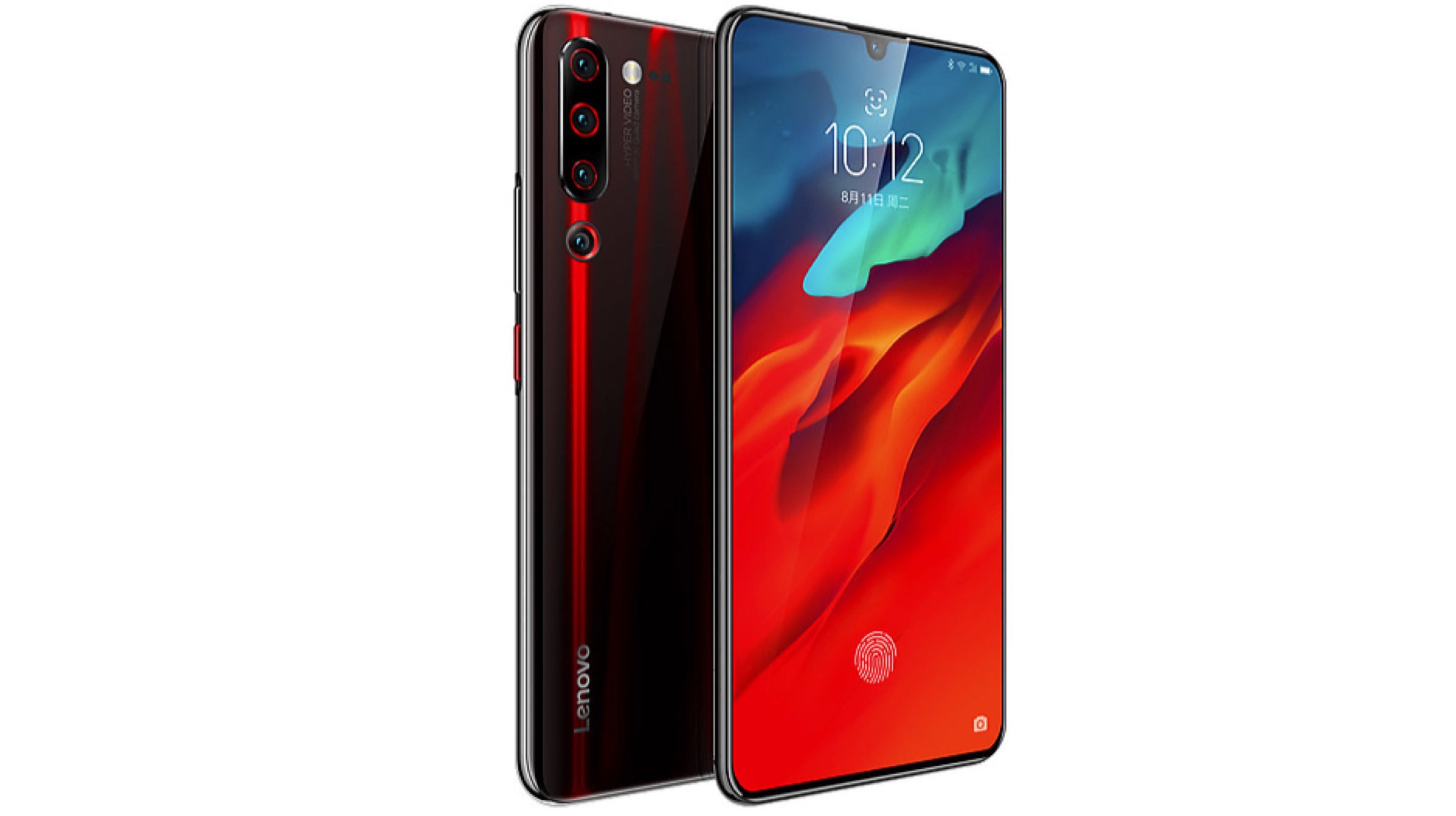
    Lenovo has added another smartphone to its gaming device lineup, the Z6 Pro. The smartphone was launched on April 23, 2019, and features a glass sandwich design with a gradient rear panel. The device boasts of a 6.39 inch AMOLED display with a resolution of 2340 x 1080 px. It runs on the  best-in-class 7nm Snapdragon 855 SoC, comprising of an octa-core CPU and the Adreno 640 GPU. The Z6 Pro features a quad-rear camera module and a single 32MP selfie camera sensor. it is available in 4 different variants. 

    [loop included_tags=”64747″ loading=”paged” layout=”f” postsperpage=”4″]

  • Xiaomi Redmi Y3

    Xiaomi Redmi Y3

    Redmi Y3 is the latest smartphone from Xiaomi which was launched on the 24th of April 2019. It is the successor to the last year’s Redmi Y2 and is packed with worthy improvements in terms of both performance and optics. The smartphone features a noteworthy 32 MP selfie camera. The Redmi Y3 also has an all-new design for the Y series with a waterdrop notch on the front and a gradient finish on the back.

    Click Here To Buy The Redmi Y3

    [loop included_tags=”64915″ loading=”paged” layout=”f” postsperpage=”4″]

  • Huawei Working On Smartphone With 16MP Pop-Up Camera And 4,000 mAh Battery

    Huawei Working On Smartphone With 16MP Pop-Up Camera And 4,000 mAh Battery

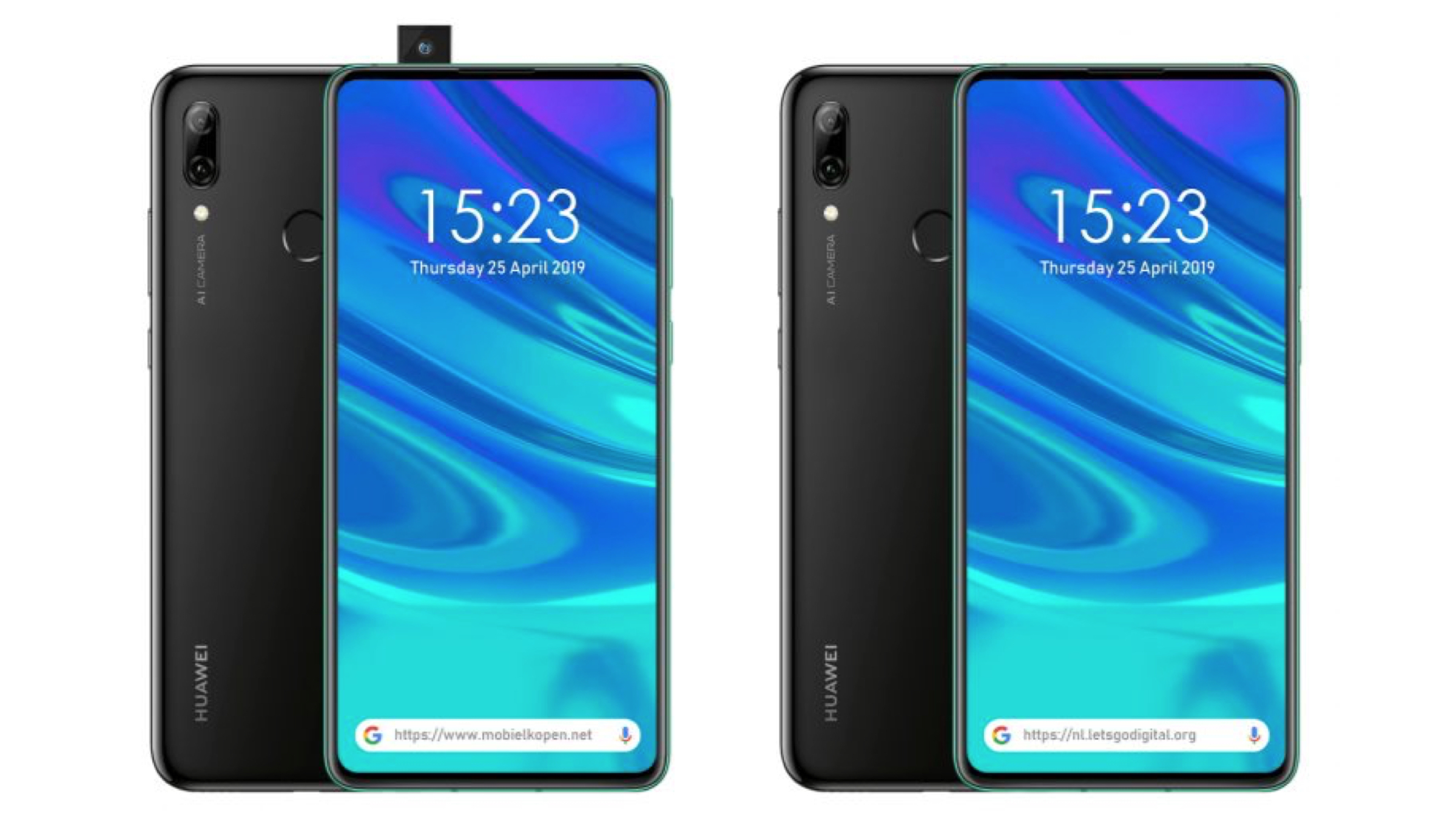
    Chinese smartphone company Huawei is currently riding high on the success of the P30 Pro, which has one of the best optical systems in a smartphone till date. The company is known for innovating new technologies in their devices time and again. As per sources, Huawei is working on two new smartphones, which are the P Smart Z and P Smart X. Moreover, the P Smart Z will be the first smartphone from Huawei to feature a pop-up camera mechanism for the front camera.

    Huawei P Smart Z: Features, Specifications & Availability

      Reports state that the Chinese company first filed a trademark for the aforementioned devices in the month of March 2019. The P Smart Z features a large 6.59 inch display with a FullHD+ resolution, which it attains due to the pop-up camera. Just like Chinese competitors Oppo and Vivo, Huawei seems to be following the trend of a notch-less smartphone. Reports further mention that its display panel has a resolution of 2340 x 1080 px and a pixel density of 391 ppi. 
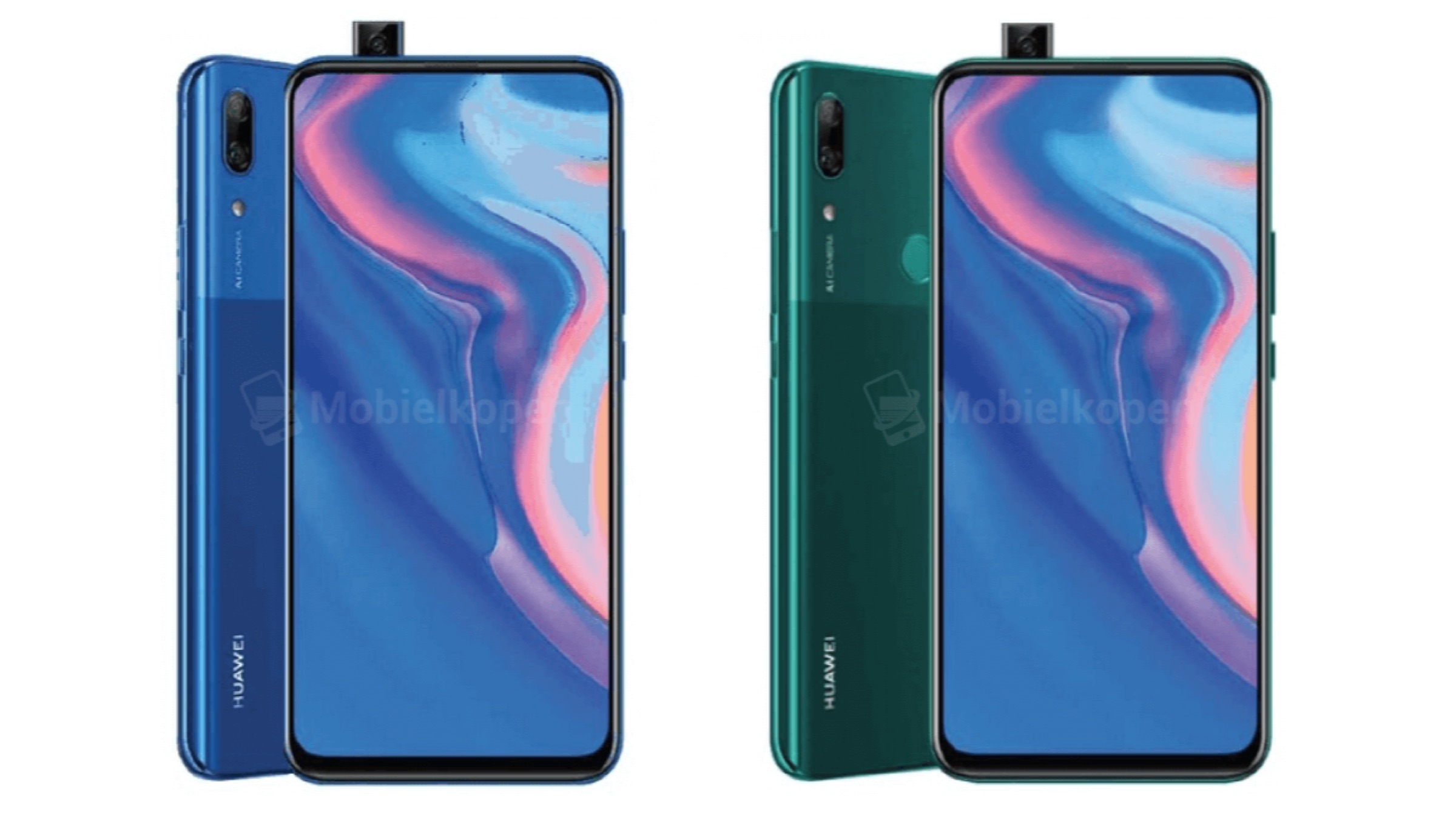
    Under the hood, the Huawei P Smart Z runs on the 14nm HiSilicon Kirin 710 chipset, which comprises of an octa-core CPU and the Mali-G51 MP4 GPU. It is bundled with 4GB of RAM and 64GB of internal storage, with microSD card support up to 512GB. The P Smart Z packs a huge 4,000 mAh battery. As deduced from the renders of the device, it has a rear-mounted fingerprint scanner. Furthermore, Huawei has retained the 3.5mm headphone jack in the P Smart Z. 
    Also Read: Scientists Replicate Highly Effective Anti Tumour Antibiotic To Fight Cancer

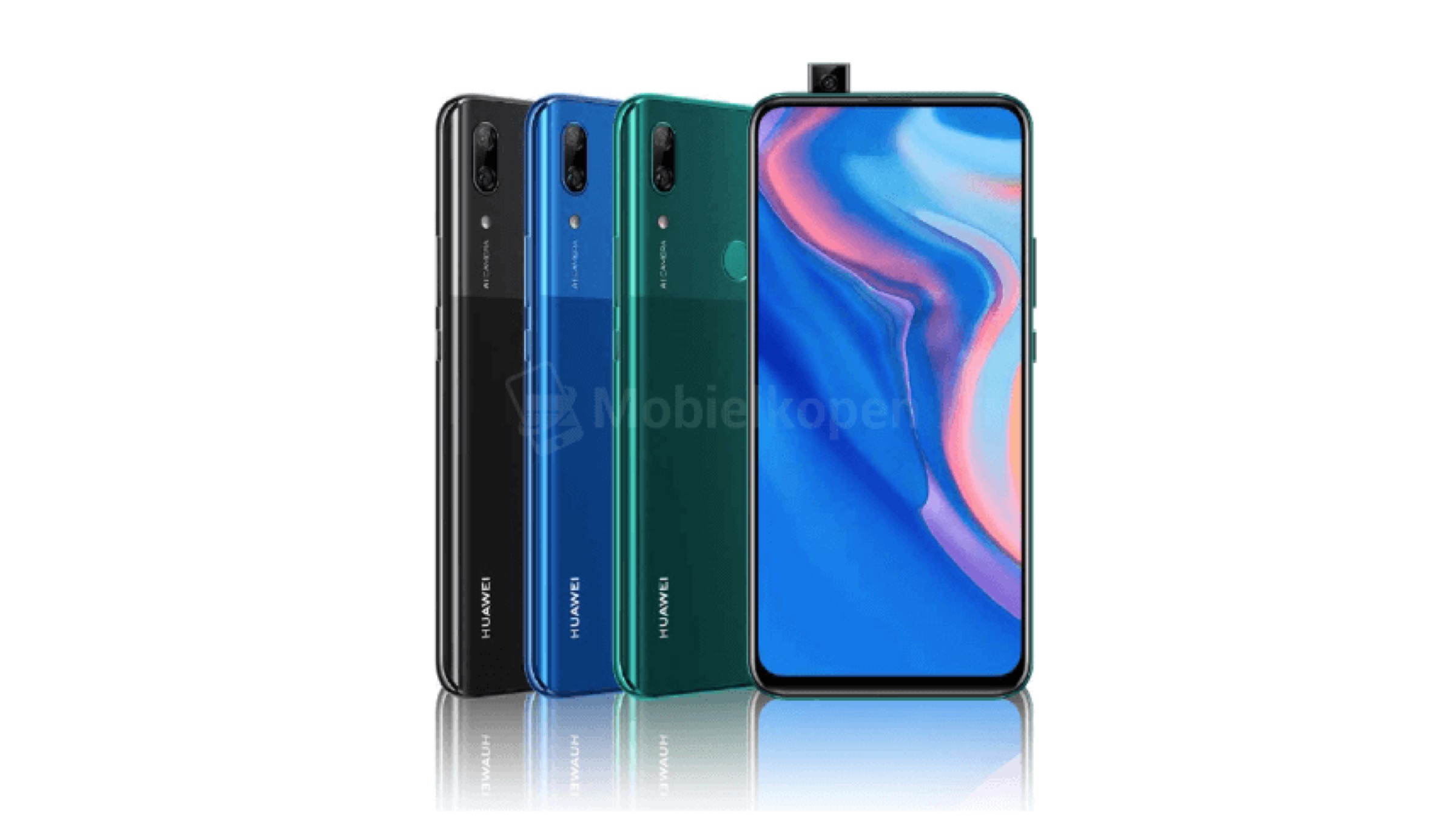
    In terms of optics, the smartphone features a dual camera system, which consists of an f/1.8 aperture equipped 16MP primary camera and an f/2.4 aperture equipped 2 MP sensor. The pop-up mechanism houses the 16MP (f/2.0) selfie camera. The phone measures at 163.5 x 77.3 x 8.9 mm and weighs at 197 grams. It runs on Android 9.0 Pie out-of-the-box, which will supposedly be topped off with EMUI (Huawei’s custom skin). As of now, no official pricing and availability details are available, but sources suggest that the smartphone will be priced somewhere around €210 (roughly INR 16,400) at the time of launch. It will be available in three colour options: Black, Green and Blue. 

iGyaan Network
Privacy Overview

This website uses cookies so that we can provide you with the best user experience possible. Cookie information is stored in your browser and performs functions such as recognising you when you return to our website and helping our team to understand which sections of the website you find most interesting and useful.