Smartphone News and Reviews, Latest Cellphones, Accessories, New Launches, Specifications, Details with Image and Video from Apple, Samsung, Lenovo, Moto, HTC, Xiaomi, Oneplus, Meizu, Sony, Lava, Micromax Yu Mobile and More.
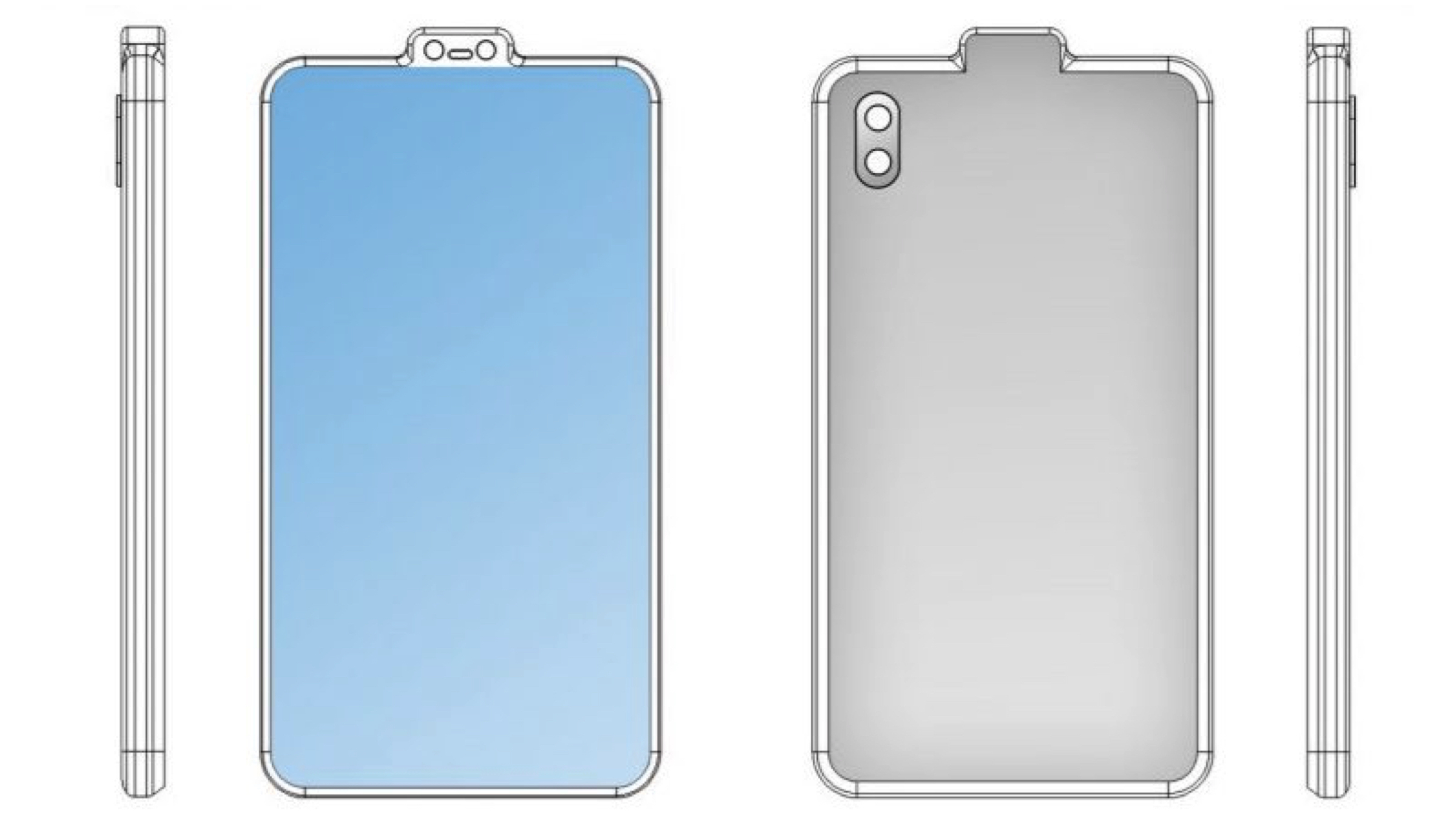
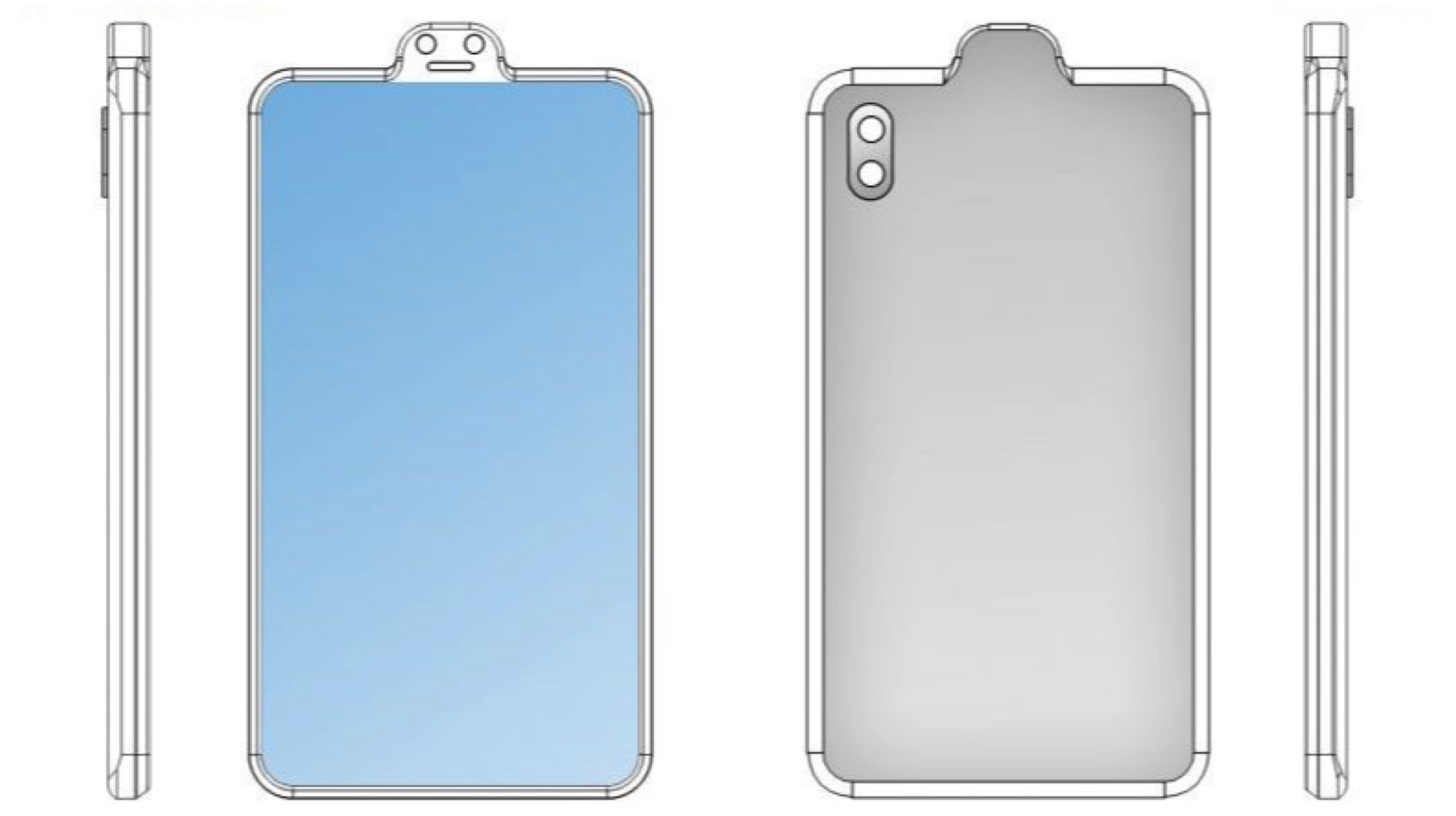
Since the year 2017, smartphone OEMs have tried multiple ways to maximise the screen real estate in their devices. Some innovative outcomes of the project included display notches of various sizes, hole punch displays and manual/mechanical sliders. Xiaomi, a renowned manufacturer has recently filed a patent which shows another unique way of increasing the screen to body ratio. The patent shows a smartphone with a reverse notch which protrudes from the top of the display.
Xiaomi Smartphone With Reverse Notch
The patent was applied by Xiaomi in mid-2018 and was published on the 23rd of April. It shows three different models, which slightly differ from each other in terms of design. Common aspects of all three smartphones include an edge to edge display, a dual selfie camera setup and an earpiece on top of the display. They also have a vertical dual rear camera setup on the back. The notch on top of the display is a unique deisgn choice and has never been implemented on a smartphone before. No physical fingerprint sensor is visible in the design of the device, which suggests the company will opt for an in-display scanner on the handset if it launches.
There may be many benefits of a reverse notch design on a smartphone over the conventional way of getting more screen real estate. With the cameras and sensors placed above the display, the chances of them cutting into the screen while consuming media are zero. Furthermore, no moving parts suggest the handset with the design can be made water resistant. However, the structural integrity and the ergonomic factor of the design remains to be seen when it is finally announced. Unfortunately, no details about the launch date of a Xiaomi smartphone with a reverse notch is known as of now.
OnePlus has confirmed it will launch the next generation of its flagship smartphones next month. Two devices, alleged to be called the OnePlus 7 and the OnePlus 7 Pro will be launched globally on the 14th of May. While the specifications of the smartphones have already been leaked online, their pricing remained unknown. In a fresh tweet by a known tipster, the European prices of the beefed-up variant of the two, the OnePlus 7 Pro have been leaked.
OnePlus 7 Pro: Pricing
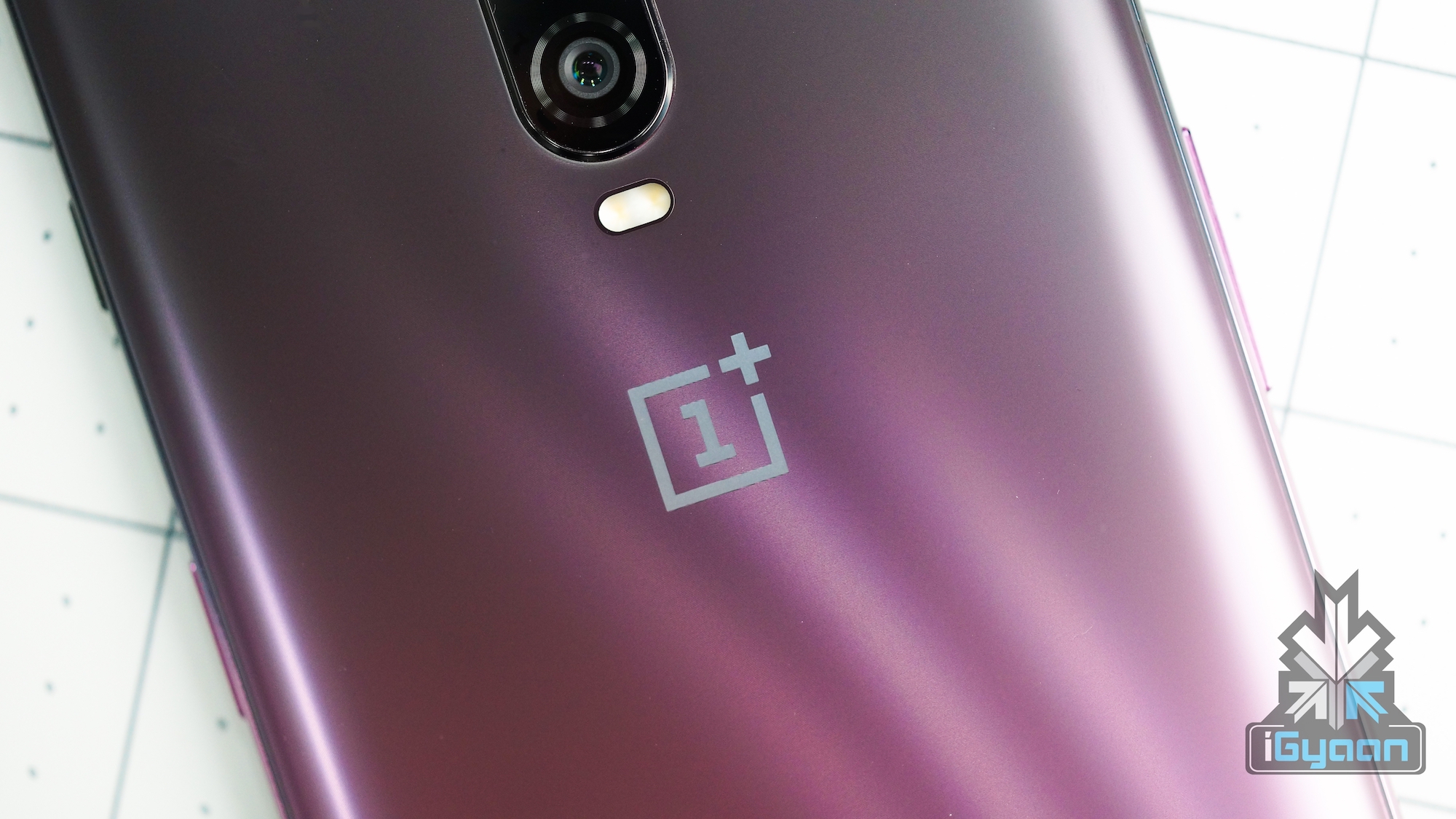
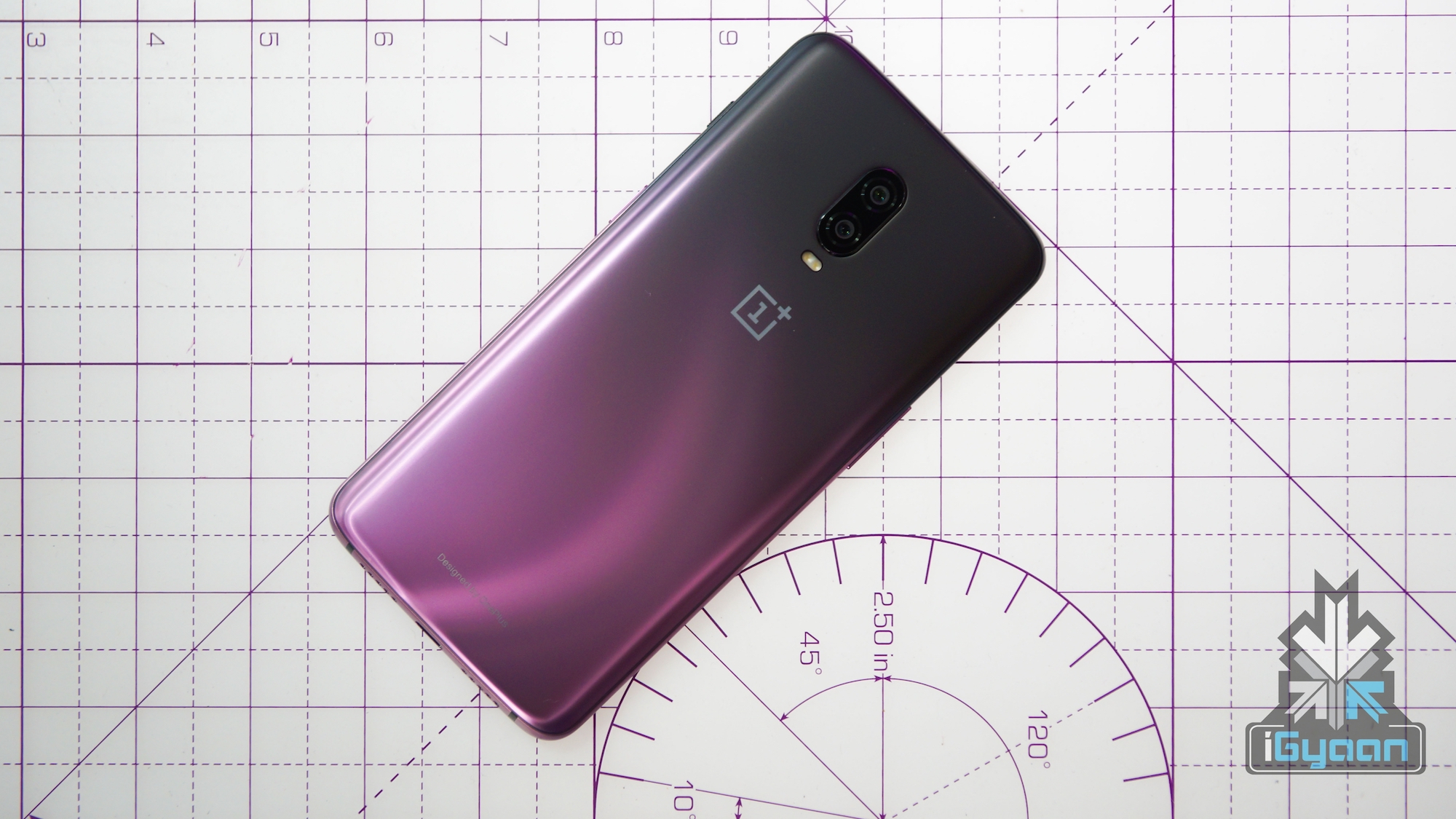
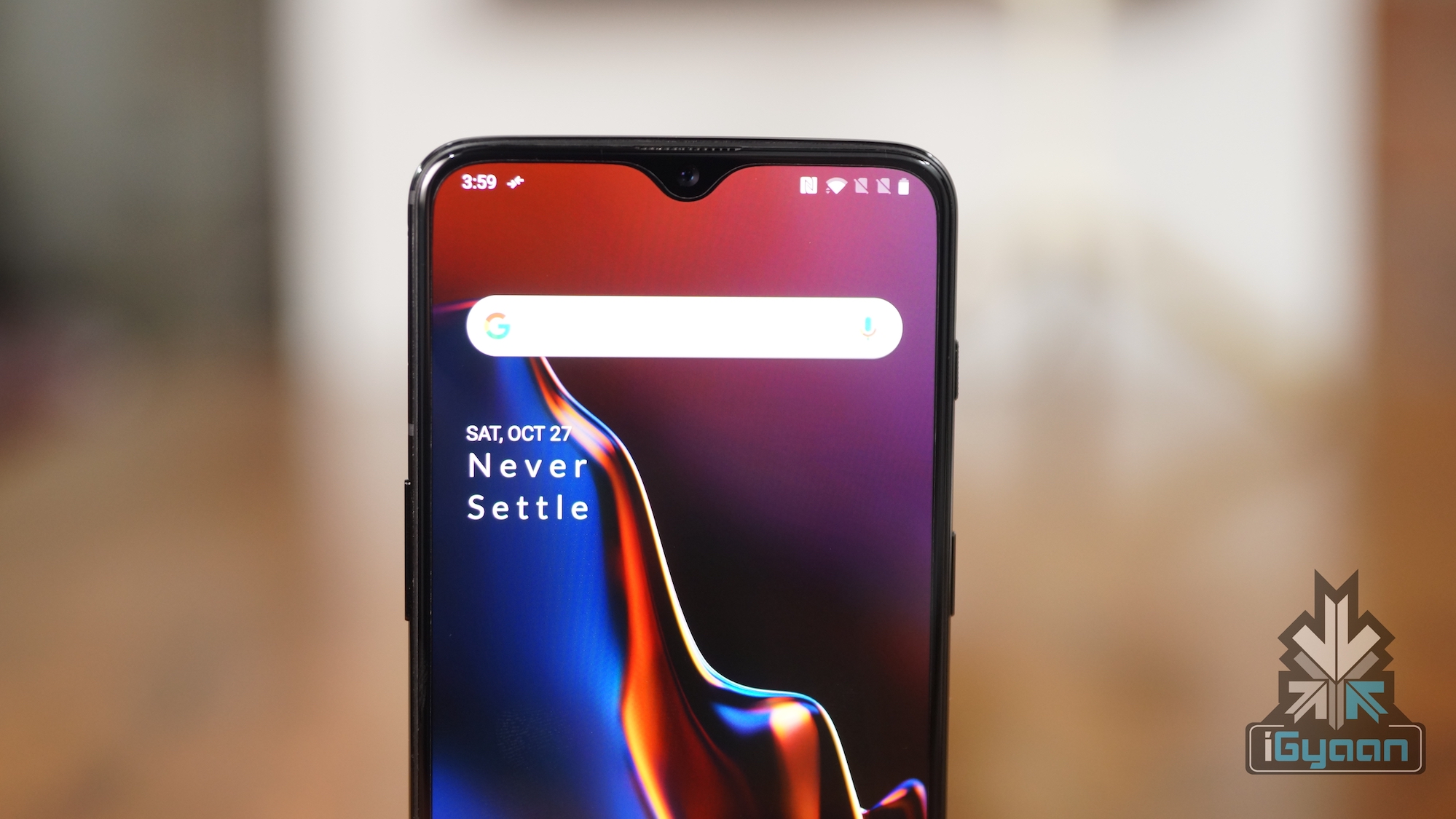
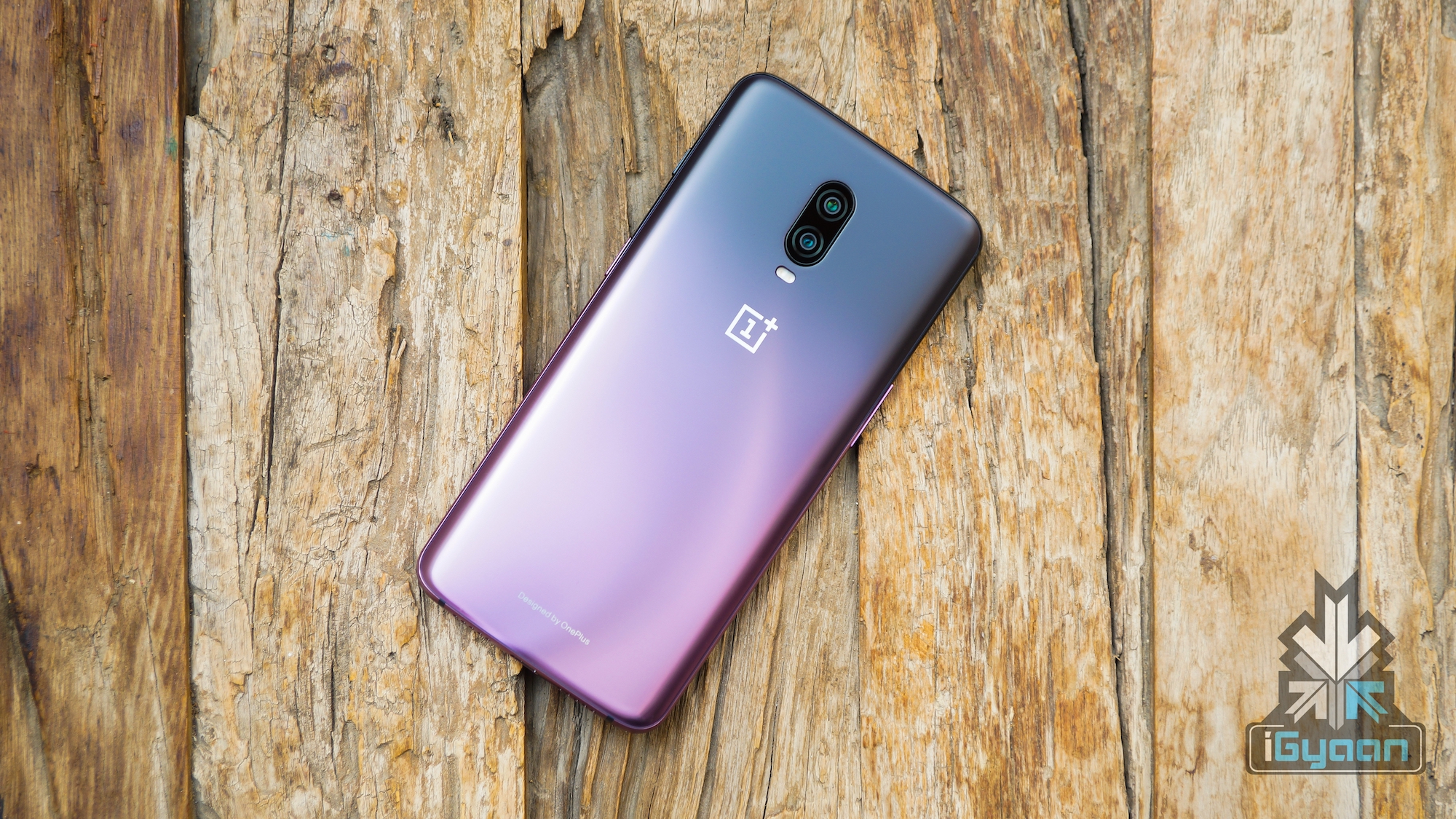
OnePlus 6T
The OnePlus 7 Pro is expected to go on sale soon after the aforementioned launch date. According to the leaked pricing, the smartphone will cost the following in the European market.
6+128GB: Unknown at the moment
8+256GB: € 749/759 (~Rs. 58,400)
12+256GB: € 819/829 (~Rs. 64,000)
OnePlus 7 Pro: Specifications
As mentioned above, the OnePlus 7 Pro will be the specced up variant of the regular OnePlus 7. It will have a similar all glass design on the front and rear, complete with a metal chassis to provide reinforcement. According to the source, the smartphone will have a massive 6.7-inch Optic AMOLED display with a resolution 3120 x 1440 px and a refresh rate of 90Hz. Unlike the regular variant, the Pro variant will use an elevating pop-up camera mechanism like the Vivo V15 Pro. For biometrics and securely unlocking the device, it will have an in display fingerprint scanner and will support face unlock technology.
The leak claims, like the regular variant, the OnePlus 7 Pro will also run on the 7nm Snapdragon 855 SoC. The chipset consists of an Octa-core CPU and the Adreno 640 GPU. In terms of optics, the smartphone will have a triple rear camera setup, comprised of an f/1.7 aperture equipped 48 MP sensor; an f/2.2 aperture equipped 16 MP ultra wide sensor and an f/ 2.4 aperture equipped 8 MP sensor. For selfies, it will have an f/2.0 aperture equipped 16 MP camera hidden in the aforementioned pop-up mechanism. Reportedly, the device will have Ultra Fast Storage (UFS) 3.0 standard and will be available in the following memory variants.
The leak also states the OnePlus 7 Pro will be powered by a 4000 mAh battery with support for 30W Warp charging. The smartphone will also be available in a 5G variant which will support the next generation of mobile connectivity standard. It will be available in three colour variants, namely Mirror Grey, Almond, Nebula Blue.
Redmi separated from its parent company Xiaomi back in the month of January. While the brand has launched smartphones in the budget and the mid-range segment, it has been long rumoured to announce a flagship device. The details of the handset have been leaked online time and again. Now, a user on Weibo has listed the specifications of the upcoming flagship smartphone from Redmi, reported to be called the Redmi Pro 2.
Redmi 855 Flagship
Redmi Note 7 Pro
The upcoming Redmi 855 smartphone will be the company’s first flagship device since its inception earlier this year. According to previous leaks, it will have an all-glass design on the front and back, like the Redmi Note 7 Pro. The handset will have a 6.39-inch display with a resolution of 2340 x 1080 px. Unfortunately, the details about the display design of the smartphone are not known yet. So it remains to be seen if the upcoming device from Redmi uses a hole punch, a waterdrop notch or an elevating mechanism to maximise the screen real estate.
The leak further reveals the flagship smartphone from Redmi will run on the Snapdragon 855 SoC which is manufactured using the 7nm fabrication process. The chipset consists of an Octa-core CPU and the Adreno 640 GPU. In terms of optics, the device will sport a triple rear camera setup, comprised of an f/1.8 aperture equipped 48 MP Sony IMX 586 sensor; a secondary f/2.4 aperture equipped 13 MP ultra-wide sensor, and a tertiary f/2.4 aperture equipped 8 MP telephoto sensor. For selfies, the handset will have an f/2.0 aperture equipped 32 MP front-facing camera. In terms of memory and storage, the Redmi flagship may feature up to 8GB of RAM and 128GB of internal storage.
The upcoming flagship smartphone from Redmi is expected to launch in the following weeks. As the company is known for pricing its products aggressively, the handset may be priced under the Rs. 30,000 mark in India.
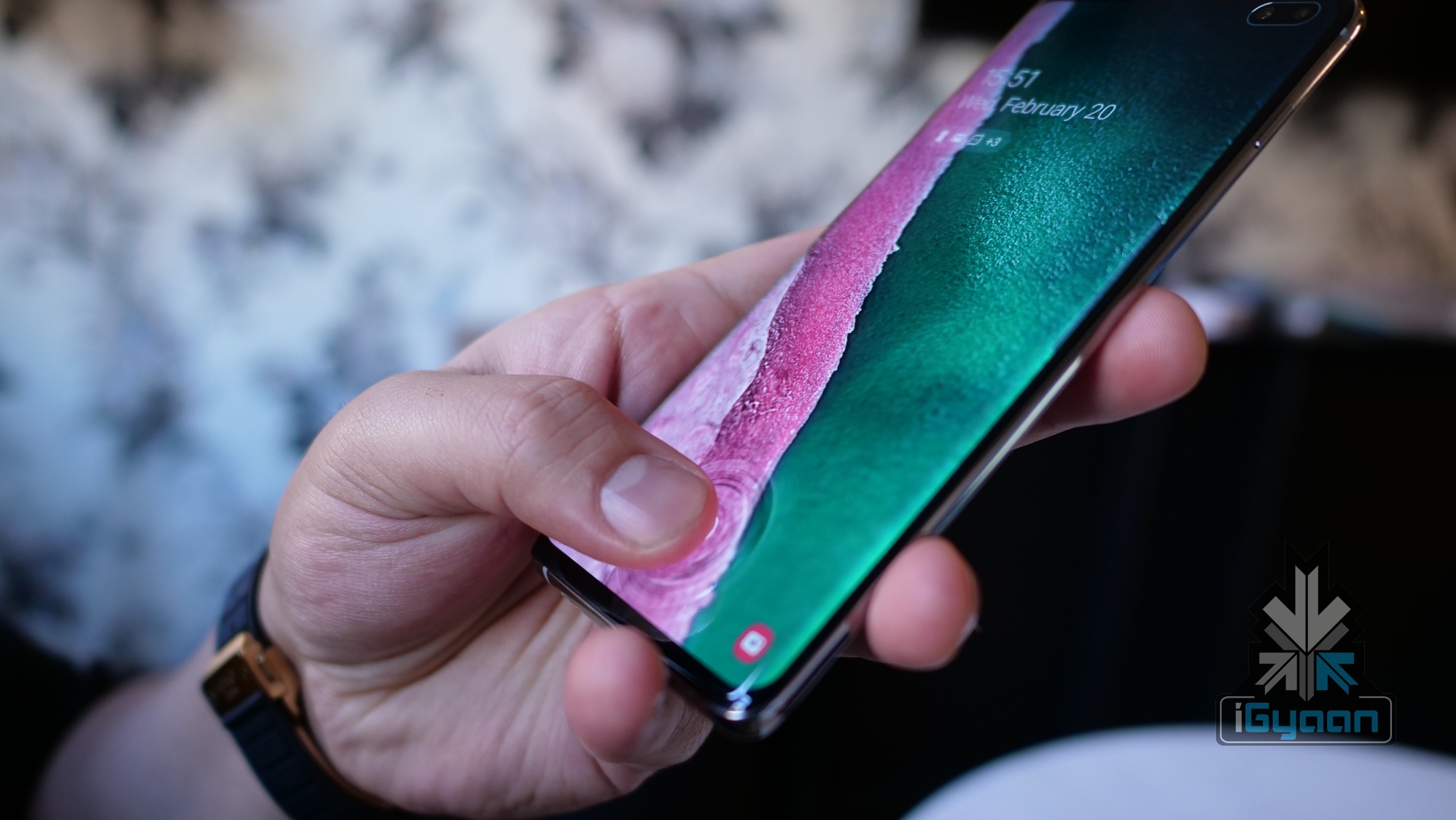
Samsung, the world’s largest smartphone OEM, released the Galaxy S10 5G at the Galaxy Unpacked event back in February. The device was announced alongside the rest of the Galaxy S10 lineup and the Galaxy Fold. It holds the distinction of being the company’s first smartphone to support 5G, the next generation of mobile networks. It seems like the company is ready for its second smartphone supporting 5G, as a senior executive at Verizon, one of the biggest telecommunications company in the US; has announced the next Galaxy Note, presumably called the Galaxy Note 10 will have support for 5G networks.
What Is 5G?
Galaxy S10 5G
The 5th Generation or 5G for short is the next step in the growth of mobile networks. It is the successor of 4G LTE, whose standards were first introduced back in the year 2008. The next generation of mobile connectivity promises many advantages over its predecessors, including faster uplink/downlink speeds and little to no latency. One more benefit of 5G is the increased number of supported devices at a time, due to increased bandwidth.
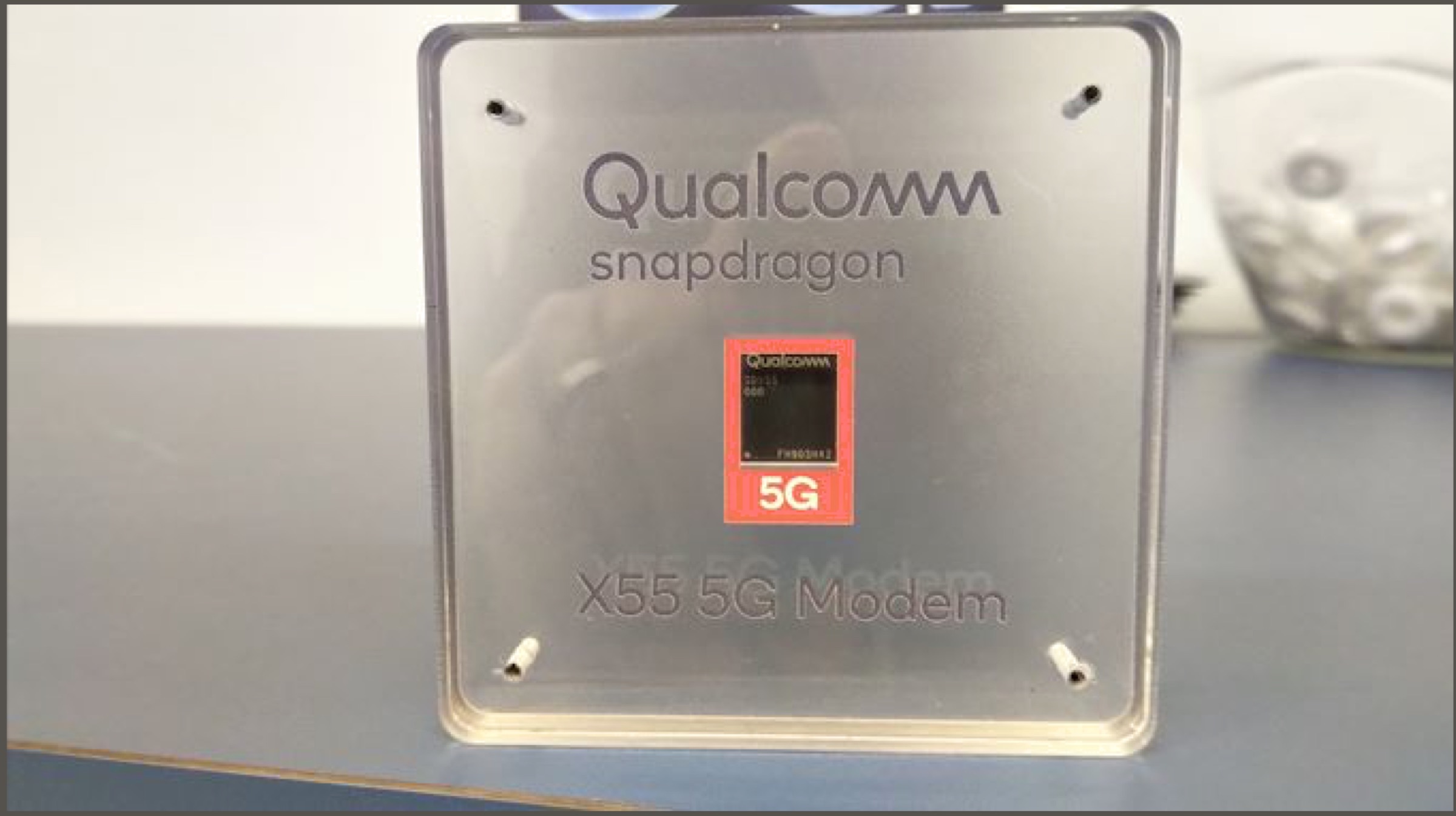
Qualcomm X55 5G Modem
Currently, not many smartphones have promised support for 5G, possibly due to the gradual and slow rollout of the technology around the world. Only a handful of devices, like the aforementioned Galaxy S10 5G, LG V50 ThinQ and the Huawei Mate X among others support 5G networks. To make room for the modem supporting this mobile connectivity standard, manufacturers have had to remove essential components such as the 3.5mm headphone jack and the microSD card slot from some of the above-mentioned handsets. Noteworthy, 5G networks are notorious for generating more heat than traditional 4G LTE networks. This leads to the installation of various space taking cooling systems inside the smartphones to maintain efficiency and speeds.
While the senior Verizon executive has announced the support for 5G networks in the Galaxy Note 10, it is rumoured more than one variant of the smartphone will be launched later this year. While only one of them may support 5G connectivity, key details of all the variants will remain the same. A bigger display than the Galaxy S10+ which is reported to be a 6.6 inch Dynamic AMOLED one will be featured in the next generation of Galaxy Note. Like the former, it may also have an ultrasonic fingerprint scanner inside the display; and run on either the 7nm Snapdragon 855 SoC or the Exynos 9820 depending on the region it is sold in. Unfortunately, more details about the handset are unknown at the moment. Going by the Samsung’s previous launch records, the company may announce the Galaxy Note 10 late August or early September this year.
The hype surrounding the launch of the OnePlus 7 series is at an all-time high, with the company gearing up to launch the highly-awaited smartphones on May 14, 2019. Riding high on the success of the OnePlus 6 and OnePlus 6T, the Chinese technology organization is expected to unveil 3 different variants, which may include the OnePlus 7, OnePlus 7 Pro and a 5G version of the OnePlus 7 Pro.
OnePlus 7
OnePlus6T McLaren Edition
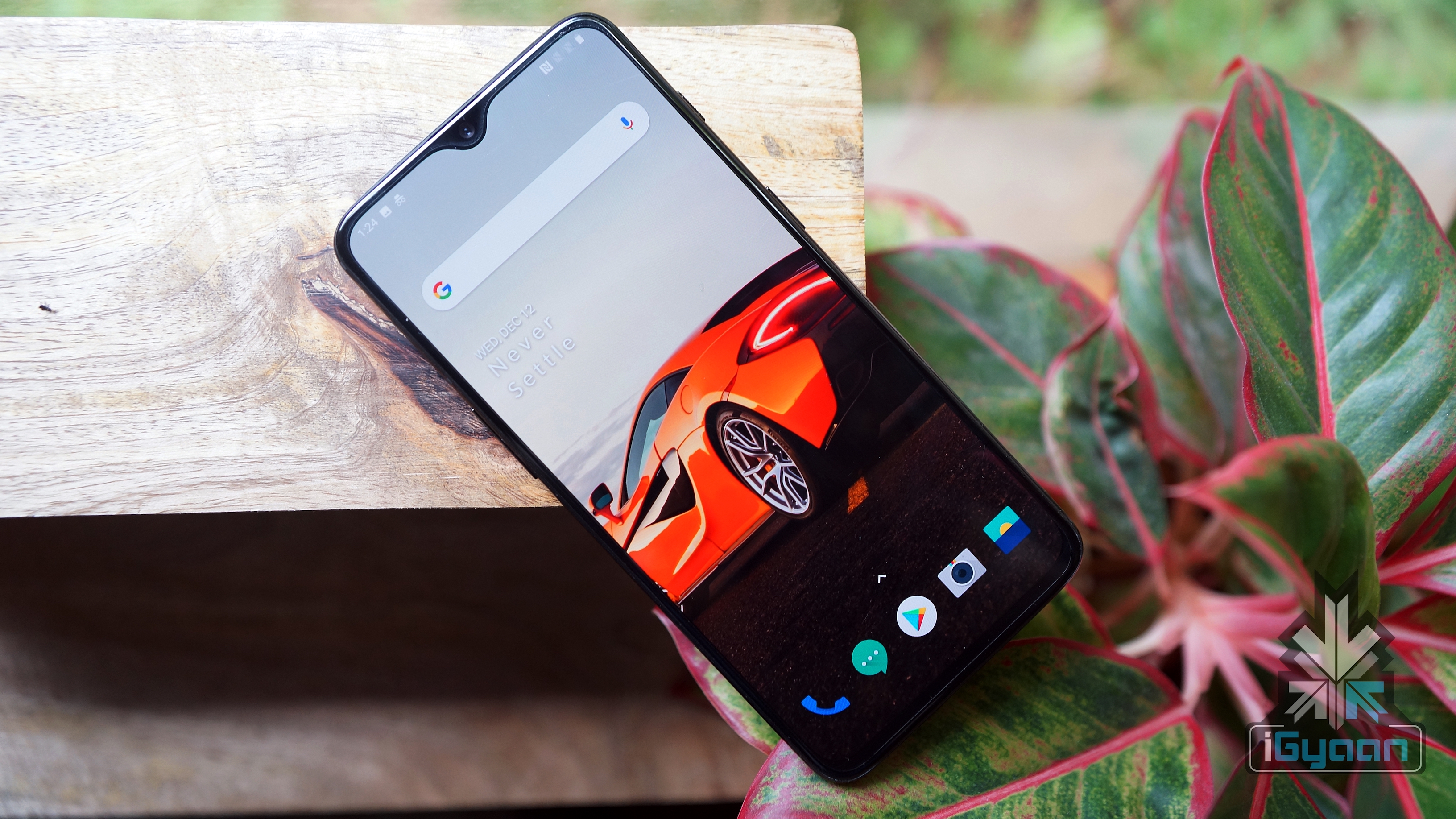
Since the company has not made an official announcement regarding the specifications of the OnePlus 7, most of the information has been derived from leaks. Previous claims reveal it will have a similar design to the OnePlus 6T. As per tipsters, it will feature a 6.4-inch Optic AMOLED display with a 2340 x 1080 px resolution. Like its predecessor, the upcoming smartphone will sport a waterdrop notch and is expected to be equipped with an in display fingerprint scanner for biometric security.
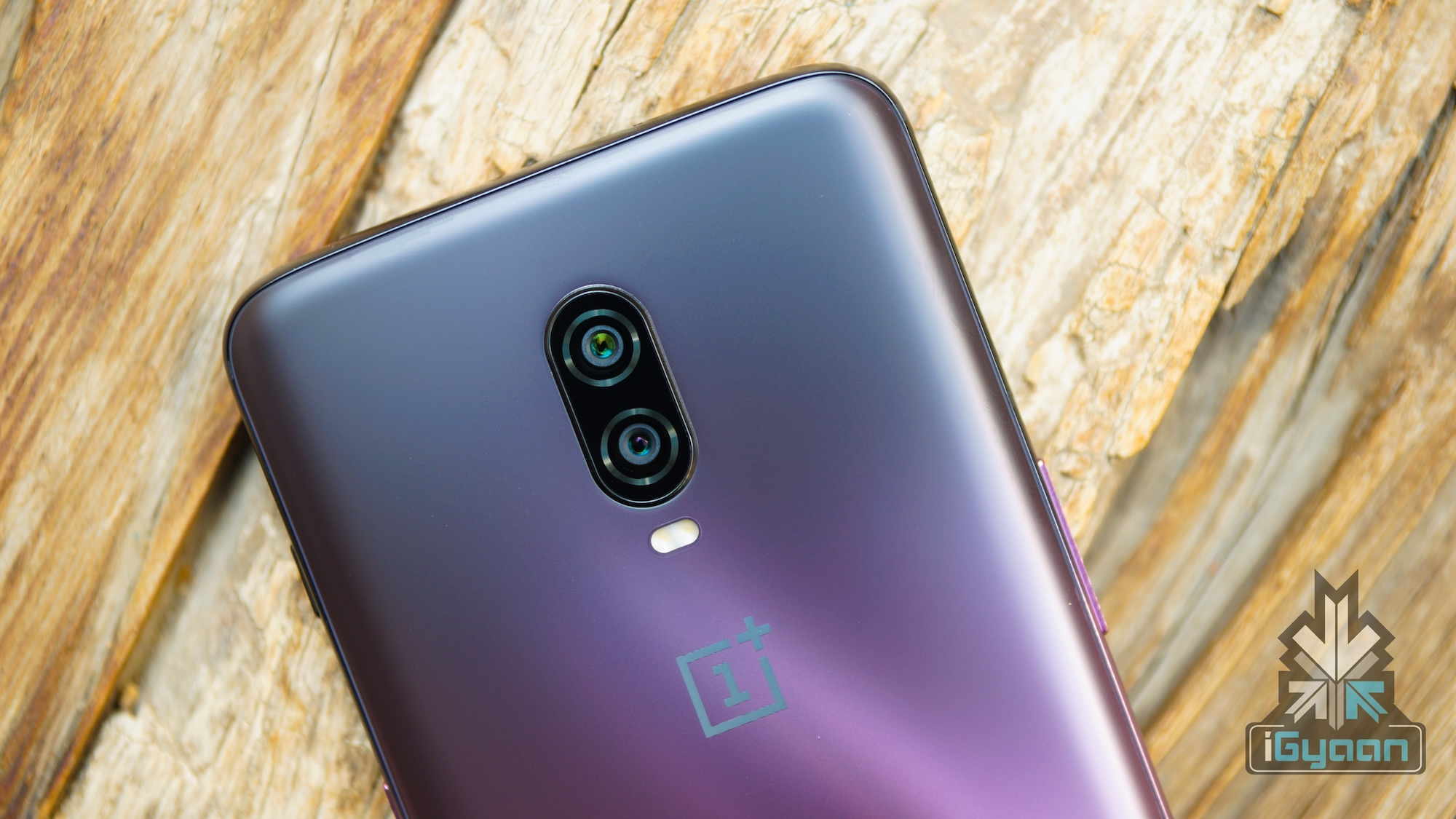
OnePlus 6T
Further leaks suggest the presence of a dual rear camera comprised of an f/1.7 aperture equipped 48 MP sensor and a 5 MP depth sensor. For selfies, the handset may feature a 16 MP front-facing camera housed in the aforementioned notch on top of the display. Under the hood, the OnePlus 7 will run on the 7nm Snapdragon 855 SoC which consists of an Octa-core CPU and the Adreno 640 GPU. In terms of memory and storage, the upcoming smartphone will be available in the following storage variants.
6GB RAM + 128GB ROM
8GB RAM + 256GB ROM
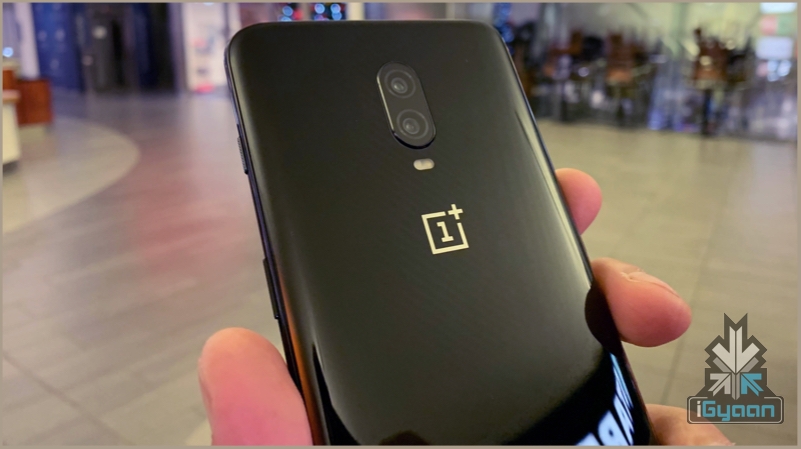
OnePlus 6T
The smartphone is expected to pack a 3700 mAh battery with support for 20W fast charging. Exactly like its predecessor, it will probably not have a headphone jack. As mentioned before, the company is also planning to release a “Pro” version of the OnePlus 7, which is covered below.
OnePlus 7 Pro And OnePlus 7 Pro 5G
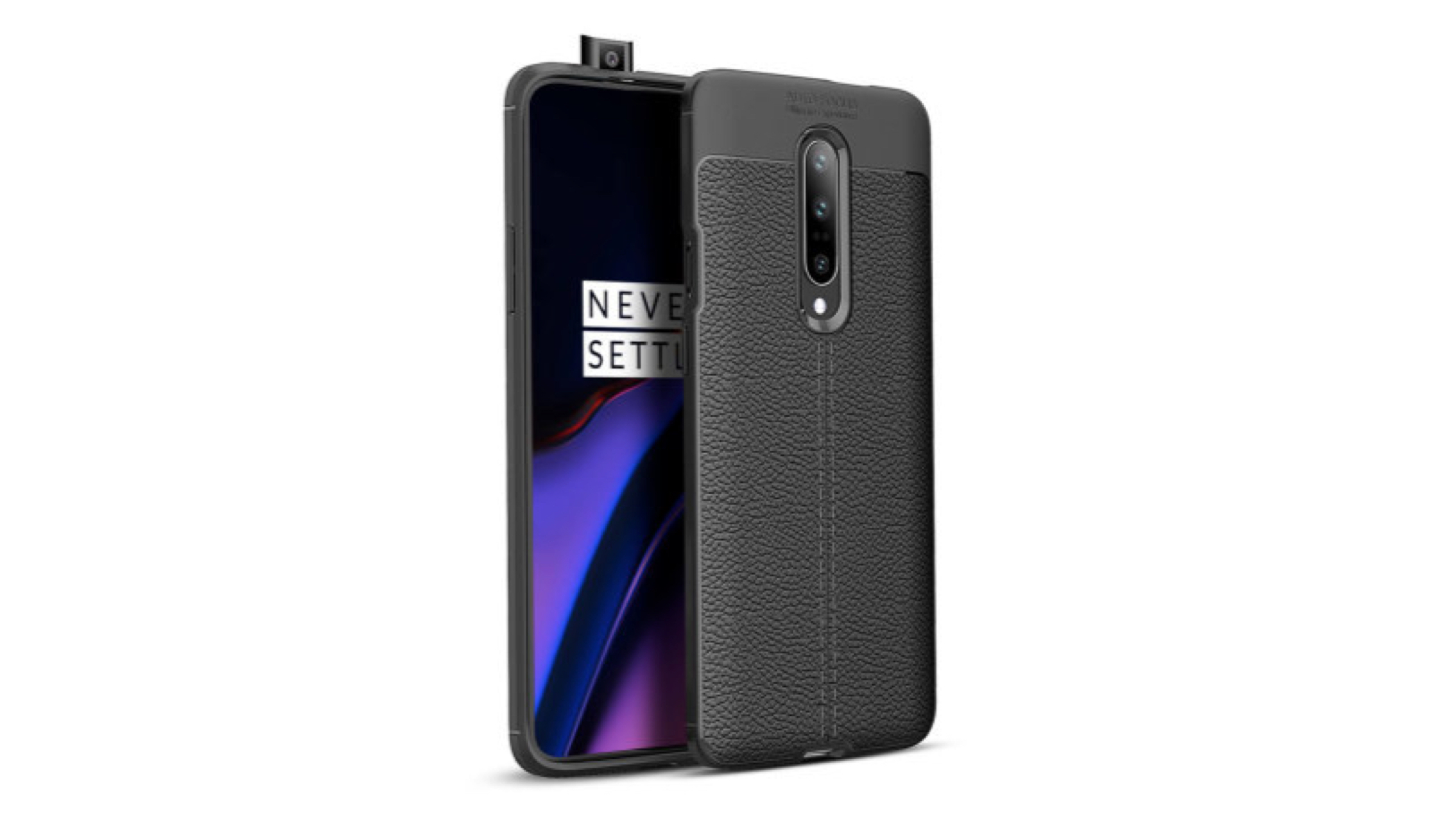
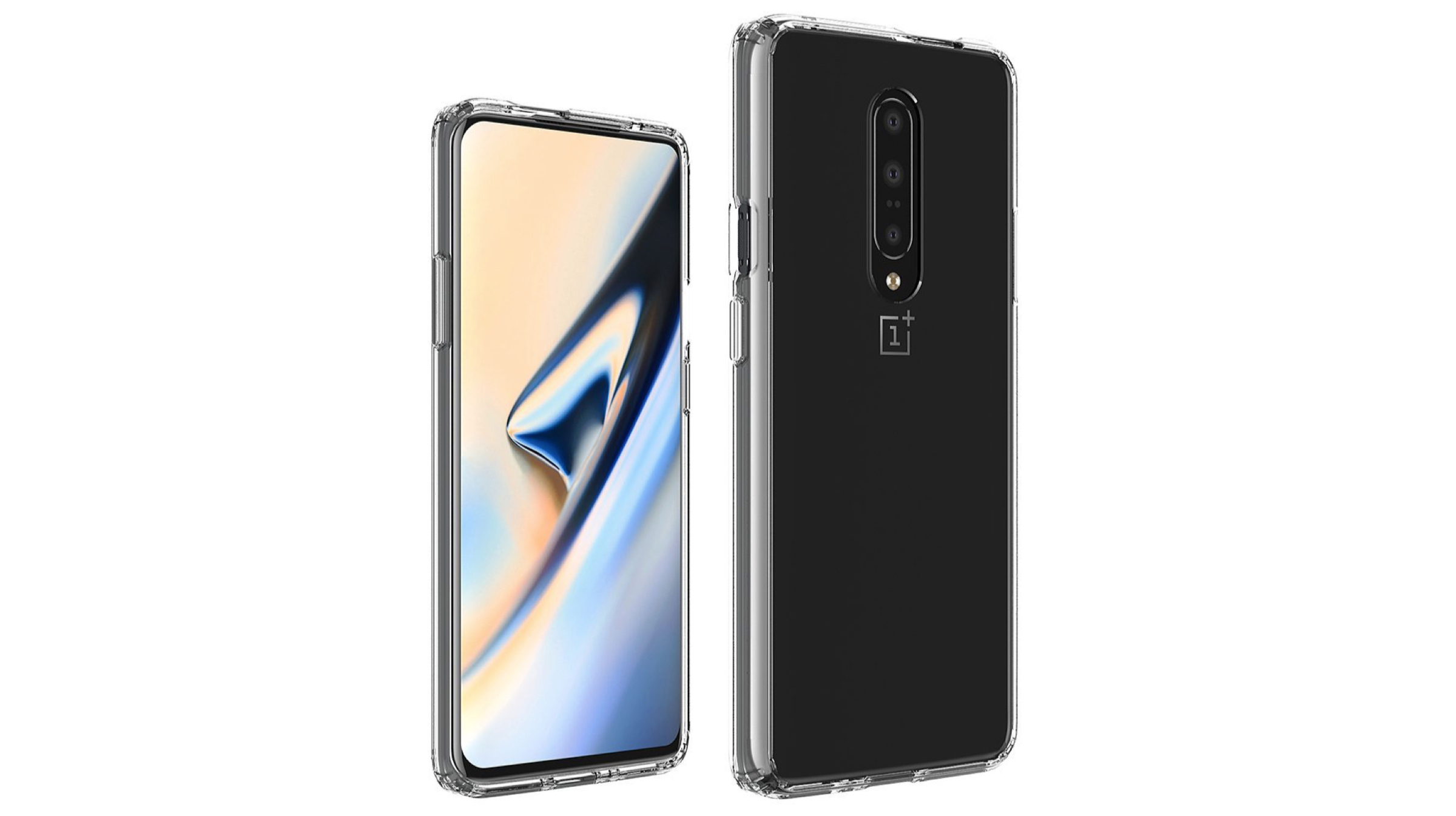
OnePlus 7 Pro Render
The OnePlus 7 Pro is speculated to be the specced up variant of the regular variant. Featuring a glass-sandwich design, the smartphone will sport a metal chassis. Sources say that the device will have a large 6.7-inch Optic AMOLED display with a resolution of 3120 x 1440 px. The company is expected to feature a 90Hz refresh rate in the smartphone panel. The highlighting feature of the Pro variant will be the pop-up camera mechanism similar to the one seen in the Vivo V15 Pro. It will also have an in display fingerprint scanner and will support face unlock technology for security detail.
OnePlus 7 Pro Case Render
The OnePlus 7 Pro will also run on the same 7nm Snapdragon 855 SoC, which is one of the most powerful SoCs in the market. In terms of optics, the smartphone will have a triple rear camera setup as opposed to the dual camera setup on the base variant. It will comprise of an f/1.7 aperture equipped 48 MP sensor, an f/2.2 aperture equipped 16 MP ultra wide sensor and a thrid f/ 2.4 aperture equipped 8 MP sensor. Furthermore, it will have an f/2.0 aperture equipped 16 MP pop-up camera. The OnePlus 7 Pro will be available in the following memory variants.
Sources also suggest that the smartphone will pack a 4000 mAh battery with 30W Warp charging support. The smartphone will also be available in a 5G variant. It is expected to be available in three colour variants, namely Blue, Grey and Brown.
The year 2019 in technology will be remembered for many things. From the popularisation of the punch hole display to the introduction of ultrasonic fingerprint scanners in the Galaxy S10 series, there has been a lot to this year. But perhaps the most innovative advancement has been the advent of folding smartphones. Samsung, the largest smartphone OEM in the world, released its foldable device, the Galaxy Fold back in February. Even Huawei, the manufacturer holding the second place, has announced its handset that can be folded into half, the Mate X will launch soon. Many other mainstream OEMs like Xiaomi and Oppo have confirmed that they are working on a foldable smartphone.
With all the aforementioned manufacturers announcing a foldable smartphone; it was expected that Apple, a renowned OEM in itself will announce a similar device soon. What the device will look like is anyone’s guess. But in a recently designed render by a reputed media house in collaboration with the Concept Creator, it is imagined how a foldable handset by the company may look like based on previously filed patents. While the actual smartphone, whenever it launches, may be different from what is shown below; the very idea of a foldable handset from a company like Apple has us excited.
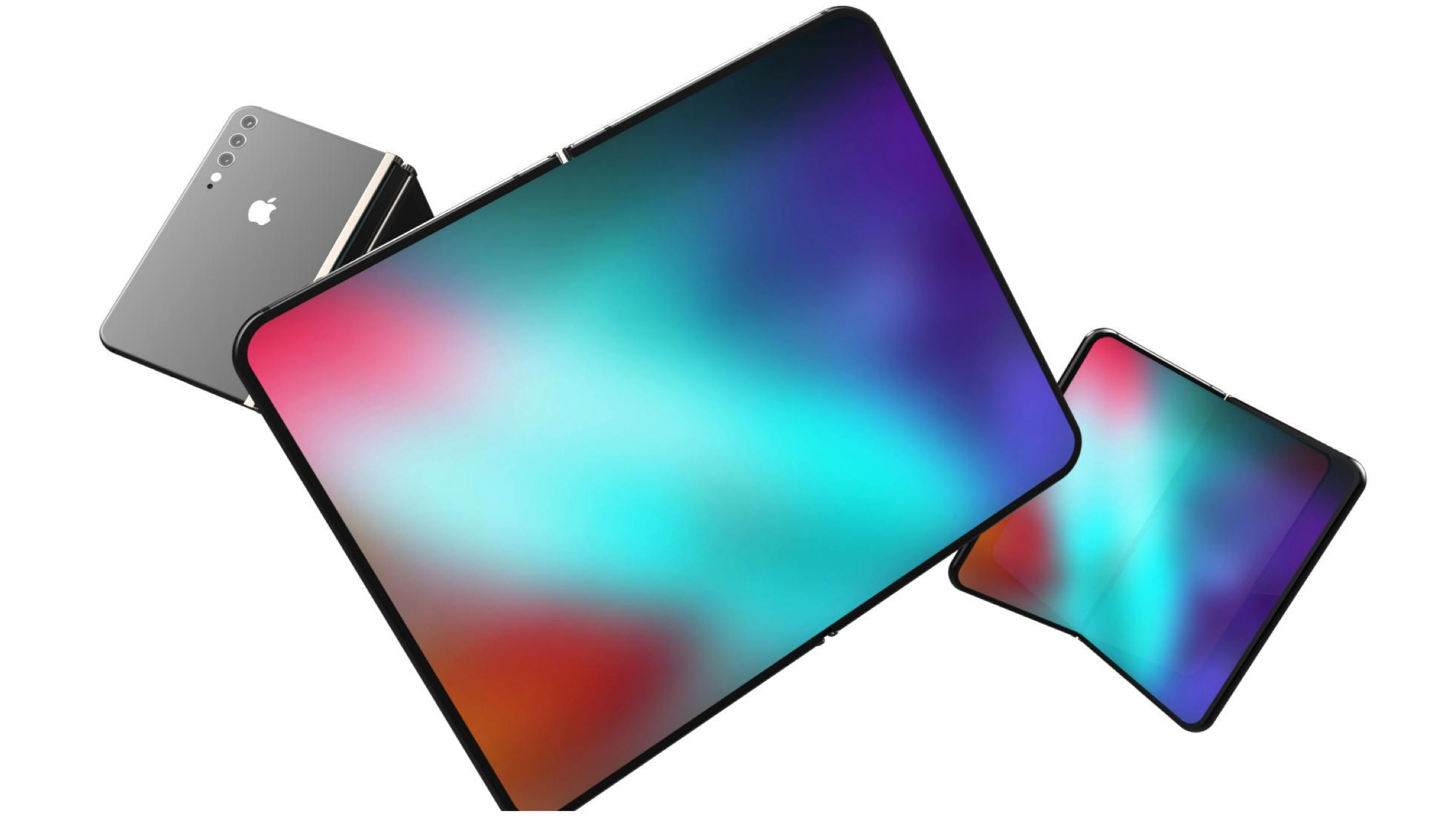
Foldable iPhone Concept
The renders designed by Concept Creator give an insight into how Apple may choose to design its folding smartphone. From a first glance, it looks oddly similar to the Samsung Galaxy Fold, albeit with a few enhancements to the design. While the concept doesn’t expose all the visual elements of the device, it implies the handset will use a large tablet-like display with an option of folding it into half. It is not clear from the video if this smartphone, called the iPhone Flex will use a secondary outer display like the Galaxy Fold. But unlike the latter, it is devoid of any notches on the inside display. For optics, Apple may opt-in for a vertical triple camera setup as shown in the images.
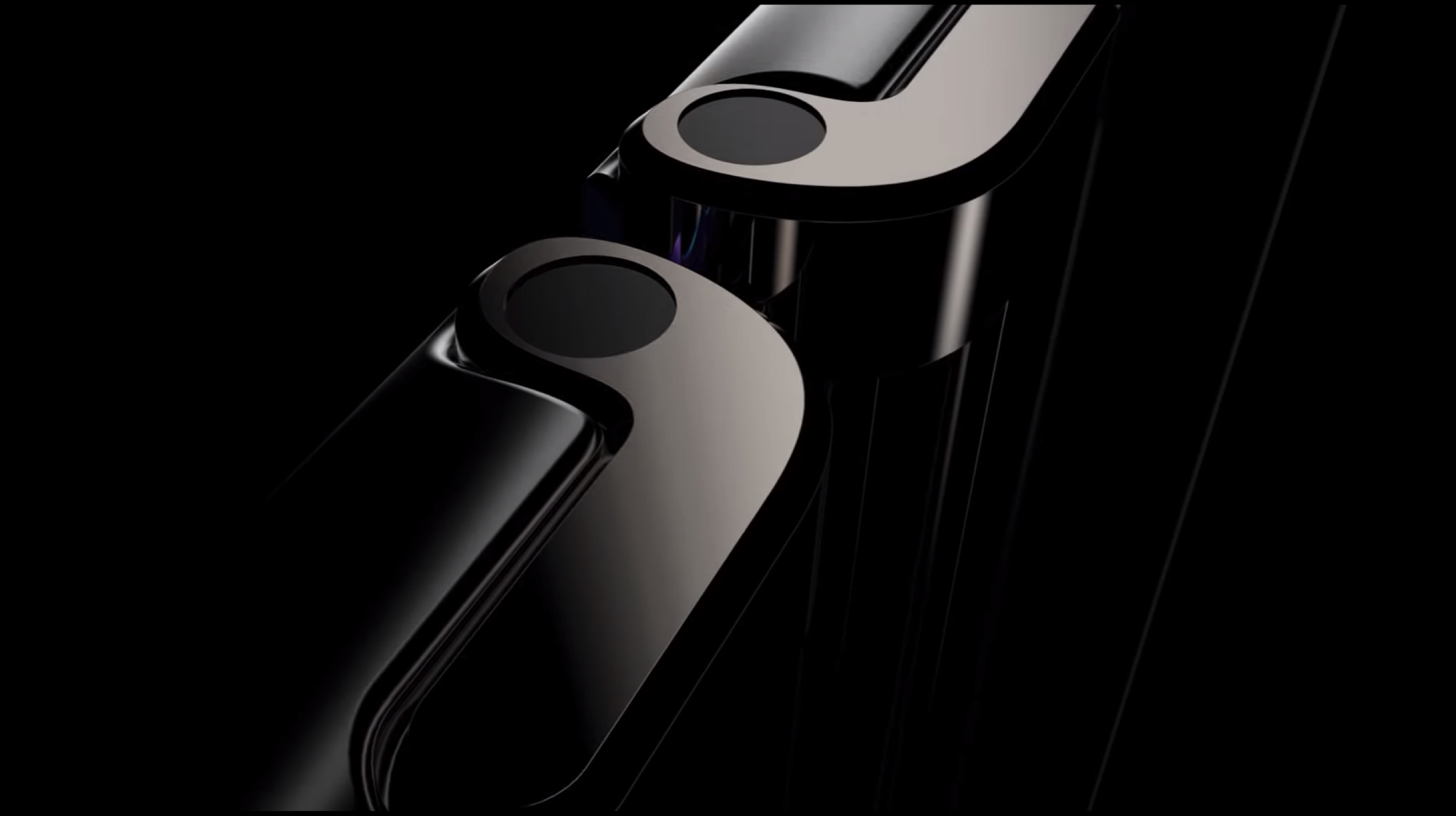
But, with a similar design like the Galaxy Fold, a question arises if the alleged iPhone Flex will also face display malfunctions like the former. From the looks of the concept, it seems highly unlikely. This is due to the design of the hinge, which features a closed off design, not letting foreign particles like dust get into the device. Another question is if the upcoming iPhone Flex does not feature a secondary display or camera on the outside, if this turns out true, the users won’t be able to take selfies from the smartphone.
Foldable iPhone: What About The Price?
Okay, now let’s get real here. Foldable smartphones are a unique and cool piece of technology, but there is no denying they are known to be priced at a premium. Samsung’s offering costs close to US$ 2,000 (Rs 1,40,000) and the Huawei Mate X is also rumoured to cost around US$ 2,600 (Rs 1,80,000) at the time of launch. And considering Apple products are generally more expensive than the competition, its foldable smartphone may also end up being more expensive than its rivals. However, the company is also known for one more thing. That is perfecting a technology before bringing it to the mass market.
This might suggest the wait, and the extra money for the technology may very well be worth it. Regarding the launch date of the foldable smartphone from Apple, it is rumoured the company may release one next year. The timing seems right as the technology will have been matured enough for the company to implement it. Maybe the company will not even release a foldable iPhone, or it may take a long time to do so. Whatever may be the case, if the company decides to release a smartphone like the one shown above, colour us excited.
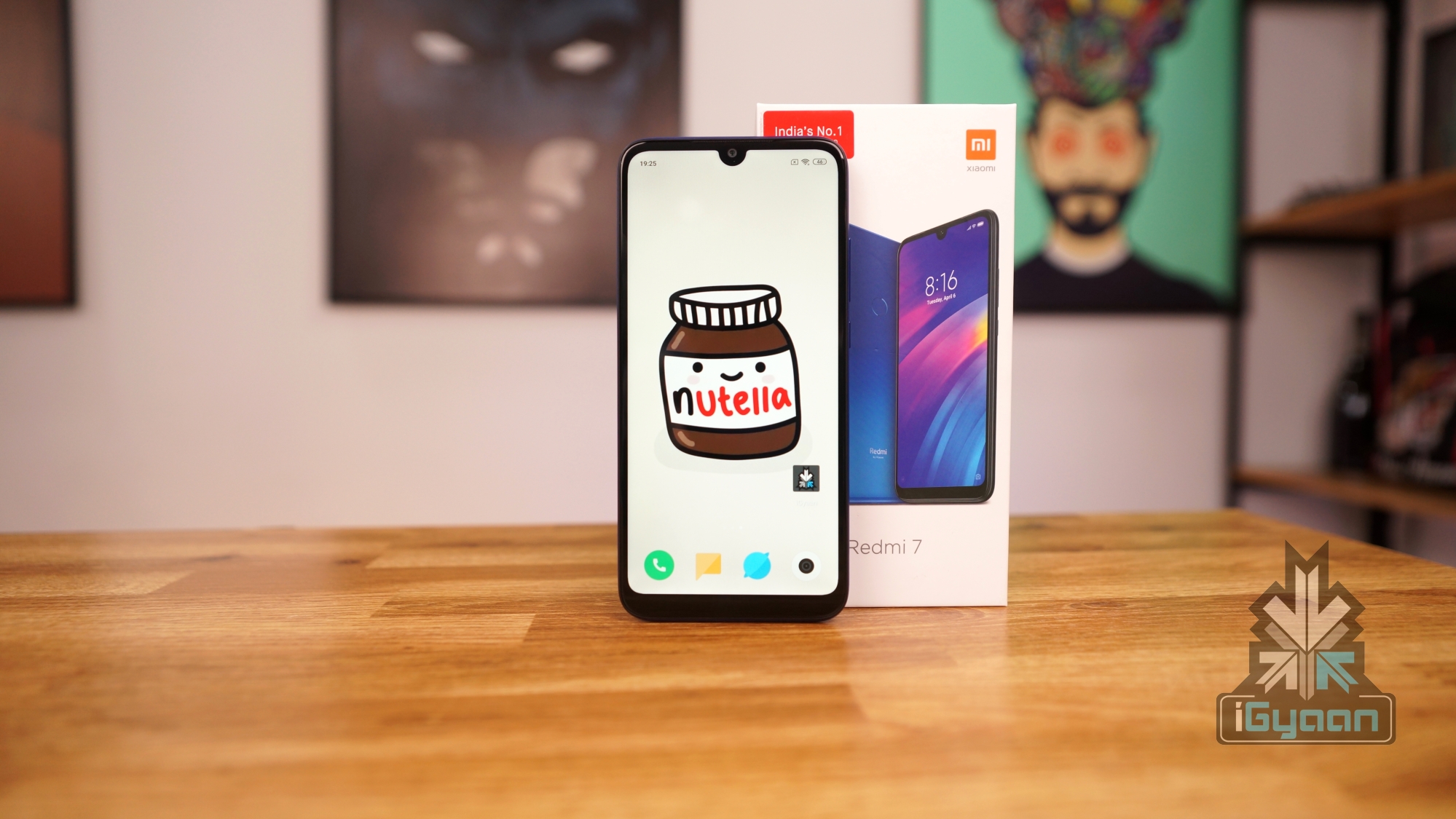
The Redmi 7 is the latest entrant in the Redmi sub-brand of the known Chinese smartphone maker Xiaomi. It was launched alongside the Redmi Y3 in India on the 24th of April and is a budget smartphone from the company. The handset is targeted towards first-time buyers who don’t want to break the bank while purchasing a new smartphone.
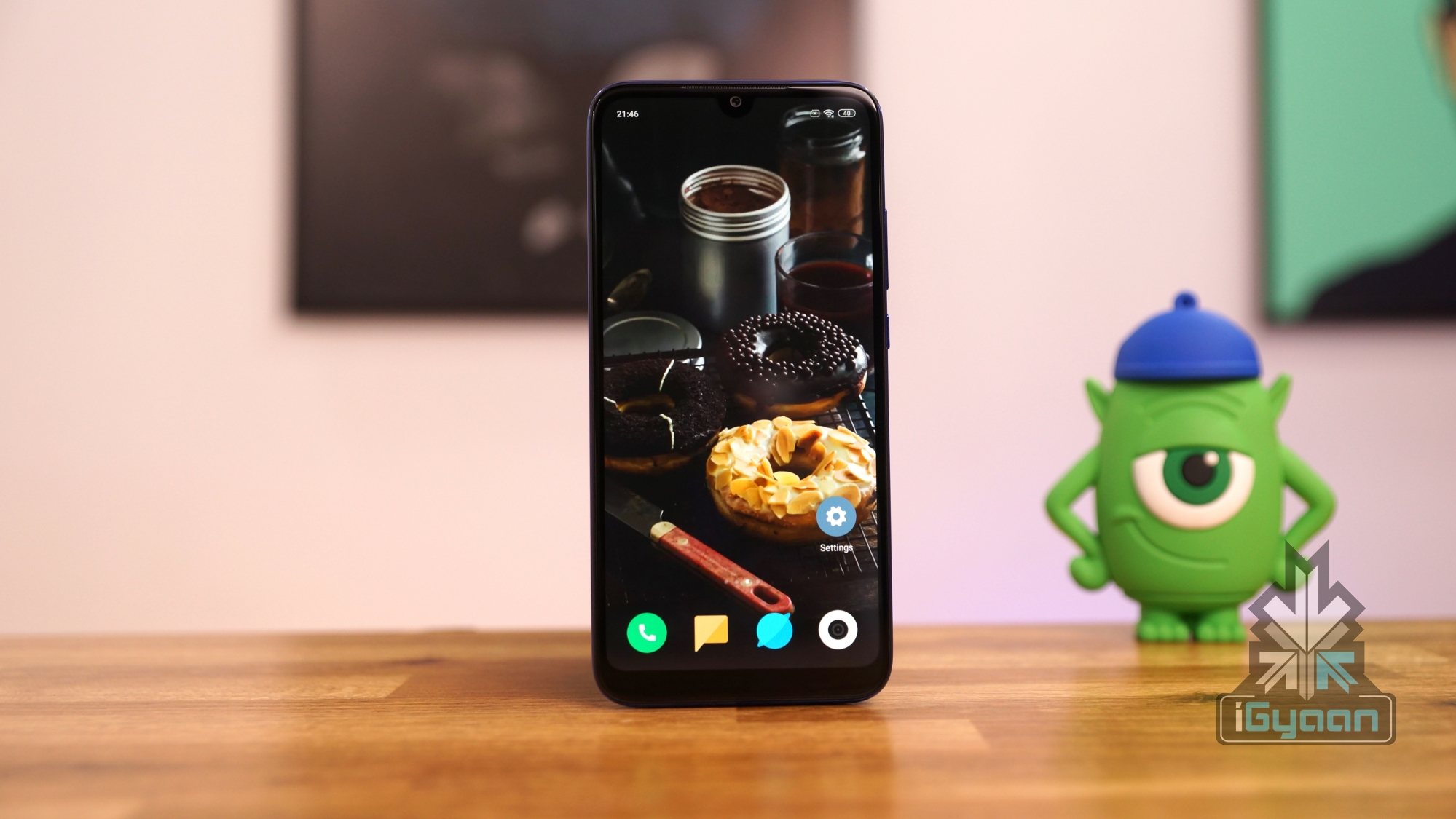
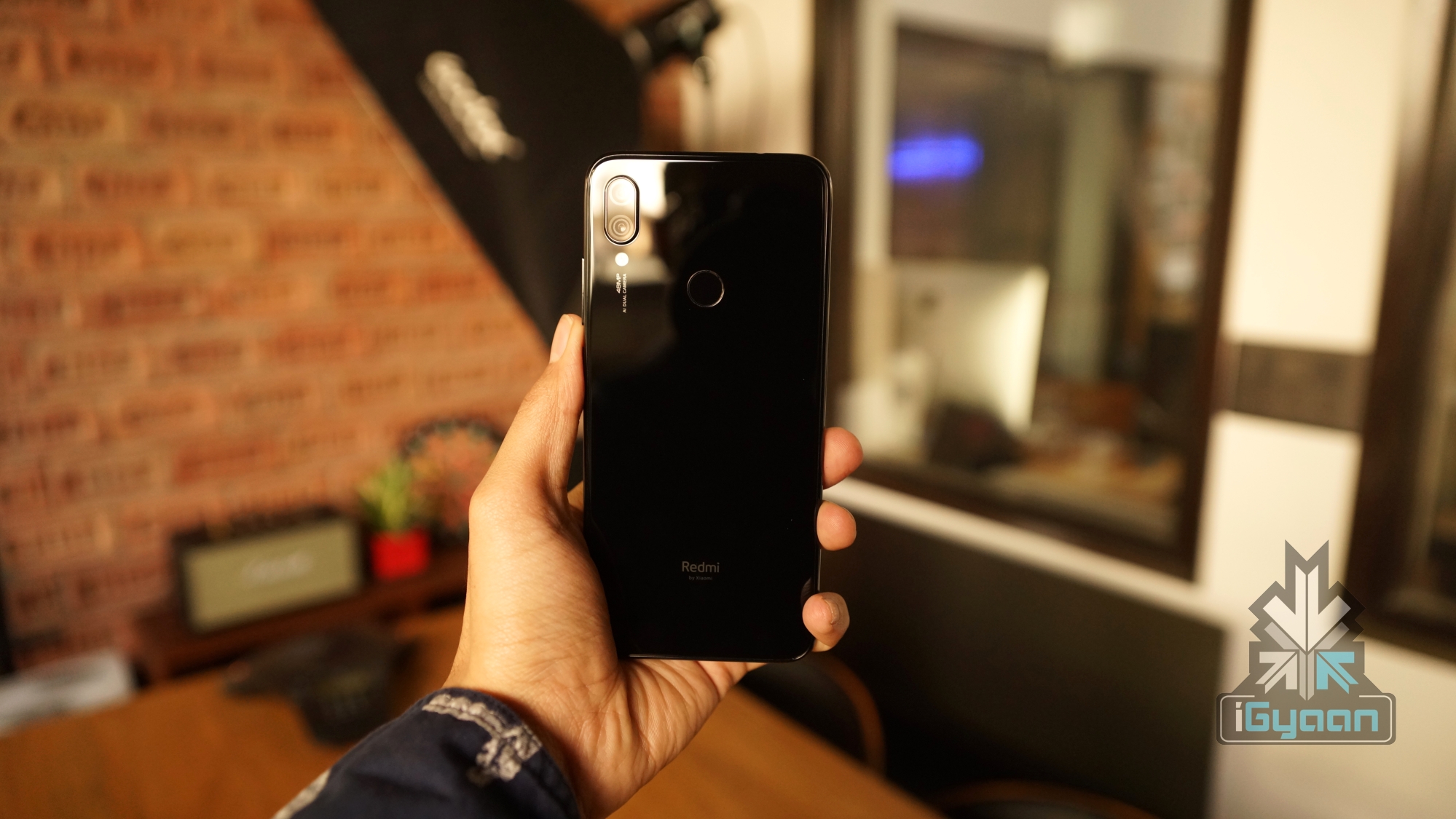
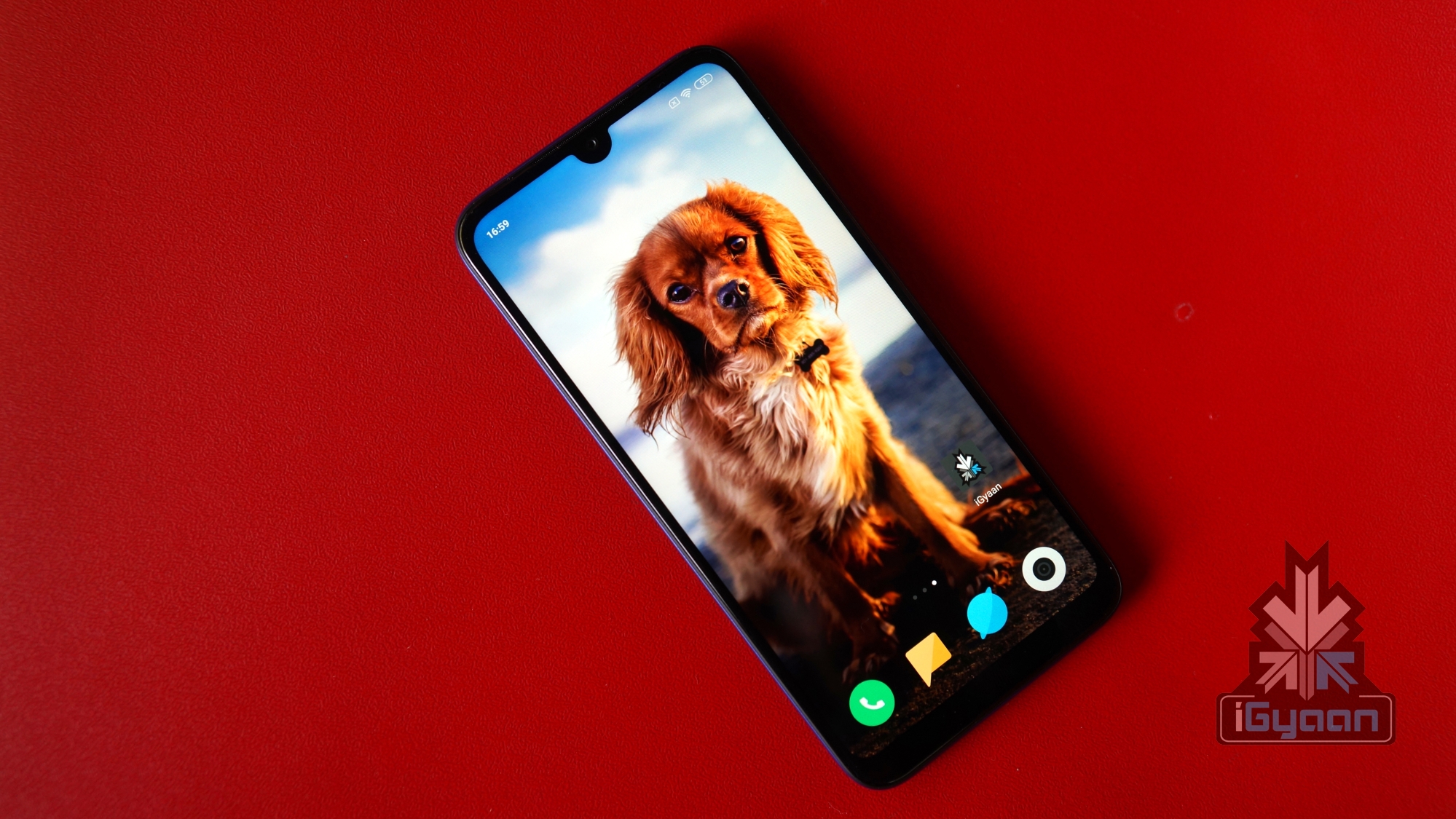
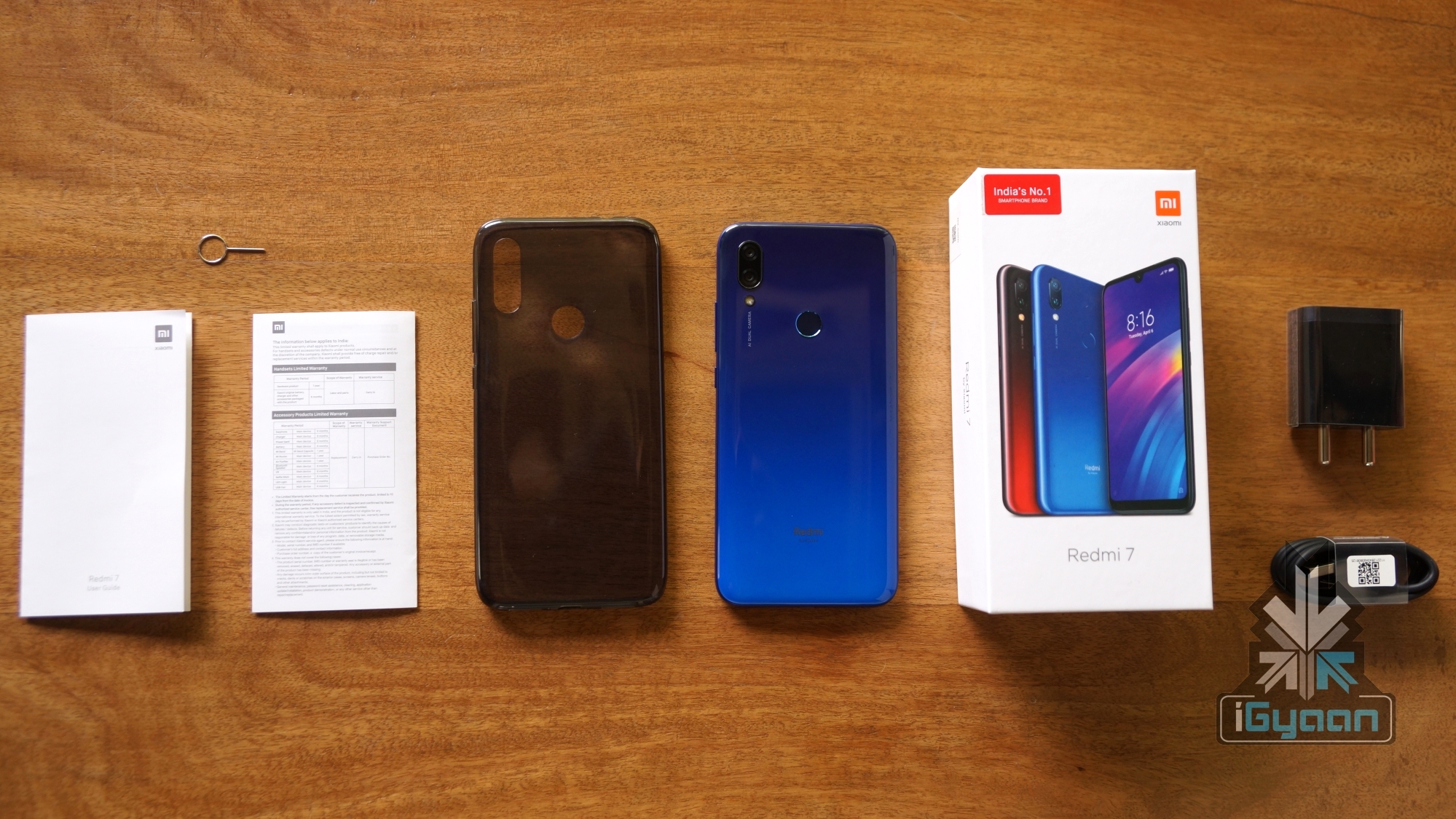
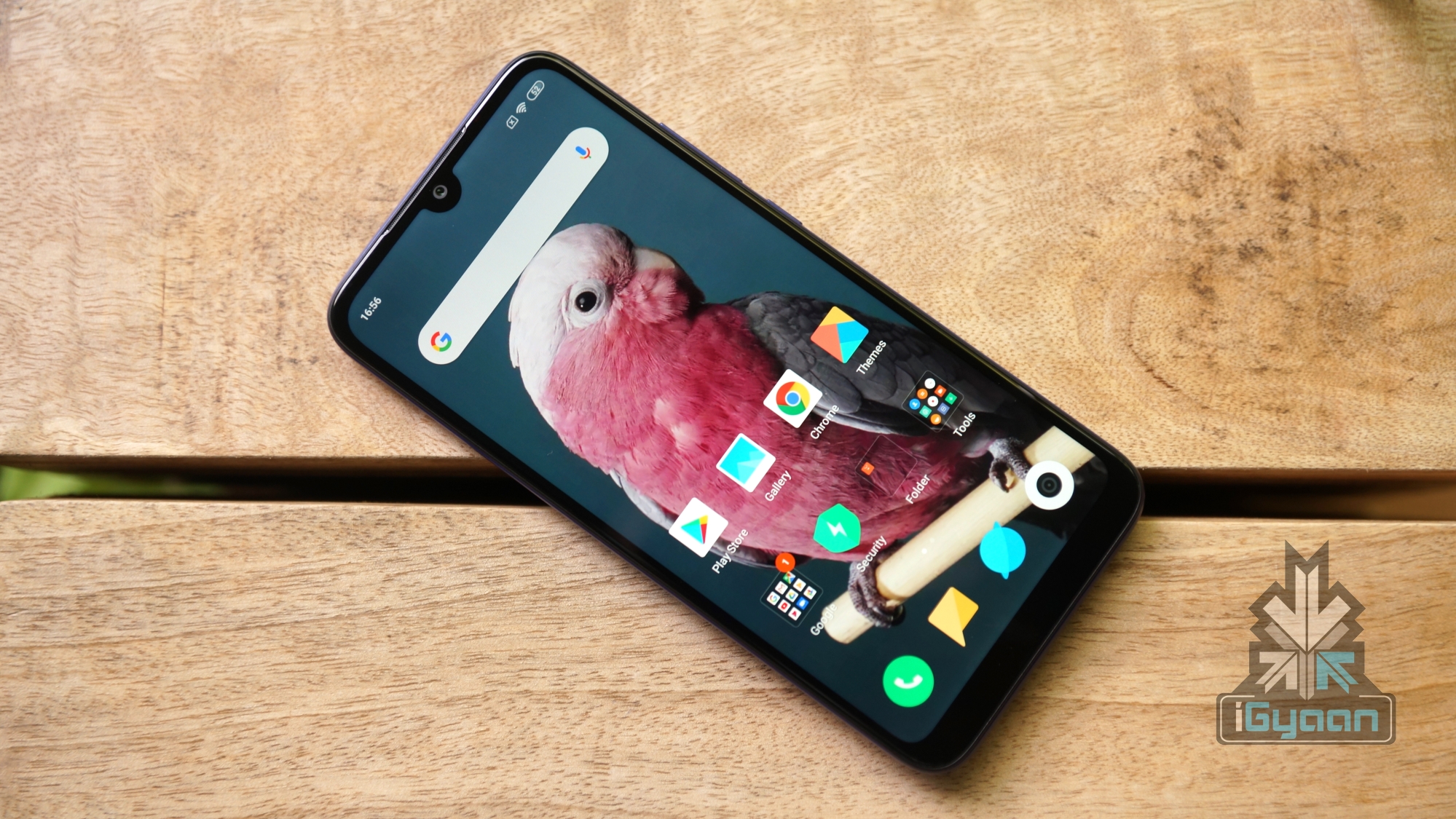
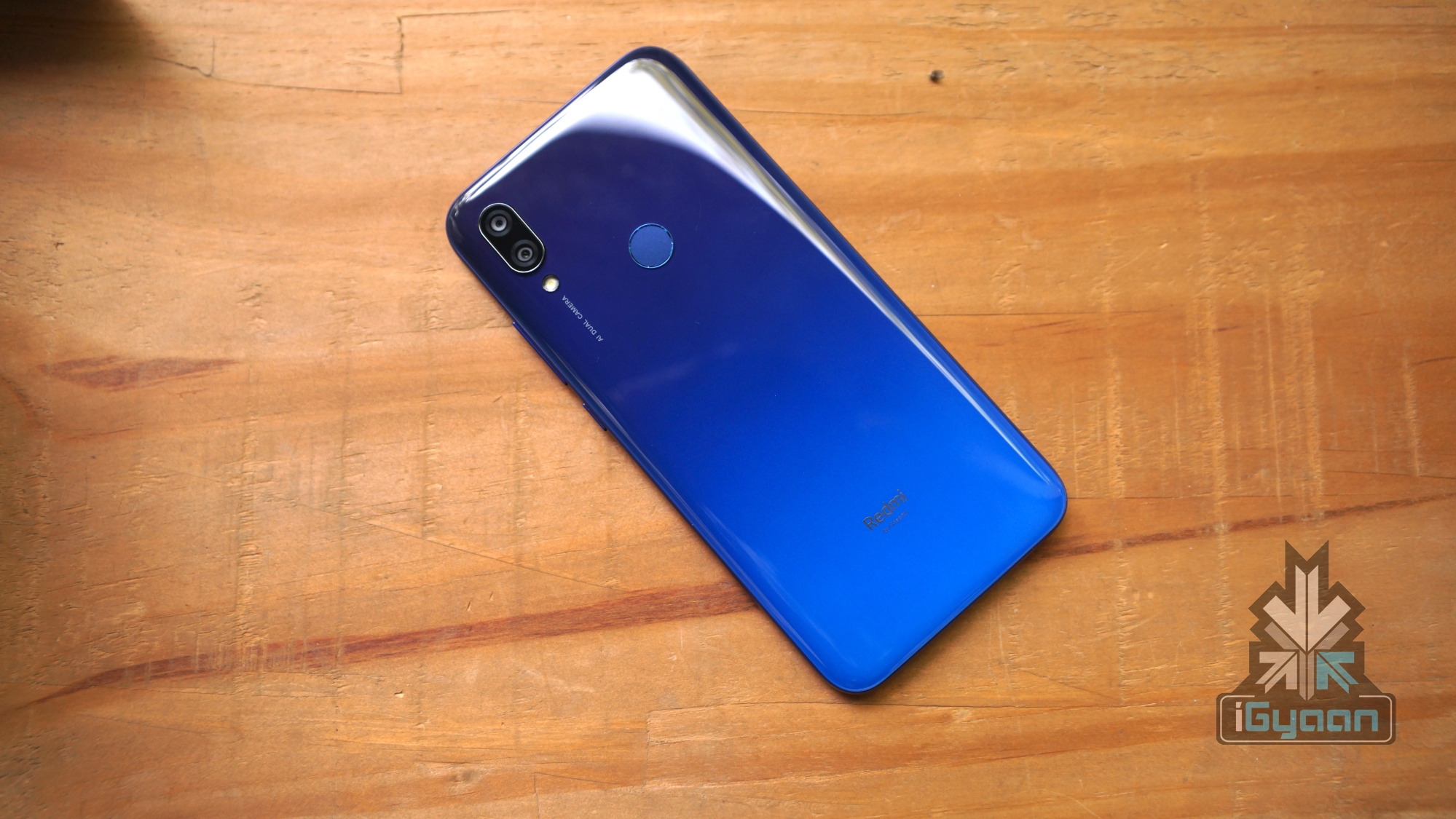
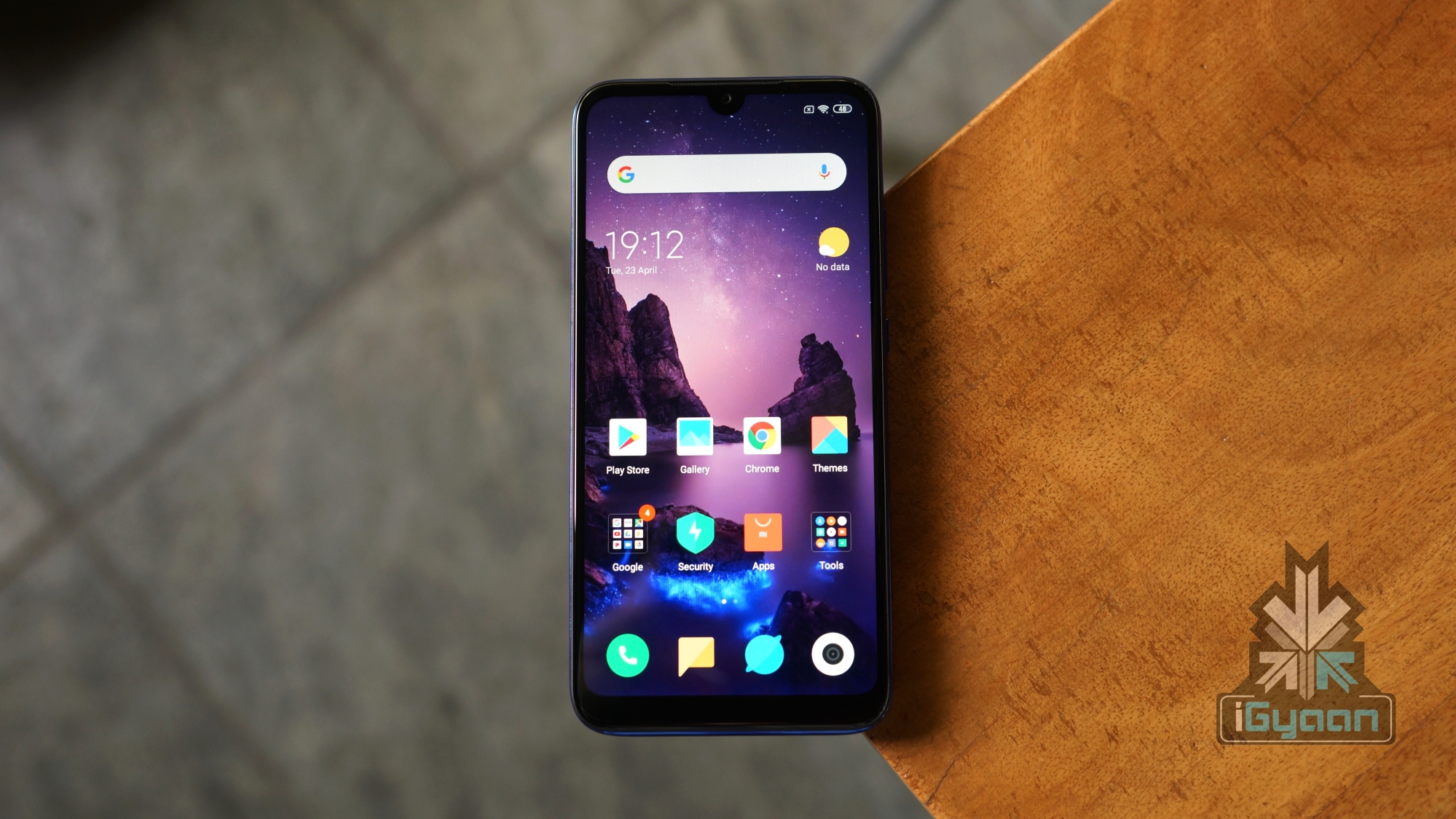
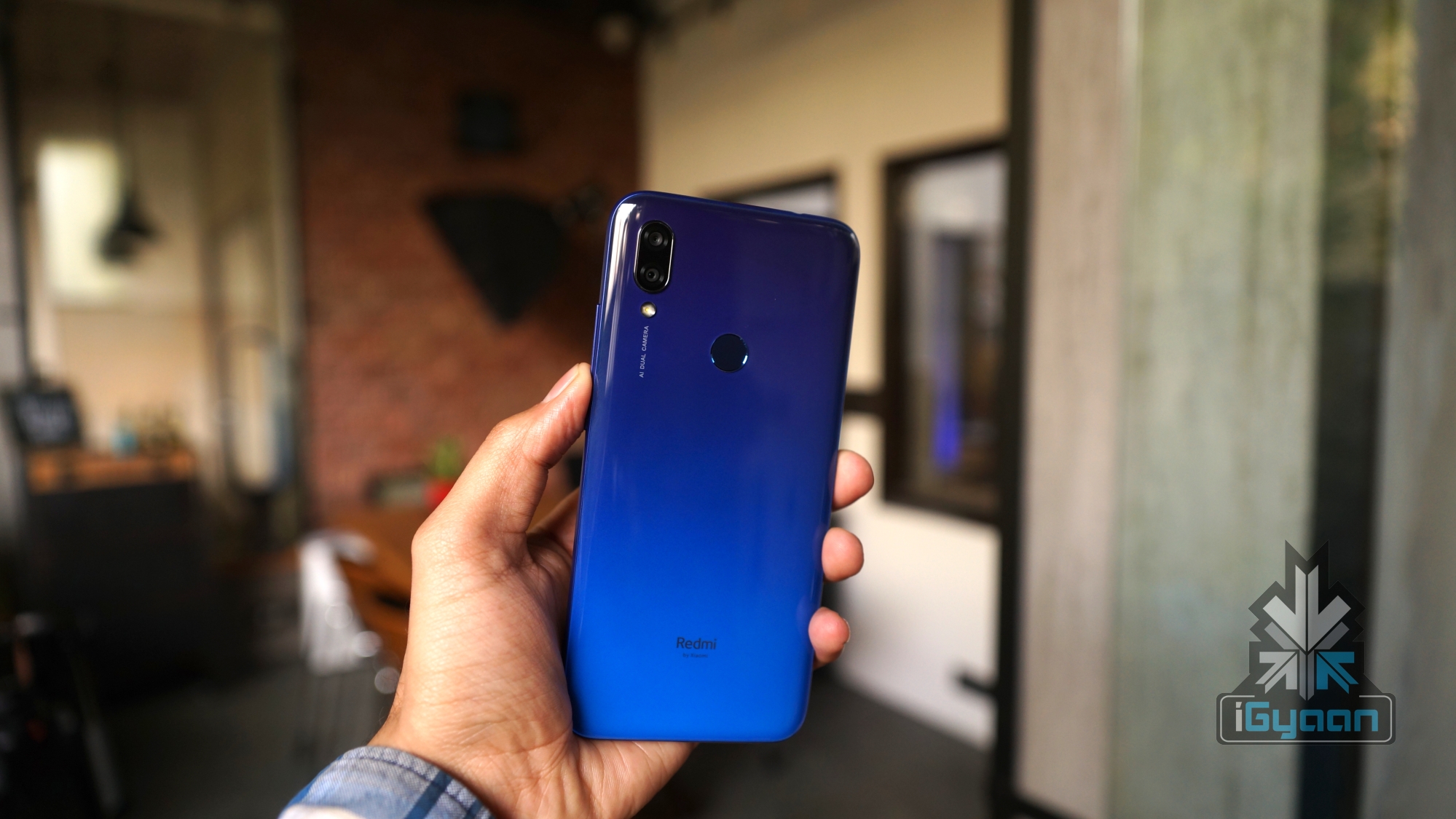
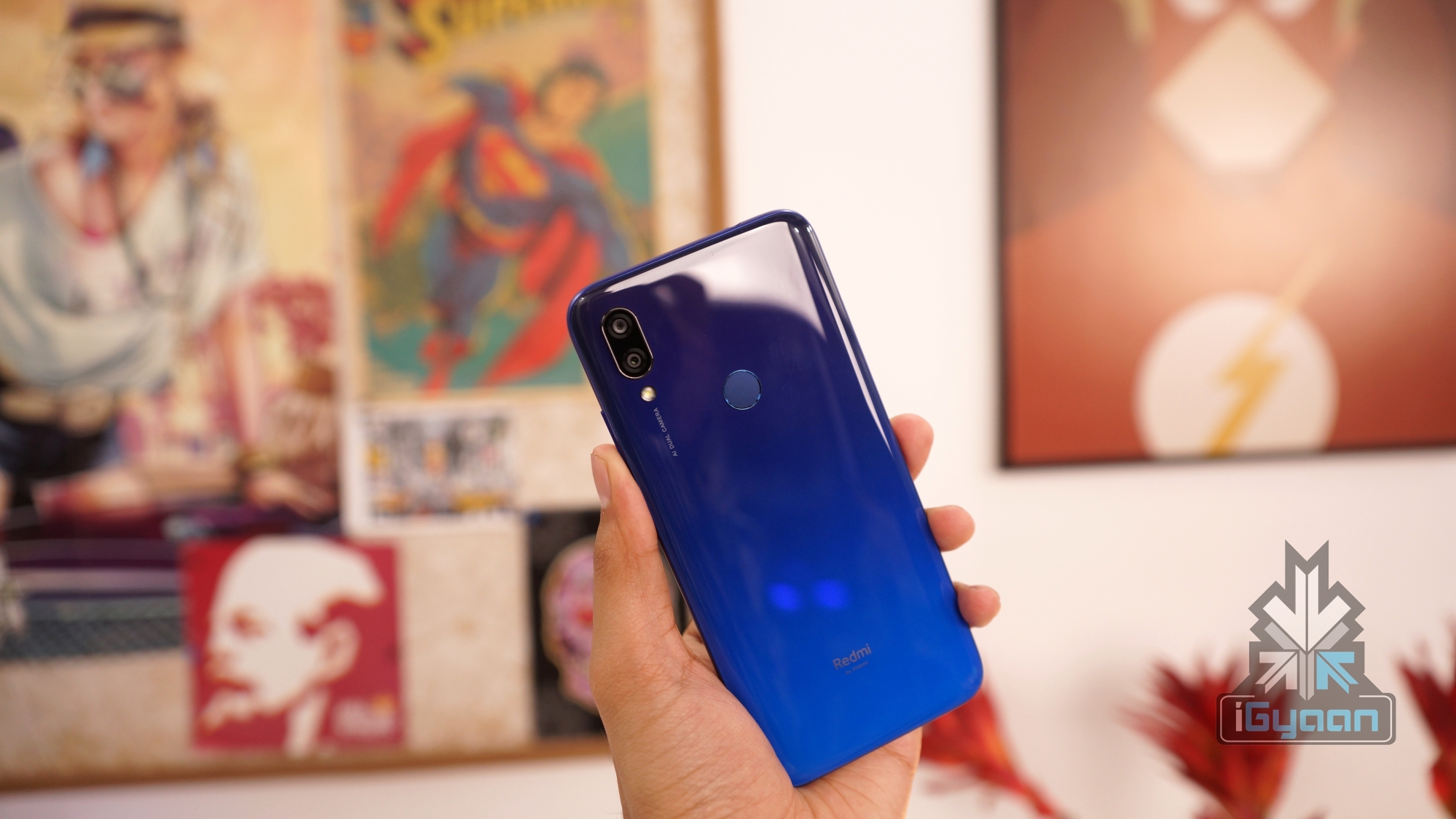
The Redmi 7 has a polycarbonate body with an attractive “Aura Smoke Design” on the back. The front of the smartphone is dominated by a 6.26-inch LCD display with a resolution of 1520 x 720 px. It is shielded by Corning Gorilla Glass 5 to protect it from scratches and drops. Back of the device has the dual rear cameras placed vertically on the top left corner with the LED flash beneath the module. The rest of the back panel is clean except the fingerprint sensor in the middle and the Redmi branding on the bottom of the handset. The right side of the Redmi 7 houses the volume rockers and the power button while the left side is devoid of any buttons, but has the hybrid SIM card tray. On top of the device is the 3.5mm headphone jack and the IR blaster and the bottom of the handset has the micro USB port.
Processor & Memory
Under the hood, the Redmi 7 is kitted with the Snapdragon 632 SoC which is manufactured using the 14nm fabrication process. The chipset consists of an Octa-core CPU and the Adreno 506 GPU. The CPU consists of eight Kryo 250 cores clocked at up to 1.8 GHz. In terms of memory, the Redmi 7 is available in two storage variants. While the base model of the smartphone features 2 GB of RAM and 32 GB of internal storage; Another variant of the device with 3 GB of RAM and 32 GB of onboard memory is also available. The smartphone also supports memory expansion up to 256GB via a microSD card
The Redmi 7 is powered by a 4000mAh battery with support for 10W fast charging via the bottom mounted micro USB port. The smartphone runs on the company’s latest MIUI 10 out of the box which is skinned on top of the current Android 9 Pie OS.
Camera
In terms of optics, the Redmi 7 has a dual rear camera setup comprising of an f/2.2 aperture equipped 12 MP sensor and a 2 MP depth sensor. For selfies, an 8 MP camera is housed in the waterdrop notch on top of the display. The smartphone is capable of recording videos in 1080p resolution at 60fps.
Connectivity and Other Features
Connectivity options on the Redmi 7 include dual 4G VoLTE, Bluetooth 4.2, Wi-Fi 802.11, GPS, and a Micro-USB port for charging and data syncing. The device also has a 3.5mm audio jack on the top. For biometrics and securely unlocking the handset, a rear-mounted fingerprint scanner is present on the smartphone along with support for face unlock technology.
The Redmi 7 is available at a starting price of Rs 7,999 for the base model with 2GB of RAM and 32GB of onboard memory. The version with 3GB RAM and 32GB internal storage has been priced at Rs. 8,999. It will be available online starting April 29 on Amazon.in and Mi.com and offline in the official Mi Home stores and certain retail outlets across the country.
In a bid to expand the products under its Redmi brand, Xiaomi has launched the Redmi 7 budget smartphone in India. The device was announced alongside the Redmi Y3 at an event today. The Redmi 7 features a modern design with competitive specifications at a lucrative price tag. It was first launched last month in China.
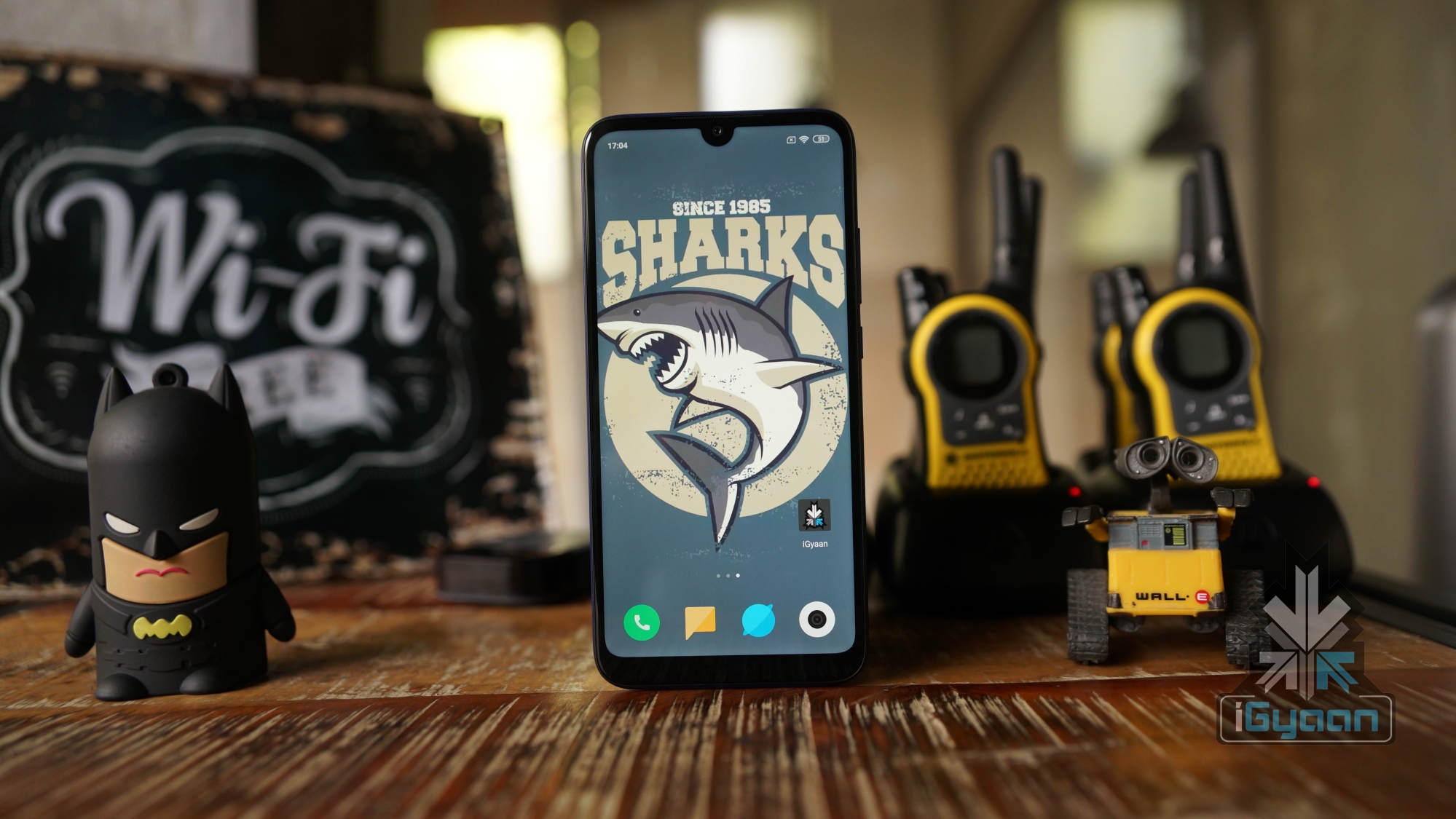
The newly launched Redmi 7 is the successor to last year’s Redmi 6 smartphone from the company. It measures 158.65 x 76.43 x 8.47mm and weighs 180g. The device features a polycarbonate body with an attractive “Aura Smoke Design” at the back. The smartphone has a 6.26 inch IPS LCD display with a resolution of 1520 x 720 px. To maintain the maximum screen real estate, a waterdrop notch is present on top of the display. Gorilla Glass 5 protection on the front ensures the display stays protected against scratches and accidental drops. For biometrics and securely unlocking the handset, a rear-mounted fingerprint scanner is present on the device along with support for face unlock technology.
Under the hood, the Redmi 7 is kitted with the Snapdragon 632 SoC which is manufactured using the 14nm fabrication process. The chipset consists of an Octa-core CPU and the Adreno 506 GPU. In terms of optics, the smartphone has a dual rear camera setup comprising of an f/2.2 aperture equipped 12 MP sensor and a 2 MP depth sensor. For selfies, an 8 MP camera is housed in the notch on top of the display. The smartphone will be available in the following memory variants.
2GB RAM and 32GB ROM
3GB RAM and 32GB ROM
The Redmi 7 is powered by a 4000mAh battery with support for 10W fast charging. The smartphone also supports memory expansion up to 256GB via a microSD card. It also has a P2i coating for protection against accidental liquid splashes. The handset is available in three colour variants, namely Eclipse Black, Lunar Red and Comet Blue.
The Redmi 7 has been launched at a starting price of Rs 7,999 for the base model with 2GB of RAM and 32GB of onboard memory. The version with 3GB RAM and 32GB internal storage has been priced at Rs. 8,999. It will be available online starting April 29 on Amazon.in and Mi.com and offline in the official Mi Home stores and certain retail outlets across the country.
OnePlus, since its inception in the year 2013 has become a well-known smartphone OEM all over the world. Its last device, the OnePlus 6T received positive reviews for its affordability compared to similarly specced handsets. Now, after much leaks and speculations, the company has announced the launch date of its upcoming smartphones, reported to be the OnePlus 7 and OnePlus 7 Pro. It will release the two new handsets next month.
OnePlus 7, 7 Pro Launch Date
The upcoming smartphones from the company will be announced on the 14th of May. Notably, it will the first time a global and Indian launch by the company coincides on the same day. The OnePlus 7 and 7 Pro will be launched at the Bangalore International Exhibition Centre, Bengaluru on the aforementioned date. The entry tickets to the event will be available on the company’s official website starting at 10 am on the 25th of April.
OnePlus 7, 7 Pro
OnePlus 7 Pro
As mentioned above, OnePlus is expected to launch two new devices at the event. While the regular variant and the successor to the OnePlus 6T will be called the OnePlus 7, another variant with slightly bumped up specifications and possible support for 5G will be called the OnePlus 7 Pro. Apart from a few differences, key features of both the smartphones are expected to be similar. The leaks claim the former will have a 6.4-inch display while the latter is reported to sport a 6.67-inch display. While the regular variant will use a waterdrop notch, the Pro variant will employ a pop-up camera to house the front-facing snapper to maximise the screen real estate. Like the Samsung Galaxy S10 and Huawei P30 Pro, the Pro version will have a display that tapers towards the edges. Like their predecessor, the handsets will feature an in-display fingerprint scanner with support for face unlock technology.
OnePlus 6T
Sources claim both the OnePlus 7 and 7 Pro will run on the 7nm Snapdragon 855 SoC. The chipset consists of an Octa-core CPU and the Adreno 640 GPU. In terms of optics, the former will have a 48 MP sensor, combined with 5 MP sensor; The latter will feature a 48 MP main sensor, combined with a 16 MP telephoto and an 8 MP sensor. Both devices will have a 16 MP selfie camera. In terms of memory and storage, the handsets may feature up to 12GB of RAM and 256GB of internal storage.
The previous leak further claims the OnePlus 7 will be powered by a 3700 mAh battery with support for 20W fast charging. The 7 Pro, on the other hand, will be fueled by a 4000 mAh cell with support for 30W Warp charge. Unfortunately, the pricing of the smartphones isn’t confirmed yet, but it speculated they will be priced significantly higher than their predecessor.
OnePlus is expected to launch two new smartphones next month on the rumoured launch date, 14th of May. The devices that are reported to launch include the standard OnePlus 7 and its beefed-up siblings which may be called the OnePlus 7 Pro. In a fresh tweet shared by a known tipster, the specifications of the upcoming handsets have been leaked.
OnePlus 7
OnePlus 6T
The OnePlus 7 will be the successor to the OnePlus 6T launched last year. Previous leaks reveal it will have a similar design to the latter. The tipster claims it will have a 6.4-inch Optic AMOLED display with a resolution of 2340 x 1080 px. Like its predecessor, the smartphone will have a waterdrop notch on top of the display and employ an optical in display fingerprint scanner with face unlock technology to securely unlock the handset.
The leak claims OnePlus 7 will run on the 7nm Snapdragon 855 SoC which is comprised of an Octa-core CPU and the Adreno 640 GPU. In terms of optics, the smartphone will have a dual rear camera setup comprised of an f/1.7 aperture equipped 48 MP sensor and a 5 MP depth sensor. This refutes earlier claims of a 24 MP secondary sensor. For selfies, the handset may have a 16 MP front-facing camera housed in the notch on top of the display. In terms of memory and storage, the device will be available in the following storage variants.
6GB RAM + 128GB ROM
8GB RAM + 256GB ROM
The leak further claims the OnePlus 7 will be powered by a 3700 mAh battery with support for 20W fast charging. Like the 6T, it will not have a headphone jack and the company might release the Bullets Wireless 2 earphones alongside the smartphone. Unfortunately, more details about the headset are not available yet.
OnePlus 7 Pro
As mentioned above, the OnePlus 7 Pro will be the specced up variant of the regular OnePlus 7. It will have a similar all glass design on the front and rear, complete with a metal chassis to provide reinforcement. According to the source, the smartphone will have a massive 6.7-inch Optic AMOLED display with a resolution 3120 x 1440 px and a refresh rate of 90Hz. Unlike the regular variant, the Pro variant will use an elevating pop-up camera mechanism like the Vivo V15 Pro. It will also have an in display fingerprint scanner and will support face unlock technology.
The leak claims, like the regular variant, the OnePlus 7 Pro will also run on the 7nm Snapdragon 855 SoC. In terms of optics, the smartphone will have a triple rear camera setup, comprised of an f/1.7 aperture equipped 48 MP sensor, an f/2.2 aperture equipped 16 MP ultra wide sensor and an f/ 2.4 aperture equipped 8 MP sensor. For selfies, it will have an f/2.0 aperture equipped 16 MP camera hidden in the aforementioned pop-up mechanism. Reportedly, the device will have Ultra Fast Storage (UFS) 3.0 standard and will be available in the following memory variants.
The leak also states the OnePlus 7 Pro will be powered by a 4000 mAh battery with support for 30W Warp charging. The smartphone will also be available in a 5G variant which will support the next generation of mobile connectivity standard. It will be available in three colour variants, namely Blue, Grey and Brown.
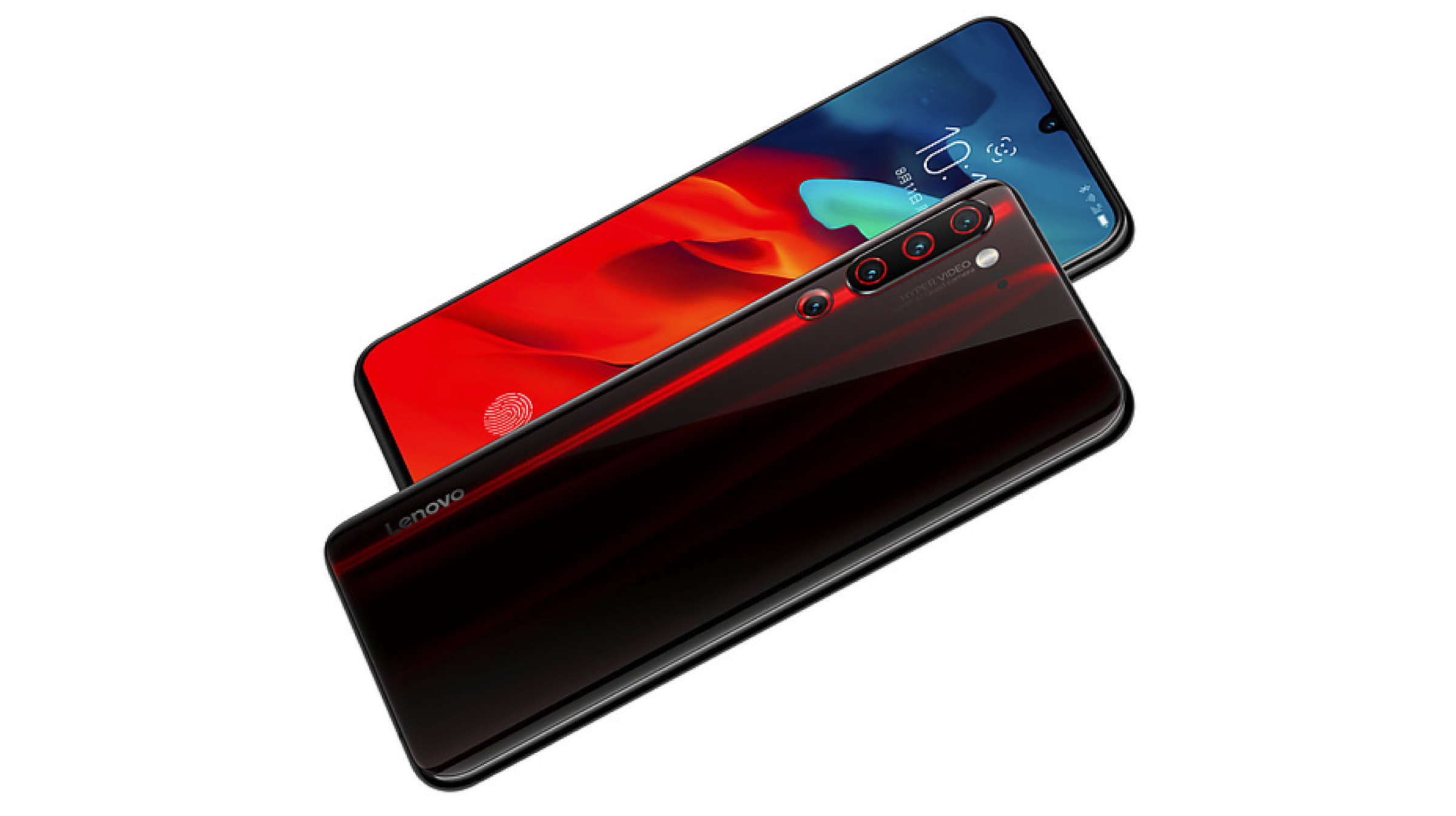
After much speculations and leaks, Lenovo has launched its latest flagship smartphone, the Z6 Pro. The device was launched at an event in the company’s home country of China. It is the successor to the Lenovo Z5 Pro GT launched last year. The latest device boasts of modern design and top tier specifications, combined with a lucrative price tag. It is also one of the first smartphones in the world to support 5G networks, the upcoming standard in mobile technology.
Lenovo Z6 Pro
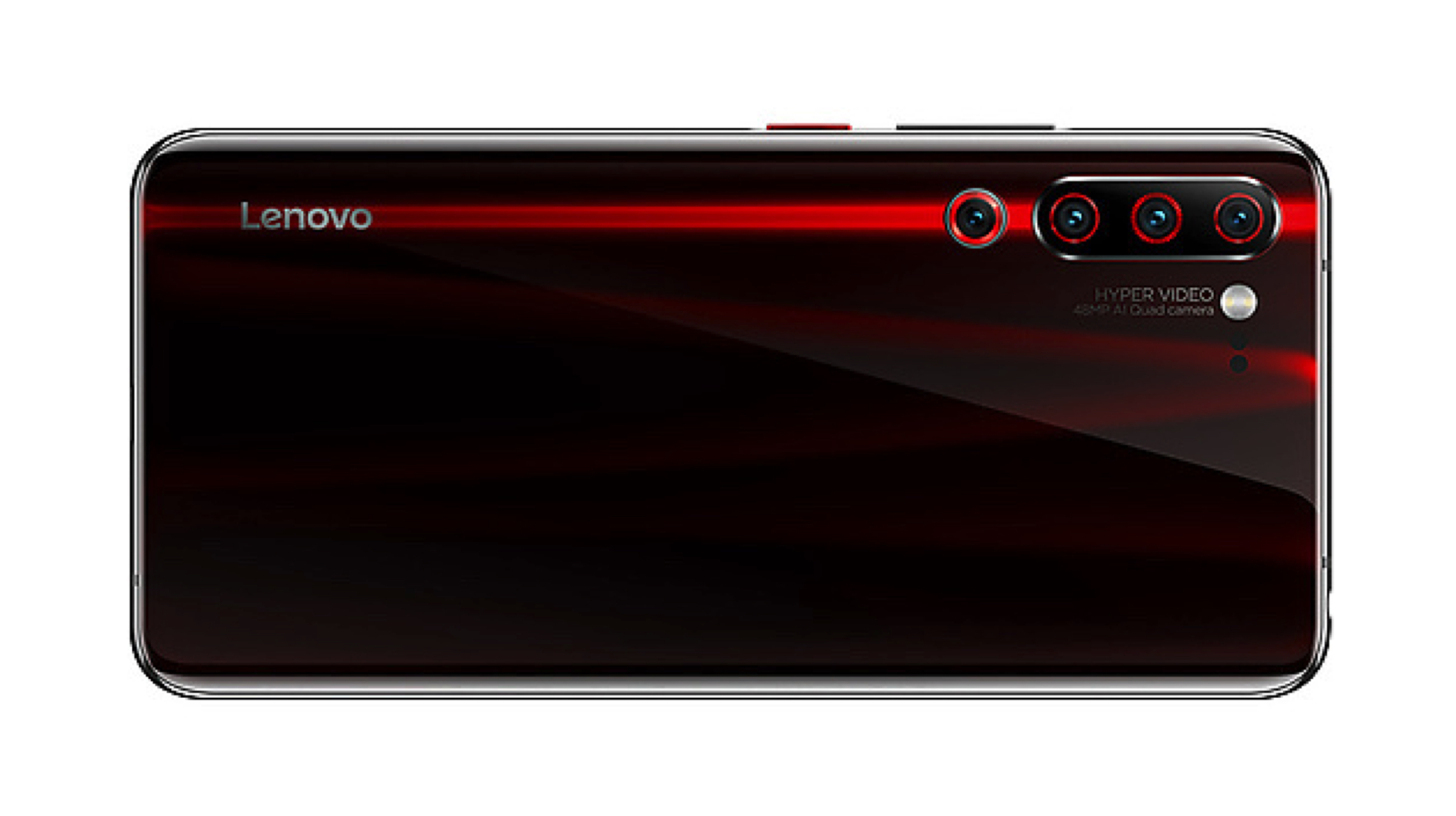
The Lenovo Z6 Pro is the company’s first flagship smartphone of the year. It has a glass design on the front and back with an attractive gradient rear panel. The handset has a 6.39 inch AMOLED display with a resolution of 2340 x 1080 px and support for HDR10 standard of video technology. To maximise the screen real estate, it has a waterdrop notch on top of the display. For biometrics and security, the Z6 Pro has the sixth generation optical in display fingerprint scanner and support for face unlock technology.
Under the hood, the Lenovo Z6 Pro runs on the Snapdragon 855 SoC which is manufactured using the 7nm fabrication process. The chipset is comprised of an Octa-core CPU and the Adreno 640 GPU. For efficiently cooling the internals of the smartphone, the company has employed an advanced liquid cooling system. In terms of optics, the device has a quad rear camera setup comprising of an f/1.8 aperture equipped 48 MP sensor; combined with an f/1.9 aperture equipped 16 MP ultra-wide sensor; an f/2.4 aperture equipped 8 MP telephoto sensor and a 2 MP depth sensor. For selfies, a 32 MP selfie camera is housed in the waterdrop notch on top of the display. The Z6 Pro will be available in the following storage variants.
6GB RAM and 128GB ROM
8GB RAM and 128GB ROM
8GB RAM and 256GB ROM
12GB RAM and 512GB ROM
The Lenovo Z6 Pro is powered by a 4000 mAh battery with support for 27W fast charging. It runs on the company’s current ZUI 11 on top of latest Android 9 Pie and supports Dolby audio to ensure better sound output from the smartphone. The device is available in two colours, namely Red and Blue
The Lenovo Z6 Pro will be available in the Chinese market initially, with global availability expected to be announced soon. Pricing of the smartphone starts from CNY 2899 (Rs. 30,000) for the variant with 6GB RAM and 128GB internal storage. The version with 8GB RAM and 128GB onboard memory has been priced at CNY 2999 (Rs. 31,100). For the variant with 8GB RAM and 256GB internal storage, the pricing will be CNY 3799 (Rs. 39,400). The top end model, with 12GB RAM and 512GB internal storage, will cost CNY 4999 (Rs. 51,900).
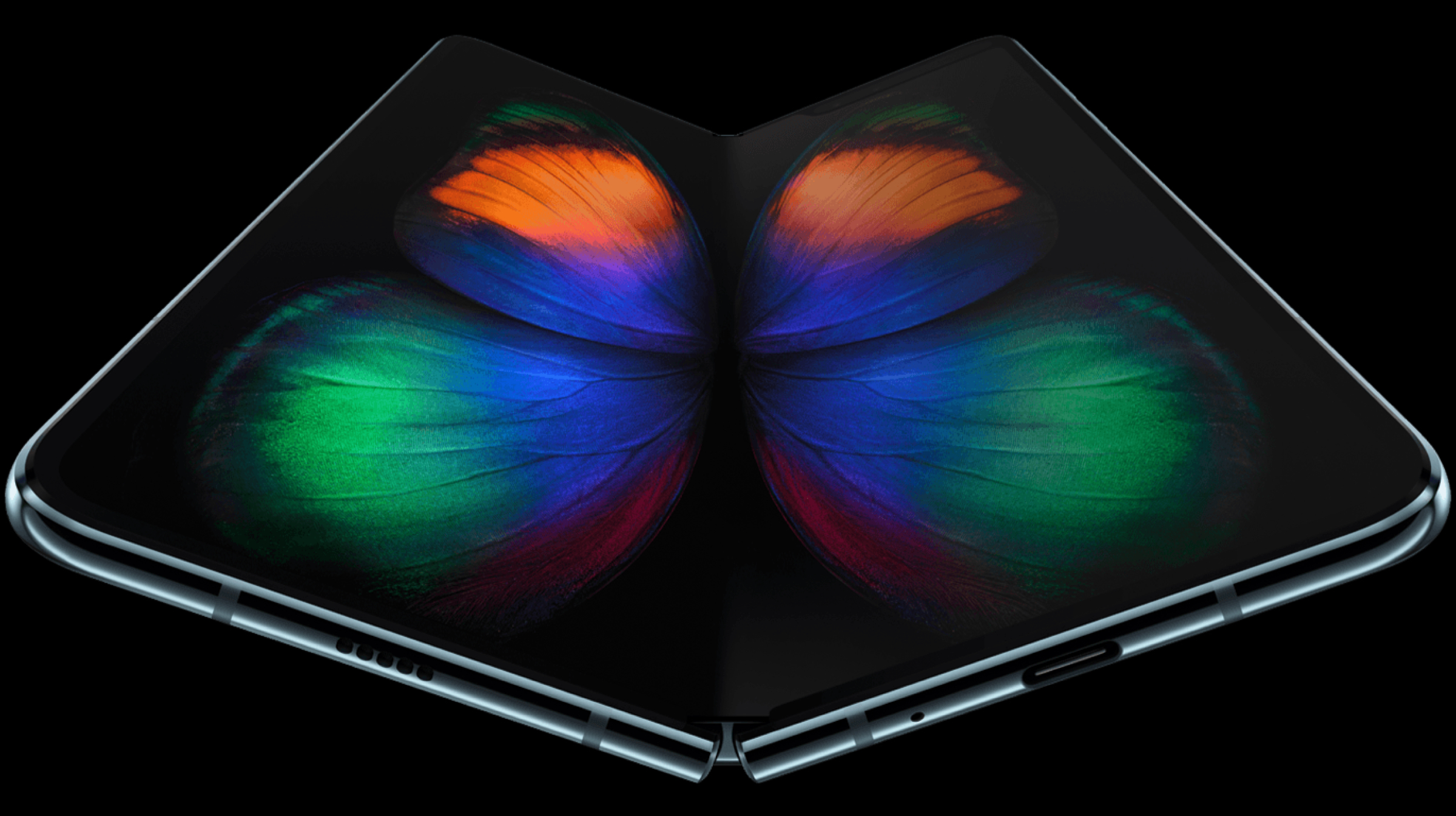
Samsung, the world’s largest smartphone OEM released its first foldable smartphone at the Galaxy Unpacked event in the month of February. Called the Galaxy Fold, the device boasts of breakthrough hardware, which allowed the handset to be folded into half. While the company claimed the smartphone will be released on April 26, reports of it not being durable enough surfaced online a few days ago.
Some early review units of the Galaxy Fold were found to have display issues which drew in negative sentiments toward the device. Due to the aforementioned problems, the company was speculated to delay the pre-announced release date. In a press release, Samsung has confirmed it is postponing the release of the much-anticipated smartphone to fix the display malfunctions.
Samsung’s Statement
Samsung in a press release has confirmed the reports floating online since yesterday. The company claims in its initial findings from the inspection of the Galaxy Fold, the display issue was found to be associated with an impact on top and bottom areas of the exposed part of the hinge. Notably, the hinge in the centre of the folding smartphone provides it with the said folding functionality. The company also notes that it found an instance where some substance was found inside the device, eventually leading the display to malfunction.
While the above findings were fundamental, Samsung claims it will need more time to fully evaluate the feedbacks noted by early reviewers. The company will run internal tests and find measures to further strengthen the display protection. As many problems were faced due to lack of guidance on the care of the display, it will also issue proper instructions so that the customers don’t inflict damage on their smartphone. For the users who have pre-booked the device, their spot and claim to the handset will be reserved.
Realme at an event in New Delhi on April 22 has launched the Realme 3 Pro smartphone. The device is the successor of the Realme 2 Pro which was launched last year. It boasts of upgrades in the performance and optics of the handset over its predecessor. The smartphone was launched alongside the Realme C2 in the country.
Design & Features
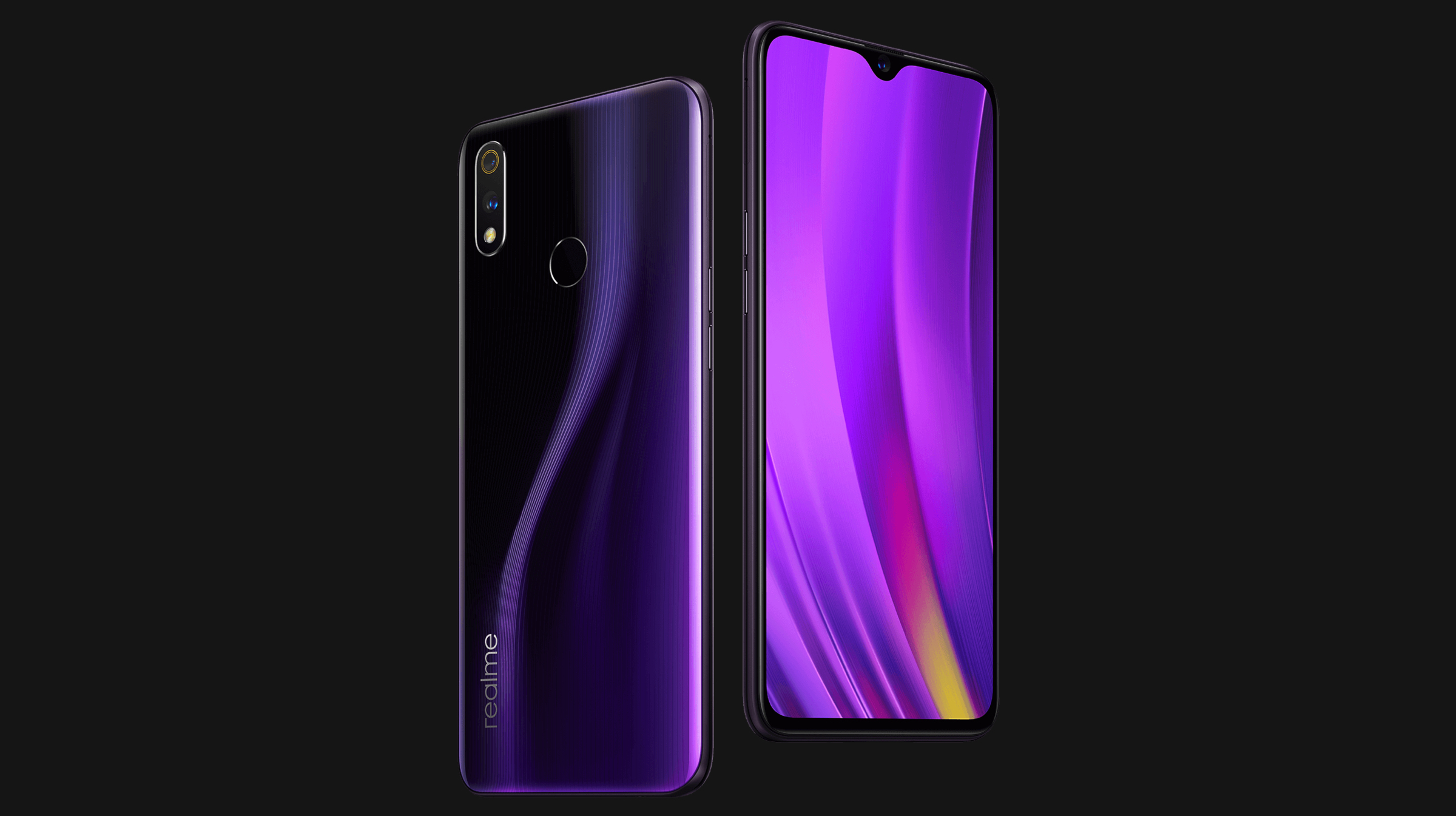
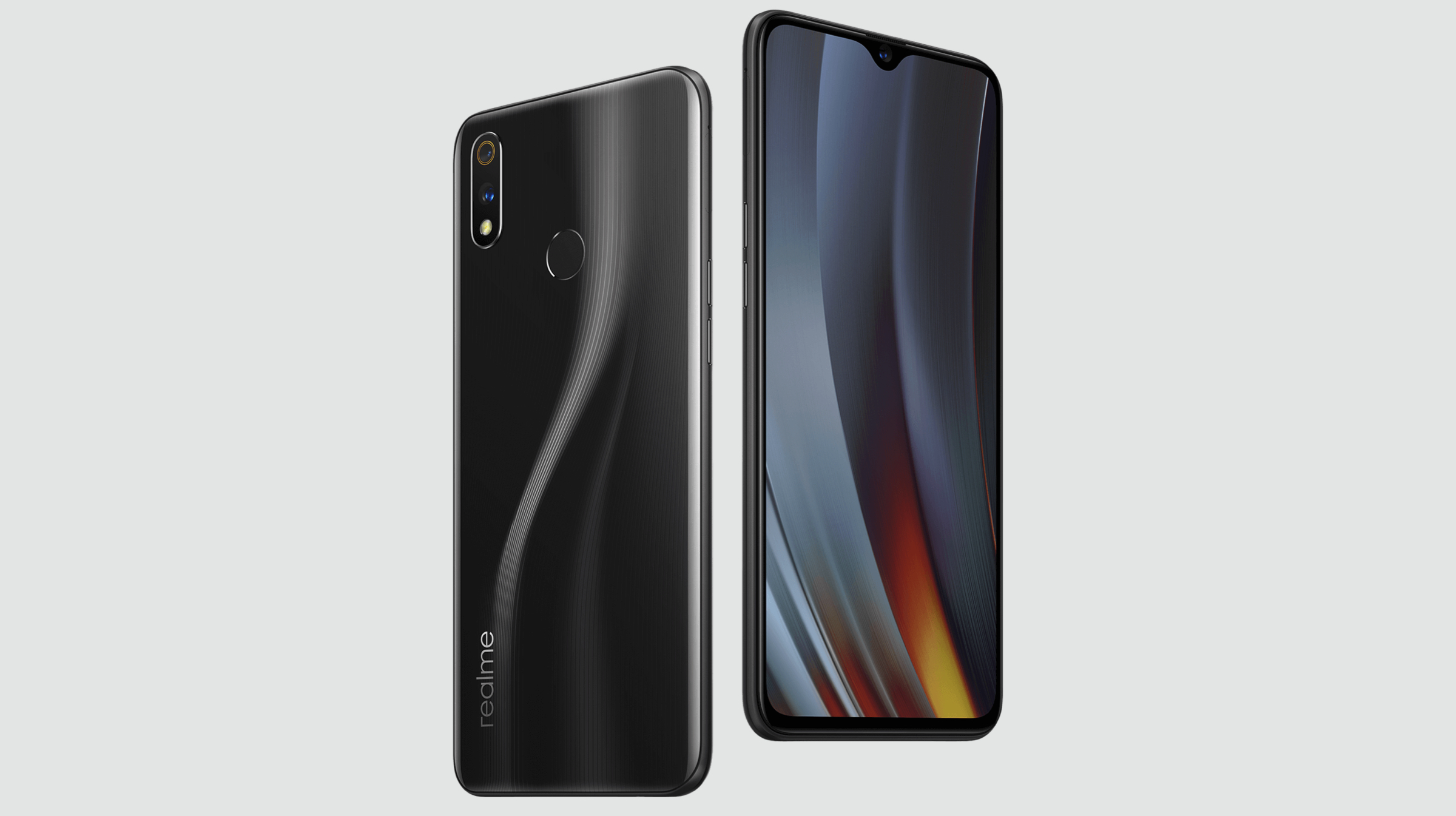
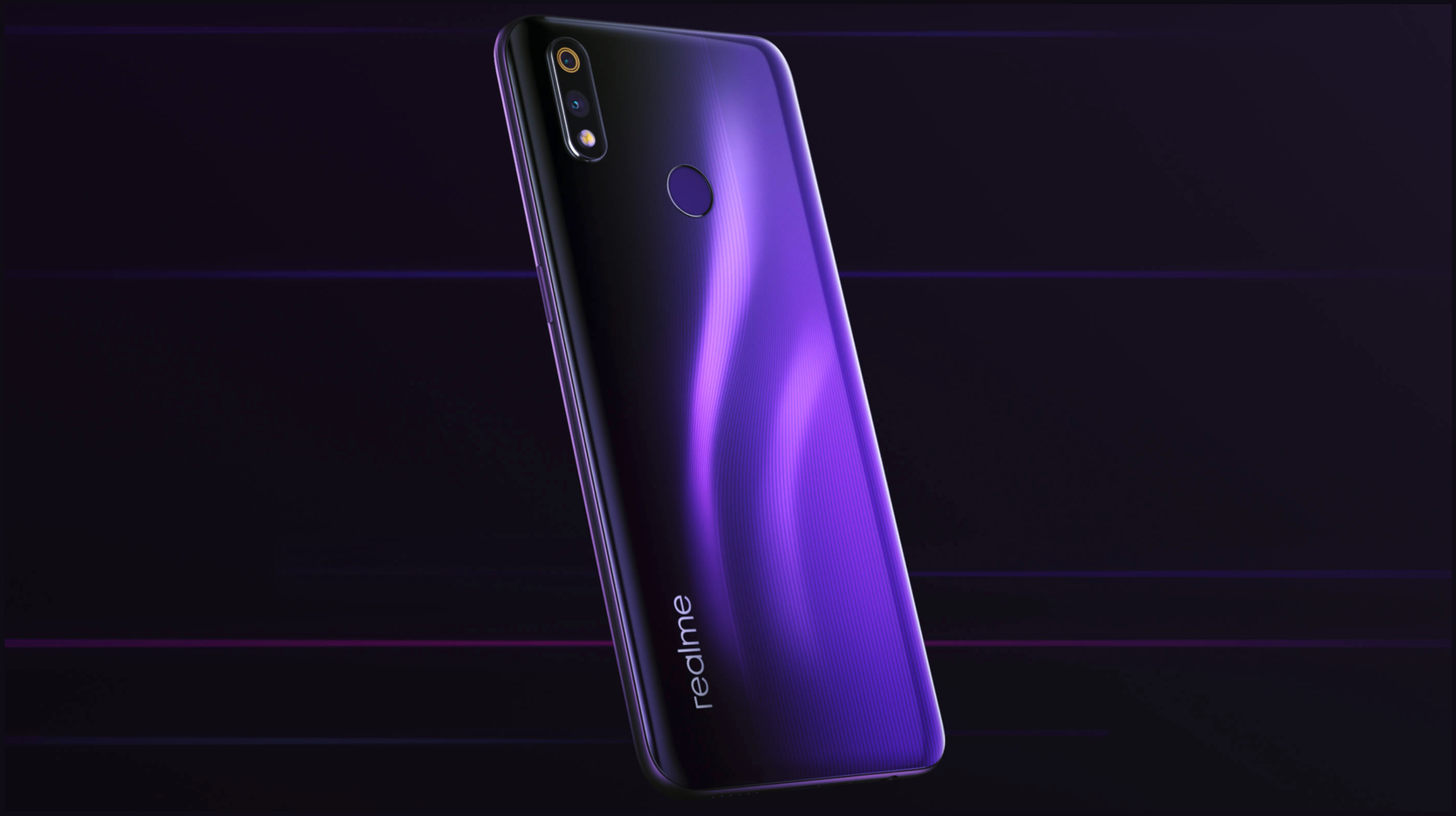
The Realme 3 Pro is the latest entrant in the company’s flagship lineup. The smartphone has a polycarbonate body with a 3D gradient design at the back and minimal bezels on the front. It has a 6.3 inch IPS LCD display with a resolution of 2160 x 1080 px. To ensure maximum screen real estate on the handset, a waterdrop notch housing the front camera and the earpiece is placed on the top of the display. For biometrics and security, it has a rear-mounted fingerprint sensor with support for face unlock technology.
Under the hood, the Realme 3 Pro is kitted with the Snapdragon 710 SoC which is manufactured using 10nm fabrication process. The chipset is comprised of an octa-core CPU and the Adreno 616 GPU. For optics, the smartphone features dual-rear cameras consisting of an f/1.7 aperture equipped 16 MP sensor combined with a 5 MP depth sensor. Notably, an ultra HD mode on the device is capable of capturing images up to 64 MP in resolution. For selfies, there is an f/2.0 aperture equipped 25 MP sensor housed in the waterdrop notch on top of the display. As far as memory and storage are concerned, the Realme 3 Pro will be available in the following variants:
4GB RAM and 64GB ROM
6GB RAM and 128GB ROM
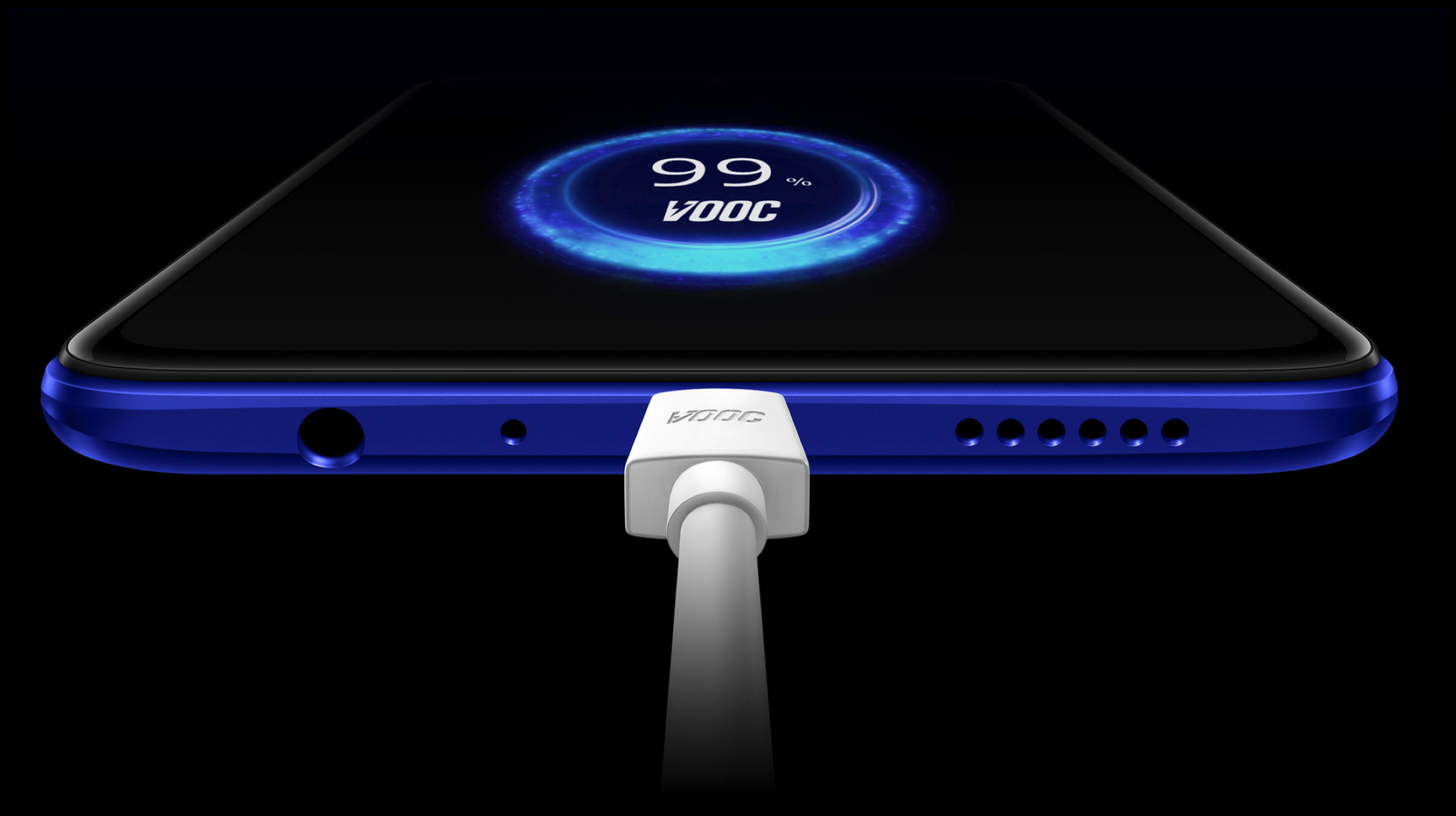
The Realme 3 Pro will be powered by a 4045 mAh battery with support for Oppo’s VOOC 3.0 20W fast charging. The smartphone has a dedicated microSD storage of support up to 512GB. It runs on the latest ColorOS 6 based on top of the current Android 9 Pie. According to the company, the device will be splashproof/dustproof as it has a P2i coating on it and will support the Camera2 API. It also will have an unlocked bootloader out of the box to allow more customisation of the smartphone. The Realme 3 Pro will be available in three colours, namely Nitro Blue, Lightning Purple and Carbon Grey.
The Realme 3 Pro will start at Rs 13,999 for the base variant with 4GB of RAM and 64GB of Internal Storage. The top end variant with 6GB of RAM and 128GB of onboard storage is priced at Rs 16,999. The smartphone will be available in select stores offline and online exclusively on Flipkart and will go on sale starting April 29.
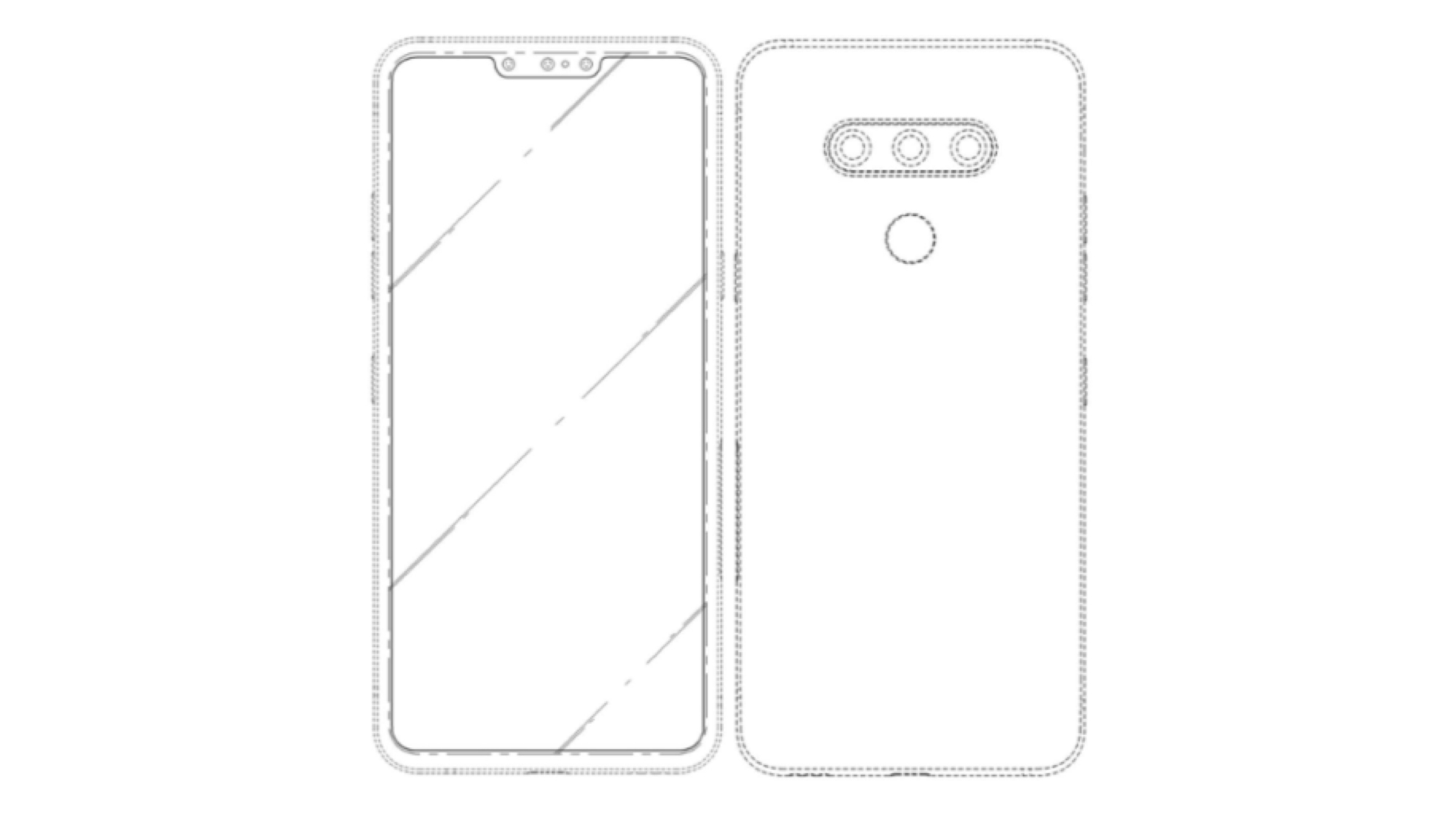
Korean smartphone manufacturer, LG is known for making smartphones that have uncommon and distinctive features. Earlier this year it showcased the innovative V50 ThinQ that has an attachable second display. Freshly granted patents to the company indicate that it is working on yet another smartphone with unique elements. The patent granted to LG reveals a smartphone that has triple selfie cameras which is a world first except for the swivel camera on the Galaxy A80.
Patent Disclosures
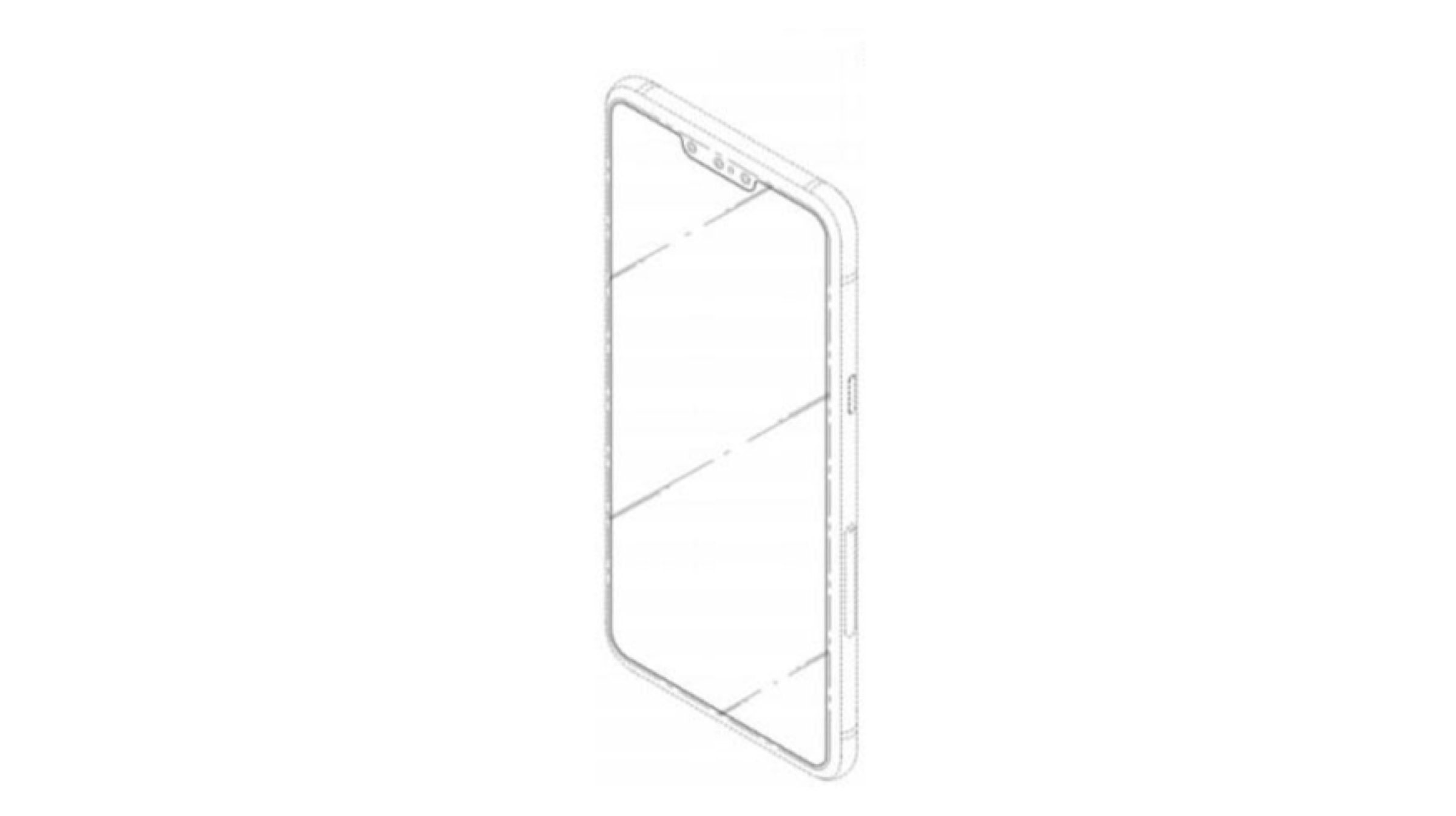
The patent for the aforementioned smartphone was granted to LG by WIPO (World Intellectual Property Office) on the 19th of April 2019. The patent exhibits a smartphone which is highly reminiscent of several LG devices from the past. However, as previously mentioned, the freshly patented handset has triple selfie cameras which are housed in a wide notch at the top of the display.
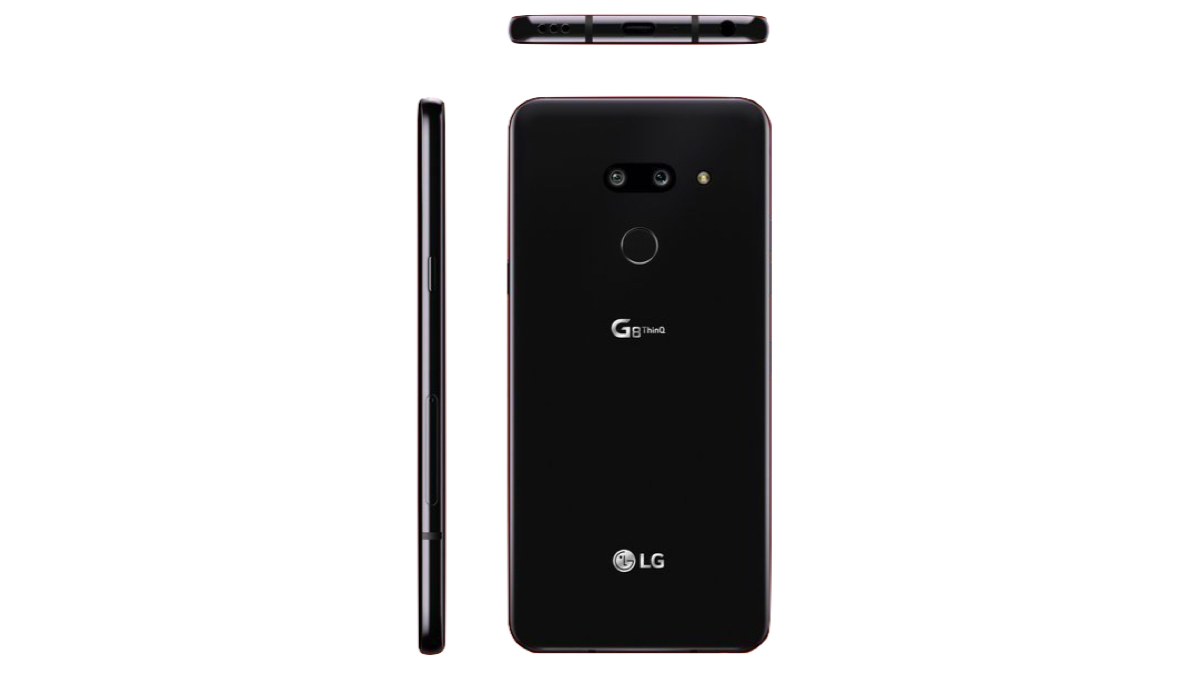
LG G8 ThinQ
The rear of the LG smartphone harbours a triple camera setup and a fingerprint sensor. The right side of the device is occupied by the SIM card tray and the power button while its left side is occupied by the volume rockers. The patent exhibits that the top of the device lacks any controls and ports while its bottom houses the loudspeaker griller and a USB port.
What Could Three Front Cameras Be Used For?
Reportedly, the front and rear camera setup of the LG smartphone will utilise a set of similar camera sensors. Like the previously launched LG V50 ThinQ, the upcoming smartphone may have a 12 MP standard sensor, 12 MP telephoto sensor and a 16 MP ultrawide sensor. Furthermore, the company can even opt for a TOF sensor instead of an ultrawide sensor. All in all, precise details about the device will only be publicised once it is addressed by the company.
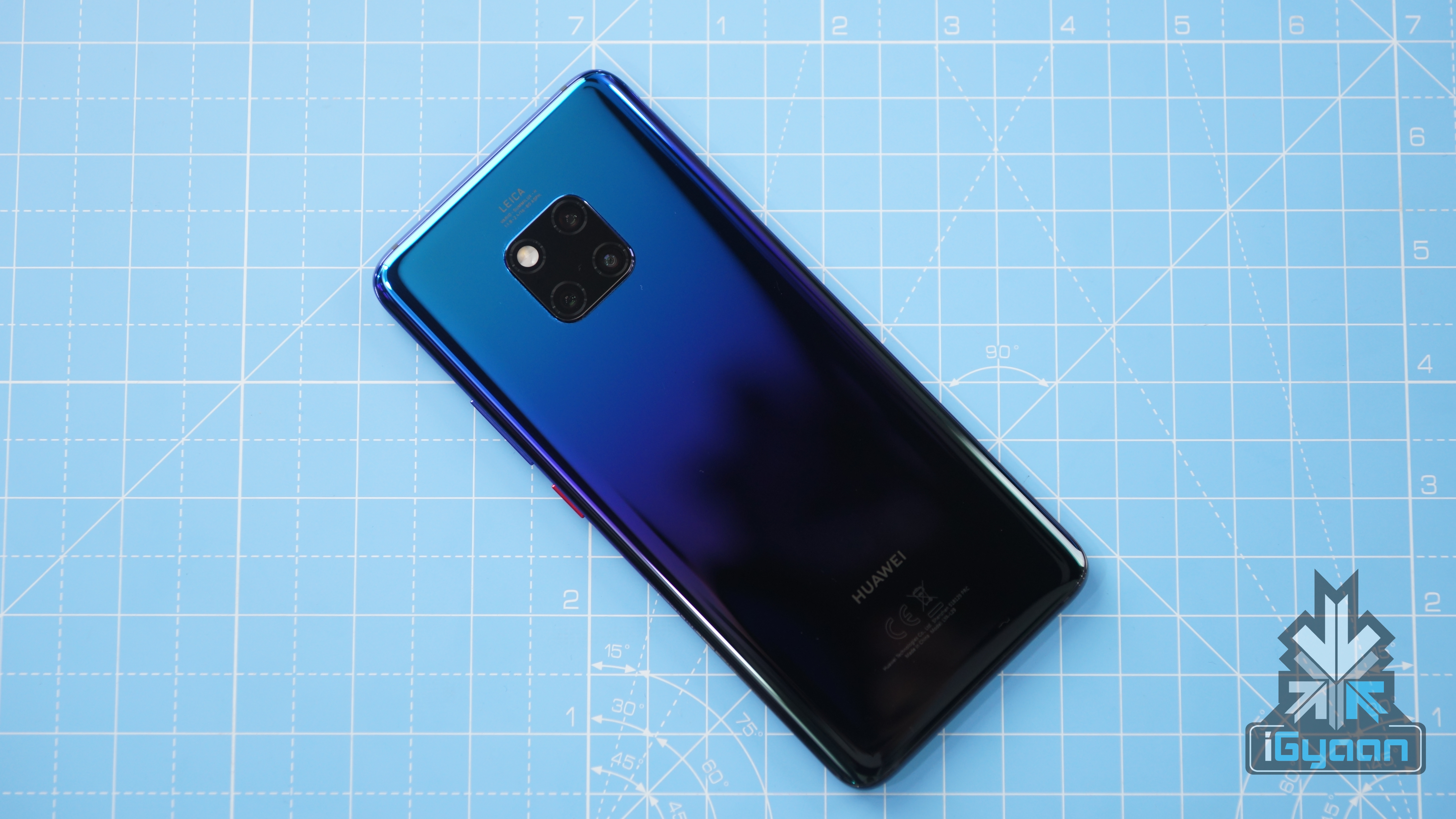
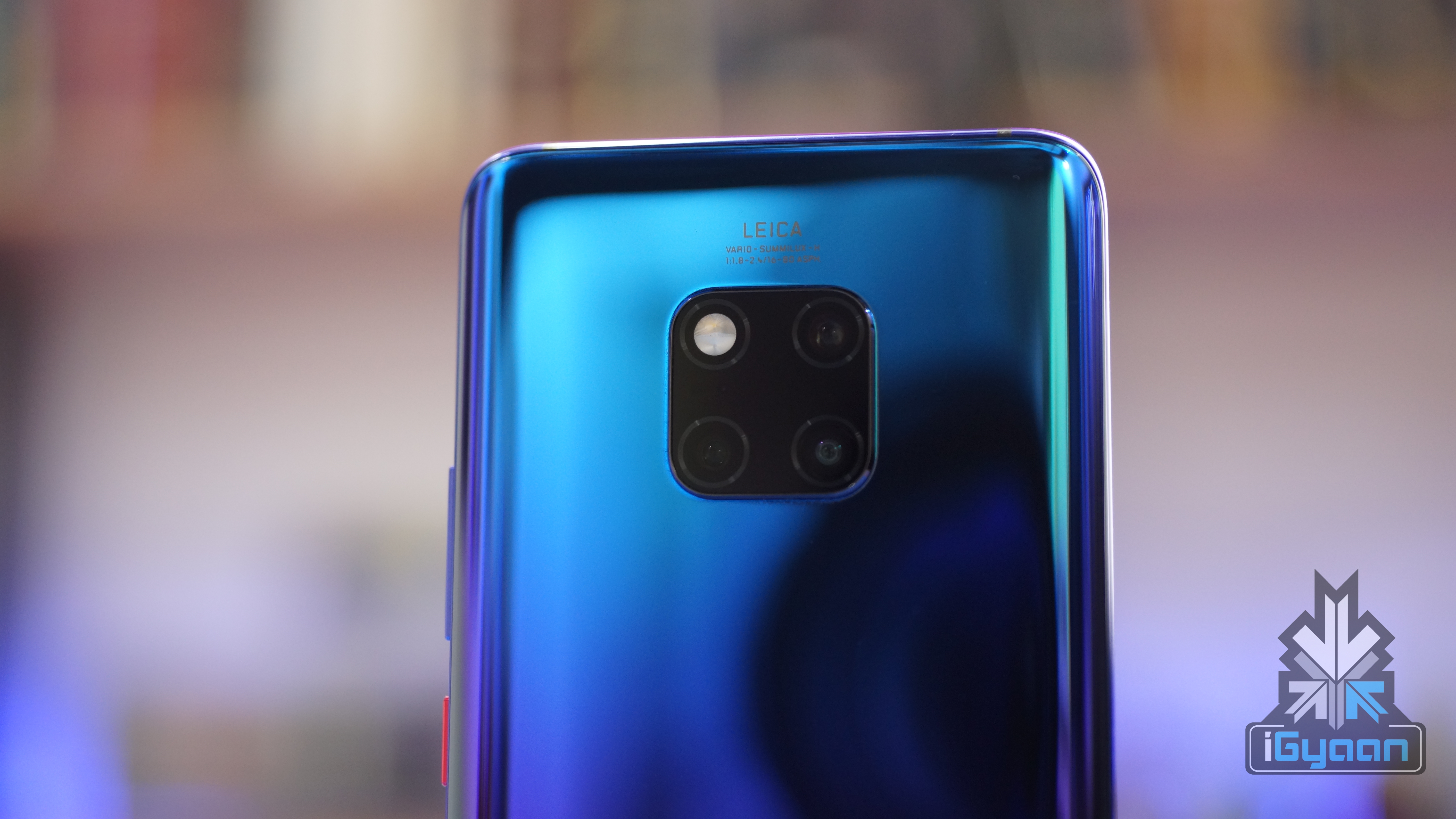
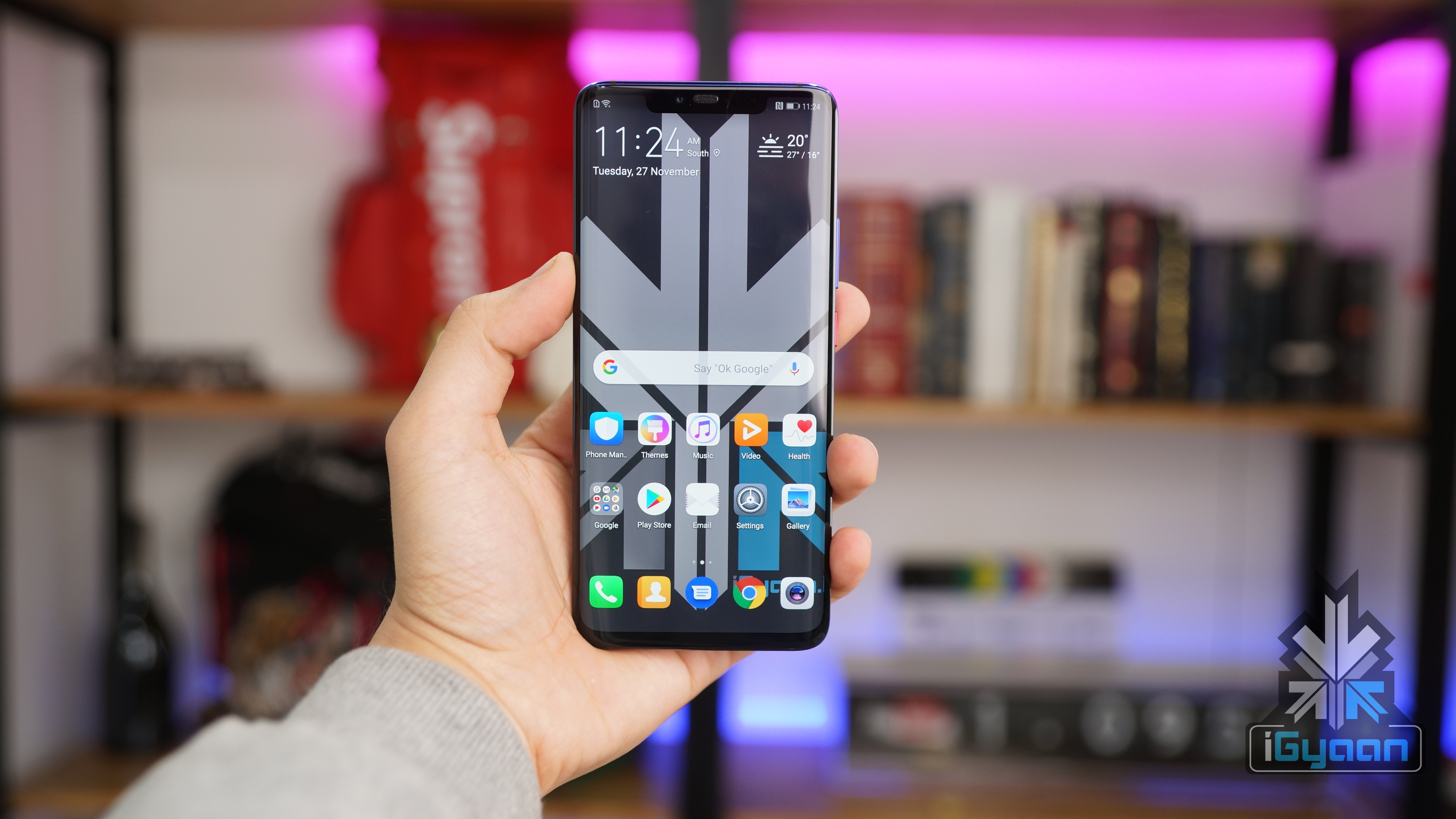
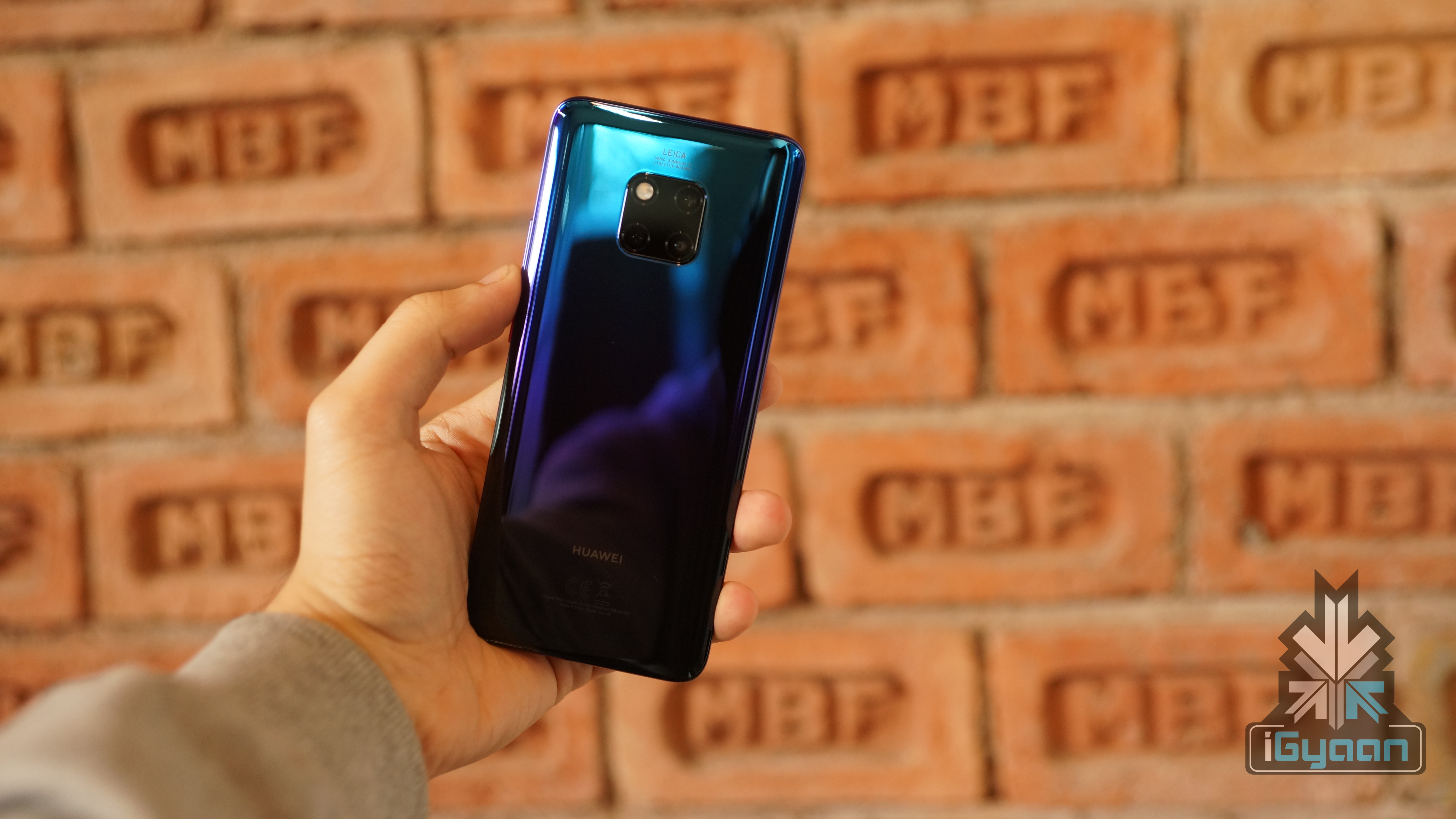
Huawei introduced the Mate 20 smartphone lineup back in the year 2018 which includes the standard Mate 20, the Mate 20 Pro and the Mate 20 X. Even though all three handsets are kitted with top tier specifications, the Mate 20 x accrediting to its massive 7.2-inch OLED display stands out of the bunch. The company had previously been alleged to launch a 5G variant of the former and a video shared by a Chinese Youtuber supports the claim. Called the Mate 20 X 5G, the upcoming smartphone will carry forward most features from the original device with countable distinguishing elements.
Features Of The Mate 20 X 5G
Like the original Mate 20 X, its 5G variant will sport a 7.2 inch OLED display. The display panel will have a pixel density of 346 ppi and will be safeguarded with Corning Gorilla Glass. It will feature a triple camera setup which consists of a 40 MP + 20 MP + 8 MP sensor.
Under the hood, the Mate 20 X 5G will be kitted with the Kirin 980 SoC which is manufactured using 7 nm fabrication process. Noteworthy, to implement 5g connectivity, it will feature the Balong 5000 modem which is also present on the foldable Mate X.
In order to accommodate the new 5G modem, the battery of the Mate 20 X 5G will be reduced to 4,200 mAh from 5,000 mAh on the standard variant. Also, the upcoming smartphone will support 40 W charging which is a worthy step up from 22.5 W on the original device. Other features including placement of ports, connectivity options, storage variants are likely to remain unaltered.
The exact specifications and price of the Mate 20 X 5G will be publicised once it is officially launched. Although Huawei has not announced the launch date of the smartphone, it is expected to launch in the second half of this year.