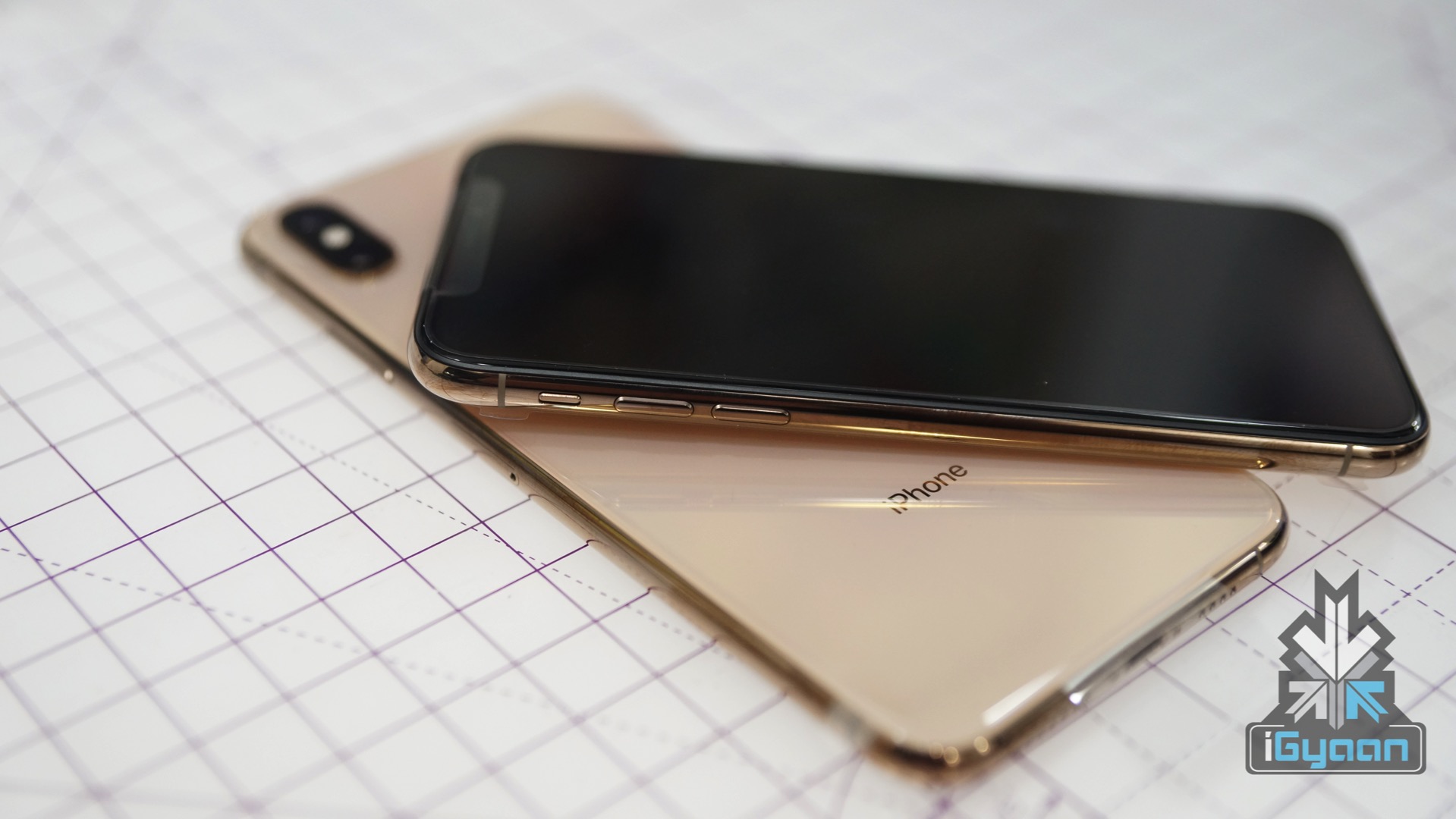
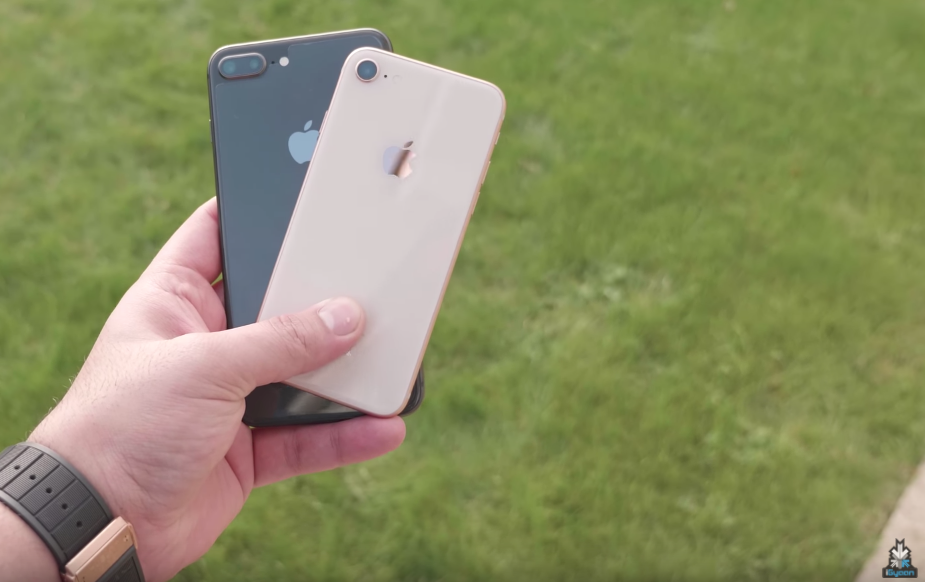
Apple showed off its ARKit at the company’s annual Worldwide Developer Conference in the year 2017. The new software development tool was able to run Augmented Reality (AR) apps without requiring any specific hardware for it. The company then unveiled the iPhone 8, iPhone 8 Plus and the iPhone X the same year with AR capabilities natively present in the smartphones. Fresh reports claim that Apple will launch AR Glasses in the year 2020. These may be released as an accessory for the iPhone.
Apple AR Glasses

Noted Apple analyst, Ming-Chi Kuo claimed that the company is working on a pair AR Glasses which may release in the year 2020 as an optional accessory for the iPhone. The analyst states that the anticipated device will take the role of a display which will wirelessly facilitate computing and networking from the iPhone. Augmented Reality is defined as “an enhanced version of reality created by the use of technology to add digital information on an image of something”. Reportedly the glasses will be lightweight and portable as they would use the computing power of the iPhone to process data. Unfortunately, this suggests that they won’t work independently and will be compatible will products from Apple’s ecosystem.
Earlier reports about Apple AR headset alleged that the company is developing an all-new Operating System (OS) for it. It is rumoured to be called rOS which stands for reality Operating System. This OS is also expected to be featured in Apple’s Virtual Reality (VR) ventures, which are suspected to be under development. The Apple AR Glasses may go into production in the fourth quarter of this year or by the second quarter of the next year.
Also read: Facebook Messenger Bug Can Leak Sensitive User Information
The idea of AR Glasses by a company as significant as Apple is expected to bolster the development of the technology substantially. Apple is usually marked as a leader in terms of technology trends which are later followed by other OEMs globally. Consequently, companies except Apple will also develop their variants of visionary technology.





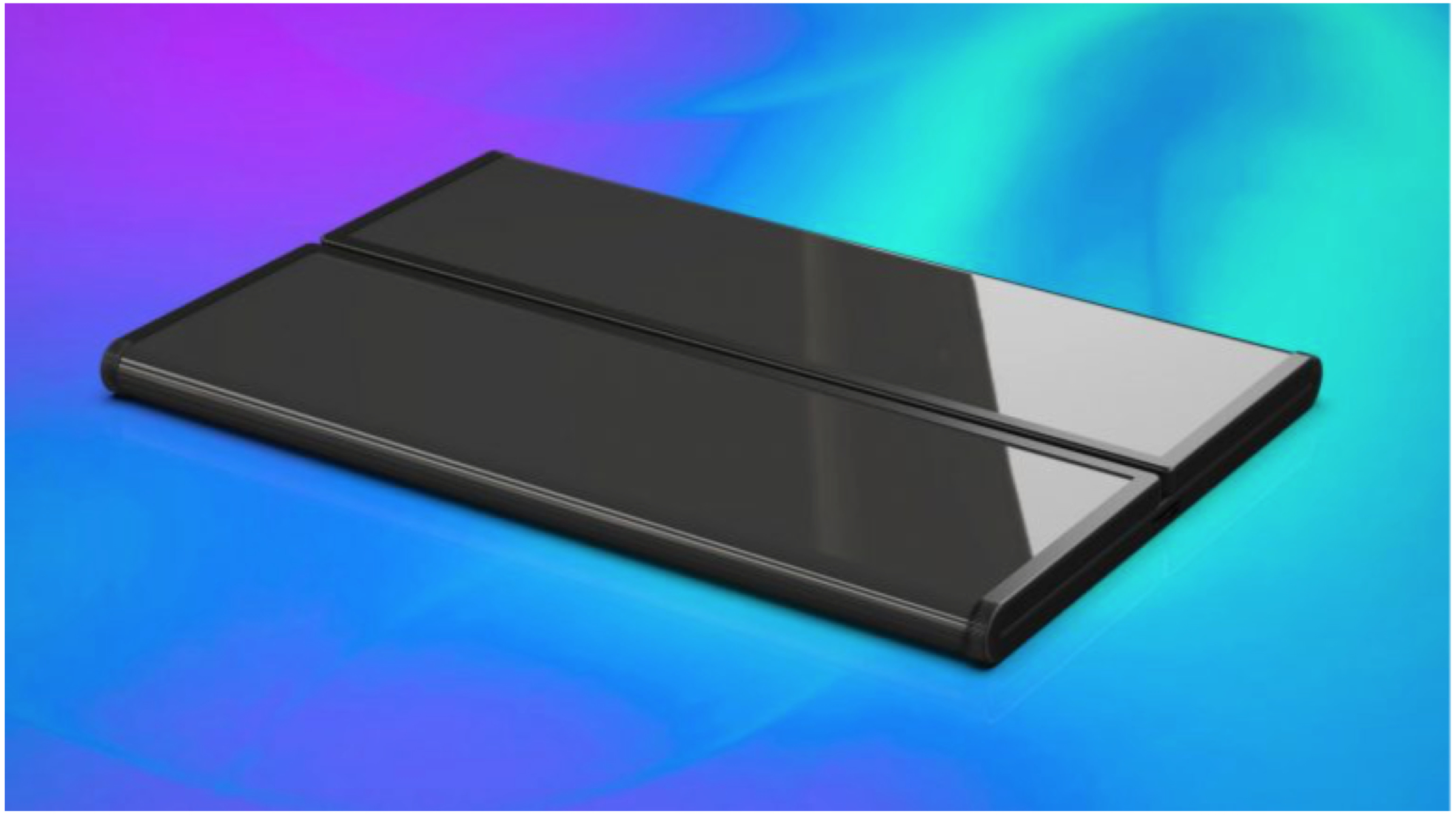
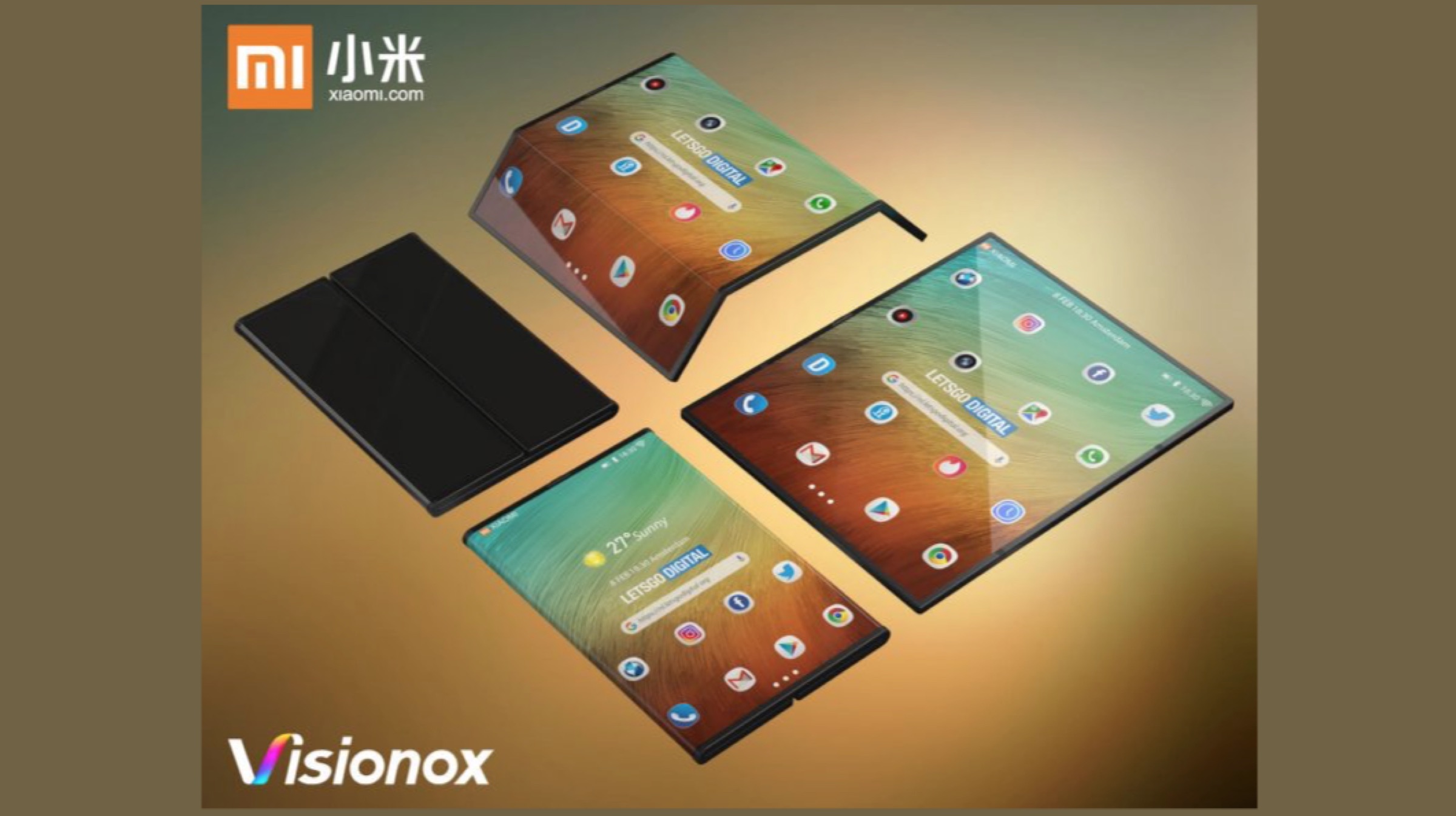 The company has been manufacturing OLED screens for various brands across China, and it is reportedly developing a flexible AMOLED display for Xiaomi’s next
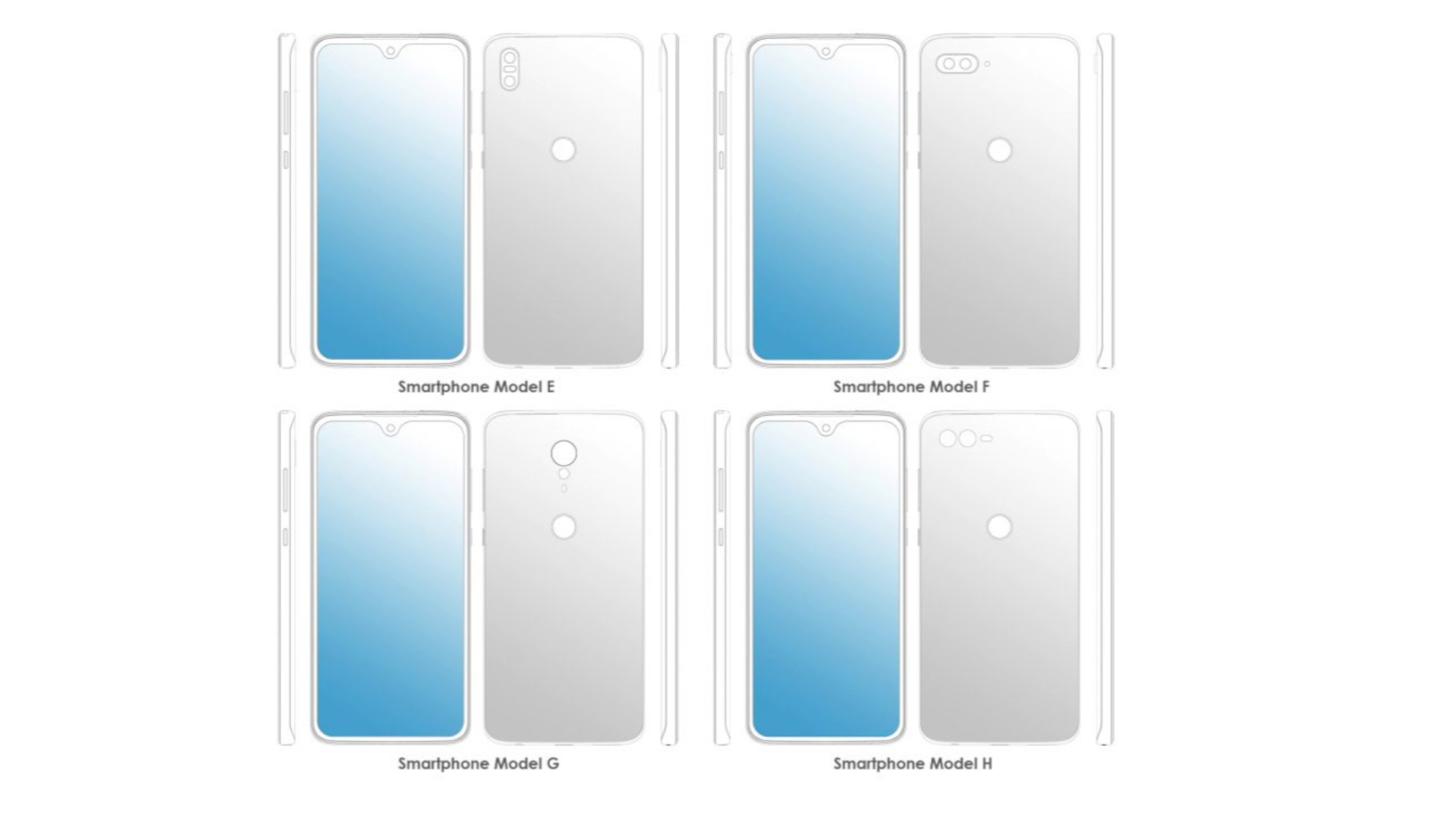
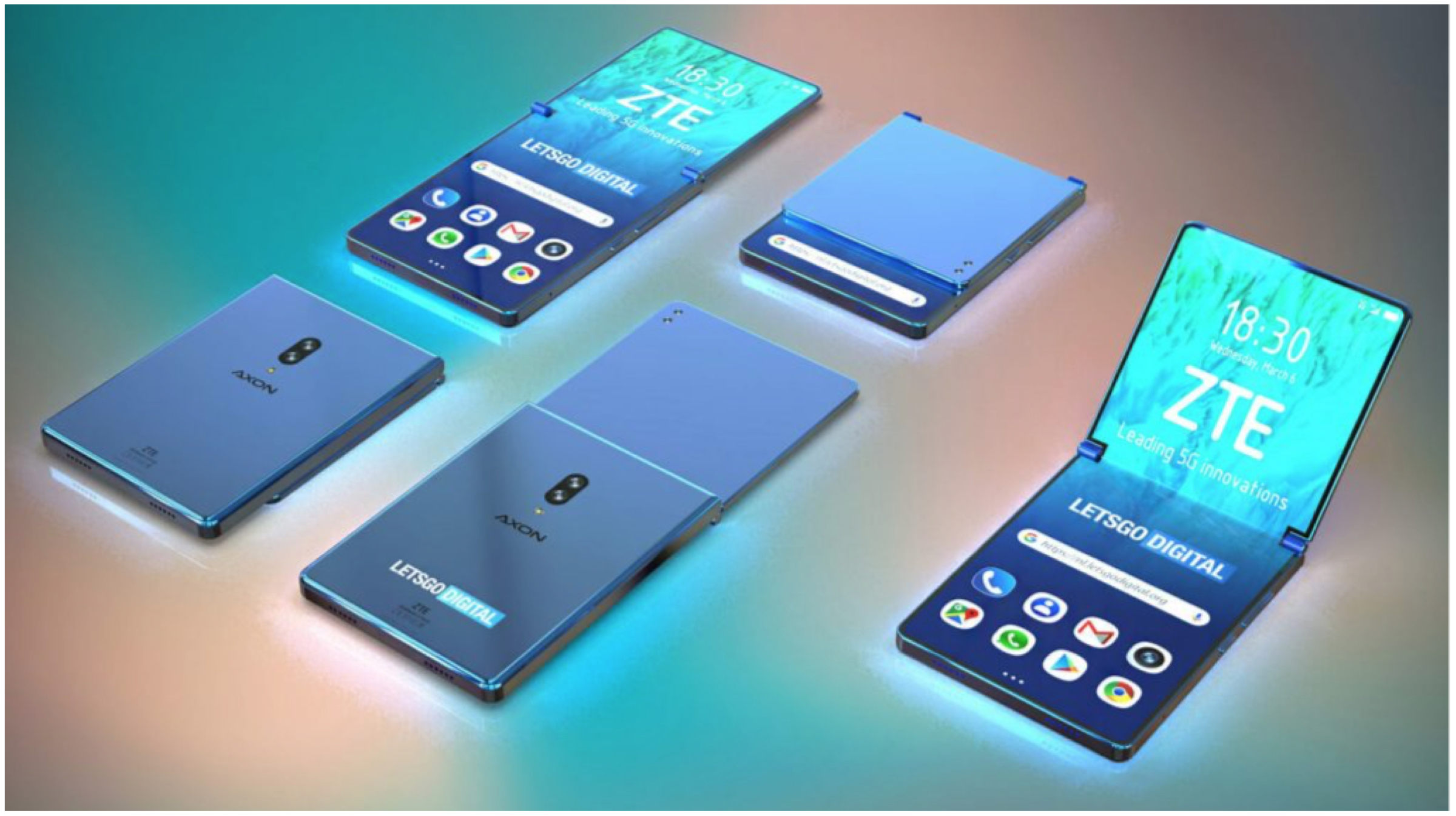
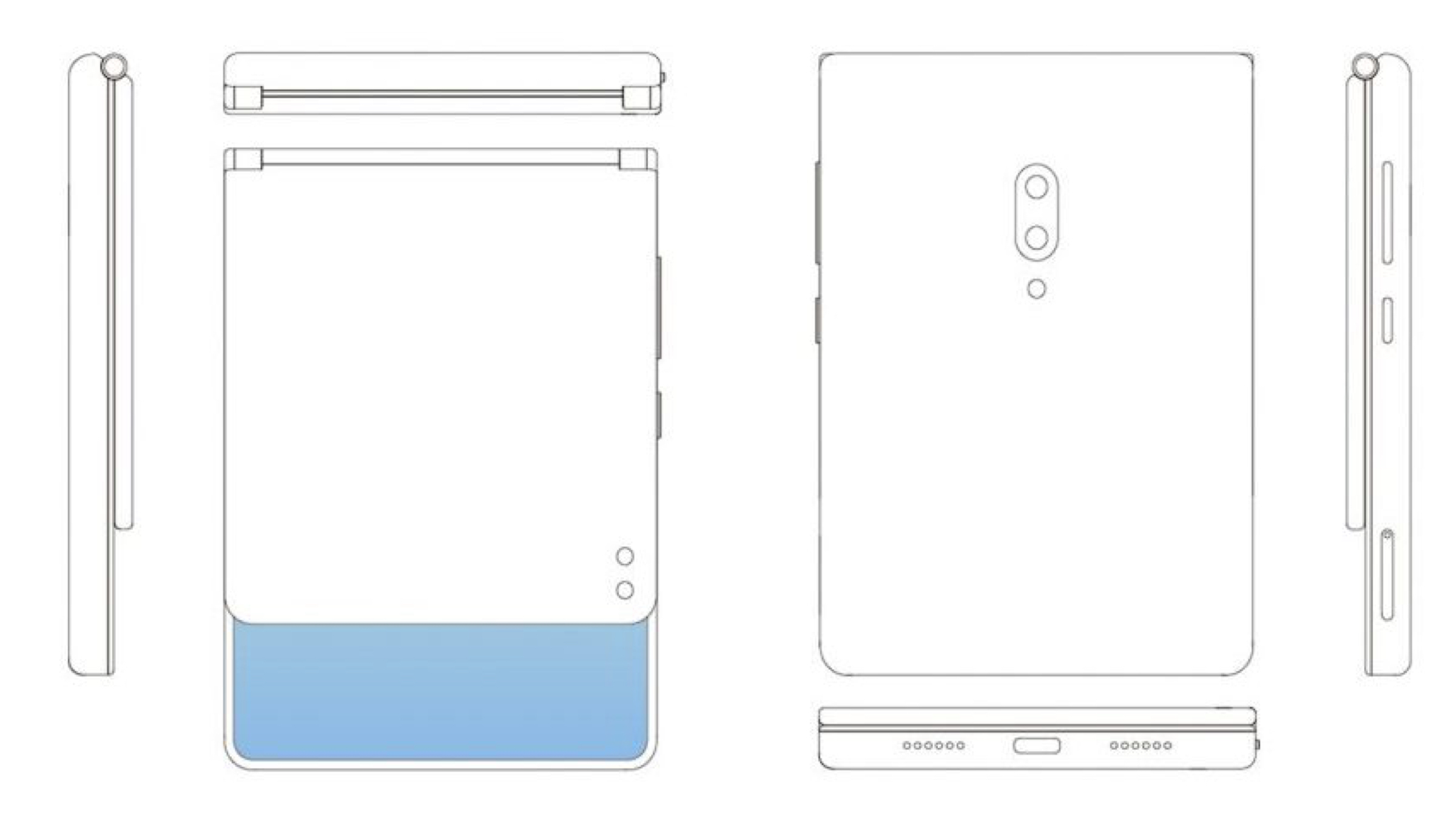
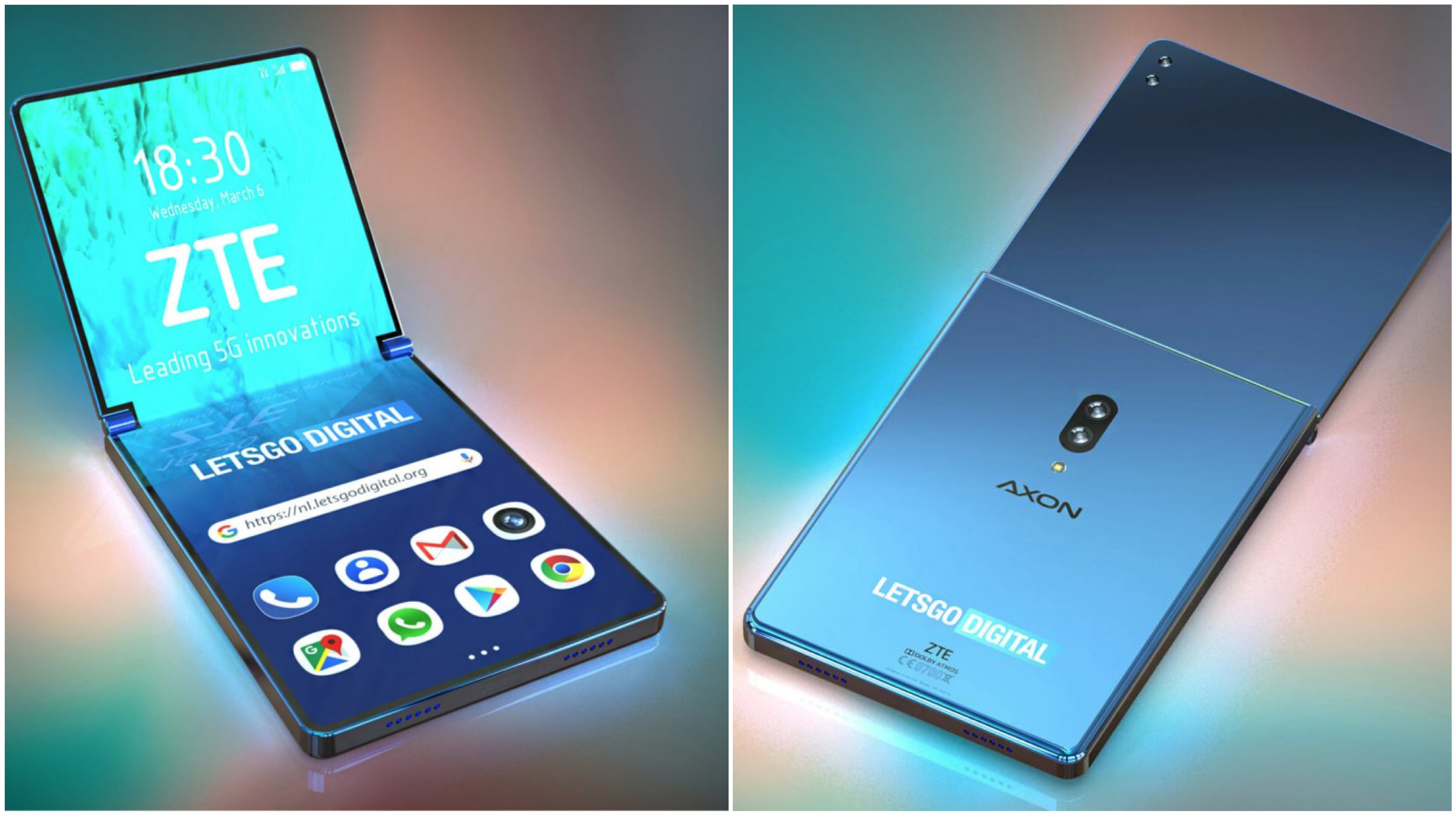
  The patent shows a foldable smartphone with the display on the outside of the device. However, the display does not seem to be flexible, since two different screens are clearly visible with a gap in between for the hinge. The design of the phone is similar to the ZTE Axon M. The main difference between both the smartphone designs is the presence of rounded corners on the ZTE device, which seems to be non-existent on Visionox’s display. Furthermore, Visionox’s screen is completely straight in the middle section, which gives it some resemblance to a tablet of sorts. Top and bottom bezels are prominent in the device, and a camera appears to be present on both the right and left side in the top bezel, right next to the earpiece.
 Also Read: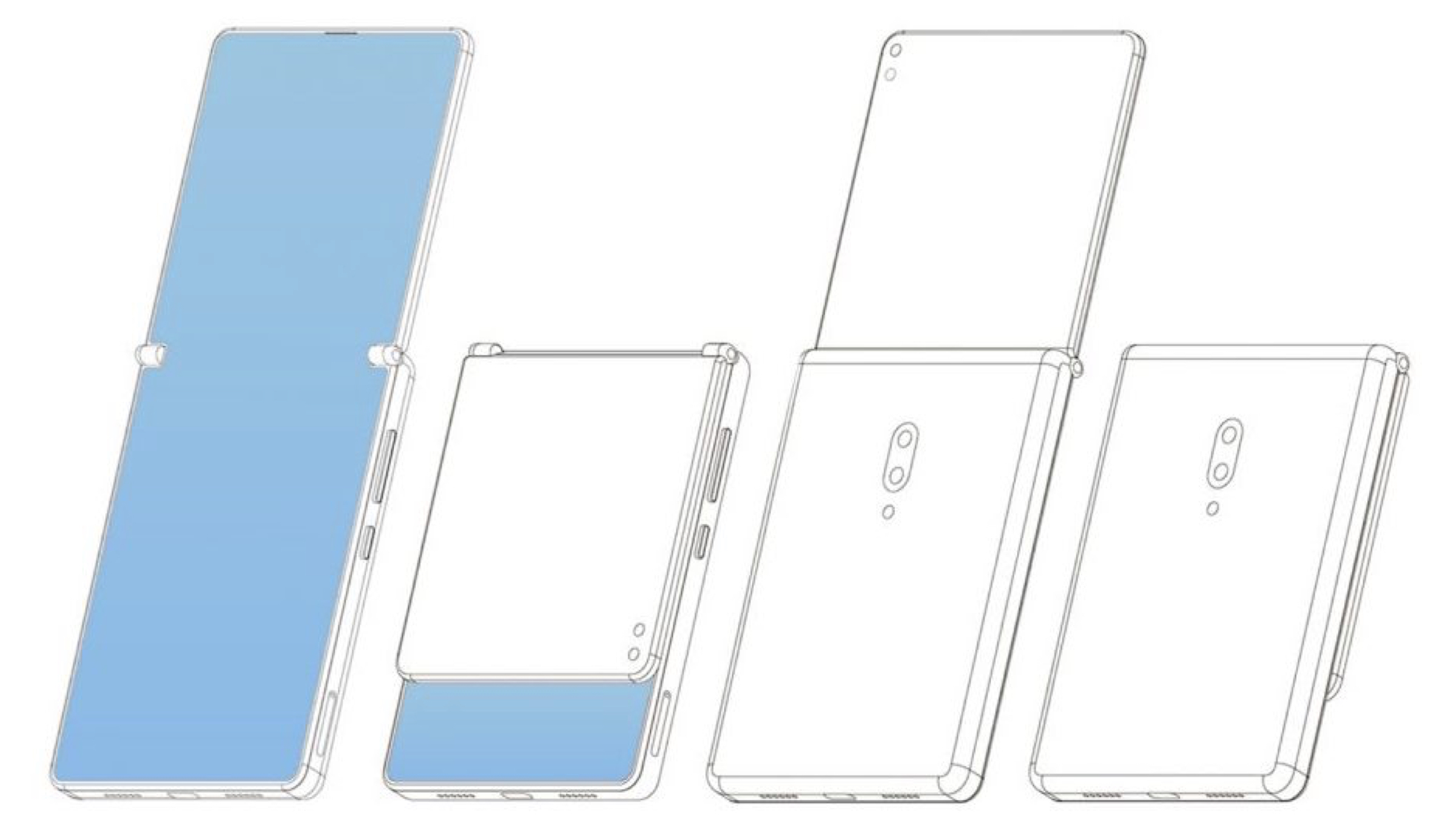


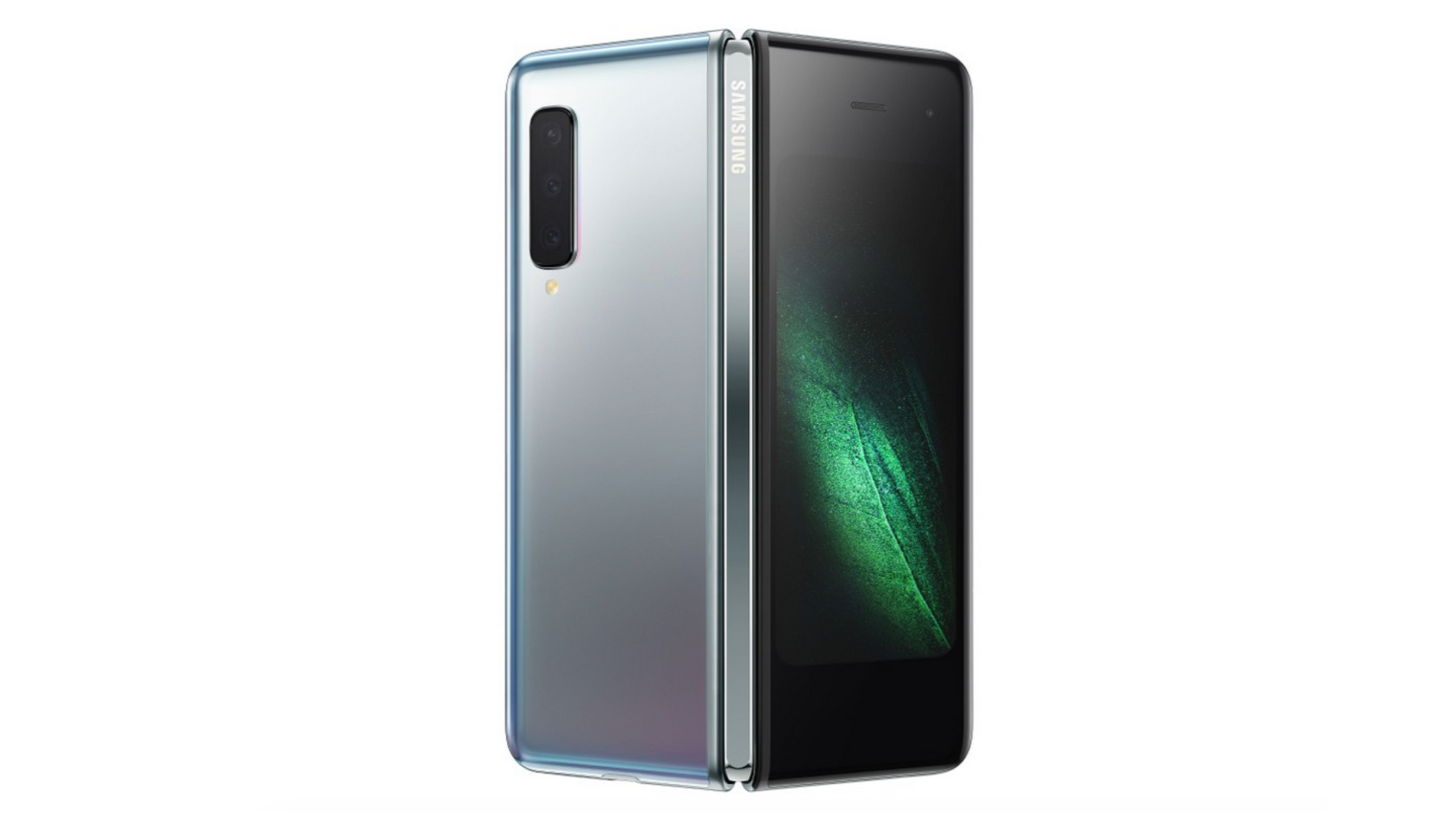
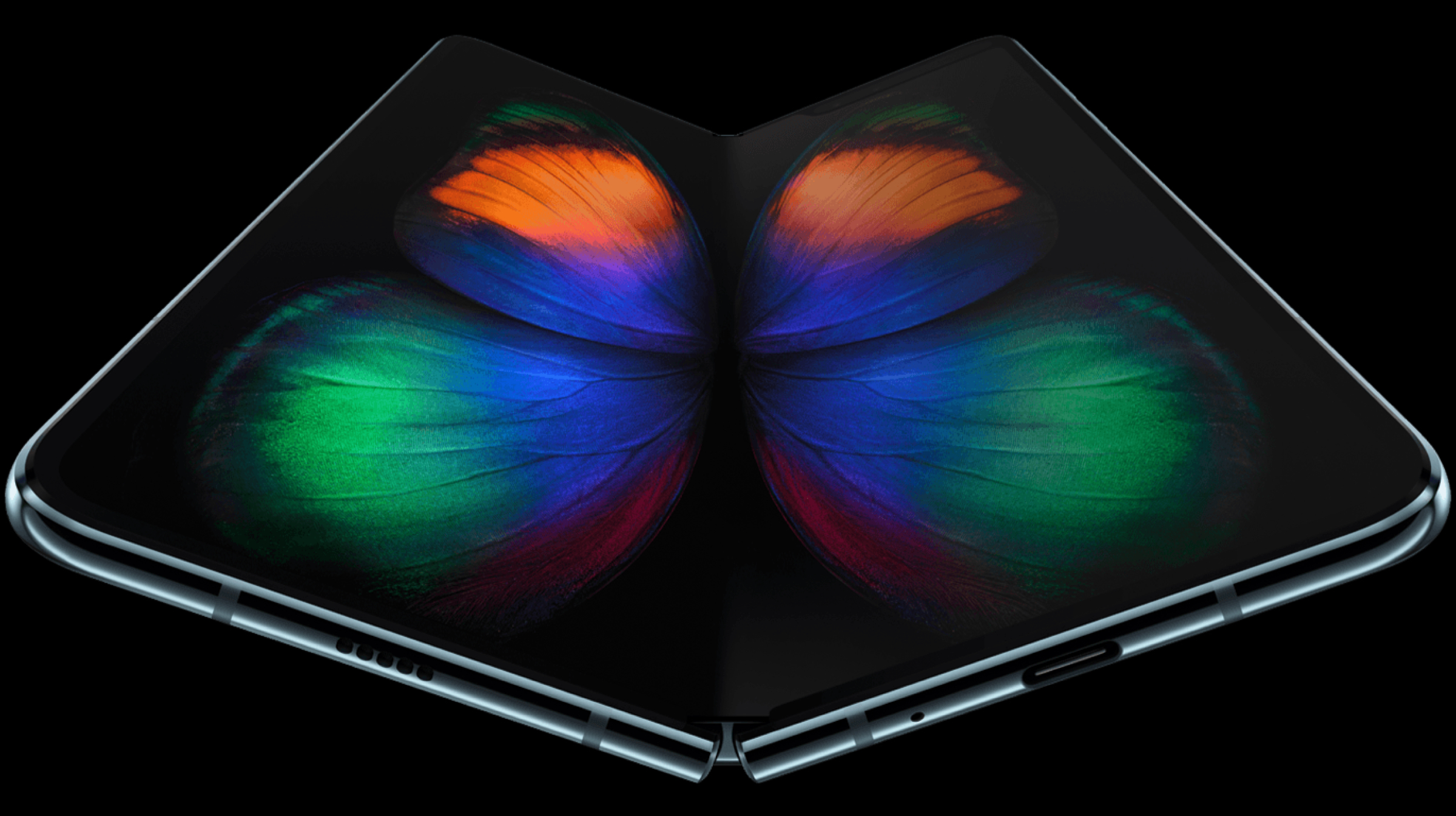
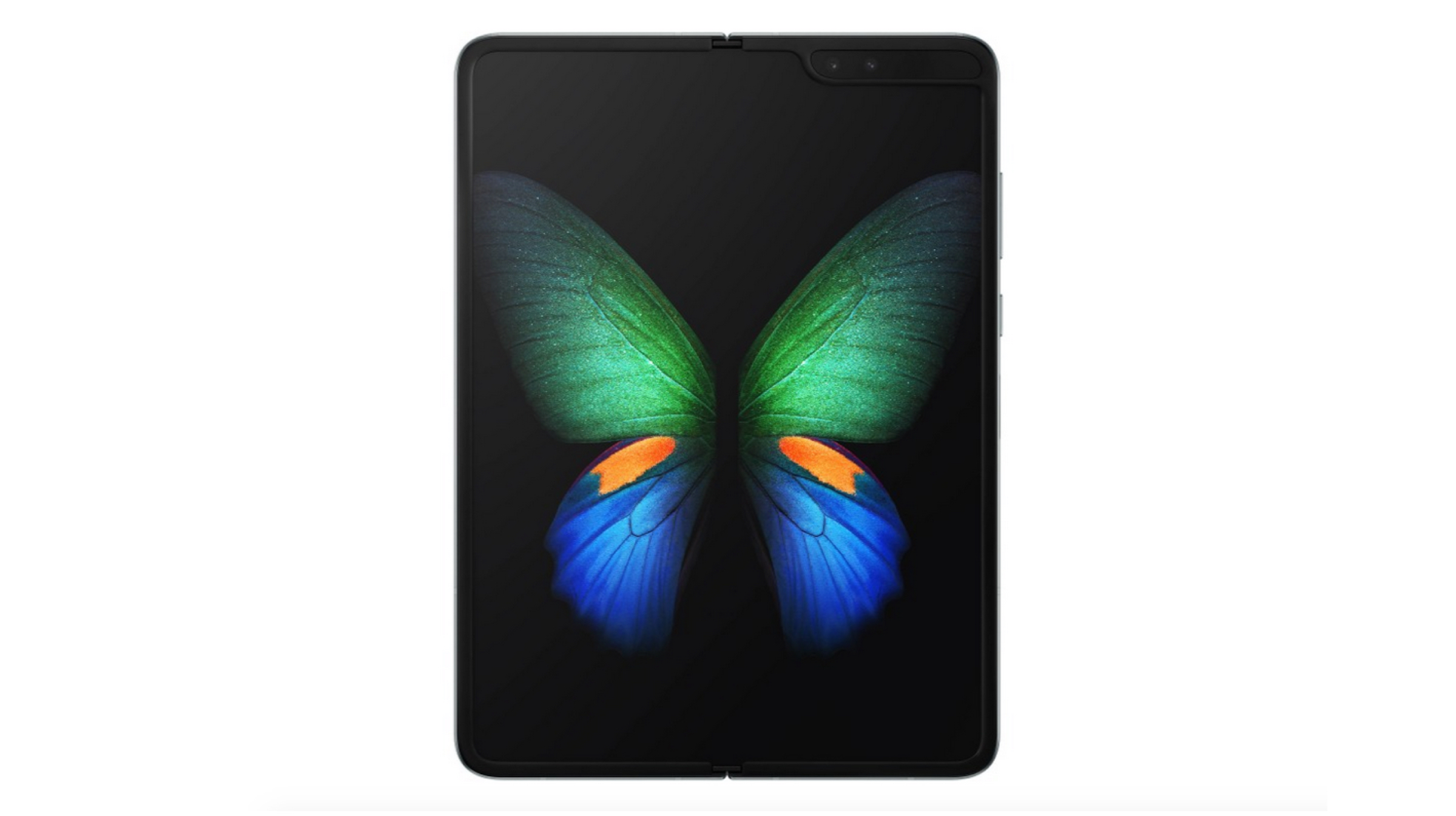
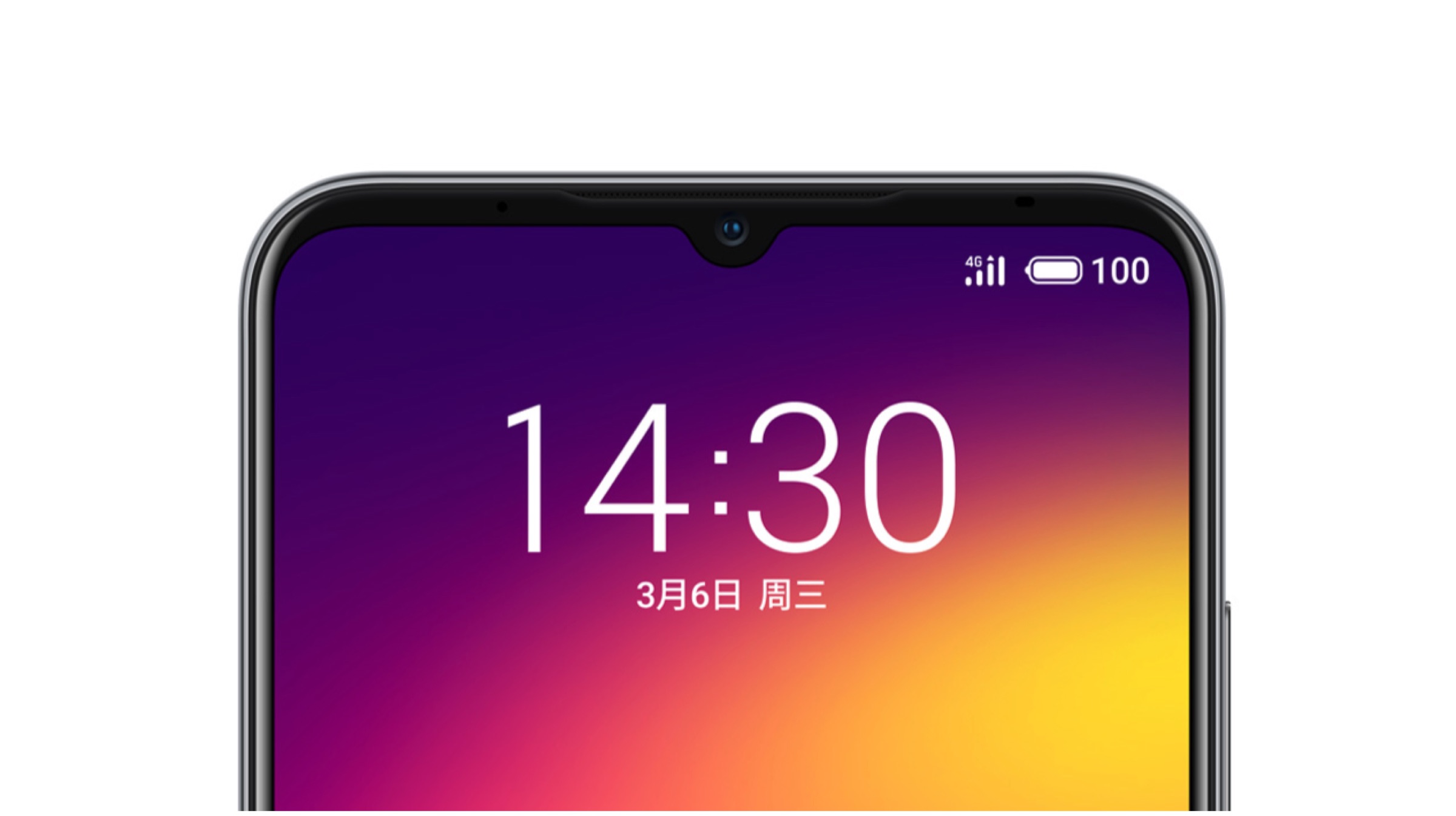
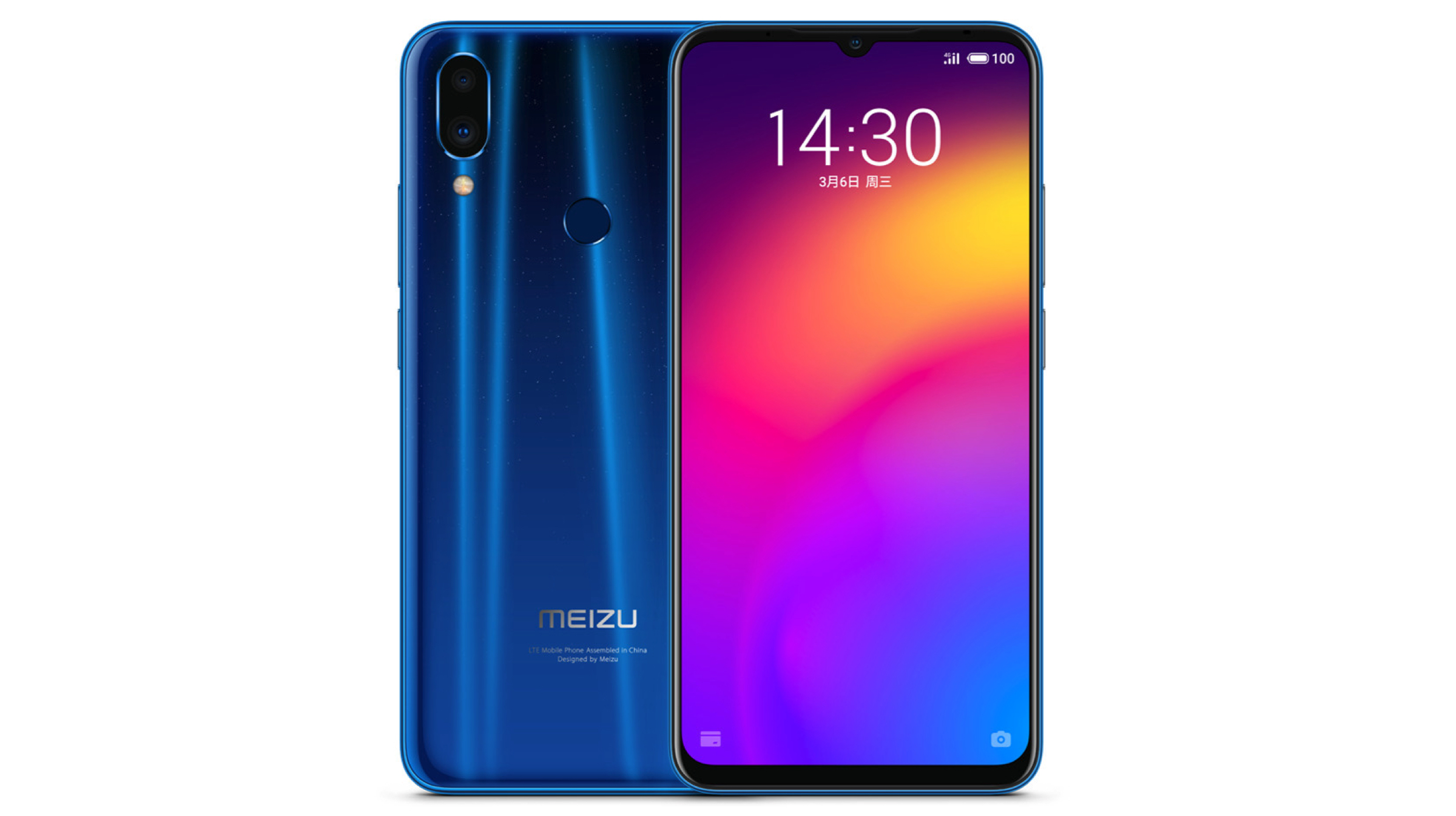 The Meizu Note 9 sports a 6.2 inch FHD+ display with a waterdrop notch. It has an 89.2% screen to body ratio, owing to the 3 mm top, 3.1mm side and 5.35mm bottom bezels. The smartphone runs on the Snapdragon 675 SoC, which comprises of a Kryo 460 octa-core CPU and the Adreno 612 GPU. The handset is available in 4GB RAM and 6GB RAM, with 64GB and 128GB of internal storage.
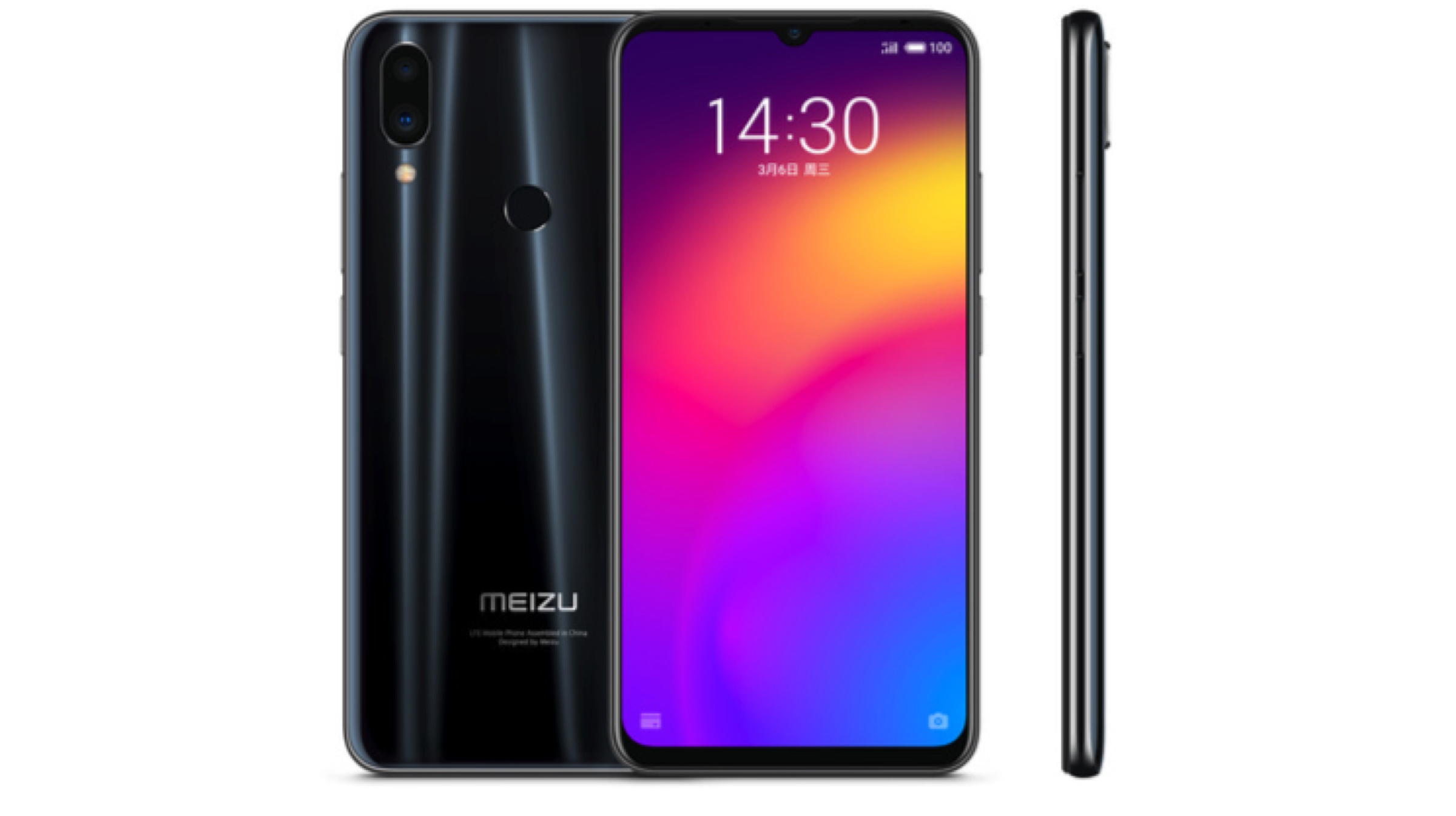 The Meizu Note 9 is powered by a 4000 mAh battery with 18 W fast charging support. It features a 3.5 mm headphone jack which is placed at the bottom of the handset, right next to the speaker grille and the USB Type-C port. In terms of OS, the Note 9 will run the Flyme 7.2 UI which is based on Android Pie.