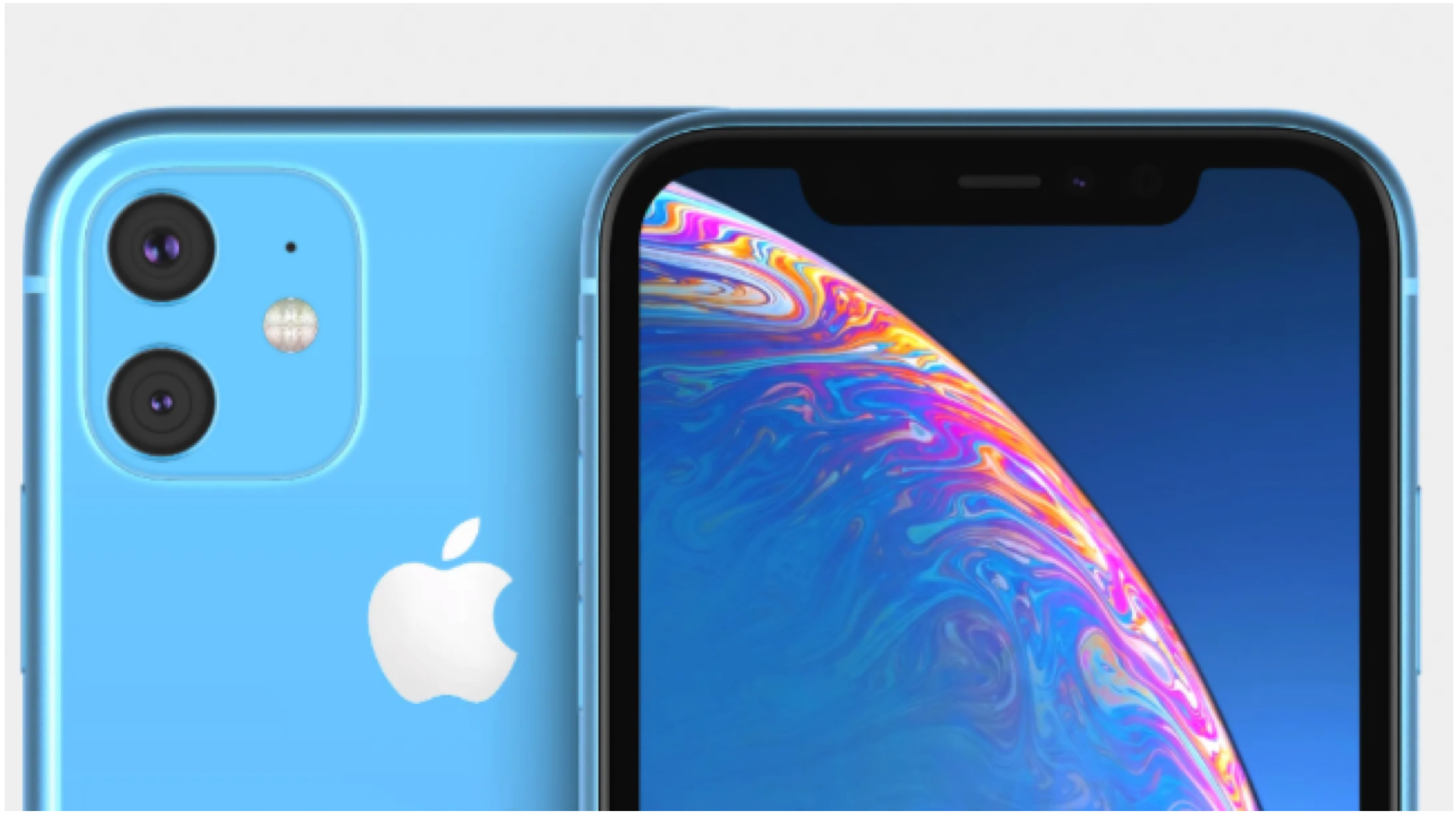
Apple is four months away from launching its latest iPhone models which will succeed the iPhone XS, the iPhone XS Max and the iPhone XR from 2018. Several details about the upcoming devices have already surged (1,2). A fresh report claims that the 2019 iPhone models will get a worthwhile feature for music aficionados. Reliable Japanese blog, Macotakara claims upcoming devices will support dual audio connections over Bluetooth. 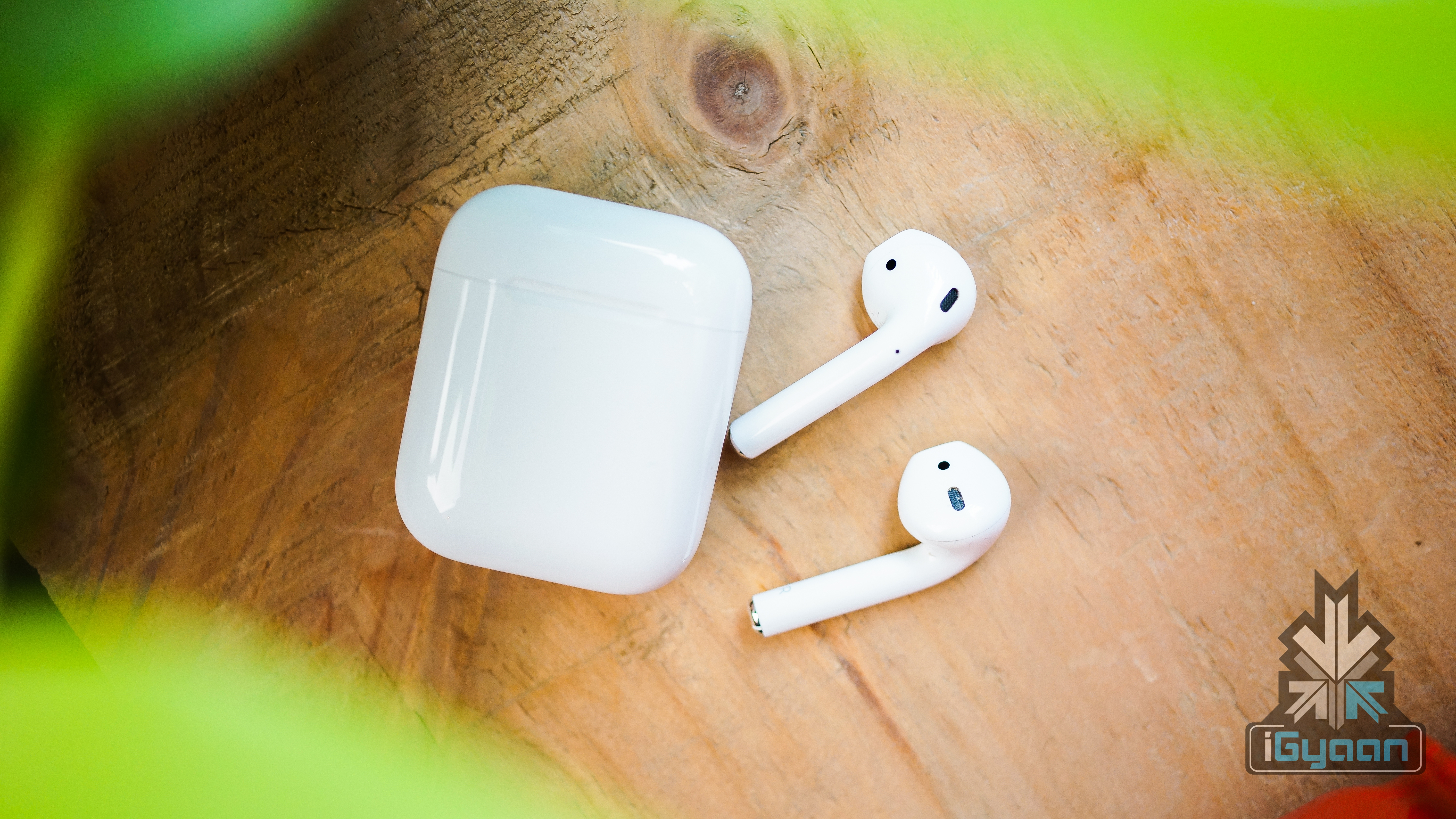
Prominently, the feature will allow an iPhone to simultaneously connect with two Bluetooth devices. For example, while playing music on AirPods, the user can concurrently play the same audio stream on a Bluetooth speaker system in their house. Furthermore, two friends can listen to the same music from one smartphone on their individual totally wireless earphones (TWS). 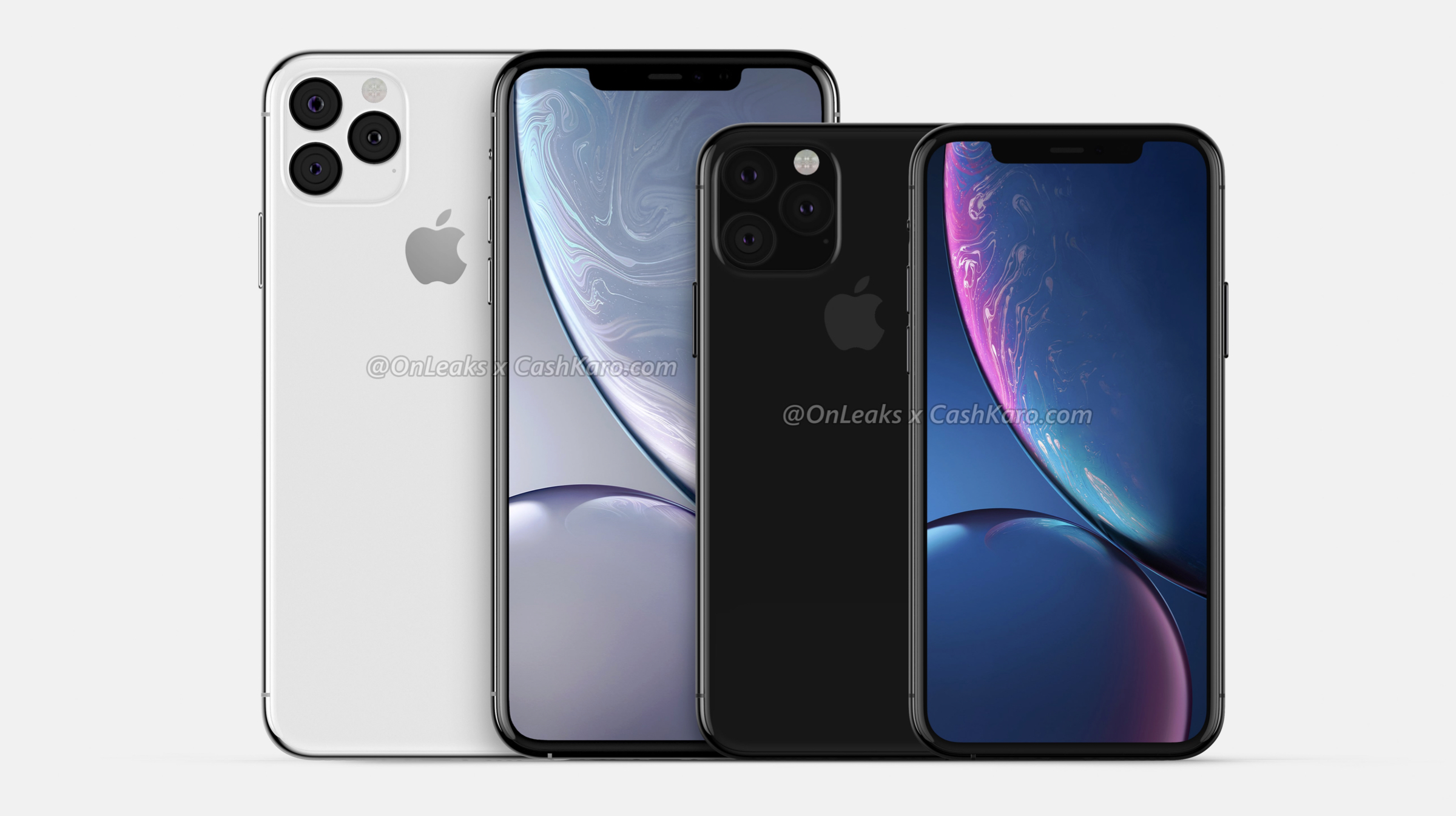
Talking more about the 2019 iPhone models, the flagship level devices will allegedly be called iPhone XI and iPhone XI Max. While the name for iPhone XR successor is unknown as of now. The iPhone XI and XI Max are reported to have the same size screen as their predecessors which sport a 5.8 inch and a 6.5 inch Super Retina HD display respectively. The 2019 iPhone trio is reported to feature 12 MP selfie camera which is a significant bump in comparison to the 8 MP sensor found on current generation devices. Furthermore, the two flagship grade smartphones are reported to have triple rear facing cameras while the successor of iPhone XR will have dual rear cameras.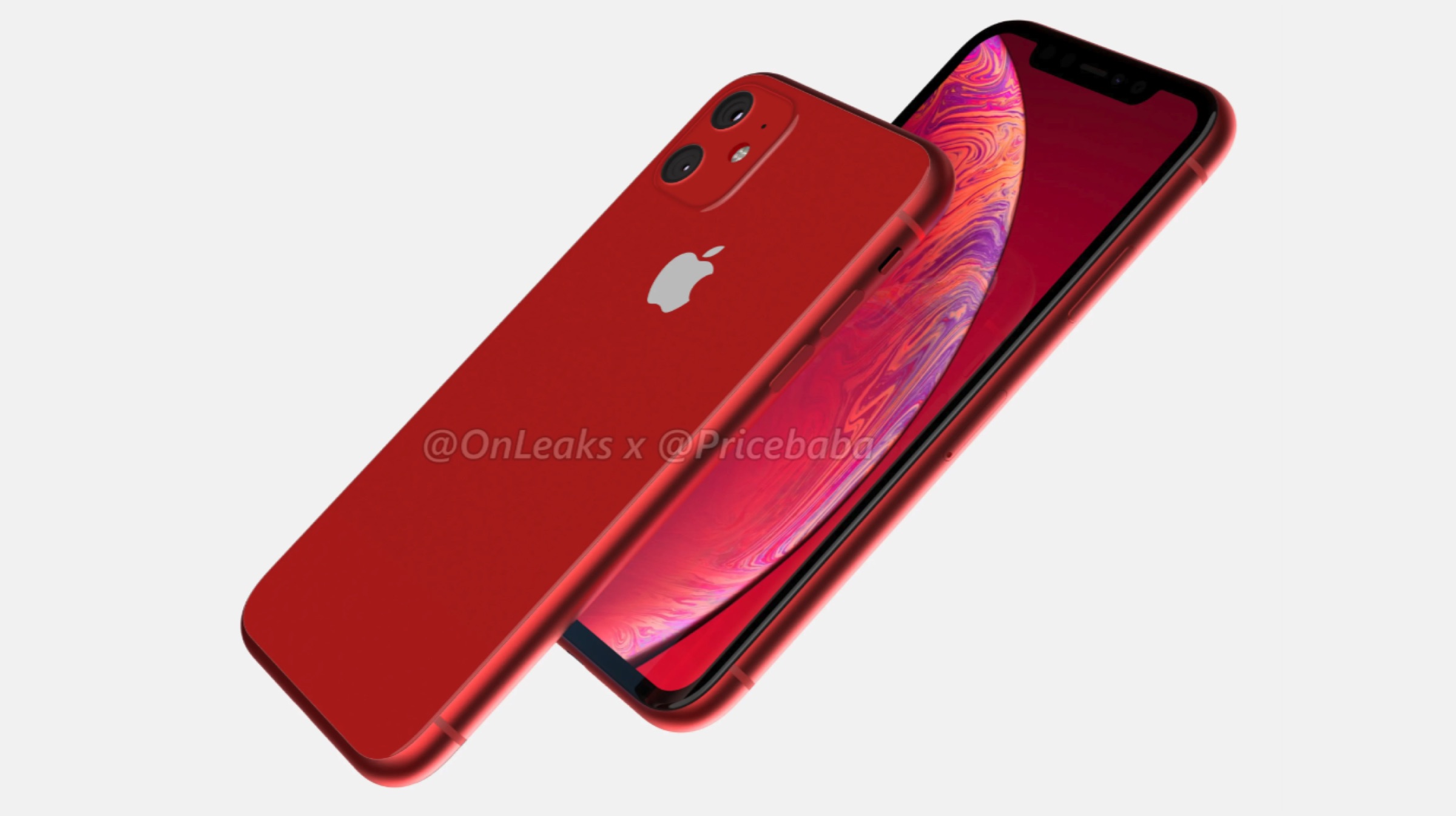
Like the Samsung Galaxy S10, the 2019 iPhone flagship models are also reported to support reverse wireless charging. In terms of chipset, the smartphones are will ship with updated Bionic chipsets which are assumedly called A13 bionic. The said chipset will be manufactured by TSMC via 5 nm fabrication process. Also, new for 2019, Apple will reportedly ship the iPhone’s with 18 W fast charger.
Also Read: Razer Adds Quadro RTX 5000 GPU To Blade Ultrabook Laptops
All in all, the 2019 iPhone seems to be a promising update. However, we will have to wait for the official announcement to verify all the leaks and claims.
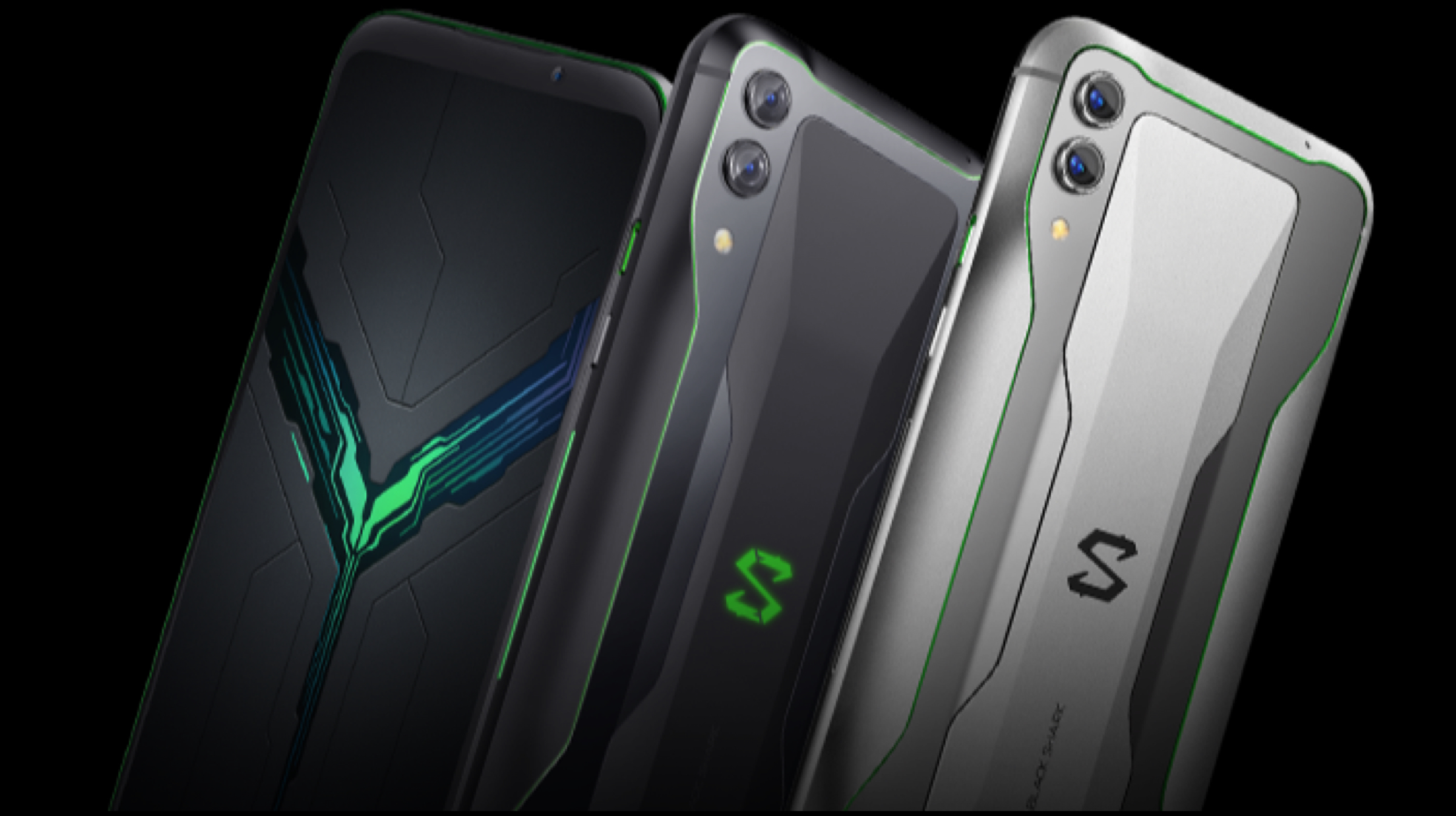
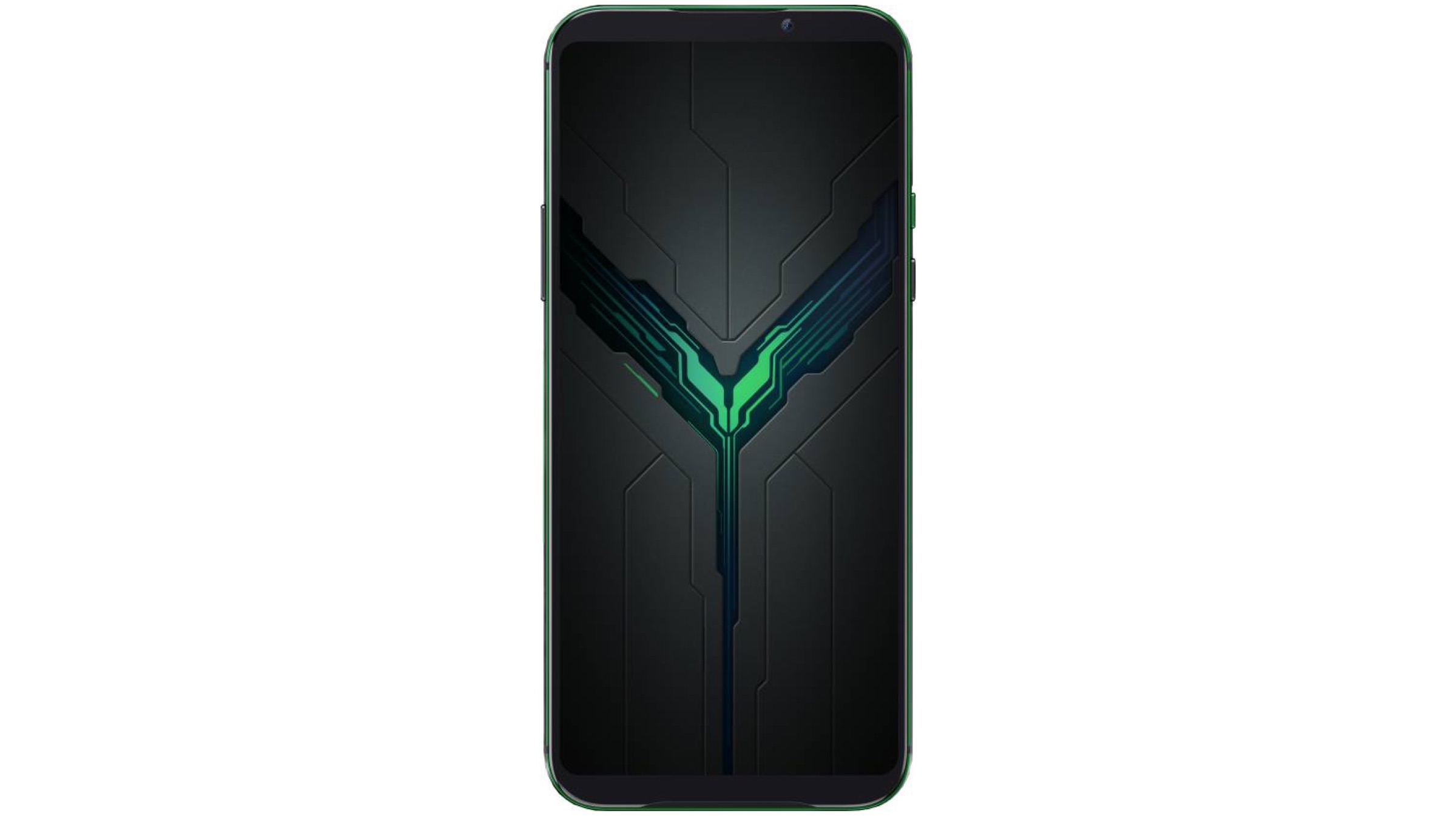
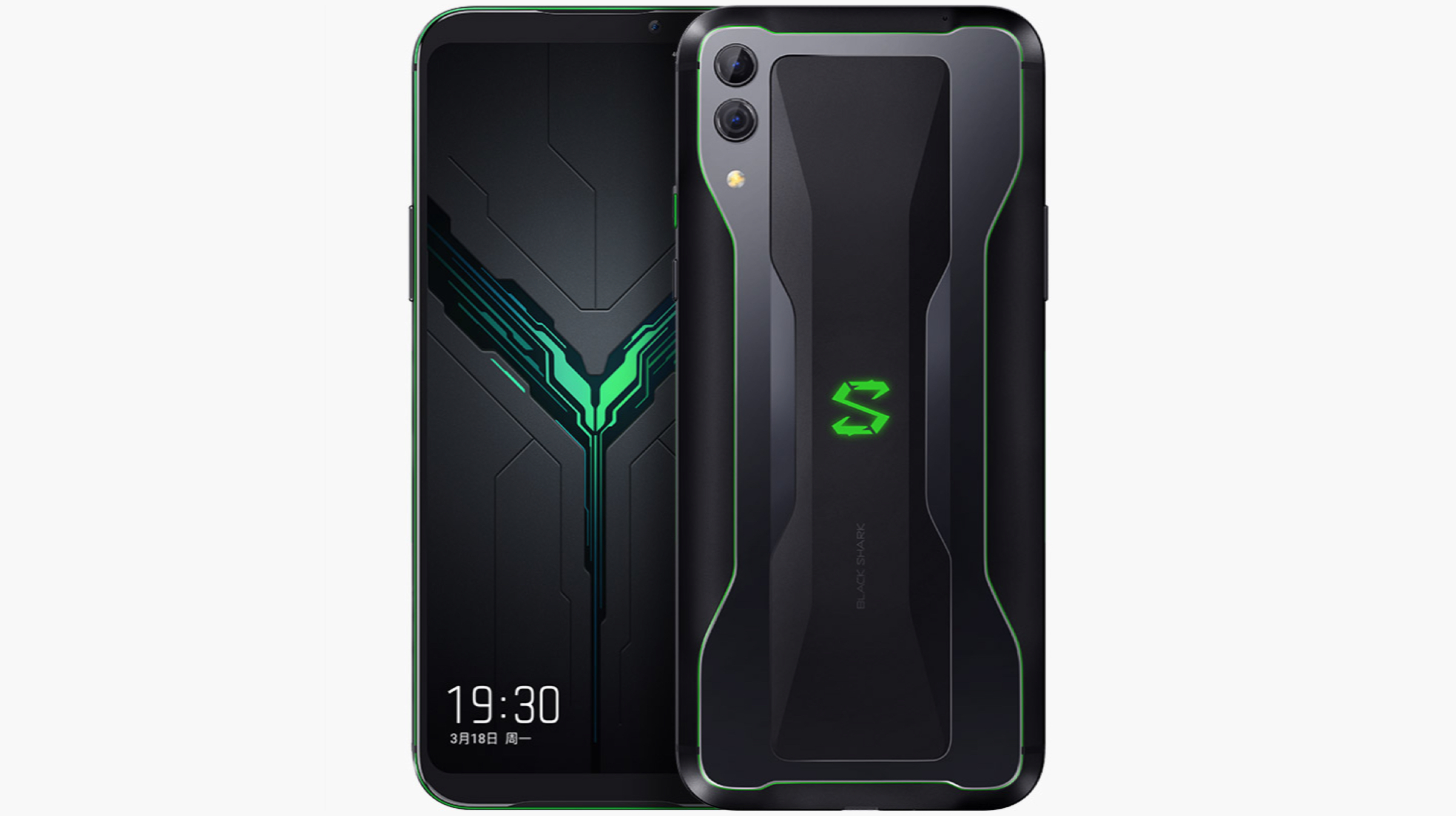 Another feature of the smartphone is the pressure sensitive controls incorporated in the AMOLED display, that can be programmed for gaming. For biometric security, it also features an in display fingerprint sensor. Talking further about the design of the Xiaomi Black Shark 2, its right side accommodates the power button and a “shark” slider which when toggled turns on gaming mode for optimized performance while the left side houses the volume rockers. The bottom of the device accommodates the USB Type-C port. To keep the temperature of the device under check during game-intensive sessions, it also has a vapour cooling chamber and liquid cooling 3.0 technology, which has been discussed previously.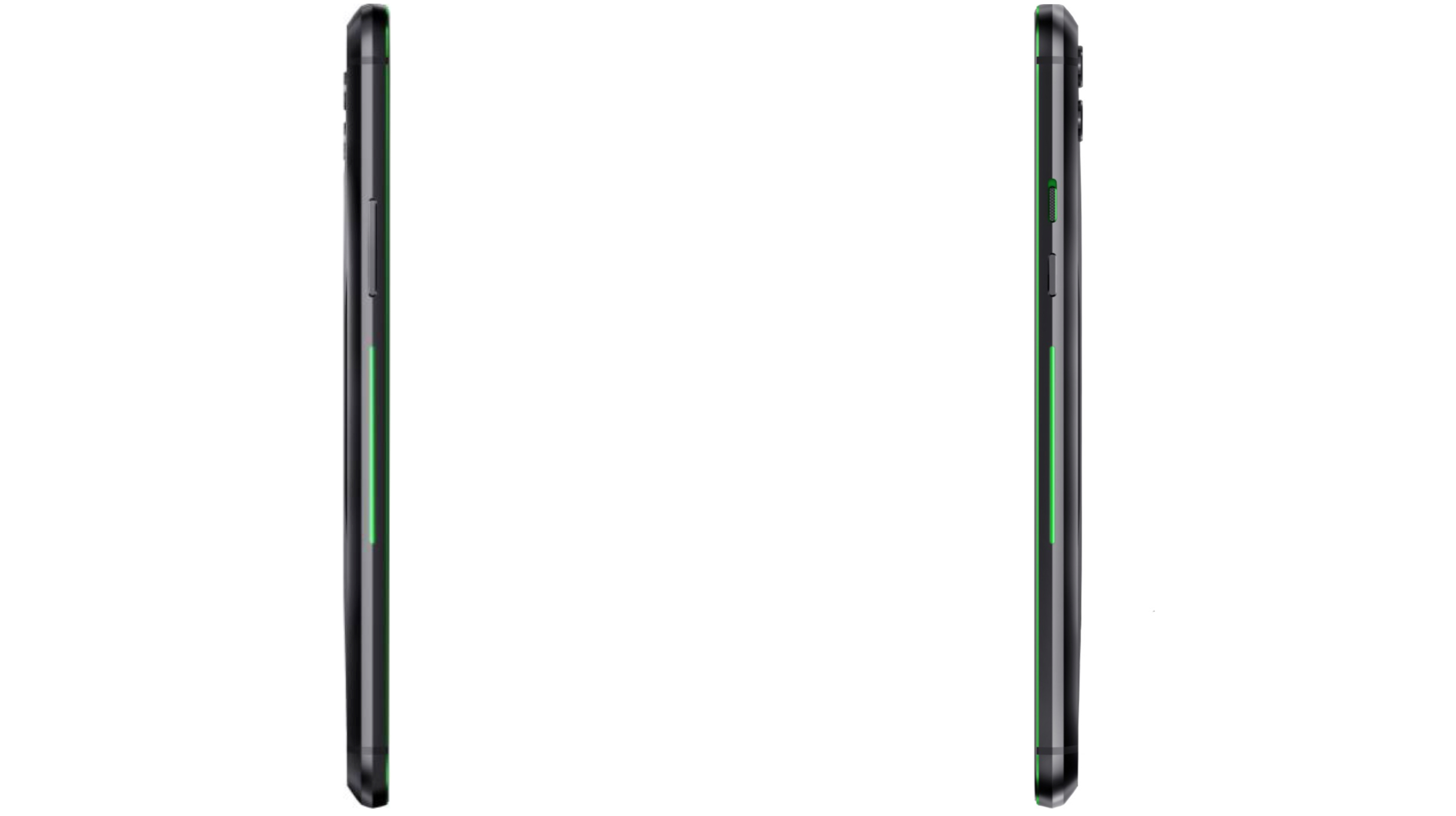
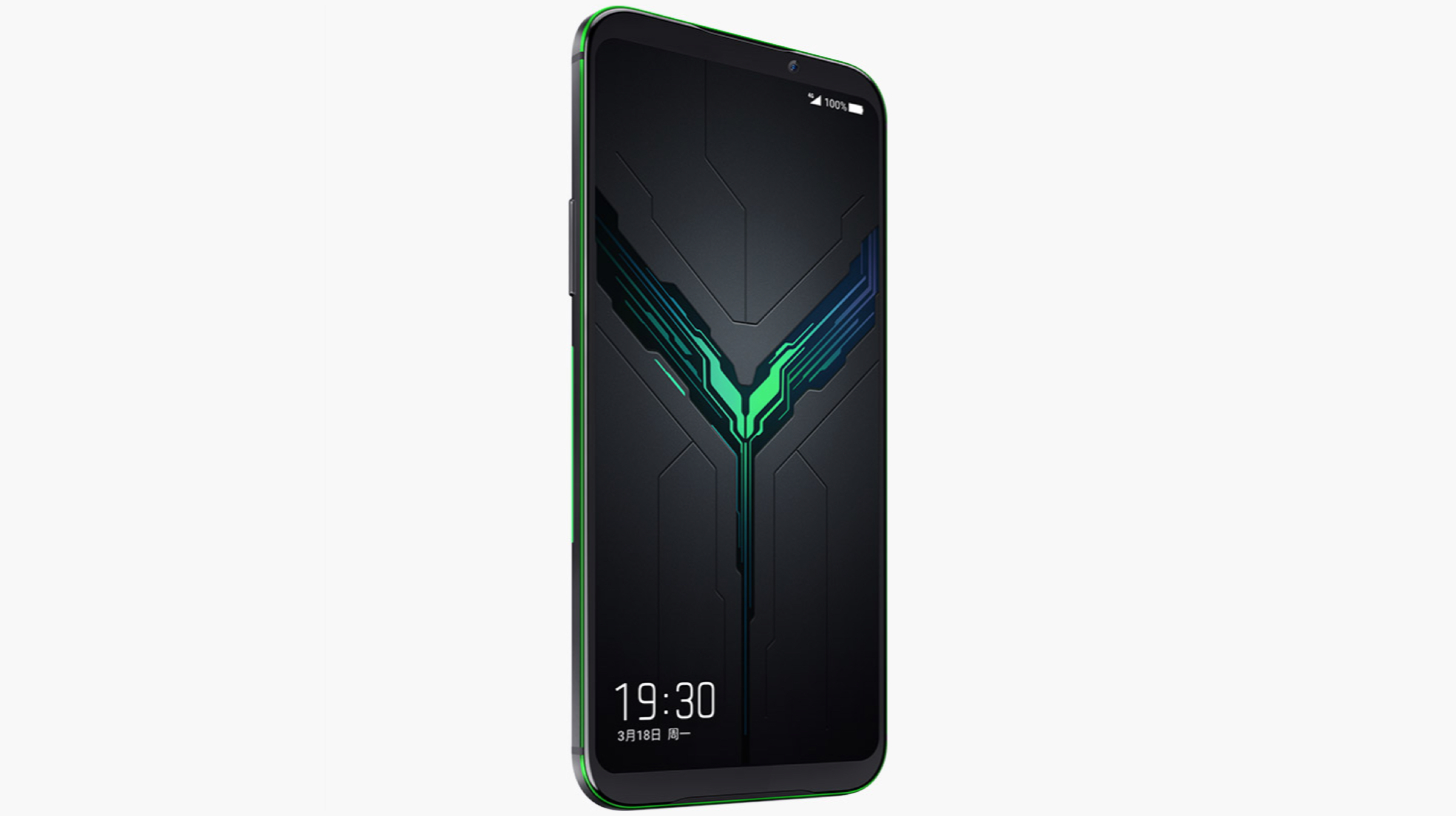 Under the hood, the Black Shark 2 runs on the Snapdragon 855 SoC which consists of an octa-Core Kryo 485 CPU with the Adreno 640 GPU. The smartphone is powered by a 4,000 mAh battery which supports fast charging upto 27 W. The company claims that 30 minutes of gaming is possible with just 5 minutes of charging. The device runs on Android 9.0 (Pie) out of the box. Connectivity options on the Black Shark 2 include 802.11 ac Wi-Fi, Bluetooth 5.0, Dual 4G VoLTE and GPS.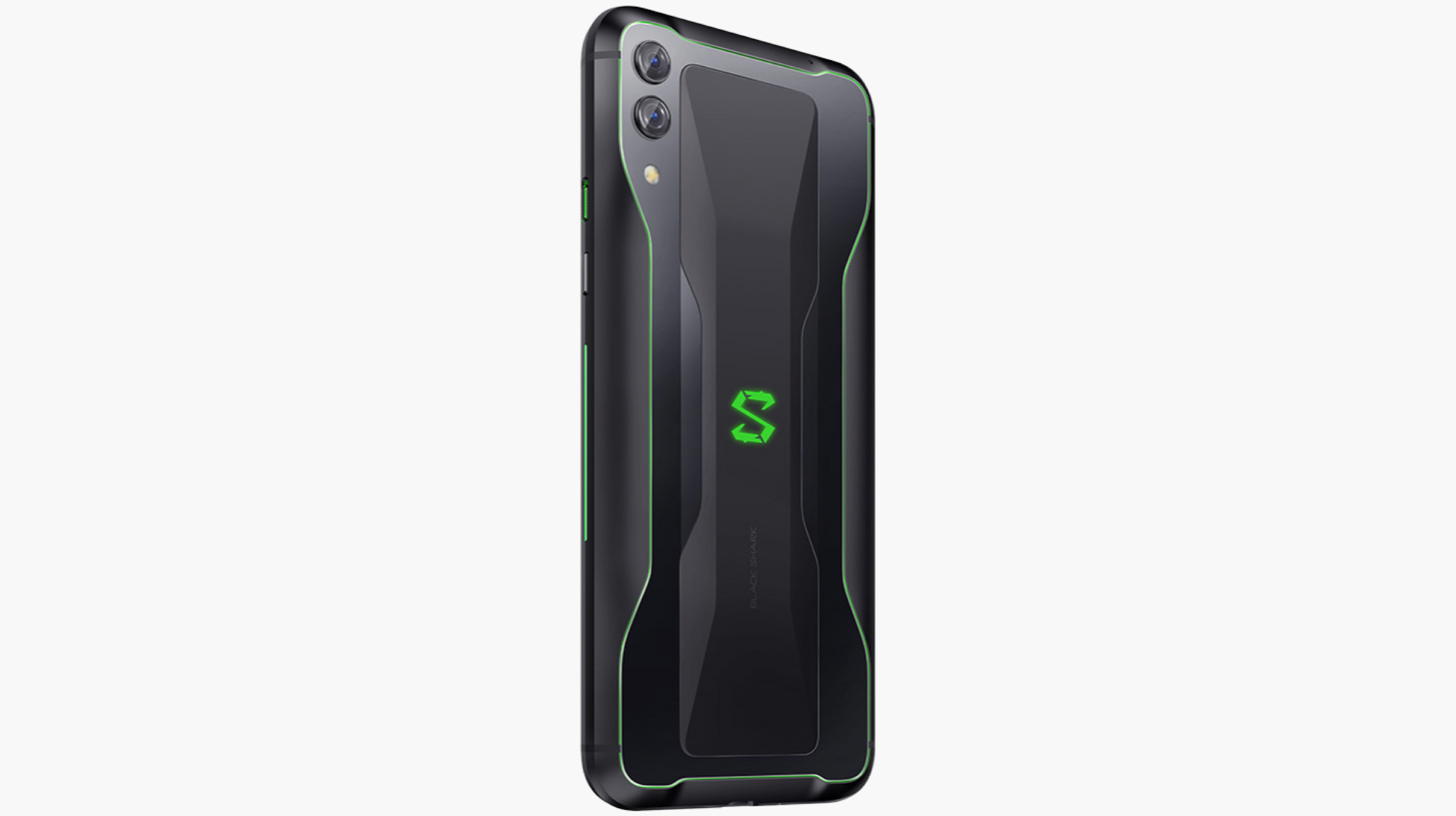


 The gadget released by the company has a portable factor. It measures 85x76x17mm and can easily be housed in a lady’s handbag. A 3000 mAh (5V/1A) battery is present inside the Xiaomi device, which can be used to charge the smartphone in case of emergencies. However, considering the low battery capacity of the same, the power bank can charge not more than one smartphone in one go.
  Also Read:


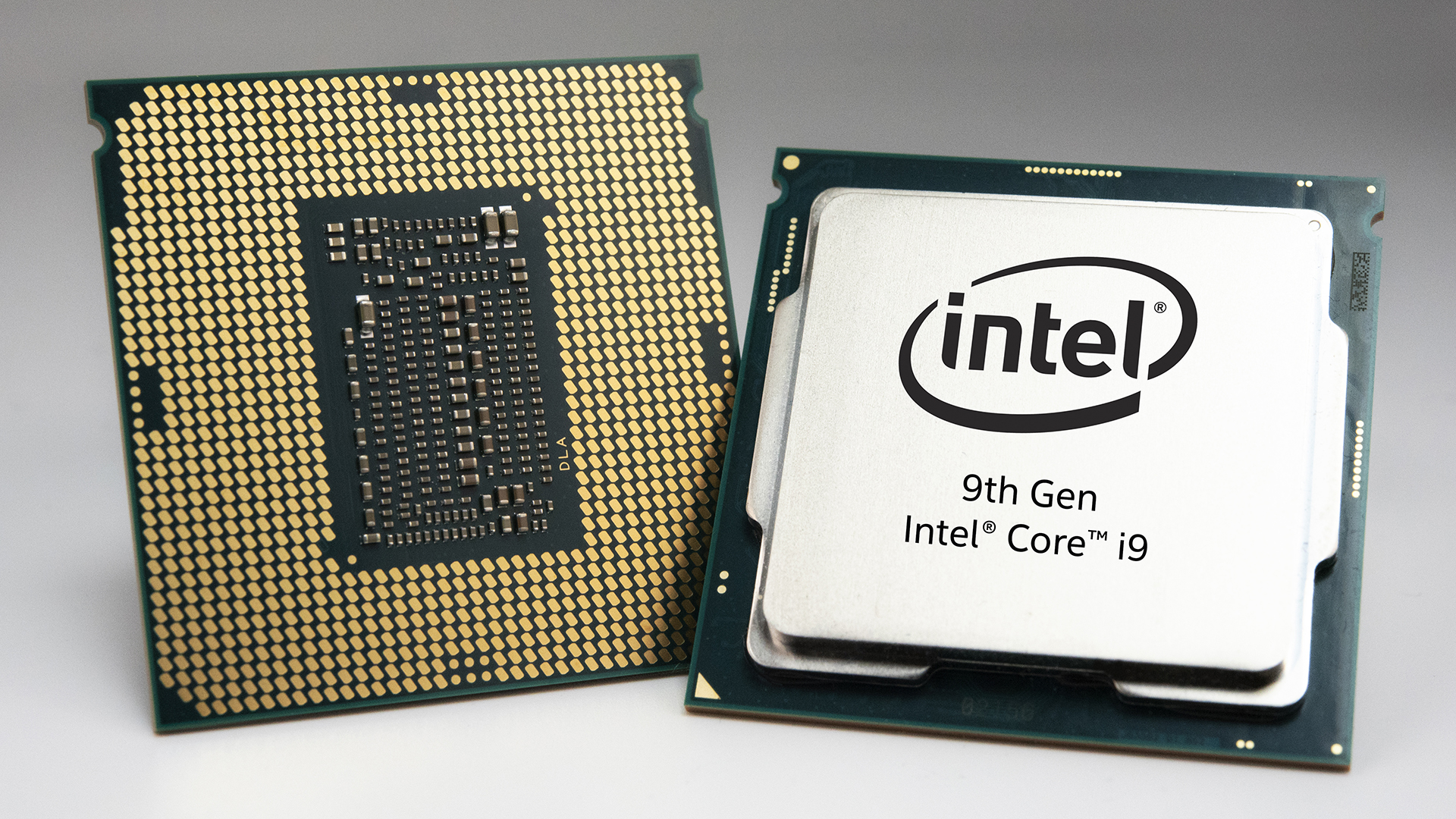
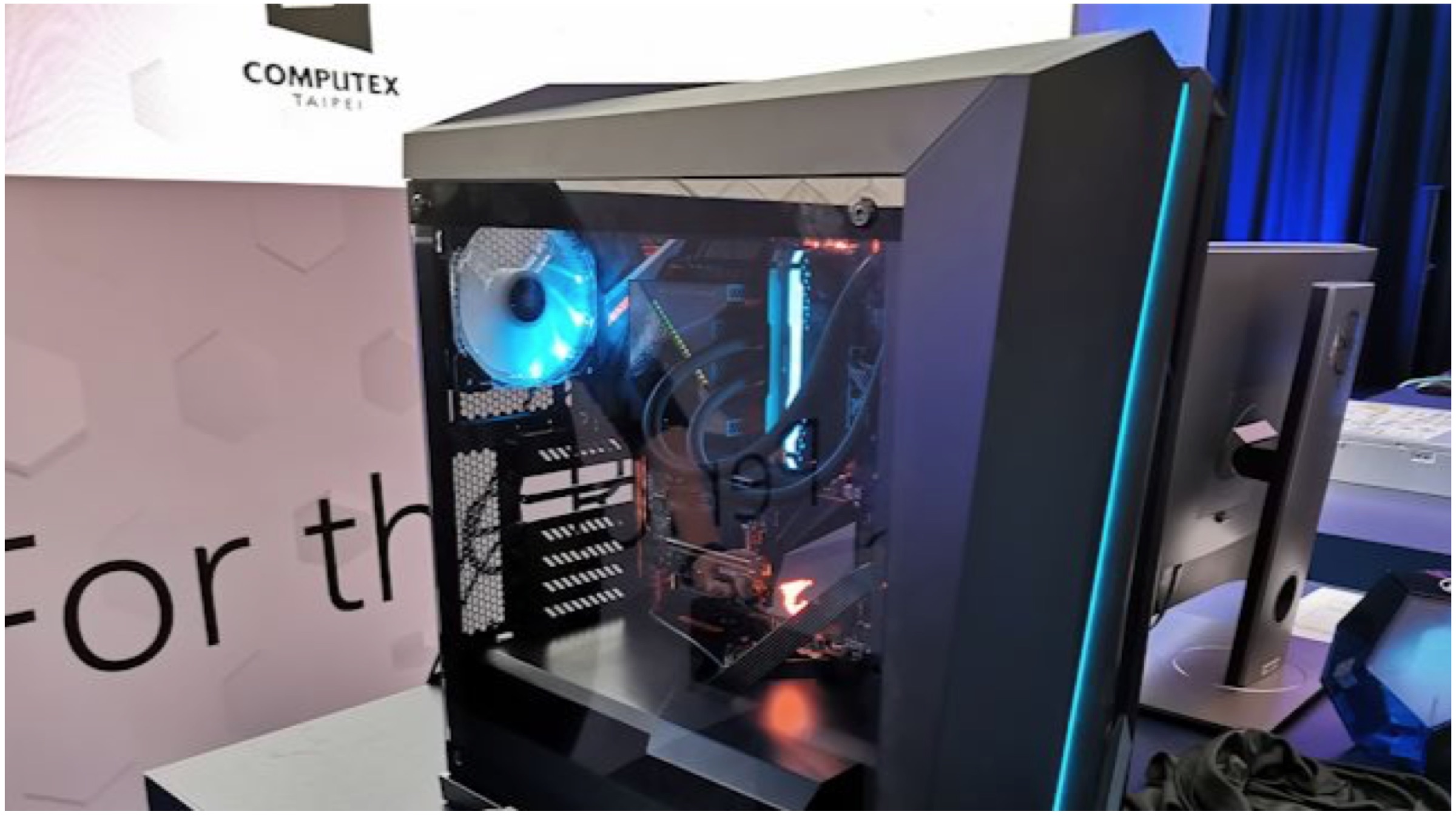
 The new Intel Core i9-9900KS features a total of 8 cores, all of which will run at a clock speed of 5.0 GHz during single-core workloads as well as multi-core workloads. As per reports, the company showcased a demo of a 28-core Intel Xeon CPU in the year 2018, but the clock speed of the same was way lower than the 9900KS. Noteworthy, the core i9-9900KS is selectively binned so that each core utilizes the maximum clock speed i.e. 5.0 GHz.
 Also Read: