Category: Top Around the Web

All the best of Online in one place.

  • Xiaomi Announces Digital Drawing Tablets With 365 Days Battery Life

    Xiaomi Announces Digital Drawing Tablets With 365 Days Battery Life

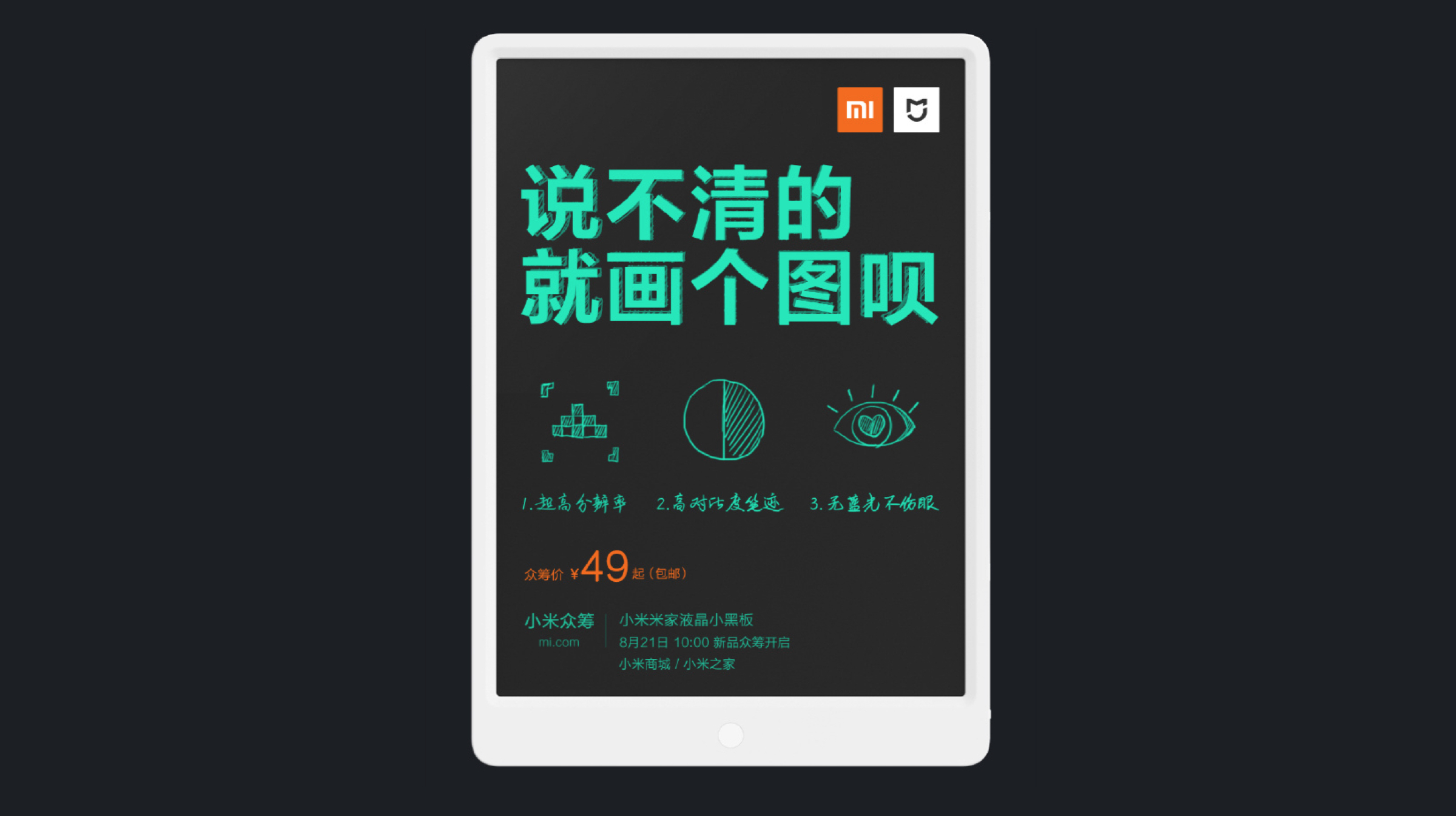
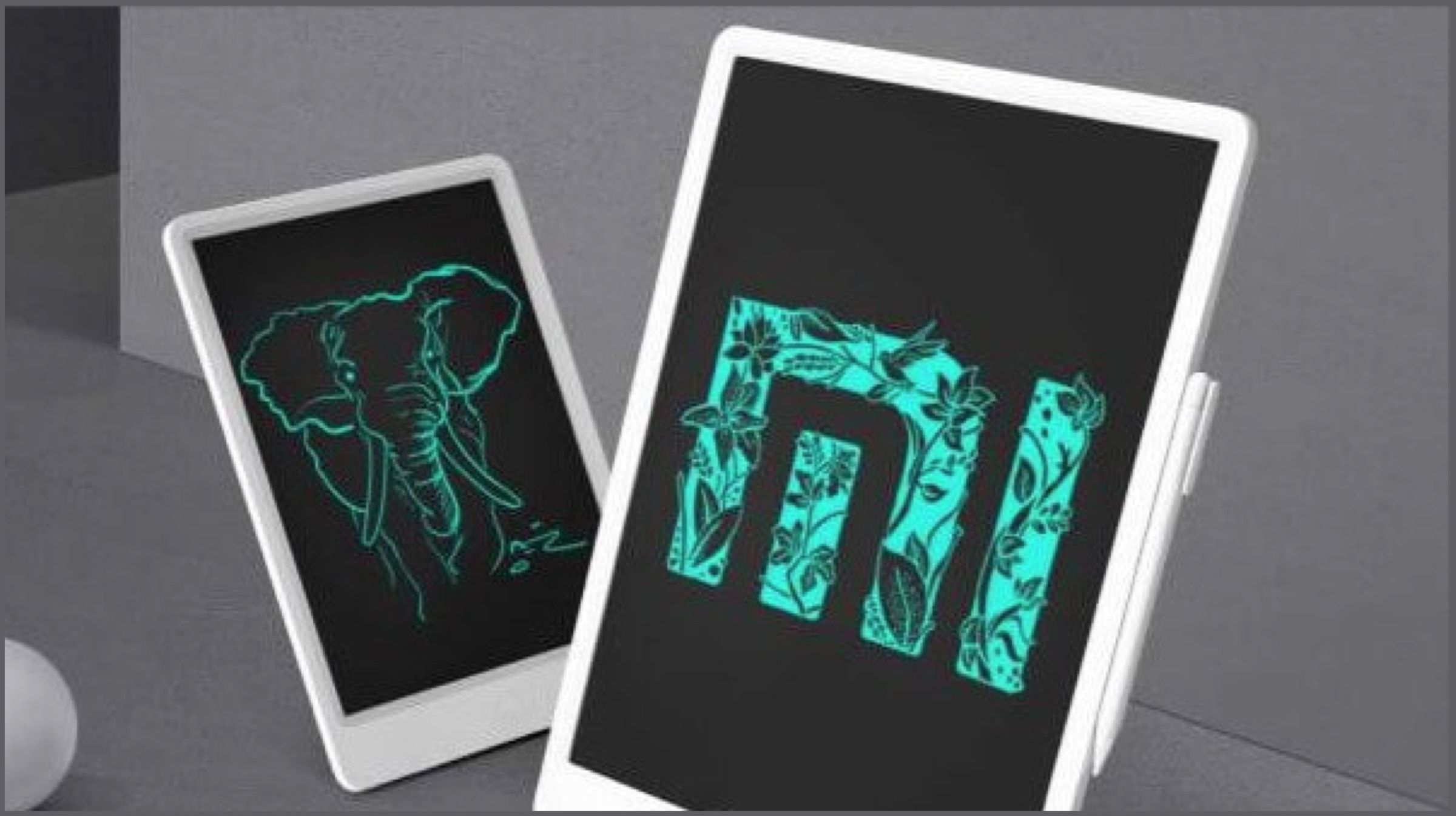
    Except for smartphones and televisions, Xiaomi offers a wide variety of products ranging from electric scooters to shavers. The company has freshly announced a Digital Drawing tablet under its Mijia brand which is currently being crowdfunded in China. 

    The new device is developed to reduce paper waste and is aimed towards replacing a conventional paper notebook which cannot be reused. 

    Xiaomi Mijia Digital Drawing Tablet Features
    Xiaomi Digital Drawing Tablet

    The new device is offered in two different screen sizes which include 10-inch and 13.5-inch. While the former weighs just 195 g, the latter is a considerably hefty and it weighs 345 g. Just to clarify, they don’t feature a conventional display found on smartphones instead it has an LCD made out of ABS which can only show one colour that is green.

    Noteworthy, both models of the Mijia LCD Blackboard have a display that does not emit any sort of blue light which can lead to visual fatigue during prolonged usage. Therefore, they make an appropriate choice of children who are starting to learn drawing and writing. 

    Equally important, they ship with a plastic stylus that resembles a pencil and they have a circular button in the bottom bezel which can be used to clear the illustrations or writings on the display. 

    Both the variants of the Mijia drawing tablet are powered by a button cell which can easily be replaced once they have been exhausted. Notably, Xiaomi claims that it can provide a backup of 365 days if the clear function is used 100 times every day. 

    Xiaomi Mijia Digital Drawing Tablet Price
    Xiaomi Digital Drawing Tablet

    Also Read: Samsung Working On A Smartphone That Can Fold Both Ways

    As previously mentioned, both the variants are currently offered on a crowdfunding website that is operated by Xiaomi. The price of the two variants is as follows:

    • 10 inch- CNY 49 (around Rs 500)
    • 13.5 inch- CNY 79 (around Rs 800)

    What are your thoughts on the latest offerings from Xiaomi? Would you buy it the company launches them in India? Let us know in the comments below.

  • Redmi Note 8 Pro Launch Date Revealed, Live Images Also Leaked

    Redmi Note 8 Pro Launch Date Revealed, Live Images Also Leaked

    In the month of January, Xiaomi turned its Redmi smartphone lineup into a separate sub brand. Following the seperation, the first handset it launched was the Redmi Note 7. A couple of months after, it also launched the Pro variant of the smarpthone which has beefed up camera sensors and a better chipset.

    Due to the value these handsets offer, they have become a global sensation. According to Xiaomi until now it has sold 20 million units of the Redmi Note 7 lineup worldwide which is a remarkable feat. A company official had previously revealed that the successors of these devices are in the pipeline. 

    Redmi Note 8 Pro Launch Date
    Redmi Note 8 Pro Launch Date

    On the 21st of August, the official Redmi account on the Chinese social media website, Weibo was populated with a teaser of the upcoming smartphone. According to which the Redmi Note 8 duo will be unveiled on the 29th of August which is just a week away. 

    The teaser also boasts of a ’64 MP’ camera sensor that the Pro variant will feature on the rear. In addition the rear panel also houses three additional camera sensors, an LED flash and a fingerprint scanner. 

    Redmi Note 8 Pro Features
    Redmi Note 8 Pro Features

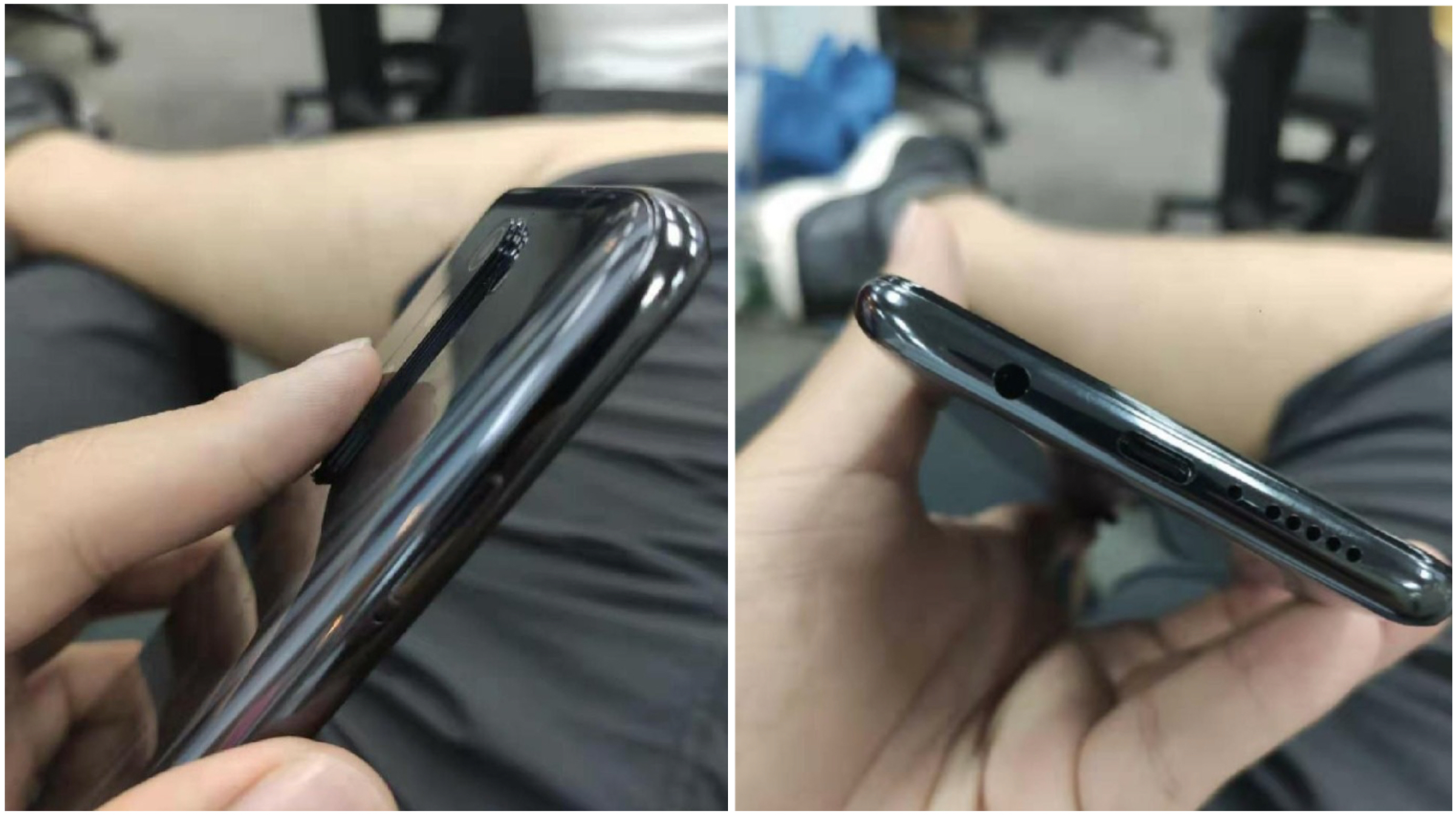
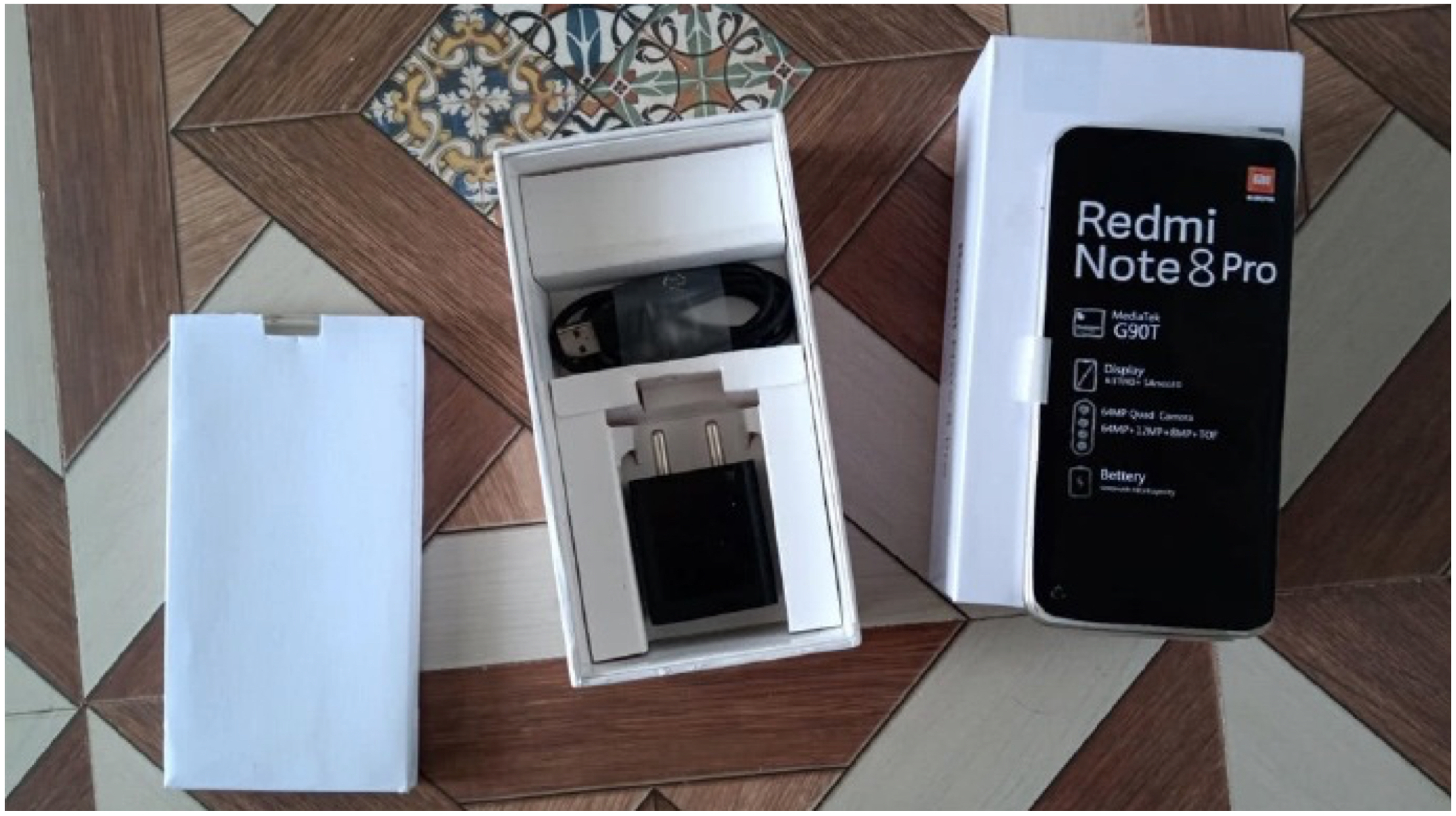
    Noteworthy, a real life image of the upcoming smartphone was already leaked online which had revealed its key specifications. The Redmi Note 8 Pro will feature the MediaTek Helio G90T SoC which was unveiled last month. Although the image is not very clear, the smartphone is expected to be powered by a 5,000 mAh battery that the alleged Redmi 8A will also have. 

    Details about the display of Redmi Note 8 lineup are currently unavailable but it is assumed to have a display atleast as big as it predecessor that features a 6.3 inch display. 

    Also Read: What Is Raspberry Pi? How To Use It? All Questions Answered

    In order to confirm all the leaks and rumours about the Redmi Note 8 lineup we will have to wait until its official launch which is set for the 29th of August. 

  • What Is Raspberry Pi? How To Use It? All Questions Answered

    What Is Raspberry Pi? How To Use It? All Questions Answered

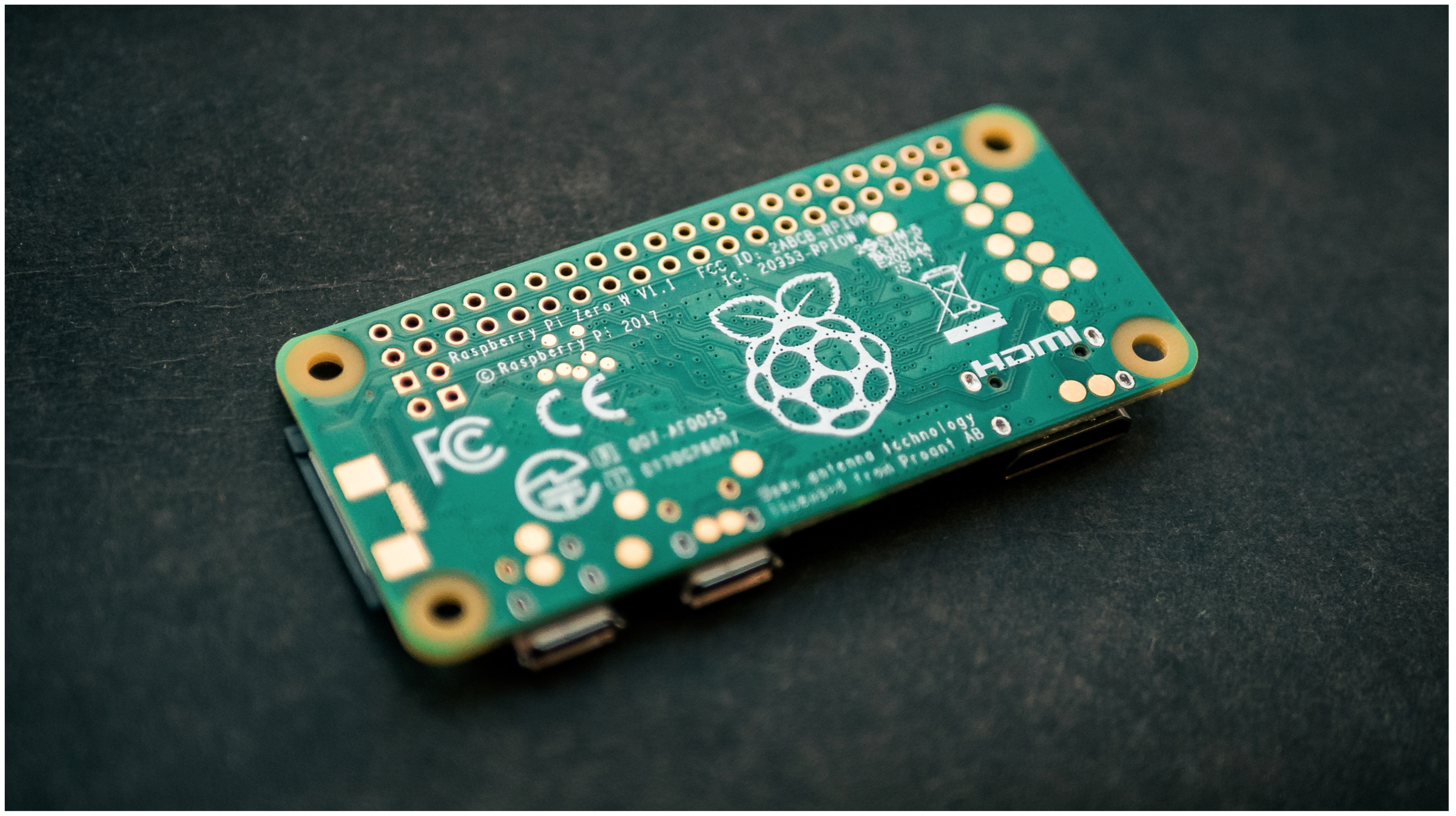
    You have heard the term Raspberry Pi at several occasions and are curious to know what’s the deal with this palm-sized PCB (printed circuit board). Worry not, after reading this comprehensive article you will know the basics, features and applications (uses) of this modern marvel that has had a major impact on the world of computers.

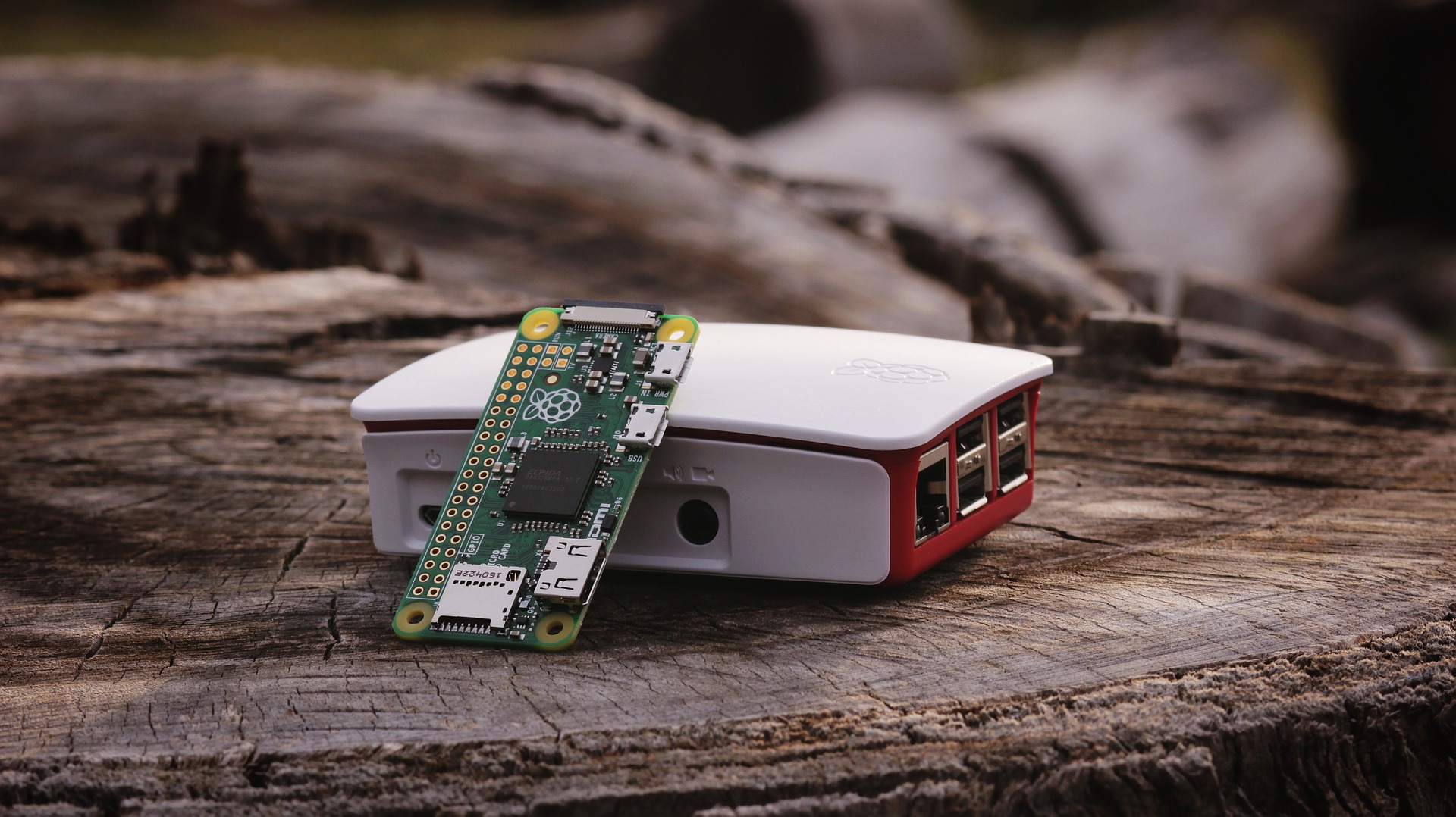
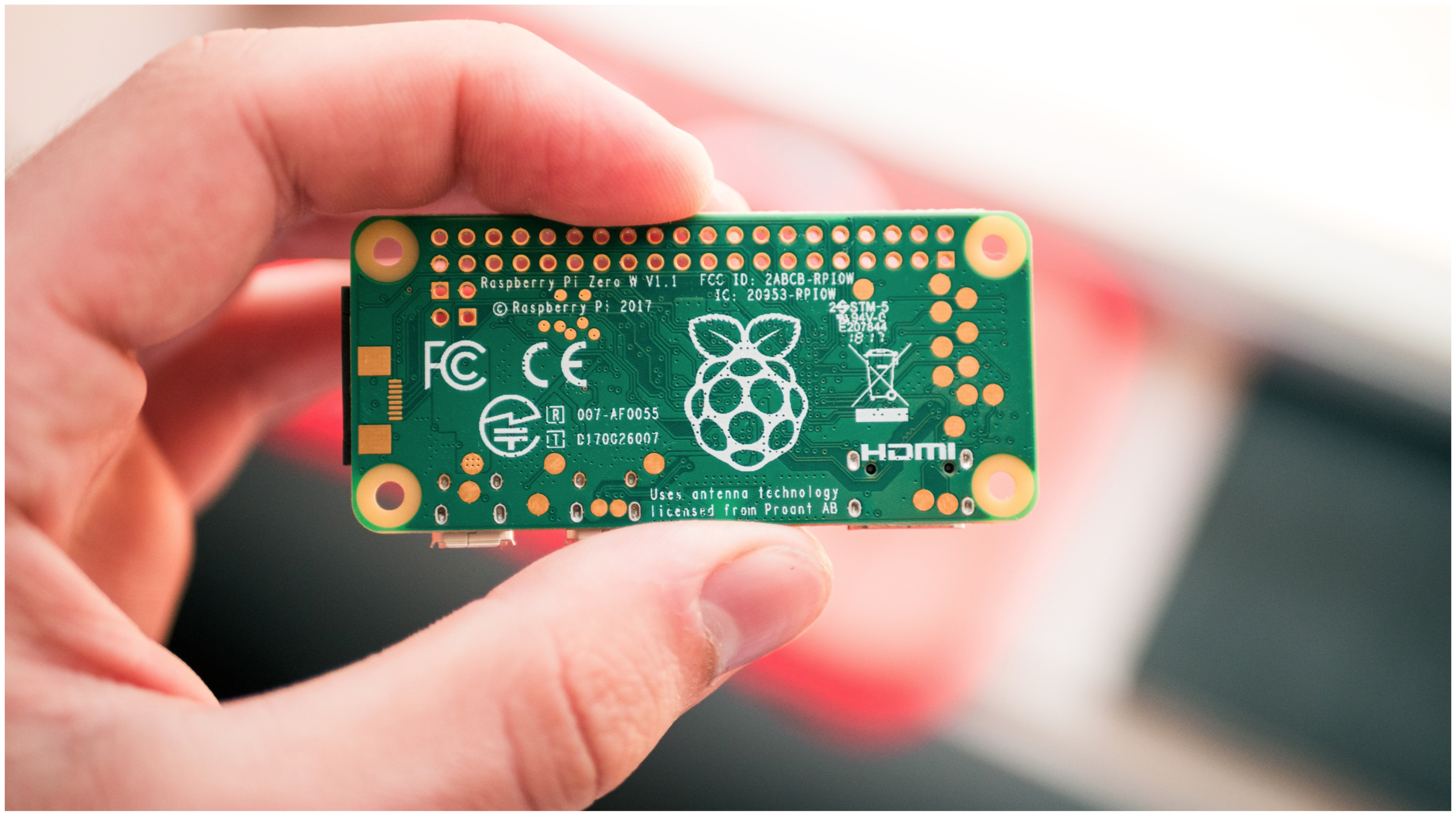
    To begin with, we will answer the question ‘ What is Raspberry Pi? ‘. In simplest terms, it is a single-board computer that can run a variety of operating systems ranging from Windows to Linux. You must be thinking that’s it, Yes it literally is. Notwithstanding, now you are confused about what is a single-board computer. Here you go, this is some brief information about this fancy keyword that you have just stumbled upon. Raspberry Pi W

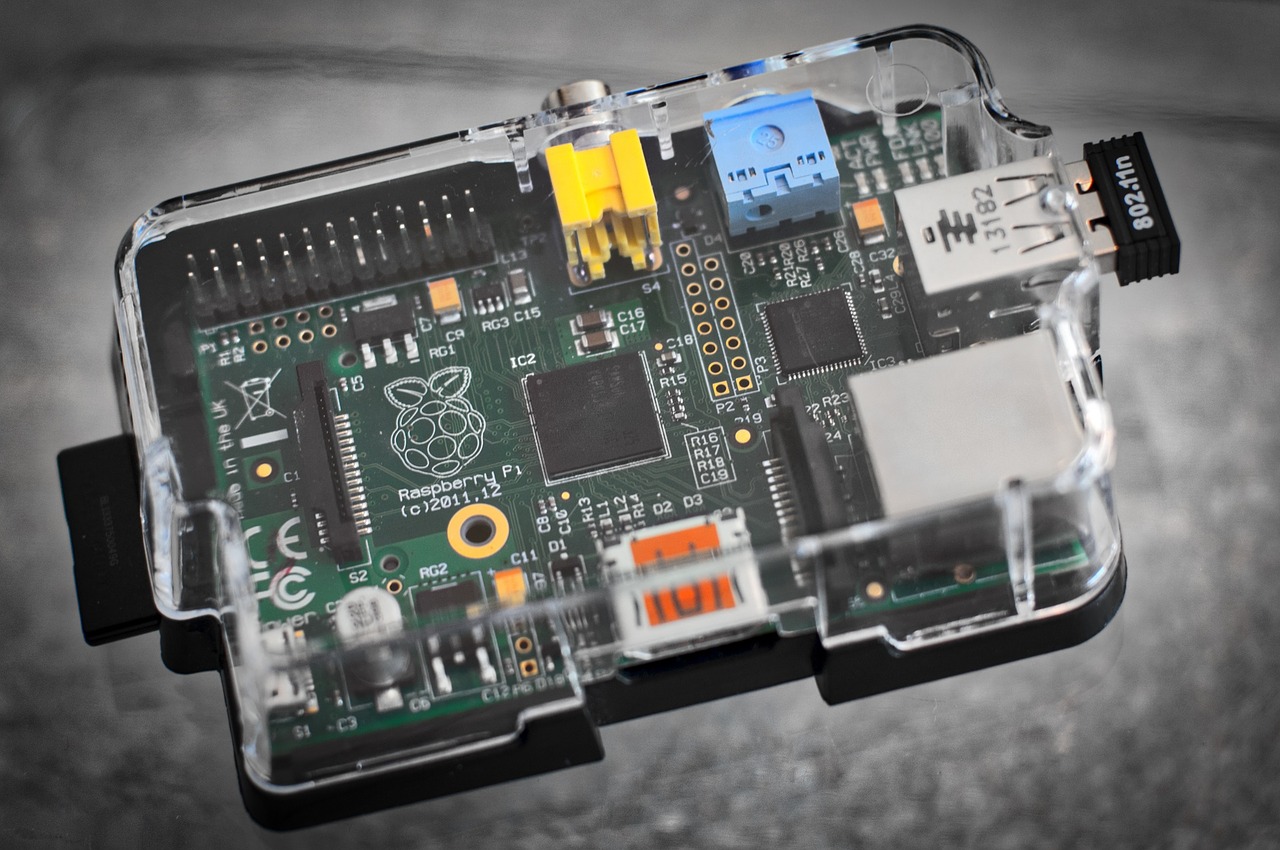
    A single-board computer including the Raspberry has all the necessary components that a conventional PC or notebook computer has, which incorporates a RAM, ROM, CPU and I/O Ports (Input/Output). However, all of these are soldered onto just one PCB rather than being spread in a CPU enclosure.

    You might be thinking there must be several other single-board computers in the market but why is Raspberry Pi is so popular. The concise answer to the question is that it was developed to be affordable and this factor alone is one of its biggest success mantras. Besides, there are several other reasons as well which will discuss later in this article. 

    History Of Raspberry Pi

    Raspberry Pi W
    Raspberry Pi W

    The original Raspberry Pi was released in the year 2012 by a UK based charity funded organisation called the Raspberry Pi Foundation. According to its founders, it was designed and developed to promote the teaching of basic computer science in schools and in developing nations which it has been highly successful at.

    Not only that, but it has also become the go-to choice for DIY enthusiasts who need a robust solution for their electronics projects. Over the last 7 years, the organisation’s foundation has launched numerous generations of this tiny computer which are listed below.

    Raspberry Pi Generations And Price

    Family Model Form Factor Ethernet Wireless Released Price
    Raspberry Pi 1 B Standard

    (85.60 × 56.5 mm)

    Yes No 2012 US$35
    A+ Compact

    (65 × 56.5 mm)

    No 2014 US$20
    Raspberry Pi 2 B (65 × 30 mm) Yes No 2015 US$35
    Raspberry Pi Zero Zero

    (65 × 30 mm)

    No No 2015 US$5
    W/WH Yes 2017 US$10
    Raspberry Pi 3 B Standard Yes Yes 2016 US$35
    A+ Compact No 2018 US$25
    B+ Standard Yes 2018 US$35
    Raspberry Pi 4
    B (1 GB)
    B (2 GB)
    B (4 GB)
    Standard Yes Yes 2019
    US$35
    US$45
    US$55
    Raspberry Pi 4 Specifications

    While the previous generations were worthwhile, the latest Raspberry Pi 4 has lifted the bar to another level which is reflected by its specifications. 

    • Broadcom BCM2711, Quad-core Cortex-A72 (ARM v8) 64-bit SoC, 1.5GHz
    • 1GB, 2GB or 4GB LPDDR4-2400 SDRAM 
    • 2.4 GHz and 5.0 GHz IEEE 802.11ac wireless, Bluetooth 5.0, BLE
    • Gigabit Ethernet
    • 2 USB 3.0 ports; 2 USB 2.0 ports.
    • Micro-SD card slot for loading operating system and data storage
    • Raspberry Pi standard 40 pin GPIO header 
    • 2 × micro-HDMI ports (up to 4kp60 supported)
    • 2-lane MIPI DSI display port
    • 2-lane MIPI CSI camera port
    • 4-pole stereo audio and composite video port
    • H.265 (4kp60 decode), H264 (1080p60 decode, 1080p30 encode)
    • OpenGL ES 3.0 graphics

    Due to RAM capacities as high as 4 GB and powerful CPU it even supports dual 4K output.

    Raspberry Pi Uses

    • Desktop Replacement: Right of the bat, the Raspberry can be used to run a full-fledged operating system that can perform all the basic computing tasks like browsing the web, watching videos or editing documents. As previously mentioned, it can run operating systems like Windows and Linux. However, running a certain OS like Windows 10 on models like the tiny Raspberry Pi zero or some of the older generations could turn into an unenjoyable experience. 

      Nevertheless, the Raspberry Pi Foundation has developed its very own OS called ‘Raspian’. It is a lightweight operating system which is optimised to run smoothly on the ARM-based architecture. Noteworthy, the credit card-sized computer does not have inbuilt storage therefore, device owners must use a microSD card with a pre-installed operating system installed. 

    • Media Center/ HTPC (Home Theater PC): Although smart TVs are all the rage nowadays, users need to shell a considerable sum of money to purchase them. Besides, dealing with an existing TV could be another challenge. A Raspberry Pi with the help of softwares like OSMC and Kodi media player can easily convert any LED or LCD display into a full-fledged media centre.

      Besides playing media from a thumb drive or hard drive, users can also stream content from popular services like Amazon Prime or Netflix. 

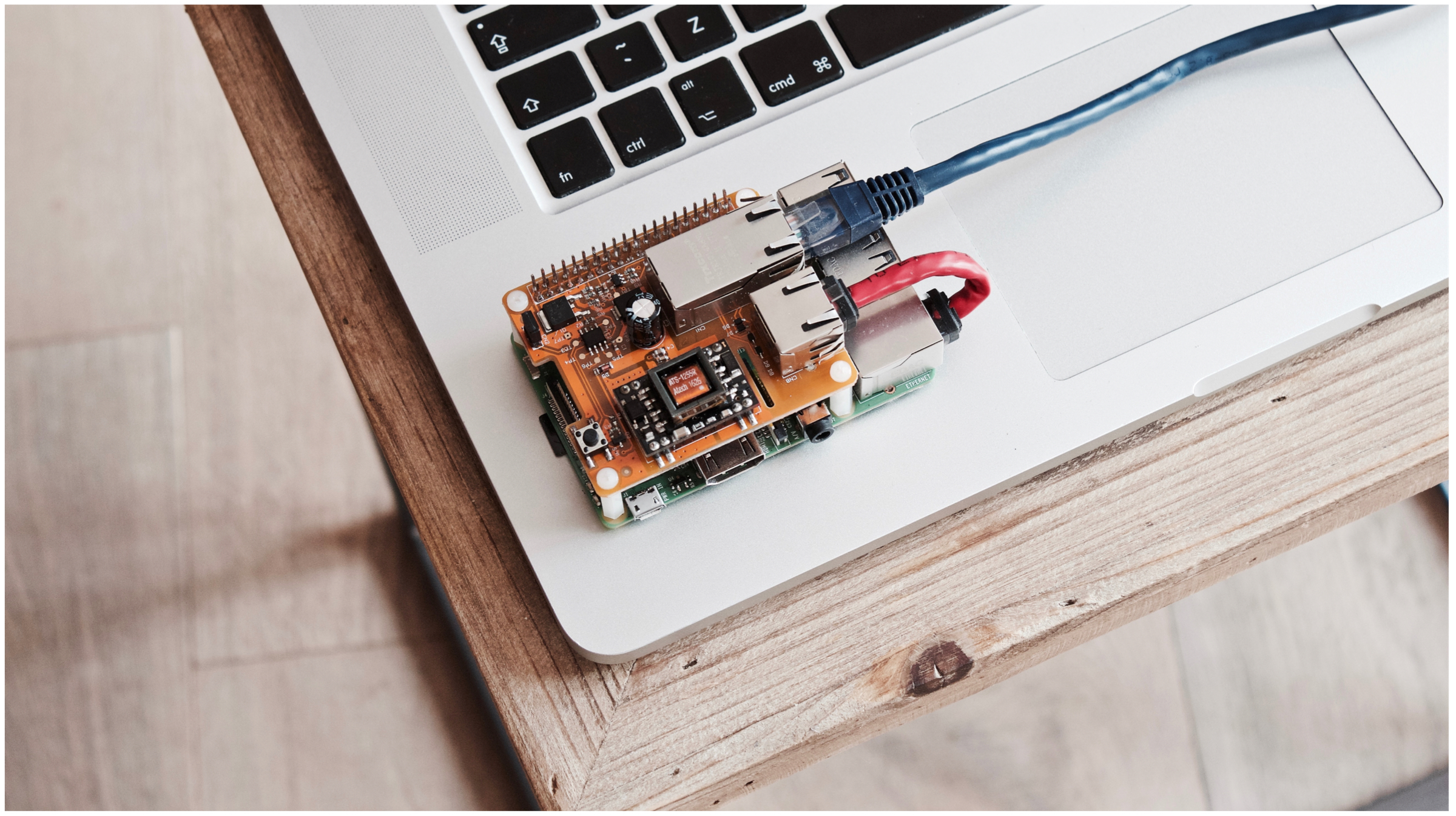
    • Robotics and Home Automation: Being an affordable computer which supports a wide variety of input/output ports and pins. This single board computer has become a preferred choice of engineers and DIY enthusiasts who are incorporating into Robots and smart home devices.

    Mentioned above are just a handful of uses of this tiny marvel. While its applications and uses are endless. 

    Also Read: Xiaomi Mi A3 Android One Smartphone Launched In India

    To wrap things up, next time somebody questions you ‘What is the Raspberry Pi and What are its uses?’. You will be equipped with all the details.

    However, if there are any questions or details we might have missed out, you can ask them in the comments below.

  • Xiaomi Mi A3 Unboxing And Hands On

    Xiaomi Mi A3 Unboxing And Hands On

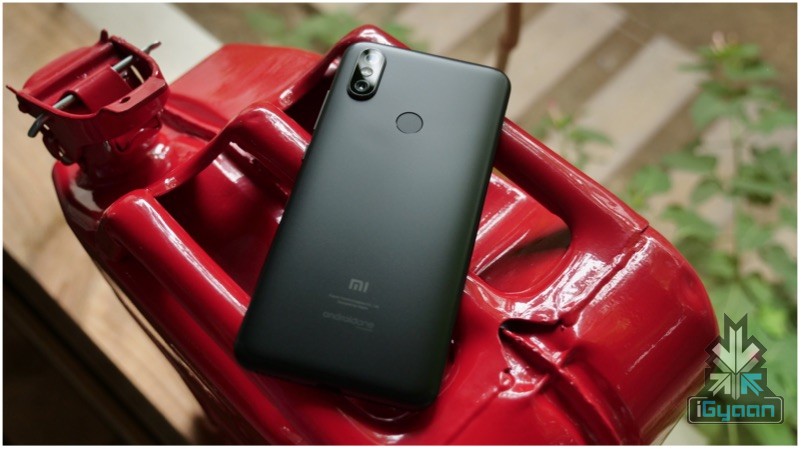
    On the 21st of August, Xiaomi launched the Mi A3 smartphone in India which succeeds the Mi A2 from last year. Falling into the footsteps of its predecessor, the newly launched device is a part of the Android One program and runs on the stock version of Android which provides for a smooth and bloatware-free experience. 

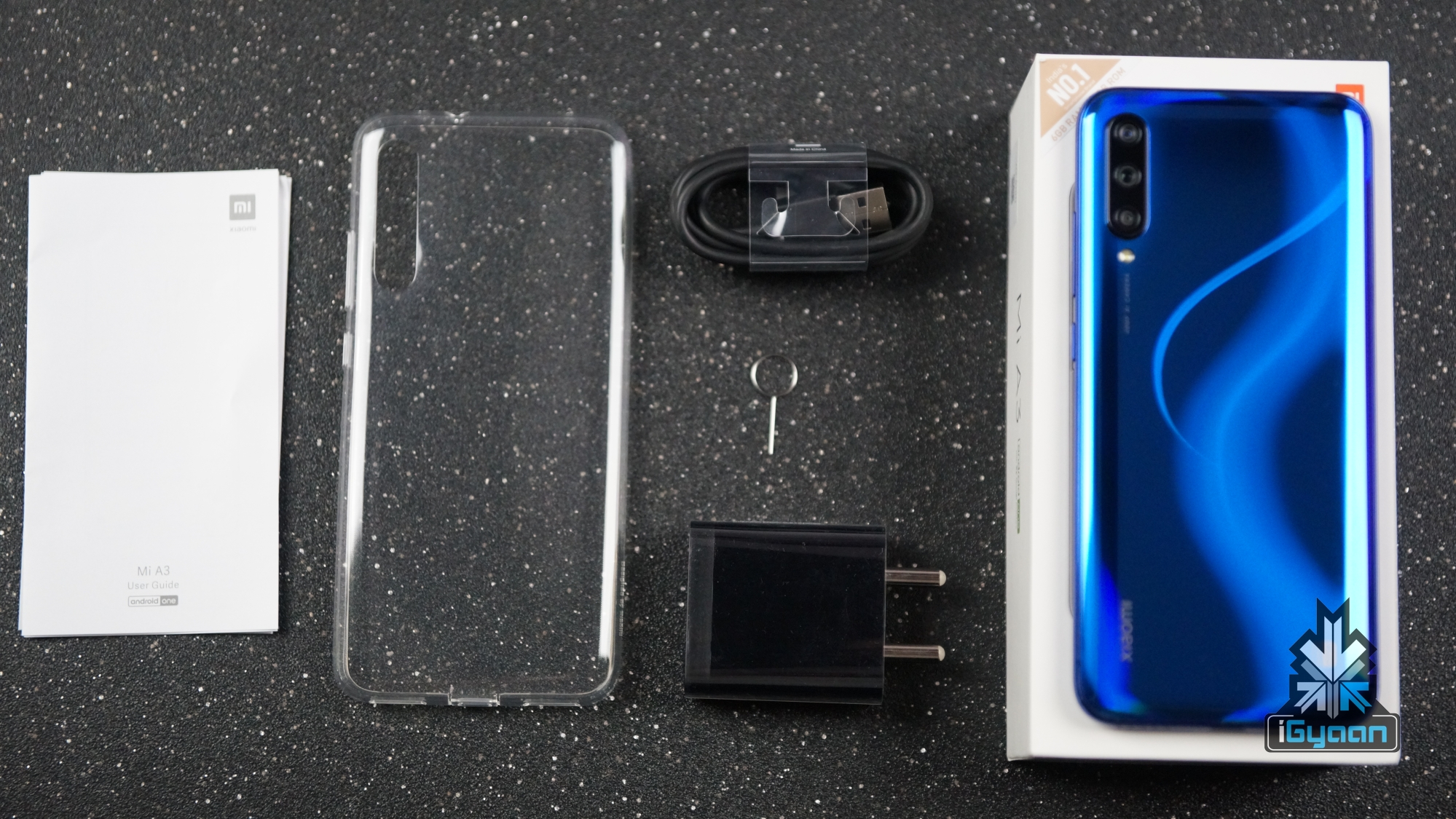
    What’s In The Box?
    • Xiaomi Mi A3
    • Quick Start Guide
    • USB Type C Cable
    • Power Adapter
    • SIM Ejector
    • Protective Case
    Design and Display

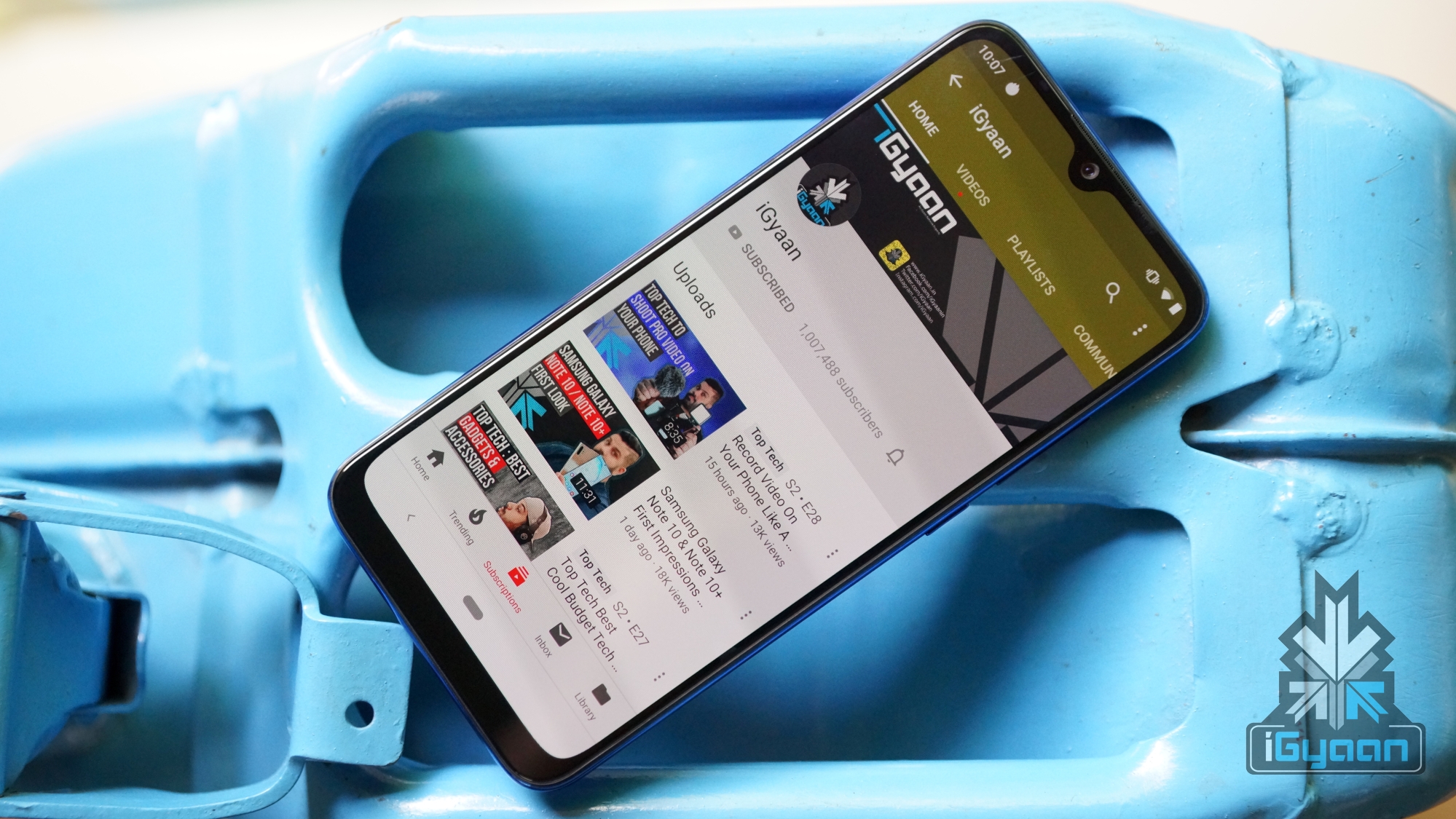
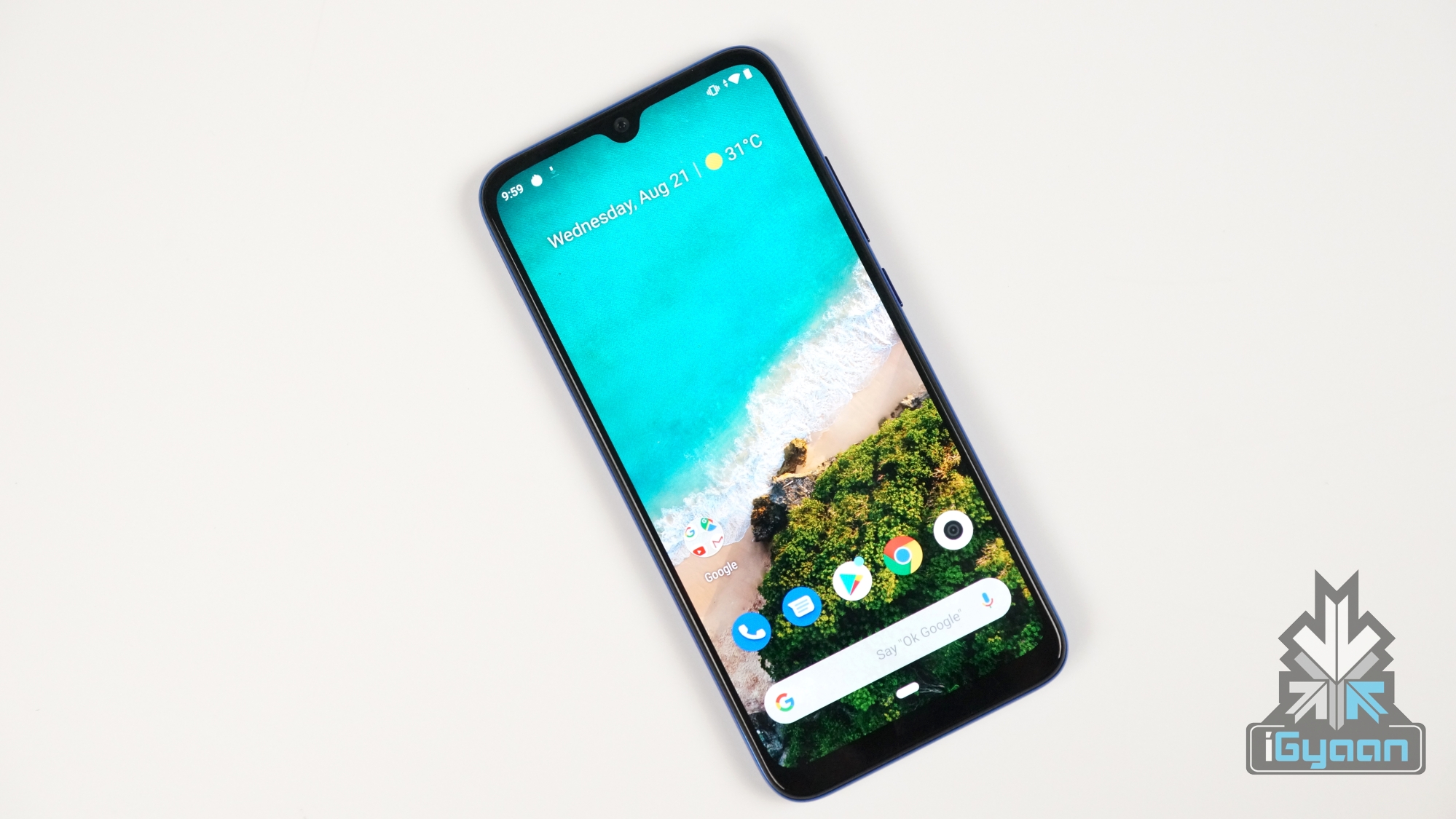
    The front of the Xiaomi Mi A3 accommodates a 6.08 inch Super AMOLED display that features a waterdrop notch up top. The display panel has an aspect ratio of 19.5:9 and has an HD+ resolution of 1560 x 720 pixel. The display also features an in-display fingerprint sensor which allows to safely and securely bypass the lock screen.  

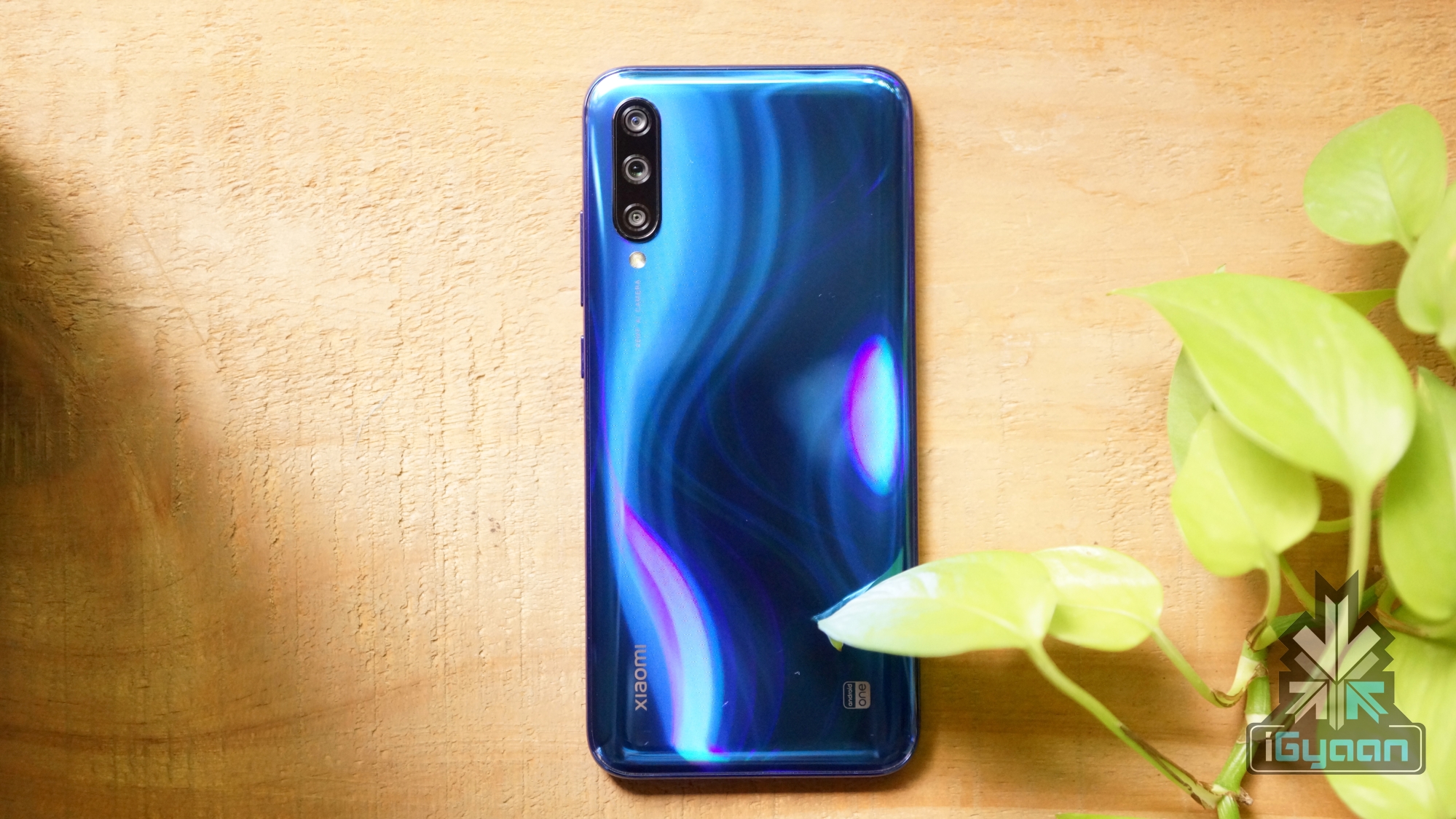
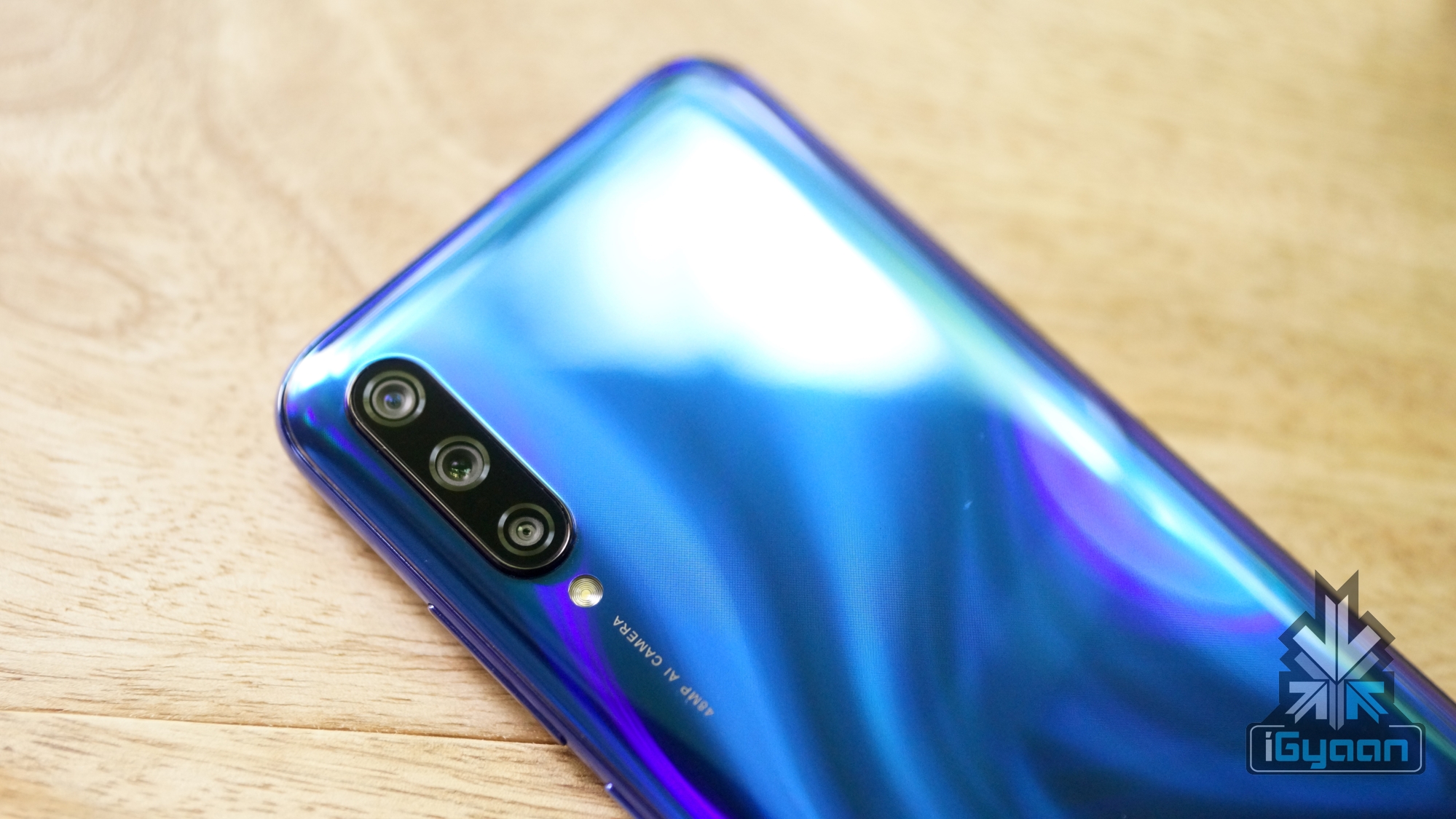
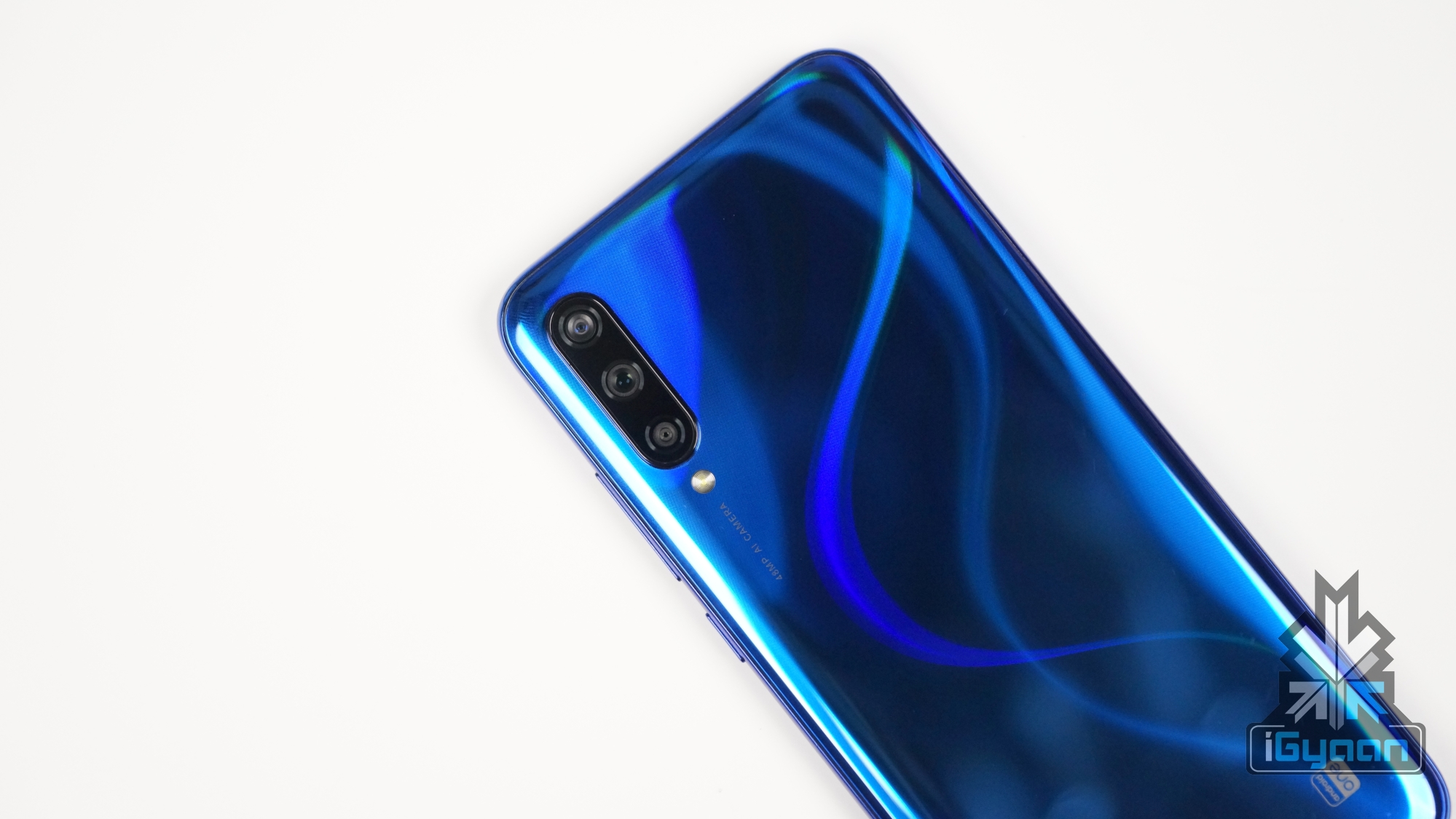
    The rear of the Xiaomi Mi A3 is made out of glass which houses a vertically mounted triple camera setup, Android One logo and the company branding. The rear glass panel has a 3D design which reflects the light falling on it. Overall, the Mi A3 has a solid build and looks elegant at first glance.

    Camera

    The Mi A3 features a 32 MP selfie camera which is housed in the waterdrop notch above the display. Noteworthy, it also supports Panorama Selfie and Palm shutter. As the name suggests, a user can toggle the shutter button by waving there hand in front of the camera. While the Panorama selfie allows to capture a wide picture from the front camera which is ideal when there are multiple people in front of the lens.

    The rear camera setup of the Xiaomi Mi A3 consists of an f/1.8 aperture equipped 48 MP sensor, 8 MP wide-angle lens and a 2 MP depth sensor which is accompanied by an LED Flash. The device can also capture 4K videos at 30 fps from the rear camera while video capturing from the selfie sensor is capped to 1080p @ 30fps.

    Chipset

    Under the hood, the Xiaomi Mi A3 packs the Snapdragon 665 SoC which is also found on the newly launched Realme 5. The chipset is manufactured using 11 nm FinFET process and it consists of an Octa Core CPU along with the Adreno 610 GPU.

    As per our initial impressions, the Xiaomi Mi A3 can smoothly perform day to day tasks like navigating between apps and menus. While the device can handle light-weight games like a champ, it is not built to run games like PubG on high or extreme settings. 

    Battery, Connectivity Options and Other Features

    The Xiaomi Mi A3 is powered by a 4,030 mAh battery which also supports fast charging upto 18 W. However, the device is shipped with a standard 10 W charger and users need to separately buy a compatible fast charger. 

    Connectivity options on the latest Xiaomi smartphone include Dual 4G VoLTE, Bluetooth 5.0, GPS, 802.11 ac Wi-Fi, 3.5 mm headphone jack and bottom-mounted USB C port which can be used for charging and data transfer. 

    Staple to most Xiaomi smartphones, the Mi A3 also has an IR blaster which can be used to wirelessly control home appliances or electronics like TVs or air conditioners. The device also has a P2i nanocoating which allows it to survive accidental liquid spillage or unexpected drizzles.  

    Price and Availability

    Also Read: Oppo Reno 2 Has Its Key Features And Specifications Leaked

    The Xiaomi Mi A3 is offered in three colour options which include Kind of Grey, Not just Blue and More than White. Like its preceding device, the smartphone will be sold via Amazon.in and the official Mi website. It is available in two storage variants for which the price is as follows:

    • 4GB RAM + 64GB ROM: INR 12,999
    • 6GB RAM + 128GB ROM: INR 15,999

    In addition to the built-in storage, it also supports memory expansion upto 256 GB via a microSD card. The device will go on sale for the first time on 23rd of August starting 12 PM(IST).

  • Xiaomi Mi A3 Android One Smartphone Launched In India

    Xiaomi Mi A3 Android One Smartphone Launched In India

    Xiaomi’s launched the latest iteration of its Android One Mi A series last month in Spain. Dubbed the Mi A3, it is a direct successor to the Mi A2 and by its extension the Mi A1. The series has been popular in India with users particularly enjoying the stock Android experience. Mi A3 seeks to deliver much of the same experience with mid-range hardware at a lucrative price tag.


    Xiaomi Mi A3

    Xiaomi Mi A3 makes a noticeable change in design aesthetics over its predecessors with its new 3D glass finish on the rear. It offers an attractive look with gradient colour accents changing reflection with the angle they are viewed from. On the front, Mi A3 features a 6.08-inch HD+ Super AMOLED display which is a downgrade from the previous iteration which had an FHD+ display. 

    Xiaomi Mi A3

    For photography, the Mi A3 features a triple camera setup with the primary shooter being a 48MP sensor. The latter two are an 8MP ultra-wide lens alongside a 2MP depth sensor. On the front, a large 32MP sensor for selfies can be found on a waterdrop notch. Notably, the Mi A3 is the first in the series to house the fingerprint scanner under the display. Furthermore, the handset houses Qualcomm’s Snapdragon 665 SoC with Adreno 610 GPU. The chipset has an Octa-core CPU and the Adreno 610 GPU.

    Xiaomi Mi A3

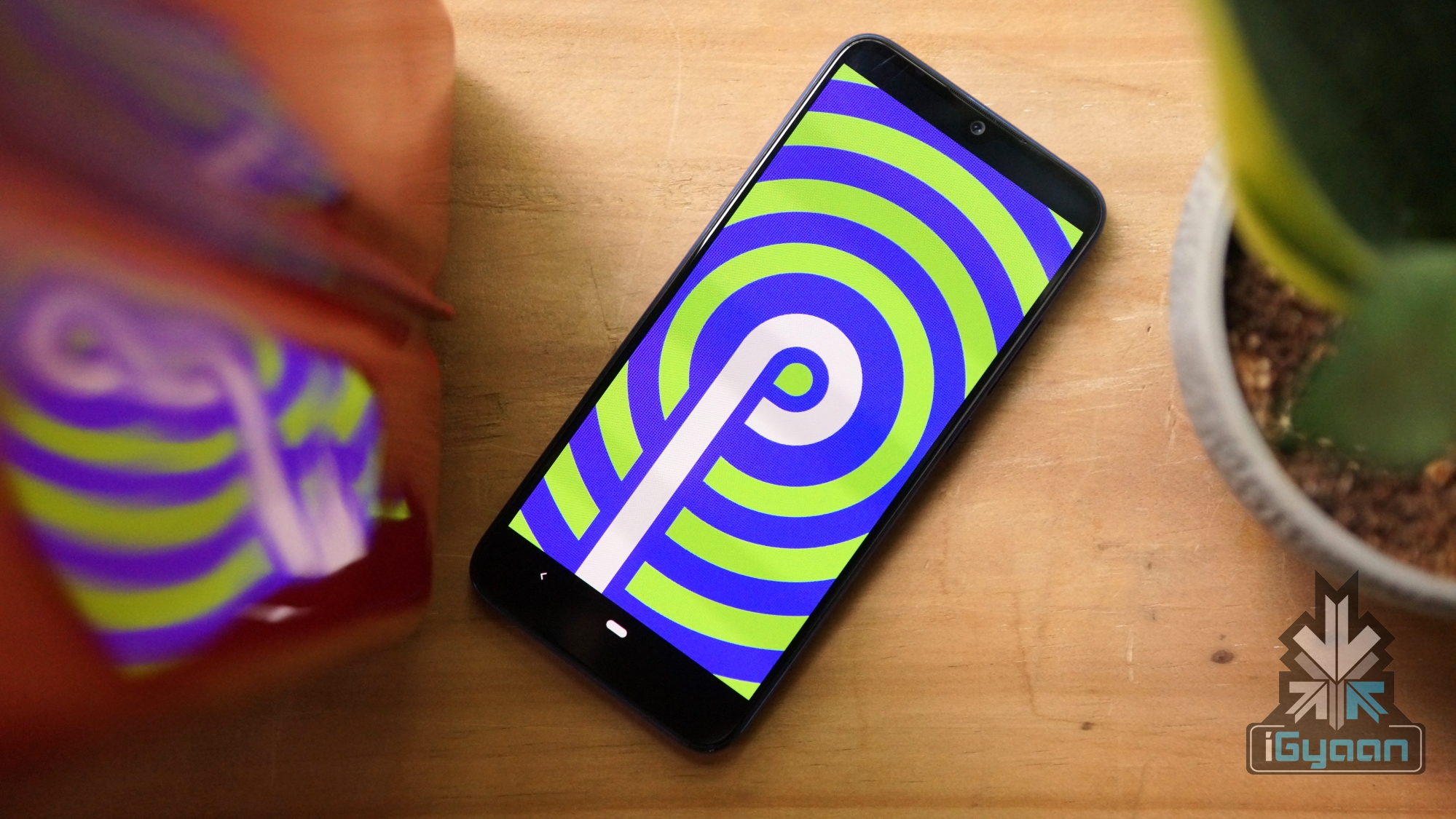
    Xiaomi’s Mi A3 is powered by a large 4,030mAh battery which supports 18W fast charging, however, the fast charger needs to be bought separately, as the provided capacity in the retail box is limited to 10W. For connectivity, the smartphone offers Bluetooth 5.0, an IR Blaster, USB Type-C port, Dual 4G VoLTE and a 3.5mm headphone jack. The last feature was omitted in the Mi A2 much to the loyal users disliking. Additionally, Mi A3 is an Android One device which means it runs the latest Android 9 Pie and is guaranteed to receive two major updates and security updates for up to 3 years.

    Xiaomi Mi A3

    Also ReadOppo Reno 2 Has Its Key Features And Specifications Leaked

    Price & Availability

    Xiaomi Mi A3 will be available from 12 pm (IST) on 23rd August 2019. It can be purchased from Amazon and on Xiaomi’s official website. The smartphone is expected to be available on offline stores soon after. It is offered in three colour variants, namely Kind of Grey, Not Just Blue and More Than White. The device is offered in two different memory and RAM configuration that is:

    • 4GB RAM + 64GB ROM: INR 12,999
    • 6GB RAM + 128GB ROM: INR 15,999
  • Oppo Reno 2 Has Its Key Features And Specifications Leaked

    Oppo Reno 2 Has Its Key Features And Specifications Leaked

    Oppo launched its Reno series of flagship and mid-range devices four months ago. Despite it being announced freshly, the series is already receiving a second-generation update. Previously, we had covered the official announcement and leak regarding three new upcoming Reno 2 series devices. Now, Oppo Reno 2 smartphone has its entire specifications leaked after it was spotted on a Chinese regulatory website TENAA.

    Oppo Reno 2

    Oppo Reno 2 Specs

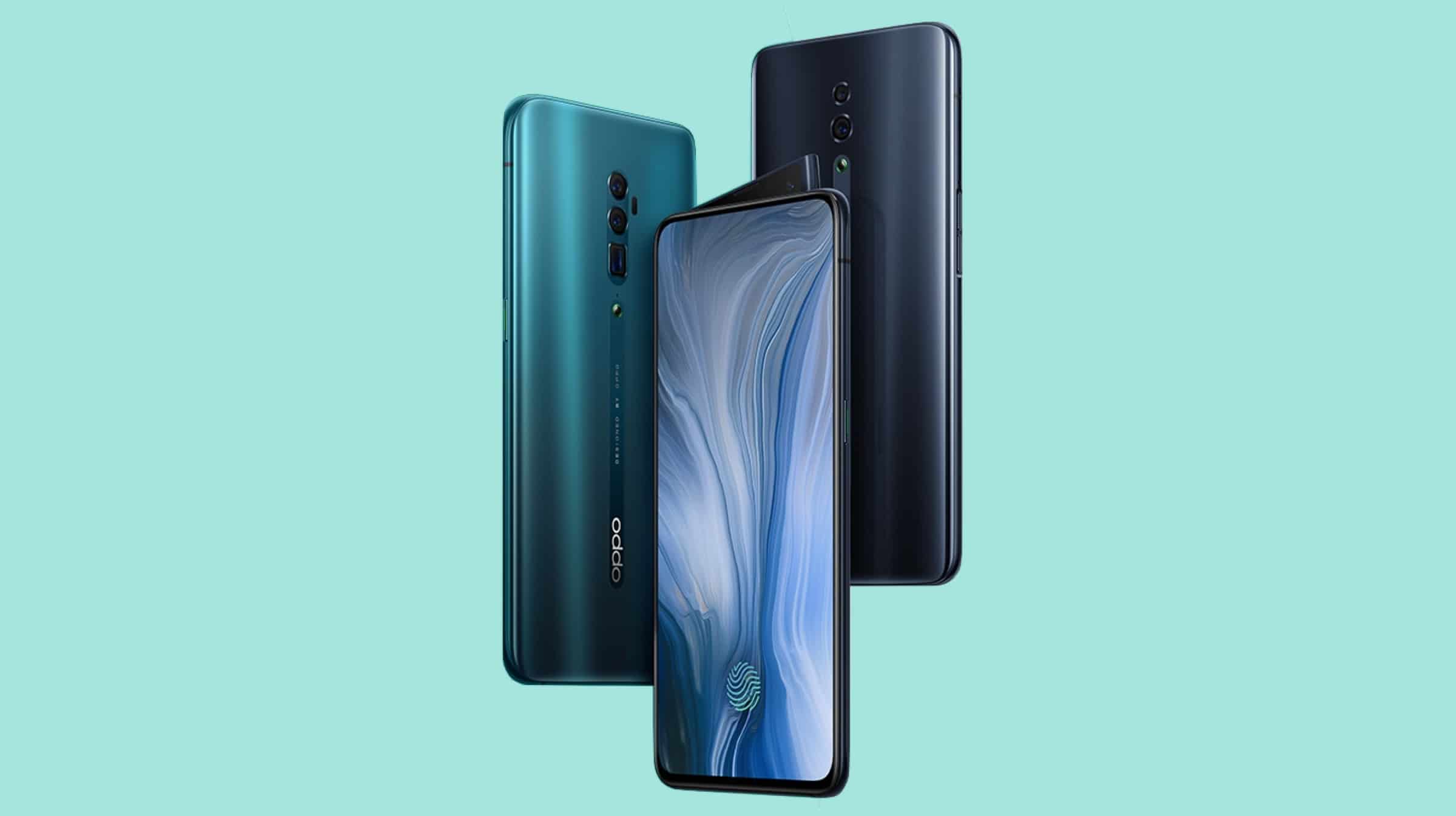
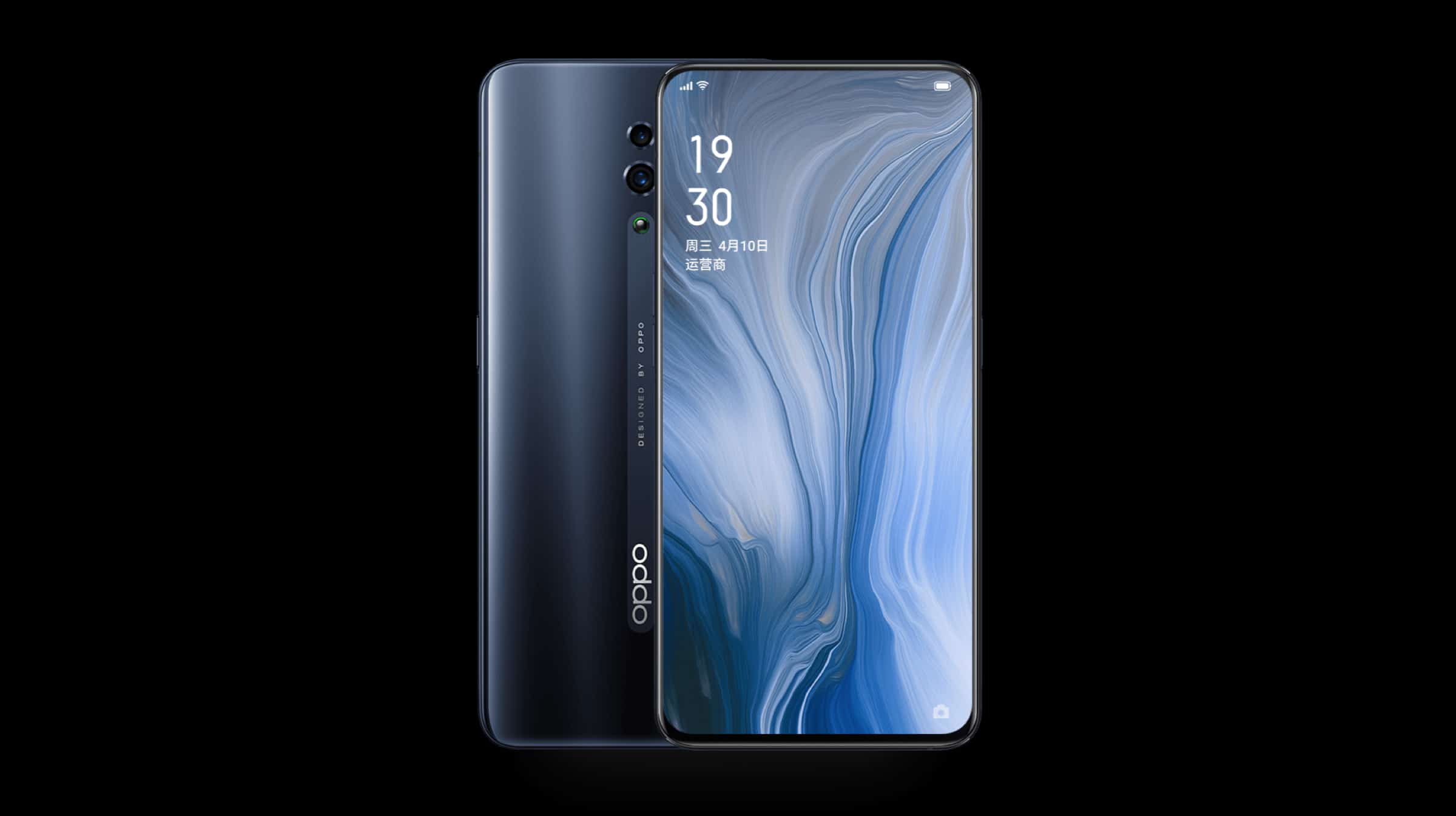
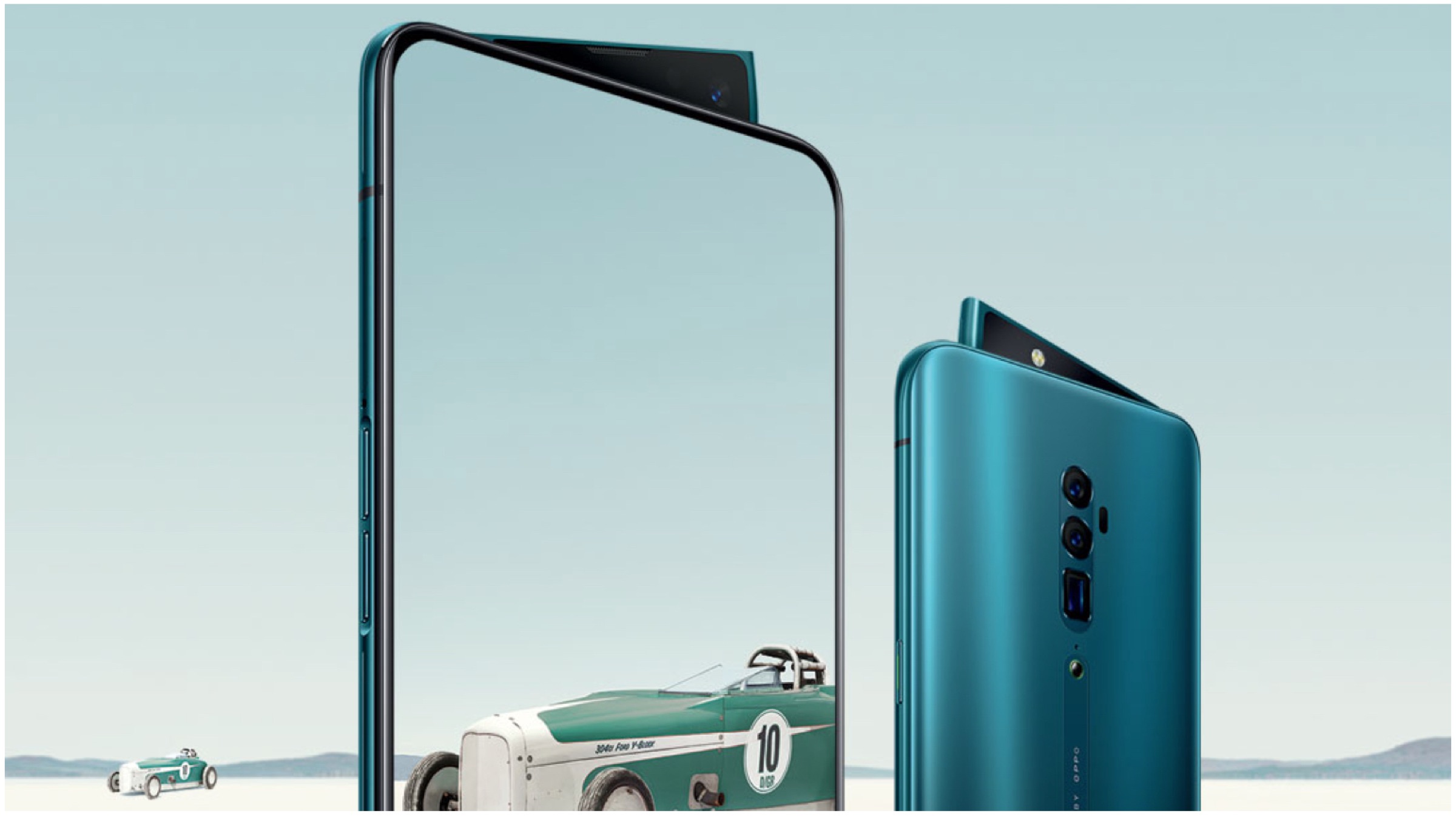
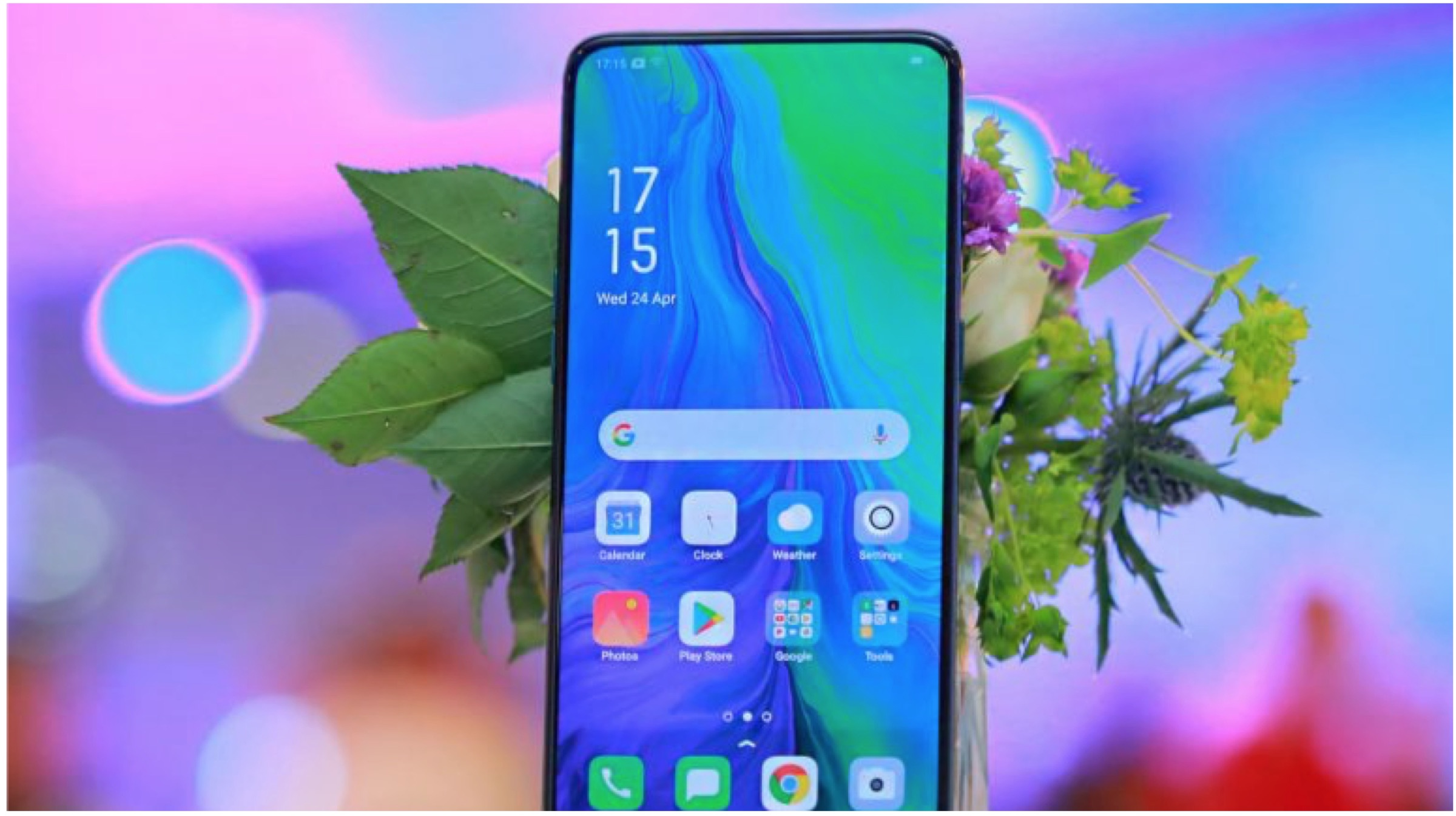
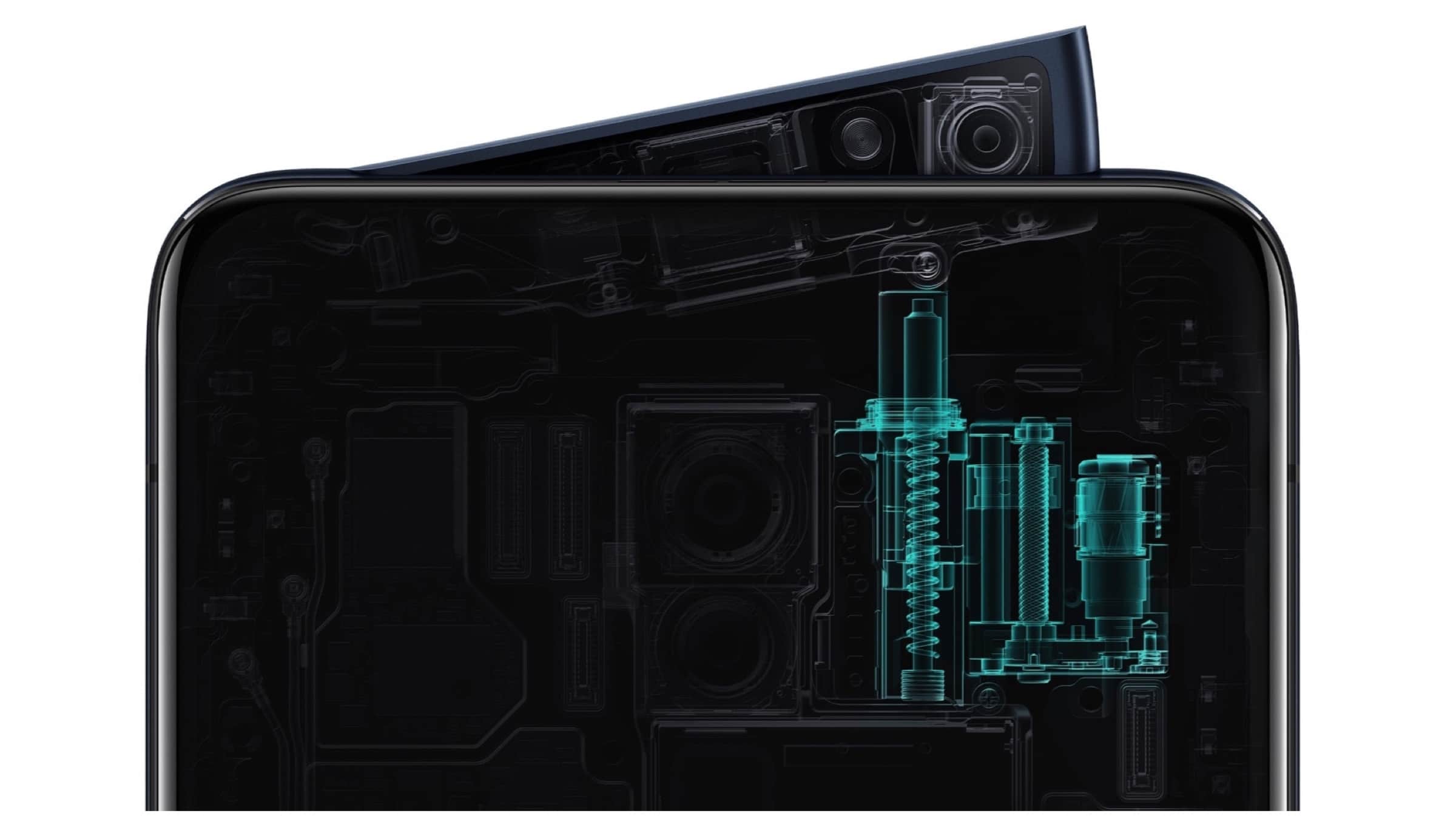
    Oppo Reno 2 is a direct successor to the original Reno smartphone, not to be confused by Reno 10x Zoom flagship which will remain the company’s top-end offering. The latest iteration is speculated to offer a noticeable improvement in most aspects at the announcement expected on 28th August. Similar to its predecessors, Reno 2 will also sport a “shark-fin” pop up selfie camera that will allow for a notchless display. The device may sport a 6.5 inch FHD+ (2,400 x 1080px) AMOLED display on the front.

    Oppo Reno 2
    Oppo Reno

    The listing further reveals that it will be powered by a 3,915mAh battery and may be offered with up to 8GB of RAM. For internal storage, Reno 2 may be available in 2 configurations, 128GB or 256GB. Furthermore, the Chinese website lists of an undisclosed 2.2GHz octa-core processor. It is speculated to be the Qualcomm’s Snapdragon 730 SoC, an improvement over the Snapdragon 710 chipset found on the original Oppo Reno. 

    Oppo Reno 2

    Camera

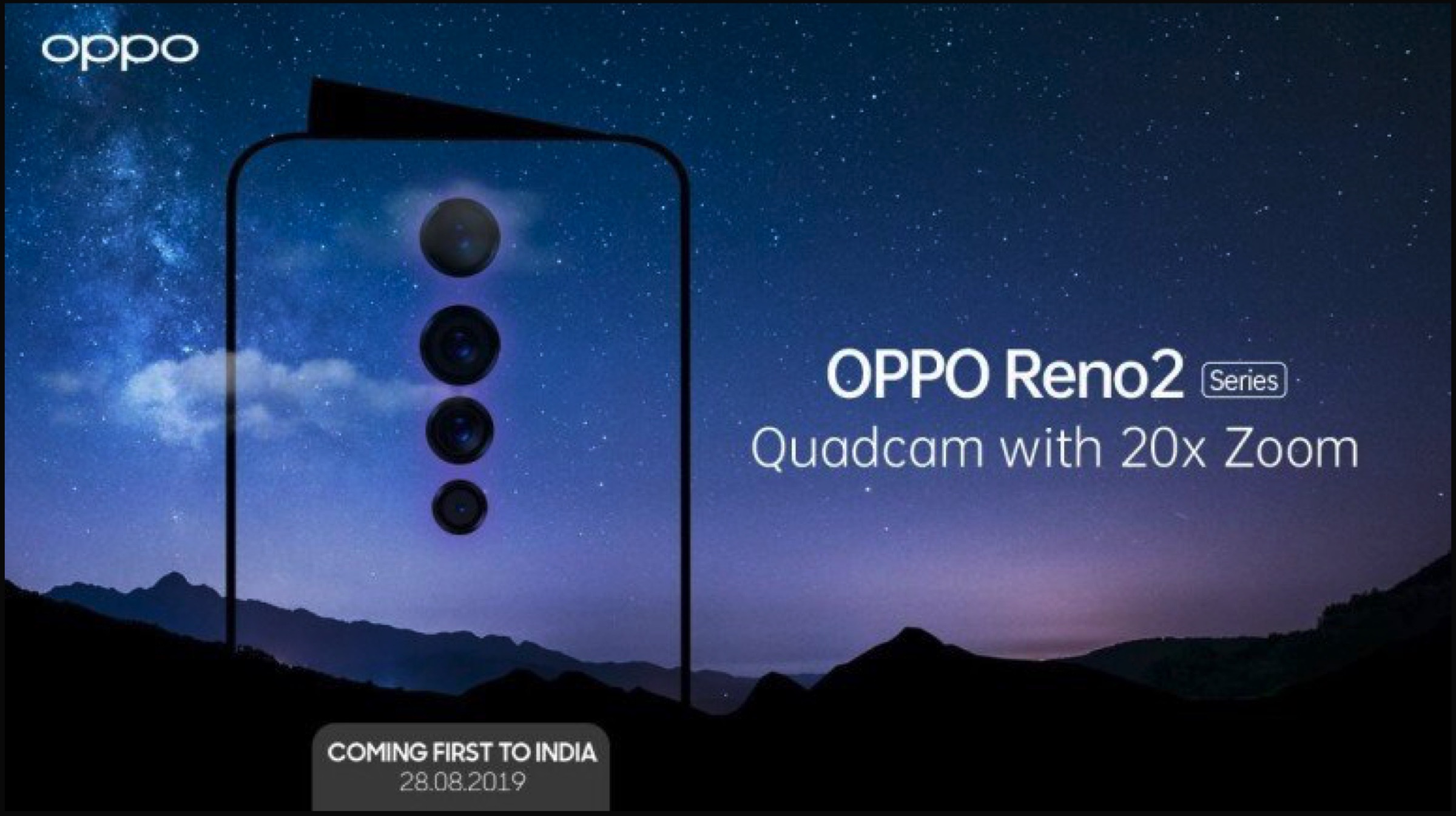
    Oppo Reno 2 may also feature a quad-camera module on the rear that will be stacked vertically. The primary camera will be a 48MP shooter alongside three 13MP, 8MP and 2MP sensors respectively. It is assumed that at least one of the cameras is a depth sensor while others will be the 20x Zoom lens. However, Reno 2 may offer 2x optical zoom that allows for 5x hybrid zoom and the 20x digital zoom thereon unlike Reno 10x Zoom which has a 5x optical zoom along with 60x digital zoom. It suggests the upcoming devices do not employ the same periscope lens trick that its previous entry offered. 

    Oppo Reno 2
    Oppo Reno 10x Zoom

    Additionally, Oppo also shared another teaser that showcased a couple of new features for its Reno 2 series cameras. It includes Ultra Dark Mode, Ultra Steady Video and its 20x Zoom capabilities. Hence, Reno 2 is likely to use its multi-camera system to enhance low light imagery backed by image stabilization. 

    Also ReadAre Gaming Smartphones Really Worth Buying?

    Price & Availability

    Oppo Reno 2 will be unveiled on 28th August 2019 and is expected to be priced around INR 35,000. It is currently unknown when the series will see a global launch but going by past reports, a UK, Australia and Asian launch can be expected to follow soon after.

  • OnePlus TV To Be Unveiled In September, Will Be India Exclusive At Launch

    OnePlus TV To Be Unveiled In September, Will Be India Exclusive At Launch

    Last year, Chinese smartphone maker OnePlus announced that it is ready to dive into the television business by launching an LED TV soon. A year has since passed and details about it started surfacing online. While it was known that the OnePlus TV will be launched this year, no exact date was revealed by the company. Until now, as a senior OnePlus executive has revealed that the device will be launched in the month of September and will be available exclusively in India initially.

    OnePlus TV

    OnePlus TV

    In an official blog post on the 20th of August, the CEO and co-founder of OnePlus, Pete Lau has announced the latest details about the OnePlus TV.  It has been confirmed that the upcoming television will be launched next month; i.e September. According to the company, the reason for it being exclusive to India at launch is that OnePlus has seen unprecedented success in India because of the community. To share that success, it is trying to bring its latest venture into the country first. The television will later be made available in other regions like North America, Europe and China.

    Also read: Realme 5 Pro Vs Redmi Note 7 Pro: Which One To Choose?

    Previous leaks have revealed the OnePlus TV will be an LED television and will be available in sizes ranging from 43 to 75 inches. It is rumoured to be a smart TV, which suggests it will run on an Operating System and will be capable of connecting to the Internet. While it is not confirmed, some reports claim the OnePlus TV will be unveiled on the 26th of September. Notably, this is the same day the OnePlus 7T Pro has been leaked to be shown off. Pricing and availability of both the devices remain in question, though we might not have to wait long to get those answered.

  • Realme 5 Pro Vs Redmi Note 7 Pro: Which One To Choose?

    Realme 5 Pro Vs Redmi Note 7 Pro: Which One To Choose?

    On the 20th of August, Realme launched two new smartphones which include the Realme 5 and Realme 5 Pro. As the name suggests, the latter is a beefed-up variant and it sports a better chipset and camera. Going by its pricing, the newly launched device competes against the Redmi Note 7 Pro which is one of the best value smartphones in this segment available in the country. 

    Both the handsets from Realme and Redmi have similar specs which make it difficult for the consumer to choose the best option. To help solve the dilemma we have laid out the different aspects of the Realme 5 Pro and the Redmi Note 7 Pro. Consequently, after reading the article you will determine which device suits your need and which one you should pick if you planning to buy a mid-ranger. 

    Design and Build

    In terms of build, both the Redmi Note 7 Pro and the Realme 5 Pro have glass on the front and back which is held together with a polycarbonate chassis. The front of the two handsets have a waterdrop notch display which provides them with an elegant look.

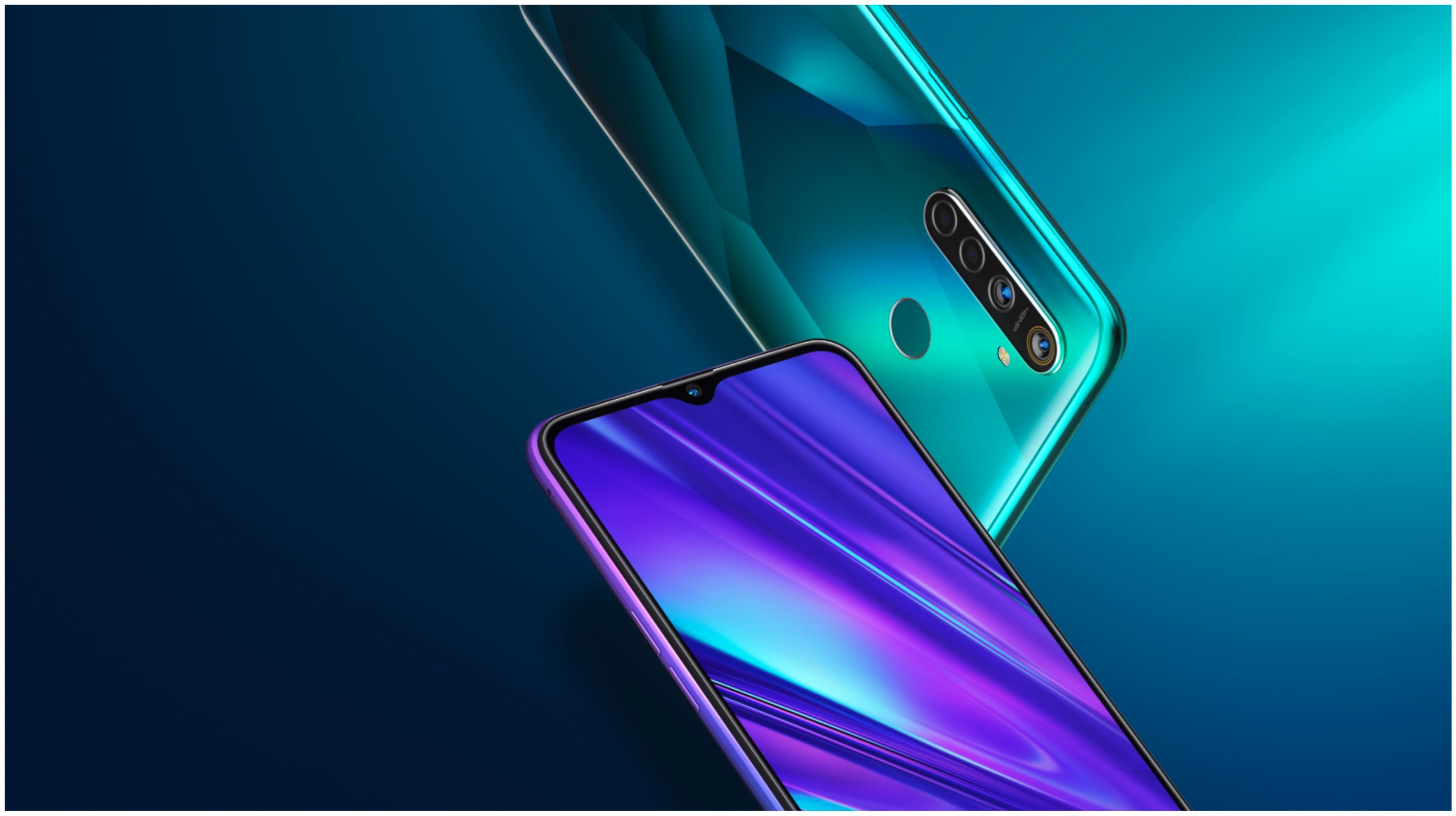
    The Redmi Note 7 Pro is offered in four colour variants which include Nebula Red, Neptune Blue, Space Black and Astro White. In contrast, the Realme 5 Pro is offered in two variants which include Crystal Green and Crystal Blue. 

    Based on our design preferences, we feel the holographic rear panel of the Realme 5 Pro looks more appealing therefore we give it the first round. 

    Display
    Redmi Note 7 Pro

    Both the Redmi Note 7 Pro and the Realme 5 Pro are equipped with an LCD display that measures 6.3 inch. Moreover, the resolution of the display panel on the two smartphones is 409 ppi and they have an aspect ratio of 19.5:9. 

    While the former is safeguarded with Corning Gorilla Glass 5 the latter settles down with the Gorilla Glass 3. Due to better display protection, Redmi Note 7 Pro wins this round.

    Battery
    Realme 5 Pro

    The Redmi Note 7 Pro is powered a 4,000 mAh battery that supports 18 W fast charging. On the other hand, the Realme 5 Pro has a slightly larger battery which has a capacity of 4,035 mAh and it also supports VOOC 3.0 technology. 

    The technology allows the smartphone to be charged with a maximum power of 20 W which is tad bid higher than the Note 7 Pro. However, the Realme 5 Pro ships with a 20 W compatible charger whereas its competitor is shipped with a 10 W charger. Slightly bigger battery and in-box fast charger make Realme’s offering take this round. 

    Chipset
    Redmi Note 7 Pro

    Both the smartphones are kitted with Qualcomm chipsets. While the Realme 5 Pro packs the Snapdragon 712 SoC, the Redmi Note 7 Pro packs the Snapdragon 675 SoC. 

    Chipsets on both smartphones consist of Octa-Core CPU though they have disparate GPUs. The SD712 incorporates the Adreno 616 while the SD675 Adreno 612 GPU. Although we are yet to test the Realme’s offering, the performance that the two can churn out is expected to be comparable. Therefore, based on the assumptions this round results in a tie. 

    Other Features
    Redmi Note 7 Pro
    Redmi Note 7 Pro

    Connectivity options on the two smartphones are also heterogenous which include dual 4G VoLTE, 802.11 ac Wi-Fi, Bluetooth 5.0, 3.5 mm headphone jack and the bottom-mounted USB Type C port which can be used for charging and data transfer. 

    Both the Redmi Note 7 Pro and the Realme 5 Pro also have a rear-mounted fingerprint sensor which allows to rapidly and securely bypass the lock screen. However, one feature that only the former offers, is an IR blaster. Although not a huge deal breaker or deal maker, this feature can come in handy more often than not. 

    Just for the record, the inclusion of an infrared sensor makes the Note 7 Pro steer ahead of its competitor in this segment. 

    ConclusionRealme 5 Pro
    Specifications Redmi Note 7 Pro  Realme 5 Pro
    Price

    4 GB + 64 GB: Rs 13,999

    6 GB + 64 GB: Rs 14,999

    6 GB + 128 GB: Rs 16,999

    4GB + 32GB: Rs 13,999
    6GB + 64GB: Rs 14,999
    8GB + 128GB: Rs 16,999

    Display

    6.3 inch

    IPS LCD

    2340 x 1080 FHD+

    19.5:9 Aspect Ratio

    409 ppi

    Corning Gorilla Glass 5

    6.3 inch

    IPS LCD

    2340 x 1080 FHD+

    19.5:9 Aspect Ratio

    409 ppi

    Corning Gorilla Glass 3+

    Chipset

    Snapdragon 675

    11 nm Fabrication Process

    Octa-core (2×2.0 GHz Kryo 460 Gold & 6×1.7 GHz Kryo 460 Silver)

    Adreno 612 GPU

    Snapdragon 712

    10 nm Fabrication Process

    Octa-core (2×2.3 GHz Kryo 360 Gold & 6×1.7 GHz Kryo 360 Silver)

    Adreno 616 GPU

    RAM

    4 GB

    6 GB

    4 GB

    6 GB

    8 GB

    Storage 64 GB

    128 GB

    32 GB

    64 GB

    128 GB

    Primary Camera

    48 MP, f/1.8, PDAF

    Sony IMX586

    5 MP, f/2.4, depth sensor

    2160p video@30fps

    48 MP, f/1.8, Sony IMX 586 (PDAF) 

    8 MP, f/2.4, depth sensor

    2 MP

    2 MP

    2160p video@30fps

    Front Facing Camera 13 MP

    1080p@30fps

    16 MP

    1080p@30fps

    Battery 

    Non-removable Li-Ion 4000 mAh battery

    18 Watt Fast Charge Support

    Ships With 10 W Charger

    Non-removable Li-Ion 4035 mAh battery

    20 Watt Vooc 3.0 Charge Support

    Ships With 20 W charger

    Operating System

    MIUI 10

    Android 9 Pie

    ColorOS 6

    Android 9 Pie

    Other Features 3.5 mm Headphone Jack

    Rear Mounted Fingerprint Scanner

    Face unlock

    IR Blaster

    3.5 mm Headphone Jack

    Rear Mounted Fingerprint Scanner

    Face unlock

    All in all, the two smartphones offer excellent value for money. The Redmi Note 7 Pro which was the most feature-laden smartphone at this price bracket six months ago. 

    Though due to a higher number of camera sensors, faster-charging support (along with fast charger) and a refreshing design we feel the Realme 5 Pro could be a better choice than the Redmi Note 7 Pro for a lot of consumers.

    Also Read: Realme 5 And Realme 5 Pro With Quad Cameras Launched In India

    Nonetheless, Xiaomi is gearing for the launch of the Redmi Note 8 Pro which is reported to cover the shortfallings of the Note 7 Pro. 

    Consequently, we will be comparing the two smartphones once the forthcoming Xiaomi device is launched. 

    Who do you think is a better smartphone out of the two? Let us know in the comments below.


  • Are Gaming Smartphones Really Worth Buying?

    Are Gaming Smartphones Really Worth Buying?

    Gaming smartphones are one of the new trends with the last couple of generation in the mobile industry. The devices, as the name suggests, are made with modifications or tweaks with gaming in mind. Previously, the genre had failed miserably with many unsuccessful attempts of bringing a new breed of cellular yet portable gaming consoles to the mainstream markets. Since then, consumer’s perspective has changed and the unique handsets are now widely sought after. But, do we really need a gaming smartphone?

    To answer the question lets take a look at the brief history of gaming smartphones alongside other portable gaming devices.

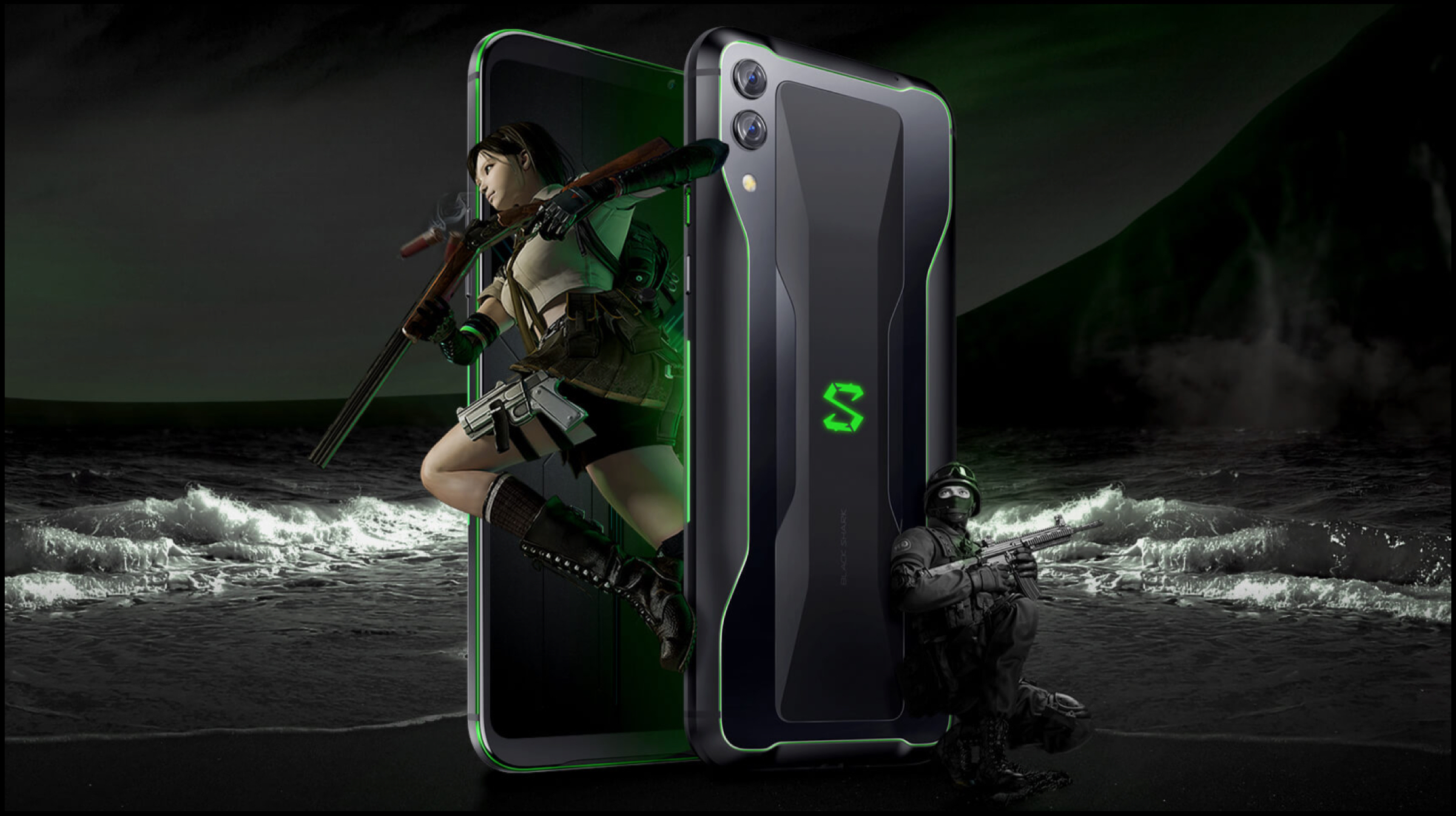
    Gaming Smartphone
    Xiaomi Black Shark 2
    Portable Gaming

    The first video game ever created was Pong back in 1958. Since its inception, a new multi-billion dollar industry has been borne with gaming as its business model. Soon after, in the early 1960s, consumers were looking at video games as the next big thing in the entertainment industry. Hence, companies took notice and game studios were founded. By 1970s, there were already multiple studios with various games for PCs alongside the first form of gaming consoles. Interestingly, the first consoles also birthed the race for portable consoles that have a wider reach and easier accessibilities. 

    Gaming Smartphone
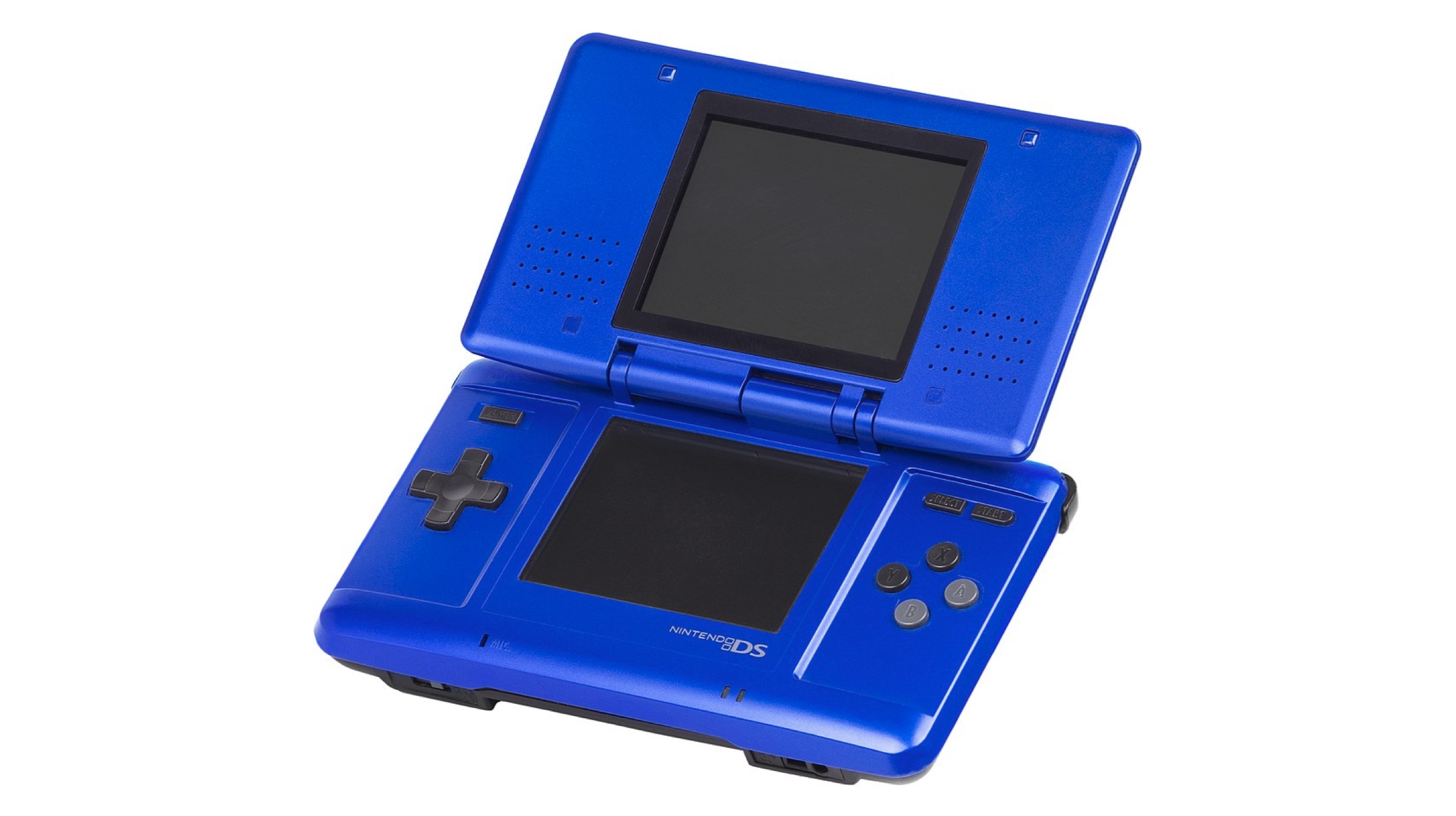
    Nintendo DS

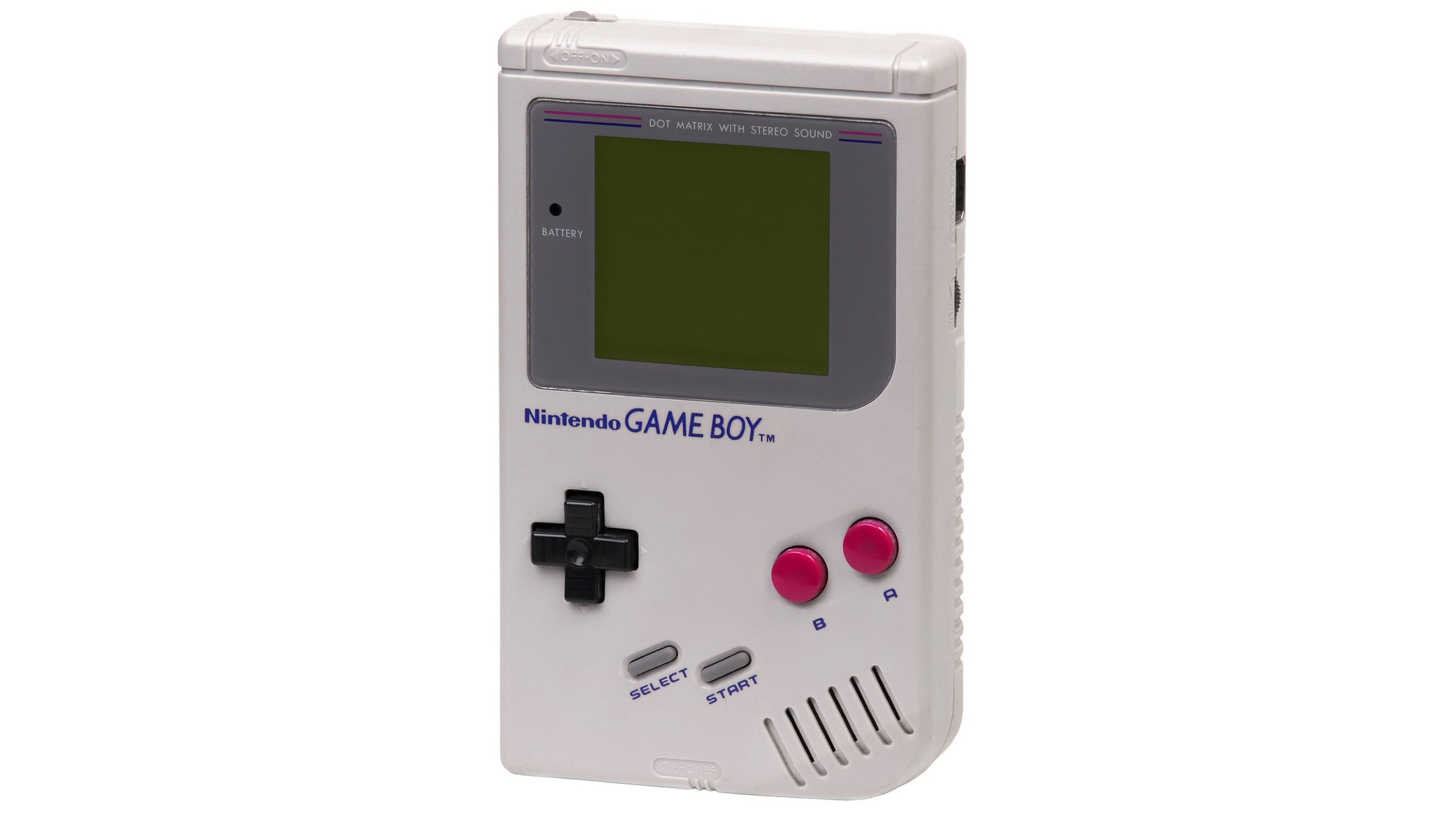
    Nintendo is widely credited for being the company to popularize the handheld console market with its release of Game Boy in 1989. The portable gaming console was explosive in success and dominated the market for years into the future. Note, this was also the time where the mobile industry had devices become more compact meaning more portability. The gaming industry and mobile industry went parallel for the better part of each respective infant stages. However, the advancement in technology meant a cross over was soon to be expected.

    Gaming Smartphone
    Game Boy Original
    Gaming Smartphones of Old

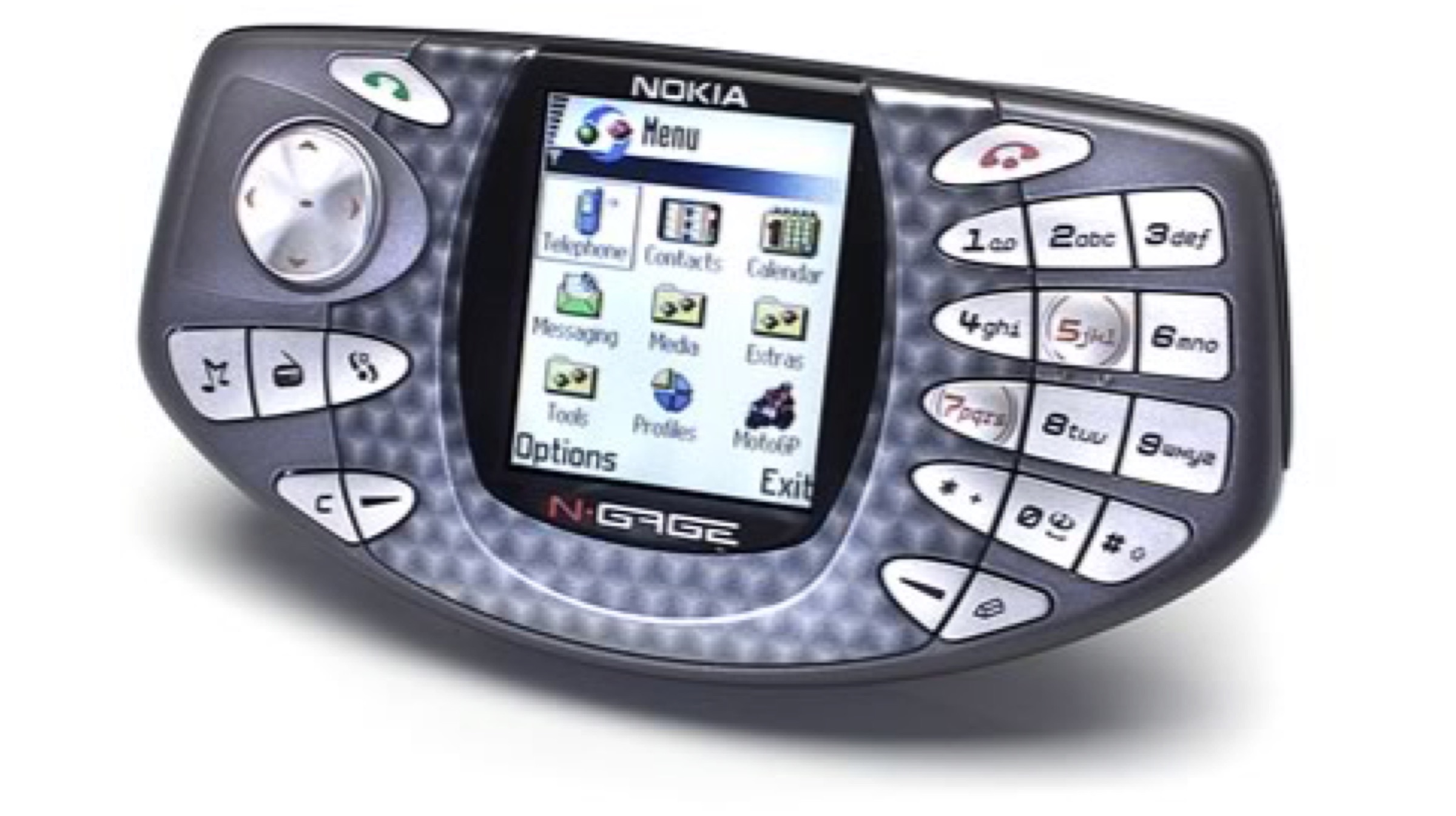
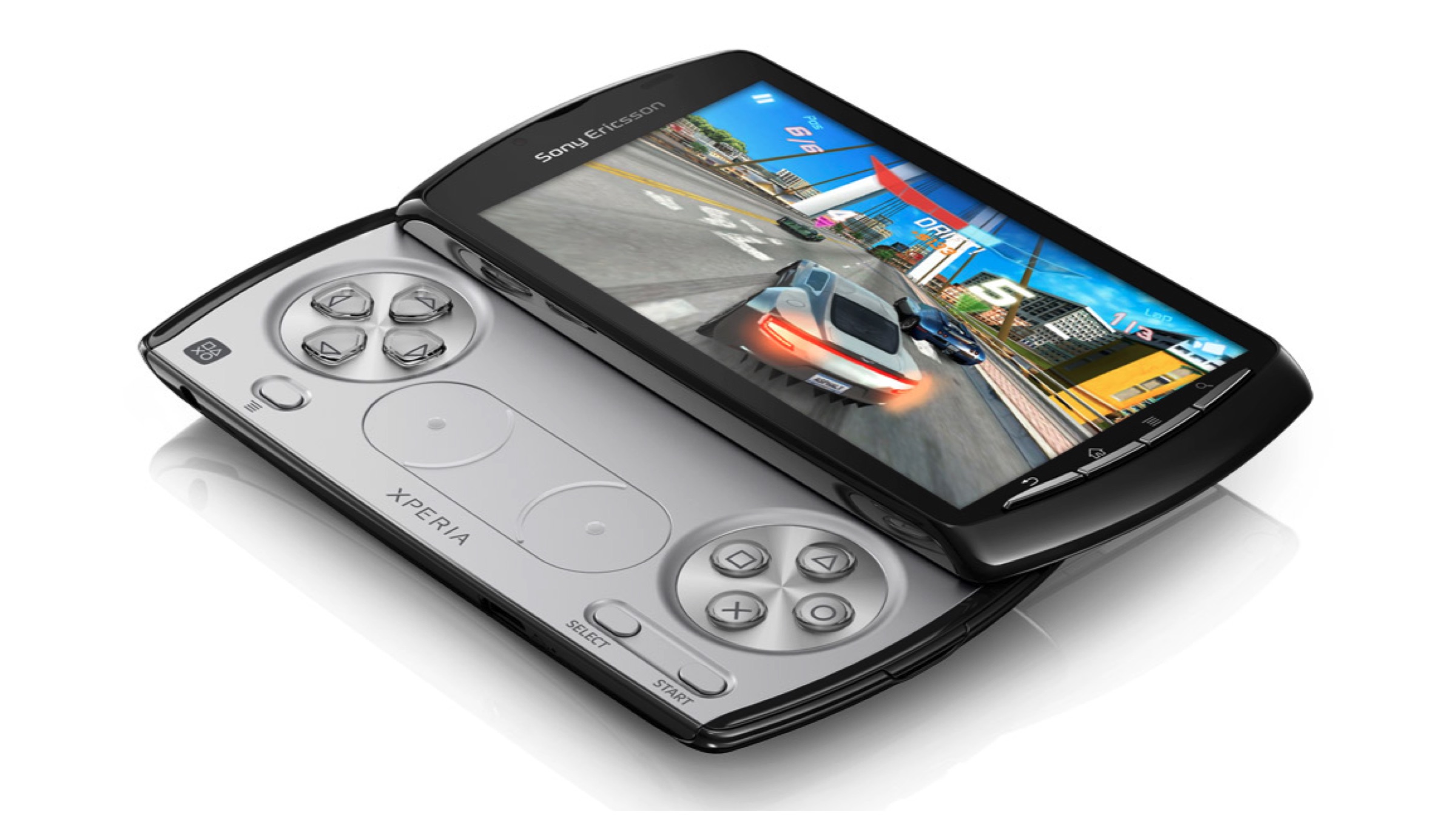
    Gaming smartphones are not a new breed. Although they are now certainly a lot more viable than before. The reason why many established OEMs kept their distance from them is due to their infamous history. Devices such as the Nokia N-Gage, Sony Ericsson Xperia Play and more are a few that pop into mind. The gaming phones of old were surprisingly more powerful and capable than their handheld gaming consoles at the time in some scenarios.

    Gaming Smartphone
    Nokia N-Gage

    For example, the N-Gage was a direct competitor to Game Boy Advance while featuring a much better processor. But, speed isn’t enough as the implementation of controls whilst having games actually made for your platform is rather difficult. The devices launched then suffered either of the two problems or both. At the time, the game studios had no inclination or incentive to collaborate with the mobile OEMs either, since the portable consoles were extremely popular at the time. However, that has since changed.

    Known Gaming Phones and Handheld Consoles

    • Nokia N-Gage
    • Sony Ericsson Xperia Play
    • PlayStation Portable (PSP)
    • PlayStation Portable Vita
    • Game Boy & Game Boy Advance
    • Samsung SPH-B5200
    Gaming Smartphone
    Sony Ericsson Xperia Play
    Gaming Smartphones Now

    Surprisingly, even after the harsh history of the breed, gaming smartphones have stood the test of time. It indirectly implies the unending growth of gaming culture and entertainment. Currently, the smartphone gaming market accounts for more revenue than both PC gaming and console gaming market combined. In other words, studios earn more from games like Candy Crush over games like Call of Duty. 

    Gaming Smartphone
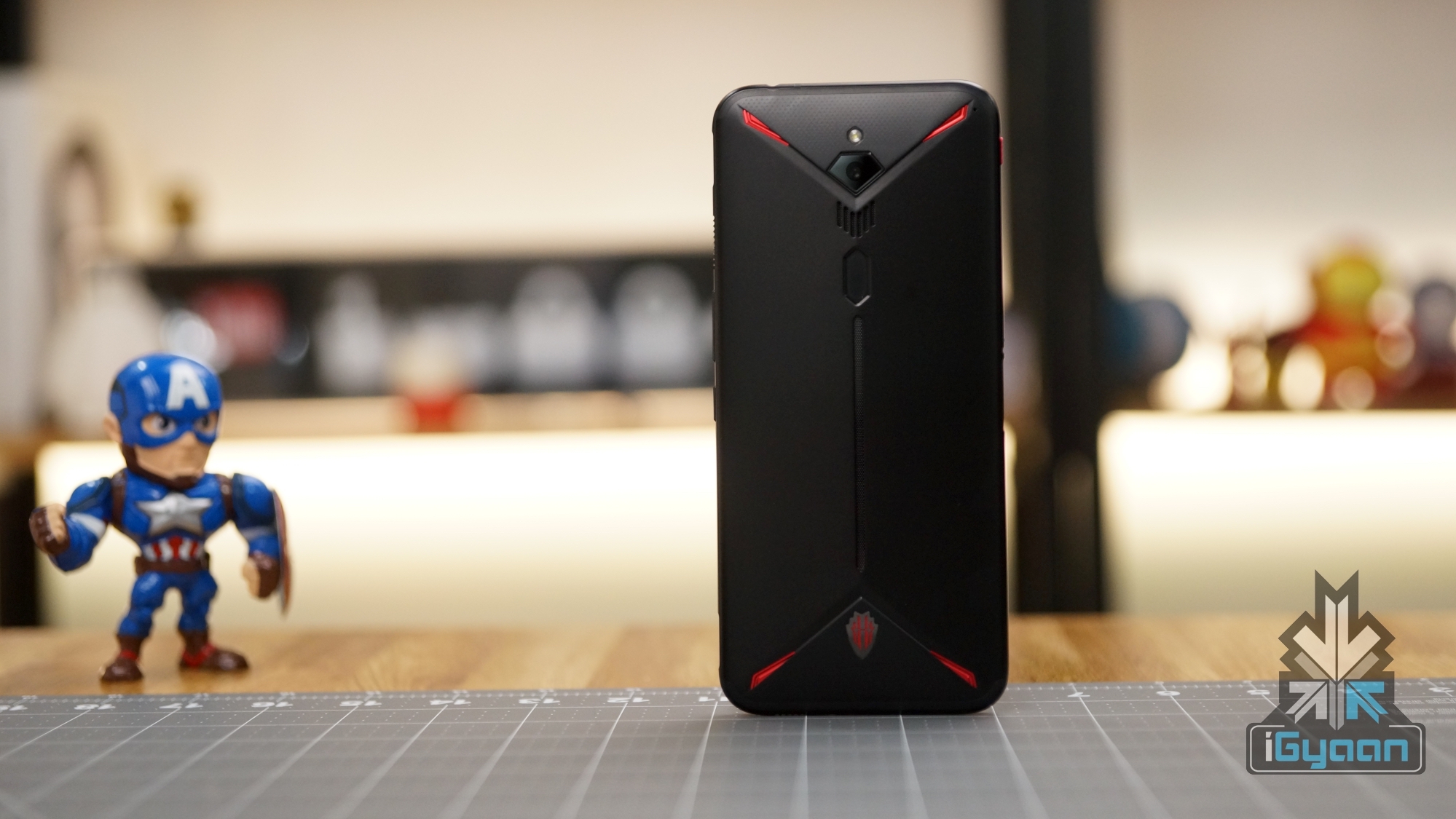
    Nubia Red Magic 3

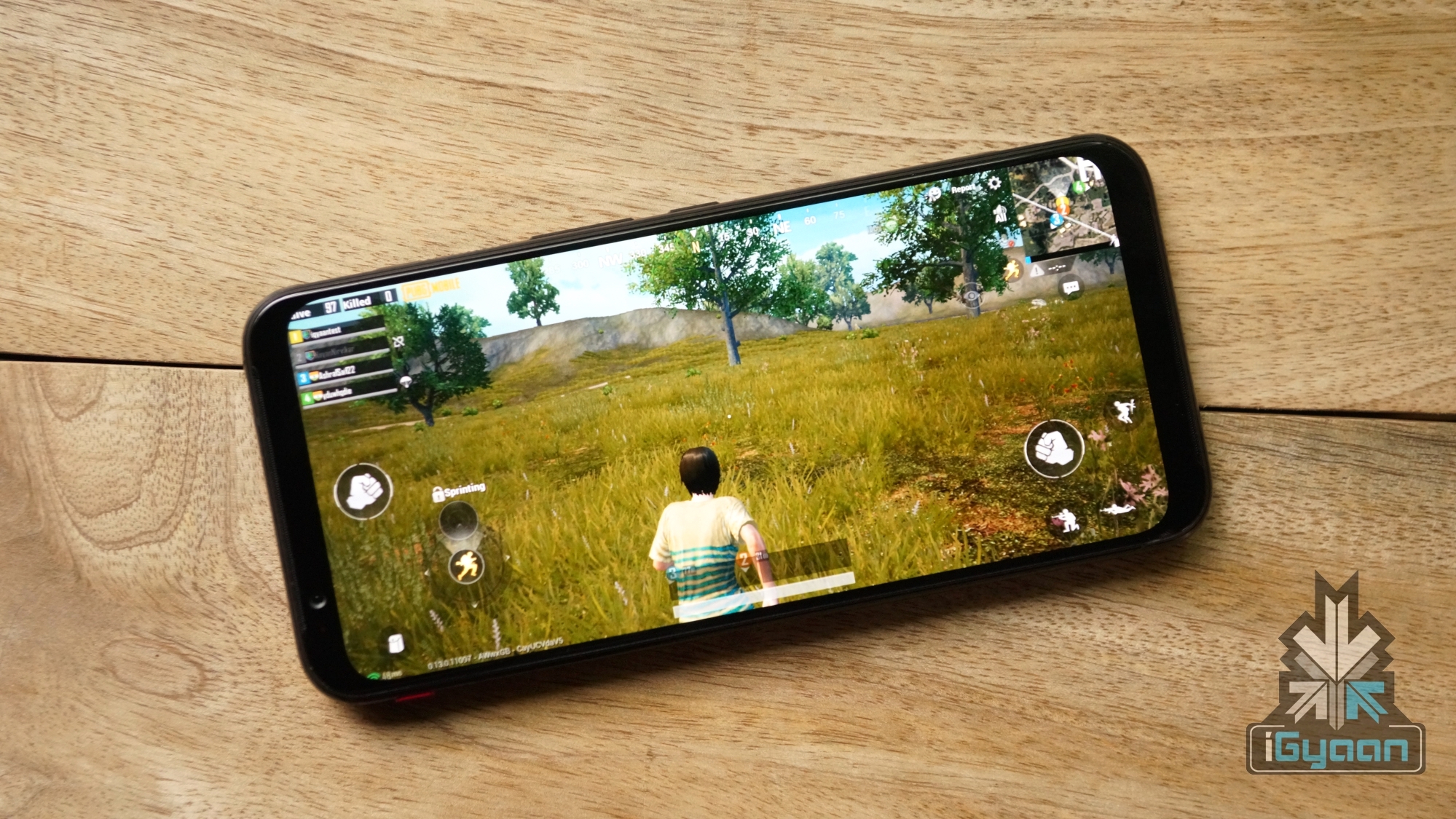
    Furthermore, we all know the PUBG Mobile fever that has infected globally, especially India. After the game’s launch, we have seen more smartphone like the Asus ROG Gaming Phones being launched. These smartphones unlike regular feature aesthetical changes which make them look a lot more appealing and gaming-centric. They also carry tweaks and modifications, especially to the UI, to provide an enhanced gaming experience. Unlike the past, there is a booming mobile gaming market to cater to the increasing capabilities of smartphones.

    PUBG Mobile
    Are They Really Worth It?

    Finally, the reason why you are here. Gaming smartphones are worth buying now more than ever before. Tech giants have recognised the true potential of the gaming genre and its immense value and are heavily invested in many mobile gaming studios. However, it would still be advised to wait just a bit longer. Yes, gaming smartphones are the best they have ever been, but they can be better. What we see now is the gaming industry finally penetrating the main stream market of smartphones or as they say, “just the tip of the iceberg.”

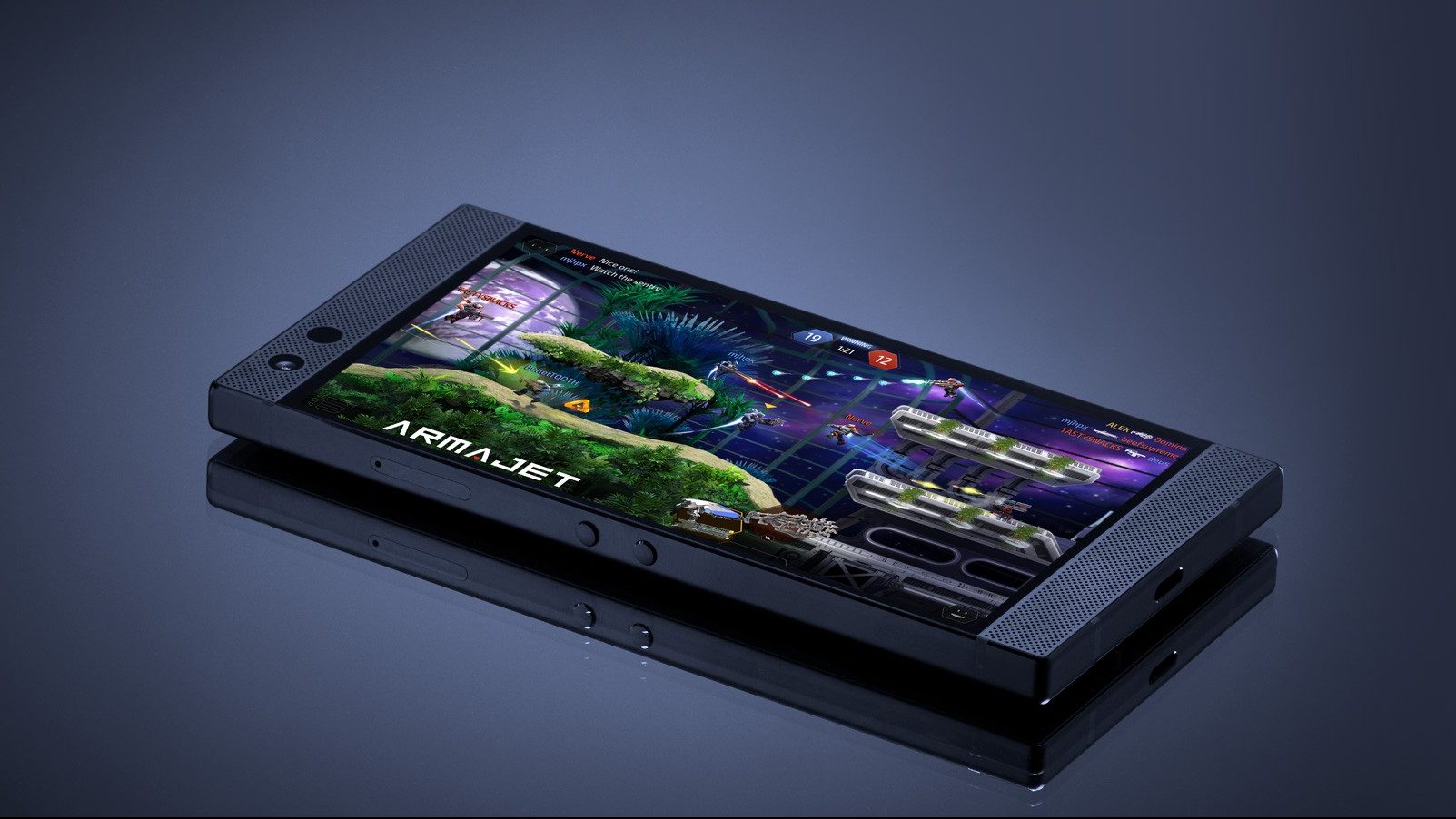
    Razer Phone 2

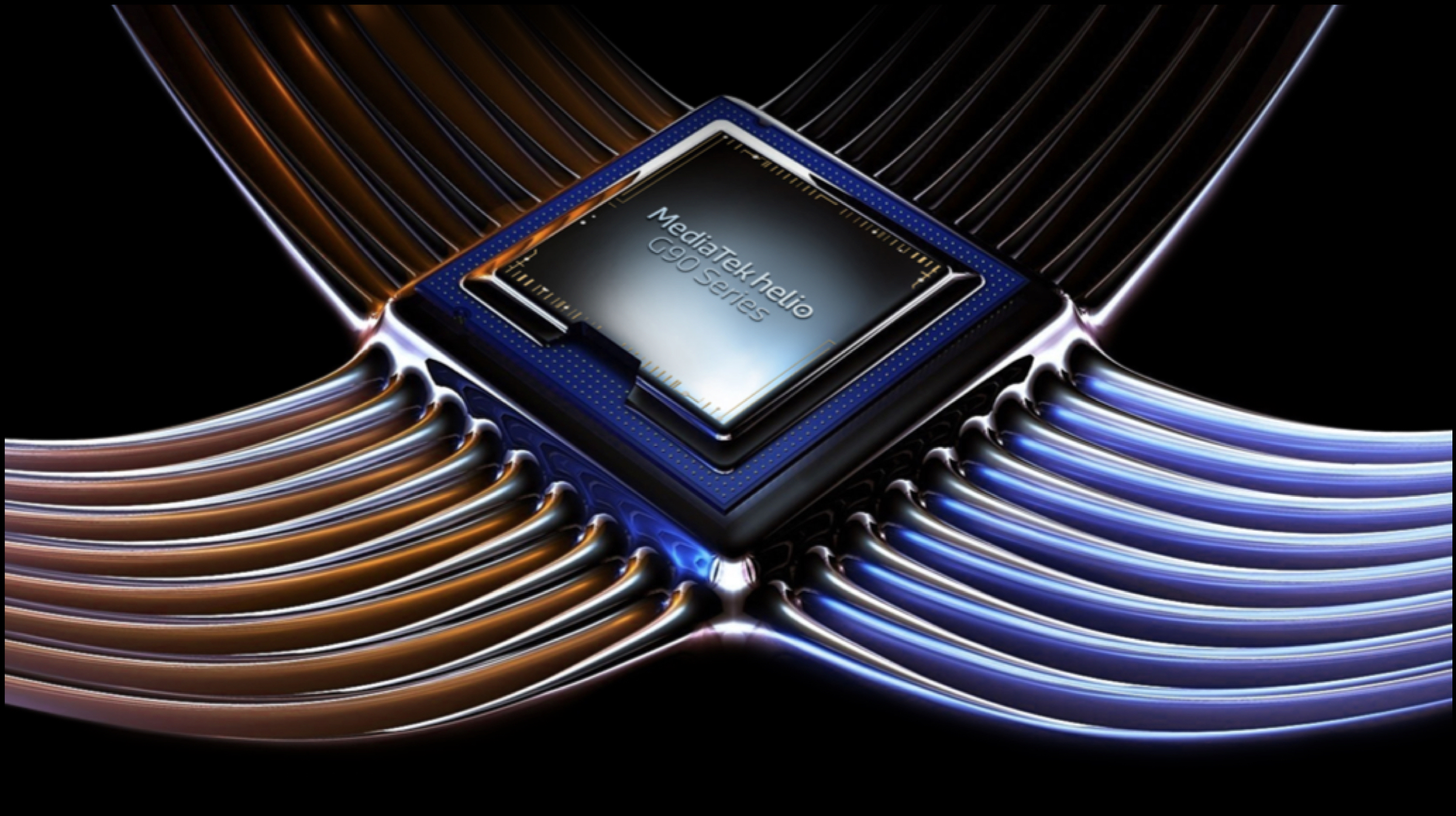
    Hence, it is expected that specialised hardware, such as MediaTek Helio G90T SoC that is made for gaming, will improve with time and exclusive more mobile gaming studios like Tencent Games will emerge. Regardless of its popularity, the gaming smartphone market is still a niche with its sales not being close to mainstream devices.

    MediaTek G90T SoC

    Also ReadGamescom 2019 Roundup Of The Best Upcoming Games

    Additionally, there really isn’t a lot that difference, in most cases, between a gaming smartphone and a regular flagship. For the most part, gaming handsets offer a better display with a higher refresh rate panel, overclocked SoC or even better cooling solutions. Conclusively, it is a great time for mobile gamers and huge potential in the industry. With a bit more time, it is expected to mature into a gaming world of its own within amazing portability that beats any handheld consoles.

  • Realme 5 And Realme 5 Pro With Quad Cameras Launched In India

    Realme 5 And Realme 5 Pro With Quad Cameras Launched In India

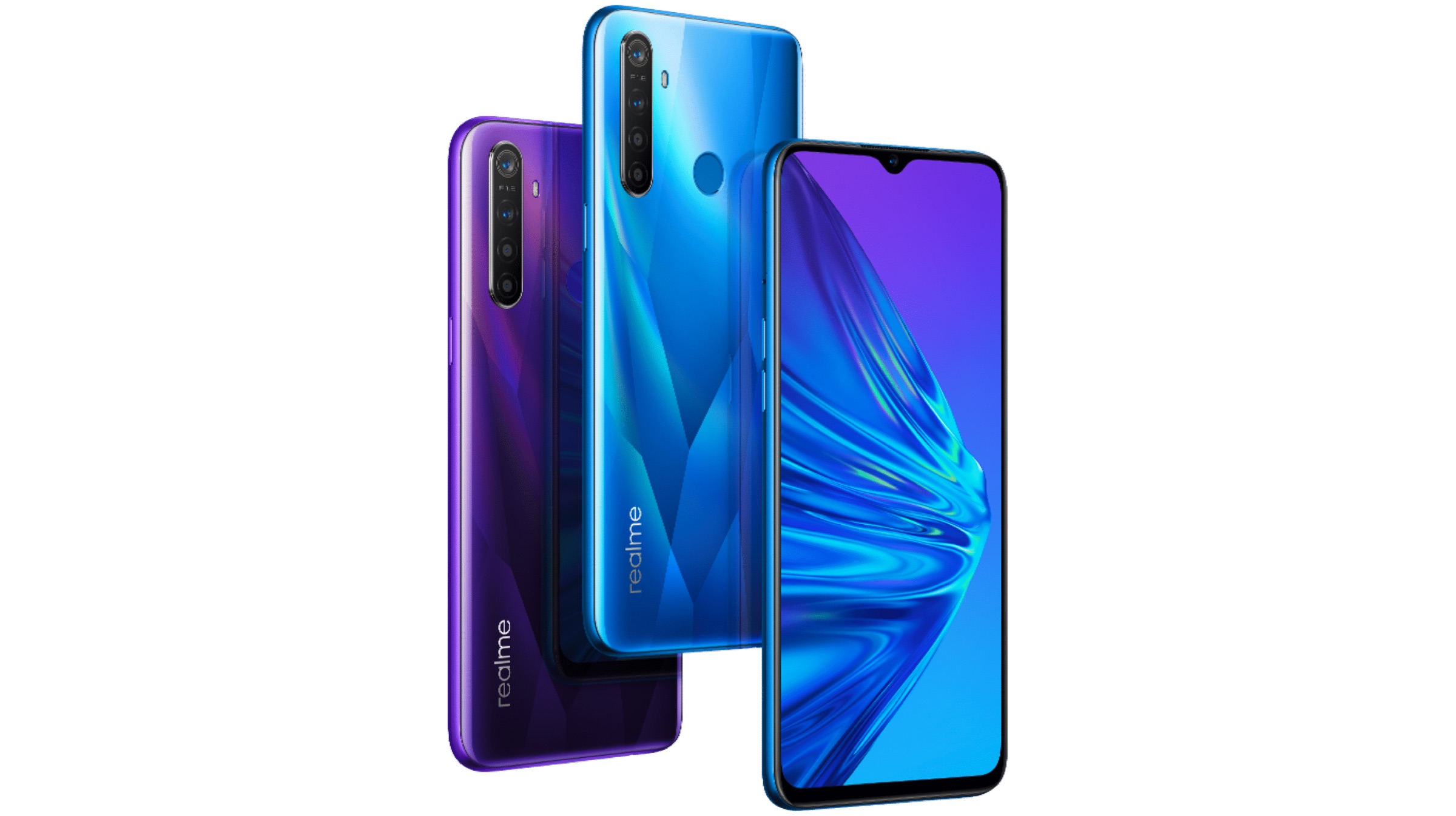
    Realme once an Oppo subsidiary has quickly grown to become one of the top 10 smartphone OEMs in the world. On the 20th of August, it launched the highly anticipated Realme 5 and Realme 5 Pro in India. Both smartphones are mid-range devices but the Pro variant have comparativley bumped up specs.

    Realme 5

    Realme 5 & Realme 5 Pro

    Both the Realme 5 and Realme 5 Pro have a crystal design on the rear panel  which mimics a holographic effect. They feature a 6.3 inch FHD+ display with an impressive 90.6% screen to body ratio. The 16MP selfie camera is housed in the waterdrop notch on the front through which the high screen to body ratio is achieved. For security, the smartphone duo house a rear-mounted fingerprint scanner.

    Realme 5

    Under the hood, the Realme 5 houses the 11nm Snapdragon 665 AIE chipset which consists of an octa-core CPU alongside Adreno 610 GPU. On the other hand, the Realme 5 Pro features Qualcomm’s 10nm Snapdragon 712 SoC which also has an Octa-Core CPU along with Adreno 616 GPU. Both smartphones feature a quad-core camera which carries an 8MP ultra-wide-angle lens, 2MP depth sensor and 2MP macro camera. The Realme 5 sports a 12MP primary shooter while the Pro variant has a 48MP Sony IMX586 sensor.

    Realme 5

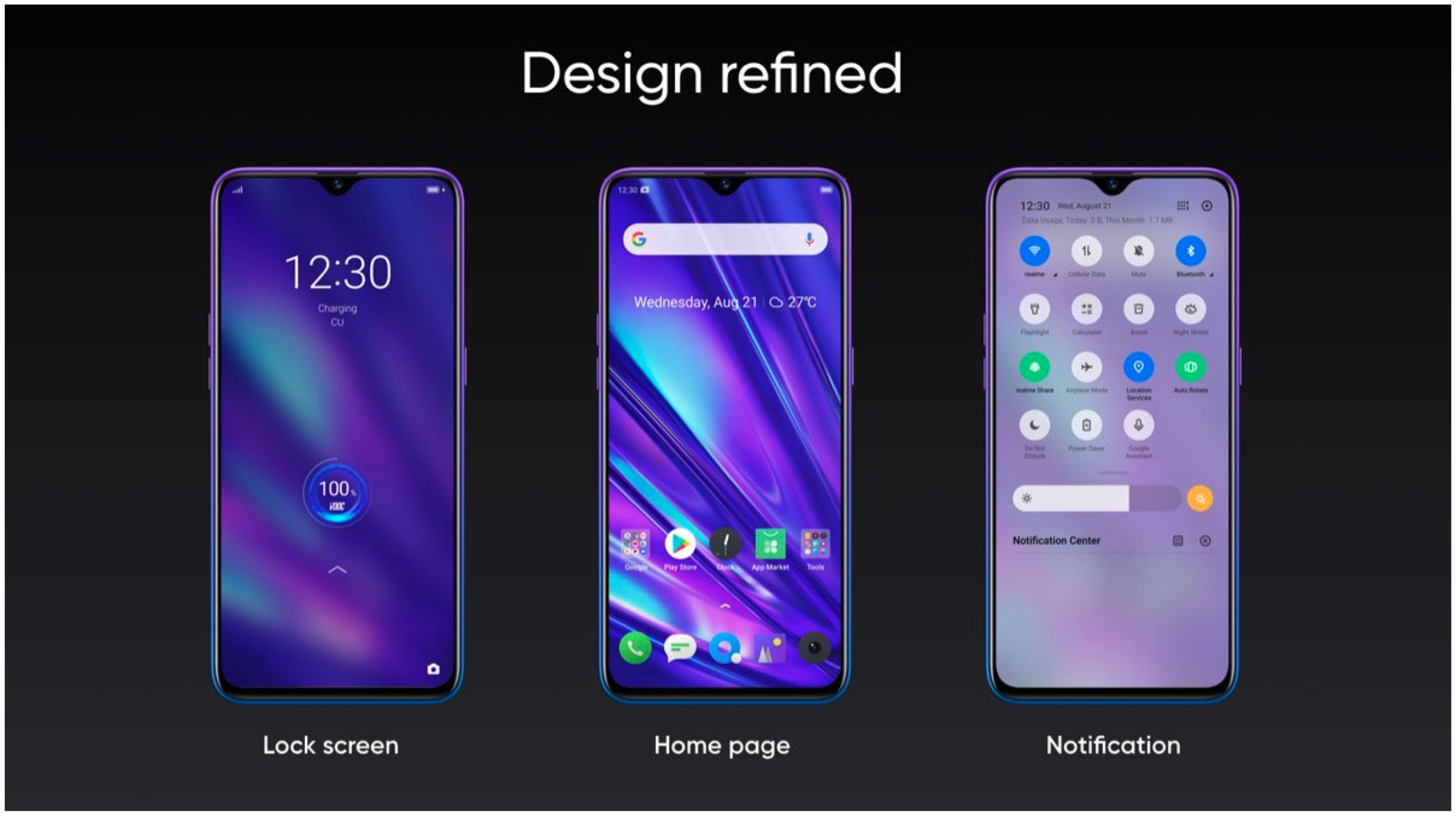
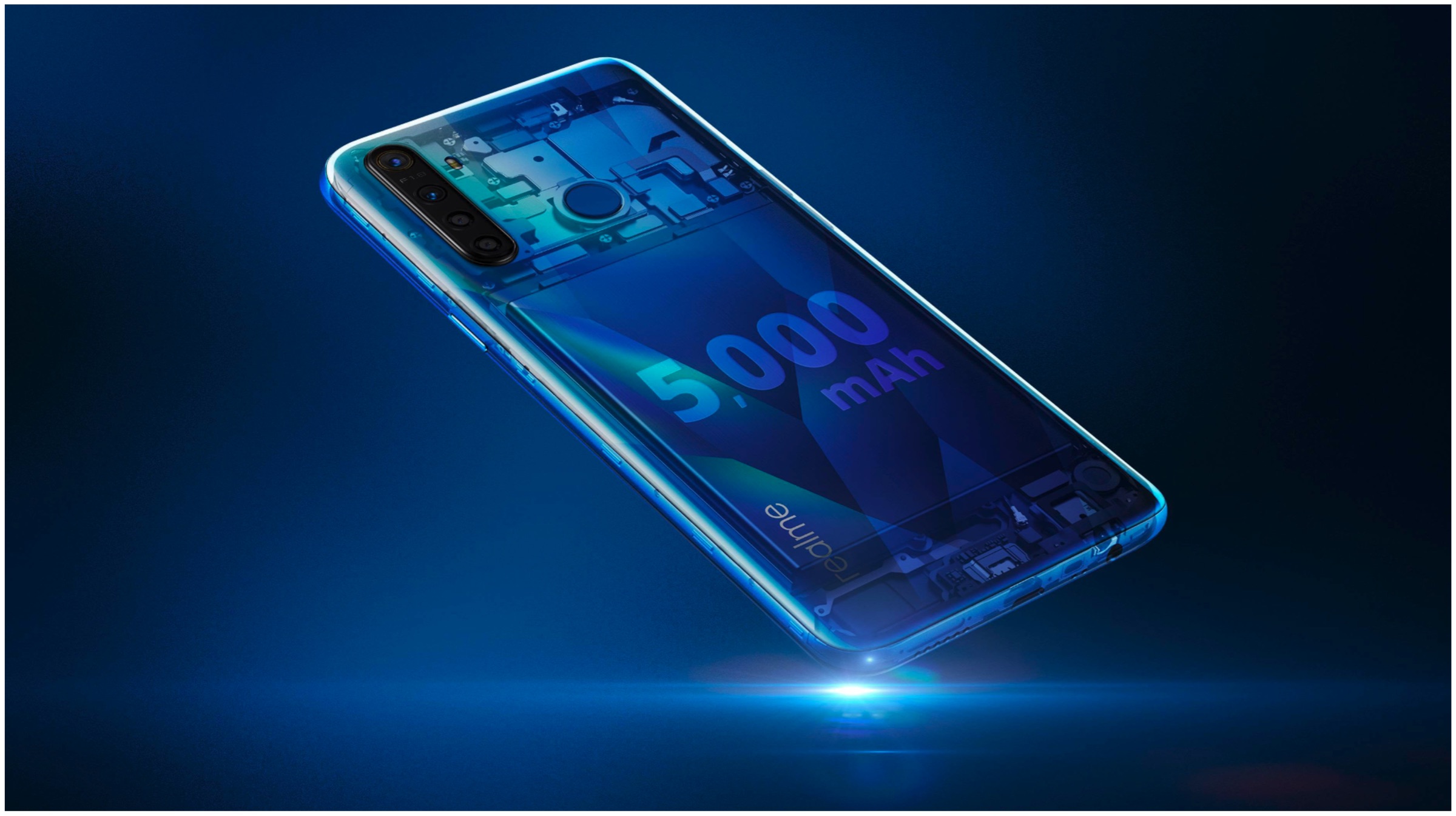
    The Realme 5 is powered by a large 5,000mAh battery while the 5 Pro houses a 4,035mAh battery. The latter supports the company’s VOOC 3.0 fast charging upto 20W with a compatible charger bundled in the box. Both smartphones feature a much-welcomed headphone jack and offer similar connectivity options that include Bluetooth 5.0, 802.11 ac Wi-Fi and dual 4G VoLTE. Both the smartphones run on ColorOS 6 which is based on top of the latest Android 9 Pie. According to the company, ColorOS 6 has a simplified UI as it draws a lot of inspiration from stock Android.

    Realme 5

    Price & Availability

    The Realme 5 will be available from 12PM (IST) on the 27th August 2019. It will be purchasable on Flipkart and Realme’s official websites. The smartphone will be available offine soon after its official launch. It is offered in two colours, Crystal Blue and Crystal Purple, and will be available in three different RAM and ROM configurations:

    • 3 GB + 32 GB: Rs 9,999
    • 4 GB + 64 GB: Rs 10,999
    • 4 GB + 128 GB: Rs 11,999

    Realme 5

    Also ReadHow Chinese Companies Have Helped In Making Smartphones Affordable

    Realme 5 Pro will arrive after the base variant and will be available from 12PM (IST) on 4th September 2019. The device will also be available on Flipkart and Realme’s official website. Again, offline sales are expected to arrive soon after. The device will be offered in two colours, Sparkling Blue and Crystal Green, and will be available in three different RAM and ROM configurations for which the price is as follows:

    • 4 GB + 64 GB: Rs 13,999
    • 6 GB + 64 GB: Rs 14,999
    • 8 GB + 128 GB: Rs 16,999

    Conclusively, both the smartphones are value for money offerings and will give handsets from Samsung, Xiaomi and other brands a good run for their money. 

  • How Chinese Companies Have Helped In Making Smartphones Affordable

    How Chinese Companies Have Helped In Making Smartphones Affordable

    Gone are the days when powerful smartphones were a novelty. In the current scenario devices (1) starting as low as Rs 6,000 can offer as many functionalities as high-end smartphones from the year 2010 to 2012. However, this is not just a coincidence, it is a result of the constant tug of war Chinese OEMs have been playing for over 5 years.

    Some prime examples of the companies that have helped in driving down the costs of mobile devices include Huawei, Xiaomi and BBK Electronics (parent company of Oppo, Vivo, OnePlus and Realme).

    Before we begin the saga of the previously mentioned Chinese OEMs, we will discuss the early days of smartphones and how some key players faired during those times.

    apple
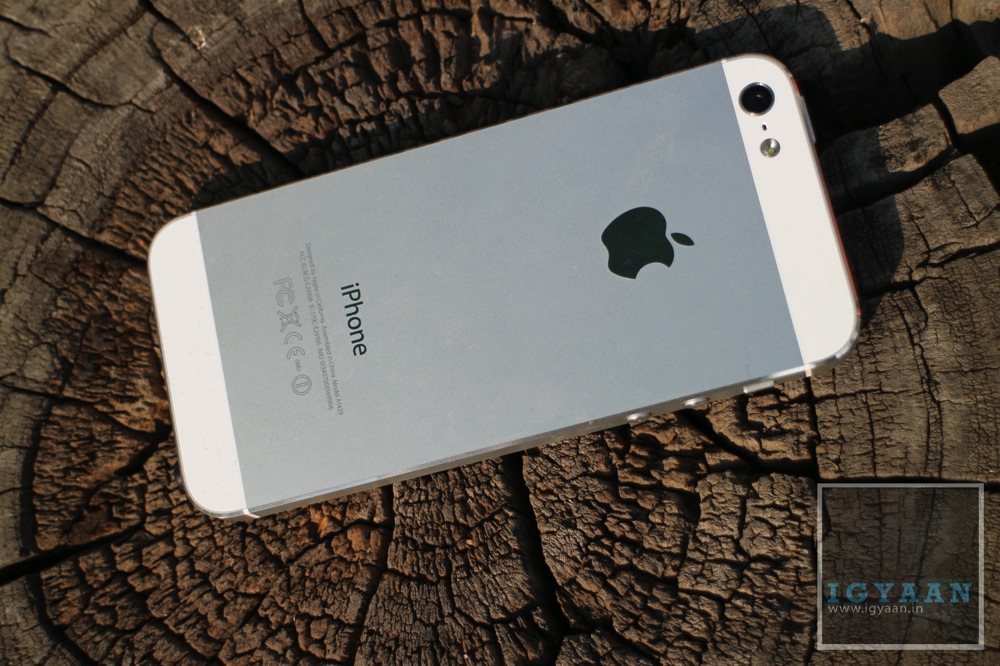
    iPhone 5 From 2012

    We all know, the original iPhone from the year 2007 is considered one of the first smartphones. While Apple maintained a closed ecosystem by only offering iOS on it’s in house developed products, Google, on the other hand, embraced the concept of hardware independence for the Android operating system. 

    Besides Apple, numerous companies tried their luck in the smartphone industry which includes Nokia, Samsung, Blackberry and HTC. While HTC flourished in the early days, it had to fall back due to fierce competition from Chinese competition. 

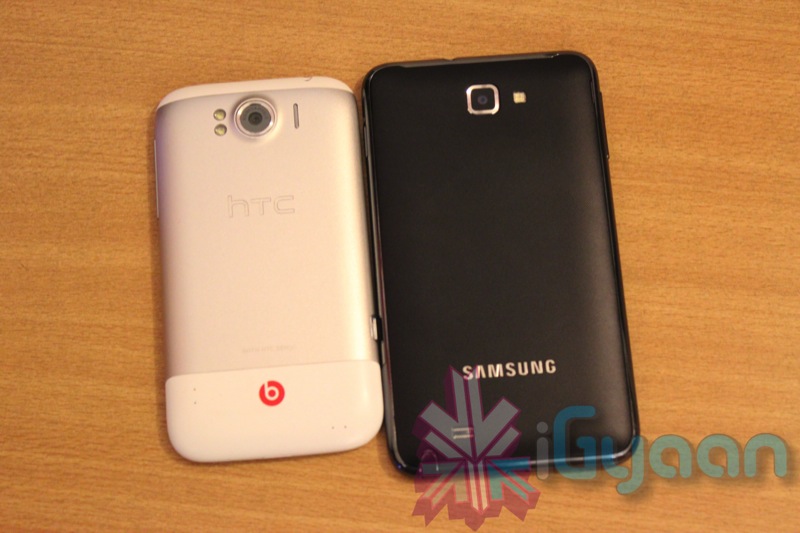
    Talking about Blackberry and Nokia which stood by their in house developed OS (Symbian and BBoS), the companies were pushed to the brink of collapsing due to incompetent software. While Nokia has managed to recover to a fair extent after the adoption of Android, Blackberry still struggles to find a niche which would allow it to stand out of the crowd.HTC Sensation XL And Samsung Galaxy Note smartphones

    Nonetheless, one company that has not only survived but thrived during the early years of a smartphone is Samsung which currently enjoys the position of world’s number one smartphone manufacturer in terms of units sold.

    Over a decade ago, the company was dabbling with operating systems including Windows OS and Palm until it stumbled upon Android. In the year 2009, it launched the ‘GT-I7500 Galaxy’ which was followed by the Galaxy Spica and the Samsung Galaxy S. While the former now rests in peace, the latter is one of the most renowned smartphones of the current era. 

    For three consecutive years until the launch of the Galaxy S4, Samsung was the only company that was able to rake in substantial sales which could match up with the sales figures of Apple iPhone.

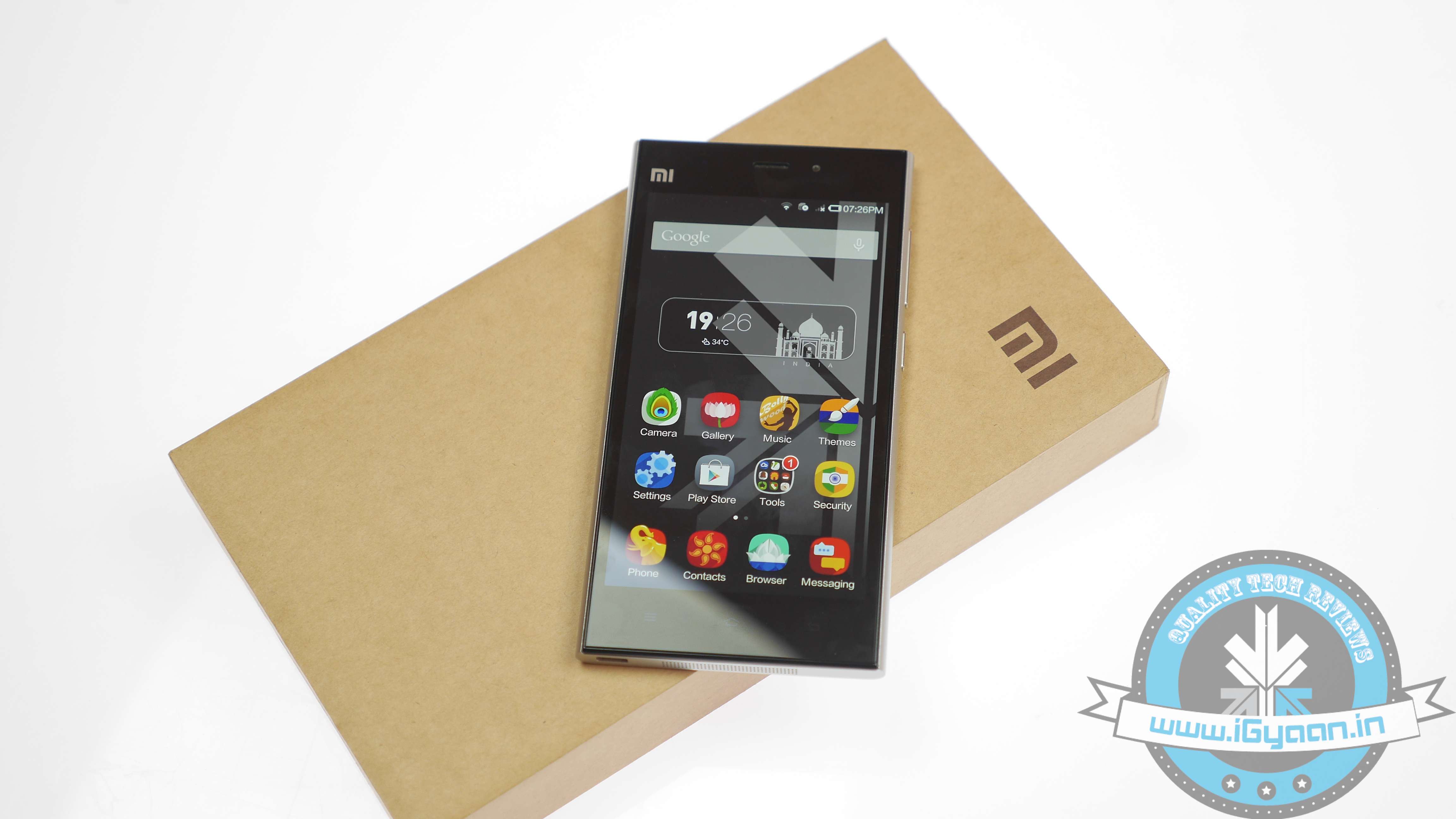
    Xiaomi Mi3 smartphones

    Then came the Mi3 which as we all know was made by Xiaomi. In comparison to Galaxy S4 which retailed for Rs 41,500, the Mi 3 cost only Rs 14,999. The reason for drawing this comparison is due to the fact that Xiaomi’s offering had similar specs to the 4th Gen Galaxy smartphone which include the following:

    • 5 inch Full HD Display (441 ppi)
    • 13 MP Front Camera
    • 2 MP Rear Camera
    • Bluetooth 4.0, 802.11 Wi-Fi
    • Android 4.3

    Now that we have a preface, let’s begin with the factors that allowed Chinese companies to significantly drive down costs of smartphones and associated technologies. 

    • Online Only Business Model: Xiaomi which entered India in the year 2014, sold its devices exclusively online for a long period. This allowed the company to eliminate the traditional supply chain which included several commission bearers.

      Instead, it gave a small fee of Rs 700 to Rs 1,500 to its online partners i.e Amazon and Flipkart. In comparison, a traditional supply chain would incur upto 10 to 30 per cent of the device cost. This strategy is now even adopted by large companies like Samsung that sell devices like the Galaxy M lineup via online channels. 

    • Wafer Thin Margins: In an effort to gain traction and lure in the maximum number of customers, these companies maintain low-profit margins at least during the early years. These companies are also able to save up on development costs as most of the components incorporated in the smartphones are manufactured by other OEMs. 
    • Economies Of Scale:  Rather than selling fewer units with high-profit margin on each unit, Chinese companies tend to stress on selling a maximum number of units to drive up overall profit. Moreover, increased level of production also helps in saving costs.
    • Lean Manufacturing: As observed with several smartphone launches, companies allow users to block units by paying a small booking amount which is a part of lean manufacturing and supply.

      Such practises allow the company to anticipate the demand which can be translated to adjust procurement of raw material, production of devices and storage of these ready products which would again incur costs in the form of warehousing if left piled up.  

    Overall, Chinese OEMs have closely scrutinised all the steps that are required from designing to developing to retailing smartphones. During the process, all the steps or costs that seemed unnecessary have been eliminated that has helped in creating a strong and efficient business model. 

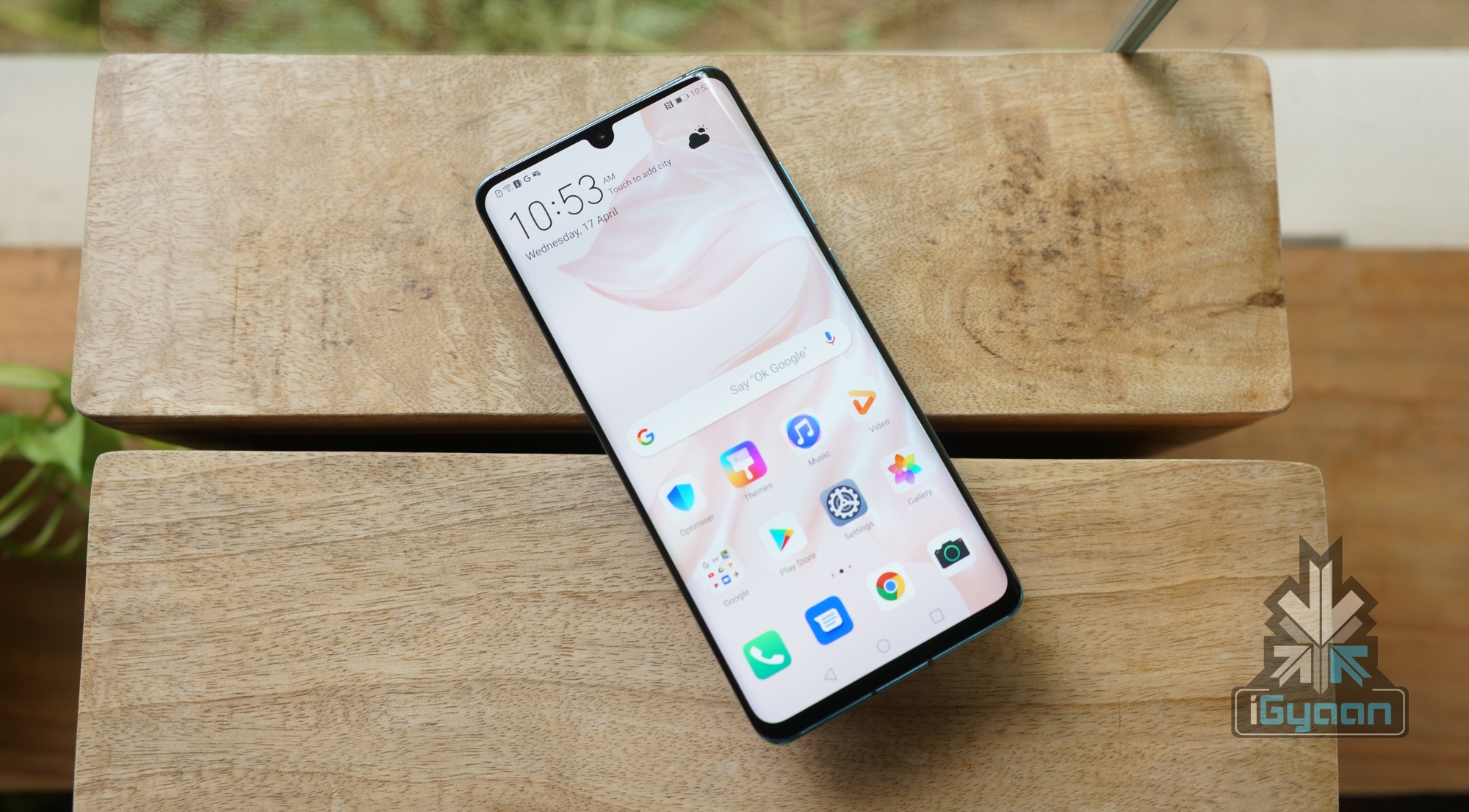
    Huawei P30 ProFor reference, Huawei which has been heavily investing in R&D for a long period is able to design its own components like Kirin chipsets. This allows the company to save costs while allowing room for considerable profit margins. 

    Also Read: Gamescom 2019 Roundup Of The Best Upcoming Games

    Likewise, over the last few years, BBK electronics has also been observed to develop innovative devices like the Vivo Nex, Oppo Find X which have provided the company with a fair share of attention from the global audience.

    To sum things up, this continuous contest played by the Chinese OEMs in order to maintain an edge over the other has helped in driving costs of smartphones consequently making them more affordable for the end-user. 

  • Gamescom 2019 Roundup Of The Best Upcoming Games

    Gamescom 2019 Roundup Of The Best Upcoming Games

    Gamescom is one of the largest gaming expos that is held annually in Germany. The events in 2018 had the highest numbers of visitors so far in any gaming convention with over 370,000 people attending. It is known for major reveals and insight into upcoming projects from some of the biggest publishers and gaming studios in the industry. They include Bethesda, Electronic Arts, Konami, Namco Bandai Games and a lot more. The event has just kicked off and lasts from 20th to 24th August 2019.

    Here is a short roundup of all the exciting new games that are arriving by year-end or the following year.

    Gamescom 2019

    The largest gaming expo has led to a lot of hype garnering for loyal fans within the gaming industry. Expectations are at an all-time high with the upcoming release of timely AAA titles that are the most awaited within the list. Gamescom 2019 all but confirms Cyberpunk 2077 being available of Google Stadia, PUBG getting cross-play support between consoles and who can forget, the beloved indie titles which are now arriving on Nintendo Switch as well. 

    Gamescom 2019 has just kicked off and we already have certain news regarding a few of the most anticipated games. The list includes Cyberpunk 2077, Need For Speed Heat, Gears 5 and the most hyped game of 2019, Death Stranding.

    Death Stranding

    The game is probably one of the most sought after the game at the moment. It is being developed by the legendary video game creator Hideo Kojima and will mark his first game since his departure from Kojima Studios. So far, we have received numerous teasers and trailers that have led to more questions than answers regarding its beautifully twisted plot and settings. However, this time the studio introduced two more characters to us. One of them is a baby called BB while the other is called Mama, aptly named as she can pluck babies from the sky. Yes, we get how confusing it must sound, so watch the video linked down below for some clarity.

    Cyberpunk 2077

    Cyberpunk 2077 is about the only game which is close to Death Stranding in terms of hype or anticipation. The game is a take of the future from the beloved game studio, CD Projekt Red which is also known for the Witcher Series. It is now also confirmed to be available on Google’s game streaming platform stadia and Gamescom 2019 saw its official reveal trailer being given out. The short trailer had shown hacking and a motorcycle ride in the first person and least to say, we are waiting for this one in particular.

    https://youtu.be/CcsZHPdMr1M

    Gears 5

    Gears 5 is the fifth entry in the Gears of War franchise which is one of the most popular titles in the Xbox console exclusive lineups. Furthermore, the entry is different from its previous iterations as it is considered to be a soft reboot with the main cast of the game is changed. A past side character is now the protagonist and it seems to heavily rely on its single player campaign narration. The game is also set to reveal its much-anticipated Horde mode which lets 4 players team up to survive increasingly difficult waves of unrelenting enemies. 

    Blair Witch

    Yes, the game is exactly what you think it is. For those unaware, Blair Witch is game revloving around a movie based on the same name and setting. The game takes place in the same universe as the legendary horror movie alongside whilst providing more insight into its lore and history. It is also based in the iconic Blair Witch forest and will have gamers on the edge of their seats. Gamescom 2019 has revealed its arrival on August 30th so be on the look out.

    NBA 2K20

    The gaming world is incomplete without the virtual sports titles. NBA 2K series is one of these and has been a staple within the industry. Now, its latest iteration NBA 2K20 has chosen a star studded roster to showcase its new career mode. The game is being co-produced by LeBron James production company and also features a performance from Idris Elba, Rosario Dawson, Thomas Middleditch, Ernie Hudson and LeBron James himself. 

    Need For Speed: Heat

     One of the most iconic racing game franchise has finally receive a new entry. Need for Speed will be the latest installment within the franchsie and features intense street races and cops as well. The game was announced a month prior to Gamescom 2019 but we were finally offered a first look at the gameplay. The game will have to carry out the legacy of the popular series and is one game to definitely try out.

    Also ReadUseful Smartphone Accessories You Might Not Know Exist

    Ori and The Blind Forest

    Moving on to Indie titles, Ori and The Blind Forest isn’t a new game but its arrival on Switch is perfect. The game will fit right in with its award winning environment set in a side scrolling fashion. The hand drawn game will be a much appreciated entry into Nintendo’s library. 

  • Useful Smartphone Accessories You Might Not Know Exist

    Useful Smartphone Accessories You Might Not Know Exist

    The internet and e-commerce sites are filled with boatloads of mobile accessories which range from selfie sticks to tripods to power banks. However, we have scoured the web to find those accessories which are actually useful and you might not even know that they exist. 

    Neck Smartphone Holder
    mobile accessories

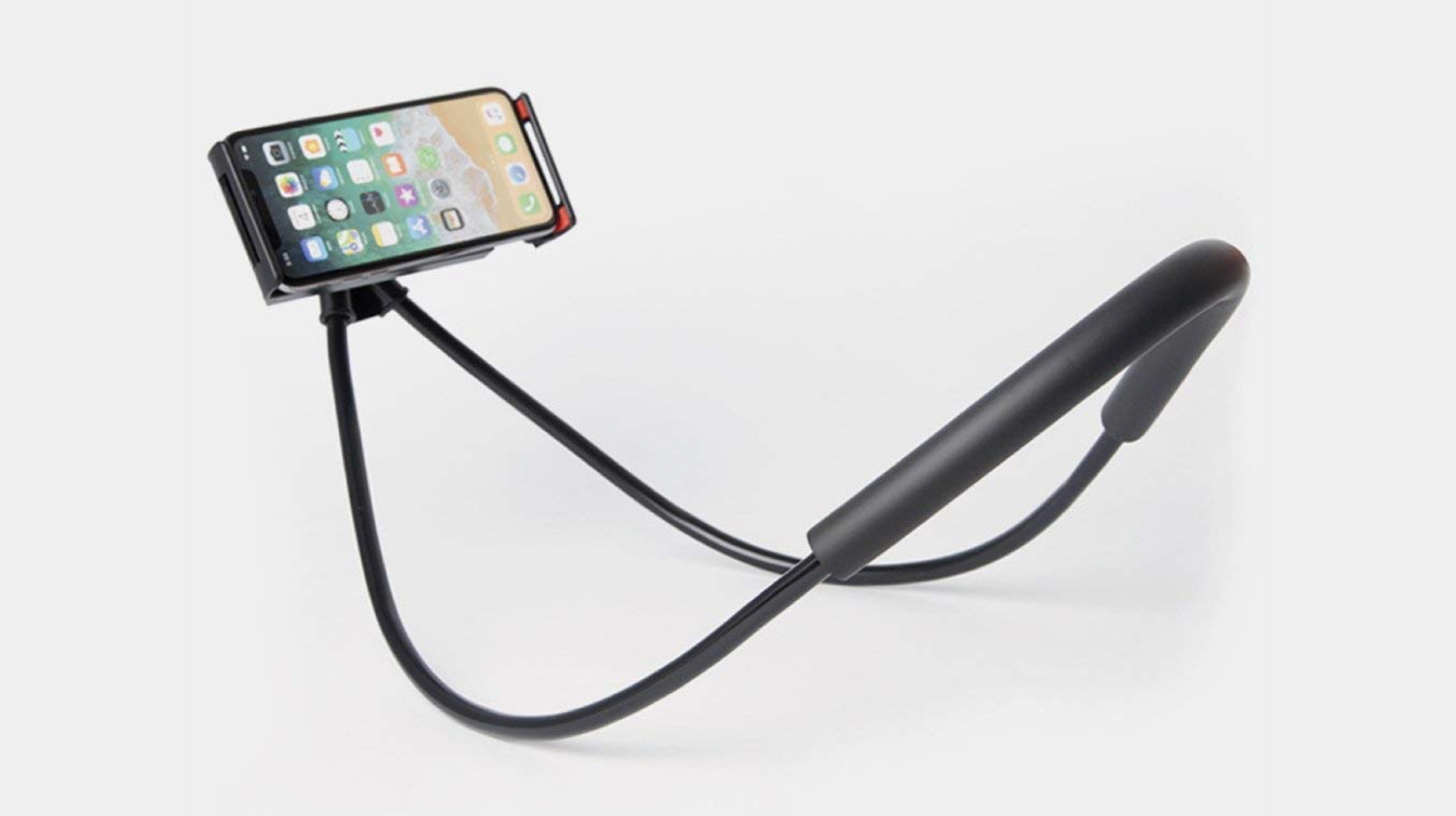
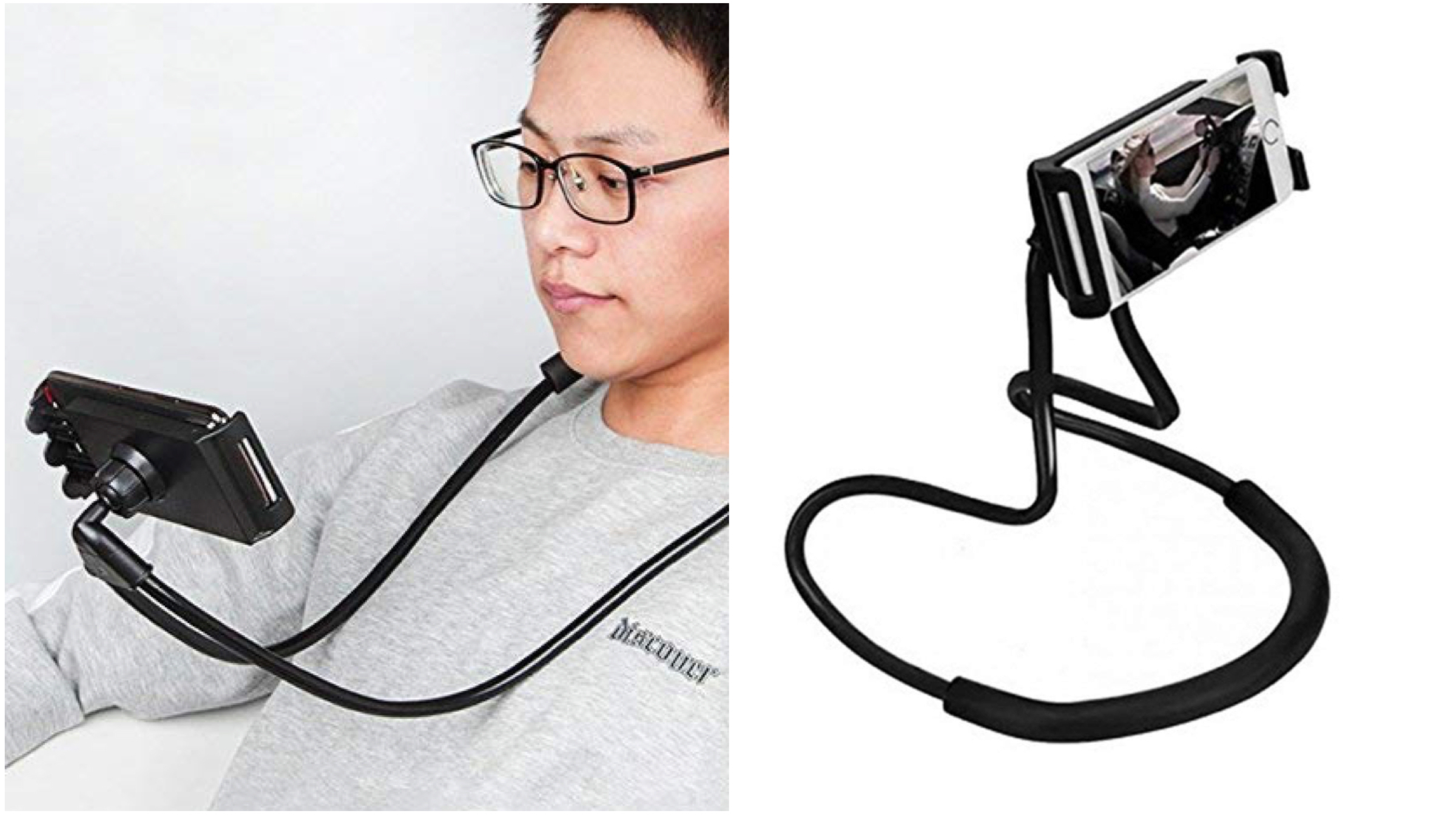
    As the name suggests, this accessory allows the user to hang a smartphone around their neck. It features an extendable mobile holder that can stretch upto 7.5 inch. The legs aka the stand of the accessory are made out of flexible tubing, therefore, the users can adjust them according to their comfort and viewing angle. 

    Funnily enough, the key purpose of this smartphone holder is to replace human hands which would feel tired when staying steady in a given position for an extended period. Besides being used around the neck, users can also encompass it around their back and consume digital content in a leaned back position.

    In additon to the two previously mentioned formats, it can also be used as a dock or a selfie stick.

    Wall Mounted Phone Holder
    mobile accessories

    A large majority of people charge their smartphones overnight and chuck it under their pillow which is bad both for the human body and the smartphone. Due to improper heat dissipation, the device may get hot and has a possibility of catching flames which clearly is hazardous.  

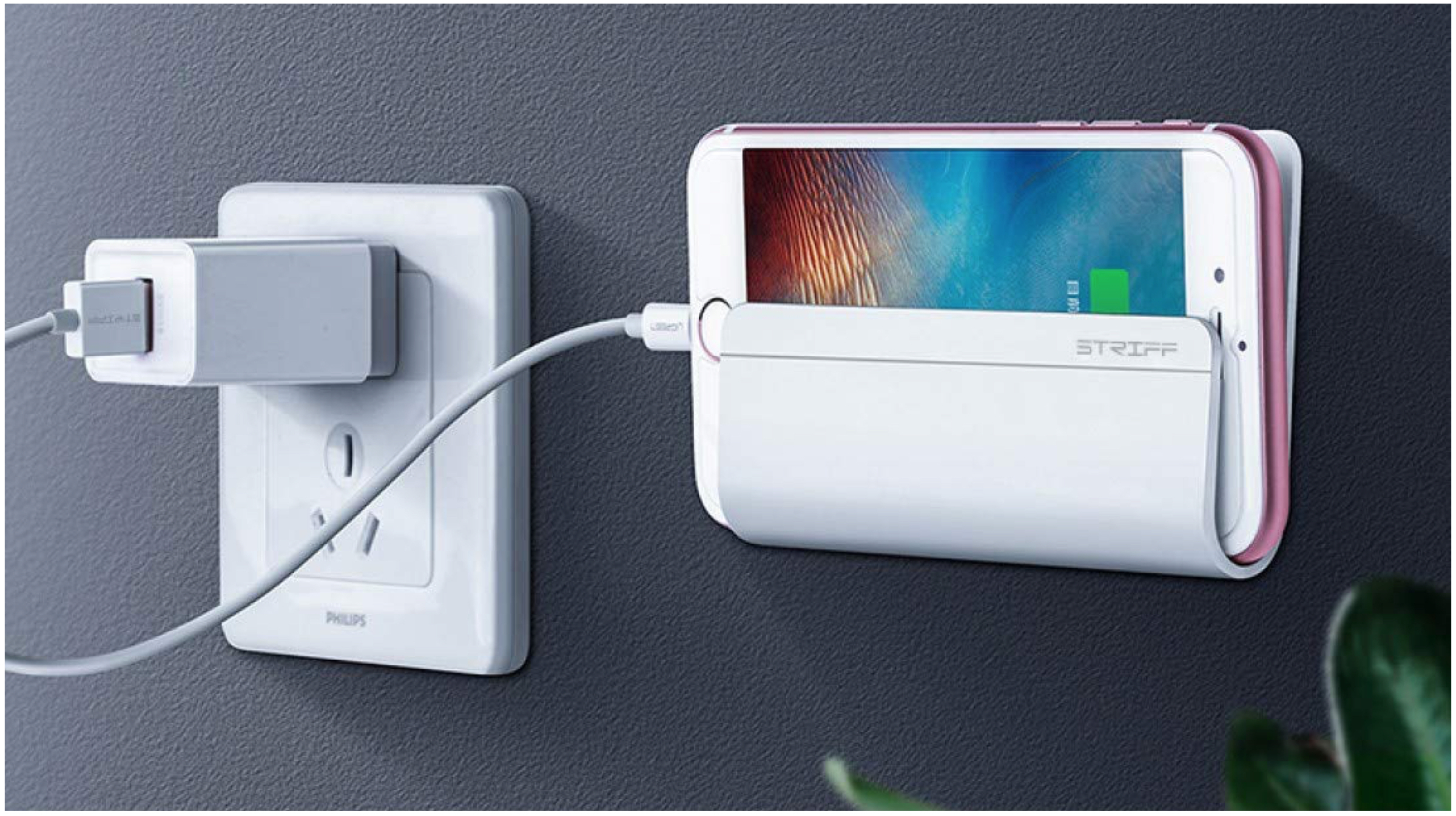
    Besides, reports have proven that keeping a mobile as less as 10 cm away from the body can eliminate 98% of the radiation emitted by them. Therefore, the next product on the list, which is a wall-mounted phone holder is a really good option that one must consider. 

    In addition, it also has a cable management system with whose help the user can hide the extra cable. This allows maintaining a tidy and nice aesthetic in a living or workspace. An alternative to this is the ‘flybase’ that hangs on the charger and allows a smartphone to rest on its lap while charging. However, this is ideal for situation when the charging cable is not long enough to reach the ground or a flat surface. 

    Waterproof Pouch For Mobile
    mobile accessories

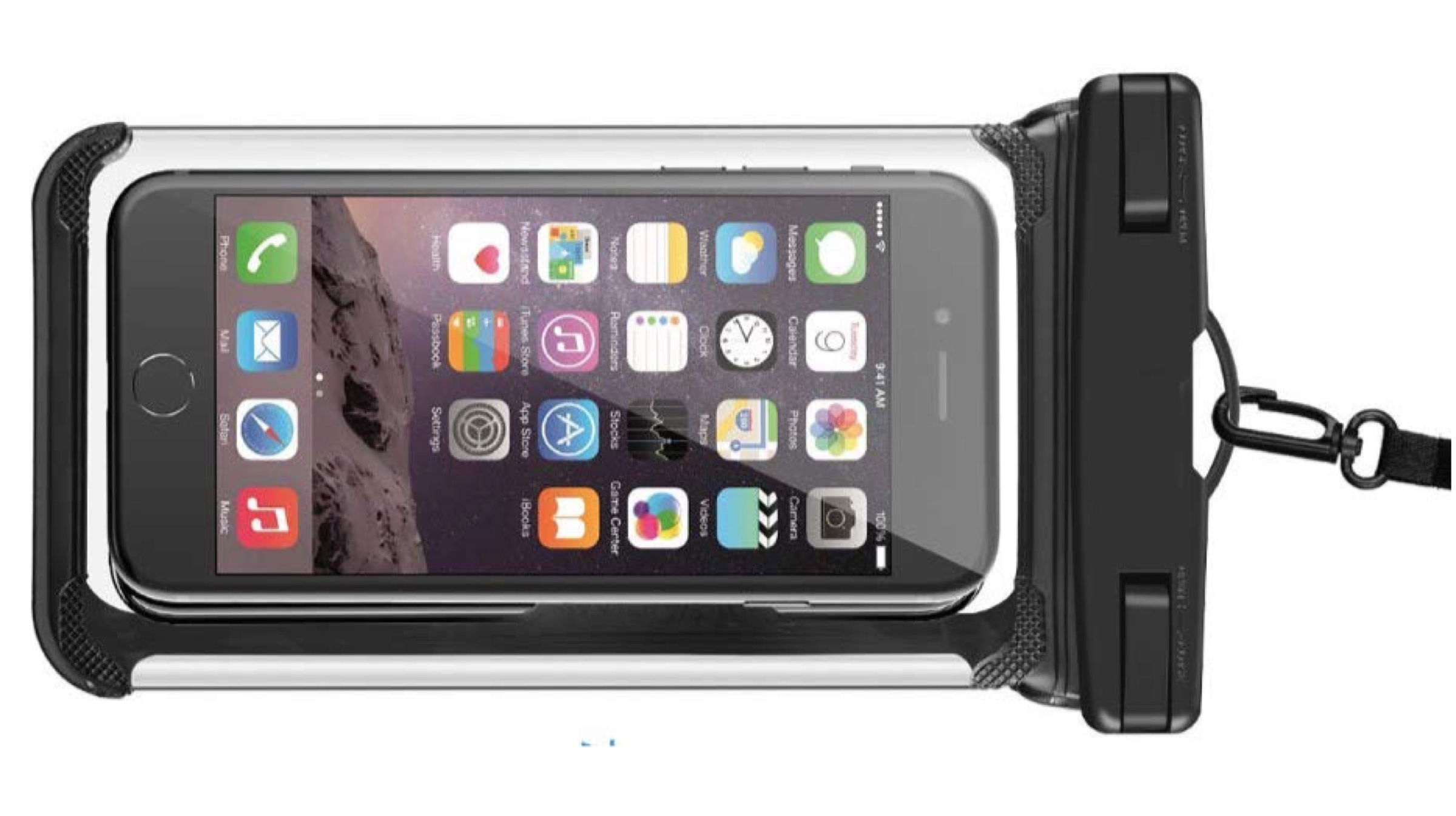
    The next accessory in the list is the waterproof mobile pouch. It is made out of leather and has a see-through TPU layer on the front and back. The top of the pouch has a triple seal which ensures water cannot come in contact with the smartphone that is placed inside. 

    Due to this feature, it can also be used for underwater photography. However, we recommend checking seals on the unit you receive before submerging your smartphone entirely underwater. Besides it also has a built-in lanyard which allows for easily carrying the smartphone while you are enjoying your beach holiday. 

    Although there are several choices online that start for as cheap as Rs 100, we suggest buying a quality product whether the one listed below or any other. 

    Mobile Cleaning Kitmobile accessories

    Smartphones have become an integral part of a modern man’s life and they accompany us wherever we go. Throughout our day we come across several surfaces, out of which, many have a possibility of being contaminated with microbes or pathogens which are invisible to the human eye. Consequently, we can easily pass on these unicellular organisms to our smartphones as well.

    Besides, smartphones have a high possibility of catching dust and lint from the pocket which can accumulate in grooves or slits like the earpiece grill or the charging port. After we take a bath or wash our hands we are able to get rid of most of the dirt or unicellular organisms but that never happens with our mobile phones. 

    The next product on the list is an anti-microbial cleaning gel kit. Not only does it remove any surface dirt, but it can also kill the microbes from the surface of a mobile phone which can spread communicable diseases. 

    Travel Organiser Bag
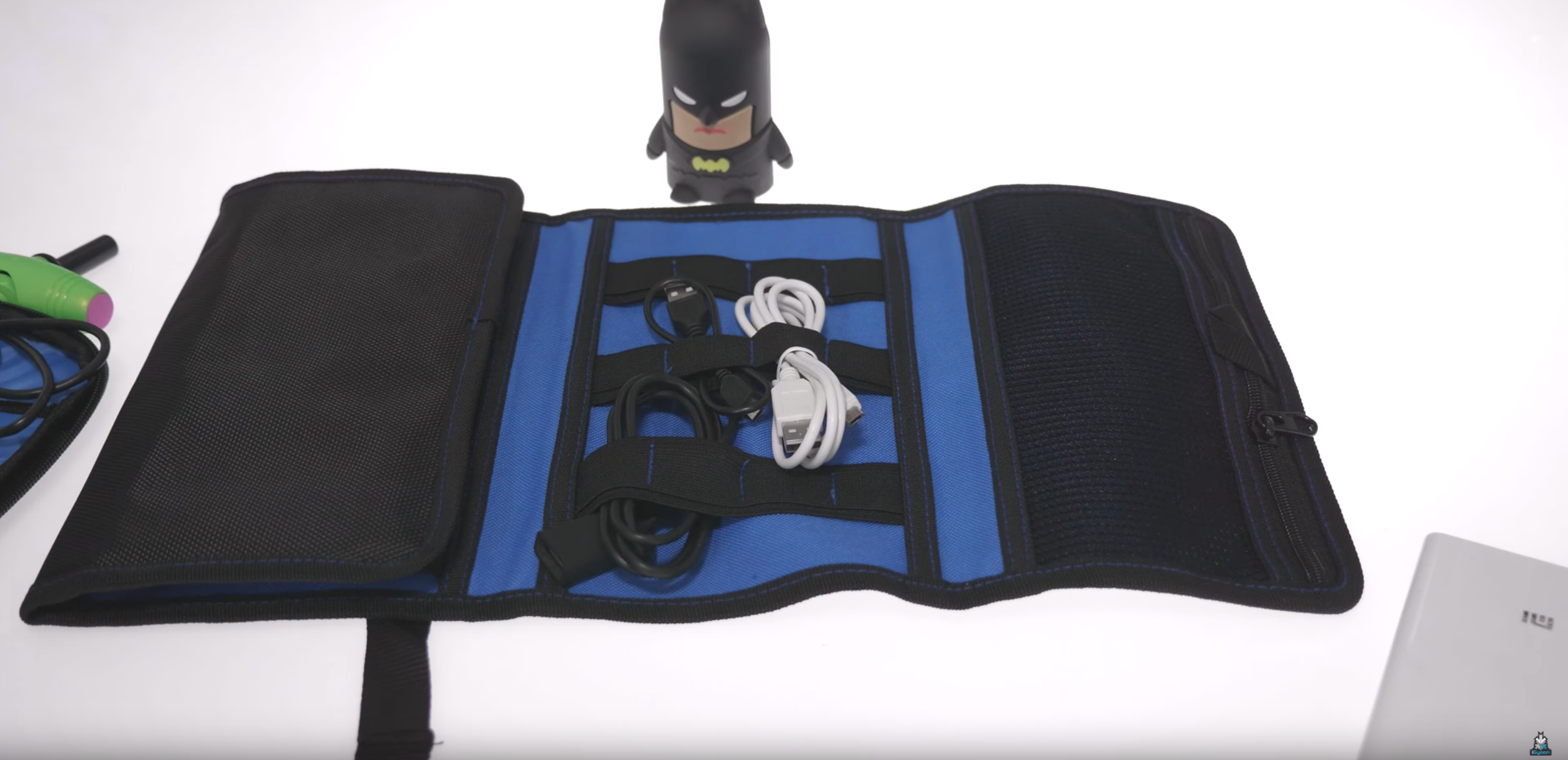
    If you are somebody like us who owns a lot of gadgets and their accompanying accessories. This organiser bag can be a nifty addition to your setup. It has several zip secured pouches which can be used to store different miscellaneous items that can range from a sim ejector pin to chargers and whatnot.
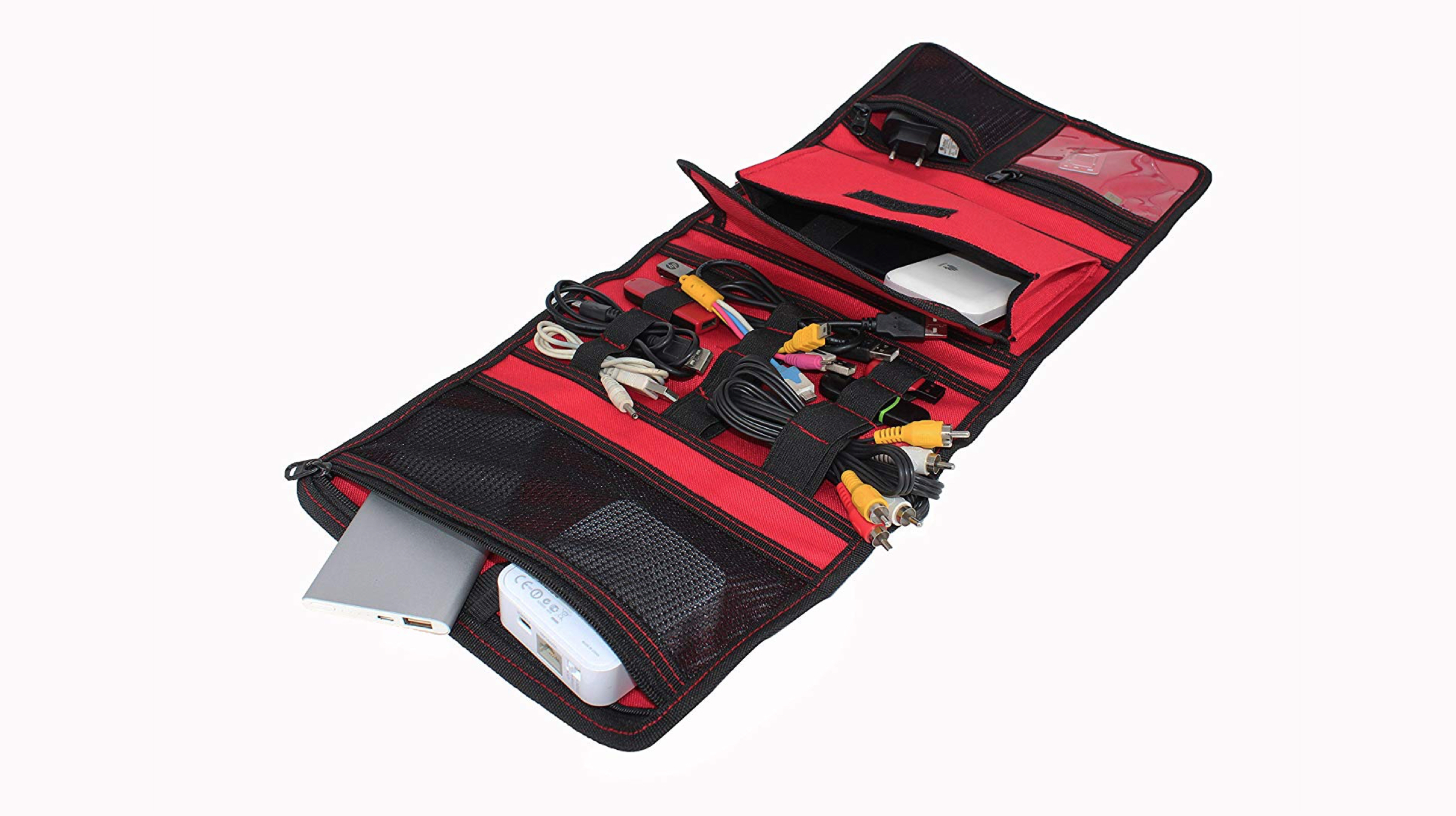
    It also has a dedicated section with elastic straps which can be used to neatly store different cords and cables. For easily carrying it around, the whole pouch wraps into a compact form factor which can be secured with a push buckle. 

    Hi-Speed USB C Pendrive
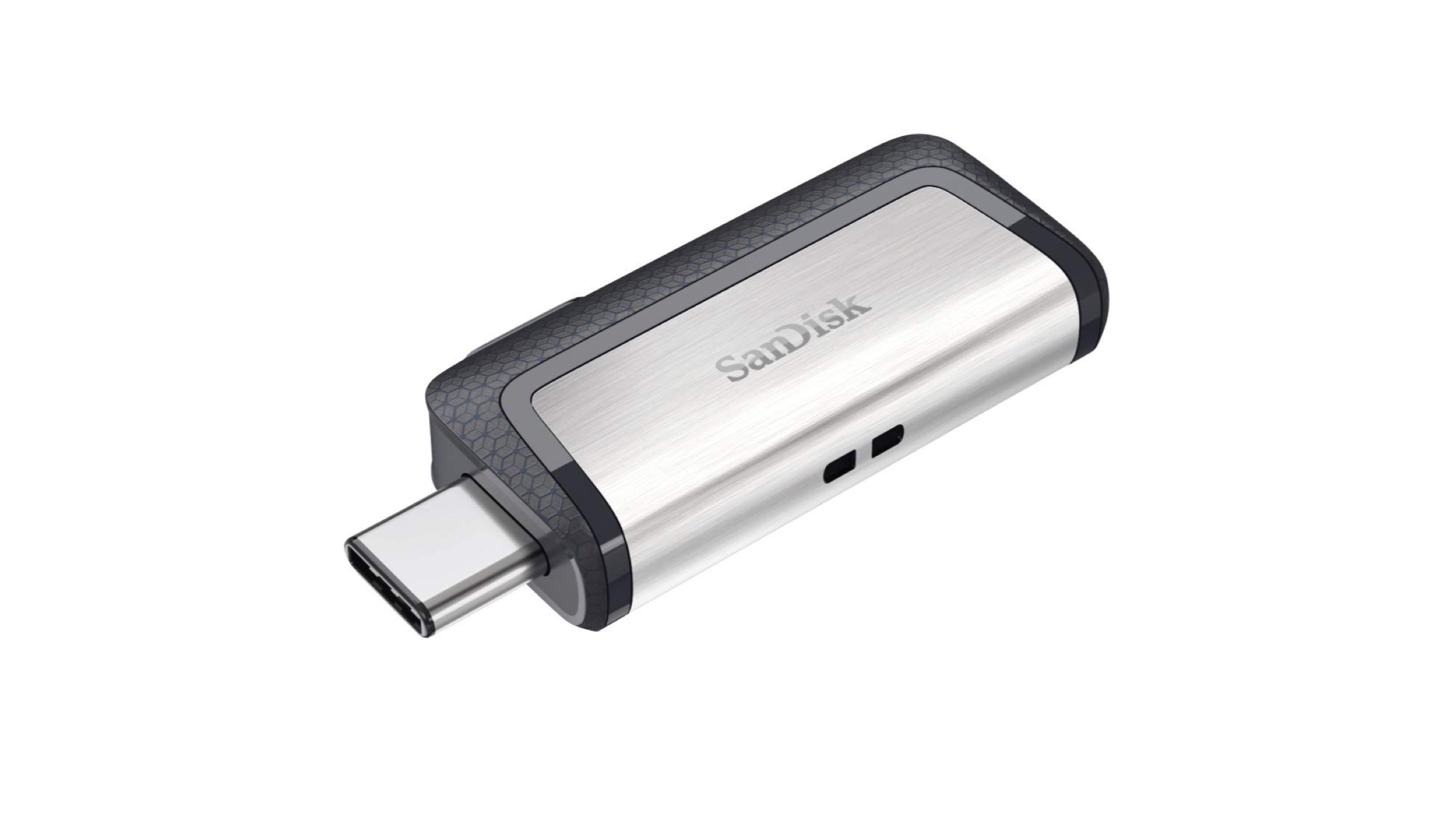
    Although there are plenty of applications available for mobile devices that allow to wirelessly transfer or share data, they might not be the best option for moving large size files. A USB C Pendrive could prove beneficial if you often transfer files larger than 5 GB like us too and from your smartphone.

    Besides sharing data from mobile to mobile, it can also be used to transfer data from smartphone to computer as it also has a conventional USB A port. Although the company claims a transfer speed of 150 Mbps, users can get speeds of upto 50 Mbps which is much faster than wireless sharing.

    Also, mobile devices like the iPad Pro and OnePlus smartphones, don’t support memory expandability via a microSD card, the Dual USB Drive 3.0 could be used to boost the internal memory. Interested users can buy Pendrive of upto 256 GB which will be more than sufficient for most scenarios. 

    Also Read: Xiaomi Plans To Disrupt The Budget Segment With This Smartphone

    Which accessory do you think is the best on this list? Let us know in the comments below.
  • Xiaomi Plans To Disrupt The Budget Segment With This Smartphone

    Xiaomi Plans To Disrupt The Budget Segment With This Smartphone

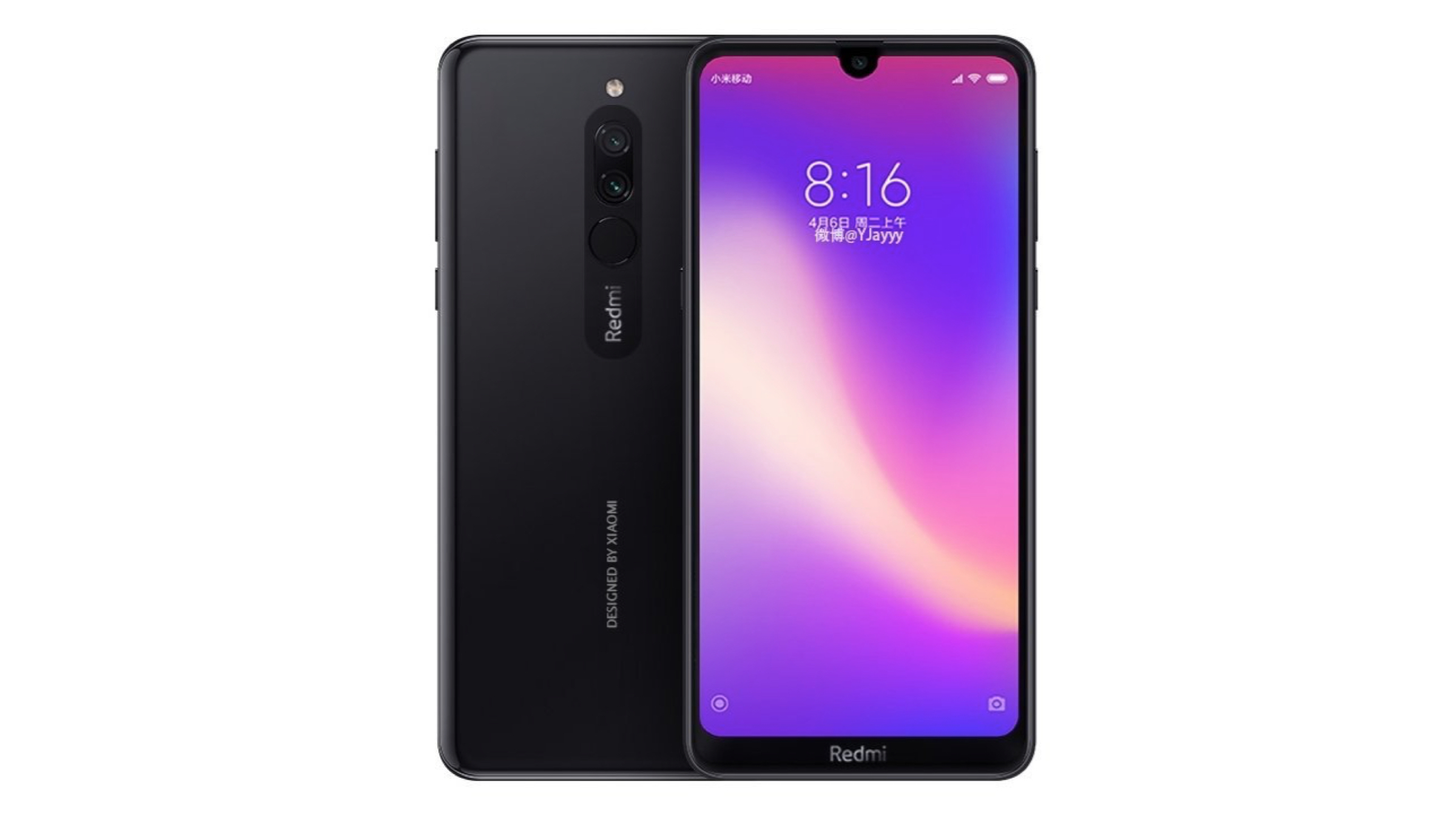
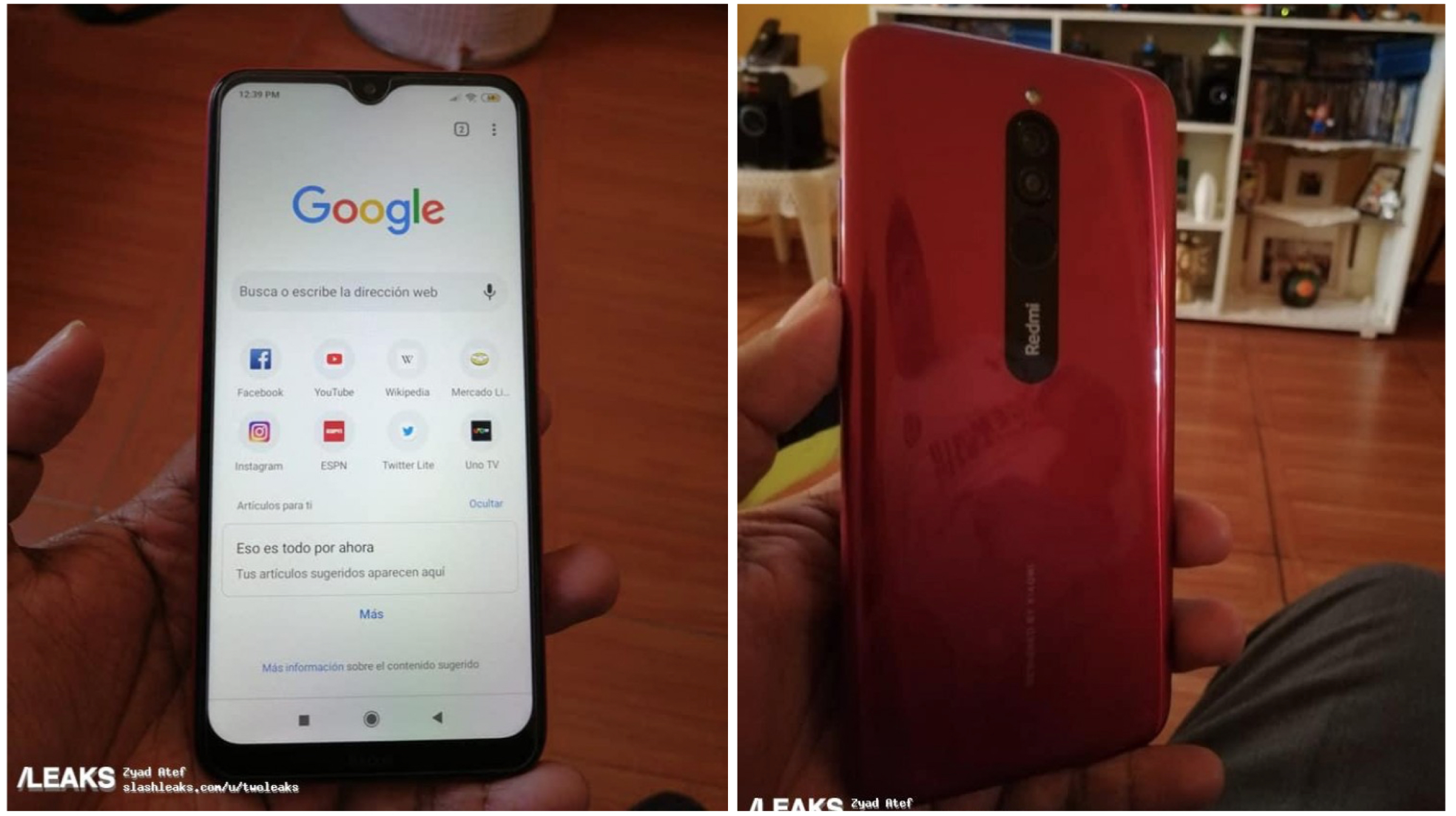
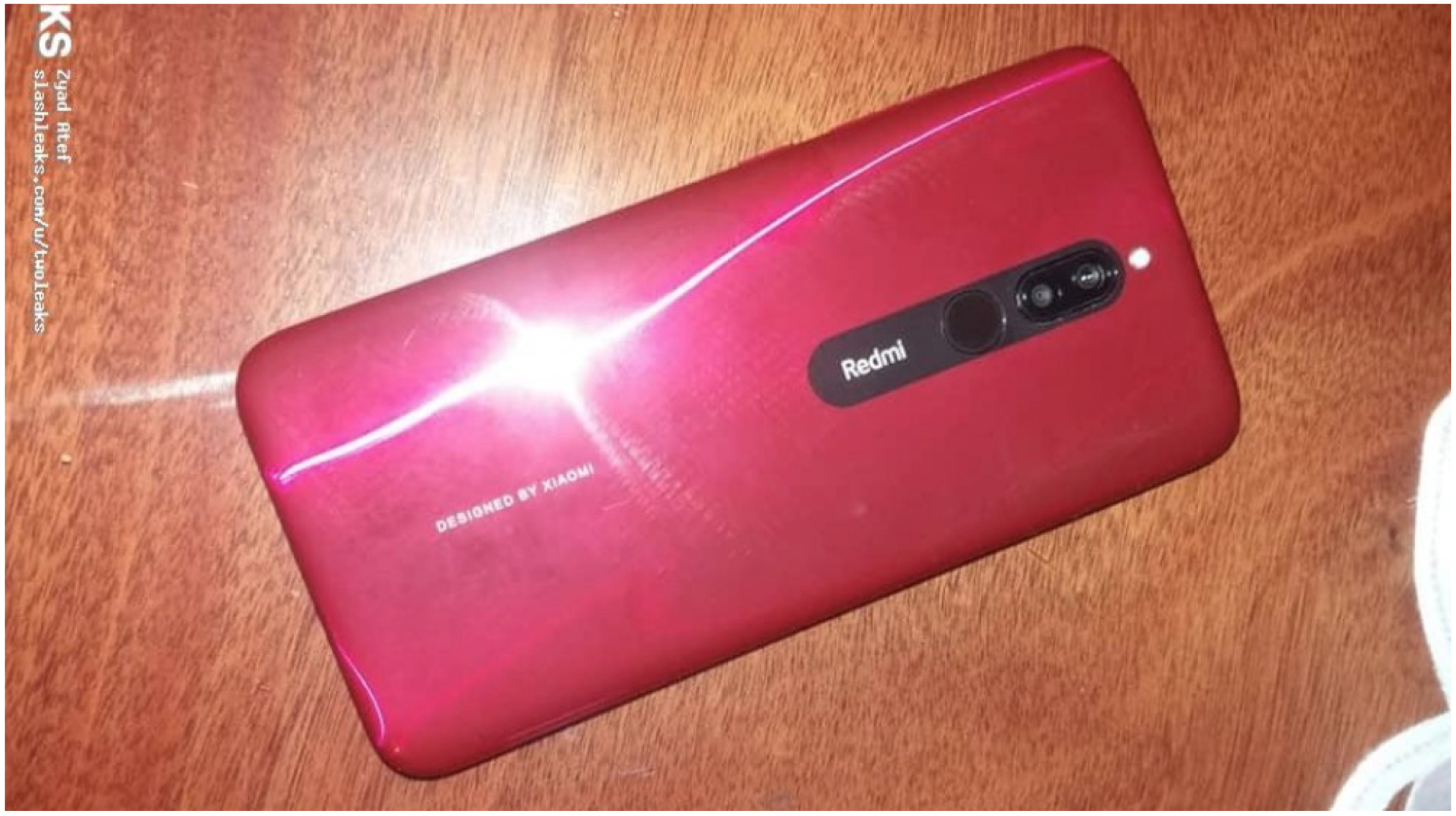
    Last week, we detailed the TENAA listing of an unreleased Xiaomi Smartphone which was believed to be the Redmi 8. According to freshly leaked images, it is instead the Redmi 8A which will be targeted towards the budget segment. As the name suggests, it will succeed the Redmi 7A which debuted in the month of May in China and was later launched in India.

    Although the strategy seems counterproductive to launch a successor in less than 6 months, we assume this could be due to rising competition from companies like Realme. Readers who do not know, the latter has already launched a multitude of handsets in over a year of its existence. Moreover, its latest lineup which consists of the Realme 5 and Realme 5 Pro will be unveiled on the 20th of August.

    Xioami Redmi 8A
    Xioami Redmi 8A Front and Back

    As per the leaked images, the Redmi 8A features a waterdrop notch display on the front that has a high screen to body ratio. The rear of the device is made out of plastic and it accommodates the company branding and dual camera setup which is arranged vertically in a capsule-shaped ridge. Besides it also features a fingerprint sensor which is a welcoming addition. 

    While we have already talked about the detailed specifications of the Redmi 8a in this post. We will reiterate upon the features which according to us will make this budget smartphone stand out of the crowd.

    Before we begin, it must be noted that these features will only stay relevant if Xiaomi manages to price the upcoming handset similar to the Redmi 7A. According to us, the pricing of the device should be around the Rs 6,500 mark for the base variant which is about Rs 500 expensive than the corresponding variant its preceding device.  

    Best Features of The Upcoming Redmi 8A
    Xioami Redmi 8A Rear
    Xioami Redmi 8A Dual Camera & Fingerprint Sensor
    • Display: The Redmi 8A features a 6.3-inch HD+ display which is a significant upgrade over its predecessor that has a 5.45 inch panel. Moreover, it has a high screen to body ratio which is achieved due to the waterdrop notch present on top of the display. 
    • Battery: A lot of customers that buy entry-level Android smartphones are migrating from feature phones while some buy them to use as a secondary handset. For both the scenarios, a large battery is important and 5,000 mAh battery found on the Redmi 8a can easily allow day-long backup. In fact, for most users, the battery will last for 2 days or even more. 
    • Storage: Due to affordable internet plans, the consumption of digital media has also seen multi-fold growth all around the world. Although the maximum number of Android smartphones support memory expansion via microSD card, most users never bother to buy and install one. Therefore, storage as much as 64 GB on an entry-level smartphone is a great feature. 
    • Fingerprint Sensor: In order to keep costs down whilst still providing a form of biometric verification, companies have opted to go with the face unlock feature which was even observed with the Redmi 7A. However, all of us know, the kind of reliability they offer. Therefore, the fingerprint sensor on the Redmi 8A is a great addition. As it is more reliable and at times easier to the use in situations like under-lit environments. 
    Xioami Redmi 8A
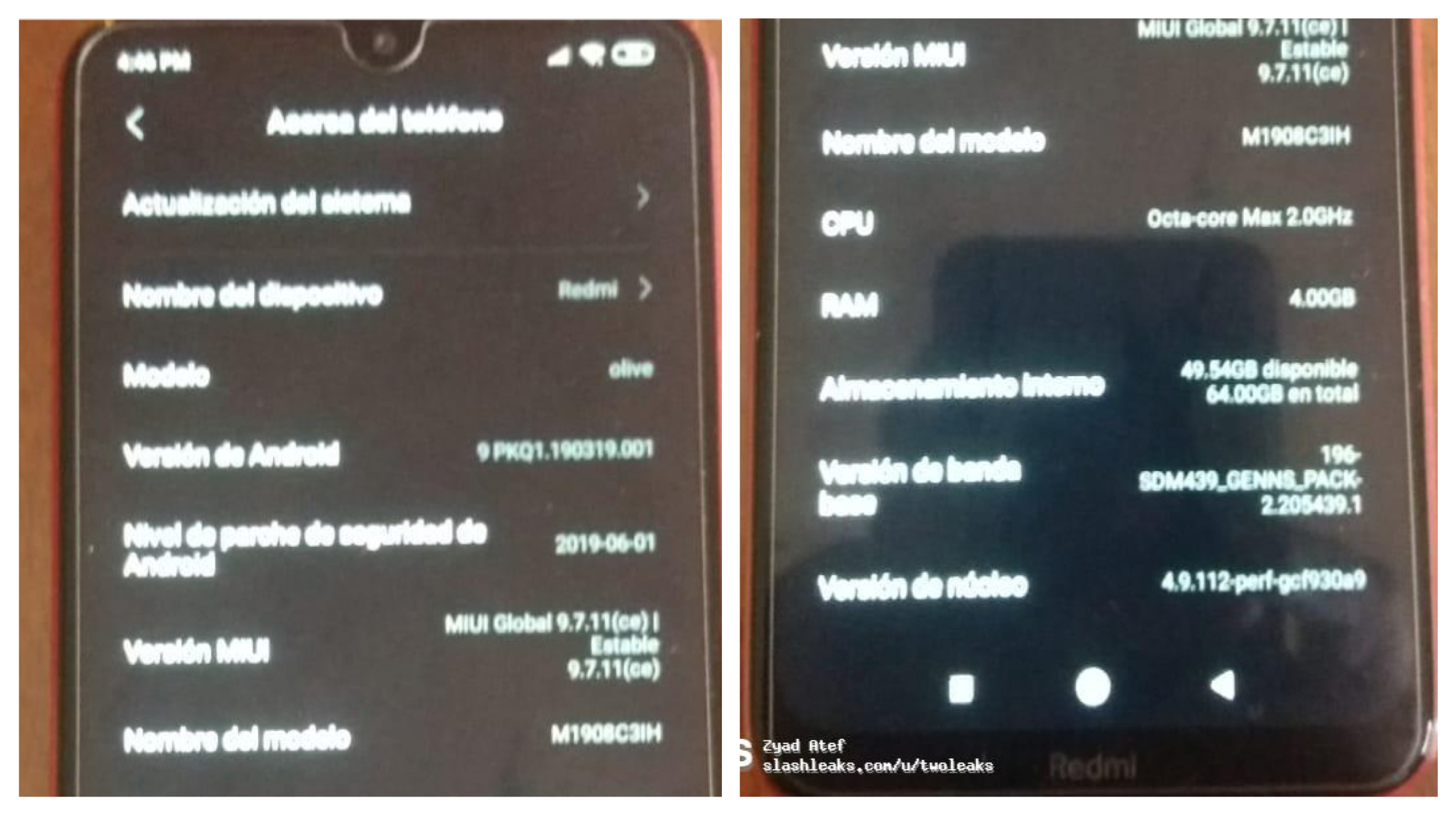
    Xioami Redmi 8A UI In Spanish

    The leaked images of the Redmi 8A exhibit the menus in the Spanish language. Consequently, it is expected to debut in Europe and later on make its way to India. 

    Also Read: Oppo Reno 2, Reno 2F And Reno 2Z Specs and Indian Pricing Leaked

    Even though Xiaomi has not officially revealed its launch date, the device is assumed to be unveiled at the upcoming event on 29th of August which will see the launch of Redmi Note 8 and a 70-inch Redmi branded TV

    To sum things up, the upcoming Redmi 8a holds the potential to become of the best selling smartphone in the budget segment. However, as previously mentioned, Xiaomi needs to retain an aggressive price to give it an edge over its competition. 

    What are your thoughts on the upcoming Redmi 8A, Which feature do you think is its biggest USP (Unique Selling Point)? Let us know in the comments below. 
  • Oppo Reno 2, Reno 2F And Reno 2Z Specs and Indian Pricing Leaked

    Oppo Reno 2, Reno 2F And Reno 2Z Specs and Indian Pricing Leaked

    Oppo, in a surprising move, has planned on launching its second generation of Reno smartphones mere months after the original’s release. Previously, we had covered the initial announcement made by the company on Twitter. Unfortunately, apart from the launch date of 28th August 2019, Oppo was yet to reveal any details including specs or features of the devices. A new report claims to leak the Indian pricing and specs of three upcoming Reno series smartphones.
    Oppo Reno

    Oppo Reno 2 Series

    The Reno2 series arrives barely 4 months after the launch of the original Reno series in India. The latest generation will debut in India prior to its global launch. Reportedly, all three Reno2 series smartphone will feature a quad-camera setup alongside 20x Zoom. Interestingly, it is also reported that the new series will still sit right below Oppo’s Reno 10x Zoom.


    According to the report, Oppo Reno 2 will feature a 6.5 inch AMOLED display with a 20:9 aspect ratio. The device will have a 93.1 percent screen to body ratio with an in-display fingerprint scanner and Gorilla Glass 6. Notably, The Reno2 could potentially be the first smartphone in India to sport Qualcomm’s Snapdragon 730G SoC. In terms of storage, the device will feature a 256GB ROM alongside 8GB of RAM. The RAM and ROM configurations may probably launch in multiple variants. Additionally, Reno2 will run the Android 9 Pie-based ColorOS 6.0.1 but the company has promised availability of Android Q. The smartphone will replace the original Reno and will be priced around INR 35,000.

    Oppo Reno

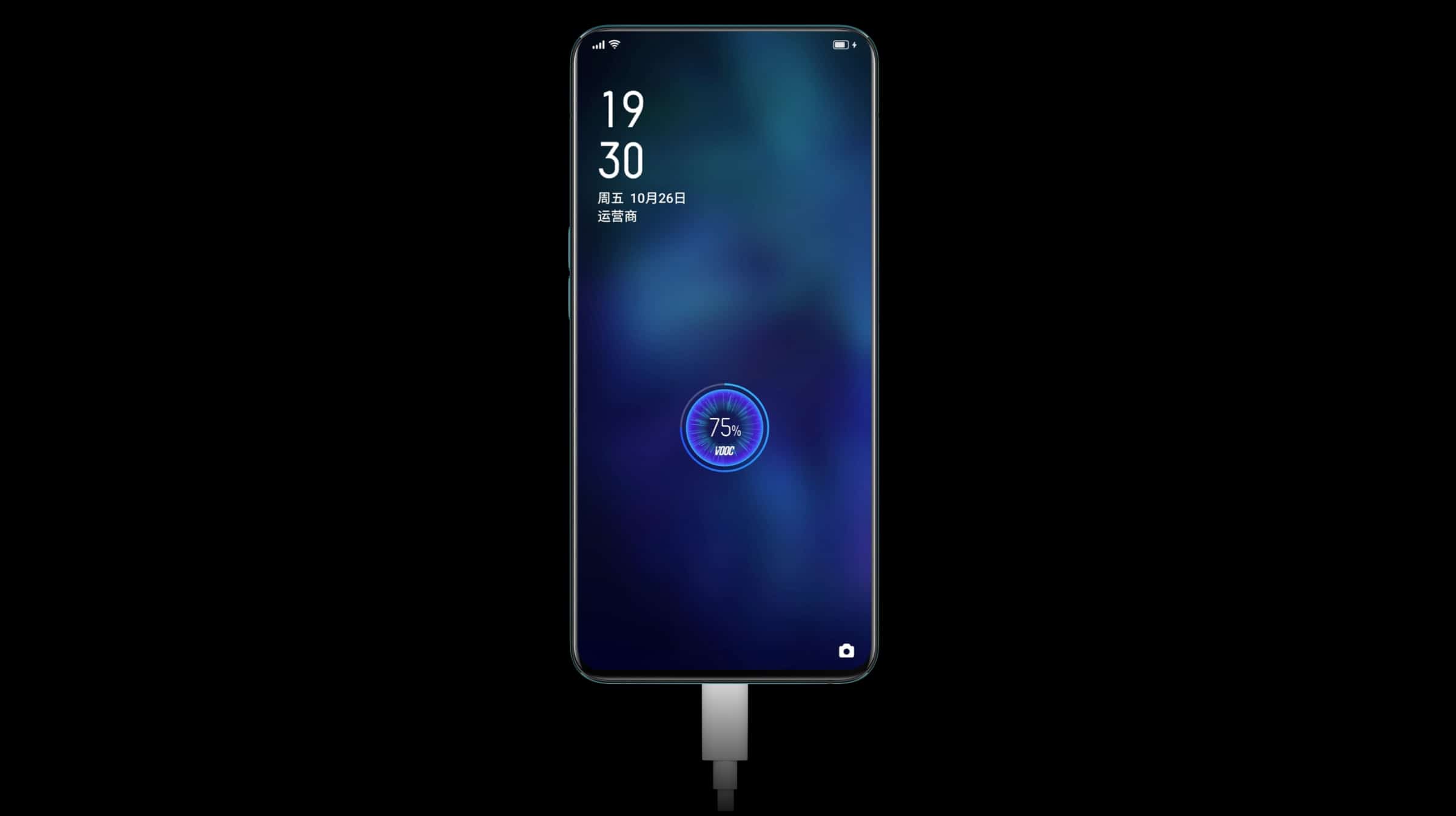
    The smartphone will feature a quad-camera setup on the rear with a 48MP Sony IMX586 primary sensor with f/1.7 aperture. It will also include an 8MP ultra-wide lens, 13MP 5x hybrid zoom camera alongside a 2MP depth sensor. The camera will feature special portrait modes such as “Ultra Dark Mode”, Portrait Mode 2.0, Ultra Steady Videos, 3D audio zoom, real-time portrait videos, and hybrid image stabilization. Oppo Reno 2’s selfie shooter is a 16MP camera with the similar sharkfin popup mechanism accompanied by “soft light flash.”  The device will be powered by a 4,000mAh battery that supports VOOC 3.0 fast charging and also has Gorilla Glass 5 on the back.

    Oppo Reno

    Reno 2Z

    Oppo Reno 2Z is a toned-down iteration in the Reno2 series. It will also feature a large 6.53 inch AMOLED display with an FHD+ resolution. Oppo will add Corning’s Gorilla Glass 5 to the smartphone which will also house an in-display fingerprint scanner. Reno 2Z features MediaTek Helio P90 SoC with 8GB of RAM and 256GB of internal storage. The device is expected to be released with a price tag around INR 25,000.

    The camera on Oppo Reno 2Z also houses a 48MP primary shooter alongside 8MP ultra-wide-angle lens and 2MP depth sensor. Features such as the OS, front-facing camera and battery are said to be similar to the above-mentioned Reno2.

    Reno 2F

    The third smartphone in the series is still shrouded in mystery. Oppo Reno 2F is likely to also feature much of the features regarding camera module but will run on a slightly weaker chipset. The exact display size is currently unknown but going by its INR 20,000 price bracket it can be assumed to be smaller than the former two devices.

    Oppo Reno

    Also Read: Realme 5 Pro Will Have The Snapdragon 710 Claims Geekbench Listing

    The report is yet to be confirmed by the company. However, the specs do seem highly likely as replacing the Reno flagship in just a short amount of time seems like a counterproductive move on their part. More information is expected to be available soon. stay tuned for updates.

iGyaan Network
Privacy Overview

This website uses cookies so that we can provide you with the best user experience possible. Cookie information is stored in your browser and performs functions such as recognising you when you return to our website and helping our team to understand which sections of the website you find most interesting and useful.