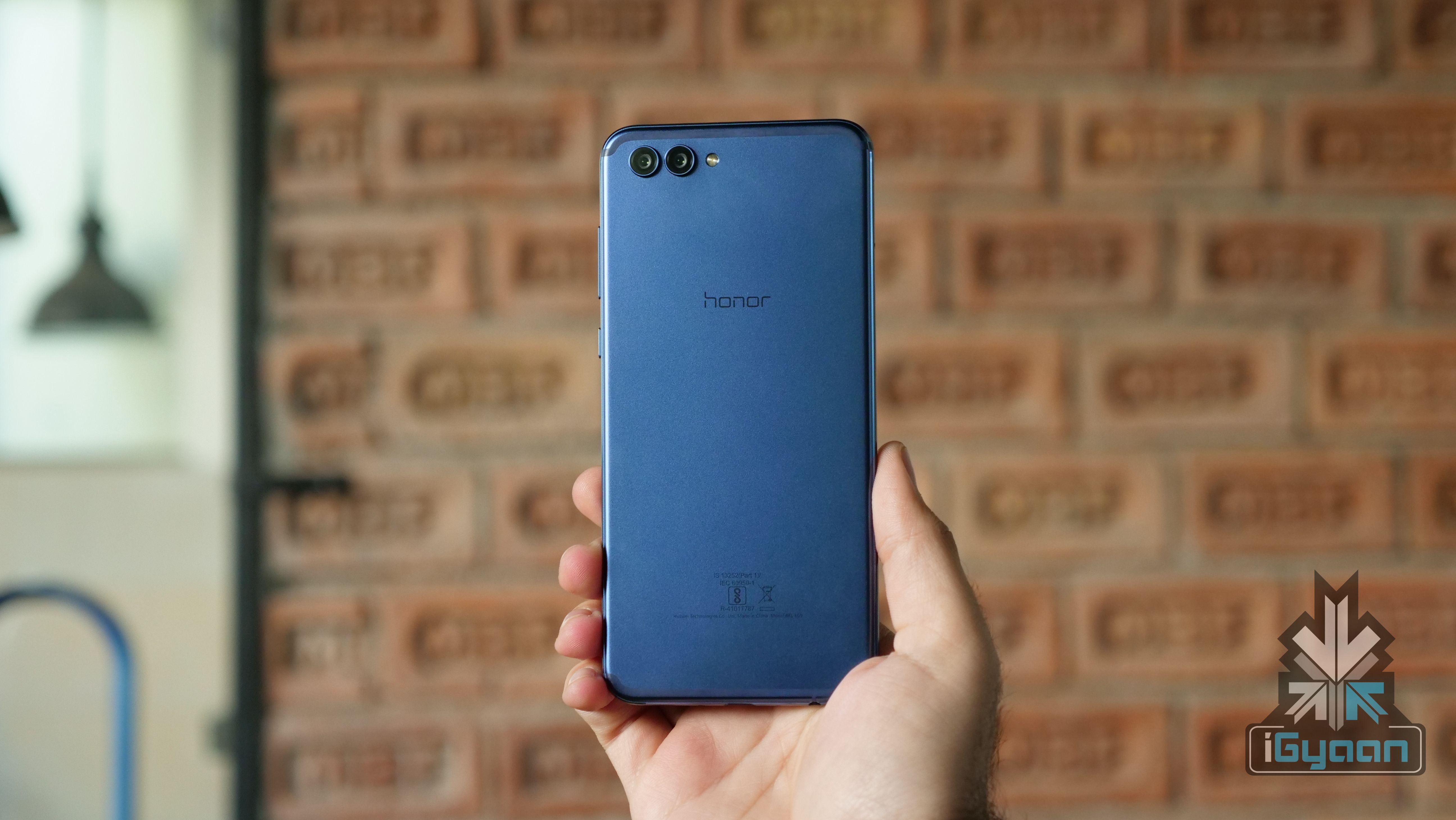
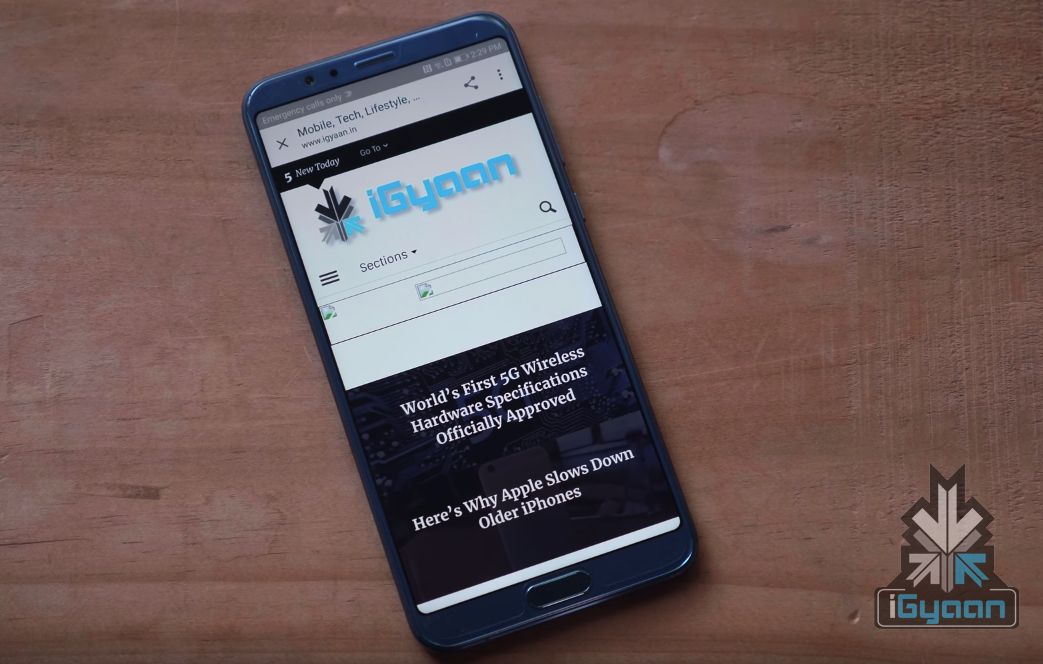
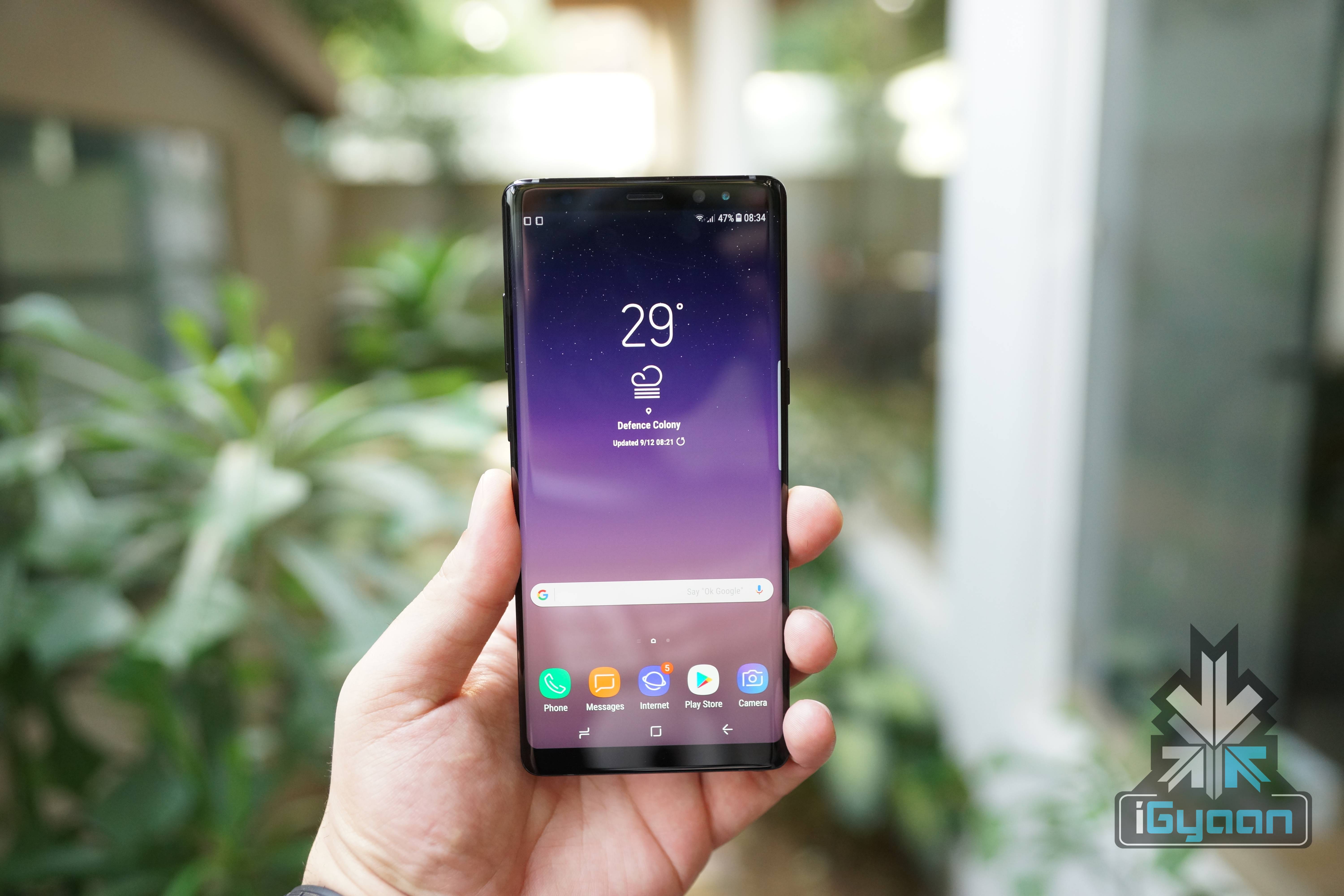
The Honor View10, launched in early-December at an event in London will go on sale in India on 8th of January at a price of Rs. 29,999. The price of Rs. 29,999 makes this the most affordable budget flagship available in the market right now. The OnePlus 5T and the Xiaomi Mi Mix 2 are priced at Rs. 32999. Registrations for the device started on the 28th of December and it will be available in two colour variant, Midnight Black and Navy Blue.
The Honor View10 has a 5.99-inch IPS LCD display with a 2160 x 1080 px resolution which translates to an 18:9 aspect ratio. The Honor View10 has minimal side bezels and thin top and bottom bezels.
Under the hood, the device has the Kirin 970 chipset with a Neural Processing Unit, 6GB of RAM, and 128GB onboard storage. The onboard storage can be expanded up to 256GB via microSD card. There is a 3.5mm headphone jack at the bottom of the device along with a USB Type C port. The front of the device also has a home button which houses the fingerprint sensor.
The Honor View10 also has facial recognition which is becoming more prominent since the launch of the iPhone X. The facial recognition works similar to the Face ID on the iPhone X, the accuracy of which, will be extensively tested in the coming weeks.
Similar to the Google Pixel 2 and Pixel 2 XL, the Honor View10 also concentrates a lot on AI. For example, while on a call, AI will differentiate between the user’s voice and background noise to make sure the user’s voice is clearer. This is thanks to the presence of the Kirin 970 chipset which has a Neural Processing Unit on board.
Because of its facial recognition technology, the Honor View10 also has iPhone X-like animojis, which Honor claims are much more accurate than iPhone X since it tracks the user’s tongue as well.
Powering the device is a 3750 mAh battery and supports 5V / 4.5A fast charging. Honor claims the phone will be 50% charged in 30 minutes thanks to Honor Super Charge technology.
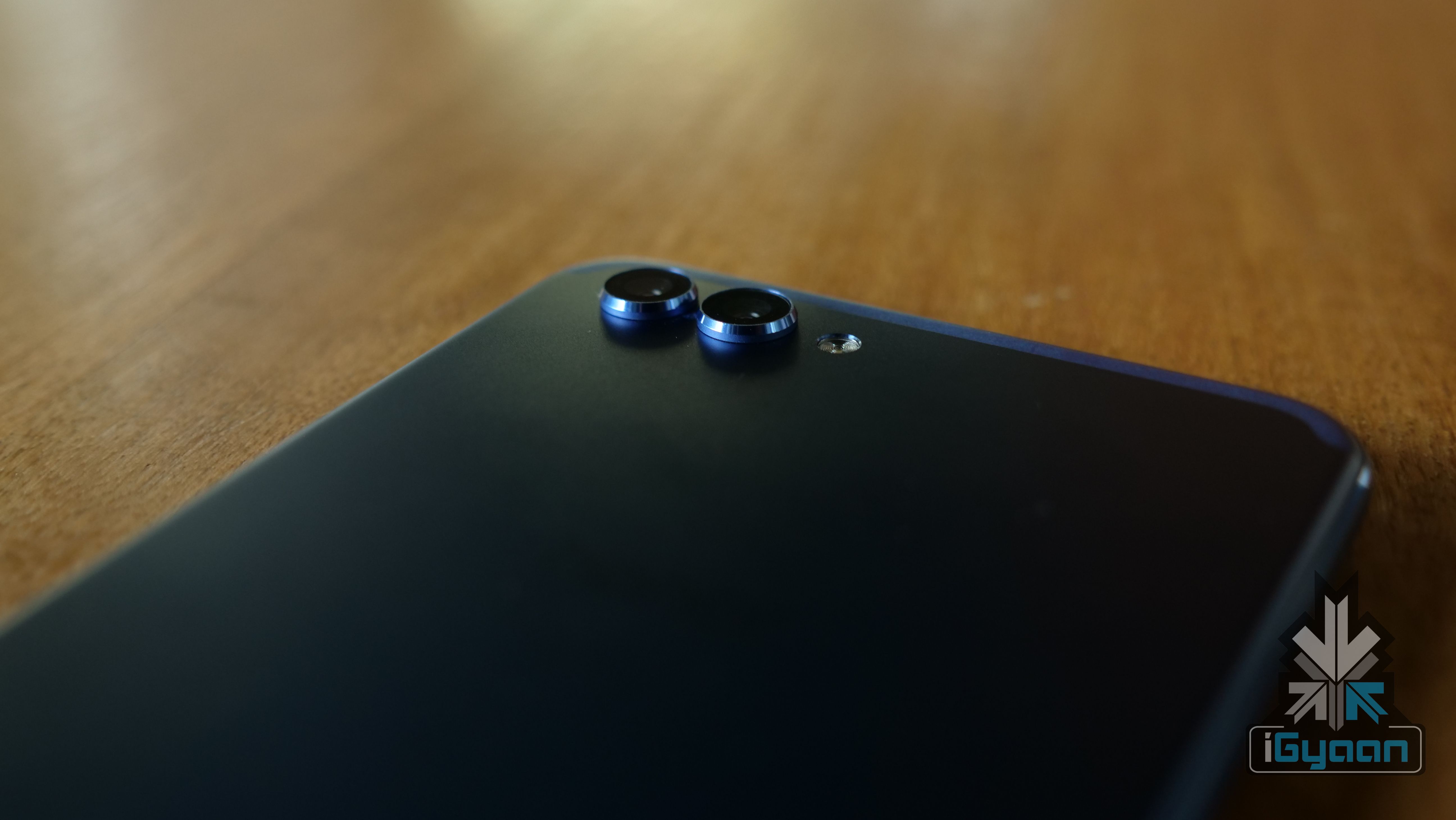
The Honor View10 has a dual camera setup at the back and has a single camera at the front. The back of the devices houses a 16MP RGB sensor and a 20MP Monochrome sensor with both having an f/1.8 aperture. The primary camera setup records 4K videos at 30fps. At the front of the phone is a 13MP camera with an f/2.0 aperture.
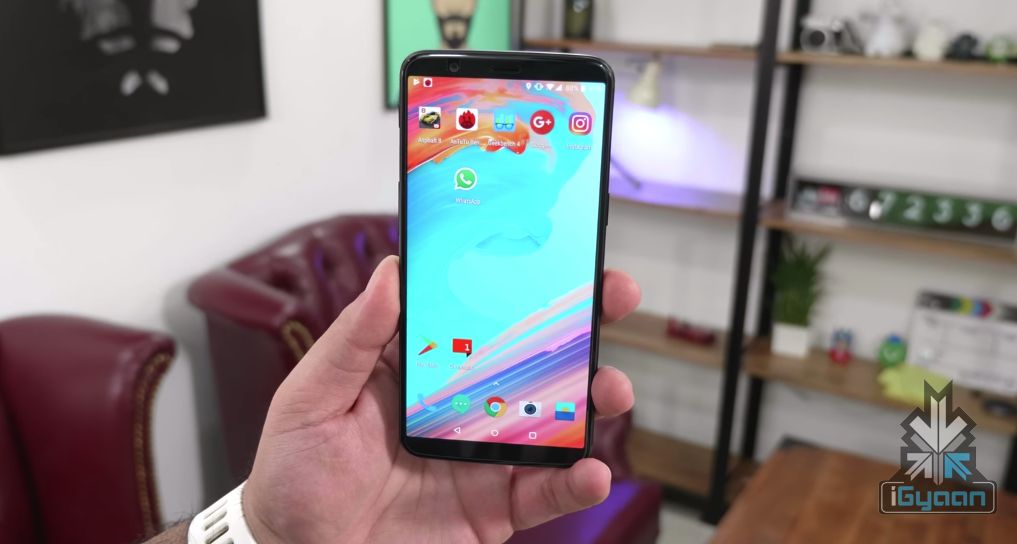
At an extremely competitive price of Rs. 29999, the Honor View10 will definitely test the resilience of the OnePlus 5T which has so far been a popular choice for people looking for an affordable flagship Android device. The Honor View10, just like the OnePlus 5T has a flagship chipset, dual cameras but, also has all the bells and whistles of AI, which are missing from the OnePlus 5T.
Apple has been in the news for the past few days, getting bad press over the Battery vs Performance slowdowns of the previous generation of iPhones. Although the company clarified its stance and revealed the intentions behind such a drastic step, consumers are still baffled and the company will have to do a lot of work in order to win their trust back. One step that the company took in that direction was reworking its battery replacement program.
One the 29th of December, the company released a statement announcing its new battery replacement wherein the charges of replacing an out-of-warranty battery were much less than what it was before. According to the old program, it cost US $79 plus taxes to replace a battery but, it will now cost US $29 plus taxes. While this seems like a reasonable trade-off for the consumers, the company might be facing a significant drop in iPhone sales in 2018.
According to Barclays analyst Mark Moskowitz, customers opting for a battery replacement instead of upgrading an iPhone could be a “mild headwind” for iPhone unit sales, potentially resulting in millions of fewer iPhone purchases during the year. He believes that up to 78% of iPhone users are eligible to upgrade their batteries.
In our base case scenario, 10% of those 519M users take the $29 offer, and around 30% of them decide not to buy a new iPhone this year. This means around 16M iPhone sales could be at risk, creating ~4% downside to our current revenue estimate for C2018.
It is to be seen whether the sales will see such a significant hit because it costs less to replace a battery. There are many other factors that influence a consumer to upgrade to a new phone like new features, better camera, or even a new design.
Apple has said that a new battery in an affected iPhone will restore its old performance since the software tweak kicks in only when it notices a significantly degraded battery health. This was the prime reason behind Apple cutting down the cost of replacing an out-of-warranty. Apple has stated that the throttling of performance was never done to influence a consumer into buying a new iPhone but, there is no denying that it is an inevitable consequence of its actions. Perhaps, the company would have been better off by being transparent about such a huge issue and its steps to curb the side effects.
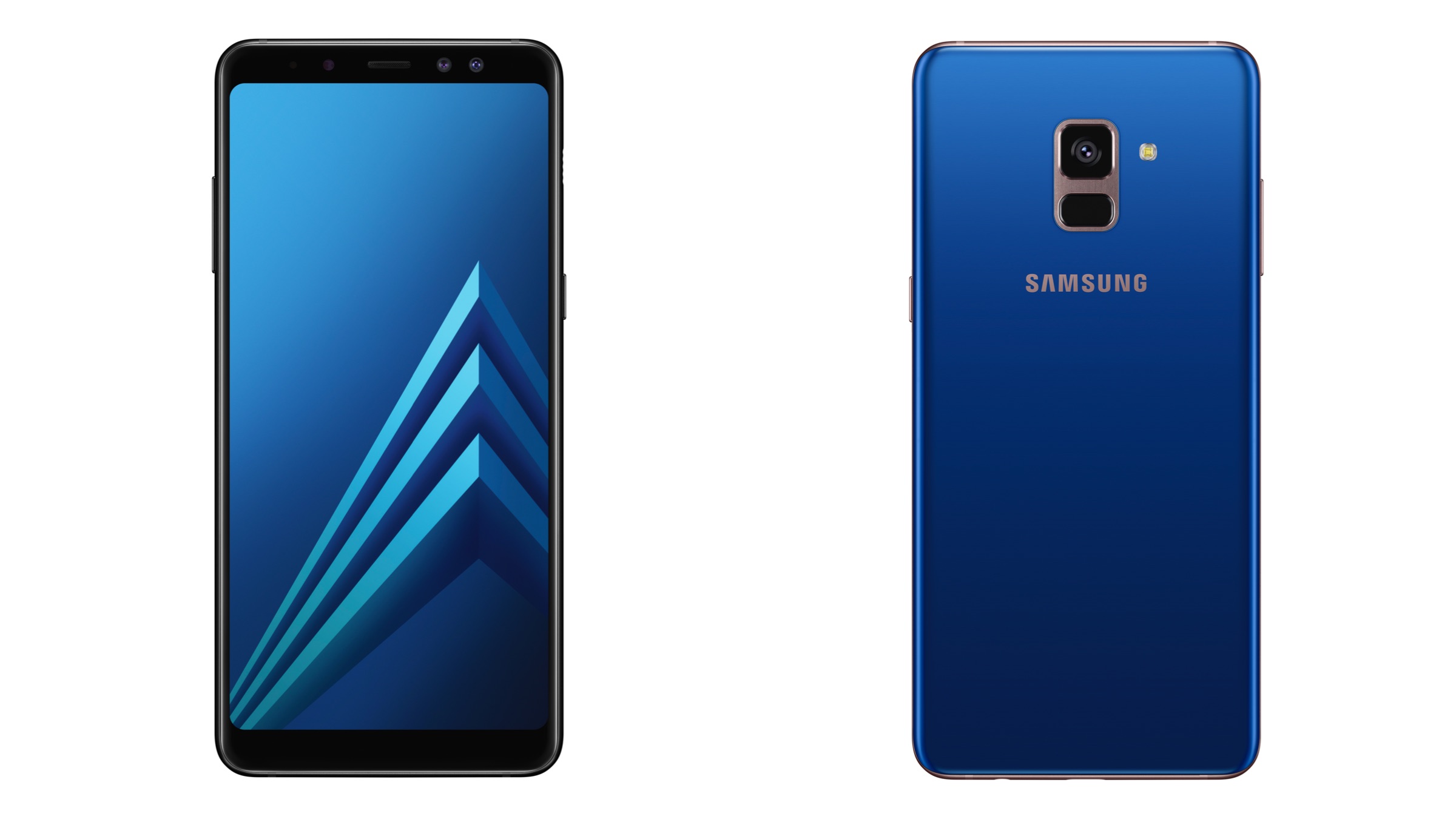
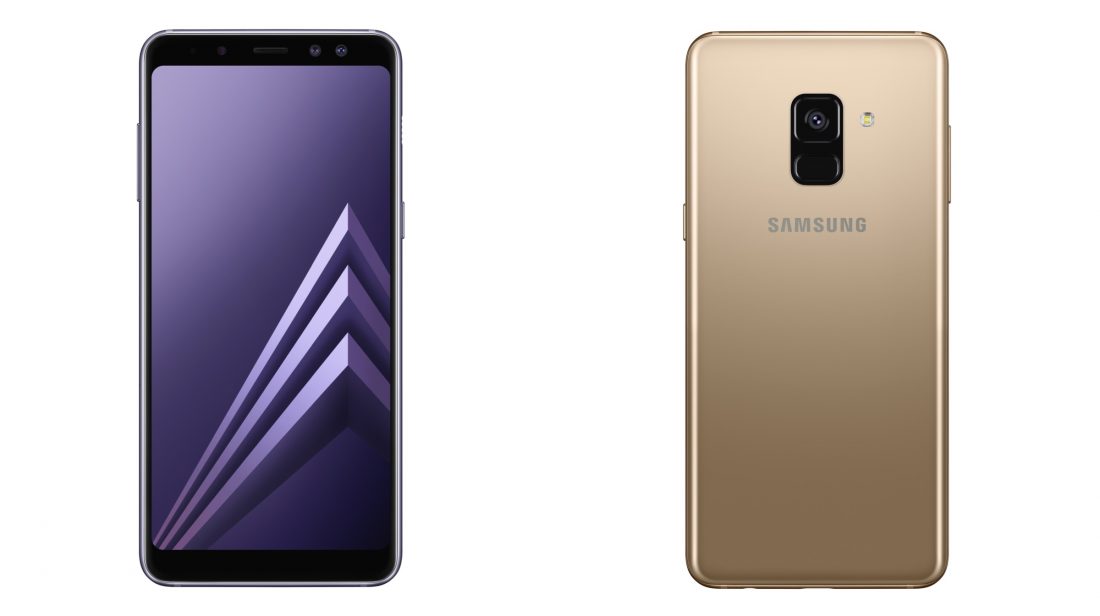
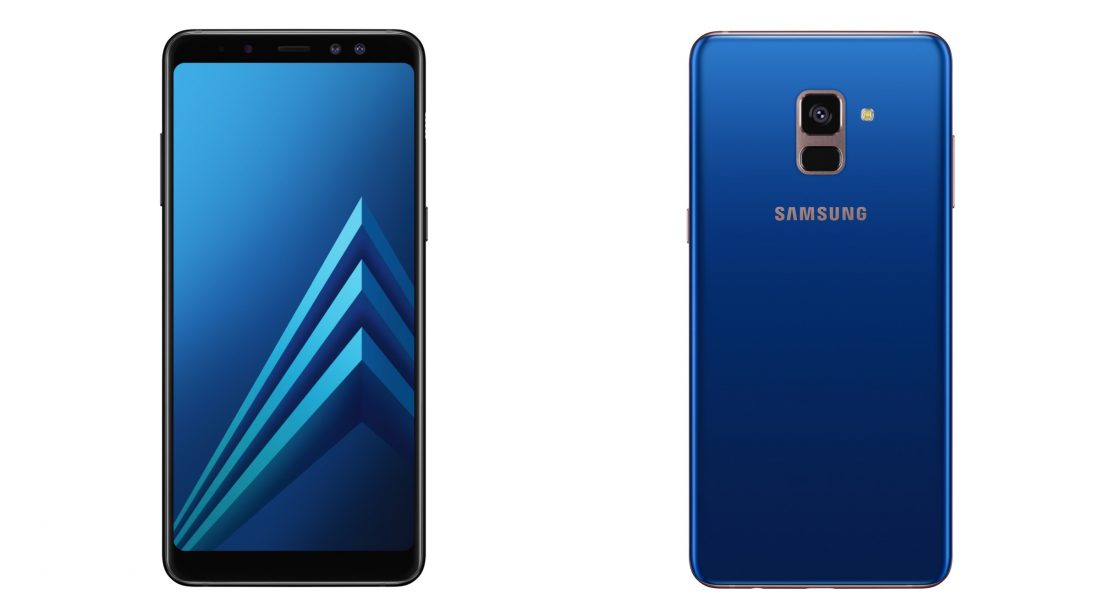
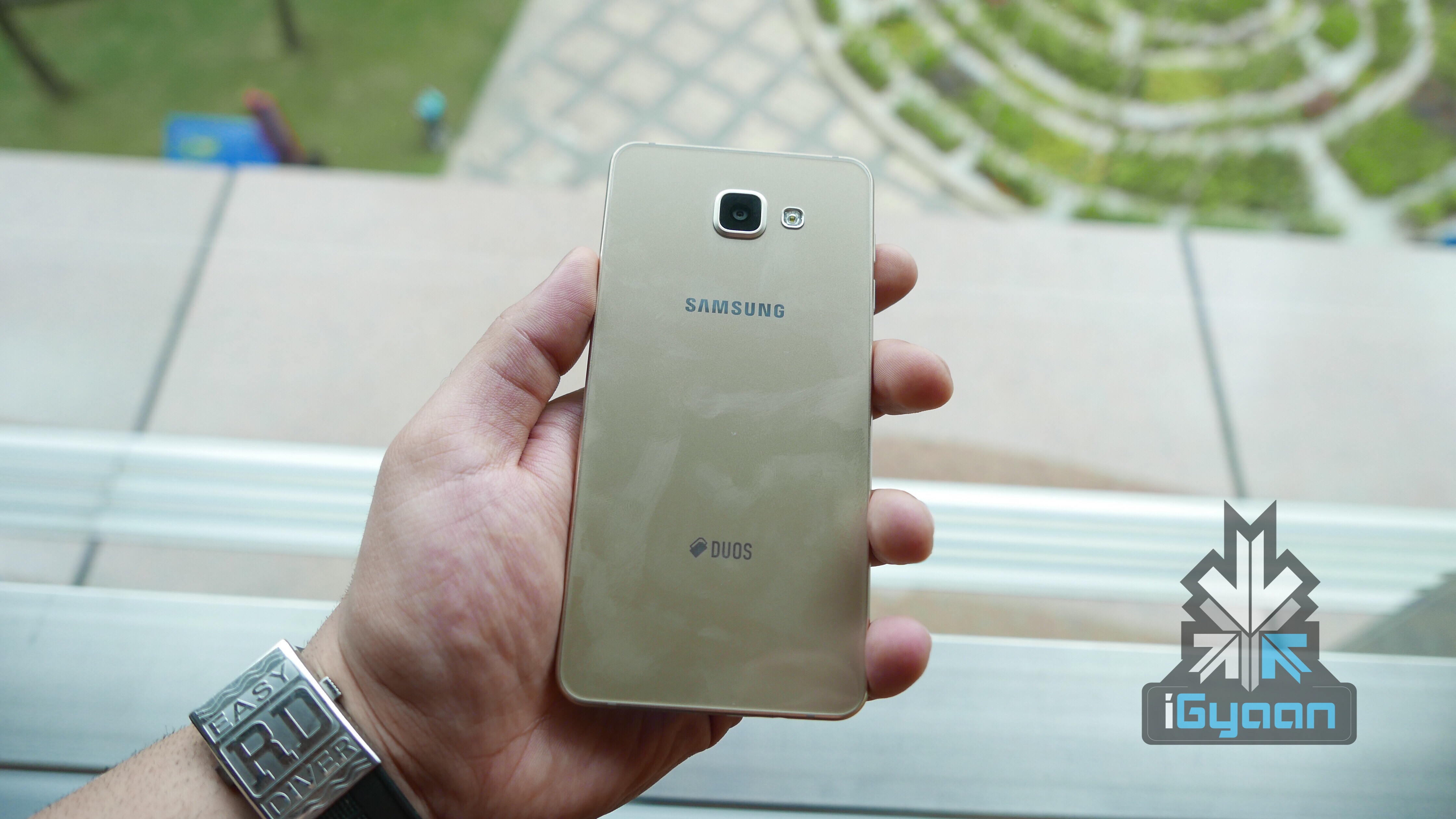
Samsung will soon launch its new Galaxy A8+ in India. Amazon India has listed the two devices which means that the device will be sold in India as an Amazon exclusive. However, the website doesn’t reveal anything related to the price or date of launch of the smartphone. But, with Amazon listing the device on its website, the launch of the phone might not be too far away. Although the listing only mentions the Galaxy A8+, the Galaxy A8 could also be launched in India.
In Vietnam, the Galaxy A8+ is priced at VND 13,490,000 (Rs. 38040 approx.) and will go on sale on the 6th of January. The Galaxy A8, on the other hand, is priced at VND 10,990,000 (Rs. 30980 approx.) in Vietnam. It is fair to assume that the two devices will be priced under Rs. 40000 in India and compete with the likes of the OnePlus 5T and Honor View10.
The Galaxy A8 and A8+ are the first budget-oriented Samsung phones to feature the infinity display. The Galaxy A8 has a 5.6-inch display while the bigger sibling, the Galaxy A8+ has a 6-inch display. Both the phones have a Super AMOLED display panel with a 2220 x 1080 px resolution which translates to an 18.5:9 aspect ratio.
Galaxy A8
Under the hood, both the devices have an octa-core (2.2GHz Dual + 1.6GHz Hexa) processor while the chipset is still unspecified, it could be the Exynos 7885 SoC as found in the leaked video. The Galaxy A8 has 4GB of RAM with two storage options of either 32GB or 64GB while the Galaxy A8+ has two variants, one with 4GB RAM and 32GB storage and the other with 6GB RAM and 64GB storage. Just like every other smartphone from Samsung, the onboard storage can be expanded up to 256GB via microSD card. Both the smartphones are IP68 rated for water and dust resistance and support Samsung Pay for contactless mobile payment.
Powering the Galaxy A8 is a 3000 mAh battery while the Galaxy A8+ has a 3500 mAh battery. Both the devices are charged via USB Type-C port.
One thing that might come as a surprise, especially for phones launching in 2018 is the OS. Both the phones will run Android 7.1.1 Nougat out of the box with Samsung’s own custom skin on top.
Galaxy A8+
The Galaxy A8 and Galaxy A8+ are also the first of Samsung phones to have a dual-camera setup on the front. Both the phones have a 16MP + 8MP camera setup with an f/1.9 aperture. The Live Focus feature lets users chose whether the background should be in focus or blurred to a soft bokeh. The phone will switch between the two front cameras to get the effect the user needs. To the back of the phone is a 16MP camera with an f/1.7 aperture and digital stabilisation.
At a price of under Rs. 40000, the two phones will face stiff competition from the budget flagship phones like the OnePlus 5T and Honor View10. The Galaxy A8 and A8+ do have an IP68 rating and front-facing dual cameras which the other two phones, and it’ll be interesting to see if these features will be enough to persuade consumers into opting for Samsung’s offerings over the others.
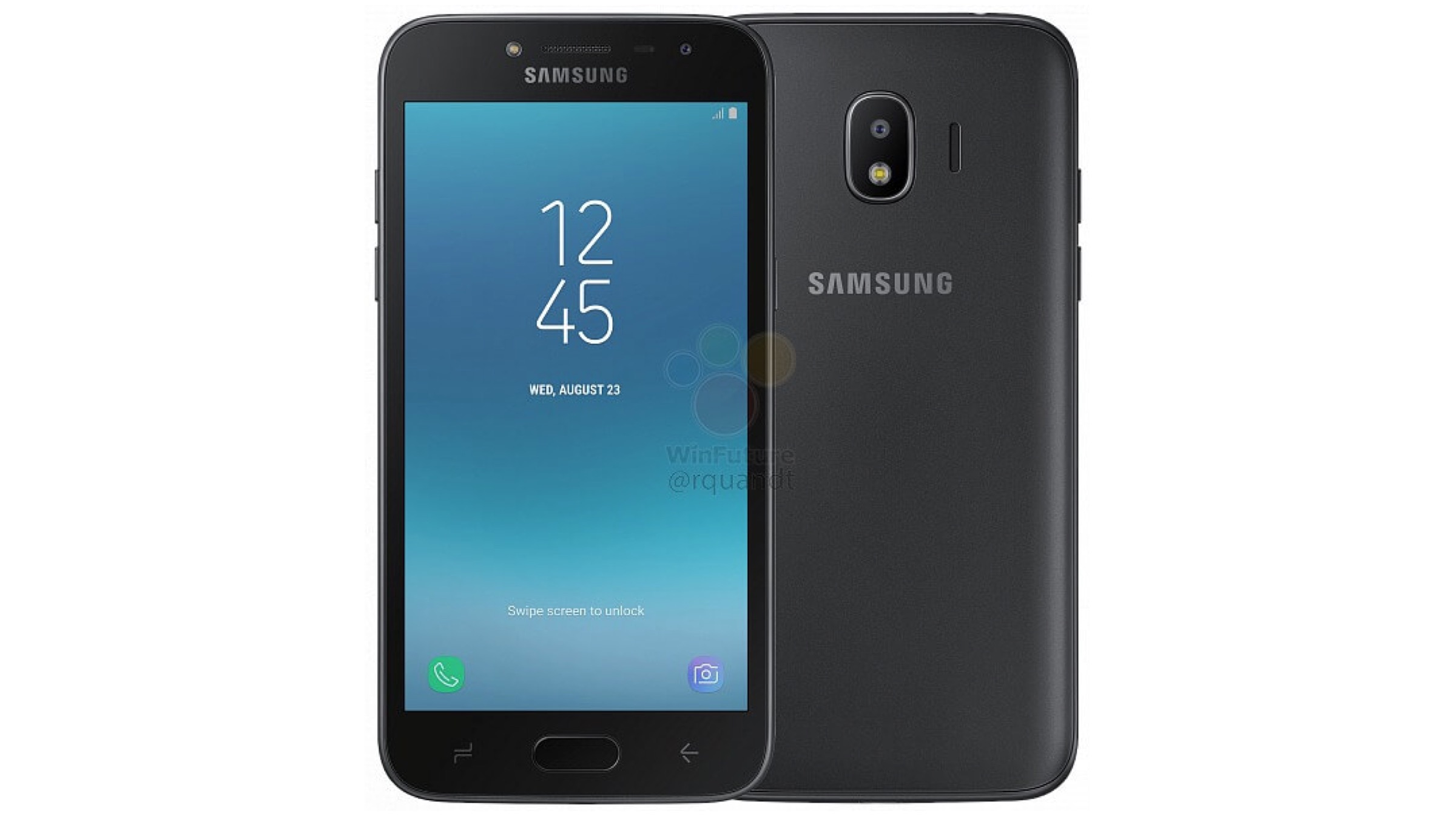
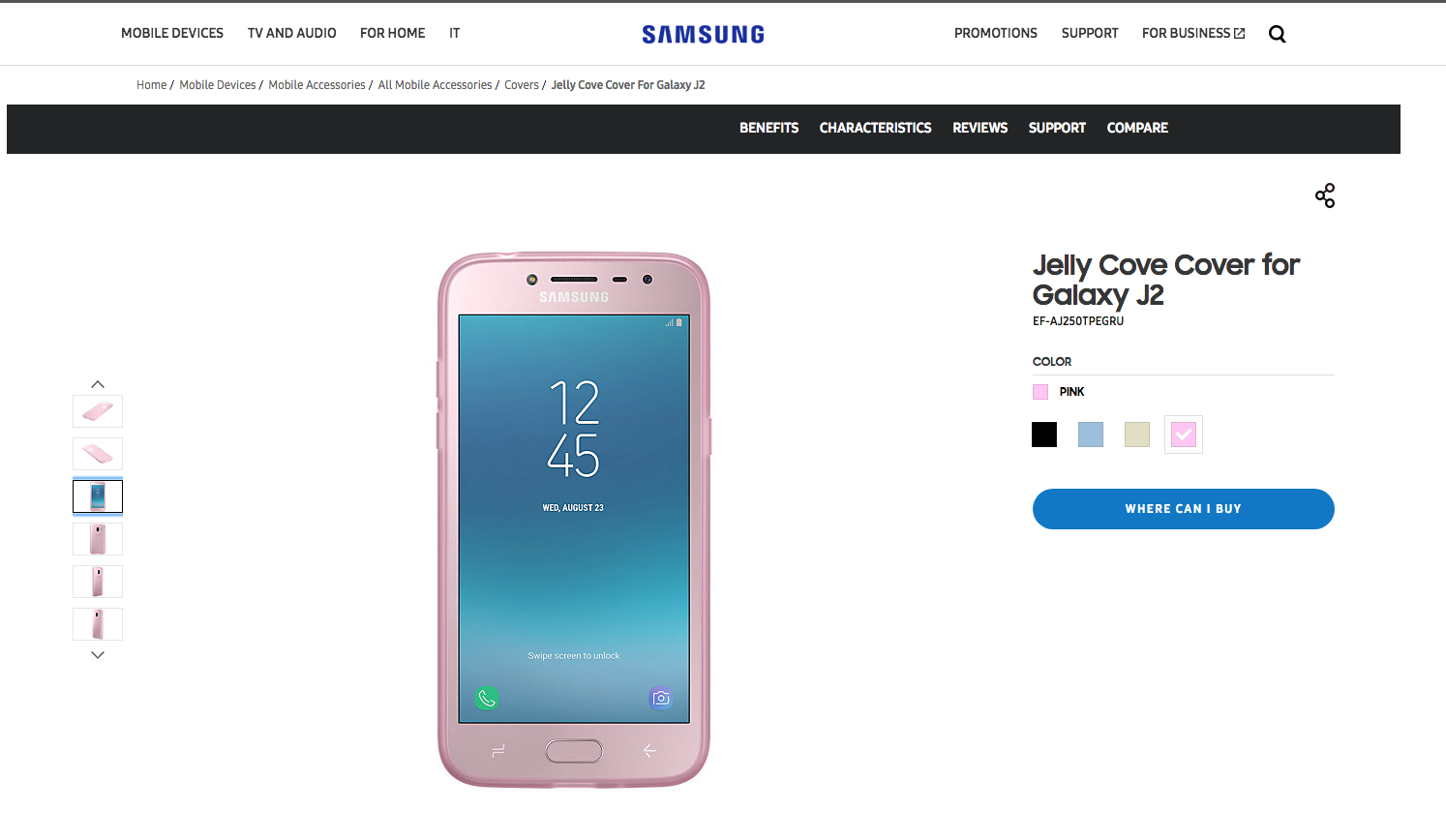
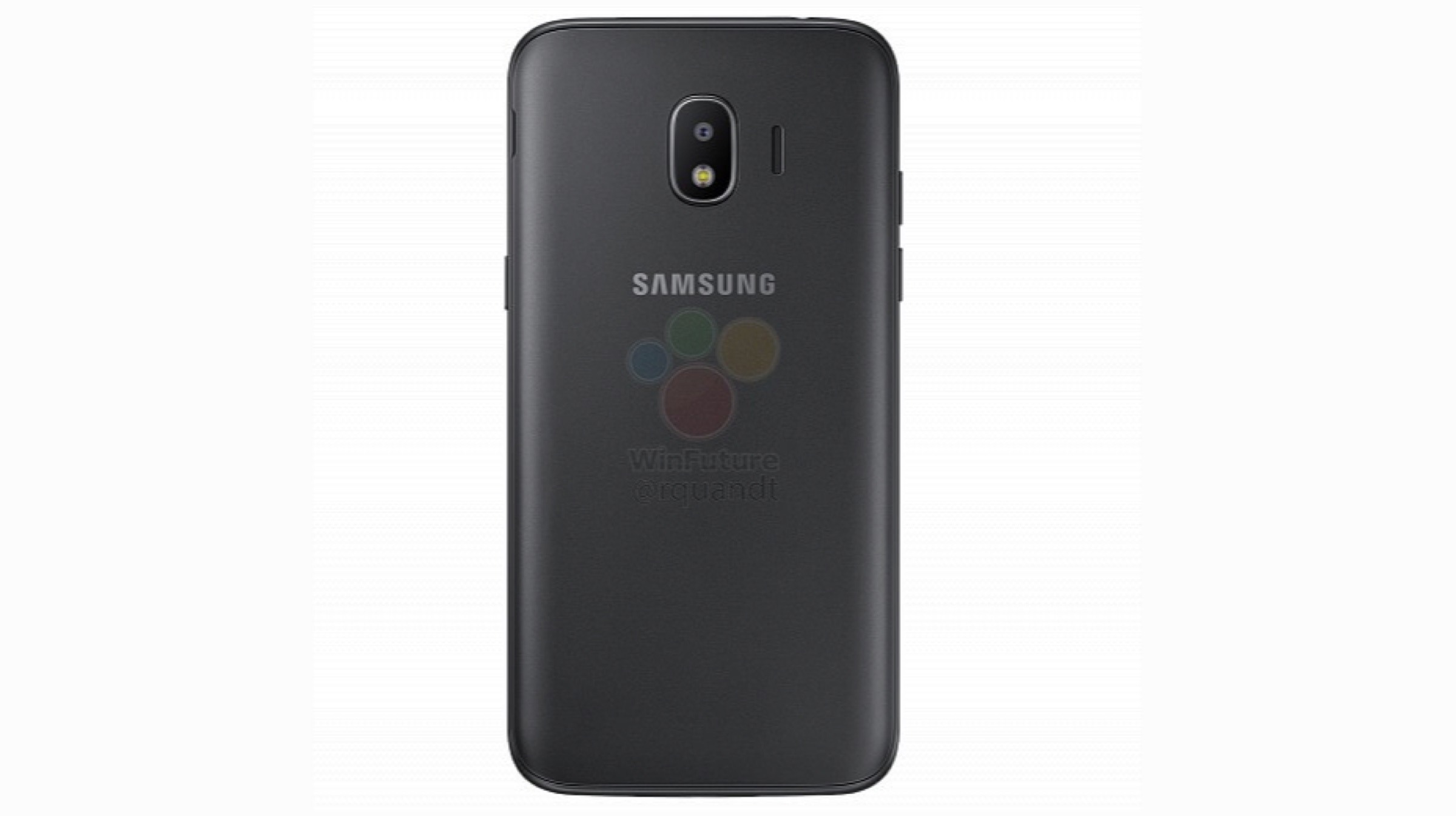
The Samsung Galaxy J2 (2018) is expected to be launched soon. The specifications of the device were leaked a few weeks ago and then, a Russian e-commerce website listed the Galaxy J2 (2018) along with a few specifications. However, the most notable development in the saga of Galaxy J2 (2018) happened when Samsung listed a case for the device on its Russia website.
The listing reveals the same build and design of the Galaxy J2 (2018) which has been leaked over the past few weeks. Another aspect to note here is the capacitive buttons next to the physical home button. The design of the buttons is reminiscent of what we’ve seen from the software buttons found on the Galaxy S8, S8+ and the Galaxy Note8 devices. This further implicates the device listed on the website is, indeed, the upcoming Galaxy J2 (2018). The listing also reveals that Samsung will launch the device in an array of colours like Coral Blue, Gold, Pink and Black.
The device will have a 5-inch Super AMOLED display with 960 x 540 px resolution.
Under the hood, the device is expected to have the Qualcomm Snapdragon 425 chipset, 1.4GHz quad-core processor, Adreno 308 GPU, 2GB of RAM, and 16GB of onboard storage which will expandable via microSD card.
Powering the device is a user-replaceable 2600 mAh battery. The J2 (2018) has dual-SIM support, Bluetooth 4.2, LTE Cat.4 (up to 150Mbps down), and 802.11n Wi-Fi.
Both the primary and secondary cameras have an LED flash, according to the renders. On the back is an 8 MP camera and the front houses a 5MP camera. The device is expected to be launched in early-2018 in Russia with a subsequent global roll-out.
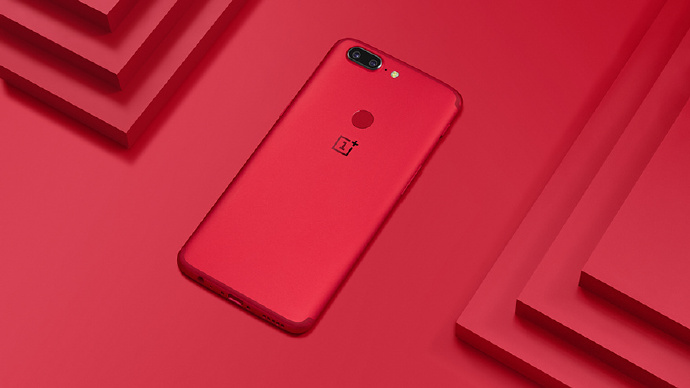
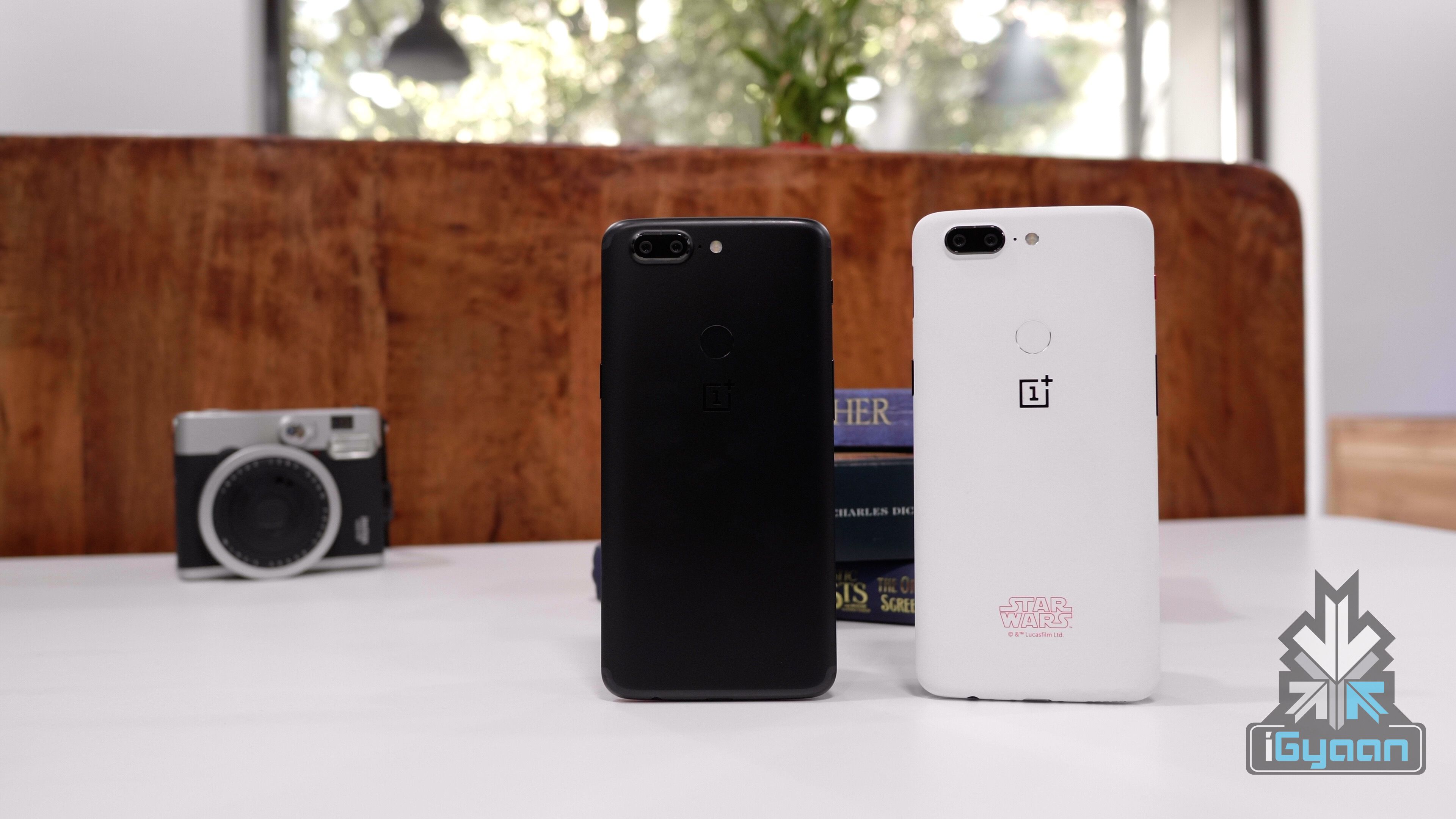
The OnePlus 5 and 5t have seen their fair share of ‘limited edition’ releases in 2017. In September, OnePlus teamed up with French artist and design, Castelbajac to launch the limited edition OnePlus 5 Castelbajac in Paris. In December, the OnePlus 5T Star Wars limited edition was launched in India. However, between these two limited edition releases, China saw the launch of a Lava Red colour variant of the OnePlus 5T.
OnePlus 5T and OnePlus 5T Star Wars Limited Edition
It appeared that this would remain a China-exclusive and never see a global release, just like many other exciting products. However, the Chinese manufacturer might be launching the Lava Red colour variant of the OnePlus 5T in India on the 26th of January. According to a report, a “Source close to OnePlus ” has conceded that the device might be launched for the Indian audience as well.
OnePlus has identified the Indian market and is covering extra yards to make the Indian consumers feel special. The Star Wars edition of the OnePlus 5T was an India-exclusive device and the company went all-out to promote it. A new colour variant will give the consumers another incentive to buy the OnePlus 5T as no other brand, as of now, offers a red colour variant of its device in the same price bracket. The iPhone 7 and the Xiaomi Mi A1 are the only other prominent devices that also retail in a red colour variant.
The Lava Red colour variant of the OnePlus 5T will only be available in the 8GB RAM/128GB storage variant which is priced at Rs. 37999 in India. It will be interesting to see if the Indian consumers will have to cough up more money for the new colour.
OnePlus 5 Castlebajac Edition
Not just the Lava Red variant, the company will soon launch the Sandstone variant of the OnePlus 5T. iGyaan reported that a video uploaded by OnePlus on its official YouTube account hinted towards a new variant of the OnePlus 5T which will be reminiscent of the iconic sandstone finish on the OnePlus One and OnePlus Two. Now, it appears that the device will be launched on the 5th of January. The Sandstone variant will be launched in China first and it is expected that this variant will see a global launch soon, unlike the Lava Red edition. Stay tuned for more updates on this!
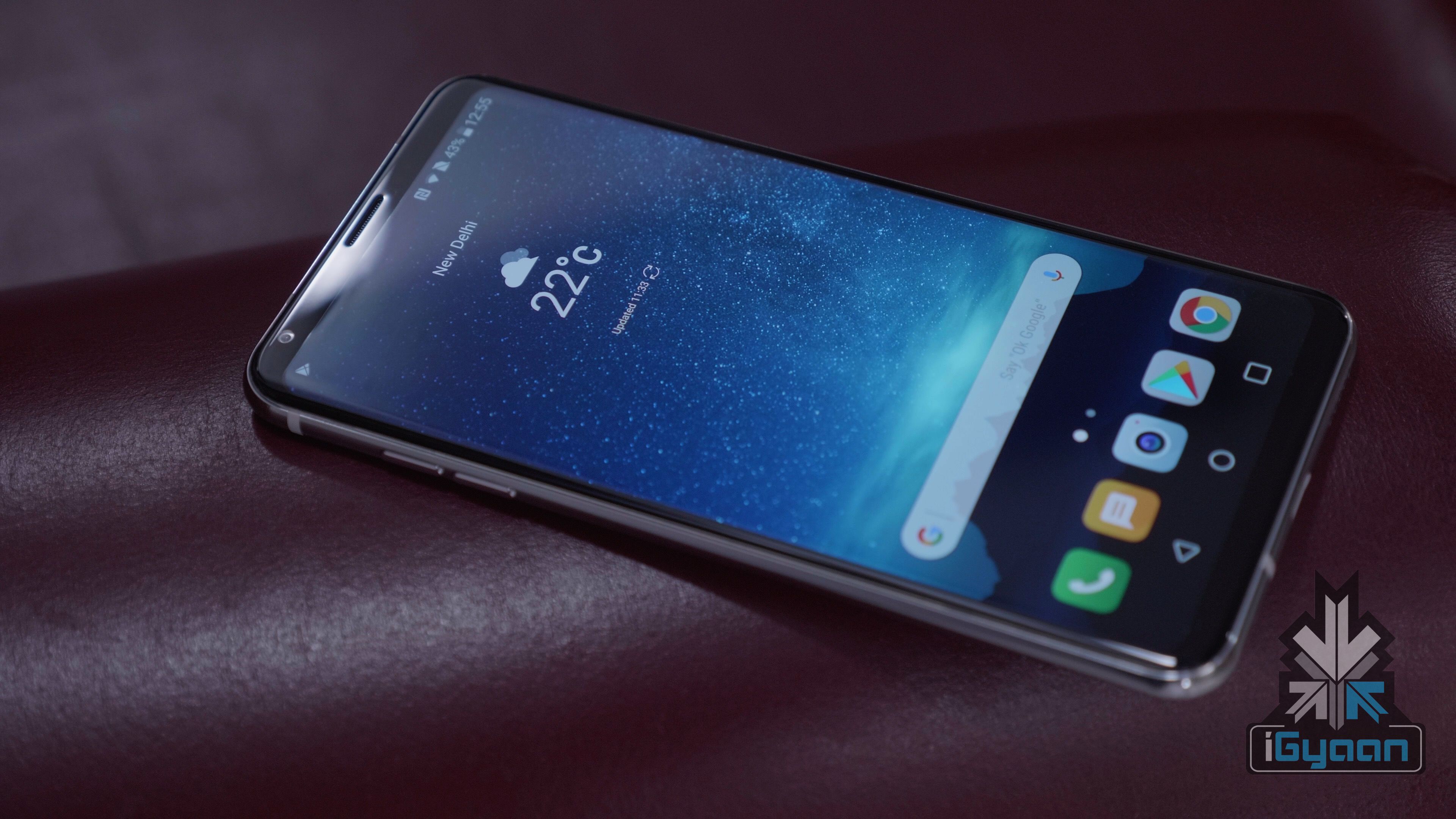
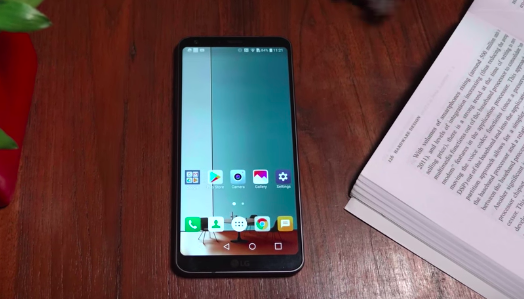
In the tech world, consumers recognise a brand through years of sequential sub-brand products. Companies like Samsung and Apple have consistently launched smartphones in their ‘Galaxy’ and ‘iPhone’ lineup. LG, however, might be in the works of shaking things up a bit with its upcoming LG G7 (tentatively named) flagship smartphone.
LG G6
An anonymous company official has conceded that the company is planning to rebrand its flagship ‘G’ lineup with the upcoming device expected to be launched at MWC 2018.
LG is preparing a new brand strategy for the G series in the first half of the year. Numbering the phone with a two-digit number and rebranding the phone with a new name are some of the options on the table.
This isn’t the first time that LG is renaming a phone from the company’s lineup. In 2012, LG launched the Optimus G and by 2013, just one year from the original launch, the company had decided to remove the ‘Optimus’ nomenclature and launched the subsequent smartphone with the ‘LG G2’ moniker. Similarly, the short-lived ‘Vu’ series was transformed into the ‘V’ series which was launched back in 2015.
Another company official from LG, while talking about the decision of rebranding, claimed that this decision on the cards:
Rebranding flagship models is nothing new, and Samsung and Apple have done so for their own flagships.
LG G2
LG flagship phones have historically flown under the radar thanks to the popularity of the Samsung Galaxy ‘S’ lineup and Apple iPhones. LG is also known to not invest too much in its smartphones’ marketing, where Samsung and Apple rule the roost. However, while Apple and Samsung only changed the numbering of their phone lineup, simply jumping from iPhone 8 to iPhone X, and Samsung skipped the Note 6 to jump to Note 7, LG’s change seems to be more core level based. The company needs to create strength around its flagship phones and by choosing a newer name that may help the brand connect with consumer better is what LG probably needs. The current lineup of phones from the company, especially flagships have suffered from poor recall value of the brand. LG may be starting a new marketing strategy, or simply making the name more approachable.
While the next flagship phone from LG, presumed to be the LG G7 for now, is just around the corner, it will be followed up by the mega launch of the Galaxy S9 and the S9+ and LG might need an extremely sound strategy to stand out during the new launches. The LG G7 is expected to launch with updated specifications and compete with the likes of the Galaxy S9 in the early part of 2018.
The LG G7 is expected to maintain the 18:9 aspect ratio and presumably cut down on bezels compared to its older sibling, the LG G6. Unlike 2016, where the LG G6 was launched with the Snapdragon 821 instead of the Snapdragon 835, the LG G7 is expected to be launched with the Snapdragon 845, same as the Galaxy S9 and S9+. LG proved with the V30 that it can produce smartphones with great cameras and the G7 is expected to further improve on that aspect. 2018 will also see 6GB of RAM becoming the norm in Android phones and the LG G7 could be a part of the clan and launch with at least 6GB of RAM.
Huawei Honor launched the Honor 7X in India at a starting price of Rs. 12999. Up until then, that price segment was dominated by the likes of the Xiaomi Mi A1 and Moto G5s Plus, both of which offered similar specifications and software experience.
Before the Honor 7X was launched in India, the Xiaomi Mi A1 was soaring high at a price tag of Rs. 14999 which was cheaper than the Moto G5s Plus, however, a few days after the Honor 7X was launched, the price of the Mi A1 decreased. In order to keep a level playing field, Xiaomi reduced the price of the Honor 7X to Rs. 13999 and right now, it is available for Rs. 12999 on Flipkart. With the price tag no longer a factor, let’s see which phone comes out on top.
Design
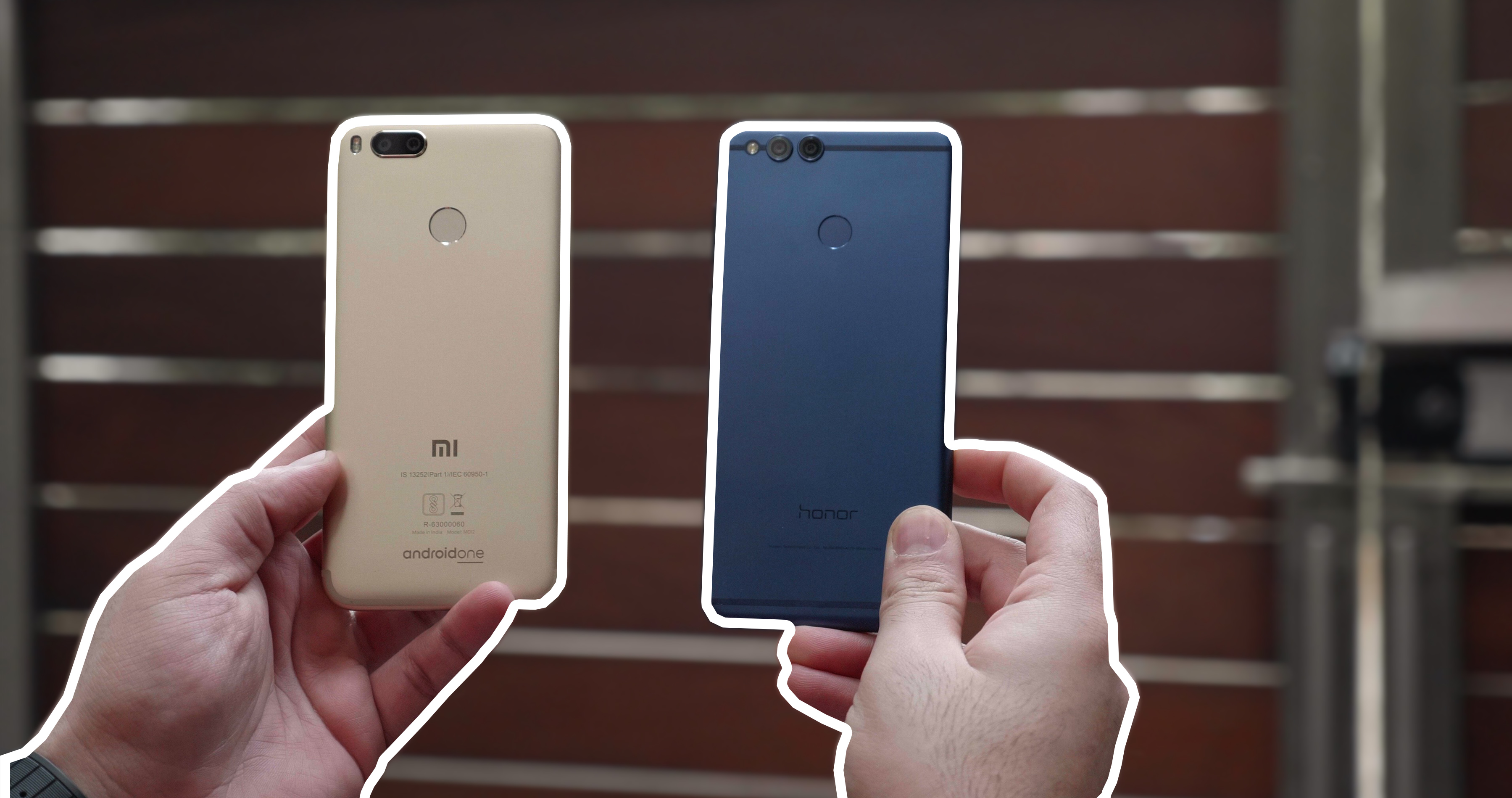
Hands down, the Honor 7X wins in the design department. The Xiaomi Mi A1 is not a bad looking phone but, when kept next to each other, the Mi A1 looks dated. The Honor 7X has a modern design with thin bezels and even though the company could’ve used the bottom bezel to house a fingerprint sensor instead of its branding, the Honor 7X looks sleek and more pleasing to the eye than the Xiaomi Mi A1.
Display
The Honor 7X has a 5.93-inch LTPS IPS LCD display with a 2160 x 1080 px resolution and 407ppi. The Xiaomi Mi A1, on the other hand, has a 5.5 inch LTPS IPS LCD display with a 1920 x 1080 px resolution and 403ppi. Despite a taller display, the Honor 7X has a slightly high pixel count than the Xiaomi Mi A1. In terms of display, the Honor 7X wins the battle again thanks to its 18:9 aspect ratio which comes in handy while multi-tasking and content consumption in general. The Xiaomi Mi A1 has the 2016 standard 5.5-inch display which cannot seem to hold up against the Honor 7X.
Software
After photos and sound, software is the most subjective aspect of a smartphone. Just like some people prefer bass-heavy sound over a flat soundstage, some people prefer the bells and whistles of a custom skin over stock Android OS. There is no denying that the Xiaomi Mi A1 will always be ahead when it comes to software updates but, EMUI on the Honor 7X has come a long way since its inception as well. Both the phones offer a different software experience for different sets of people.
Performance
The Xiaomi Mi A1 has the Qualcomm Snapdragon 625 chipset, 4GB of RAM and 64GB of onboard storage which can be expanded up to 128GB via microSD card. The Honor 7X is powered by the HiSilicon Kirin 659 chipset, 4GB of RAM and 32GB of storage (for the Rs. 12,999 variant) which can also be expanded up to 256GB via microSD card. Just as you would expect, bot the devices handle day-to-day tasks with ease although the 18:9 display makes normal usage much more fun on the Honor 7X. During gaming again, the display of the Honor 7X comes into play as it enhances the user experience while the Xiaomi Mi A1’s experience is adequate but, nothing to ride home about.
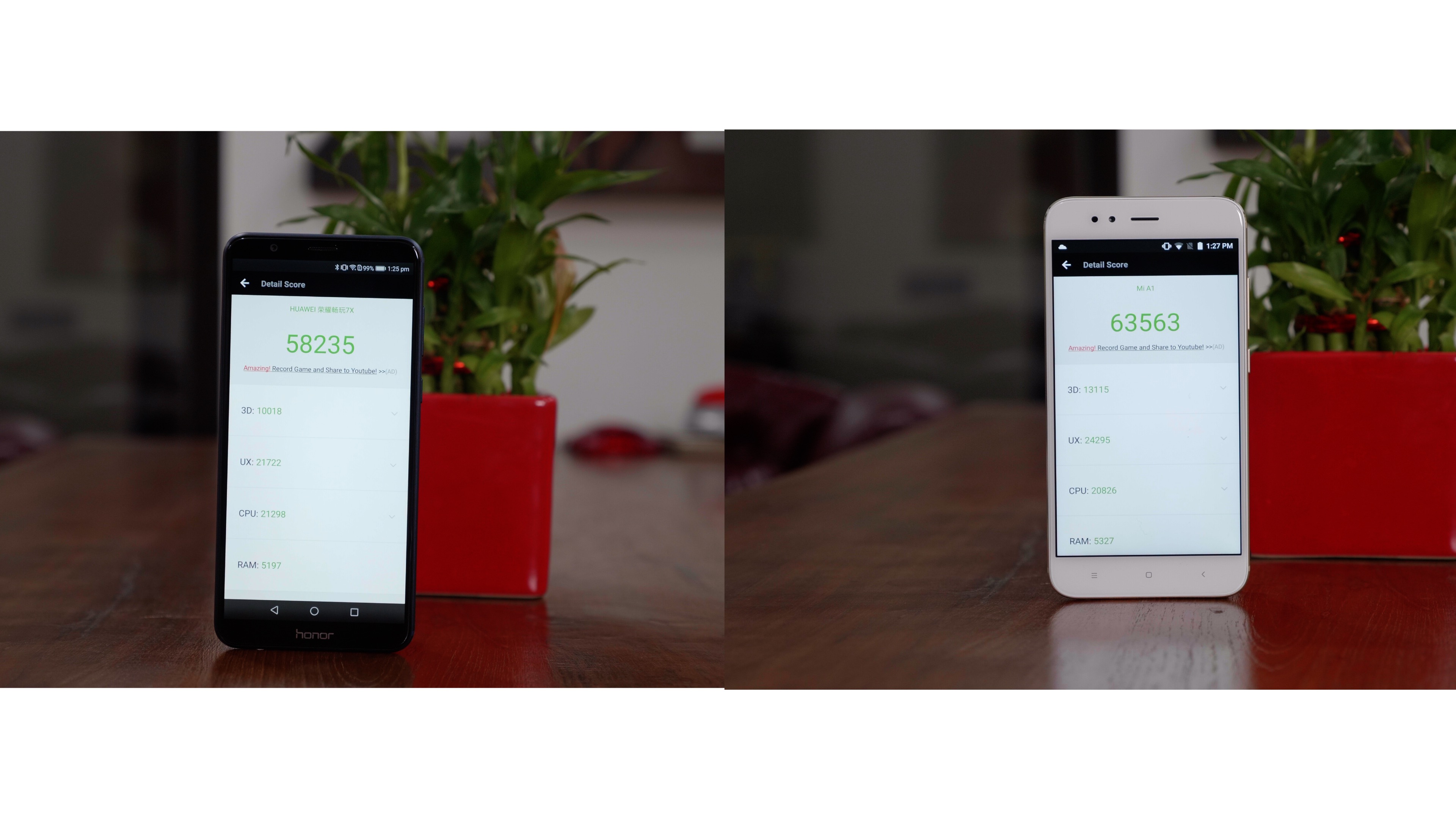
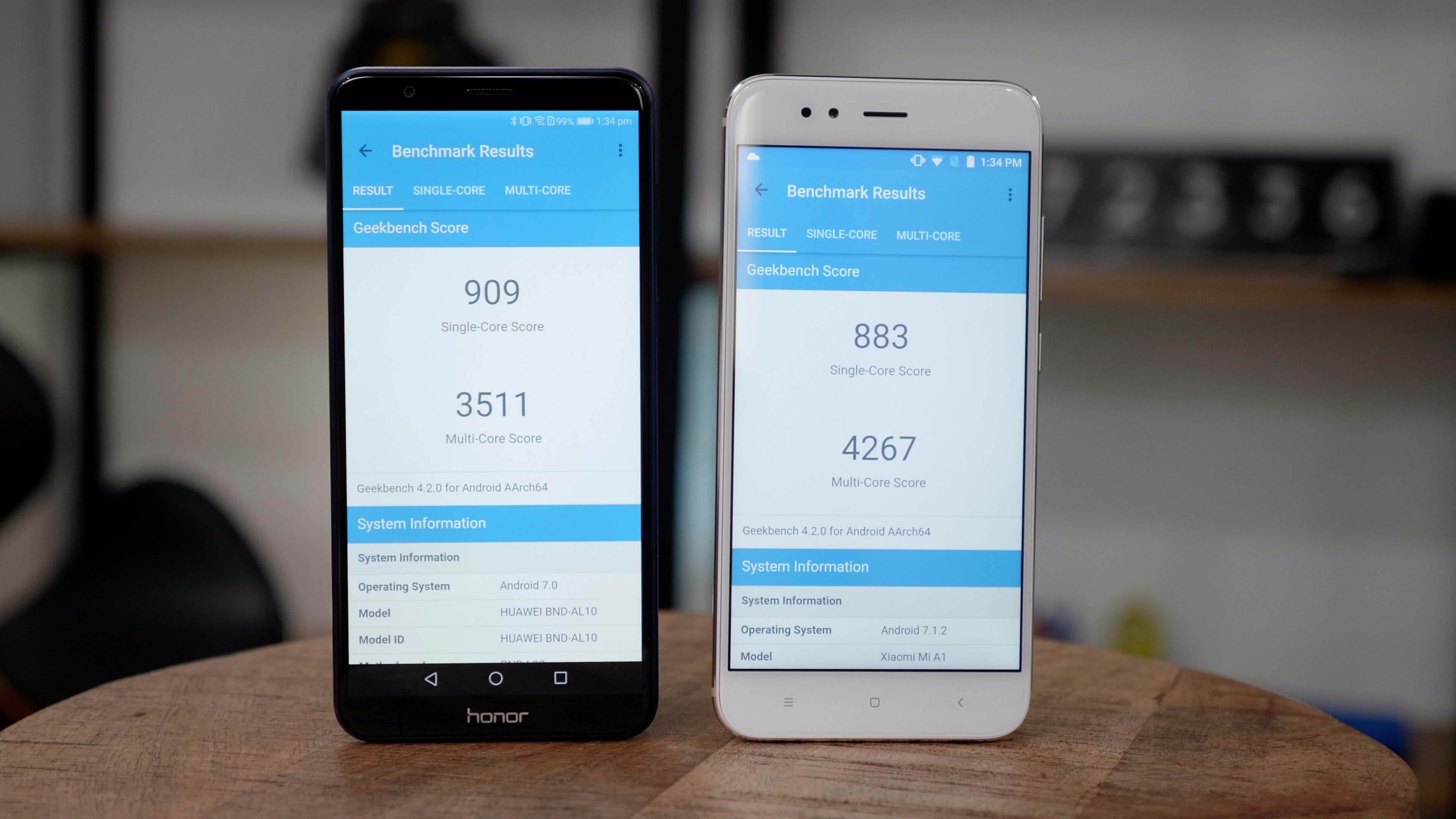
Benchmark scores tell a similar story. In Geekbench, the Xiaomi Mi A1 scores 883 in single-core and 4267 in multi-core set. The Honor 7X on the other hand scores 909 in single-core and 3511 in multi-core tests.
Camera
Photos are extremely subjective and the same case is in this comparison as well. Watch our full comparison for photo samples and decide for yourself. Here are a few sample shots from both, the Xiaomi Mi A1 and Honor 7X.
Honor 7X
Honor 7X
Honor 7X
Honor 7X
Xiaomi Mi A1
Xiaomi Mi A1
Xiaomi Mi A1
Xiaomi Mi A1
While specifications on paper might not tell the whole story, the two phones are a solid option in the price category. The Mi A1 has a dated design but stock Android OS while the Honor 7X has a modern design, thin bezels but a heavily skinned custom OS.
Specifications
Honor 7X
Xiaomi Mi A1
Price
[amazon_link asins=’B0784BZ5VY’ template=’ProductAd’ store=’igyaan-21′ marketplace=’IN’ link_id=’d3211805-ec8b-11e7-b2e3-2fce9ec0930c’] Starting At Rs.12999
Rs. 13999
Display
5.93-inch
LTPS IPS LCD
5.5-inch
LTPS IPS LCD
Resolution
2160 X 1080 px
407ppi
1920 x 1080 px
403ppi
Battery
3340 mAh
3080 mAh
OS
Android 7.1 Nougat
EMUI
Android 8.0 Oreo (Beta)
Stock Android OS
Chipset
HiSilicon Kirin 659
Qualcomm Snapdragon 625
GPU
Mali-T830 MP2
Adreno 506
RAM
4GB
4GB
Storage
32GB/64GB (Expandable up to 256GB)
64GB (Expandable up to 128GB)
Primary Camera
16MP + 2MP depth sensor
12MP (f/2.2) + 12MP (f/2.6) telephoto lens
Primary Video
1080P @ 30fps
4K @ 30fps
Secondary Camera
8MP
5MP
Add-ons
Fingerprint Sensor
Tall display and bezel-less design
There is no doubt that despite being a little late to the OLED game, Apple has impressed its customers with one of the best OLED displays on the market today. Even though the display is entirely manufactured by Samsung, the iPhone X’s display was manufactured under extremely precise conditions all of which were controlled by Apple themselves. Apple has also managed to tune the display the offer up a heightened color balance, and no ghosting or burn in issues.
But, it seems like Apple is diversifying away from Samsung in an attempt to control their production standards further and increase output of the displays to meet demands for the next generation of iPhones, all of which are expected to use OLED displays. According to the Investor Korea, Apple plans to diversify OLED models this year. Sources said LG Display is likely to produce larger 6.5-inch screens, while Samsung Display will focus more on producing smaller 5.8- or 6-inch screens. LG Display will start production in the second quarter at its E6 plant in Paju, Gyeonggi Province. The plant, consisting of two OLED production lines, has a monthly production capacity of 6 million OLED screens but its full-capacity production is expected to start next year considering its still low yield rate.
Apple is rumoured to move entirely away from LCD panels this year, offering only previous versions of the iPhone with the LCD displays. As users and owners of the iPhone X have appreciated Apple’s first OLED phones, the company is said to swiftly work to have ample production ready for the next generation iPhone.
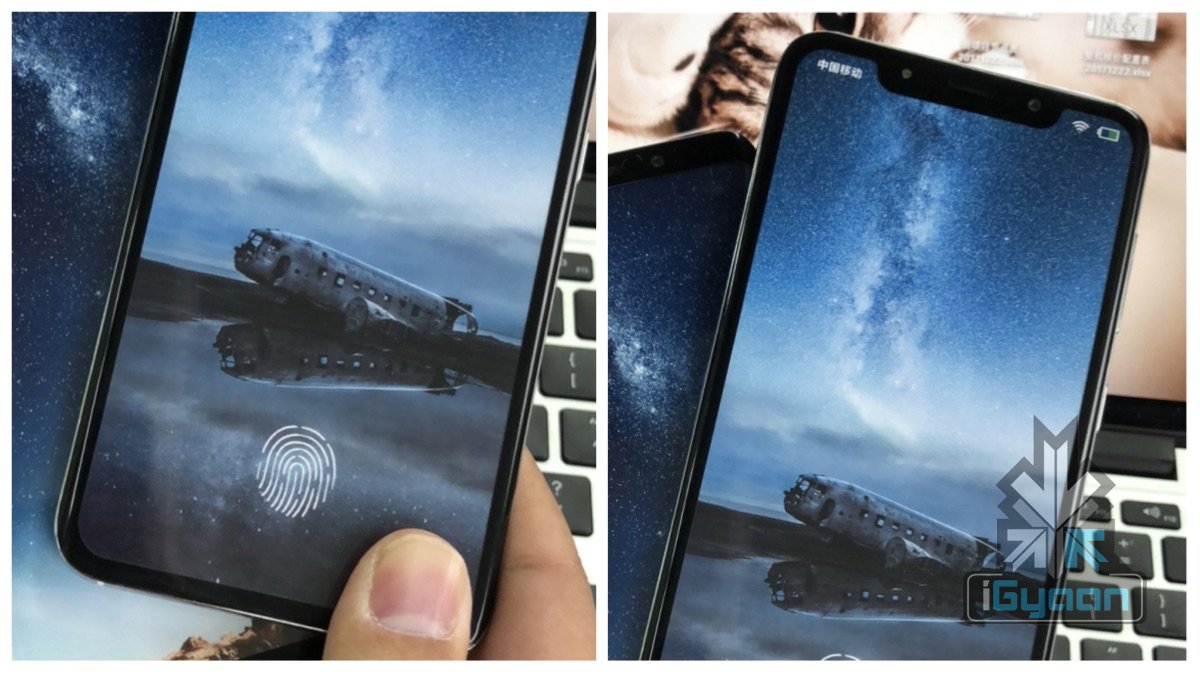
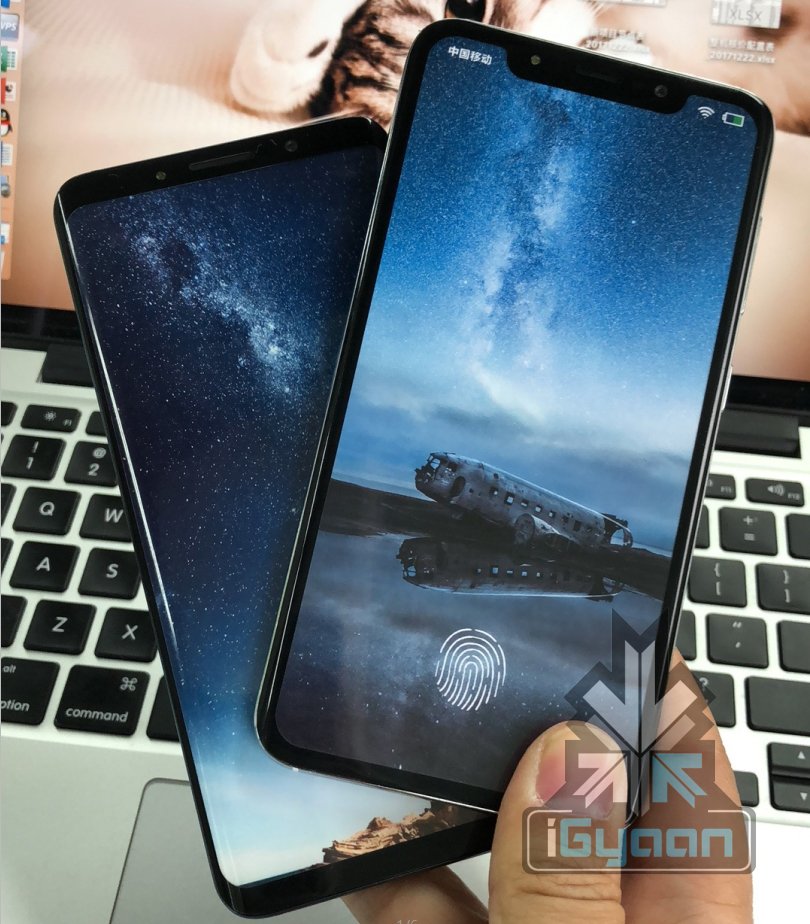
After the launch of the iPhone X several manufacturers have shown off their phones via leaks, including one smartphone from Oppo which could very well also be the next OnePlus flagship the OnePlus 6. However, with FaceID being a feature made up of confusion and doubt this manufacturer has made the perfect iPhone X clone, complete with Notch and all. The phone also offers up the added advantage of the in-screen fingerprint sensor, a technology that was widely expected in the iPhone X, but never made it to the phone in time. The next iteration of the iPhone may see this technology, however, that has not stopped manufacturers in China from beating Apple to the market.
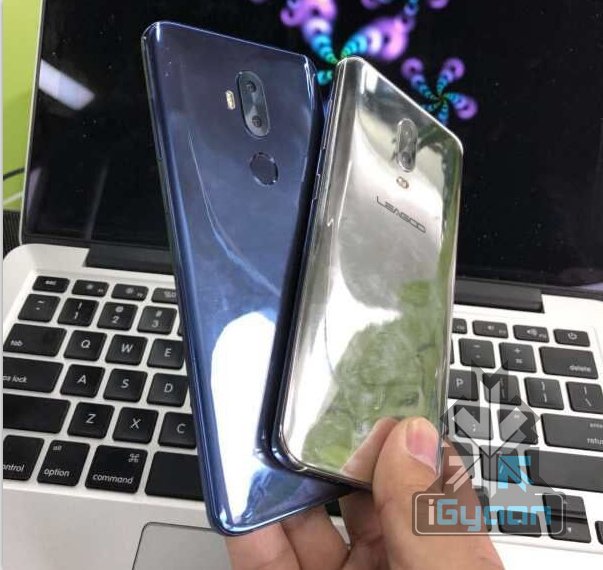
The Leagoo S9 pro as the device is named also uses the name of the upcoming Samsung flagship. The phone is rumoured to have a Helio P40 chipset complete with 8 GB of RAM and 64 GB of on board storage. The screen designed like the display on the iPhone X is of a 6.21 inch size in a form factor smaller than the Samsung Galaxy S8+ while still using an AMOLED display manufactured by Samsung themselves.
The Leagoo S9 pro is also rumoured to sport a 5000 mAh battery, however, that seems highly unlikely.
OnePlus is finally seeding the OxygenOS Beta 3 to OnePlus 5 owners who will be able to enjoy the face unlock feature that the OnePlus 5T features. A lot of OnePlus 5 owners were upset about the software based FaceUnlock being featured only on the OnePlus 5T and the company, as promised, has brought down the feature to the OnePlus 5 as well.
The FaceUnlock on the OnePlus 5T and now the OnePlus 5 allows users to unlock their phone as soon as they click the power button. While this feature is quick and reliable, it does not work at all in low light environments and it is not as secure as the dot encrypted hardware based FaceID unlock of the iPhone X.
The new update also contains several bug-fixes and improvements on 5G WiFi connectivity issues. and is available here.
For those not registered or interested in testing out the beta OS, the final version is expected to be pushed via an OTA update to owners of the OnePlus 5 smartphone, in the next two to three weeks.
Apple has long been rumoured to be be working on a TV subscription streaming service to be integrated into their “TV” app on iOS devices and on the Apple TV. With Netflix already at the top of the list of subscription-based streaming services. Apple may likely be setting its eyes on the acquisition of Netflix. An analyst claims that there is a 40% likelihood that Apple will acquire Netflix now that US President Trump’s corporate tax cut has been passed.
The cut in corporate taxes, along with a one-time allowance for companies to repatriate cash stored overseas without a major tax hit, will give Apple a much larger cash surplus to buy new companies. Apple has over $ 250 Billion in available cash, which is stored in tax havens outside of the US, which the company will now be able to bring back to the US thanks to the new tax cuts.
Apple’s list of potential acquisitions contains a few companies, but Netflix tops this list according to the Analysts. This list includes companies like Activision, Electronic-Arts, Take-two, Hulu, Disney and even Tesla. However this was written before Disney’s acquisition of Fox’s studio and TV assets.
Apple will need to pay only 10% to bring this cash back to America, and Netflix acquisition could cost the company as much at US $ 75 Billion . Still leaving the company strong with 2/3rds of their existing cash and with this number increasing at the rat of US $ 50 Billion each year, Apple could be eyeing other potential investments.
This move will also allow Apple to establish a stronghold in the streaming space the company has been eyeing for several years. With Apple Music service already a huge success, a movie/tv series streaming service will only add to Apple’s revenue.
We are continuing our countdown of listing out the best phones launched in 2017. We have covered two price segments of under Rs. 10000 and Rs. 20000 already. Let’s take a look at the top phones launched in 2017 under Rs. 40000.
Moto X4
Starting off with the most inexpensive phone on the list, the Moto X4 has a lot of features that its closest competitors don’t, like an IP68 rating and a dual-camera setup together. At a starting price of Rs. 20999, the Moto X4 is a great device for people who want a great camera and a water resistance.
The Moto X4 has a 5.2 inch 1920 x 1080 px IPS LCD display with Corning Gorilla Glass on top for protection.
The Moto X4 has the Qualcomm Snapdragon 630, 2.2 GHz octa-core processor and Adreno 508 GPU, along with 3GB RAM and 32GB onboard storage which can be expanded up to 2TB via microSD card. The phone has an IP68 rating for water and dust resistance.
The smartphone runs stock Android 8.0 Oreo and is powered by a 3,000 mAh battery with TurboCharge capabilities.
The 4 in Moto X4 signifies that the new smartphone will be able to share the sound with up to 4 devices, thanks to the presence of Bluetooth 5.0.
The Moto X4 has a dual-camera setup at the back. The main camera is a 12MP sensor with an f/2.0 aperture, and the 8MP secondary camera with an f/2.2 aperture is equipped with a wide-angle lens. The dual-cameras allow users to have depth effect shots, bokeh effect shots, ultra-wide angle shots, and selective focus shots. On the front of the device is a 16MP camera with an f/2.0 aperture and an LED flash. The cameras record 4K videos at 30 FPS.
Honor 8 Pro
Competitively priced, great performance, big battery, and a dual-camera setup, the Honor 8 Pro was launched as a competitor of the OnePlus 5. The Honor 8 Pro has 5.7 inch 2560 x 1440 px display which is ideal for media consumption via VR.
The Honor 8 Pro has 128 GB of storage along with 6GB of RAM. The Honor 8 Pro runs on the Kirin 960 chipset which is an octa-core chip – four high-performance Cortex A73 cores clocked at 2.4GHz and four low-power Cortex A53 cores clocked at 1.8Ghz.
The phone also has a large 4000 mAh battery and fast charge capabilities, with long battery modes built into Honor’s user interface. The camera setup consists of two cameras, 12+12 MP shooters, where one is a monochrome camera while the other is RGB. The front camera is an 8 MP shooter with an f/2.0 aperture.
Samsung Galaxy A7 (2017)
Priced similarly to the Moto X4, the Galaxy A7 (2017) has an IP68 rating for water and dust resistance as well.
It has a 5.7-inch Super AMOLED display and a 1920 x 1080 px resolution.
Under the hood, the device has an Exynos 7880, Mali-T830MP3 GPU, 3GB of RAM, 32GB of onboard storage which can be expanded up to 128GB via a microSD card. The fingerprint sensor is housed inside the physical button which sits below the display.
The device runs Android 6 Marshmallow and is powered by a decent 3000 mAh battery which is charged via a USB C port.
The Galaxy A7 (2017) has a 16MP camera on both the front as well as the rear. These cameras have an f/1.9 aperture which has been teamed up with Light+ technology.
OnePlus 5
OnePlus 5 might have become the forgotten sibling but, at the time of its launch, the device had a lot going for it. A sturdy built, nice display and flagship specifications at almost half the price, the OnePlus 5 was the go-to phone for a lot of consumers. However, five months after its launch, the company launched the OnePlus 5T with a modern design and the same price. The company subsequently announced that it will stop the manufacturing of the OnePlus 5 although, software support will continue until the launch of Android P.
The OnePlus 5 has a 5.5-inch 1920 x 1080 px AMOLED display with a 1920 x 1080 px resolution.
Under the hood, it has the Qualcomm Snapdragon 835 chipset, Adreno 540 GPU, 6GB or 8GB of RAM, 64GB or 128GB of onboard storage which cannot be expanded. The fingerprint sensor is placed below the display which also acts as a home button.
The smartphone is powered by a 3300 mAh battery with OnePlus’ own Dash Charge technology.
The OnePlus 5 has a 16 MP wide camera with an f/1.7 aperture along with a 20 MP telephoto camera with an f/2.6 aperture. On the front is a 16MP camera with an f/2.0 aperture.
OnePlus 5T
The OnePlus 5T is the better-looking of the two phones by OnePlus. It was launched in November and has reduced bezels around a tall 18:9 display. The OnePlus 5T also has a new Face Unlock feature which will soon be rolled out to the OnePlus 5 as well. The OnePlus 5T has the same specifications as the OnePlus 5 and is also priced exactly the same.
The other big difference between the two is in the camera department. Unlike the OnePlus 5, the OnePlus 5T no longer has a secondary telephoto lens at the back. Instead, OnePlus has decided to focus on the device’s low-light photography capabilities. The cameras do not have OIS and OnePlus has decided to go for EIS on the dual camera setup at the back. The device has a 16MP camera with an f/1.7 aperture coupled with a 20MP sensor with the same f/1.7 aperture and field of view, ie no optical zoom. On the front is a 16MP camera with an f/2.0 aperture.
Nokia 8
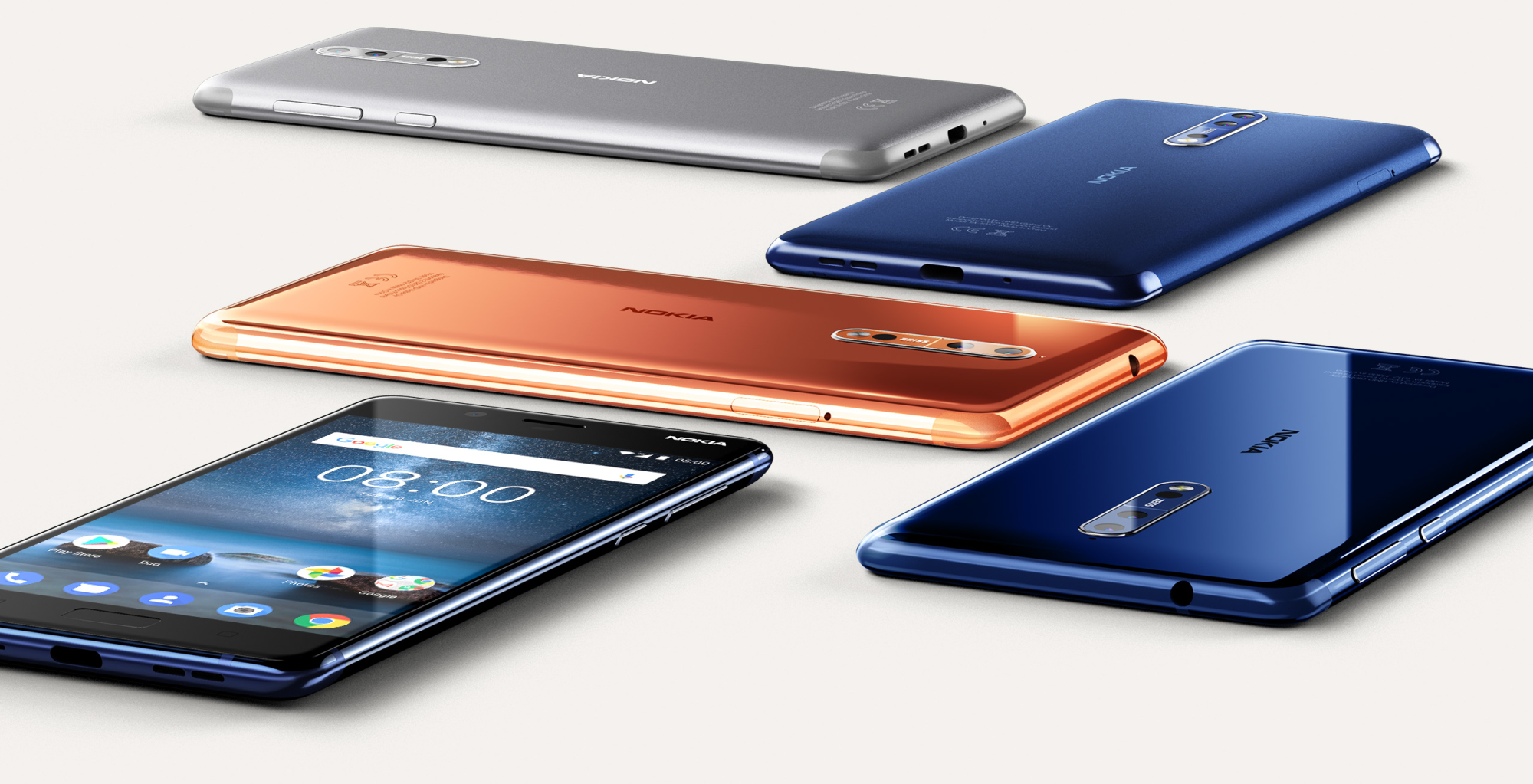
The Nokia 8 was a significant smartphone for HMD Global. It was the first ever Nokia branded flagship running Android OS. At the time of its launch, everyone expected it to be priced over Rs. 40000 but, the device launched in India at a price of Rs. 36999.
The Nokia 8 sports a 5.3 inch 2560 x 1440 px display and 2.5D Corning Gorilla Glass 5 for protection.
Under the hood is the Qualcomm Snapdragon 835 chipset and a 2.45GHz octa-core processor, the Adreno 540 GPU, 4GB of RAM and 64GB of onboard storage which is expandable via microSD card. The fingerprint sensor is housed inside the home button below the screen.
Powering the device is a 3,090mAh battery with QuickCharge 3.0 support via USB Type-C port. The Nokia 8 runs on stock Android 7.1.1 OS and the company has promised monthly security updates and yearly Android updates.
The Nokia 8 boasts a Zeiss powered dual camera setup at the rear – a primary 13MP RGB (colour) sensor with optical image stabilisation paired with a 13MP secondary monochrome (black and white) sensor and an f/2.0 aperture. The dual-camera setup is capable of recording videos in 4K at 30 FPS and has a portrait mode for bokeh effect. On the front is a 13MP camera which can also record 4K videos at 30FPS.
Samsung Galaxy C9 Pro
Another Samsung device with an IP68 rating for water and dust resistance, the Galaxy C9 Pro is priced under Rs. 30000 which makes it a very good phone for users who prefer Samsung’s build and design.
The Galaxy C9 Pro has a 6-inch Super AMOLED display with a 1920 x 1080 px resolution.
Under the hood, it has the Qualcomm Snapdragon 653 chipset, 6GB of RAM and 64GB of onboard storage which can be expanded via microSD card. The fingerprint sensor is again housed inside the physical home button which sits below the display.
The Galaxy C9 Pro has a massive 4000 mAh battery which charges via a USB C port.
The Samsung Galaxy C9 Pro has a 16MP camera on both the front as well as the rear. These cameras have an f/1.9 aperture and record 1080P videos at 30fps.
Honor View10
The latest entrant in the affordable flagship segment, the Honor View10 is expected to be priced under Rs. 40000 and pose competition to the likes of the OnePlus 5T and Nokia8. The only smartphone in this category that concentrates on Artificial Intelligence, this phone has everything an affordable flagship should have, and the bells and whistles of the Kirin 970 are a bonus.
The Honor View10 has a 5.99-inch IPS LCD display with a 2160 x 1080 px resolution which translates to an 18:9 aspect ratio. The Honor View10 has minimal side bezels and thin top and bottom bezels.
Under the hood, the device has the Kirin 970 chipset with a Neural Processing Unit, 6GB of RAM, and 128GB onboard storage. The onboard storage can be expanded up to 256GB via microSD card. There is a 3.5mm headphone jack at the bottom of the device along with a USB Type C port. The front of the device also has a home button which houses the fingerprint sensor.
The Honor View10 also has facial recognition which is becoming more prominent since the launch of the iPhone X. The facial recognition works similar to the Face ID on the iPhone X, the accuracy of which, will be extensively tested in the coming weeks.
Because of its facial recognition technology, the Honor View10 also has iPhone X-like animojis, which Honor claims are much more accurate than iPhone X since it tracks the user’s tongue as well.
Powering the device is a 3750 mAh battery and supports 5V / 4.5A fast charging.
The Honor View10 has a dual camera setup at the back and has a single camera at the front. The back of the devices houses a 16MP RGB sensor and a 20MP Monochrome sensor with both having an f/1.8 aperture. The primary camera setup records 4K videos at 30fps. At the front of the phone is a 13MP camera with an f/2.0 aperture.
Xiaomi Mi Mix 2
The Xiaomi Mi Mix 2 is the second iteration of Xiaomi’s ‘Mix’ lineup. The original Mi Mix created quite a stir when it was launched back in 2016 thanks to its bezel-less design. It was the first phone at that time to sport such a design and ever since then, every smartphone maker has followed suit and made thinner bezels for their phones.
The Xiaomi Mi Mix 2 has a 5.99 inch 2160 x 1080 px LCD display with an 18:9 aspect ratio. The Mi Mix 2 has a 12% reduced bottom bezel and a screen-to-body ratio of 80.8%. The device features a cantilever piezoelectric ceramic acoustic speaker and ultrasonic proximity sensor.
Under the hood, the flagship smartphone has the Qualcomm Snapdragon 835 chipset, Adreno 540 GPU, 6GB RAM and storage options of 64GB, 128GB or 256GB. The onboard storage will not be expandable due to the absence of a microSD card slot. The fingerprint sensor is placed at the back of the device just below the camera.
The device is powered by a 3,400 mAh battery which is considerably smaller than the previous generation Mix’s 4,400 mAh battery.
The Mi Mix has a 12MP Sony IMX386 sensor with 1.25-micron pixels, an f/2.0 aperture 4-axis optical image stabilisation, 5-piece lens, and facial recognition. On the front is a 5MP which features facial recognition as well.
The LG G6 followed the pattern of every great LG Android smartphone to fly under the radar. At the time of its launch, the LG G6 was already behind the Galaxy S8 and the S8+ because it had the Snapdragon 821 chipset while the Samsung devices were powered by the Snapdragon 835. Even though the chipset is old. there is no denying that the LG G6 has one of the best cameras in this segment along with an edge-to-edge design and features like wireless charging.
The LG G6 has a 5.7-inch IPS LCD display with a 2880 x 1440 px resolution.
Under the hood, the device is powered by the Qualcomm Snapdragon 821 chipset, the Adreno 530 GPU, 4GB of RAM and 128GB of onboard storage which can be expanded via microSD card. The fingerprint sensor is placed at the back of the phone which doubles up as a home button.
Powering the device is a 3300 mAh battery which charges via a USB C port.
To the back, the LG G6 has a dual-camera setup. One of them is a 13MP normal lens with an f/1.8 aperture while the 13MP wide-angle lens has an f/.2.4 aperture.
Essential Ph-1
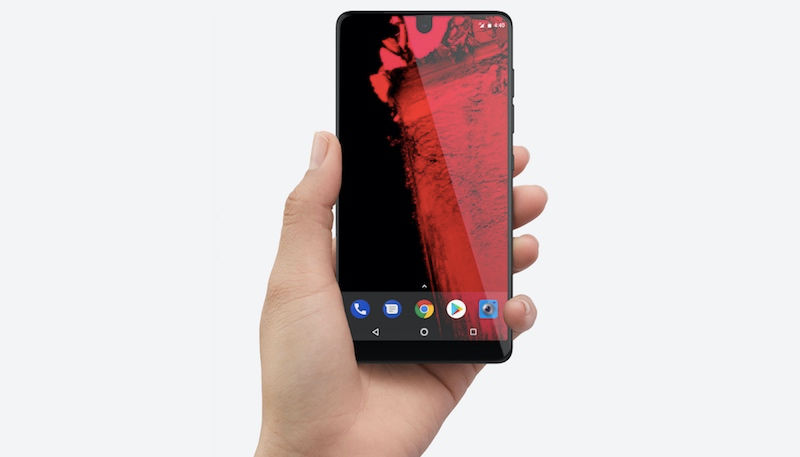
The Essential Ph-One was launched to a lot of fanfare as the company’s founder of Andy Rubin, popularly known as the father of Android. The company promised that it would have all the essential elements of a smartphone, especially a great camera. The phone had a small notch at the top of the display for the camera and a small chin with nearly no bezels on the rest of the three sides of the display.
Post the launch of the phone, it was heavily panned by critics for its poor camera. The lack of the headphone jack didn’t do it any good either. However, ever since it launc, the company has pushed out a lot of updates and at a price of US $499, the Essential Ph-1 is a great device.
It has a 5.71 inch IPS LCD display with a 2560 x 1312 px resolution.
Under the hood, it has the Qualcomm Snapdragon 835 chipset, 6GB of RAM, and 128GB of onboard storage which cannot be expanded.
Powering the device is a 3040 mAh battery which charges via a USB C port.
It has a dual 13MP camera at the back with an f/1.9 aperture. One of them has an RGB sensor while the other one has a monochrome sensor. It records 4K videos at 30fps and with the latest software update, clicks portrait photos as well. On the front of the phone is an 8MP camera with an f/2.2 aperture.
BONUS: HTC U Ultra
At the time of its launch, the HTC U Ultra was priced at Rs. 59900. At that price, the device was aksing a lot from its potential customers but, the price of the phone has now dropped to under Rs. 30000 and if you are a fan of HTC’s hardware, then thid device is a decent option.
The HTC U Ultra has a 5.7 inch 2560 x 1440 px Super LCD5 display.
Under the hood, the device has the Qualcomm Snapdragon 821 chipset, Adreno 530 GPU, 4GB of RAM and 64GB of onboard storage which can be expanded via a microSD card. The fingerprint sensor is placed on the front of the device.
Powering the U Ultra is a 3000 mAh battery.
It has a 12 MP UltraPixel rear camera that facilitates fast focus and less blurred shots at night. The front camera has a 16 MP UltraPixel Sensor.
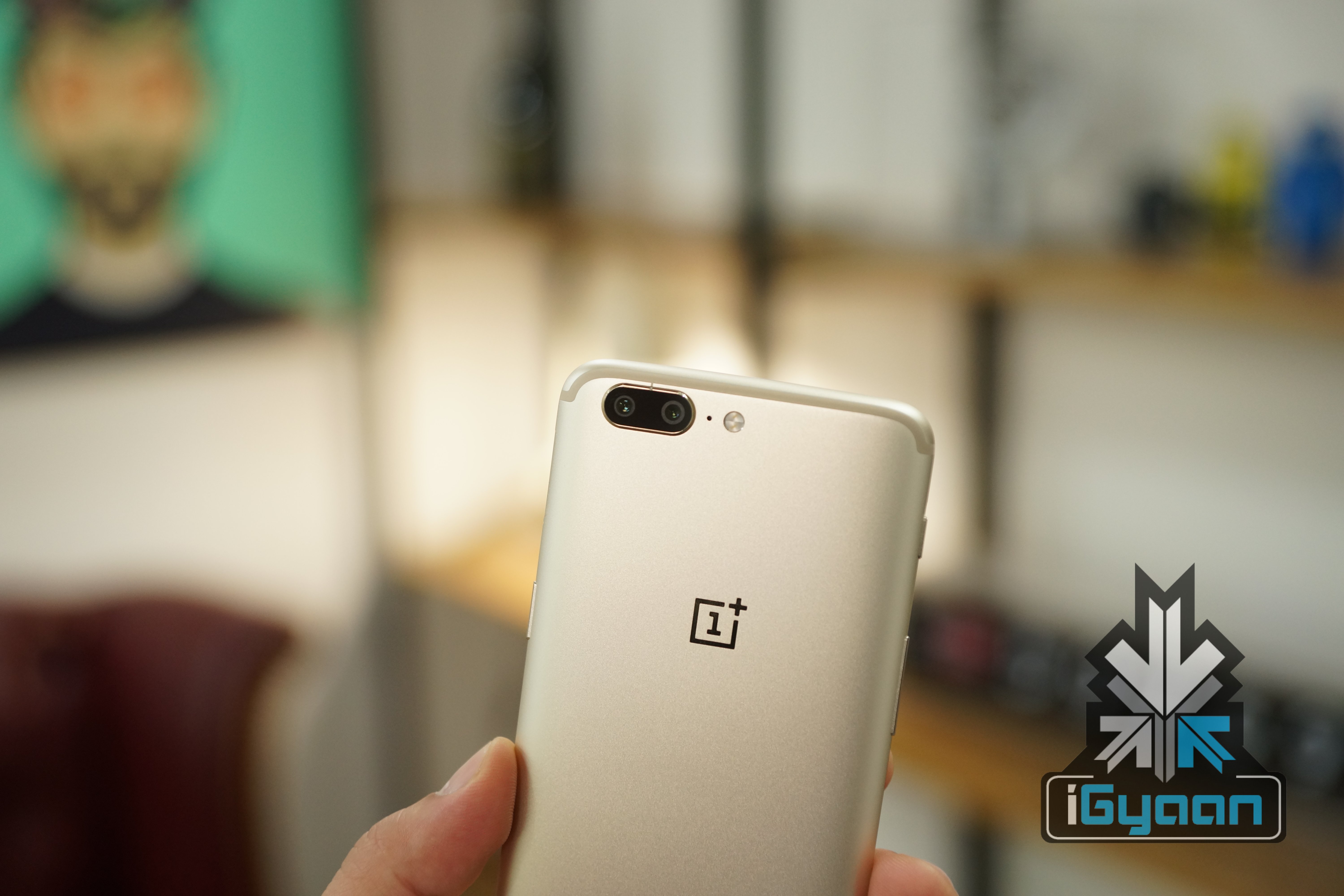
OnePlus might be bringing back a fan-favourite in the coming weeks. On its official YouTube channel, OnePlus released a video of average London citizens explaining what they’re feeling about the product inside a mystery box. The video proceeds with people giving their own versions of what could be inside the box and a few people point out that it felt like the sandstone OnePlus One from back in the day.
OnePlus Two
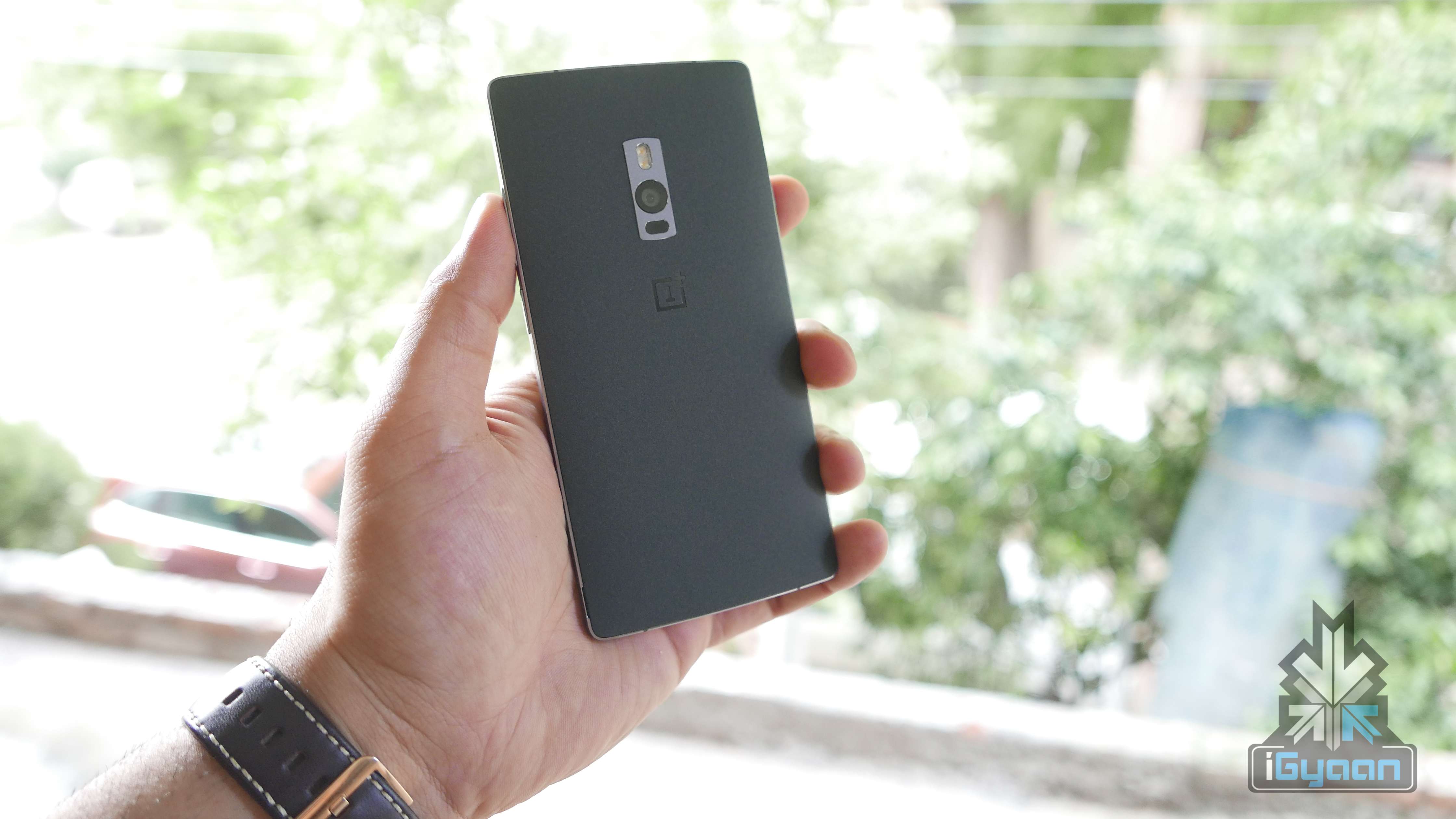
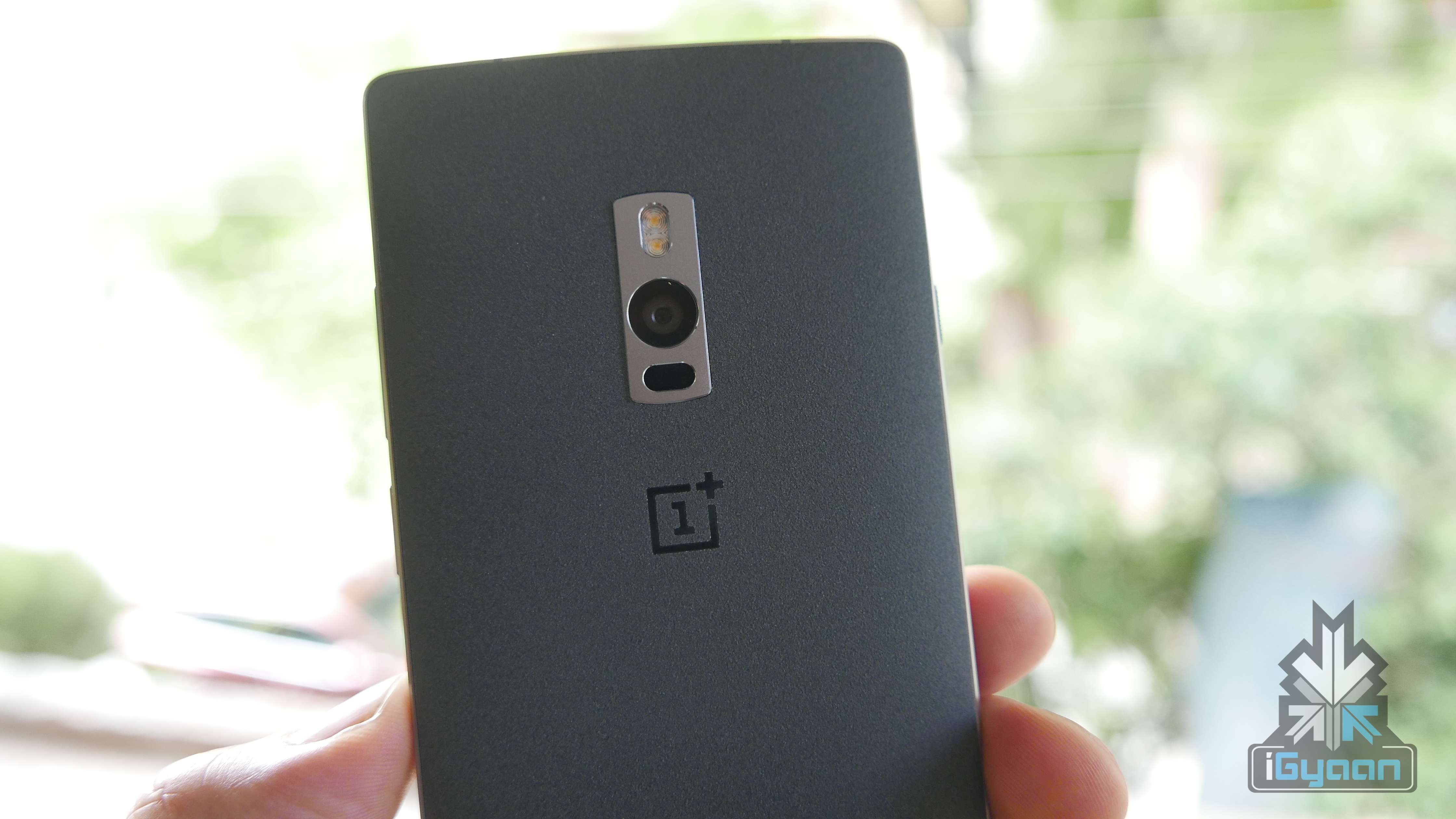
The OnePlus One was a groundbreaking smartphone in more than one ways. It became famous for providing flagship specifications at less than half the price of an average flagship. But, another standout feature of the phone was the choice of easily replaceable back panels of the phone. The one that became the most prominent was the Sandstone finish panel. OnePlus continued the trend with the OnePlus Two but, with the OnePlus X and then the OnePlus 3, the company moved on to more conventional finishes for their phones with brushed aluminium built.
The OnePlus 5 and OnePlus 5T again saw a shift in design and finish of the phone. However, in December of 2017, the Chinese smartphone maker launched the OnePlus 5T Star Wars limited edition variant with a back panel that had a similar finish to the original OnePlus One Sandstone finish. Although not entirely sandstone, the slightly textured back was definitely reminiscent of the old OnePlus devices.
The OnePlus 5 and OnePlus 5T have already been launched in limited edition variants in 2017. It could be possible that OnePlus is looking to attract a few forgotten consumers with an offering which is as close to the OnePlus One (barring the price) as it could get. The OnePlus 5T has a great modern design with thin bezels and a tall display, and with the addition of that signature Sandstone finish, the OnePlus 5T could be a great phone for a lot of people who prefer the feel of the OnePlus One but, also want the latest specifications on a budget.
Xiaomi appears to be preparing its users for the future with the new beta build of MIUI 9. Ever since the iPhone X removed the home button, it has become increasingly inevitable that smartphones in the coming years will solely rely on gestures of navigation with the OS.
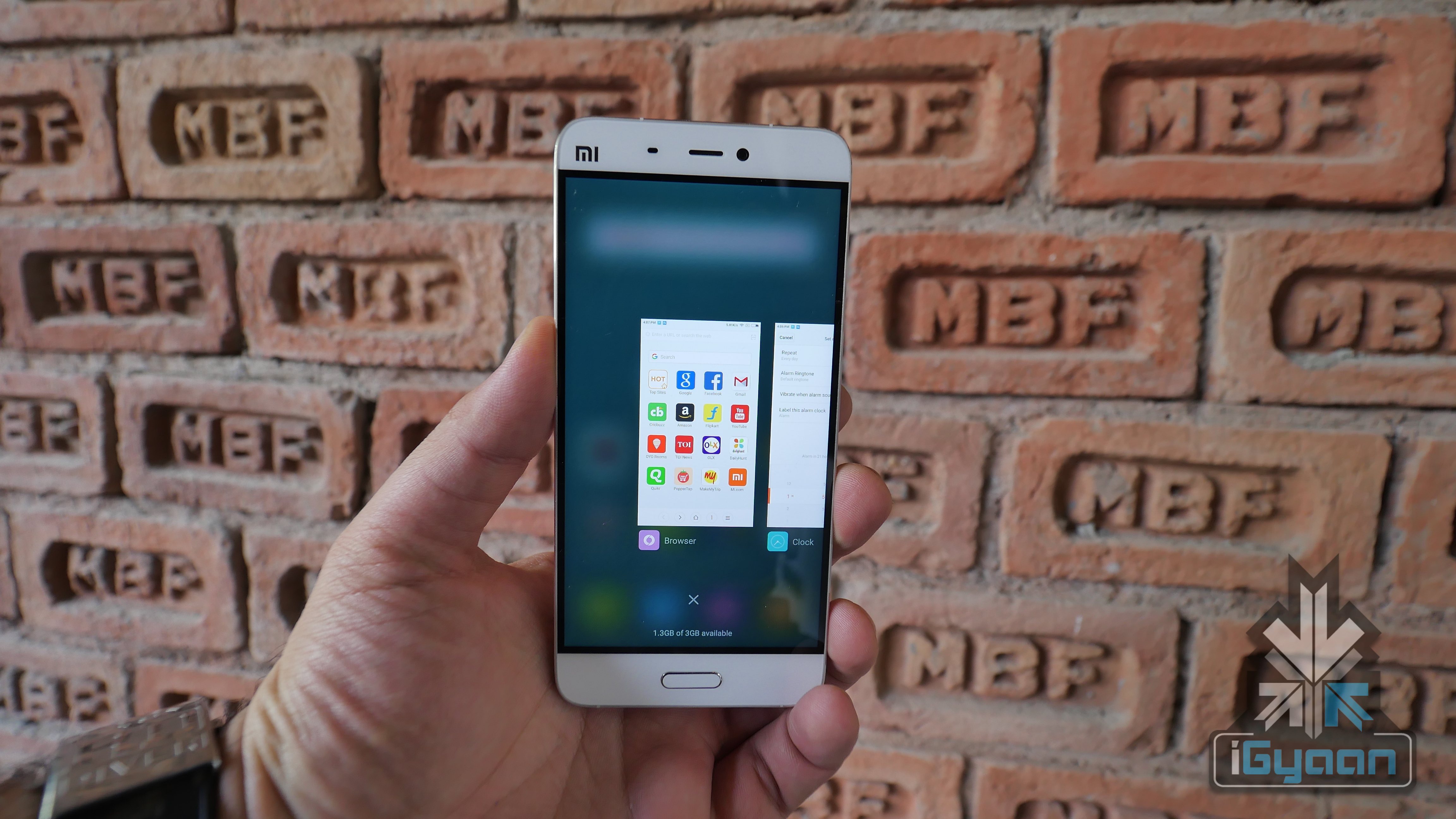
With the latest beta update, Xiaomi has added ‘full display gestures’ that appear to be inspired by the iPhone X a lot. For example, in order to reach the home screen, the user has to swipe up from the bottom of the screen while swiping from the bottom to the top and pausing for a second brings up your recent apps. Other gestures include swiping from the left or right of the screen to the middle to take the user to the previous page. Over the years, Xiaomi has taken “inspiration” for Apple for its platform. From the MIUI layout to “MiDrop,” the not-so-subtle hints have always been there. Being one of the first Android smartphone makers to shift to all display gestures similar to the iPhone X will only strengthen the previous argument.
Over the years, Android’s take on navigation within the OS has been different from that of iOS. While Android phones have had three navigation buttons, iOS has had a physical home button which solved multiple purposes like multitasking, invoking Siri and other gestures like swiping from the left or right of the screen to the middle to take the user to the previous page. So, when Apple introduced these gestures in the iPhone X, the transition was a lot smoother thanks to the presence of gestures in the past iPhones.
Android, on the other hand, has used the three buttons, the home, back and multitasking button for every little navigation within the OS. These have either been software buttons or physical buttons, with nowadays OEMs offering the choice of both the navigation systems. When Android does shift to only gestures, the transition for users might not be as natural and organic as it was for iOS users.
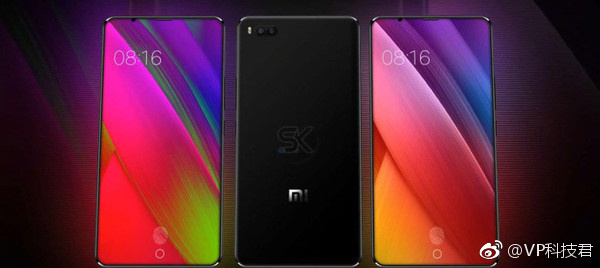
A few Xiaomi Mi 7 renders were leaked with conflicting reports. Some suggested that the device will have an in-display fingerprint sensor while the other report claimed that Xiaomi is working on an iPhone X-like Face ID system. One thing in common, however, was the all-screen design of the phone. Xiaomi phones have had on-display as well as physical and touch capacitive navigation buttons. Introducing navigation via gestures a few months before the launch of the Mi 7 might hint at an all display design of the Mi 7 and the company’s foray into gesture-based navigation with Android.
Xiaomi Mi 7 Renders
For now, users with the Xiaomi Mi Mix 2, Mi Mix, Redmi 5, and Redmi 5 Plus can preview these gestures on their devices.
Apple recently agreed that it deliberately slows down iPhones in order to prolong the life of old batteries in iPhone 6 and later. Ever since the news broke out, there have been a lot of questions being asked about the honestly and transparency between a company and its consumers. Evidently, Android phone makers were also questioned about the same and a few of them have come out and denied slowing down their phones for any cause.
Speaking to PhoneArena, an LG representative stated they “never have never will” do such a thing, adding that the company cares what the customers think.
Samsung said in a statement:
Product quality has been and will always be Samsung Mobile’s top priority.
The spokesperson makes further explained that the battery life of Samsung phones goes through multi-layer safety measures which include software algorithms. The CPU performance is not reduced through software updates to keep the battery lifecycle longer.
Previously, HTC and Motorola had come out and cleared the air around their own products. An HTC spokesperson said that “is not something we do.” While talking to The Verge, a Motorola representative said:
We do not throttle CPU performance based on older batteries.
The aftermath of Apple’s confession has lead to a lot of consumers of both Android and iOS to doubt the intentions of its smartphone manufacturer. However, these stern statements should go a long way in clearing out any doubt the consumers had in their minds.