The National Aeronautical Space Agency of the US has opened the door for business endeavours in the ISS. The American space agency made this decision with national interest in mind. “US industry innovation and ingenuity can accelerate a thriving commercial economy in low-orbit,” as stated by NASA in a press release, will open the space station to private sectors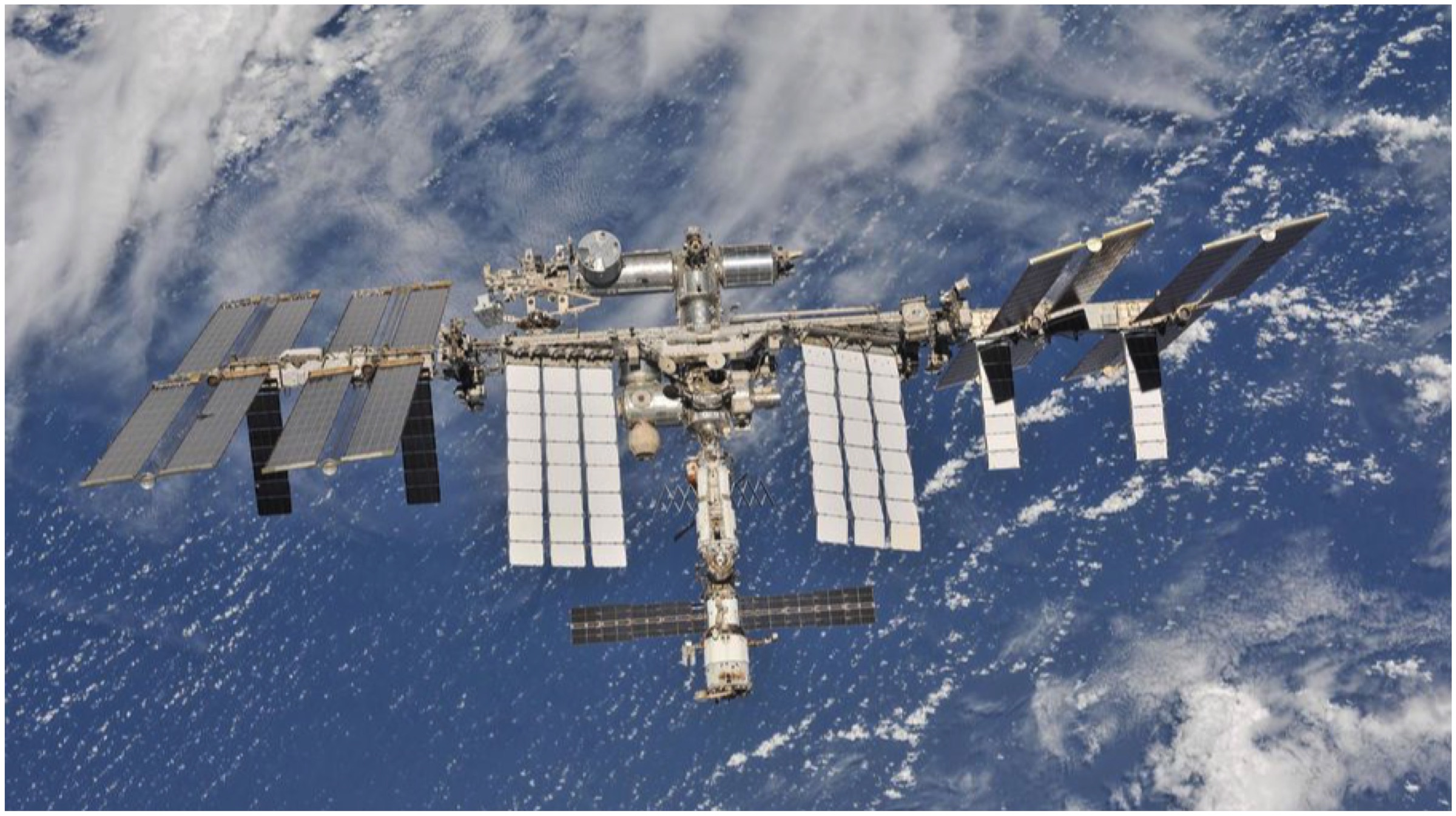
NASA executives announced today the commercial viability of opening up certain sections of the International Space Station. This will allow companies to work in space with the station’s facilities. The filming industry could greatly utilize the opportunity for filming commercials or movies in space. NASA is also encouraging the private space industry to send in ideas for habitats and modules attachable to the ISS for a temporary basis.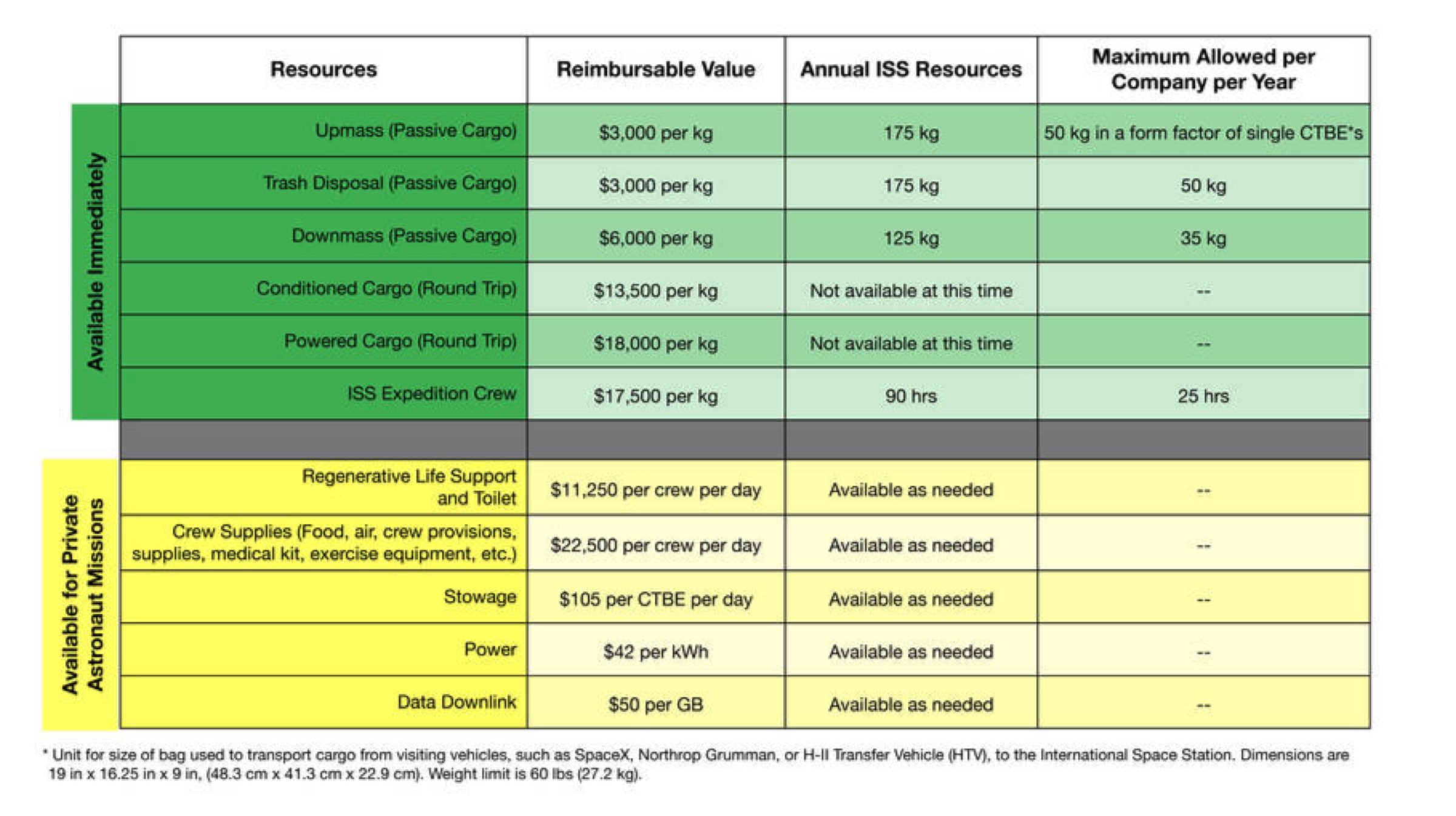
Private companies can now buy time and space for a chance aboard the ISS to produce, market, or test products. These companies will also be allocated resources directly from the ISS for their commercial endeavours. Starting from 2020, companies can send their astronauts to the ISS but with a heavy cost. NASA has always been openly against the commercialisation of the ISS, unlike Russia that is open to ads and branding on its side of the station. The Russian side has even allowed tourism to some extent while NASA has strictly regulated all forms of commercial activities, save educational undertakings or technological demonstrations that are non-commercial in nature.
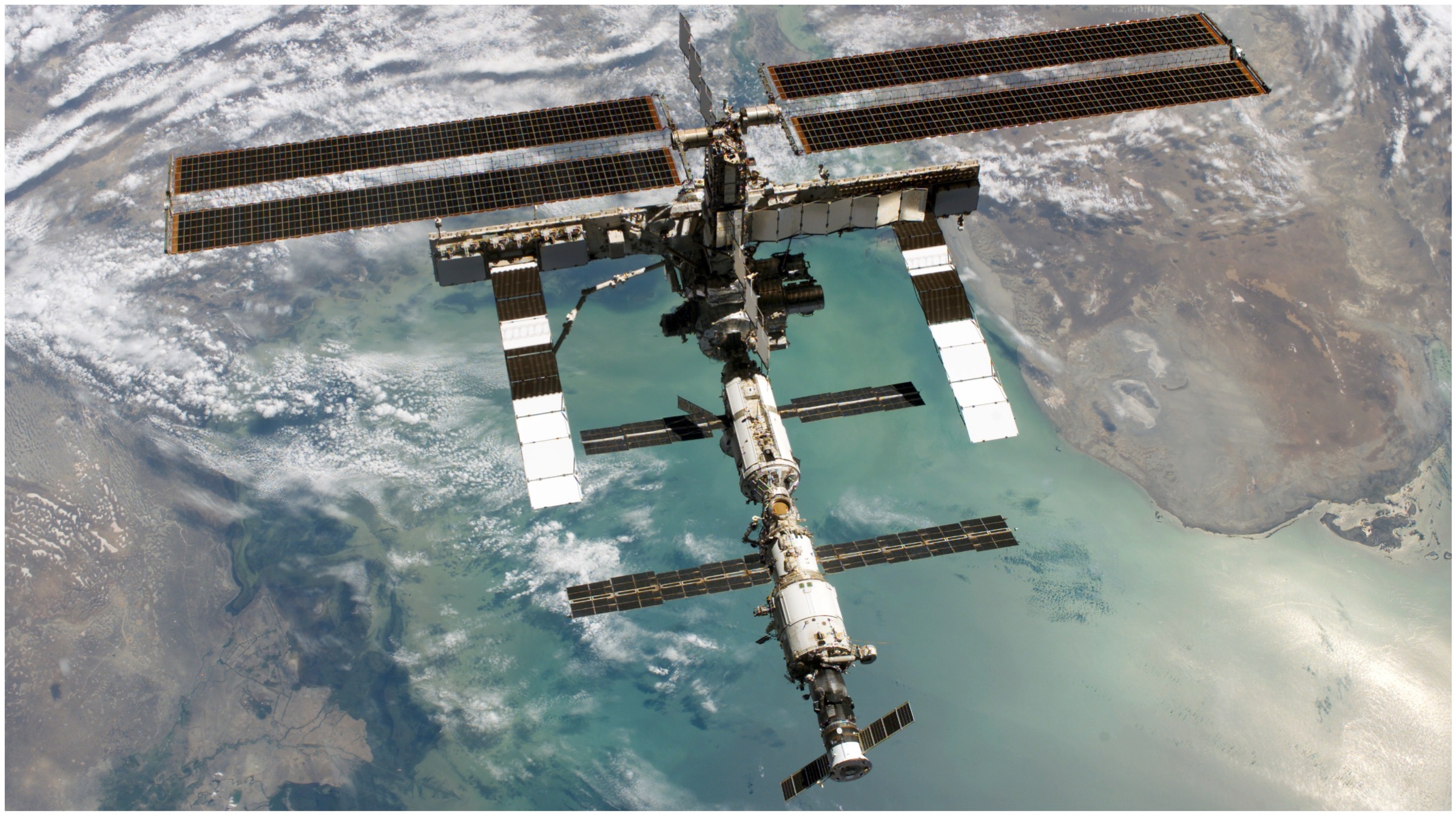 The extent of this commercial-phobia even had NASA ban its astronauts from experimenting on any research that might be profitable down on Earth. A committee formed by the western space agency was tasked to devise new methods to commercialize the space station for a new source of revenue and recognition. This business-oriented mindset might also see NASA selling naming rights of its past spacecraft and rockets, although nothing concrete supports this claim.
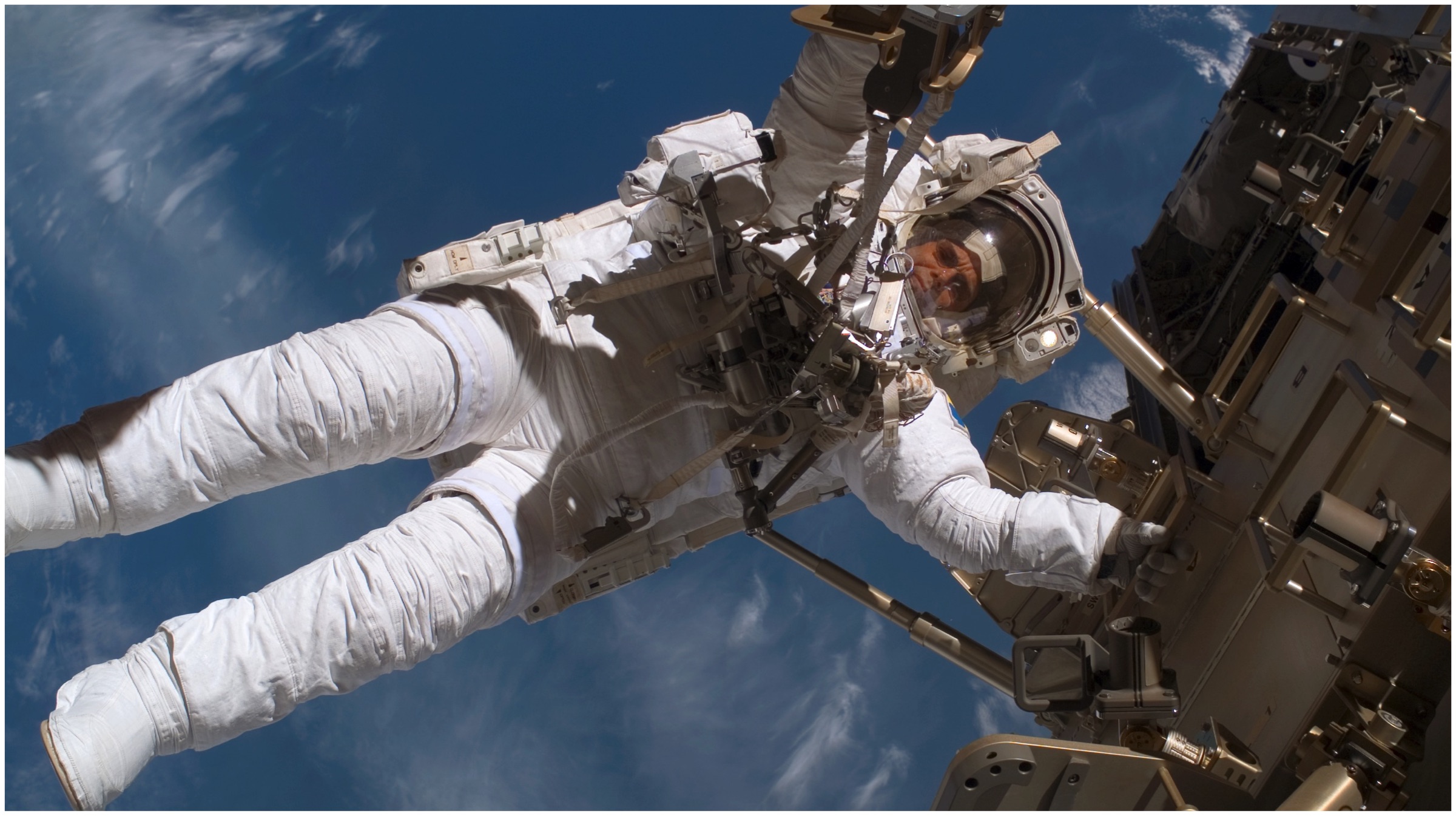
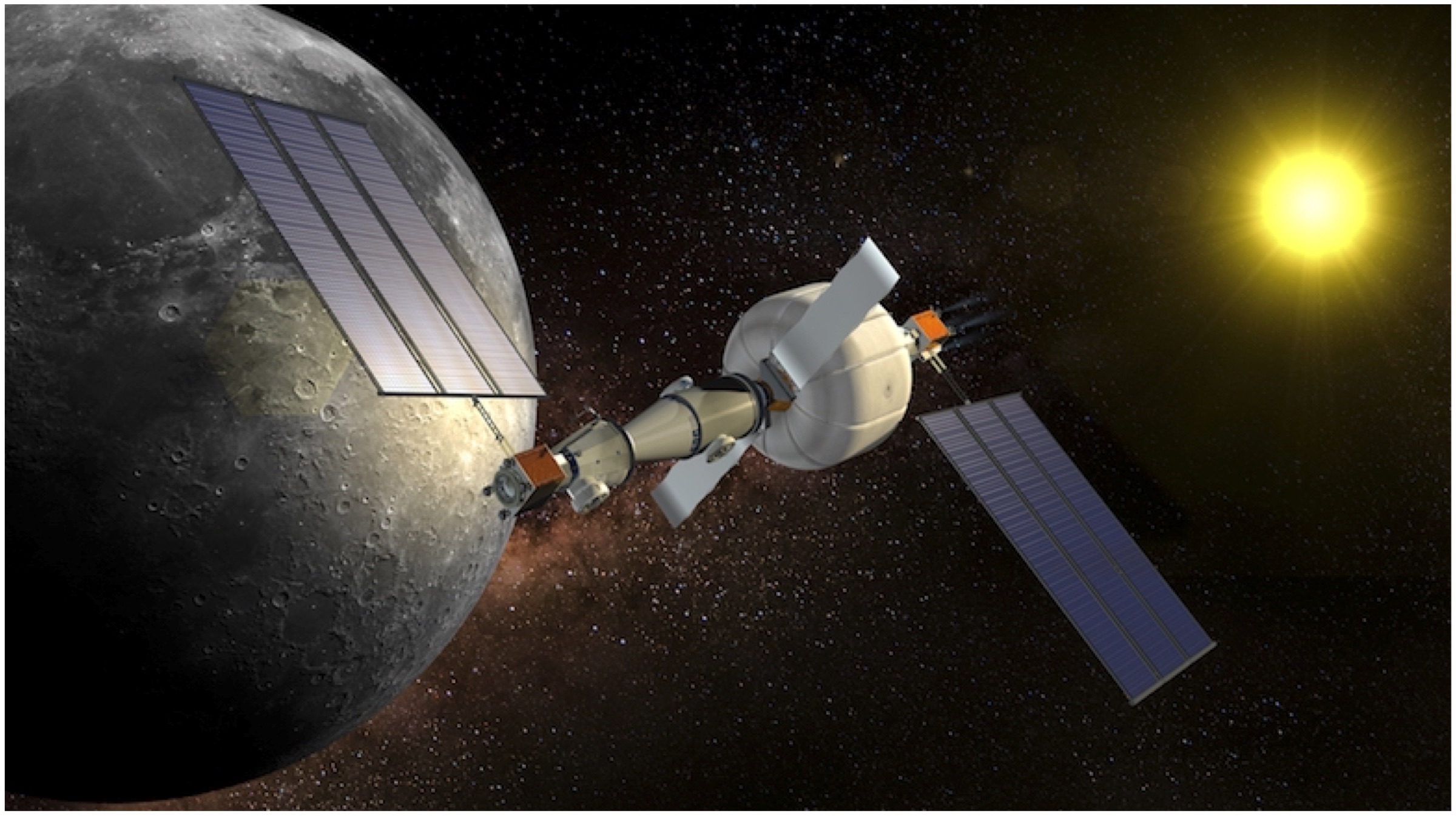
The leadership behind NASA is looking into a transition for the commercialization of the ISS and its low orbit region of space to the private sector. This will help alleviate the monetary load required to run and maintain the ISS, $3-4 billion per year. Eventually, the entire station might be handed over to private sectors and the funds acquired will help in making the new space station near the moon.
Also Read: Huawei P30 With 12GB RAM Spotted On TENAA
The new opportunities for commercial activities might lead to some really interesting outcomes in the near future. The world has already started moving post this announcement with SpaceX’s Crew Dragon space being contacted by Bigelow Aerospace, the space habitat developer, for the transport of its private astronauts. Soon many more announcements and projects like the aforementioned collaboration are likely to be seen.
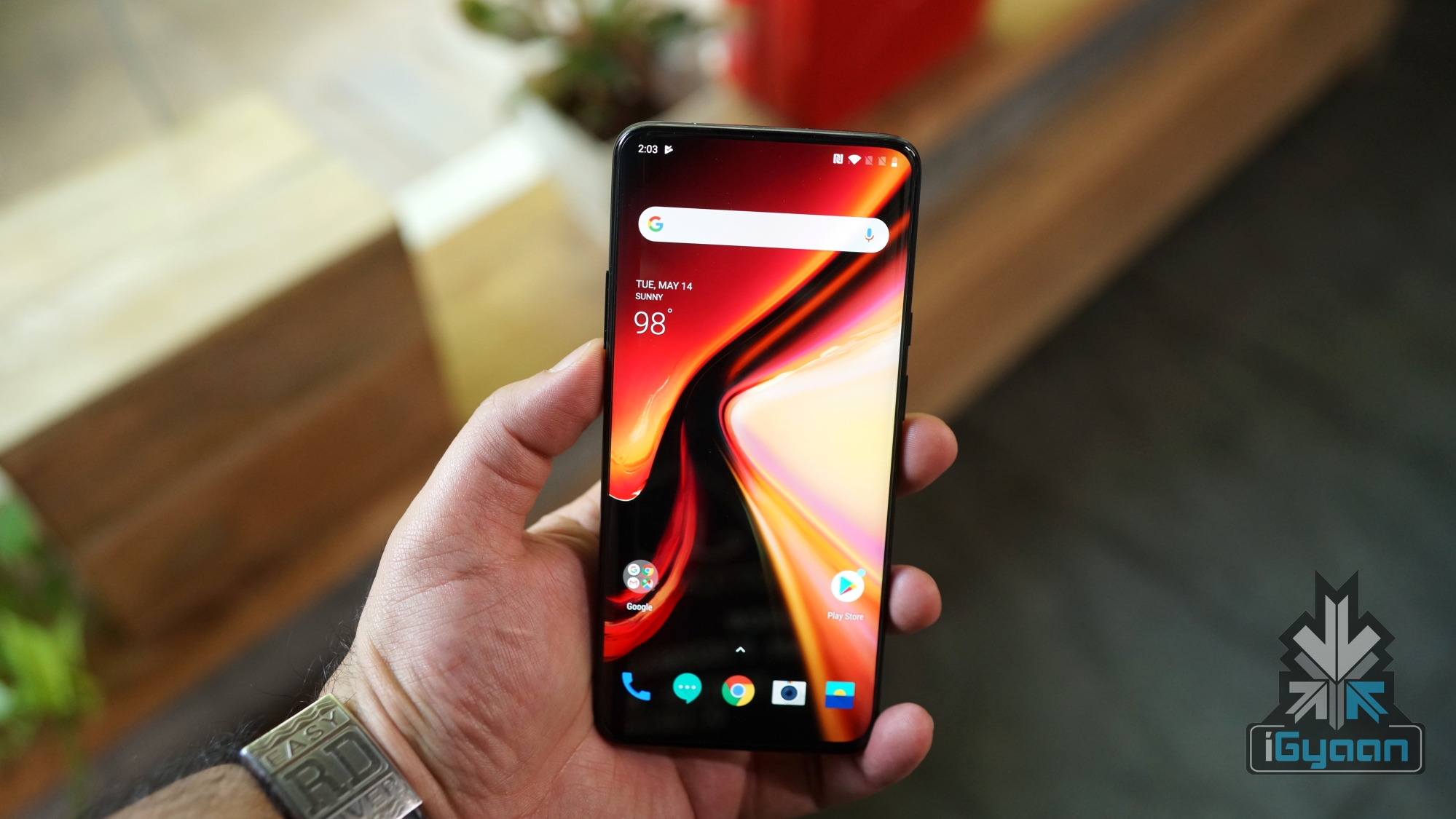
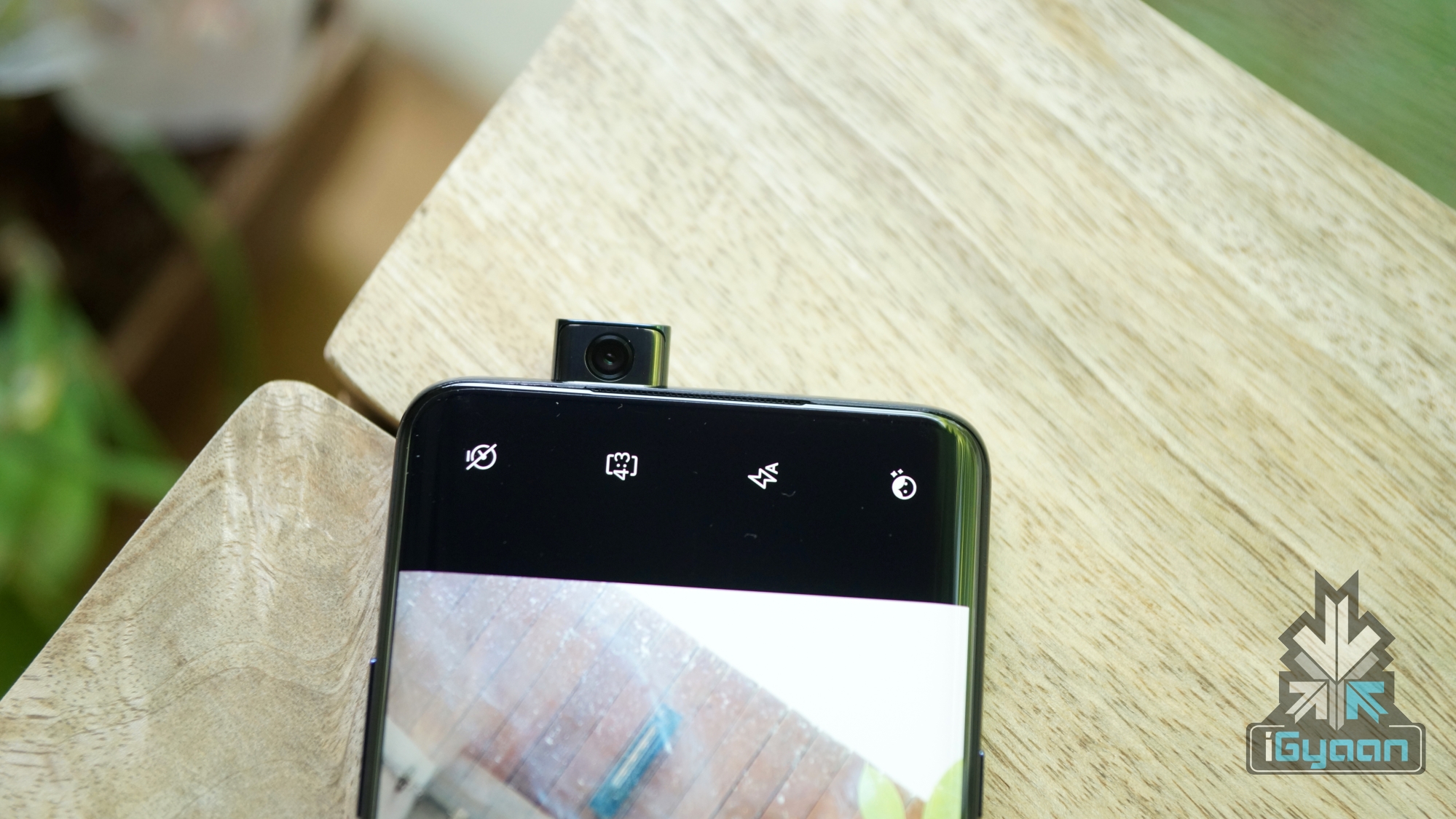




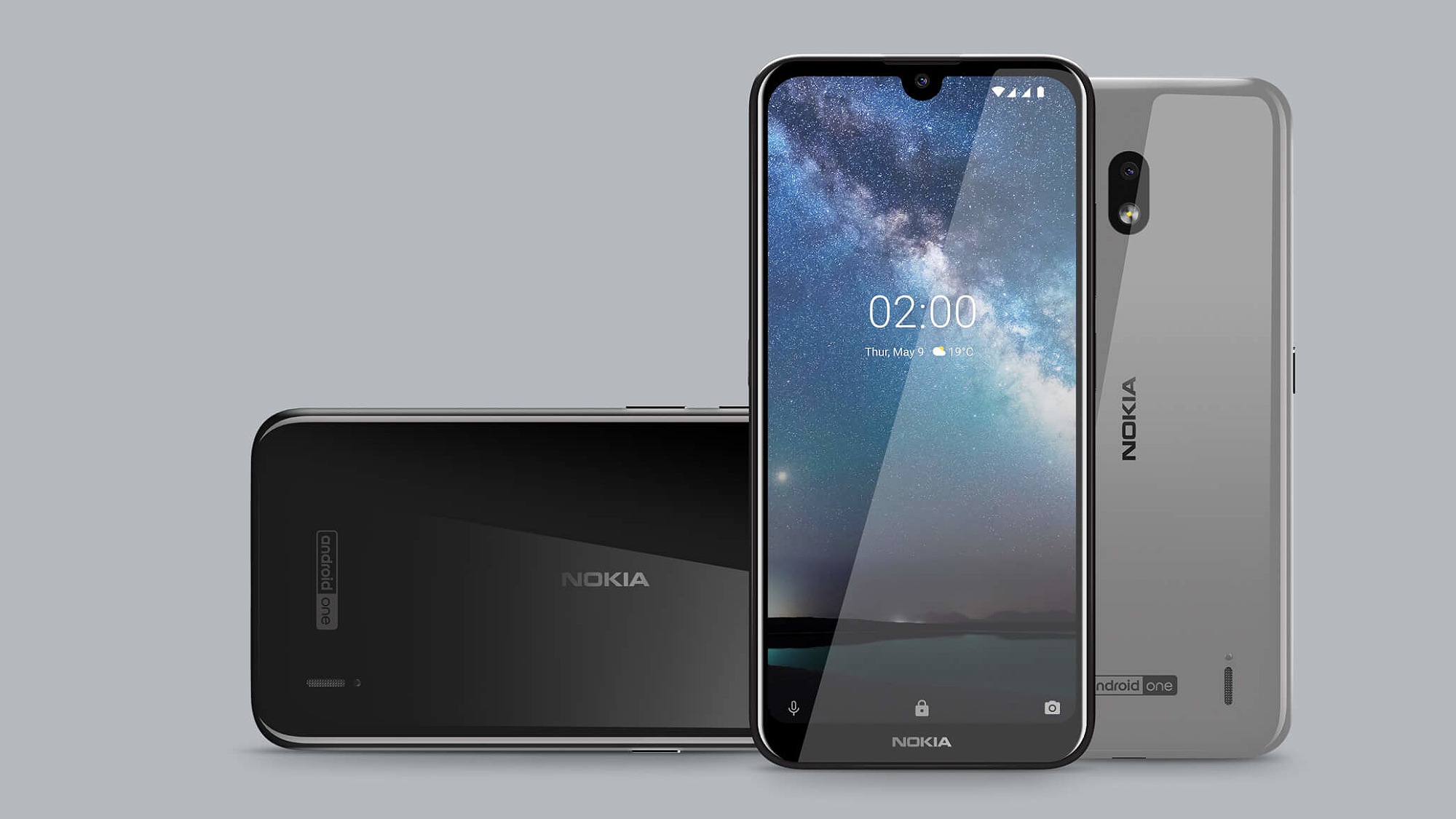
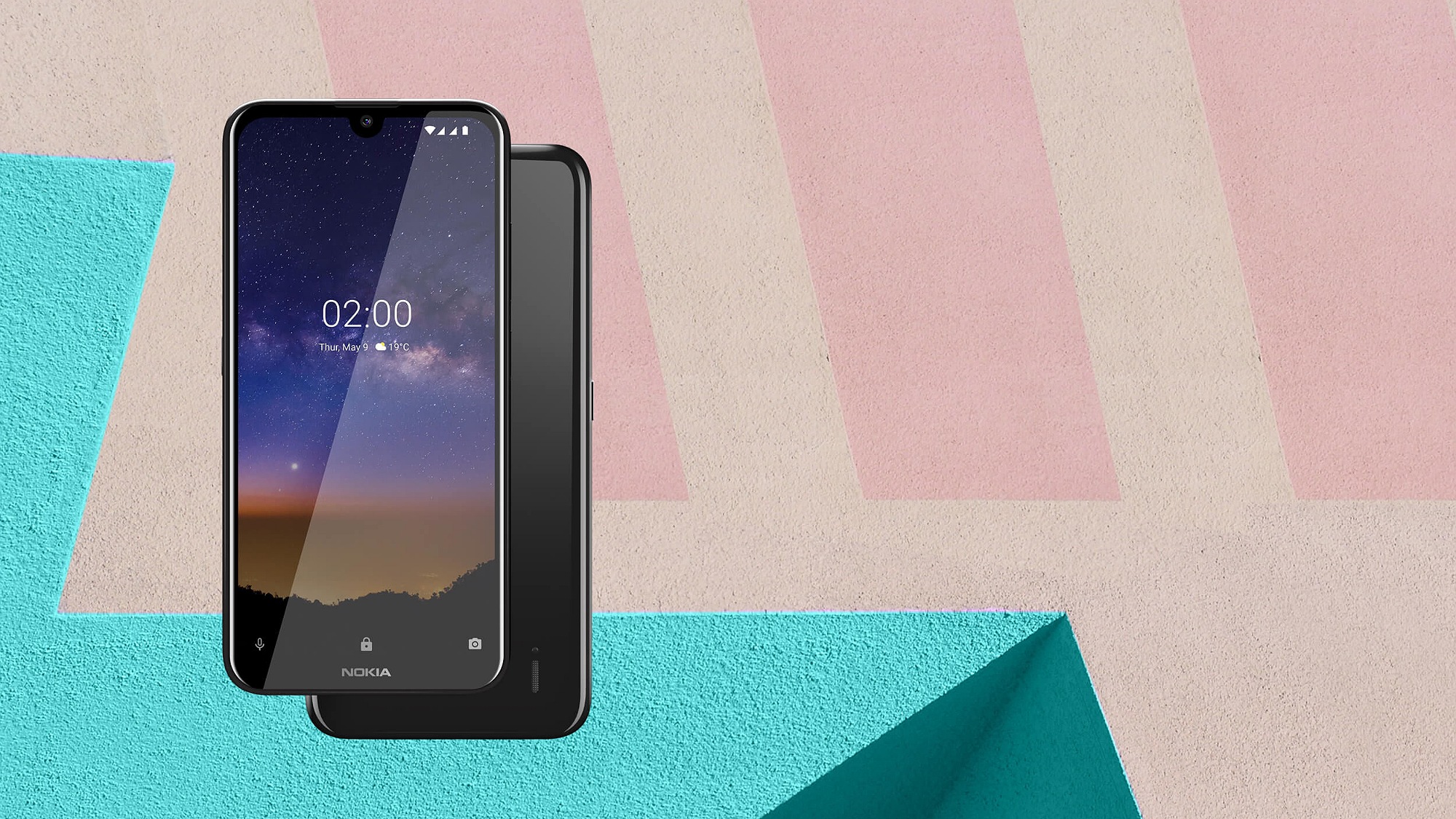
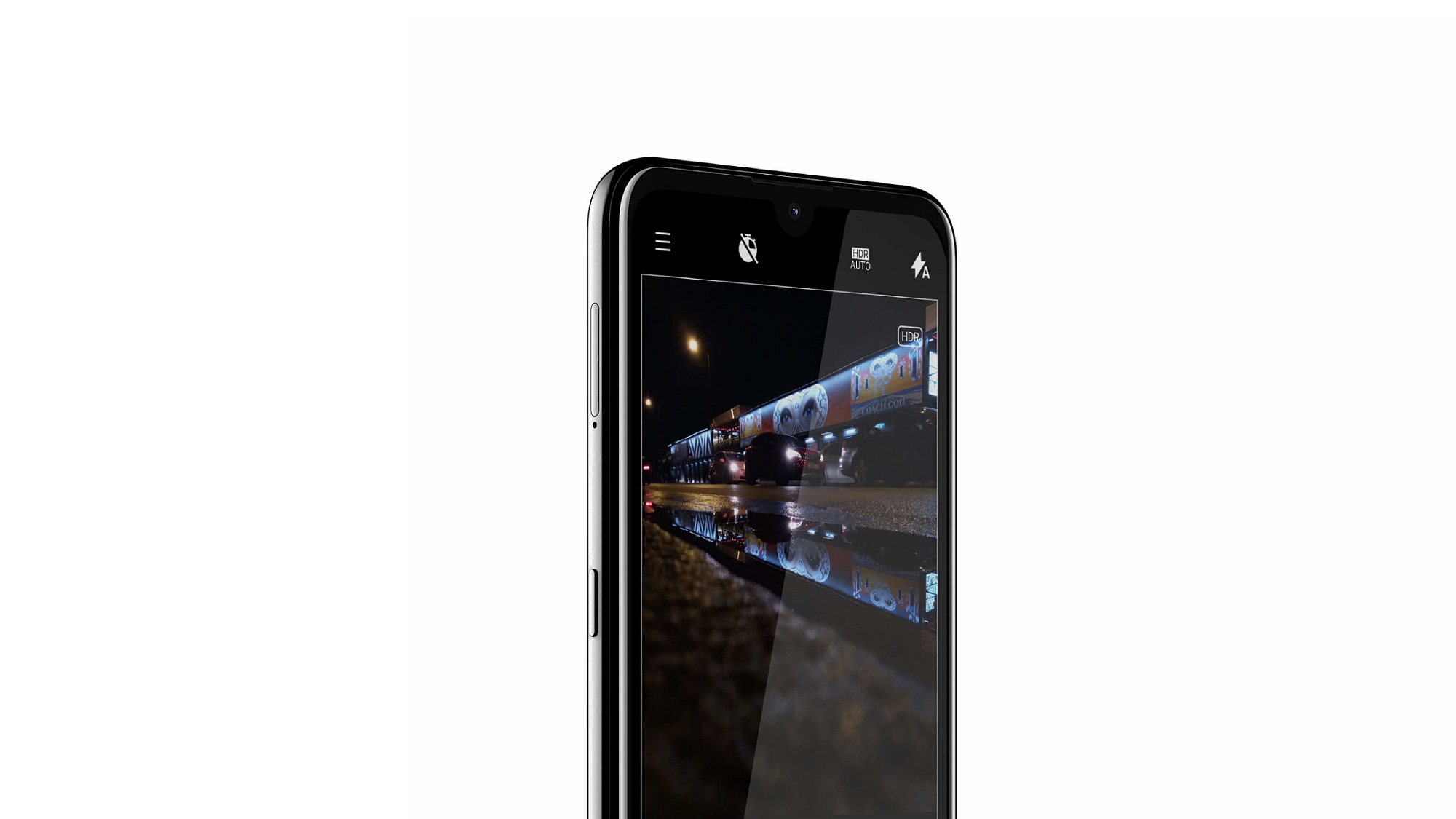
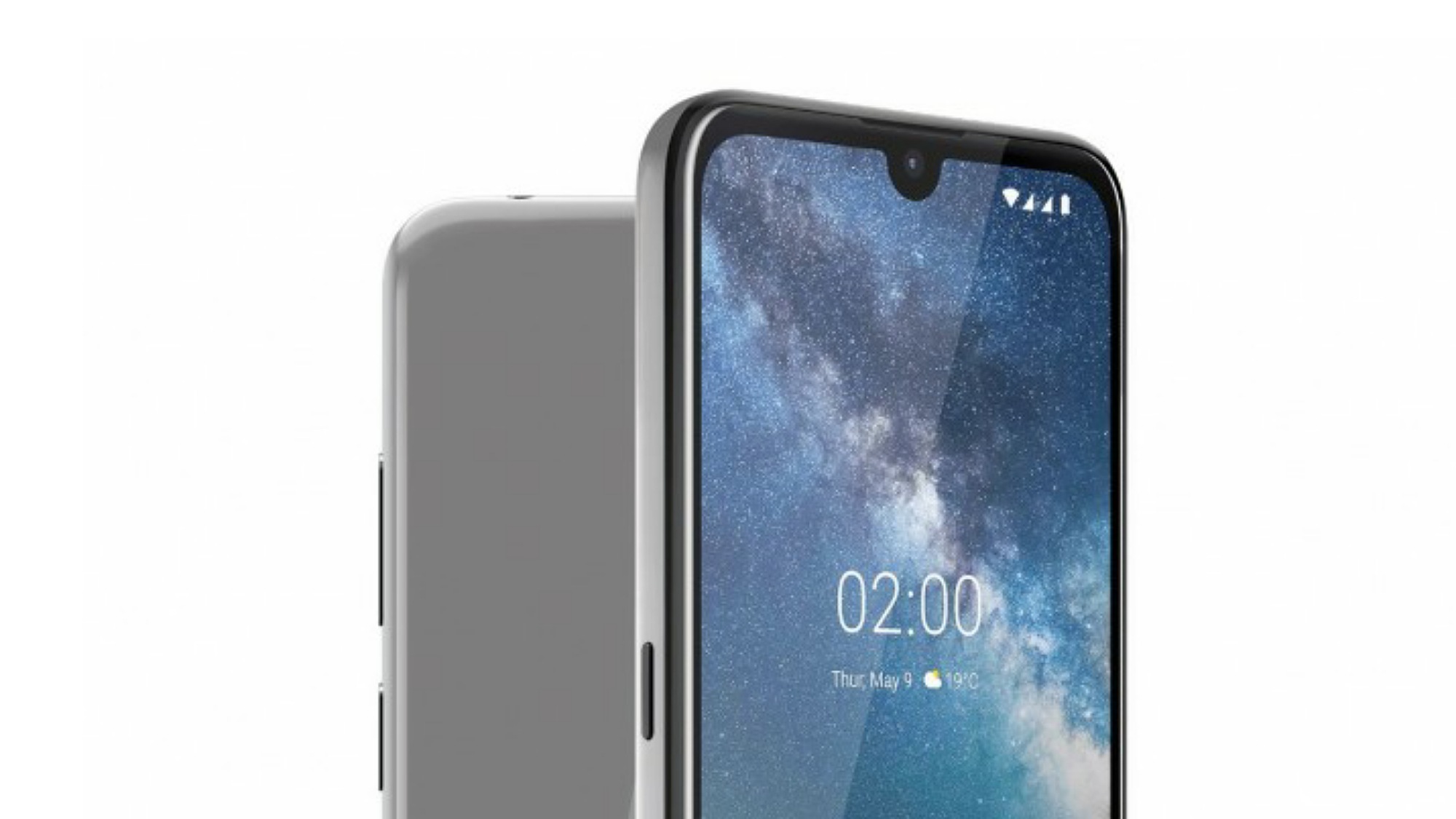



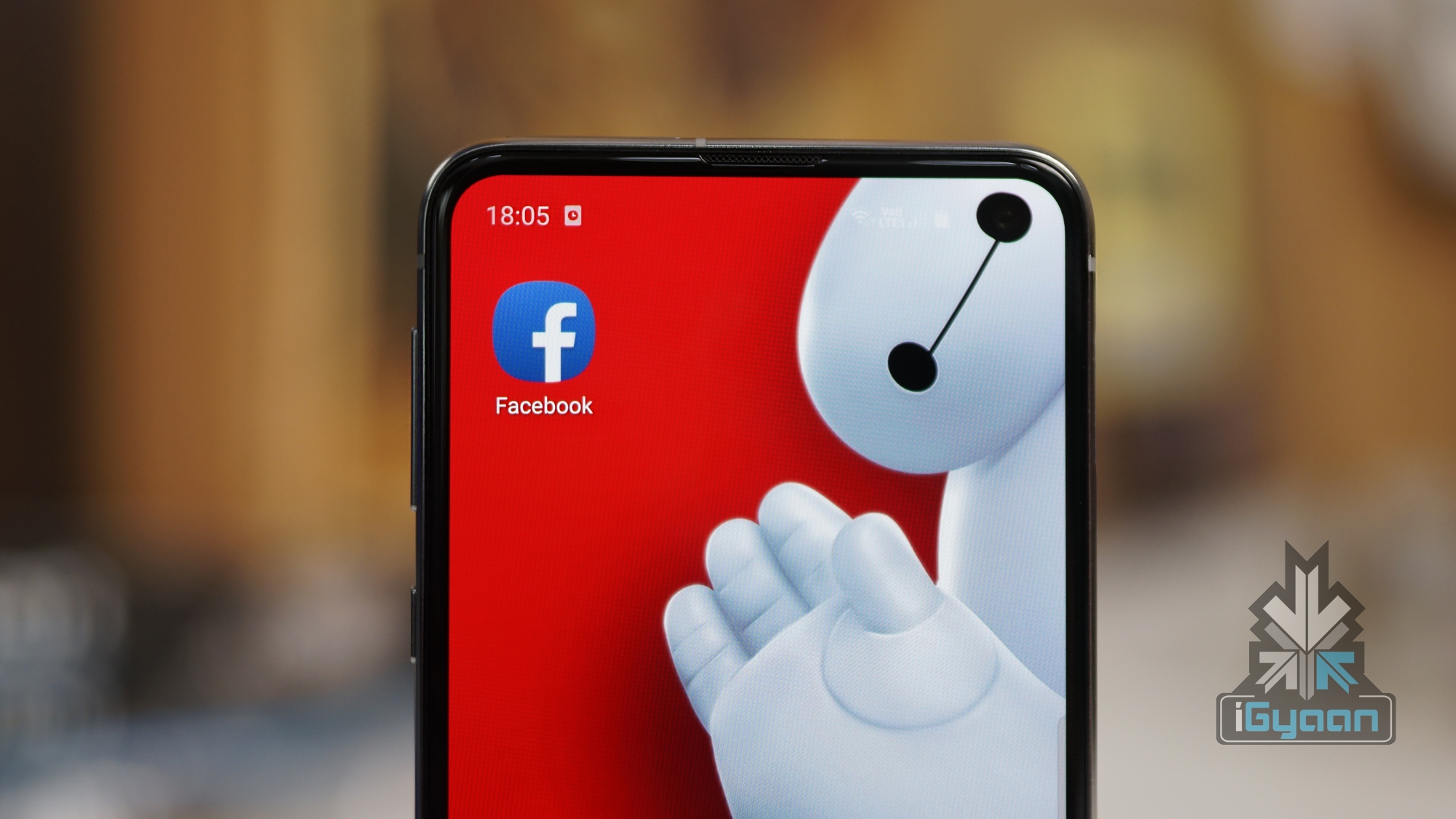
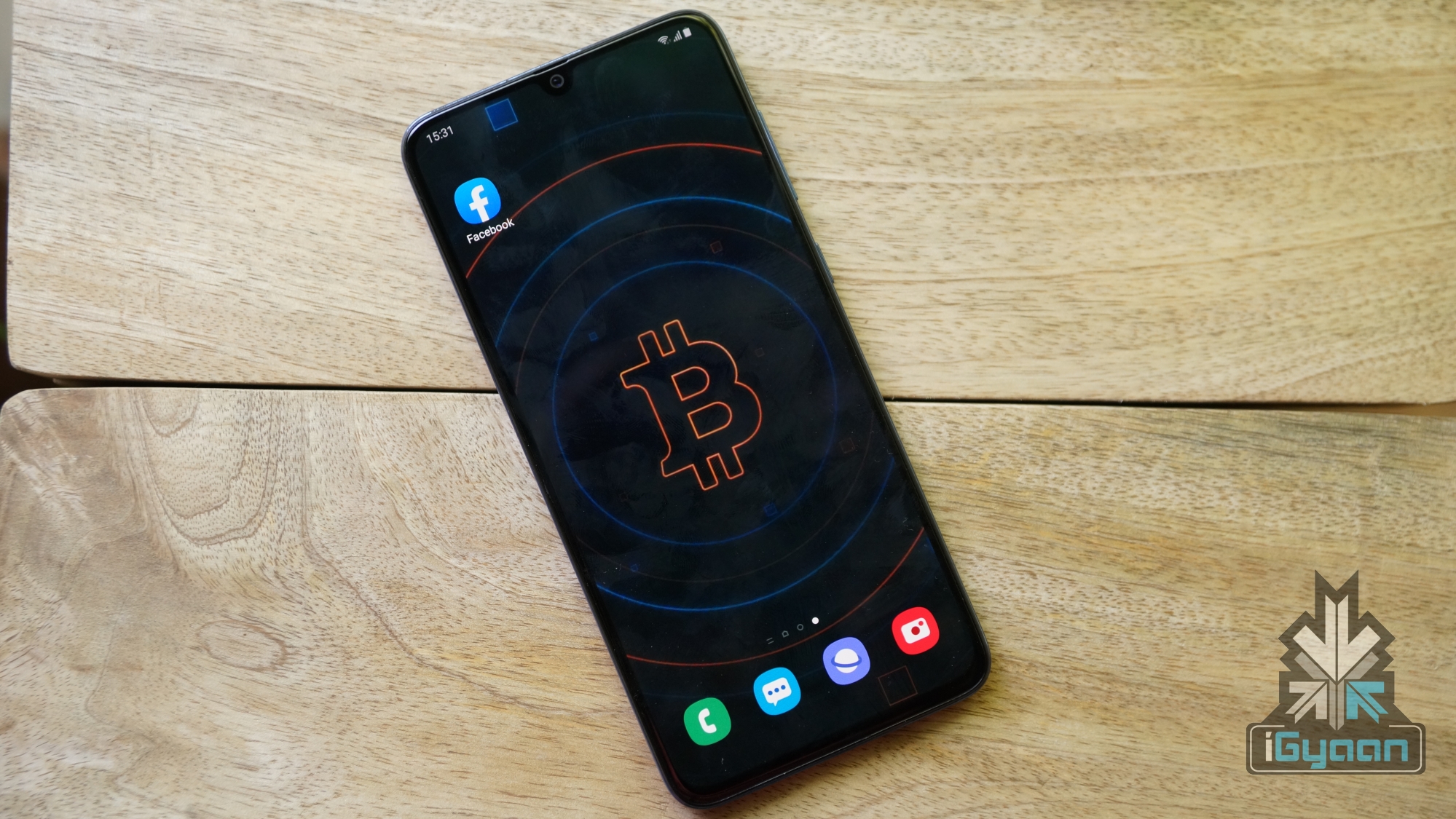

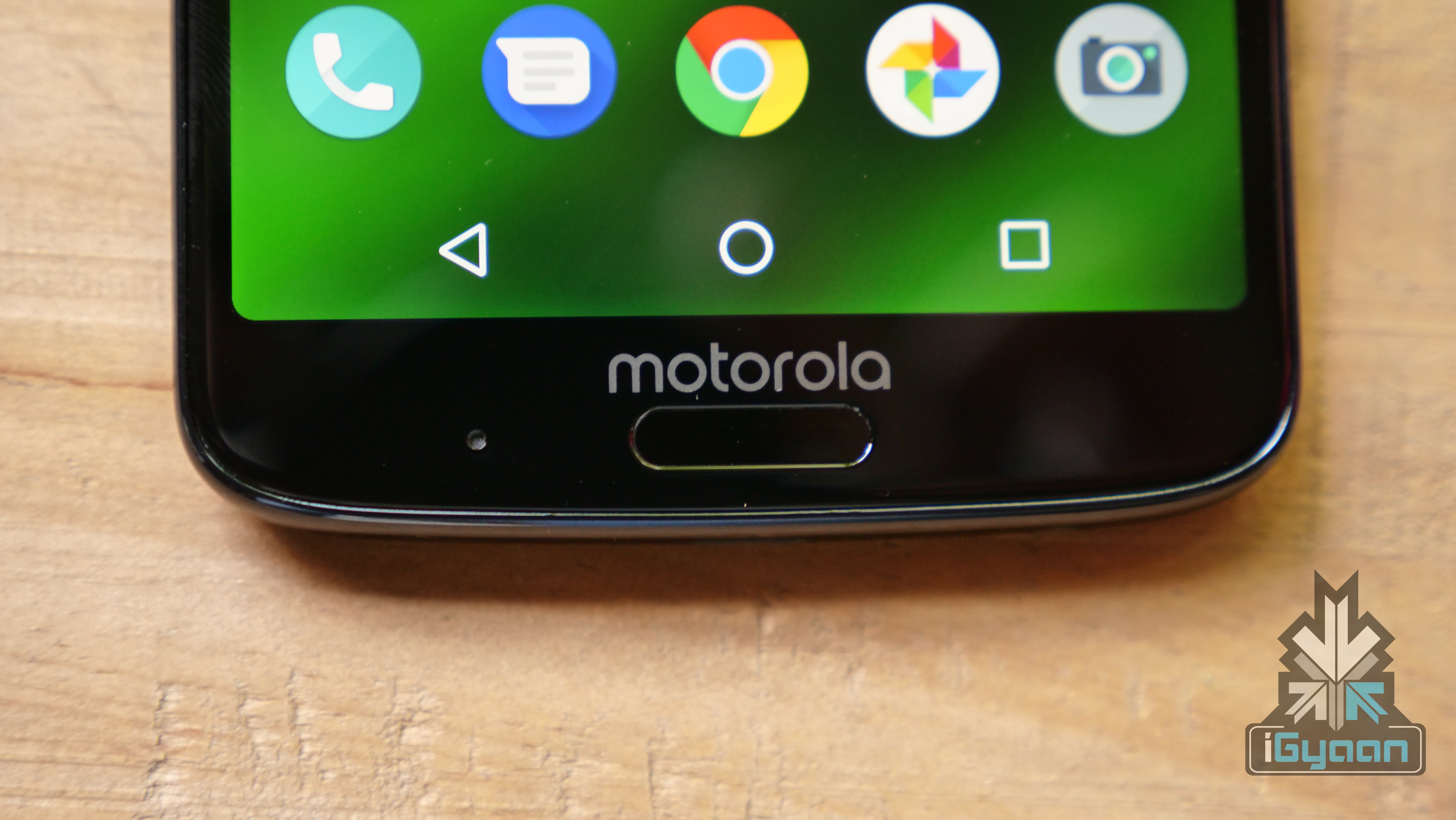
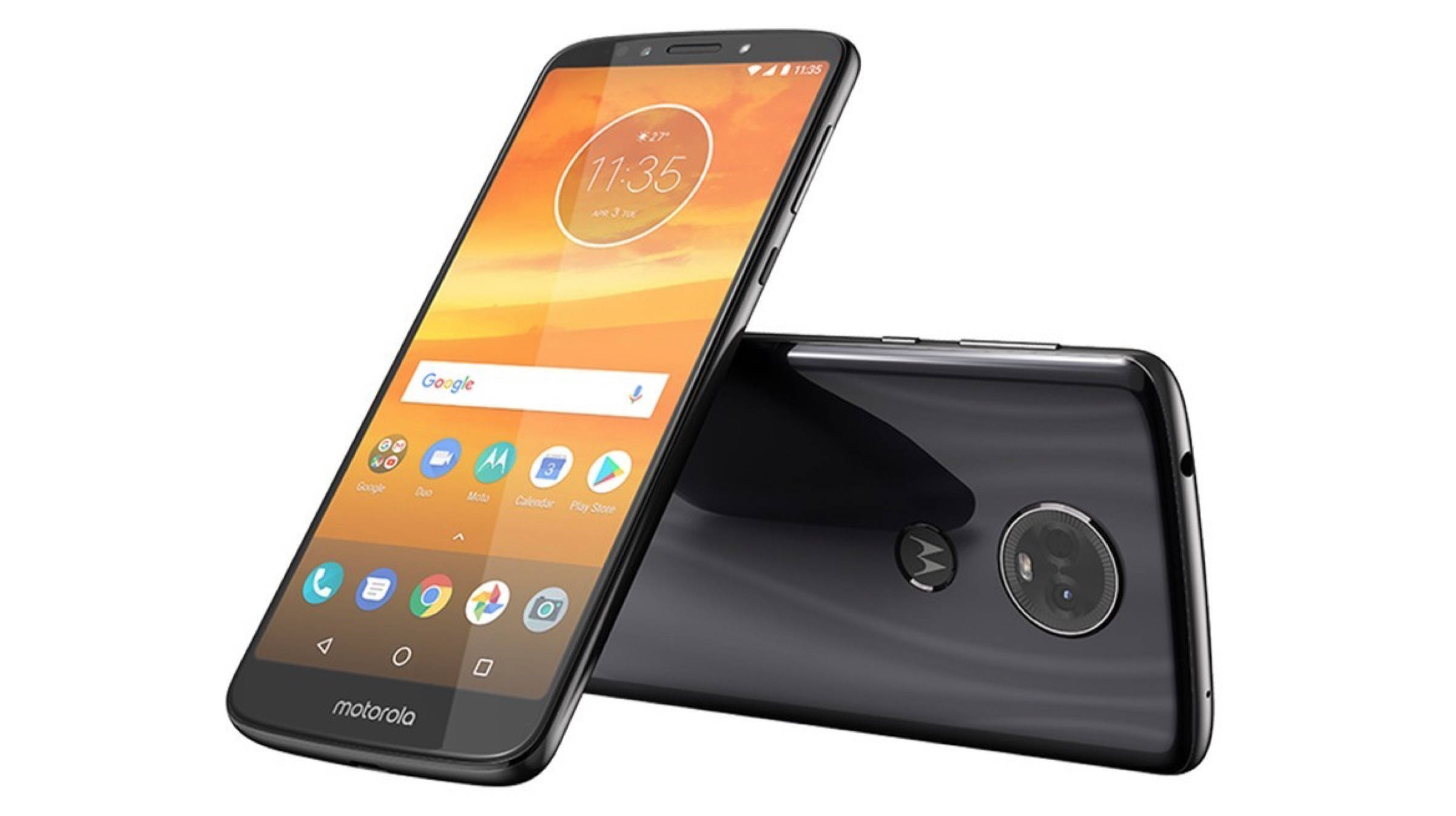
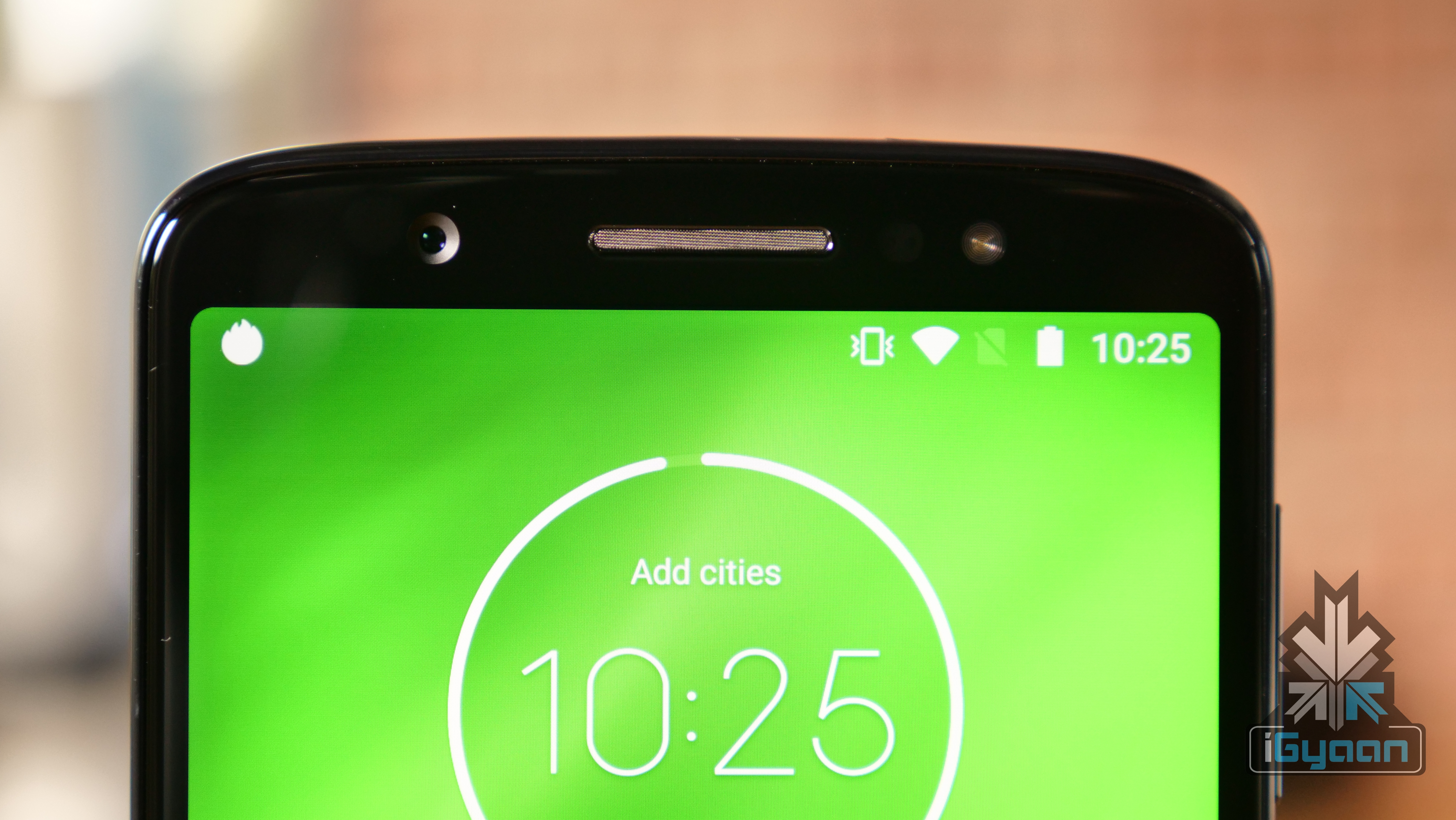
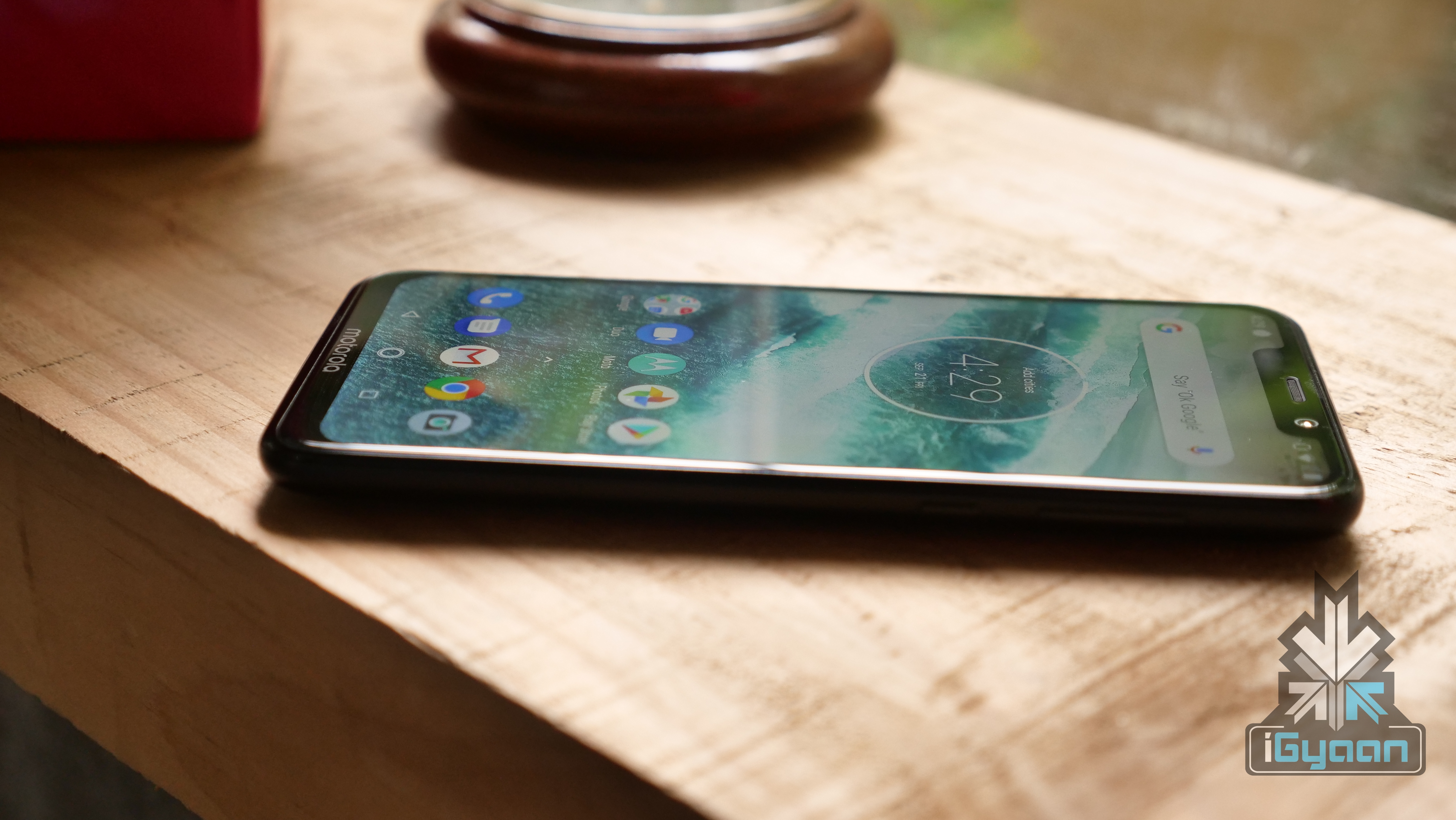

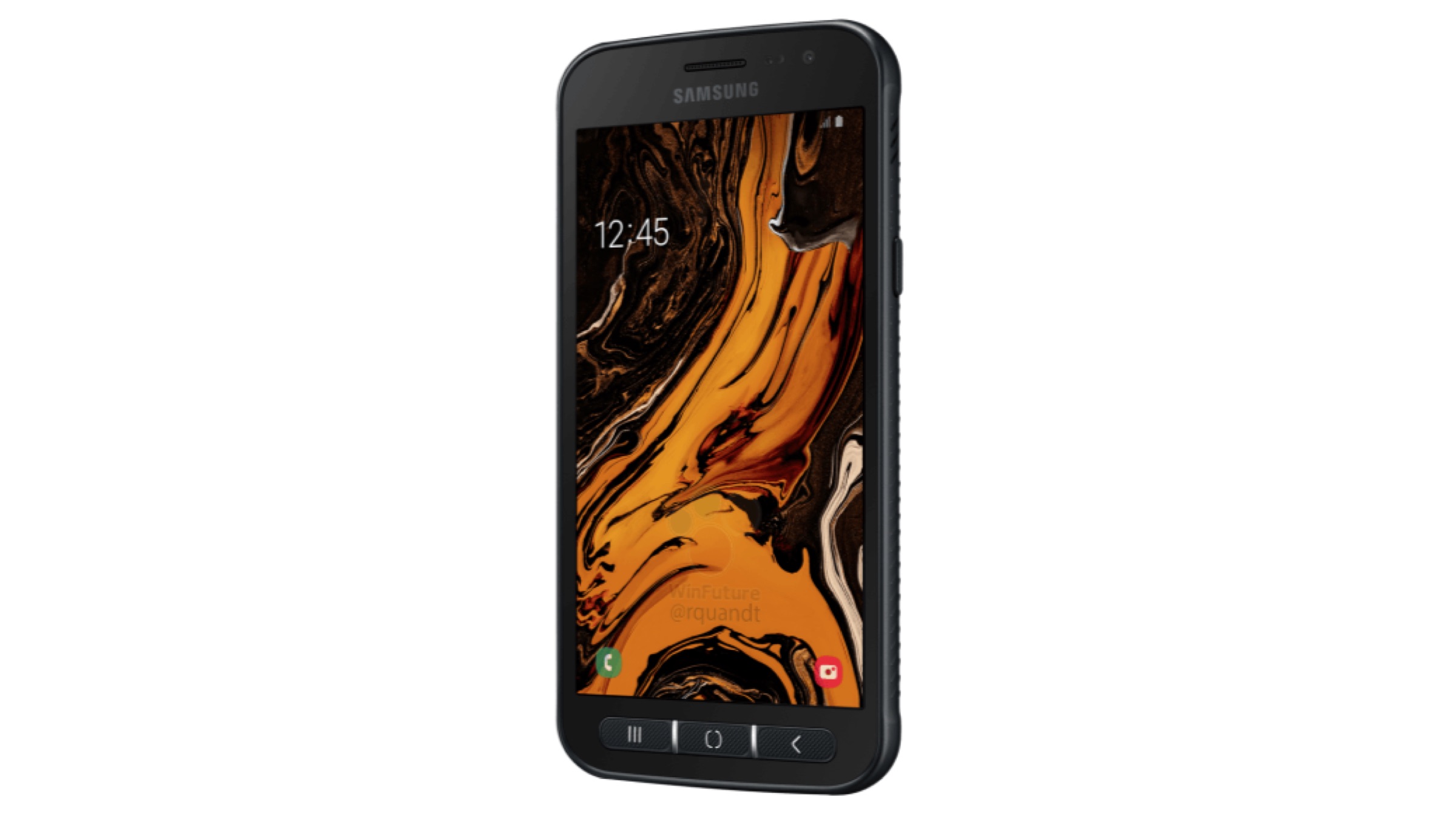
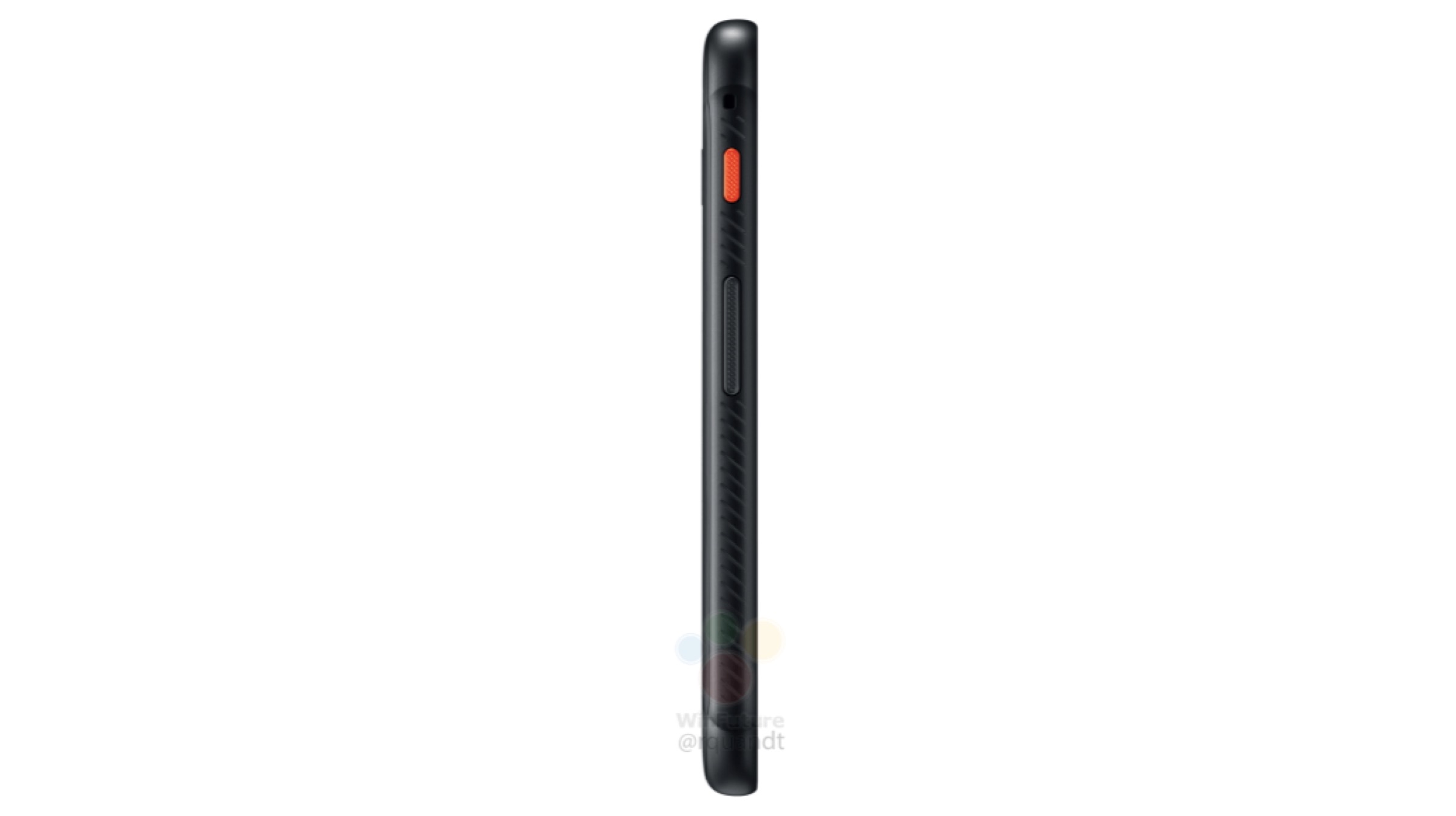
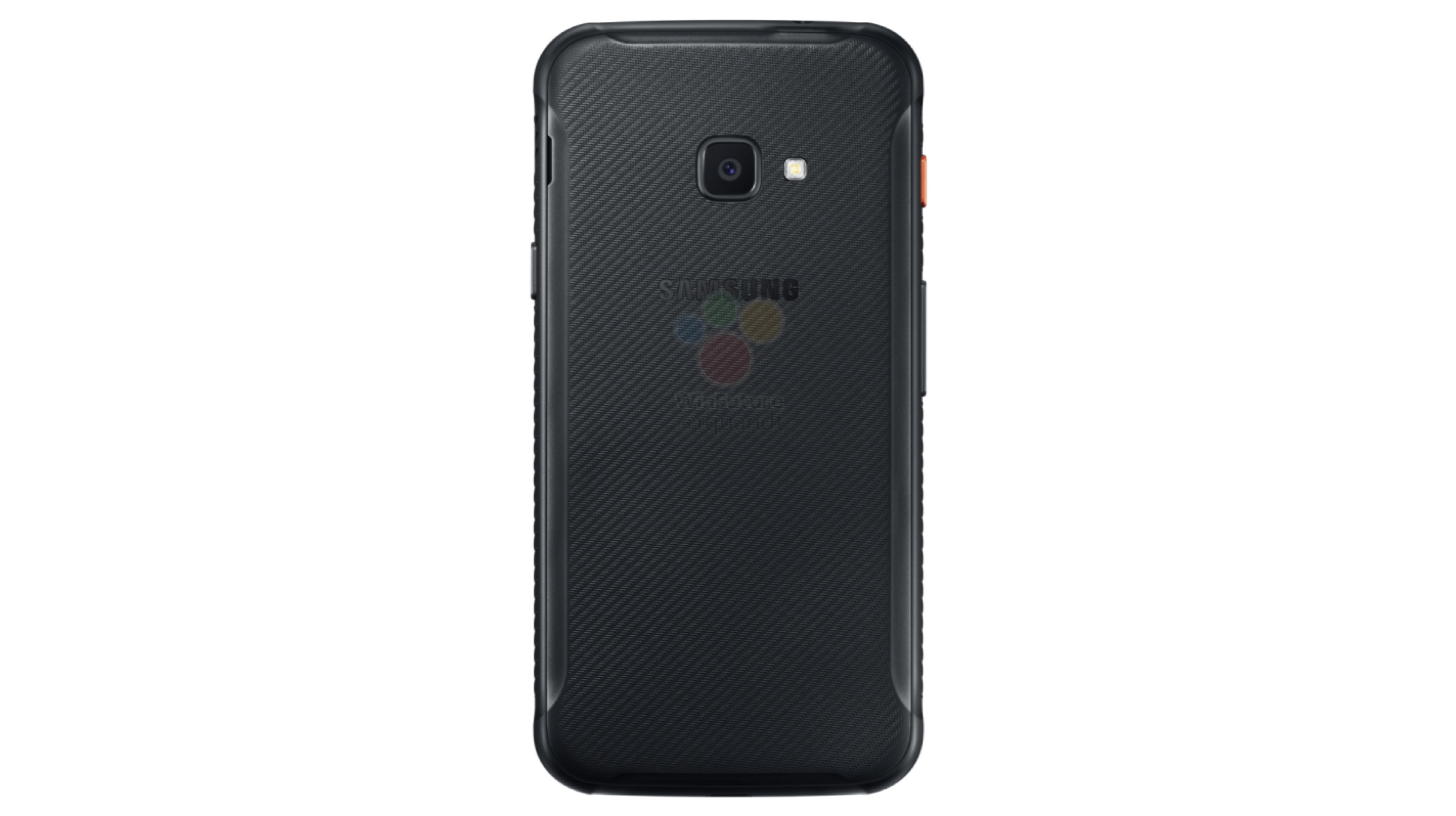 In terms of optics, the device features a single rear 16MP (f/1.7) camera. which supports scene optimization via AI. The camera supports Full HD video recording. For selfies, the company has included a 5MP (f/2.2) aperture front camera, which is placed in the top bezel of the handset. It packs a 2800 mAh replaceable battery, which can be charged via the USB Type-C port present at the bottom of the smartphone. It supports Bluetooth v5.0 and NFC. In addition to a 3.5mm headphone jack, the XCover 4S also has a XCover key which can be assigned to any application or service of choice.