Gameloft announced a brand new LEGO game for Android and iOS, initially teased back in December, LEGO Legacy: Heroes unboxed releases this fall. Gameloft also announced of various teasers and trailers leading upto its eventual release, so keep on the lookout.
Set in the LEGO universe the game is said to be the first of its kind, the unique genre will breath new life to the 40-year-old LEGO figurines history and universe. LEGO Legacy: Heroes Unboxed is set in an epic new world where players go about collecting classic and modern LEGO figurines and sets after which they create new parties to engage in battles or go on quests and adventures together.
The game is also likely to have special appearances from many of the fan favourite and adored universes like the cinematic universe set in the game world in great detail. LEGO Legacy: Heroes Unboxed seeks to capture the nostalgic feelings of fun from the LEGO toys that were a part of most childhoods. The game will also cater to the younger audiences with its shiny and fun looking aesthetics.
Gameloft developers have reportedly spent their time studying vintage instruction manuals to recreate the details and make the LEGO experience more robust and authentic. A real faithful attempt at capturing the wonderful and family-friendly experience for everyone.
With the current popular trends adopted by publishing companies and developers for mobile games, LEGO is probably going to turn out as another Free-To-Play game with monetisation laid inside the whole experience. As long as the monetisation strategy sticks to the background with purchases based on strictly to cosmetics and appearances and not the game disrupting Pay-To-Win strategy, the game will be warmly welcomed by people of every age demographic.
Xiaomi’s sub brand, Redmi will soon launch its latest flagship grade smartphones called the Redmi K20 and the Redmi K20 Pro. The upcoming duo is set to launch on the 28th of May and days before the official announcement; specs and price of latter have been revealed.
Redmi K20 Pro Features & Looks
Going by the previously leaked image, the Redmi K20 Pro has an elegant design with a glossy back panel that houses triple cameras and the company branding. Images of the smartphone’s front are currently unavailable but it is reported to have an edge to edge display and a pop-up style selfie camera.
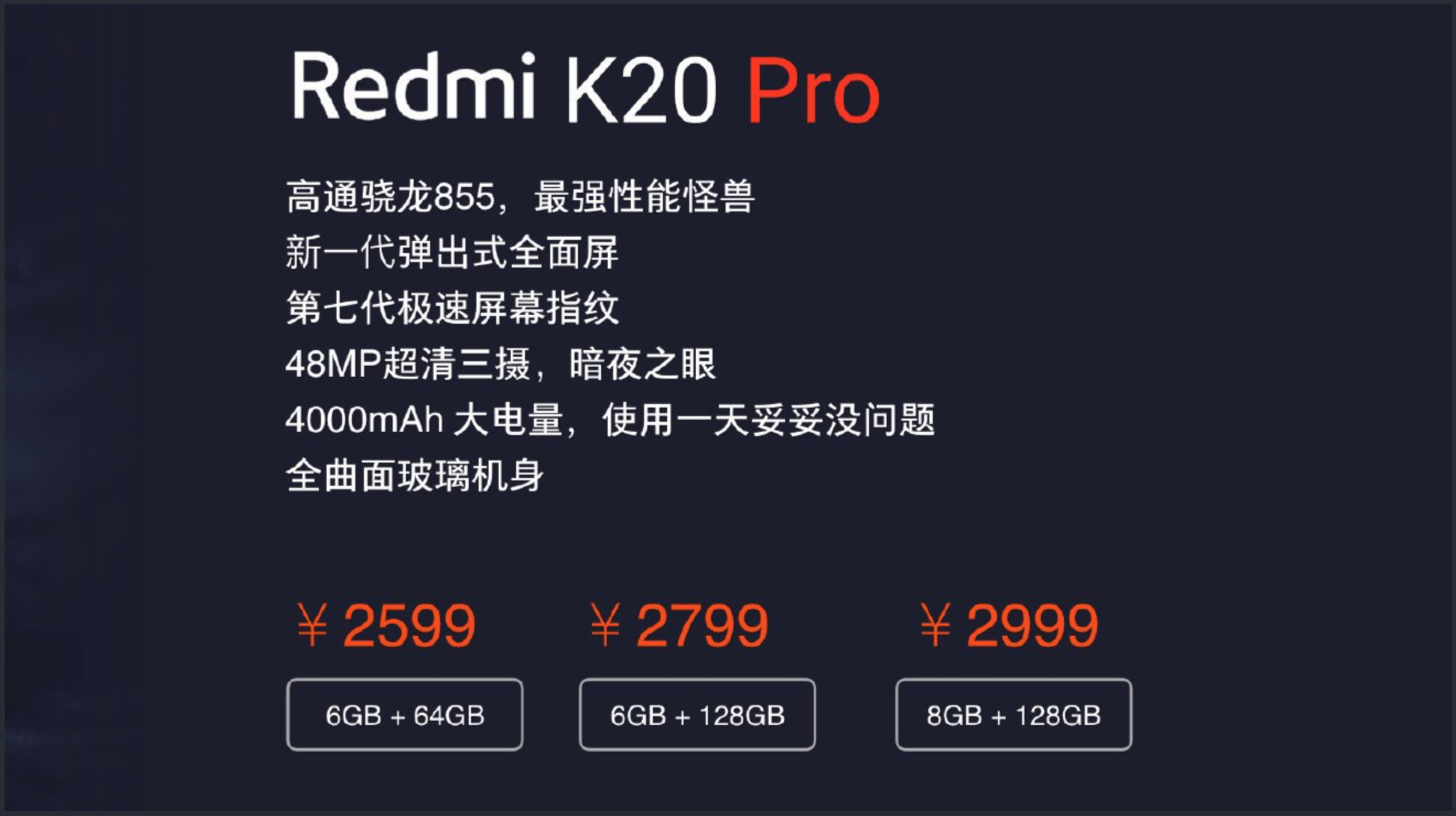
The Redmi K20 Pro sports a 6.39 inch Super AMOLED display that has a resolution of 2340 x 1080 px and a pixel density of 409 ppi. Like several other high-end devices, it has an on-display fingerprint scanner. Under the hood, it features the Snapdragon 855 SoC which is comprised of an octa-core CPU and Adreno 640 GPU.
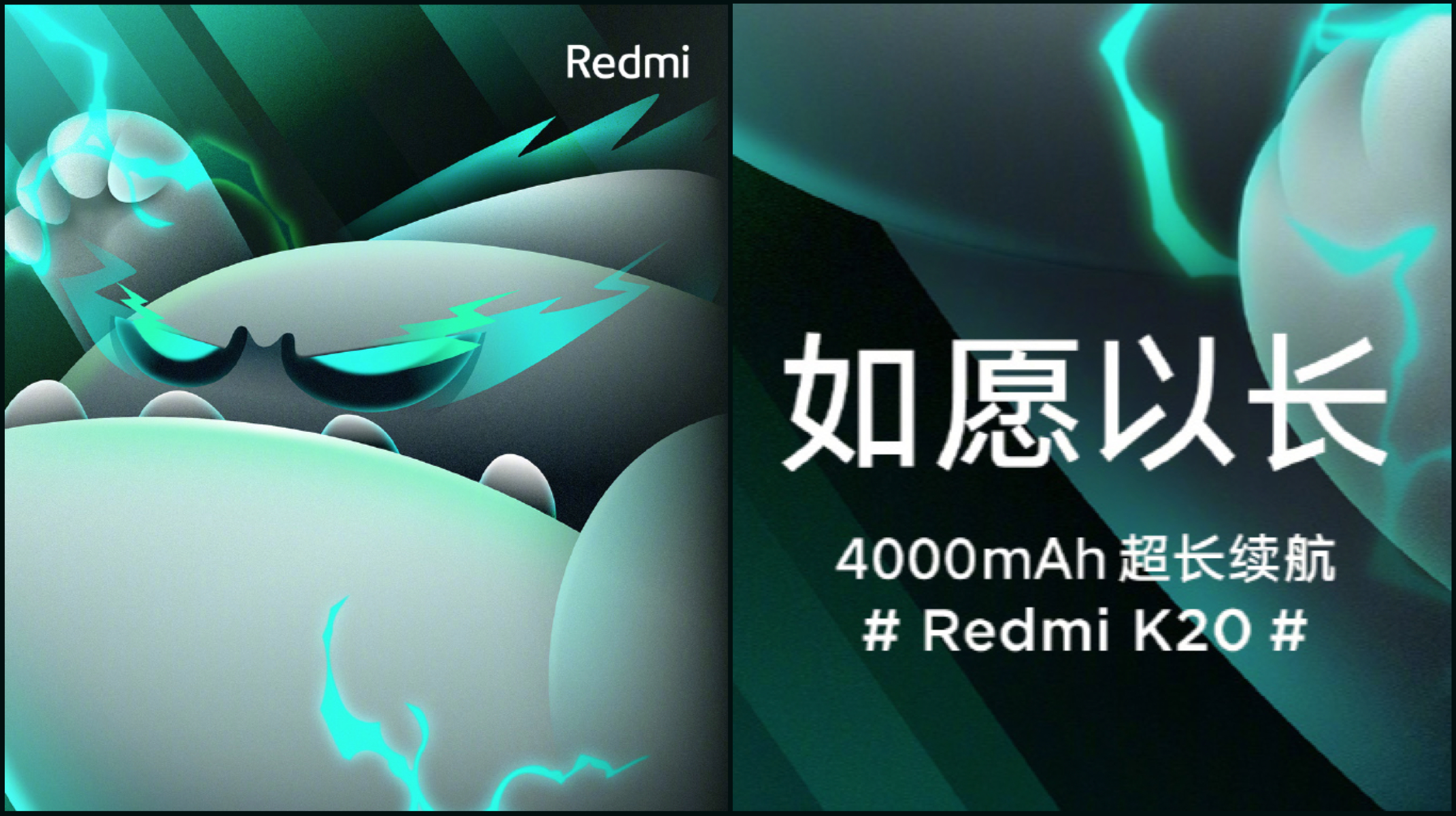
For photography, the Redmi K20 Pro has a triple rear camera setup. Out of the said cameras, one is confirmed to be a 48 MP Sony IMX586 sensor. The device is powered by a large 4,000 mAh battery that supports 27 w fast charging. Other details including the dimensions, front camera sensor and connectivity options will be revealed at the time of the launch.
Redmi K20 Pro Price
The leaked teaser reveals the K20 Pro will be offered in three storage variants for which the prices are as follows:
Conclusively, the leaked pricing and specifications of the handset will be verified at the launch event which is set for the 28th of May. In addition to the former, Xiaomi will also launch the Redmi K20 which is expected to be its watered down variant with Snapdragon 730 SoC.
Redmi, a subsidiary of Chinese smartphone maker Xiaomi has announced its latest budget smartphone in its home country on the 24th of May. Called the Redmi 7A, the device is the successor to the Redmi 6Alaunched last year. Notably, the latest handset was leaked a few days ago on certification website TENNA and boasts of competitive specifications at a lucrative price.
Redmi 7A
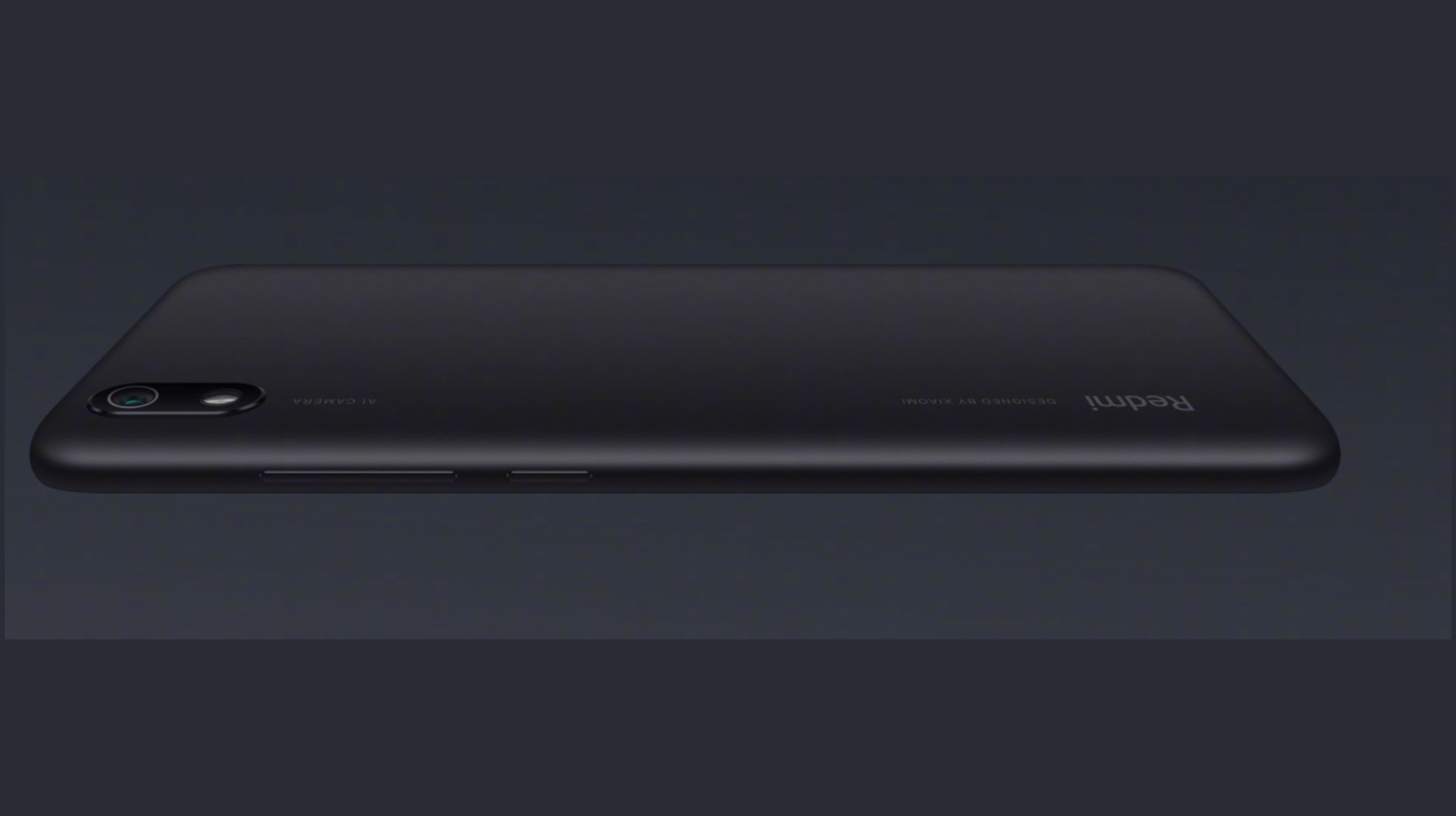
As mentioned previously, the Redmi 7A is the latest budget offering from the company. It measures 146.30 × 70.41 × 9.55mm, weighs 150g and has a polycarbonate construction with a similar design to its predecessor. It has a 5.45 inch LCD display with a resolution of 1440 x 720 px and an aspect ratio of 18:9. There are significant bezels on the top and bottom of the device with the company branding at the chin. As it is a budget device, it lacks any form of biometric security like a fingerprint scanner; and users will have to rely on conventional unlocking methods such as numerical pins, patterns and passwords to access the smartphone
The Redmi 7 runs on the 12nm Snapdragon 439 SoC which is also seen in the Nokia 4.2 (Review). The chipset is comprised of an Octa-core CPU and the Adreno 505 GPU. In terms of optics, the smartphone has a single 13MP rear camera with LED flash. For selfies, a 5MP front-facing camera is also present on the handset. For memory and storage, the handset will be available in the following variants.
2GB RAM and 16GB ROM
3GB RAM and 32GB ROM
The Redmi 7A will be powered by a 4000 mAh battery with support for 10W wired charging. Furthermore, the handset has a triple card slot which supports two SIM cards; and a separate microSD card of up to 256GB in capacity. It has a hydrophobic P2i coating which should make it resistant to a degree of liquid splashes. The device runs on MIUI 10 on top of the current Android 9 Pie.
While Xiaomi has officially announced the Redmi 7A in China, the pricing of the smartphone will be revealed on the 28th of May. Unfortunately, the company has not provided any information on when it will launch in India but it is expected to be introduced soon at a starting price of Rs. 5,999.
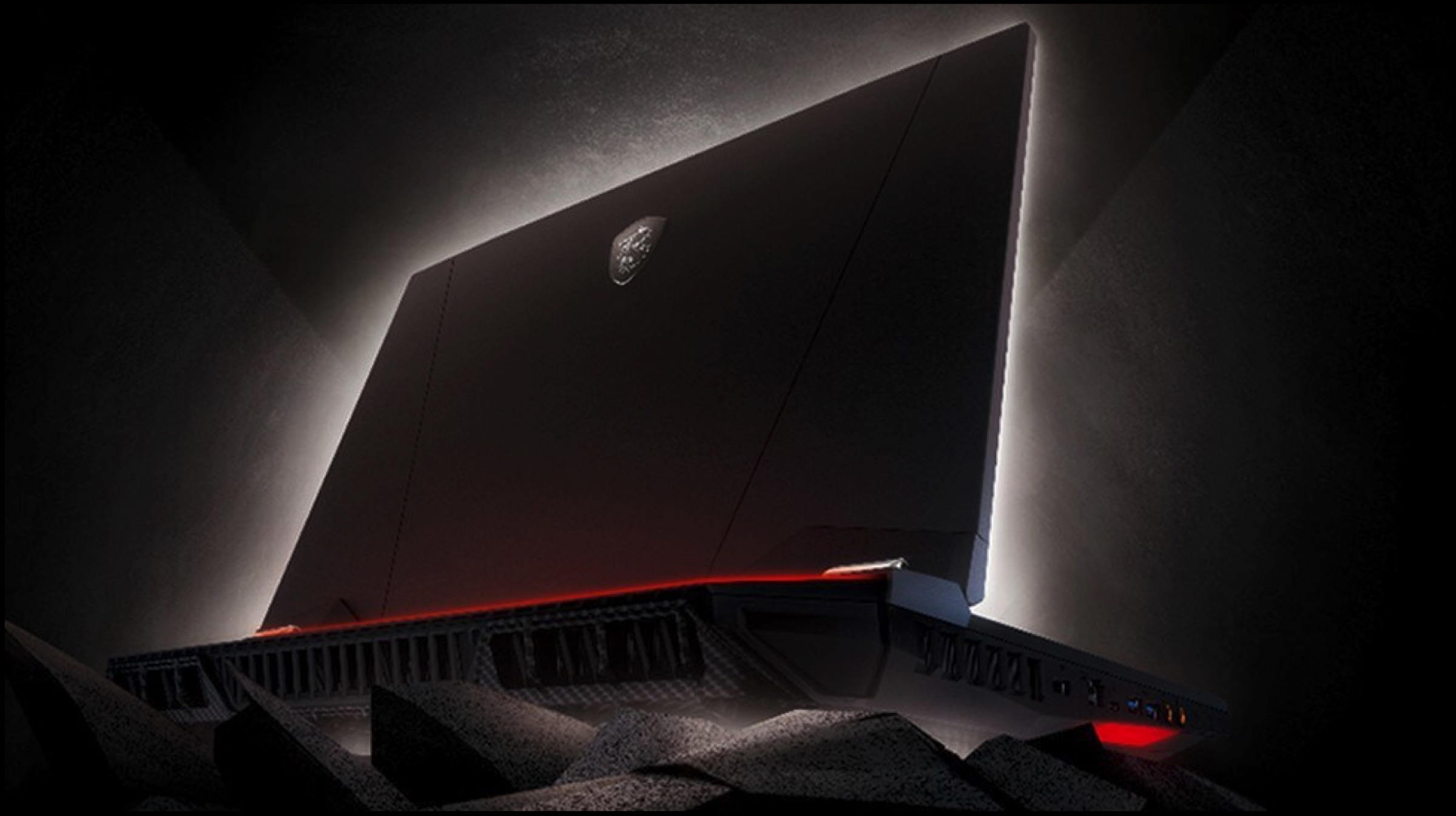
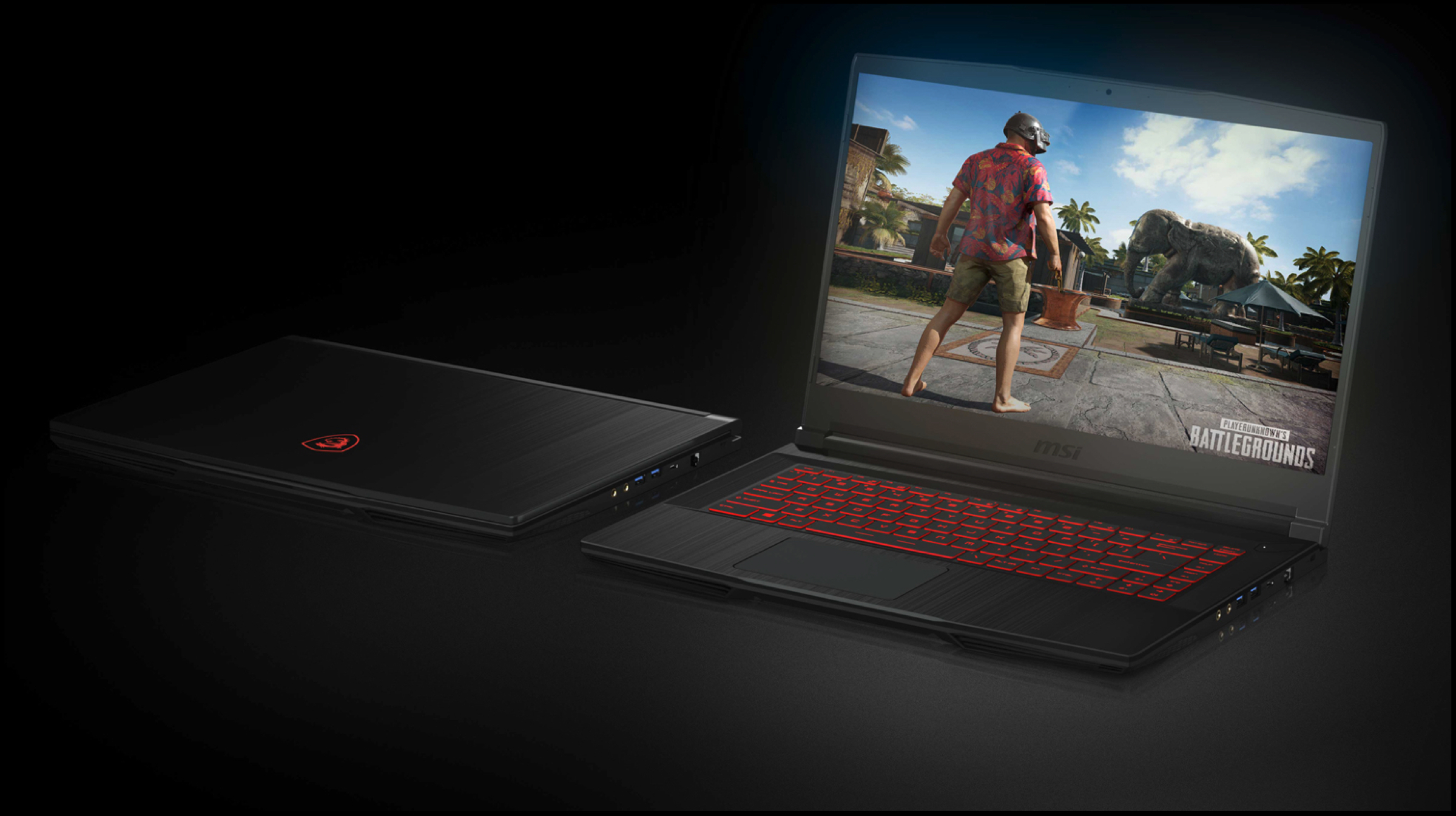
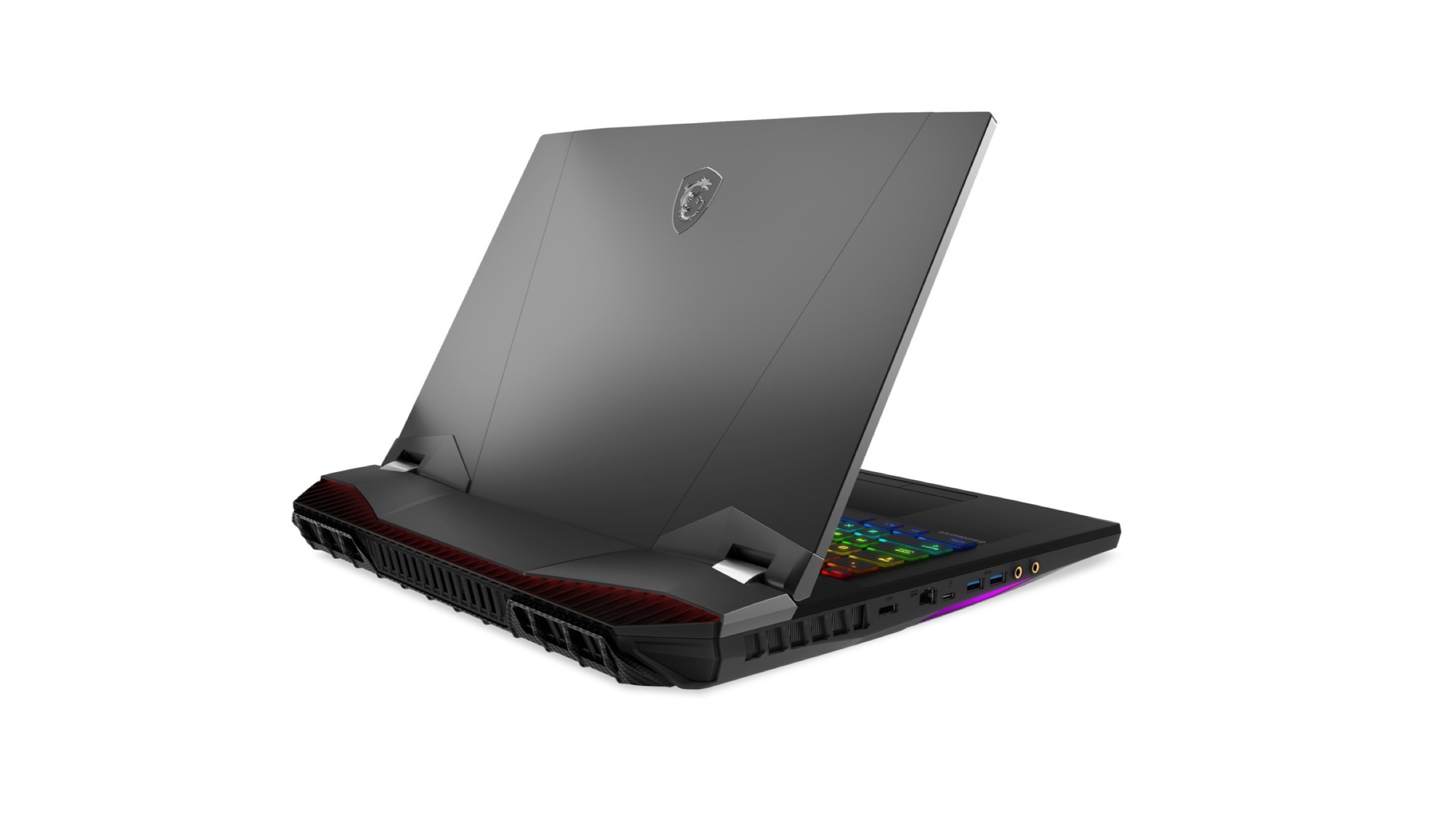
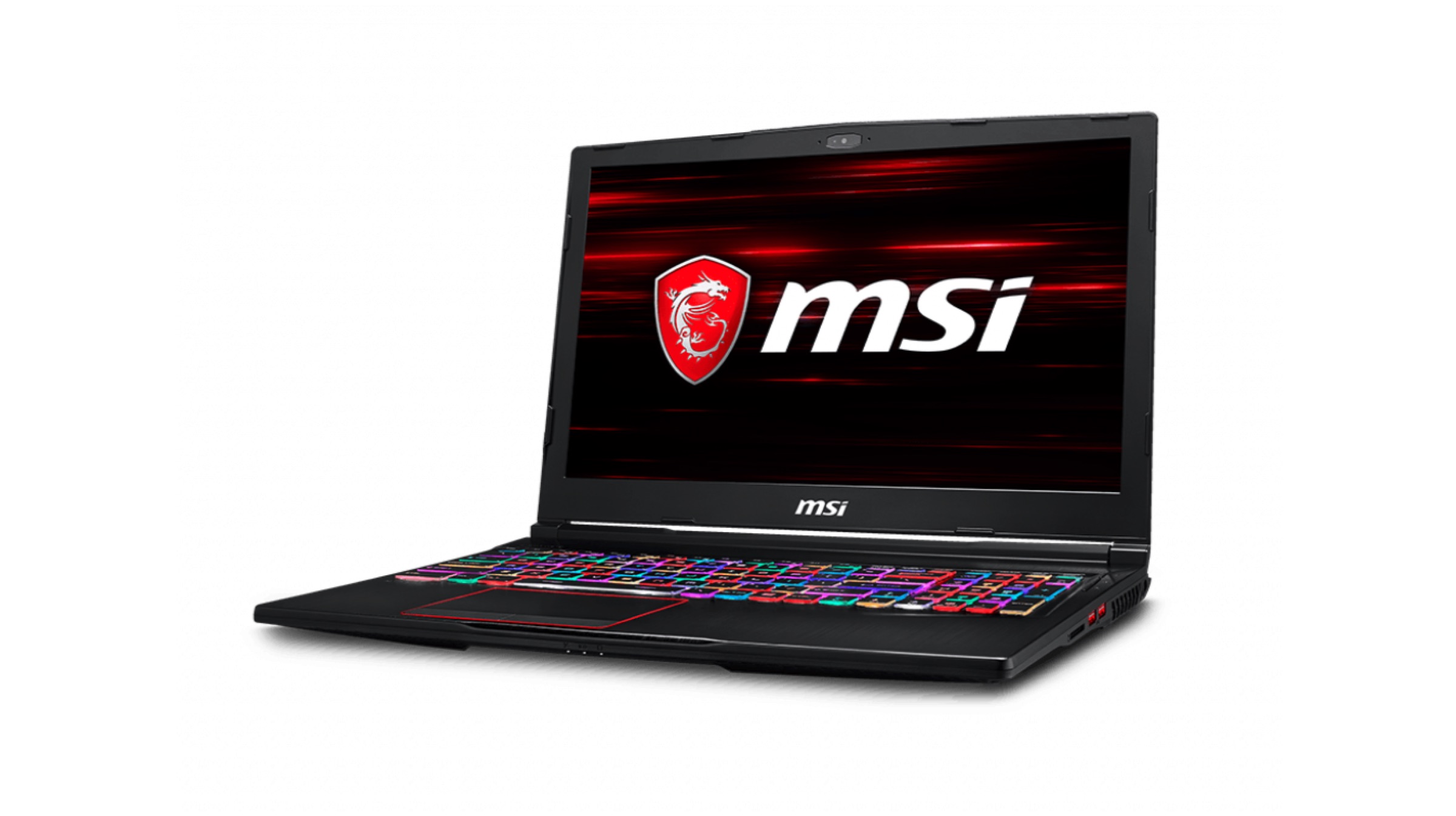
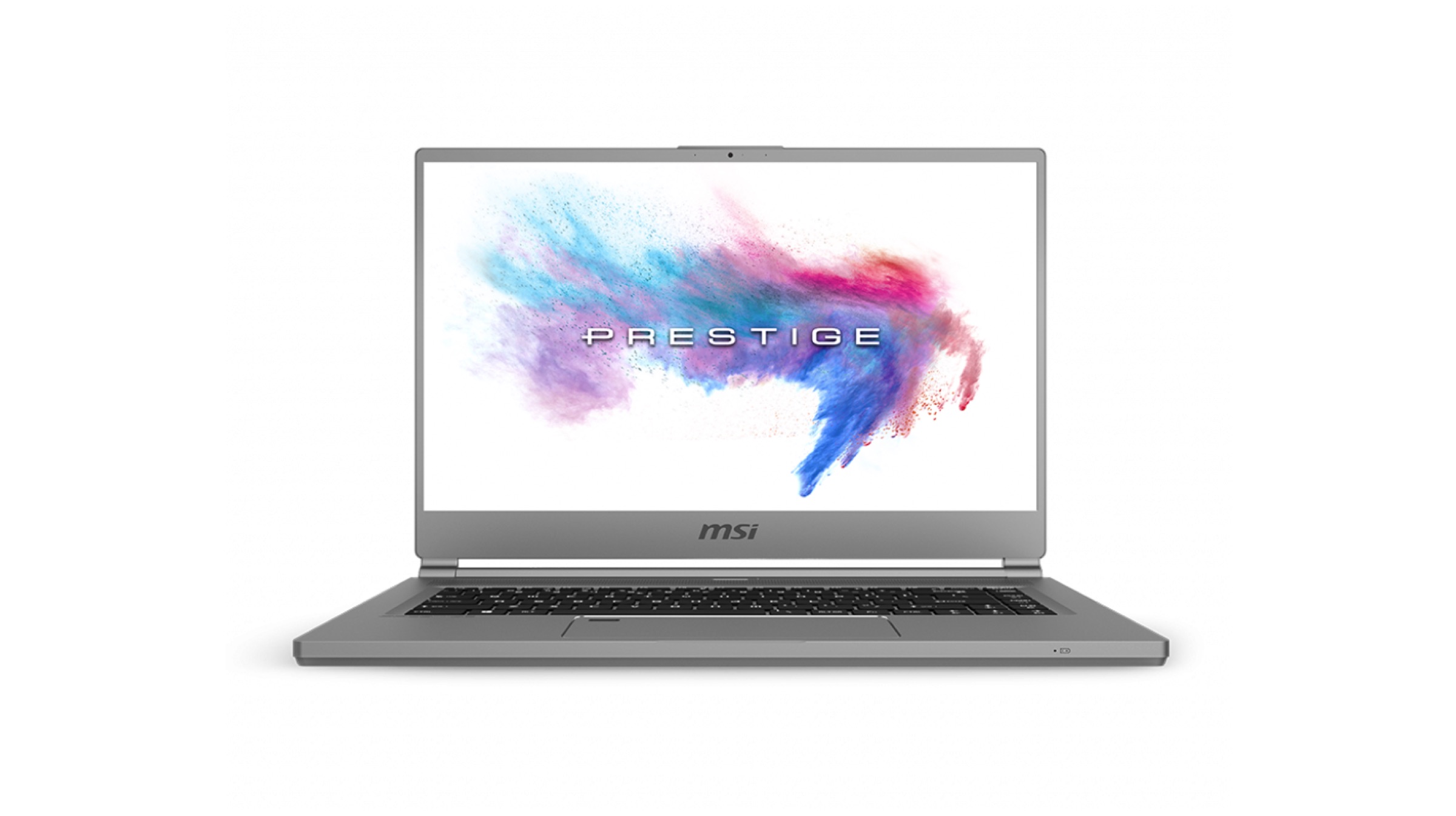
MSI brings out three new laptops right before Computex 2019, adding in two gaming laptops for their GT Titan and Raider series along with a refresh of the Creator Laptop. MSI GT76 Titan and GE65 Raider being the top of the line gaming laptops and the P65 Creator laptop that improves on the CPU chipset for a minor refresh of the series.
With its robust features, the GT76 sits at the top of the gaming laptop lineup by MSI. Being one of the only few to pack such a powerful desktop grade i9 9th Gen Intel octa-core processor inside a laptop. Finer details such as Ram and Storage capacity option have not yet been revealed alongside the SKU, but the GT76 have been confirmed to run on the GeForce RTX 2080 GPU.
The biggest improvements by far made by the new laptop is the Cooler Boost Titan thermal architecture with 4 fans and 11 heat pipes that MSI claims would be twice as efficient in the cooling than its predecessors. The keyboard features the per-key RGB lighting and a base under-glow, while the overall aesthetics of the laptop follow that of a sports car with an aluminium chassis and carbon fibre themed vents. Computex Best Golden Award has already been presented to the laptop which will be showcased at MSI’s booth in Computex 2019, to be held in Taiwan.
MSI will announce the features for its GE65 Raider laptop at Computex 2019, although confirmed reports from the company show that the gaming laptop will be powered by an i9 9th Gen Intel Processor (similar to GT76) and RTX series Nvidia’s graphics card. The Key selling point of the laptop is its display with an impressive 240Hz refresh rate and Wifi-6 connectivity support.
Lastly, MSI updated the Creator series lineup with P65 with the aforementioned, i9 9th Gen CPU processor with RTX series GPU. Additionally, the laptop sports a 15.6 inch 4K UHD display powered by a 4-cell 82Whr battery. MSI is all set to take on its competition Computex with the graphics card, monitors, gaming gear and much more.
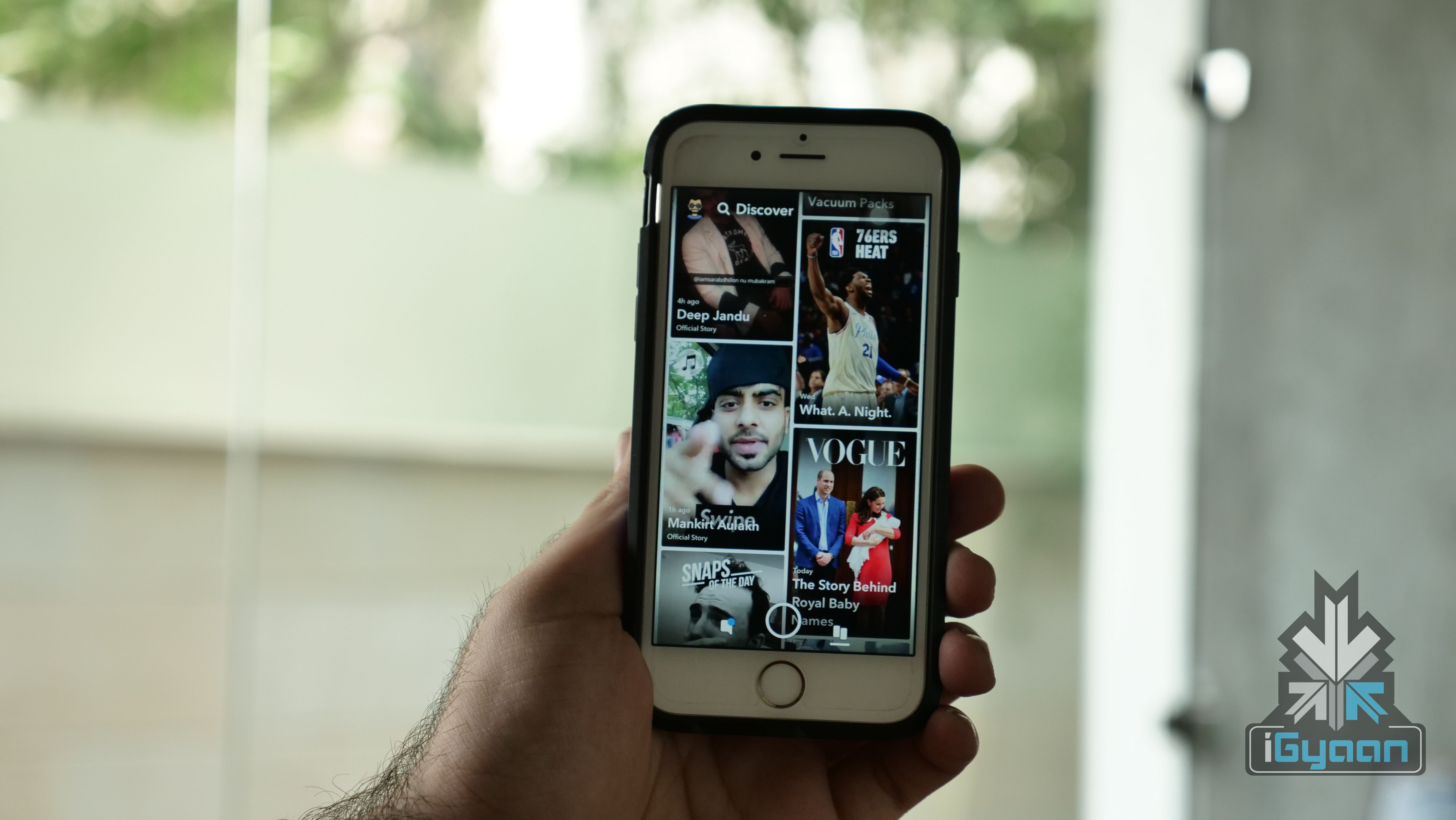
It seems like information transferred via most applications is not secure anymore. Where local security was an important matter of concern some years back, privacy has lost its dignified spot with the advancements in technology. Conglomerates like Facebook were previously under scrutiny for indulging in activities that led to data leaks worldwide. The latest addition to the list includes Snapchat, a popular media sharing platform that has been allegedly accused of accessing private user data without consent.
It has been reported that the company consists of multiple departments, some of them with access to user data via dedicated tools. Former employees of Snapchat have divulged that multiple Snap employees misused their access privileges to pry on private Snapchat user data several years ago. The user data included location information, saved snaps, phone numbers and email addresses. All this information has been derived from a cache of internal company emails obtained by sources.
Reports also state that one of the aforementioned tools that the company employees were allegedly using was SnapLion. The original intended use of the tool was to make a database of information concerning users – all of this in response to valid law enforcement requests. Reportedly, this tool was only intended for use by select officials of Snapchat, but this was clearly not the result.
It is very unnerving to see that the application which relies on end-to-end message security as a central basis of its existence fall to internal security breaches like these. Snapchat has more than 180 million users worldwide who need to be aware of the same. Almost 5 years back in 2014, Snapchat was fined by the FTC (Federal Trade Commission) for failing to disclose the collection, transmission and storage of geolocation data derived from the users. Users need to know that behind the “secure” application which they use every day are actual people who can access their highly sensitive data at the press of a button.
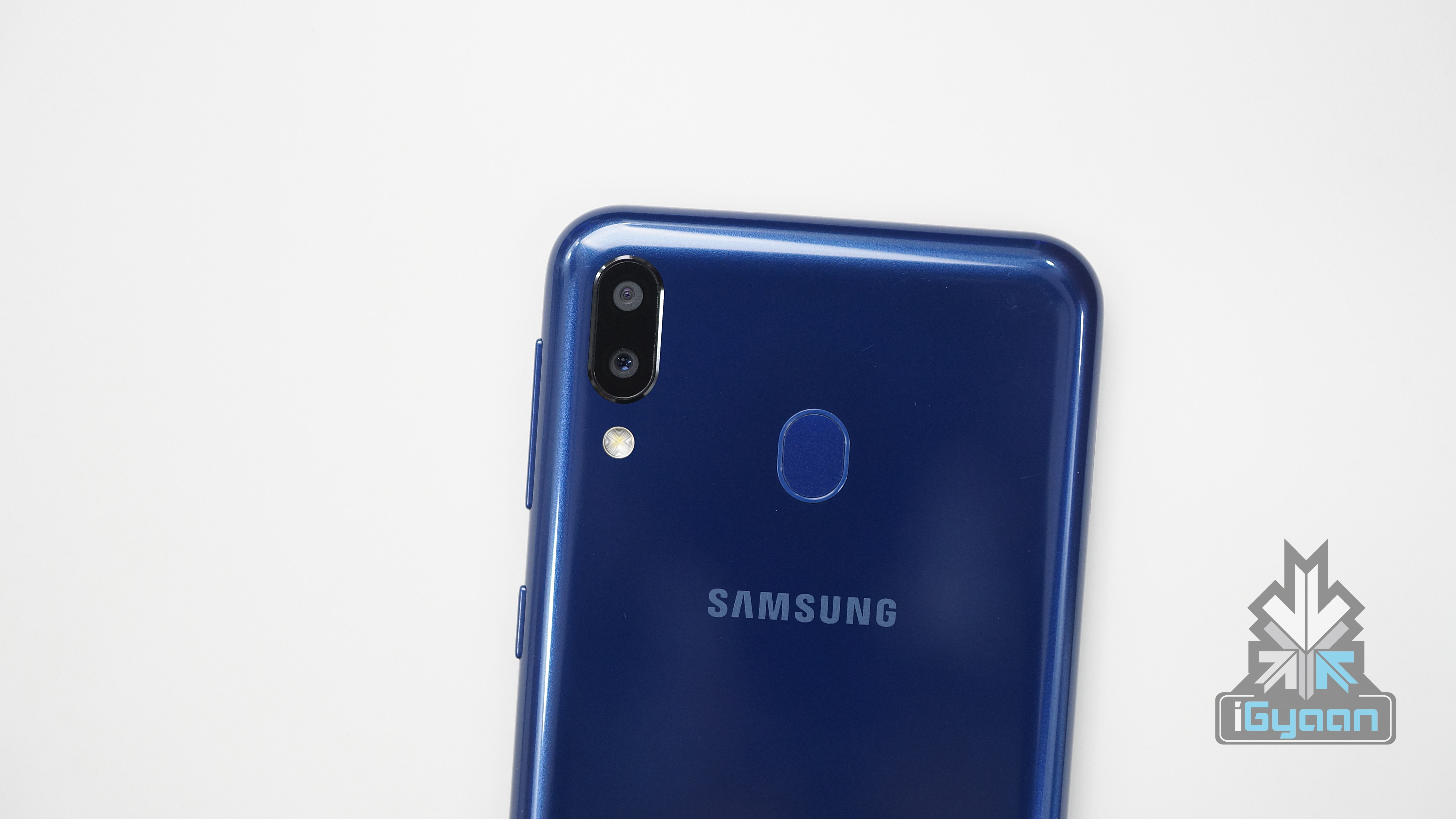
Samsung introduced a new lineup of online exclusive smartphones called the Galaxy M back in the month of January, replacing the On series. The devices launched in the beginning included the Galaxy M10 and Galaxy M20 which were soon followed by the launch of the Galaxy M30 in the month of February. The series represented a shift in strategy for the company; and was announced in a bid to compete with the ever-increasing presence and popularity of Chinese smartphone OEMs such as Xiaomi, Honor and Realme. However, all the devices in the Galaxy M lineup run on the slightly dated Android 8 Oreo and the company’s ExperienceUI on top. Now, Samsung has announced all the handsets in the series will receive the OneUI update running on the latest Android 9 Pie soon.
OneUI: What Has Changed?
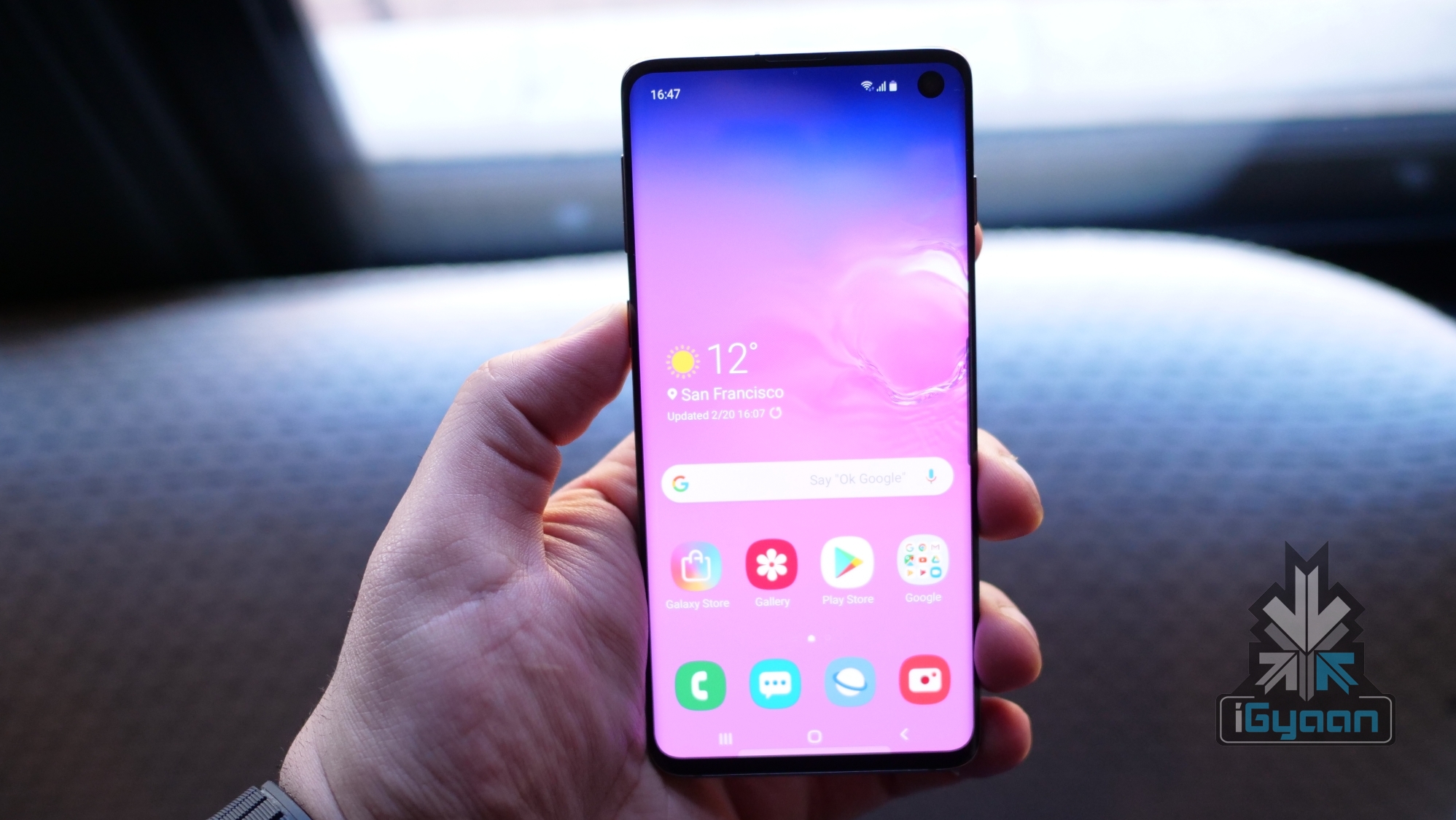
OneUI On The Galaxy S10
Samsung first introduced its latest OneUI software in the month of November last year. It introduces a complete design overhaul for the User Interface (UI) the company will provide with the Android 9 Pie update on its smartphones. Key features of the OneUI include improved one hand navigation by placing major information in the bottom half of the display. The software also introduces Dark Mode, a feature that has been requested by users for a while now. When activated, it turns certain areas of the UI black in colour, which is easier on the eyes at night; and also gives an aesthetically different look to the software. Other features include bigger, and more streamlined icon designs and a cut down on the bloatware shipped with the smartphone.
Like mentioned previously, Samsung has announced that the Android Pie based OneUI update; will be received by all the smartphones in the Galaxy M lineup. It will be an Over The Air (OTA) update so users will get a notification as soon as it is available for their devices. According to the company, installing OneUI on the Galaxy M handsets should see an improvement in their performance, which is appreciated. The rollout for the Android Pie update for the smartphones will begin on the 3rd of June 2019.
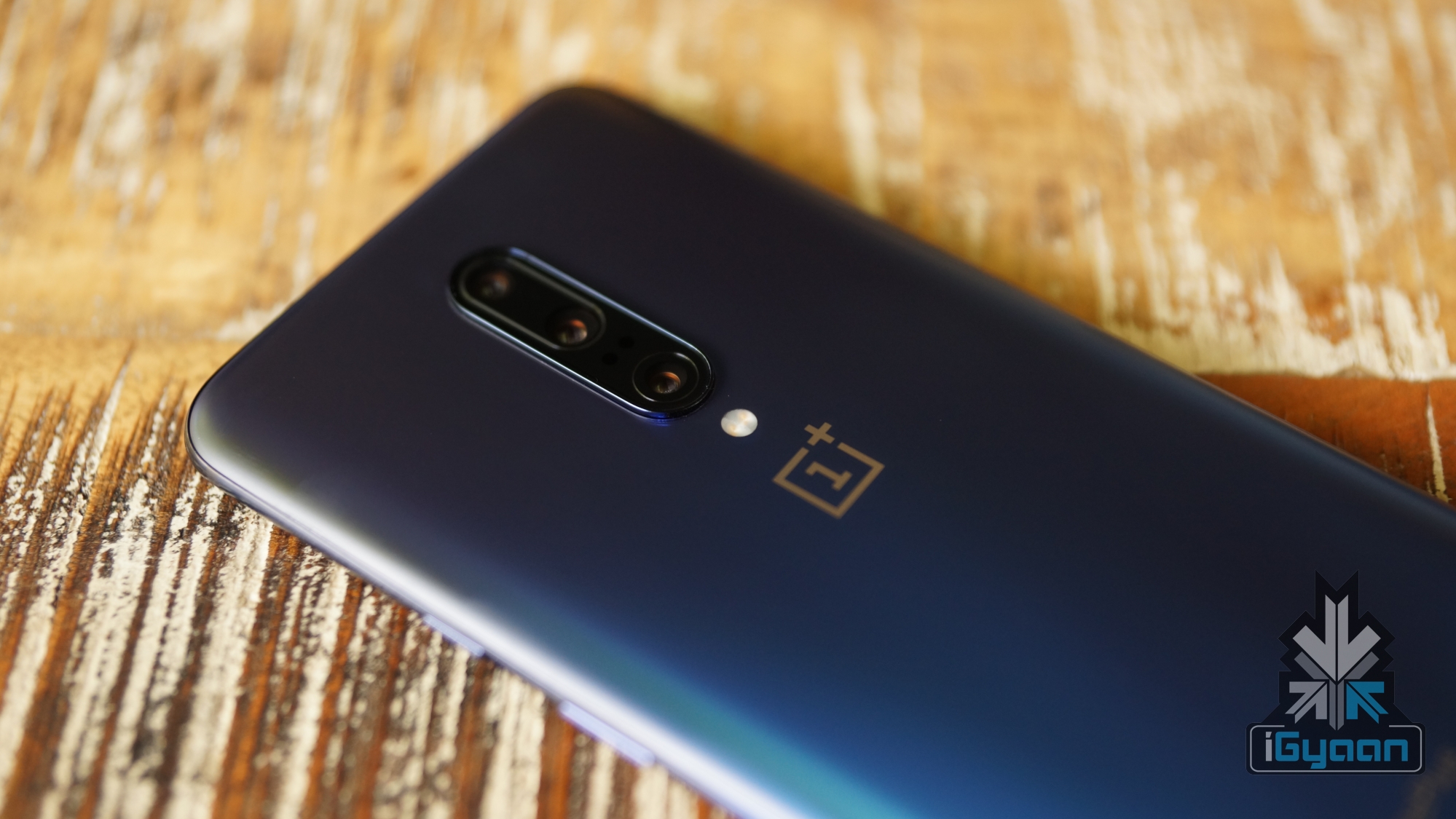
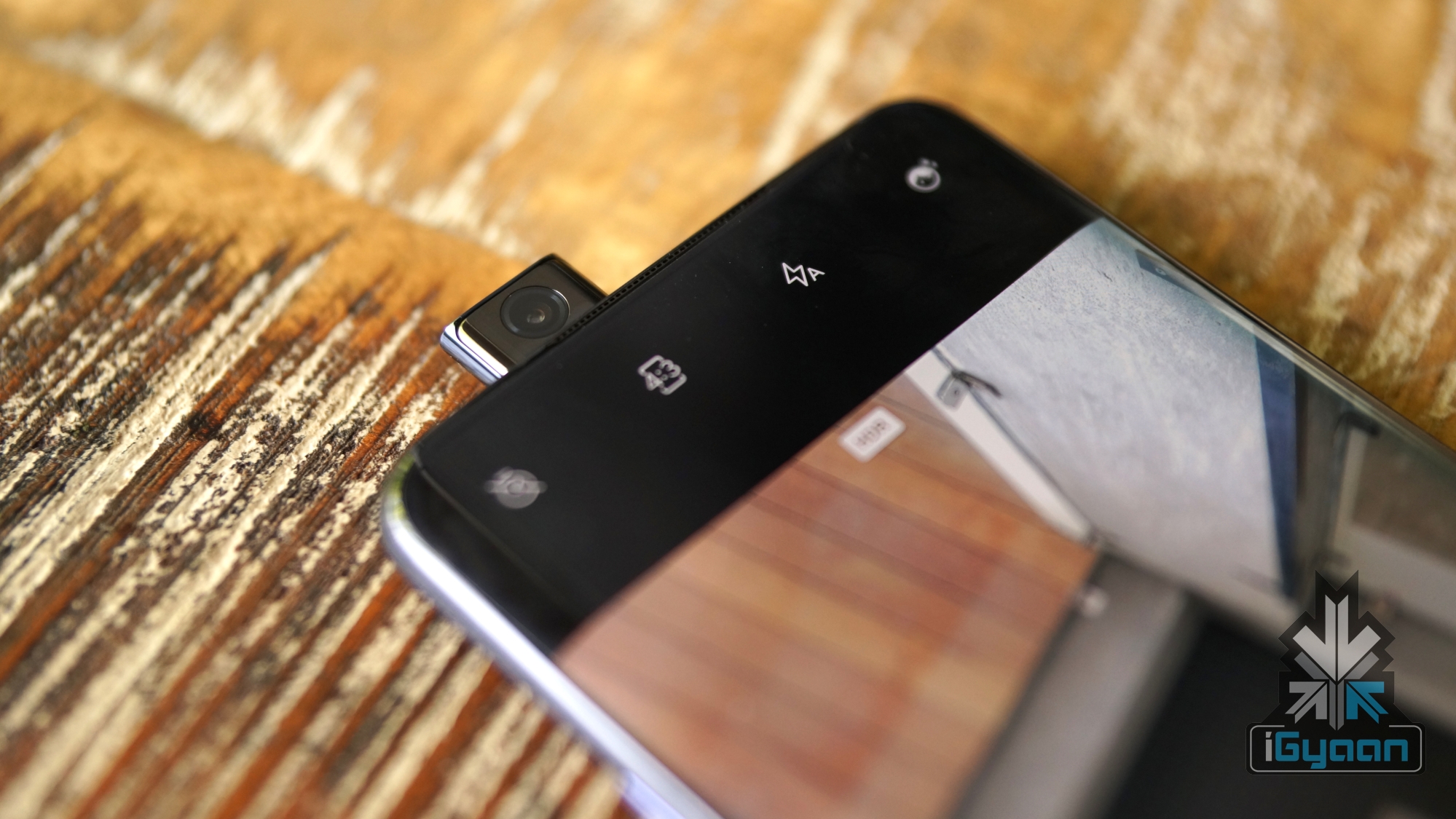
OnePlus has found itself under the same scrutiny with their latest flagship smartphone the OnePlus 7 Pro in a similar fashion to its previous lineup of 2017, namely the OnePlus 5. A Reddit post by a user had discovered that the telephoto lens on the OnePlus 7 Pro captures pictures in a 2.2x optical zoom rather than the advertised 3x optical zoom that OnePlus had claimed.
The triple camera setup which features the 8MP telephoto lens alongside the 16MP wide-angle lens and the primary 48MP camera was one of the key differences between the ‘Pro’ and standard version of the OnePlus 7. The Pro uses the telephoto lens along with the primary sensor to capture portrait shots but apparently the field of view while using the telephoto lens for portrait clicks and the 3x zoom differ. As it turns out the sensor is actually a 13MP Samsung S5K3M5 that is cropped down to 8MP to hit the 3x zoom.
OnePlus advertising the telephoto lens with a 78mm focal length does make it capable for 3x optical zoom. Although as the sensor has been cropping the image down to 8MP, the effective focal length actually achieved is 57mm or in other words 2.2x zoom. This falls in line with OnePlus previously false advertising the OnePlus 5 to have a ‘lossless’ 2x zoom on its telephoto lens, that was only capable of 1.6x zoom but used digital processing to achieve the remaining 0.4x.
No official statement has been received so far for OnePlus’s second advertising mishap. However, they haven’t used any digital enhancements in the current iteration of the smartphone. Hopefully, a prompt response is issued by their PR team that clears the dilemma caused by their marketing department.
Computex 2019 is just around the corner, and brands are gearing up to showcase some of the best products and developments in computing. It is apparent that the PC market is unlikely to dwindle anytime soon which a few reports from the past claimed. Popular brands are innovating with newer products and techniques that bump up performance levels of machines while curbing the prices at the same time. Amidst all this, American chip manufacturer NVIDIA has posted a teaser on its YouTube channel, which hints at something “Super” making its way to the Computex 2019 event being held in Taiwan from 28 May to 1 June.
NVIDIA At Computex 2019: What To Expect?
As per reports, the company is already planning a press conference at the said event. There is a chance that the “Super” announcement is AI/Software related since NVIDIA RTX and 16-series cards are still fairly new to the market. However, the company can unveil a significant upgrade to one of its older cards to bring them at par with the competition looming up ahead. And talking of competition, AMD’s Navi GPUs are also set to make a debut in the not-so-distant future, which might shift NVIDIA in its seat a little.
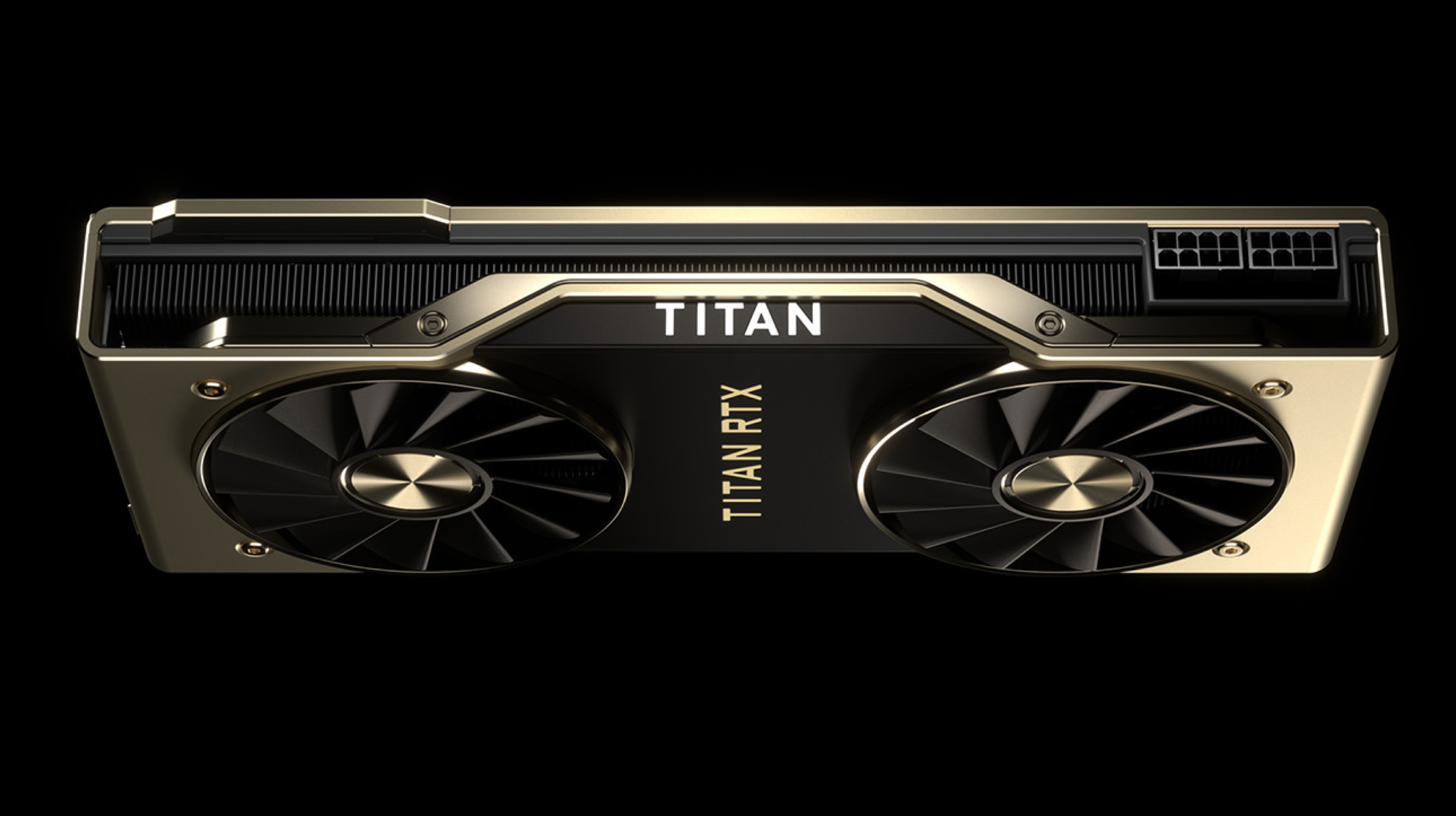
NVIDIA TITAN RTX GPU
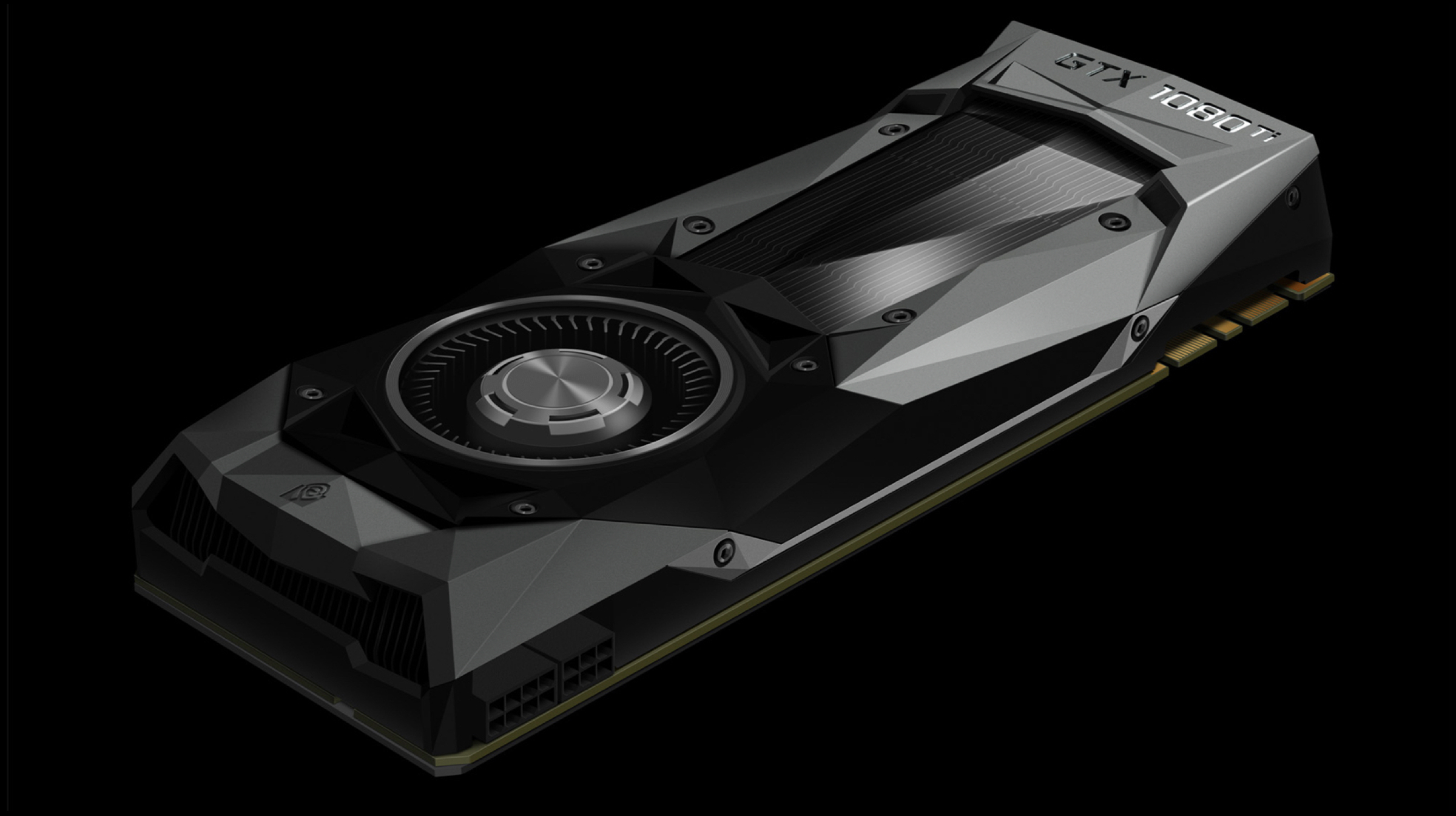
As per sources, NVIDIA is planning to incorporate a faster 16Gbps memory standard in its existing RTX series of GPUs. This will be a significant boost from the previous 14Gbps memory in the GPUs. A 2Gbps memory improvement is expected to provide almost 14 percent of performance boost if and when it is implemented. However, the question of price still takes the podium. Will NVIDIA charge a hefty price for such an upgrade in the future?
Since the teaser shows nothing except the embossed metal super logo (from a variety of angles), fans are only left with the option of taking wild guesses and waiting for the press conference at the event itself. As mentioned before, AMD’s price point for the upcoming Navi-based graphics chips may (severely) affect NVIDIA’s flagship lineup. But since the company has emerged unscathed time and again, we can expect NVIDIA to have a neat trick up its sleeve for Computex 2019.
American aerospace manufacturer and space transportation services company SpaceX has successfully launched 60 satellites in the Starlink project on the 23rd of May. This initiative aims at installing almost twelve thousand satellites to deliver latency free, fast internet anywhere in the world. The latest mission was the first in the many launches that are scheduled for the better part of the next six years.
What Is Starlink?
As mentioned above, the ultimate goal of the Starlink project by SpaceX is to launch and install twelve thousand satellites into the lower orbit of the earth; in an attempt to deliver fast internet to even the most remote places in the world. In this initiative, one batch of 4,409 satellites will be placed between 550kms and 1,325 km from Earth’s surface; while the second batch of 7,518 satellites will orbit the planet at a height between 335km to 346km from the surface. When taking a count, that amounts to a total of 11,927 satellites orbiting the Earth in an attempt to deliver fast internet. The company plans to launch the aforementioned satellites by the year 2024.
The sixty satellites stacked together
The Federal Communications Commission (FCC) of the United States; a certification body has granted SpaceX the necessary permission to launch the Satellite constellation into space. Notably, the company launched two test satellites in the mission in the year 2018. These were called TinTin A and TinTin B and laid the foundation for the current mission.
While the idea behind Starlink; a global coverage of the Internet to even the remotest areas seems philanthropic, the truth is more easy on the eyes. SpaceX CEO Elon Musk has said the mission is important because Starlink will be a revenue generator for the company. With the money made from the project, the company claims it will be able to fund and develop more advanced space exploration project. This may include SpaceX’s plan to send a human to Mars within a decade.
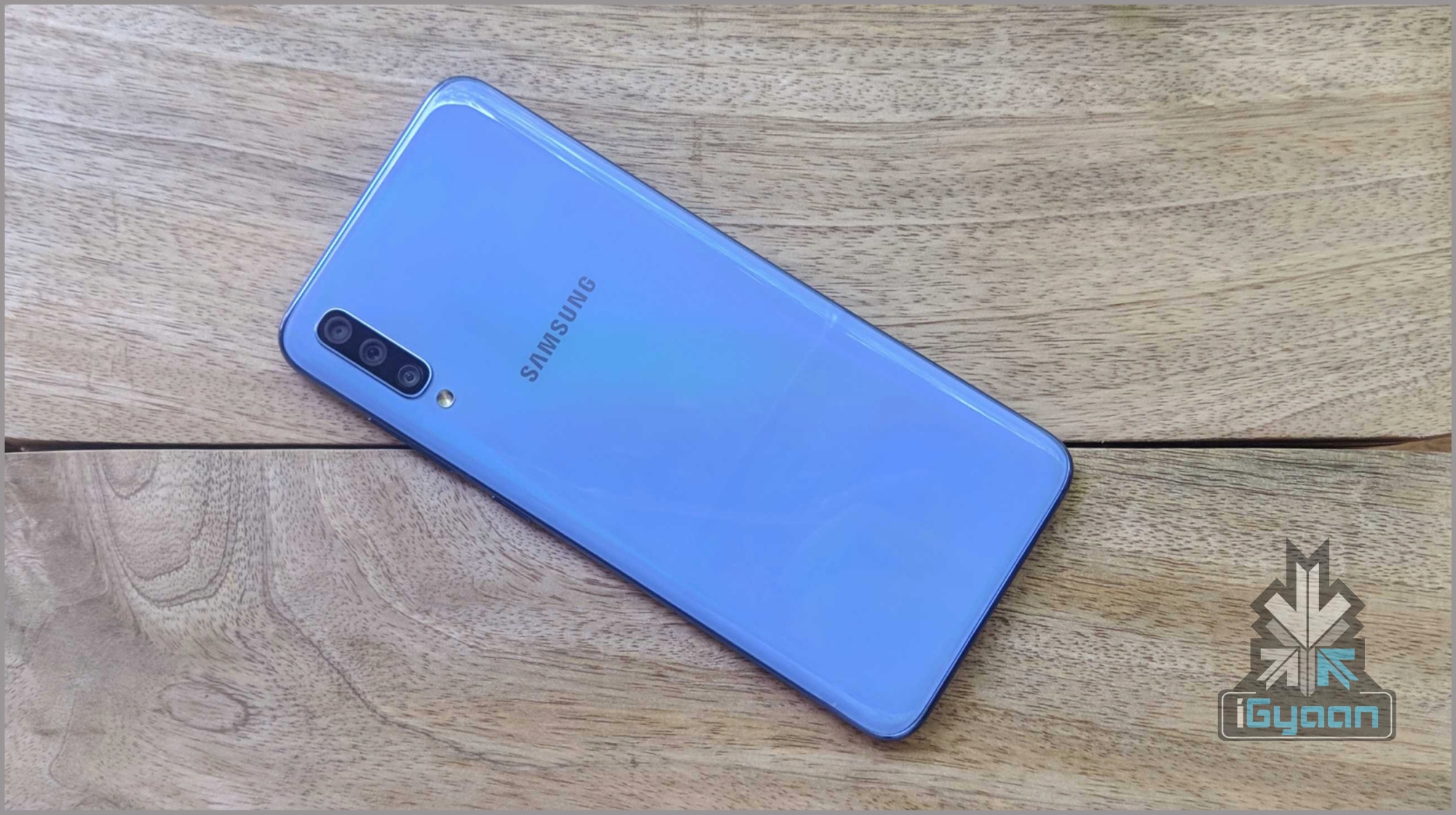
Korean electronics giant, Samsung is planning on launching yet another device in the Galaxy A lineup. The upcoming device will be called the Galaxy A70s and as the name suggests, it is a specced up variant of the Galaxy A70 which was launched in the month of March. Noteworthy, it will be the world’s first smartphone to feature a 64 MP resolution camera. It will incorporate the Samsung ISOCELL GW1 camera sensor which was unveiled earlier this month.
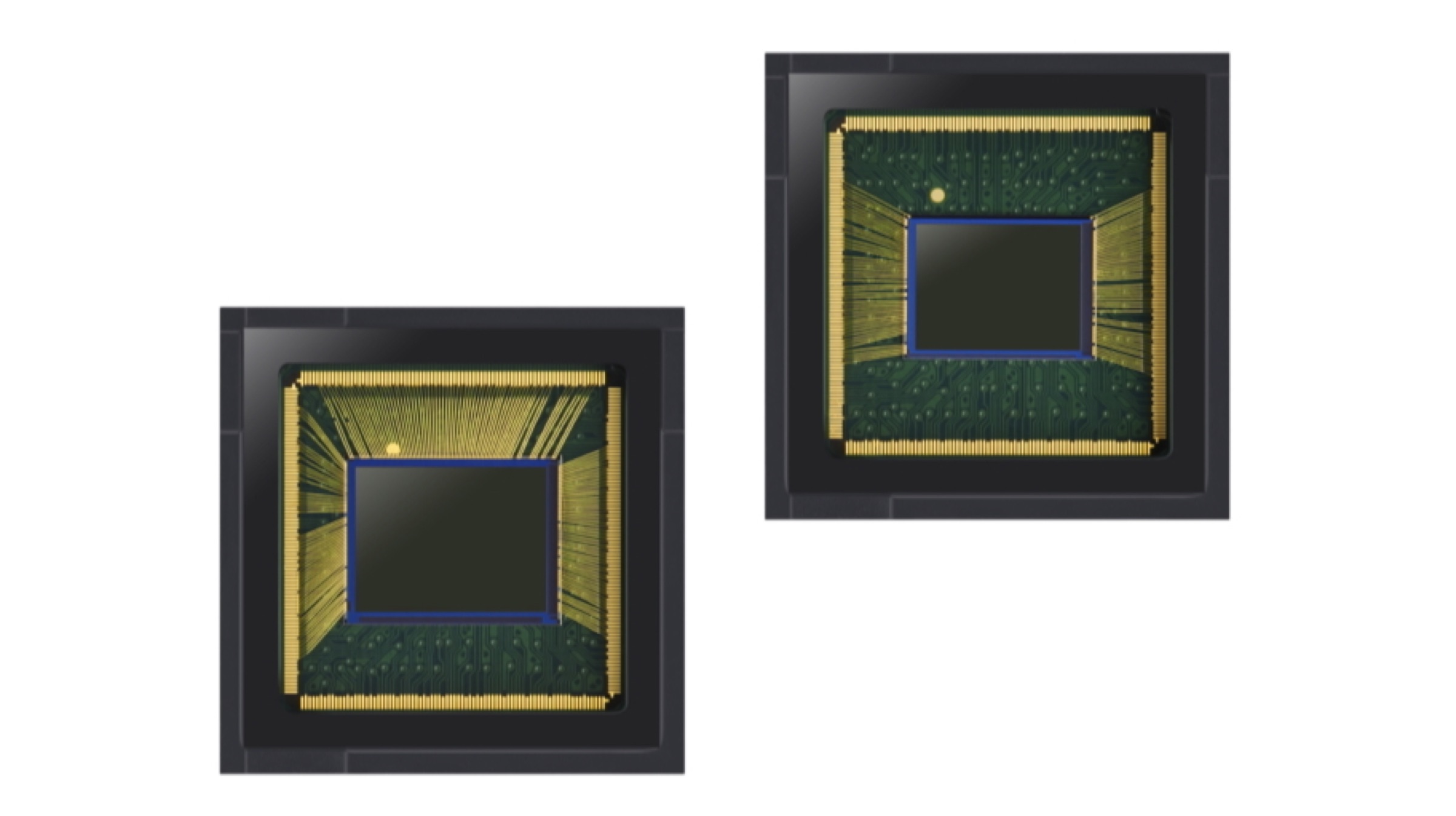
ISOCELL GW1 Sensor Explained
The ISOCELL GW1 sensor has a small 0.8 micrometre size pixel which is considerably smaller than most camera sensors found on modern smartphones. The pixel size of a camera sensor determines the amount of light it can absorb which directly affect the exposure levels in images captured. Interestingly, the ISOCELL GW1 uses a technology called Tetracell which combines the image data and light from four 16 MP sensors that can produce the impressive image quality that Samsung boasts of.
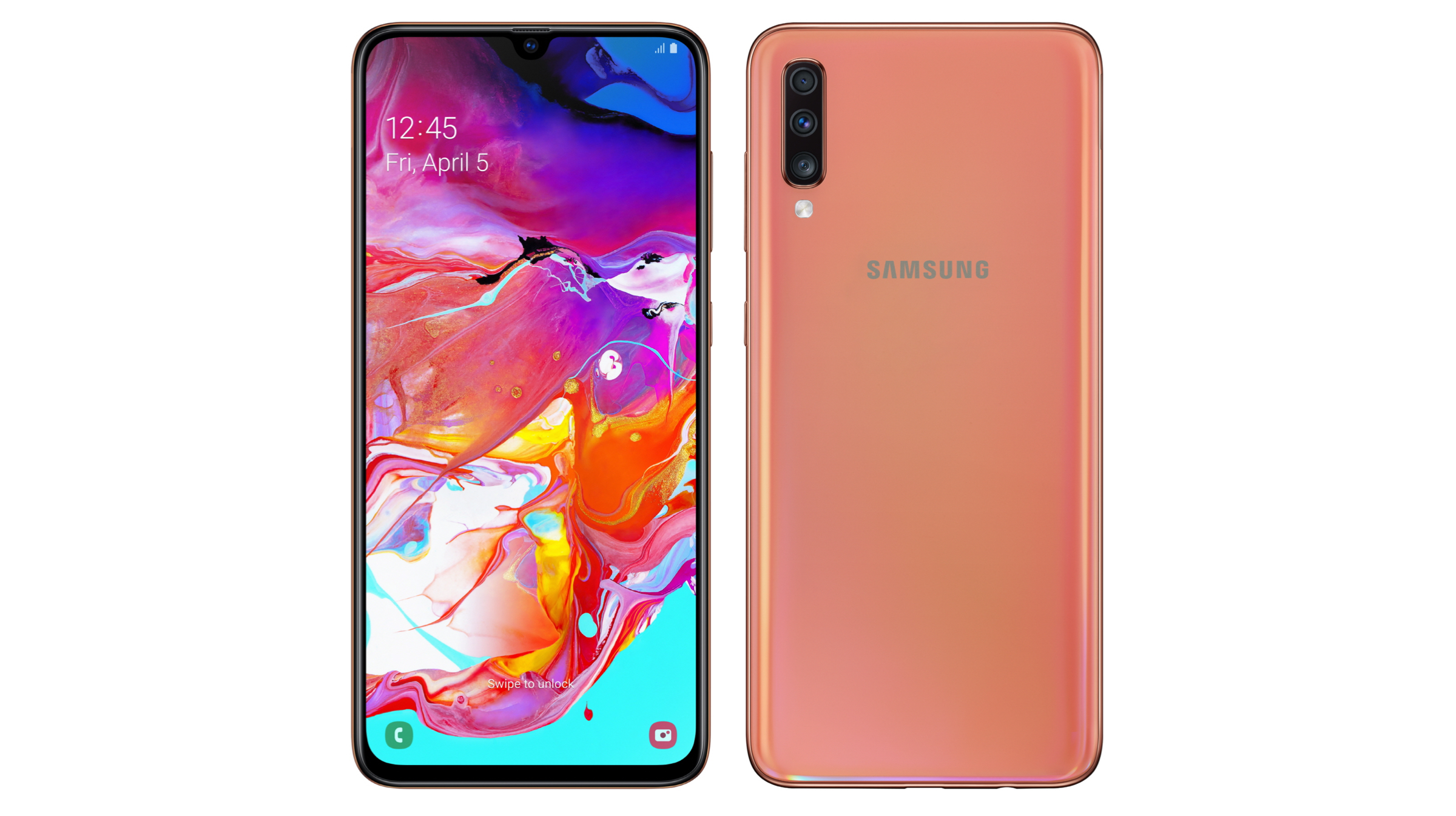
In addition to the 64 MP camera sensor, the Galaxy A70s is likely to have similar specifications as the original device. For reference, the specifications of Galaxy A70 are as follows:
Galaxy A70 Specifications
The front of the Samsung Galaxy A70 sports a gigantic 6.7 inch Super AMOLED display which is surrounded with minimal bezels. The rear panel of the device is made out of glass that houses the company branding and the triple rear camera setup. Under the hood, the Galaxy A70 packs the Snapdragon 675 SoC which is comprised of an Octa Core CPU and the Adreno 612 GPU.
The smartphone is powered by a 4,500 mAh battery which supports 25 W fast charging. In term of optics, the Galaxy A70 features a 32 MP front facing camera which is housed in the Infinity U notch above the display. Talking about the triple rear camera setup, it is comprised of a 32 MP sensor, an 8 MP ultrawide sensor and a 5 MP depth sensor. It runs on the latest Android 9 Pie which is skinned with Samsung’s One UI.
To conclude, the Galaxy A70s with a beefed up camera and similar specifications to the Galaxy A70 seems like a worthy smartphone in the midrange segment. The official price and specifications of the handset will be revealed at the official launch event which is reported to happen soon.
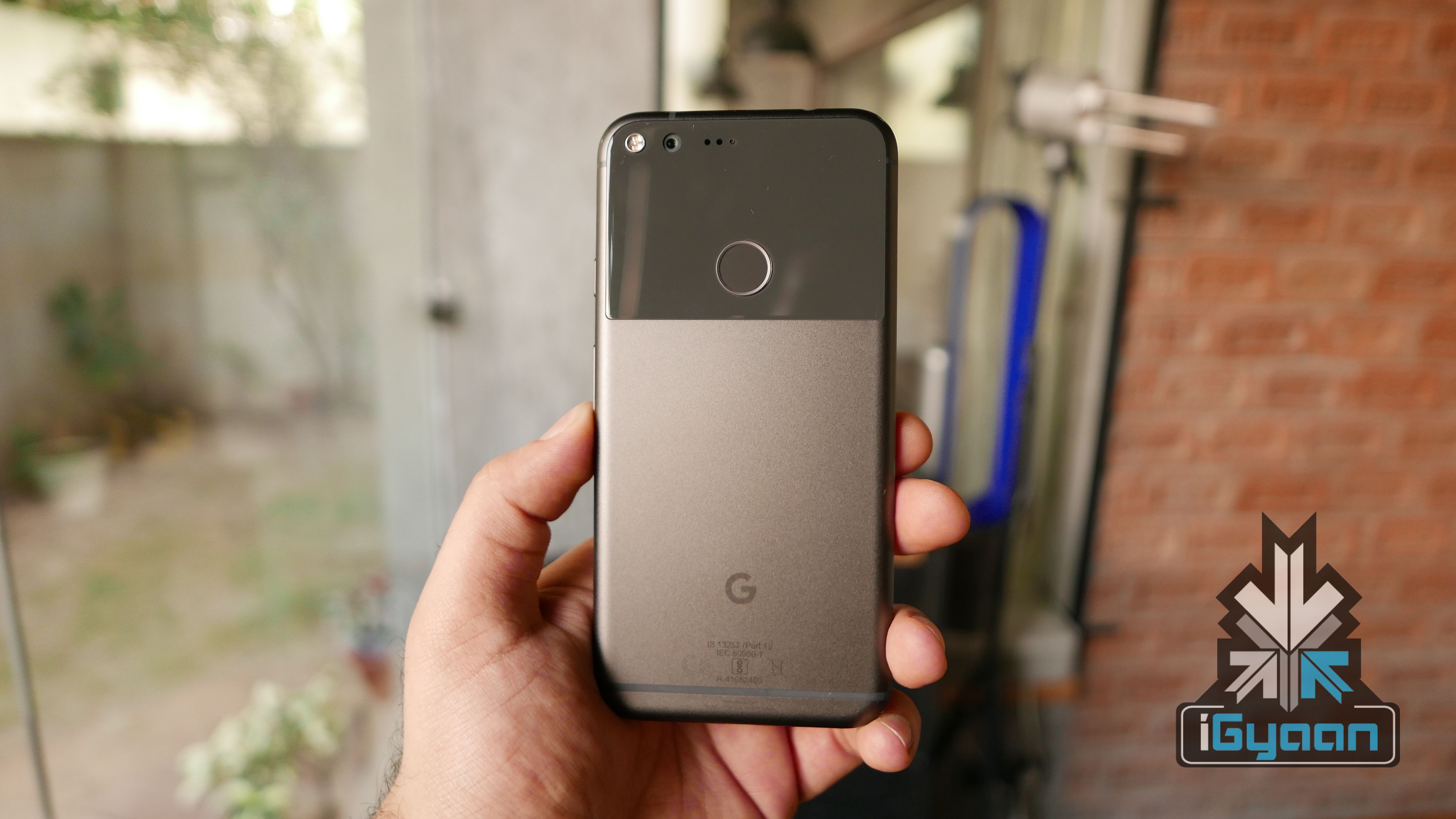
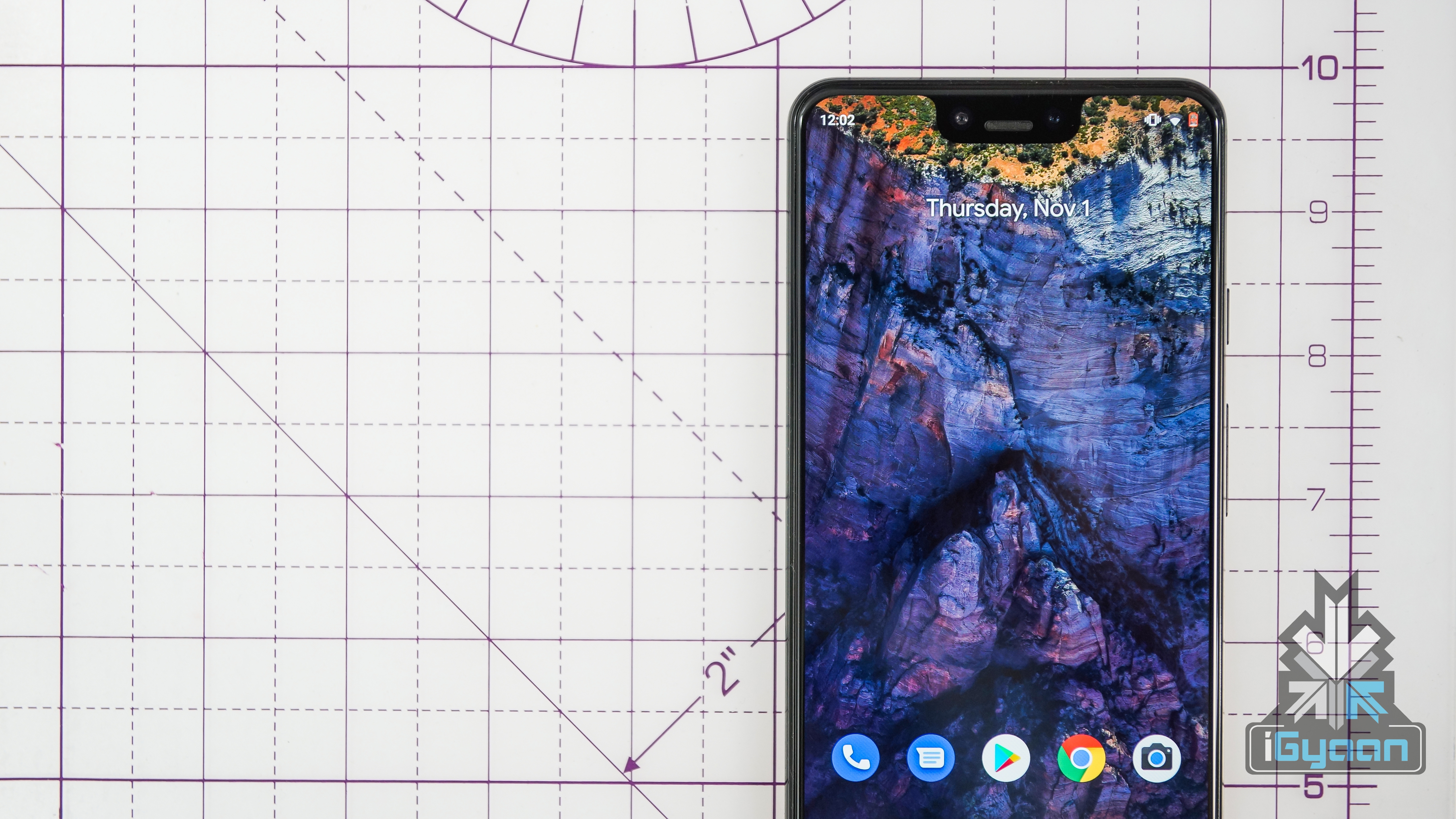
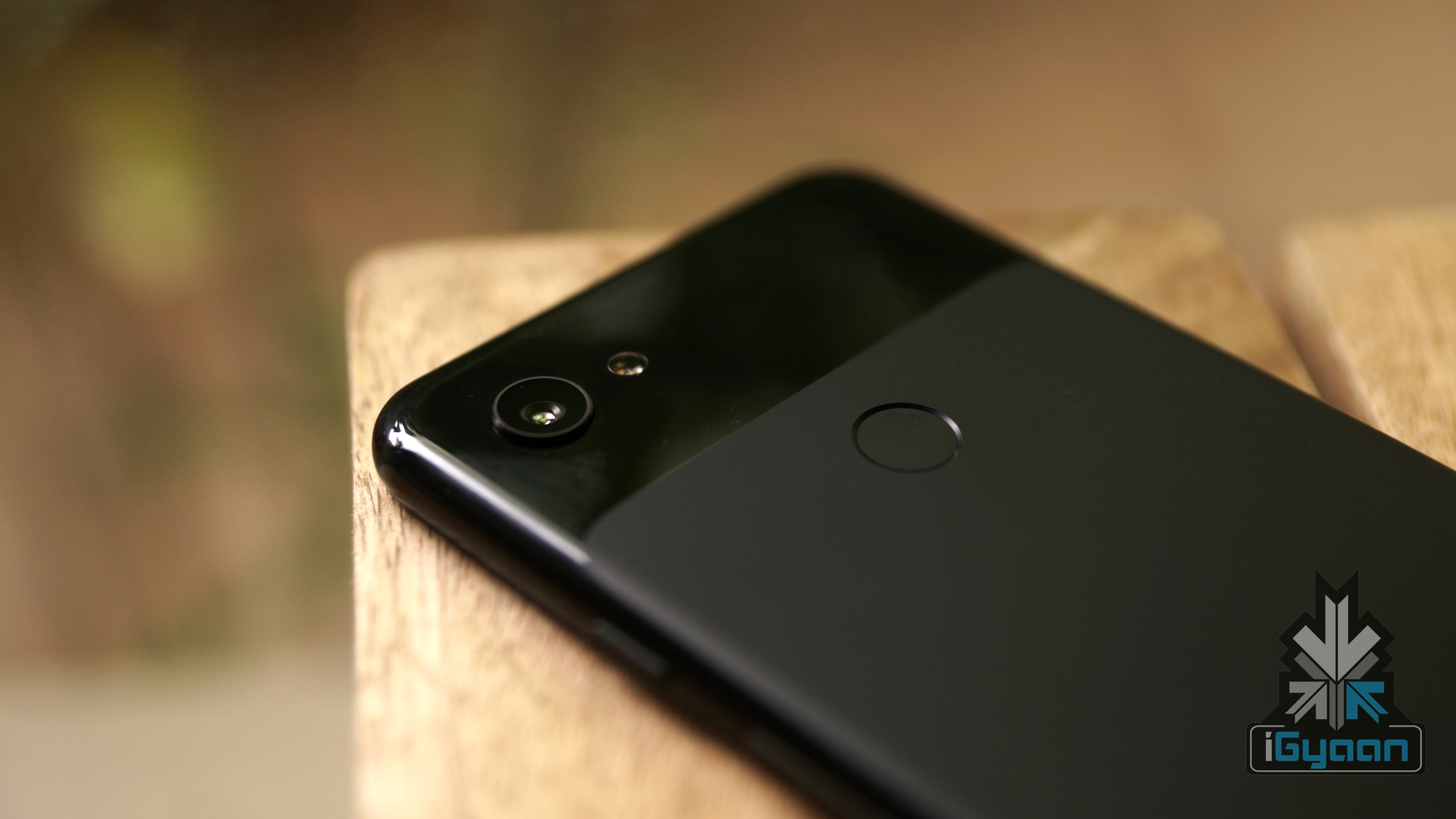
Since Google unveiled the first Pixel device back in the year 2016 , it has continued to improve the design and features of the smartphone. However, the company particularly focused on the camera which has outshined most other smartphone cameras in the market. Lately, however, incidents are inadvertently pointing towards the fact that Google might not be paying enough attention to its southeast Asian market. Is there a reason behind this, or is the organization just acting ignorant towards the obvious?
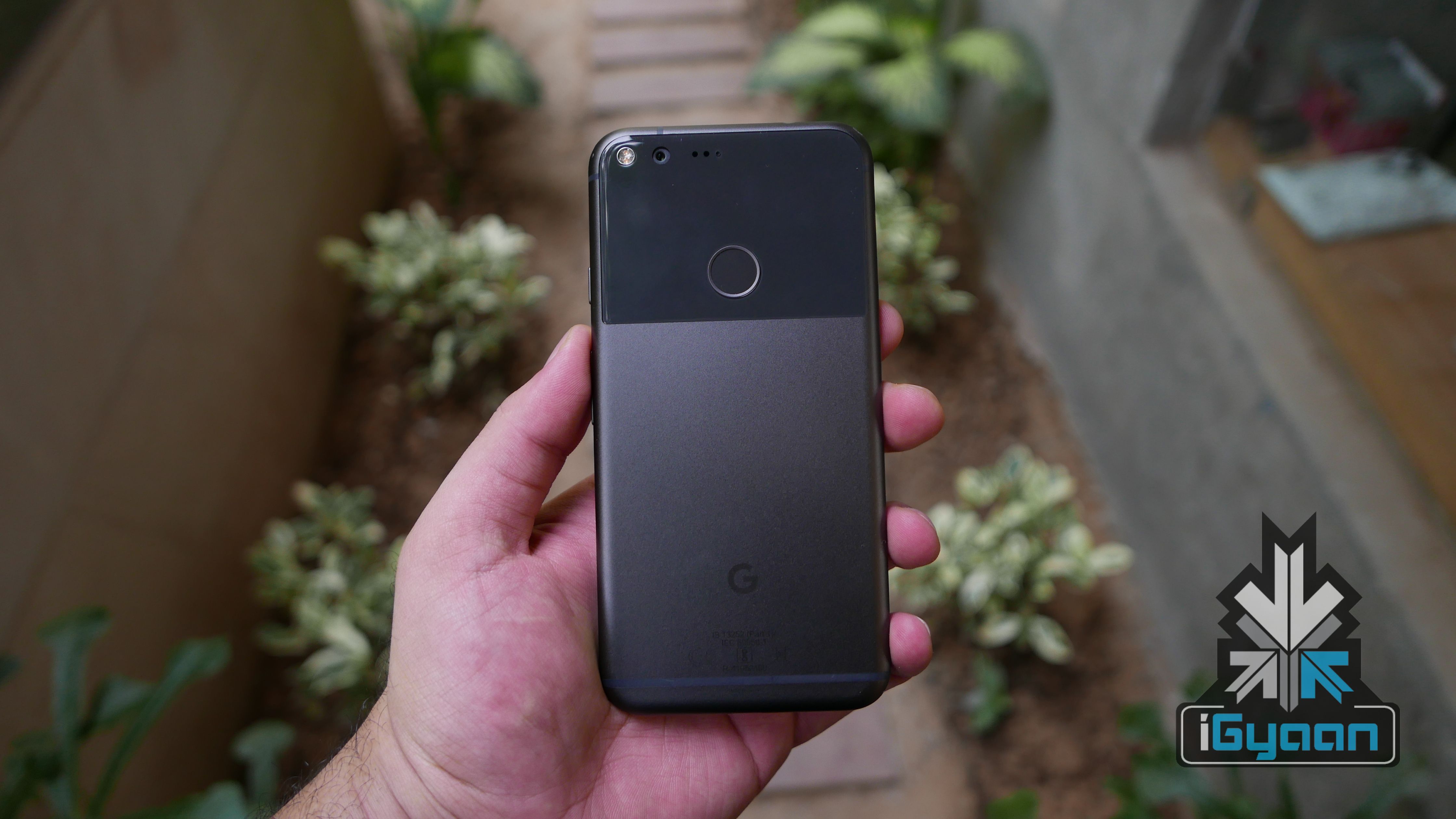
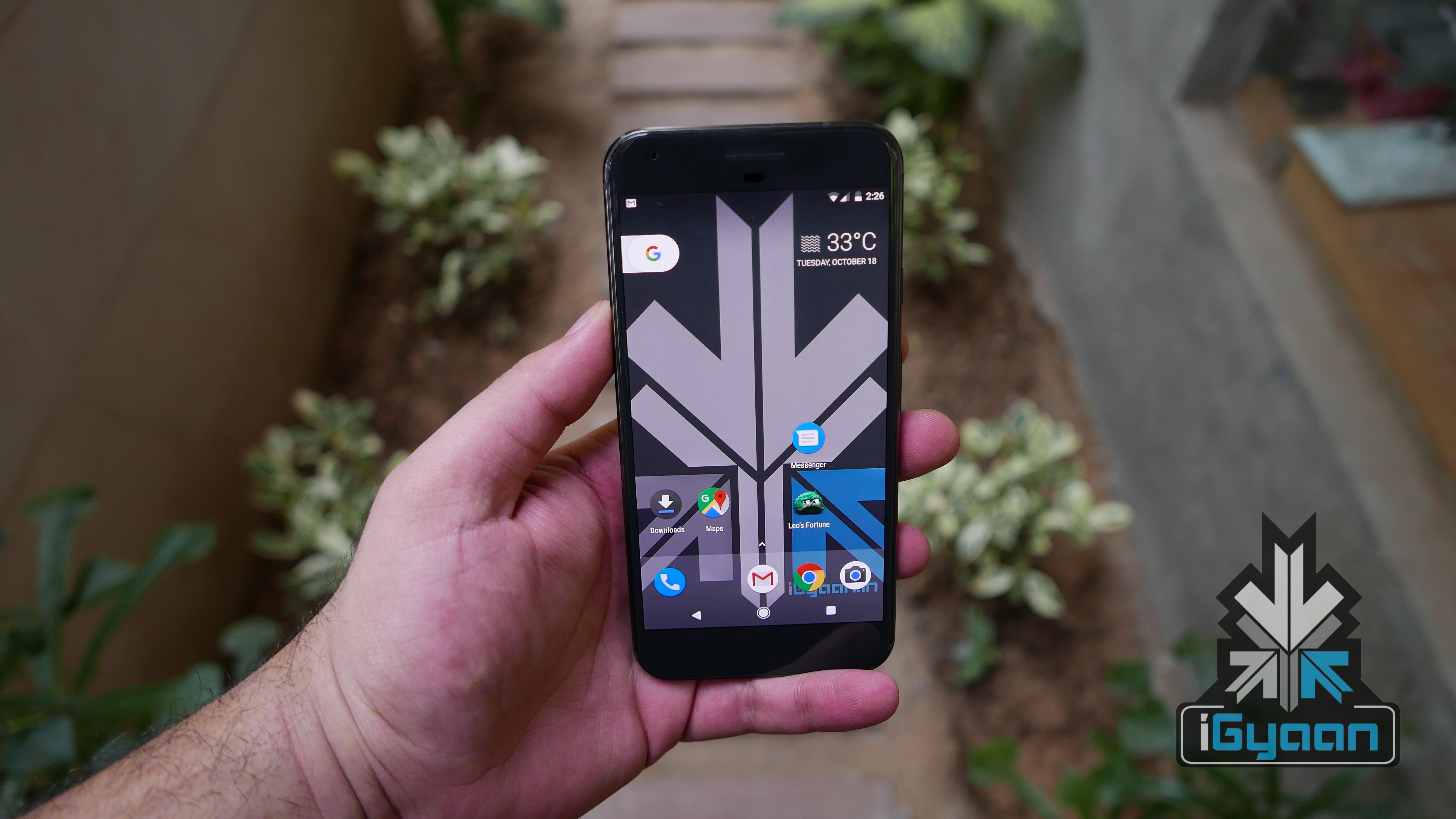
Google Pixel XL
Earlier in May 2019, Pixel users around the world reported a variety of malfunctions with their devices. Further probing led to the discovery of the fact that Google had knowingly retailed Pixel smartphones that had faulty solder connections. Google admitted that some phones (less than 1 percent) exhibited an issue with calling and the Google assistant. The anomaly was traced back to a hairline crack on the audio codec’s solder point/connection.
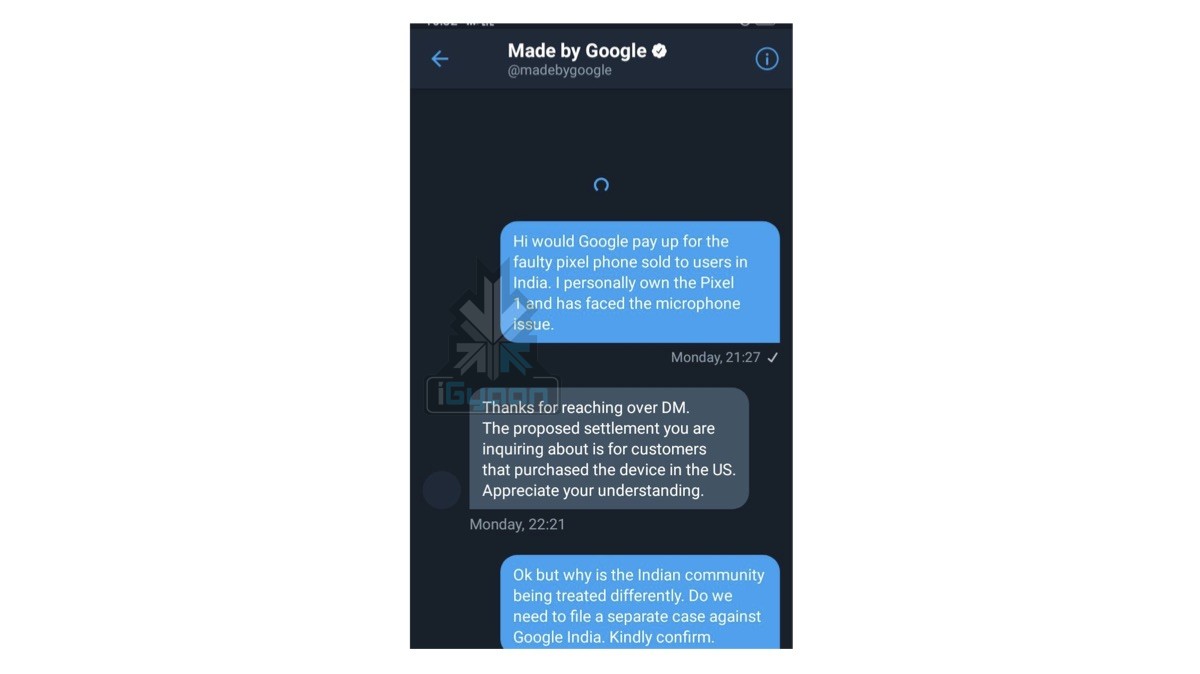
As a conclusion to the aforementioned accusation, the company ended up paying US$ 7.25 million to settle a class-action lawsuit filed by “angry” Pixel users. Google settled the case, and as per reports, it owes Pixel Owners an amount of up to US$ 500 per device. Even if owners are not eligible for the complete reimbursement, some money is surely arriving their way. Except, the company is reimbursing solely US-based Pixel smartphone owners. No, India isn’t on the list. A screenshot sent to us by an anonymous Indian Pixel smartphone buyer clearly depicts the attitude of the company towards the consumer base.
A noteworthy point is that the American technology giant was also receiving reports from countries other than the United States, including India. However, Google has not released any statement regarding refunds for India-based Pixel smartphone owners or any other country for that matter. Is it because of a selfish motive, or is it just a part of the company’s plan to tackle this situation in the best way possible?
A major factor why Google is reimbursing US-based Pixel users can be the enforcement of consumer laws in the United States. The FTC (Federal Trade Commission) of the US puts forward laws that aim to curb unfair, deceptive and fraudulent business practices by collecting complaints and conducting investigations. It is highly probable that in order to avoid such a situation, Google may have decided to take the “refund” road. On the other hand, Consumer laws in India are not enforced as strictly as compared to selective other countries, which may be a probable reason for the same.
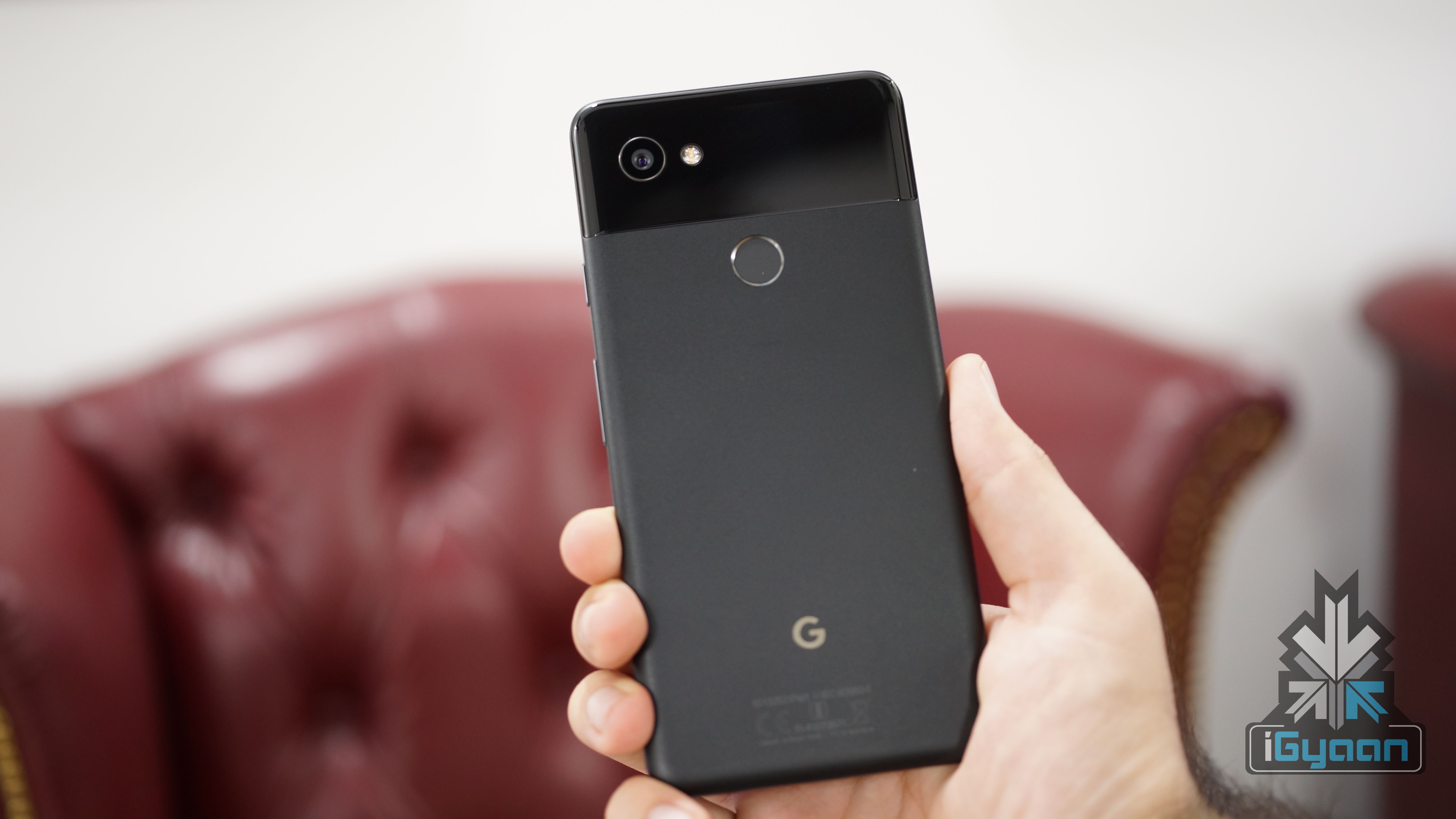
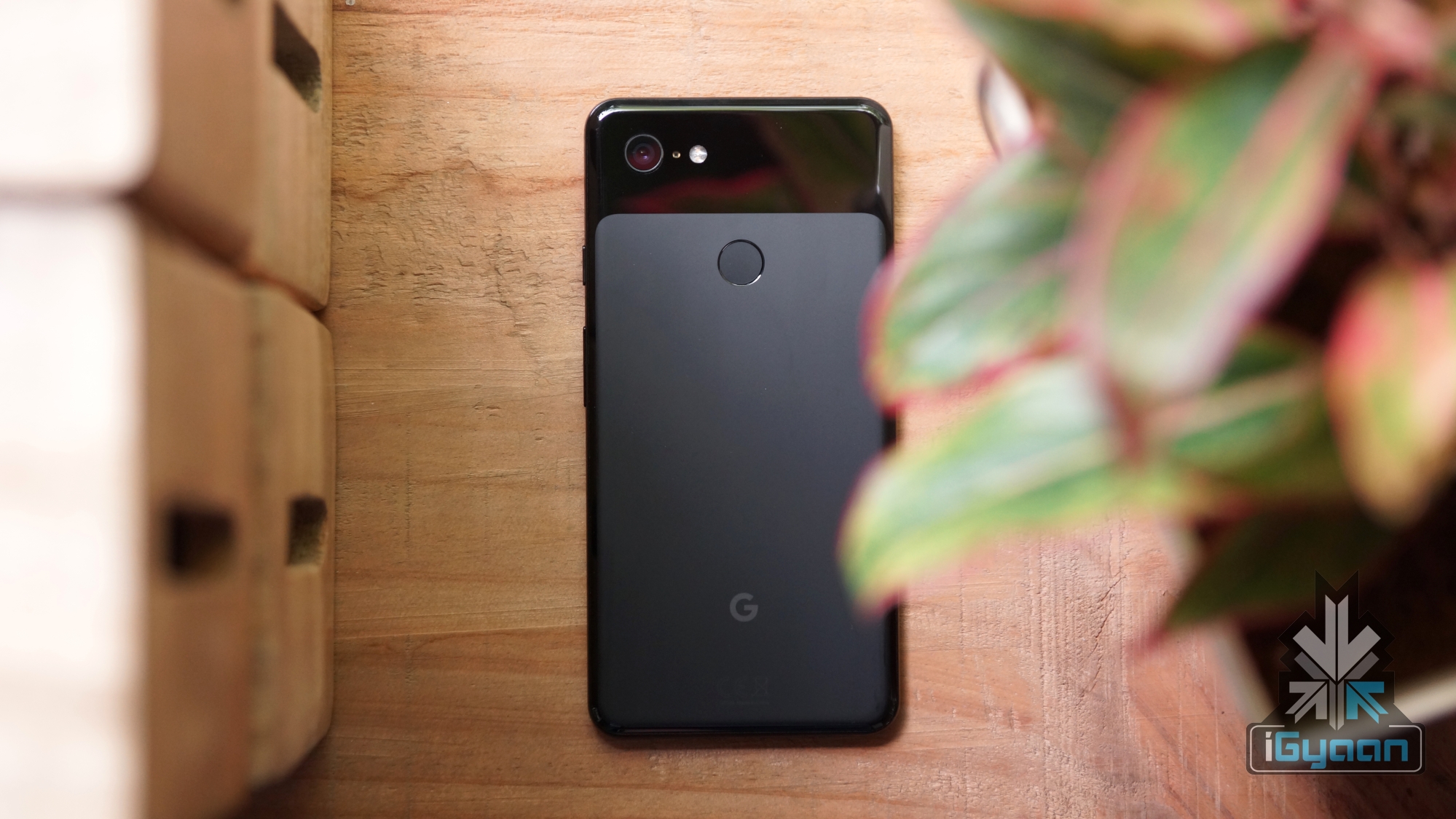
Pixel 3 XL
Another point that can be taken into consideration is the number of Pixel devices being sold by Google in both the regions. Talking about US, Google Pixel is one of the fastest growing brands as of February 2019. Even though the company’s current Pixel 3 flagship lineup hasn’t really made a dent in the market, the company maintains a strong position in the United States.
In contrast, Google has not really managed to retail a whole lot of Pixel devices in India. This may be because of the higher price point of Pixel smartphones in India as compared to the States. For instance, the Google Pixel 3a retails for US$ 399 in the US. Roughly converting the price to INR yields an amount of INR 27,900, which is miles apart from the price it is being actuallyretailed in India i.e. INR 39,999. When a lot of consumers prefer smartphones from Chinese brands that offer more value-for-money, it is less likely that premium brands can make a greater impact in the market. For the same reason, it is possible that Google wants to hold its spot in the US Market.
In spite of all facts, figures and speculations, there might be a slight possibility that once an increased number of reports and conflicts start pouring in, Google might consider a similar way out of the “Pixel” situation in India. However, no official statement from the company has been received as of now, indicating that Google may act dry on this particular incident.
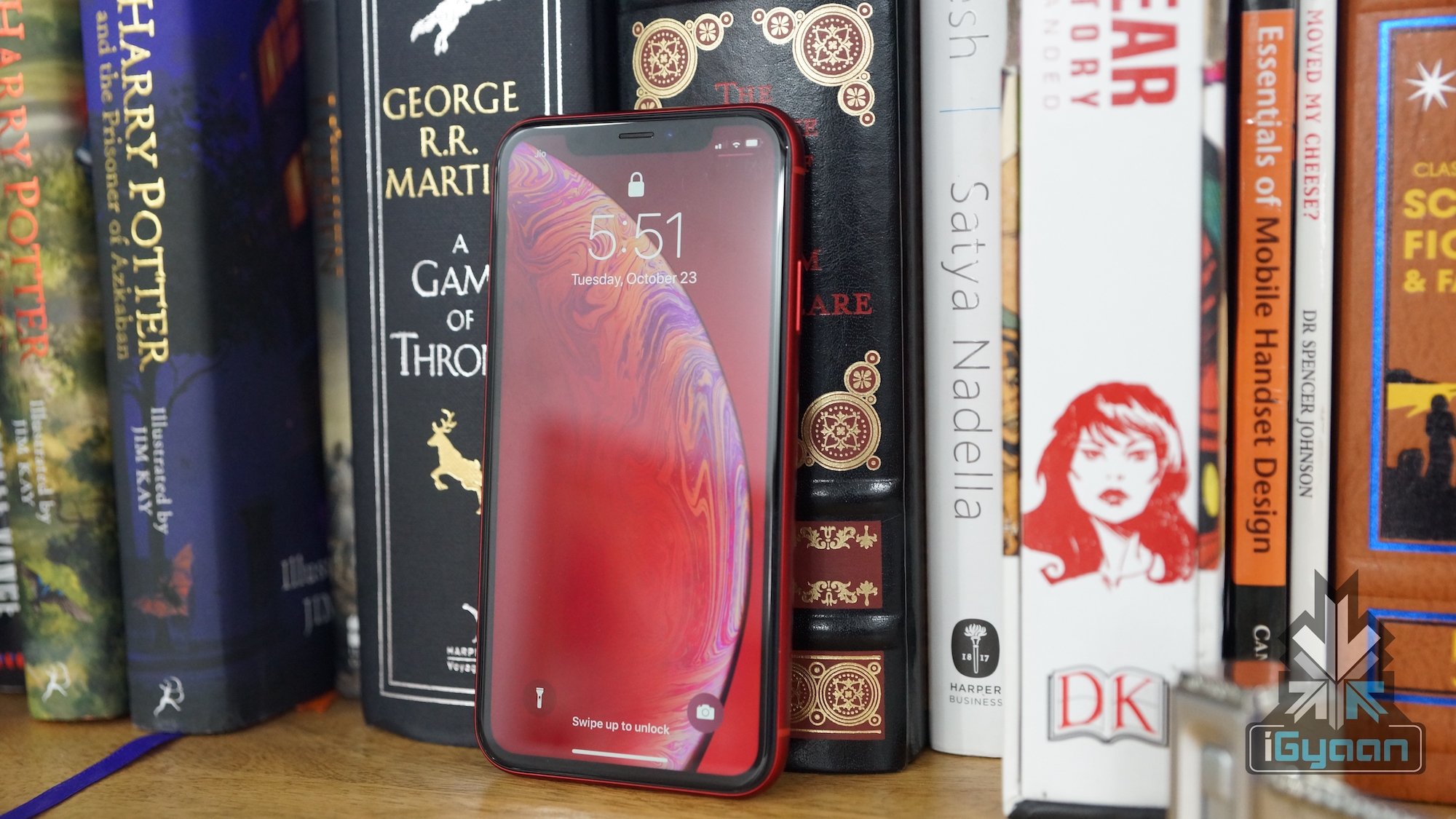
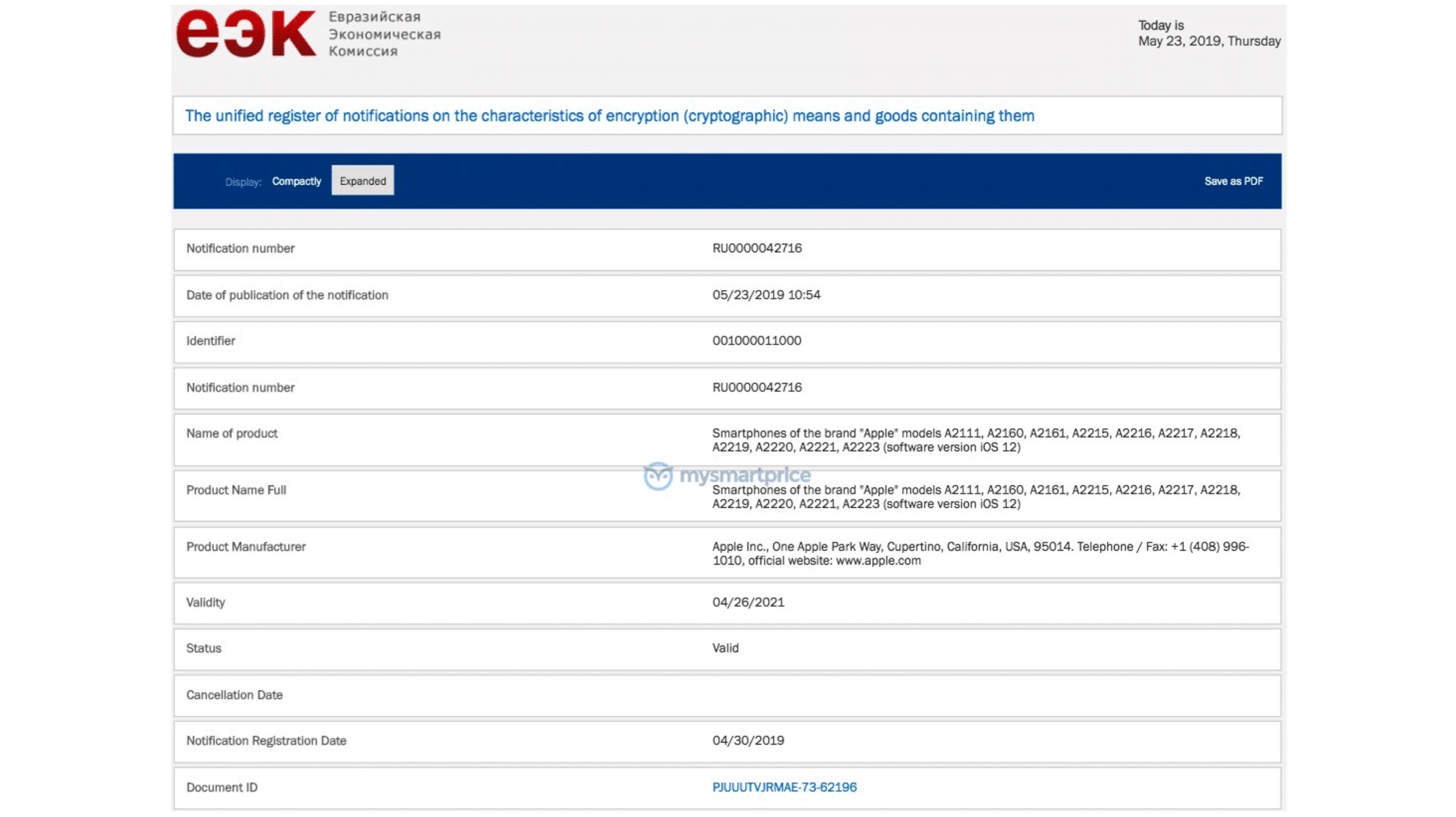
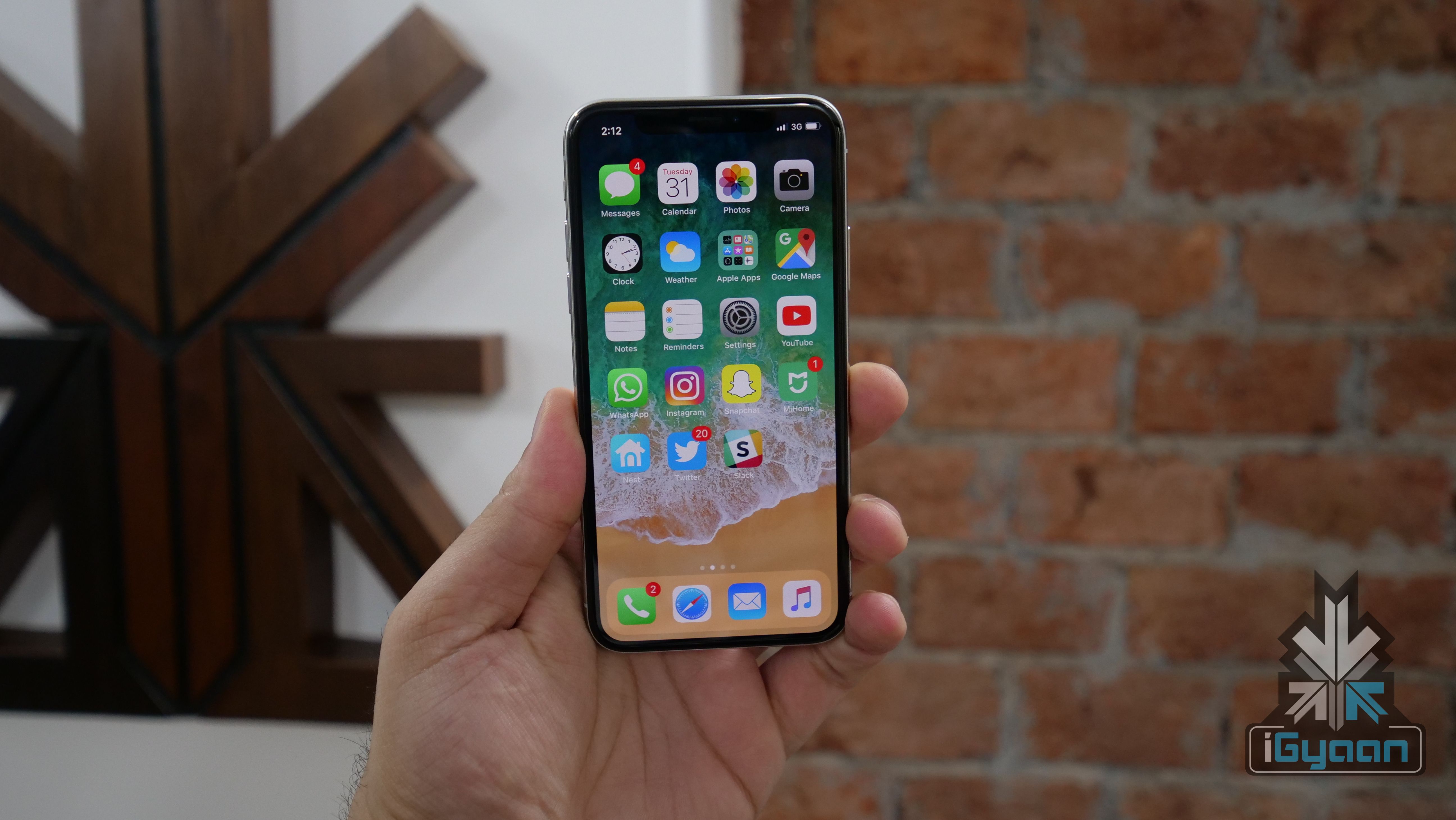
American technology giant Apple is expected to unveil three new iPhone models in the month of September this year. These smartphones will be the successor of the iPhone XS, XS Max and the iPhone XR launched last year. In the latest leak, the database of the Eurasian Economic Commission (EEC) has listed eleven models numbers of Apple’s unreleased iPhones. While the eleven models from Apple may seem like a distant dream for enthusiasts, this may be nothing more than three models with region-specific model numbers.
About The Leak
The EEC has listed multiple, eleven to be precise models of new iPhones in its database on the 23rd of May. It reveals the upcoming devices run on the iOS 12 which was released last year, and the handsets at the time of their launch will run on the rumoured iOS 13 out of the box. The model number added to the EEC database include A2111, A2160, A2161, A2215, A2216, A2217, A2218, A2219, A2220, A2221, and A2223. As the previous generation of iPhones had the model number in the A210X series, the aforementioned numbers most likely belong to their successors. Unfortunately, more details about the smartphones are not known yet.
The 2019 iPhone models are expected to be a significant update over their predecessors. Previous leaks have revealed the smartphones will use a new camera module. This will house a triple camera setup on the two premium handsets and a dual camera setup on the more affordable of the three. Other features reported are a faster FaceID system for face unlock, a new A13 SoC based on the 7nm fabrication process. The latest leak also revealed the iPhone XR successor will be offered in two new colour variants, namely Lavender and Green instead of Coral and Blue on last years model. As mentioned above, Apple is likely to launch the smartphones in the month of September like it does every year.
Microsoft released its latest Windows 10 update that boasts of numerous improvements. However, the changes bring about a new form of security threat for the freshly updated Microsoft Windows 10 operating system. Since Microsoft had announced the aforementioned update on May 21st, it is safe to assume that the update would still need a couple of days to be more widespread.
The update brings new things to the table such as Windows Sandbox and refreshes the Start menu to be simpler on newer devices. Microsoft with this updated software brings a change in the manner Windows 10 handles reserved storage. Furthermore, Cortana has now been moved from the search tab as well.
Microsoft has been known to have a passive approach to the release of their software updates, hence most users would not be receiving the said update immediately. To check if the update is available clicking on the Windows Update option under Update and Security can be found in the System’s Settings.
Zero-Day vulnerability or 0-Day vulnerability, for those not aware of technical jargons, is a computer vulnerability that has not been discovered by the vendor or main party in concern (here Microsoft). The classification remains until the main party acknowledges the issue that can be abused by exploiters/hackers.
A researcher named SandboxEscaper published the exploit code on GitHub and released a video of how the exploit can be abused. SandboxEscaper has been known to have discovered other such zero-day exploits. The vulnerability in question targets the local privilege escalation (LPE) that allows third-party complete access to the machine by granting them administrator status over the actual user. In other words, a users computer may be remotely accessed by those who seek to gain access.
The zero-day cannot be exploited in and of itself but paves the way for other methods to have more of an effect when used simultaneously. SandboxEscaper reports that the Windows Task Scheduler is the vulnerability that makes the exploit possible. If the hacker used a particular .job file in the Windows Task Scheduler after gaining access to the computer, it grants administrator access to the system giving the hacker unwarranted power to change fundamental settings on the PC.
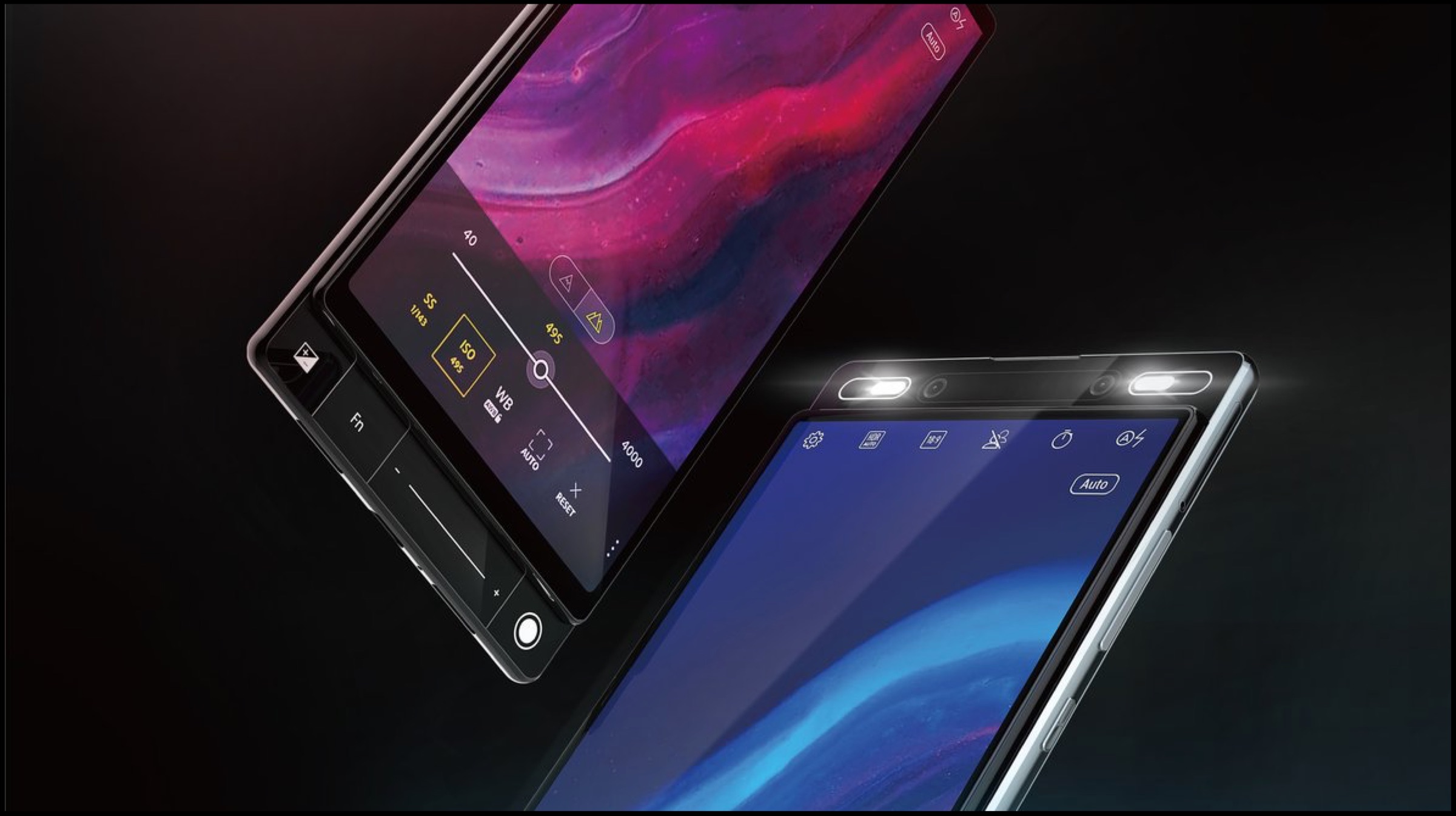
Asus launched its latest flagship smartphone, the ZenFone 6 at an event in Valencia, Spain on the 16th of May. The device features a flip camera mechanism to maximise its screen real estate. Now, according to a patent filed by the company, it is revealed that Asus has another unique way of attaining a bezel-less design. Images in the listing showcase a smartphone with a dual slider mechanism.
Asus Dual Slider Smartphone
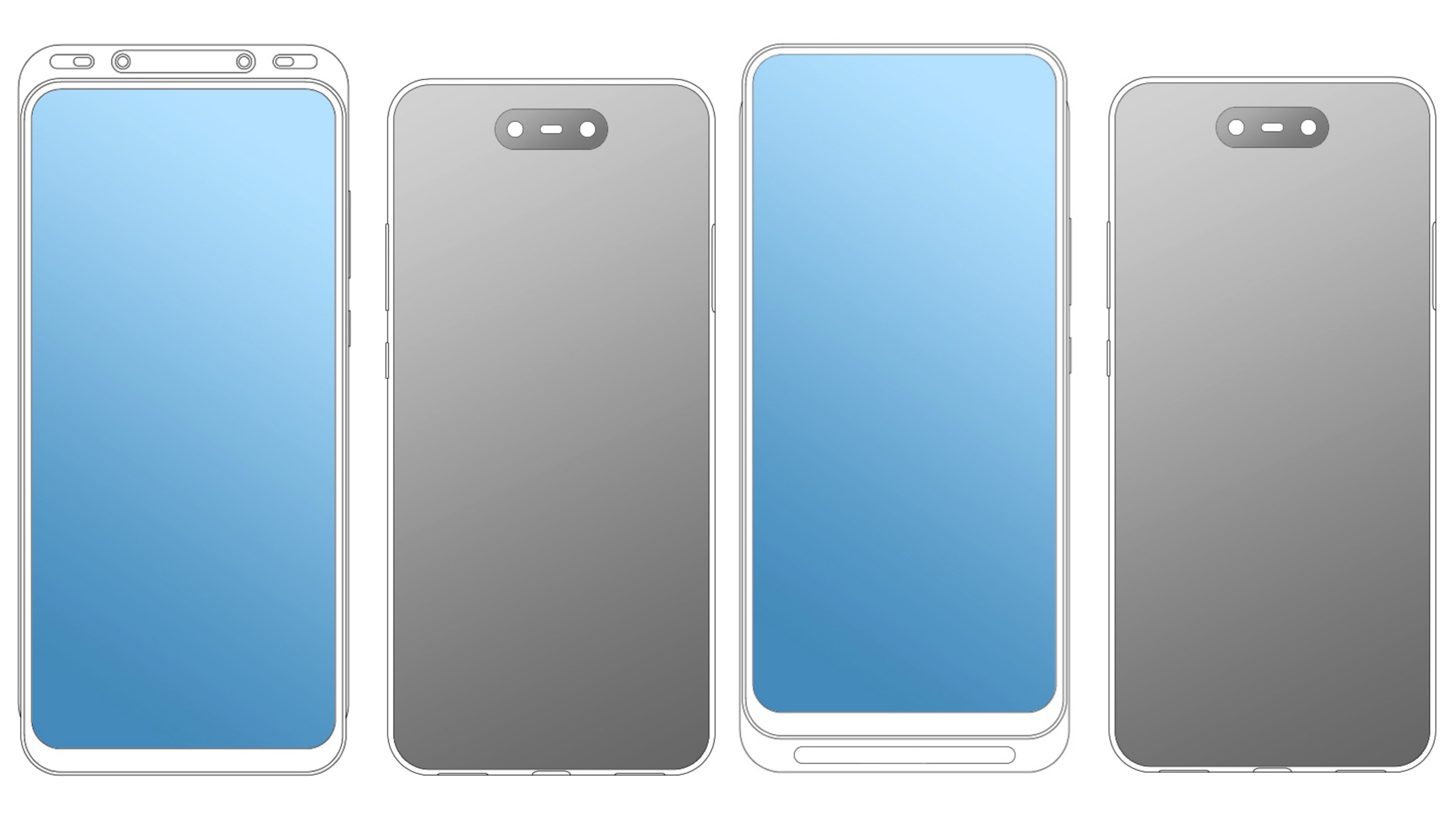
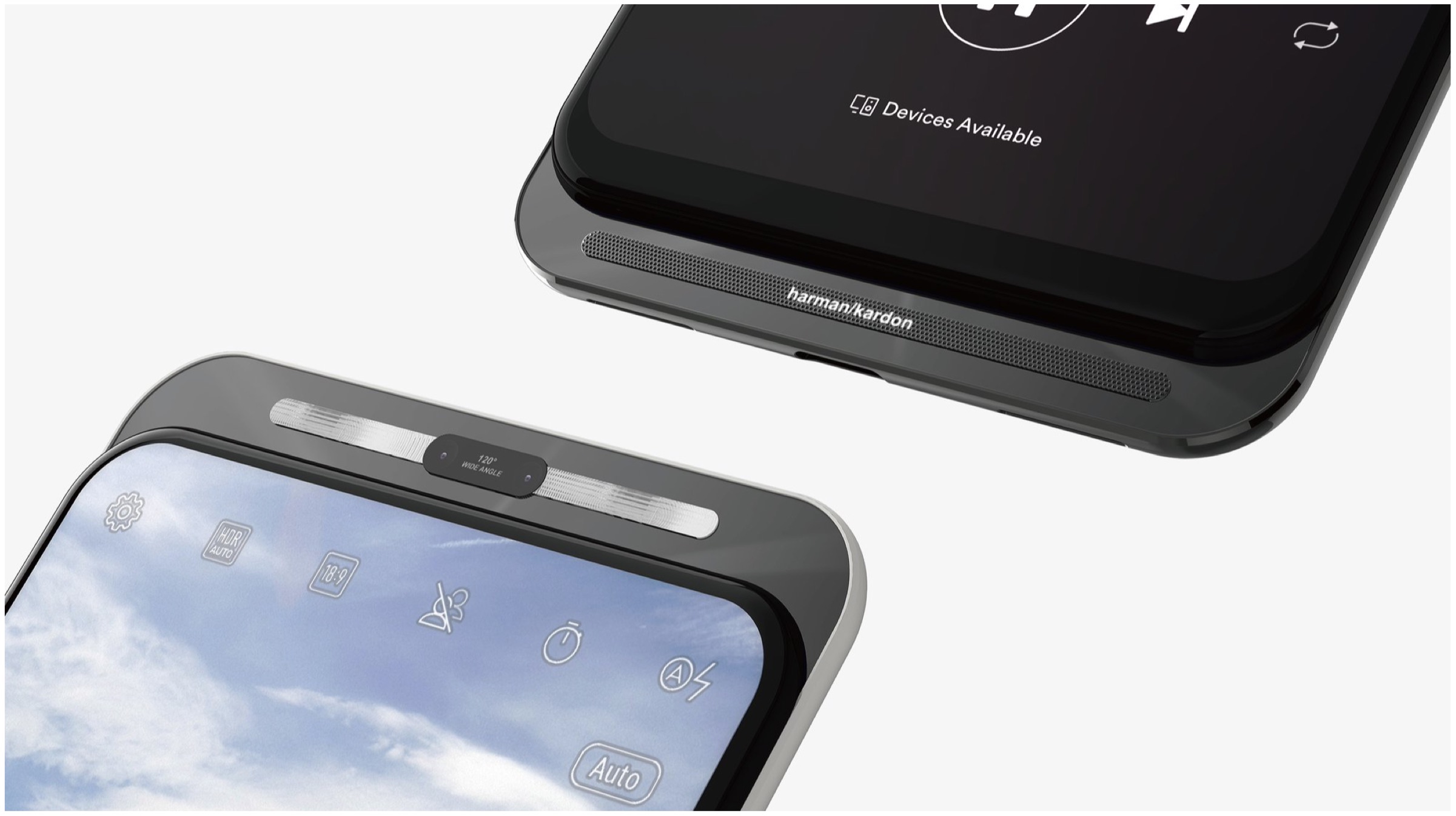
The design patent filed by Asus was published on the 21st of May; on the Global Design Database of the World Intellectual Property Office (WIPO). Images in the listing reveal a total of ten design patents, all of which have a near bezel-less, fullscreen design with the same back panel for all models. The smartphones have a dual rear and dual front-facing camera, the placement of the latter is different in all the variants. Interestingly, the design exhibit a slider mechanism to hide the front-facing camera and the bottom mounted speakers. It is reminiscent of the mechanism implemented on devices like the Honor Magic 2 and Xiaomi Mi MIX 3. However, those handsets only use a top sliding mechanism instead of the dual slider showcased in the Asus patent.
The aforementioned dual slider design is reported to have quite a lot of merits over the traditional smartphone design. It was also revealed in renders by the gadget tipster Evan Blass last month. While the top part of the slider is capable of housing the front-facing cameras, the bottom one can be used to install a speaker. This would ensure a good selfie camera and audio quality while maintaining the high screen to body ratio. Unfortunately, it is not known when Asus will release a device with a dual slider mechanism; but the increased intensity of leaks and patents filed by the company insinuate it may be announced soon.
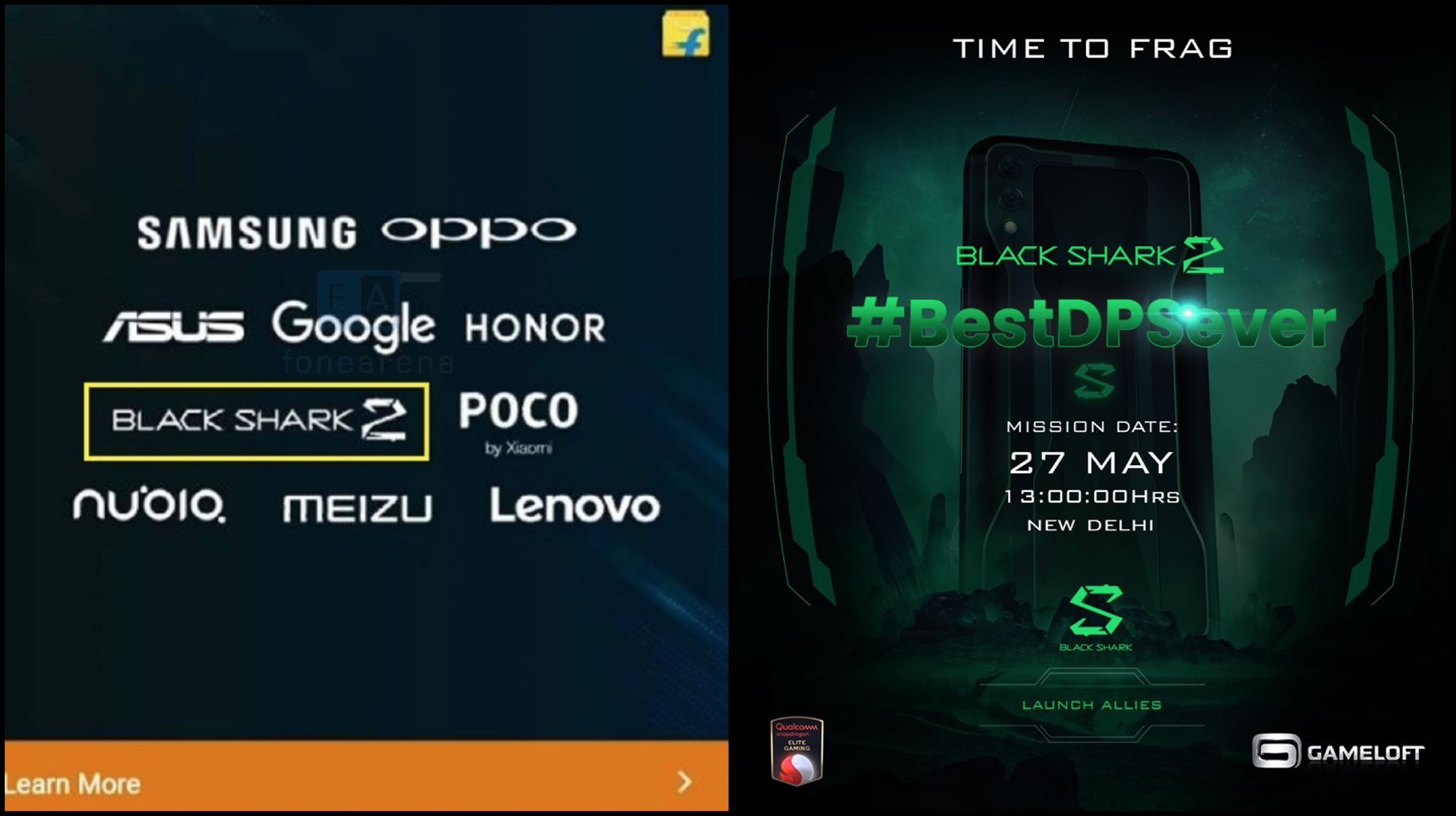
Xiaomi originally launched the Black Sharkgaming smartphone in the month of April 2018, which was later succeeded by the Black Shark Helo. The company launched the next iteration of its lineup in the form of the Black Shark 2, which was unveiled on 19th of March 2019 in China. After a long period of anticipation, the smartphone will also launch in India on March 27, and as per the latest teaser released by the company, the device will be retailed via popular e-commerce platform Flipkart.
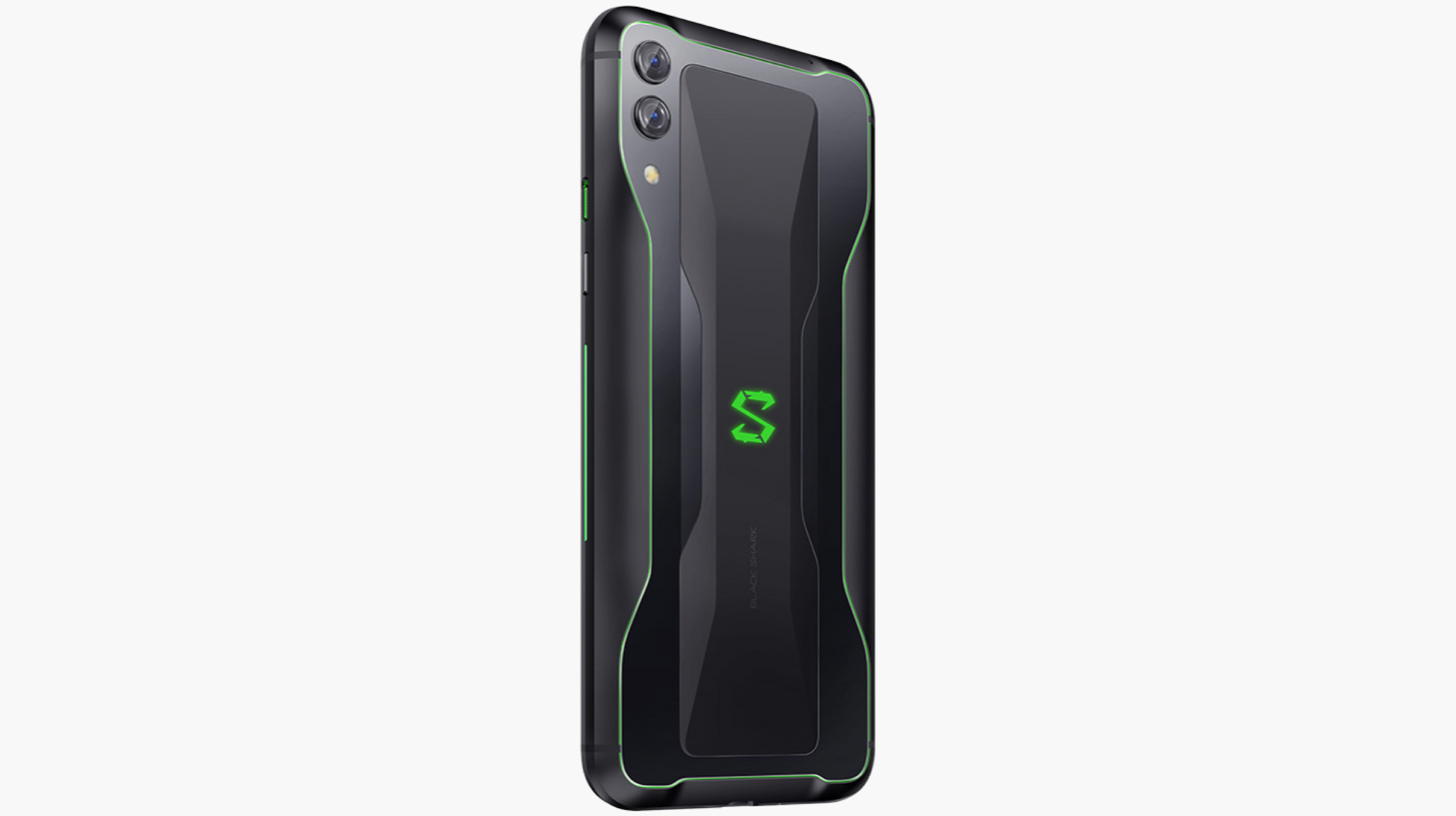
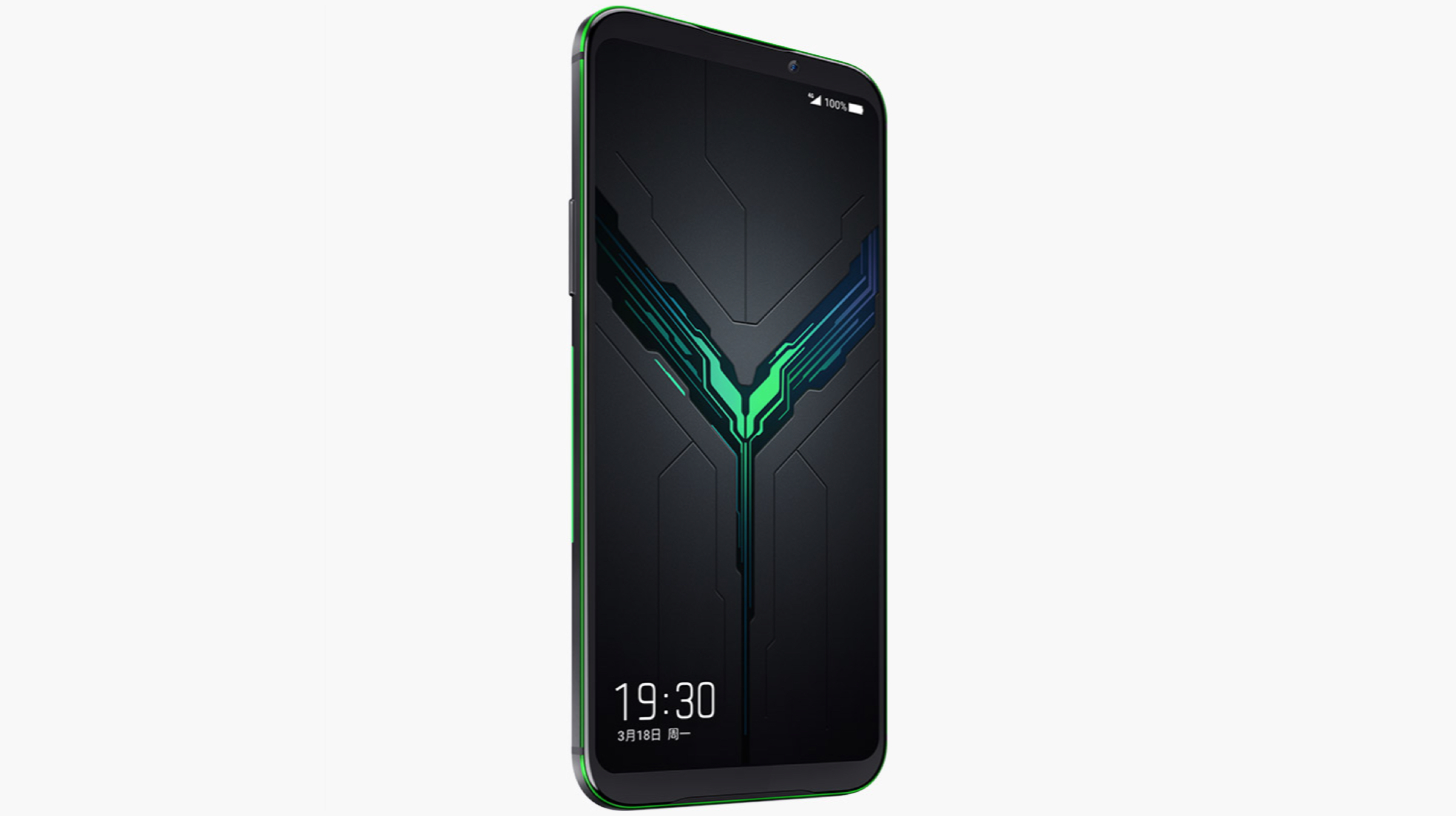
The Black Shark 2 has a modern design with a distinctive design on the rear and a large screen display on the front. The smartphone measures 163.61 x 75.01 x 8.77 mm and weighs in at 205 grams. It sports a 6.39 inch AMOLED display which is surrounded by thin bezels on all sides. The smartphone’s display has a resolution of 2340 x 1080 px and a pixel density of 403 ppi. The display panel can reach brightness levels of upto 430 nits and has an aspect ratio of 19.5:9.
Noteworthy, the AMOLED display also supports pressure sensitive controls which means the amount of pressure applied to the screen while playing games would affect the on-screen controls. For securely and swiftly unlocking the device it also features an on display fingerprint sensor. Talking further about the design of the Xiaomi Black Shark 2, its right side houses the power button and a shark slider which when toggled turns on gaming mode for optimized performance while the left side houses the volume rockers. The bottom of the device accommodates the USB Type-C port. To keep the temperature of the device under check during game-intensive sessions, it also has a vapour cooling chamber.
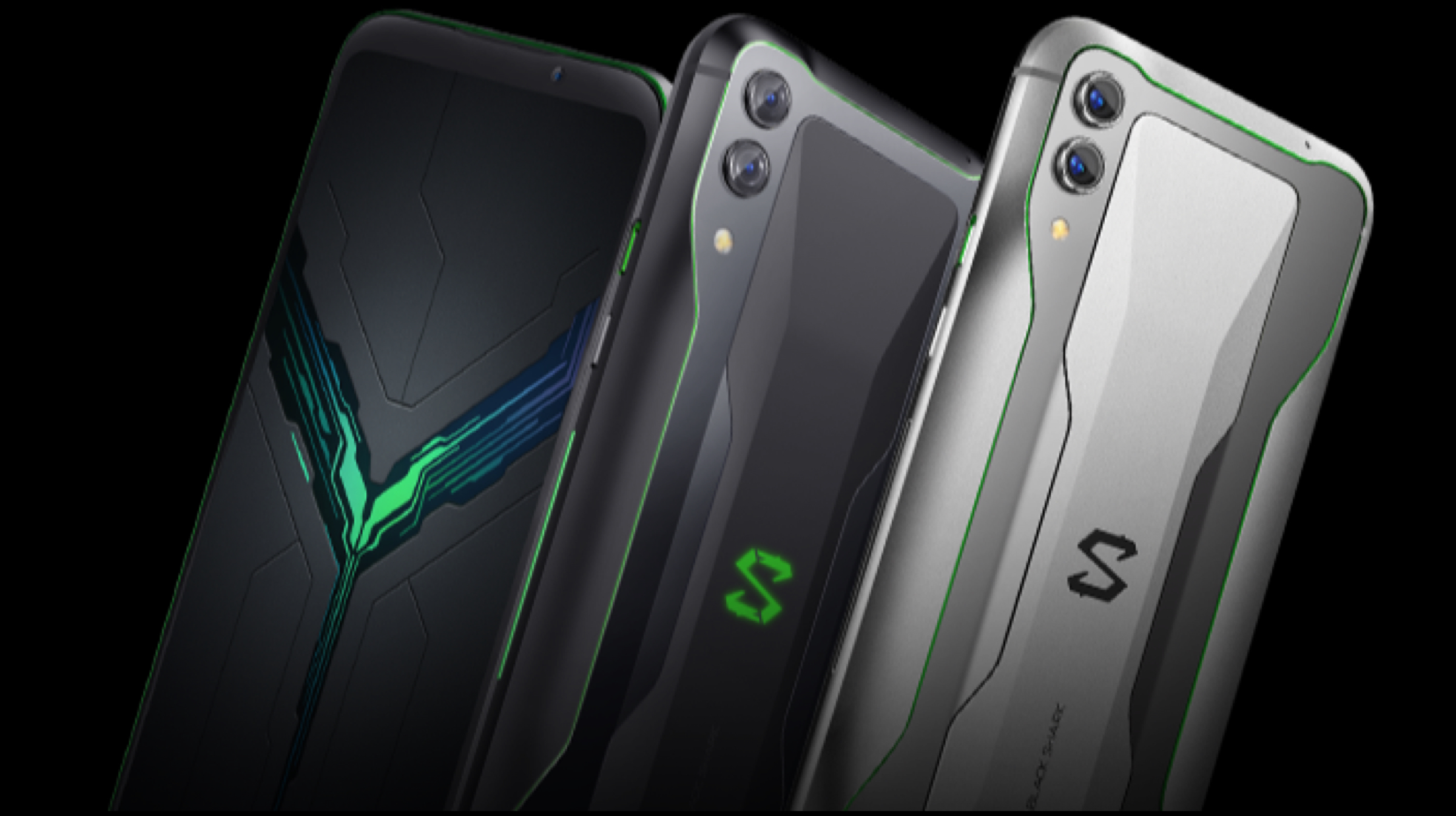
As mentioned before, the rear of the Xiaomi Black Shark 2 has a unique design with green coloured decals that run along the sides of the smartphone. The rear panel also harbours the company logo and dual camera setup. The dual camera setup consists of a 48 MP sensor, 12 MP sensor and an LED Flash which can also capture 2160p videos at 30 fps. It also has a 20 MP front-facing selfie camera which is placed in the bezel above the display. The front camera can also capture 1080p videos at 30 fps.
Under the hood, the Black Shark 2 runs on the Snapdragon 855 SoC which consists of an octa-Core CPU with the Adreno 640 GPU. The smartphone is powered by a huge 4,000 mAh battery which supports fast charging upto 27 W. Connectivity options on the device include 802.11 ac Wi-Fi, Bluetooth 5.0, Dual 4G VoLTE and GPS.
The Black Shark 2 will be available in two colour variants which includes Frozen Silver and Shadow Black. The prices for different variants of the smartphone are listed below:
6 GB + 128 GB – ¥3199 (~Rs 32,600)
8 GB + 128 GB – ¥3499 (~Rs 35,700)
12 GB + 256 GB – ¥4199 (~Rs 42,800)
Note that the prices for the smartphone might differ at the time of launch in India, since the prices mentioned above were roughly translated from its Chinese counterpart’s prices.











 It has been reported that the company consists of multiple departments, some of them with access to user data via dedicated tools. Former employees of Snapchat have divulged that multiple Snap employees misused their access privileges to pry on private Snapchat user data several years ago. The user data included location information, saved snaps, phone numbers and email addresses. All this information has been derived from a cache of internal company emails obtained by sources.
  Reports also state that one of the aforementioned tools that the company employees were allegedly using was SnapLion. The original intended use of the tool was to make a database of information concerning users – all of this in response to valid law enforcement requests. Reportedly, this tool was only intended for use by select officials of Snapchat, but this was clearly not the result.
 Also Read:







 The update brings new things to the table such as Windows Sandbox and refreshes the Start menu to be simpler on newer devices. Microsoft with this updated software brings a change in the manner Windows 10 handles reserved storage. Furthermore, Cortana has now been moved from the search tab as well.

 The Black Shark 2 has a modern design with a distinctive design on the rear and a large screen display on the front. The smartphone measures 163.61 x 75.01 x 8.77 mm and weighs in at 205 grams. It sports a 6.39 inch AMOLED display which is surrounded by thin bezels on all sides. The smartphone’s display has a resolution of 2340 x 1080 px and a pixel density of 403 ppi. The display panel can reach brightness levels of upto 430 nits and has an aspect ratio of 19.5:9.
 Noteworthy, the AMOLED display also supports pressure sensitive controls which means the amount of pressure applied to the screen while playing games would affect the on-screen controls. For securely and swiftly unlocking the device it also features an on display fingerprint sensor. Talking further about the design of the Xiaomi Black Shark 2, its right side houses the power button and a shark slider which when toggled turns on gaming mode for optimized performance while the left side houses the volume rockers. The bottom of the device accommodates the USB Type-C port. To keep the temperature of the device under check during game-intensive sessions, it also has a vapour cooling chamber.
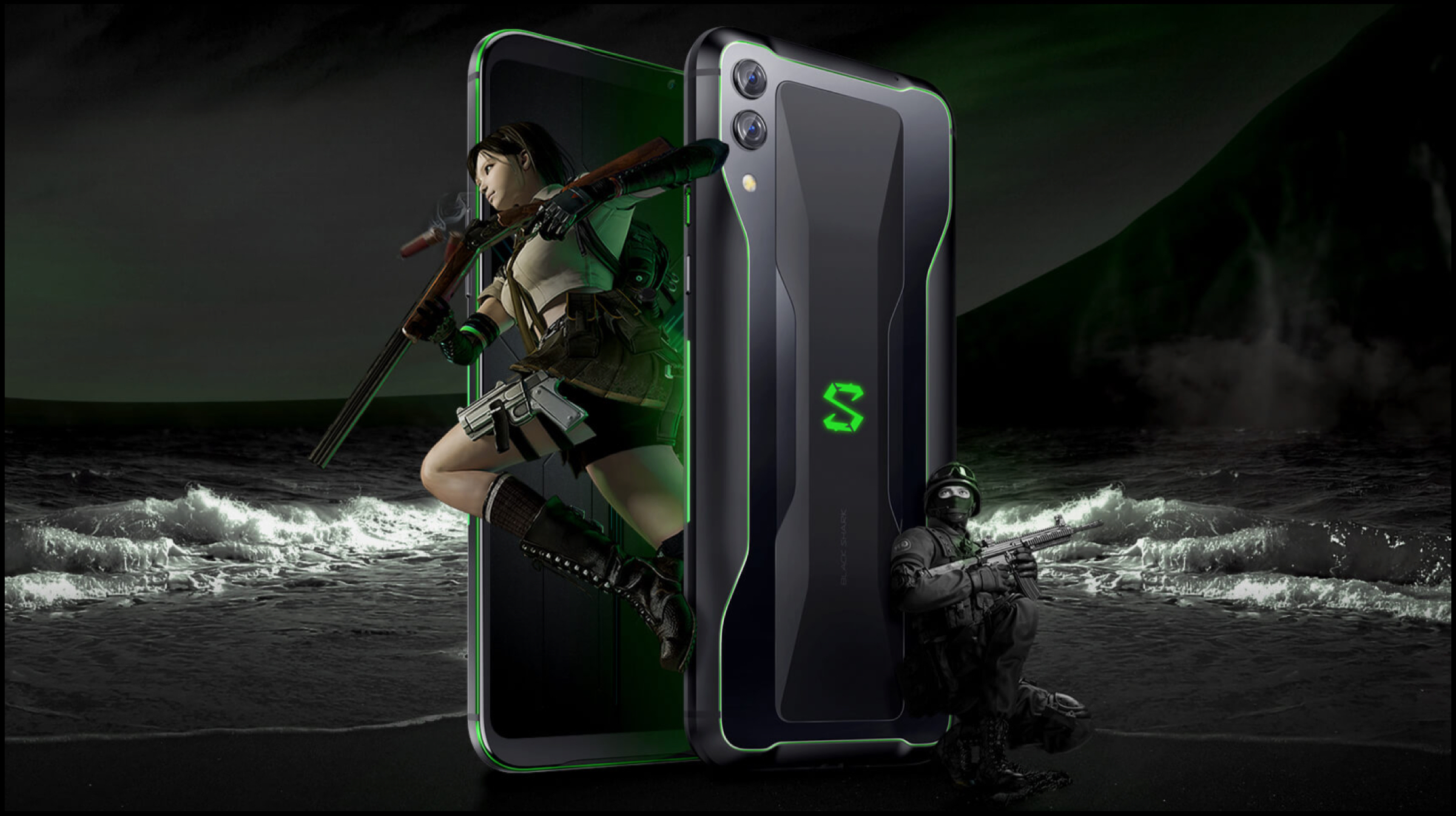 As mentioned before, the rear of the Xiaomi Black Shark 2 has a unique design with green coloured decals that run along the sides of the smartphone. The rear panel also harbours the company logo and dual camera setup. The dual camera setup consists of a 48 MP sensor, 12 MP sensor and an LED Flash which can also capture 2160p videos at 30 fps. It also has a 20 MP front-facing selfie camera which is placed in the bezel above the display. The front camera can also capture 1080p videos at 30 fps.
 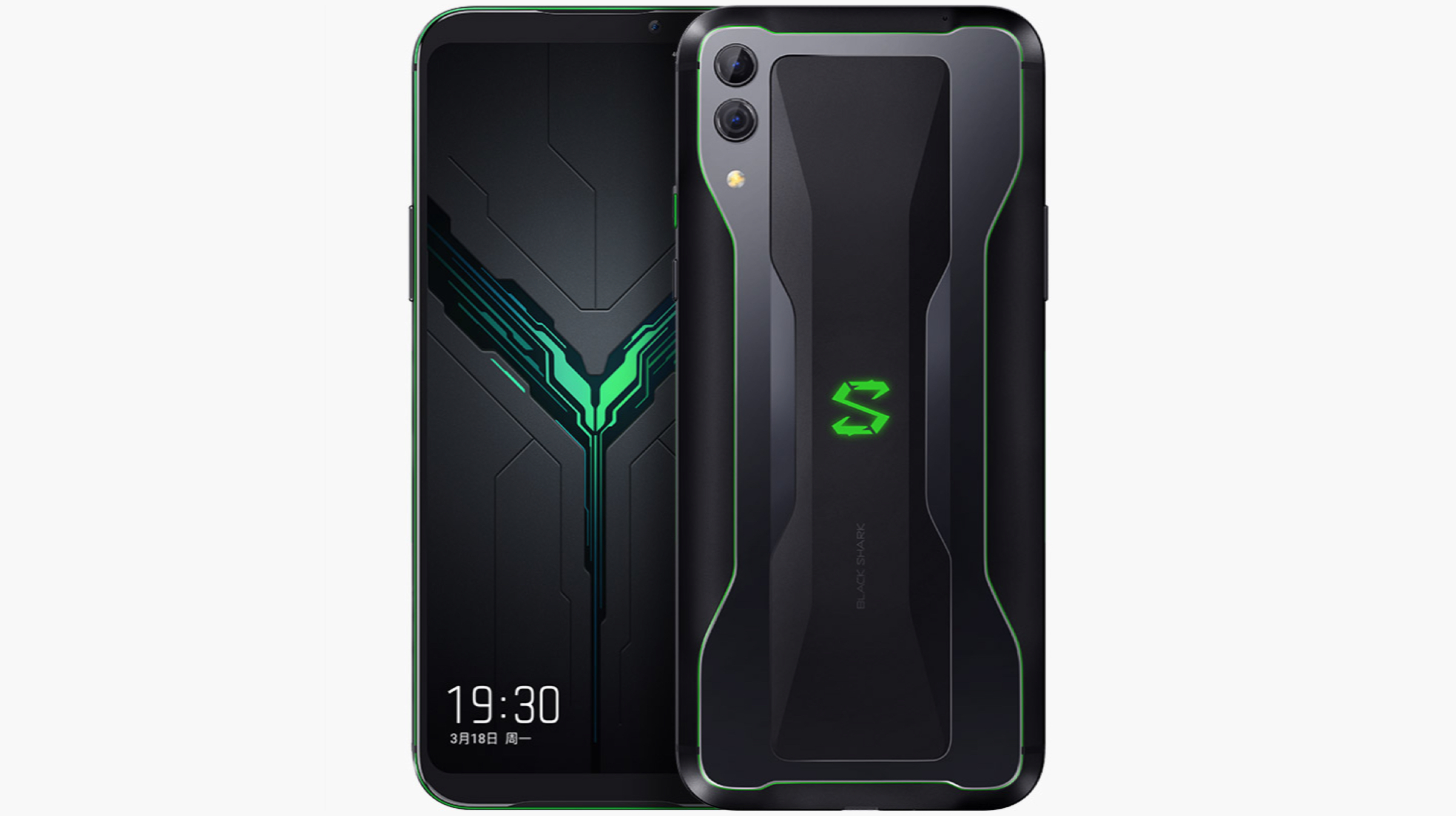 Under the hood, the Black Shark 2 runs on the Snapdragon 855 SoC which consists of an octa-Core CPU with the Adreno 640 GPU. The smartphone is powered by a huge 4,000 mAh battery which supports fast charging upto 27 W. Connectivity options on the device include 802.11 ac Wi-Fi, Bluetooth 5.0, Dual 4G VoLTE and GPS.